
When I first started planning my time in Beaune, I assumed the trip would revolve almost entirely around wine. As the heart of Burgundy’s wine region, the town is surrounded by prestigious vineyards and attracts wine lovers from around the world.
What I didn’t expect was that the attraction I would remember most wasn’t a vineyard or wine cellar. It was Hospices de Beaune.
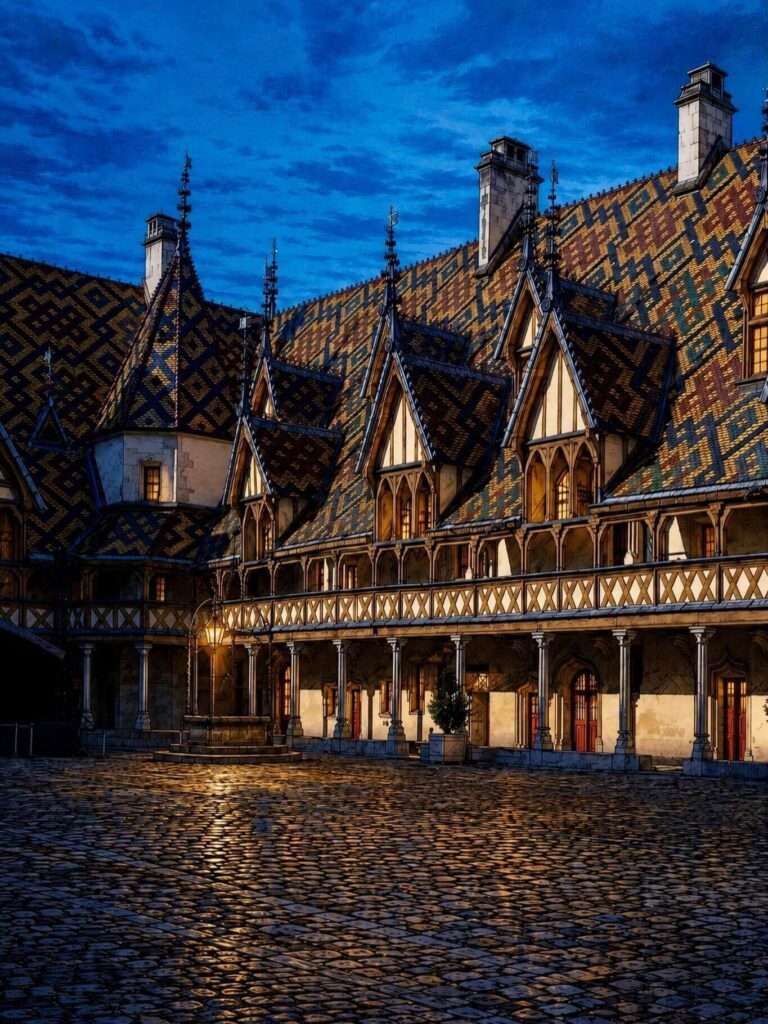
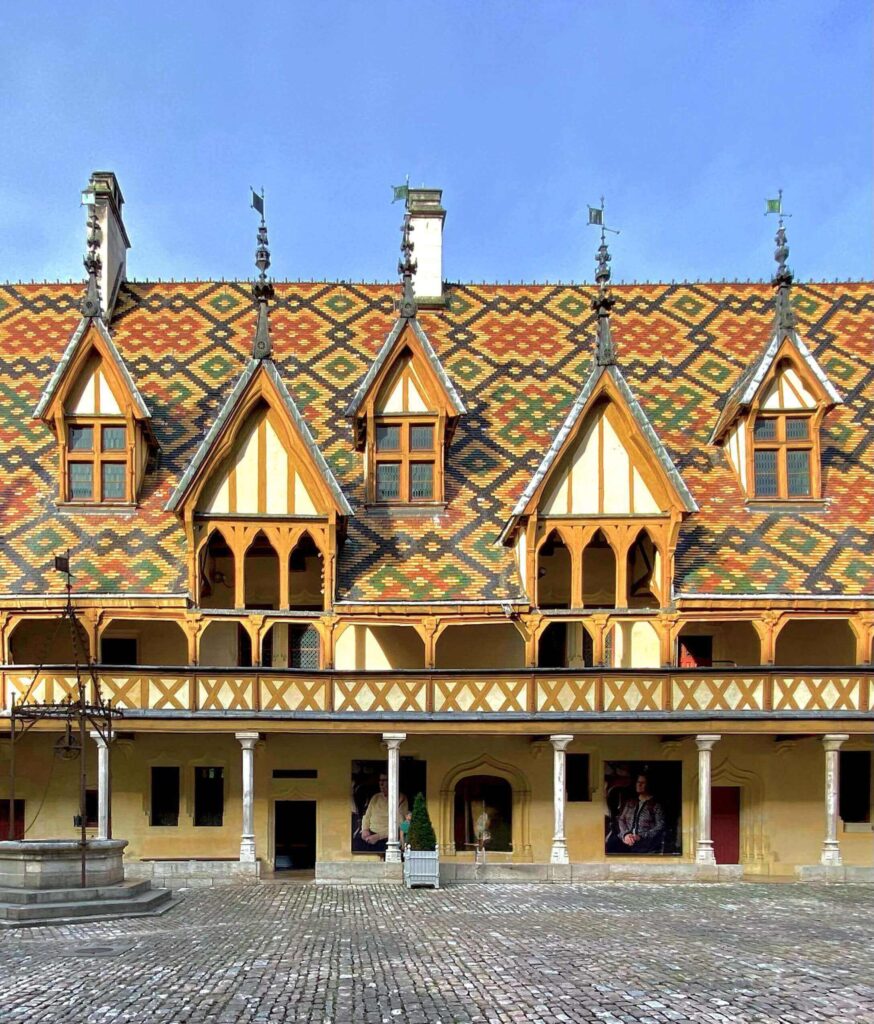
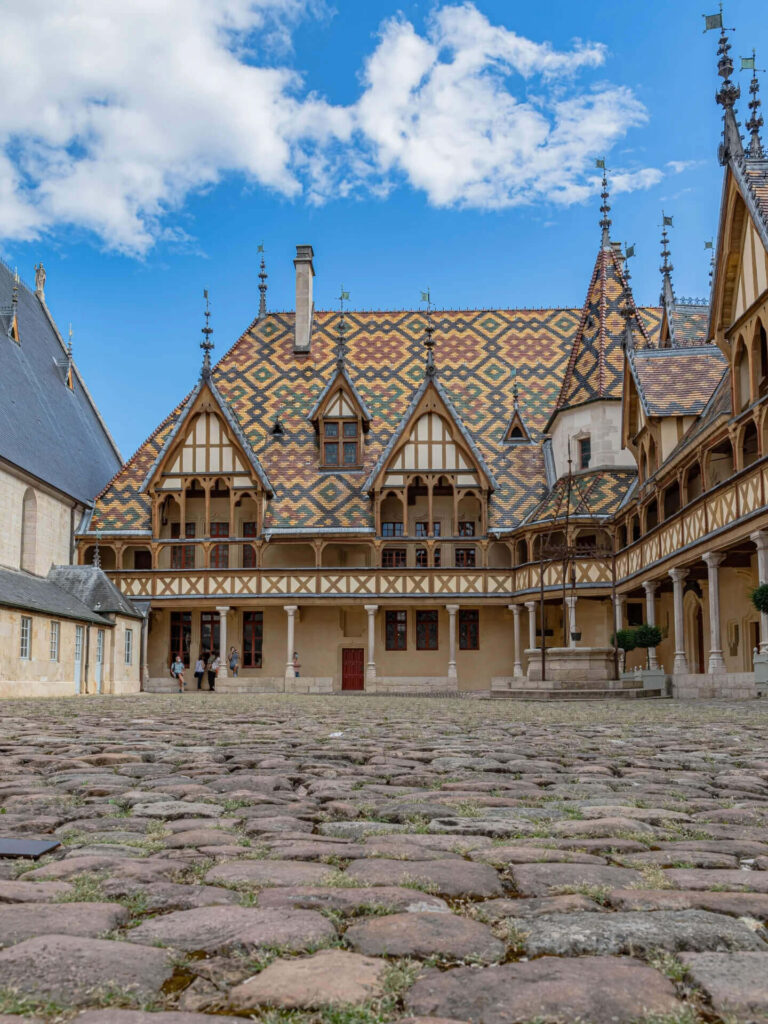
The first thing that catches your eye is its colorful glazed tile roof, one of the most recognizable sights in Burgundy. But what makes Hospices de Beaune special goes far beyond its architecture.
As I explored the building, I discovered a place that brings together centuries of history, from medieval healthcare and religious traditions to remarkable artwork and Burgundy’s deep connection to wine.
Unlike many historic landmarks that are impressive mainly from the outside, Hospices de Beaune tells a story in every room. Walking through the former hospital wards, chapel, pharmacy, and courtyard gave me a much better understanding of the people who lived and worked here over the centuries.
Whether you’re visiting Beaune for its wines or simply exploring Burgundy’s rich history, I think Hospices de Beaune is one of the most rewarding places to visit in the region. Here’s everything you need to know before you go.
Here’s everything you need to know before visiting.
What Is Hospices de Beaune?
At first glance, Hospices de Beaune looks more like a palace than a hospital. With its colorful tiled roofs and Gothic architecture, it’s hard to imagine that this building was originally created to care for the sick and poor.
Founded in 1443 by Nicolas Rolin and his wife, Guigone de Salins, the hospital provided medical care to those who couldn’t afford treatment during a difficult period in Burgundy’s history. For more than 500 years, it served the local community before eventually becoming the museum visitors explore today.
You may also see the site referred to as Hôtel Dieu. While Hôtel Dieu is the historic name of the hospital building itself, Hospices de Beaune refers to the charitable institution that operated the hospital and still manages its famous vineyard estate.
Today, visitors come not only to admire the architecture but also to learn about medieval healthcare, see important works of art, and discover the unique connection between this historic hospital and Burgundy’s world famous wine industry.
Why is Hospices de Beaune So Famous?
France is filled with impressive castles, churches, and historic landmarks, so it’s fair to wonder what makes Hospices de Beaune so special. After visiting, I think its popularity comes from a combination of factors.
It’s not just a beautiful building, and it’s not just a museum. It combines architecture, history, art, and wine culture in a way that few attractions can.
The Iconic Burgundy Roof
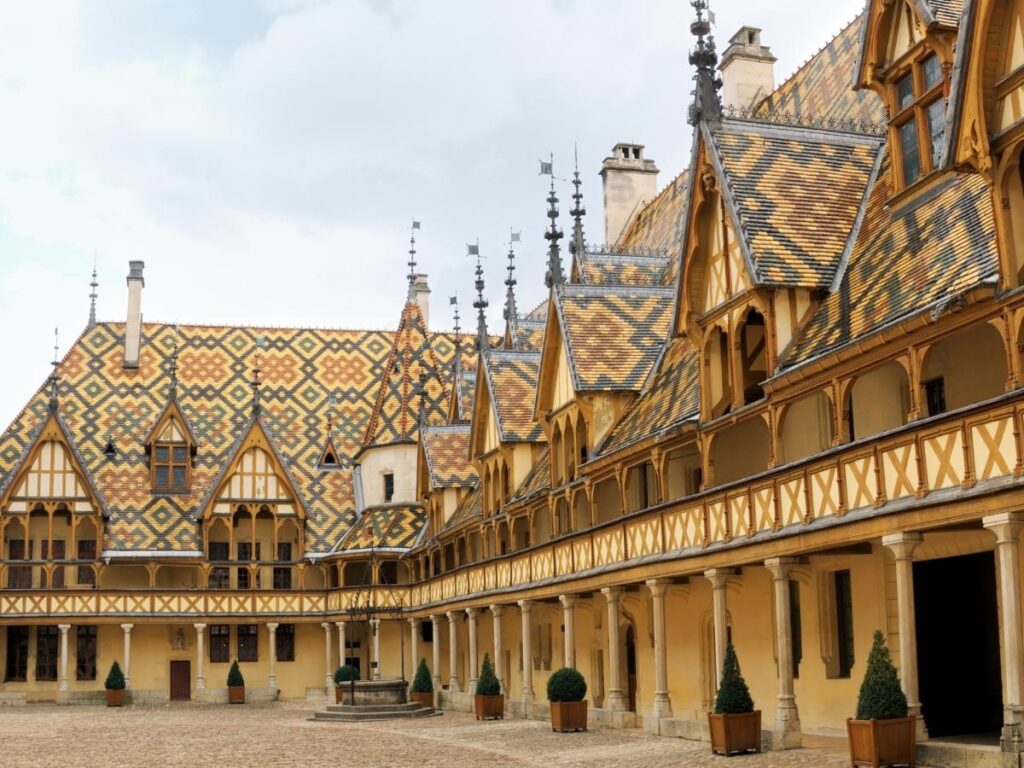
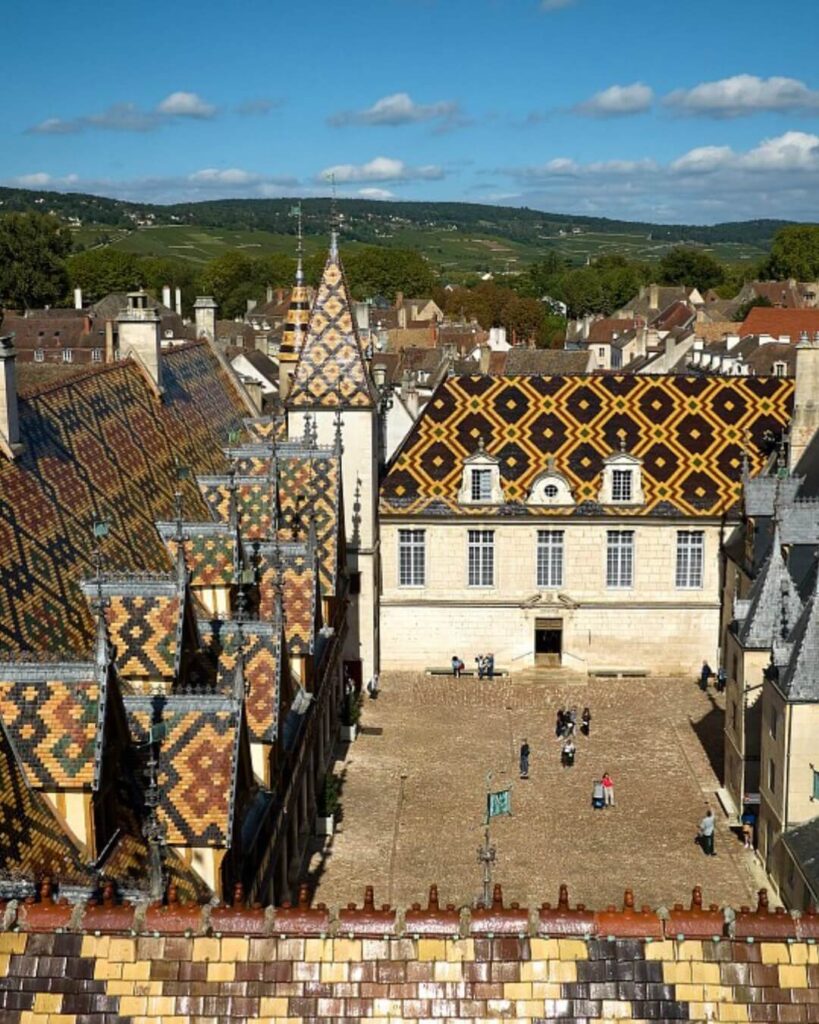
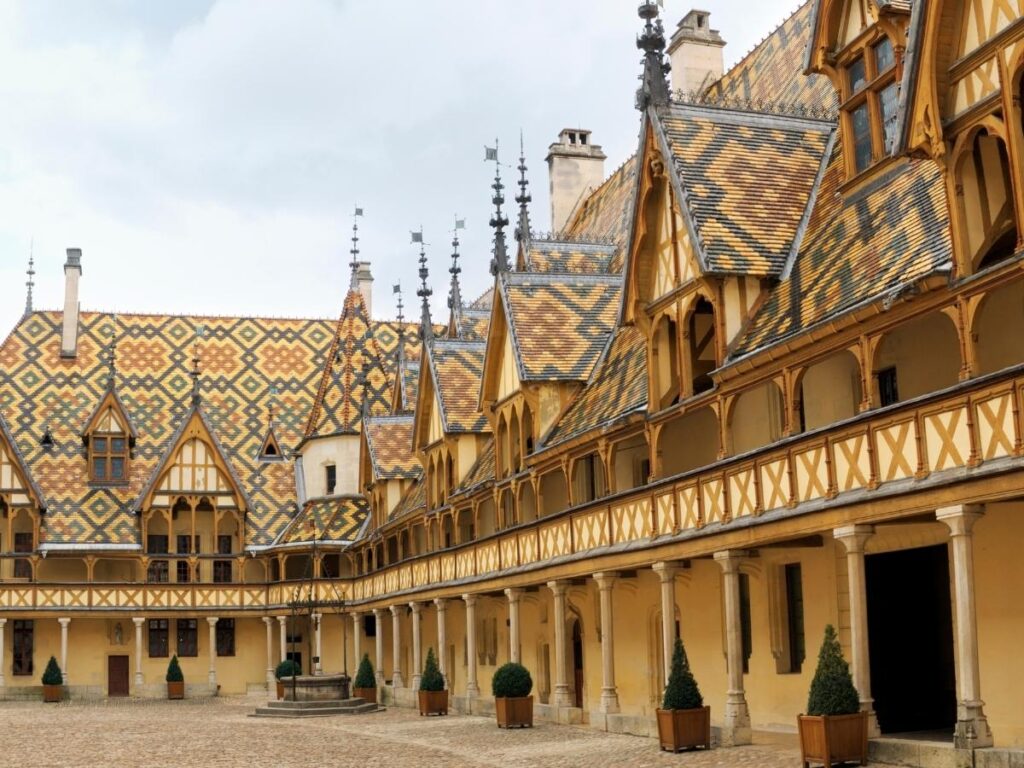
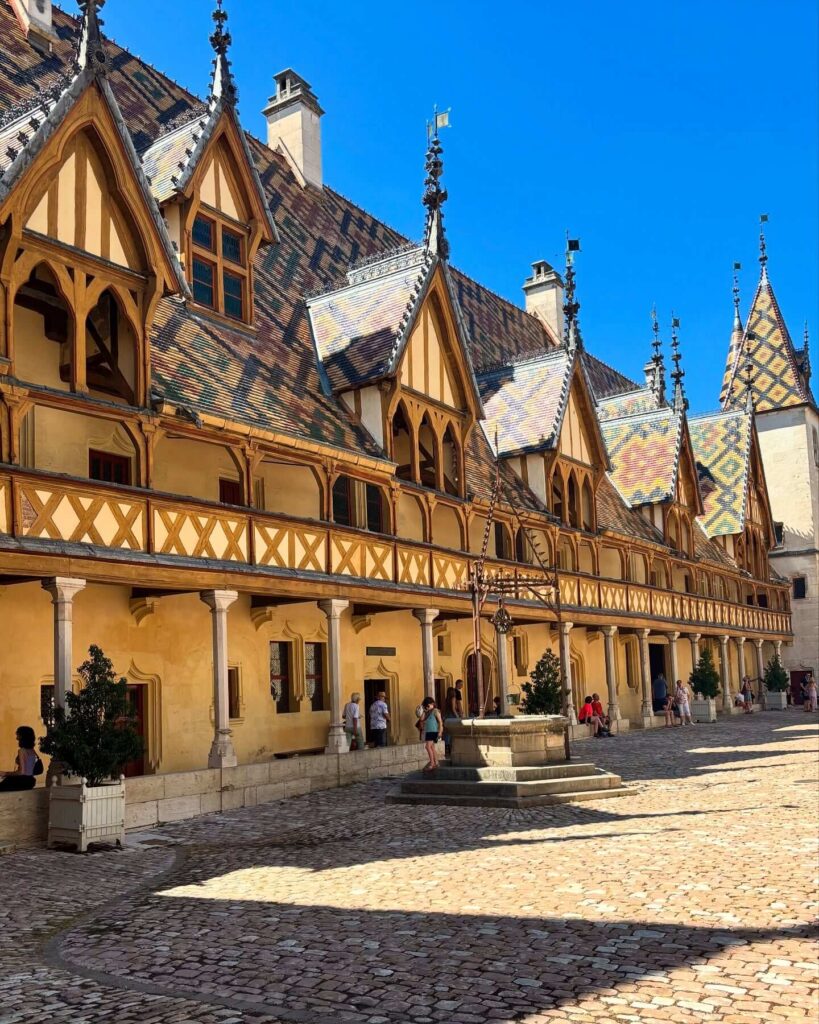
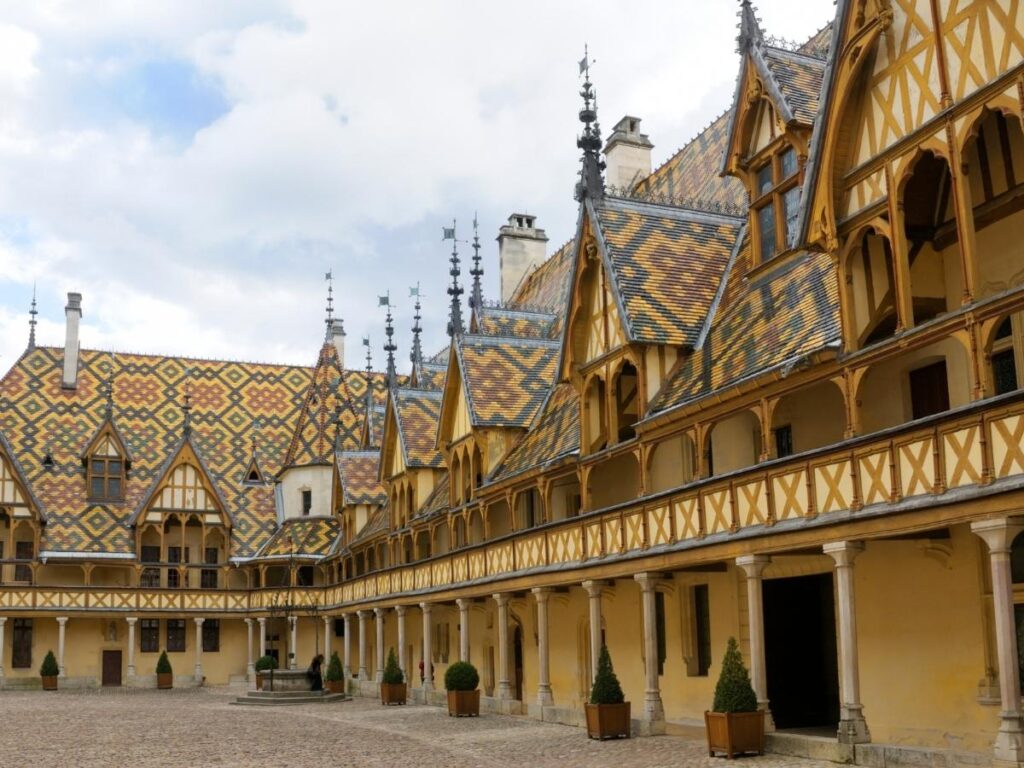
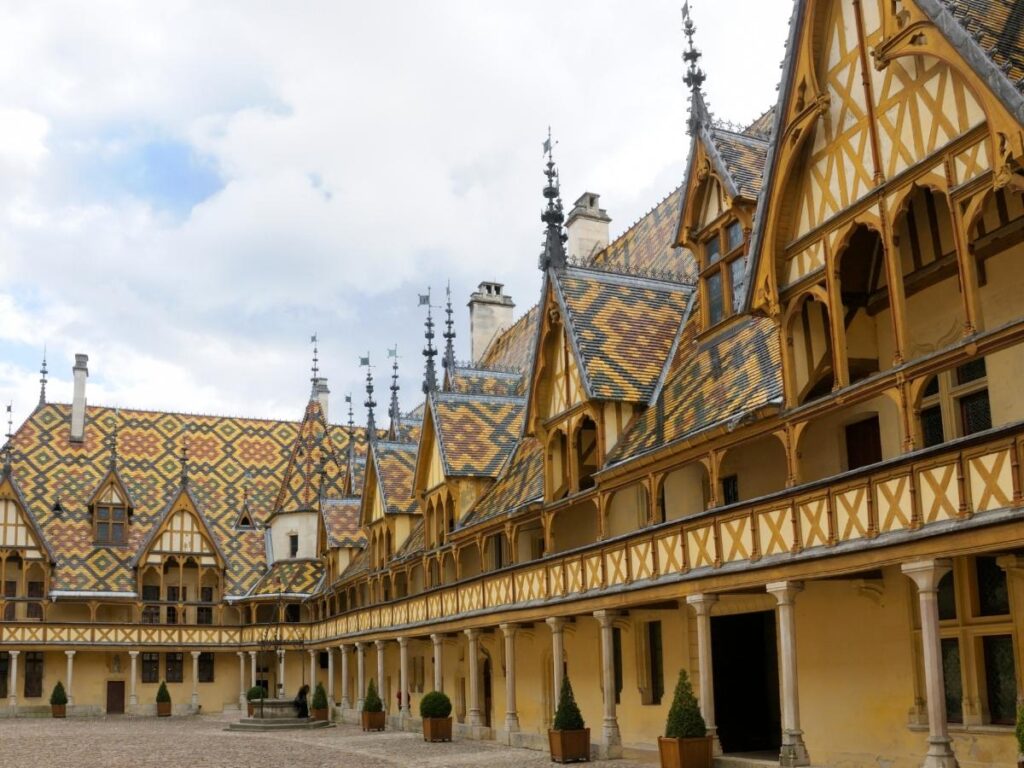
The feature that puts Hospices de Beaune on most visitors’ radar is its famous roof. Covered in colorful glazed tiles arranged in intricate geometric patterns, it has become one of the defining symbols of Burgundy.
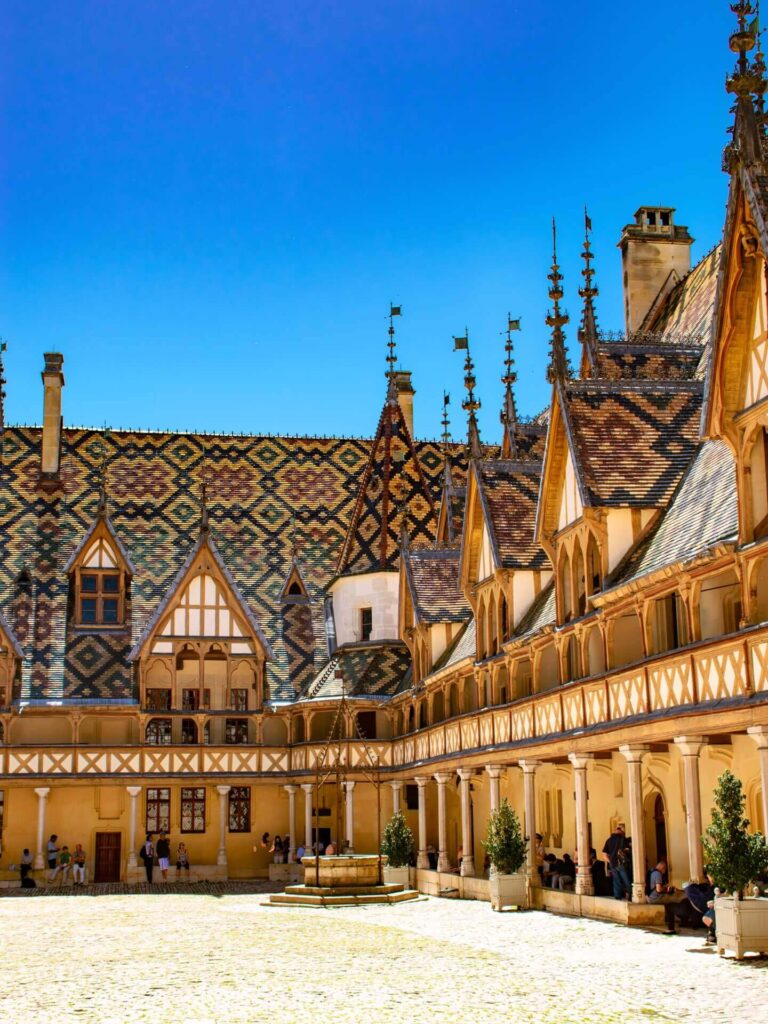
While you’ll see similar tiled roofs elsewhere in the region, none are quite as well known. The best place to admire them is from the inner courtyard, where you can appreciate both the craftsmanship and the scale of the design.
I had seen countless photos before my visit, but the colors and details were much more striking in person.
It’s one of those landmarks that instantly feels familiar, even if you’re seeing it for the first time.
One of Europe’s Best Preserved Medieval Hospitals
Another reason Hospices de Beaune stands out is how much of the original hospital has survived.
Many historic buildings have been heavily altered over the centuries, but here you can still walk through spaces that closely resemble what patients and staff would have experienced hundreds of years ago.
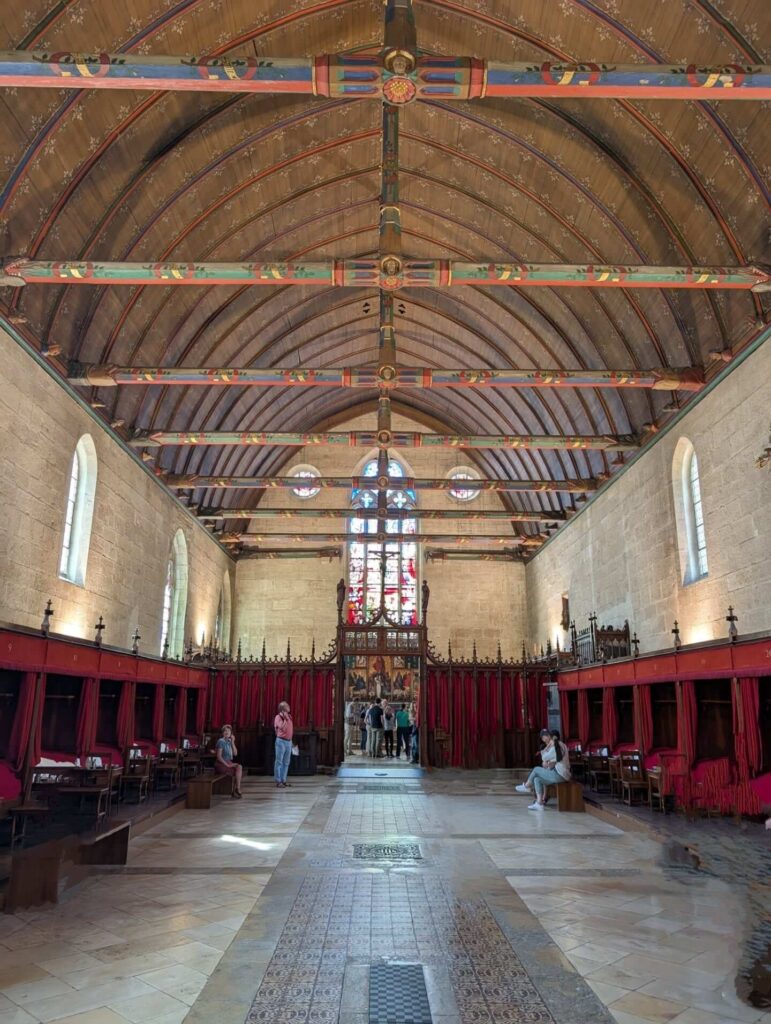
The large hospital wards, wooden beds, chapel, pharmacy, and other rooms help bring the building’s history to life.
What I liked most was that the museum feels connected from start to finish. Instead of moving between unrelated exhibits, you’re following the story of a working hospital and the people whose lives were tied to it. It makes the experience feel much more personal and immersive.
A Unique Connection to Burgundy Wine
Perhaps the most surprising part of the Hospices’ story is its relationship with wine.
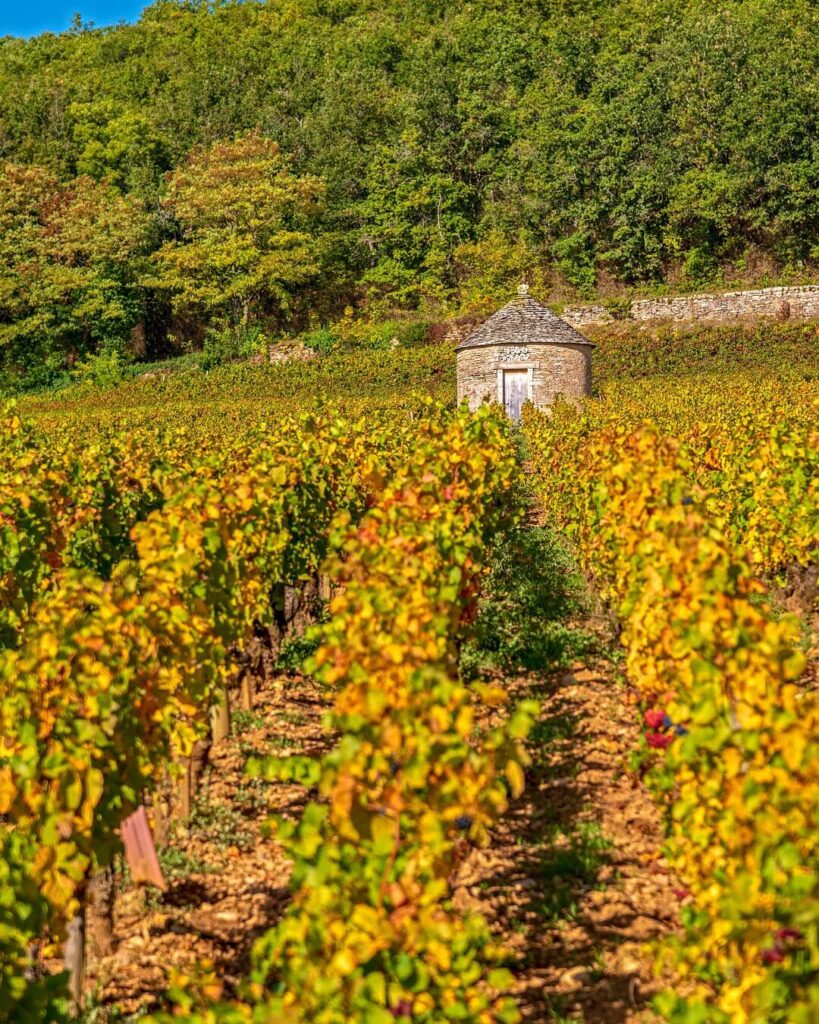
Over the centuries, donors left vineyards to the institution as gifts. These donations gradually grew into one of Burgundy’s most respected wine estates, and the vineyards continue to play an important role today.
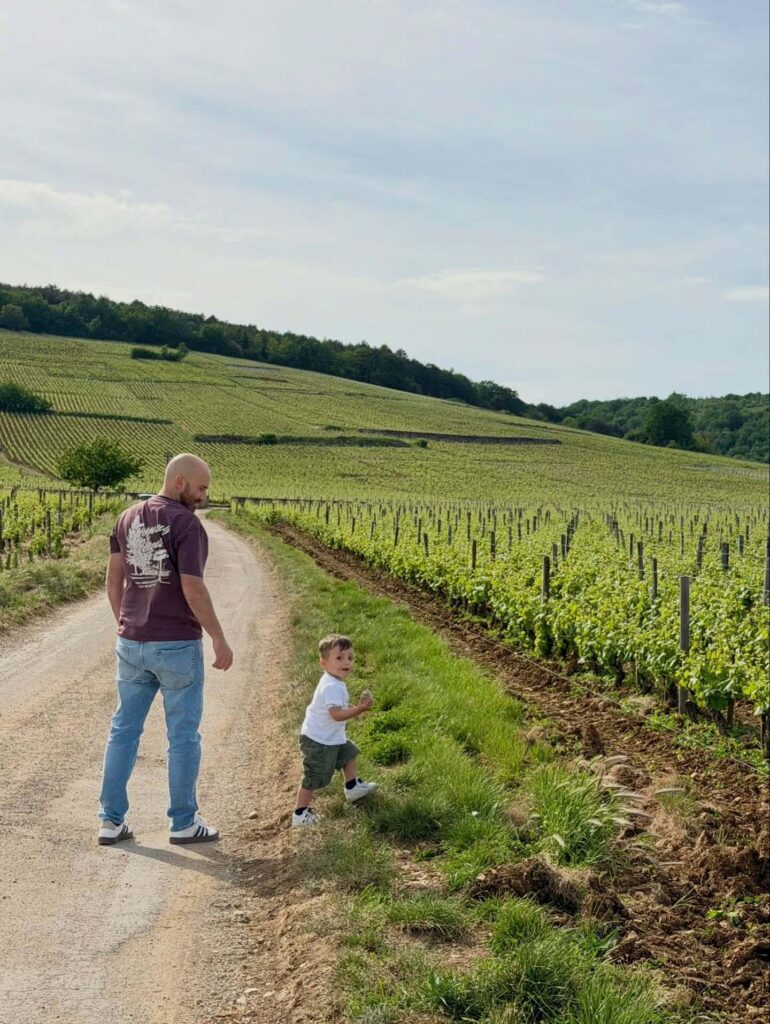
Every year, the Hospices de Beaune Wine Auction attracts buyers and wine enthusiasts from around the world. The event has become one of the most important dates on Burgundy’s wine calendar and helps support the institution’s charitable mission.
For me, this connection is what makes Hospices de Beaune truly unique. It’s not often that you find a place where medieval healthcare, charitable work, world class wine, and remarkable architecture are all part of the same story.
The History of Hospices de Beaune
Understanding the history behind Hospices de Beaune makes a visit much more meaningful. What may look like a beautiful historic building today was originally created to help people during one of the most difficult periods in Burgundy’s history.
The Difficult Years After the Hundred Years’ War
Hospices de Beaune was founded in 1443, shortly after the Hundred Years’ War. The region had suffered from conflict, disease, and poverty, leaving many people without access to proper medical care.
Seeing the need for support, Nicolas Rolin, Chancellor to the Duke of Burgundy, and his wife, Guigone de Salins, established a charitable hospital in Beaune. Their goal was to provide care for the poor while also offering spiritual comfort, which was considered an important part of healing at the time.
Nicolas Rolin’s Vision
Nicolas Rolin was one of the most influential figures in Burgundy during the 15th century. Rather than creating a simple hospital, he envisioned an institution that would serve the community for generations.
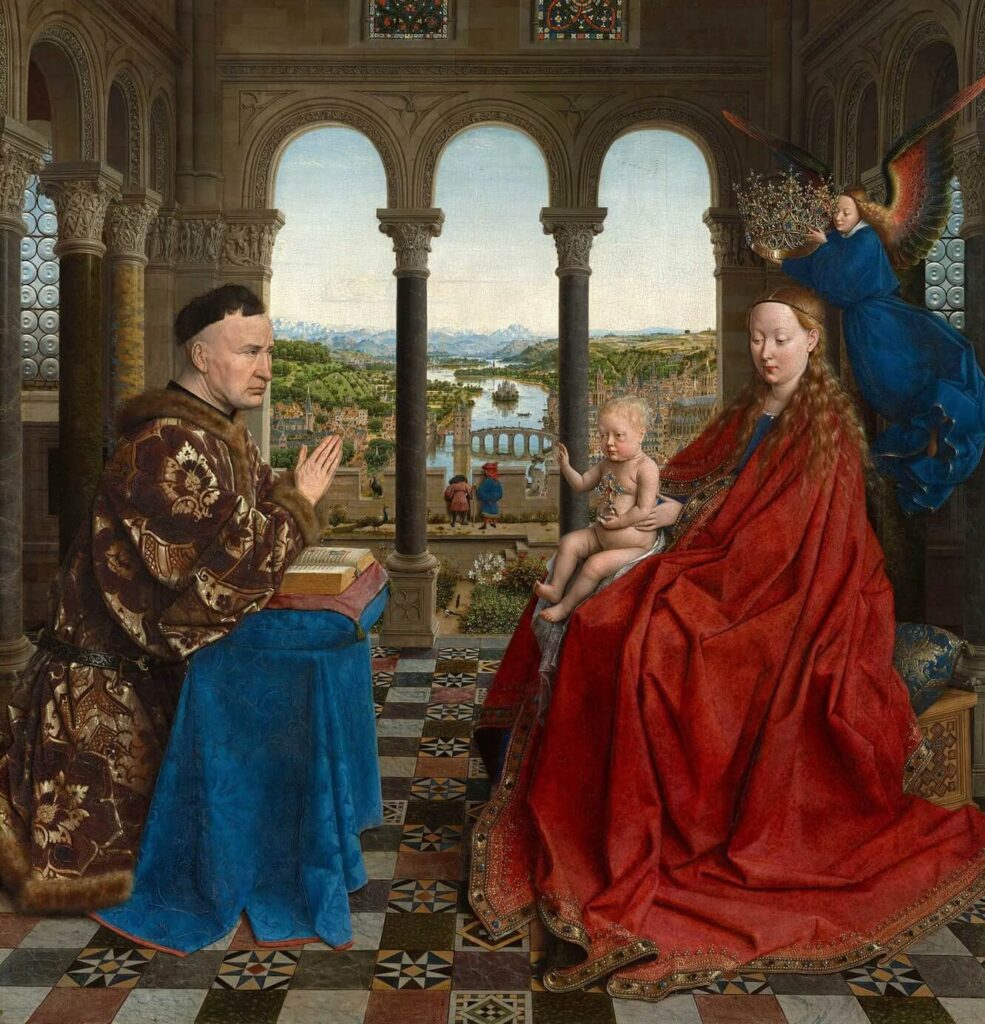
That’s one reason the building is so impressive today. The beautiful architecture, artwork, and carefully designed spaces reflect his belief that patients deserved dignity and comfort, regardless of their social status.
The Important Role of Guigone de Salins
While Nicolas Rolin is often remembered as the founder, Guigone de Salins played a major role in ensuring the hospital’s long term success.
After her husband’s death, she continued supporting and managing the institution, helping it remain financially stable and true to its charitable mission. Many historians consider her contribution just as important as Rolin’s.
Centuries of Growth Through Donations
Over the centuries, Hospices de Beaune received donations from benefactors who wanted to support its work. These gifts included money, land, buildings, artwork, and vineyards.
The vineyard donations proved especially important. Over time, they grew into the wine estate that still belongs to the Hospices today and helps fund its charitable activities.
What to See Inside Hospices de Beaune
While the colorful roof often gets most of the attention, don’t make the mistake of rushing through the interior. In fact, some of the most interesting parts of a visit are found inside the building itself.
What I enjoyed most about Hospices de Beaune is that it doesn’t feel like a typical museum filled with disconnected exhibits. As you move from room to room, you get a real sense of how the hospital operated and what daily life might have been like for the patients, nurses, and staff who spent their lives here.
The Courtyard
The central courtyard is usually the first thing visitors see, and it’s one of the most photographed spots in Beaune.
Surrounded by elegant Gothic buildings and the famous glazed tile roofs, it’s the perfect place to pause and take in the architecture before heading inside.
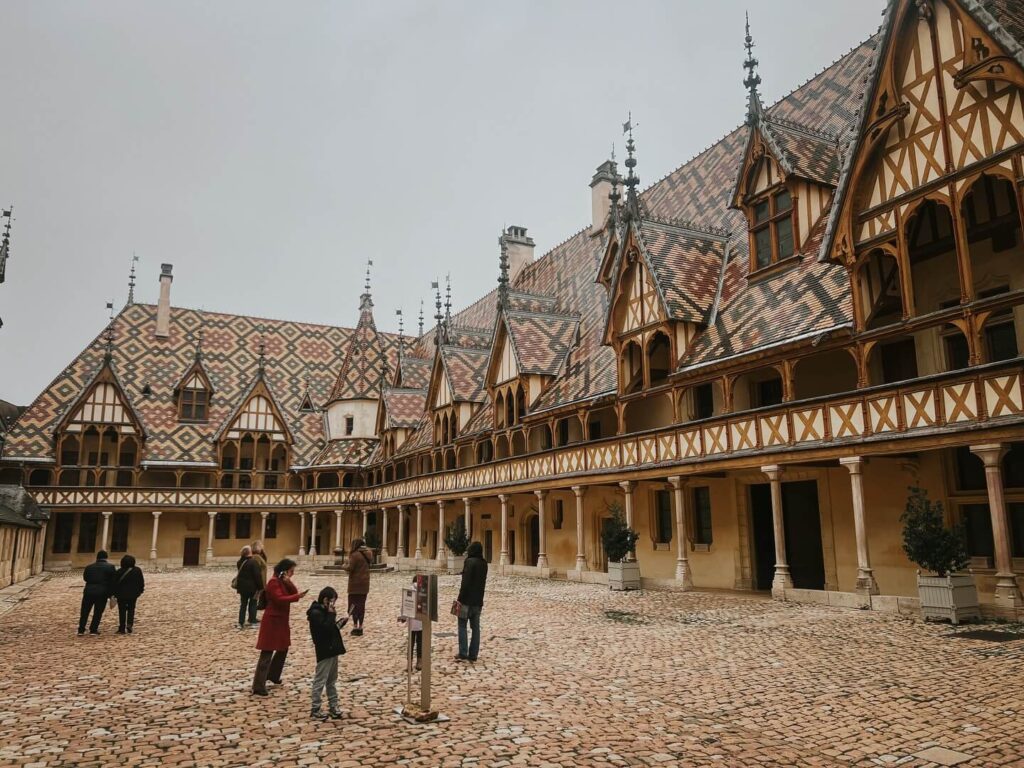
The colorful geometric patterns on the roof are particularly impressive from here, and it’s easy to see why they have become a symbol of Burgundy.
What stood out to me most was the contrast between the hospital’s purpose and its appearance. Although it was created to care for the poor, the founders clearly wanted the building to feel uplifting rather than purely functional. Even centuries later, the courtyard still has that effect.
The Great Hall of the Poor
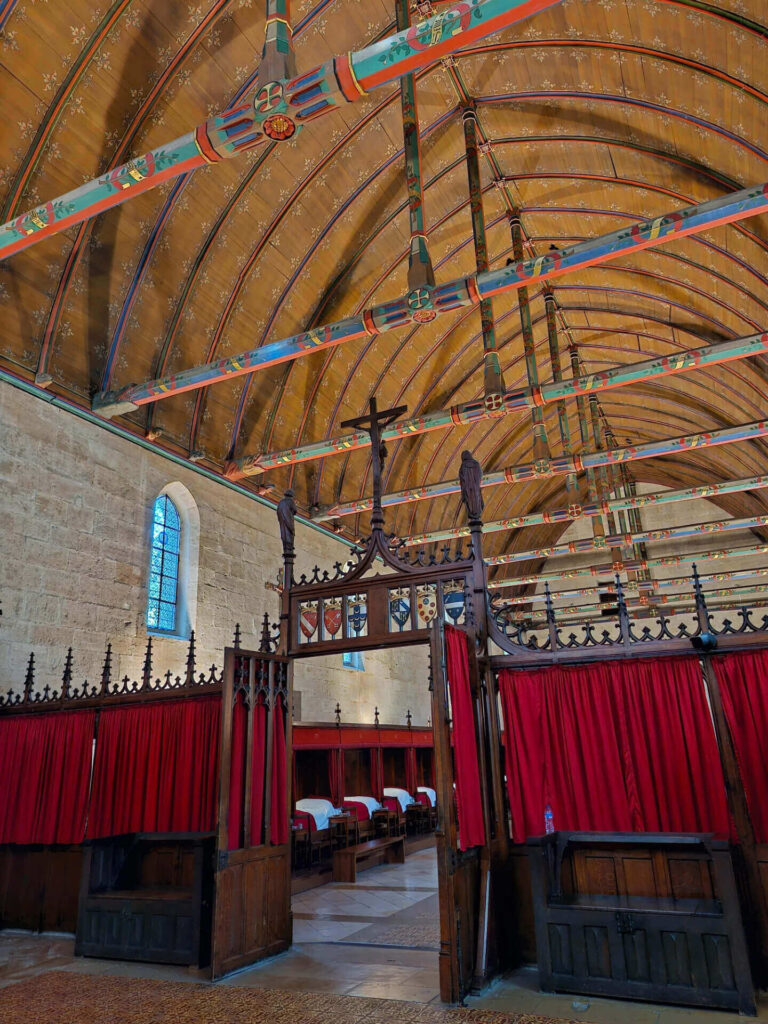
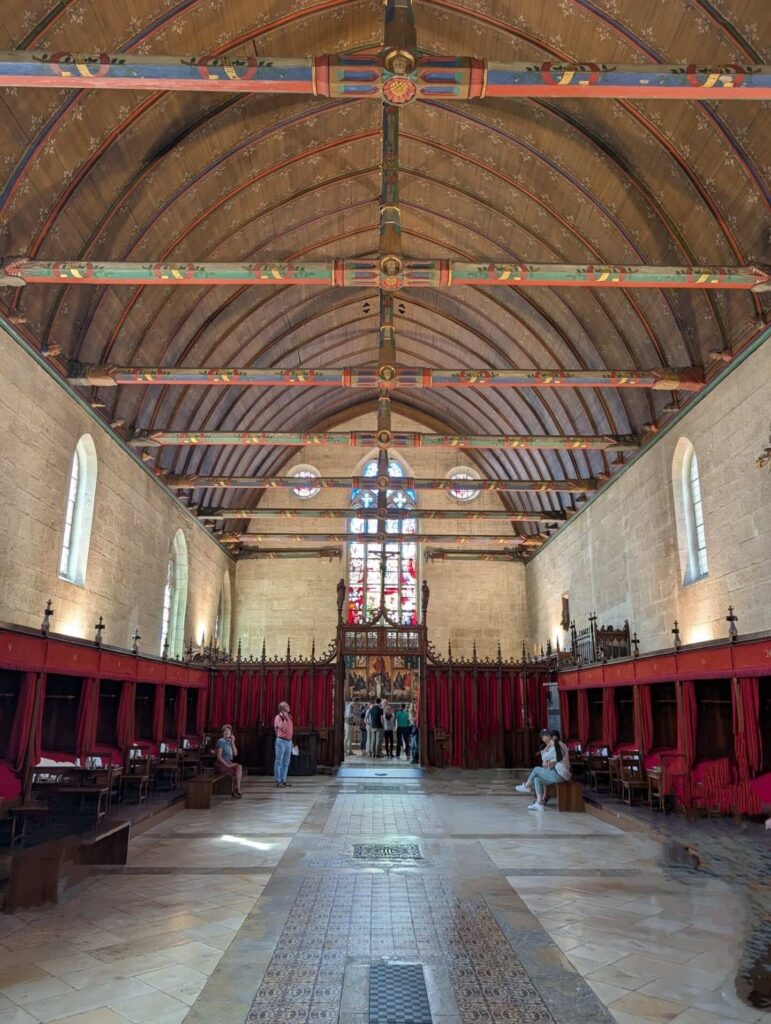
If there’s one room you shouldn’t rush through, it’s the Salle des Pôvres, or Great Hall of the Poor.
This large ward was the main patient room and remains one of the most striking spaces in the entire complex. Rows of red curtained wooden beds line each side of the hall, giving visitors a glimpse into what patient care looked like during the medieval period.
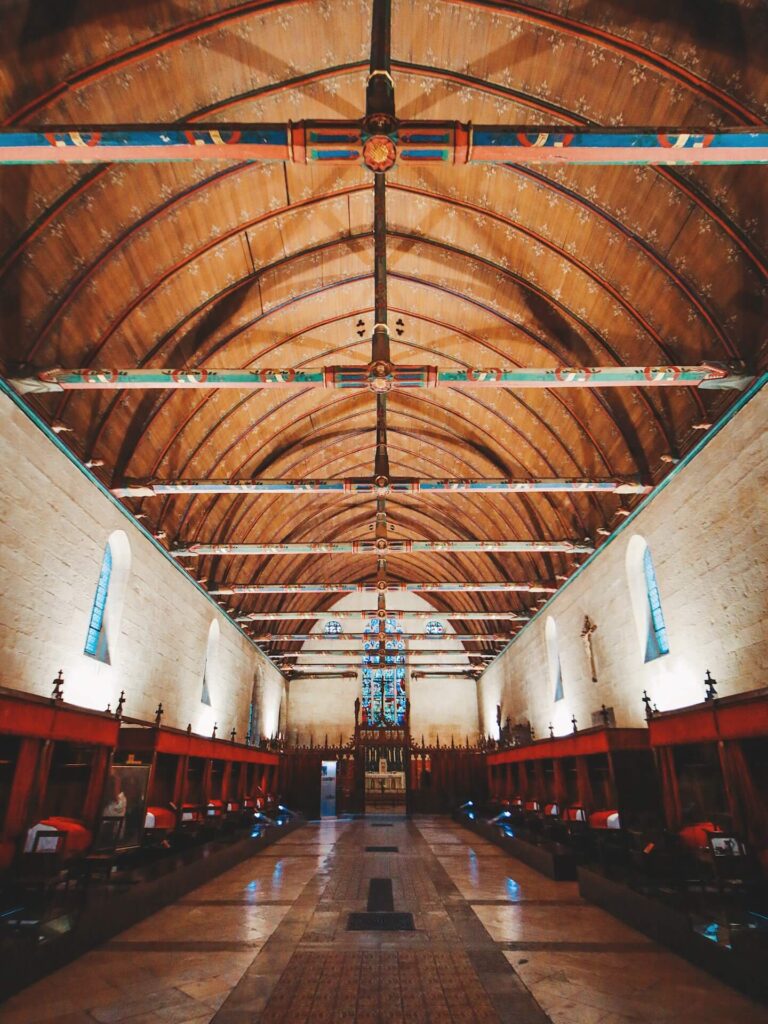
As you walk through the room, it’s impossible not to notice the beautiful wooden ceiling above. Designed to resemble the hull of an overturned ship, it adds an unexpected elegance to what was essentially a hospital ward.
I also found it interesting how the room was designed around both physical and spiritual care. Patients could see the chapel from their beds and participate in religious services without leaving the ward. It’s a reminder of how closely medicine and faith were connected during this period.
The Chapel
The chapel forms an important part of the hospital’s story.
In medieval Europe, caring for the soul was often considered just as important as caring for the body. For many patients, prayer and religious services were an essential part of the healing process.
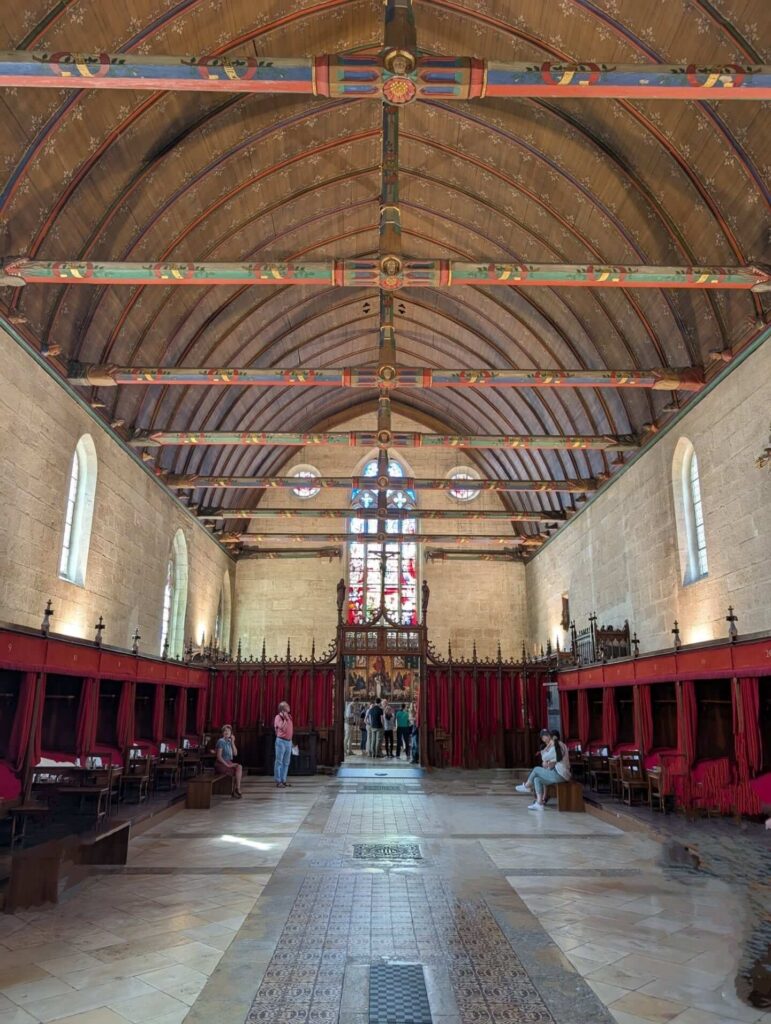
Today, the chapel helps visitors understand how healthcare was viewed in the 15th century. Its position within the hospital also highlights how thoughtfully the entire complex was designed. Rather than being separated from patient care, the chapel was integrated directly into daily life.
The Last Judgment Altarpiece
One of the most valuable treasures inside Hospices de Beaune is the Last Judgment Altarpiece by Rogier van der Weyden.
Created in the 15th century, this remarkable artwork was originally intended to inspire reflection among patients and visitors. The panels depict scenes of heaven, hell, angels, saints, and the final judgment, all rendered with an extraordinary level of detail.
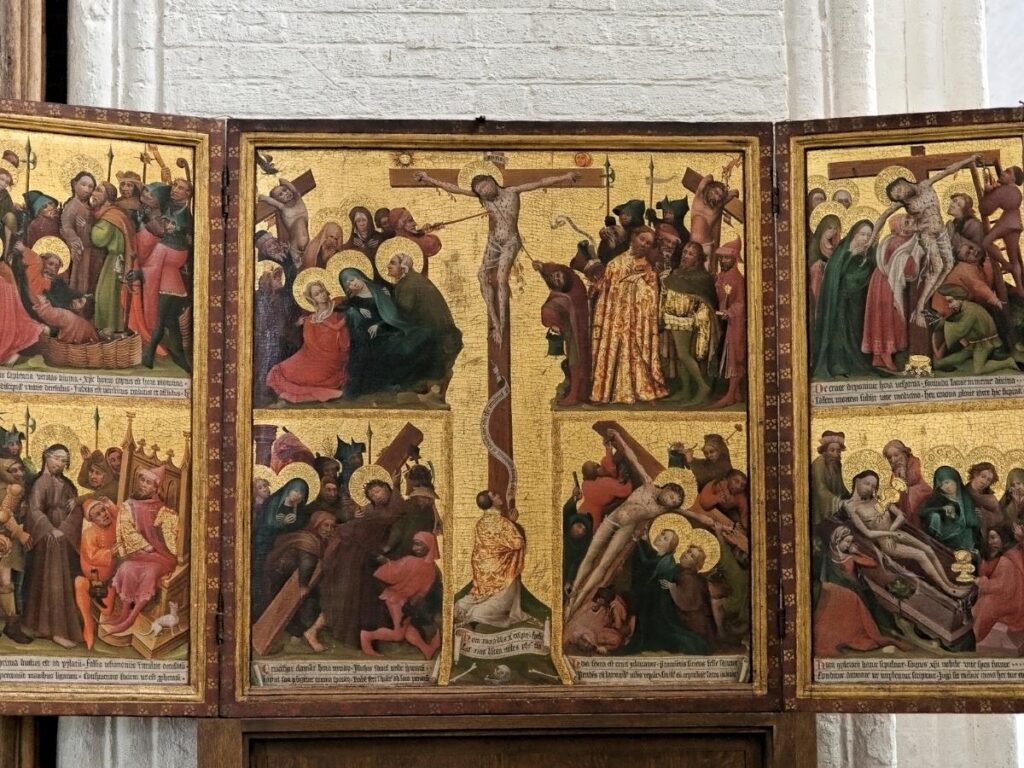
Even if you’re not particularly interested in religious art, it’s worth spending a few minutes here. The craftsmanship is impressive, and knowing that patients would have looked at this same masterpiece centuries ago adds another layer of significance.
For many visitors, it’s one of the most memorable parts of the museum.
The Medieval Kitchen
The kitchen offers a fascinating glimpse into the practical side of running a large hospital.
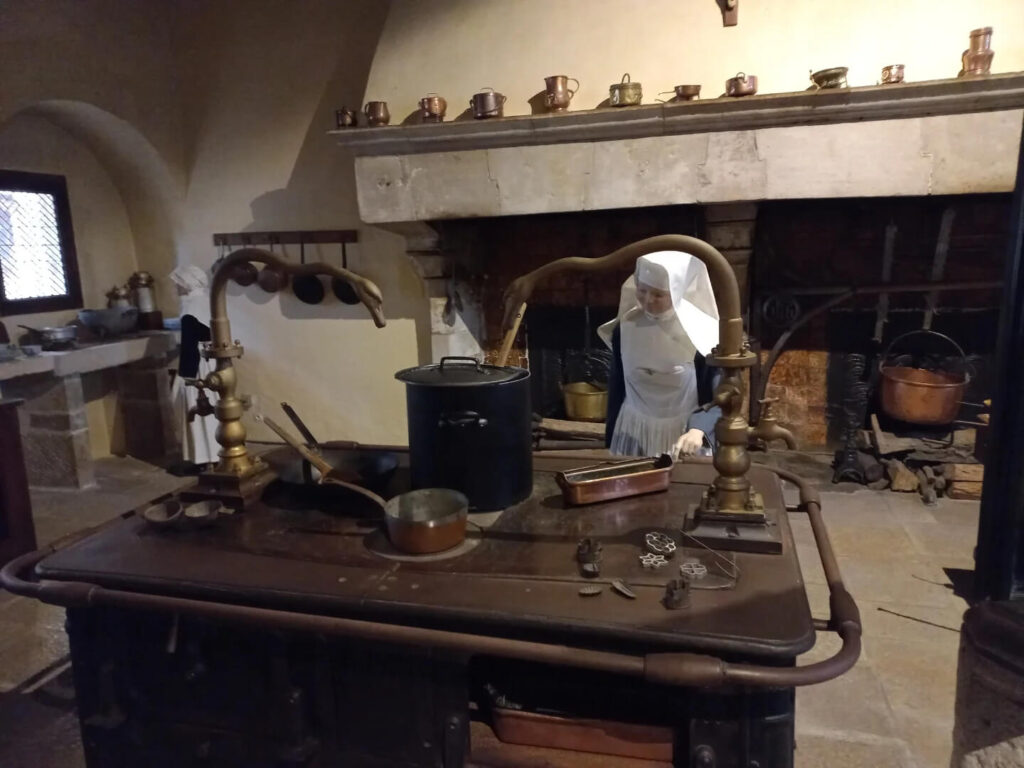
With its enormous fireplace, cooking equipment, and preparation areas, the room illustrates the scale of the operation. Feeding patients, staff, and religious workers required significant resources, and the kitchen played a central role in keeping the institution running smoothly.
It’s also one of the rooms that helps bring everyday life at the Hospices into focus. While the wards tell the story of patient care, the kitchen reveals the behind the scenes work that supported it.
The Historic Pharmacy
The pharmacy was one of my favorite rooms because it provides such an interesting look at medieval medicine.
Shelves lined with ceramic jars once held herbs, powders, and remedies used to treat a variety of illnesses. While some treatments may seem unusual by modern standards, they offer valuable insight into how healthcare professionals understood disease and healing centuries ago.
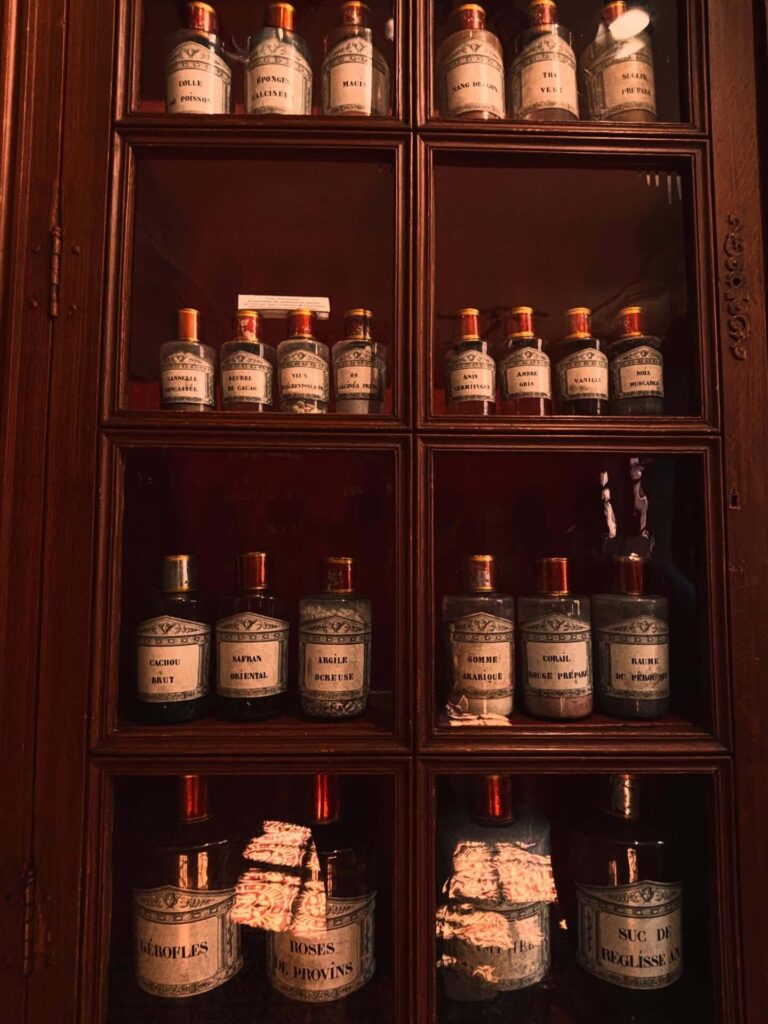
Walking through the pharmacy is a reminder of how far medicine has advanced while also highlighting the dedication of those who cared for patients with the knowledge available to them at the time.
It’s a small room compared to some of the others, but it’s definitely worth taking the time to explore.
Is Hospices de Beaune Worth Visiting?
In my opinion, yes, without question.
Before visiting, I assumed Hospices de Beaune would be one of those places where you admire the famous roof, take a few photos, and move on. Instead, it ended up being one of the highlights of my time in Beaune.
What makes it special is that it offers much more than a single landmark or photo opportunity. The building combines architecture, history, art, religion, medicine, and wine culture in a way that feels surprisingly accessible, even if you’re not normally someone who enjoys museums.
As you walk through the former hospital wards, chapel, pharmacy, and courtyard, you begin to understand how important this institution was to the region for centuries. It’s not just a collection of historic rooms.
It’s a place that tells the story of the people who lived, worked, and received care here, making the experience feel much more personal than many historic attractions.
I think it’s particularly worth visiting if you’re interested in history, architecture, or Burgundy’s cultural heritage. It’s also an excellent stop for wine travelers because it helps explain a side of Beaune that goes beyond vineyards and wine tastings.
In fact, understanding the Hospices’ connection to the region’s famous wine industry adds another layer to the experience.
That said, if you strongly prefer outdoor activities or tend to rush through museums, you may not enjoy it as much as other visitors. Even then, I’d still recommend stopping by to see the courtyard and famous tiled roof, which are among the most recognizable sights in Burgundy.
How to Get to Hospices de Beaune
One of the reasons Hospices de Beaune is such an easy attraction to visit is its location right in the center of Beaune. Whether you’re exploring Burgundy by car or relying on public transportation, getting here is relatively straightforward.
By Car
If you’re planning a Burgundy road trip, Beaune makes an excellent base or stop along the way. The town is conveniently located near major highways, making it easily accessible from cities such as Dijon, Lyon, and Paris.
While you can’t park directly beside the Hospices due to its location within the historic center, several public parking areas are available within a short walking distance. Once you reach the old town, everything is compact and easy to explore on foot.
Driving can be particularly convenient if you’re planning to visit multiple wineries or villages throughout Burgundy, as it gives you more flexibility to explore beyond Beaune itself.
By Train
For travelers using public transportation, Beaune is well connected by rail and is surprisingly easy to reach.
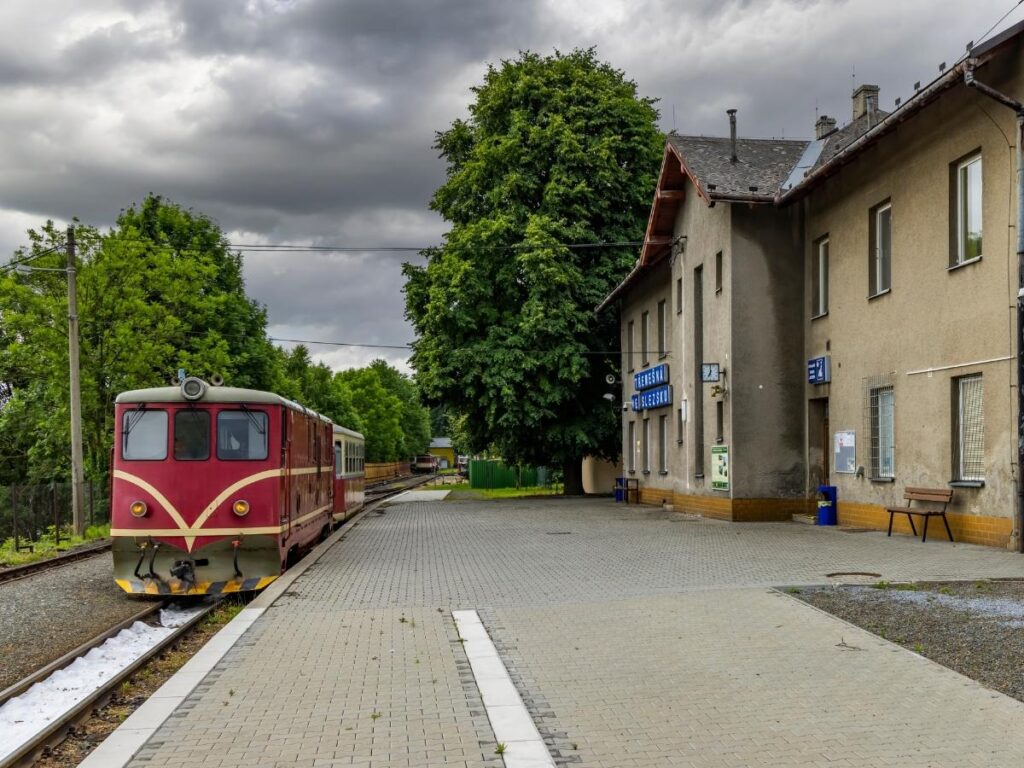
The train station is located about a 10 to 15 minute walk from the historic center, making it possible to visit the Hospices without needing a car. The walk itself is pleasant and takes you through parts of the town before arriving at the old center.
If you’re staying in Dijon or Lyon, visiting Beaune as a day trip is entirely possible.
From Dijon
Dijon is the most common starting point for visitors exploring Burgundy, and getting to Beaune is simple. Direct trains regularly connect the two cities, with journey times typically ranging from 20 to 30 minutes.
If you’re driving, the trip generally takes around 45 minutes, depending on traffic. Because of the short travel time, many visitors choose to combine Dijon and Beaune within the same itinerary.
From Lyon
Lyon is another popular gateway to Burgundy. Depending on the train connection, the journey usually takes around 1.5 to 2 hours.
Driving from Lyon is also straightforward and can be a good option if you’re planning to explore more of the Burgundy wine region before or after visiting Beaune.
Tickets and Opening Hours
Hospices de Beaune is open year round, although opening hours vary depending on the season. Because schedules, holiday hours, and special events can occasionally affect access, I recommend checking the official website before your visit for the latest information.
If you’re visiting during the summer months, on weekends, or during the famous Hospices de Beaune Wine Auction weekend in November, it’s worth planning ahead. The attraction is one of Beaune’s most popular landmarks, and visitor numbers can be noticeably higher during peak travel periods.
Ticket Options
Most visitors only need a standard admission ticket, which includes access to the museum and its main exhibits. Depending on when you visit, there may also be special exhibitions or temporary displays that can be included with your admission.
Families, school groups, and larger tour groups can often take advantage of dedicated ticket options, while visitors interested in learning more about the building’s history may want to consider an audio guide or guided tour if available.
I found that the audio guide adds a lot to the experience. While the rooms themselves are impressive, understanding the stories behind the hospital, its founders, and the artwork makes the visit much more rewarding.
Should You Buy Tickets in Advance?
For most of the year, purchasing tickets on arrival is usually straightforward. However, if you’re visiting during peak tourist season or around major events in Beaune, booking online in advance can save time and provide peace of mind.
Even if you don’t reserve ahead, I would recommend arriving earlier in the day whenever possible. Not only are the rooms generally quieter, but you’ll also have a better chance of enjoying the courtyard and photographing the famous tiled roofs before larger tour groups arrive.
How Long Do You Need at Hospices de Beaune?
One of the questions I had before visiting Hospices de Beaune was how much time to set aside. From the outside, it doesn’t look particularly large, so I initially assumed it would be a quick stop. In reality, I found there was much more to see than I expected.
How long you’ll spend here largely depends on your interest in history, architecture, and art.
If you’re short on time and simply want to see the main highlights, you can comfortably visit Hospices de Beaune in about an hour. That gives you enough time to walk through the courtyard, explore the Great Hall of the Poor, visit the chapel and pharmacy, and admire the famous tiled roofs.
For most visitors, though, I would recommend allowing around 1.5 to 2 hours. This feels like the ideal amount of time to explore without rushing. You’ll have time to listen to the audio guide, read the information panels, take photos, and appreciate some of the smaller details that make the building so interesting.
If you enjoy history, architecture, or art, you could easily spend closer to 2 or 3 hours here. The museum contains far more than just the hospital wards, and it’s easy to lose track of time while learning about the institution’s history, studying the artwork, or exploring the various exhibits.
Personally, I think 1.5 to 2 hours is the sweet spot for most travelers. It’s enough time to experience the Hospices properly while still leaving room to explore Beaune’s historic center, wine cellars, and restaurants later in the day.
Best Tips for Visiting Hospices de Beaune
After visiting Hospices de Beaune, there are a few things I would recommend doing to make the most of your time there.
Arrive Early If You Want Photos
The courtyard is one of the most photographed spots in Beaune, and for good reason. It’s the best place to admire the famous patterned roofs and Gothic architecture.
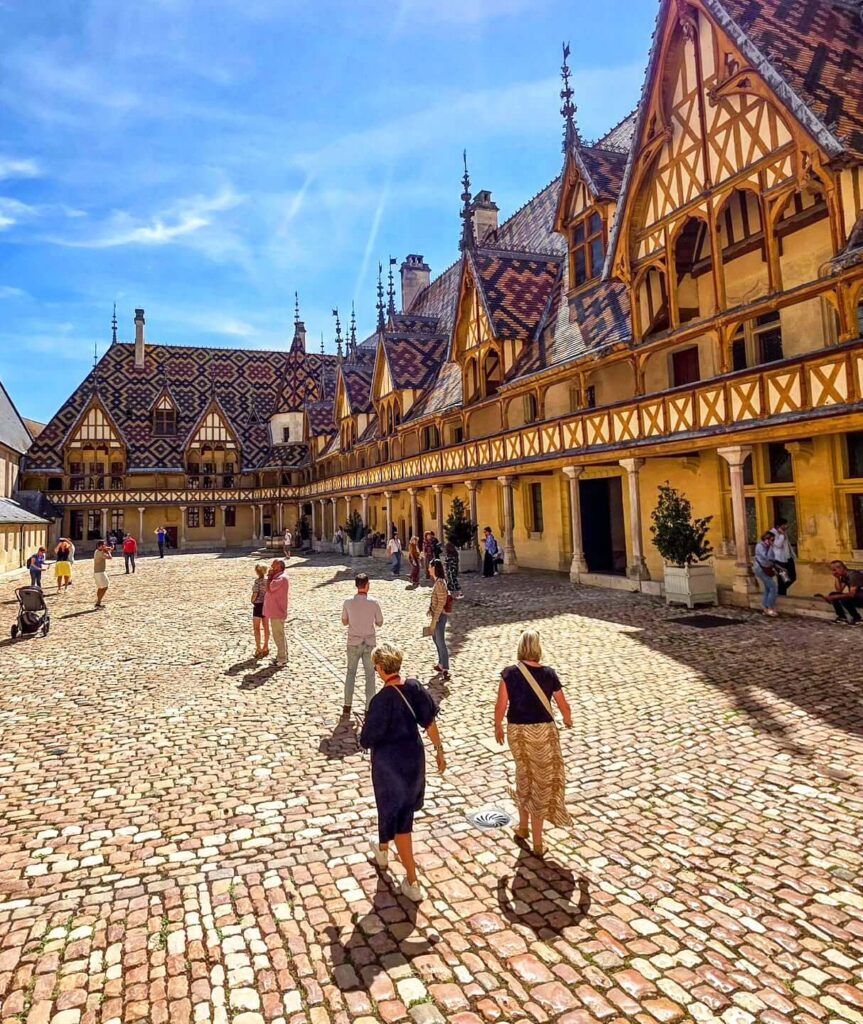
If photography is important to you, try to arrive shortly after opening. Not only will the light often be better, but you’ll also have a chance to enjoy the courtyard before larger tour groups begin arriving. The difference can be noticeable, especially during the busy summer months.
Don’t Focus Only on the Roof
It’s easy to see why the colorful roofs receive so much attention, but some visitors spend more time photographing the exterior than exploring the museum itself.
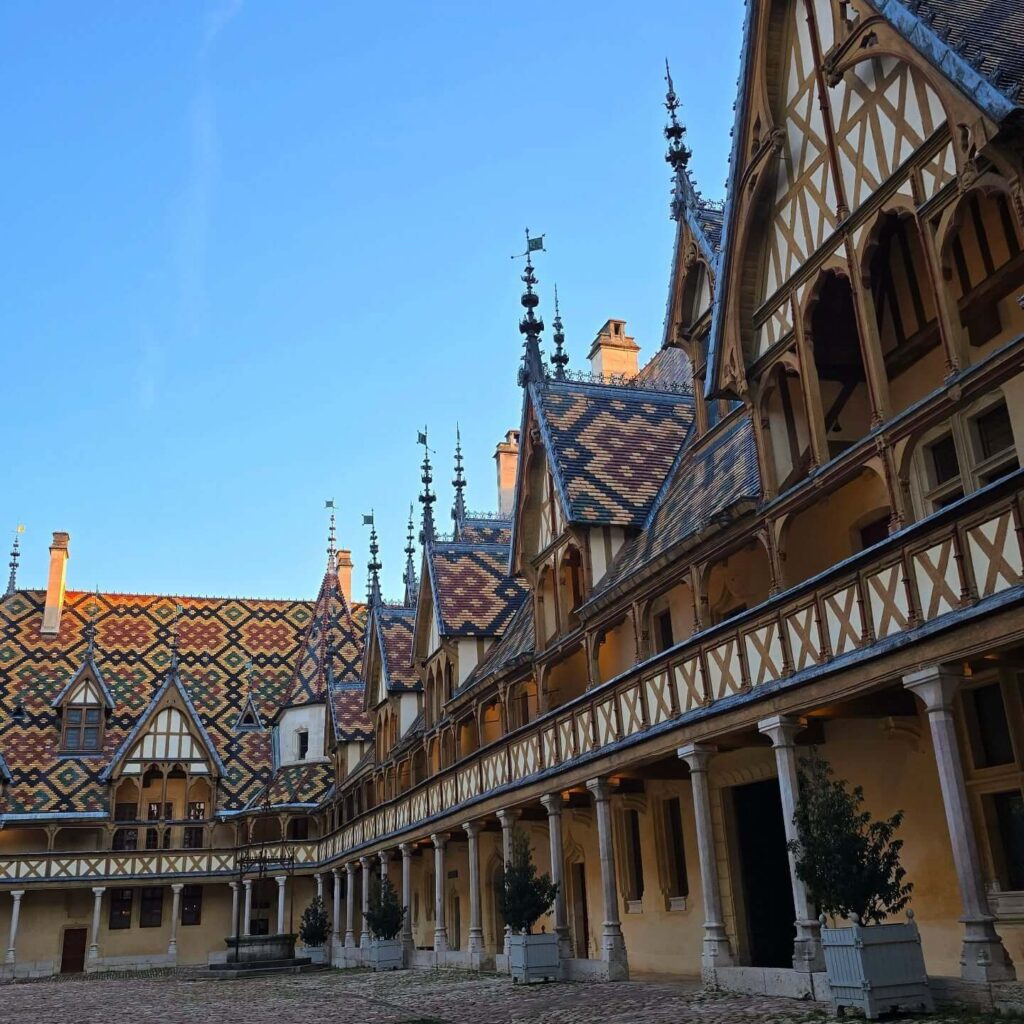
In my opinion, the real value of a visit comes from stepping inside. The Great Hall of the Poor, chapel, pharmacy, and artwork tell the story of the institution far better than the exterior alone. If you’re limited on time, I would prioritize seeing the interior rather than simply stopping for photos.
Explore Beaune’s Historic Center Afterwards
One thing I loved about visiting Hospices de Beaune is its location right in the heart of the old town.
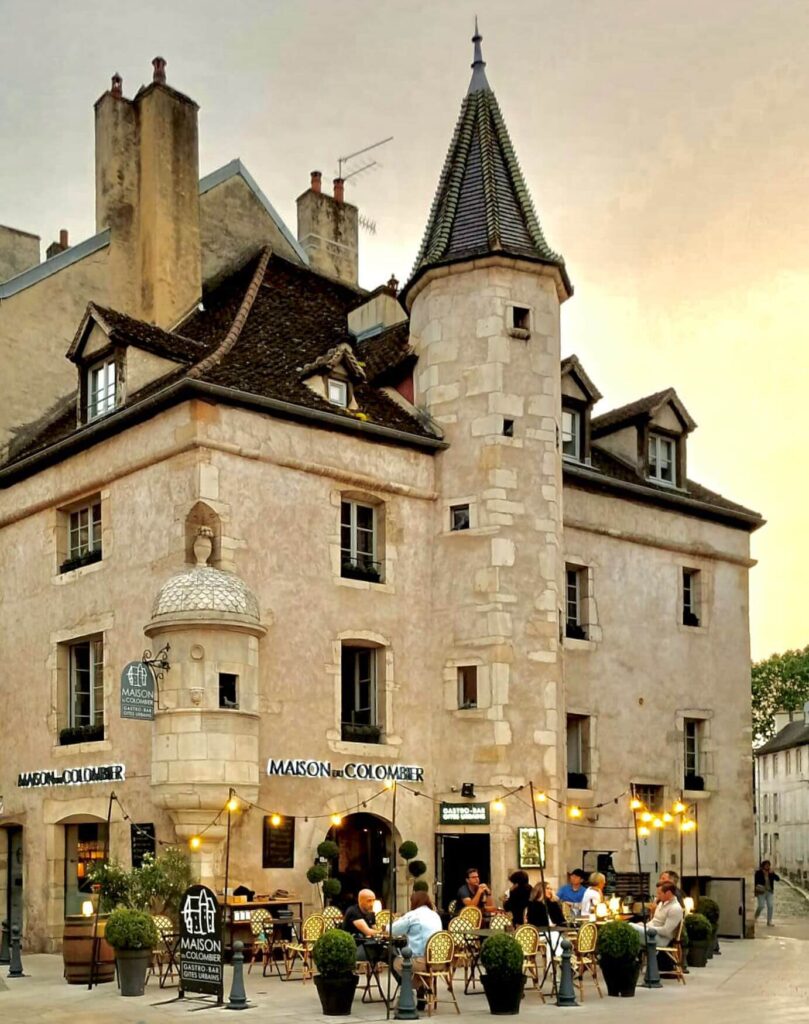
Rather than treating it as a standalone attraction, I would recommend making it part of a broader day in Beaune. After your visit, spend some time wandering the cobbled streets, browsing local wine shops, and relaxing at one of the cafés or restaurants nearby.
The historic center is compact and easy to explore on foot, making it a perfect complement to the museum.
Consider Visiting During Wine Auction Weekend
If you’re particularly interested in Burgundy’s wine culture, visiting during the Hospices de Beaune Wine Auction in November can be a unique experience.
The town becomes noticeably busier, but it also feels more festive. Wine tastings, special events, and celebrations take place throughout Beaune, creating an atmosphere that’s quite different from the rest of the year.
That said, accommodation fills up quickly during auction weekend, so planning well in advance is essential if you’re hoping to visit at that time.
What to See Near Hospices de Beaune
One of the things I like most about visiting Hospices de Beaune is that it sits right in the heart of the city. Once you’ve finished exploring the museum, you don’t need to drive anywhere or follow a complicated itinerary.
Many of Beaune’s best attractions are just a short walk away, making it easy to turn your visit into a full day of sightseeing.
Beaune Old Town
The historic center of Beaune is worth exploring even if you don’t have a specific destination in mind.
The narrow streets are lined with traditional Burgundy buildings, wine shops, cafés, and small boutiques, creating a relaxed atmosphere that’s perfect for wandering.
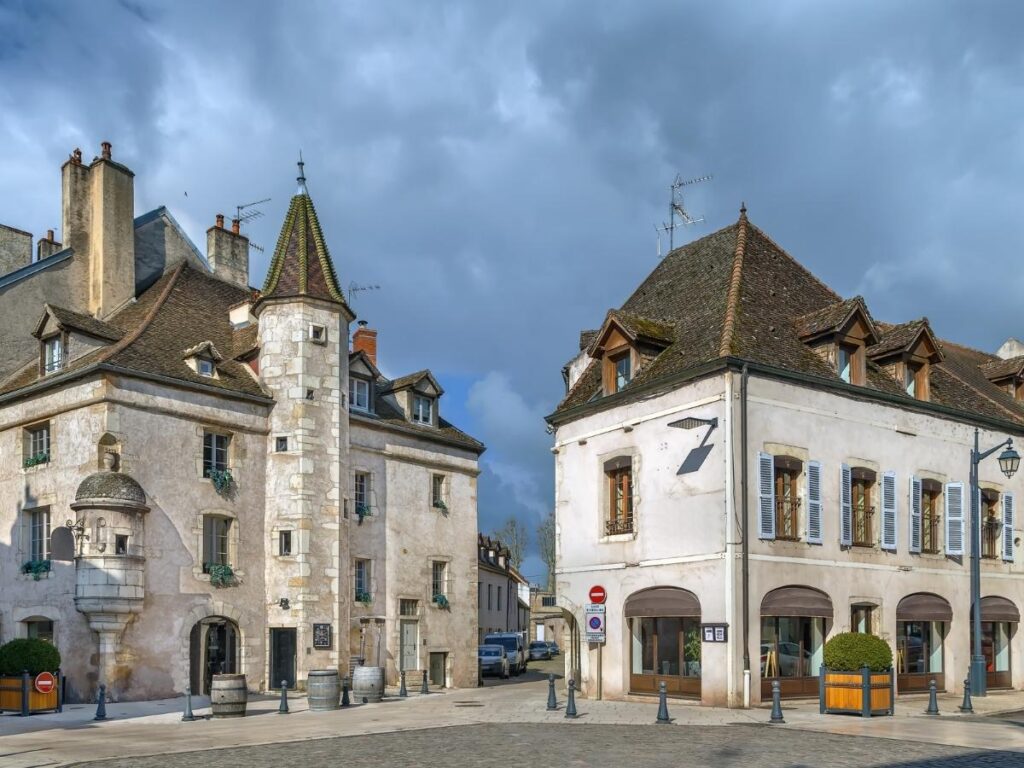
I found some of my favorite moments in Beaune came from simply walking through the old town and stumbling upon quiet squares, hidden courtyards, and charming local businesses.
Because the town center is relatively compact, it’s easy to explore on foot without feeling rushed.
Basilique Notre Dame de Beaune
Just a few minutes from the Hospices, the Basilique Notre Dame de Beaune is one of the town’s most important historic landmarks.
Parts of the church date back to the 12th century, making it even older than the Hospices itself. The architecture is beautiful, and the interior provides another fascinating glimpse into Beaune’s medieval past.
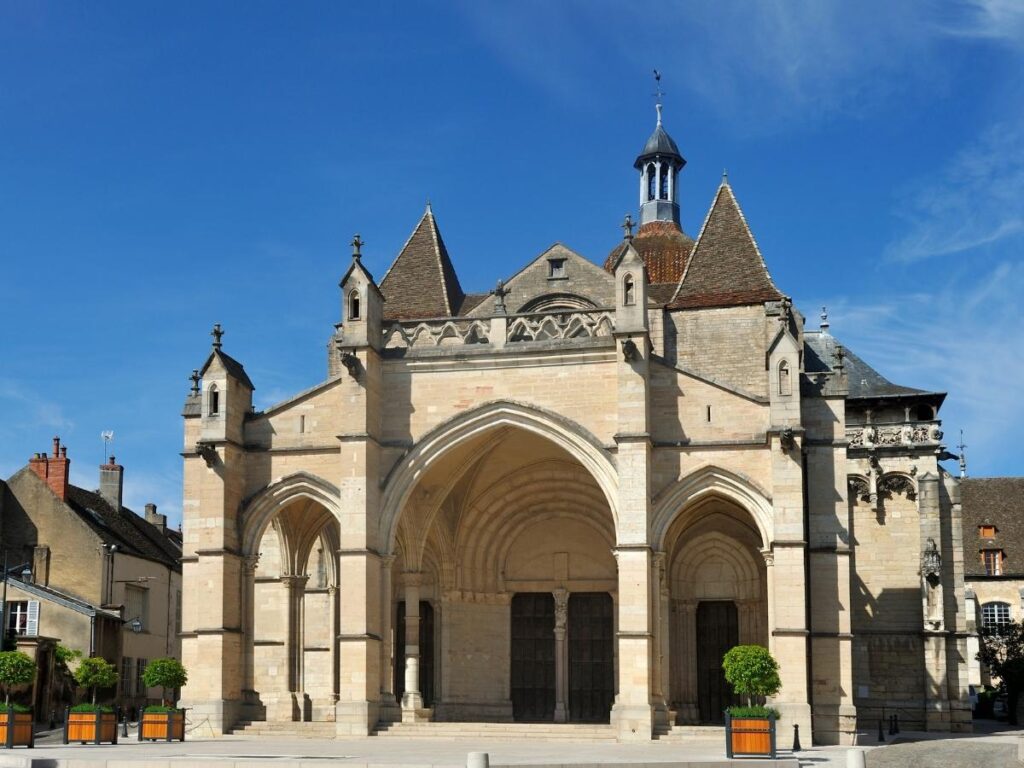
Even if you’re not particularly interested in religious sites, it’s worth stepping inside for a few minutes. The basilica plays an important role in the city’s history and offers a quieter atmosphere compared to some of the more popular attractions.
Burgundy Wine Cellars
No visit to Beaune would be complete without experiencing some of Burgundy’s famous wines.
Fortunately, you don’t need to travel far. Many wine cellars and tasting rooms are located within walking distance of Hospices de Beaune, making it easy to combine history and wine in the same day.
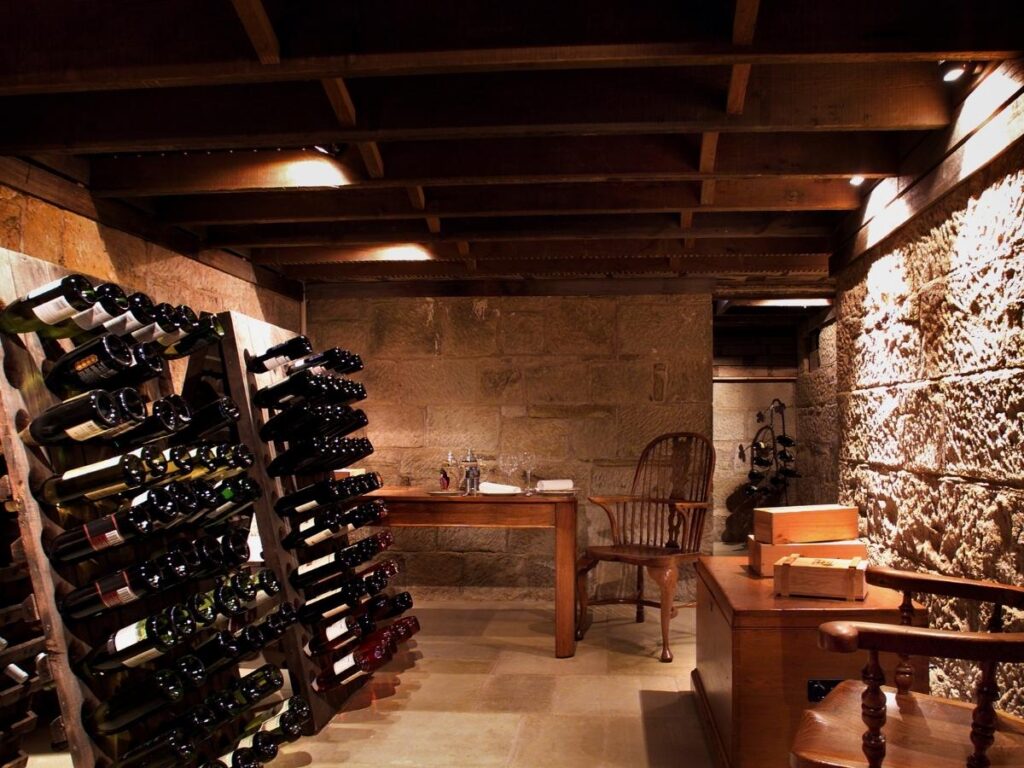
Whether you’re a serious wine enthusiast or simply curious about the region’s reputation, a tasting can help you better understand why Burgundy is considered one of the world’s most important wine producing regions.
Many cellars offer guided tastings that introduce visitors to the differences between local appellations, vineyard classifications, and winemaking traditions.
Local Markets and Restaurants
Beaune is as much a food destination as it is a wine destination, so I would recommend leaving time to enjoy a leisurely meal after your visit.
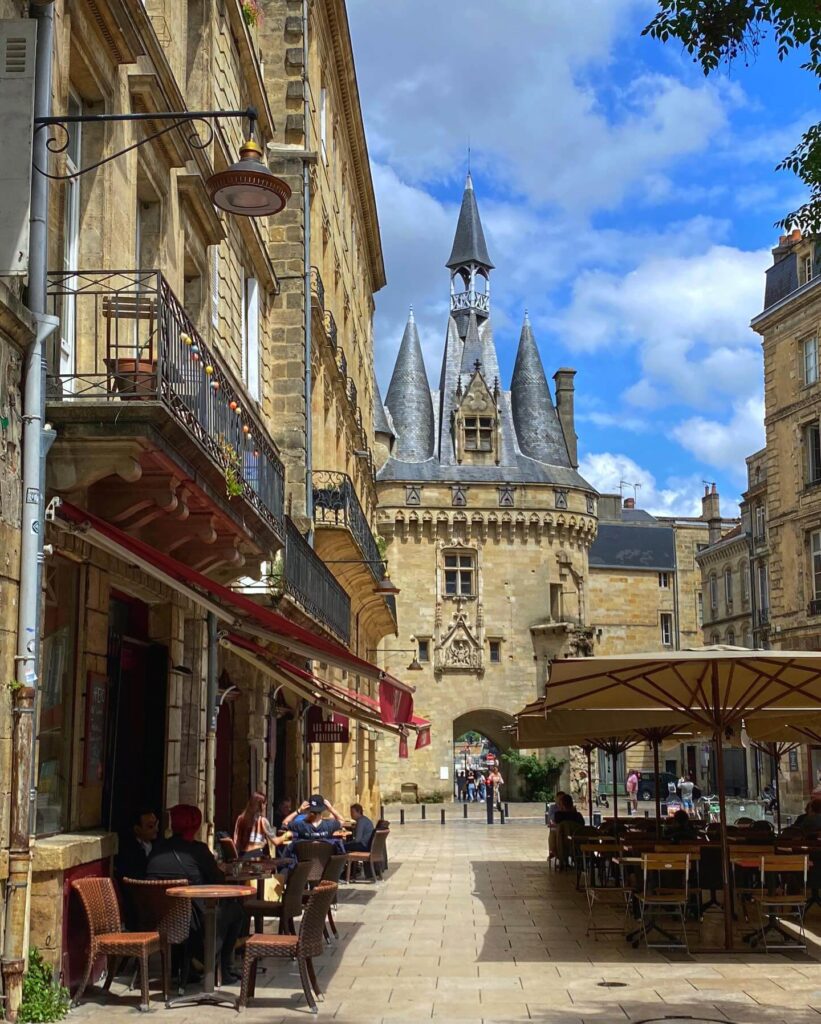
The town is known for classic Burgundian dishes, excellent cheeses, and restaurants that range from casual bistros to fine dining establishments. Depending on when you visit, you may also find local markets selling fresh produce, regional specialties, and artisan products.
One of my favorite ways to spend an afternoon in Beaune is to visit the Hospices in the morning, wander through the old town, enjoy lunch at a local restaurant, and finish the day with a wine tasting. Together, those experiences provide a great introduction to what makes Beaune such a rewarding destination.
Final Thoughts on Hospices de Beaune
Hospices de Beaune ended up being one of my favorite places to visit in Burgundy.
Before arriving, I expected to see a beautiful historic building with a famous roof. What I didn’t expect was how many different stories would come together in one place.
From medieval healthcare and religious traditions to remarkable artwork and Burgundy’s wine heritage, the Hospices offers much more than a typical museum experience.
What I appreciated most was how authentic it felt. Walking through the original hospital wards, chapel, and pharmacy gives you a real sense of the people who lived and worked here centuries ago.
If you’re visiting Beaune, I think Hospices de Beaune is well worth your time. Beyond its stunning architecture, it offers a fascinating look at the history and culture that helped shape Burgundy into the region it is today.