
In a country known for its castles, Château des ducs de Bretagne offers something a little different. Located in the heart of Nantes, this impressive fortress combines medieval defenses, Renaissance architecture, and centuries of Breton history in one fascinating site.
What I found most interesting is that this isn’t simply a castle preserved for visitors to admire. It tells the story of Brittany itself. For centuries, the region maintained a distinct identity, and many of the events that shaped its future are closely connected to this château.
Walking through its courtyards, ramparts, and museum galleries gives you a much better understanding of both Brittany and the city of Nantes.
The château also offers more variety than many historic attractions. You can explore a genuine medieval fortress, admire elegant Renaissance buildings, enjoy panoramic views from the ramparts, and learn about the city’s past inside the Nantes History Museum.
It feels less like a single monument and more like a complete introduction to Nantes.
Whether you’re interested in history, architecture, or simply looking for the best things to do in Nantes, Château des ducs de Bretagne is one attraction that’s well worth your time. In this guide, I’ll cover everything you need to know before visiting, including its history, highlights, tickets, and practical tips for planning your visit.
What is Château des ducs de Bretagne?
Château des ducs de Bretagne, or the Castle of the Dukes of Brittany, is one of Nantes’ most important landmarks and one of the best places to learn about the region’s history.
Built primarily during the late 15th century, it served as the residence of the Dukes of Brittany during a period when Brittany still maintained a strong identity separate from France.
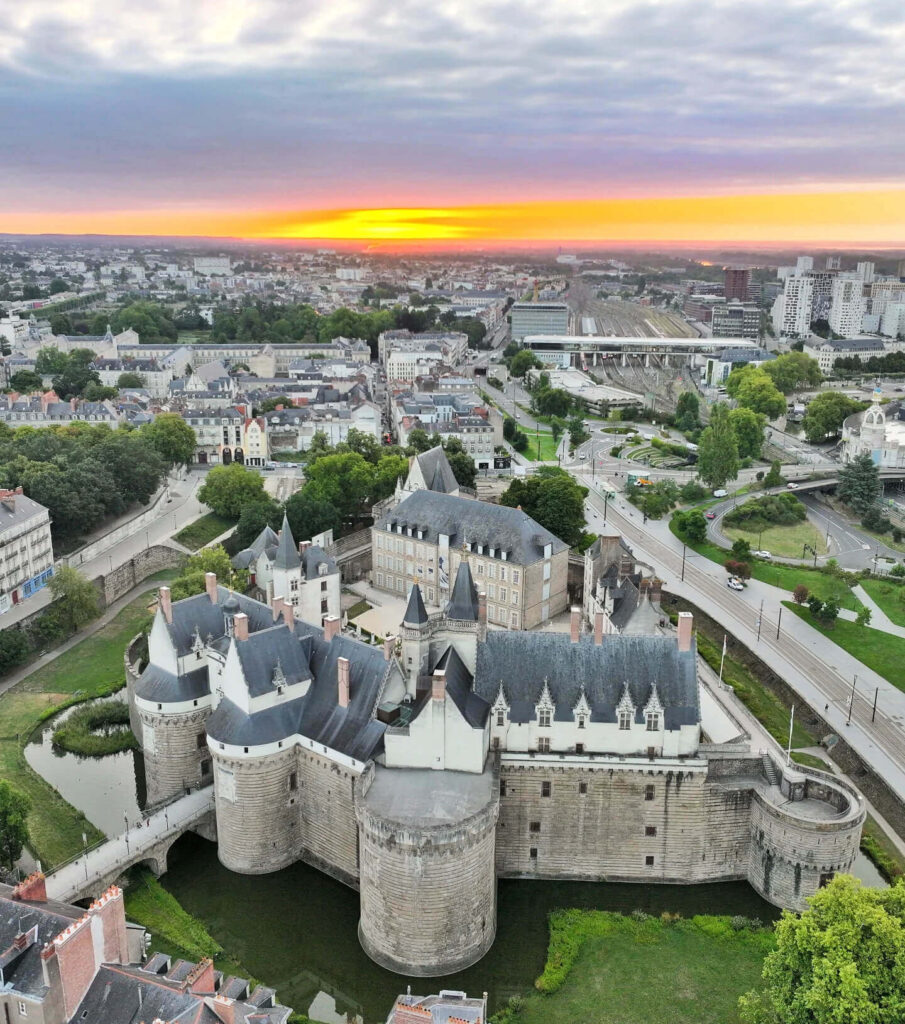
What makes the château unique is the contrast between its exterior and interior. From the outside, it looks every bit like a medieval fortress, with thick stone walls, defensive towers, and a wide moat surrounding the complex. Even today, it stands out dramatically against the modern city that surrounds it.
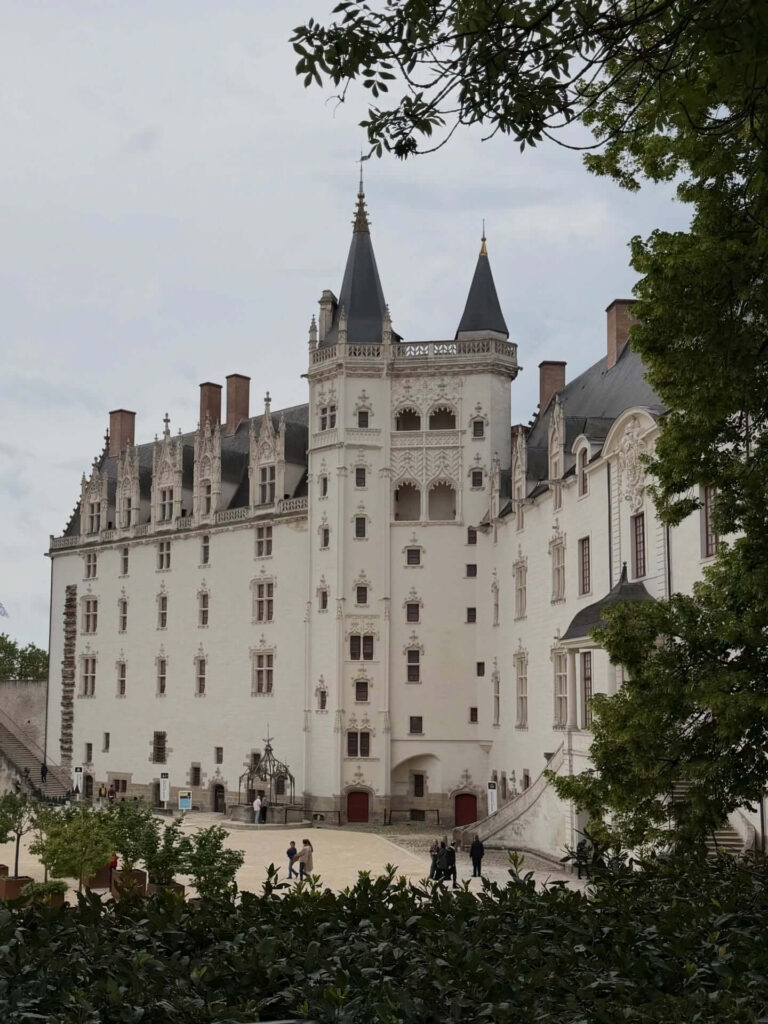
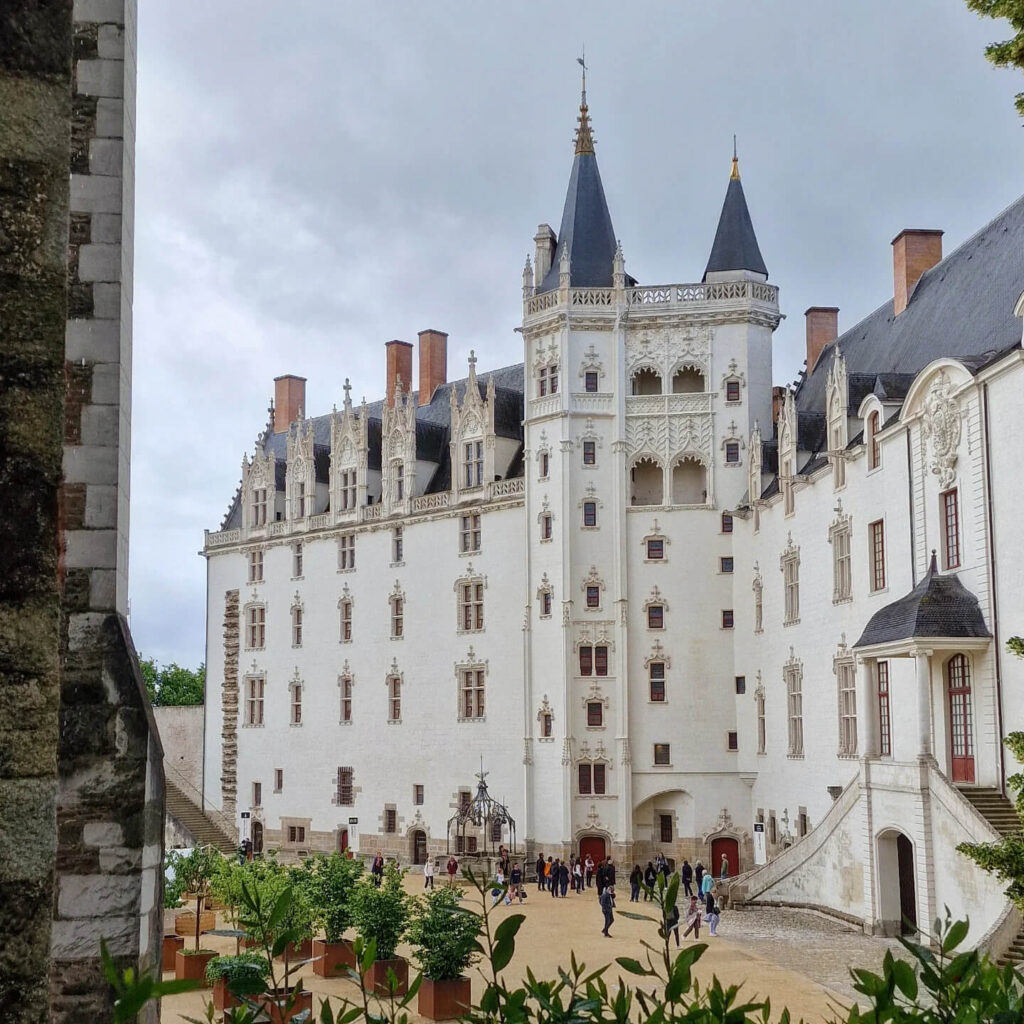
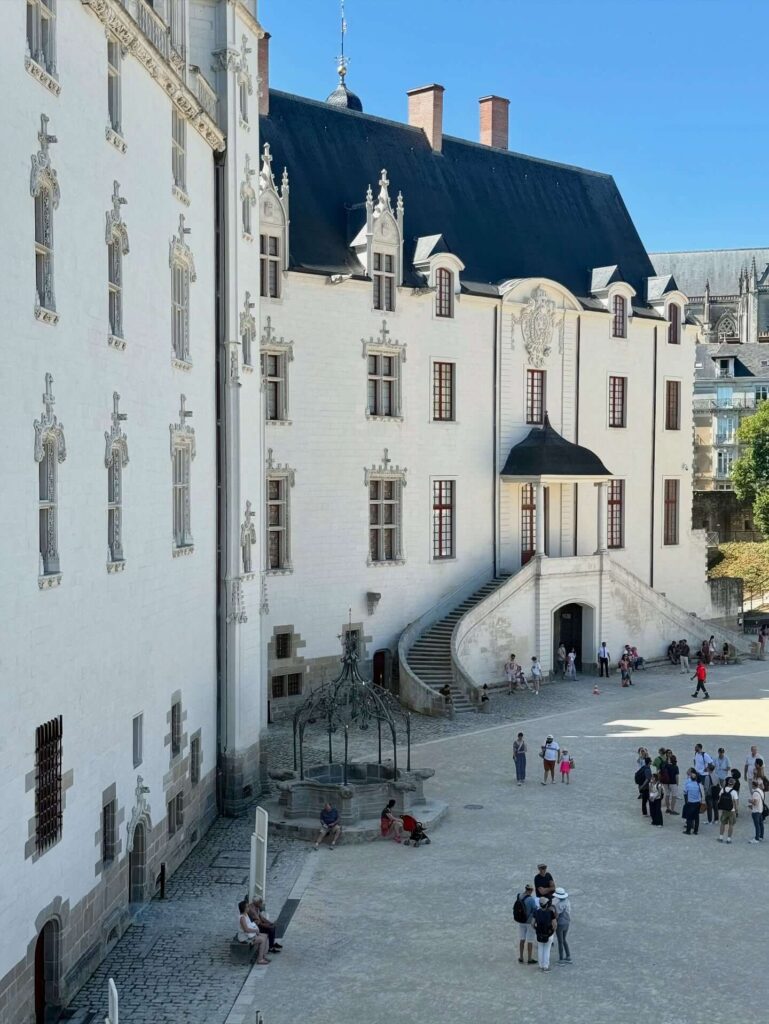
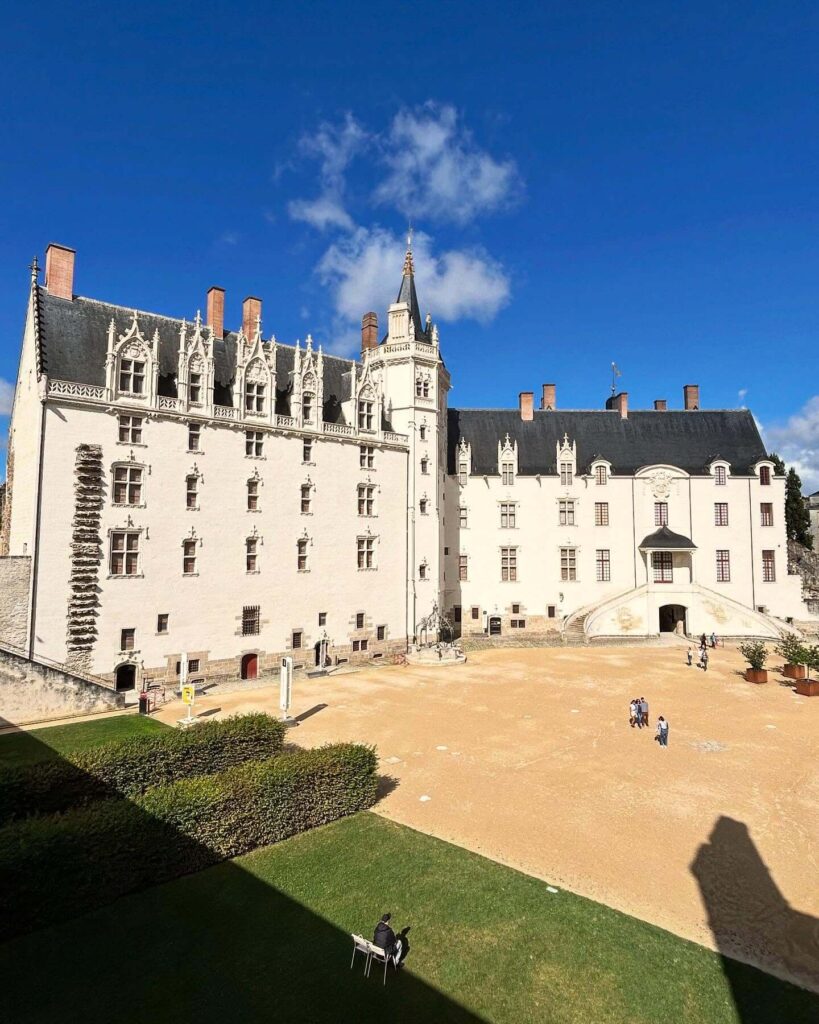
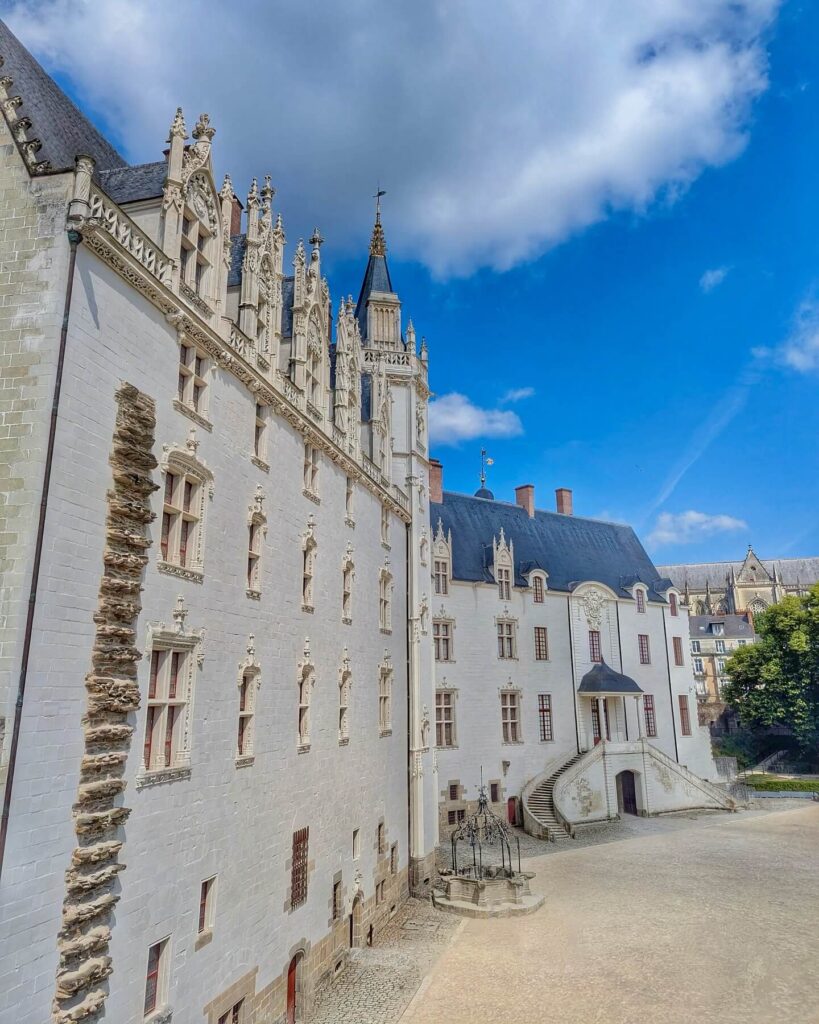
Once inside, however, the atmosphere feels completely different. The elegant courtyard is lined with bright white tuffeau stone buildings that reflect Renaissance influences and reveal the château’s role as both a fortress and a ducal residence.
Today, the château is home to the Nantes History Museum, where visitors can learn about the city’s evolution from medieval times to the present day. Between the historic architecture, museum exhibits, and panoramic ramparts, Château des ducs de Bretagne offers one of the most rewarding cultural experiences in Nantes.
The History of Château des ducs de Bretagne
One of the things I enjoyed most about visiting Château des ducs de Bretagne was discovering how much history is tied to this single site. The château isn’t just an impressive building in the center of Nantes. For centuries, it played an important role in the story of Brittany and its relationship with France.
Understanding a little of that history before your visit can make the experience much more meaningful, especially when you’re walking through the courtyard, exploring the museum, or standing on the ramparts overlooking the city.
The Origins of the Fortress
Long before the château we see today existed, earlier fortifications occupied this site. Nantes was an important city due to its location near the Loire River, one of France’s most significant waterways. Controlling Nantes meant controlling an important trade route, so strong defenses were essential.
During the Middle Ages, the city was frequently caught up in regional power struggles and political conflicts. Over time, local rulers strengthened the fortifications, gradually transforming the site into one of the most important defensive positions in Brittany.
While little remains of the earliest structures, they laid the foundation for the château that would later rise here.
Francis II and the Construction of the Château
The château visitors see today was largely built during the reign of Francis II, Duke of Brittany, in the second half of the 15th century.
At the time, Brittany was still an independent duchy, and relations with the French crown were becoming increasingly complicated. Concerned about protecting his territory and reinforcing his authority, Francis II commissioned an ambitious rebuilding project that would create both a formidable fortress and a prestigious residence.
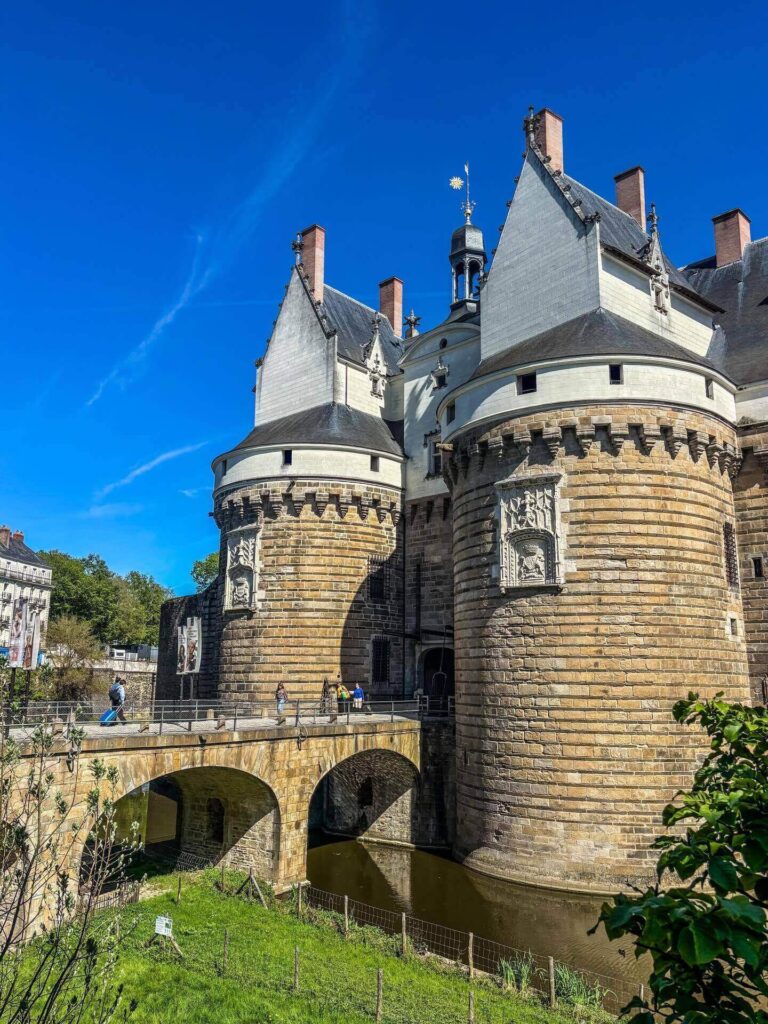
What makes the château so interesting is that it reflects these two goals at once. The thick walls, towers, and moat were designed for defense, while the elegant residential buildings inside demonstrated the wealth and power of Brittany’s rulers.
Even today, visitors can clearly see this contrast between military strength and architectural refinement.
Many of the château’s most recognizable features, including its defensive walls and impressive towers, date from this period.
Anne of Brittany’s Legacy
No figure is more closely associated with Château des ducs de Bretagne than Anne of Brittany.
Born within the château in 1477, Anne inherited the Duchy of Brittany after her father’s death and quickly became one of the most influential women in Europe. Through a series of political events and royal marriages, she became Queen of France twice, first as the wife of Charles VIII and later Louis XII.

Her life marked a turning point in Brittany’s history. Although the duchy eventually became part of France, Anne remained a powerful symbol of Breton identity and independence.
As you explore the château, you’ll notice references to her throughout the site. For many visitors, learning about Anne’s life is one of the most fascinating parts of the experience because her story connects the château to some of the most important political events of the period.
From Ducal Residence to Modern Museum
Following the union of Brittany and France, the château gradually lost its role as the residence of an independent ruler. Over the following centuries, it served a variety of purposes, including military and administrative functions.
Like many historic buildings, the château experienced periods of neglect and alteration. By the 19th century, parts of the complex had deteriorated significantly, and there were concerns about preserving this important piece of Breton heritage.
Fortunately, extensive restoration projects throughout the 20th century helped safeguard the château and restore many of its historic features. These efforts transformed the site into one of Nantes’ most important cultural landmarks.
Today, the château serves as both a historic monument and the Nantes History Museum. Rather than functioning as a simple museum filled with artifacts, it allows visitors to experience history in the very place where many of these events unfolded. That connection between the building and the stories it tells is part of what makes a visit so memorable.
Is Château des ducs de Bretagne Worth Visiting?
Yes, especially if it’s your first time in Nantes.
What makes Château des ducs de Bretagne stand out is the variety of experiences it offers. It’s not just a castle, and it’s not just a museum. During a single visit, you can explore a medieval fortress, admire Renaissance architecture, walk along historic ramparts, and learn about the history of Nantes and Brittany.
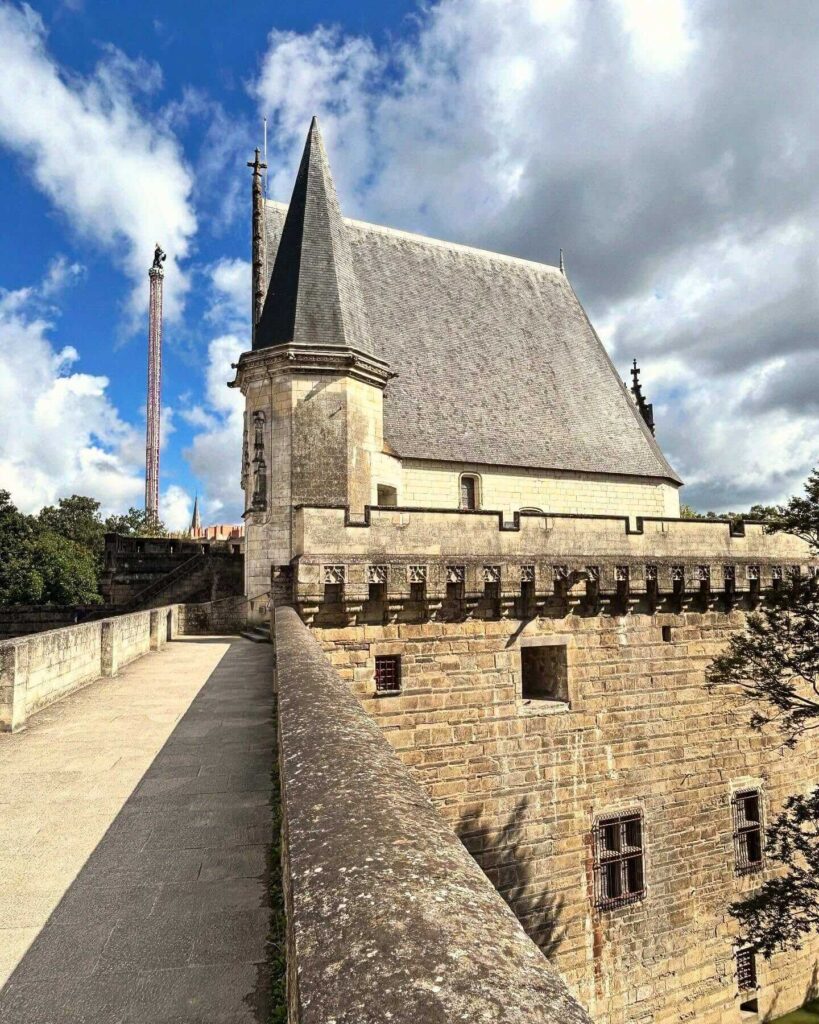
I also appreciate how manageable the experience feels. Some castles can be so large that they become overwhelming, but Château des ducs de Bretagne is easy to explore in a few hours while still offering plenty to see. The ramparts are a particular highlight, providing great views of the moat, courtyard, and surrounding city.
Its central location is another advantage. Because it’s within walking distance of several major attractions, it’s easy to include in almost any Nantes itinerary.
If you’re interested in history, architecture, or simply want to better understand the city, I think Château des ducs de Bretagne is one of the most worthwhile places to visit in Nantes.
What to See at Château des ducs de Bretagne
One of the things I enjoyed most about visiting Château des ducs de Bretagne is that there isn’t just a single highlight. The experience changes as you move through different parts of the castle.
From the imposing exterior walls to the elegant courtyard and panoramic ramparts, each area reveals a different side of the château’s history and character.
The Exterior and Moat
Before heading inside, I recommend taking some time to walk around the château’s exterior. It’s easy to rush straight to the entrance, but some of the best views are actually found outside the walls.
The château’s defensive design is immediately apparent. Massive stone walls rise above the surrounding moat, while a series of towers reinforce its fortress-like appearance. Standing beside the moat, it’s easy to imagine how formidable this stronghold must have looked centuries ago.
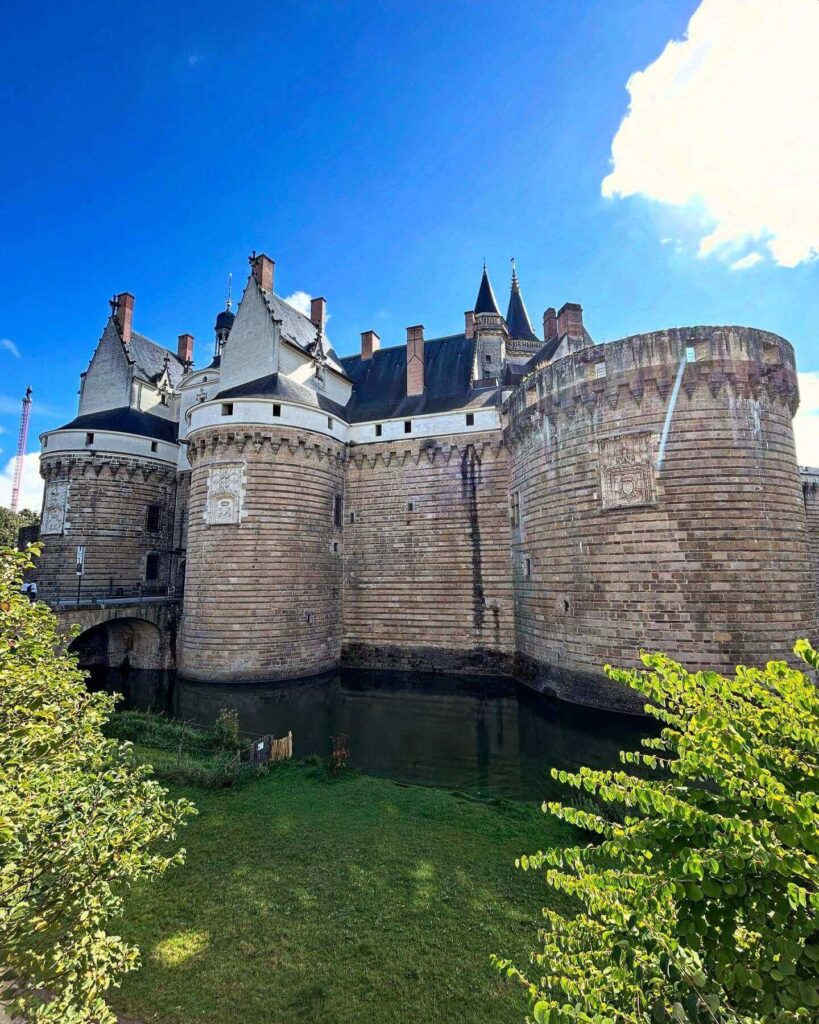
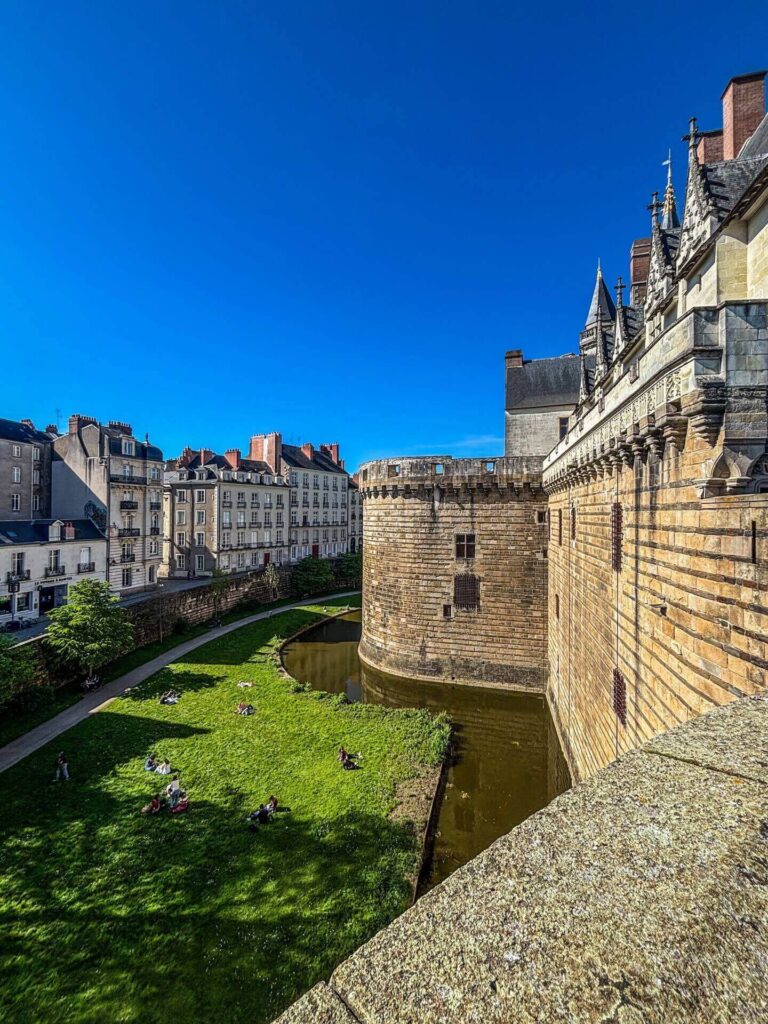
Today, the moat no longer serves a defensive purpose, but it remains one of the château’s most attractive features. Landscaped paths and green spaces surround the water, creating a pleasant area for a stroll. The views from here are excellent, especially if you want to appreciate the scale of the castle before exploring the interior.
If you’re interested in photography, this is one of the best spots around the château. On calm days, reflections of the walls and towers can often be seen in the water, creating some of the most photogenic views in Nantes.
The Courtyard
After passing through the entrance, the atmosphere changes dramatically.
The dark stone walls and military architecture give way to a bright, elegant courtyard lined with white tuffeau stone buildings. I found this contrast particularly striking because it feels as though you’re stepping into a completely different château.
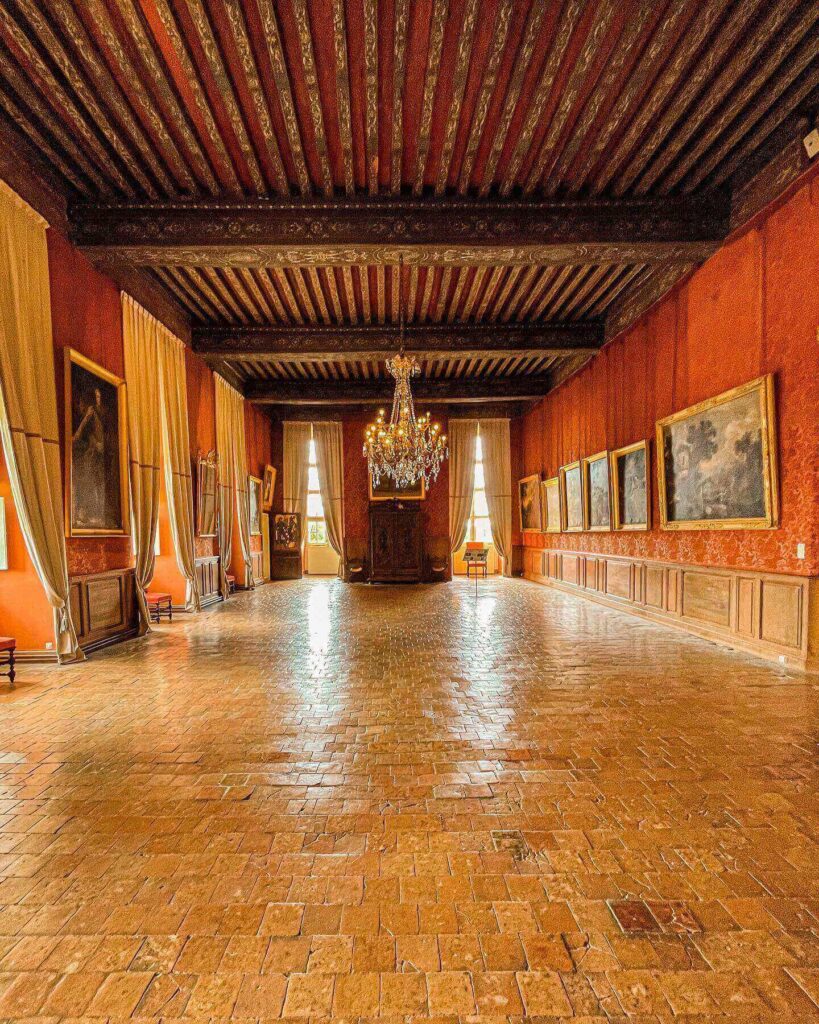
The residential buildings were designed to reflect the status and wealth of the Dukes of Brittany, and many of the Renaissance details are still visible today. Decorative windows, sculpted stonework, and graceful facades create a much more refined atmosphere than the fortress exterior would suggest.
The courtyard is also one of the best places to appreciate how the château balanced defense with comfort. Looking around, you can clearly see that this was both a military stronghold and a prestigious residence.
Walking the Ramparts
For many visitors, myself included, the ramparts are the highlight of the château.
The elevated walkway circles much of the fortress and offers a perspective that you simply can’t get from ground level. As you make your way around the walls, you’ll enjoy views of the moat, the courtyard, and the surrounding city.
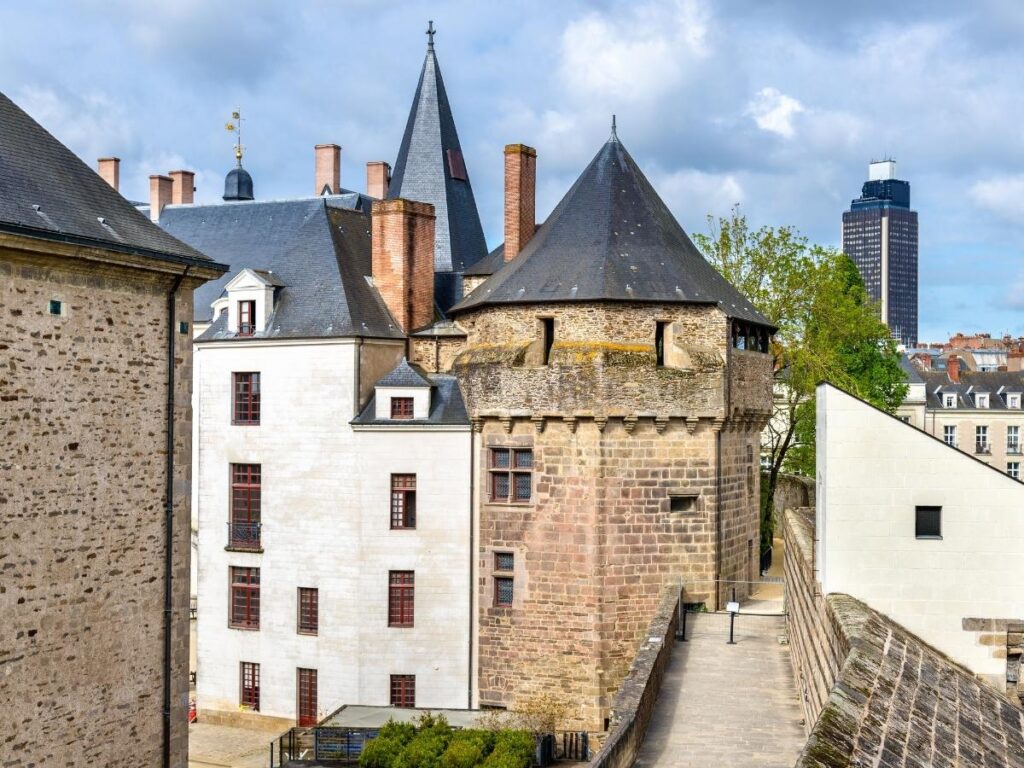
What I found most interesting was seeing how the medieval castle sits within modern Nantes. From the ramparts, you can spot historic landmarks, church spires, and contemporary buildings all within the same view. It creates a fascinating visual reminder of how the city has evolved over the centuries.
The walk itself is relatively easy and suitable for most visitors. There are plenty of opportunities to stop, take photographs, and simply enjoy the scenery. If you’re visiting on a clear day, don’t rush through this part of the château. The views are some of the best you’ll find anywhere in Nantes.
The Nantes History Museum
Located inside the château, the Nantes History Museum adds another dimension to the visit.
Rather than focusing only on the castle and its rulers, the museum tells the broader story of Nantes and how it developed into one of western France’s most important cities.
The exhibits cover everything from medieval life and the Duchy of Brittany to maritime trade, industrial growth, and modern urban development.
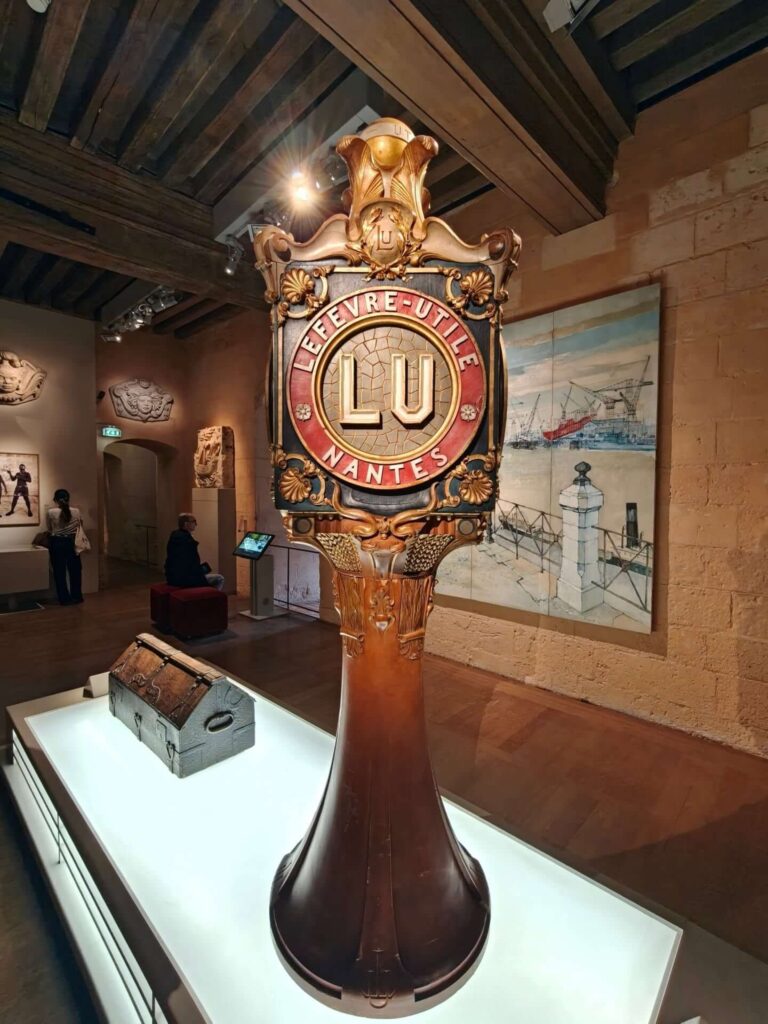
One of the things I appreciated most is that the museum doesn’t shy away from difficult subjects. It includes thoughtful exhibits about Nantes’ role in the transatlantic slave trade, helping visitors understand both the city’s prosperity and the human cost behind part of that history.
Even if you’re not someone who normally spends hours in museums, I think it’s worth exploring at least some of the galleries. The exhibits provide useful context for everything you’ve seen around the château and help explain why this site played such an important role in the history of Nantes and Brittany.
Together, the museum, ramparts, courtyard, and exterior grounds create a surprisingly varied experience. By the end of a visit, you’ll have seen much more than just a historic castle. You’ll also leave with a much better understanding of the city that grew around it.
Tickets, Opening Hours, and Planning Your Visit
Château des ducs de Bretagne is open for most of the year, although opening hours vary by season. Since schedules and ticket prices can change, it’s always worth checking the official website before your visit.
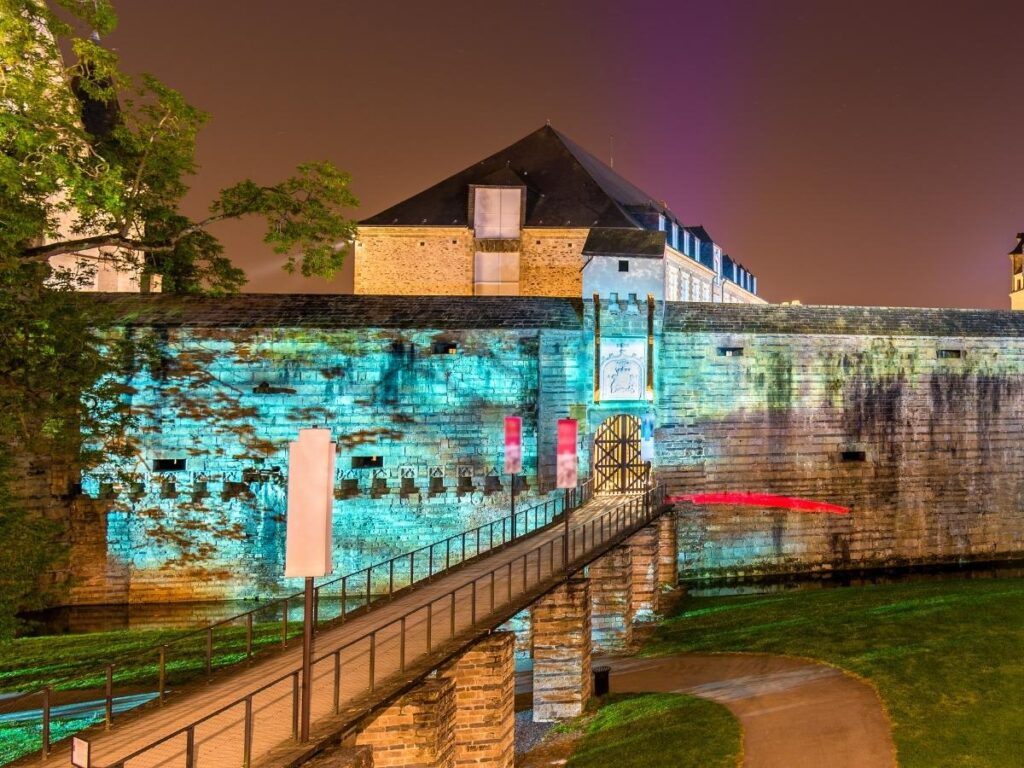
One thing I appreciate about the château is that you can explore several outdoor areas without purchasing a museum ticket. The courtyard, moat, grounds, and ramparts are often accessible to visitors, making it easy to enjoy part of the site even if you’re short on time.
If you’re interested in the history of Nantes and Brittany, however, I think the museum is well worth visiting. The exhibits add valuable context and help bring the château’s history to life.
During summer, weekends, and school holidays, booking tickets online can save time and make your visit a little smoother.
Best Time to Visit Château des ducs de Bretagne
The château is enjoyable year-round, but spring and fall are my favorite times to visit. The weather is usually pleasant for walking the ramparts, and visitor numbers tend to be more manageable than during the busy summer months.
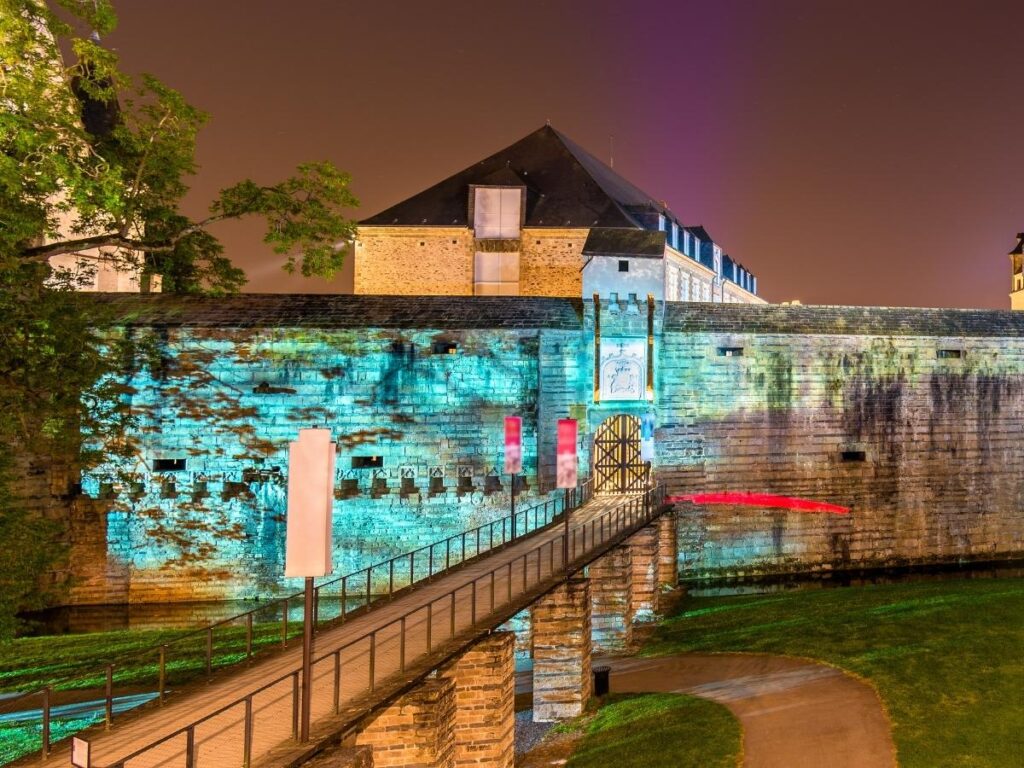
Summer offers longer days and plenty of activity around the city, although it’s also the most popular season for tourism. Winter is much quieter and can be a good choice if you prefer exploring without crowds.
No matter when you visit, arriving in the morning is usually the best option. The château tends to be quieter, and the softer light is ideal for photography around the moat and ramparts.
How to Get to Château des ducs de Bretagne
One of the things that makes Château des ducs de Bretagne so easy to visit is its location in the heart of Nantes. Unlike some castles that require a long drive or special transportation, this one is right in the city center and easy to reach from most parts of Nantes.
If you’re arriving by train, you’ll be pleased to know that the château is only a short walk from Nantes’ main railway station. In fact, many visitors see the castle walls almost immediately after arriving. This makes it a convenient first stop, especially if you’re visiting Nantes as a day trip from Paris or another city in western France.
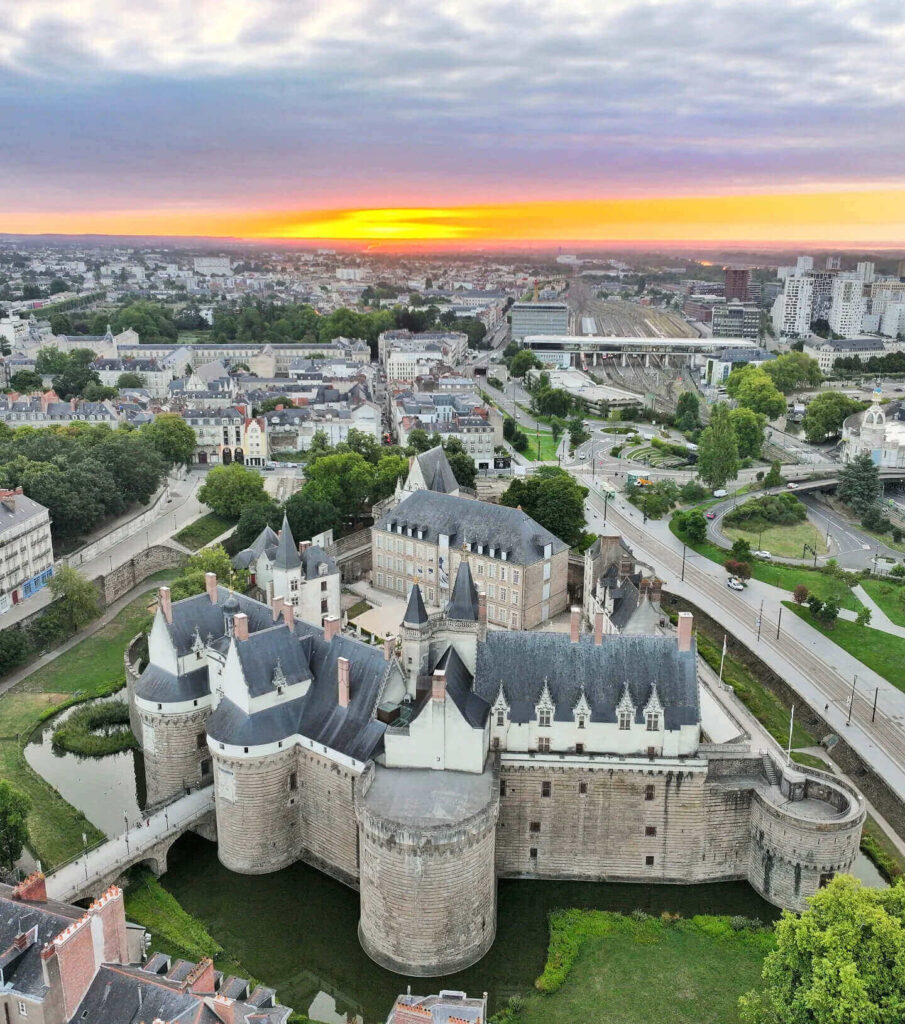
Getting there by public transportation is also straightforward. Nantes has an excellent tram and bus network, and several stops are located within walking distance of the château.
If you’re exploring Nantes on foot, reaching the château is even easier. It’s located near several of the city’s main attractions, including Nantes Cathedral and the historic center, making it simple to include in a day of sightseeing.
Helpful Visitor Tips
A little planning can make your visit even more enjoyable.
One of my biggest recommendations is to allow at least two to three hours for your visit. While you can see the main highlights more quickly, having extra time lets you enjoy the ramparts, museum, and courtyard without feeling rushed.
Comfortable shoes are also a good idea. Between the museum galleries, outdoor grounds, and castle walls, you’ll end up doing more walking than you might expect.
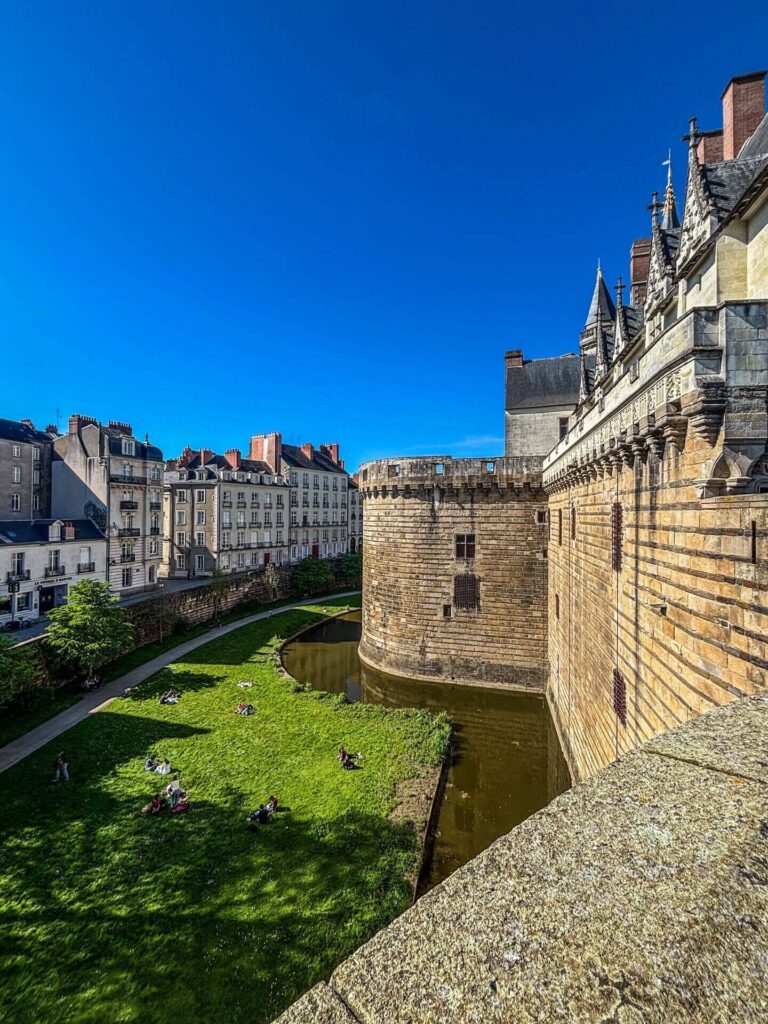
If you’re interested in learning about the château’s history, consider starting with the Nantes History Museum before exploring the exterior. I found that understanding the historical background made the architecture and ramparts much more interesting afterward.
Finally, don’t rush through the ramparts. They offer some of the best views of both the château and Nantes, and they’re easily one of the most memorable parts of the visit. If you enjoy photography, you’ll also find plenty of opportunities to capture the moat, towers, and city skyline from different angles.
Things to Do Near Château des ducs de Bretagne
One of the best things about visiting Château des ducs de Bretagne is its location. Because the château sits right in the center of Nantes, it’s easy to combine with several of the city’s other highlights without spending much time traveling between attractions.
If you’re planning a day of sightseeing, these nearby spots are well worth adding to your itinerary.
Nantes Cathedral
Just a few minutes from the château, Nantes Cathedral is one of the city’s most impressive landmarks. Construction began in the 15th century and continued for hundreds of years, resulting in a magnificent Gothic structure with soaring ceilings and beautiful stained-glass windows.
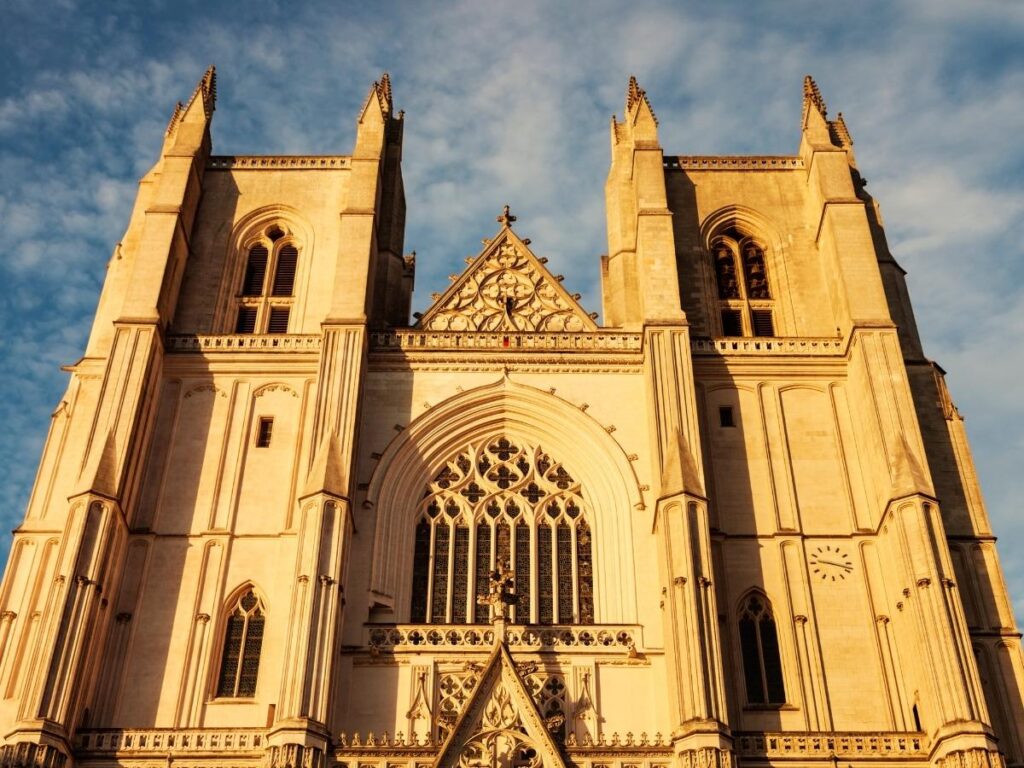
Even if you’ve visited other cathedrals in France, I think this one is worth seeing because of its close connection to the history of Nantes and Brittany. The cathedral also houses the tomb of Francis II, Duke of Brittany, and his wife, making it a natural companion to a visit to the château.
Jardin des Plantes de Nantes
If you’re looking for a break from museums and historic buildings, the Jardin des Plantes is a great place to slow down for a while. Located near the train station, this large botanical garden features themed flower beds, ponds, sculptures, and shaded walking paths.

I particularly enjoyed how peaceful it felt compared to the busy city streets nearby. During spring and summer, it’s a lovely place for a stroll, and it’s easy to spend an hour simply wandering through the gardens.
Passage Pommeraye
Passage Pommeraye is one of those places that surprises visitors. Built in the 19th century, this elegant shopping arcade is known for its grand staircases, decorative sculptures, and beautiful glass roof.
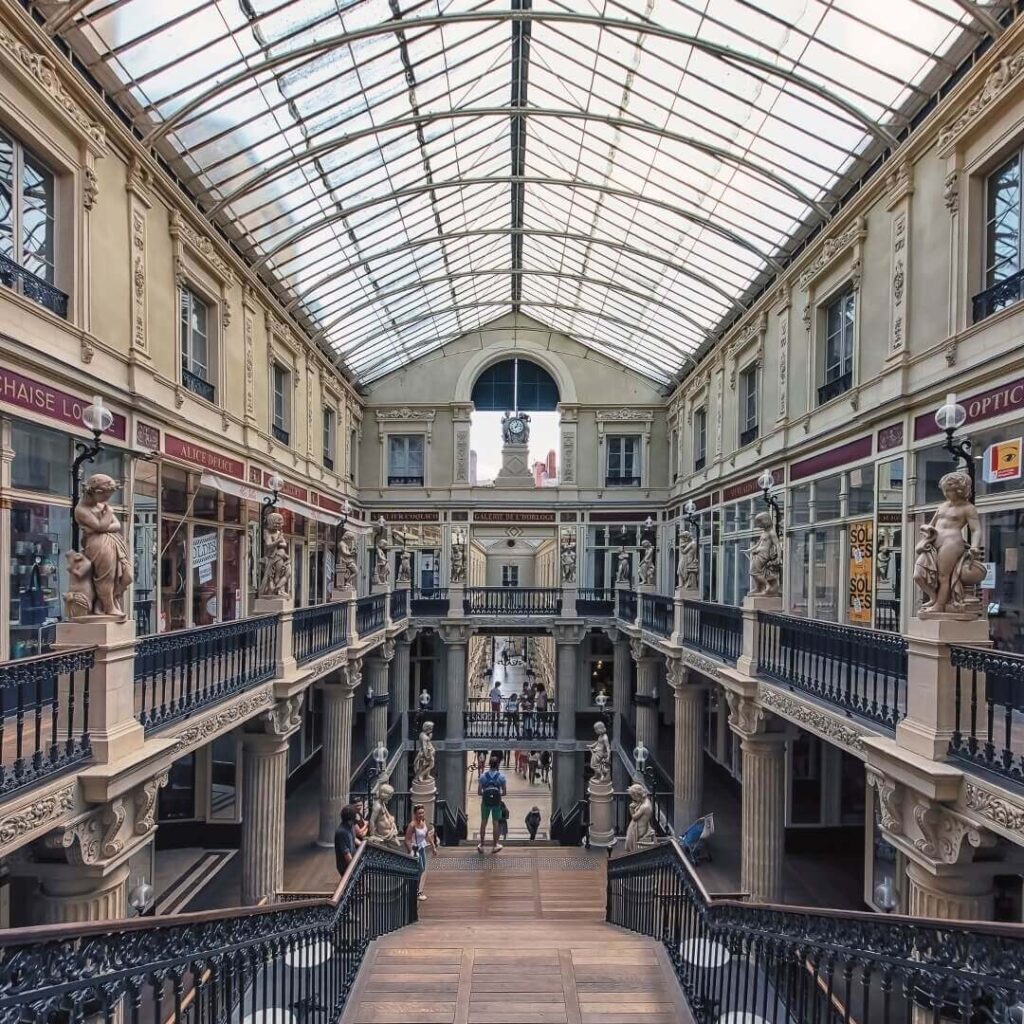
While there are shops and cafés inside, many people visit simply to admire the architecture. It’s one of the most distinctive buildings in Nantes and a great stop if you enjoy historic interiors and photography.
Les Machines de l’Île
For something completely different, head to Les Machines de l’Île. This creative attraction has become one of Nantes’ most famous sights thanks to its giant mechanical elephant and imaginative moving machines inspired by the works of Jules Verne.

What I like most is how different it feels from the château. After spending time exploring centuries of history, visiting Les Machines de l’Île offers a glimpse into Nantes’ modern, artistic side. Together, the two attractions provide a great introduction to both the city’s past and present.
Final Thoughts on Château des ducs de Bretagne
Château des ducs de Bretagne ended up being one of my favorite places to visit in Nantes, largely because it offers much more than a typical castle experience. While the architecture alone is worth seeing, what makes the château memorable is how many different stories it brings together.
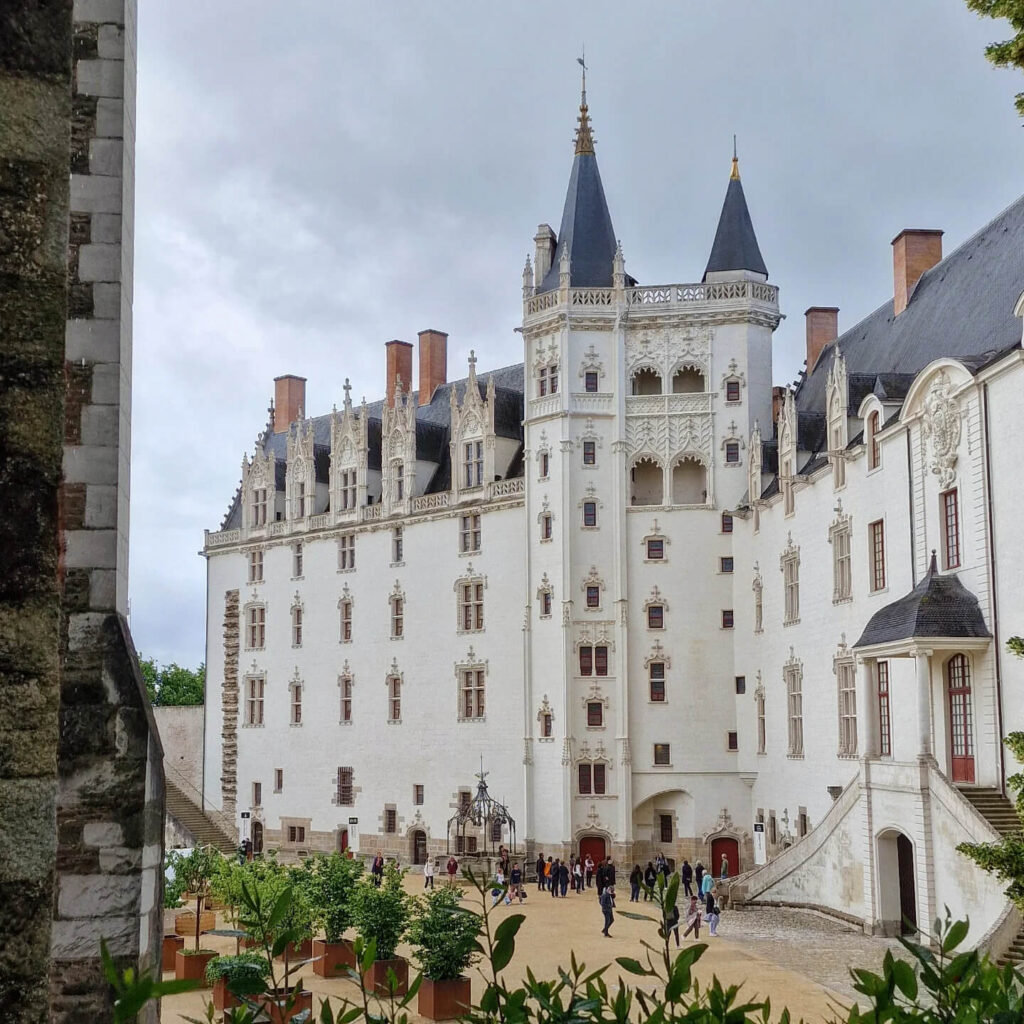
From the history of the Dukes of Brittany and Anne of Brittany to the development of Nantes itself, there’s a real sense of connection between the building and the events that shaped the region.
I also enjoyed how varied the experience felt. One moment you’re walking beside a medieval moat, the next you’re admiring Renaissance architecture in the courtyard or taking in views of the city from the ramparts. Add in the Nantes History Museum, and it’s easy to spend several hours here without feeling like you’re simply moving from one exhibit to the next.
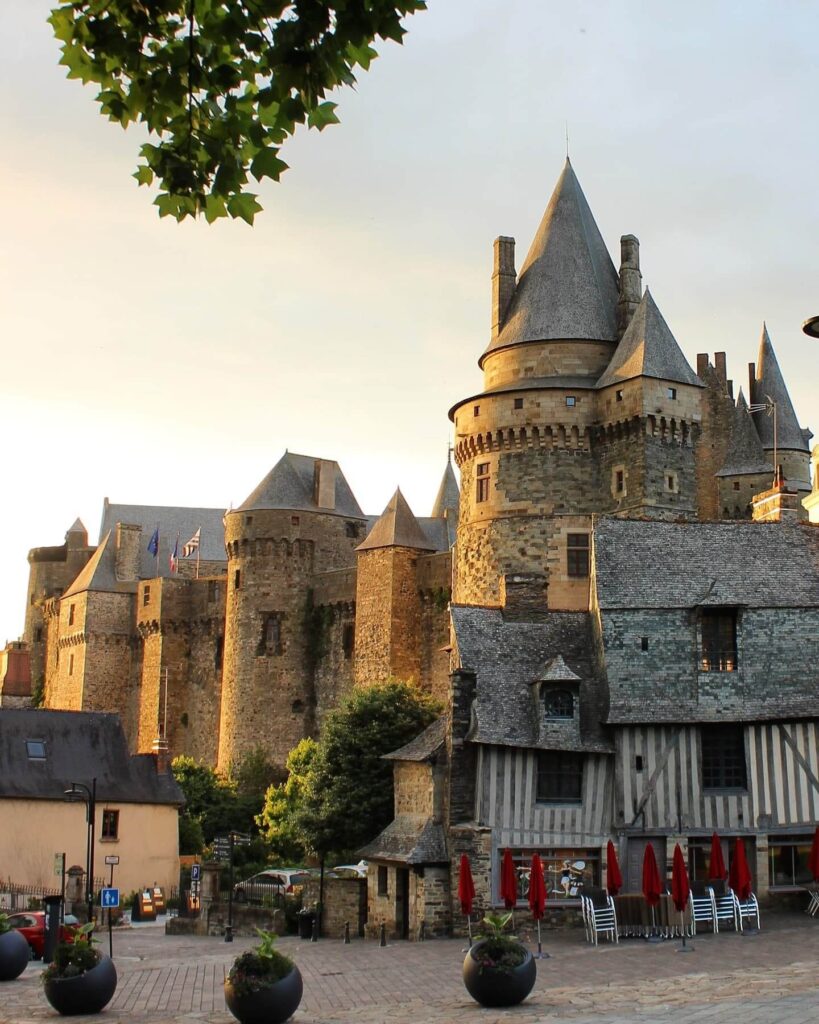
If you’re expecting a lavish royal palace like some of the famous Loire Valley châteaux, this isn’t quite that kind of attraction. Instead, Château des ducs de Bretagne feels more authentic and closely tied to the city around it. It’s a place where you can learn about Brittany’s past while also gaining a better understanding of modern Nantes.
Whether you’re interested in history, architecture, photography, or simply looking for the most worthwhile things to do in Nantes, I think Château des ducs de Bretagne deserves a place on your itinerary. For first-time visitors especially, it’s one of the best places to start exploring the city and understanding the history that helped shape it.