
When most travelers start planning a Loire Valley itinerary, castles like Chambord and Chenonceau usually get most of the attention. And honestly, it’s easy to see why. They’re some of the most famous and impressive châteaux in France.
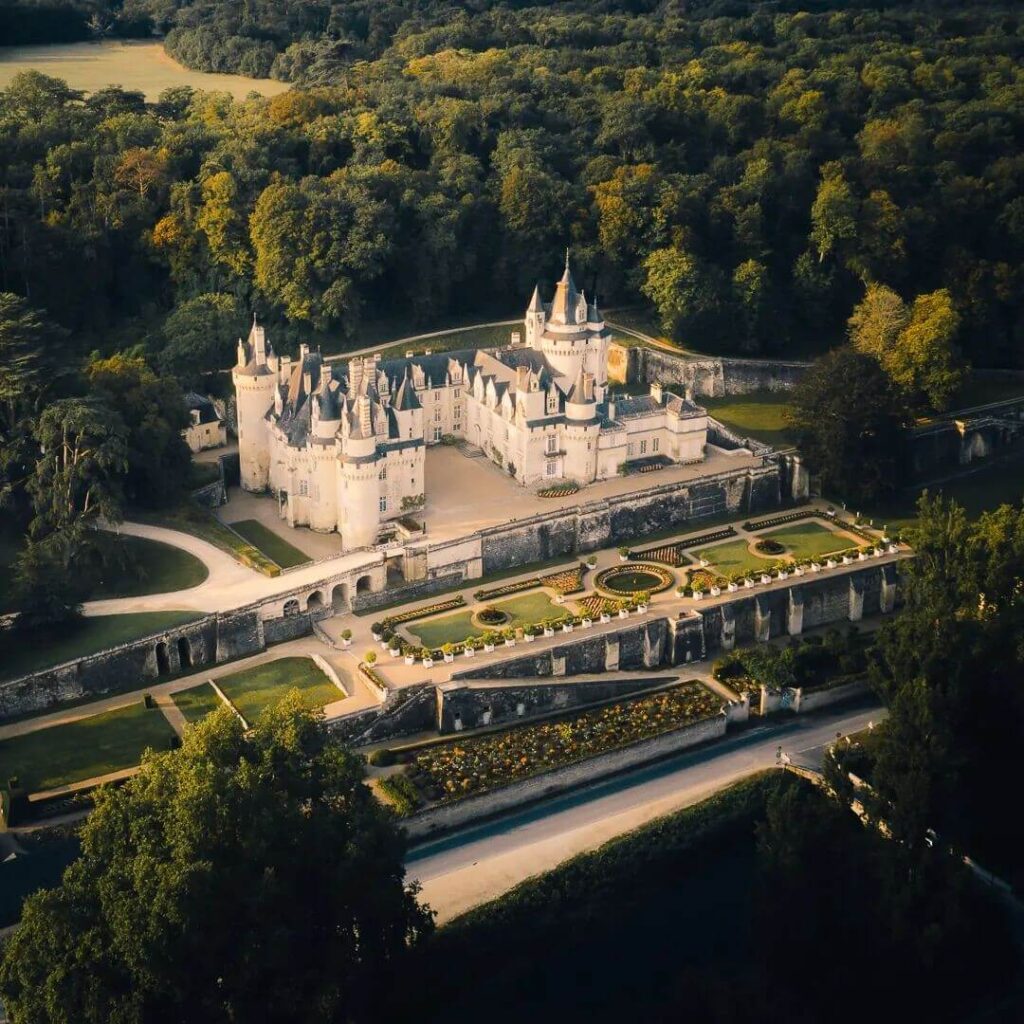
But while researching the region, Château d’Ussé quickly became one of the castles I was most excited to visit. Perched above the Indre Valley and surrounded by woodland, gardens, and elegant towers, it looks exactly like the kind of castle you’d expect to find in a fairy tale.
That connection isn’t just visual, either. Château d’Ussé is widely associated with Charles Perrault’s Sleeping Beauty, and many people believe it helped inspire the famous story.
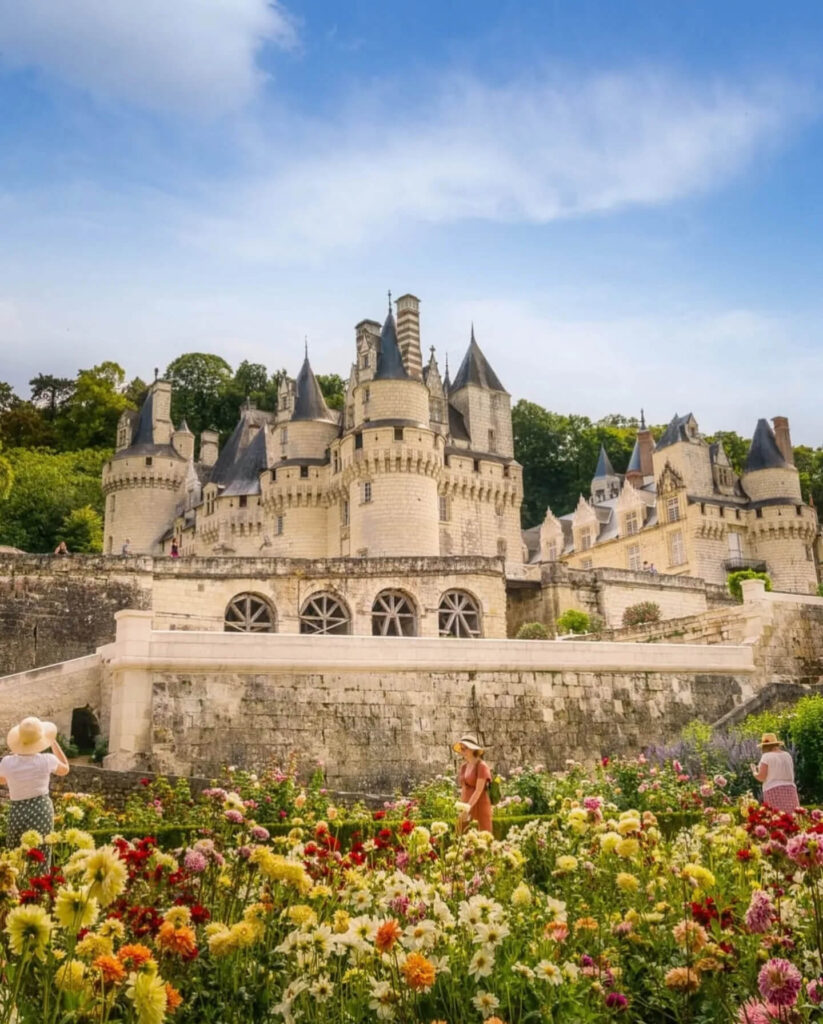
Whether that’s entirely true or not, standing in front of the château, it’s easy to understand where the legend comes from.
Beyond the fairy tale appeal, Château d’Ussé offers over a thousand years of history, beautifully furnished interiors, formal gardens, and a much quieter atmosphere than some of the Loire Valley’s busiest attractions.
It’s the kind of place where you can slow down, explore at your own pace, and appreciate both the history and the setting.
If you’re wondering whether Château d’Ussé deserves a place on your Loire Valley itinerary, here’s everything you need to know before visiting.
Where Is Château d’Ussé?
Château d’Ussé is located in the small village of Rigny Ussé in France’s Loire Valley, one of the country’s most famous regions for castles, vineyards, and historic towns. The château sits in the department of Indre et Loire, between the Loire and Indre rivers, surrounded by forests and rolling countryside.
Part of what makes Château d’Ussé so memorable is its setting. Even before you reach the castle itself, the drive through the surrounding landscape helps set the scene. Quiet country roads, patches of woodland, and views across the valley make the approach feel surprisingly peaceful.
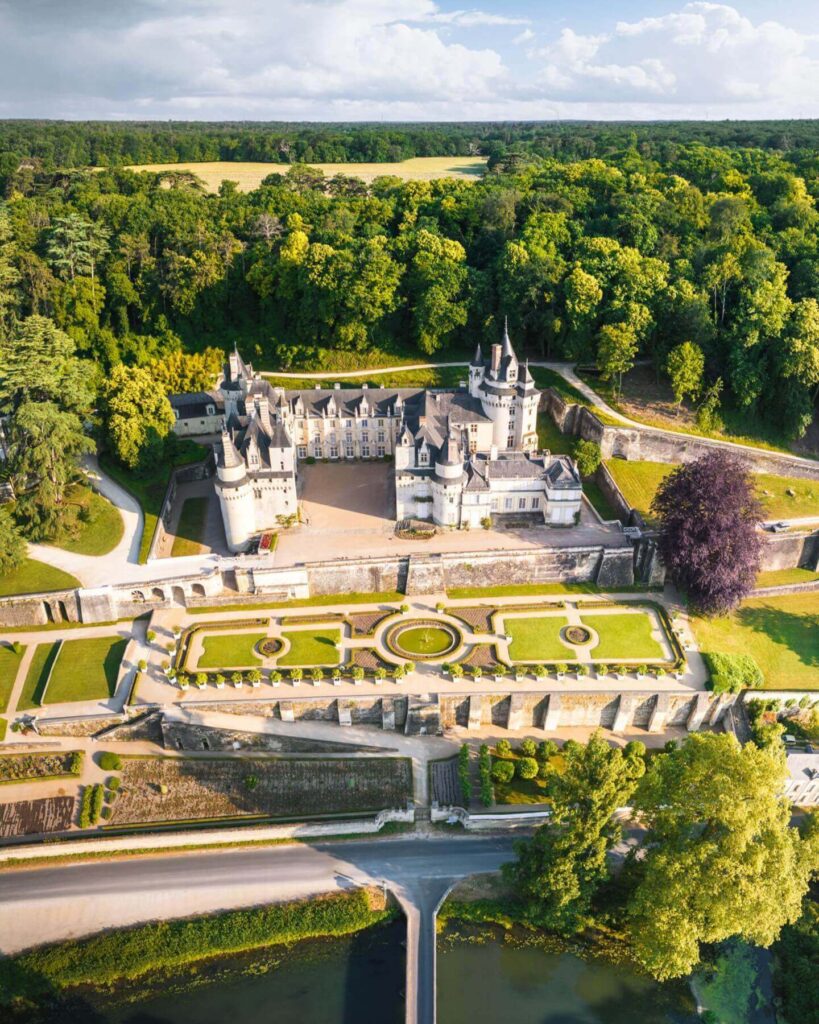
Unlike some of the Loire Valley’s larger attractions that are surrounded by busy towns, Château d’Ussé still feels tucked away in the countryside.
For most visitors, driving is the easiest way to get here. Public transportation options in this part of the Loire Valley can be limited, especially if you’re hoping to visit multiple castles in a single day. Renting a car gives you the flexibility to explore at your own pace and easily combine Château d’Ussé with several nearby attractions.
The château is conveniently located near some of the Loire Valley’s most popular destinations. Villandry and its famous gardens are only about 20 minutes away, while the beautiful riverside Château d’Azay le Rideau can be reached in around 25 minutes.
The historic town of Chinon is even closer and makes a great stop for lunch or a stroll through its medieval streets. If you’re staying in Tours, one of the most common bases for exploring the Loire Valley, the drive takes approximately 45 minutes.
Because of its central location, many travelers visit Château d’Ussé as part of a full day exploring the western Loire Valley. It’s easy to pair with one or two other castles without feeling rushed, making it a practical addition to almost any Loire Valley itinerary.
The History of Château d’Ussé
One of the things I enjoyed most about Château d’Ussé is that it isn’t simply a beautiful castle. Behind its fairy tale appearance is a history that stretches back more than a thousand years.
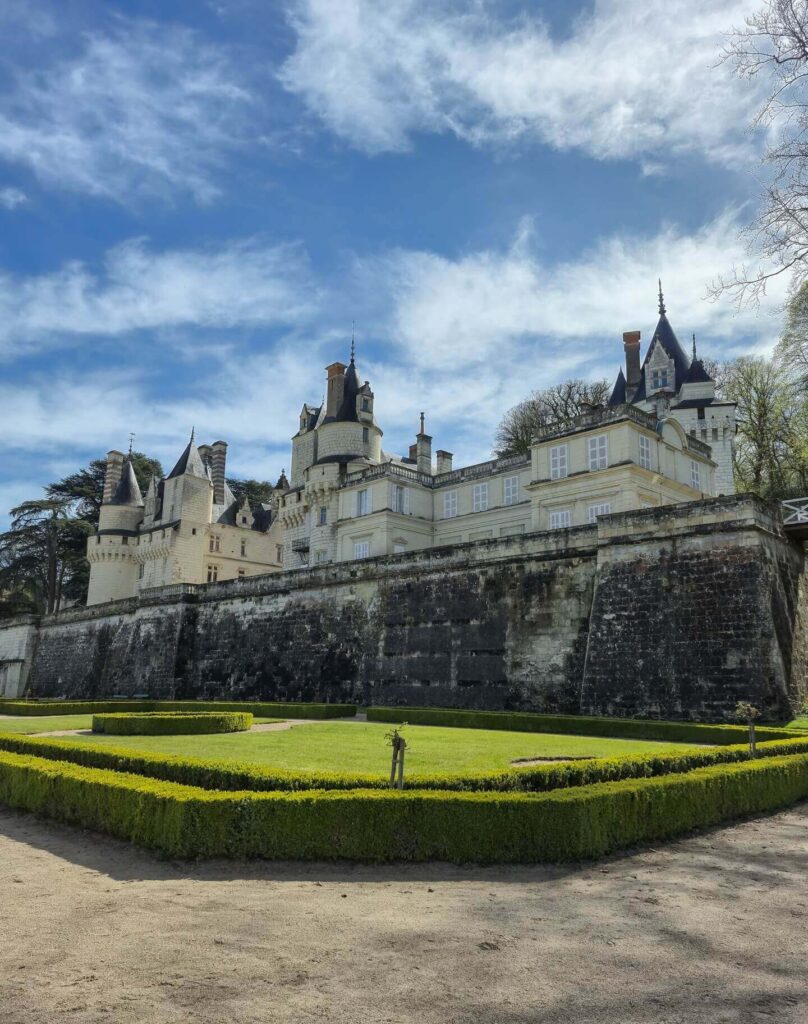
The site was originally chosen for its strategic position overlooking the surrounding valleys. During the early Middle Ages, controlling elevated positions like this was important for both defense and surveillance.
Long before the elegant towers and manicured gardens appeared, a fortified stronghold stood here, protecting the region and serving as a symbol of power for its owners.
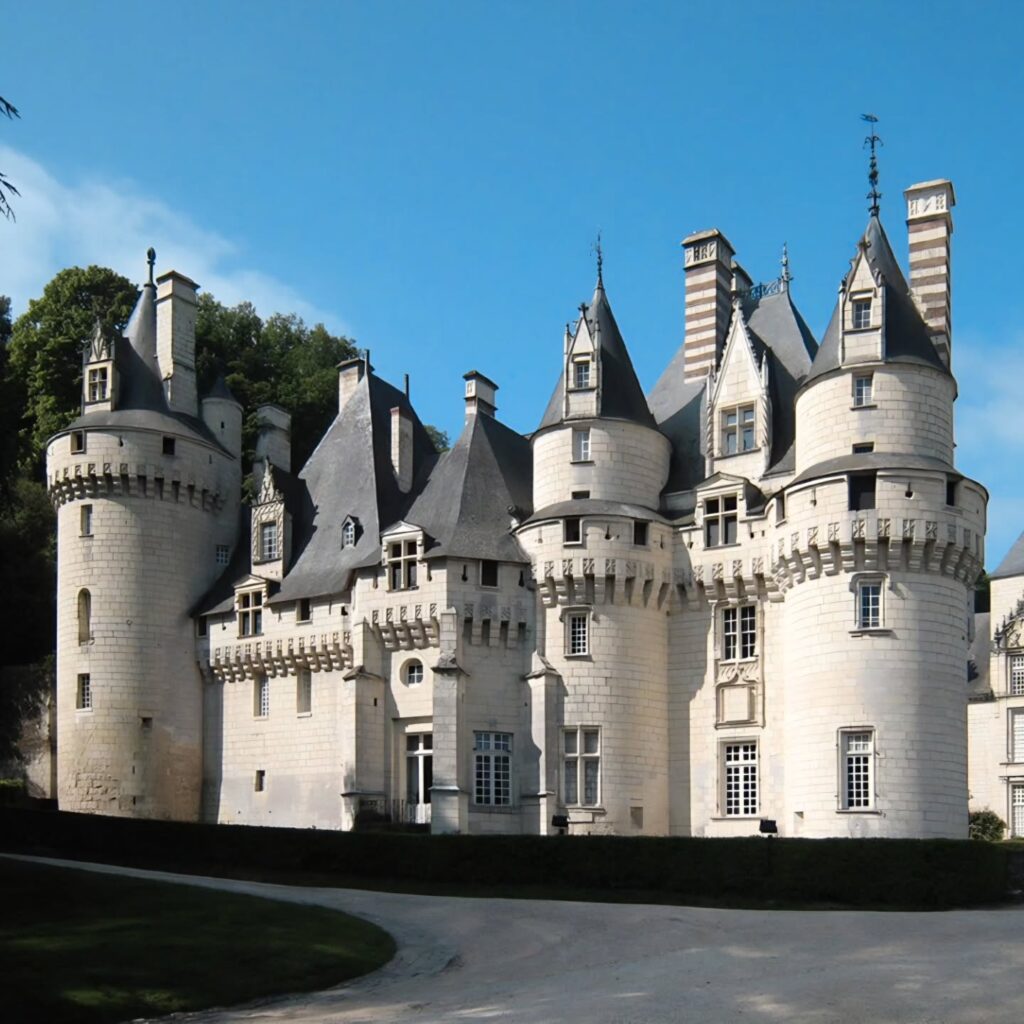
Over the centuries, the fortress changed hands several times as different noble families left their mark on the property. Like many castles in the Loire Valley, Château d’Ussé evolved gradually rather than being built all at once.
Each generation added new features, expanded existing structures, and adapted the château to reflect changing tastes and lifestyles.
From Medieval Fortress to Elegant Residence
The transformation that shaped much of the château visitors see today began during the 15th century.
As France became more stable and the need for heavily fortified residences decreased, many medieval castles were converted into more comfortable homes. Château d’Ussé followed a similar path. Defensive structures slowly gave way to larger windows, elegant towers, decorative details, and more refined living spaces.
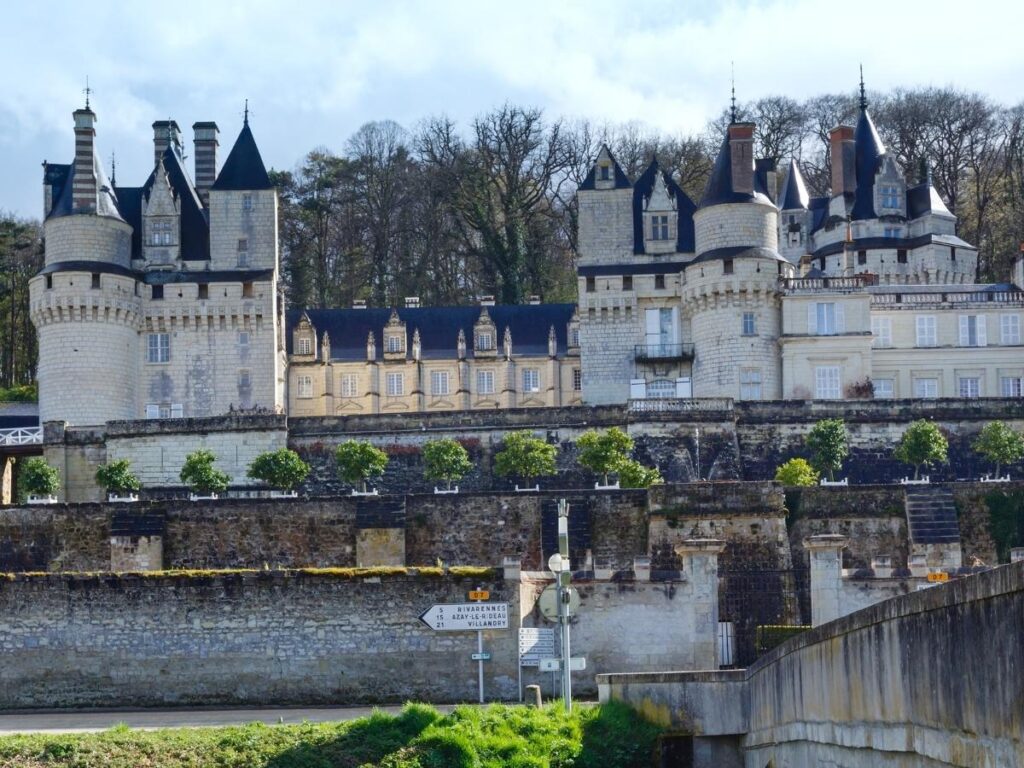
What makes Château d’Ussé particularly interesting is that traces of both periods remain visible. As you walk around the property, you can still spot elements that hint at its defensive origins, while other sections showcase the architectural style that became popular during the Renaissance.
This blend of medieval and Renaissance influences is part of what gives the château its distinctive appearance. Unlike some Loire Valley castles that were designed entirely as grand residences, Château d’Ussé feels like a place that has genuinely evolved through centuries of history.
Why Is Château d’Ussé Known as the Sleeping Beauty Castle?
For many visitors, Château d’Ussé’s connection to Sleeping Beauty is what makes it stand out from other Loire Valley castles.
The château is widely believed to have inspired Charles Perrault’s famous fairy tale, first published in 1697. According to local tradition, Perrault visited the castle and drew inspiration from its elegant towers, woodland setting, and romantic appearance.
Whether or not it was the sole inspiration, it’s easy to understand why the story became linked to Château d’Ussé.
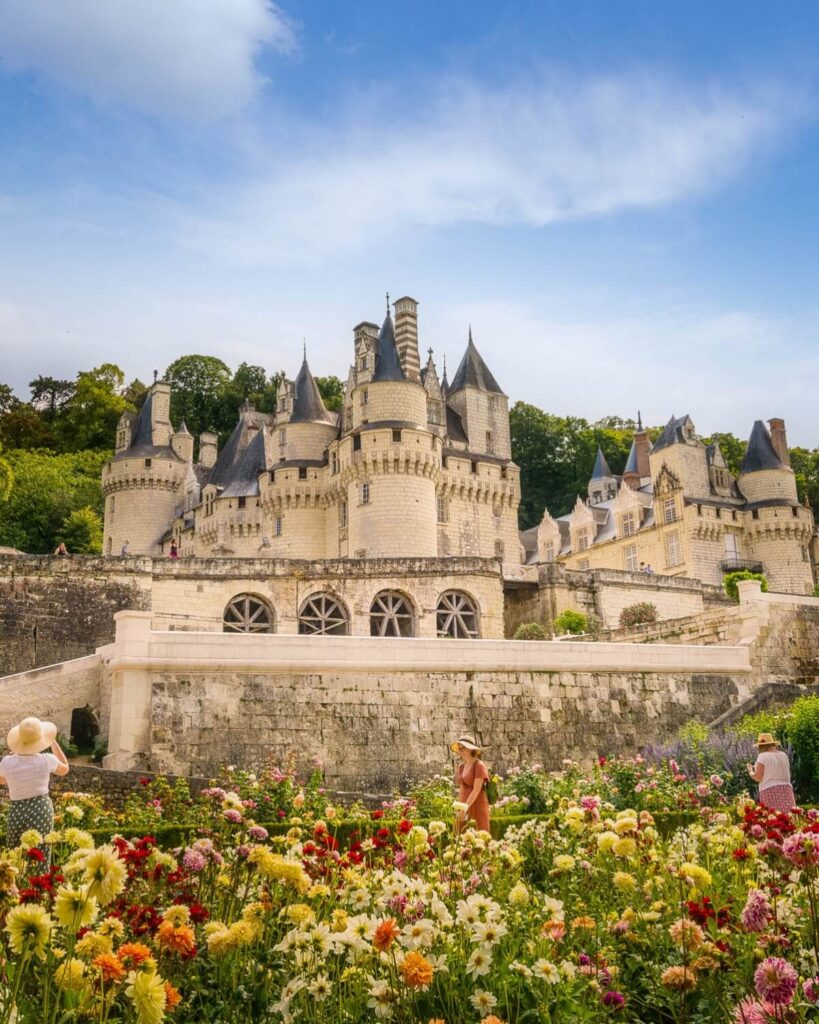
Standing in front of the château, you can’t help but notice how closely it matches the image of a fairy tale castle. Its turrets rise above the surrounding trees, and the peaceful countryside setting only adds to the atmosphere.
The château fully embraces this connection today. Visitors can explore displays that recreate scenes from Sleeping Beauty, making the visit especially enjoyable for families. Even for adults, the exhibits add a unique element that helps Château d’Ussé feel different from many other historic castles in the region.
What Makes Château d’Ussé Unique?
With so many impressive castles in the Loire Valley, it’s fair to ask what makes Château d’Ussé worth visiting.
For me, the answer is its atmosphere. While castles like Chambord impress with their scale and Chenonceau is famous for its position over the river, Château d’Ussé feels more intimate and relaxed.
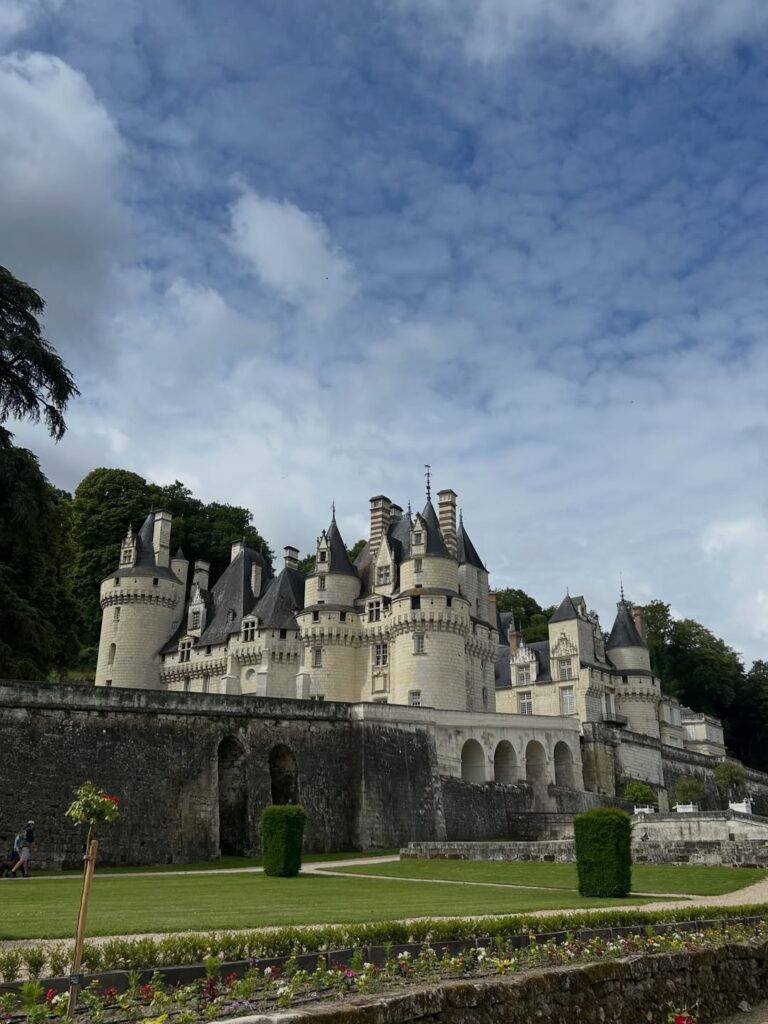
Part of that comes from its architecture. The château combines medieval and Renaissance elements, giving it the appearance of a castle that has evolved naturally over centuries. Its fairy tale towers, formal gardens, and views across the Indre Valley create a setting that feels both elegant and peaceful.
I also like that it attracts fewer visitors than some of the Loire Valley’s biggest landmarks. You can take your time exploring the rooms, walking through the gardens, and enjoying the surroundings without feeling rushed.
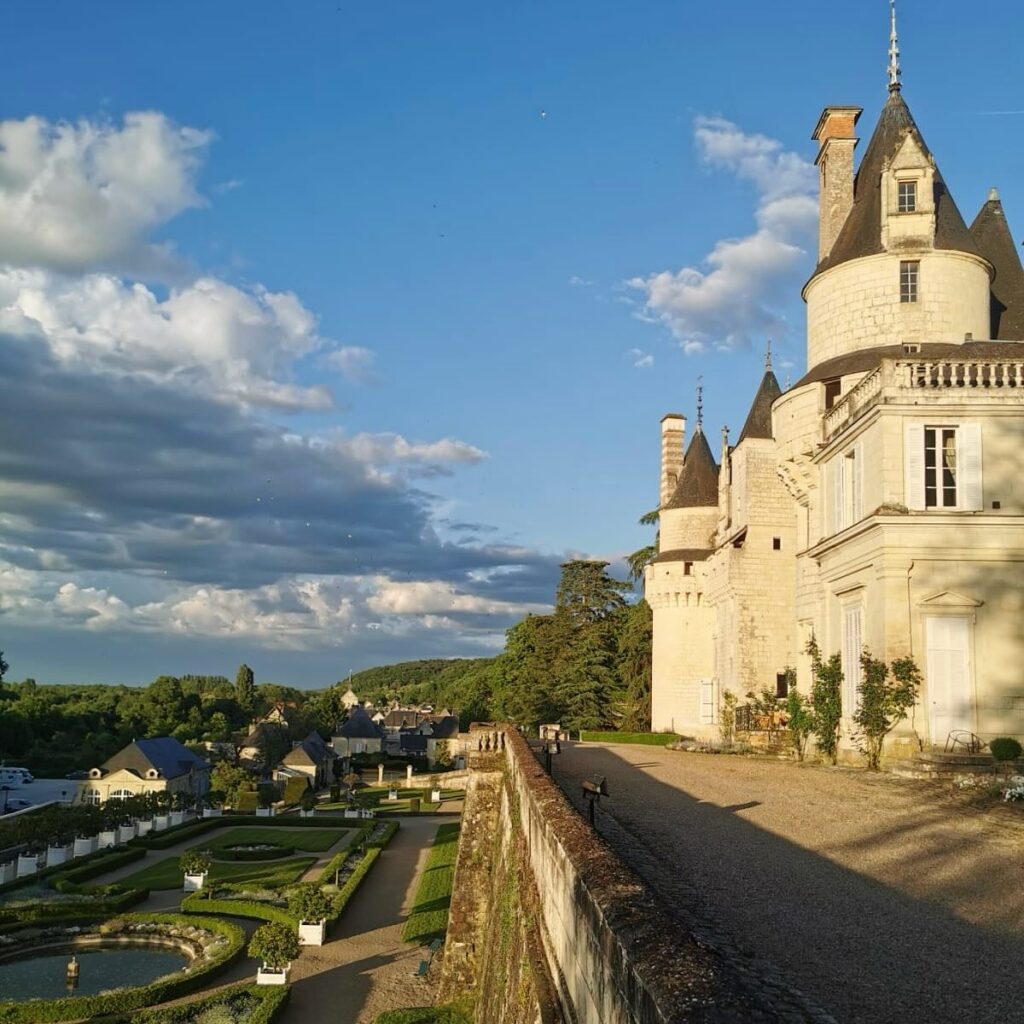
The Sleeping Beauty connection certainly adds to its appeal, but what makes Château d’Ussé memorable is the combination of history, architecture, gardens, and a sense of charm that’s hard to find elsewhere in the Loire Valley.
What to See at Château d’Ussé
While Château d’Ussé is famous for its fairy tale exterior, there’s much more to the visit than simply admiring the castle from a distance. Between the furnished rooms, Sleeping Beauty displays, gardens, chapel, and historic areas, it’s easy to spend a couple of hours exploring the estate.
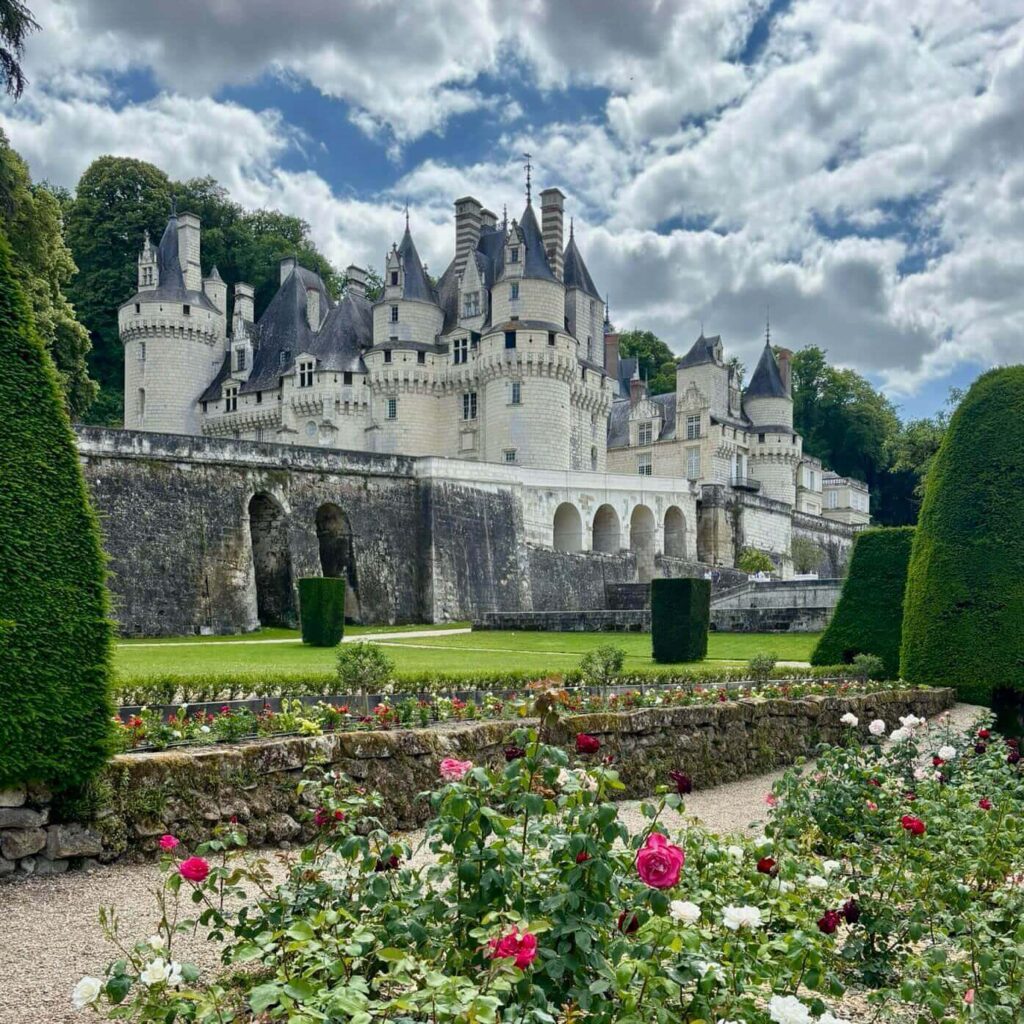
One thing I appreciate about Château d’Ussé is that the experience feels varied. You’re not just walking through room after room of antiques. Each part of the château reveals a different aspect of its history and character, making the visit feel engaging from start to finish.
The Castle Exterior
Before you even step inside, take some time to appreciate the château itself. This is easily one of the most photogenic castles in the Loire Valley.
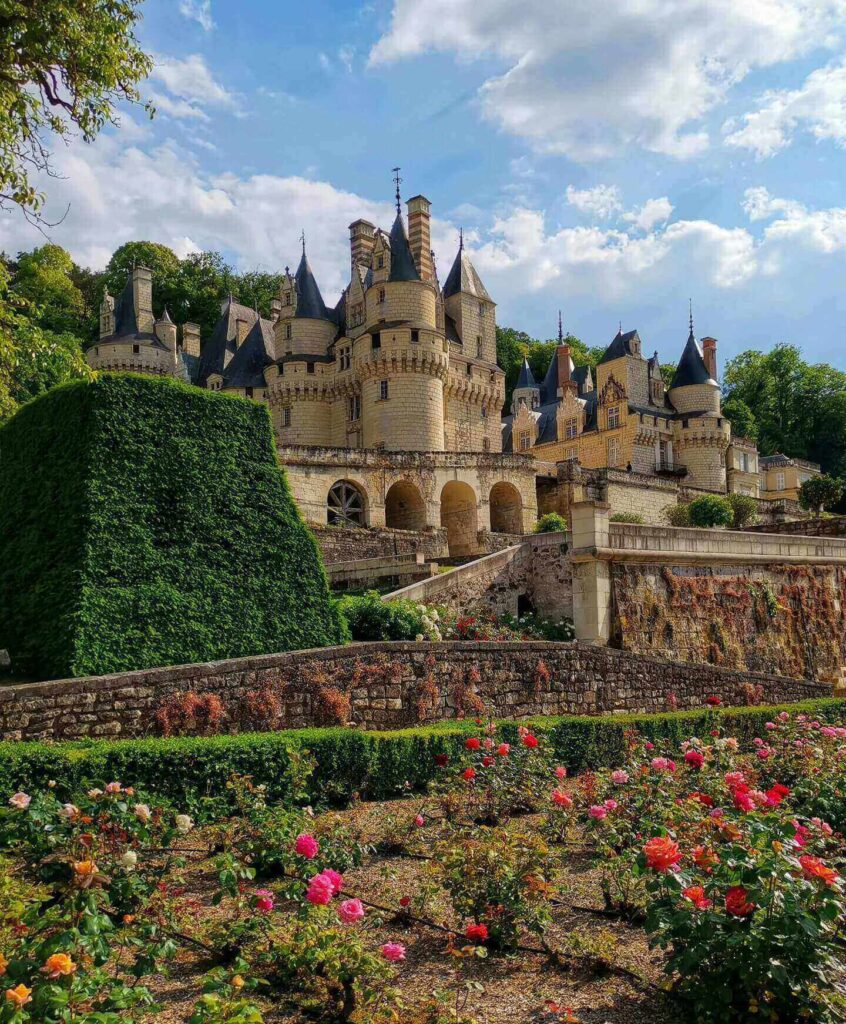
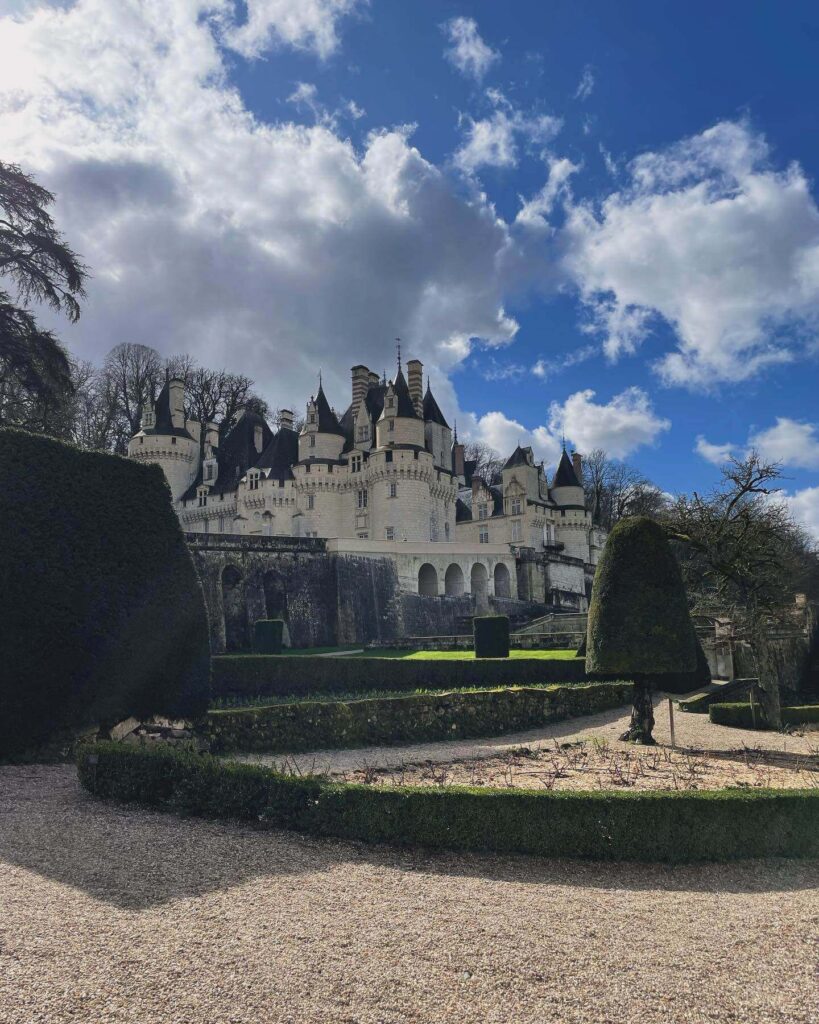
With its elegant towers, pointed turrets, and pale stone façades, Château d’Ussé looks remarkably close to the image many people have of a fairy tale castle. The surrounding woodland only adds to the effect, especially during spring and autumn when the landscape provides a colorful backdrop.
The approach to the château offers some of the best views, so don’t rush straight inside. I found that some of the most memorable photos are taken from the gardens and pathways surrounding the estate, where you can fully appreciate the castle’s setting within the countryside.
The Furnished State Rooms
Inside the château, visitors can explore a series of beautifully furnished rooms that offer a glimpse into aristocratic life over several centuries.
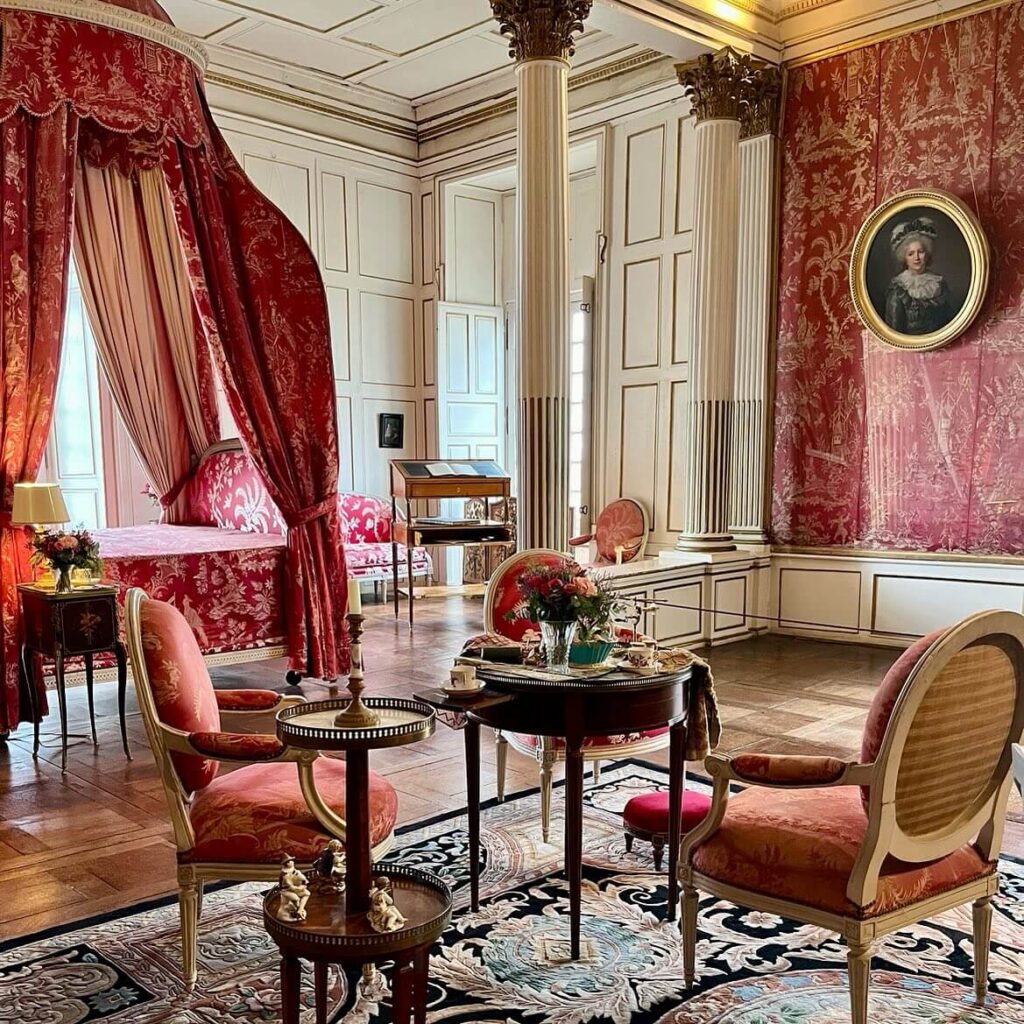
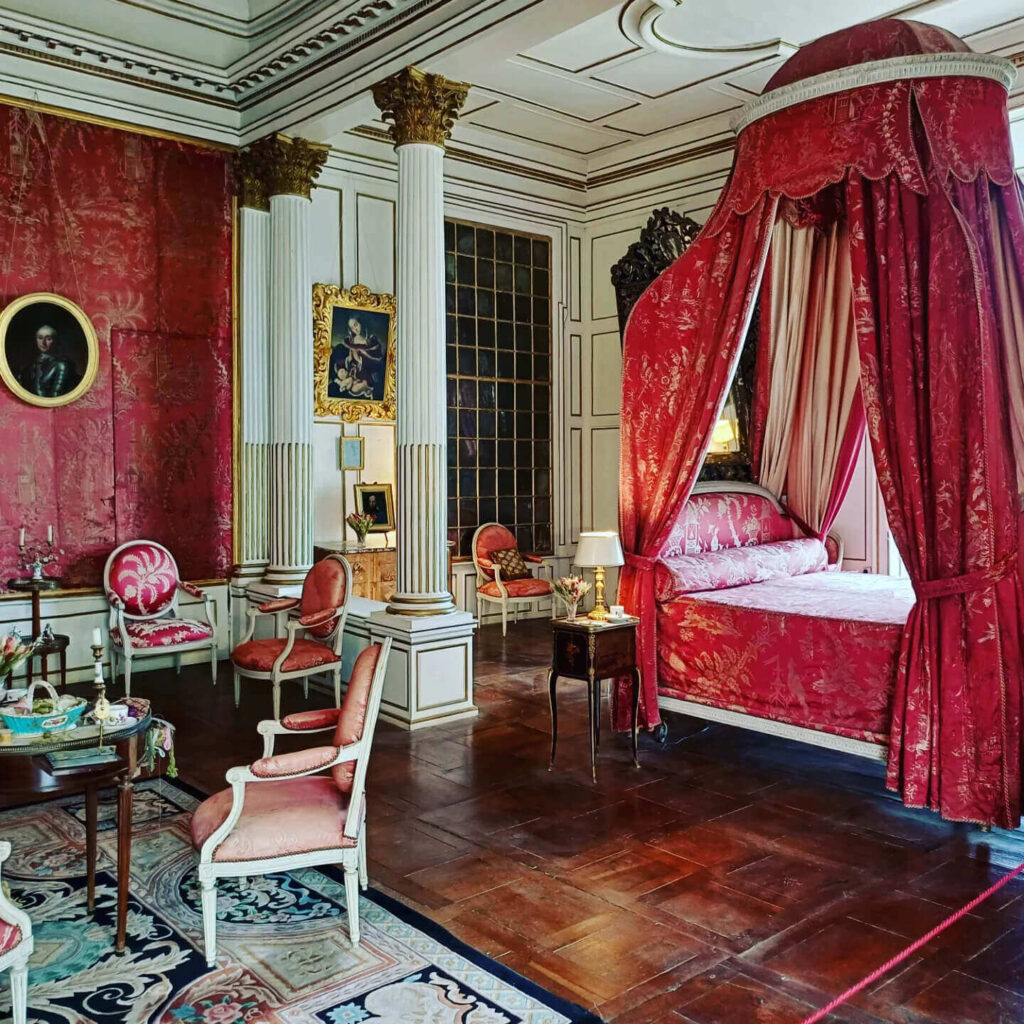
As you move through the château, you’ll see elegant reception rooms, richly decorated bedrooms, antique furniture, historic artwork, and ornate fireplaces. What makes these rooms particularly interesting is that they still feel connected to the families who lived here rather than appearing as carefully staged museum exhibits.
Many of the portraits and furnishings have remained associated with the château for generations, helping create a more personal atmosphere. Instead of simply admiring architecture, you’re also getting a sense of the people who called Château d’Ussé home.
The Sleeping Beauty Displays
The Sleeping Beauty displays are one of the château’s most distinctive features and something you won’t find at other Loire Valley castles.
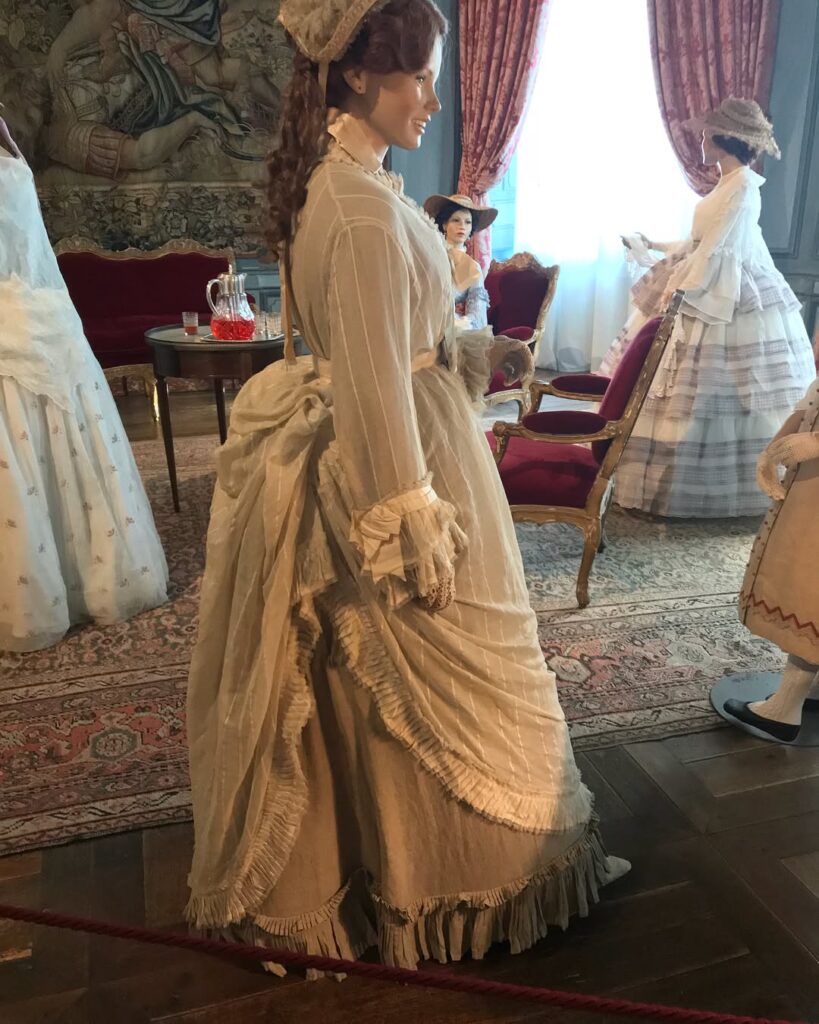
Located throughout sections of the château, these exhibits recreate scenes from Charles Perrault’s famous fairy tale using life sized figures, costumes, and detailed settings. As visitors move through the displays, they follow key moments from the story, almost like turning the pages of a fairy tale book.
Although they’re especially popular with families, I think adults often enjoy them just as much. The displays help explain why Château d’Ussé became associated with Sleeping Beauty and add a playful element to a visit that is otherwise rooted in history.
The Chapel
Many visitors focus on the château itself and overlook the chapel, but it’s worth seeking out during your visit.
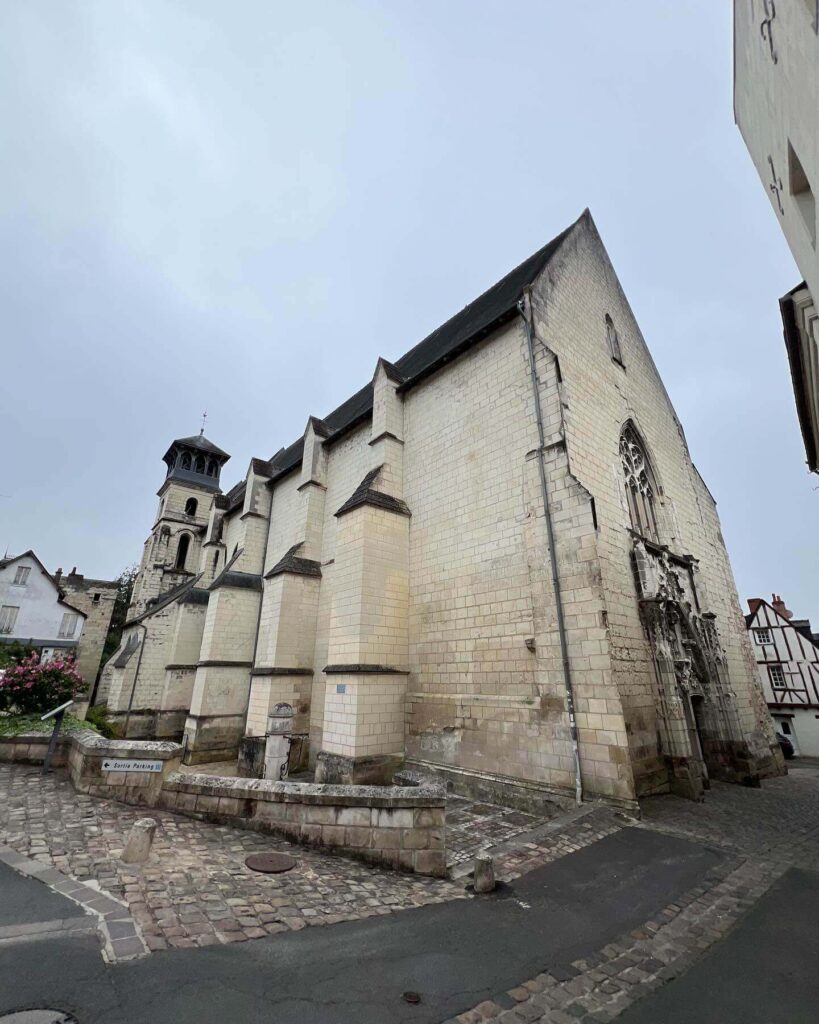
Built in the nineteenth century in a Gothic Revival style, the chapel features elegant stonework and decorative details that differ noticeably from the architecture found elsewhere on the estate. While it isn’t particularly large, it provides an interesting contrast to the château’s Renaissance influences.
I also found it to be one of the quietest places on the property. After exploring the main château, the peaceful atmosphere here offers a nice change of pace.
The Gardens
The gardens are often overshadowed by the château itself, but they ended up being one of my favorite parts of the estate.
Designed by André Le Nôtre, the renowned landscape architect behind the gardens of Versailles, they feature manicured hedges, geometric layouts, terraces, and open views across the surrounding countryside.
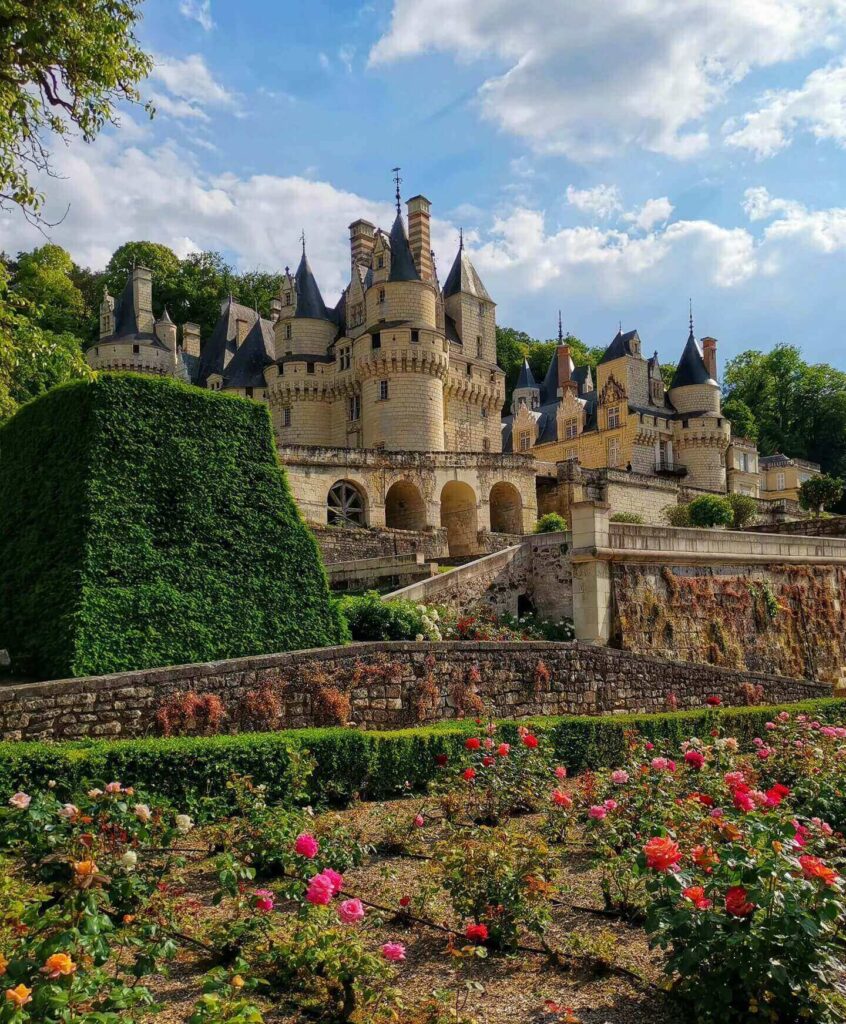
The design is elegant without feeling overwhelming, making the gardens pleasant to explore at a relaxed pace.
They’re also one of the best places to appreciate the château from different angles. As you walk through the grounds, you’ll find several viewpoints that showcase the castle rising above the trees, creating some of the most picturesque scenes on the estate.
The Cellars and Historic Areas
Depending on the route open during your visit, you may also have access to older sections of the château, including historic cellars and areas that reveal more of its medieval origins.
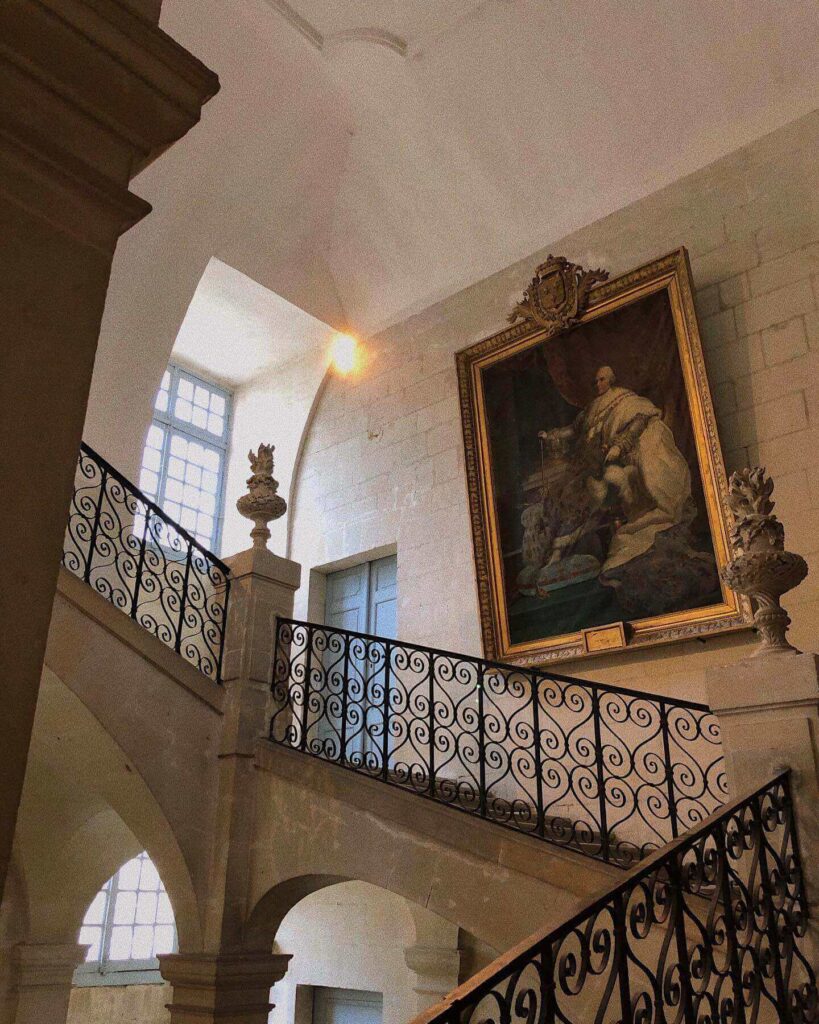
These spaces provide an interesting contrast to the elegant rooms upstairs. Thick stone walls, older architectural features, and more functional spaces offer a glimpse into the château’s earlier life as a fortified stronghold.
For anyone interested in history, these areas help tell the story of how Château d’Ussé evolved over the centuries, transforming from a medieval fortress into the fairy tale château visitors see today.
How Long Do You Need at Château d’Ussé?
One of the questions many travelers ask before visiting Château d’Ussé is how much time they should plan for. While it’s possible to see the highlights fairly quickly, I think this is one of those castles that’s best enjoyed at a slower pace.
For most visitors, I’d recommend setting aside around two to three hours. That gives you enough time to explore the château interiors, see the Sleeping Beauty displays, wander through the gardens, and stop to admire the views without feeling rushed.
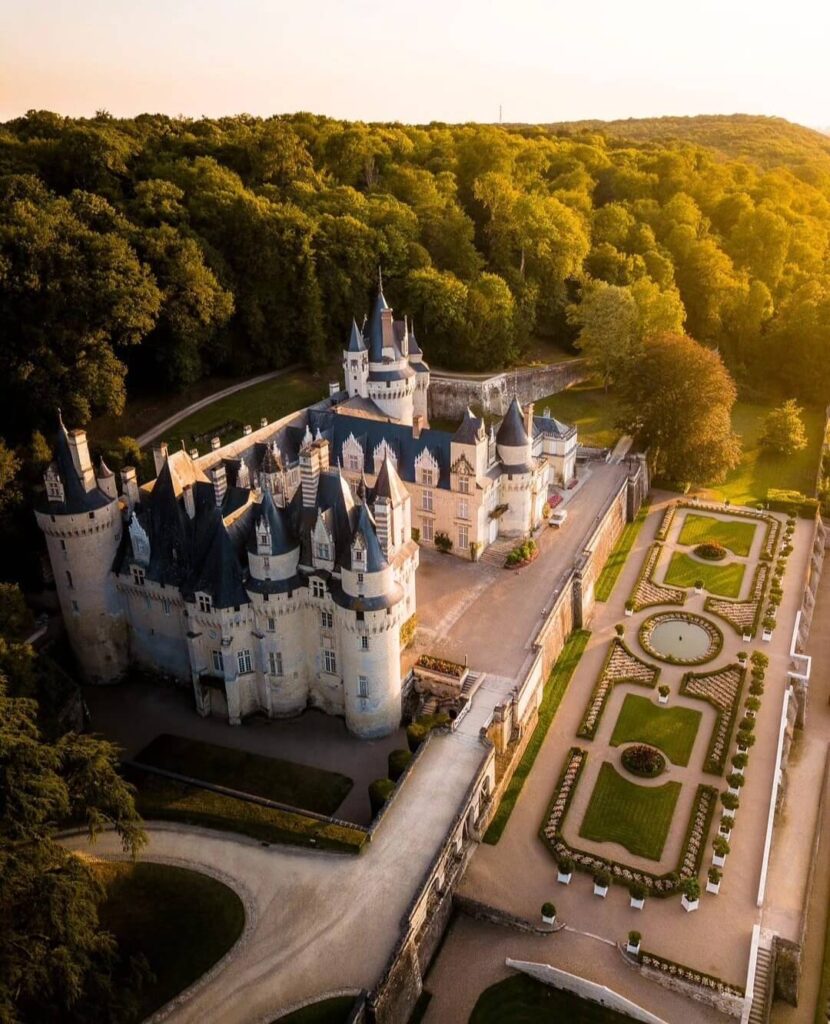
What surprised me most is that the grounds are just as enjoyable as the château itself. After touring the rooms, it’s worth spending some time outside walking through the gardens and taking in different views of the castle.
Some of the best photo opportunities are found away from the main entrance, where you can really appreciate the château’s fairy tale appearance.
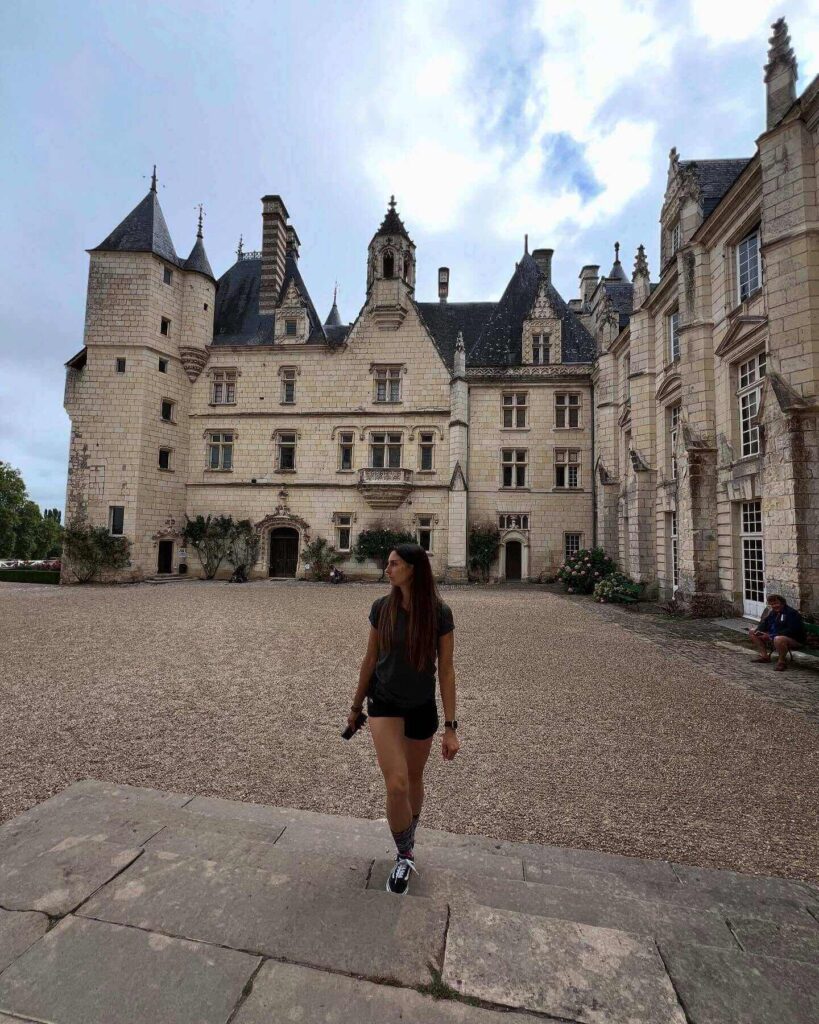
If you’re particularly interested in history or photography, you could easily spend longer. On the other hand, if you’re visiting several Loire Valley castles in a single day, two hours is usually enough to see the main highlights comfortably.
The château also works well as a half day stop. Its location makes it easy to combine with nearby attractions such as Villandry, Azay le Rideau, or Chinon, which is exactly what many travelers do when exploring this part of the Loire Valley.
Suggested Visit Timeline
If You Have Around 1.5 Hours
If you’re short on time, it’s still possible to see the main highlights of Château d’Ussé in about 90 minutes. I would focus on the château interiors, the Sleeping Beauty displays, and a quick walk around the exterior for photos.
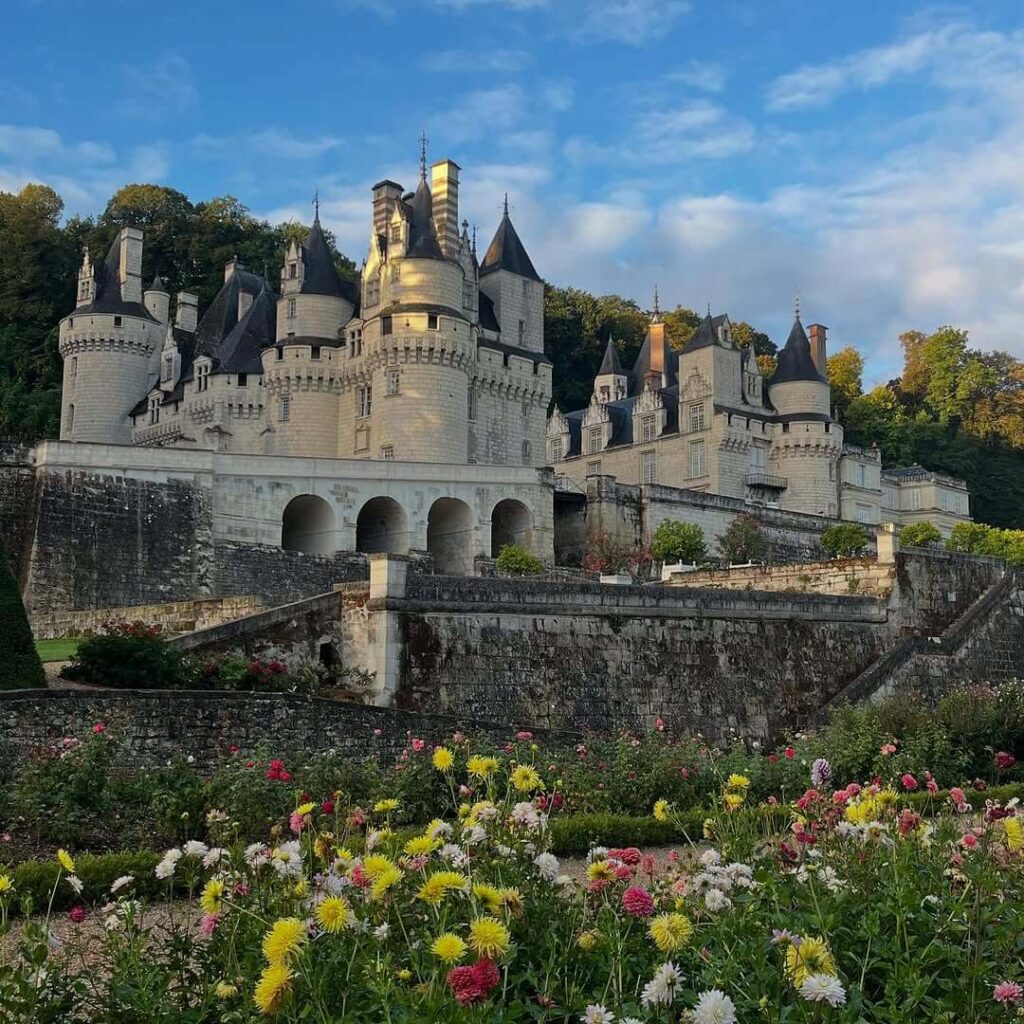
You’ll get a good sense of the castle’s history and character, although you may not have much time to linger in the gardens or explore every corner of the estate.
If You Have 2 to 3 Hours
For most visitors, this is the ideal amount of time. It allows you to explore the château at a comfortable pace, spend time in the furnished rooms, enjoy the Sleeping Beauty exhibits, visit the chapel, and wander through the gardens without feeling rushed.
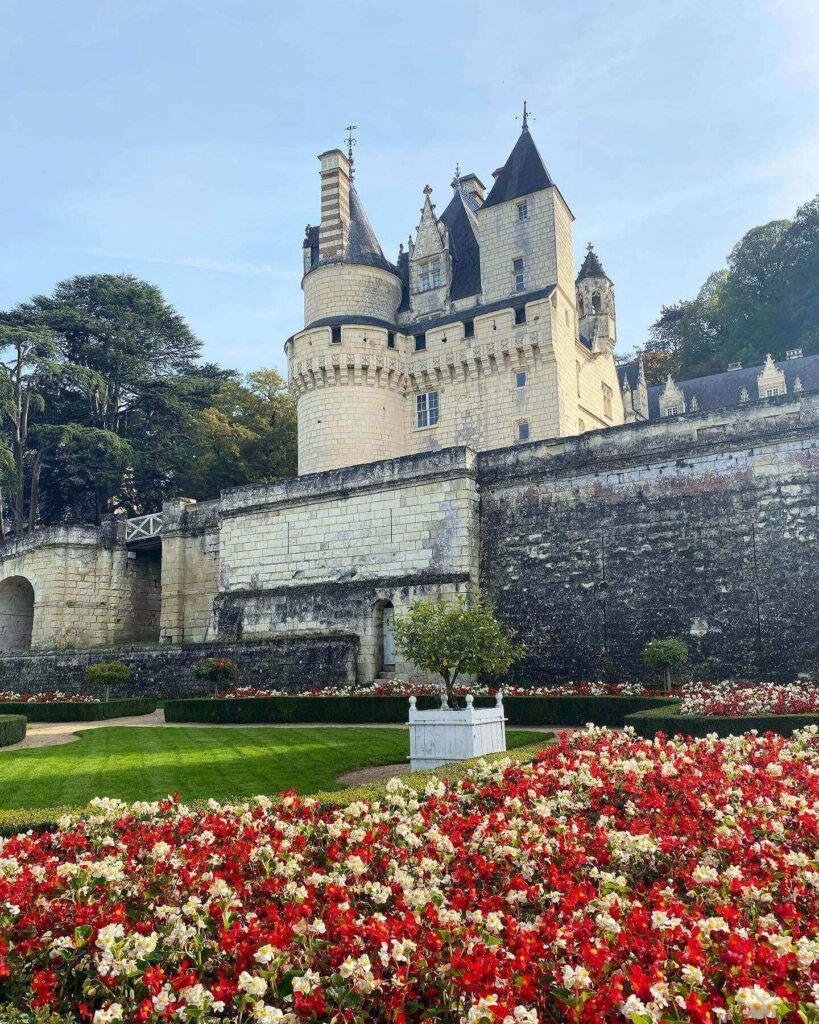
I think this is where Château d’Ussé shines. The castle itself is beautiful, but part of the experience is slowing down and appreciating the setting. Having a little extra time means you can stop for photos, enjoy the views from different parts of the grounds, and take in the atmosphere rather than simply moving from one room to the next.
If You Have Half a Day
A half day visit is perfect if you enjoy photography, history, or simply exploring at a relaxed pace. You’ll have plenty of time to see everything on the estate, revisit your favorite areas, and enjoy the gardens without watching the clock.
This option also works well if Château d’Ussé is your main destination for the morning or afternoon before continuing on to nearby places such as Villandry, Chinon, or Azay le Rideau. The château isn’t overwhelming in size, but its peaceful setting makes it a place where spending a little extra time feels worthwhile.
Château d’Ussé Tickets and Opening Hours
Château d’Ussé is generally open from spring through late autumn, although opening dates and daily schedules vary throughout the year. Because these can change, I recommend checking the château’s official website before your visit for the latest information.
While Château d’Ussé is usually quieter than castles like Chambord or Chenonceau, it can still get busy during summer, school holidays, and long weekends. Booking tickets in advance isn’t always essential, but it can save time and make your visit a little easier.
A standard admission ticket typically includes access to the château interiors, the Sleeping Beauty displays, the chapel, the gardens, and the main visitor route through the estate. Seasonal exhibitions or special events may occasionally require a separate ticket.
If possible, try to visit earlier in the day. The grounds tend to be quieter in the morning, and the softer light makes the château even more enjoyable for photography.
Best Time to Visit Château d’Ussé
One of the things I love about the Loire Valley is that it changes noticeably throughout the year, so the experience of visiting Château d’Ussé can feel quite different depending on the season.
Spring
If I had to choose the best overall time to visit, it would probably be spring (April to June). The gardens begin to come alive, the surrounding countryside is lush and green, and temperatures are usually comfortable for exploring both the château and its grounds.
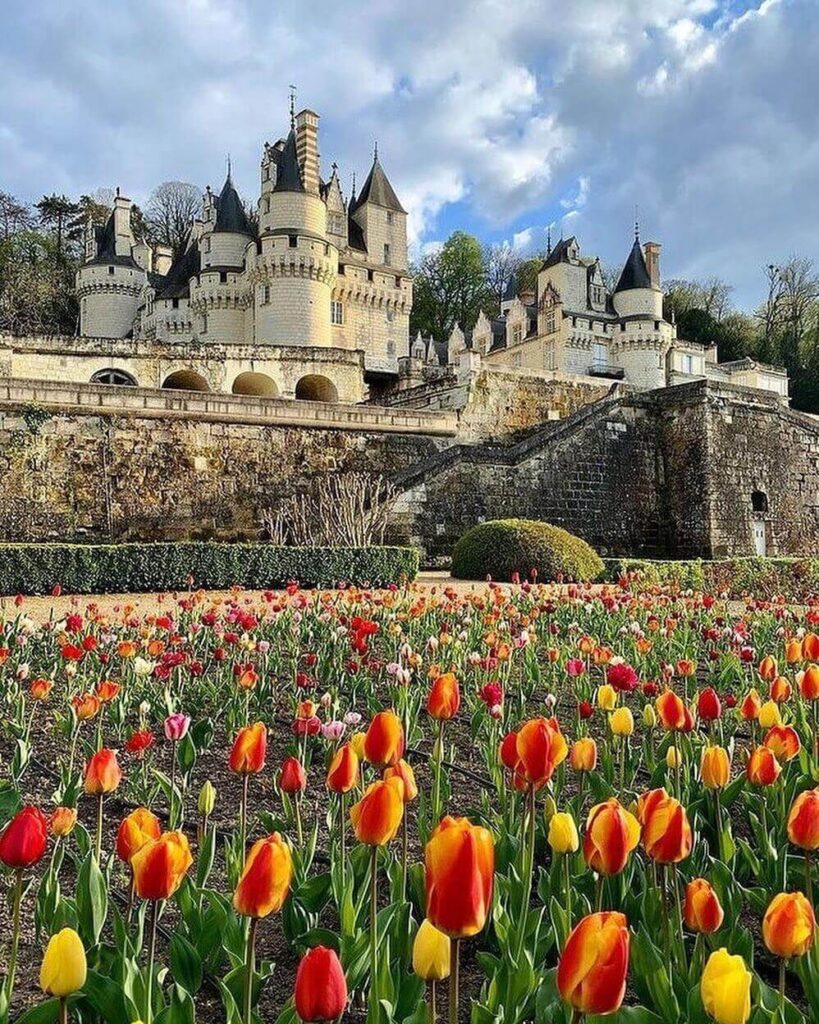
Spring also tends to be less crowded than the peak summer months, which makes the experience feel even more enjoyable.
Summer (July and August)
Is the busiest time of year in the Loire Valley, but it’s also when the château and gardens are at their most vibrant. The longer daylight hours give you more time to explore, and the warm weather is ideal for spending time outdoors.
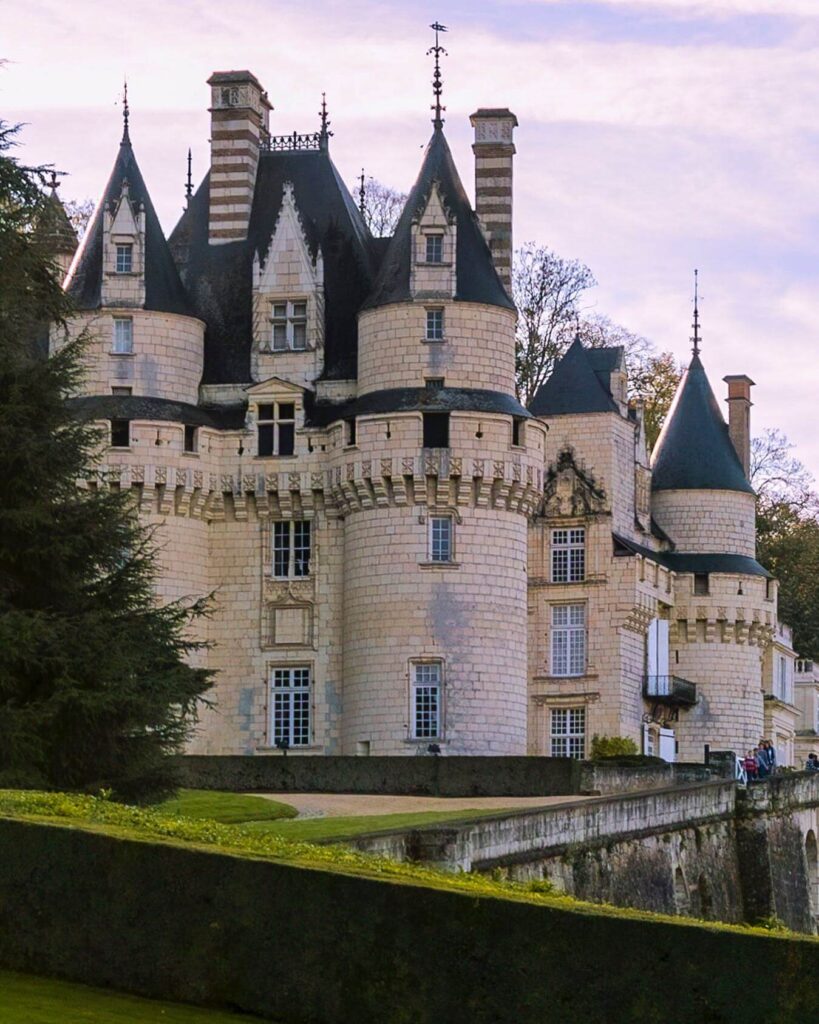
If you’re visiting during summer, I would recommend arriving earlier in the day to avoid the largest crowds.
Autumn (September and October)
Is another excellent time to visit. As the surrounding trees begin to change color, the château takes on a completely different look.
The crowds are usually smaller than in summer, and the cooler temperatures make walking around the estate particularly pleasant.
Winter
Can also be rewarding for travelers looking for a quieter experience, although opening schedules may be more limited and the gardens won’t be as colorful. If your priority is avoiding crowds and seeing a different side of the Loire Valley, it can still be a worthwhile time to visit.
Overall, spring and autumn offer the best balance of scenery, weather, and crowd levels, which is why many travelers consider them the ideal seasons for visiting Château d’Ussé.
Is Château d’Ussé Worth Visiting?
In my opinion, absolutely.
The Loire Valley is filled with incredible castles, so it’s natural to wonder whether Château d’Ussé deserves a place on your itinerary. While it may not be as famous as Chambord or Chenonceau, I think that’s actually part of its appeal.
What makes Château d’Ussé memorable isn’t just its connection to Sleeping Beauty, although that certainly helps. It’s the combination of fairy tale architecture, centuries of history, beautifully maintained gardens, and a peaceful setting that makes the experience feel different from many other Loire Valley castles.
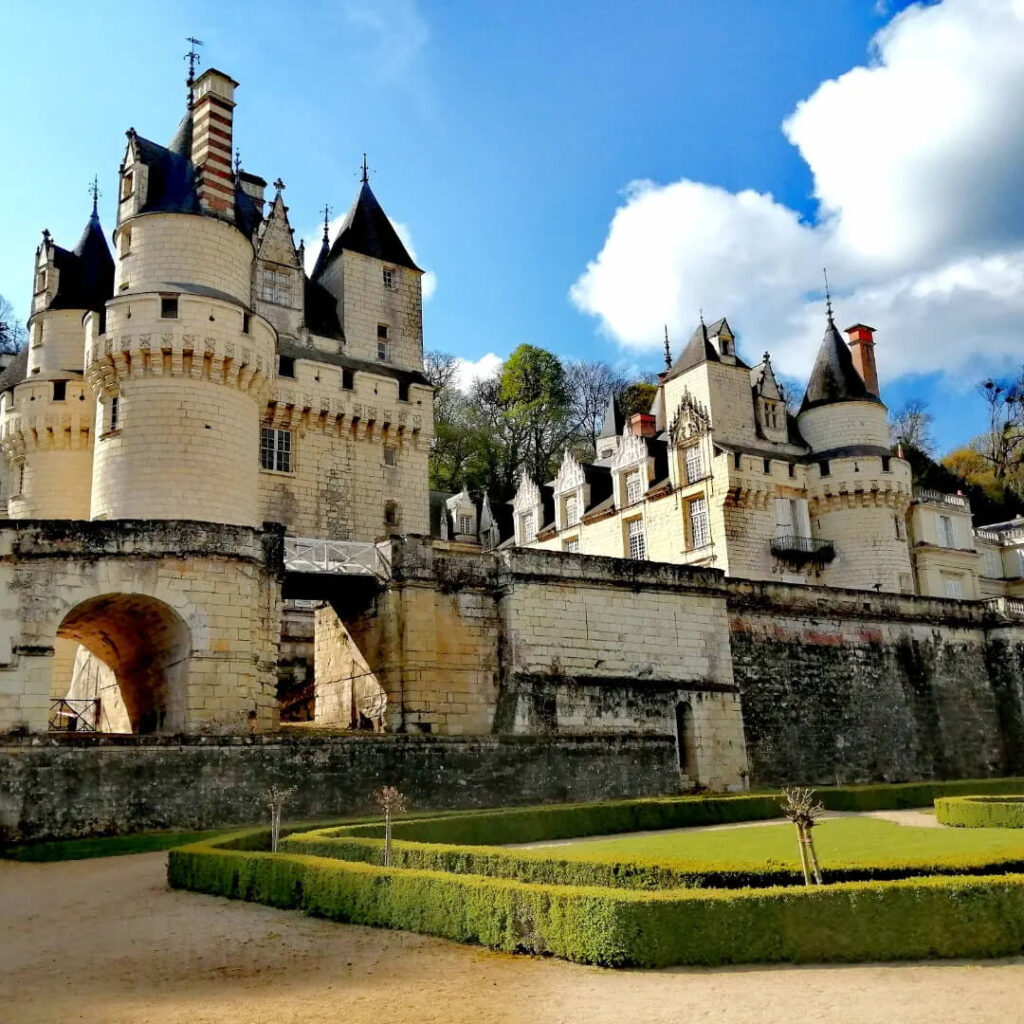
I also appreciate how approachable it feels. Some of the region’s larger châteaux can be overwhelming because of their size, and it’s easy to spend hours moving through room after room. Château d’Ussé offers a more relaxed experience. You can comfortably explore the interiors, enjoy the gardens, and take in the views without feeling rushed.
I think it’s an especially good choice for travelers who enjoy photography, architecture, or places with a strong sense of atmosphere. Families often appreciate the Sleeping Beauty displays, while couples tend to enjoy the romantic setting and quieter surroundings.
That said, Château d’Ussé won’t be the perfect fit for everyone. If your goal is to see the largest and most famous castles in the Loire Valley, or if you only have time for one château and want to prioritize major landmarks, you may prefer places like Chambord or Chenonceau first.
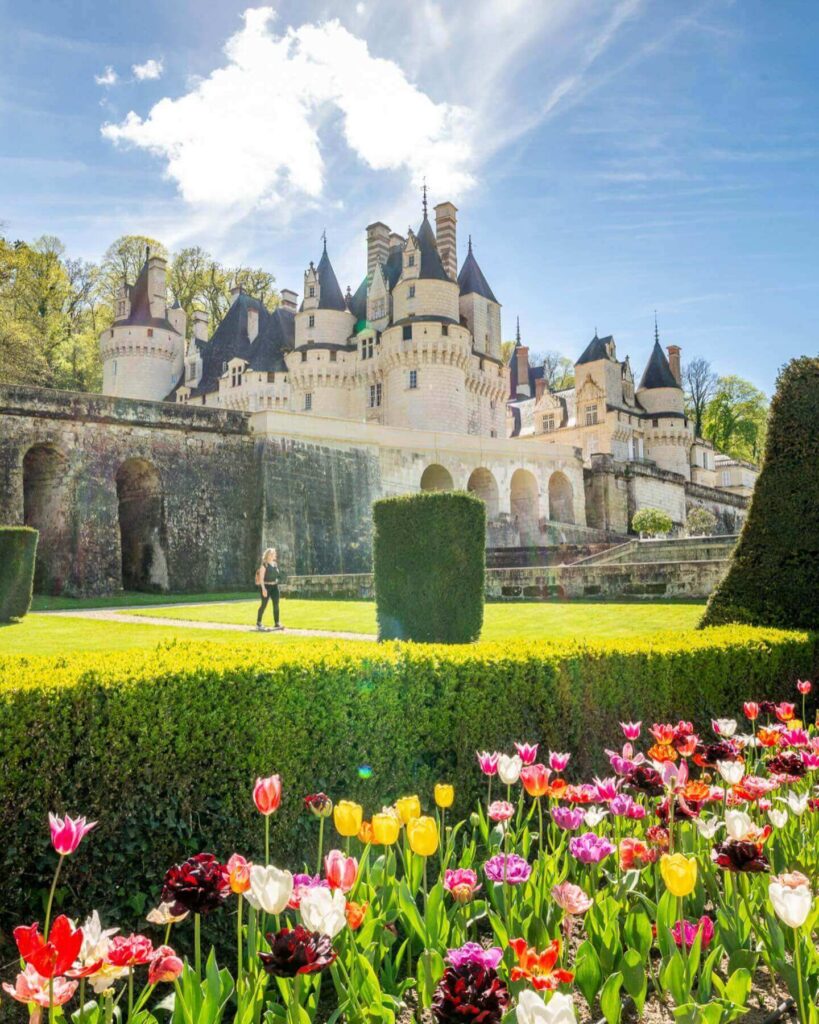
However, if you’re planning to visit several Loire Valley castles, I think Château d’Ussé offers something unique. It feels a little less crowded, a little more personal, and perhaps a little more magical than many of its better known neighbors. For me, that’s exactly what makes it worth visiting.
For many travelers, however, Château d’Ussé becomes one of the most memorable surprises of their Loire Valley trip.
Nearby Attractions
One of the biggest advantages of visiting Château d’Ussé is its location. It’s surrounded by some of the Loire Valley’s most interesting castles, historic towns, and wine producing areas, making it easy to build a full day or even several days of sightseeing around your visit.
Château de Villandry
Located less than 20 minutes away, Château de Villandry is famous for having some of the most impressive gardens in France. While the château itself is beautiful, it’s the carefully designed Renaissance gardens that attract most visitors.
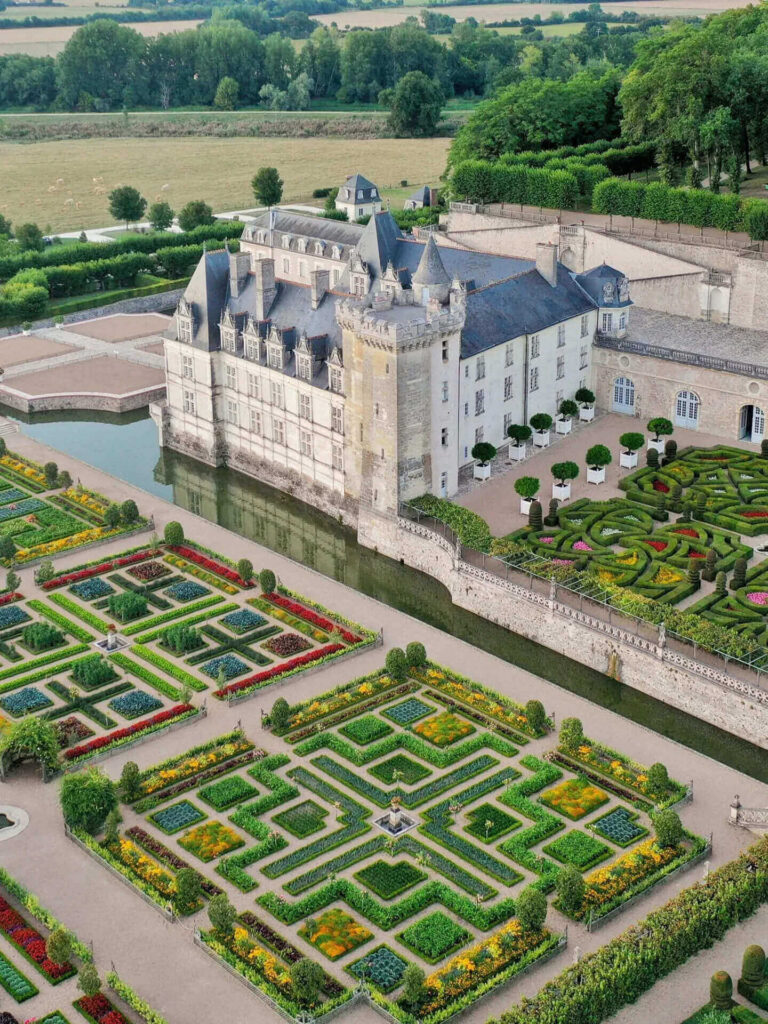
I think Villandry pairs particularly well with Château d’Ussé because the two experiences are quite different. Ussé is all about fairy tale architecture and atmosphere, while Villandry is known for its geometric gardens, ornamental plantings, and elevated viewpoints. Together, they make for a very balanced day in the Loire Valley.
Château d’Azay le Rideau
Another nearby highlight is Château d’Azay le Rideau, often considered one of the Loire Valley’s most elegant castles. Built on an island in the middle of the Indre River, it almost appears to float on the water when viewed from certain angles.
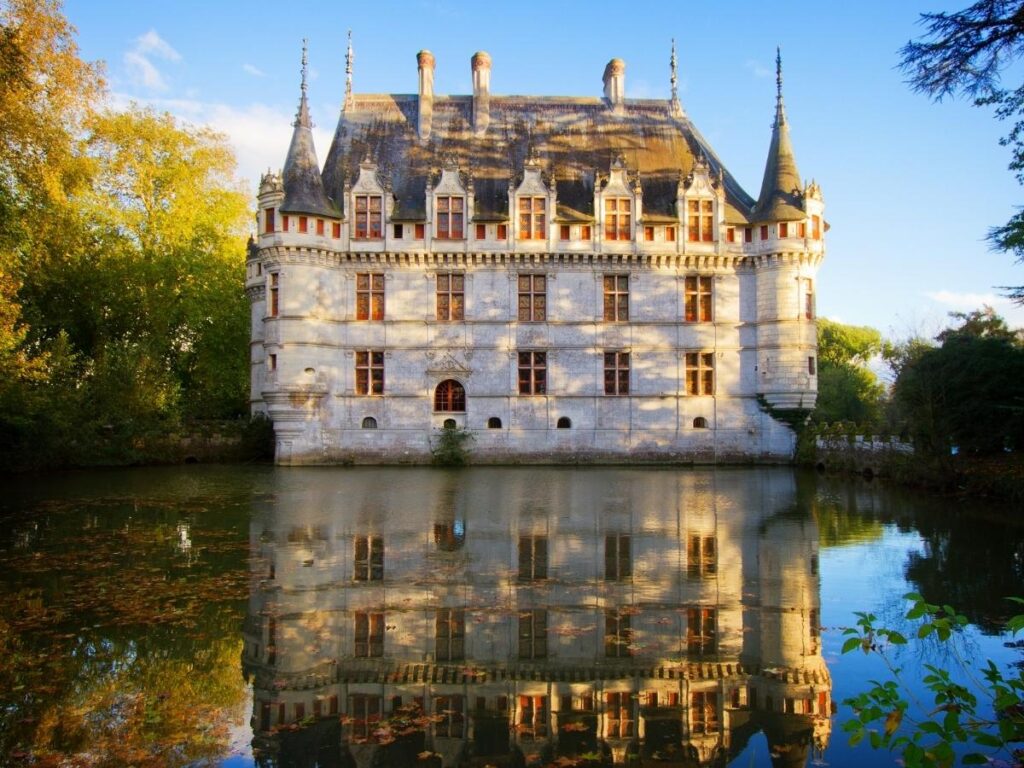
Although it’s smaller than some of the region’s more famous châteaux, many travelers consider it one of the most beautiful. The reflections in the water and the refined Renaissance architecture make it a favorite among photographers.
Chinon
If you’re looking for a break from castle hopping, the historic town of Chinon is well worth a visit. Its charming streets, traditional cafés, and riverside setting make it one of the most enjoyable towns in this part of the Loire Valley.
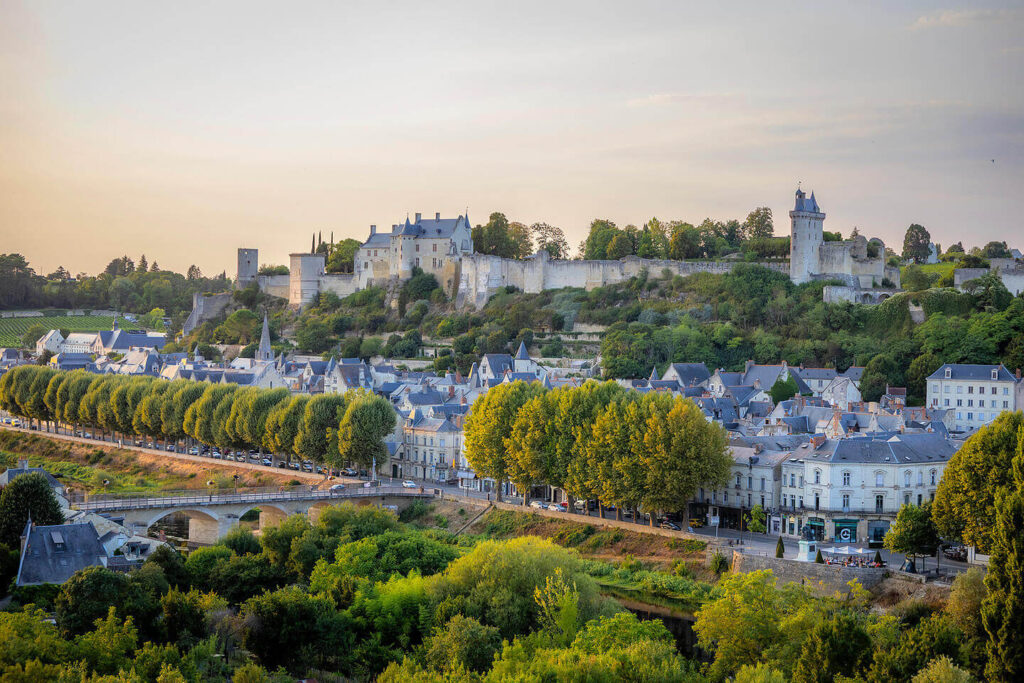
The town is dominated by the Royal Fortress of Chinon, a medieval stronghold closely associated with Joan of Arc and French history. Even if you don’t visit the fortress itself, Chinon is a wonderful place to stop for lunch or spend a few hours exploring between château visits.
Loire Valley Vineyards
The area around Château d’Ussé is also part of one of France’s most respected wine regions. Vineyards are scattered throughout the countryside, and many local wineries welcome visitors for tastings and cellar tours.
Whether you’re interested in crisp white wines, rosés, or the region’s well known red wines, adding a vineyard visit can be a great way to experience another side of the Loire Valley.
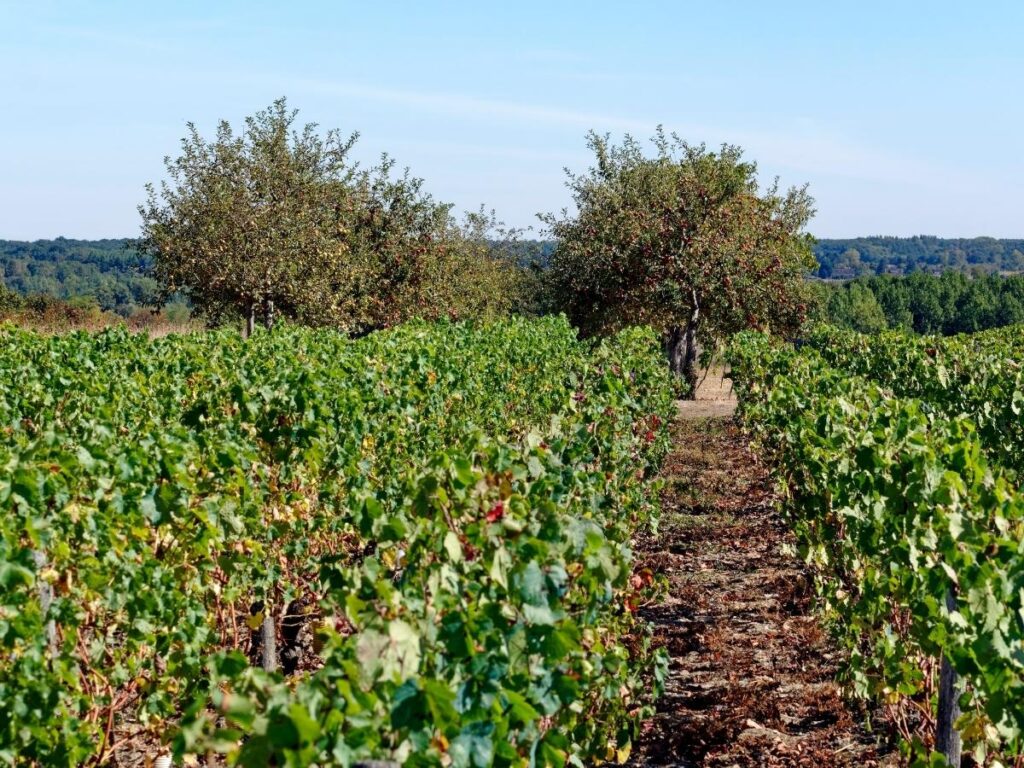
After a morning spent exploring castles, an afternoon wine tasting often feels like the perfect way to slow down and enjoy the region’s relaxed pace.
One of the things I like most about this part of France is how easily these attractions fit together. In a single day, you can explore a fairy tale château, wander through Renaissance gardens, stroll medieval streets, and enjoy local wine, all without spending hours on the road.
Final Thoughts on Château d’Ussé
Château d’Ussé may not receive the same attention as famous Loire Valley castles like Chambord or Chenonceau, but that’s part of what makes it such an enjoyable place to visit.
Between its fairy tale architecture, centuries of history, beautifully maintained gardens, and connection to Sleeping Beauty, it offers an experience that feels a little different from many other châteaux in the region. It’s large enough to impress, yet small enough to explore without feeling overwhelmed.
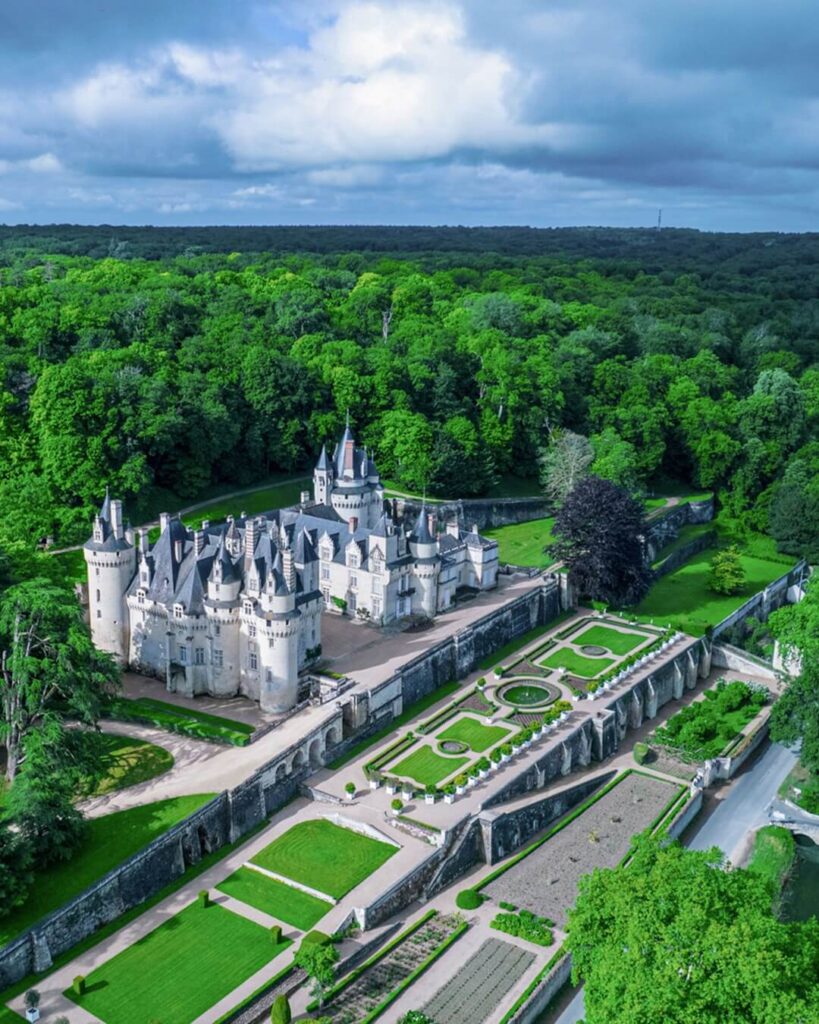
What I like most about Château d’Ussé is the atmosphere. Whether you’re walking through the furnished rooms, admiring the views from the gardens, or spotting its towers rising above the trees, there’s a sense of charm here that’s hard to describe until you experience it for yourself.
If you’re planning a Loire Valley road trip and have room for more than just the region’s biggest landmarks, I think Château d’Ussé is well worth a visit. For travelers who enjoy history, architecture, photography, or simply beautiful places, it’s one of those castles that often ends up being an unexpected favorite.