
Fakarava feels very different from the better known islands of French Polynesia. There are no big resorts, busy shopping areas or long lists of attractions. Instead, life here is slower and much more connected to the lagoon.
Most visitors spend their time swimming, snorkeling, diving, cycling around the atoll or simply sitting by the water. The main village, Rotoava, has a few places to eat, small shops and guesthouses, but services are limited. If you travel to the southern part of the atoll, things become even quieter.
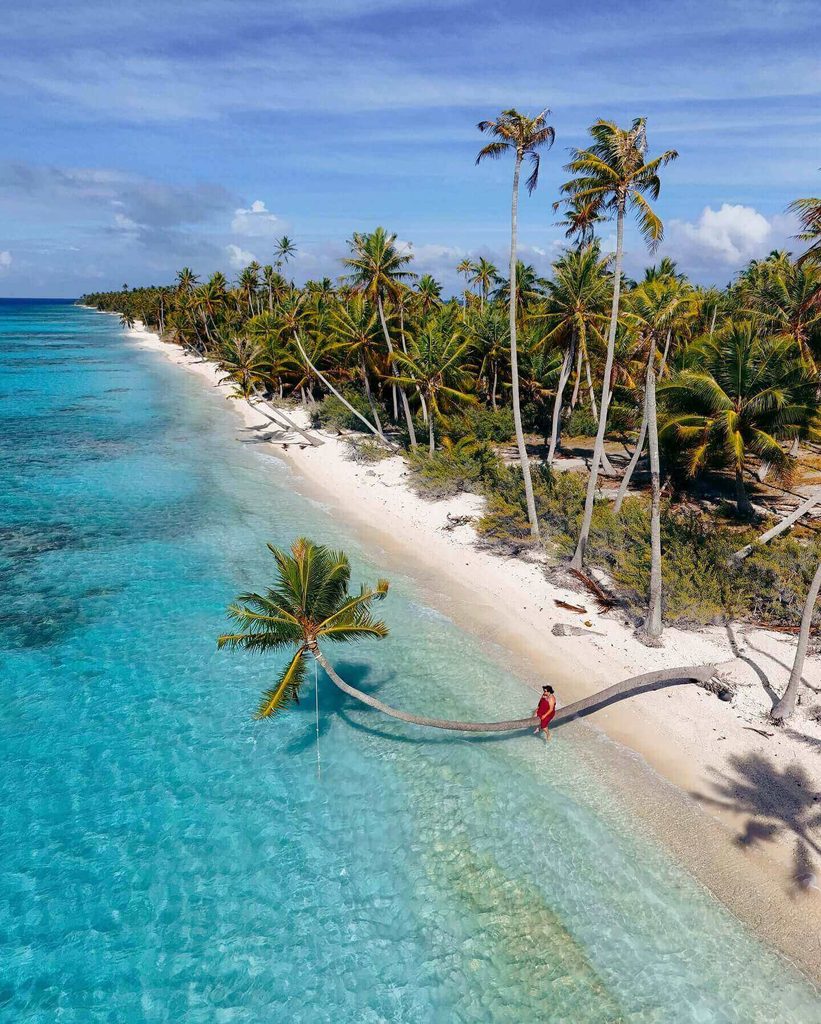
I really like that Fakarava doesn’t require a packed itinerary. You can have a full day with just a bike ride, a lagoon trip and a long swim. You do need to plan ahead, though. Flights are limited, weather can affect boat trips, and there aren’t many restaurants or ATMs.
If you’re looking for a quieter French Polynesian island with incredible water and plenty of time to slow down, Fakarava is a great choice.
What Is Fakarava Like?
Fakarava is the kind of place where the lagoon is more important than a long list of sightseeing attractions. You won’t find many museums, shops or major landmarks here. Most of your time will be spent swimming, snorkeling, diving, cycling or simply enjoying the water.
Rotoava is the main village and the easiest place to stay. You’ll find small shops, restaurants, guesthouses and dive operators, although the choices are limited compared with larger islands.

South Fakarava is quieter still. Tetamanu is a small, remote settlement near the South Pass, mainly visited for diving, snorkeling and the chance to spend a few days somewhere very peaceful.
The shape of the atoll also means you need to plan your transport. Fakarava is long and narrow, so getting between the north and south isn’t something you can do casually.
Is Fakarava Worth Visiting?
For me, yes, especially if you enjoy diving, snorkeling, beaches and quiet places.
Fakarava works well when you don’t want to fill every day with activities. You can spend the morning in the lagoon, cycle around Rotoava, have a relaxed lunch and still feel like you’ve had a full day.

It does require a little more planning than the better known islands. Flights and boat transfers are limited, restaurants are few, and the southern part has very few services.
I’d choose Fakarava if you want a simpler island experience and don’t mind staying in a small pension or guesthouse. If you prefer luxury resorts, lots of restaurants and plenty of organised activities, Bora Bora may be a better fit.
For me, Fakarava is worth visiting because you can slow down without feeling like you’re missing something.
How to Get to Fakarava
For most travellers, flying is the simplest way to reach Fakarava.
Flying From Tahiti
Air Tahiti operates flights to Fakarava from Tahiti, with the direct flight taking around an hour. The exact schedule can change, so I’d check the current timetable when booking rather than relying on information from an older travel blog.

The flight itself is part of the experience. As you approach Fakarava, you can see just how narrow the atoll is, with the lagoon stretching alongside thin strips of land. If you have a window seat, it’s worth looking outside.
Once you land at Fakarava Airport, don’t expect to find a line of taxis waiting outside. Airport transfers are generally something you arrange with your accommodation beforehand. I’d sort this out before leaving Tahiti, particularly if you’re staying somewhere outside Rotoava.
Your accommodation should be able to tell you where to meet your driver or boat transfer and what time they expect you to arrive.
Connecting With Other Islands
Fakarava can also be included in a wider French Polynesia trip, depending on the current flight schedule. Some travellers combine it with Tahiti, Rangiroa or other Tuamotu islands.
I’d leave some breathing room between flights if you can. Schedules can change, and weather can affect travel in French Polynesia. A tight itinerary might look good when you’re booking everything, but it can become stressful if one connection is delayed.
If Fakarava is an important part of your trip, I’d avoid arranging a same day connection that leaves you with no backup. A little extra time between islands is much easier than spending your holiday worrying about whether you’ll make the next flight.
Best Time to Visit Fakarava
The best time to visit Fakarava depends a lot on what you want to do. Weather, sea conditions and diving schedules can all affect your plans, so I wouldn’t choose your dates based on temperature alone.
May to October
This period is generally cooler and drier, which makes it popular for spending time outdoors. It’s also a good period to consider if diving and snorkeling are high on your list.

Because these months can be popular, I’d book your flights and accommodation ahead of time, particularly if you have specific dates in mind.
November to April
These months tend to be warmer and more humid, with a greater chance of rain. That doesn’t mean you should rule them out.

Tropical weather can be unpredictable, and a rain shower doesn’t necessarily ruin the day. You might have rain for a short while and sunshine again later. I’d simply leave a little flexibility in your plans rather than scheduling every activity tightly.
Visiting for Diving
If you’re coming to Fakarava mainly for diving, I’d pay close attention to local conditions rather than choosing a month based on a general weather guide.
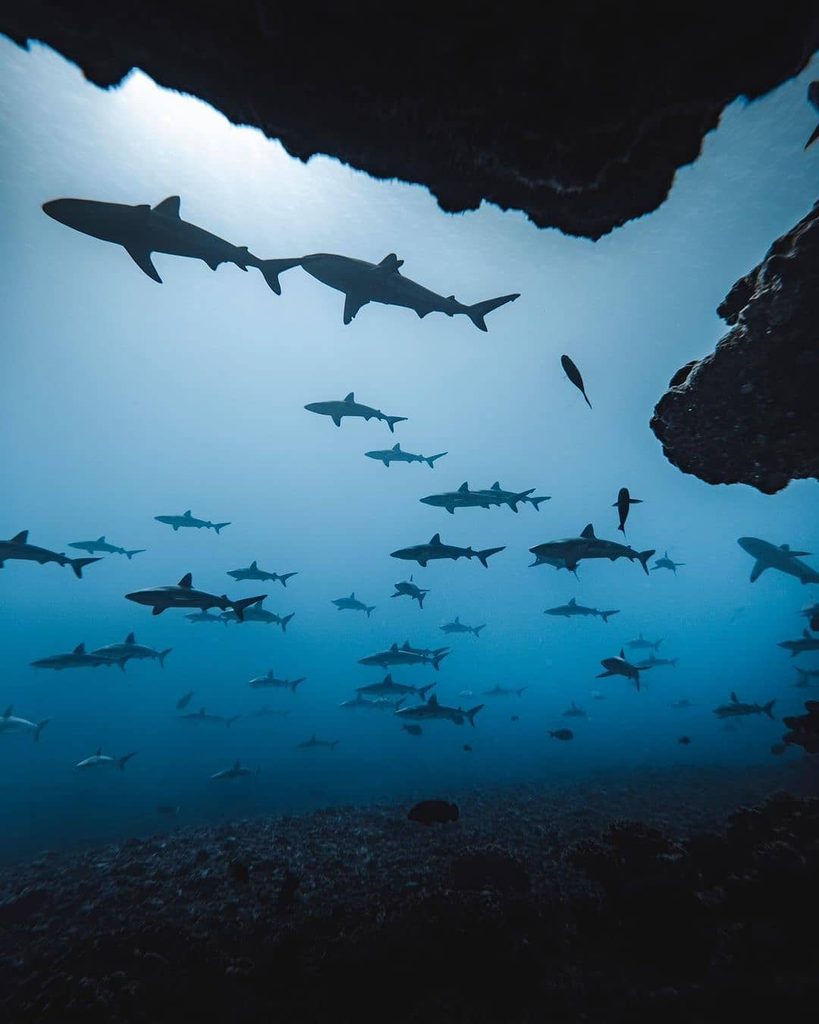
The passes are influenced by tides and currents, and your dive operator will know when conditions are suitable for particular dives. Fakarava is also known for seasonal grouper spawning around the southern pass. If seeing this is one of your main reasons for visiting, check the timing with a local dive operator before booking your trip.
Best Things to Do in Fakarava
Spend Some Time at PK9 Beach
PK9 is one of the better known beach areas in northern Fakarava and an easy place to spend a relaxed few hours.

I’d bring your swimming things, snorkeling gear, water and sunscreen rather than treating it as a quick photo stop. If you’re cycling from Rotoava, give yourself more time than you might expect because of the heat.
The nice thing about visiting here is that you don’t need a complicated plan. Find a shady spot, swim for a while and take your time.
Explore Rotoava
Rotoava is small, so you won’t need an entire day to see the village. Still, I wouldn’t rush through it.

Walk around the main area, browse the small shops, stop somewhere for food and watch the boats coming and going around the lagoon. It’s also a useful place to pick up anything you need before heading farther around the atoll.
For me, this is the sort of place where simply wandering around can be more enjoyable than following a sightseeing checklist.
Visit a Pearl Farm
Pearl farming is an important part of the Tuamotu Islands, and visiting a pearl farm gives you a chance to learn how the pearls are cultivated.
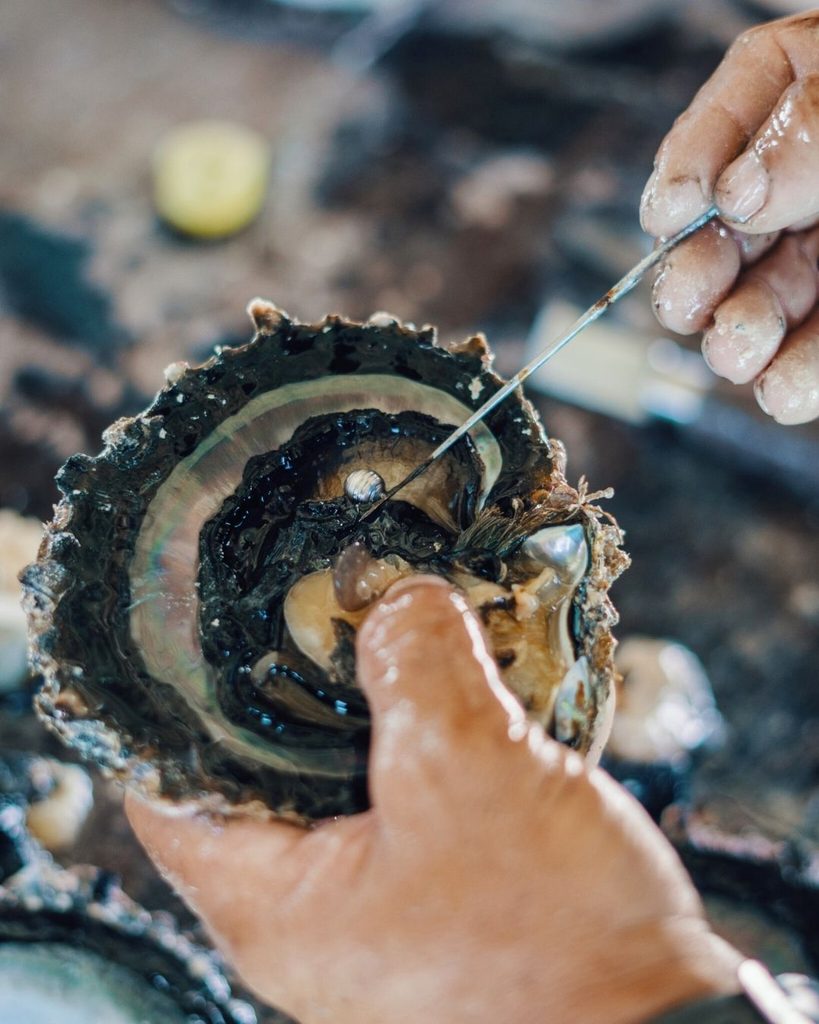
It’s also a good opportunity to understand what you’re actually buying if you’d like to take a pearl home. If you decide to shop, ask about the pearl’s quality, grading, origin and certification rather than choosing one based only on how it looks.
You don’t have to buy anything to enjoy the visit. I think the process itself is the more interesting part.
Go Snorkeling
You don’t need to be a diver to enjoy Fakarava. Snorkeling is one of the easiest ways to spend time in the lagoon and see some of its marine life.
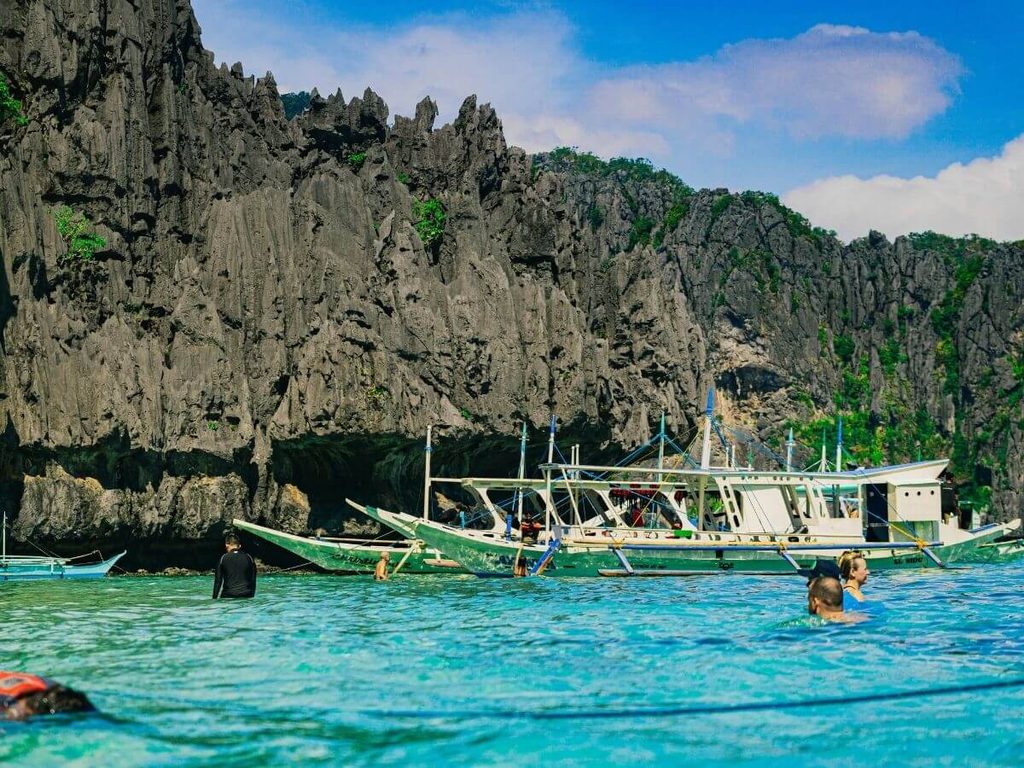
Some areas are accessible from shore, while boat excursions can take you farther into the lagoon to places that would otherwise be difficult to reach.
Be careful around the passes, though. Currents can be strong, and conditions can change. If you’re unsure about a particular swimming or snorkeling spot, ask a local operator before getting in.
Take a Lagoon Excursion
A lagoon excursion is a good way to see more of Fakarava without trying to cover the atoll on your own.

Depending on the trip, you may stop at snorkeling areas, small motus and beaches, with some excursions also including lunch. Since you’ll spend much of the day around the water, I’d take a dry bag for your phone, camera and anything else you want to keep dry.
I particularly like this kind of outing for people who don’t dive. You still get to experience the lagoon and spend several hours out on the water.
Visit Topaka Lighthouse
Topaka Lighthouse is another stop you can include while exploring northern Fakarava. It’s listed by Air Tahiti as one of the attractions around the atoll.

It isn’t the sort of sight that requires hours of your day, so I’d combine it with other stops rather than making a separate trip just for the lighthouse.
If you’re already cycling or exploring by vehicle, it’s a nice little addition to the day and gives you another reason to see more of the northern part of Fakarava.
Go Stargazing After Dark
Fakarava has far less artificial light than you’re likely to experience in a large city, which makes nighttime a good opportunity to spend some time outside.

You don’t need a special tour to enjoy the sky. After dinner, find a safe spot near your accommodation, let your eyes adjust and spend a little while looking up.
Take mosquito repellent with you, especially if you’re sitting outside for a longer period. I’d also keep a small torch handy if you’re walking anywhere after dark.
Things to Do in South Fakarava
South Fakarava is much quieter than the area around Rotoava, and that’s part of what makes it appealing. You won’t find a long list of activities here. Most of the experience comes from being on the water, exploring the beaches and spending time around Tetamanu and the South Pass.
Visit the Pink Sand Beaches
The Pink Sand Beaches are probably the most photographed part of South Fakarava. The sand gets its pale pinkish colour from a mixture of fine sand and crushed coral, and it can look quite different depending on the sunlight and water conditions.
Getting here usually involves a boat trip or an organised transfer, so this isn’t somewhere I’d try to squeeze into a spare hour. A lagoon excursion can often combine the beaches with snorkeling or other stops around the southern lagoon.

Bring water, sunscreen and something to protect your phone or camera from getting wet. There isn’t much around the beaches in terms of facilities, so you’ll want to have what you need with you.
I’d also keep your expectations realistic about the colour. Photos can make the sand look intensely pink, but in person it can be much more subtle. The setting and clear lagoon water are really what make the visit special.
Explore Tetamanu
Tetamanu is one of the oldest settled areas of Fakarava and feels very different from Rotoava. It’s a small, remote place near the South Pass, with only a few accommodation options and very limited services.
One of the most interesting sights here is the coral stone church built in 1874. It’s a simple building, but it gives you a glimpse into the history of this otherwise very quiet part of the atoll.
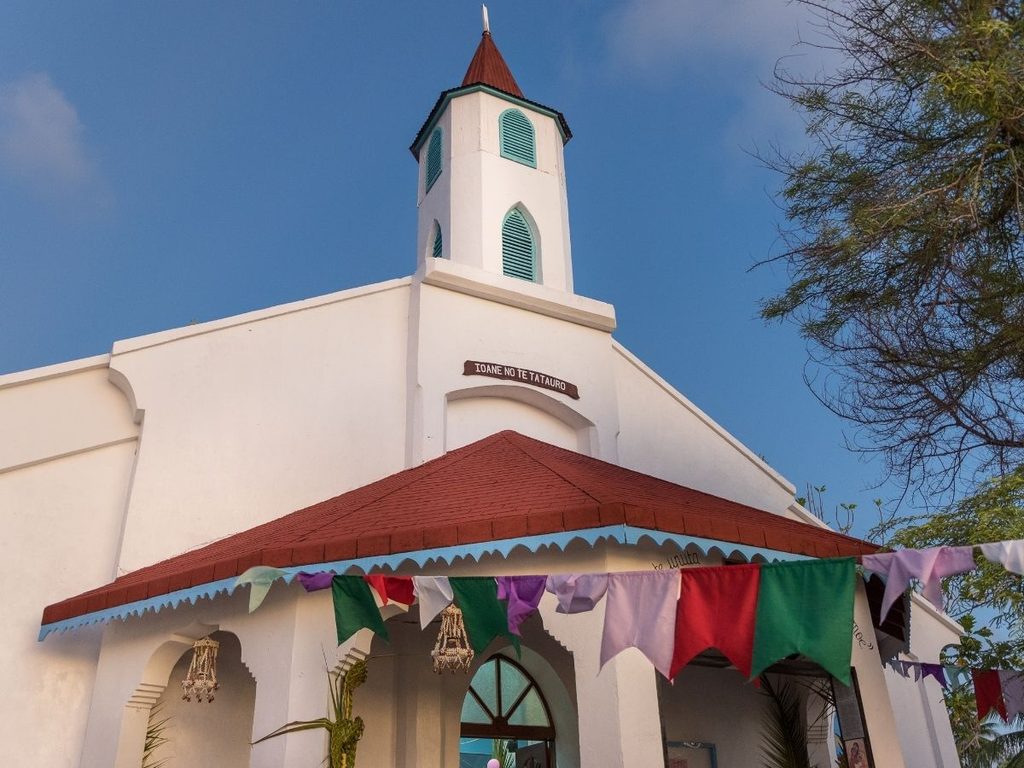
Most visitors who come to Tetamanu are also here for the water. Diving and snorkeling are a big part of the experience, and being so close to the South Pass makes the area particularly popular with divers.
If you’re staying here, check exactly what’s included before you arrive. Meals, boat transfers and activities can be much harder to arrange once you’re in the south than they are around Rotoava. I wouldn’t assume you can simply walk somewhere to find another restaurant or shop.
Snorkel Around Tetamanu Pass
The area around Tetamanu Pass is known for its marine life, which makes snorkeling an obvious activity if you’re staying in the south.
The important thing is to pay attention to the conditions. The passes are affected by tides and currents, and the water can move much more strongly than it appears from the shore.
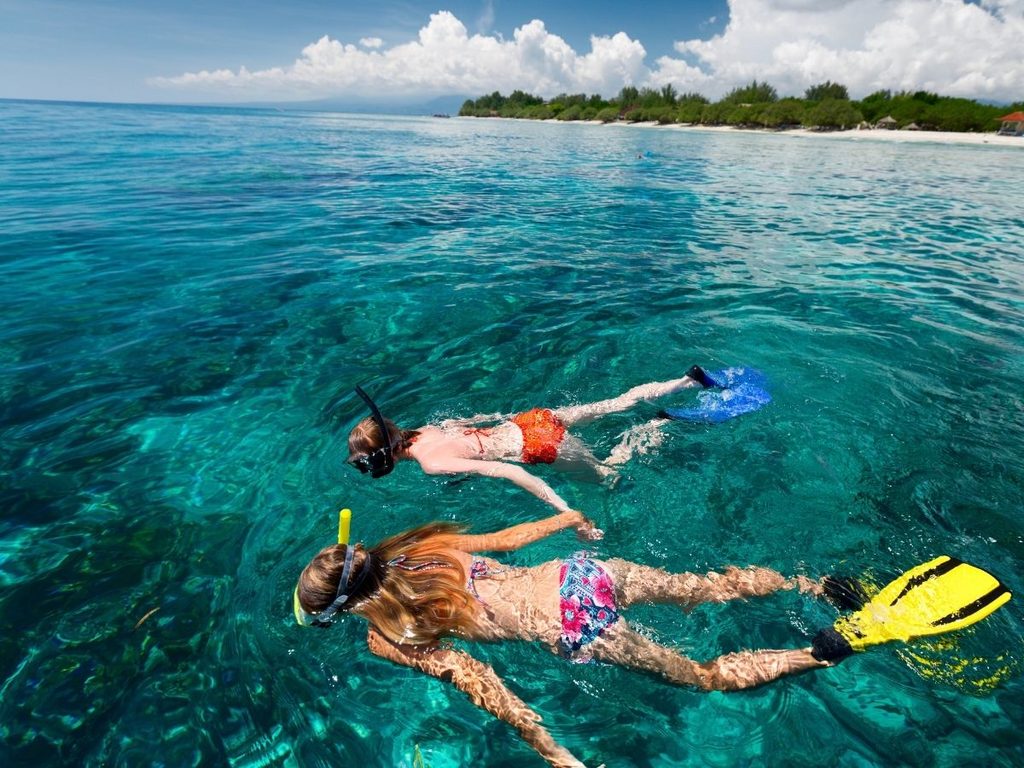
If you’re an experienced swimmer, you may be comfortable in suitable areas, but I’d still ask your accommodation or a local guide where conditions are appropriate that day. If you’re not confident in currents, joining a guided trip is the better option.
Don’t try to swim into a pass simply because you see other people doing it. Conditions can change, and local operators know the water much better than a first time visitor does.
Diving in Fakarava
Diving is one of the main reasons people travel to Fakarava. The atoll has two main diving areas, Garuae Pass in the north and Tetamanu Pass in the south, and they offer different experiences.
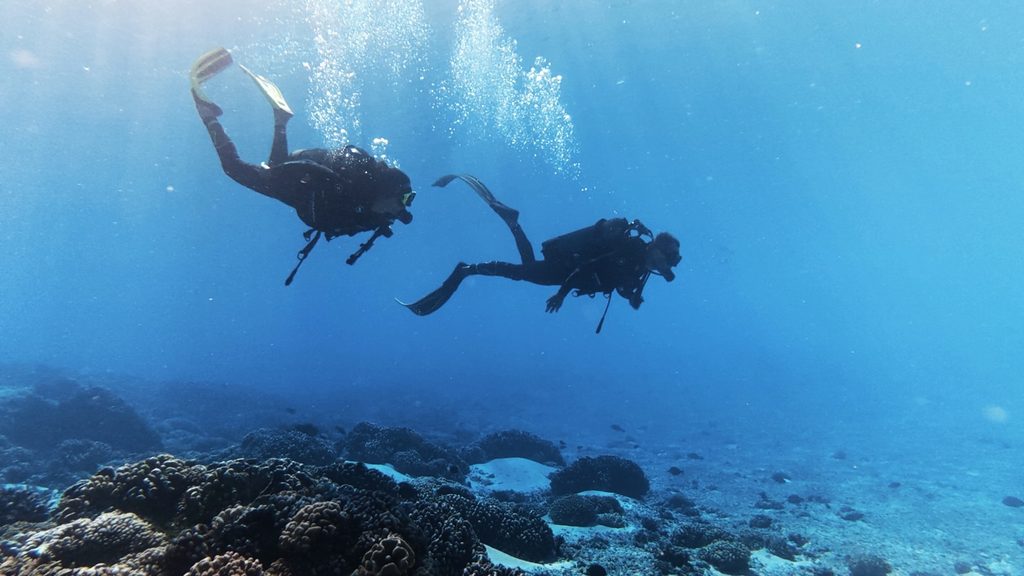
The passes are influenced by tides and currents, so this isn’t somewhere I’d book a dive without telling the operator about my experience level. Your recent diving experience matters just as much as the certification printed on your card.
Garuae Pass
Garuae Pass is the northern pass and is one of the largest passes in French Polynesia. Diving here can involve strong currents and drift diving, so it’s important to know what you’re comfortable with before you go.

This is one of those situations where your dive operator’s advice is worth listening to. They can choose the right dive and timing based on the conditions rather than simply taking you to the same site regardless of your experience.
If you haven’t done much current or drift diving, mention it when you book. You don’t need to pretend you’re more experienced than you are. A good operator can usually suggest a more suitable option.
Tetamanu Pass
Tetamanu Pass is the southern diving area and is particularly famous for its gray reef sharks. Large numbers of sharks are one of the reasons experienced divers put Fakarava on their French Polynesia itinerary.
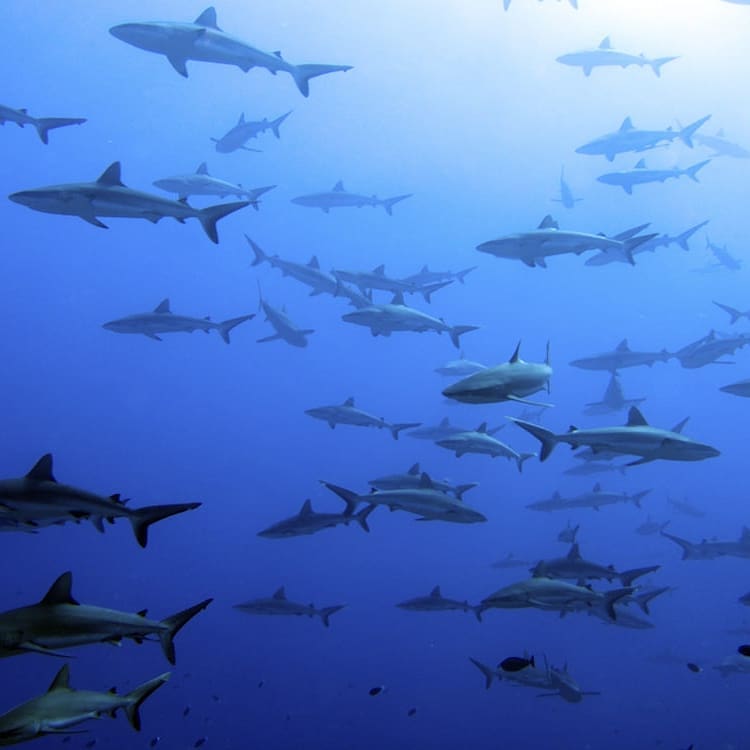
The experience isn’t simply about seeing sharks, though. The pass itself, the current and the surrounding marine environment are all part of the dive.
If diving is the main purpose of your visit, staying in the south can be convenient because you’re closer to Tetamanu Pass. Just remember that you’ll be trading convenience for remoteness, with fewer places to stay, eat and shop.
Where to Stay in Fakarava
Where you stay in Fakarava depends mainly on how much convenience you want and whether diving is the main reason for your trip.
Rotoava
For a first visit, I’d probably stay around Rotoava. It’s the easiest base because most of the island’s everyday services are here.
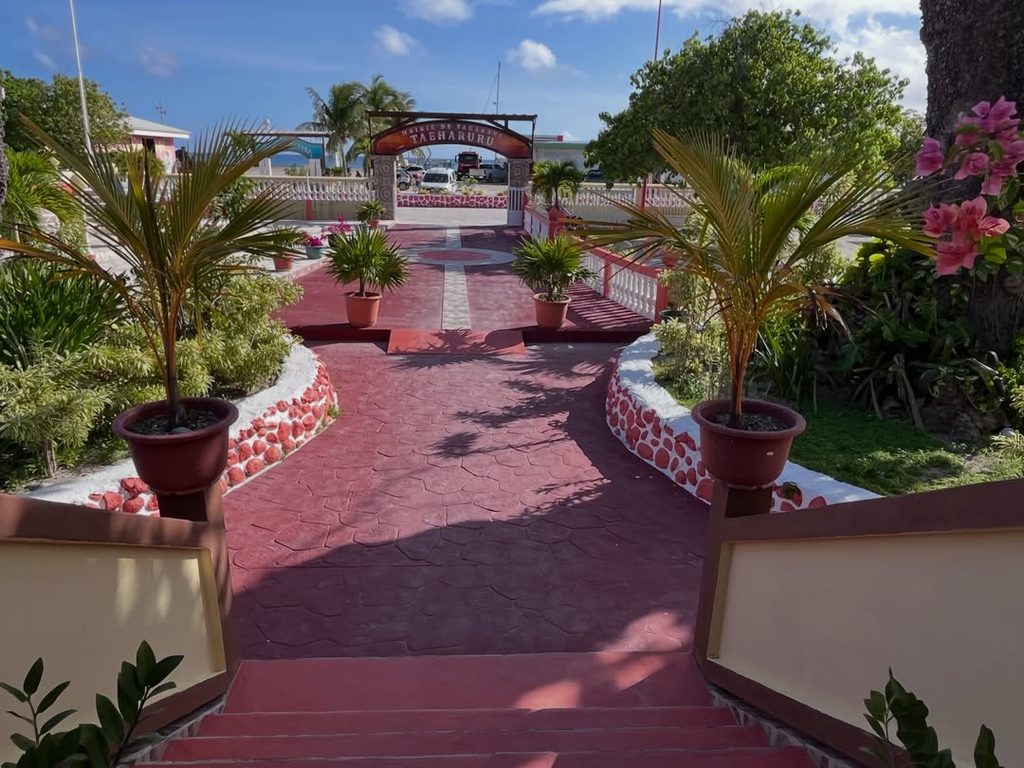
You’ll have access to small shops, restaurants, bicycle rentals and dive operators, and it’s also easier to arrange trips around the northern lagoon. Getting to and from the airport is more straightforward too.
Rotoava isn’t a busy town, so staying here doesn’t mean giving up the quiet side of Fakarava. You can still have a relaxed island experience while having somewhere nearby to get a meal or pick up supplies.
Havaiki Lodge
Havaiki Lodge is one of the better known places to stay in northern Fakarava. Its beachfront location makes it appealing if you want to spend time by the water while still being within reach of Rotoava and other northern activities.

It’s also the sort of accommodation that can make planning easier, particularly if you’re looking at activities or meals during your stay. Before booking, I’d check exactly what’s included in the current rate. Prices and inclusions can change, and things such as meals, airport transfers and activities may be handled separately.
If you’re comparing accommodation options, look beyond the room itself. On a small atoll like Fakarava, location and what’s included can make a bigger difference than having a slightly nicer room.
South Fakarava
South Fakarava is worth considering if diving at Tetamanu Pass is the main reason you’re coming.
Staying in the south means you’re already close to the diving area instead of arranging repeated boat trips from Rotoava. The trade off is that you’re much more isolated. There are fewer accommodation choices, fewer places to eat and very limited everyday services.

I’d contact the property before booking and ask exactly how everything works. Find out whether meals are included, how the transfer from the north is arranged, whether there is electricity throughout the day, what kind of Wi Fi is available and which diving or boat trips they can organise.
I’d also check the cancellation policy carefully. Getting to and from the south involves more planning than staying around Rotoava, so it’s useful to know your options if weather or transport affects your plans.
What to Eat in Fakarava
Food is one area where Fakarava feels quite different from larger French Polynesian destinations. You have fewer restaurants and snack stops, particularly once you head south, so I’d plan meals rather than assuming you’ll always have several choices.
In Rotoava, you’ll have the most options. Look for simple local meals, fresh fish and casual snacks. Poisson cru is worth trying if you haven’t had it before. It’s a French Polynesian favourite made with raw fish, usually combined with lime or another citrus, coconut milk and other fresh ingredients.
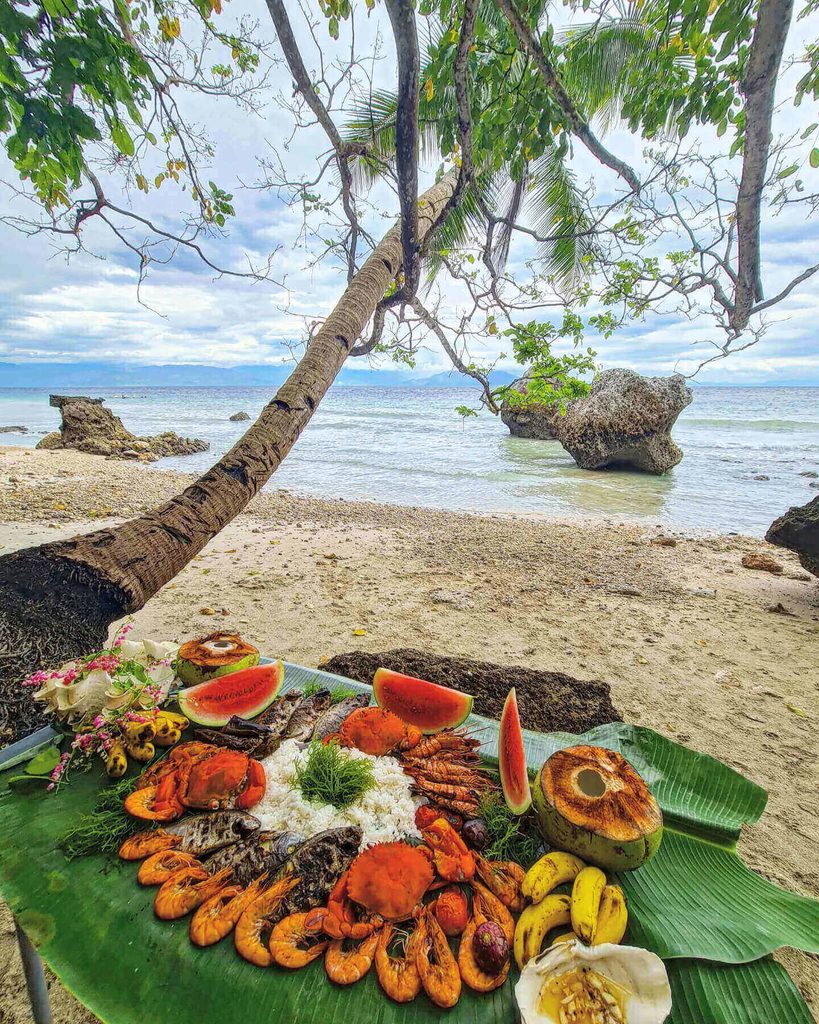
You’ll also come across grilled fish, rice, coconut based dishes and straightforward takeaway style food. I wouldn’t expect an elaborate restaurant scene, but that’s not really what Fakarava is about.
If you’re staying somewhere in the south, check the meal arrangements before you arrive. Some accommodation options provide meals, and you may need to let them know in advance if you’re planning to eat there.

This is especially important around Tetamanu. I wouldn’t arrive expecting to walk down the road and find another restaurant if you don’t like what’s being served. On a remote atoll, knowing where your next meal is coming from is simply part of planning the trip.
If you have dietary restrictions, I’d also tell you your accommodation ahead of time. With fewer food options and limited supplies, giving them notice is much easier than trying to figure it out after you’ve arrived.
Cash, Wi Fi and Practical Tips
French Polynesia uses the CFP franc (XPF), and I’d recommend carrying some cash with you in Fakarava. Cards may be accepted at some accommodations and businesses, but I wouldn’t rely on them for every small purchase.
This becomes more important if you’re heading to South Fakarava, where there are fewer services and very limited places to spend money. Before leaving Rotoava, make sure you have enough cash for the things you expect to need.
I’d also keep your accommodation details, flight information and transfer arrangements saved on your phone. Internet access can be less reliable in remote parts of the atoll, so it’s better not to depend on being online when you need an important booking reference.
Wi Fi and mobile coverage are generally easier around Rotoava. Once you’re staying somewhere more remote, the connection may be slower or less consistent. I usually download maps and important information before travelling anyway, and Fakarava is a good place to do that.
An offline map is particularly useful if you’re cycling around the northern part of the atoll. You don’t want to discover halfway through a ride that your phone has lost its connection.
My Fakarava Itinerary
I wouldn’t try to squeeze every possible activity into a Fakarava trip. The island is small, the pace is slow, and part of the fun is having a few hours with absolutely nothing planned.
If you have three days, you can see some of the main sights and spend plenty of time in the lagoon. I would keep the first day fairly light and leave some flexibility in case your flight or transfer takes longer than expected.
3 Days in Fakarava
Day 1: Arrive and Explore Rotoava
I’d keep your first day simple. After arriving in Fakarava, check into your accommodation, unpack and give yourself some time to settle in.
If you’re staying around Rotoava, spend the afternoon walking around the village. Have a look at the small shops, find somewhere for a drink or meal and get your bearings. You can also ask your accommodation about bicycles, activities and transfers for the following days.
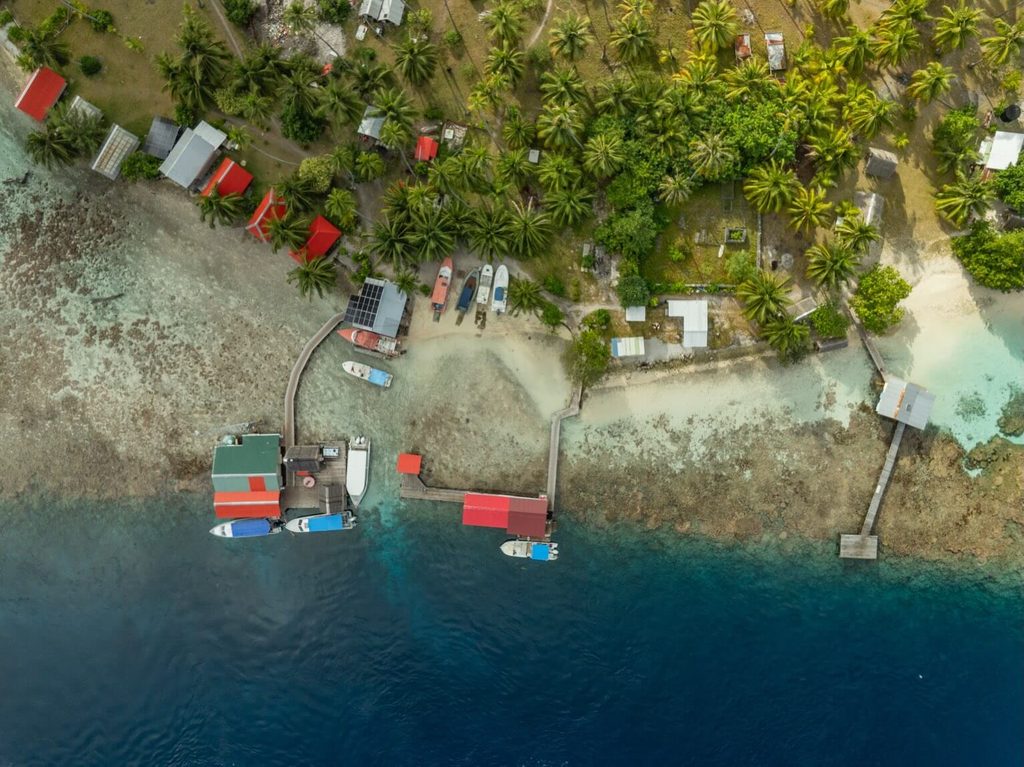
If you still have energy, take a short bike ride or find somewhere beside the lagoon to sit for a while. There’s no need to turn your arrival day into a sightseeing marathon.
I’d also use this time to confirm any diving or lagoon excursions you’ve booked. If you haven’t arranged them yet, this is a good opportunity to speak with a local operator and check the weather and sea conditions.
Day 2: Diving or Explore the Lagoon
Make your second day your main water day.
If you dive, this would be a good time to arrange a dive around Garuae Pass. Conditions around the passes can be affected by tides and currents, so your dive operator should advise you on the best timing and which site suits your experience.

If you don’t dive, book a lagoon excursion instead. This gives you a chance to see more of Fakarava from the water and can include snorkeling stops, beaches or small motus depending on the trip.
I’d avoid making a second major plan for the afternoon. After several hours in the sun and water, you may be happier having a slow lunch and heading back to your accommodation.
If weather affects your excursion, having this as Day 2 rather than your final day gives you some room to rearrange things.
Day 3: PK9 Beach and a Slower Afternoon
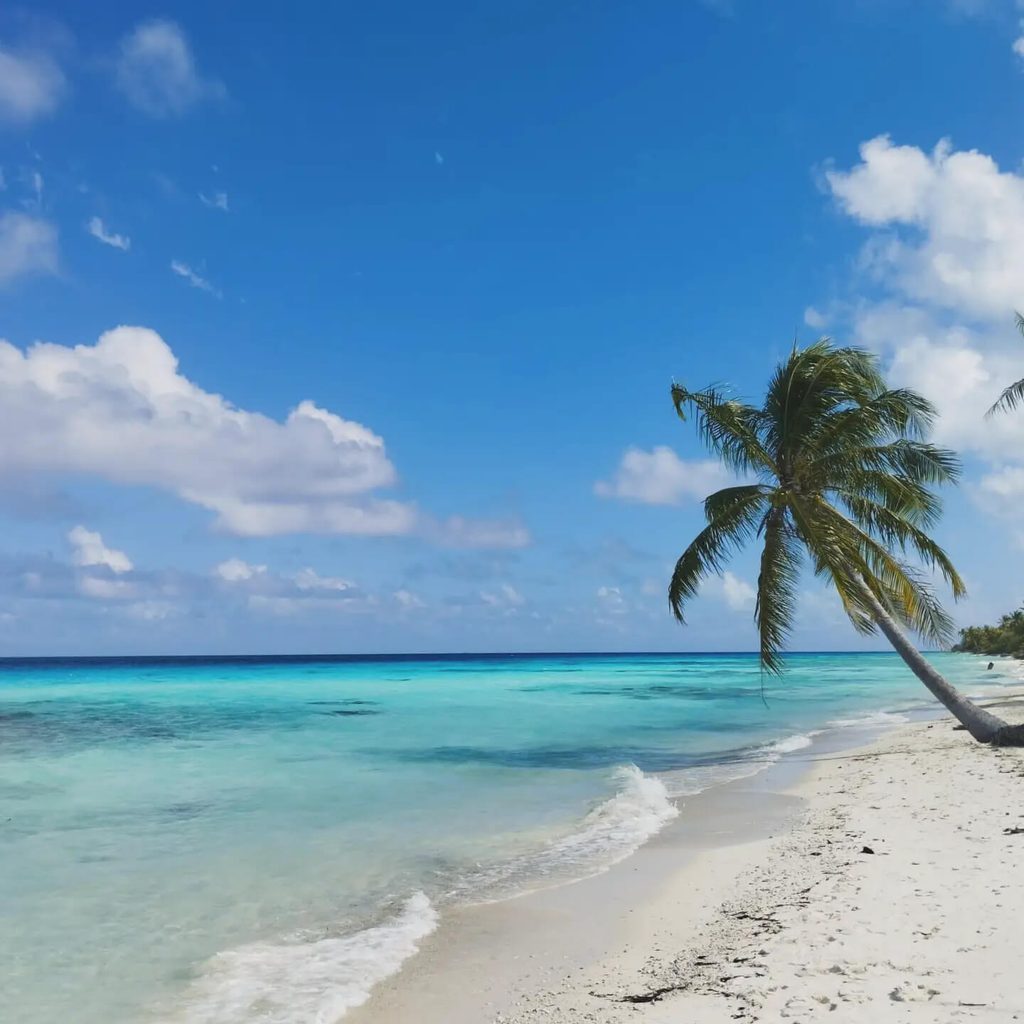
On your final full day, I’d head toward PK9 Beach and spend a few hours there rather than rushing through several different stops.
Take your swimming gear, water, sunscreen and snorkeling equipment if you have it. If you’re cycling from Rotoava, start earlier while the temperature is more comfortable. You can always take your time on the way back.
You could also arrange a visit to a pearl farm while you’re exploring the northern part of the atoll. It’s an interesting way to learn more about one of the traditional industries of the Tuamotu Islands, and you can look at locally produced pearls if you’d like to take something home.
Keep the rest of the afternoon open. Go for another swim, have something to eat, take a final cycle around Rotoava or simply sit beside the lagoon.
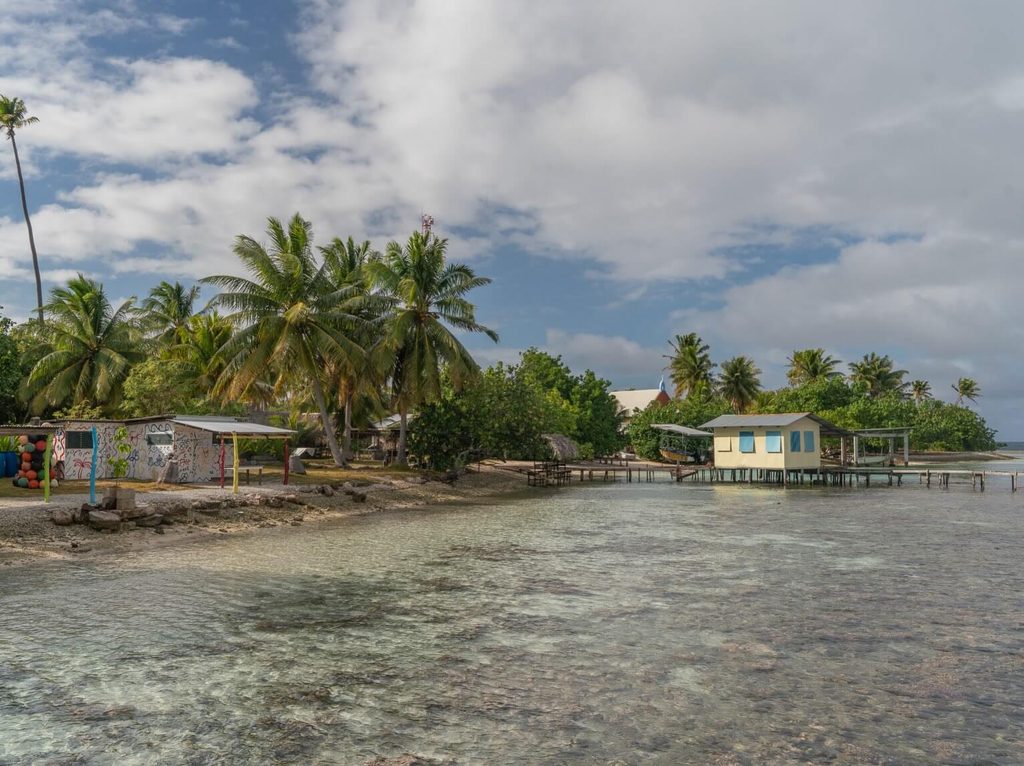
Three days gives you a good introduction to Fakarava, especially if you’re combining it with other islands in French Polynesia. You won’t see everything, but I don’t think that’s a problem here. I’d rather leave Fakarava feeling like I had time to enjoy it than spend three days rushing from one activity to the next.
What I Wish I Knew Before Visiting Fakarava
There are a few things I’d keep in mind before booking a trip here.
The first is that North and South Fakarava are very different. Rotoava is much easier for a first visit because you have more access to food, transport and activities. The south is quieter and more remote, but that also means you need to organise more in advance.
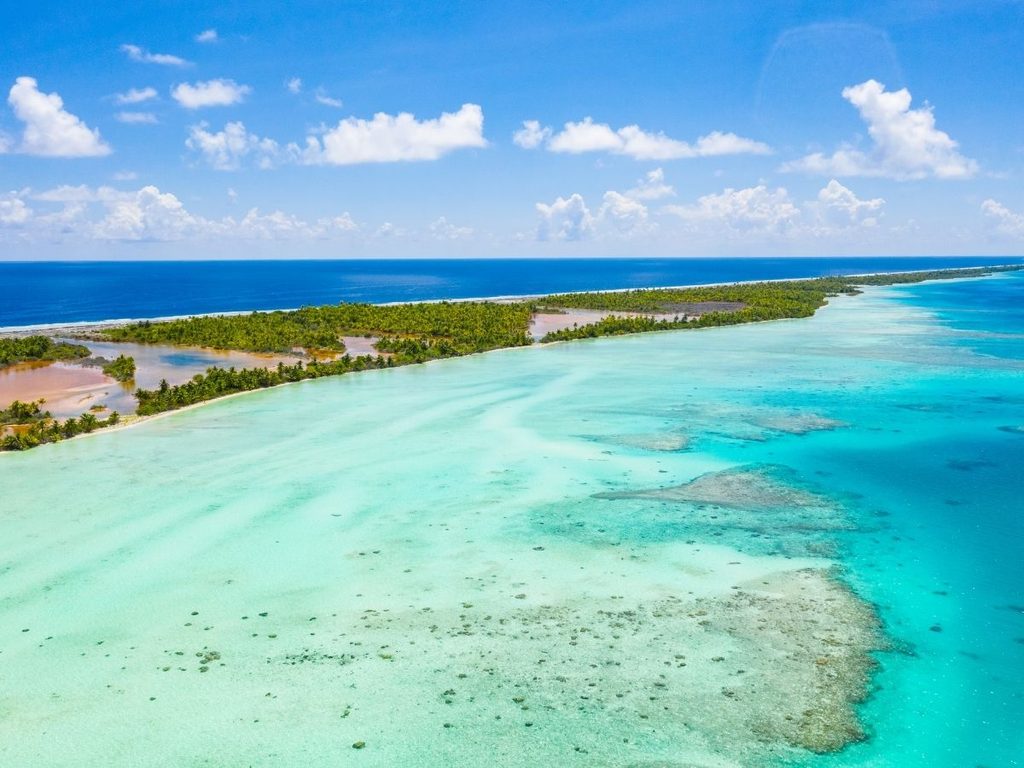
I’d also leave some room for the weather. If there’s a lagoon trip or dive that you really want to do, don’t schedule it for the last few hours of your trip. Having another day available gives you a much better chance of fitting it in if conditions change.
Carry some cash and check payment arrangements with your accommodation before arriving. This is especially important if you’re staying somewhere remote.
And don’t feel guilty about having an empty afternoon. You don’t need to find something to do every hour. Sitting beside the lagoon, swimming for a while or watching the boats go by can easily become one of the nicest parts of your stay.
Final Thoughts
Fakarava takes a little more planning than islands such as Bora Bora or Moorea, but I think that’s part of what makes it appealing.
Life here is slower. You spend your days in the lagoon, cycling around the atoll, visiting beaches, eating fresh fish and deciding whether you actually want to do anything else that afternoon.
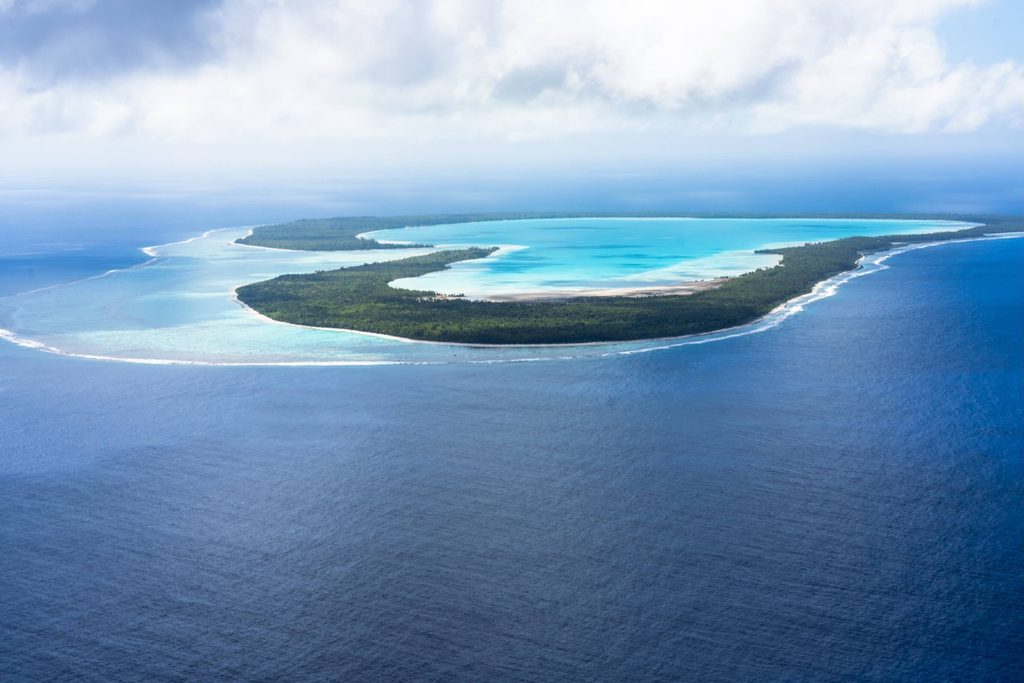
For a first visit, I’d stay in the north unless diving at Tetamanu Pass is the main reason you’re coming. Give yourself at least three nights, although four or five would be better if you want enough time to deal with weather changes and possibly visit the south.
Most importantly, don’t over plan the trip. Fakarava isn’t a destination where you need to keep checking off attractions. Leave yourself some empty time and let the island set the pace.