
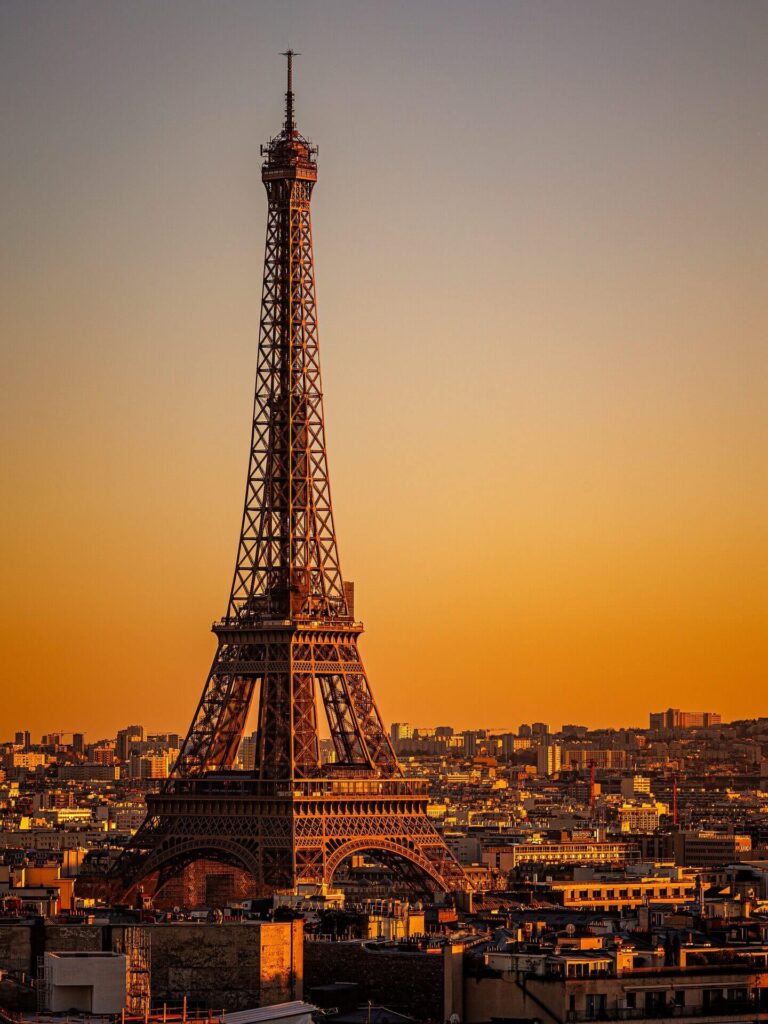
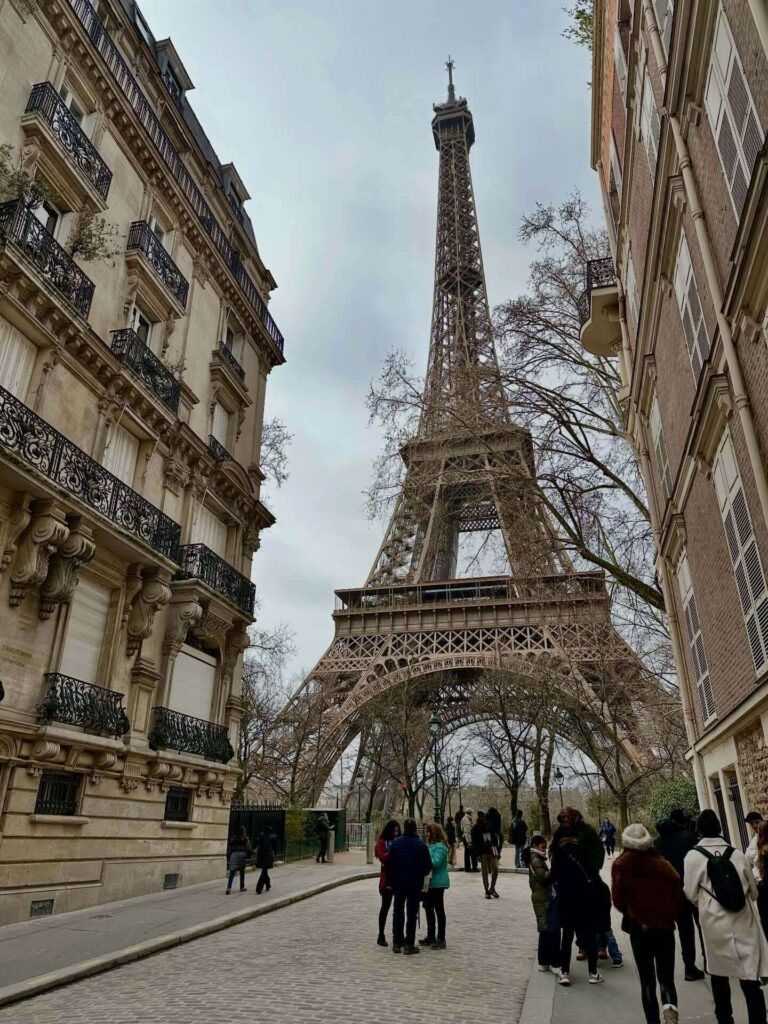
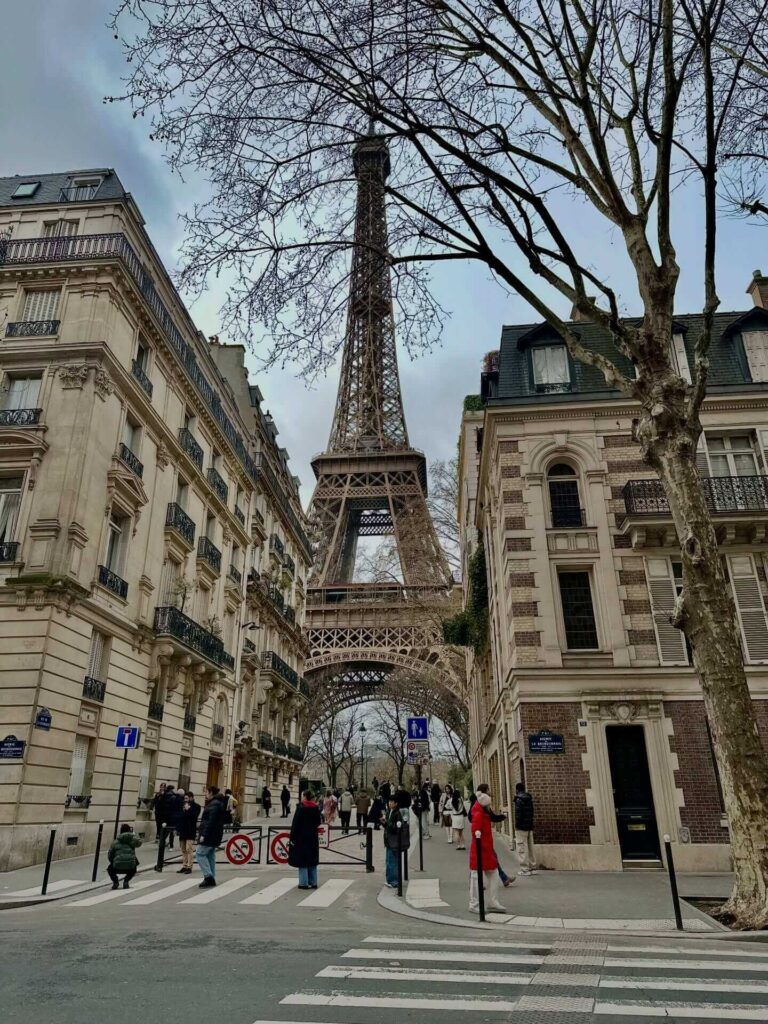
The first time I saw the Eiffel Tower, it wasn’t from right underneath it or from one of those perfectly framed viewpoints you see online. I was walking down a fairly ordinary street, not really paying attention, and then it just appeared between the buildings.
For a second, I actually stopped walking. It didn’t feel like I was looking at something new, it felt like I was recognizing something I’d already seen a hundred times.
I think that’s what makes it a bit strange at first. You grow up seeing it everywhere, in movies, travel photos, even random backgrounds, so when you finally see it in person, your brain takes a moment to catch up. It’s familiar, but at the same time, it feels much bigger and more present than you expect.
What I didn’t really think about before going was how much the way you visit affects the experience. I had this idea that you could just show up, maybe wait a little, go up, take in the view, and that’s it.
But once you’re there, you realize it’s not quite that simple. There are different entrances, different ticket options, lines that move slower than you expect, and crowds that build up quickly depending on the time of day.
The first time, I made a few small mistakes without realizing it. Nothing major, but enough to make parts of the visit feel a bit rushed. I didn’t plan my timing properly, I underestimated how long things would take, and I didn’t really think about whether going all the way to the top was actually worth it for me.
That’s really why I wanted to put this guide together. Not just to share basic information, but to give you a clearer sense of what it actually feels like to visit, so you can make better decisions before you get there. Things like when to go, which ticket makes the most sense, how much time to set aside, and even whether you need to go up at all.
If you go in with the right expectations and a bit of planning, the whole experience feels a lot more relaxed. You’re not rushing between lines or trying to figure things out on the spot. You actually get to enjoy it, whether that’s from the top, from the second floor, or even just from a quiet spot nearby where you can take it in properly.
A Quick Look at the History
The Eiffel Tower was built for the 1889 World’s Fair, which marked 100 years since the French Revolution. At the time, it was meant to be a temporary structure, something that would stand for about 20 years and then be taken down. That part really surprised me when I first learned it, because it feels so permanent now that it’s hard to imagine Paris without it.
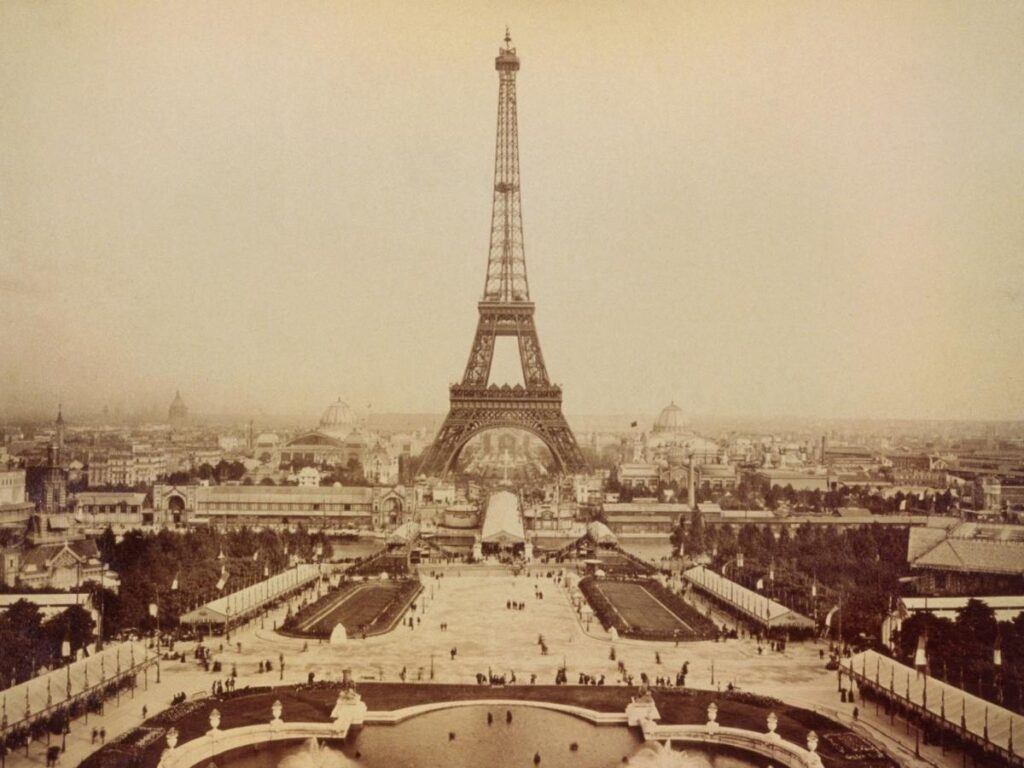
What’s even more interesting is that not everyone liked it in the beginning. In fact, a lot of artists and writers were openly against it. They thought it didn’t fit with the rest of the city, which is full of historic buildings, soft colors, and more traditional architecture. Compared to that, the tower must have felt very industrial and out of place.
Over time, though, people started to see it differently. It proved useful for things like radio transmission, which helped justify keeping it. And slowly, it became less of a controversial structure and more of something people associated with the city itself.
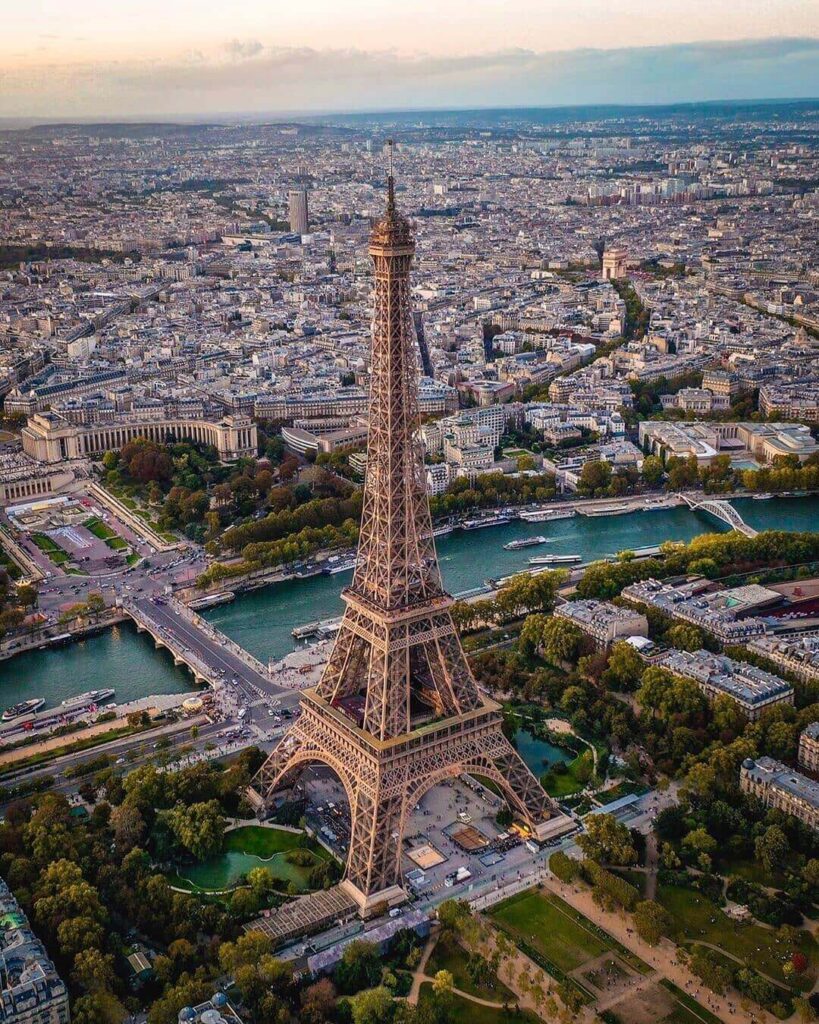
Now it’s probably the first thing that comes to mind when you think of Paris. It’s one of those rare places where the story behind it actually changes how you see it when you’re standing there.
Where the Eiffel Tower Is Located
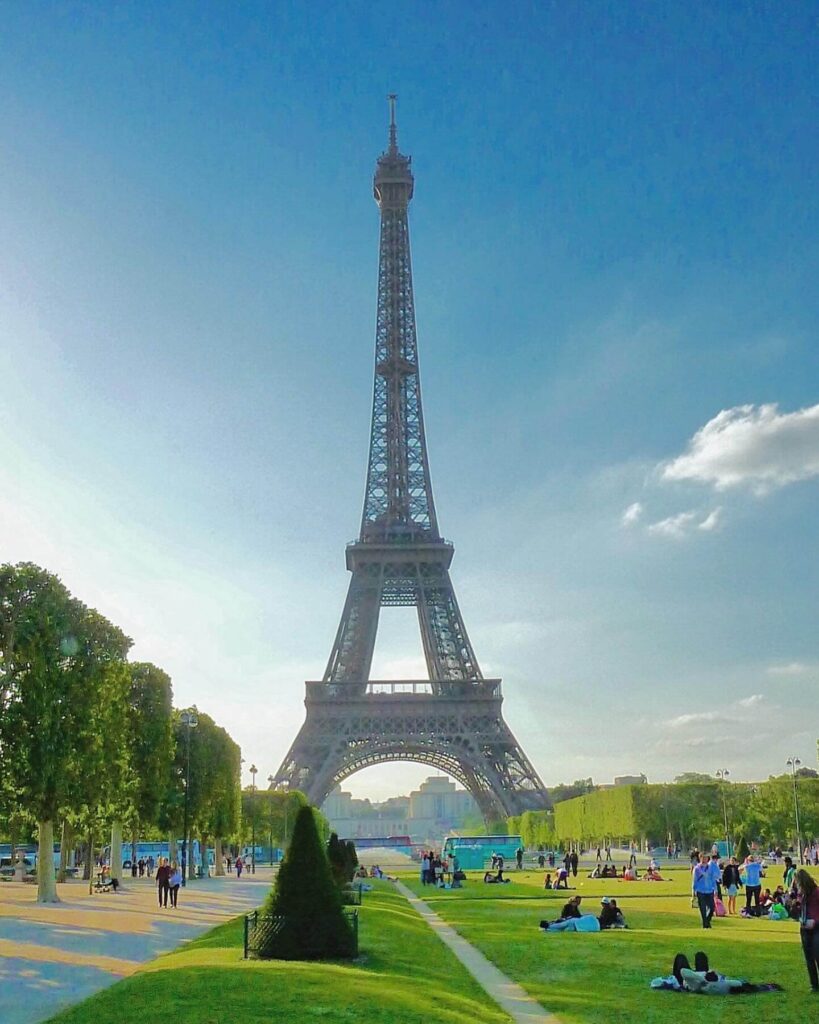
The tower sits right next to Champ de Mars, which is a long, open stretch of grass that leads straight up to it. This is usually where people end up first, especially if you’re approaching it on foot. It’s a nice space to slow down a bit before getting closer, and you’ll often see people sitting on the grass, taking photos, or just looking up at it.
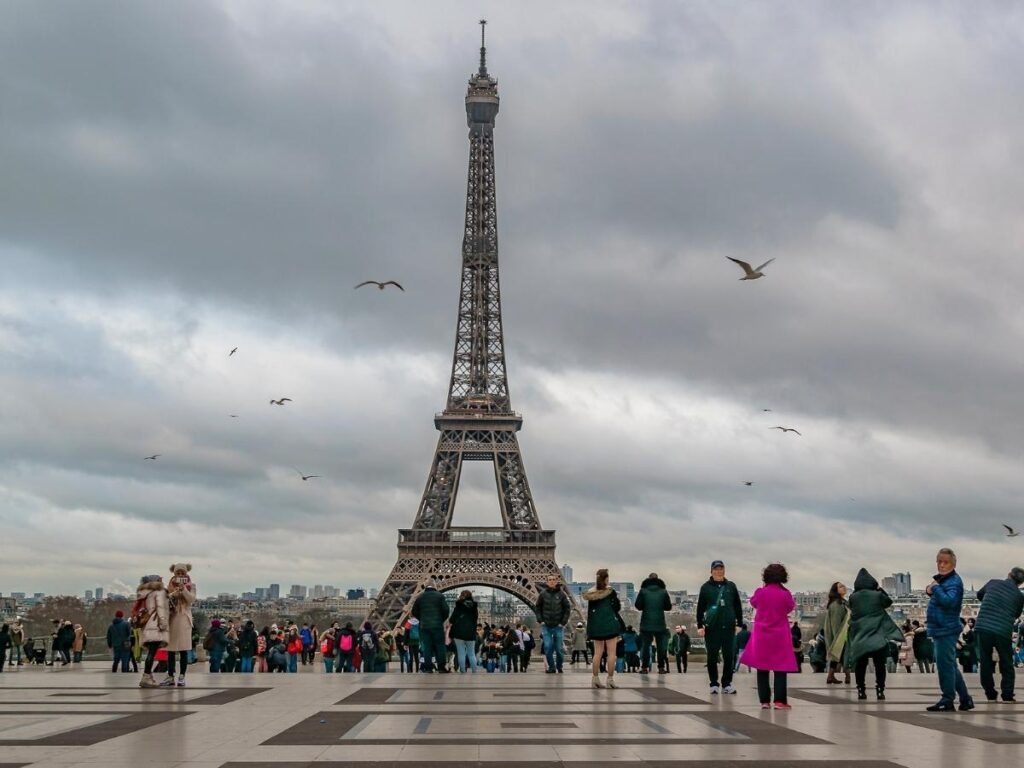
On the other side of the river is Trocadéro, and this is where that classic view comes from. If you’ve ever seen a photo of the Eiffel Tower perfectly centered with a wide open foreground, it was probably taken from here. It’s a bit more crowded most of the time, but the view is worth seeing at least once.
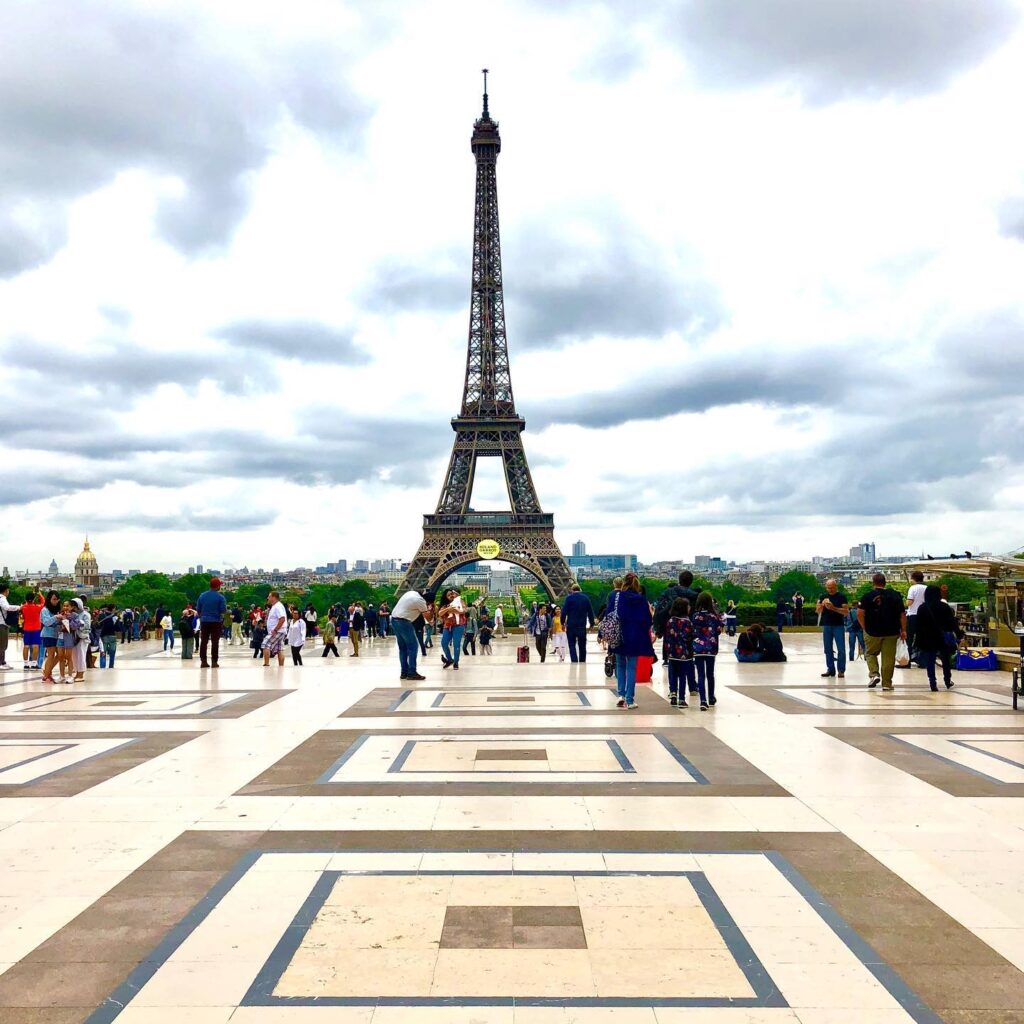
The Seine runs right alongside the tower, which makes it feel like part of the natural flow of the city rather than something isolated. If you’re walking around central Paris, there’s a good chance you’ll come across it without even planning to.
I remember turning a corner during a walk and suddenly seeing it again from a completely different angle, and it felt like a new experience each time.
That’s something I didn’t expect before visiting. The Eiffel Tower isn’t just one viewpoint or one moment. It shows up differently depending on where you are, and that’s part of what makes it interesting to come back to more than once, even within the same trip.
Eiffel Tower Levels Explained
First Floor
I almost skipped the first floor without thinking much about it, and I’m glad I didn’t. It’s one of those places that doesn’t sound particularly exciting on paper, but once you’re there, it feels different from what you expect. You’re not very high yet, so instead of looking out over Paris, you’re still somewhat connected to what’s happening below.
You can see people walking around, hear the movement, and it makes the whole experience feel more grounded.
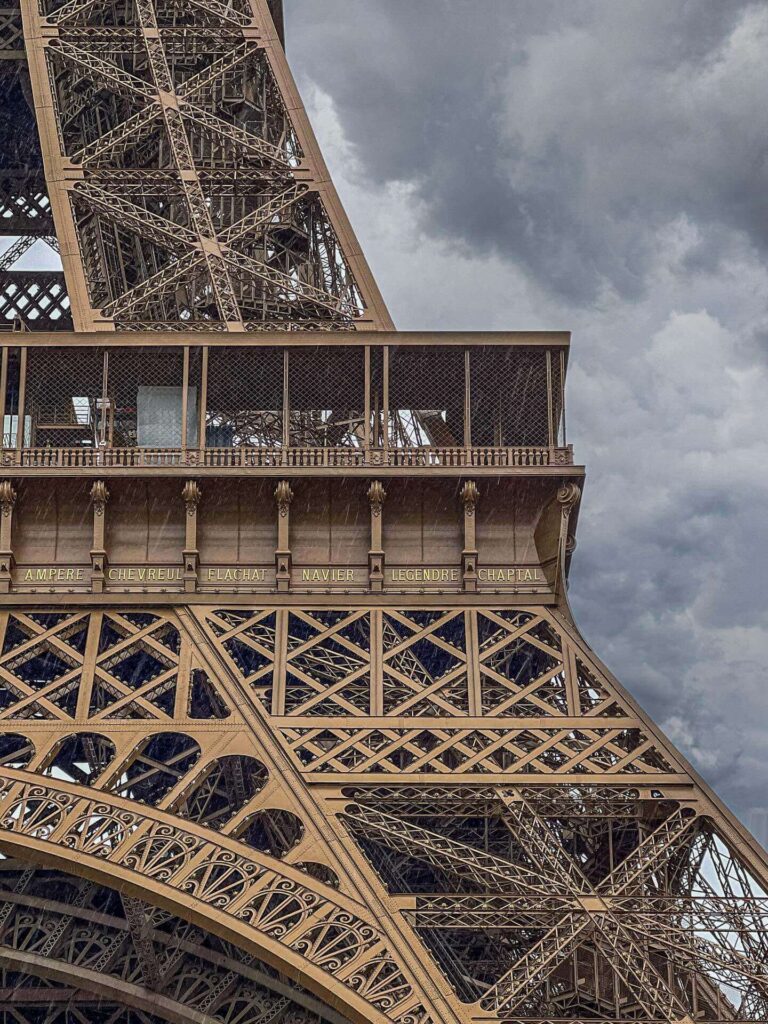
The glass floor is the part most people talk about. Stepping onto it takes a second to get used to, even if you’re not afraid of heights. It’s not extreme, but there’s a slight hesitation before you actually put your full weight on it. Once you do, it becomes more fun than intimidating.
What stood out to me, though, was how much calmer it felt compared to the upper levels. A lot of people are focused on getting higher up, so they don’t spend much time here. If you slow down a bit, this level actually gives you space to take everything in without feeling rushed.
Second Floor
This is the level that felt the most balanced to me. You’re high enough that the view opens up properly, you can see across Paris in a way that finally makes sense, but you’re not so far away that everything starts to look distant or abstract.
From here, you can still pick out landmarks, follow the curve of the Seine, and notice the details that make the city feel alive. It’s also where most people end up spending the most time, and I can see why. The views feel rewarding without being overwhelming.
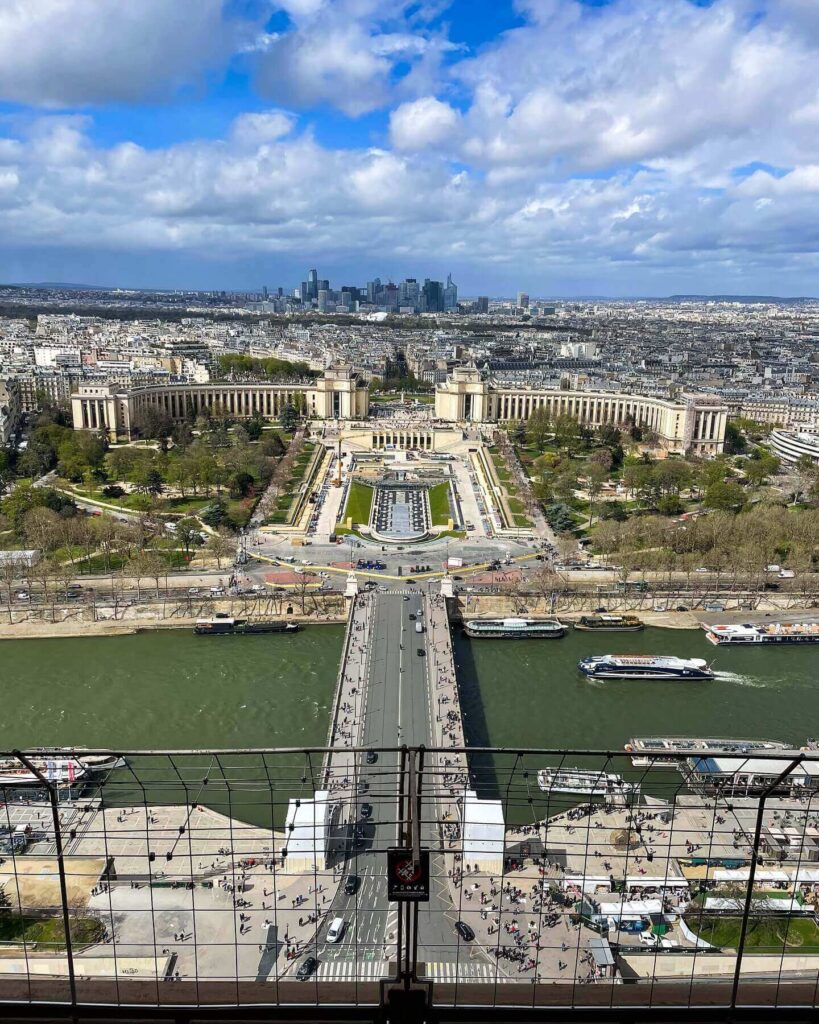
If you’re deciding between stopping here or going all the way to the top, this is probably the level that gives you the best overall experience. It feels like you’re in the city, just from a different perspective, rather than looking at it from far above.
It does get busy, though. Not unmanageable, but you’ll notice the crowd more here than on the first floor. Finding a quiet spot near the railing takes a bit of patience, especially during peak hours.
Summit
Going up to the summit feels more like a separate experience altogether. There’s usually another wait involved, even if you already have your ticket, and the space gets tighter as you go higher. By the time you reach the top, it feels noticeably more crowded.
The view is, of course, wide and uninterrupted, but what surprised me is that it’s less about spotting details and more about the feeling of being that high up. The city starts to look more like a pattern than a place, and individual landmarks become harder to distinguish.
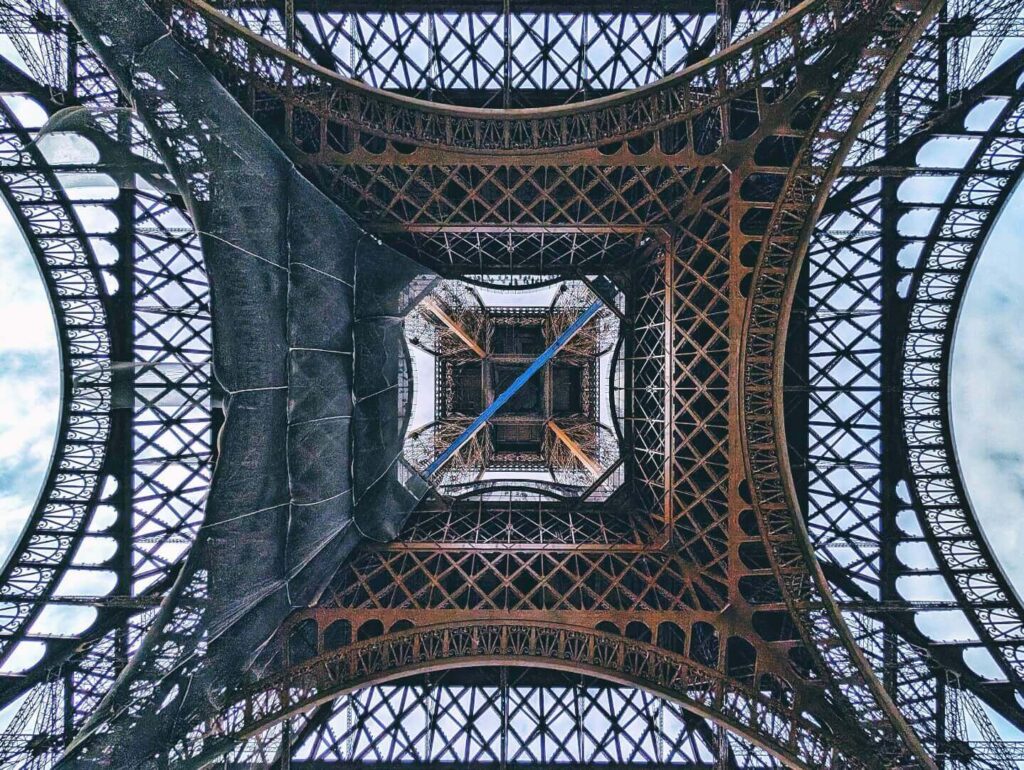
For some people, that height is exactly what makes it special. It’s the idea of standing at the very top of one of the most recognizable structures in the world. For others, it can feel a bit rushed because of the limited space and the number of people trying to do the same thing at once.
I’m glad I went up at least once, but if I had to choose, I’d probably spend more time on the second floor instead. The summit feels more like something you experience briefly, while the lower levels are where you actually get to slow down and take things in.
How to Buy Eiffel Tower Tickets
This is the part that tends to catch people off guard, including me the first time. It’s easy to assume you can just arrive, buy a ticket, and go up without much thought. In reality, this is where most of the waiting happens, and where a bit of planning can make a big difference to how the whole visit feels.
When you start looking at tickets, the main choice is how high you want to go and how you want to get there. You can take the elevator to the second floor, or all the way to the summit. There’s also the option to take the stairs up to the second floor, which is cheaper but obviously more physical.
I remember considering the stairs for a moment, thinking it might be a good way to avoid queues, but once I saw the number of steps, I quickly changed my mind.
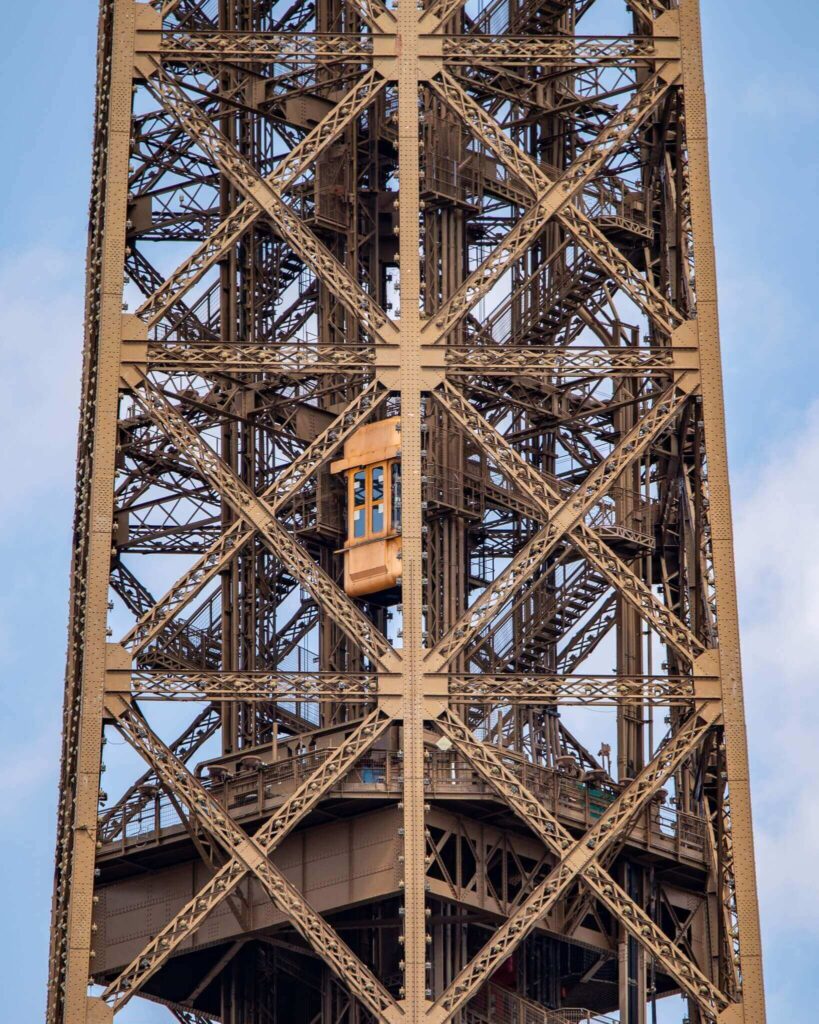
The elevator to the second floor is the most straightforward option and probably what most people choose. It gets you to a height where the views already feel satisfying, without adding extra waiting time.
Going all the way to the summit sounds like the obvious choice, especially for a first visit, but it does come with an additional queue, even if you already have a ticket. That’s something I didn’t fully account for at the time.
Where you buy your ticket matters just as much. Buying online in advance is by far the easiest option. You pick a time slot, show up, and move through a much faster line. When I didn’t do this, I ended up spending a lot longer just standing around than I expected, and it took away from the experience more than I thought it would.
Buying tickets on site is still possible, but it’s unpredictable. Sometimes the lines are manageable, but during busy periods they can stretch out quite a bit. You also run the risk of certain ticket types, especially summit access, selling out for the day.
If you’re unsure what to choose, I’d keep it simple. The elevator to the second floor gives you a really good experience without complicating things too much. The summit is worth considering if it’s something you’ve always wanted to do, but it’s not essential to enjoy the visit.
Looking back, the biggest difference wasn’t the type of ticket I chose, it was whether I planned ahead or not. Once that part is sorted, everything else feels much easier and more relaxed.
Best Time to Visit the Eiffel Tower
Time of Day
The time of day you choose makes a bigger difference than you might expect. It doesn’t just change the lighting, it changes the entire feel of the visit.
Mornings are usually the calmest. If you go early enough, the area around the Eiffel Tower feels a bit more open, and the lines are generally shorter. The light is softer too, which makes everything look a little more subtle and less harsh than later in the day. That said, it can feel a bit quiet, almost like the city hasn’t fully woken up yet.
By the afternoon, things shift quite a bit. This is when most people arrive, especially during peak travel months. The queues get longer, the viewing areas feel more crowded, and you spend more time navigating around people than just taking in the view. It’s not a bad time to go, but it’s definitely the busiest.
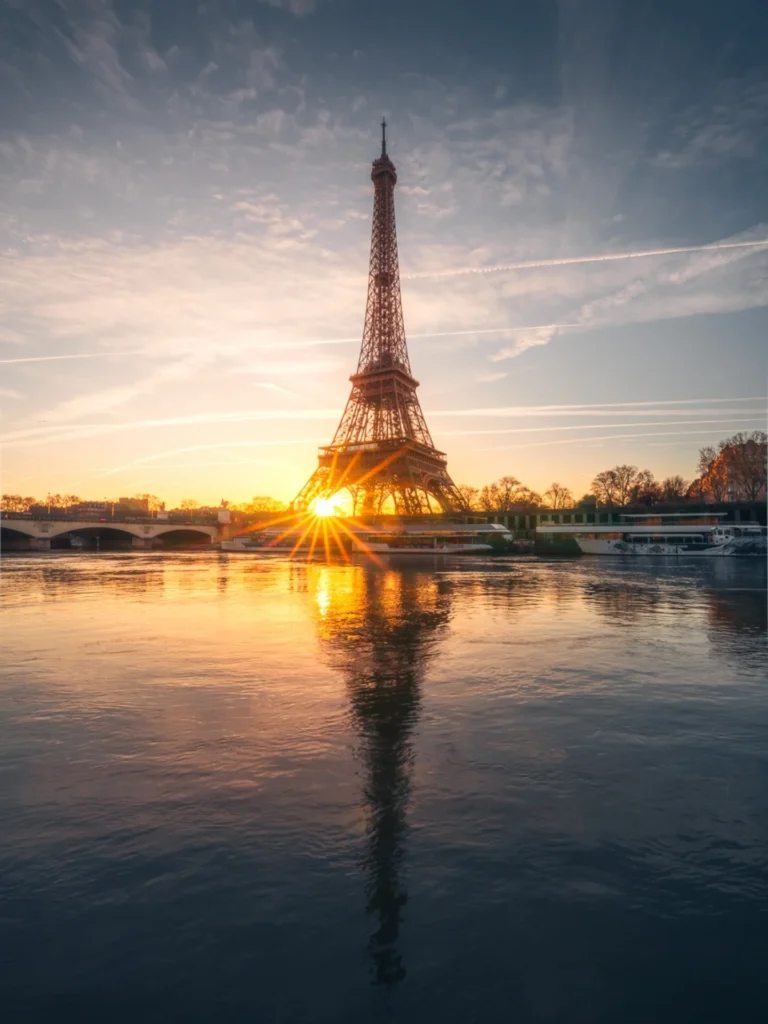
Evening is where the experience starts to feel different again. As the light changes and the city begins to transition into night, the atmosphere becomes more relaxed. There’s still a crowd, but it feels less rushed somehow.
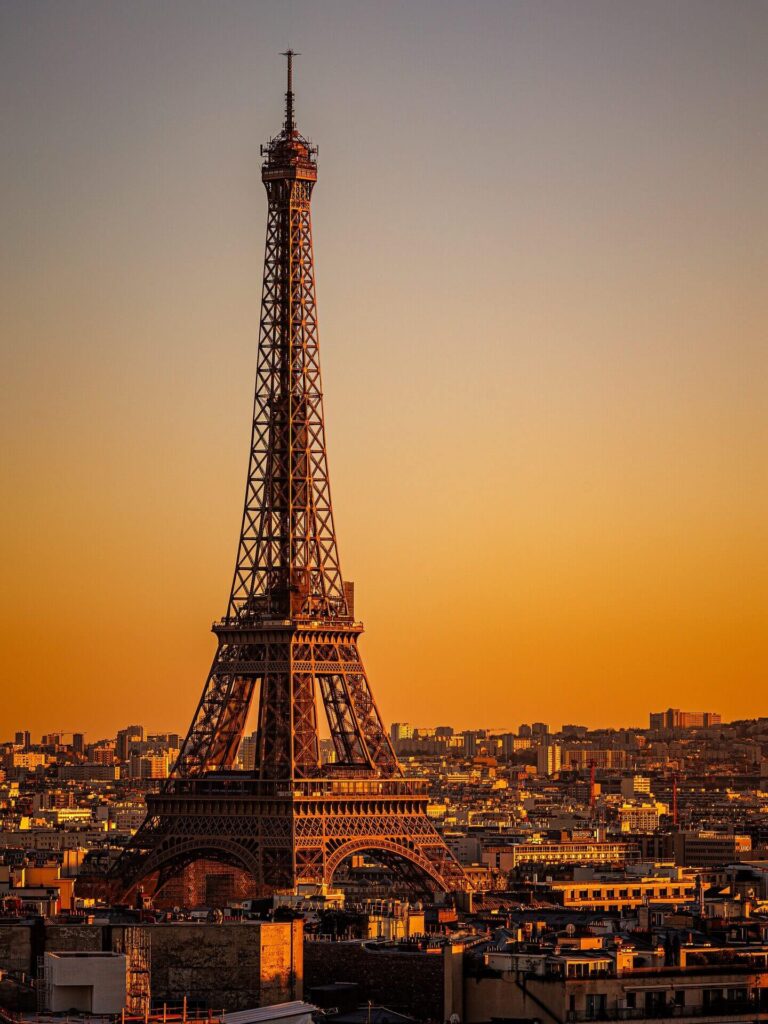
I went up closer to sunset and stayed until it got dark, and that ended up being my favorite part. Watching the city slowly light up from above made the whole visit feel more complete.
Best Days
The day of the week also plays a role, even if it’s a bit less obvious at first.
Week days tend to feel more manageable overall. There are still visitors, of course, but the flow feels steadier and slightly less intense. You’re more likely to find moments where things slow down, especially if you avoid the middle of the day.
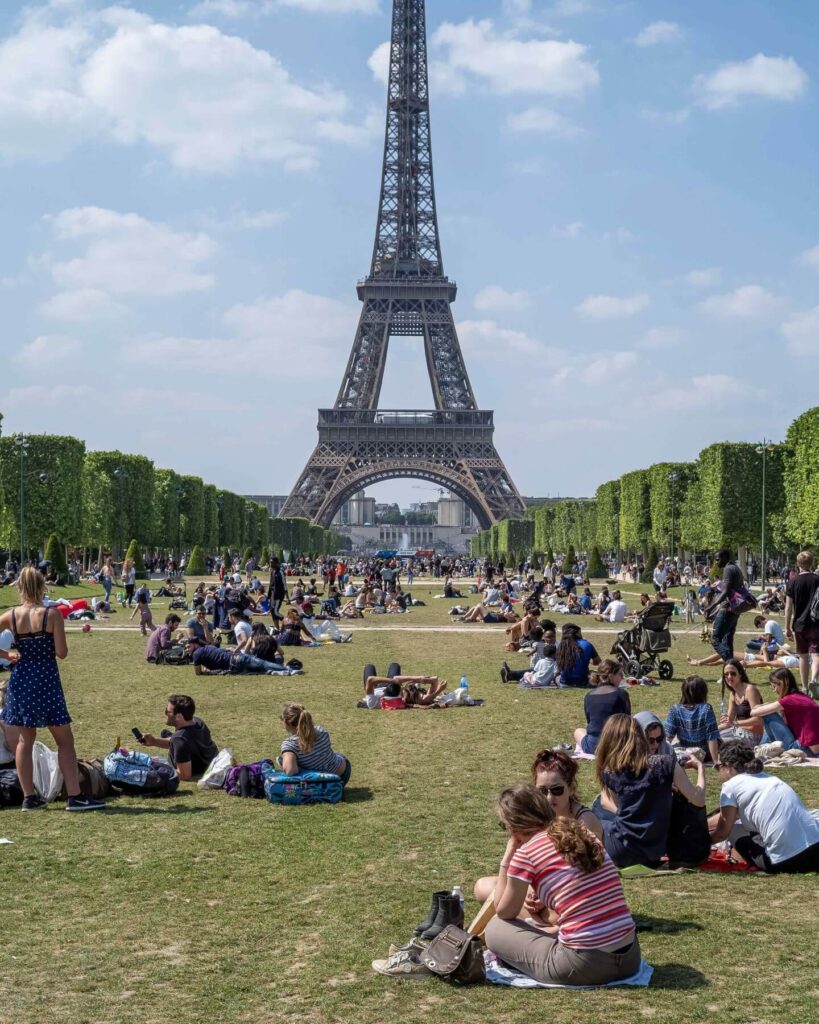
Weekends, on the other hand, bring in both tourists and locals, which makes a noticeable difference. The area around the tower gets busier, lines build up faster, and everything feels a bit more crowded from start to finish. If your schedule is flexible, choosing a weekday can make the experience feel a lot smoother.
Best Season
The season you visit shapes the experience in a quieter way, but it still matters.
Summer has the advantage of long days and warmer weather, which means you can visit later in the evening and still have daylight. That’s great if you want to combine sunset views with the nighttime lights. The downside is that it’s also the busiest time of year, so you’ll feel that in the queues and the overall pace.
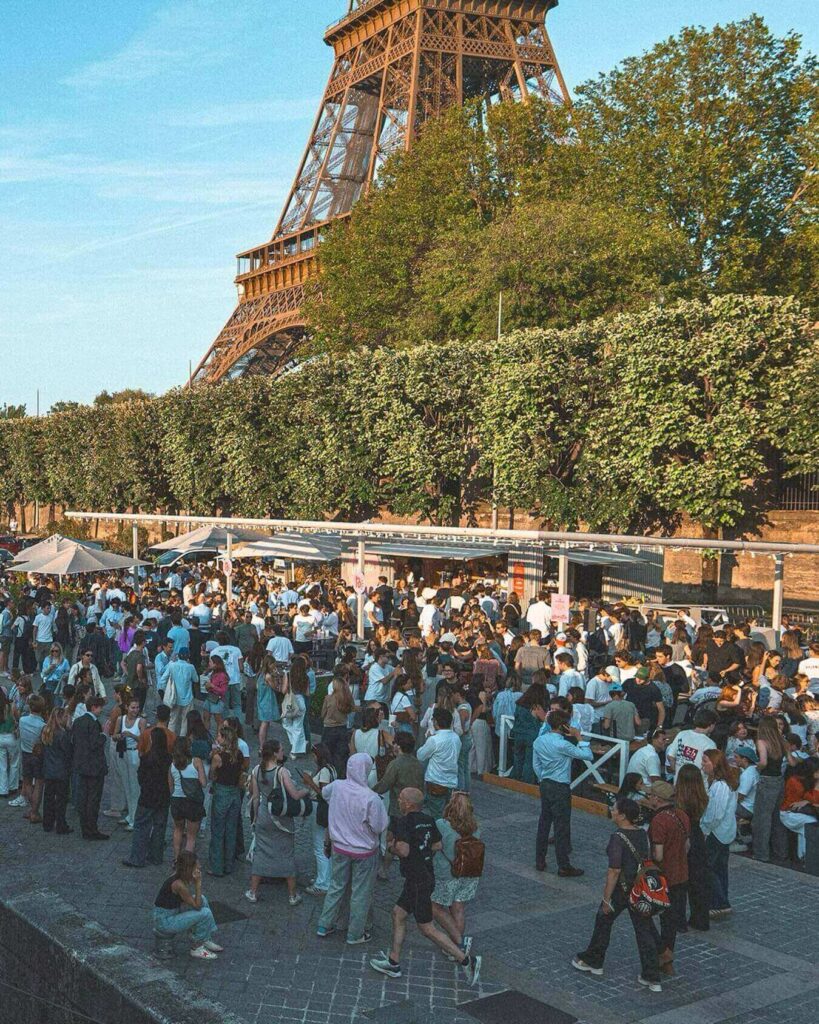
Winter feels almost like a different version of the same place. There are fewer people, which makes everything feel a bit calmer, and moving through the different levels is generally easier. The trade off is shorter days and colder weather, which can affect how long you actually want to stay up there.
I wouldn’t say there’s a perfect time that works for everyone. It really depends on whether you prefer a quieter experience or longer, more flexible days. But if you can, aiming for a weekday evening, especially around sunset, tends to strike a really nice balance.
How Long You Actually Need
Before going, I assumed the visit itself would be the main part, going up, spending time at the top, coming back down. In reality, a good portion of your time is spent getting to that point.
The overall timing depends less on how long you want to stay and more on how long things take along the way. There’s the initial security check, then the ticket line (if you haven’t booked in advance), and then another wait for the elevators. None of these steps are particularly complicated, but they do add up.
If you’re keeping things simple, going up to the second floor and not lingering too long, you can get through the experience in about an hour and a half to two hours. That usually feels like enough if you just want to see the views, take a few photos, and move on.
But if you’re planning to go all the way to the summit, or if you like taking your time at each level, it’s more realistic to set aside two to three hours. That gives you space to pause a bit, walk around, and not feel like you’re constantly checking the time.
What helped me was not trying to rush it. Once you accept that part of the experience includes waiting, it becomes easier to settle into the pace of it instead of feeling impatient. And when you do finally get up there, you’re more likely to actually enjoy it rather than feel like you need to hurry through.
What the Experience Feels Like
There’s a certain version of the Eiffel Tower people imagine before they visit, quiet moments, open space, uninterrupted views. The reality is a bit more structured than that, but not in a bad way, just different from what you might picture.
The first thing you notice is the security setup. Before you even get close to the tower itself, you go through a controlled entry area. It’s fairly organized, but it does slow things down a little, especially when it’s busy.
Then come the lines. Even with a pre booked ticket, there’s still some waiting involved. What caught me off guard wasn’t just the length of the queues, but how slowly they can move at times. It’s not constant, it starts, stops, and then moves again, which can feel longer than it actually is.
The elevators are another part of the experience you don’t really think about beforehand. They’re efficient, but they do get quite full. You’re usually standing close to other people, and the ride itself is quick but not particularly spacious. It’s just something to be aware of, especially if you were expecting a more open or relaxed ascent.
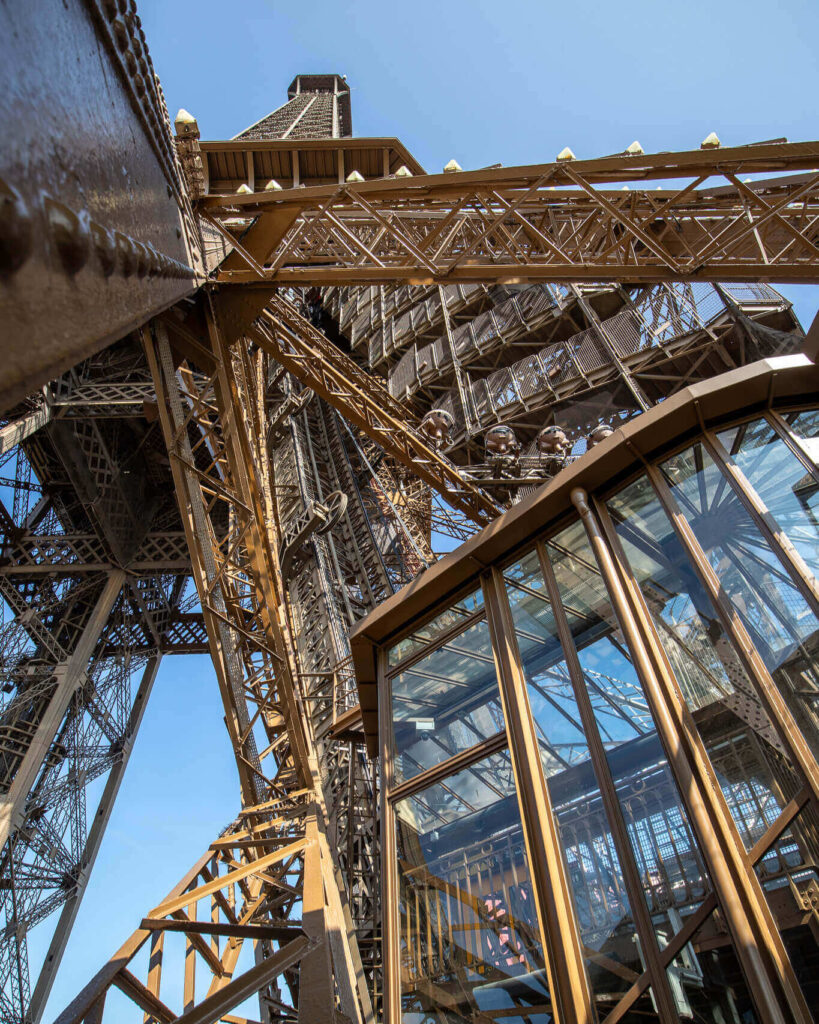
At the top, space becomes more limited. There are a lot of people trying to take in the view at the same time, so it can feel a bit crowded, especially around the railings. You might need to wait for a spot or adjust your expectations about having uninterrupted views.
None of this takes away from the experience, but it does shape how it feels. Once I stopped expecting it to be quiet or perfectly smooth, I started enjoying it more for what it actually is, a shared, slightly busy, but still very memorable moment in the city.
Best Views of the Eiffel Tower
Some of my favorite moments with the Eiffel Tower weren’t from the top at all. In fact, a lot of them happened when I wasn’t really trying to visit it, just walking around, stopping somewhere, and seeing it from a different angle.
That’s something I didn’t expect before going. You don’t just experience the tower once, it keeps appearing in different ways depending on where you are.
Trocadéro
Trocadéro is the view most people picture before they even arrive in Paris. It’s directly across the river, slightly elevated, and perfectly aligned with the tower. When you stand there, it feels familiar almost instantly because you’ve seen this angle so many times before.
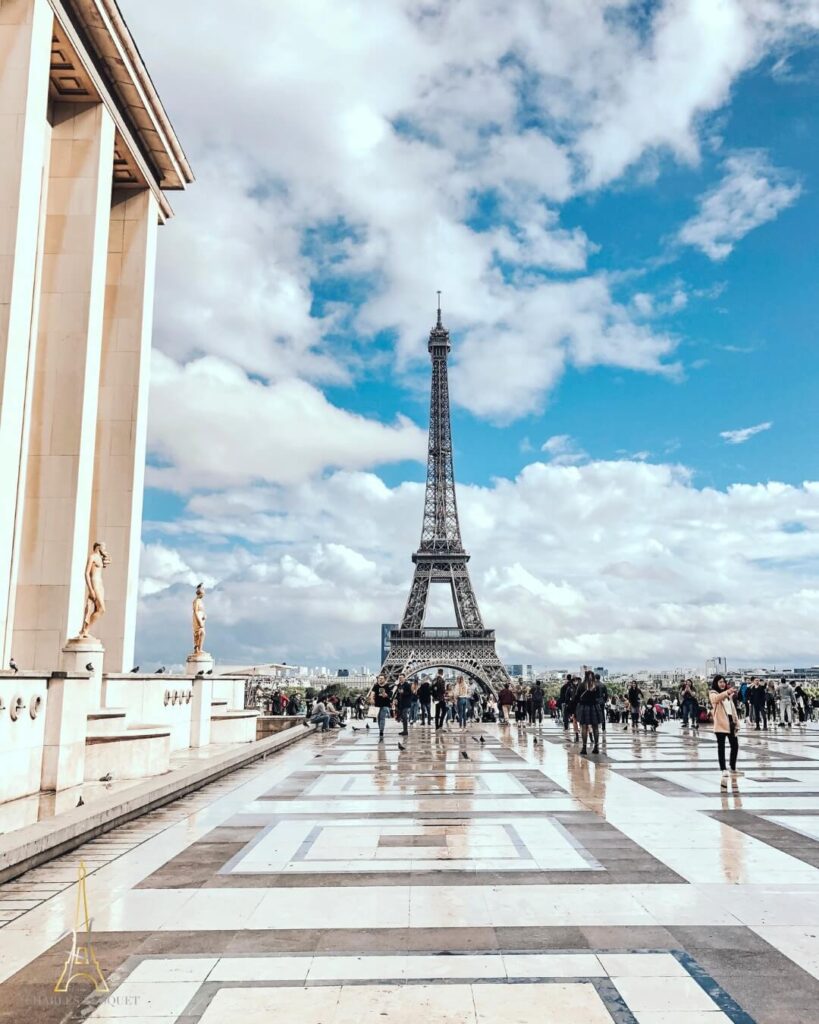
It does get busy, especially around sunrise and sunset when people gather for photos. But even with the crowd, it’s still worth going at least once. If you can, try coming early in the morning or a bit later in the evening. The atmosphere shifts quite a bit once the crowds thin out, and it feels more relaxed.
Champ de Mars
Right next to the tower is Champ de Mars, and this is where things feel more open and unstructured. Instead of standing at a viewpoint, you can sit down on the grass, take your time, and just look up at it without feeling rushed.
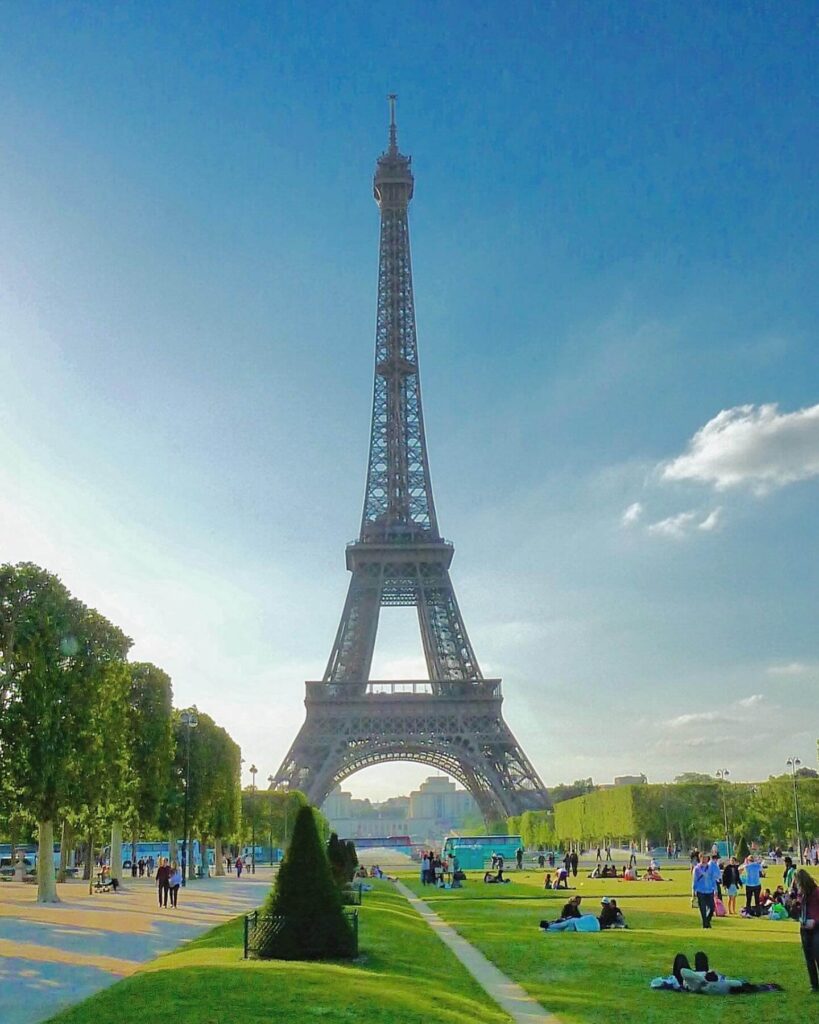
I ended up spending more time here than I expected. There’s something about being slightly further away, with space around you, that makes the experience feel calmer. People are having picnics, talking, or just lying back and looking at the tower, and it creates a very different atmosphere compared to the more crowded viewpoints.
Seine River Walk
Walking along the Seine changes your perspective completely. Instead of one fixed view, the tower keeps shifting as you move, sometimes partially hidden, sometimes fully visible, sometimes framed by bridges or buildings.
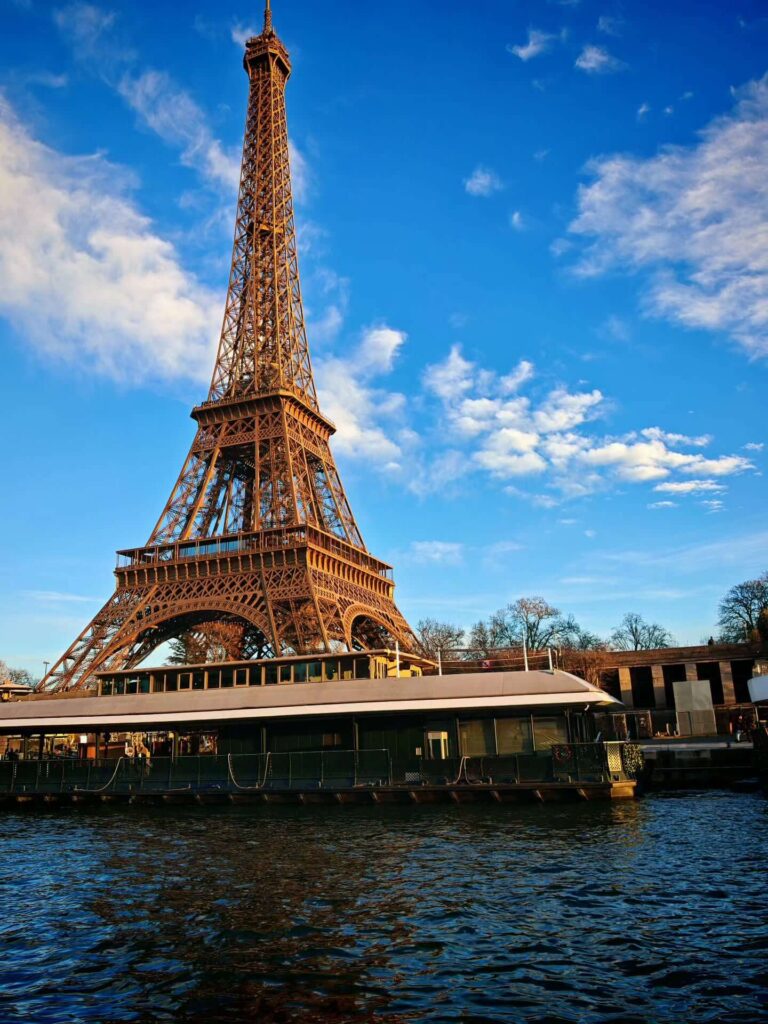
I remember walking without really thinking about it, and then suddenly catching a glimpse of the tower between two streets. It felt less like a planned viewpoint and more like something you discover along the way. If you enjoy wandering without a strict plan, this is probably the most rewarding way to experience it.
Rooftop Views
Seeing the Eiffel Tower from a rooftop adds another layer to it. You’re still at a height, but not as high as being on the tower itself, so you can actually appreciate both the structure and the city around it at the same time.
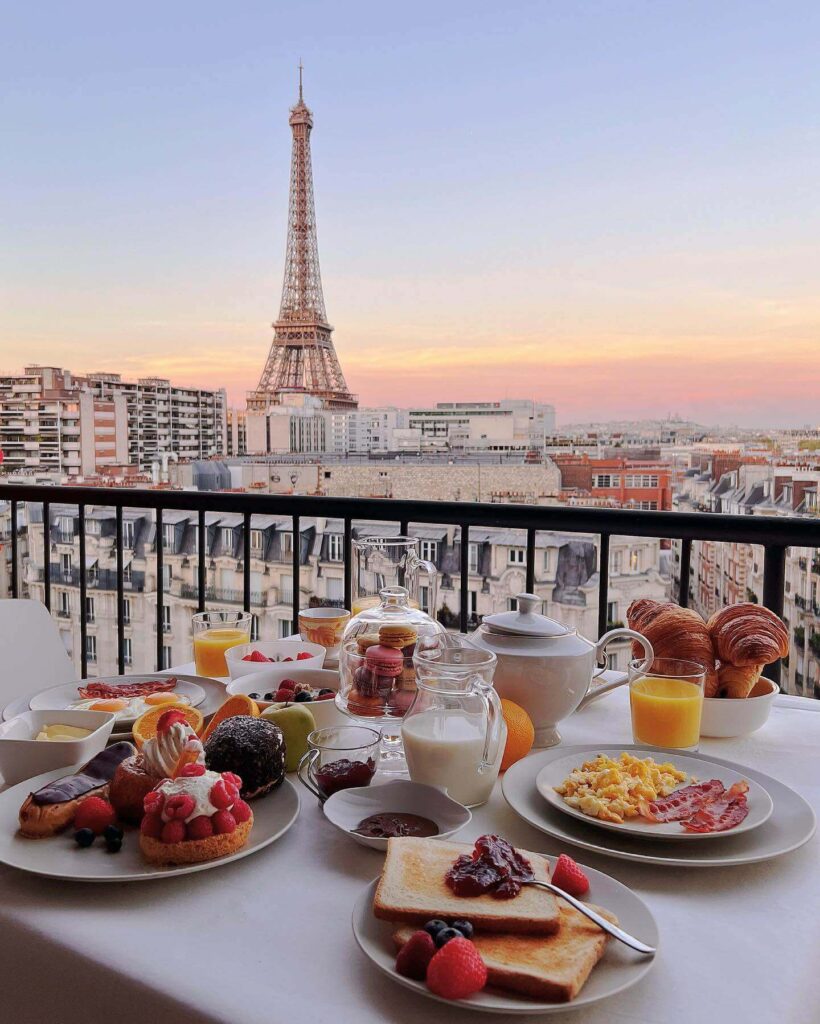
Some cafés and rooftops offer this kind of view, and while they can be a bit quieter, they also feel more relaxed. You’re not just there for the tower, you’re sitting, having a drink, taking your time, and the tower becomes part of the background rather than the main focus.
Is Going to the Top Worth It?
This is one of those decisions that sounds obvious at first. Of course you go to the top, right? But once you’re actually there, dealing with queues and crowds, it becomes a bit more of a personal choice.
If it’s your first time in Paris, there’s something special about saying you’ve stood at the very top of the Eiffel Tower. It feels like completing the experience in a way. And if you don’t mind a bit of waiting and being around a lot of people, then it’s definitely worth doing at least once.
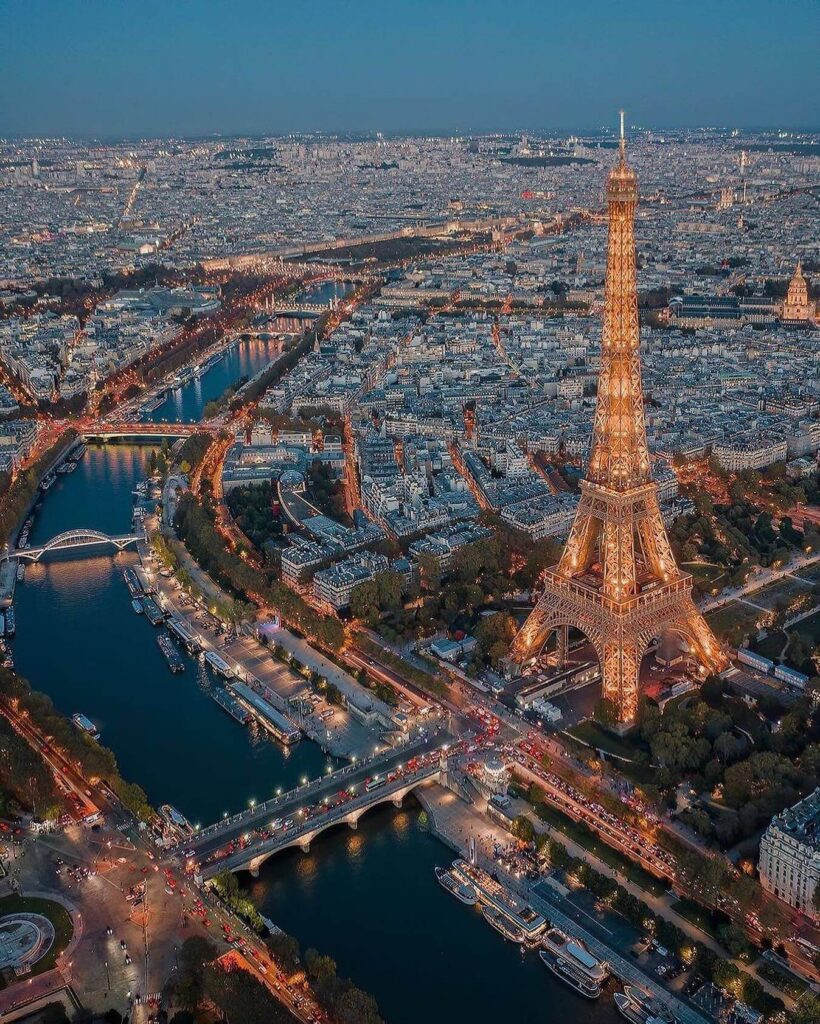
But at the same time, it’s not always the highlight people expect. The higher you go, the less detailed the city looks. You’re taking in the scale rather than the texture of Paris. For some people, that’s impressive. For others, it feels a bit distant.
I found myself enjoying the second floor more. It felt more connected to the city, easier to move around, and less rushed. If you’re someone who prefers a slower, more relaxed experience, you might feel the same way.
So it really comes down to what kind of visit you want. If the idea of reaching the very top matters to you, go for it. If you’d rather take your time and avoid the extra waiting, stopping at the second floor still gives you a really complete experience.
Common Mistakes to Avoid
Looking back, most of the small frustrations I had could have been avoided with just a bit more awareness beforehand.
One of the easiest mistakes is not booking tickets in advance. It doesn’t seem like a big deal until you’re standing there, realizing how much time you’re spending just waiting to get in. It changes the whole rhythm of your visit.
Timing is another one. Arriving in the middle of the afternoon, especially during busy seasons, makes everything feel more crowded and slightly more chaotic. You spend more time navigating the space than actually enjoying it.
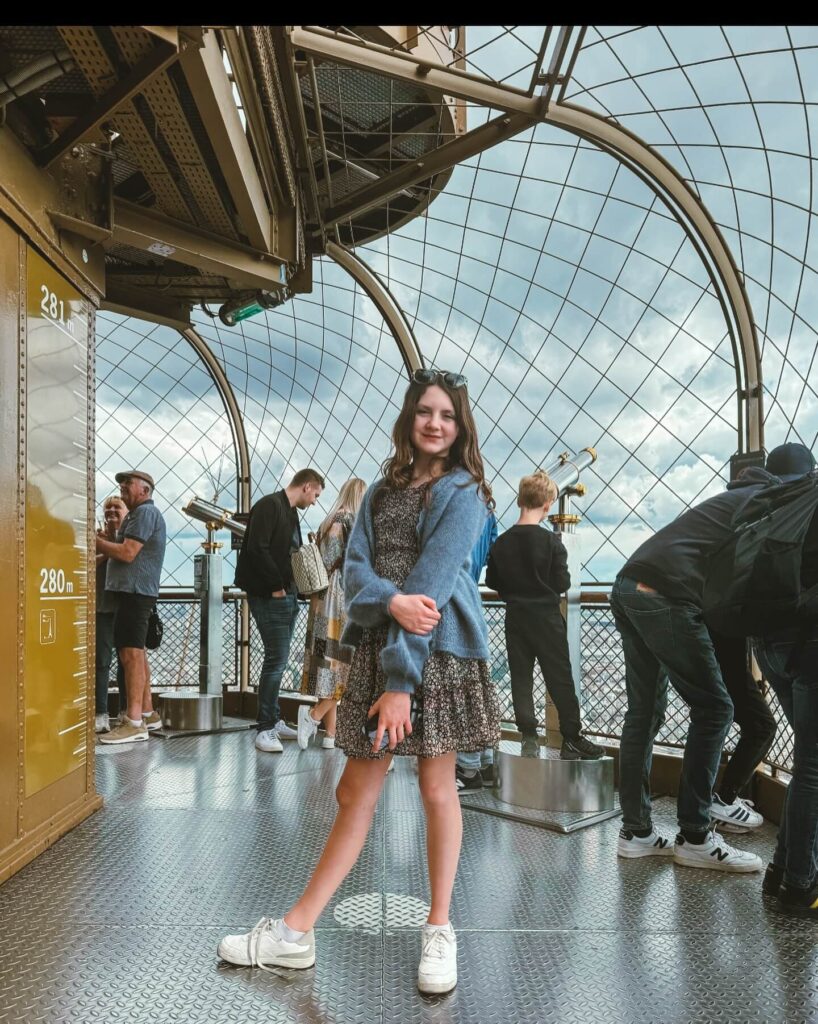
There’s also a tendency to treat the Eiffel Tower like a quick stop, something you check off and move on from. I tried to do that at first, and it made the experience feel rushed. It’s one of those places that benefits from slowing down a bit, even if that just means sitting nearby for a while after.
And then there’s something I didn’t think about at all before going, which is seeing the tower from outside viewpoints. It sounds obvious, but it’s easy to focus only on going up and forget that some of the best views come from a distance.
If there’s one thing that makes the biggest difference, it’s giving yourself enough time. Not overplanning, just allowing the experience to unfold without constantly feeling like you need to hurry.
Practical Tips for Visiting
A few small things can make the visit feel much smoother without requiring much extra effort.
Arriving a little earlier than your scheduled time helps more than you’d expect. It gives you a buffer in case there’s a queue or a slight delay, and you don’t feel like you’re starting off behind schedule.
Keeping what you carry to a minimum also makes things easier. Security checks are part of the process, and moving through them is quicker when you’re not dealing with too many items.
It’s also worth checking the weather before you go up. The view can change quite a bit depending on visibility, and strong winds or rain can make the experience feel less comfortable than expected.
More than anything, it helps to stay flexible. Even with planning, there are always small variables, crowds, timing, queues. If you don’t expect everything to go perfectly, it becomes much easier to enjoy what’s actually happening.
Eiffel Tower at Night
Seeing the Eiffel Tower at night ended up being one of my favorite parts of the experience, and it’s something I almost overlooked when planning.
Once it gets dark, the tower lights up, and every hour it sparkles for a few minutes. It’s a simple thing, but it changes the whole atmosphere around it. During the day, it feels like a landmark. At night, it feels more like a moment people gather for.
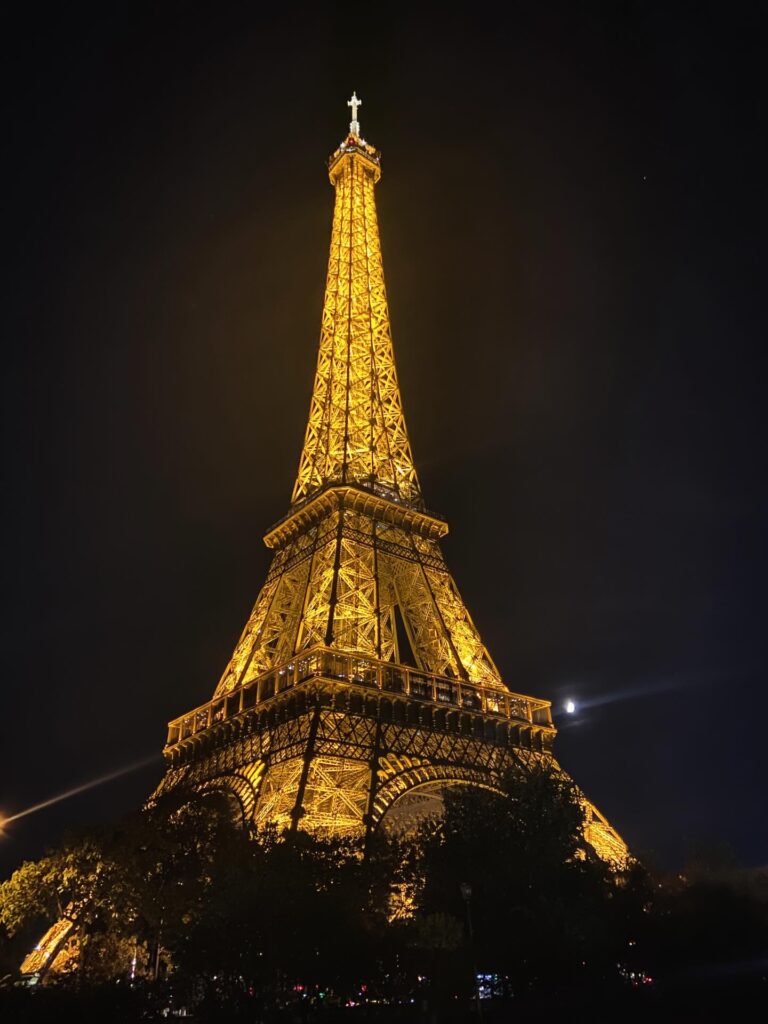
What surprised me was how different the energy felt. It was calmer in a way, even though there were still people around. Instead of everyone moving in different directions, people tend to pause, look up, and just watch.
I saw it from a few different spots, including Trocadéro and along the Seine, and each one felt slightly different. From a distance, you get the full effect. Closer up, it feels more immersive, but also a bit busier.
If you can, it’s worth planning at least one evening around it rather than treating it as an afterthought.
Where to Stay Near the Eiffel Tower
Staying near the Eiffel Tower isn’t necessary, but it does change how you experience it.
If it’s your first time in Paris, being nearby makes things feel simpler. You can walk to the tower without thinking too much about transport, and it’s easy to come back at different times of the day without planning around it.
What I liked most about staying close wasn’t convenience during the day, it was being able to see the tower early in the morning or later at night when things were quieter. Those moments felt completely different from the daytime crowds.
That said, Paris is well connected, so you don’t have to stay right next to it. It’s more about what kind of pace you want for your trip. If you like the idea of returning to the same place more than once without much effort, staying nearby can be a good choice.
Conclusion
Visiting the Eiffel Tower seems straightforward when you think about it, but once you’re there, you realize how much the small decisions shape the experience. Things like when you go, how you approach it, and whether you give yourself enough time all play a role.
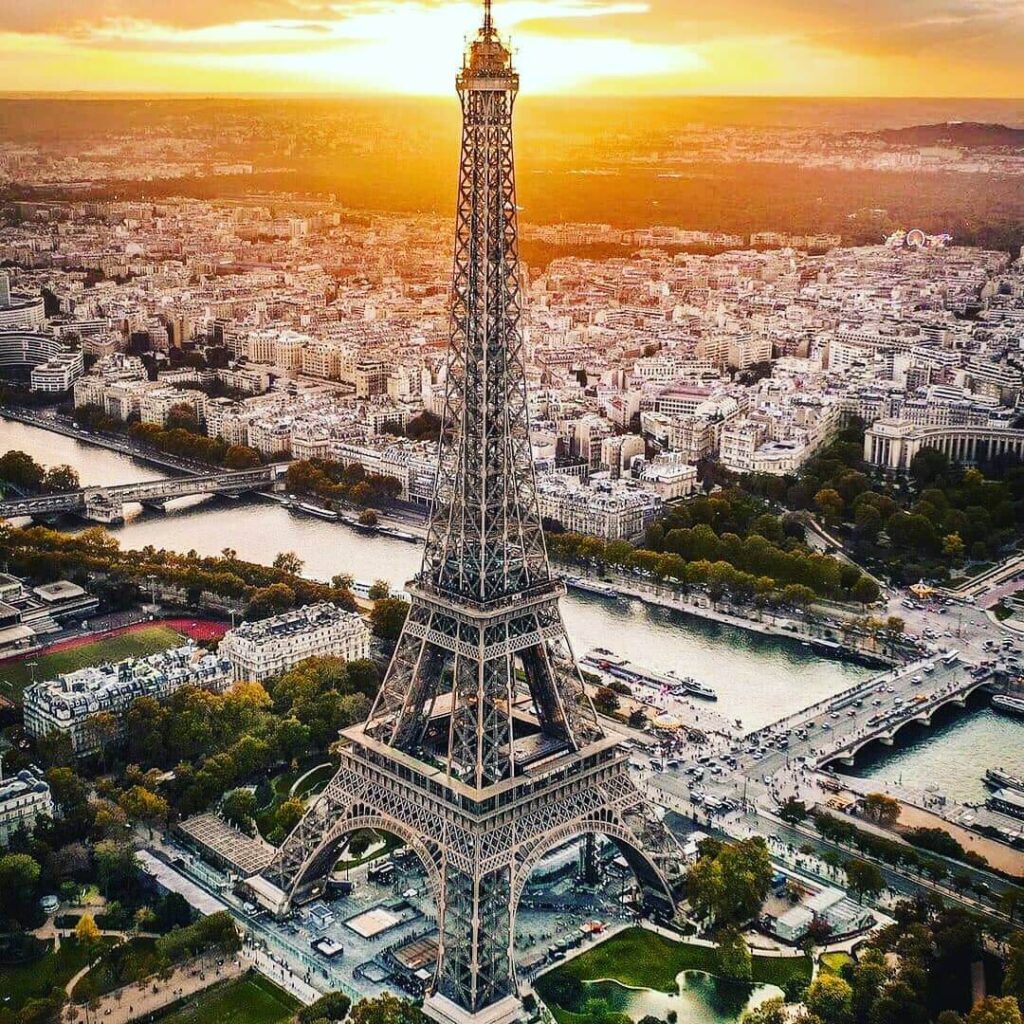
For me, the most memorable parts weren’t just about going to the top. They were the quieter moments, seeing it from a distance, walking past it unexpectedly, or watching it light up at night.
If you plan just enough to avoid the common frustrations, but still leave room to experience it at your own pace, it starts to feel less like something you’re ticking off a list and more like a natural part of being in Paris.