
Paris has no shortage of famous museums, but Musée Picasso ended up feeling completely different from the others I visited. While places like the Louvre and Musée d’Orsay can feel massive and overwhelming, Musée Picasso felt much more personal and surprisingly easy to explore at a slower pace.
What I loved most was that the museum doesn’t just show Picasso’s most famous paintings. It gives you a much fuller picture of how he worked, experimented, and evolved over time. You’ll see sketches, sculptures, ceramics, personal collections, and even unfinished ideas that make the entire experience feel more intimate than a traditional art museum.
The museum is also located inside Hôtel Salé, a beautiful 17th century mansion in the heart of Le Marais, which adds another layer to the visit. Even before seeing the artwork, the building itself already feels worth exploring.
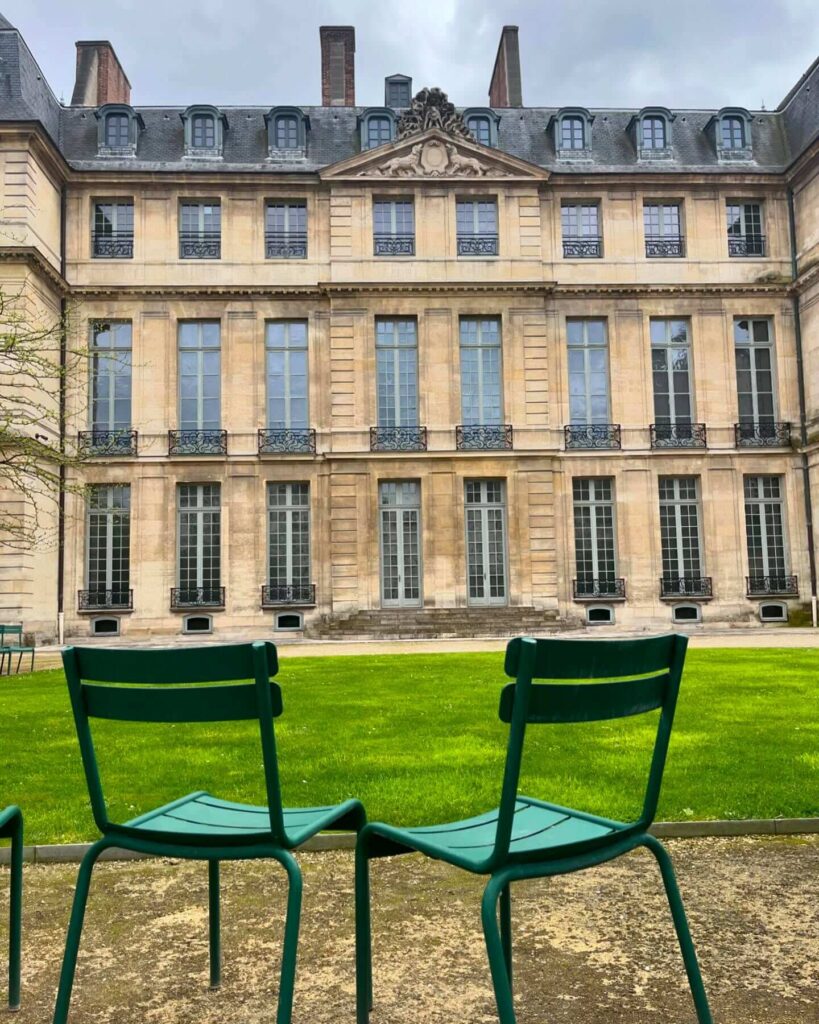
If you’re planning a visit, this guide covers everything you need to know about Musée Picasso Paris, including highlights, tickets, opening hours, practical tips, and whether it’s actually worth adding to your Paris itinerary.
What Is Musée Picasso Paris?
Musée Picasso is one of the most important art museums in Paris dedicated entirely to Pablo Picasso. Located in the historic Le Marais neighborhood, the museum holds the largest public collection of Picasso’s work in the world, including paintings, sketches, sculptures, ceramics, photographs, and personal archives.
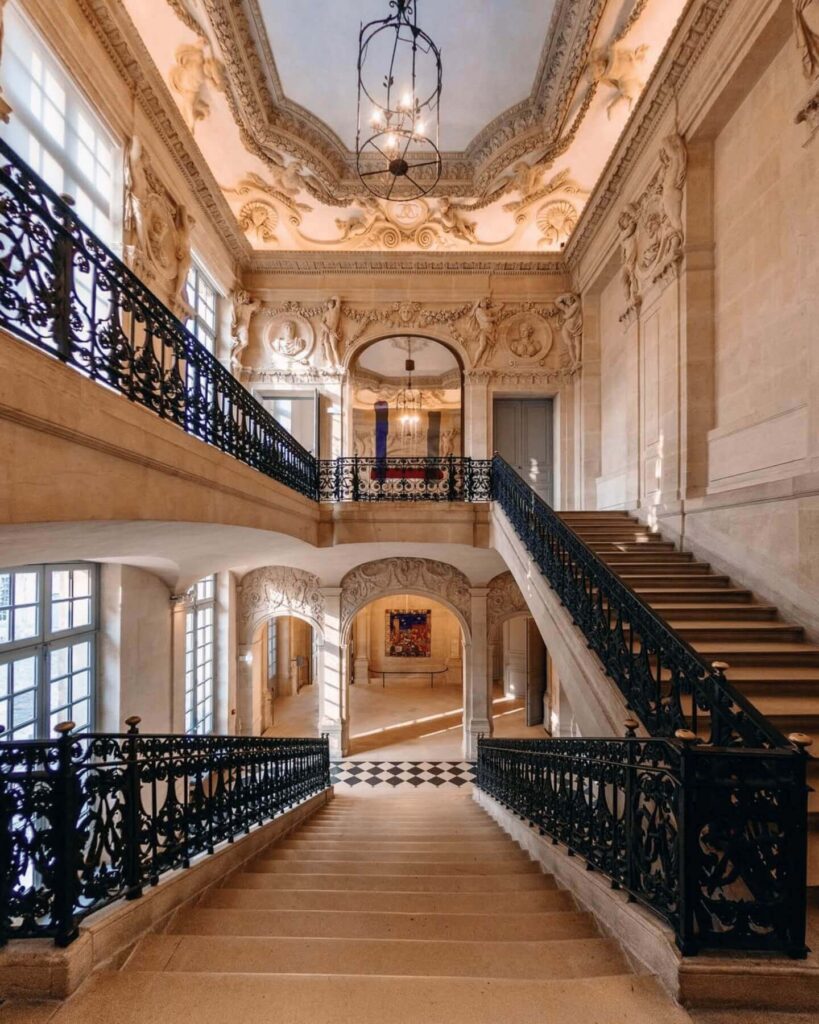
What makes the museum especially interesting is that it doesn’t only focus on Picasso’s most famous masterpieces. Instead, it shows how he worked and evolved throughout his life.
As you move through the galleries, you’ll see rough sketches, experiments, unfinished ideas, and completely different artistic styles from different periods of his career. It feels much more personal than a traditional museum focused only on polished final works.
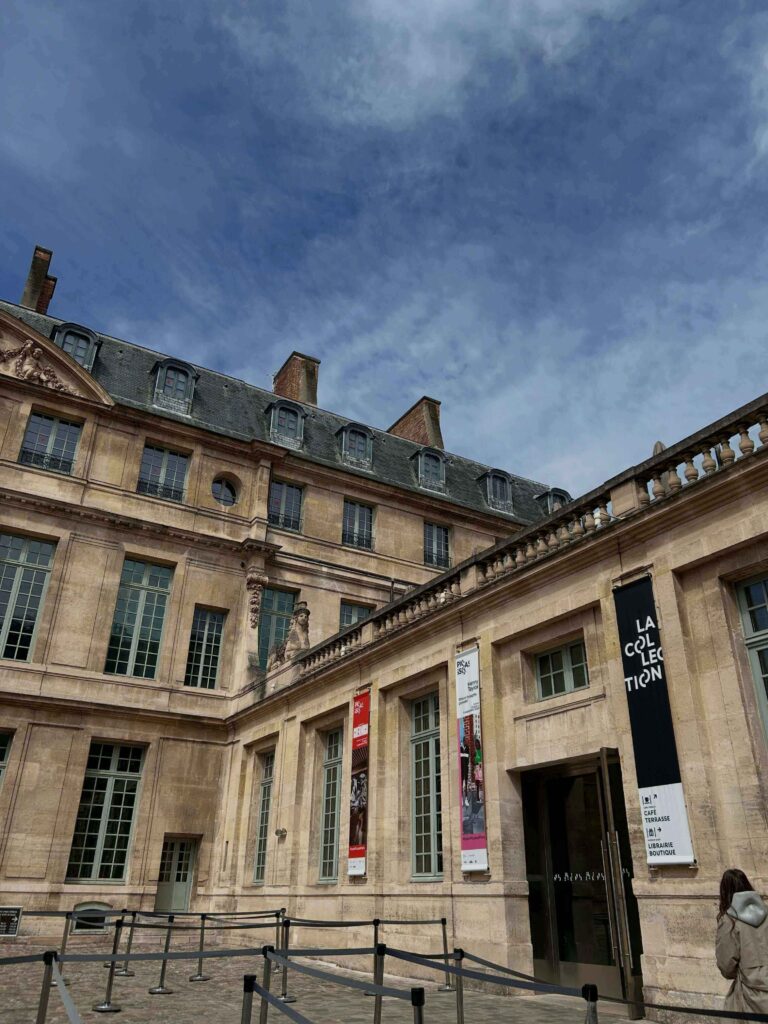
The museum officially opened in 1985 and is housed inside Hôtel Salé, a beautiful 17th century mansion in the heart of Le Marais. The building itself adds a lot to the experience. Between the grand staircases, historic rooms, and quiet courtyards, the museum feels more intimate and relaxed than many of Paris’ larger museums.
I also found Musée Picasso much easier to explore than places like the Louvre. The galleries feel calmer, the layout is manageable, and you don’t need to be an art expert to enjoy it.
Even if you’re not usually drawn to modern art, the museum does a great job of helping you understand Picasso’s creative process in a way that feels approachable rather than overwhelming.
Why Musée Picasso Feels Different From Other Paris Museums
It Focuses on Picasso’s Entire Creative Process
One thing that stood out to me almost immediately was how much unfinished and experimental work the museum includes. Instead of only showing Picasso’s most famous paintings, Musée Picasso gives you a look into how he actually worked and evolved over time.
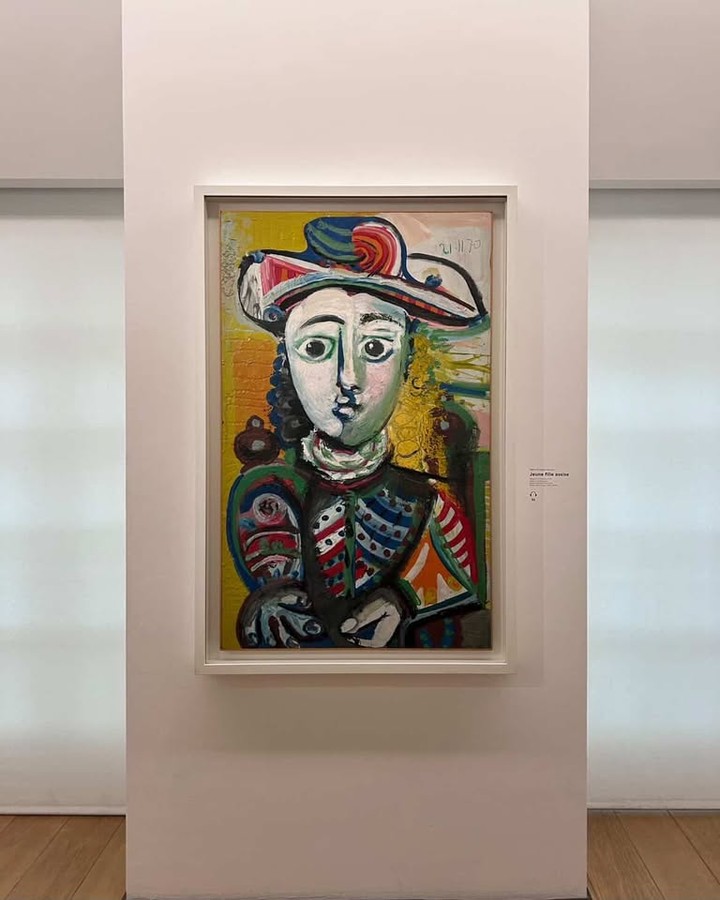
As you move through the galleries, you’ll see sketchbooks, rough studies, sculptures, ceramics, collages, and different versions of similar ideas. Some pieces feel spontaneous, almost like Picasso was quickly testing a new direction before moving on to something else.
That’s what made the museum feel much more personal to me. Rather than presenting Picasso as a distant artistic genius, the collection shows someone constantly experimenting, changing styles, and trying new ideas throughout his life.
The Building Is Part of the Experience
The museum is housed inside Hôtel Salé, a beautiful 17th century mansion in Le Marais, and honestly, the building itself already feels worth visiting.
The stone staircases, historic rooms, tall windows, and quiet courtyards create a much softer atmosphere than many modern gallery spaces. I found myself slowing down between exhibitions just to appreciate the architecture and natural light inside the building.
Compared to some of Paris’ larger museums, the entire experience feels calmer and more intimate, which makes it easier to actually enjoy the artwork without feeling rushed.
It’s Easier to Explore Than the Louvre
If you’ve ever left a museum feeling completely exhausted, Musée Picasso may feel much more manageable.
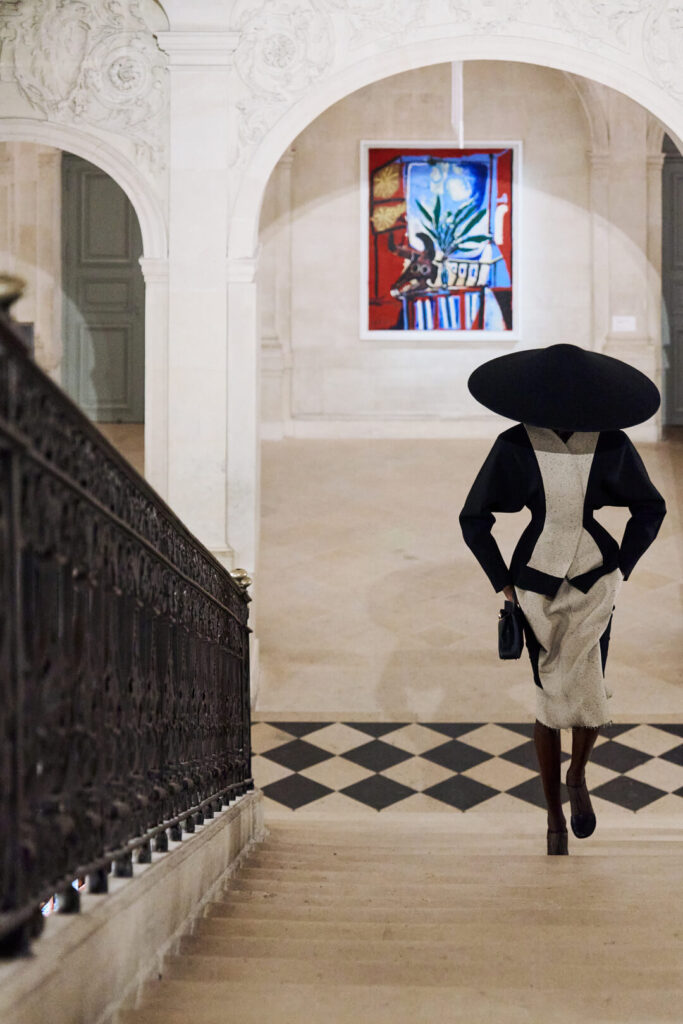
The museum is large enough to feel worthwhile, but compact enough that you can comfortably explore it in a couple of hours without feeling overwhelmed. The pace also feels much slower than places like the Louvre, where crowds often move quickly between famous works.
At Musée Picasso, people tend to spend more time sitting, looking closely at the artwork, and moving gradually through the galleries. That relaxed atmosphere makes the entire visit feel much more enjoyable, even if you’re not deeply interested in art history.
A Quick History of Musée Picasso Paris
Musée Picasso Paris exists largely because of a unique situation that happened after Pablo Picasso died in 1973. At the time, his estate contained an enormous number of artworks, and the inheritance taxes owed to the French government were extremely high.
Instead of selling the collection piece by piece, France accepted many of Picasso’s works as payment through a legal process called dation.
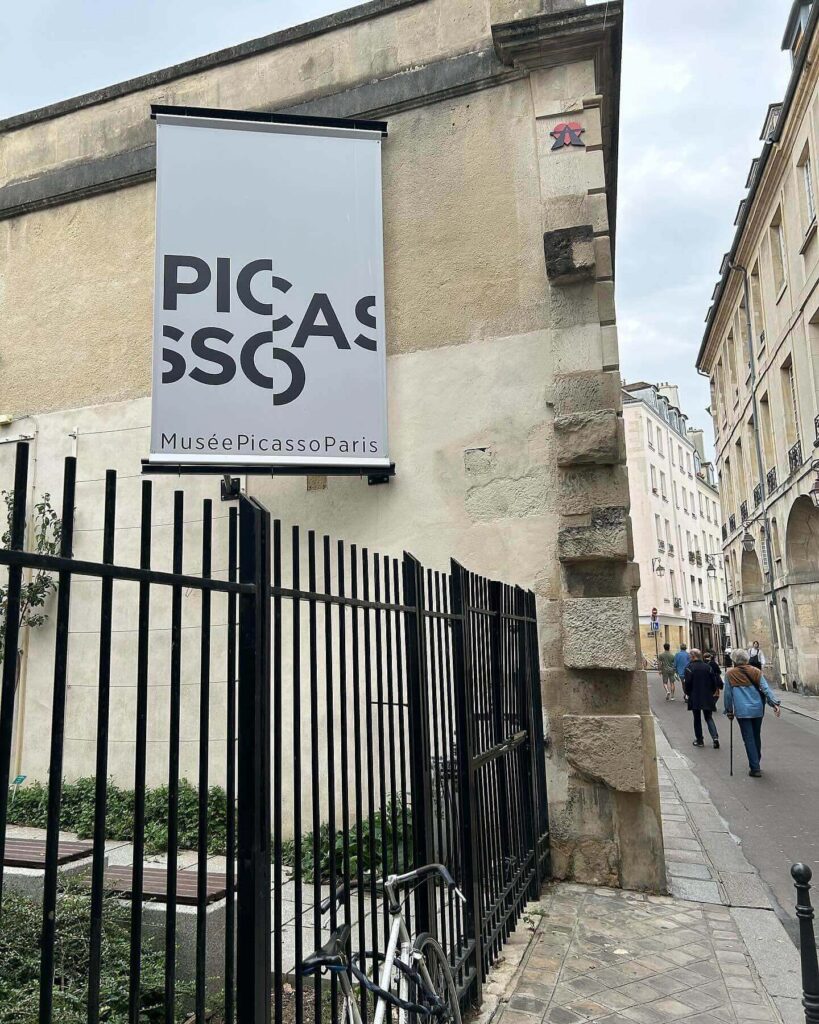
That decision ended up preserving a huge portion of Picasso’s work together in one place rather than scattering it across private collections around the world. It also gave France the opportunity to create a museum entirely dedicated to Picasso and his artistic legacy.
The museum officially opened in 1985 and has continued expanding and restoring its collection over the years. Today, it holds more than 5,000 works along with thousands of photographs, sketches, documents, and archives connected to Picasso’s life.
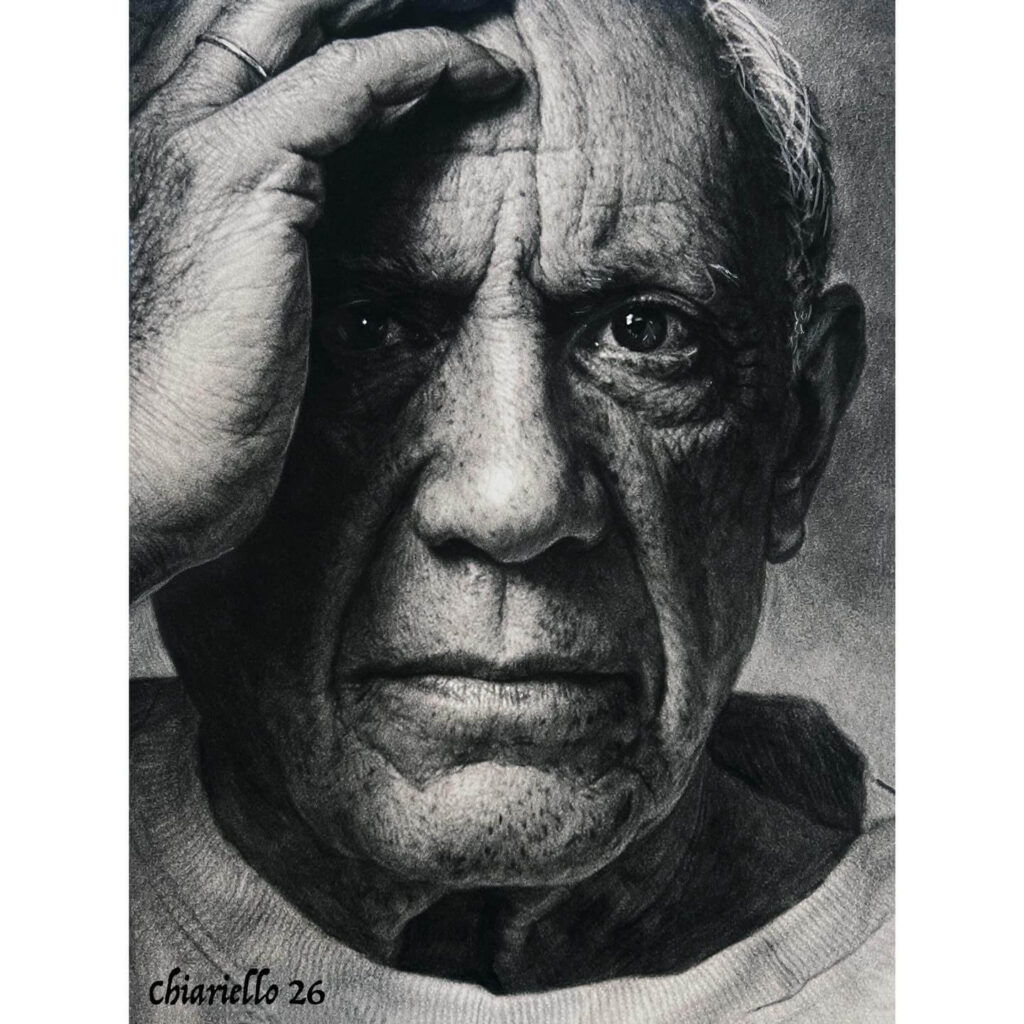
What makes the collection especially impressive is the range. Instead of focusing only on famous paintings, the museum covers nearly every stage of Picasso’s career and includes many works that help explain how his ideas developed over time.
What is Hôtel Salé?
Before becoming a museum, Hôtel Salé was a private mansion built in the 17th century for Pierre Aubert, a wealthy aristocrat connected to France’s salt tax system. The name “Salé” loosely comes from that connection to salt taxes, though today most visitors simply associate the building with the Picasso museum itself.
The mansion is considered one of the most beautiful historic buildings in Le Marais, and honestly, the architecture adds a huge amount to the experience. Inside, you’ll find grand staircases, carved stone details, high ceilings, large windows, and elegant rooms that feel very different from modern museum spaces.
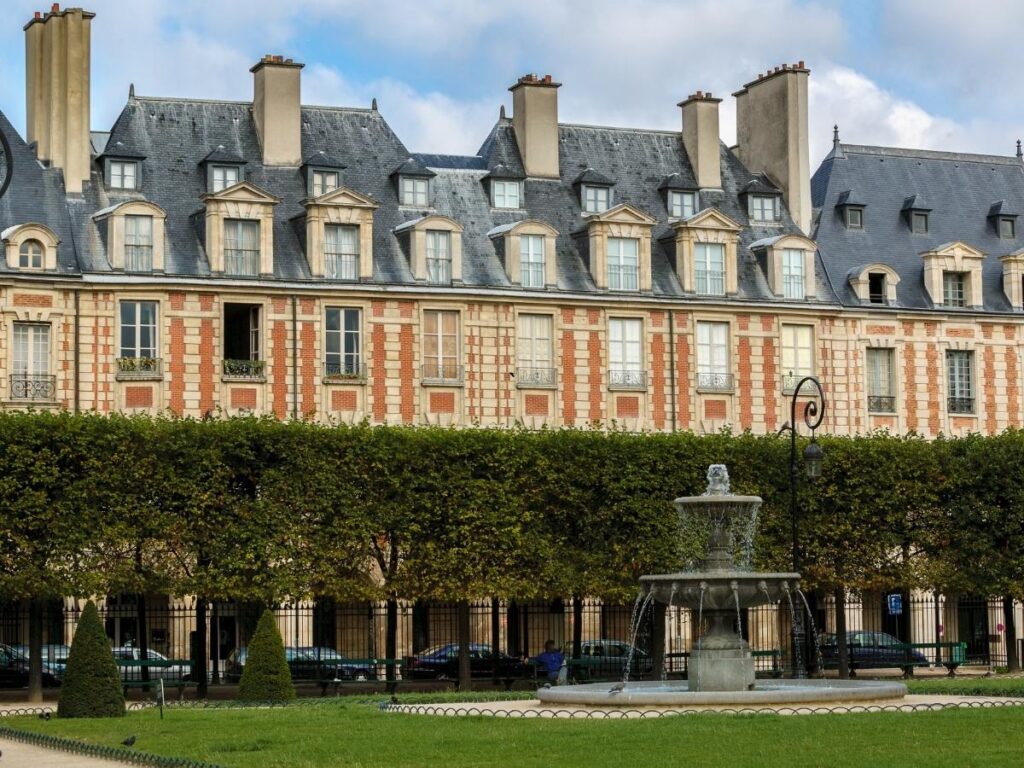
What I liked most was the contrast between the building and the artwork. Picasso’s work often feels experimental, unconventional, and modern, while Hôtel Salé feels formal and historic. Somehow the combination works incredibly well together and gives the museum much more personality than a typical gallery.
Even visitors who aren’t deeply interested in art usually end up appreciating the building itself. There were moments during my visit where I found myself paying just as much attention to the architecture and atmosphere as the exhibitions.
What You’ll See Inside Musée Picasso
One of the best things about Musée Picasso is how varied the collection feels from room to room. The museum doesn’t feel repetitive, even though it focuses entirely on one artist. As you move through the galleries, you can clearly see how dramatically Picasso’s style changed throughout his life.
Some rooms feel emotional and heavy, while others feel playful, abstract, or surprisingly experimental. That constant shift keeps the museum engaging, even for visitors who don’t normally spend hours in art museums.
Picasso’s Blue Period
The Blue Period galleries are some of the most emotional parts of the museum. These works were created during a difficult time early in Picasso’s life, and the mood changes immediately when you walk into these rooms.
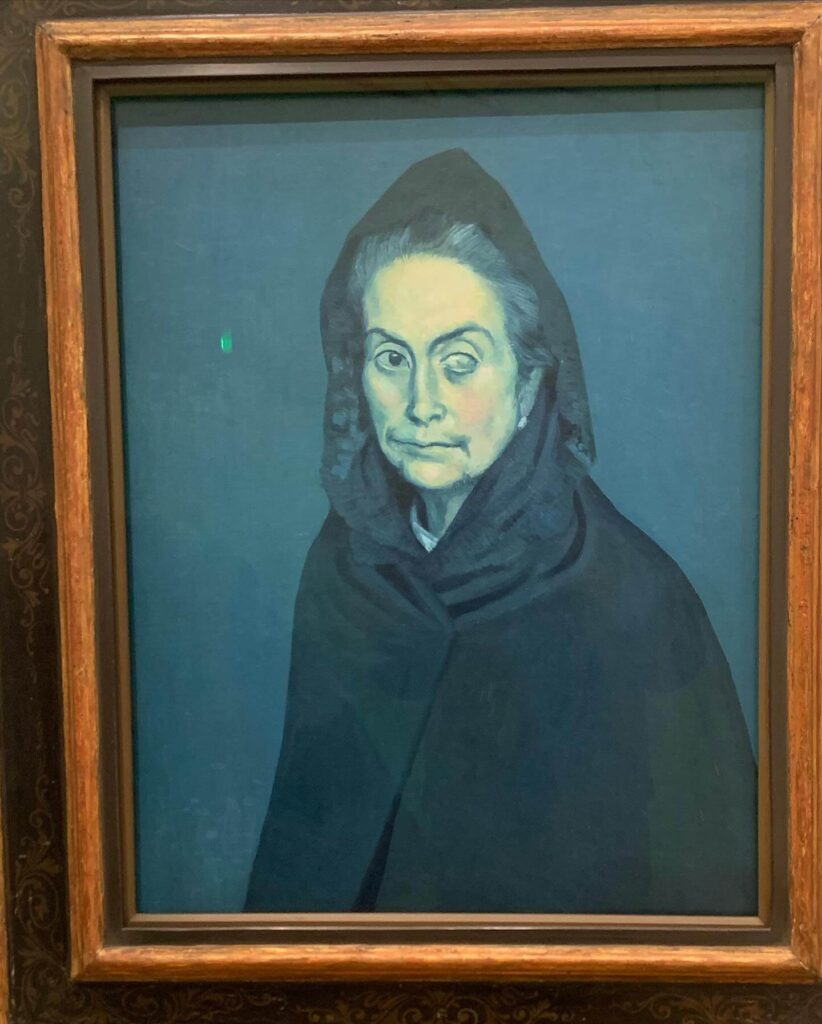
The paintings are filled with cooler blue tones, somber expressions, and themes connected to poverty, loneliness, and isolation. Even if you know very little about art history, the emotional weight of these paintings is hard to miss.
The figures often look tired, reflective, or withdrawn, and the overall atmosphere feels much quieter than many of Picasso’s later works.
I found these galleries especially interesting because they feel so different from the bold Cubist paintings most people associate with Picasso today.
Rose Period Works
The Rose Period feels noticeably lighter after the Blue Period galleries. The colors become warmer, the subjects feel softer, and the mood changes quite dramatically within just a few rooms.
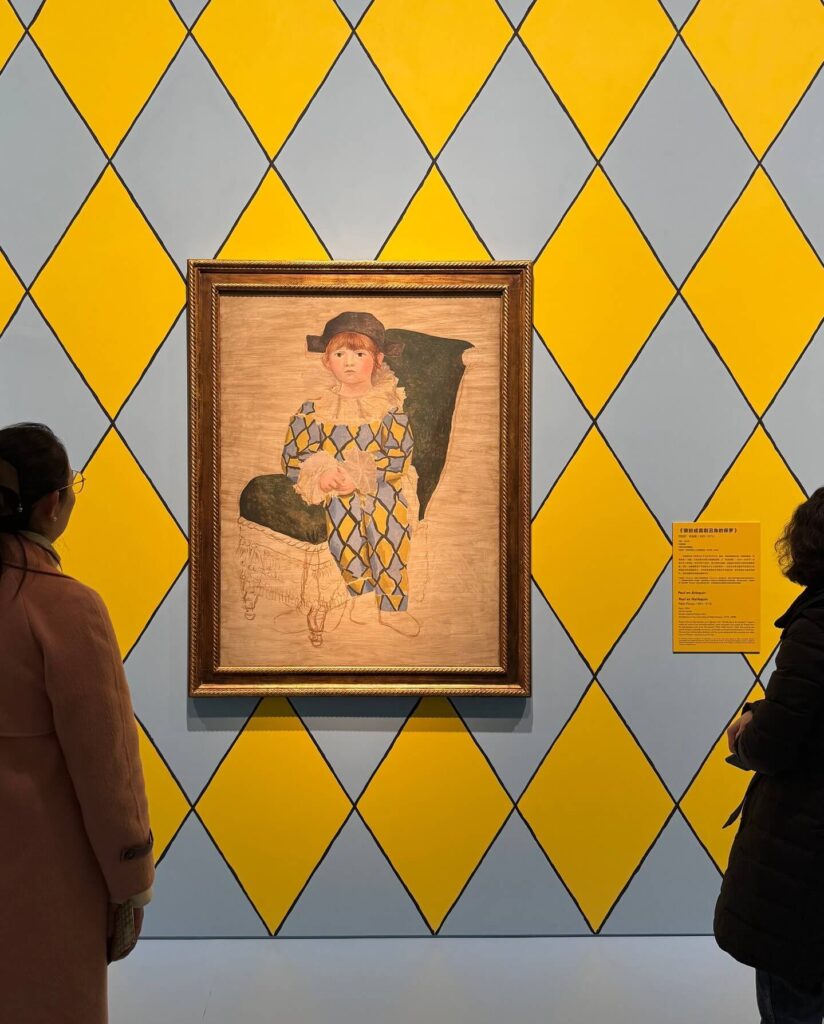
You’ll start seeing circus performers, harlequins, and more theatrical figures appearing throughout the artwork. Some paintings feel playful, while others feel more romantic and delicate compared to Picasso’s earlier work.
What stood out to me most was how quickly Picasso seemed willing to reinvent his style. The transition between periods makes the museum feel much more dynamic because you’re constantly seeing different sides of his personality and artistic interests.
Cubism and Experimental Art
This is the section many visitors come to see because Cubism is the style most strongly associated with Picasso.
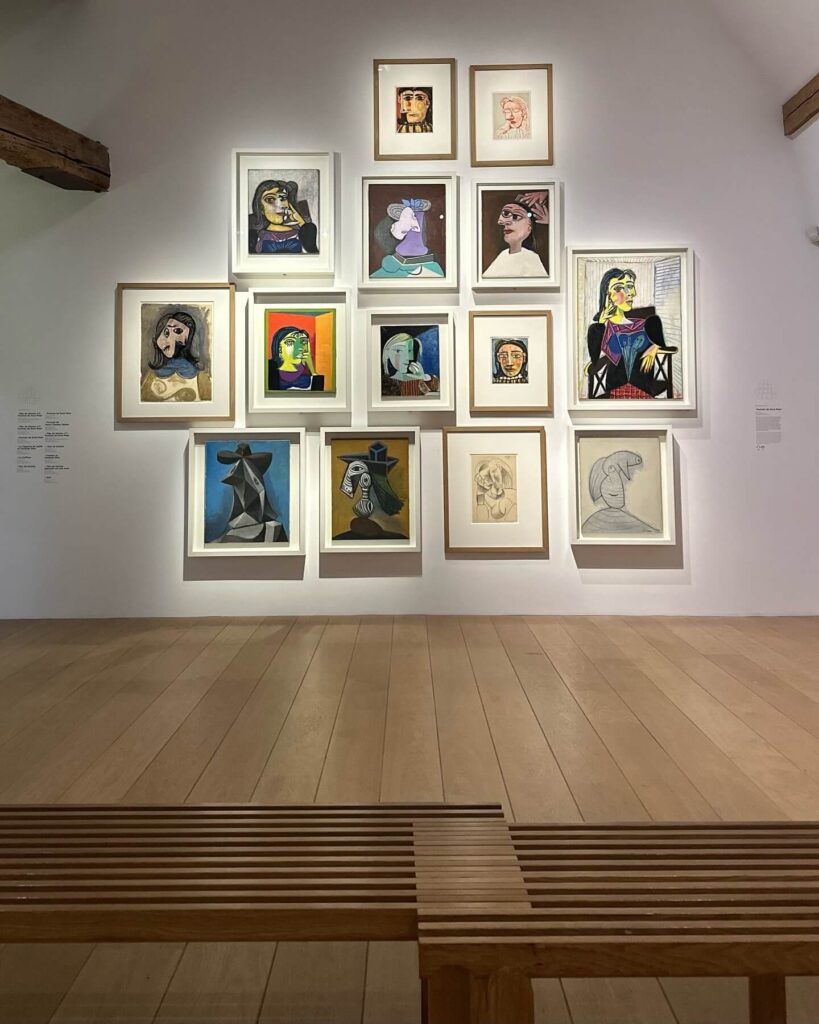
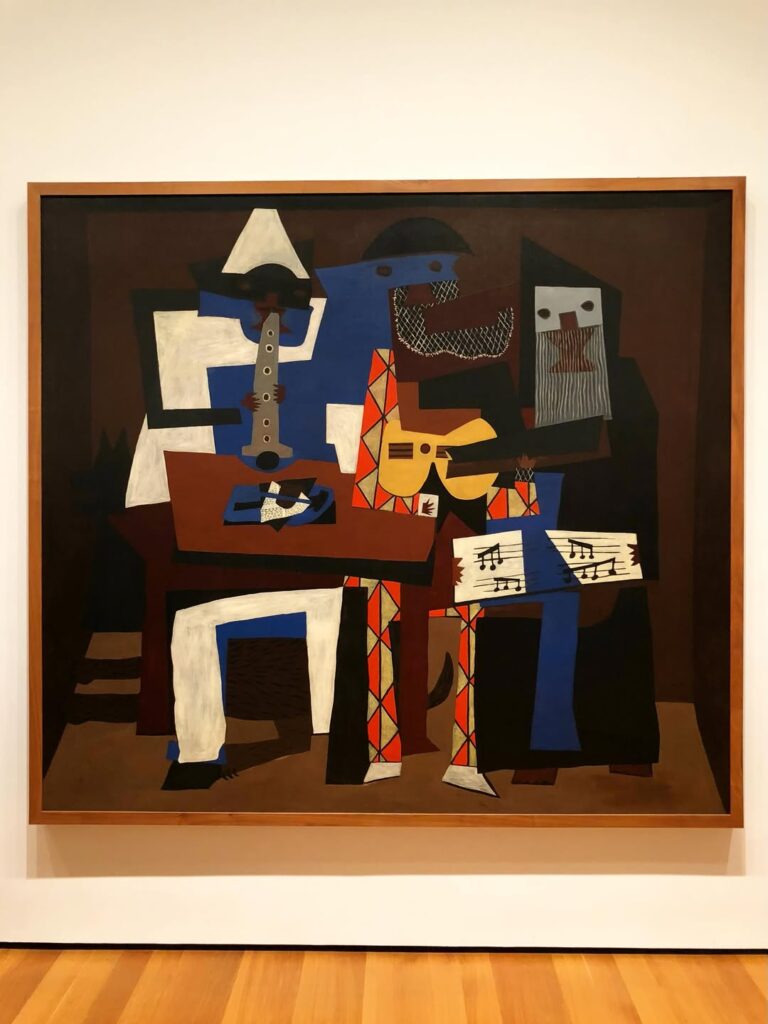
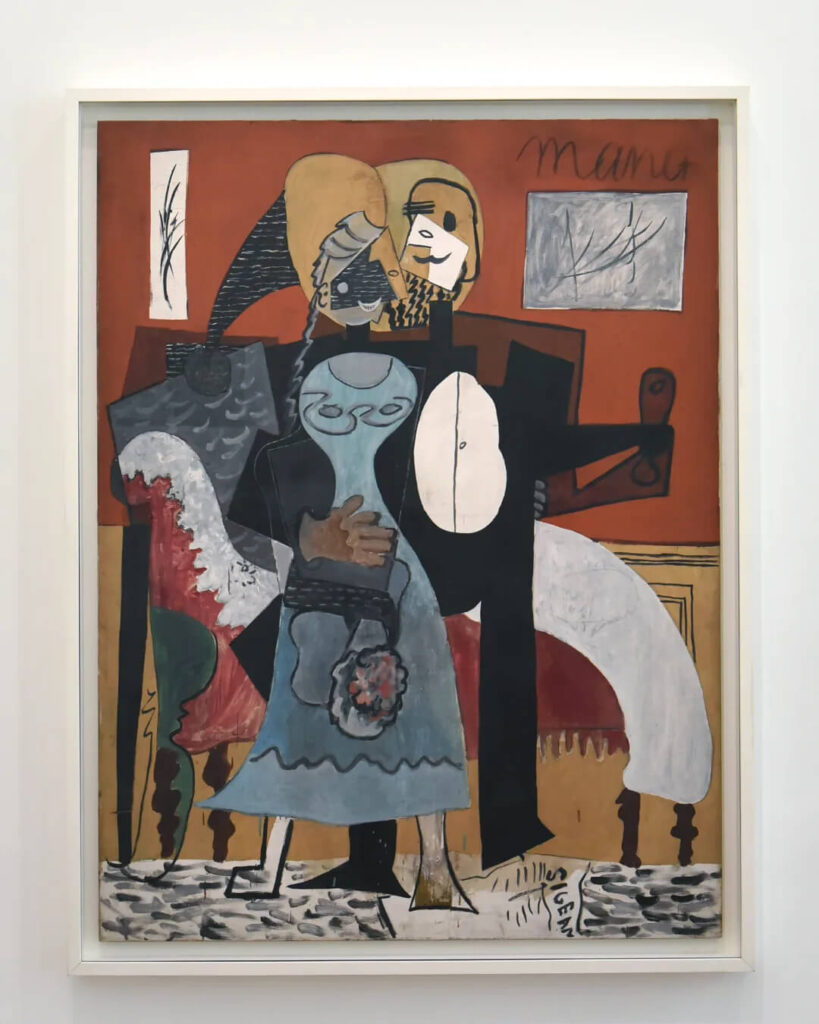
The museum does a good job of showing how radically Picasso challenged traditional ideas of painting. Faces become fragmented, perspectives shift, and objects appear broken apart and reconstructed from multiple angles at once.
If you’re unfamiliar with abstract art, some pieces can definitely feel confusing at first. But I actually thought the museum made the progression easier to understand than I expected. Seeing Picasso’s earlier work beforehand helps explain how dramatically his style evolved over time.
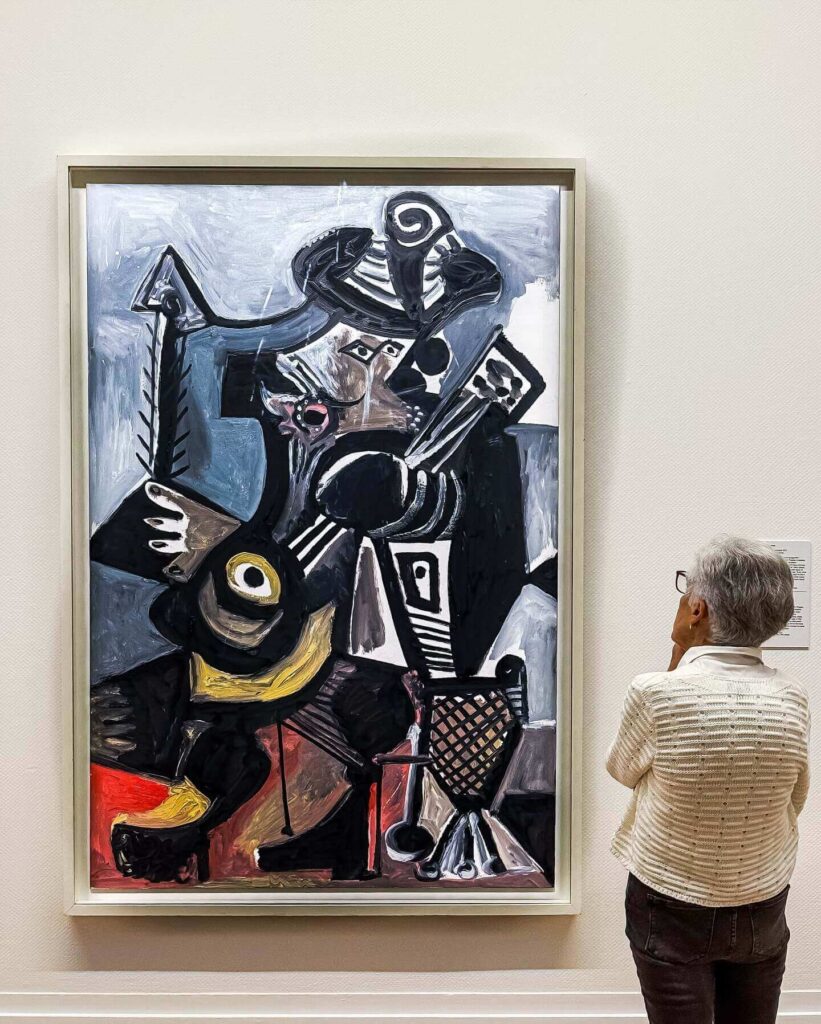
Even if you don’t emotionally connect with every Cubist piece, it’s still fascinating seeing how much influence Picasso had on modern art as a whole.
Sculptures and Ceramics
The sculptures and ceramics ended up being one of the biggest surprises for me.
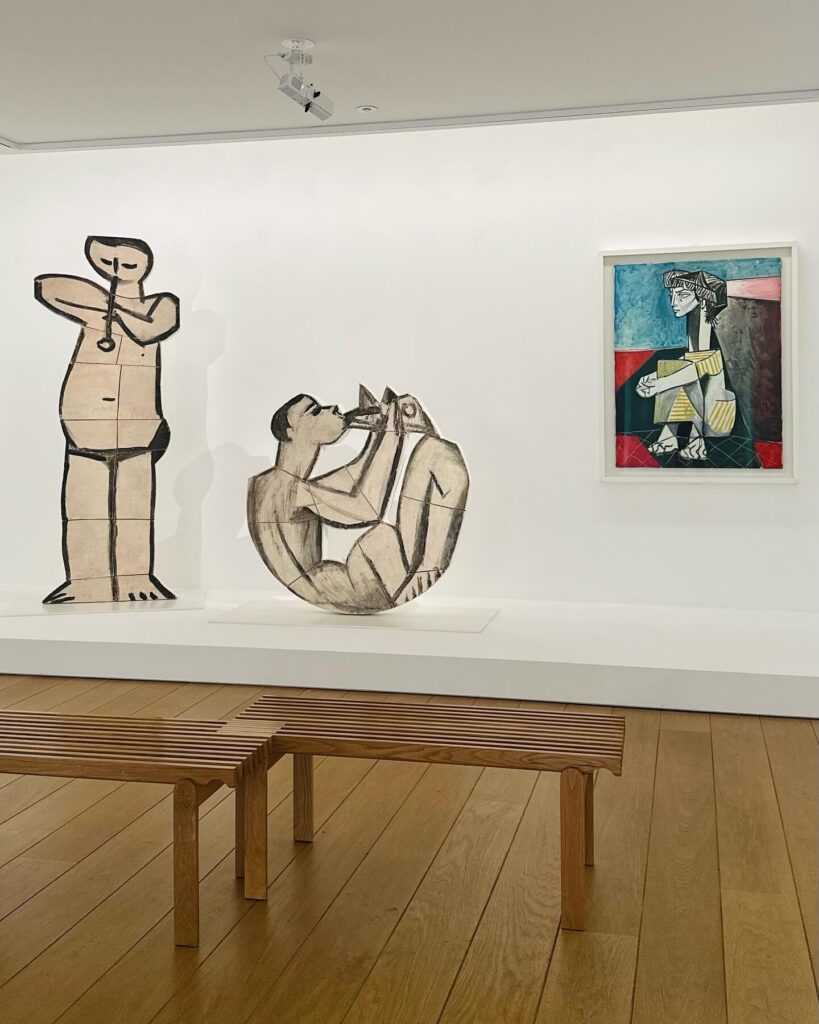
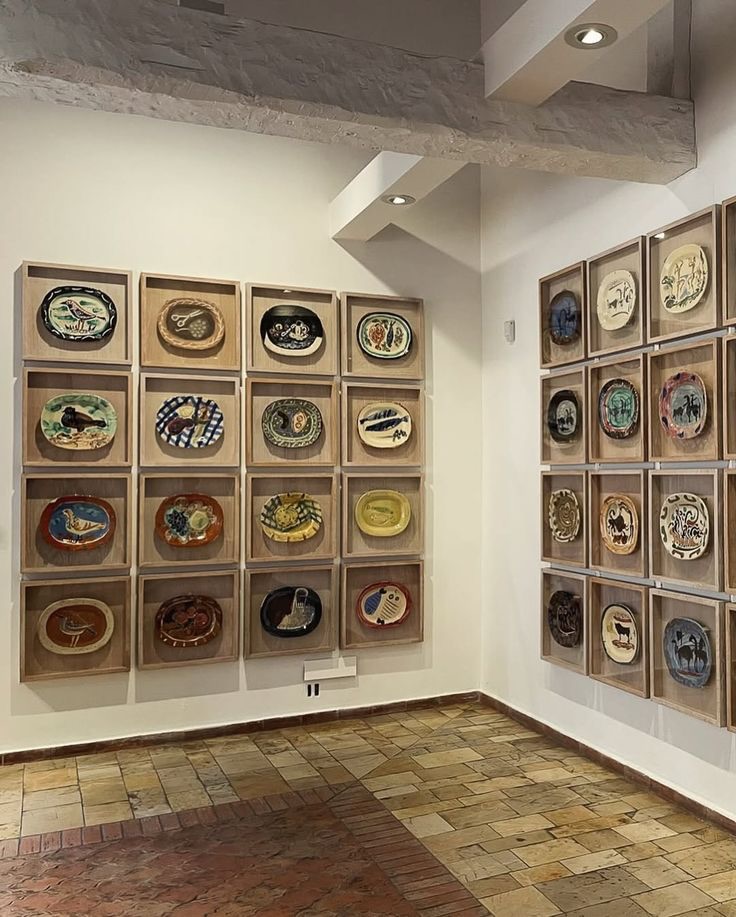
Before visiting, I mostly associated Picasso with paintings, but these galleries show a much more playful and experimental side of his creativity. Some sculptures feel rough and unconventional, while many of the ceramics are colorful, humorous, and unexpectedly expressive.
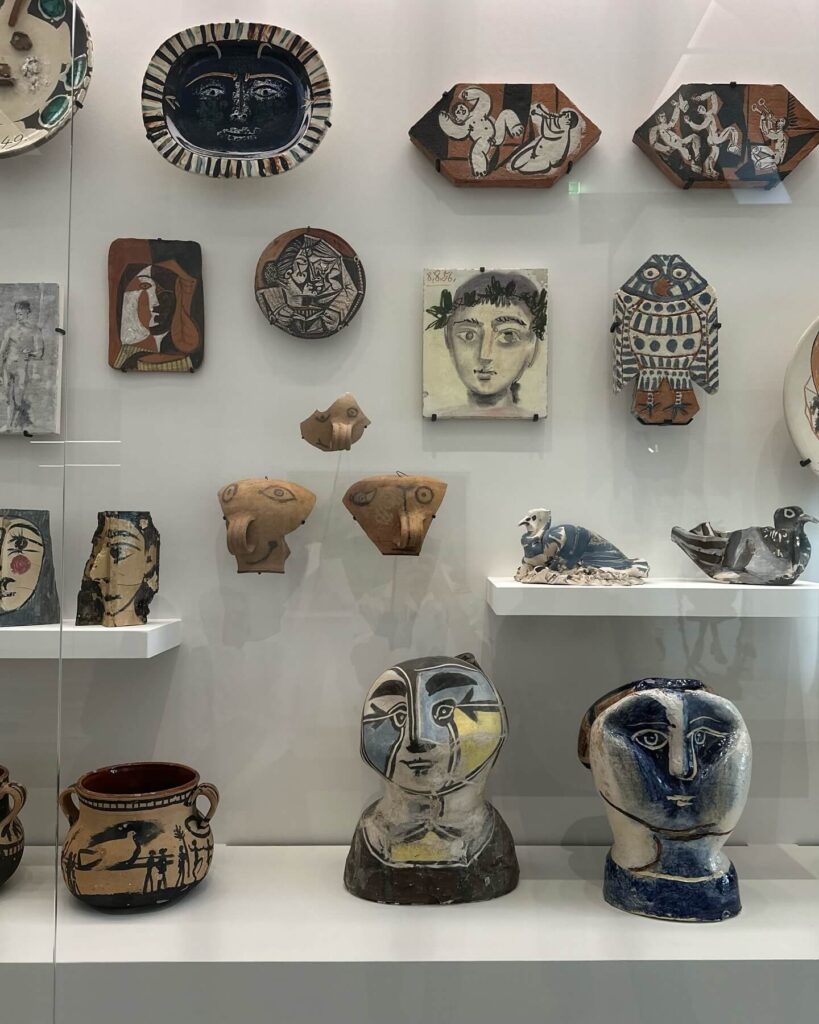
The ceramic galleries especially help break up the museum visually. After spending time looking at paintings, it was refreshing seeing Picasso work with completely different materials and techniques. It also shows how curious he remained throughout his life, constantly moving between mediums instead of limiting himself to one style of art.
Picasso’s Personal Art Collection
One of the most interesting sections of the museum is Picasso’s own private art collection. Alongside his own work, the museum displays pieces created by artists he admired and collected personally over the years.
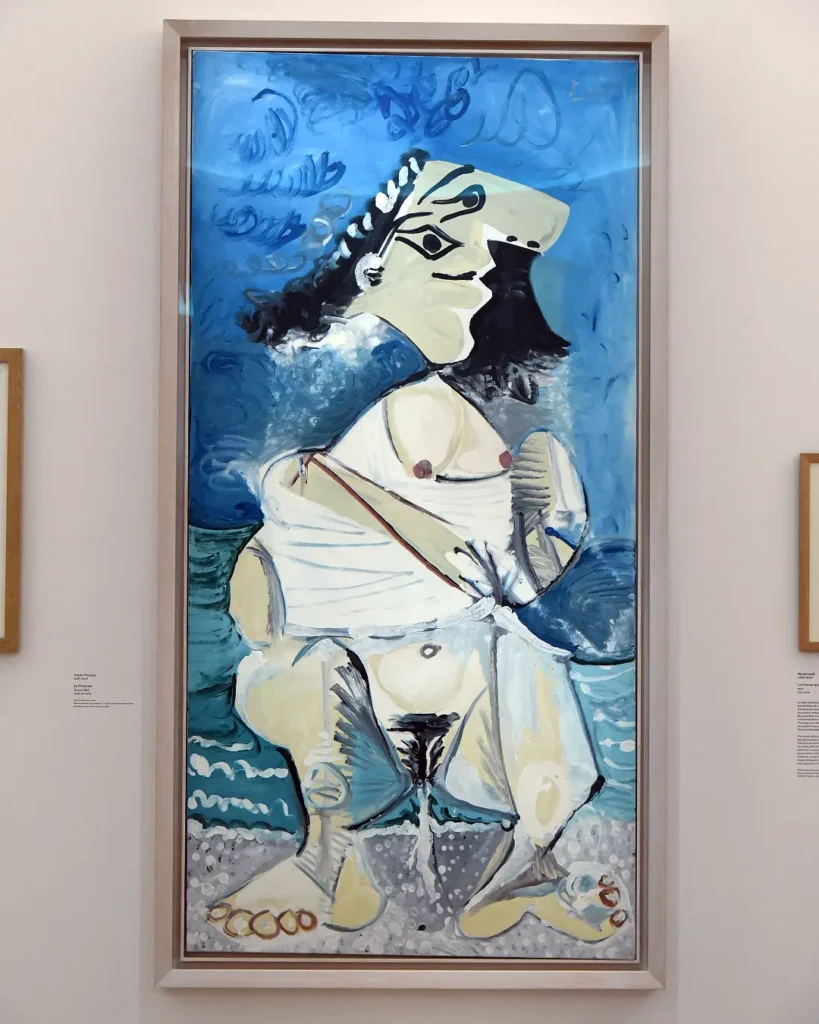
You’ll find works connected to artists like Matisse, Cézanne, Renoir, and Degas, which gives additional insight into Picasso’s influences and artistic relationships. I liked this section because it makes Picasso feel more connected to the wider art world rather than existing completely on his own.
It’s also interesting seeing which artists inspired him personally and how some of those influences appear in his own evolving style.
How Long Do You Need at Musée Picasso?
One thing I liked about Musée Picasso is that it feels much more manageable than many of Paris’ larger museums. You don’t need to dedicate an entire day to it unless you really want to take your time.
If modern art isn’t your main focus, you can still see the highlights comfortably in about 1 to 1.5 hours. That’s enough time to walk through the main galleries, see some of Picasso’s most important works, and enjoy the atmosphere of Hôtel Salé.
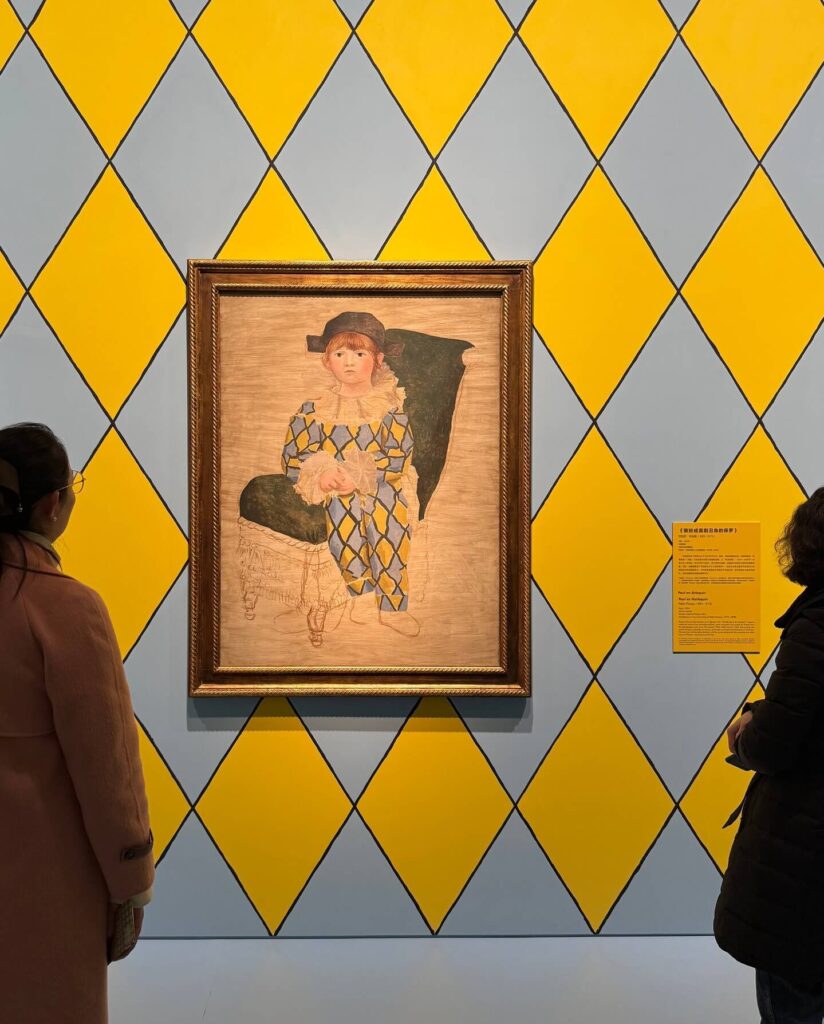
For most visitors though, I think 2 to 3 hours feels ideal. That gives you enough time to explore slowly, read some of the exhibit descriptions, and appreciate how much Picasso’s style changed throughout his life. The building itself is also part of the experience, so it’s nice not to rush through the galleries too quickly.
Art lovers could easily spend half a day here, especially when temporary exhibitions are included. The museum also pairs really well with exploring Le Marais afterward, so I’d recommend leaving extra time to wander through the neighborhood rather than planning a very tight schedule.
Is Musée Picasso Worth Visiting?
For me, definitely yes, especially if you enjoy museums that feel more personal and less overwhelming.
What makes Musée Picasso stand out is that it doesn’t only showcase famous paintings. The museum gives you a much deeper look into Picasso’s creative process through sketches, experiments, sculptures, ceramics, and works from completely different periods of his life. The experience feels more intimate than many larger museums in Paris.
I’d especially recommend it for modern art lovers, repeat visitors to Paris, or travelers looking for a quieter museum experience away from the biggest tourist crowds. The location in Le Marais also makes it easy to turn the visit into a slower afternoon of walking, shopping, or café hopping.
That said, if you strongly dislike modern or abstract art, some sections may feel repetitive. And if it’s your very first trip to Paris with limited time, you may want to prioritize major museums like the Louvre first.
Still, I found Musée Picasso much more relaxing and immersive than I expected. It’s the kind of museum that leaves a lasting impression because of the atmosphere as much as the artwork itself.
Best Time to Visit Musée Picasso Paris
The best time to visit Musée Picasso really depends on the kind of experience you want, but in general, quieter hours make a huge difference here. Because the museum feels more intimate than places like the Louvre, crowds become much more noticeable once the galleries fill up.
From my experience, weekday mornings are usually the best time to go. Arriving shortly after opening gives you a much calmer atmosphere, and it’s easier to move through the galleries slowly without constantly waiting around other visitors. Some of the smaller rooms especially feel far more enjoyable when they’re quiet.
Late afternoons can also be surprisingly nice, particularly during slower travel seasons. The museum often feels more relaxed during the final couple of hours before closing, and people tend to move at a slower pace by then.
If possible, I’d try to avoid Saturday afternoons, rainy weekends, and major holiday periods. Le Marais is already one of the busiest neighborhoods in Paris, and bad weather tends to push even more people indoors toward museums and cafés.
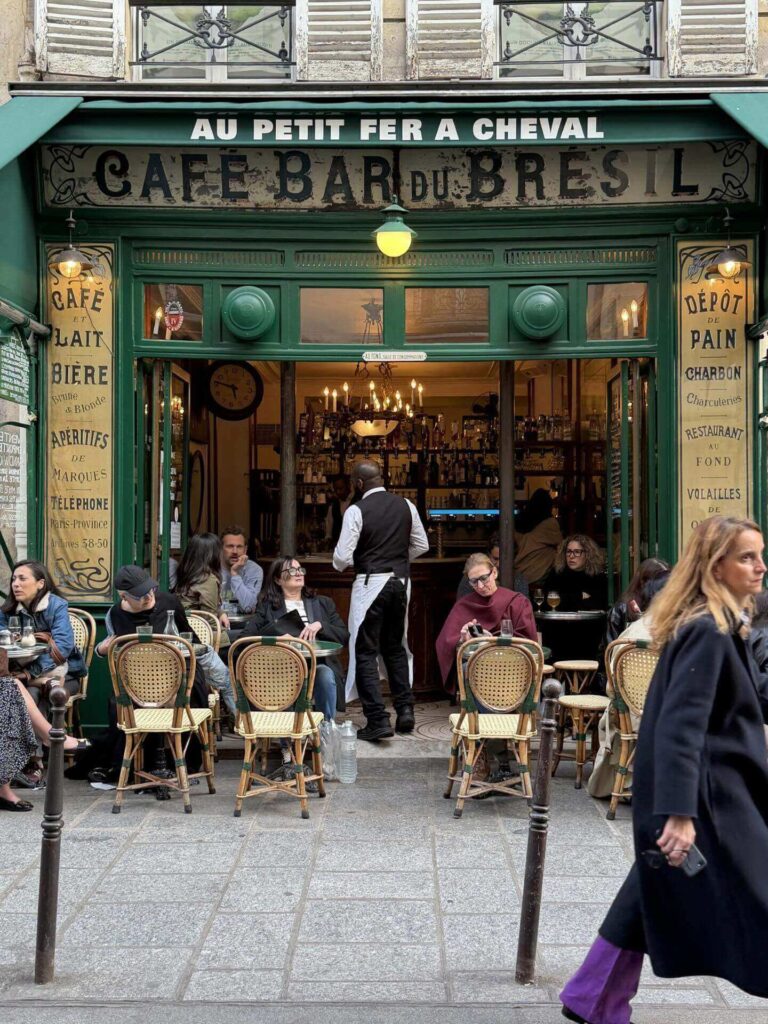
Seasonally, I think spring and fall are the nicest times to visit both the museum and Paris overall. The weather is usually comfortable for walking around Le Marais afterward, and the crowds are more manageable than peak summer months.
Summer is still a good time to visit, but the area becomes much busier, especially in the afternoons when tour groups and tourists fill the neighborhood.
One thing I’d recommend is not scheduling Musée Picasso between too many major attractions in the same day. The museum feels much more enjoyable when you can slow down and explore without constantly watching the clock.
Musée Picasso Tickets and Prices
Ticket prices at Musée Picasso can change slightly throughout the year, but standard adult admission is usually around €16. There are also reduced prices available for certain visitors, including students, and free entry is often offered to EU residents under 26 years old.
The museum occasionally offers free admission on select days or special cultural events as well, though those days are usually much busier than normal.
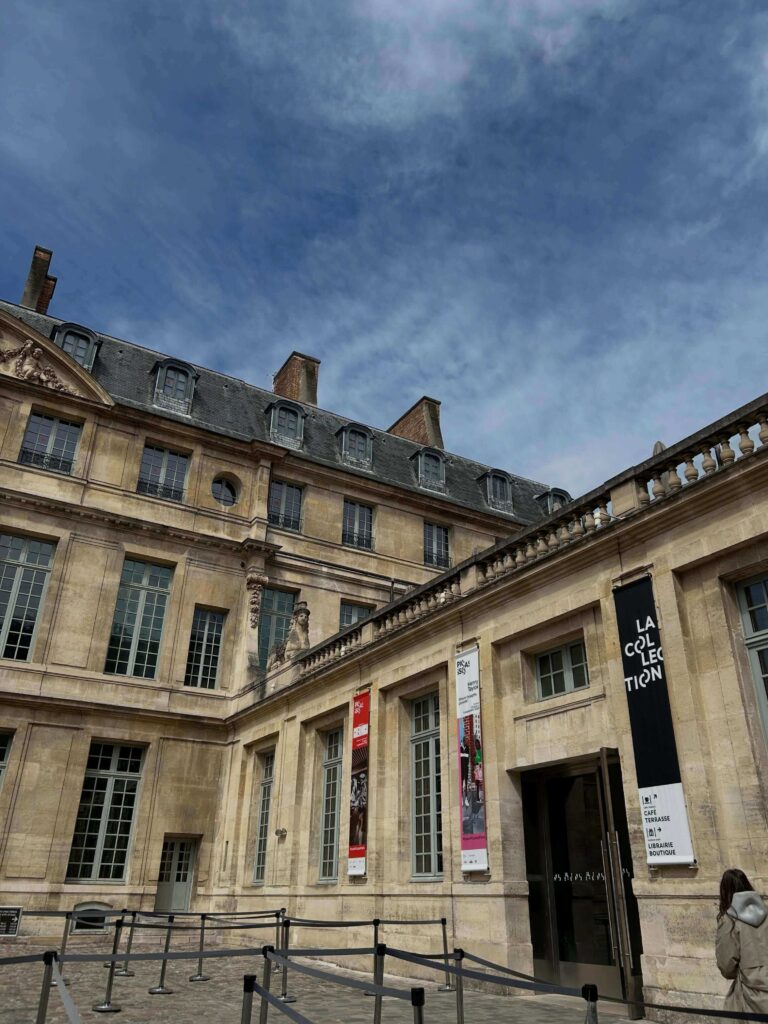
You can buy tickets both online and at the museum itself. Personally, I think booking online is worth it, especially during summer, weekends, or holidays. Even though the lines here are nowhere near as overwhelming as the Louvre, having a timed entry ticket makes the experience smoother and removes the stress of waiting outside.
I’d especially recommend advance booking if you:
- Have limited time in Paris
- Plan to visit on weekends
- Are traveling during summer or holiday seasons
The museum is manageable enough that last minute visits can still work during quieter periods, but timed entry tickets help avoid unnecessary delays and make planning your day easier overall.
It’s also worth checking the official museum website before visiting since temporary exhibitions sometimes affect ticket availability or pricing.
Musée Picasso Opening Hours
Opening hours at Musée Picasso can vary slightly depending on the season or temporary exhibitions, but the museum is generally open from Tuesday through Sunday and closed on Mondays.
Most days, the museum opens in the morning and stays open into the evening, which gives you a fair amount of flexibility when planning your visit. Personally, I think earlier hours are the nicest because the galleries feel quieter and more relaxed before the larger crowds arrive later in the day.
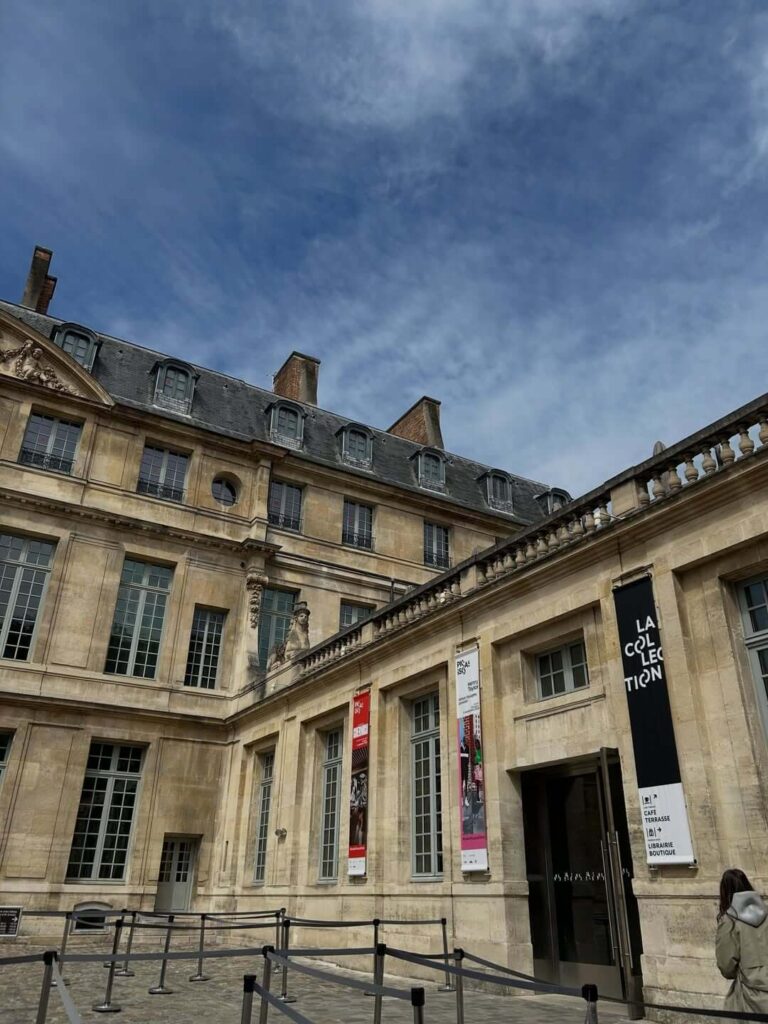
It’s also worth remembering that museums in Paris occasionally adjust schedules during public holidays, special events, or exhibition changes. Because of that, I’d definitely recommend checking the official museum website before your visit just to confirm the latest opening times and last entry information.
If you’re planning multiple museums in one day, Musée Picasso works particularly well as either a slower morning activity or a more relaxed afternoon visit.
How to Get to Musée Picasso Paris
By Metro
Musée Picasso is located in Le Marais, one of the most central and walkable neighborhoods in Paris, so getting there is fairly easy from most parts of the city.
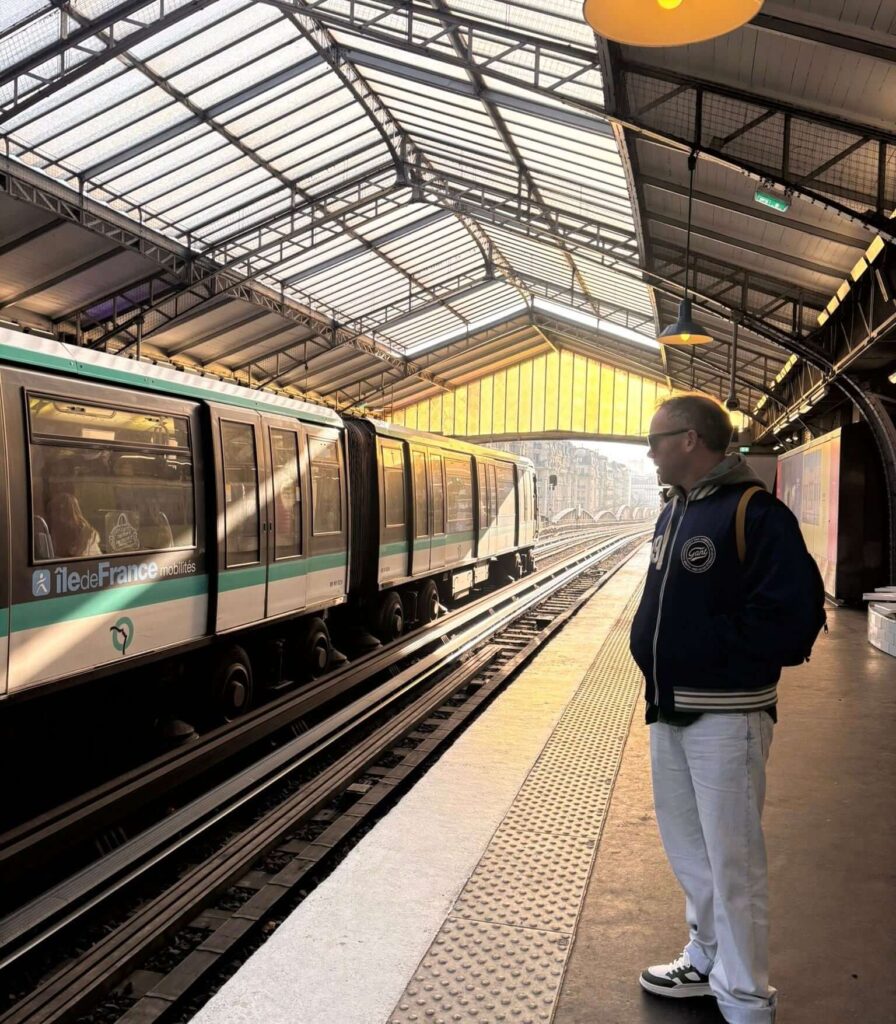
The closest metro stations are Saint Sébastien Froissart, Saint Paul, and Chemin Vert, all of which are within a short walking distance of the museum. Depending on where you’re staying, you may only need a quick metro ride followed by a pleasant walk through Le Marais.
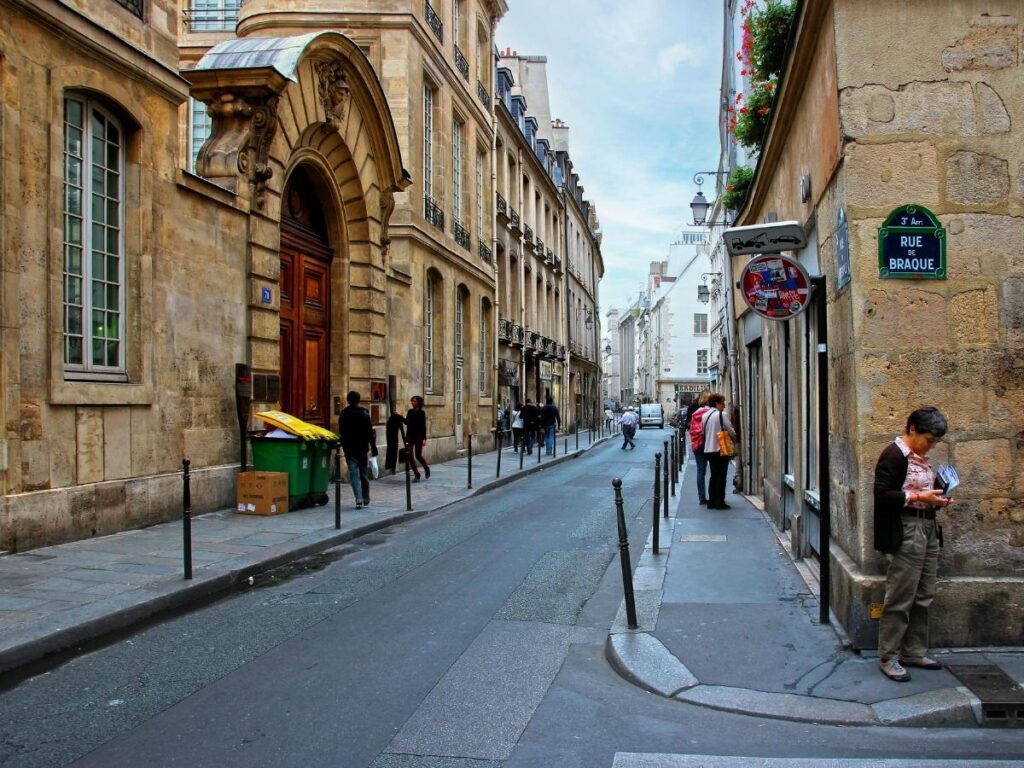
I actually think walking to the museum is part of the experience. The surrounding streets are filled with historic buildings, cafés, bakeries, boutiques, and small courtyards that make the neighborhood feel very different from some of the busier tourist areas in Paris.
Walking Through Le Marais
One thing I’d strongly recommend is leaving extra time before or after your museum visit to simply wander through Le Marais without a strict plan.
The neighborhood has a much slower and more local feel compared to areas around major landmarks. You’ll come across tiny side streets, pastry shops, art galleries, bookstores, and quiet squares almost everywhere you turn. Even grabbing a coffee nearby before entering the museum makes the whole experience feel more relaxed.
I think Musée Picasso works best when it’s treated as part of a slower afternoon in Le Marais rather than a quick stop squeezed between attractions.
Tips for Visiting Musée Picasso
A few small things made my visit to Musée Picasso much more enjoyable overall.
If possible, I’d recommend arriving earlier in the day when the galleries feel quieter and more relaxed. Since many rooms inside Hôtel Salé are fairly intimate, the museum feels much nicer before larger crowds arrive.
Comfortable shoes are also worth it. Between the staircases, gallery spaces, and walking around Le Marais afterward, you’ll likely spend several hours on your feet without realizing it.
One thing I’d avoid is rushing through every room too quickly. Picasso’s work changes dramatically throughout the museum, and the experience feels much more rewarding when you slow down and spend extra time with pieces that genuinely catch your attention.
I’d also encourage visitors to pay attention to the building itself. The architecture, courtyards, staircases, and natural light add a huge amount to the atmosphere and make the museum feel very different from a typical gallery.
Photography is usually allowed in the permanent galleries without flash, though temporary exhibitions may have different rules. There’s also a café and courtyard area that make nice spots for a short break during your visit.
Overall, Musée Picasso is one of those museums that feels best experienced slowly rather than treated like a fast checklist stop.
What to Do Near Musée Picasso Paris
One of the best things about visiting Musée Picasso is that you’re already in one of the most enjoyable neighborhoods in Paris afterward. Le Marais feels very different from some of the city’s busier tourist areas.
The streets are smaller, the atmosphere is more relaxed, and it’s the kind of neighborhood where wandering without a strict plan usually leads to something interesting.
Explore Le Marais
Le Marais is honestly one of my favorite areas in Paris for simply walking around slowly. After spending time inside the museum, it’s nice to continue exploring the neighborhood rather than immediately jumping onto the metro toward another attraction.
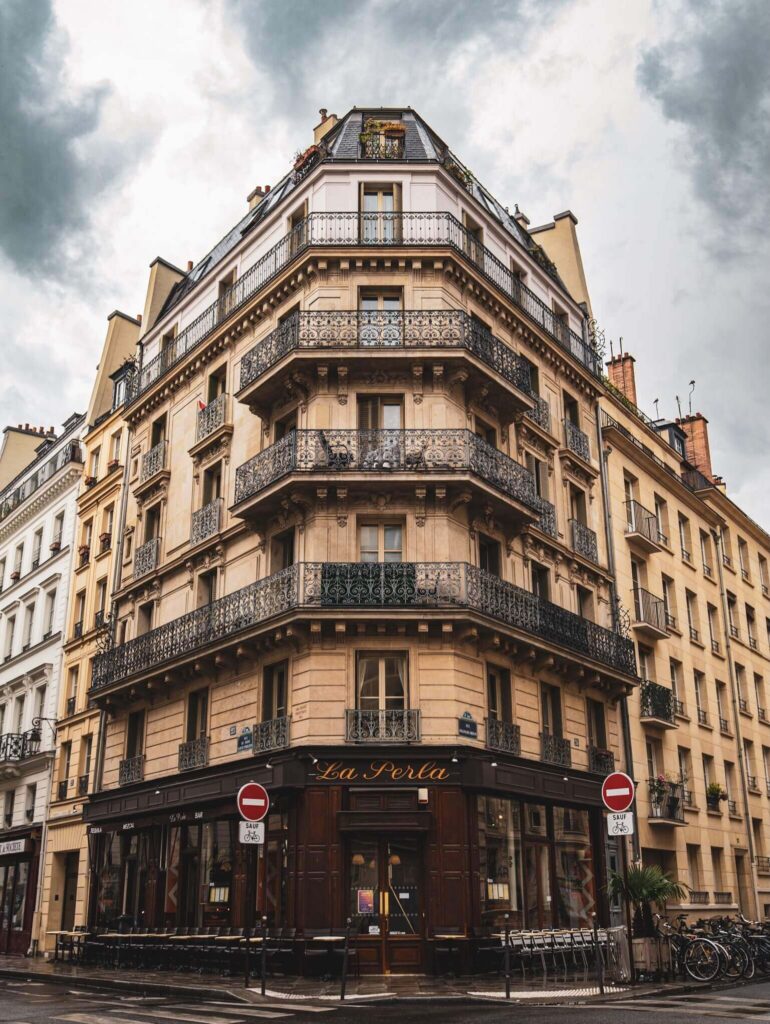
You’ll find narrow historic streets, independent boutiques, art galleries, bookstores, bakeries, and small courtyards tucked between buildings. Some streets feel lively and busy, while others suddenly become quiet and residential just a few minutes away.
I think this area works especially well for travelers who enjoy slower afternoons in Paris instead of rushing between landmarks all day.
Visit Place des Vosges
Place des Vosges is only a short walk from the museum and is easily one of the prettiest squares in Paris.
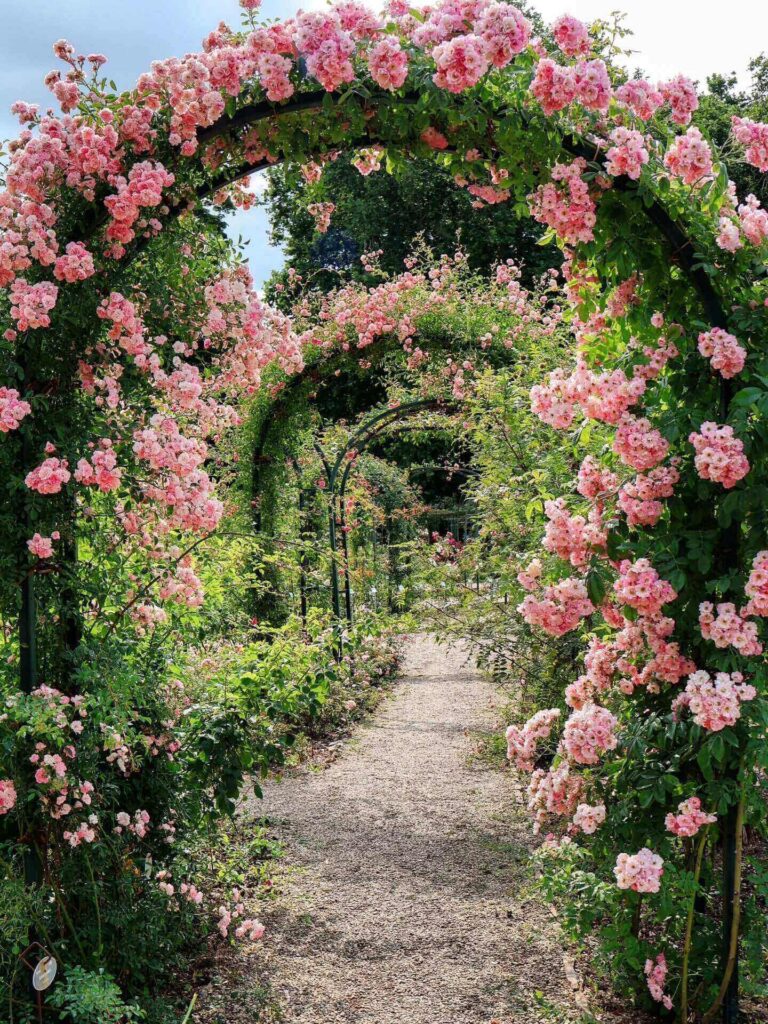
The square feels especially peaceful in the morning or later in the evening when the crowds thin out a little. There are benches beneath the trees, symmetrical red brick buildings surrounding the park, and covered arcades lined with small galleries and cafés.
After the museum, it’s a really nice place to sit for a while and slow down before continuing your day.
Visit Carnavalet Museum
If you still have energy for another museum, Musée Carnavalet pairs surprisingly well with Musée Picasso.
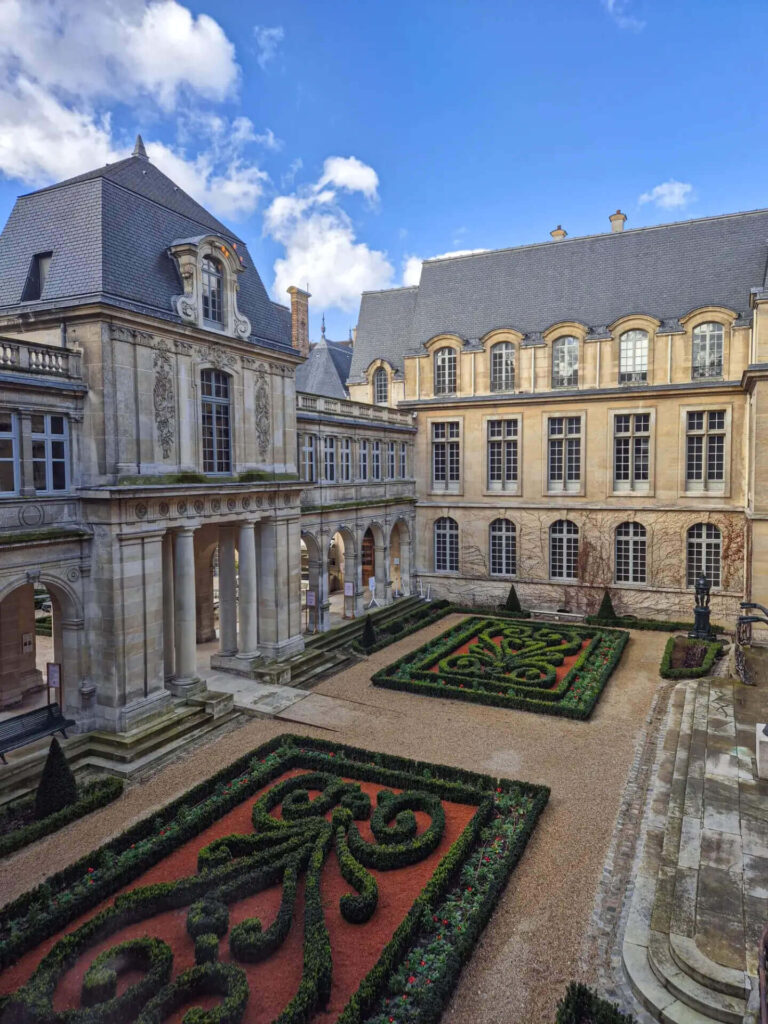
While Musée Picasso focuses entirely on one artist, Carnavalet explores the history of Paris itself. The atmosphere also feels calmer and more intimate than many of the city’s larger museums. You’ll find historic interiors, paintings, photographs, artifacts, and exhibits connected to different periods of Parisian history.
Since both museums are located in Le Marais, they’re easy to combine into the same afternoon without spending much time traveling across the city.
Stop at a Café
Le Marais is filled with cafés, pastry shops, and small restaurants that make perfect post museum stops.
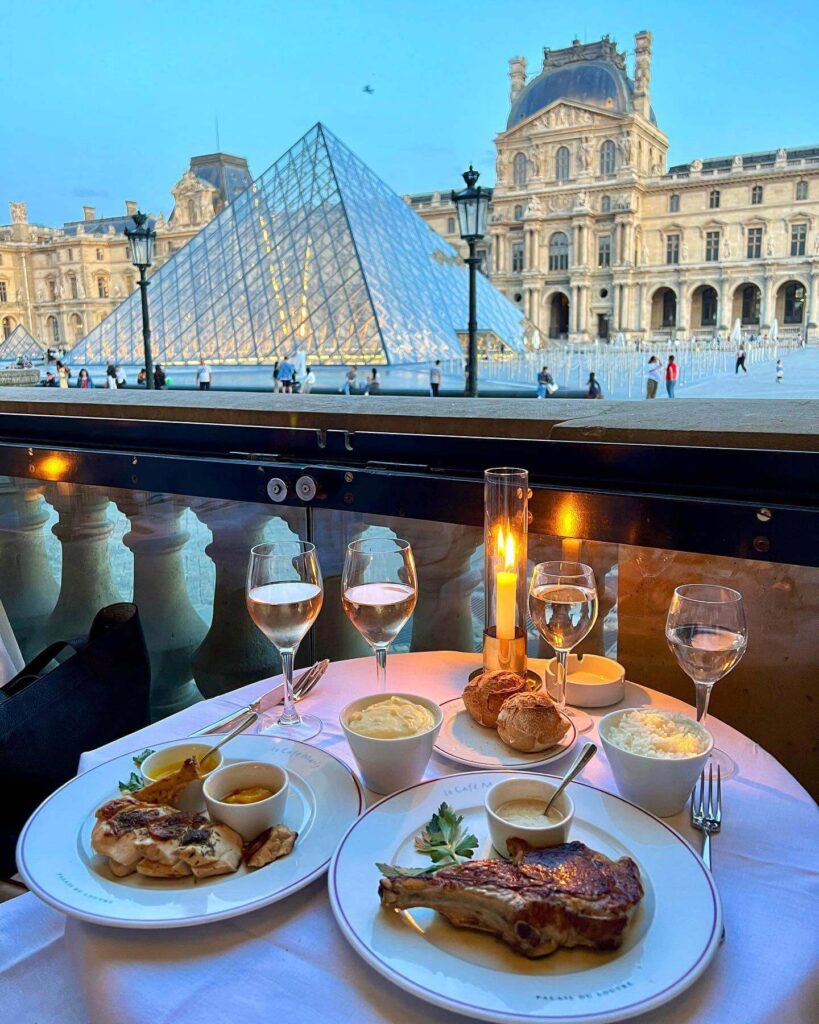
After spending a couple of hours inside galleries, sitting down with coffee and pastries nearby feels like a natural extension of the visit. The neighborhood has everything from elegant cafés to more casual bakeries and small terrace spots where you can simply watch people for a while.
I’d actually recommend avoiding an overly tight schedule here because this part of Paris is best enjoyed slowly.
Suggested Musée Picasso Itineraries
One thing I liked about visiting Musée Picasso is that it works well whether you only have a couple of hours or want to build an entire slow afternoon around it. The museum is flexible enough that you can adjust the experience depending on your schedule and interests.
Quick 2 Hour Visit
If you’re short on time, two hours is usually enough to experience the museum without feeling rushed.
I’d focus first on the galleries covering Picasso’s Cubist period since those are some of the museum’s most important and recognizable works. After that, spend some time in the sculpture and ceramics sections because they show a completely different side of Picasso’s creativity that many visitors don’t expect.
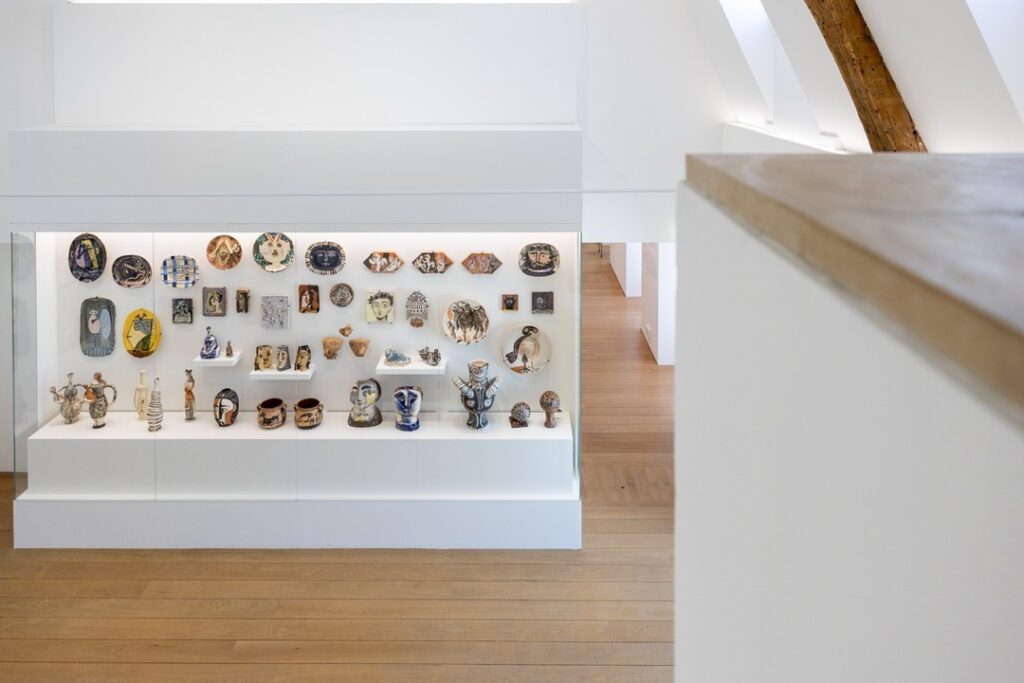
Even during a shorter visit, I’d still leave a little time to appreciate Hôtel Salé itself. Walking through the staircases, courtyards, and historic rooms adds a lot to the experience and helps the museum feel more memorable than simply moving quickly between paintings.
This kind of visit works especially well if you’re trying to balance several attractions in one day without turning the museum into an exhausting stop.
Half Day Le Marais Plan
Personally, I think Musée Picasso is best experienced as part of a slower half day in Le Marais rather than a quick museum visit squeezed between landmarks.
A really enjoyable plan is starting the morning at the museum while the galleries are still relatively quiet. Afterward, you can spend time wandering through Le Marais without much structure. The neighborhood is filled with bakeries, cafés, boutiques, bookstores, and smaller side streets that are fun to explore slowly.
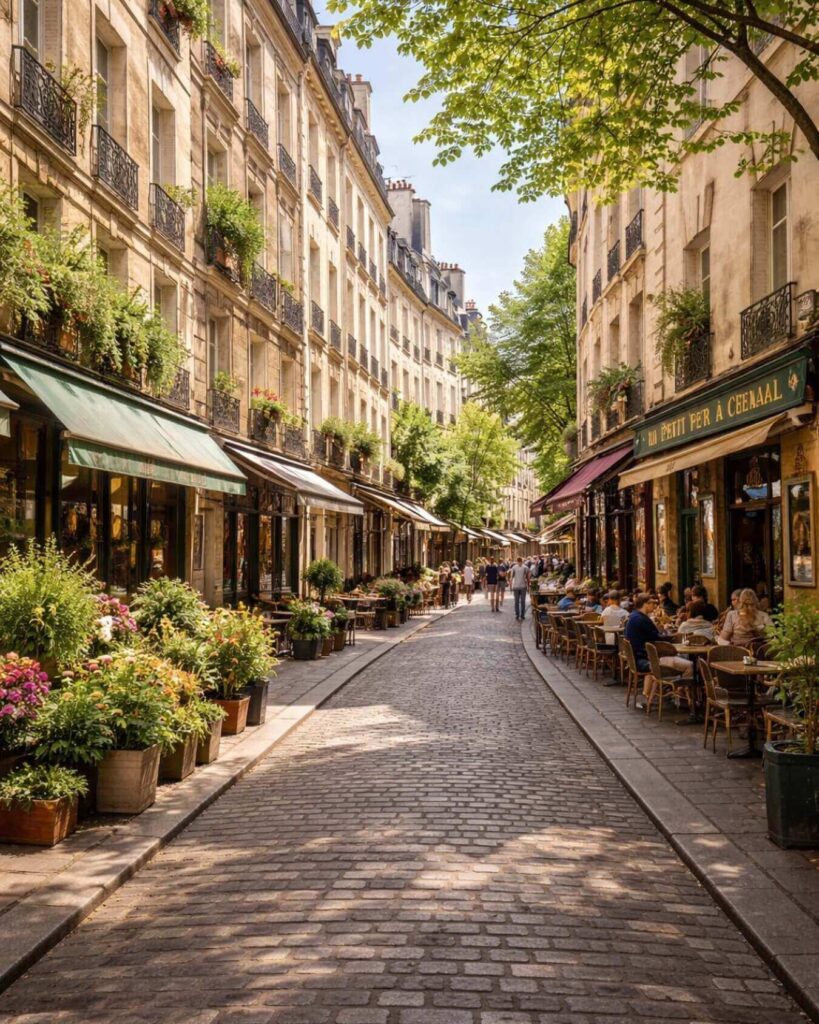
From there, it’s an easy walk to Place des Vosges, which is one of the nicest squares in Paris for taking a break. Sitting there for a while after the museum felt like a natural continuation of the slower atmosphere inside Musée Picasso.
I’d definitely recommend leaving time for coffee or pastries afterward instead of immediately moving to another major attraction. This part of Paris feels much more enjoyable when you’re not rushing through it.
Art Lover’s Paris Day
If you really enjoy modern art, Musée Picasso pairs very well with Centre Pompidou since the two museums complement each other nicely.
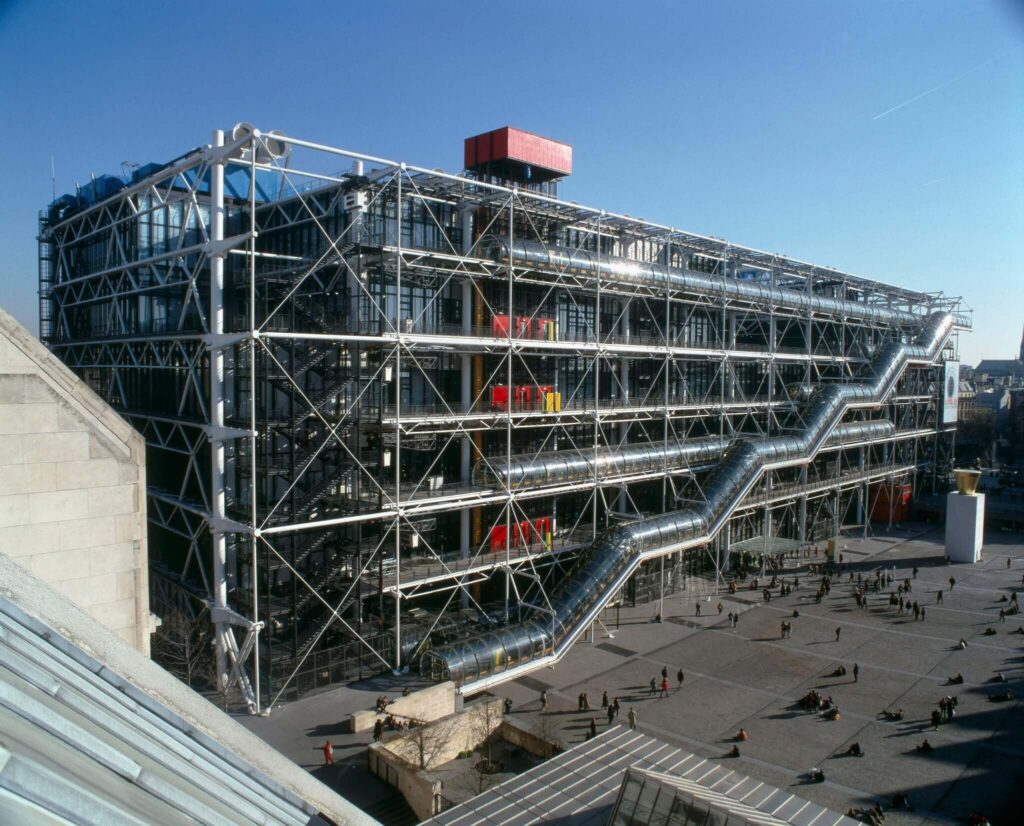
Musée Picasso gives you a focused look at one artist’s creative evolution, while Centre Pompidou offers a much broader overview of modern and contemporary art. Seeing both in the same day creates a really interesting contrast between intimate artist focused galleries and larger contemporary collections.
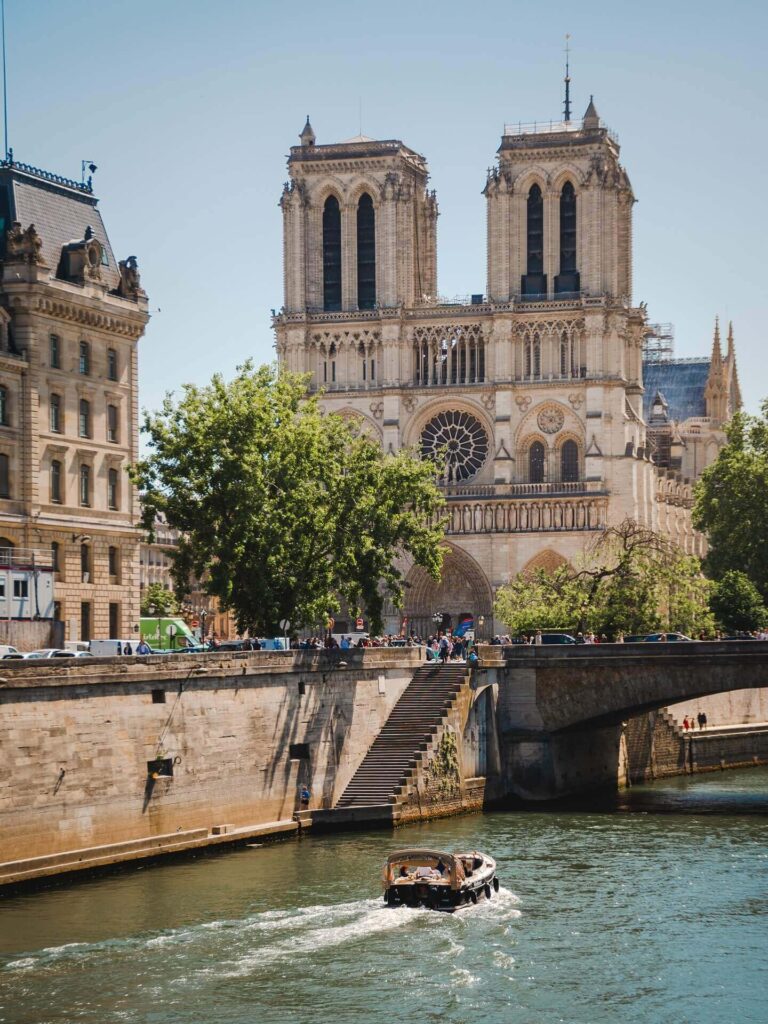
You can also break up the museum visits with a walk along the Seine before heading back toward Le Marais in the evening for dinner or drinks. Honestly, this ended up feeling like one of the most enjoyable ways to spend a slower cultural day in Paris without constantly moving across the city.
Final Thoughts
Musée Picasso ended up feeling much more approachable and personal than I expected before visiting. Compared to some of Paris’ larger museums, the atmosphere here feels calmer, quieter, and far less overwhelming.
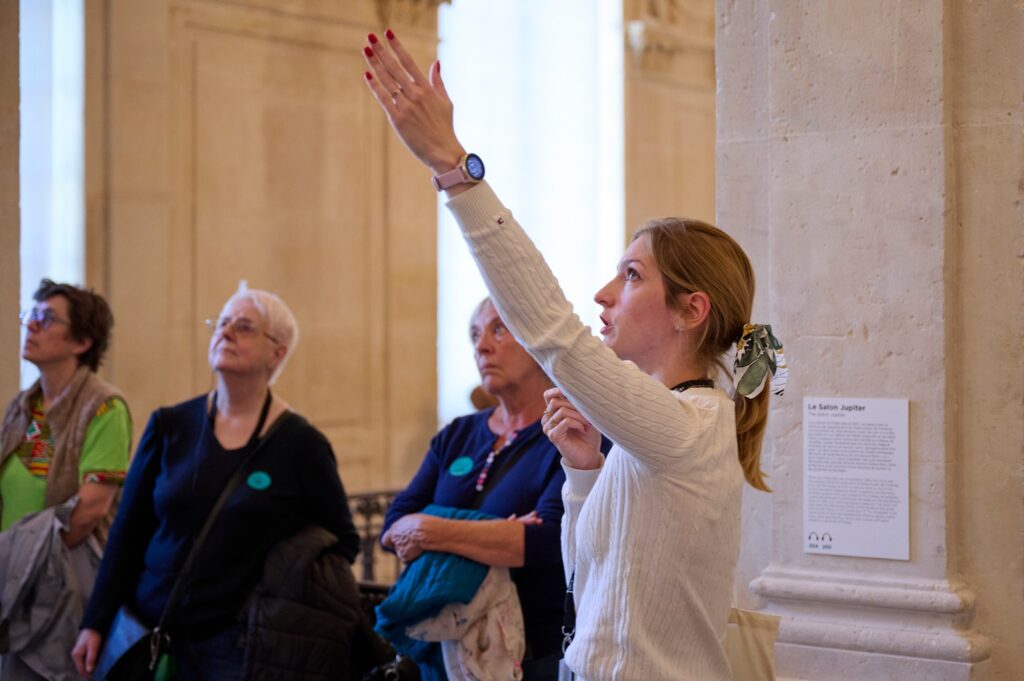
What I appreciated most was that the museum focuses on Picasso’s creative process rather than only displaying famous masterpieces. Seeing sketches, sculptures, ceramics, unfinished ideas, and different artistic phases made the experience feel much more intimate and human.
The setting inside Hôtel Salé also adds a huge amount to the visit. The contrast between the historic mansion and Picasso’s modern artwork gives the museum a character that feels very different from a typical gallery space.
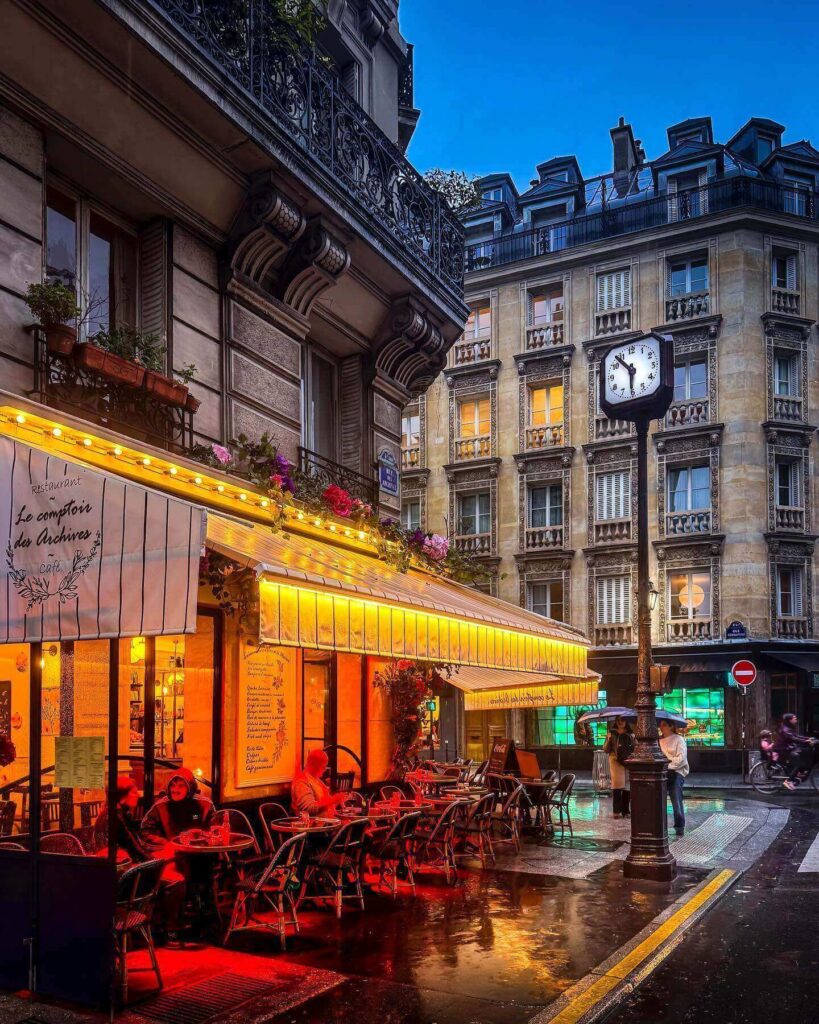
I also loved how naturally the visit blends into exploring Le Marais afterward. Instead of feeling like a rushed sightseeing stop, the museum works best as part of a slower afternoon filled with walking, cafés, and wandering through the neighborhood.
If you enjoy modern art, quieter museums, or slower travel experiences in Paris, I think Musée Picasso is absolutely worth adding to your itinerary.