
Perched high above the vineyards and villages of Alsace, Château du Haut Kœnigsbourg looks almost exactly like the kind of castle most people imagine when they think of medieval Europe.
Long defensive walls stretch across the mountain ridge, towers rise above dense forests, and a drawbridge leads into a fortress filled with stone courtyards, spiral staircases, wooden galleries, and panoramic viewpoints overlooking the Rhine Valley.
What makes the castle especially memorable is how immersive it feels once you step inside. Rather than simply looking at ruins from a distance, visitors can walk through furnished halls, climb the ramparts, explore narrow defensive passages, and get a real sense of how a medieval fortress once functioned.
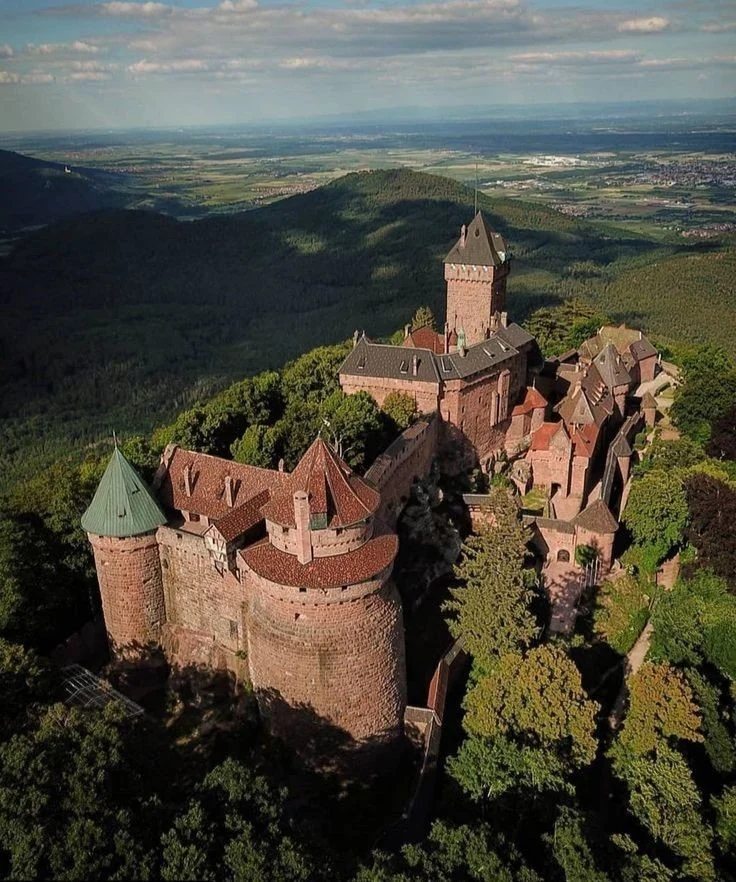
The thick walls, layered gateways, and elevated viewpoints make it easy to understand why this location was so strategically important for centuries.
The setting adds a huge part of the experience as well. Sitting high in the Vosges Mountains above the Alsace Wine Route, the castle offers some of the most dramatic scenery in the region. On clear days, the views stretch across vineyards, forests, villages, and even toward Germany’s Black Forest in the distance.
Another reason Château du Haut Kœnigsbourg stands out is that it feels far more complete than many medieval castles in Europe. Instead of wandering through empty ruins, you get to experience reconstructed interiors, weapon displays, defensive towers, and detailed architecture that make the fortress feel surprisingly alive and atmospheric.
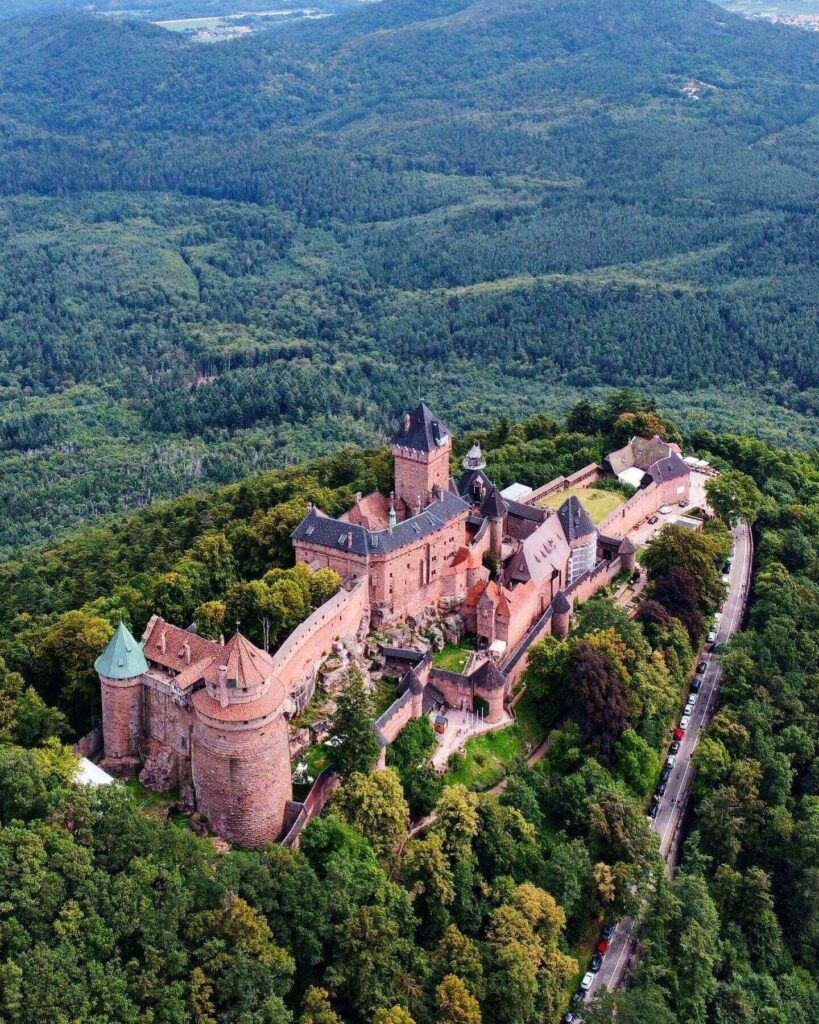
Whether you’re planning a day trip from Strasbourg, exploring Alsace by car, or searching for one of the most impressive castles in France, Château du Haut Kœnigsbourg is the kind of place that usually ends up exceeding expectations.
This guide covers everything you need to know before visiting, from its history and highlights to practical tips for making the most of your trip.
Is Château du Haut Kœnigsbourg Worth Visiting?
Absolutely. Even in a country filled with famous castles, Château du Haut Kœnigsbourg stands out because it genuinely feels like a medieval fortress rather than just a historic monument. From the moment you cross the drawbridge and walk through the stone gates, the castle feels immersive in a way many historic sites don’t.
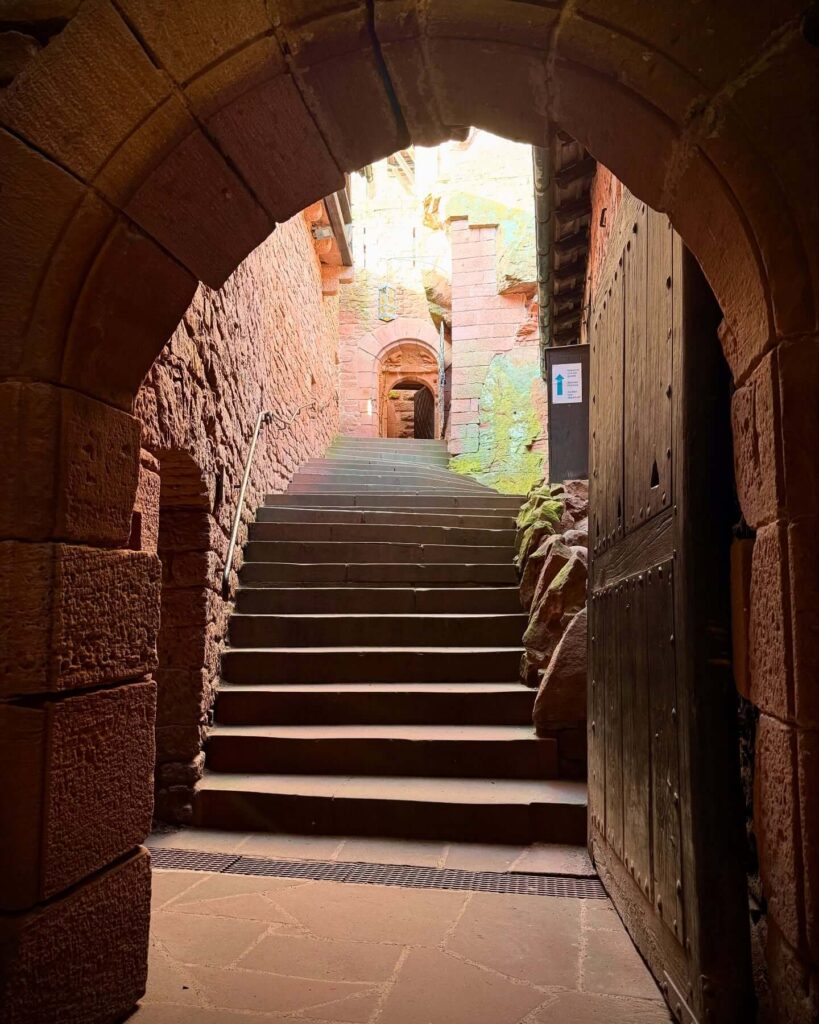
Instead of simply viewing ruins or empty rooms, visitors can climb narrow staircases, explore defensive passageways, walk along the ramparts, and move through furnished halls that help the fortress feel much more alive and atmospheric.
One of the biggest surprises is how large and complex the castle feels once inside. From a distance, it already looks impressive sitting above the forests of Alsace, but exploring the layered courtyards, towers, galleries, and defensive walls gives a much better sense of how strategically designed the fortress really was.
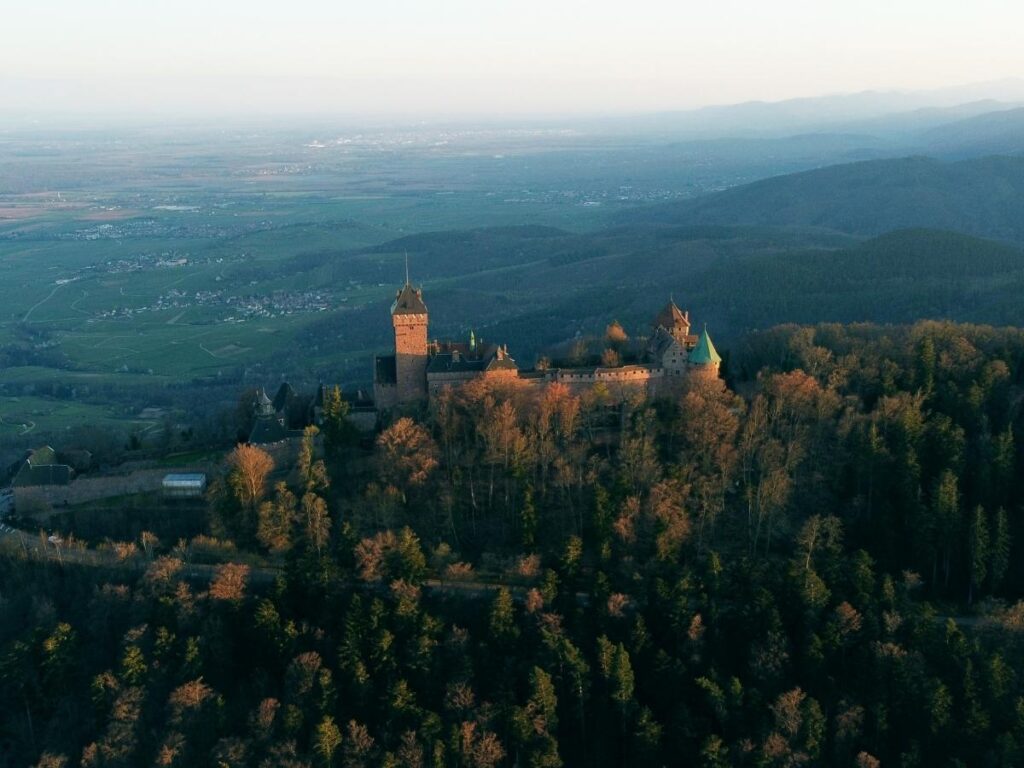
The setting is another huge reason the castle is worth visiting. Perched high in the Vosges Mountains above the Alsace Wine Route, the views stretch across vineyards, forests, villages, and the Rhine Valley toward Germany’s Black Forest. On especially clear days, even the Alps can sometimes be visible in the distance.
What also makes Haut Kœnigsbourg memorable is that it feels atmospheric without feeling overly polished. The stone walls, wooden interiors, weapons displays, and military design help the castle feel authentic and immersive rather than simply decorative.
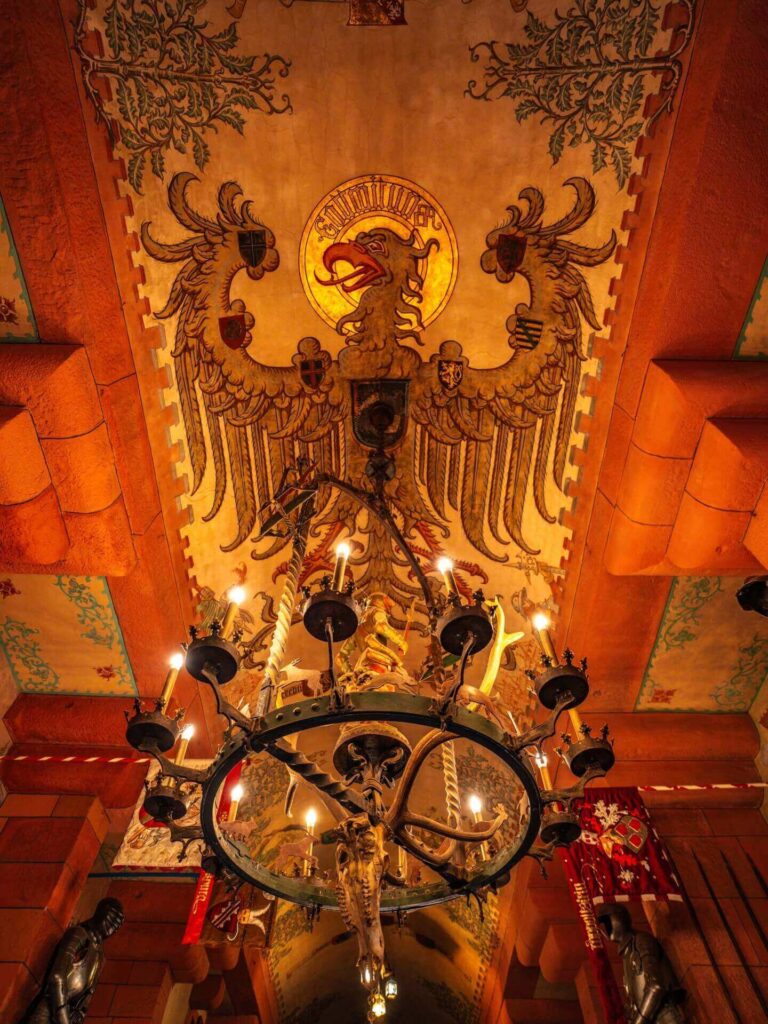
That said, this castle appeals most to visitors who enjoy history, architecture, or dramatic scenery. Travelers expecting luxurious palace interiors similar to Palace of Versailles may find the atmosphere more rugged and military focused. But for most visitors, that’s exactly what makes the experience so interesting.
The Fascinating History of Château du Haut Kœnigsbourg
Origins in the 12th Century
The history of Château du Haut Kœnigsbourg goes back to the 12th century, when the Hohenstaufen dynasty established a fortress high above the Alsace plain. Even today, once you see the castle’s location in person, it becomes immediately obvious why this mountain ridge was chosen.
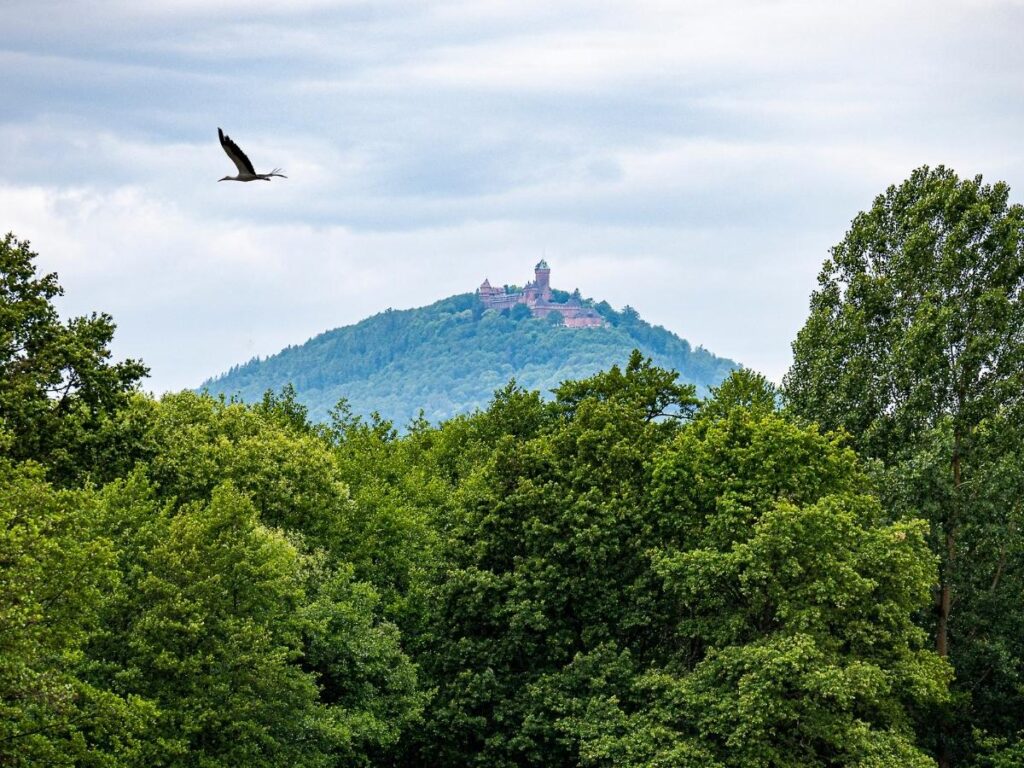
The views stretch across the Rhine Valley for miles, giving anyone controlling the fortress a huge strategic advantage.
At the time, Alsace sat along important trade and travel routes connecting different parts of Europe. Merchants, soldiers, and travelers regularly moved through the region, especially along the wine routes below the mountains. Building a fortress here allowed rulers to monitor movement, protect territory, and demonstrate power across the surrounding landscape.
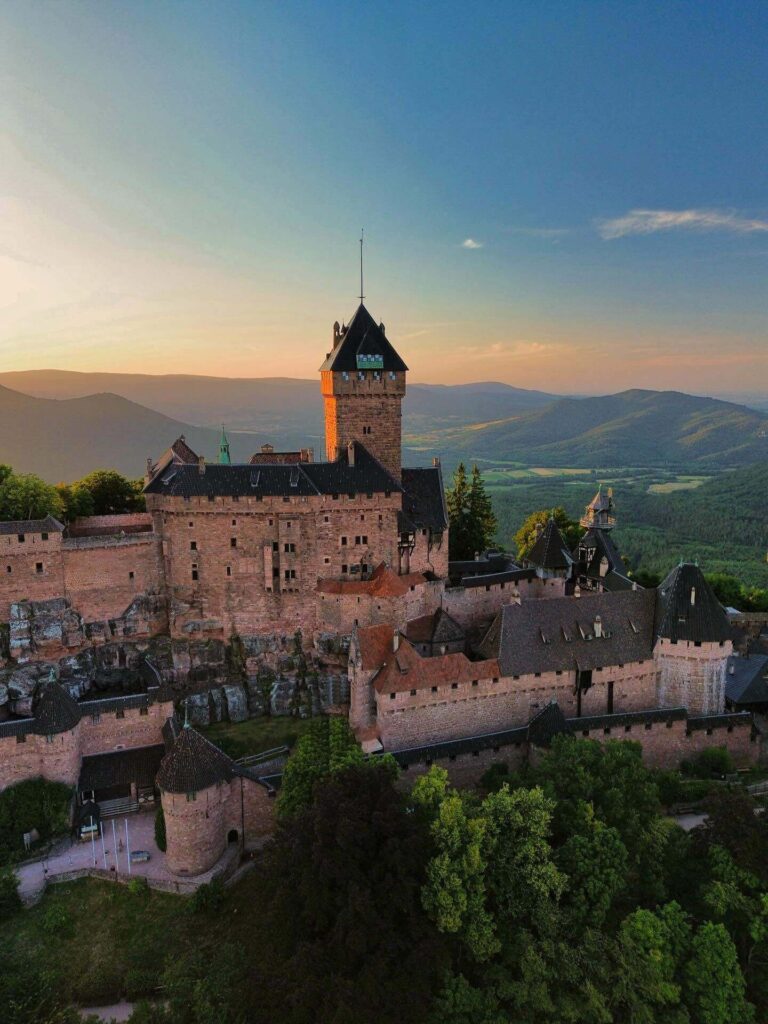
Like many medieval castles, Haut Kœnigsbourg was designed first and foremost for defense. Comfort was never the main priority. Thick stone walls, narrow entrances, elevated towers, and carefully controlled passageways were all built to make attacks as difficult as possible.
Even the castle’s position on the mountain itself acted as a natural defense, forcing potential attackers to approach uphill while remaining fully visible from the fortress above.
Over the centuries, ownership of the castle passed through several powerful families and regional rulers. Different sections were expanded, modified, or rebuilt depending on the political situation at the time. Like many major castles in medieval Europe, Haut Kœnigsbourg constantly evolved as warfare, alliances, and ruling powers changed.
Destruction and Abandonment
The castle’s decline began during the Thirty Years’ War in the 17th century, one of the most destructive conflicts in European history. During the war, Haut Kœnigsbourg was heavily damaged and eventually abandoned.
Once military technology improved and political power shifted elsewhere, maintaining a fortress in such a remote mountain location became less practical. Over time, the castle slowly fell apart. Roofs collapsed, walls crumbled, and nature gradually reclaimed sections of the structure.
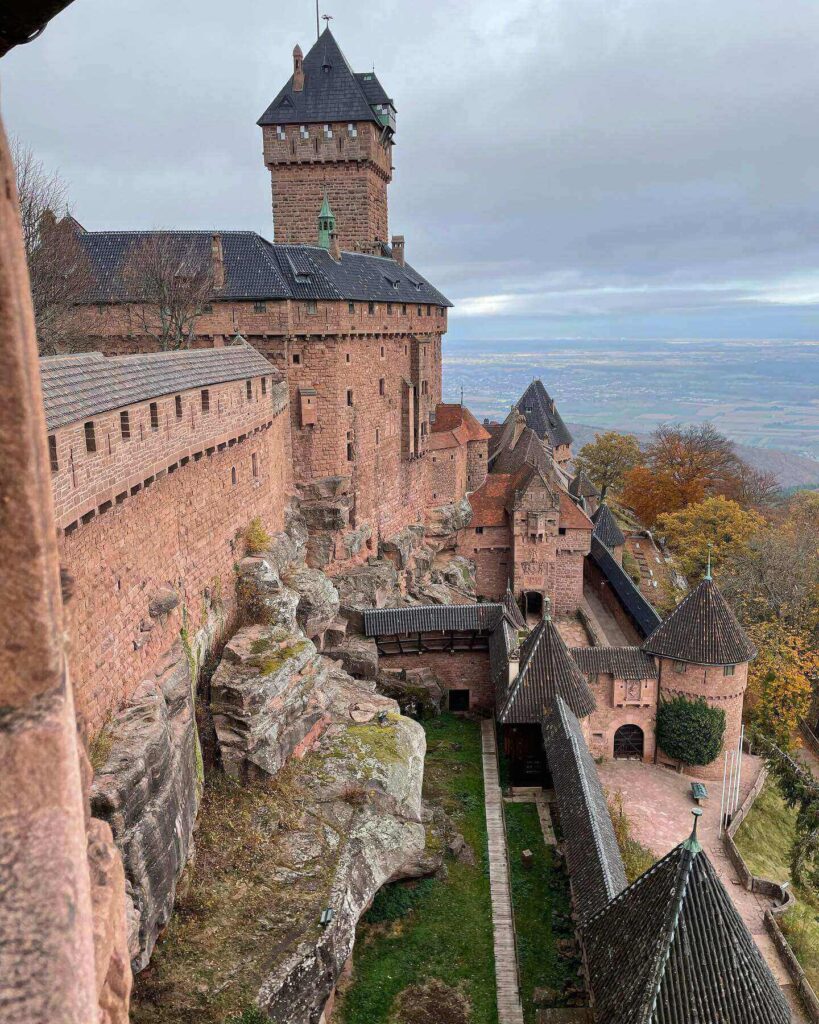
For centuries, the fortress remained mostly in ruins overlooking the forests of Alsace. Travelers, artists, and historians were drawn to the site because of its dramatic appearance. Instead of functioning as a military stronghold, it became part of the romantic image of medieval Europe that fascinated people during the 18th and 19th centuries.
Ironically, the long period of abandonment helped preserve the castle’s atmosphere. Even as parts of the structure deteriorated, the ruins still retained a powerful presence above the surrounding landscape.
Kaiser Wilhelm II and the Massive Restoration
One of the most interesting things about Château du Haut Kœnigsbourg is that much of what visitors see today comes from a major restoration project completed in the early 1900s.
After the Franco Prussian War, Alsace became part of the German Empire. In 1899, the ruined castle was gifted to Kaiser Wilhelm II by the city of Sélestat. The emperor saw the fortress as both a historical monument and a political symbol, and he ordered a full reconstruction of the site.
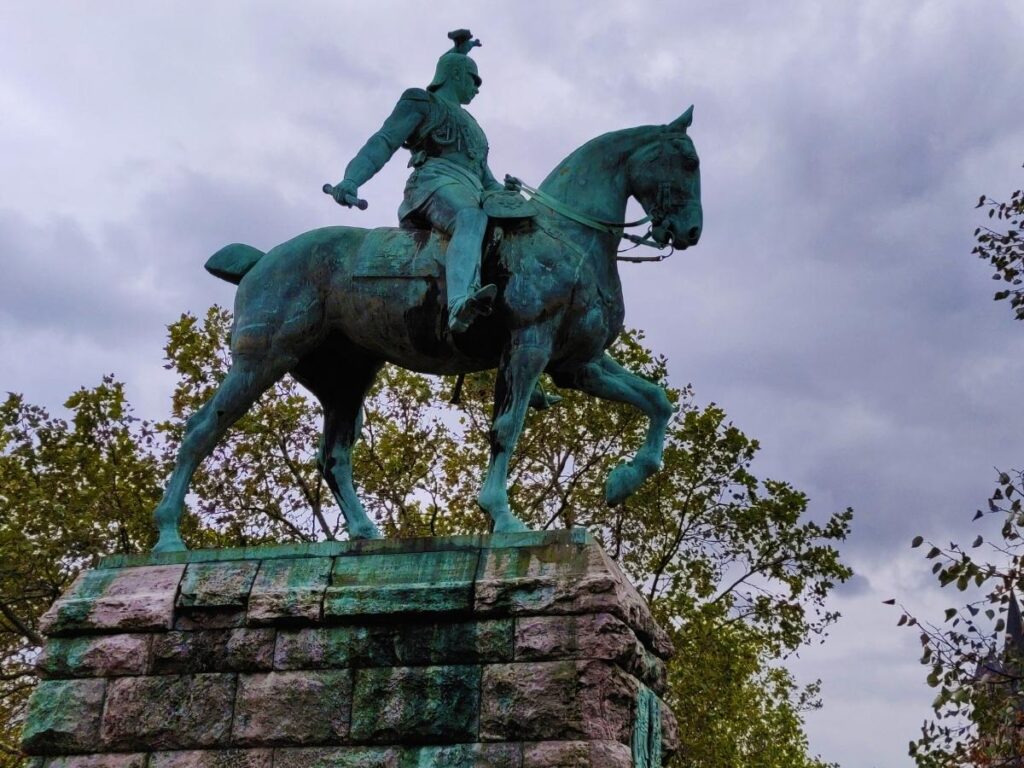
The restoration was led by architect Bodo Ebhardt between 1900 and 1908. His goal was not simply to repair the ruins but to recreate what an ideal medieval fortress might have looked like during its peak. The project involved extensive historical research, archaeological study, and architectural interpretation.
At the same time, the restoration remains somewhat controversial among historians because not every part of the reconstruction was based on surviving evidence. In some areas, Ebhardt had to make educated guesses about how the original castle may have looked centuries earlier.
Still, the final result feels remarkably convincing when walking through the fortress today. Unlike some restored historic sites that can feel artificial, Haut Kœnigsbourg still manages to feel atmospheric, cohesive, and believable. The stone courtyards, furnished halls, towers, defensive walls, and wooden galleries all work together to create a strong sense of immersion.
Why the Castle Looks So Well Preserved Today
Many first time visitors are surprised by how complete the castle appears. It’s easy to assume the fortress survived the Middle Ages almost untouched, especially compared to many ruined castles across Europe.
In reality, much of the visible structure was rebuilt during the early 20th century restoration. However, important medieval sections of the castle are still original, including parts of the foundations, walls, and defensive structures.
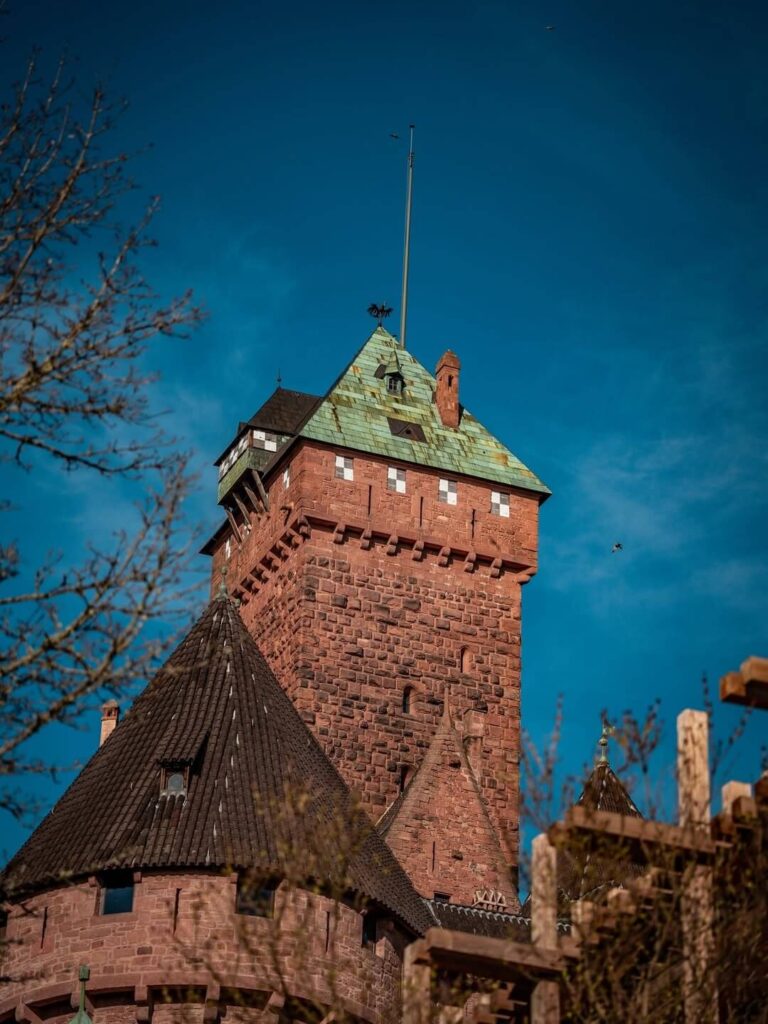
What makes Haut Kœnigsbourg especially interesting is that it sits somewhere between an authentic medieval ruin and a reconstructed historical vision. Rather than simply preserving empty remains, the restoration aimed to help visitors understand how a functioning medieval fortress may actually have looked and operated.
That balance is part of what makes the castle so fascinating today. Even knowing parts were reconstructed, the experience still feels immersive and historically grounded rather than staged or artificial.
Where Is Château du Haut Kœnigsbourg?
Location in Alsace
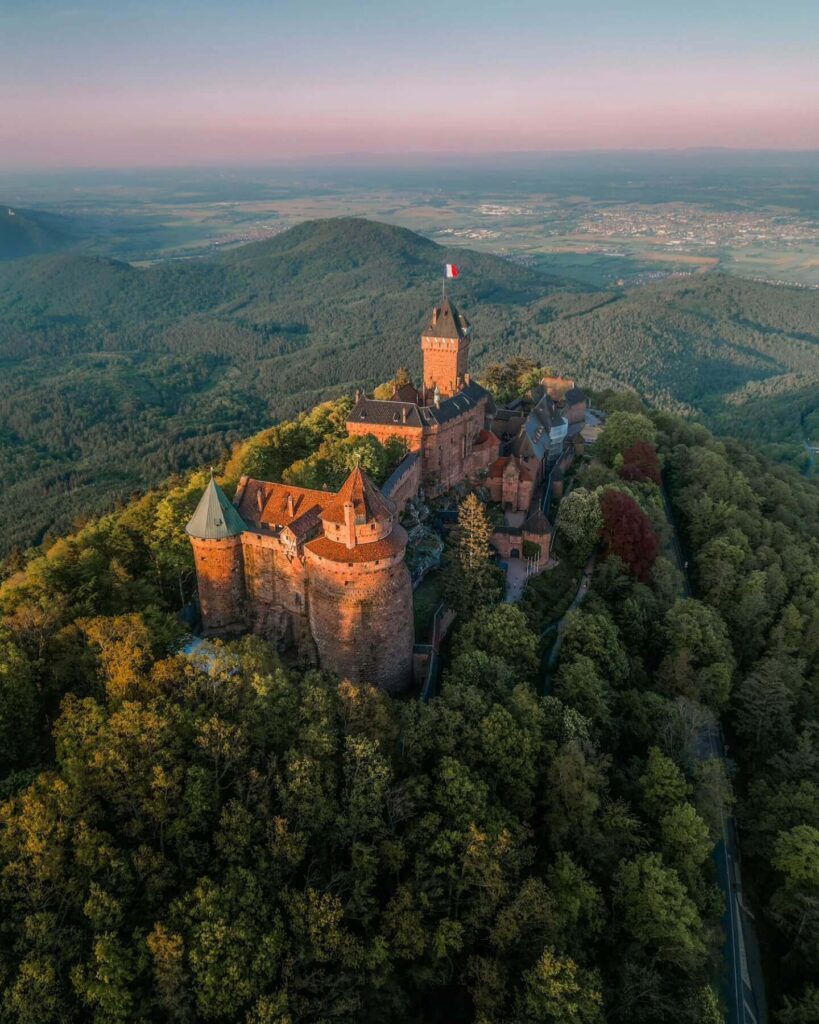
Château du Haut Kœnigsbourg sits high in the Vosges Mountains above the small village of Orschwiller in northeastern France, right in the heart of the Alsace region. One of the reasons the castle feels so dramatic is because of its elevated position overlooking the Rhine plain far below.
Even from a distance, the fortress stands out clearly above the forests, which gives it a much more imposing presence than many castles built closer to towns or cities.
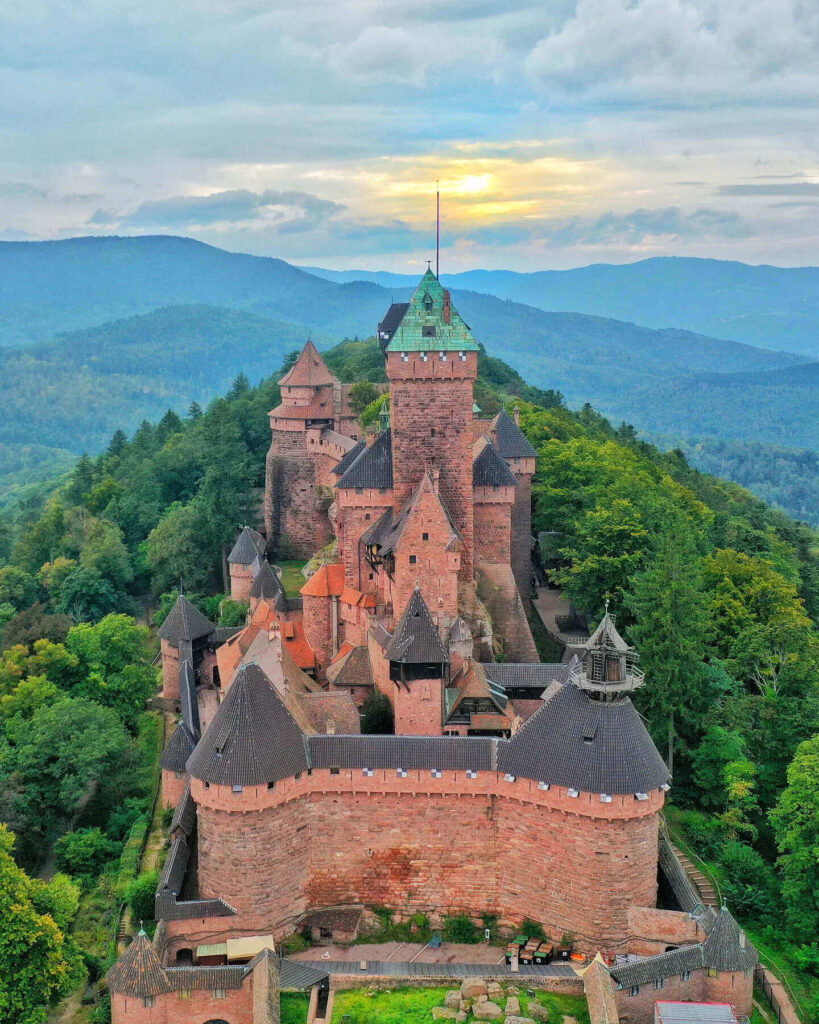
The castle is located along the famous Alsace Wine Route, making it very easy to combine with some of the region’s most beautiful villages and vineyards. Many visitors include it as part of a larger road trip through Alsace because the surrounding scenery is just as memorable as the fortress itself.
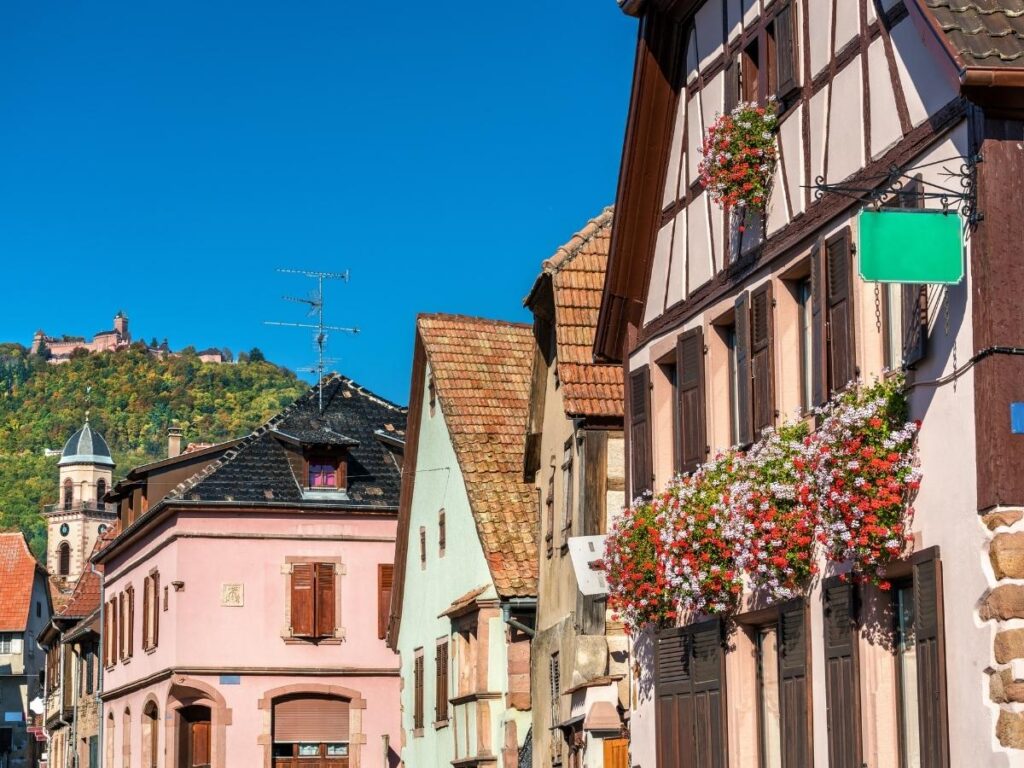
The drive through the area passes rolling vineyards, colorful half timbered villages, and winding mountain roads that already make the journey feel scenic before you even arrive at the castle.
One thing that makes Haut Kœnigsbourg especially convenient is its location between Strasbourg and Colmar. It works well as either a dedicated day trip or a stop while exploring the wider Alsace countryside.
Nearby Places Worth Visiting
One of the best things about visiting Château du Haut Kœnigsbourg is how easily it fits into a larger Alsace itinerary. The region around the castle is packed with charming villages, scenic viewpoints, wineries, and family attractions, so most travelers end up combining several stops into one day.
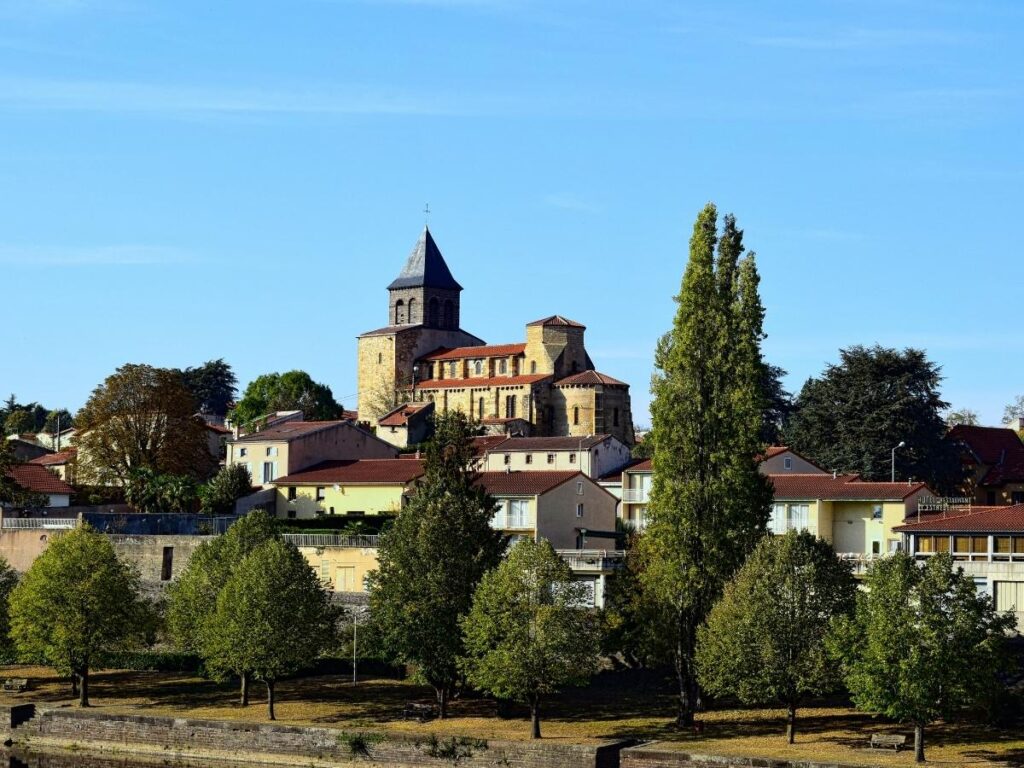
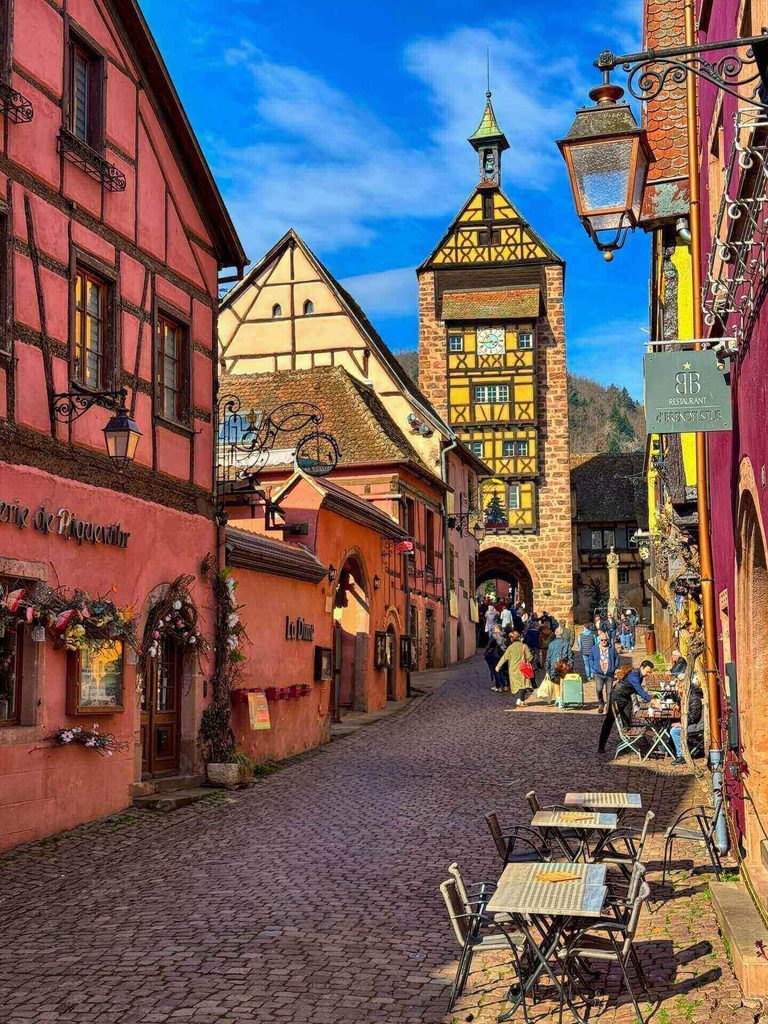
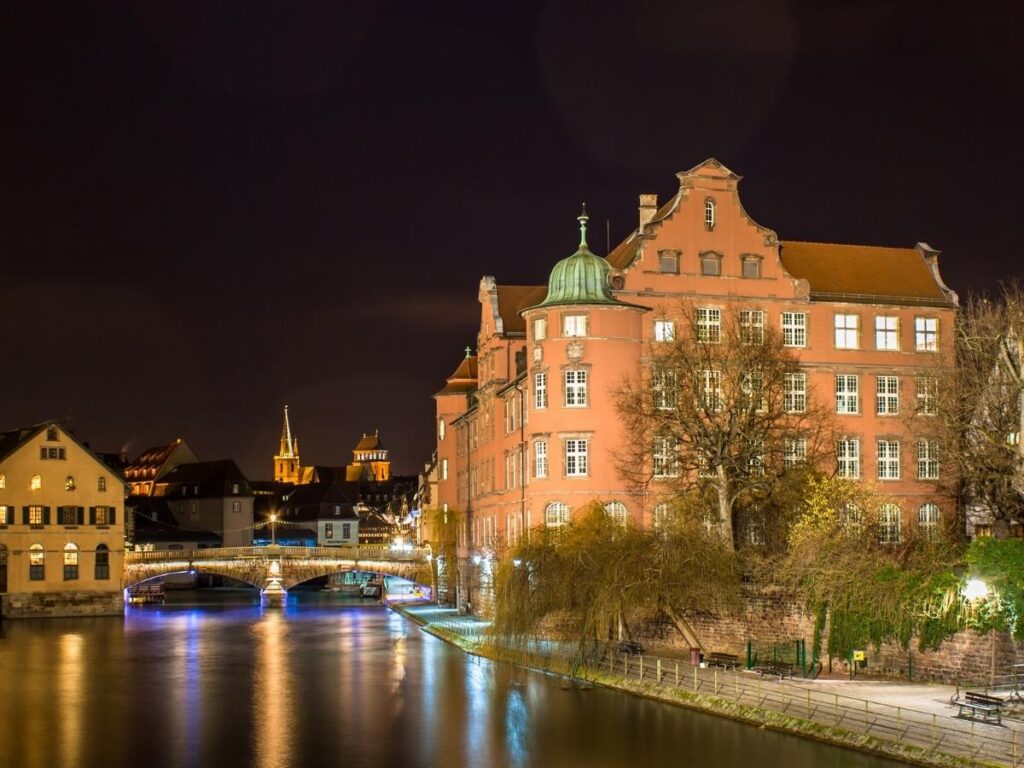
Many visitors pair the castle with places like Colmar or Strasbourg, both of which are among the most popular destinations in Alsace. Smaller villages such as Riquewihr and Kaysersberg are also nearby and are known for their colorful streets, traditional Alsatian houses, and wine culture.
If you’re traveling with children or simply want to add something different to the day, two popular attractions very close to the castle are Montagne des Singes and La Volerie des Aigles. Both are located just a short drive away and are often combined with the castle in the same itinerary.
Because so many attractions are concentrated in this part of Alsace, Haut Kœnigsbourg works especially well as part of a relaxed road trip through the region rather than just a quick standalone stop.
How to Get to Château du Haut Kœnigsbourg
By Car
Driving is by far the easiest and most flexible way to reach the castle, especially if you want to explore nearby villages and wineries afterward. The roads throughout Alsace are generally excellent, and having a car makes it much easier to visit multiple places in the same day.
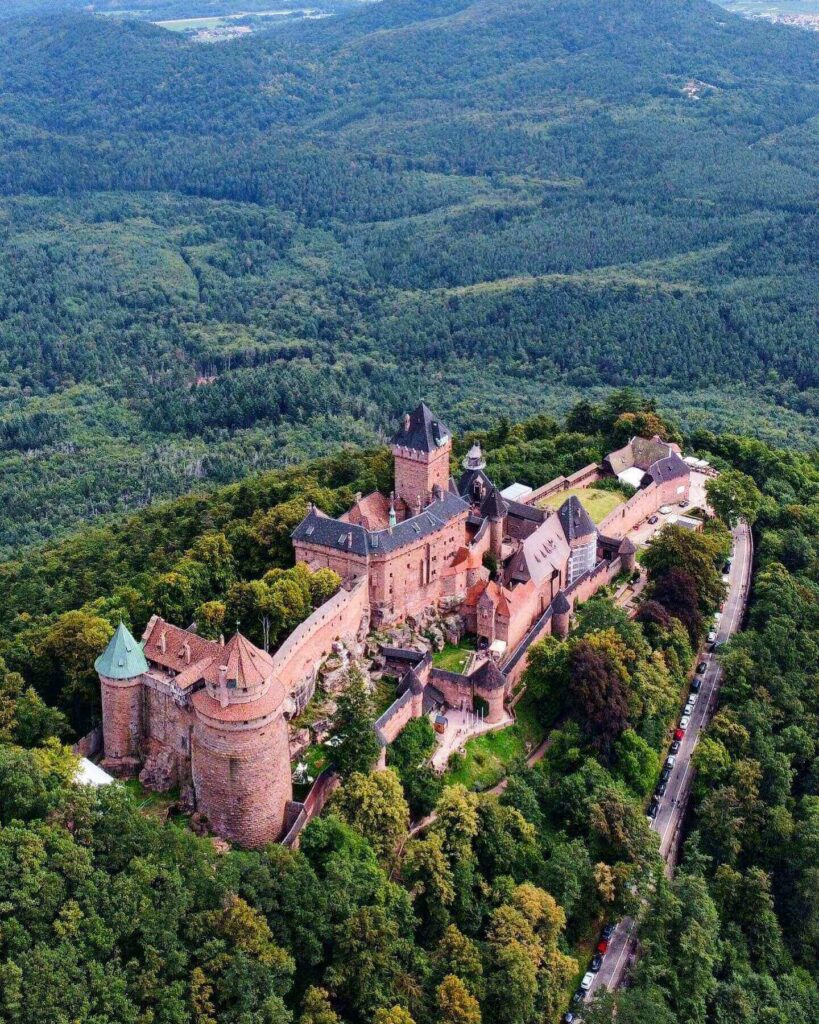
The castle is located about an hour from Strasbourg, around 40 minutes from Colmar, and roughly 25 minutes from Sélestat. The final section of the drive climbs through forested mountain roads with several curves, but the roads are well maintained and fairly easy to navigate.
Parking is available close to the castle entrance, which is very convenient compared to some historic sites that require long uphill walks. However, parking areas can become crowded during summer afternoons, weekends, and school holidays. Arriving earlier in the morning usually makes the experience much smoother and more relaxed.
By Train and Shuttle Bus
If you don’t have a car, it’s still possible to reach the castle using public transportation, although it takes a bit more planning.
Most visitors first take a train to the town of Sélestat, which has good rail connections with both Strasbourg and Colmar. From there, a seasonal shuttle bus connects the station to the castle during the main tourist season.
This option works well for travelers who prefer not to drive, but it’s important to check schedules in advance because shuttle frequency changes depending on the time of year. Missing the last return shuttle can make the trip more complicated, so planning ahead is definitely worthwhile.
Hiking to the Castle
One of the lesser known ways to experience Haut Kœnigsbourg is by hiking through the surrounding forests. Several walking trails lead up toward the fortress from nearby villages, and approaching the castle on foot makes the setting feel even more dramatic.
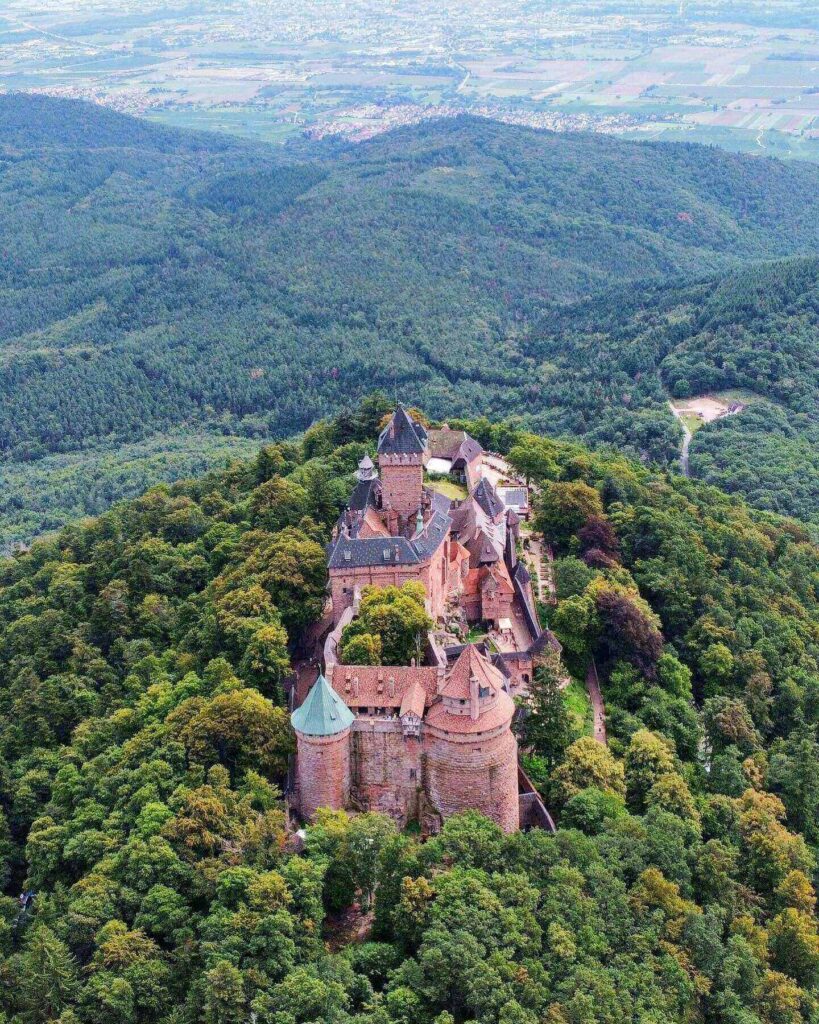
The trails are usually not technically difficult, but some sections involve steady uphill climbing. Good walking shoes are definitely recommended, especially after rain when forest paths can become slippery.
For travelers who enjoy nature, hiking adds a completely different atmosphere to the visit. Seeing the fortress slowly appear through the trees feels much more memorable than simply arriving directly at the parking lot.
Best Time to Visit Château du Haut Kœnigsbourg
Spring
Spring is one of the nicest times to visit Château du Haut Kœnigsbourg, especially if you want good weather without the peak summer crowds. By April and May, the forests surrounding the castle become deep green again, and the entire mountain area feels fresh and vibrant after winter.
Temperatures are usually comfortable for walking around the fortress, which matters more than many people expect because visiting the castle involves a fair amount of climbing stairs and exploring outdoor sections. Spring also tends to offer clearer visibility across the Rhine Valley, so the panoramic viewpoints are often at their best during this time of year.
Another advantage is that the atmosphere usually feels calmer and more relaxed compared to summer afternoons when large tour groups arrive.
Summer
Summer is the busiest season at Haut Kœnigsbourg, but it’s also when the castle has the longest opening hours and generally the most reliable weather. The surrounding vineyards and mountain scenery look beautiful during this time, and clear summer days can create incredible views from the ramparts.
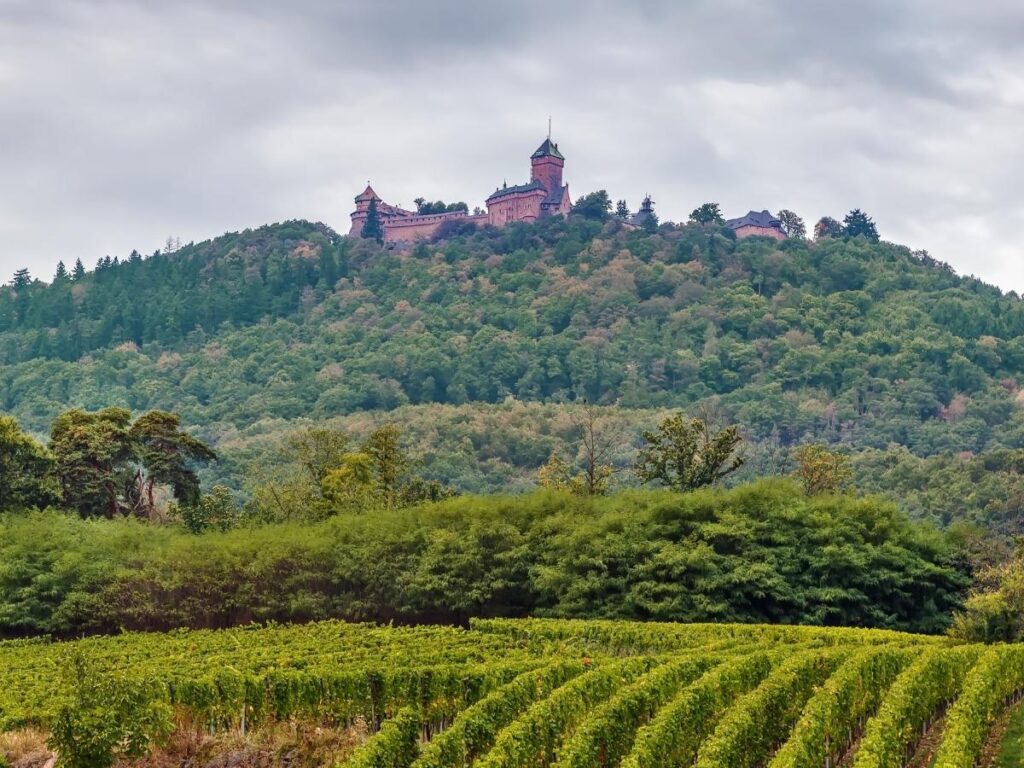
The biggest downside is the crowds. By late morning and early afternoon, parking areas can become congested and some parts of the castle feel noticeably busier, especially during weekends and school holidays.
If you visit in summer, arriving early makes a huge difference. Exploring the fortress shortly after opening usually feels far more enjoyable than visiting in the middle of the day. The lighting is also softer in the morning, which helps both photography and overall atmosphere.
Fall
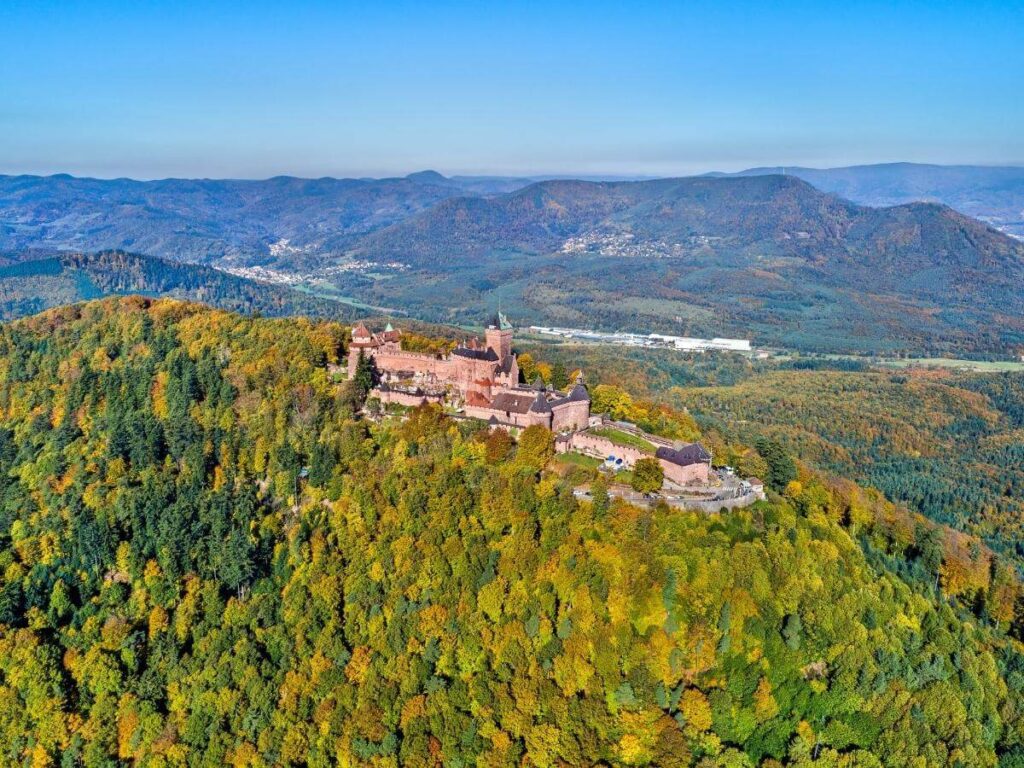
Autumn may honestly be the most visually impressive season to visit the castle. The forests surrounding the fortress turn shades of orange, red, and gold, and the views from the upper terraces become especially beautiful during clear weather.
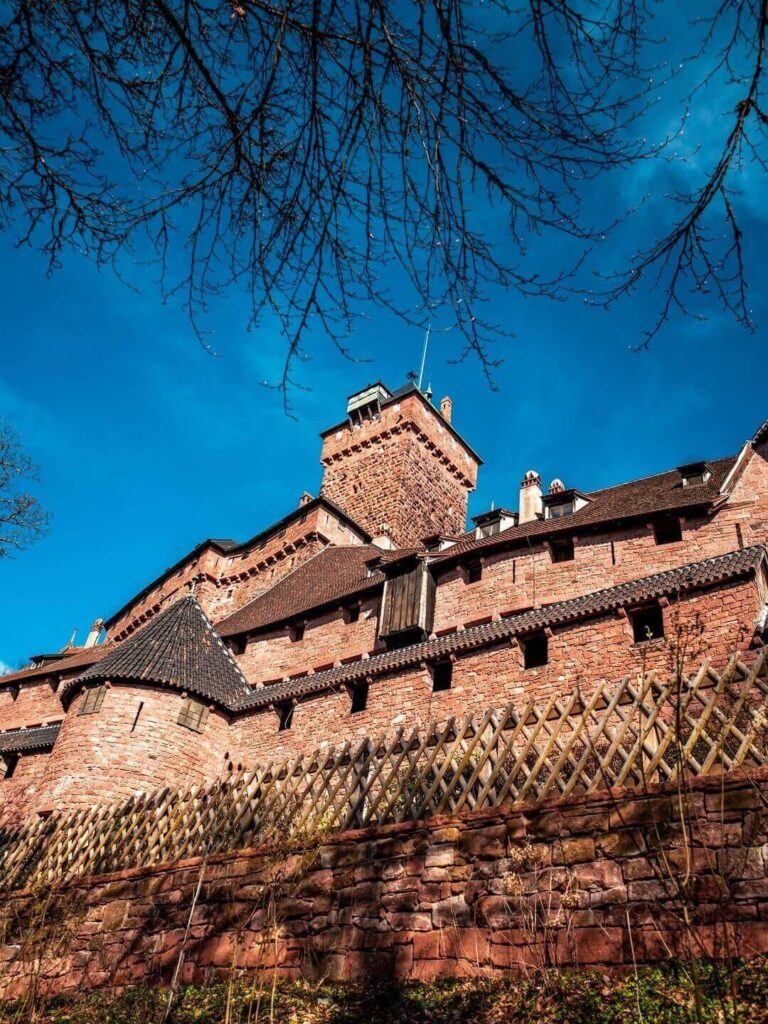
The cooler temperatures also make walking through the castle much more comfortable compared to the hotter summer months. In many ways, fall offers a really nice balance between scenery, manageable crowds, and pleasant weather.
For photographers, this is probably one of the best times of year to visit.
Winter
Winter visits feel quieter and much more atmospheric. On foggy days, the castle can almost disappear into the clouds, which makes the fortress feel incredibly dramatic and cinematic.
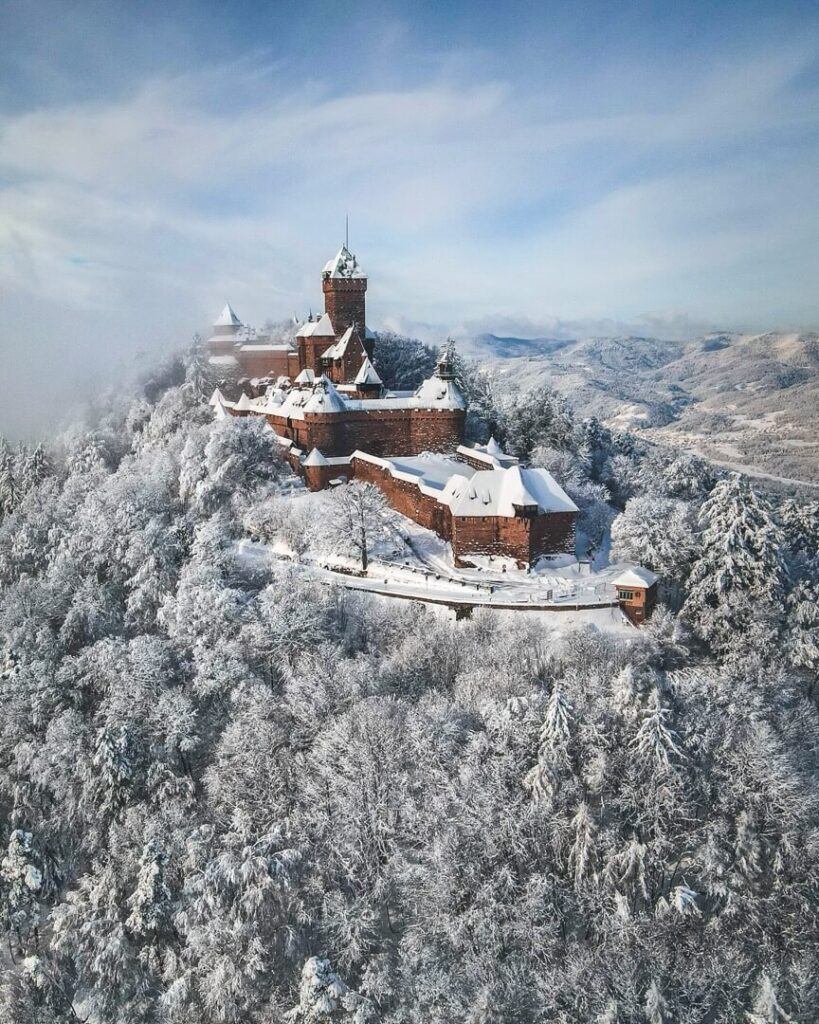
Snow occasionally transforms the entire setting into something that feels almost unreal, especially with the dark stone walls rising above the forests. At the same time, winter weather can reduce visibility from viewpoints, so there’s always some unpredictability.
The colder temperatures and shorter daylight hours are the main drawbacks, but if you prefer fewer crowds and a more moody atmosphere, winter can actually be a very rewarding time to visit.
Tickets, Prices, and Opening Hours
Ticket Prices
Ticket prices at Château du Haut Kœnigsbourg are generally reasonable compared to many major attractions in France, especially considering how much of the fortress visitors can actually explore.
Reduced admission is usually available for children, students, families, and groups, and there are sometimes special rates depending on exhibitions or seasonal events. Because prices can occasionally change, it’s always worth checking the official website before visiting.
Opening Hours
The castle is open for most of the year, although opening times vary depending on the season. Summer usually has longer visiting hours, while winter schedules tend to be shorter because of daylight conditions.
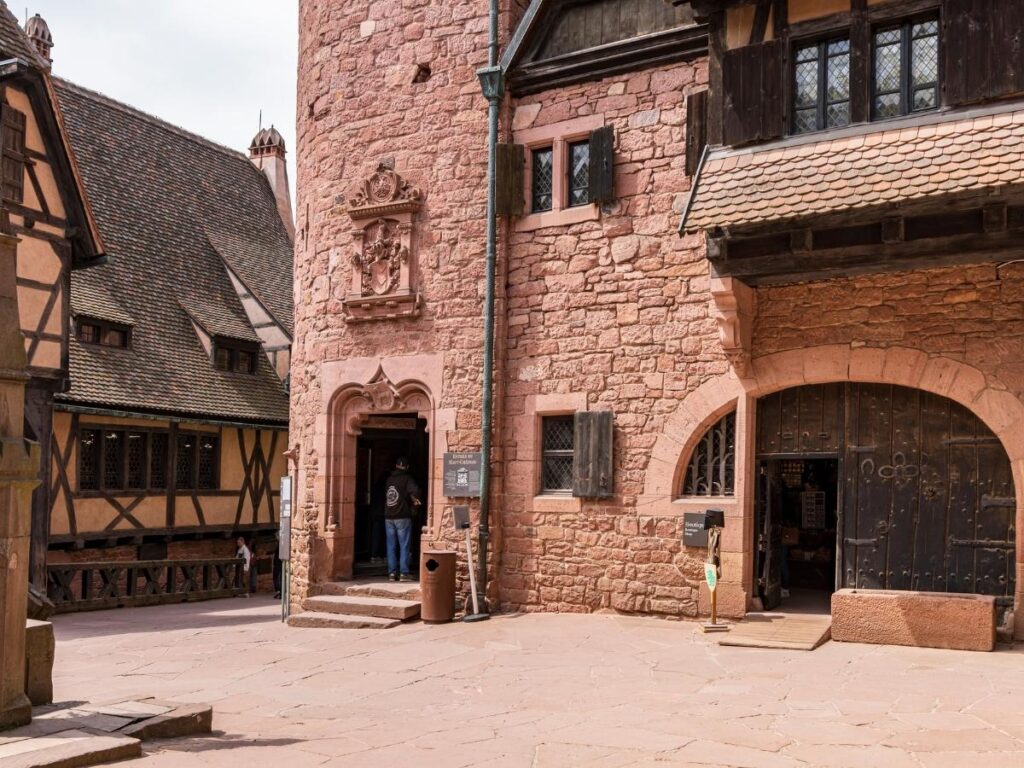
It’s also important to remember that weather in the mountains can occasionally affect conditions around the site, especially during winter. Checking current opening information before your visit is always a good idea.
How Long Do You Need at Château du Haut Kœnigsbourg?
If you move quickly, it’s possible to see the major highlights of the castle in around 1 to 2 hours. That’s usually enough time to walk through the main courtyards, climb some of the towers, explore the furnished halls, and enjoy the panoramic viewpoints.
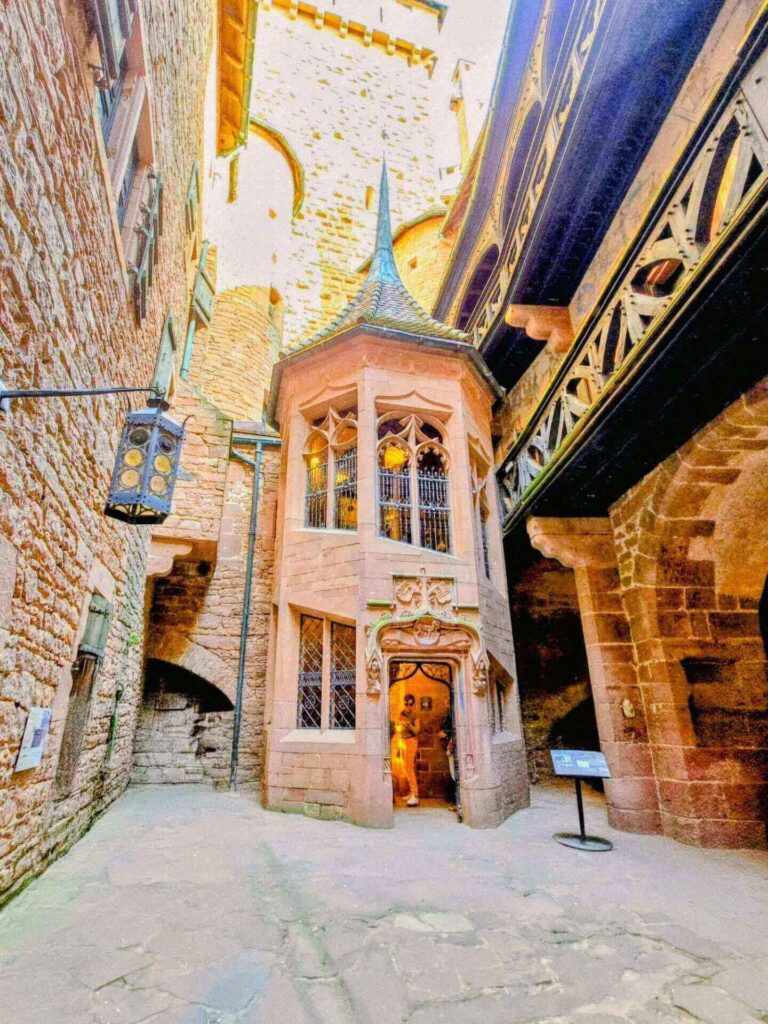
That said, the castle feels much more rewarding when you don’t rush through it. A half day visit gives you time to slow down, notice smaller architectural details, read some of the historical displays, and enjoy the atmosphere properly without constantly checking the clock.
The fortress is larger and more layered than many people expect, so most visitors end up spending longer there than originally planned.
Accessibility Information
Because Haut Kœnigsbourg is a historic mountain fortress, accessibility can be challenging in some areas. Visitors should expect uneven stone floors, steep staircases, narrow passages, and significant elevation changes throughout the site.
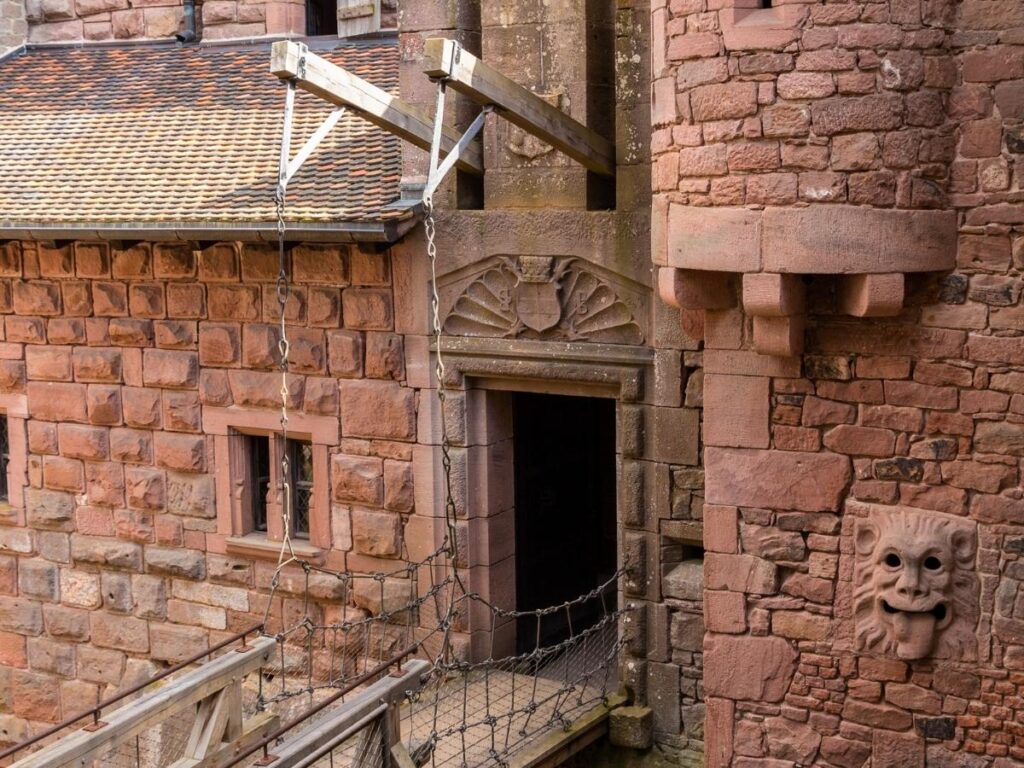
Some sections are accessible, but many parts of the castle were never designed for modern mobility needs, so exploring the entire fortress may be difficult for visitors with limited mobility.
Even visitors without mobility issues should wear comfortable shoes with good grip, especially during wet weather when stone surfaces can become slippery.
Photography Tips
One of the best things about Château du Haut Kœnigsbourg is how photogenic it is from almost every angle. Some of the most impressive photos are actually taken before entering the fortress, where exterior viewpoints reveal the castle rising above the forests and mountain ridge.
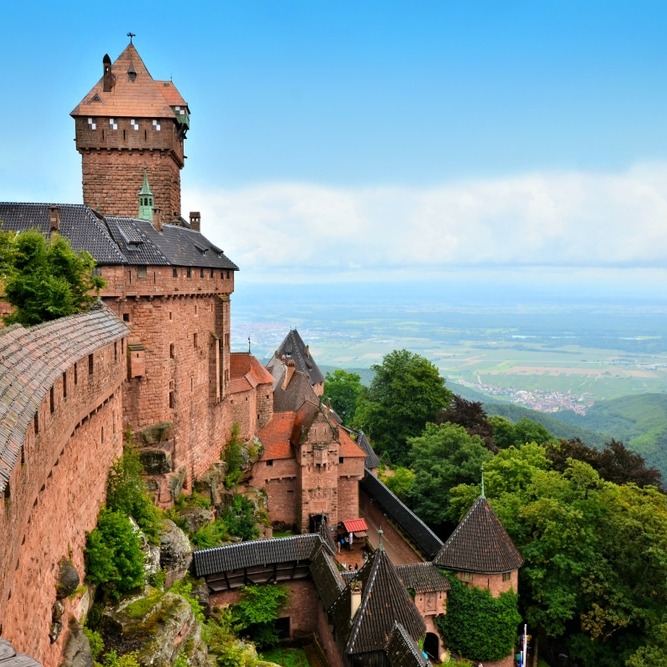
Inside the castle, the upper ramparts and panoramic terraces offer the widest views across the Alsace plain, while the courtyards create excellent opportunities for more atmospheric architectural shots.
Morning is usually the best time for photography because the lighting is softer and the crowds are smaller. Fall and winter often create especially dramatic conditions with mist, fog, and colorful forests surrounding the fortress.
Food, Picnic Areas, and Facilities
There are food facilities near the castle where visitors can buy drinks, snacks, and simple meals during their visit. However, many travelers prefer having lunch afterward in one of the nearby Alsace villages, where the local restaurants and wine culture are part of the experience.
During good weather, picnics can also be a great option because the surrounding mountain scenery is so beautiful. Just remember that conditions at higher elevations can change fairly quickly, especially outside summer, so bringing an extra layer is often a good idea even if the weather seems warm earlier in the day.
My Experience Visiting Château du Haut Kœnigsbourg
What surprised me most about visiting Château du Haut Kœnigsbourg was how immersive the fortress felt once I was actually inside. Before visiting, I expected beautiful views and some interesting history, but I assumed the experience itself would be fairly quick. Instead, the castle ended up feeling much more atmospheric and memorable than I expected.
The views absolutely lived up to the reputation. Standing on the ramparts overlooking the Rhine Valley, forests, vineyards, and distant mountains gives you a real sense of why this location was so strategically important for centuries. On clear days, the visibility stretches incredibly far, and the scenery alone makes the visit worthwhile.
What stayed with me even more, though, was the atmosphere inside the fortress itself. Unlike some castles that feel more like museums, Haut Kœnigsbourg feels surprisingly physical and immersive. The narrow staircases, stone corridors, wooden galleries, and layered courtyards make the fortress feel almost maze like in places.
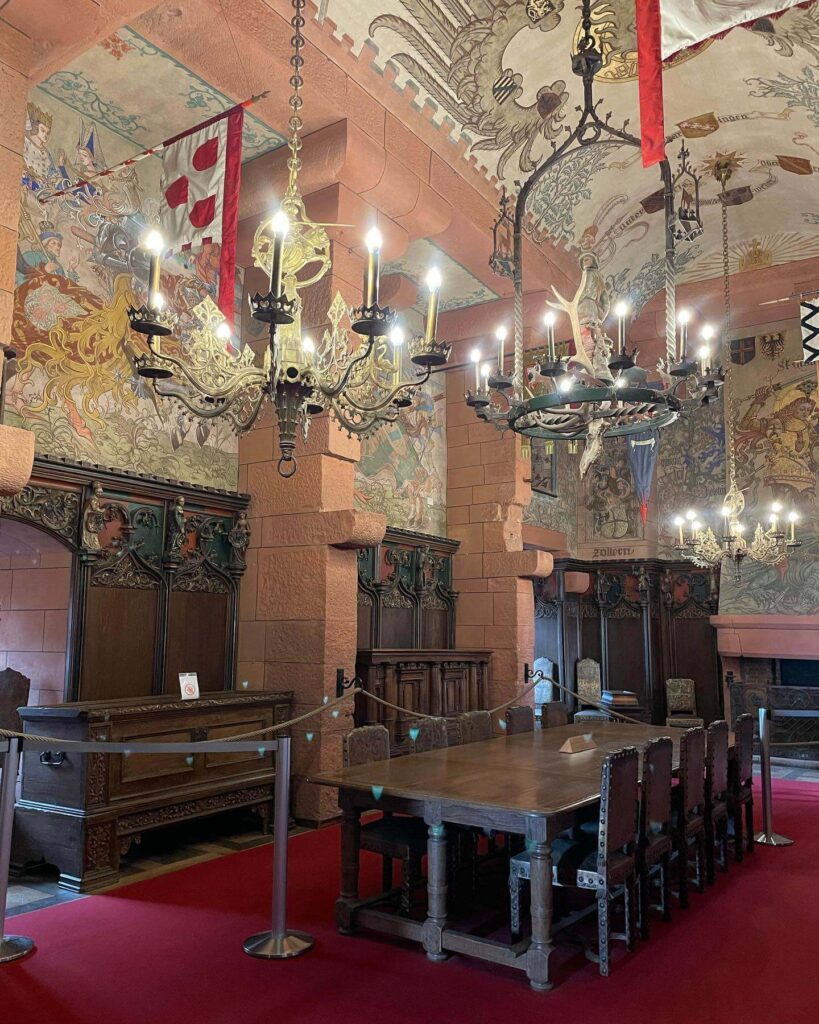
I also liked that the castle never felt overly polished despite the restoration work. Even knowing parts were reconstructed in the early 1900s, the atmosphere still feels authentic rather than artificial. The military design of the fortress is visible everywhere, from the defensive gates to the elevated watchpoints overlooking the valley below.
One thing I’d definitely recommend is slowing down and exploring carefully instead of rushing through. Some of the best moments come from noticing the smaller details — the textures of the stone walls, hidden viewpoints between towers, and the way different parts of the fortress connect together.
Suggested Itineraries
Half Day Castle Visit
If you’re staying somewhere nearby in Alsace, Haut Kœnigsbourg works perfectly as a relaxed half day trip. Arriving early in the morning usually makes the experience much more enjoyable because the parking situation is easier and the castle feels quieter before larger tour groups arrive.
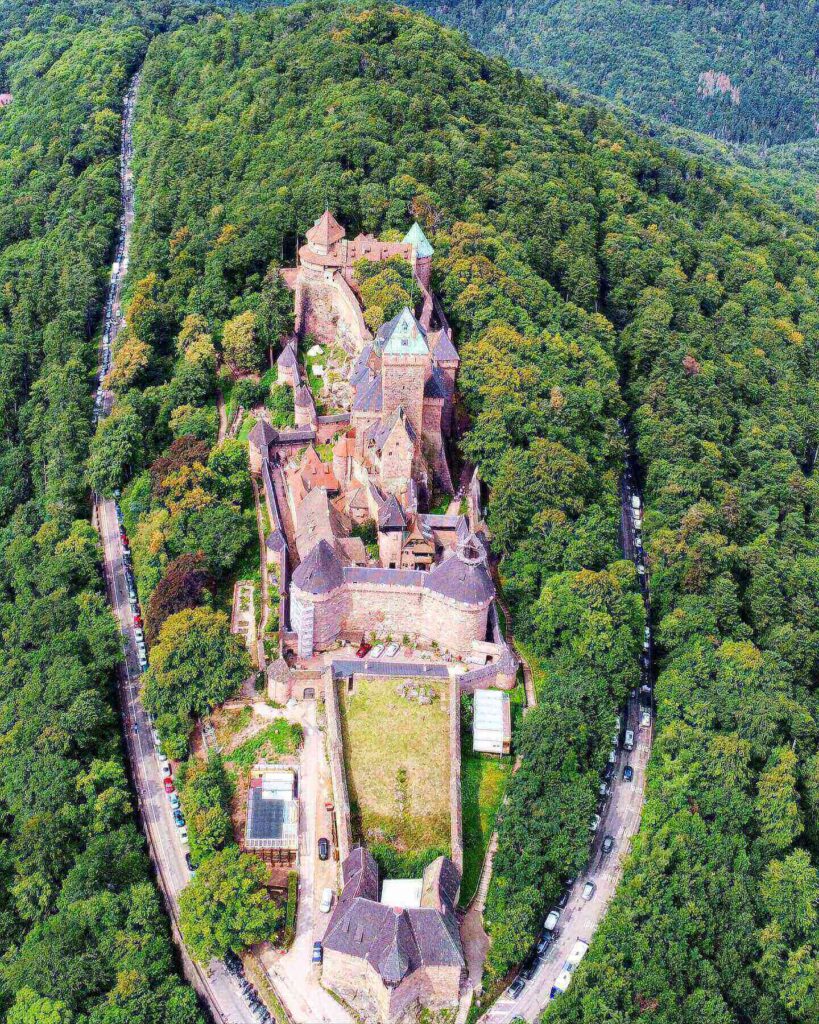
A good half day visit usually includes enough time to fully explore the fortress, climb the ramparts, stop at the viewpoints, and wander through the furnished halls without feeling rushed. Afterward, many visitors continue toward one of the nearby Alsace wine villages for lunch.
This kind of slower itinerary works especially well because the region around the castle is just as enjoyable as the fortress itself.
Full Alsace Day Trip
One of the best ways to visit Château du Haut Kœnigsbourg is as part of a full day road trip through Alsace.
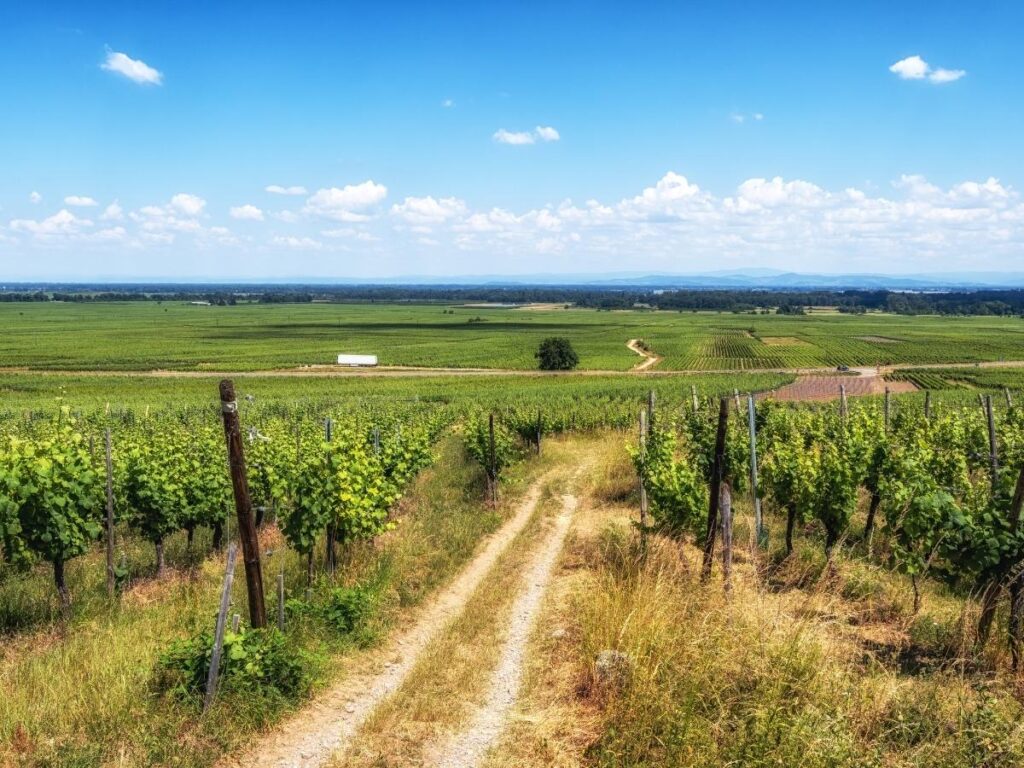
Many travelers combine the castle with villages like Riquewihr or Colmar, along with vineyard stops and scenic drives through the countryside. Because the distances between attractions are fairly short, it’s easy to experience several places in a single day without spending too much time driving.
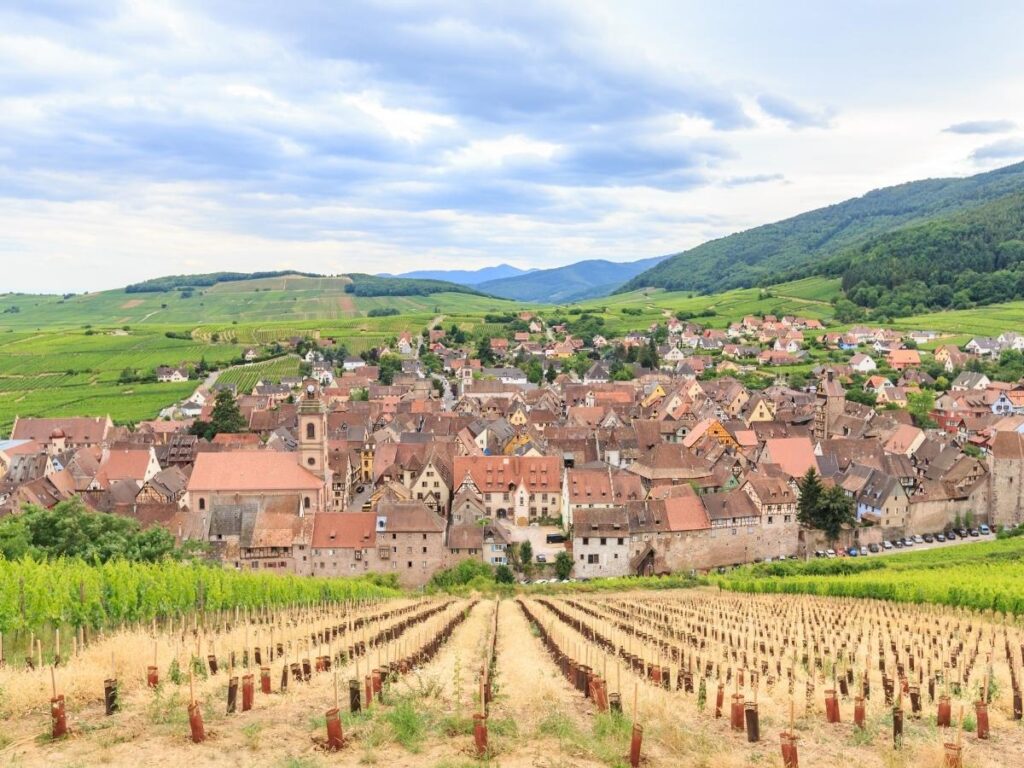
This combination works particularly well because the castle adds dramatic mountain scenery and medieval history, while the villages offer a completely different atmosphere with colorful streets, local food, and wine culture.
Final Thoughts
Château du Haut Kœnigsbourg feels like one of those rare places that fully delivers on the image people imagine before visiting Europe.
The dramatic hilltop setting, panoramic mountain views, fortified walls, towers, and immersive interiors all come together to create an experience that feels much more engaging than simply visiting another historic monument. Instead of just looking at history from a distance, the castle makes you feel surrounded by it.
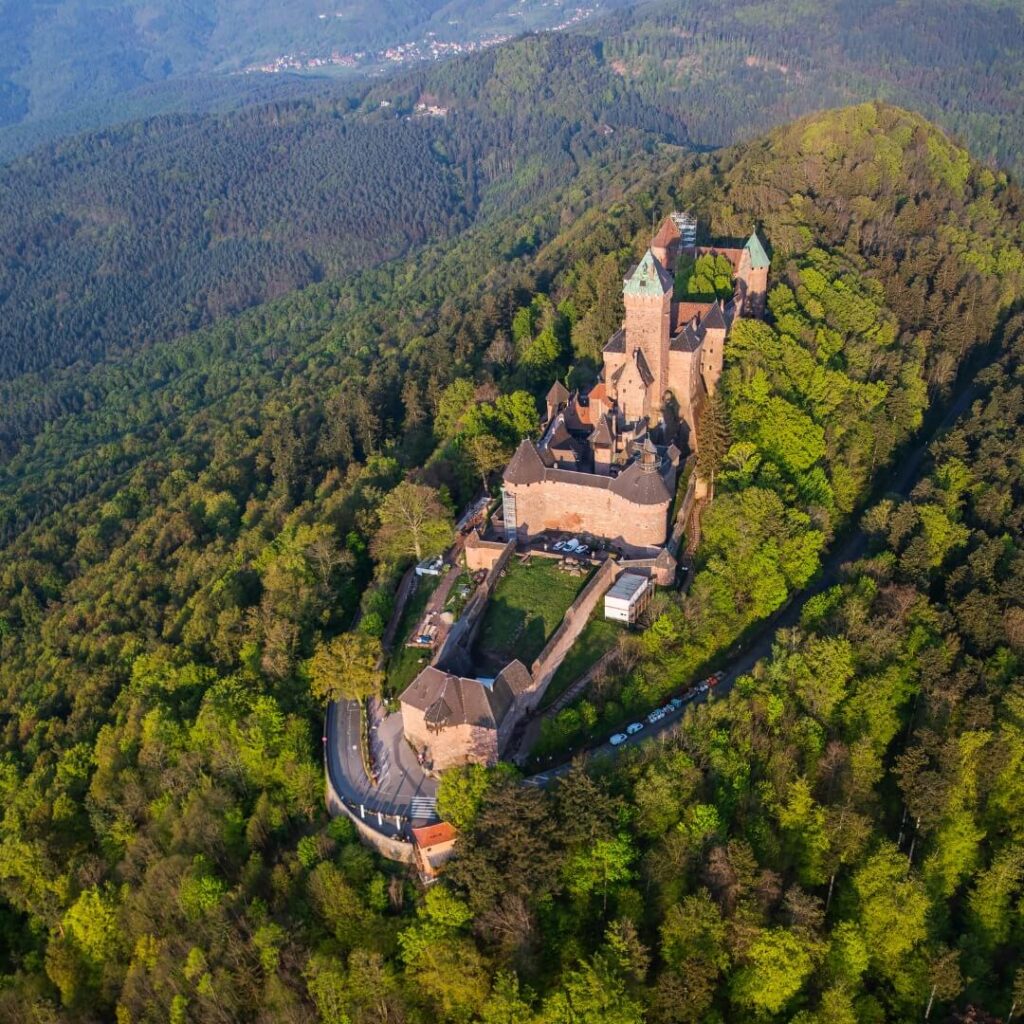
What makes Haut Kœnigsbourg especially memorable is the atmosphere. The elevated location above the forests of Alsace, the heavy stone architecture, and the layered defensive design all help the fortress feel distinct from many other castles in France.
Even for travelers who have already visited famous castles elsewhere in Europe, Haut Kœnigsbourg still manages to stand out because it feels rugged, dramatic, and surprisingly immersive. For anyone exploring Alsace, it’s easily one of the most rewarding and memorable places to visit in the region.