
Chinon didn’t feel like a place I needed to figure out right away. It wasn’t the kind of destination where you arrive with a packed list and start checking things off. It felt quieter than that, almost like the town was inviting you to slow down before you even realized it.
The first impression wasn’t dramatic, but it was comfortable. Everything seemed close, walkable, and easy to take in without much effort.
I remember arriving with a pretty loose plan. I thought I’d visit the fortress, walk through the old town, maybe stop for lunch, and then head off to the next place. That’s usually how I approach smaller towns. But Chinon didn’t really follow that rhythm.
I ended up moving much slower than I expected, without trying to. I stopped for a coffee and stayed longer than I planned. I took a few turns just to see where they would lead instead of following directions. At some point, I stopped thinking about what I “should” be doing and just let the day unfold on its own.
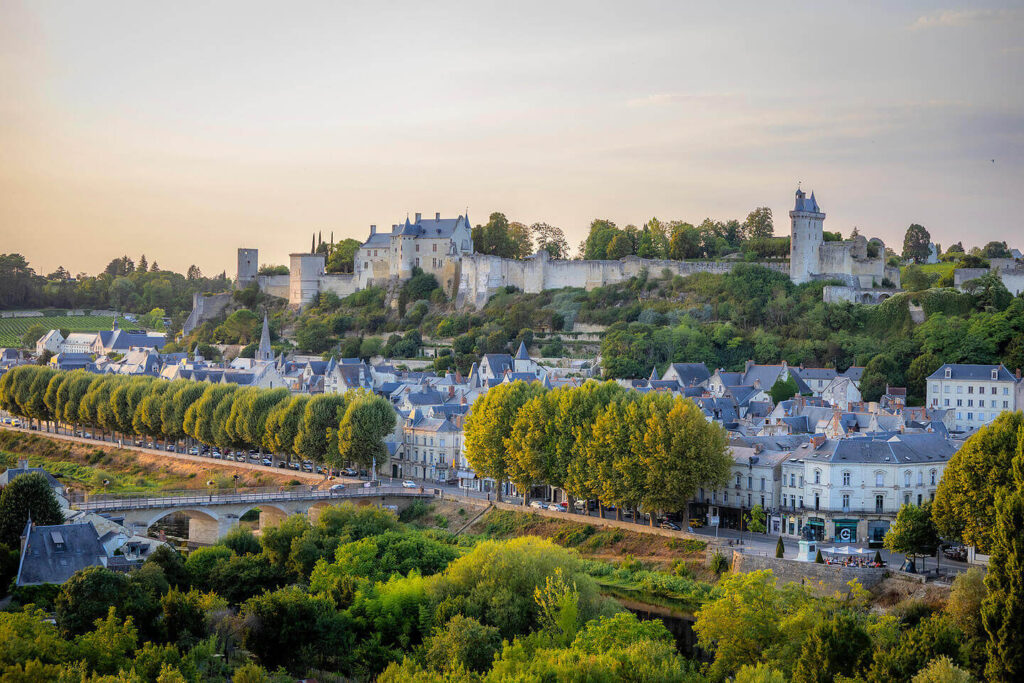
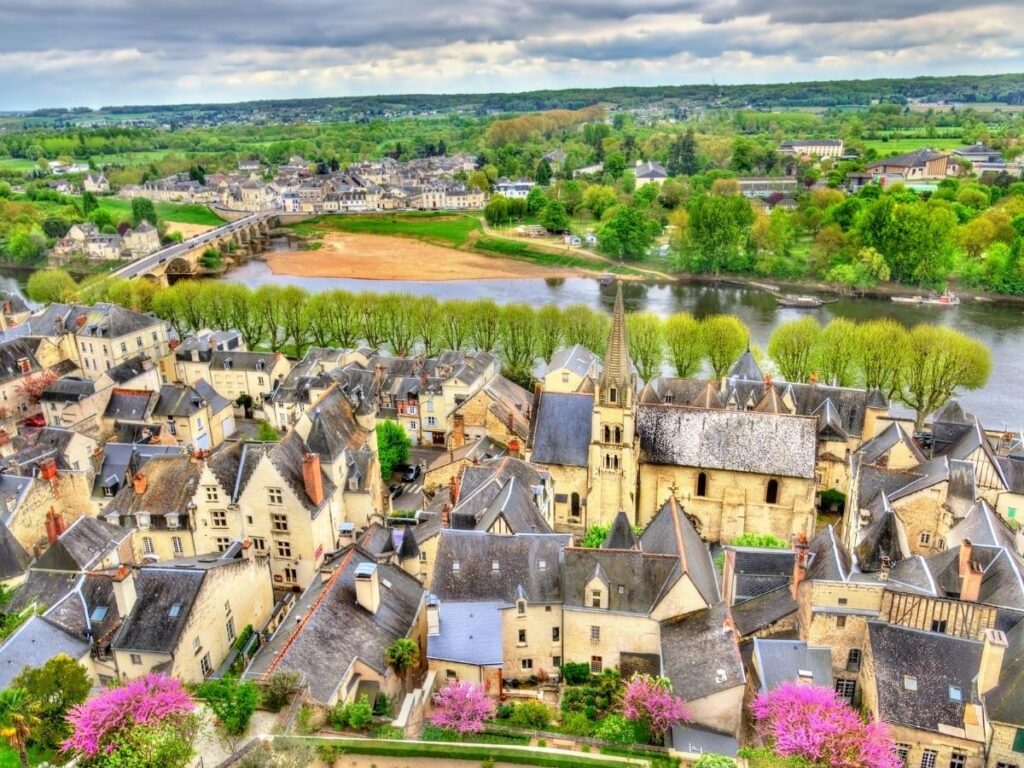
What stood out to me wasn’t a single highlight, but how everything connected. The fortress above the town, the narrow streets below, the river running alongside, it all felt like one continuous experience rather than separate stops.
Even the quieter moments, like sitting near the water or walking through an empty street, felt just as important as visiting the main sights.
If you’re planning a visit, I think it helps to approach Chinon with that mindset. You don’t need a long itinerary here, and trying to rush through everything can actually take away from what makes it enjoyable. In this guide, I’ll walk you through the best things to do in Chinon, but also how to experience them in a way that feels natural.
The goal isn’t to see everything, it’s to enjoy the time you spend there without feeling like you’re constantly moving on to the next thing.
Quick Overview of Chinon
Chinon is a small town in the Loire Valley, but it doesn’t feel like a place built around just one highlight. It’s known for its medieval setting, its red wines, and its connection to Joan of Arc, but none of those things exist on their own here. They all blend into the experience in a way that feels very natural.
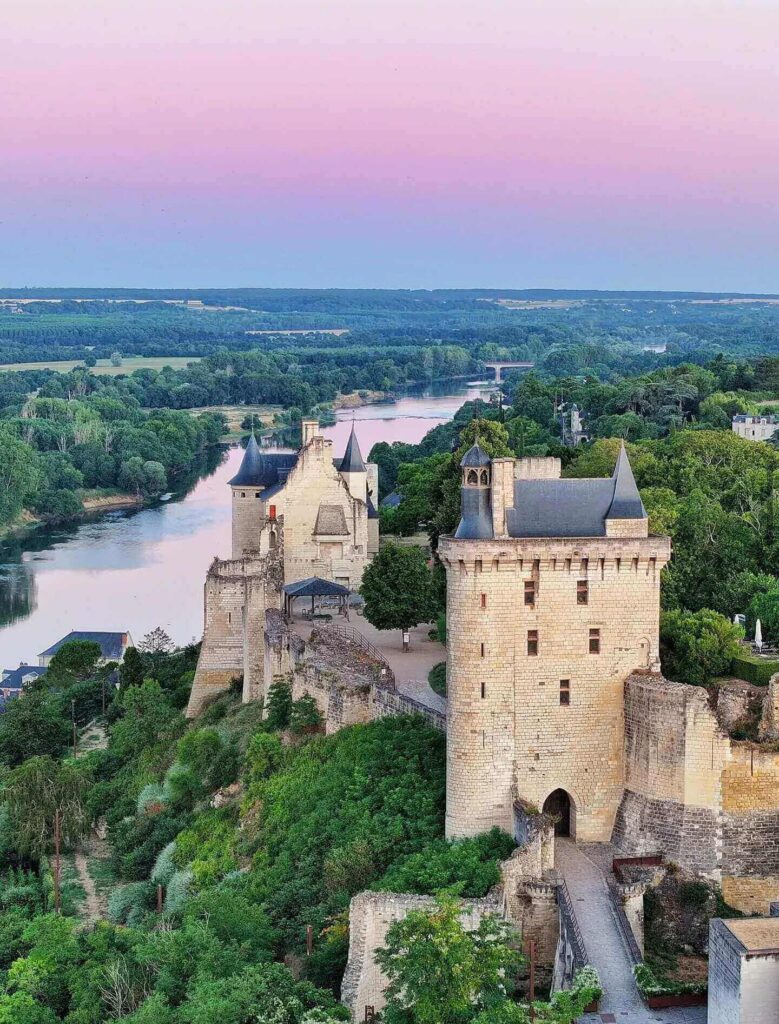
What I noticed pretty quickly is how the town is shaped by its surroundings. The fortress stretches along the hill above, almost always in view no matter where you are. Below it, the old town runs alongside the Vienne River, with narrow streets, small squares, and buildings that feel like they’ve been there for a long time without trying to impress anyone.
And then just beyond that, the landscape opens up into vineyards, which are just as much a part of Chinon as the town itself.
It’s the combination of all this that makes Chinon work. You’re not moving from one major attraction to another. Instead, everything feels connected, so your day flows more easily.
You might start at the fortress, wander down into the old town without really planning it, stop somewhere for lunch, and later find yourself in a wine cellar or walking along the river. It doesn’t feel structured, and that’s part of the appeal.
I think Chinon suits a certain kind of traveler more than others. If you like having a packed schedule with lots of big sights, it might feel a little too quiet.
But if you enjoy places where you can take your time, walk without a strict plan, and let the day unfold naturally, it fits really well. It’s also a good choice if you’re already exploring the Loire Valley and want a stop that feels a bit more relaxed compared to the more visited towns.
Getting Oriented in Chinon
Before getting into specific things to do, it really helps to have a rough idea of how Chinon is laid out. It’s not a big place, but understanding the shape of it makes everything feel much easier once you arrive.
The part you’ll naturally spend the most time in is the old town, which sits right along the Vienne River. This is where most of the cafés, restaurants, and small streets are, and it’s likely where you’ll start your day without even thinking about it.
The streets here are narrow and slightly winding, with a mix of quiet corners and a few livelier spots closer to the main squares. It’s very walkable, and you don’t really need directions most of the time. I found that just heading generally toward the river or back toward the center was enough to stay oriented.
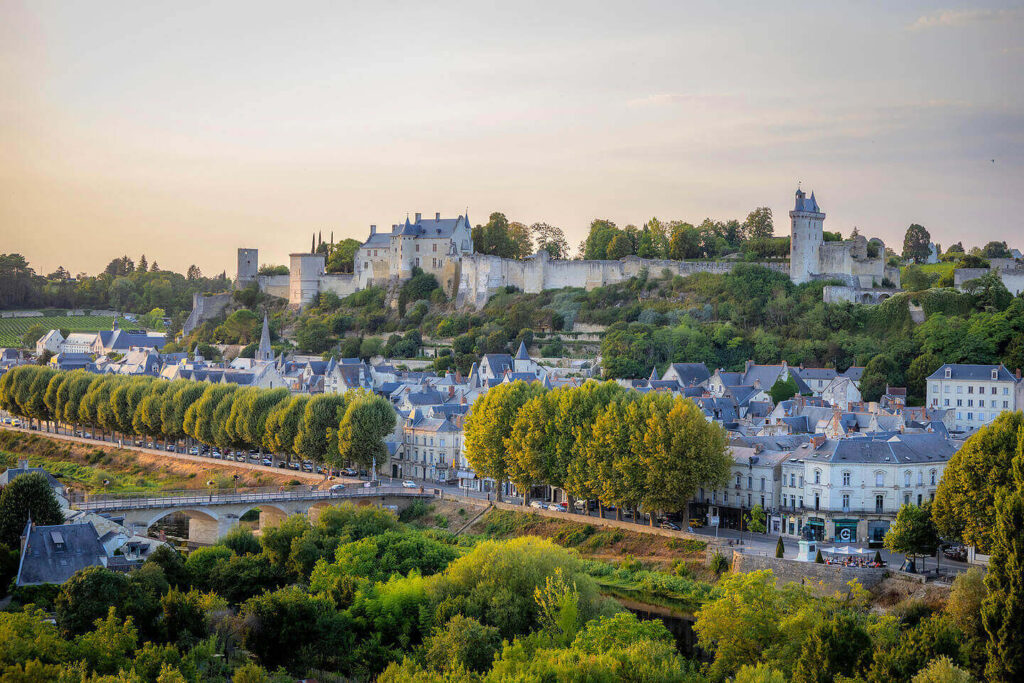
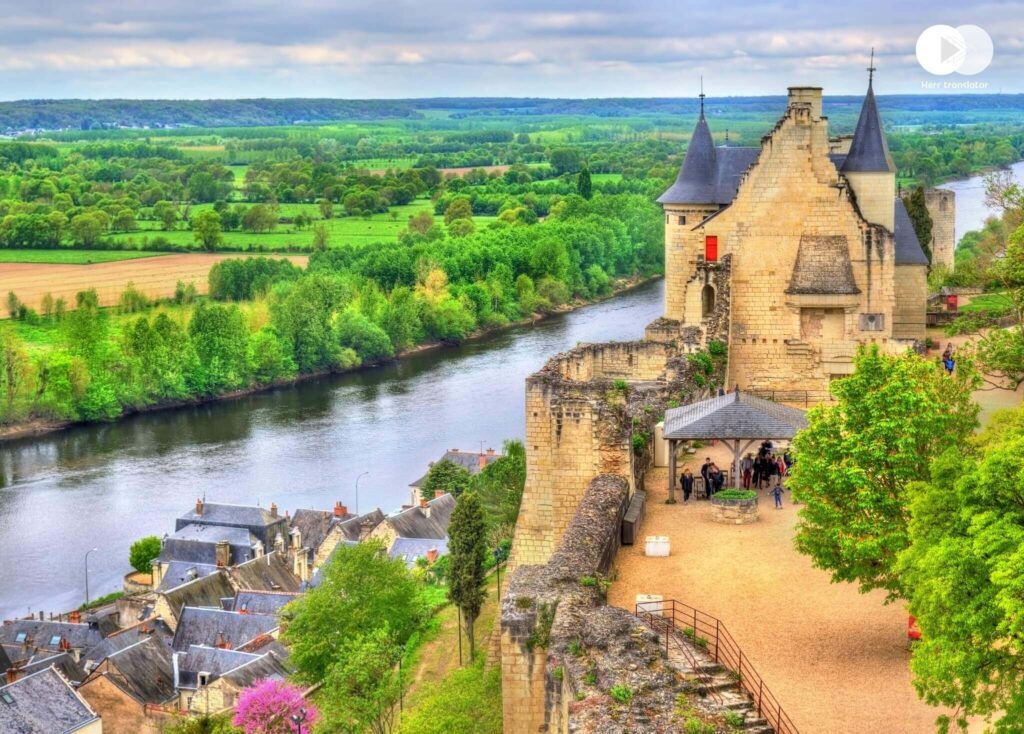
Above the old town, stretching along the ridge, is the fortress. You’ll see it almost constantly, which actually makes it a helpful reference point. If you ever feel a bit turned around, just looking up gives you a sense of where you are.
Getting up there involves a bit of a climb, depending on the route you take, but it’s not too difficult if you take it slowly. Once you’re there, you start to see how everything fits together, the river, the rooftops, and the surrounding countryside all in one view.
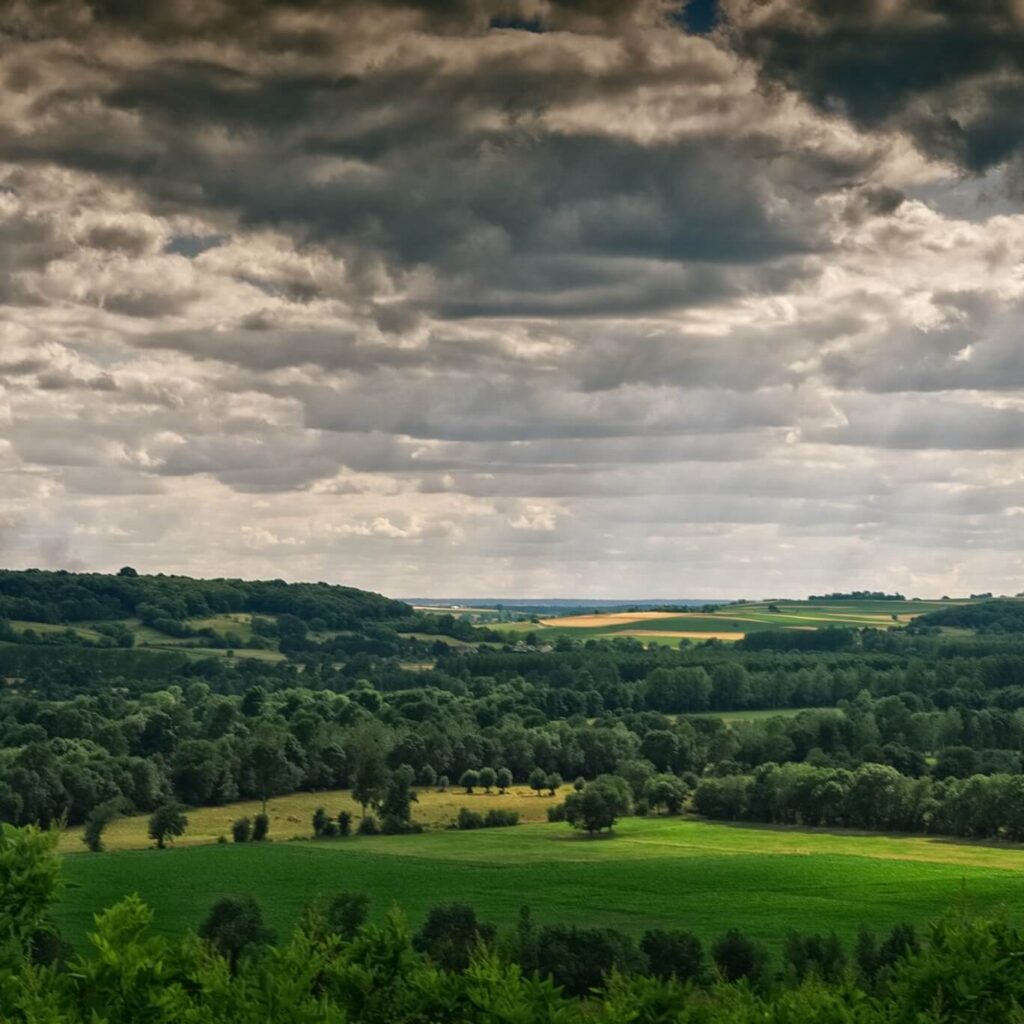
Then, just beyond the town itself, things open up into vineyards and quieter roads. You don’t have to go far at all to feel like you’ve left the town behind.
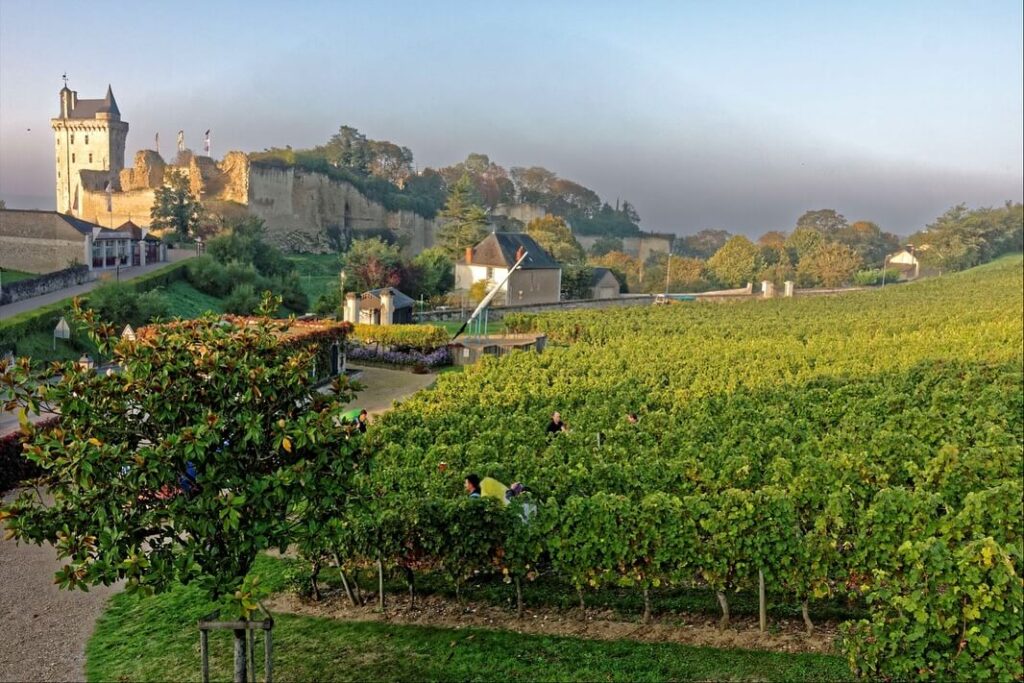
This is where wine tastings and cycling routes come into the picture, and it adds another layer to the experience if you have the time for it. Even a short walk or drive in that direction changes the atmosphere completely.
Once you understand these three parts, the old town below, the fortress above, and the vineyards around, Chinon starts to feel very simple to navigate. There’s no need to overplan routes or worry about getting around. You can just move between these areas naturally, and that’s really the best way to experience it.
Best Things to Do in Chinon
1. Visit Château de Chinon (Fortress Royal)
The fortress is hard to miss, it stretches along the ridge above the town and is almost always in your line of sight. It’s the kind of place you naturally end up at, even if you didn’t plan your visit too carefully.
What I found interesting is that it doesn’t feel like a single, compact castle. It’s more spread out, so walking through it feels like moving along a long piece of history rather than stepping in and out of rooms. There are open sections, towers, and pathways that gradually reveal different views as you go. You don’t need to rush through it. In fact, it’s better if you don’t.
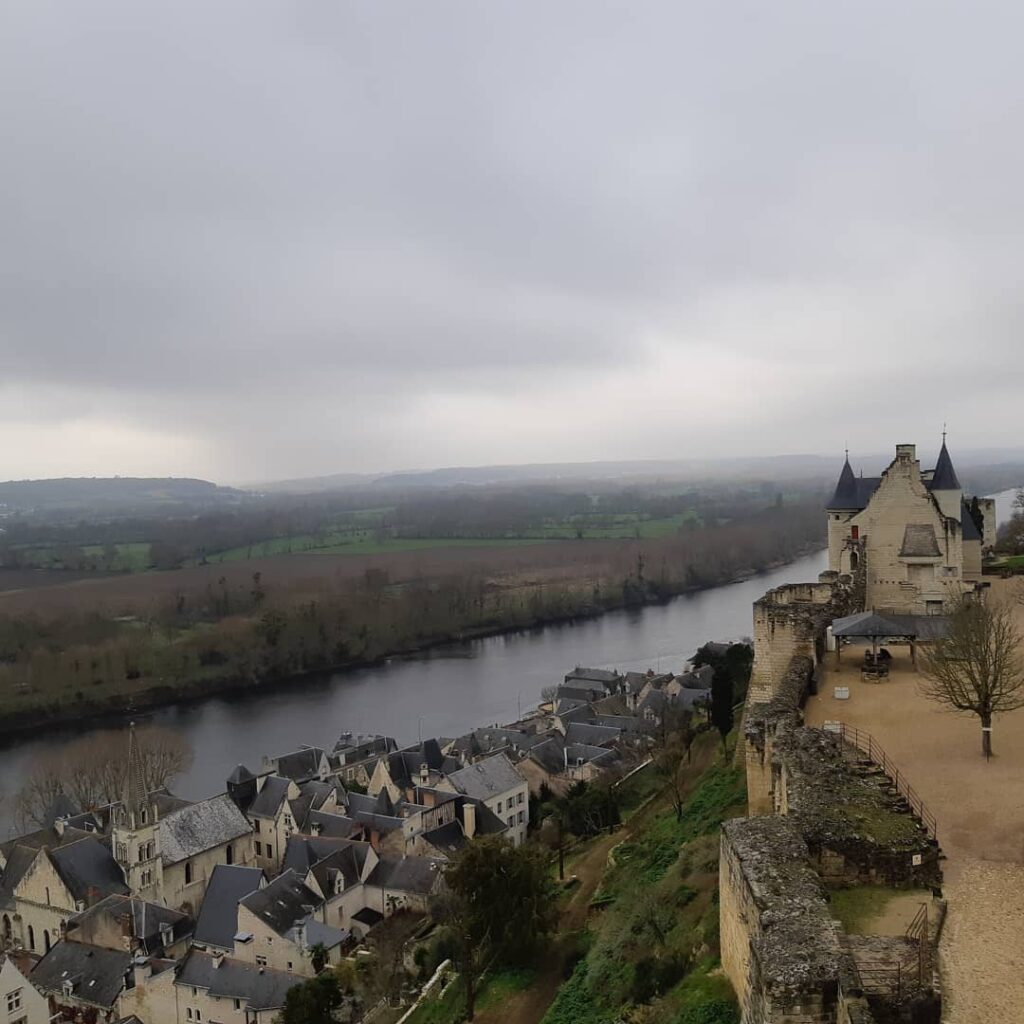
The views over the Vienne River and the town below are what stayed with me the most. From up there, you can see how everything fits together, the rooftops, the streets, and the river curving alongside. It gives you a clearer sense of the place than anything else.
There’s also the historical side, especially the connection to Joan of Arc meeting Charles VII here. You’ll come across displays explaining it, but it never feels overwhelming or overly detailed. Even if you don’t focus too much on that part, the setting itself makes the visit worthwhile.
If you can, try to go earlier in the day or closer to the evening. It feels quieter, and you’re less likely to feel like you need to move along quickly.
2. Walk Through the Old Town Streets
If there’s one thing I’d tell you not to overplan, it’s this part.
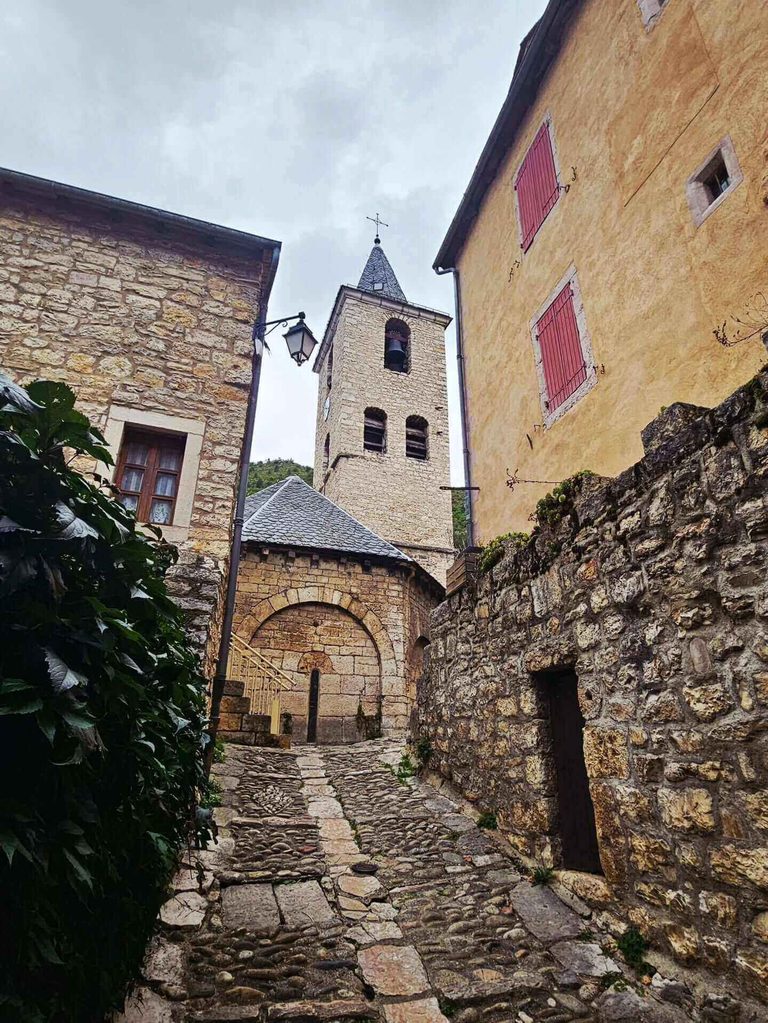
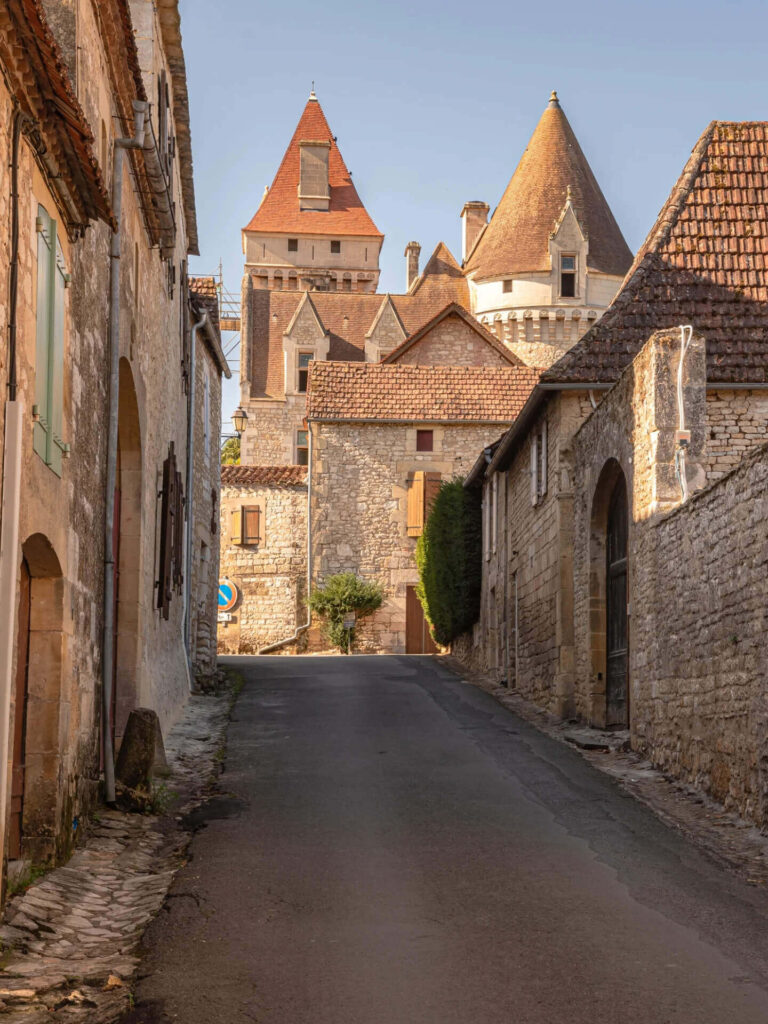
The old town isn’t about finding specific landmarks or following a route. It’s more about how it feels to move through it. The streets are narrow and slightly uneven, with old stone buildings, small storefronts, and quiet corners that don’t always lead anywhere in particular.
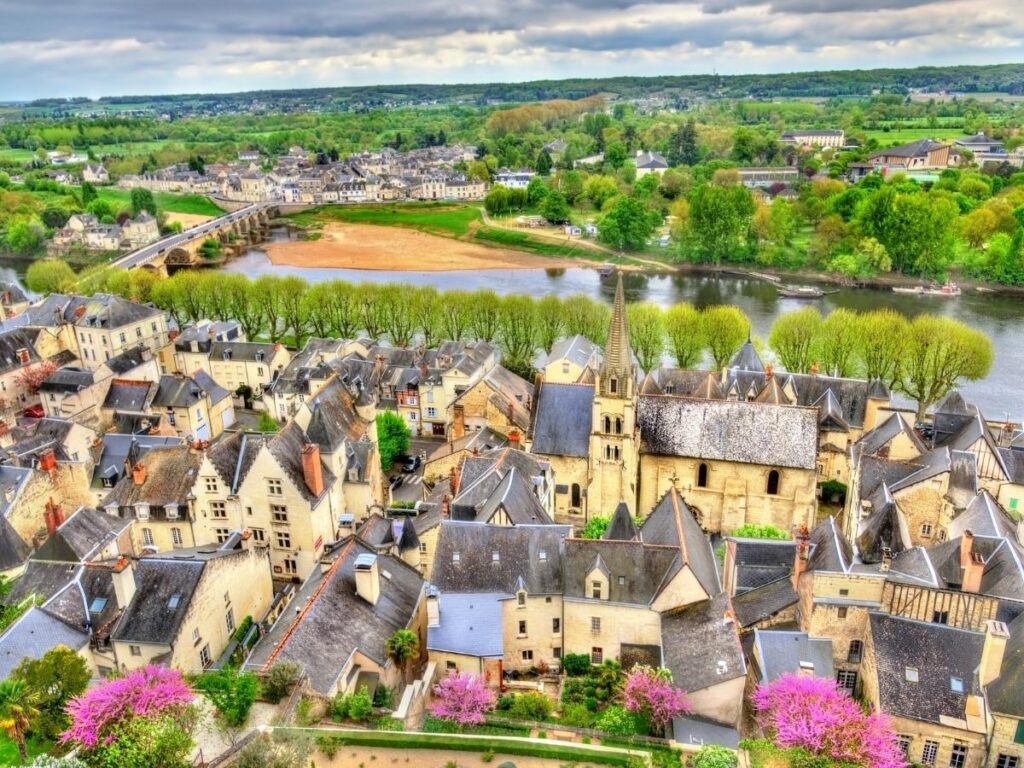
I started out trying to follow a rough path, but that didn’t last long. After a while, it felt easier to just walk and see where I ended up. Some streets are almost empty, while others have a few cafés or small shops, but nothing feels crowded or overwhelming.
This is where Chinon feels most like itself. Not because there’s something major to see at every turn, but because the atmosphere is consistent. It’s calm, a little unstructured, and easy to enjoy without thinking too much about what comes next.
3. Go Wine Tasting in Local Caves
Wine is a big part of Chinon, but the way you experience it here feels quite relaxed.
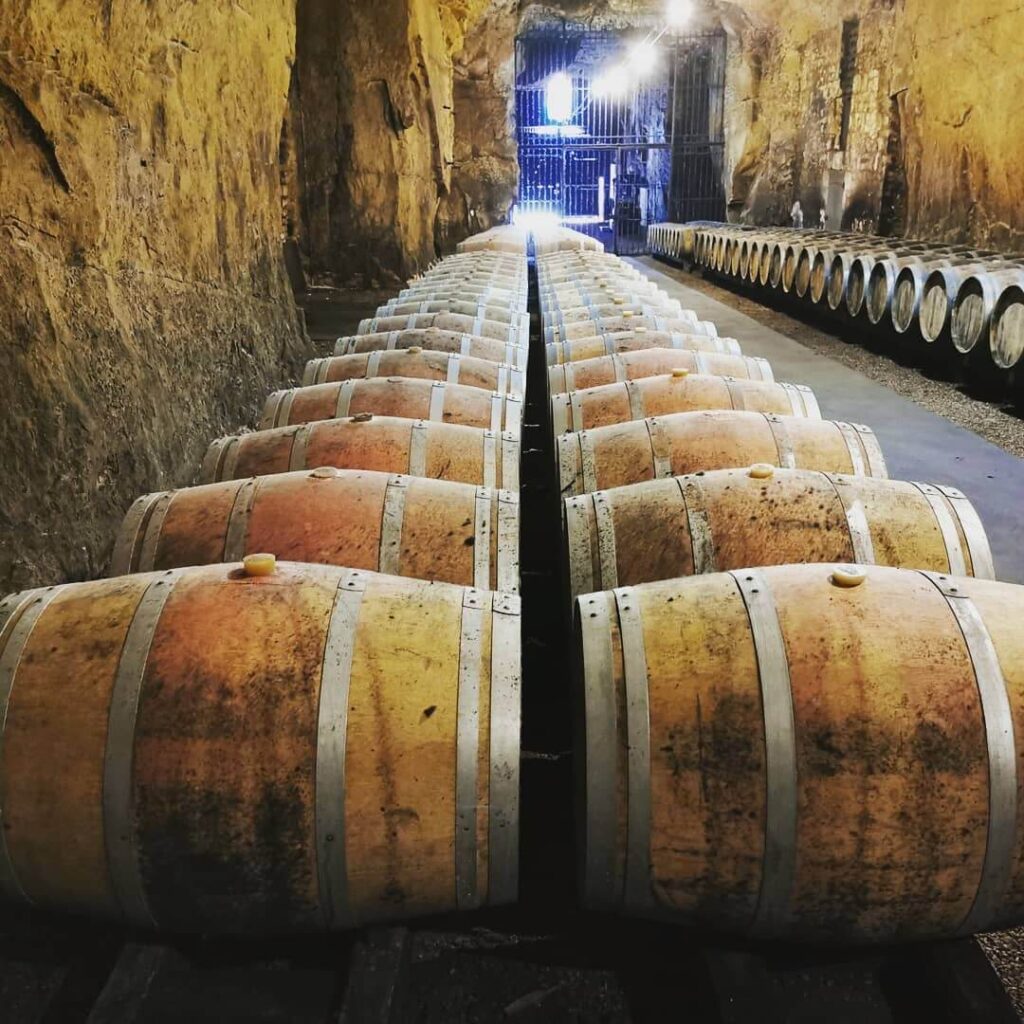
A lot of the wine tastings happen in caves carved into the rock, which gives them a completely different setting compared to a typical tasting room. When you step inside, the temperature drops slightly, and everything feels quieter and more contained. It’s not dramatic, just a different kind of space that you don’t come across everywhere.
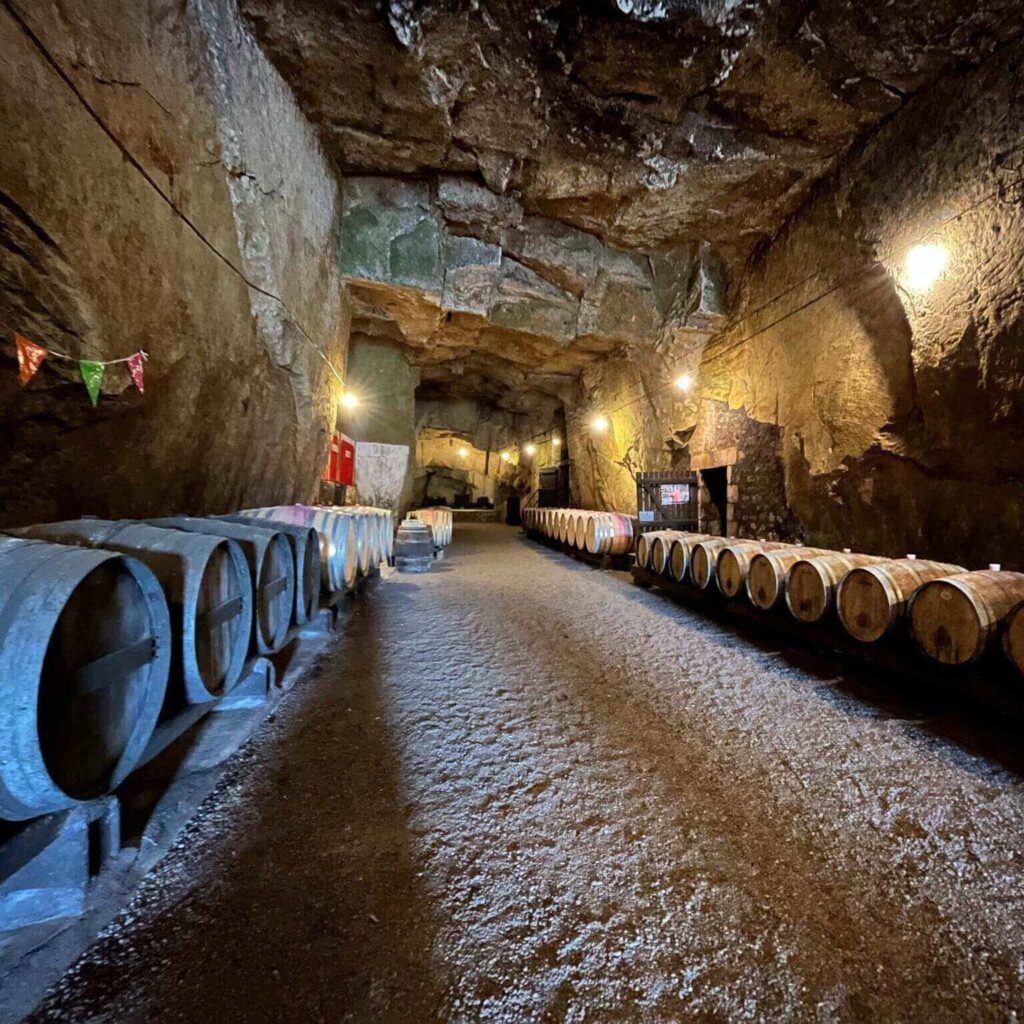
What I liked most was how informal it felt. You don’t necessarily need a reservation for every place. In some cases, you can just walk in, try a few wines, and have a conversation with the person hosting. There’s no pressure to understand everything or to follow a structured tasting format.
Even if you’re not deeply into wine, it’s still worth doing at least once. It adds another layer to the experience of being in Chinon, especially since the vineyards are right there around you.
4. Stroll Along the Vienne River
At some point during the day, it’s worth heading toward the river and slowing things down a bit.
The path along the Vienne is simple, nothing complicated or overly designed, but that’s part of why it works. From here, you get one of the best views of the fortress rising above the town, and it’s a completely different perspective compared to being inside the streets.
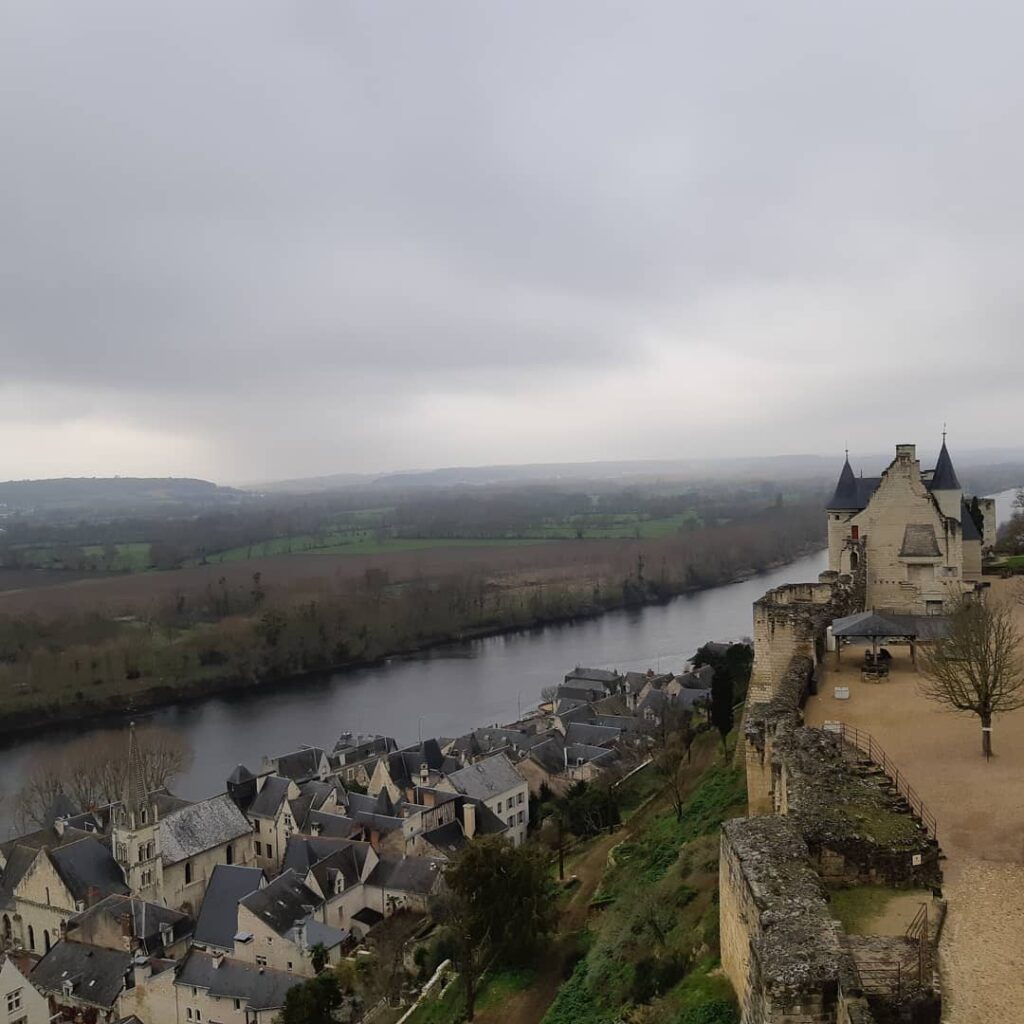
I found this to be a good place to pause rather than “do” something. You can walk for a while, sit for a bit, or just take in the view without feeling like you need to move on quickly.
It’s especially nice later in the day. The light changes, things get quieter, and the whole area feels more relaxed. I didn’t expect to spend much time here, but it ended up being one of those parts of the day that naturally stretched longer.
5. Explore the Joan of Arc Connection
Chinon has a strong historical link to Joan of Arc, but it’s not presented in a way that feels heavy or overly academic.
The main moment tied to the town is her meeting with Charles VII at the fortress, and you’ll come across references to this as you explore. There are signs and small exhibits that explain what happened, but they’re easy to take in without needing to spend a lot of time reading.
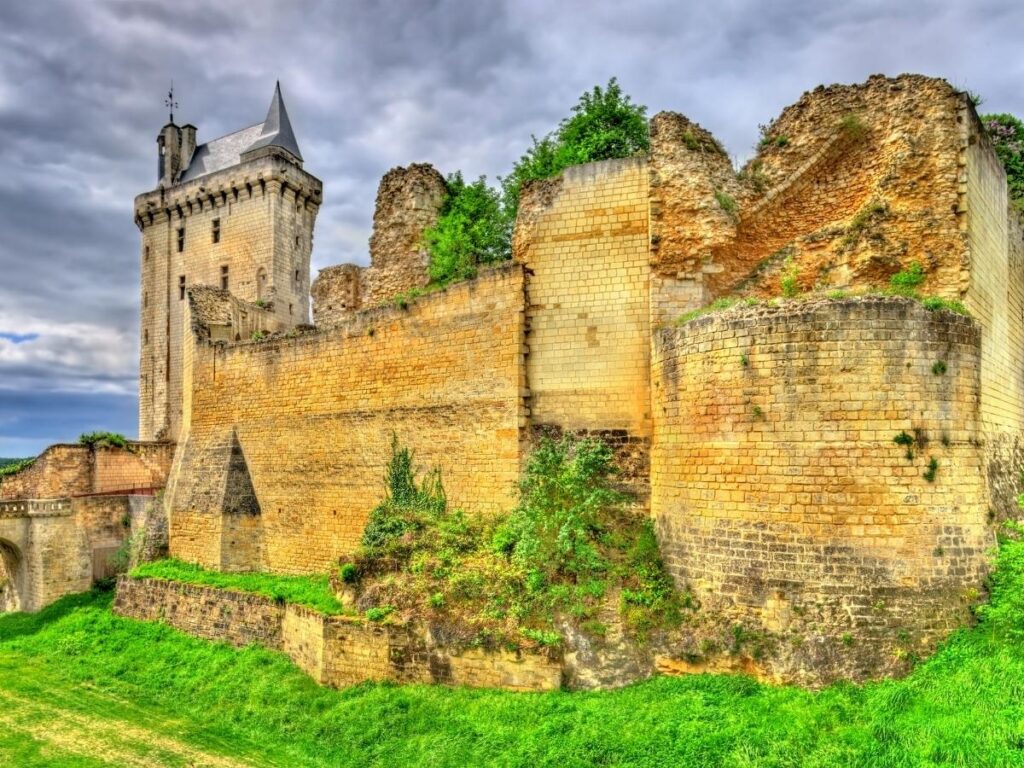
What I appreciated is that it adds context without taking over the experience. You become aware of the history as you move through the space, rather than having to stop and focus on it completely.
Even if history isn’t your main reason for visiting, it still gives you a better sense of why Chinon matters beyond just how it looks.
6. Visit a Local Market
If your visit happens to line up with a market day, it’s worth adjusting your schedule a little.

The markets here feel local rather than set up for visitors. You’ll find fresh produce, bread, cheeses, and everyday items, along with people going about their usual routines. It’s not something you rush through. You walk around, look at what’s there, maybe pick up a few things, and just take it in.
It’s a different kind of experience compared to the main sights. Less about seeing something specific, more about getting a sense of daily life in the town.
7. Take a Bike Ride Through the Vineyards
Just outside Chinon, the landscape opens up quite quickly. Within a short distance, you’re surrounded by vineyards and quieter roads, which makes cycling a good option if you want to see a bit more of the area.
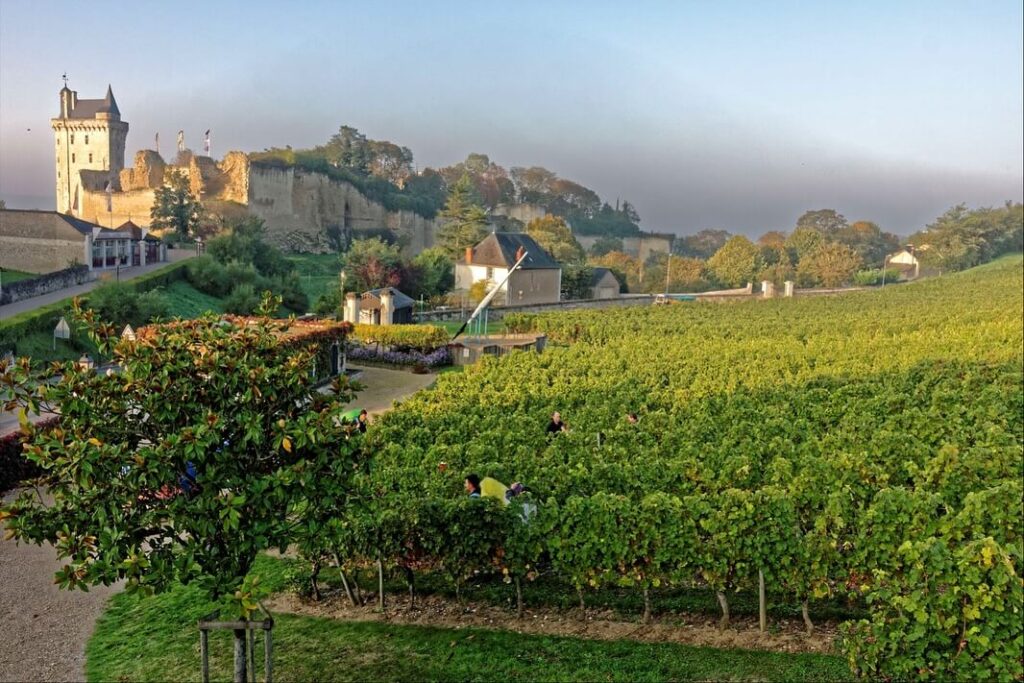
You don’t need to plan anything too ambitious. Even a short ride is enough to change the pace of your day. The roads are generally calm, and the scenery is easy to take in without feeling rushed.
It’s a nice way to step away from the town for a while, especially if you’ve already spent time walking through the center.
8. Visit Nearby Villages and Sites
If you have extra time, Chinon works well as a base for exploring nearby places.
There are a few smaller villages and historical sites within a short distance, and each one offers something slightly different. Some are quieter and more scenic, while others have larger landmarks like abbeys or châteaux.
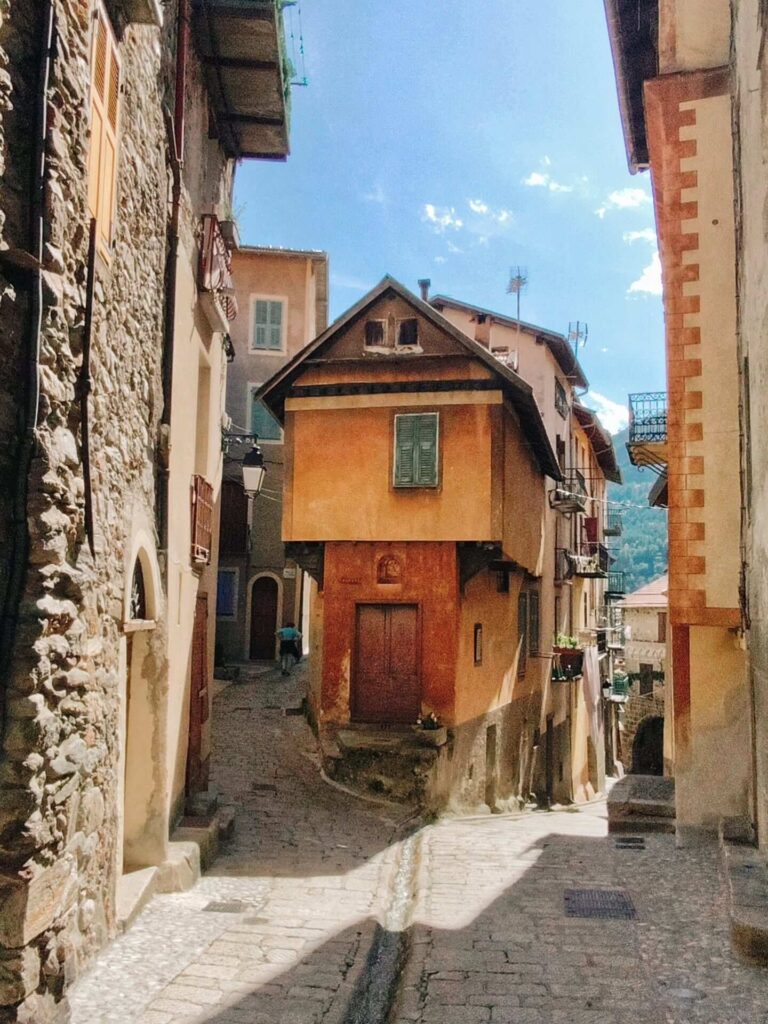
You don’t need to visit many of them. Even one short trip outside Chinon can add some variety to your itinerary without making the day feel too busy.
9. See Troglodyte Dwellings
One of the more unusual features of this region is the presence of troglodyte dwellings, spaces carved directly into the rock.
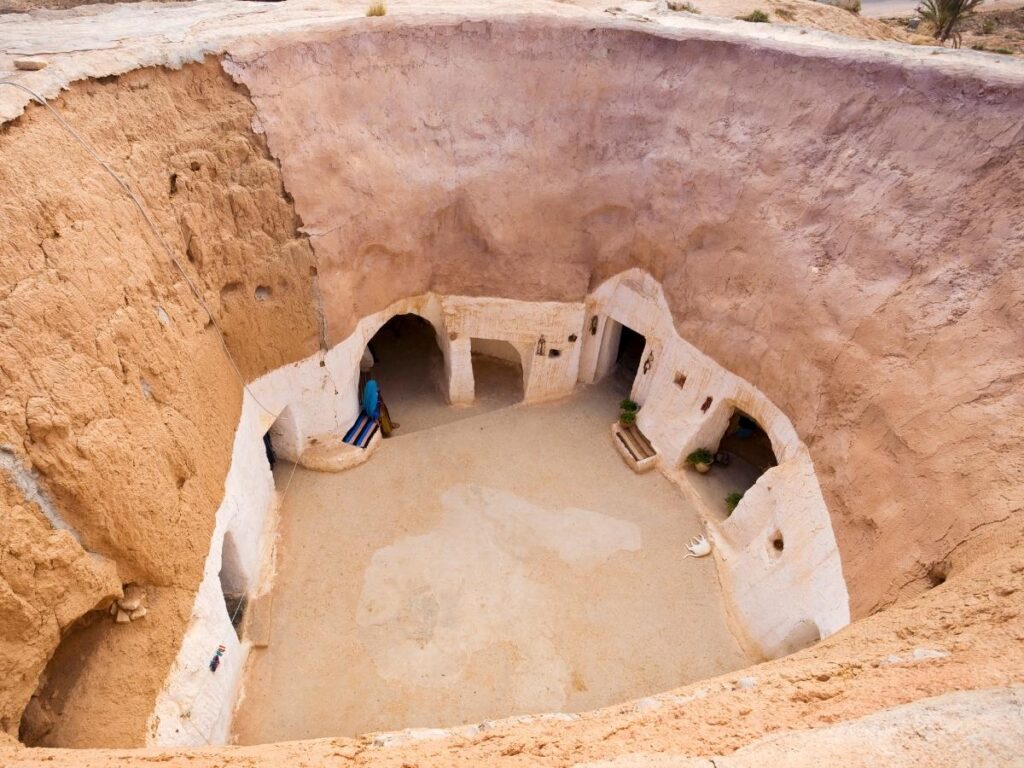
You’ll come across them in and around Chinon, sometimes as part of wine cellars, sometimes as older living spaces. They’re not always highlighted as major attractions, which makes them feel more like something you discover along the way.
It’s a small detail, but it adds to the sense that this area has developed differently over time compared to other places.
10. Slow Down at a Café or Dinner Spot
More than anything else, Chinon feels like a place where you don’t need to rush through meals.
Whether it’s a quick coffee or a longer dinner, the atmosphere encourages you to slow down a bit. Tables aren’t turned over quickly, and there’s no sense that you need to move on as soon as you’re done.
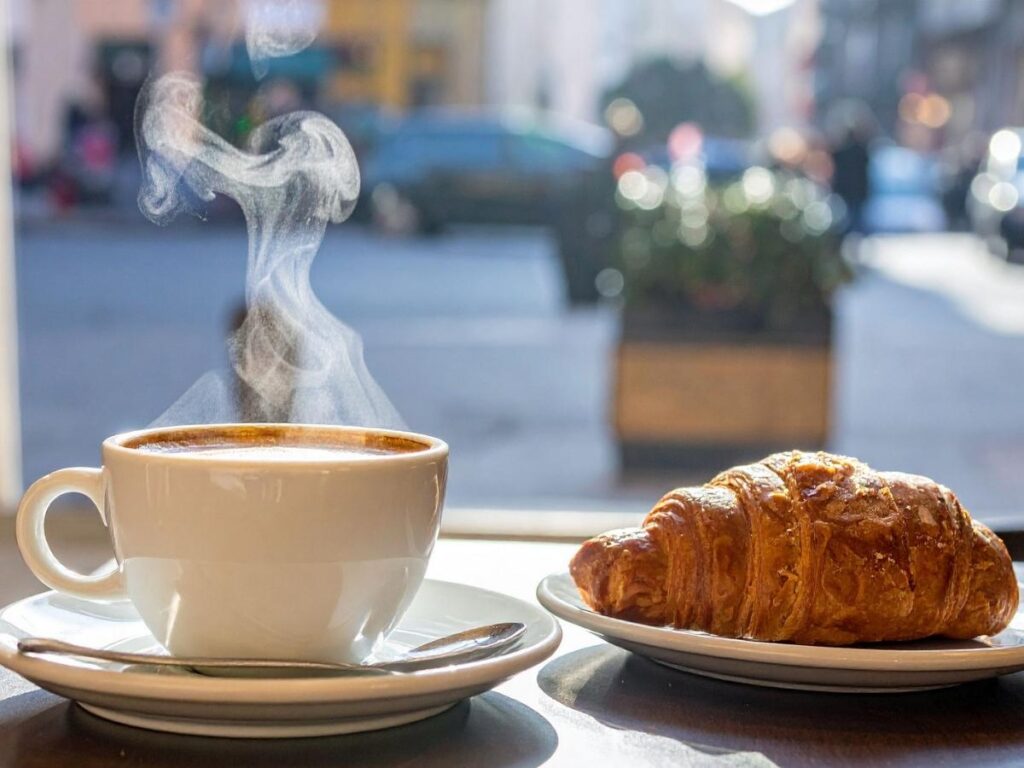
I found that these moments, sitting, watching, and not doing much at all, ended up being just as memorable as the places I visited.
It’s also a good way to end the day. After walking, exploring, and maybe visiting a few wineries, sitting down and letting the pace settle is what ties the whole experience together.
How to Spend 1 Day in Chinon
If you only have one day in Chinon, the best approach is to keep things simple and not try to fit too much in. It’s the kind of place where the experience comes from how you spend your time, not how many things you manage to see.
I found that giving each part of the day a loose structure works well, while still leaving room to slow down when something feels worth staying for a bit longer.
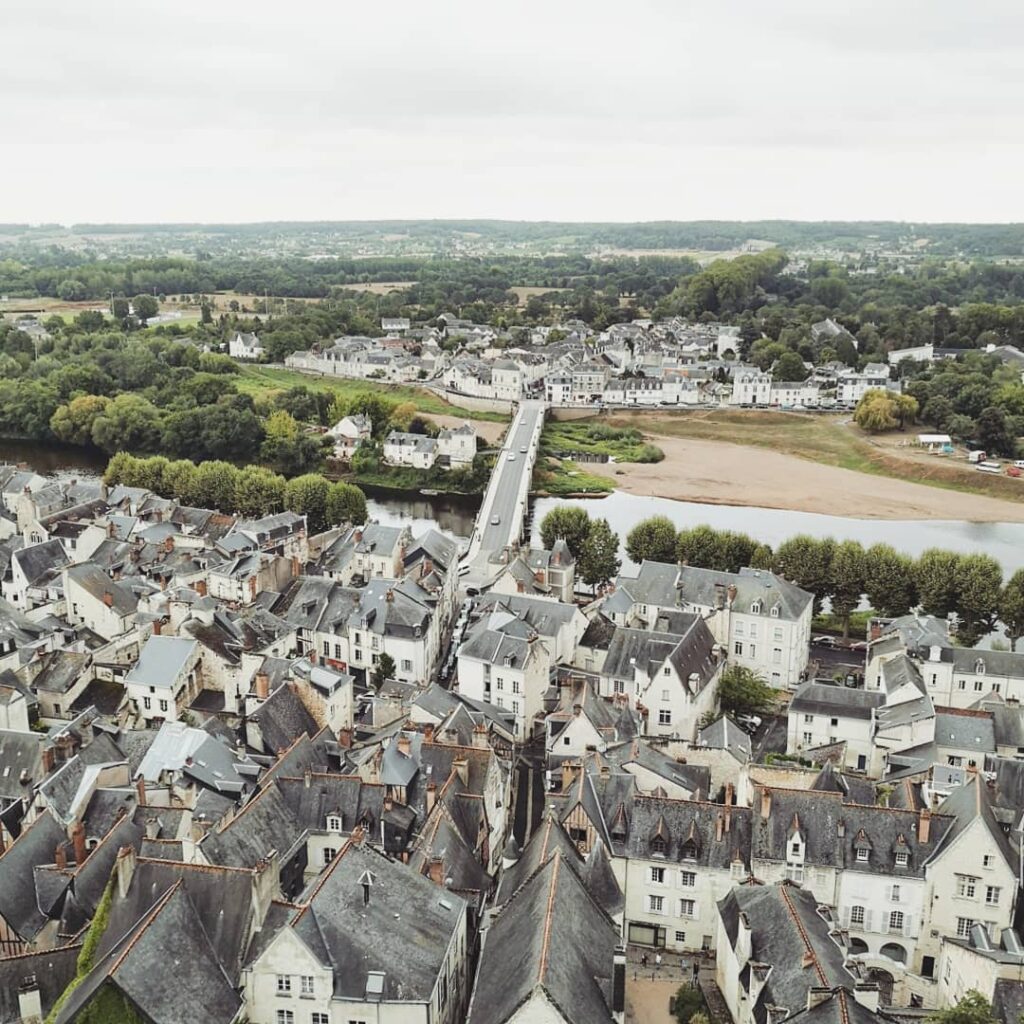
In the morning, I’d start in the old town. This is when everything feels a little quieter, and it’s easier to take in the streets without too many people around. You don’t need a set route here. Just walk, notice the details, and let yourself get slightly lost without worrying about it. After a while, make your way up to the fortress.
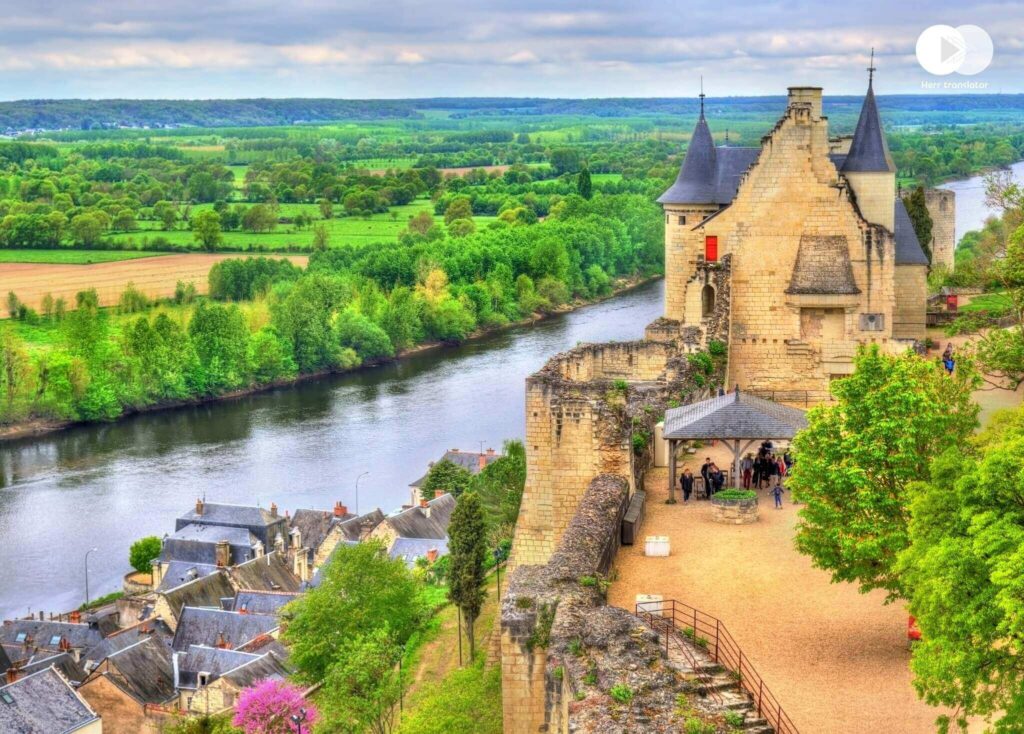
Doing it earlier in the day makes the walk up feel more comfortable, and once you’re there, you get a clear view of the town before the day gets busier. Take your time exploring it rather than rushing through.
By the time you come back down, it’s a good moment to stop for lunch somewhere in the center. There’s no need to plan this too much in advance. Just pick a place that feels right as you walk by. Sitting down for a proper break here helps reset the pace of the day.
In the afternoon, this is when I’d suggest doing a wine tasting. It fits naturally after lunch and gives you a different kind of experience compared to walking around the town. Visiting one of the cave cellars is enough, you don’t need to try multiple places unless you really want to. The idea is to enjoy it without turning it into a schedule.
As the day starts to slow down, head toward the river. The light in the evening changes the feel of the town quite a bit, and walking along the Vienne at that time feels noticeably calmer. It’s a good way to wind down without needing to plan anything specific.
For dinner, staying in the old town makes things easy. You’re already familiar with the area by then, so you can just choose a place that looks inviting.
There’s no need to rush through it. This is probably the point in the day where Chinon makes the most sense, when everything slows down and you’re just sitting, eating, and letting the day come to an end naturally.
This pace worked well for me because it didn’t feel like I was trying to fit everything in. There’s more you could add, but doing so would start to take away from what makes Chinon enjoyable in the first place.
Is Chinon Worth Visiting?
I do think Chinon is worth visiting, but it really depends on what kind of trip you’re planning and what you enjoy when you travel.
If you’re expecting a place where you move quickly from one major attraction to another, with a long list of things to see in a short amount of time, Chinon might feel a bit underwhelming. It doesn’t have that kind of energy.
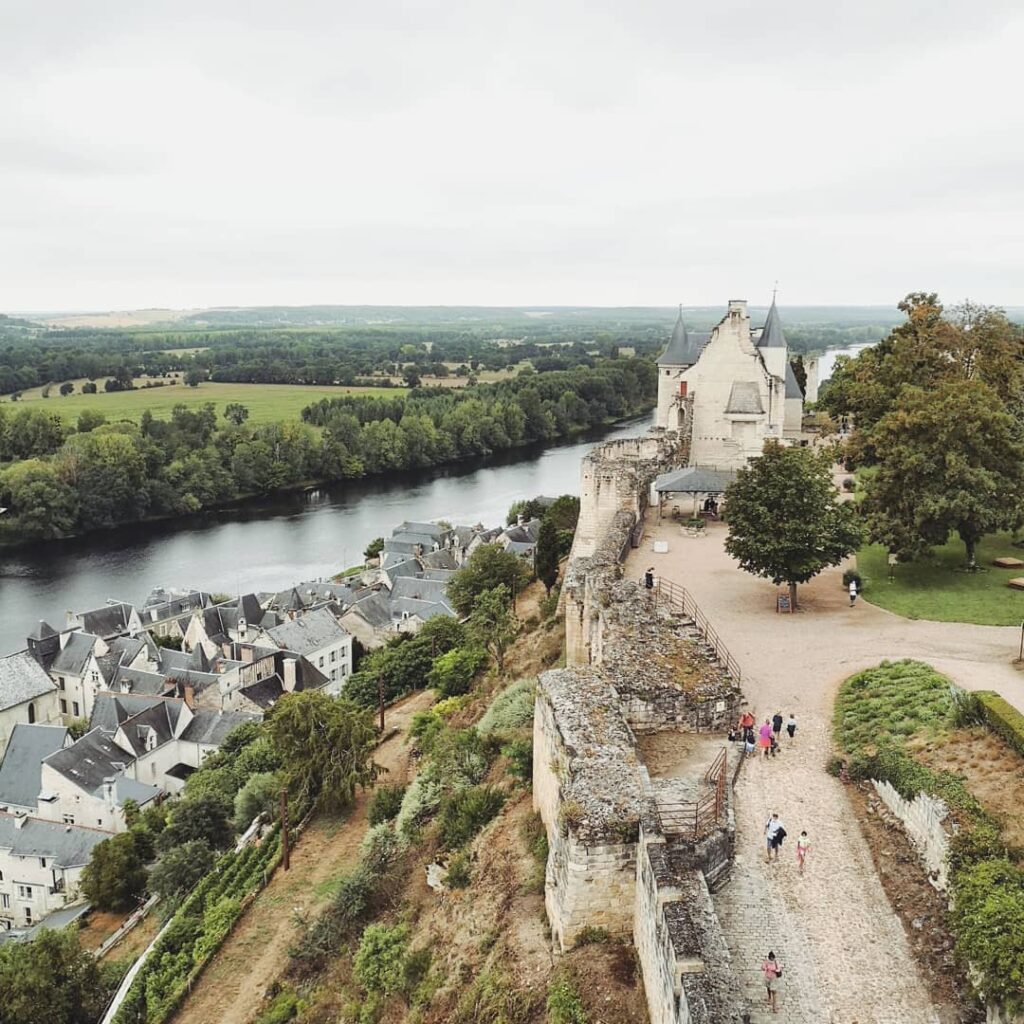
There aren’t endless landmarks or big, standout sights competing for your attention. After the fortress and a walk through the old town, you might feel like you’ve already seen most of it.
But that’s not really what Chinon is about. What I found is that it works much better when you approach it as a place to slow down rather than a place to cover.
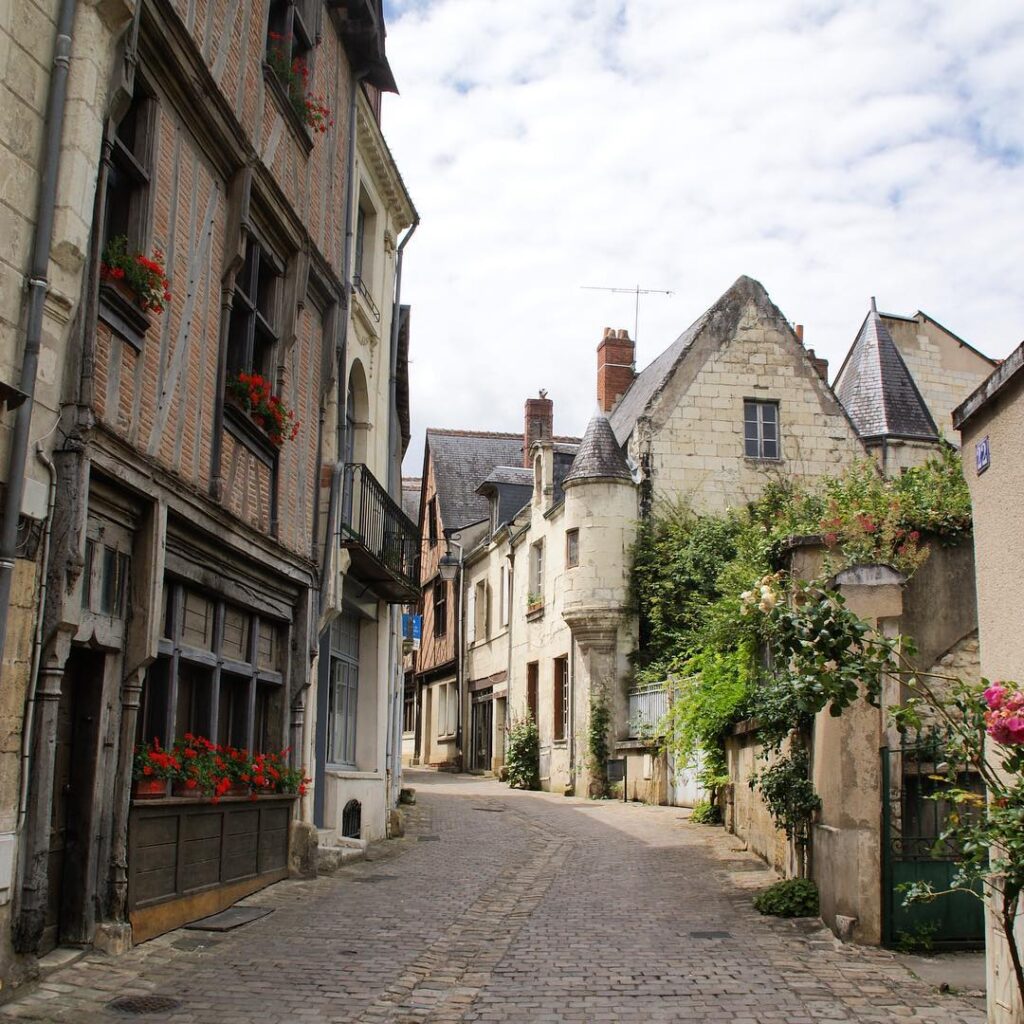
The experience comes from how the day unfolds, walking through the streets without a fixed plan, stopping somewhere just because it feels right, spending more time than expected in one place because there’s no reason to rush. It’s less about ticking things off and more about how comfortable the whole experience feels.
It’s also a really good addition if you’re already exploring the Loire Valley. Some of the more well known stops in the region can feel a bit busier or more structured, and Chinon offers a different pace. It balances things out. You still get history, scenery, and wine, but in a way that feels more relaxed and easier to take in.
So I’d say it’s worth visiting if you’re looking for a place where you can slow down and enjoy the time in between the main sights. If that’s not what you’re after, it might not leave a strong impression.
Best Time to Visit Chinon
The nice thing about Chinon is that it doesn’t feel like a place that only works during one specific season. It changes slightly depending on when you go, but the overall experience stays quite consistent. It’s more about the kind of atmosphere you prefer rather than trying to time it perfectly.
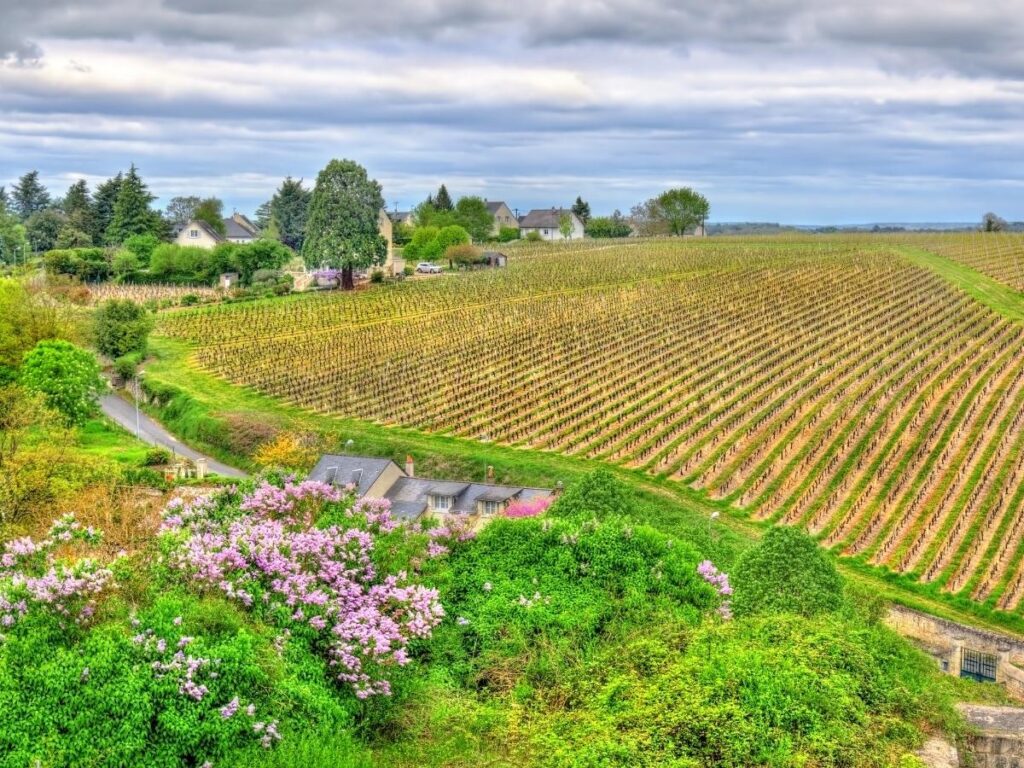
Spring felt like the easiest time to settle into the town. The weather is comfortable, not too warm, not too cold, and everything feels a bit more relaxed. There are fewer people around compared to peak summer, so walking through the old town or visiting the fortress feels unhurried.
Summer brings a bit more energy to the town. There are more people around, and places feel slightly livelier, especially in the evenings.
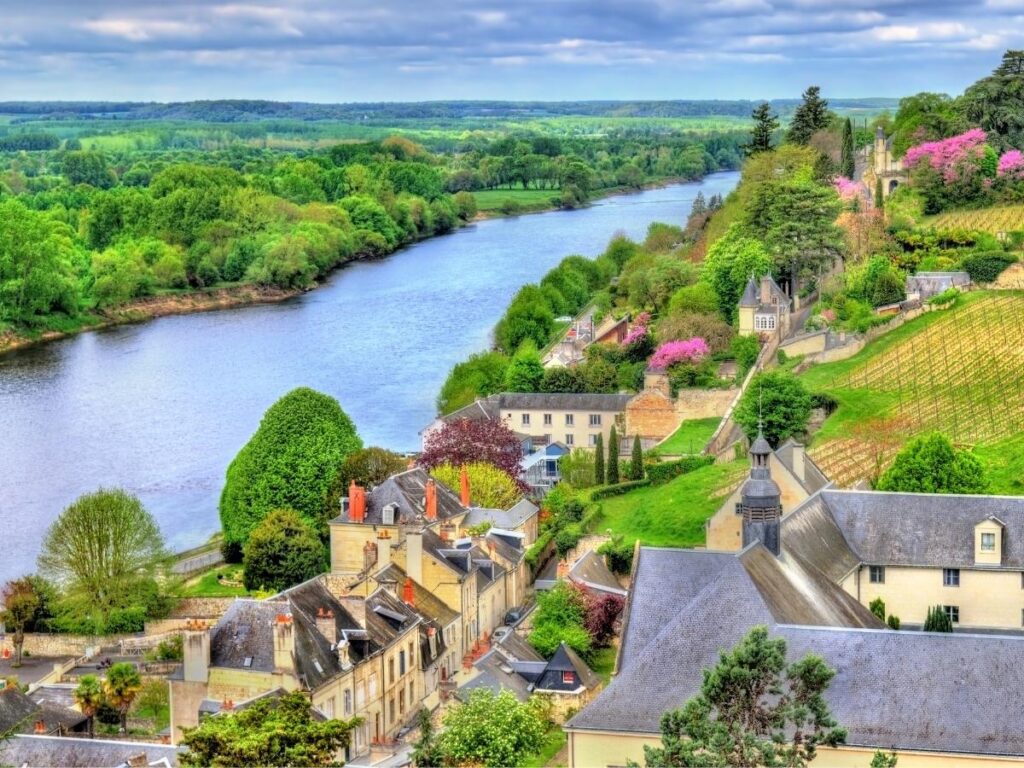
At the same time, it never felt overwhelming to me. Chinon is still relatively calm compared to bigger destinations, but you do notice the difference. The longer days are a plus, though. You have more time to walk around, sit outside, and stretch your day without feeling rushed.
Fall has a different kind of appeal, especially if you’re interested in wine. This is when the vineyards are more active, and there’s a stronger connection between what you see around you and what you experience during tastings.
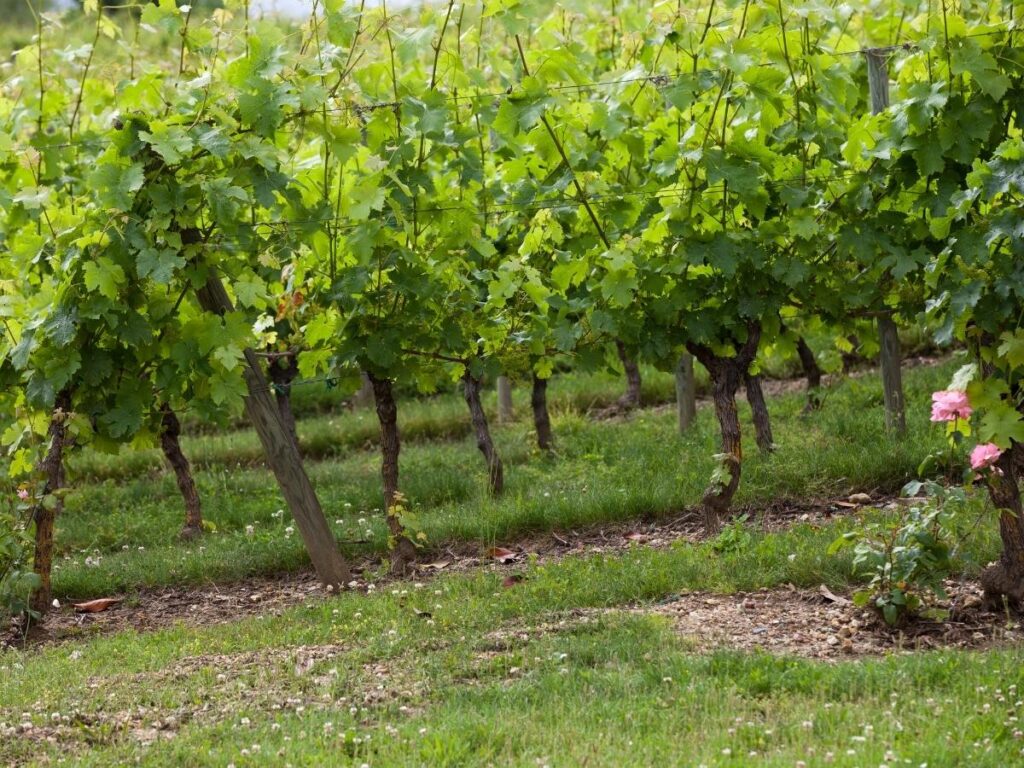
The landscape also changes a bit, which adds to the overall feel of the place. It’s slightly quieter again after summer, which brings back that slower rhythm.
What I liked is that none of these seasons felt like a bad choice. Chinon doesn’t rely on a specific time of year to work well. It’s more about what kind of pace you’re looking for when you visit.
How to Get to Chinon
Getting to Chinon is actually quite simple once you understand the route, even though it might not look that way at first.
Most people arrive via Tours, which is one of the main gateways to the Loire Valley. If you’re coming from Paris, the train to Tours is quick and straightforward, and from there, Chinon is not far at all. You have a couple of options for the last part of the journey.
There’s a regional train that goes directly to Chinon, and it’s an easy, no stress option if you don’t want to think too much about logistics. Alternatively, you can drive, which gives you more flexibility, especially if you’re planning to explore nearby vineyards or villages.
If you’re already in the region, getting to Chinon becomes even simpler. It fits quite naturally into a route between other towns, and the distances are short enough that travel doesn’t take away from your time exploring.
Where to Stay in Chinon
Where you choose to stay in Chinon can change how your time there feels, even though the town itself isn’t very large.
Staying in the old town makes things very easy, especially if it’s your first visit. You can step outside and already be where everything is happening. The streets, cafés, restaurants, and main sights are all within walking distance, so you don’t need to think about transportation at all.
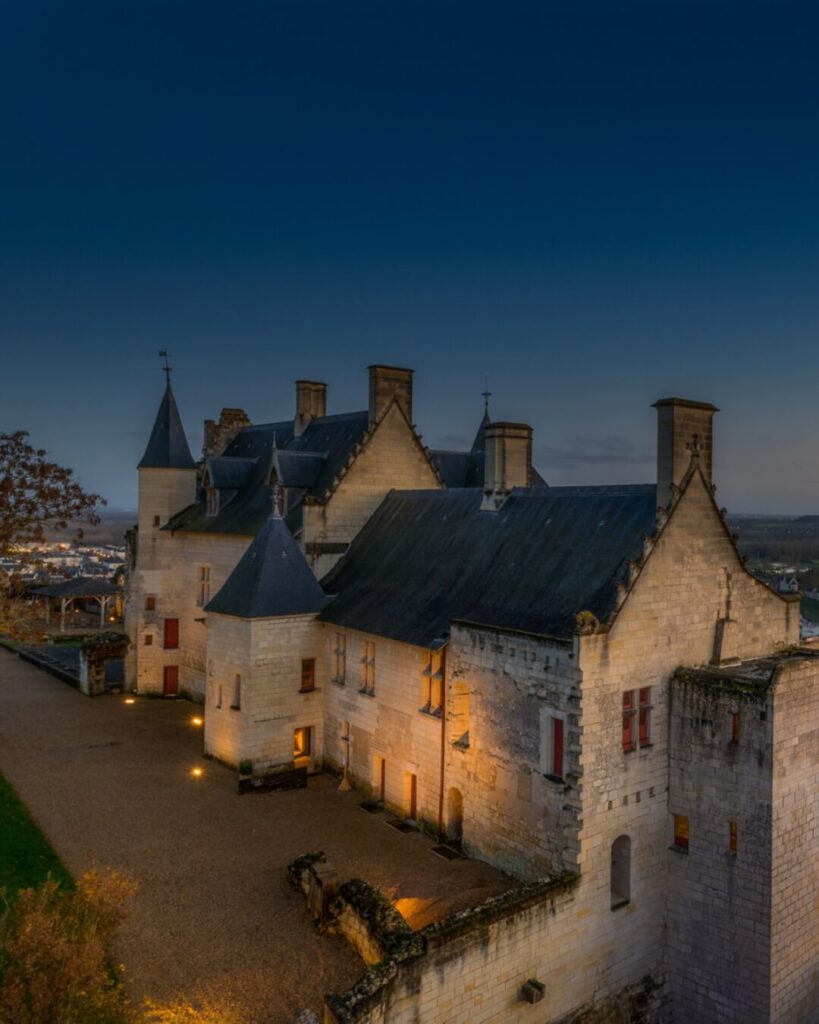
It also makes it easier to take breaks during the day. You can go out, come back, and head out again without much effort, which fits well with the slower pace of the town.
On the other hand, staying just outside Chinon, closer to the vineyards or in the countryside, gives you a different kind of experience. It’s quieter, more open, and feels a bit more removed from the center.
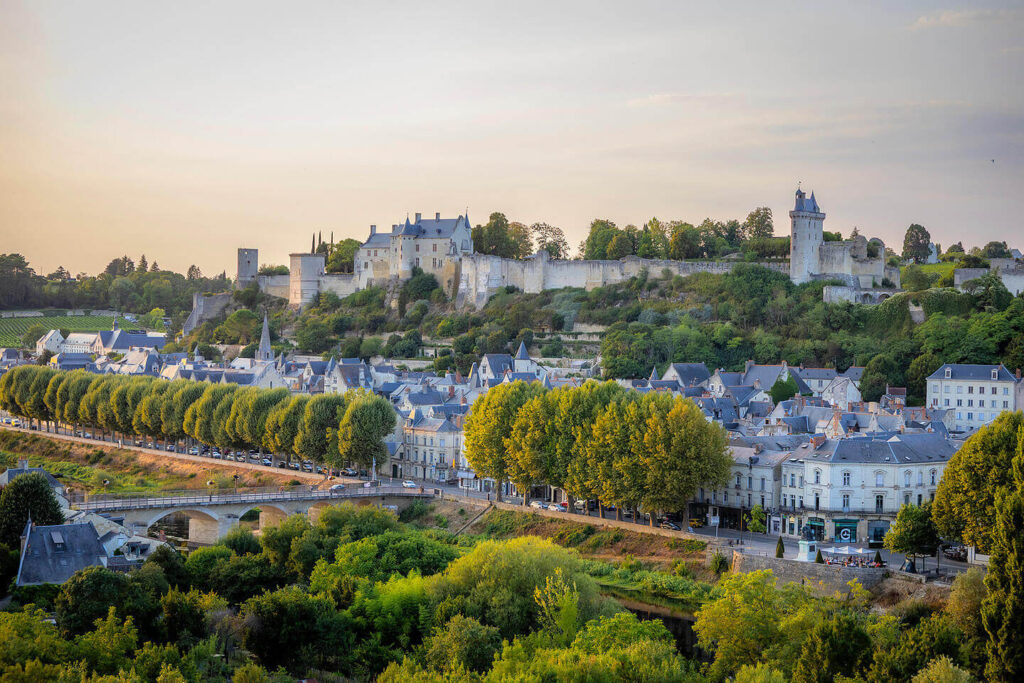
Mornings and evenings tend to feel more peaceful, and the surroundings are more scenic. This works well if you’re planning to stay longer or if you prefer a more relaxed setting overall.
Personally, I found that staying close to the center made things easier, especially for a short visit. It meant I could walk everywhere and not worry about timing or transport. But if you’re staying for a couple of days and want a quieter base, the countryside can be just as appealing in a different way.
Practical Travel Tips for Chinon
A few small things can make your visit to Chinon more comfortable, especially since the town has its own pace and layout.
The streets in the old town are not always smooth or even, and some areas involve slight inclines, particularly if you’re heading up toward the fortress. Comfortable shoes make a big difference here, especially if you plan to spend most of your time walking, which you probably will.
If you’re interested in wine tasting, it’s worth thinking about timing. Some places are easy to visit without booking, but during busier months, a quick reservation can save you from having to wait or miss out. You don’t need to plan everything in advance, just have a rough idea of where you’d like to go.
The most important thing, though, is not to overfill your day. Chinon doesn’t really reward a packed schedule. It works better when you leave space to slow down, sit somewhere for a while, or change your plan as you go. Trying to fit too much in can make the experience feel more rushed than it needs to be.
Conclusion
Chinon isn’t the kind of place where you move quickly from one attraction to the next or try to see everything in a limited amount of time. It’s more about how the day unfolds while you’re there.
What stayed with me wasn’t just the fortress or the wine, but the quieter moments in between. Walking through the streets without a clear plan, stopping somewhere just because it felt like a good place to pause, or sitting by the river longer than I expected. Those are the parts that ended up defining the experience.
If you’re looking for a destination where you can slow down a bit and not feel like you have to keep moving, Chinon fits naturally into that kind of trip. It doesn’t try too hard to impress, and that’s exactly what makes it work.