
Few places in France surprised me as much as Calanques National Park.
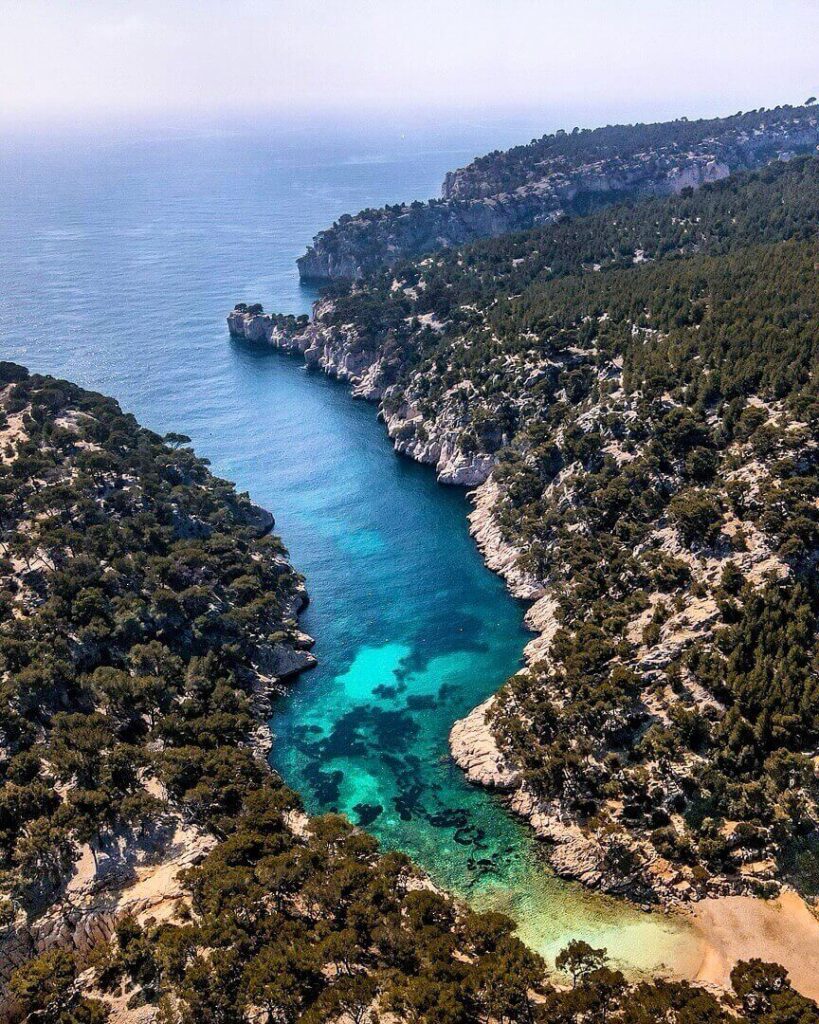
Before my first visit, I had seen plenty of photos of the turquoise water and dramatic limestone cliffs, but I assumed the reality couldn’t possibly look that good. Then I reached my first viewpoint overlooking Calanque d’En Vau and realized the photos weren’t exaggerating.
The water really is that clear, the cliffs really are that dramatic, and the entire coastline feels completely different from anywhere else I visited in Provence.
What I love most about the Calanques is how much variety they offer. In a single day, you can hike along rugged coastal trails, swim in secluded coves, explore hidden inlets by kayak, or simply enjoy the scenery from a boat.
Despite being located between Marseille and Cassis, parts of the park feel surprisingly wild and remote.
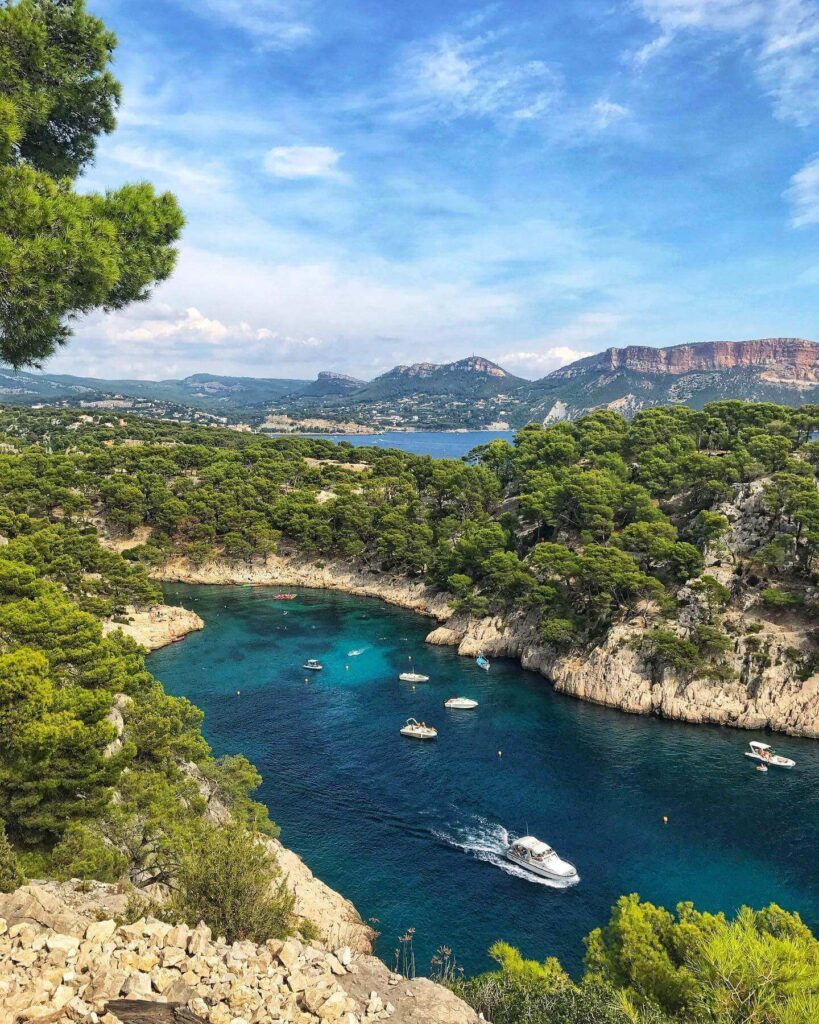
If you’re planning a visit, this guide covers everything you need to know, from the best calanques and hiking trails to practical tips, transportation options, and the best time to go.
What Is Calanques National Park?
Located between Marseille and Cassis on France’s Mediterranean coast, Calanques National Park is one of the country’s most impressive natural areas. It’s a place where towering white limestone cliffs meet bright blue water, creating a coastline that feels very different from the postcard beaches many people associate with the South of France.
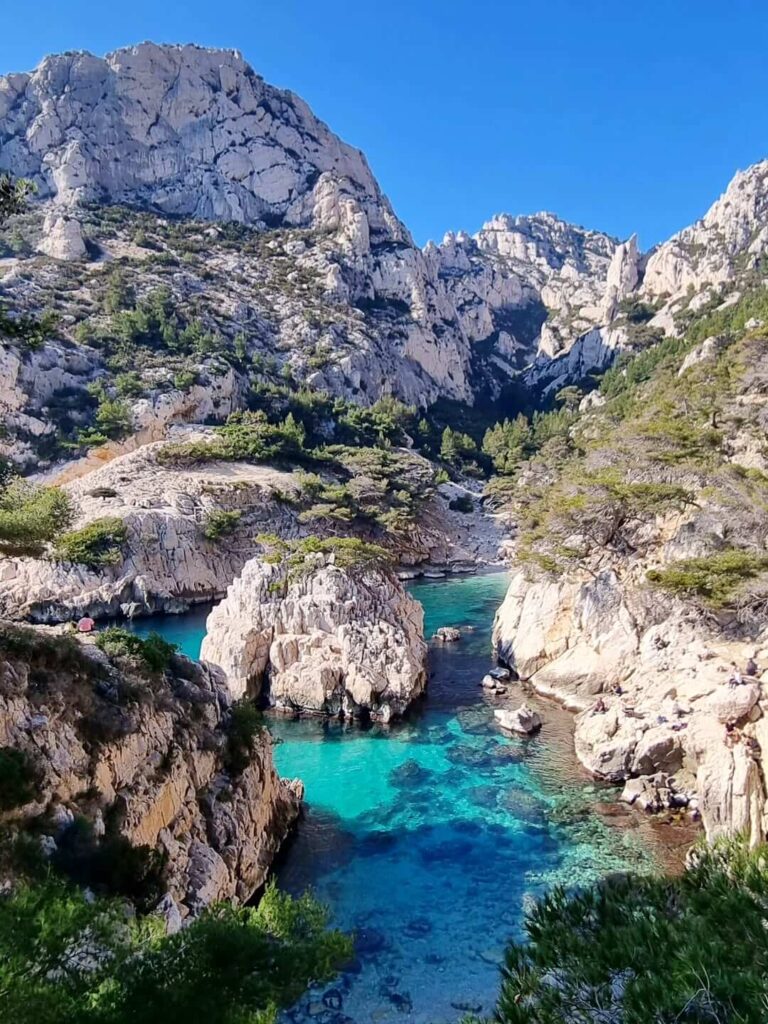
The park was officially established in 2012 and covers both land and sea, protecting everything from rocky coves and coastal forests to small islands and underwater ecosystems. What makes it particularly unique is that it was Europe’s first national park to include terrestrial, marine, and urban areas within the same protected space.
Despite being so close to France’s second largest city, parts of the park feel surprisingly remote once you leave the roads behind and start exploring the trails.
The word calanque refers to a narrow inlet carved into limestone rock. Over millions of years, erosion shaped these dramatic formations, creating a series of coves tucked between steep cliffs.
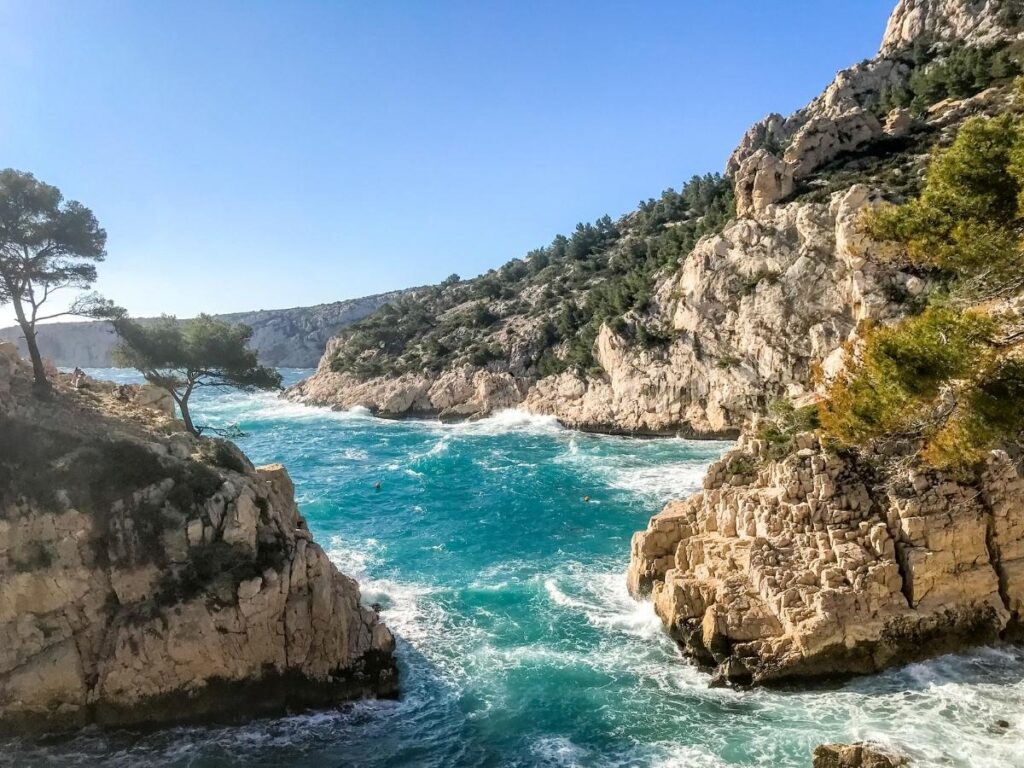
Many of them can only be reached by hiking, boat, or kayak, which helps preserve their wild and unspoiled character. Some calanques have small beaches, while others are made up of rocky shorelines and swimming spots surrounded by sheer cliff faces.
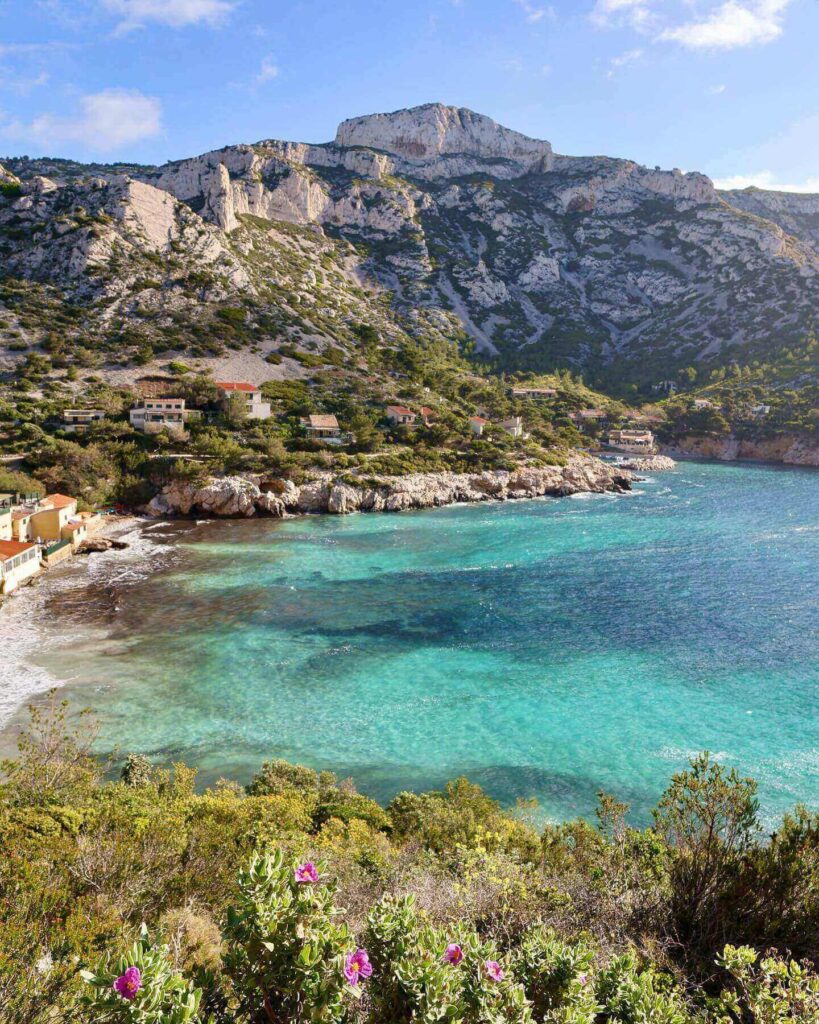
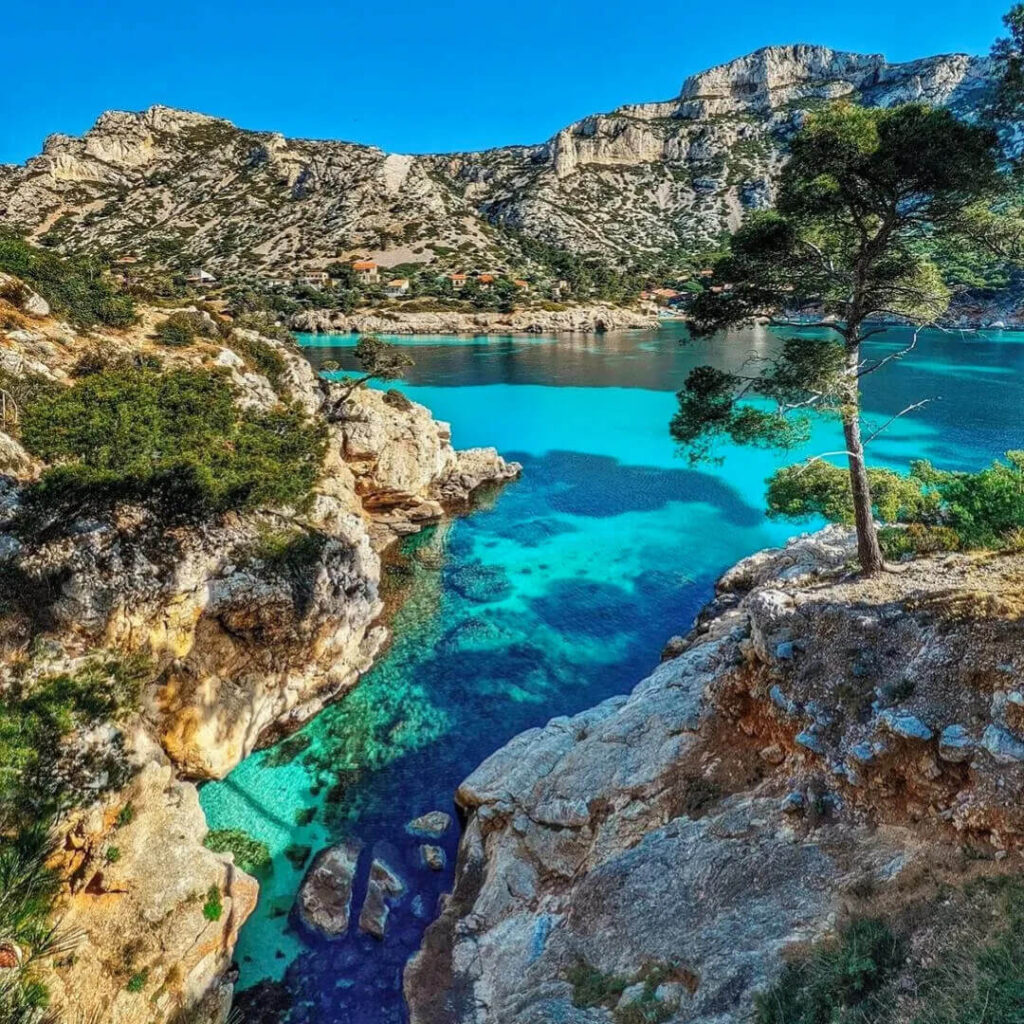
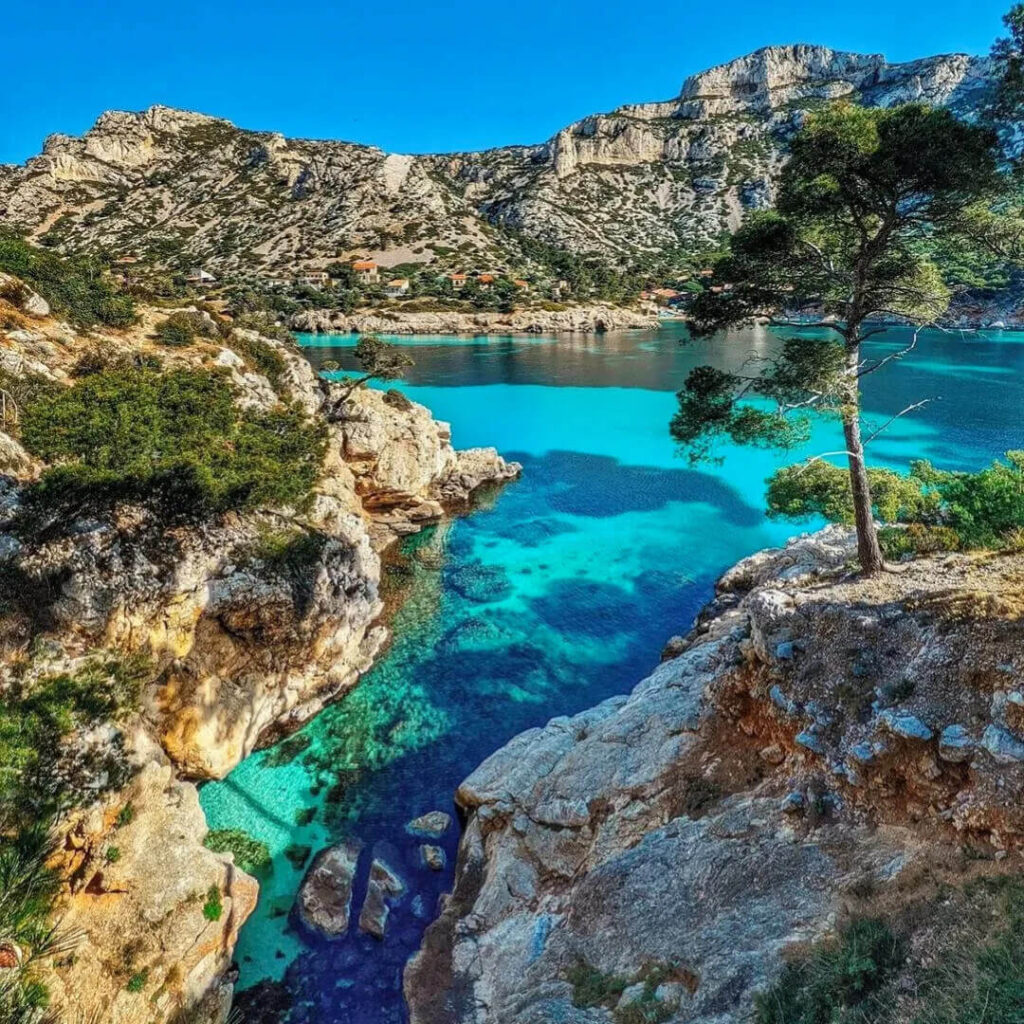
One of the things that surprised me most was the color of the water. On a sunny day, the sea shifts between shades of turquoise, emerald, and deep blue, creating a striking contrast against the pale limestone cliffs. It’s easy to see why so many visitors consider the Calanques one of the most beautiful natural landscapes in France.
Another reason the park is so popular is its accessibility. Unlike many national parks that charge entrance fees or require extensive travel to reach, Calanques National Park is free to visit and can be accessed from both Marseille and Cassis.
Whether you’re interested in hiking, swimming, kayaking, photography, or simply enjoying the scenery, it’s a destination that offers far more than most visitors expect.
Why Visit Calanques National Park?
There are plenty of beautiful places along the French Riviera and Provence coastline, but Calanques National Park offers something completely different. Instead of resort towns and sandy beaches, you’ll find dramatic limestone cliffs, hidden coves, and some of the most spectacular coastal scenery in France.
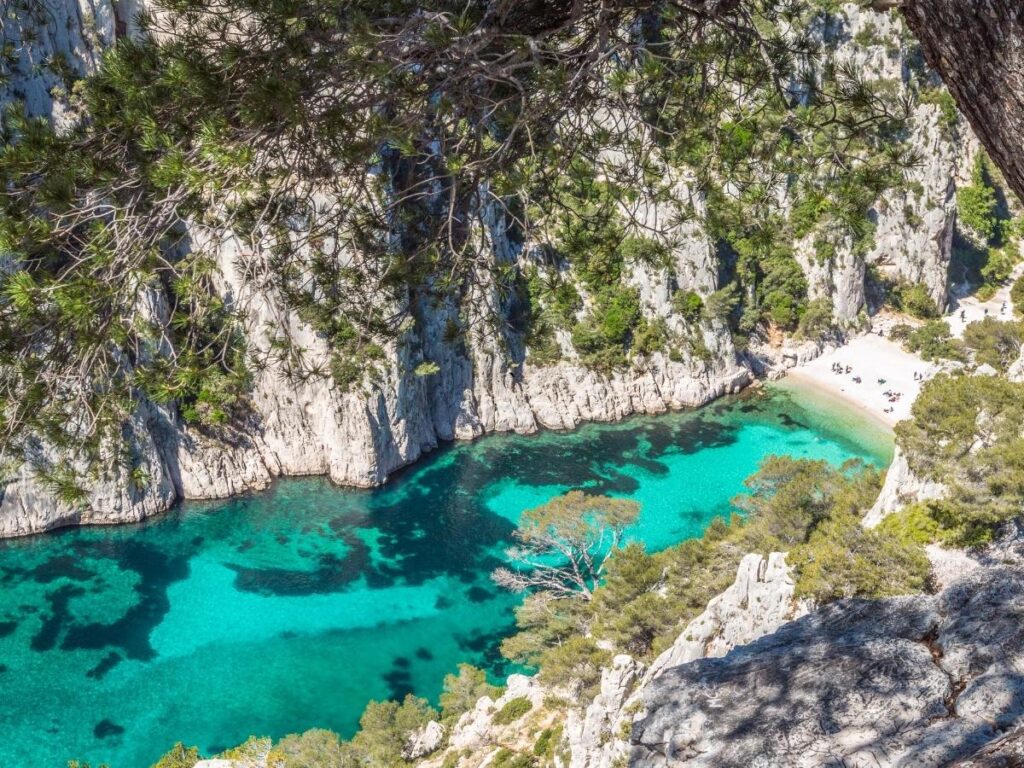
One of the main reasons to visit is the combination of hiking and swimming. Many of the most beautiful calanques can only be reached on foot, making the experience feel much more rewarding. After a hike, you can cool off in crystal clear Mediterranean water that rivals some of the best swimming spots in Europe.
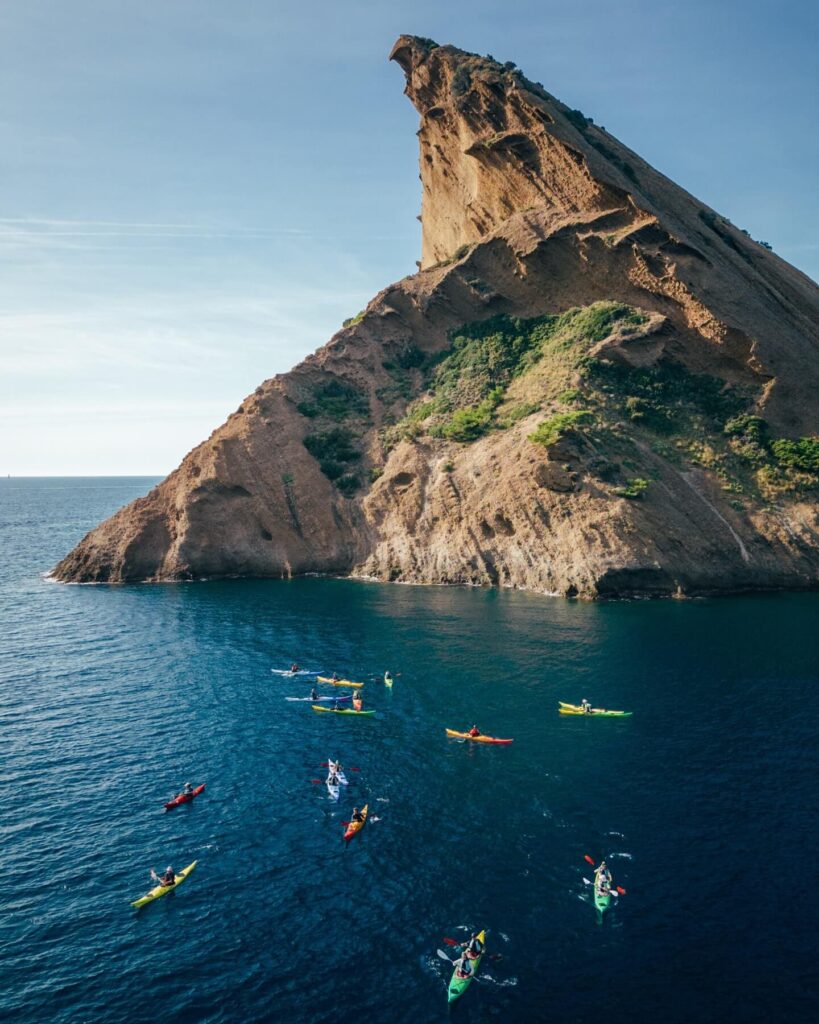
What I love most about the Calanques is how versatile they are. You can spend the day hiking, kayaking, taking a boat tour, or simply enjoying the views from a scenic viewpoint. Despite being just a short distance from Marseille and Cassis, parts of the park feel surprisingly wild and untouched, making it a perfect escape for nature lovers and outdoor enthusiasts.
Best Calanques to Visit
With more than two dozen calanques scattered along the coastline between Marseille and Cassis, it can be difficult to decide which ones are worth your time. If you’re visiting for the first time, I’d focus on a few of the park’s most iconic spots.
Each calanque has its own character, from secluded swimming coves to traditional fishing harbors and dramatic hiking destinations.
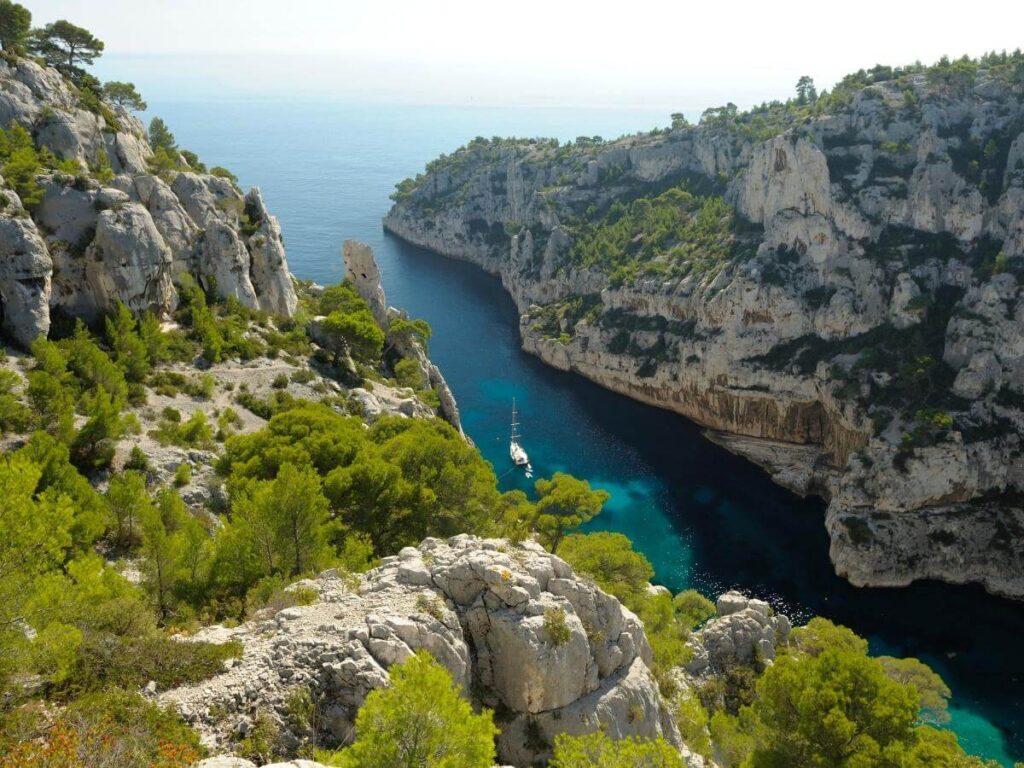
Calanque d’En Vau
If you only visit one calanque, I’d make it En Vau.
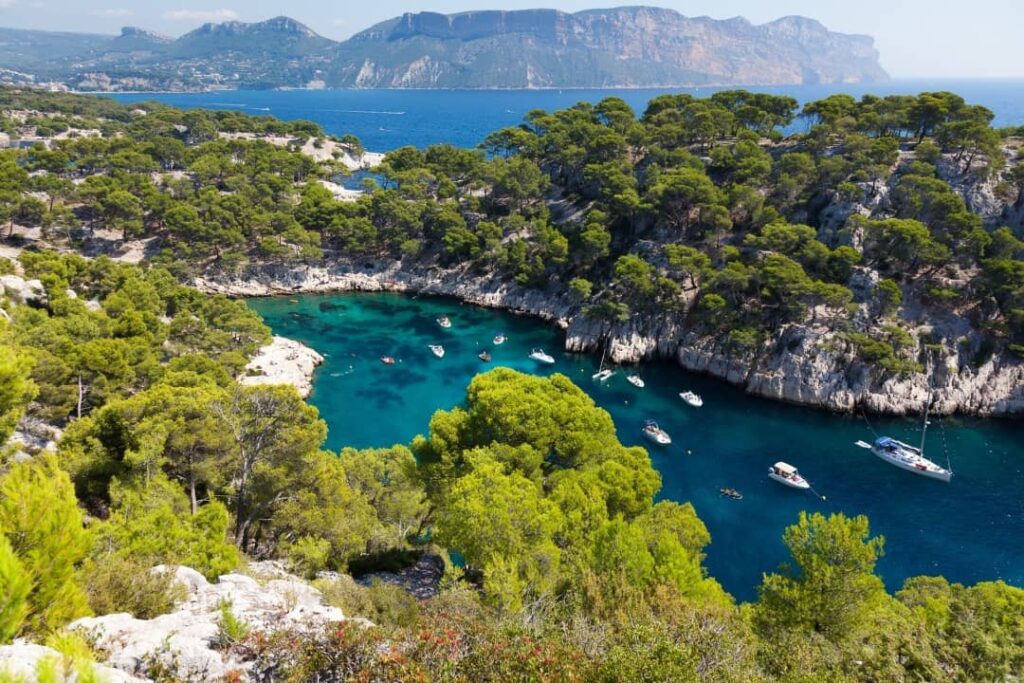
This is the postcard famous cove that appears in countless photos of the national park, and seeing it in person is even more impressive. Surrounded by steep limestone cliffs that rise dramatically from the water, En Vau feels almost hidden from the outside world.
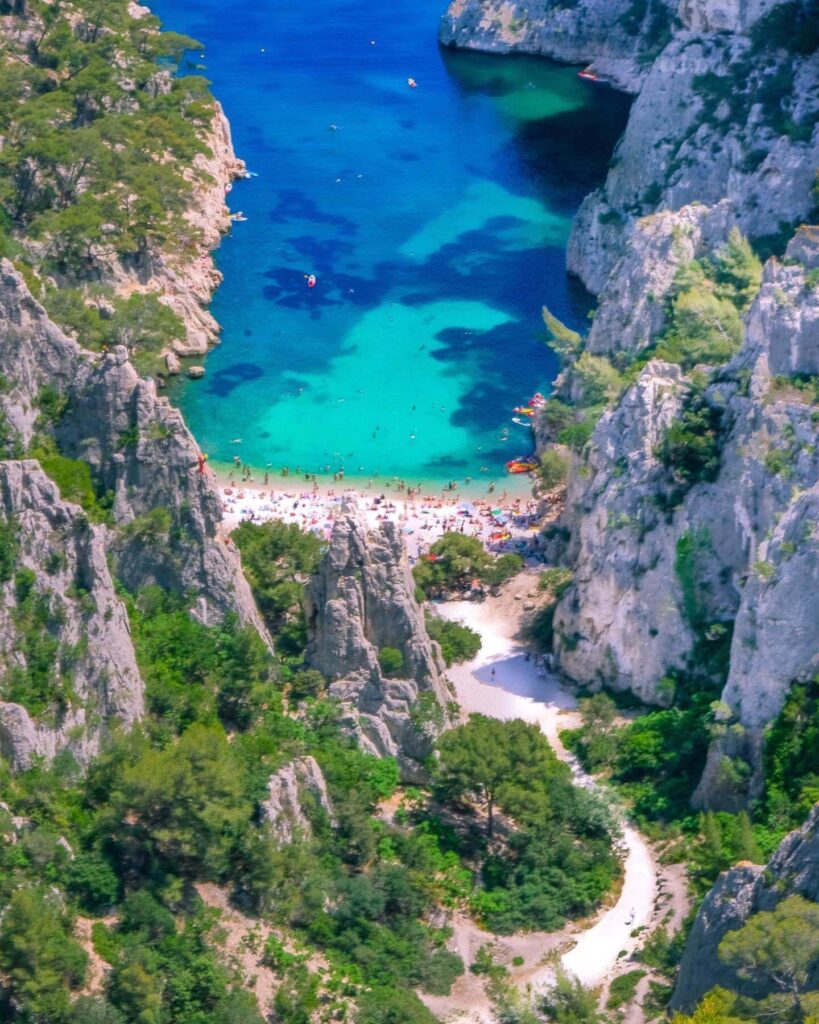
The contrast between the white rock and the bright turquoise water creates one of the most memorable landscapes in southern France.
Getting there requires a moderately challenging hike from Cassis, usually via Port Miou and Port Pin. The trail can be rocky and steep in places, especially on the final descent, so proper footwear is essential. The effort is well worth it, though.
Many visitors spend a few hours here swimming, relaxing by the water, and enjoying the scenery before hiking back.
Calanque de Port Pin
Port Pin is often overshadowed by its famous neighbor En Vau, but it’s one of the most enjoyable calanques to visit, especially if you’re looking for an easier hike.
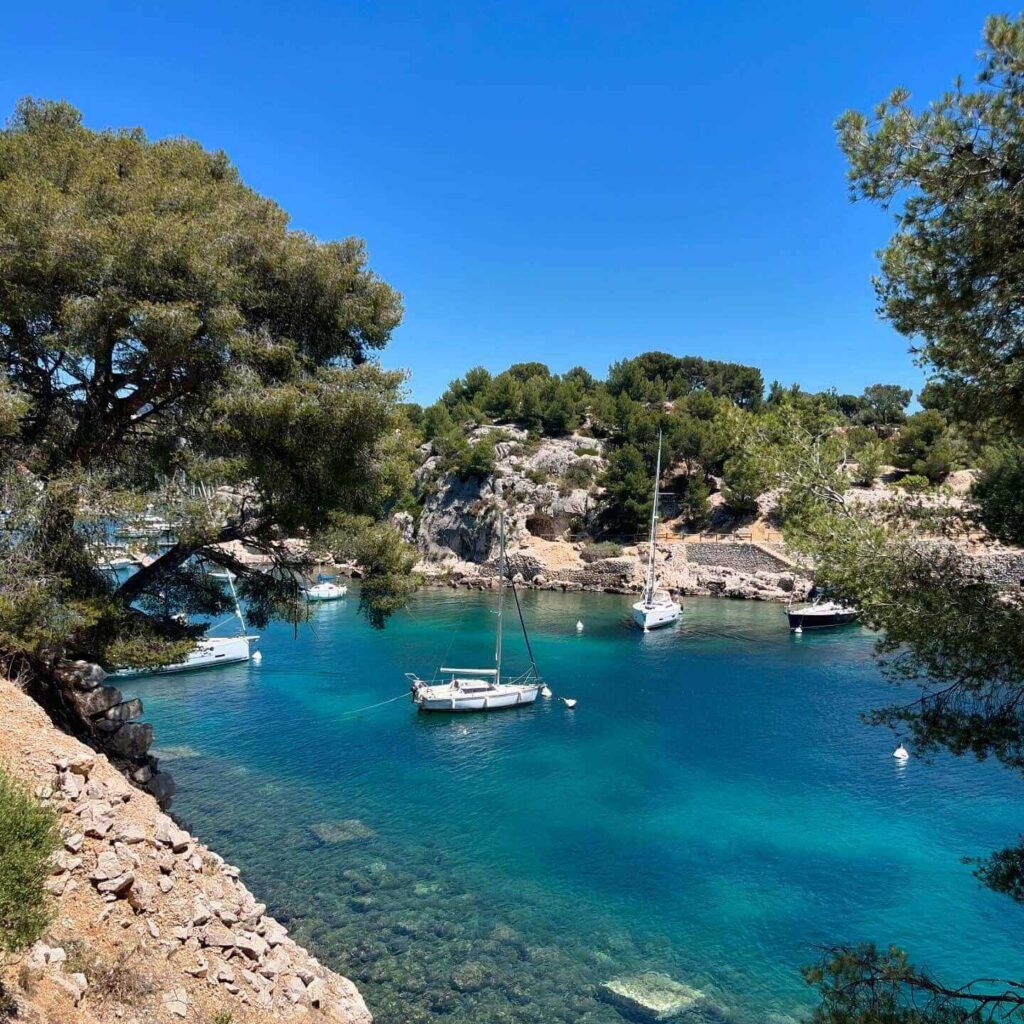
The trail from Port Miou takes less than 30 minutes, making it accessible for most visitors. At the end of the walk, you’ll find a small beach tucked between rocky cliffs and pine trees. The calm, clear water makes it a popular swimming spot during warmer months.
Because it’s relatively easy to reach, Port Pin can get crowded during summer afternoons. If you’re visiting in peak season, arriving earlier in the day will give you a much more peaceful experience.
Calanque de Port Miou
Port Miou is usually the first calanque visitors encounter when approaching from Cassis. Unlike many of the others, it functions as a marina, with sailboats lining the narrow inlet.
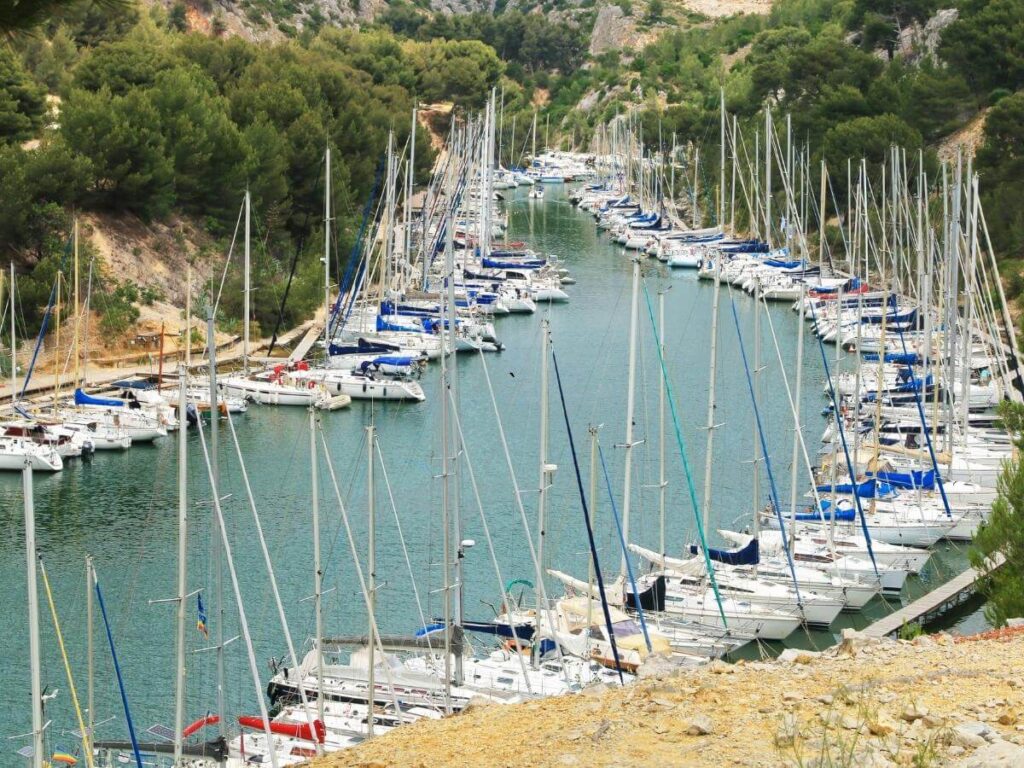
While it doesn’t have the secluded beach atmosphere of En Vau or Port Pin, it’s still worth visiting. The long stretch of water framed by limestone cliffs creates beautiful views, and the wide path along the inlet is suitable for almost everyone.
It’s also the starting point for several of the park’s most popular hiking routes, making it a natural first stop for many visitors.
Calanque de Sugiton
Located closer to Marseille, Sugiton is one of the most popular calanques for travelers staying in the city.
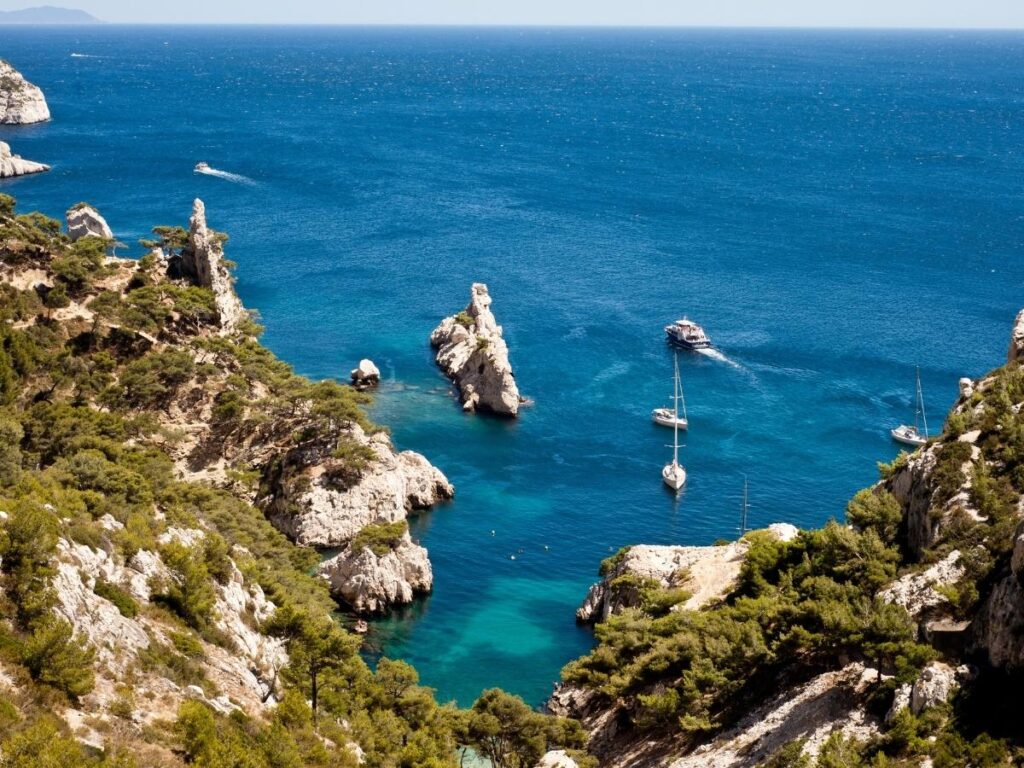
The hike to reach it is rewarding without being overly difficult, and the views along the way are spectacular. One of the most recognizable sights is the small rocky island sitting just offshore, which appears in many photographs of the park.
The cove itself is smaller and rockier than some of the calanques near Cassis, but the scenery more than makes up for it. Because of its popularity, visitor numbers are managed during parts of the summer season, so it’s worth checking access requirements before your trip.
Calanque de Sormiou
Sormiou is one of the largest and most accessible calanques in the park, making it a favorite among locals.
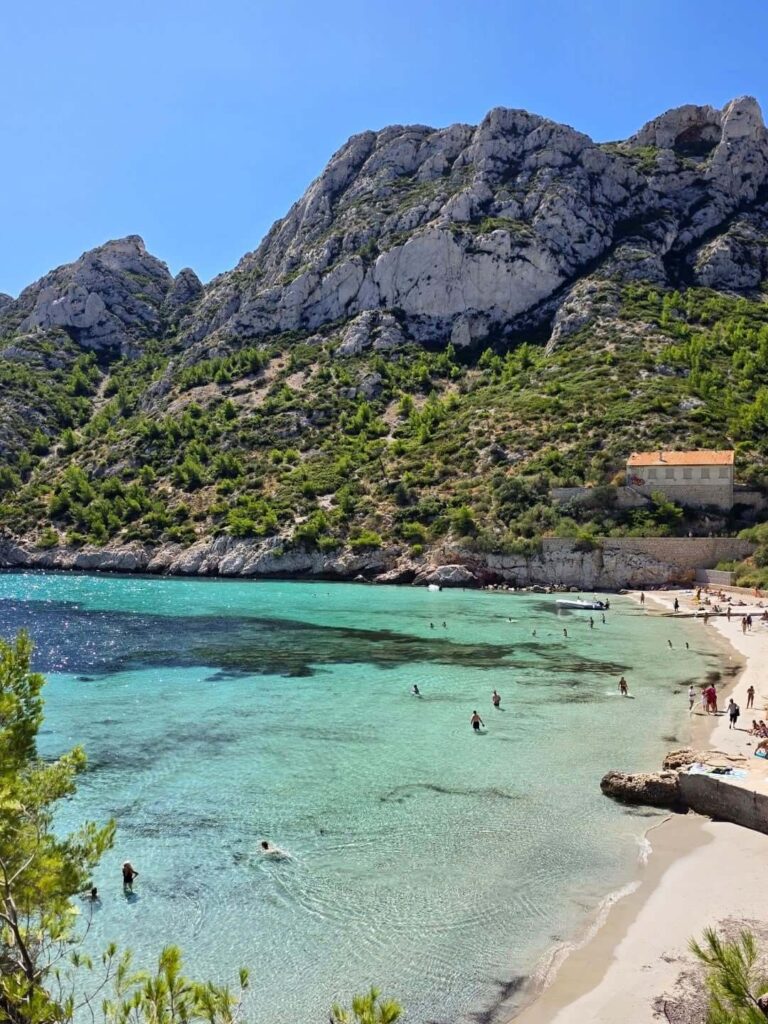
What sets it apart is its wider beach area and more open setting. The cove feels larger than many of the other calanques, and the water is ideal for swimming on warm days. During summer, you’ll often see families spending the entire day here, enjoying the beach and nearby restaurants.
If you’re looking for a calanque that combines beautiful scenery with a more relaxed beach atmosphere, Sormiou is an excellent choice.
Calanque de Morgiou
Morgiou offers a different experience from the park’s more famous swimming coves.
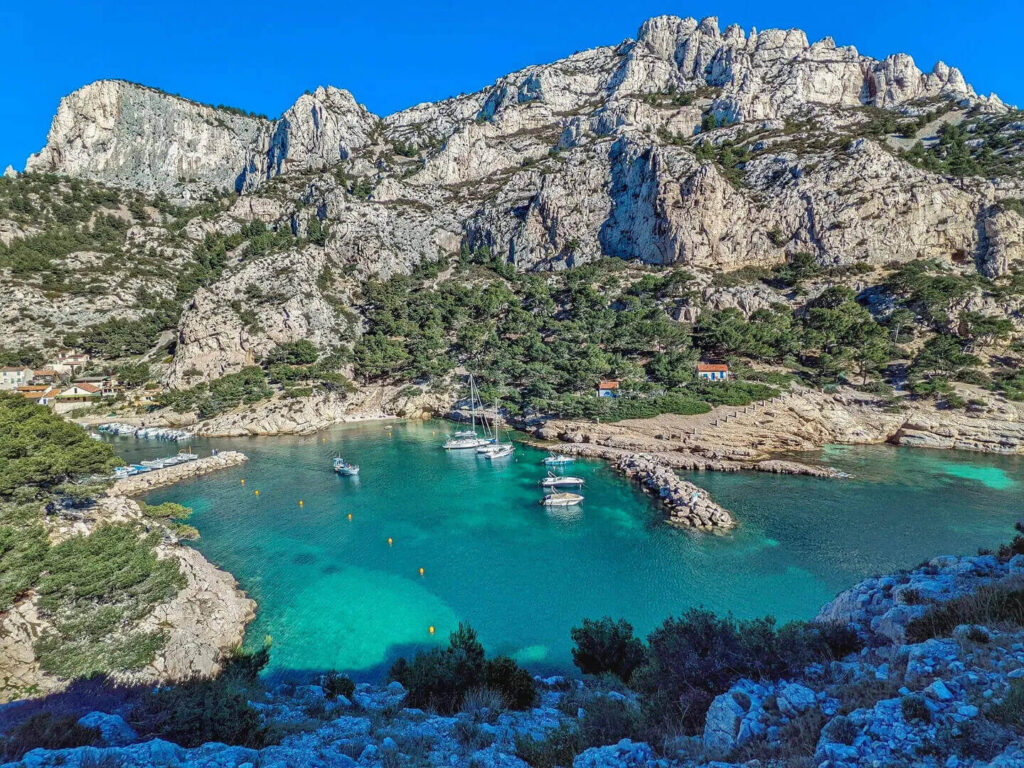
Rather than focusing solely on dramatic scenery, Morgiou combines natural beauty with a traditional fishing village atmosphere. Small boats line the harbor, and the area feels more lived in than many other parts of the park.
I particularly like Morgiou because it provides a glimpse into the human history of the Calanques, not just the natural landscape. It’s a great place for a scenic walk and a quieter experience away from some of the busier hiking routes.
Best Things to Do in Calanques National Park
While the calanques themselves are the main attraction, there are several ways to experience the park. Some visitors come for the hiking trails, while others prefer exploring the coastline by boat or spending the day swimming in the turquoise water.
If it’s your first visit, I’d recommend combining a hike with some time by the water to experience what makes the Calanques so special.
Go Hiking
Hiking is by far the most popular activity in Calanques National Park, and for good reason. Many of the park’s most beautiful coves can only be reached on foot, and some of the best views are found along the trails rather than at the beaches themselves.
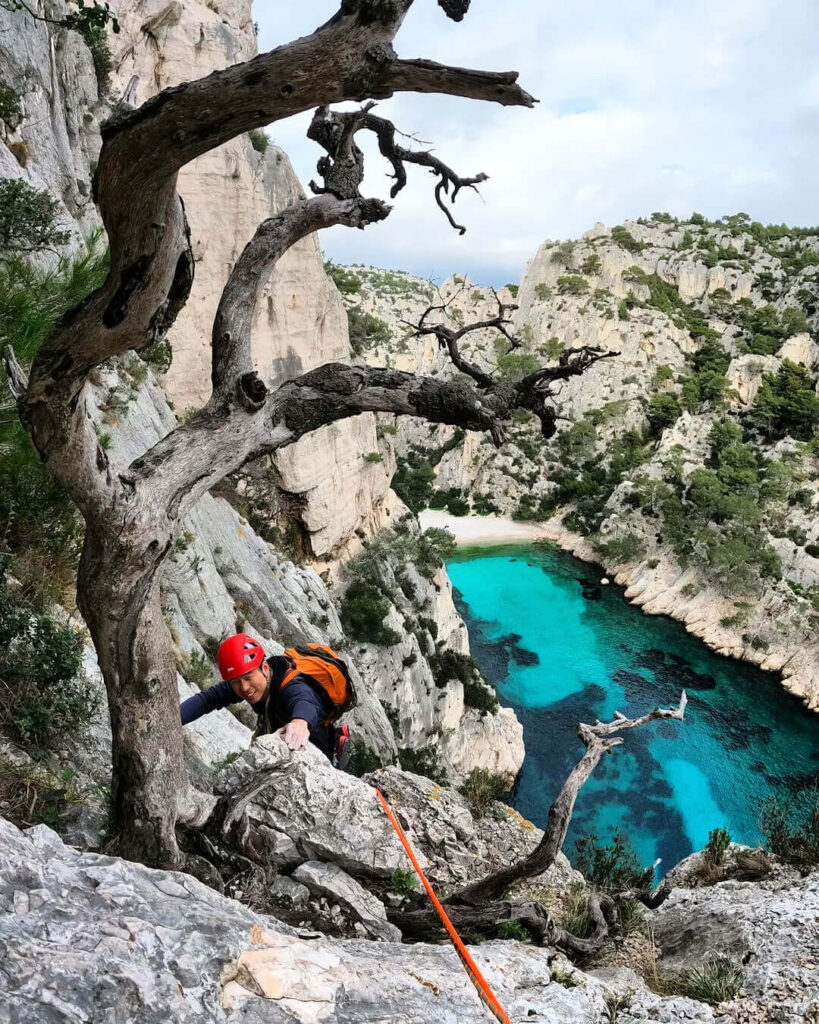
The terrain can be rocky and uneven, but the scenery along the way makes every step worthwhile.
En Vau Hike
The hike to Calanque d’En Vau is often considered the signature trail of the park. Starting near Cassis, the route passes through Port Miou and Port Pin before reaching En Vau. Along the way, you’ll walk through Mediterranean vegetation, cross rocky paths, and enjoy frequent glimpses of the coastline.
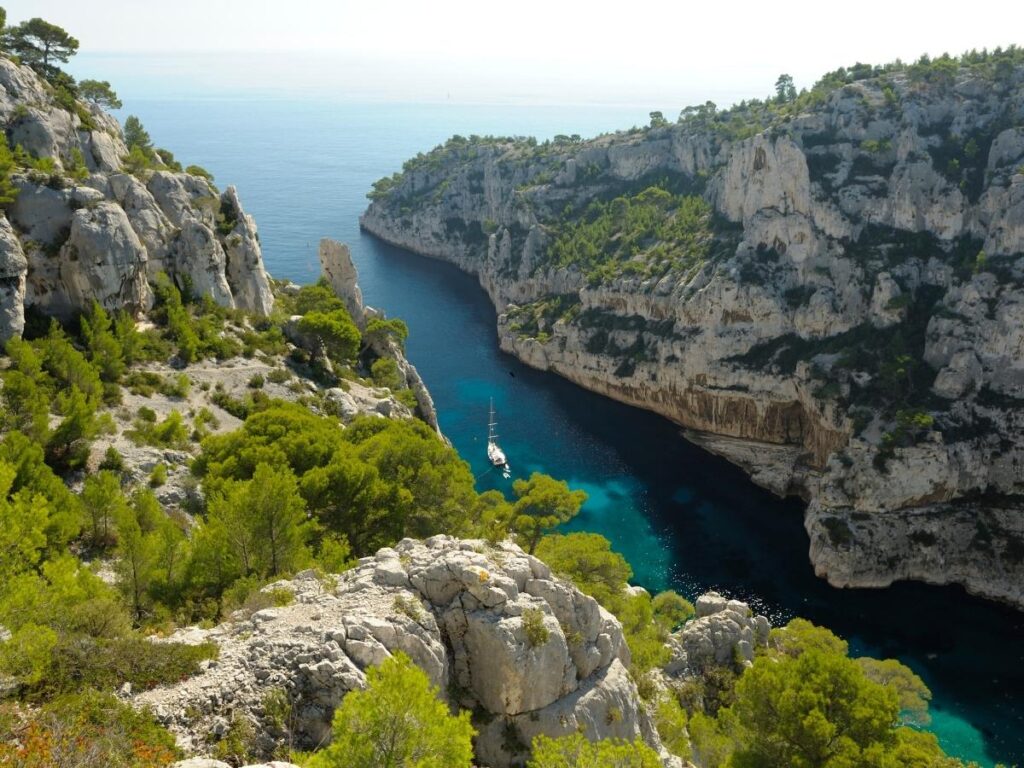
The final descent into En Vau is the most challenging section, but it’s also where the views become truly spectacular. If you’re reasonably fit and only have time for one hike in the park, this is the route I’d choose.
Port Pin Hike
If you’re looking for something shorter and less demanding, the walk to Port Pin is a great option. The trail is relatively easy compared to many other routes in the park and can usually be completed in under 30 minutes from Port Miou.
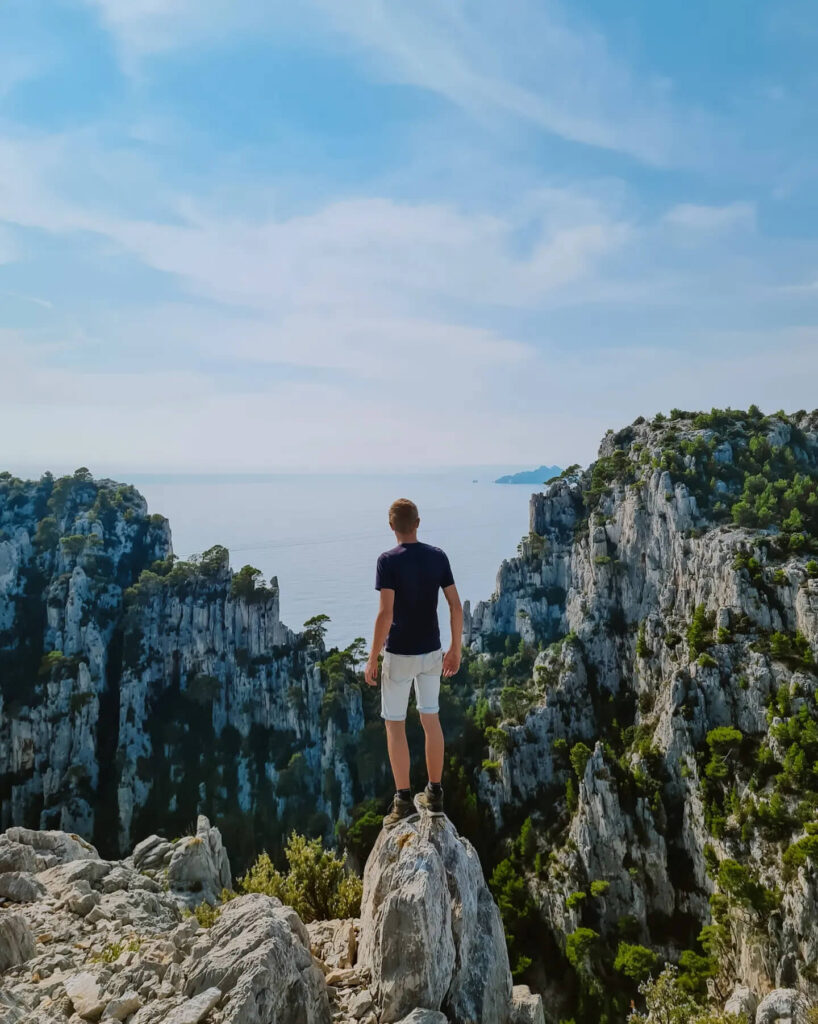
Despite the shorter distance, the scenery is still impressive. The small beach, clear water, and surrounding pine trees make it one of the most pleasant spots for a relaxed morning or afternoon. It’s also a good choice for families or travelers who don’t want to tackle the steeper trails.
Sugiton Trail
For visitors staying in Marseille, the hike to Sugiton is one of the most accessible ways to experience the Calanques. The trail begins near the Luminy campus and gradually leads toward the coast, with several scenic viewpoints along the way.
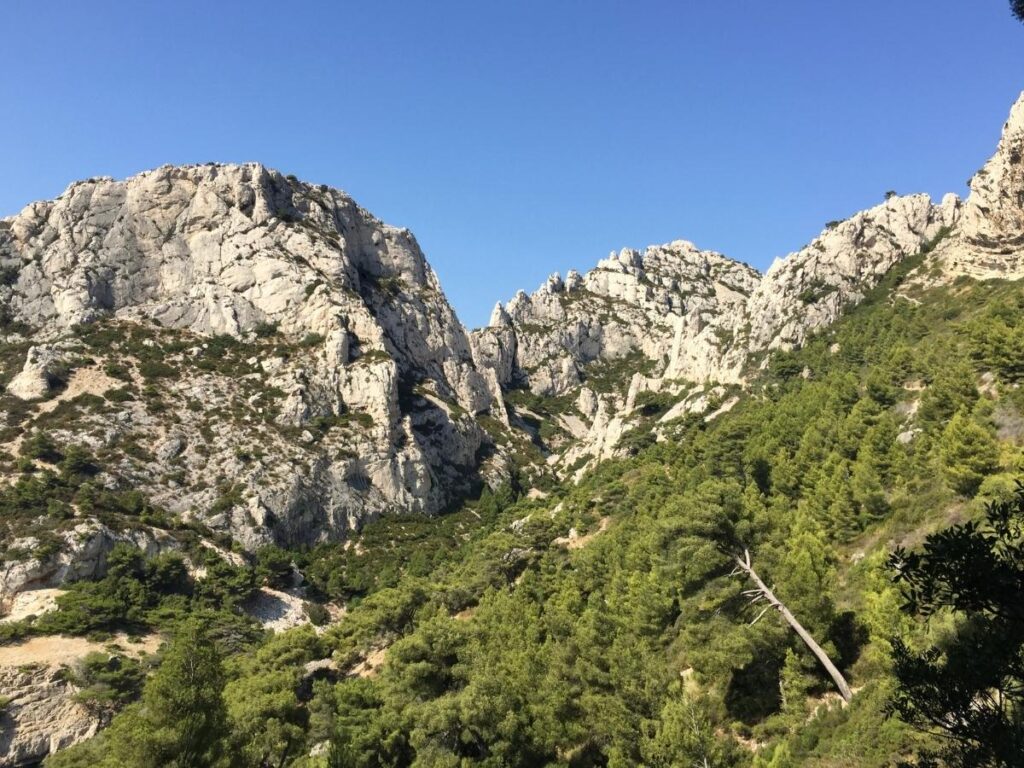
The highlight is the famous overlook above Calanque de Sugiton, where you’ll get panoramic views of the cove and its small rocky island. Even if you don’t plan to swim, the views alone make this hike worthwhile.
Marseilleveyre Trail
If you prefer quieter trails and don’t mind a longer hike, Marseilleveyre is worth considering. This area tends to attract fewer visitors than En Vau or Sugiton, giving it a more remote feel.
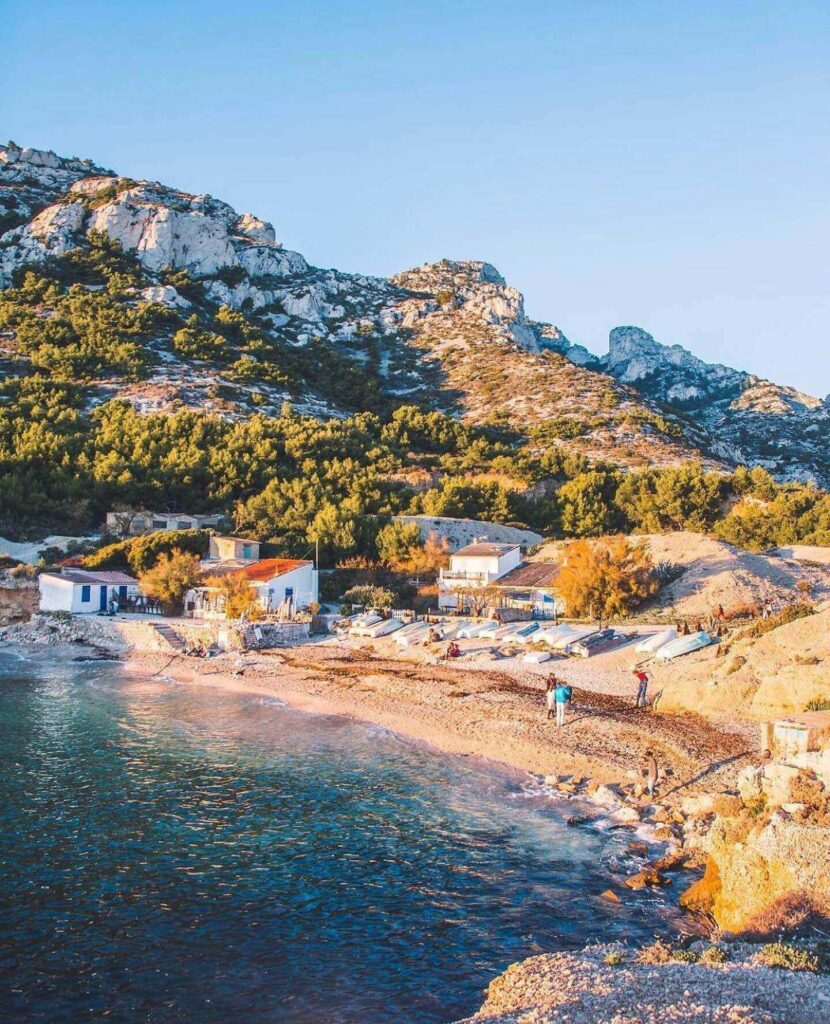
The trail follows rugged sections of coastline and offers beautiful views of the Mediterranean for much of the journey. It’s best suited to experienced hikers who are comfortable with longer distances and uneven terrain, but the sense of solitude makes it one of the most rewarding hikes in the park.
Take a Boat Tour
If hiking isn’t your thing, a boat tour is one of the easiest ways to experience the Calanques. Tours depart from both Cassis and Marseille and allow you to see multiple calanques in a single trip.
Seeing the cliffs from the water gives you a completely different perspective, and you’ll reach areas that are difficult to access on foot. I think boat tours are a great option for families, travelers with limited time, or anyone looking for a more relaxed experience.
Go Kayaking
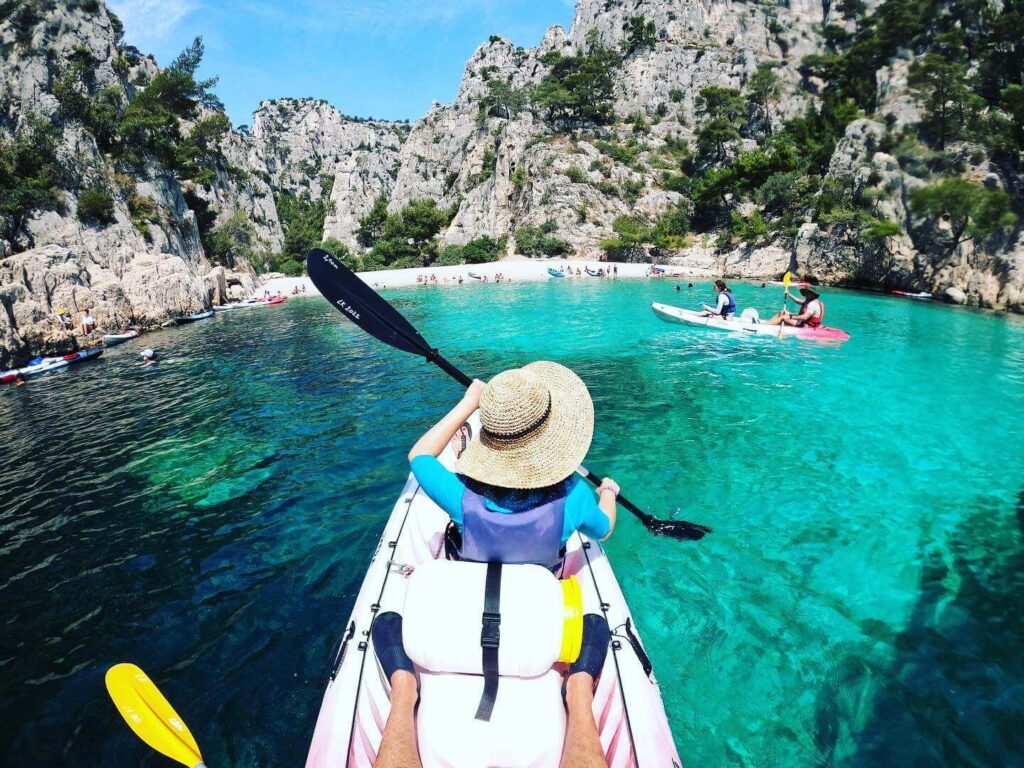
Kayaking is one of my favorite ways to explore the Calanques. It gives you the freedom to discover hidden coves, paddle beneath towering cliffs, and enjoy the coastline at your own pace.
Most rentals are available in Cassis, and the calmest conditions are usually found in the morning. If you’re comfortable on the water, kayaking offers a more immersive experience than a boat tour.
Swim in the Calanques
Swimming is one of the highlights of visiting the park, especially during the warmer months. After a hike, there’s nothing better than cooling off in the clear Mediterranean water.
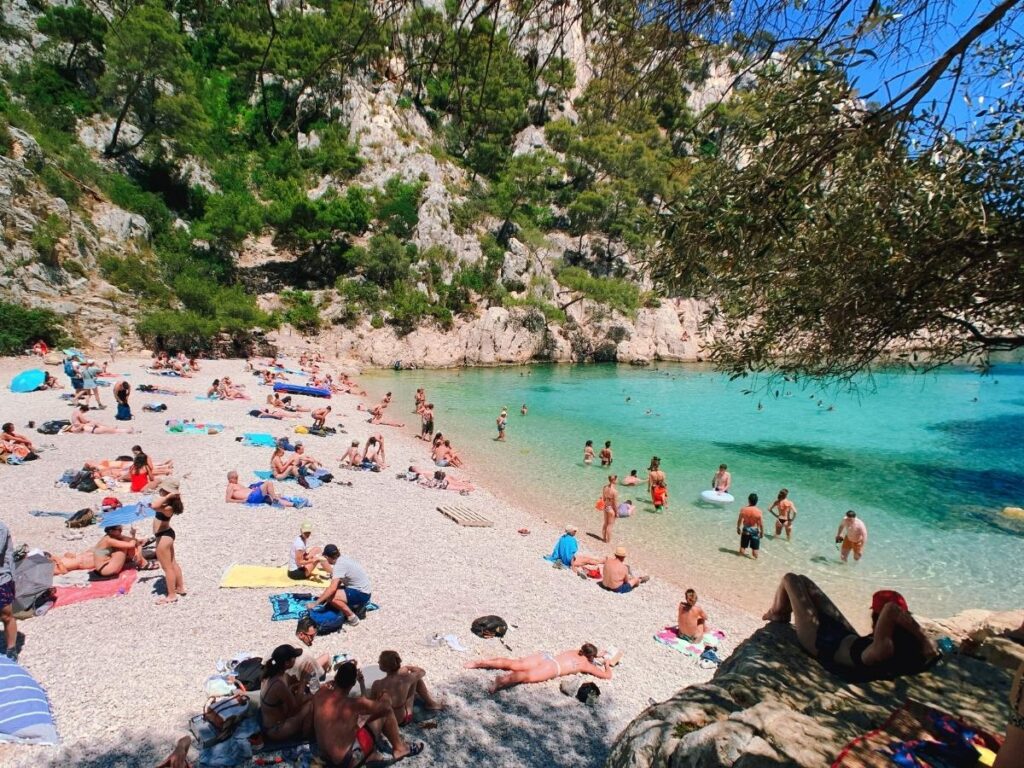
Some of the most popular swimming spots include Calanque d’En Vau, Port Pin, Sormiou, and Sugiton. Just keep in mind that many shorelines are rocky rather than sandy, so water shoes can be useful.
Snorkeling and Diving
The protected waters of the national park are ideal for snorkeling and diving. Thanks to the excellent water clarity, it’s easy to spot fish and other marine life near the rocky shoreline.
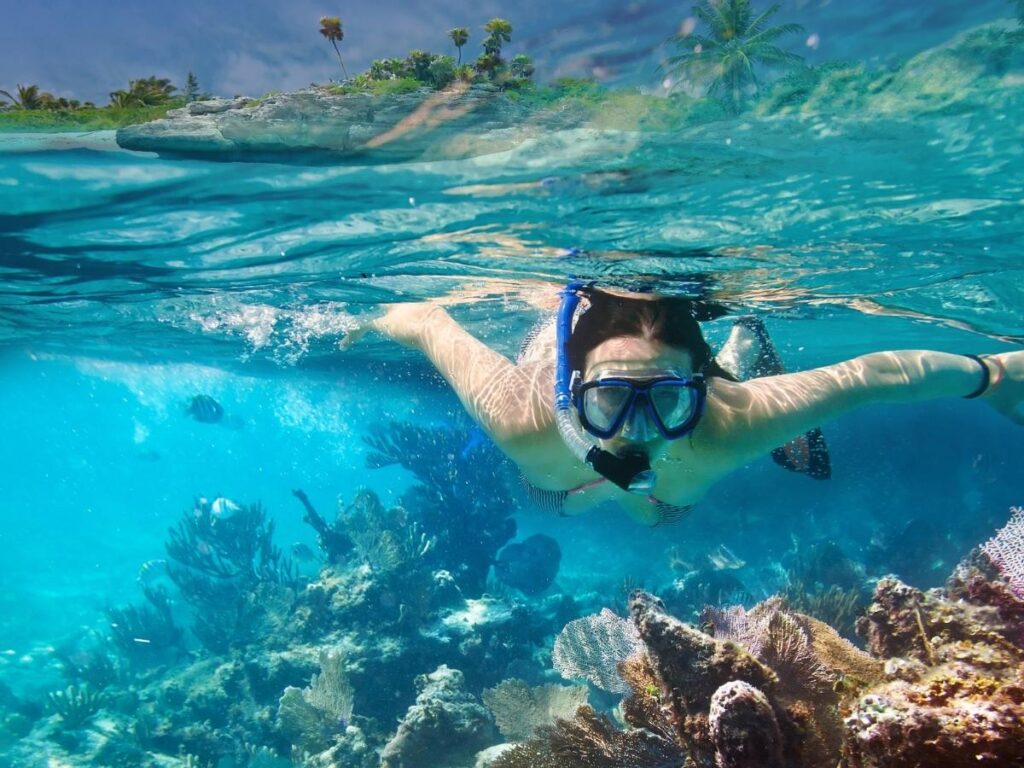
Even if you don’t dive, bringing a mask and snorkel is worth it. Exploring beneath the surface adds another dimension to the Calanques experience and helps you appreciate just how rich the marine environment is.
How to Visit Calanques National Park
The two main gateways to Calanques National Park are Cassis and Marseille. Both provide access to different parts of the park, and the best choice often depends on what you want to see.
Visiting From Cassis
For first time visitors, I generally recommend staying in Cassis. This charming seaside town sits right beside some of the park’s most famous calanques and serves as the starting point for popular hikes to Port Miou, Port Pin, and En Vau.
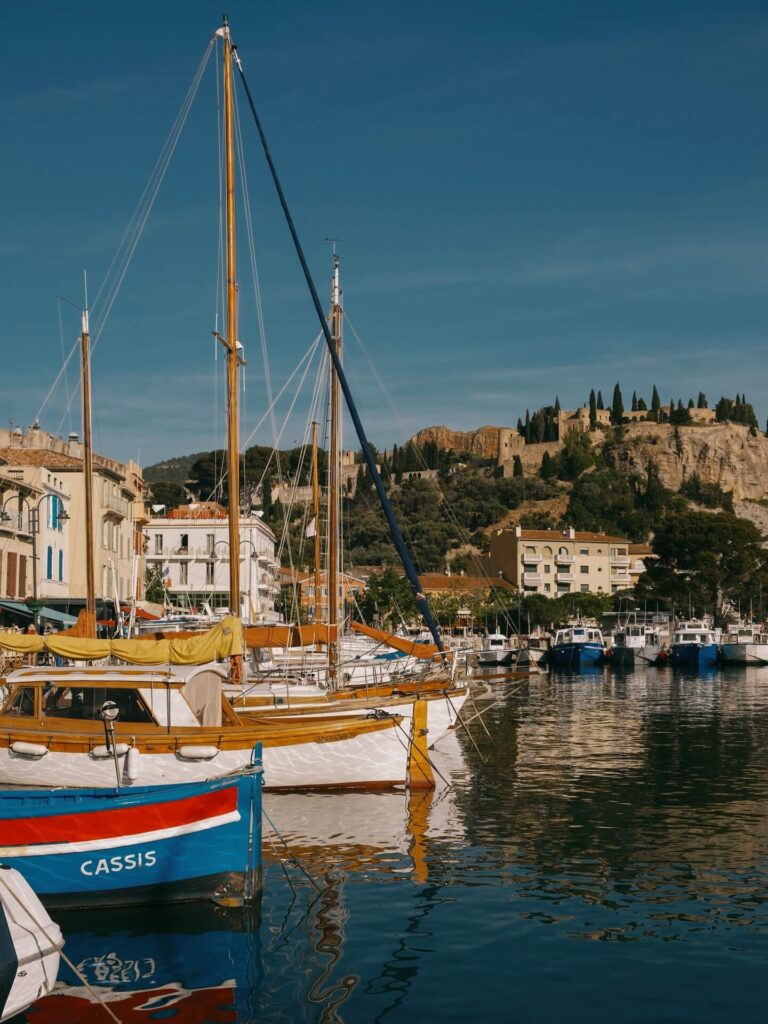
Cassis is also where many boat tours depart, making it a convenient base if you want to combine hiking with time on the water. Beyond the national park, the town itself is worth exploring, with its waterfront restaurants, colorful harbor, and relaxed atmosphere.
Visiting From Marseille
Marseille is the better option if you’re looking for more accommodation choices or relying on public transportation. Several sections of the park, including Sugiton, Morgiou, Sormiou, and Marseilleveyre, are easier to access from the city.
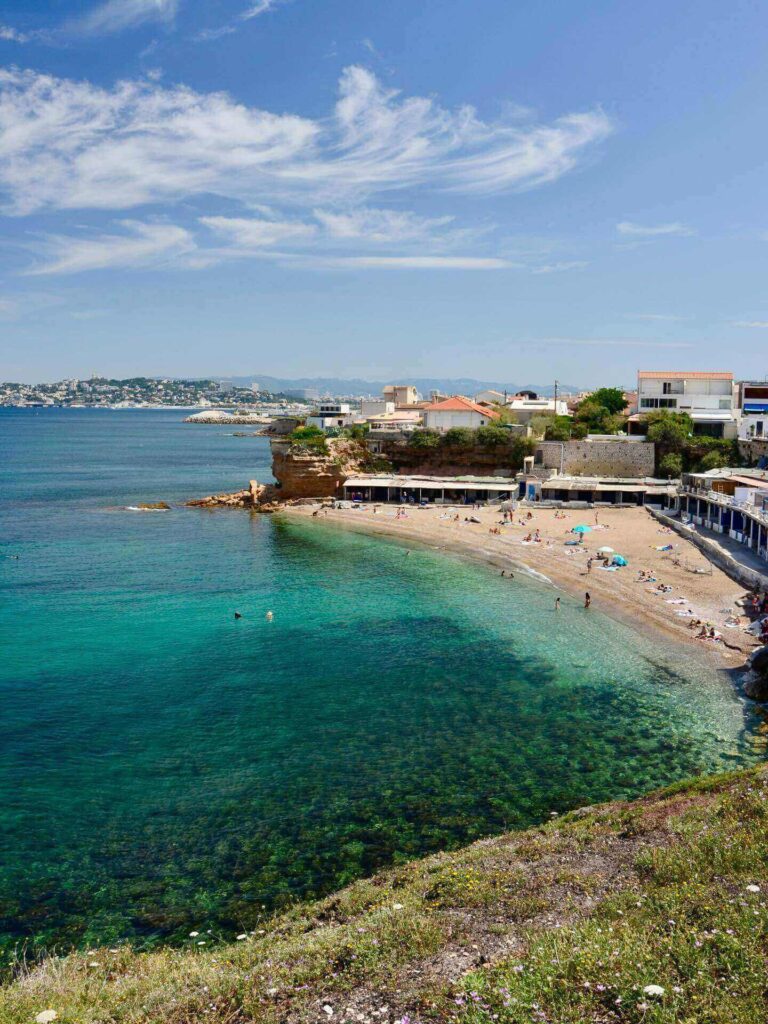
Many travelers visit the Calanques as a day trip from Marseille, especially since public buses can take you close to several trailheads. If you’re already spending time in the city, it’s an easy and worthwhile addition to your itinerary.
Best Time to Visit Calanques National Park
Calanques National Park can be visited year round, but the experience changes quite a bit depending on the season. The best time for you will depend on whether you’re more interested in hiking, swimming, photography, or avoiding crowds.
Spring
Spring is one of my favorite times to visit the Calanques. The weather is usually warm enough for comfortable hiking without the intense heat of summer, and the landscape feels more vibrant as wildflowers begin appearing along the trails.
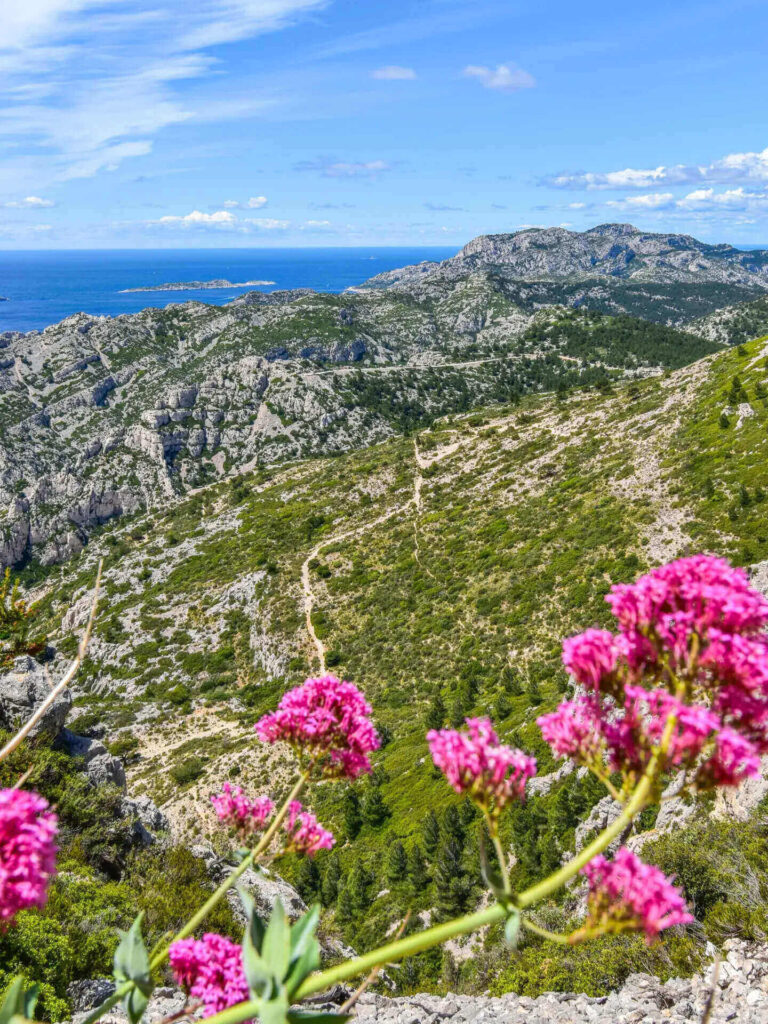
Crowds are generally smaller than in peak season, making it easier to enjoy popular spots like En Vau and Port Pin without feeling rushed. If your main goal is hiking and sightseeing, spring offers an excellent balance of pleasant weather and manageable visitor numbers.
Summer
Summer is the busiest time of year, and it’s easy to see why. The Mediterranean is warm enough for swimming, the days are long, and the coastline looks its best under clear blue skies.
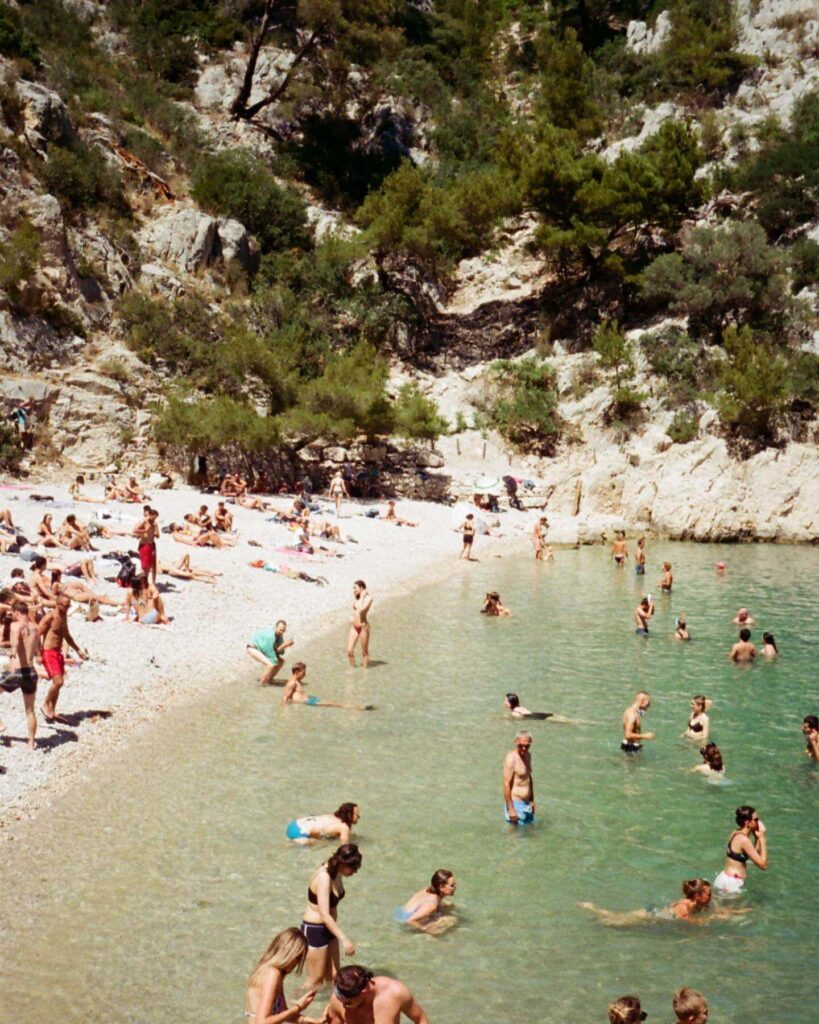
However, summer also comes with a few challenges. Popular trails and beaches can become crowded, parking fills up quickly, and temperatures often make hiking more demanding, especially in the middle of the day.
This is also when wildfire risk is highest, which can lead to temporary trail closures and access restrictions. If you’re visiting in summer, I recommend starting early and checking park conditions before heading out.
Fall
If I had to choose the best overall season to visit, it would probably be fall. The sea is still warm enough for swimming after the summer heat, but the crowds begin to thin out and temperatures become much more comfortable for hiking.
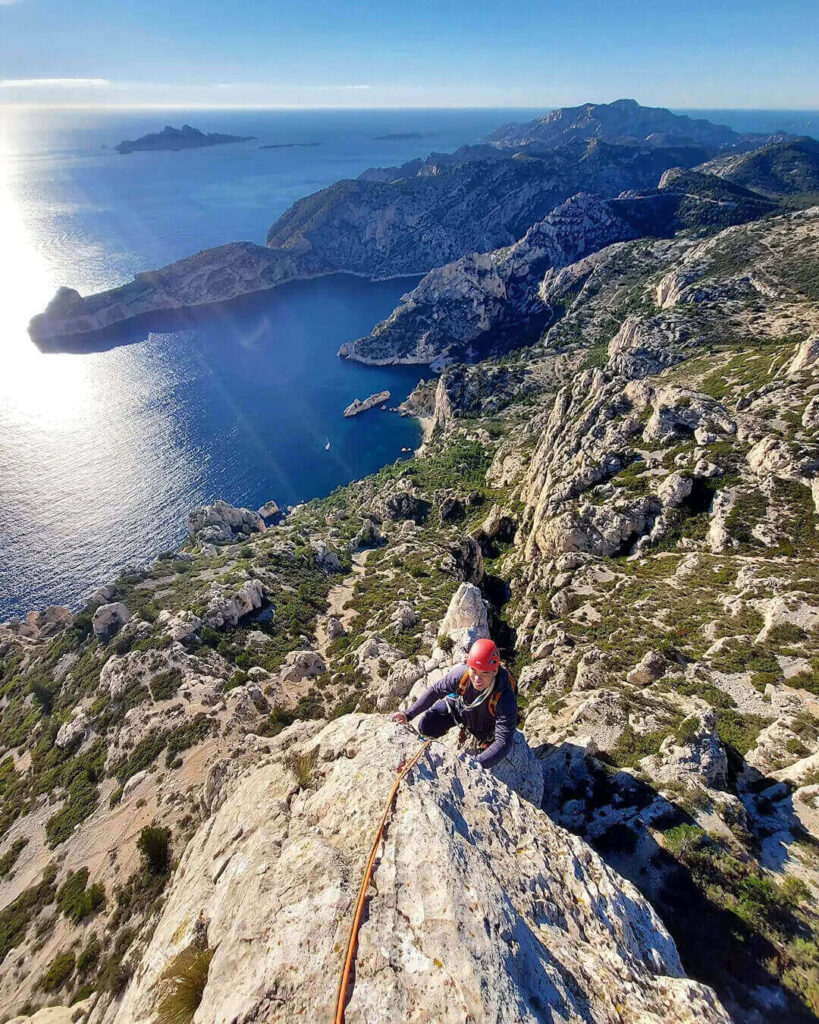
September and October are particularly appealing because you can enjoy many of the same experiences as summer without the busiest crowds. It’s a great time for travelers who want to combine hiking, swimming, and sightseeing in a single trip.
Winter
Winter is the quietest season in the park and can be surprisingly enjoyable for hiking. Cooler temperatures make longer walks much more comfortable, and you’ll often find popular trails far less crowded than during the rest of the year.
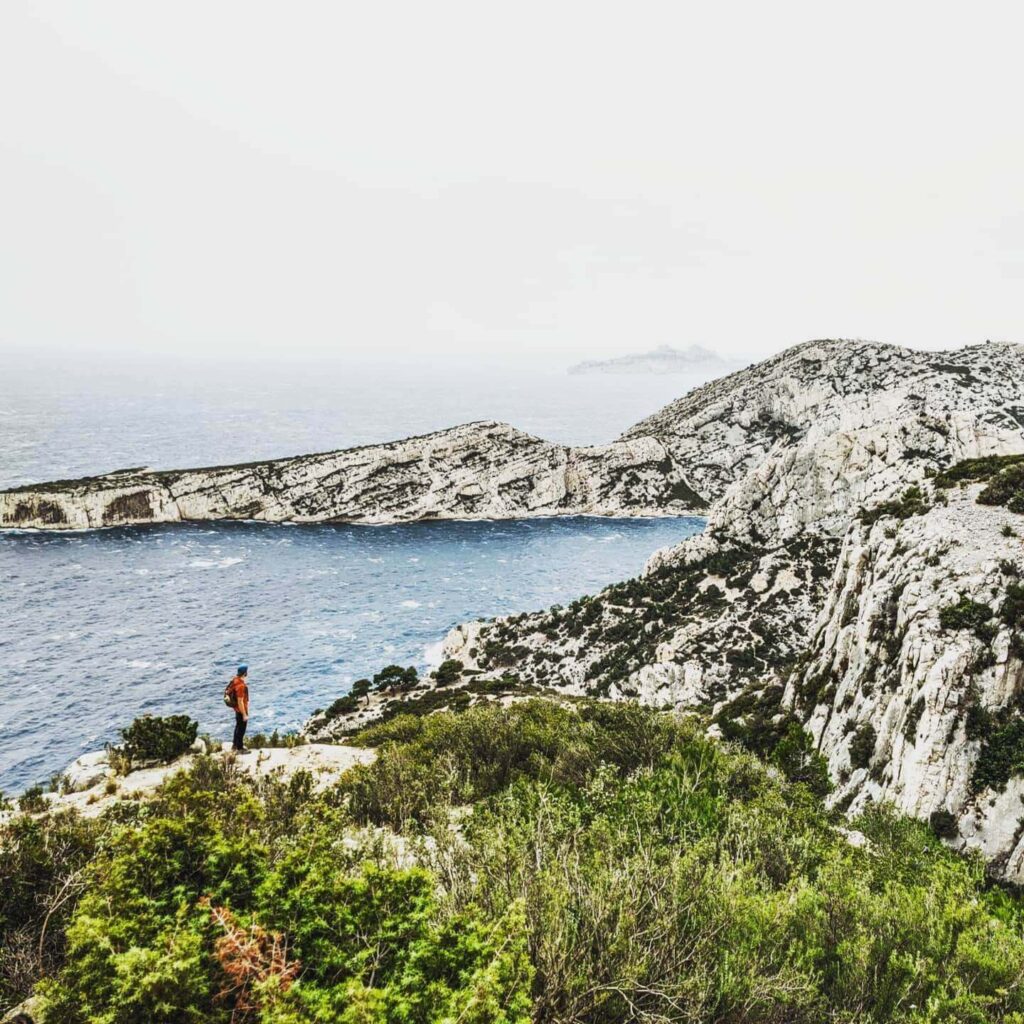
While swimming isn’t appealing for most visitors, winter offers a more peaceful side of the Calanques. It’s also a wonderful time for photography, thanks to the crisp air and excellent visibility along the coastline.
Important Access Restrictions
Before visiting Calanques National Park, it’s important to know that access isn’t always guaranteed, especially during summer. Because the region is prone to wildfires, certain trails and areas may be temporarily closed during periods of high fire risk.
If you’re visiting between June and September, I recommend checking the latest park conditions before heading out. Some popular areas may also require reservations during peak season to help protect the environment and manage visitor numbers.
A little planning ahead can save you from unexpected closures and help make your visit much smoother.
Wildlife and Nature
The Calanques are much more than dramatic cliffs and turquoise water. The park protects a rich variety of Mediterranean plants and wildlife, including seabirds, peregrine falcons, lizards, and numerous fish species.
As you explore, you’ll notice how wild and untouched parts of the park still feel. To help preserve this unique environment, it’s important to stay on marked trails, respect wildlife, and avoid leaving any litter behind. These simple steps help protect one of France’s most remarkable coastal landscapes.
Where to Stay Near Calanques National Park
Choosing where to stay largely depends on how you plan to explore the park, but for most first time visitors, I’d recommend either Cassis or Marseille.
Cassis
Cassis is my favorite base for visiting the Calanques. This small seaside town sits right next to the national park and provides easy access to some of its most famous hiking trails, including routes to Port Miou, Port Pin, and En Vau.
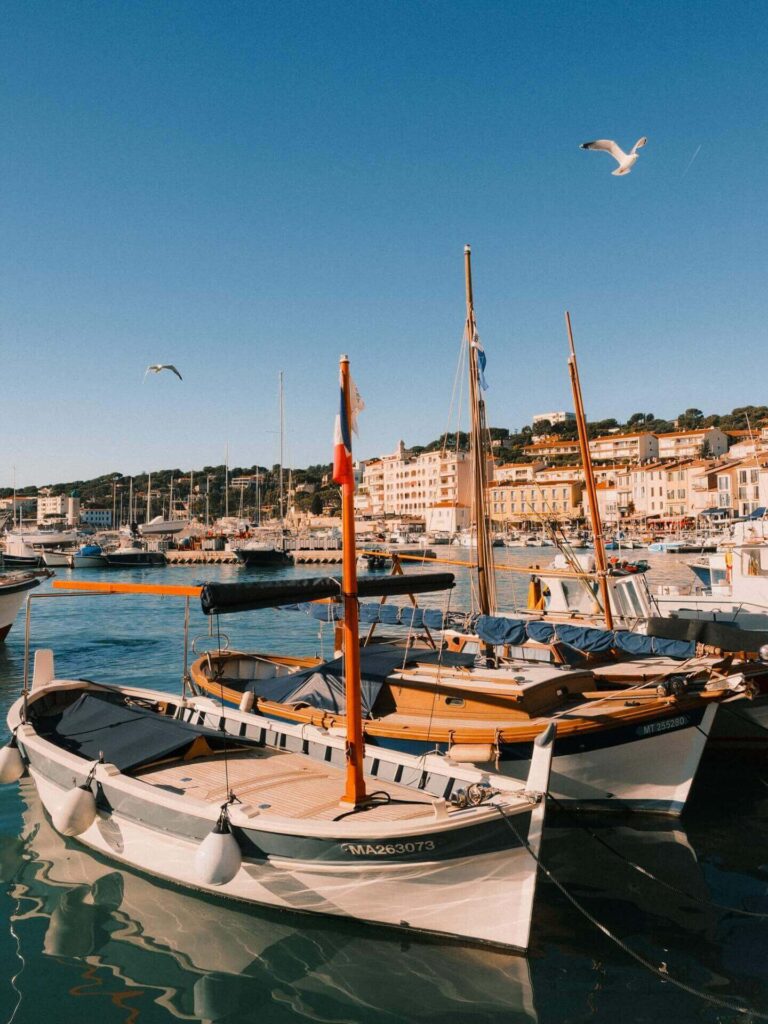
Beyond its location, Cassis is simply a lovely place to stay. The harbor is lined with cafés and restaurants, the town is easy to explore on foot, and the atmosphere feels much more relaxed than Marseille. If your main goal is spending time in the Calanques, staying in Cassis makes the experience much more convenient.
Marseille
Marseille is a better choice if you’re looking for a wider range of hotels, restaurants, and transportation options. It’s particularly convenient for travelers arriving by train or flying into Marseille Provence Airport.
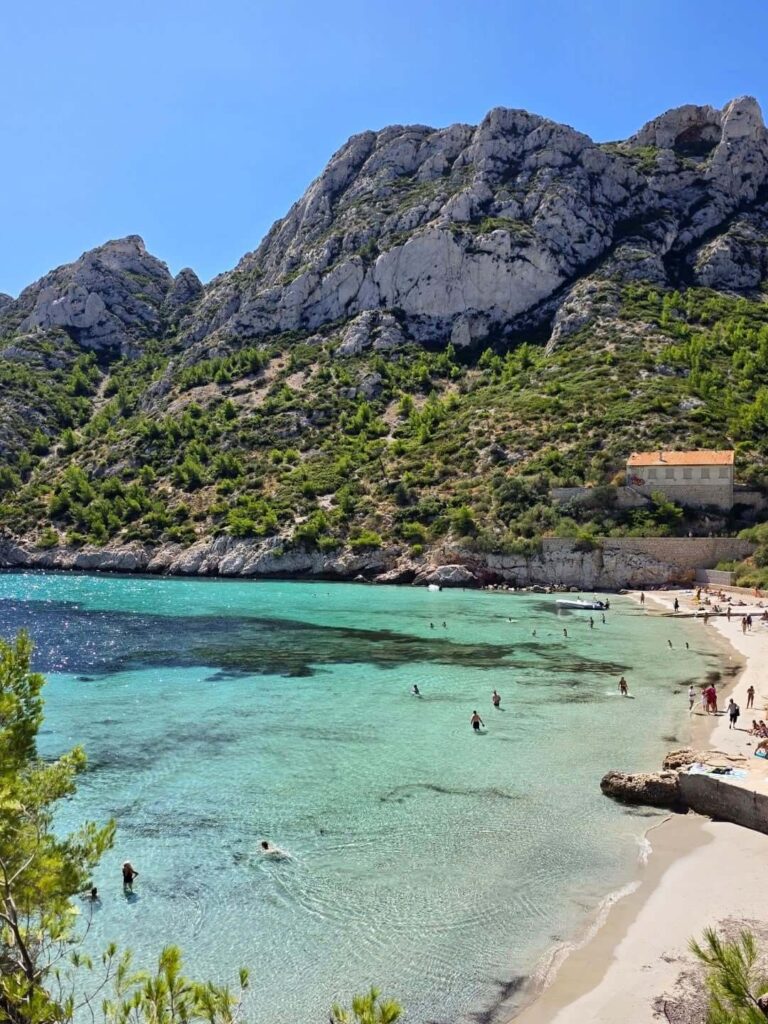
The city also provides easy access to several sections of the park, including Sugiton, Morgiou, and Sormiou. While it doesn’t have the same small town charm as Cassis, it works well if you’re planning to combine city sightseeing with time in nature.
La Ciotat
La Ciotat is often overlooked, but it’s a good option for travelers seeking a quieter base. Located just east of Cassis, it offers beautiful coastal scenery, a more local atmosphere, and generally fewer crowds.
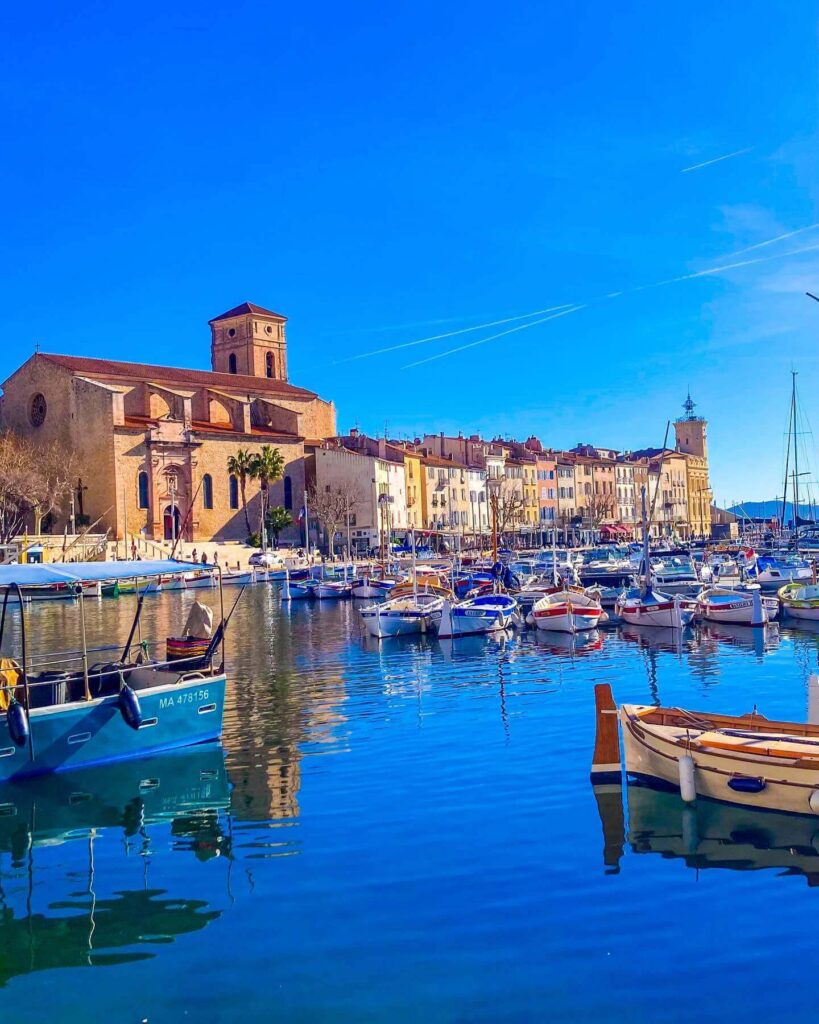
It’s not as convenient for accessing the most famous hiking trails, but it’s still close enough for day trips into the park while providing a more relaxed place to stay.
Suggested Itineraries
One of the most common questions travelers ask is how much time they need for Calanques National Park. While you can see some highlights in a few hours, having at least a full day allows you to experience the park much more fully.
Half Day Visit
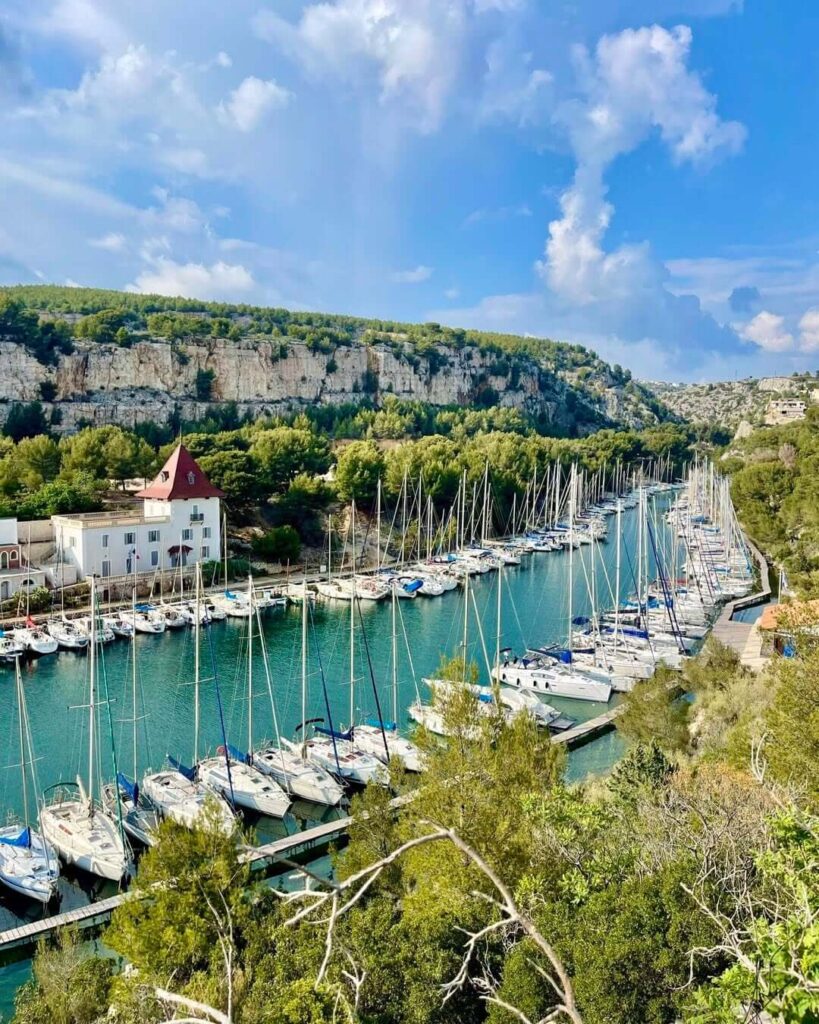
If you’re short on time, I’d base yourself in Cassis and follow the trail to Port Pin. The walk is relatively easy, the scenery is beautiful, and you can spend some time swimming before heading back into town for lunch or a stroll around the harbor.
One Day Itinerary
With a full day, I’d start early at Port Miou and hike through Port Pin to Calanque d’En Vau. This route showcases some of the park’s most iconic scenery and gives you time to stop for photos, enjoy the viewpoints, and take a swim if the weather is warm.
After returning to Cassis, spend the evening exploring the waterfront and enjoying dinner by the harbor.
Two Day Itinerary
Two days gives you enough time to experience the Calanques from both land and sea.
On your first day, focus on hiking to Port Pin and En Vau. Then, on your second day, join a boat tour or rent a kayak to see the coastline from the water. If time allows, visit Sugiton or Sormiou for a different perspective of the park.
Three Day Itinerary
Within three days, you can explore at a much slower pace and see several of the park’s highlights without feeling rushed.
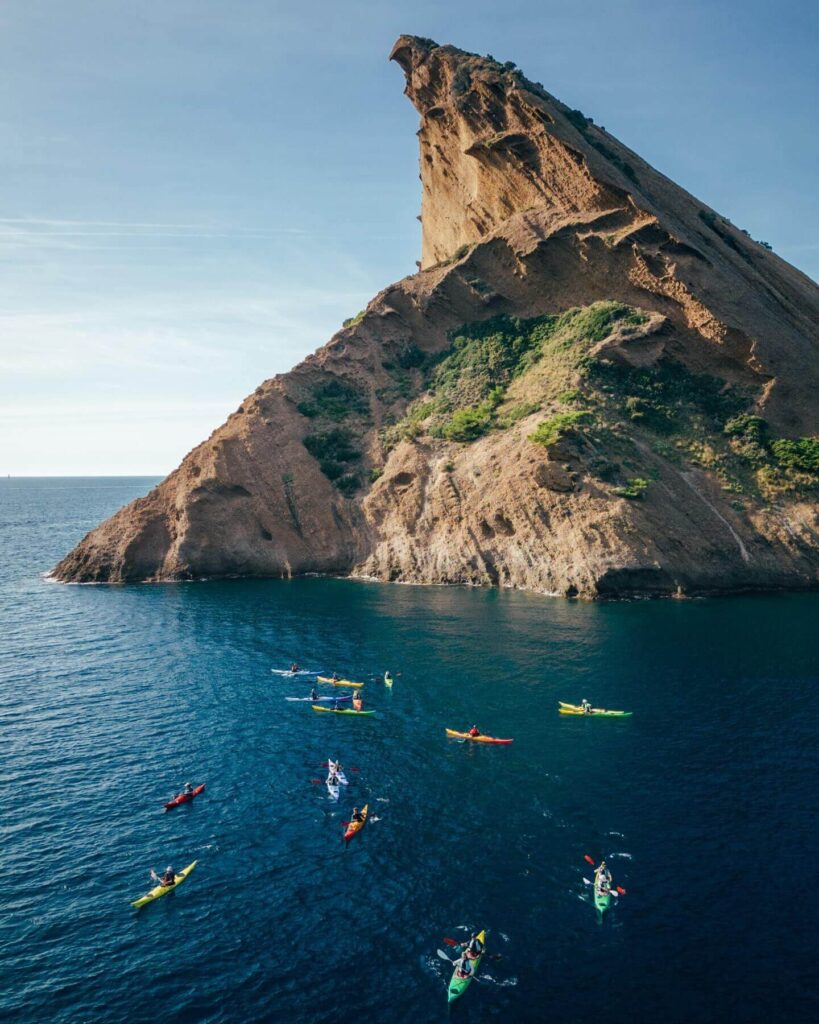
Spend your first day discovering Cassis and hiking to En Vau. Use your second day for a kayaking adventure or boat excursion along the coastline. On the third day, explore the Marseille side of the park, visiting areas such as Sugiton, Morgiou, or Marseilleveyre.
This itinerary gives you a well rounded experience and lets you appreciate the different landscapes and activities that make Calanques National Park so special.
Practical Tips Before Visiting
A little preparation can make a big difference when visiting Calanques National Park, especially if you’re planning to hike.
The first thing I’d recommend is starting early, particularly during summer. Temperatures can become quite hot by midday, and many of the trails offer very little shade. An early start not only helps you avoid the heat but also gives you a chance to enjoy the most popular calanques before they become crowded.
Water is another thing you shouldn’t underestimate. Even relatively short hikes can feel demanding in the Mediterranean sun, so bring more water than you think you’ll need. Proper hiking shoes are also worth wearing, as many trails are rocky, uneven, and sometimes slippery.
Before leaving for the park, take a few minutes to check the latest access conditions. Trail closures and restrictions can occur during periods of high wildfire risk, particularly in summer. Downloading an offline map is also a good idea since mobile coverage can be unreliable in some areas.
Most importantly, remember that you’re visiting a protected natural environment. Staying on marked trails, taking your litter with you, and respecting wildlife helps preserve the park for future visitors.
Is Calanques National Park Worth Visiting?
Without question.
What makes Calanques National Park so memorable isn’t just the scenery, although the dramatic cliffs and turquoise water are reason enough to visit. It’s the combination of hiking, swimming, boating, and nature that makes the experience feel so unique.
I also love how accessible it is. Within a short distance of Marseille and Cassis, you can find yourself walking along rugged coastal trails, relaxing beside secluded coves, or kayaking beneath towering limestone cliffs. Few places in France offer that mix of adventure and natural beauty in such an accessible setting.
Whether you’re spending a few hours exploring a single calanque or several days discovering different parts of the park, it’s the kind of destination that stays with you long after your trip is over. If you’re planning a visit to Provence or the French Riviera, I think Calanques National Park deserves a place near the top of your itinerary.