
Few places in Corsica impressed me as much as Scandola Nature Reserve. Before visiting, I had seen plenty of photos of the reserve’s famous red cliffs rising from the Mediterranean, but I wasn’t prepared for how wild and untouched it would feel in person.
There are no coastal roads, large resorts, or busy developments here. Instead, you’ll find dramatic volcanic landscapes, hidden coves, crystal clear water, and some of the most beautiful scenery on the island.
Located on Corsica’s west coast, Scandola is one of the Mediterranean’s most important protected areas and a UNESCO World Heritage Site. Much of the reserve can only be accessed by boat, which has helped preserve its unique coastline and wildlife.
Visitors come to explore sea caves, admire towering rock formations, spot ospreys and other wildlife, and experience a part of Corsica that feels remarkably unchanged.
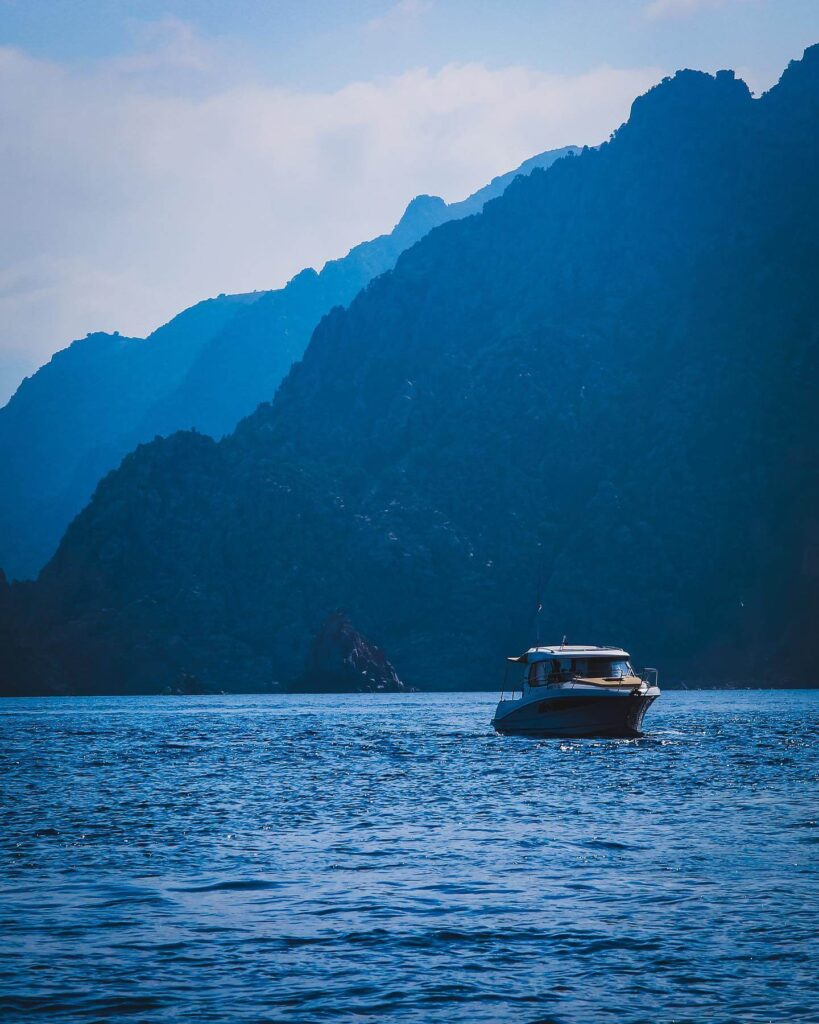
Whether you’re planning a boat tour from Porto, considering a stop in nearby Girolata, or simply deciding if Scandola is worth adding to your itinerary, this guide covers everything you need to know before visiting.
Where Is Scandola Nature Reserve?
Scandola Nature Reserve is located on Corsica’s rugged west coast, between the towns of Porto and Galéria. It forms part of the Gulf of Porto, a region known for its volcanic cliffs, dramatic coastline, and protected natural landscapes.
One of the things that makes Scandola so special is how remote it feels. There are no roads running through the reserve, so most visitors explore it by boat. This limited access has helped preserve the coastline and wildlife, allowing the area to remain largely untouched.
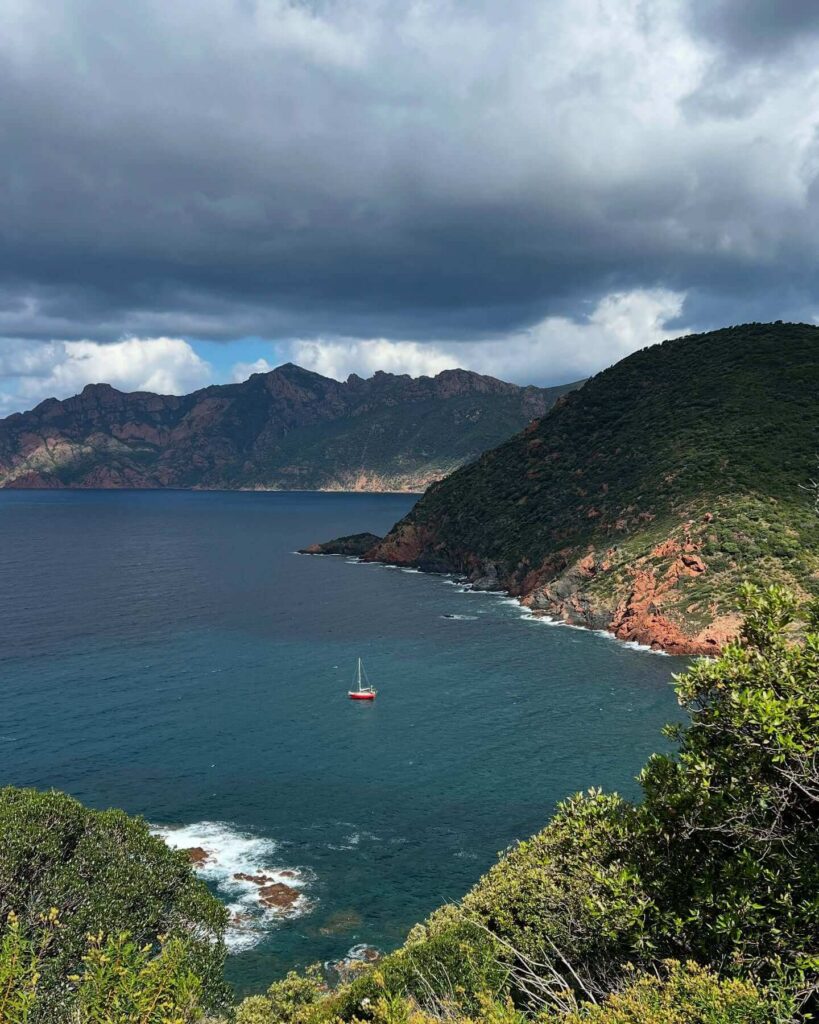
Porto is the most popular base for visiting Scandola because it’s the closest departure point and offers the largest selection of boat tours. Galéria and Calvi are also common starting points, especially for travelers exploring northern Corsica.
Many visitors combine Scandola with nearby attractions such as Girolata and the Calanche de Piana, making it one of the highlights of a west Corsica itinerary.
Why Is Scandola Nature Reserve So Special?
Scandola is much more than a beautiful stretch of coastline. It’s one of the Mediterranean’s most important protected areas, preserving both a unique landscape and a rich marine ecosystem.
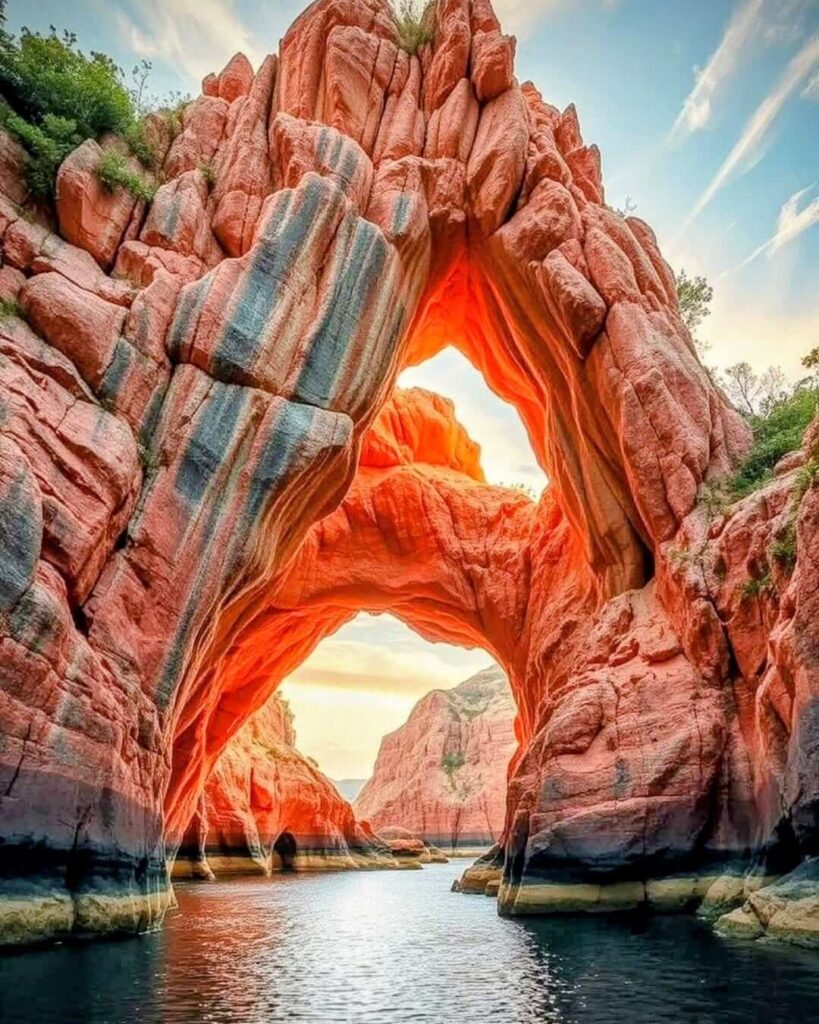
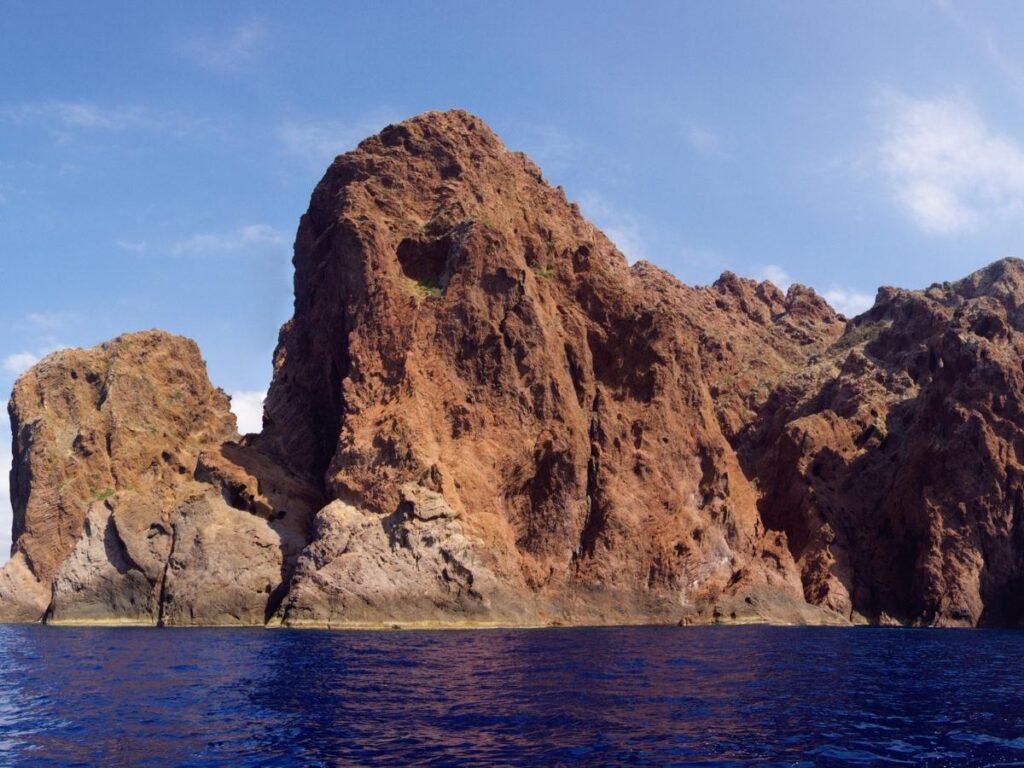
The reserve is best known for its dramatic red volcanic cliffs that rise straight from the sea. Over millions of years, wind and waves have shaped the coastline into sea caves, natural arches, and unusual rock formations that make every boat trip feel different.
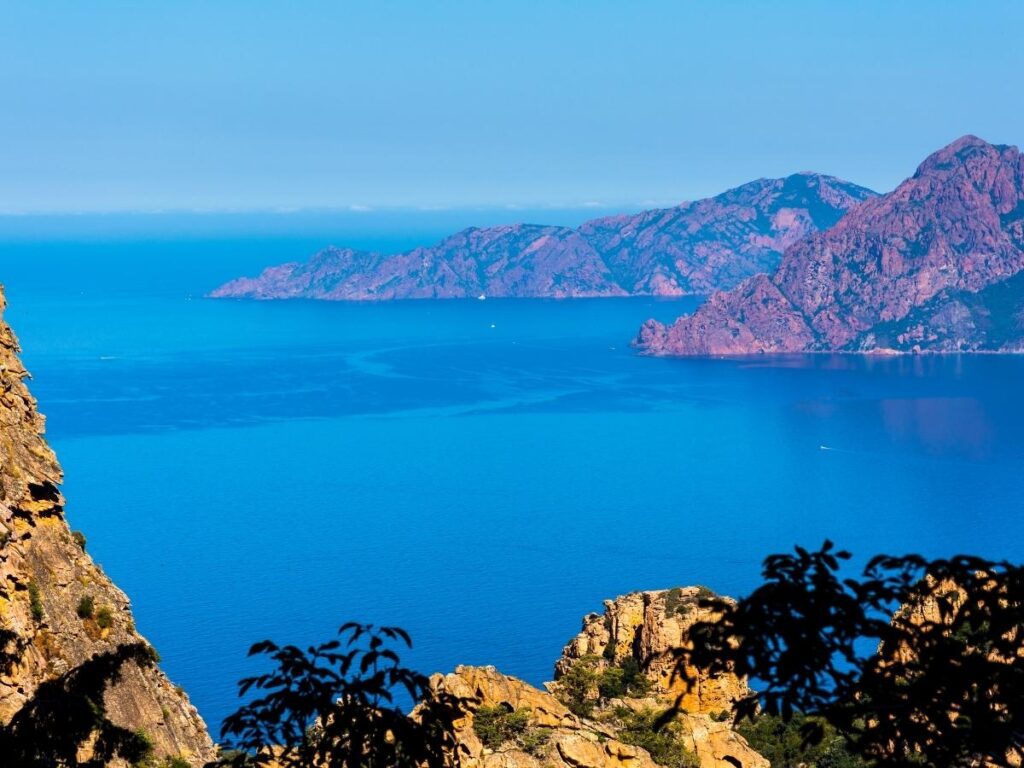
Scandola’s ecological importance earned it UNESCO World Heritage status, alongside the nearby Gulf of Porto and the Calanche de Piana. The reserve is also home to a variety of wildlife, including ospreys, peregrine falcons, and numerous marine species.
What makes Scandola truly memorable is how untouched it feels. With no roads, resorts, or major development inside the reserve, much of the coastline looks much as it has for centuries. That sense of wildness is a big part of what makes a visit here so special.
The Wildlife of Scandola
While the dramatic cliffs usually get most of the attention, the wildlife is another reason Scandola is such a special place to visit. Because the reserve has been protected for decades, both the land and surrounding waters provide an important habitat for many species that have become less common elsewhere in the Mediterranean.
One of the animals most closely associated with Scandola is the osprey. These impressive birds of prey nest on the reserve’s cliffs, and Scandola is considered one of the best places in France to see them in the wild.
If you’re taking a boat tour, your captain will often point out nesting sites high above the water. You may also spot peregrine falcons soaring over the cliffs, along with yellow legged gulls and European shags resting on rocky outcrops.
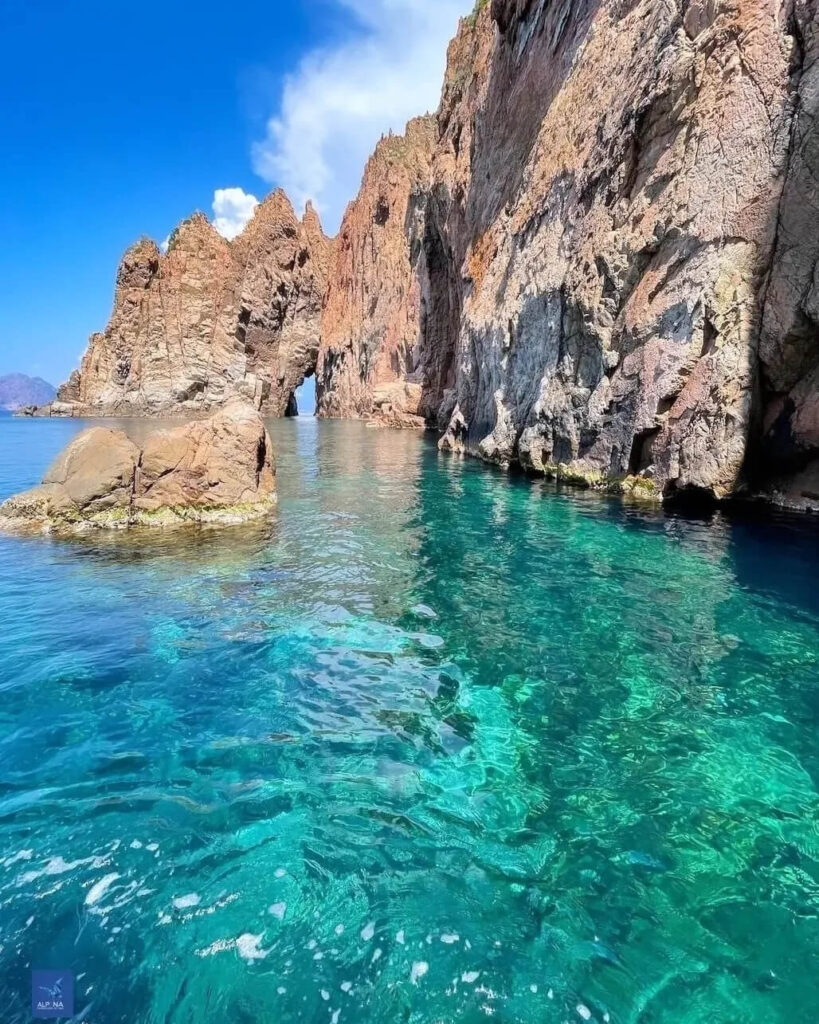
Marine life is just as interesting. The clear, protected waters around Scandola support a wide variety of fish and other sea creatures. Groupers, sea bream, barracuda, and octopus can often be found beneath the surface, particularly in rocky areas around the reserve.
Even if you’re not a dedicated wildlife enthusiast, seeing birds circling above the cliffs or spotting fish through the crystal clear water adds another dimension to the experience. It serves as a reminder that Scandola isn’t just a beautiful landscape, but a thriving ecosystem that has remained remarkably well preserved.
How to Visit Scandola Nature Reserve
Visiting by Boat
For most visitors, a boat tour is the only practical way to experience Scandola Nature Reserve. Since there are no roads running through the reserve, many of its most famous sights can only be seen from the water.
The towering cliffs, narrow sea caves, hidden coves, and unusual rock formations are all best appreciated by boat, and the views are often far more impressive than most photos suggest.
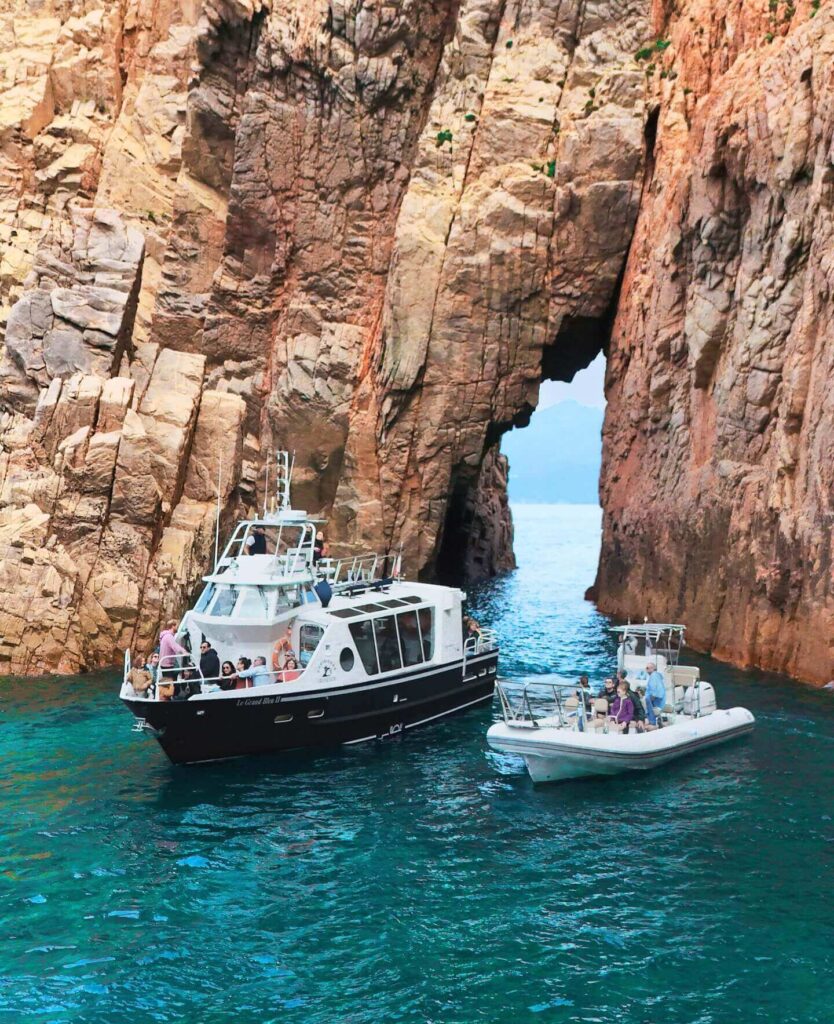
Most excursions depart from Porto, Calvi, Galéria, or Ajaccio. Porto is usually the most convenient option because it’s located closest to the reserve, which means less travel time and more time exploring the coastline itself.
Many travelers visiting western Corsica choose to stay in Porto specifically for easy access to Scandola and nearby attractions such as Girolata and the Calanche de Piana.
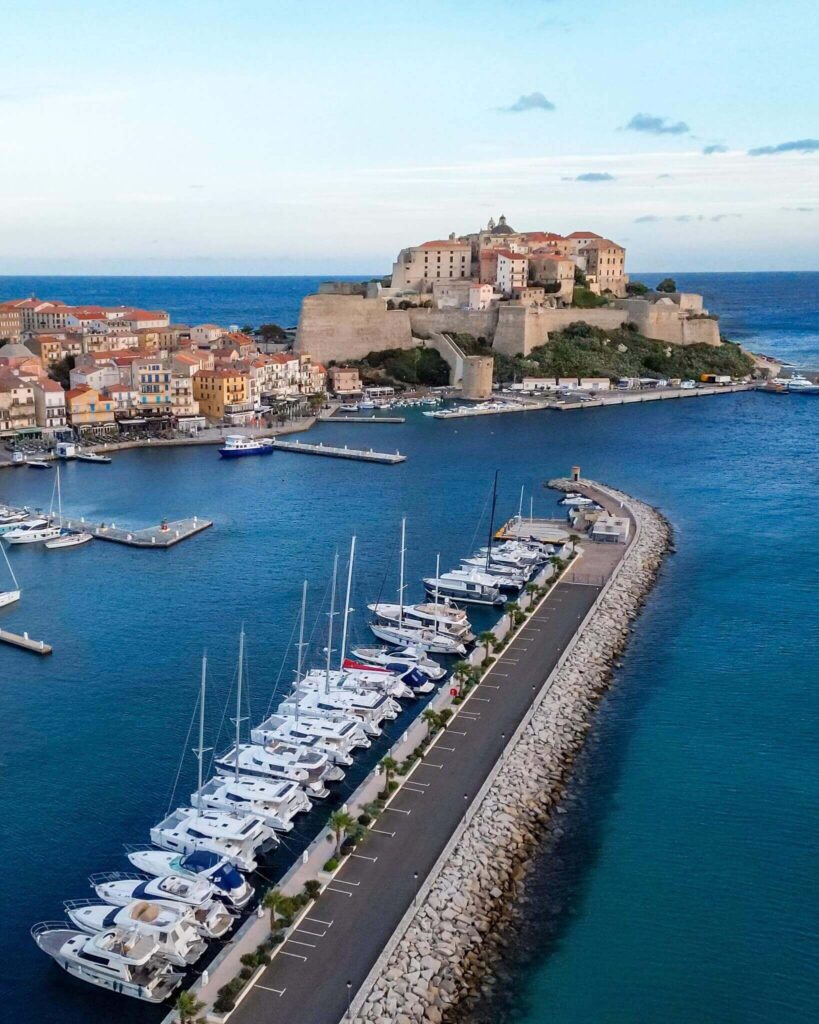
Calvi is another popular departure point, particularly for visitors staying in northern Corsica. Tours from here are generally longer but can be a good option if you don’t want to change hotels just to visit the reserve. Galéria tends to be quieter and often attracts travelers looking for a less crowded experience.
Choosing the Right Boat Tour
Not all Scandola boat tours are the same, so it’s worth spending a few minutes comparing your options before booking.
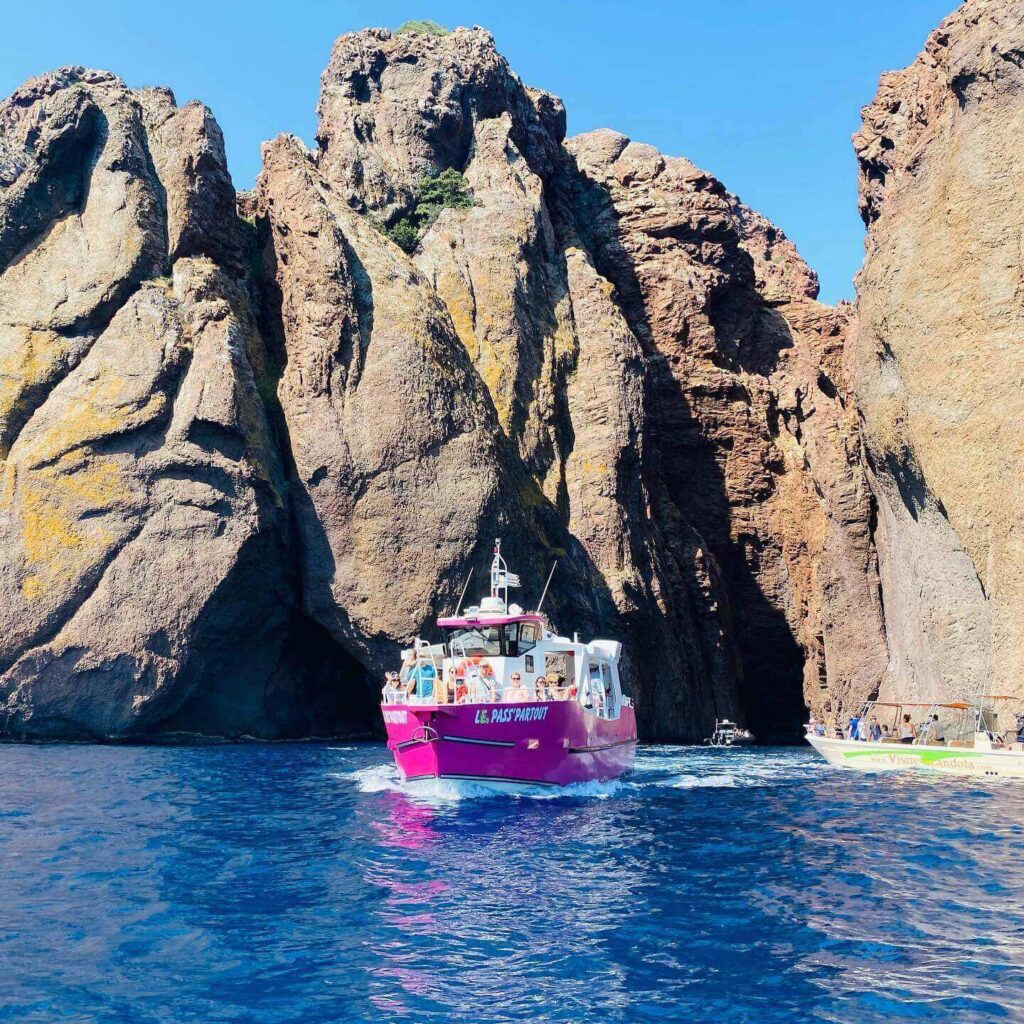
The large sightseeing boats are usually the most budget friendly choice. They often provide commentary about the reserve’s history, geology, and wildlife, making them a good option for first time visitors. The trade off is that these boats can’t always enter some of the smaller sea caves and tend to carry more passengers.
Smaller boats offer a more intimate experience and can often get closer to the coastline. Many captains will take these boats into narrow inlets and caves that larger vessels simply can’t reach. If you’re interested in photography, this is usually the option I would recommend.
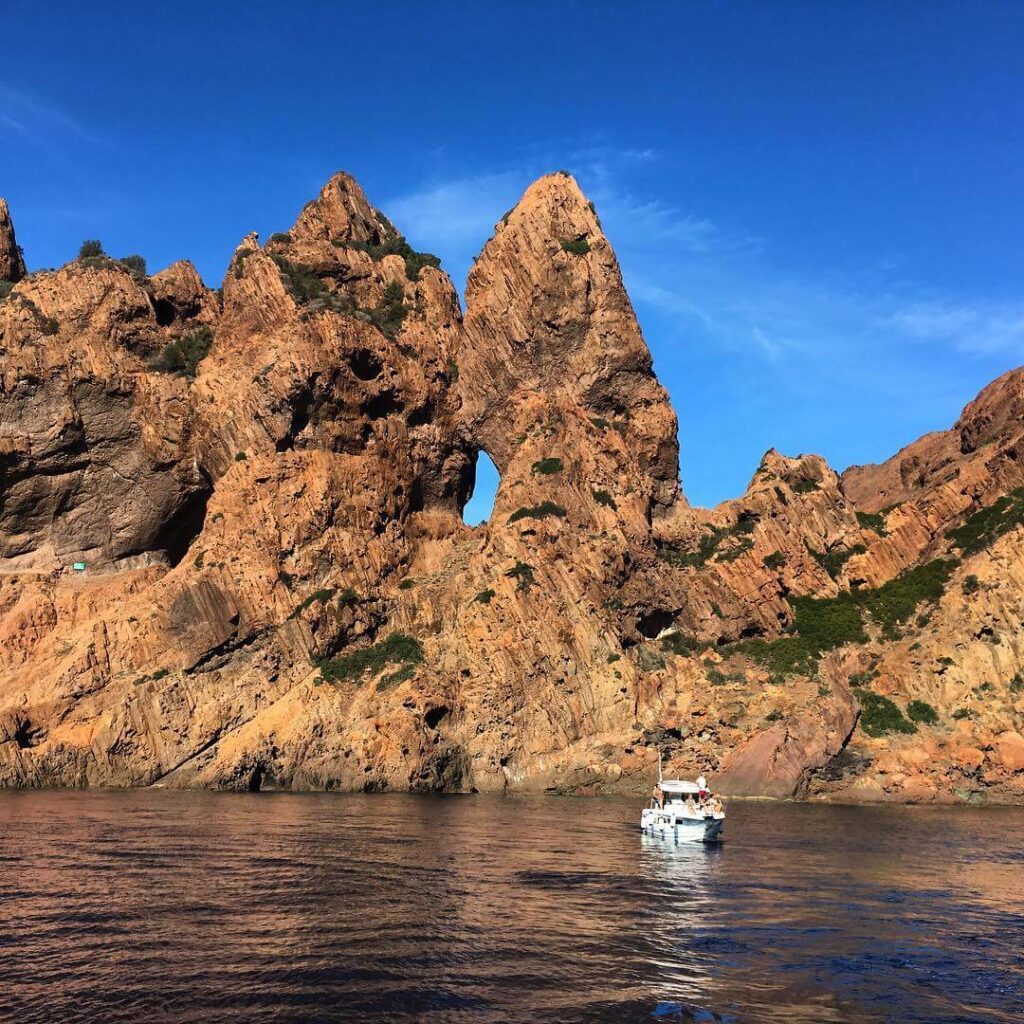
You’ll also find speedboat excursions that focus on covering more ground in less time. These are popular with travelers who have limited time and want to combine Scandola with other nearby highlights in a single day.
For those who prefer a slower pace, full day cruises often include a stop in Girolata, swimming opportunities, and extra time to enjoy the scenery. While they cost a bit more, many visitors find they’re the best way to experience the area without feeling rushed.
Whichever tour you choose, I recommend booking in advance during the summer months. Scandola is one of Corsica’s most popular natural attractions, and the best tours can fill up quickly, especially in July and August.
Visiting Girolata During Your Trip
Many Scandola boat tours include a stop in Girolata, a small seaside village that can only be reached by boat or hiking trail. Its remote location gives it a peaceful atmosphere that’s quite different from Corsica’s larger coastal towns.
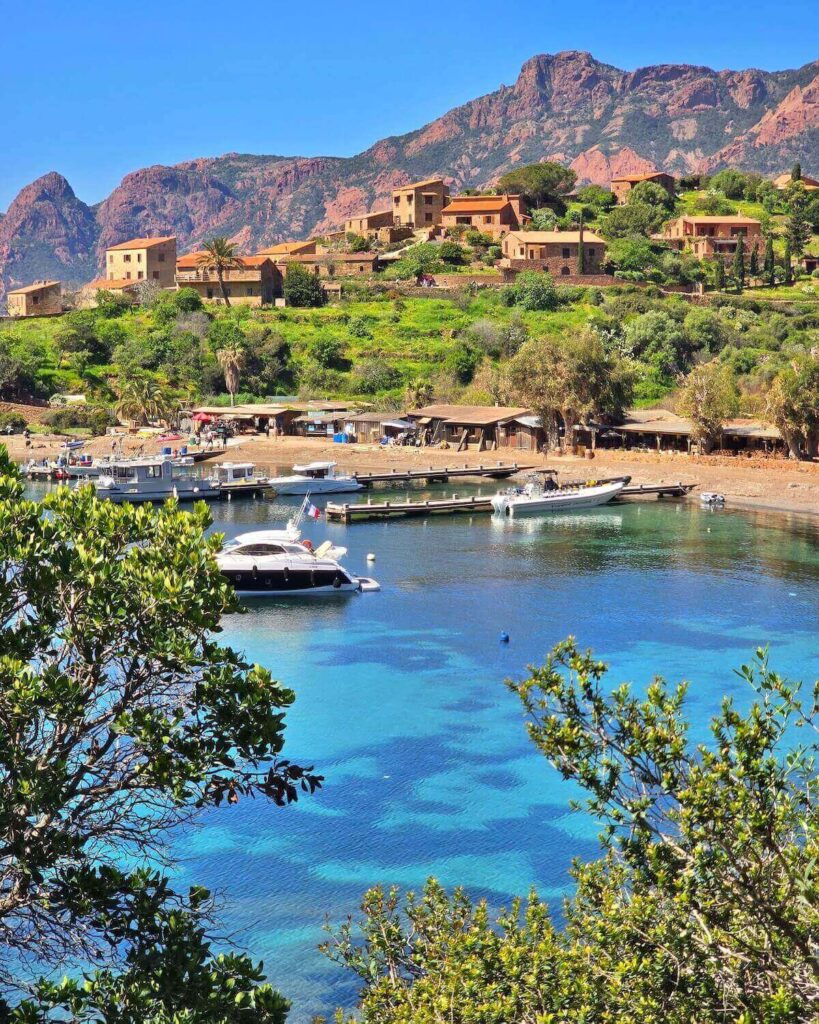
As you arrive, you’ll find a small harbor lined with a few restaurants, fishing boats, and traditional houses, all set against a backdrop of rugged hills.
There isn’t a long list of attractions here, but that’s part of the appeal. Most visitors spend their time strolling along the waterfront, enjoying lunch with a view of the bay, or walking up toward the Genoese fort overlooking the village.
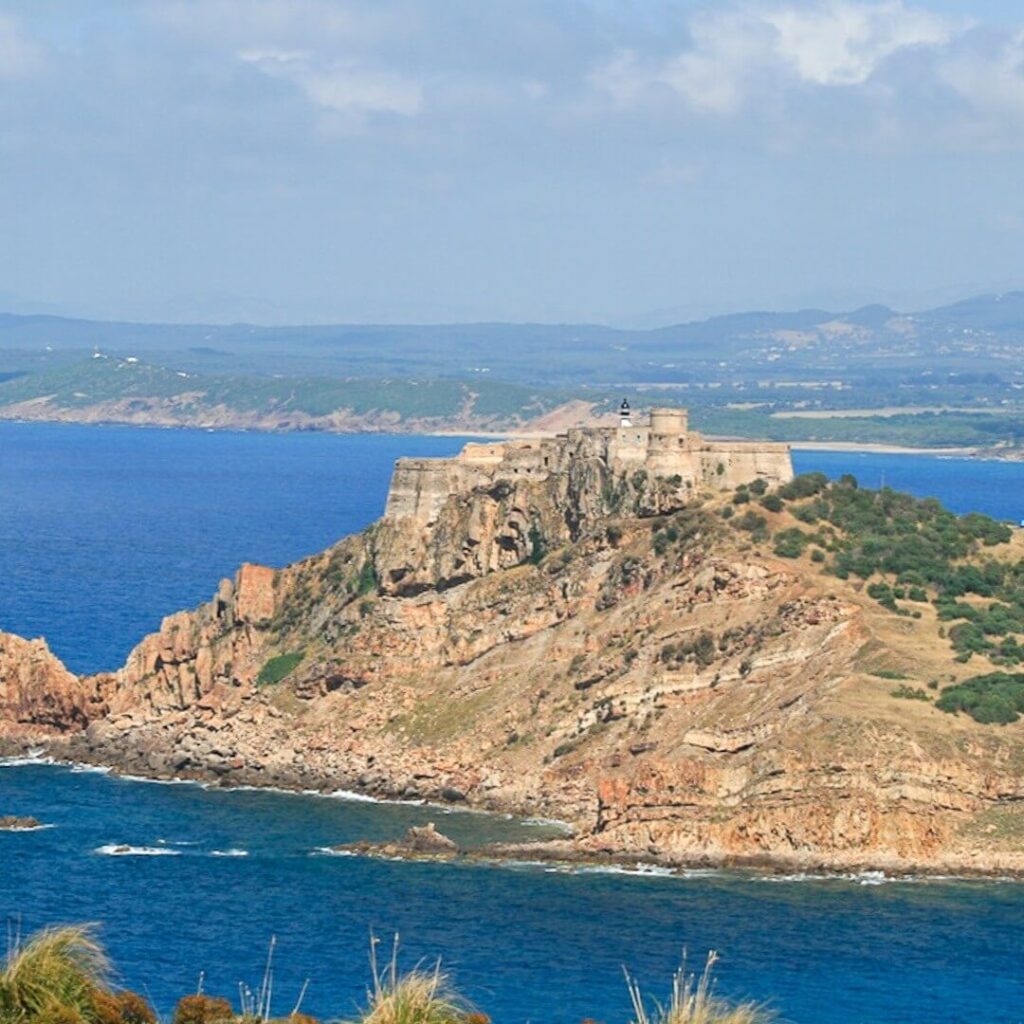
I found that Girolata added a nice contrast to the trip. After spending hours admiring Scandola’s cliffs and sea caves from the water, it was a pleasant place to slow down and experience a quieter side of Corsica.
Most tours allow between one and three hours in the village, which is usually plenty of time to explore and relax before heading back.
Best Things to See in Scandola
Every boat tour through Scandola is a little different, but there are certain sights that make the reserve so memorable. What I enjoyed most was that the scenery never felt repetitive.
Around every corner there seemed to be another cliff, cave, or rock formation that looked completely different from the last.
The Red Volcanic Cliffs
The red cliffs are the feature most people associate with Scandola, and they’re even more impressive in person than they are in photographs. Formed by ancient volcanic activity millions of years ago, these towering rock walls rise directly from the sea, creating one of the most distinctive landscapes in Corsica.
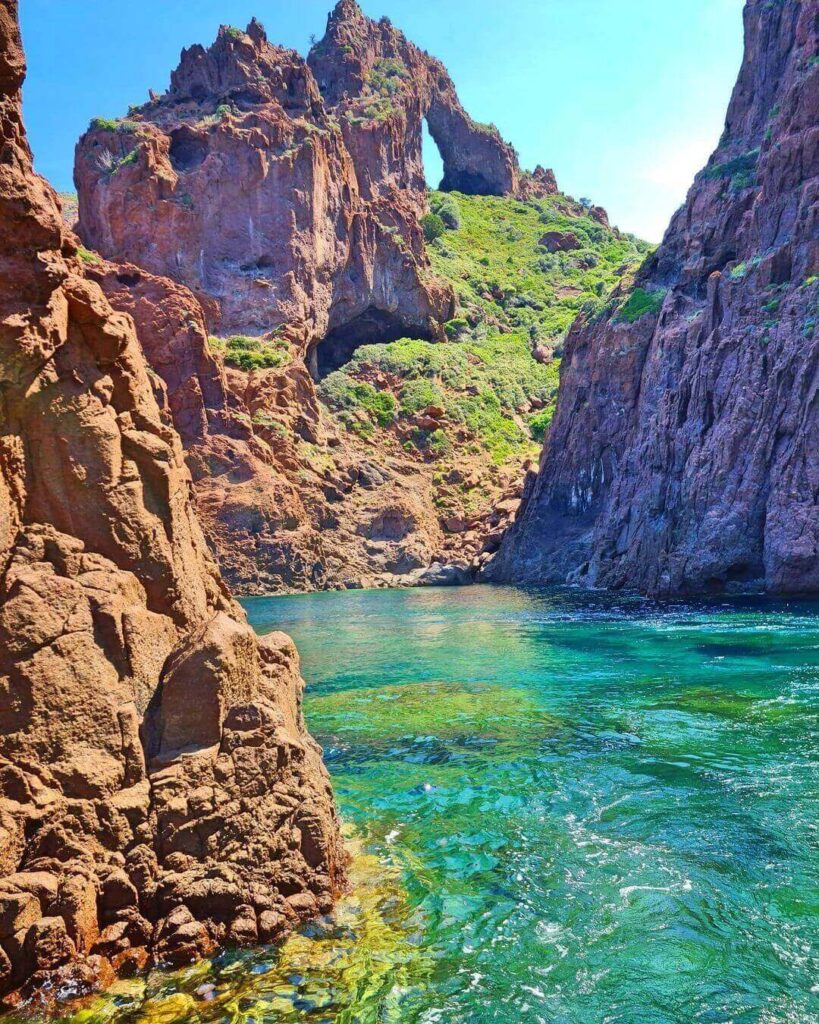
The colors change throughout the day depending on the light. During sunny mornings, the cliffs often glow in shades of orange and red, while late afternoon light can make them appear much deeper and richer. If you’re sitting on the side of the boat closest to the cliffs, you’ll really appreciate just how massive these formations are.
Sea Caves
Exploring the sea caves is often one of the highlights of a Scandola boat tour. Many of these caves have been carved into the coastline by centuries of waves crashing against the rock.
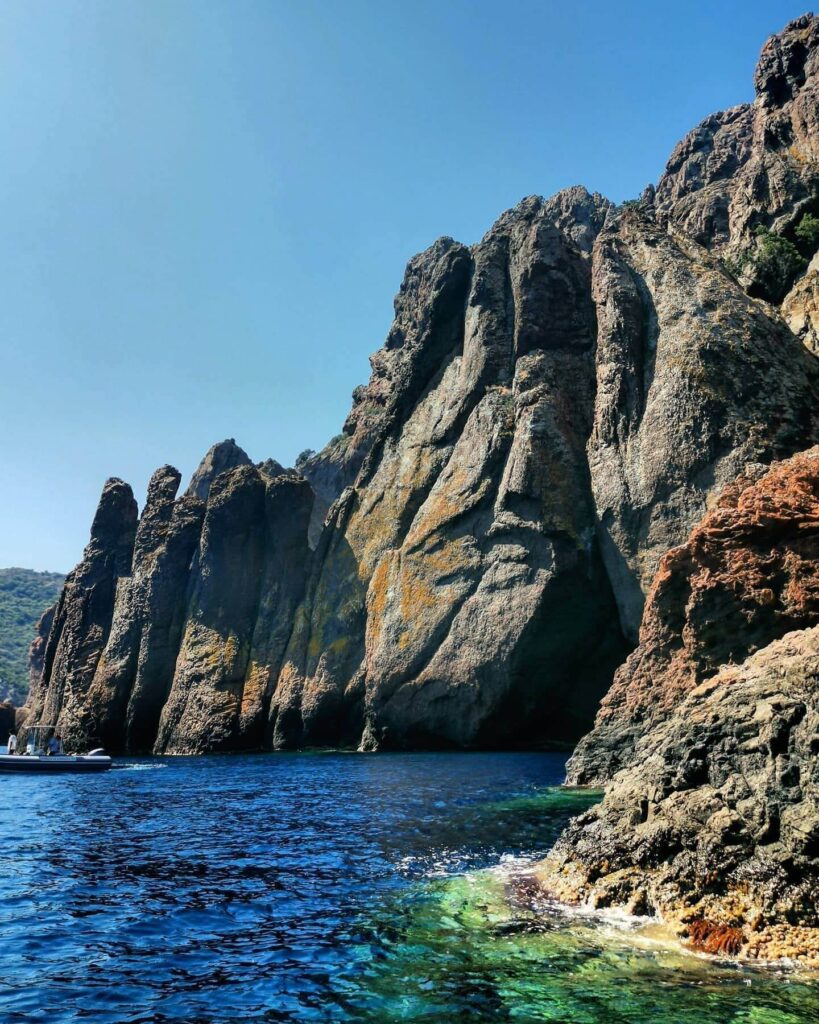
Smaller boats can often enter caves that larger vessels cannot reach, allowing visitors to get a closer look. Inside, the atmosphere feels completely different. The sunlight reflecting off the water creates shifting colors on the cave walls, and the sound of the waves echoing against the rock makes the experience feel surprisingly peaceful.
Natural Arches and Rock Formations
As you travel through the reserve, you’ll notice countless rock formations that have been shaped by wind, rain, and the sea over thousands of years. Some resemble towers rising from the water, while others form natural arches and narrow passages along the coastline.
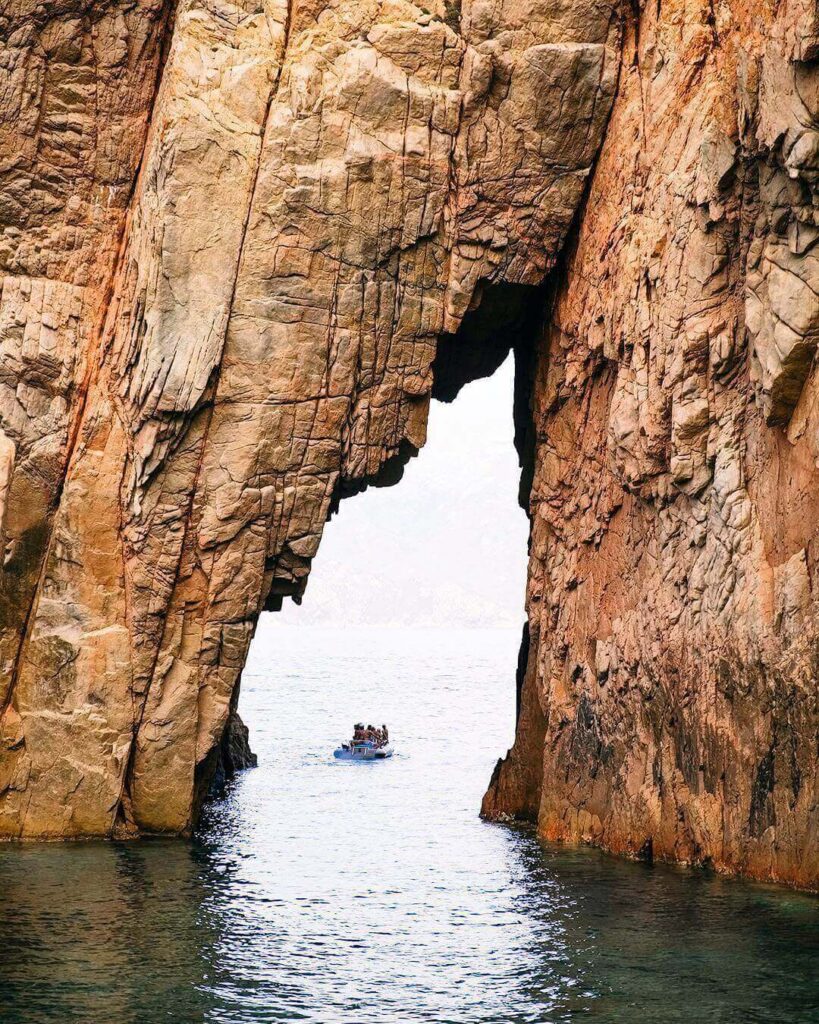
Many local boat captains enjoy pointing out formations that resemble animals, faces, or other recognizable shapes. Even if you don’t spot the same things they do, it’s fun to see how nature has sculpted the landscape into such unusual forms.
Osprey Nesting Areas
Scandola is one of the best places in Corsica to see ospreys, a protected bird of prey that nests on the reserve’s remote cliffs. Their population declined significantly in the past, but conservation efforts have helped them recover, making Scandola an important refuge for the species.
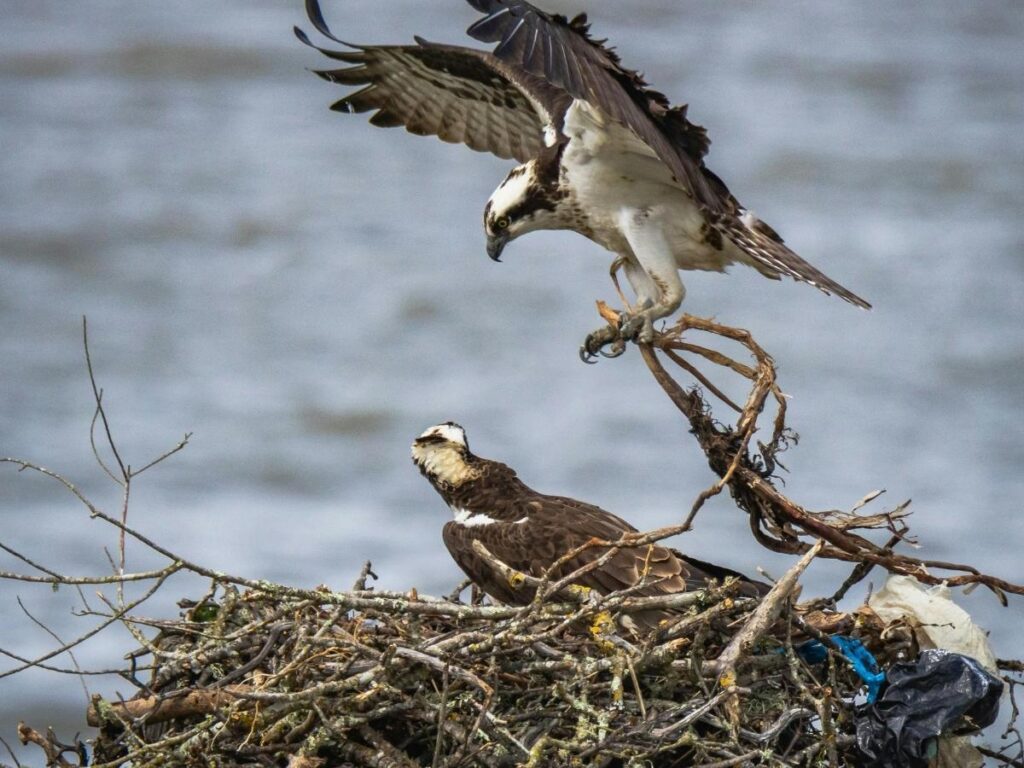
You probably won’t see dozens of birds during your visit, but spotting even one soaring above the cliffs can be a memorable moment. Boat captains often know where the nesting sites are located and will slow down when passing areas where ospreys are frequently seen.
One thing I quickly realized during my visit is that Scandola isn’t about finding a single famous viewpoint or attraction. The experience comes from constantly taking in the scenery around you. The cliffs, caves, wildlife, and rock formations all come together to create a coastline that feels wild and untouched, which is exactly what makes the reserve so special.
Can You Visit Scandola Without a Boat?
Yes, but your options are fairly limited. Since there are no roads running through Scandola Nature Reserve, most of its famous sights can only be seen from the water.
There are hiking trails near Galéria and the surrounding coastline that offer distant views of the reserve, and some hikers reach nearby Girolata on foot. These routes are scenic, but they don’t provide access to Scandola’s sea caves, hidden coves, or towering cliffs.
If you’re visiting for the first time, I would strongly recommend taking a boat tour. It’s by far the best way to experience the landscape and understand why Scandola is considered one of Corsica’s most spectacular natural attractions.
Best Time to Visit Scandola Nature Reserve
Scandola can be visited for much of the year, but the experience can feel quite different depending on when you go. Since most visitors explore the reserve by boat, weather and sea conditions are often just as important as temperature.
While there isn’t necessarily a bad time to visit, some seasons are definitely better suited to sightseeing and boat excursions than others.
Spring (April to June)
Spring is one of the most rewarding times to visit Scandola. The weather is usually pleasant without being too hot, and the landscape is often greener than it is later in the summer. Boat tours are operating regularly, but visitor numbers are still relatively manageable, especially in April and May.
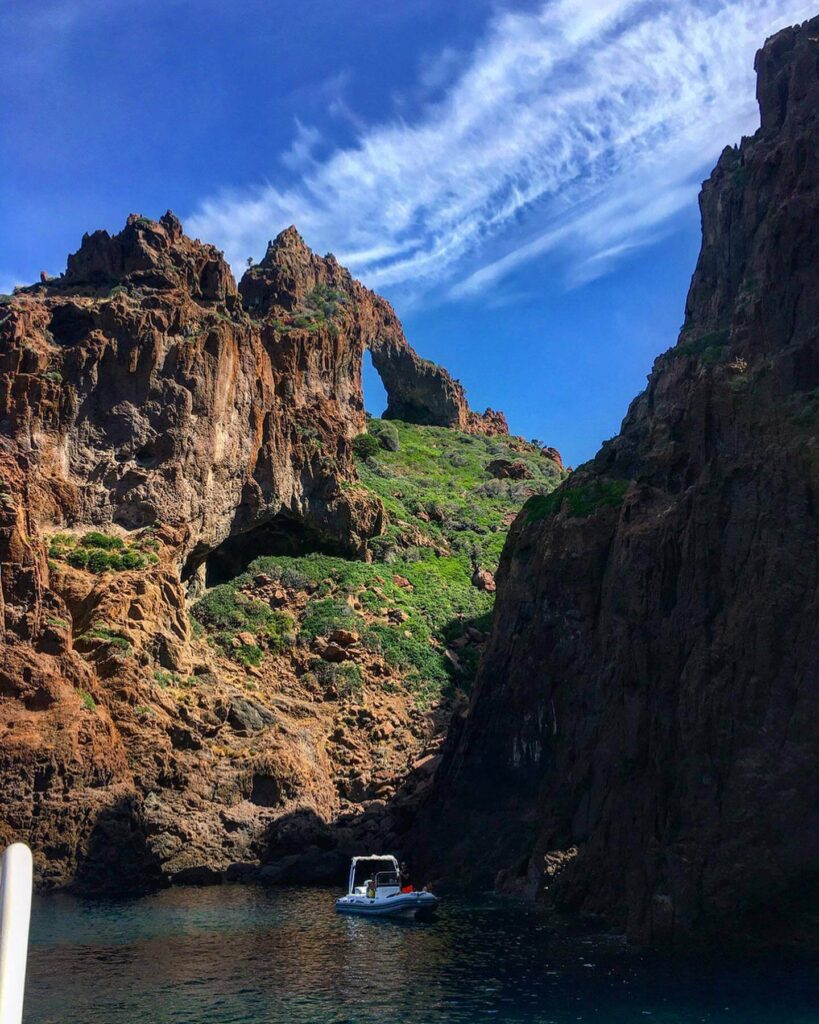
I also find spring to be one of the best times for photography. The softer light brings out the colors of the red cliffs beautifully, and the reserve generally feels quieter than it does during the busy summer season.
Summer (July and August)
Summer is the peak tourist season in Corsica, and Scandola is no exception. The warm temperatures, long daylight hours, and generally calm seas create excellent conditions for boat trips. If you’re hoping to combine your visit with swimming or snorkeling, this is usually the best time of year.
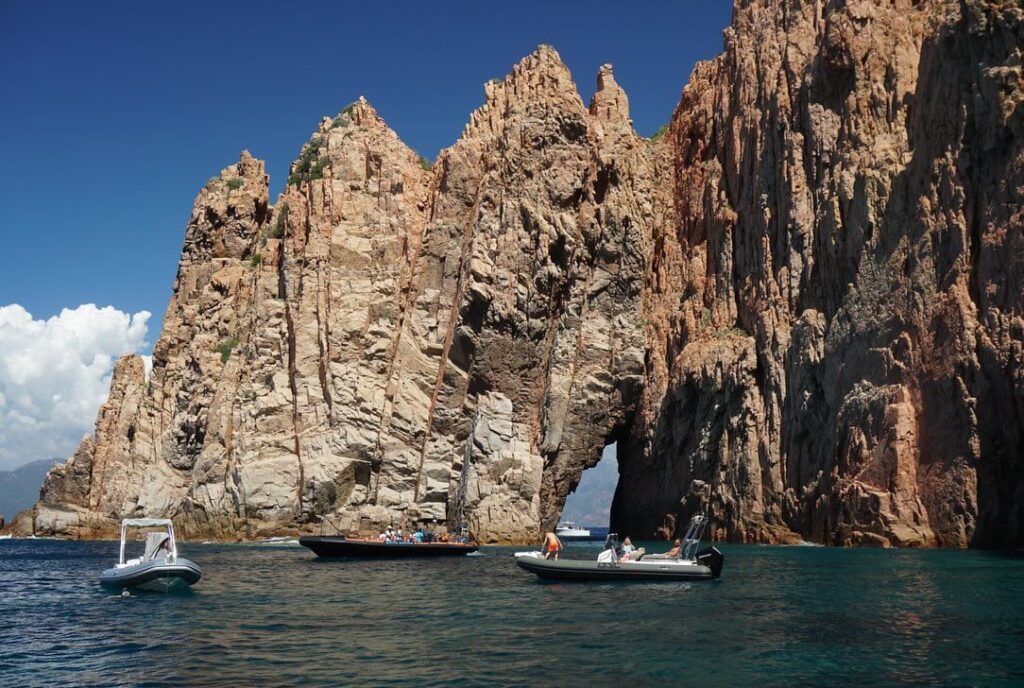
The main drawback is the crowds. Popular tours can fill up quickly, particularly those departing from Porto and Calvi. Accommodation prices are also at their highest during this period, so booking well in advance is a good idea.
Fall (September and October)
If I were planning a trip specifically to visit Scandola, September would probably be my first choice. The sea is still warm after the summer, the weather remains pleasant, and there are noticeably fewer visitors compared to July and August.
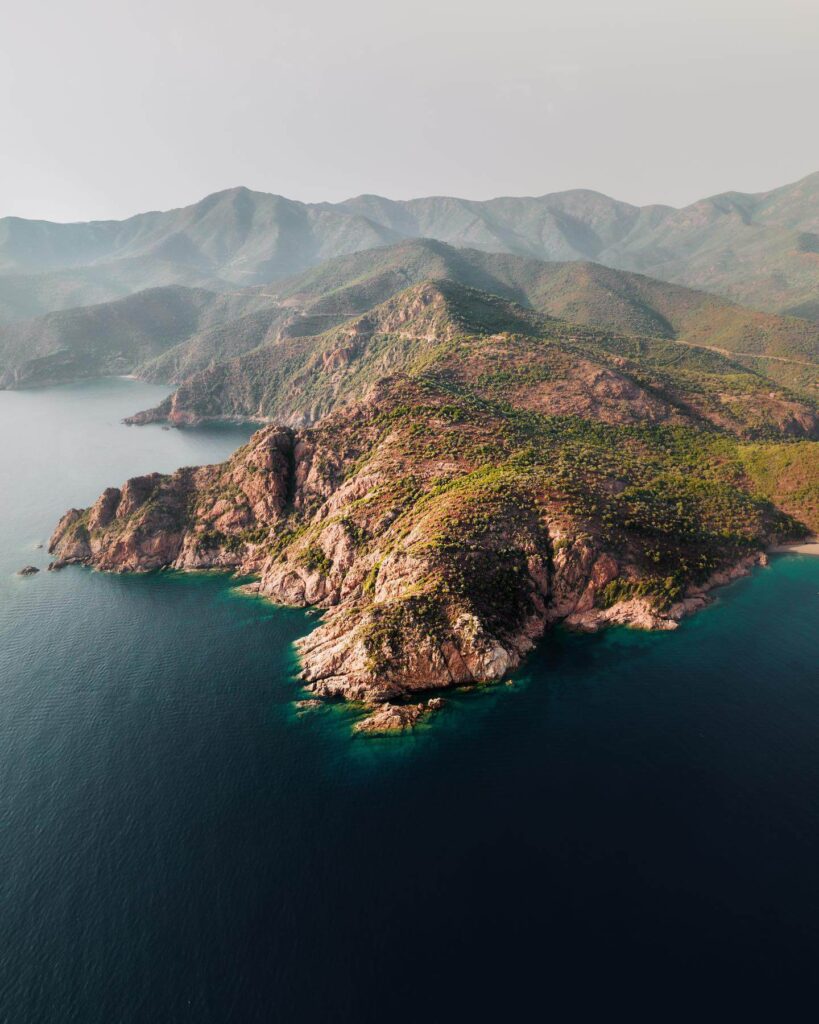
Boat tours continue to operate regularly, and you’ll often find a more relaxed atmosphere both on the water and in nearby towns. Early October can also be a wonderful time to visit, although occasional weather changes become more likely as the season progresses.
Winter (November to March)
Winter is the quietest time of year along Corsica’s west coast. While the scenery remains beautiful, visiting Scandola becomes more challenging. Some boat operators reduce their schedules significantly or stop running excursions altogether, and rough seas can occasionally lead to cancellations.
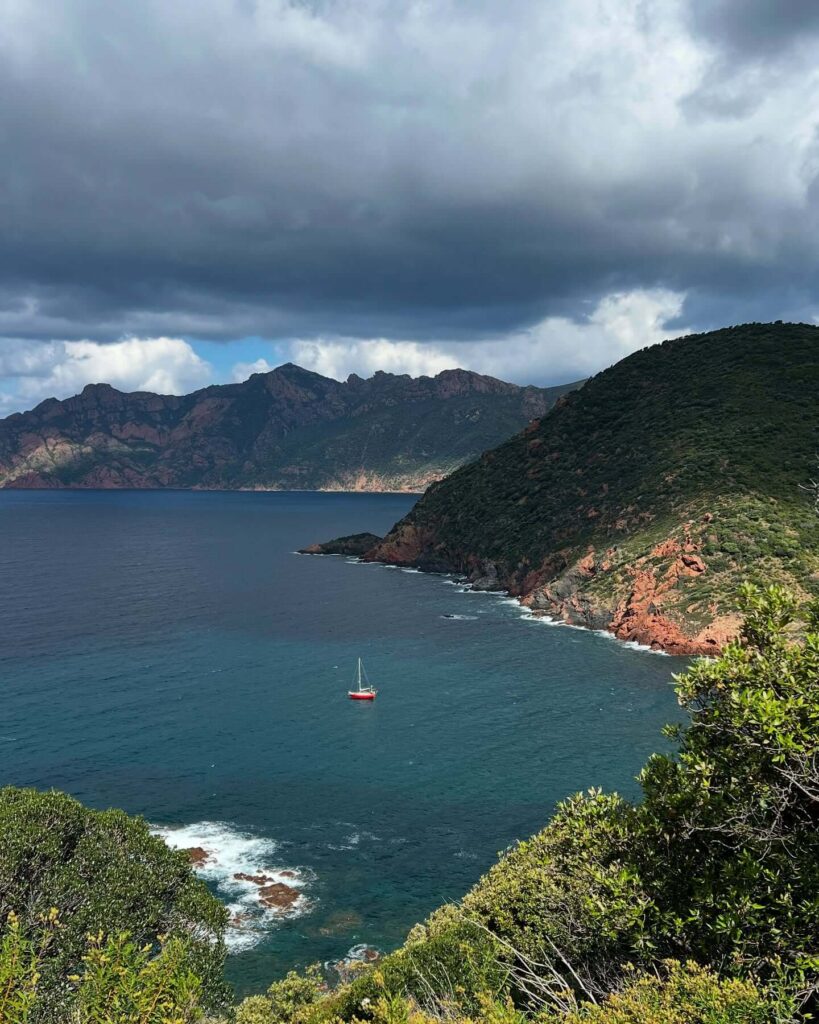
Unless you’re already visiting Corsica during winter, I would generally recommend planning your trip between spring and fall. You’ll have more tour options, better weather, and a much greater chance of experiencing Scandola at its best.
Swimming and Snorkeling
While not every Scandola excursion includes swimming stops, some full day tours allow passengers to swim in sheltered coves near the reserve. If this is something you’re interested in, it’s worth checking the tour details before booking, as many shorter sightseeing cruises focus entirely on exploring the coastline.
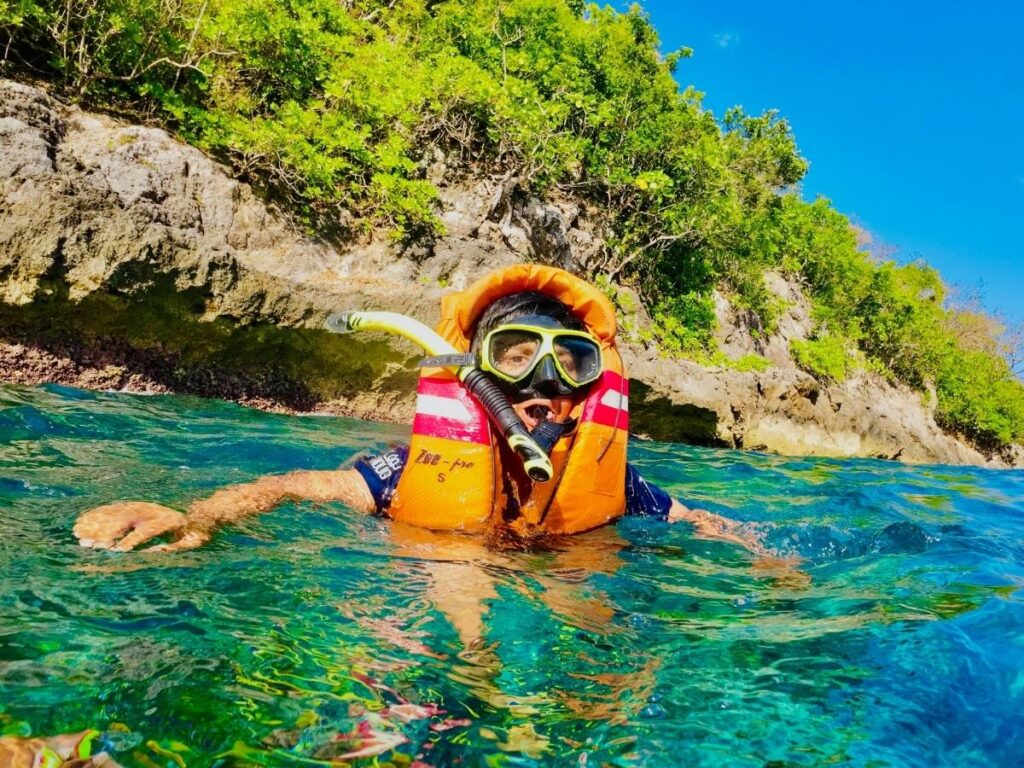
The water around Scandola is incredibly clear, often allowing you to see several meters below the surface. Even a quick swim gives you a different perspective on the reserve, and snorkelers can often spot fish, rocky reefs, and underwater formations that aren’t visible from the boat.
On calm days, the visibility can be excellent, making it one of the most enjoyable places to swim along Corsica’s west coast.
Photography Tips for Scandola
Scandola is one of the most photogenic places in Corsica, so it’s worth bringing your camera if you enjoy photography. The combination of red volcanic cliffs, turquoise water, sea caves, and dramatic coastal scenery creates endless photo opportunities throughout the trip.
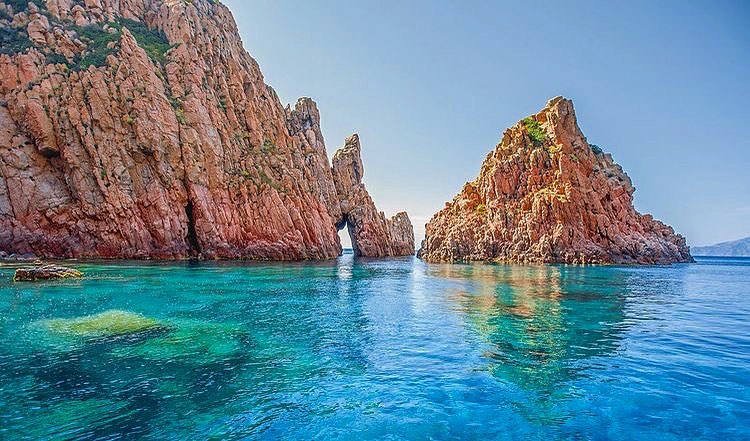
Morning tours often offer softer light and fewer harsh shadows, while late afternoon departures can produce beautiful golden tones on the cliffs. Because you’ll be shooting from a moving boat, it’s helpful to keep your camera easily accessible rather than packed away in a bag.
One thing I learned quickly is that sea spray can appear when you least expect it, so protecting your camera and occasionally cleaning your lens is a good idea. If possible, try to sit near the edge of the boat, where you’ll have clearer views and fewer people in your photos.
Important Conservation Rules
One of the reasons Scandola remains so beautiful today is because it has been carefully protected for decades. The reserve isn’t just a scenic attraction; it’s also an important habitat for wildlife and a protected marine ecosystem.
Visitors play an important role in helping preserve the area. While most of the responsibility falls on tour operators, it’s still important to follow local regulations, avoid disturbing wildlife, and respect any restricted areas.
Osprey nesting sites, in particular, are carefully protected, and boats are required to keep a respectful distance.
During your visit, you’ll quickly notice that Scandola feels far less developed than many coastal destinations around the Mediterranean. Respecting the conservation rules helps ensure that future visitors can experience the same wild landscapes, clear waters, and thriving wildlife that make the reserve so special.
Where to Stay When Visiting Scandola
Choosing the right base can make a big difference when planning a visit to Scandola. The best option depends on how much time you have in Corsica and what type of trip you’re looking for.
Porto
For most visitors, Porto is the most practical place to stay. Located just south of the reserve, it’s the closest town to Scandola and the main departure point for boat excursions. Staying here means less time traveling and more time enjoying the coastline.
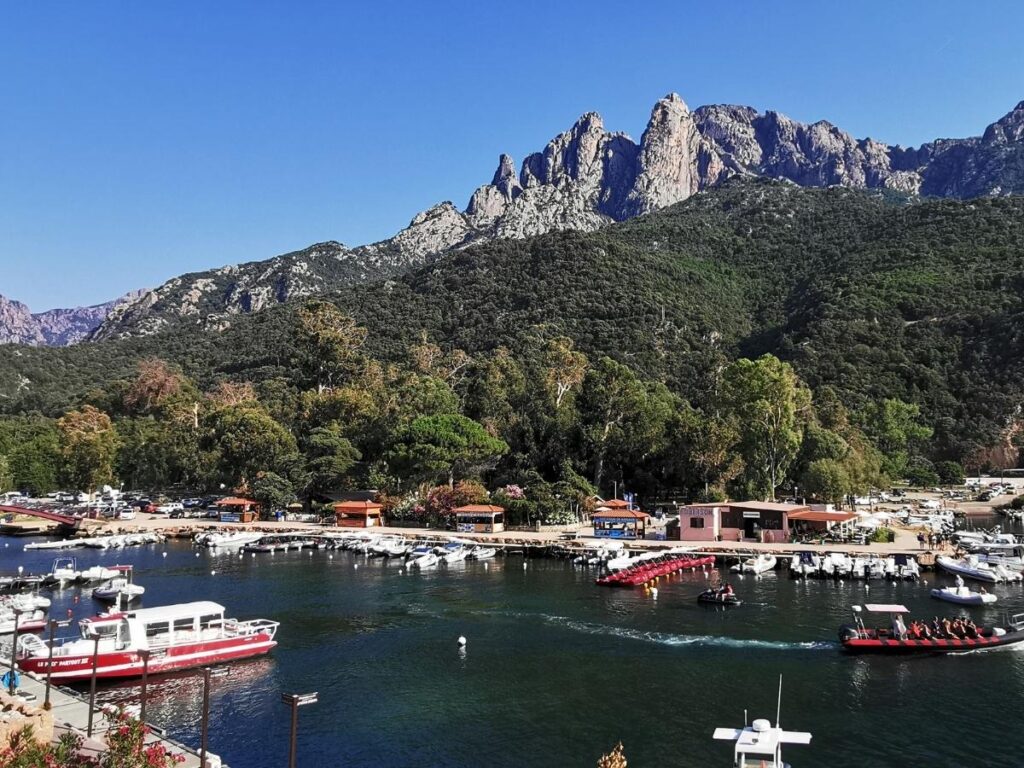
Porto is also perfectly positioned for exploring other nearby attractions, including the Calanche de Piana and the Gulf of Porto. While it’s smaller and quieter than some of Corsica’s larger towns, it has enough hotels, restaurants, and services for a comfortable stay. If Scandola is one of the main reasons you’re visiting Corsica, this is usually the best base.
Calvi
Calvi is a great choice if you want to combine sightseeing with a livelier atmosphere. The town offers a wider range of hotels, restaurants, beaches, and nightlife than Porto, making it popular with travelers staying in northern Corsica.
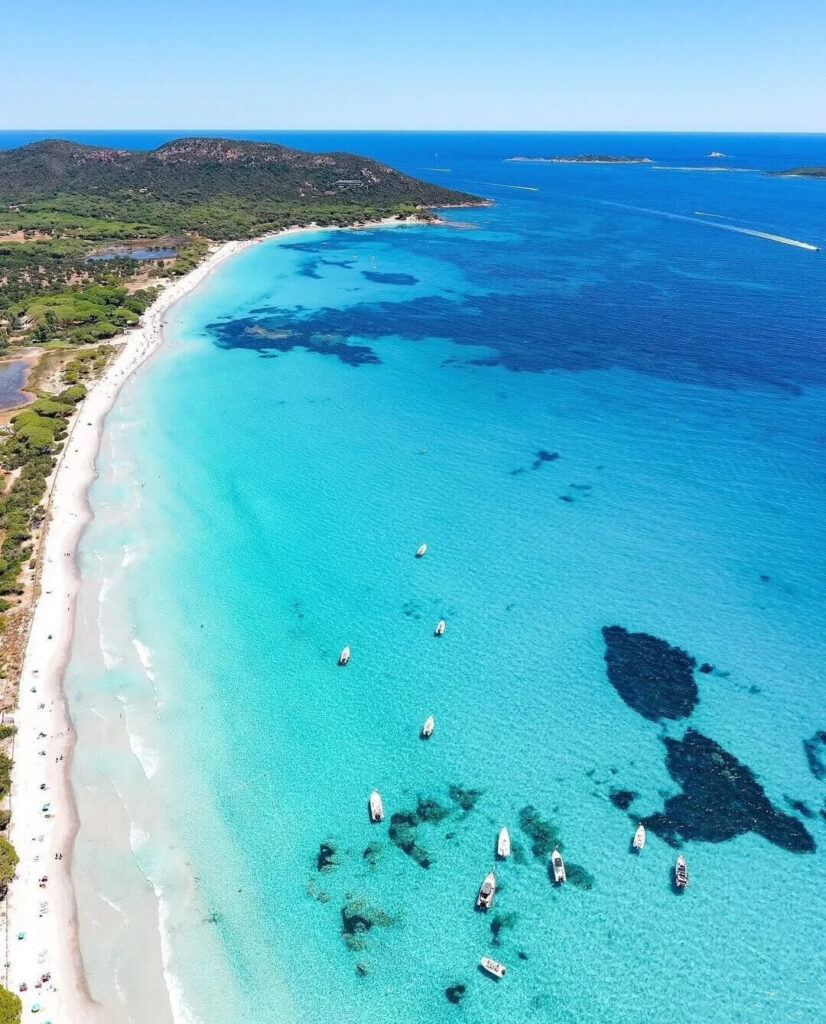
Although Scandola is farther away, boat tours regularly depart from Calvi, making it easy to visit the reserve as a day trip. If you’re planning to explore multiple parts of northern Corsica, Calvi often provides the best balance between convenience and amenities.
Galéria
Galéria is a much quieter alternative that appeals to travelers looking for nature and fewer crowds. This small coastal village sits north of Scandola and offers a more relaxed atmosphere than either Porto or Calvi.
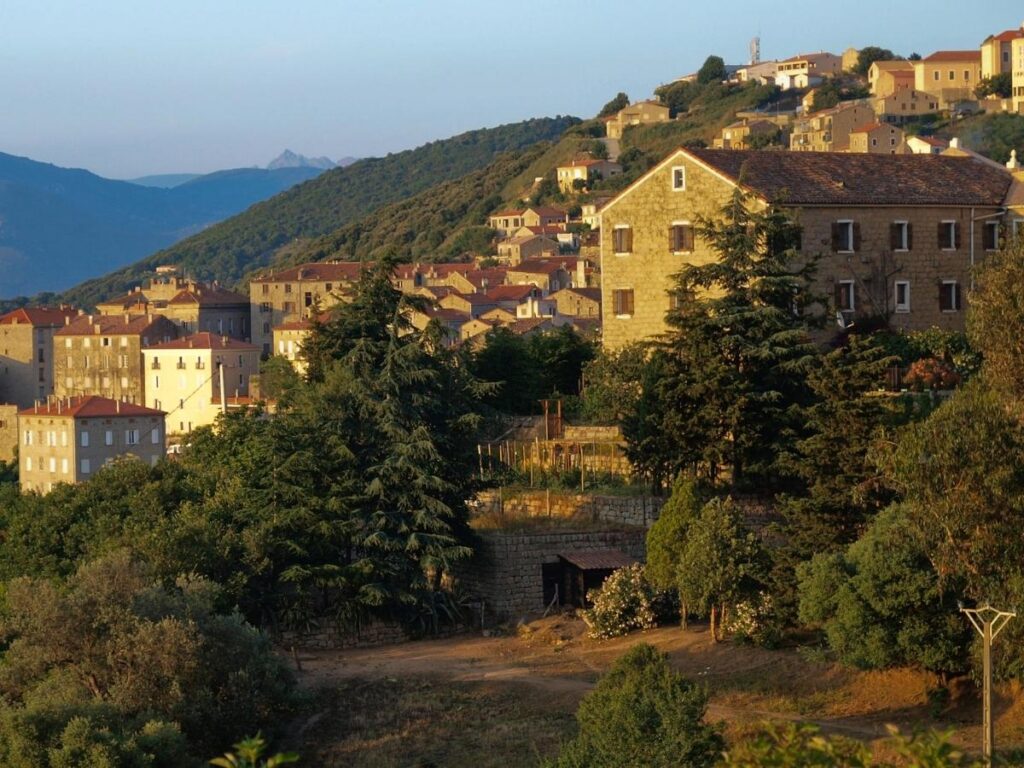
It’s a good option for hikers, outdoor enthusiasts, and anyone who prefers peaceful surroundings. Accommodation choices are more limited, but that’s part of what gives Galéria its charm.
Ajaccio
If you’re staying in southern Corsica, Ajaccio can work as a base for visiting Scandola, although it requires a longer day trip. As the island’s largest city, it offers the widest selection of hotels, restaurants, and transportation options.
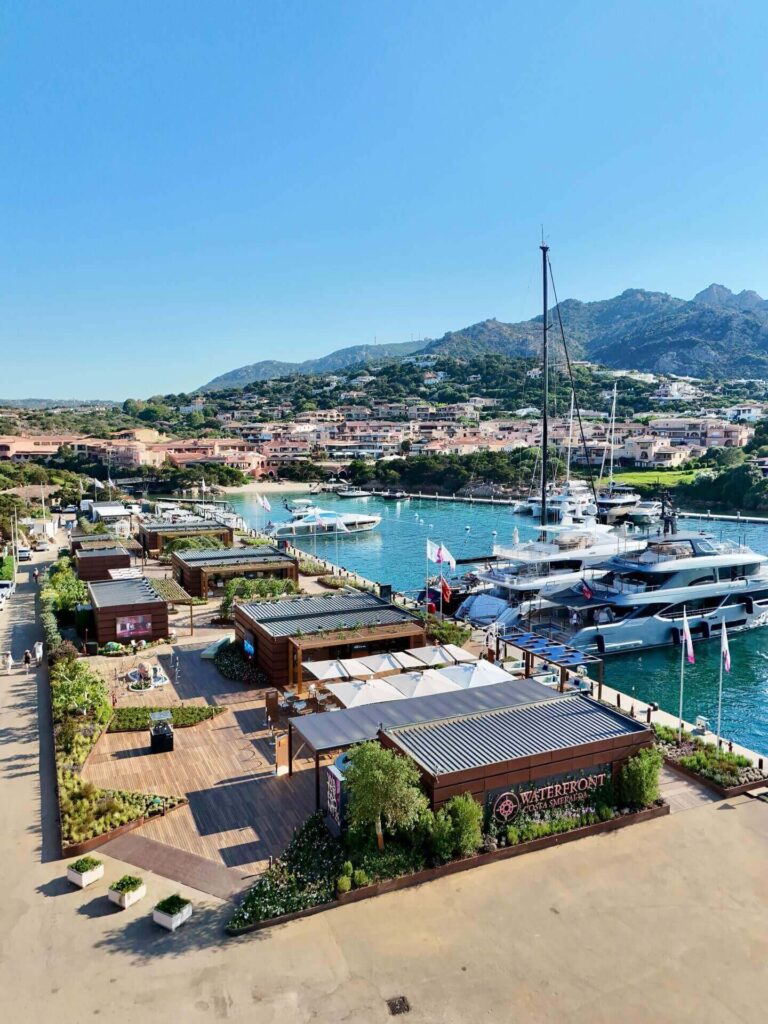
Many visitors choose Ajaccio as a starting point for exploring western Corsica and then join a boat excursion to Scandola. While it’s not the most convenient base for the reserve itself, it can make sense if you’re already planning to spend most of your time in the southern part of the island.
A Perfect Day Trip Itinerary
If you only have one day to experience Scandola, I would recommend slowing down and making a full day of it rather than trying to squeeze it into a busy sightseeing schedule. The reserve is one of the highlights of Corsica’s west coast, and it’s worth giving yourself enough time to enjoy both the scenery and the journey.
Morning: Explore Scandola by Boat
Start your day in Porto, which is the closest and most convenient departure point for Scandola excursions. Morning tours often benefit from calmer conditions and softer light on the cliffs, making it a great time for photos.
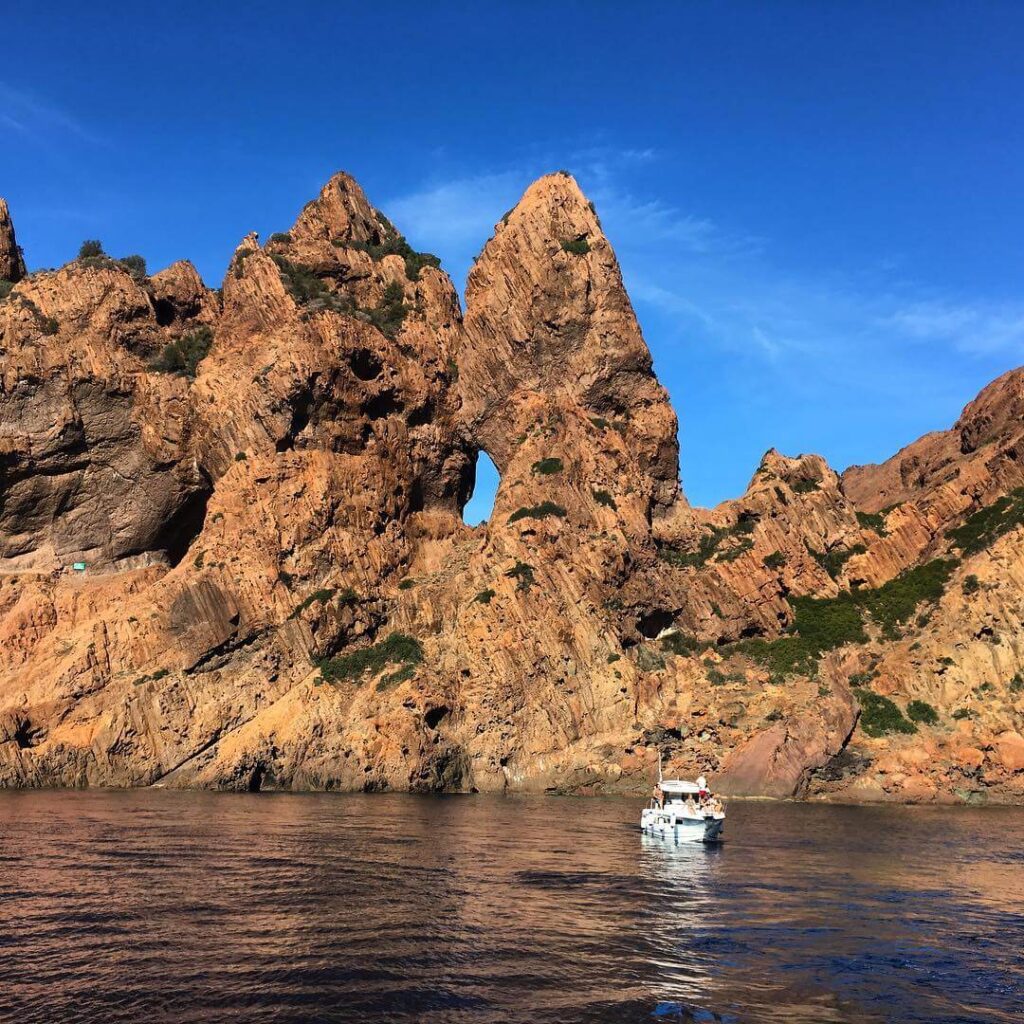
As you cruise along the coastline, you’ll pass the reserve’s famous red volcanic cliffs, sea caves, and unusual rock formations. Keep an eye out for ospreys soaring above the cliffs and take time to appreciate just how wild and untouched this stretch of coastline feels.
Midday: Lunch in Girolata
Many full day excursions stop in Girolata around lunch time. This small fishing village can only be reached by boat or hiking trail, which gives it a peaceful atmosphere that’s hard to find elsewhere in Corsica.
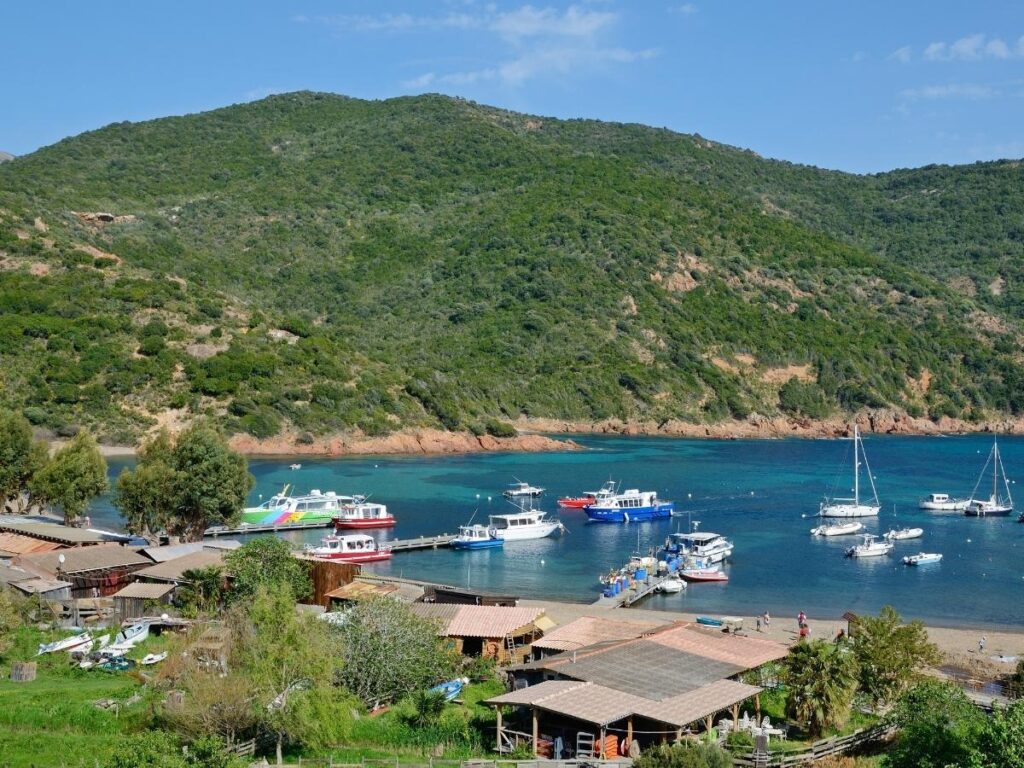
Spend some time wandering along the waterfront, enjoy lunch at one of the harbor restaurants, and, if you’re feeling energetic, walk up toward the old Genoese fort for views over the bay and surrounding hills.
Afternoon: Swimming and More Coastal Scenery
After leaving Girolata, many tours continue along the coast and may include a swimming stop in a sheltered cove. The water is usually incredibly clear, and a quick swim or snorkel is a nice way to experience another side of the reserve.
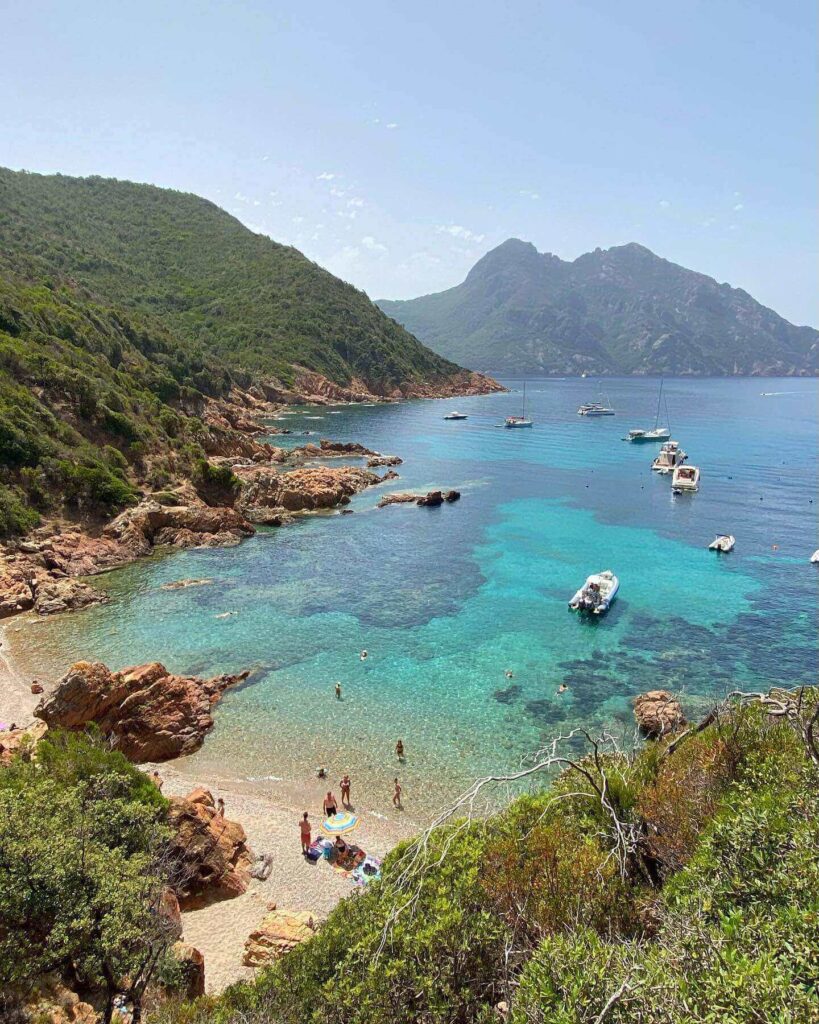
Even if your tour doesn’t include swimming, the afternoon cruise offers more opportunities to admire the coastline from a different perspective as the light changes throughout the day.
Evening: Sunset in Porto
Back in Porto, I would recommend staying out for sunset if the weather is clear. The surrounding cliffs often take on warm golden and orange tones as the sun drops toward the horizon, providing a beautiful end to the day.
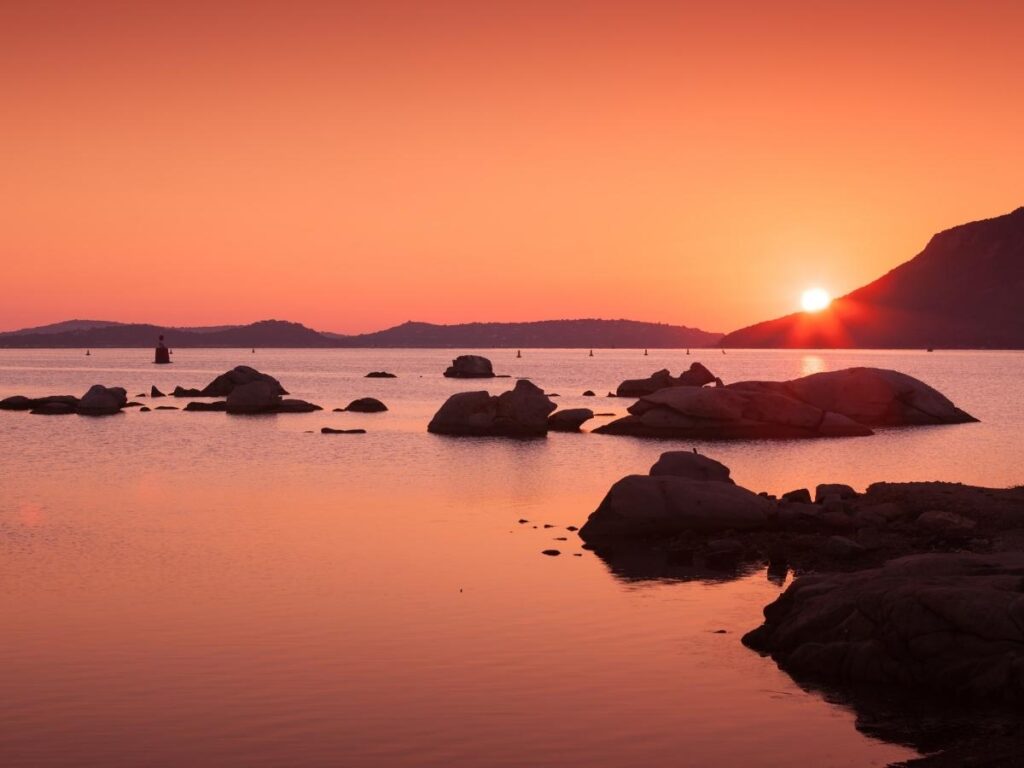
After spending hours exploring one of Corsica’s most spectacular landscapes, there’s no better way to finish your visit than relaxing along the waterfront and watching the light fade over the Gulf of Porto.
Is Scandola Nature Reserve Worth Visiting?
Without a doubt.
Corsica is filled with beautiful places, from mountain villages and hiking trails to white sand beaches and turquoise bays. Yet Scandola manages to feel completely different from almost everything else on the island. It’s not just the scenery that makes it special, but the sense of remoteness that comes with it.
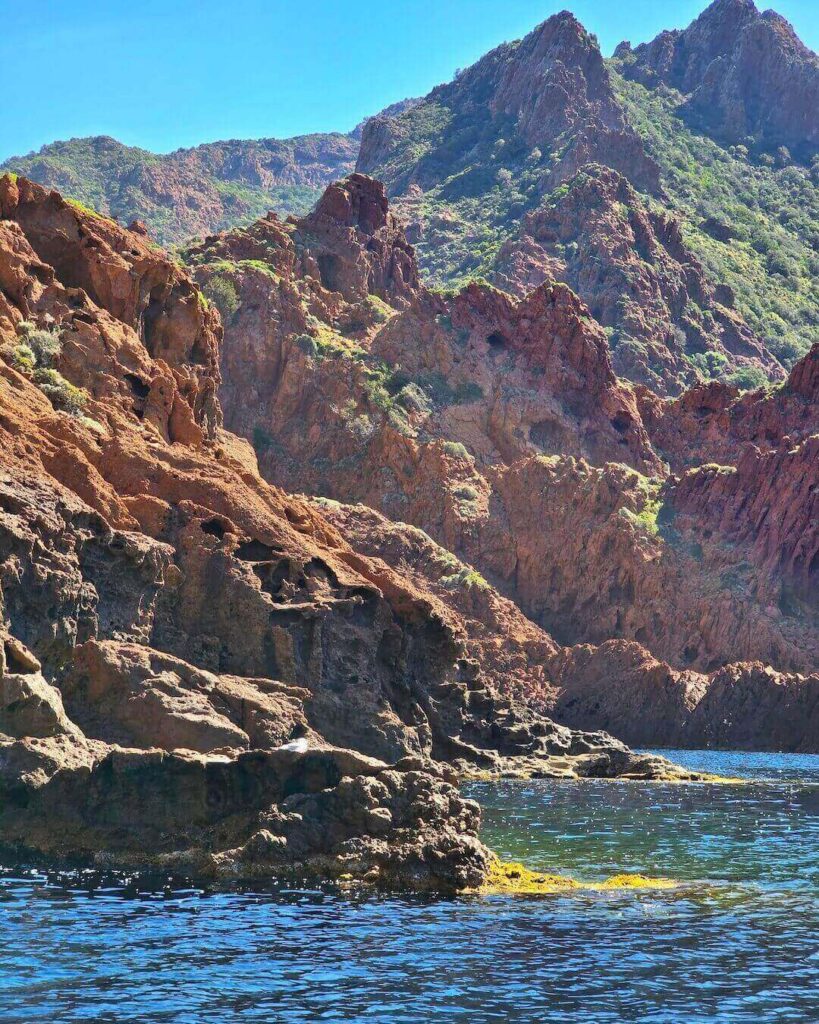
Because there are no roads, hotels, or large developments inside the reserve, the coastline feels remarkably untouched.
As you travel through the area, you’re surrounded by towering volcanic cliffs, hidden sea caves, and crystal clear water, with very few signs of modern life. It’s the kind of landscape that’s becoming increasingly rare around the Mediterranean.
I also think Scandola appeals to a wide range of travelers. Nature lovers appreciate the wildlife and protected environment, photographers are drawn to the dramatic scenery, and even casual visitors can enjoy simply being out on the water and taking in the views. You don’t need to be an experienced hiker or outdoor enthusiast to enjoy it.
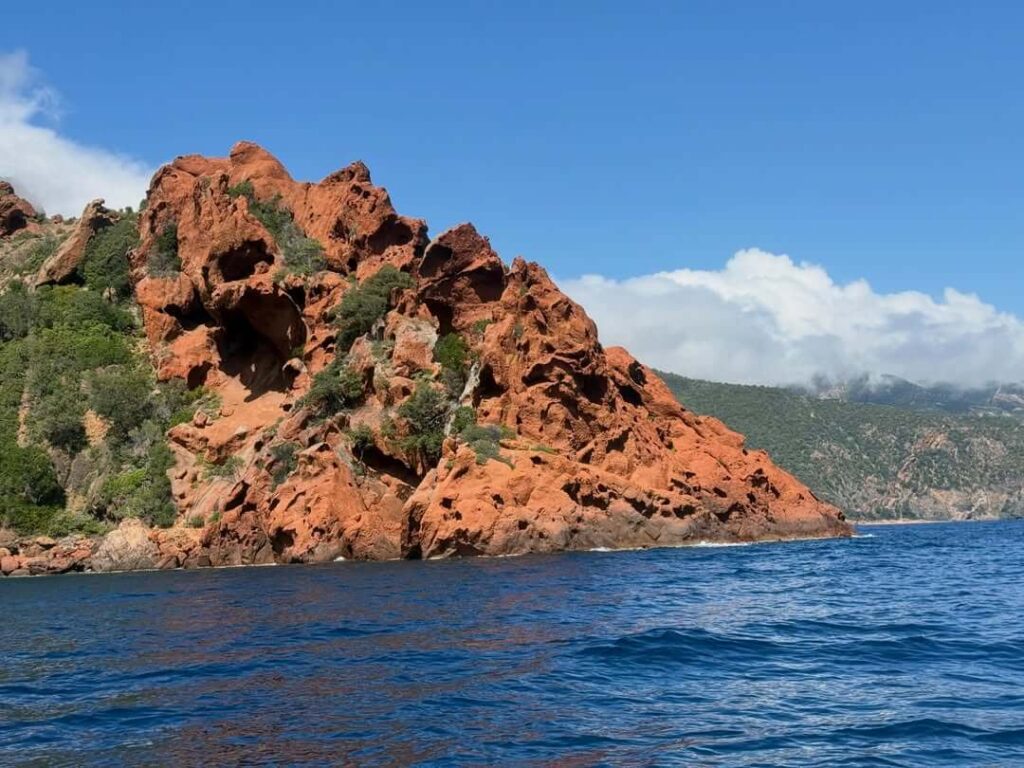
If you’re visiting Corsica for the first time and trying to prioritize your itinerary, I would place Scandola near the top of the list. It’s one of those places that gives you a deeper appreciation for the island’s natural beauty and helps explain why Corsica is often considered one of the Mediterranean’s most spectacular destinations.
Final Thoughts on Scandola Nature Reserve
Scandola Nature Reserve is one of those rare places that lives up to the expectations created by photos and travel guides. In fact, I found it even more impressive in person.
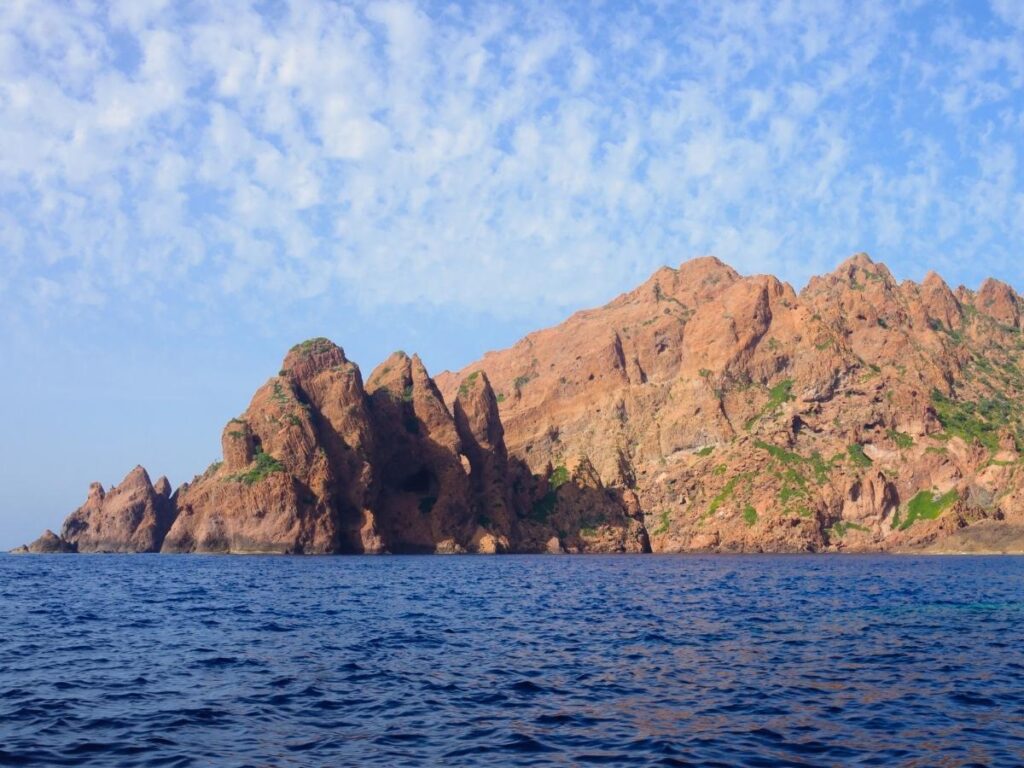
What stayed with me most wasn’t a single viewpoint or attraction, but the overall experience of exploring the coastline. Cruising past red volcanic cliffs, entering sea caves, spotting wildlife on the rocks, and visiting the remote village of Girolata all come together to create a day that’s difficult to forget.
Whether you choose a short sightseeing cruise or a full day excursion, Scandola offers a side of Corsica that feels wild, protected, and refreshingly untouched. If you’re looking for an experience that goes beyond beaches and historic towns, this is one place I wouldn’t skip.