
The first thing that struck me about Palais des Papes wasn’t its history. It was its size.
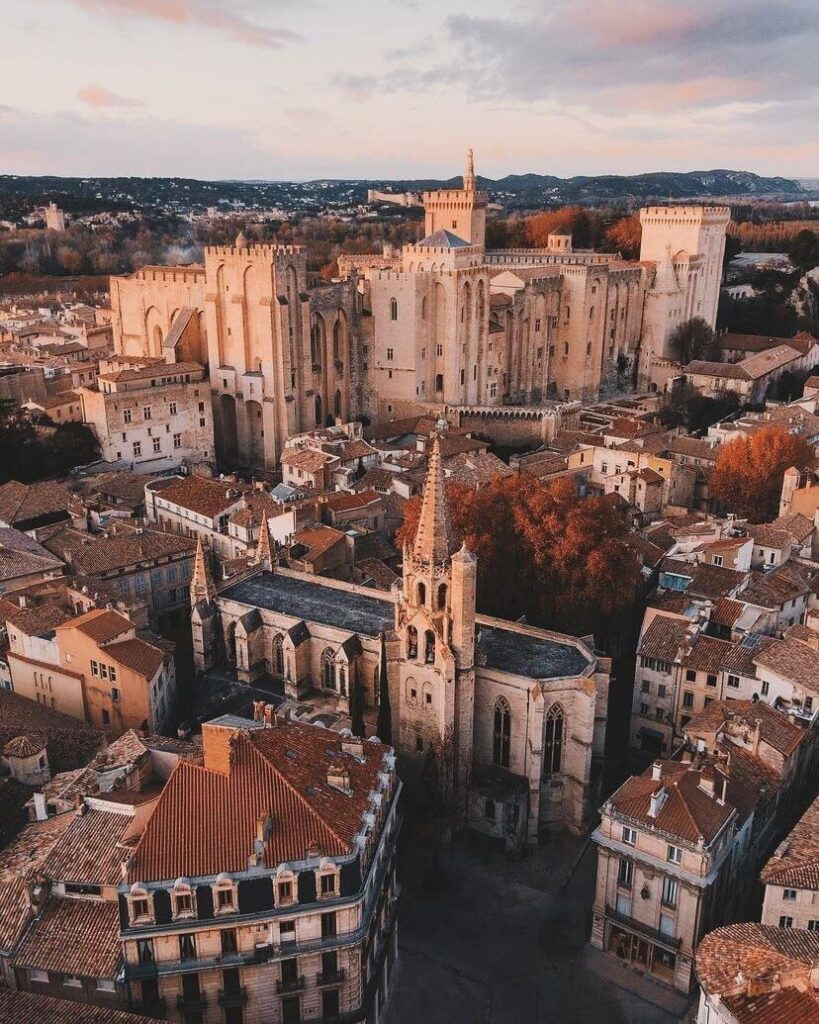
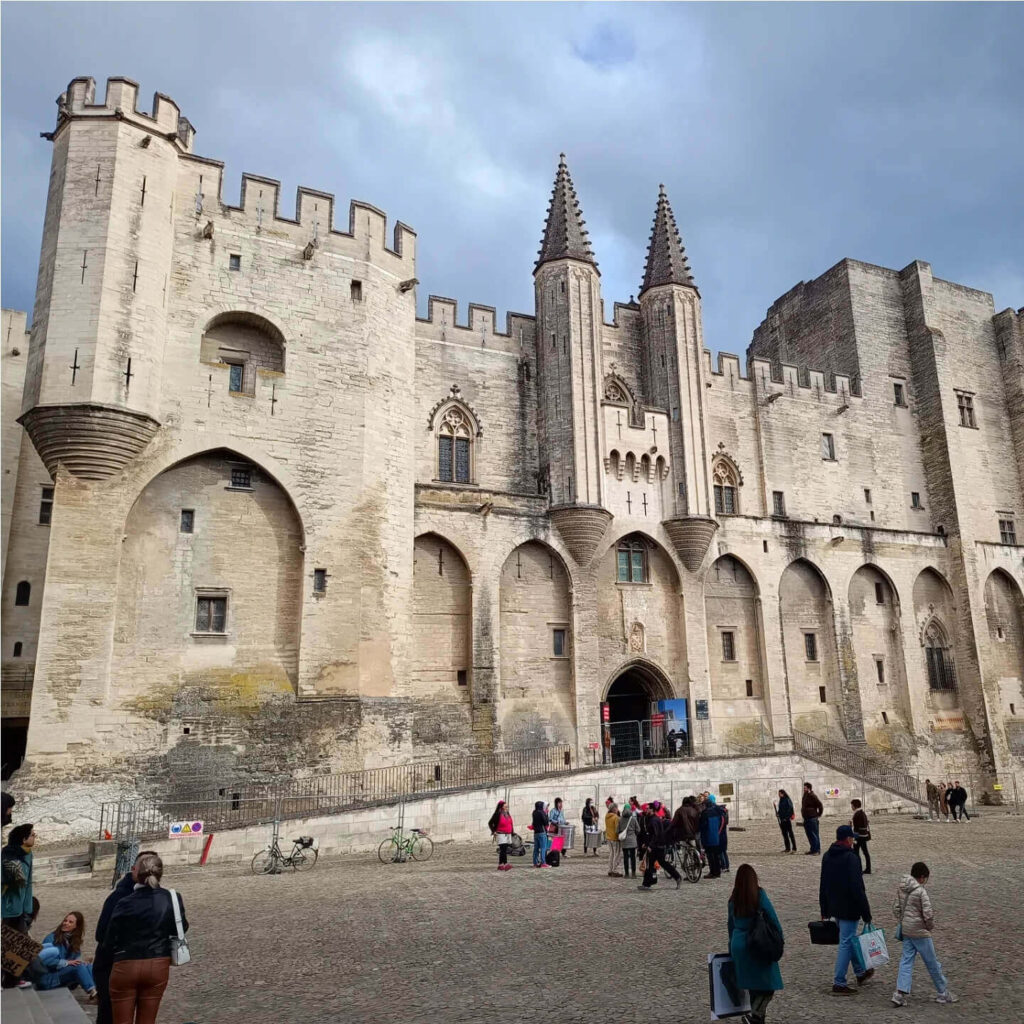
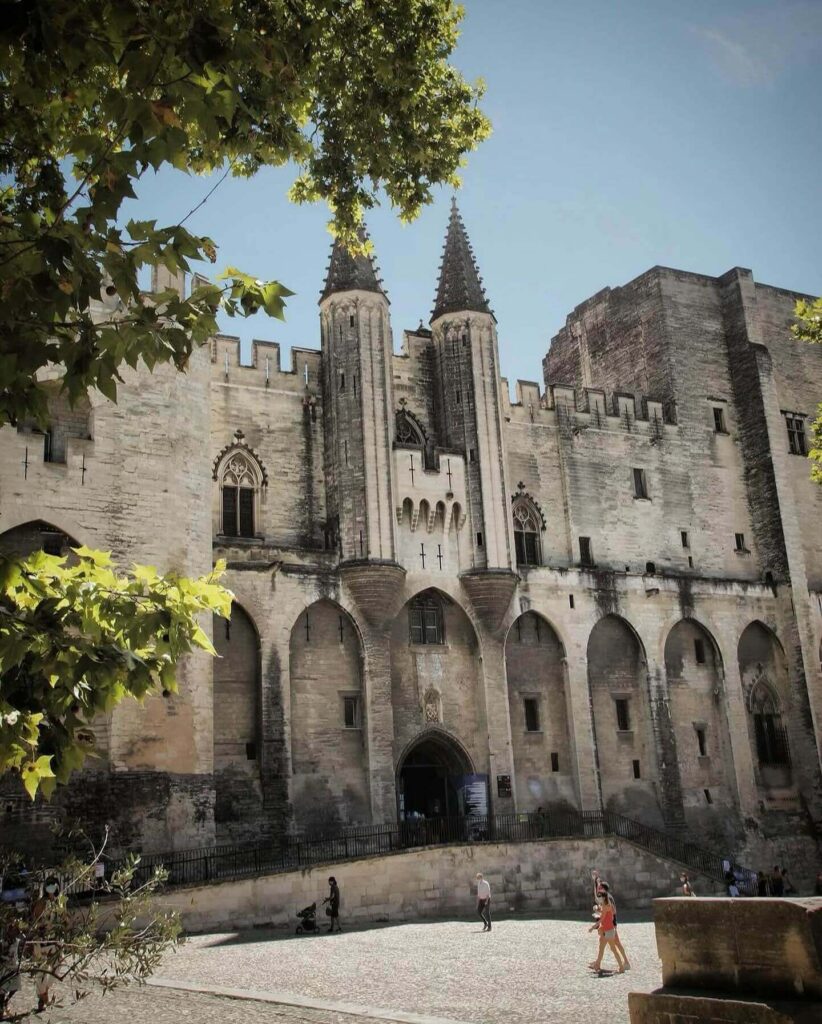
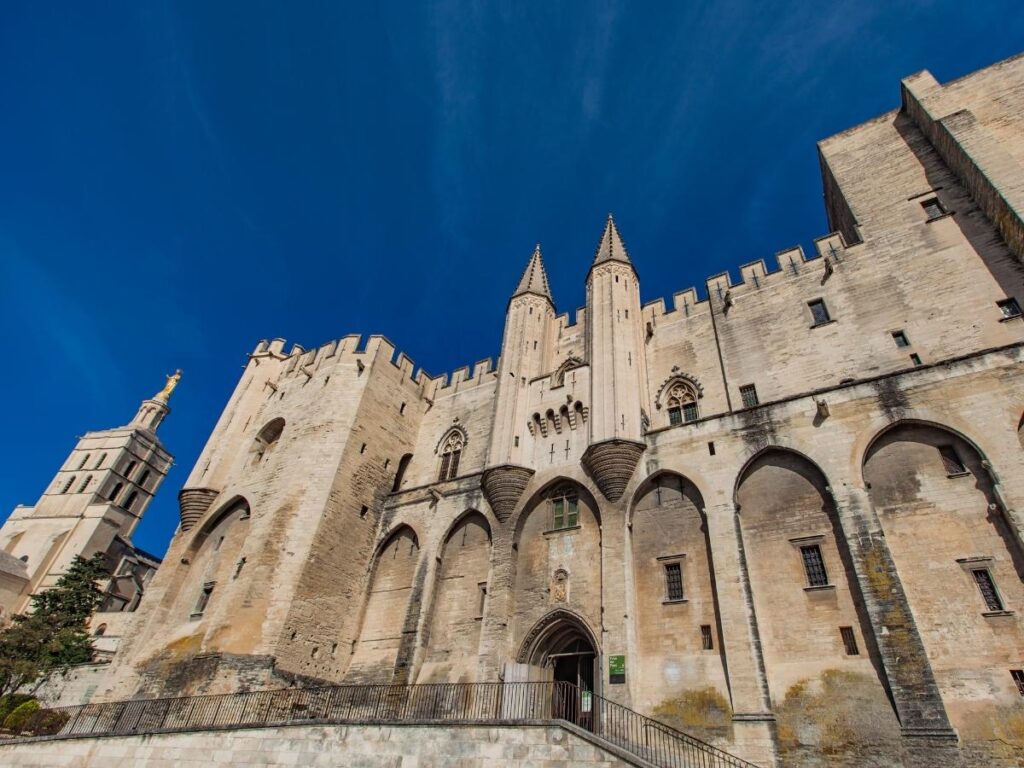
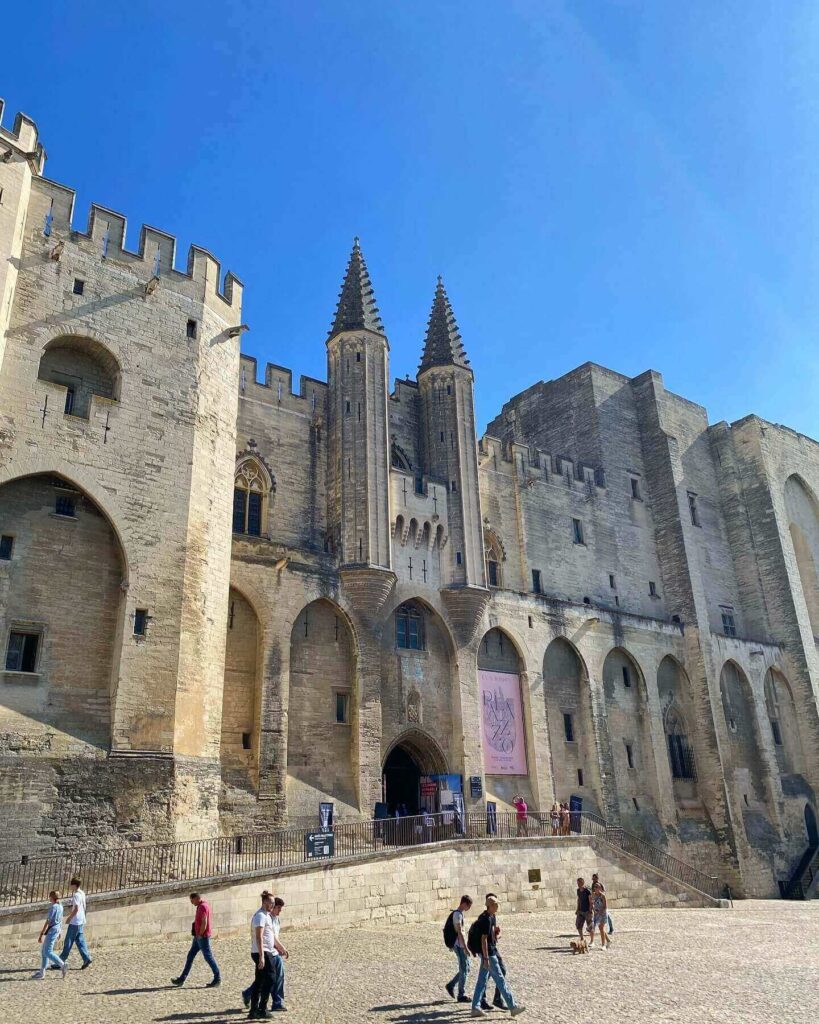
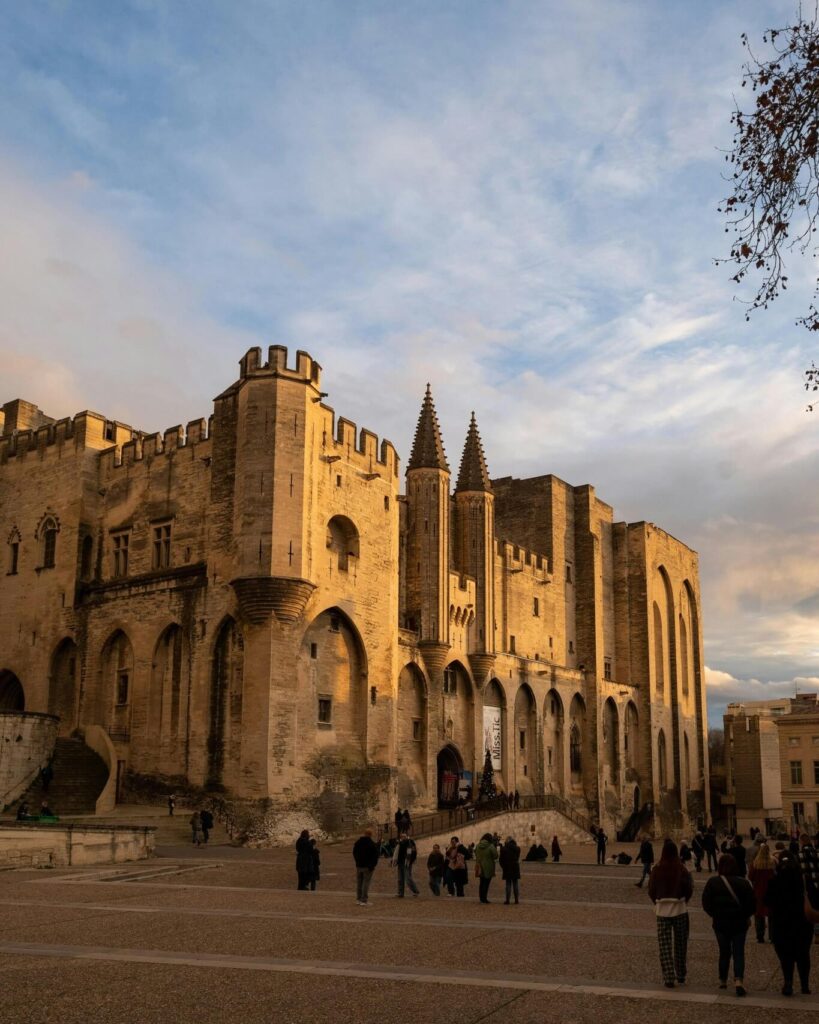
I’d seen photos before arriving in Avignon, but they didn’t prepare me for just how massive the palace feels in person. Rising above the city’s historic center, its towering stone walls and fortress like design make it look more like a medieval castle than a religious residence.
What surprised me most was how different it felt from other European palaces I’d visited. Instead of ornate facades and lavish gardens, Palais des Papes projects strength and authority. Standing in the square outside, I found myself constantly looking up at the enormous walls and towers that once symbolized the power of the Catholic Church.
The history behind the palace makes it even more fascinating. During the 14th century, Avignon became the center of the Catholic Church when several popes chose to rule from
France instead of Rome. For nearly seventy years, this palace served as the political and religious heart of medieval Europe.
Today, Palais des Papes is one of the most important landmarks in southern France and a highlight of any visit to Avignon.
Whether you’re interested in history, architecture, or simply exploring one of Provence’s most famous attractions, it’s a place that’s well worth your time.
In this guide, I’ll share everything you need to know before visiting, including its history, what to see inside, ticket information, opening hours, and a few practical tips that can help you make the most of your visit.
What Is the Palais des Papes?
Palais des Papes, or the Palace of the Popes, is the most famous landmark in Avignon and one of the most important medieval monuments in France.
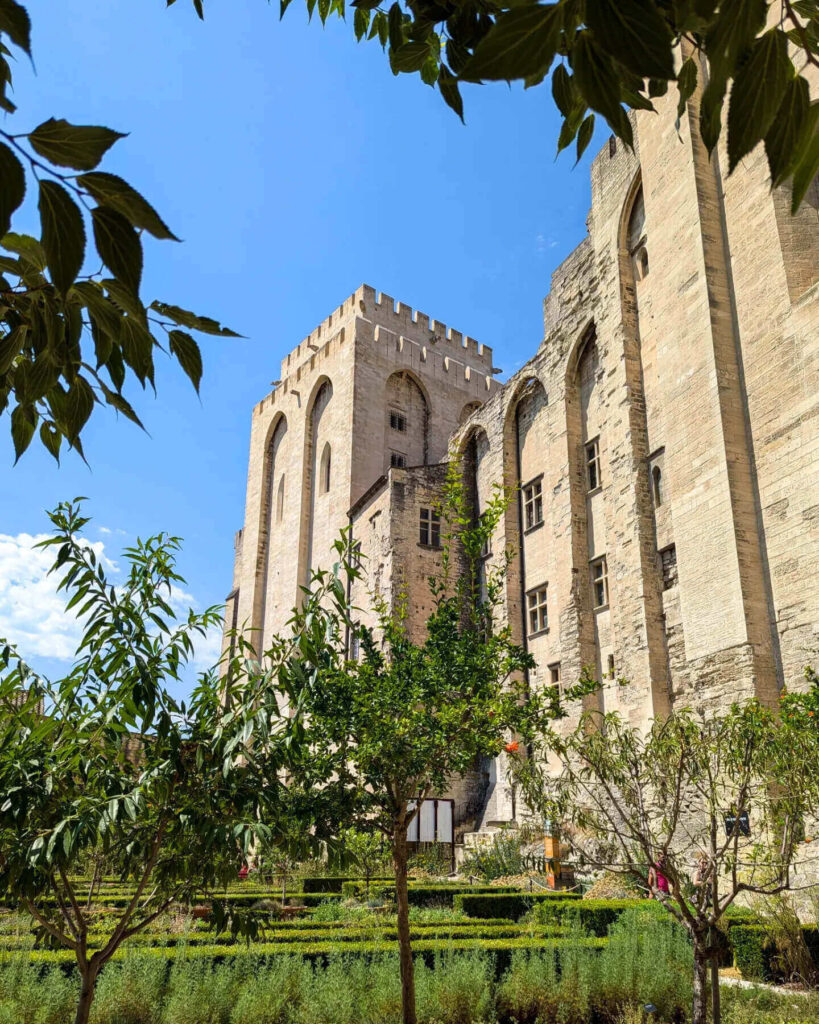
At first glance, it looks more like a fortress than a palace. Its massive stone walls, towers, and Gothic architecture dominate the city’s skyline and give it a much different feel than the ornate royal palaces found elsewhere in Europe.
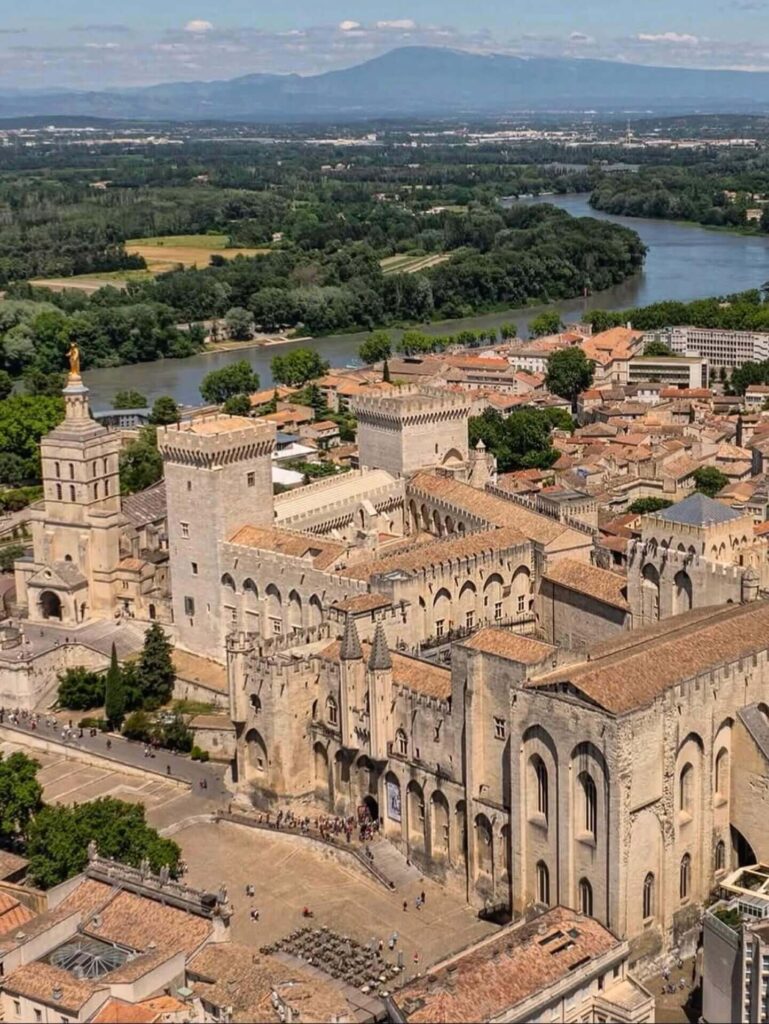
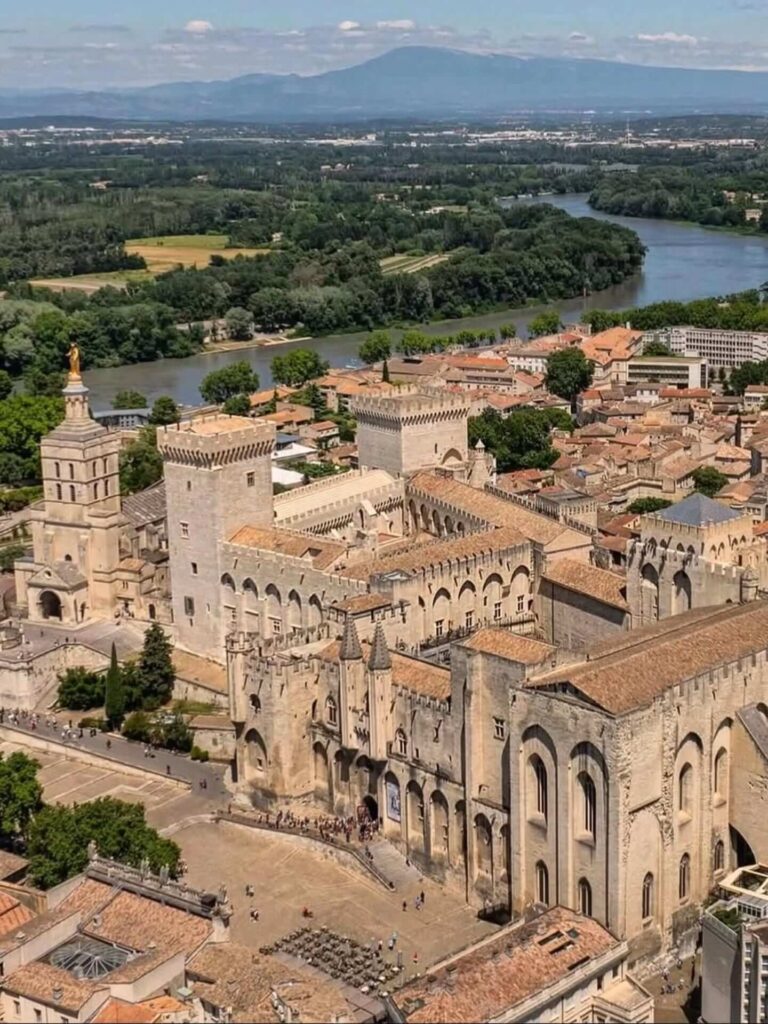
Built during the 14th century, the palace served as the residence of the popes when the Catholic Church temporarily moved its headquarters from Rome to Avignon. For nearly seventy years, this was one of the most powerful political and religious centers in Europe.
Today, visitors can explore grand halls, papal apartments, chapels, courtyards, and terraces while learning about a fascinating chapter of European history.
Why Was the Palace Built?
The story of Palais des Papes began in 1309 when Pope Clement V moved the papal court from Rome to Avignon. Political unrest and instability in Italy made Rome a difficult place to govern from, while Avignon offered a safer and more secure location.
As the popes settled in the city, they needed a residence that reflected their growing influence. Construction of the palace began in 1335 under Pope Benedict XII and was later expanded by Pope Clement VI. What started as a fortified residence eventually became one of the largest Gothic palaces ever built.
Why Is Palais des Papes So Important?
Palais des Papes is important because it represents the period known as the Avignon Papacy, when seven successive popes ruled from France instead of Rome.
It is also one of the finest examples of Gothic architecture in Europe and provides a rare glimpse into the political and religious power of the medieval Church. Today, the palace forms part of Avignon’s UNESCO World Heritage Site and remains one of the most visited attractions in southern France.
Quick Facts About Palais des Papes
Construction took place between 1335 and 1352, and the palace covers approximately 15,000 square meters, making it the largest Gothic palace in Europe.
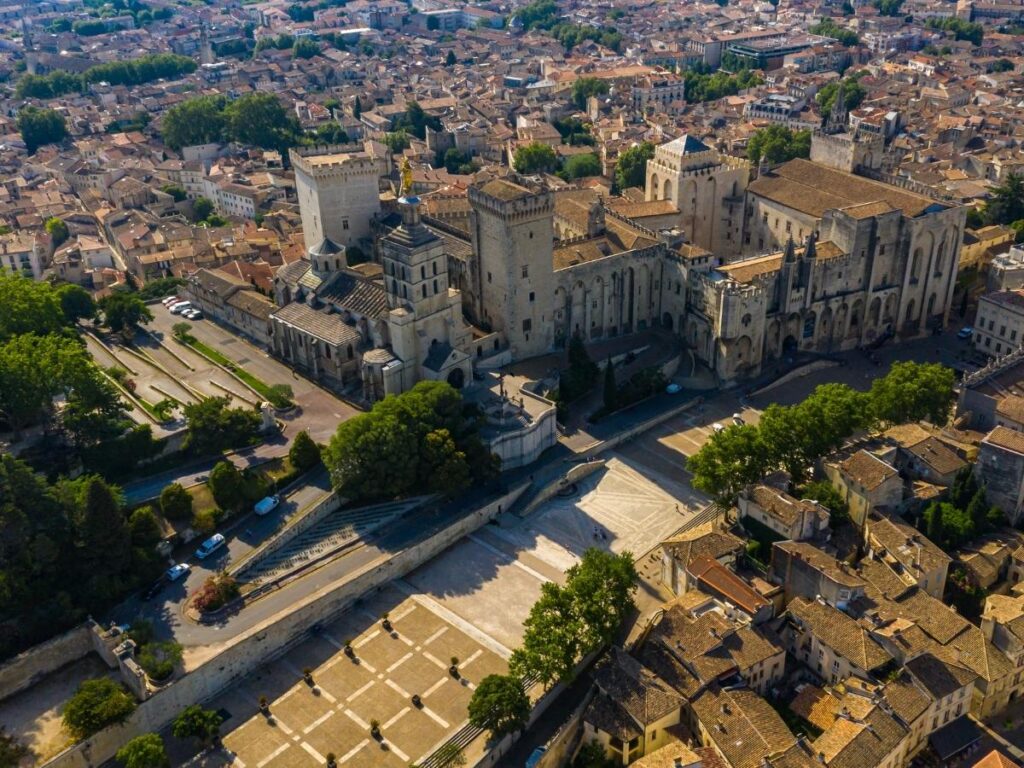
Nine popes lived or ruled here during the Avignon Papacy and Western Schism, and since 1995, the palace has been recognized as part of Avignon’s UNESCO World Heritage Site.
The Fascinating History of Palais des Papes
One of the things that surprised me most about visiting Palais des Papes was how much the experience improved once I understood the history behind it.
At first glance, some of the rooms can feel surprisingly plain compared to other famous European palaces. There aren’t endless collections of royal furniture or lavish decorations around every corner. But once you learn what happened here and why the palace was built, the entire complex starts to feel much more impressive.
This wasn’t just a residence for religious leaders. For much of the 14th century, it was the center of political and religious power in Western Europe.
The Avignon Papacy Explained
The story begins in 1309, when Pope Clement V decided to move the papal court from Rome to Avignon.
At the time, Rome was dealing with political instability, violence, and power struggles that made governing the Church increasingly difficult. Avignon offered a safer and more stable environment, and what was initially expected to be a temporary relocation ended up lasting nearly seventy years.
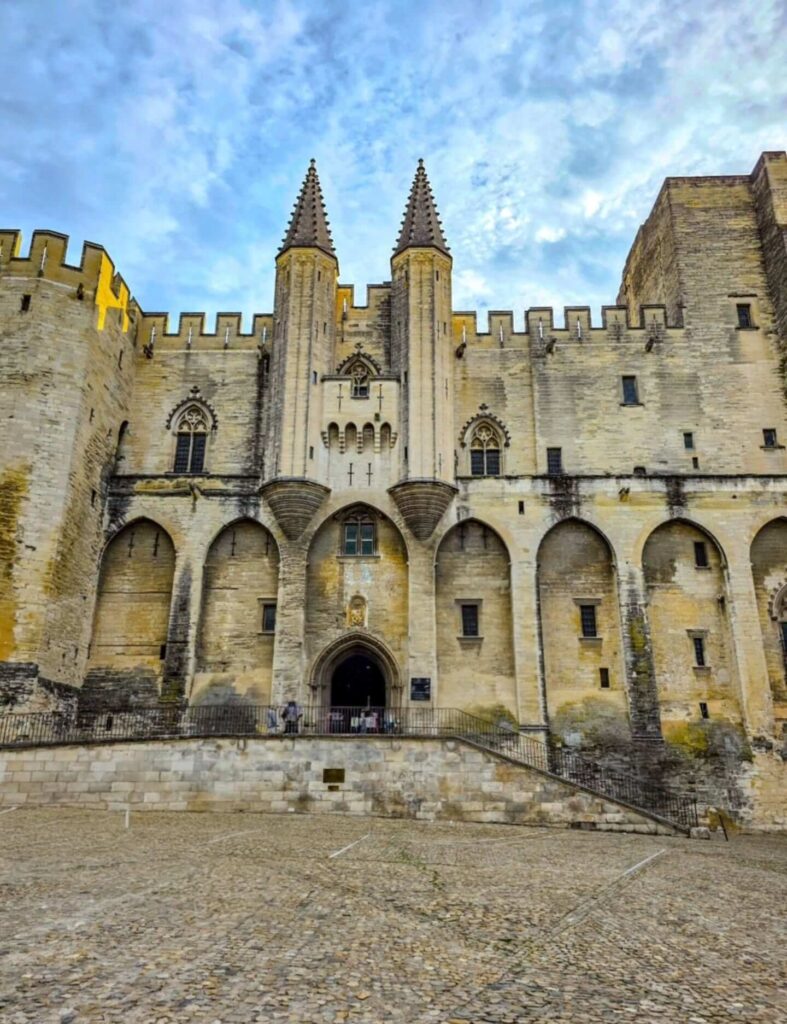
Between 1309 and 1377, seven successive popes ruled from Avignon instead of Rome. During this period, the city grew into one of the most influential places in Europe. Diplomats, merchants, bishops, and scholars arrived from across the continent, transforming what had been a relatively small city into a major center of religion and politics.
As I walked through the palace, it was fascinating to imagine how busy this place must have been during its peak. The halls that feel quiet today were once filled with officials, visitors, and church leaders making decisions that affected much of medieval Europe.
The Two Building Phases
One interesting detail you’ll notice during your visit is that the palace wasn’t built all at once.
Instead, it developed in two major phases under different popes, which helps explain why some parts feel more fortress like while others appear more elegant.
Palais Vieux (Old Palace)
The original section, known as the Palais Vieux or Old Palace, was commissioned by Pope Benedict XII.
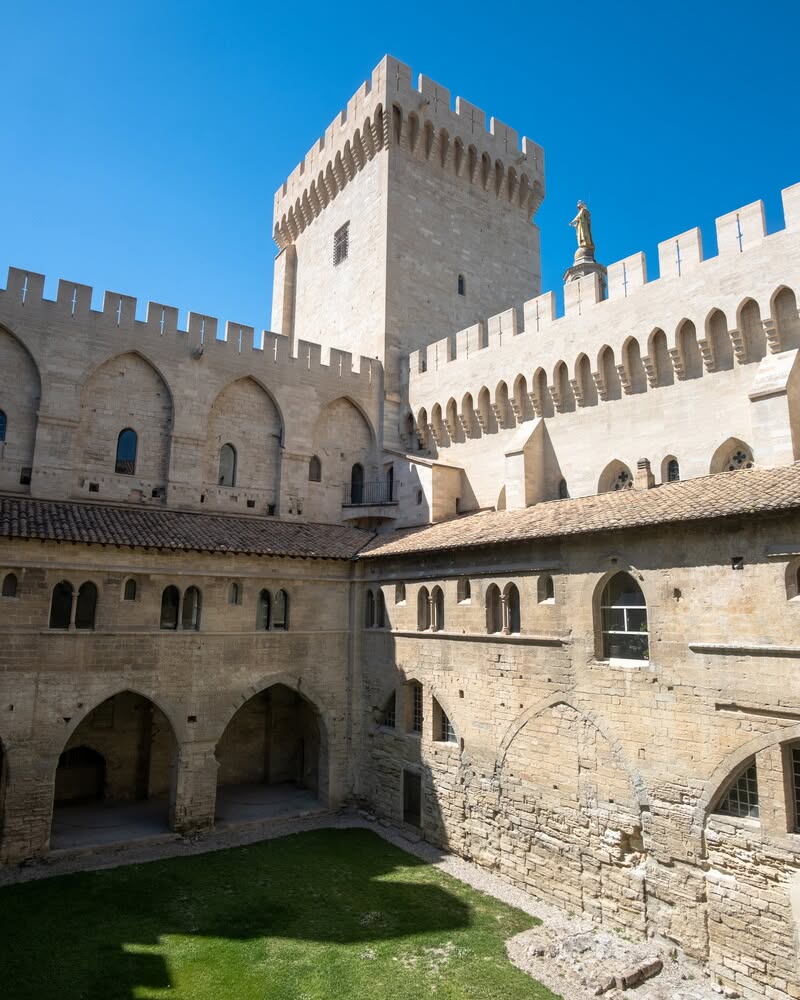
This part of the complex was designed with security in mind. Thick walls, defensive towers, and simple architectural details reflect the uncertain political climate of the time. Even today, it feels more like a castle than a traditional palace.
Many of the chapels, administrative spaces, and living quarters are located within this older section.
Palais Neuf (New Palace)
A few years later, Pope Clement VI decided to expand the complex.
The newer section, known as the Palais Neuf, introduced larger ceremonial rooms, more decorative Gothic architecture, and grand spaces designed to impress visiting dignitaries.
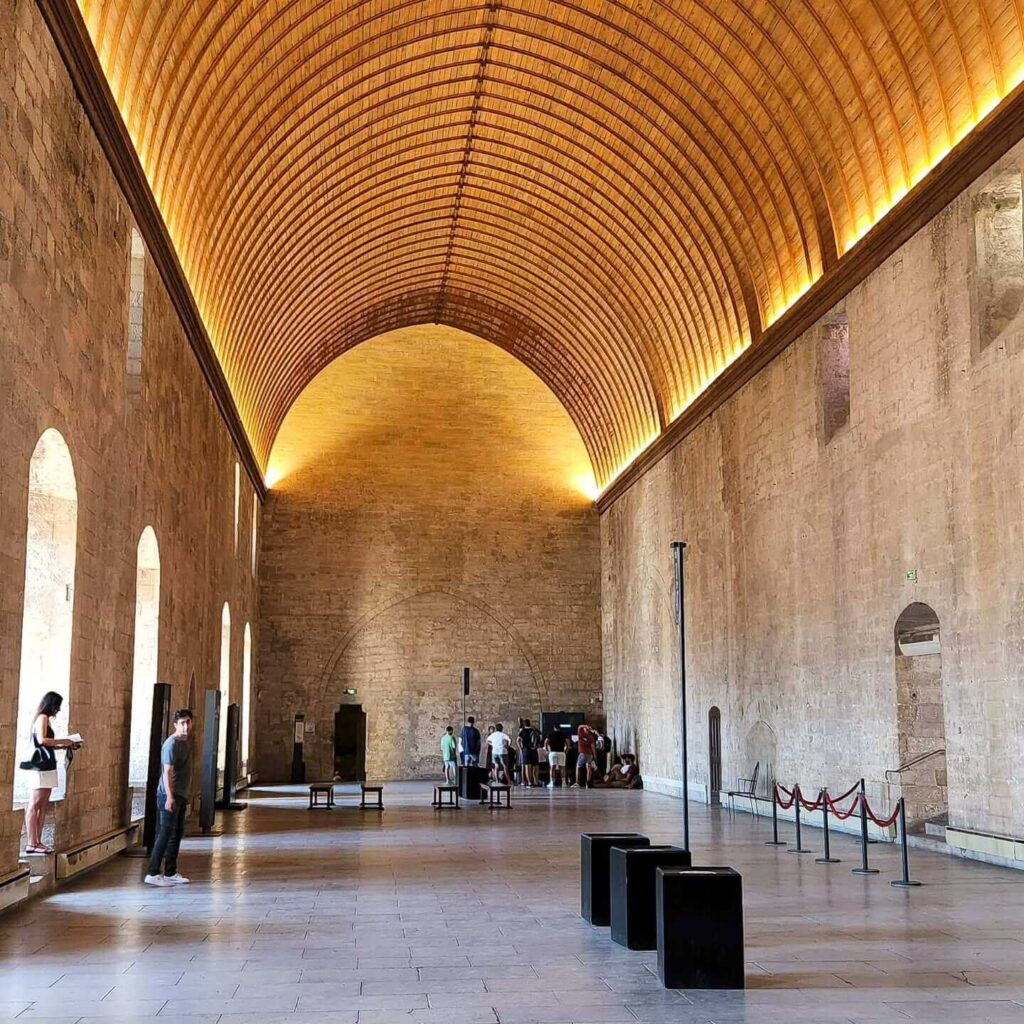
This expansion reflected the growing wealth and influence of the papacy during its years in Avignon.
Walking between the two sections, you can actually notice the contrast between the more defensive original structure and the increasingly sophisticated additions.
The Western Schism
Even after the papacy returned to Rome in 1377, the palace remained at the center of major historical events.
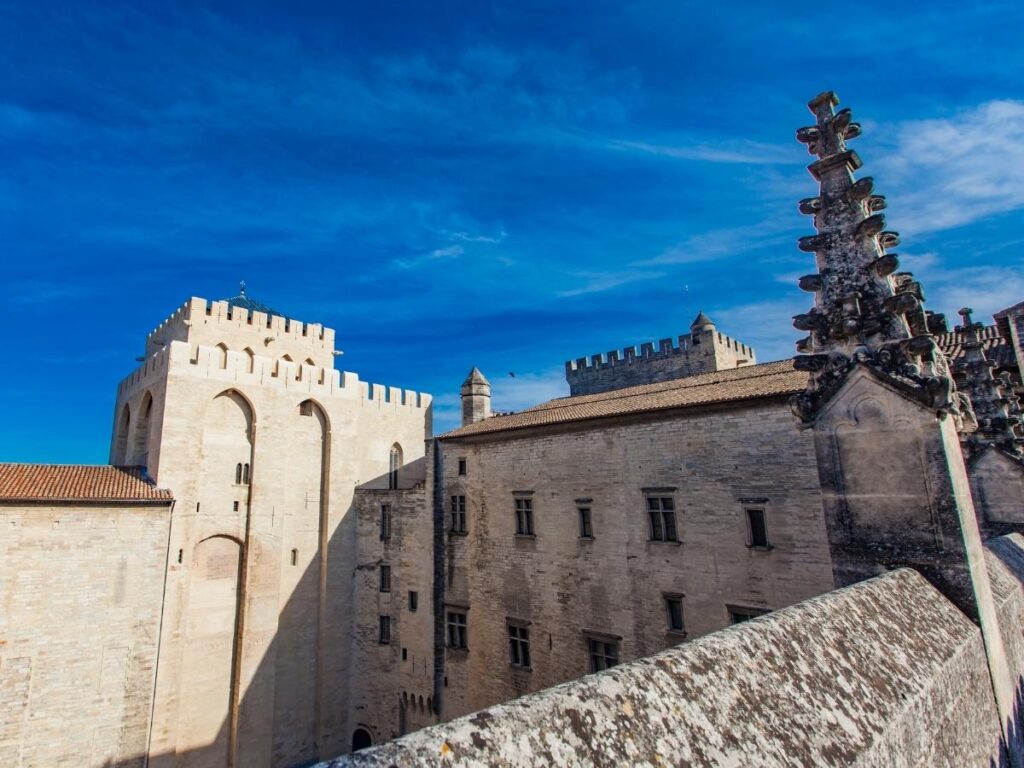
Soon after Pope Gregory XI left Avignon, disagreements within the Church led to a period known as the Western Schism. Rival popes claimed authority, with some ruling from Rome and others continuing to rule from Avignon.
For decades, European kingdoms were divided over which pope they considered legitimate. It was one of the most complicated periods in the history of the Catholic Church and further cemented the importance of Palais des Papes in European history.
What Happened After the Popes Left?
Once the papacy permanently returned to Rome, the palace gradually lost its role as a center of power.
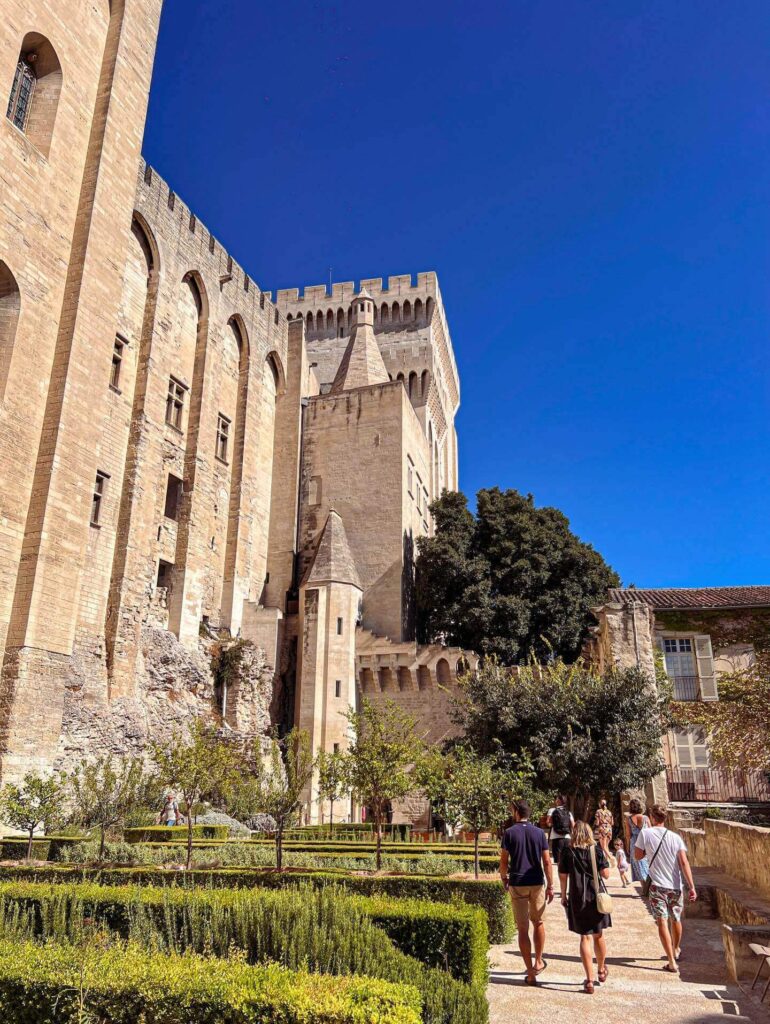
Over the following centuries, the building served a variety of purposes. It was used as a military barracks, administrative center, and storage facility. During the French Revolution, parts of the palace were damaged, and many original furnishings and artworks disappeared.
Fortunately, large scale restoration efforts during the 19th and 20th centuries helped preserve much of the structure. Thanks to those restoration projects, visitors today can still experience one of the most remarkable surviving monuments of the medieval world.
Where Is Palais des Papes?
Palais des Papes occupies one of the most prominent locations in Avignon.
Perched on a hill in the heart of the historic center, the palace dominates the surrounding skyline and is visible from many parts of the city.
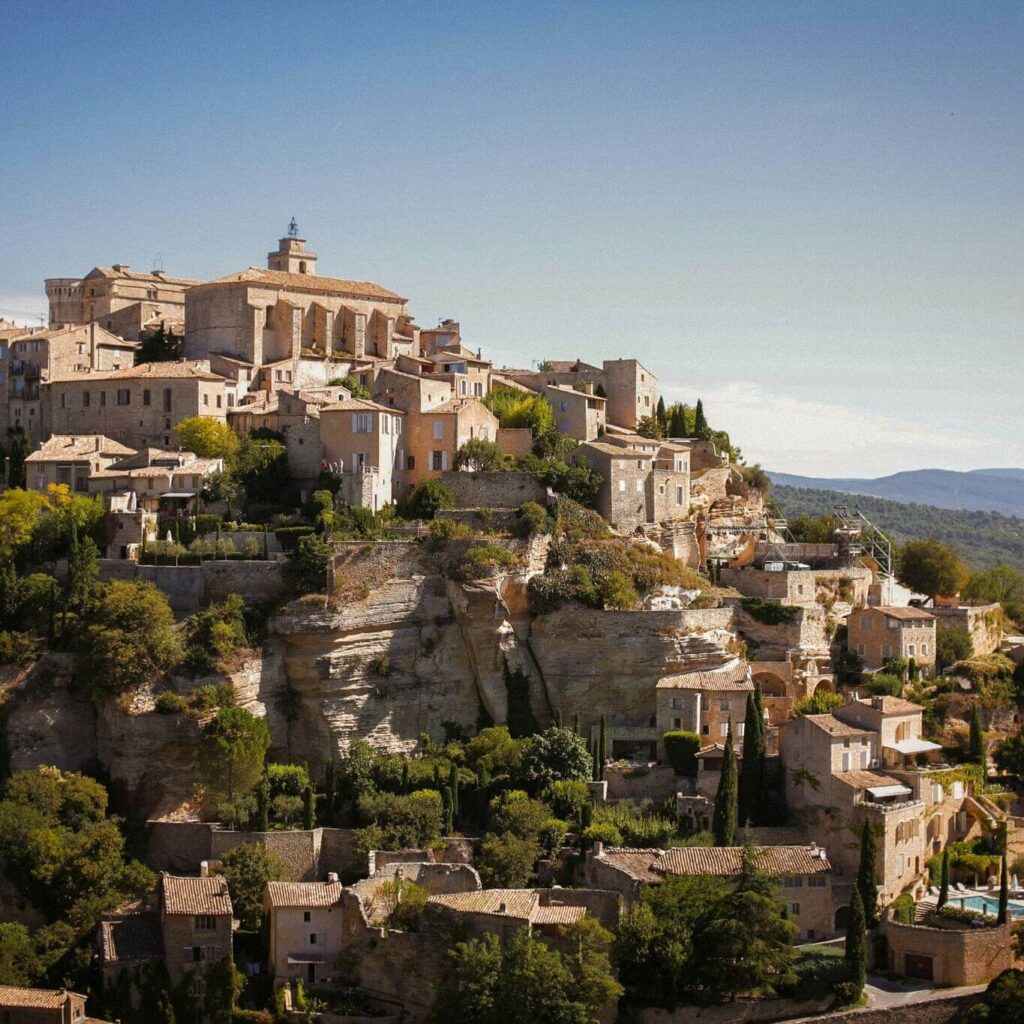
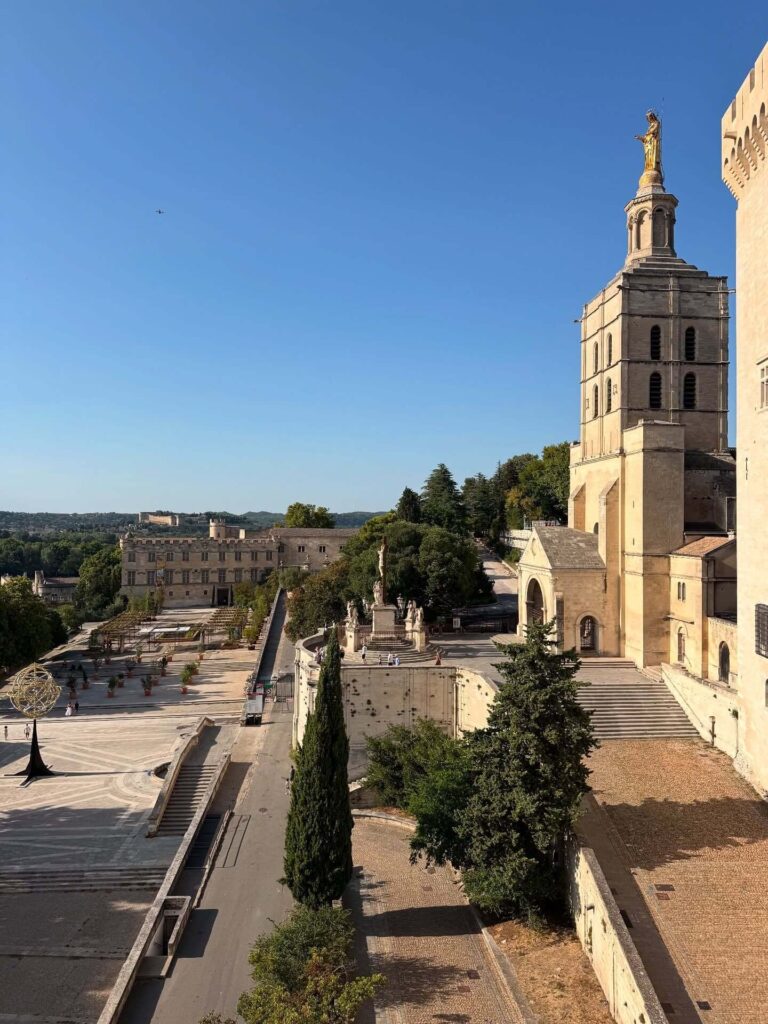
It’s located beside Avignon Cathedral and just a short walk from several of the city’s other major attractions.
Because Avignon’s old town is relatively compact, the palace is easy to include in a day of sightseeing.
How to Reach Palais des Papes
Getting to Palais des Papes is straightforward whether you’re arriving by train, car, or as part of a larger Provence road trip.
From Avignon Centre Station
If you’re arriving at Avignon Centre Station, the palace is about a 15 minute walk away.
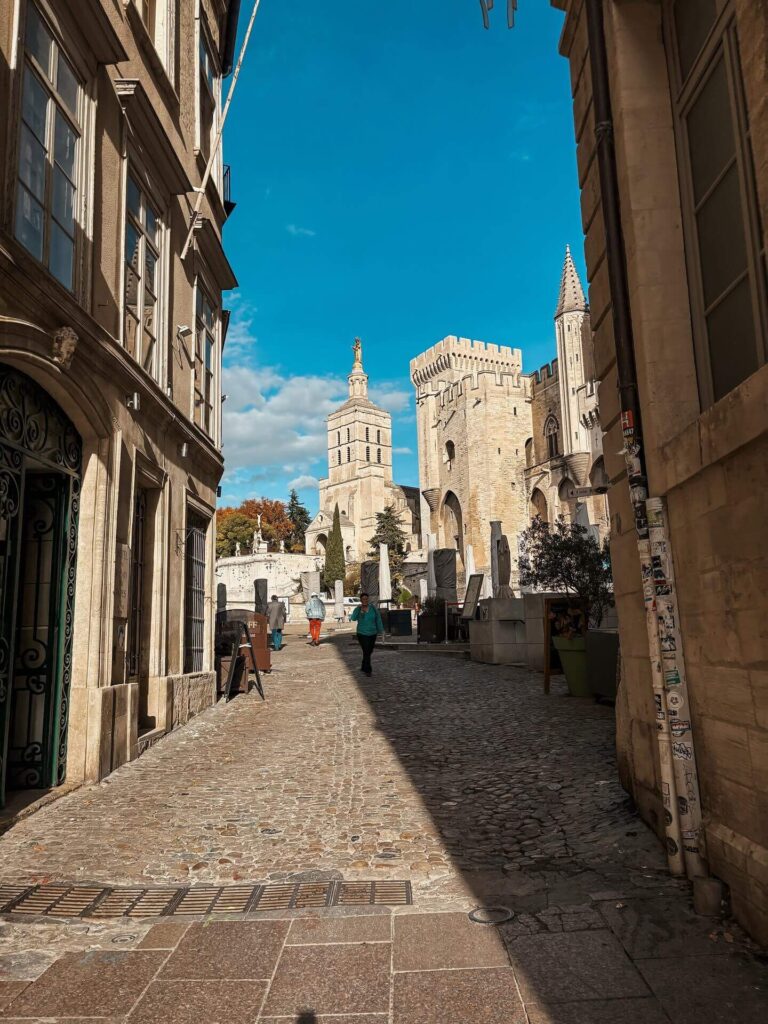
The route takes you through parts of the historic center, passing shops, cafés, and attractive pedestrian streets along the way. I actually enjoyed this walk because it provides a nice introduction to the city before you reach its most famous landmark.
From Avignon TGV Station
Most visitors arriving from Paris or other major French cities will use Avignon TGV Station.
This station is located outside the city center, but reaching the palace is still easy. Regular shuttle trains connect the TGV station to Avignon Centre Station in just a few minutes. From there, you can walk to the palace.
Local buses and taxis are also available if you prefer not to walk.
By Car
If you’re exploring Provence by car, you’ll find several parking garages and public parking areas around Avignon’s historic center.
Since much of the old town is pedestrian friendly, you’ll usually need to leave your vehicle outside the central area and continue on foot. The walk is generally short, and the city’s compact layout makes navigation relatively easy.
What to See Inside Palais des Papes
One thing I wish I had known before visiting is that Palais des Papes isn’t the kind of palace where every room is filled with antique furniture and priceless treasures.
Over the centuries, much of the original décor disappeared, so some rooms can initially feel surprisingly empty.
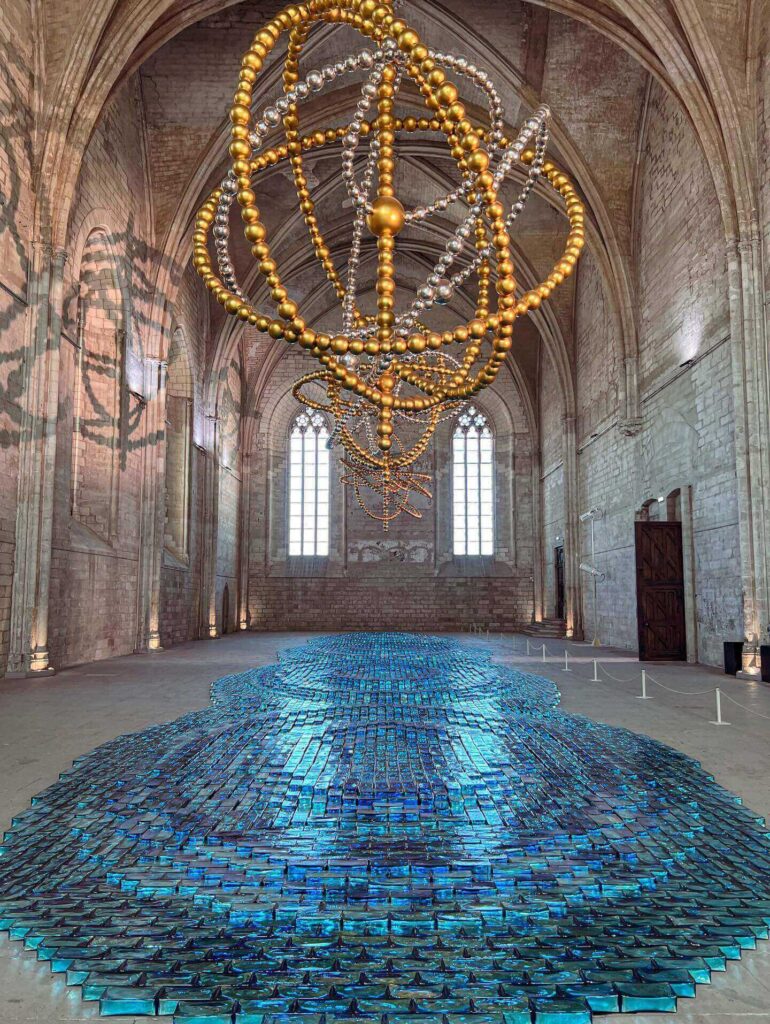
That’s why understanding the purpose of each space is so important. Once you know what happened here, it’s much easier to appreciate the scale of the building and the role it played during the Avignon Papacy.
As you move through the palace, you’ll pass through enormous ceremonial halls, private living quarters, chapels covered in medieval artwork, and terraces overlooking the city. Together, they paint a picture of what life was like when Avignon served as the center of the Catholic Church.
The Grand Audience Hall
One of the first rooms that really made an impression on me was the Grand Audience Hall.
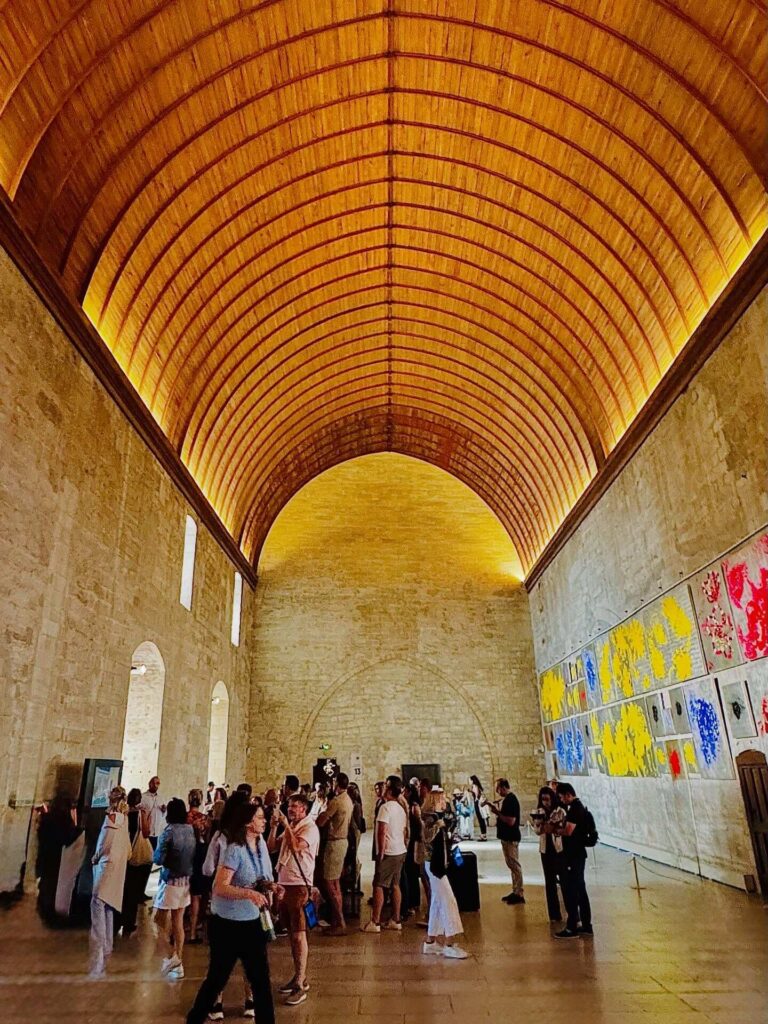
This massive Gothic chamber was where the pope handled official business, received important visitors, and presided over legal matters. Standing in the middle of the room, it’s easy to imagine cardinals, diplomats, and nobles gathering here centuries ago.
What struck me most wasn’t the decoration but the scale. The room feels enormous, and it’s a reminder of how much authority the papacy held during this period. When people traveled across Europe to seek decisions from the Church, this is one of the places where those decisions were often made.
The Consistory Hall
The Consistory Hall was another important meeting space within the palace.
This is where the pope met with cardinals to discuss major issues affecting the Church. While it may not be the most visually impressive room you’ll see, its historical significance is hard to overstate. Some of the most important religious and political discussions of the 14th century would have taken place here.
I found it interesting to think about how many decisions that shaped medieval Europe may have started within these walls.
The Pope’s Private Apartments
For me, the papal apartments were among the most interesting parts of the visit because they provide a more personal glimpse into life inside the palace.
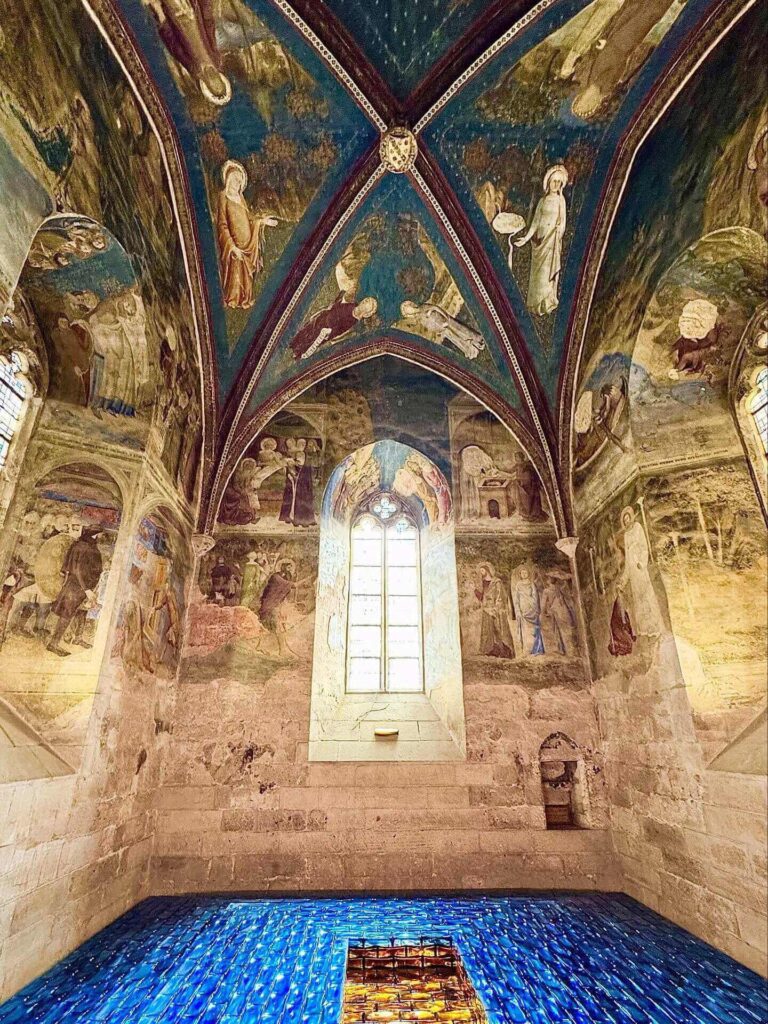
These rooms were once used by the popes for daily living rather than official ceremonies. They’re also home to some of the palace’s most beautiful surviving artwork, including frescoes painted by the Italian artist Matteo Giovannetti.
After spending time in the vast public halls, it was fascinating to see the more intimate spaces where the popes lived, worked, and relaxed.
Saint Martial Chapel and Saint John Chapel
Even if you’re not particularly interested in religious history, don’t rush through these chapels.
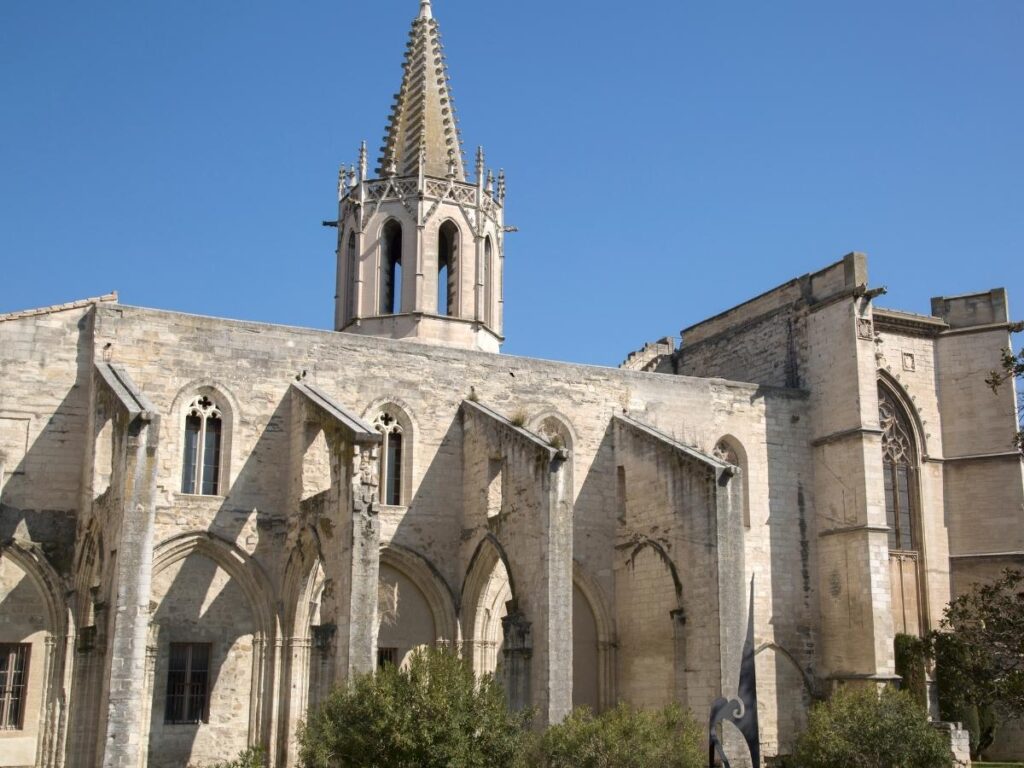
Both contain remarkably well preserved frescoes that date back to the 14th century. The artwork is filled with color, detail, and storytelling, offering a rare glimpse into how richly decorated parts of the palace once were.
I was honestly surprised by how vibrant some of the paintings still appear after so many centuries.
The Great Chapel (Grande Chapelle)
The Great Chapel is one of the most impressive spaces in the entire palace.
Major religious ceremonies were held here, and its enormous size reflects the importance of those events. Looking up at the soaring ceilings and Gothic architecture, it’s easy to understand why visitors often stop here longer than expected.
Even though the room is relatively simple today, it still feels grand and atmospheric.
The Cloister and Courtyards
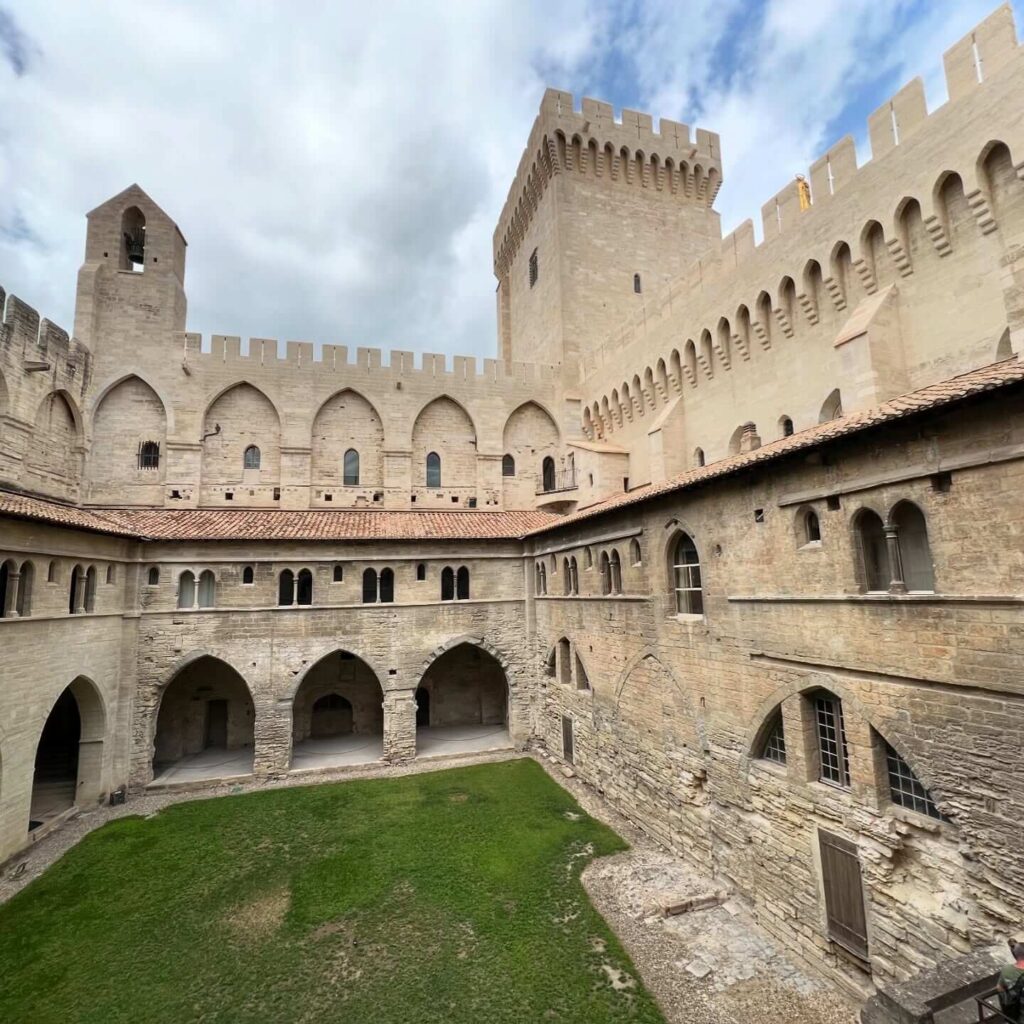
After exploring several of the palace’s large interior rooms, the cloister and courtyards provide a welcome change of pace.
These quieter spaces allow you to appreciate the layout of the complex and take a break from the darker interior areas. I found myself slowing down here and noticing details that I might have missed elsewhere.
The Treasury Rooms
The Treasury Rooms help tell the story of the immense wealth and influence of the medieval Church.
Although the valuables once stored here are long gone, these rooms offer insight into the resources controlled by the papacy during its time in Avignon.
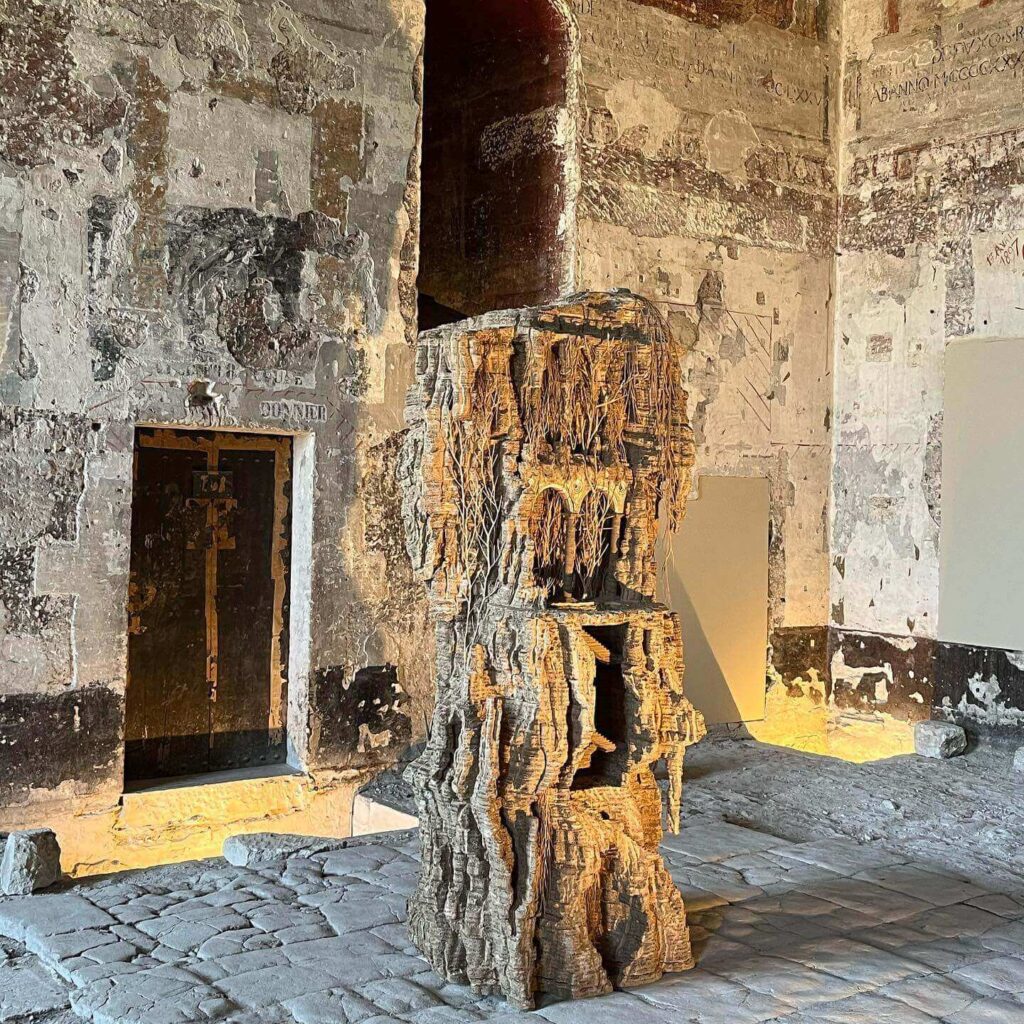
It’s another reminder that Palais des Papes wasn’t simply a residence. It was the headquarters of one of the most powerful institutions in Europe.
The Terraces and Rooftop Views
If there’s one area I wouldn’t rush through, it’s the terraces.
The views from the upper levels are some of the best in Avignon. From here, you can look out across the city’s rooftops, spot the Rhône River winding through the landscape, and even see Pont d’Avignon in the distance.
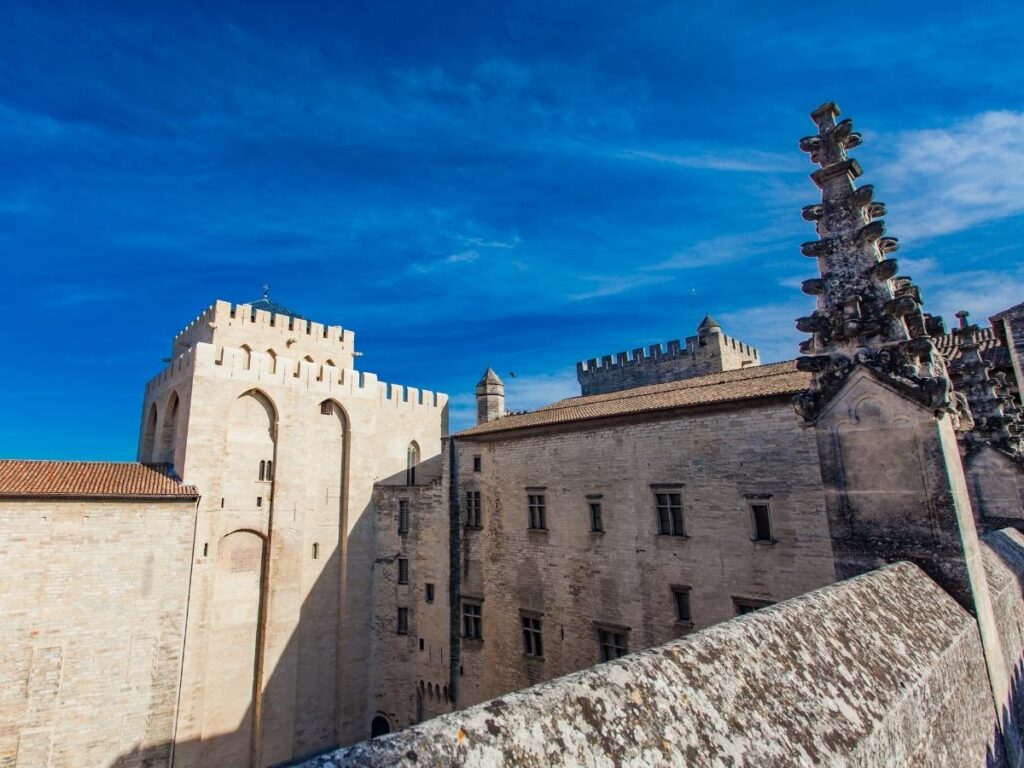
For photographers, this is easily one of the highlights of the visit. I spent far longer here than I expected, simply taking in the views and appreciating the scale of the palace from a completely different perspective.
Before leaving, I’d recommend spending a few extra minutes on the terraces. After exploring the dark halls, chapels, and stone corridors below, the open views provide a perfect ending to the experience.
Is Palais des Papes Worth Visiting?
If you’re planning a trip to Avignon, I’d definitely recommend visiting Palais des Papes. It’s the city’s most iconic landmark and one of the most fascinating historic sites in southern France.
That said, it’s worth knowing what to expect before you go. Unlike palaces such as Versailles, Palais des Papes isn’t known for lavish interiors or rooms filled with royal treasures. Its appeal comes from its history, architecture, and sheer scale.
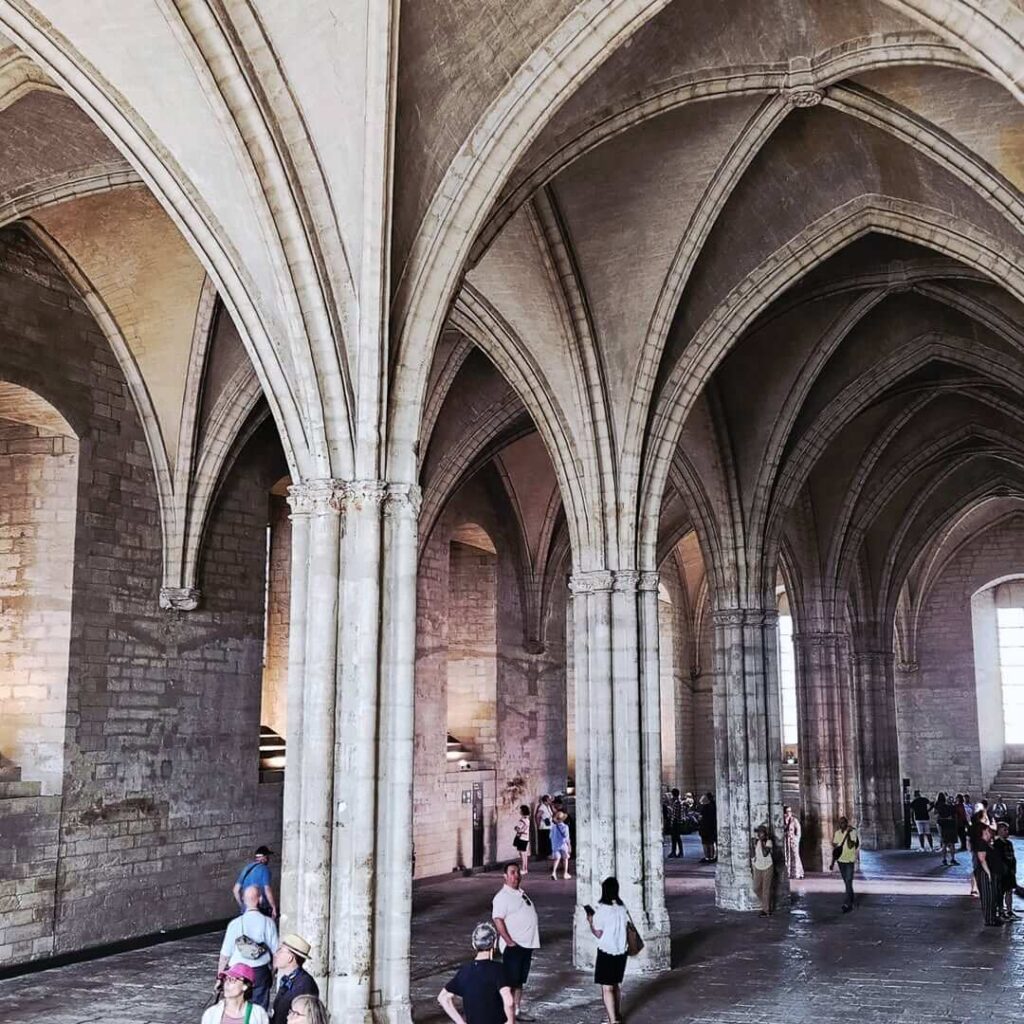
This was once the center of the Catholic Church, and walking through its enormous halls and stone corridors gives you a real sense of the power that was concentrated here during the Middle Ages.
What impressed me most was how massive the palace feels in person. Photos don’t quite prepare you for the size of the building or the fortress like atmosphere. I also found the story of the Avignon Papacy surprisingly interesting and came away with a much better understanding of why Avignon became such an important city in medieval Europe.
The main drawback is that some rooms can feel quite bare compared to other famous palaces. Much of the original furniture and decoration disappeared over the centuries, so you’ll need to rely a little on your imagination. That’s also why I highly recommend using the Histopad, which helps bring many of the spaces back to life.
Overall, if you enjoy history, architecture, photography, or simply exploring unique places, Palais des Papes is well worth your time. Even visitors who aren’t particularly interested in church history are often impressed by the building itself and the views from the terraces.
Palais des Papes Tickets
Palais des Papes offers several ticket options, but most visitors will find the standard admission ticket perfectly adequate. This includes access to the palace itself as well as the Histopad, which is one of the reasons I think the visit offers good value compared to many other historic attractions.
If you’re planning to visit more than one landmark in Avignon, it’s worth looking at the combined ticket that includes both Palais des Papes and Pont d’Avignon. Since the two attractions are only a short walk apart, many visitors see them on the same day, and the combined ticket is often the most economical option.
Families may also find discounted family passes available depending on the season and current ticketing policies.
Should You Book Tickets in Advance?
For most of the year, buying tickets on arrival is usually fine. However, if you’re visiting during summer, French school holidays, or the famous Avignon Festival in July, I’d recommend booking ahead.
The palace is one of the city’s most popular attractions, and visitor numbers increase significantly during peak periods. Booking online in advance can save time and help avoid disappointment on especially busy days.
Before your visit, it’s always worth checking the official website for the latest ticket prices, opening hours, and any temporary exhibitions or events that may be taking place during your stay.
Palais des Papes Opening Hours
Palais des Papes is open throughout the year, but opening hours vary depending on the season. During the busy summer months, the palace typically stays open longer to accommodate the increased number of visitors, while winter schedules are usually a little shorter.
Because hours can change from year to year, especially around holidays or special events, I always recommend checking the official website before your visit. It’s a quick step that can save a lot of frustration, particularly if you’re visiting as part of a day trip with a tight schedule.
One thing worth keeping in mind is that the palace is much larger than many people expect. Arriving too close to closing time can leave you feeling rushed, especially if you want to use the Histopad and spend time on the terraces. If possible, try to give yourself a comfortable window to explore rather than squeezing the visit into the end of the day.
How Much Time Do You Need at Palais des Papes?
The amount of time you’ll need really depends on how interested you are in history and how thoroughly you like to explore.
If you’re short on time, it’s possible to see the main highlights in about an hour to an hour and a half. You’ll be able to walk through the major rooms, admire the architecture, and get a general sense of the palace’s importance.

For most visitors, though, I’d recommend setting aside at least two to three hours. That’s enough time to use the Histopad, explore the main sections of the palace, enjoy the rooftop views, and stop occasionally to read some of the historical information without feeling rushed.
I ended up spending longer than I originally expected because the Histopad encouraged me to slow down and spend more time in rooms that I might otherwise have walked through quickly.
If you’re particularly interested in medieval history or architecture, you could easily spend half a day here. Between the exhibits, chapels, terraces, and detailed reconstructions, there’s plenty to keep history enthusiasts engaged.
Best Time to Visit Palais des Papes
One of the nice things about visiting Palais des Papes is that there’s never really a bad time to go. The palace is open year round, and each season offers a slightly different experience.
Spring
If I had to choose a favorite time to visit, it would probably be spring.
From April through June, the weather is usually pleasant for walking around Avignon, and the city feels lively without being overwhelmingly crowded. Outdoor cafés begin filling up, gardens become greener, and sightseeing is generally more comfortable than during the peak summer season.
Spring is also a great time if you’re combining Avignon with a broader Provence itinerary, since many of the region’s towns and attractions are at their best during these months.
Summer
Summer is the busiest time of year, but it’s easy to see why.
The long daylight hours give you plenty of time for sightseeing, and the city has an energetic atmosphere. July is particularly lively thanks to the famous Avignon Festival, which attracts performers and visitors from around the world.
The downside is that crowds can be significantly larger during this period. Popular rooms inside the palace can become busy, and ticket lines may be longer. On the bright side, the palace’s thick stone walls help keep many areas relatively cool, offering some relief from the Provence heat.
Autumn
Autumn is another excellent time to visit.
September and October often bring pleasant temperatures, smaller crowds, and a more relaxed atmosphere throughout the city. If you prefer sightseeing without the peak season rush, this can be one of the most enjoyable times to explore both the palace and Avignon’s historic center.
Winter
Winter offers the quietest experience of all.
While temperatures can be cooler and the city feels less busy, you’ll often have much more space to explore at your own pace. Some visitors actually prefer winter because it allows them to appreciate the architecture and history without large tour groups moving through the rooms.
Best Time of Day to Visit
No matter what season you choose, I recommend arriving as close to opening time as possible.
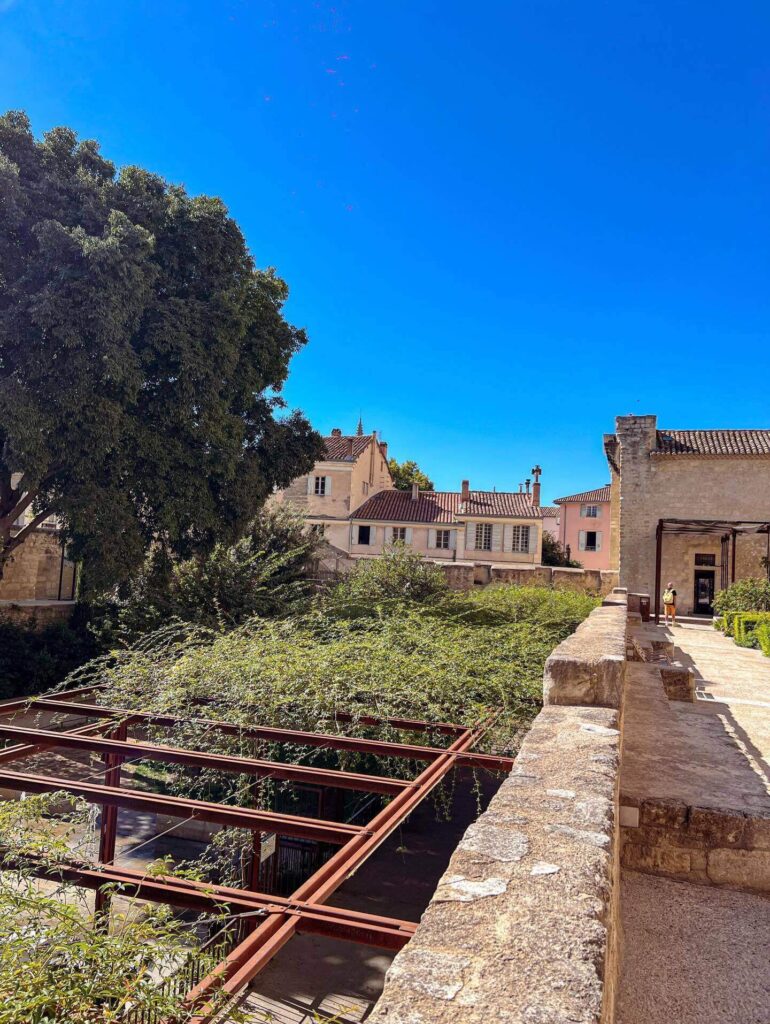
The first couple of hours of the day are usually the calmest, making it easier to move through the palace, use the Histopad comfortably, and take photos without too many people in the background.
Late afternoon can also be a beautiful time to visit, especially if you enjoy photography. The softer light over Avignon’s rooftops makes the terrace views even more rewarding, and the atmosphere tends to feel a little more relaxed as the day winds down.
Suggested Palais des Papes Itinerary
If You Only Have Half a Day
If your time in Avignon is limited, I’d start with Palais des Papes as soon as it opens. Allow around two hours to explore the palace, including the terraces and Histopad experience.
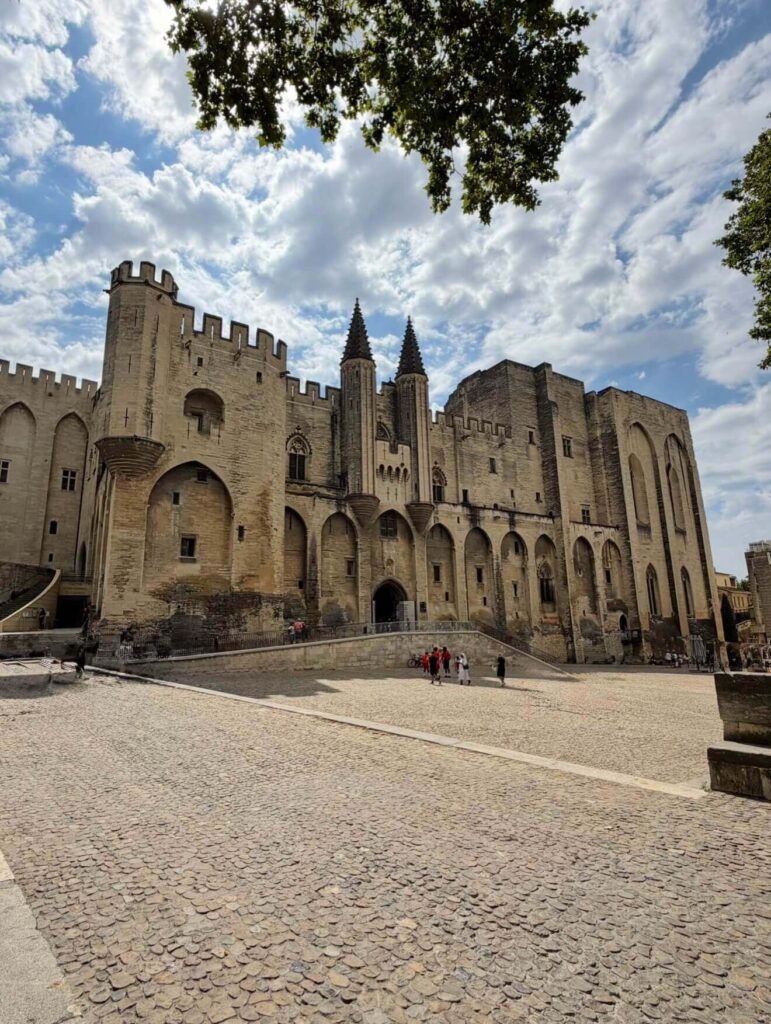
Afterward, visit Avignon Cathedral, which sits right beside the palace, before heading to Rocher des Doms. This hilltop garden offers some of the best views in the city and is a great place to take a short break.
Finish your sightseeing at Pont d’Avignon before grabbing lunch in the historic center. This route covers Avignon’s most famous landmarks without feeling rushed.
One Day Avignon Itinerary
With a full day in Avignon, you can explore at a much more relaxed pace.
Spend your morning visiting Palais des Papes, Avignon Cathedral, and Rocher des Doms. Together, these attractions can easily fill most of the day and provide a great introduction to the city’s history.
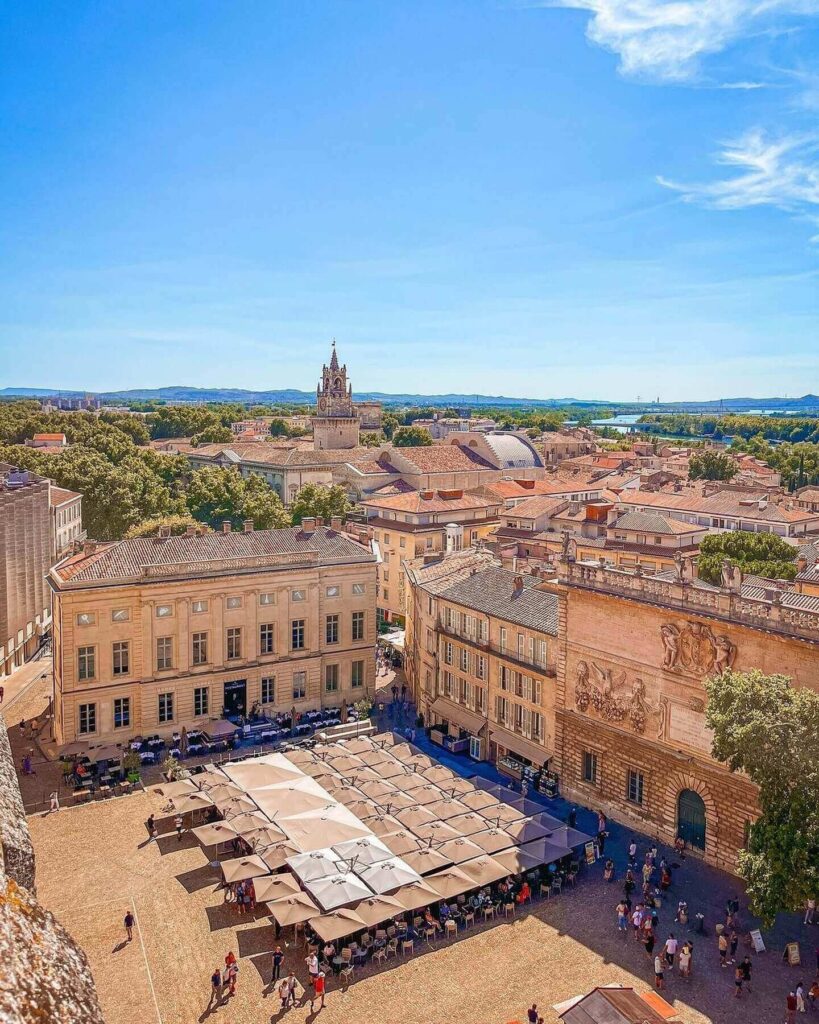
For lunch, head to Place de l’Horloge, one of the liveliest squares in Avignon and a popular spot for outdoor dining.
In the afternoon, visit Pont d’Avignon and then spend some time wandering through the old town. Some of my favorite moments in Avignon came from simply exploring the medieval streets, browsing local shops, and stumbling across quiet squares away from the main tourist routes.
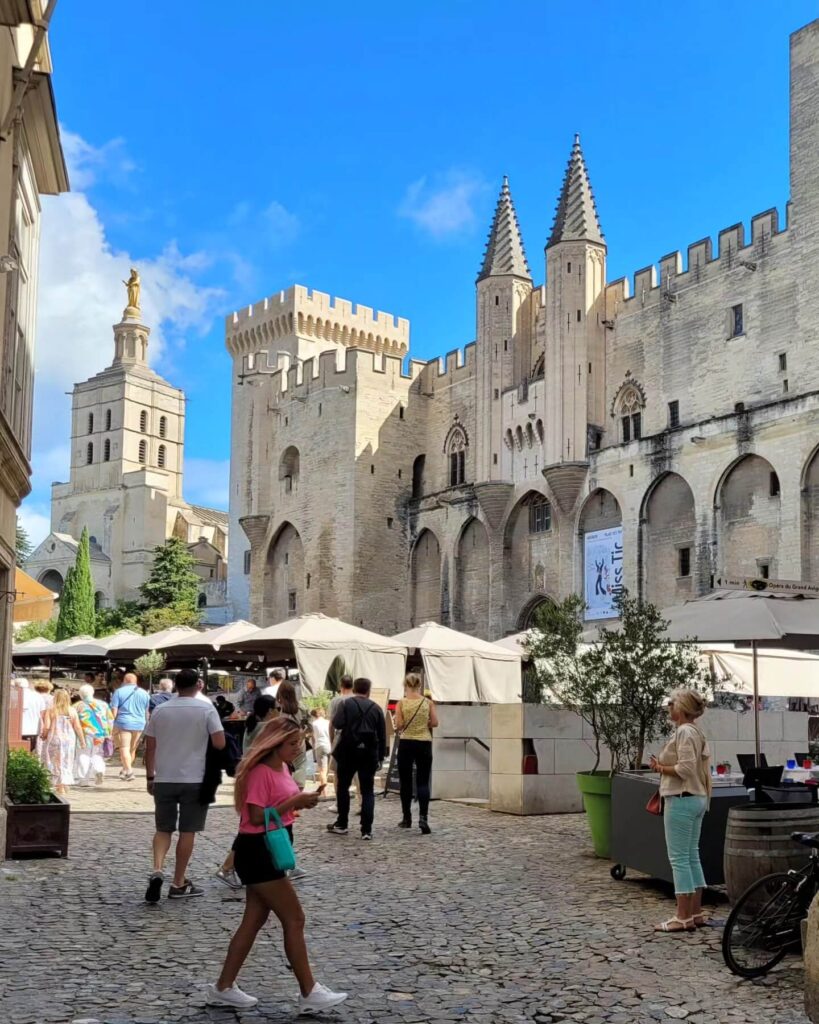
If you’re staying into the evening, enjoy dinner in the historic center and take a final walk through the old town. The atmosphere becomes much quieter after the day trippers leave, making it a lovely way to end your visit.
Practical Tips Before Visiting
A little preparation can make your visit to Palais des Papes much more enjoyable.
One of the best things you can do is arrive early in the day. The palace is one of Avignon’s most popular attractions, and visiting in the morning usually means smaller crowds and a more relaxed experience. It also gives you plenty of time to explore without constantly checking the clock.
I would also highly recommend using the Histopad. Some of the rooms can feel quite bare at first, but the augmented reality reconstructions help bring the palace back to life and make it much easier to understand what you’re seeing.
Comfortable shoes are another must. The palace is much larger than it appears from the outside, and you’ll spend a lot of time walking through stone corridors, staircases, and large halls. I originally thought I’d be finished in an hour or so, but ended up spending closer to three hours exploring.
If you’re visiting during summer or around the Avignon Festival, it’s worth booking tickets in advance. The palace can get busy during peak periods, and having your tickets sorted beforehand makes the day much smoother.
Finally, don’t rush off as soon as you leave the palace. Some of the best views in Avignon can be found nearby at Rocher des Doms, and Pont d’Avignon is only a short walk away. Combining all three attractions makes for a fantastic day in the city.
Final Thoughts
Palais des Papes ended up being one of my favorite places to visit in Provence.
What makes it so memorable isn’t lavish decoration or royal luxury, but the sense of history that surrounds the entire complex. Walking through rooms that once housed popes, cardinals, and diplomats gives you a fascinating glimpse into a period when Avignon was one of the most influential cities in Europe.
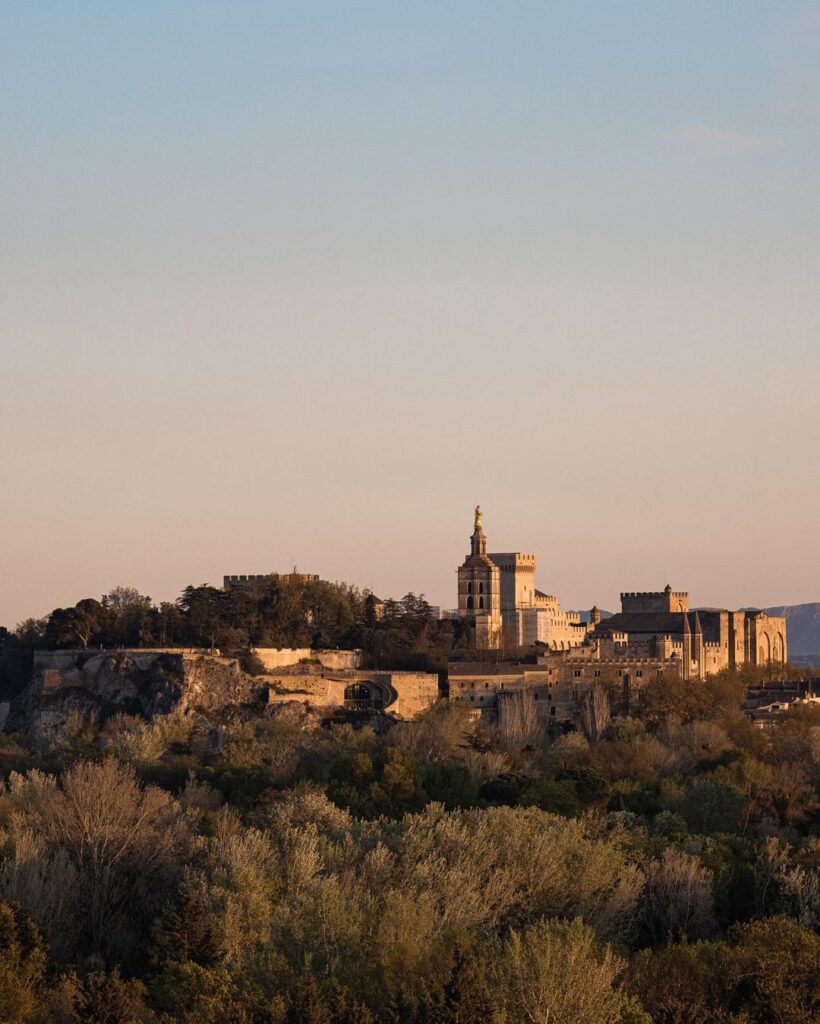
I was also surprised by how unique the palace feels compared to other famous landmarks in France. Its fortress like appearance, enormous halls, and medieval atmosphere make it completely different from the grand royal palaces many travelers are familiar with.
If you’re planning a trip to Avignon, I’d make Palais des Papes a priority. Between the palace itself, Pont d’Avignon, and the views from Rocher des Doms, it’s easy to spend a rewarding day exploring one of the most historic corners of Provence.