
I wasn’t sure what to expect when I first arrived in Bastia. It’s often treated as the entry point to Corsica, the kind of place people pass through on their way somewhere else. That’s how I saw it at first too. I didn’t come in with big expectations or a long list of things to do.
But once I started walking around, especially near the old port, my impression began to change. It wasn’t anything dramatic, just a gradual shift.
The harbor has a slightly worn, lived in feel, with buildings that aren’t overly polished and cafés that seem to be there more for locals than visitors. It felt real, not staged, and that made me slow down and pay more attention.
Bastia doesn’t try to impress you right away. Instead, it grows on you in smaller ways. Quiet streets, views that appear when you least expect them, and a pace that never feels rushed. I liked that I could explore without a plan and still feel like I was getting something out of it.
If you’re planning a trip here, it helps to come with that mindset. Bastia isn’t about rushing between major sights. It’s more about taking your time and letting the place reveal itself as you go. This guide covers the spots I think are worth your time, along with a few tips that would have made my visit easier.
Quick Overview
If you’re short on time, Bastia is actually quite easy to figure out once you’re there. The city isn’t very large, and most of the places you’ll want to see are within walking distance of each other.
One day, I’d keep things simple and focus on the areas that give you the best feel for the city. Start around the Old Port, since that’s where Bastia makes its first real impression. From there, you can slowly make your way up to the Citadel.
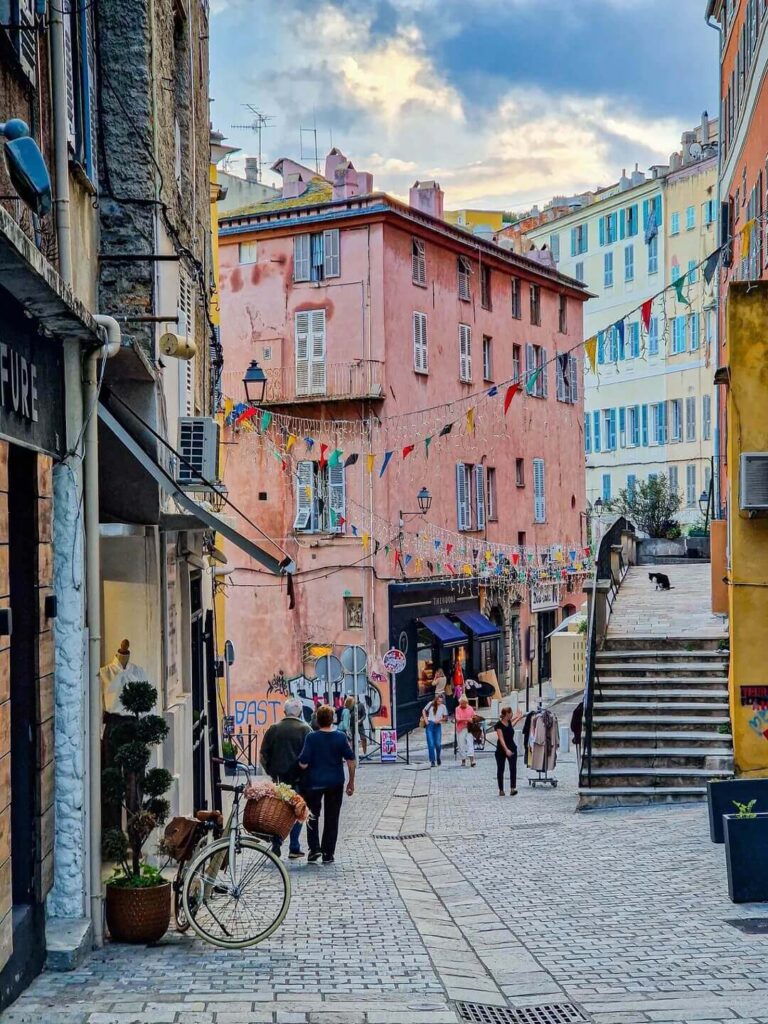
The walk itself is part of the experience, with small streets and viewpoints along the way. At some point, you’ll likely pass by the main square, Place Saint Nicolas, which is a good place to pause for a bit. If you stay out until the evening, ending the day near the port or along the waterfront works well.
If you have two days, things start to feel much less rushed. You can still explore Bastia at an easy pace, but you’ll also have time to step outside the city. A drive around Cap Corse makes a big difference to the overall experience, especially if you enjoy coastal scenery and quieter villages.
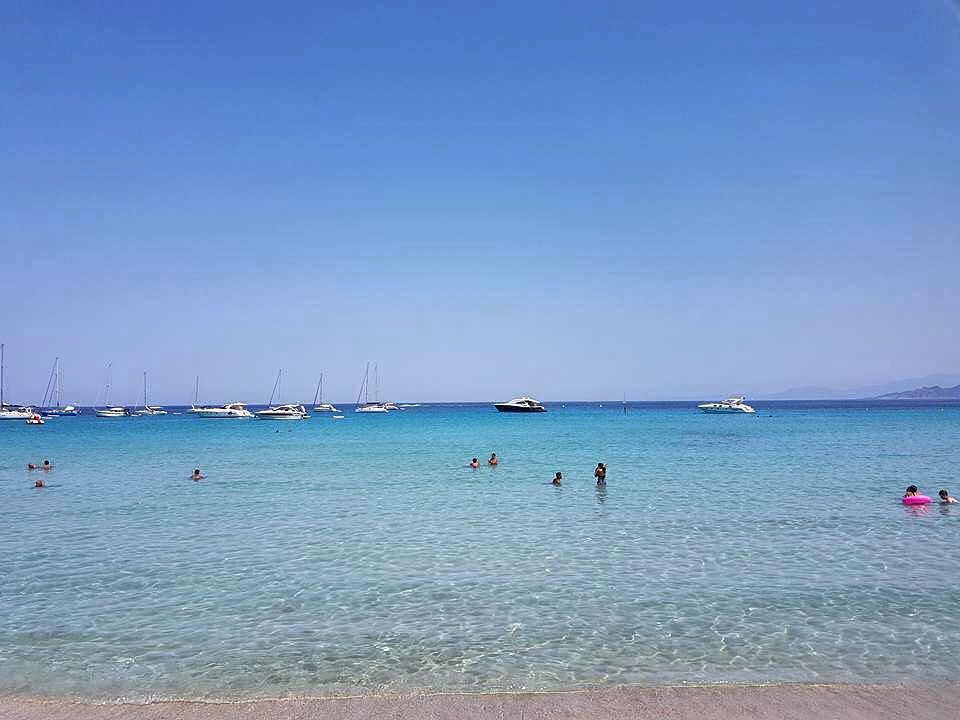
If you’re not planning to drive, you could use that extra day to explore more of the city slowly or spend some time at one of the nearby beaches. Either way, having that extra time makes Bastia feel more complete.
Bastia works best if you approach it without trying to do too much. It’s a place where walking, pausing, and taking in the atmosphere matters more than checking off a list. I found it especially enjoyable for slow exploring, taking photos without crowds, and getting a sense of everyday life in Corsica rather than just the highlights.
Best Things to Do in Bastia
1. Walk Around Vieux Port (Old Port)
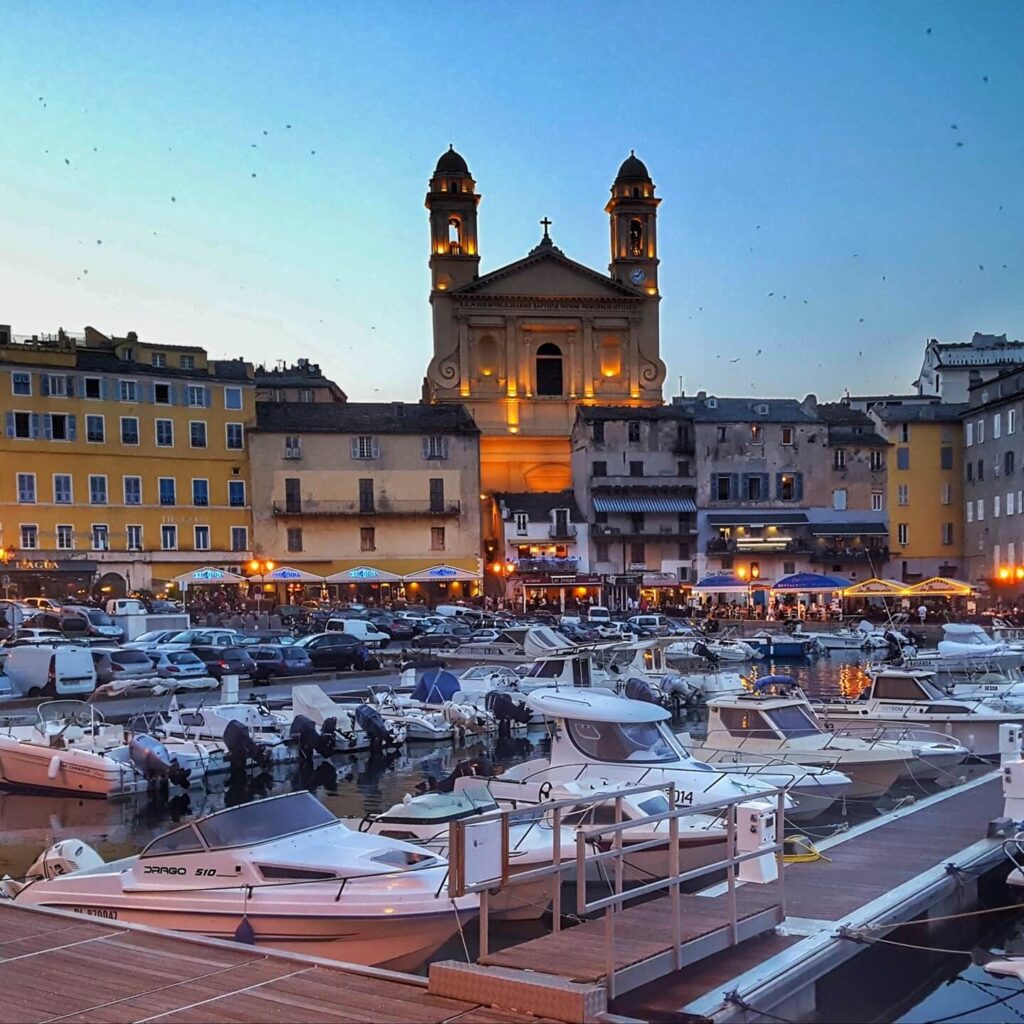
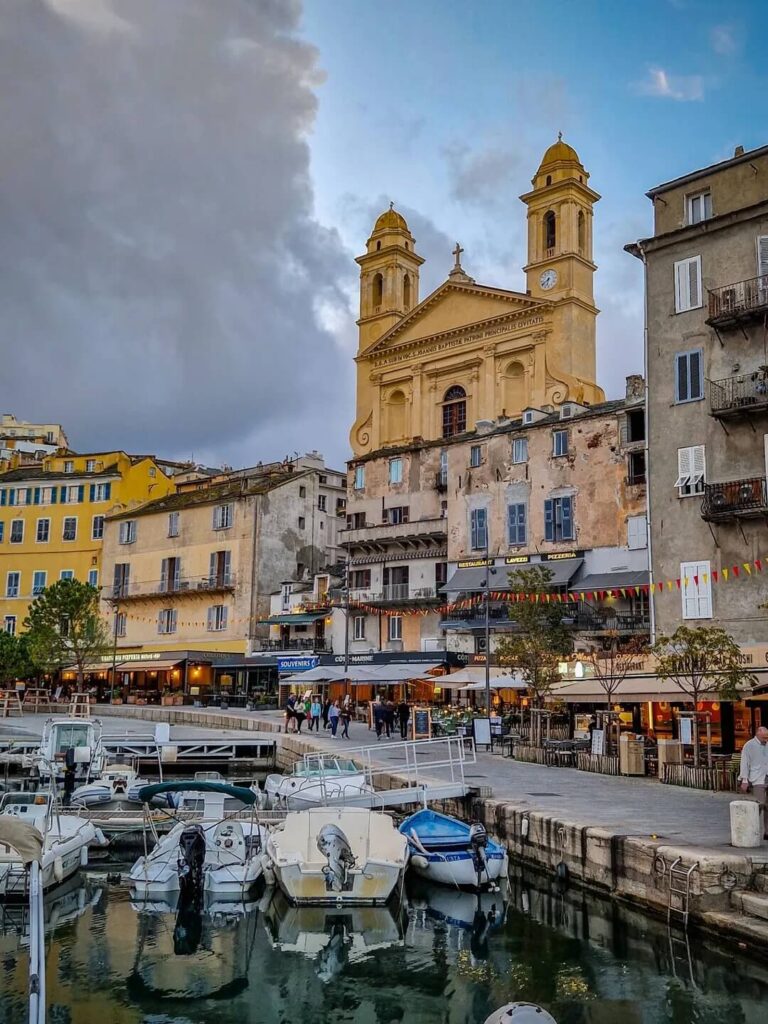
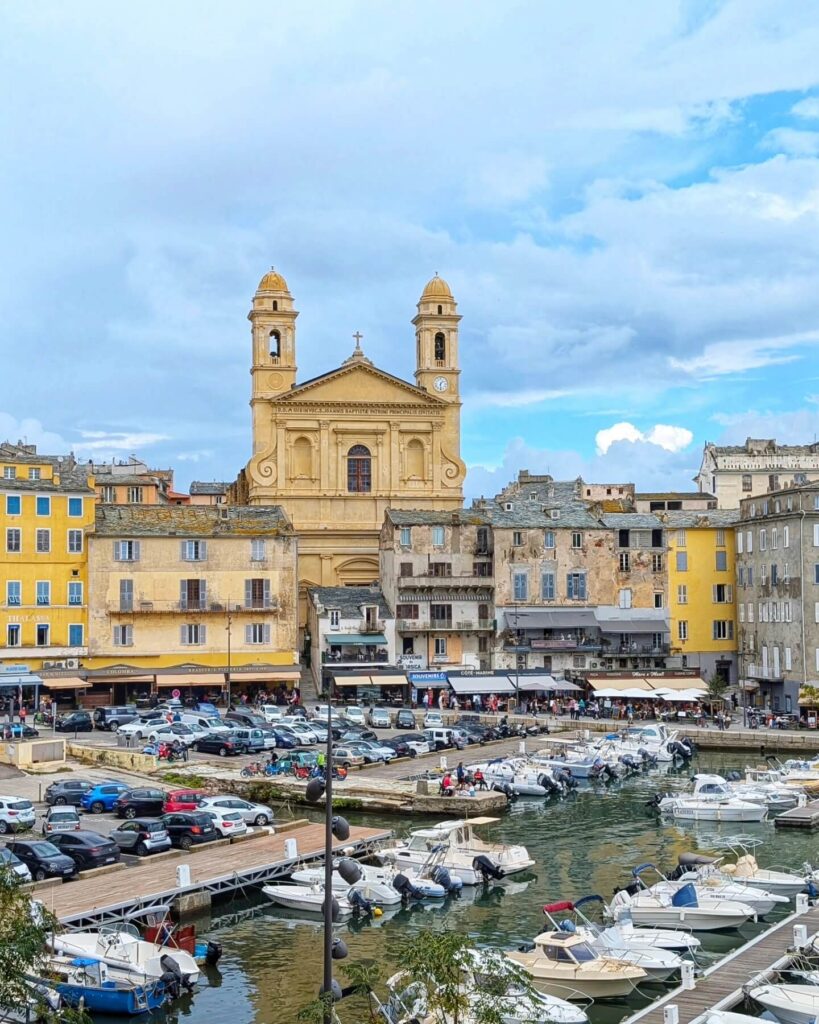
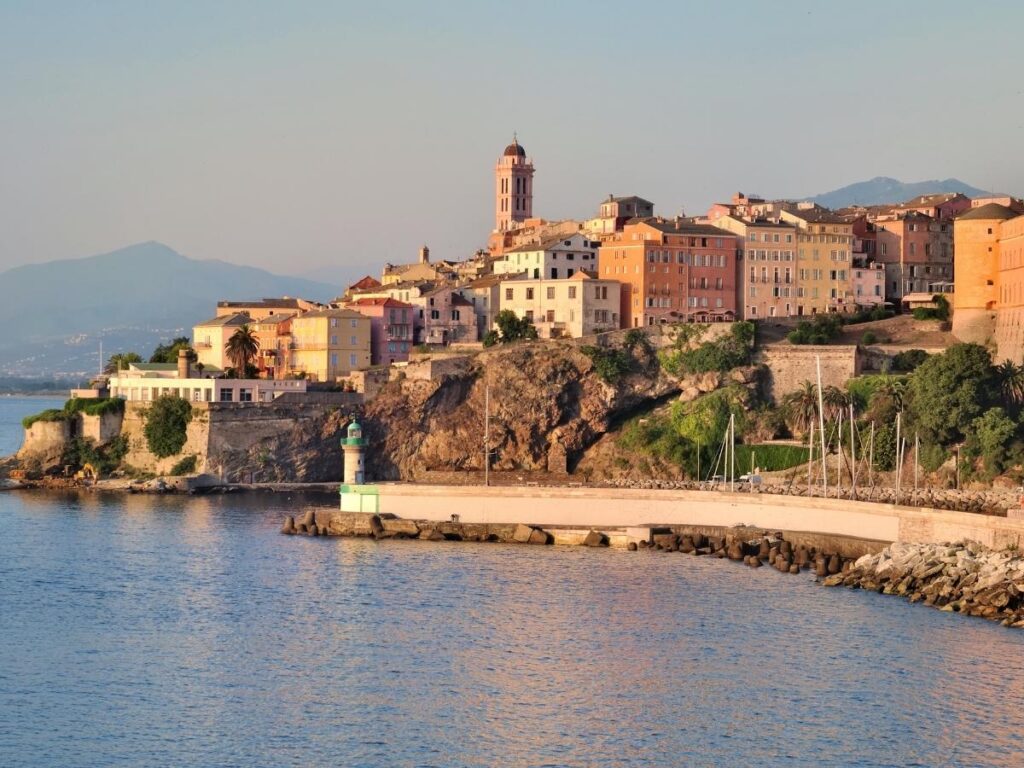
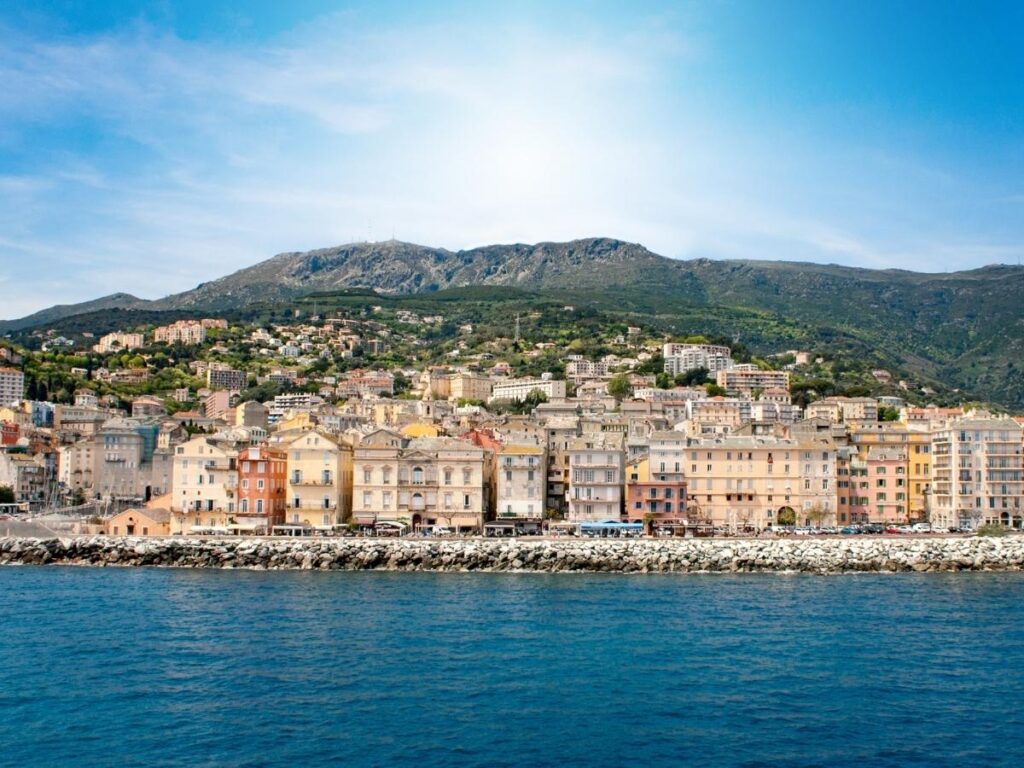
This is the part of Bastia that stays with you the most. The Old Port has a slightly faded charm to it, with tall buildings in soft, weathered colors lining the harbor. Nothing feels overly polished, and that’s exactly why it works.
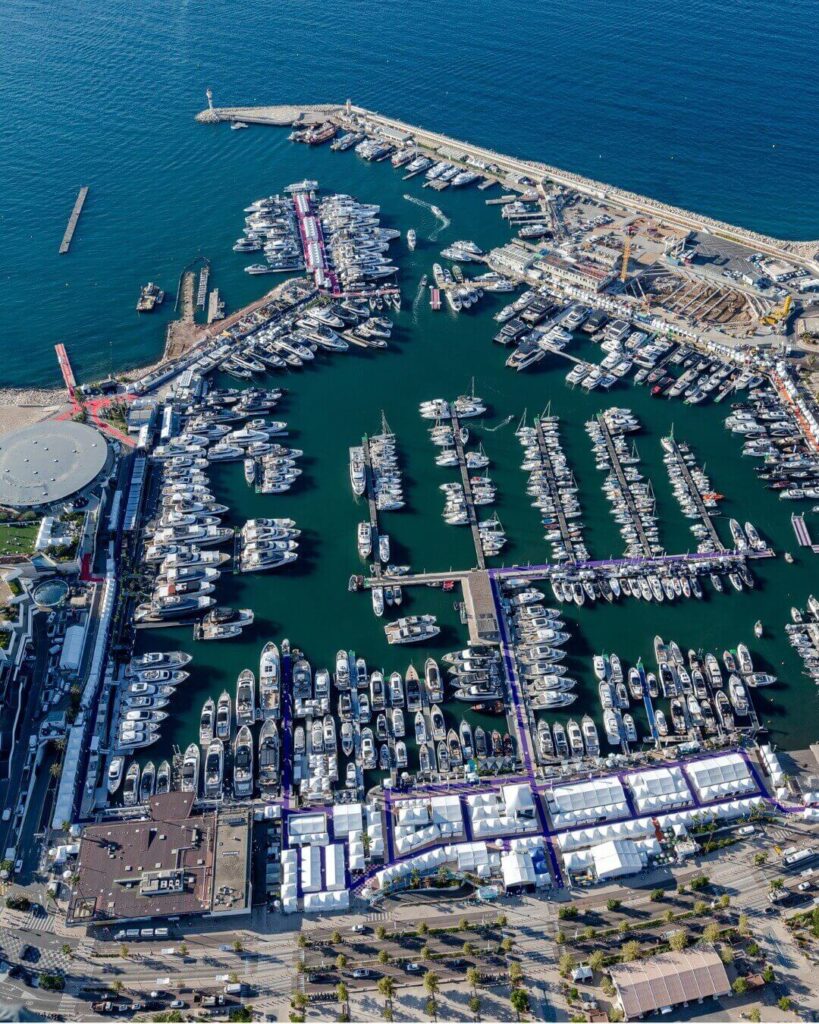
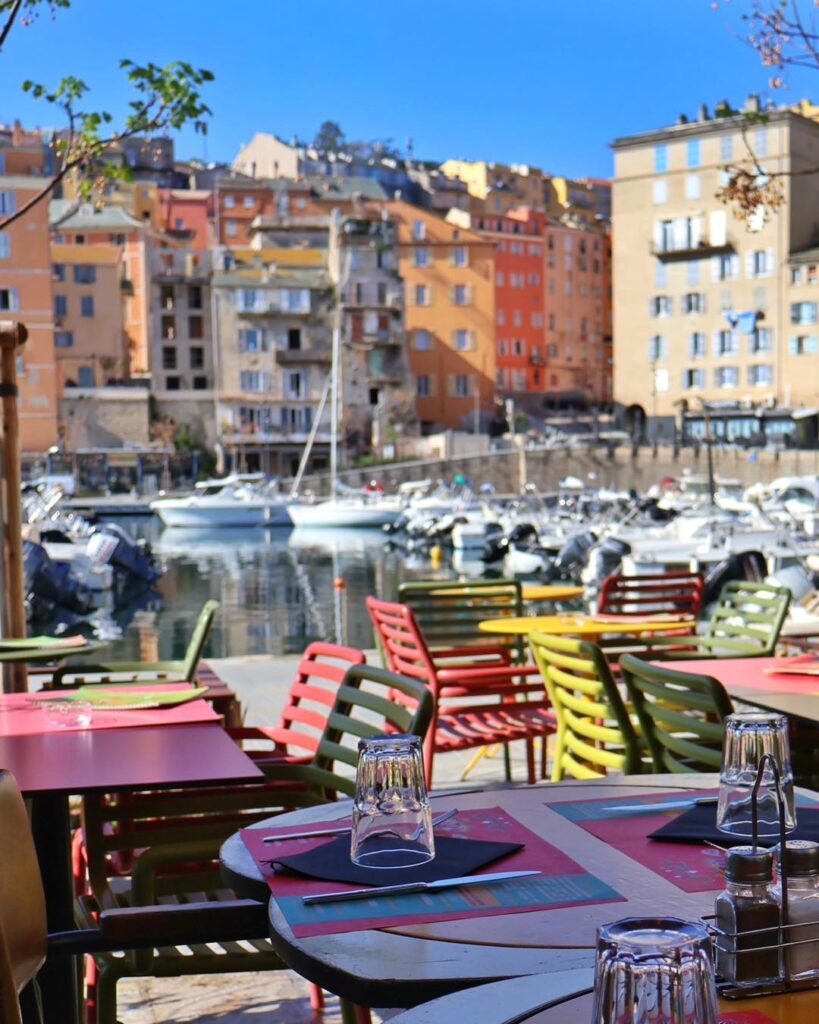
I ended up coming back here more than once without really planning to. In the morning, it felt slow and almost quiet, with a few people setting up for the day and boats gently moving in the water. By the evening, the whole place changed. Cafés filled up, conversations got louder, and the reflections on the water made everything feel a little softer.
If it’s your first time in Bastia, I’d start here and just walk without a fixed route. You’ll naturally find your way into the rest of the city from this point.
2. Explore the Citadel (Terra Nova)
The Citadel sits above the port, but it feels like a different version of the city altogether. As you walk up, things get quieter, the streets narrow, and the pace slows down.
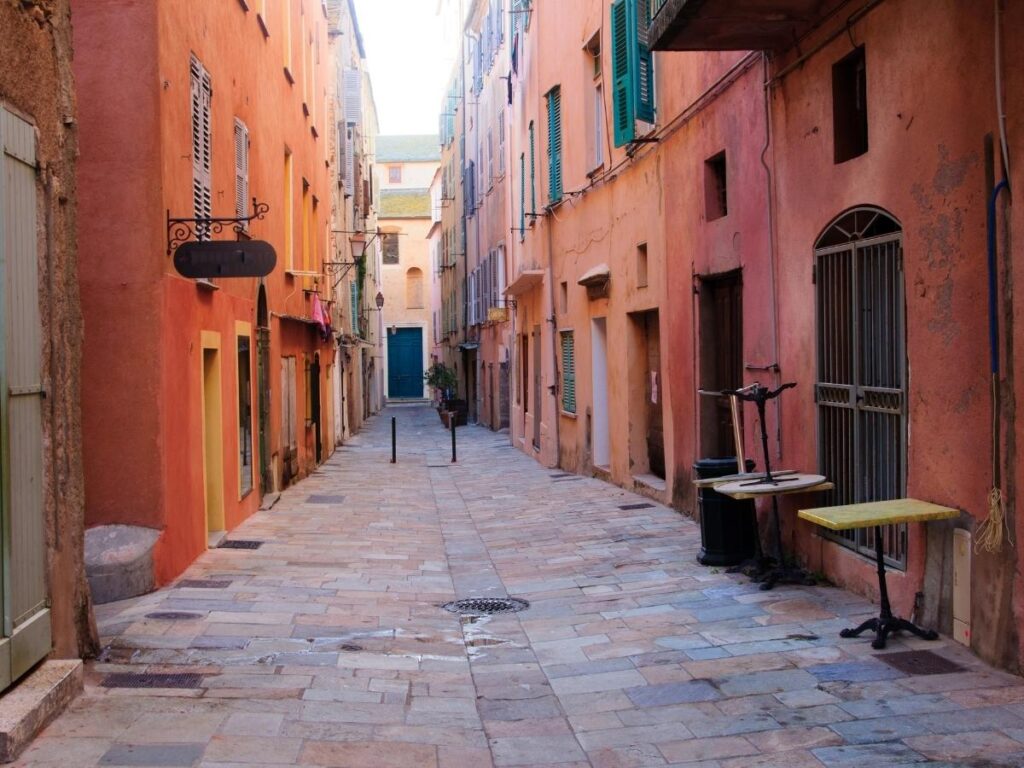
What I liked most here was that there isn’t a strict list of things you need to see. It’s more about wandering. You turn into a small alley, follow a staircase, and suddenly you’re looking out over the sea. Then you keep walking and end up in a quiet square without really knowing how you got there.
Place du Donjon is one of the main open spaces, and it’s a good point to pause for a bit. But honestly, the smaller streets around it were just as interesting. This is one of those places where you don’t need a plan, just time.
3. Visit Saint Jean Baptiste Church
You’ll probably notice this church before you even think about visiting it. It stands right by the Old Port, and its twin towers make it hard to miss.
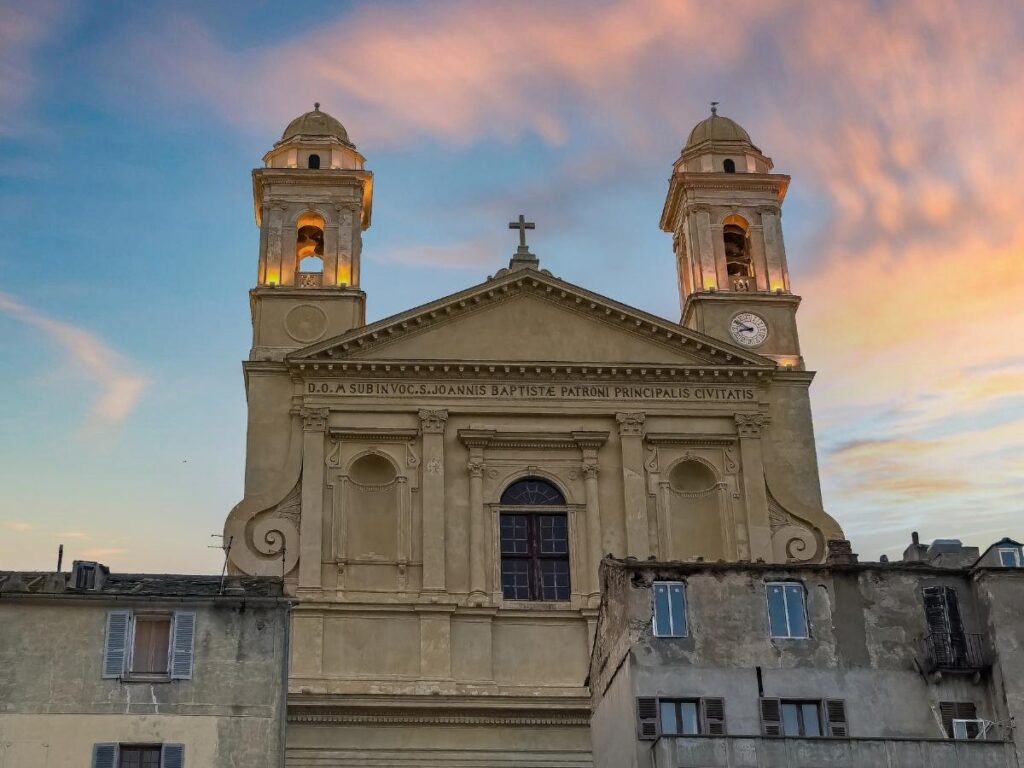
From the outside, it already feels quite grand, but stepping inside was what surprised me. The interior is much more detailed than I expected, with rich colors and decorative elements that give it a strong sense of history. It’s a quick visit, but it adds a lot of context to the area around the port.
4. Spend Time at Place Saint Nicolas
This square feels like a pause in the middle of the city. It’s wide, open, and lined with trees, which makes it a comfortable place to slow down for a bit.
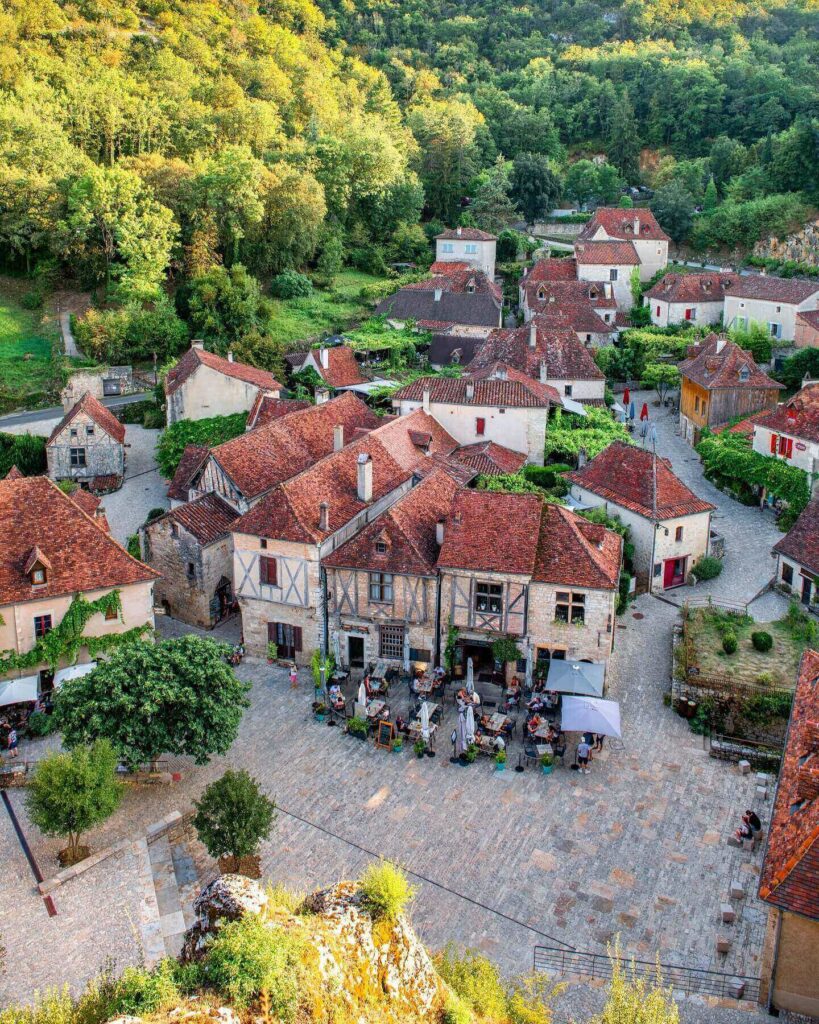
I found myself coming here when I didn’t feel like walking anymore but still wanted to stay outside. People sit on benches, meet friends, or just pass through on their way somewhere else. It doesn’t feel like a sight in the usual sense, but it gives you a better sense of daily life in Bastia.
In the evening, it becomes a bit more lively, but still relaxed. It’s the kind of place where you can sit with a coffee and not feel like you need to rush anywhere.
5. Visit Bastia Market (Marché de Bastia)
The market is one of the easiest ways to see a more everyday side of Bastia. It’s not designed for visitors, which makes it feel more natural.
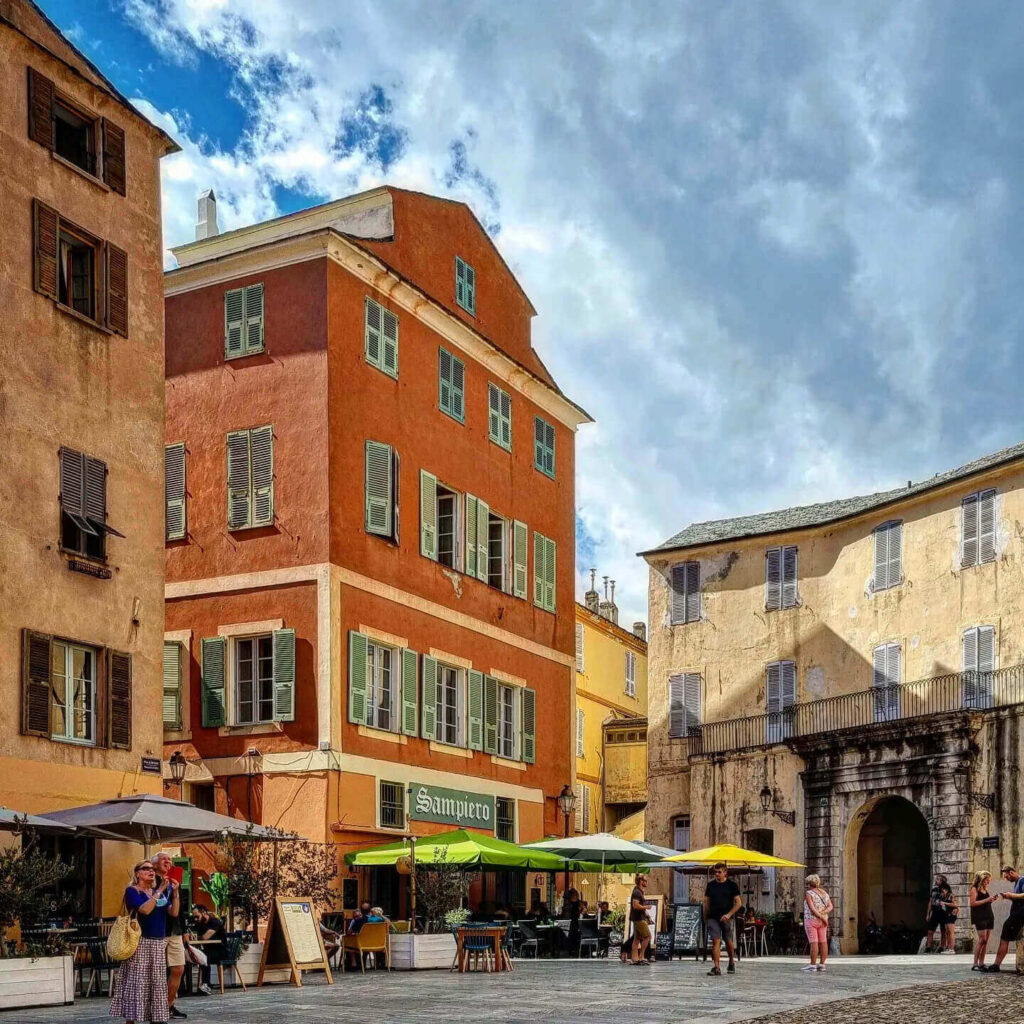
When I walked through, it felt busy but not chaotic. Vendors were setting up, people were stopping to chat, and there was a steady rhythm to everything. You’ll see local cheeses, cured meats, and fresh produce, but what stood out more was the atmosphere rather than any single thing.
If you go, try to visit earlier in the day. That’s when it feels more active and you get a better sense of how the place actually functions.
6. Walk Along the Seafront Promenade
If the Old Port feels a bit busy, the seafront promenade gives you space to breathe. It’s more open, less crowded, and the views stretch out along the coastline instead of being framed by buildings.
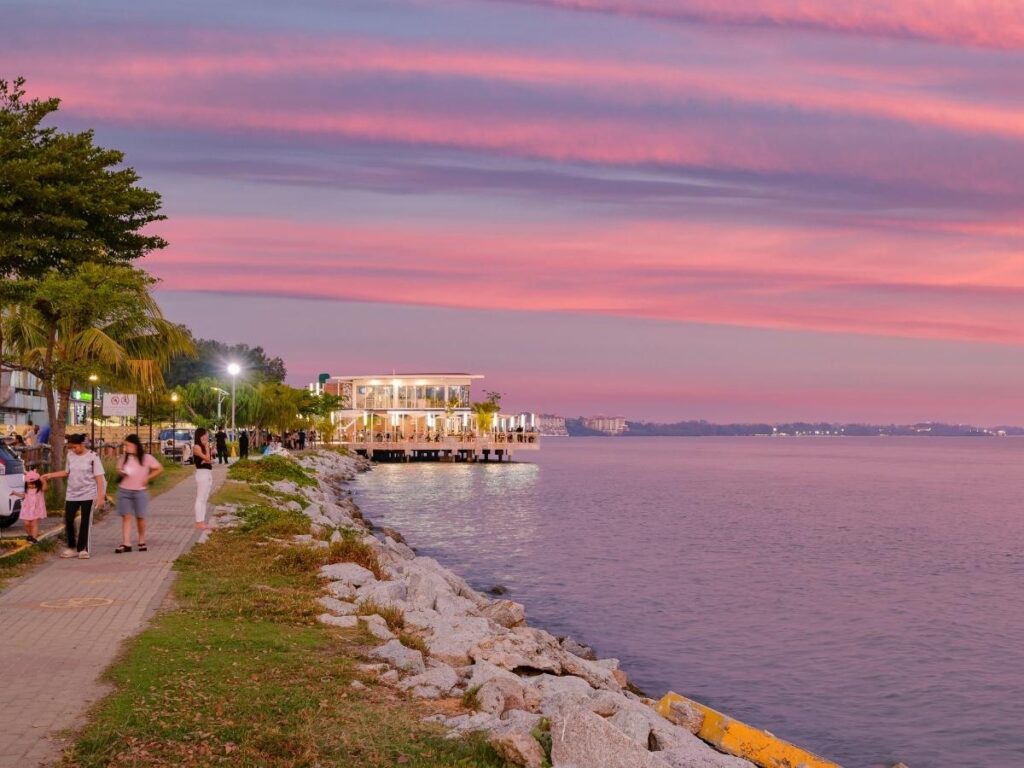
I ended up walking here in the late afternoon without really planning to, and it turned out to be one of the more relaxing parts of the day. The light changes slowly, and everything feels a bit calmer. It’s not something you “have to do,” but if you have the time, it’s worth it just for the change of pace.
7. Visit Bastia Cathedral (Cathédrale Sainte Marie)
Up in the Citadel, this cathedral feels quieter and more understated compared to Saint Jean Baptiste. It doesn’t draw the same attention, which is probably why it felt more peaceful when I visited.
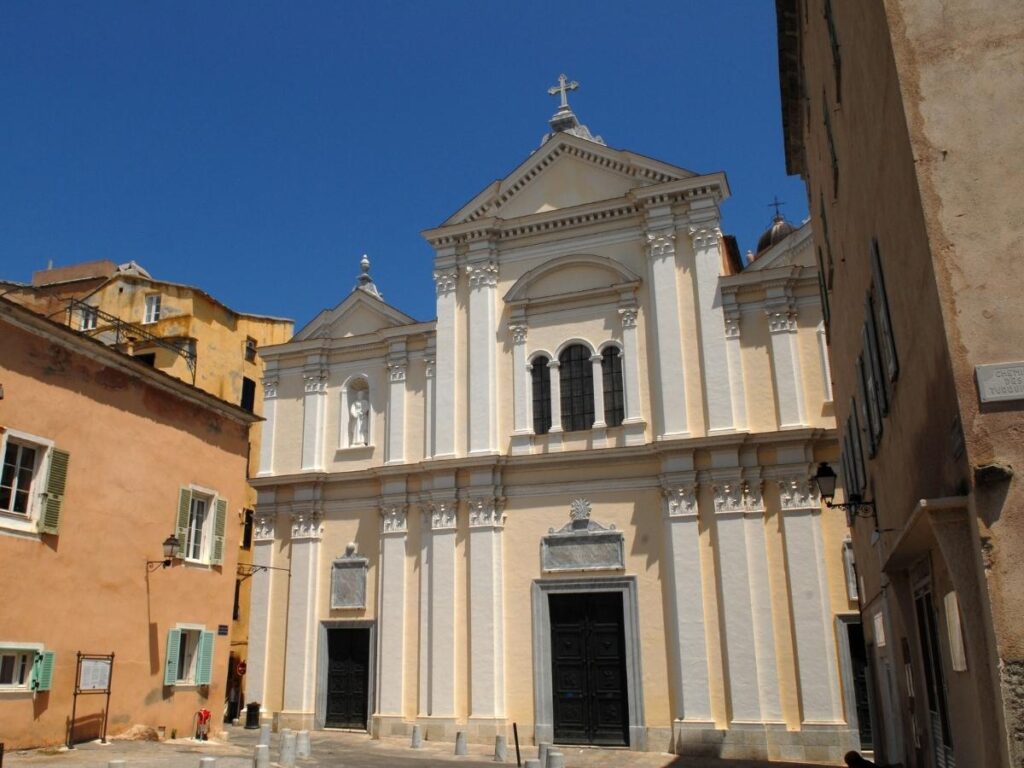
The interior is simple but still interesting, and the setting within the Citadel adds to the experience. It’s the kind of place you come across while exploring rather than going out of your way to find.
8. Visit the Governors’ Palace (Palais des Gouverneurs)
The Governors’ Palace adds a bit of structure to your time in the Citadel. Inside, there’s a museum that gives some background on Bastia and Corsica, which can be helpful if you like understanding the history of a place.
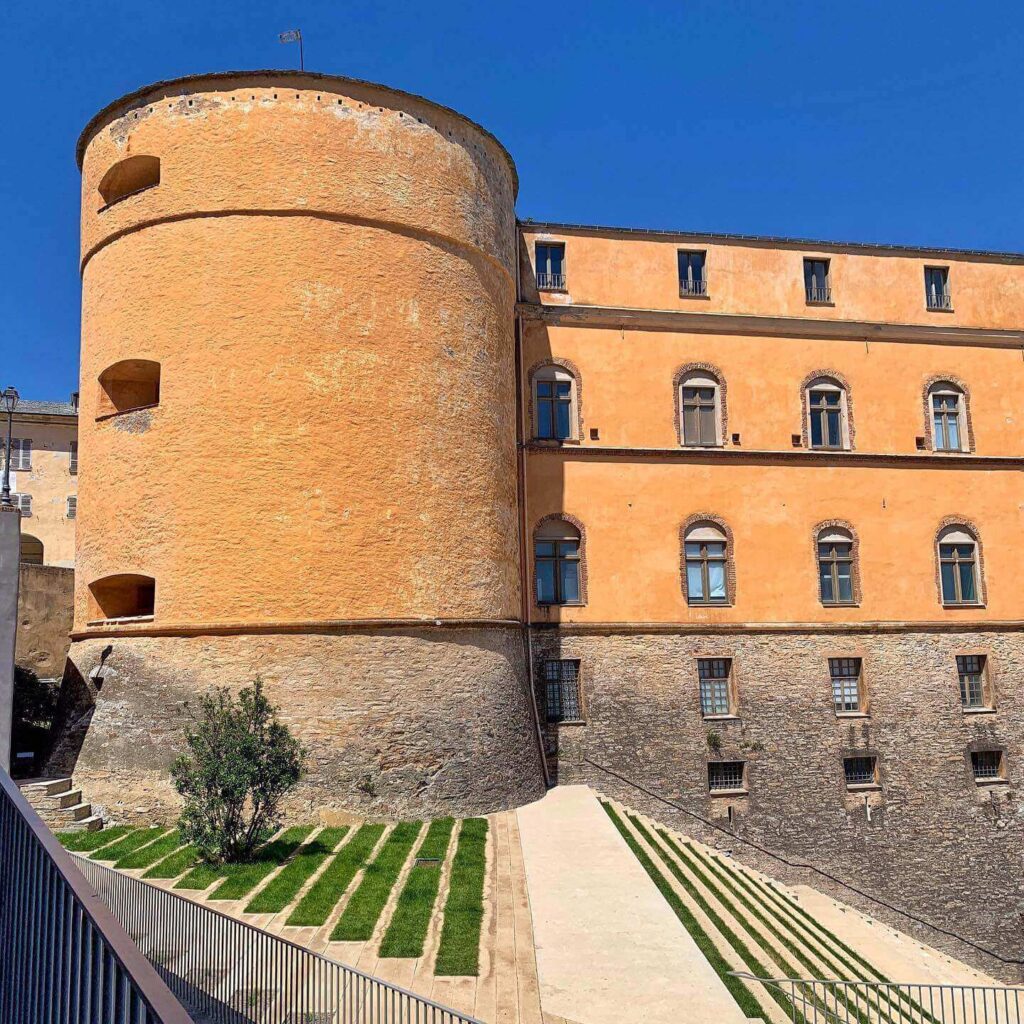
I didn’t spend too long inside, but what stood out more was the space around it. The views from here open up toward the sea, and it’s a nice contrast to the narrow streets you walk through to get there. Even if you don’t go into the museum, it’s still worth walking up for the viewpoint.
9. Take a Day Trip to Cap Corse
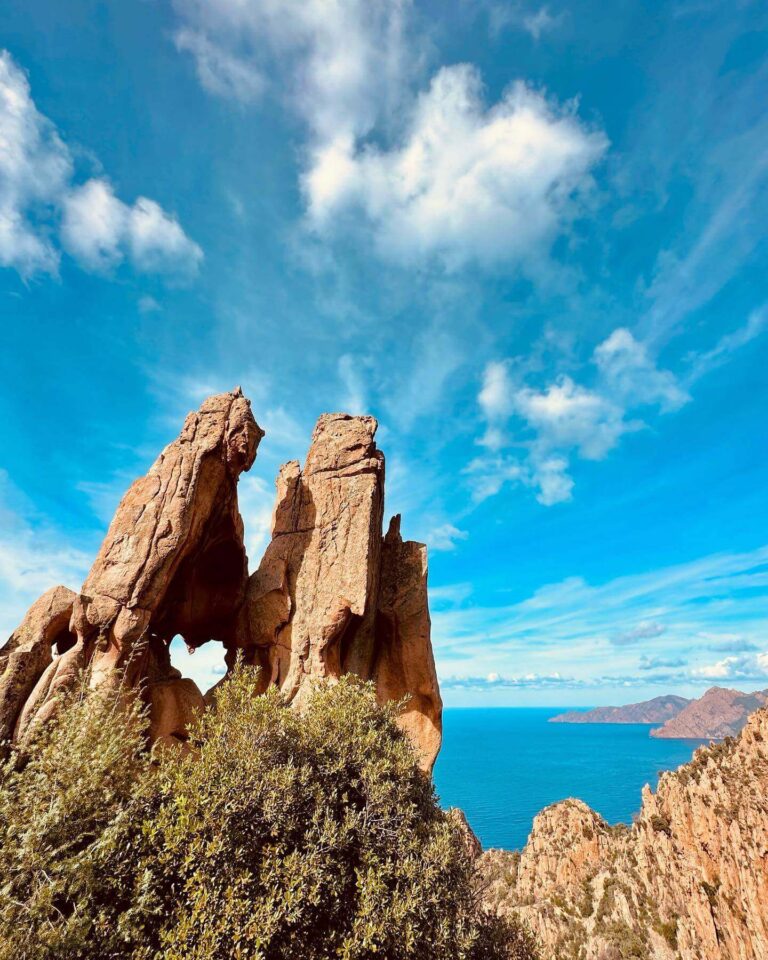
If you have the time, this is one of the things I’d prioritize. Bastia itself is fairly compact, but Cap Corse gives you a completely different perspective of the region.
The drive is part of the experience. The roads wind along the coastline, with small villages appearing along the way. Some feel almost untouched, with just a few buildings and quiet harbors.
Erbalunga is a nice early stop, especially if you want somewhere relaxed to walk around. Further along, Nonza stands out because of its position above the sea. The view from the top, looking down at the dark pebble beach, is one of those moments that stays with you.
It’s not something to rush. If you can, give yourself most of the day and just stop when something catches your attention.
10. Relax at Nearby Beaches
Bastia isn’t really a beach destination, and it’s better to know that before you go. There are beaches nearby, but they’re more about convenience than standout scenery.
Plage de l’Arinella is the easiest option if you just want some time by the water without traveling far. It’s simple and accessible, which makes it a good choice for a short break.
If beaches are a big part of your trip, you’ll probably want to explore further out. But for something quick and easy, this works.
11. Try Corsican Food in Local Restaurants
Food in Bastia felt straightforward and local rather than something designed to impress. That’s part of what I enjoyed about it.
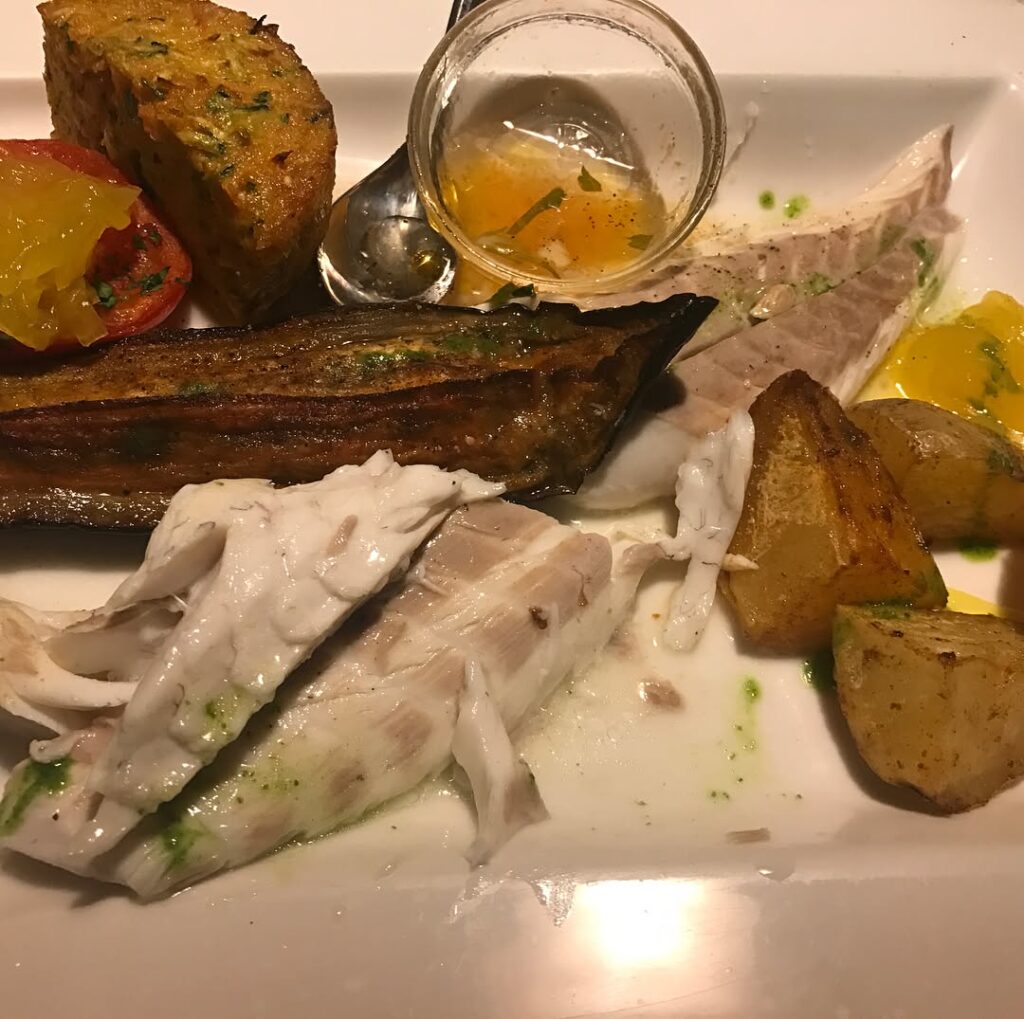
I tried a few traditional dishes like figatellu and brocciu, and they gave a good sense of the region’s flavors. Meals felt unhurried, and the focus seemed to be more on the experience than presentation.
Restaurants near the Old Port are easy to find and have a nice setting, especially in the evening. But I found that some of the quieter spots just a little further away felt more relaxed and less busy.
12. Watch Sunset from the Citadel or Port
Sunset in Bastia isn’t about a single perfect viewpoint. It’s more about how the light changes the feel of the city.
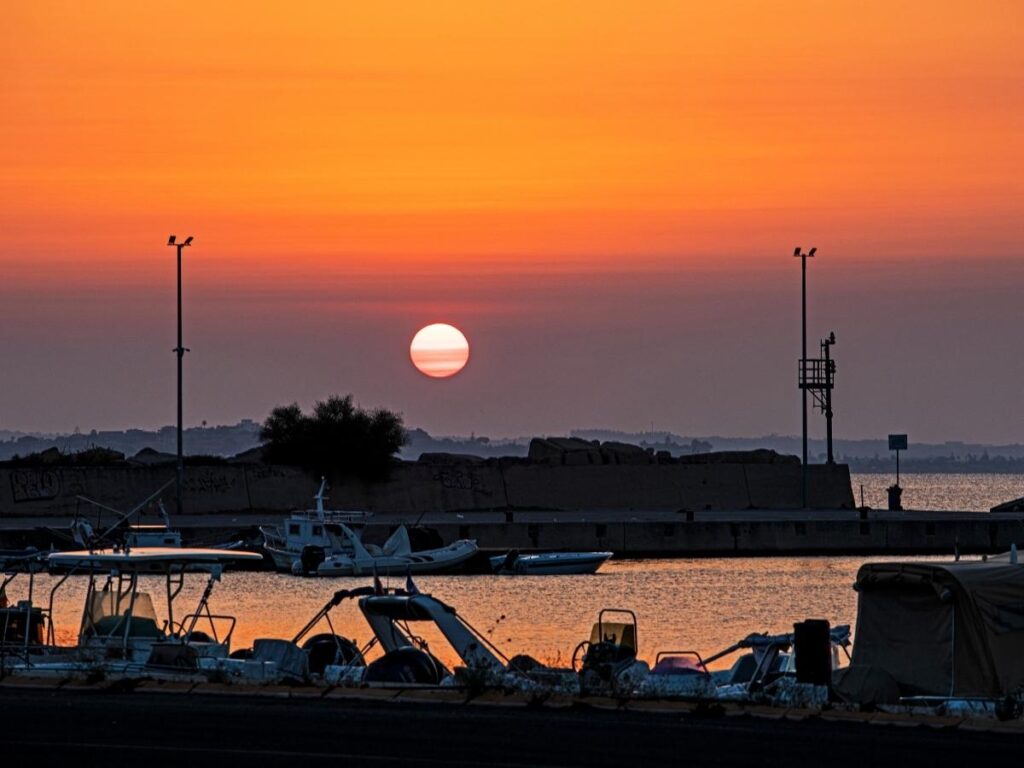
Down by the port, the buildings reflect on the water and everything starts to soften. Up in the Citadel, you get a wider view, with more of the coastline visible.
I found myself drawn back to the port in the evening. Sitting there and watching the light fade felt like a natural way to end the day without needing to plan anything.
Best Day Trips from Bastia
Cap Corse (Top Pick)
If you only have time for a one day trip, I’d choose Cap Corse without overthinking it. It’s one of those places where the journey matters just as much as the stops along the way. The road winds along the coastline, sometimes right next to the sea, sometimes climbing slightly higher with wider views.
What stood out to me wasn’t a single “main attraction,” but how varied everything felt. You pass through small villages that seem to move at their own pace, with quiet harbors, a few cafés, and not much else. It’s the kind of place where you stop not because you planned to, but because something catches your eye.
Erbalunga is an easy first stop from Bastia and a nice place to ease into the drive. Further along, Nonza feels more dramatic, with its elevated position and the dark beach below. If you have the time, don’t rush it. Give yourself space to stop, walk around, and take it in slowly.
Saint Florent
Saint Florent feels noticeably different from Bastia. It has more of that classic coastal town atmosphere, with a marina, waterfront restaurants, and a slightly more relaxed, holiday-like feel.
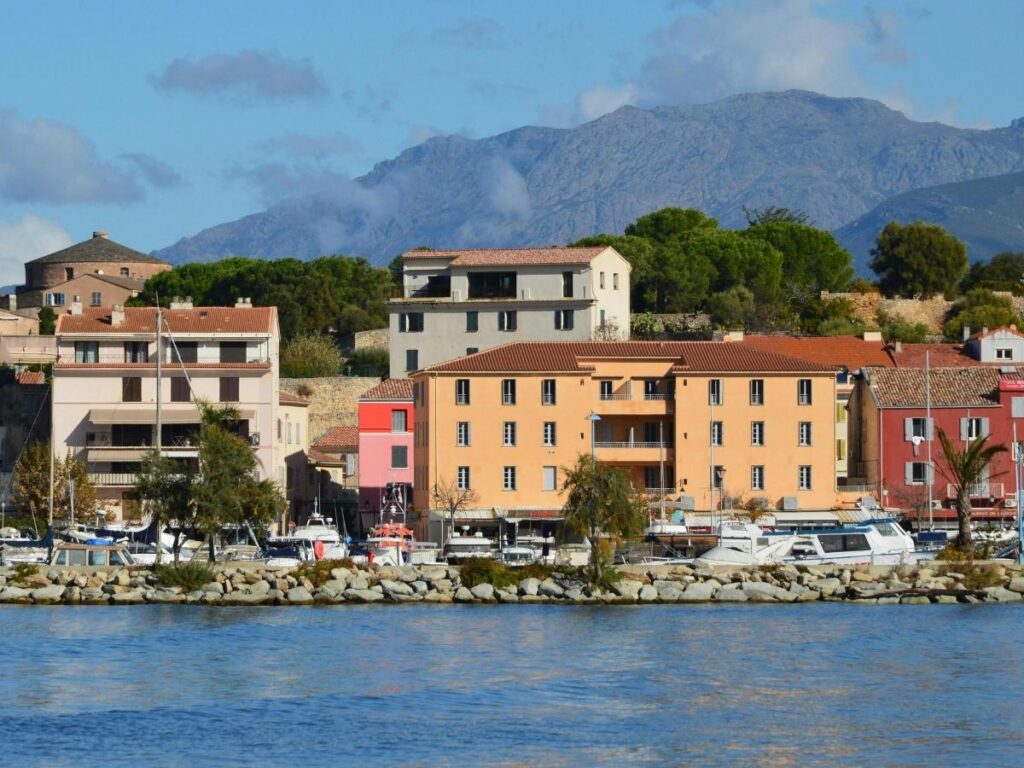
I found it to be an easy place to spend a few hours without any real plan. You can walk along the harbor, sit down for a meal, or just wander through the small streets behind the marina. It also works well as a base if you want to explore some of the nearby beaches, which are often considered better than the ones closer to Bastia.
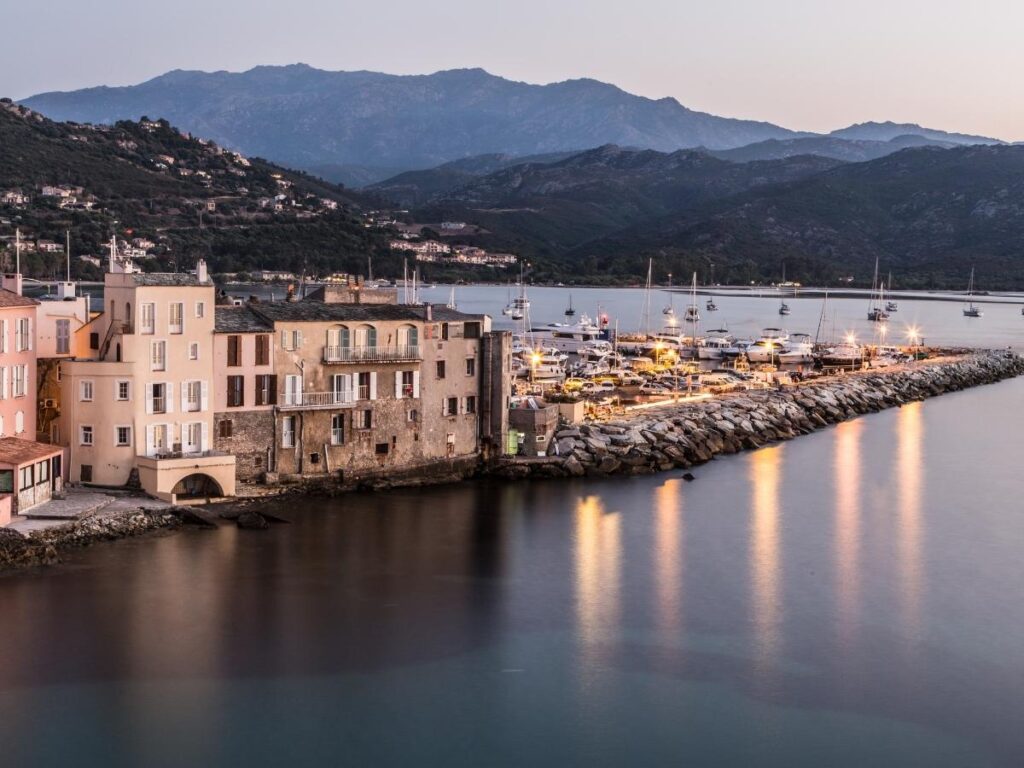
If Bastia feels more local and everyday, Saint Florent feels like a place designed to slow down and stay a while.
Nonza
Nonza is one of those places that leaves an impression quite quickly. It’s not large, and you don’t need a lot of time there, but the setting makes it stand out.
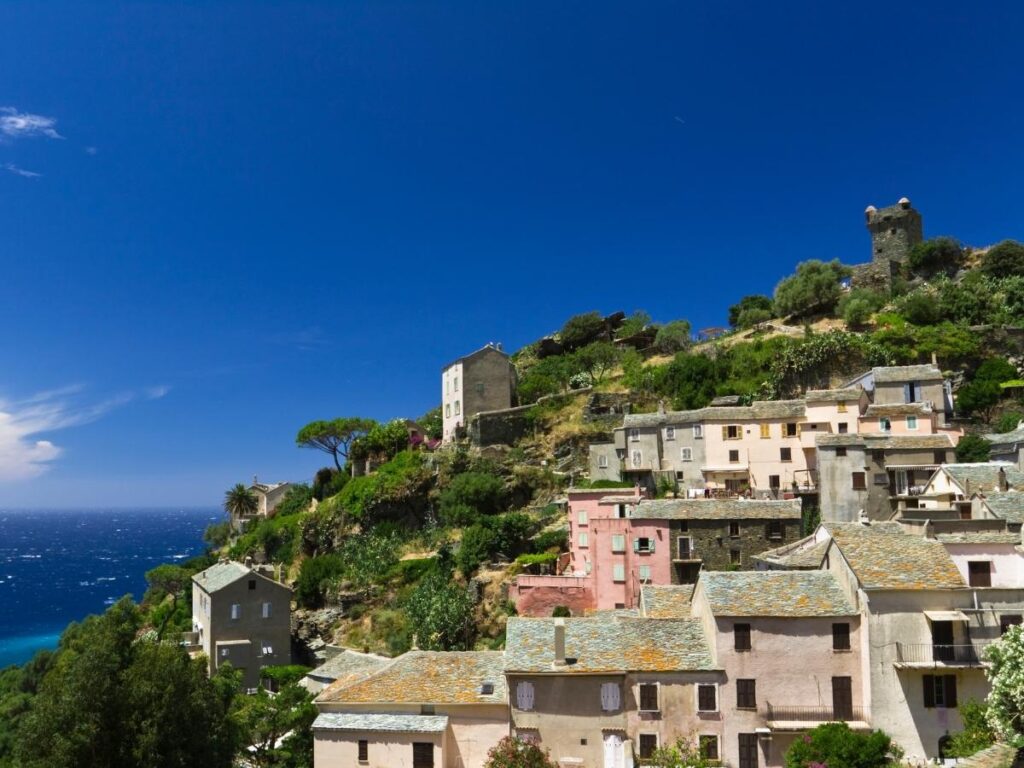
The village sits high above the sea, and the view looking down toward the dark pebble beach is what most people come for. It’s a short stop, but a memorable one. I found it best to just walk a little, take in the viewpoint, and not try to turn it into something bigger than it is.
Where to Stay in Bastia
Where you stay in Bastia can shape how your time there feels, even though the city itself is fairly compact.
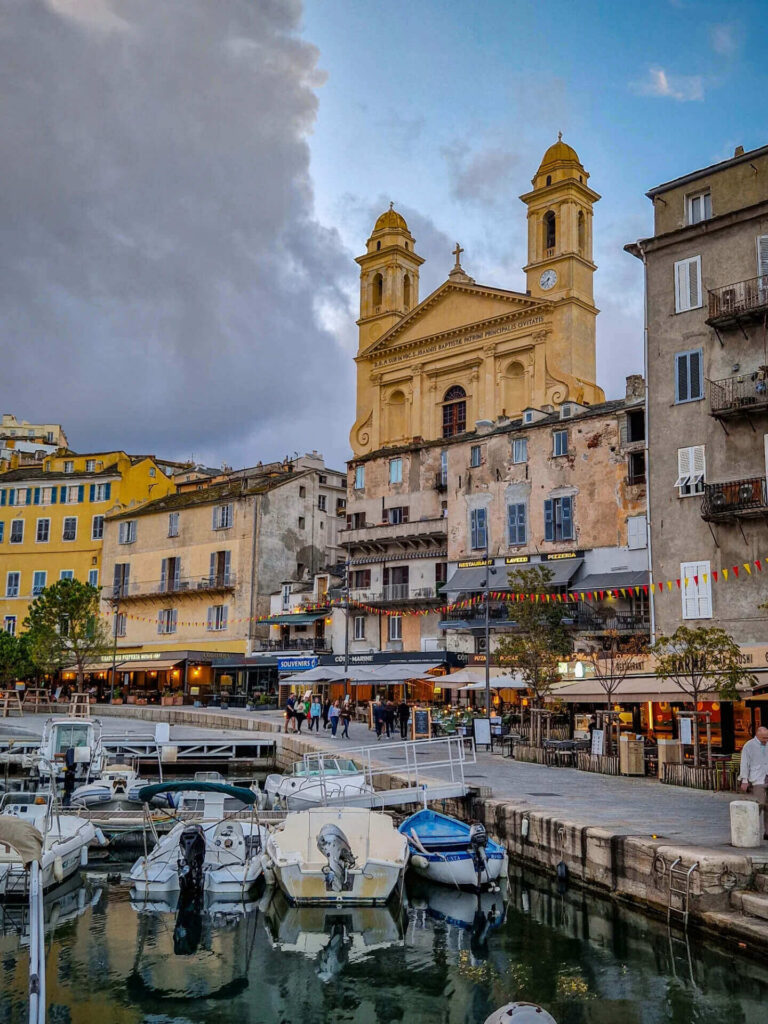
Staying near the Old Port puts you right in the middle of the atmosphere. You can step outside and immediately be near restaurants, cafés, and the waterfront. It’s especially nice in the evenings when everything feels more lively. The only thing to keep in mind is that it can be a bit noisier compared to other areas.
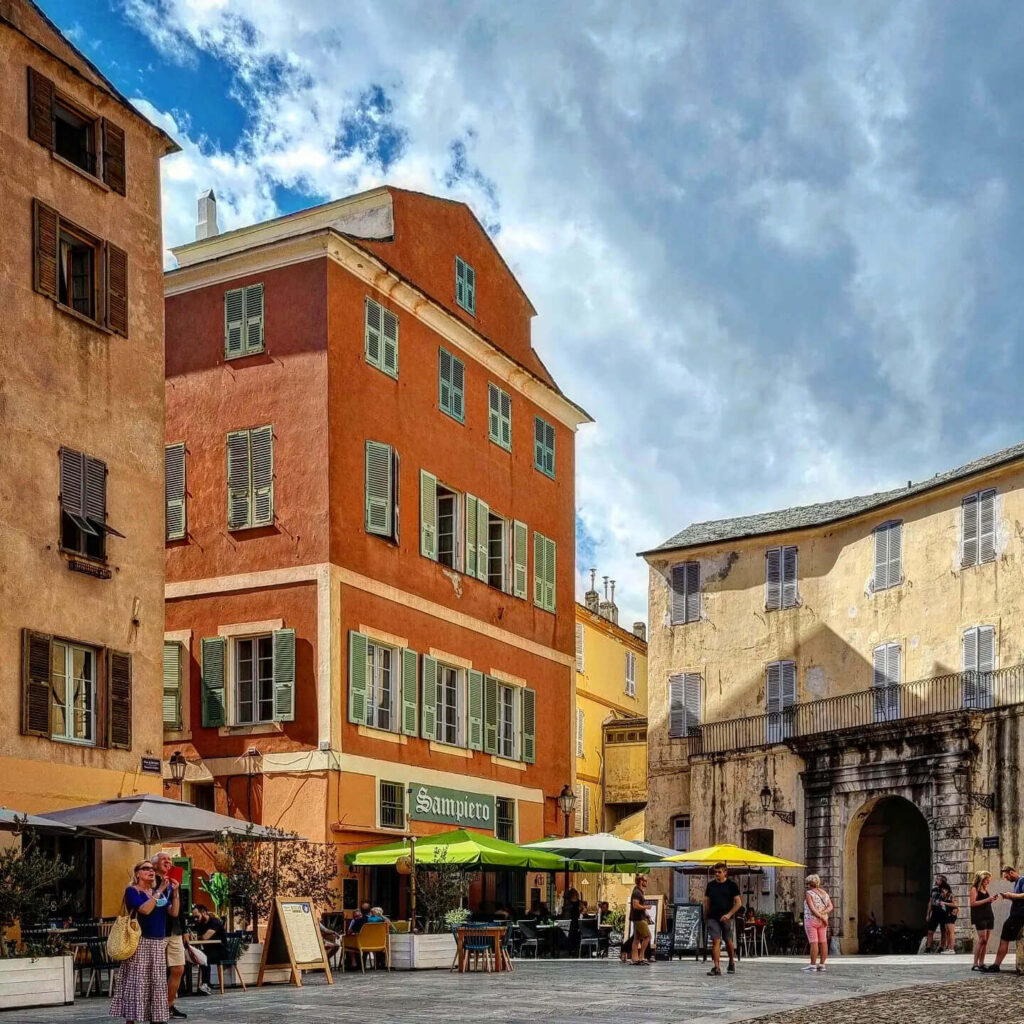
Around Place Saint Nicolas, things feel a little more open and practical. You’re still close to everything, but it’s easier to get around, especially if you’re arriving by train or planning day trips. It felt slightly less crowded here, which I appreciated after spending time near the port.
If you stay outside Bastia, the pace changes completely. It’s quieter, and you’ll likely have more space and better views, but you’ll need a car to get around easily. This works well if Bastia is just one part of a longer trip.
How to Get to Bastia
Getting to Bastia is usually one of the easier parts of planning a trip to Corsica. It’s one of the main entry points to the island, so there are a couple of straightforward options depending on how you prefer to travel.
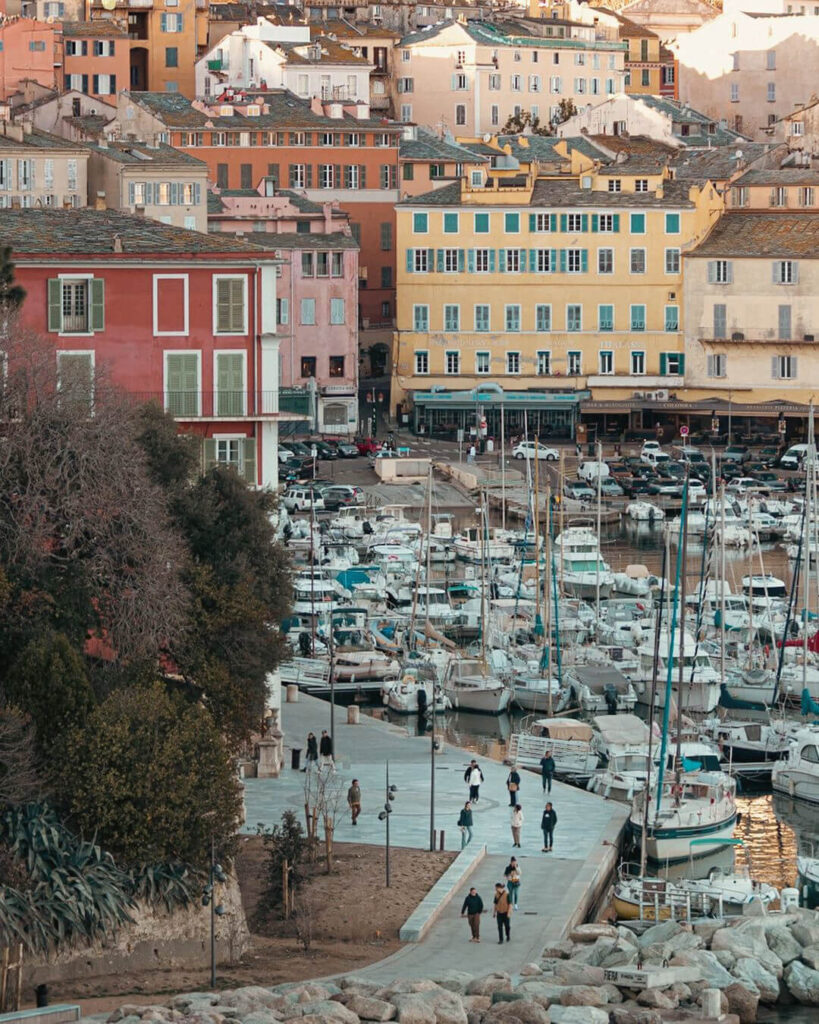
A lot of people arrive by ferry, especially from mainland France or Italy. What I liked about arriving this way is how direct it feels. You step off the ferry and you’re already in the city, with the Old Port and surrounding streets right there. There’s no long transfer or adjustment period, which makes it a smooth start, especially if you’re carrying luggage.
Flying into Bastia Poretta Airport is quicker, and probably the most practical option if you’re coming from further away. The airport itself is small and easy to navigate, which helps after a long journey.
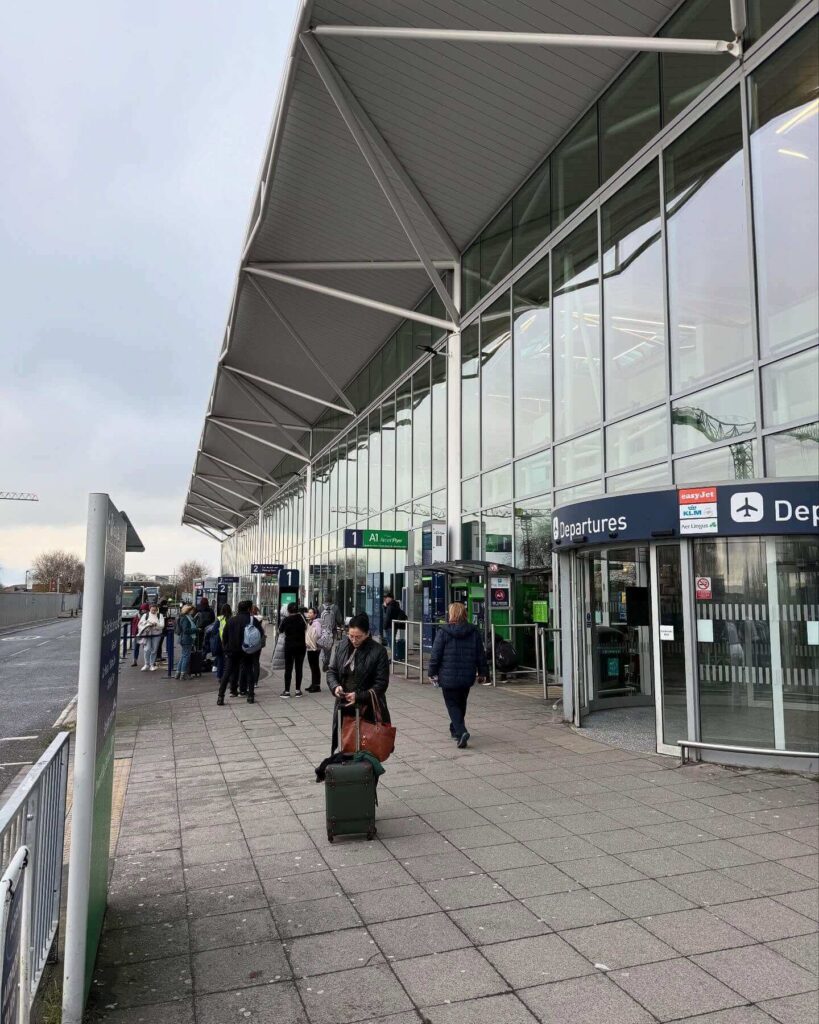
Getting into the city doesn’t take much effort either. I found the transfer simple, whether by taxi or bus, and within a short time you’re already near the center. It’s one of those arrivals where everything feels fairly straightforward, without much to figure out.
How to Get Around Bastia
Once you’re in Bastia, things become even simpler. The city is compact, and most of the places you’ll want to see are close enough to reach on foot. In fact, walking is really the best way to experience it. The streets, especially around the Old Port and the Citadel, are easier to take in slowly rather than rushing between places.
I rarely felt the need for transport within the city itself. You can move between the main areas without much effort, and along the way you’ll often come across smaller streets or viewpoints that you wouldn’t notice otherwise.
Where transport does start to matter is if you’re planning to explore beyond Bastia. That’s when having a car becomes useful. Places like Cap Corse aren’t as easy to reach without one, and part of the experience there is being able to stop whenever you want.
Public transport exists, but it doesn’t give you the same flexibility, especially if you prefer a slower, more spontaneous pace.
Best Time to Visit Bastia
The overall feel of Bastia changes quite a bit depending on when you go, even though the layout of the city stays the same.
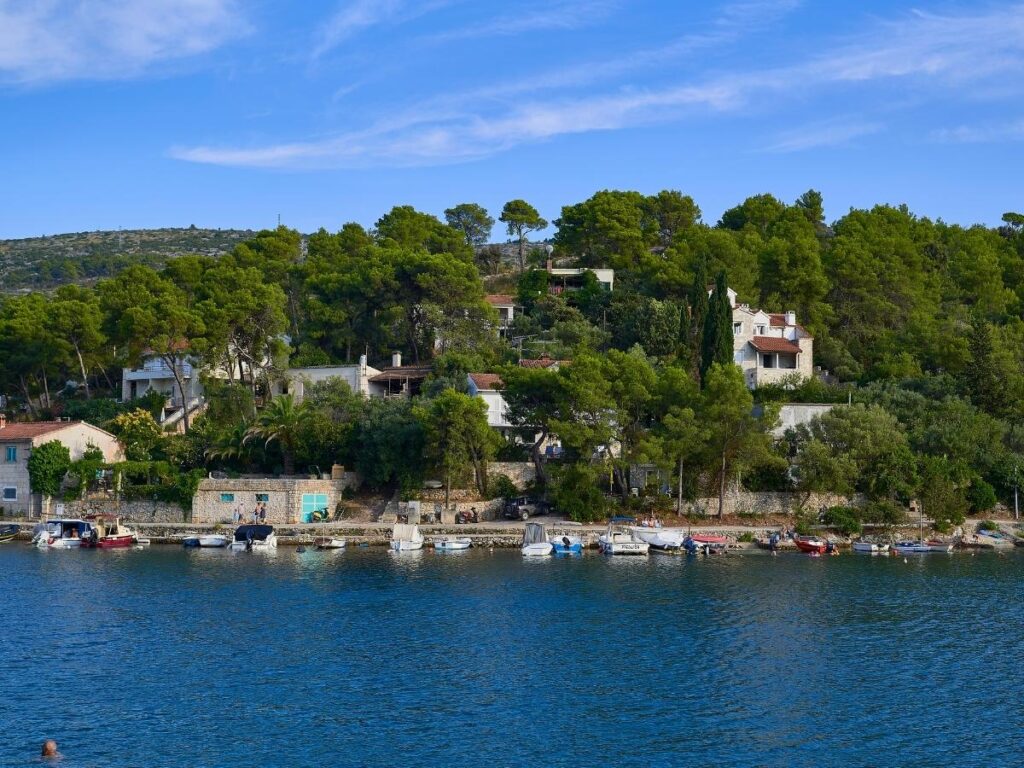
In spring, everything feels a bit lighter and easier. The weather is comfortable enough for walking, and the city isn’t crowded, which makes exploring feel more relaxed. It’s a good time if you enjoy moving at your own pace without too much going on around you.
Summer brings more energy. The streets around the port get busier, restaurants fill up more quickly, and evenings feel more social. It’s a livelier atmosphere, but it also means you’ll notice the crowds more, especially in the central areas.
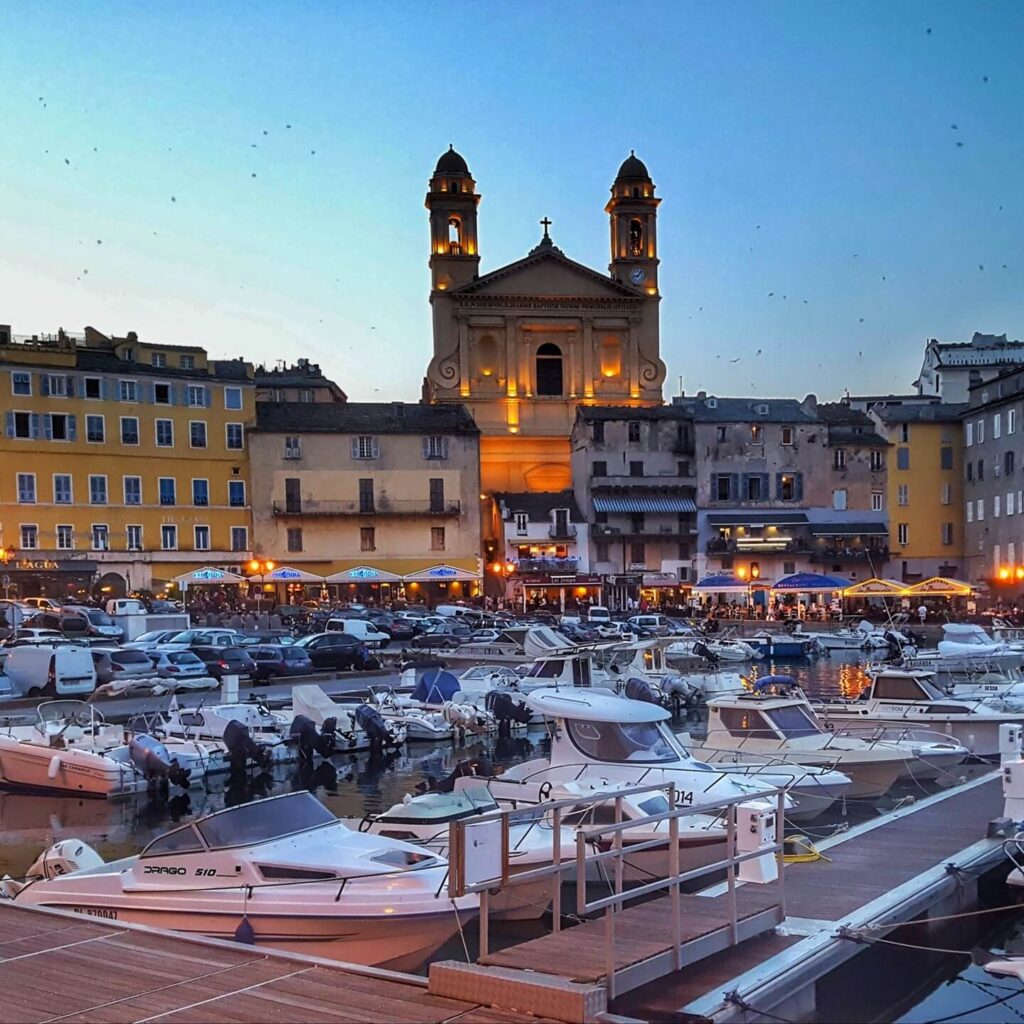
Early fall, particularly September, felt like the most balanced time to me. The weather is still pleasant, but the intensity of summer starts to fade. There’s a bit more space, a bit less noise, and the overall pace slows down again without the city feeling empty.
How Many Days Do You Need in Bastia?
Bastia is one of those places where you can see a lot in a short amount of time, but it also rewards you if you stay a little longer.
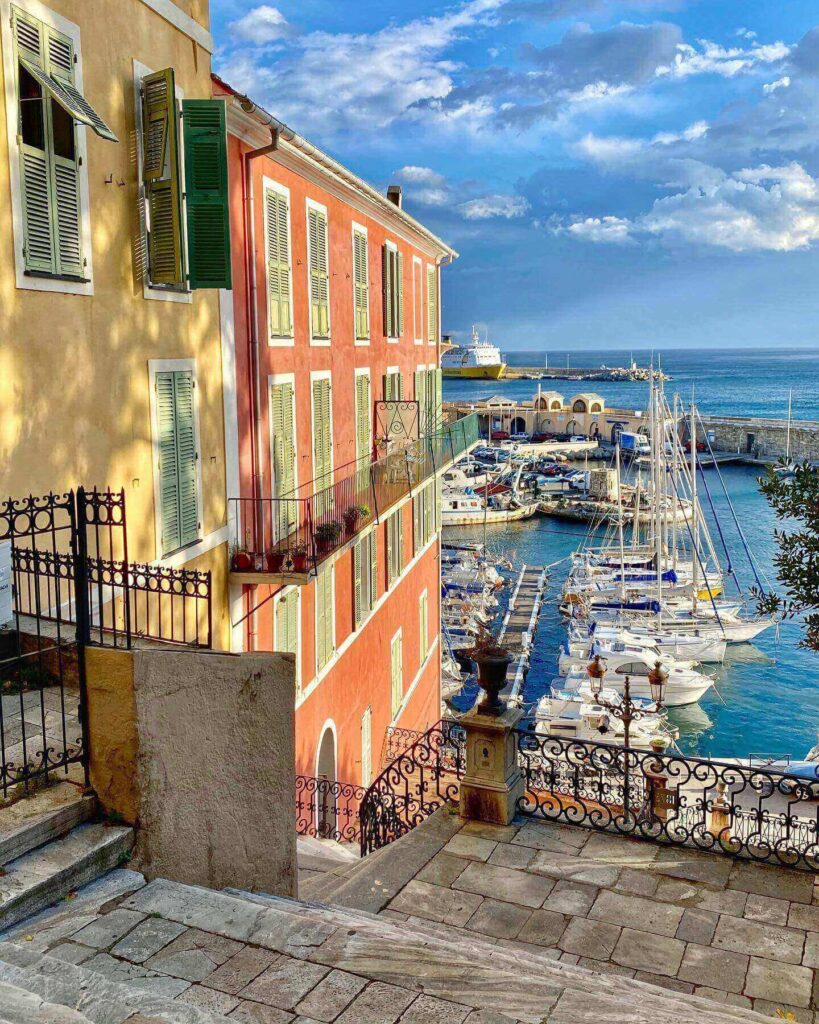
If you only have one day, it’s enough to get a feel for the city. You can walk around the Old Port, head up to the Citadel, and spend some time in the main square without feeling rushed. It gives you a good overview, even if it’s brief.
But staying two or three days changes the experience quite a bit. You’re not just moving from one spot to another, you’re actually settling into the rhythm of the place. You have time to revisit areas, explore without a plan, and maybe take a day trip without feeling like you’re trying to fit everything into a tight schedule.
Travel Tips for Bastia
Bastia works best when you don’t try to treat it like a checklist of sights. It’s a place that feels more enjoyable when you slow down a bit and let things unfold naturally.
One thing that took a little adjustment was restaurant timings. Outside of the main lunch and dinner hours, options can be limited, so it helps to plan your meals around those windows rather than expecting places to be open all day.
Walking is a big part of exploring Bastia, especially in areas like the Citadel where the streets can be uneven and slightly steep. Having comfortable shoes makes a noticeable difference, particularly if you’re spending a full day out.
If you’re thinking about exploring beyond the city, having a car gives you a lot more freedom. It allows you to move at your own pace, stop where you want, and avoid having to plan everything around transport schedules. It’s not essential for Bastia itself, but it becomes very useful once you start looking beyond it.
Conclusion
Bastia isn’t the kind of place that immediately stands out when you’re planning a trip to Corsica, and that’s probably why I ended up appreciating it more than I expected. It doesn’t try to present itself as something bigger or more polished than it is.
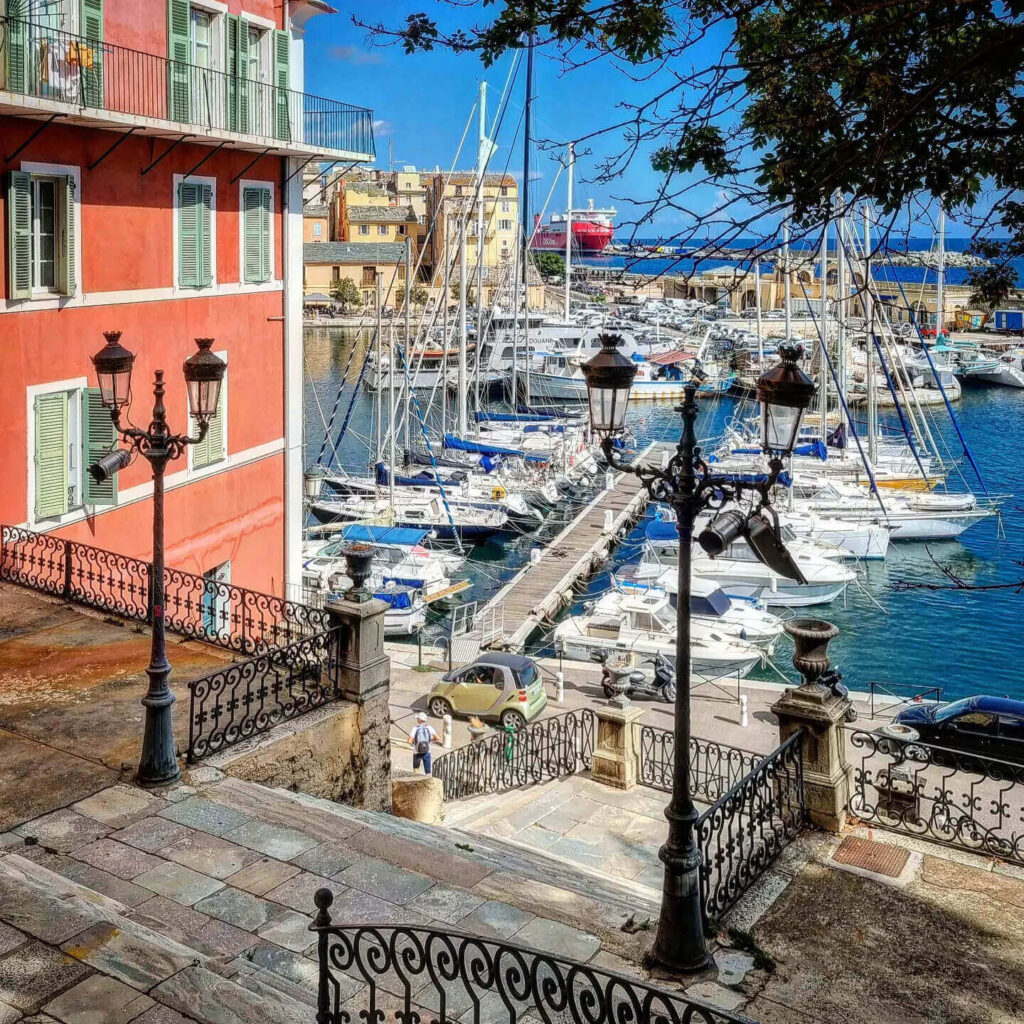
What you get instead is a city that feels genuine. The pace is slower, the atmosphere is more local, and there’s just enough to keep you interested without feeling overwhelmed. It’s easy to walk around, easy to settle into, and the more time you spend there, the more it starts to make sense.
If you’re drawn to places that feel a little less curated and more lived in, Bastia fits well into that kind of trip. And if you pair it with a drive around Cap Corse, it adds another layer that makes the whole experience feel more complete.