
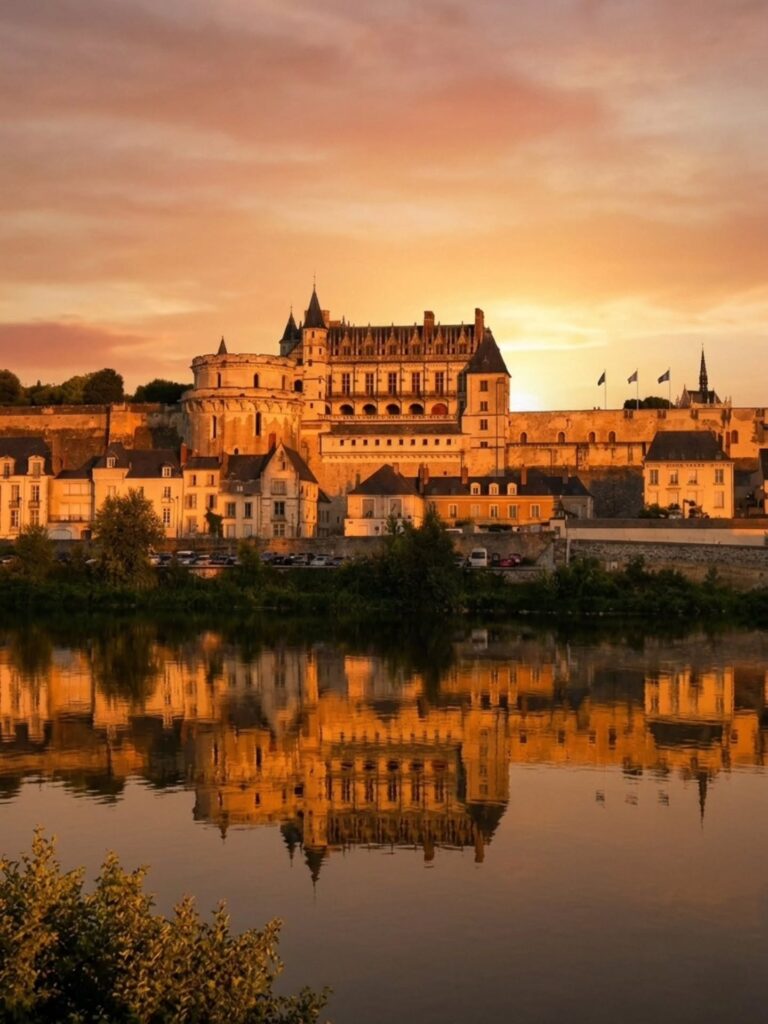
Perched high above the Loire River, Château d’Amboise is one of those places that immediately catches your attention. Long before Versailles became the center of royal life, French kings and queens spent time here, helping shape both the history of France and the arrival of the Renaissance.
What makes Château d’Amboise especially interesting is that it offers much more than impressive architecture.
This is where Leonardo da Vinci is buried, where Renaissance ideas first began influencing French culture, and where you’ll find some of the best views in the Loire Valley.
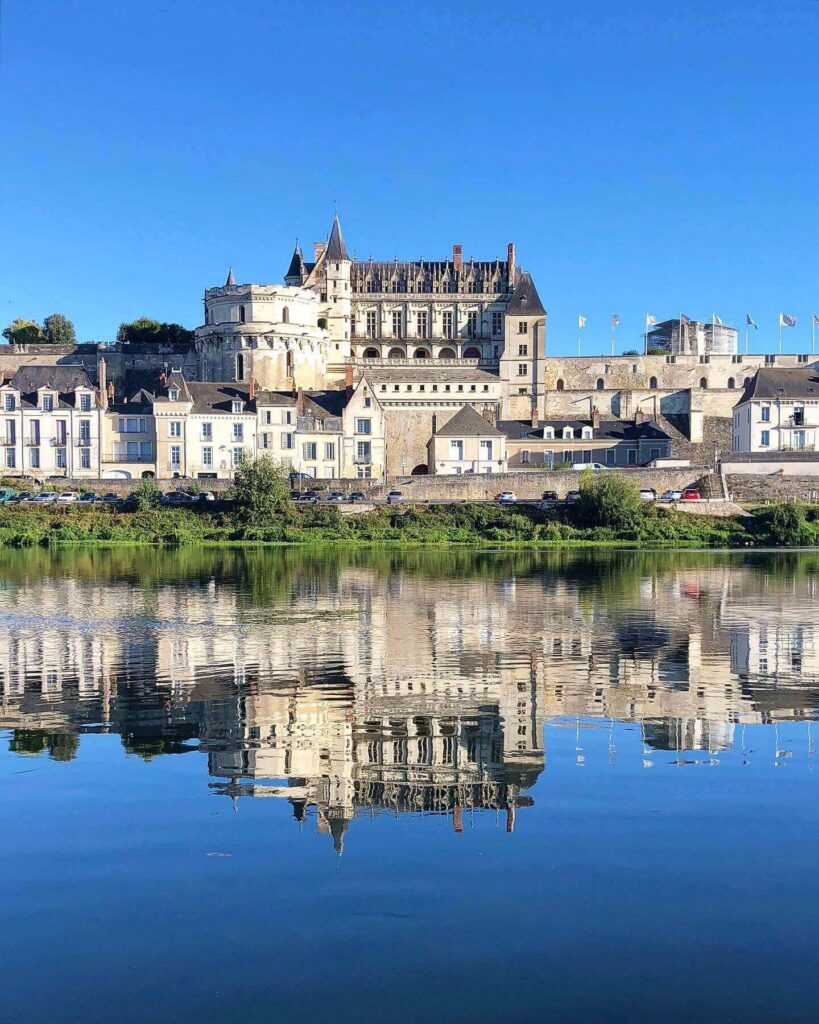
When I visited, I expected a beautiful castle with an interesting history. What surprised me most was the setting.
Standing on the château terraces and looking out across the Loire River and the town of Amboise, it was easy to see why French royalty chose this location centuries ago. The views alone make it worth slowing down and spending some time here.
But there’s much more to discover beyond the scenery. From royal apartments and historic chapels to Leonardo da Vinci’s tomb and centuries of fascinating history, Château d’Amboise offers a glimpse into an important chapter of France’s past.
In this guide, I’ll share everything you need to know before visiting Château d’Amboise, including its history, the highlights you shouldn’t miss, ticket information, practical travel tips, and whether it’s worth adding to your Loire Valley itinerary.
Is Château d’Amboise Worth Visiting?
Yes, especially if you’re interested in French history, Renaissance architecture, or the story of Leonardo da Vinci.
With so many castles to choose from in the Loire Valley, Château d’Amboise stands out because it offers more than impressive architecture. This was once a royal residence of French kings, an important center of the French Renaissance, and the final resting place of Leonardo da Vinci. Few châteaux combine so much history in one place.
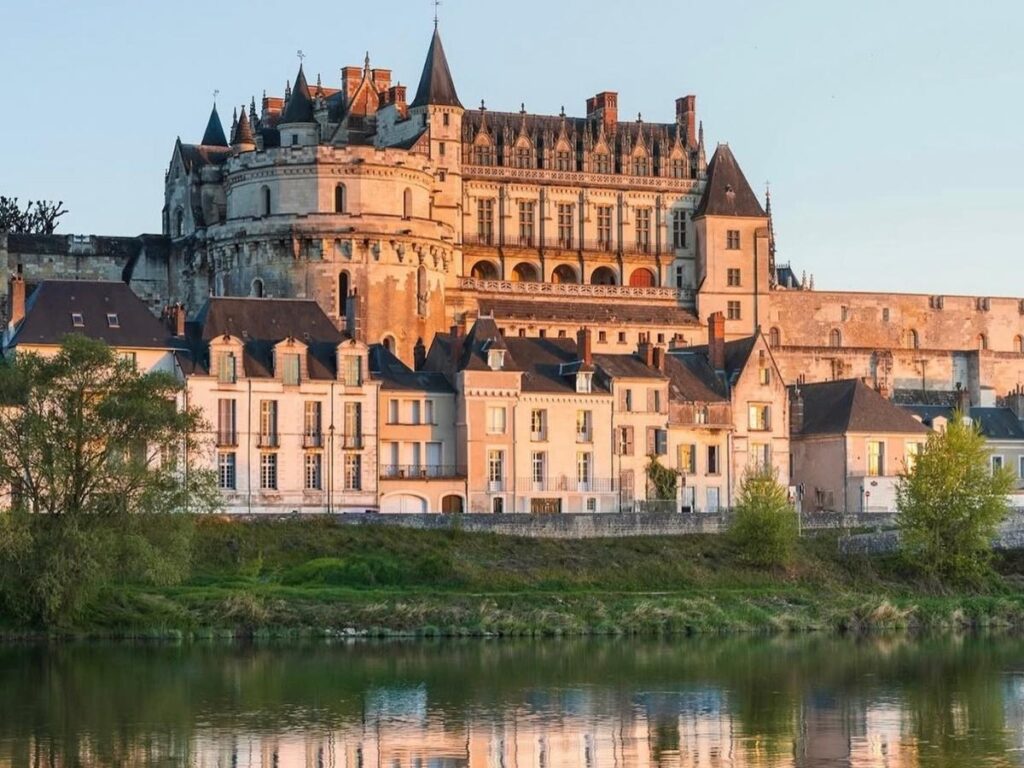
What I enjoyed most was the setting. Perched above the Loire River, the château offers beautiful views over the town of Amboise and the surrounding valley. The combination of royal history, scenic viewpoints, and cultural significance makes it feel much more than just another castle.
While travelers looking for elaborate gardens might prefer Château de Villandry, and those seeking grander interiors may favor Château de Chenonceau or Chambord, Château d’Amboise offers one of the most well rounded experiences in the Loire Valley. If it’s your first trip to the region, I think it’s well worth adding to your itinerary.
The History of Château d’Amboise
One of the things I enjoyed most about visiting Château d’Amboise was learning just how important it was to French history. At first glance, it might seem like another beautiful Loire Valley castle, but this château played a major role in shaping both the French monarchy and the Renaissance in France.
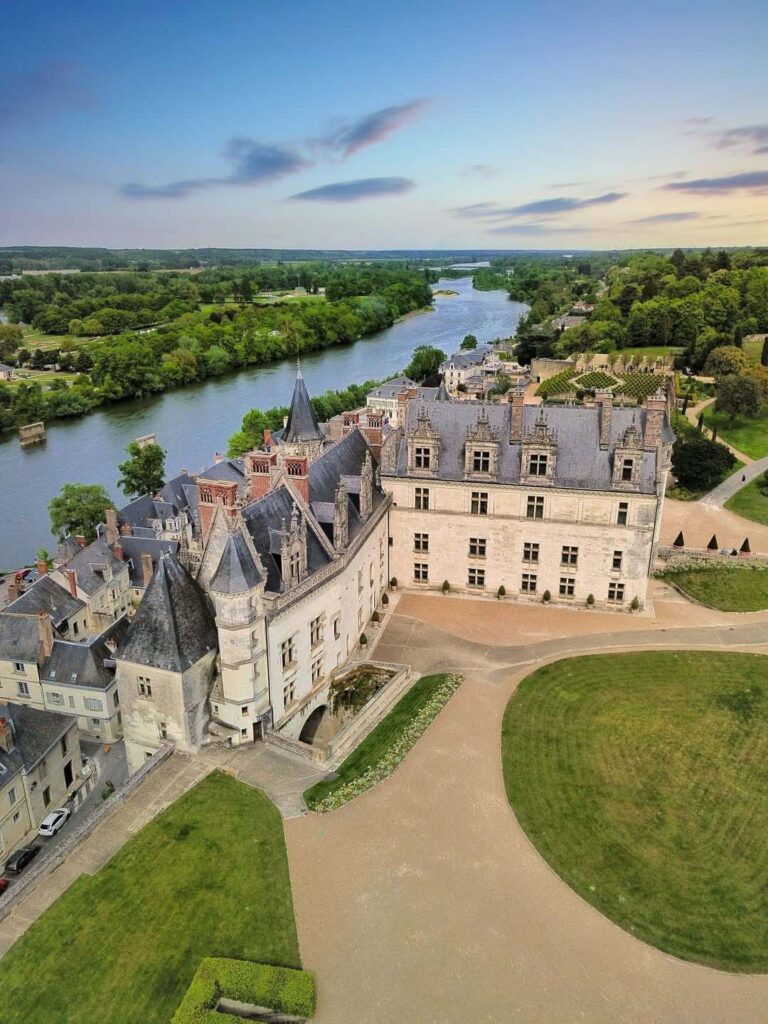
Unlike some castles that are famous mainly for their architecture or gardens, Château d’Amboise has centuries of fascinating stories behind it. From medieval rulers and Renaissance kings to Leonardo da Vinci himself, many influential figures passed through its halls.
Understanding that history adds a whole new dimension to a visit and helps explain why Château d’Amboise remains one of the Loire Valley’s most significant landmarks.
From Fortress to Royal Residence
The origins of Château d’Amboise date back to the Middle Ages when it served as a fortress overlooking the Loire River. Its elevated position made it easy to control movement along one of France’s most important waterways, giving it both strategic and military importance.
Everything changed in the late 15th century when King Charles VIII transformed the fortress into a royal residence. Inspired by the art and architecture he encountered during campaigns in Italy, he brought Italian architects and craftsmen back to France.
Their influence helped turn Amboise into one of the country’s most impressive royal residences and introduced new architectural ideas that would soon spread across France.
The Birth of the French Renaissance
Château d’Amboise is often considered one of the birthplaces of the French Renaissance. Before this period, castles were designed mainly for defense, but Amboise began embracing beauty, comfort, and artistic innovation.\
Italian influences appeared throughout the château’s architecture and decoration, creating a style that was very different from traditional medieval fortresses. As members of the royal court visited Amboise, these new ideas gradually spread throughout the kingdom.
Francis I and Leonardo da Vinci
The château reached its peak during the reign of King Francis I, one of France’s most famous Renaissance rulers.

In 1516, Francis invited Leonardo da Vinci to France. Leonardo spent the final years of his life at Clos Lucé, just a short walk from Château d’Amboise, where he worked under the king’s patronage. When Leonardo died in 1519, he was buried in Amboise, creating a connection that continues to attract visitors today.
For many travelers, visiting Saint Hubert Chapel and seeing Leonardo’s tomb is one of the highlights of the château.
Decline and Restoration
Like many royal residences, Château d’Amboise lost importance after the French court moved elsewhere. During the French Revolution, large parts of the château were damaged or demolished, significantly reducing its size.
Fortunately, restoration work carried out during the 19th and 20th centuries helped preserve what remained. Although visitors only see a portion of the original complex today, the surviving buildings, gardens, and terraces still offer a glimpse into the château’s former grandeur and its important place in French history.
Why Château d’Amboise Is Famous
The Loire Valley is home to some of France’s most famous castles, so it takes something special to stand out. What makes Château d’Amboise different is that it’s not known for just one thing.
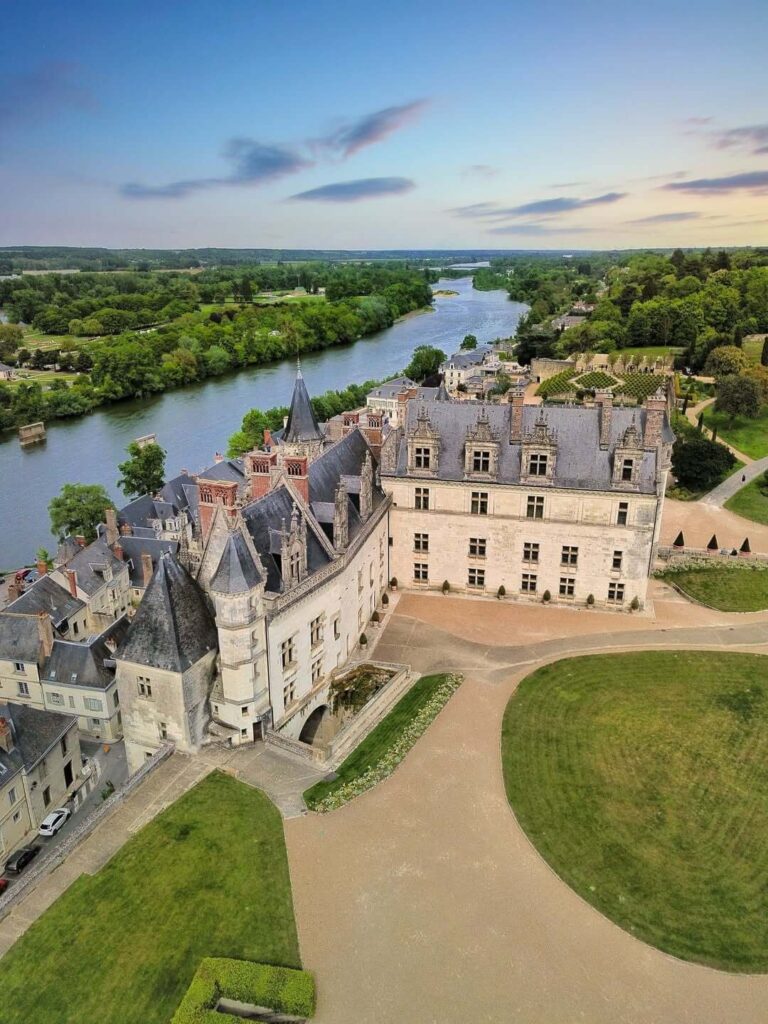
It combines royal history, Renaissance influence, and a connection to Leonardo da Vinci, all in a setting that overlooks one of the most beautiful stretches of the Loire River.
While some visitors come specifically for Leonardo’s tomb and others are drawn by the château’s royal past, I think it’s the combination of all these elements that makes Château d’Amboise such a memorable place to visit.
Leonardo da Vinci’s Tomb
For many travelers, the biggest reason to visit Château d’Amboise is its connection to Leonardo da Vinci.
Leonardo spent the final years of his life in Amboise after accepting an invitation from King Francis I. He lived nearby at Clos Lucé, where he continued working on projects and sharing ideas with the French court until his death in 1519.
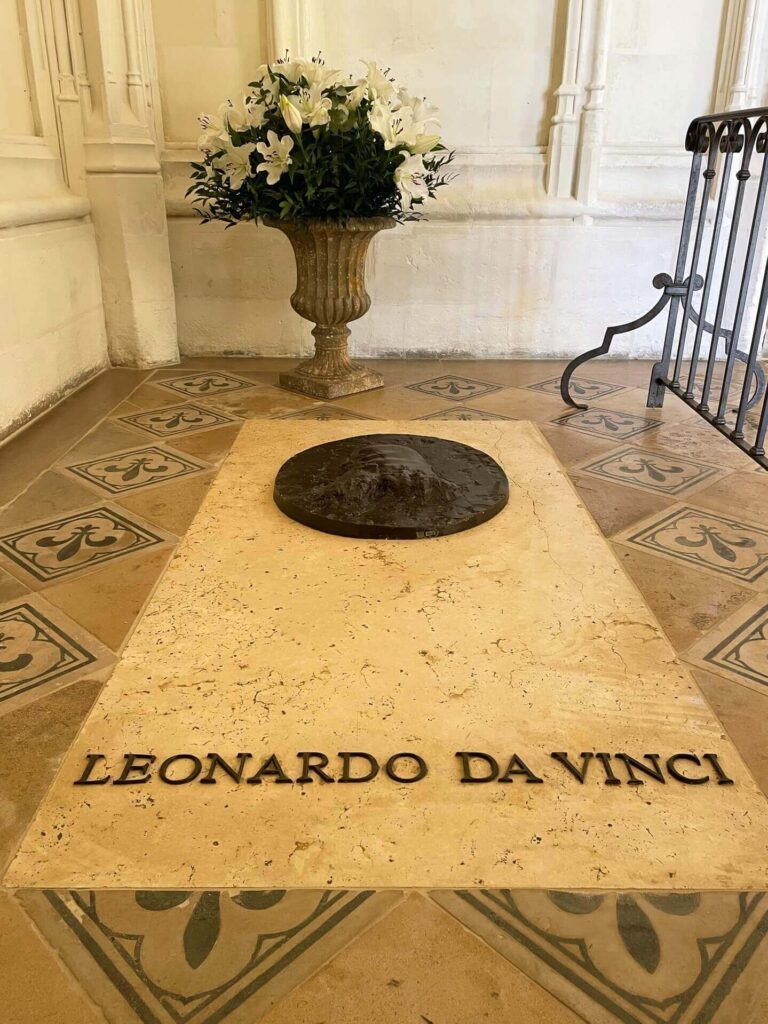
Today, his tomb is located inside Saint Hubert Chapel, a small Gothic chapel within the château grounds. Although there has been some debate among historians about the exact history of his burial, the chapel is widely recognized as Leonardo’s final resting place.
Even if you’re not a huge art enthusiast, there’s something special about standing in a place connected to one of history’s greatest artists, inventors, and thinkers. For many visitors, including myself, it’s one of the most memorable parts of the château.
A Royal Residence of French Kings
Long before Leonardo arrived in Amboise, the château was one of the most important royal residences in France.
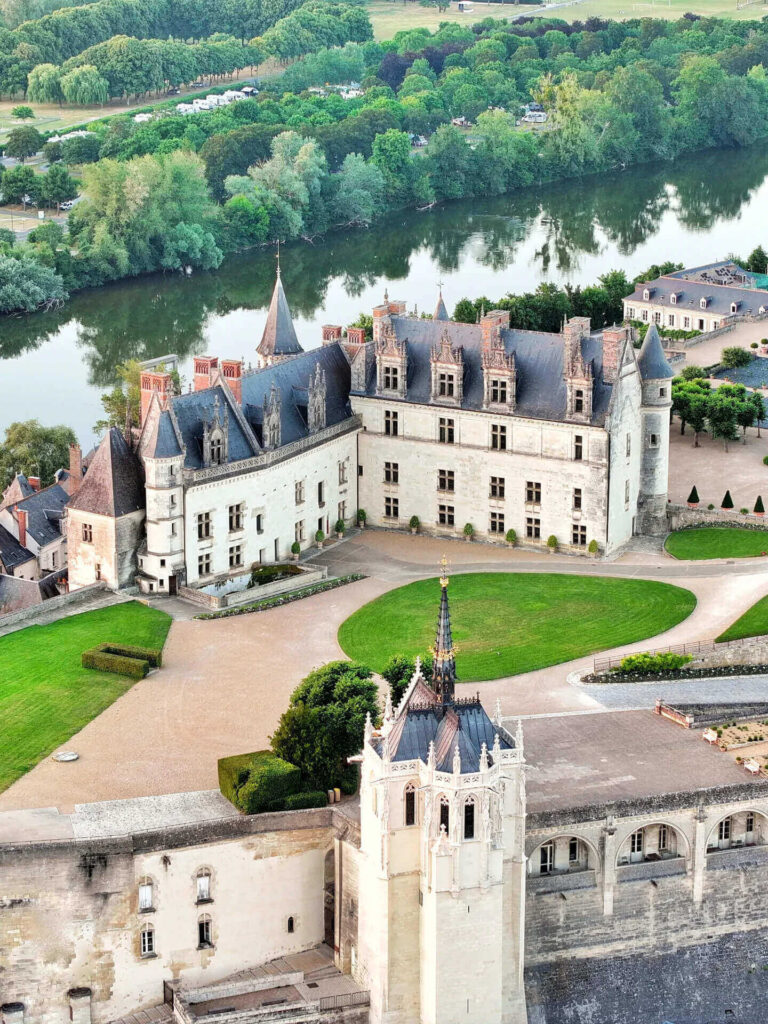
Several French kings, including Charles VIII, Louis XII, and Francis I, spent time here. During its peak, the château was more than just a home for royalty. It was a political center where important decisions were made, foreign dignitaries were welcomed, and new artistic and cultural ideas were introduced to France.
Because of this, Château d’Amboise played a significant role during a period when France was transitioning from the medieval world into the Renaissance. Walking through the château today, it’s easy to imagine the influence and activity that once filled its halls.
Panoramic Loire Valley Views
Even if history isn’t your main reason for visiting, the views from Château d’Amboise are worth the trip.
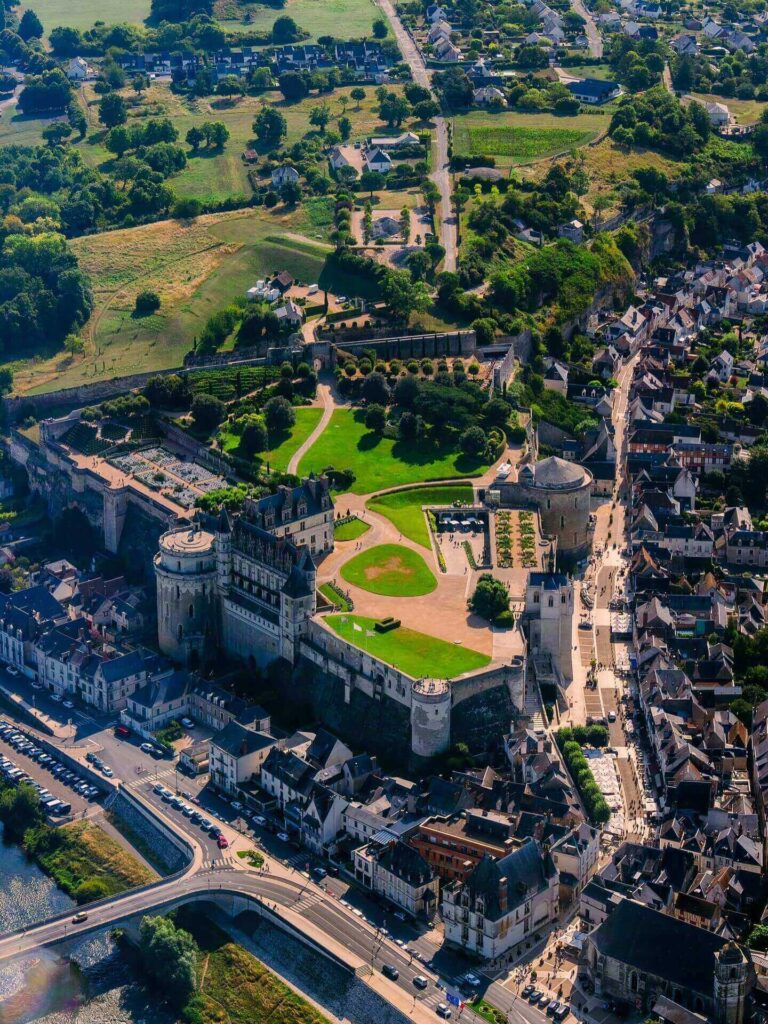
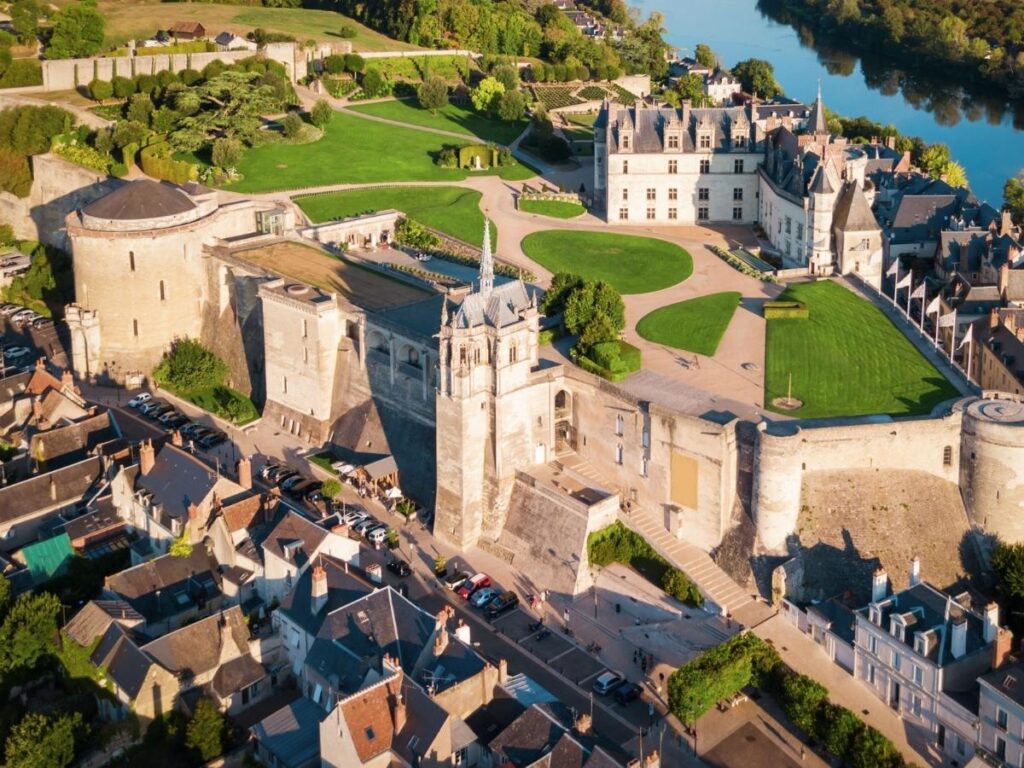
The château sits high above the Loire River, giving visitors panoramic views of the surrounding valley and the charming town below. From the terraces, you can see church spires, historic rooftops, the river winding through the landscape, and miles of countryside beyond.
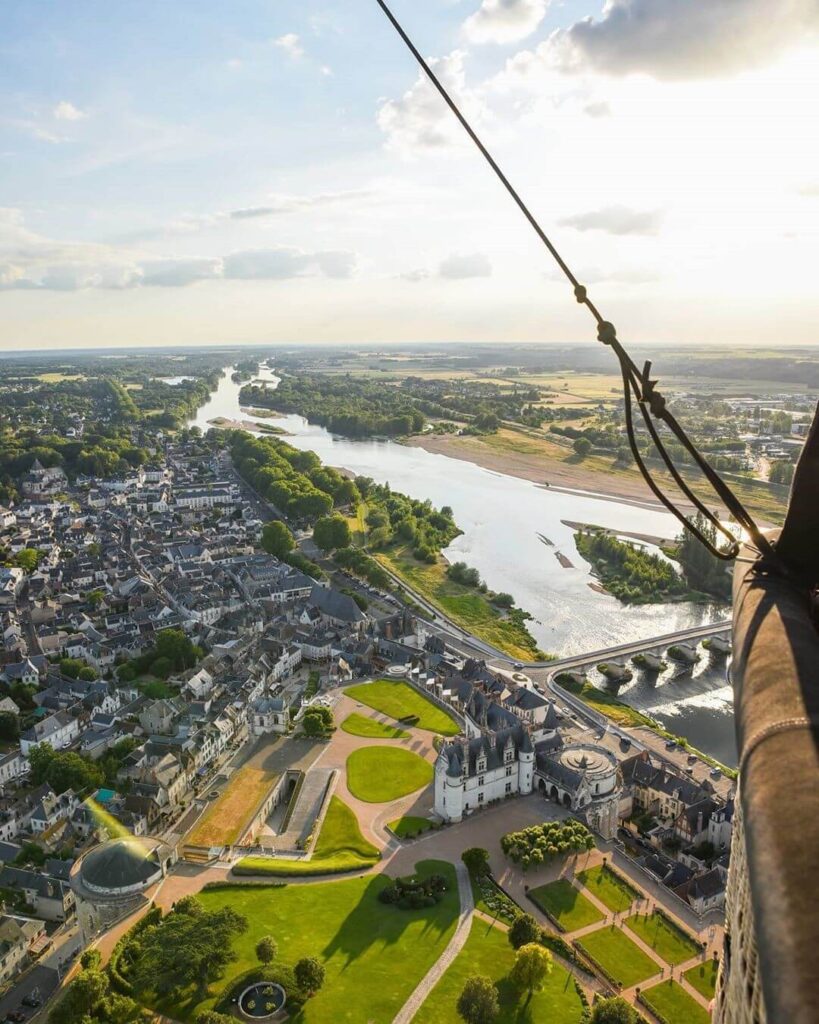
I found myself returning to the viewpoints several times during my visit. While the interiors and historical exhibits are fascinating, the terraces offer a chance to slow down and appreciate the setting that made this location so desirable for French royalty in the first place.
On a clear day, it’s one of the best viewpoints you’ll find anywhere in the Loire Valley, and it’s easy to see why so many visitors remember the scenery long after they’ve left the château.
What to See at Château d’Amboise
Although Château d’Amboise isn’t the largest château in the Loire Valley, there’s plenty to see during a visit. What I liked most is that the highlights feel quite varied. One moment you’re exploring rooms once used by French kings, and the next you’re standing on a terrace overlooking the Loire River or visiting the tomb of Leonardo da Vinci.
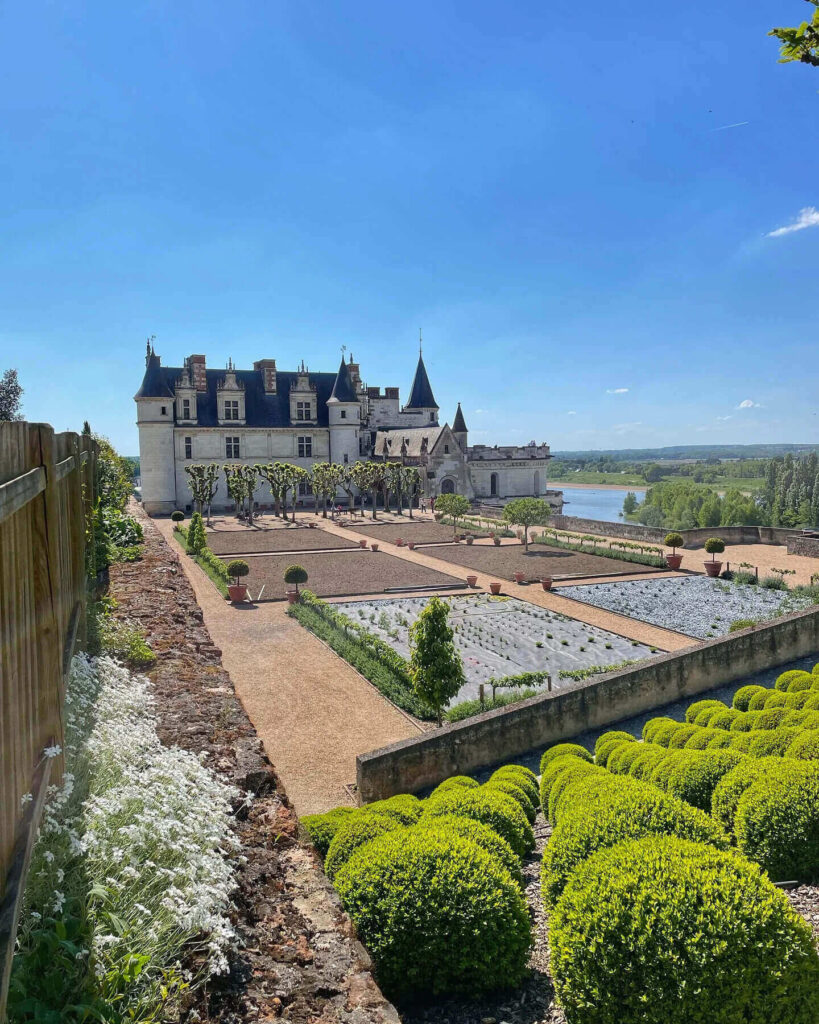
I would recommend taking your time rather than rushing through the château. Some of the most memorable parts of the visit aren’t necessarily the grand rooms, but the small details, viewpoints, and stories that bring the château’s history to life.
Saint Hubert Chapel
For many visitors, Saint Hubert Chapel is the first stop, and for good reason. This small Gothic chapel is one of the most historically significant places within the château grounds.
Even before stepping inside, it’s worth spending a few moments admiring the intricate stone carvings that decorate the exterior. The craftsmanship is impressive, and it’s easy to miss some of the finer details if you’re focused solely on seeing Leonardo da Vinci’s tomb.
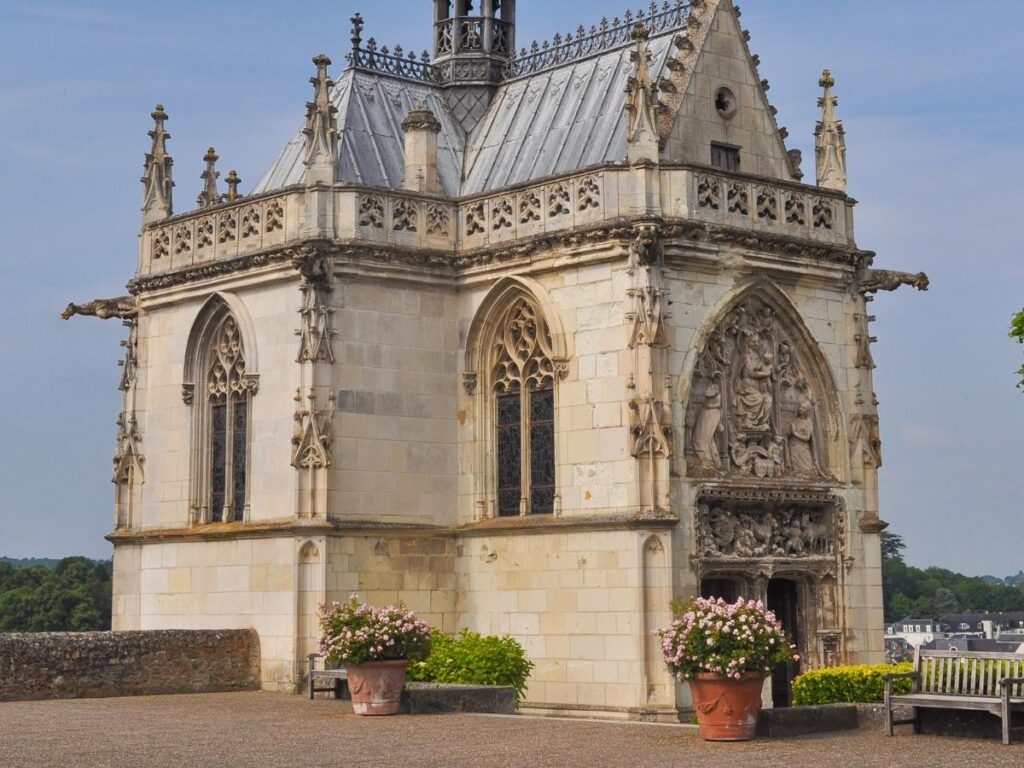
Inside, the atmosphere feels quiet and reflective. The chapel is best known as the burial place of Leonardo da Vinci, whose tomb attracts visitors from all over the world. Whether you’re a fan of art, history, or simply curious about one of history’s most influential figures, standing beside his tomb is a special experience.
Because the chapel is relatively small, I found it more intimate than many larger church interiors. It doesn’t take long to visit, but it’s undoubtedly one of the highlights of Château d’Amboise.
The Royal Apartments
The royal apartments offer a glimpse into life at the French court during the late Middle Ages and Renaissance. While they may not be as lavish as some of the rooms you’ll find at larger French palaces, they help tell the story of the kings and queens who once lived here.
As you move through the rooms, you’ll find historic furnishings, decorative tapestries, artwork, and displays that explain the château’s royal past. The interiors provide useful context for understanding how Château d’Amboise evolved from a fortress into one of France’s most important royal residences.
What I enjoyed most was imagining the daily life that once unfolded here. These rooms weren’t simply built for display. They were part of an active royal court where political discussions, ceremonies, and important decisions took place.
The Council Chamber
Among the rooms inside the château, the Council Chamber stands out because of its historical significance.
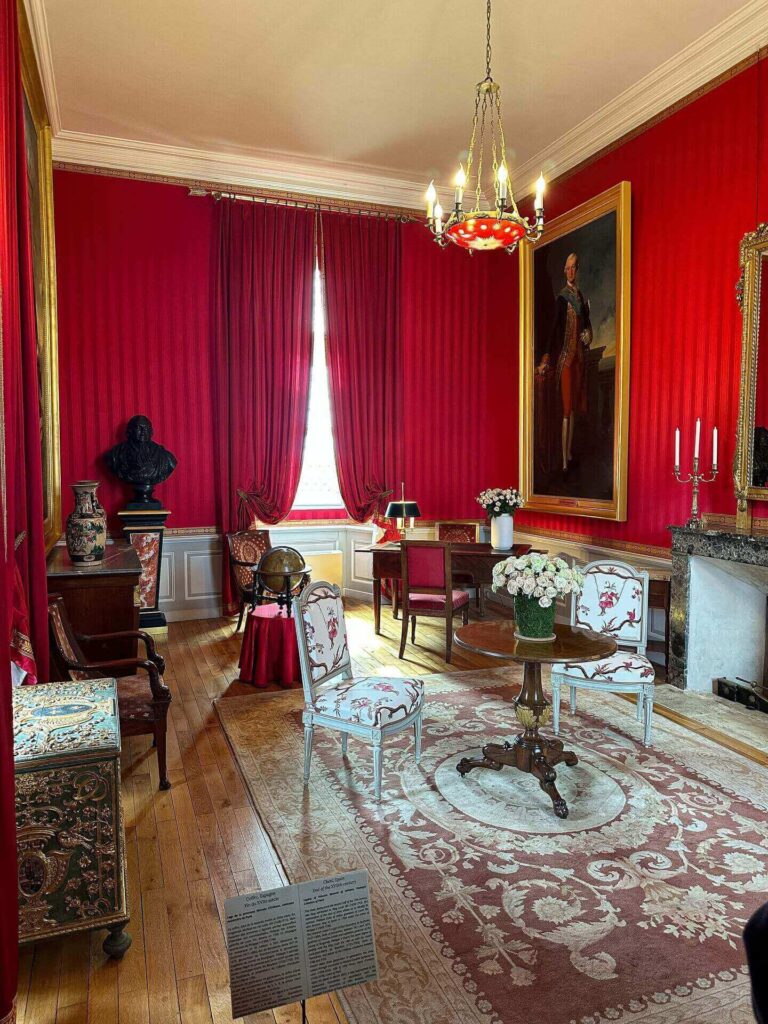
This was one of the spaces where French rulers met with advisors and discussed matters affecting the kingdom. While the room itself may appear modest compared to some grand palace halls, its importance lies in what happened here rather than its decoration.
Knowing that decisions influencing France’s future were once made within these walls adds another layer of appreciation to the visit.
The Great Hall
The Great Hall offers a good sense of the scale and prestige that Château d’Amboise once enjoyed during its peak.
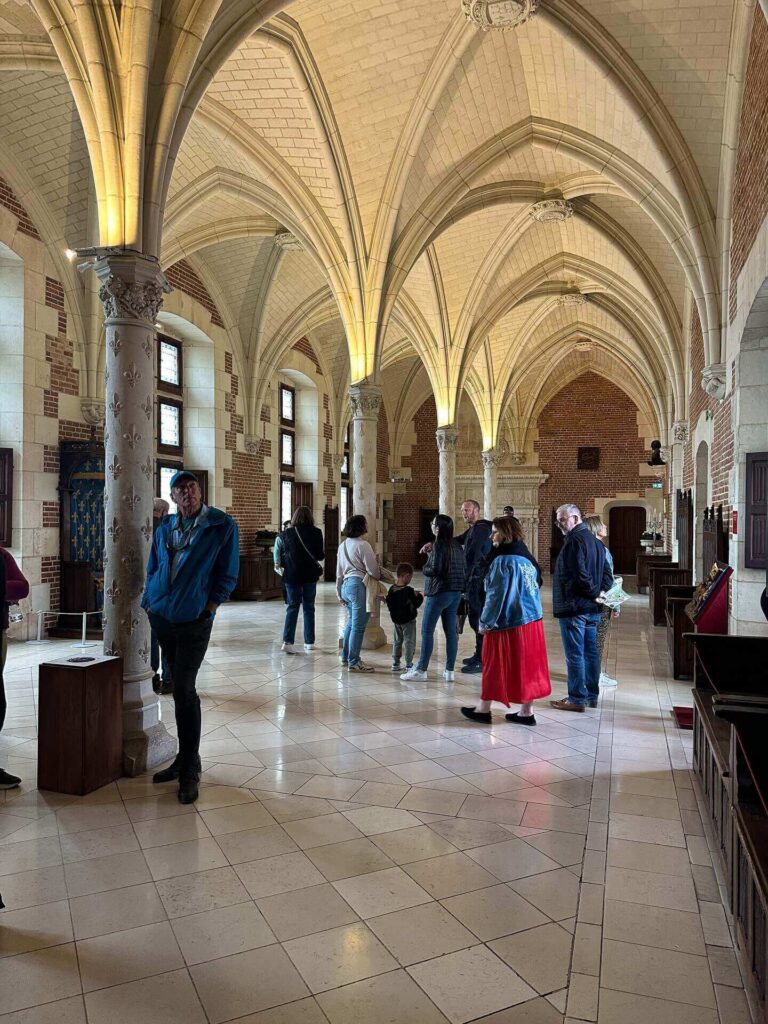
Historically, this space hosted gatherings, ceremonies, and important events connected to the royal court. As you look around, you’ll notice architectural elements that reflect the transition from medieval design to the emerging Renaissance style.
It’s one of the rooms where the château’s evolution becomes particularly visible, combining older defensive features with the elegance that French royalty increasingly sought during this period.
The Terraces
If I had to choose a favorite part of Château d’Amboise, it would probably be the terraces.
The views from here are spectacular. Looking out across the Loire River, the rooftops of Amboise, and the surrounding countryside gives you a completely different perspective on the region. It’s also one of the best places to appreciate why the château was built in such a strategic location.
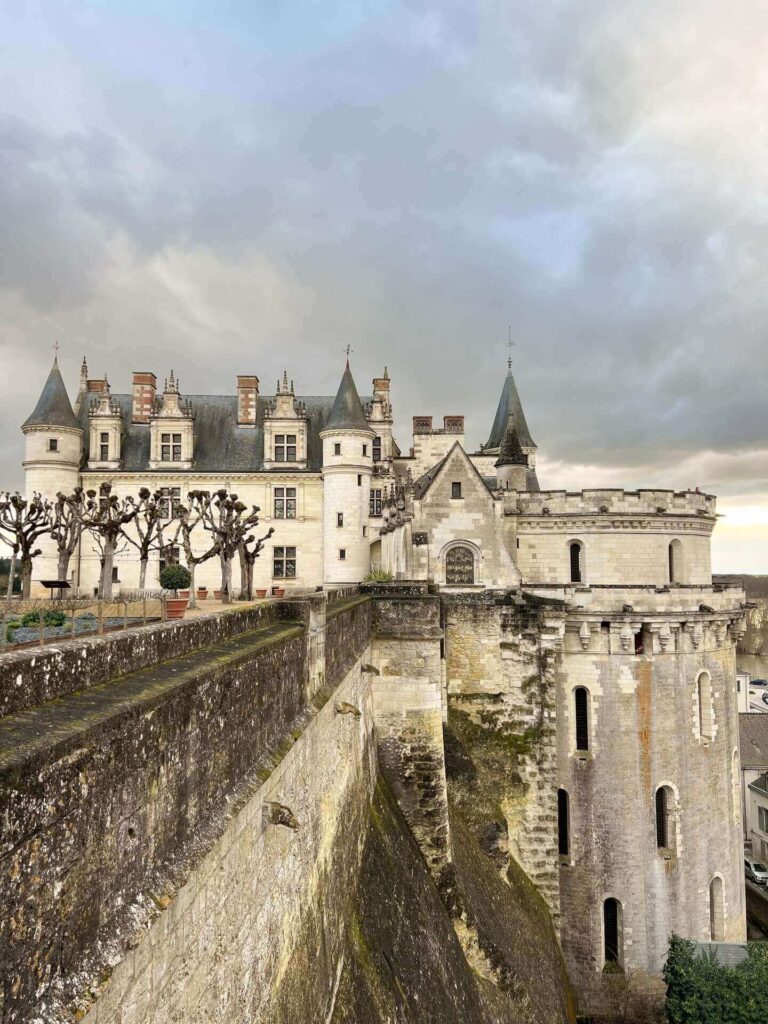
I found myself returning to the terraces several times throughout my visit. The scenery changes depending on the light, and it’s easy to spend far longer here than you originally planned.
If you’re interested in photography, this is one of the best spots in the château. Morning and late afternoon usually provide the most pleasant light, especially on clear days.
The Cavalier Towers
One of the most unusual features of Château d’Amboise is its enormous cavalier towers.
At first glance, they simply look like large defensive towers, but they’re actually remarkable examples of medieval engineering. Instead of staircases, these towers contain wide spiral ramps that were designed to accommodate horses and carriages.
Tour des Minimes
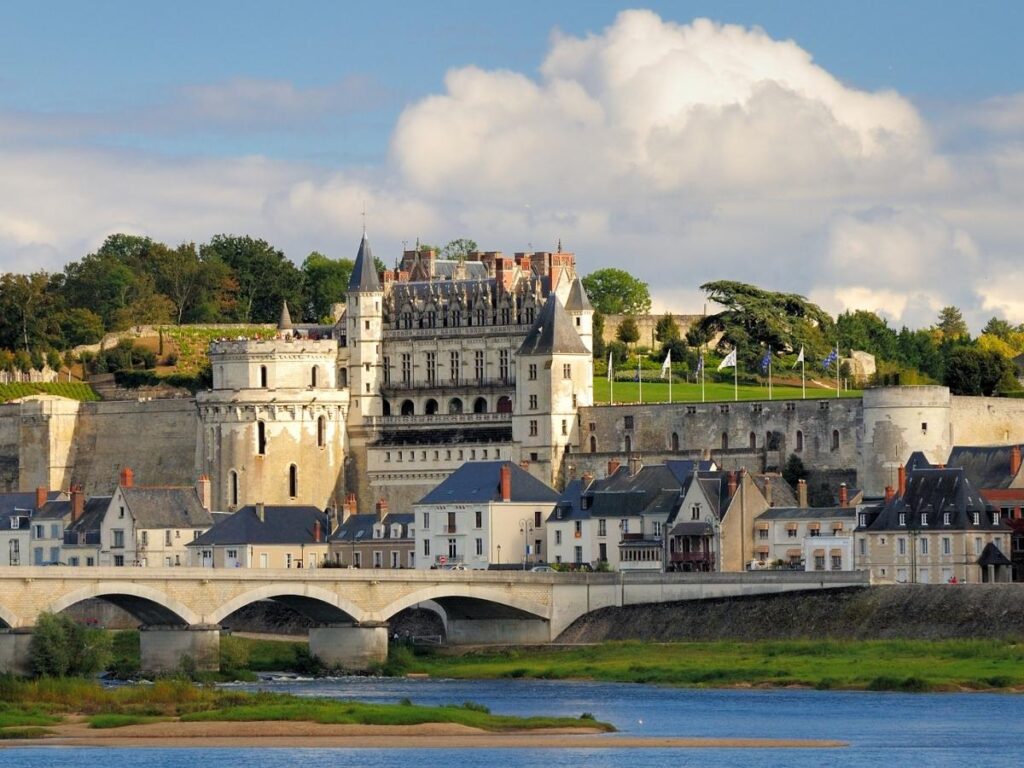
The Tour des Minimes is the most famous of the two towers. Its massive ramp allowed riders to reach the upper levels of the château without dismounting.
When you see the size of the structure in person, it’s easy to understand how innovative this design was for its time.
Tour Heurtault
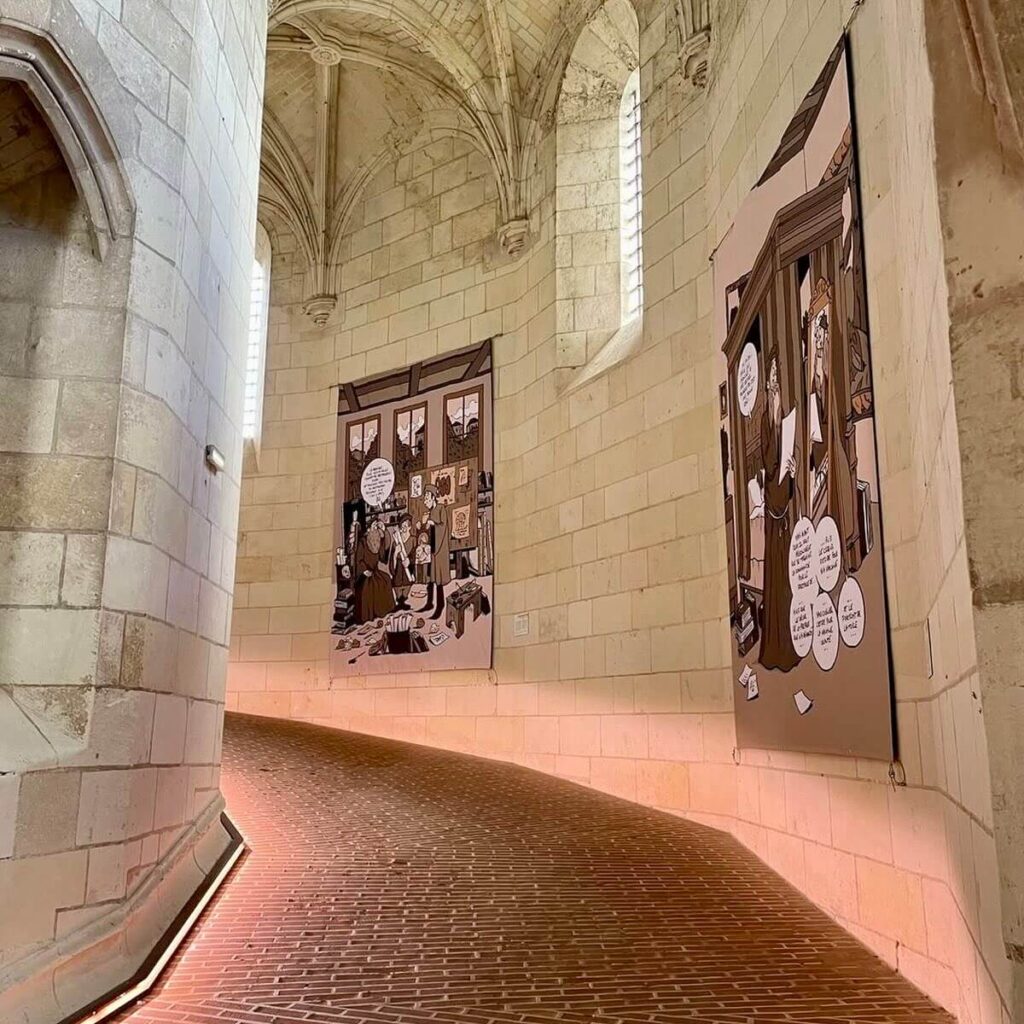
The nearby Tour Heurtault served a similar purpose and further demonstrates the ambition of the château’s designers.
Many visitors overlook these towers, but they’re worth paying attention to because they highlight the transition between medieval military architecture and the more comfortable royal residences that followed.
The Gardens
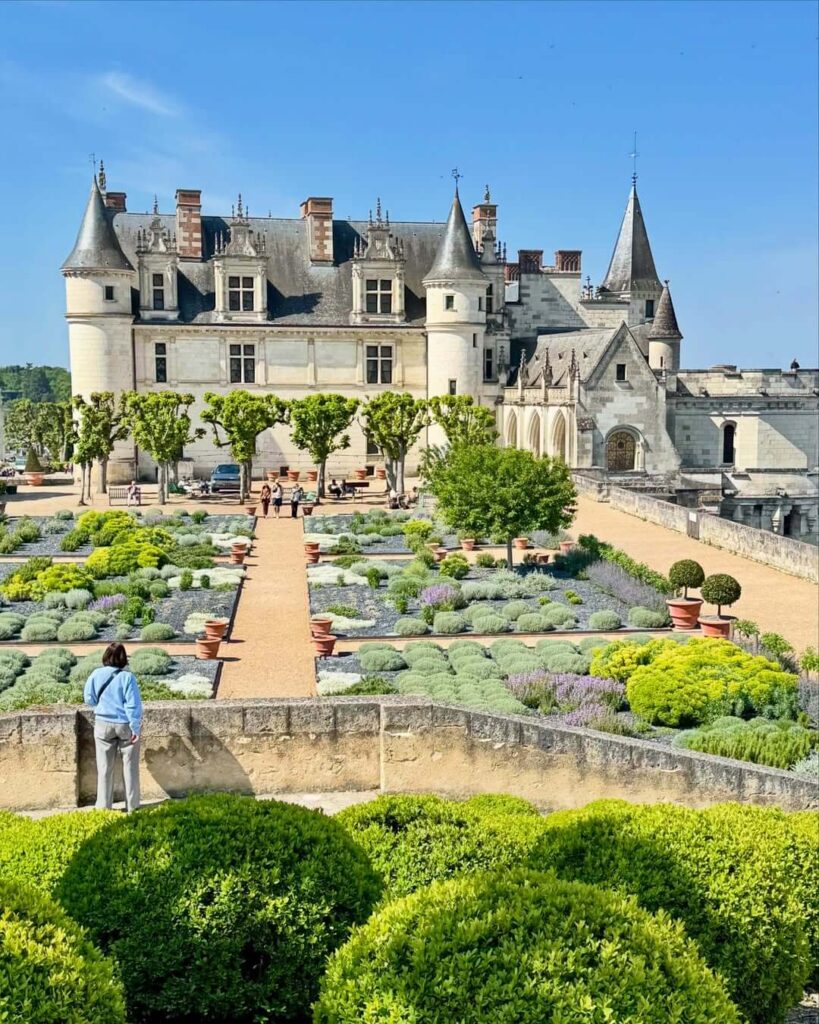
The gardens at Château d’Amboise may not be as extensive as those at Château de Villandry, but they add a great deal to the overall experience.
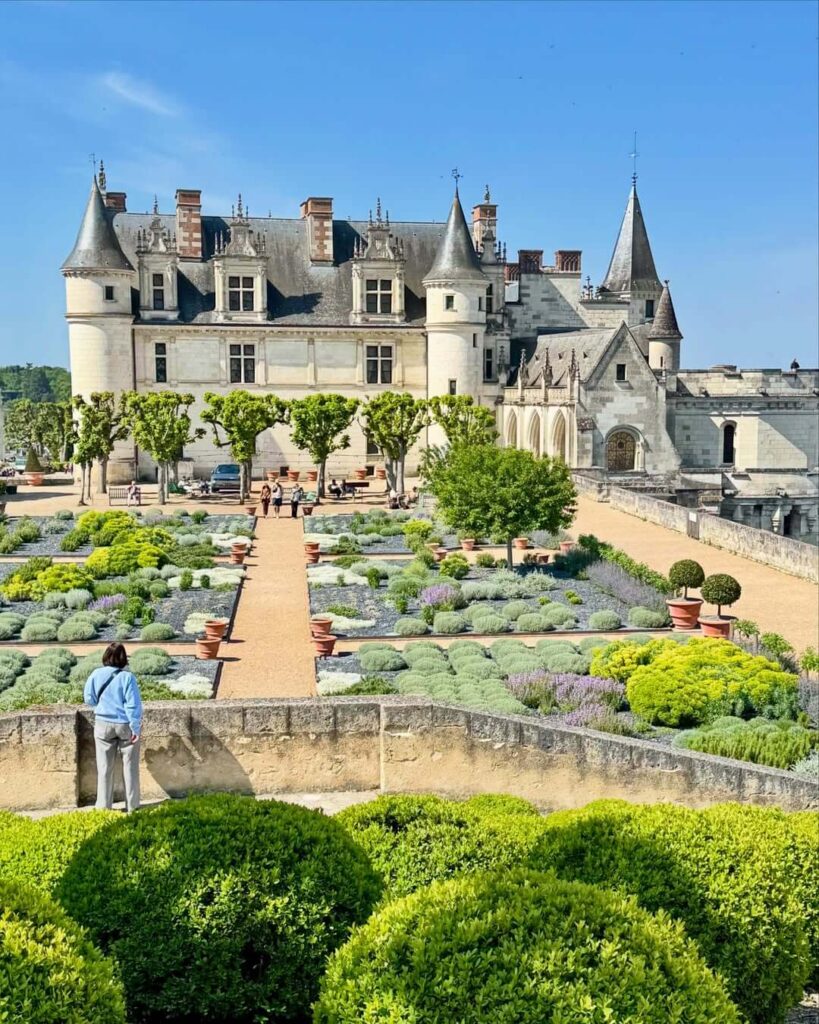
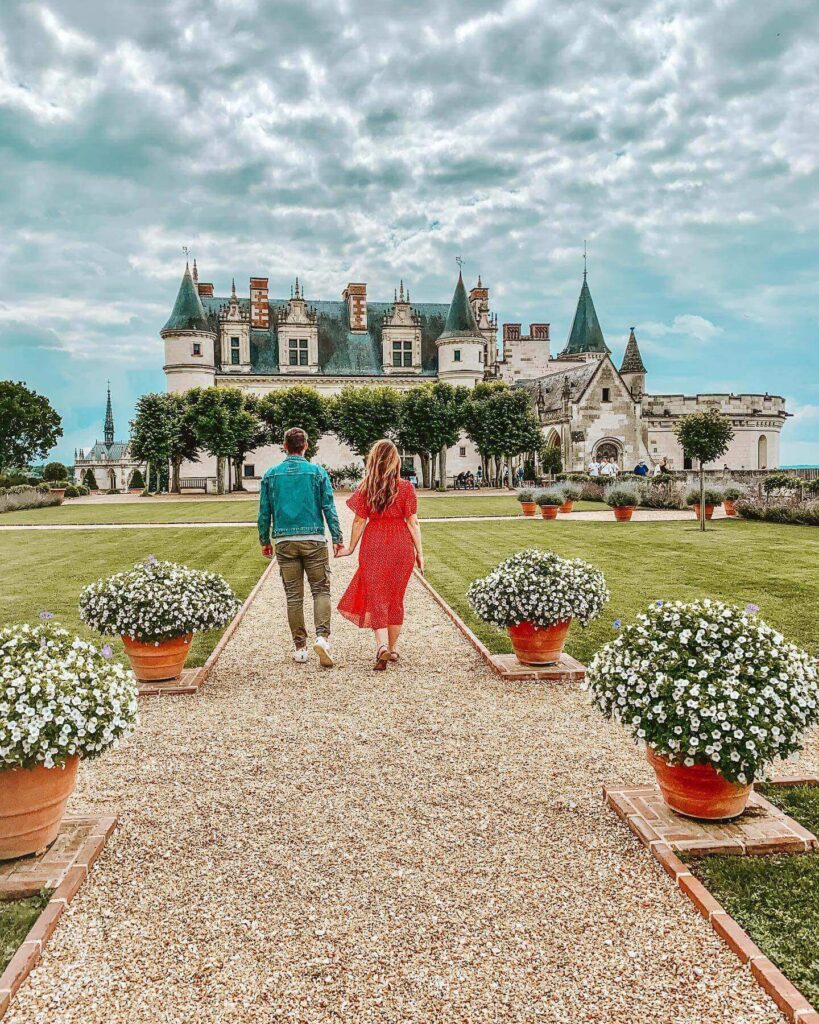
Spread across the château grounds, the gardens provide pleasant walking paths, open green spaces, and several viewpoints overlooking the Loire Valley. Seasonal flowers and carefully maintained landscaping help soften the more imposing architecture of the château.
I found the gardens to be a nice place to slow down after exploring the interiors. They’re particularly enjoyable on a sunny day when you can simply sit for a few minutes and take in the views.
What I Loved Most About Visiting Château d’Amboise
One of the things that stood out to me most about Château d’Amboise was its setting. Perched high above the Loire River, the château offers beautiful views over the town of Amboise and the surrounding countryside. Standing on the terraces, it’s easy to understand why French royalty chose this location centuries ago.
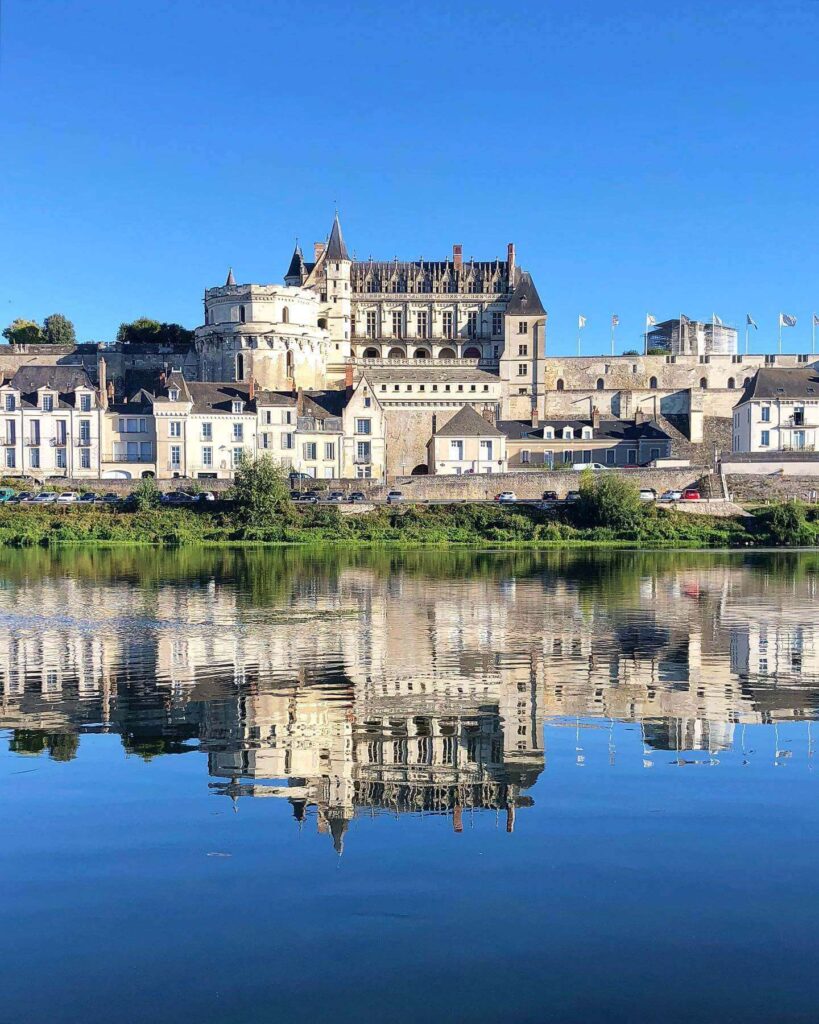
I also liked how manageable the visit felt. Some castles are so large that exploring them can become exhausting, but Château d’Amboise strikes a nice balance. There’s plenty of history and architecture to discover, yet it’s compact enough that you can enjoy it at a relaxed pace.
The connection to Leonardo da Vinci adds another layer to the experience. Visiting his tomb after seeing nearby Clos Lucé helped bring an important chapter of Renaissance history to life.
More than anything, though, I enjoyed the atmosphere. Unlike some historic sites that feel disconnected from their surroundings, Château d’Amboise still feels closely tied to the town below, making the visit feel both historic and alive.
How Long Do You Need at Château d’Amboise?
Most visitors should plan to spend around two to three hours at Château d’Amboise. This gives you enough time to explore the royal apartments, visit Saint Hubert Chapel, enjoy the gardens, and spend some time taking in the views from the terraces.
If you’re short on time, you can see the main highlights in about an hour, but the visit may feel a little rushed. The château isn’t enormous, but there are enough details and viewpoints that it’s worth slowing down and exploring properly.
If you’re also planning to visit Clos Lucé, Leonardo da Vinci’s former residence, I’d recommend setting aside at least half a day in Amboise. The two attractions complement each other well and together provide a much fuller understanding of the town’s royal and Renaissance history.
For most travelers, two to three hours at the château itself is the ideal amount of time, allowing you to enjoy the experience without feeling rushed.
Château d’Amboise Tickets and Opening Hours
Château d’Amboise is open throughout the year, although opening hours vary depending on the season. Summer generally offers longer visiting hours, while winter schedules are slightly shorter. Since opening times, ticket prices, and special events can change, I recommend checking the official château website before your visit.
Several ticket options are usually available, including standard adult admission, reduced rate tickets, family passes, and group tickets. The château also occasionally hosts exhibitions and seasonal events, which may affect ticket availability or pricing.
While it’s often possible to buy tickets on arrival, purchasing them online can save time, especially during spring, summer, and holiday periods when visitor numbers are higher. If you’re planning to visit other attractions in Amboise on the same day, having your tickets booked in advance can make your day run a little more smoothly.
Best Time to Visit Château d’Amboise
One of the things I like about Château d’Amboise is that it’s a destination you can enjoy at any time of year. The experience changes with the seasons, but each one offers something different, whether you’re looking for pleasant weather, fewer crowds, or beautiful scenery.
Spring
Spring is probably my favorite time to visit the Loire Valley. The weather is usually mild, the gardens begin coming to life, and the countryside feels fresh after winter. It’s also a great time for sightseeing because visitor numbers are generally lower than during the peak summer season.
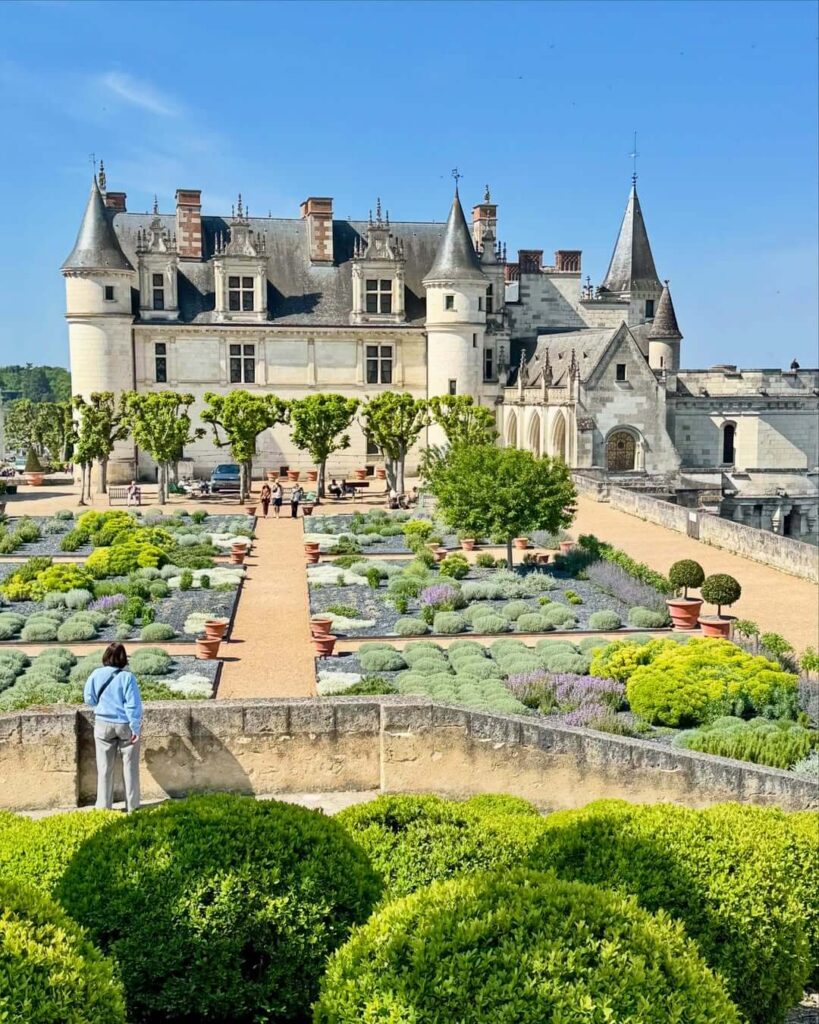
Walking through the château grounds in spring is especially enjoyable, and the views from the terraces are often at their best when the surrounding landscape is lush and green.
Summer
Summer is the busiest time to visit Château d’Amboise, but it’s easy to see why. The longer days give you more time to explore, and the town of Amboise has a lively atmosphere with visitors filling the cafés and riverside areas.
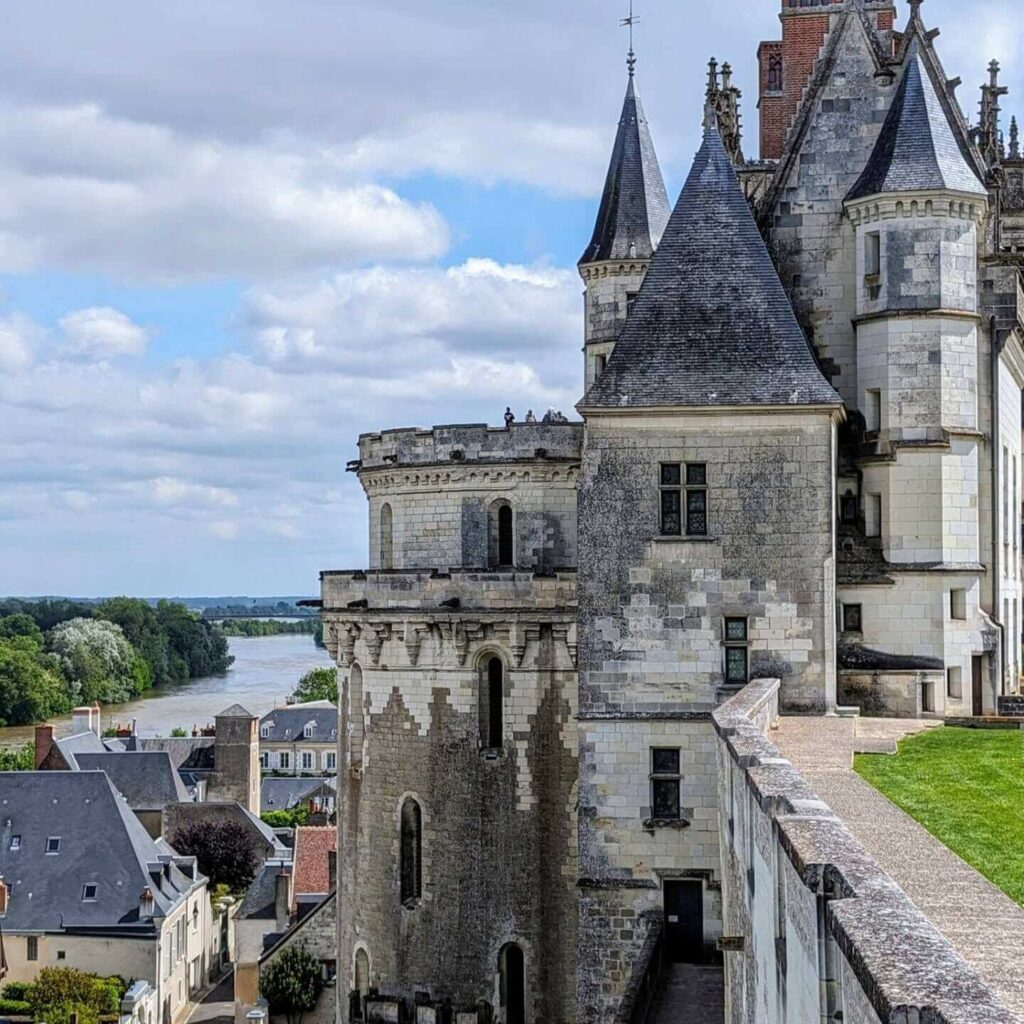
The warm weather makes it pleasant to spend time on the château terraces, particularly later in the day when the light becomes softer. The main drawback is the larger crowds, especially in July and August, so arriving early can make a big difference.
Fall
Fall is another excellent season for visiting Château d’Amboise. As summer crowds begin to thin out, the Loire Valley takes on a different character. The changing colors of the trees add warmth to the landscape, creating beautiful views from the château’s elevated position.
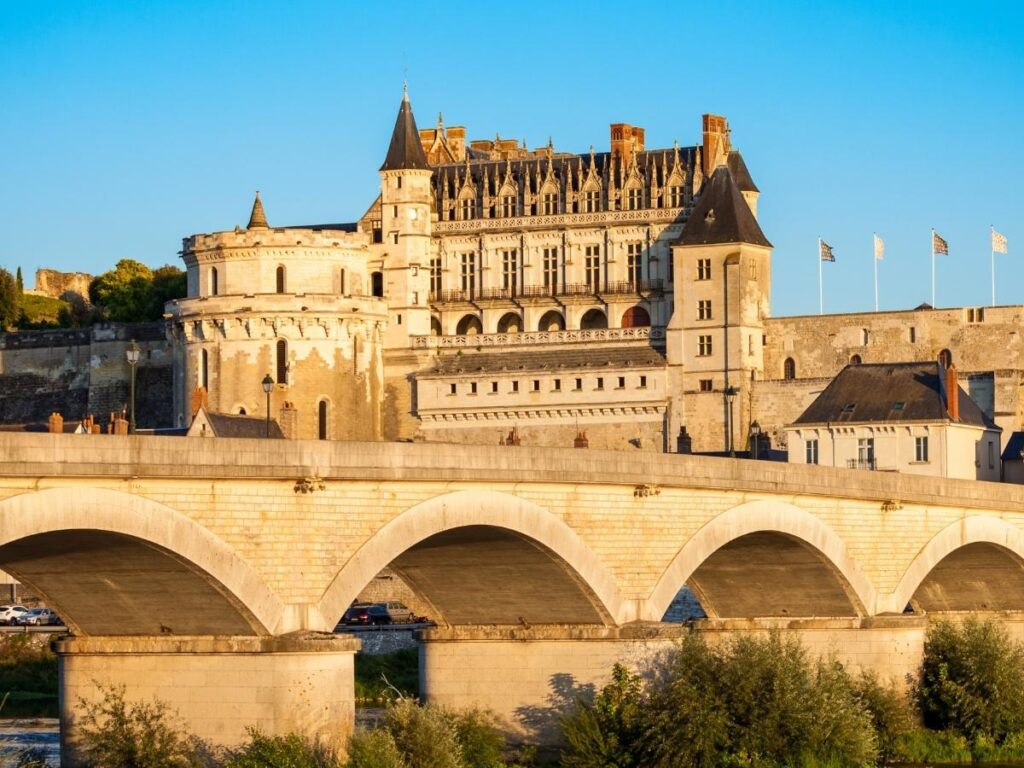
The weather often remains comfortable well into autumn, making it a great time for travelers who want a quieter experience without sacrificing good sightseeing conditions.
Winter
Winter offers the most peaceful experience. While the gardens aren’t as colorful and the weather can be cooler, you’ll often find far fewer visitors compared to the rest of the year.
If you enjoy exploring historic sites without crowds, winter can be a surprisingly rewarding time to visit. The château’s history and architecture remain just as impressive, and you’ll often have more space to appreciate them.
Practical Tips for Visiting Château d’Amboise
A little planning can make your visit to Château d’Amboise much more enjoyable. While it’s not one of the largest castles in the Loire Valley, there are a few things worth knowing before you go that can help you make the most of your time.
Arrive Early If Possible
If your schedule allows, try to visit shortly after the château opens. The grounds and interiors tend to be quieter in the morning, giving you more space to explore at your own pace.
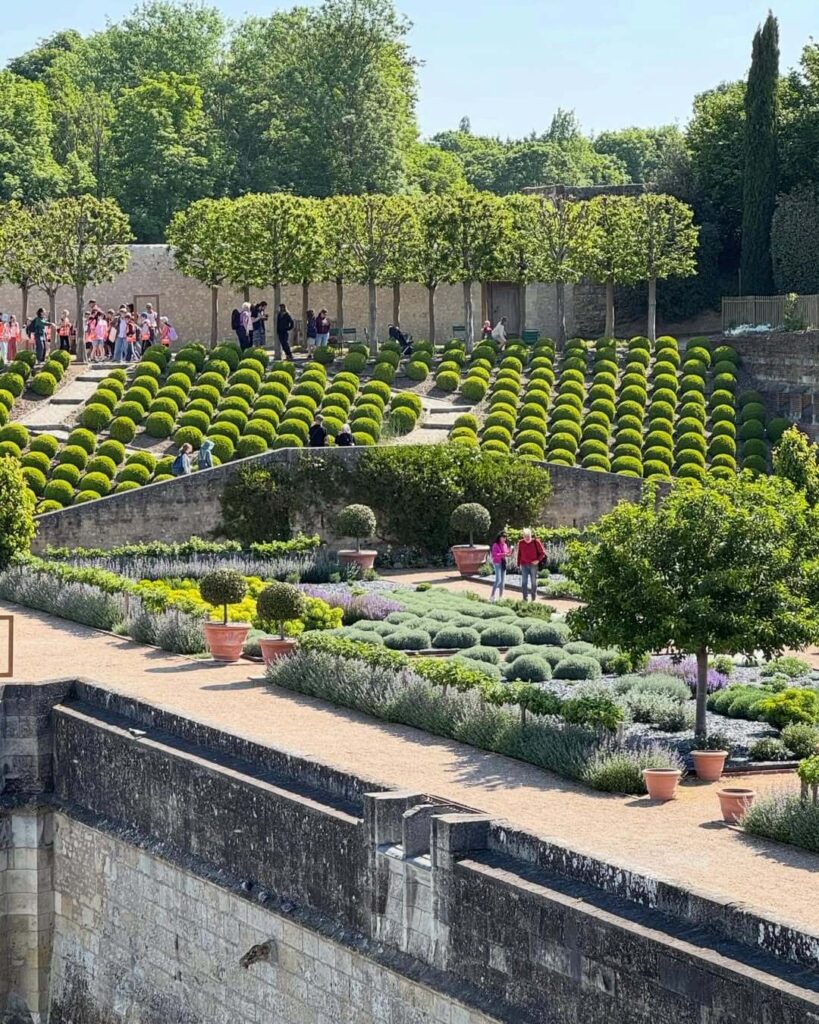
This is especially helpful in popular areas such as Saint Hubert Chapel, where Leonardo da Vinci’s tomb is located. Visiting before larger tour groups arrive makes the experience feel much more relaxed and allows you to spend a little extra time appreciating the details.
Wear Comfortable Shoes
Although Château d’Amboise isn’t enormous, you’ll still spend a fair amount of time on your feet. The visit involves walking through historic rooms, gardens, terraces, and stone pathways, some of which can be uneven.
Comfortable shoes are particularly helpful if you’re planning to explore the town of Amboise or visit Clos Lucé afterward. By the end of the day, you’ll likely have covered more ground than you expected.
Don’t Rush the Terraces
Many visitors focus most of their attention on the chapel and royal apartments, but I would encourage you to spend some time on the château terraces as well.
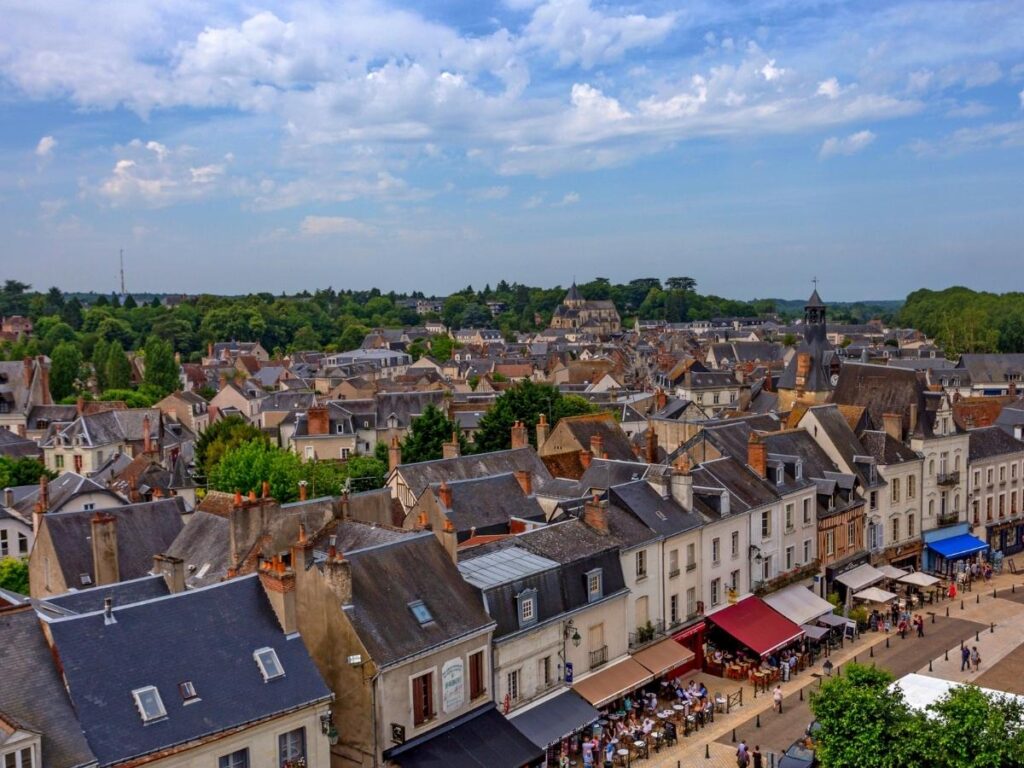
For me, the views were one of the highlights of the entire visit. Looking out over the Loire River and the rooftops of Amboise gives you a better appreciation of the château’s strategic location and its importance throughout history. It’s also one of the best places to simply pause and enjoy the atmosphere.
Leave Time to Explore Amboise
One mistake I see many travelers make is treating Château d’Amboise as a quick stop before moving on to the next castle. While the château is undoubtedly the main attraction, the town itself is worth exploring as well.
After your visit, consider spending some time wandering through the historic center, browsing local shops, or enjoying a meal at one of the cafés near the river. Amboise has a relaxed atmosphere that complements the château perfectly and helps turn a simple sightseeing stop into a memorable day in the Loire Valley.
Suggested Amboise Itinerary
One of the things I like most about Amboise is that it’s easy to explore without feeling rushed. The town is compact, several major attractions are within walking distance of each other, and it’s possible to see a lot even if you only have a few hours.
If You Only Have Half a Day
If your time is limited, I would focus on Château d’Amboise and the historic center of town.
Start your visit at Château d’Amboise as soon as it opens. This allows you to enjoy the royal apartments, Saint Hubert Chapel, and the terraces before the largest crowds arrive. Most visitors will need around two to three hours to explore the château comfortably.
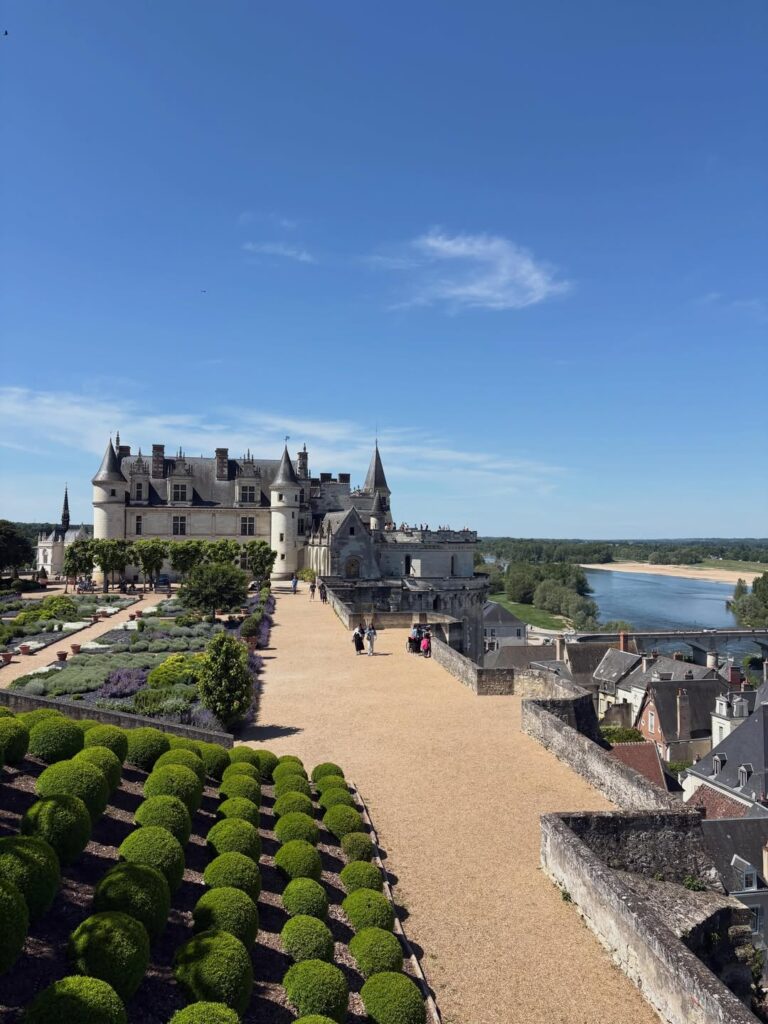
Afterward, head down into the center of Amboise for lunch. The town has plenty of cafés and restaurants where you can relax while enjoying views of the historic streets.
If time permits, take a short walk along the Loire River before continuing your journey. Even a brief stroll provides beautiful views back toward the château and helps you appreciate its dramatic hilltop setting.
If You Have One Full Day
A full day gives you the opportunity to experience what makes Amboise such an interesting destination.
I would begin the morning at Château d’Amboise, taking time to explore the interiors, gardens, and terraces without rushing. The views over the Loire Valley are particularly enjoyable in the morning when the light is softer and the grounds are quieter.
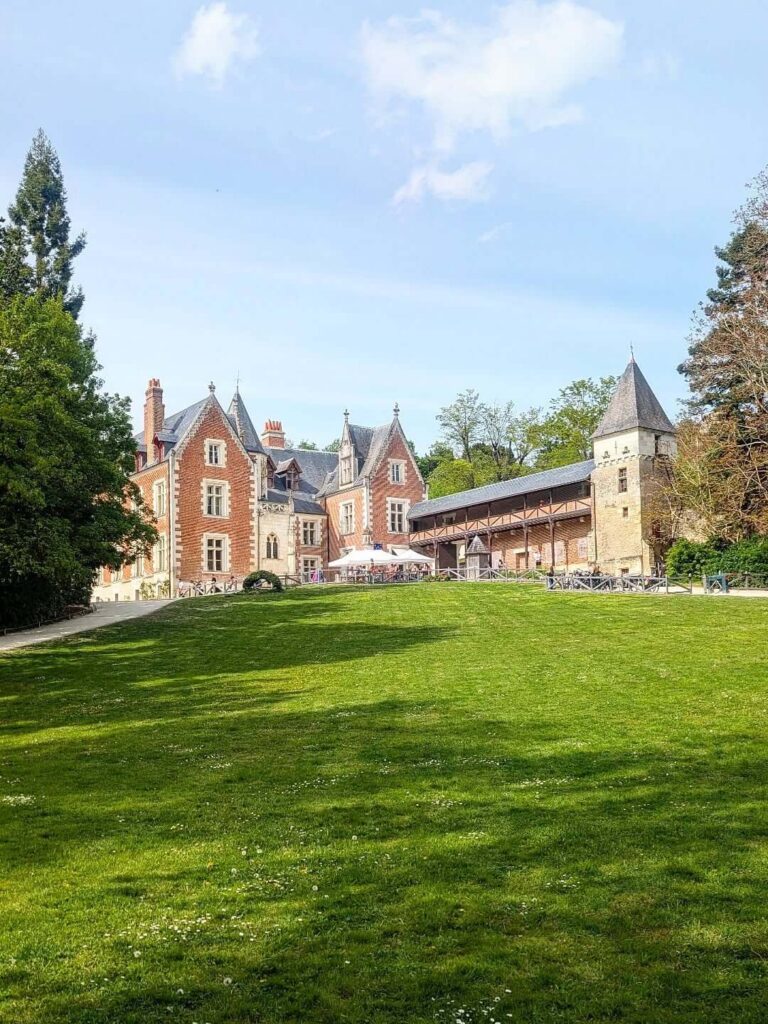
After lunch in the town center, make your way to Clos Lucé, which is only a short walk from the château. This former residence of Leonardo da Vinci offers a completely different experience, focusing on the artist’s inventions, ideas, and final years in France.
The gardens are filled with models based on his designs, making it one of the most engaging attractions in the region.
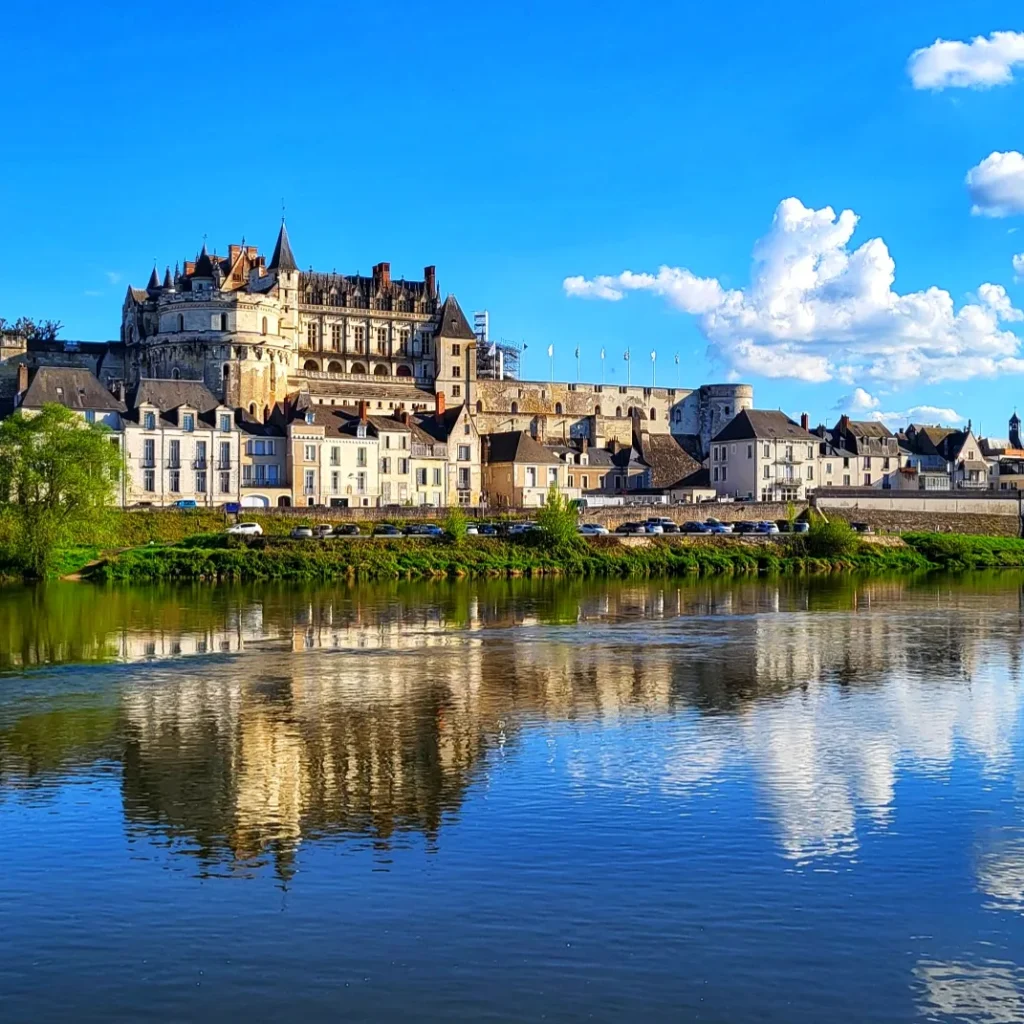
In the evening, slow things down with a walk along the Loire River before finding a restaurant for dinner. Watching the château overlooking the town as the day comes to an end is a wonderful way to finish your visit.
If you’re exploring the Loire Valley by car, I think this combination creates one of the most enjoyable day trips in the region.
Nearby Attractions Worth Visiting
While Château d’Amboise is the main attraction, there are several other places nearby that are worth adding to your itinerary if you have extra time.
Clos Lucé
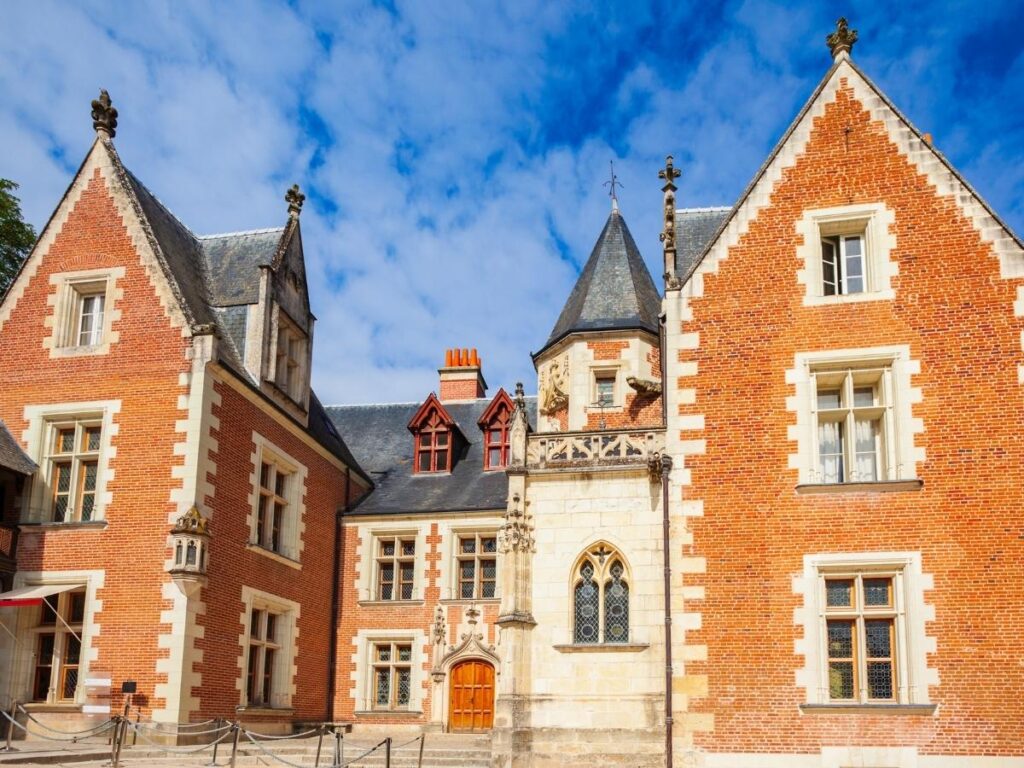
Just a short walk from the château, Clos Lucé was Leonardo da Vinci’s home during the final years of his life. While Château d’Amboise focuses on French royalty and Renaissance history, Clos Lucé offers a more personal look at Leonardo himself.
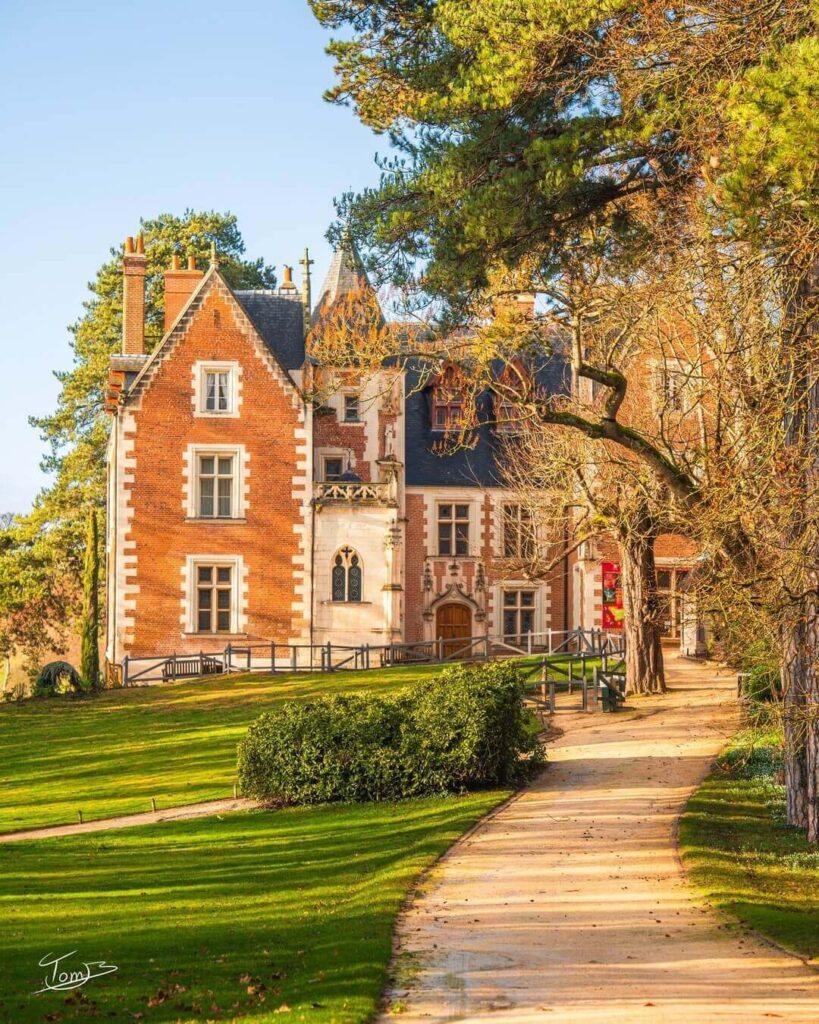
I would highly recommend visiting both if your schedule allows. Together, they tell a much more complete story of Leonardo’s time in France and his relationship with King Francis I.
Château Gaillard
Often overlooked by travelers rushing between the Loire Valley’s more famous castles, Château Gaillard is a hidden highlight in Amboise.
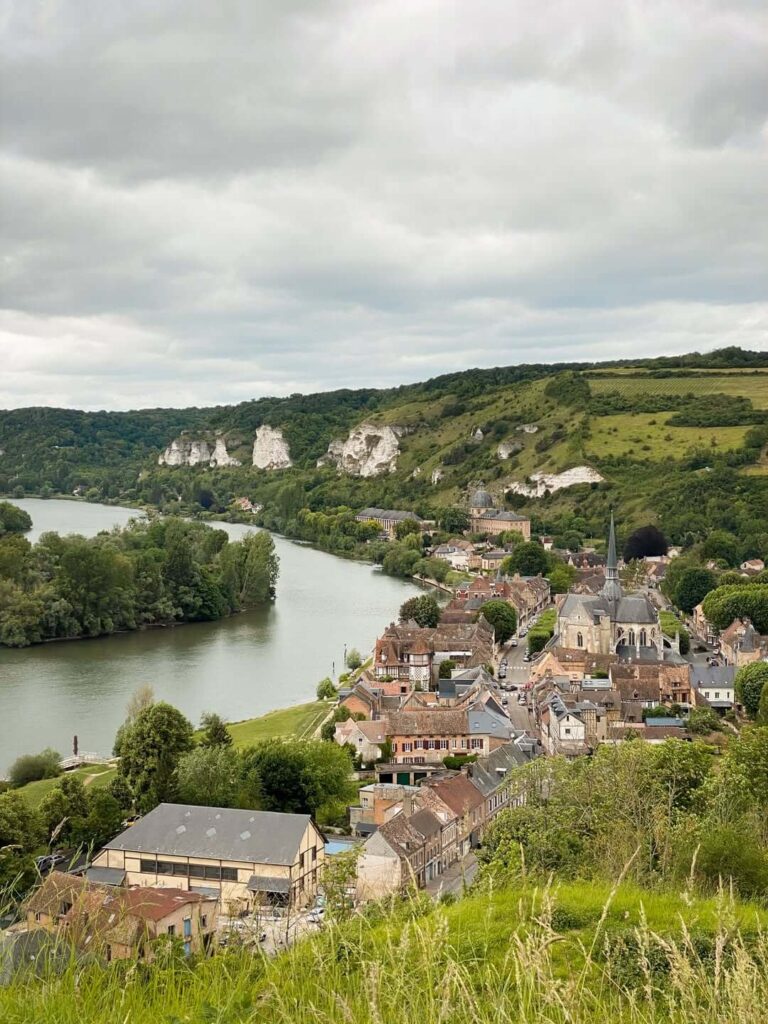
The château is known for its beautiful gardens and its connection to the early French Renaissance. Because it attracts far fewer visitors than Château d’Amboise or Clos Lucé, it can be a peaceful place to explore if you’re looking to escape the crowds.
The Historic Center of Amboise
Don’t make the mistake of treating Amboise as simply a château stop. The town itself is one of the most charming places in the Loire Valley.
Its narrow streets are lined with cafés, restaurants, local shops, and historic buildings, making it a pleasant place to wander for an hour or two. I found that some of my favorite moments in Amboise came from simply walking around without a plan and enjoying the atmosphere.
Loire River Promenade
For a completely different perspective of the château, head down to the riverfront.
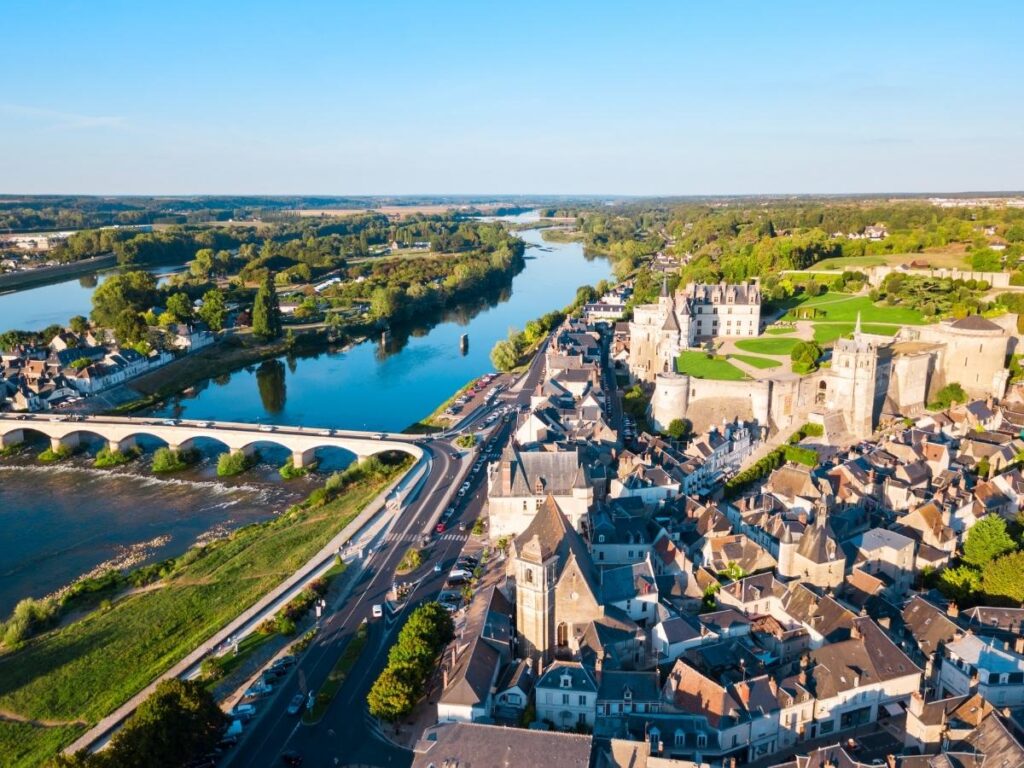
The Loire River promenade offers lovely views across the water and back toward Château d’Amboise rising above the town. It’s especially enjoyable in the late afternoon or early evening when the light begins to soften and the crowds start to thin out.
Even if you’ve already spent several hours exploring the château, I think a short riverside walk is well worth the time. It provides a final opportunity to appreciate both the château and the beautiful setting that helped make Amboise such an important place in French history.
Is Château d’Amboise Worth Visiting?
Without question.
What makes Château d’Amboise special isn’t simply its architecture or royal history. It’s the combination of those elements with its remarkable setting and connection to Leonardo da Vinci.
I also appreciate how accessible the experience feels. Unlike some larger palaces that can seem overwhelming, Château d’Amboise allows visitors to absorb centuries of history at a comfortable pace.
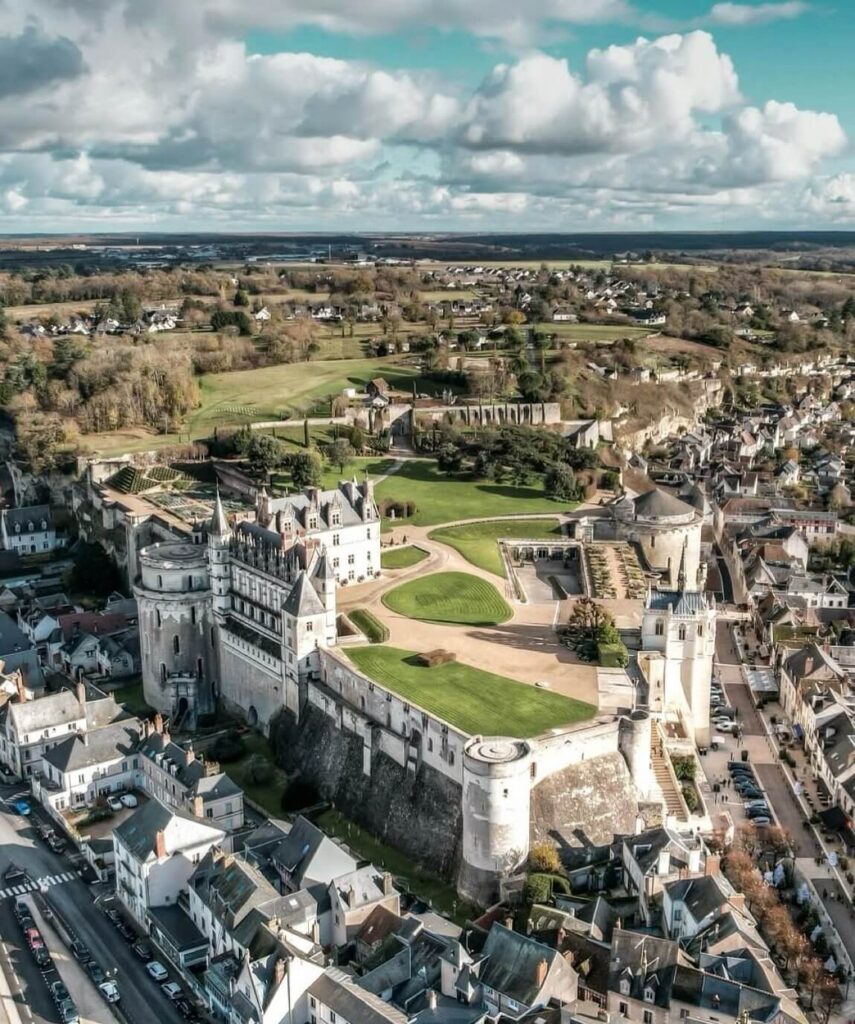
Whether you’re exploring the Loire Valley for the first time or returning to discover more of the region’s castles, Château d’Amboise deserves a place on your itinerary.
The views alone are worth the visit, and once you add the royal history, Renaissance legacy, and Leonardo da Vinci connection, it becomes one of the most rewarding château experiences in France.
Conclusion
Château d’Amboise is much more than a beautiful castle overlooking the Loire River. Its royal history, connection to Leonardo da Vinci, and role in the French Renaissance make it one of the most significant châteaux in the Loire Valley.
What I enjoyed most was the variety of the experience. In a single visit, you can explore historic royal apartments, visit Leonardo’s tomb, stroll through the gardens, and enjoy some of the best views in the region. Combined with the charm of the town of Amboise and nearby attractions like Clos Lucé, it makes for a rewarding day out.
If you’re planning a Loire Valley itinerary, I would definitely recommend adding Château d’Amboise to your list. Whether you’re interested in history, architecture, or simply beautiful places, it’s a destination that offers far more than just a castle and remains one of the region’s most memorable landmarks.