
Before visiting Grenoble, I honestly didn’t expect the Bastille to become my favorite part of the city. I assumed it would be more of a quick stop, somewhere to ride the cable car, take a few photos, and move on. But once I actually went up there, the entire experience felt much bigger than I expected.
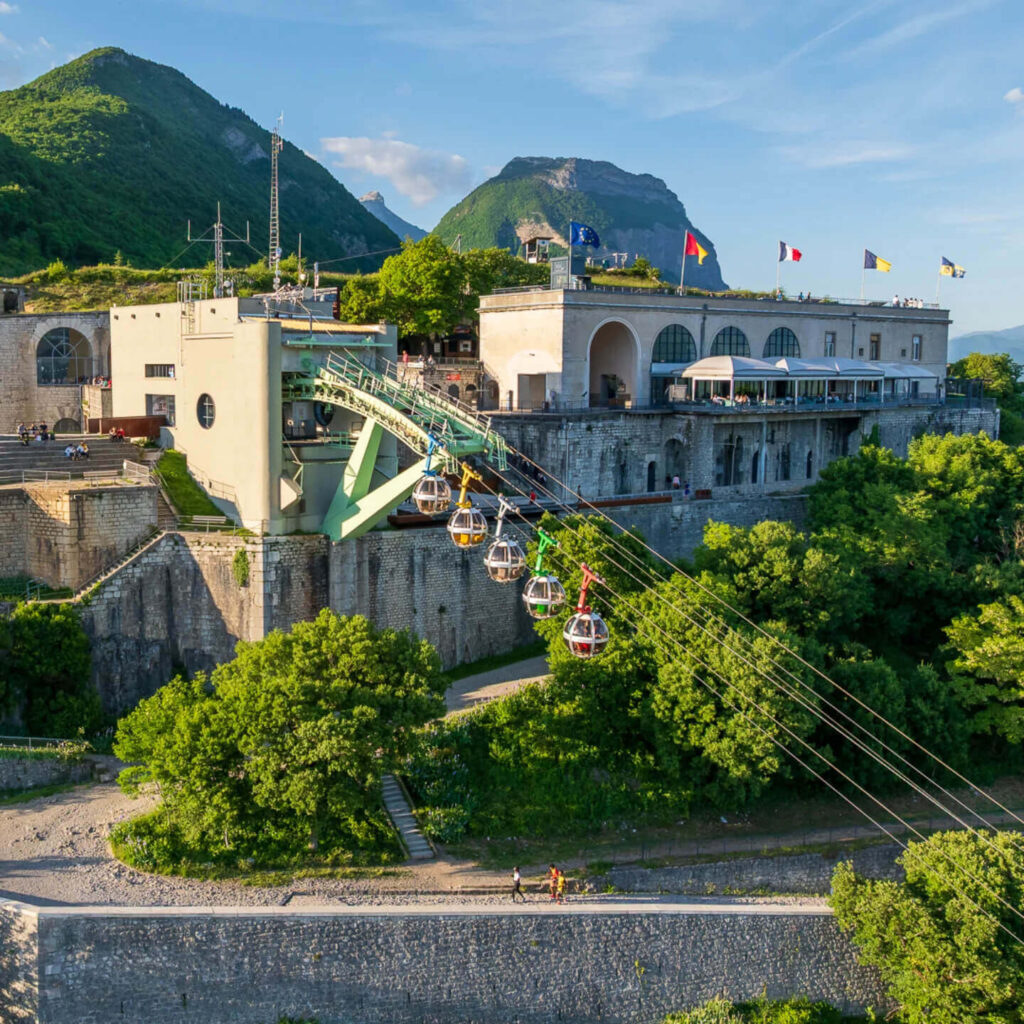
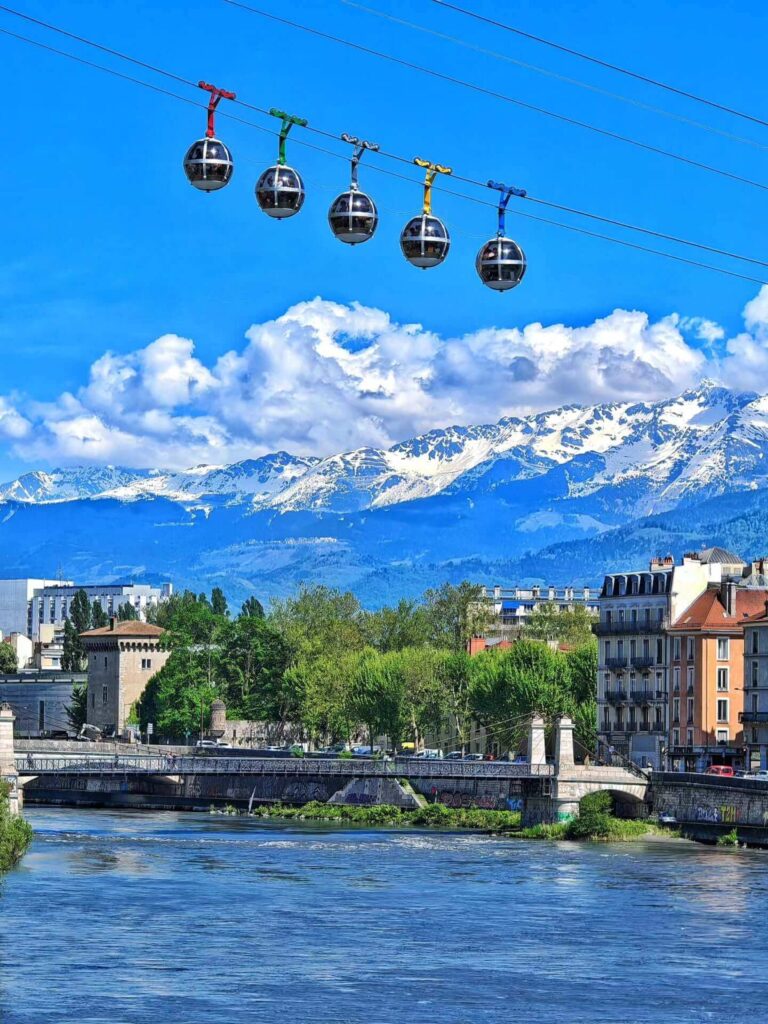
The Bastille is impossible to ignore while walking around Grenoble. You can see the fortress high above the city almost everywhere, and the small bubble shaped cable cars slowly moving across the skyline immediately stand out. Even before visiting, it already feels connected to the identity of Grenoble rather than just another tourist attraction.
I decided to take the famous cable car up first, mostly for the experience itself. As the cabin slowly rose above the rooftops and river, the views started opening in every direction. What surprised me most wasn’t just the city below, but the mountains surrounding it.
From the top, Grenoble suddenly feels completely surrounded by the Alps, and the scale of the landscape becomes much more dramatic than it looks from street level.
What I liked most was how relaxed the Bastille felt. Even though it’s Grenoble’s best known attraction, it never felt overly crowded or commercial.
One moment I was walking through quiet stone pathways and old military tunnels, and the next I was standing at a panoramic terrace looking out across mountain ranges that seemed to go on forever.
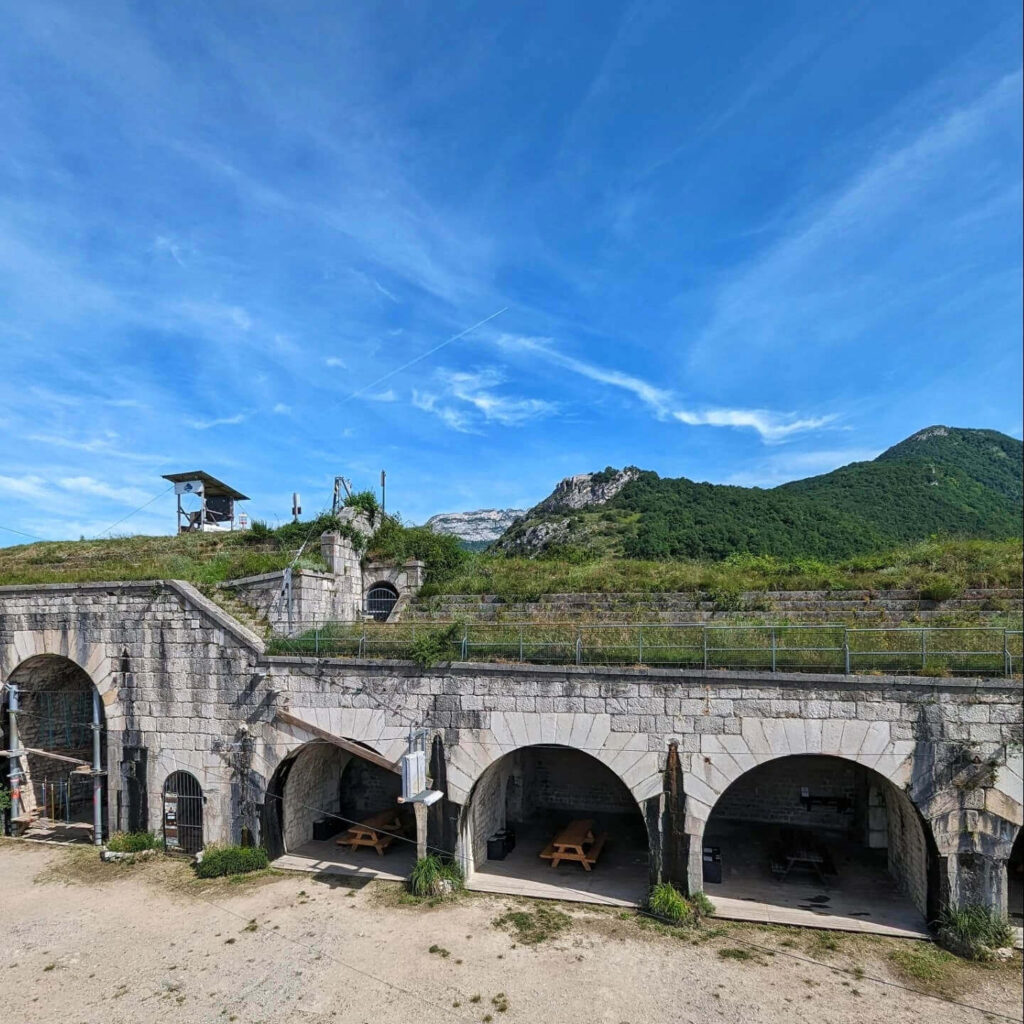
If you’re planning a trip to Grenoble, the Bastille feels like one of the places that helps you understand the city best. Between the cable car, hiking trails, fortress walkways, and panoramic Alpine views, it ended up being far more memorable than I expected before visiting.
What Is the Bastille of Grenoble?
The Bastille of Grenoble is a historic hilltop fortress overlooking the city of Grenoble in southeastern France. Sitting high above the Isère River, the Bastille is one of the city’s most recognizable landmarks and one of the best places to experience panoramic views of the French Alps.
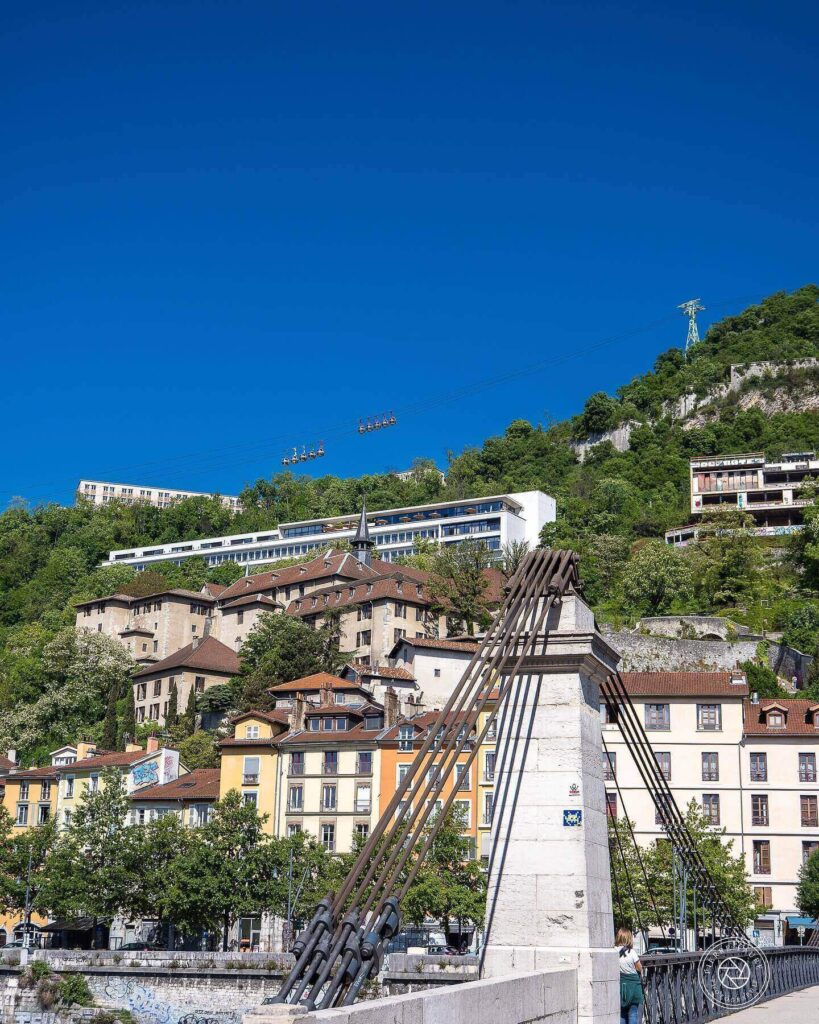
Even though many people simply call it “the Bastille,” it’s not related to the famous Bastille prison in Paris. The name comes from the old military fortifications built to protect Grenoble centuries ago.
The fortress you see today mostly dates back to the 19th century, although defensive structures existed on the hill long before that. Because Grenoble sits in a valley surrounded by mountains, the location was strategically important for protecting the region.
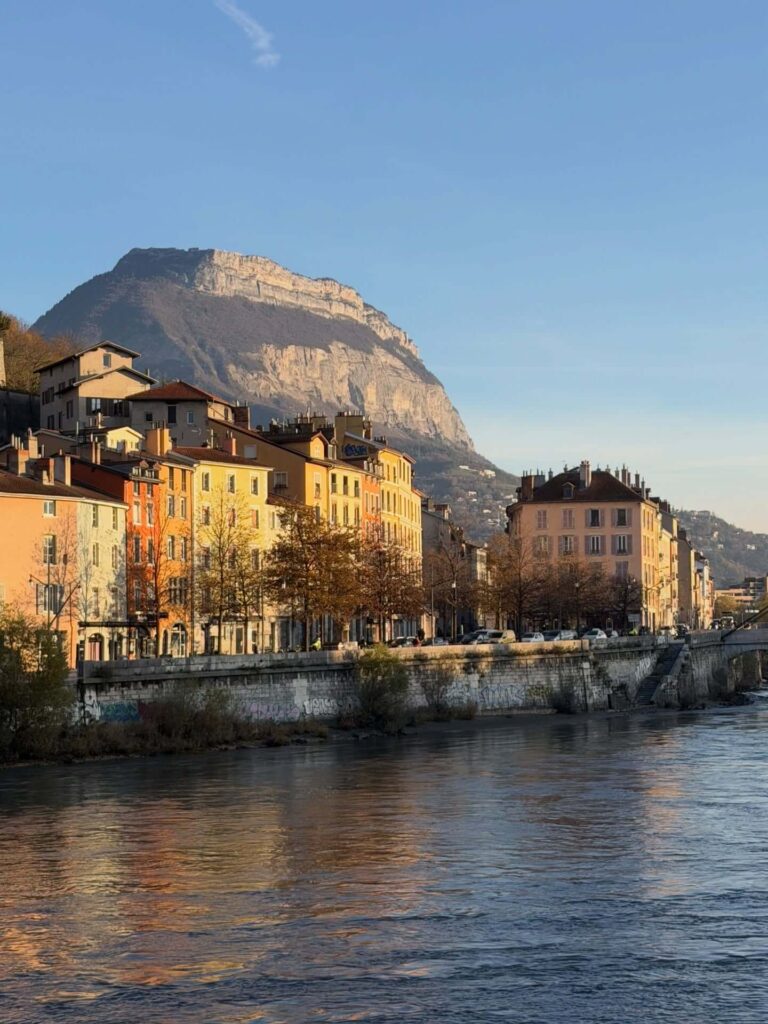
Today, though, the Bastille feels much more peaceful than military. People come here for the scenery, hiking trails, viewpoints, restaurants, and the famous cable cars that connect the city center to the summit.
Is the Bastille of Grenoble Worth Visiting?
For me, absolutely yes.
Even if you normally don’t prioritize forts or historical military sites while traveling, the Bastille still feels worth visiting because the experience is about much more than the fortress itself.
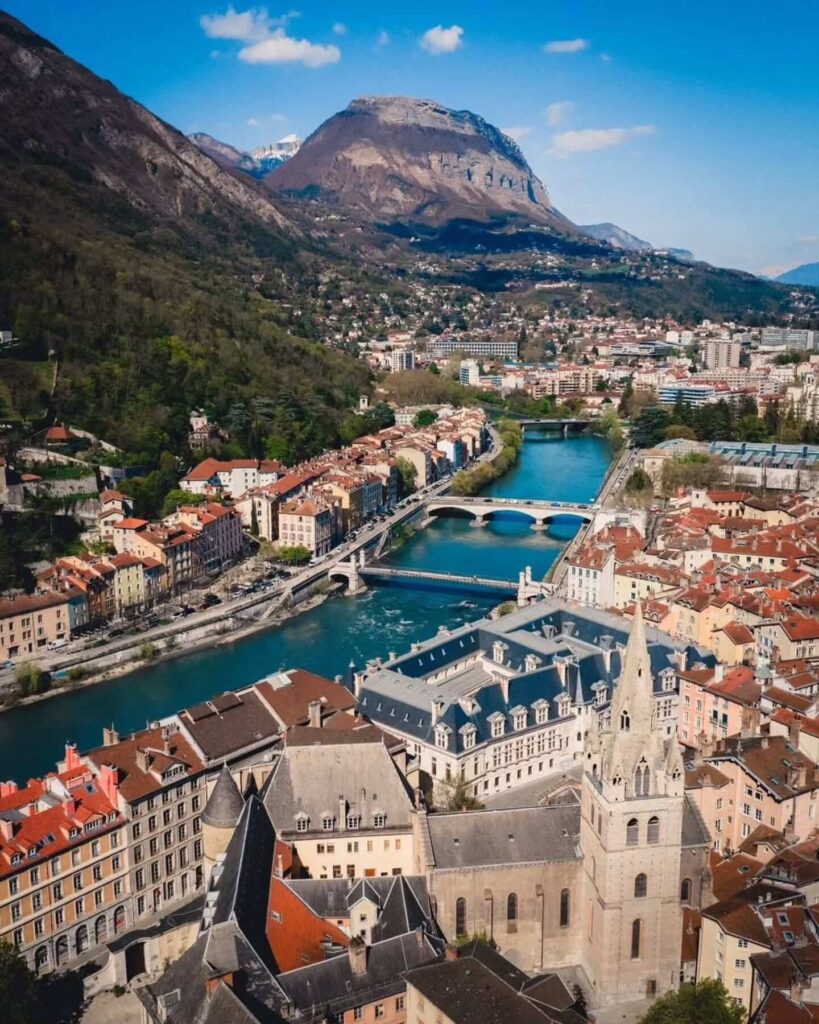
The views are what truly make this place special.
Grenoble already feels dramatic from street level because mountains surround the city in almost every direction. But once you reach the Bastille, you suddenly understand just how deeply the city sits within the Alps. The scale becomes much more impressive from above.
I also loved how flexible the visit felt. Some people spend an hour riding the cable car and taking photos. Others turn it into a full hiking day with lunch and long walks through the trails around the fortress.
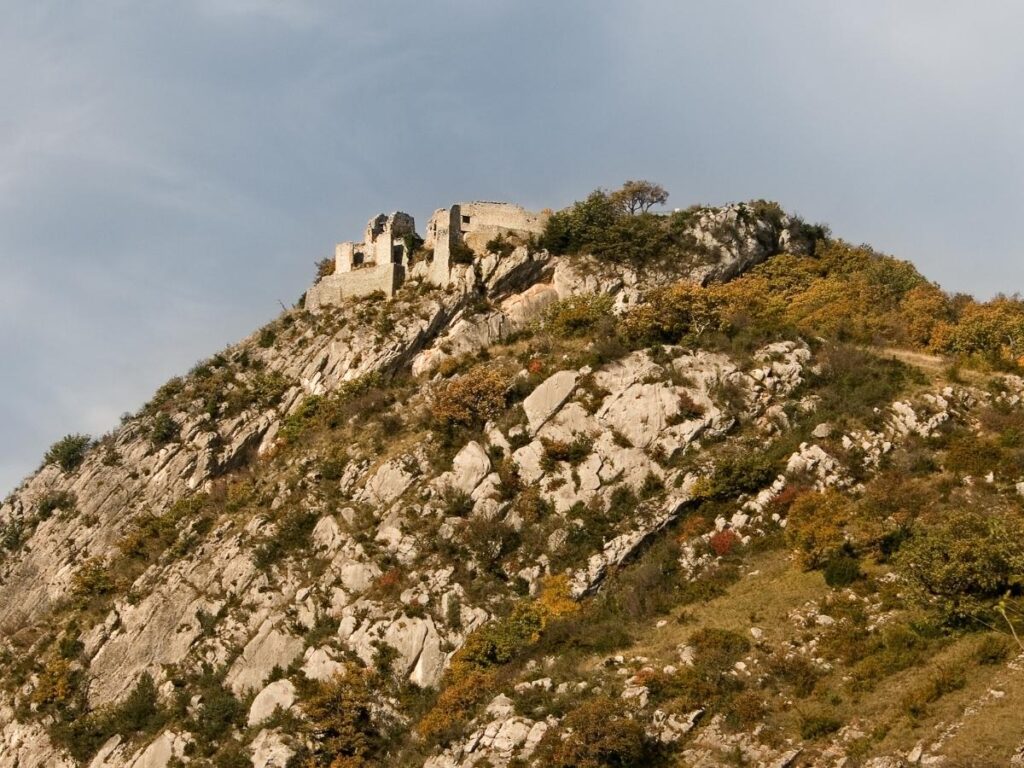
That said, I think it helps to arrive with realistic expectations. If you’re expecting a massive château or a heavily restored castle interior, you may feel slightly underwhelmed. The fortress structures themselves are interesting, but the atmosphere and scenery are the real highlights.
Weather also makes a huge difference here. On a clear day, the Bastille feels unforgettable. On a cloudy or foggy day, the mountain views can disappear almost completely.
Who Would Enjoy Visiting the Bastille?
I think the Bastille works well for a surprisingly wide range of travelers because the experience can be as relaxed or as active as you want it to be.
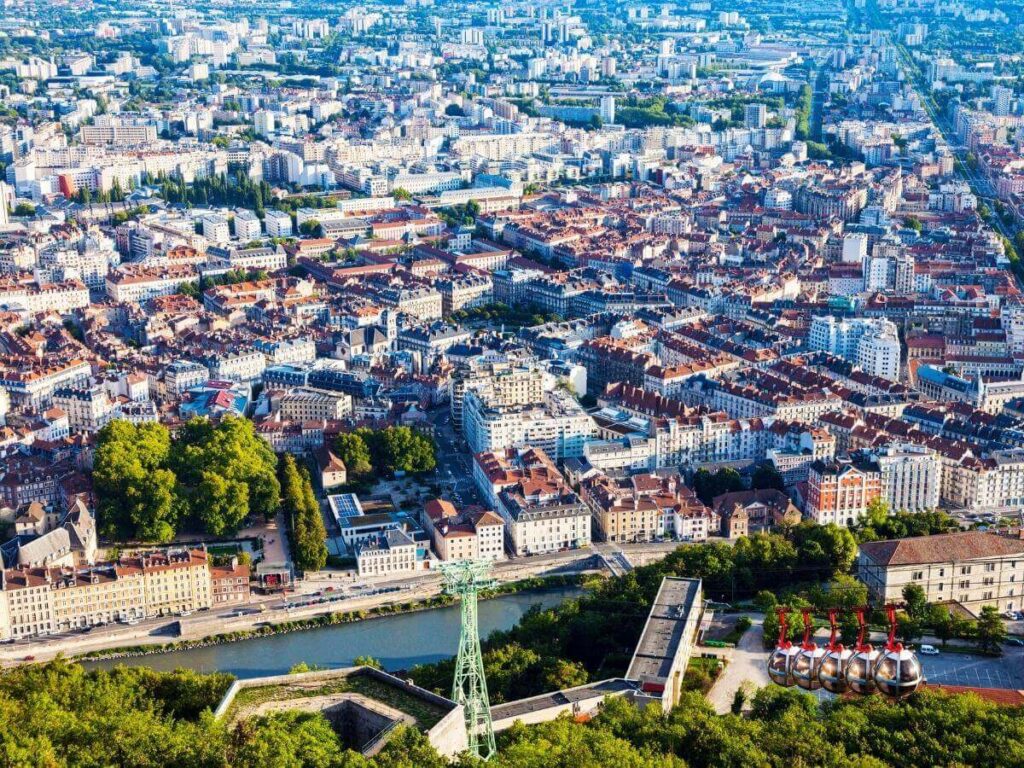
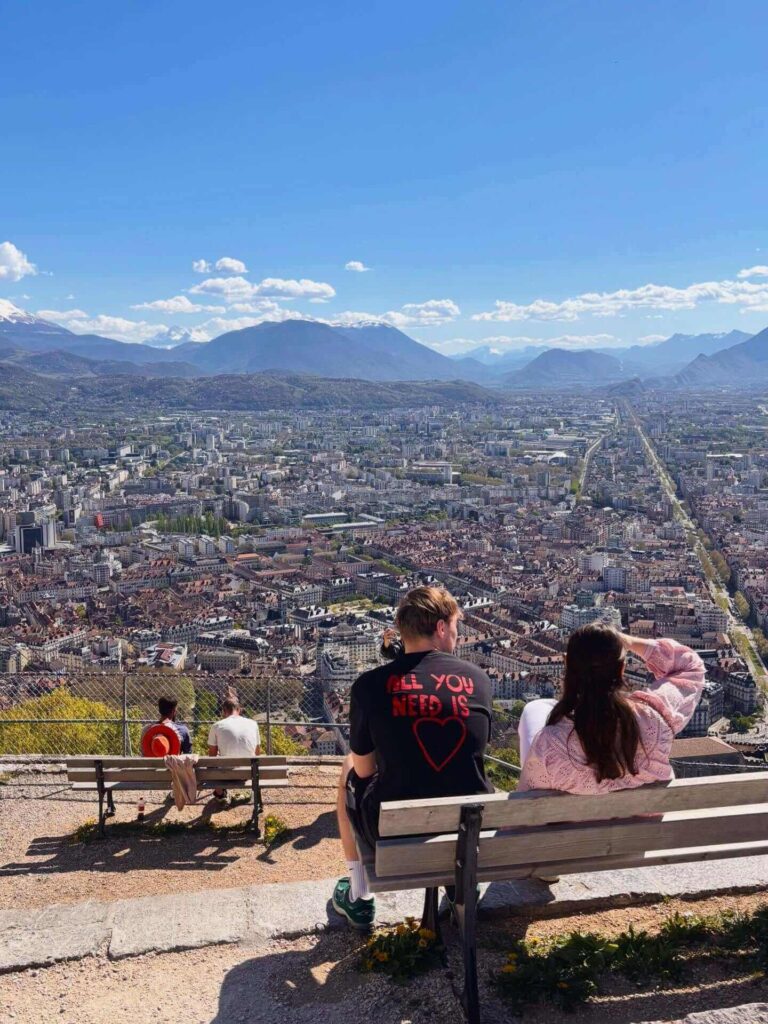
If you love panoramic viewpoints, this will probably end up being one of your favorite places in Grenoble. The views over the city and surrounding Alps are easily the main highlight, especially on clear days when you can see mountain ranges stretching far beyond the valley. It’s the kind of place where you naturally stop walking every few minutes just to look around again.
The Bastille is also great for hikers and outdoor lovers. Even if you don’t plan on doing a serious hike, there are plenty of walking paths, stairways, and quieter trails around the fortress that make the visit feel much more active than simply standing at a viewpoint.
I noticed a lot of locals using the area almost like an extension of the city itself, whether for jogging, walking, or spending time outdoors.
Photographers will probably love it here too. Between the bubble cable cars, the fortress walkways, the mountain scenery, and the changing light around sunset, there’s constantly something interesting to photograph.
Late afternoon especially felt beautiful because the light softened across the valley and the mountains started changing color slightly as the sun lowered.
I also think the Bastille works really well for couples because the atmosphere feels calm and scenic without trying too hard to be romantic. Watching the city lights slowly appear below the mountains near sunset ended up being one of my favorite parts of the visit.
Families would probably enjoy it too, especially because you can make the experience as easy as you want. Taking the cable car up removes most of the effort, and once at the top there’s plenty of open space to walk around without needing an intense hike.
Even if you only have one or two days in Grenoble, I still think the Bastille is worth prioritizing because it gives you a much better sense of the city and its surroundings than almost anywhere else.
How to Get to the Bastille of Grenoble
There are two main ways to reach the Bastille: taking the famous cable car or hiking up from the city. Both are worth considering because they create completely different experiences.
Most visitors choose the cable car at least one way, and honestly, I think it’s worth doing even if you normally prefer hiking.
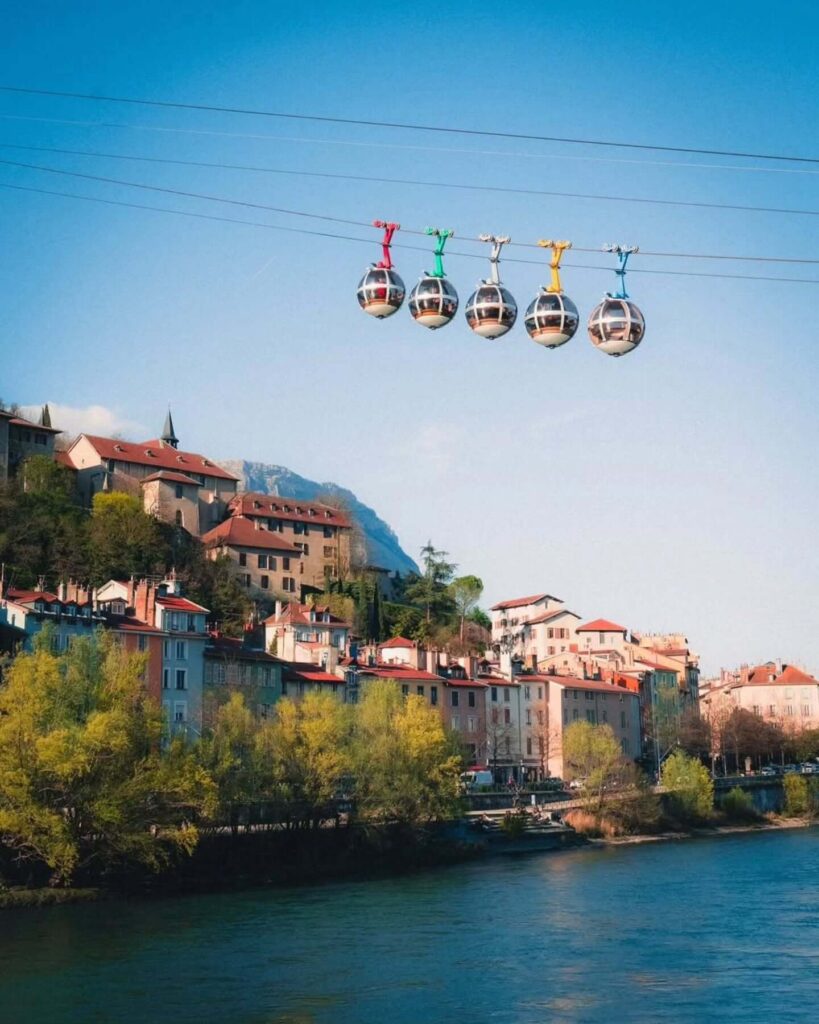
The small glass bubble cabins are one of Grenoble’s most recognizable attractions, and the ride itself becomes part of the experience rather than just transportation. As you slowly rise above the rooftops and river, the city begins opening beneath you while the mountains start appearing all around the valley.
The ride is short, only a few minutes, but the views change quickly during the ascent. I was surprised by how dramatic Grenoble looked from above once the cable car climbed higher. If you’re visiting for the first time, I’d personally recommend taking the cable car up simply because it gives you that immediate panoramic introduction to the city.
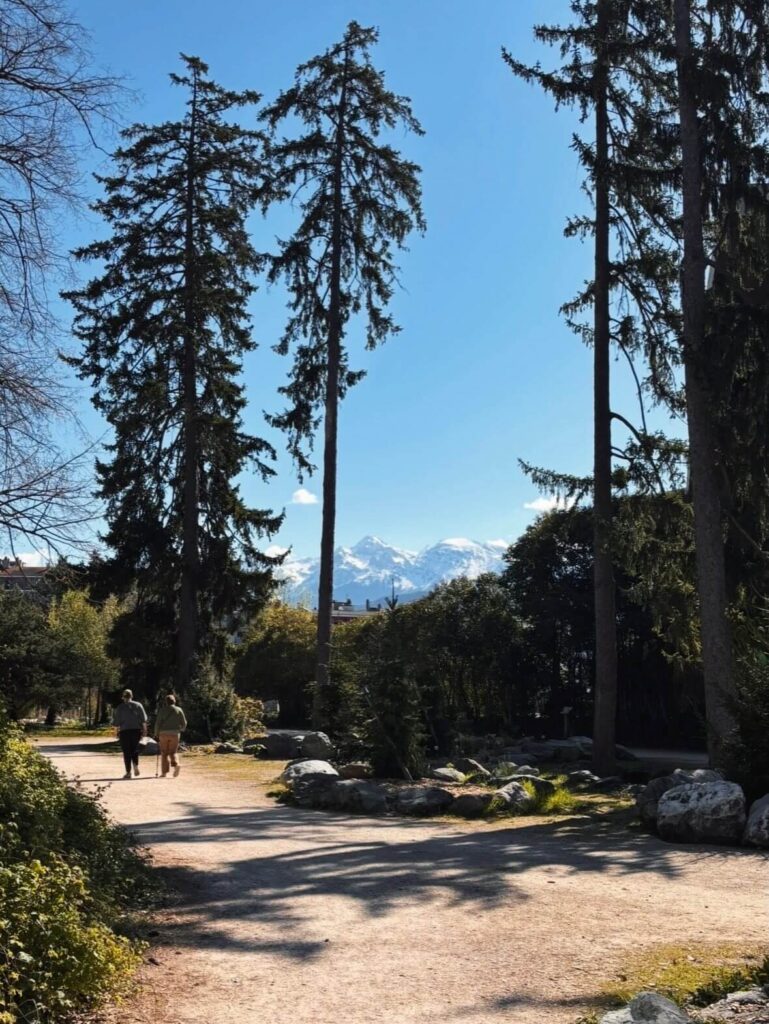
Hiking to the Bastille feels completely different. Instead of arriving quickly at the viewpoints, you experience the gradual climb from the city into the hills above Grenoble. Several trails lead to the top, with some routes being easier and more shaded while others include steeper staircases and more direct climbs.
The hike isn’t extremely difficult, but it can feel tiring in warmer weather because some sections are fairly steep. Comfortable shoes and water make a big difference, especially during summer afternoons.
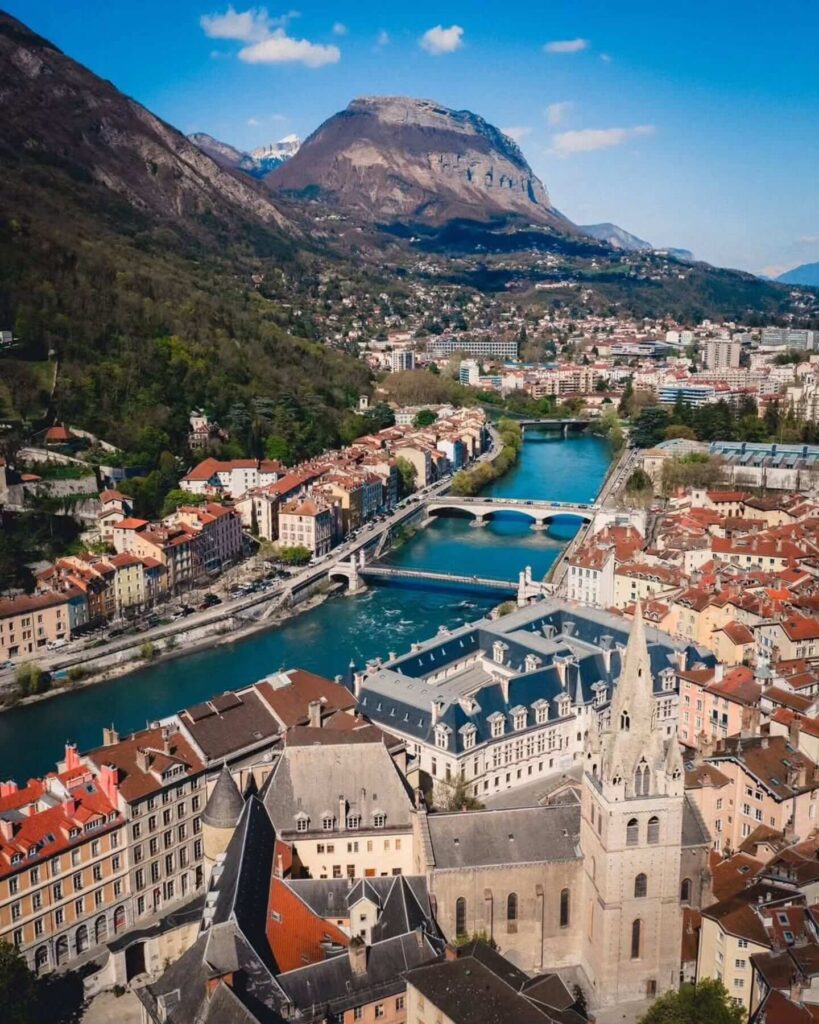
What I liked most about hiking was that the scenery slowly changes as you climb. The higher you get, the more Grenoble starts opening behind you through gaps in the trees and pathways.
If I visited again, I’d probably do the same combination I did before: take the cable car up and hike back down. That ended up feeling like the best balance between enjoying the views immediately and still getting some time to experience the trails and quieter parts of the Bastille afterward.
Taking the Bastille Cable Car
The Téléphérique de Grenoble Bastille is one of the most recognizable parts of Grenoble. Even before visiting, the small round cable cars immediately stand out above the river and rooftops. Locals call them Les Bulles or the bubbles because of their glass shape, and honestly, the ride feels like part of the experience rather than just transportation to the top.
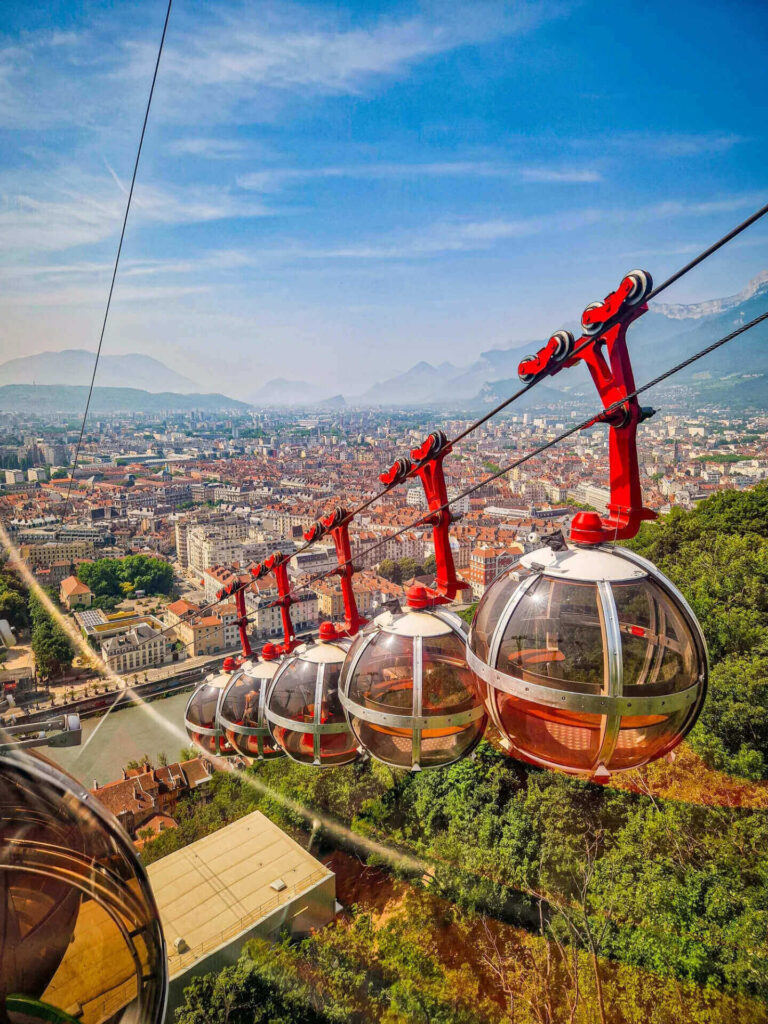
The cable car station is located near the city center, so it’s easy to reach while exploring Grenoble on foot. Once the cabin starts rising above the rooftops, the scenery changes surprisingly quickly.
At first you mostly see nearby streets and buildings, but within a few minutes the mountains begin opening around the city and Grenoble suddenly feels much smaller below.
The ride itself only takes around five minutes, but I spent most of it looking from one side of the cabin to the other because the views constantly changed. If you’re nervous about heights, the mostly glass cabins can feel slightly intimidating at first, but the movement is smooth and much gentler than many larger mountain cable cars.
I’d recommend visiting either earlier in the morning or later in the afternoon if possible. Midday tends to be busier, especially during summer weekends. Sunset also feels especially beautiful from the cable car because the light over the mountains becomes much softer as the city slowly begins glowing below.
One thing I liked is that you can buy either a round trip or one way ticket. A lot of people take the cable car up and hike back down afterward, which honestly feels like the best balance between convenience and experience.
Hiking to the Bastille
If you enjoy walking, hiking to the Bastille can easily become one of the best parts of the visit.
Several trails lead uphill from Grenoble, ranging from easier paved paths to steeper stair filled routes. The most popular route usually starts near the Jardin des Dauphins and gradually climbs toward the fortress.
I’d describe the hike as moderate rather than difficult. You don’t need serious hiking experience, but some sections are definitely steep enough to feel tiring, especially in warmer weather. Comfortable shoes and water make a big difference, particularly during summer afternoons.
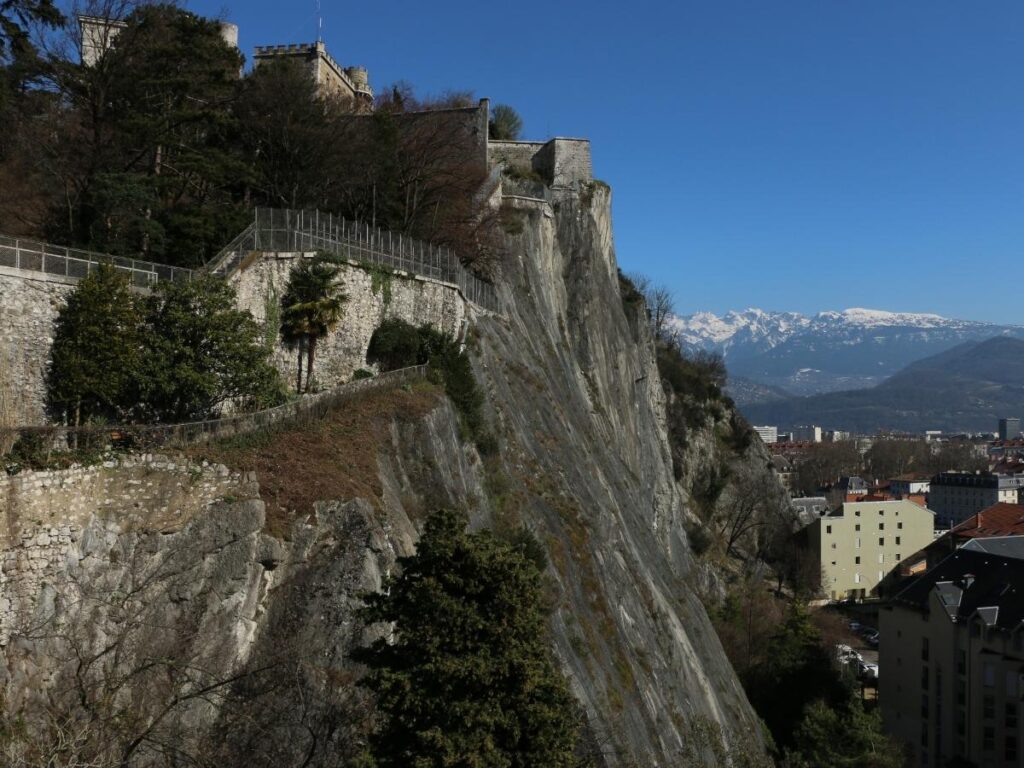
What I liked most about hiking was how the scenery slowly changed during the climb. As you get higher, Grenoble starts opening behind you through gaps in the trees and pathways, which makes the ascent feel rewarding long before you reach the top.
Depending on your pace and route, the hike usually takes between 45 minutes and an hour and a half.
Hiking vs Cable Car: Which Is Better?
After doing both, I honestly think combining them gives you the best experience.
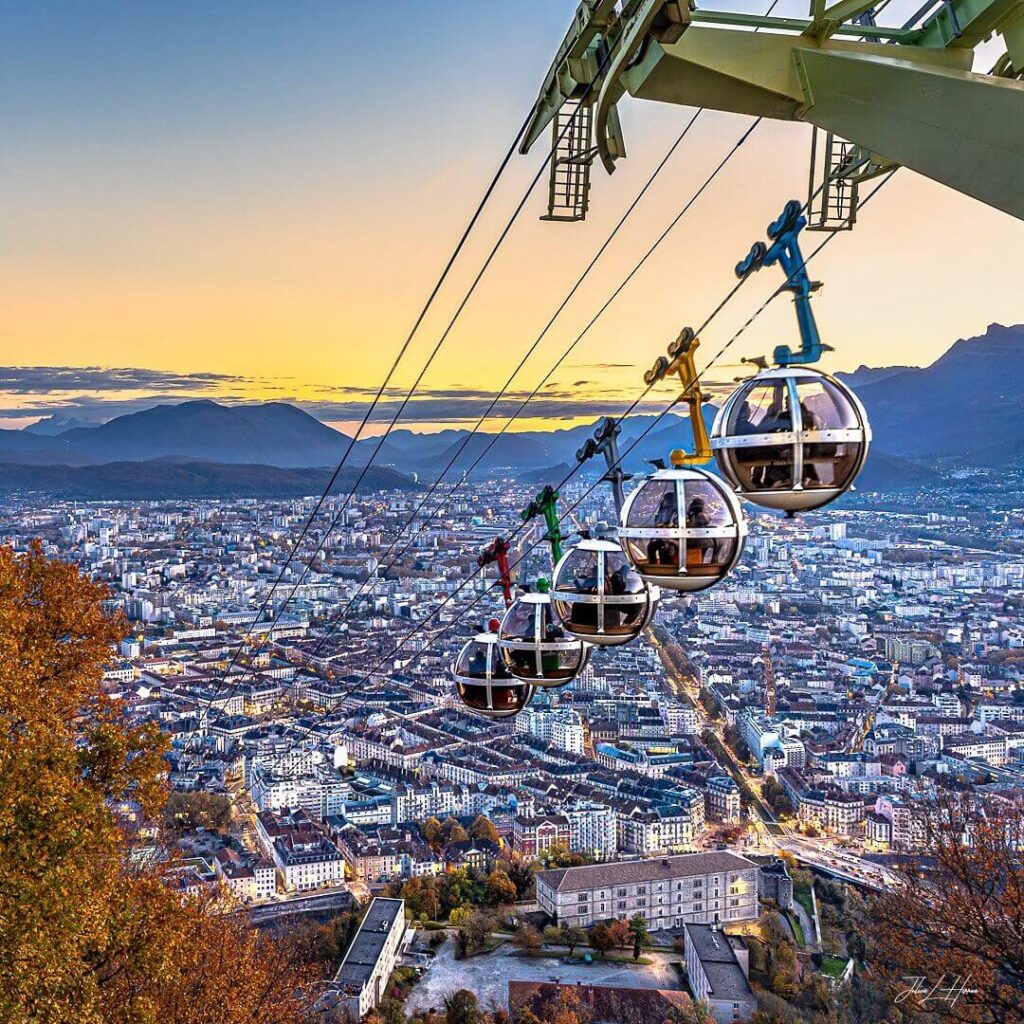
Taking the cable car up lets you enjoy the panoramic views immediately without arriving exhausted, while hiking back down gives you time to experience the quieter trails and scenery at a slower pace.
But if you enjoy outdoor walks, hiking both ways is completely manageable too.
What to See at the Bastille of Grenoble
There’s more to explore at the Bastille than just the main viewpoint.
The area feels more like a network of terraces, walkways, fortifications, and scenic overlooks spread across the hillside. You can easily spend a couple of hours wandering around without following any strict route.
Panoramic Viewpoints
The views are easily the main reason most people visit the Bastille, and on a clear day they genuinely live up to expectations.
From the terraces and lookout areas, you can see Grenoble spread across the valley with the Isère River winding through the city and mountain ranges surrounding it in nearly every direction. During colder months, the snow covered peaks make the scenery feel even more dramatic.
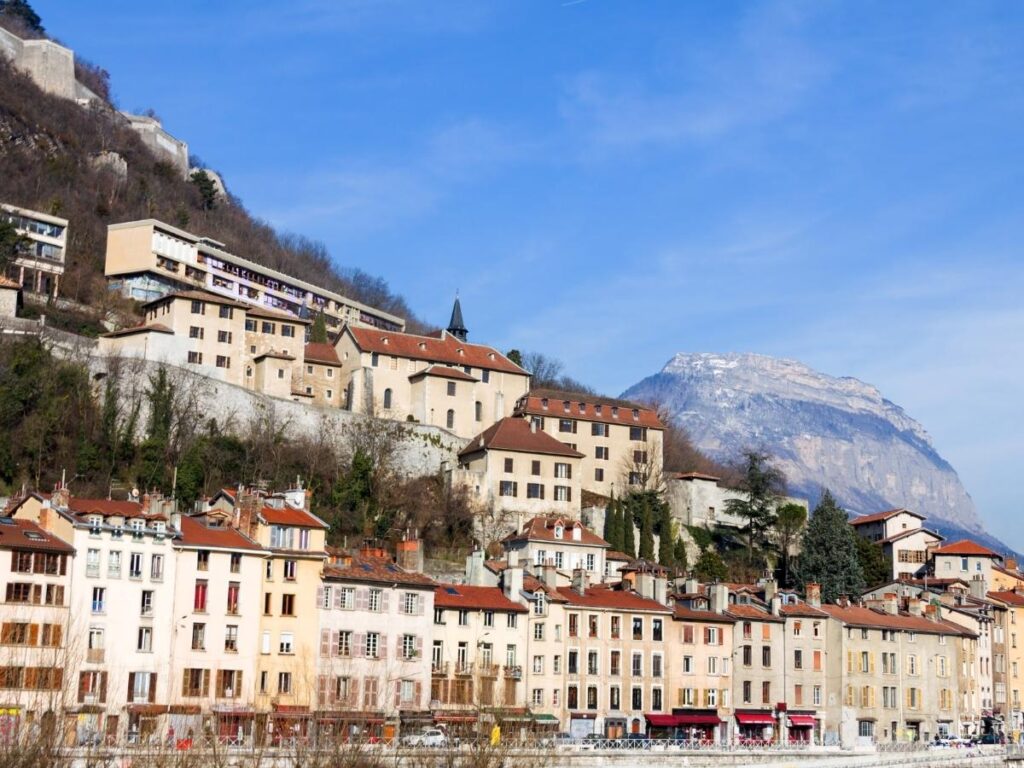
What stood out to me most was how much the atmosphere changed throughout the day. In the afternoon, the mountains looked sharp and incredibly detailed. Around sunset, though, the lighting became much softer and the city slowly started glowing below.
I also liked that the viewpoints weren’t limited to one crowded observation deck. Some of my favorite views actually came from quieter pathways near the fortifications where there were fewer people around.
If you enjoy photography, late afternoon is probably the best time to visit. The softer light makes both the mountains and the city below look much more atmospheric compared to the harsher midday sun.
The Fortifications and Tunnels
Beyond the views, the Bastille also has a network of military structures, tunnels, staircases, and stone walls that make the area fun to explore.
Some areas feel surprisingly atmospheric, especially the quieter underground passages and elevated walkways.
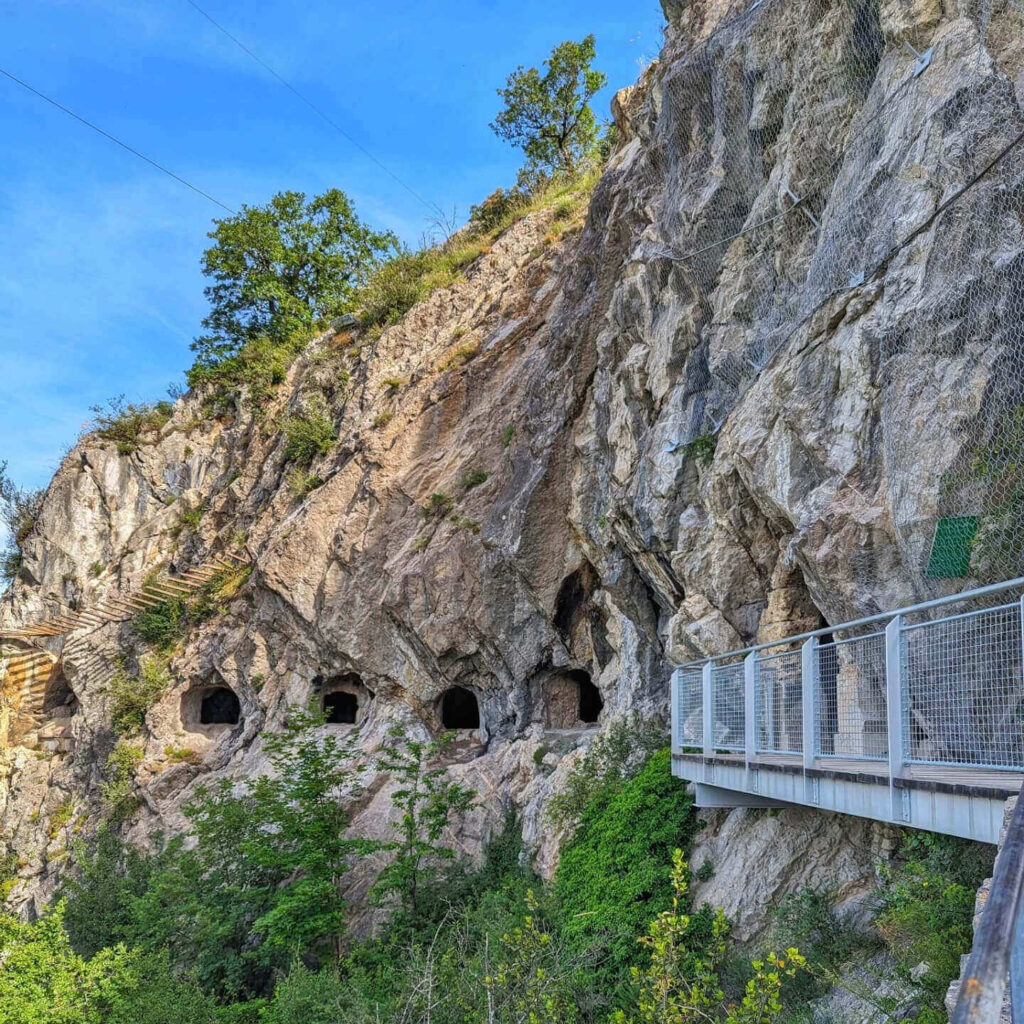
You don’t necessarily need deep military history knowledge to enjoy wandering around here. The layout itself makes exploration interesting.
That said, some sections feel more functional than visually dramatic. I wouldn’t visit only for the fortress architecture, but it definitely adds character to the experience.
Museums and Exhibitions
Most people visit the Bastille for the views, but there are also a few small museums and exhibitions scattered around the fortress area that add some historical context to the experience.
The exhibits mainly focus on the military history of the Bastille, the mountain troops connected to the region, and Grenoble’s strategic importance because of its location in the Alps.
They’re not huge museums where you’ll spend several hours, but they do help explain why the fortress was built here in the first place and how the surrounding mountains shaped the area’s history.
I personally found them interesting as short stops between walking around the viewpoints rather than the main reason to visit. Some sections feel more informative than immersive, but they still add a little extra depth to the experience, especially once you’ve already spent time exploring the fortifications outside.
If you enjoy military history, architecture, or learning more about the region beyond the scenery, you’ll probably appreciate spending some time here. But if your main goal is hiking, photography, or simply enjoying the mountain views, it’s completely fine to keep your visit focused mostly outdoors.
Restaurants and Cafés
There are a few cafés and restaurants near the Bastille viewpoints where you can stop for coffee, drinks, snacks, or a meal while overlooking Grenoble.
The biggest appeal is definitely the setting. Sitting outside with mountain views surrounding the city below feels much more memorable than the food itself. I found it especially enjoyable as a place to slow down for a coffee or a drink after walking around rather than somewhere I’d specifically recommend for a major meal.
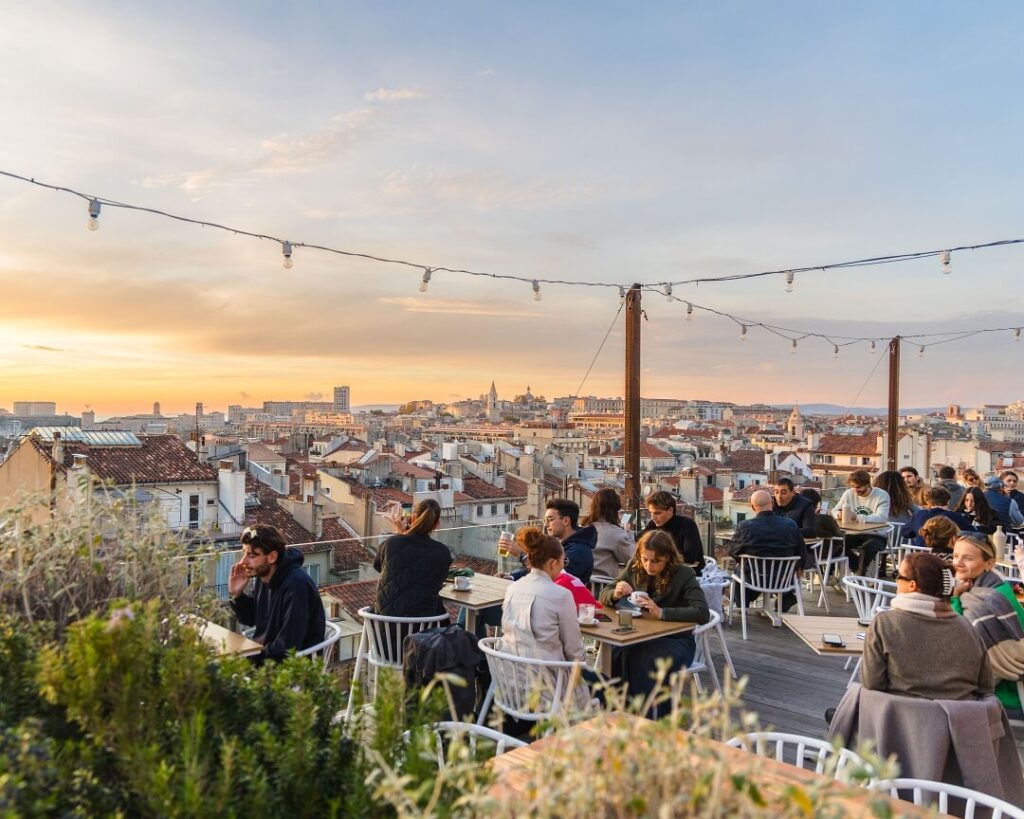
Prices are a little higher than in Grenoble’s city center, which is pretty expected considering the location. The atmosphere, though, is what makes it worthwhile. On clear days, especially in late afternoon, the terraces can feel incredibly relaxing.
That said, if food is an important part of your trip, you’ll probably find stronger restaurant options back in Grenoble itself. The Bastille works better as a scenic break during your visit rather than a true dining destination.
Best Time to Visit the Bastille of Grenoble
The Bastille feels surprisingly different depending on the season, weather, and even time of day. Because the experience revolves so much around the mountain views, visibility can completely change the atmosphere.
Visiting in Summer
Summer is probably the easiest and most popular time to visit the Bastille. The longer daylight hours give you plenty of time to hike, explore the fortress, and stay for sunset without feeling rushed.
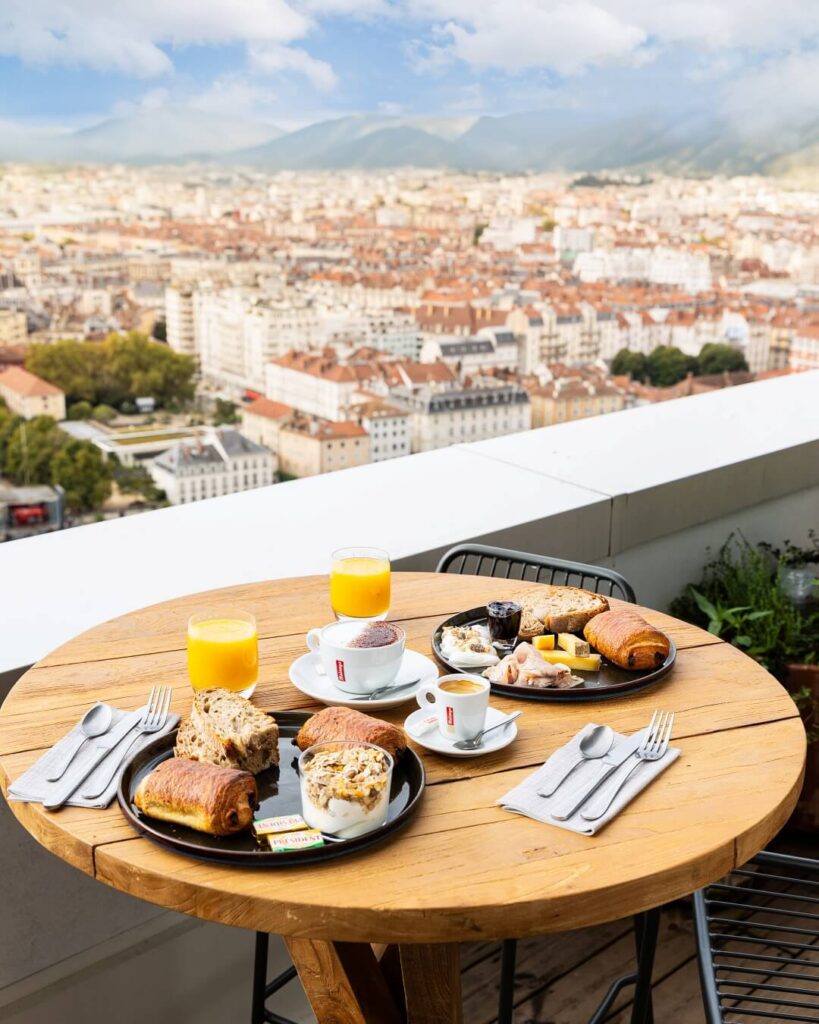
This is also when the outdoor atmosphere feels most lively. You’ll see locals hiking the trails, people relaxing near the viewpoints, and visitors spending time outside at the cafés and terraces. On clear days, the mountain visibility can be incredible.
The main downside is the heat. Some hiking sections become surprisingly warm during the middle of the day, especially on steeper stair filled paths with less shade. If you’re visiting in summer, I’d strongly recommend either going earlier in the morning or later in the afternoon when temperatures feel much more comfortable.
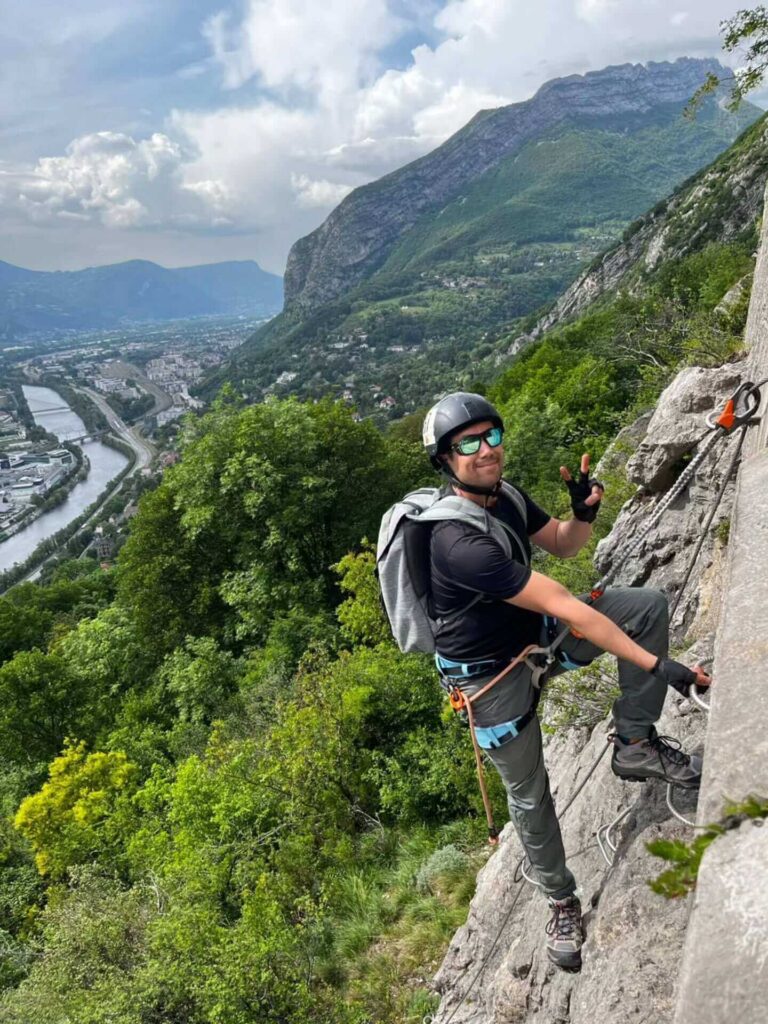
Late afternoon into sunset honestly felt like the best overall timing during my visit because the lighting softened across the valley and the mountains started looking even more dramatic.
Visiting in Winter
Winter creates a completely different atmosphere at the Bastille.
When the surrounding peaks are snow covered, the views can feel even more impressive than in summer. Seeing Grenoble below with white mountains surrounding the valley gives the entire landscape a much sharper, quieter feeling.
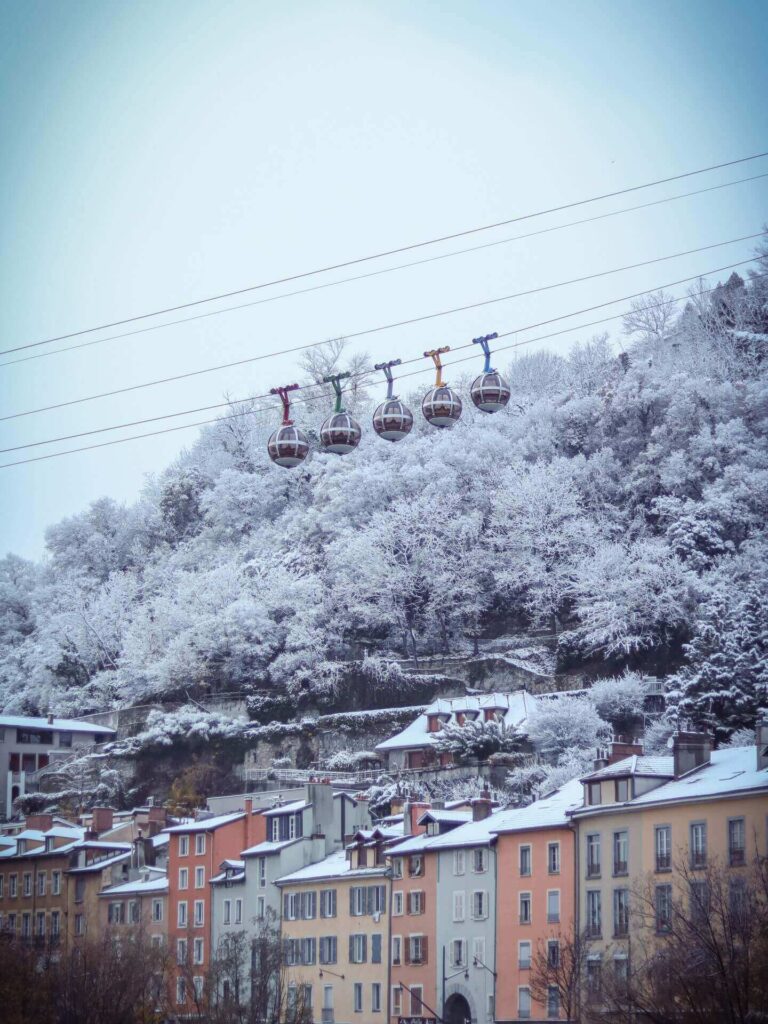
At the same time, winter weather can be less predictable. Fog and low clouds sometimes settle over Grenoble during colder months, which can limit visibility quite a bit. On some days, the mountains may disappear almost entirely behind clouds, while on others the air feels incredibly crisp and clear.
If you visit during winter and get good weather, the scenery can feel absolutely beautiful, especially around sunset when the snowy peaks catch the changing light.
Best Time of Day to Visit
Personally, I think late afternoon into sunset is the best overall time to visit the Bastille.
That’s when the entire atmosphere starts changing. The harsher daytime light softens across the mountains, temperatures become much more comfortable, and Grenoble slowly begins lighting up below the valley. Watching the city transition from daytime to evening from the viewpoints ended up being one of my favorite parts of the experience.
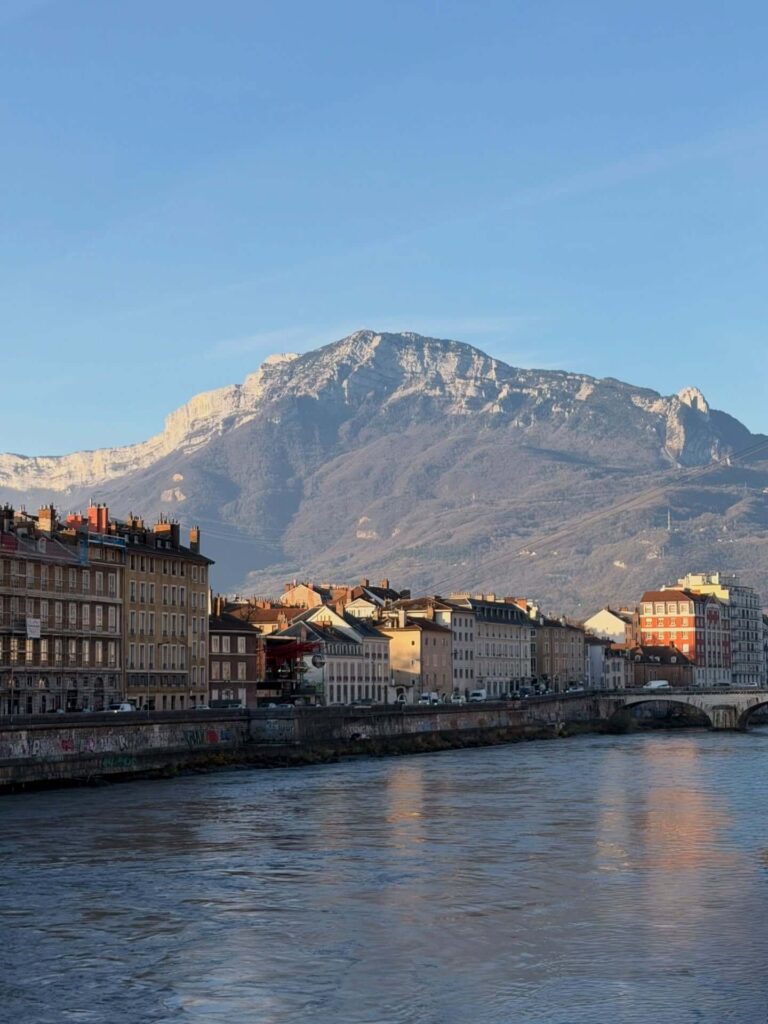
Sunset also makes the mountains feel more dramatic because the light creates more depth and contrast across the landscape. If you enjoy photography, this is easily the most rewarding time to be there.
That said, mornings have their own advantages too. The Bastille feels much quieter earlier in the day, especially before the larger crowds arrive. If you prefer a calmer atmosphere or want clearer hiking conditions during summer, morning visits can actually feel more relaxing than sunset hours.
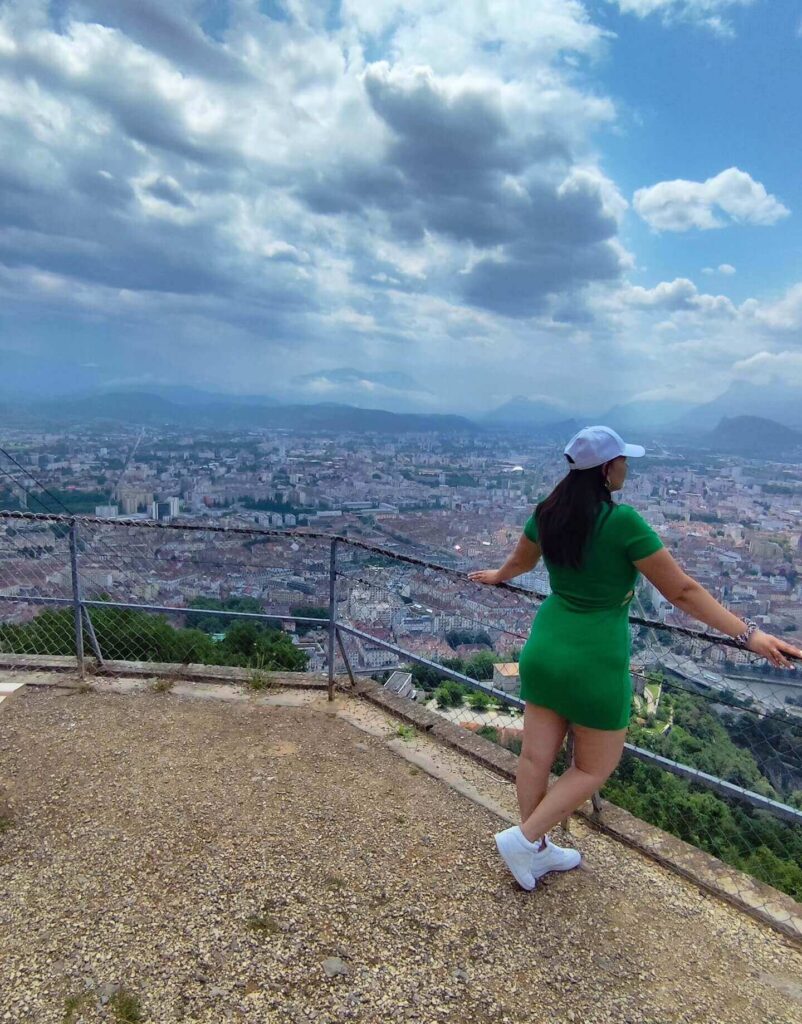
I’d probably choose late afternoon for the overall experience, but morning is definitely the better option if you want fewer people around.
How Much Time Do You Need at the Bastille?
Most visitors should plan to spend at least 2 to 3 hours at the Bastille, although it’s very easy to stay longer than expected once you start exploring.
If you simply want to take the cable car, enjoy the main viewpoints, and walk around the fortress a little, a shorter visit works perfectly fine. A lot of people treat the Bastille as a scenic stop during a day in Grenoble, and even a quick visit still feels worthwhile because the views are so impressive.
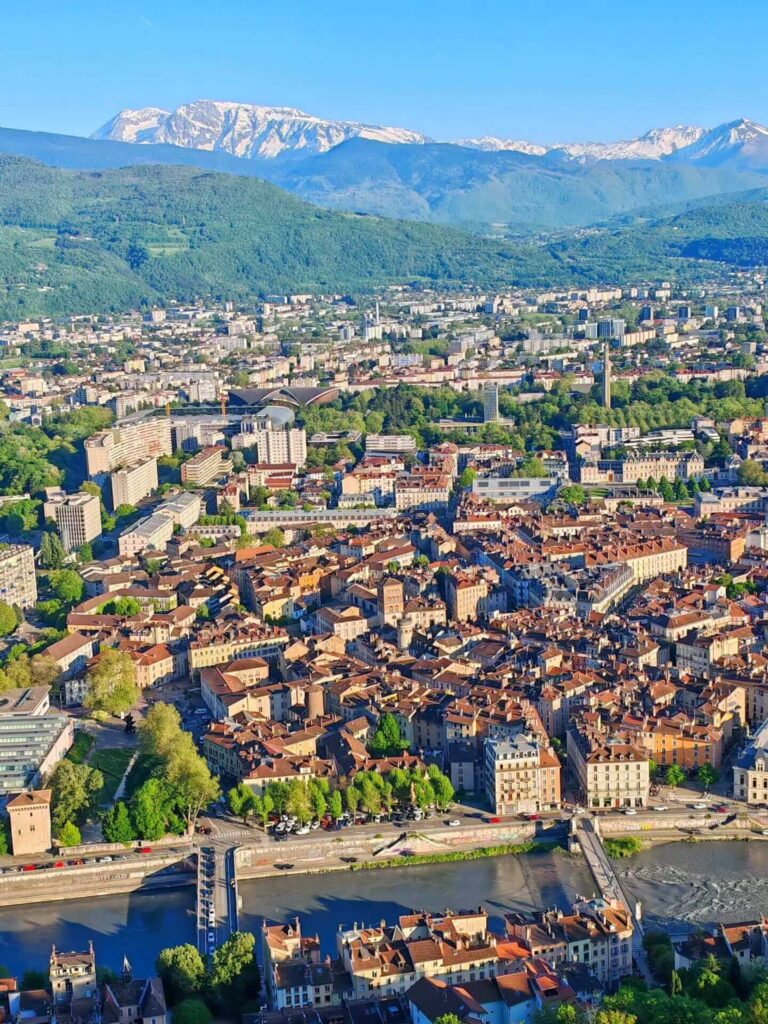
But if you enjoy hiking, photography, or slower travel experiences, the Bastille can easily turn into a half day activity. Between the walking trails, terraces, tunnels, cafés, and quieter viewpoints, there’s enough variety to spend several relaxed hours without feeling bored.
I also noticed that the experience naturally slows you down once you’re at the top. The scenery almost encourages you to sit for a while, walk without rushing, and keep stopping to look out across the valley again.
If you combine hiking with time in Grenoble afterward, the Bastille can easily become part of a full day itinerary without feeling repetitive.
Practical Tips Before Visiting
A few small things can make visiting the Bastille much smoother, especially if it’s your first time in Grenoble.
The biggest thing I’d recommend is checking the weather forecast before you go. The views are such a huge part of the experience that visibility can completely change how the Bastille feels. On clear days, the mountain scenery is incredible. On foggy or cloudy days, a lot of that disappears.
Even if you plan to take the cable car instead of hiking, comfortable shoes still help because there’s more walking around the fortress area than I initially expected. Some pathways are uneven, and you’ll probably end up exploring more viewpoints than planned once you arrive.
Bringing an extra layer is also a good idea. Temperatures at the top can feel cooler and windier than down in the city, especially later in the evening.
There are cafés and toilets near the main areas, so visiting feels fairly convenient overall, but weekends and sunny afternoons definitely attract more people. If you prefer a quieter atmosphere, earlier mornings are usually calmer.
If I visited again, I’d probably arrive a little earlier before sunset and stay longer afterward to see Grenoble fully lit at night. I’d also bring more water during warmer months because some of the uphill walking sections felt steeper than they first appeared.
Things to Do Near the Bastille of Grenoble
After visiting the Bastille, there’s still plenty worth exploring around Grenoble itself.
Explore Grenoble Old Town
Grenoble’s historic center feels compact, walkable, and much more relaxed than larger French cities. After spending time above the city at the Bastille, it’s nice coming back down and wandering through the smaller streets, cafés, and plazas at a slower pace.
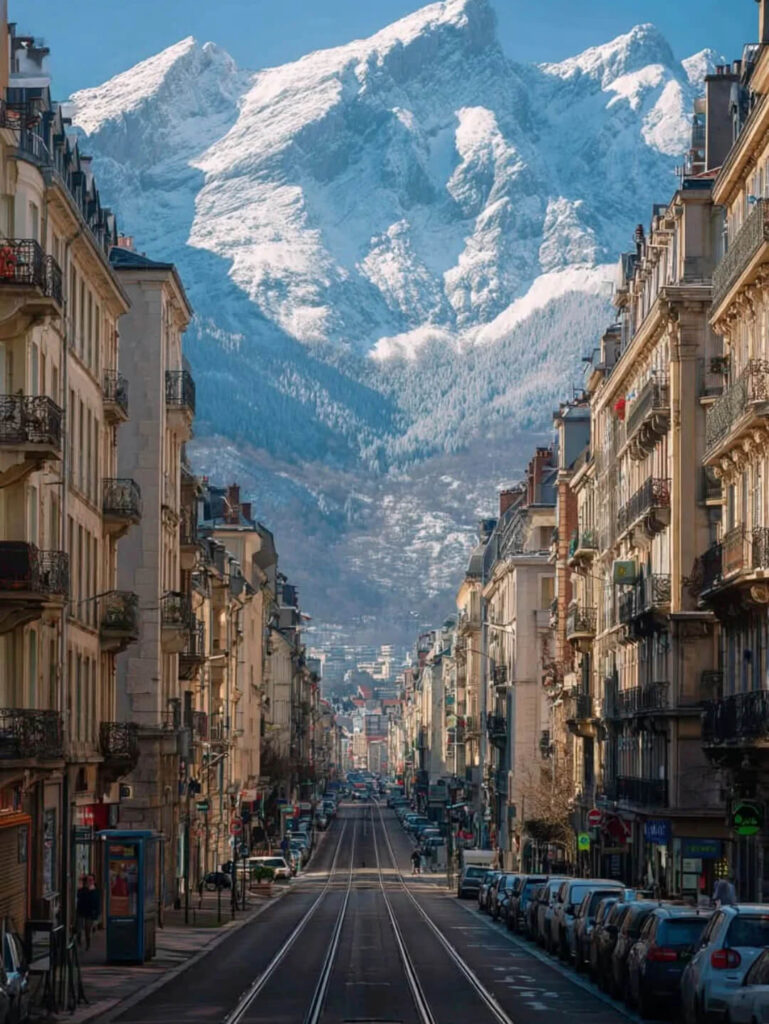
The old town has a mix of colorful buildings, local shops, riverside pathways, and casual cafés that make it easy to spend a few extra hours exploring without any strict plan.
What I liked most was the contrast between the mountain scenery surrounding Grenoble and the everyday atmosphere in the city itself. Few cities feel this connected to the landscape around them.
Walk Along the Isère River
The riverfront area near the cable car station is especially pleasant for walking, particularly in the evening.
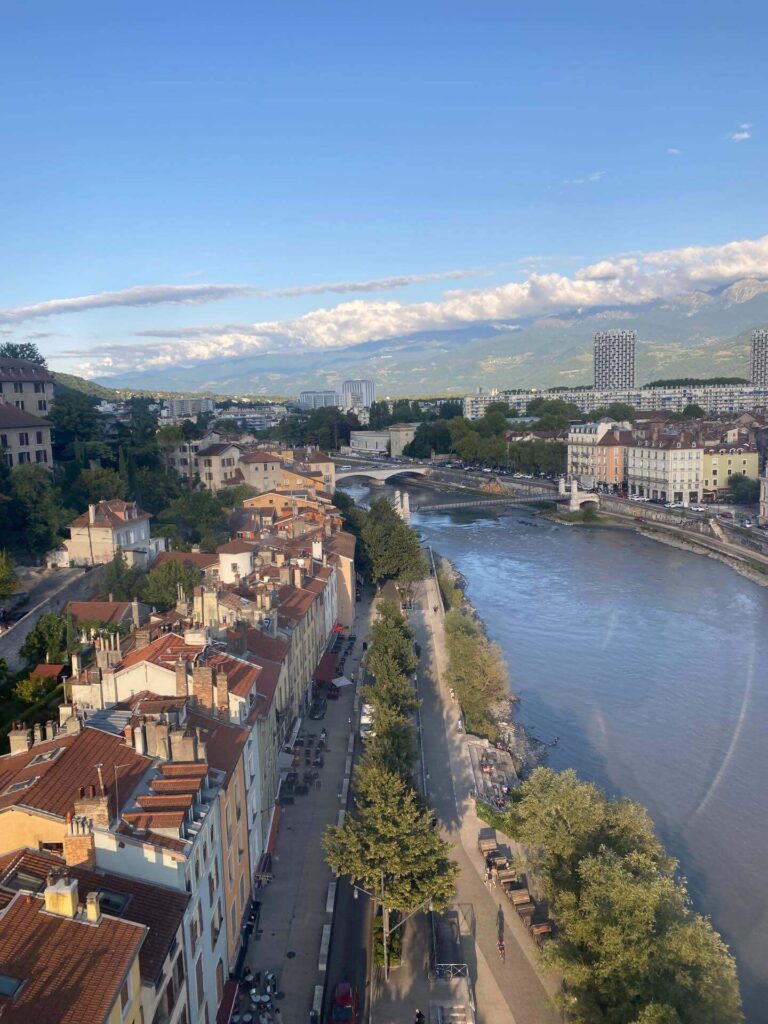
This is also one of the best places to look back toward the Bastille itself. Seeing the fortress high above the city with the cable cars crossing overhead gives you a completely different perspective after visiting.
Try Local Dauphinois Food
Grenoble sits in the Dauphiné region, so it’s a great place to try traditional Alpine style comfort food.
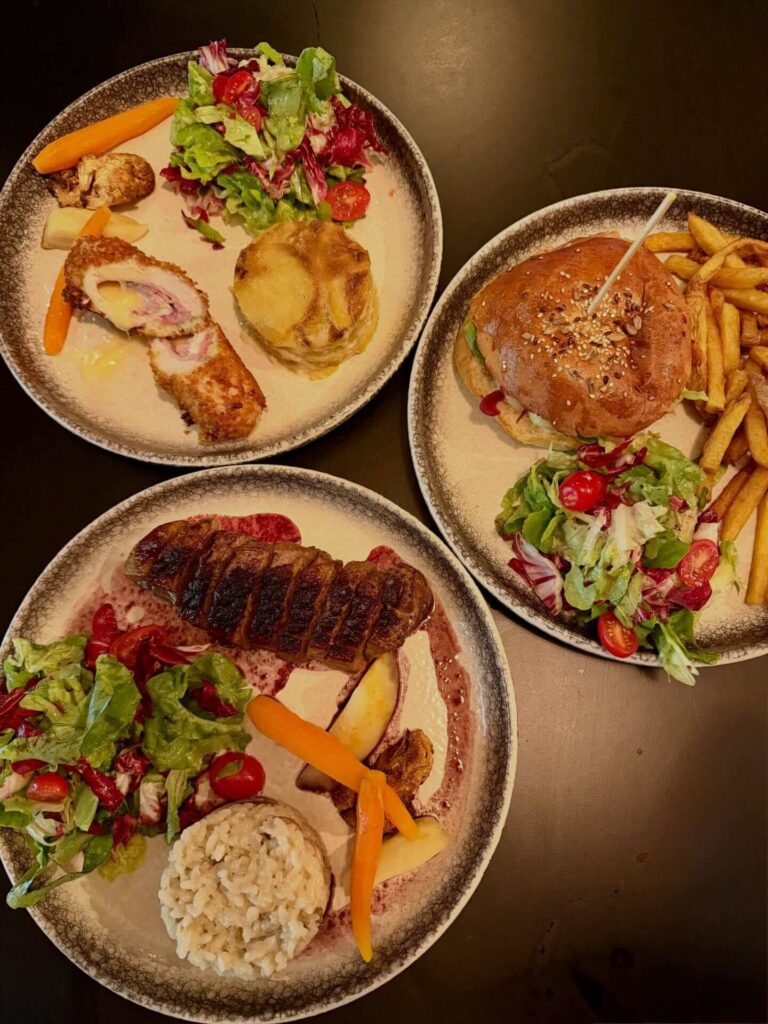
Dishes like gratin dauphinois, local cheeses, and heavier mountain cuisine feel especially satisfying after spending time hiking or walking around the Bastille. The food here tends to feel rich, warm, and very connected to the surrounding mountain culture.
My Honest Thoughts
What surprised me most about the Bastille was how balanced the entire experience felt.
It had enough history to stay interesting, enough outdoor space to feel relaxing, and enough scenery to leave a lasting impression without ever feeling overly touristy or crowded. Some viewpoints became famous mainly because of social media or photos, but the Bastille genuinely felt rewarding to experience in person.
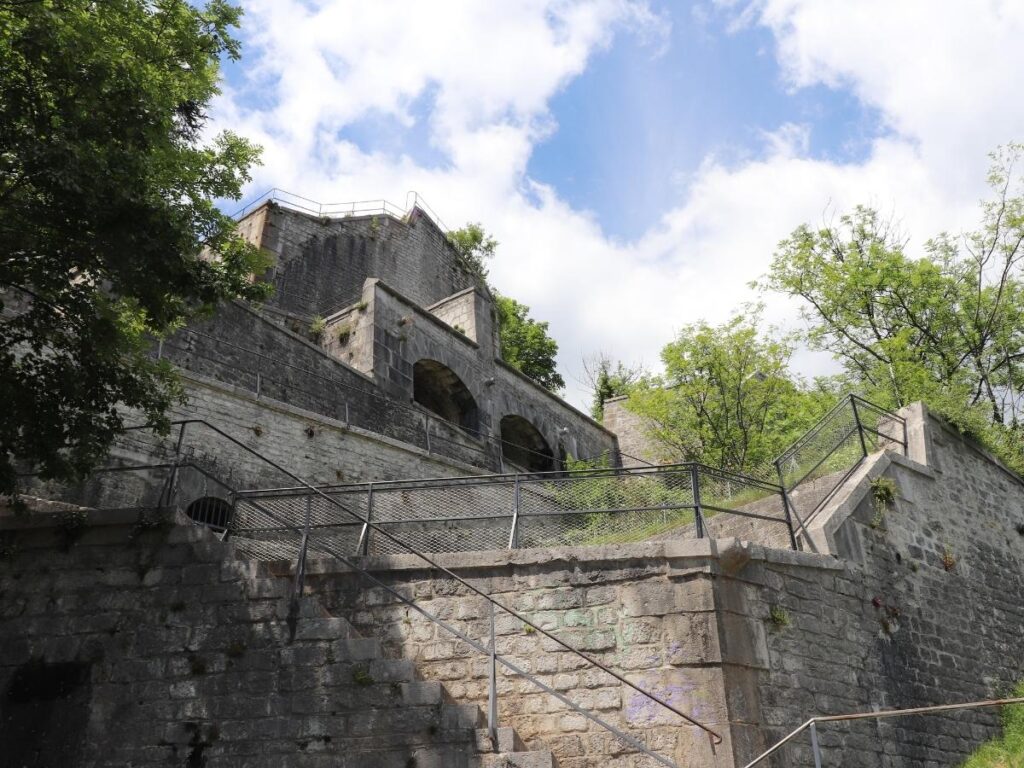
I also liked how flexible the visit was. You can keep things simple with a quick cable car ride and panoramic viewpoint stop, or turn it into a much slower experience with hiking, photography, and long walks through the fortifications and trails around the hill.
More than anything, I think the Bastille helps you understand Grenoble itself. Seeing the city completely surrounded by mountains from above changes your perspective of the area in a way that’s hard to fully appreciate from street level.
Before visiting, I expected it to be a short scenic stop. Instead, it ended up becoming the part of Grenoble I remember most clearly afterward.