
The first time I saw Château de Chambord, it honestly didn’t feel real.
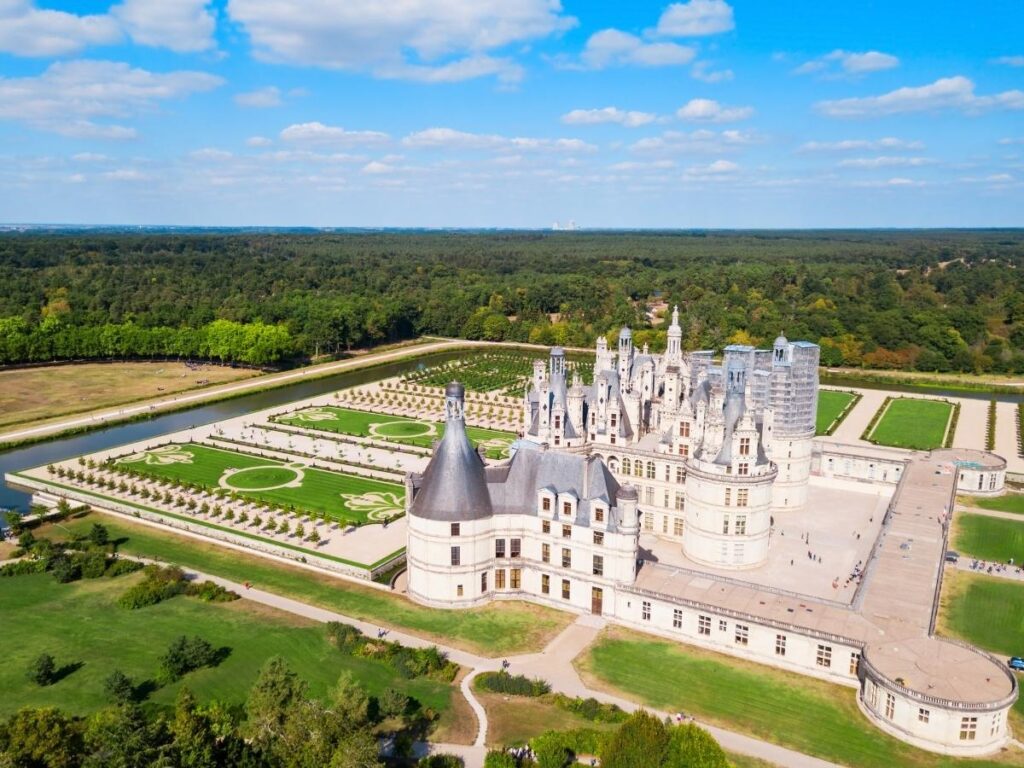
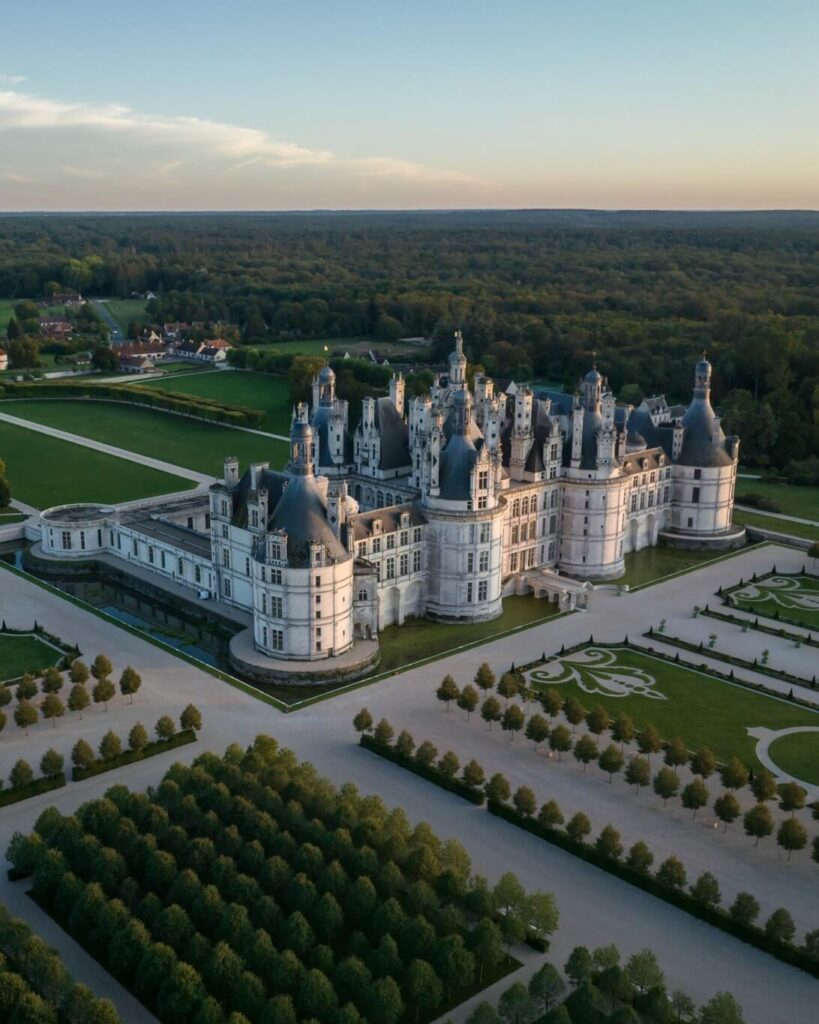
Even after seeing countless photos beforehand, nothing fully prepares you for the scale of it in person. The château feels enormous from every angle, with huge towers, endless chimneys, detailed stonework, and rooftop terraces that almost look like something from a fantasy movie rather than a real French castle.
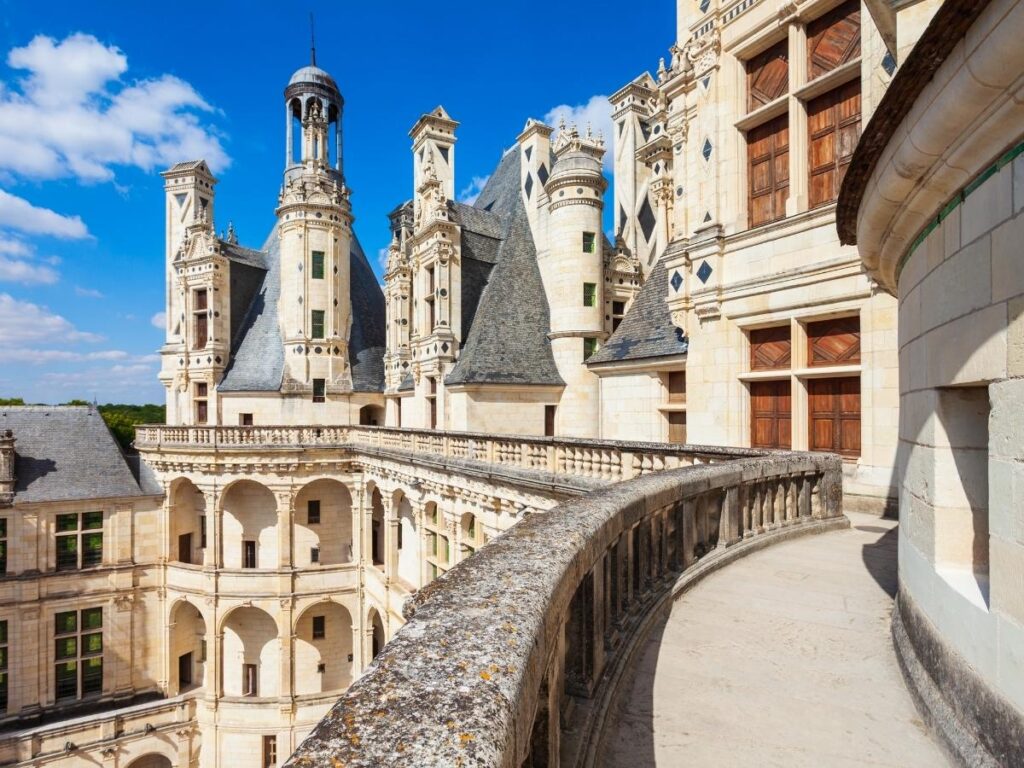
What surprised me most was the rooftop. From a distance, it almost resembles a miniature city sitting on top of the château. The more you walk around, the more details you notice, and it somehow keeps looking bigger the longer you explore it.
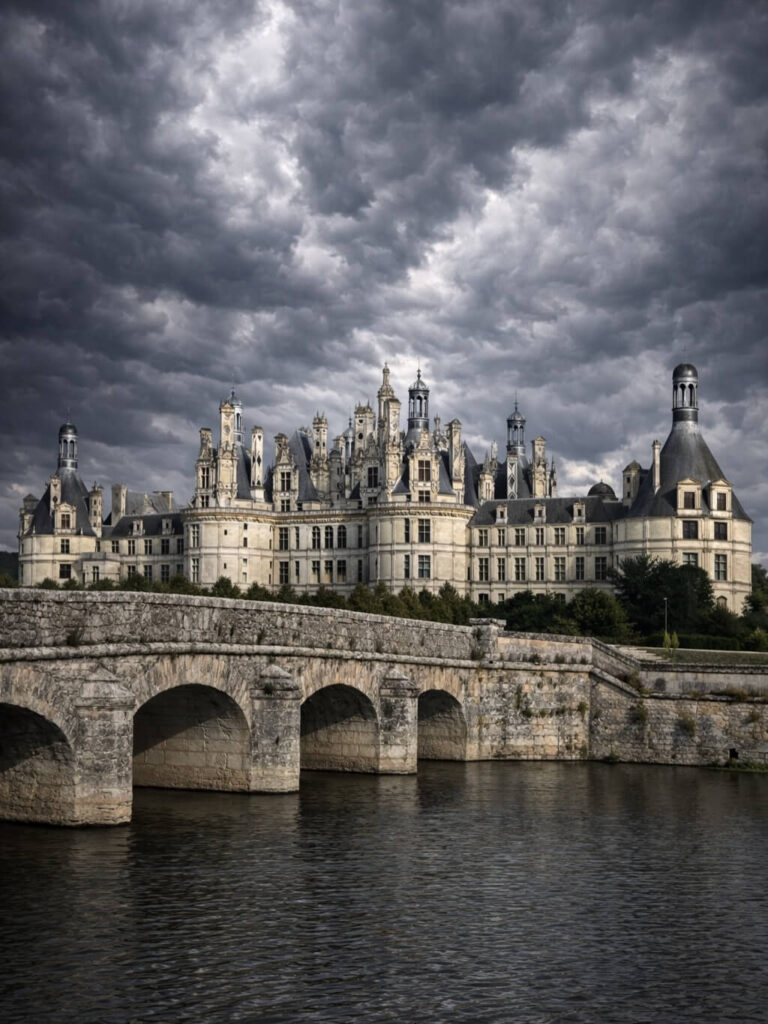
The setting also makes Chambord feel very different from many other castles in France. Instead of being surrounded by a busy town, it sits in the middle of a massive forest estate in the Loire Valley. That isolation gives the château a quieter and more dramatic atmosphere, especially as you approach it for the first time.
I also didn’t expect the rooftop terraces to become one of my favorite parts of the visit. Usually, rooftops are mainly about the view, but at Chambord, the rooftop itself feels like an attraction. Walking among the towers and chimneys honestly felt like exploring another level of the castle entirely.
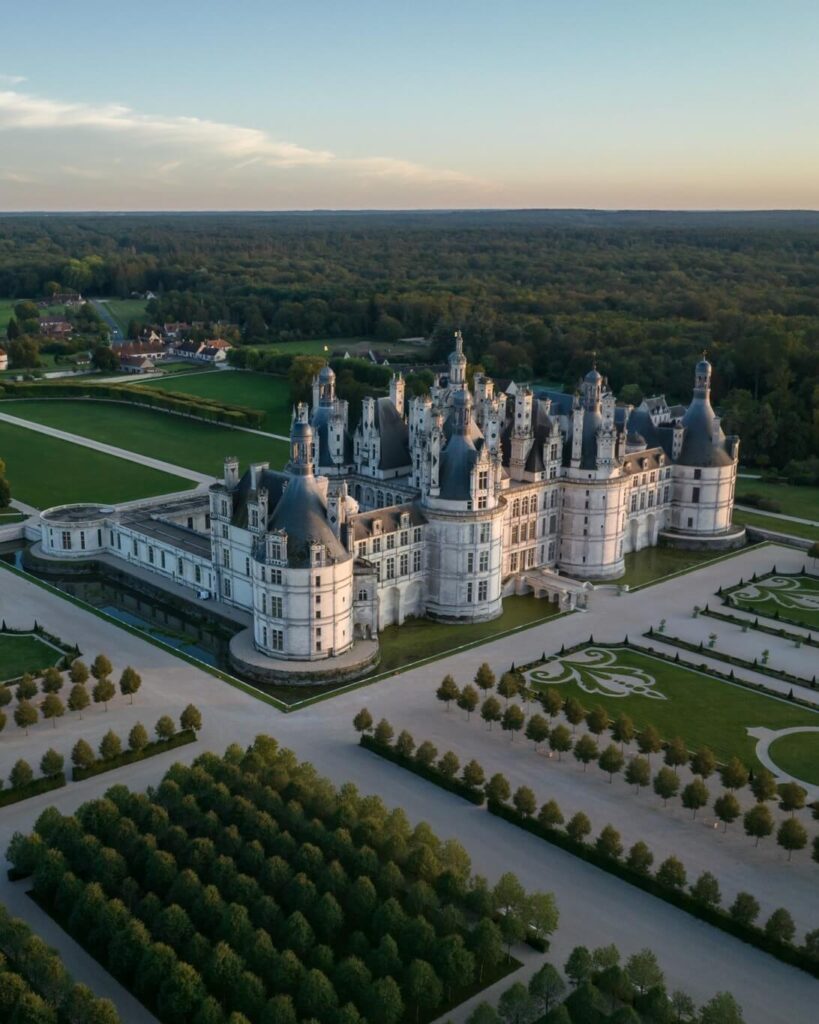
If you’re planning a visit, this guide covers everything you need to know about Château de Chambord, including its history, what to see, ticket tips, how to get there, how much time you need, and whether it’s actually worth visiting.
What Is Château de Chambord?
Château de Chambord is the largest and most famous château in France’s Loire Valley. Built during the French Renaissance, it was commissioned by King Francis I in the early 1500s as a royal hunting lodge and a symbol of power.
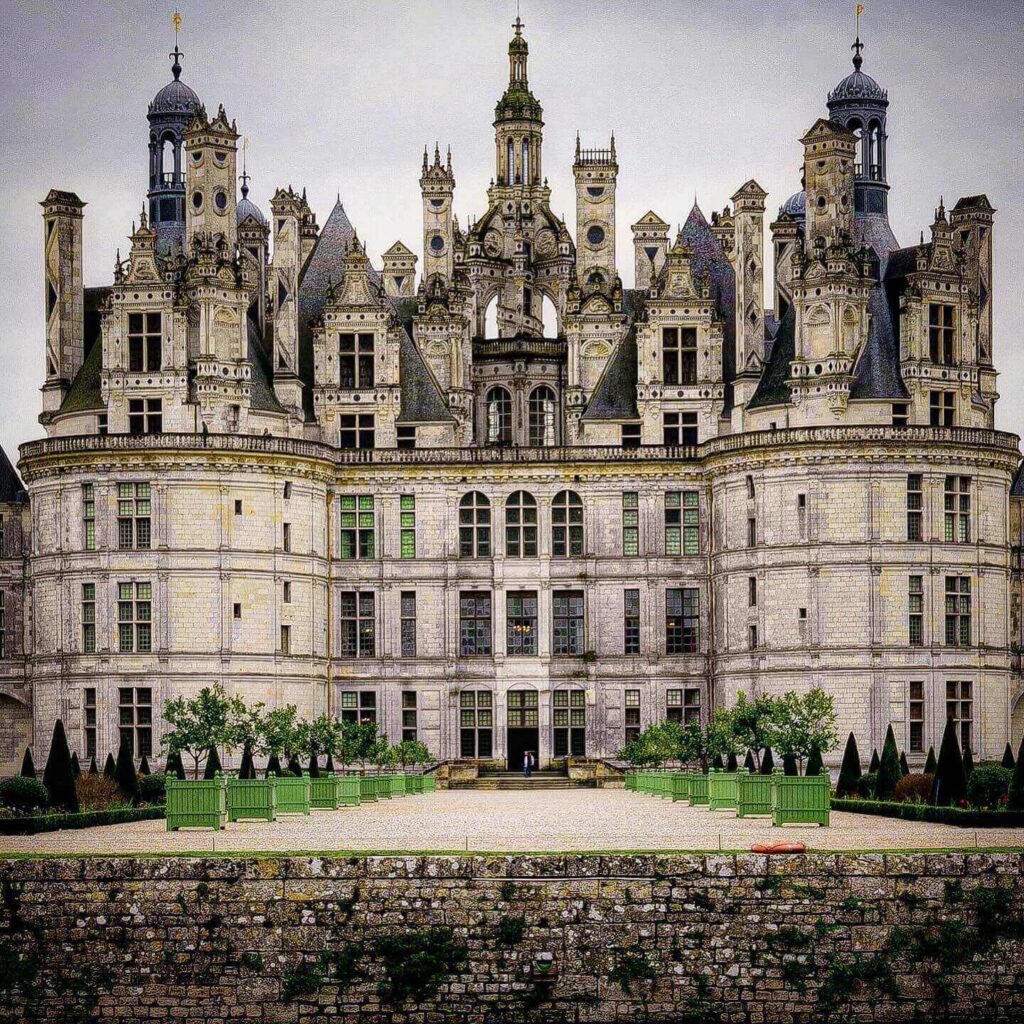
But once you see it in person, calling it a hunting lodge feels almost unbelievable.
The château is enormous, with more than 440 rooms, hundreds of fireplaces, countless staircases, and one of the most recognizable rooftops in Europe. Even among the many castles in the Loire Valley, Chambord stands out because of its sheer scale and dramatic design.
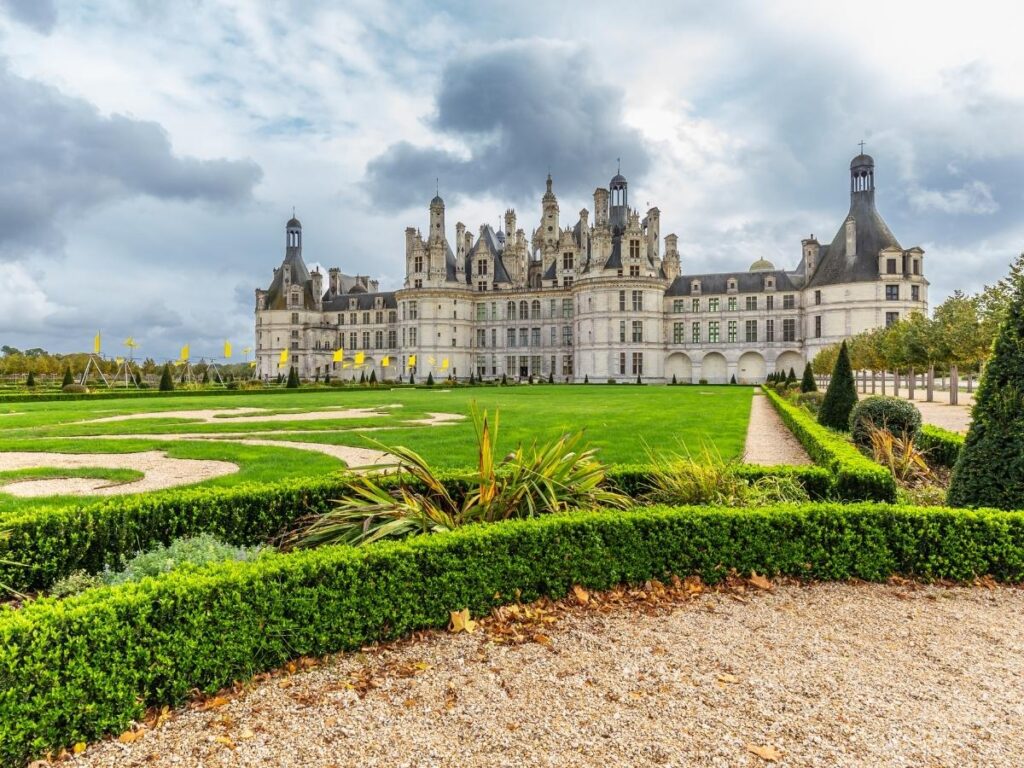
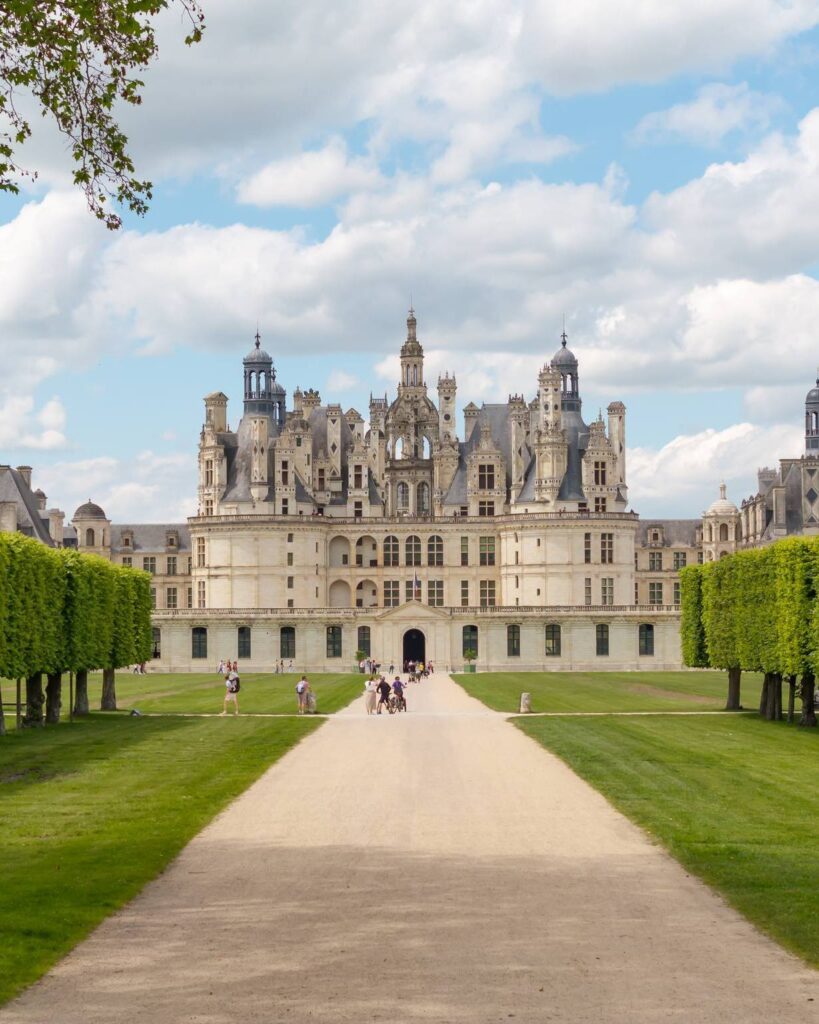
One of the most memorable parts of the château is the rooftop itself. Instead of a simple roofline, you’ll see a maze of towers, chimneys, terraces, and lanterns rising into the sky. From a distance, it almost looks like a miniature city sitting on top of the building.
The setting also makes Chambord feel very different from many other French castles. Rather than being surrounded by a town, it sits in the middle of a huge forested estate in the Loire Valley. The surrounding grounds stretch for miles and add to the château’s quiet, grand atmosphere.
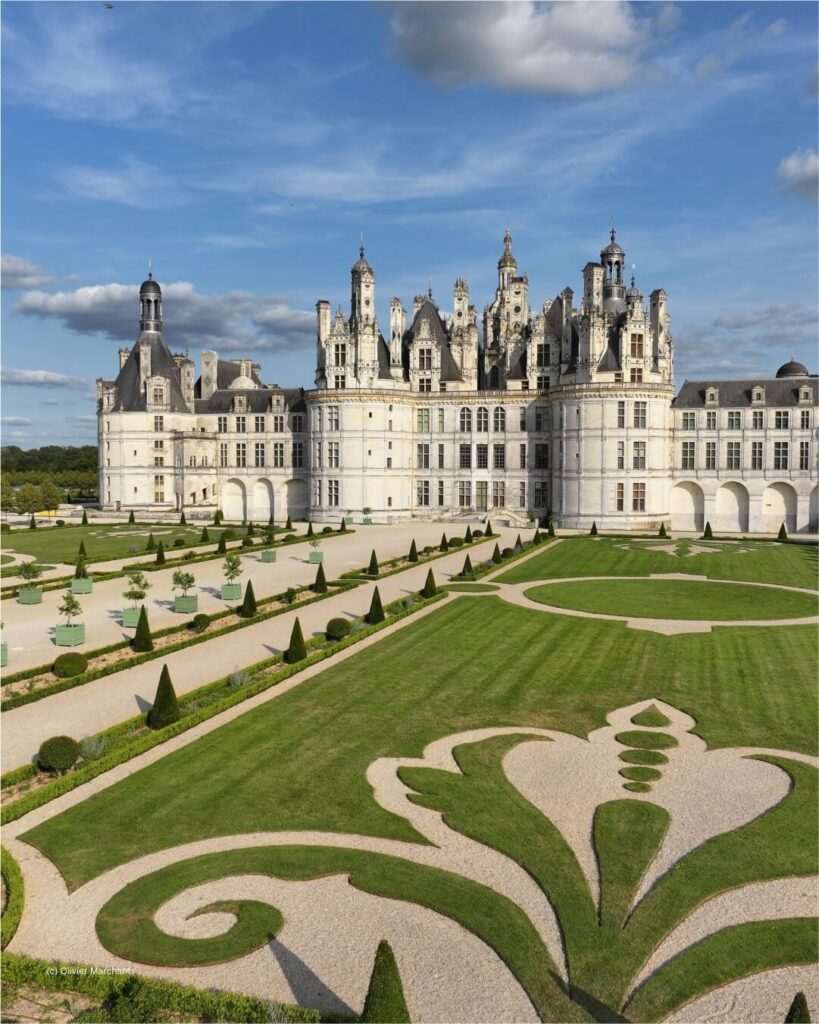
Today, Château de Chambord is a UNESCO World Heritage Site and one of the most visited castles in France. Some Loire Valley castles feel elegant or romantic, but Chambord feels monumental. Everything about it was designed to impress visitors, and honestly, it still does.
The Fascinating History of Château de Chambord
Why King Francis I Built Chambord
Construction of Château de Chambord began in 1519 under King Francis I, one of the most ambitious rulers of the French Renaissance.
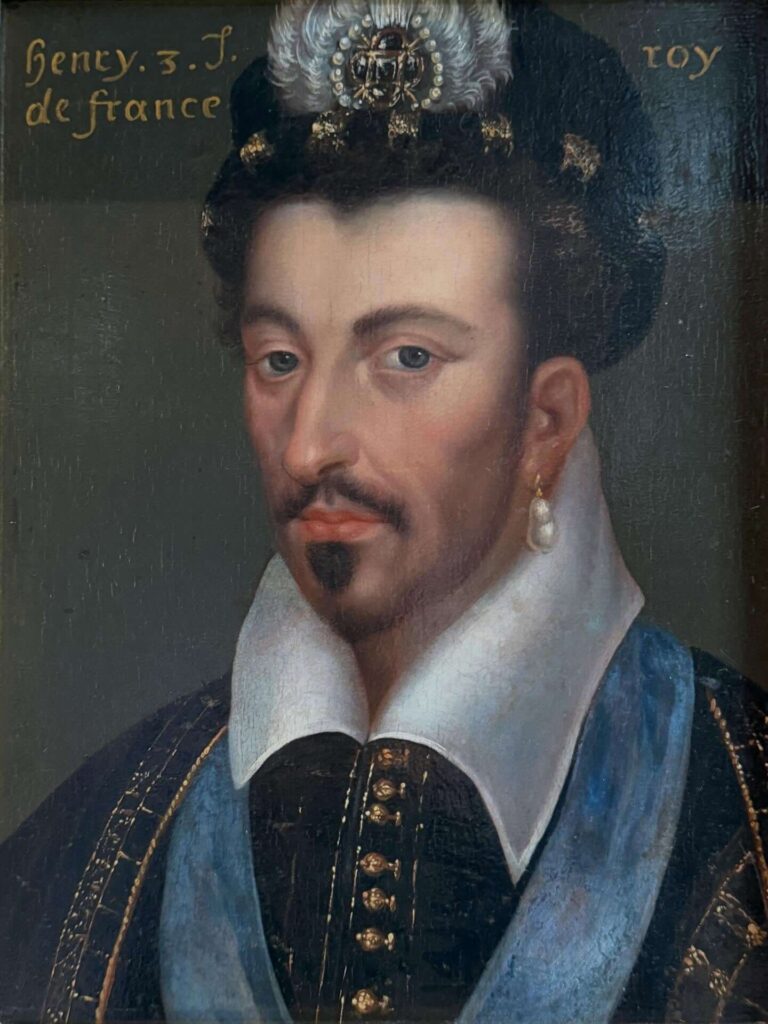
After spending time in Italy during military campaigns, Francis I became fascinated by Italian art, architecture, and Renaissance culture. He wanted to bring that same creativity and grandeur back to France, and Chambord became one of his biggest projects.
What’s interesting is that Chambord was never really meant to be a comfortable royal home. Instead, it was designed mainly as a hunting lodge where the king could host nobles, organize elaborate hunting trips, and show off his wealth and power.
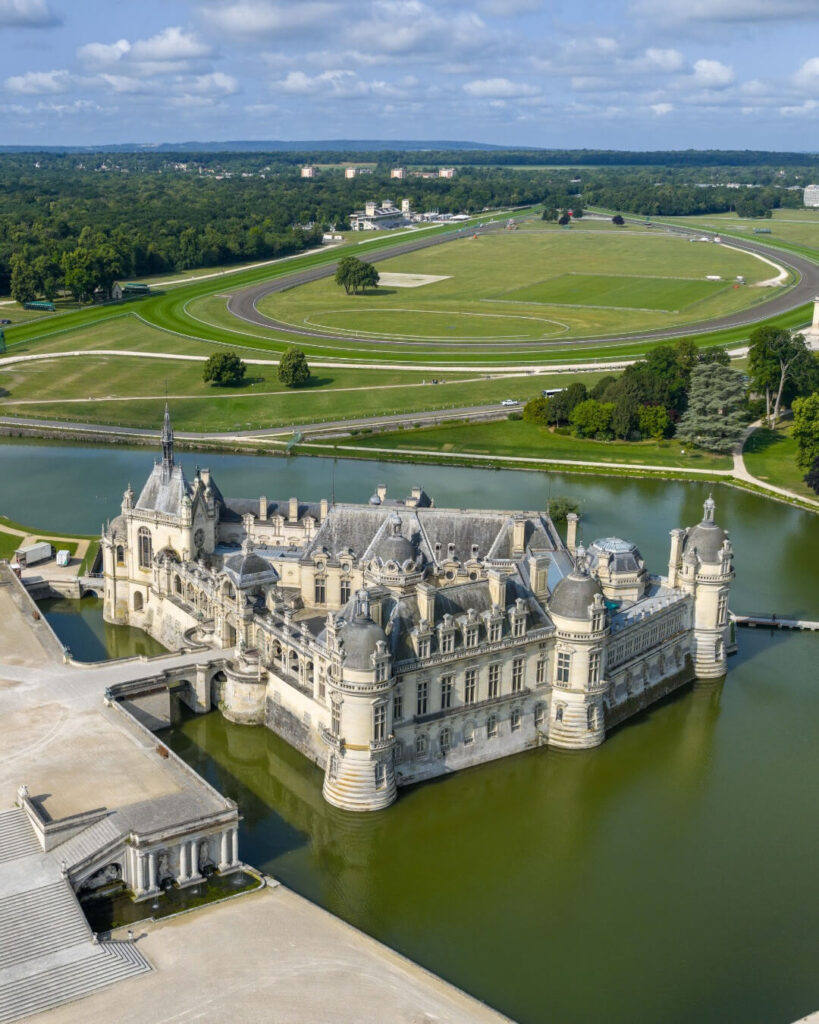
And honestly, that purpose still feels obvious today.
Everything about Chambord was built to impress people. The scale, the symmetry, the endless towers and staircases it feels less like a practical residence and more like a giant architectural statement sitting in the middle of the Loire Valley forests.
Was Leonardo da Vinci Involved?
One of the most famous stories connected to Château de Chambord involves Leonardo da Vinci.
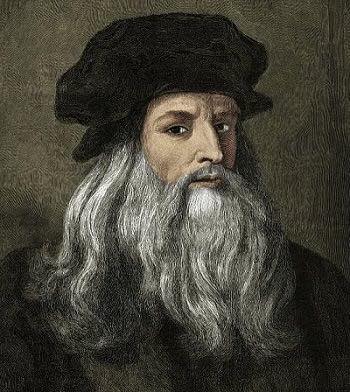
Leonardo spent the last few years of his life in France under the patronage of Francis I, and many historians believe he may have influenced some of Chambord’s design ideas.
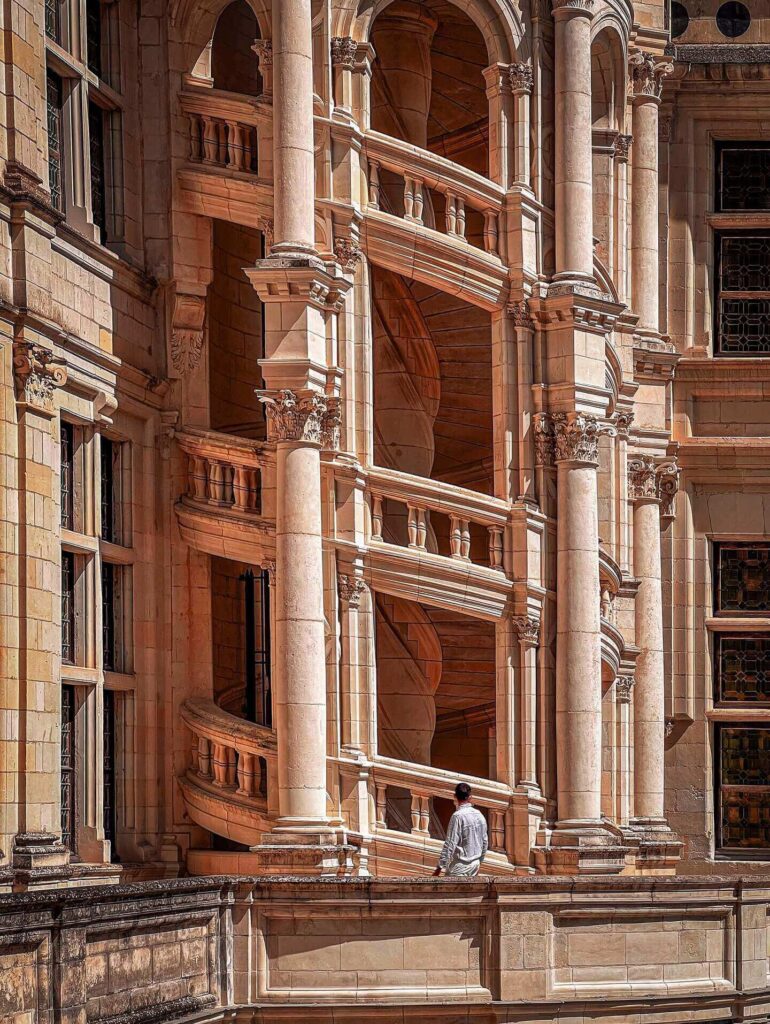
The biggest connection is the château’s famous double helix staircase. The staircase contains two spirals twisting around each other, allowing people to climb separately without crossing paths. Even today, it feels surprisingly clever and modern.
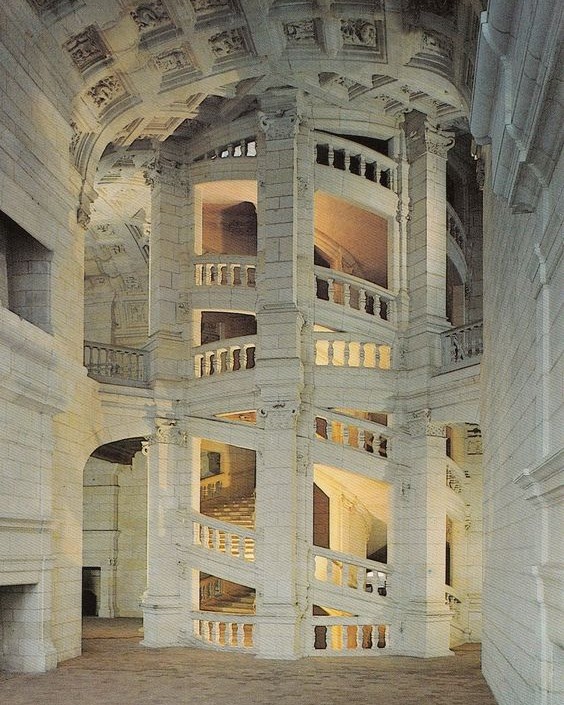
There’s no definitive proof that Leonardo designed it himself, but the engineering style strongly resembles concepts found in his sketches and inventions. Whether he directly designed it or simply inspired it, his influence is still closely tied to Chambord’s identity.
Why the Château Was Rarely Used
Despite its grandeur, Chambord was actually not a very practical place to live.
The château was huge, difficult to heat, and expensive to maintain. Winters would have been especially uncomfortable inside such a massive stone building. Because of that, Francis I only stayed there occasionally, mostly during hunting trips.
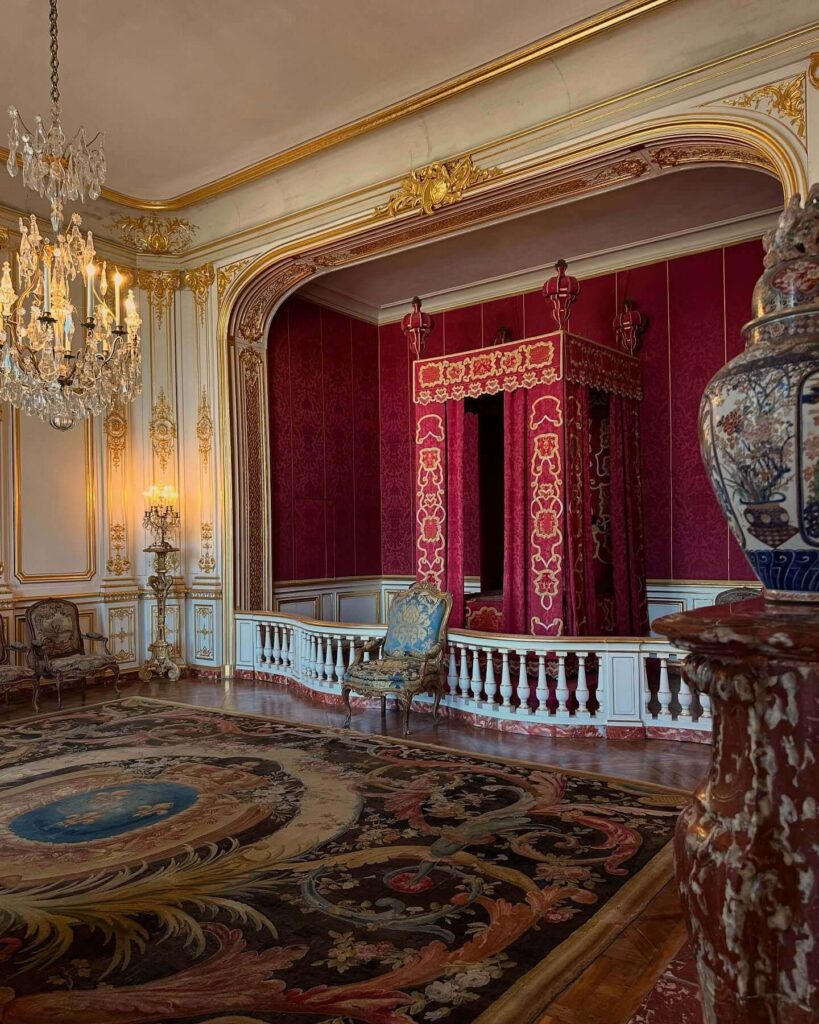
Later kings used it in a similar way. Chambord became more of a ceremonial and seasonal residence rather than a permanent royal home.
Ironically, part of what makes the château feel so unique today is the fact that it was never heavily modernized. Since it wasn’t constantly adapted for everyday living, much of its original dramatic design survived over the centuries.
Chambord During the French Revolution
Like many royal properties in France, Château de Chambord went through difficult periods during the French Revolution.
Much of the furniture and decorative pieces inside the château were removed or sold, and the building itself was left largely empty for a time. Fortunately, the structure survived without major destruction, which wasn’t the case for every historic property during that era.
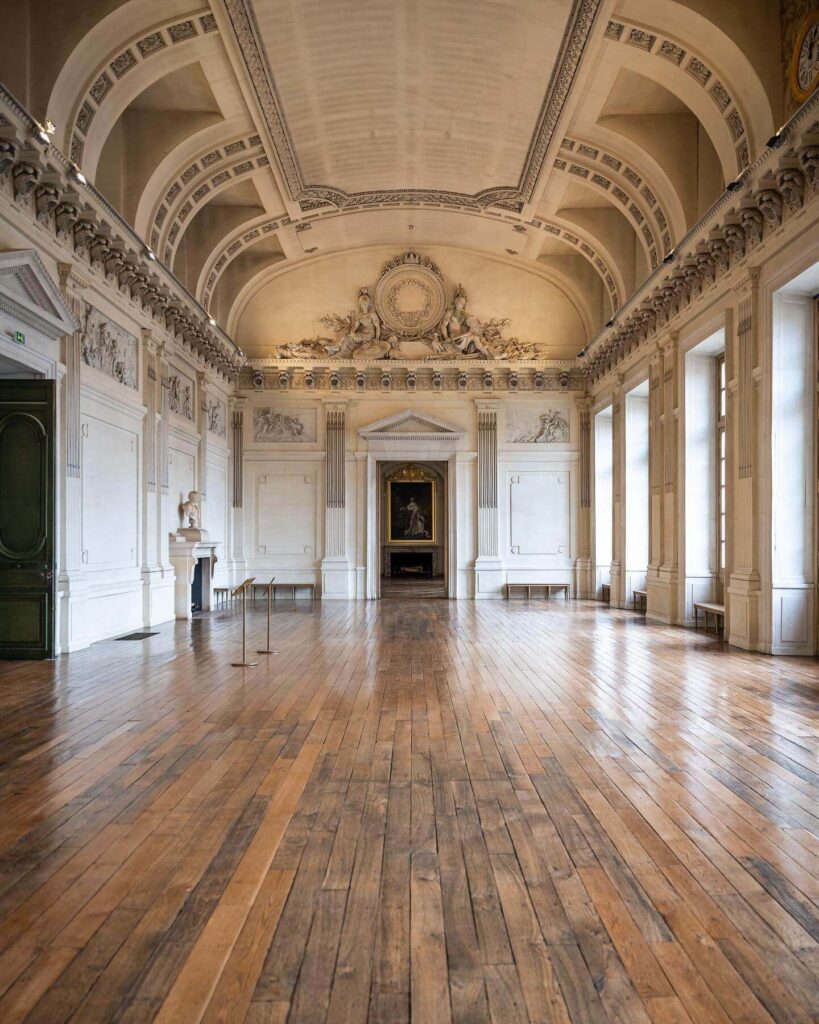
Over the following centuries, restoration efforts gradually helped preserve Chambord and protect its architectural significance.
Today, it’s considered one of the greatest surviving examples of French Renaissance architecture and one of the most important landmarks in the Loire Valley.
Château de Chambord Architecture: What Makes It So Unique?
One of the reasons Château de Chambord stands out so much from other castles in France is its architecture. Even among the many famous châteaux in the Loire Valley, Chambord feels completely different. It’s larger, more dramatic, and somehow more imaginative at the same time.
The château almost feels like a mix between a royal palace, a medieval fortress, and an elaborate architectural experiment.
The Famous Double Helix Staircase
The double helix staircase is easily one of the most famous parts of Chambord, and honestly, it’s much more interesting once you experience it in person.
At first glance, it looks like a normal stone staircase. But as you begin climbing, you realize there are actually two separate staircases twisting around each other inside the same structure. Two people can use different spirals, occasionally catching glimpses of each other through openings, without ever crossing paths.
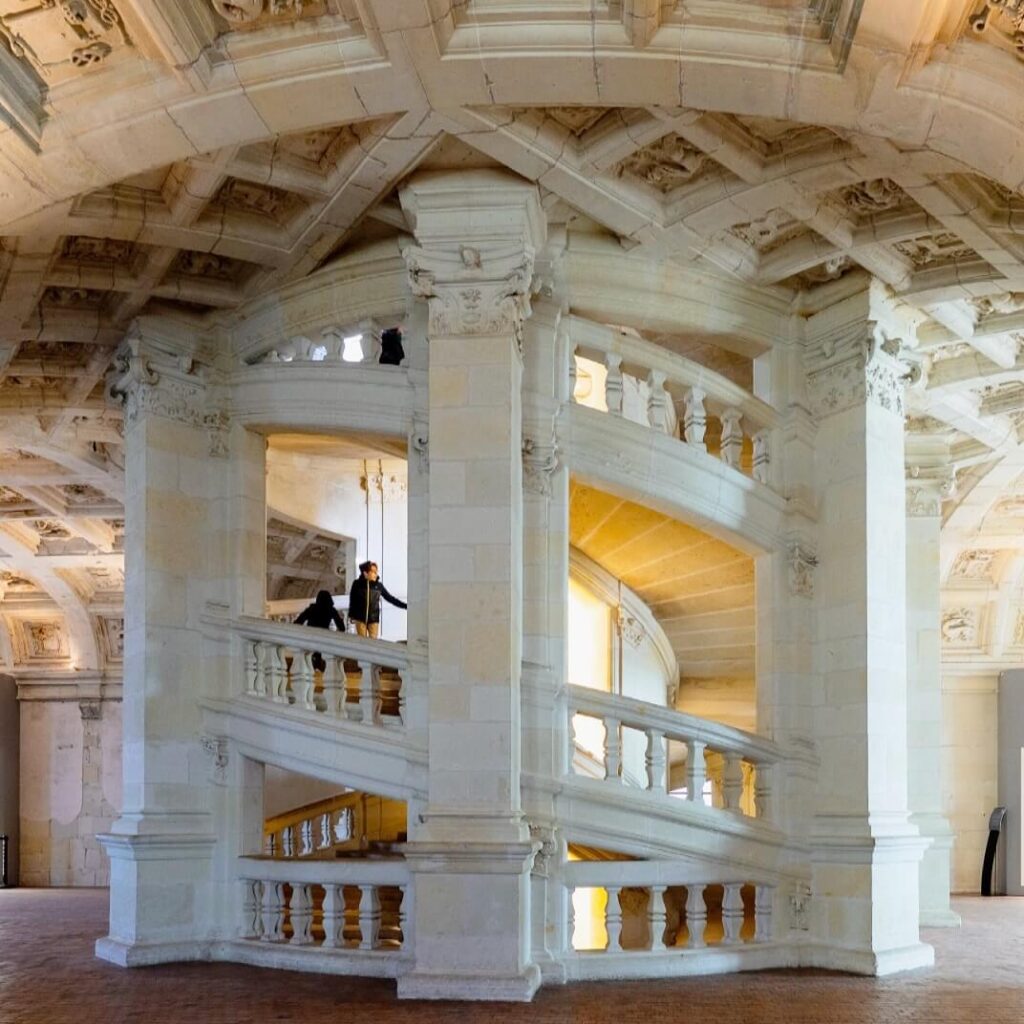
It’s one of those details that sounds simple until you actually see how cleverly it works.
The staircase also changes the feeling of moving through the château. Instead of just walking from floor to floor, the climb itself becomes part of the experience, especially as it gradually leads visitors upward toward the rooftop terraces.
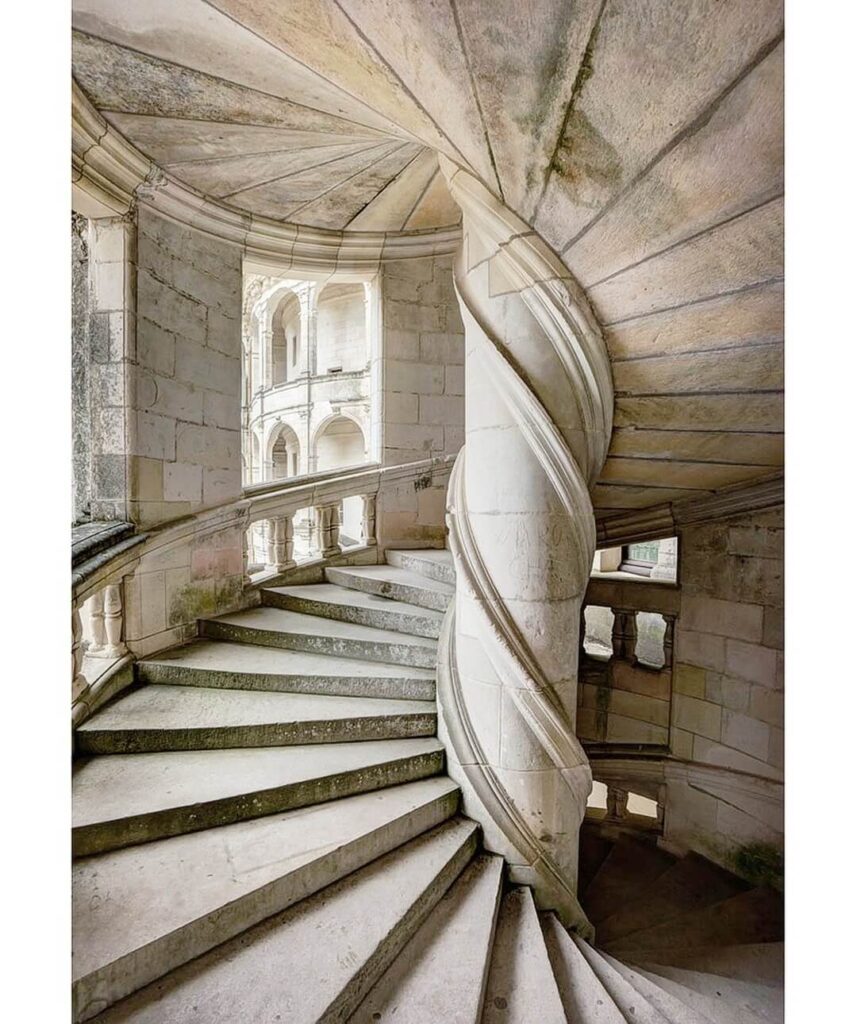
Even today, the design feels surprisingly modern and creative for something built in the 1500s.
The Rooftop Terraces
For many visitors, the rooftop ends up being the highlight of Chambord.
The moment you step outside onto the terraces, the château feels completely different. Suddenly, you’re surrounded by towers, chimneys, lanterns, and stone staircases rising in every direction. It almost stops feeling like a roof and starts feeling like an entirely separate part of the castle.
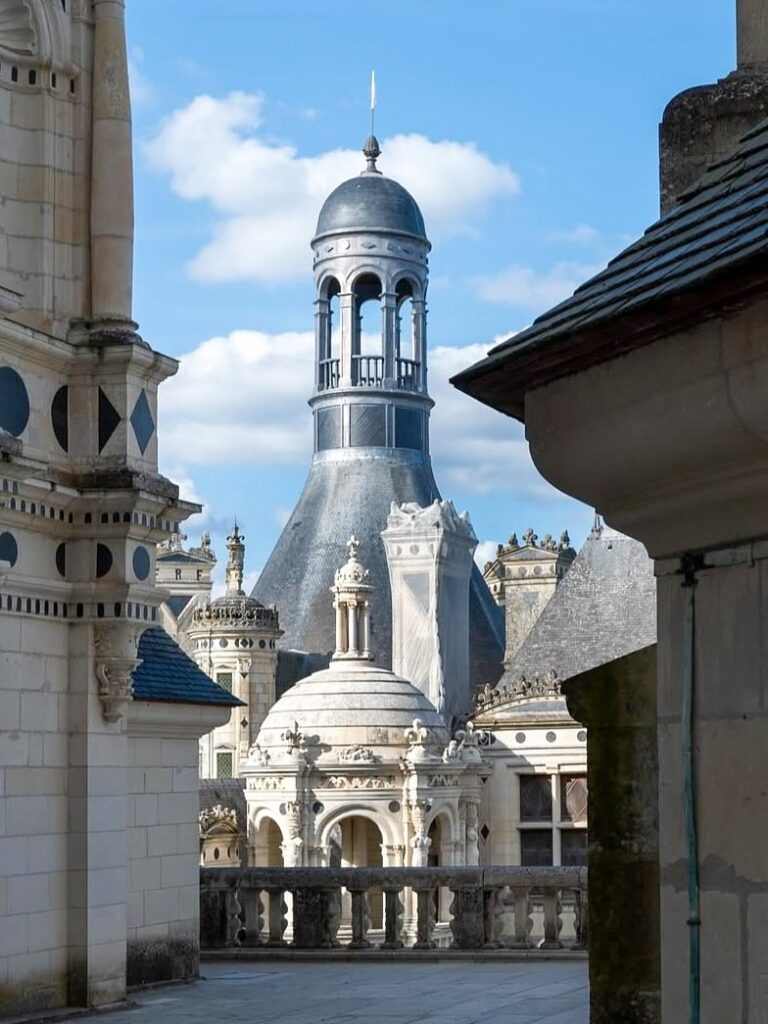
Some sections feel perfectly symmetrical and elegant, while others feel almost whimsical or maze like. The mix of Gothic inspired towers and Renaissance detailing creates one of the most recognizable skylines in France.
The rooftop is also where the scale of Chambord becomes easiest to appreciate. From up there, you can see the enormous estate stretching out around the château, with forests and open land extending far into the distance.
If the weather is clear, it’s easily one of the most memorable views in the Loire Valley.
Medieval and Renaissance Design Combined
Part of what makes Chambord so fascinating architecturally is the way it blends different styles together.
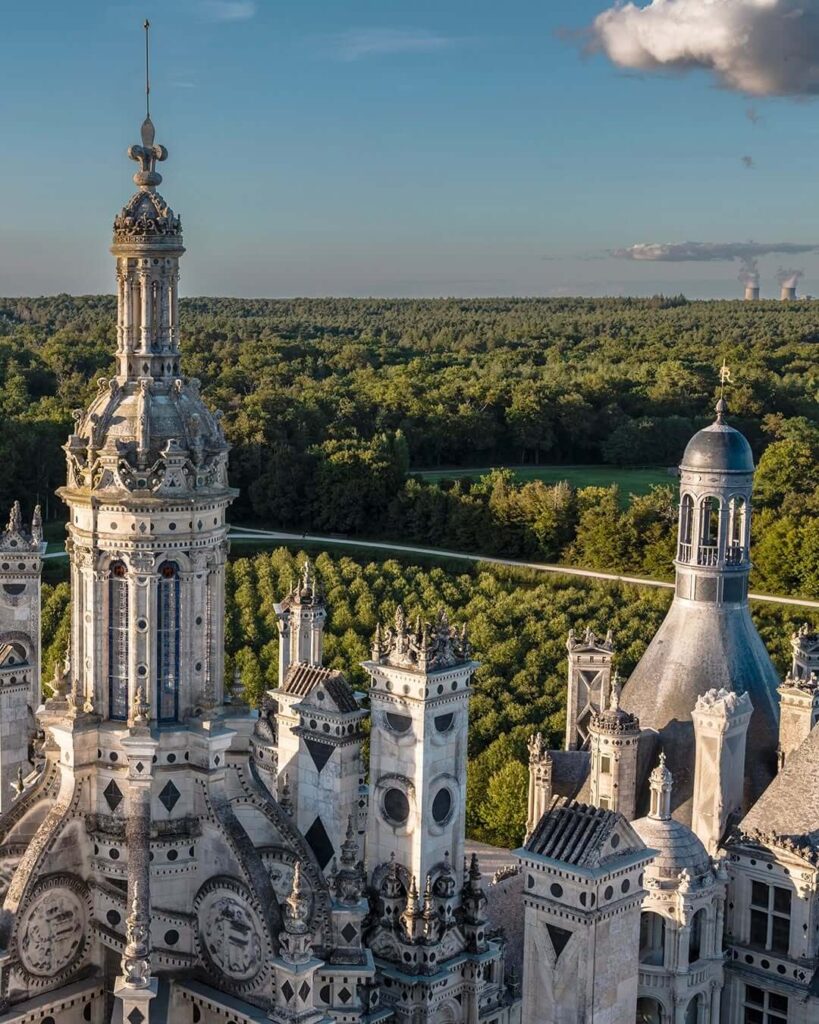
Some parts still resemble a medieval fortress, especially the large towers, defensive looking layout, and massive central keep. But at the same time, Renaissance influences appear everywhere in the detailed ornate carvings, decorative ceilings, geometric symmetry, and elegant stonework inspired by Italian design.
The château almost feels like a transition between two different eras of architecture.
Instead of fully abandoning medieval styles, Chambord combines them with Renaissance ideas in a way that feels ambitious and unusually creative.
The Scale of Chambord
Even after spending hours there, it’s honestly difficult to fully understand how large Chambord actually is.
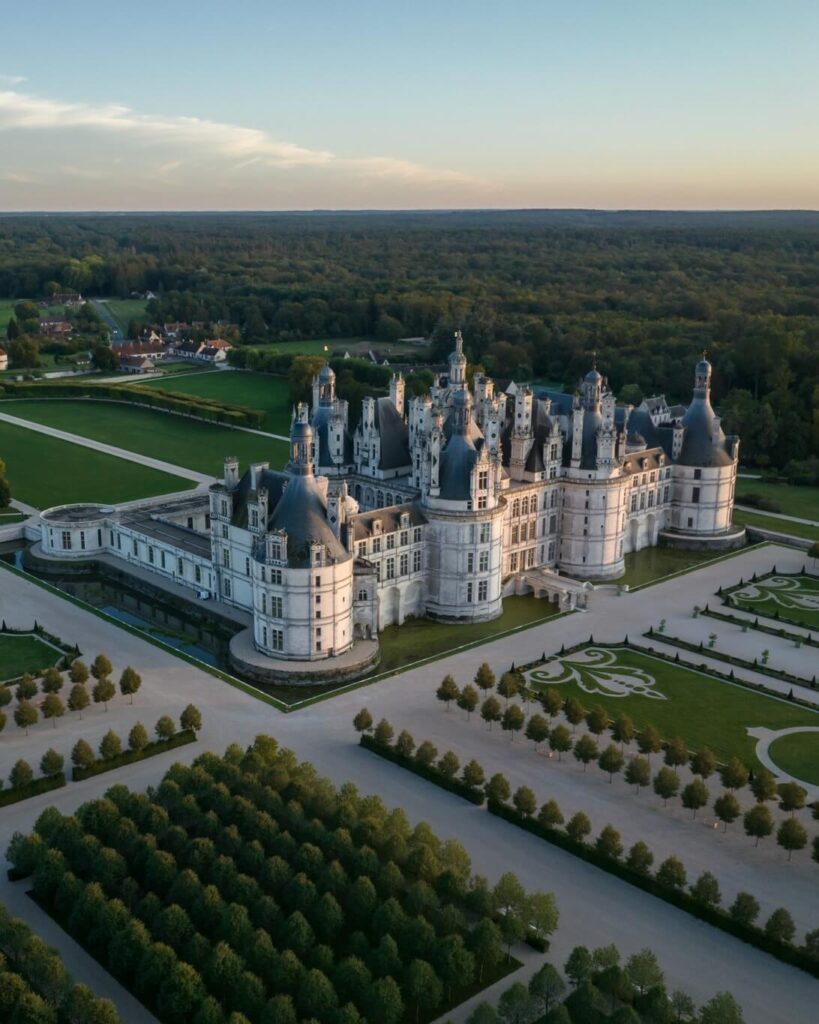
The corridors seem to go on forever, staircases appear around every corner, and the façades stretch across such a huge area that photos rarely capture the real scale properly.
What also makes the château feel even larger is the surrounding landscape. Since Chambord sits in the middle of a vast open estate, nothing competes with it visually. The château completely dominates the scenery around it, which gives the entire place an incredibly dramatic presence.
Is Château de Chambord Worth Visiting?
Yes especially if you enjoy architecture, history, photography, or castles that feel genuinely grand and memorable.
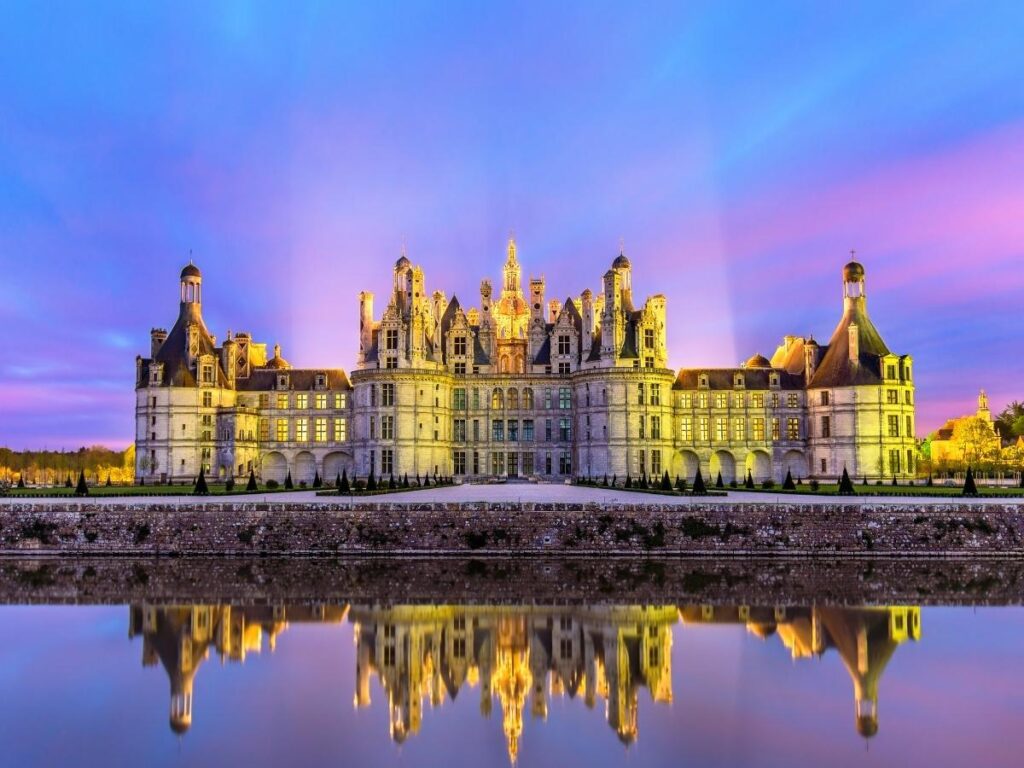
Among all the Loire Valley châteaux, Chambord is probably the one that makes the biggest first impression. The scale alone is impressive, but what really makes it stand out is the atmosphere. Between the enormous towers, rooftop terraces, and forest setting, the château feels very different from many other famous landmarks in France.
The rooftop is honestly one of the highlights of the entire experience. Walking among the chimneys, staircases, and terraces feels unlike visiting a typical castle, and it’s the part many visitors remember most afterward.
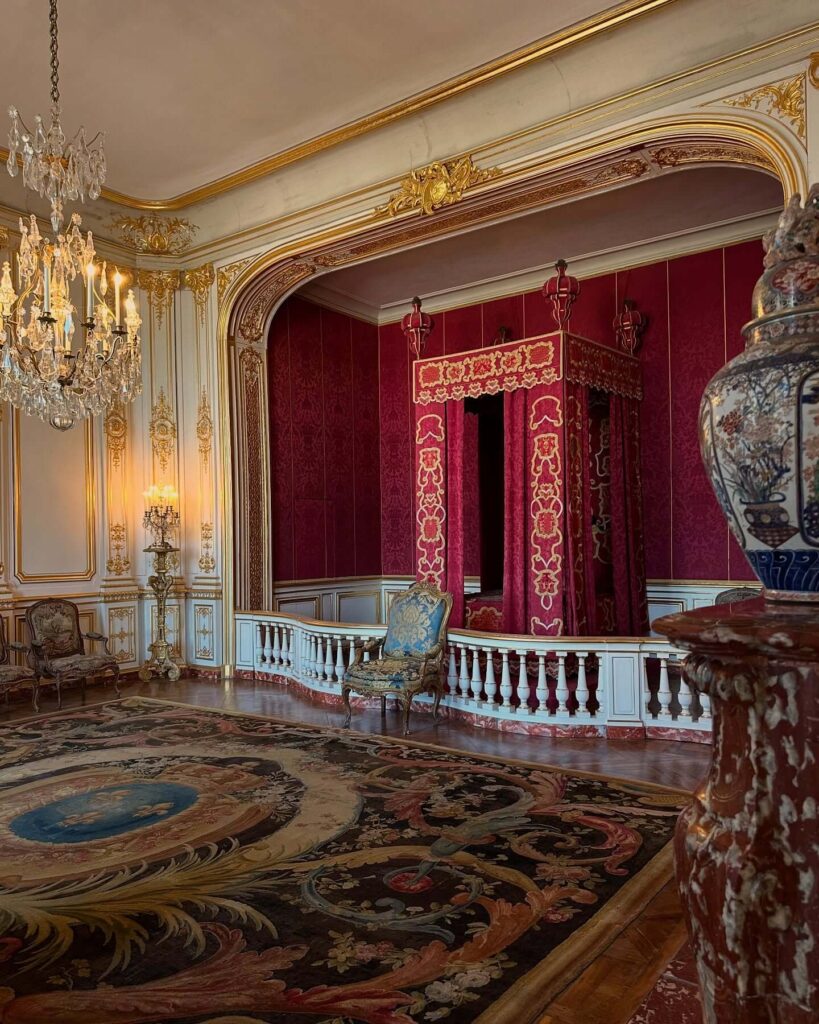
That said, it’s worth having realistic expectations before visiting. If you’re expecting richly decorated interiors similar to Versailles, some rooms inside Chambord may feel a little sparse. The architecture itself is the real focus here rather than luxurious furniture or artwork.
Crowds can also get busy during summer afternoons, so visiting earlier in the day usually feels much more enjoyable.
Compared to other Loire Valley castles, Chenonceau feels more elegant and romantic, while Cheverny feels more refined and furnished. Chambord, though, feels the most dramatic and monumental.
If you only have time for one château in the Loire Valley, Chambord is easily one of the strongest choices.
Best Things to See at Château de Chambord
There’s a lot to see at Château de Chambord, and honestly, part of the experience is simply wandering through the château and discovering unexpected details along the way. But a few areas stand out much more than others and are absolutely worth slowing down for instead of rushing through.
The Double Helix Staircase
The double helix staircase is one of the most famous parts of Chambord and easily one of the most interesting architectural details inside the château.
At first glance, it may just look like another large stone staircase. But once you start climbing, you realize how unusual the design really is. The staircase actually contains two separate spirals twisting around each other, allowing people to go up and down without ever fully crossing paths.
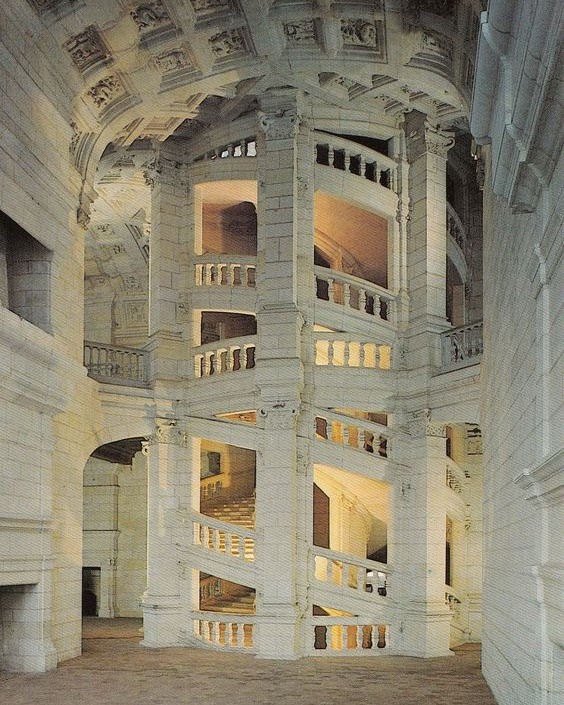
It’s surprisingly clever, especially considering it was designed in the 1500s.
Even beyond the engineering itself, the staircase becomes the center of the château experience because so many rooms and levels connect back to it. You’ll probably end up passing through it multiple times during your visit.
The Rooftop Views
For many visitors, the rooftop terraces end up being the highlight of Chambord.
The moment you step outside, the château suddenly feels completely different. Instead of exploring interior rooms, you’re now walking among towers, chimneys, terraces, and staircases rising in every direction. In some areas, it honestly feels more like wandering through a miniature stone city than standing on a rooftop.
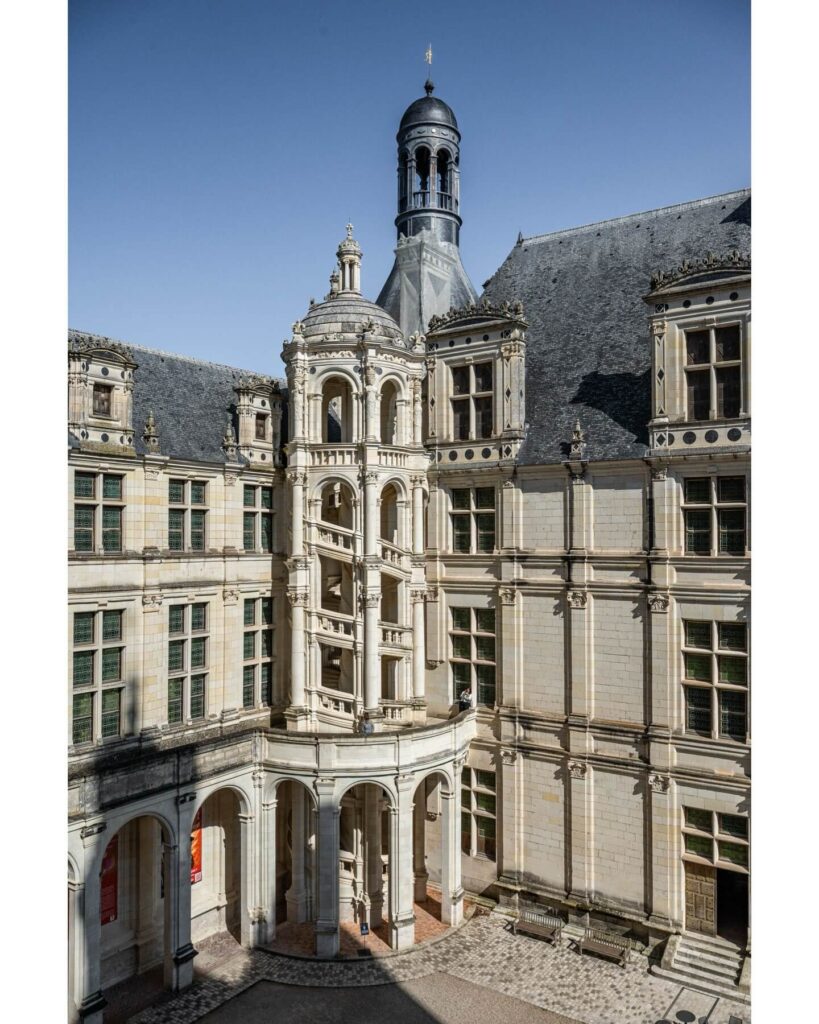
The architectural details up here are incredible, and the views over the surrounding forests make the château feel even larger and more isolated.
This is also one of the best spots for photography, especially during early morning or late afternoon when the light softens across the stonework.
The Royal Apartments
The royal apartments help you understand how French royalty actually used Chambord, even if the interiors are more restrained than some visitors expect.
If you’ve already visited places like Versailles, certain rooms here may feel simpler and less heavily decorated. But that’s partly because Chambord was never really designed as a luxurious long term residence.
Still, there are beautiful details worth paying attention to, including tapestries, carved ceilings, fireplaces, and period furnishings scattered throughout the château.
The Chapel
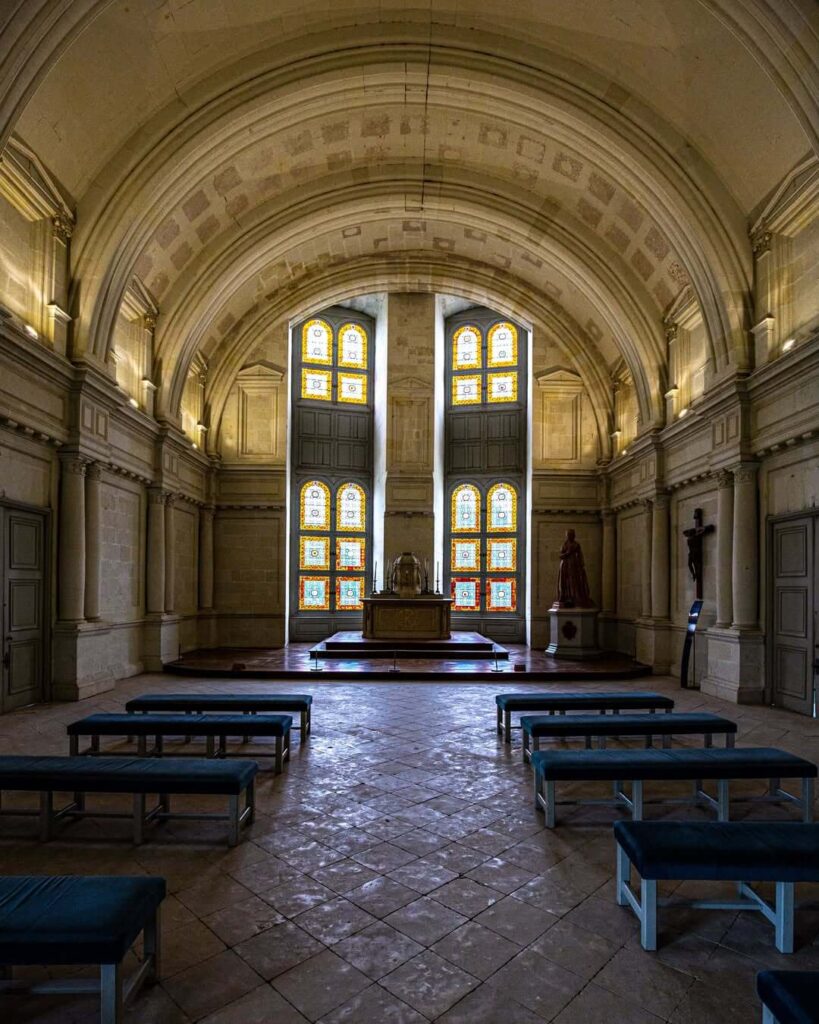
The chapel often feels quieter and calmer compared to the busier sections of Chambord.
Its vaulted ceilings and elegant stonework make it worth stopping by, even if religious spaces aren’t normally a major interest for you while traveling. After the grand staircases and enormous halls elsewhere in the château, the chapel feels more peaceful and intimate.
The Formal Gardens
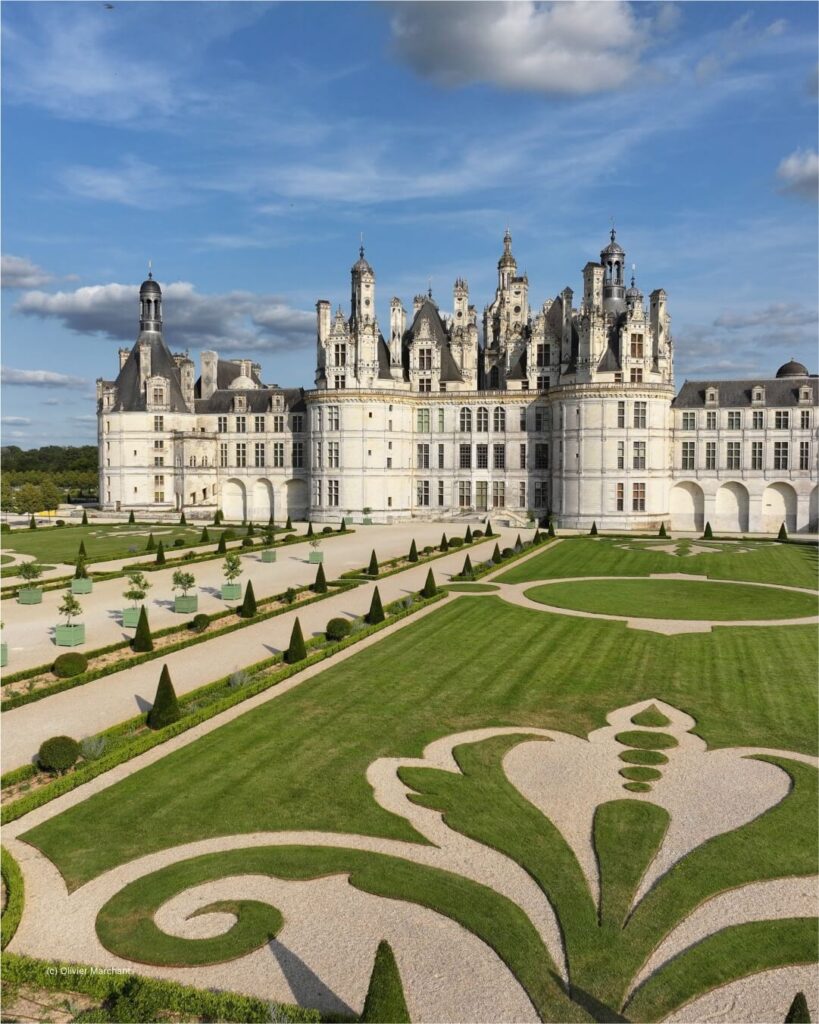
The formal gardens add structure and symmetry to the massive exterior of the château.
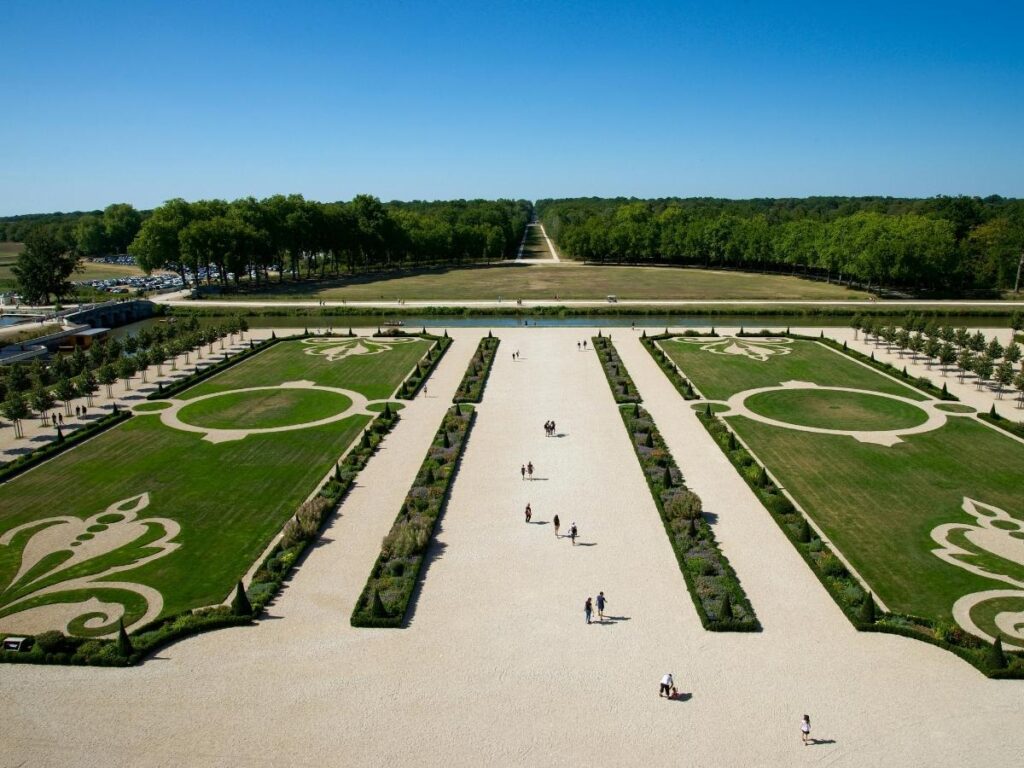
They’re especially beautiful during spring and summer when everything is greener and more colorful, but even outside peak bloom season, they provide some of the best views looking back toward Chambord itself.
A short walk through the gardens also helps you appreciate just how enormous the château really is.
The Estate Grounds
One thing many visitors don’t fully realize before arriving is how huge the estate surrounding Chambord actually is.
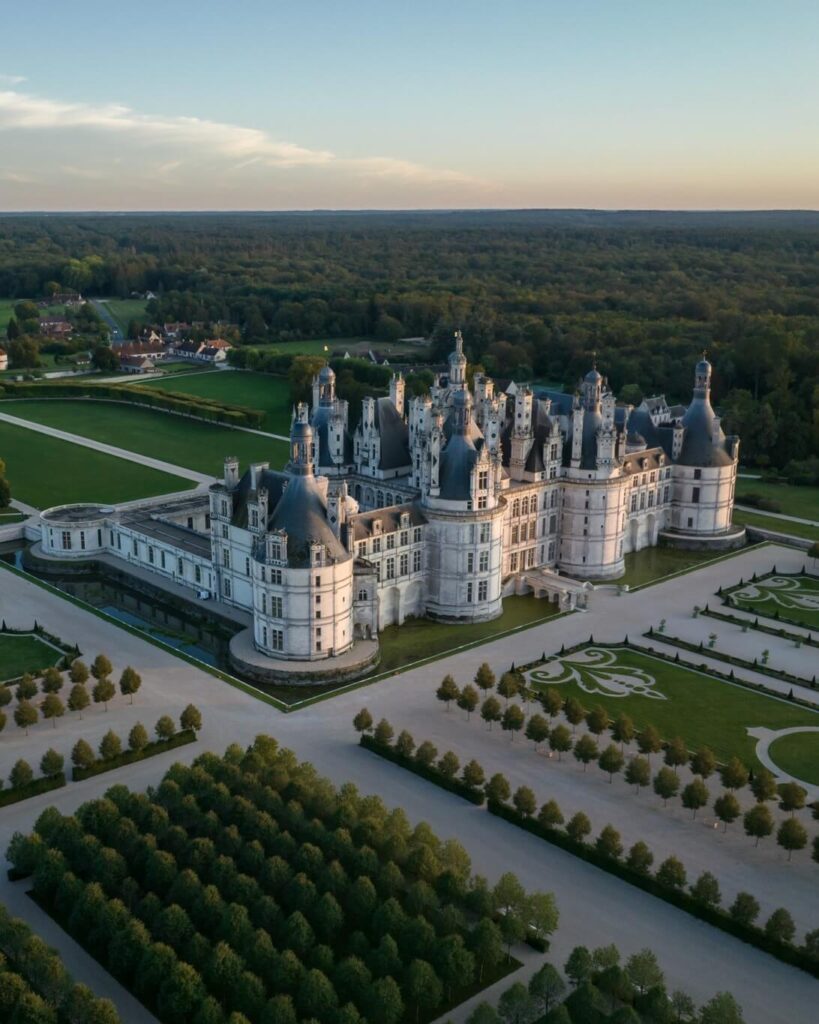
The forests, trails, canals, and open land are a major part of what gives the château its atmosphere. Unlike castles surrounded by towns or busy streets, Chambord feels isolated in the middle of nature.
If you have extra time, renting a bike or walking through part of the estate completely changes the experience and makes the château feel even more dramatic.
Seasonal Horse and Falconry Shows
Depending on the season, Chambord sometimes hosts horse shows and falconry demonstrations inspired by royal hunting traditions.
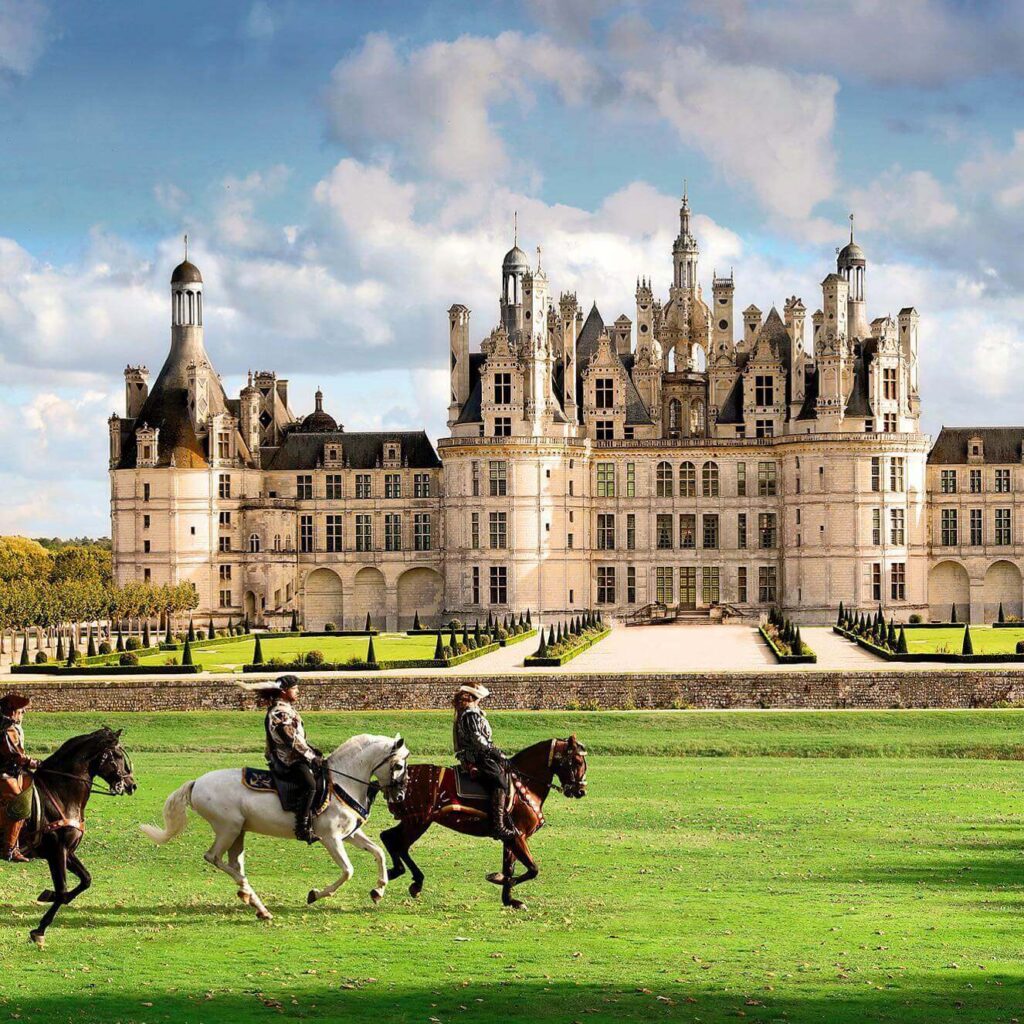
These performances are especially popular with families, but they’re also genuinely entertaining if you want something more interactive than simply touring rooms inside the château. They add another layer of historical atmosphere to the visit and can make the experience feel more immersive overall.
How Much Time Do You Need at Château de Chambord?
Most people should plan to spend at least half a day at Château de Chambord, especially if you want to explore beyond the main rooms.
Technically, you can walk through the château fairly quickly in around two hours, but that usually feels rushed. Chambord is one of those places where the experience is as much about wandering and taking in the atmosphere as it is about checking off rooms inside the castle.
A more comfortable visit is usually around four to five hours. That gives you enough time to explore the interiors properly, spend time on the rooftop terraces, walk through the gardens, and slow down a little instead of constantly moving from room to room.
If you enjoy photography, architecture, or simply taking your time while traveling, you could easily spend most of the day here. The estate itself is enormous, and many visitors underestimate how much walking is involved until they arrive.
The rooftop alone can take longer than expected because there are so many details and viewpoints to explore. And once you step outside into the grounds, the château feels completely different again.
Best Time to Visit Château de Chambord
Spring is probably one of the nicest times to visit Chambord. The weather is usually comfortable, the gardens begin blooming, and the surrounding estate feels especially green and peaceful after winter.
Summer brings the longest days and the liveliest atmosphere, but it’s also the busiest season. During the middle of the day, especially on weekends, some areas inside the château can feel crowded. If you visit in summer, arriving early makes a huge difference.
Fall is a great option if you prefer quieter travel. The forests around Chambord become beautiful with autumn colors, and the overall atmosphere feels calmer and more relaxed.
Winter feels completely different from the rest of the year. The crowds are smaller, the estate feels quieter, and foggy mornings can make the château look almost cinematic. It’s colder, of course, but also surprisingly atmospheric.
No matter the season, early morning is usually the best time to visit. The light is softer, the château feels calmer, and you’ll have a much better experience exploring the rooftop before larger tour groups arrive.
Late afternoon can also be beautiful, especially for photography when the sunlight hits the stone façade.
Château de Chambord Tickets and Tours
Ticket prices at Chambord can vary slightly depending on exhibitions and seasonal events, but standard admission usually includes access to the château interiors, rooftop terraces, gardens, and temporary exhibitions.
If you’re visiting during summer or on weekends, booking tickets online ahead of time is definitely worth it. Entrance lines can become fairly long during busy periods, especially around midday.
Guided tours are a good option if you’re especially interested in Renaissance architecture or the history of the château itself. Chambord is visually impressive even without much background knowledge, but understanding the stories behind the design makes the experience much more interesting.
If you prefer exploring independently, the audio guides work well and help add context to areas that might otherwise feel repetitive or empty.
How to Get to Château de Chambord
Getting to Château de Chambord is fairly straightforward, but it does take a little planning since the château sits away from major cities and train lines.
If you’re traveling from Paris, the most common route is taking a train toward Blois or another Loire Valley town and then continuing by shuttle, taxi, or rental car. It’s possible as a day trip, but the travel time adds up quickly.
Driving is by far the easiest option if you plan to explore multiple Loire Valley castles. The region is much easier to experience with a car, especially because many of the smaller towns and châteaux aren’t perfectly connected by public transportation.
Tours also work well as a base for visiting Chambord. From there, you can either drive yourself or join an organized Loire Valley tour.
Parking at Chambord is generally easy and well organized, even during busier months.
Visiting Château de Chambord on a Day Trip
Yes, Château de Chambord can absolutely be visited as a day trip from Paris, and many travelers do exactly that.
However, it’s worth knowing that it becomes a fairly long day once you include train rides, transfers, and the return journey. If your schedule allows, spending at least one night in the Loire Valley usually creates a much more enjoyable experience.
Staying overnight also lets you combine Chambord with other nearby places like Chenonceau, Cheverny, Blois, or Amboise without feeling rushed.
One thing many visitors underestimate is the travel time between Loire Valley attractions. Distances may not look huge on a map, but getting between castles often takes longer than expected, especially without a car.
If possible, it’s better to see fewer places more comfortably rather than trying to squeeze too much into one day.
Practical Tips for Visiting Château de Chambord
A few small decisions can make your visit to Chambord much more enjoyable.
Comfortable shoes are honestly essential. Between the stone staircases, rooftop terraces, gardens, and estate paths, you’ll end up walking far more than most people expect.
Arriving early also makes a huge difference. The château feels noticeably calmer in the morning, especially on the rooftop terraces before the larger crowds arrive.
One thing that surprised me was how windy the rooftop can get, even on warm days. If you’re visiting during cooler months, bringing an extra layer is a good idea.
I’d also recommend not rushing through the rooftop section. A lot of visitors walk through it quickly, but it’s easily one of the most unique parts of Chambord and worth slowing down for.
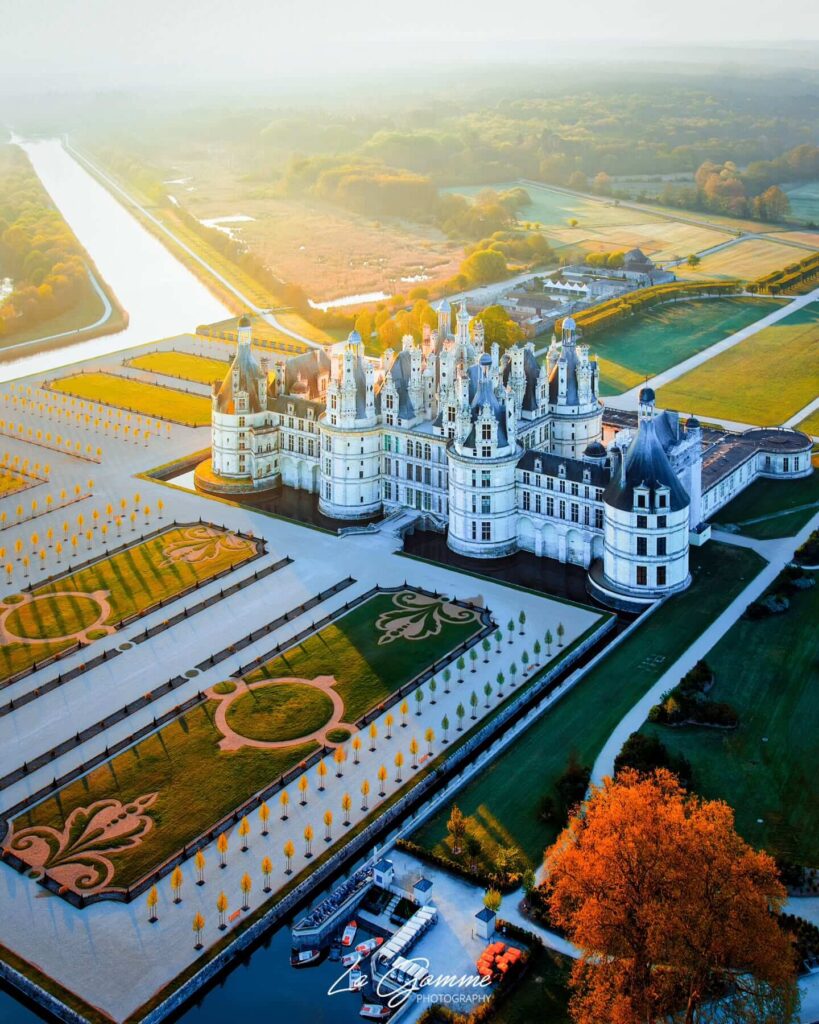
If you have extra time, try to explore at least a small part of the surrounding estate as well. Even a short walk away from the château changes the atmosphere completely and helps you appreciate how isolated and massive the property really is.
Where to Stay Near Château de Chambord
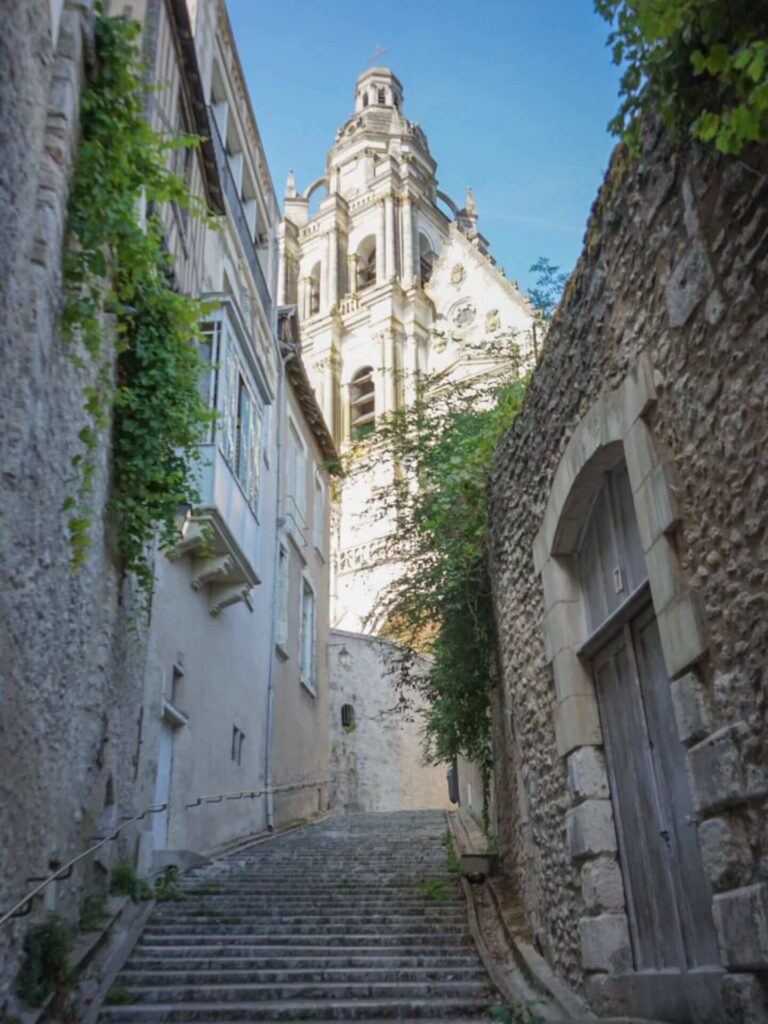
Blois is one of the most practical places to stay if you’re visiting Chambord. It’s close enough for easy access while also offering restaurants, hotels, and other Loire Valley attractions nearby.
Amboise feels more charming and picturesque, especially if you want a classic Loire Valley town atmosphere with cafés, small streets, and riverside views.
Tours work well for travelers who prefer a larger city base with more hotel options and transportation connections while still being close enough for day trips around the region.
There are also countryside hotels and château style accommodations near Chambord itself if you want a quieter experience surrounded by nature.
Nearby Places to Visit After Château de Chambord
If you’re spending a few days in the Loire Valley, Chambord combines very well with several nearby destinations.
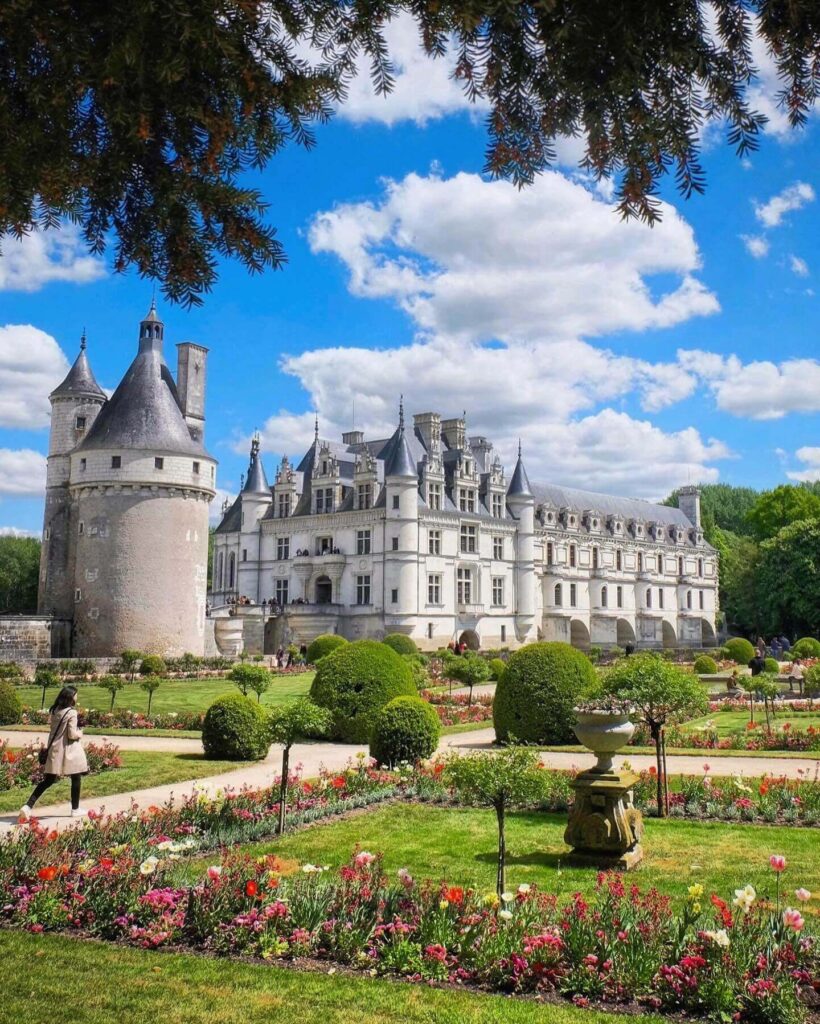
Château de Chenonceau is often considered the most elegant and romantic château in the region, especially because of its beautiful position spanning the river.
Château de Cheverny feels more refined and lived in, with some of the best furnished interiors in the Loire Valley.
Blois is worth visiting for its historic center and another impressive château, while Amboise offers a more relaxed atmosphere with cafés, markets, and riverside scenery.
The Loire Valley is also famous for wine, so adding a vineyard stop or wine tasting can be a nice break between castle visits.
My Honest Thoughts on Visiting Château de Chambord
Before visiting Chambord, I expected it to be impressive. What surprised me most was how dramatic it actually felt in person.
Some famous landmarks lose a little impact because they’ve been photographed so heavily online, but Chambord honestly felt more impressive than the photos. The scale, the rooftop architecture, and the isolated setting all made it feel much more memorable than I expected beforehand.
The rooftop ended up being my favorite part of the experience. Walking among the towers and chimneys genuinely felt unlike any other château I’ve visited in France. In some areas, it almost felt more like exploring the roof of a fantasy city than a traditional palace.
I also loved how open the surroundings felt. Instead of being packed into a city, Chambord sits in the middle of forests and open land, which gives the entire place a quieter and much more cinematic atmosphere.
Even though some interiors feel simpler than places like Versailles, the architecture itself easily makes up for it.
Final Thoughts on Château de Chambord
Château de Chambord is one of those places that feels bigger, grander, and more atmospheric once you actually experience it in person.
Between the remarkable Renaissance architecture, the rooftop terraces, the royal history, and the enormous forest estate surrounding it, the château feels very different from visiting a typical castle.
Even among the many famous Loire Valley châteaux, Chambord stands apart because of its scale and ambition. It feels less like a normal residence and more like a statement designed to impress people centuries later.
And honestly, it still does.