
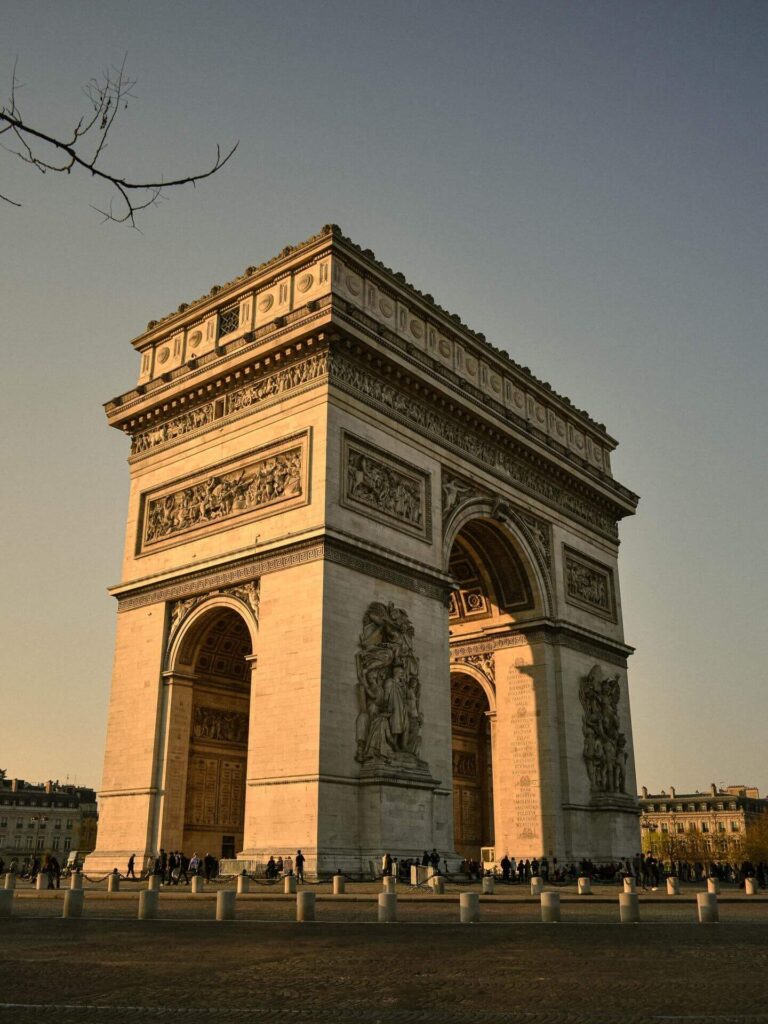
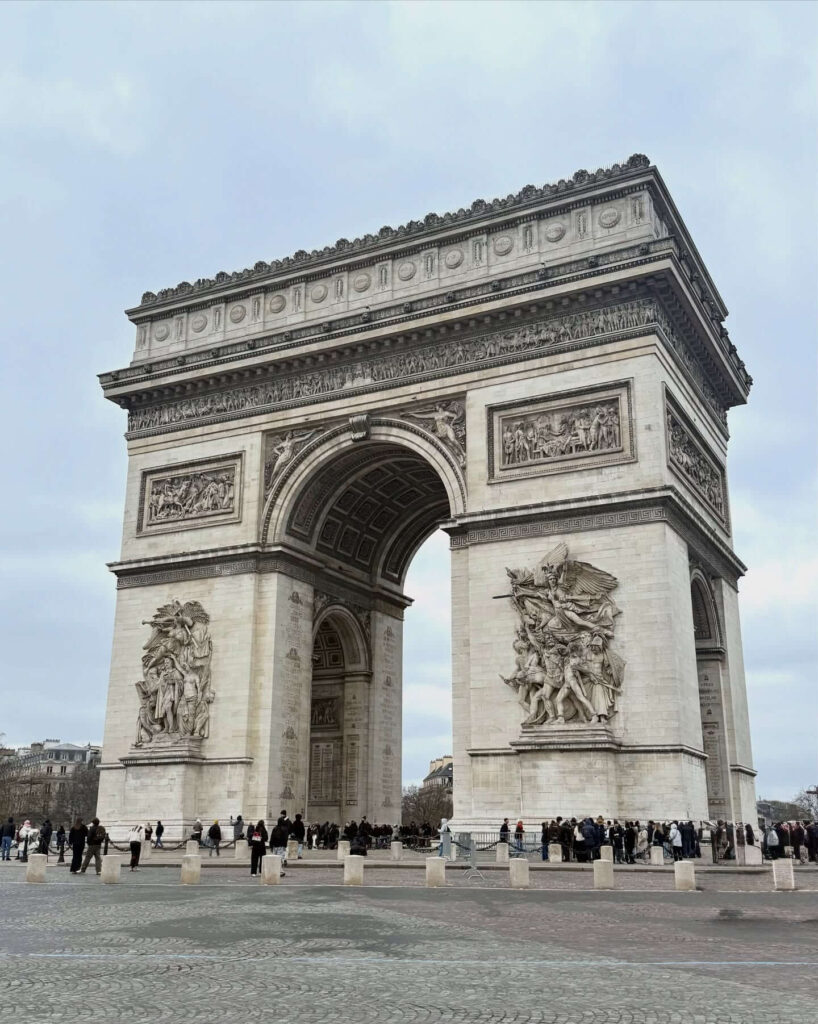
The first time I saw the Arc de Triomphe in person, I honestly wasn’t expecting it to feel quite so massive. I had seen photos of it so many times before visiting Paris that I thought I already knew what to expect.
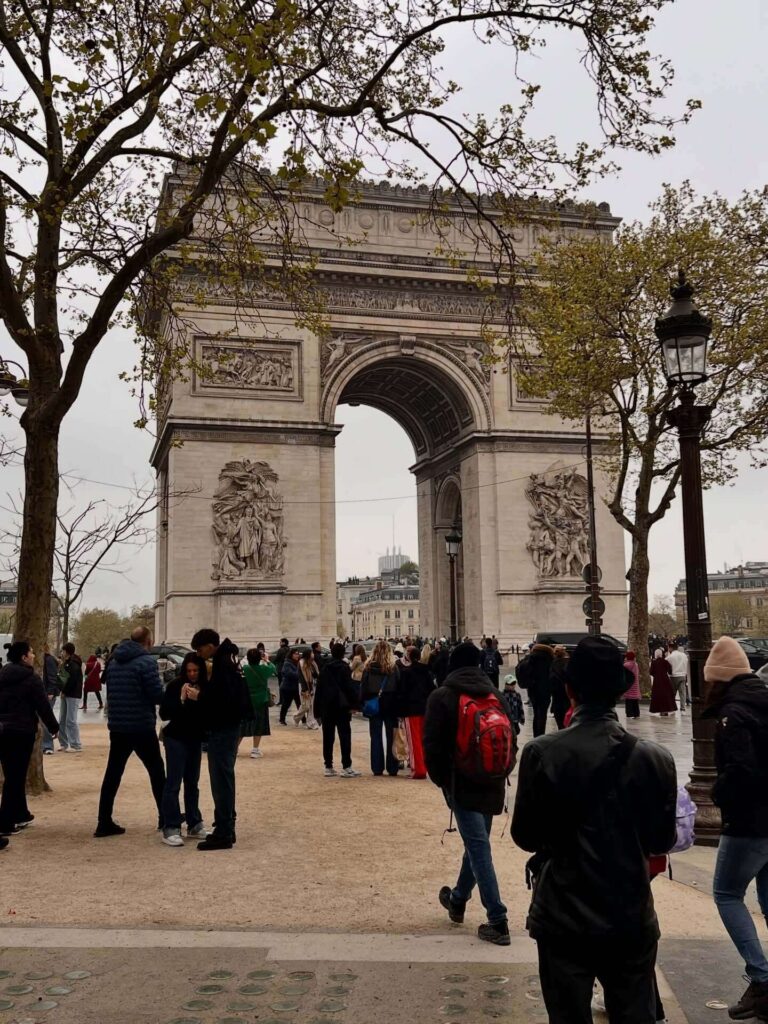
But standing beneath it while cars circled endlessly around Place Charles de Gaulle felt completely different. The closer I got, the more impressive it seemed, especially with all the detailed sculptures and wide Parisian avenues stretching out around it.
What surprised me most was the atmosphere. The area feels busy, dramatic, and very alive compared to some of the quieter parts of Paris. Even after just a few minutes there, it felt less like a monument you quickly photograph and more like a place where you naturally stop and take everything in.
The highlight for me, though, was the rooftop view. I almost skipped climbing to the top because I assumed it would feel similar to other Paris viewpoints, but it ended up being one of my favorite views in the city.
Seeing the Eiffel Tower rising above the rooftops, watching traffic move perfectly around the roundabout below, and looking down the Champs Élysées at sunset made the climb completely worth it.
I stayed up there much longer than I expected, especially once the city slowly started lighting up for the evening. The whole experience felt calmer and more memorable than I imagined beforehand.
If you’re planning to visit the Arc de Triomphe, this guide covers everything I wish I knew before going, including tickets, the rooftop climb, the best times to visit, photography tips, common mistakes to avoid, and whether I think it’s truly worth adding to your Paris itinerary.
What Is the Arc de Triomphe?
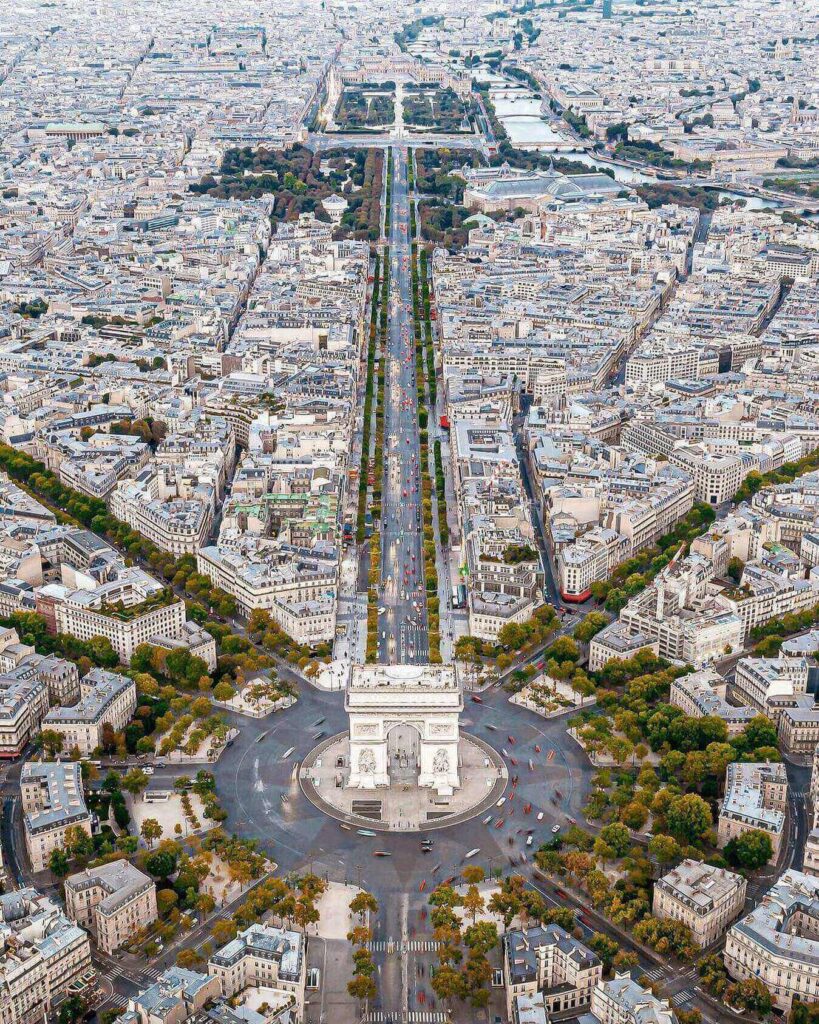
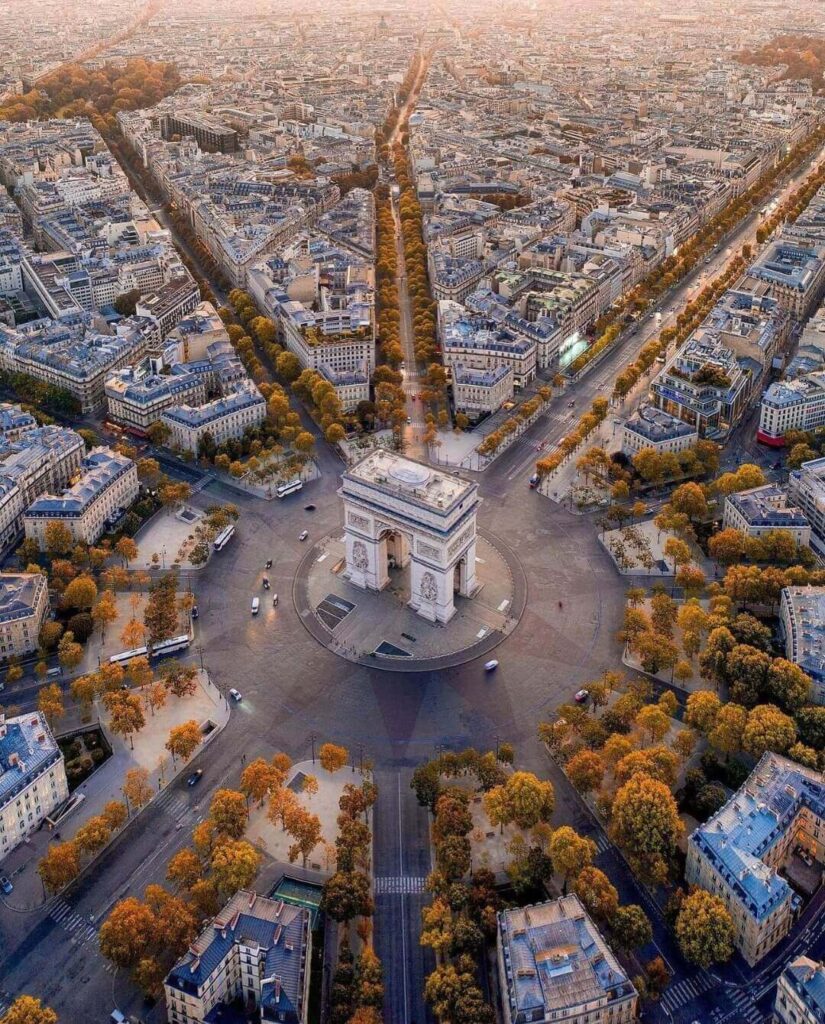
The Arc de Triomphe is one of the most recognizable landmarks in Paris, sitting at the western end of the Champs Élysées in the middle of Place Charles de Gaulle. From above, twelve major avenues spread outward from the monument, which is one of the reasons the rooftop view feels so impressive.
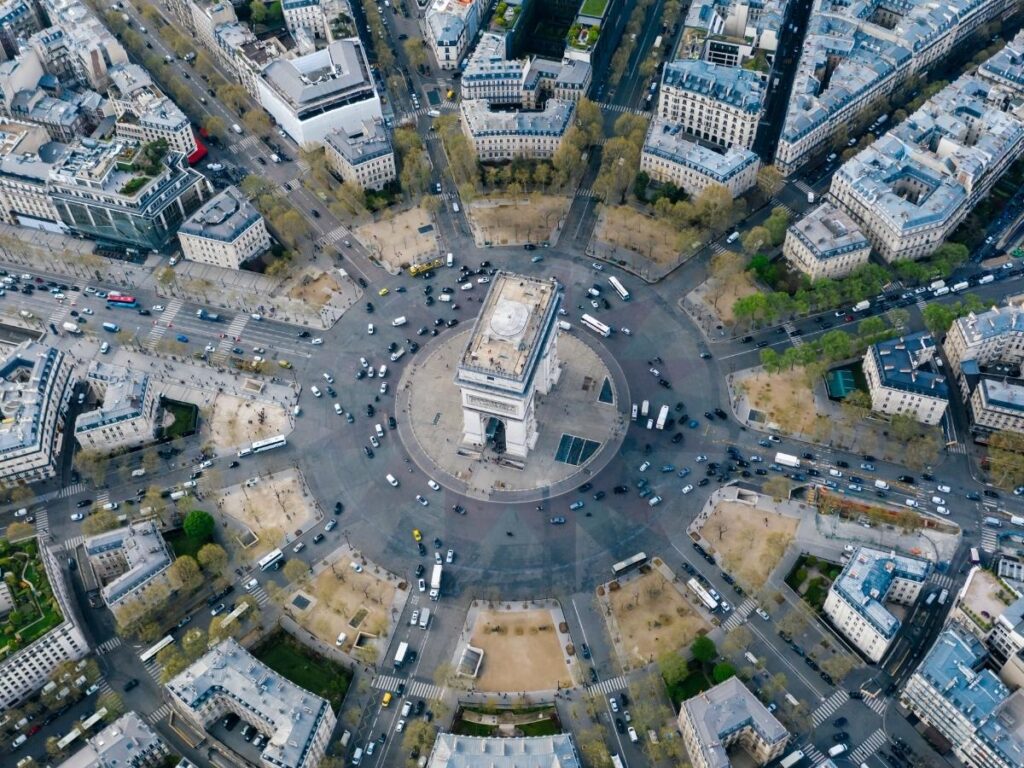
Napoleon commissioned the Arc de Triomphe in 1806 after his victory at Austerlitz to honor the French army and celebrate military achievements. Although construction began during his reign, the monument wasn’t fully completed until 1836.
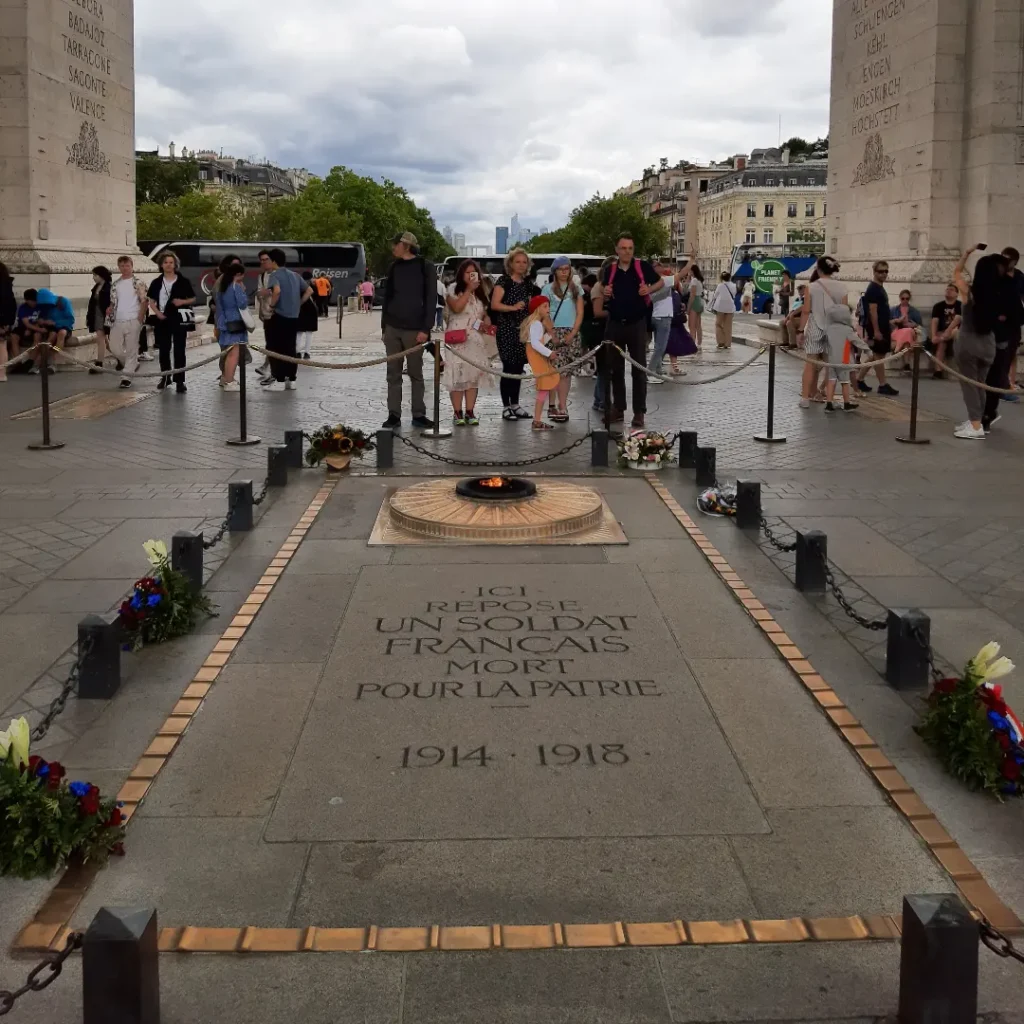
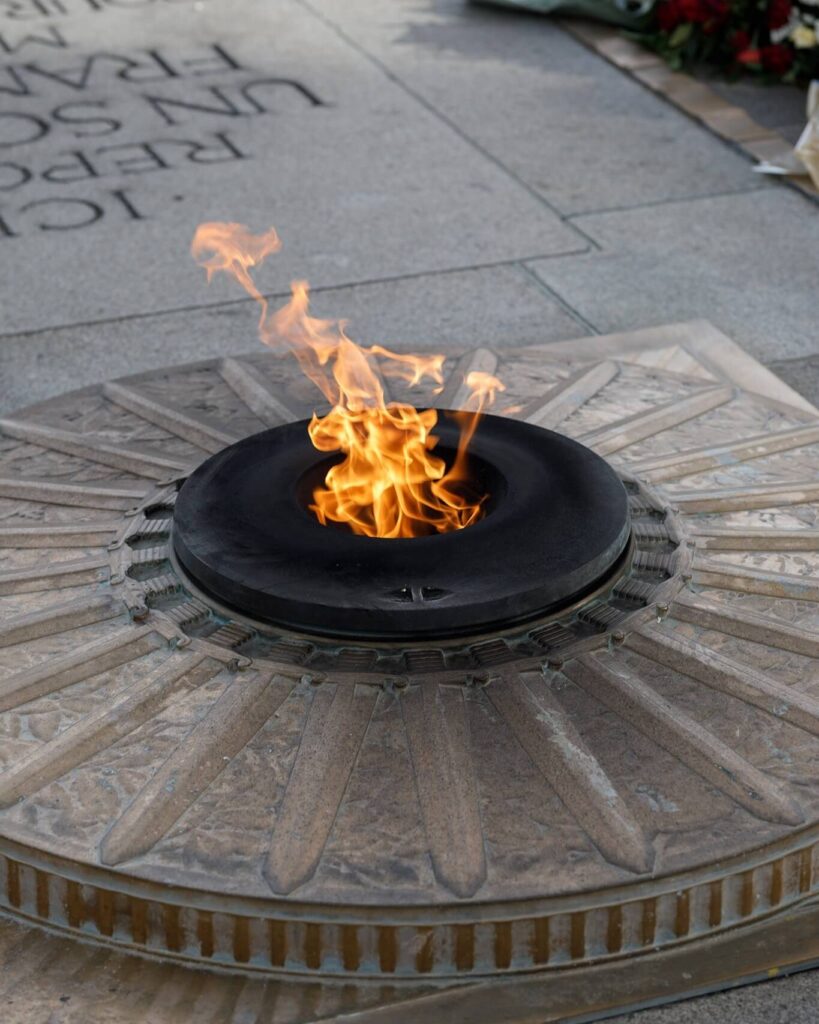
What makes the Arc feel more meaningful than just a photo stop is its continued importance in France today. Beneath the monument sits the Tomb of the Unknown Soldier, added after World War I to honor unidentified soldiers who died in battle.
An eternal flame is rekindled here every evening, and national ceremonies still take place throughout the year.
One thing that really surprised me was how detailed the monument feels up close. From a distance, it can seem fairly simple, but standing underneath it gives you a much better appreciation for the massive sculptures, carved battle names, and overall scale of the architecture.
Combined with the constant movement of the traffic circle around it, the entire area feels much more dramatic in person than I expected.
Is the Arc de Triomphe Worth Visiting?
I honestly think the Arc de Triomphe is worth visiting, especially if it’s your first time in Paris. Before going, I assumed it would be one of those landmarks you admire for a few minutes from outside, take a couple photos, and then move on pretty quickly. But after actually visiting, it ended up feeling much more memorable than I expected.
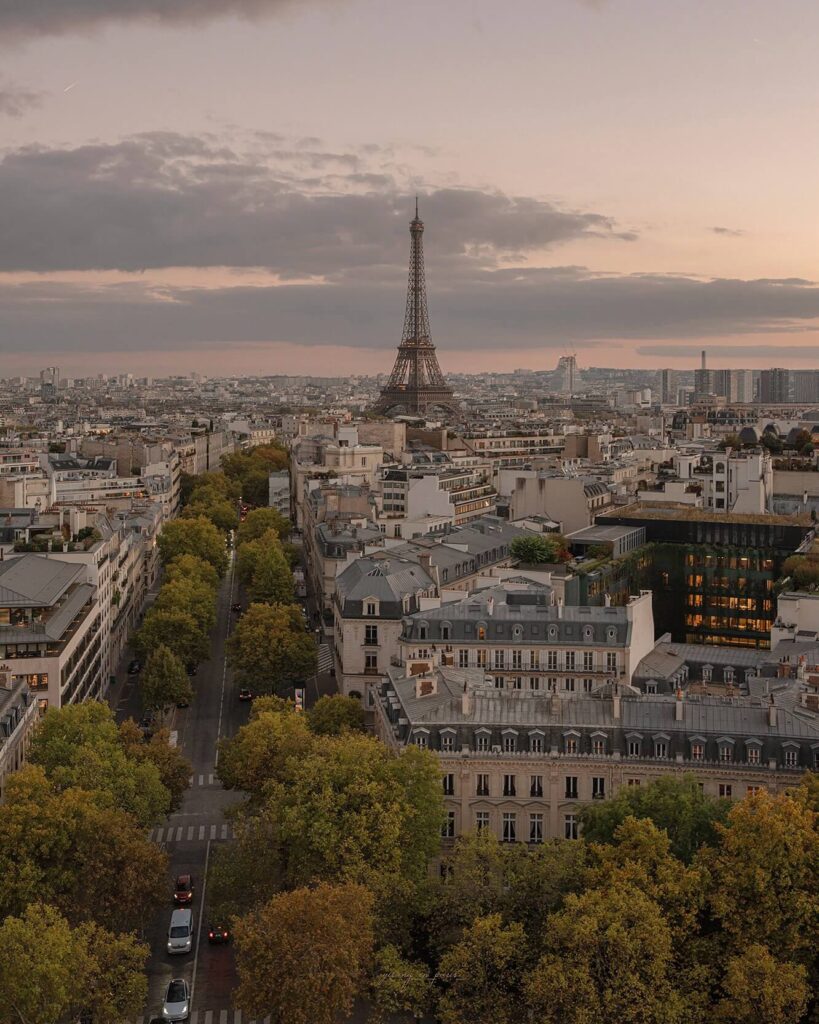
The biggest reason is the rooftop. Climbing to the top completely changes the experience. From street level, the Arc de Triomphe already feels impressive because of its size and location, but the rooftop gives you a completely different perspective of Paris.
You can see the Eiffel Tower rising above the skyline, look straight down the Champs Élysées, and watch the huge roundabout moving constantly below you.
What I liked most is that the view feels very connected to the city itself. The Eiffel Tower gives you a much higher viewpoint, which is beautiful in its own way, but from the Arc de Triomphe you feel closer to Paris. You can actually watch the streets, traffic, rooftops, and neighborhoods stretching outward in every direction.
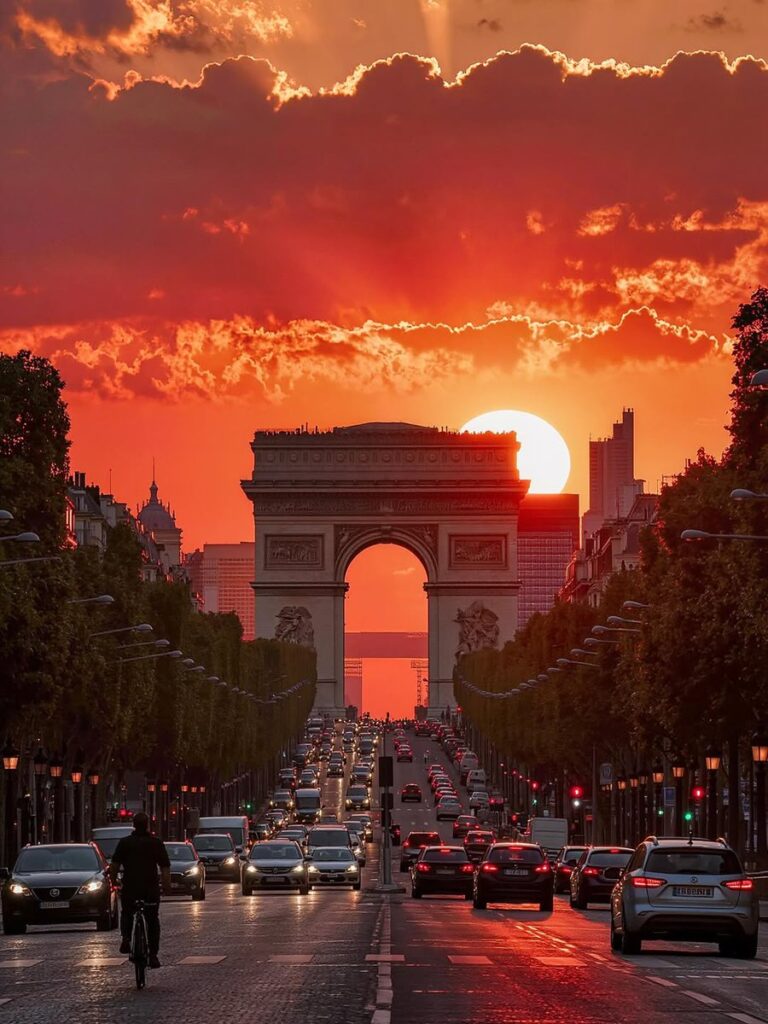
Around sunset especially, the whole city starts changing colors and slowly lighting up, which makes the experience feel even more special.
I’d especially recommend visiting if you enjoy photography, architecture, city viewpoints, or simply experiencing some of Paris’s most iconic areas. Since the monument sits right at the end of the Champs Élysées, it’s also easy to combine with other nearby attractions or just a slower walk through the neighborhood.
That said, I don’t think you necessarily need hours here. If you’re short on time, even a quicker visit can still feel worthwhile because of the atmosphere around the monument and the rooftop views. The only people who may not enjoy it as much are those who dislike climbing stairs, since reaching the top does take some effort.
What surprised me most was how much longer I stayed than I originally planned. I thought I’d spend maybe 20 minutes there, but once I reached the rooftop, I ended up slowing down, taking in the view, and just watching Paris for a while. It felt less like checking off a landmark and more like actually experiencing the city.
Where Is the Arc de Triomphe in Paris?
The Arc de Triomphe sits at the western end of the Champs Élysées in the 8th arrondissement of Paris. It’s positioned right in the middle of Place Charles de Gaulle, the huge circular intersection where twelve major avenues meet.
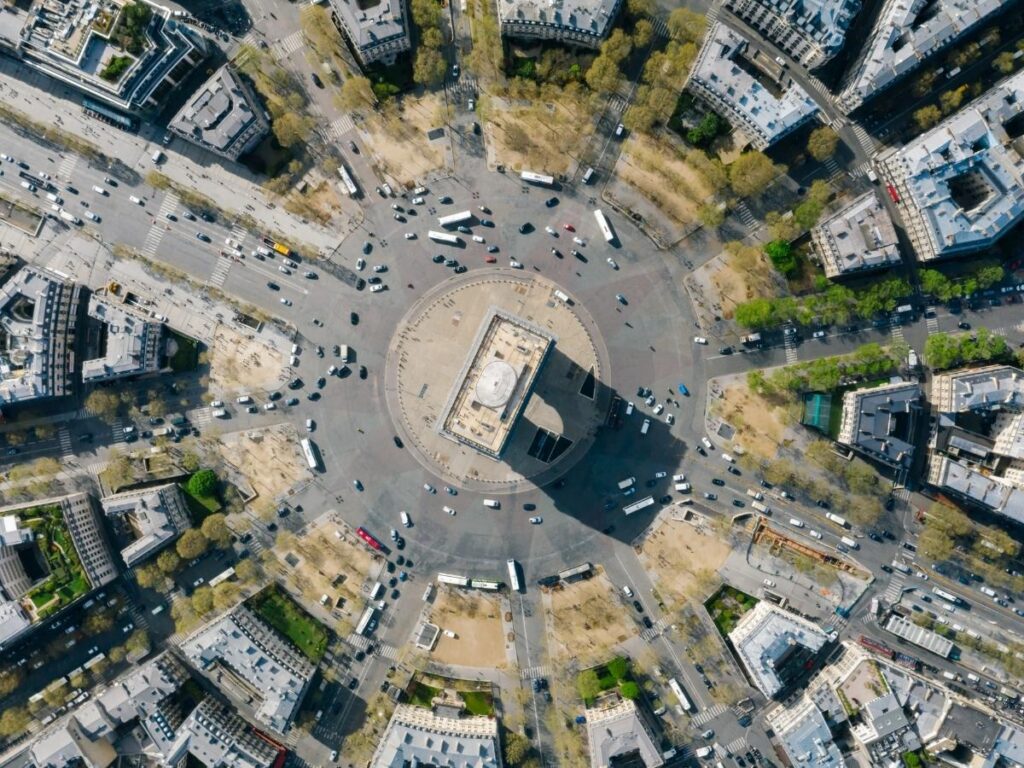
Once you see it in person, it’s hard to miss because the monument rises directly above the center of the roundabout and dominates the entire area around it.
The easiest way to reach the Arc de Triomphe is by Metro. Charles de Gaulle Étoile Station connects several Metro lines, including Lines 1, 2, and 6, along with the RER A train. Because so many lines stop here, getting to the monument from most parts of Paris is usually pretty simple.
One thing I’m really glad I knew beforehand is that you cannot cross directly through the traffic circle to reach the monument. From a distance, it almost looks like you should just walk across, but once you get closer, the traffic feels much busier and more chaotic than it appears in photos.
Cars move constantly around the roundabout, and there are no pedestrian crossings above ground leading directly to the Arc.
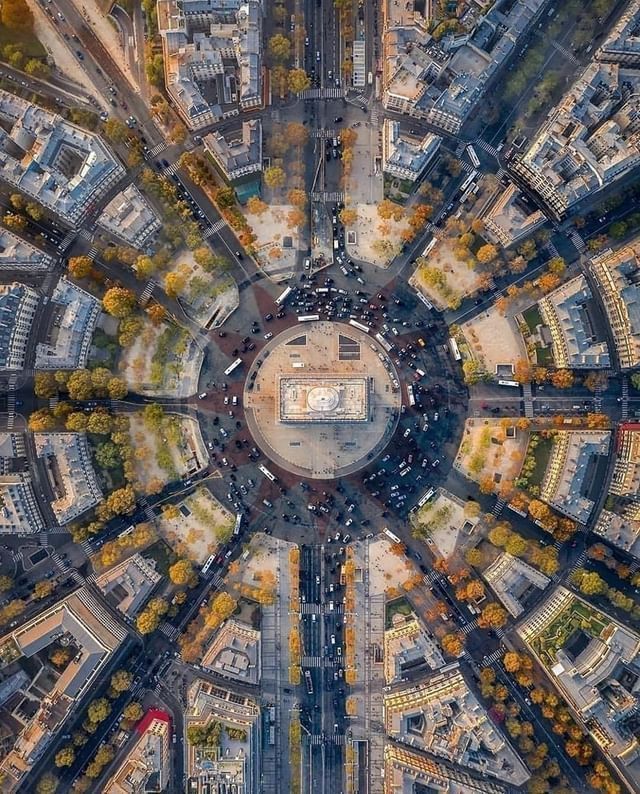
Instead, visitors reach the monument through an underground pedestrian tunnel. The entrance is located near the Champs Élysées side of the circle, and while it’s marked with signs, it can still feel slightly confusing the first time you arrive because the area around the monument is so large and busy.
I actually ended up appreciating the tunnel more than I expected because it makes the arrival feel calmer. You leave behind all the traffic noise for a moment, walk underneath the round about, and then suddenly emerge right beneath the Arc de Triomphe itself.
It also gives you a much closer view of the monument immediately, which makes the scale feel even more impressive once you step outside again.
Arc de Triomphe Tickets and Entry Information
Ticket Prices
To access the rooftop observation deck of the Arc de Triomphe, visitors generally need to purchase an entry ticket. Prices can change slightly over time, so it’s worth checking the latest rates before your visit, but standard adult admission is usually fairly reasonable compared to some other major attractions in Paris.
There are also a few categories of visitors who may qualify for free entry. EU residents under 26 often receive free admission, and the Paris Museum Pass includes access as well. If you already plan on visiting several museums and monuments in Paris, the pass can end up being useful.
One thing that’s helpful to know is that you don’t need a ticket just to approach the monument itself. The area beneath the arch, including the Tomb of the Unknown Soldier and eternal flame, is free to visit. So even if you decide not to climb to the rooftop, you can still experience part of the monument without paying.
How to Buy Tickets
I’d personally recommend buying tickets online, especially if you want to visit close to sunset or during busier travel months. Sunset is one of the most popular times to go because the rooftop views become especially beautiful as the city starts lighting up, which means lines tend to grow much longer later in the day.
When I first arrived, the queue outside honestly looked worse than it actually was. Once it started moving, it felt fairly organized. Still, having advance tickets removes a lot of uncertainty and makes timing your visit much easier.
If you’re visiting during summer, weekends, or holidays, booking ahead feels especially worthwhile. Paris attractions can become crowded quickly, and it’s much nicer walking straight toward the entrance instead of standing outside wondering how long the wait will be.
Security Checks and Entrance Process
Before entering, everyone passes through a quick security check and bag screening. The process during my visit felt smooth overall, although the wait time can vary depending on the time of day and season.
One thing I noticed is that the area outside the monument doesn’t have much shade or seating. During warmer afternoons, the wait can feel longer simply because you’re standing out in the open near the traffic circle. If you’re visiting during summer, bringing water and avoiding the hottest part of the afternoon can make the experience much more comfortable.
Another small detail that’s useful to know beforehand is that the entrance is reached through an underground pedestrian tunnel. You can’t cross directly through the traffic circle above ground, and honestly, once you see how busy the roundabout is, you probably wouldn’t want to try anyway.
The tunnel entrance is fairly easy to find once you’re near the Champs Élysées side of the monument.
Climbing to the Rooftop Observation Deck
How Many Stairs Are There?
Reaching the rooftop of the Arc de Triomphe takes a little effort because visitors climb nearly 300 stairs to get to the top. Before visiting, I assumed the climb would feel pretty quick, but the staircase keeps winding upward longer than I expected.
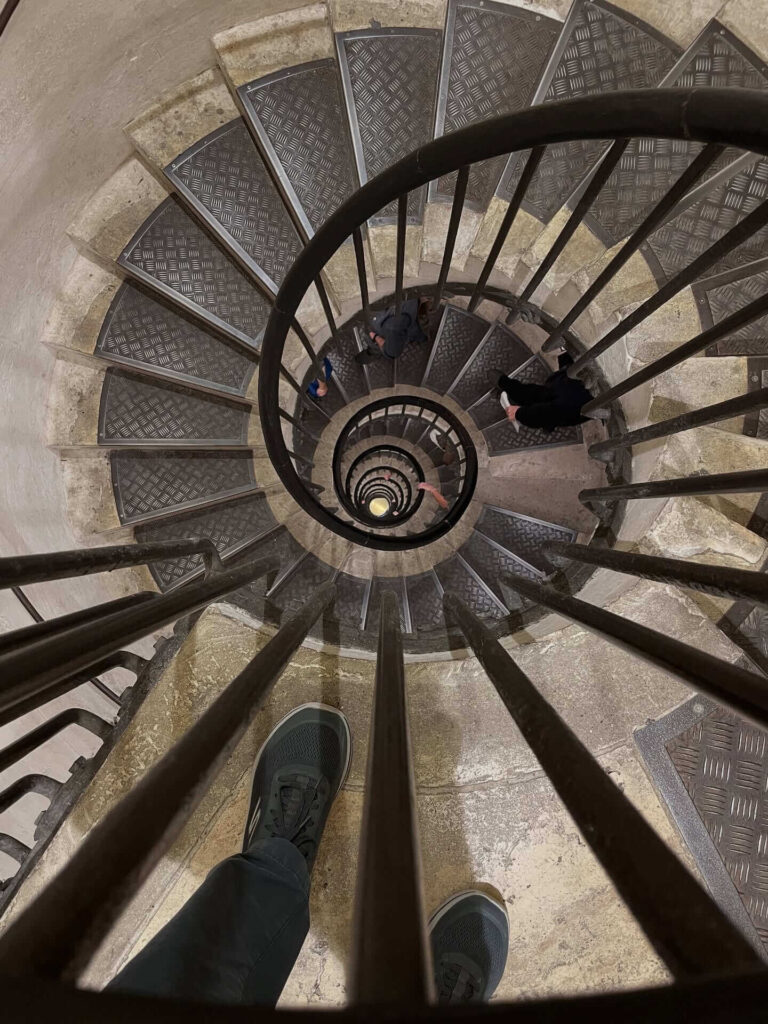
There is an elevator available in certain situations, mainly for visitors with reduced mobility, although it usually doesn’t take you completely to the rooftop level. Some stairs still remain near the end.
If you’re reasonably comfortable with stairs, the climb is definitely manageable, but I wouldn’t underestimate it either, especially during summer or after a long day of walking around Paris.
What the Climb Feels Like
Most of the climb happens inside a narrow spiral staircase that circles upward through the monument. The staircase itself feels very enclosed compared to the open rooftop waiting at the top, so reaching the terrace almost feels like stepping into a completely different space.
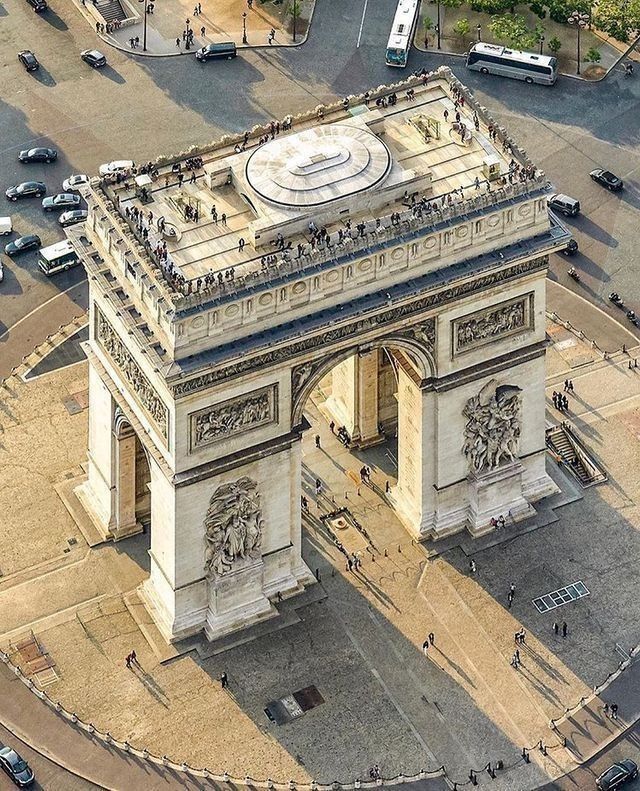
I didn’t find the climb extremely difficult, but by the final stretch I could definitely feel it in my legs. A lot of people naturally slowed down along the way, especially near the upper sections where the staircase starts feeling a bit repetitive. Thankfully, you can take your time without feeling rushed.
One thing I’d recommend is avoiding the climb during the hottest part of the afternoon if possible. The staircase can feel warm and slightly crowded when visitor numbers are high, especially in peak summer months.
The Rooftop View Experience
Once I stepped onto the rooftop terrace, the climb immediately felt worth it.
The view opens up in every direction, and it gives you one of the best perspectives of Paris without being overwhelmingly high above the city.
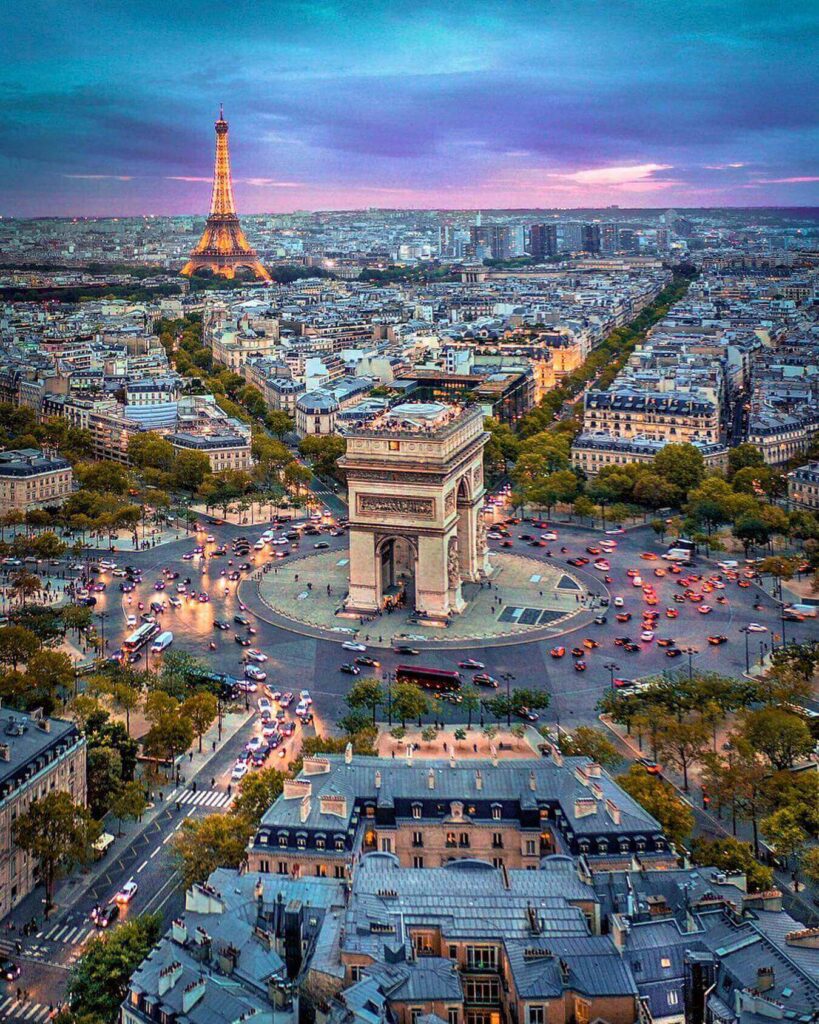
You can see the Eiffel Tower standing over the skyline, the Champs Élysées stretching perfectly straight below, the modern buildings of La Défense in the distance, and rows of classic Paris rooftops spreading endlessly across the city.
What I liked most is that the rooftop feels connected to Paris rather than far removed from it. You’re high enough to appreciate the layout of the city, but still close enough to notice traffic moving below, people walking along the avenues, and the details of the neighborhoods around you.
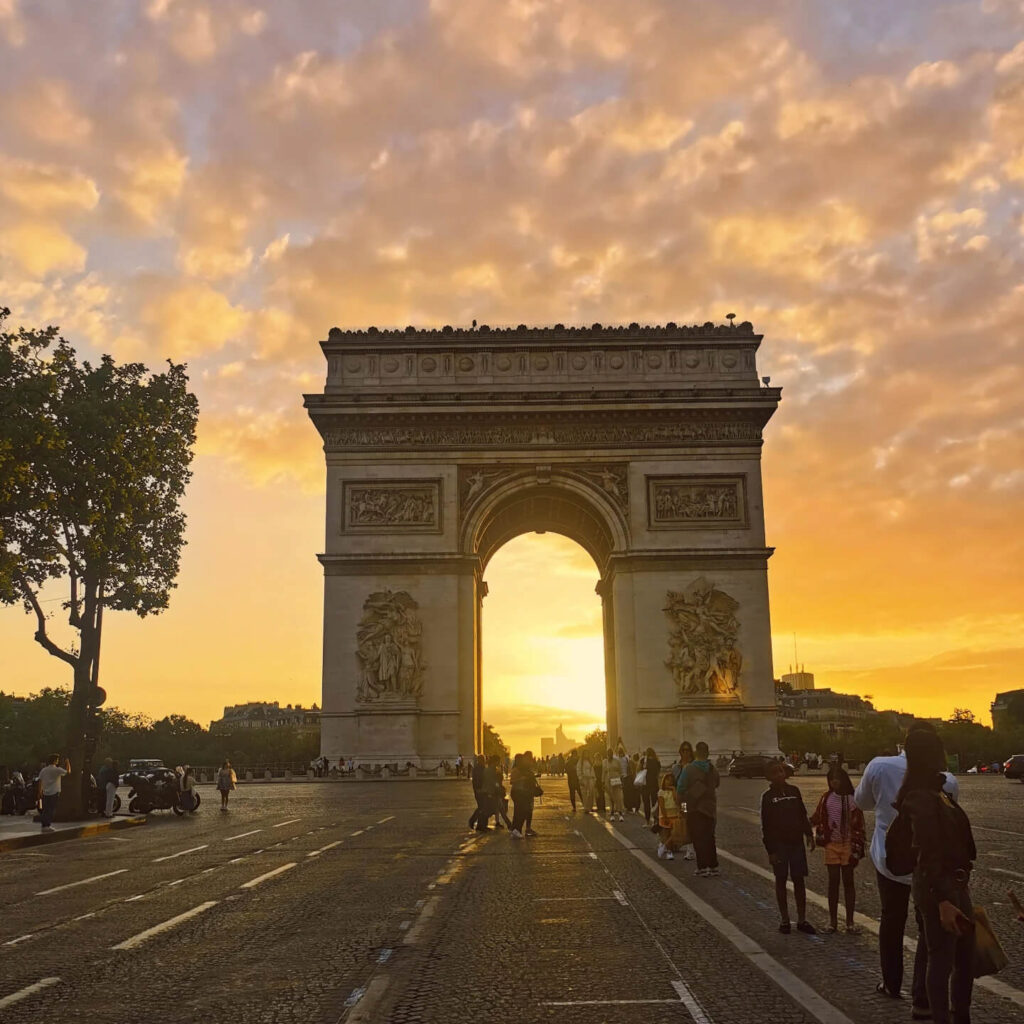
Sunset was easily my favorite time to be there. As the light started fading, the rooftops turned softer in color, traffic lights began glowing below, and the entire atmosphere became much calmer than I expected from such a busy area.
I originally planned to stay for just a few minutes, but I ended up lingering much longer simply watching the city slowly transition into evening.
I was also surprised by how relaxed the rooftop felt overall. Even with plenty of visitors around, people naturally spread out across the terrace, so it rarely felt overly crowded or chaotic during my visit.
Best Time to Visit the Arc de Triomphe
Best Time of Day
After visiting the Arc de Triomphe, I really think late afternoon into sunset is the best time to go, especially if you plan to climb to the rooftop. This is when the experience feels the most atmospheric because you get to see Paris change throughout the evening instead of seeing the city in just one type of light.
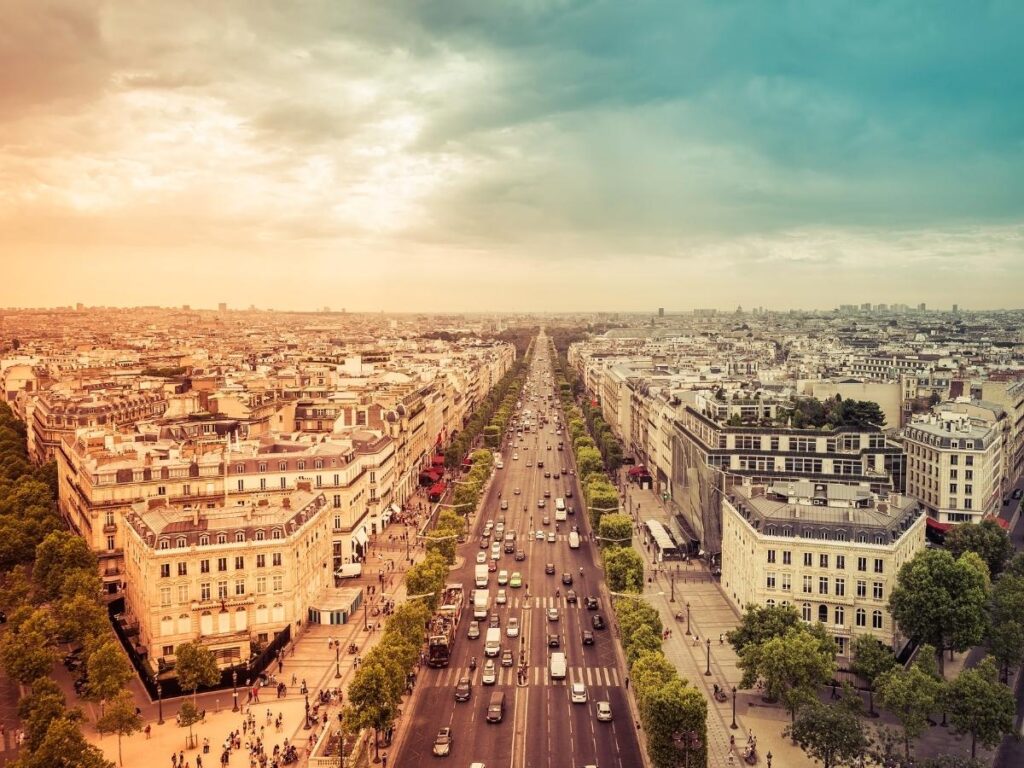
If you arrive a little before sunset, you can enjoy clear daytime views first, which makes it easier to spot landmarks and appreciate how the city spreads out from the monument. Then, as the sun starts lowering, the lighting across the rooftops becomes much softer and warmer.
Eventually the streets begin glowing, headlights appear around the roundabout below, and the Eiffel Tower starts lighting up in the distance.
I stayed longer than I expected because the rooftop kept feeling different every 15 or 20 minutes as the sky changed colors. If you time it well, you can even catch the Eiffel Tower sparkle after dark, which makes the view feel even more memorable.
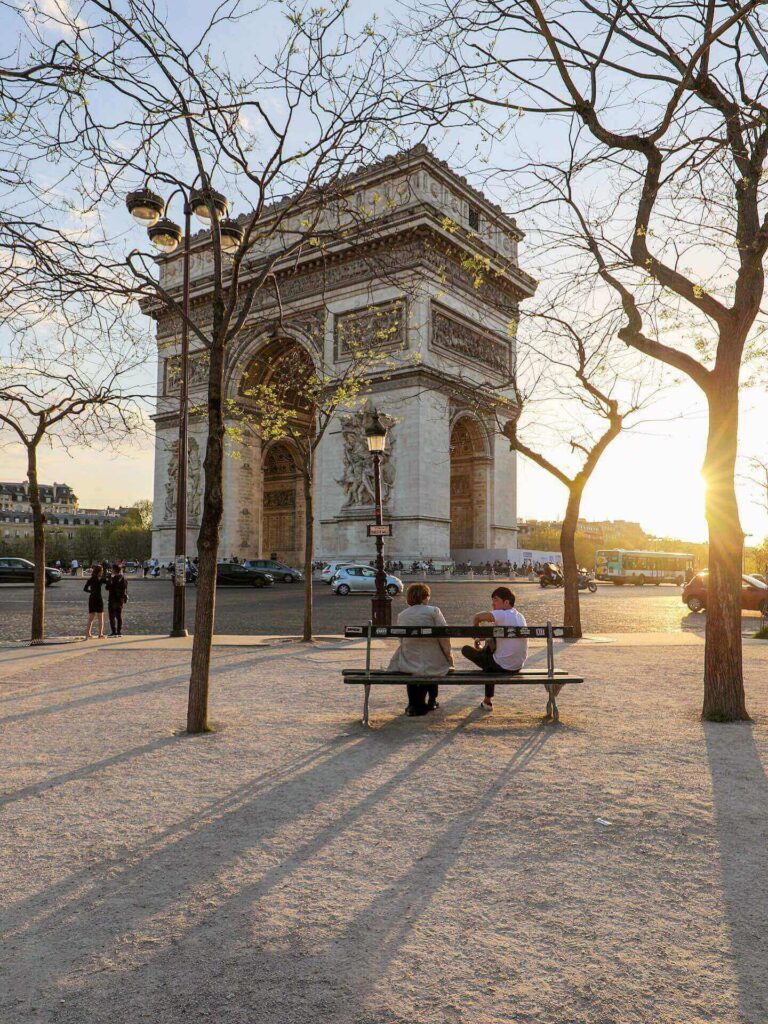
That said, mornings have their own advantages too. Early visits are usually calmer, cooler, and much easier for photography. The rooftop feels more peaceful, and you won’t spend as much time waiting in lines. If you prefer quieter sightseeing instead of sunset crowds, morning is honestly a great option.
Midday was probably my least favorite time around the monument. The area becomes busier, the rooftop can feel noticeably hotter during summer, and the lighting is much harsher for photos. It’s still worth visiting, but the atmosphere feels less special compared to early morning or evening.
Best Days of the Week
Weekdays generally feel much easier and more relaxed than weekends. During the week, the crowds still exist, but the experience feels less hectic overall, especially earlier in the day.
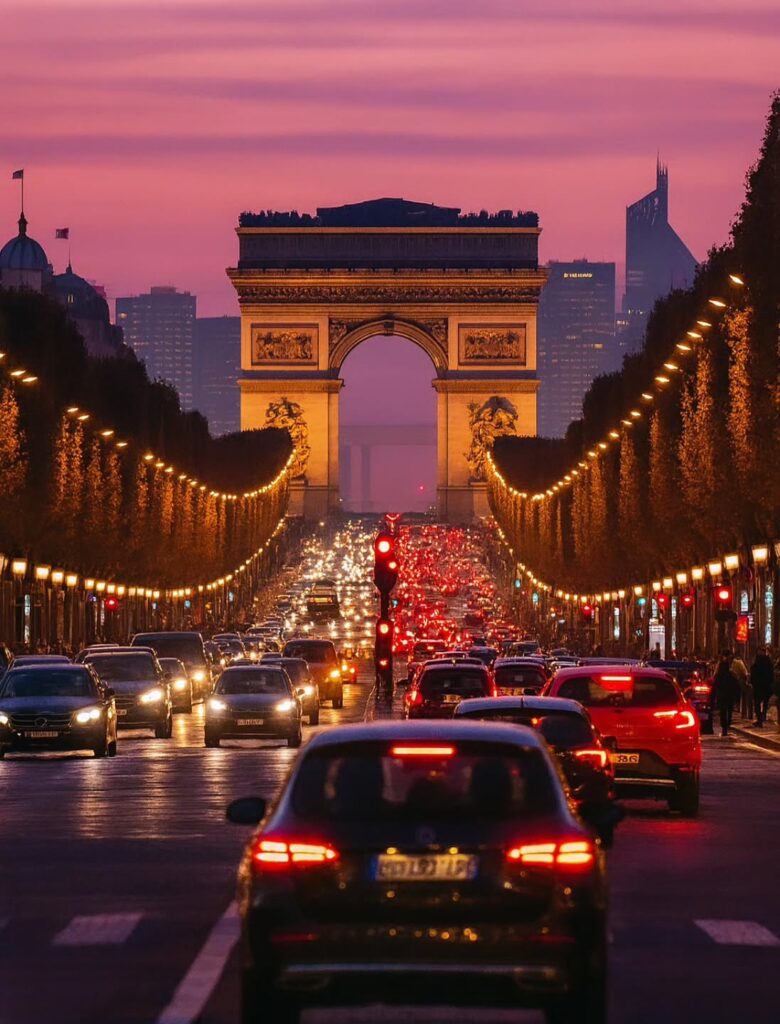
Saturday evenings, especially in summer, tend to feel the busiest. Between tourists, locals walking along the Champs Élysées, and people gathering around the viewpoint for sunset, the entire area becomes much more crowded.
If you have flexibility in your itinerary, I’d personally aim for a weekday sunset visit. It gives you a good balance between atmosphere and manageable crowd levels.
Best Season to Visit
I think spring and early fall are probably the best seasons to visit the Arc de Triomphe. The weather is usually more comfortable for climbing the stairs, the lighting feels softer for photography, and the crowds are often slightly more manageable than during peak summer.
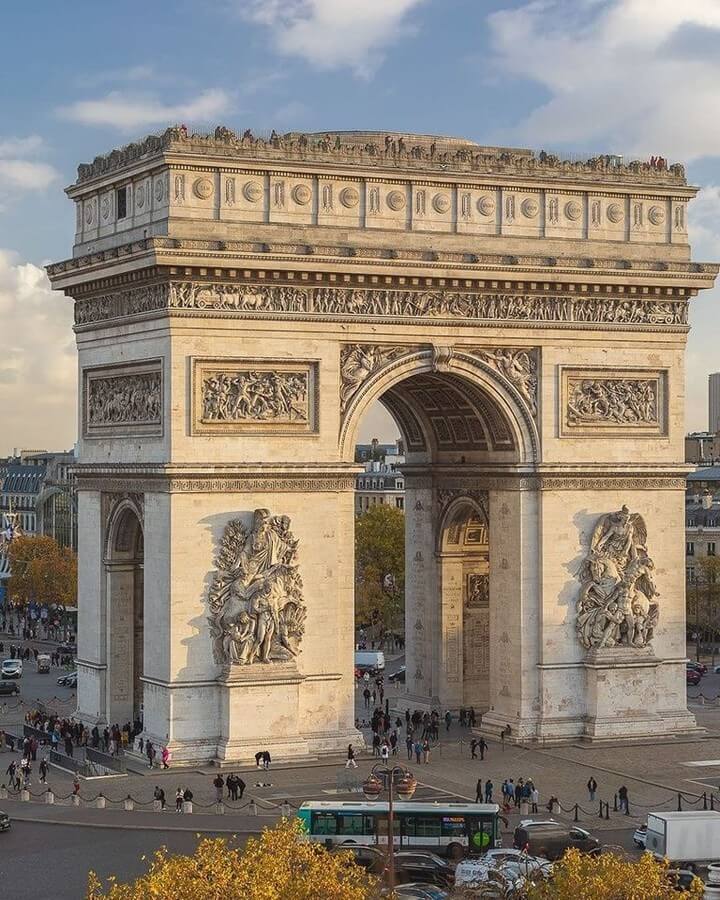
Summer still looks beautiful, especially in the evenings, but the rooftop and staircase can feel quite warm in the middle of the day. Lines also tend to get much longer during school holidays and peak travel months.
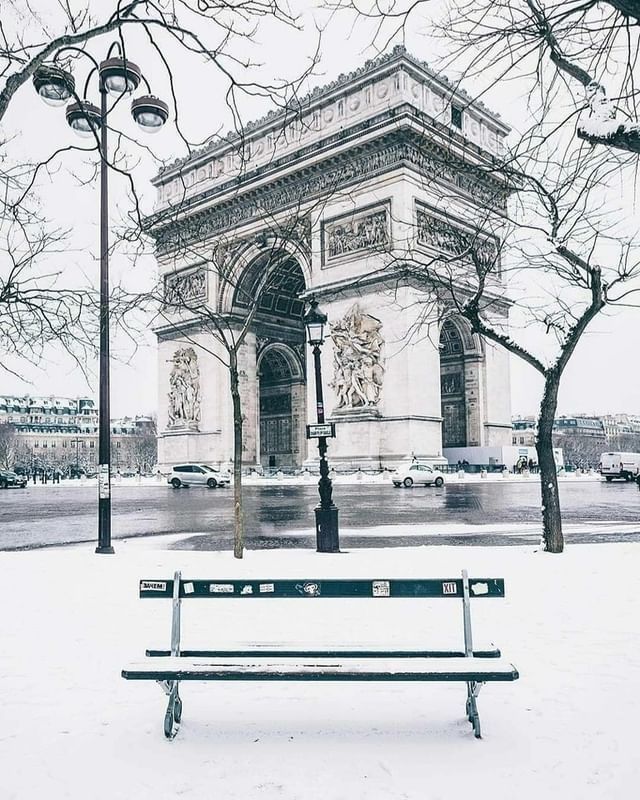
Winter surprised me in a good way. Even though the weather can be colder and less predictable, the city starts lighting up much earlier in the evening, which creates a really nice atmosphere around sunset. Seeing Paris glowing below the rooftop while the air feels crisp actually made the experience feel a little more cozy and dramatic.
One thing that matters more than I expected is visibility. Since the rooftop view is such a big part of the experience, fog, heavy rain, or very hazy weather can make the panorama much less impressive. If possible, I’d try to pick a clearer day so you can fully enjoy the views across the city.
How Much Time Do You Need?
You can visit the Arc de Triomphe fairly quickly if you’re short on time, but after going myself, I honestly think it deserves longer than many people give it.
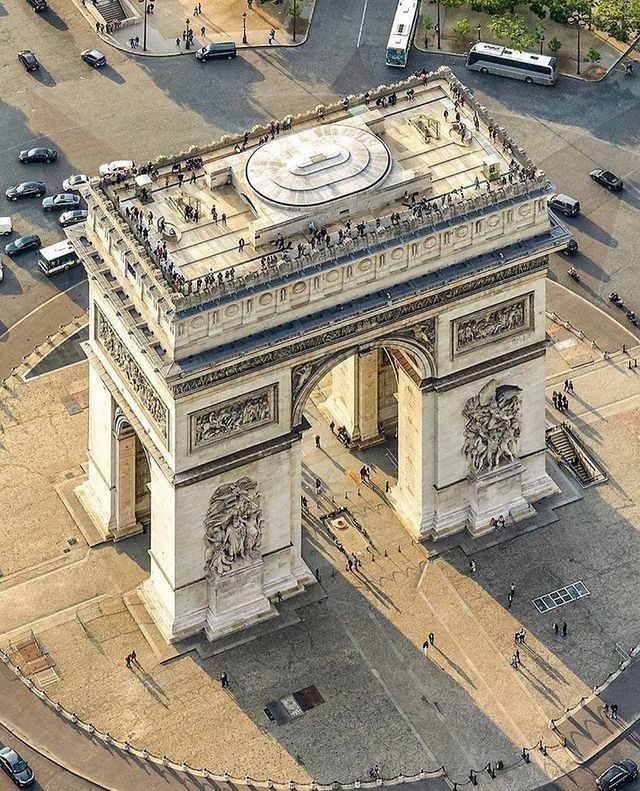
A lot of visitors stop for a few photos from outside and then immediately move on, but the experience feels very different once you actually go inside and climb to the rooftop. Between the staircase, the observation terrace, and simply spending time enjoying the views, it naturally takes longer than you might expect.
If you only want to see the monument from ground level and visit the Tomb of the Unknown Soldier, you probably need around 20 to 30 minutes. That’s enough time to walk through the underground tunnel, see the monument up close, and take a few photos around the area.
For the full rooftop experience, I’d personally allow at least 1 to 1.5 hours. This gives you enough time to get through security, climb the stairs without rushing, spend time on the rooftop, and enjoy the views properly.
If you visit around sunset, you may even want a little longer because the atmosphere changes so much as the city transitions into evening.
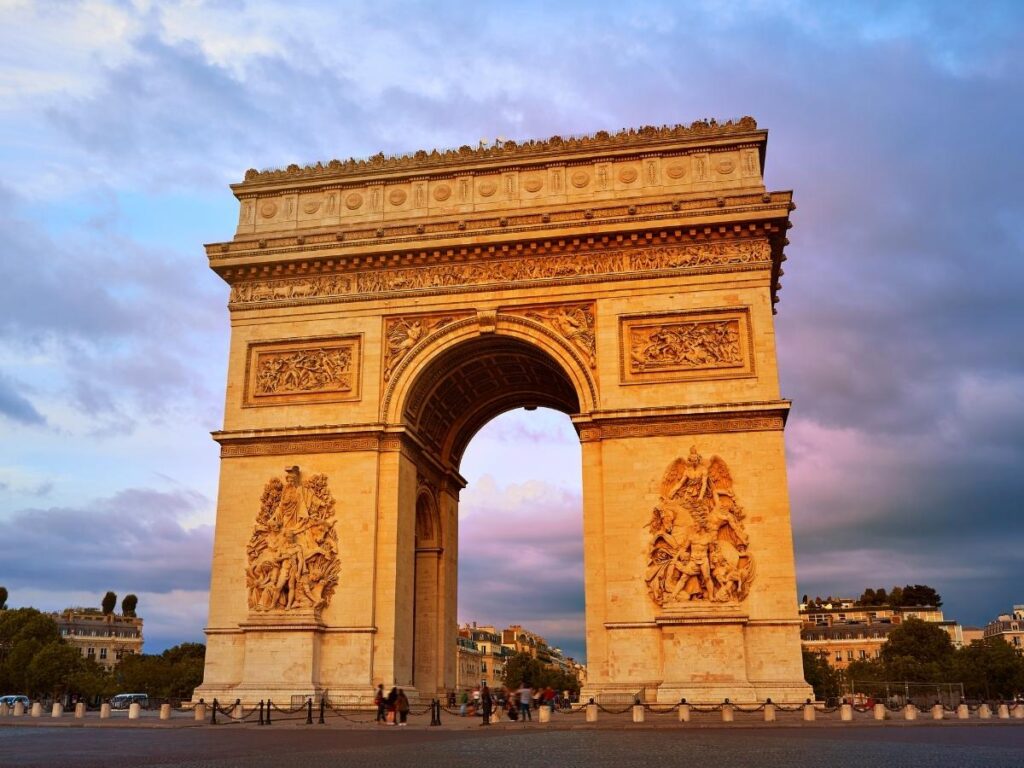
What surprised me most was how easy it became to lose track of time once I reached the top. I originally thought I’d spend maybe 15 or 20 minutes on the rooftop, but I ended up staying much longer just watching Paris below and waiting for the city lights to slowly appear.
I also think the Arc de Triomphe works best when it’s part of a slower afternoon or evening in this area of Paris rather than a rushed stop between attractions.
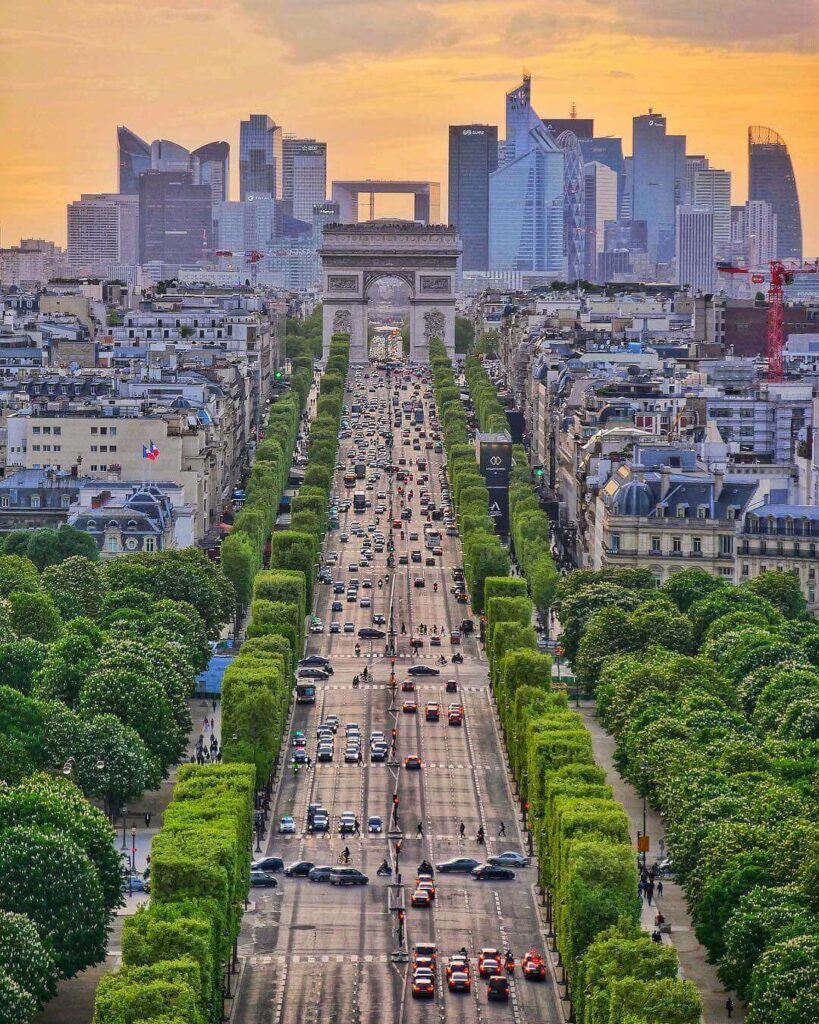
Since it sits right beside the Champs Élysées, it pairs really well with a walk down the avenue, a café stop, or even continuing toward the Seine afterward. When I visited, combining everything together made the experience feel much more relaxed and memorable instead of just another landmark checklist stop.
Things to Know Before Visiting the Arc de Triomphe
A few small details can make visiting the Arc de Triomphe much smoother, especially if it’s your first time there.
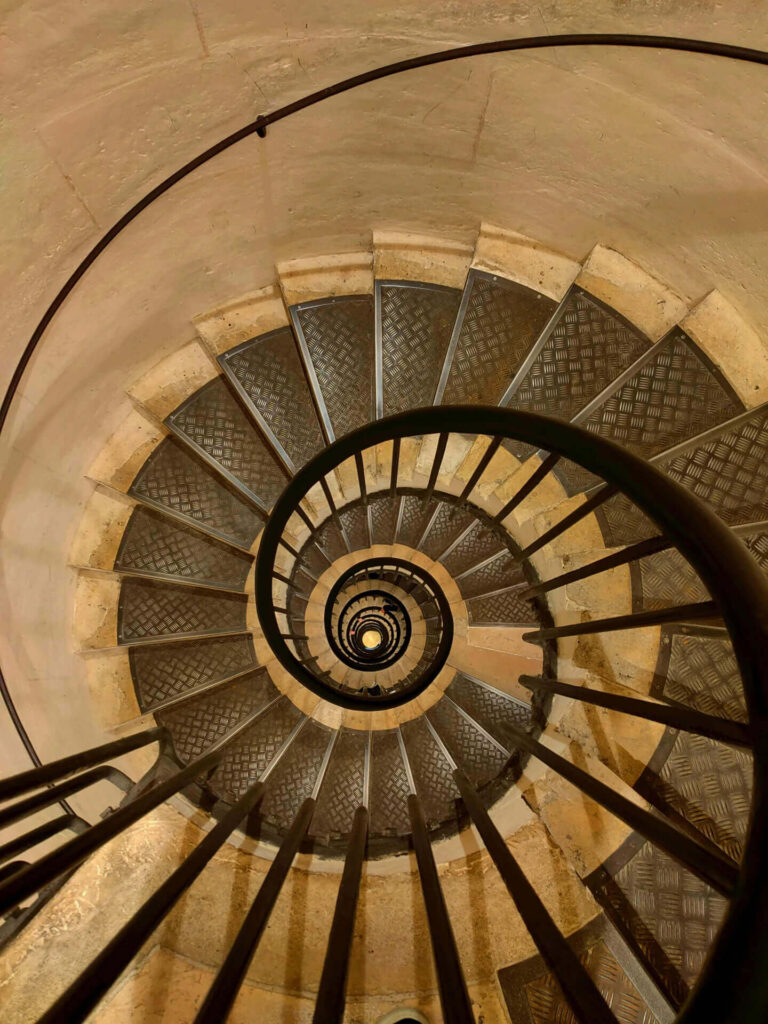
The biggest thing that surprised me was how tiring the rooftop staircase felt after a full day of walking around Paris. The climb is completely manageable for most people, but the spiral staircase seems longer than expected, especially near the top. If you visit during summer, it can also feel fairly warm inside.
Timing matters a lot here too. Sunset is easily the most popular time to visit because the rooftop views become especially beautiful once the city starts lighting up. That also means lines get noticeably longer later in the afternoon, so booking tickets ahead of time can save a lot of waiting.
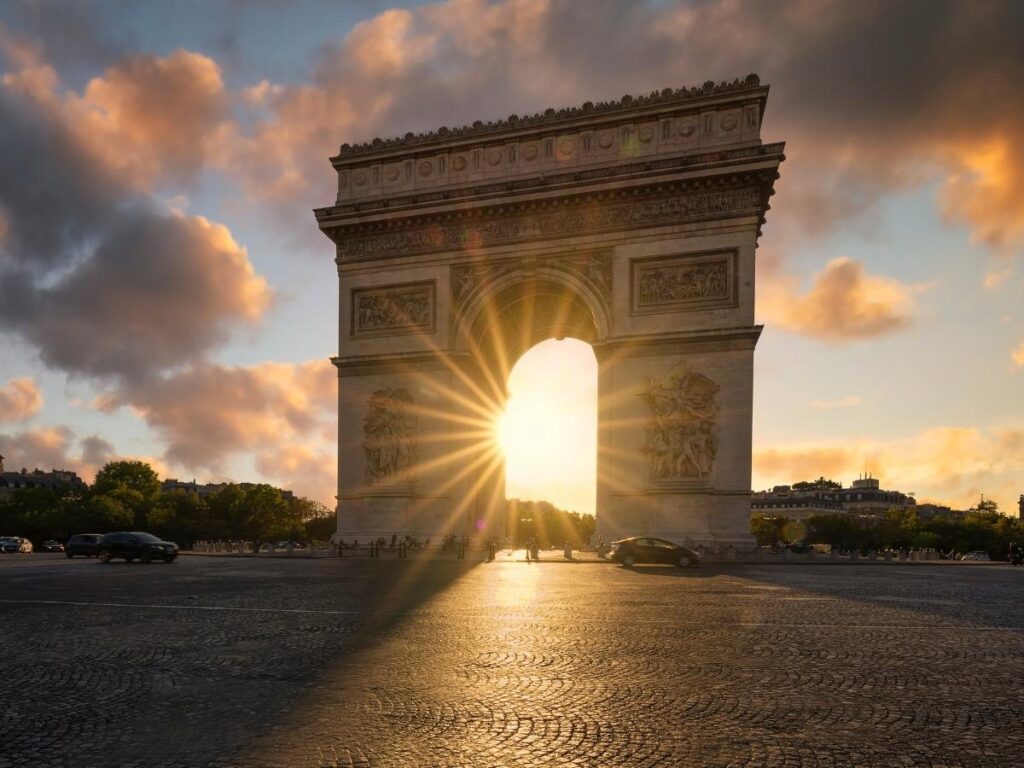
Another thing worth knowing is that the rooftop can get surprisingly windy, especially in the evening. I’d recommend bringing an extra layer if you plan to stay around sunset or after dark.
The entrance setup can also confuse people at first. You can’t cross directly through the large traffic circle surrounding the monument. Instead, visitors reach the Arc through an underground pedestrian tunnel, which is much safer and easier once you know where to look.
One thing I genuinely wish I knew beforehand was how beautiful the rooftop feels after sunset. I almost visited only during the daytime, and I would have missed one of the best parts of the experience.
My Honest Thoughts on Visiting the Arc de Triomphe
Before visiting Paris, I honestly assumed the Arc de Triomphe would be more of a quick stop between larger attractions. I expected to spend maybe 20 minutes there, take a few photos, and move on.
Instead, it became one of the places I enjoyed most in the city.
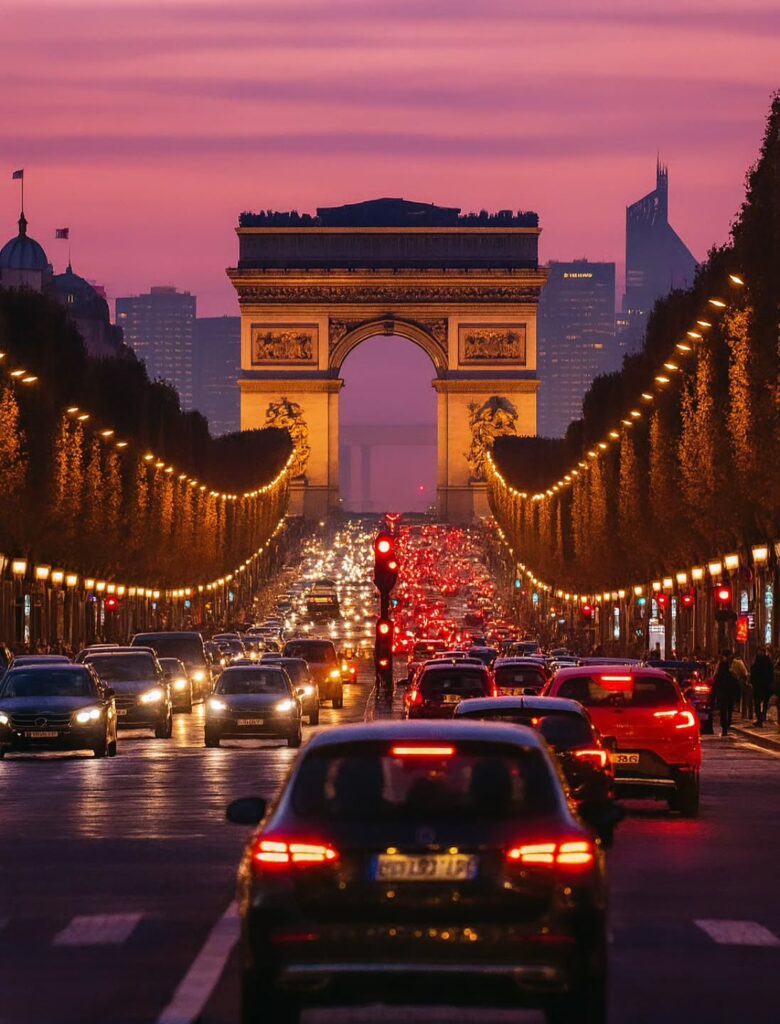
Part of that was definitely the rooftop view, but what stayed with me even more was the atmosphere around the monument itself. Watching the traffic circle moving below while Paris slowly shifted from daytime into evening made the whole experience feel much more immersive than I expected.
I also liked that the Arc de Triomphe feels connected to the city in a way some viewpoints don’t. You’re high above Paris, but not so far away that the city feels distant. You can still hear the movement below, recognize the neighborhoods around you, and watch the streets stretching outward in every direction.
Would I visit again? Definitely, especially around sunset or later in the evening when the city lights begin appearing across the skyline.
If you only have a short time in Paris, I still think the Arc de Triomphe deserves a place on your itinerary, particularly if you enjoy photography, city viewpoints, or seeing Paris from a different perspective than the Eiffel Tower.
Final Thoughts
The Arc de Triomphe ended up being much more memorable than I expected before visiting Paris. Between the rooftop views, the history, and the atmosphere around the surrounding avenues, it became one of those places that stayed in my mind long after the trip ended.

What I appreciated most was that the experience never felt limited to just the monument itself. The rooftop views, the movement of the city below, the evening lights around the Champs Élysées, and the overall energy of the area all blended together into something that felt very distinctly Parisian.
If you’re planning your Paris itinerary, I’d absolutely recommend setting aside enough time to climb to the rooftop and experience the city from above, especially close to sunset when the atmosphere feels at its best.
And if you’re still planning the rest of your trip, make sure to check out more Paris guides on Travel with Zee for museum guides, itinerary ideas, and more of my favorite viewpoints across the city.