
I expected to enjoy the Louvre more than Musée d’Orsay. Before my trip to Paris, that was the museum everyone seemed to talk about first, so I assumed Musée d’Orsay would feel more like a smaller alternative you visit afterward if you have extra time.
Instead, it ended up being one of my favorite places in the city.
A big part of that came down to the atmosphere. The Louvre impressed me, but it also felt exhausting at times. There were moments where I spent more energy navigating crowds and huge corridors than actually enjoying the artwork.
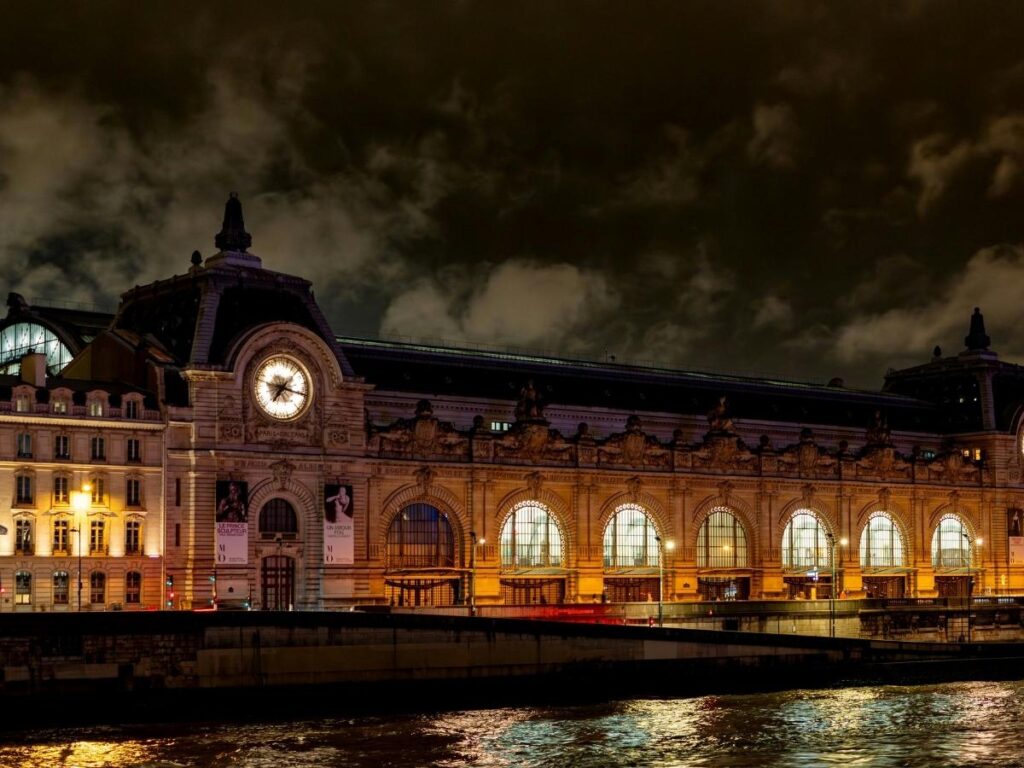
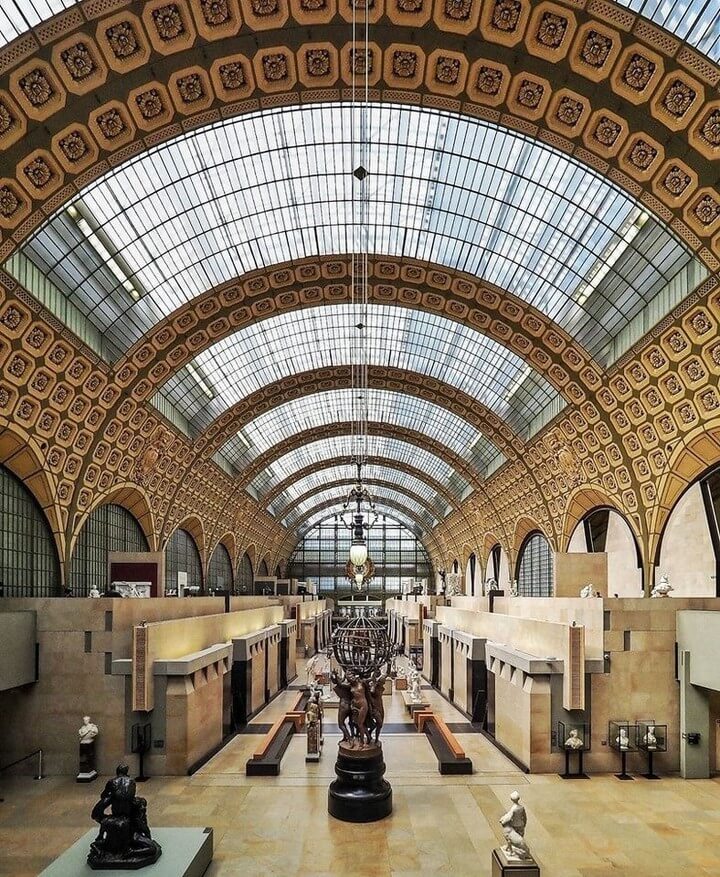
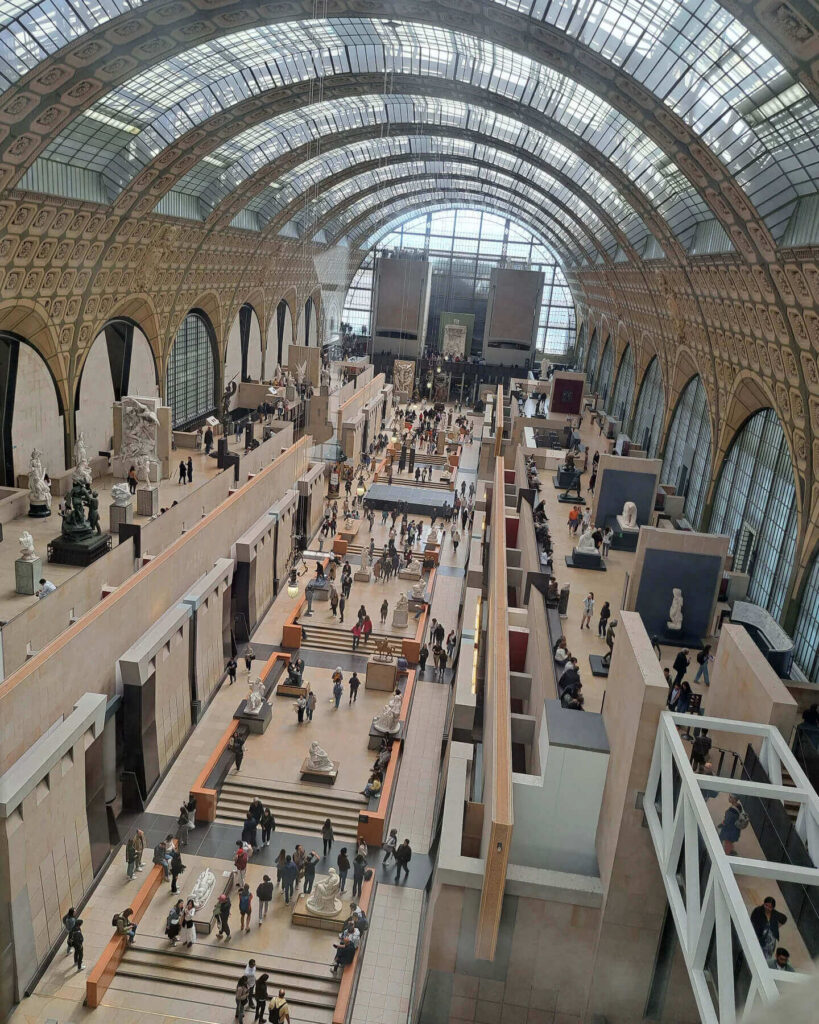
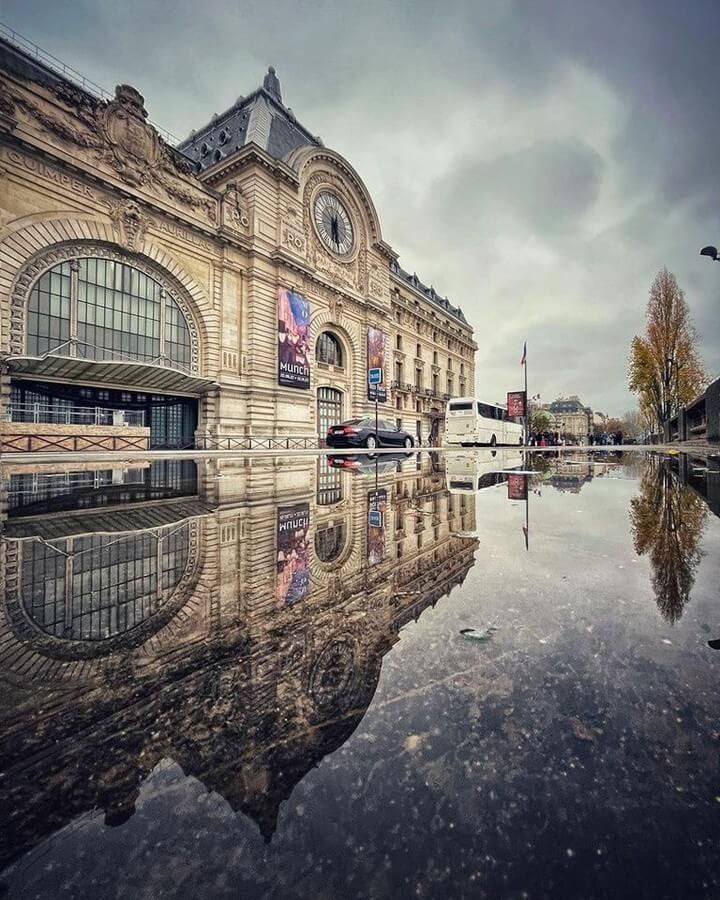
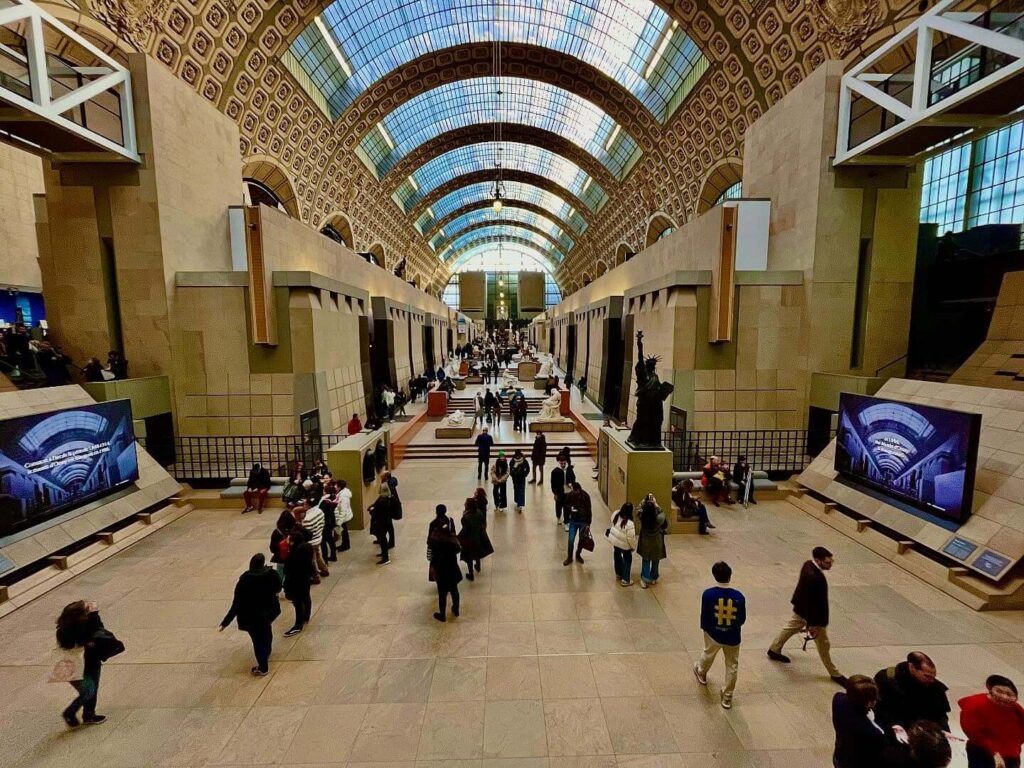
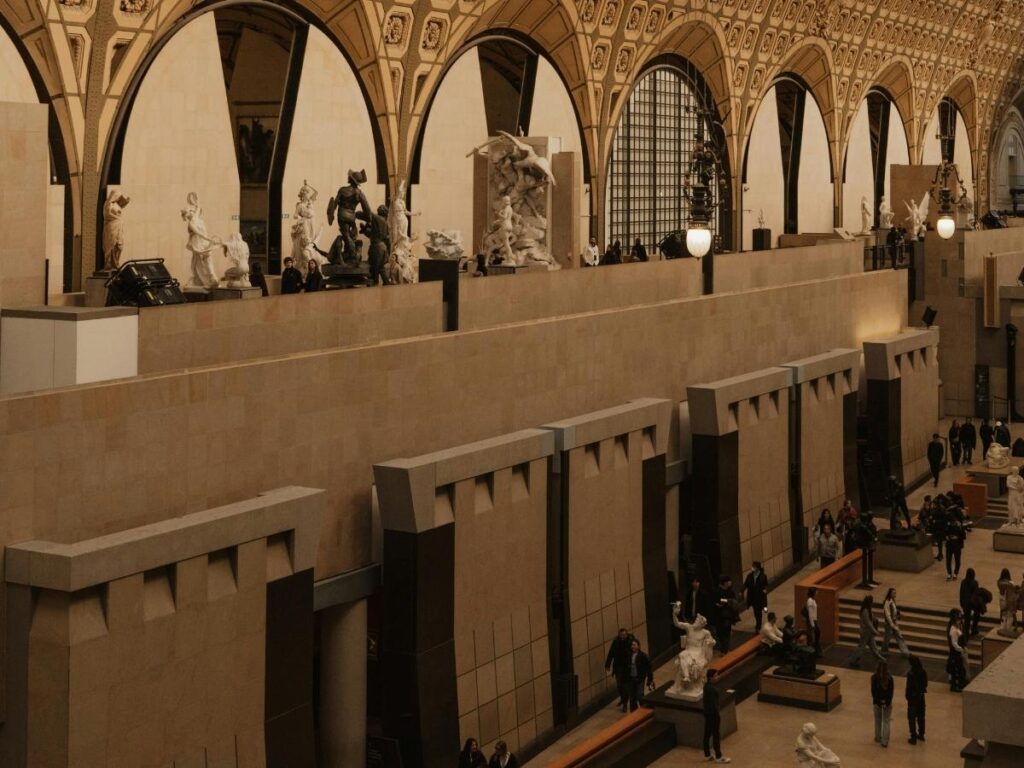
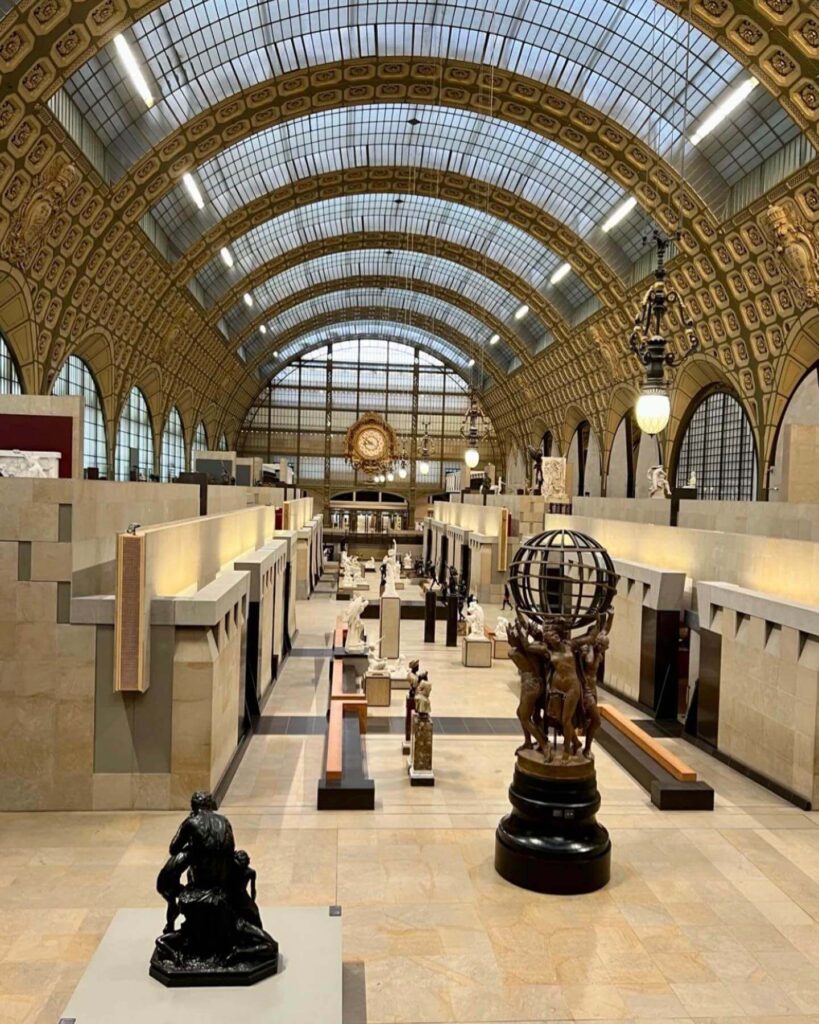
Musée d’Orsay felt completely different. The building itself, which used to be a railway station, feels open, bright, and surprisingly calm. Natural light pours through the massive windows, and the central hall gives the museum space to breathe in a way that many museums don’t.
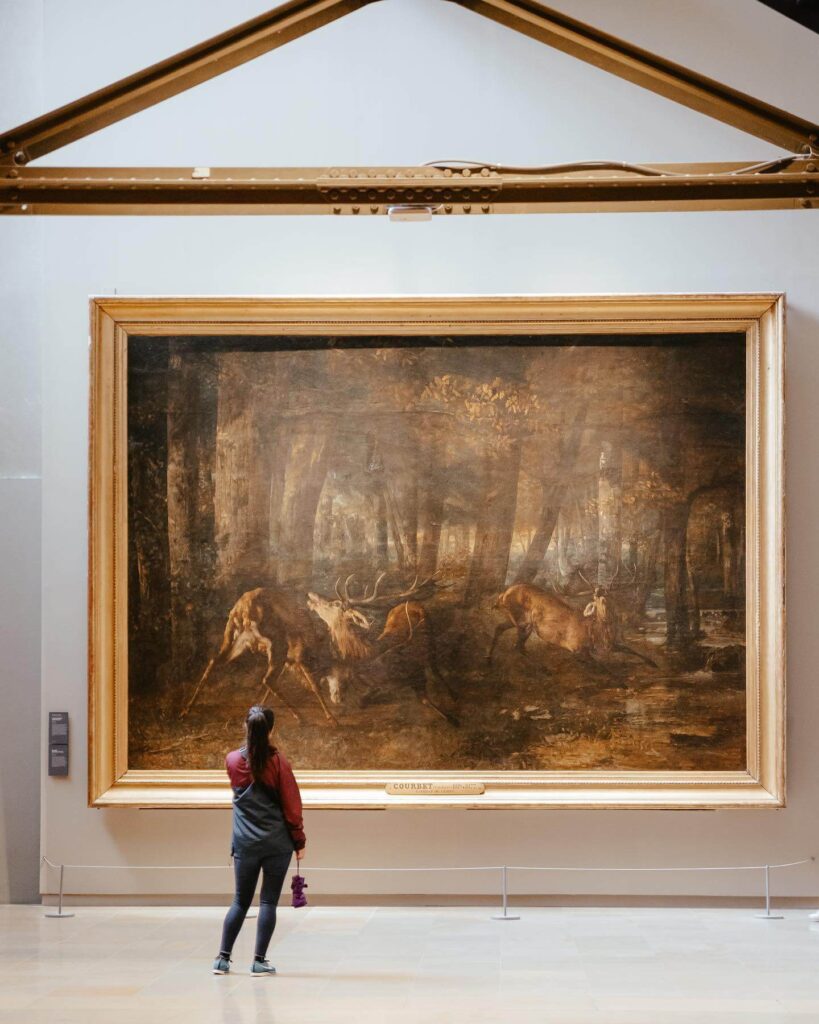
What I liked most was how approachable it felt. Even though the museum holds famous works by artists like Claude Monet and Vincent van Gogh, the experience never felt intimidating or overwhelming. I found myself slowing down naturally, spending more time in certain rooms, and actually enjoying the visit instead of trying to rush through everything.
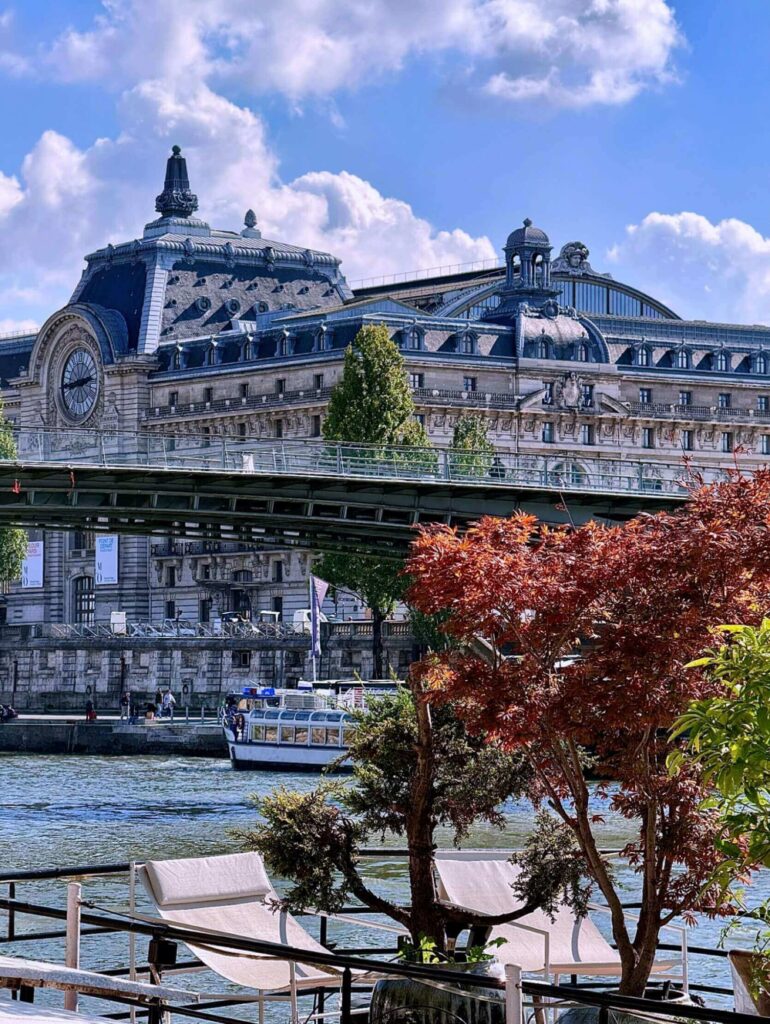
Another thing that surprised me was how much the building itself became part of the experience. One moment I’d be focused on the paintings, and the next I’d be standing near the giant clock windows looking out over Paris. It felt less like checking off a museum visit and more like spending time in a place I genuinely wanted to stay longer in.
If you’re planning a visit to Musée d’Orsay Paris, this guide covers everything I think actually matters before you go, including what to see, how much time you need, the best time to visit, practical tips, and whether it’s truly worth adding to your Paris itinerary.
Is Musée d’Orsay Worth Visiting?
I genuinely think Musée d’Orsay is worth visiting, especially if you enjoy travel experiences that feel slower and more immersive rather than trying to fit as many landmarks into a single day as possible.
What surprised me most was how easy the museum was to enjoy, even without knowing much about art history beforehand. Some museums can feel intimidating if you don’t already recognize the artists or understand the context behind the collections.
Musée d’Orsay never really felt that way to me. The combination of the artwork, the architecture, and the atmosphere makes the experience feel much more approachable.
I think the museum works especially well for first time visitors to Paris because it gives you a mix of things people usually imagine when they think of the city: historic architecture, famous artwork, beautiful interiors, and views over Paris all in one place.
It also feels manageable compared to larger museums, which makes a big difference if your itinerary is already busy.
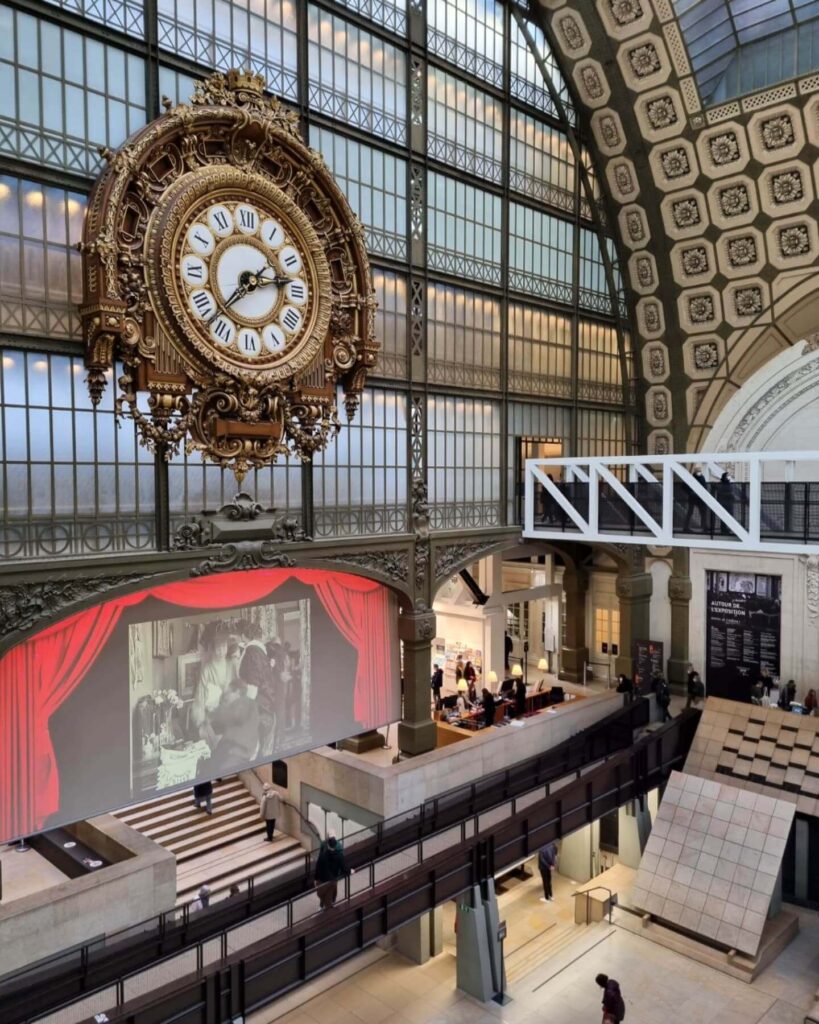
It’s also a great fit for travelers who enjoy photography or architecture. Honestly, there were moments where I spent just as much time looking at the building itself as I did the paintings. The giant clock windows, the natural light, and the former train station design give the museum a lot of personality that many galleries don’t have.
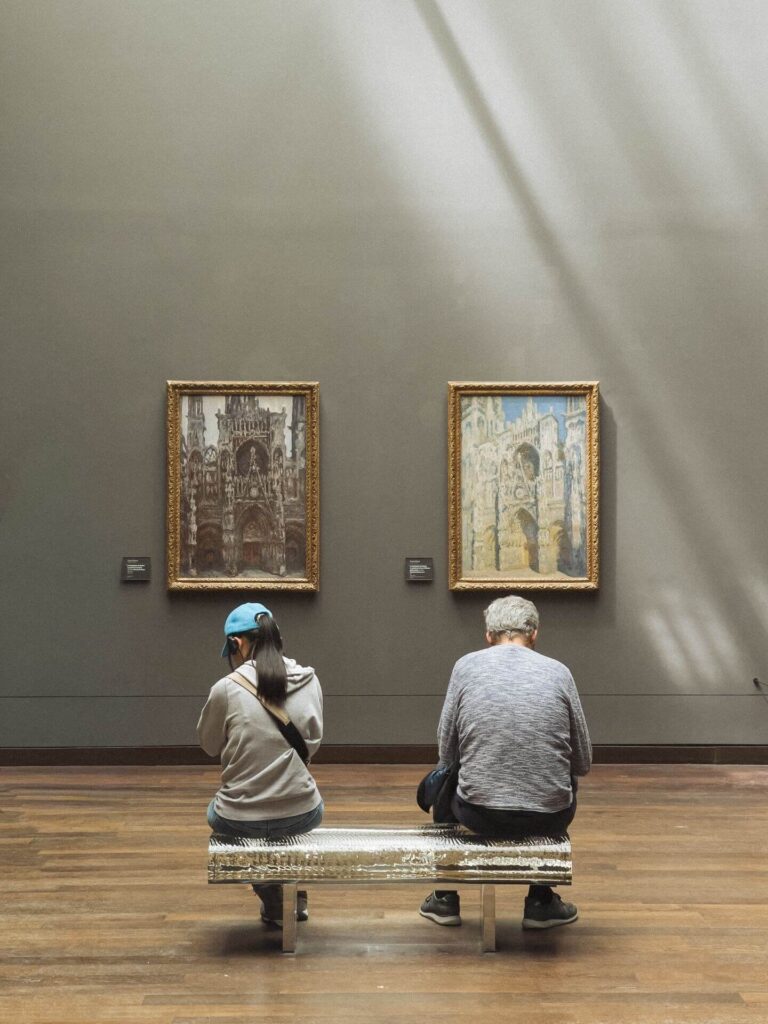
If you enjoy Impressionist art, this place will probably feel even more special. Seeing paintings by Claude Monet, Vincent van Gogh, and Pierre Auguste Renoir in person feels completely different from seeing them online. Even people who aren’t deeply interested in museums often end up spending longer here than they expected.
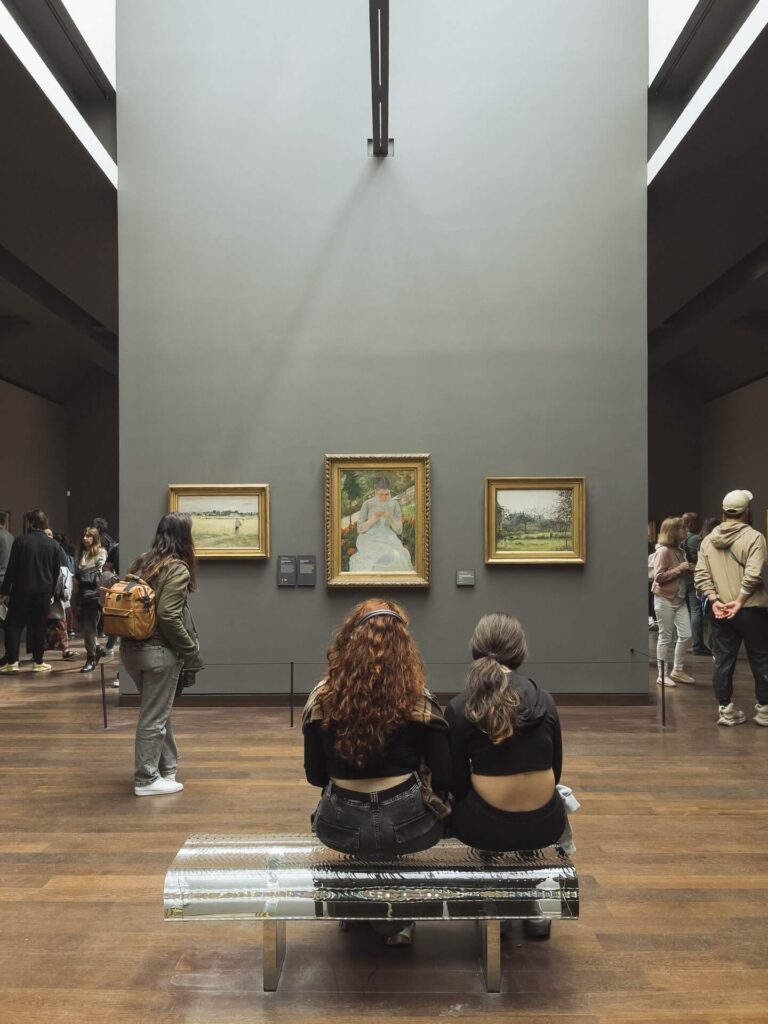
I also think Musée d’Orsay works really well for couples or travelers who prefer calmer experiences. Compared to some of Paris’s busier attractions, the museum feels slower and less chaotic. You can wander at your own pace without constantly feeling pushed through crowds.
At the same time, I don’t think it’s the perfect museum for everyone, and that’s probably worth being honest about.
If your priority is seeing the most famous masterpieces in Paris or exploring massive historical collections that cover thousands of years, the Louvre probably makes more sense as your first choice.
Families traveling with very young children may also find Musée d’Orsay a little harder to fully enjoy unless they already like museums, simply because most people end up spending a few hours inside.
But personally, I connected with Musée d’Orsay far more than I expected to. Instead of leaving feeling exhausted, I left wishing I had given myself even more time there. That alone says a lot, especially in a city where it’s easy to experience attraction fatigue after a few busy days.
Best Things to See at Musée d’Orsay
The Impressionist Collection
This is the part of Musée d’Orsay that most people come for, and honestly, it completely lived up to the expectations for me.
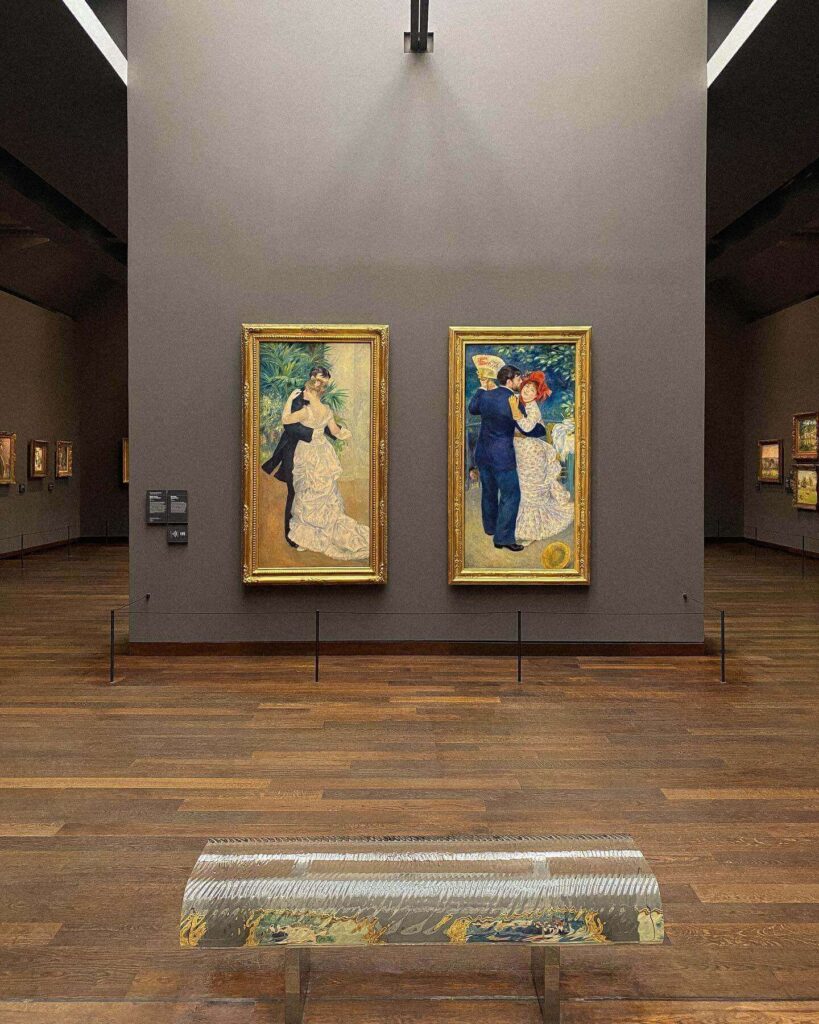
The museum holds one of the world’s best collections of Impressionist and Post Impressionist art, and even if you don’t normally spend much time in museums, there’s a good chance you’ll recognize many of the paintings the moment you see them.
What surprised me most was how different everything felt in person compared to seeing the artwork online or in books. The colors looked softer and richer at the same time, and the texture of the brushstrokes stood out far more than I expected.
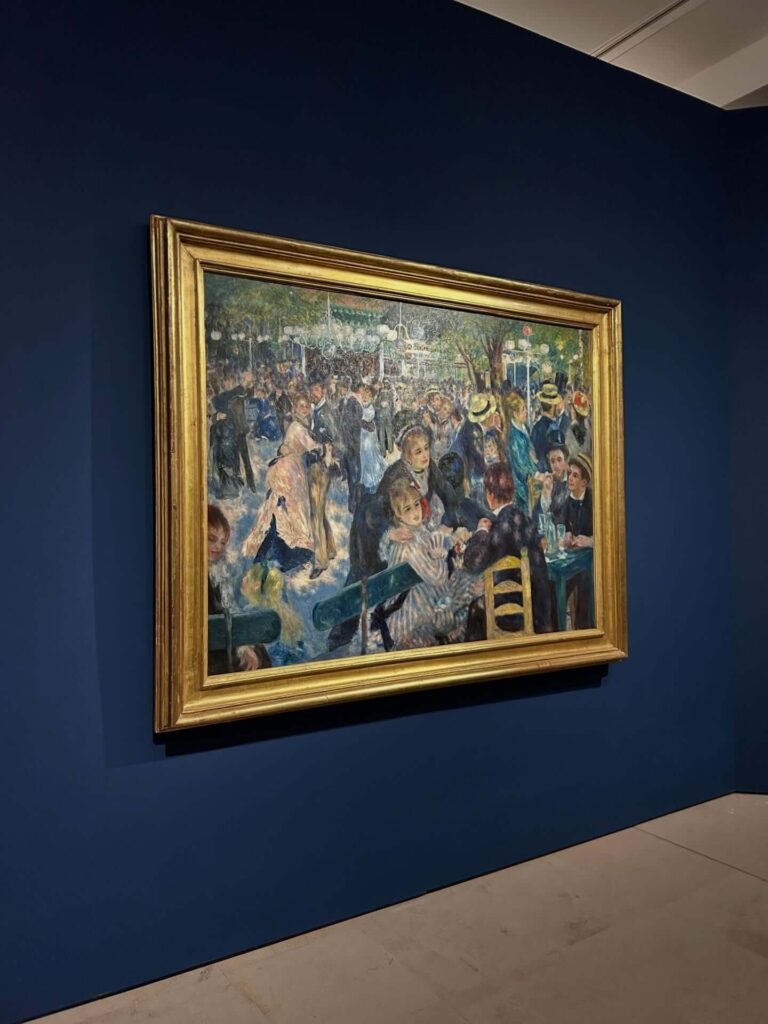
The upper floors are where you’ll find many of the museum’s most famous works, including paintings by Claude Monet, Pierre Auguste Renoir, Edgar Degas, and Paul Cézanne. These rooms also tend to feel brighter and calmer because of the natural light coming through the building.
I noticed that even people who didn’t seem especially interested in art at first started slowing down once they reached these galleries. There’s something about these paintings that feels easier to connect with emotionally compared to older classical collections.
The scenes feel more human and familiar, whether it’s city streets, gardens, cafés, dancers, or everyday moments.If you only have limited time in the museum, I’d honestly prioritize this section first.
Van Gogh Self Portraits
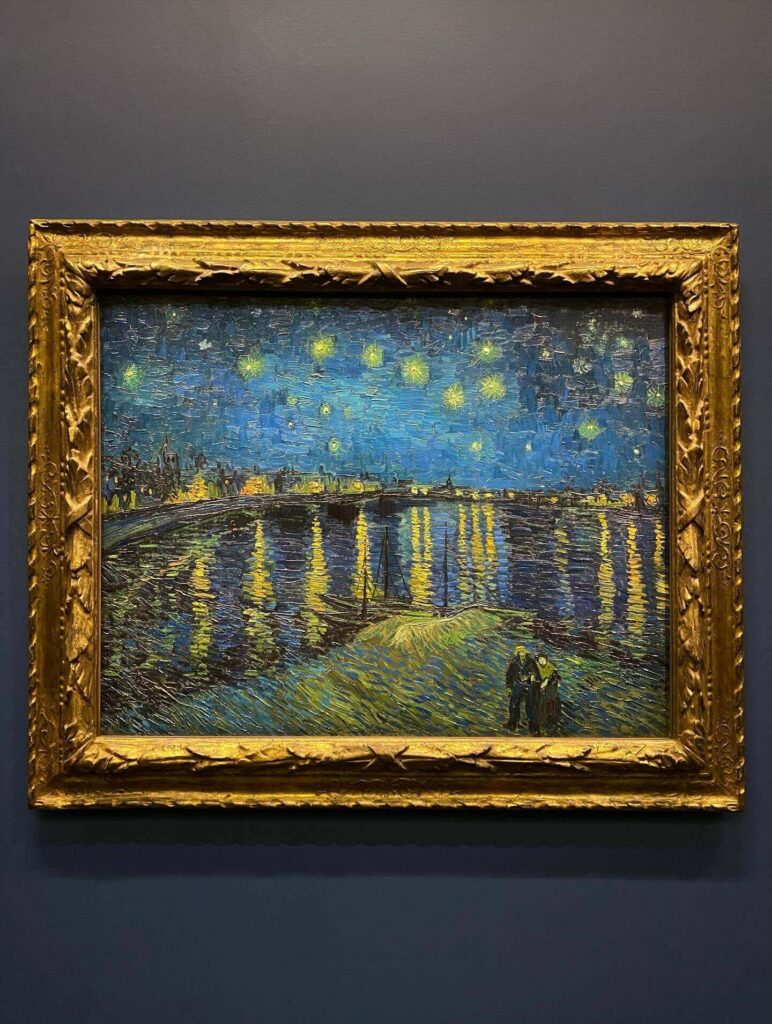
The Van Gogh rooms were some of the busiest spaces in the museum during my visit, but they were also the ones that stayed with me most afterward.
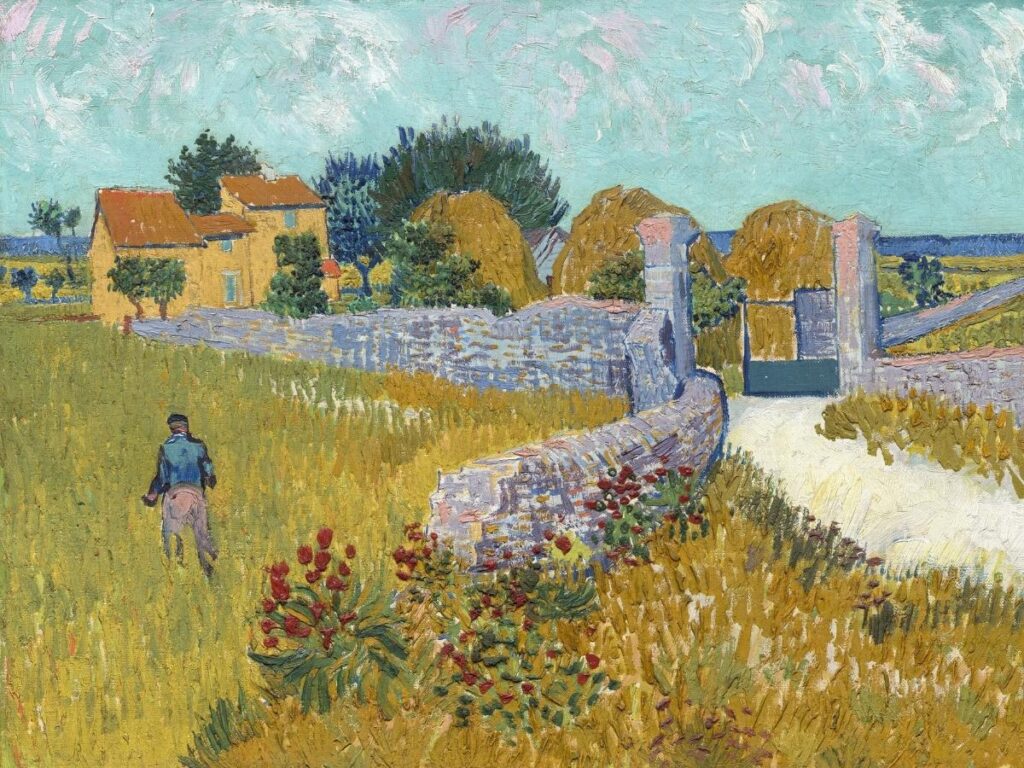
Seeing works by Vincent van Gogh in person feels completely different from seeing reproductions online. I knew the paintings would be famous, but I wasn’t prepared for how textured and emotional they would feel up close.
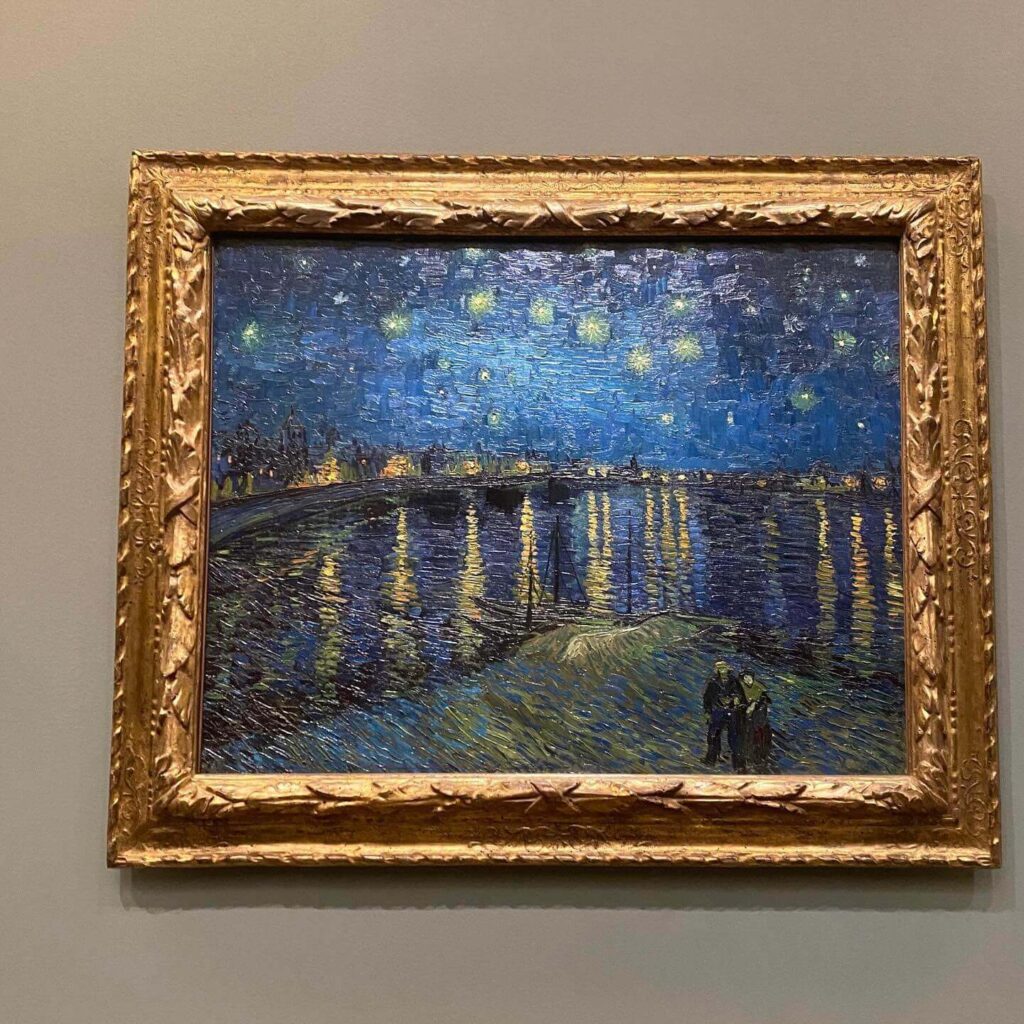
The brushwork almost looks alive in certain paintings, especially when you stand close enough to notice the layers and movement in the paint itself.
The self portraits naturally draw large crowds, so this area can feel a little more crowded than the rest of the museum. Still, most people tend to move through fairly quickly after taking photos, so if you wait a few moments, you can usually get a calmer view.
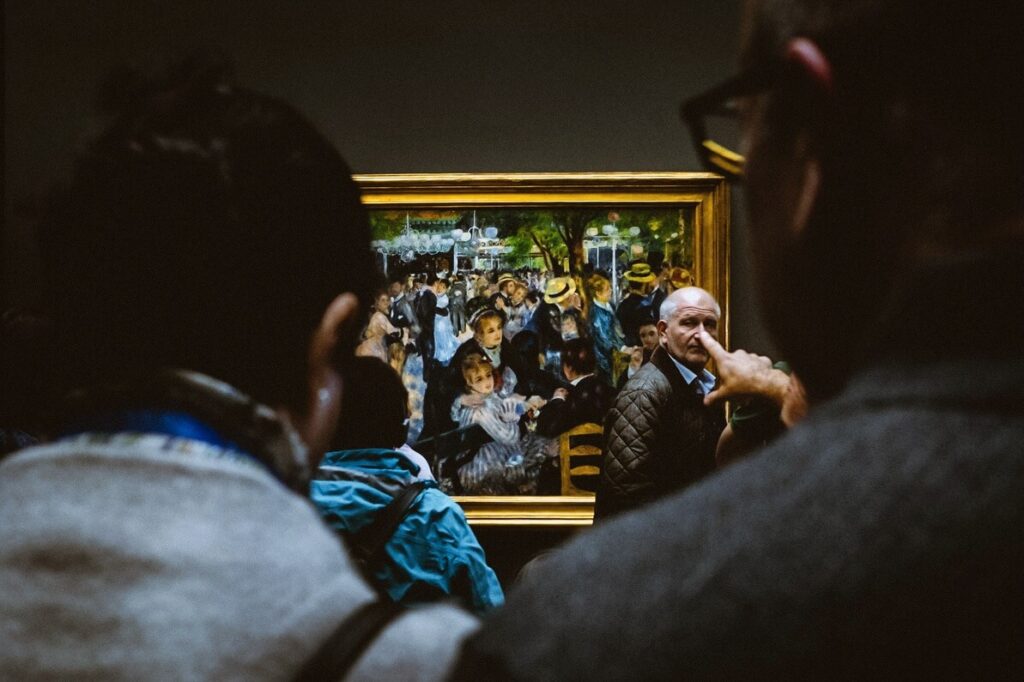
If seeing Van Gogh’s work is one of your priorities, I’d try to visit either earlier in the morning or later in the afternoon. Midday tends to feel the busiest, especially during peak travel seasons.
Even with the crowds, this section felt worth slowing down for. It was one of the few places in the museum where the room itself felt noticeably quieter because people were genuinely focused on the paintings.
The Giant Clock Windows
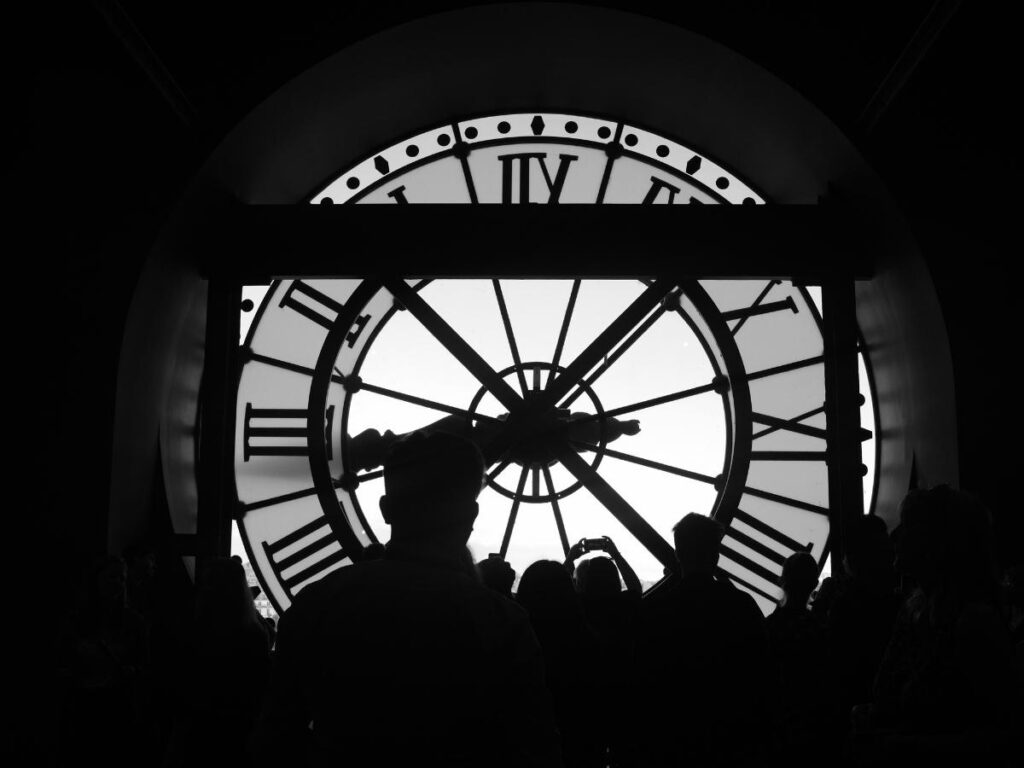
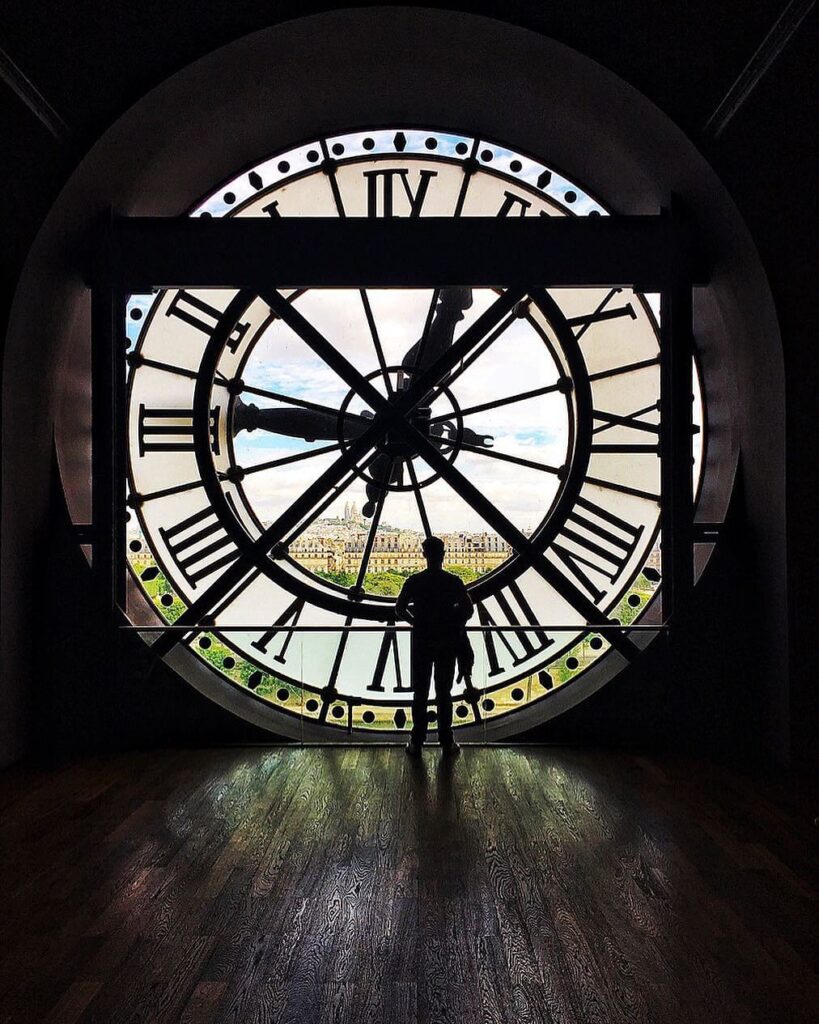
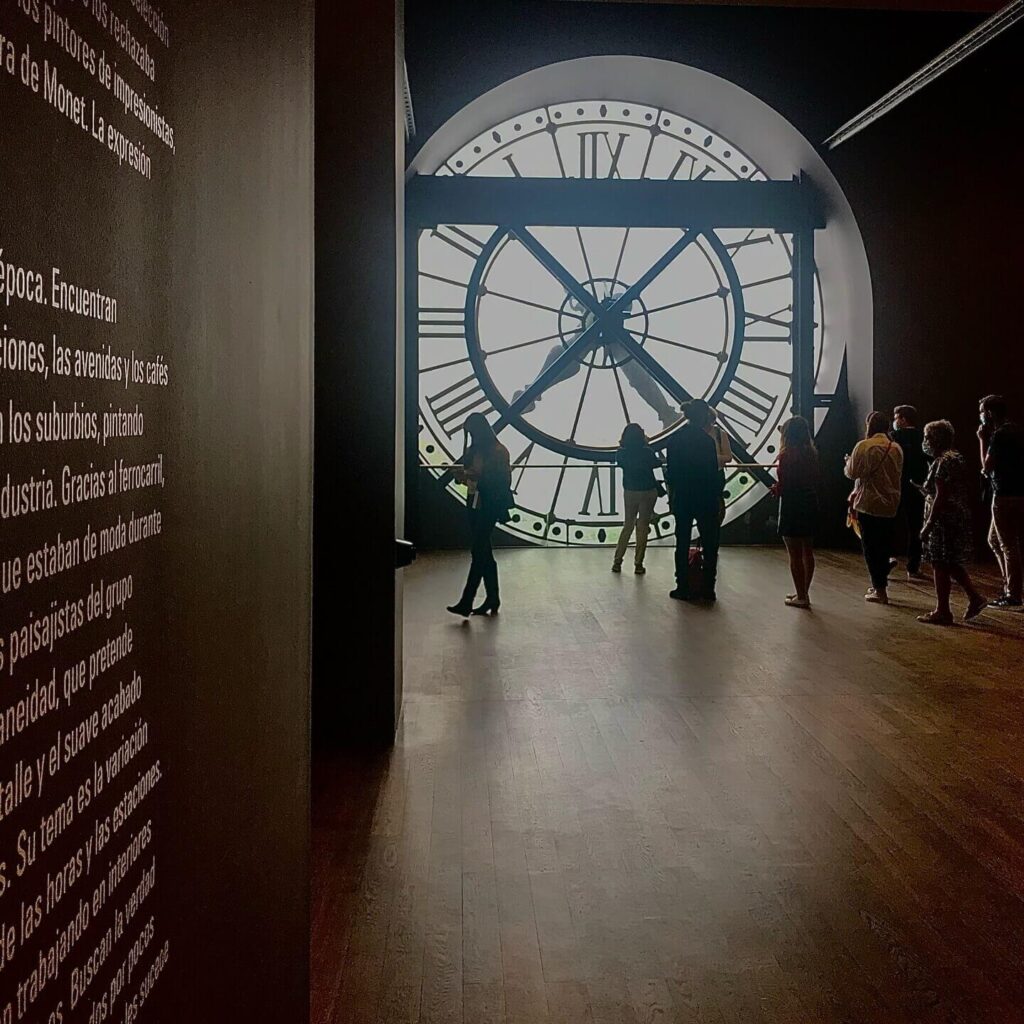
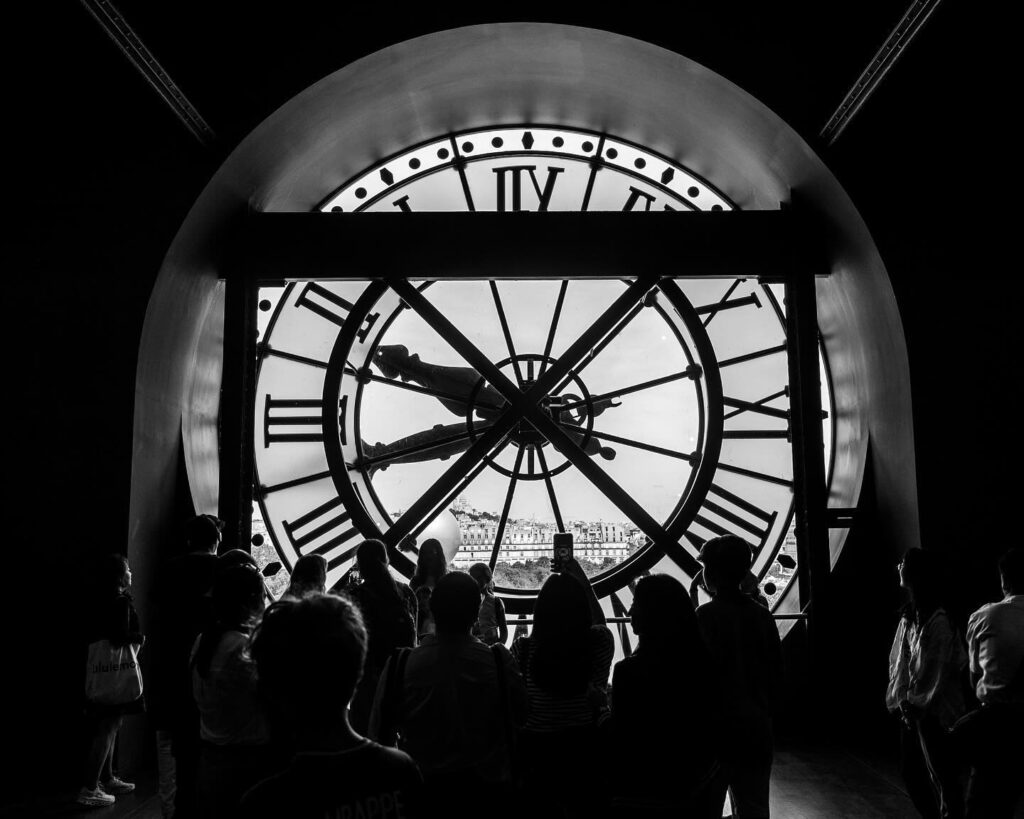
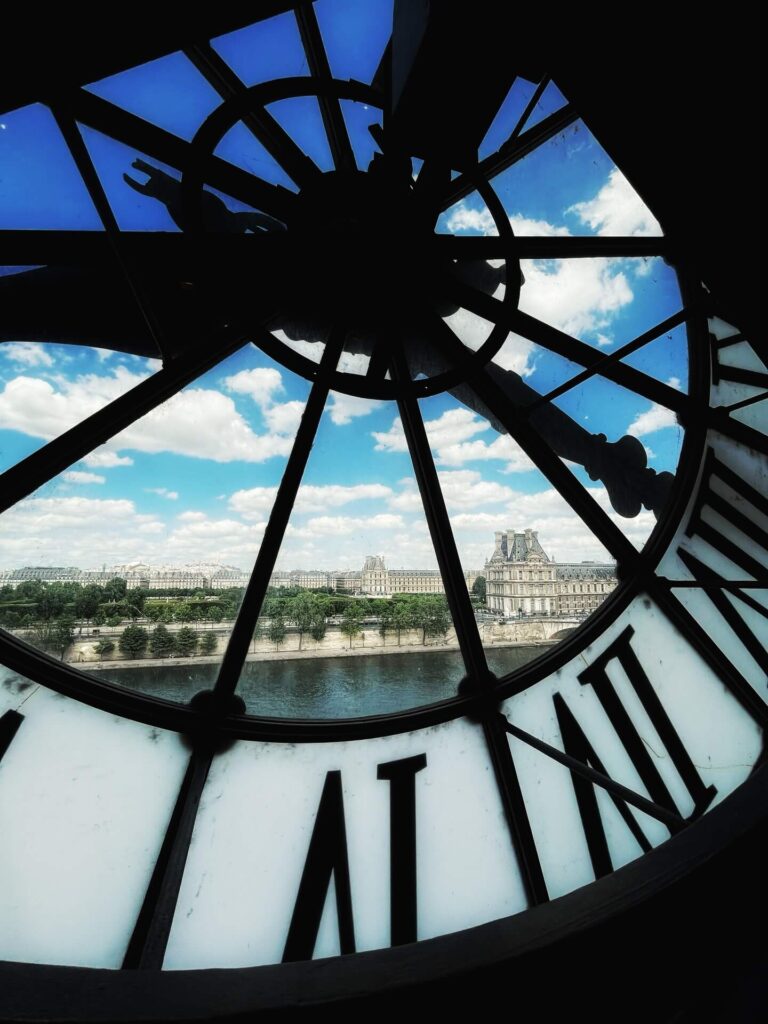
The giant clock windows are probably one of the most photographed spots inside Musée d’Orsay, and after standing there myself, I completely understood why.
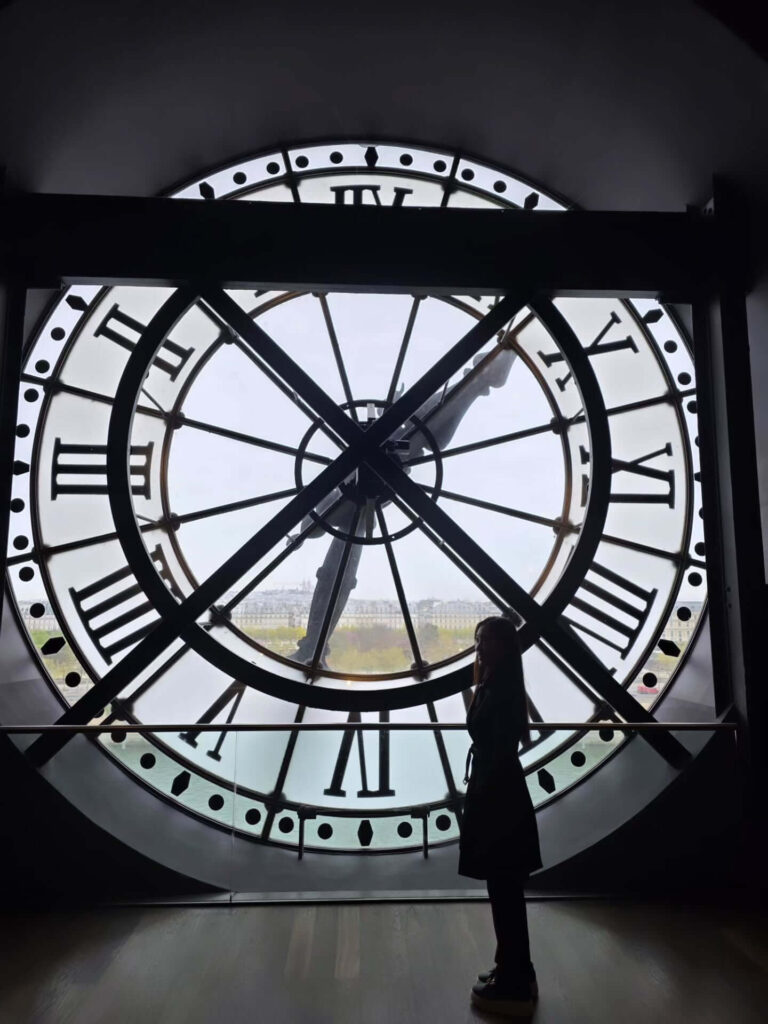
The old station clocks frame parts of Paris outside in a way that almost feels cinematic. You get this contrast between the historic interior of the museum and the city beyond the glass, which makes the entire space feel very Parisian in a way that’s hard to explain until you see it yourself.
A lot of visitors stop here for photos, but I actually think it’s worth spending a few extra minutes simply looking out across the city. After walking through several galleries, the windows almost feel like a pause in the middle of the museum.
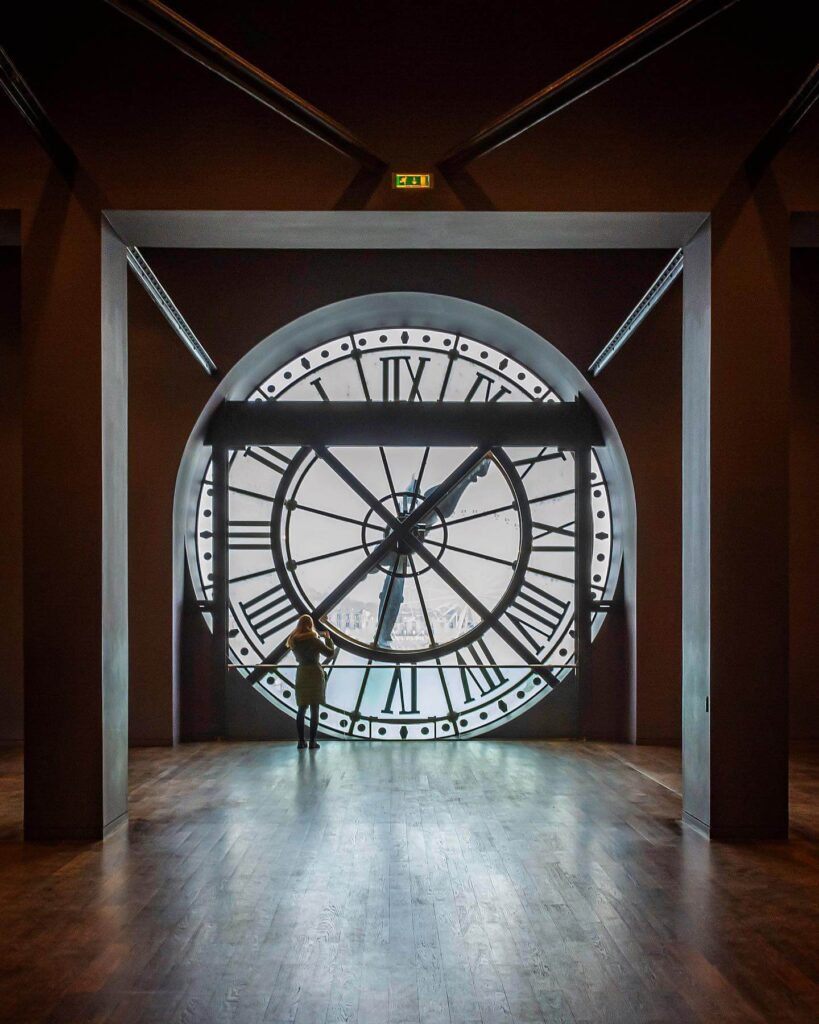
This area also gets some of the nicest natural light inside the building, which makes it especially good for photography. If you enjoy taking photos, mornings and late afternoons usually create softer lighting around the clock faces.
One thing I liked was that the clock windows didn’t feel overly separated from the rest of the museum experience. They still felt connected to the history of the building itself rather than just being a tourist photo stop.
The Grand Central Hall
The central hall was honestly one of my favorite parts of the museum, even though it isn’t a single artwork or exhibit.
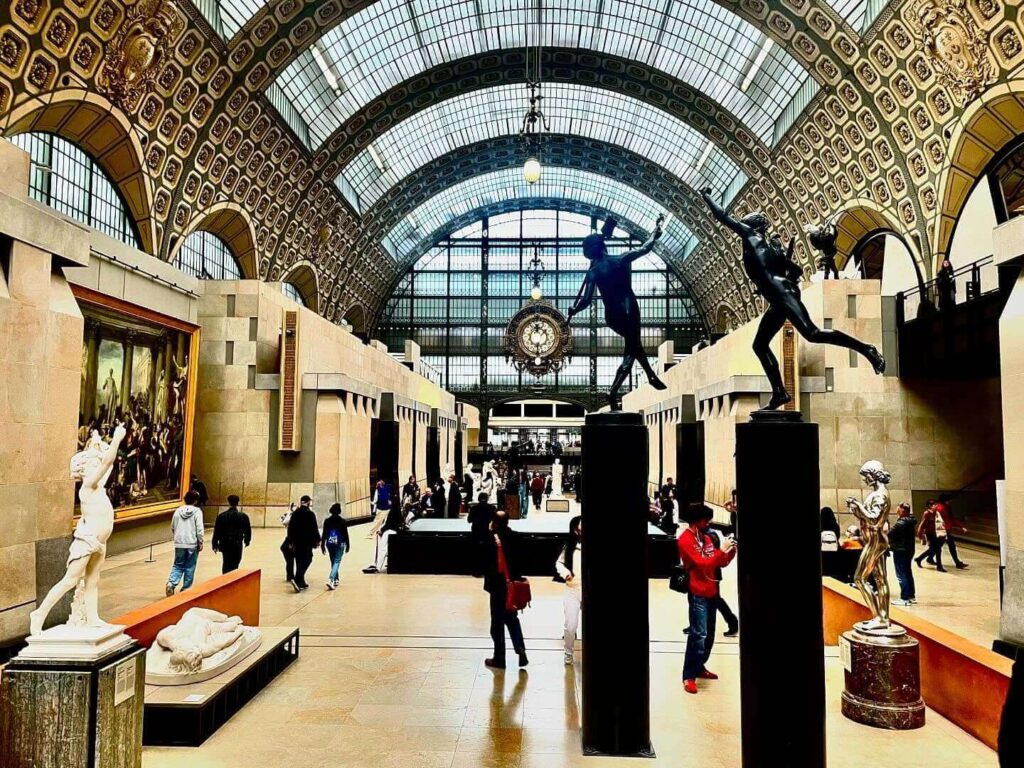
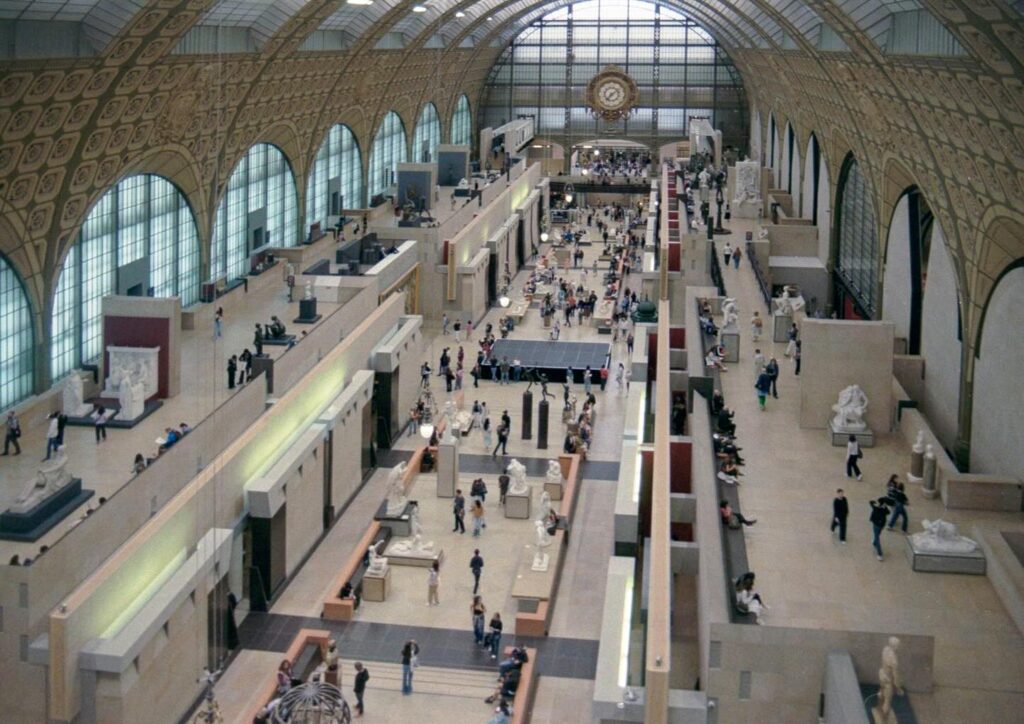
The moment you walk into the main space, you immediately feel the scale of the old railway station. The ceilings stretch incredibly high above you, sculptures line the center of the hall, and the long open layout makes the museum feel much less enclosed than many other museums in Paris.
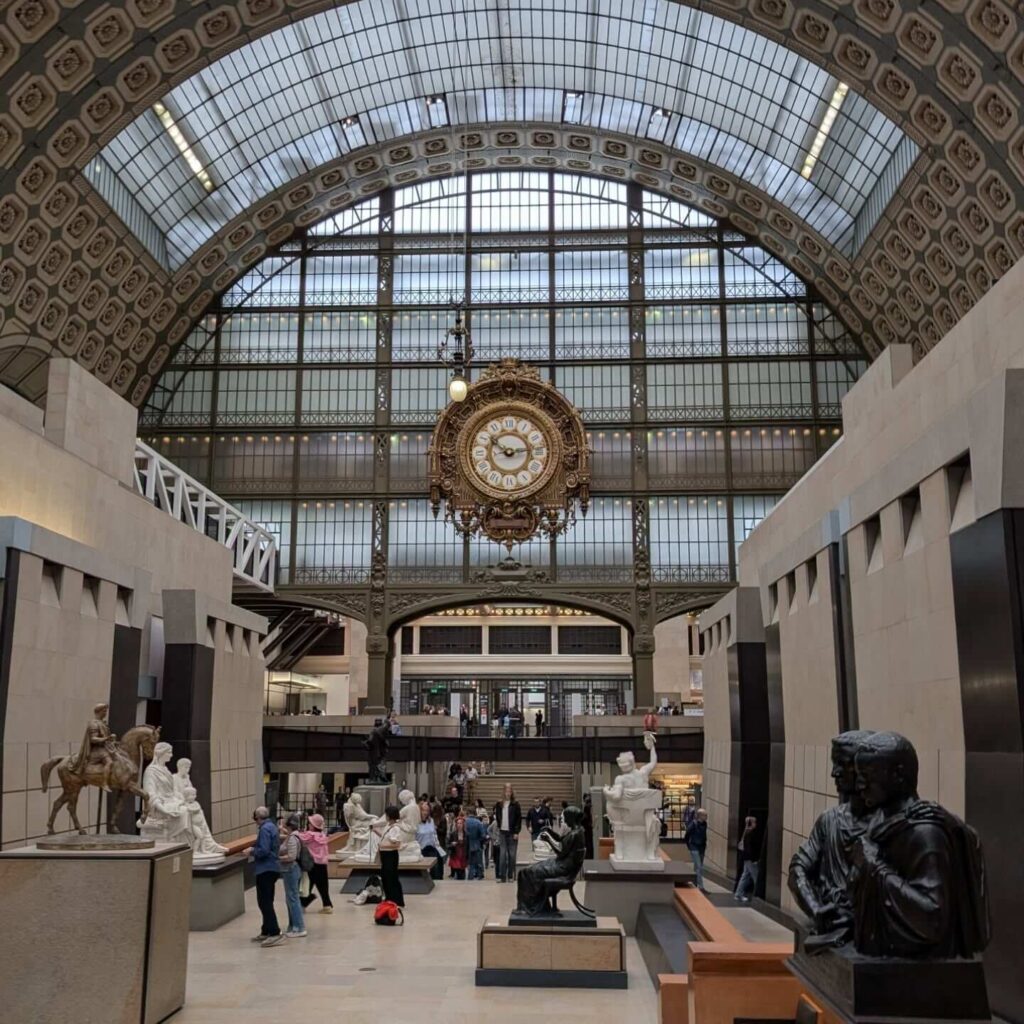
I found myself returning to this area multiple times during my visit, partly because it naturally connects many of the galleries, but also because it felt like a place where you could pause and reset for a few minutes before continuing.
What I liked most was how the hall changes the emotional feeling of the museum. Instead of moving through small crowded rooms the entire time, you constantly return to this huge open space filled with light and movement. It keeps the museum from feeling mentally exhausting, especially during longer visits.
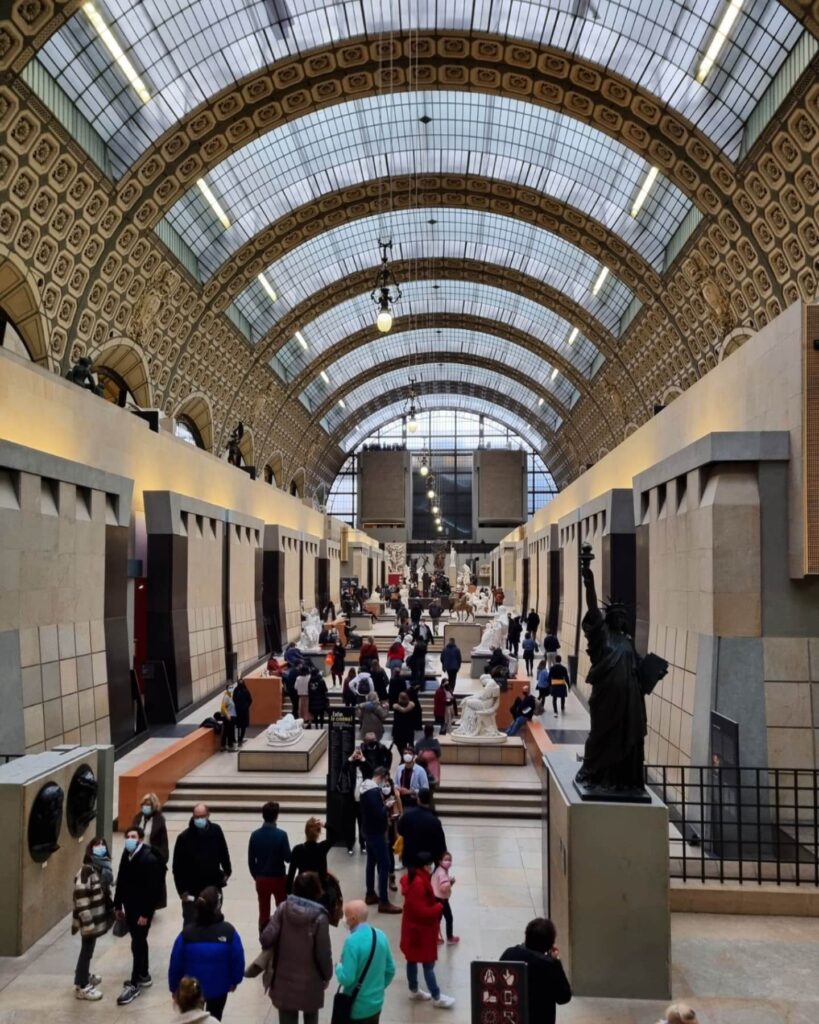
Even if you’re mainly visiting for the paintings upstairs, I think the architecture here becomes part of the experience whether you expect it to or not.
How Much Time You Need at Musée d’Orsay
One of the questions I had before visiting Musée d’Orsay was how much time I actually needed there. A lot of Paris itineraries make museum visits sound quick and simple, but once you’re inside, time tends to move differently. I originally thought I’d spend maybe two hours there, and I ended up staying much longer than planned without really noticing.
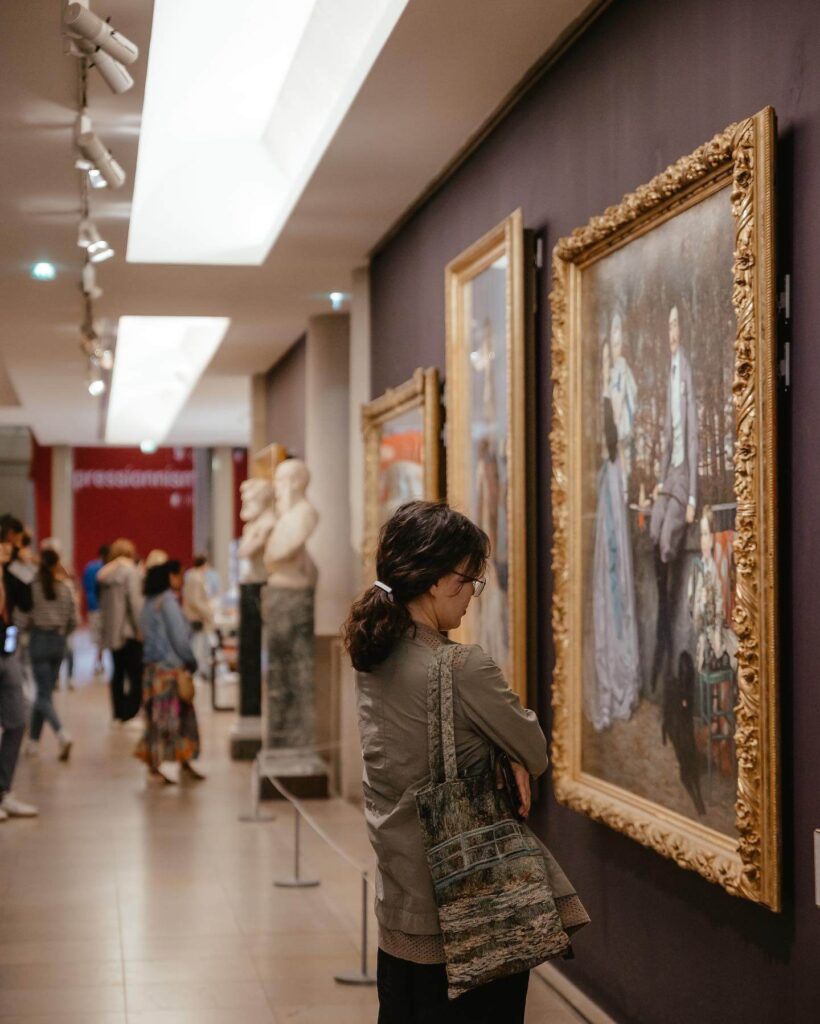
How much time you need really depends on how you like to travel and how interested you are in art, but I do think it helps to go in with realistic expectations. The museum is large enough that trying to rush through everything can become exhausting surprisingly quickly.
Quick Visit (1.5 To 2 Hours)
If your Paris itinerary is already packed, you can still experience the main highlights of Musée d’Orsay in around two hours without feeling like the visit was pointless.
In that amount of time, I’d focus mainly on the upper level Impressionist galleries, the famous clock windows, and the central hall. Those areas give you the strongest sense of what makes the museum special without trying to cover every single room.
I also think it helps to know which artists matter most to you beforehand. If you love Vincent van Gogh or Claude Monet, spend more time there instead of feeling pressured to move through everything evenly.
The biggest mistake during a shorter visit is trying to see the entire museum too quickly. After a while, the paintings start blending together, and you stop really taking anything in. Even with limited time, slowing down in a few sections usually feels much more rewarding than racing through all the galleries.
Standard Visit (3 To 4 Hours)
This is probably the ideal amount of time for most people.
A three to four hour visit gives you enough space to experience the museum without constantly watching the clock. You can move more naturally between galleries, stop when something catches your attention, and take short breaks without feeling like you’re falling behind schedule.
This was roughly the pace that felt best to me. I never felt rushed, but I also didn’t reach the point where I became mentally exhausted from looking at art for too long. The extra time also makes a big difference if you want to stop at the café, spend time near the clock windows, or revisit a gallery you particularly enjoyed.
What I liked about Musée d’Orsay compared to some larger museums is that the experience still feels manageable within half a day. At places like the Louvre, it can feel impossible to see more than a fraction of the museum in one visit. Musée d’Orsay feels more focused, which makes a slower visit feel realistic rather than overwhelming.
Best Time to Visit Musée d’Orsay
The timing of your visit can honestly change the entire experience at Musée d’Orsay. Even though the museum is large enough to handle a lot of visitors, there’s still a noticeable difference between visiting during a quieter period and arriving right in the middle of peak crowds.
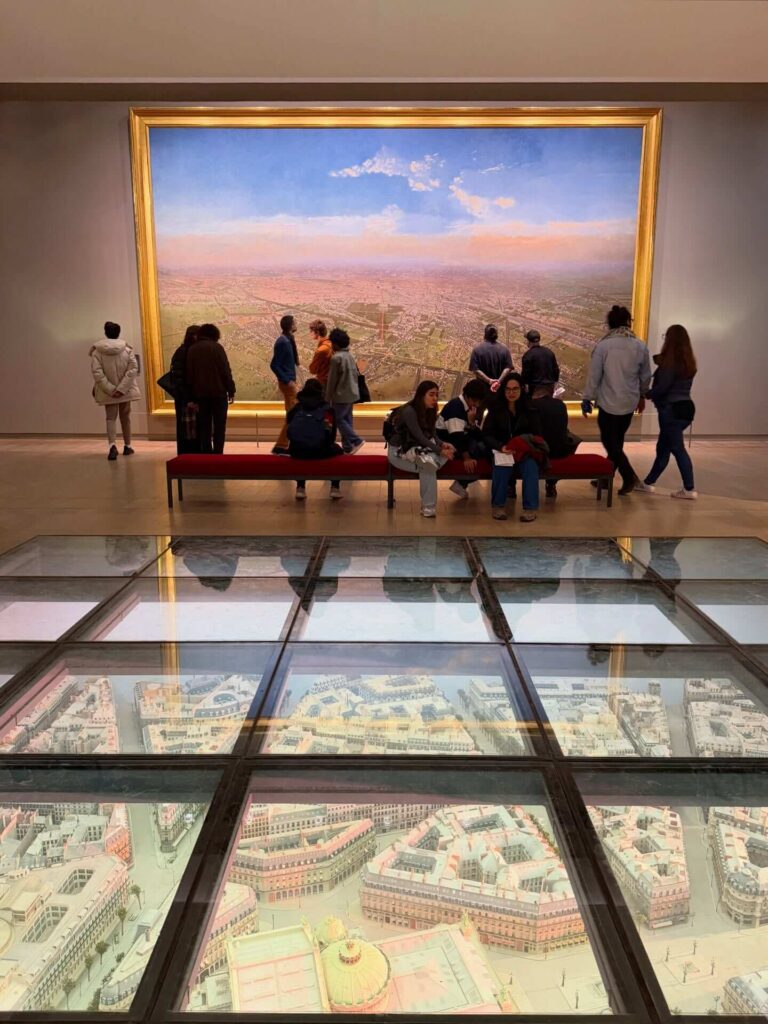
I noticed this especially around the Impressionist galleries and the Van Gogh rooms. During busy hours, people tend to move quickly, stop suddenly for photos, and cluster around the most famous paintings. When the museum is calmer, the whole experience feels slower and much more enjoyable.
Best Days of the Week
Weekdays are definitely the better option if you have flexibility in your schedule.
The difference may not seem huge on paper, but once you’re inside, it becomes pretty obvious. Weekends, especially Saturdays, attract both tourists and locals, so the museum feels busier much earlier in the day. I’d especially try to avoid Saturday afternoons if possible because that’s when many of the popular galleries start feeling crowded and louder.
Mid week mornings felt noticeably calmer to me. People moved more slowly, there was more space around the major paintings, and it became easier to pause without feeling like you were standing in someone’s way every few seconds.
I also think quieter days make the architecture easier to appreciate. The museum feels most impressive when you can actually stop and look around instead of constantly navigating crowds.
Best Season to Visit
Like most major attractions in Paris, Musée d’Orsay gets busiest during summer, especially between June and August.
The museum is still worth visiting during peak season, but you should expect larger crowds, longer lines, and busier galleries. The most famous rooms can feel packed at times, particularly around midday.
I actually found winter much more enjoyable overall. Paris feels quieter during the colder months, and museums become a really good way to escape rainy or chilly weather. The atmosphere inside Musée d’Orsay also felt calmer and more relaxed during lower season travel.
Spring and fall are probably the best balance for most travelers. You still get relatively pleasant weather for walking around Paris afterward, but without the same level of summer crowds.
These seasons also make it easier to combine the museum with other nearby areas like the Seine, Saint Germain des Prés, or the Tuileries without feeling completely drained by the end of the day.
No matter when you visit, I think the biggest difference comes from avoiding the busiest midday hours whenever possible. Even shifting your visit slightly earlier or later can make the museum feel much easier to enjoy.
Musée d’Orsay Tickets Explained
Figuring out tickets for Musée d’Orsay is fairly straightforward once you understand the different options, but I do think your choice can affect how relaxed the visit feels, especially during busy seasons in Paris.
Before visiting, I wasn’t sure whether I needed to skip the line access or if standard entry would be enough. In reality, it mostly depends on when you’re going and how flexible your schedule is.
Standard Entry Tickets
For most travelers, regular entry tickets are completely fine.
If you’re visiting during a quieter time of year or arriving early in the morning, standard admission usually works well without adding unnecessary extra costs. The museum is organized efficiently overall, so entering the building itself doesn’t feel overly complicated.
I’d especially recommend standard tickets if your Paris itinerary is flexible and you don’t mind adjusting your visit slightly depending on crowds or weather.
That said, it’s still worth buying your ticket online ahead of time whenever possible. Even if you don’t choose premium skip the line options, having a reserved entry ticket removes some of the uncertainty and can save time waiting in ticket purchase lines outside.
Skip the Line Tickets
I don’t think skip the line tickets are necessary for everyone, but there are definitely situations where they become worth considering.
Summer is the biggest one. During peak travel months, Paris museums get busy very quickly, and Musée d’Orsay is no exception. Weekends and holiday periods can also create longer entry lines, especially around the middle of the day when most visitors naturally arrive.
If your itinerary is packed and you only have one chance to visit the museum, skipping the line access can reduce some stress. The same applies if you dislike waiting in crowded queues or you’re traveling during peak season with limited time in Paris.
Personally, I think these tickets make the most sense for midday visits. Early mornings are usually calmer anyway, so the difference feels less dramatic then.
Outside busy travel periods, though, standard timed entry tickets are often more than enough.
Paris Museum Pass
If you’re planning to visit several museums and major attractions in Paris, the Paris Museum Pass can actually be a pretty good value.
Musée d’Orsay is one of the attractions where the pass feels especially useful because it’s such a popular museum. When ticket lines start building outside, already having museum access sorted out makes the day feel much smoother.
The pass tends to work best for travelers planning multiple cultural sites over a short period of time, especially if you’re also visiting places like the Louvre, Sainte Chapelle, or the Arc de Triomphe.
That said, I wouldn’t buy the pass just for Musée d’Orsay alone. It becomes worthwhile when it fits naturally into a larger Paris itinerary.
Free Entry Days
Musée d’Orsay occasionally offers free admission periods, and while that sounds appealing at first, these days are usually much busier than normal.
Personally, I’d rather pay for a calmer experience than visit during one of the most crowded times possible. The museum feels best when you can move slowly and actually spend time enjoying the galleries, and heavy crowds can change that atmosphere quite a bit.
If budget is a major factor, free entry can absolutely still be worth considering. I’d just recommend arriving very early and expecting a busier experience overall.
How to Visit Musée d’Orsay Without Feeling Overwhelmed
One thing I didn’t fully realize before visiting Musée d’Orsay is how easy it is to get mentally tired in museums, even when you’re genuinely enjoying them.
At first, everything feels exciting. You’re walking through beautiful galleries, spotting famous paintings, and trying to take in the architecture at the same time. But after a while, especially in larger museums, your attention naturally starts fading.
Paintings begin blending together, you move faster without noticing, and the experience can start feeling more exhausting than enjoyable. What helped me most at Musée d’Orsay was slowing down and letting go of the idea that I needed to see every single room.
Start With the Upper Floors
A lot of people naturally begin exploring the lower sections first and slowly work their way upward. I actually think doing the opposite works much better.
The upper floors hold many of the museum’s most famous Impressionist works, including paintings by Claude Monet, Vincent van Gogh, and Pierre Auguste Renoir. These are usually the galleries most visitors are most excited to see anyway.
Starting there earlier in your visit makes a noticeable difference because your energy and attention are still fresh. The galleries also tend to feel calmer earlier in the day before larger crowds slowly build upstairs.
I found that once I’d already seen the sections I cared about most, the rest of the museum felt much more relaxed. There was no pressure afterward to rush toward specific rooms or famous paintings.
Don’t Try to See Everything
This was honestly the biggest lesson I learned during my visit.
Musée d’Orsay is manageable compared to somewhere like the Louvre, but it’s still much larger than many people expect. If you try to carefully examine every gallery, every sculpture, and every painting, you’ll probably feel drained long before you finish.
At first, I kept trying to move systematically through every section because I didn’t want to miss anything. After a while, though, I realized I was barely absorbing what I was looking at anymore.
The visit became much more enjoyable once I slowed down and accepted that I didn’t need to experience everything equally. Spending more time in a few galleries you genuinely connect with feels far more memorable than quickly walking through every room just to say you saw it all.
Take Breaks
This sounds simple, but it genuinely helps more than people expect.
Musée d’Orsay has several seating areas throughout the museum, along with open spaces near the central hall and clock windows where you can pause for a few minutes without feeling rushed.
I noticed that even short breaks completely reset my attention. After sitting for a few minutes and looking around instead of constantly walking, I started appreciating the artwork again much more.
Art fatigue is real, especially in museums filled with famous works where your brain is trying to process a lot visually at once. Taking breaks helps keep the experience enjoyable instead of mentally exhausting.
Pick a Few Artists Before You Go
You definitely don’t need to study art history before visiting Musée d’Orsay, but even a little preparation makes the experience feel more personal.
Before going, I looked up a few paintings and artists I already liked, which gave me something specific to look forward to once I arrived. Instead of wandering randomly through every room, I naturally had a loose direction without needing a strict plan.
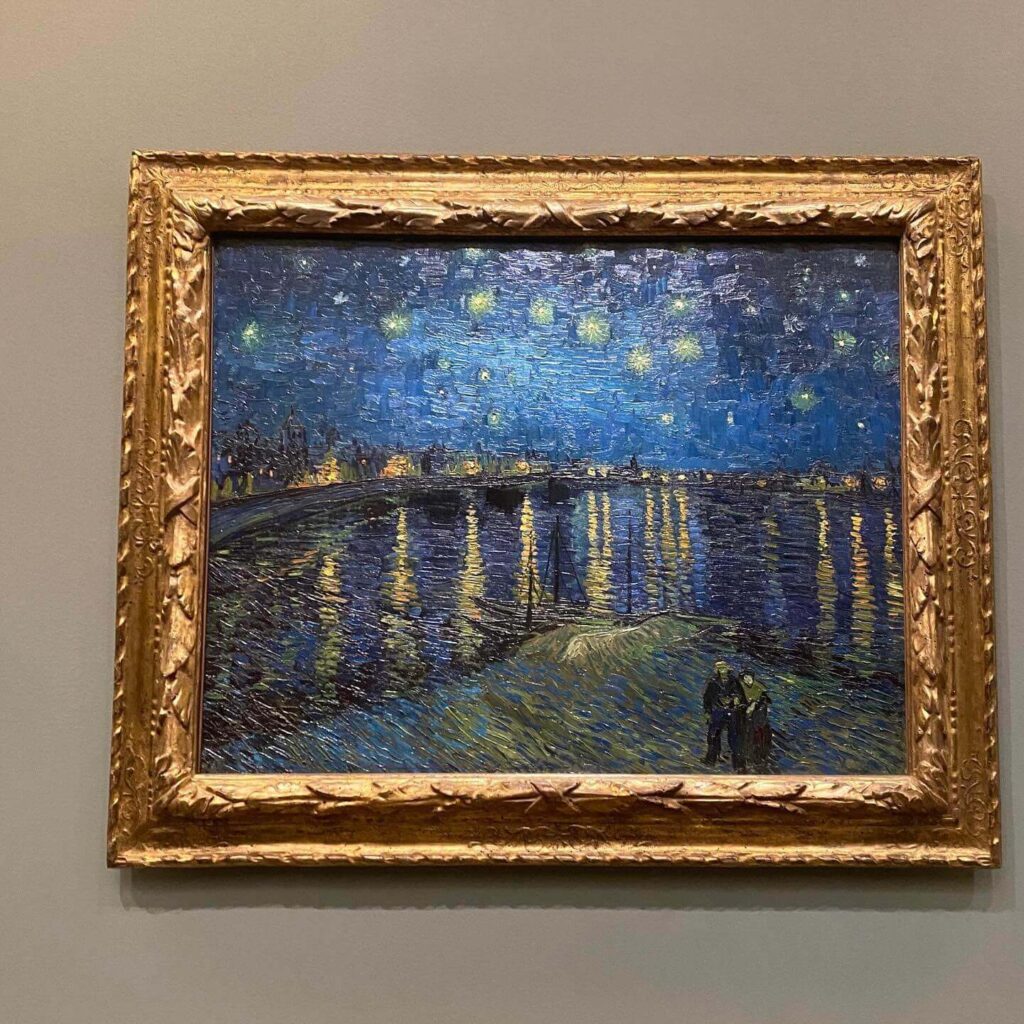
Even choosing just two or three artists beforehand helps. If you already know you enjoy Van Gogh, Monet, or Degas, you’ll probably connect with those galleries more once you’re standing in front of the paintings in person.
It also helps reduce the feeling of overload because you stop trying to absorb everything equally.
Only Use the Audio Guide If You Enjoy Details
Some people love audio guides because they add historical context and explain details you might otherwise miss. Other people find them tiring after a while because constantly stopping to listen can interrupt the natural flow of exploring.
I personally preferred wandering through the museum at my own pace instead of listening to long explanations for every room. I liked noticing what naturally caught my attention rather than feeling obligated to stop everywhere the guide suggested.
If you already enjoy art history or want a deeper understanding of the collections, the audio guide could absolutely improve the experience for you. But if you usually prefer slower, more intuitive travel experiences, it’s completely fine to explore more casually too.
I actually think Musée d’Orsay works especially well as a museum where you can simply wander, pause often, and let the atmosphere guide the experience a little.
Practical Tips for Visiting Musée d’Orsay
A few small decisions can make a big difference in how enjoyable your visit to Musée d’Orsay feels. Even though the museum is calmer than some of Paris’s other major attractions, it still helps to plan your visit thoughtfully.
One thing I’d definitely recommend is arriving earlier in the day if possible. Even getting there 20 To 30 minutes before the busiest hours makes the experience feel noticeably more relaxed. The entrance lines are shorter, the galleries feel quieter, and you have more space to enjoy the famous rooms before they fill up.
Comfortable shoes also matter more than people expect. You’ll spend a lot of time walking and standing, and the museum is larger than it first appears. I also think using the cloakroom is worth it if you’re carrying heavy bags or jackets because the visit feels much easier once you’re not dragging things around crowded galleries.
Another thing I almost overlooked was the quieter spaces around the museum itself. A lot of visitors move quickly from one gallery to another and miss the terrace areas and spots near the clock windows.
Those actually became some of my favorite parts of the museum because they gave me a chance to pause and take in the atmosphere for a few minutes.
Photography is allowed in many areas, although flash photography is restricted. Some temporary exhibitions may also have stricter photo rules, so it’s worth checking the signs before taking pictures.
More than anything, I think Musée d’Orsay feels best when you allow yourself time to wander slowly instead of trying to move through it as efficiently as possible.
Common Mistakes to Avoid at Musée d’Orsay
One of the easiest mistakes to make is arriving right in the middle of the day. That’s usually when the museum feels busiest, especially around the Impressionist galleries and the Van Gogh rooms. Visiting earlier or later makes the atmosphere feel much calmer.
Another mistake is trying to see every room. I started doing that at first, but after a while, everything began blending together. The museum became much more enjoyable once I slowed down and focused on the galleries that interested me most.
I’d also avoid visiting only for the famous photo spots. The clock windows are beautiful, but some of the quieter galleries and architectural details ended up being just as memorable for me.
Skipping the upper galleries is another thing I think people regret later because many of the museum’s most famous Impressionist works are upstairs. If your time is limited, I’d honestly prioritize those sections first.
I also wouldn’t overload your itinerary the same day. Musée d’Orsay is much more enjoyable when you’re not rushing off immediately to several other major attractions afterward.
The Musée d’Orsay Café Experience
I actually thought the café inside Musée d’Orsay was worth stopping at, even if only for a short break.
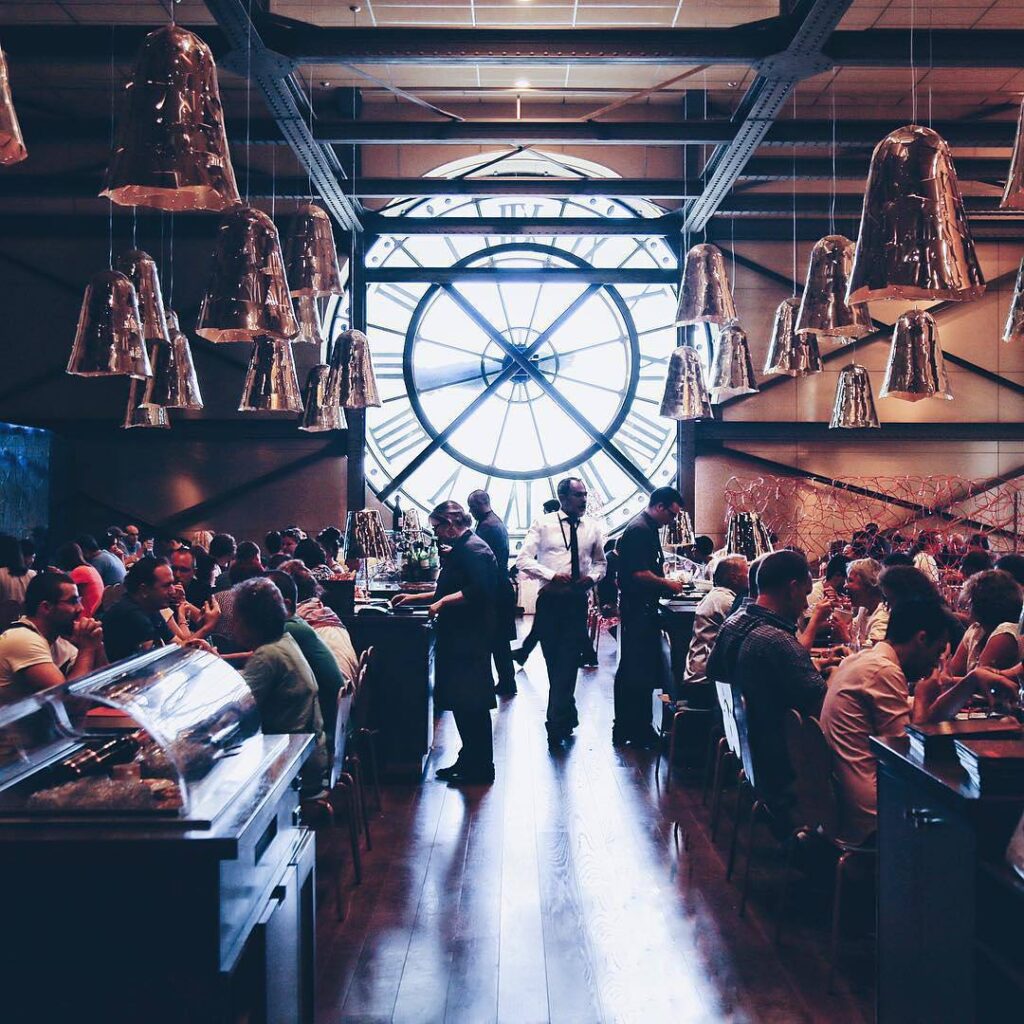
After a few hours of walking through galleries, sitting down with a coffee made the whole visit feel more relaxed. The setting feels elegant without becoming overly formal, and it fits naturally into the slower atmosphere of the museum itself.
If possible, I’d try avoiding the busiest lunch hours because seating fills up quickly around midday. Even a short break here helps reset your energy before continuing through the museum.
Nearby Things to Do After Visiting Musée d’Orsay
One thing I really liked about visiting Musée d’Orsay was how easy it felt to continue exploring afterward without needing much planning.
Walking along the Seine was probably my favorite thing to do after leaving the museum. After spending several hours indoors, the river paths felt like the perfect way to slow down and reset a little.
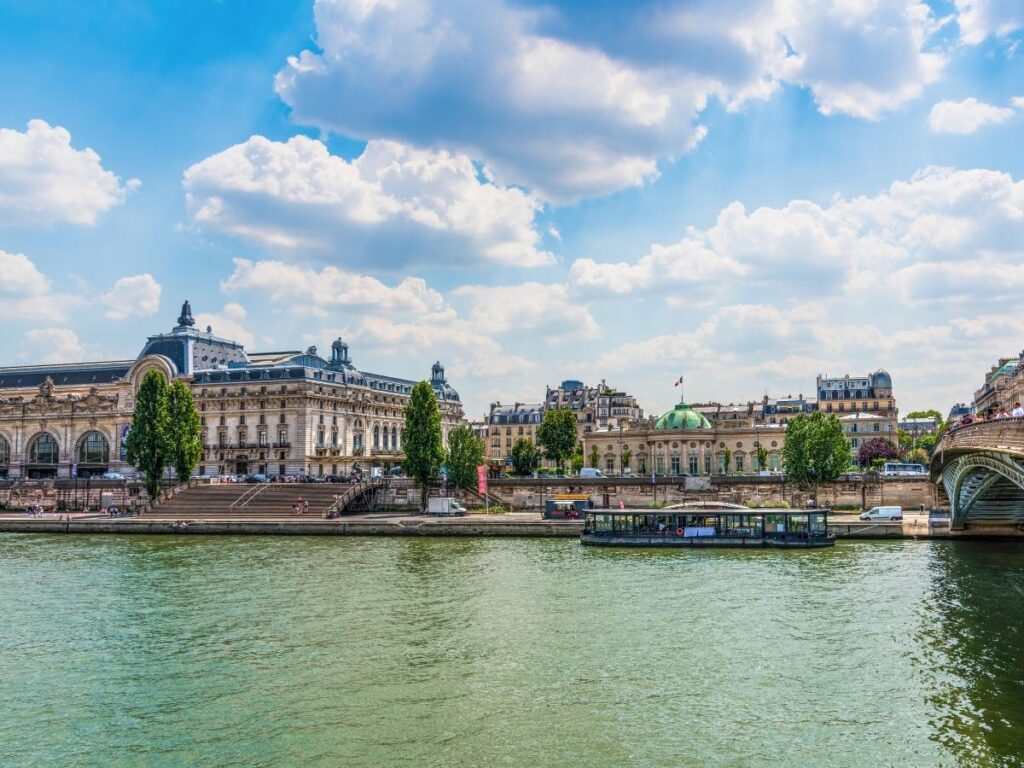
The nearby Tuileries Garden also makes a relaxing next stop if the weather is nice. I also enjoyed wandering through Saint Germain des Prés afterward because the neighborhood feels ideal for cafés, bookstores, and slower walking without a strict itinerary.
If your timing works out, sunset near Pont Alexandre III is especially beautiful and makes a really peaceful way to end the day.
My Honest Thoughts on Visiting Musée d’Orsay
What stayed with me most after visiting Musée d’Orsay honestly wasn’t a single painting.
It was the overall feeling of the place.
Some attractions in Paris feel rushed because everyone is trying to experience the same thing at once. Even when they’re beautiful, the crowds and pressure to “see everything” can make the experience feel a little exhausting after a while. Musée d’Orsay still gets busy, but somehow it felt calmer and more personal than many of the city’s other major landmarks.
I also appreciated that the museum worked well even without deep knowledge of art history. You don’t need to recognize every artist or understand every movement to enjoy being there. The architecture, natural light, atmosphere, and emotion behind the paintings make the experience feel accessible even for casual visitors.
What surprised me most was how often I stopped simply to look around rather than moving quickly to the next room. Some museums feel like places you pass through. Musée d’Orsay felt more like a place I actually wanted to spend time in.
If I returned to Paris, I’d absolutely visit again, and honestly, I’d probably approach it even more slowly the second time.
Final Tips Before You Go
Before visiting Musée d’Orsay Paris, the biggest thing I’d keep in mind is not to rush the experience.
Arriving earlier in the day helps a lot, especially if you want to enjoy the more famous galleries before they become crowded. I’d also focus on a smaller number of sections instead of trying to see every room in one visit. The museum feels much more rewarding when you move through it slowly.
Comfortable shoes make a real difference, and so do small breaks throughout the visit. Spending a few extra minutes near the clock windows, the upper galleries, or the central hall often ended up being more memorable than constantly moving from one painting to another.
I’d also leave some space in your schedule afterward rather than planning another packed sightseeing session immediately after. Musée d’Orsay feels best when it becomes part of a slower Paris day instead of just another stop on a checklist.
More than anything, I think this is a museum that rewards slowing down. The atmosphere, architecture, and artwork all become much easier to appreciate when you give yourself time to experience them properly.