
When I first started planning my Paris itinerary, Musée du quai Branly almost didn’t make the list. Like most first time visitors, I focused on the big names first: the Louvre, Musée d’Orsay, and the Eiffel Tower. The museum felt quieter and less talked about compared to those places, so I initially overlooked it.
But after hearing a few travelers describe how different it felt from other museums in Paris, I decided to give it a chance, and I’m really glad I did.
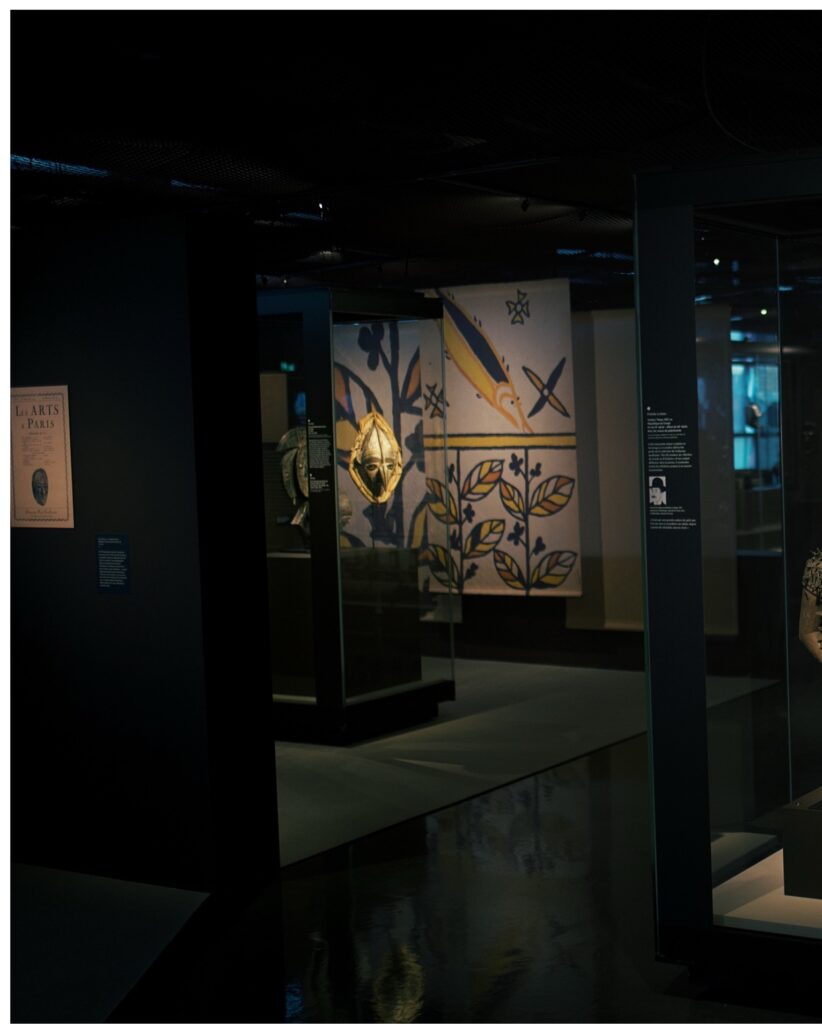
What stood out to me immediately was how calm the experience felt. Unlike some of Paris’s larger museums, Musée du quai Branly never felt overwhelming. The lighting is darker and softer, people naturally move more slowly, and the entire space feels designed to help you take your time rather than rush from one famous artwork to the next.
The collections are also very different from what many people expect in Paris. Instead of classic European paintings, the museum focuses on indigenous art and cultures from Africa, Asia, Oceania, and the Americas.
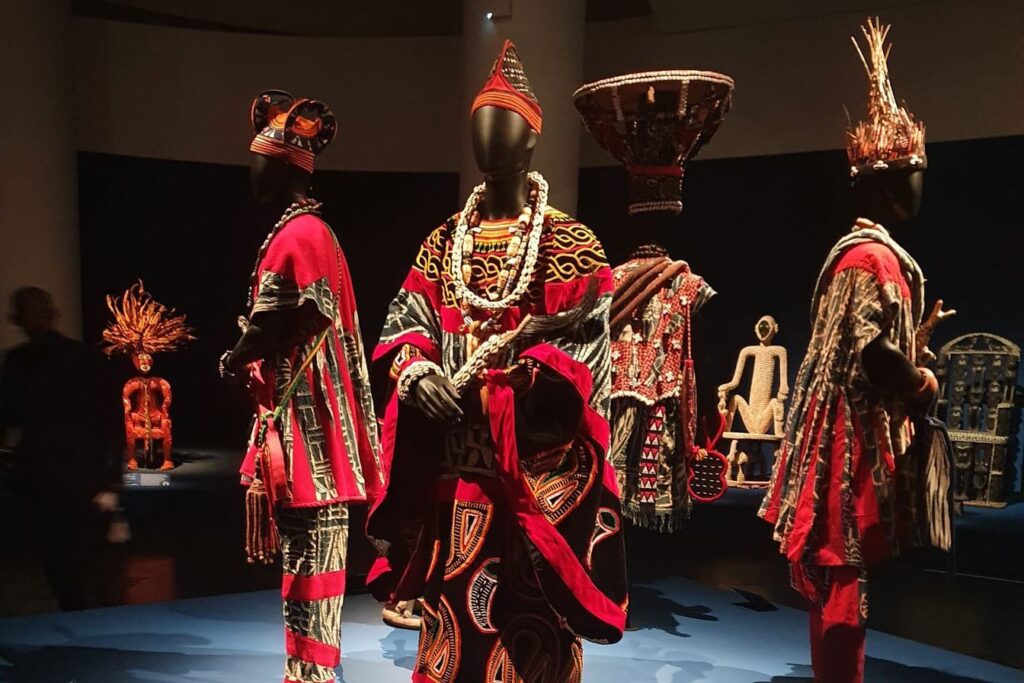
You’ll see ceremonial masks, sculptures, textiles, jewelry, and spiritual objects that feel deeply connected to the cultures they come from.
What surprised me most, though, was how much the building itself shapes the experience. The winding pathways, quiet atmosphere, and carefully designed lighting make the museum feel immersive in a way I wasn’t expecting. Even the gardens outside add to that feeling and create a peaceful break from the busy streets nearby.
I also liked that the museum felt more relaxed than many of Paris’s major attractions. I never felt pressured to rush through galleries or fight through huge crowds, which made the whole visit feel far more enjoyable.
If you enjoy museums that feel thoughtful, atmospheric, and a little different from the usual Paris experience, Musée du quai Branly is absolutely worth considering. Here’s everything I’d want to know before visiting myself.
What is Musée du quai Branly?
Musée du quai Branly is one of Paris’s major museums dedicated to indigenous art and cultures from around the world, especially from Africa, Asia, Oceania, and the Americas. But compared to many other museums in Paris, the experience here feels very different from the moment you walk inside.
Instead of large galleries filled with European paintings, you’ll find ceremonial masks, sculptures, textiles, jewelry, musical instruments, and sacred objects connected to different cultures and traditions. The museum focuses less on famous masterpieces and more on storytelling, atmosphere, and cultural history.
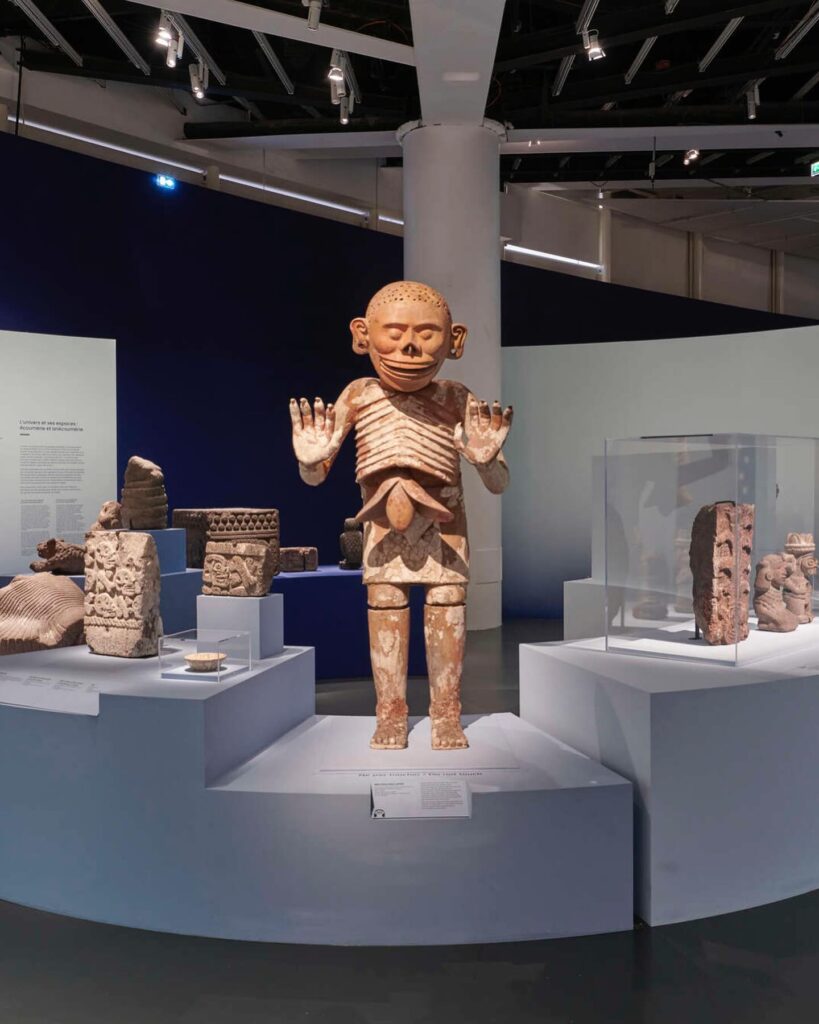
What stood out to me most was how immersive everything felt. The galleries are dimly lit, the pathways curve naturally through the building, and the whole space encourages you to slow down instead of rushing from one exhibit to the next.
At times it almost feels more like walking through carefully designed environments than visiting a traditional museum.
The museum officially opened in 2006 and was strongly supported by former French president Jacques Chirac, which is why you’ll sometimes see the full name Musée du quai Branly Jacques Chirac.
The History Behind the Museum
The museum was created to give more visibility to non European cultures and artistic traditions that had often been overlooked in major French museums for years.
Many of the objects were previously part of older ethnographic collections, but Musée du quai Branly brought them together into one modern institution focused specifically on these histories and cultures.
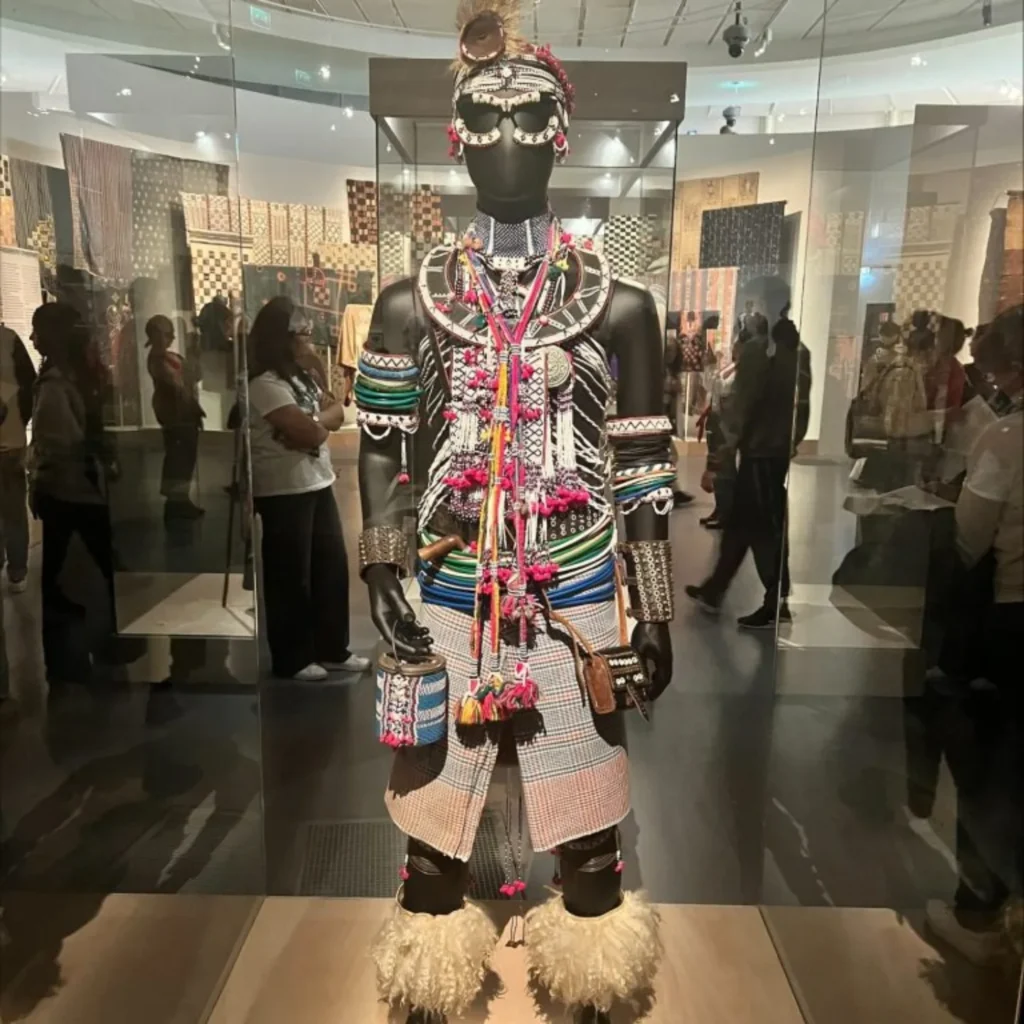
At the same time, the museum’s history is also more complex than it first appears. Some collections come from colonial periods, which naturally raises questions about ownership and representation.
I actually appreciated that the museum doesn’t completely avoid that complexity. Certain exhibits feel celebratory, while others encourage more reflection about the history behind the objects on display.
What Makes This Museum Different
The atmosphere is probably what makes Musée du quai Branly stand out most.
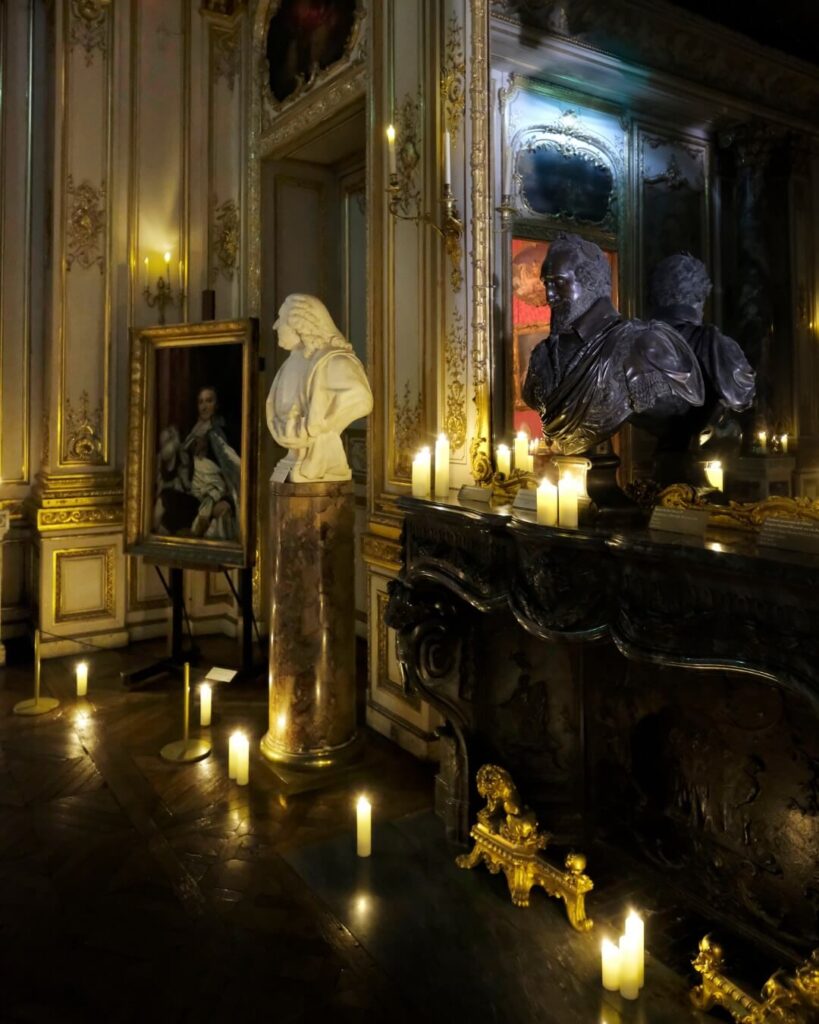
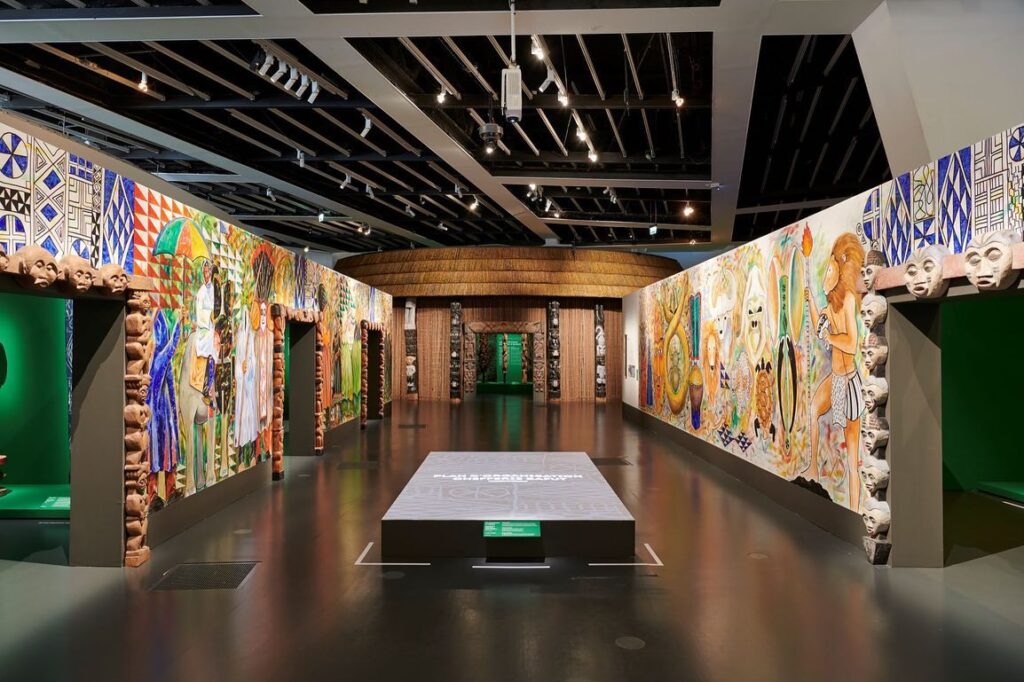
Most museums in Paris feel bright, crowded, and fast paced. This one feels darker, quieter, and much slower in a good way. Instead of moving through giant halls, you follow winding pathways through galleries with focused lighting and subtle sound in the background.
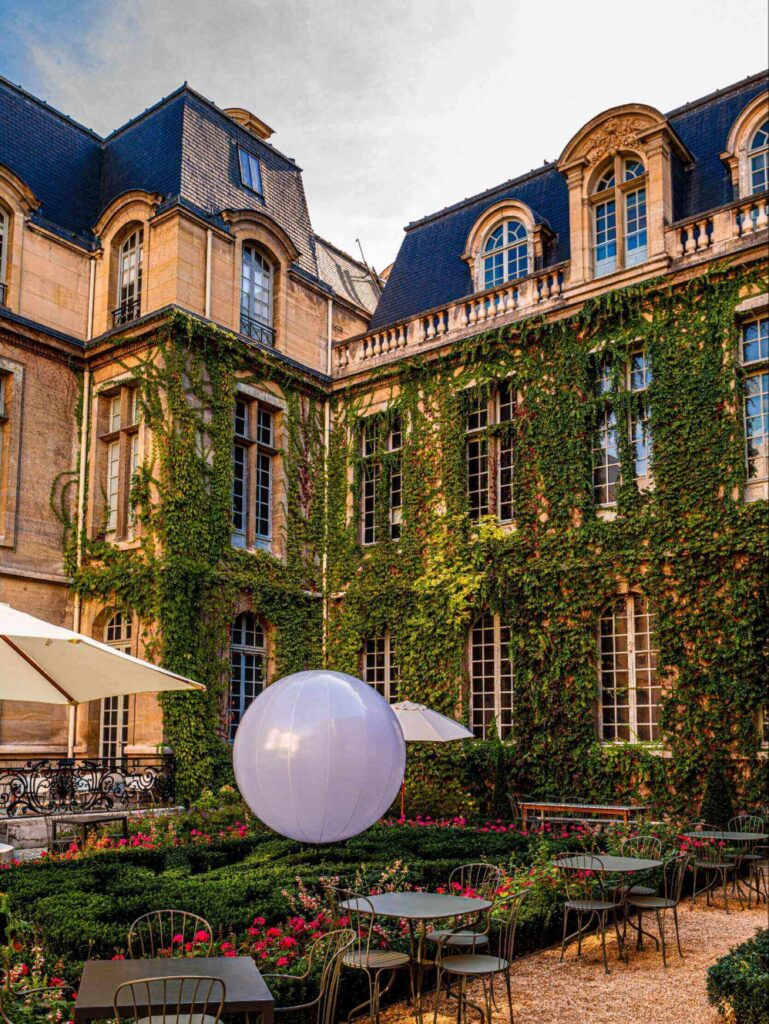
I also noticed that people naturally speak more quietly here. The environment changes your pace without you really realizing it.
Another thing I liked is that the museum doesn’t rely on famous “must see” pieces the way the Louvre does. Since most visitors don’t already recognize the objects, the experience feels more personal and exploratory.
Where It’s Located in Paris
One of the best things about Musée du quai Branly is how easy it is to include in a Paris itinerary.
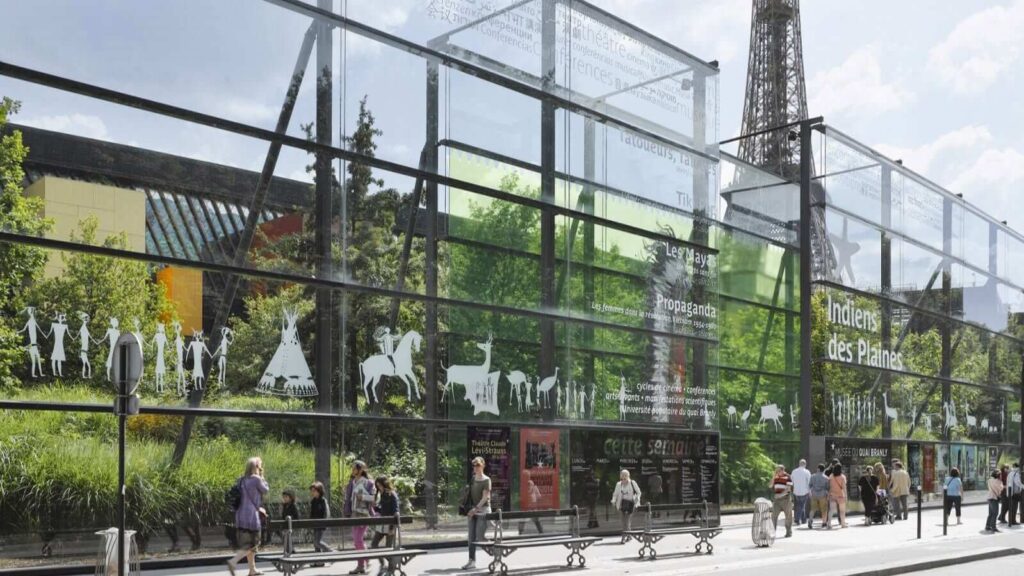
The museum sits near the Seine River in the 7th arrondissement and is only a short walk from the Eiffel Tower, which makes it easy to combine with nearby sightseeing. The closest metro stations are Alma Marceau, École Militaire, and Bir Hakeim.
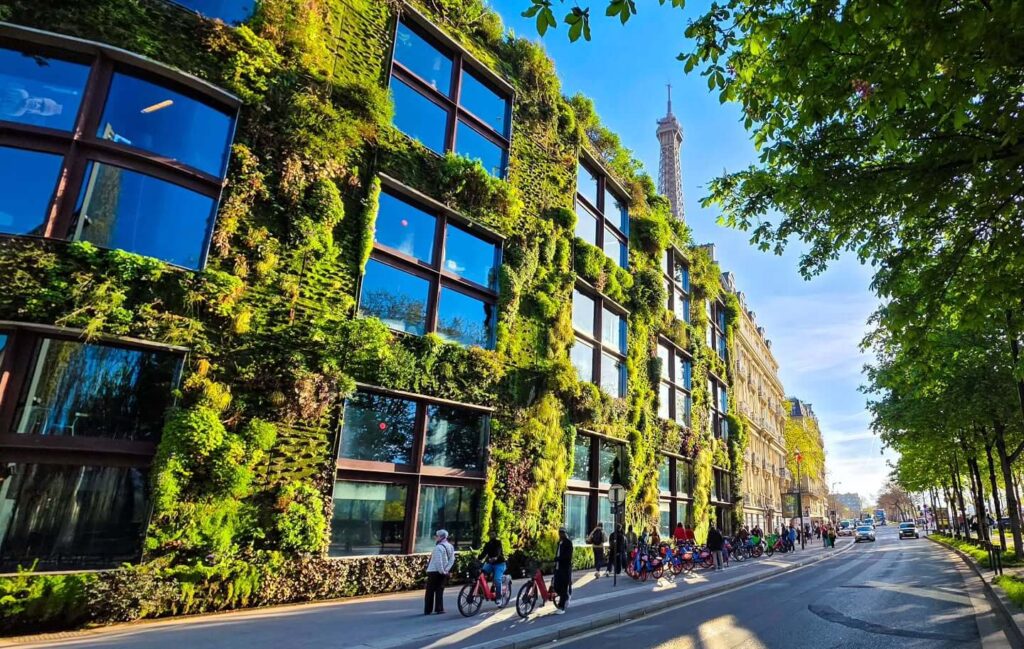
If the weather is nice, I’d actually recommend walking there if possible. The area around the museum is pleasant to explore on foot, and the transition from the busy streets into the quieter museum gardens feels surprisingly calming.
Is Musée du quai Branly Worth Visiting?
I think Musée du quai Branly is absolutely worth visiting for the right kind of traveler.
If you enjoy museums that feel immersive, thoughtful, and visually different from the usual art museums in Paris, this place stands out immediately. After visiting somewhere like the Louvre, where the crowds and scale can become exhausting, Musée du quai Branly feels much calmer and slower in pace.
What I liked most was that the museum never felt rushed. The darker lighting, quieter galleries, and winding layout naturally encourage you to slow down and explore at your own pace instead of chasing famous masterpieces from room to room.
I also think this museum works especially well for travelers who enjoy wandering without a strict plan. Some galleries pull you in more than others, and the experience feels more personal because of that.
At the same time, I don’t think it suits every travel style. If you only have a day or two in Paris, or mainly want to see classic European paintings, you’ll probably get more out of the Louvre or Musée d’Orsay first. The collections here are more atmospheric and cultural rather than instantly recognizable.
The darker galleries may also not appeal to everyone. Personally, I loved the mood of the space, but I could see how some visitors might prefer brighter, more traditional museums.
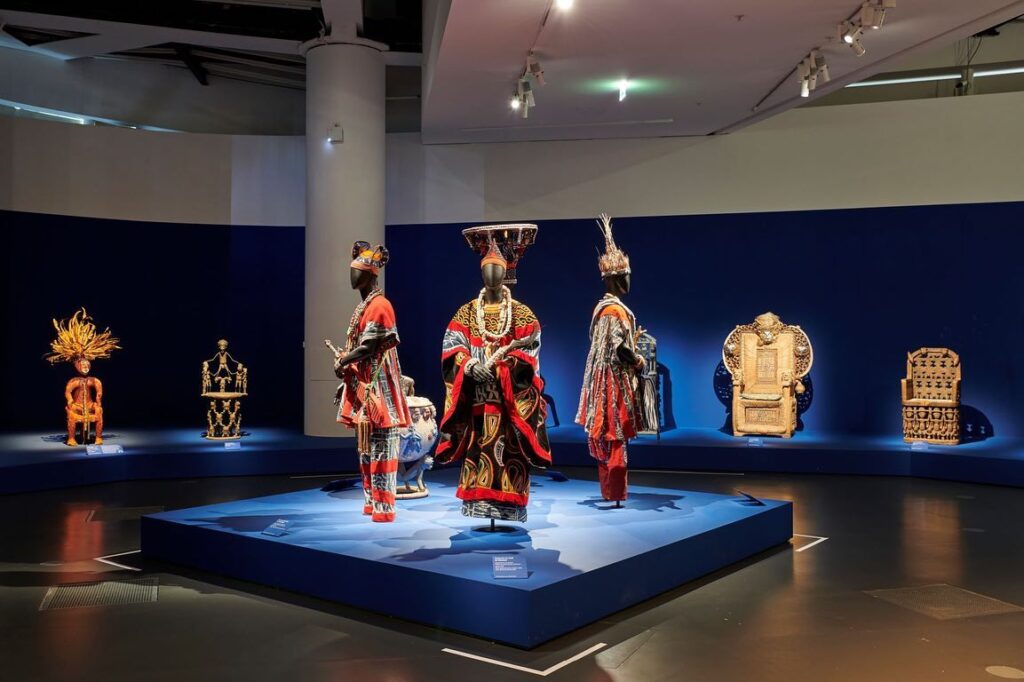
What stayed with me most wasn’t one specific object. It was the feeling of moving through the museum itself. Some rooms felt calming, others more reflective, and I found myself slowing down and noticing details I normally would’ve rushed past elsewhere.
By the end of the visit, it felt less like checking off another tourist attraction and more like spending time inside a carefully designed experience, which is probably why I still remember it so clearly afterward.
The Architecture and Design of Musée du quai Branly
Even if you aren’t usually someone who pays attention to museum architecture, I think Musée du quai Branly is one of those places where the building becomes part of the experience almost immediately.
Before I visited, I expected the collections to stand out most, but I honestly ended up remembering the atmosphere of the museum just as much as the objects themselves. The entire space feels intentionally designed to affect how you move, what you notice, and even how long you pause in certain rooms.
The museum was designed by architect Jean Nouvel, and it feels very different from the grand classical buildings most people picture when they think of Paris museums. Instead of bright halls and symmetrical layouts, everything here feels softer, darker, and more fluid.
Designed by Jean Nouvel
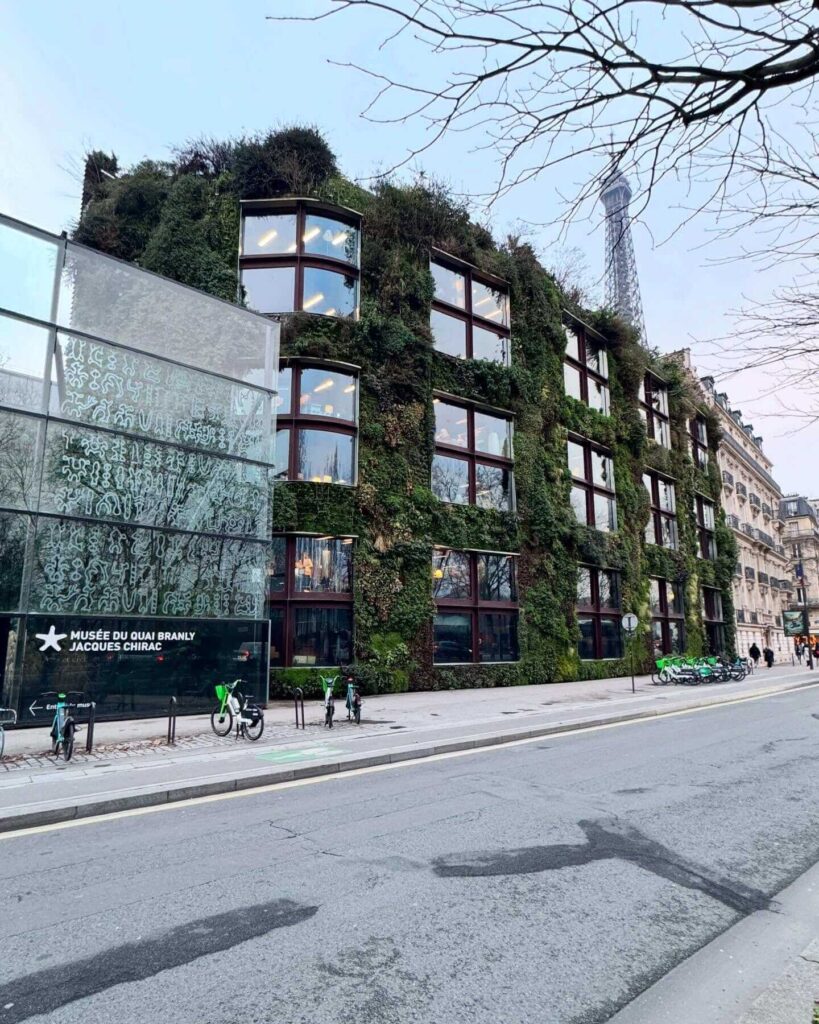
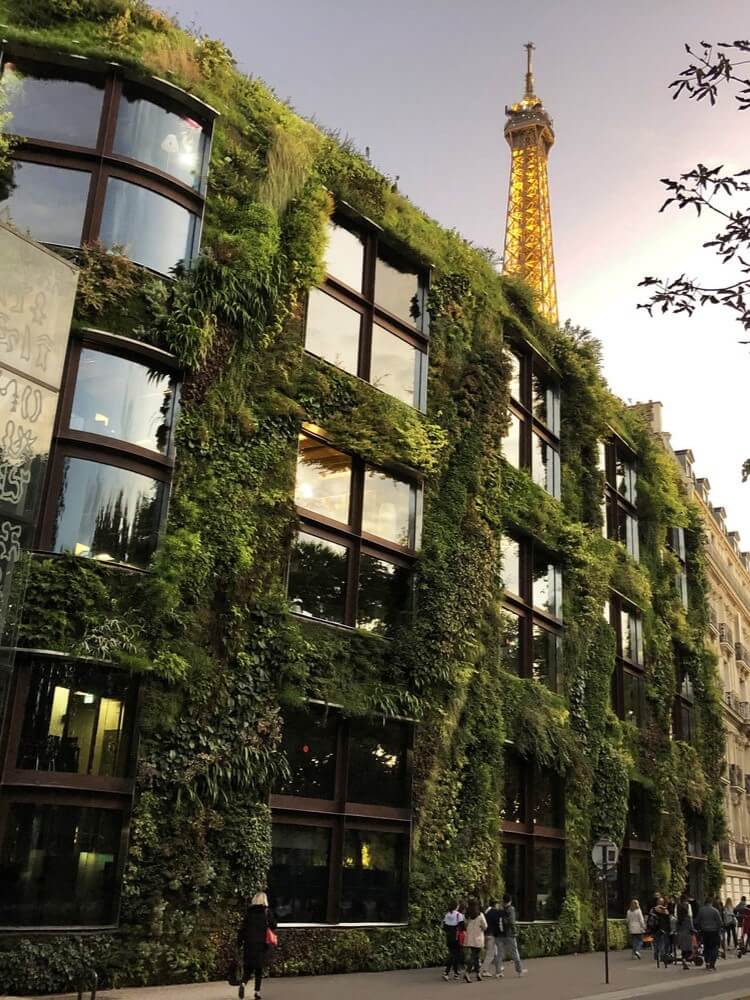
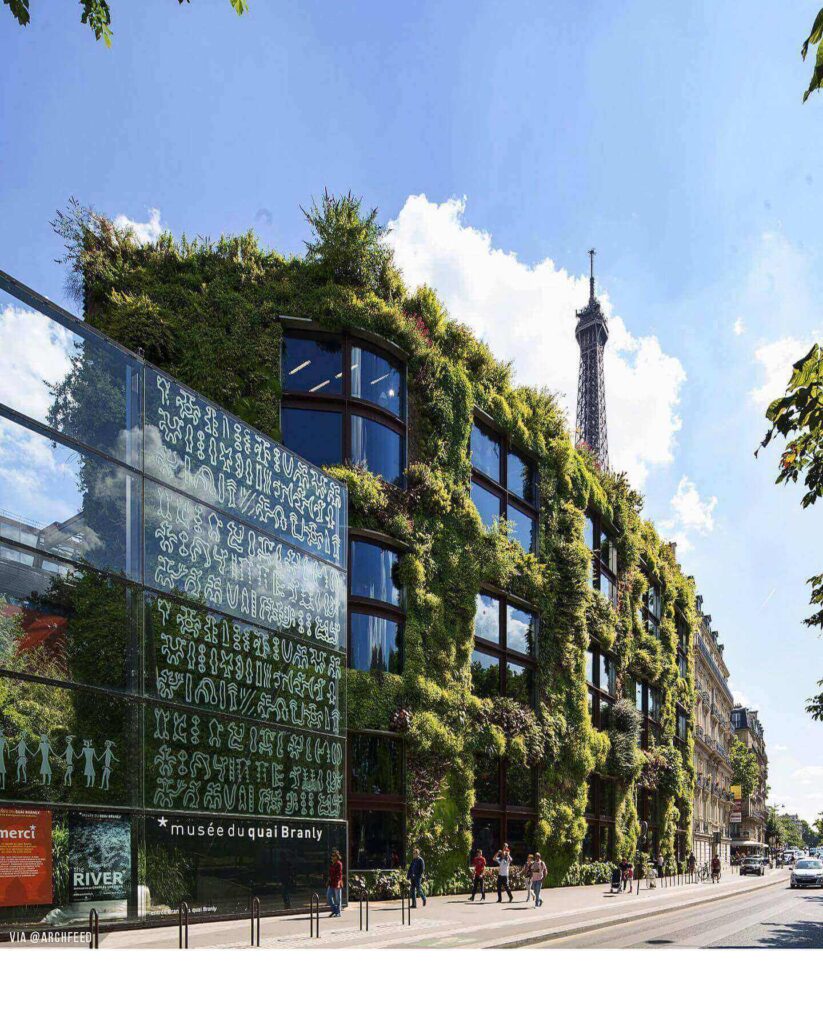
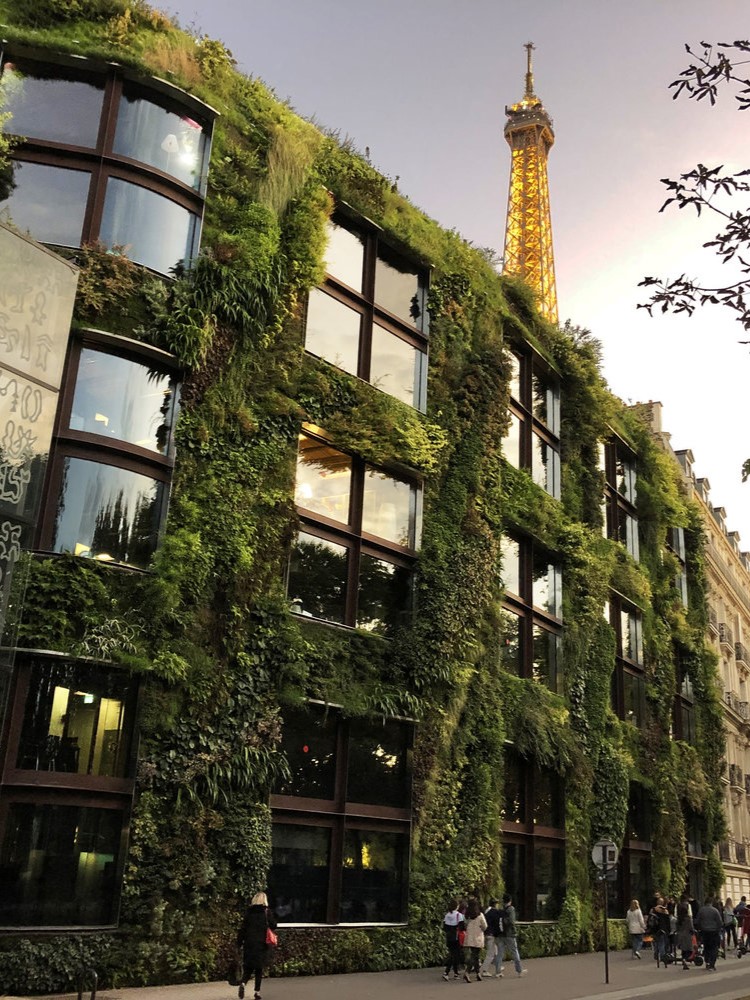
From the outside, the building already stands out because it doesn’t really look like a traditional museum. Parts of the structure appear elevated above the ground, and the surrounding greenery helps the modern architecture feel less cold or heavy.
Inside, the layout feels intentionally unstructured. The pathways curve naturally, the lighting stays low in many areas, and there aren’t always obvious straight routes through the galleries. At first I found it slightly disorienting because I was so used to museums where every room feels clearly organized and brightly lit.
But after spending a little time there, I realized that was part of the point. The darker spaces pull your attention toward individual objects rather than the room itself. Some pieces almost appear slowly as you walk closer to them, which makes the experience feel more immersive and less like simply scanning displays.
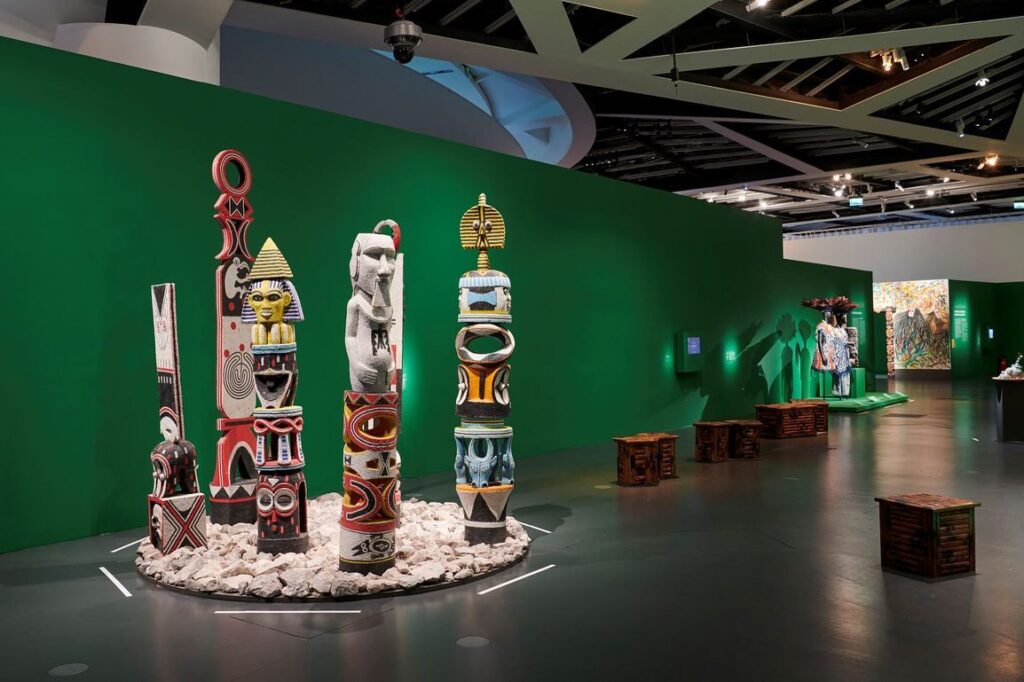
I also noticed that the museum changes pace constantly. Some galleries feel intimate and quiet, while others open up into larger spaces that feel more dramatic. It keeps the visit from ever feeling repetitive.
The Living Wall and Gardens
One thing I think many visitors underestimate is how beautiful the outdoor areas are.
The museum is surrounded by landscaped gardens, winding pathways, and a large vertical garden covered in plants. Considering how close you are to the Eiffel Tower and some of the busiest tourist areas in Paris, the grounds feel surprisingly peaceful.
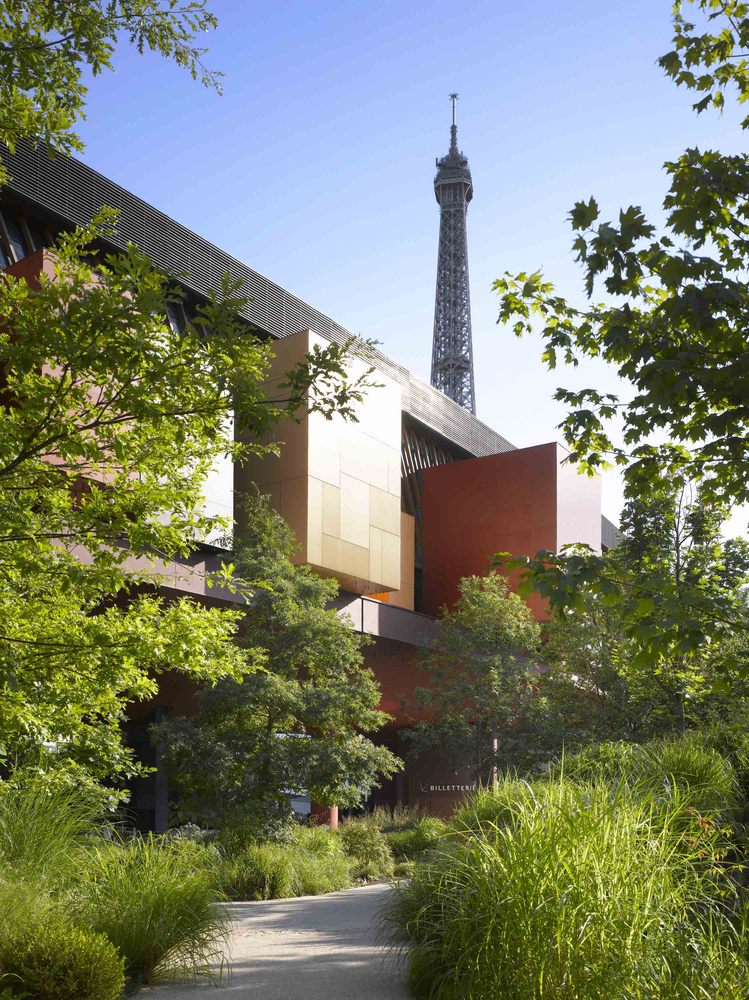
I’d really recommend spending a little time outside before or after your visit instead of heading straight in and out. After walking through the darker galleries, sitting outside for a few minutes felt like a nice reset before continuing the day.
On a sunny afternoon, the gardens almost feel disconnected from the city around them. You still hear bits of Paris in the distance, but the greenery softens everything and makes the museum feel calmer than its location would suggest.
How the Building Changes the Experience
What makes Musée du quai Branly memorable isn’t just the collection itself. It’s the way the building shapes how you experience the collection.
The darker lighting naturally slows people down. The sound changes from room to room, and some spaces feel almost silent while others have subtle background audio that adds to the atmosphere. Instead of presenting artifacts in a very formal or academic way, the museum tries to create emotion around them.
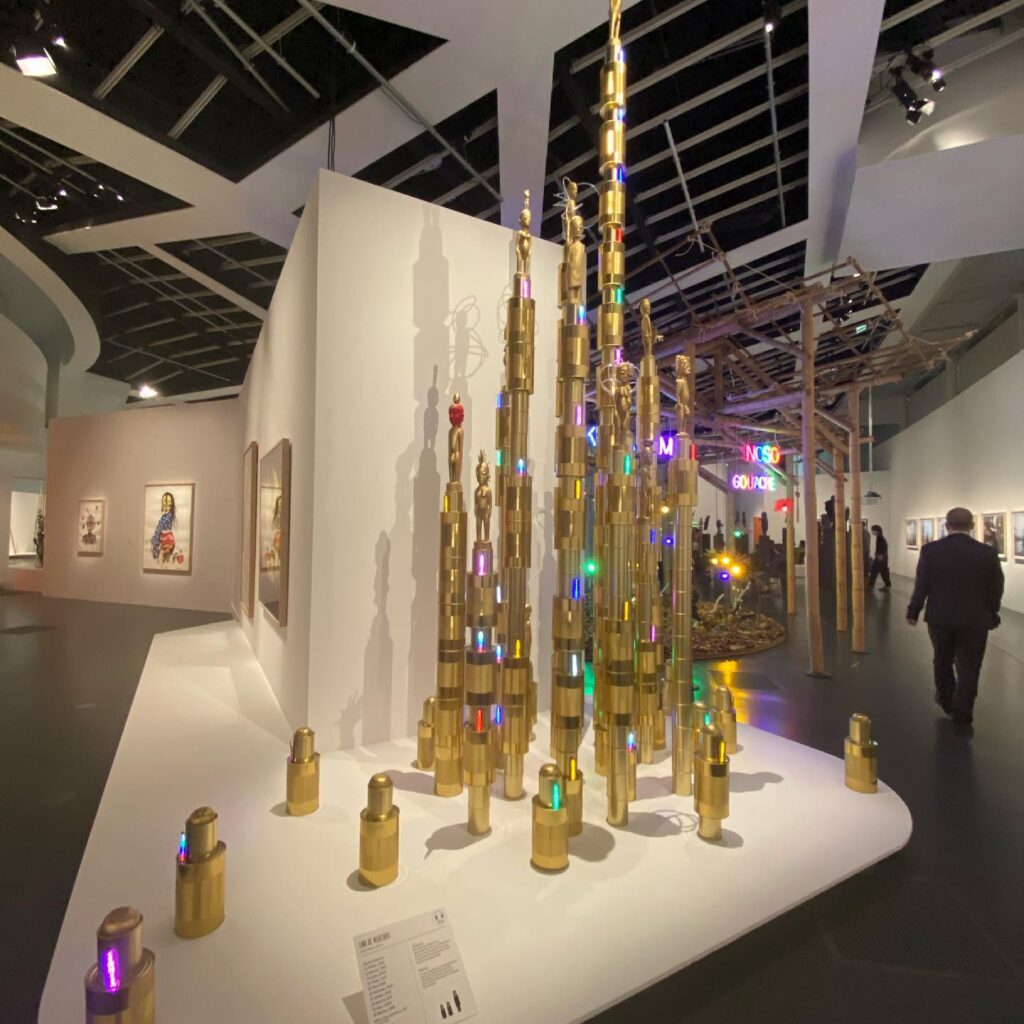
That approach definitely won’t work for everyone. Some people may prefer brighter galleries and more traditional museum layouts. But personally, I found this style far more memorable because it made the visit feel immersive rather than just informational.
By the end, I remembered not only specific objects, but also the feeling of moving through the museum itself, which honestly doesn’t happen to me very often in larger museums.
What to See at Musée du quai Branly
The collection at Musée du quai Branly is much larger than I expected before visiting. Even though the museum doesn’t feel as overwhelming as the Louvre, there’s still a huge amount to see, and trying to cover every single gallery can become tiring surprisingly quickly.
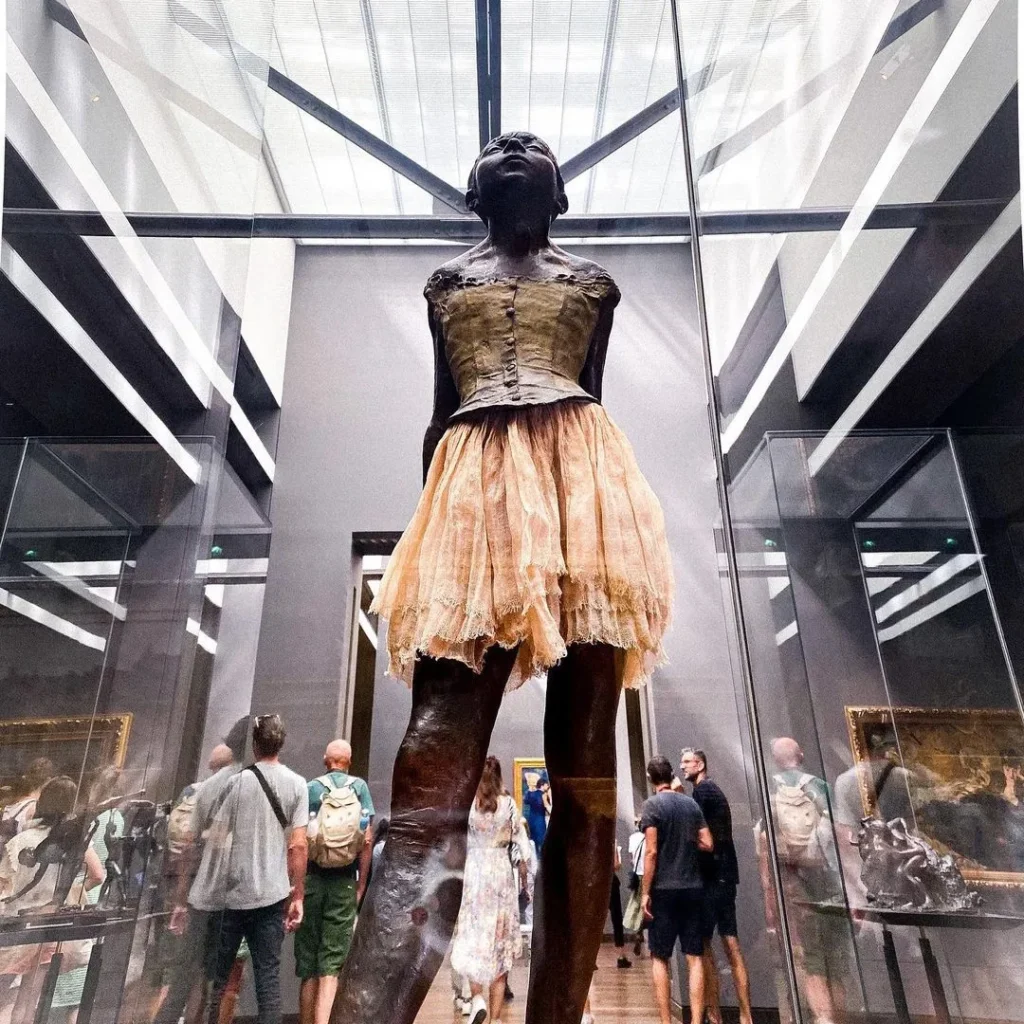
I honestly think the best approach is choosing the sections that interest you most and exploring them slowly instead of trying to complete the museum. Some galleries will naturally pull you in more than others, and that’s part of what makes the experience feel personal.
What I liked most is that the museum doesn’t really feel organized around famous highlights. Instead, certain objects or rooms stay with you unexpectedly.
African Art Collection
The African galleries were probably the most visually striking part of the museum for me and the area where I ended up spending the most time.
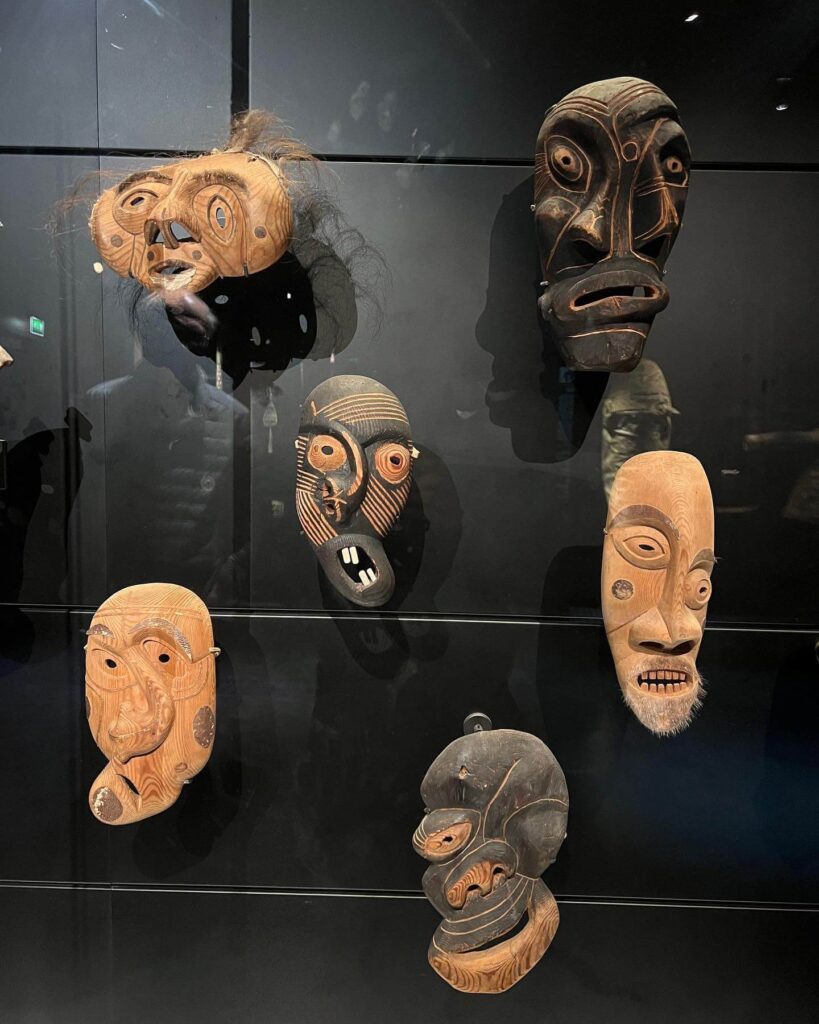
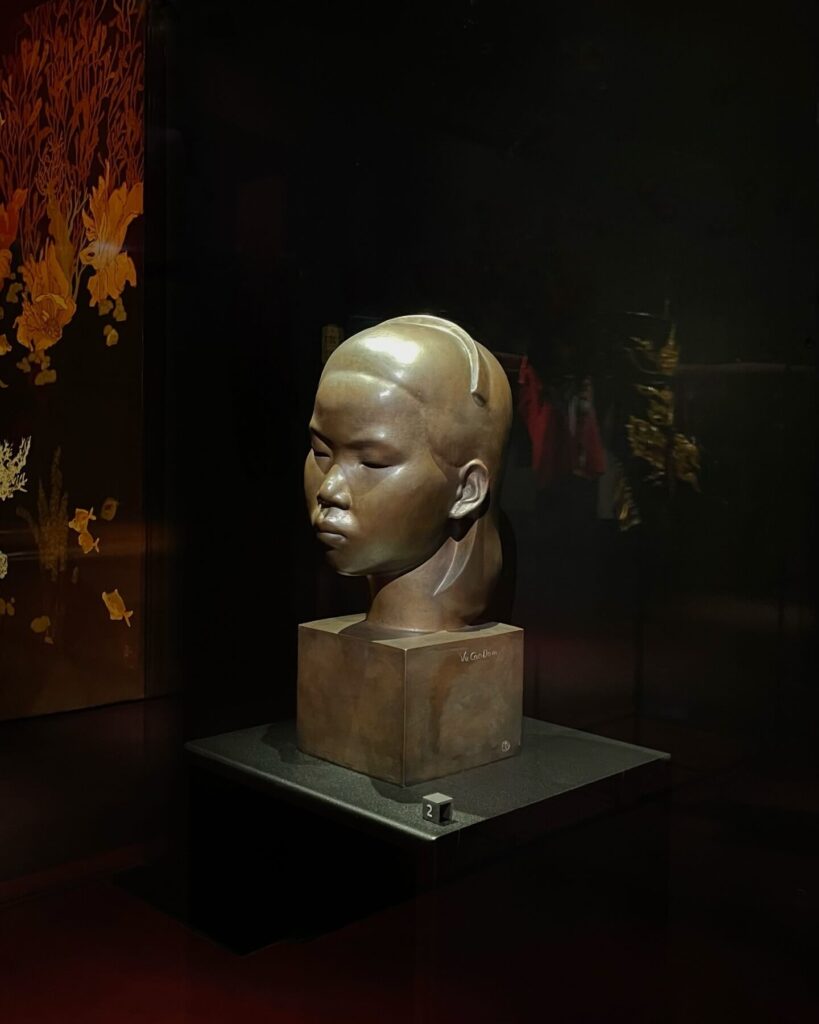
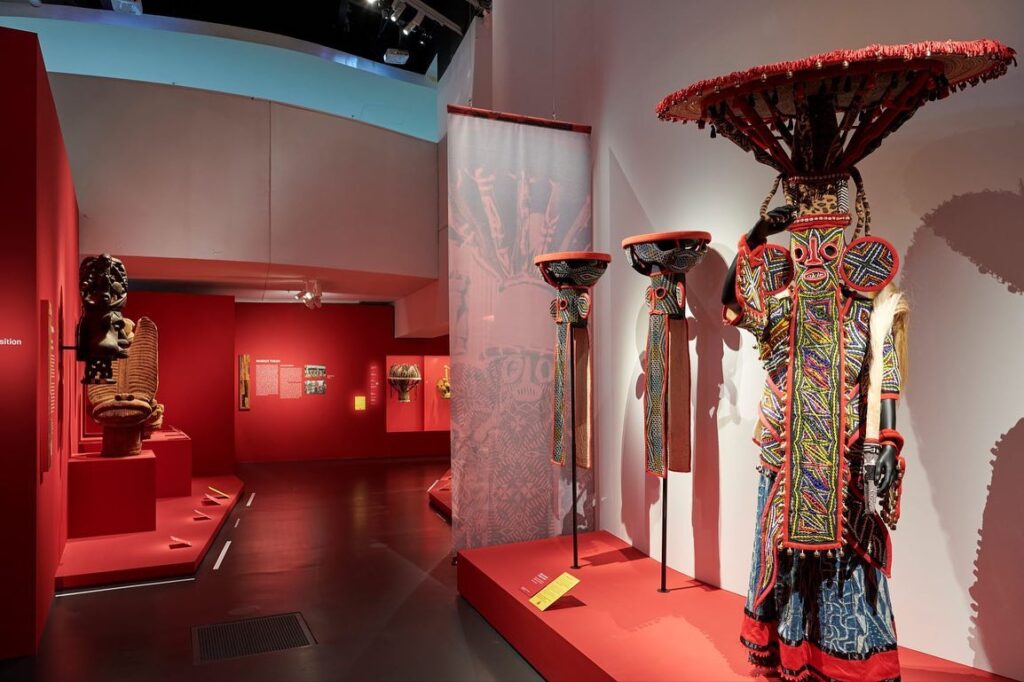
You’ll see ceremonial masks, carved wooden figures, textiles, jewelry, spiritual objects, and ritual artifacts from different regions across the continent. Some of the pieces feel incredibly expressive even from across the room. A few masks especially caught my attention because of how detailed and emotional they looked despite being centuries old.
The lighting in these galleries makes a huge difference too. Many objects are displayed against darker backgrounds with focused lighting, so your attention naturally goes straight to the carvings and textures. At times it almost feels theatrical, but in a way that adds to the atmosphere rather than distracting from it.
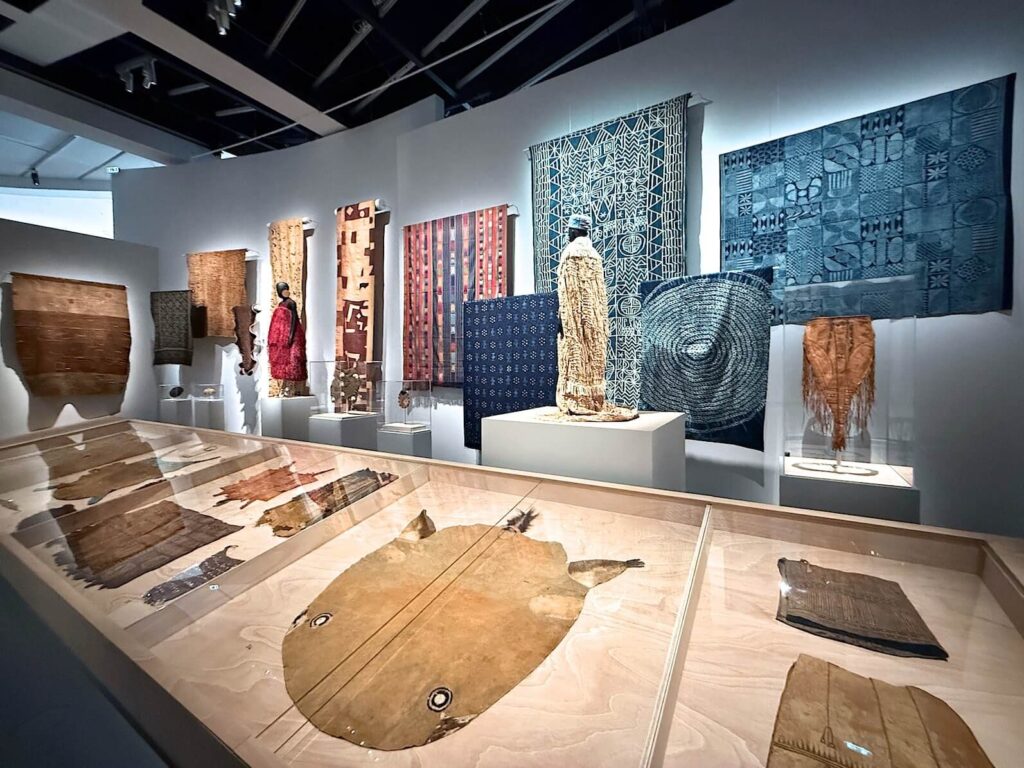
I also found myself slowing down more here because the objects feel deeply connected to ceremonies, beliefs, and everyday life rather than simply decorative art pieces.
Oceania Collection
The Oceania section felt completely different in mood and scale.
A lot of the objects here are larger and more sculptural, including canoes, Polynesian carvings, ritual objects, and tall carved structures from Pacific islands. Some rooms almost feel like installations instead of traditional museum displays because the pieces take up so much physical space around you.
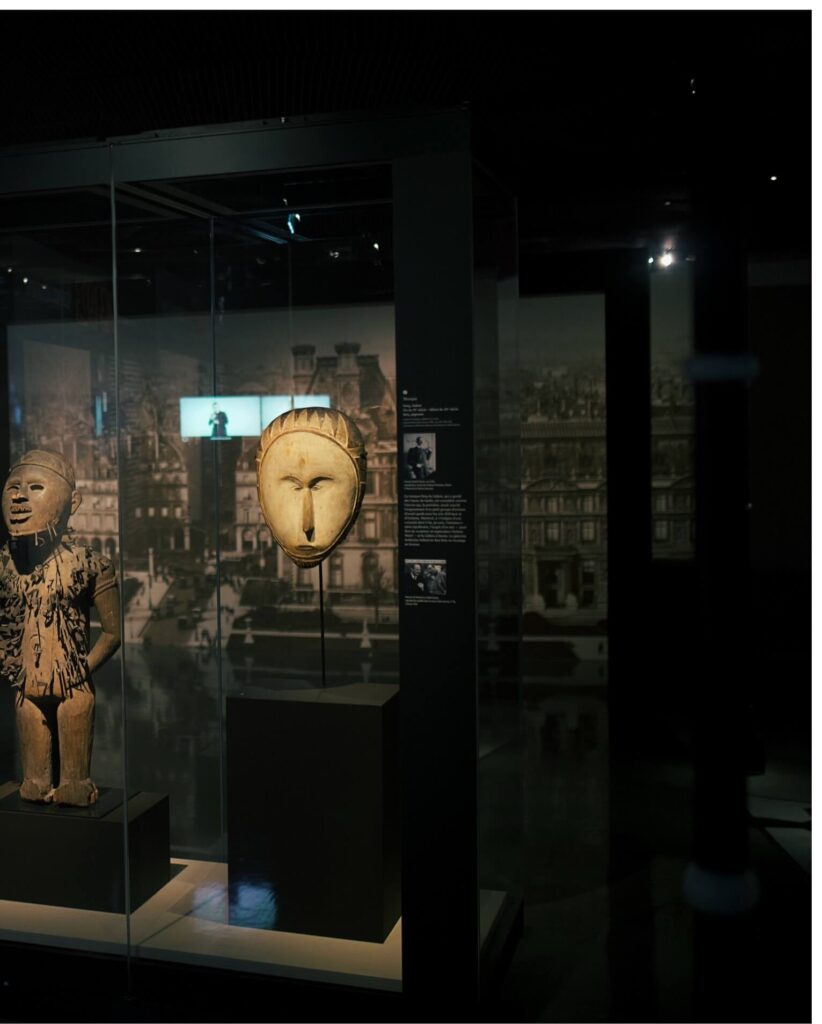
This was one of the sections where the museum’s architecture worked especially well. The darker rooms and open layouts make certain carvings feel almost monumental when you first walk into the space.
Even if you don’t know much about the history behind the objects, the craftsmanship alone makes this section memorable.
Asian Collections
The Asian galleries surprised me because they focus less on the classical Asian art many travelers might expect and more on indigenous and tribal cultures from different parts of Asia.
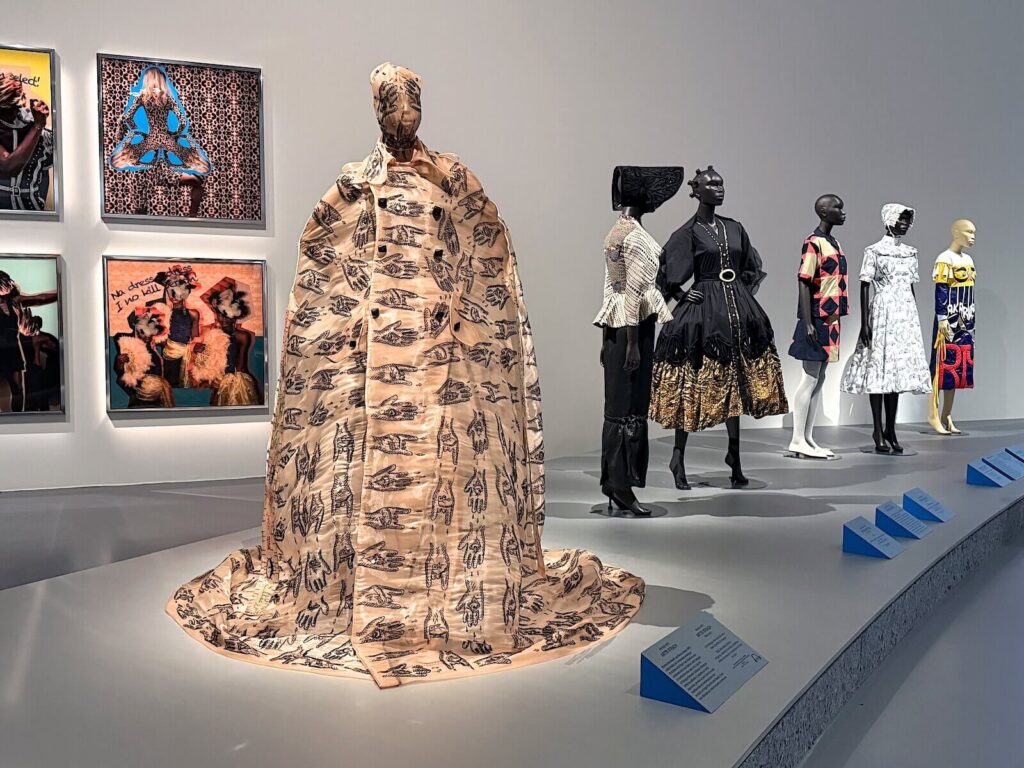
You’ll find objects from Southeast Asia, Himalayan regions, and smaller cultural communities across the continent. Compared to some of the larger sculptural galleries, this area felt quieter and more detailed.
I ended up paying closer attention to the smaller objects here, especially the textiles, ceremonial clothing, and handcrafted details that you could easily miss if you rushed through too quickly.
Indigenous Art from the Americas
The collections from the Americas include totems, ceremonial masks, jewelry, textiles, and spiritual objects from Indigenous cultures across North and South America.
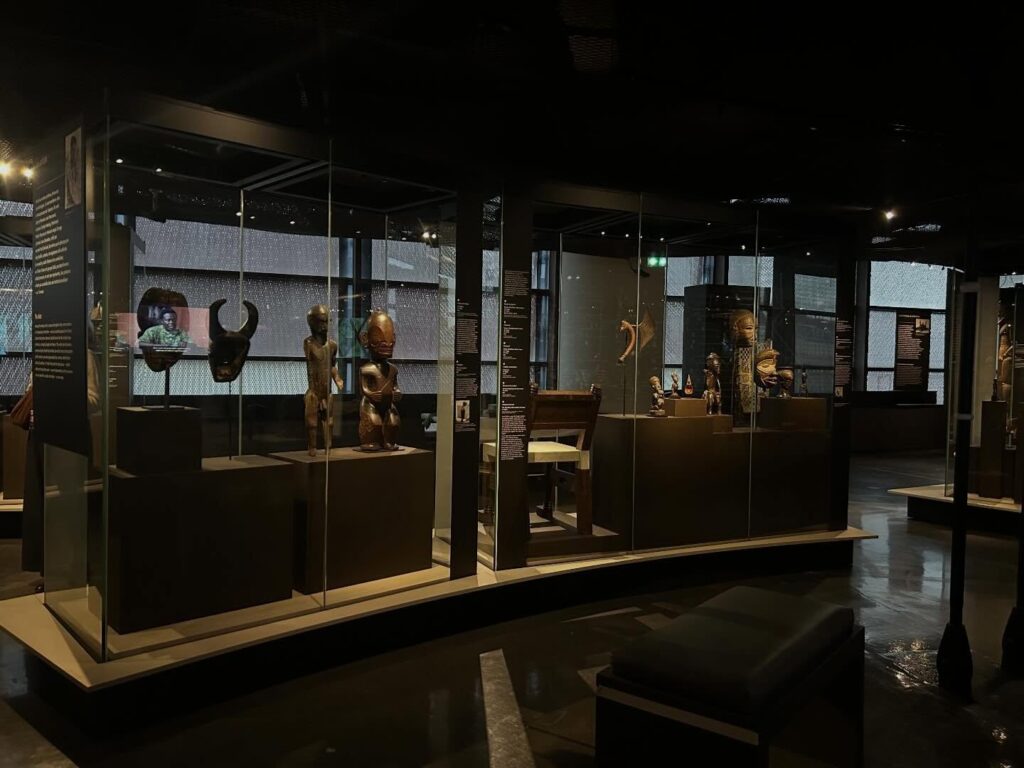
Some of the carved wooden pieces here felt incredibly powerful and emotional. I also thought the storytelling in this section was particularly engaging because it gave more context around how certain objects were used and what they represented within different communities.
A few rooms here felt especially reflective and quiet compared to other parts of the museum.
Temporary Exhibitions
If there’s one thing I’d recommend checking before your visit, it’s the temporary exhibitions.
Several people I spoke with afterward actually said the rotating exhibits ended up being their favorite part of the museum. These exhibitions usually focus more deeply on a specific culture, artist, region, or theme, so they often feel more focused than the permanent galleries.
Depending on what’s showing during your trip, this can completely shape your experience of the museum.
Pieces That Stayed With Me Most
Interestingly, the things I remember most aren’t necessarily the museum’s important objects.
What stayed with me were smaller moments: the quietness of certain galleries, the sound of footsteps echoing softly in darker rooms, and the way some objects slowly appeared out of the shadows as I walked closer.
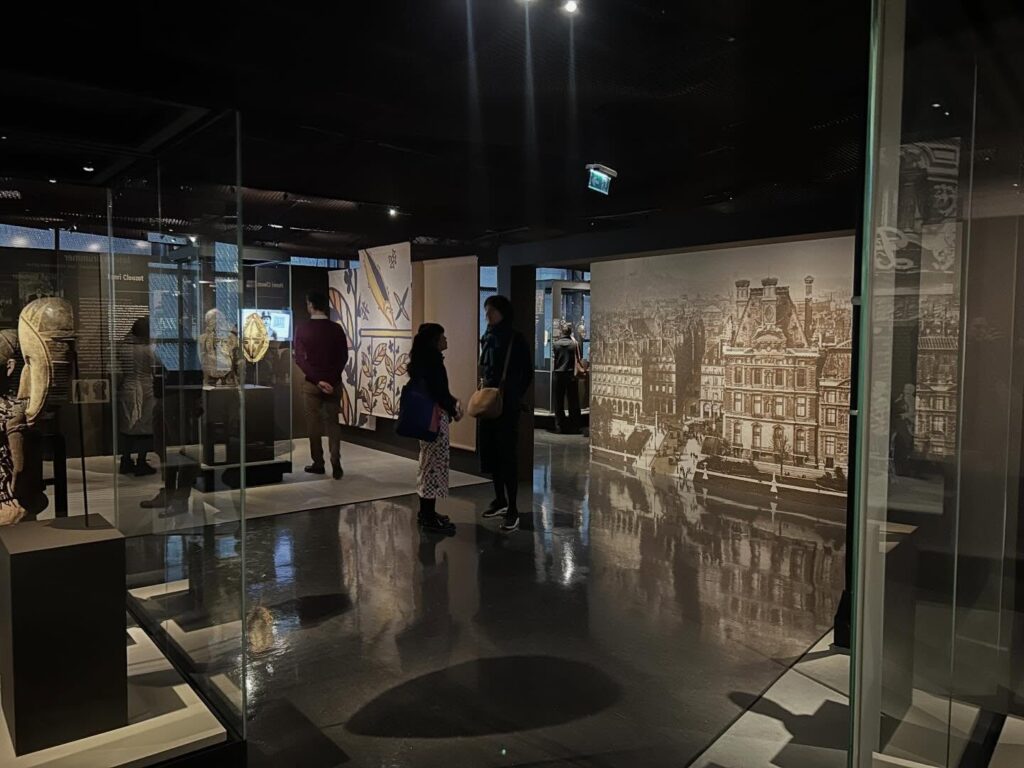
I also remember being drawn to smaller handcrafted pieces more than I expected. Some felt intensely personal, almost like you could imagine the person who once used or created them.
That’s probably what makes Musée du quai Branly feel different from many museums in Paris. You don’t always leave remembering one famous masterpiece. You leave remembering the atmosphere and the feeling of moving through the space itself.
How Much Time Do You Need at Musée du quai Branly?
How much time you should spend at Musée du quai Branly really depends on how you like to experience museums.
Before visiting, I assumed this would be a fairly quick stop, but once inside, I realized the museum naturally slows you down. The darker galleries, winding layout, and immersive atmosphere make you spend more time in certain rooms than you expect.
If you’re casually interested in museums or combining the visit with nearby attractions like the Eiffel Tower, around one and a half to two hours is usually enough. That gives you enough time to explore several major sections, experience the atmosphere, and walk through the gardens without feeling rushed.
If you enjoy museums more deeply though, you could easily spend three to four hours here. The museum works best when you move slowly, pause in galleries that interest you, and take your time instead of trying to see everything quickly.
Personally, I think around three hours feels ideal. That was enough time for me to explore comfortably without reaching the point where museum fatigue started setting in.
Morning visits usually feel quieter and more relaxed, while afternoons can become busier with tour groups. Even then, the museum still feels calmer than many of Paris’s larger attractions.
I also think this museum works especially well on rainy days in Paris. The darker atmosphere somehow fits gloomy weather perfectly and makes the whole experience feel even more immersive.
Musée du quai Branly Tickets and Practical Information
Before visiting Musée du quai Branly, I expected the logistics to feel similar to other major Paris museums, but overall the experience felt much calmer and easier to manage.
Ticket prices are fairly standard for Paris museums, though they can vary depending on temporary exhibitions. Students, younger visitors, and Paris Museum Pass holders may qualify for discounts or free admission, so it’s worth checking the official website before your visit.
I’d recommend booking tickets in advance during summer or busy holiday periods, even though the museum usually feels less crowded than places like the Louvre. The entry process itself was fairly smooth when I visited, with standard bag checks and security screening but without the long, stressful queues you sometimes find at bigger attractions.
The museum is also relatively accessible, with elevators, seating areas, and wide pathways throughout the galleries. The only thing to keep in mind is that some rooms are intentionally dark, which can make navigation feel slightly disorienting at first.
I’d also suggest checking opening hours carefully before visiting since the museum is usually closed one day each week. Some evenings have later hours too, and I imagine the atmosphere feels even more immersive after dark.
Practical Tips for Visiting Musée du quai Branly
One thing I learned quickly is that this museum becomes much more enjoyable when you stop trying to see absolutely everything.
There’s a huge amount to take in, and trying to read every display panel can become exhausting pretty fast. I enjoyed the visit much more once I slowed down and focused only on the galleries and objects that genuinely interested me.
Comfortable shoes are also important because you end up walking more than expected through the museum’s winding layout. If you plan to use the audio guide or museum app, bringing headphones helps too since some exhibits become much more meaningful with added context.
I’d also recommend spending a little time in the gardens outside. They genuinely feel like part of the experience and create a nice break between the darker galleries and the busy streets nearby.
Since the museum is close to the Eiffel Tower, Seine River, and Trocadéro, it works especially well as part of a slower sightseeing day rather than a packed itinerary.
Common Mistakes to Avoid
One mistake I’d avoid is visiting right after spending hours at another huge museum like the Louvre. Even though Musée du quai Branly feels calmer, museum fatigue still catches up quickly.
I also wouldn’t rush through the galleries. This museum works best slowly, and some of the most memorable moments happen when you unexpectedly stop in front of an object or spend extra time in a room that catches your attention.
Another thing many visitors overlook is the temporary exhibitions. Depending on what’s showing, they can easily become one of the highlights of the visit.
And honestly, don’t skip the outdoor spaces. The gardens may not look essential at first, but they really help shape the overall atmosphere of the museum.
My Final Thoughts on Musée du quai Branly
Musée du quai Branly ended up being one of the most memorable museums I visited in Paris, mostly because it felt so different from the others.
The combination of architecture, lighting, sound, and cultural storytelling creates an experience that feels slower, quieter, and more immersive than many of the city’s major attractions.
I think this museum is best for travelers who enjoy thoughtful experiences and don’t mind wandering without a strict plan. If you love photography, design, or museums with a strong atmosphere, there’s a good chance you’ll appreciate it here too.
Would I return? Definitely.
Not necessarily to see every gallery again, but simply to experience the atmosphere one more time.