
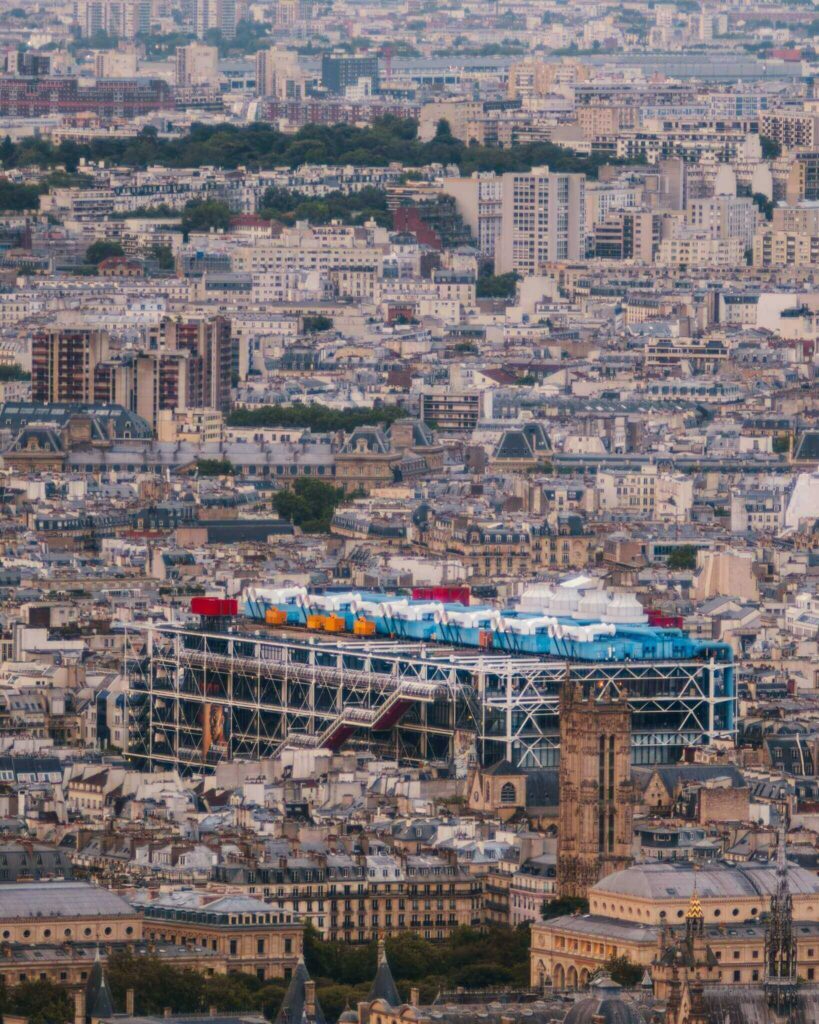
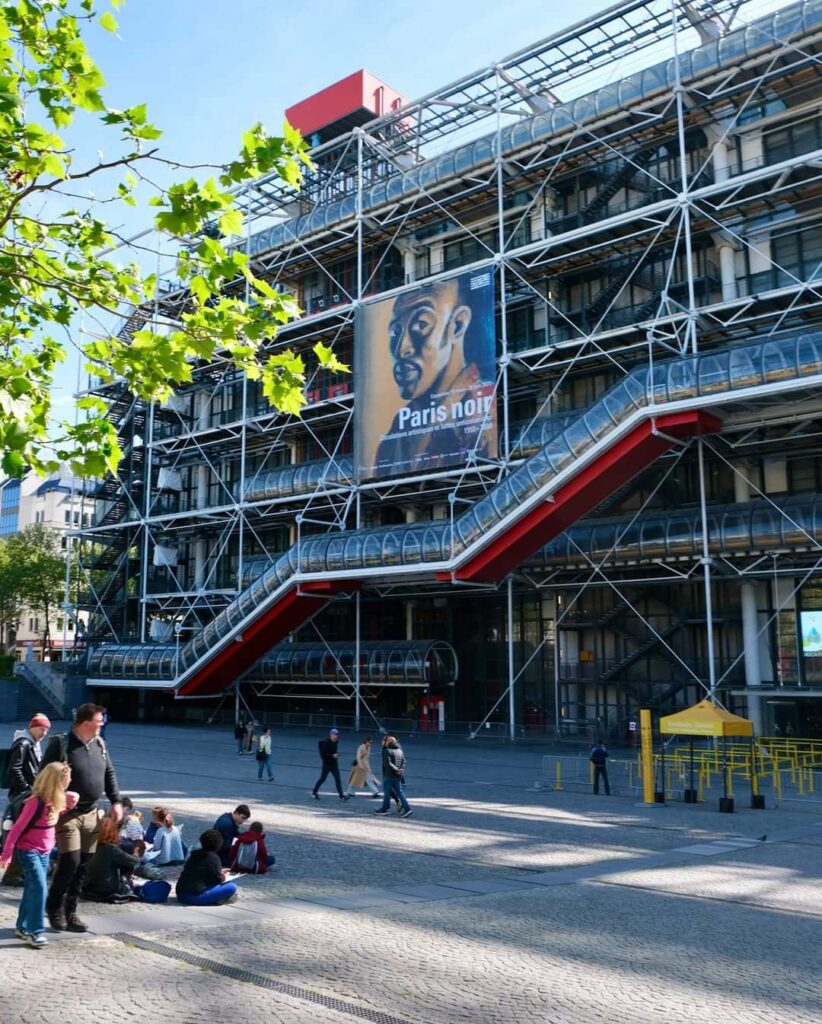
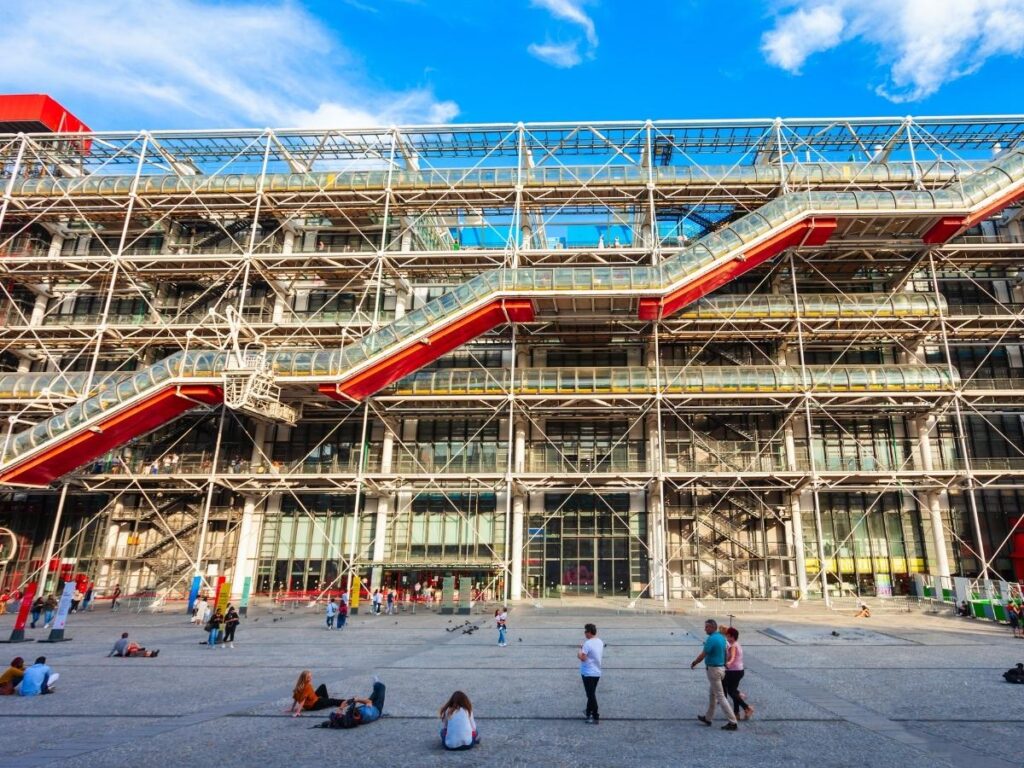
I wasn’t entirely sure what to expect before visiting Centre Pompidou. If you’ve seen photos, you probably know why. It doesn’t look like what you’d usually associate with Paris. There’s no ornate façade or classic design, just pipes, tubes, and structures on the outside that make it look almost inside out.
At first, it felt a bit out of place. Paris has such a consistent look, especially around places like the Louvre Museum, so seeing something this different takes a moment to process. But the more I looked at it, the more it started to make sense. It’s not trying to fit in, and that’s exactly what makes it stand out.
Before going, I kept wondering if it was worth the time. There’s already so much to see in Paris, and it’s not always clear where this museum fits in, especially if you’re not particularly into modern art.
After visiting, I realized it’s a very different kind of experience. It’s not just about the art, it’s about how the whole place feels. In this guide, I’ll walk you through what to expect and help you decide if it’s something you’d actually enjoy.
What Is Centre Pompidou? (And Why It Looks So Different)
Centre Pompidou is one of those places you notice immediately, whether you plan to visit it or not. It doesn’t blend into the city at all. In fact, it almost feels like the opposite of everything else around it.
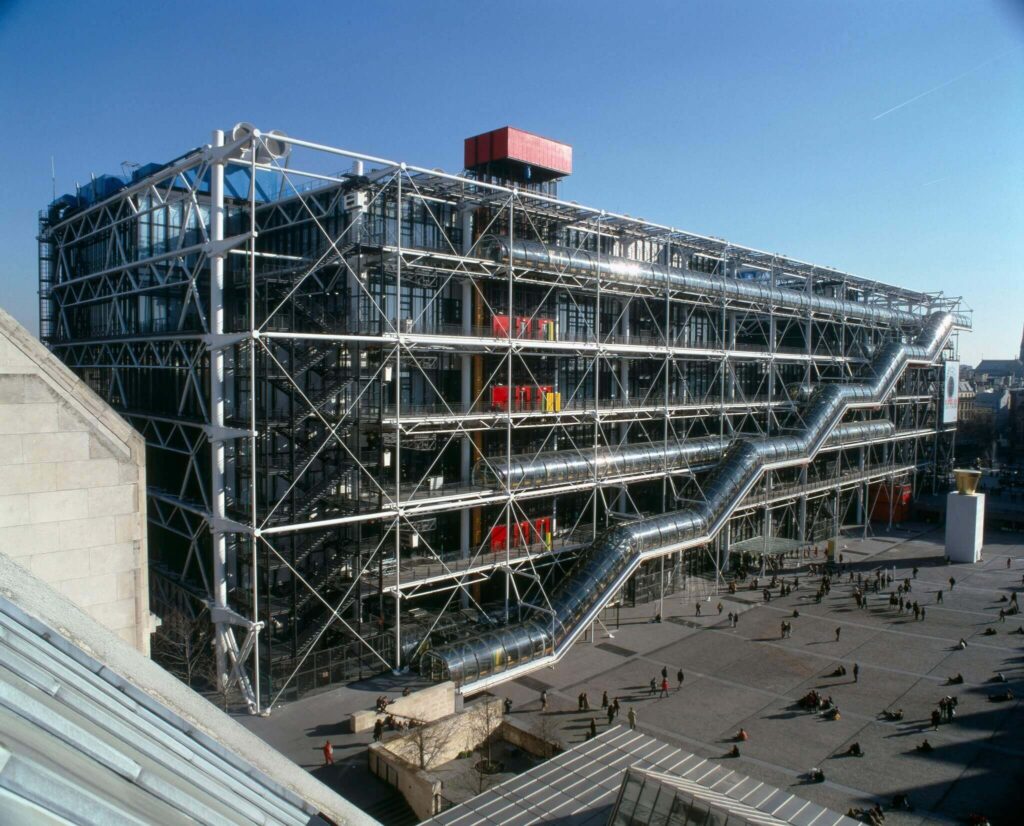
Most buildings in Paris feel refined and carefully detailed. This one feels exposed. All the structural elements that are usually hidden, things like pipes, air ducts, and escalators, are placed on the outside. They’re even color coded, which makes the whole building look more like a piece of industrial design than a traditional museum.
It was designed by Renzo Piano and Richard Rogers, and the idea was to create something completely different from the usual museum experience. Instead of grand halls and formal layouts, they wanted a space that felt open and adaptable, where the inside could change depending on exhibitions and events.
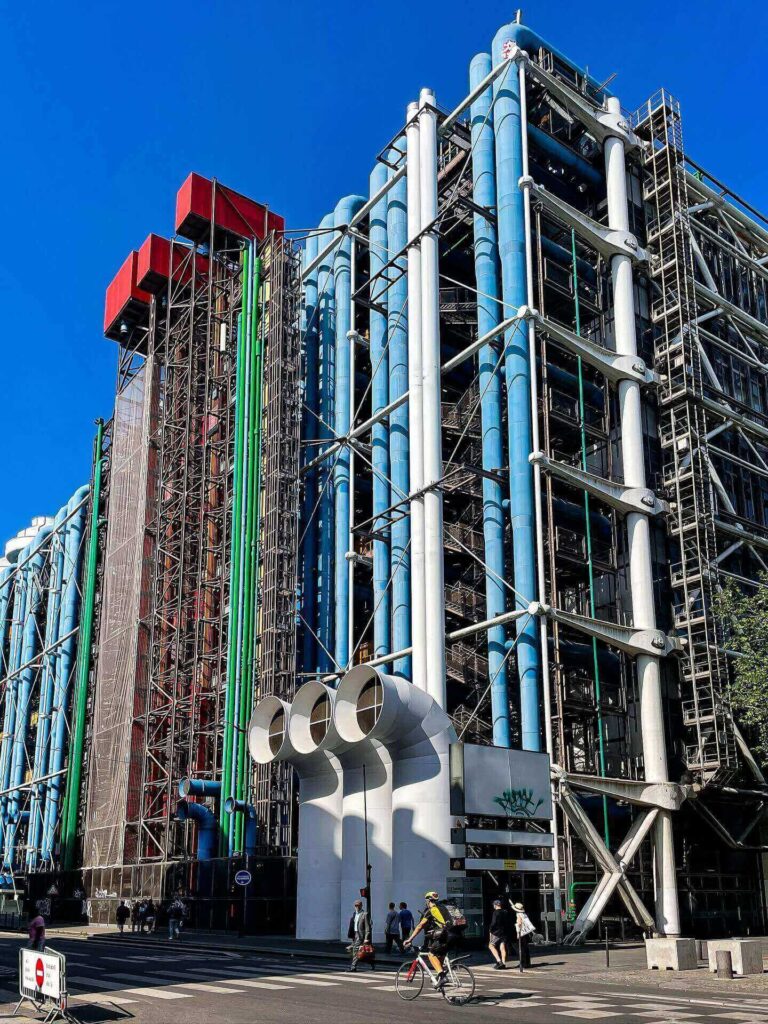
When I first saw it in person, I wasn’t sure what to think. It felt a bit out of place, especially in a city where so much architecture follows a certain style. But after spending some time around it, I started to see it differently. It’s not meant to fit into Paris visually, it’s meant to stand apart from it.
Inside, it’s more than just an art museum. It also includes a large public library, rotating exhibitions, and spaces for cultural events. So even though most people visit for the art, the building itself functions more like a creative center than a traditional museum.
What You’ll Find Inside Centre Pompidou
Modern and Contemporary Art Collection
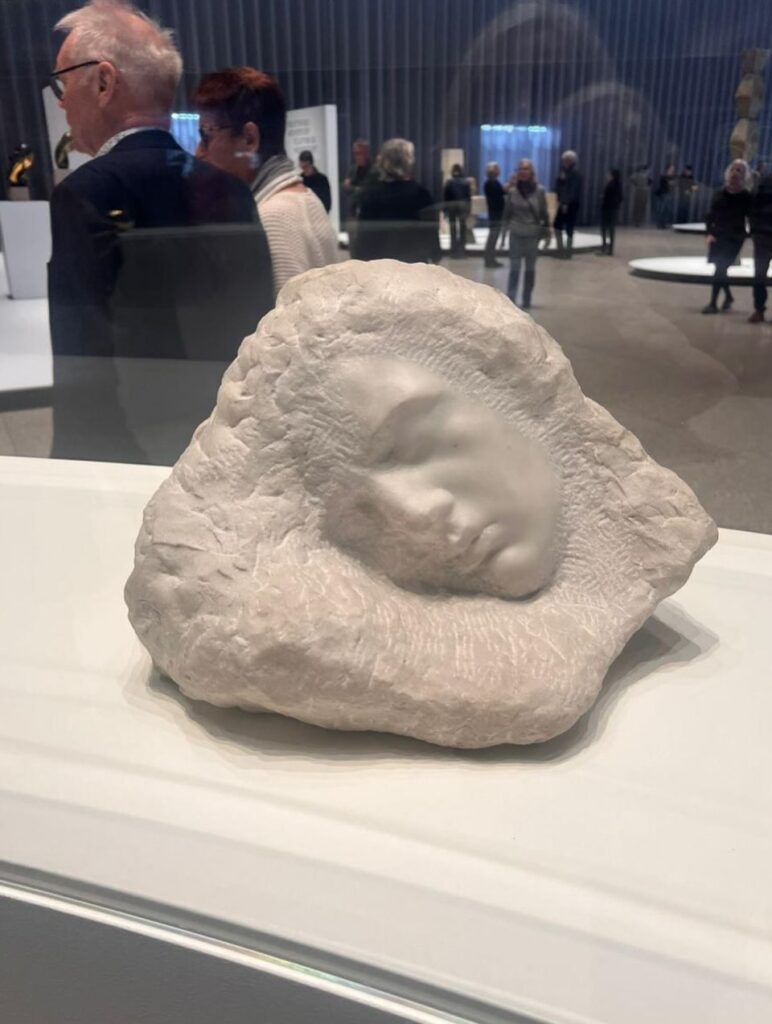
The main reason most people visit Centre Pompidou is for its modern and contemporary art collection, which is one of the largest in Europe. You’ll see works by artists like Pablo Picasso, Wassily Kandinsky, and Henri Matisse, along with many others you may or may not recognize.
The way the collection is organized usually follows a timeline, so as you move through the floors, you’re also moving through different phases of modern art. Early 20th century works feel a bit more familiar, but as you go further, things become more experimental.
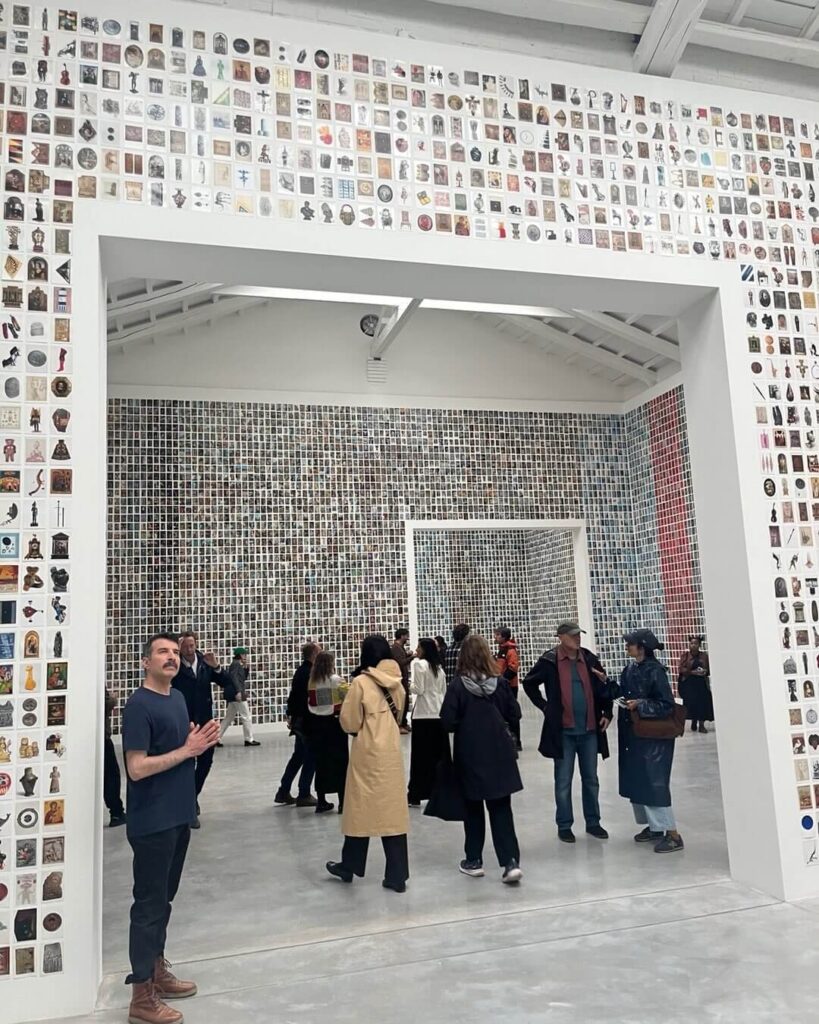
This is where the experience can feel a little unpredictable.
Some pieces immediately catch your attention, either because of their scale, colors, or how they’re presented. Others might leave you standing there trying to figure out what you’re looking at. I had both reactions, sometimes within the same gallery.
What helped me was letting go of the idea that I needed to understand everything. Once I stopped trying to interpret every piece, the visit felt much more enjoyable. I started focusing on what I personally found interesting, even if I couldn’t fully explain why.
That’s really what this museum leans into. It’s less about giving you clear answers and more about how you respond to what you see.
Temporary Exhibitions
One thing I didn’t fully appreciate before going is how much the temporary exhibitions can shape your visit to Centre Pompidou. The permanent collection is always there, but these rotating exhibitions can completely change what the experience feels like.
Some of them focus on a single artist, while others explore a theme or a specific movement. Because of that, they often feel more focused and easier to follow compared to the main collection. There’s usually a clearer narrative, which helps if you sometimes struggle with modern art feeling a bit abstract or scattered.
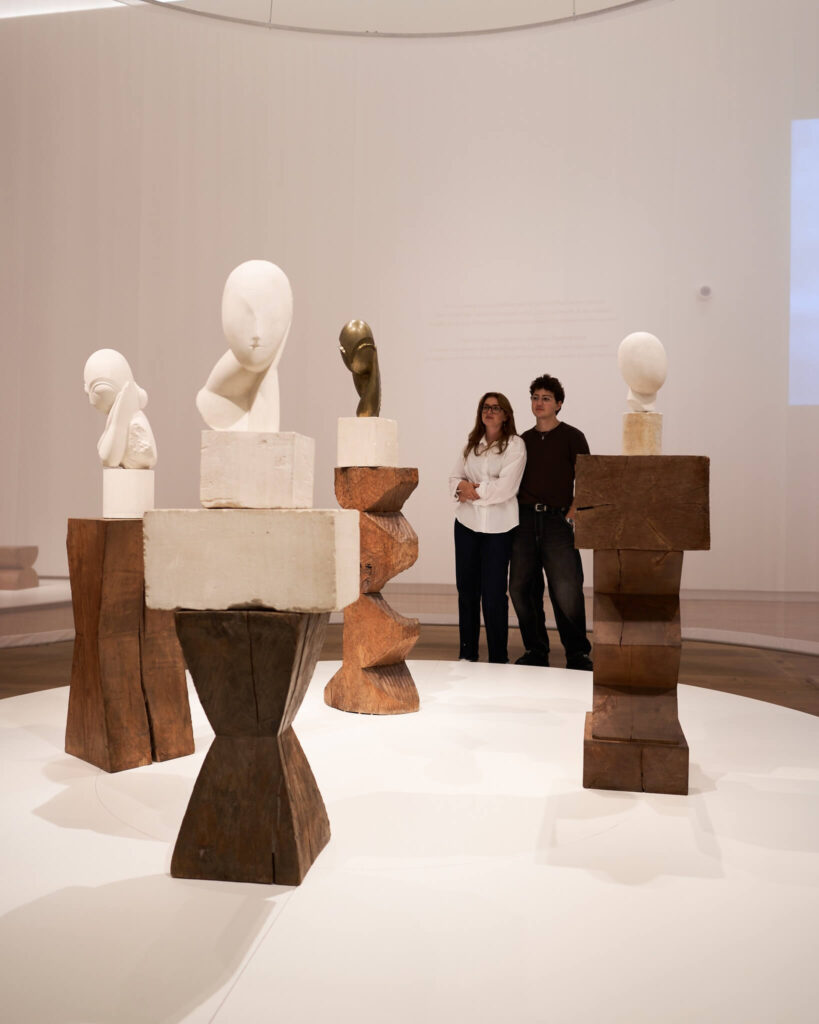
When I visited, I found myself spending more time in these sections than I expected. They felt more intentional, and I didn’t have that same “where do I even start?” feeling that can come up in larger galleries.
If you’re planning your visit, it’s worth checking what exhibitions are on beforehand. Depending on the theme, this could easily end up being the part you remember most.
Public Library and Cultural Spaces
Another thing that makes Centre Pompidou feel different is that it’s not just a museum. The building also includes a large public library and various cultural spaces that are used for events, screenings, and installations.
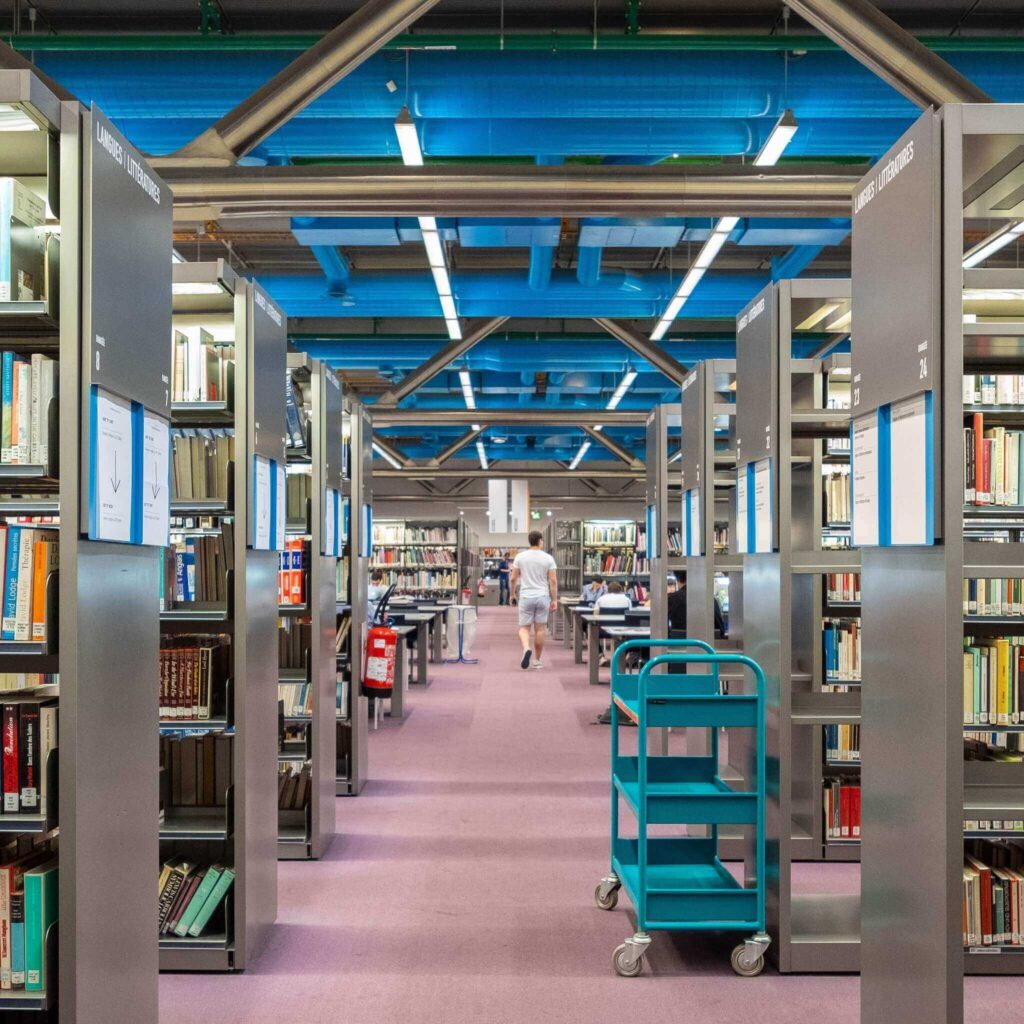
Even if you don’t step into those areas, you can feel their presence. There’s a steady flow of people coming in for different reasons, not just to see the art. It gives the place a more lived in, everyday kind of atmosphere, rather than the quiet, almost formal feeling you get in some museums.
At times, it felt more like a creative space than a traditional museum. People reading, working, attending events, or just spending time there. That mix changes the energy of the building in a subtle way, and I actually liked that.
My Experience Visiting Centre Pompidou
Walking through Centre Pompidou felt very different from visiting places like the Louvre Museum or Musée d’Orsay.
Those museums tend to guide you in a certain way, even if it’s not obvious at first. There’s a structure to how you move through them. At Centre Pompidou, it feels much more open. You can wander a bit, skip entire sections, or spend extra time somewhere without feeling like you’re missing something important.
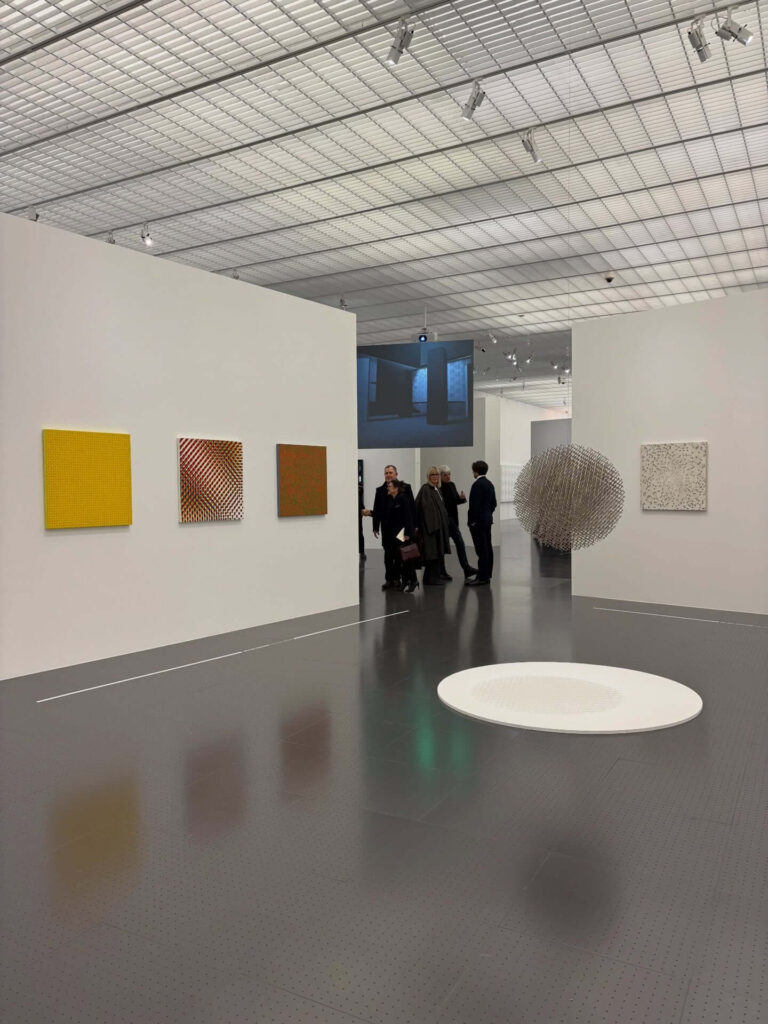
At first, I wasn’t sure how to approach it. Without a clear path, it’s easy to feel slightly lost, especially when you’re moving between floors or trying to decide what to focus on. There were moments when I found certain pieces really engaging, and others where I just moved on without spending much time.
That back and forth is part of the experience.
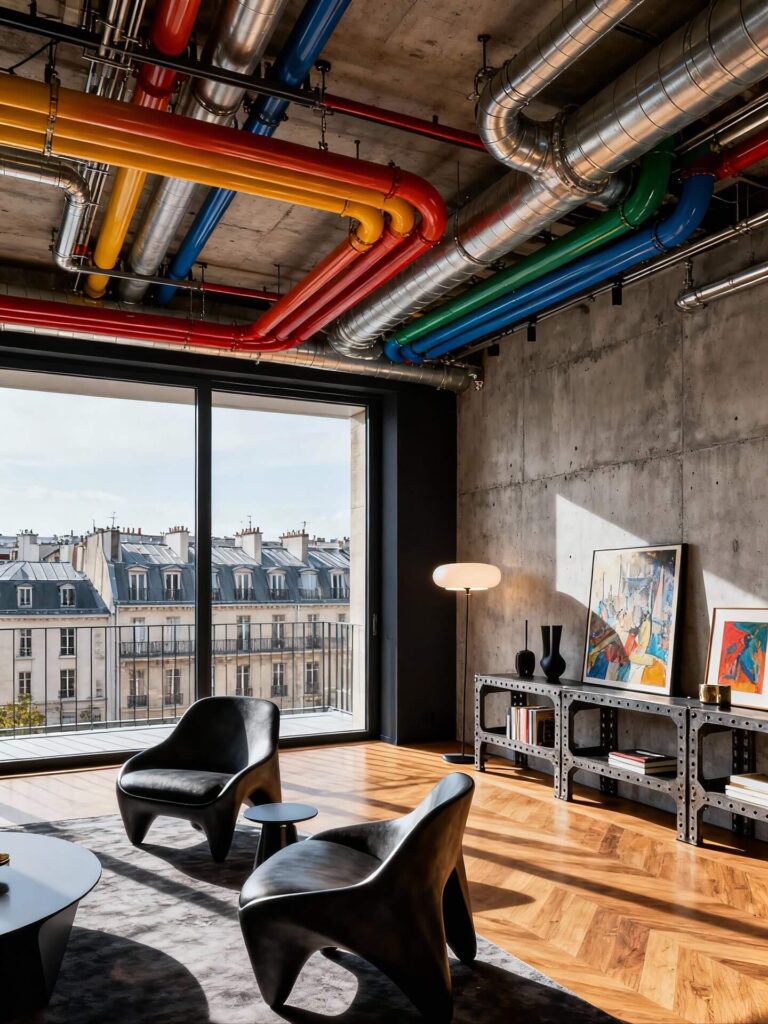
There were also times when it felt a bit overwhelming, especially when I tried too hard to make sense of everything. Modern art can do that. But once I stopped trying to interpret every piece and just focused on what caught my attention, it became much more enjoyable.
What I appreciated most was the flexibility. There’s no pressure to see everything or follow a specific route. You can shape the visit based on your own pace and interest, which makes it feel less exhausting compared to larger, more structured museums.
Is Centre Pompidou Worth Visiting?
This is one of those places where the answer really depends on what kind of experience you’re looking for.
If you’re even a little curious about modern or contemporary art, there’s a good chance you’ll find parts of Centre Pompidou genuinely interesting. It’s not the kind of museum where everything clicks right away, but that’s also what makes it different.
Some rooms might pull you in immediately, while others you’ll walk through pretty quickly. I found that once I stopped expecting every piece to “make sense,” the visit felt much more relaxed.
The building itself also plays a big role in the experience. Even before you step inside, it already feels unlike anywhere else in Paris. And once you’re in, that same feeling continues. There’s no strict path to follow, no pressure to move in a certain direction.
You can explore slowly, skip sections, or spend more time where something catches your attention. If you enjoy that kind of freedom, you’ll probably appreciate this place more than you expect.
At the same time, it’s not for everyone.
If you tend to prefer more traditional museums like the Louvre Museum or Musée d’Orsay, this might feel a bit harder to connect with. Those museums are easier to follow. The art is more familiar, and there’s a clearer sense of what you’re looking at. Centre Pompidou is less structured, and sometimes that can feel a little disorienting, especially if you’re short on time.
It’s also worth thinking about your overall itinerary. If you only have a couple of days in Paris, you might end up prioritizing other places first. But if you have a bit more flexibility, or you’re looking to balance out the more traditional sights with something different, this fits in nicely.
For me, it wasn’t the kind of museum I’d rush back to, but it stayed with me in a different way. Not because of specific artworks, but because the whole experience felt a bit unexpected. And in a city where so much feels familiar and classic, that change of pace was actually refreshing.
Best Things to See at Centre Pompidou
Rooftop Views
The rooftop ended up being one of the highlights for me, even though I didn’t go in expecting much from it. Once you’re up there, you get a wide, open view of Paris that feels a bit different from the usual viewpoints.
Instead of focusing on one landmark, you’re looking out over layers of rooftops, streets, and smaller details that you don’t always notice from ground level.
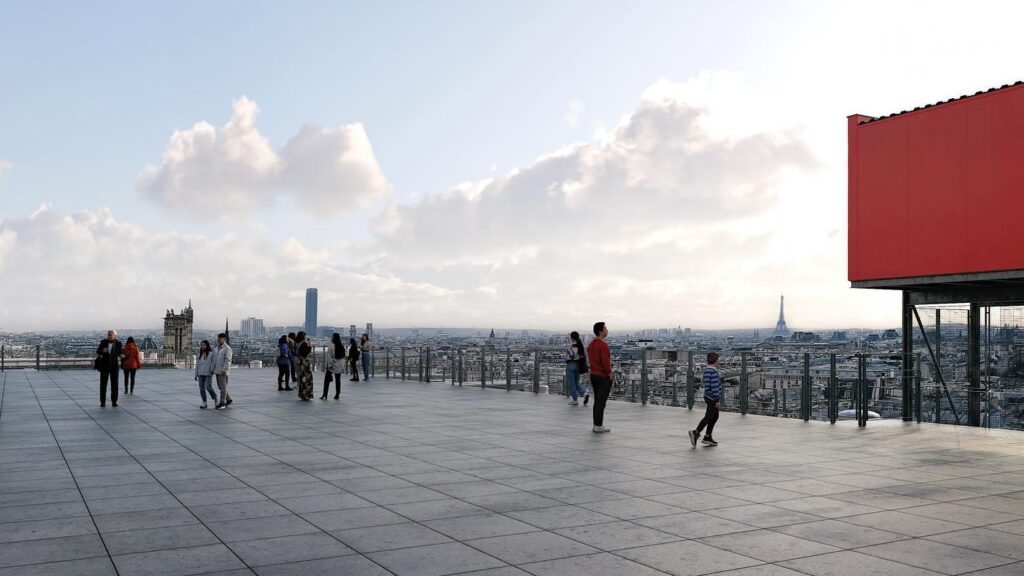
You can still spot major landmarks in the distance, but what stood out to me was the perspective. It feels less like a photo spot and more like a quiet moment to pause after walking through the galleries. I actually found myself staying there longer than I planned, just taking a break and looking out over the city.
If you can, it’s worth timing your visit so you’re not rushing through this part. It works really well as a midpoint or even as a way to end your visit.
The Escalator Ride
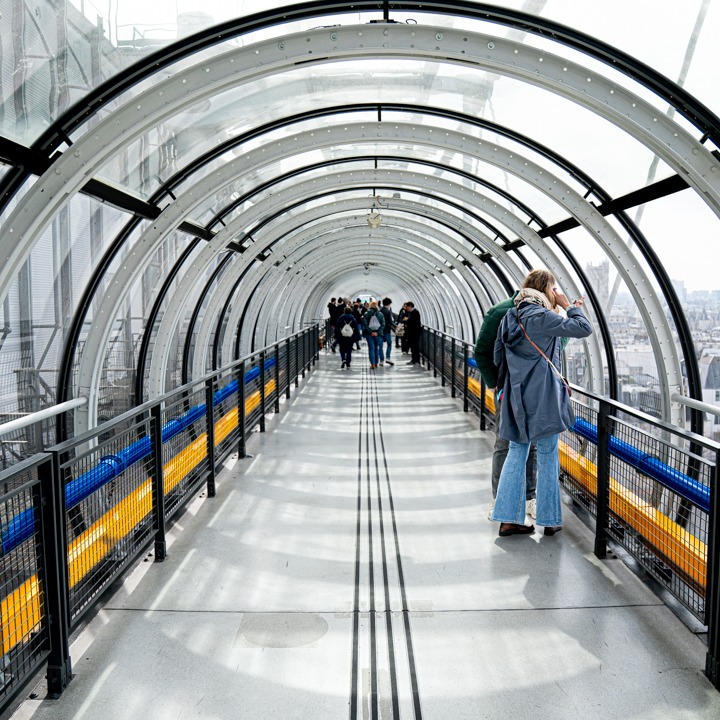
The escalator on the outside of the building is one of those things that seems small at first, but ends up being part of the experience. As you go up, the view gradually opens up behind you, and you start to see more of the city with each level.
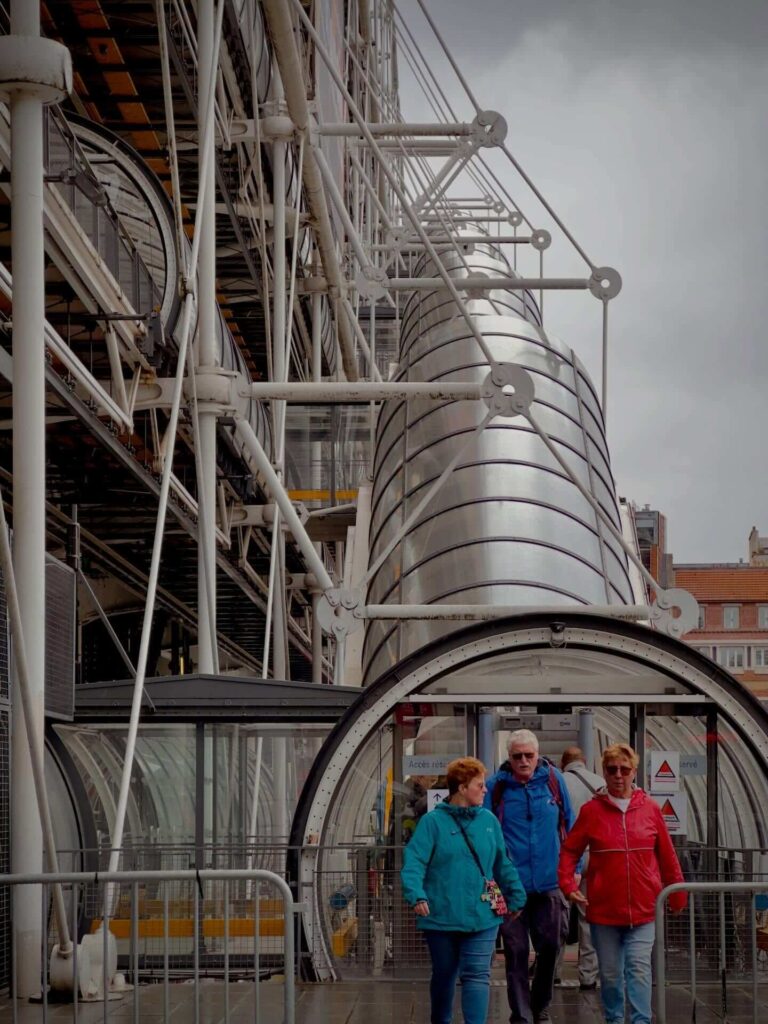
It’s not just about getting from one floor to another. The ride itself feels like a transition from the busy streets below into the quieter museum space. I remember looking back as I went up and noticing how the perspective kept changing, especially as the buildings around you started to look smaller.
If you’re visiting for the first time, it’s worth paying attention to this part instead of treating it like just another escalator.
Selected Art Sections
Inside the museum, one thing I realized pretty quickly is that trying to see everything doesn’t really work. There’s a lot of content, and not all of it will connect with you in the same way.
What made the experience better for me was slowing down and focusing on the sections that naturally held my attention. Some galleries felt more engaging, either because of the way the artwork was presented or just because the pieces resonated more. Others I moved through fairly quickly without feeling like I was missing out.
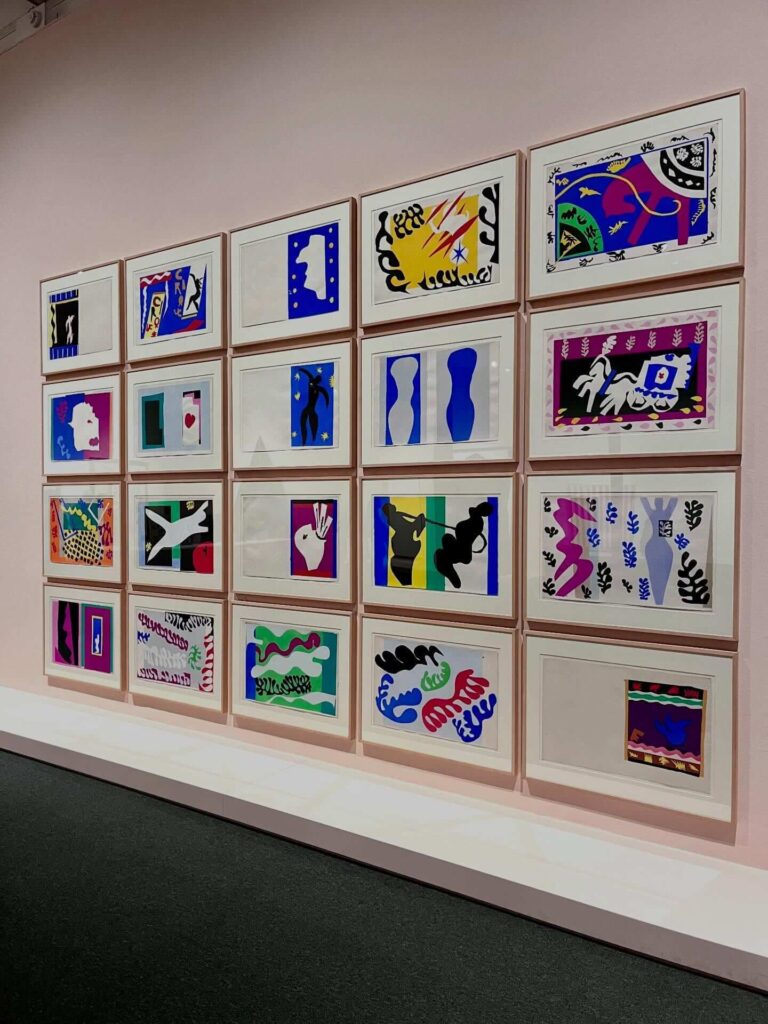
The collection includes works from artists like Pablo Picasso, Wassily Kandinsky, and Henri Matisse, but it’s not really about ticking off names. It’s more about how you respond to what you’re seeing in the moment.
If you go in with that mindset, the visit feels much more enjoyable and less overwhelming.
The Building Itself
Even if you’re not particularly interested in modern art, the building itself is worth paying attention to. The design is so different from anything else in Paris that it becomes part of the experience, not just a container for what’s inside.
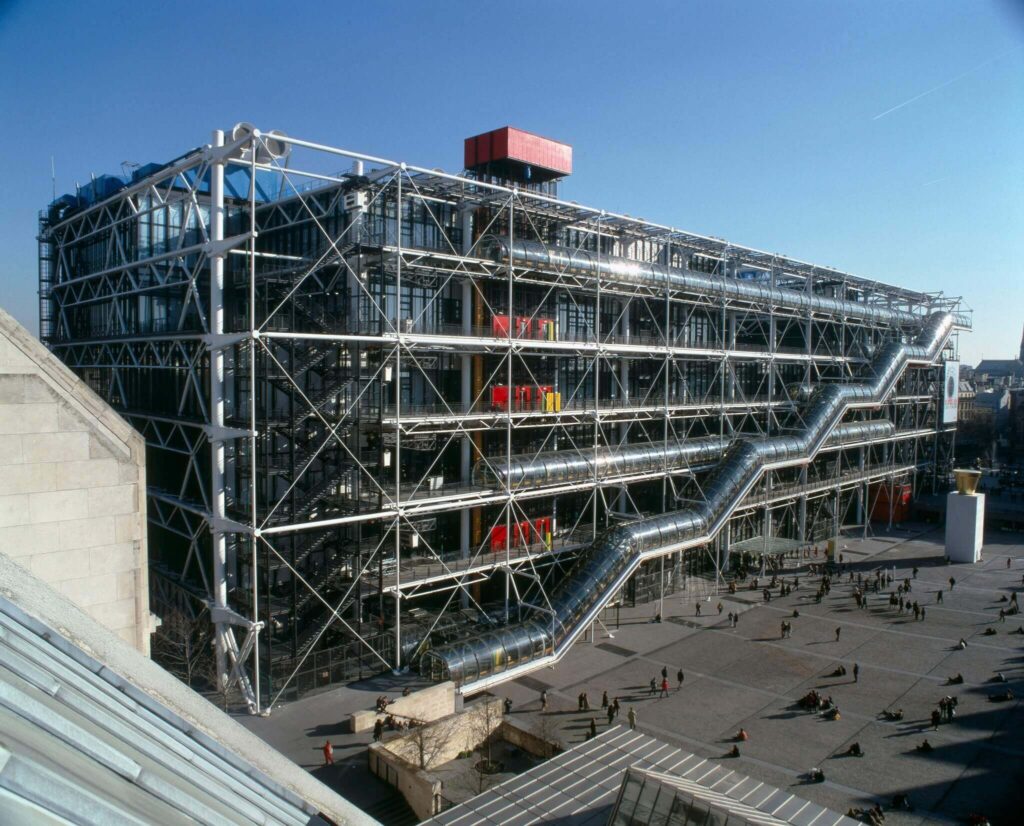
From certain angles, it almost feels unfinished, but once you notice how everything is intentionally placed on the outside, it starts to come together. The exposed structure, the colors, and the open spaces inside all follow the same idea.
I found myself noticing small details throughout the visit, especially near windows and open areas where you can see how the building connects inside and out. It’s one of those places where the more time you spend, the more you start to appreciate what initially feels a bit unusual.
How to Visit Centre Pompidou
Location and Getting There
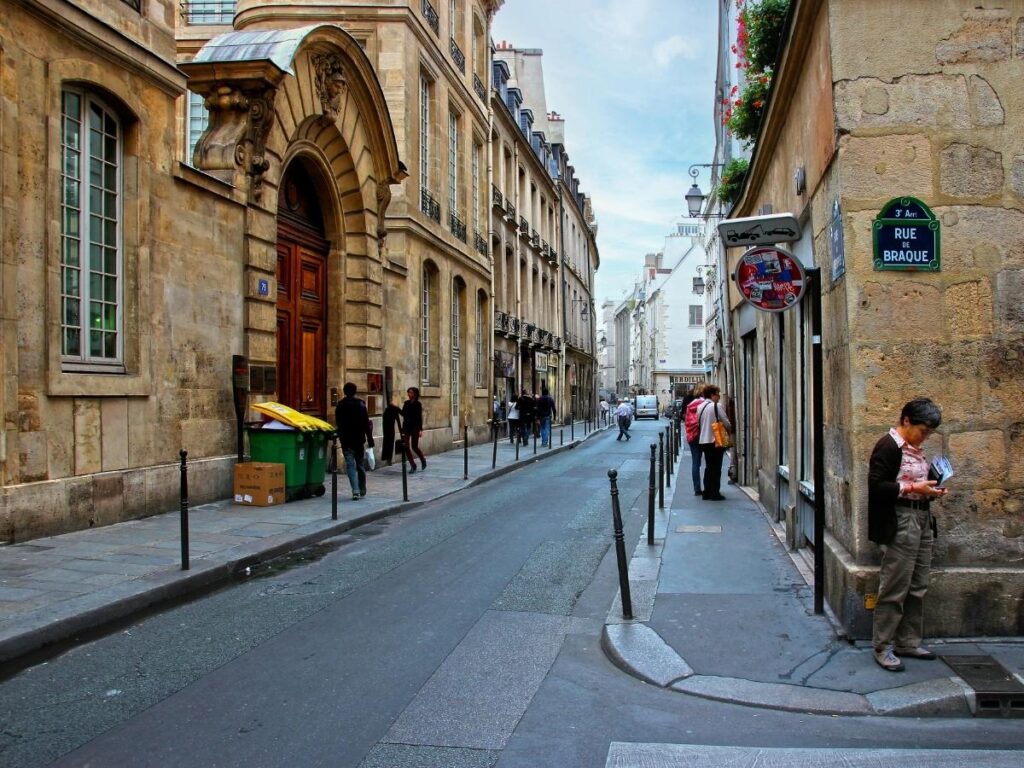
Centre Pompidou sits right on the edge of Le Marais, which is one of those areas you’ll probably end up exploring anyway. The neighborhood has a mix of older streets, small cafés, and shops, so the walk to the museum already feels like part of the experience.
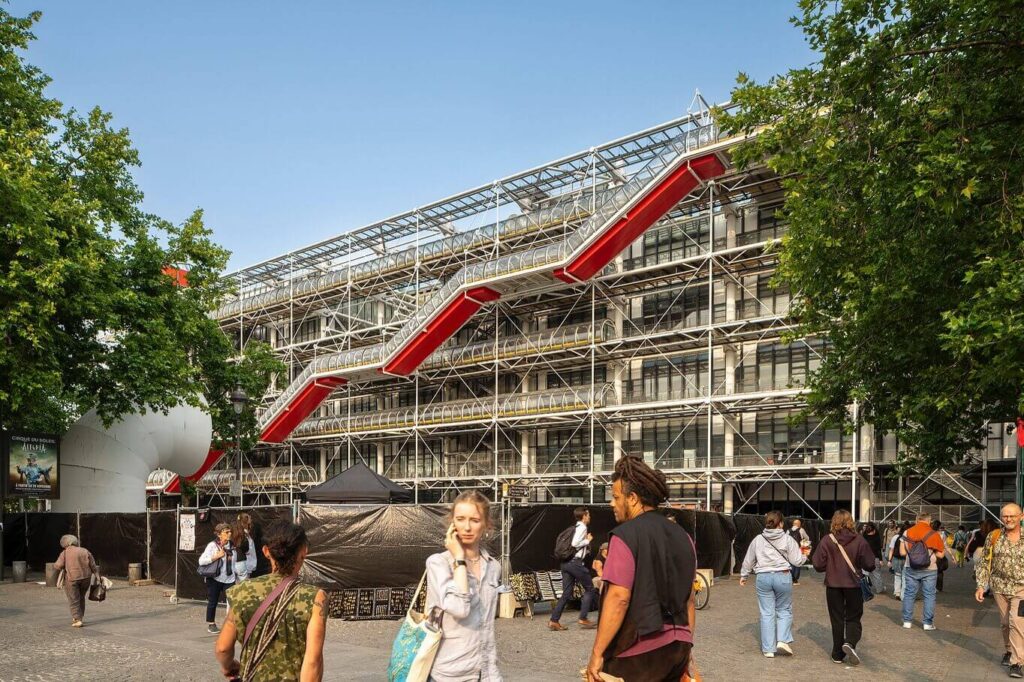
Getting there is straight forward. The closest metro stops are Rambuteau, Hôtel de Ville, and Châtelet, and from any of these, it’s just a short walk. If you’re already somewhere central, like near the Seine, it’s often easier to walk than deal with transport.
I actually prefer arriving on foot because you slowly see the building appear between the streets, which makes the first impression a bit more interesting.
Opening Hours and Best Time to Visit
Timing makes more of a difference here than you might expect. Mornings, especially on weekdays, feel noticeably calmer. You can move around more freely, and the galleries don’t feel as crowded or noisy.
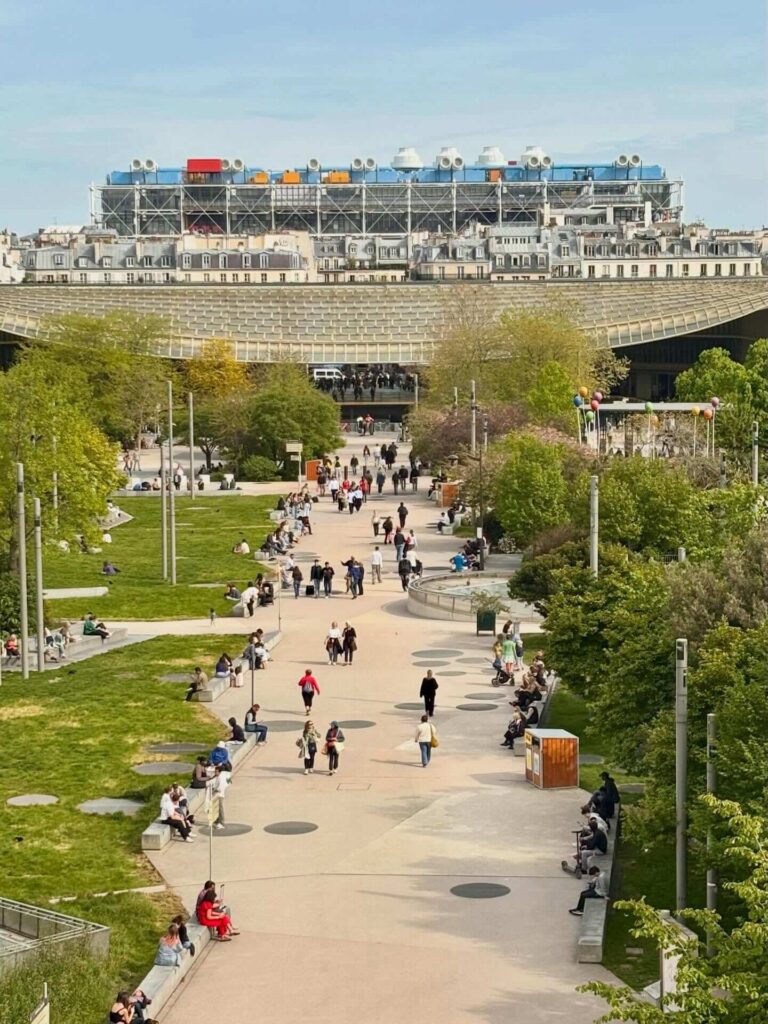
By early afternoon, it tends to get busier, particularly during weekends or peak travel months. It’s not overwhelming in the same way as some other Paris museums, but you’ll definitely notice the shift in pace.
If you want a quieter experience, going earlier in the day works best. Another option is later in the afternoon when some of the initial crowds start to thin out. I found that even a small change in timing made the visit feel more relaxed.
Tickets and Pricing
You’ll need a ticket to access the museum spaces, and prices are fairly standard compared to other major attractions in Paris. There are reduced rates for certain age groups, and depending on your situation, you might even qualify for free entry.
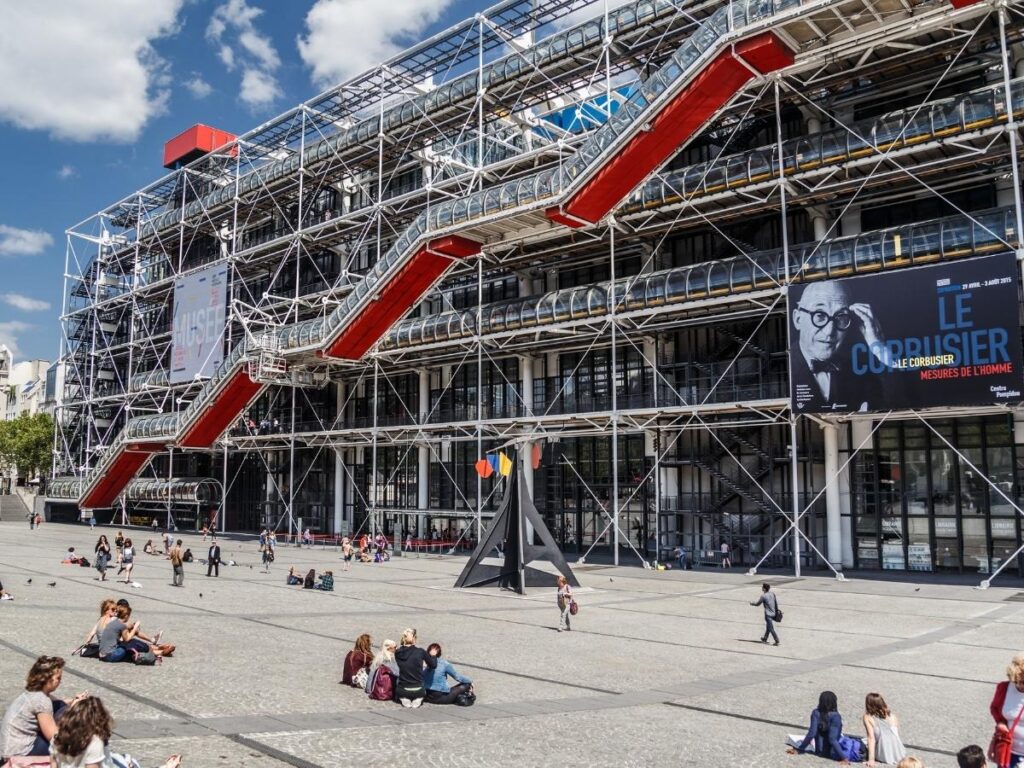
One thing I’d recommend is checking ticket options in advance. While you can buy tickets at the entrance, the lines can build up, especially during busy hours. Booking ahead saves time and lets you start your visit without that initial wait.
Also, if you’re mainly interested in the view from the top or a specific exhibition, it’s worth checking if there are separate access options, since not everyone comes for the full museum experience.
How Much Time You Need
How long you spend here really depends on how you approach it. If you try to see everything in detail, you could easily spend half a day. But most people don’t experience it that way.
For me, around two hours felt like the right balance. It gave enough time to explore different sections, take breaks, and enjoy the rooftop without feeling rushed. If you’re more selective and just focus on a few areas, you could do it in about 1.5 hours.
On the other hand, if you’re really into modern art or visiting during a strong temporary exhibition, you might want to stay longer.
The key is not to treat it like a checklist. It works better when you move at your own pace and let your interest guide how long you stay.
Tips to Make Your Visit Better
Visiting Centre Pompidou feels a lot better once you adjust your expectations a little.
The biggest shift for me was letting go of the idea that I needed to understand everything. Modern art doesn’t always explain itself in a clear way, and trying to analyze every piece can get tiring pretty quickly.
I noticed that the moment I stopped doing that, the experience became much more enjoyable. I started paying attention to what caught my eye instead of what I felt like I “should” be paying attention to.
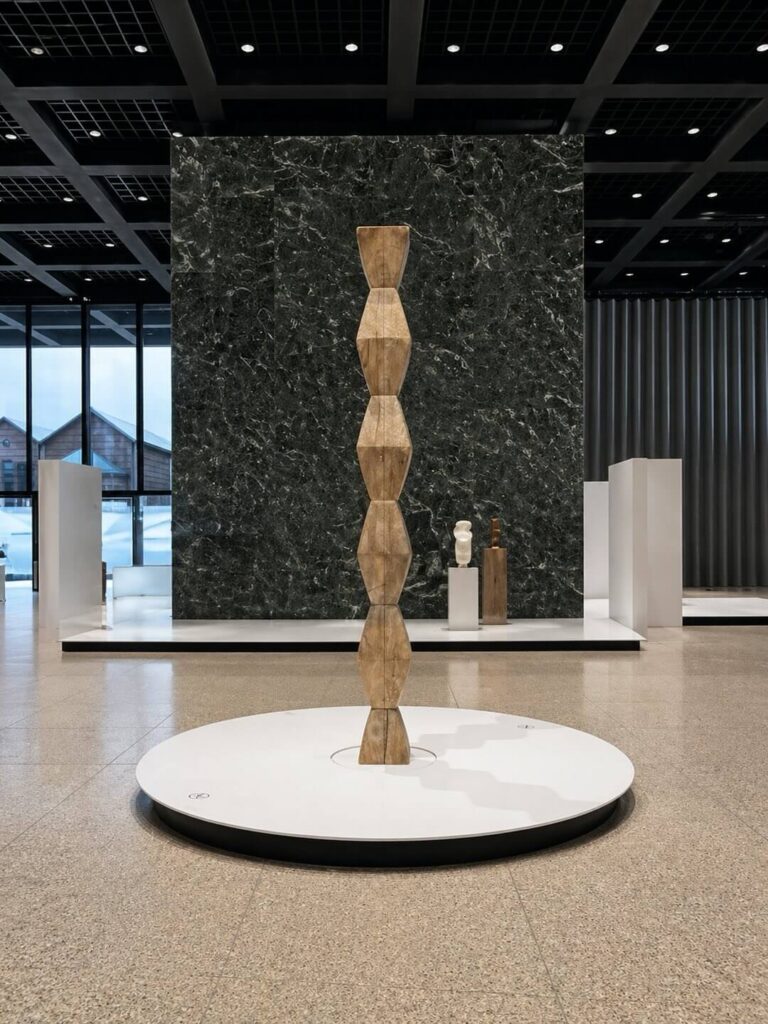
It also helps to slow your pace. The museum is spread out, and moving continuously from one gallery to another can start to feel overwhelming. I found it useful to pause between sections, even if it was just for a few minutes.
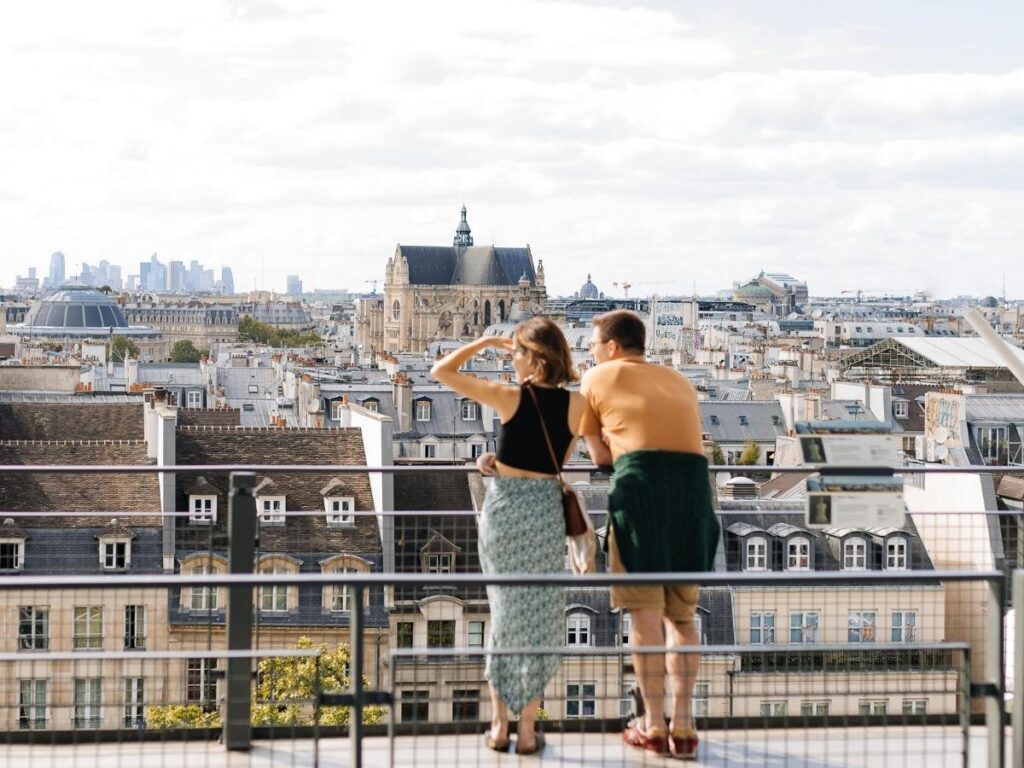
The rooftop works really well for this. It’s not just a viewpoint, it’s a good reset point where you can step away from the galleries, clear your head, and then go back in without feeling overloaded.
Another thing that made a difference was being selective. Not every section will feel equally interesting, and that’s completely fine. Some rooms I spent a while in, others I walked through fairly quickly. There’s no real benefit in forcing yourself to engage with everything.
Overall, the visit felt much more relaxed once I treated it less like a checklist and more like something to experience at my own pace.
Common Mistakes to Avoid at Centre Pompidou
One of the easiest mistakes to make here is trying to see everything. The museum is large enough that this quickly turns into a rushed experience, and instead of enjoying it, you end up just moving from one space to another without really taking anything in.
Another thing that can affect your visit is expecting it to feel like more traditional museums in Paris. If you’ve already been to places like the Louvre Museum or Musée d’Orsay, you might expect a similar structure or flow.
Centre Pompidou doesn’t really work that way. It’s more open and less guided, which can feel slightly confusing at first if you’re not expecting it.
Timing also plays a bigger role than it seems. Visiting in the middle of the afternoon, especially during busy seasons, can make the space feel more crowded and a bit less enjoyable. Going earlier or slightly later in the day tends to make a noticeable difference.
And one small thing that’s easy to overlook is the rooftop. It might seem like just an extra feature, but it ended up being one of the more memorable parts of the visit for me. Skipping it would mean missing a nice break in between exploring the galleries.
In general, it’s the smaller choices, like how you pace yourself or when you go, that shape the overall experience more than anything else.
Nearby Things to Do After Your Visit
Once you step out of Centre Pompidou, you’re already in a part of Paris that’s easy to explore without much planning.
The streets around Le Marais are perfect for just walking without a fixed route. Some areas feel lively with shops and cafés, while others are quieter, and moving between them feels pretty natural. I ended up wandering more than I expected, just following whatever looked interesting.
If you feel like going a bit further, you can head toward the Seine River. It’s not far, and the atmosphere shifts slightly once you get there. It feels more open and slower, which works well after spending time inside the museum.
At some point, stopping at a café is worth it. Even a short break helps reset, especially after walking through multiple galleries. What I liked about this area is that it doesn’t need a plan. Just walking around for a while is enough.
Final Thoughts: Should You Visit Centre Pompidou?
Centre Pompidou isn’t a place everyone connects with in the same way, and that’s part of what defines it.
If you’re open to modern art or curious to try something different, it’s worth including. The experience feels less structured, and that flexibility can make it more enjoyable than expected. But if you prefer traditional museums or have limited time, you might lean toward other options in Paris.
For me, it wasn’t about understanding everything I saw. It was more about experiencing something that felt different from the rest of the city. And in a place like Paris, that contrast actually made the visit stand out.