
I remember walking into the Palace of Versailles expecting it to feel grand, but I didn’t expect it to feel overwhelming so quickly. Within the first few rooms, I was already slowing down, not because I wanted to take everything in, but because there was just so much happening at once.
The details, the people, the constant movement, it can feel like a lot, especially if you haven’t really thought through how you want to approach it.
What stood out to me wasn’t just the scale of the palace itself, but how easy it is to experience it in a rushed, slightly chaotic way without realizing it. I saw people moving quickly from room to room, stopping for a few seconds, then moving on again. I caught myself doing the same thing at first.
That’s exactly why I wanted to put this guide together.
Visiting the Palace of Versailles isn’t complicated, but it’s one of those places where small decisions quietly shape your entire experience. The time you arrive, the type of ticket you choose, even the order in which you explore the palace and gardens, all of that adds up.
When those things align, the visit feels much more enjoyable. When they don’t, it can feel tiring faster than you’d expect.
In this guide, I’m sharing everything I wish I had known beforehand. Not just the basic information, but the things that actually made a difference once I was there. What worked, what didn’t, and how I’d approach it differently if I went again.
What Is the Palace of Versailles?
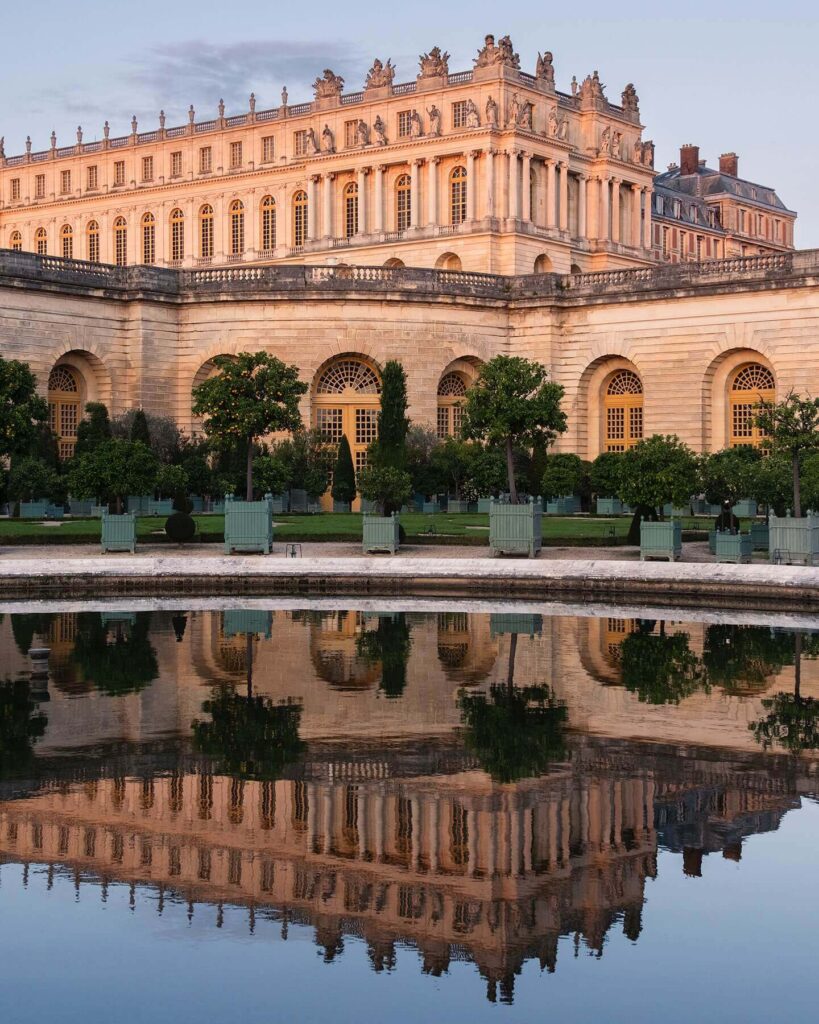
The Palace of Versailles didn’t start out as the grand place most of us imagine today. It was originally a hunting lodge, and it only became what it is now when Louis XIV decided to turn it into the center of royal life.
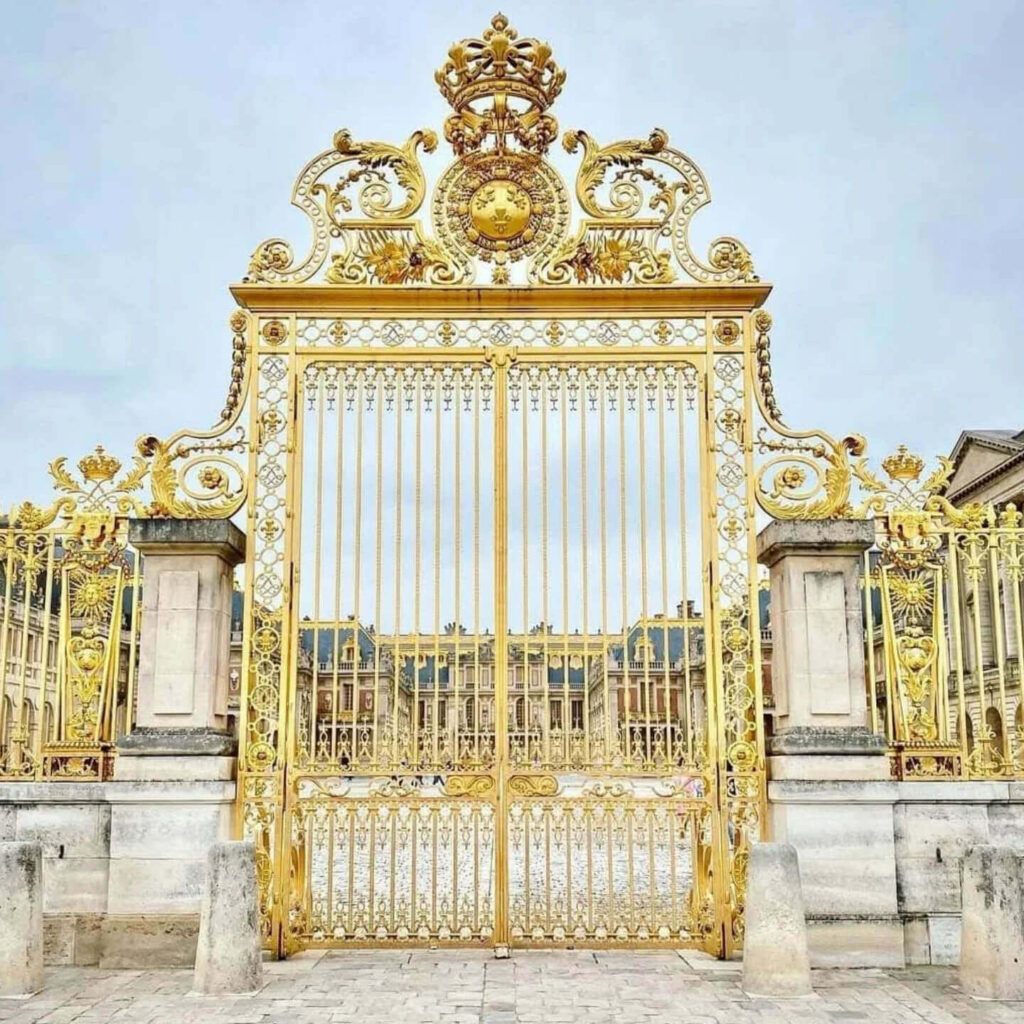
That decision shaped everything you see there now. The scale, the layout, even the way the gardens stretch outward all feel intentional, almost like the entire space was designed to reflect power and control.
When you walk through it, you start to notice how detailed everything is. The ceilings, the walls, the symmetry in the gardens, it’s not just decoration, it feels very deliberate. But at the same time, it’s not the kind of place where you take everything in at once. There’s too much for that.
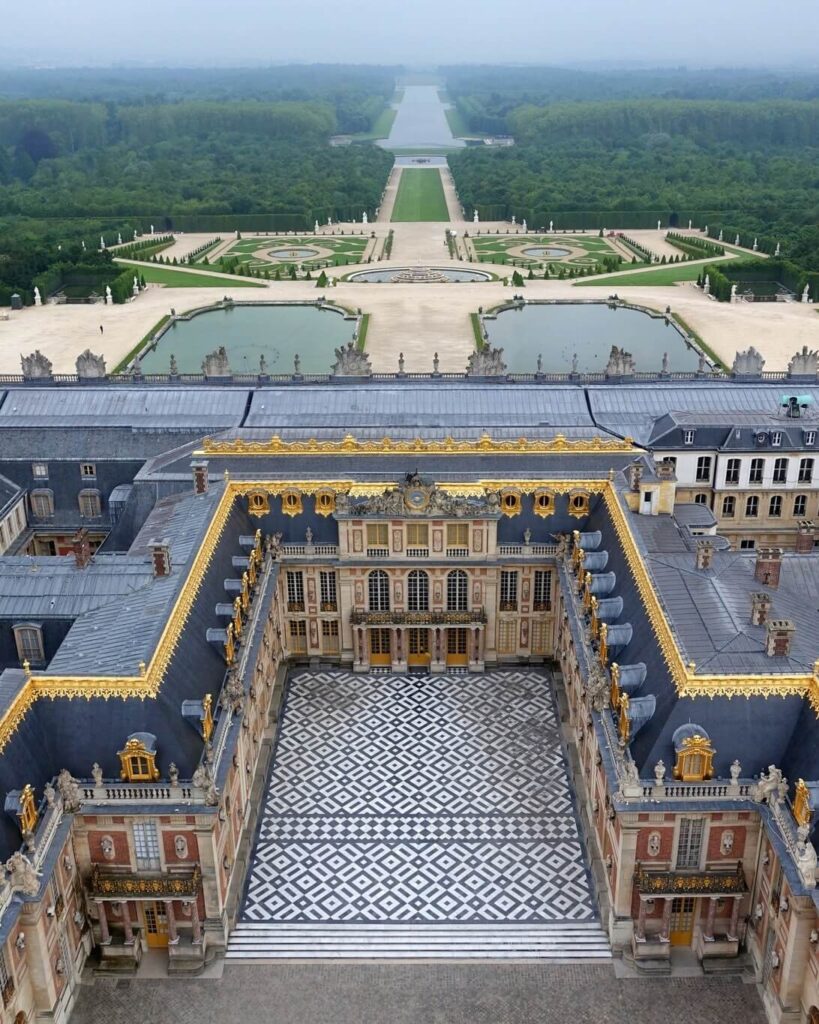
What I didn’t fully understand before going is that Versailles isn’t just one building you walk through and leave. It’s more like a large estate that happens to include a palace at the center. The main palace alone takes time, especially if you’re not rushing.
Then you step outside, and the gardens stretch much farther than you expect. And beyond that, there are smaller areas like the Trianon estates that feel like separate visits on their own.
That shift in perspective made a difference for me. Instead of thinking of it as one attraction, it helped to think of it as a place you move through in parts. Once I started approaching it that way, the whole experience felt less overwhelming and a lot more enjoyable.
How to Visit the Palace of Versailles
Tickets Explained
There are a few different ticket options for the Palace of Versailles, and at first it can feel a bit confusing trying to figure out which one actually makes sense. I remember spending more time than I expected just comparing what each ticket included.
In the end, I went with the Passport ticket, and I’m glad I did. It gives you access to the palace interiors, the gardens, and the Trianon estates, which means you don’t have to think about skipping anything once you’re there.
What surprised me was how much I ended up enjoying the parts outside the main palace. Before going, I assumed most of my time would be spent inside, but the gardens and the Trianon area ended up feeling like a completely different experience, quieter, more open, and a lot less rushed.
If you’re already making the trip out from Paris, it’s worth seeing more than just the main building. Having the full access ticket just makes the day feel more flexible. You’re not constantly checking what you can or can’t enter.
Booking Tips
One thing I’d strongly recommend is booking your ticket in advance. Versailles is one of those places where you feel the difference immediately if you don’t. The entrance lines can get long, and standing there before you’ve even started exploring isn’t the best way to begin the day.
Timing matters more than I expected too. Earlier time slots tend to feel more manageable, especially inside the palace. I didn’t get the earliest entry, but I could see the difference as the morning went on. By late morning, the rooms started filling up quickly, and moving through certain sections became slower.
Even shifting your entry time by an hour can change how crowded it feels. It’s not something you notice when planning, but once you’re there, it becomes very obvious.
Getting There
Getting to Versailles from Paris is fairly simple, and that was one part of the trip that felt easier than I expected.
The RER C train is the most common option, and it takes you directly to Versailles Château Rive Gauche station. The journey itself is straightforward, but it’s still worth double checking the train direction before boarding, especially if you’re not familiar with the line.
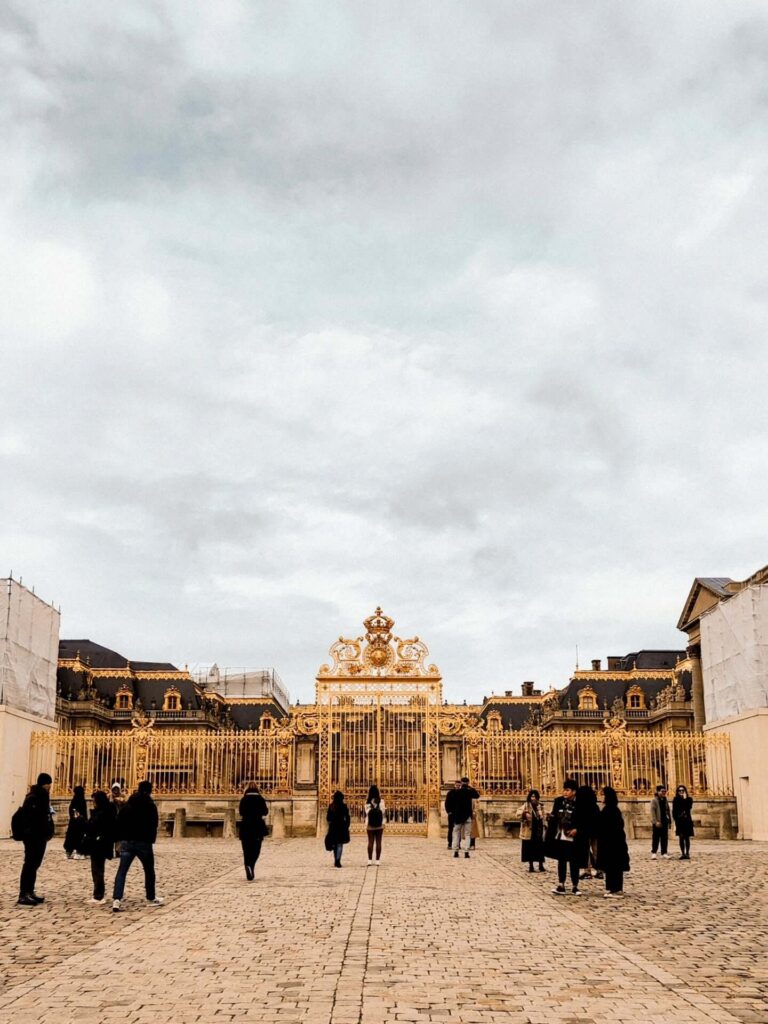
Once you arrive, the walk to the palace is short and easy to follow. You’ll usually notice other people heading in the same direction, and within a few minutes, the palace starts to come into view.
What I liked about this part was that the approach feels gradual. You don’t just arrive instantly, you walk toward it, and it gives you a bit of time to take in the scale of the place before you’re actually inside.
Best Time to Visit Versailles
Timing ended up shaping my entire experience at the Palace of Versailles more than I expected. It’s one of those places where everything is technically the same throughout the day, but how it feels can change quite a bit depending on when you arrive.
Time of Day
Mornings are the easiest to manage, especially inside the palace. The rooms still fill up, but there’s a bit more space to move at your own pace. You’re not constantly waiting for people to pass or trying to find a clear view of something.
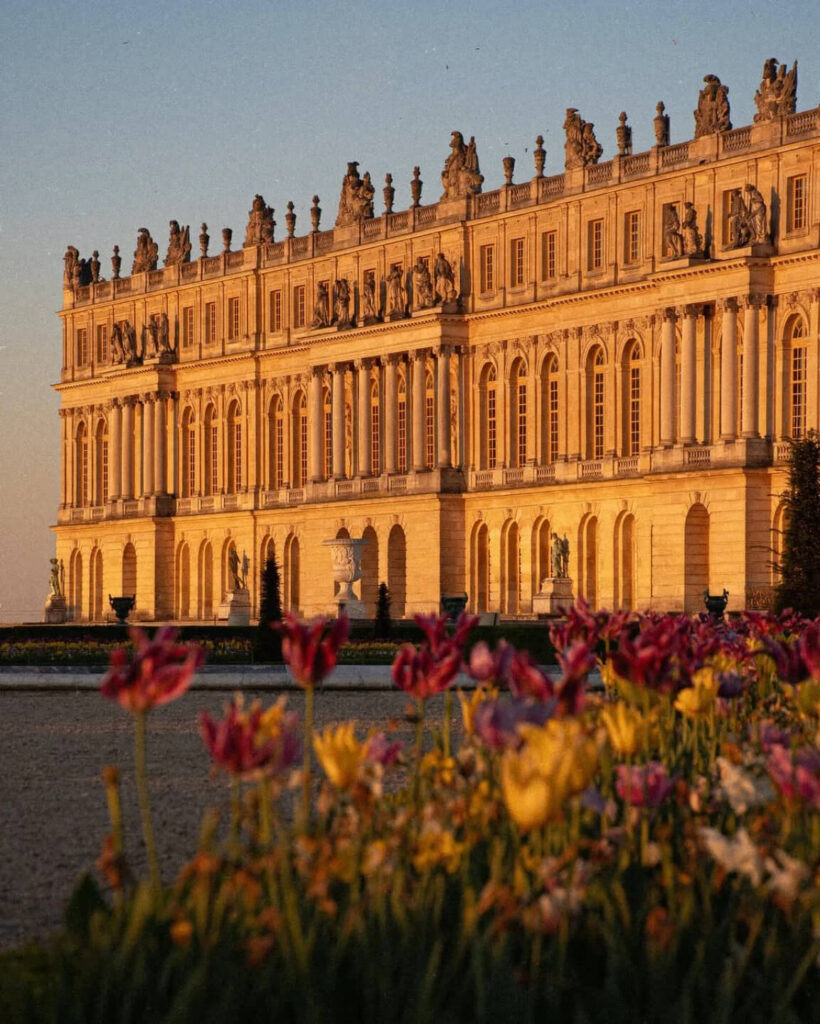
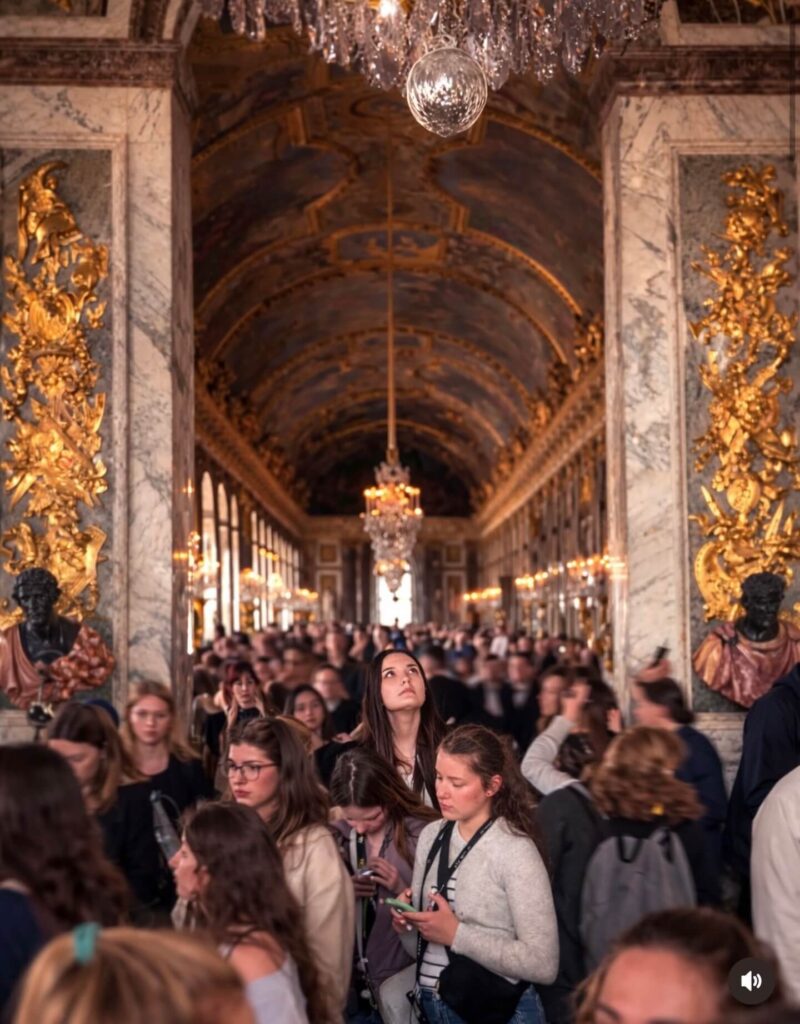
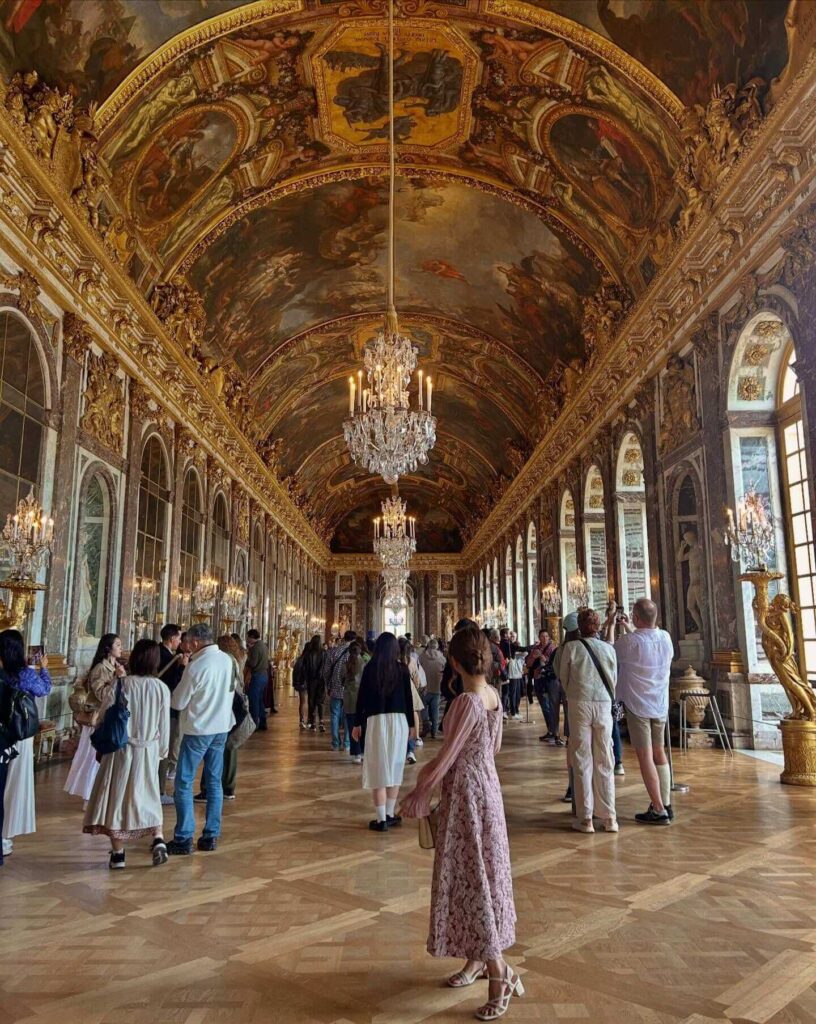
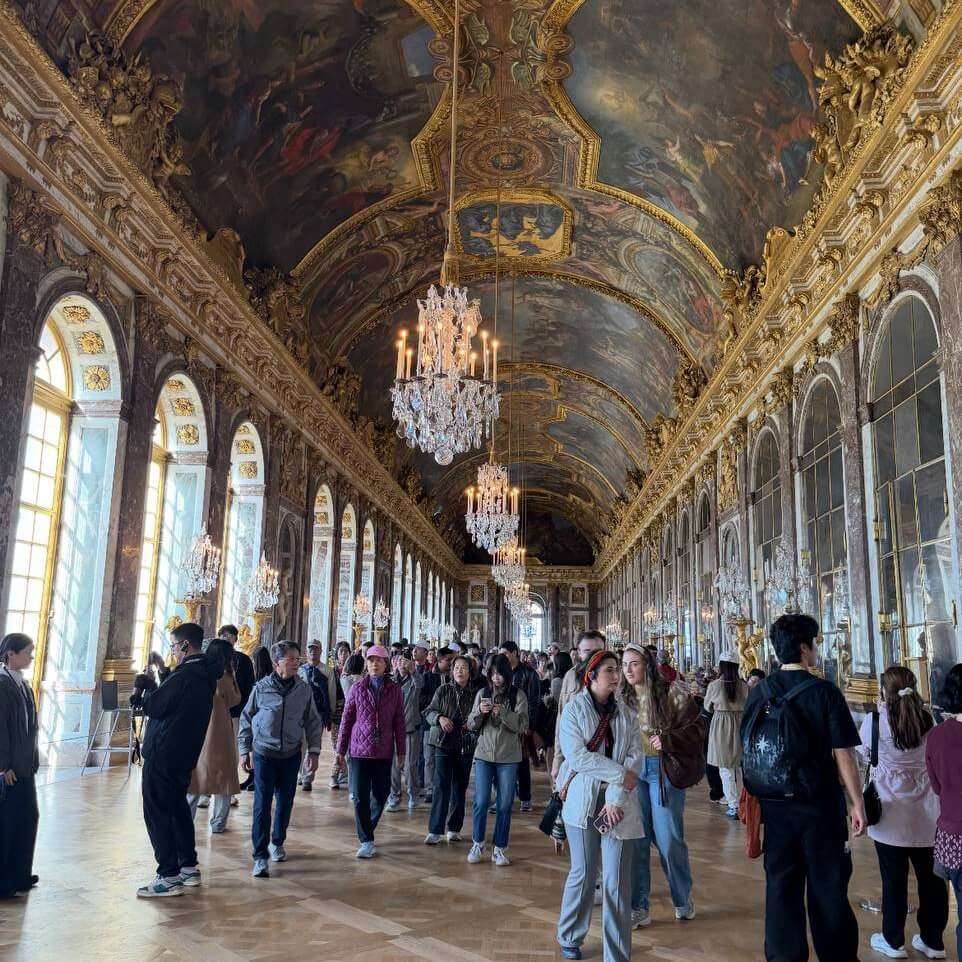
I arrived closer to mid morning, and by the time I reached the main sections like the Hall of Mirrors, it was already noticeably busy. It wasn’t unmanageable, but it did change how I moved through the space. I found myself spending less time in certain rooms simply because it felt crowded.
Midday is when the palace feels at its busiest. Tour groups are in full flow, and the most popular areas start to feel quite packed. You can still enjoy it, but it requires a bit more patience.
Afternoons tend to ease slightly, but the difference isn’t as dramatic as you might expect. It’s a little calmer, but not quiet. If anything, it feels more like a steady flow rather than a peak.
Day of the Week
Weekdays are generally a better option than weekends, but Versailles is popular enough that it never really feels empty.
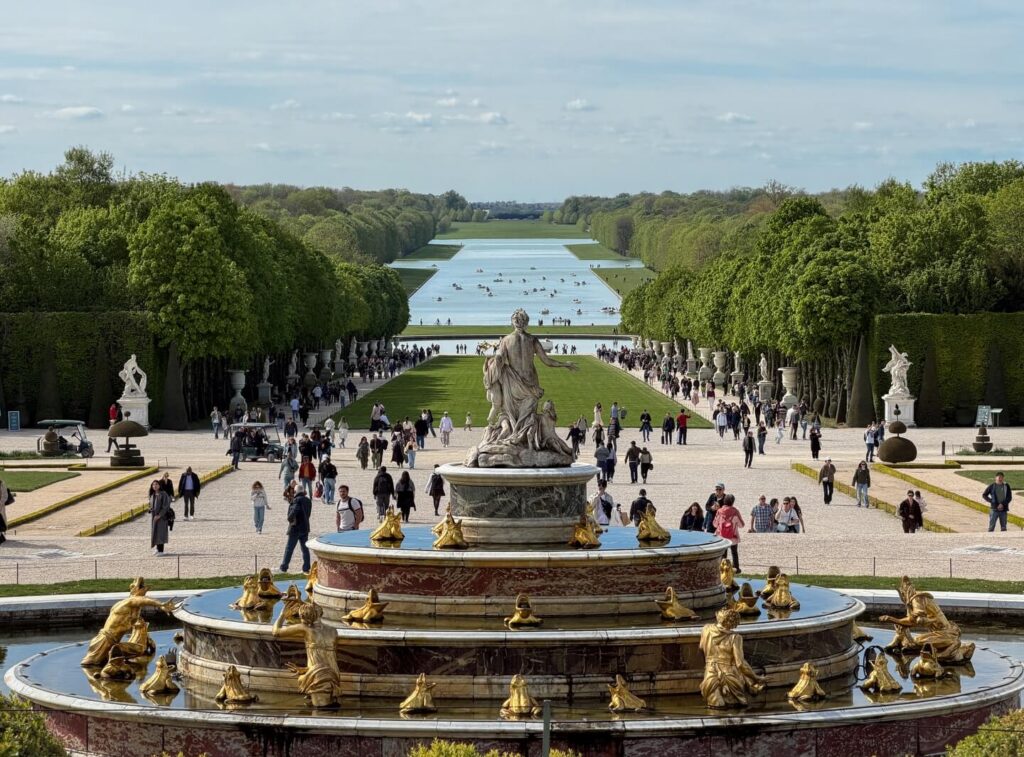
The main difference I noticed wasn’t just the number of people, but the pace. Weekends tend to feel a bit more crowded overall, especially in the central rooms of the palace. On weekdays, it still gets busy, but it feels slightly more manageable.
If you have flexibility in your plans, choosing a weekday morning makes things a bit smoother.
Season
The time of year changes the atmosphere more than I expected.
In spring and summer, the gardens are at their fullest. The fountains are running on select days, and everything looks more alive. At the same time, this is when you’ll see the most visitors, so it becomes a balance between scenery and crowds.
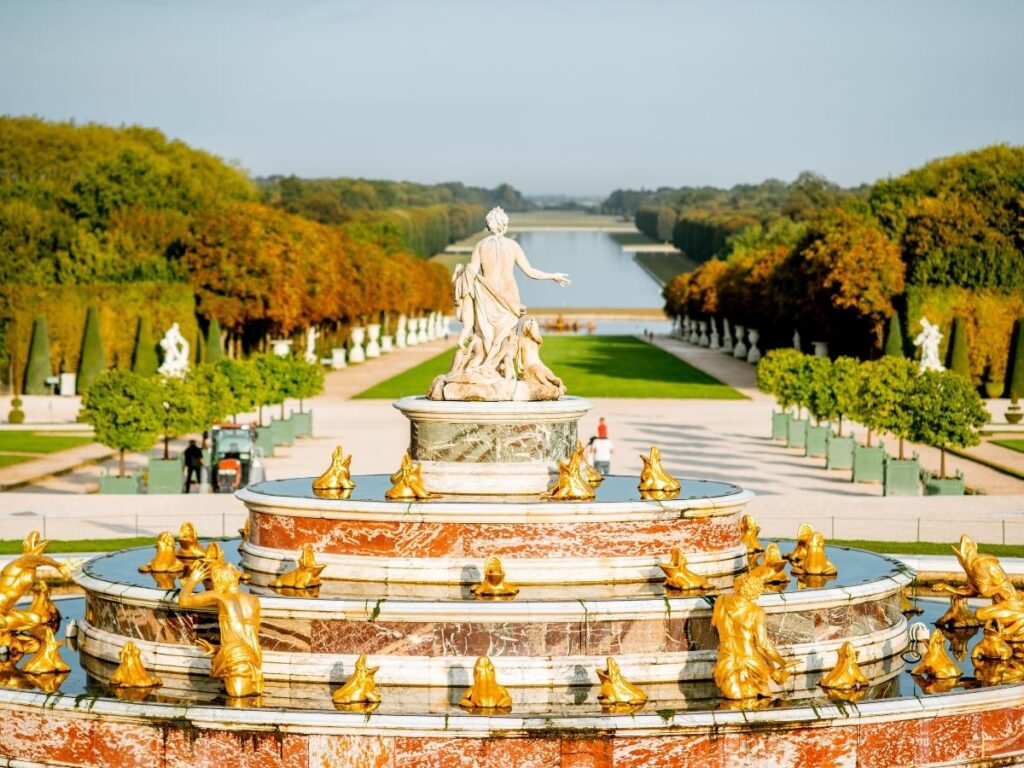
I found fall to be a more relaxed time to visit. The gardens still look good, but the overall pace feels calmer. There’s a bit more space to explore without constantly navigating around people.
Winter is quieter, especially inside the palace, but the gardens feel more minimal. You lose some of that visual impact, though the trade off is a more peaceful experience overall.
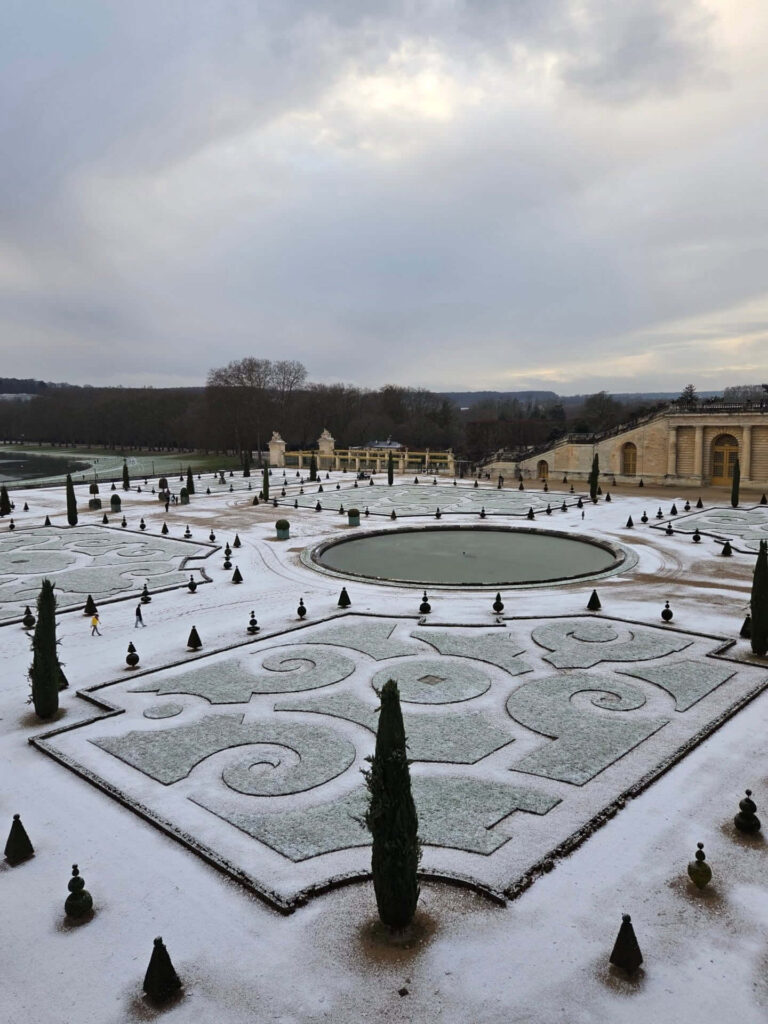
In the end, there isn’t a perfect time to visit Versailles. It’s more about choosing what matters more to you, fewer crowds or seeing everything at its fullest, and planning your timing around that.
What to See at the Palace of Versailles
The Palace Interiors
The interiors are what most people come for, and they do leave an impression, especially in the beginning. When you first step inside the Palace of Versailles, there’s a sense of scale and detail that immediately stands out.
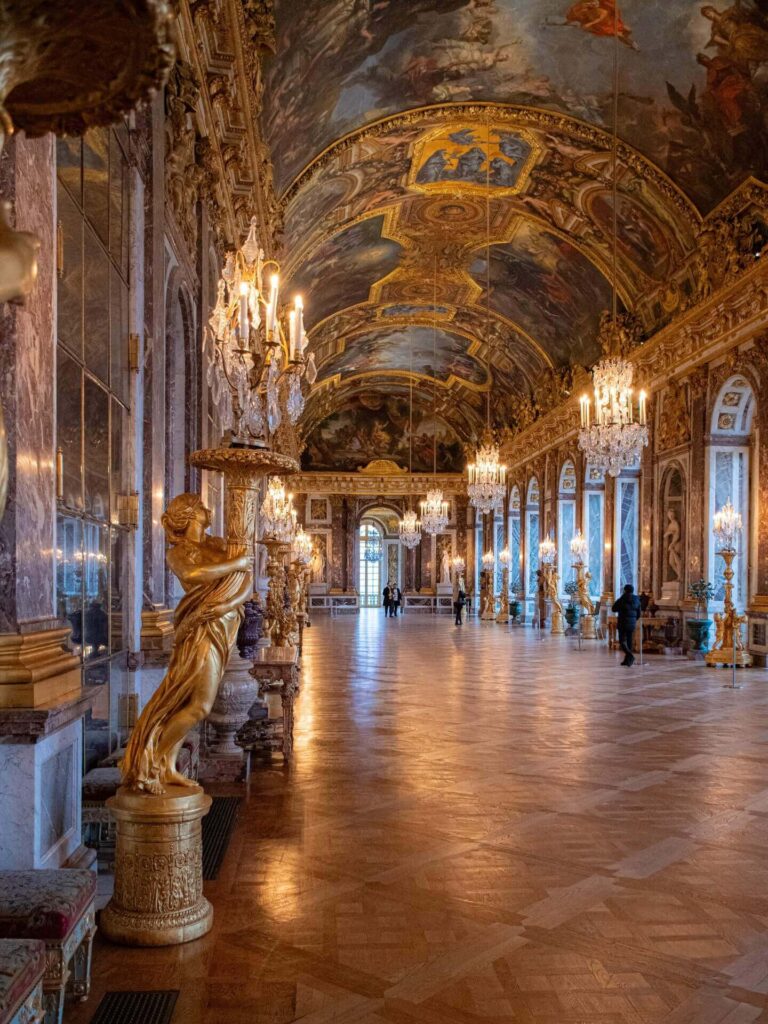
The ceilings are painted in a way that pulls your attention upward, the walls are layered with decoration, and every room feels carefully arranged.
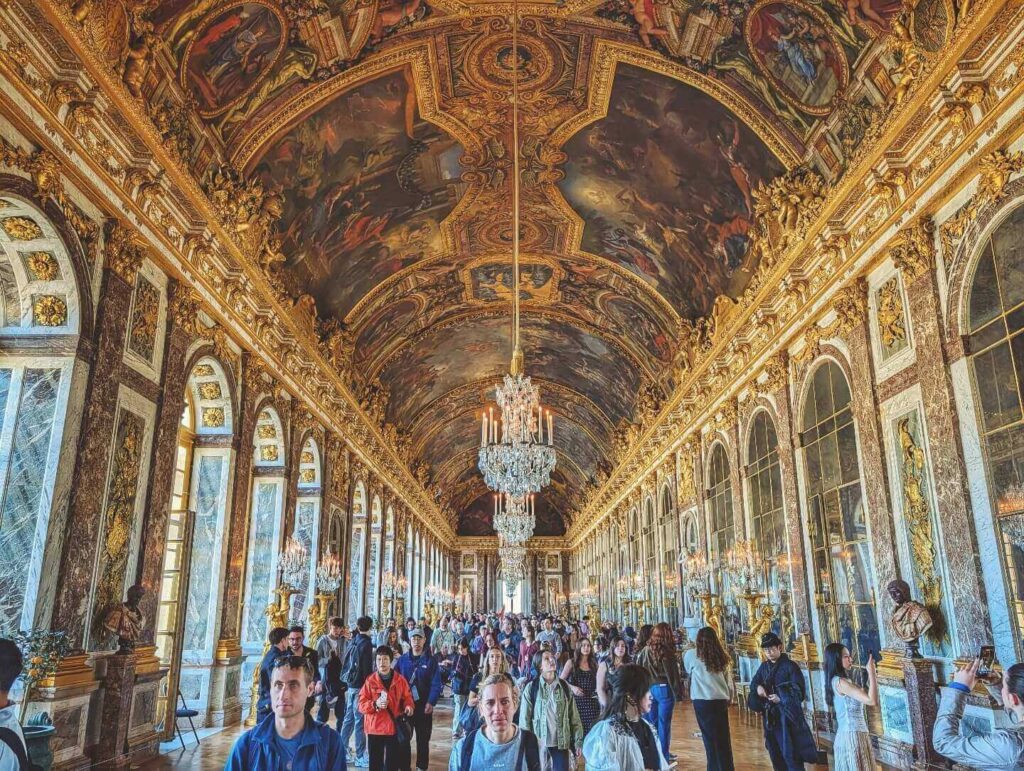
The Hall of Mirrors was the moment that stayed with me the most. It’s a space you’ve probably seen many times in photos, but being there in person feels different. The light coming through the windows reflects across the mirrors, and even with a lot of people around, it still manages to feel like a place you pause in rather than just pass through.
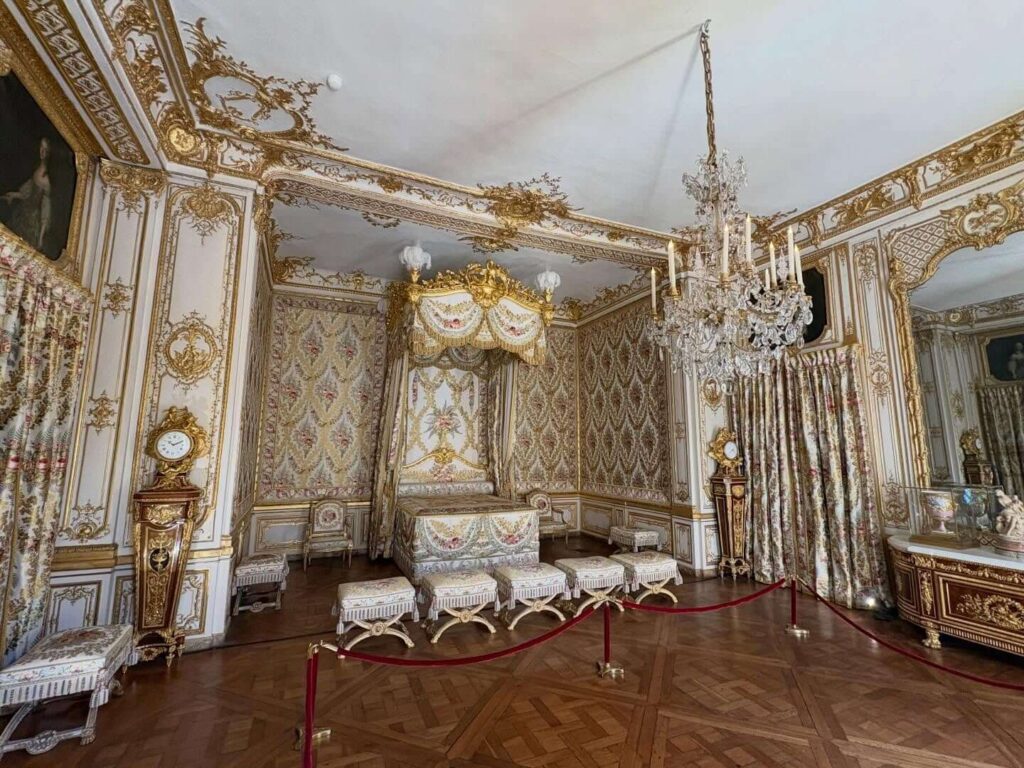
What I didn’t expect was how quickly the rooms can start to blur together if you move too fast. The King’s and Queen’s apartments are detailed and interesting, but when you go from one to the next without slowing down, it becomes harder to notice what makes each space different.
I found it helped to stop trying to see everything and instead focus on a few rooms that naturally drew my attention. Spending a bit more time in those made the experience feel less rushed and more memorable.
The Gardens of Versailles
The gardens were easily one of my favorite parts of the entire visit, and in some ways, they felt like a break from the intensity of the palace interiors.
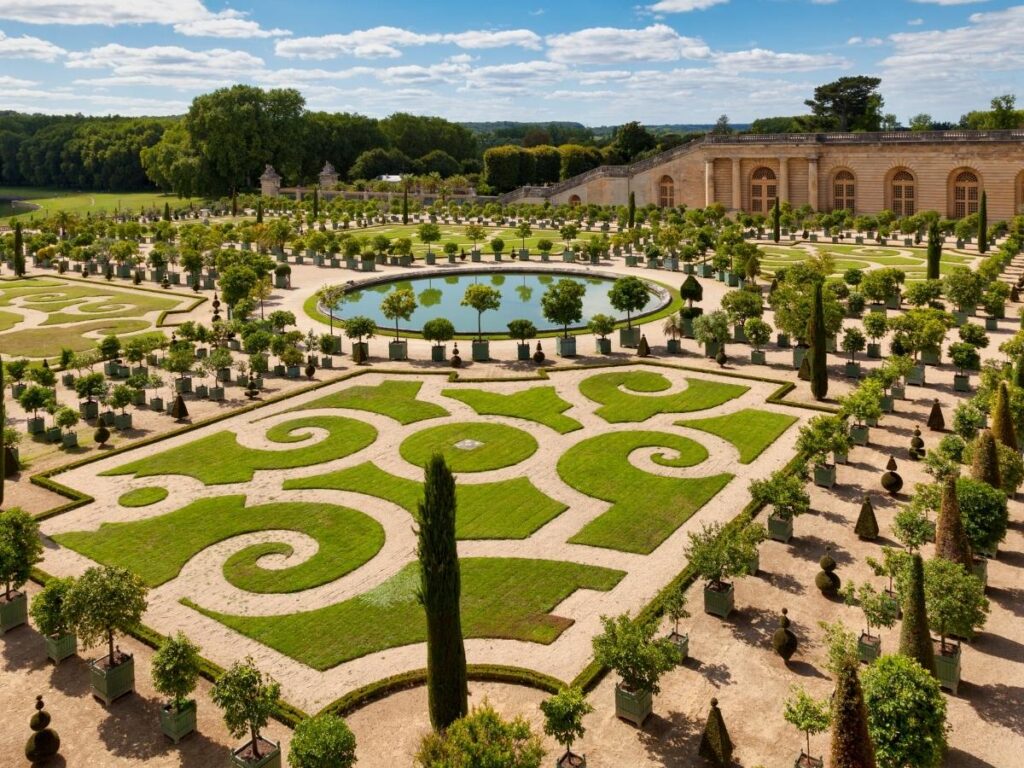
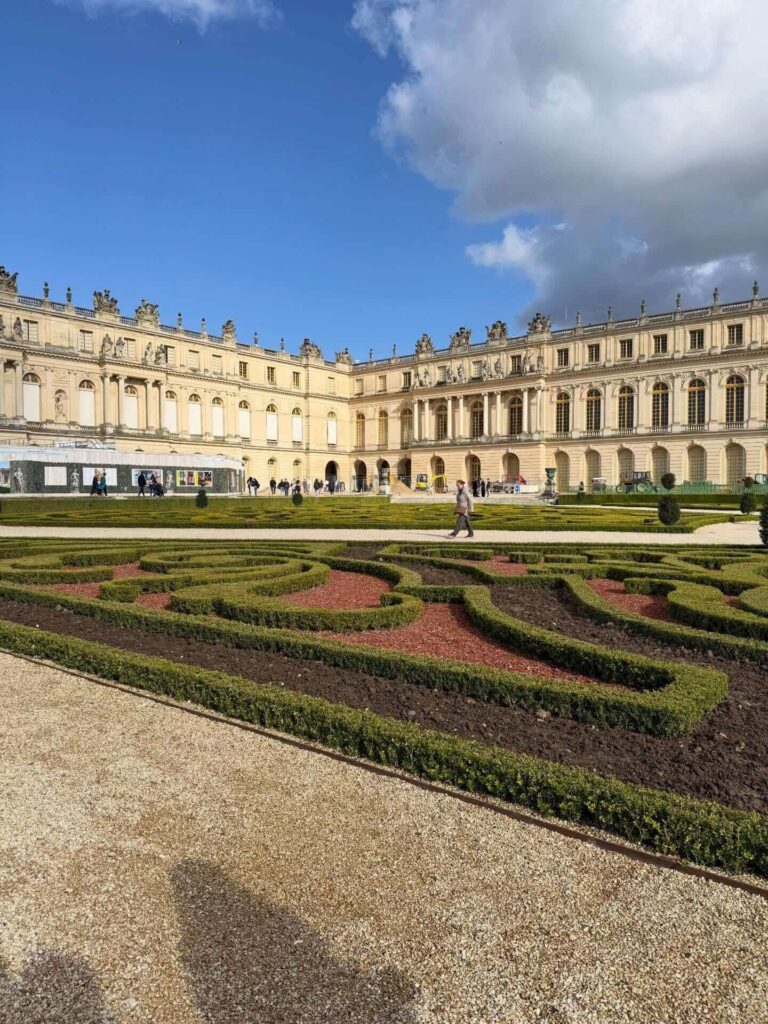
Once you step outside, everything opens up. The space feels wider, the pace slows down, and you’re no longer moving in a fixed direction with a crowd. Instead, you can choose where to go, whether that’s along the main pathways or further out into quieter sections.
What surprised me was just how far the gardens extend. From the palace, they look structured and contained, but once you start walking, you realize how much there is to explore. Some areas feel busy, especially closer to the main fountains, but it doesn’t take long before things start to feel calmer.
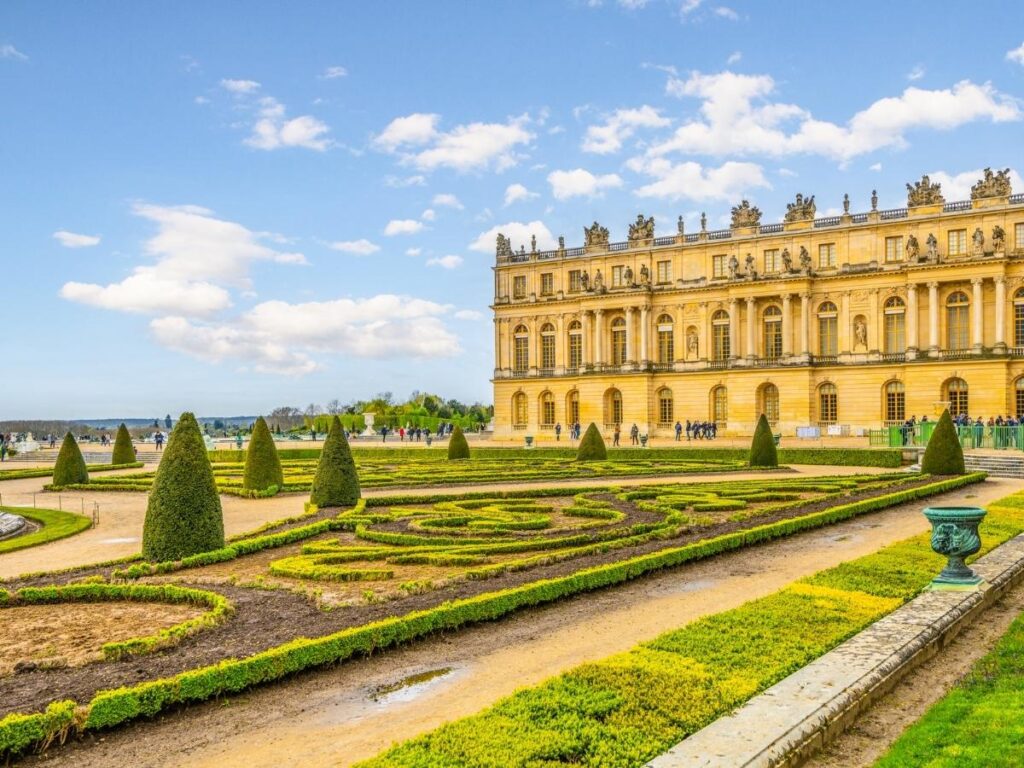
I noticed that the experience here depends a lot on how you move through it. Walking is fine, but it can take time, especially if you want to reach the more distant parts. Renting a bike or using a small cart makes it easier to explore without feeling like you’re rushing or getting tired too quickly.
Taking breaks also made a difference. Sitting near a fountain or finding a shaded spot gave the whole visit a more relaxed rhythm instead of feeling like one long walk.
Trianon Estates & Marie Antoinette’s Hamlet
The Trianon area felt like a completely different side of Versailles.
After spending time in the main palace and gardens, arriving here felt noticeably calmer. There were fewer people, less noise, and a different atmosphere overall. The buildings themselves are smaller and more understated, which somehow makes them feel more personal.
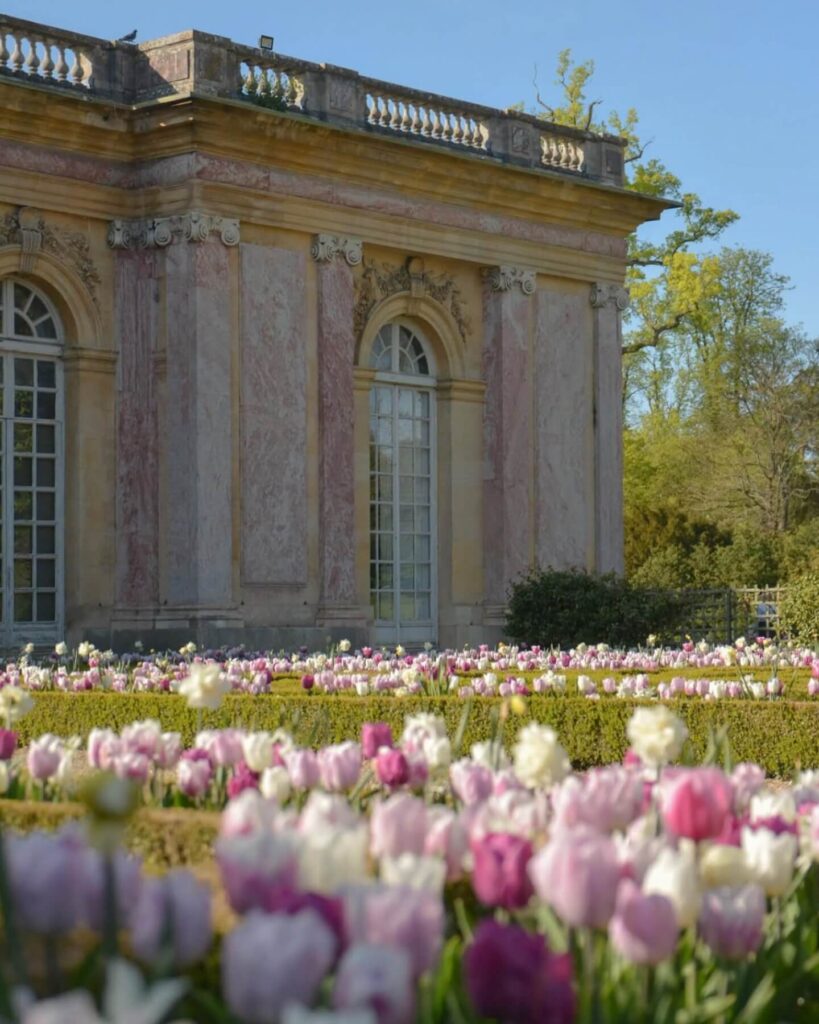
The connection to Marie Antoinette adds another layer to this part of the visit, especially when you reach her Hamlet. It doesn’t feel like part of a grand palace complex anymore. Instead, it feels more like a quiet village, with small houses, water features, and open space around them.
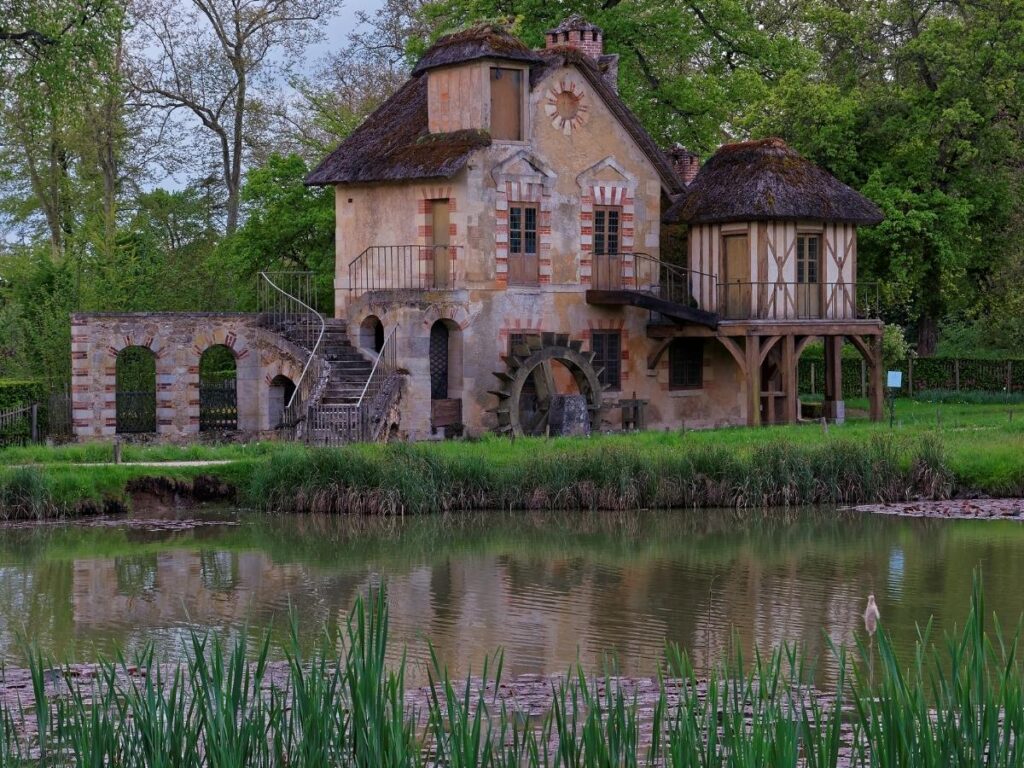
This ended up being one of the areas where I spent more time than I expected. After the busier sections earlier in the day, it was a place where you could slow down without feeling like you were missing something.
Looking back, this part of Versailles stood out not because it was the most elaborate, but because it felt more relaxed and easier to experience at your own pace.
How Much Time You Actually Need
Before visiting the Palace of Versailles, I assumed it would be something you could comfortably fit into half a day. On paper, that sounds reasonable. In reality, it felt quite different once I was there.
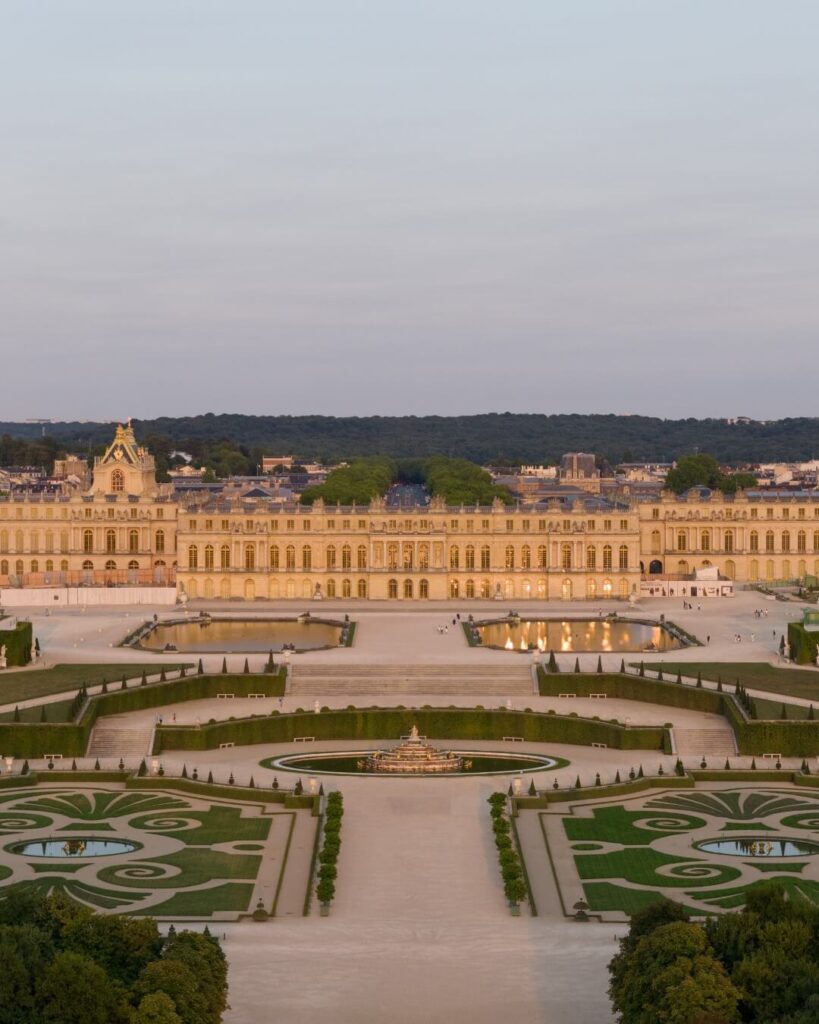
If you only have around three to four hours, you can see the main palace interiors, but it will feel rushed. You’ll move through the rooms fairly quickly, and there won’t be much time to pause or take in the details. It ends up feeling more like checking off a place than actually experiencing it.
With five to six hours, things start to feel more manageable. You can go through the palace at a steadier pace, spend some time in the gardens, and maybe reach part of the Trianon area. It’s a better balance, but you still need to be mindful of time.
A full day, though, is where everything starts to come together properly. You’re not constantly thinking about what to skip or how fast you need to move. You can explore the palace, take breaks in the gardens, and make your way out to the quieter areas without feeling like you’re running out of time.
I went in thinking half a day would be enough, but by the time I reached the gardens and realized how much more there was to see, I wished I had given myself longer. It’s one of those places where having extra time makes the experience noticeably better.
Common Mistakes to Avoid at Versailles
There are a few small decisions that don’t seem like a big deal when you’re planning, but they can really shape how your visit feels once you’re there.
Arriving later in the day is one of them. It might seem like a good idea to avoid the early start, but by then the palace is already busy, and the crowds tend to build up in the main rooms. Starting earlier gives you a bit more breathing room before it fills up.
Another easy mistake is trying to see everything in one go. The scale of Versailles makes that difficult, and moving quickly from one area to another can become tiring. I noticed that the more I tried to cover, the less I actually took in.
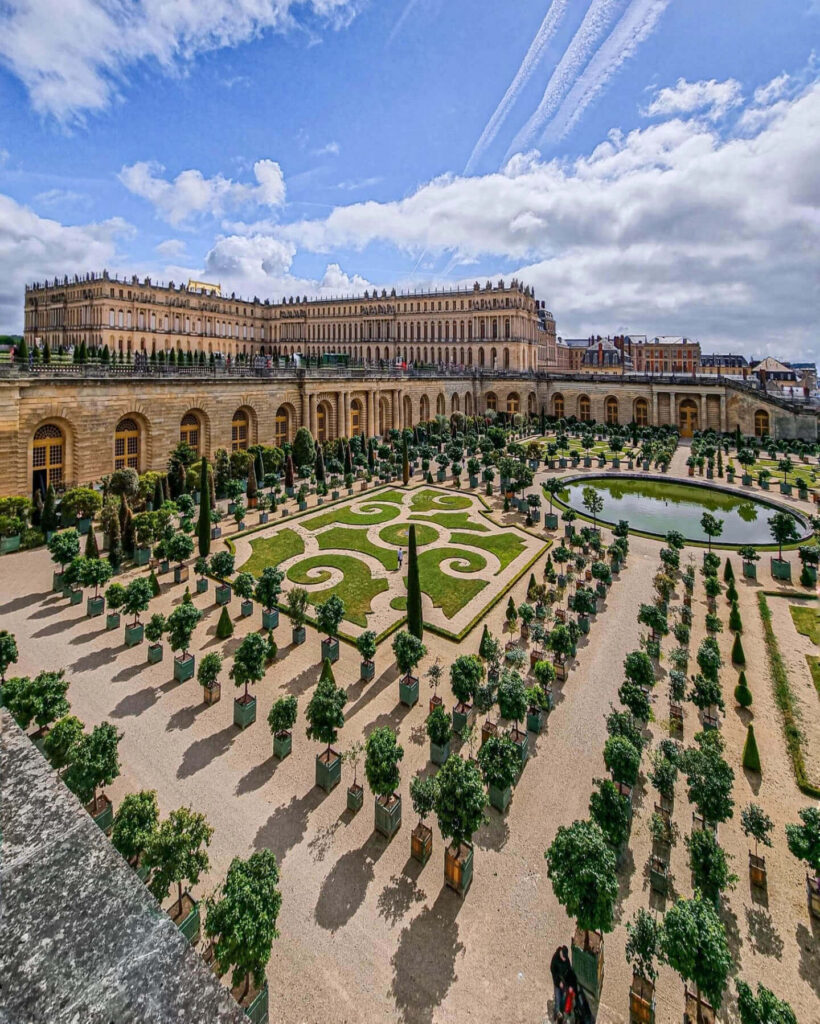
Skipping the gardens is something I almost underestimated as well. It’s easy to focus only on the palace interiors, especially if you’re short on time, but the gardens are a big part of what makes the experience feel complete.
The fountain shows are another detail that’s easy to miss if you haven’t checked the schedule beforehand. They don’t run all the time, so if seeing them matters to you, it’s worth planning around that.
And then there’s the walking. Distances here are larger than they look on a map. What seems like a short walk can take longer than expected, especially after you’ve already spent time inside the palace.
One thing that became clear to me is that Versailles isn’t a quick stop you squeeze into your day. It works much better when you give it space and let the visit unfold at a more relaxed pace.
My Honest Thoughts: Is Versailles Worth Visiting?
I think whether Versailles feels worth it depends a lot on what you’re looking for.
If you enjoy history, architecture, or places where you can spend time exploring at your own pace, there’s a lot to appreciate here. The combination of the palace, the gardens, and the surrounding estates creates a varied experience rather than just a single highlight.
At the same time, it’s not the kind of place that suits every travel style. If your time in Paris is limited or you prefer smaller, quieter spots, Versailles can feel a bit overwhelming, especially during busy hours.
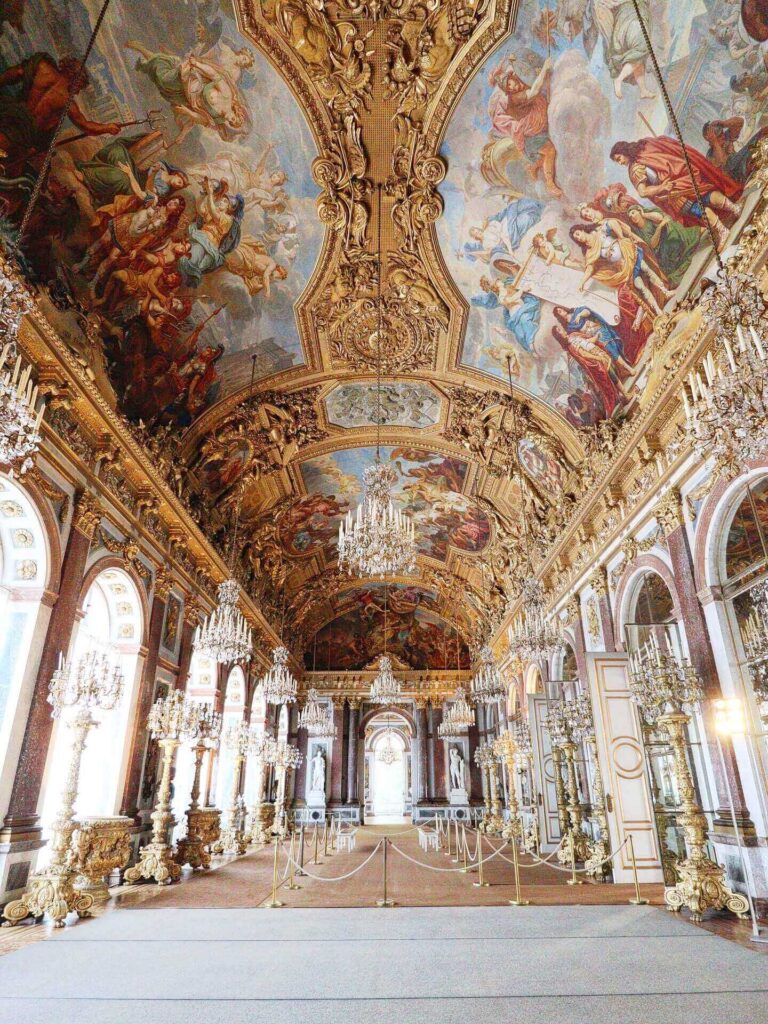
For me, what made it worthwhile wasn’t just the palace itself. It was the contrast between the different parts of the estate. The detailed interiors, the open space of the gardens, and then the calmer atmosphere around the Trianon area. That mix made the visit feel more complete.
Practical Tips for Visiting Versailles
A few simple things made a noticeable difference during my visit, and they’re easy to overlook when you’re planning.
Comfortable shoes are probably the most important. You end up walking more than you expect, and having the right footwear makes the day feel much easier.
Bringing water and a small snack also helps, especially if you’re spending several hours there. There are places to buy food, but having something with you means you don’t have to interrupt your visit when you don’t want to.
Starting earlier in the day makes everything feel smoother. You avoid some of the heavier crowds, and you have more flexibility in how you structure your time.
I also found it helpful not to rush through everything. It’s tempting to keep moving, especially when there’s a lot to see, but slowing down in a few areas makes the experience feel more memorable.
Even something as simple as deciding where to start, whether with the palace or the gardens, can shape how your day unfolds. Having a rough plan in mind doesn’t make the visit rigid, it just helps it feel more relaxed once you’re there.
Suggested Itinerary
Planning your time at the Palace of Versailles doesn’t need to be overly structured, but having a rough idea of how to move through the estate makes a big difference once you’re there. Without it, it’s easy to feel a bit lost or end up doubling back more than you need to.
If you only have half a day, I’d focus on keeping things simple. Starting with the palace interiors works best, especially if you have an earlier entry time. That’s when the rooms feel slightly easier to move through, and you’re not immediately dealing with the busiest part of the day.
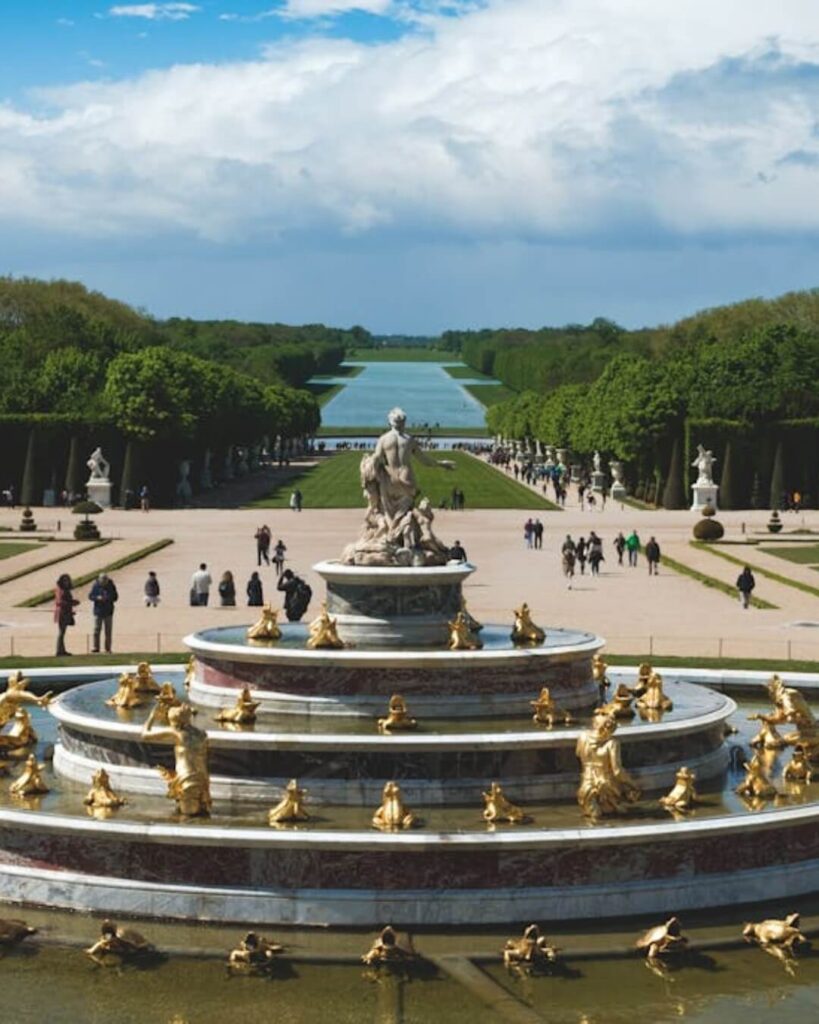
After going through the main sections, heading out into the gardens, even if it’s just for a short walk, helps balance the experience. You get a sense of the scale without trying to cover too much.
That said, a half day visit will feel a bit limited. You’ll see the highlights, but you won’t really have time to explore at your own pace or reach the quieter areas further out.
With a full day, everything feels much more relaxed. Starting in the morning with the palace interiors still makes sense, but you don’t need to rush through them. You can take your time in a few rooms that stand out instead of moving quickly through all of them.
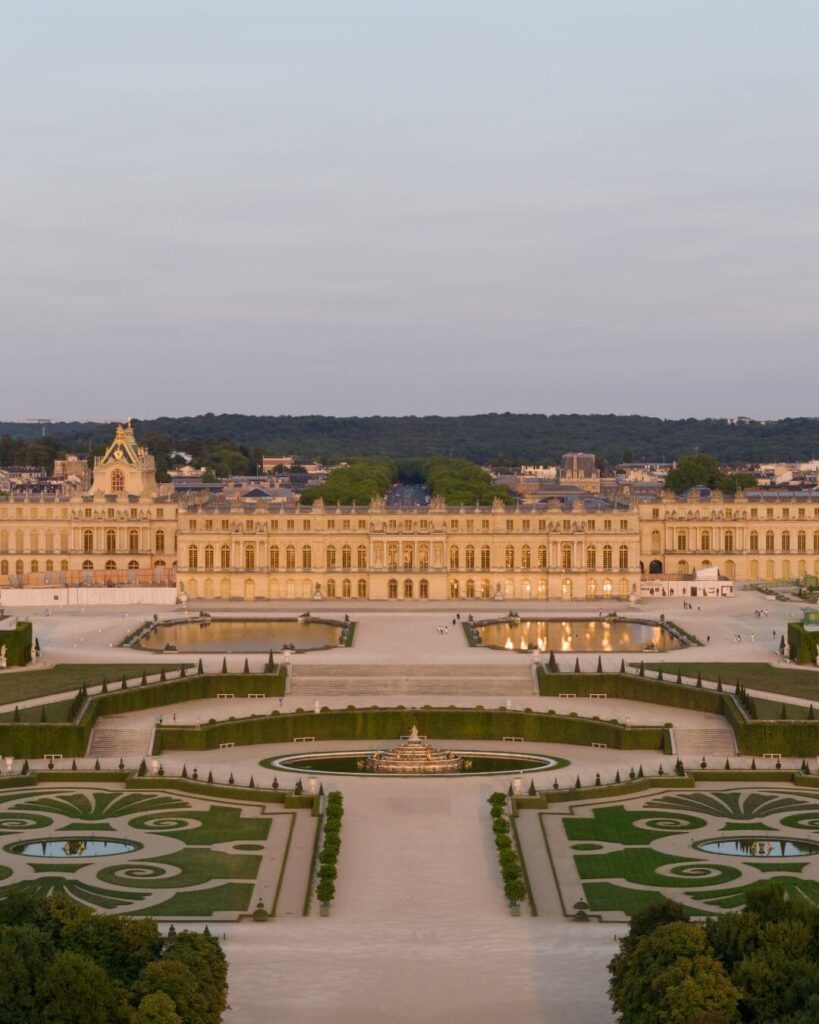
By the time you step outside, it’s usually a good point to slow down a bit. Taking a break, finding somewhere to sit, or having lunch nearby helps reset the pace of the day. The gardens feel very different when you’re not trying to move through them quickly.
In the afternoon, making your way toward the Trianon estates changes the atmosphere again. It’s quieter, less crowded, and feels more open compared to the main palace area. Ending your visit there gives the whole day a calmer finish rather than ending in the busiest sections.
For me, this kind of flow, palace first, then gardens, then the quieter outer areas, felt like the most balanced way to experience Versailles without feeling rushed or overwhelmed.
Conclusion
Visiting the Palace of Versailles is one of those experiences that can feel very different depending on how you approach it. It has all the elements people expect, the scale, the detail, the history, but the way you move through it shapes how much you actually enjoy it.
When I first arrived, it felt a bit overwhelming, and I found myself moving faster than I wanted to. It wasn’t until I slowed down, spent more time in certain areas, and gave myself space to explore beyond just the main palace that it started to feel more enjoyable.
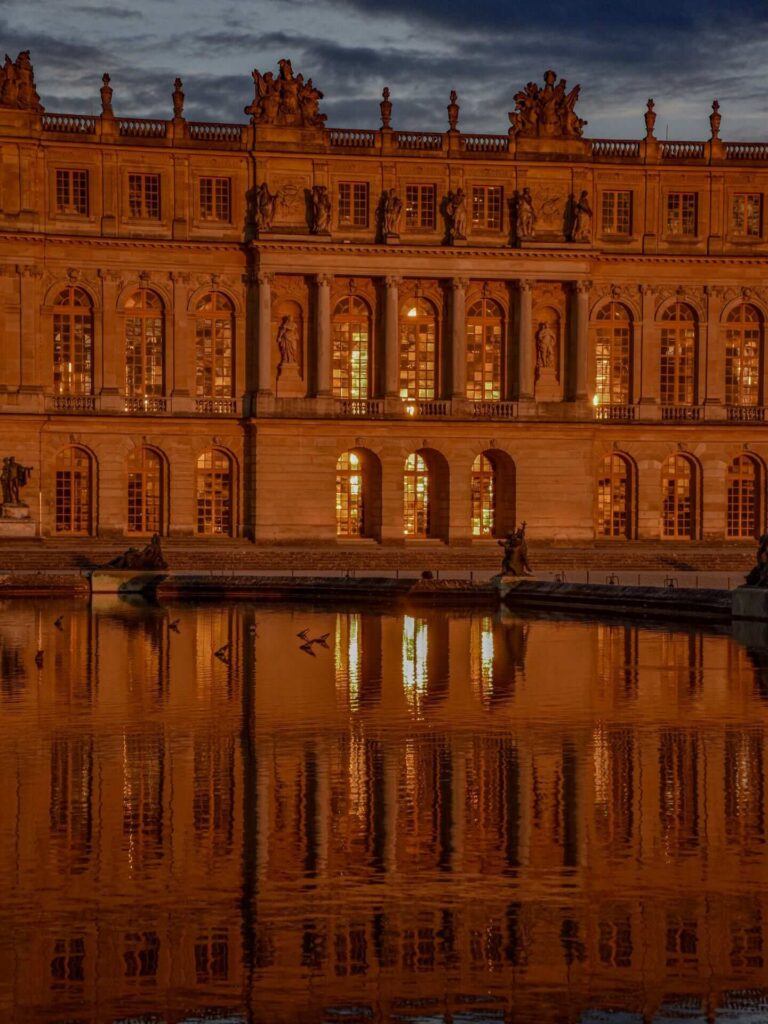
What stayed with me most wasn’t just one specific room or highlight, but the overall experience of moving through different parts of the estate. The contrast between the busy interiors, the open gardens, and the quieter corners further out made the visit feel more complete.
If you’re already planning a trip to Paris, Versailles is definitely worth including. It just works better when you give it enough time and approach it with a bit of flexibility, rather than trying to fit everything into a tight schedule.