
The first time I arrived in Étretat, I remember stepping onto the beach and immediately looking up. The cliffs were already there, towering over everything, and for a moment I just stood still, trying to take it in.
From below, they feel massive, almost overwhelming, especially with the sound of the waves and wind around you.
What I didn’t expect was how much the view changes as you move. Even a short walk shifts the perspective, the arch looks different, the coastline opens up in new ways, and it starts to feel less like a single viewpoint and more like a place you experience gradually.
At first, I thought Étretat would be a quick stop. Walk up, take a few photos, and move on. But that plan didn’t really work once I got there.
The middle of the day felt busier and a bit rushed, while the early morning and evening were much quieter and easier to enjoy. Slowing down made a bigger difference than I expected.
In this guide, I’m sharing the best things to do in Étretat based on how I experienced it, along with a few practical tips that helped me make the most of my time there.
Best Things to Do in Étretat
1. Walk Along the Cliffs
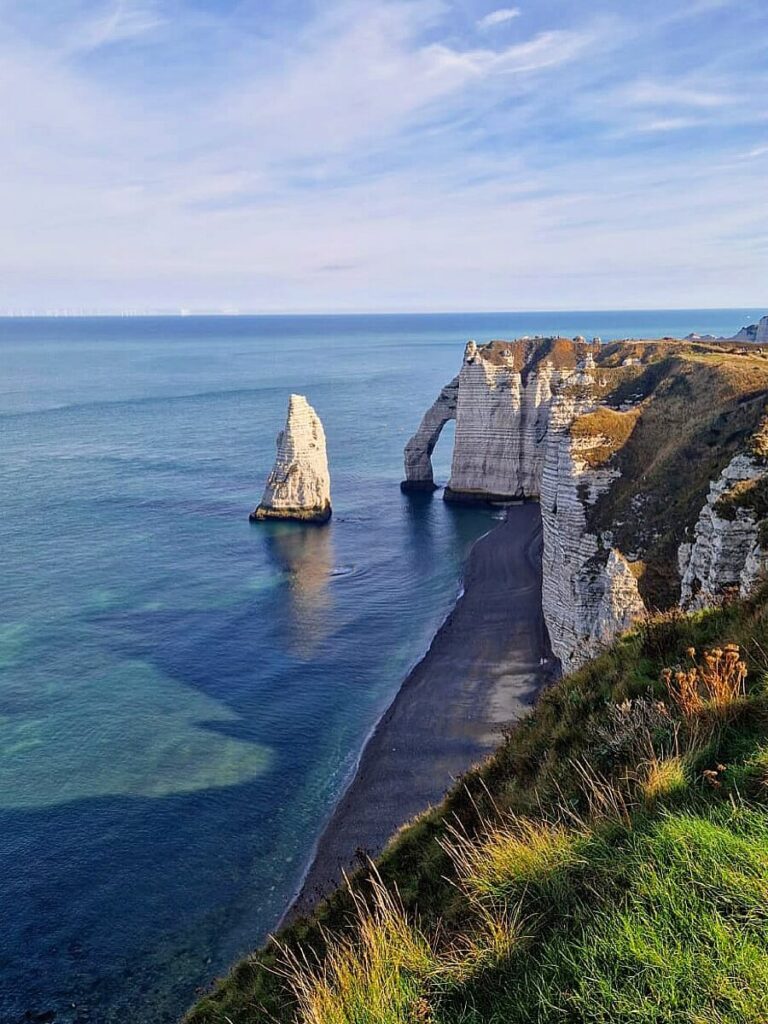
Walking along the cliffs is what really defines Étretat. It’s not just about reaching a viewpoint, it’s the way the landscape keeps shifting as you move that makes it memorable. The town sits right between two cliff sides, and exploring both gives you a much more complete sense of the place.
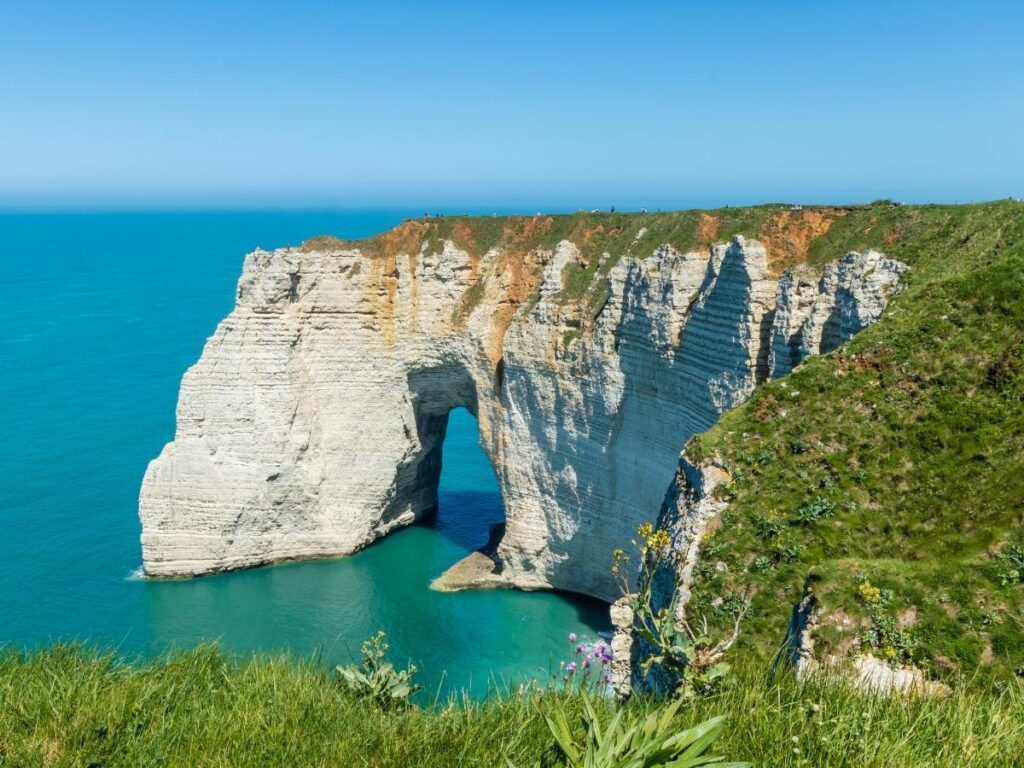
If you’re facing the sea, the path on the right leads up to Falaise d’Amont. This side felt like the easier place to begin. The path climbs gradually, and you don’t feel like you’re pushing too hard to get to the top.
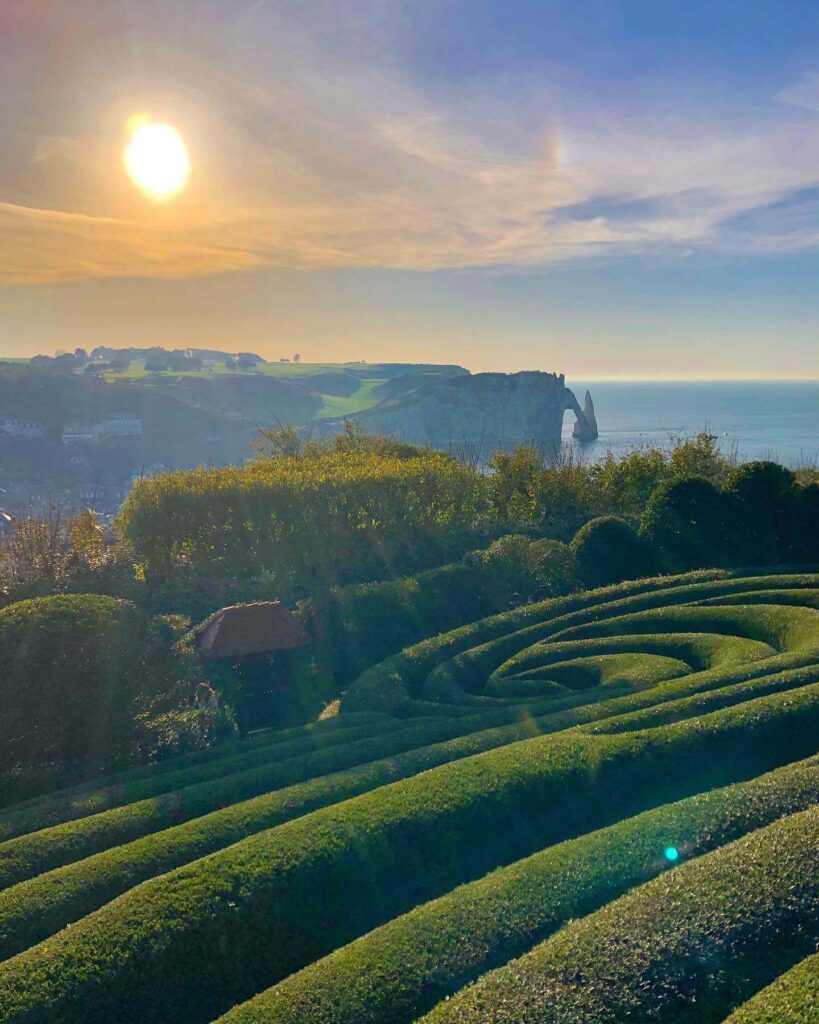
As you walk, the town slowly starts to look smaller behind you, and the coastline begins to open up in a way that feels quite calm. It didn’t feel rushed or dramatic, more like a steady build up to the view.
On the other hand, Falaise d’Aval feels different almost immediately. This is where you’ll see the famous arch, and the whole landscape feels a bit more rugged. The path has a few steeper sections, and the wind can be stronger up there, especially on open stretches.
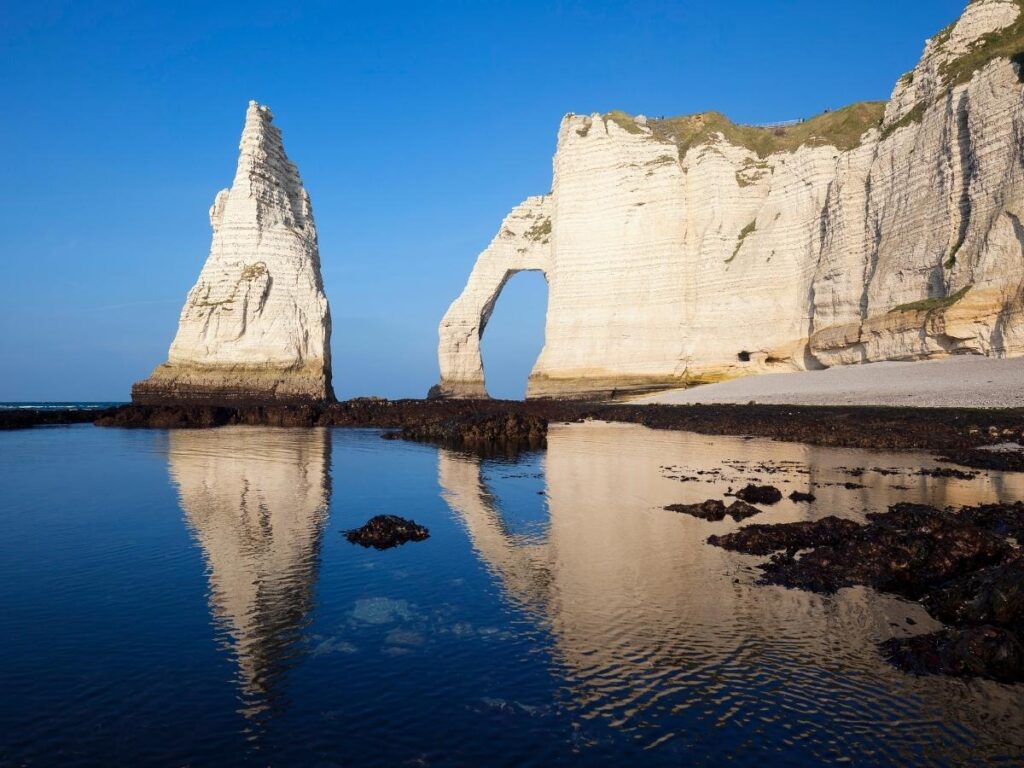
I noticed I was stopping more often here, not just because of the view, but because the place itself feels more exposed and a little wilder.
If you have time, it’s worth doing both. They don’t feel repetitive, and seeing the coastline from both sides helps you understand why Étretat is so well known. I started with Amont and then crossed over to Aval later, and that flow felt natural without being too tiring.
2. Visit the Chapel on the Cliff
At the top of Falaise d’Amont, there’s a small chapel called Chapelle Notre Dame de la Garde. It’s not something you need a lot of time for, but it’s worth stopping when you’re already up there.
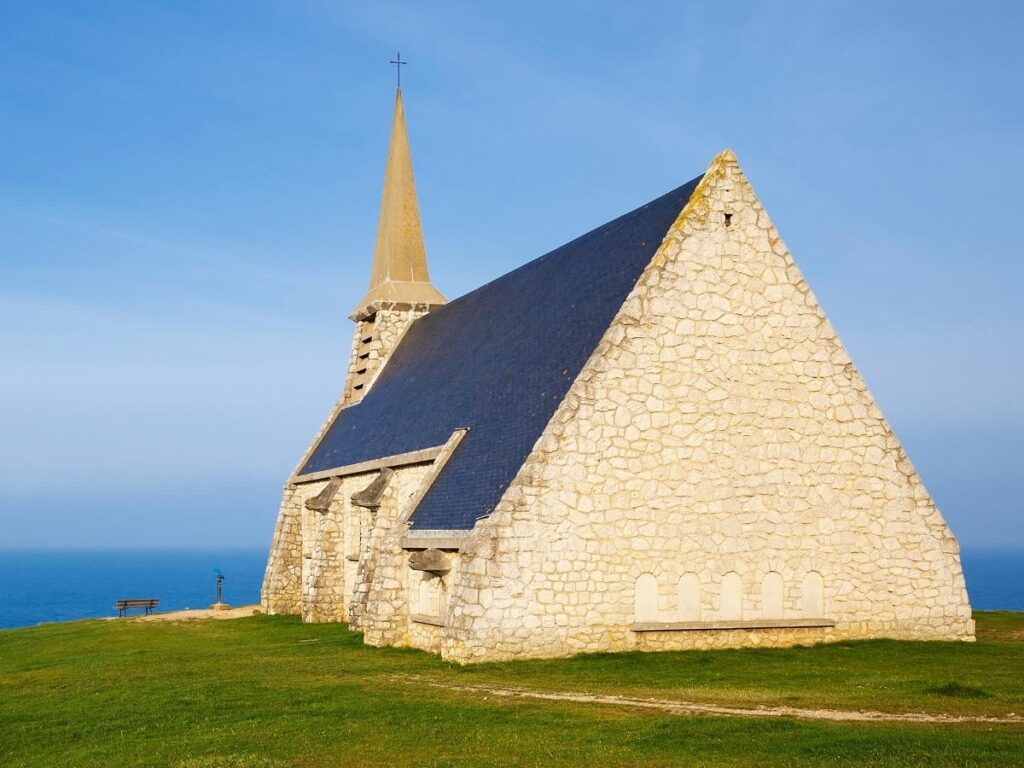
What stood out to me wasn’t the building itself, but the setting. It sits slightly away from the main viewpoints, so it feels quieter. After walking up with other people around, this was one of the first spots where things slowed down a bit.
I ended up sitting there for a few minutes, just looking out over the sea. It’s a simple pause, but it breaks up the walk nicely and gives you a moment to take everything in before heading back down or continuing further along the path.
3. Spend Time on Étretat Beach
The beach in Étretat is quite different from what you might expect if you’re used to sandy coastlines. It’s made up of smooth pebbles, which changes how you move around and how you experience it.
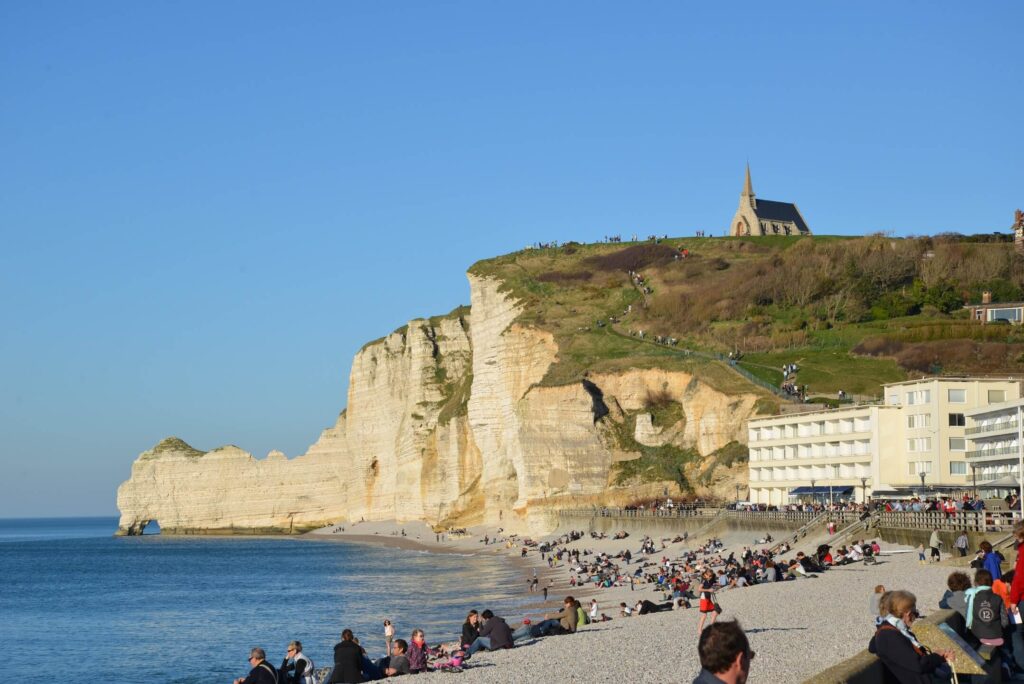
Walking barefoot isn’t very comfortable, so most people either keep their shoes on or sit down somewhere closer to the edge. I found myself just sitting for a while, watching the waves come in and looking up at the cliffs from below. Seeing them from that angle gives you a completely different sense of their size compared to the viewpoints above.
Swimming is possible, but it depends on the conditions. The water is usually cold, and the waves can be a bit strong, so it’s not always the kind of place where you’ll want to stay in for long. Still, even without going in, the beach is worth spending some time on rather than just passing through.
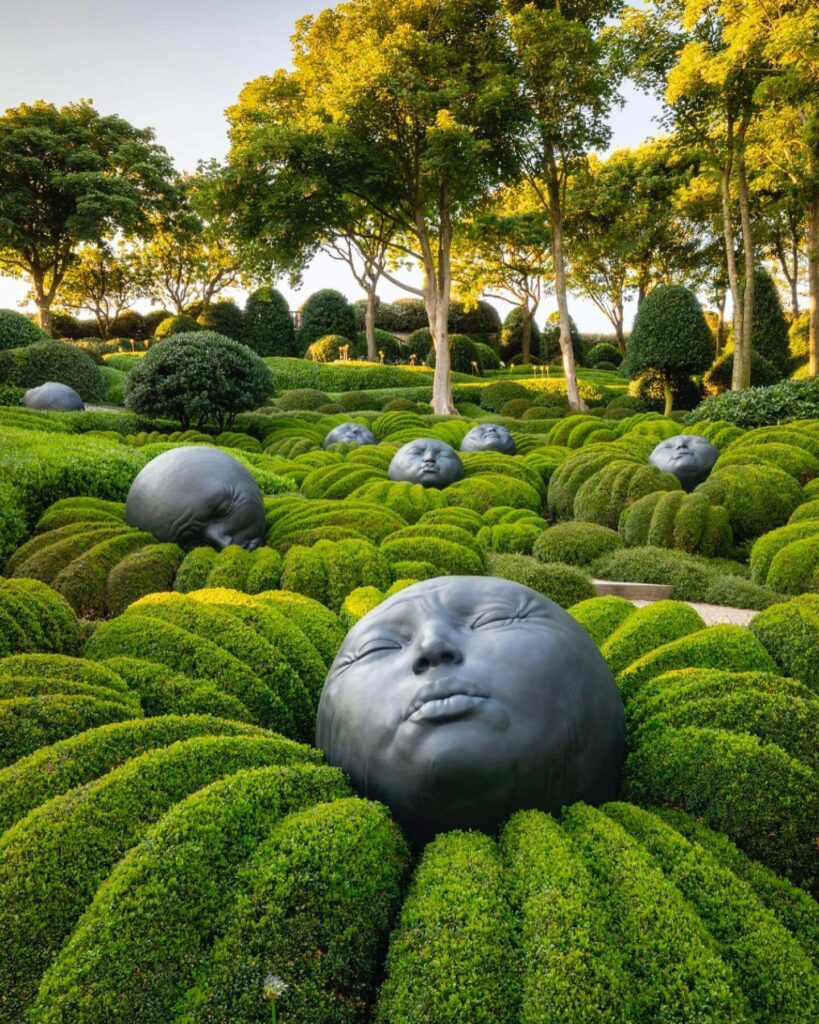
4. Explore the Gardens of Étretat
The Gardens of Étretat felt a bit unexpected compared to the rest of the area. Instead of a traditional garden, it’s more of a mix between landscape design and art, with sculpted hedges and installations spread across the space.
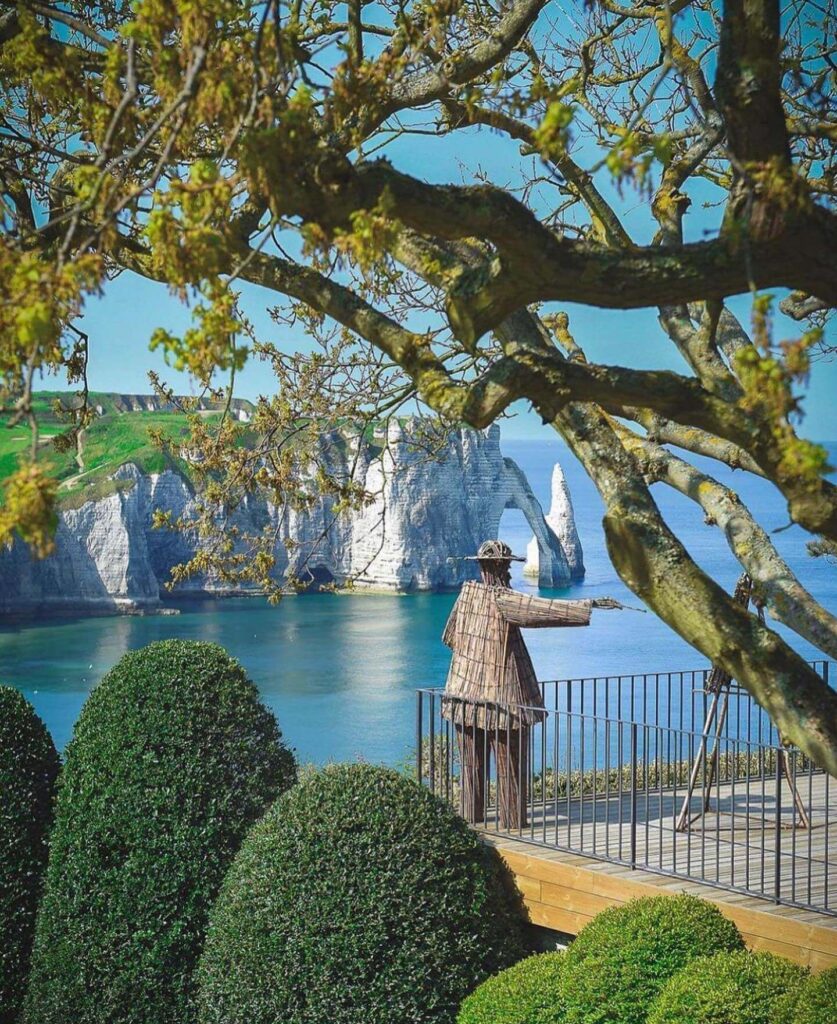
What makes it interesting is the setting. It sits on the cliff, so as you walk through, you’re not just looking at the garden itself, you’re constantly getting views of the coastline in the background. That combination makes it feel different from anything else in Étretat.
There is an entry fee, so it’s something to consider depending on your time and budget. I’d say it’s worth it if you enjoy places that are a bit more curated and creative. If you’re mainly there for the natural views, you might be just as happy sticking to the cliff walks.
5. Walk Through the Town Streets
After spending time up on the cliffs, coming back down into the town feels like a shift in pace. Everything becomes quieter and more grounded, and it’s a good way to balance out the more active parts of the visit.
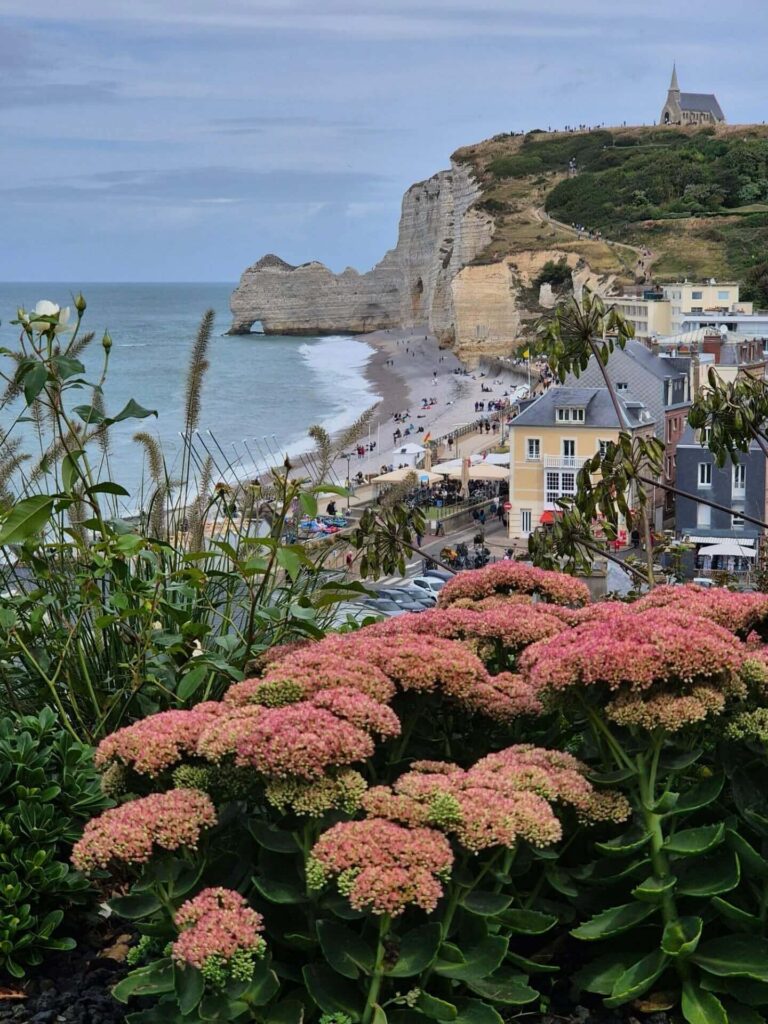
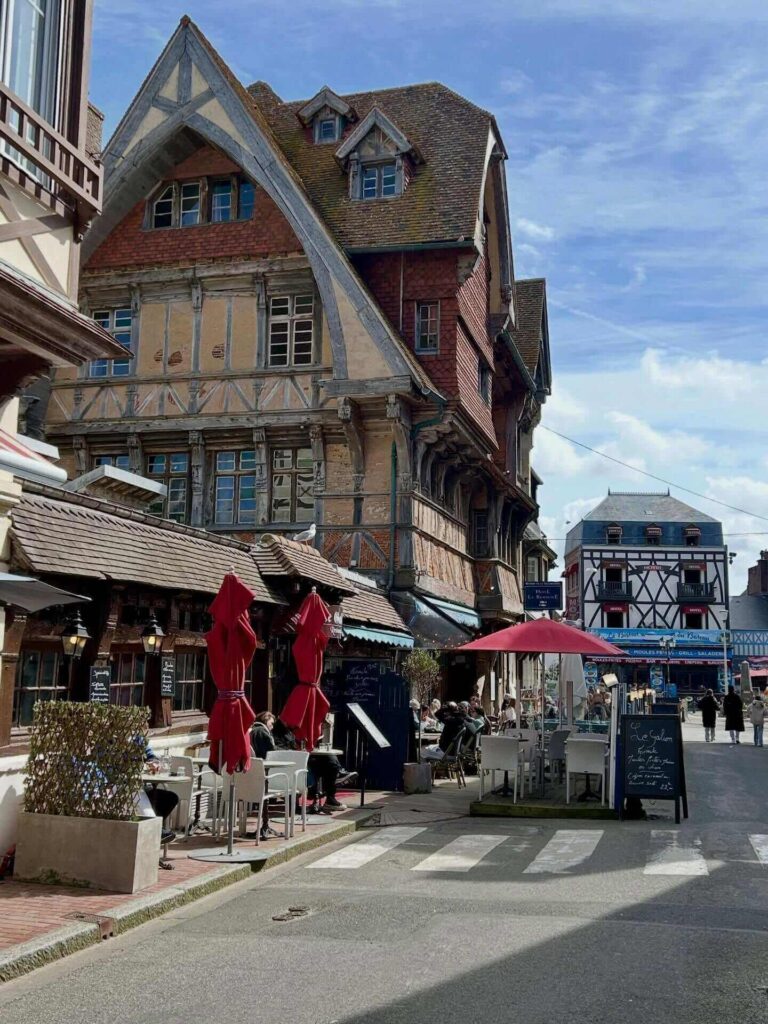
The streets are small and easy to walk through without any real plan. There are cafés, a few shops, and places where you can sit down for a break. I found this part of Étretat especially nice later in the day, when the crowds started to ease and things felt more relaxed.
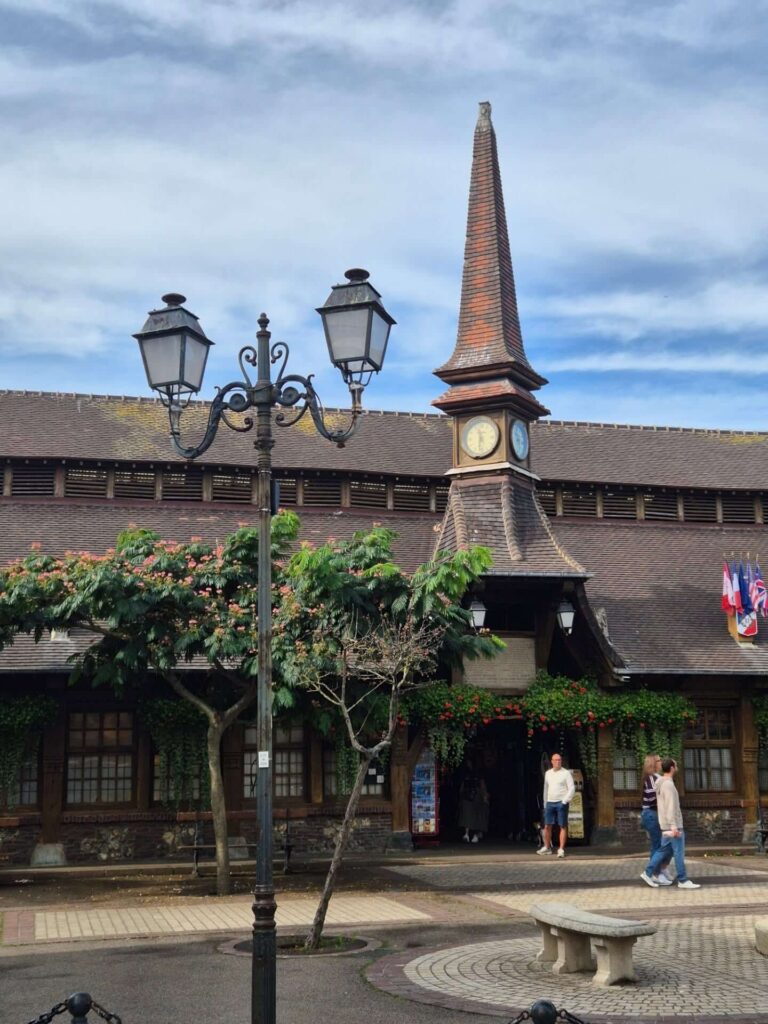
It’s not somewhere you need to rush through. Even just walking slowly for a bit, stopping for a coffee, or sitting near the beach adds to the overall experience in a way that’s easy to overlook.
6. Watch the Sunset Over the Cliffs
Sunset was one of the moments that changed how Étretat felt to me. During the day, it can feel quite busy, especially near the main viewpoints. But as the evening approaches, the atmosphere starts to shift.
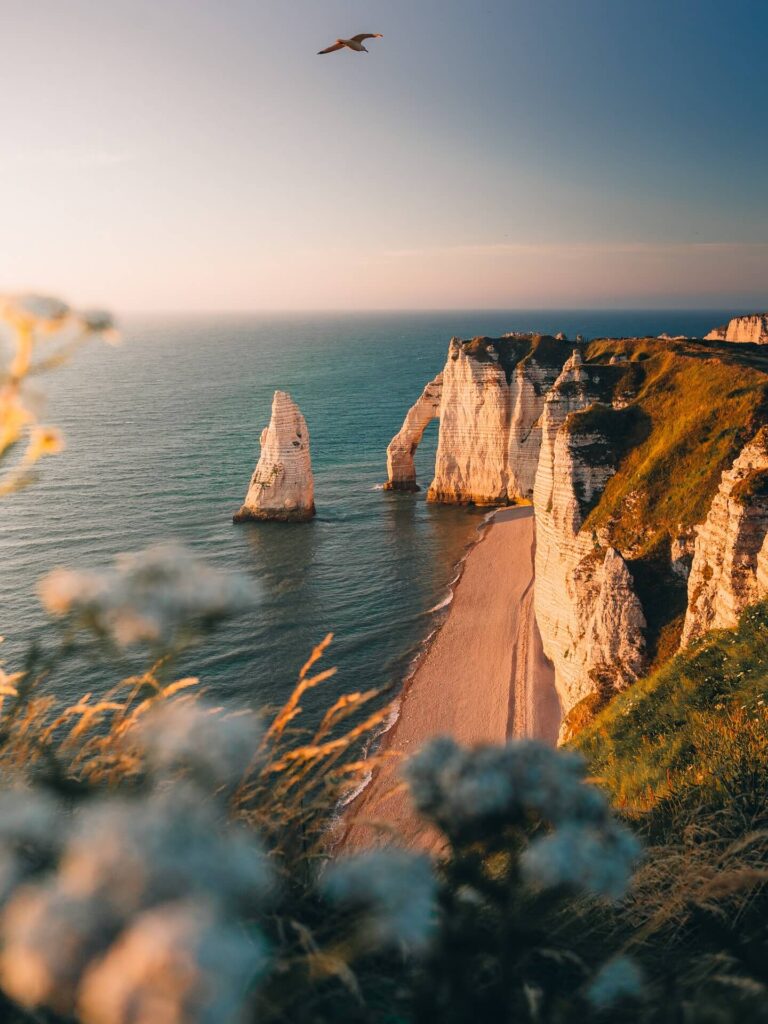
The light becomes softer, the cliffs take on warmer tones, and people begin to leave, which makes everything feel more open again. It’s not just about the view, it’s the quieter pace that comes with it.
I preferred watching the sunset from Falaise d’Aval because of how the light falls across the arch, but honestly, both sides work well. If you can stay long enough for this part of the day, it adds a completely different layer to the visit.
7. Try Local Food Near the Coast
Étretat has plenty of places to eat, especially around the beach area. You’ll find a mix of casual spots and restaurants with a view, and most of them focus on simple Normandy dishes.
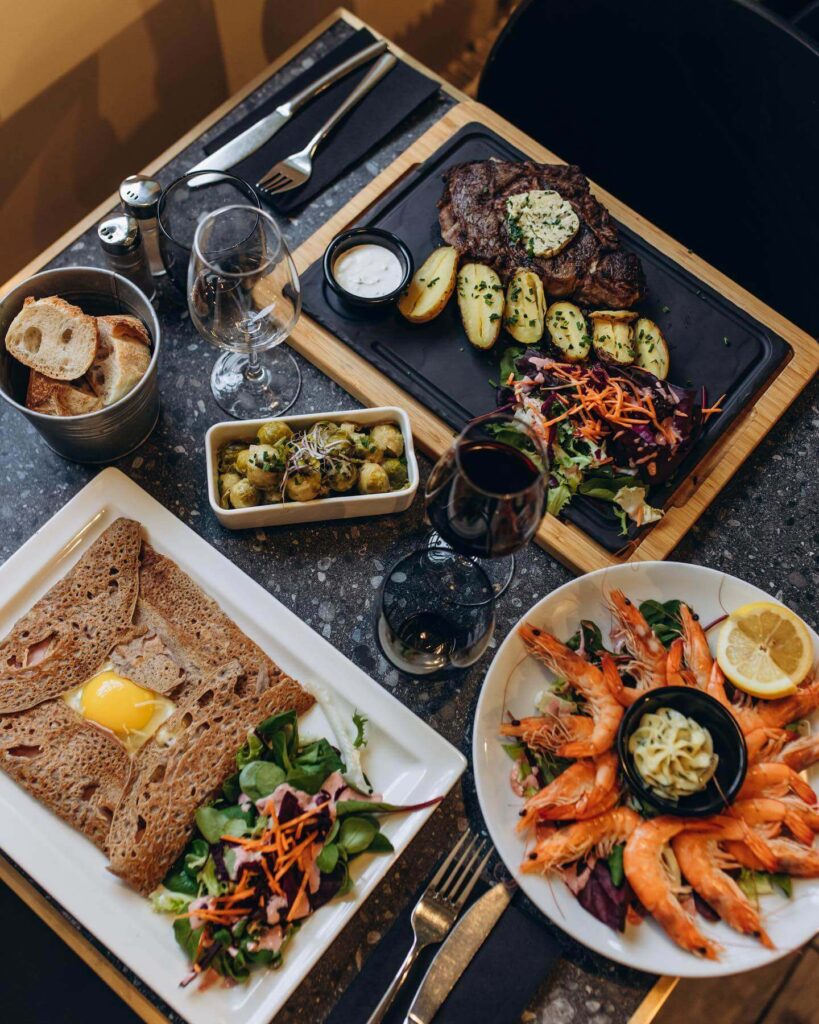
Seafood is the most common choice, along with crepes and dishes that include apples in some form, which the region is known for. I didn’t go looking for anything specific, but just picking a place near the coast worked out well.
Timing matters more than the choice of restaurant. Around lunchtime, many places fill up quickly, and it can feel a bit rushed. Later in the afternoon or early evening, things calm down, and the experience feels much more relaxed.
8. Optional: See the Cliffs from the Water
If you have extra time, seeing the cliffs from the water gives you a completely different perspective compared to the views from above.
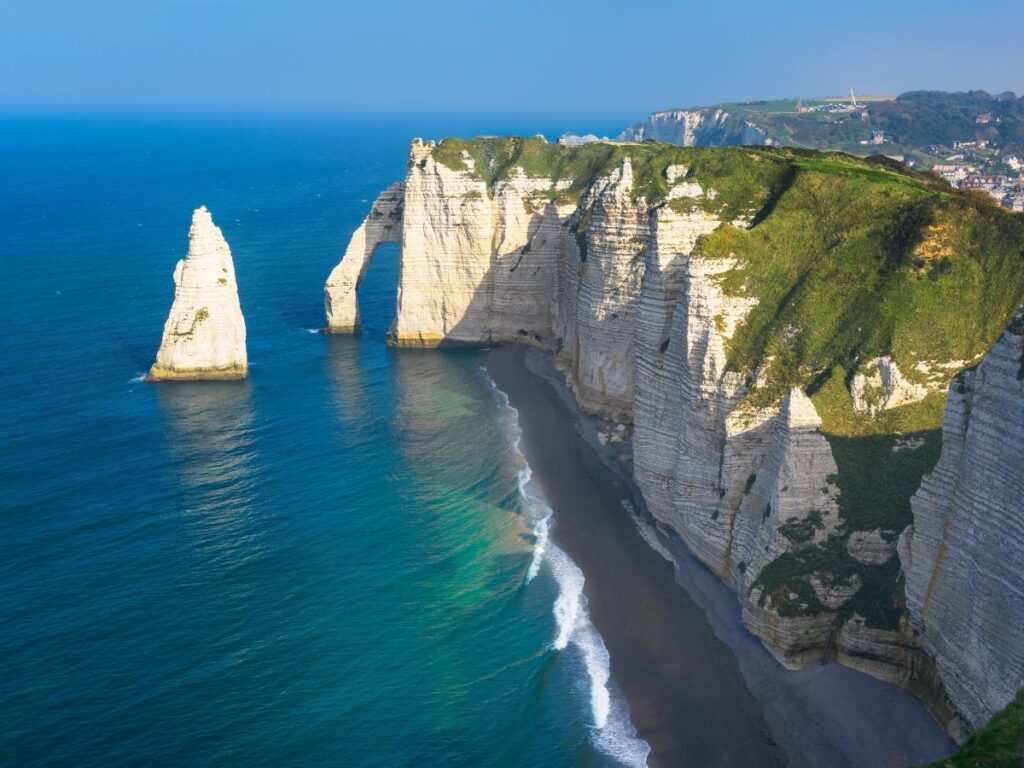
There are options like boat tours or kayaking, depending on the weather and season. From what I saw, the cliffs look even more imposing from below, especially when you’re out on the water with nothing else around you.
I didn’t do this on my first visit, but it’s something I’d consider if I were staying longer. It’s not essential, but it adds another way to experience the landscape if you want something beyond walking.
How to Spend One Day in Étretat
If you only have one day in Étretat, timing matters more than trying to see everything quickly. The place feels very different depending on when you explore it, and planning your day around that makes a big difference.
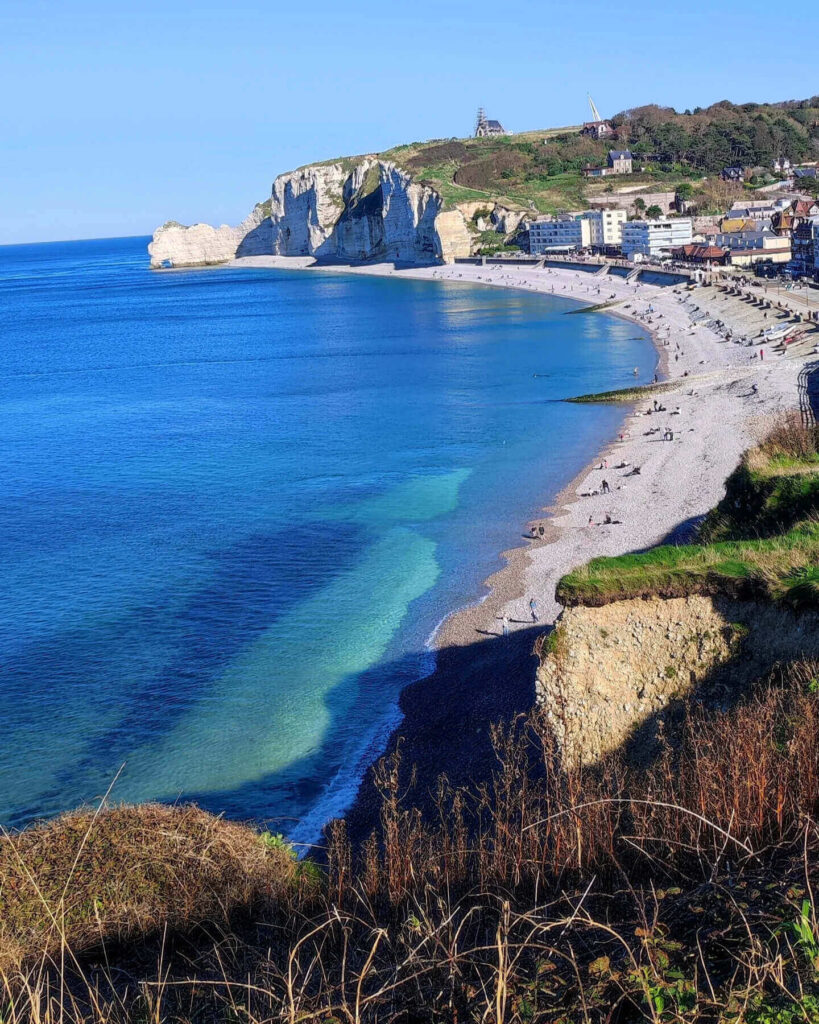
I started early, which helped a lot. The town was still quiet, and the beach felt open without many people around. I went straight up to Falaise d’Amont first. The path is easier on this side, and the morning light makes the views feel softer and less rushed. It’s a good way to ease into the experience without too much effort.
By midday, things started to get busier, so I came back down and spent some time in the town. Walking through the streets and stopping for lunch felt like a natural break. It’s the busiest part of the day, but slowing down here helps balance things out.
Later in the afternoon, I headed up to Falaise d’Aval. This side feels more dramatic, and taking it slowly made it much more enjoyable. Instead of rushing to the main viewpoint, I just walked along the paths and stopped whenever the view shifted.
I stayed there for sunset, and that ended up being my favorite part of the day. The light changes, the crowds thin out, and everything feels calmer again. Ending the day there made the whole experience feel complete without ever feeling rushed.
How to Get to Étretat
Getting to Étretat takes a bit more effort than some other places in Normandy, mainly because there isn’t a direct train station in the town itself. I remember this being one of the parts that felt slightly confusing when planning, but once you understand the route, it’s fairly straightforward.
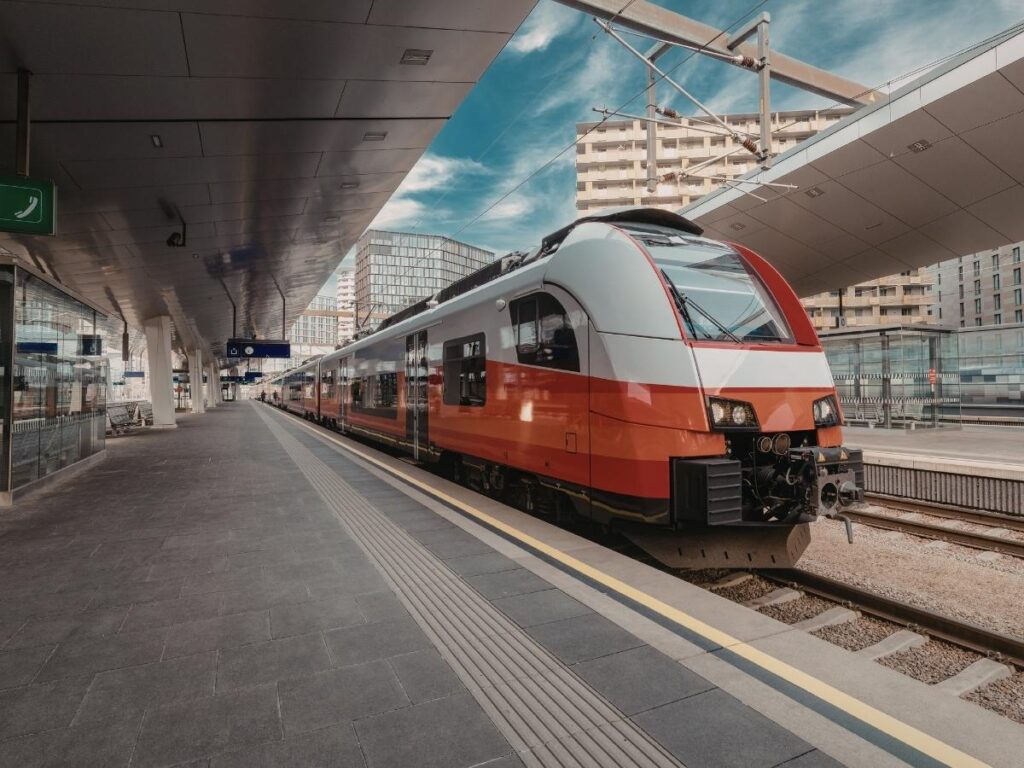
If you’re coming from Paris, the easiest way is to take a train toward either Le Havre or Bréauté Beuzeville. Both work, but they lead to slightly different last legs of the journey. From there, you’ll need to continue by bus or taxi to reach Étretat.
The connection is manageable, but it does require a bit of coordination with timings, especially if you’re relying on buses.
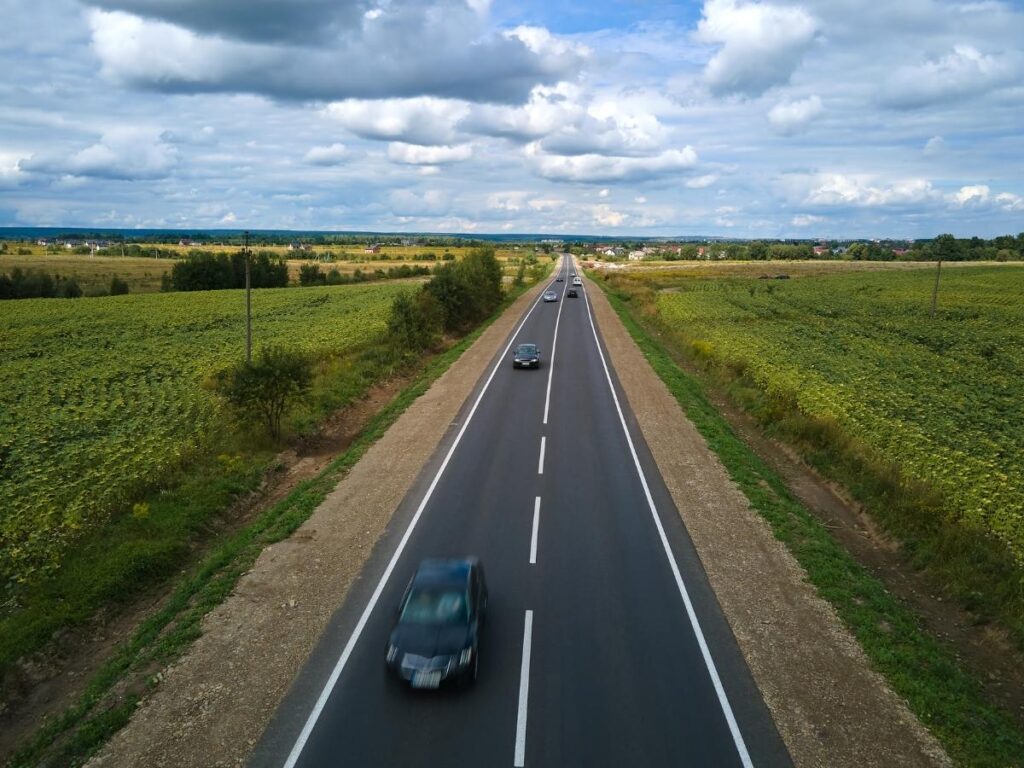
Because of that, driving felt like the simplest option overall. If you’re already exploring Normandy or planning to visit a few places in the region, having a car gives you much more flexibility. The drive itself is quite relaxed, and you don’t have to worry about matching train and bus schedules.
The only thing to be mindful of is parking. When I arrived later in the day, it took a bit of time to find a spot, especially closer to the beach. If you can get there earlier, it’s much easier. Otherwise, you might need to park slightly outside the center and walk in, which isn’t too difficult given the size of the town.
How to Get Around Étretat
Once you’re in Étretat, getting around is the easiest part. The town is small enough that you can walk everywhere without really thinking about it. Most of the main spots, the beach, the cliffs, the town streets, are all within a short distance of each other.
That said, the cliffs do add a bit of effort. The paths going up aren’t very long, but they can feel steeper than expected, especially if you’re doing both sides in one day. I noticed it more on the second climb, when my legs were already a bit tired.
Comfortable shoes make a big difference here. The paths are generally well defined, but they’re not completely flat, and some sections are uneven. Taking your time helps, especially on the way up, since there’s no real need to rush.
Other than that, it’s a place where walking naturally becomes part of the experience. You move between viewpoints, the beach, and the town without needing to plan too much, which is part of what makes it feel easy to explore.
Best Time to Visit Étretat
The feel of Étretat shifts more than I expected depending on when you go, but what surprised me most is that the time of day matters even more than the season.
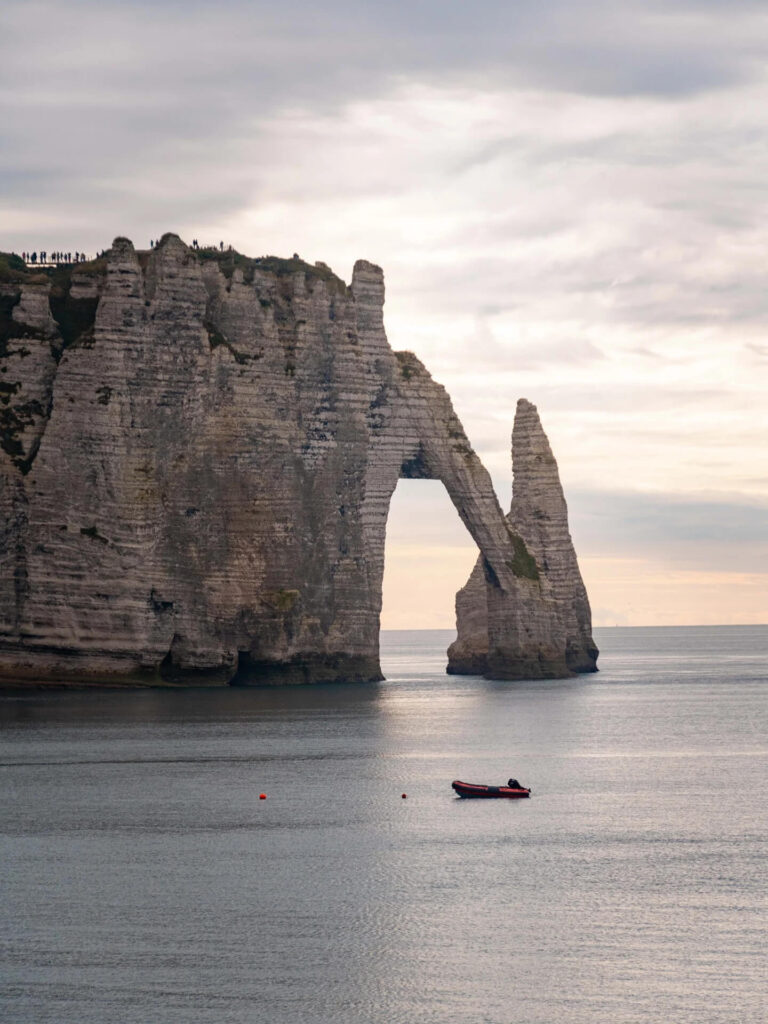
I visited during a relatively busy period, and the difference between morning, midday, and evening felt like three completely different experiences. Early in the morning, everything was quiet.
The beach felt open, the paths weren’t crowded, and it was easier to take your time without feeling like you had to move along. The light was softer too, which made the cliffs look a bit calmer and less harsh.
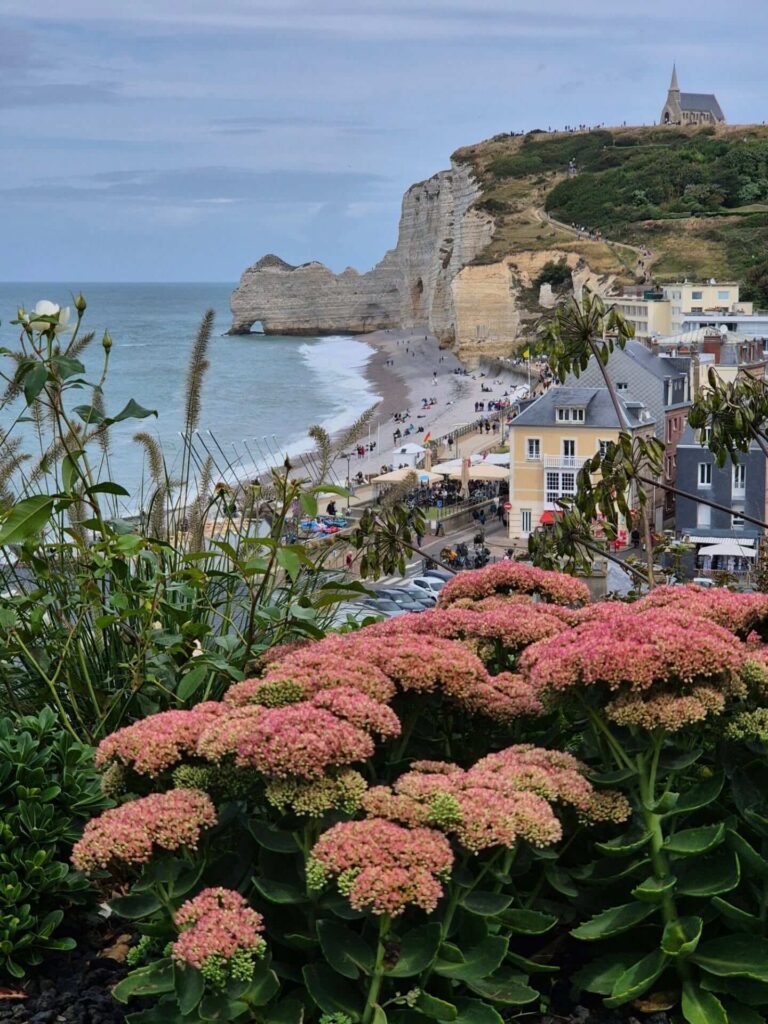
By midday, the energy changes. More people arrive, especially day trippers, and the main viewpoints start to feel busier. It’s still enjoyable, but it becomes more about navigating around people than just enjoying the space. That’s why I found it helpful to use this time to slow down in the town instead of staying up on the cliffs.
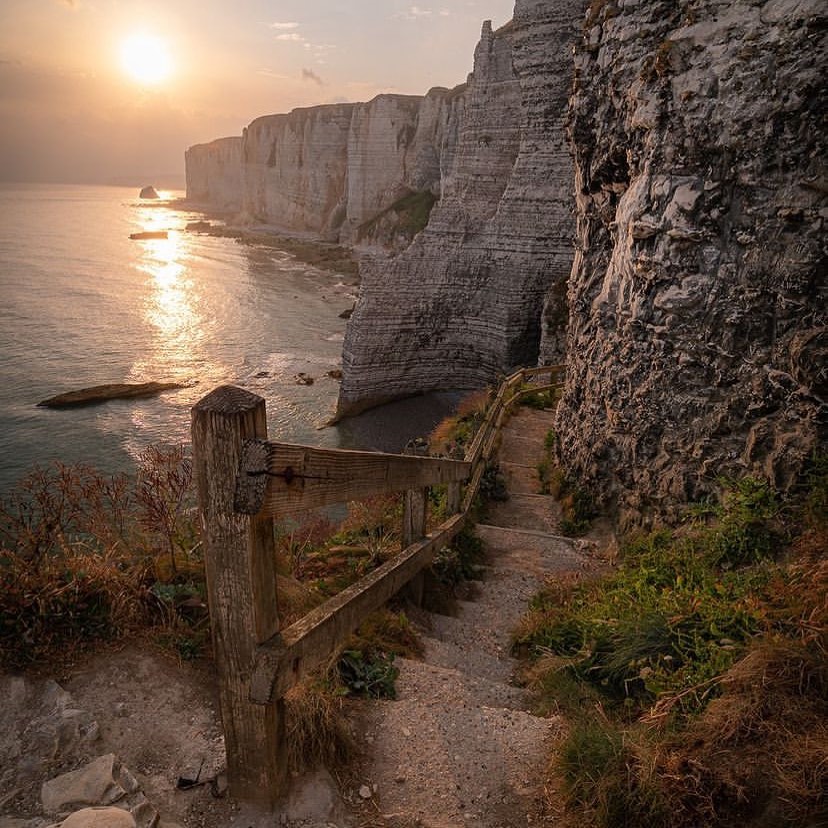
Evenings felt like the best balance. As people started leaving, the pace slowed again, and the light gave the cliffs a warmer tone. It didn’t feel empty, but it felt more relaxed, which made it easier to actually enjoy where I was.
In terms of seasons, spring felt like a good middle ground with comfortable weather and fewer crowds. Summer brings more activity and longer days, but also more people, especially in the middle of the day. If you can plan around quieter hours, that will have a bigger impact than the season itself.
Common Mistakes to Avoid in Étretat
One of the easiest mistakes is treating Étretat like a quick stop. I almost did the same, arriving, heading up to one viewpoint, and planning to leave shortly after. But the middle of the day is when it feels the busiest, and if that’s all you experience, it can feel more rushed than it actually is.
Another thing that’s easy to underestimate is the terrain. The paths aren’t extremely difficult, but they’re not completely flat either. I saw quite a few people struggling a bit because they weren’t wearing the right shoes. Having something comfortable makes the whole experience smoother, especially if you’re planning to explore both sides of the cliffs.
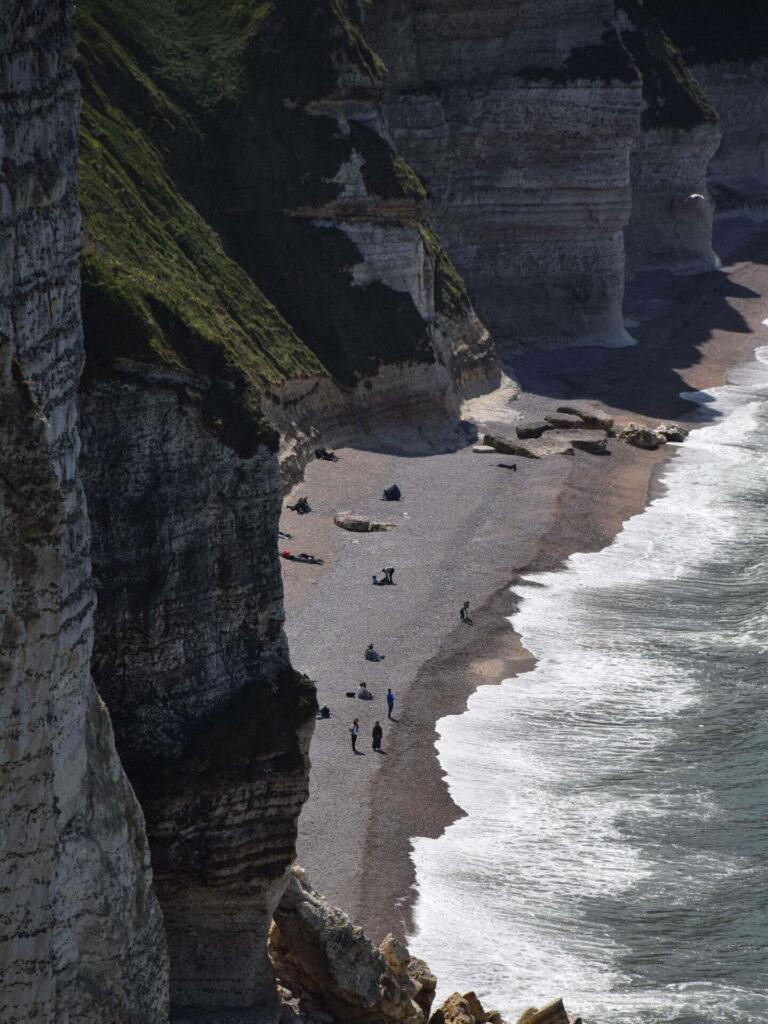
Tide timing is something I didn’t think much about before going, but it does affect how the beach looks and feels. At different times, the space available changes, which can slightly shift how you experience that part of Étretat.
It’s also worth making sure you don’t stay on just one side of the cliffs. It might seem like you’re seeing the same coastline, but each side feels different. Skipping one means missing part of what makes the place interesting.
Where to Stay in Étretat
If you have the option, staying overnight changes the experience quite a bit.
During the day, Étretat gets a steady flow of visitors, but in the early morning and evening, it feels noticeably calmer. That shift in pace is something you don’t really get if you’re only visiting for a few hours.
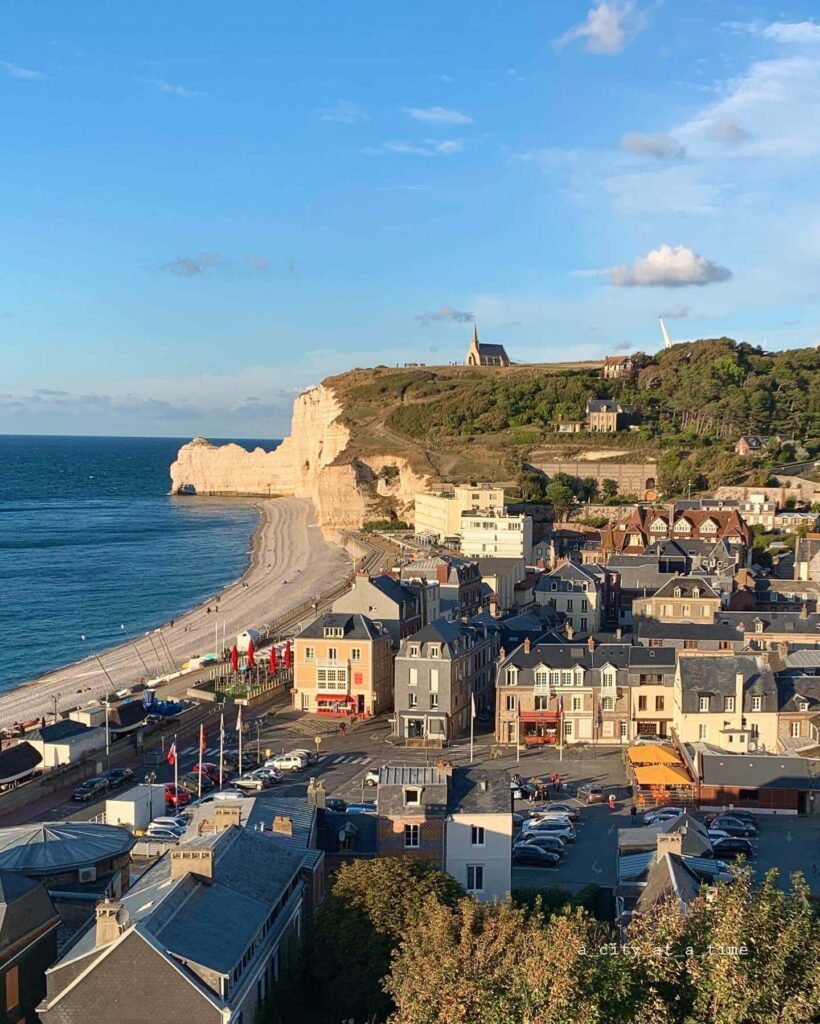
I noticed that once the day trippers started leaving, the town felt more relaxed, and the cliffs became much quieter. The same thing happens early in the morning before people arrive. Those two windows of time ended up being some of the most enjoyable parts of my visit.
Staying near the beach is the most convenient since everything is within walking distance, but even if you stay a little further out, the town is small enough that getting around isn’t an issue.
Practical Tips for Visiting Étretat
A few small things made a bigger difference than I expected during my visit.
Comfortable shoes are probably the most important. The walks aren’t long, but the paths can be uneven and slightly steep, especially if you’re doing both sides of the cliffs. I was glad I didn’t underestimate that.
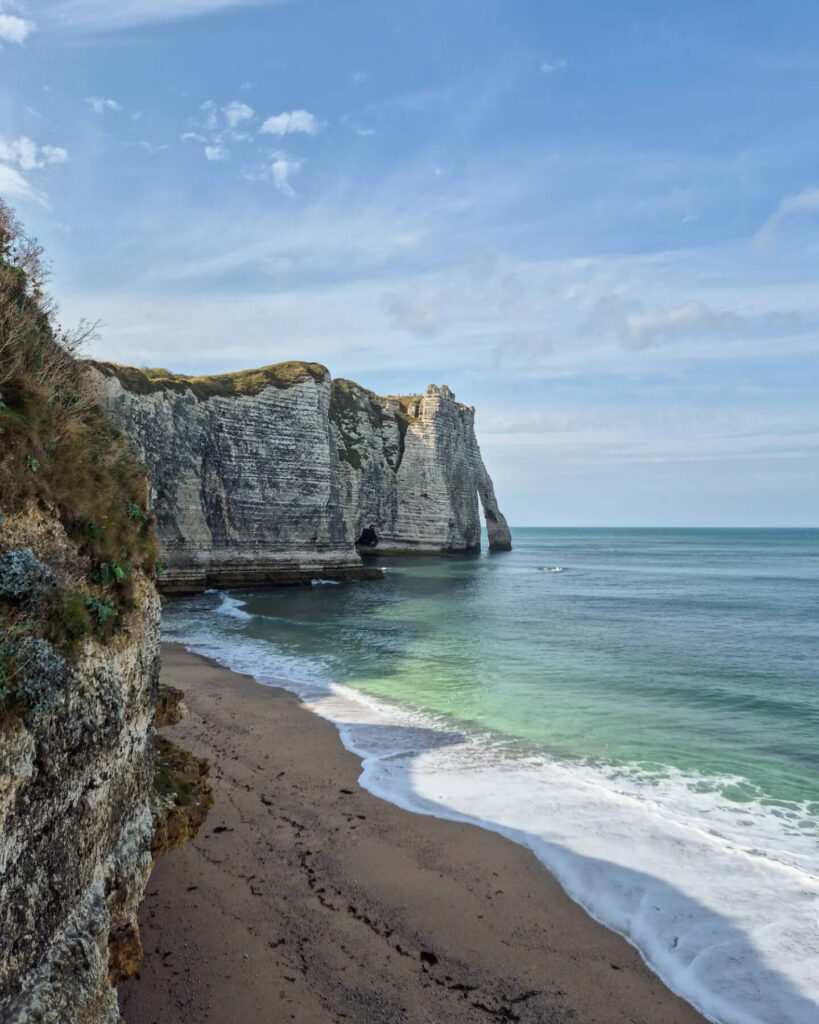
The weather can also change quickly, even if it looks clear when you arrive. I ended up needing a light jacket more than I thought I would, especially once I got higher up on the cliffs where it gets windier.
Timing your visit is another thing that really affects the experience. Arriving early or staying later into the evening made everything feel much more relaxed compared to the middle of the day.
It’s also worth giving yourself enough time. You can see Étretat in a few hours, but having at least half a day, or ideally a full day, makes it easier to explore both sides without feeling rushed.
If you’re driving, planning parking ahead helps. It can get busy closer to the center, especially later in the day, so arriving earlier or being open to walking a bit further makes things easier.
Conclusion
Looking back, what stayed with me most about Étretat wasn’t just the cliffs themselves, but how the experience changed over the course of the day.
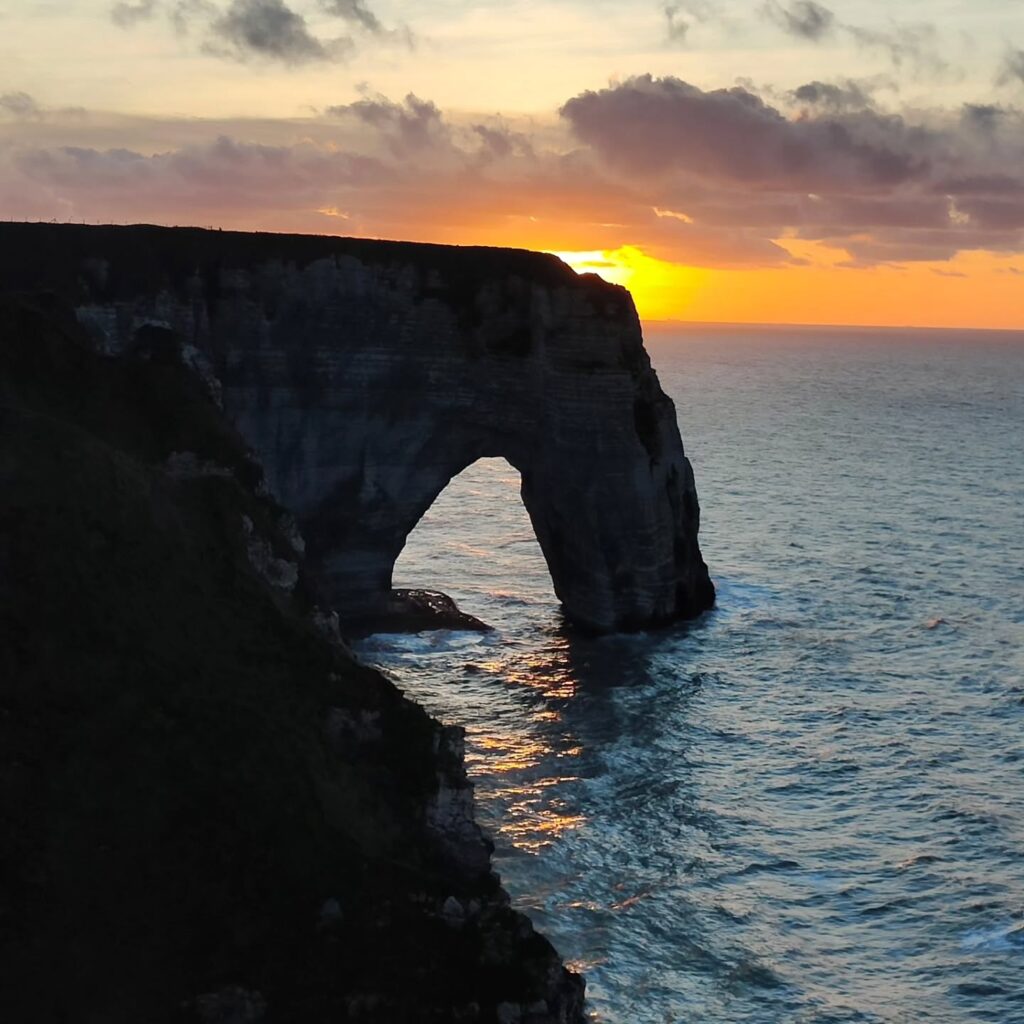
In the morning, it felt quiet and open, almost like I had more space to take it in. By midday, it became more active and energetic, with people moving through quickly. And then by evening, everything slowed down again, and the place felt calmer and more settled.
That shift is what made the visit feel complete. If you’re planning to go, giving yourself enough time to see those different sides of Étretat makes a bigger difference than trying to fit everything in quickly.