
The first time I walked toward the Louvre Museum, I thought it would feel like just another landmark to check off. You see the pyramid, go inside, spend a couple of hours, and move on. That’s what I expected.
But once I got closer, I realized I had completely underestimated it.
It’s not just a museum you walk into, it feels much bigger than that. Even before entering, the scale starts to sink in. And inside, it quickly becomes clear how easy it is to lose your sense of direction. Rooms lead into more rooms, staircases take you to different levels, and before you know it, you’re not entirely sure where you are.
What caught me off guard was how quickly it started to feel overwhelming.
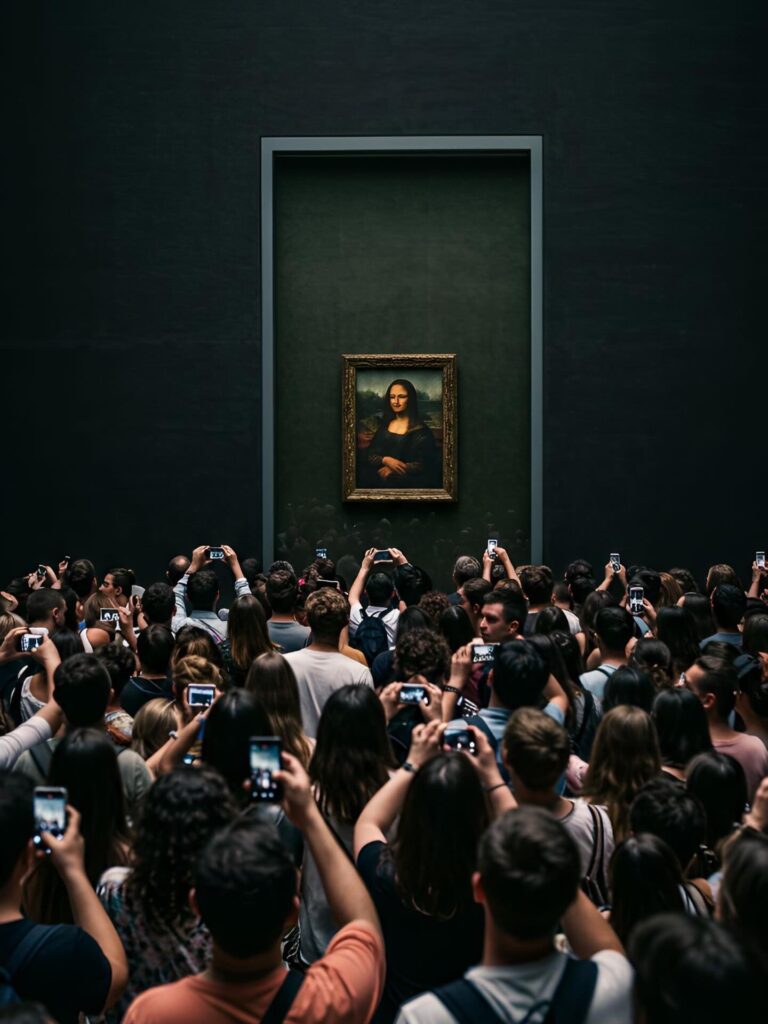
Some areas are calm, but others, especially near the Mona Lisa, get crowded fast. You move from walking at your own pace to being part of a slow moving crowd, and it changes the experience more than you’d expect.
That’s why planning your visit matters here more than almost anywhere else in Paris.
You don’t need a strict plan, but having a rough idea of what you want to see makes a big difference. Otherwise, it’s easy to spend hours inside and still feel like you missed the parts you cared about.
In this guide, I’ll walk you through what actually helped me, from timing and tickets to how to approach the layout, so your visit feels manageable and not rushed.
About the Louvre Museum
Quick Overview
The Louvre Museum is often described as one of the largest museums in the world, but that doesn’t fully prepare you for what it feels like in person. It wasn’t originally built as a museum at all. It started as a fortress and later became a royal palace, which explains why the layout feels more like a maze of rooms than a single, open gallery space.
Inside, there are more than 35,000 artworks on display, spread across different wings and levels. What makes it a bit tricky is that these collections aren’t all in one place or even similar in style. You’ll move between completely different time periods and cultures without much transition.
One minute you’re walking through rooms filled with ancient Egyptian artifacts, and the next you’re standing in front of large European paintings that cover entire walls. It’s this mix that makes the Louvre so interesting, but also why it can feel a little disorienting if you don’t have a rough idea of where you want to go.
Why the Louvre Is Worth Visiting
Most people come here with one thing in mind, seeing the Mona Lisa. And yes, it’s worth seeing at least once, but what stayed with me wasn’t just that moment.
It was how different the museum felt as I moved through it.
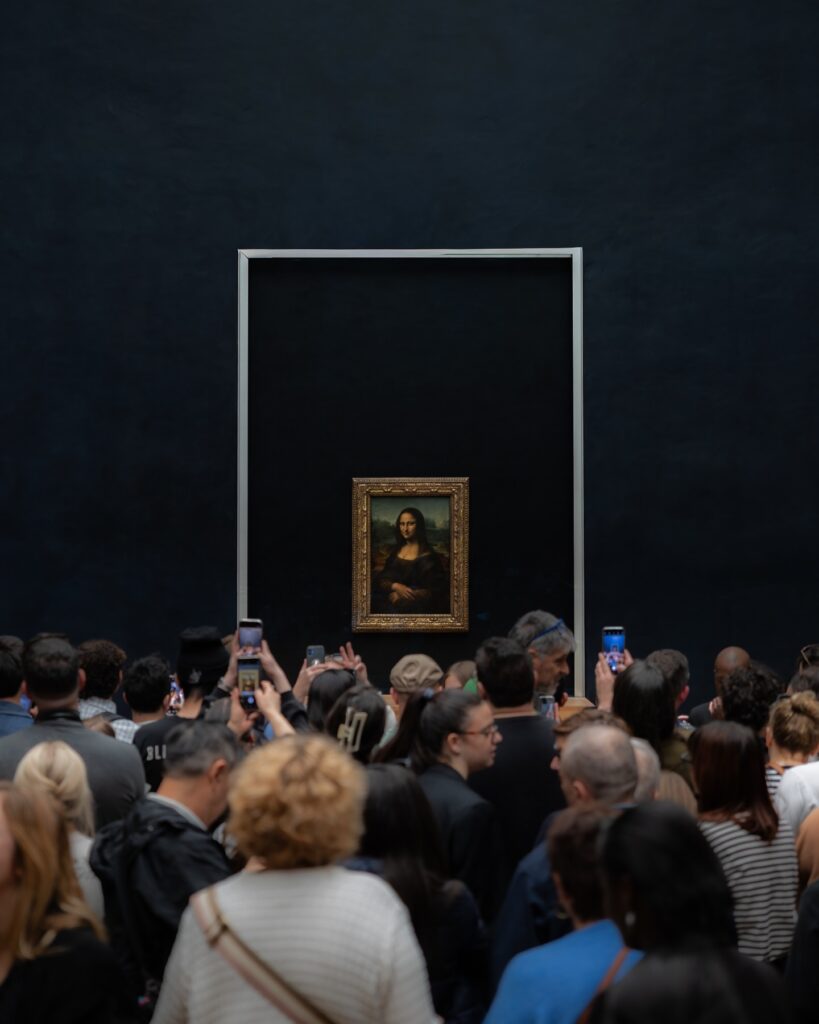
Some sections are quiet and almost empty, where you can take your time and actually look at things without feeling rushed. Others are much busier, where the energy shifts and you’re moving along with a crowd. That contrast is something I didn’t expect, and it made the experience feel more layered.
What I appreciated most was that you don’t need to be deeply into art to enjoy it. There’s something about being surrounded by objects and paintings that have been around for centuries that naturally draws you in. Even if you don’t recognize everything you’re looking at, you still feel the weight of history in a very real way.
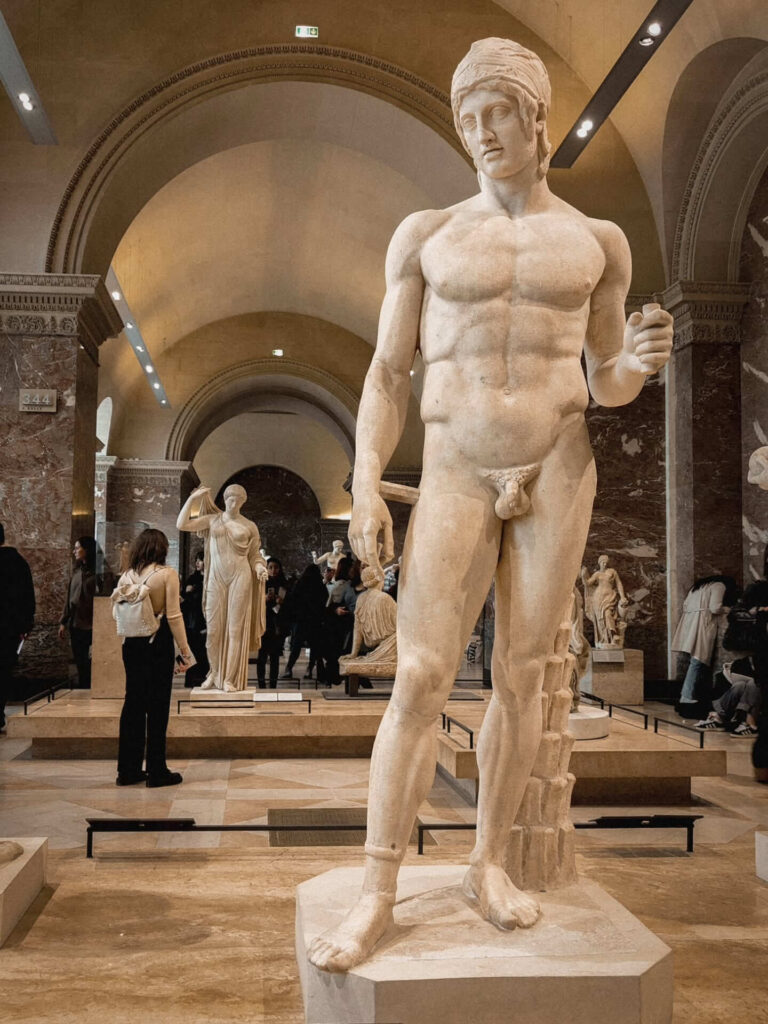
For me, the Louvre wasn’t about trying to see everything or understand every piece. It was more about noticing the moments that stood out, whether that was a quiet gallery, a sculpture you didn’t expect, or just the atmosphere of the space itself.
Planning Your Visit to the Louvre Museum
Best Time to Visit the Louvre
Timing matters here more than it does at most places in Paris. The difference between arriving at the right time and the wrong time can completely change how your visit feels.
When I went early in the morning, right around opening, everything felt calmer. The entrance process was smoother, the galleries were quieter, and I could move at my own pace without constantly adjusting to crowds. There’s also something about starting your visit before it gets busy that makes the whole experience feel more relaxed.
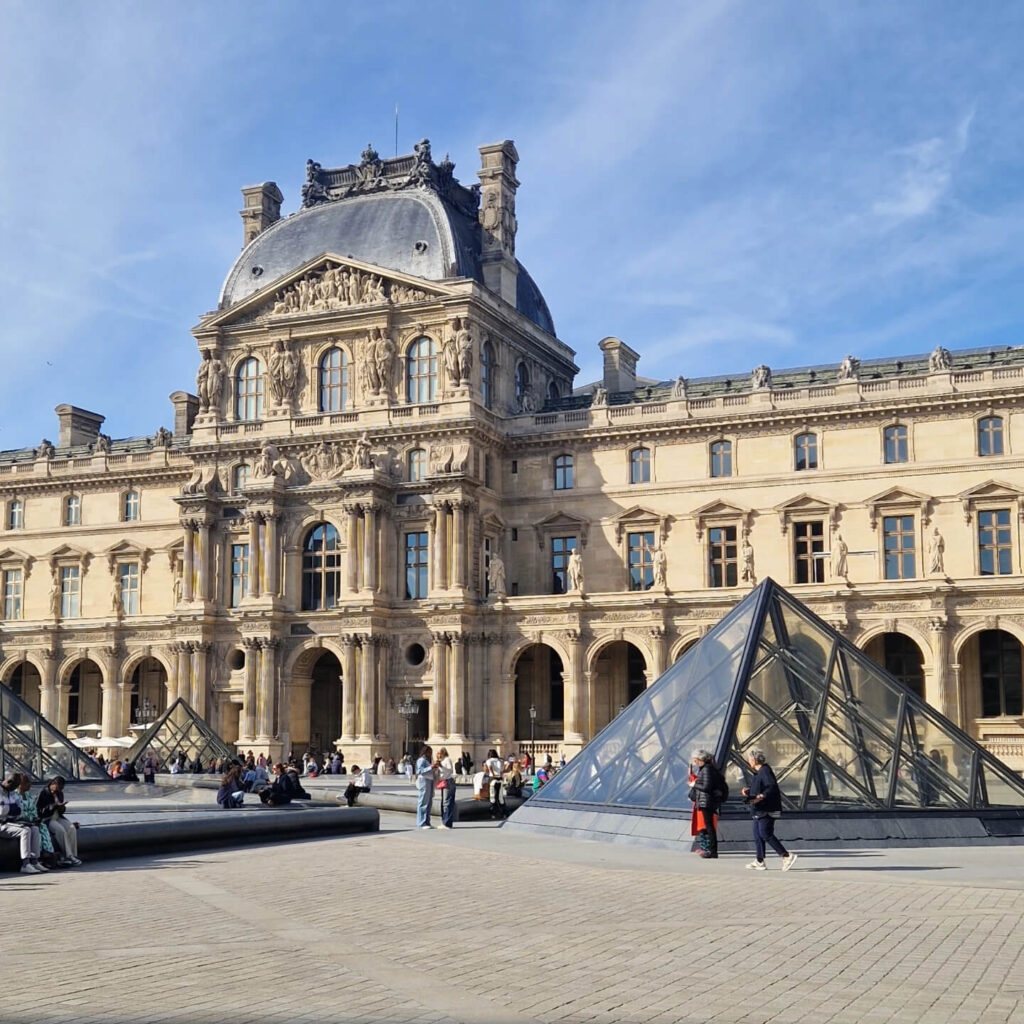
Midday, on the other hand, felt very different. That’s when most people arrive, including tour groups, and you start to notice it almost immediately. The popular sections get crowded, you spend more time navigating around people, and it becomes harder to pause and actually take things in.
Late evenings can be a good alternative if the museum is open longer that day. The crowd tends to thin out a bit, and the atmosphere feels more manageable again.
If I had to do it again, I’d still choose early morning. It just gives you a better start and makes everything else easier.
How Much Time You Need
One of the easiest mistakes to make at the Louvre Museum is trying to see too much in one visit.
On paper, it’s tempting to think you can cover a lot, but once you’re inside, you realize how quickly time passes. Even moving between sections takes longer than expected, and you naturally slow down more than you planned.
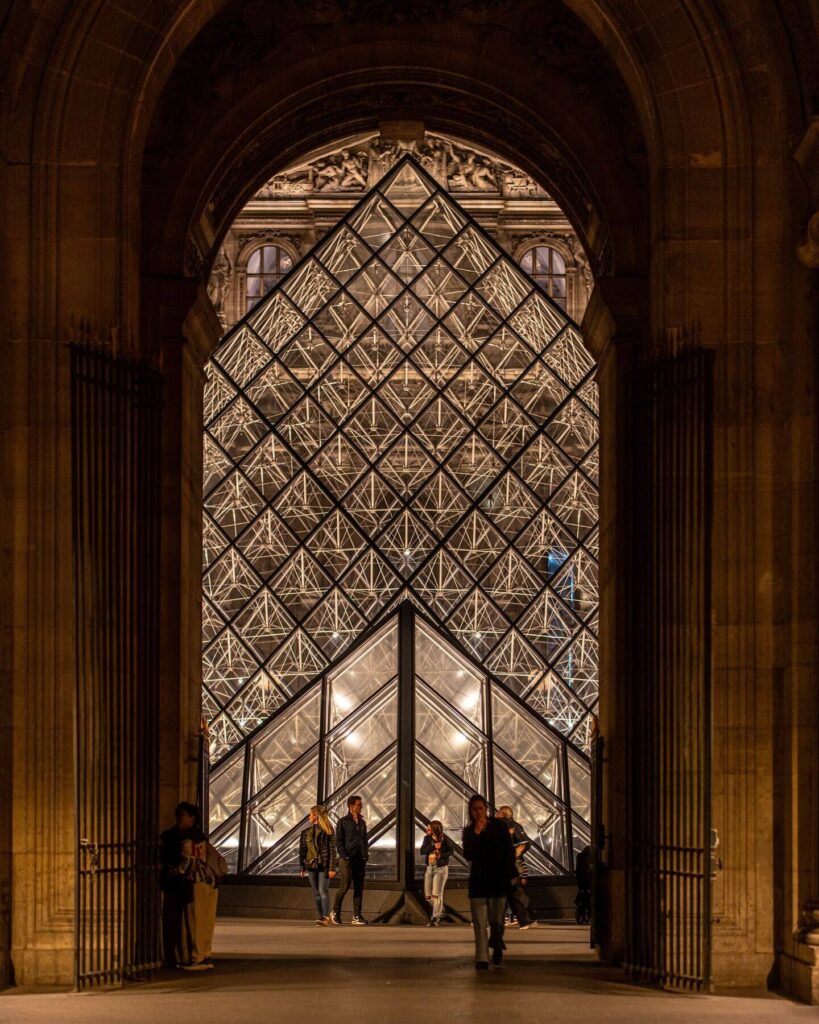
If you’re visiting for the first time, around two to three hours is usually enough to see the main highlights without feeling rushed. A half day visit gives you more breathing room, where you can explore a couple of sections properly and not feel like you’re constantly checking the time.
Spending a full day there only really makes sense if you enjoy museums and want to go deeper into the collections. Otherwise, it can start to feel a bit tiring.
What worked best for me was keeping the visit focused. Instead of trying to cover everything, I picked a few areas I was genuinely interested in. That made the experience feel more intentional and a lot more enjoyable.
Louvre Tickets Explained
Types of Tickets
When you look into tickets for the Louvre, it can seem a bit confusing at first, but it’s actually fairly straightforward once you break it down.
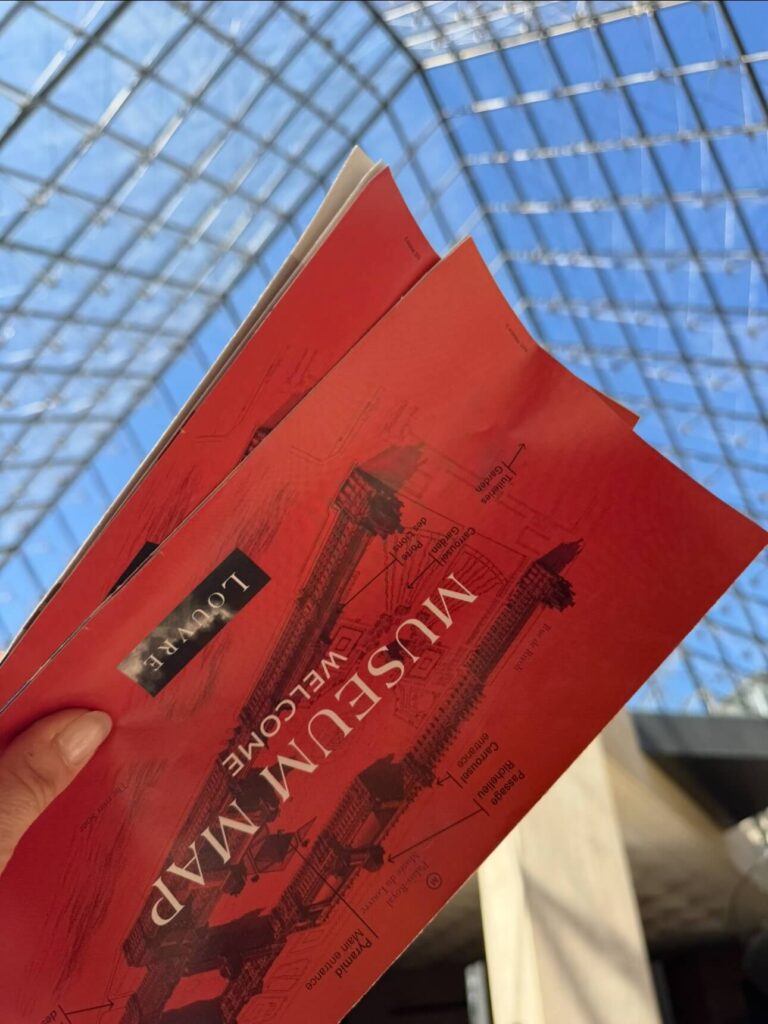
There’s the standard entry ticket, which gives you access to the museum at a specific time. Then there are timed entry tickets, which are essentially the same but tied to a reserved time slot, helping you avoid long queues. You’ll also come across guided tours, which can be helpful if you prefer having context while you explore.
Out of these, timed entry tickets are the most practical for most people. They don’t change what you can see inside, but they do make getting in much smoother.
Should You Book in Advance?
I’d strongly recommend booking your ticket ahead of time.
On one of my visits, I didn’t plan in advance and ended up spending far longer in line than I expected. It’s not just about saving time, it also affects your energy before you even get inside.
When you already have a reserved time slot, the whole process feels easier. You arrive, go through security, and start your visit without that initial frustration.
This becomes even more important during peak travel seasons or weekends, when the number of visitors increases noticeably.
How to Enter the Louvre
Main Entrances
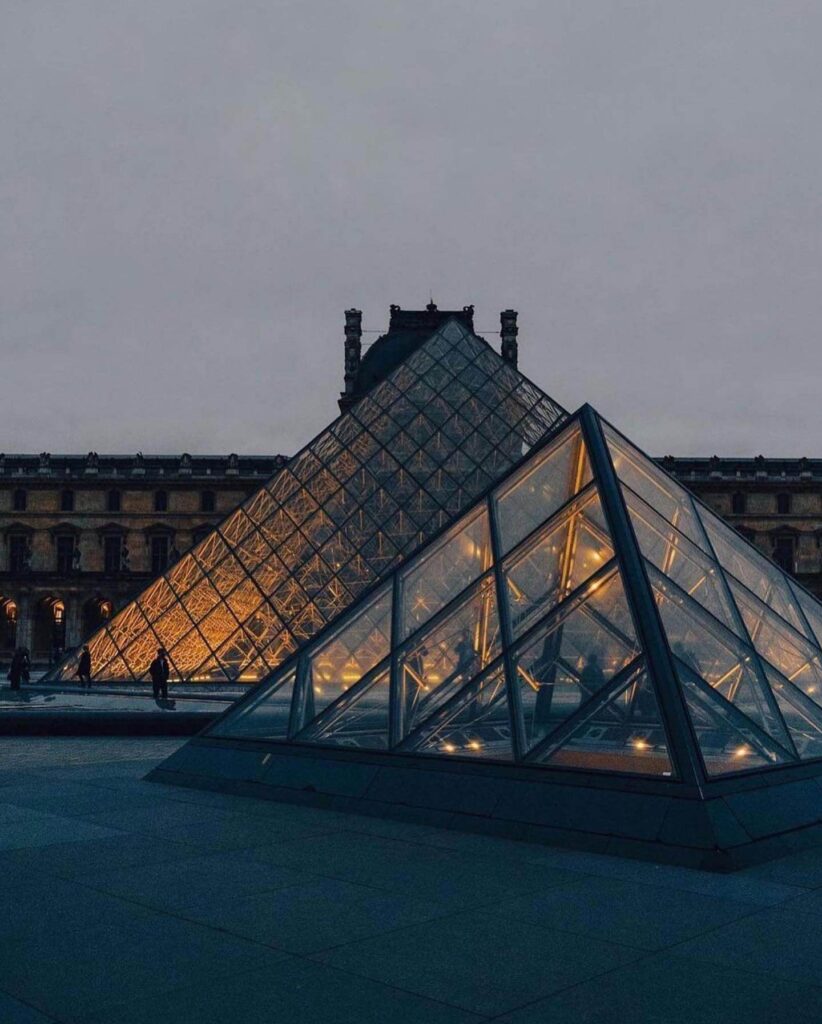
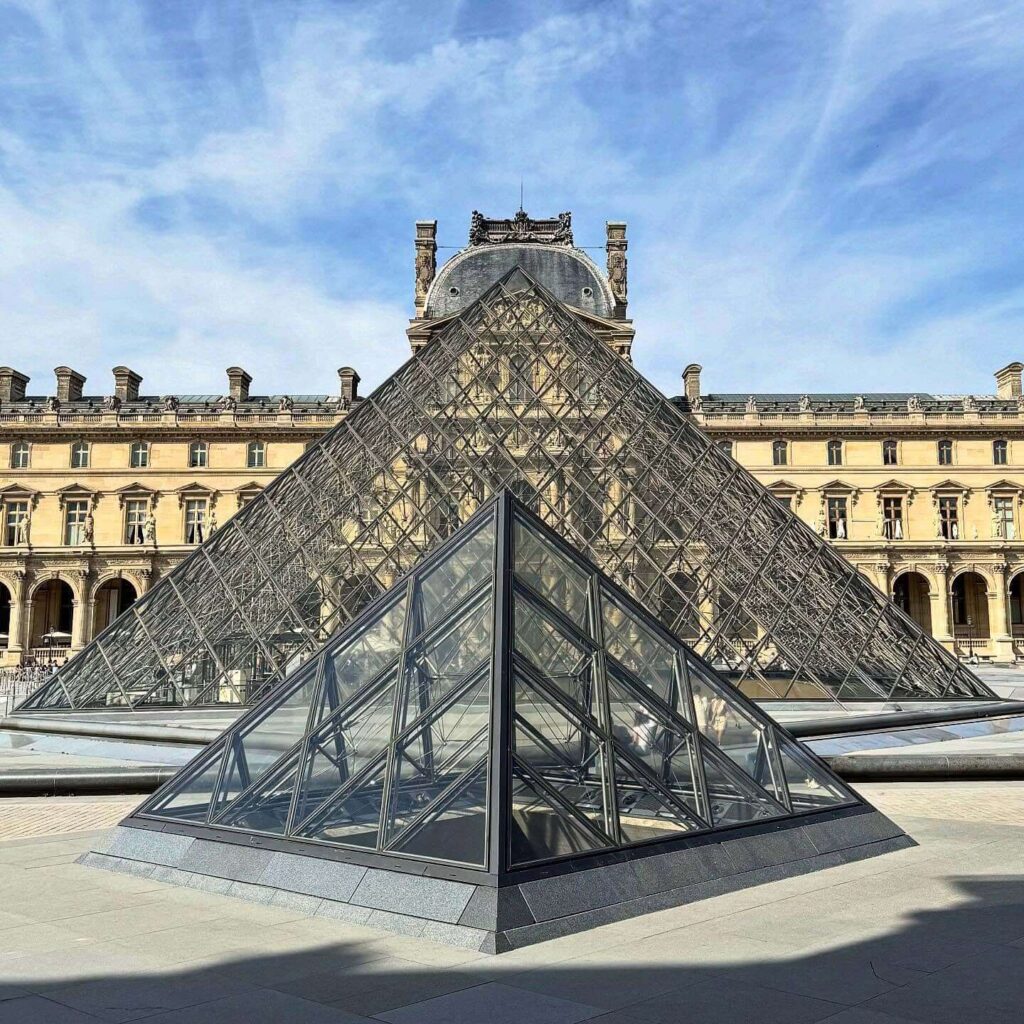
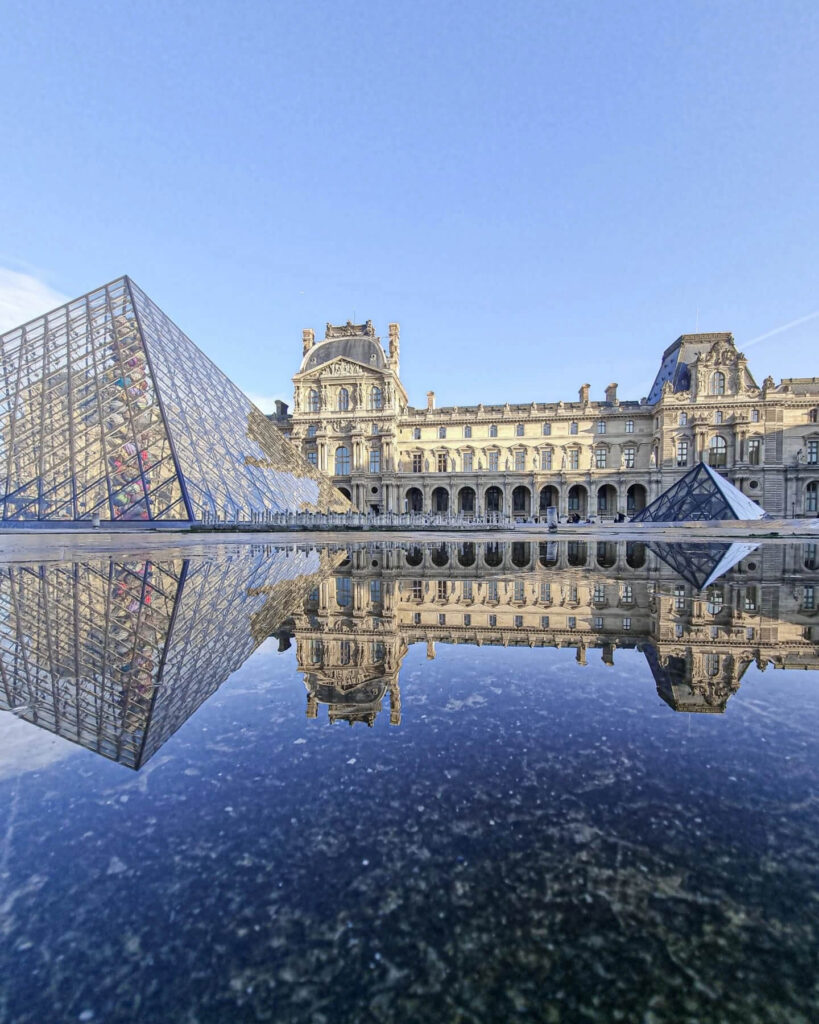
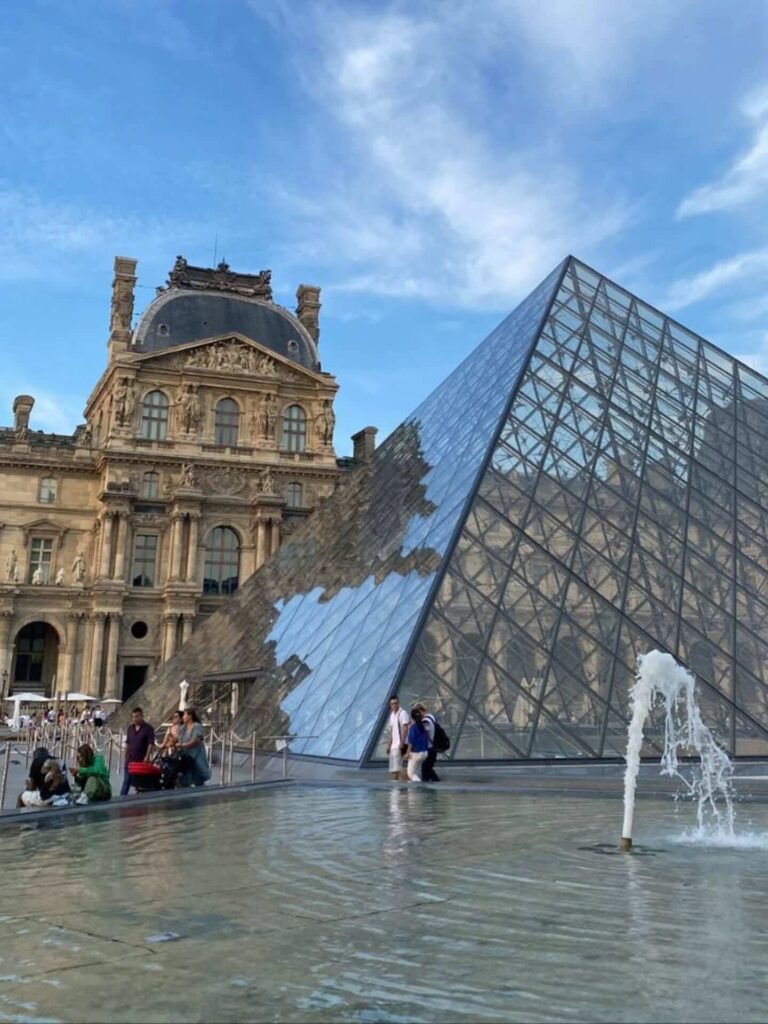
When you picture the Louvre Museum, the glass pyramid is probably the first thing that comes to mind. It’s the main entrance, and naturally, that’s where most people head. The downside is that it’s also where you’ll usually find the longest lines and the most waiting.
The first time I went, I followed the crowd straight to the pyramid without thinking twice. It felt like the obvious choice, but once I saw the queue, I realized there were better options.
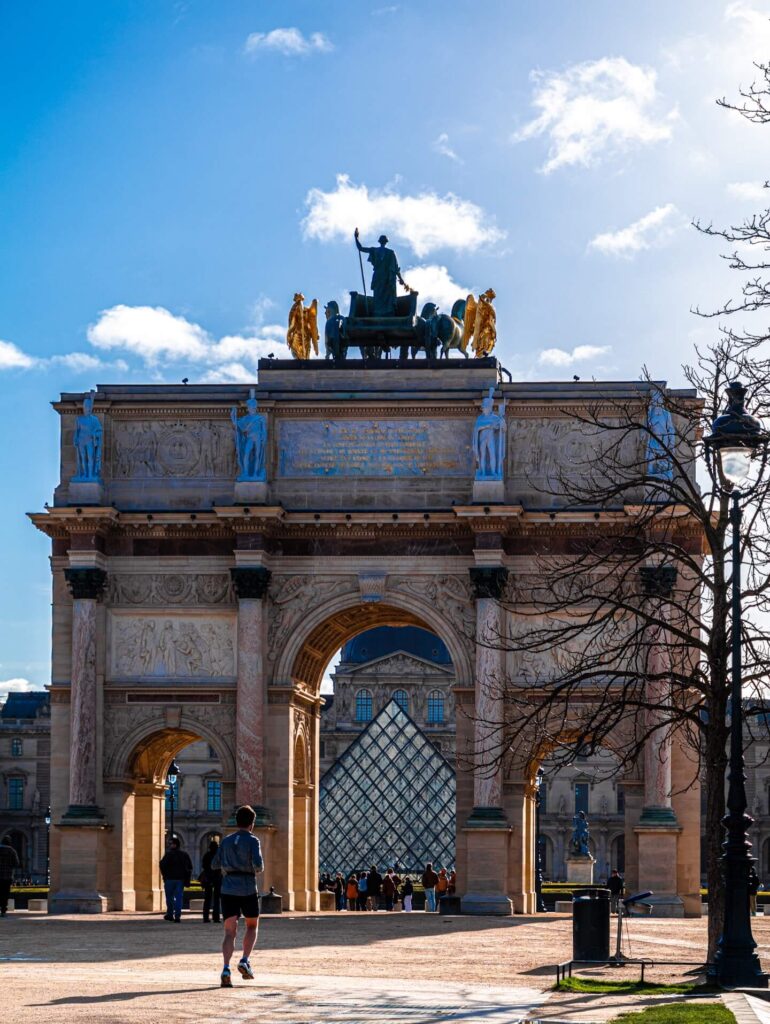
There’s another entrance called the Carrousel du Louvre, which is located underground through a shopping area. It’s not as visible if you don’t already know about it, which is exactly why it tends to be less crowded. The process of entering feels calmer, and you avoid that initial rush of people gathering around the pyramid.
There are a few smaller entrances as well, but they’re not always open, so they’re harder to rely on unless you’ve checked in advance.
Which Entrance I Recommend
If you want your visit to start on a smoother note, the Carrousel entrance is usually the better option.
What I noticed right away was how different the atmosphere felt. Instead of standing in a packed outdoor queue, you enter through a more organized indoor space. It’s quieter, less hectic, and you don’t feel like you’re already tired before even stepping inside the museum.
It might seem like a small detail, but how you enter really sets the tone for the rest of your visit. Starting in a calmer environment makes it much easier to ease into the experience instead of feeling rushed from the beginning.
Louvre Museum Layout
Understanding the 3 Wings
Once you’re inside, the Louvre is divided into three main wings: Denon, Sully, and Richelieu. Knowing this doesn’t immediately solve everything, but it helps you make sense of the space.
The Denon Wing is where most of the well known artworks are located, including the Mona Lisa. Because of that, it’s also the busiest part of the museum. If it’s your first visit, you’ll probably end up here at some point.
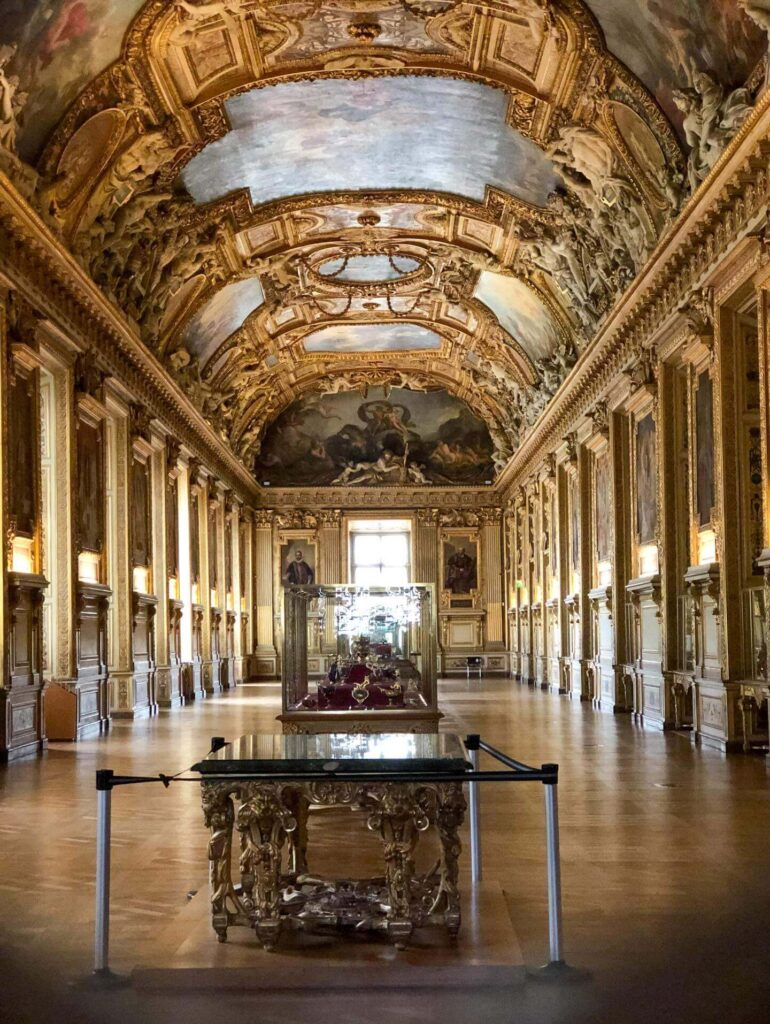
The Sully Wing feels a bit more varied. This is where you’ll find sections like Egyptian antiquities, and it has a slightly different atmosphere, a mix of open spaces and quieter rooms.
The Richelieu Wing, on the other hand, tends to be less crowded. It felt more relaxed when I walked through it, and I found myself slowing down a bit more there simply because it wasn’t as busy.
Even with this structure, it’s still easy to drift between sections without realizing it. That’s just the nature of the building.
How I Planned My Route
The biggest mistake I made on my first visit was going in without any kind of plan.
I thought I’d just walk around and see where things took me, but that approach didn’t work well here. I ended up covering a lot of ground without really focusing on anything, and by the end, it felt like I had seen less than I expected.
What worked much better the next time was keeping things simple.
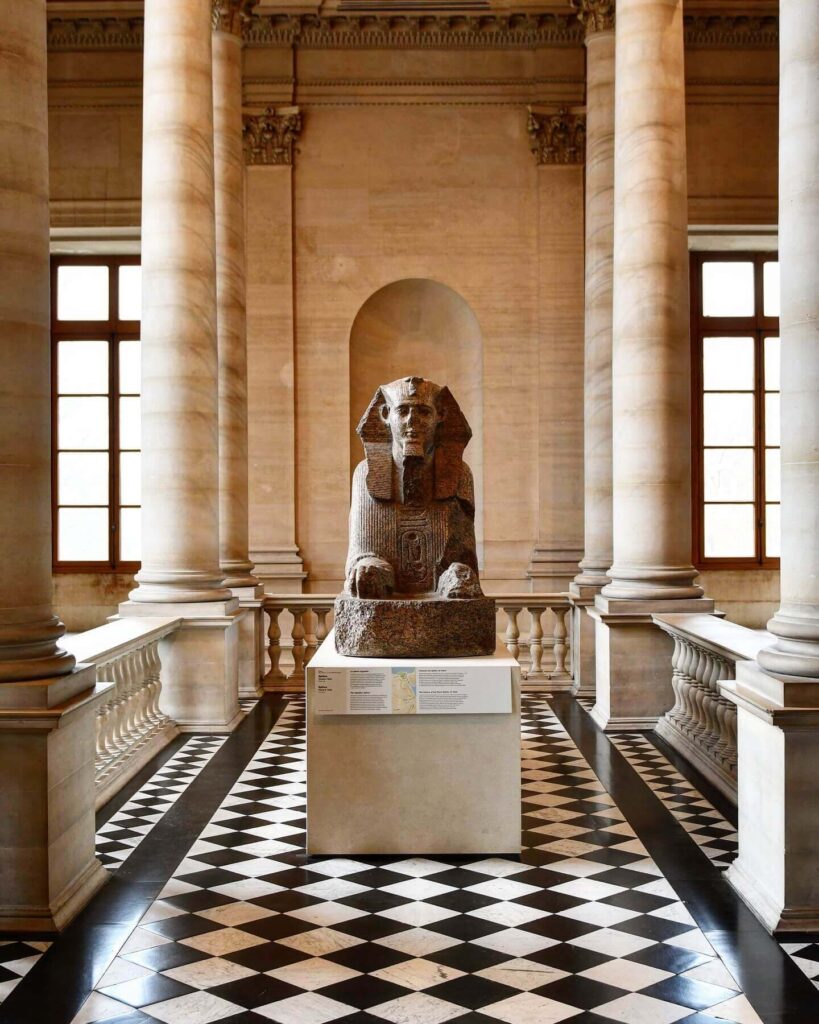
Instead of trying to cover all three wings, I chose one main section and gave myself time to explore it properly. If I had extra time, I added another nearby area, but I didn’t push beyond that.
That small shift made a big difference. I wasn’t constantly checking the map or worrying about what I might be missing. The visit felt more intentional, and I actually enjoyed what I was seeing instead of just moving through it.
At the Louvre, doing less usually leads to a better experience.
Top Things to See in the Louvre
Must See Highlights
If it’s your first time at the Louvre Museum, there are a few pieces you’ll probably want to see simply because they’re so well known.
The Mona Lisa is the one most people head straight for. Getting there can feel a bit like following a trail, you’ll notice signs, crowds, and a steady flow of people moving in the same direction.
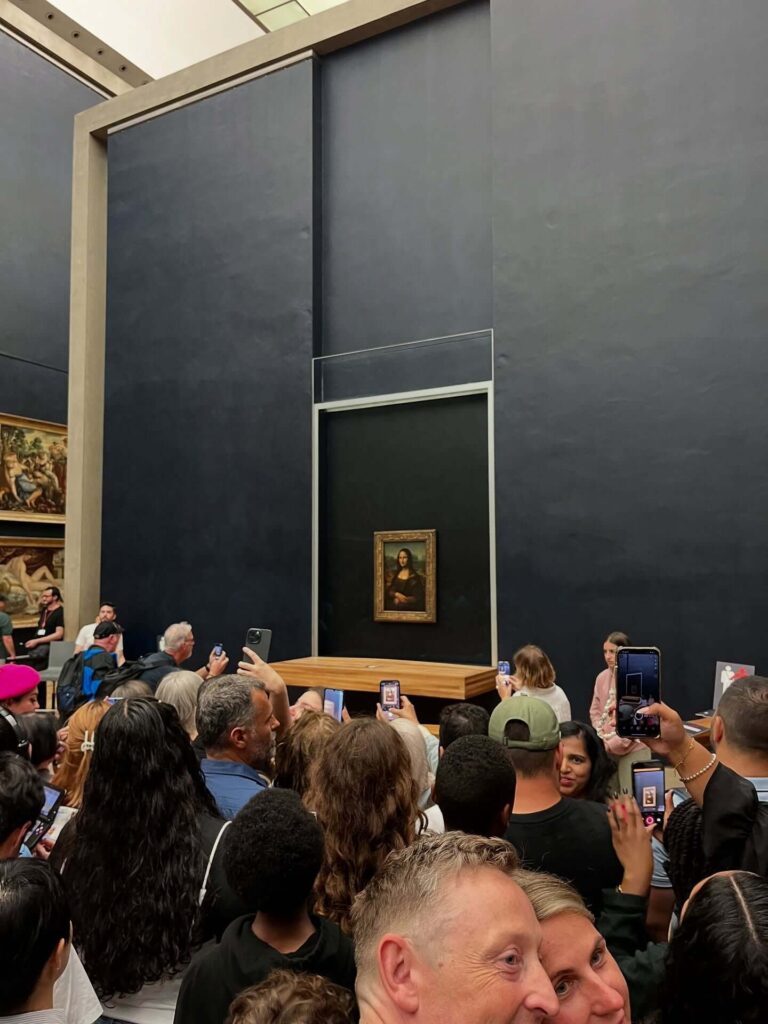
When you finally reach the room, it’s usually busy, and the painting itself is smaller than many expect. It’s still worth seeing, but it helps to go in knowing what the experience will feel like.
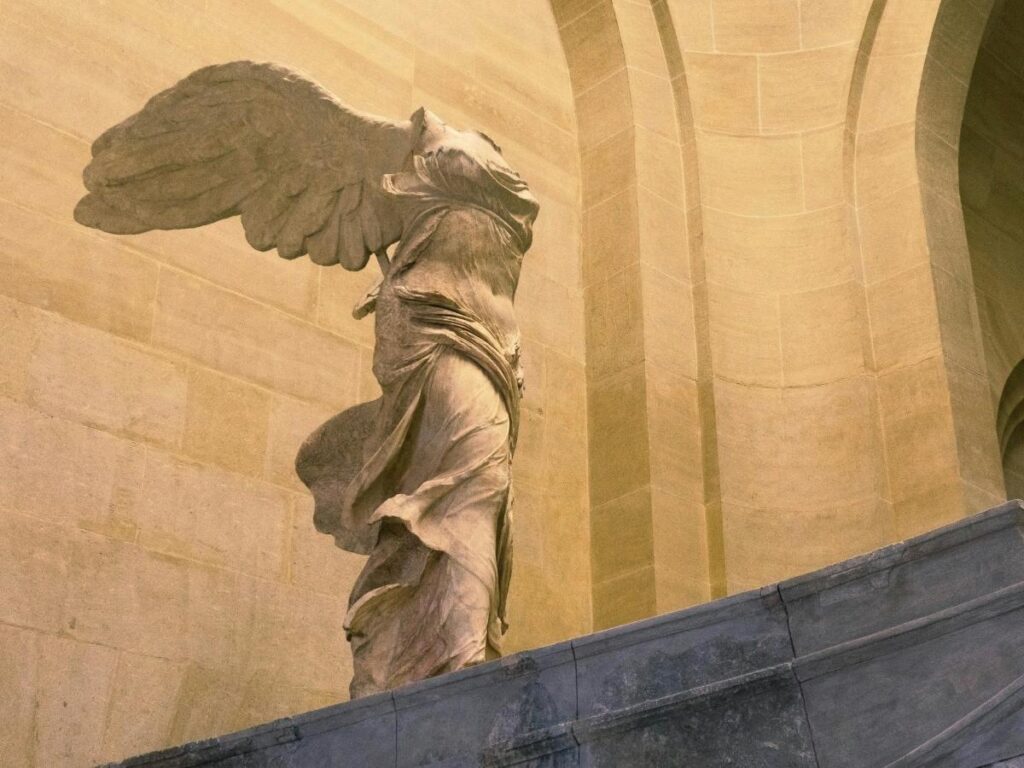
The Venus de Milo and the Winged Victory of Samothrace are different in that they’re displayed in more open spaces. You can walk around them, take your time, and see them from different angles. I found these moments a bit more enjoyable simply because there was more room to pause.
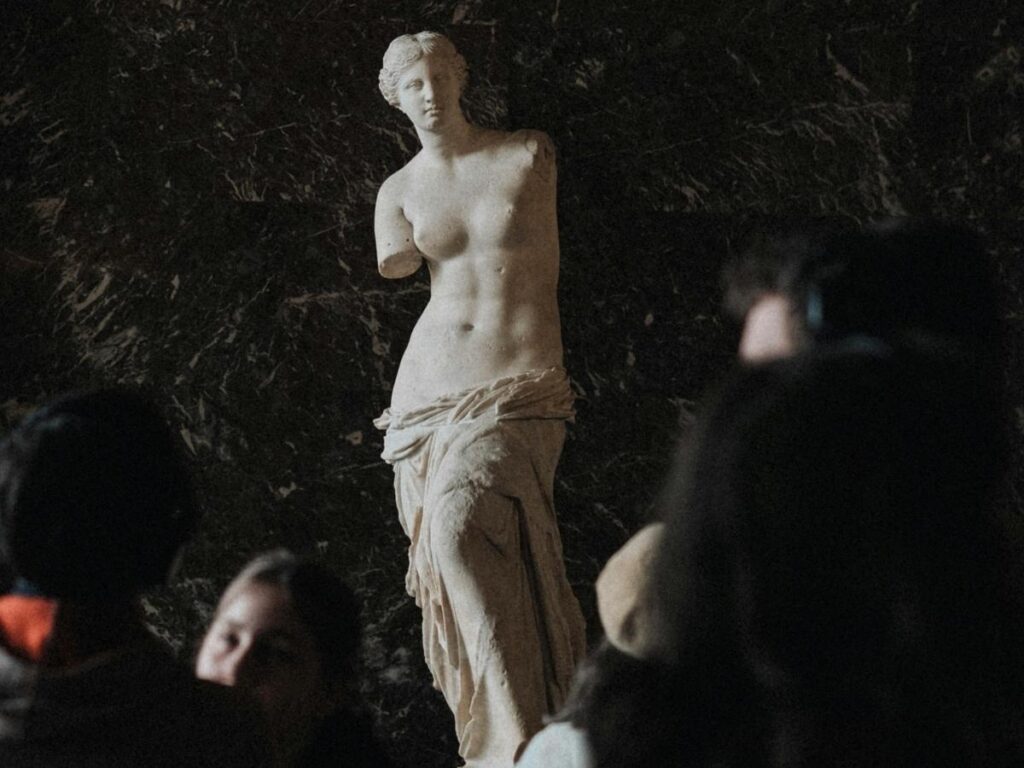
What all of these have in common is that they attract a lot of attention. So it’s not just about the artwork itself, but also about being prepared for the atmosphere around it.
What I Personally Found More Interesting
What stayed with me the most, though, weren’t necessarily the famous pieces.
It was the quieter sections of the museum where things felt more relaxed. There are entire galleries where you can walk slowly, stop when something catches your eye, and not feel like you need to move along quickly. In those spaces, the experience feels very different, almost like you have room to notice details you would otherwise miss.
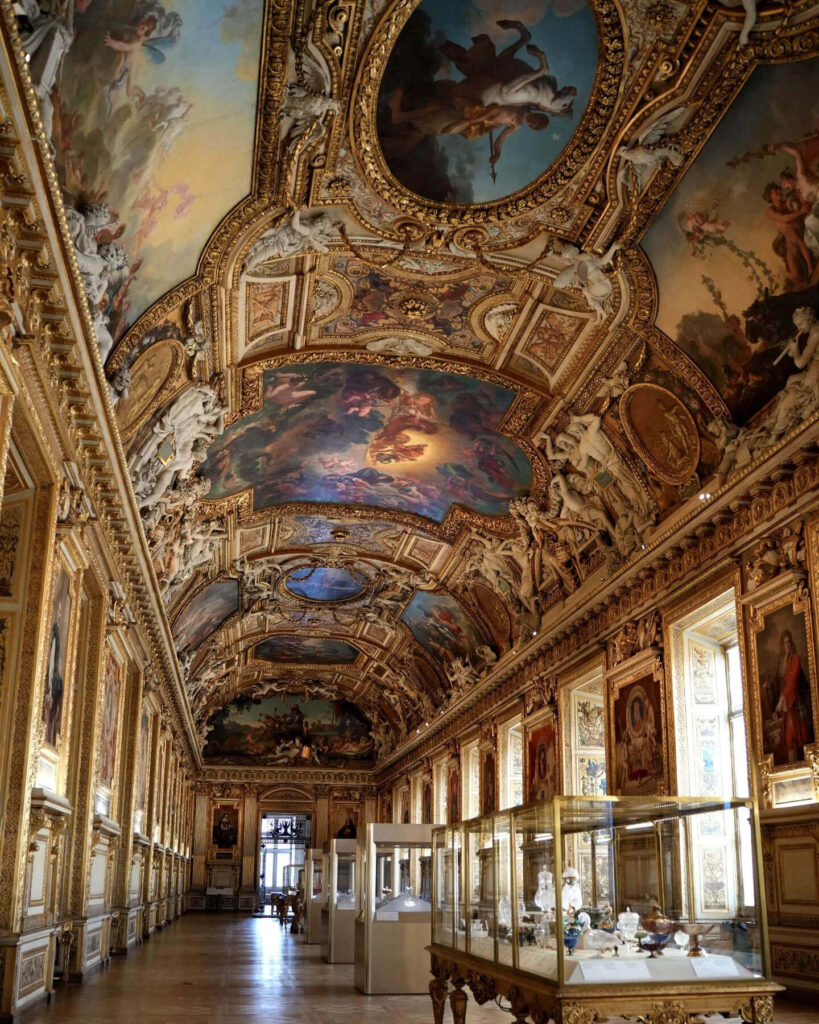
I remember wandering into a few rooms without really expecting much and ending up spending more time there than I did in the crowded areas. Not because they were more famous, but because they felt easier to take in.
That balance is what makes the Louvre interesting. You can see the iconic works, but you can also step away from the busiest sections and have a completely different experience within the same visit.
Suggested Louvre Itineraries
2 to 3 Hour Quick Route
If you only have a couple of hours at the Louvre Museum, the key is to accept that you’re not going to see everything, and that’s completely fine.
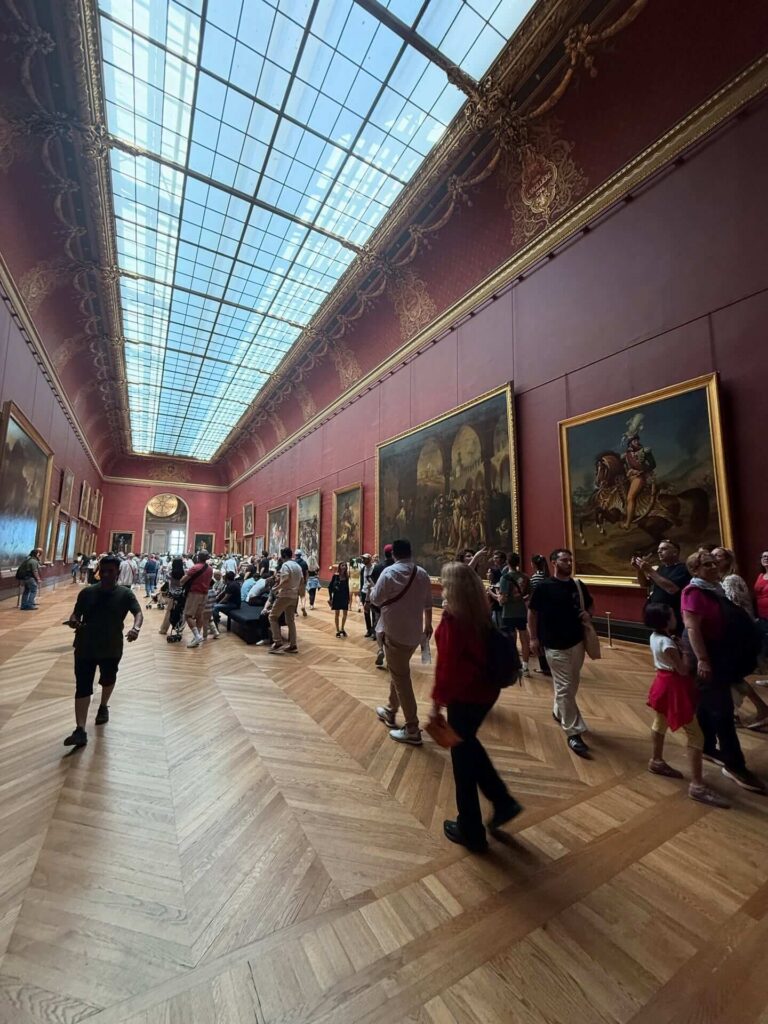
What helped me was going in with a clear starting point. I headed straight to the Denon Wing since that’s where many of the well known works are located. It saves you from wandering aimlessly at the beginning, which is usually when people lose the most time.
From there, I moved through the main highlights at a steady pace. I didn’t try to stop in every room or read every description. Instead, I focused on the pieces I actually wanted to see, like the Mona Lisa, and let everything else be secondary.
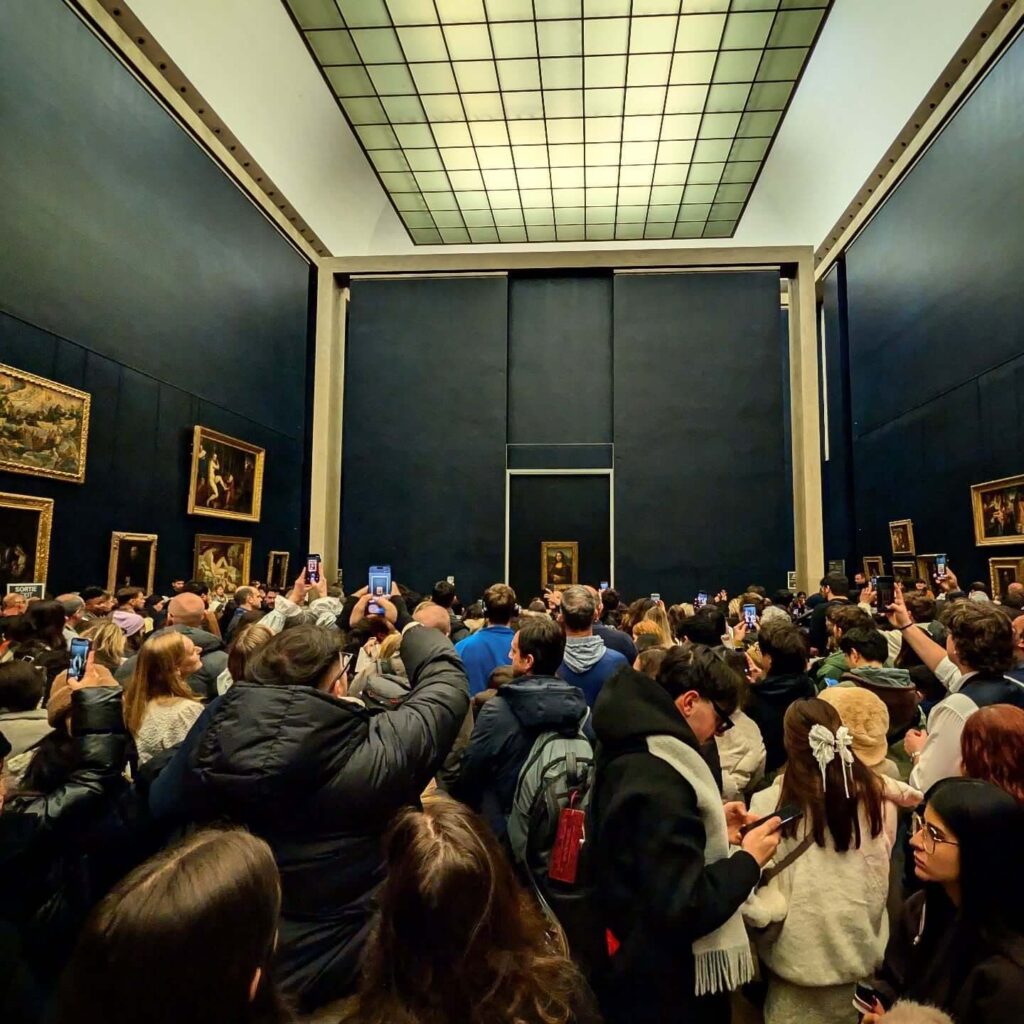
Even with a short visit, you’ll walk quite a bit. The museum is larger than it seems, and distances between sections can be longer than expected. But having that rough direction in mind makes it feel manageable. You’re not constantly checking the map or second guessing where to go next.
It ends up feeling more like a structured walk through the museum rather than a rushed attempt to cover everything.
Half Day Louvre Plan
With half a day, the experience changes quite a bit. You’re no longer trying to fit everything into a tight window, so you can slow down a little and be more flexible with how you move through the museum.
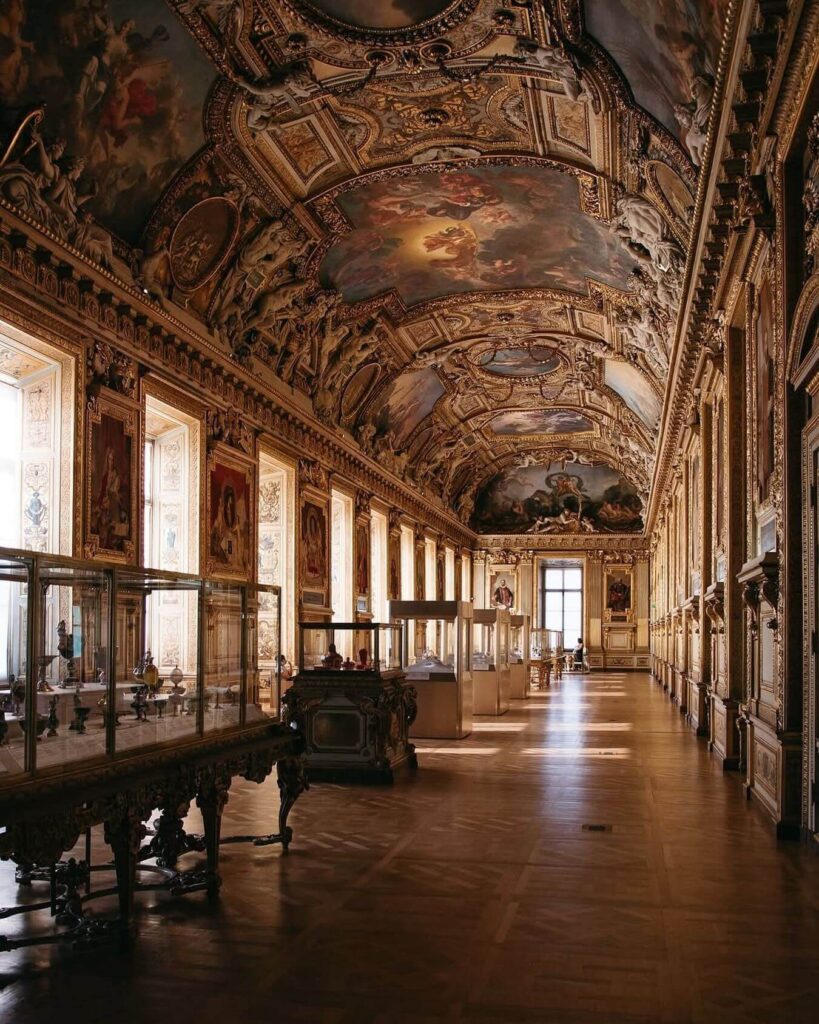
I found it helpful to still start with the popular areas early on. Getting those out of the way first means you’re not dealing with the biggest crowds later in your visit. Once that’s done, you can shift your focus to quieter sections, which is where the experience becomes more enjoyable.
This is usually when the Louvre starts to feel less overwhelming. You’re not just following the flow of people anymore. You can pause when something catches your attention, spend a bit more time in certain rooms, and skip others without feeling like you’re missing out.
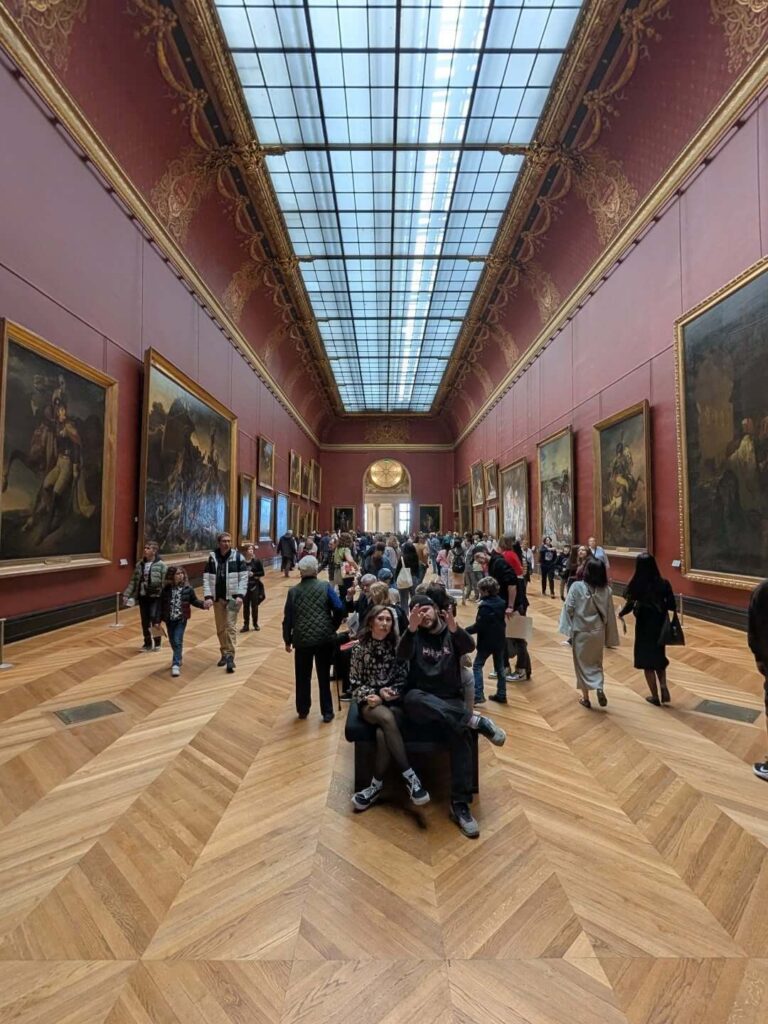
At some point, taking a break really helps. There are seating areas and cafés inside, and even sitting down for a few minutes makes a difference. It gives you a chance to reset before continuing, especially since the museum can feel a bit intense after a while.
A half day visit strikes a good balance. You get to see the highlights, but you also have time to experience the museum in a more relaxed way.
Full Day Visit
Spending a full day at the Louvre is something I’d only recommend if you genuinely enjoy museums and want to explore beyond the main sections.
On my longer visit, I noticed that after a few hours, my pace naturally slowed down. Not because I wanted to spend more time on each piece, but because there’s a limit to how much you can take in at once. After a while, everything starts to blend together, and it becomes harder to stay fully engaged.
If you do decide to spend the whole day there, it helps to break it up. Instead of treating it as one long visit, think of it in parts. Explore one section, take a proper break, and then continue later. Stepping outside for a bit or sitting down somewhere quiet can make the second half of your visit feel much more manageable.
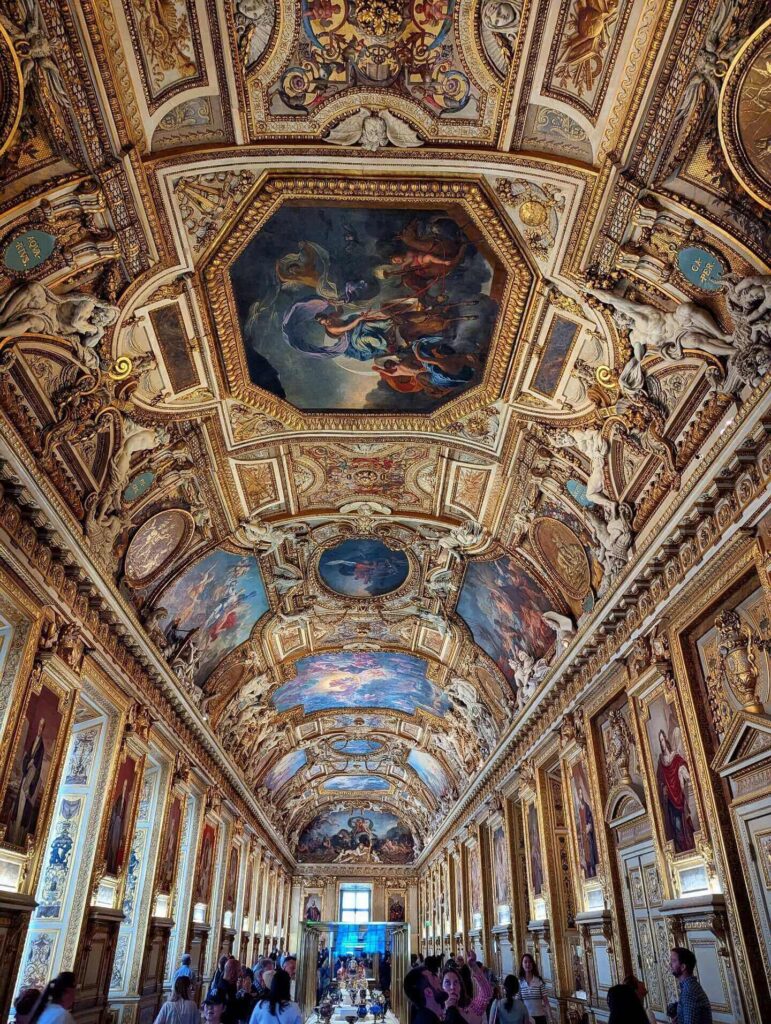
That said, I still found that shorter, more focused visits felt more rewarding overall. The Louvre is the kind of place where quality matters more than quantity. Seeing less, but actually taking it in, leaves a stronger impression than trying to cover everything in one go.
Practical Tips for Visiting the Louvre
What to Wear & Bring
One thing I didn’t fully appreciate before visiting is just how much walking is involved.
Comfortable shoes make a big difference here. You’ll be on your feet most of the time, and the distances between sections can add up quickly. Wearing something practical rather than stylish ends up being the better choice.
It’s also worth keeping what you carry light. Larger bags can be restricted or need to be stored, which slows things down. A small bag with just the essentials works best. Having a bottle of water is helpful too, especially if you’re planning to stay for a few hours.
Facilities Inside
The museum is well set up in terms of basic facilities.
There are restrooms throughout, though you might need to look at the map to find the nearest one. You’ll also come across cafés and seating areas, which are useful if you need a break. Even a short pause can make the rest of your visit feel more manageable.
Lockers are available for smaller items, which can be helpful if you don’t want to carry everything with you the whole time.
Photography Rules
You can take photos in most areas of the museum, which is nice if you want to capture a few moments from your visit.
The only real restriction is that flash isn’t allowed, mainly to protect the artworks. In busier sections, especially around the more popular pieces, it can be a bit crowded to take photos comfortably, so it’s worth being patient or moving slightly to the side where possible.
Common Mistakes to Avoid at the Louvre
There are a few small decisions that can quietly shape how your visit to the Louvre Museum feels, and I only really noticed them after doing it the wrong way the first time.
The biggest one is trying to see everything. It sounds like the right approach, especially if it’s your first visit, but it rarely works out well. The museum is simply too large, and moving quickly from one section to another ends up feeling more tiring than rewarding. I remember leaving feeling like I had walked a lot but hadn’t really taken much in.
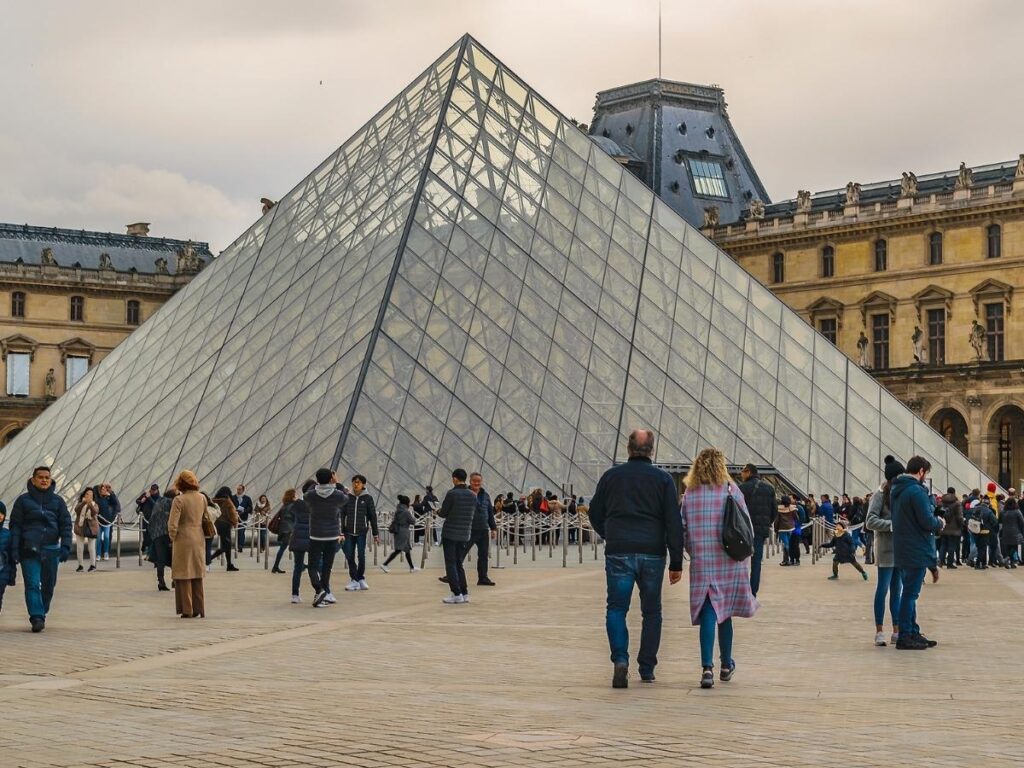
Arriving in the middle of the day is another easy mistake. That’s when the museum is at its busiest, and you feel it almost immediately. The entrances are more crowded, the popular rooms are packed, and you spend more time adjusting to the flow of people than actually enjoying what you’re seeing.
Not having even a rough plan can also make things harder than they need to be. You don’t need a strict route, but without some direction, it’s easy to drift through the museum without really focusing on anything. I found that just choosing one or two areas beforehand made a big difference.
Using only the main pyramid entrance is something most people naturally do, but it often means starting your visit in the busiest possible way. And once you’re inside, spending all your time in the most crowded sections can make the experience feel more hectic than it needs to be.
Once I became more aware of these things, the visit felt completely different. It was calmer, more focused, and a lot more enjoyable overall.
Is the Louvre Worth It?
I think whether the Louvre feels worth it really comes down to what you expect from it.
If you enjoy history, art, or simply being in places that carry a lot of cultural significance, then it’s definitely worth experiencing. There’s something about walking through these galleries and knowing how much history they hold that stays with you.
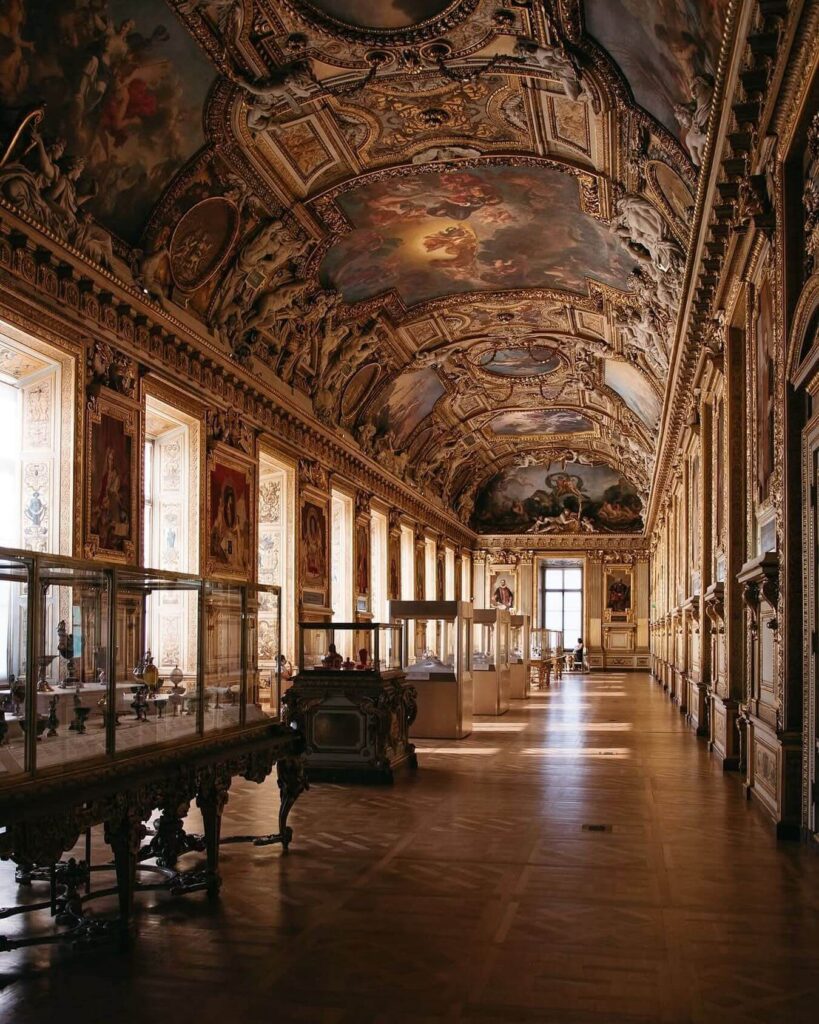
At the same time, it’s not the kind of place that works well without a bit of patience. If you prefer fast paced sightseeing or quick stops, the Louvre can feel a bit heavy, especially if you arrive without a plan and get caught in the busiest areas.
For me, the difference was in how I approached it. On my first visit, it felt overwhelming. On my second, when I slowed down and focused on just a few sections, it became one of the more memorable experiences in Paris.
Nearby Places to Visit After the Louvre
One of the nice things about the Louvre is how easy it is to continue your day without needing to go far.
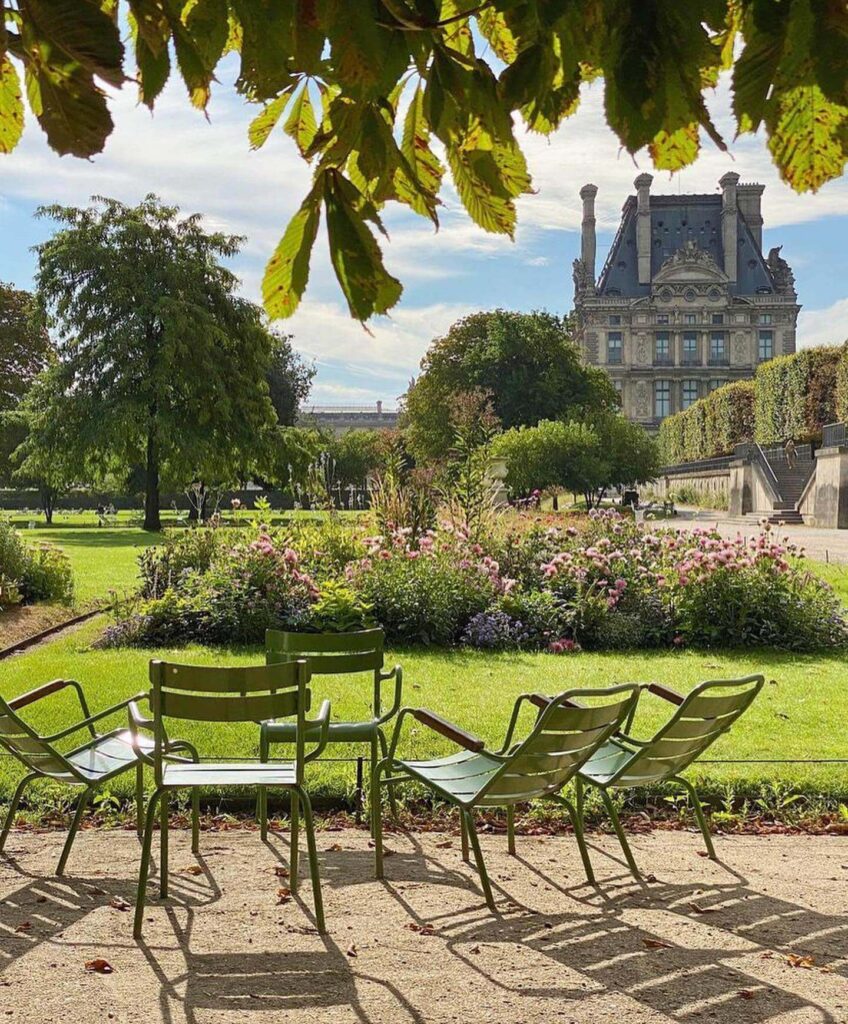
Right outside, the Tuileries Garden is a great place to slow down after being indoors for a while. I found it to be the perfect contrast to the museum, open space, fresh air, and somewhere you can just sit for a bit without thinking about where to go next.
From there, you’re also close to the Seine River. Walking along the river feels much more relaxed, especially after spending a few hours inside. It’s one of those simple experiences that balances out the intensity of the museum.
If you still feel like exploring, the Musée d’Orsay is not too far away. It has a very different atmosphere, smaller, more focused, and often easier to take in.
Final Tips for a Smooth Visit
Looking back, what made the biggest difference wasn’t doing anything complicated, it was just making a few simple choices ahead of time.
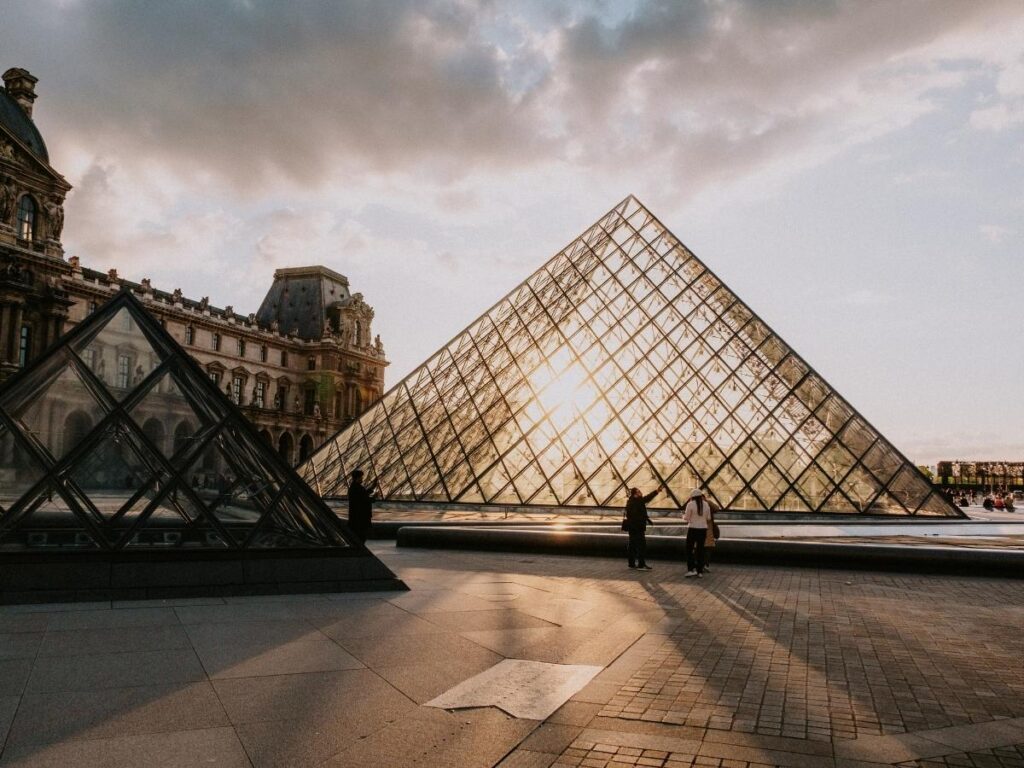
Booking your ticket in advance removes a lot of unnecessary waiting. Choosing to visit early in the day or later in the evening helps you avoid the busiest hours. And most importantly, focusing on a few sections instead of trying to see everything makes the entire experience feel more manageable.
The Louvre isn’t a place where more always means better. A little bit of planning goes a long way in helping you actually enjoy it.
Conclusion
Visiting the Louvre can feel overwhelming at first, and that’s completely normal. It’s a huge space with so much to see, and it’s easy to feel like you need to cover as much as possible.
But once I stopped approaching it that way, everything changed.
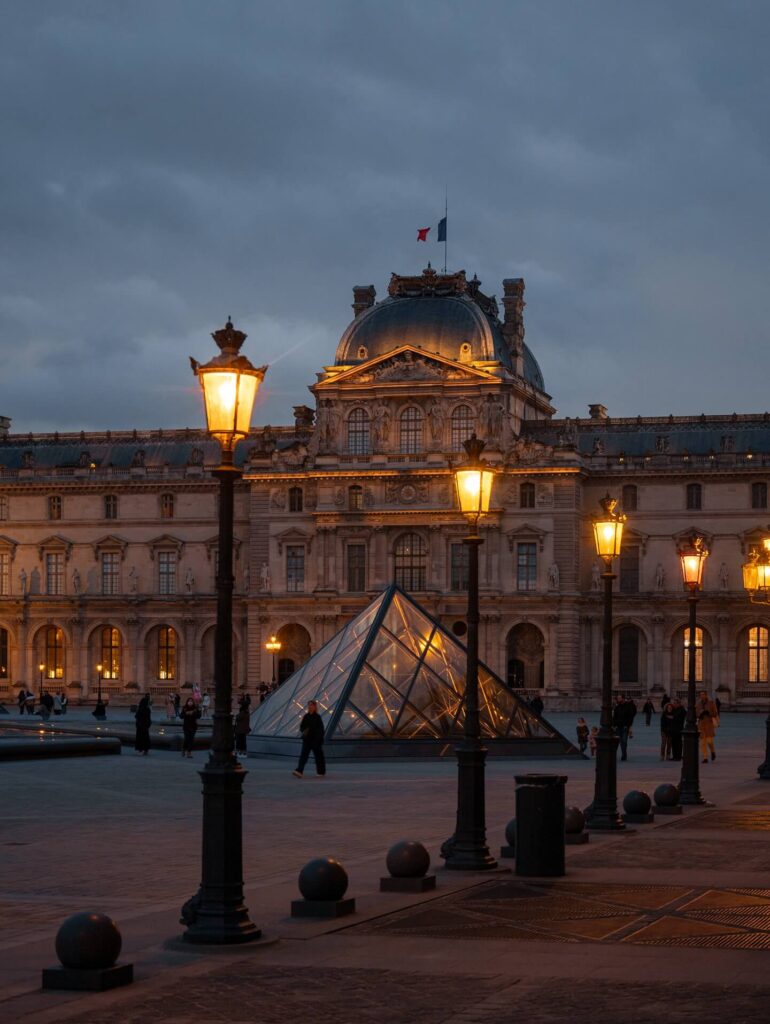
Instead of trying to see everything, I focused on just a few areas and gave myself time to experience them properly. The visit felt calmer, less rushed, and far more memorable.
If you go in with that mindset, a bit of direction, realistic expectations, and the willingness to slow down, the Louvre becomes much easier to enjoy. And in the end, you’ll take away more from it than just having visited another famous place.