
The first time I walked through the gates of Carcassonne, I remember slowing down without even meaning to. Up until then, it had just been another stop on my itinerary, but something shifted the moment I stepped inside. The noise softened, the walls felt taller than I expected, and the narrow streets seemed to draw me in without effort.
What stayed with me wasn’t just how it looked, but how it felt to be there. The uneven stone underfoot, the way towers appear around corners, the quiet in the smaller alleys. I found myself pausing more often, not for a specific landmark, but because the whole place has a way of making you slow down.
I also noticed how much the experience changes depending on timing. When I arrived, it was already getting busy, and some of that atmosphere felt harder to connect with. Later in the evening, it was completely different. The streets were quieter, the light softer, and it became much easier to take everything in.
Carcassonne is often treated as a quick stop, and while you can see the highlights in a few hours, it doesn’t feel the same when you rush through it. I found that slowing down, stepping away from the main paths, and giving myself time to just walk made a much bigger difference than trying to see everything.
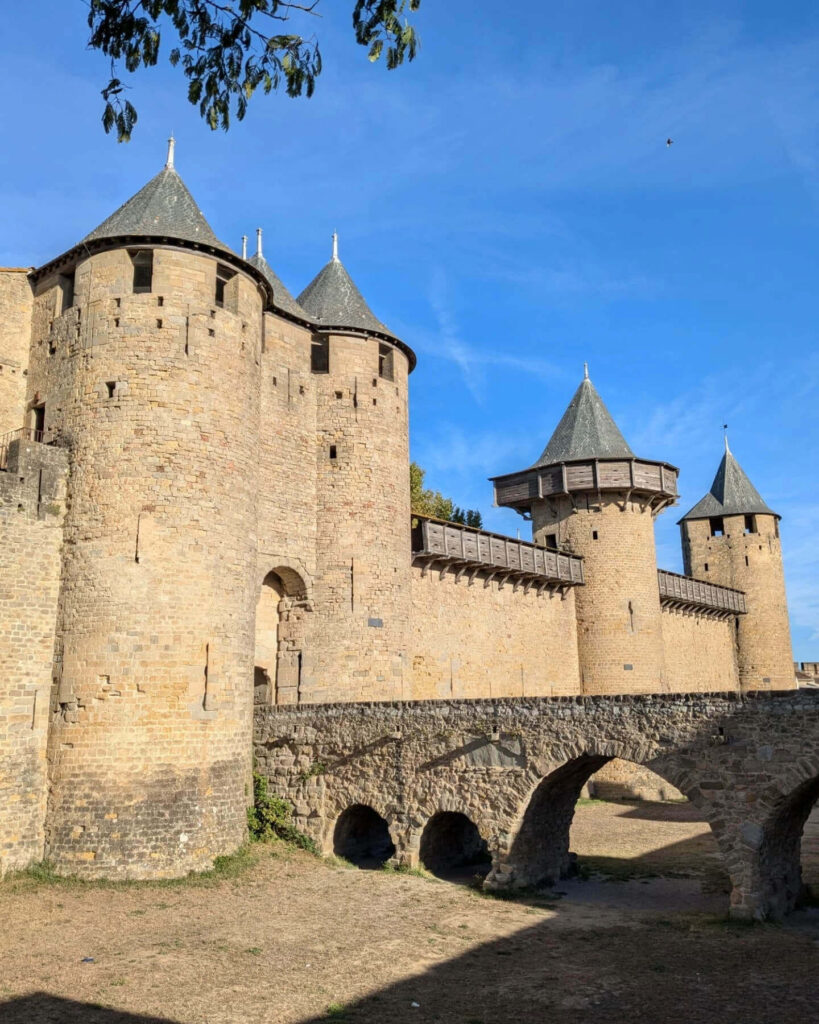
That’s what this guide is really about. Not just what to do, but how to experience Carcassonne in a way that feels more relaxed and complete.
Best Things to Do in Carcassonne
1. Explore La Cité de Carcassonne
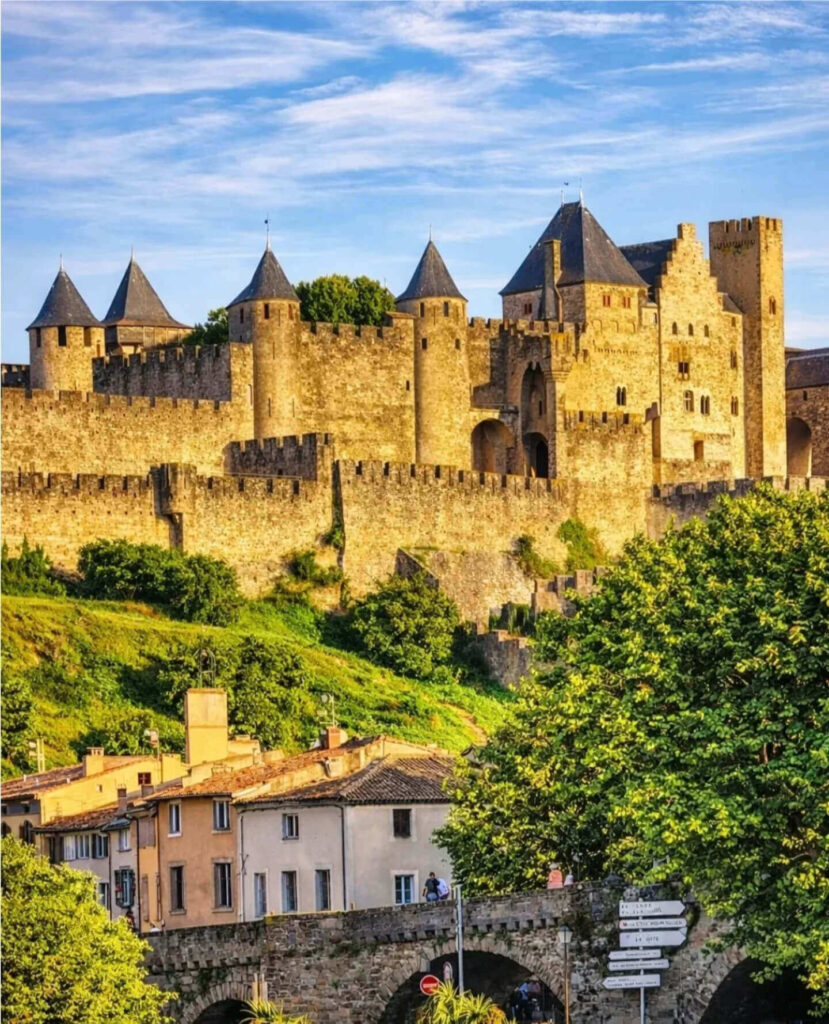
This is where your time in Carcassonne will naturally center. La Cité is the part you’ve probably already seen in photos, but being there in person feels different in a way that’s hard to fully capture beforehand.
When I first walked through the gates, I expected it to feel impressive, but I didn’t expect how immersive it would be. The streets don’t just look old, they feel layered. You’ll notice how they curve slightly, how the buildings aren’t perfectly aligned, and how the space narrows and opens up in ways that keep changing your perspective as you walk.
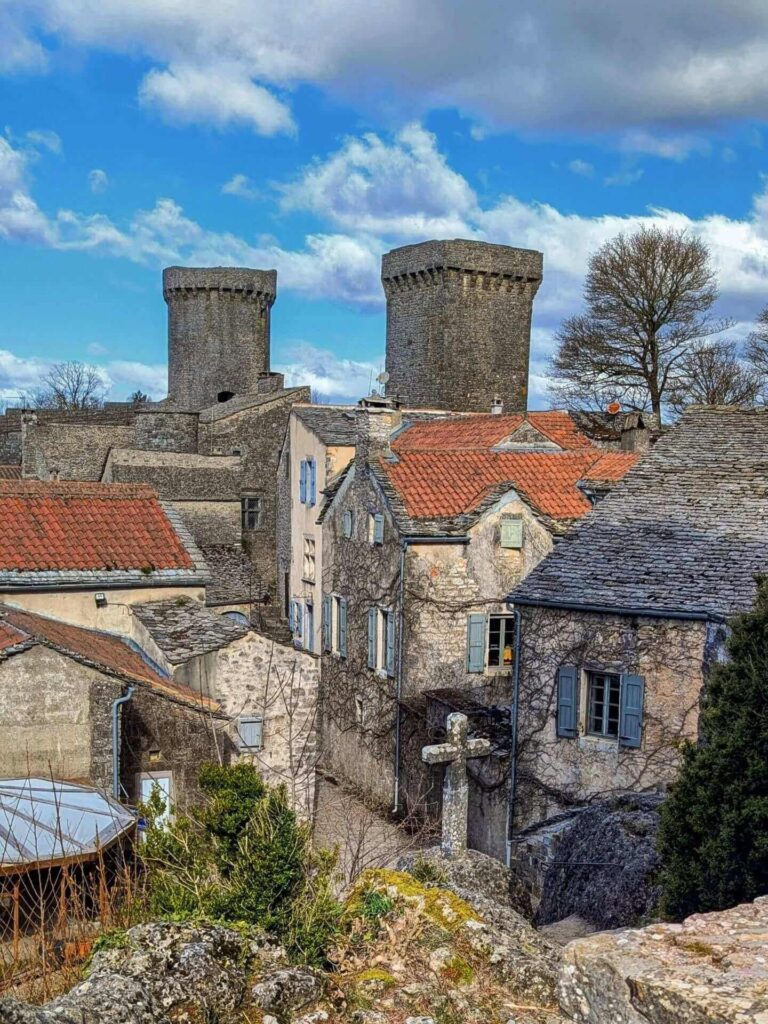
It’s easy to stick to the main path that runs through the city, but I found that the experience became much more interesting when I slowed down and wandered a bit. Some areas feel noticeably quieter, especially in the morning, and that’s when the place feels most natural.
Timing really changes everything here. When I returned later in the day, it felt busier and slightly more rushed. If you can, try to be there early or stay into the evening. That’s when the atmosphere feels closer to what you probably imagined before arriving.
2. Walk Along the Ramparts
Walking along the ramparts gave me a better understanding of how Carcassonne was designed, not just how it looks.
From ground level, you’re mostly focused on the streets and buildings around you. But once you’re up along the walls, you start to see how everything fits together. The layers of fortifications, the spacing between the walls, and the open views toward the countryside all start to make more sense.
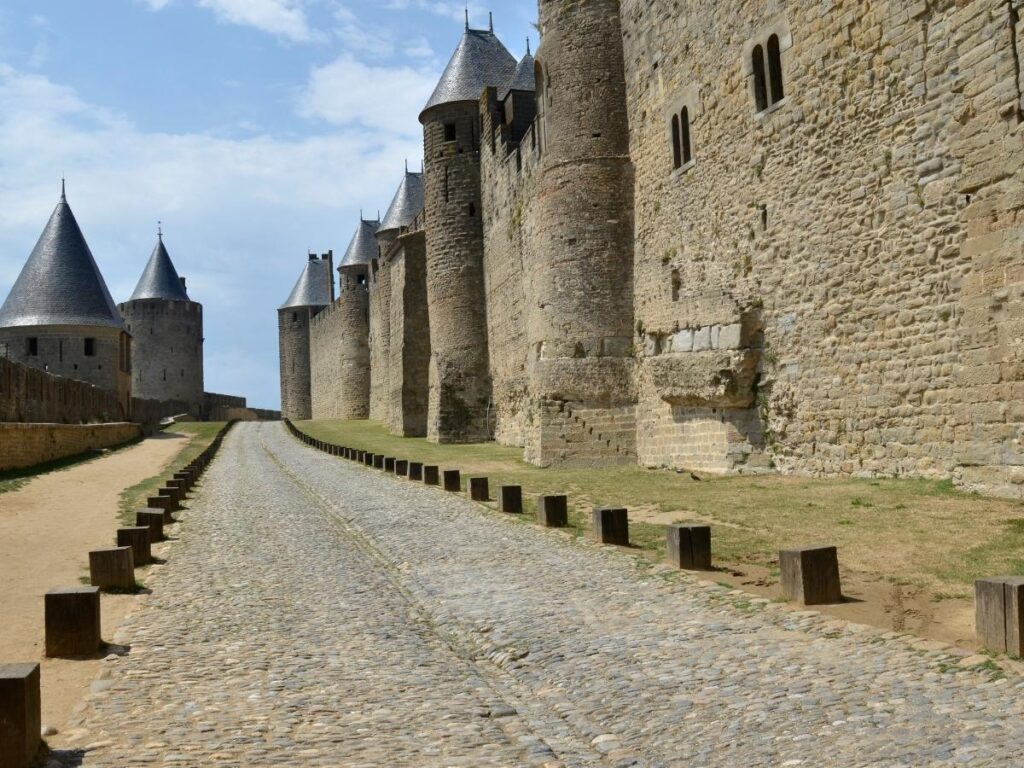
I remember stopping a few times just to take it in, not because there was a specific viewpoint I was trying to reach, but because the perspective kept shifting as I moved along.
Some parts of the ramparts are accessible without a ticket, while others are included with the castle visit. Even if you don’t go inside everything, it’s still worth finding a section you can walk along. It adds a completely different dimension to the experience.
3. Visit Château Comtal
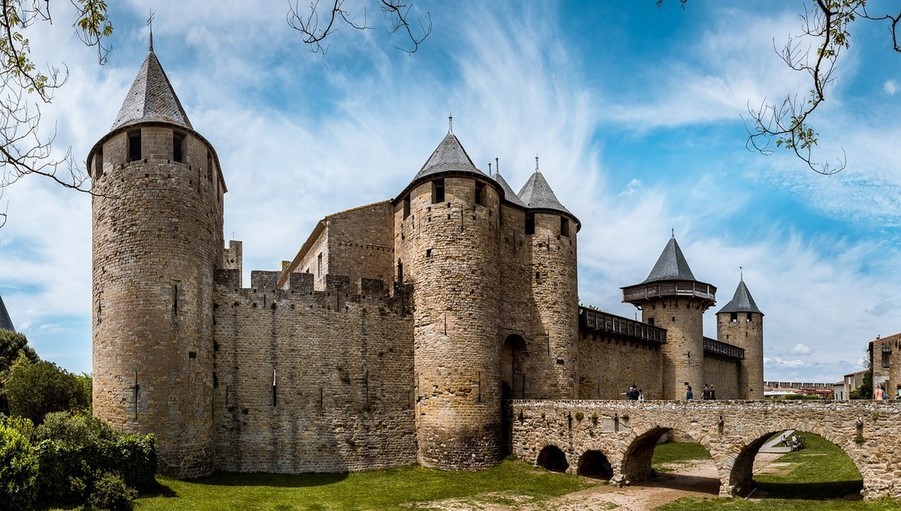
Château Comtal sits right in the middle of the medieval city, and it’s one of those places that adds context to everything else you’re seeing.
Inside, it’s less about grand rooms and more about understanding how the fortress functioned. There are passages, defensive features, and sections of the walls you can walk along, which help you picture what the space was actually used for.
I found it interesting, but I also think it depends on what you enjoy. If you like history or want to understand more than just the surface of the place, it’s worth it. If you’re more focused on the overall atmosphere of Carcassonne, you won’t feel like you missed something essential by skipping it.
It’s one of those visits that adds depth, but isn’t necessary for everyone.
4. Get Lost in the Old Streets
Some of my favorite moments in Carcassonne weren’t planned at all.
The main streets can get busy, especially during the day, but the moment you step away from them, everything changes. The noise fades, the pace slows down, and you start noticing smaller details like the texture of the walls, the way doors and windows are set into the stone, or how light falls into the narrower alleys.
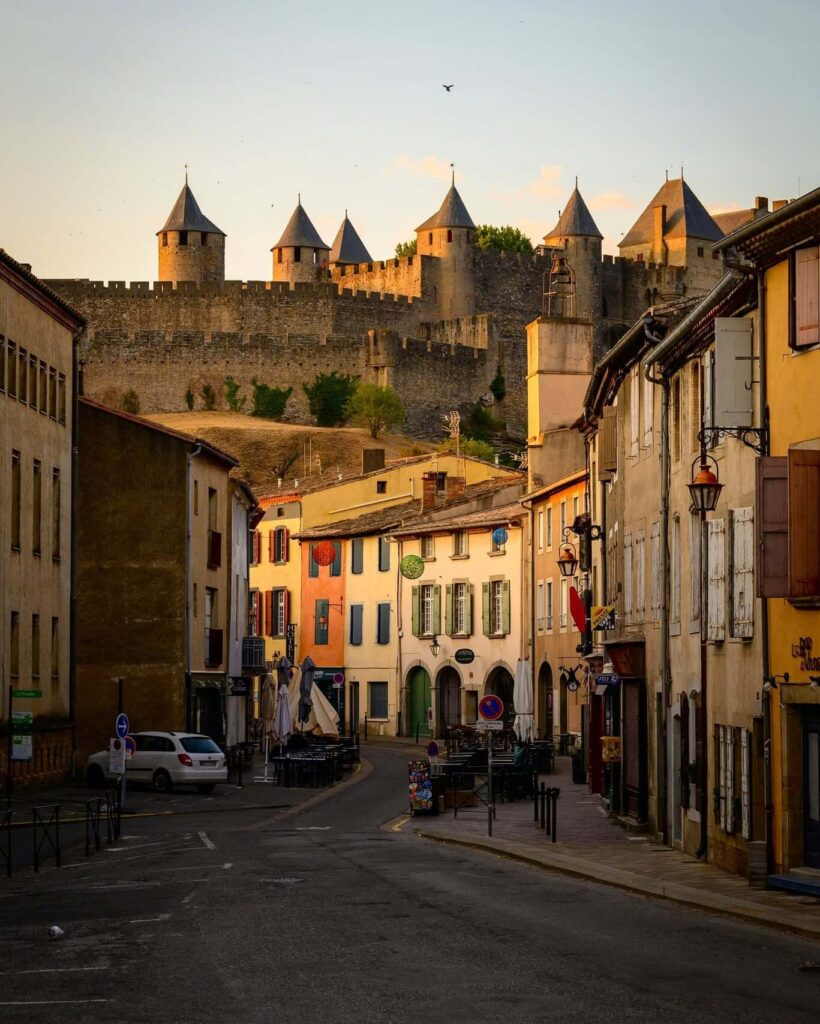
I found myself drifting into side streets without really thinking about where they led, and that’s where the city felt most enjoyable.
There’s no real need to rush here. In fact, the more you try to “cover everything,” the less you end up taking in. It’s one of those places where wandering without a plan actually works better than following one.
5. Visit the Basilica of Saints Nazarius and Celsus
This basilica is tucked within the medieval city, and it’s easy to walk past without realizing what’s inside.
From the outside, it blends in with the surrounding architecture, but once you step in, the space opens up in a way that feels noticeably different from the streets outside. The stained glass windows stand out immediately, especially when the light hits them at the right angle.
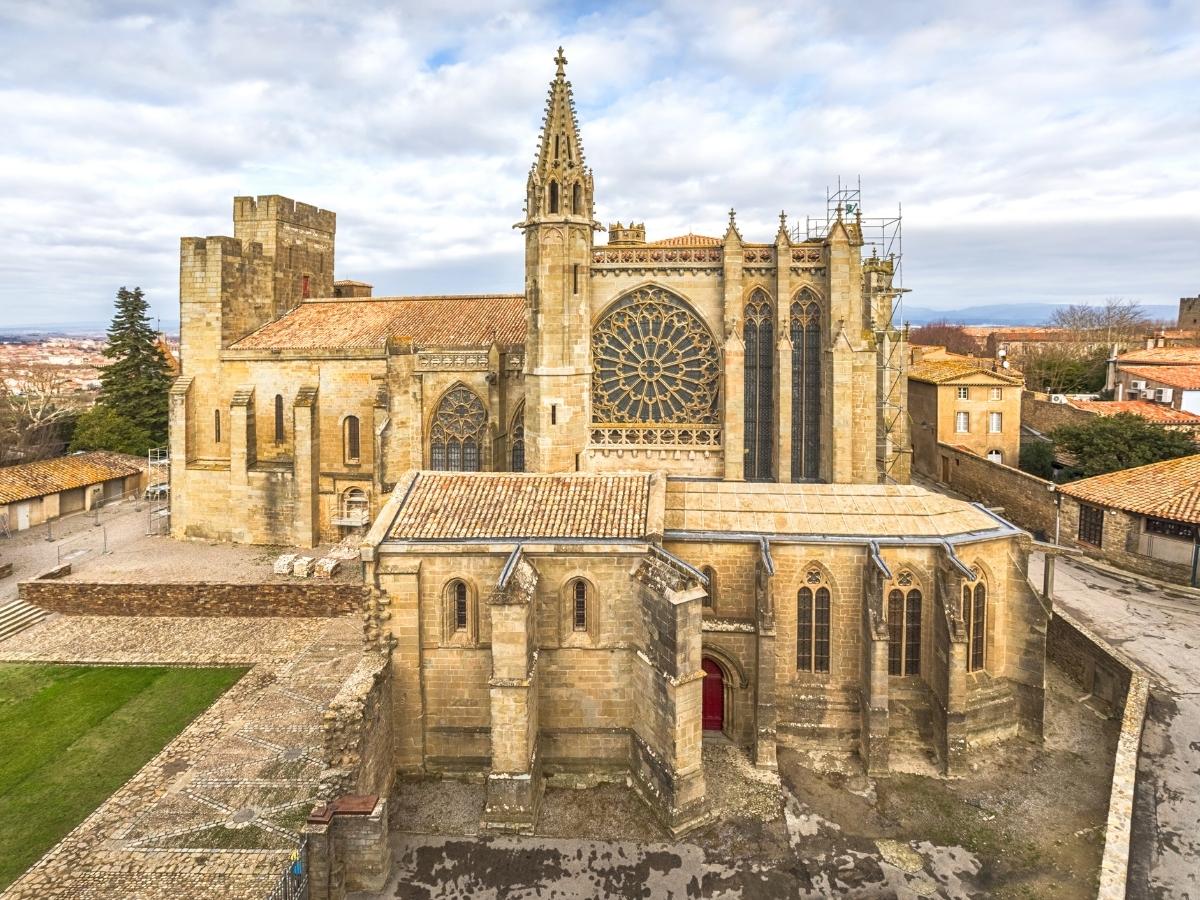
I also noticed how quiet it felt compared to the rest of the city. It’s one of the few places where you can sit for a bit and take a break from walking.
It doesn’t take long to visit, but it adds a different kind of experience to your time in Carcassonne, something a bit more still and reflective.
6. Watch Sunset Over the Walls
If there’s one time of day that stood out to me the most, it was the evening.
As the sun starts to set, the tone of the entire place shifts. The light softens, the stone walls take on a warmer color, and the number of people starts to thin out. It becomes easier to move around and actually take in your surroundings.
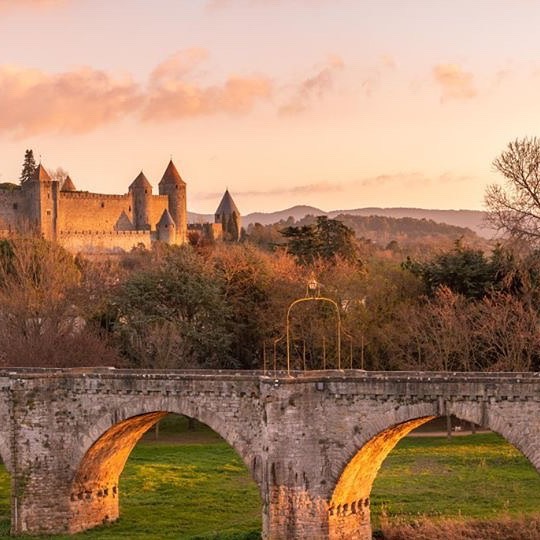
I ended up walking along the outer areas of the walls during this time, and it felt completely different from earlier in the day. The same views that felt crowded before suddenly felt open and calm.
If you’re deciding how to plan your time, I’d strongly recommend staying at least until sunset. It changed the experience more than I expected.
7. Walk Along Canal du Midi
After spending time inside the medieval city, the Canal du Midi felt like a reset.
It’s just outside the main area, but the atmosphere is completely different. Instead of narrow streets and stone walls, you have open space, trees lining the water, and a much slower pace.
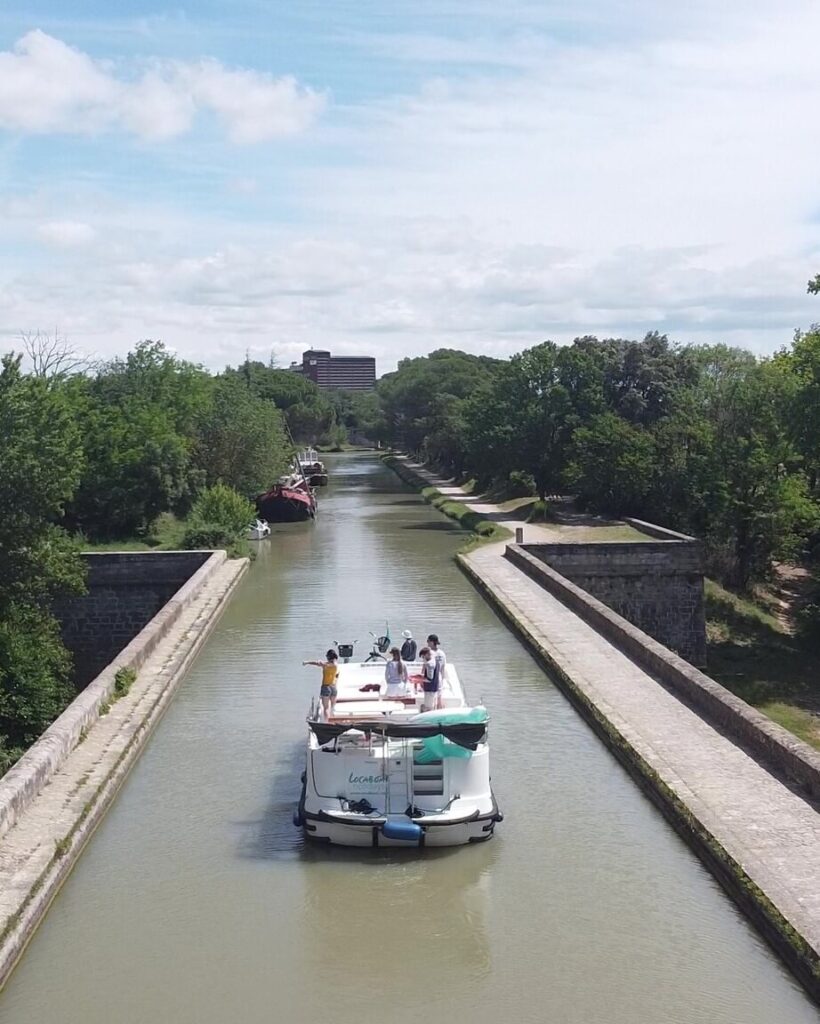
I found it to be a good place to walk without thinking too much about what to see next. There’s no pressure to “do” anything here. You can just walk along the path, sit for a while, or even rent a bike if you feel like covering more distance.
It’s not the main reason people come to Carcassonne, but it adds balance to the trip.
8. Explore the Lower Town (Bastide Saint Louis)
The lower town felt like a completely different side of Carcassonne.
After spending time in the medieval city, which can feel very focused on visitors, the Bastide Saint Louis felt more relaxed and everyday. Around Place Carnot, I noticed people going about their routines, sitting at cafés, and using the space in a way that felt less tied to sightseeing.
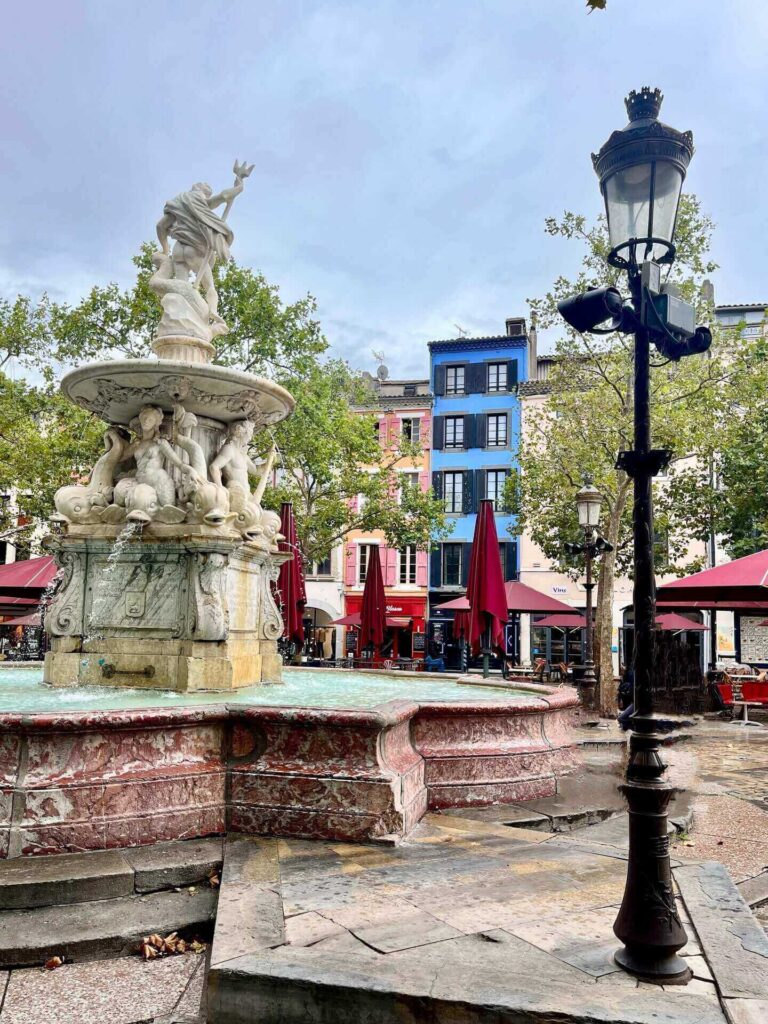
It doesn’t have the same dramatic impact as the fortress, and I think that’s why many people skip it. But I actually found it helpful to spend some time there. It made the overall experience feel more rounded instead of centered around just one part of the city.
9. Try Cassoulet
Trying cassoulet felt like something I should do while I was there, even though I wasn’t entirely sure what to expect.
It’s a slow cooked dish with beans and meat, and it’s definitely filling. The portion I had was heavier than I expected, so it’s probably best enjoyed when you’re not planning to do much walking right after.
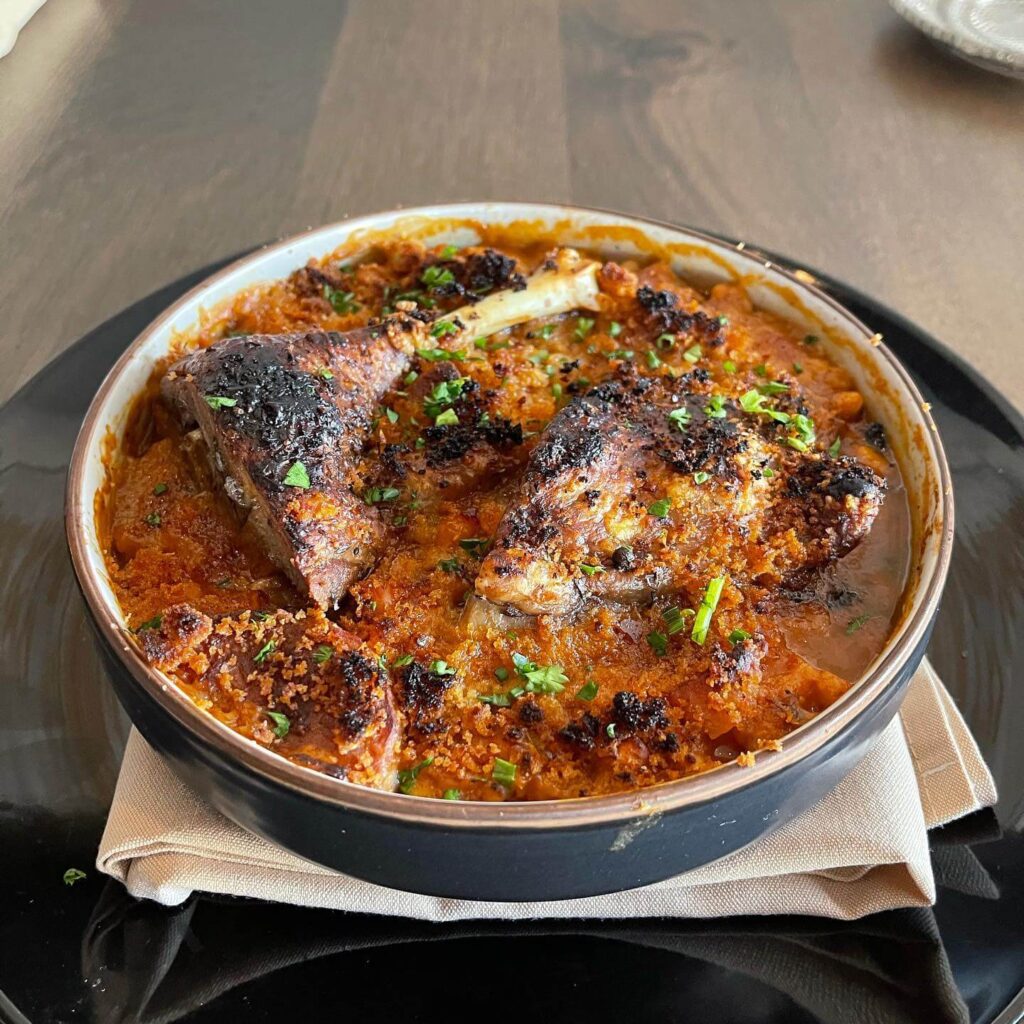
What I appreciated was that it felt tied to the region. It wasn’t just another menu item, but something with a bit of history behind it.
If you’re curious about local food, it’s worth trying once. Just go in knowing it’s a substantial meal.
10. Take a Day Trip from Carcassonne
If you’re using Carcassonne as a base or staying a bit longer, there are a few places nearby that can add variety to your trip.
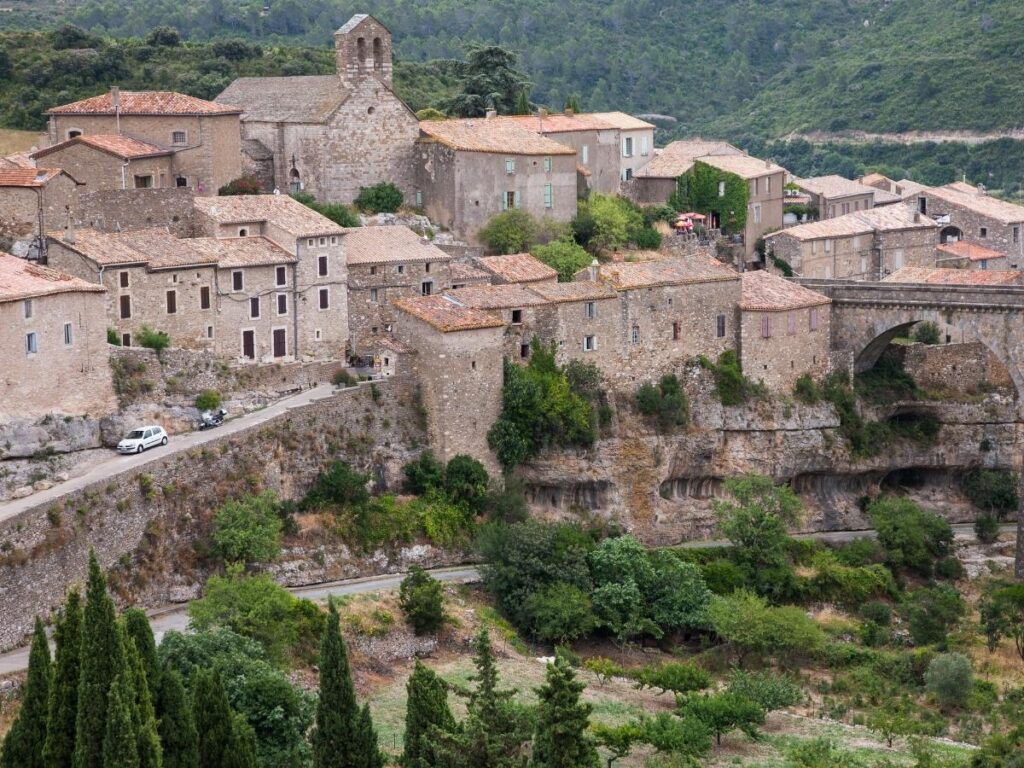
Minerve stood out for its setting. It’s a small village, but the landscape around it makes the visit feel different from Carcassonne.
The castles of Lastours offer more of an active experience, especially if you don’t mind a bit of walking to reach the viewpoints.
Narbonne felt more like a typical southern French city, less focused on one landmark and more on overall atmosphere.
None of these are essential, but they’re good options if you want to see more of the region.
11. Visit Local Markets
If your timing works out, visiting a local market can give you a glimpse into everyday life around Carcassonne.
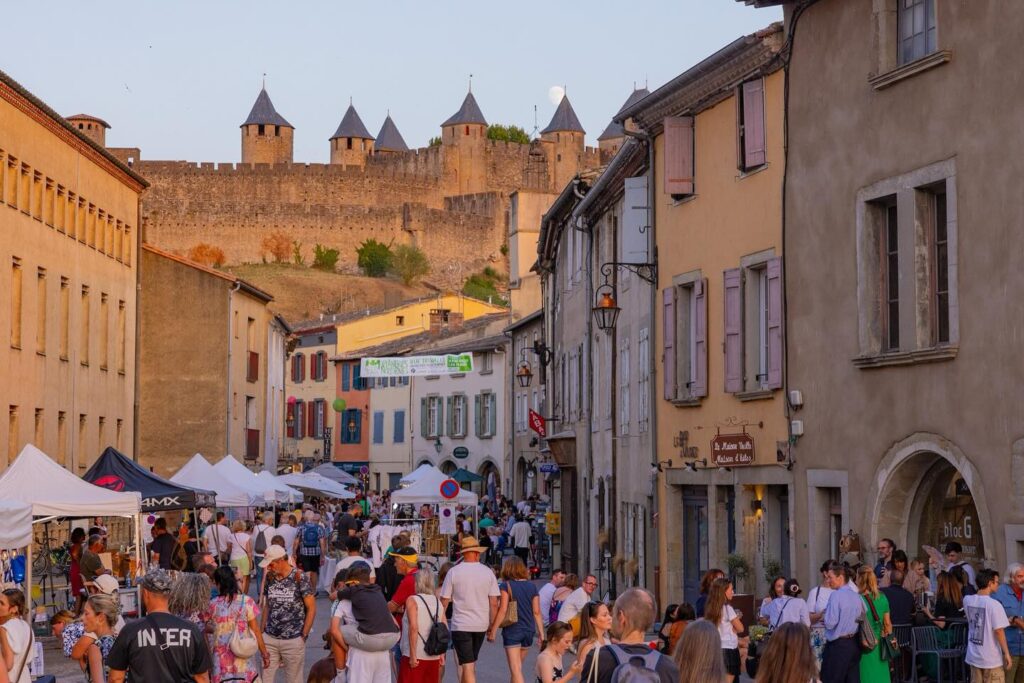
I didn’t plan my visit around it, but when I came across one, it felt like a nice change from the more structured parts of the trip. There were stalls with fresh produce, simple food, and a more casual rhythm to everything.
It’s not something I’d rearrange an entire itinerary for, but if you’re nearby when it’s happening, it’s worth taking a look.
How Much Time Do You Need in Carcassonne?
You can see the main highlights of Carcassonne in half a day. If you arrive, walk through the medieval city, spend some time wandering, and maybe stop for a meal, you’ll feel like you’ve covered the essentials.
That’s exactly what many people do, especially if they’re passing through southern France. But after spending time there myself, I don’t think a quick visit shows you the best side of the city.
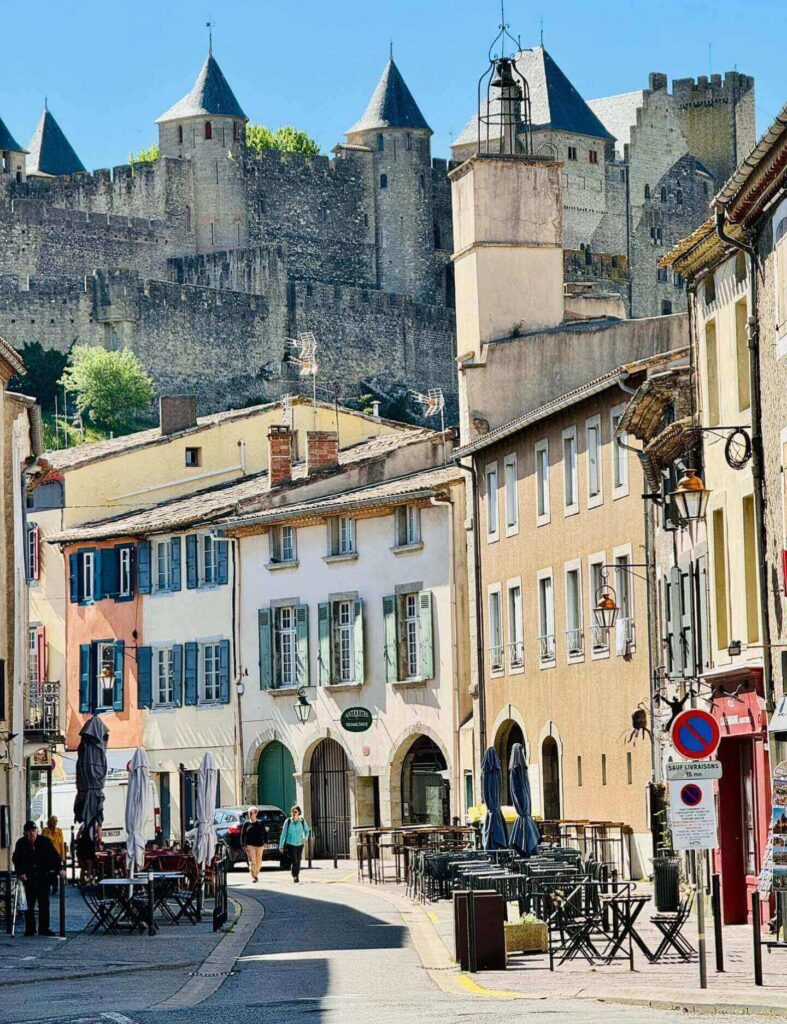
What made the biggest difference for me was staying into the evening and seeing it again the next morning. During the middle of the day, the streets felt noticeably busier, and it was harder to slow down and really take things in.
But later in the evening, once things quieted down, the whole place felt more relaxed and easier to enjoy. The same happened early in the morning, before the day visitors arrived.
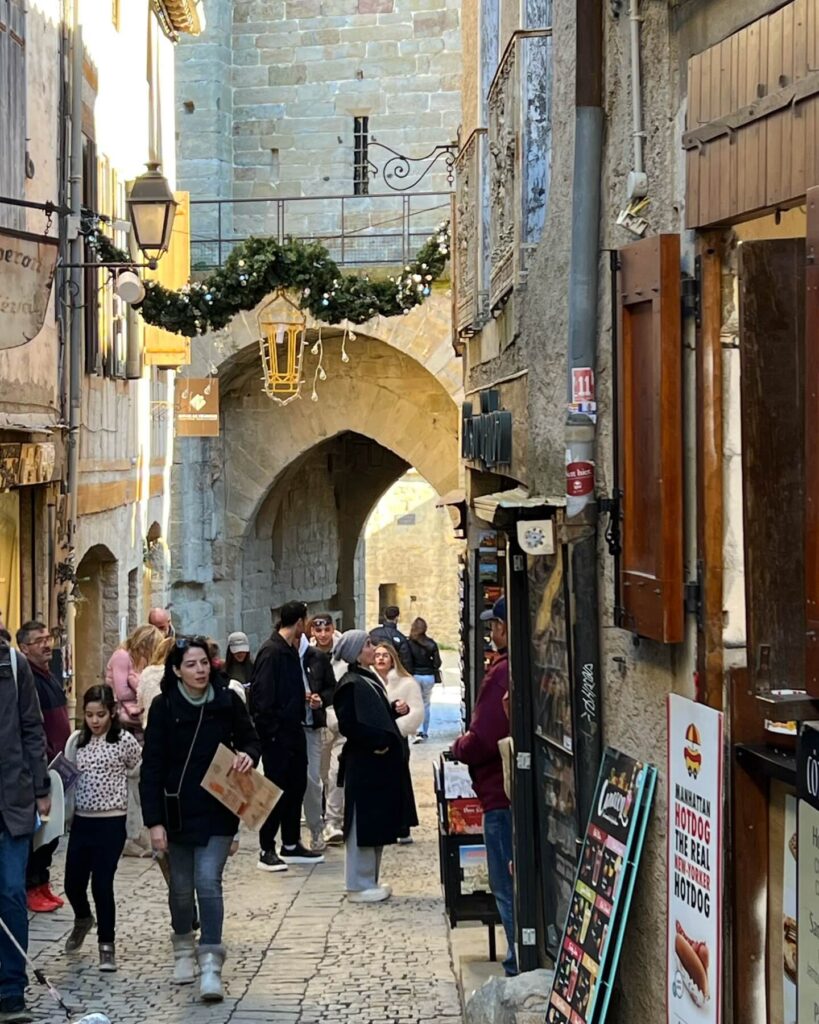
If you’re trying to decide, I’d say this: a half day is enough to see it, but an overnight stay is what makes it feel complete. Even just one night changes the pace of your visit in a way that’s hard to replicate if you’re rushing through.
Best Time to Visit Carcassonne
The overall experience in Carcassonne shifts quite a bit depending on when you go, even though the city itself doesn’t change.
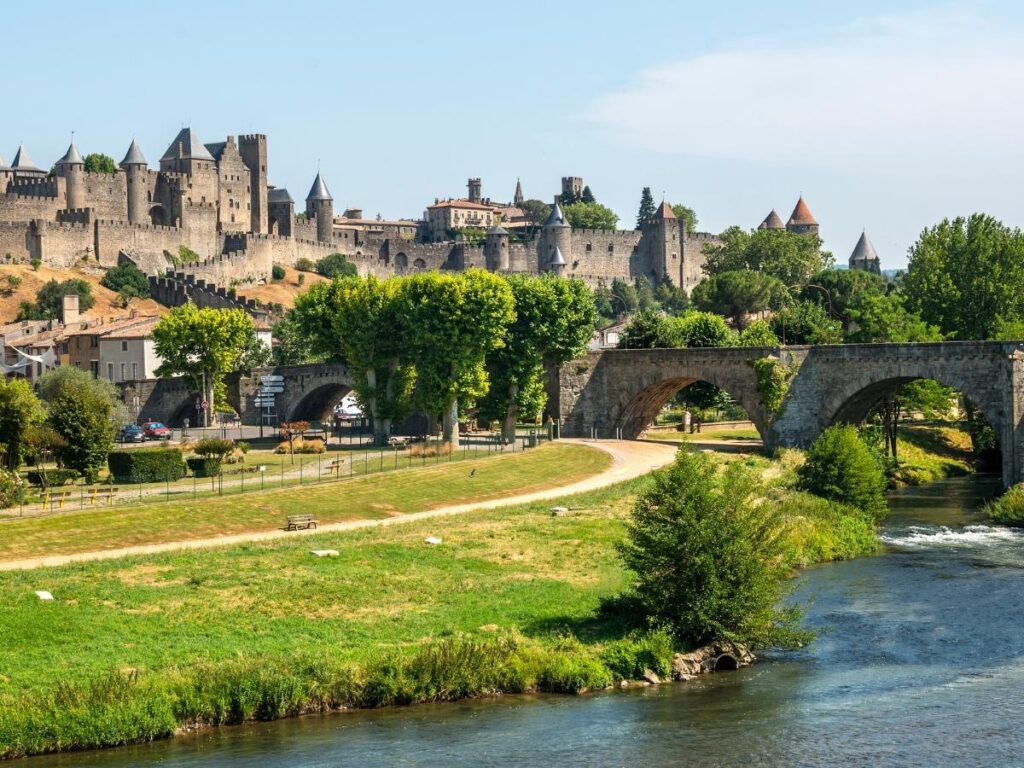
Spring and early fall felt like the easiest times to visit. The weather is comfortable enough for walking around without feeling drained, and the crowds are more manageable. You can move through the streets at your own pace without constantly adjusting to busy areas.
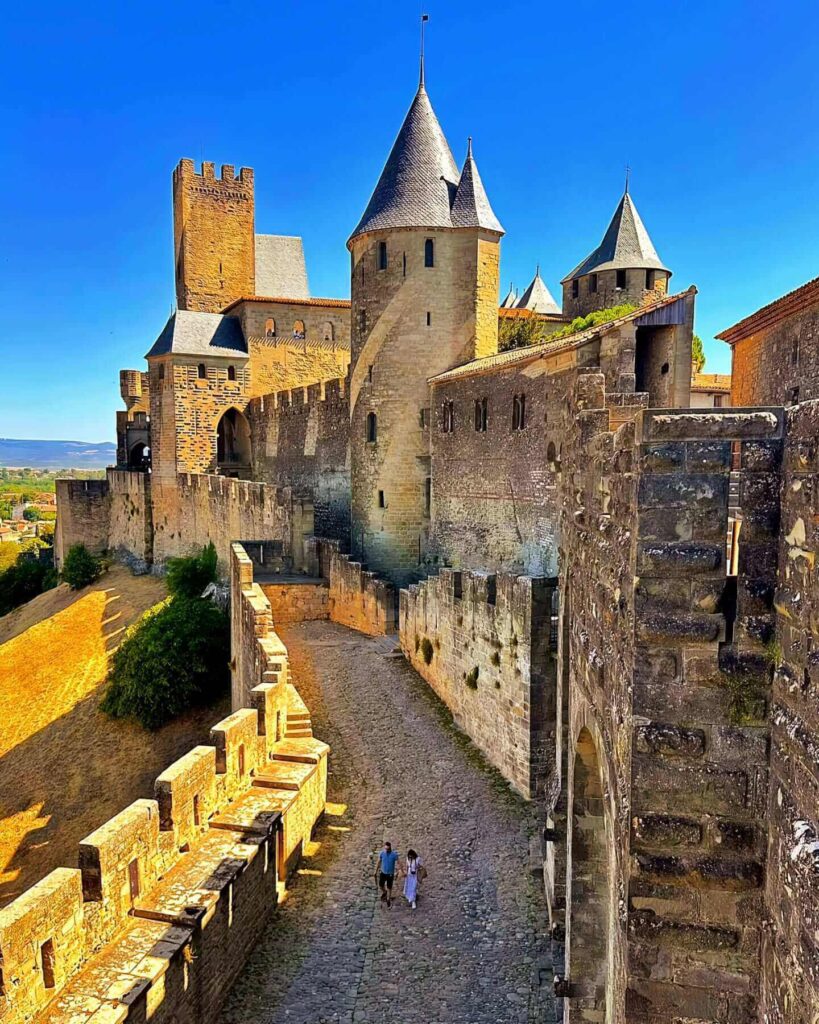
Summer brings a different energy. The city is more lively, but also much more crowded, especially in the middle of the day. I noticed that timing becomes more important during this period. If you visit early in the morning or later in the evening, it still feels enjoyable, but the peak hours can feel a bit overwhelming if you’re not expecting it.
Winter is quieter, and while some places may have reduced hours, the atmosphere becomes calmer. It might not be the most popular time to visit, but if you prefer fewer people and don’t mind cooler weather, it can feel more relaxed.
In the end, there’s no bad time to visit, but the experience changes depending on how much you value quiet spaces versus a more active atmosphere.
How to Get to Carcassonne
Getting to Carcassonne is fairly straightforward, especially if you’re already traveling within southern France.
I found the train to be one of the easiest options. It’s well connected to cities like Toulouse and Montpellier, and the journey itself is simple and comfortable. Once you arrive at the station, you’re not far from the main areas of the city.
Driving is another good option, particularly if you’re planning to explore more of the region. It gives you flexibility to stop at smaller towns or viewpoints along the way, which can add a lot to your trip. Roads are generally easy to navigate, but parking near the medieval city can take a bit of patience, especially during busier times.
If you’re coming from further away, there’s also a small airport in Carcassonne, though most travelers tend to connect through larger nearby cities.
How to Get Around
One of the things I appreciated about Carcassonne is how simple it is to get around once you’re there.
Most of your time will be spent on foot, especially inside the medieval city where cars aren’t really part of the experience. The streets are narrow, and walking is the only practical way to explore them properly.
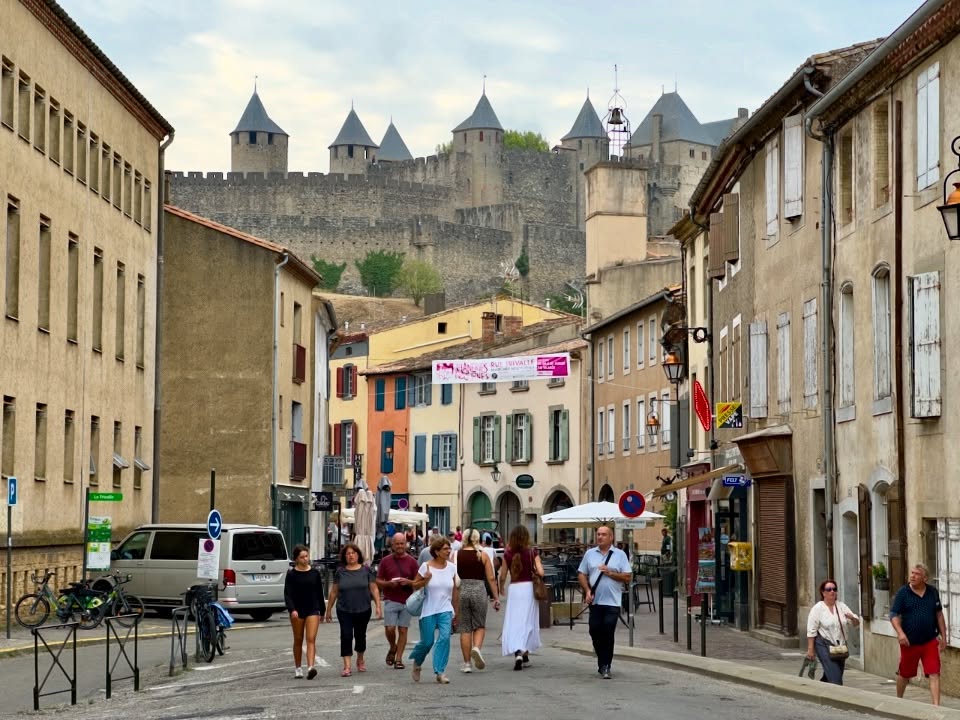
The two main areas you’ll move between are the medieval city and the lower town. They’re not far from each other, and I found the walk between them manageable, even without planning it in advance. There are also small transport options available, but I didn’t feel the need to use them.
Overall, it’s the kind of place where you don’t have to think too much about logistics. Once you arrive, you can focus more on exploring at your own pace rather than figuring out how to get from one place to another.
Where to Stay in Carcassonne
Where you stay in Carcassonne has a bigger impact than you might expect, mostly because the city is split into two very different areas. I didn’t fully realize this before arriving, but once I experienced both sides, the choice started to matter a lot more.
Inside the Medieval City
Staying inside the walls of Cité de Carcassonne is one of those experiences that feels special, especially once the day visitors leave.
During the day, the streets are busy and constantly moving, but in the evening, everything slows down. Shops start to close, the noise fades, and the same streets you walked earlier feel completely different. I remember stepping out later in the evening and noticing how quiet it had become, which made the whole place feel more atmospheric and easier to enjoy.
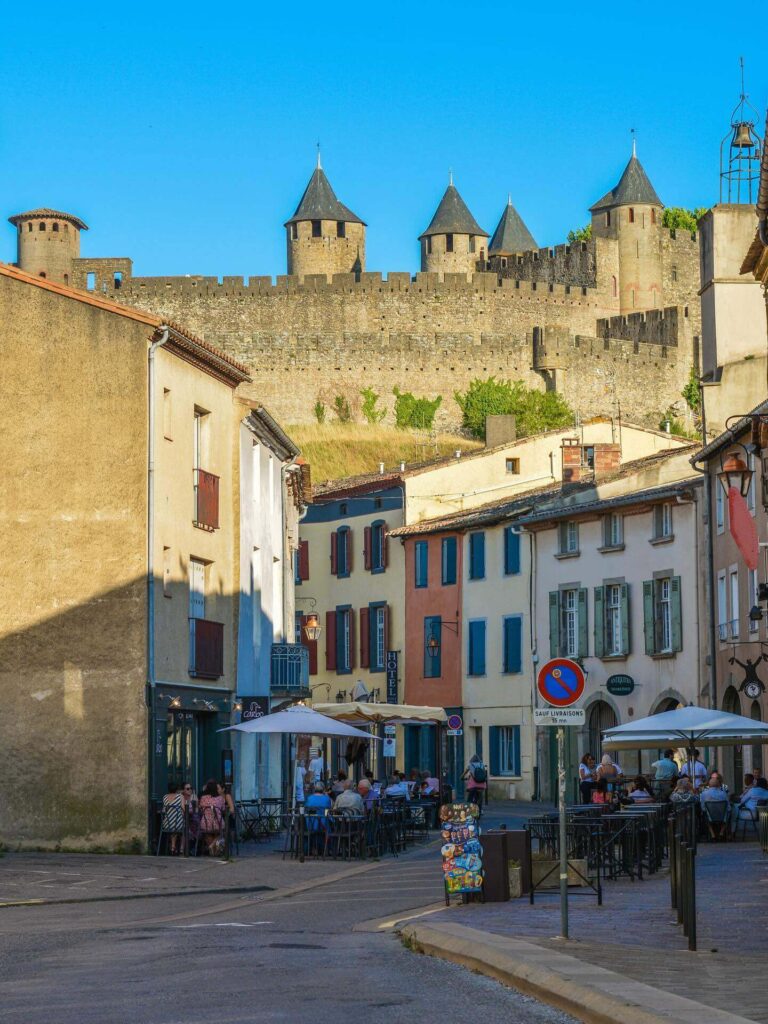
That said, staying inside the walls isn’t always the most practical choice. Hotels here tend to be smaller, sometimes a bit more expensive, and depending on where you’re staying, getting luggage in can take a little effort. It’s also worth knowing that dining options inside the walls can feel more geared toward visitors.
If the idea of waking up inside a historic setting appeals to you, it’s definitely worth considering, even if just for one night.
Lower Town (Bastide Saint Louis)
The lower town, also known as Bastide Saint Louis, felt more relaxed and easier to settle into.
This is where you’ll find wider streets, more everyday shops, and a broader range of accommodation options. It doesn’t have the same visual impact as the medieval city, but it feels more lived in, which I personally appreciated after spending time in the busier parts of Carcassonne.
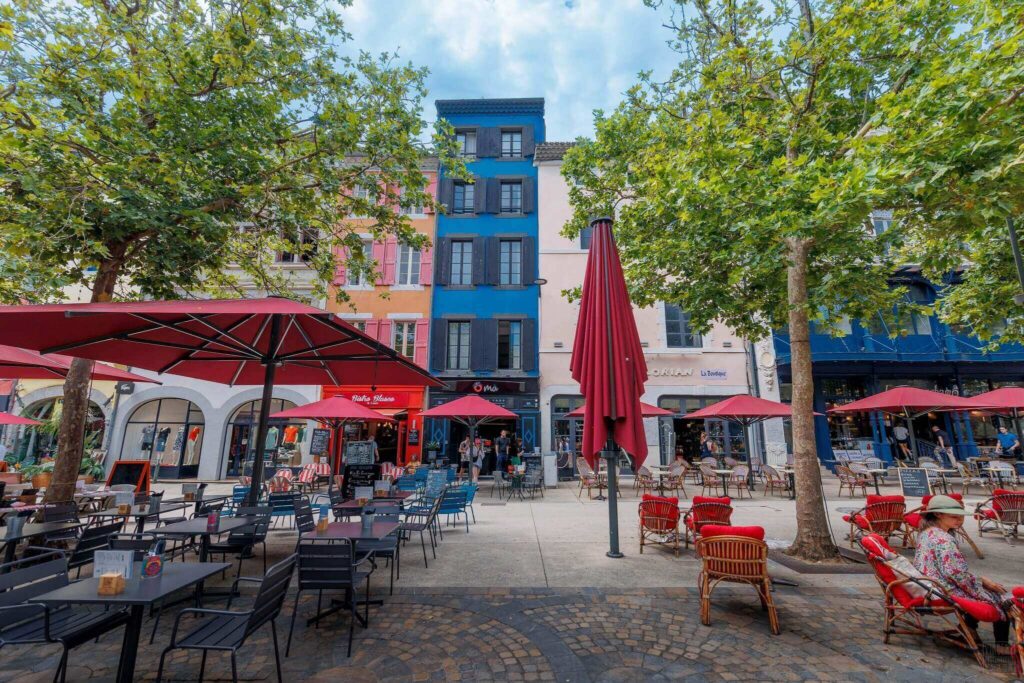
I also found it more convenient in some ways. There are more restaurant choices, better access to transport, and generally more space to move around without the crowds.
If you’re staying longer or prefer something more practical, the lower town is a comfortable base. You can still walk to the medieval city easily, but you’ll return to a quieter, less crowded environment at the end of the day.
Where to Eat in Carcassonne
Food in Carcassonne is one of those things where location makes a noticeable difference.
Inside the medieval city, restaurants are easy to find and convenient when you’re already exploring. But I did feel that many of them are set up for visitors passing through, which sometimes shows in the menus and overall atmosphere. That doesn’t mean you won’t have a good meal, but it’s something to keep in mind.
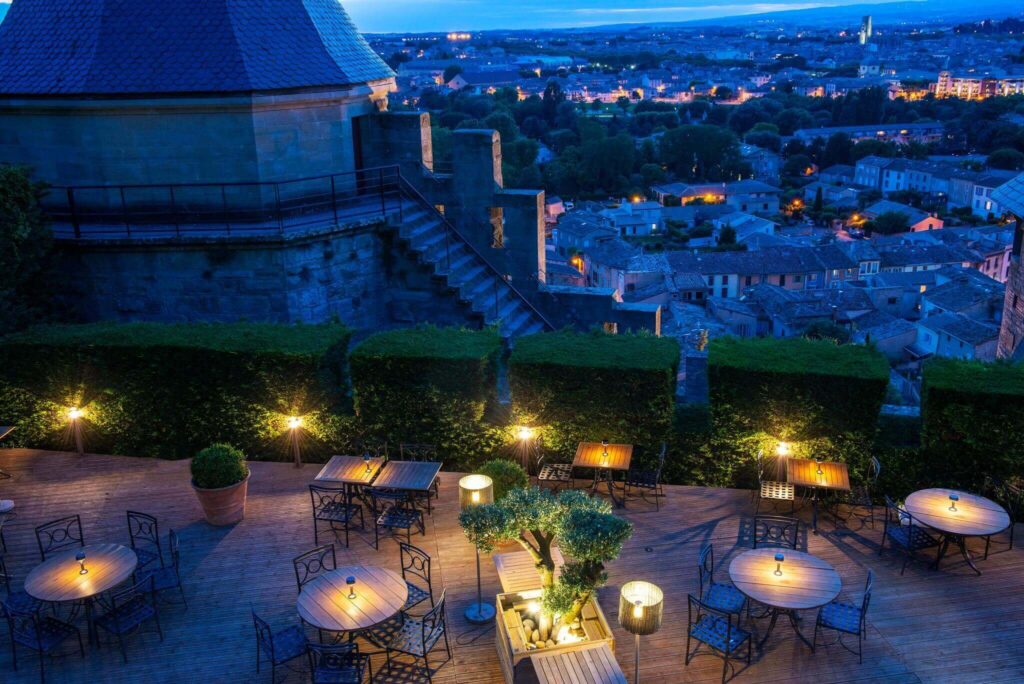
When I ate in the lower town, the experience felt a bit more relaxed. There was more variety, and the pace of the meal felt less rushed. It’s not dramatically different, but enough that I noticed it.
One thing I’d recommend trying while you’re there is cassoulet. It’s a traditional dish from the region, made with slow cooked beans and meat. I’ll be honest, it’s quite heavy, so it’s not something I’d order without thinking about the rest of my day. But it does feel like part of the local experience, and I’m glad I tried it at least once.
Overall, I’d say it’s worth mixing things up. Maybe have one meal inside the medieval city for the setting, and another in the lower town for a slightly more grounded experience. That way, you get a bit of both sides of Carcassonne.
Common Mistakes to Avoid in Carcassonne
Carcassonne is one of those places that looks straightforward on paper, but the experience can vary a lot depending on how you approach it.
Arriving in the middle of the day is probably the easiest mistake to make. That’s when most day trippers show up, and you can feel it almost immediately once you’re inside the walls. The main streets get busy, restaurants fill up, and the overall pace becomes a bit rushed.
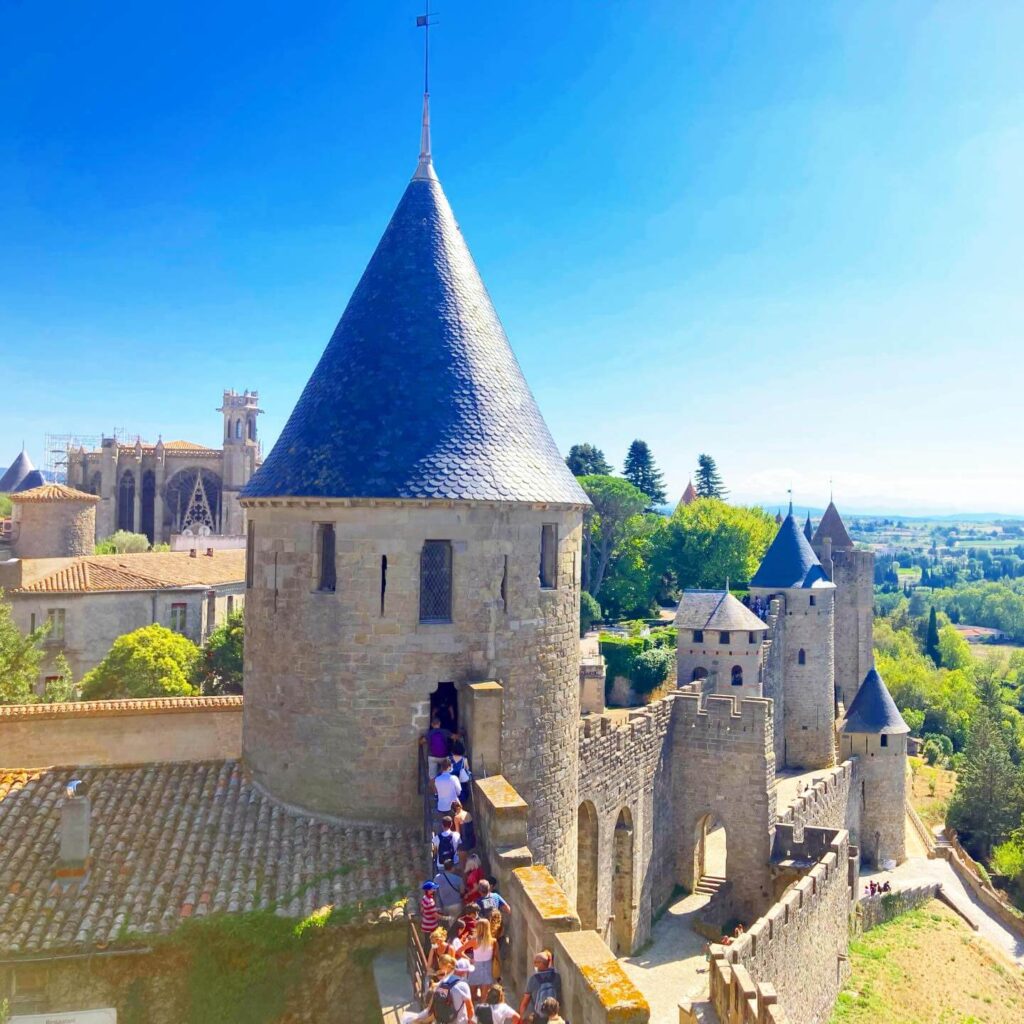
I found myself moving along with the crowd more than I wanted to, rather than actually taking time to notice where I was. It’s still worth seeing, but it doesn’t quite match the atmosphere you probably imagined beforehand.
Another thing that’s easy to overlook is the lower town, Bastide Saint Louis. I nearly skipped it myself, thinking everything I needed to see was inside the medieval city.
You see it, but you don’t really experience it. The place works better when you slow down, even if that just means taking a longer walk or sitting for a bit instead of constantly moving.
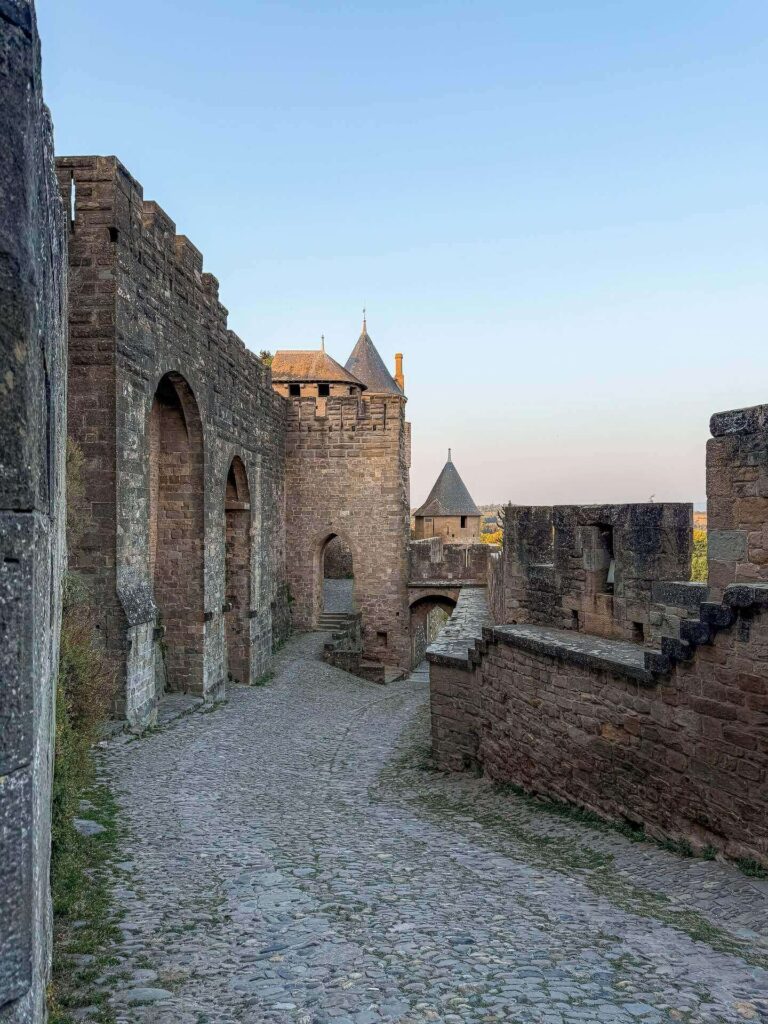
And then there’s the timing of when you leave. If you head out in the afternoon, you miss what I thought was the most enjoyable part of the day. As evening approaches, the city starts to empty out, the light softens, and everything feels calmer.
The difference is noticeable enough that it almost feels like you’re seeing a different version of the same place.
My Experience Visiting Carcassonne
What stood out to me most about Carcassonne wasn’t just the architecture or the history, but how much the experience changed depending on the time of day.
When I first arrived, it was already fairly busy, and I slipped into that familiar pattern of trying to see everything at once. Walking through the main streets, stopping briefly here and there, moving on again. It felt productive, but also a bit rushed, like I wasn’t fully taking in what was around me.
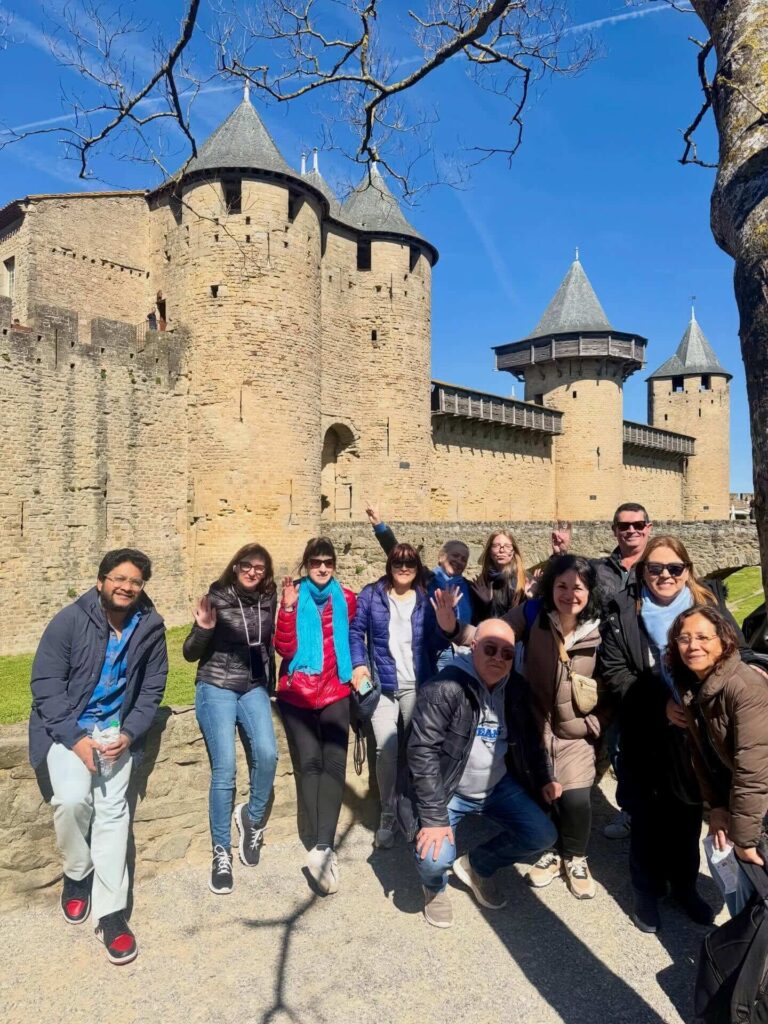
Later in the day, I went back out, and it felt completely different. The crowds had started to thin out, and I could finally move at my own pace. I noticed things I hadn’t seen earlier, small details in the streets, quieter corners, the way the light changed the color of the walls. It was the same place, but it felt much easier to connect with.
If I were planning the same trip again, I’d structure my day differently. I’d still explore during the day, but I wouldn’t rely on that as the main experience. I’d make sure to be there early in the morning or stay into the evening, and I’d leave more space in my schedule to just walk without a plan. That ended up being the part I enjoyed the most.
Conclusion
Carcassonne is one of those places where the setting leaves a strong impression almost immediately. The walls, the towers, and the layout of the city all come together in a way that feels distinct from anywhere else I’ve been in France.
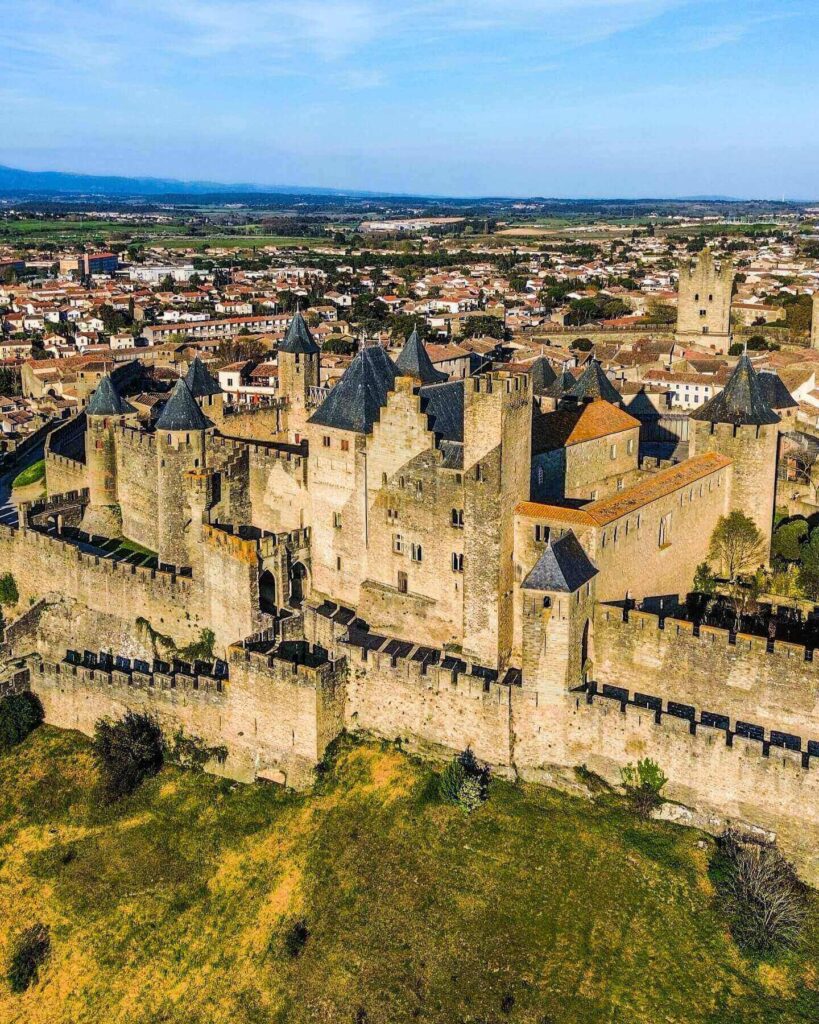
But at the same time, it’s not just about what you see, it’s about how you experience it. If you move through it quickly, it can feel like a short stop centered around a single landmark. If you slow down, pay attention to timing, and give yourself a bit of flexibility, it starts to feel more layered and more interesting.
For me, the difference came from simple things, arriving at the right time, staying a little longer than planned, and not trying to cover everything in one go. It’s a place that doesn’t ask for much, just a bit of time and a slower pace, and it gives a much better experience in return.