
I didn’t go to Poitiers expecting much, and I think that’s part of why it stayed with me. It wasn’t a place I had seen all over Instagram or one that people kept recommending in conversations. It felt a bit overlooked compared to bigger cities in France, and that made me curious. I wanted to see what it was like without any strong expectations shaping the experience.
When I arrived, nothing immediately stood out in a dramatic way. There wasn’t that instant wow moment you sometimes get in more famous destinations. But as I started walking, things began to shift. The streets felt older and quieter than I expected, and there was a kind of ease to moving around that made me slow down without really thinking about it.
What I found was a city that doesn’t try too hard to impress you. It doesn’t push you from one landmark to the next or make you feel like you’re missing out if you’re not constantly doing something. Instead, it gives you space. Space to walk without a plan, to notice details you might normally overlook, and to spend more time in places that feel right.
I remember turning into smaller streets just because they looked quieter, not because they were on any list. Some of them didn’t have anything specific to see but they still felt worth it.
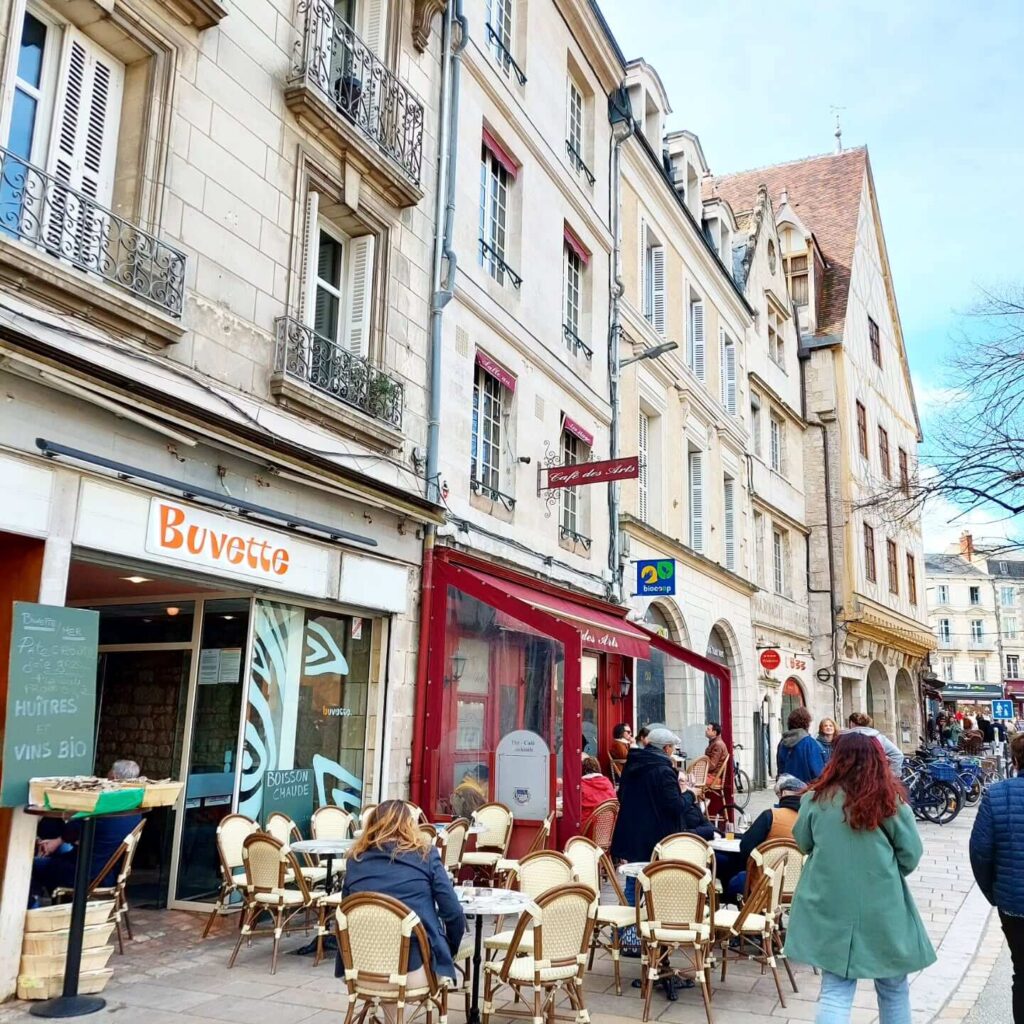
A slightly worn doorway, the way the light hit the buildings in the afternoon, a small café with just a few tables outside. Those were the moments that stayed with me more than any checklist of attractions.
If you’re looking for the best things to do in Poitiers, this guide isn’t just about naming places. You’ll find the main sights here, of course, but more importantly, I’ve tried to show how they fit into the overall experience of being in the city. What stood out to me, what felt worth your time, and what you can take more casually.
I’d suggest not overplanning your time here. Poitiers isn’t a place where a tight schedule adds much to the experience. It’s better when you leave some gaps in your day, when you allow yourself to wander a bit, or sit somewhere longer than you intended. That’s when the city starts to feel more personal, and not just like another stop on a trip.
Best Things to Do in Poitiers
Visit Notre Dame la Grande
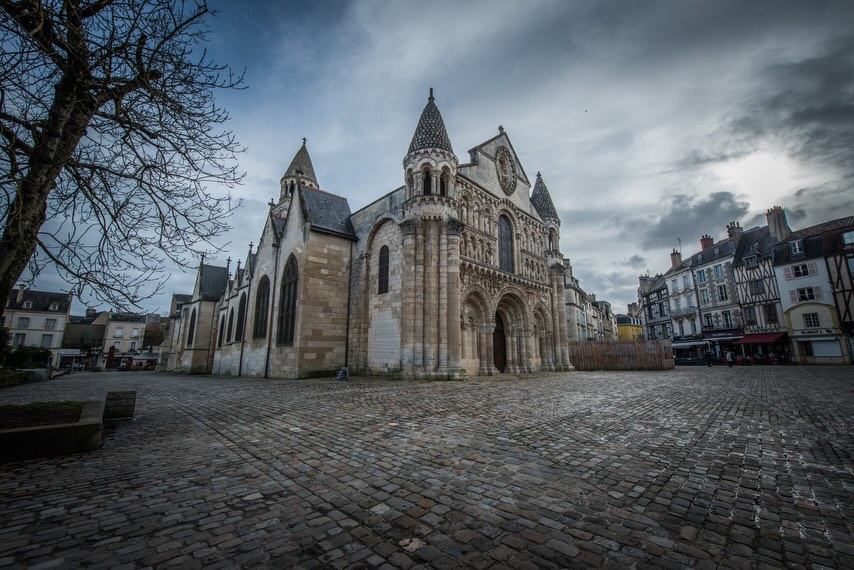
This was one of the first places I came across in Poitiers, and it ended up being the one I kept thinking about afterward.
What really pulls you in is the façade. It’s not just detailed, it’s the kind of detail that makes you pause without realizing it. The carvings cover almost the entire front, and the longer you look, the more you start noticing small scenes and patterns that don’t stand out at first glance.
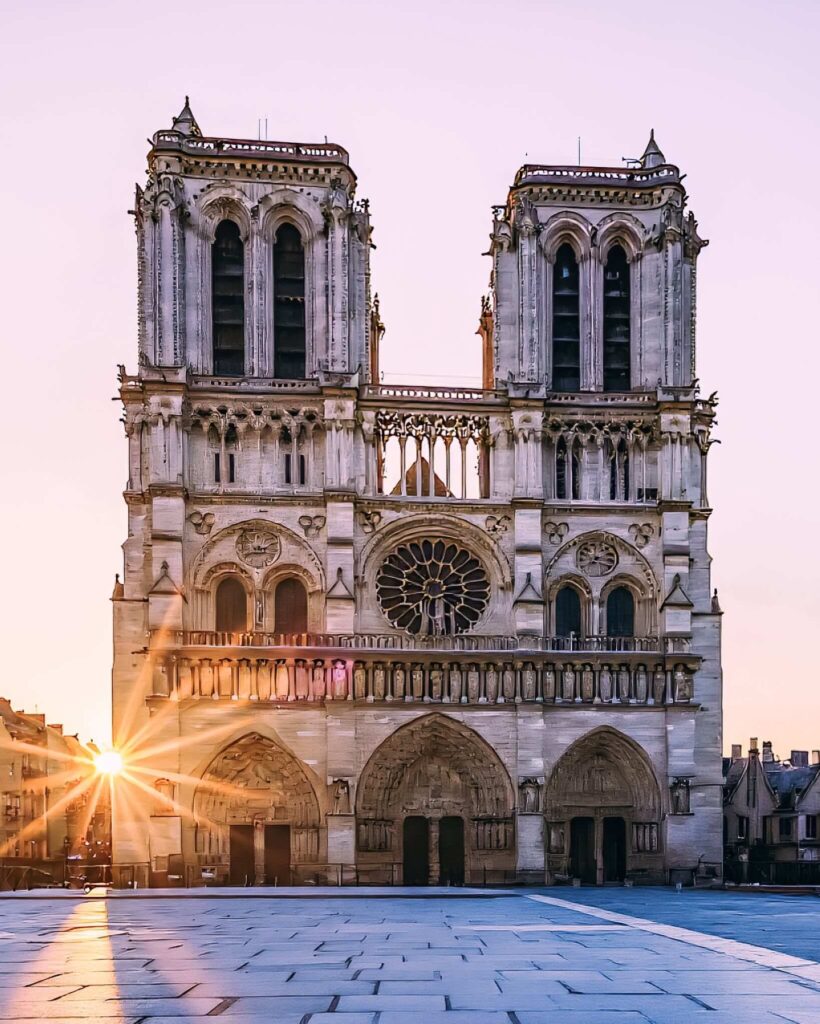
I remember standing there for a while, stepping closer, then back again, just taking it in slowly.
Inside, it feels completely different. Much simpler, quieter, and almost understated compared to the outside. That contrast is what made it interesting to me. It doesn’t try to continue the same intensity, it just gives you a calm space to sit for a moment.
If you can, try to come early in the morning or later in the evening. I passed by again later in the day and it felt busier, which slightly changed the experience.
Walk Through the Old Town Streets
This is honestly where Poitiers started to feel like itself.
At first, I tried to follow directions, but I quickly stopped doing that. The streets are easy enough to navigate, and it feels better when you’re not checking your phone every few minutes. They’re slightly uneven, with older buildings on both sides, and there’s a rhythm to walking here that’s hard to explain until you’re in it.
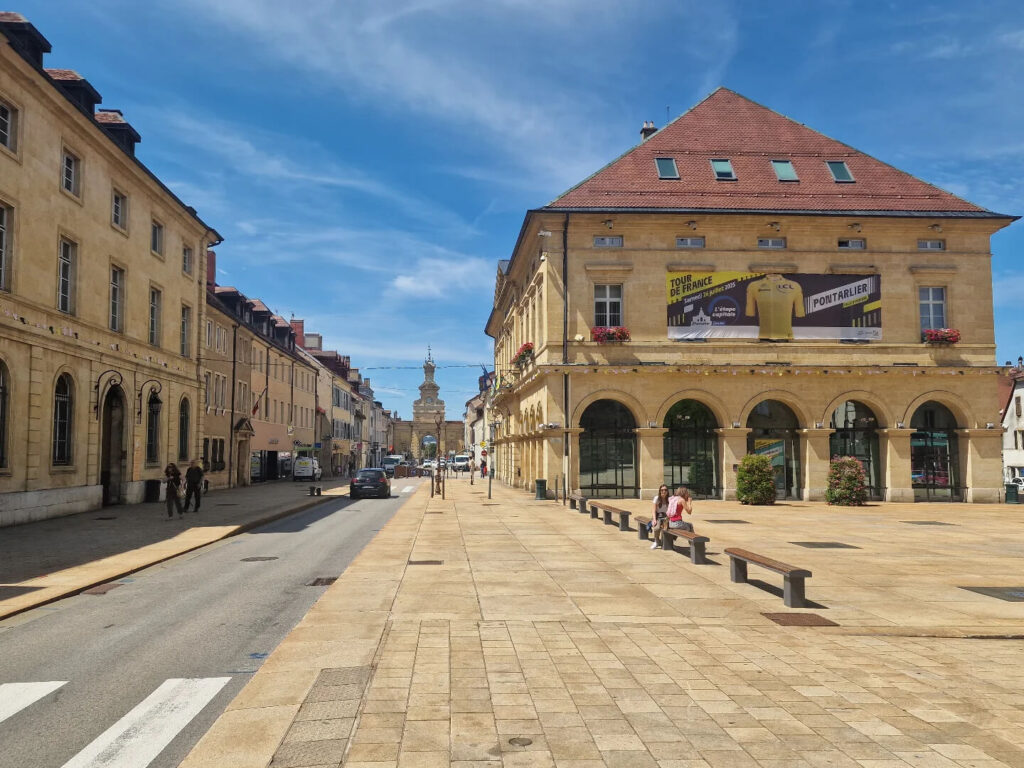
Some streets are a bit livelier, with cafés and small shops, while others are almost empty. I found myself naturally drifting toward the quieter ones. Not because there was anything specific there, but because they felt more relaxed.
A lot of the time, nothing major is happening, and that’s kind of the point. You notice smaller things instead. A doorway, a window, the way light falls on the walls in the afternoon. Those moments added up more than any single landmark.
If there’s one thing I’d say, it’s don’t rush this part. Give yourself time to just walk without a destination.
Explore Palais des Comtes de Poitou
This is one of those places that might not immediately stand out when you see it from the outside, but it carries a lot of history.
The building itself has changed over time, and parts of it feel more restored than original. What stayed with me most was the large ceremonial hall inside. It’s quite open and has a certain presence to it, even without being overly decorative.
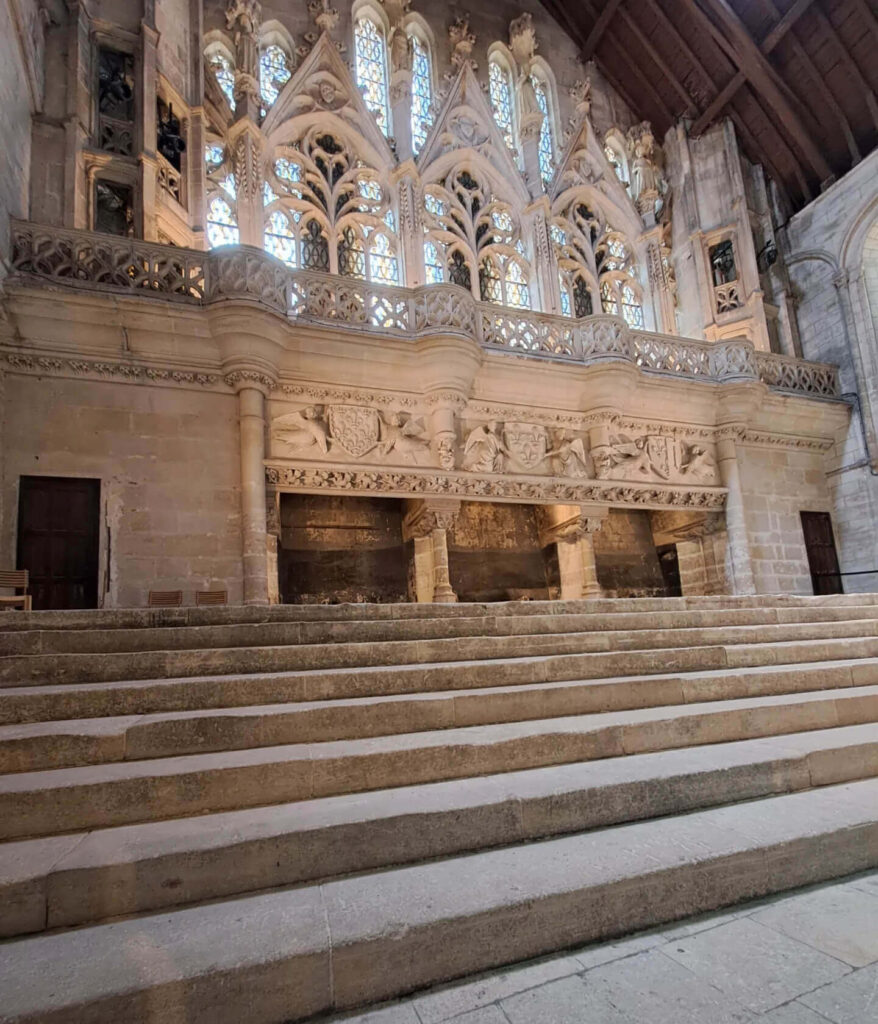
It helps to have a bit of context here, otherwise it can feel like just another historic building. Once you know it was once a center of power in the region, it starts to feel more meaningful.
I wouldn’t say it’s the highlight of the city visually, but it adds depth to your visit. If you’re already nearby, it’s worth stepping in, even if just briefly.
See Poitiers Cathedral
Not far from the main streets, this cathedral feels more grounded compared to Notre Dame la Grande.
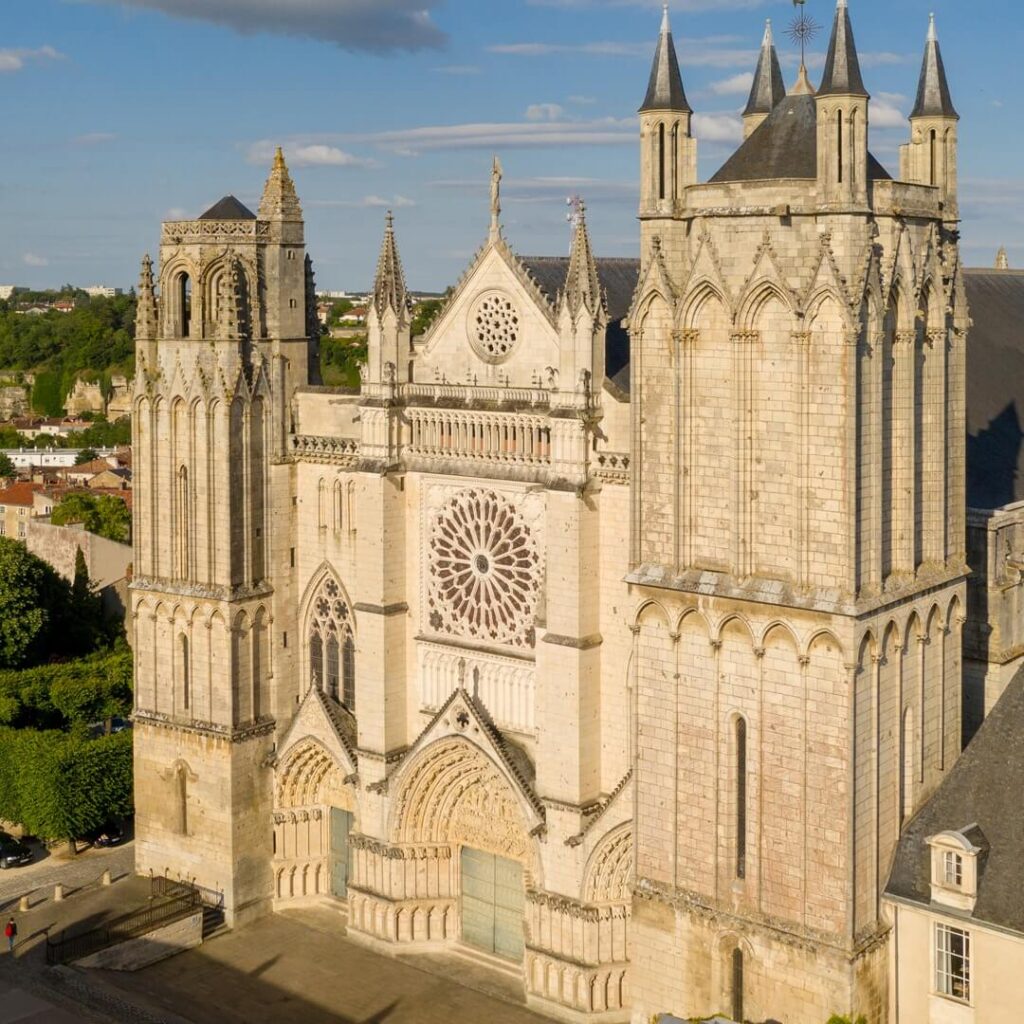
From the outside, it’s less intricate, a bit heavier in appearance. But once you go inside, the atmosphere shifts. It’s spacious, slightly darker, and much quieter. There’s a sense of stillness that makes you slow down without trying.
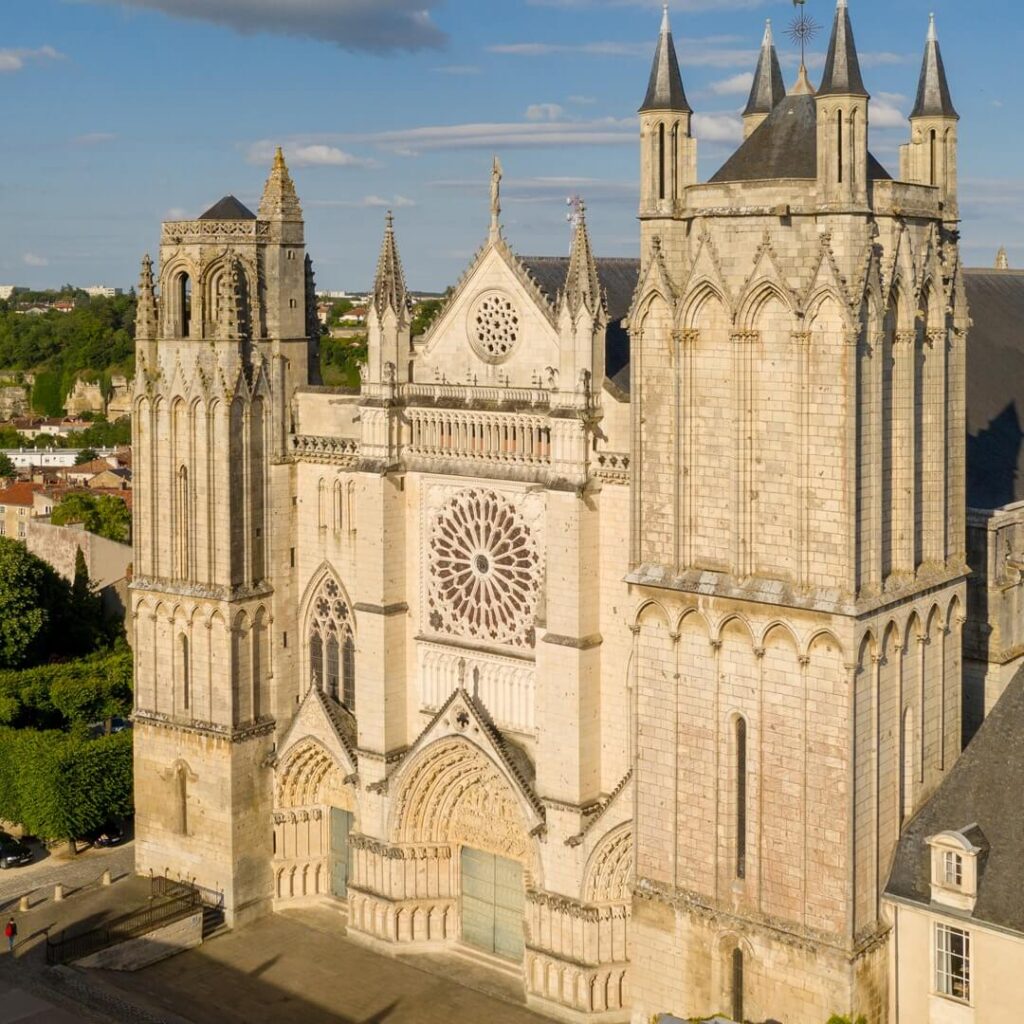
I didn’t spend a long time here, but it felt like a good contrast to the other church. If you’re already exploring the area, it’s an easy stop that doesn’t take much time but still adds something to the experience.
Walk Through Parc de Blossac
After walking through the historic streets for a while, this park felt like a natural place to pause.
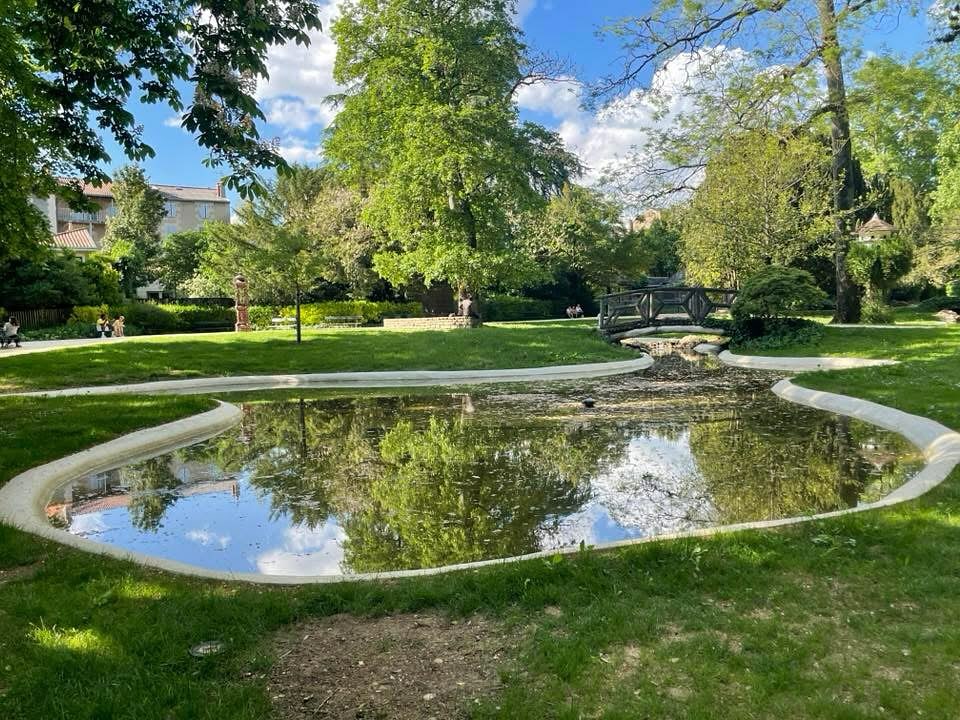
It’s open and well kept, with wide paths and a bit more space than you get in the center. I ended up sitting here longer than I planned, not really doing anything specific, just taking a break from walking.
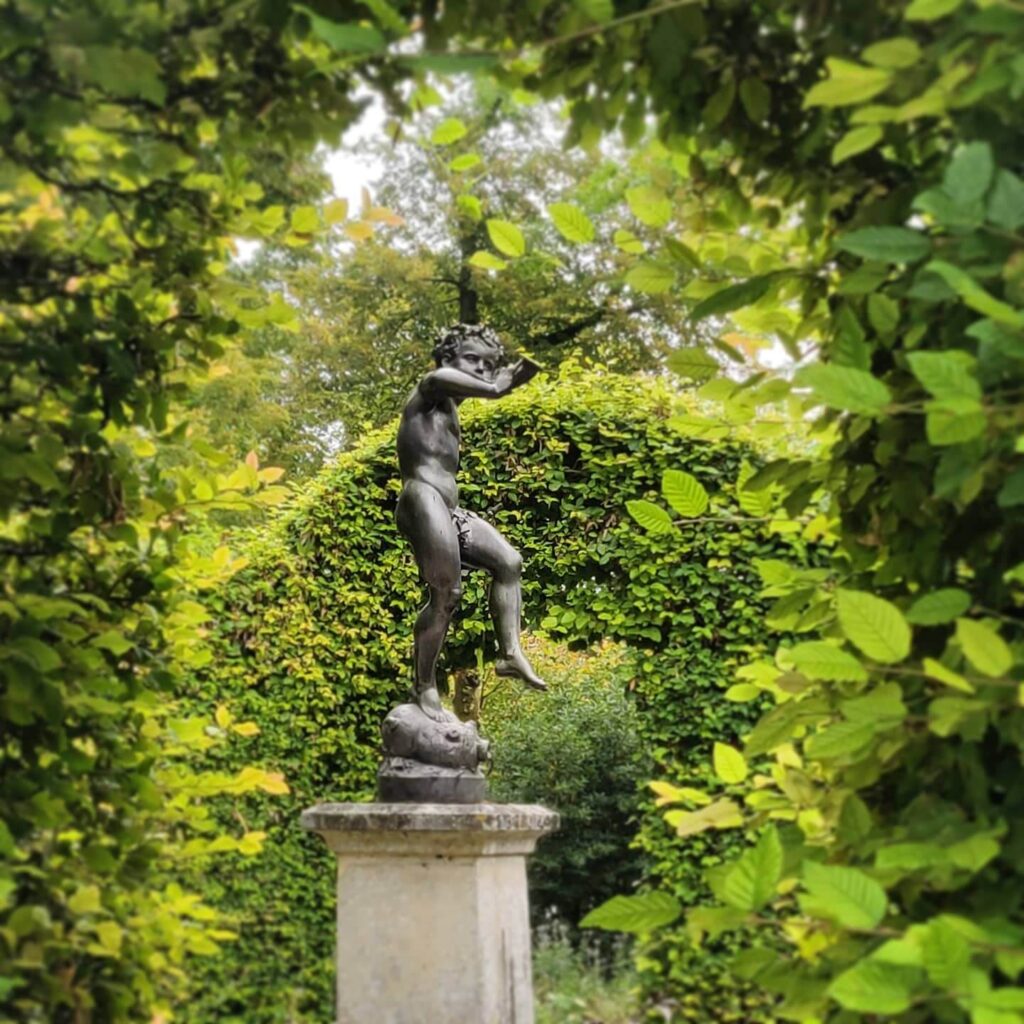
It’s not a place you go for a major attraction, but more for the shift in pace. You’ll see locals walking, sitting, or just passing through, and it gives you a slightly different perspective of the city.
If you’re someone who likes balancing sightseeing with quieter moments, this is worth including.
Visit Musée Sainte Croix
This is the main museum in Poitiers, and it covers quite a mix, from archaeology to art.
I think this really depends on how much you enjoy museums. If you like understanding the background of a place, this adds useful context to what you’ve been seeing around the city. Some of the exhibits help connect the history of Poitiers in a way that you don’t get just by walking around.
At the same time, if museums aren’t something you usually enjoy, it’s okay to skip this. Poitiers doesn’t feel incomplete without it. I’d say go in if you’re curious, but don’t feel like it’s something you have to include.
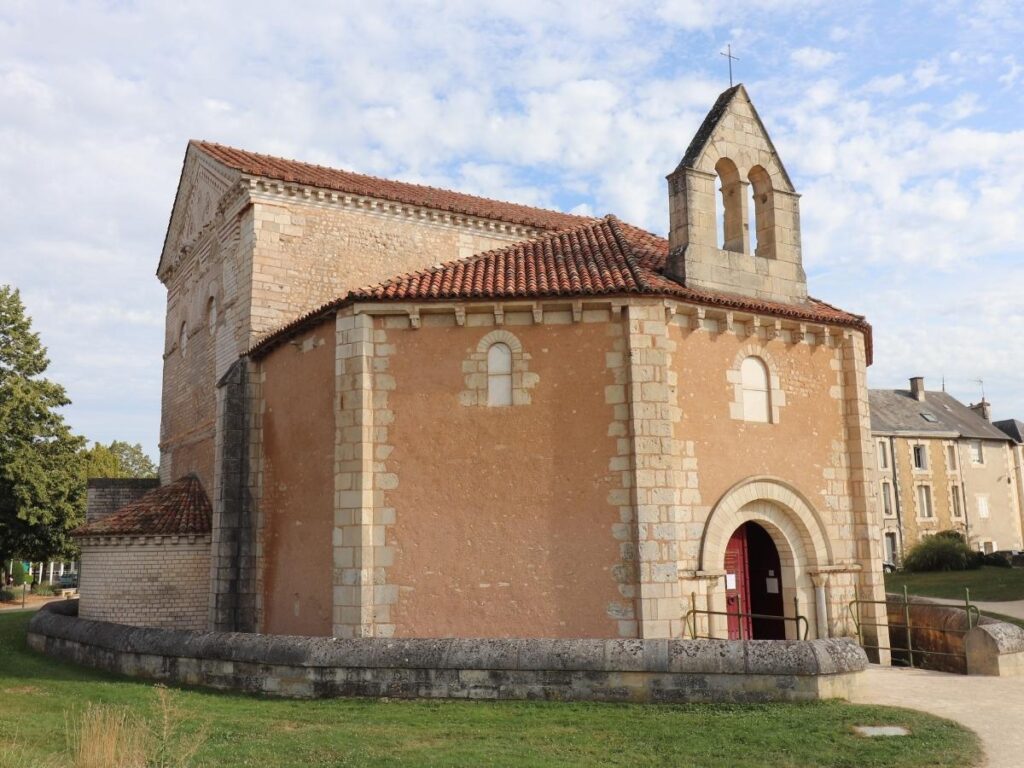
Discover Baptistery of Saint Jean
This is one of the oldest Christian buildings in France, and knowing that changes how you see it.
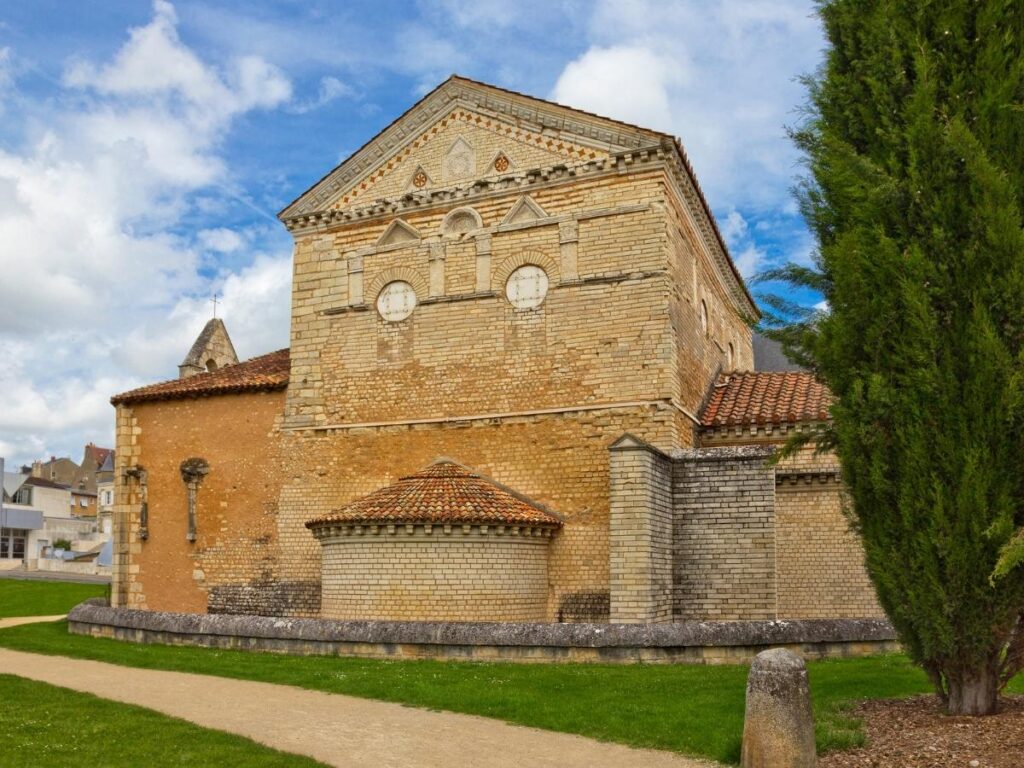
It’s not very large, and the visit itself doesn’t take long. But there’s something about standing in a place that has been there for so long that makes it feel different from the other sites.
I almost skipped it at first, but I’m glad I didn’t. It’s a quiet stop, and it adds a layer of history that you might not expect from a place like Poitiers.
Visit Futuroscope
This feels like a completely different experience from the rest of the city.
Futuroscope is modern, interactive, and built around technology and entertainment. It’s located just outside Poitiers, and getting there takes a bit more planning compared to the other places in this list.
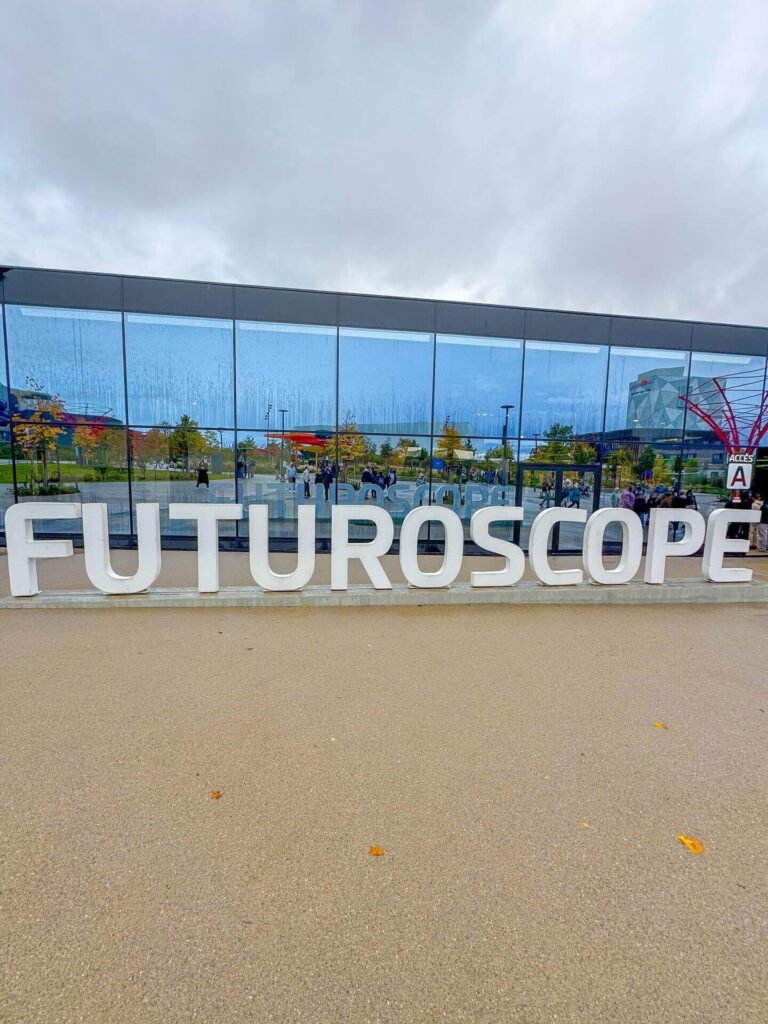
If you’re traveling with family or enjoy theme parks, this could easily take up half a day or more. But if you’re visiting Poitiers for its slower pace and historic feel, it might not fit naturally into your trip.
For me, I preferred staying within the city and keeping that slower rhythm. But I can see why it would appeal to some travelers, especially if you have extra time.
How to Spend 1 to 2 Days in Poitiers
1 Day Poitiers Itinerary
If you only have one day in Poitiers, it helps to keep your plans simple and not try to fit in everything. The city works best when you give yourself time to move around without constantly checking the clock.
I’d start the morning at Notre Dame la Grande. It’s one of those places that feels quieter earlier in the day, and you’ll have more space to actually notice the details on the façade without too many people around. Spend a bit of time here rather than just stopping for a quick photo. It’s worth slowing down.
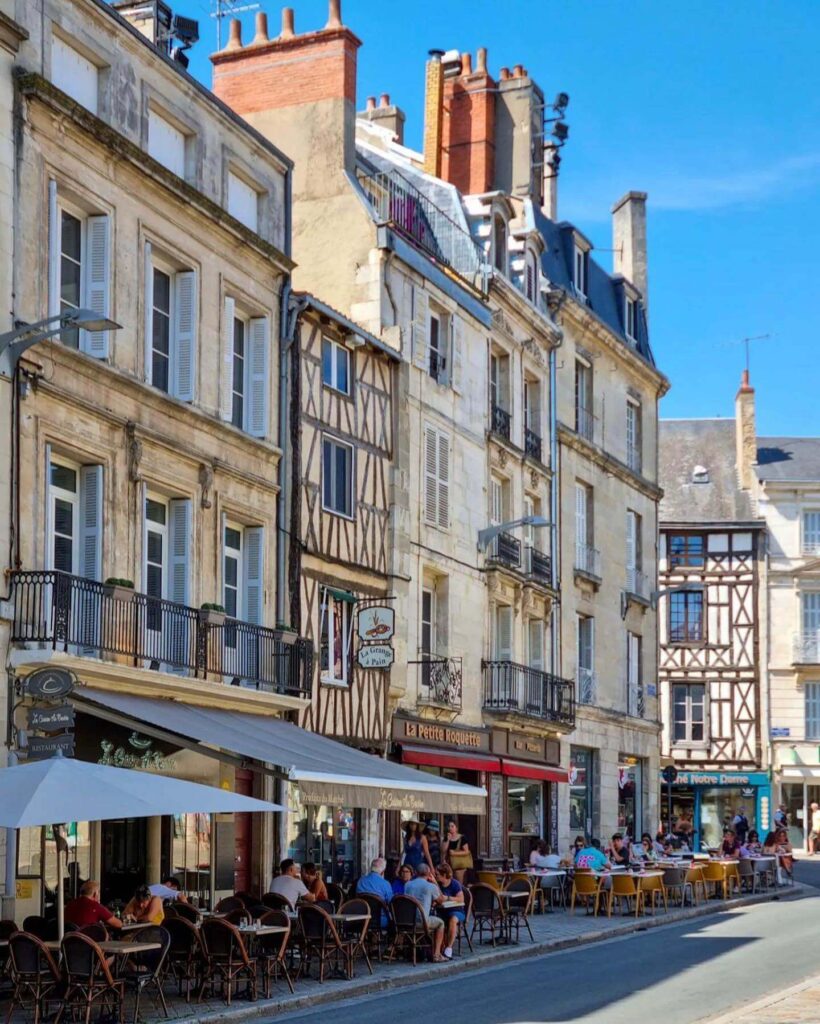
From there, head into the Old Town, but don’t treat it like a checklist. This part is better without a fixed route. Just walk in the direction that feels right and let yourself get slightly lost.
Some of the streets feel more lively, others almost empty, and moving between them is part of the experience. You’ll naturally come across small squares, cafés, and corners that make you pause for a bit.
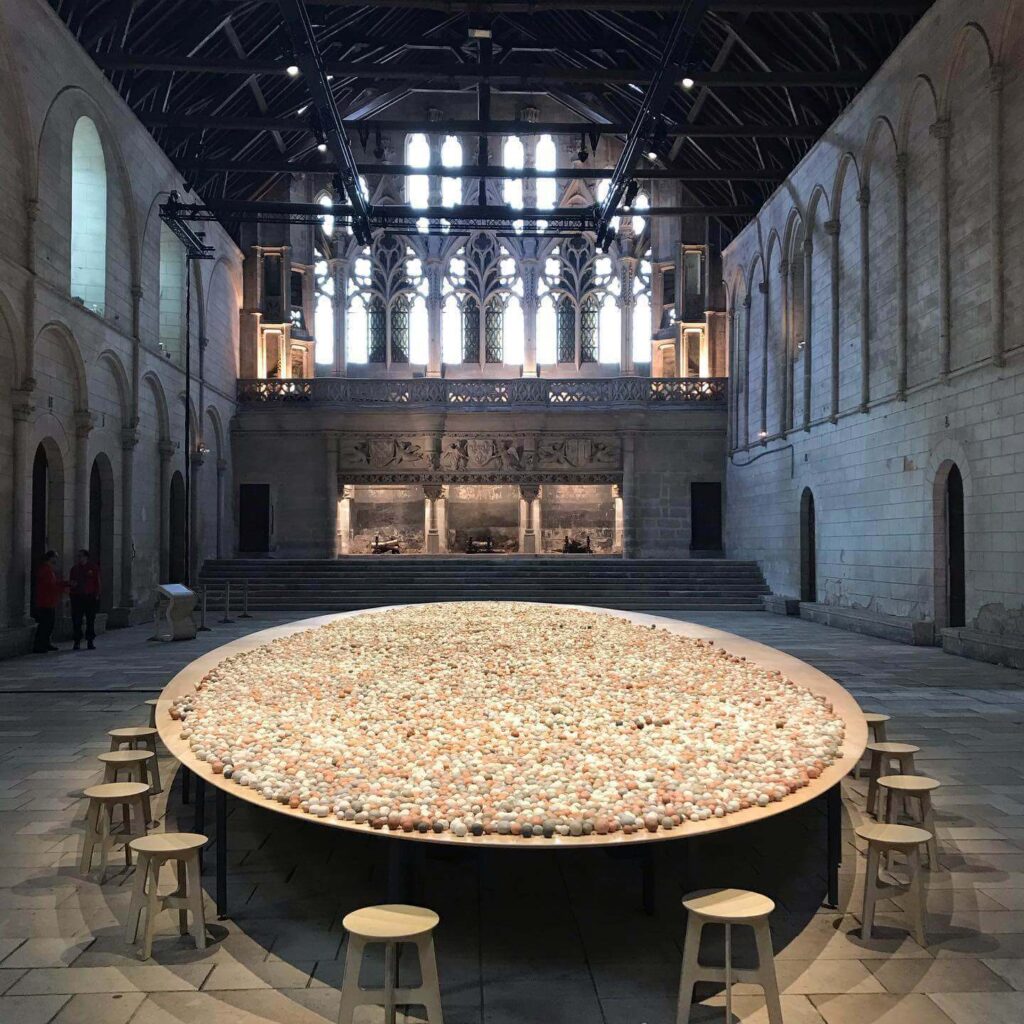
By late morning or early afternoon, you can make your way toward the Palais des Comtes de Poitou. It doesn’t take too long to visit, but it adds some context to the city’s history. After that, stop by Poitiers Cathedral, which is close enough to fit in without going out of your way. It’s a quieter space, and it gives a nice contrast to the busier streets.
Later in the afternoon, when you start to feel like slowing down, walk over to Parc de Blossac. This is a good place to take a break rather than move straight from one sight to another. Sit for a while, take your time, and let the day settle a bit.
In the evening, head back toward the center and find a place for dinner. Nothing too planned. Just pick somewhere that feels comfortable after walking around all day. That slower ending matched the overall pace of the city for me.
2 Day Poitiers Itinerary
If you have two days, the biggest difference is that you don’t need to think about time as much. You can follow a similar flow on your first day, but with less pressure to move quickly between places.
On the second day, I’d start a bit later and keep the morning light. You can visit Musée Sainte Croix if you’re interested in understanding more about the city’s background. It’s not overwhelming, but it does add context to everything you’ve already seen.
After that, walk over to the Baptistery of Saint Jean. It’s a short visit, but it feels different from the other places, partly because of how old it is and partly because of how quiet it tends to be.
The rest of the day doesn’t need much structure. You can revisit parts of the Old Town, spend more time in places you liked, or simply walk again without a plan. I found that the second day is when the city starts to feel more familiar, and you notice things you missed the first time.
If you’re considering Futuroscope, this is the day to do it. It takes more time and a bit of planning to get there, so it fits better when you’re not trying to see everything else on the same day. That said, if you’re enjoying the slower pace of Poitiers itself, you might prefer staying in the city instead.
Two days here isn’t about adding more sights, it’s more about giving yourself the space to experience the city without rushing through it.
Best Areas to Explore in Poitiers
Old Town (Centre Historique)
Most of your time in Poitiers will naturally revolve around the Old Town, and it’s the part of the city that feels the most complete.
What I liked here is how easy it is to just step outside and start exploring without thinking too much about directions. The streets connect in a way that makes wandering feel natural, and you’re never too far from something interesting, even if it’s just a quiet corner or a small square.
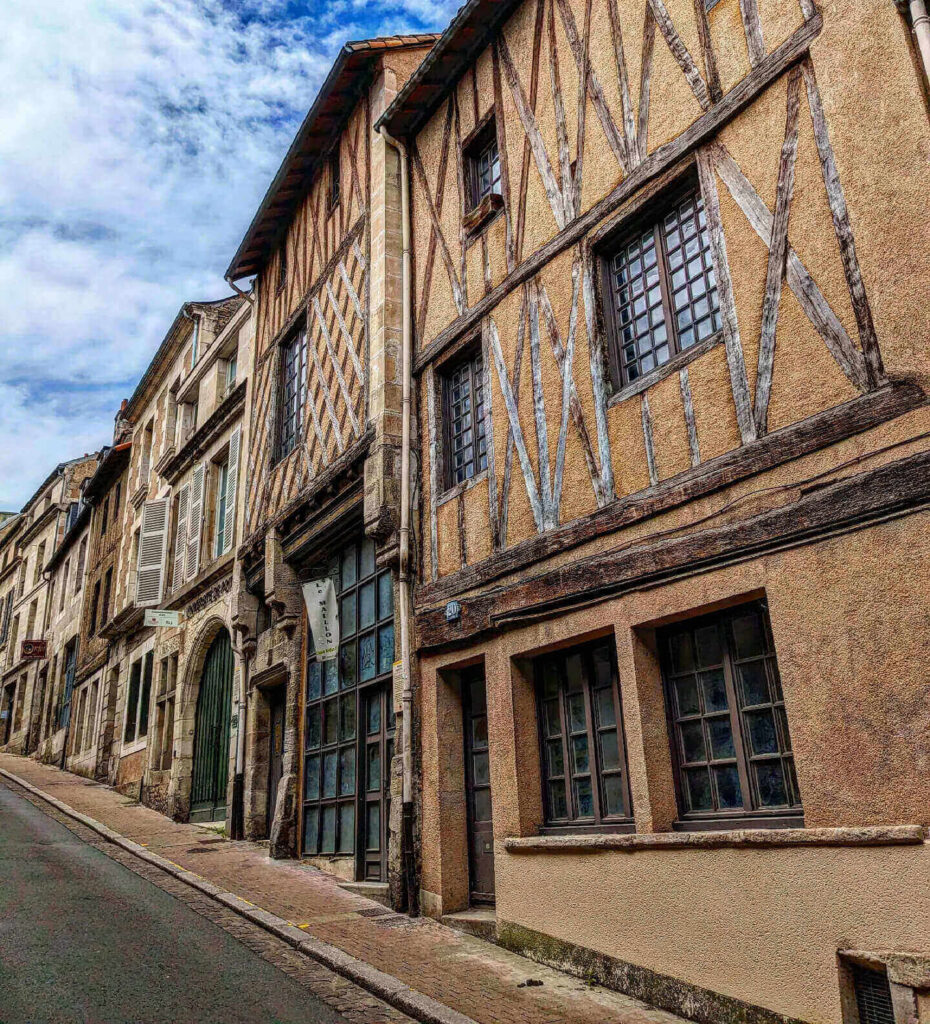
You’ll pass by places like Notre Dame la Grande without really trying, along with cafés, local shops, and streets that feel slightly different from one another. Some areas are a bit more active, especially around the main squares, while others feel almost still.
It’s not just about the main sights here. A lot of what I remember came from the in between moments. Walking without a plan, stopping somewhere because it felt comfortable, or just slowing down for no real reason. That’s when this part of the city felt the most enjoyable.
Around Poitiers Cathedral
Once you move slightly away from the busier parts of the Old Town, the atmosphere shifts a bit.
Around the cathedral, things feel more open and noticeably quieter. There are fewer people around, and the streets don’t have the same constant movement you find closer to the center. I found myself slowing down here without even thinking about it.
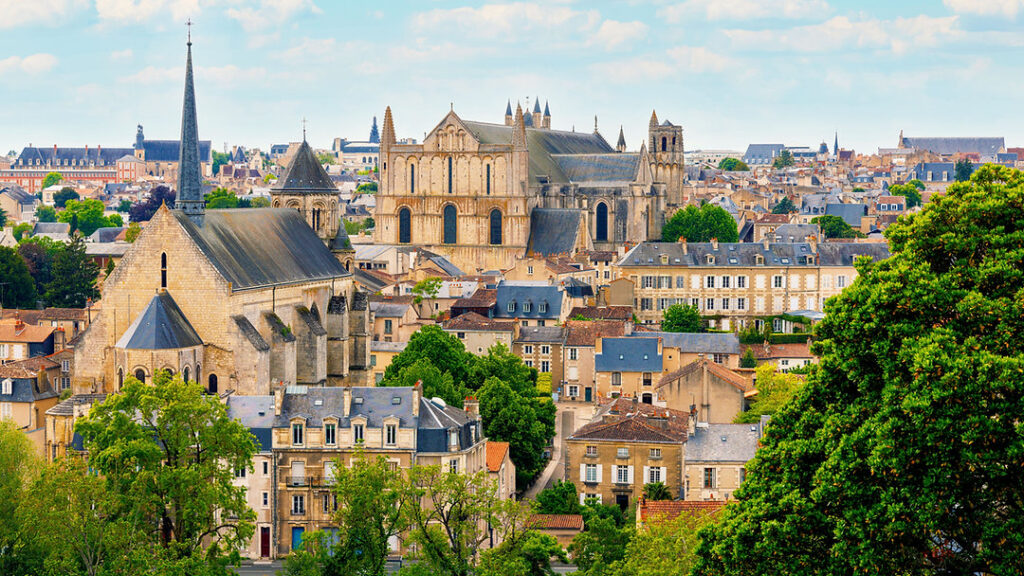
The cathedral itself sits in a way that gives the area a bit more space, and that changes how everything feels. You’re not moving from one place to another as quickly, and it’s easier to just pause for a moment.
It’s not an area packed with things to do, but that’s kind of why it stands out. It gives you a break from the slightly busier streets without needing to go far.
Near Parc de Blossac
This part of Poitiers feels different again, mostly because of the shift away from narrow streets into something more open.
After spending time walking through the historic center, arriving near the park almost feels like a reset. There’s more space, more light, and a slower rhythm overall. People are less in a rush here, and it shows in how the area feels.
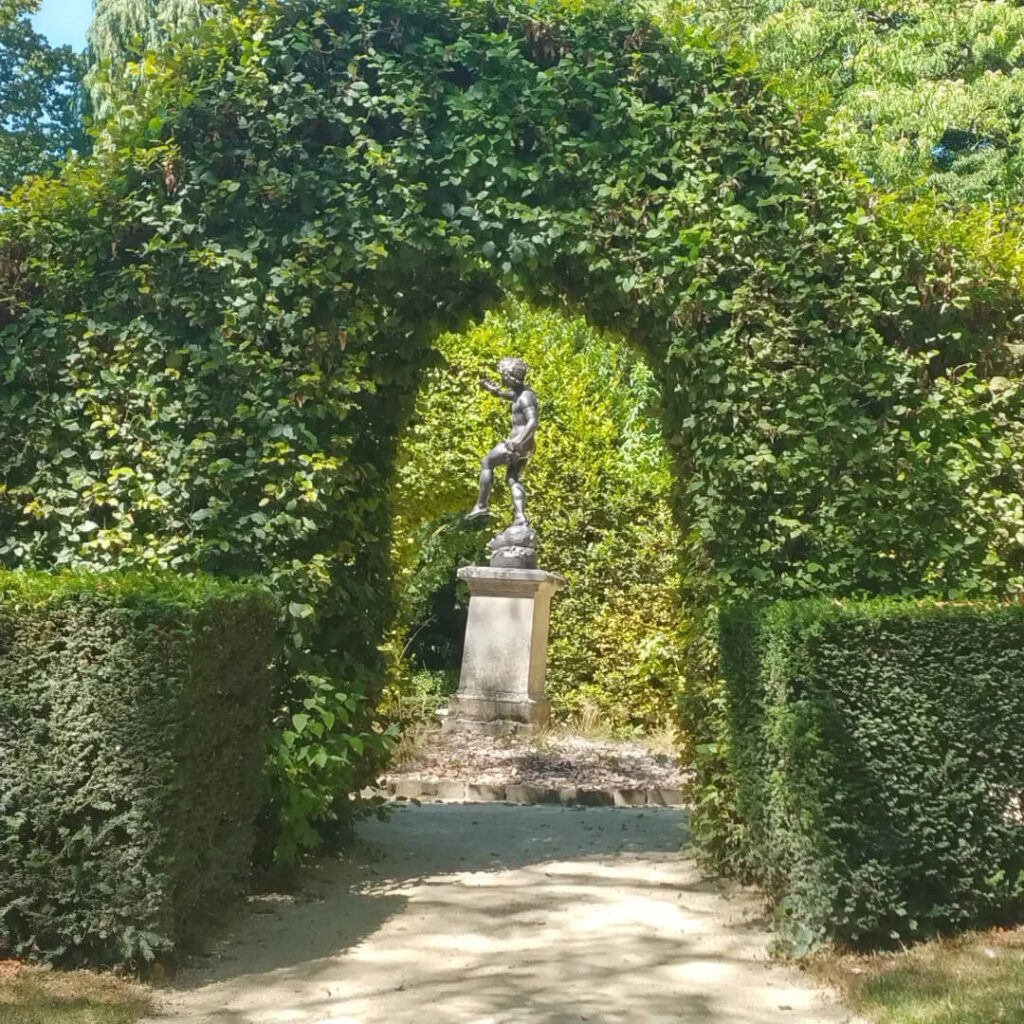
I didn’t come here with a plan, and I think that worked better. I just walked into the park, found a place to sit, and stayed longer than I expected. It’s one of those places where nothing specific needs to happen for it to feel worthwhile.
If you’ve been walking around the Old Town for a while, this is a good place to step away for a bit. Not because you have to see it, but because it balances out the rest of the experience.
Is Poitiers Worth Visiting?
I found myself asking this question while I was there, not before.
Poitiers isn’t the kind of place that tries to impress you immediately. It doesn’t have that instant impact you might feel in bigger cities, where everything feels busy and full of highlights. At first, it can even seem a little quiet, like you’re still waiting for something to happen.
But after spending some time there, I realized that’s not really what the city is about.
It works best if you enjoy slower travel. The kind where you don’t feel the need to fill every hour with plans. Where walking without a clear destination is part of the experience, and where small details start to matter more than big attractions. I noticed things here that I probably would’ve missed in a faster paced city, simply because I wasn’t rushing.
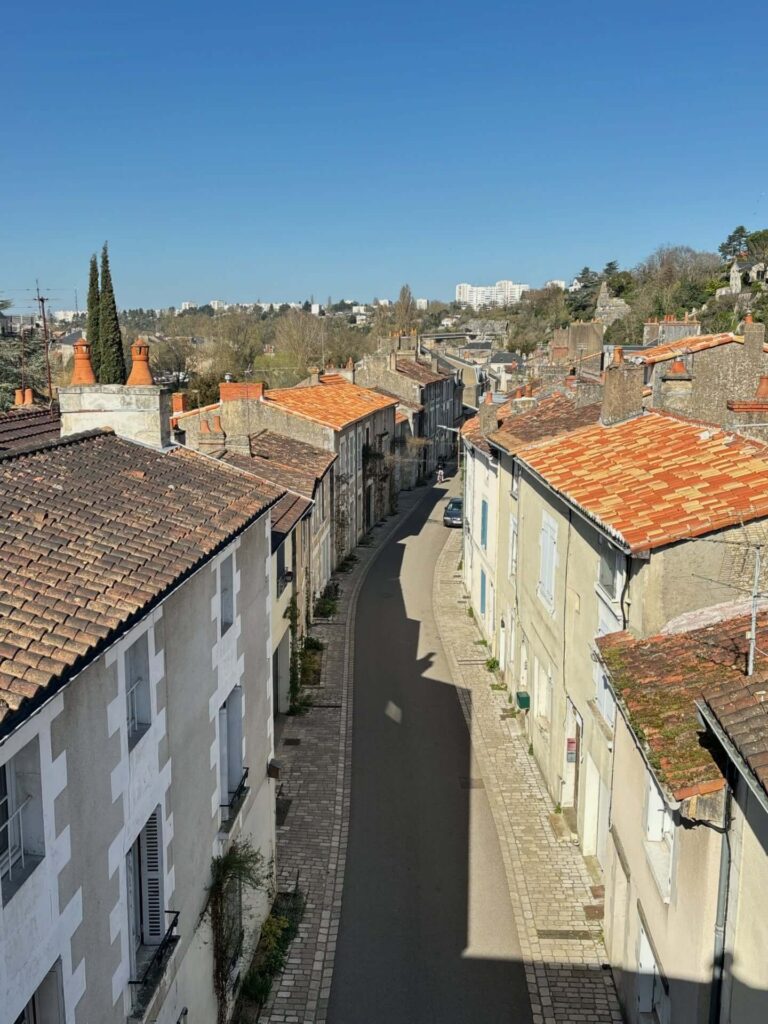
There’s also something comfortable about how manageable it feels. You can walk almost everywhere, nothing feels too far, and you don’t have to think too much about logistics. That ease makes a difference, especially if you’re coming from somewhere more intense.
At the same time, I think it’s fair to say that Poitiers isn’t for everyone. If you enjoy cities where there’s always something happening, or where you can move quickly from one major sight to another, it might feel a bit too calm. You won’t find a long list of big attractions here, and the energy stays fairly steady throughout the day.
For me, it worked because of that balance. It felt like a place where I could slow down without feeling like I was missing out on anything. But whether it’s worth visiting really depends on the kind of trip you’re planning.
Best Time to Visit Poitiers
The time you visit Poitiers doesn’t completely change the experience, but it does shift the overall feel of the city a little.
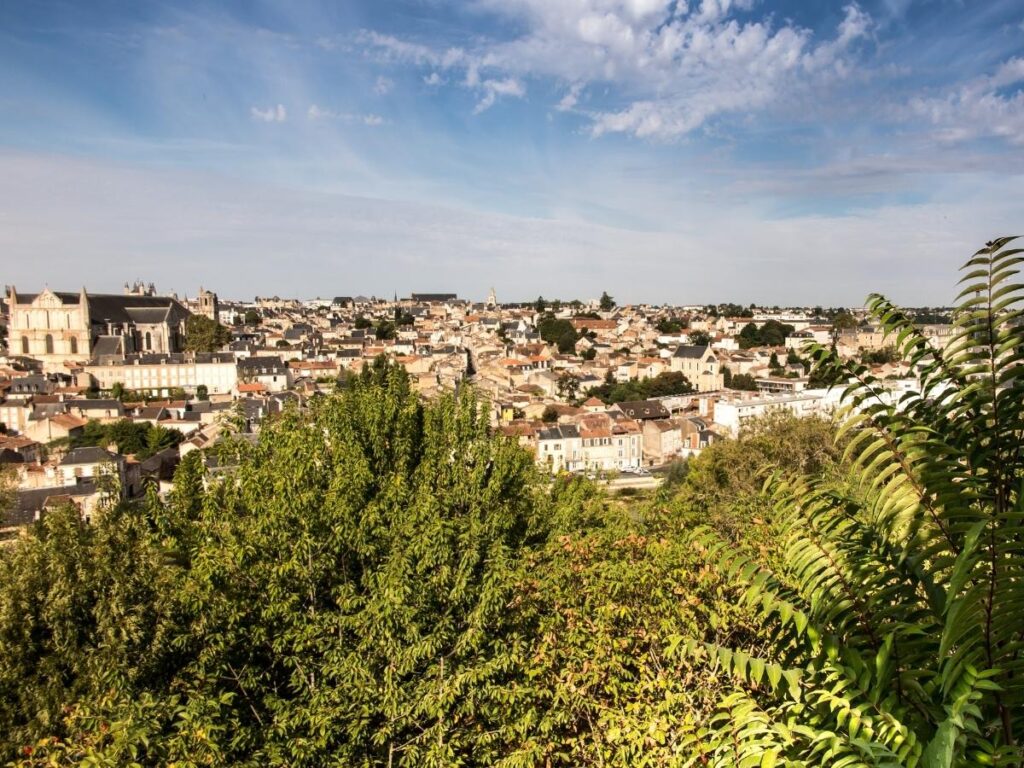
Spring felt like a really comfortable time to be there. The weather was mild, which made walking around easy, and the city didn’t feel too busy. It had just enough energy without becoming crowded, and everything felt quite balanced.
Summer is a bit different. There are more people around, especially during the middle of the day, and the city feels more active overall. Cafés are fuller, the streets have more movement, and there’s a bit more going on. It’s still enjoyable, but it doesn’t have the same quiet feel as other times of the year.
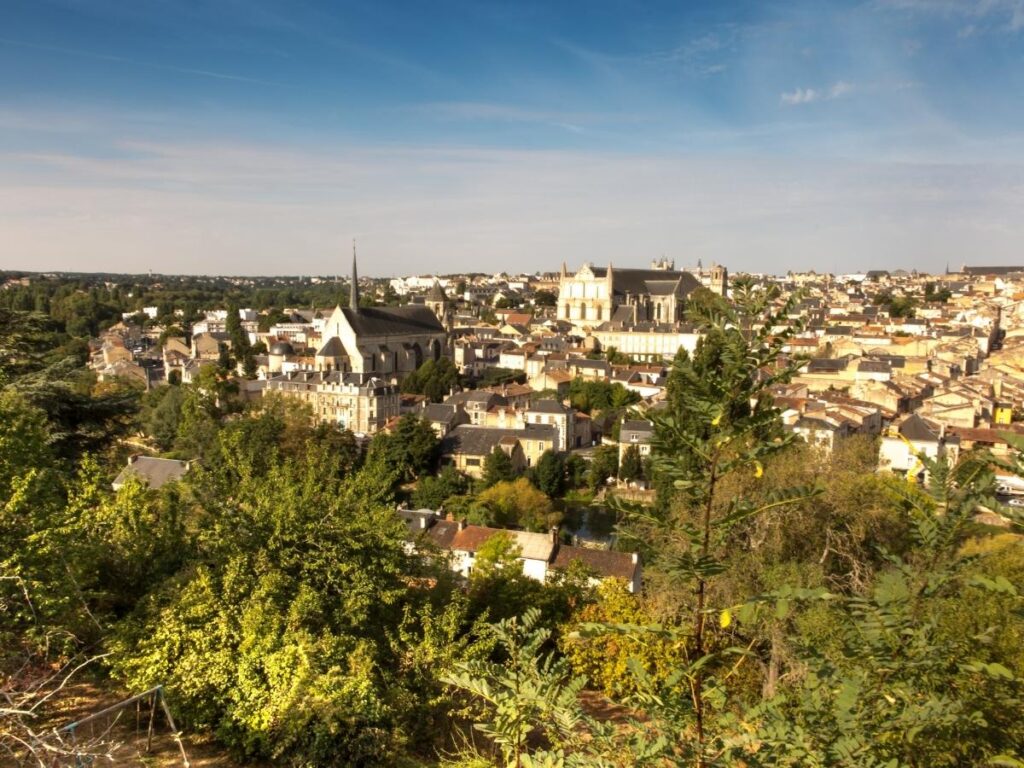
Autumn brings things back down again. It felt calmer, with fewer people and a slower pace returning. Walking through the streets during this time feels more relaxed, and it’s easier to find those quieter moments without trying.
Winter is probably the quietest period. The city feels still, and while that can be nice in its own way, it may also feel a bit too subdued if you’re looking for a more lively atmosphere. Some places also have shorter hours, so there’s slightly less to do.
Overall, I’d say there isn’t a perfect time to visit. It really depends on whether you prefer a bit more energy or a quieter, slower experience.
Practical Travel Tips for Poitiers
Getting Around
Getting around Poitiers ended up being much easier than I expected. Once you’re in the center, everything is close enough that you can just walk without thinking too much about it.
Most of the main places, like Notre Dame la Grande and the nearby streets, are within a short distance of each other. I rarely felt the need to check directions after the first few hours because the city is quite compact, and you naturally start recognizing where things are.
One thing to keep in mind is that the streets can be slightly uneven, and there are a few gentle slopes, so comfortable shoes make a difference, especially if you’re walking most of the day.
If you’re arriving by train, the station is well connected and easy to navigate. It’s not too far from the center, but depending on where you’re staying, you might prefer taking a short taxi or bus when you first arrive, especially if you have luggage. After that, though, you likely won’t need any transport at all.
Where to Stay
Where you stay in Poitiers can slightly change how your trip feels, even though the city itself is quite small.
Staying in the Old Town makes things much simpler, especially if it’s your first time. You can step outside and already be close to places like Poitiers Cathedral or small cafés and streets worth exploring. I liked how easy it felt to head out in the morning without needing a plan, and also how convenient it was to come back and take a break during the day.
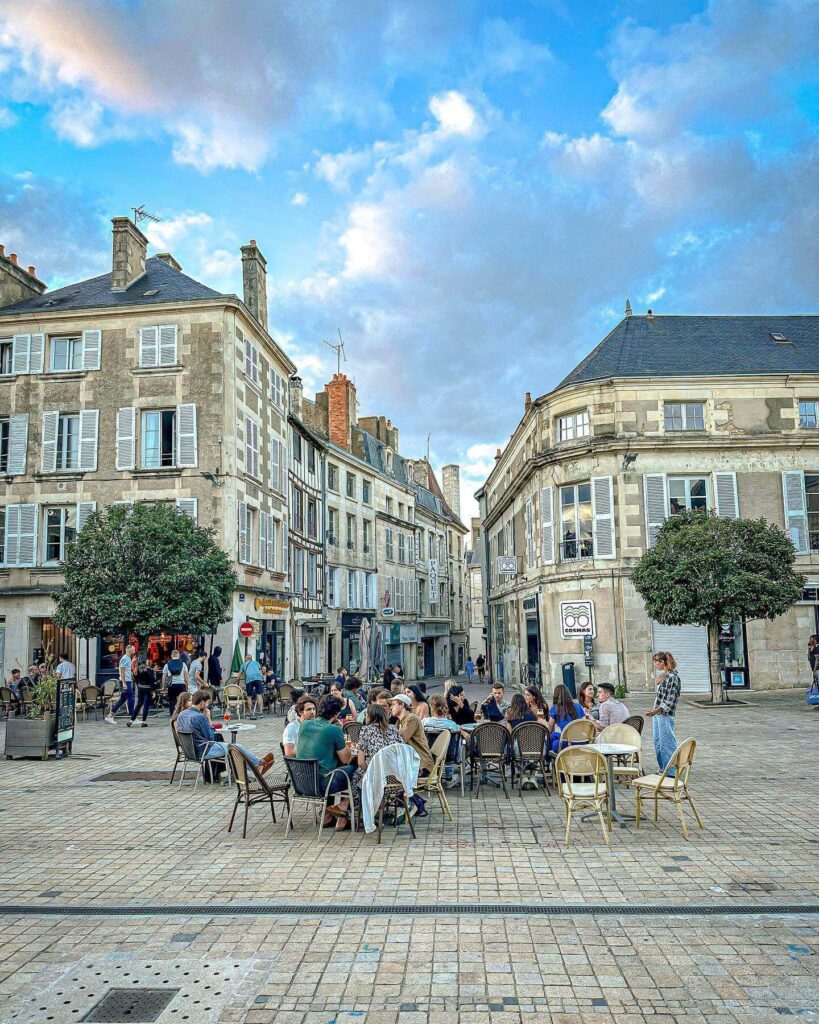
If you choose to stay a bit outside the center, the atmosphere becomes quieter, which some people might prefer. It feels more residential and less busy, especially in the evenings. The only trade off is that you’ll need to walk a bit more to reach the main areas, which isn’t a big issue, but it does change the rhythm of your day slightly.
Tips to Make Your Visit Better
This is probably what made the biggest difference for me.
At first, I thought I’d move from one place to another like I usually do, but Poitiers didn’t feel right that way. The more I tried to follow a plan, the less I enjoyed it. It started to feel much better when I slowed things down and stopped thinking about what I should see next.
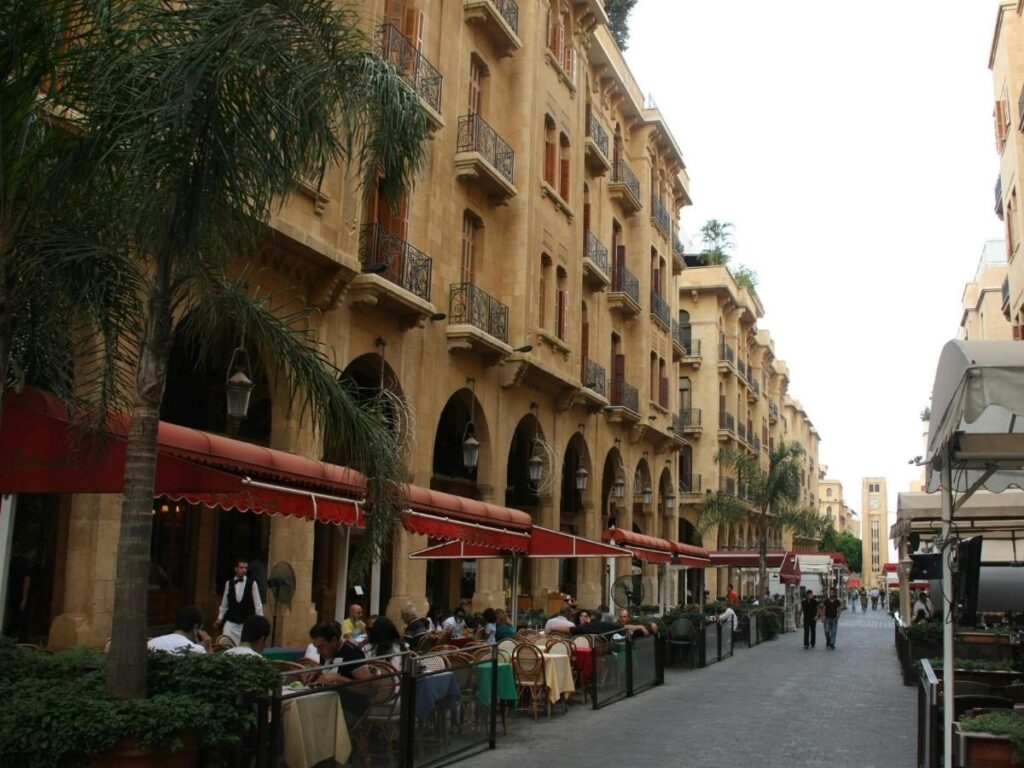
Some of my favorite moments weren’t tied to any specific place. They came from just sitting somewhere for a while, walking down a street that looked interesting, or taking a break without checking the time.
If I had to suggest one thing, it would be to leave space in your day. Not every hour needs to be planned. Let yourself move at a slower pace, even if it feels unfamiliar at first.
Poitiers don’t reward rushing. It’s the kind of place that becomes more enjoyable the less you try to structure it too tightly.
Conclusion
Poitiers isn’t a place that tries to impress you right away, and I think that’s why it stayed with me.
When I first arrived, it felt quiet, almost understated, like it was still waiting to reveal itself. There wasn’t a single moment where everything suddenly clicked. Instead, it built up slowly over time. A walk that lasted longer than I expected, a street I turned into without thinking, a place I sat down for a few minutes and ended up staying much longer.
Those smaller moments ended up shaping the whole experience.
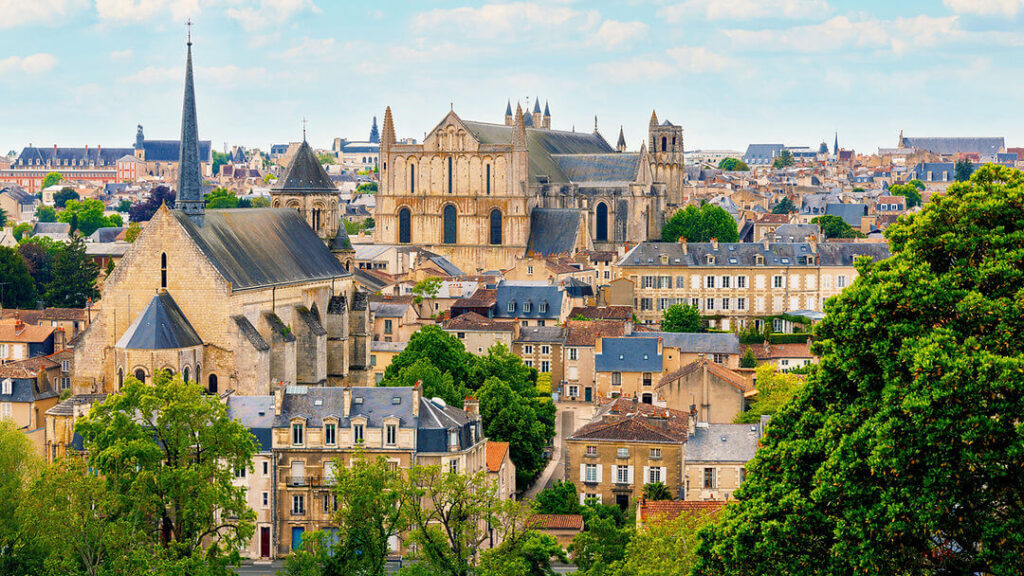
It’s not a city you rush through, and it doesn’t really reward that kind of approach either. The more I tried to slow down, the more I started noticing things I would’ve otherwise missed. Details in the buildings, how the streets changed from one area to another, the way the atmosphere shifted depending on where I was.
If you’re planning a trip through France and want to include somewhere that feels a bit calmer and easier to move around, Poitiers fits naturally into that kind of itinerary. It’s a good place to pause for a day or two, especially if you’ve been visiting busier cities before.
And if you do go, I’d keep your plans light. Not empty, just flexible. Leave room in your day to wander a bit, to stop when something feels worth it, and to not feel like you need to move on too quickly.
That’s when Poitiers started to feel less like just another stop, and more like a place I actually experienced.