
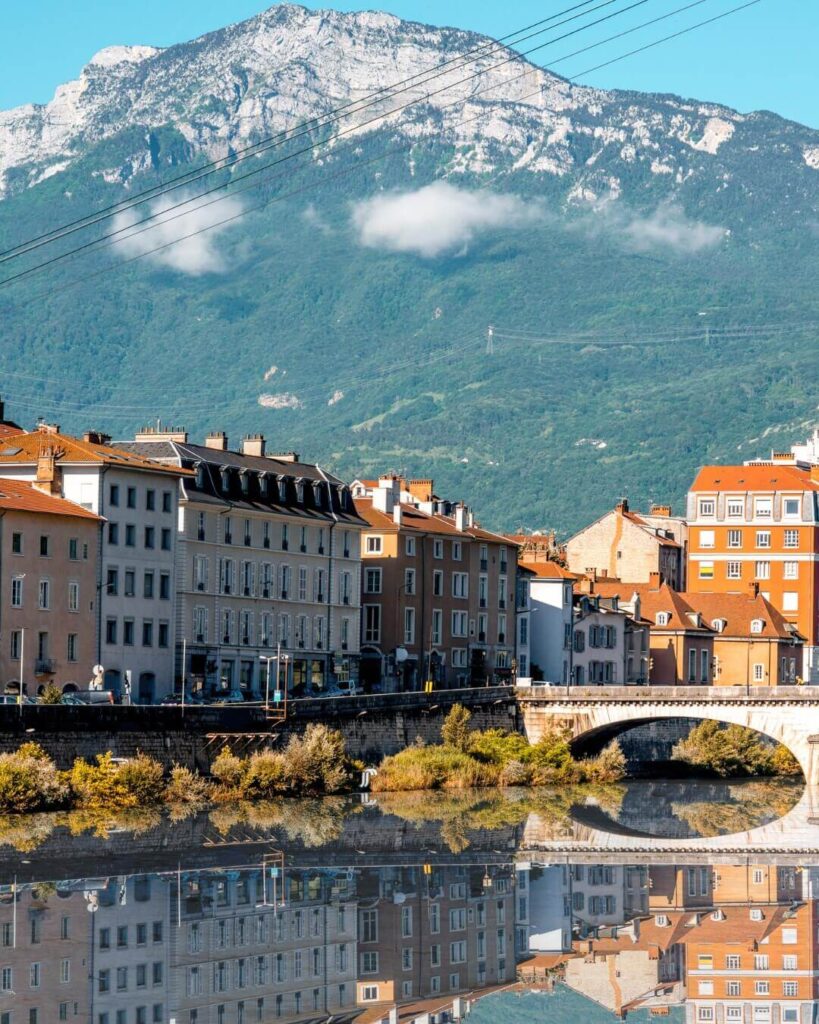
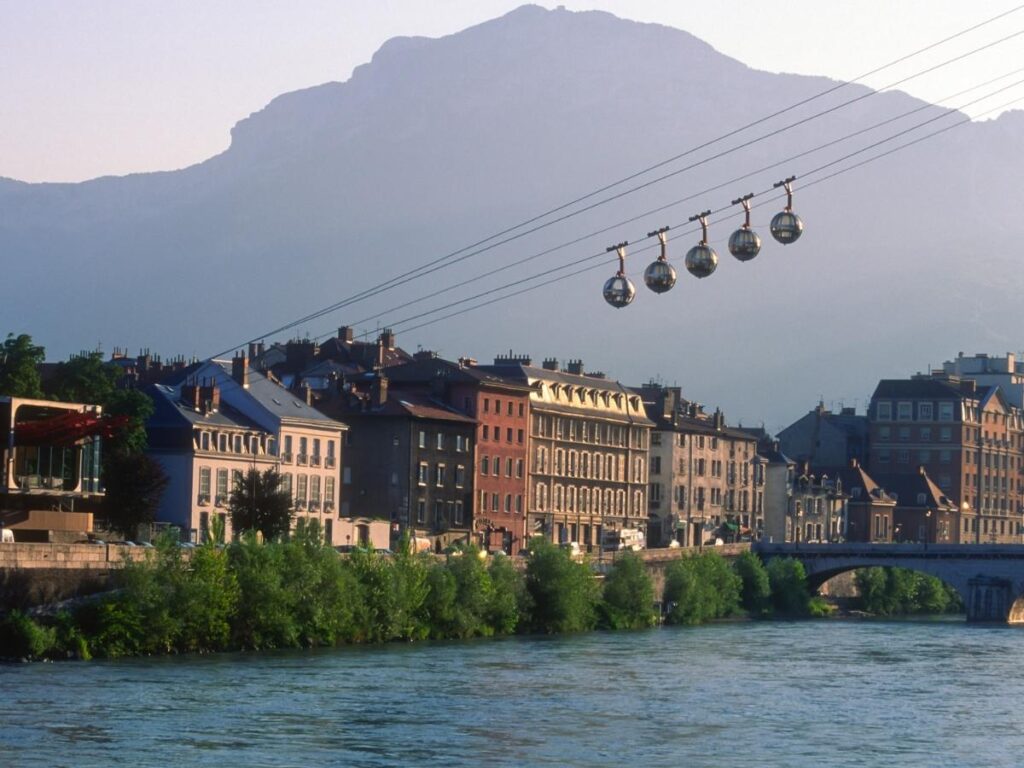
The first thing I noticed about Grenoble wasn’t a landmark or a museum, it was the mountains. They’re always there, almost wrapping around the city, and it changes how the place feels from the moment you arrive.
Even when I was just walking through regular streets or sitting at a café, I kept catching glimpses of them in the background. It’s not something you have to go looking for, it’s just part of the city.
I didn’t go to Grenoble expecting much, if I’m being honest. It’s not one of those places that gets talked about a lot compared to cities like Nice or Lyon. But that’s also what made it feel more relaxed.
It didn’t feel like it was trying to impress anyone. People were going about their day, cafés felt local rather than curated, and everything moved at a slightly slower pace.
What stood out to me most was how easy it was to switch between different kinds of experiences. One moment I was walking through the Old Town, passing small streets and shops, and not long after I was looking out over the entire city from above.
You don’t need to plan much here to get a good experience. Things are close, and the layout makes sense once you’ve walked around a bit.
If you’re planning a trip, I’d honestly keep your expectations simple. Grenoble isn’t about ticking off a long list of major attractions. It’s more about the overall feel of the place, spending time outside, and enjoying the mix of city and mountains without rushing through it.
I didn’t follow a strict plan when I was there, and that’s probably why I ended up enjoying it as much as I did.
Here’s how I spent my time in Grenoble and what I’d suggest focusing on if you’re visiting.
Best Things to Do in Grenoble
1. Take the Cable Car to La Bastille
This is the one experience I wouldn’t skip, even if you’re only in Grenoble for a few hours.
The cable cars, often called the “bubbles,” are hard to miss once you’re in the city. They look slightly unusual at first, almost like glass spheres floating above the river. Getting on is straightforward, and the ride itself is short, but it’s one of those moments where everything starts to make sense.
As you go up, you can see how the city is laid out, the river cutting through it, and the mountains rising in every direction.
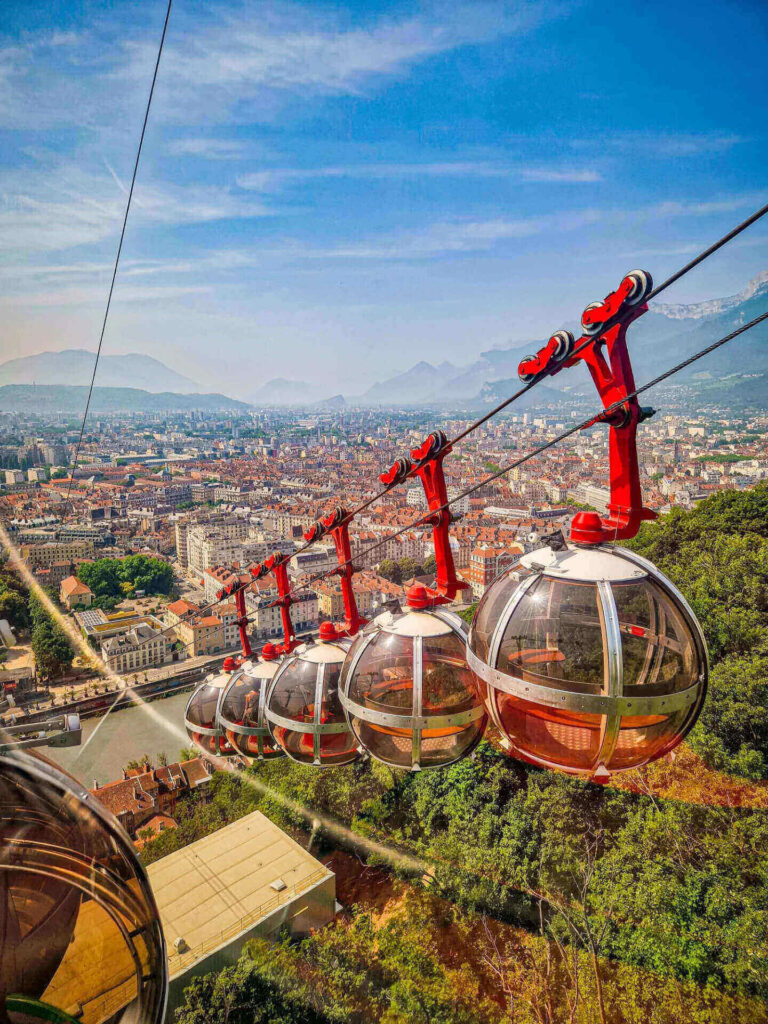
At the top, I didn’t rush off straight away. The view is wide and open, and it’s worth taking a few minutes to just stand there and take it in. You can see rooftops, bridges, and layers of mountains beyond the city. I went earlier in the day, which felt calm, but I can see why people suggest sunset too.
If you’re unsure when to go, I’d say either early morning for fewer people or later in the day for softer light. Midday can feel a bit busier.
2. Explore La Bastille Fortress
Once you’re up there, it’s worth slowing down a bit instead of heading straight back.
The Bastille isn’t just one viewpoint, it’s more like a whole area you can explore. There are different paths, small lookout spots, and sections of the old fortifications you can walk through. I didn’t follow a specific route, I just walked around and stopped whenever something looked interesting.
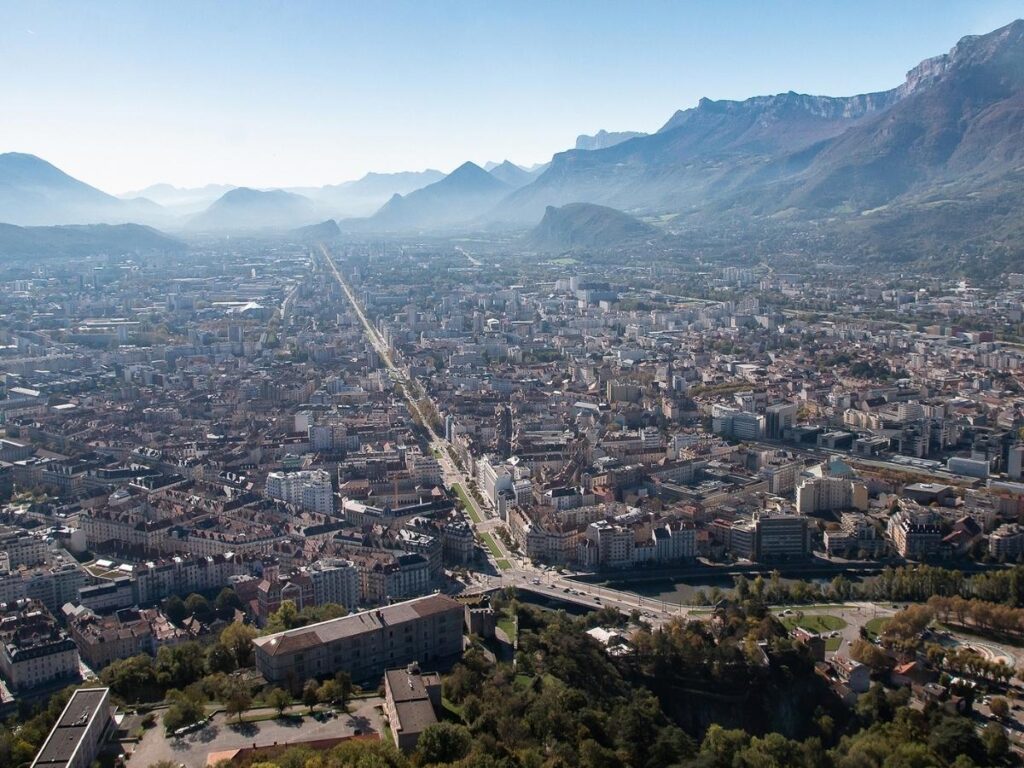
Some paths lead slightly away from the main viewpoint, and those were actually the ones I enjoyed more because they felt quieter. You get different angles of the city depending on where you stand, and it doesn’t feel repetitive.
If you enjoy walking, you can also hike up instead of taking the cable car. It’s not too difficult, but it does take a bit of time and effort, especially in warmer weather. I’d only recommend it if you’re comfortable with uphill walks.
3. Walk Around Grenoble Old Town
This is where I spent most of my time without really planning to.
The Old Town is compact and easy to walk through, which makes it ideal for just wandering. I didn’t follow a map here. I turned into smaller streets, passed cafés, and occasionally stopped when something caught my attention. That approach worked better than trying to see everything.
Some streets feel a bit busier, especially closer to the main squares, but if you walk a little further out, it gets quieter. That’s where I found the parts I liked the most. It felt more local and less like a place designed for visitors.
If you enjoy taking photos or just walking without a plan, this area makes it easy.
4. Spend Time at Place Grenette
Place Grenette is one of those spots you’ll probably pass through more than once.
It’s a central square, so it naturally becomes a place to pause for a bit. I stopped here for a coffee and ended up staying longer than I expected, mostly just watching people come and go. It has that everyday city feel rather than being overly polished.
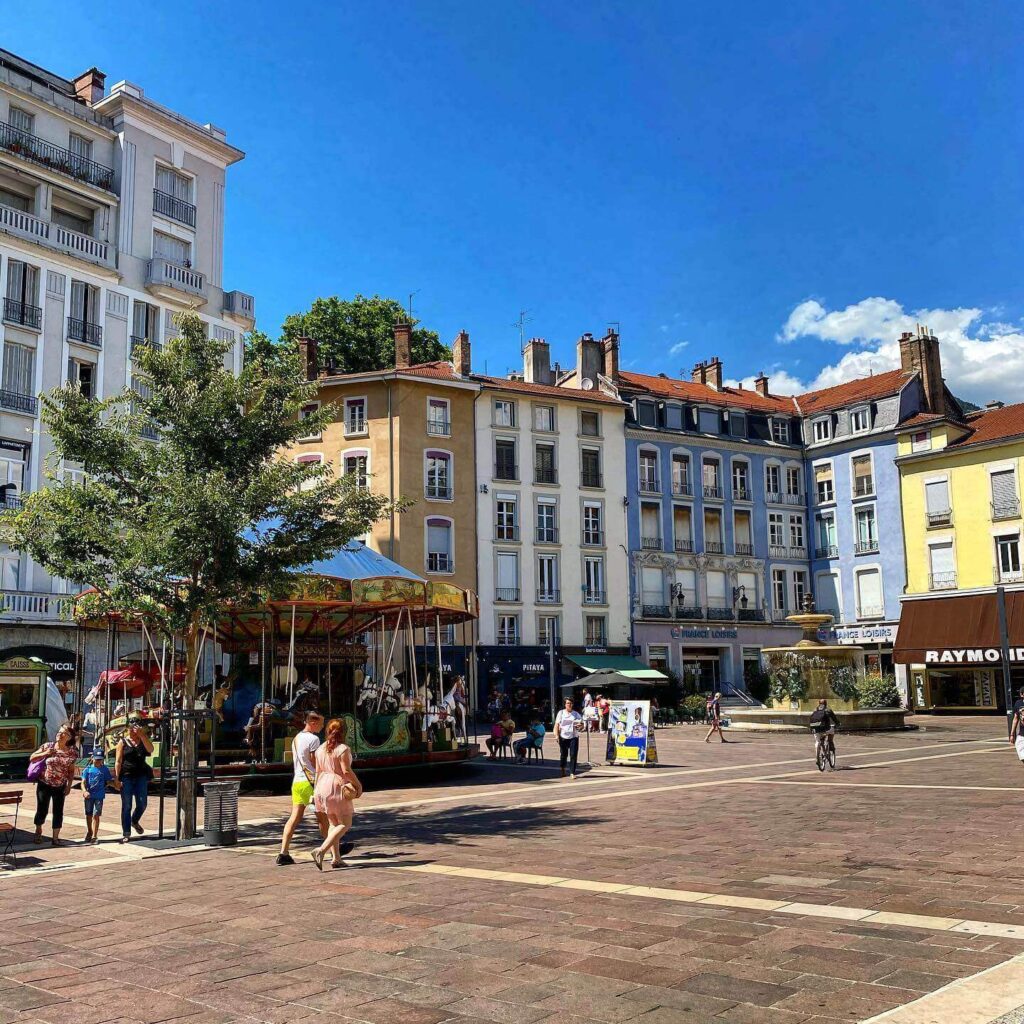
I found it more enjoyable later in the day when things picked up slightly. Not crowded, just a bit more energy compared to the quieter mornings.
5. Visit Musée de Grenoble
I wasn’t sure if I’d spend time in a museum here, but this one turned out to be a good choice.
The Musée de Grenoble has a mix of modern and classical art, and it’s laid out in a way that doesn’t feel overwhelming. You don’t need to be particularly interested in art to enjoy it. I just moved through the spaces at my own pace, stopping at pieces that stood out to me.
It’s also a good option if you want a break from being outside, especially if the weather isn’t great or you’ve been walking a lot.
You probably don’t need more than an hour or two here unless you want to take your time with everything.
6. Walk Along the Isère River
This ended up being one of the quieter parts of my time in Grenoble.
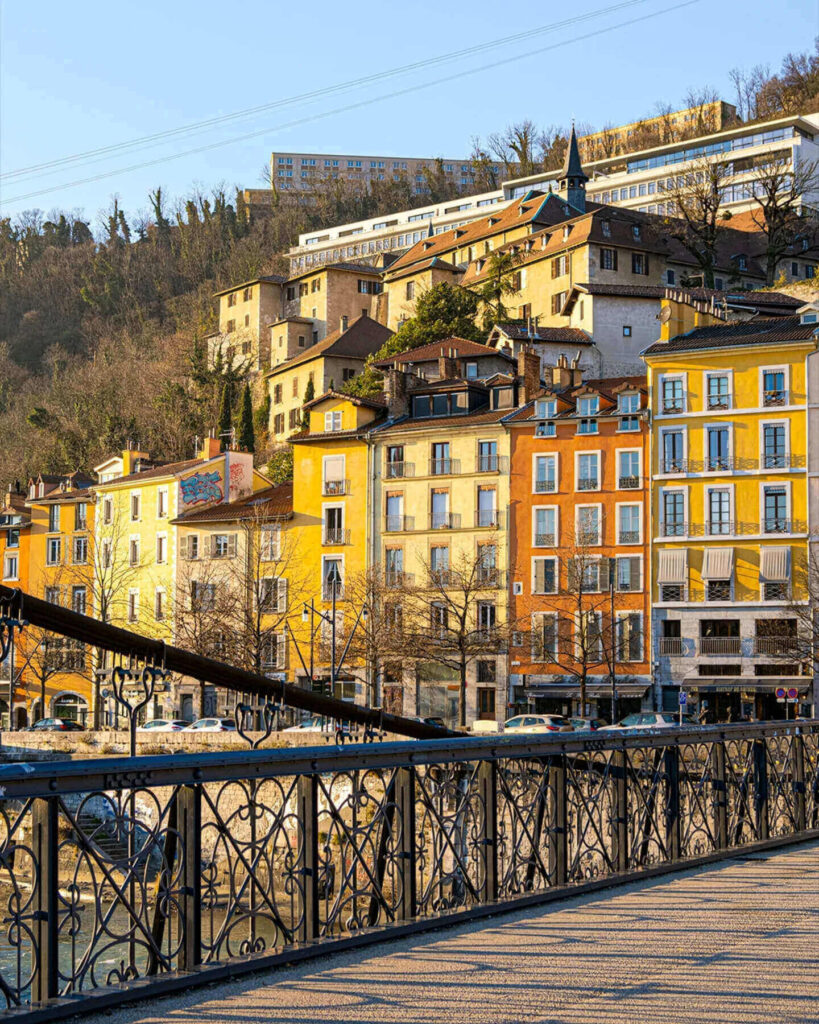
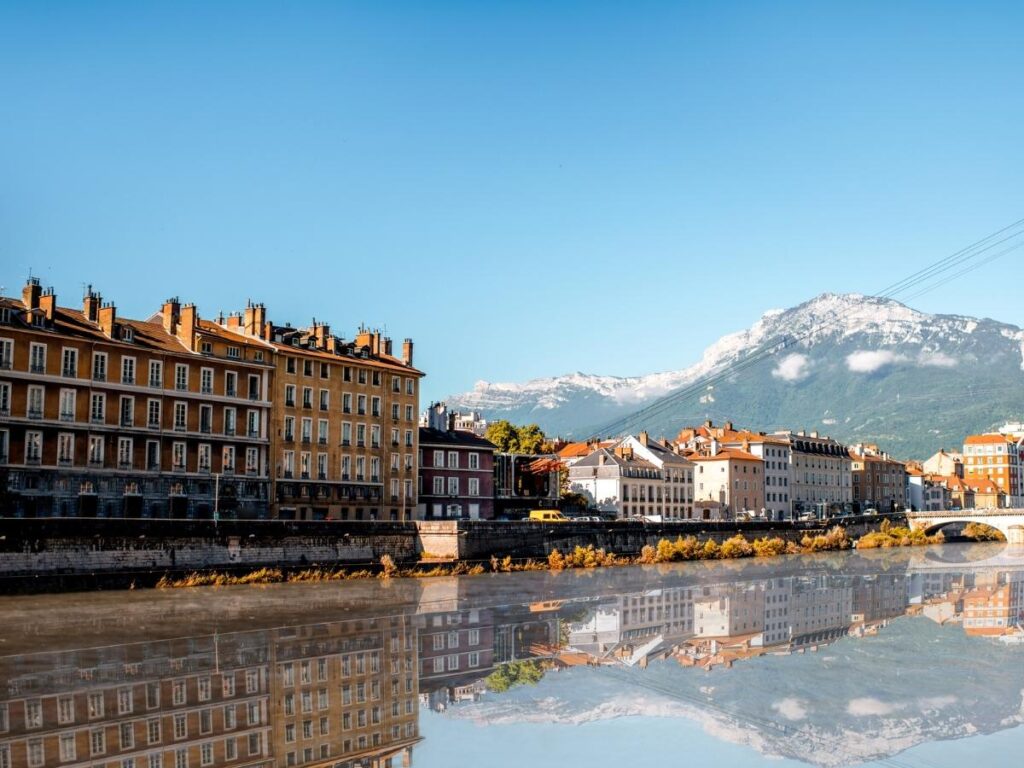
The river runs right through the city, and walking alongside it gives you a slightly different perspective compared to the Old Town. The buildings along the water have a bit more color, and when the light hits right, you can see reflections that make the whole area feel calmer.
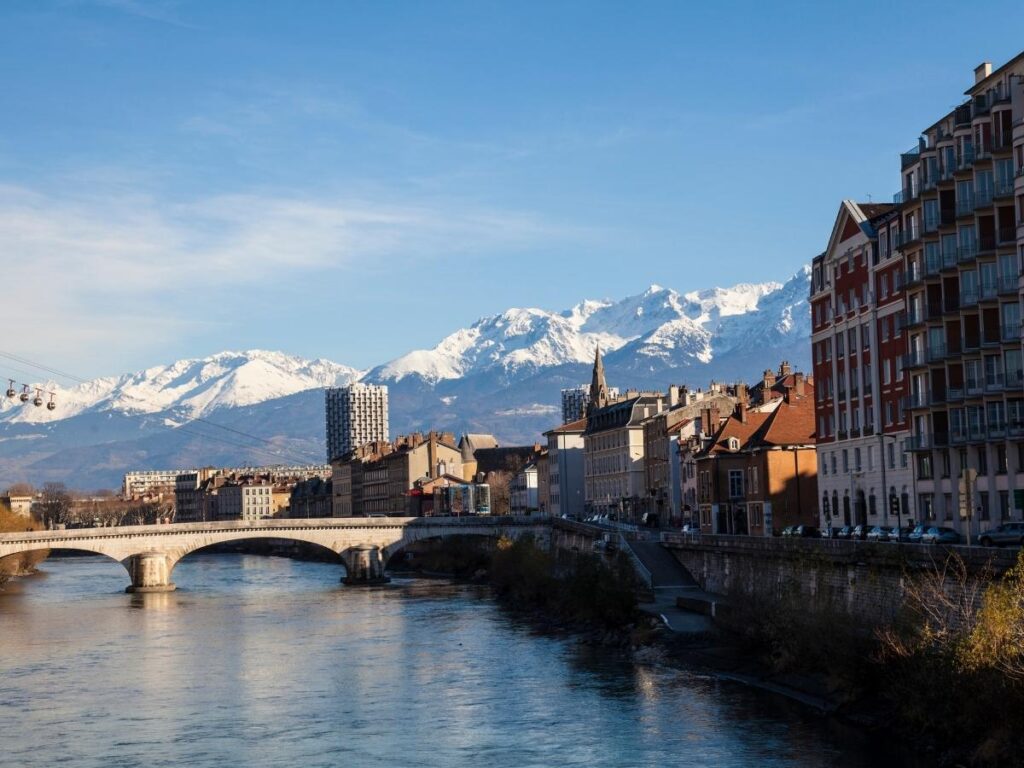
I came here in the evening, and it felt like a good way to slow down after walking around all day. It’s not something you need to plan, just head toward the river and walk for a while.
7. See the Saint Laurent Area
Crossing over to the Saint Laurent side feels like stepping slightly away from the busier parts of Grenoble.
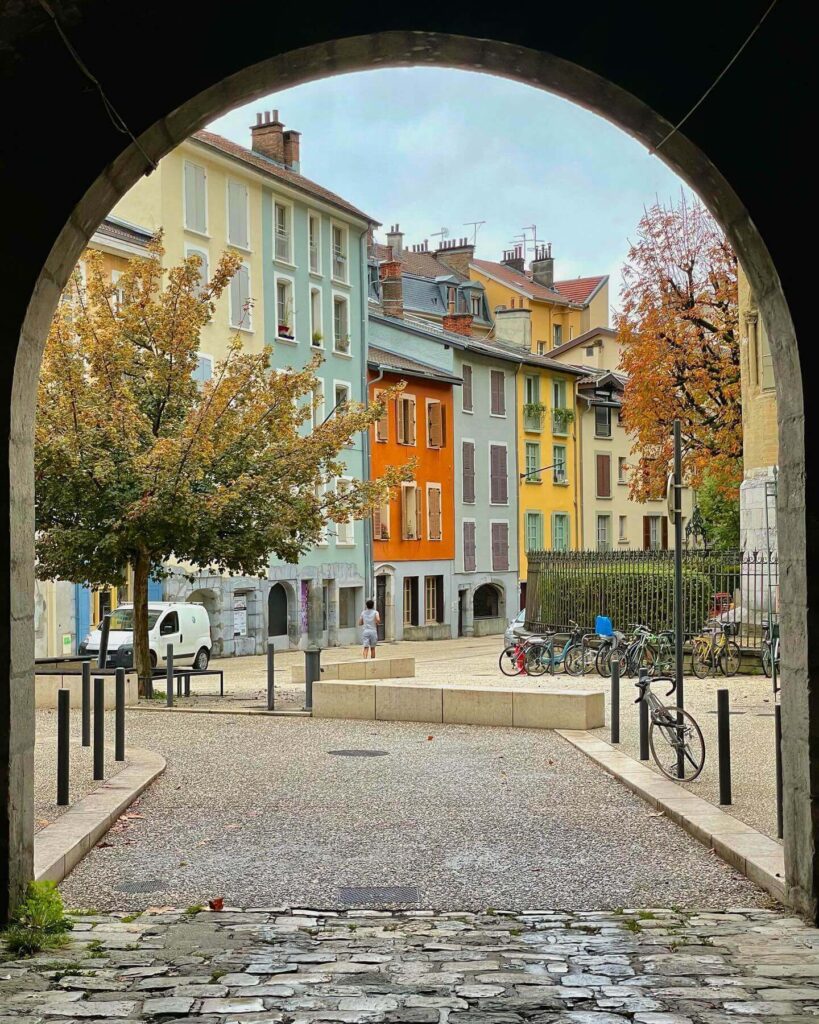
It’s quieter, with fewer people around, and the streets feel a bit more residential. What I liked most about this area was the view back toward the city. From here, you can see the colorful buildings along the river with the mountains behind them.
It’s not somewhere you need to spend hours, but it’s worth walking through if you’re already nearby.
8. Visit the Caves Near the Bastille
Near the Bastille, there are small cave areas that are easy to miss if you’re not looking for them.
They’re not the main reason to go up there, but they add something a little different to the experience. If you’re already exploring the Bastille and have some extra time, it’s worth walking over and taking a look.
I wouldn’t plan your visit around them, but I wouldn’t skip them either if you’re in the area.
9. Ride a Bike Around the City
Grenoble felt very easy to get around, and cycling is one of the reasons why.
There are dedicated bike paths, and the city is relatively flat in most parts, so it doesn’t feel difficult even if you don’t cycle often. I didn’t rent a bike myself, but I noticed how common it was, which usually says a lot about how practical it is.
If you want to cover a bit more ground without relying on transport, this could be a good option.
10. Explore Local Markets
I didn’t plan to visit a market, but I came across one while walking and ended up staying longer than expected.
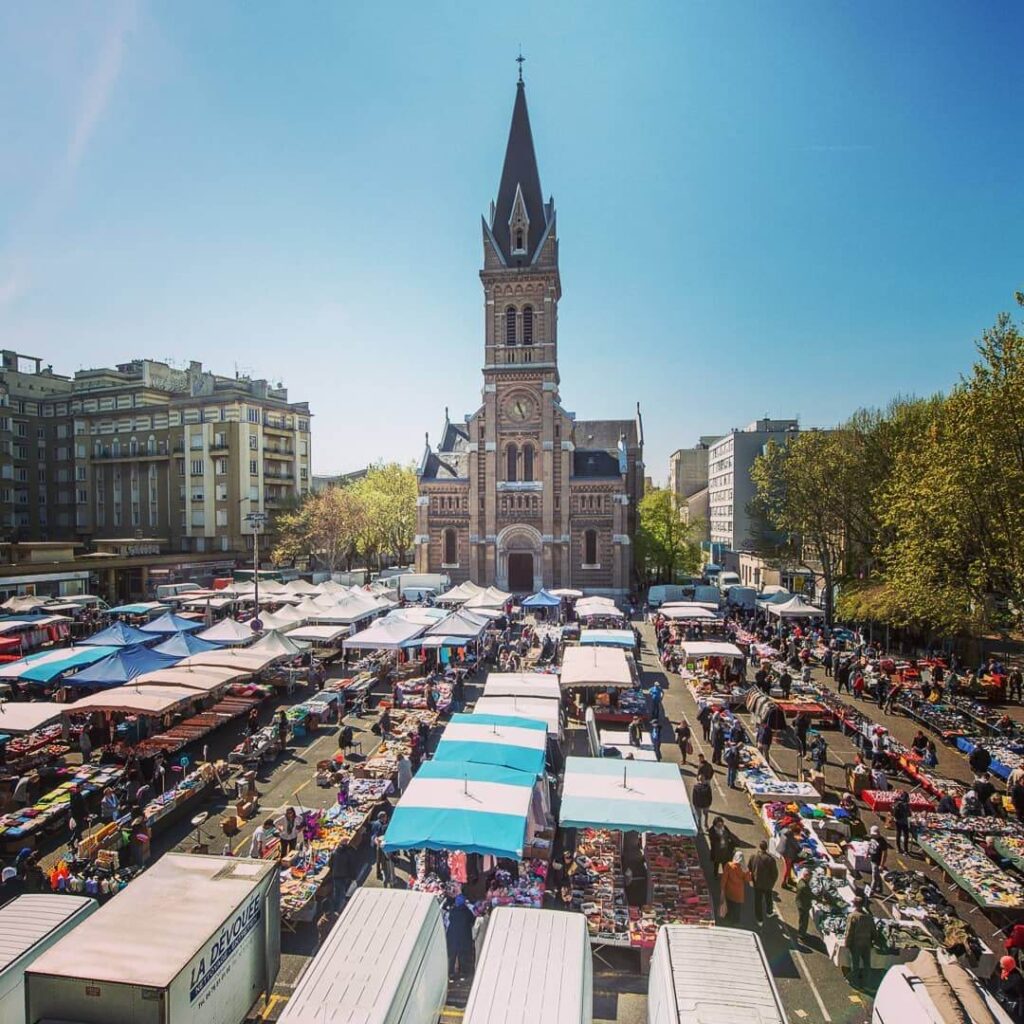
Local markets here feel genuine. You’ll see stalls with fresh produce, cheese, bread, and small local items. It’s not about finding something specific, it’s more about the atmosphere and seeing a different side of the city.
Even if you don’t buy anything, it’s worth walking through slowly and taking it in.
11. Try Local Food
I didn’t go into Grenoble with a list of restaurants, and honestly, I think that worked better.
Instead of searching for specific places, I just walked around and picked somewhere that felt right at the time. That approach made things feel more relaxed.
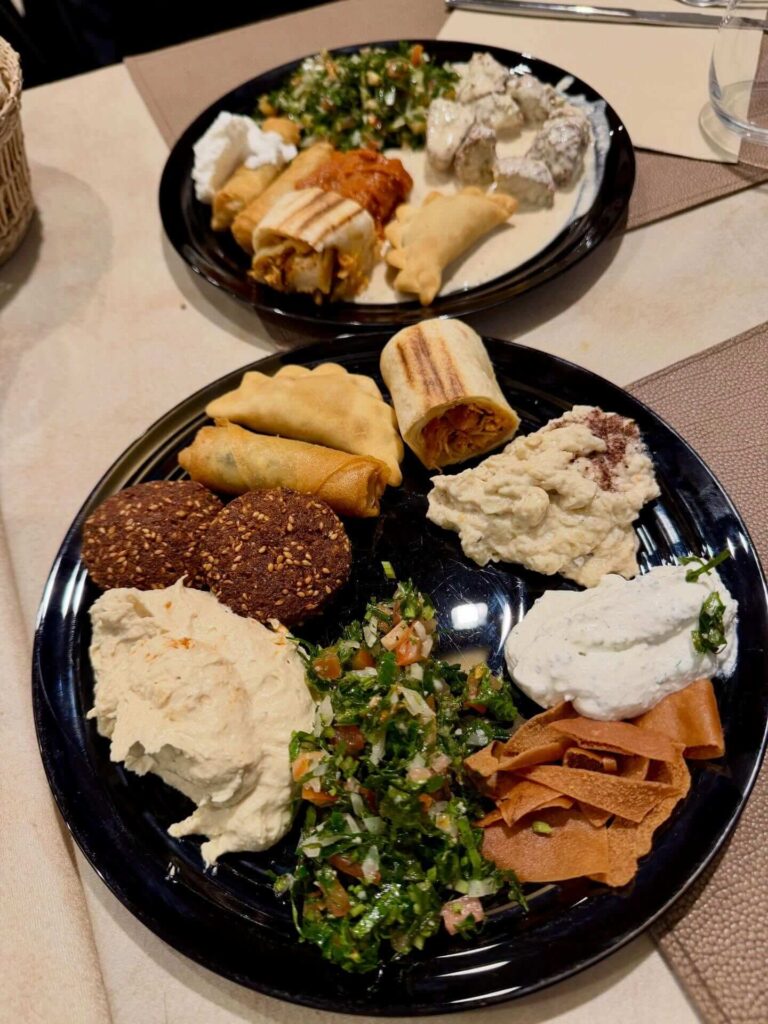
You’ll come across dishes like gratin dauphinois and other regional food, but I wouldn’t overthink it. Focus on finding a place where you feel comfortable rather than trying to track down the “best” spot.
12. Take a Day Trip from Grenoble
If you’re staying longer, Grenoble works really well as a base for exploring nearby areas.
There are quite a few options depending on what you’re interested in. Annecy is a good choice if you want a lake and a slightly more polished feel. Chamonix is more about dramatic mountain scenery, especially if you want something that feels a bit more intense.
The Chartreuse Mountains are quieter and less busy, which might suit you if you prefer something more relaxed.
If I had to choose, I’d base it on what kind of experience you want rather than trying to fit everything in. Trying to do too much in one trip here can take away from the slower pace that makes this area enjoyable.
1 Day Grenoble Itinerary
If you only have one day in Grenoble, I’d keep things simple and not try to fit in too much. The city isn’t about rushing from one attraction to another. It’s better experienced at a slower pace, with time to walk, pause, and take in the surroundings.
Morning
I’d start the day with the cable car up to the Bastille. It’s the best way to get an overall feel for Grenoble right at the beginning. Try to go earlier in the morning if you can. It’s quieter, and the light tends to be softer, which makes the views even better.
Once you’re at the top, don’t rush back down. Walk around a bit, follow some of the paths, and stop at different viewpoints.
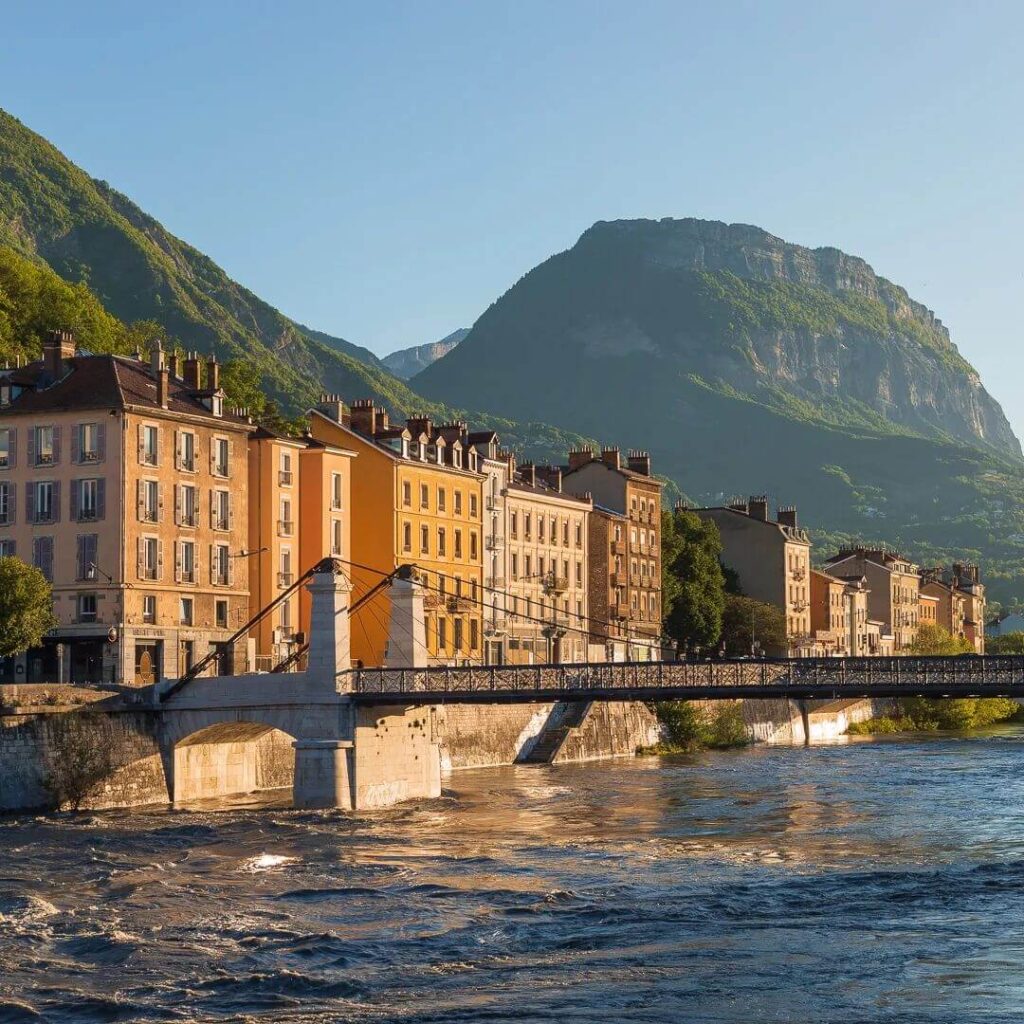
The main terrace is the most obvious spot, but some of the quieter corners actually give you better views without the crowds. I ended up spending more time here than I planned, just moving slowly and taking everything in.
If you enjoy walking and have the energy, you could also hike part of the way down instead of taking the cable car both ways. But even if you don’t, just spending a bit of time exploring the area makes a big difference.
Afternoon
After coming back down, head toward the Old Town and let yourself wander without a strict plan. This is where Grenoble feels the most relaxed, and it’s best experienced without rushing.
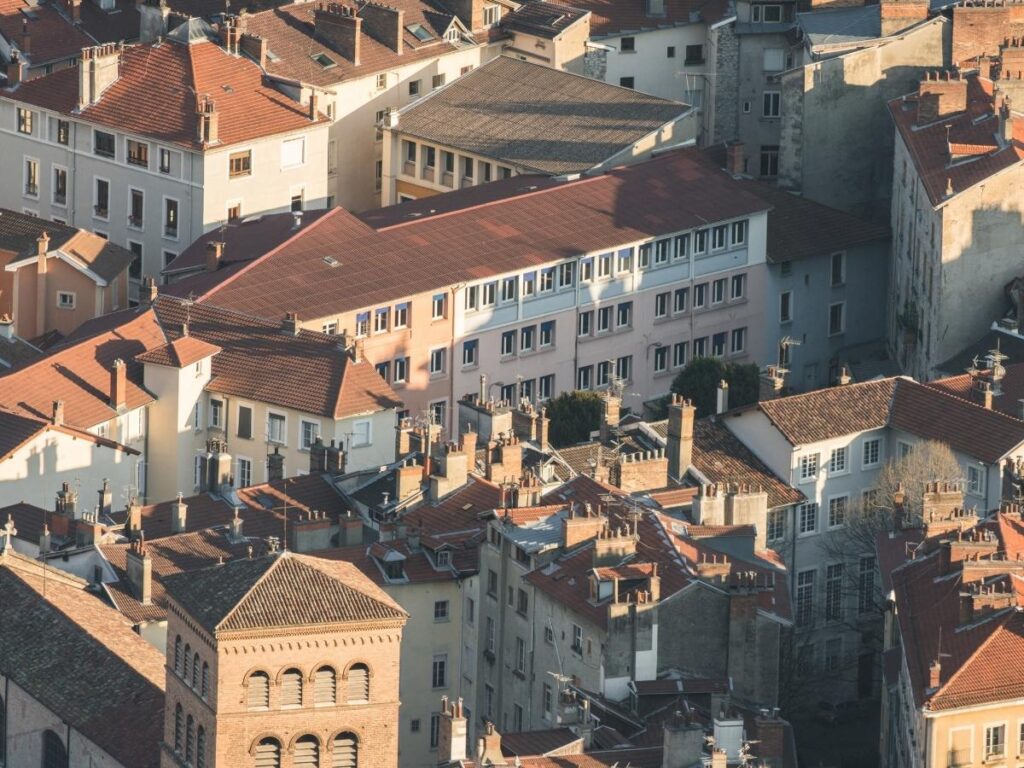
Walk through the smaller streets, pass by cafés, and stop whenever something catches your attention. You’ll naturally come across Place Grenette, which is a good place to pause for a coffee or a quick break. It’s central, so you don’t need to go out of your way to find it.
If you feel like adding something indoors, this is a good time to visit the Musée de Grenoble. It doesn’t take too long to go through, and it gives you a different side of the city. But if the weather is nice and you’d rather stay outside, it’s completely fine to skip it and just keep exploring.
Evening
By the time evening comes around, I’d slow things down again.
Head toward the river and take a walk along the Isère. The light changes around this time, and the reflections on the water make the whole area feel calmer. It’s not a must do in the usual sense, but it’s one of those simple experiences that ends up being memorable.
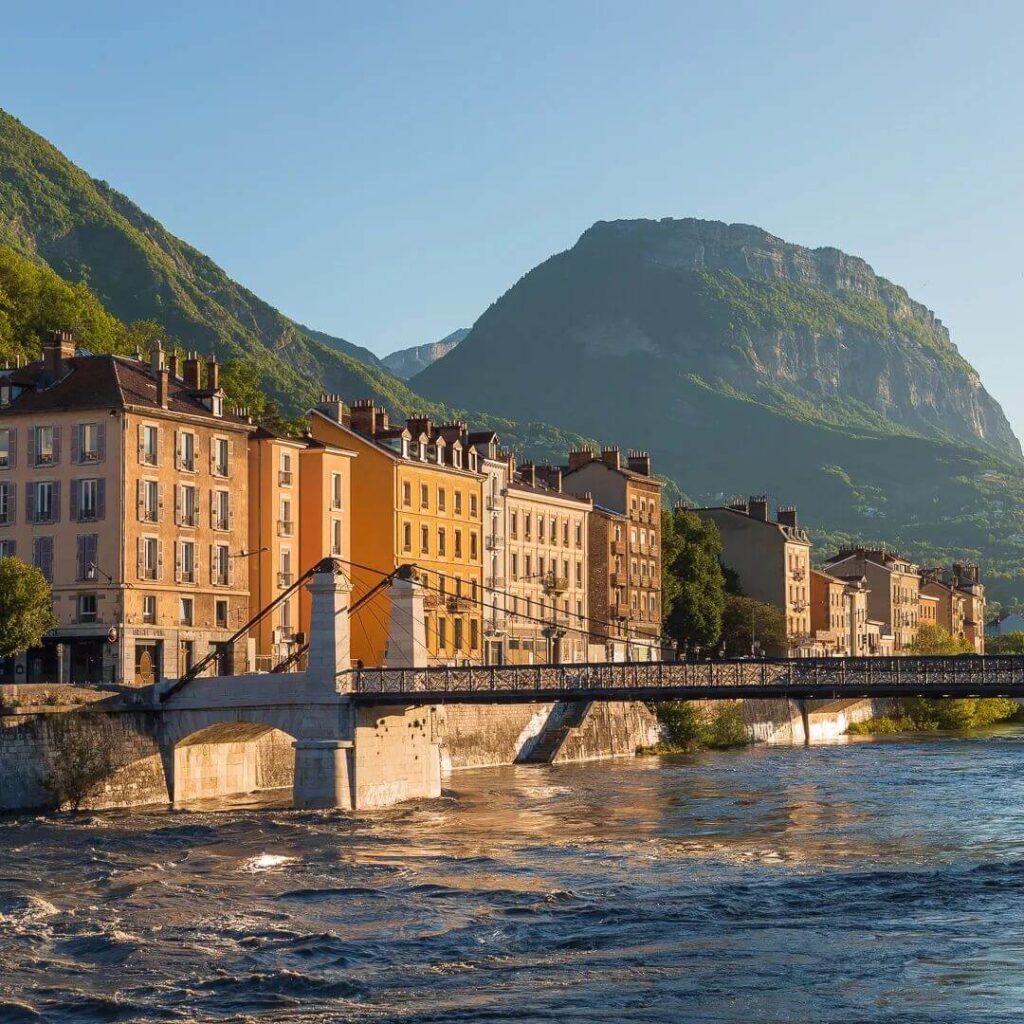
For dinner, I’d go back to the Old Town and just choose a place that feels right rather than searching for something specific. Grenoble is the kind of place where that approach works well. Sit down, take your time, and let the day wind down naturally.
Where to Stay in Grenoble
Where you stay in Grenoble can change how your trip feels more than you might expect, even though the city itself isn’t very large.
If it’s your first time, I’d choose somewhere in or close to the Old Town. It just makes everything easier. You can step outside and already be near cafés, small streets, and most of the places you’ll want to see.
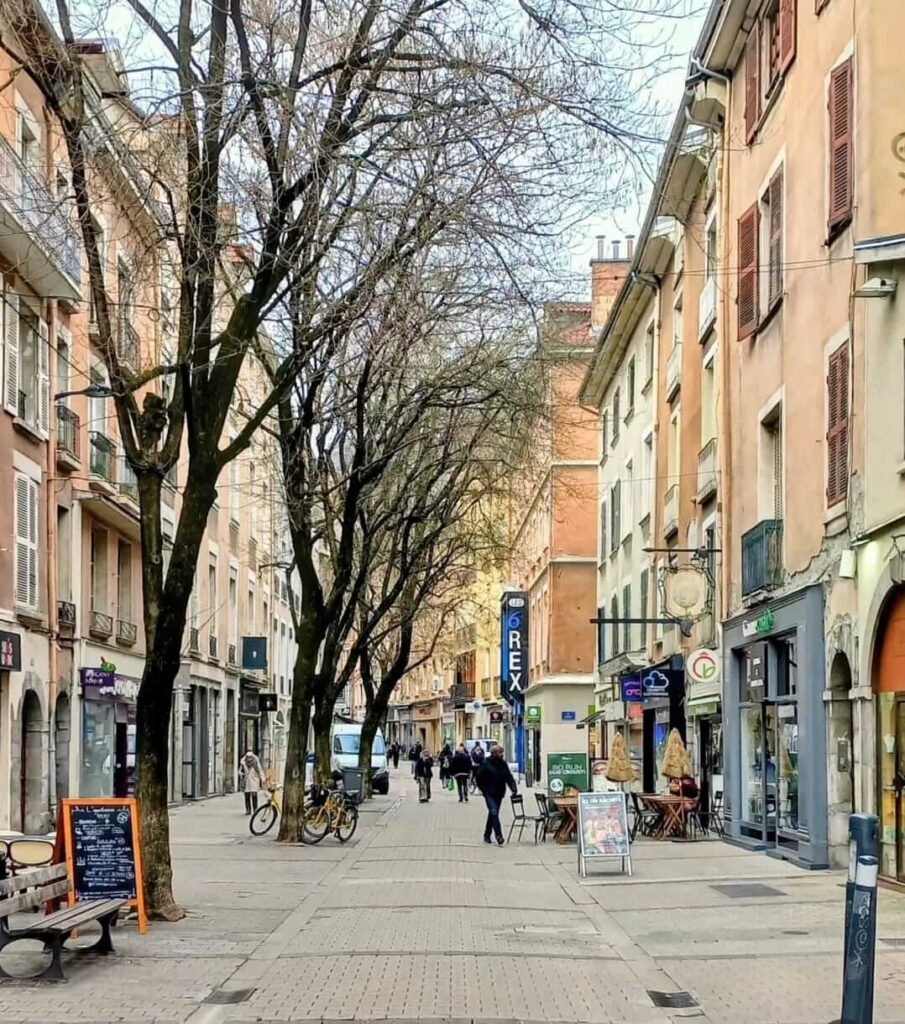
I liked not having to think about transport or directions, especially for a short trip. You can go out in the morning, come back for a short break, and head out again without it feeling like a hassle.
Staying near the train station is more practical, especially if you’re arriving late or leaving early. It’s well connected and convenient, but it doesn’t have the same atmosphere as the Old Town. I’d only pick this area if logistics matter more than the experience.
If you prefer somewhere quieter, there are residential areas slightly outside the center that feel more relaxed, especially in the evenings. The trade-off is that you’ll need to rely a bit more on trams or longer walks to get around.
If I were visiting again for a short trip, I’d still choose the Old Town. It just makes the whole experience feel more effortless.
Getting Around Grenoble
Getting around Grenoble is pretty straightforward, and most of the time you don’t need to think about it too much.
I ended up walking almost everywhere without planning to. The main areas are close enough that you naturally move between them without needing transport. Walking also makes it easier to notice small details you might otherwise miss, especially in the Old Town.
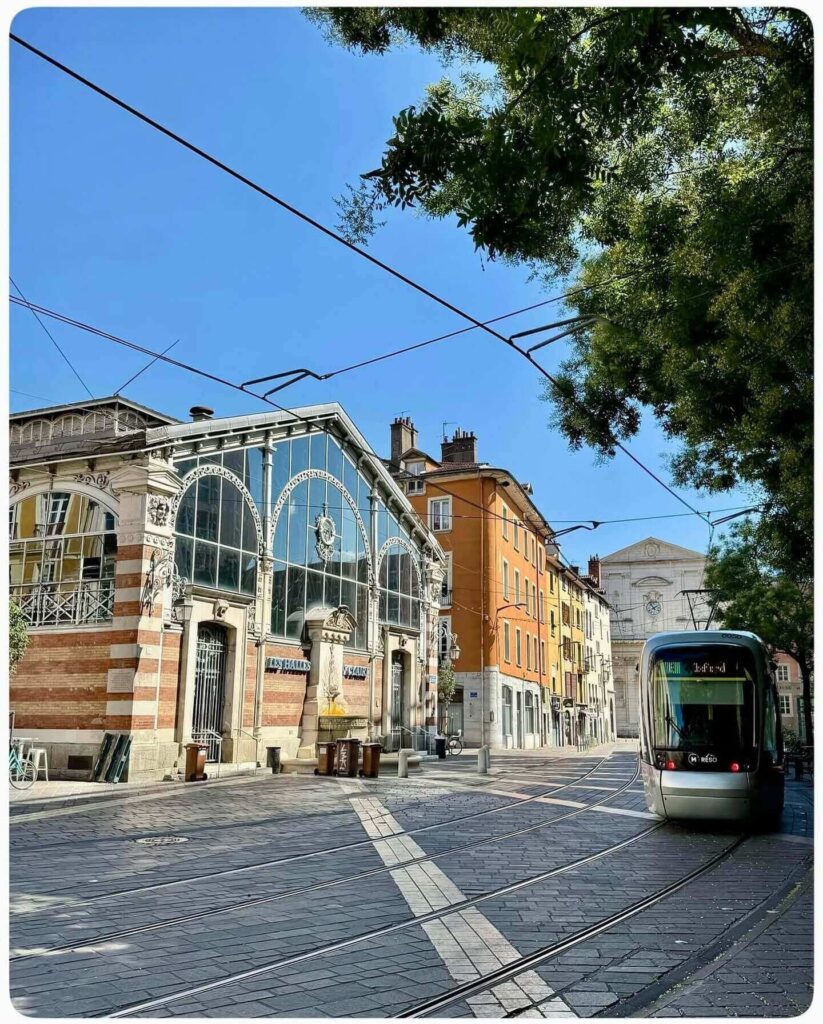
If you do need to go a bit further, the tram system is simple and easy to figure out. It connects most parts of the city, and you don’t need much time to get used to it.
You’ll also notice a lot of people cycling. Grenoble is very bike friendly, and the paths are well set up. I didn’t use one myself, but it’s a good option if you want to cover more ground without relying on public transport.
For a short visit, though, walking is usually enough.
Best Time to Visit Grenoble
The time of year you visit can slightly change how Grenoble feels, mainly because of its location near the mountains.
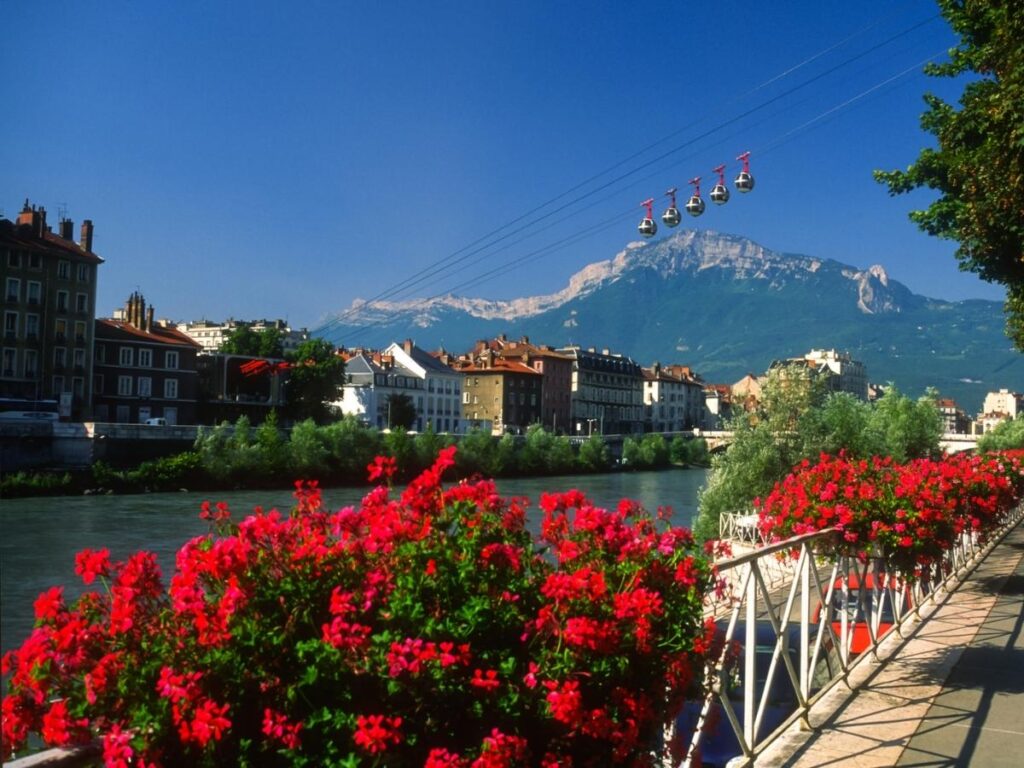
Spring felt like a good balance to me. The weather is comfortable, and the city isn’t too busy. It’s a nice time if you want to walk around without dealing with too much heat or crowds.
Summer is a bit livelier, with more people around and longer days. It’s still enjoyable, but it can feel a little busier, especially in central areas.
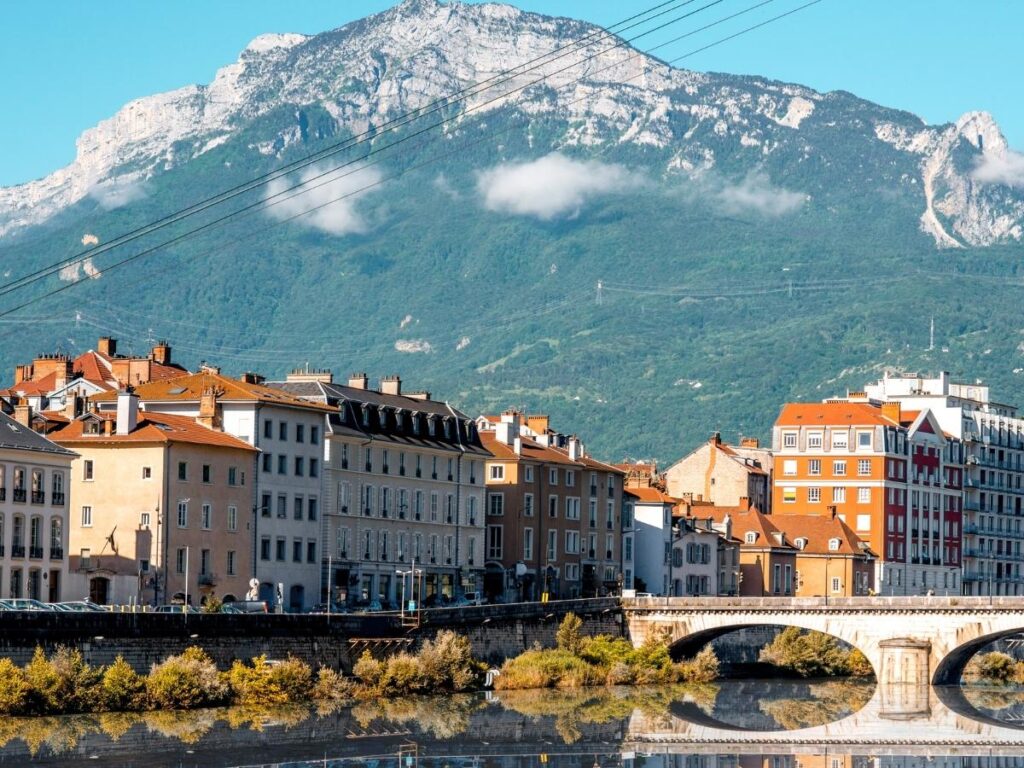
Winter is completely different. The mountains around the city are often covered in snow, which changes the atmosphere quite a bit. Even if you’re not planning to ski, it gives the city a different kind of setting.
There’s no single “perfect” time, it really depends on what kind of experience you’re looking for.
Practical Travel Tips
One thing I realized quickly is that you don’t need a long time in Grenoble to enjoy it. One or two days is usually enough to see the main areas without feeling rushed.
If you’re not sure where to start, begin with the Bastille. It gives you a clear view of the city and helps you understand the layout right away. After that, everything else feels easier to navigate.
I’d also avoid overplanning your time here. Grenoble works best when you leave some space in your day to just walk around and see where you end up. Some of the better moments came from not having a fixed plan.
And it’s worth wearing comfortable shoes. You’ll probably walk more than you expect, especially if you spend time exploring the Old Town and the Bastille area.
Conclusion
Grenoble ended up being one of those places I didn’t have strong expectations for, but it stayed with me more than I thought it would.
It’s not a city where you rush from one major attraction to another. What makes it stand out is the overall feeling of being there. The mountains are always in view, the city is easy to move around, and everything feels just a bit more relaxed.
If you’re already traveling through this part of France or looking for somewhere that feels a little different from the usual stops, Grenoble is worth adding to your plans. It’s simple in a way that works, and that’s what I ended up appreciating the most.