
I still remember arriving in Avignon and not fully understanding it at first. From a distance, it feels quite imposing, especially with the city walls and the sheer size of the Palais des Papes rising above everything else. It almost gives the impression that it’s going to be one of those places where you spend most of your time moving from one landmark to another.
But that wasn’t really how it unfolded for me.
What stood out more was how quickly things slowed down once I started walking through the Old Town. The streets aren’t grand in an obvious way, but they have a lived in feel that makes you want to take your time.
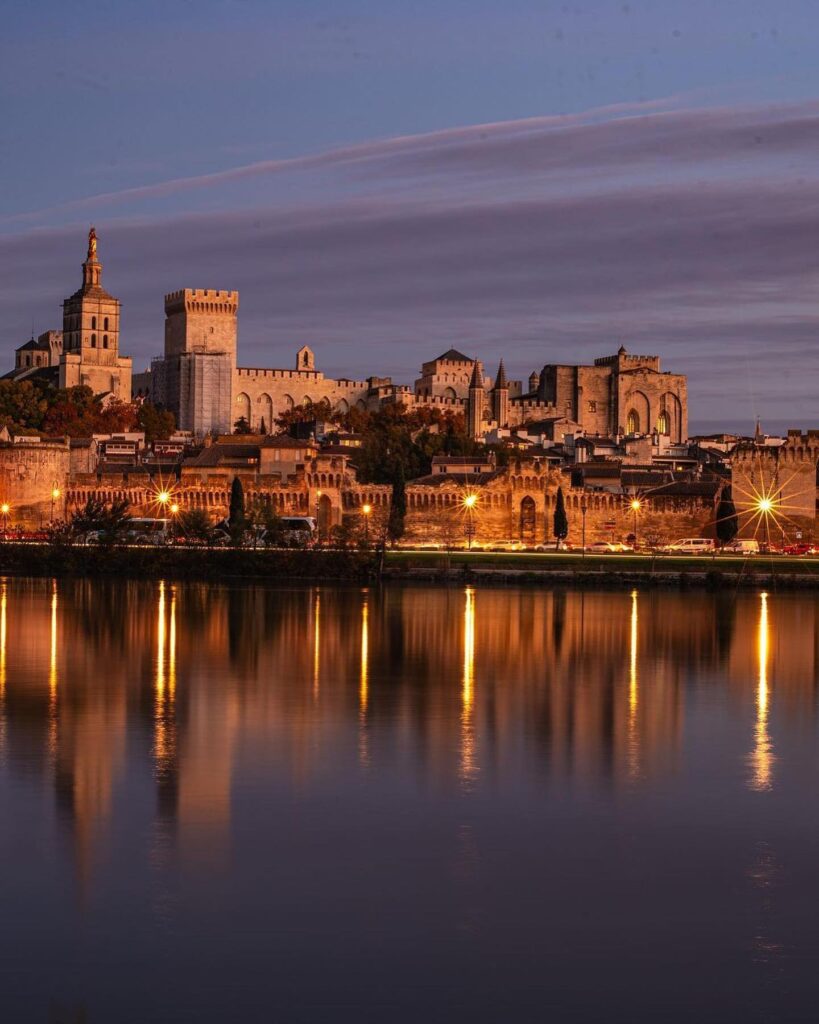
Of course, the history is always there in the background. You see it in the architecture, in the scale of the Palais des Papes, and even in the layout of the city itself. But it never felt overwhelming. If anything, it added a sense of depth without taking away from how easy the city feels to explore.
One of my favorite parts of being there was the rhythm of the day. Mornings felt calm and almost empty in certain areas, especially if you went out early. By the afternoon, the main squares filled up a bit, but it never felt chaotic.
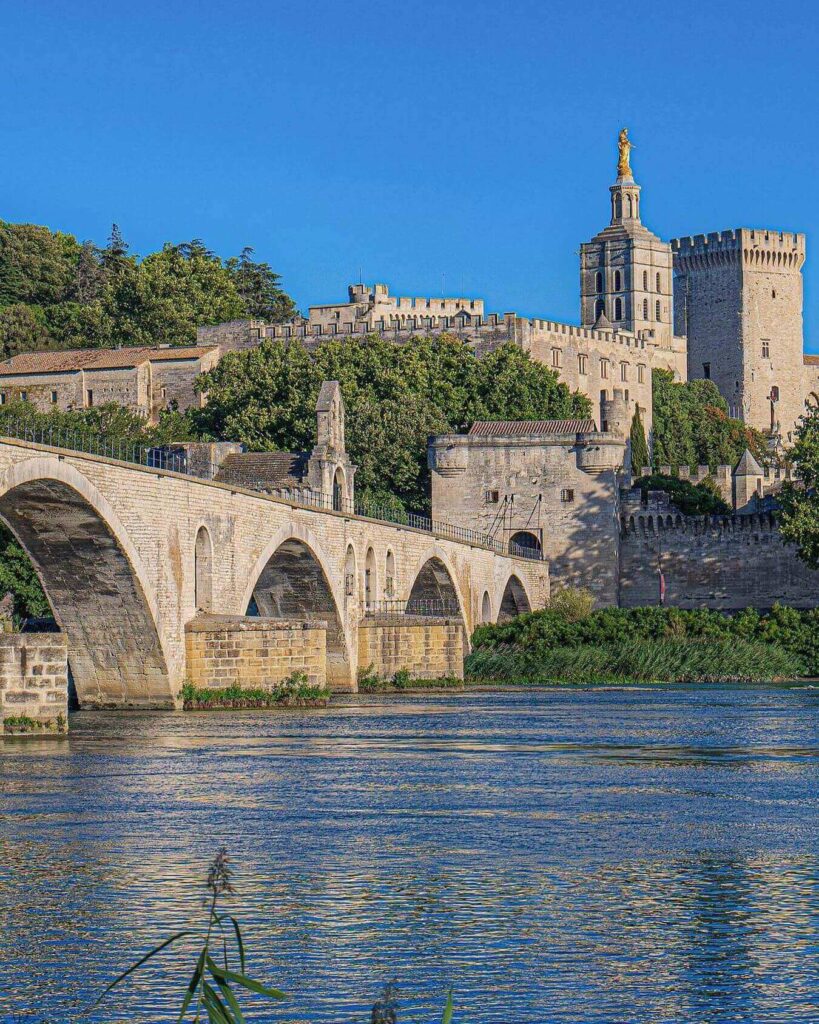
And in the evening, walking along the Rhône or finding a quiet spot near the gardens became something I looked forward to without even planning it.
If you’re thinking about visiting, Avignon works best when you don’t treat it like a checklist. You can see the main sights in a day, but the experience feels more complete when you leave space for those in between moments.
In this guide, I’ll walk you through the best things to do in Avignon, but also how I’d approach the city overall. From what’s actually worth your time to the small experiences that made the biggest difference, this should help you plan your trip in a way that feels easy and enjoyable, rather than rushed.
Is Avignon Worth Visiting?
I’d say yes, especially if you’re already planning to spend time in Provence. But it’s not the kind of place that tries to impress you immediately. It grows on you a little more quietly.
At first glance, Avignon can feel like it’s all about the Palais des Papes. And while that’s definitely the centerpiece, the city itself is much more relaxed than you might expect from a place with that much history.
Once you’re inside the walls, everything feels close together in a way that makes exploring easy without much planning. I rarely checked directions while I was there. Most of the time, I just walked and ended up where I needed to be.
What makes it stand out is that balance between history and pace. You have significant landmarks, but they don’t dominate your entire experience. There’s space in between them to slow down, sit somewhere for a while, or just wander without feeling like you’re missing something important.
I think Avignon works especially well if you enjoy places where you don’t need a strict itinerary. If you like having a few key things to see and then letting the rest of the day unfold naturally, this city makes that easy. It also feels manageable, which can be a relief if you’ve been traveling through busier destinations.
Another reason I found it worth visiting is how well it works as a base. Some of the most interesting places in Provence are close by, and Avignon makes it easy to reach them. You can spend the morning in a quiet hilltop village or a vineyard and still be back in the city by evening without it feeling like a long day.
In terms of time, you don’t need long here. One full day is enough to see the main highlights, and two days gives you space to slow down or add a day trip. It’s not a place that requires a packed schedule, and that’s part of what makes it enjoyable. The time you spend here feels less about how much you cover and more about how you experience it.
Best Things to Do in Avignon
1. Visit the Palais des Papes
This is the first place that really defines Avignon. You’ll see it before you even feel like you’ve properly entered the city, and once you’re standing in front of it, the scale is hard to ignore.
What surprised me wasn’t just how big it is, but how different it feels inside compared to what you might expect. It’s not filled with ornate details or decoration. Instead, the rooms are vast, quiet, and almost bare in places.

That simplicity actually makes it more interesting because you start to focus on the space itself and imagine what it must have been like when it was active.
I also didn’t expect parts of it to feel so calm. Even with other visitors around, there are moments where it feels almost empty, especially if you take your time moving through the rooms instead of rushing through.
If you enjoy history, the audio guide is worth it because it gives context to what you’re seeing. Without it, some rooms can feel a bit abstract. I’d recommend going earlier in the day, not just to avoid crowds but because the light inside and around the palace feels softer and more atmospheric in the morning.
2. Walk on the Pont d’Avignon (Saint Bénézet Bridge)
This is one of those places that feels familiar even if you’ve never been here before.
When you actually walk on the bridge, the first thing you notice is that it doesn’t go all the way across the river. That gives it a slightly unusual feel, almost like it’s been frozen in time halfway through its purpose. Still, that’s part of what makes it interesting.
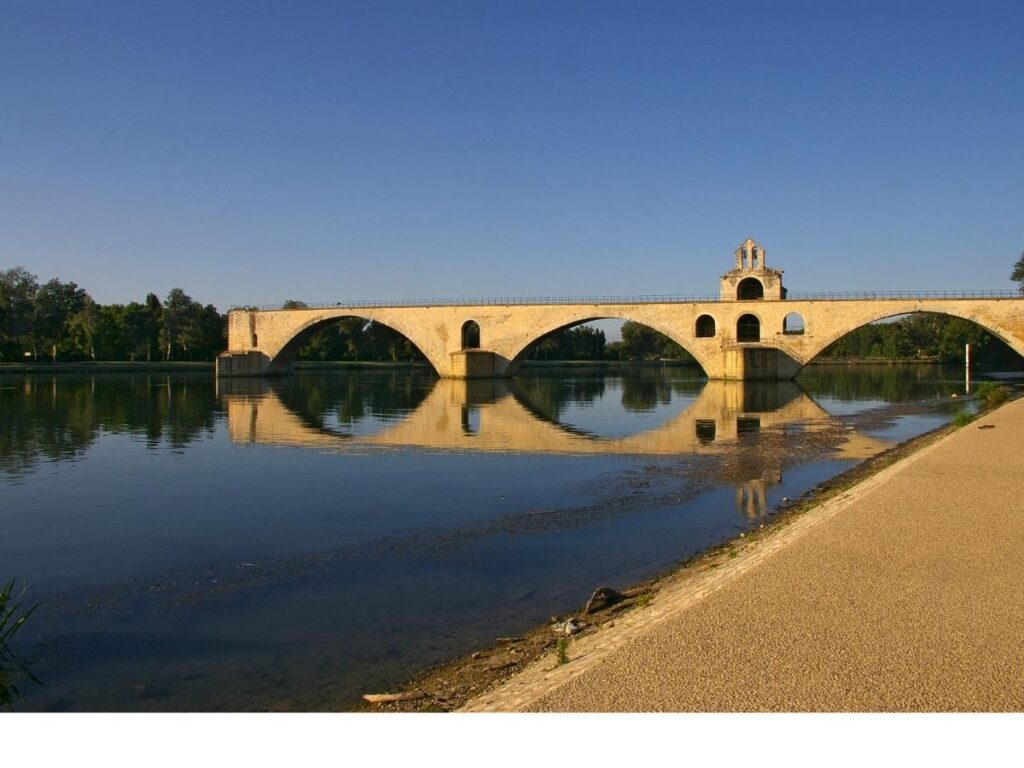
It doesn’t take long to visit, but I wouldn’t skip it. The views back toward the city are what stayed with me the most. Seeing the Palais des Papes and the surrounding walls from that angle gives you a different perspective compared to being inside the city.
It’s the kind of place that works best if you don’t overthink it. Just walk, pause for a bit, take in the view, and move on.
3. Wander Through Avignon Old Town
This ended up being the part of Avignon I kept coming back to without planning to.
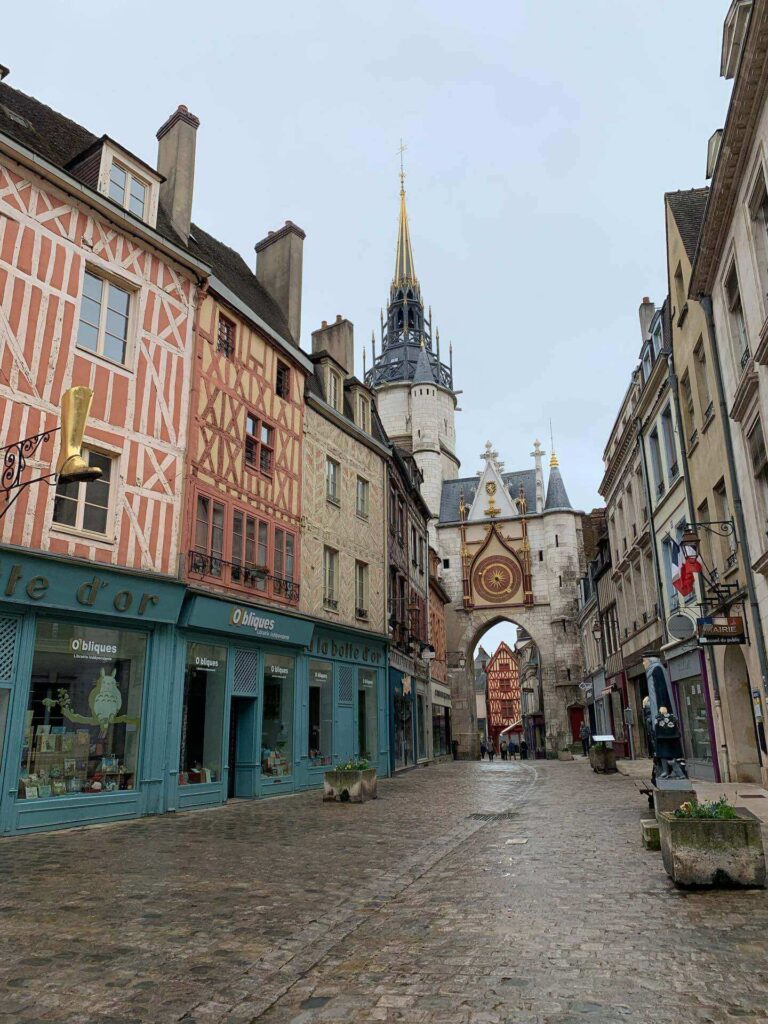
There isn’t a single route or checklist here, and that’s exactly why it works. The streets are narrow but not overwhelming, and they open up into small squares that feel like natural places to stop for a while.
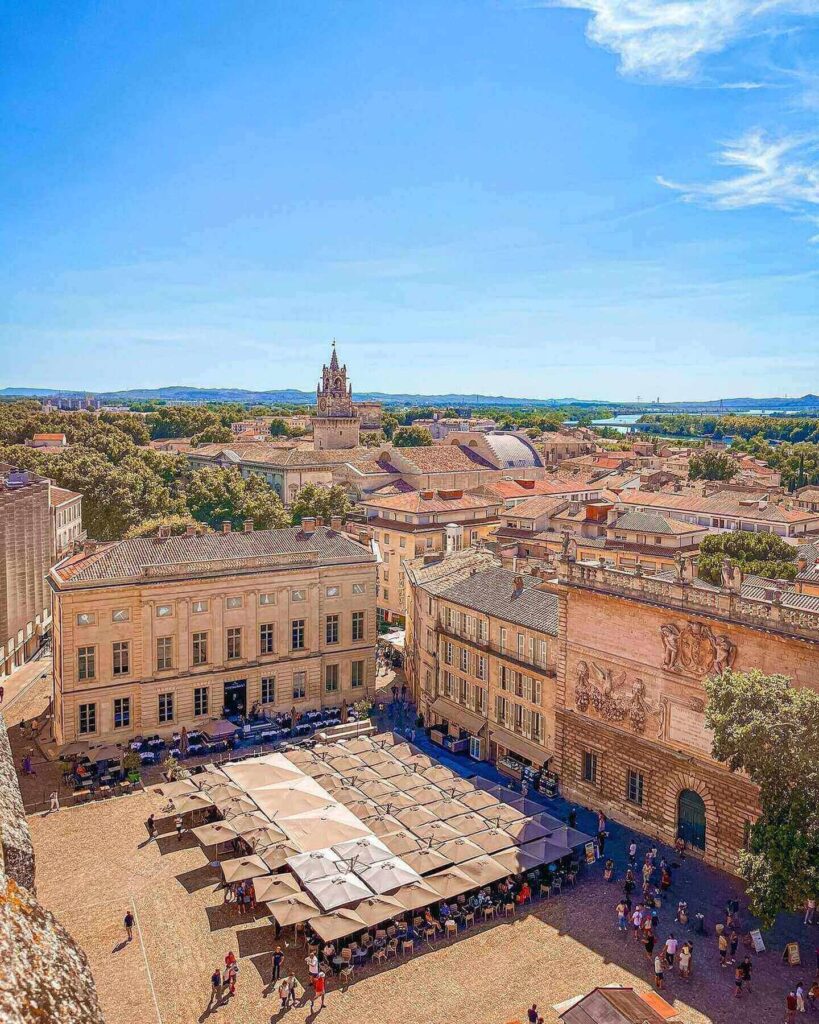
Some areas are busier, especially closer to the main attractions, but it doesn’t take much to find a quieter street where things slow down again.
What I liked most was how easy it felt to just walk without direction. I’d turn into a street simply because it looked interesting, and more often than not, it led somewhere worth seeing, even if it was just a café or a quiet corner with a bit of shade.
If you try to “cover” the Old Town, you’ll miss what makes it enjoyable. It’s better to let it unfold gradually.
4. Spend Time at Place de l’Horloge
This is where the city feels most alive.
There’s always something happening here, whether it’s people sitting at cafés, children playing near the carousel, or just the general movement of visitors passing through. It can feel busy at times, but not in a way that’s overwhelming.
I ended up stopping here more than once, usually without planning to. It’s a good place to pause, especially if you’ve been walking for a while. Sitting down with a coffee or a drink and watching everything around you becomes part of the experience.
Late afternoon worked best for me. The light softens a bit, and the pace of the square feels slightly more relaxed compared to midday.
5. Visit Avignon Cathedral (Notre Dame des Doms)
It’s easy to treat this as just a quick stop since it’s right next to the Palais des Papes, but it’s worth slowing down a little here.
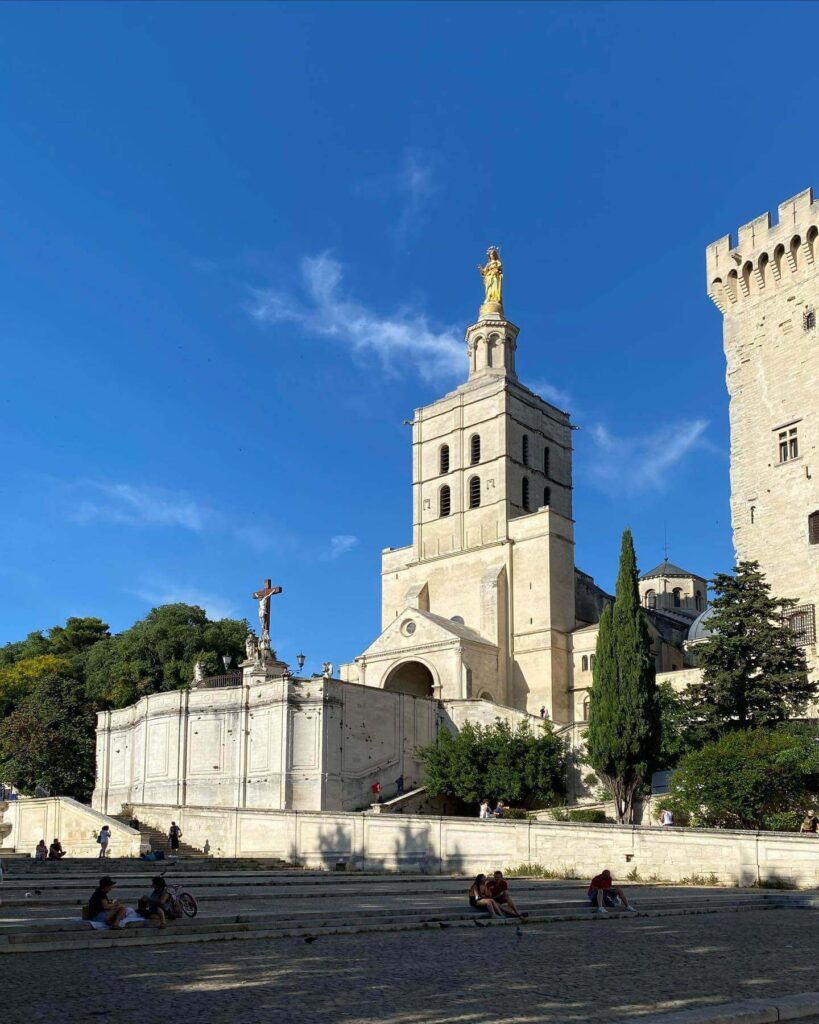
Inside, the cathedral is relatively simple, especially compared to others you might have seen in France. But the real reason to come here isn’t just the interior. If you walk around toward the back, you’ll reach a viewpoint that looks out over the Rhône and the surrounding area.
That view caught me off guard a bit because it opens up suddenly after being surrounded by buildings. It’s quiet, less crowded than the palace, and gives you a moment to step back from the busier parts of the city.
6. Relax in the Rocher des Doms Gardens
Just behind the cathedral, these gardens feel like a natural extension of that quieter atmosphere.
After walking through the city for a while, this was the place where I actually slowed down without thinking about what to do next. There are shaded paths, benches, and open spots where you can just sit for a bit and take in the view.
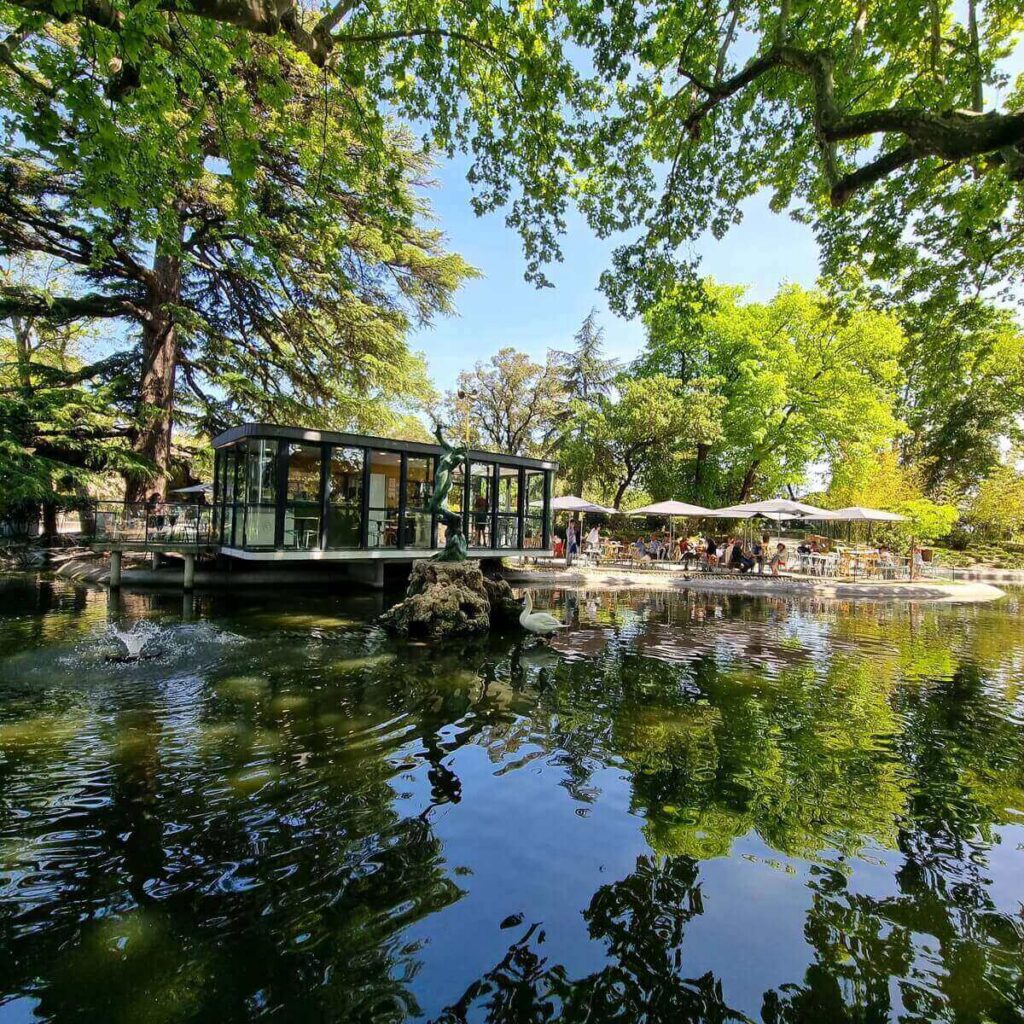
It’s not a place you rush through. I found myself staying longer than expected, mostly because it felt like a break rather than another stop on a list.
If you can, come here later in the day. The light over the river and the surrounding landscape adds something to the experience that you don’t really notice earlier on.
7. Walk Along the Rhône River
The river gives you a completely different perspective of Avignon.
Once you step away from the Old Town and toward the Rhône, everything feels more open. There’s more space, fewer people, and a slower rhythm that contrasts nicely with the city center.
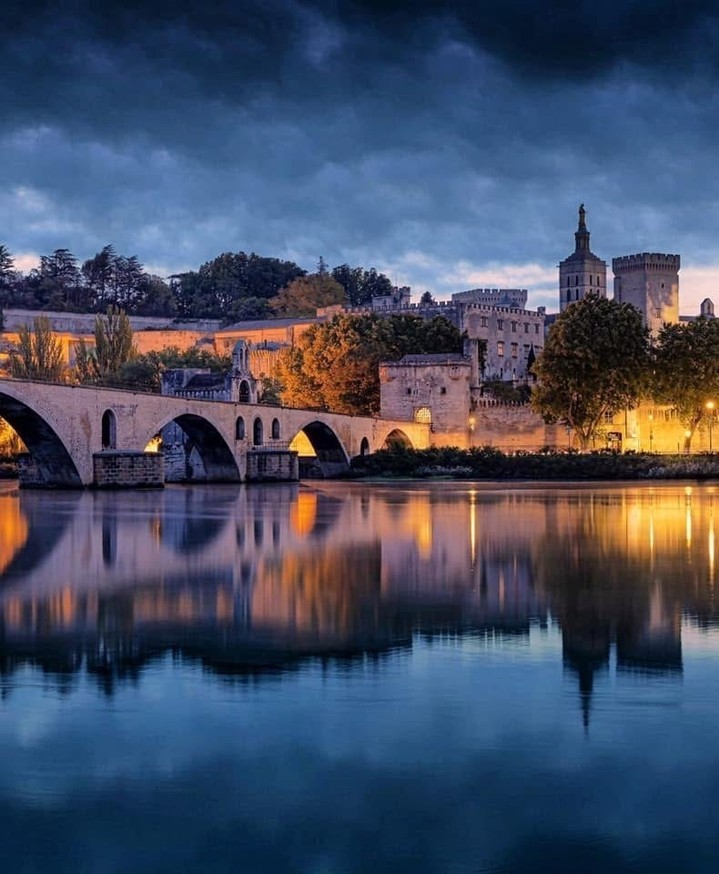
I liked coming here toward the end of the day. After spending hours walking through narrow streets, the openness of the riverfront felt refreshing. It’s also one of the better spots to watch the light change in the evening.
It’s simple, but that’s what makes it work.
8. Visit Les Halles Market
If you’re even slightly interested in food, this is worth making time for.
Les Halles is a covered market, and walking through it gives you a sense of the local food culture without needing to sit down for a full meal. There are stalls with cheeses, fresh produce, baked goods, and small counters where you can order something quick.
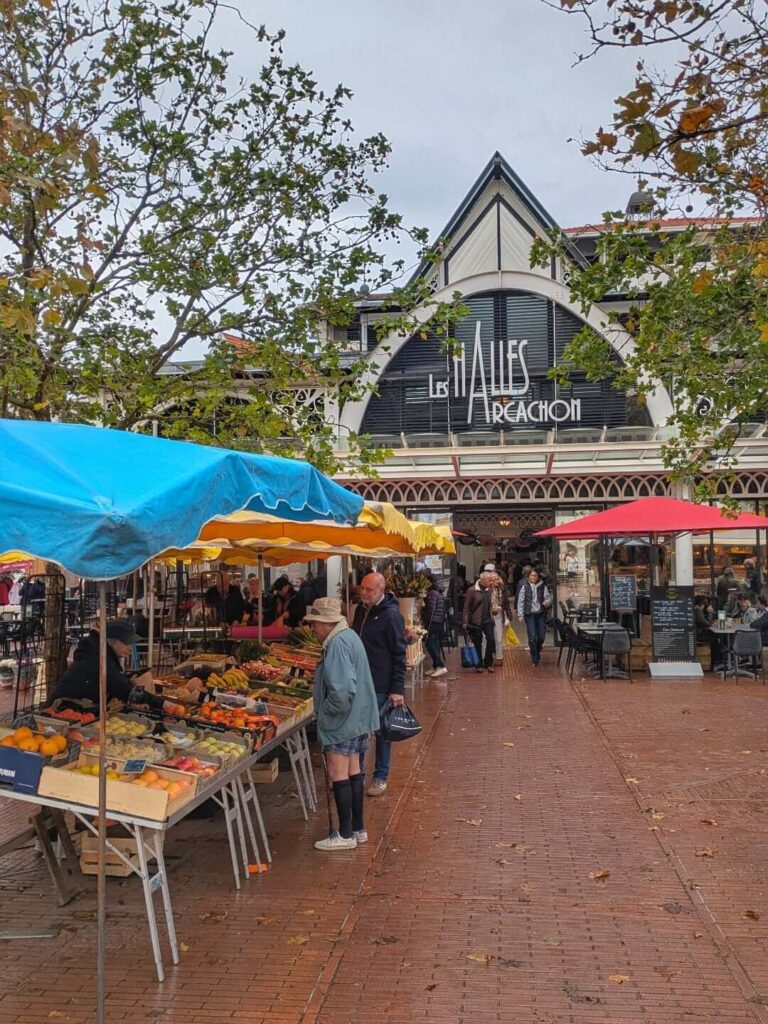
I didn’t go in with a plan, which actually made it better. I just walked around, stopped where something looked interesting, and tried a few things along the way.
It’s more lively earlier in the day, so if you want to see it at its best, it’s worth going in the morning rather than later.
9. Take a Day Trip from Avignon
One of the main reasons I’d recommend staying in Avignon is how easy it is to explore the surrounding area.
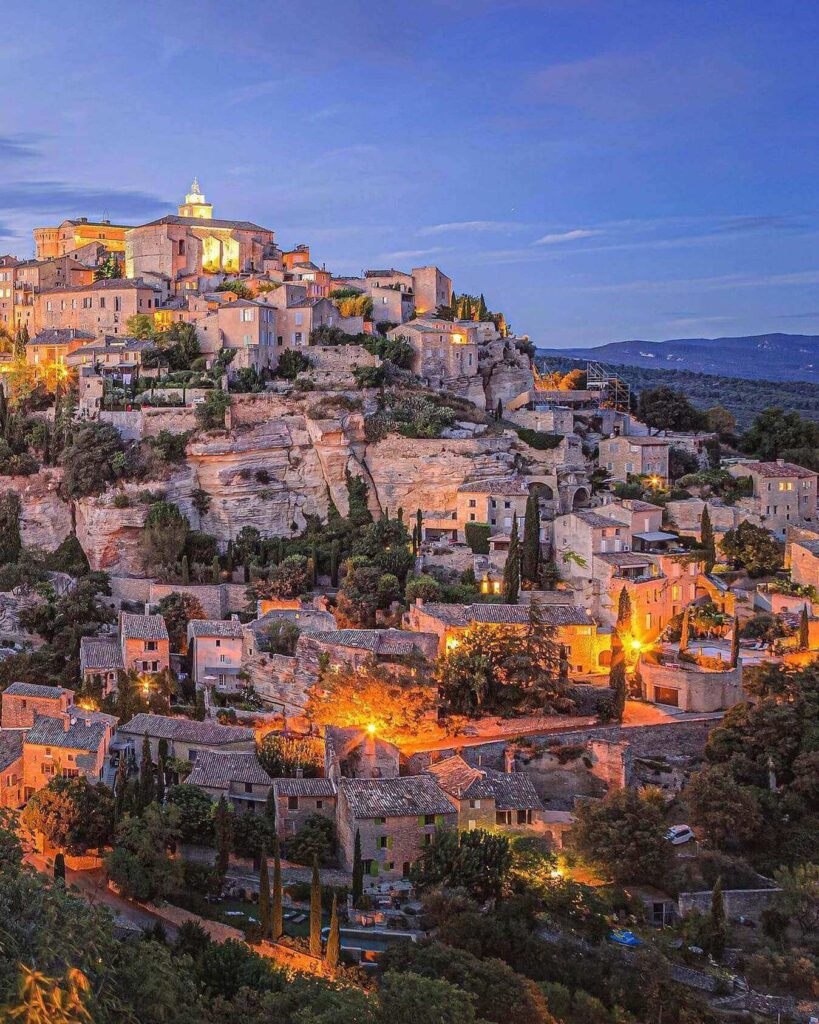
Some of the places nearby feel completely different from the city, even though they’re not far away. Villages like Gordes have that classic hilltop setting with wide views over the countryside, while Roussillon stands out because of its warm, ochre colored buildings.
If you’re interested in wine, Châteauneuf du Pape is an easy addition, and Saint Rémy de Provence has a more relaxed feel with a mix of history and everyday life.
Even a one day trip adds a lot to your overall experience. It breaks up your time in the city and gives you a better sense of Provence as a whole.
10. Experience the Avignon Theatre Festival (Seasonal)
If you happen to visit in July, the atmosphere changes completely.
The city fills with performances, posters, and people moving between shows. There’s a constant sense of activity, especially in the evenings. It feels more energetic, but also more crowded.
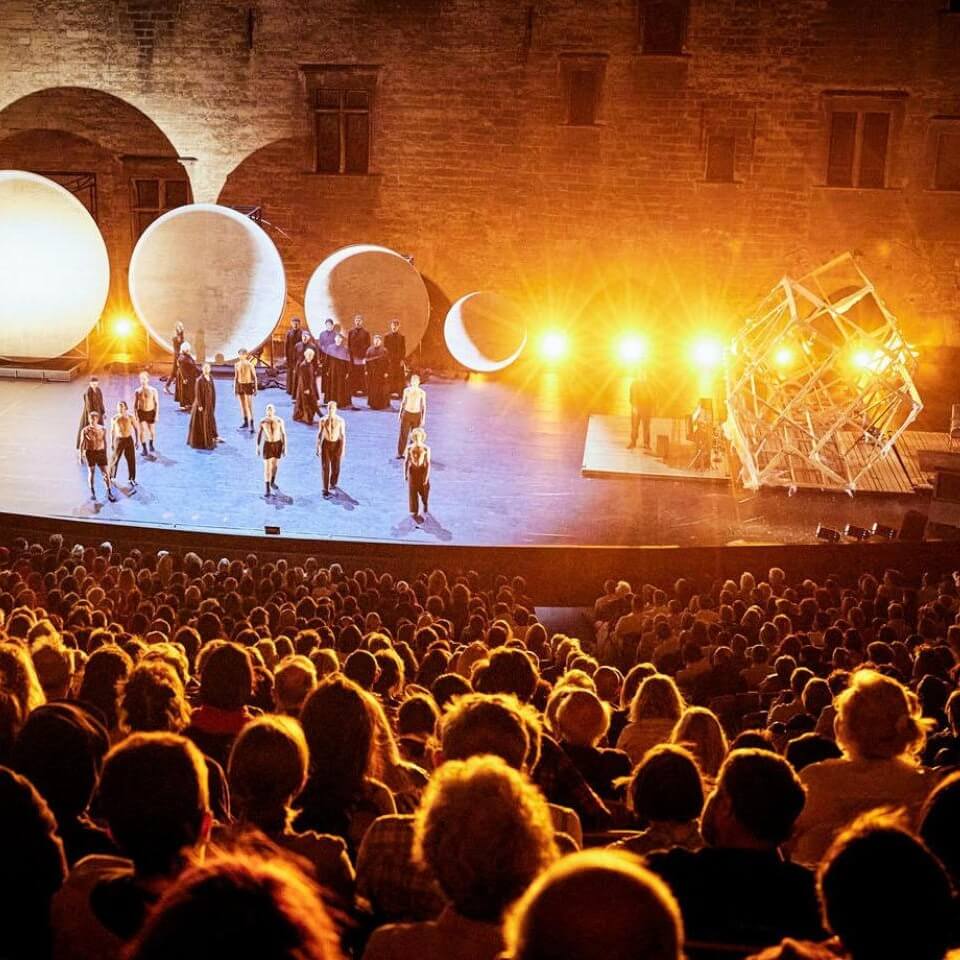
I can see why some people plan their trip around it, especially if they enjoy theatre or cultural events. But if you’re looking for a quieter experience, this might not be the best time to visit.
11. Try Local Cafés and Restaurants
Eating in Avignon felt less about finding specific places and more about timing and atmosphere.
Some of my better meals came from simply choosing a spot that felt right in the moment rather than following a list. The pace is slower, especially in the evening, and meals tend to stretch out a bit longer than you might expect.
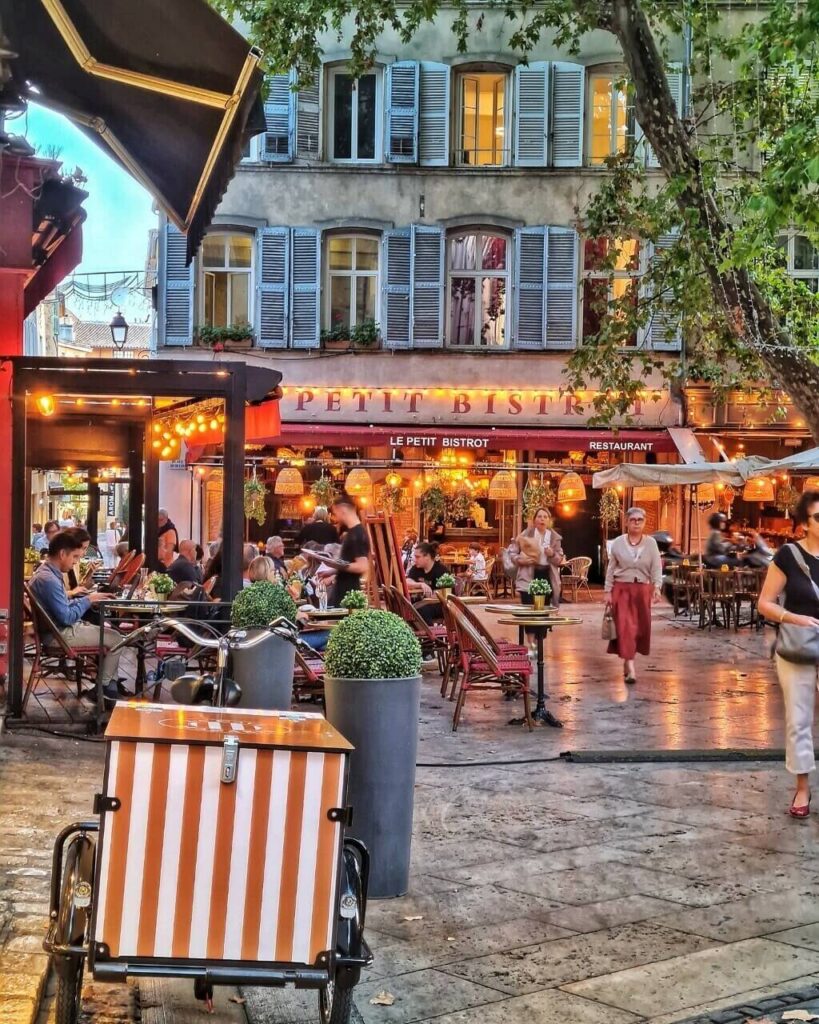
It helps to know that lunch and dinner follow fairly set times, and if you arrive too early or too late, options can be limited. In the evenings, reservations are common, especially in smaller places.
But overall, it’s a place where you don’t need to overplan. Walking around and deciding as you go works surprisingly well here.
12. Walk Along the City Walls
The walls are what give Avignon its structure, even if you don’t think about them much at first.
Walking along them, or even just following their edge, helps you understand how the city is laid out. You start to see where the main entrances are, how the Old Town is contained, and how everything connects.
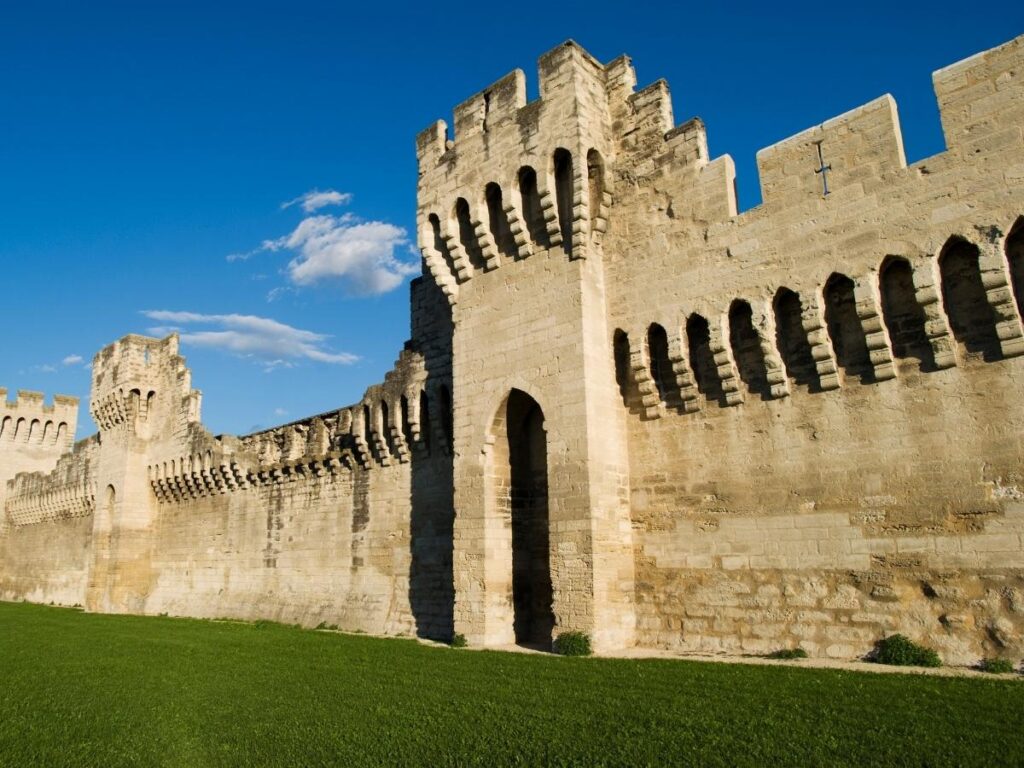
It’s not a major attraction in the usual sense, but I found it interesting in a quieter way. It also gives you a few good spots for photos, especially where you can see both the walls and the city beyond them.
Suggested Itineraries
1 Day in Avignon
If you only have one day in Avignon, the best approach is to keep things simple and not try to fit in too much. The city is compact, and you can see a lot without rushing, as long as you don’t treat it like a checklist.
I’d start the morning at the Palais des Papes. Going early makes a difference, not just for smaller crowds but also because the experience feels calmer. You can take your time walking through the rooms without feeling like you need to keep moving.
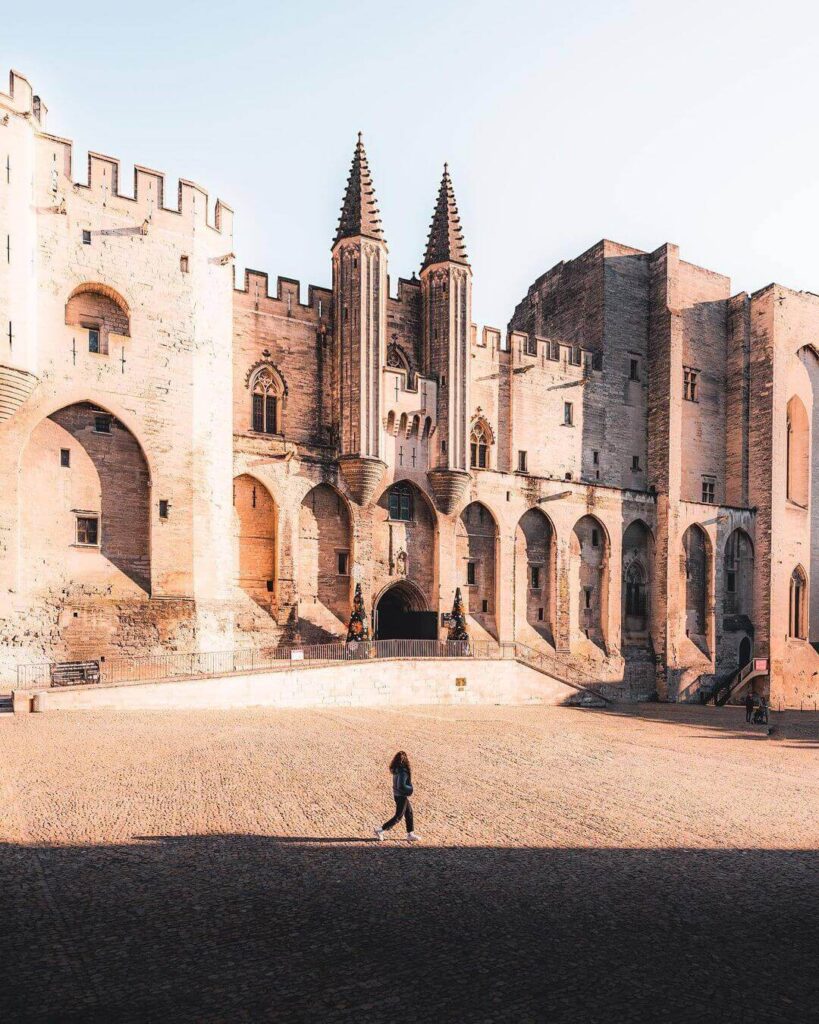
Right next to it, step into the Avignon Cathedral. It doesn’t take long to visit, but walking around to the back for the view is worth it and gives you a nice pause after the palace.
From there, I’d slow things down and head into the Old Town without a fixed plan. This part of the day is less about specific places and more about letting the city unfold as you walk. Find somewhere for lunch when you feel like it rather than aiming for a particular spot. That worked better for me than trying to follow a list.
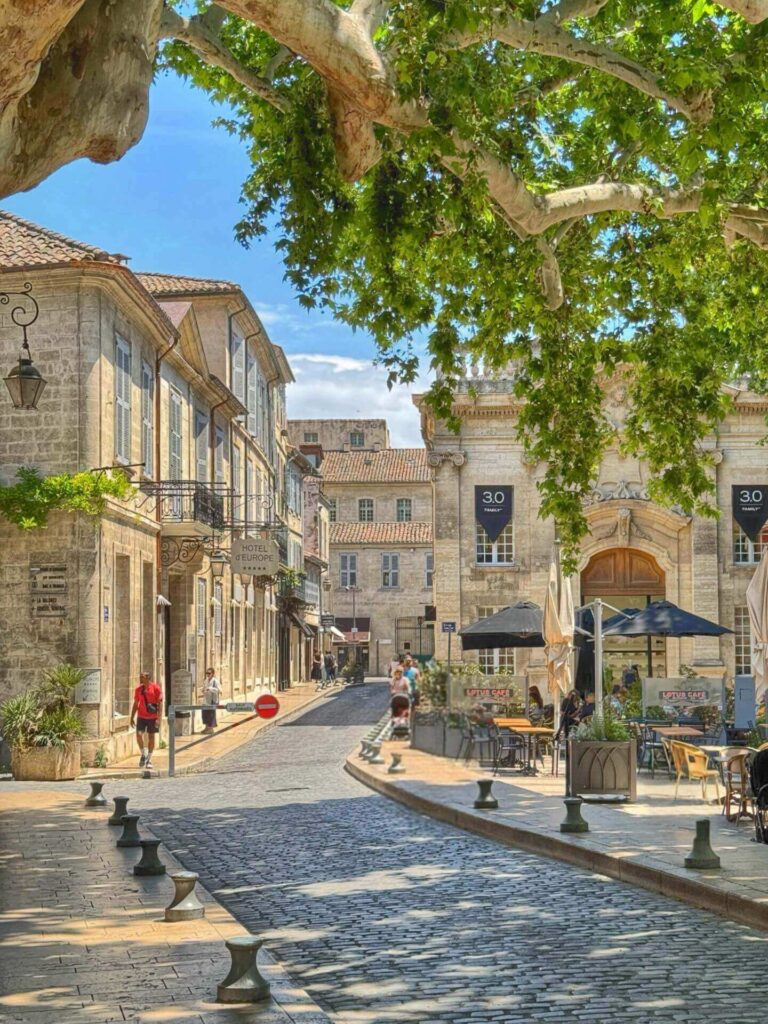
In the afternoon, you can make your way toward the Pont d’Avignon. It’s a short visit, but it fits naturally into the route if you’re already exploring nearby.
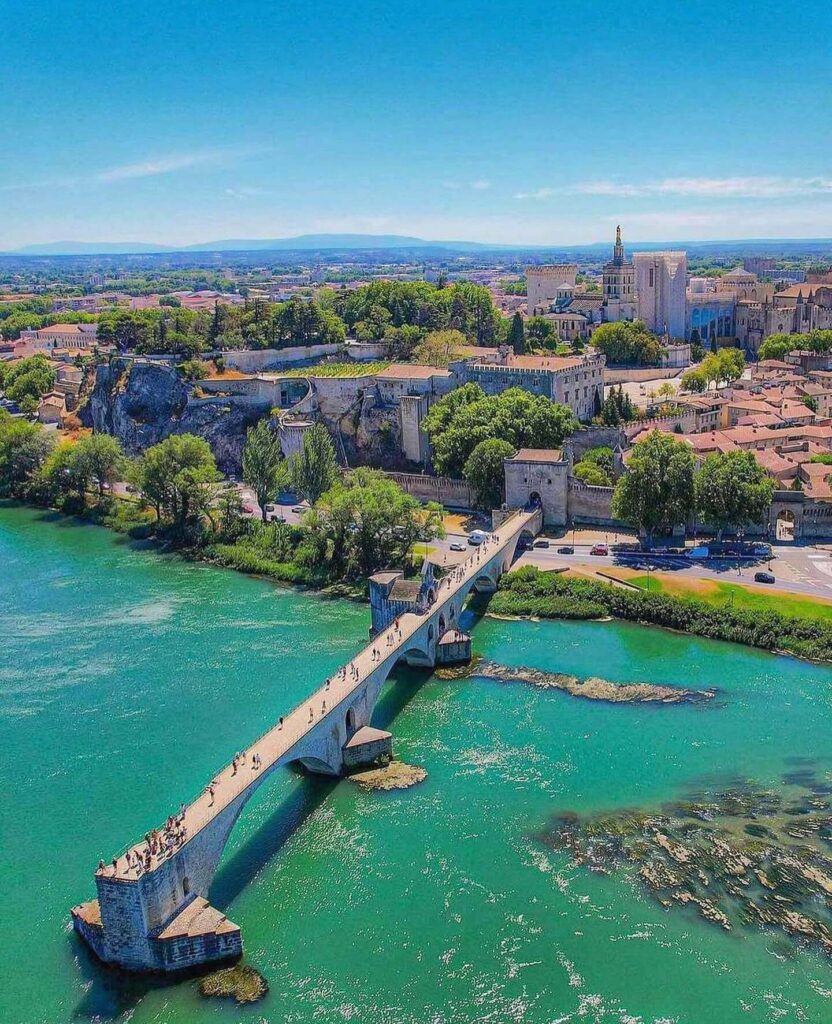
By the evening, I’d shift away from the busier streets and head toward the river or up to the Rocher des Doms gardens. Both feel quieter and give you a different perspective of the city. Ending the day here feels more relaxed compared to staying in the center.
With just one day, you’ll cover the main highlights, but more importantly, you’ll get a feel for how Avignon moves, which is what makes it enjoyable.
2 Days in Avignon
With two days, everything feels a bit easier because you don’t have to fit everything into one stretch. You can see the main sights without rushing and still leave room for slower moments.
On the first day, I’d follow a similar rhythm to the one day plan. Start with the palace and cathedral in the morning, then spend the rest of the day exploring the Old Town at your own pace. You can include places like Place de l’Horloge naturally as you move around, stopping when you feel like it rather than planning each step.
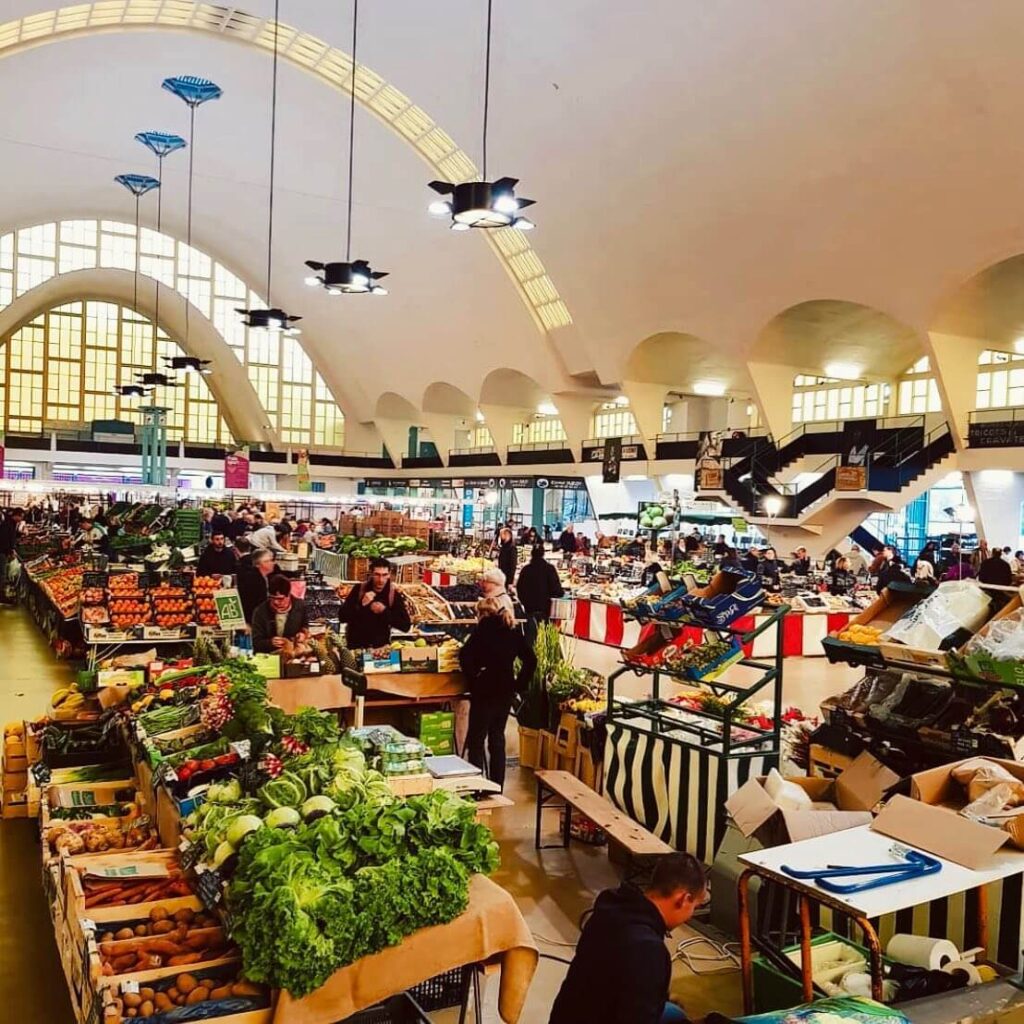
The second day is where you can slow things down or add something different. A good place to start is the Les Halles Market in the morning. It’s more lively earlier in the day, and walking through it gives you a different side of the city compared to the historical sites.
After that, you have a choice depending on how you want the day to feel. You could stay in Avignon and spend more time in places like the Rocher des Doms gardens or along the Rhône, taking things at a slower pace. Or, if you feel like exploring a bit more, this is a good day to take a short trip to nearby places like Gordes or Roussillon.
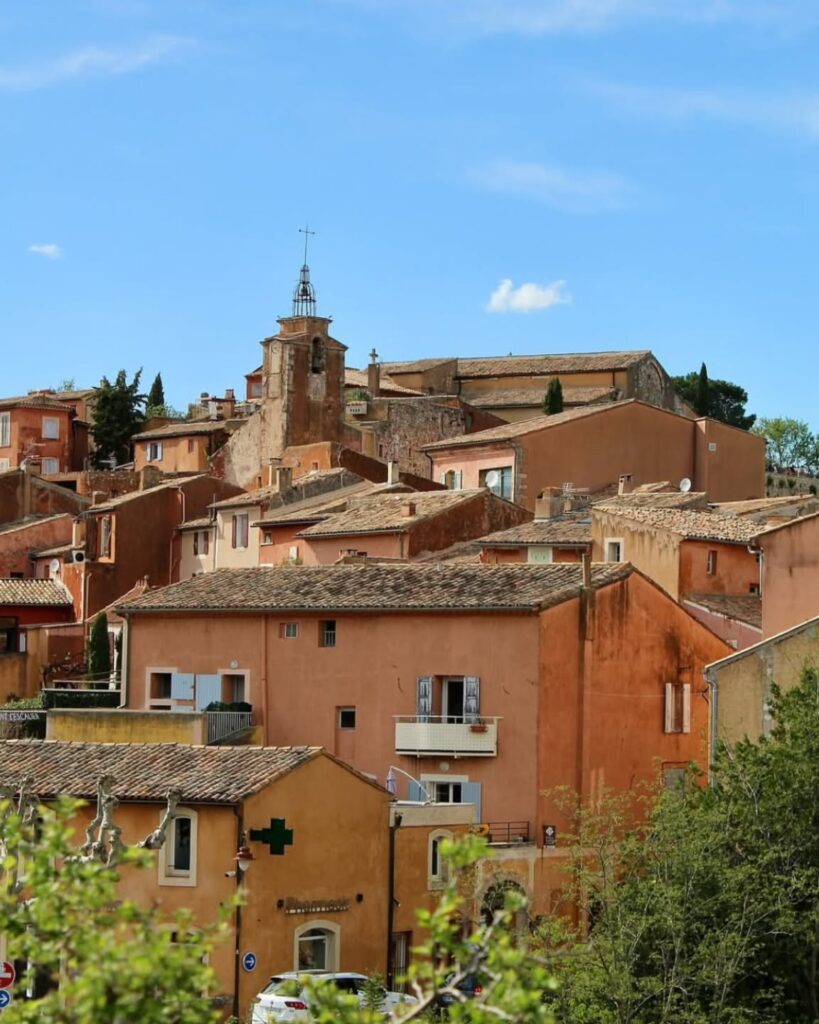
Personally, I think adding a one day trip makes the experience more complete. It gives you a contrast between the city and the surrounding countryside, and it helps you understand the region a bit better.
By the time you leave, you won’t feel like you rushed through Avignon. Instead, it feels like you had enough time to see what matters while still experiencing the city in a more natural way.
Where to Stay in Avignon
Where you stay in Avignon can change how your trip feels, even though the city is small.
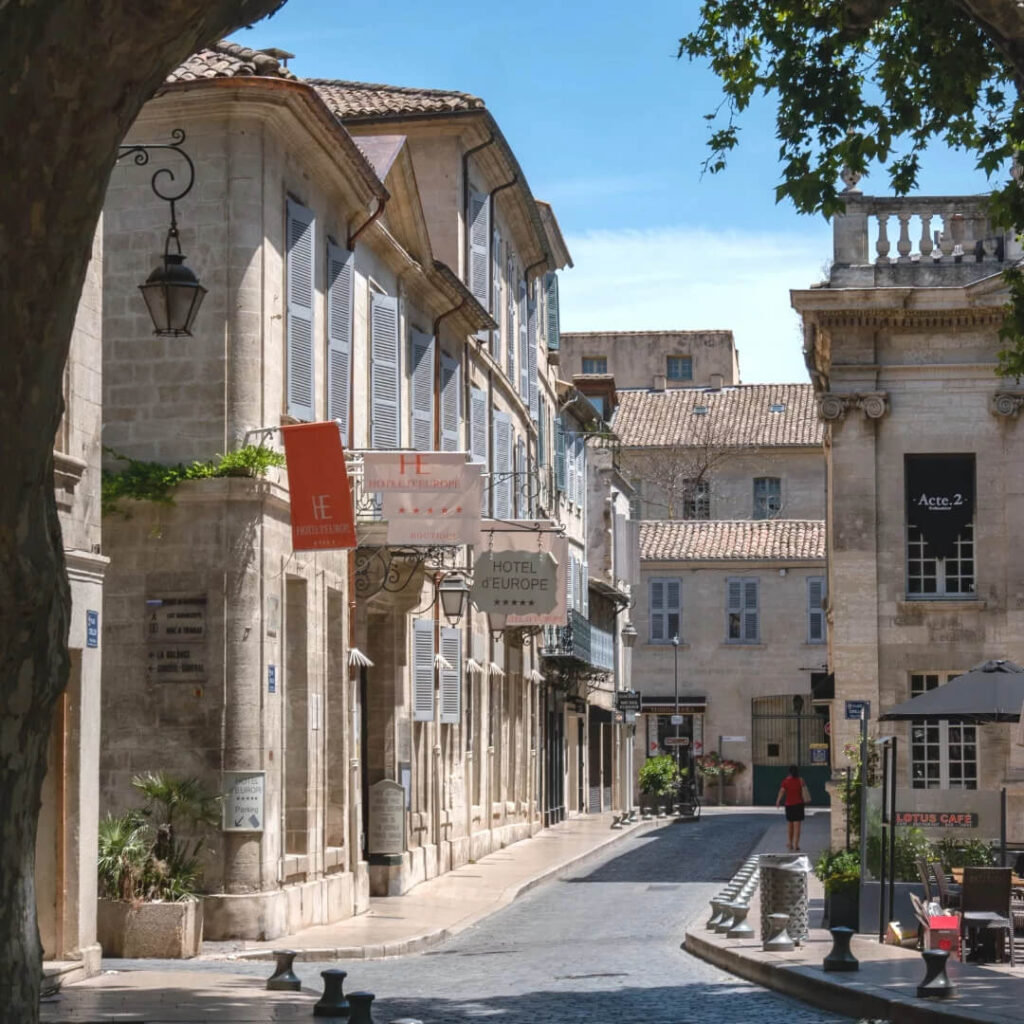
If it’s your first time, staying inside the Old Town makes things much easier. Everything is within walking distance, so you can step outside and already be in the middle of the city. I liked how effortless it felt to explore without thinking about transport.
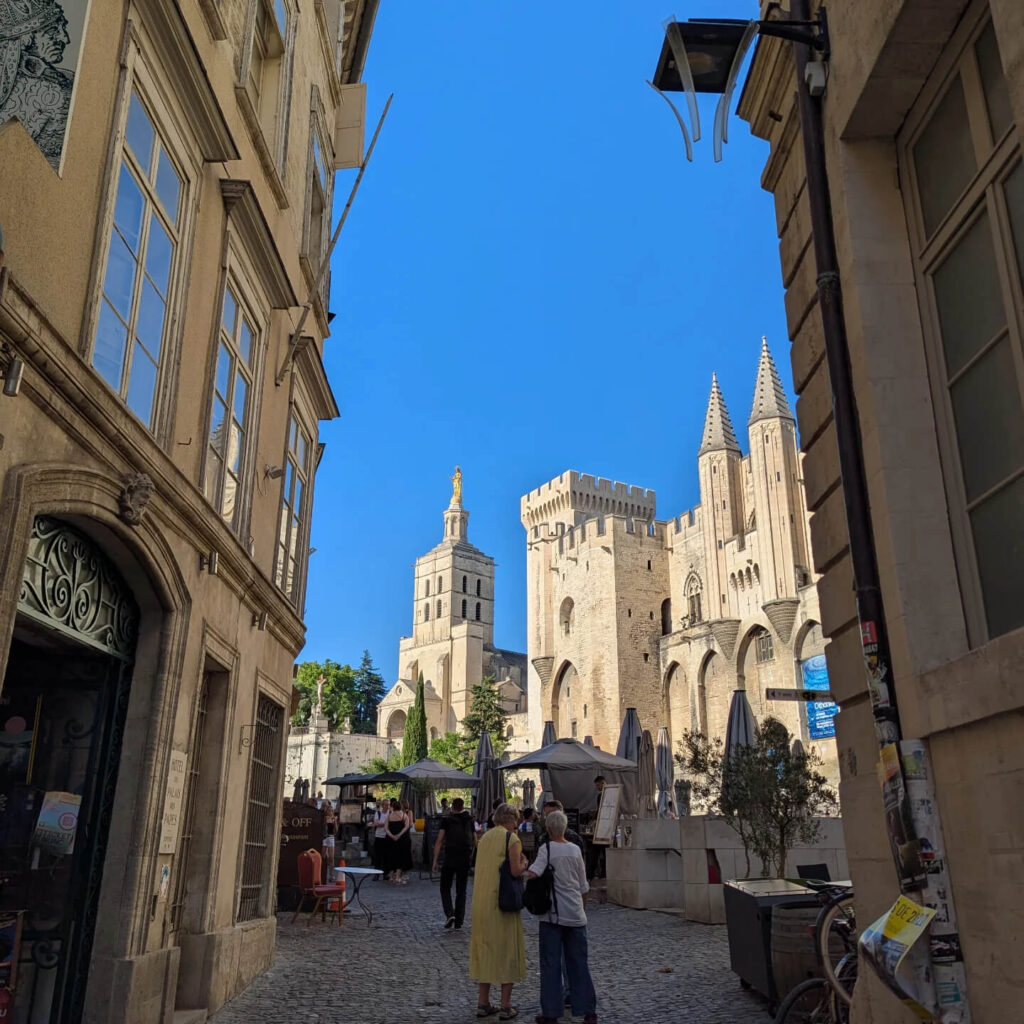
You can also head back to your hotel during the day without it feeling like a detour. The only downside is that some areas can get a bit busy, especially in the evenings.
Staying outside the city walls feels quieter and more relaxed. It’s a good option if you prefer a calmer atmosphere at night. The trade off is that you’ll need to walk a bit more or rely on a car, which adds a little more planning to your day.
For a short trip, I’d personally stay inside the walls. It just makes everything simpler.
Where to Eat in Avignon
Food in Avignon felt less like something I needed to plan and more like something that just worked itself out as I explored.
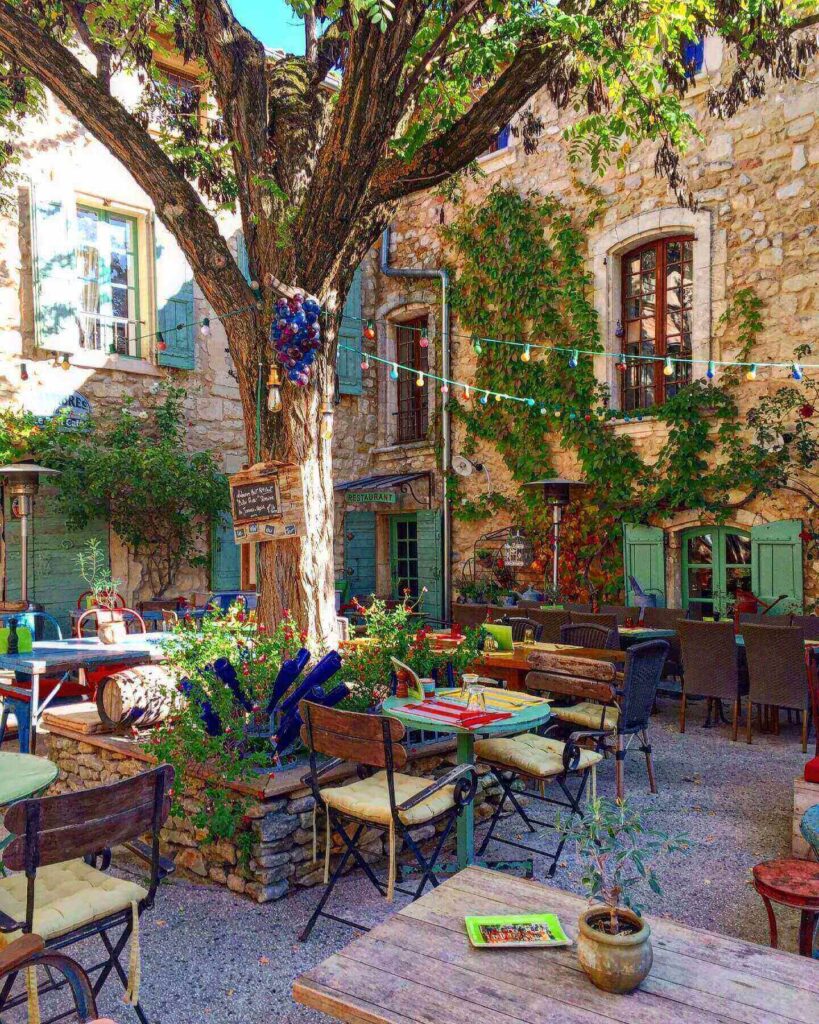
I didn’t go in with a list of restaurants, and honestly, I don’t think you need one here. Some of my better meals came from noticing a place while walking and deciding to stop without overthinking it. That approach worked well because the city isn’t overwhelming in size, and you’ll pass plenty of options as you move around.
The food itself leans toward simple, local dishes rather than anything overly elaborate. Meals feel unhurried, especially in the evening, and it’s normal to sit for a while rather than eat quickly and leave. If the weather is good, outdoor seating becomes part of the experience, especially in squares or along quieter streets.
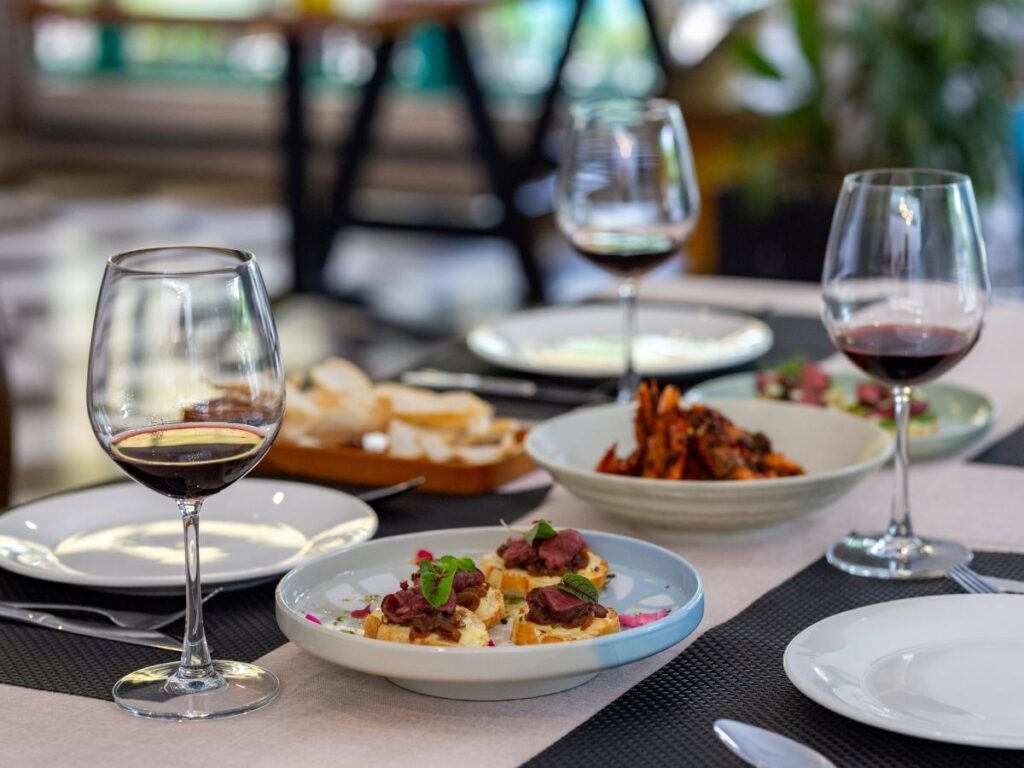
One thing that’s worth knowing is that timing matters. Lunch and dinner follow fairly set hours, and outside those times, choices can be limited. In the evenings, especially in smaller restaurants, reservations are quite common. It’s not something I always planned ahead, but I did notice that places filled up quickly.
Overall, it’s a place where you can trust your instincts a bit. Walking around and choosing what feels right in the moment often leads to a better experience than sticking to a strict plan.
Getting Around Avignon
Getting around Avignon is straightforward.
Most of the time, you’ll be walking. The main areas are close together, and it’s the easiest way to explore without overthinking directions. I rarely felt the need to use anything else.
If you’re planning day trips, trains are a simple option and connect well to nearby towns. If you want more flexibility or plan to visit multiple villages, renting a car can make things easier.
But within the city itself, walking is all you really need.
Best Time to Visit Avignon
When you visit can change the overall feel of the city.
Spring is a comfortable time to explore, with fewer crowds and good weather for walking. Summer, especially July, is much busier because of the Avignon Theatre Festival, which brings a lot of energy but also more people.
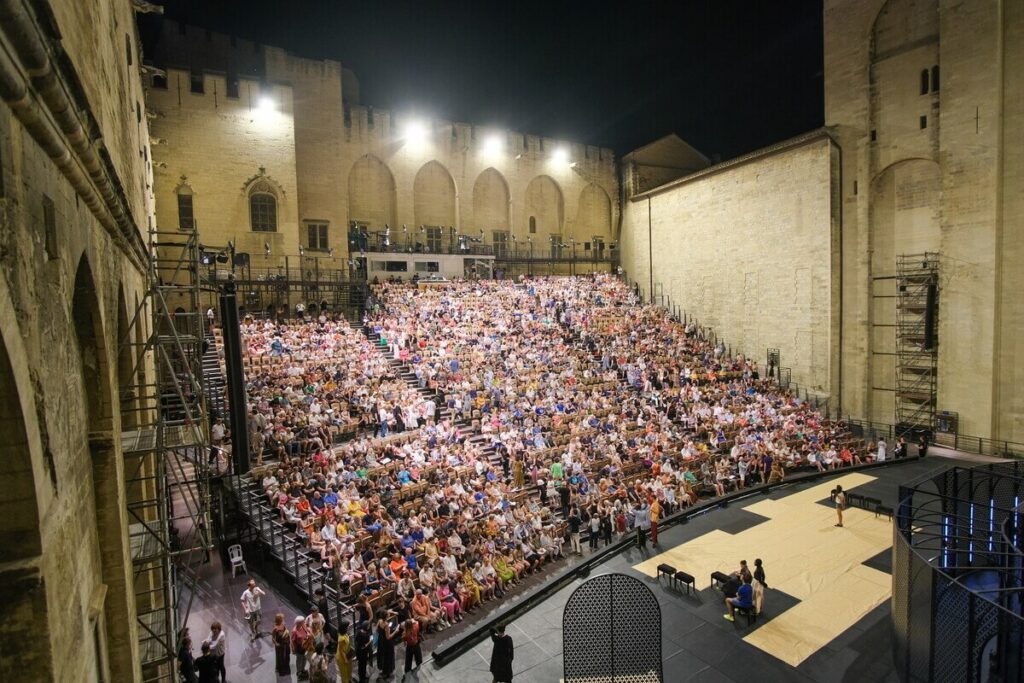
Early fall felt like a good balance to me. The weather is still pleasant, and the city feels a bit more relaxed compared to peak summer.
If you prefer a quieter experience, it’s better to avoid July.
Practical Travel Tips
You don’t need a lot of time in Avignon. One day is enough for the main sights, and two days gives you space to slow down or take a short trip nearby.
If you’re visiting during a busy period, it’s worth booking the Palais des Papes in advance to avoid waiting.
I’d also recommend leaving some flexibility in your plans. Some of the best moments here come from walking without a fixed route or stopping somewhere that feels right.
Mornings and evenings are usually the best times to explore when things feel calmer.
Conclusion
Avignon isn’t a place where you need a packed itinerary to enjoy it.
What I liked most was how easy it felt to slow down and just walk without a plan. The main sights are worth seeing, but the smaller, quieter moments are what stayed with me.

If you’re already exploring Provence, Avignon fits in naturally. And if you give it a little time, it’s a place that grows on you in a quiet, understated way.