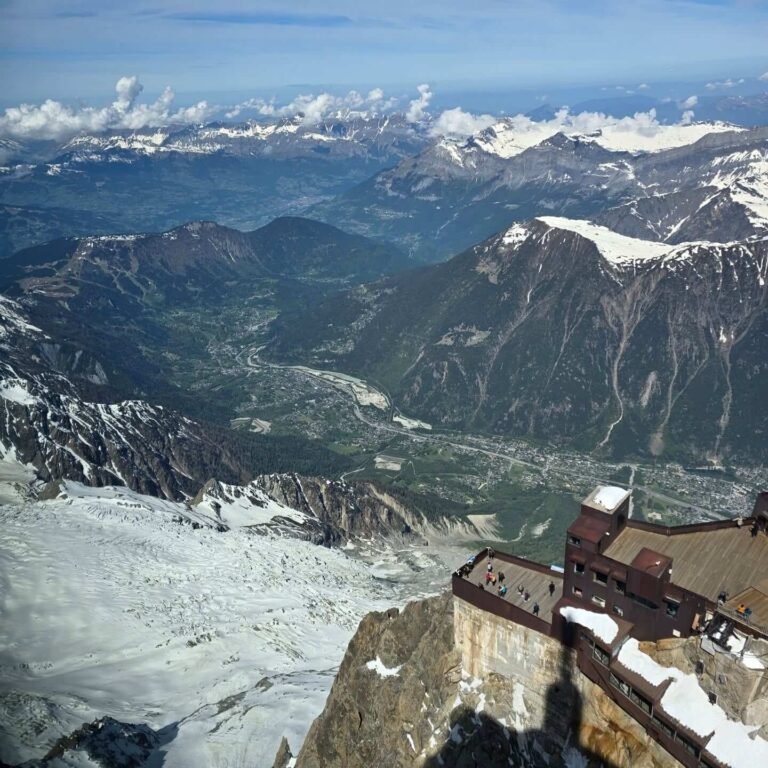

I’ll be honest, before visiting Cannes, I mostly associated it with film festivals, red carpets, and rows of luxury hotels facing the sea. In my head, it felt like one of those places that looks impressive in photos but might feel a bit distant or overly curated once you’re actually there.
So I didn’t go in expecting to connect with it much.
But once I arrived, it unfolded differently. Not in a dramatic way, just slowly, over the course of a couple of days. The first thing I noticed was how relaxed the mornings felt. Before the beach clubs filled up and the Croisette got busy, there was this calm rhythm to the city that made it easy to just walk without a plan.
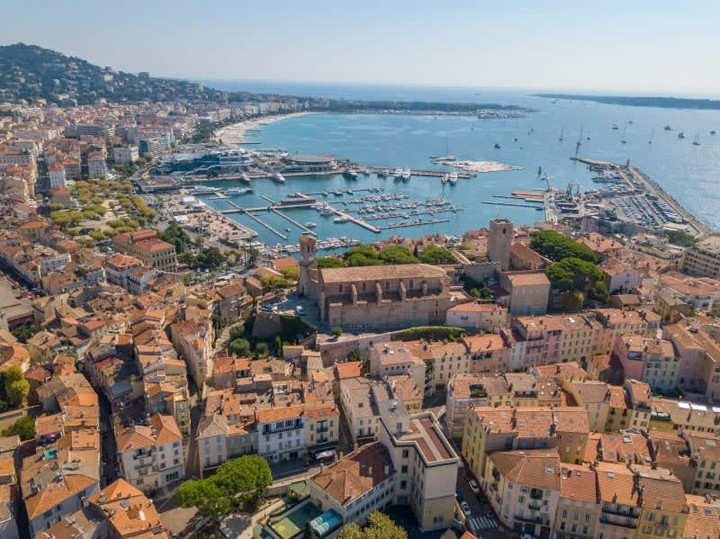
I remember heading out early one day, grabbing a coffee, and walking along the waterfront while everything still felt quiet. That ended up being one of my favorite parts of the trip, even though it wasn’t something I had planned at all.
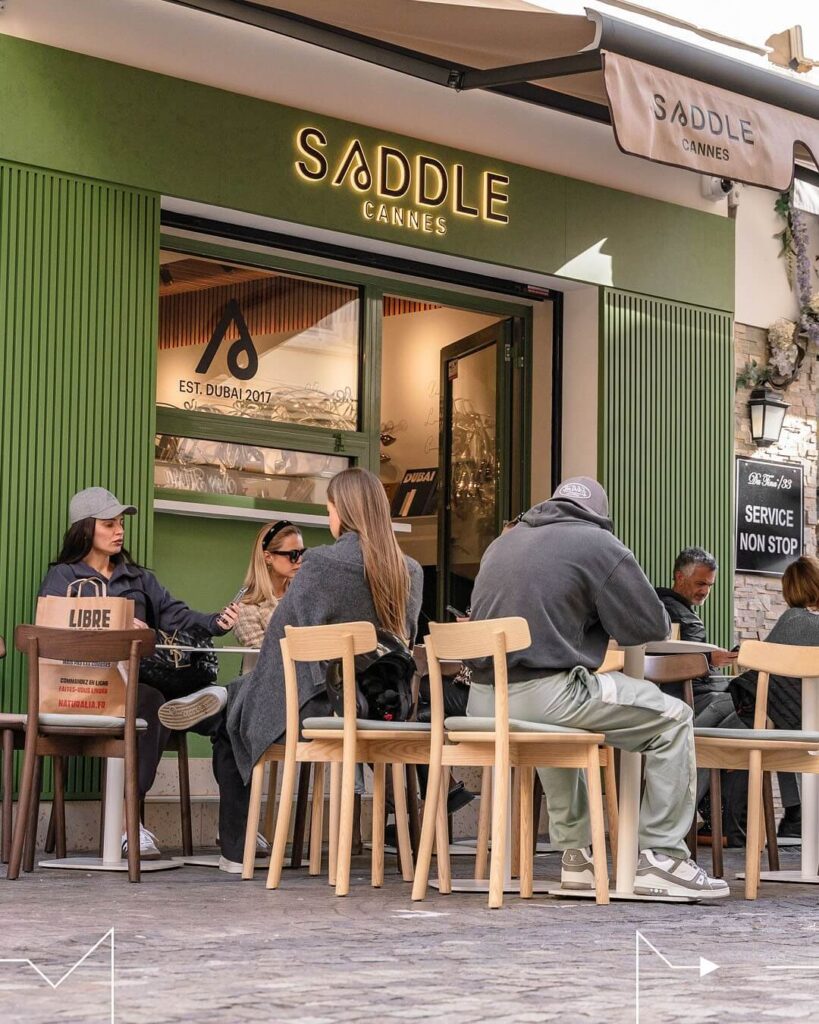
Then there’s the Old Town, Le Suquet, which feels like a completely different place compared to the polished areas near the beach. The streets are narrower, a bit uneven, and much quieter. As you walk uphill, you start to get these views over the harbor that make you pause for a moment without even realizing it.
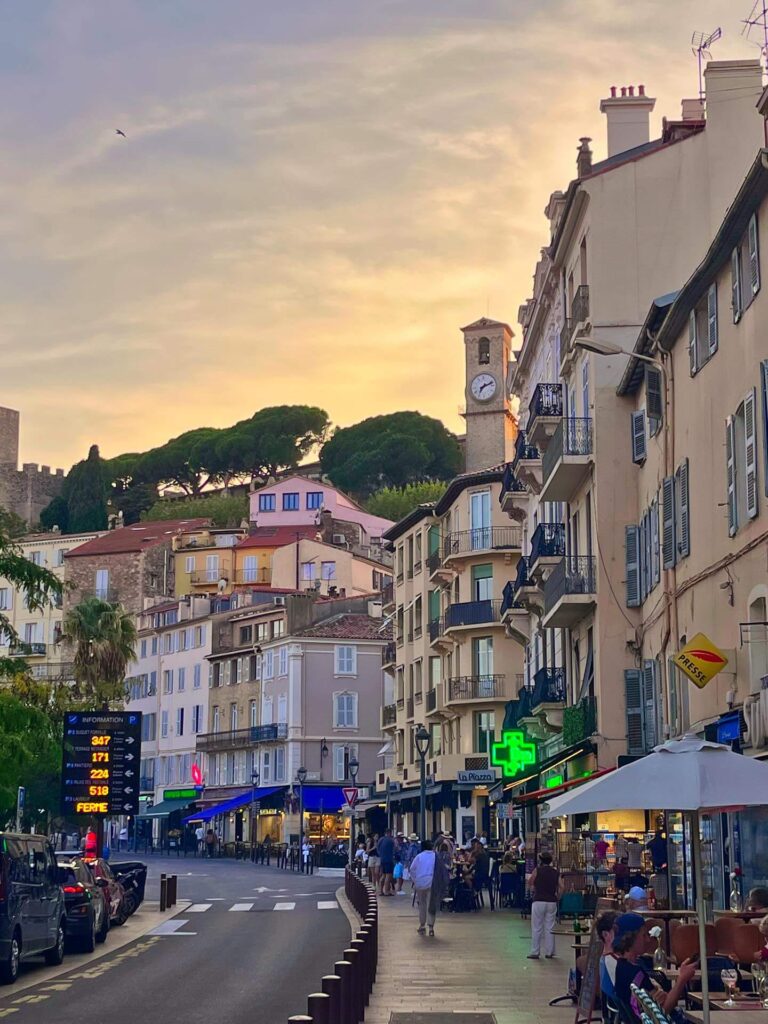
What surprised me most was that Cannes isn’t just about doing specific things. It’s more about how it feels to spend time there. Some of the best moments weren’t on any list, they came from slowing down, sitting somewhere longer than I needed to, or just walking along the coast without checking directions.
If you’re planning a trip and trying to figure out what’s actually worth your time, I’d approach Cannes with that mindset. Yes, there are a few key places you’ll want to see, but the experience is just as much about the in-between moments.
Here’s how I explored Cannes, what stood out to me, and what I’d genuinely recommend if you’re going too.
Best Things to Do in Cannes
Walk Along La Croisette
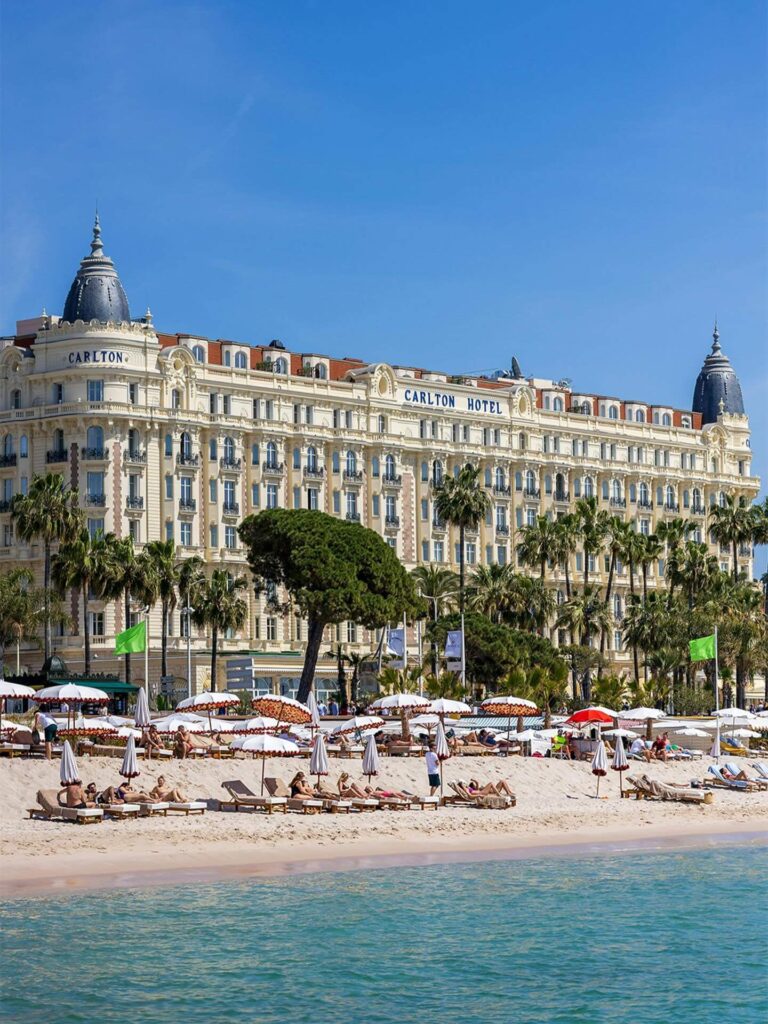
This is usually the first place people head to, and after spending time there, I understand why. La Croisette runs right along the coastline, with the sea on one side and a row of hotels, cafés, and beach clubs on the other. It’s easy to follow, easy to enjoy, and doesn’t require much planning.
What made a difference for me was the timing. I ended up walking here early one morning without really thinking about it, and that’s when it felt at its best. It was quieter, the light was softer, and the whole place felt more relaxed. There were a few people out for a walk or a run, but it didn’t feel crowded or overwhelming.
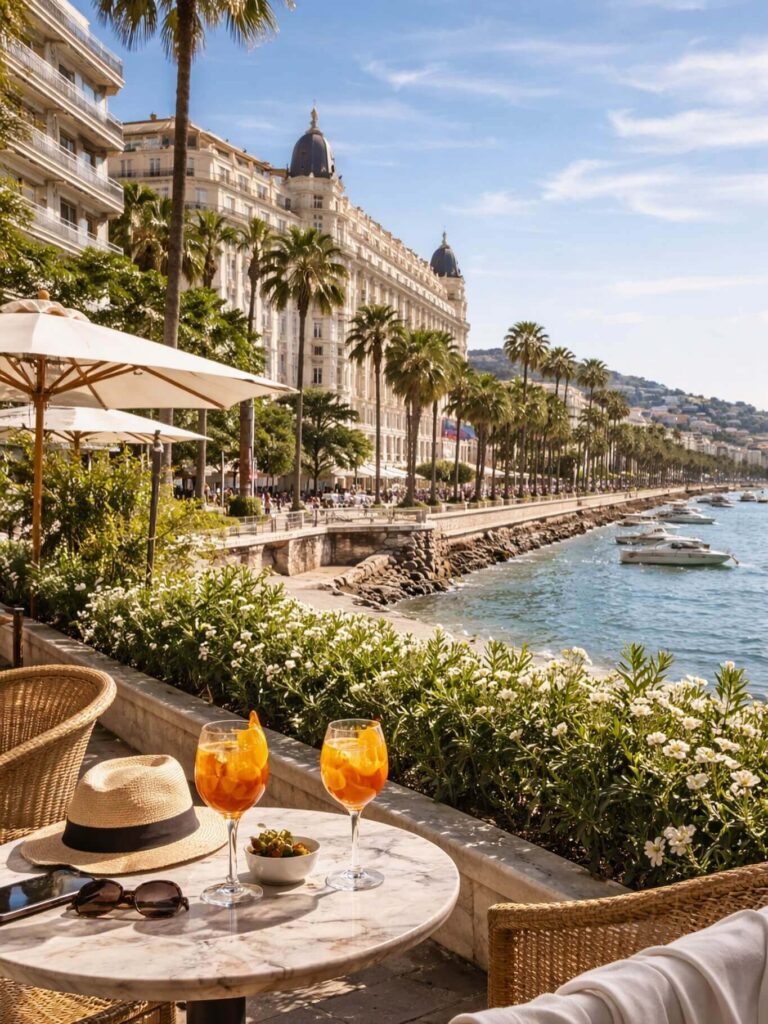
Later in the day, it naturally gets busier. Beach clubs fill up, people gather along the promenade, and the energy shifts a bit. It’s still enjoyable, just a little more active. I found myself stopping more often, sometimes for a coffee, sometimes just to sit and watch what was going on around me.
You don’t really need to treat this as an “activity.” It’s more of a space you pass through, return to, and experience differently depending on the time of day. And that’s kind of what makes it work.
Relax at Cannes Beaches (Public vs Private)
Before I got to Cannes, I didn’t fully understand how the beaches here worked, and I think this is something that helps to know in advance.
At first glance, it looks like one long stretch of beach, but it’s actually divided into public areas and private beach clubs. The public beaches are completely free and easy to access. They’re more simple, you bring your own towel, find a spot, and settle in. It’s relaxed and doesn’t feel structured.
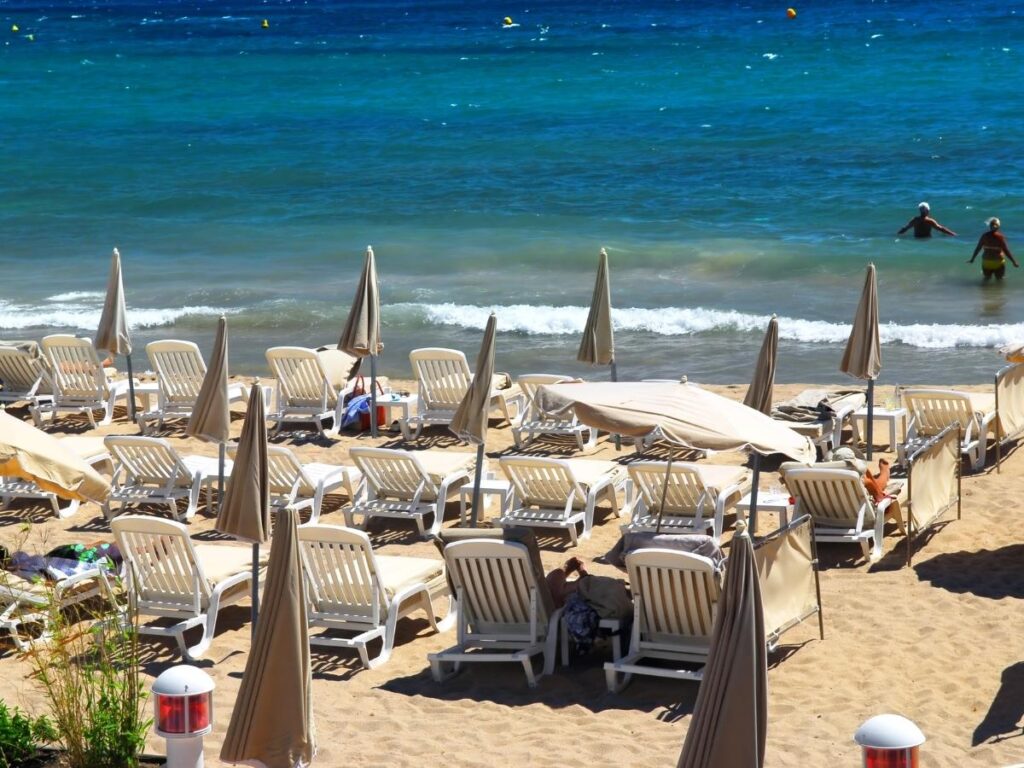
The private beach clubs are a different experience. You pay for a sunbed, and in return you get a more comfortable setup, shade, and usually food and drink service. Everything feels a bit more organized, and you don’t have to think about much once you’re there.
I tried both, and honestly, I enjoyed each for different reasons. The public beach felt more spontaneous, I could just walk in, stay for a while, and leave whenever I wanted. The beach club felt slower in a different way, more settled, like you’re there for a full afternoon rather than just a quick stop.
If you’re in Cannes for a couple of days, I think it’s worth trying both. That way you get a better sense of what the experience here is actually like, instead of just seeing one side of it.
Explore Le Suquet (Old Town)
Le Suquet ended up being the part of Cannes I kept going back to.
It’s only a short walk from the main areas, but it feels completely different. The streets are narrower, a bit uneven in places, and noticeably quieter. You don’t get the same polished feel as along the waterfront, which is exactly why I liked it.
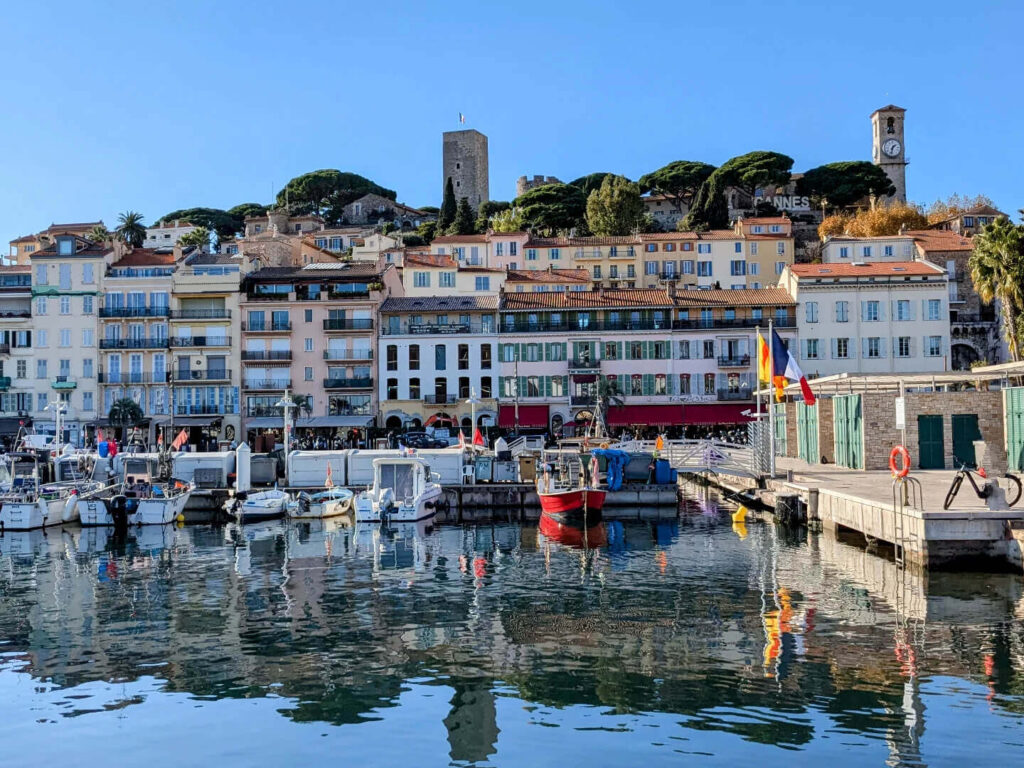
Walking uphill through the Old Town is part of the experience. At first, it just feels like small streets and buildings close together, but as you go higher, the views start to open up. Eventually, you get these clear views over the harbor and the rest of Cannes, and it makes the walk feel worth it.
I found the evening to be the best time to come here. The light changes, it feels less busy, and the whole area slows down a bit. It’s a good place to just wander without a fixed route and see where you end up.
Visit Marché Forville
This was one of those places that gave me a better sense of everyday life in Cannes.
Marché Forville isn’t designed to impress in a big way. It’s a covered market with stalls selling fresh produce, cheese, bread, and prepared food. People are shopping, chatting, and going about their routines, and you’re just stepping into that for a while.
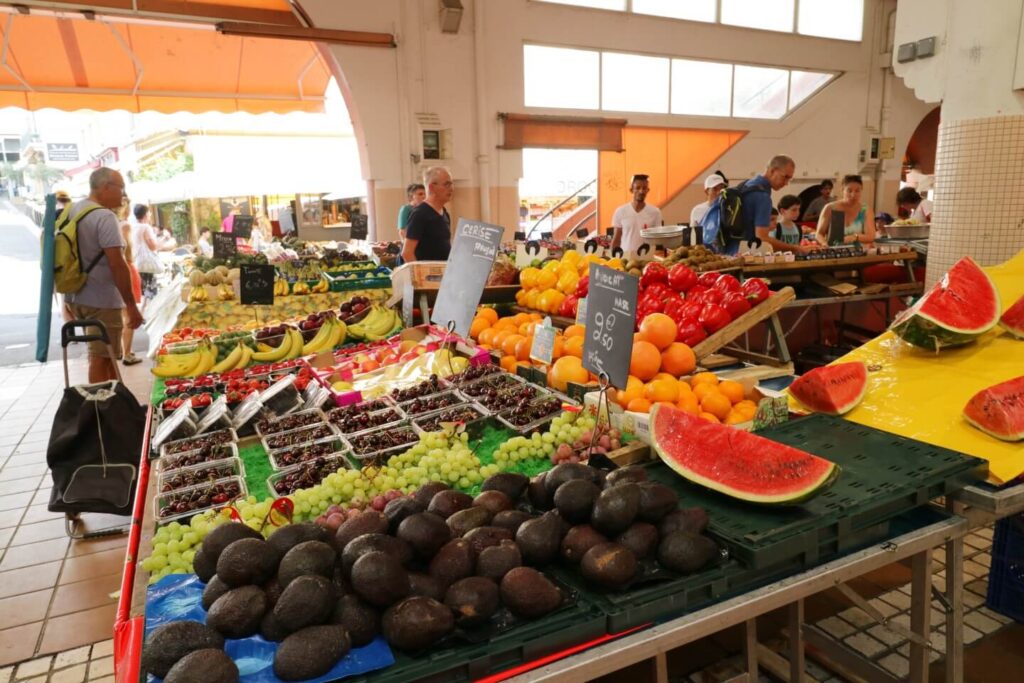
I liked that it didn’t feel overly focused on visitors. You can walk through at your own pace, stop at a few stalls, maybe pick up something small, or just take it all in without feeling like you need to buy anything.
Morning is the best time to go, when everything is open and active. It also fits easily into your day since it’s close to the Old Town, so you can combine the two without going out of your way.
See the Palais des Festivals
This is one of those places you’ll probably recognize even before you arrive.
It’s where the Cannes Film Festival takes place, and you can walk right up to the steps where the red carpet is usually laid out. When I visited, it wasn’t set up for an event, so it felt more like a quiet, open space rather than something dramatic.

There isn’t a lot to do here, and that’s worth knowing so your expectations match the experience. I spent around 15–20 minutes walking around, taking a few photos, and then moved on.
It’s interesting because of what it represents, not because you’ll spend a long time there. I’d still include it, just as a quick stop rather than a main highlight.
Take a Boat Trip to Île Sainte Marguerite
This was easily one of the most memorable parts of my time in Cannes.
The ferry ride itself is short, but once you arrive, everything feels noticeably calmer. The crowds thin out, the surroundings feel more natural, and the pace slows down without you having to try.
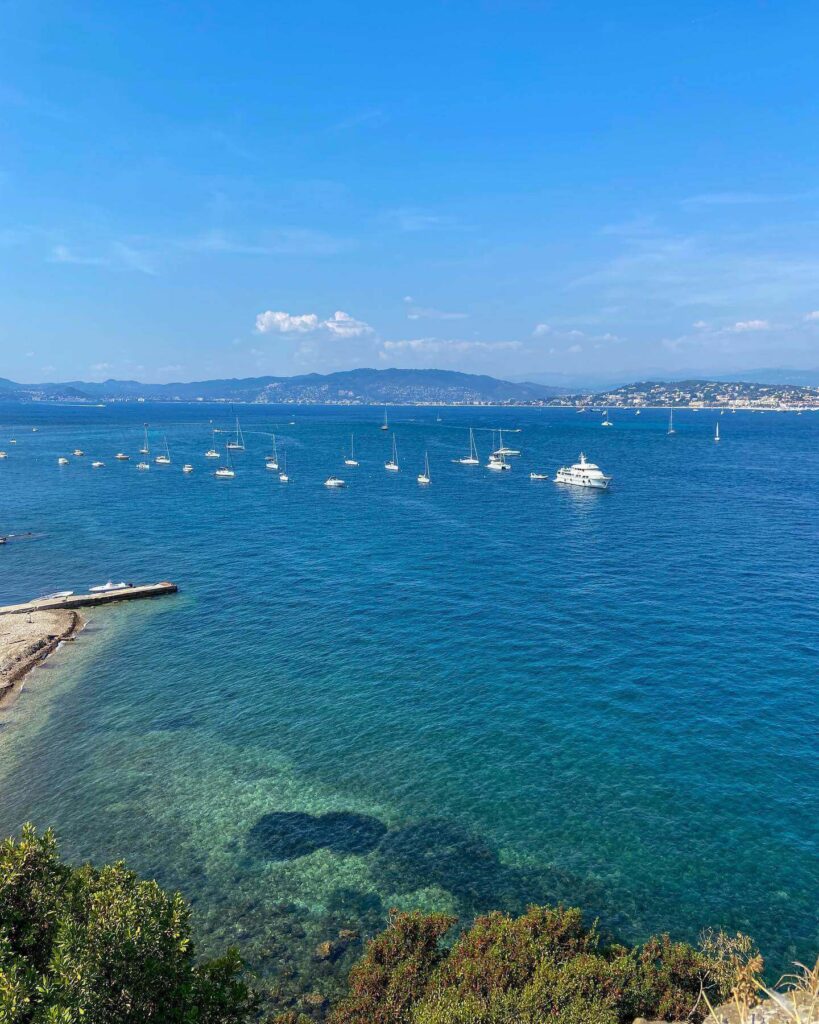
I spent most of my time just walking along the shaded paths and stopping near the water. The sea here feels clearer, and there are quiet spots where you can sit or swim without too many people around.
There’s also a historic fort on the island, which you can visit if you’re interested, but even without that, the island is worth going to. It feels like a break from the main city without needing much effort to get there.
If you can, set aside at least half a day. It’s not the kind of place you want to rush through.
Visit Île Saint-Honorat (For a Quieter Experience)
If you’re looking for something even quieter, this island has a completely different feel.
It’s less visited and more minimal in terms of what’s there. There’s a monastery, some vineyards, and simple walking paths, but beyond that, not much in the usual sense of attractions.
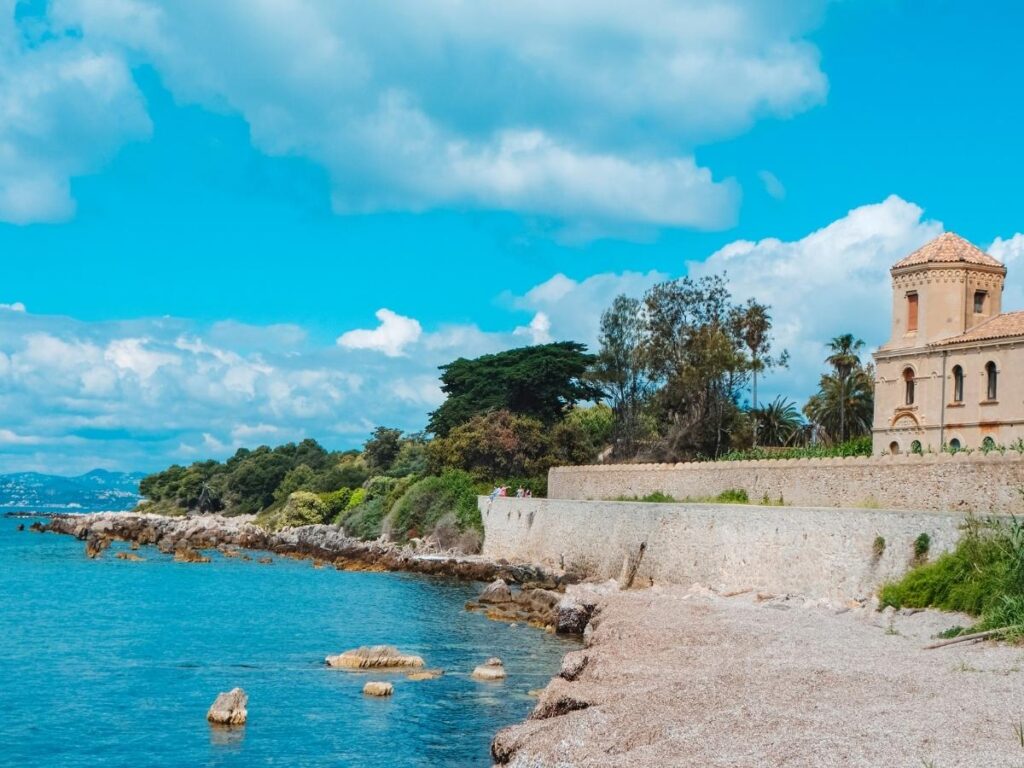
And that’s exactly why it works.
It feels more like a place to slow down than a place to explore actively. You walk, sit, take your time, and don’t feel like you need to move on quickly. It’s a good option if you want a break from the busier parts of Cannes.
Wander Around the Old Port (Vieux Port)
The Old Port is one of those areas you’ll pass through naturally, but it’s worth slowing down for.
There’s a mix of boats here, from smaller local ones to large yachts, and the contrast between them is interesting to see. It doesn’t feel overly staged, just active in a quiet way.
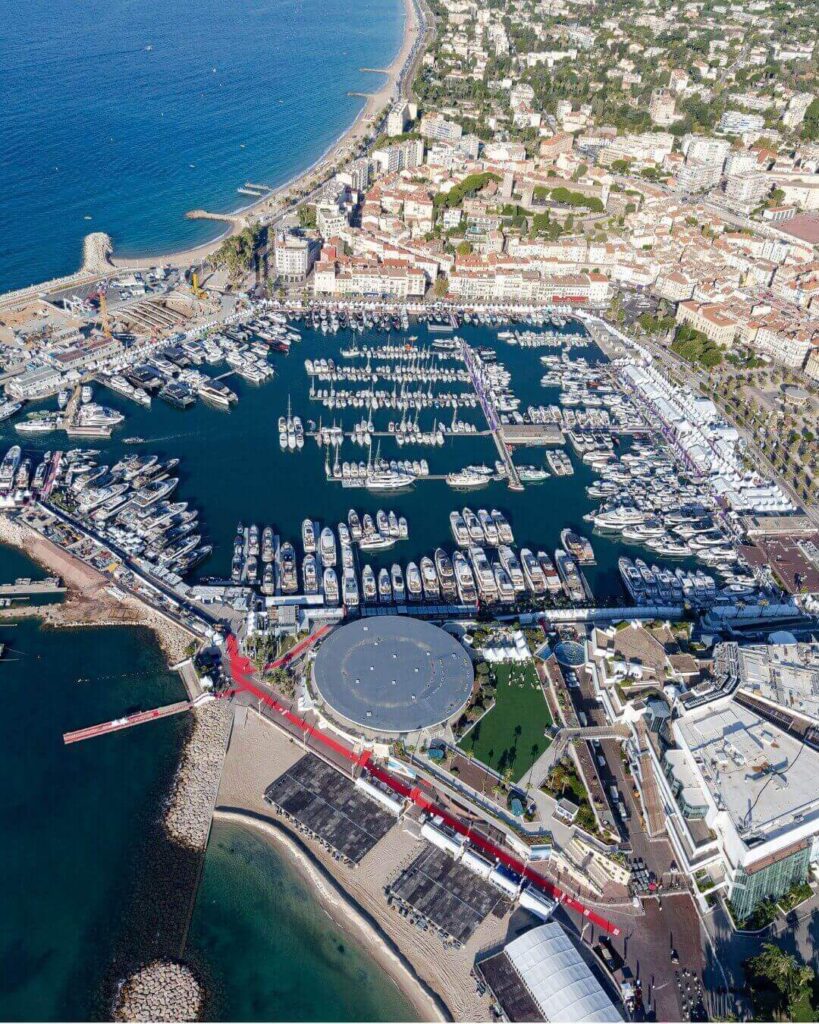
I found the evening to be the best time to walk around. The light softens, people are out for a stroll, and it connects easily with both the Old Town and La Croisette, so it fits into your route without needing extra planning.
Try a Beach Club Experience
If you’ve never tried a beach club before, Cannes is a good place to see what it’s like.
At first, I wasn’t sure if it would feel worth it, but once I spent a few hours there, I understood the appeal. You have a proper place to sit or lie down, shade when you need it, and the option to order food or drinks without leaving your spot.
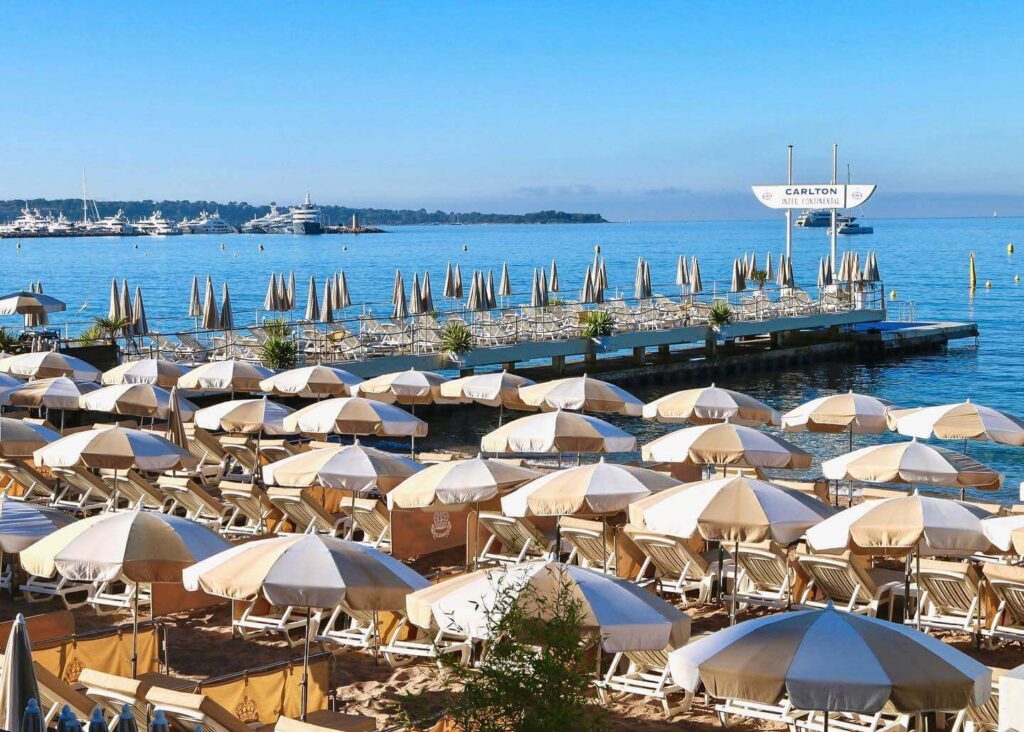
It changes the rhythm of your day a bit. Instead of moving around, you settle in and stay for a while.
That said, I wouldn’t do it every day. It works best as a one-time experience during your trip, just to enjoy a slower, more comfortable afternoon by the water.
Take a Day Trip from Cannes
One thing I didn’t fully appreciate before arriving is how easy it is to use Cannes as a base. You’re not limited to just the city itself, and that actually changes how you plan your time here.
The train station is right in the center, and trains along the coast run frequently enough that you don’t need to plan everything in advance. I usually just checked times the same day and headed out without overthinking it.
Each nearby place feels different, which makes even a short trip worthwhile. Nice feels bigger and more energetic, with a wider mix of things to see and do. If Cannes starts to feel a bit too polished, Nice gives you a bit more variety.
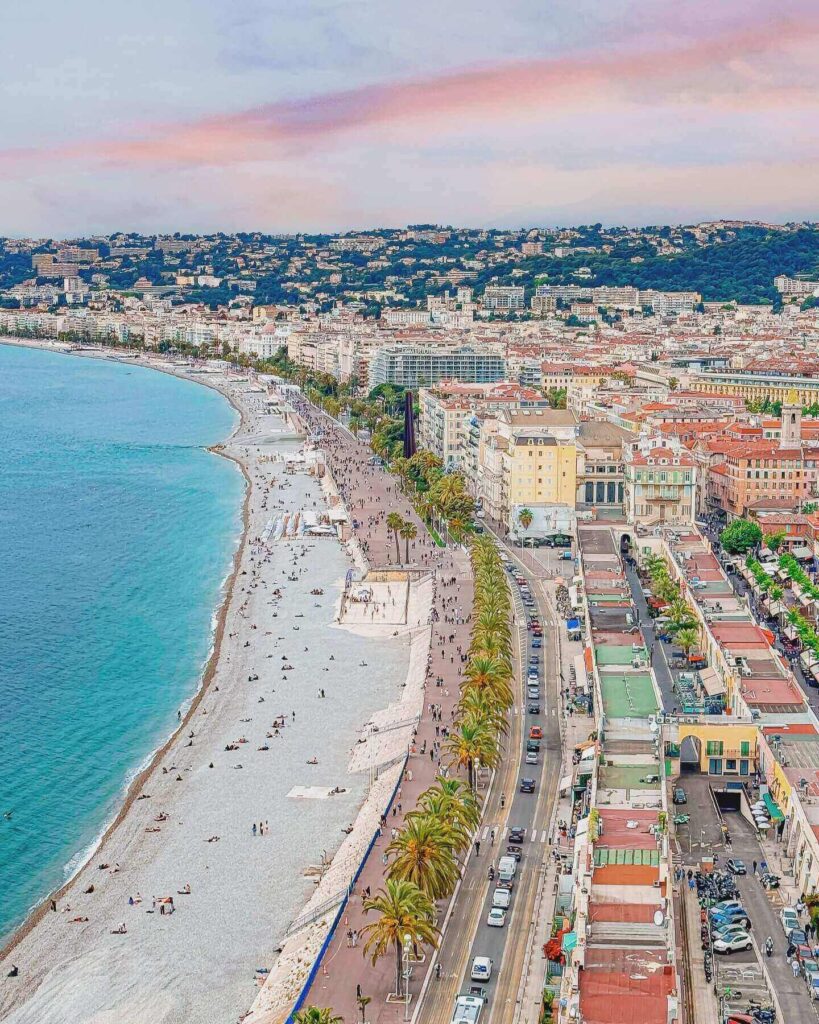
Antibes ended up being one of my favorites. It’s more relaxed, with a beautiful old town and a coastline that feels less crowded. It’s the kind of place where you can just wander without feeling rushed.
Monaco is completely different. It feels more structured and upscale, and even walking around gives you a sense of how different it is from the rest of the coast.
And then there’s Èze, which sits up in the hills. Getting there takes a bit more effort, but the views from the top make it worth it. It’s quieter, more compact, and feels removed from the coastline in a nice way.
You don’t need to try and do all of these. Even picking one place for a half or full day adds a different layer to your trip and breaks up the rhythm of staying in Cannes the entire time.
Explore Rue d’Antibes
If you actually want to shop while you’re in Cannes, this is where you’ll likely end up.
La Croisette might be the more well-known street, but it leans heavily toward luxury stores and hotels. Rue d’Antibes feels more practical. It’s where you’ll find a mix of brands, smaller boutiques, and everyday shops that people actually use.
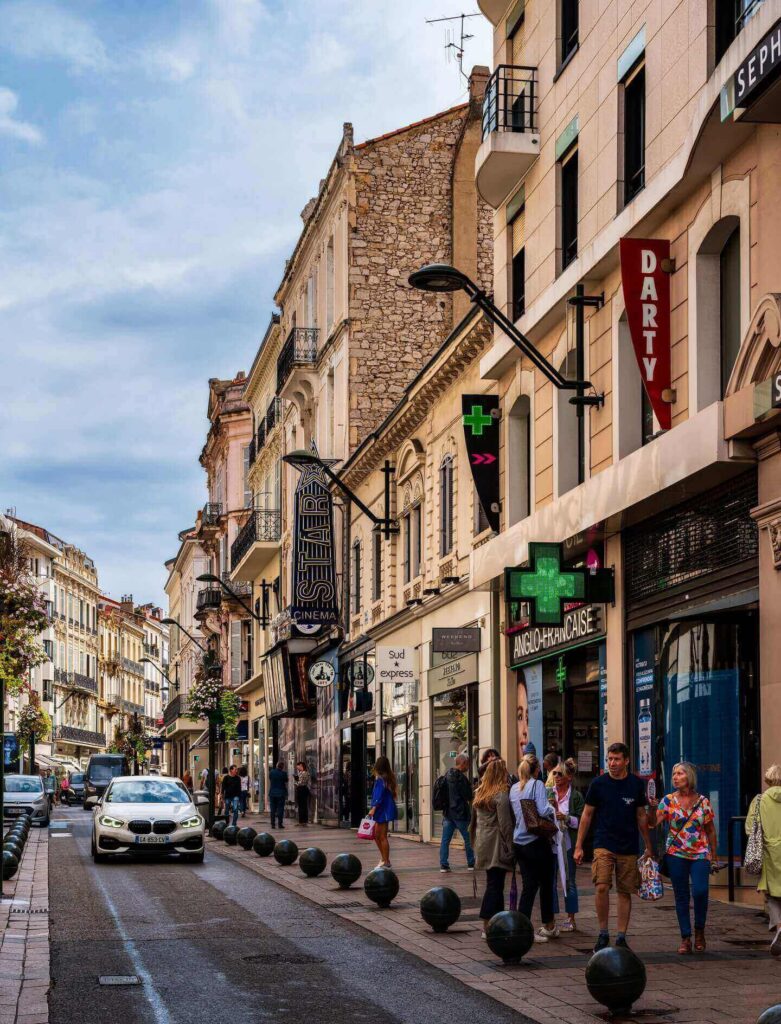
I walked through it a couple of times without really planning to shop, and it still felt worth passing through. It has a more normal, lived-in feel compared to the waterfront. People are going about their day, stopping in stores, grabbing something quickly, and moving on.
It’s also a good place if you need something specific during your trip, whether that’s clothes, essentials, or just a break from the more polished parts of Cannes.
Watch Sunset from Le Suquet or the Beach
Sunset in Cannes isn’t something you need to organize in advance, which is part of why I liked it.
Some evenings, I ended up by the water without even realizing it was close to sunset. Other times, I was up in the Old Town and just stayed a bit longer once the light started to change.
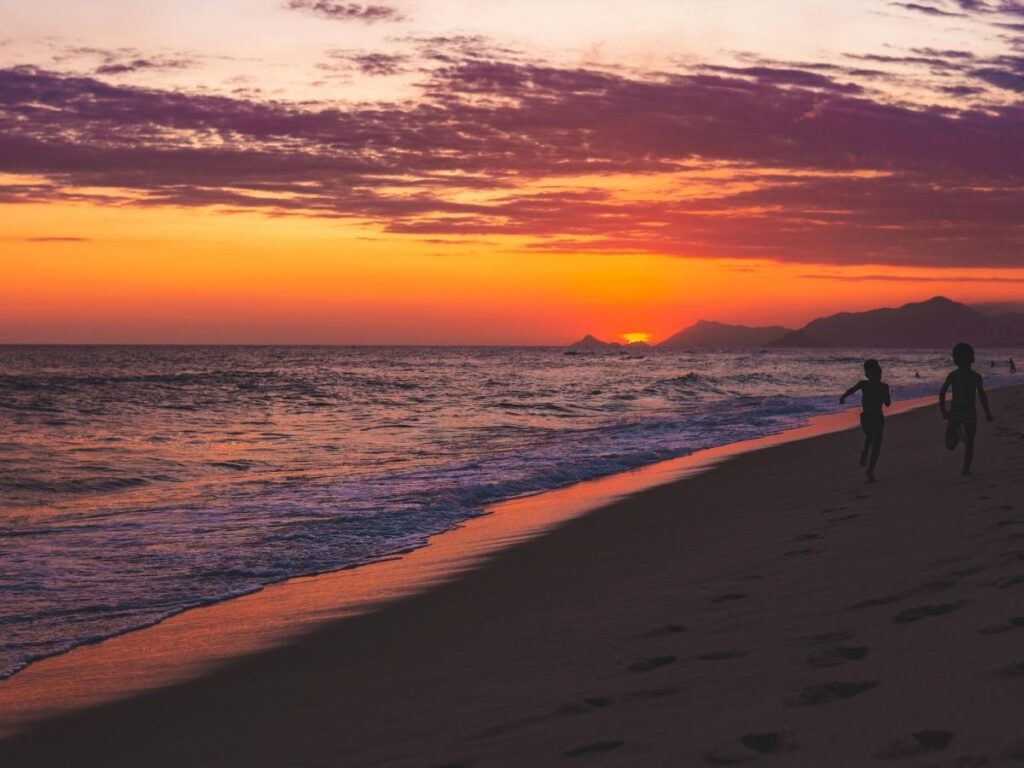
From the beach, it feels open and calm, with the light reflecting on the water and people slowly settling into the evening. Up in Le Suquet, it’s quieter and a bit more elevated, with views over the harbor that gradually shift as the sun goes down.
There isn’t one “best” spot. It depends more on where you are at the time and whether you feel like staying. For me, it became less about finding the perfect viewpoint and more about letting the day slow down naturally.
Enjoy Cannes at Night (With Realistic Expectations)
Cannes does have nightlife, but it’s not as intense as some people imagine, especially if you’re comparing it to bigger party destinations.
There are bars, restaurants, and beach clubs that stay open into the evening, and you’ll definitely find places to sit, have a drink, and spend time. But overall, it feels more relaxed than high-energy.
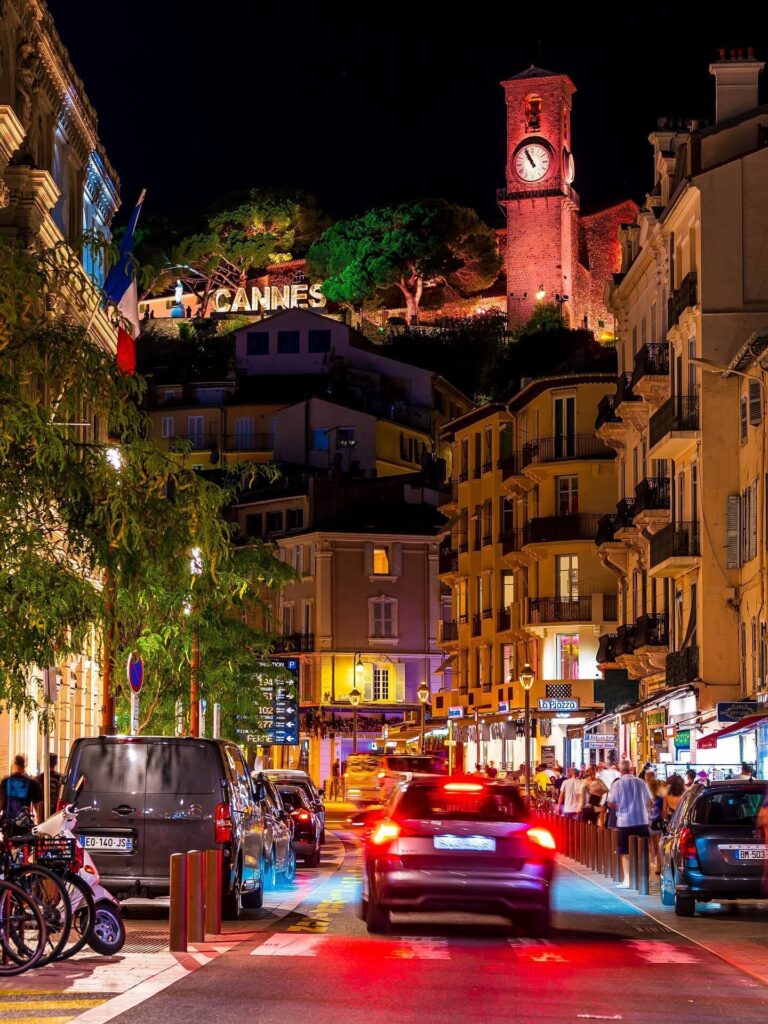
I noticed that most evenings followed a similar rhythm. People head out for dinner, walk along the Croisette or near the port, maybe stop somewhere for a drink, and then gradually wind down. It doesn’t feel rushed or overly loud.
If you’re expecting a strong party scene, it might feel quieter than you imagined. But if you’re looking for something more laid-back, it actually works quite well.
Slow Down and Just Enjoy the Atmosphere
Looking back, some of my favorite moments in Cannes weren’t tied to any specific place.
They were the in-between parts of the day. Sitting at a café a little longer than planned, walking without checking directions, or stopping by the water without feeling like I needed to move on quickly.
Cannes works best when you don’t try to fill every hour. There’s enough to do, but it’s not a place that needs to be rushed.
If anything, I’d leave space in your plan for doing nothing in particular. That’s usually when the city feels the most enjoyable.
Cannes Itinerary
1 Day in Cannes
If you only have one day in Cannes, the best approach is to keep things simple and stay within the central area. The city is compact enough that you can see quite a bit without rushing, as long as you don’t try to fit in everything.
I’d start the morning along La Croisette. It’s quieter earlier in the day, and the light feels softer, which makes the whole experience more relaxed. You can walk along the promenade, stop for a coffee somewhere along the way, and just ease into the day instead of jumping straight into sightseeing.
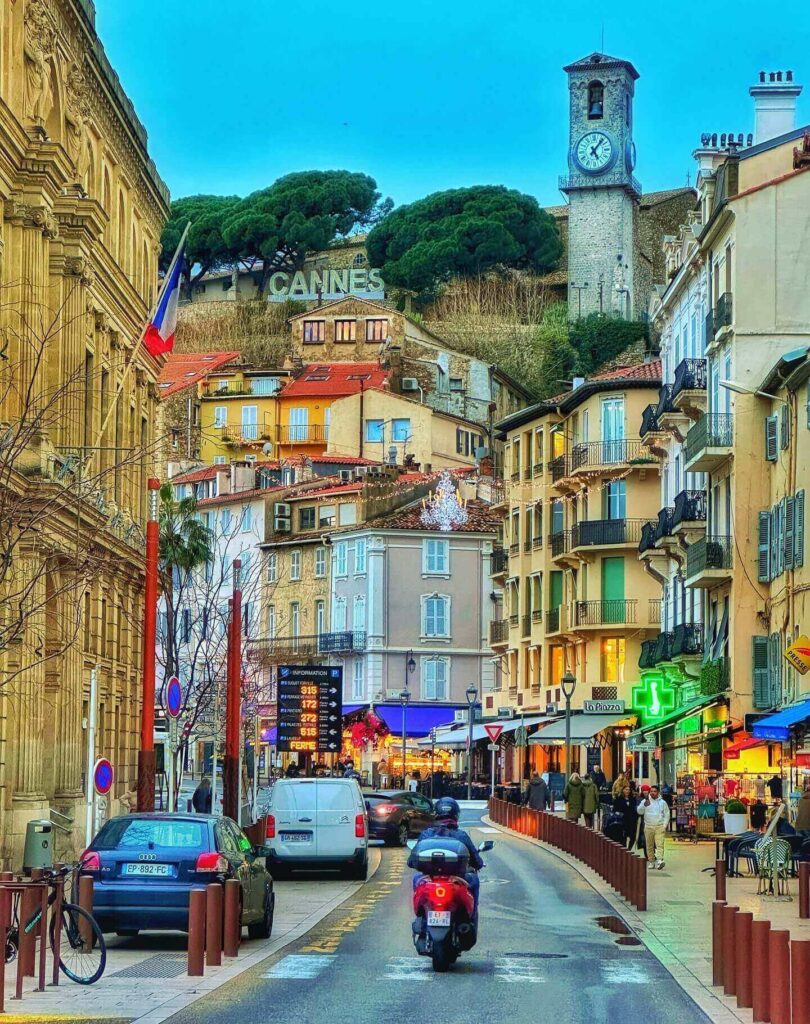
From there, I’d make my way toward Le Suquet, the Old Town. The walk itself is short, but the atmosphere changes as you go uphill. It feels calmer and less polished, and once you reach the top, the views over the harbor are worth taking a moment for. This is a good place to slow down a bit rather than rush through.
By the afternoon, heading to the beach makes the most sense. Whether you choose a public beach or decide to try a beach club, this is when you’ll want to just sit, swim, or relax for a while. After walking most of the day, it naturally balances things out.
If you still have energy in the evening, you can end the day near the Old Port or back along the Croisette. There’s no need to plan much here, just walk, find a place for dinner, and let the day wind down.
2 Days in Cannes
With two days, you don’t need to rush anything, and that’s when Cannes starts to feel more enjoyable.
I’d keep the first day similar to the one-day plan, covering La Croisette, the Old Town, and some time by the beach. That gives you a good overall feel for the city without overloading your schedule.
On the second day, I’d plan a trip to Île Sainte Marguerite. It’s one of the easiest and most rewarding things to do from Cannes. The ferry ride is short, and once you arrive, everything feels noticeably quieter.
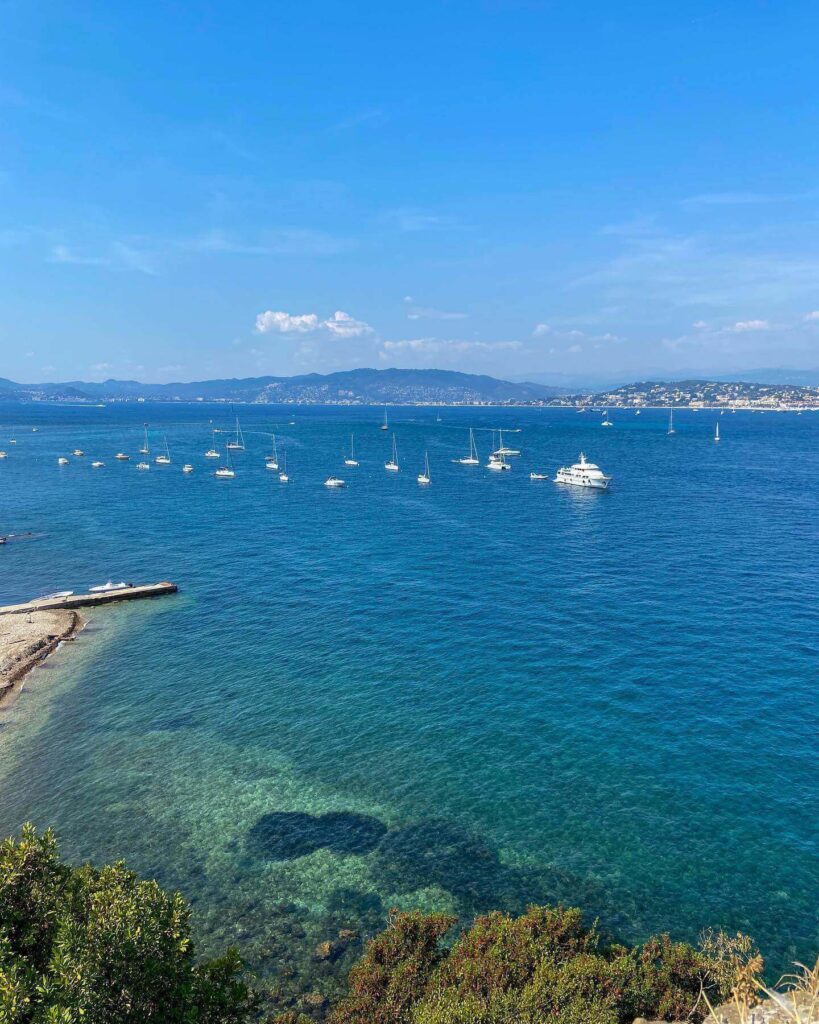
You can spend your time walking through the shaded paths, finding a quiet spot near the water, or just sitting and doing very little. It’s not about ticking off attractions, it’s more about taking a break from the busier parts of Cannes.
I’d suggest setting aside at least half a day for this, so you don’t feel like you need to rush back. When you return in the afternoon or early evening, you can keep things light, maybe a short walk, dinner, or just another relaxed evening by the water.
Overall, Cannes doesn’t need a packed itinerary to feel worthwhile. The more space you leave in your day, the more you’ll end up enjoying it.
Where to Stay in Cannes
Le Suquet (Old Town)
If I had to choose an area purely based on how it feels, I’d pick Le Suquet.
This is the older part of Cannes, and you notice the difference almost immediately. The streets are narrower, the buildings feel a bit more lived-in, and it’s noticeably quieter compared to the waterfront. It doesn’t have that polished, almost staged look you get along with La Croisette, which is exactly why I liked it.
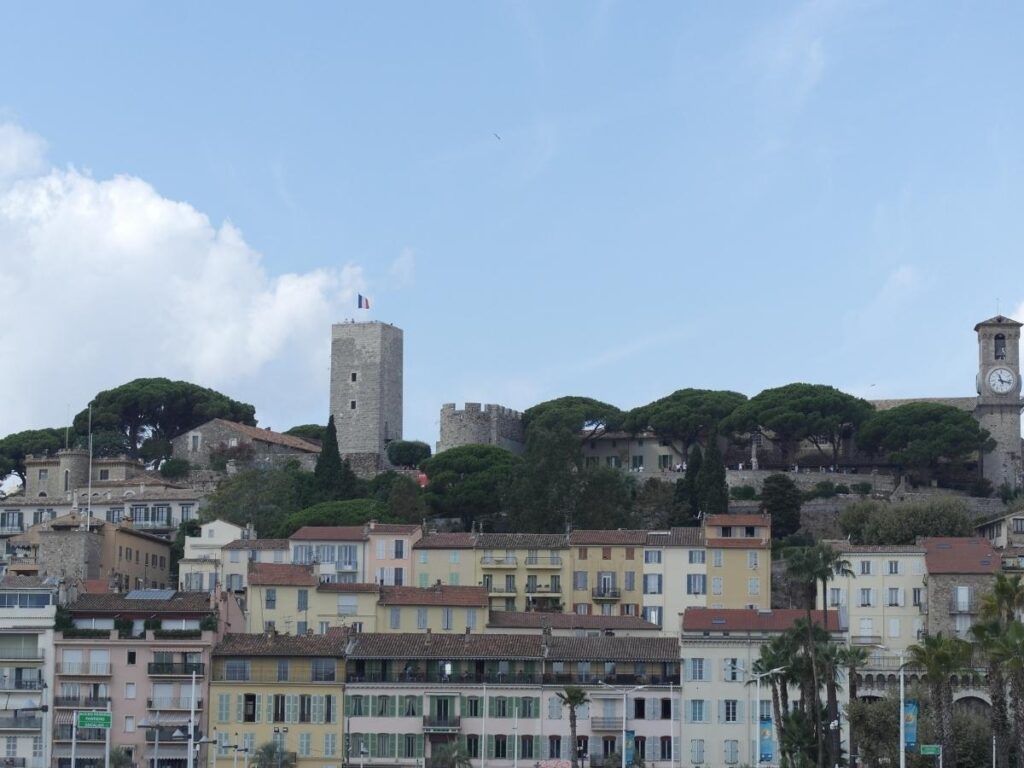
Staying here means you’ll probably be walking up and down small hills and uneven streets, so it’s not the most convenient if you’re carrying luggage or prefer everything flat and easy. But in return, you get a more relaxed atmosphere, especially in the mornings and evenings when most of the day visitors have left.
It feels less like you’re staying in a “destination” and more like you’re part of the place, even if it’s just for a couple of days.
La Croisette Area
If convenience matters more to you, staying near La Croisette makes things very straightforward.
You’re close to the beach, within walking distance of most major spots, and surrounded by cafés, restaurants, and shops. It’s easy, comfortable, and you don’t have to think too much about getting around.
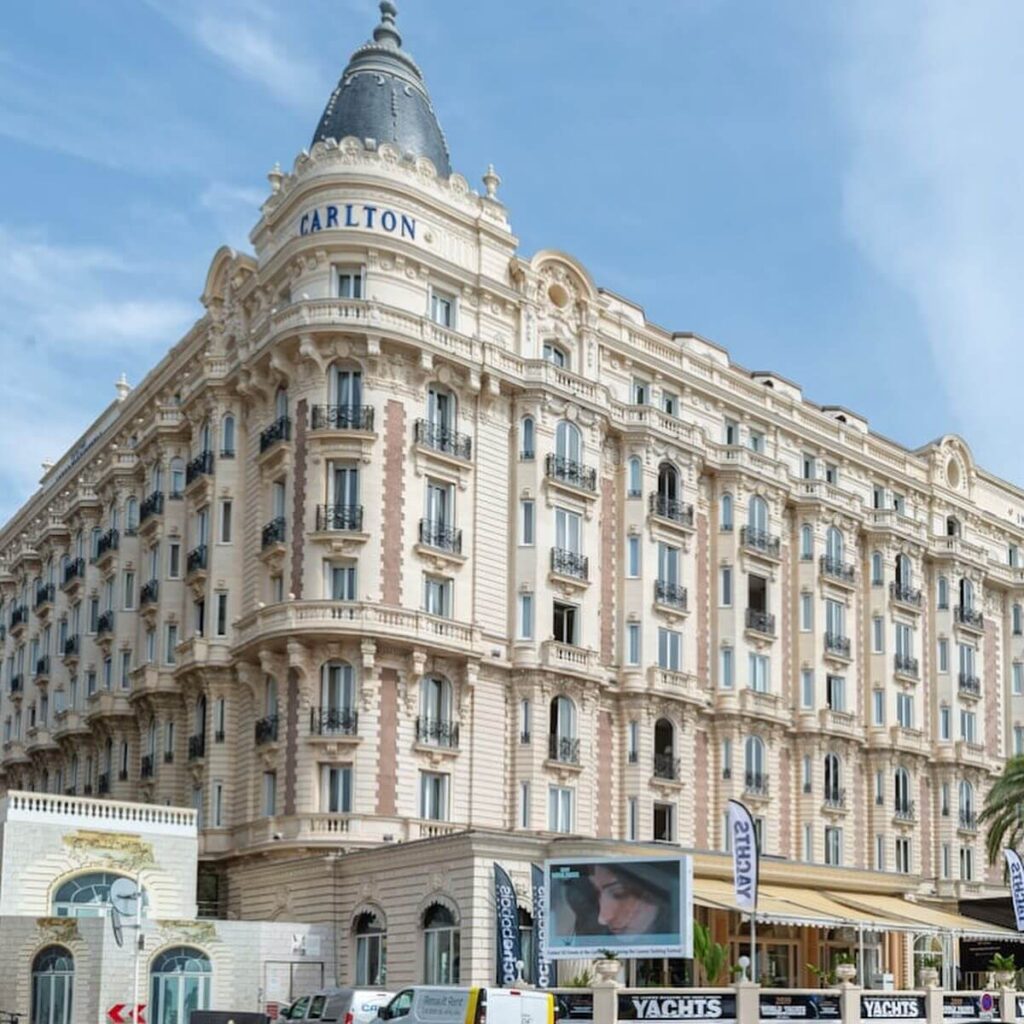
That said, this area also feels more polished and busier, especially during the day. Hotels here tend to be more expensive, and the overall experience leans more toward the luxury side of Cannes.
I think this area works best if you want everything right outside your door and don’t mind the higher prices that come with it.
Near the Train Station
This is the option that doesn’t get talked about as much, but it can make a lot of sense depending on your plans.
If you’re thinking of taking day trips to places like Nice or Antibes, staying near the station makes those early starts much easier. You can just walk out and be on your way without needing taxis or extra planning.
It also tends to be more budget-friendly compared to staying right along the coast. The trade-off is that it’s less scenic and doesn’t have the same atmosphere as the Old Town or beachfront areas.
Still, Cannes is compact, so even from here, you’re only a short walk away from the main areas.
Where to Eat in Cannes
I didn’t go into Cannes with a long list of restaurants, and in the end, I was glad I didn’t.
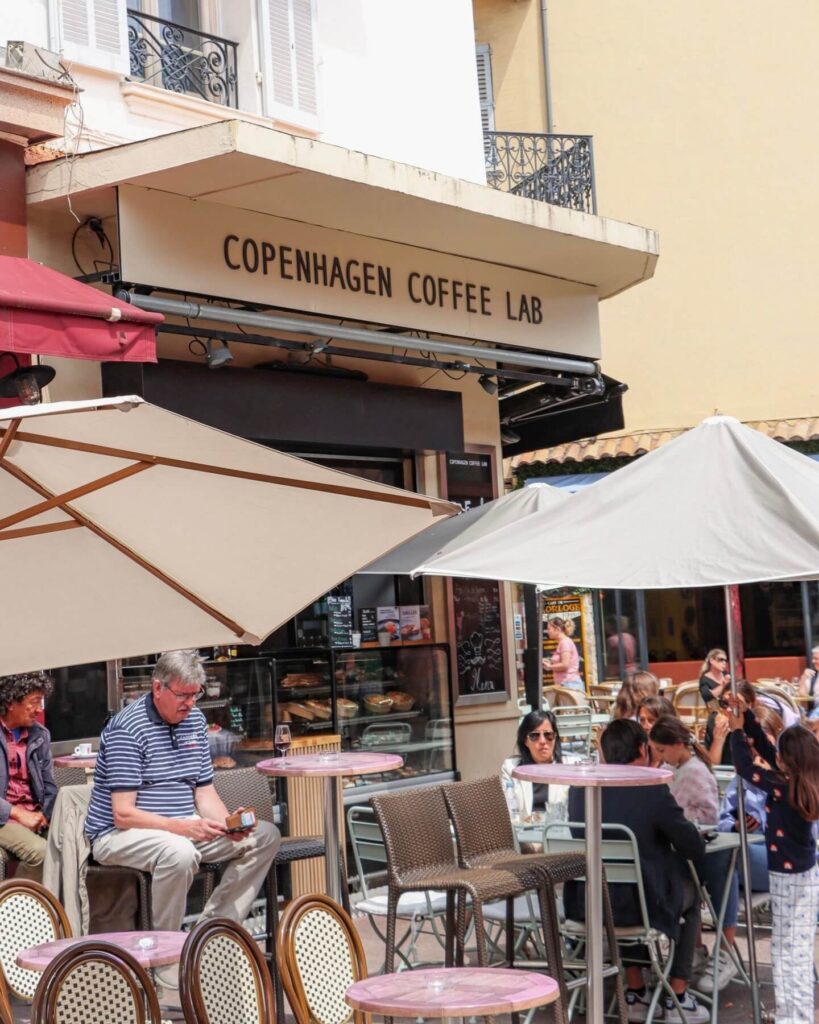
Some of my better meals came from just walking around, looking at a place for a minute, and deciding in the moment. That approach worked well here because there’s no shortage of options, especially around the central areas.
The food leans toward Mediterranean flavors, with a lot of seafood, simple pasta dishes, and classic French options. Nothing felt overly complicated, which made it easy to find something that suited the mood of the day.
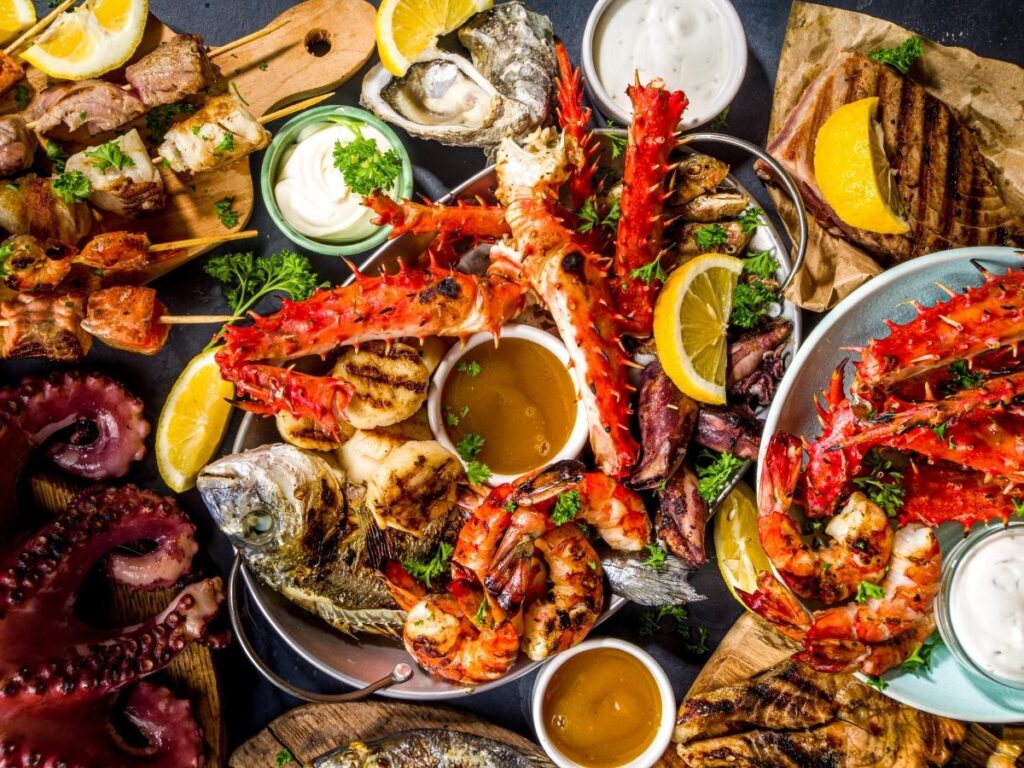
One thing I noticed pretty quickly is that prices change depending on where you are. Restaurants right along the waterfront tend to be more expensive, and while the setting is nice, you’re often paying for the location as much as the food.
If you walk even a few streets inland, you’ll find places that feel more relaxed and are usually better value. These were the spots I ended up enjoying more, not because they were dramatically different, but because they felt less rushed and a bit more genuine.
Practical Travel Tips
Getting Around
Getting around Cannes is straightforward, and most of the time you won’t need to think about transport at all.
The main areas are close enough that you can walk between them without much effort. I rarely felt the need to use anything else while I was there. Walking also makes it easier to notice smaller details and places you might otherwise miss.
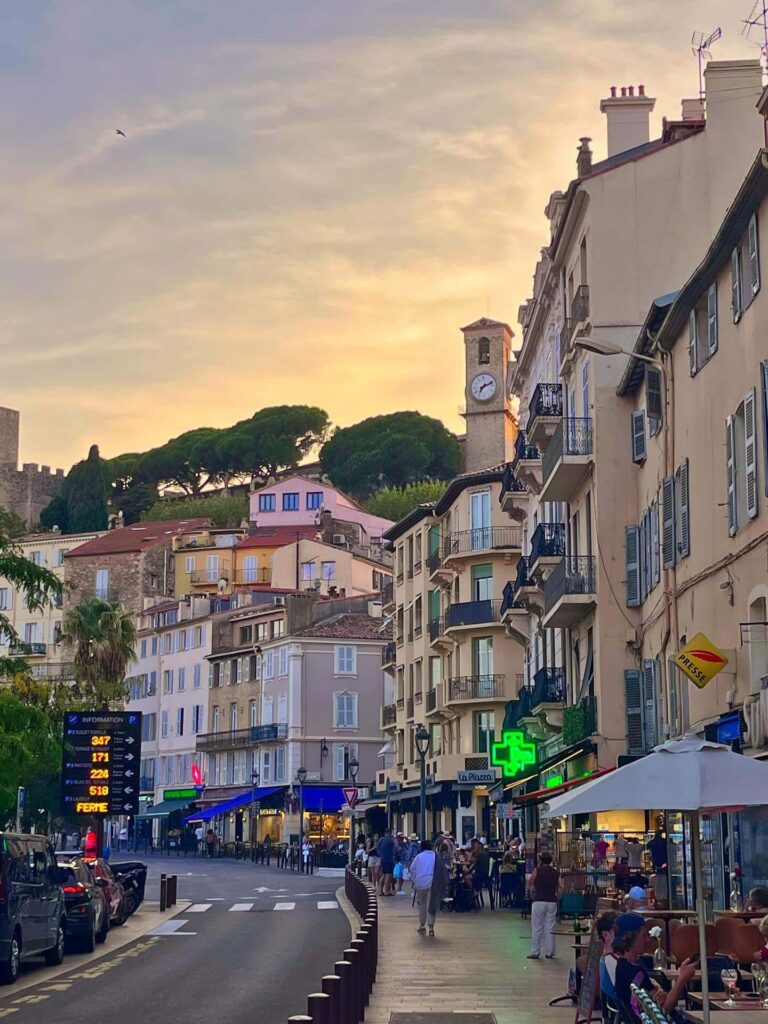
For anything outside the city, trains are the easiest option. The station is centrally located, and connections along the coast are frequent and reliable enough that you don’t need to plan too far in advance.
Best Time to Visit
Timing makes a noticeable difference in how Cannes feels.
If you visit during the Cannes Film Festival, expect crowds, higher prices, and a very different atmosphere. It can be interesting if you’re specifically going for that experience, but otherwise, it can feel a bit overwhelming.
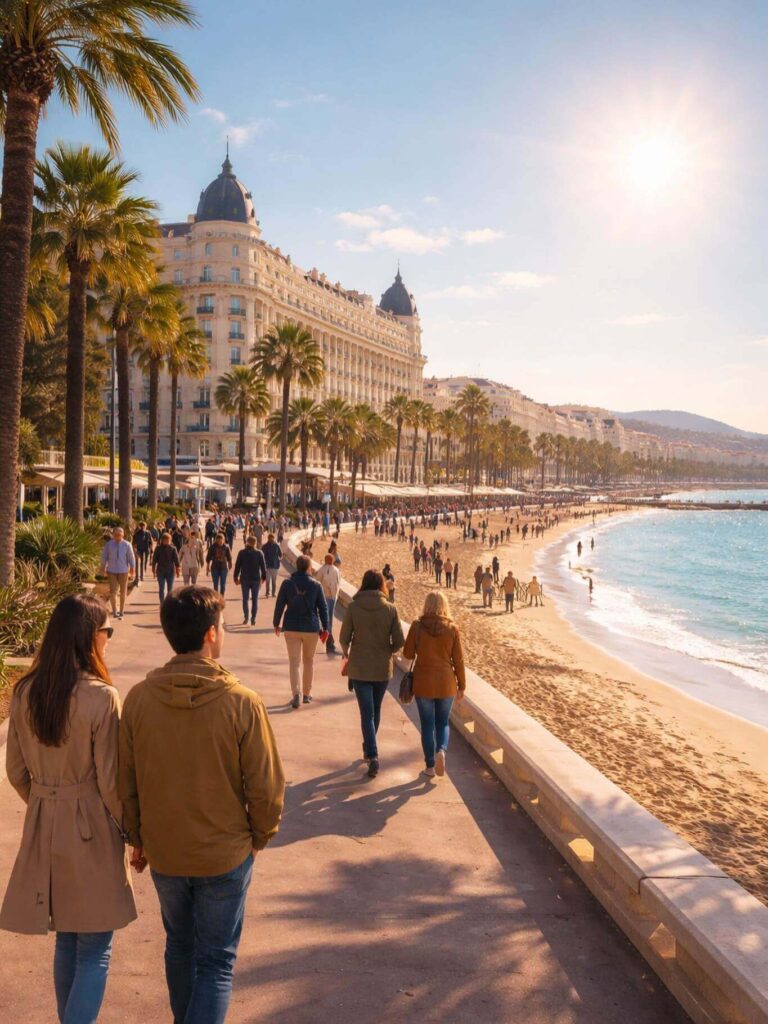
Outside of that period, Cannes feels much more balanced. There are still visitors, but it’s easier to move around, find places to sit, and enjoy the city without feeling rushed.
How Many Days You Need
For most people, two to three days in Cannes feels like the right amount of time.
That gives you enough space to explore the main areas, spend time at the beach, and maybe include an island trip or a short day trip nearby.
You could stay longer, but Cannes works best when you keep things relaxed rather than trying to stretch it into a packed itinerary.
Conclusion
Cannes ended up feeling different from what I had expected before arriving.
It’s easy to focus on the luxury side of it, the hotels, the beach clubs, the image it’s known for. But what stayed with me were the quieter parts of the experience. Walking through the Old Town in the evening, sitting by the water without any real plan, or just taking my time moving from one place to another.
It’s not a place that needs to be rushed or overly planned.
If you approach Cannes with a bit of flexibility and leave space in your day, it starts to feel less like a place you’re trying to “see” and more like somewhere you can actually spend time in. And that’s what made it enjoyable for me.