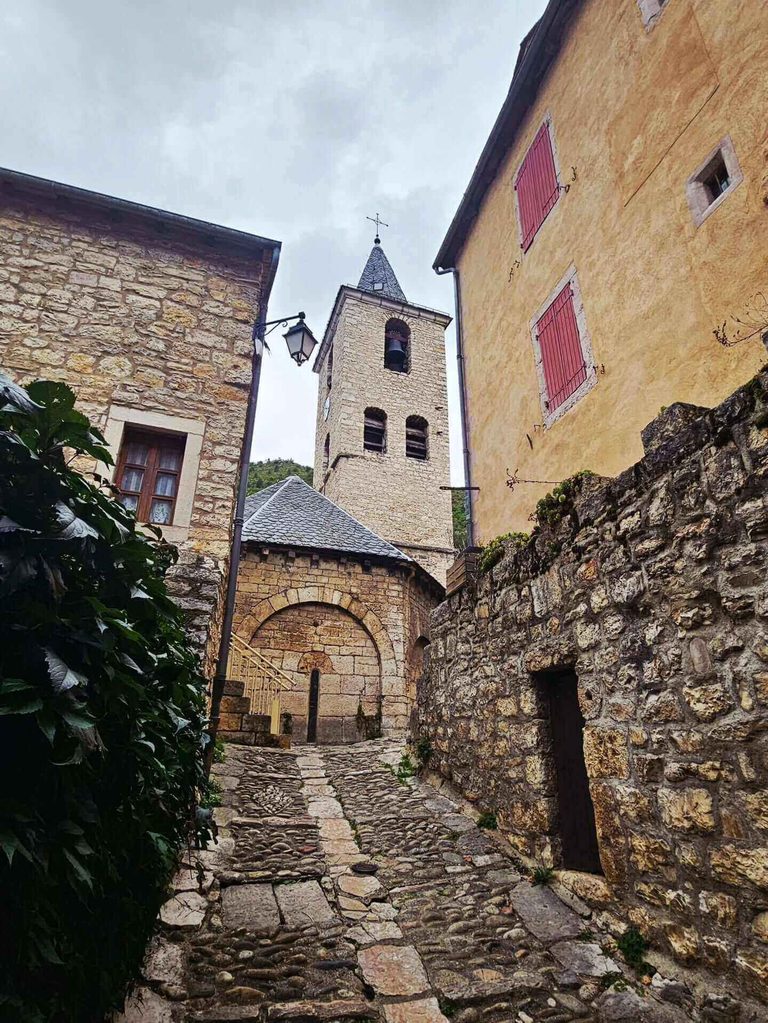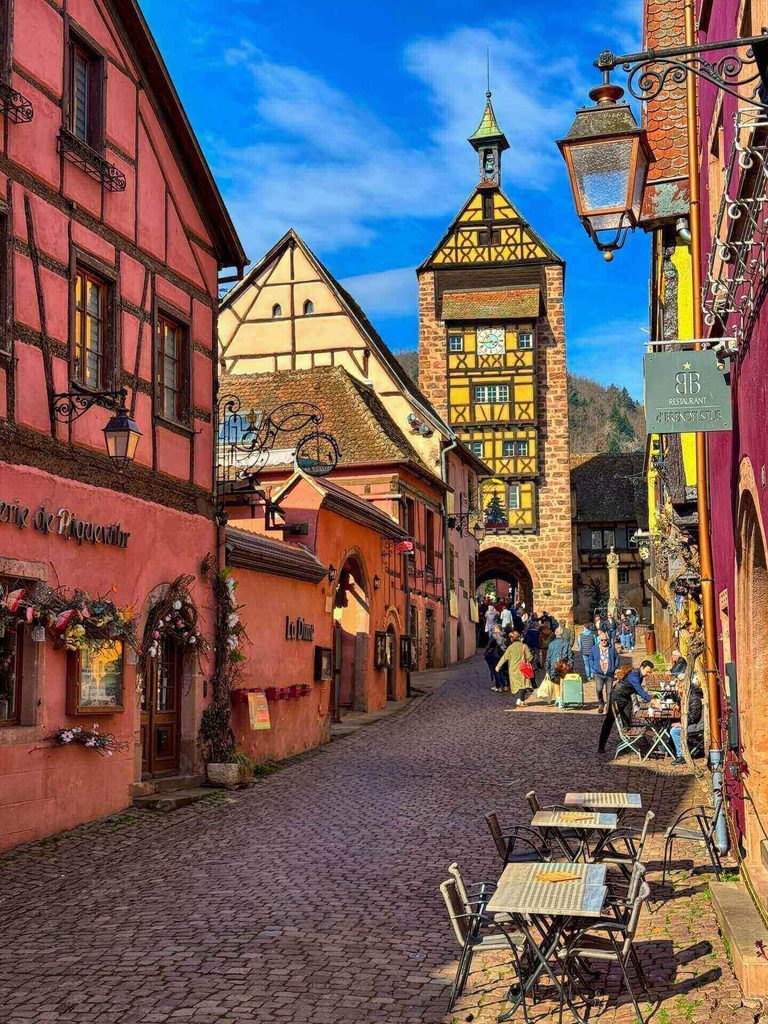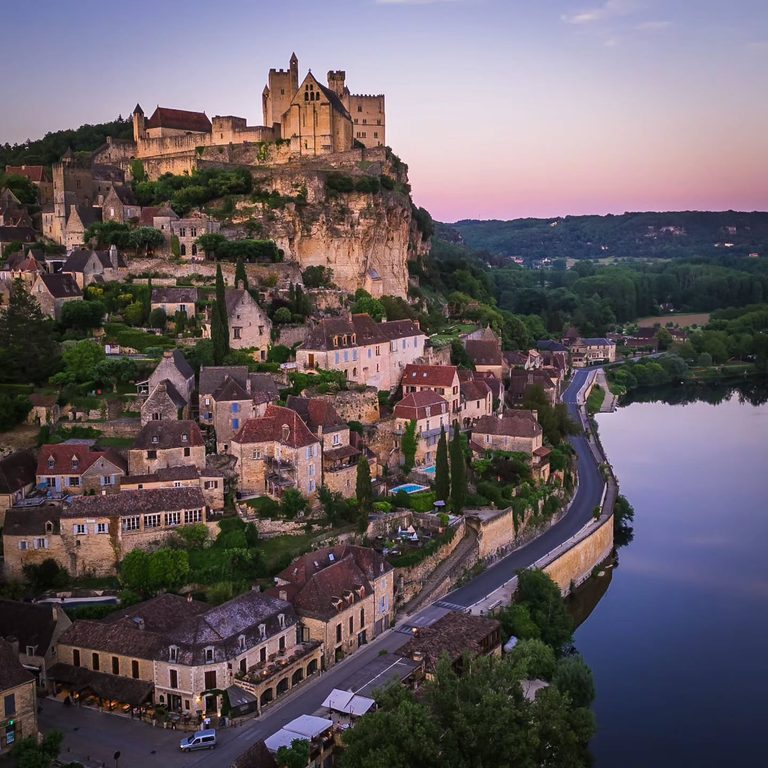

Strasbourg wasn’t quite what I expected, and that’s exactly why I ended up liking it as much as I did. Before visiting, I had a vague idea of what it would be like, something similar to other cities in France. But once I arrived, it felt different in a way that’s hard to explain until you’re there.
There’s this blend of French and German influence that shows up in small details. The architecture looks a bit different, the food leans more toward hearty, regional dishes, and even the overall atmosphere feels slightly calmer compared to bigger cities.
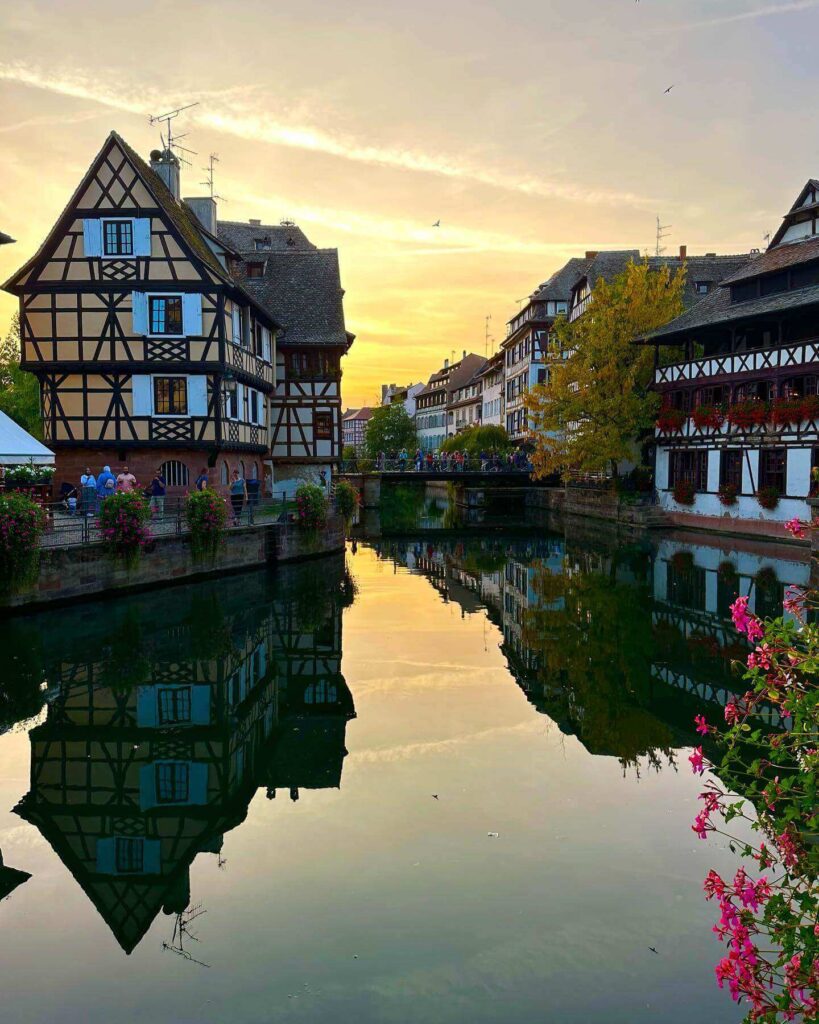
One moment you’re walking past half timbered houses lining quiet canals, and then you turn a corner and find yourself in a wide open square with the cathedral rising above everything. It doesn’t feel overwhelming, just varied enough to keep things interesting.
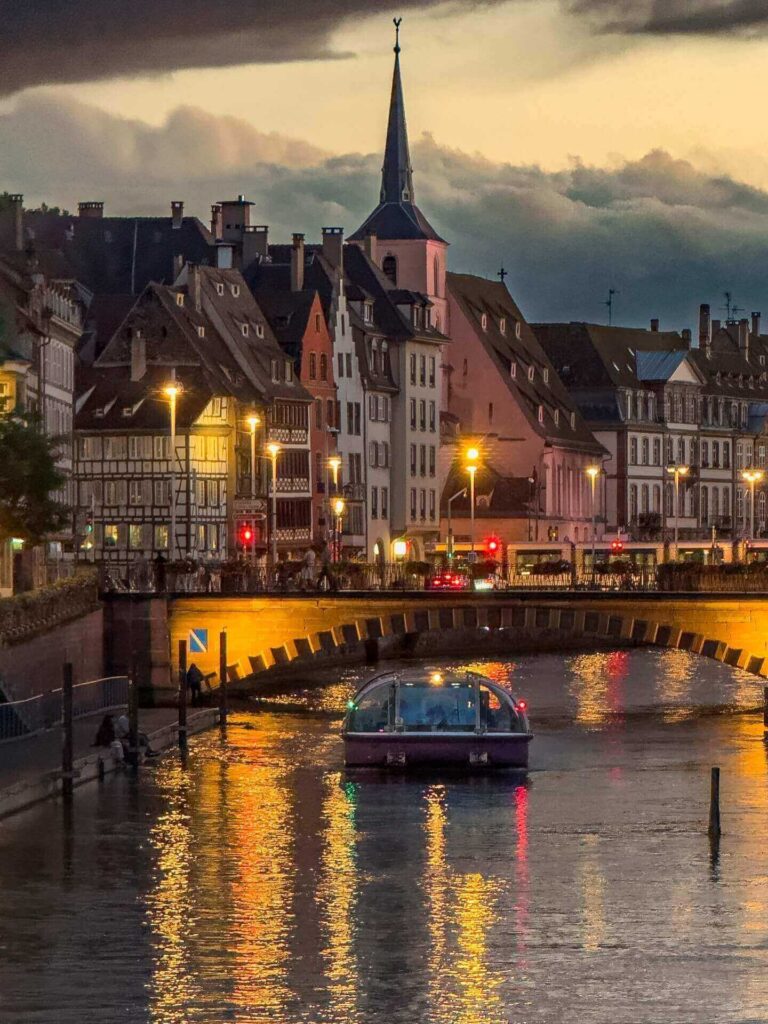
What stood out to me most was how easy it felt to explore without trying too hard. You don’t really need a strict plan here. Strasbourg is the kind of place where you can pick a direction, start walking, and still end up seeing something memorable.
I found that some of my favorite moments came from slowing down, sitting by the water for a bit, or just wandering through streets without checking a map every few minutes.
In this guide, I’m sharing the best things to do in Strasbourg based on how I experienced the city. I’ve included the main sights, but also a few smaller moments and practical tips that made the trip smoother.
If it’s your first time visiting, this should give you a clearer idea of what to expect and help you enjoy the city at a more relaxed pace, rather than feeling like you have to rush through everything.
Best Things to Do in Strasbourg
1. Explore La Petite France (The Most Atmospheric Area)
This was easily the part of Strasbourg I kept coming back to.
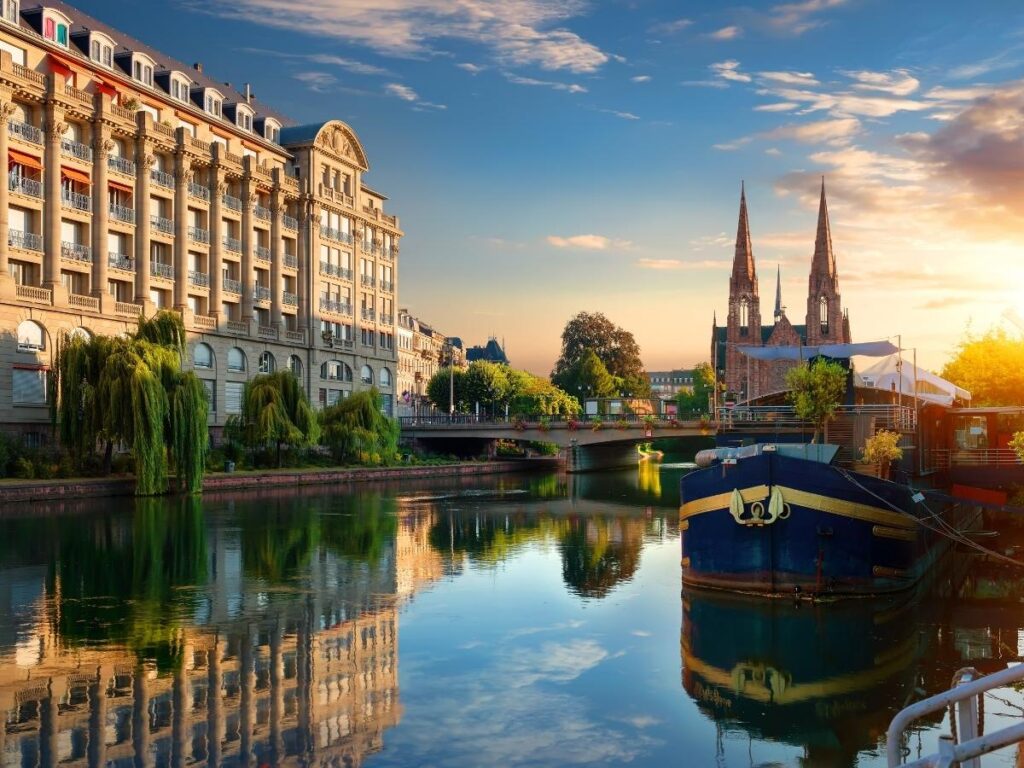
La Petite France does look like something out of a postcard, but it doesn’t feel staged or overly touristy once you actually walk through it. The canals run quietly between rows of old half-timbered houses, and there are small bridges connecting everything in a way that makes you slow down without even thinking about it.
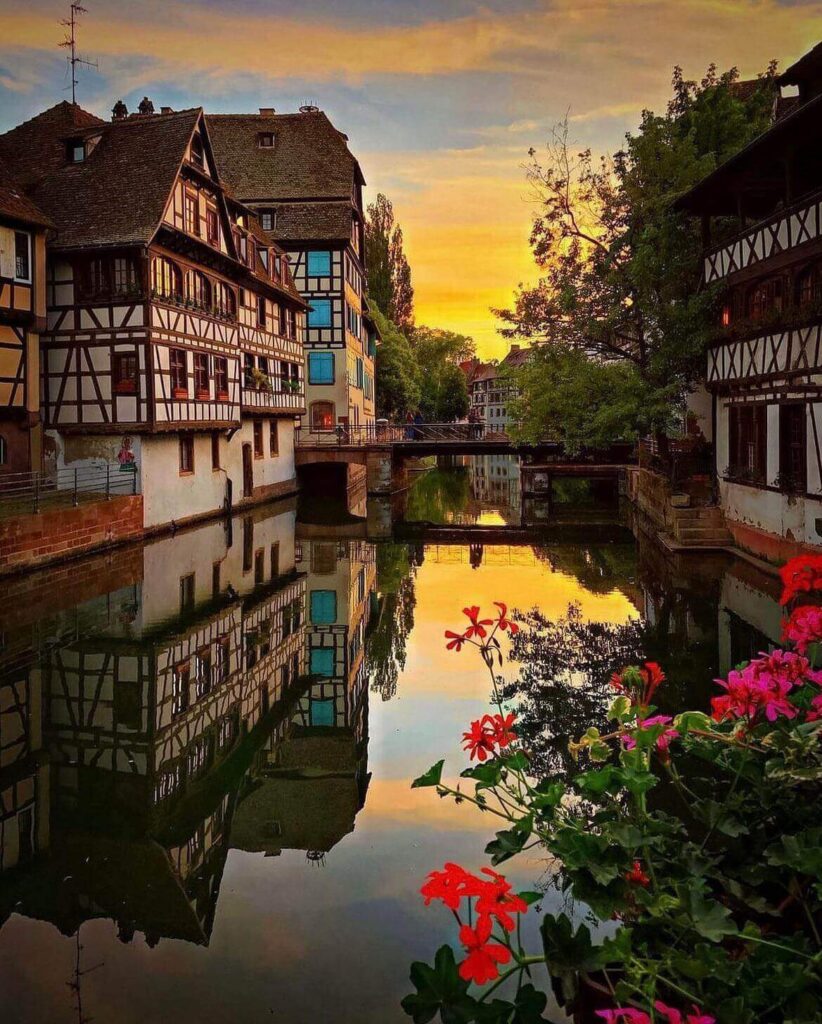
I noticed that the experience changes a lot depending on the time of day. In the morning, it’s calm and almost empty in some corners, which makes it easier to take it in properly. By late afternoon, it gets busier, but there’s also more energy around cafés and restaurants. In the evening, the reflections in the water make it feel softer and a bit more atmospheric.
One thing that worked well for me was not trying to “cover” the area. I’d just walk, cross a bridge, turn into a random street, and stop when something caught my attention. That’s really how this part of the city feels best experienced.
2. Visit Strasbourg Cathedral (Notre-Dame de Strasbourg)
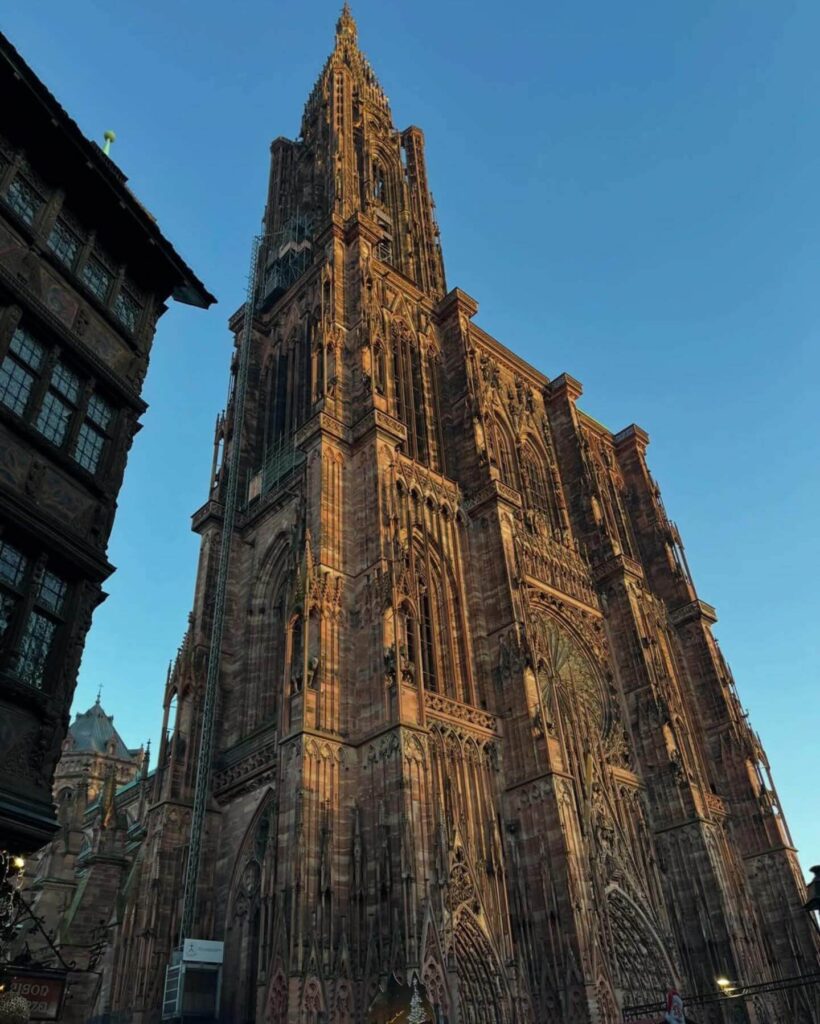
You’ll probably see the cathedral before you even plan to visit it. It sort of dominates the skyline, and once you’re near it, it’s hard to ignore.
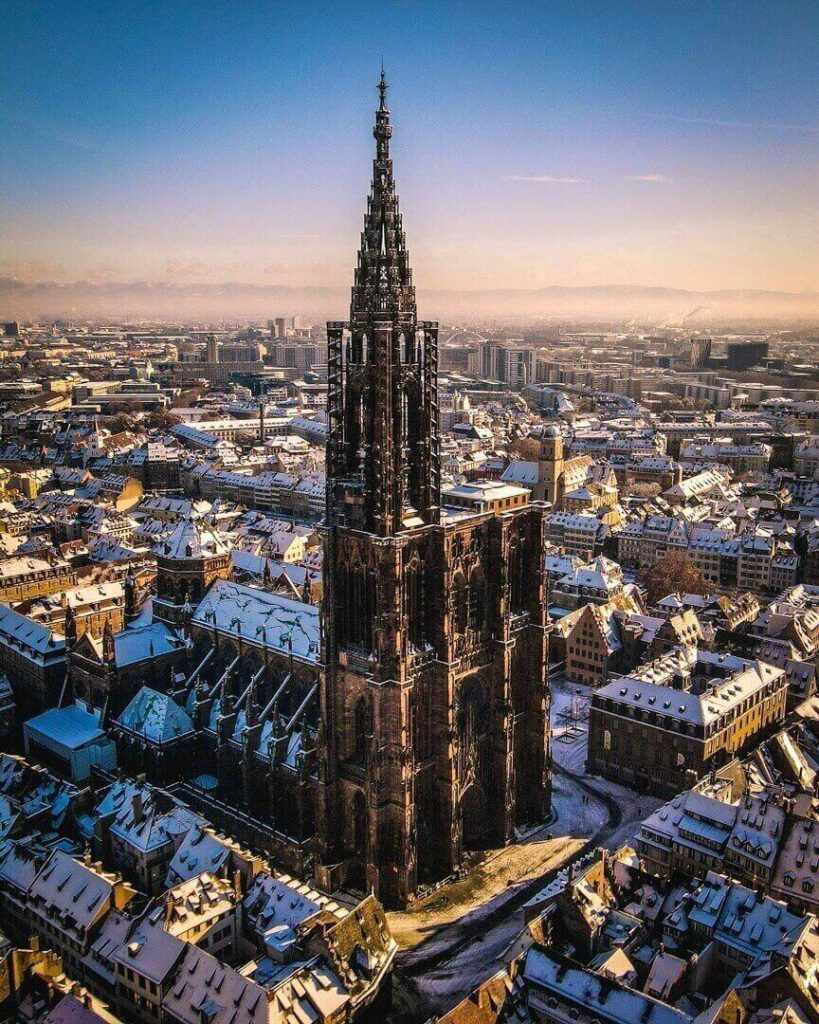
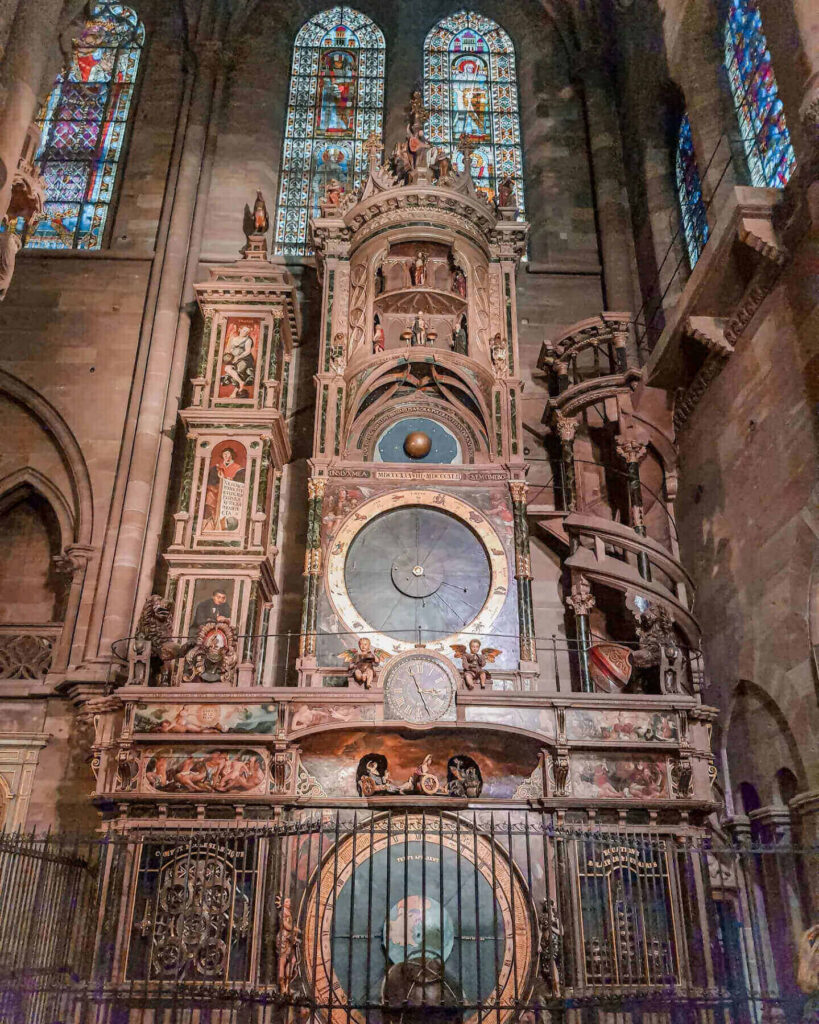
Up close, the exterior is full of detail. I remember just standing there for a while, looking at how intricate everything was. Inside, it feels quieter and more contained, with the astronomical clock being one of the main things people gather around. If you happen to be there at the right time, it’s worth waiting a bit to see it move.
Climbing up to the platform takes some effort, but the view at the top gives you a completely different perspective of Strasbourg. You can see how compact the city is, with the rooftops stretching out in all directions. If you’re not in the mood for stairs, even just spending time around the square outside is worth it. There’s always something happening there.
3. Walk Through Grande Île (Historic Center)
Grande Île is where most of your time in Strasbourg naturally happens.
Instead of thinking of it as a place to visit it feels more like the space that connects everything. You’ll walk through it when going from one sight to another, but it ends up becoming part of the experience itself.
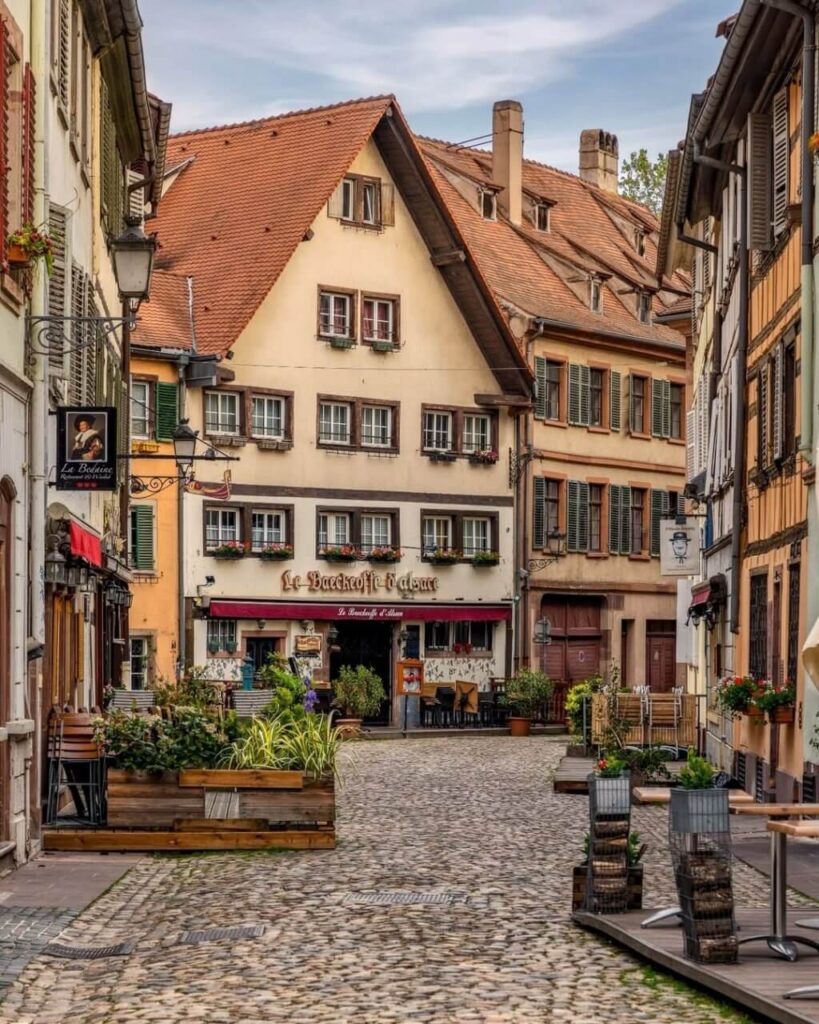
What I liked most here was how easy it was to just wander without needing directions. You’ll pass small bakeries, quiet side streets, and open squares that feel different from one another. Some areas feel lively and busy, while others are unexpectedly calm just a street away.
Starting around Place Kléber works well if you want some structure, but honestly, I found it more enjoyable to just move without a plan and see where I ended up.
4. Take a Boat Tour on the Canals
I wasn’t sure at first if the boat tour would feel too touristy, but it actually gave a perspective I wouldn’t have gotten otherwise.
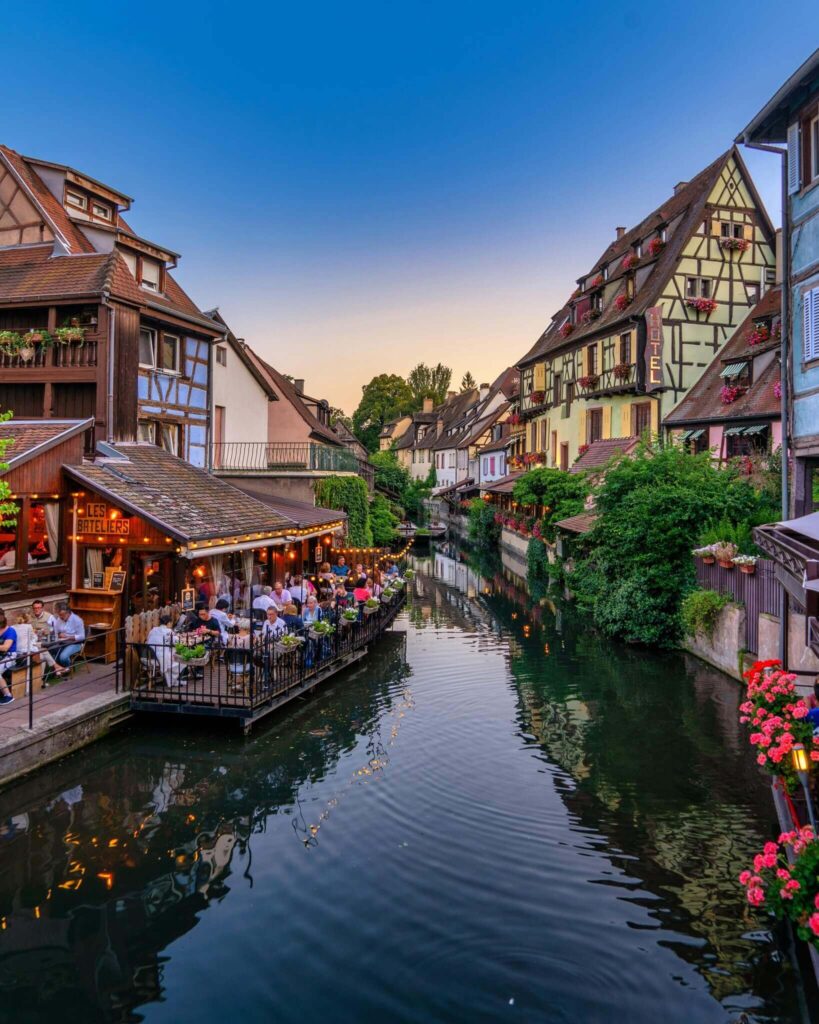
From the water, the city looks different. You pass under bridges, glide past buildings that sit right along the canals, and see parts of Strasbourg that are harder to notice on foot. The route usually includes both the old town and the more modern European Quarter, so it gives a broader sense of the city.
That said, I don’t think it’s something you have to prioritize. If you enjoy walking and don’t mind exploring at your own pace, you can still see most of what Strasbourg has to offer without it. But if you want a more relaxed way to get an overview, especially on your first day, it fits in nicely.
5. Visit Palais Rohan (For History & Museums)
Palais Rohan is one of those places you’ll likely pass by when visiting the cathedral, so it’s easy to include without going out of your way.
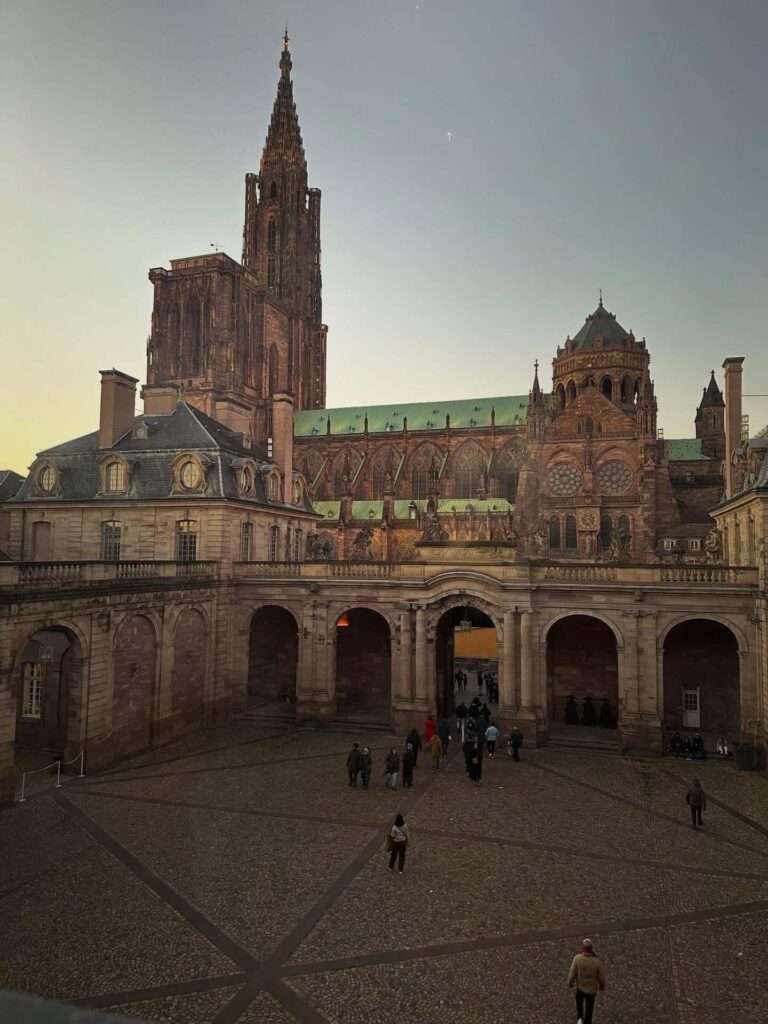
Inside, there are a few different museums, covering art, decorative objects, and history. The building itself is just as interesting as what’s inside, with rooms that still reflect its past as a royal residence.
I think this stop depends a lot on your interests. If you enjoy museums or want a break from walking around outside, it’s worth going in. If not, you might find more value in continuing to explore the streets and neighborhoods nearby.
6. Explore the European Quarter
This part of Strasbourg feels almost like a different city.
After spending time in the old town, coming here feels more open and modern. The buildings are larger, the streets are wider, and the overall pace is quieter. You’ll find institutions like the European Parliament here, which gives the area a different kind of importance compared to the historic center.
I wouldn’t plan a full day around it, but it’s interesting to visit briefly just to see that contrast. Even getting here by tram gives you a sense of how Strasbourg shifts from old to new.
7. Walk Along the Covered Bridges & Vauban Dam
This area is very close to La Petite France, so it naturally fits into your route.
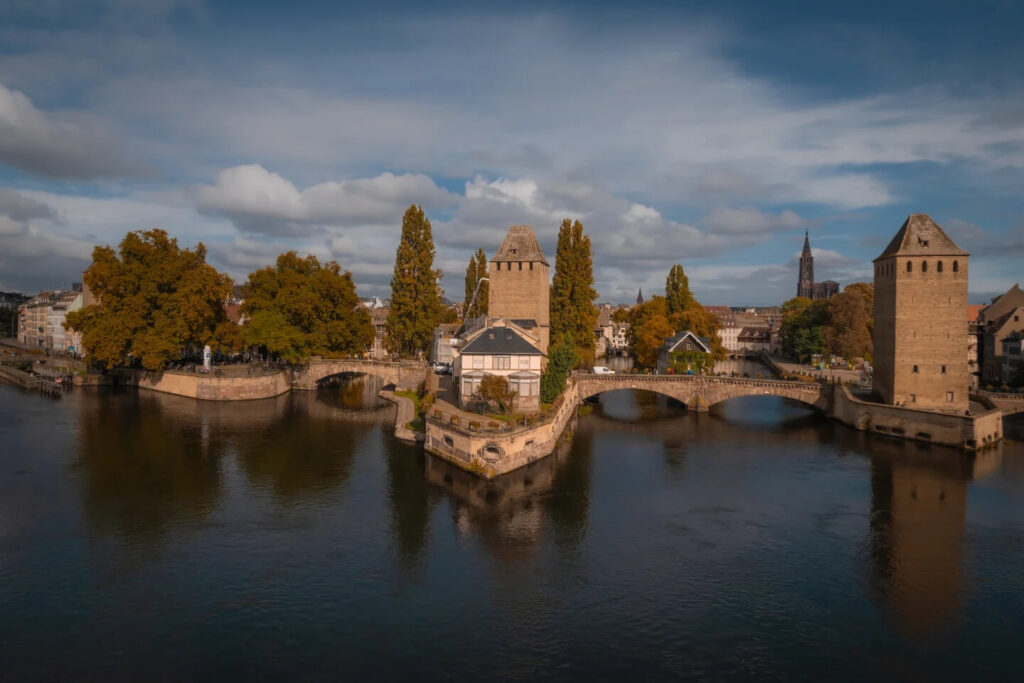
The Covered Bridges have these old stone towers that stand out against the water, and just walking across them gives you a nice view back toward the canals. It’s one of those places where you pause for a few minutes rather than spend a long time.
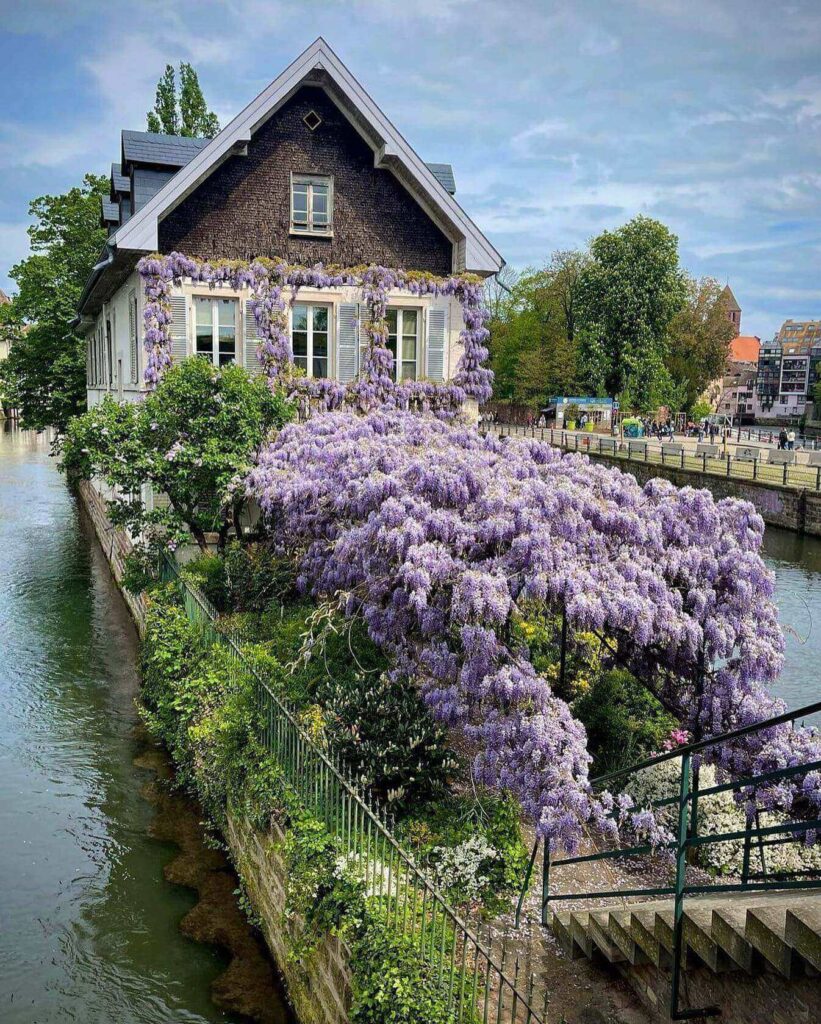
The Vauban Dam, just next to it, has a terrace on top that I almost skipped but ended up really liking. From there, you get a wider view of the area, especially the rooftops and waterways around Petite France. It’s a short stop, but one that adds a bit of perspective to what you’ve already seen at street level.
8. Try Alsatian Food (What to Eat in Strasbourg)
Food in Strasbourg feels closely tied to the region, and it’s noticeably different from what you might expect in other parts of France.
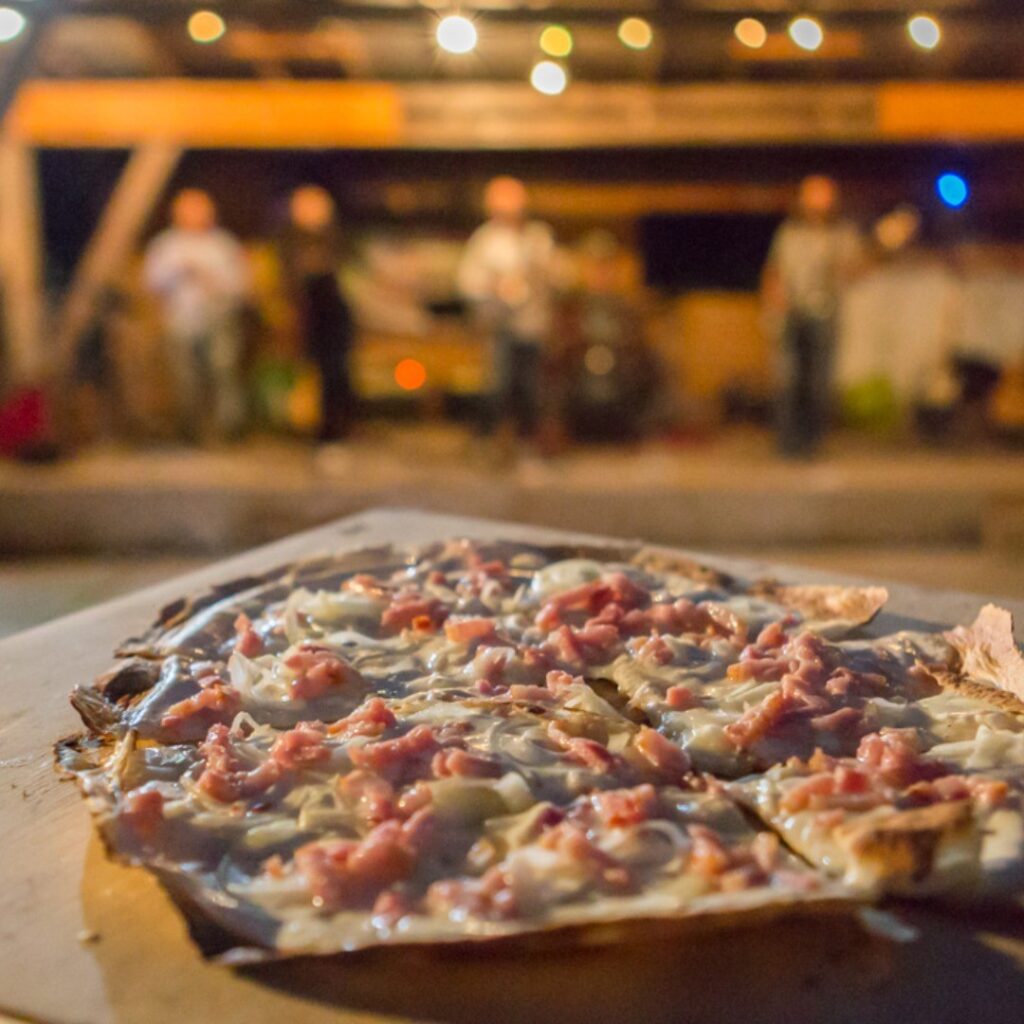
I ended up trying a few local dishes almost by accident, just ordering what seemed common on menus. Flammekueche was probably the easiest to get into, thin, crispy, and simple, but really satisfying.
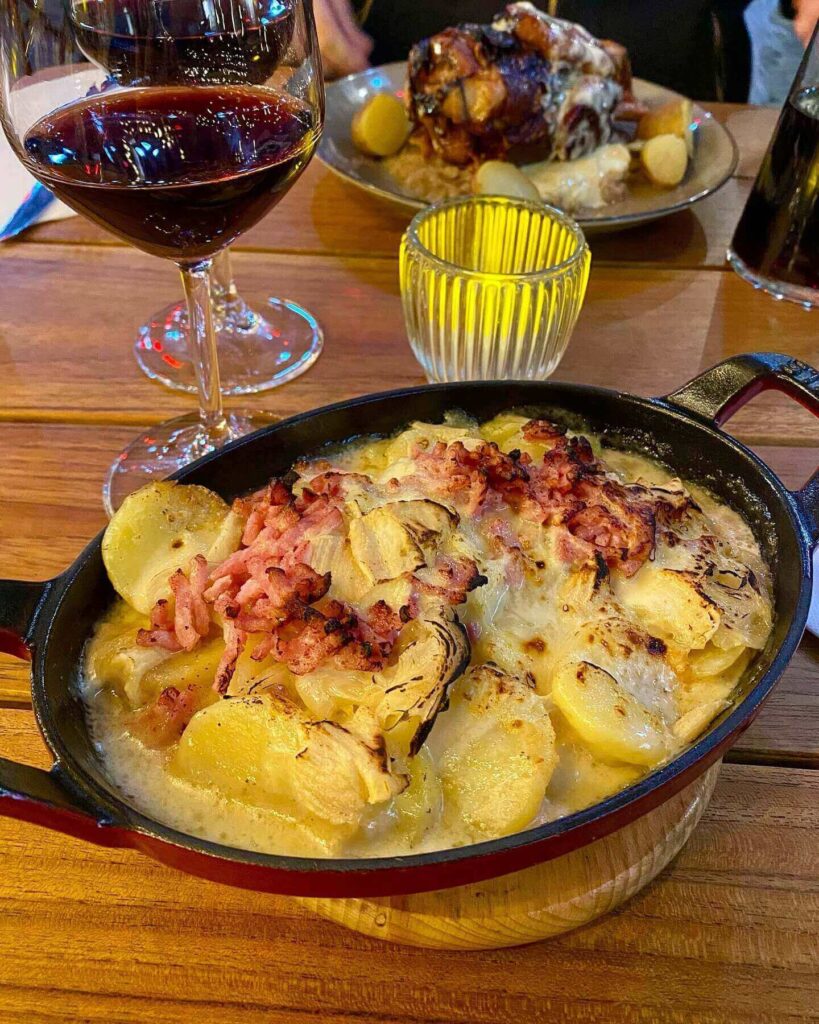
Choucroute is heavier and more filling, something I’d personally go for when you’re really hungry. Kougelhopf, on the other hand, felt like something you’d have with coffee rather than as a full dessert.
What I liked most was that meals here didn’t feel rushed. Sitting down, taking your time, and just enjoying the food felt like part of the experience rather than a break from sightseeing.
9. Visit Strasbourg Christmas Markets (Seasonal Highlight)
If you visit in December, Strasbourg feels like a completely different place.
The main squares are filled with wooden stalls, lights are everywhere, and there’s a constant sense of activity. It’s definitely busier, and at times it can feel crowded, especially in the evenings. But there’s also something about the atmosphere that makes it worth dealing with that.
I found it best to go earlier in the day if you want to move around comfortably, and then return in the evening just to experience how it feels when everything is lit up.
10. Relax at Parc de l’Orangerie
After spending most of your time in the city center, this park feels like a bit of a reset.
It’s more open, quieter, and gives you space to slow down. I ended up coming here in the afternoon when I needed a break from walking, and it was a nice change of pace. People were sitting by the water, walking casually, or just taking their time.
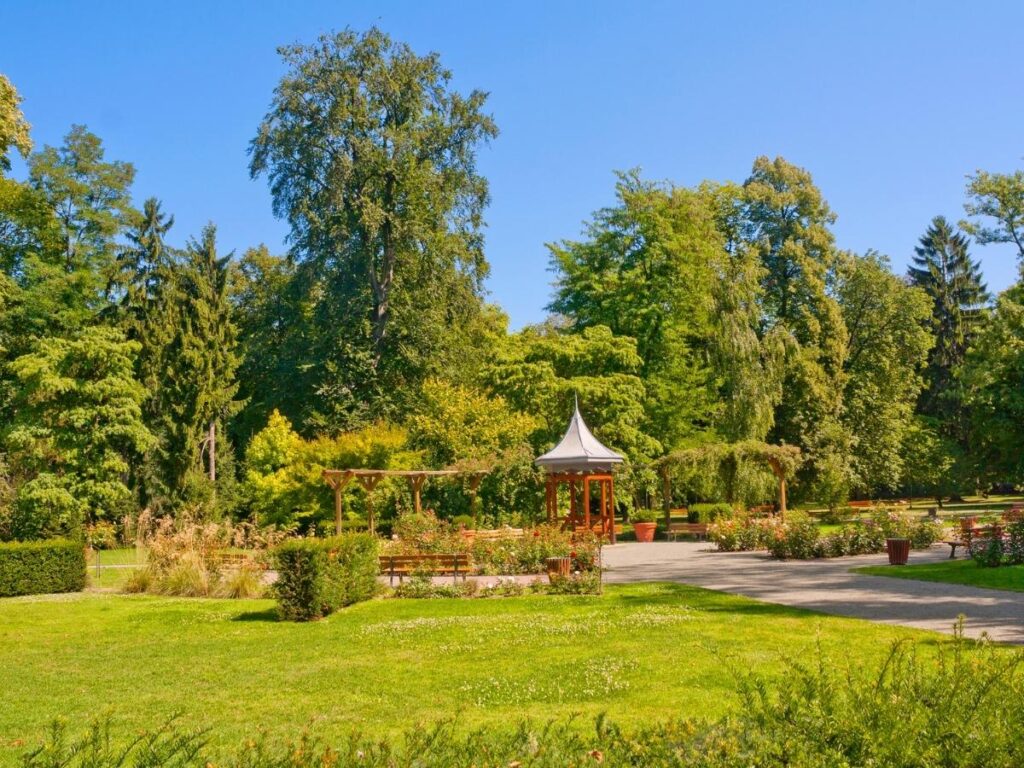
It’s not something you have to go out of your way for, but if you’re staying longer or want a slower moment in your trip, it fits in well.
11. Take a Day Trip from Strasbourg
If you have extra time, this is where Strasbourg becomes a really good base rather than just a destination.
Colmar is usually the first place people mention, and it does feel smaller and more compact, with a similar style but a slightly different atmosphere. The villages along the Alsace wine route are quieter and more spread out, which makes them feel more relaxed.
I also liked the idea that you can cross into Germany so easily. Even a short visit to Kehl gives you a sense of how close everything is in this region.
Adding even one day trip can change how your overall trip feels, especially if you want to see more than just one city.
Best Time to Visit Strasbourg
The best time to visit Strasbourg depends a lot on what kind of atmosphere you’re looking for, because the city feels quite different across seasons.
In spring and summer, the weather is usually pleasant, and the city feels more open and lively. Cafés spill out onto the streets, people spend more time outdoors, and walking along the canals becomes even more enjoyable. It’s a good time if you want longer days and a relaxed pace, though it can get a bit busier during peak summer months.
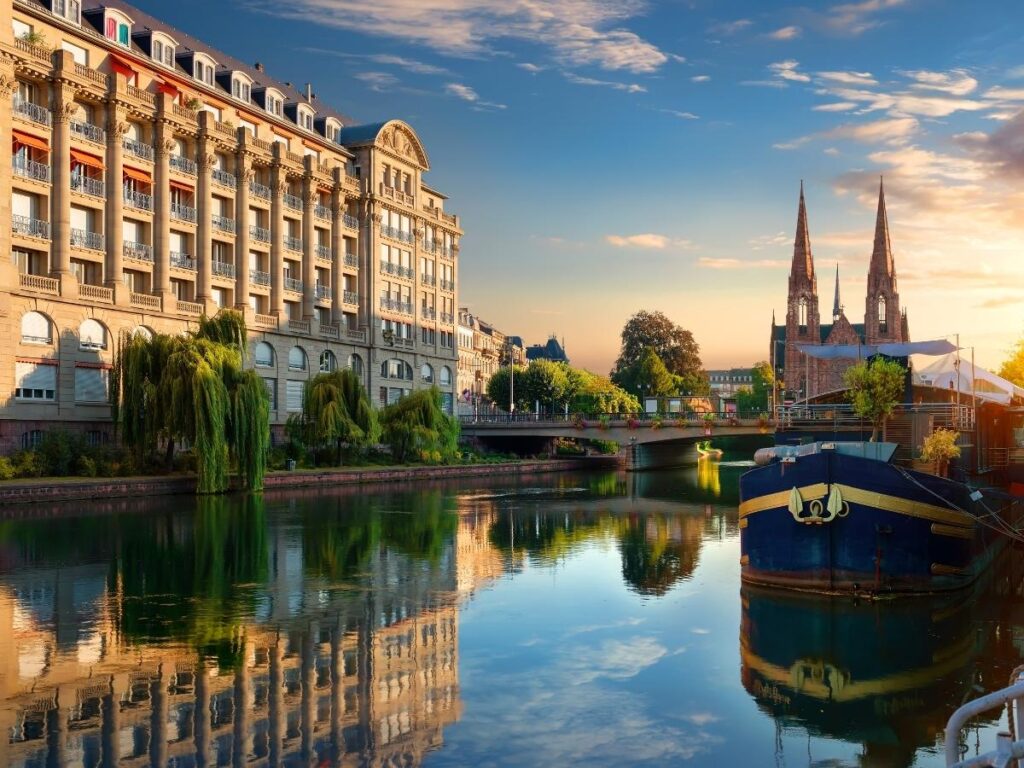
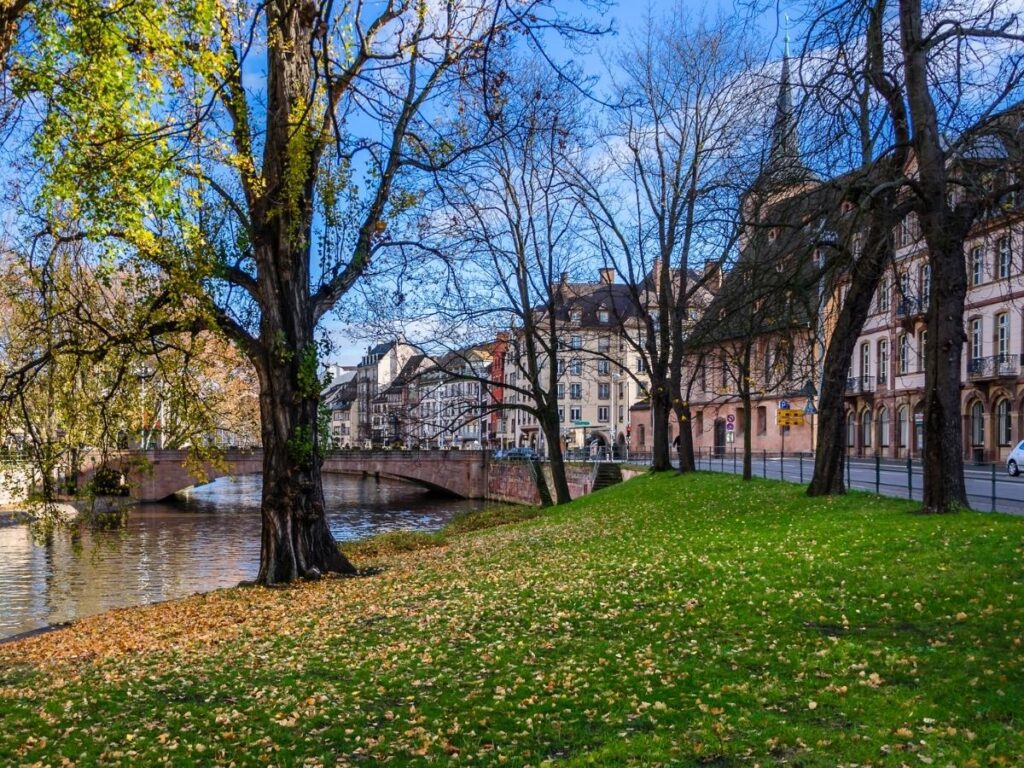
Fall felt quieter in comparison. There are fewer crowds, and the overall pace slows down slightly. The weather can be a bit unpredictable, but if you don’t mind that, it’s a nice time to visit without the same level of tourist activity. It’s also when the city starts to feel a bit more local again.
December is probably the most well-known time to visit because of the Christmas markets. The entire city changes, lights, decorations, and stalls take over the main squares, and there’s a constant festive energy.
It does get crowded, especially in the evenings and on weekends, so it’s not the most relaxed time to visit. But if you’re curious about that atmosphere, it’s something you’ll likely remember.
Where to Stay in Strasbourg
Where you stay in Strasbourg can slightly change how your trip feels, even though the city itself is quite compact. Most areas are well connected, but the atmosphere does vary depending on where you base yourself.
If it’s your first time visiting, staying in Grande Île makes things the easiest. This is the historic center where most of the main sights are located, so you can step outside and already be close to everything. I found this especially helpful in the mornings and evenings when you can just walk out and explore without needing to think about transport. It does get a bit busy during the day, but that’s part of being right in the center.
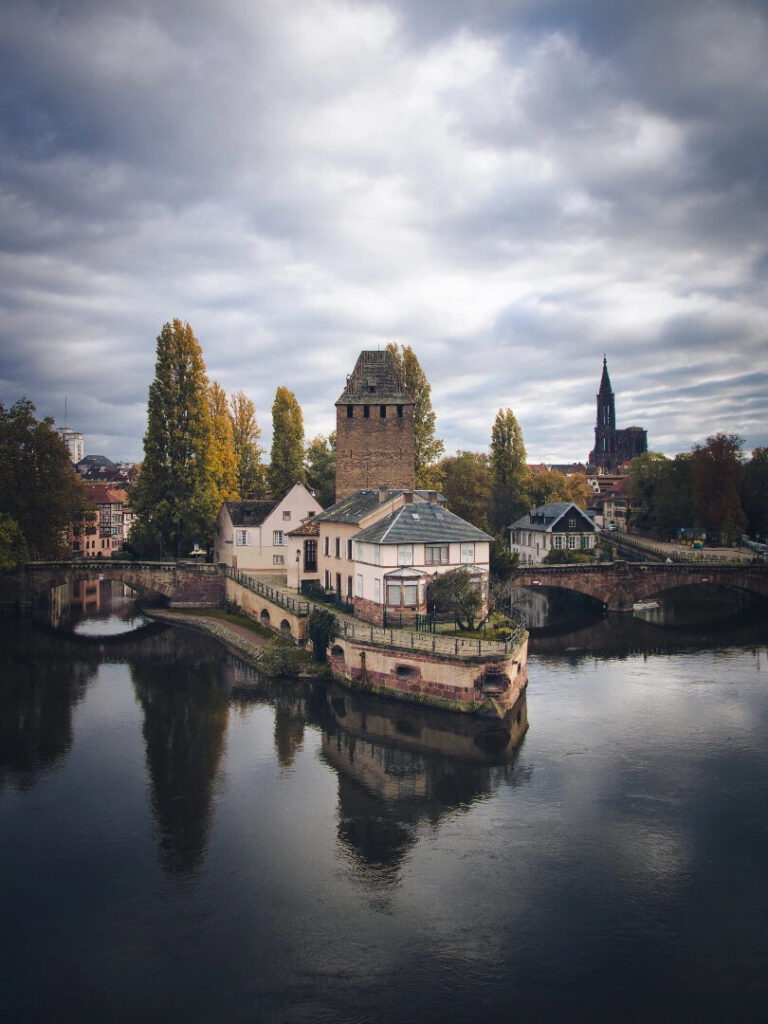
Petite France is probably the most visually memorable area to stay in. Waking up near the canals and those old houses feels quite different compared to staying elsewhere in the city.
That said, it’s also one of the most visited parts of Strasbourg, so it can feel a bit crowded, especially during peak hours. If you don’t mind that and like the idea of being in the most scenic part of the city, it’s a good option.
Then there’s Neustadt, which feels noticeably calmer. It’s slightly removed from the main tourist areas, with wider streets and a more local atmosphere. I liked this area for how relaxed it felt, especially in the evenings. You’re still close enough to reach the old town easily, but you get a bit more space and quiet when you return.
Practical Travel Tips
Strasbourg is one of those cities where getting around is surprisingly simple. Most of the main areas are within walking distance, and I rarely felt the need to use transport while exploring the center. Walking is really the best way to experience the city, especially in places like Petite France or Grande Île where the smaller streets are part of the charm.
For longer distances, like heading toward the European Quarter or the park, the tram system is reliable and easy to figure out. Even if you’re only in the city for a short time, it’s useful to know it’s there when you don’t feel like walking.
In terms of payments, cards are widely accepted, so you won’t run into many issues. I still found it helpful to have a bit of cash, especially for smaller cafés or market stalls.
Language wasn’t much of a barrier either. In most places around the center, people understood English well enough for basic interactions. Even when there was a bit of a language gap, things generally felt easy and straightforward.
Strasbourg Itinerary
1 Day in Strasbourg
If you only have one day in Strasbourg, the best approach is to keep things simple and stay within the central area. The city is very walkable, so you can cover quite a bit without feeling rushed, as long as you don’t try to do everything.
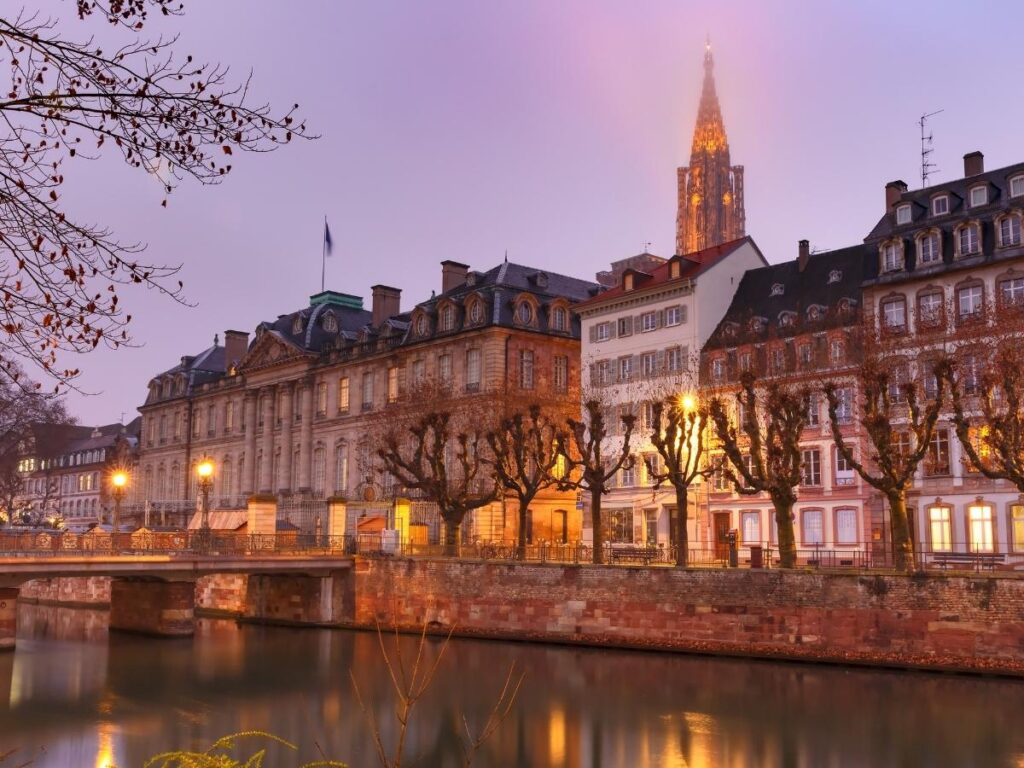
I’d start the morning around the cathedral. It’s one of those places that feels different depending on when you visit, and earlier in the day it’s a bit calmer. You can take your time walking around the square, step inside, and just pause for a bit instead of rushing through it. That slower start makes the rest of the day feel more relaxed.
From there, I’d head toward Petite France. The walk itself is part of the experience, you’ll pass through small streets, shops, and little corners that don’t really need to be planned. Once you reach Petite France, it’s best not to follow a strict route.
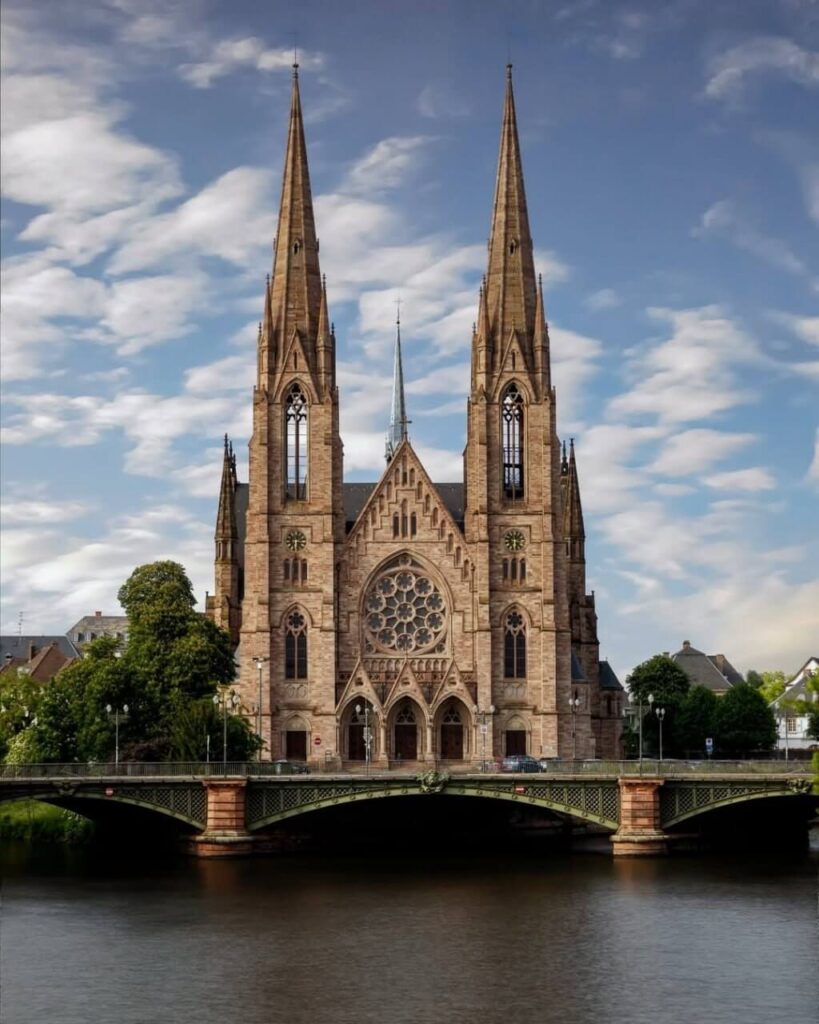
Just walk along the canals, cross a few bridges, and stop whenever something catches your attention. This is probably where you’ll end up spending more time than expected.
By early afternoon, you can slowly make your way toward the Covered Bridges and the Vauban Dam. It doesn’t take long to explore this area, but it gives you a slightly different view of the city, especially if you go up to the terrace on the dam. It’s a nice point to pause and take in everything from above.
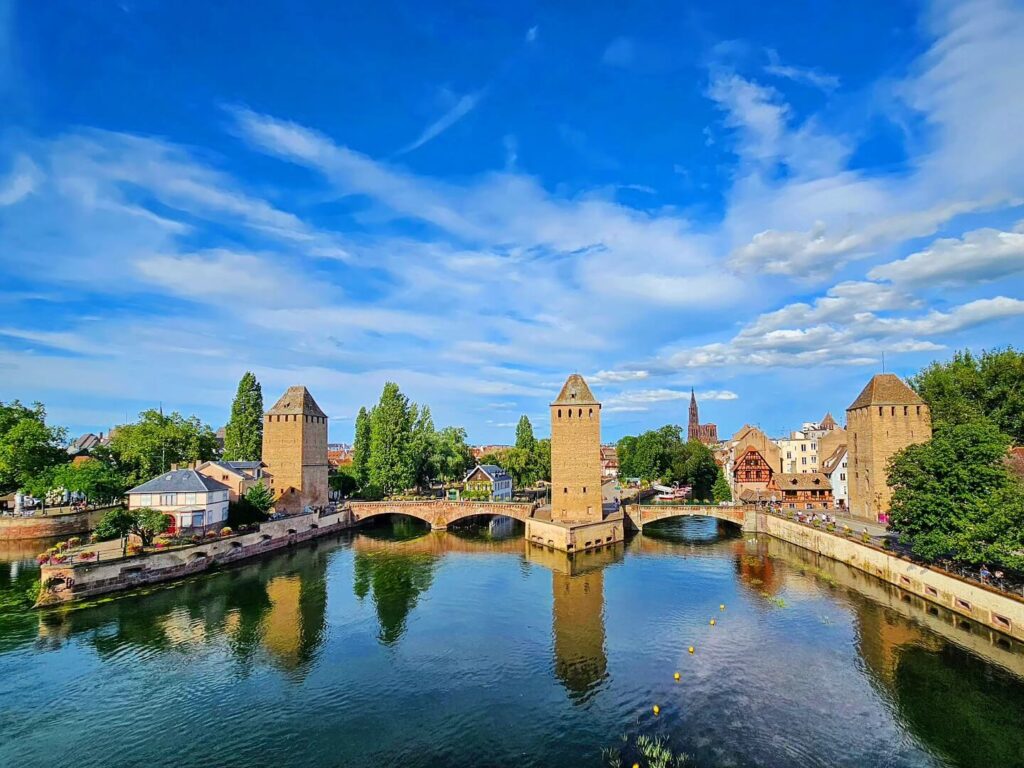
At that point, I’d avoid trying to add too much more. Instead, head back toward the main streets around Grande Île. This is a good time to sit down for a proper meal or just take a break at a café.
As the evening sets in, the city starts to feel quieter and a bit more relaxed. Walking around without a plan at this time of day ended up being one of my favorite parts, it just feels easier to take everything in.
2 Days in Strasbourg
With two days, Strasbourg feels much more comfortable and less rushed.
On the first day, you can follow a similar flow to the one day itinerary, but the difference is in how you move through it. You don’t have to think about what to skip or how much time you’re spending somewhere.
If you like a certain area, you can stay longer. If you feel like stopping for coffee or sitting by the canal, you can do that without worrying about running out of time.
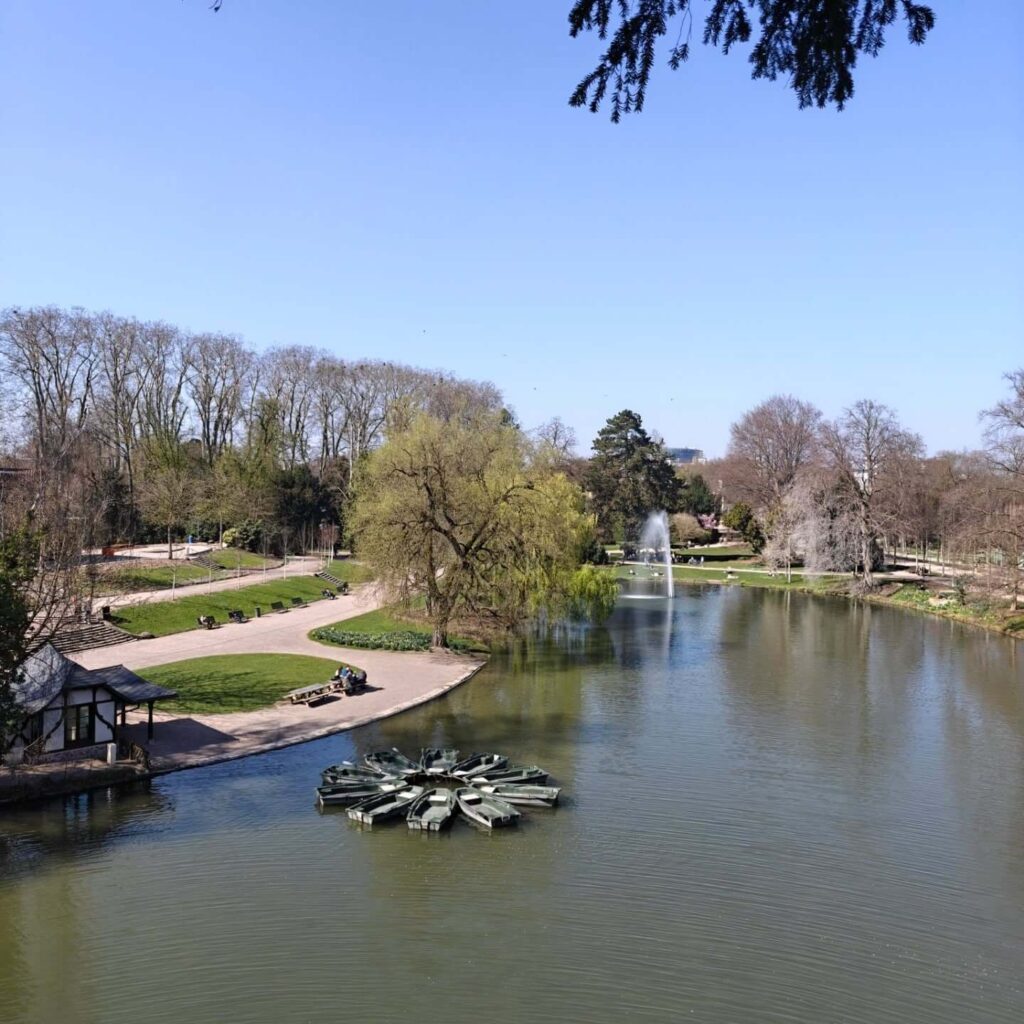
The second day is where things open up a bit. I’d start slower, maybe with a relaxed morning instead of heading straight into sightseeing. Parc de l’Orangerie is a good place for that. It’s quieter than the city center and gives you a break from the busier streets. Even just walking through the park or sitting near the water for a while can reset the pace of the trip.
After that, you can return to the city and explore anything you missed or didn’t spend enough time in. This could be going back to Petite France at a different time of day, visiting a museum like Palais Rohan, or simply walking through parts of the city you hadn’t seen yet.
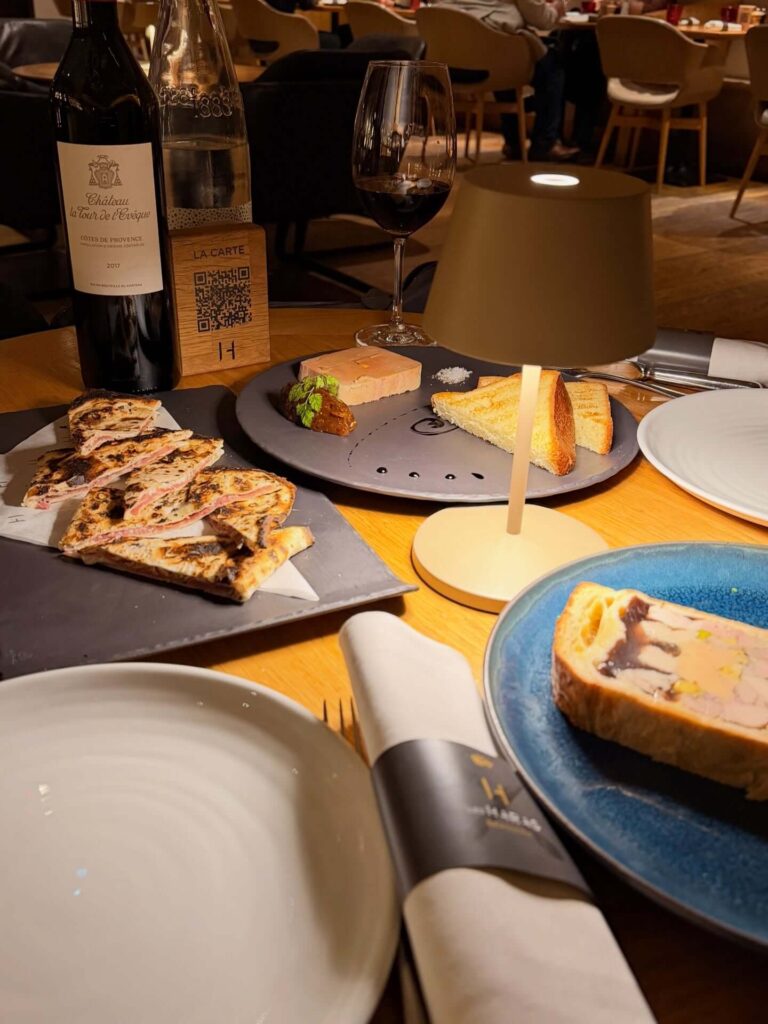
What made the second day feel worthwhile for me wasn’t adding more sights, but having the freedom to slow down. You can focus more on food, try a few local dishes, sit at cafés without checking the time, and just experience the city in a more relaxed way.
By the end of two days, Strasbourg doesn’t feel like a checklist of places, it feels like somewhere you’ve actually spent time in, which makes a big difference.
Conclusion
Strasbourg isn’t the kind of place where a packed itinerary really adds much value.
What stayed with me most wasn’t how many places I visited, but how easy it was to enjoy the city without rushing. Walking along the canals, stopping for food, and taking time to notice smaller details ended up being more memorable than trying to see everything.
If you’re planning a trip through France or the Alsace region, Strasbourg is an easy place to include. Even a couple of days here feels worthwhile, especially if you’re looking for somewhere that’s relaxed, walkable, and a bit different from the usual bigger cities.