
When most people think of theme parks in France, Disneyland Paris or Parc Astérix usually come to mind. Vulcania offers something completely different.
Located in the heart of the Auvergne region, Vulcania is a theme park dedicated to volcanoes, natural forces, and Earth sciences. I’ll admit that when I first heard about a volcano themed park, I wasn’t sure what to expect. It sounded interesting, but I wondered whether it would feel more like a museum than a full day out.
What surprised me is how well Vulcania blends learning with entertainment. Through immersive attractions, interactive exhibits, giant screen experiences, and simulators, the park turns complex scientific topics into experiences that are genuinely engaging for both kids and adults.
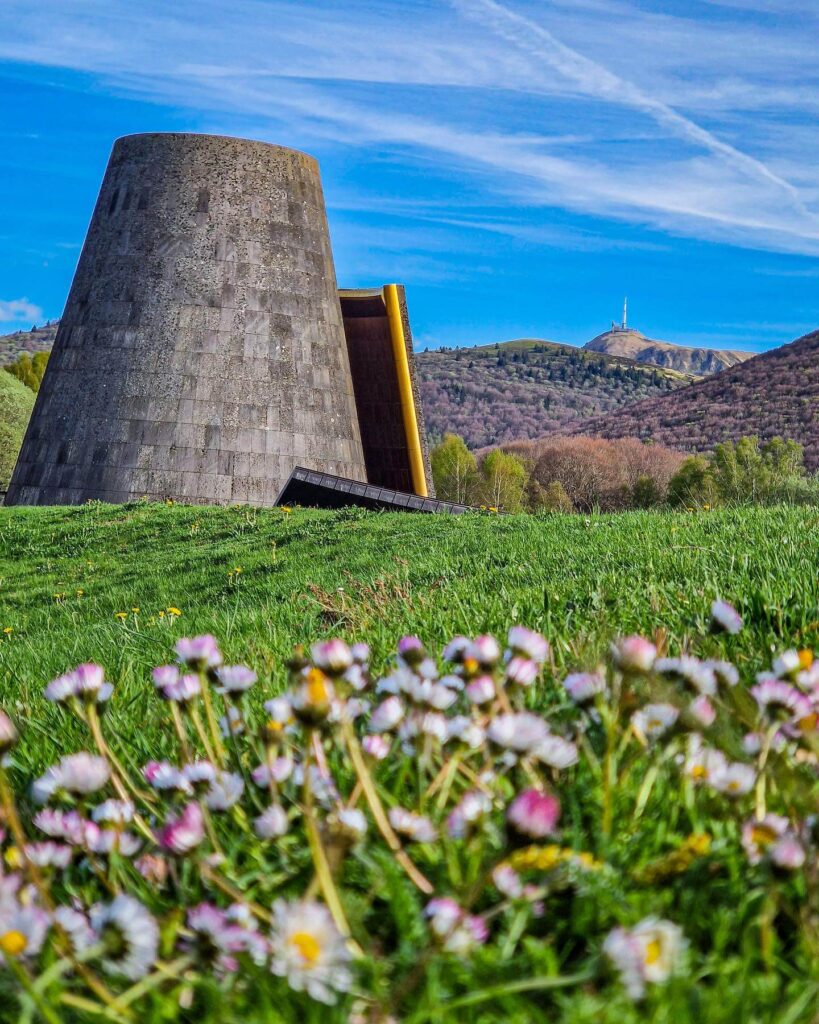
Its location makes it even more special. Vulcania sits among the volcanoes of the Chaîne des Puys, one of France’s most remarkable natural landscapes. Instead of simply learning about volcanoes, you’re exploring them in the very region that inspired the park.
Whether you’re visiting with family, exploring the Auvergne region, or simply looking for something different from a traditional amusement park, Vulcania offers an experience that’s both fun and surprisingly memorable.
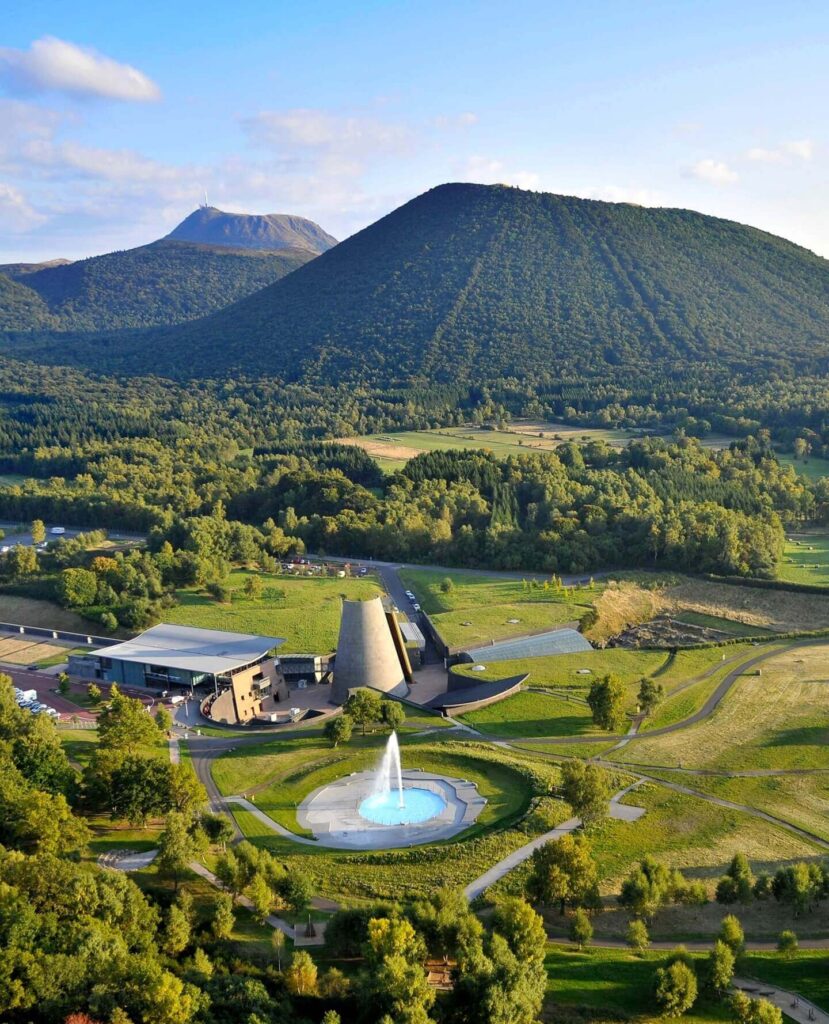
In this guide, I’ll cover everything you need to know before visiting, including the best attractions, ticket information, opening hours, practical tips, and whether Vulcania is worth adding to your France itinerary.
What Is Vulcania?
A Volcano Themed Park Unlike Any Other
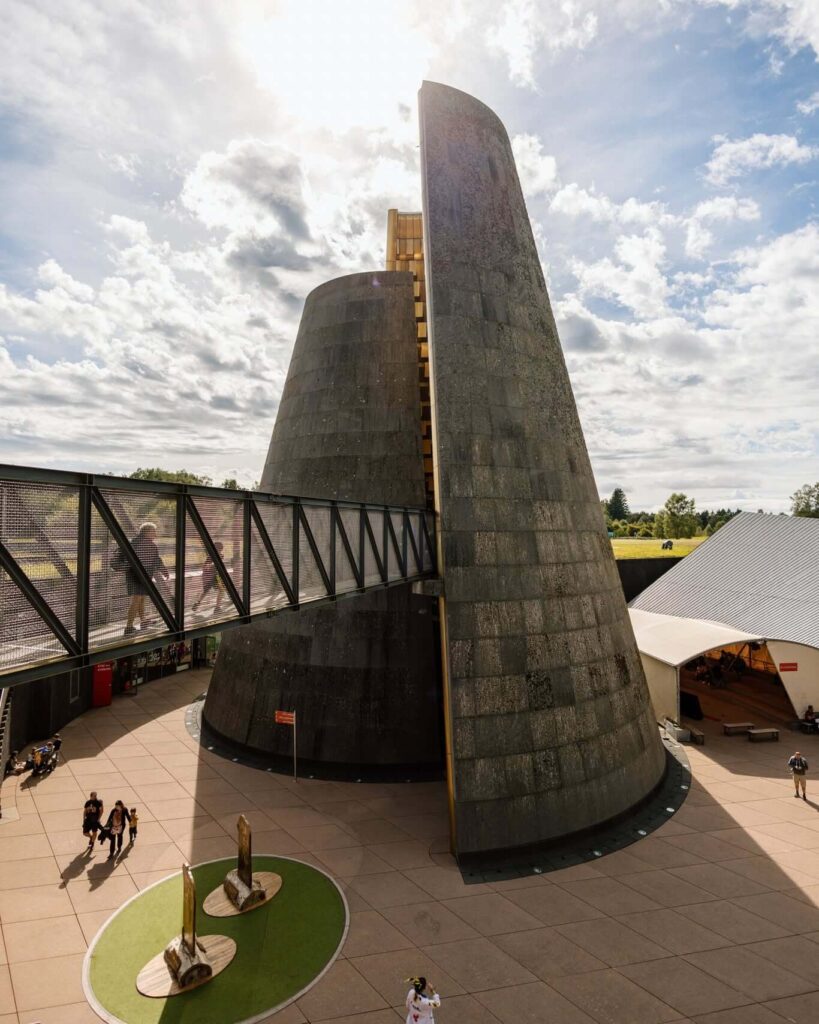
Vulcania is unlike any other theme park in France. Instead of focusing on fairy tales, movie characters, or large roller coasters, it’s dedicated to volcanoes, natural forces, and the science behind our planet.
Located in the heart of the Chaîne des Puys volcanic region, the park combines interactive exhibits, immersive attractions, giant screen films, and simulator experiences to bring topics like volcanoes, earthquakes, climate, and space exploration to life.
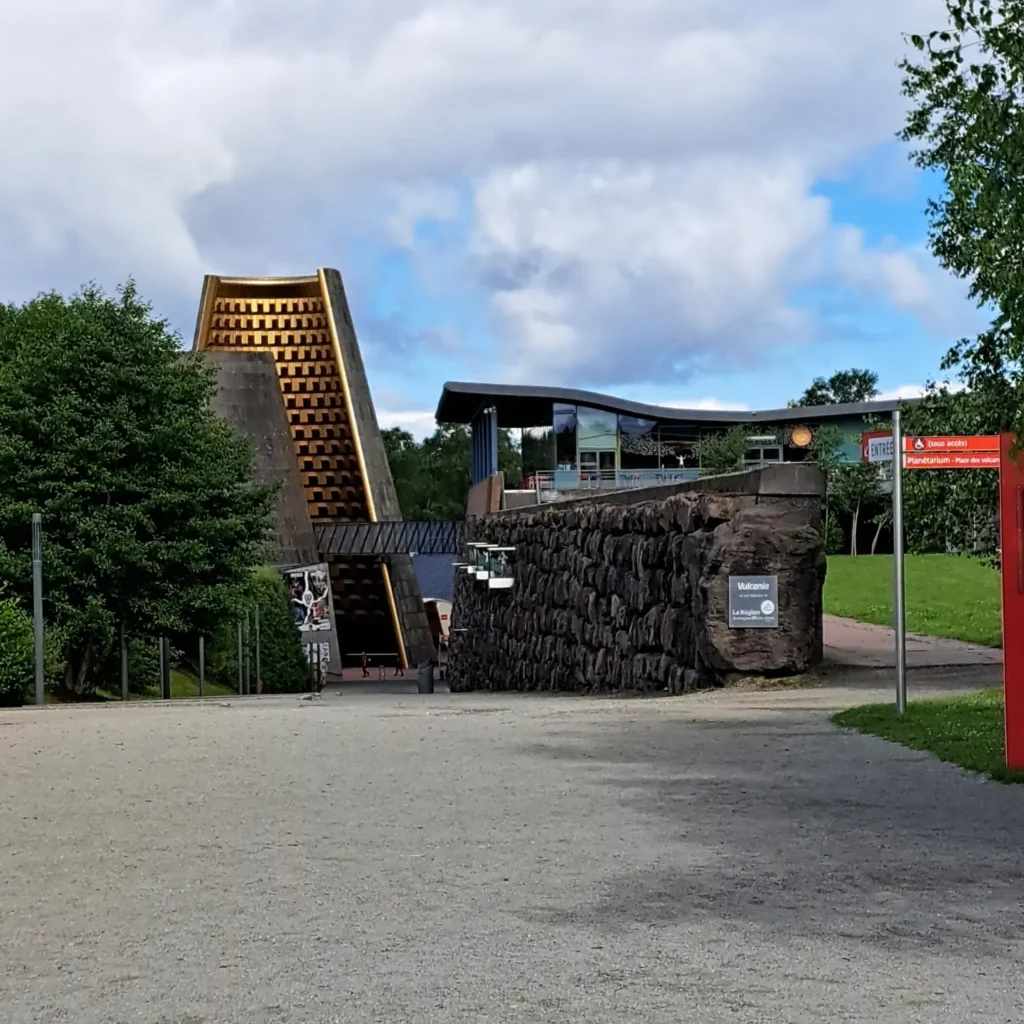
What I like most about Vulcania is that it makes complex scientific subjects easy to understand without ever feeling like a school lesson.
The park opened in 2002 and was inspired by the work of French volcanologists Maurice and Katia Krafft, whose research helped people better understand volcanic activity around the world. Today, Vulcania continues that mission by making science engaging for visitors of all ages.
Where Is Vulcania Located?
Vulcania is located about 20 minutes west of Clermont Ferrand in France’s Auvergne region. The setting is one of the things that makes a visit so special.
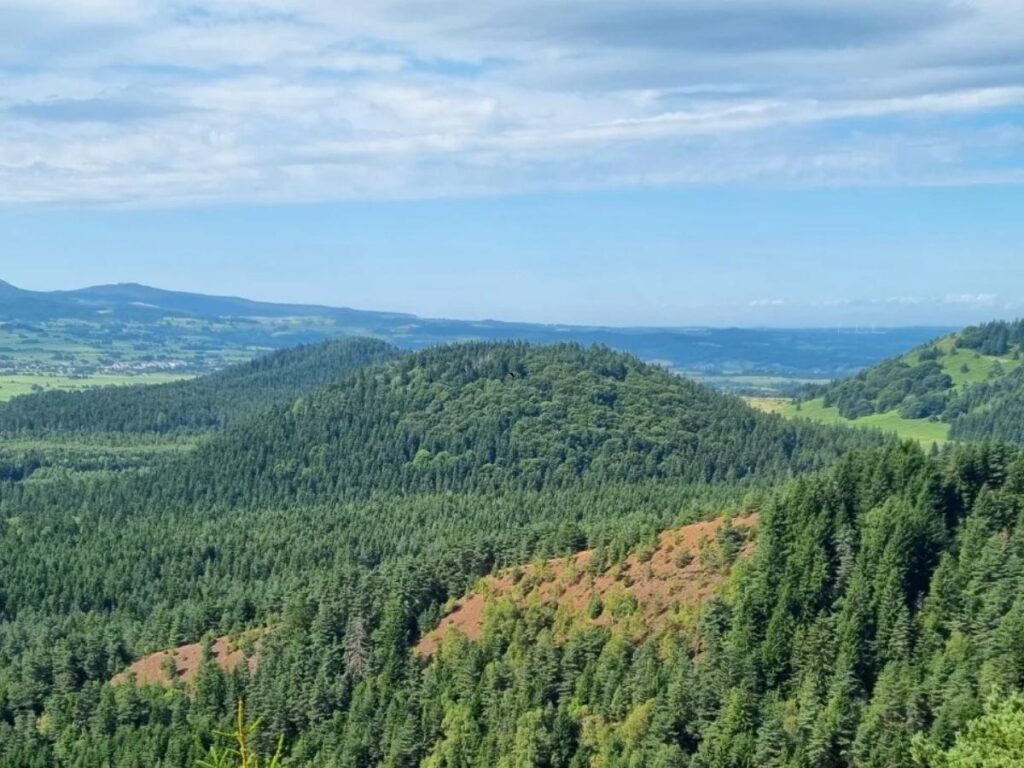
The park sits within the Chaîne des Puys, a landscape filled with dormant volcanoes, rolling hills, and scenic viewpoints. Instead of simply learning about volcanoes inside an attraction, you’re visiting a region where volcanoes are part of the real landscape around you.
The area gained international recognition in 2018 when the Chaîne des Puys and Limagne Fault were added to UNESCO’s World Heritage List. Many visitors combine their trip to Vulcania with nearby sites such as Puy de Dôme, making it a great base for exploring one of France’s most unique natural regions.
Why Vulcania Is Different From Traditional Theme Parks
Science Meets Entertainment
One of the things that makes Vulcania stand out is that it doesn’t fit neatly into a single category. It’s not a traditional amusement park filled with thrill rides, but it also doesn’t feel like a museum where you’re simply walking from one exhibit to the next.
Instead, Vulcania combines science and entertainment in a way that’s surprisingly engaging. Throughout the park, you’ll find immersive attractions, motion simulators, interactive exhibits, giant screen films, and planetarium shows that help explain how volcanoes, earthquakes, and other natural phenomena work.
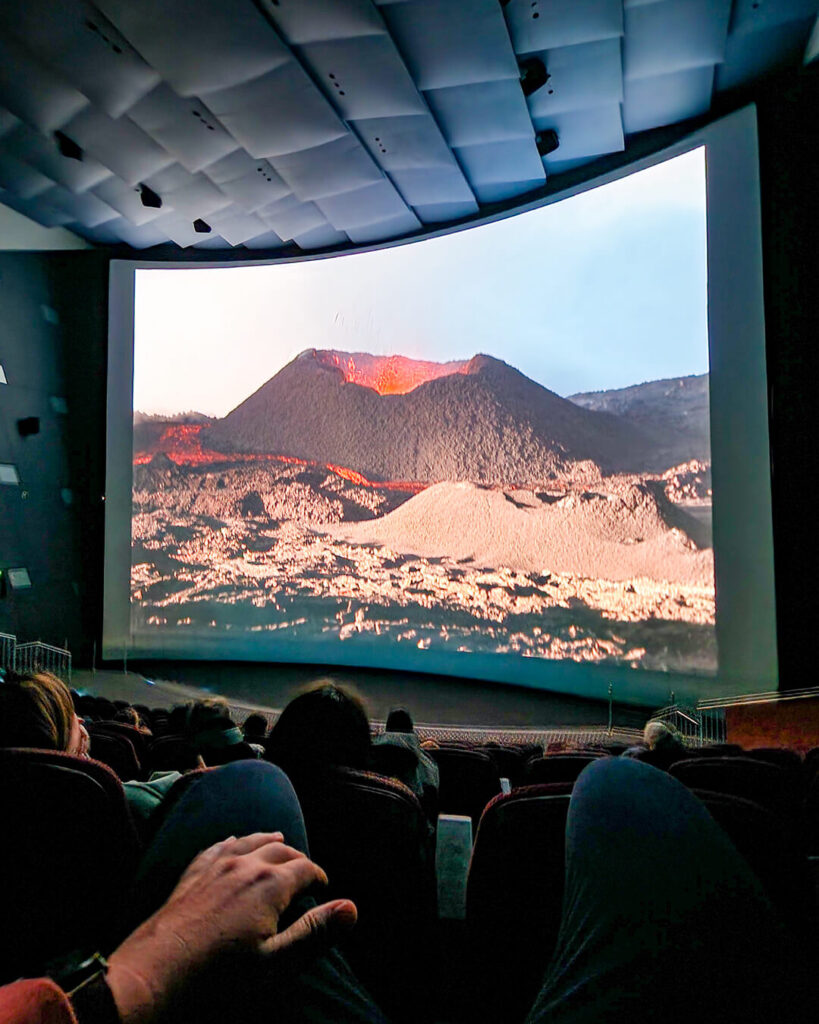
Rather than presenting information through long displays or technical explanations, the park uses storytelling and technology to make these topics easier to understand.
Even if you don’t consider yourself particularly interested in science, the attractions are designed to keep things accessible and entertaining. I think that’s one of Vulcania’s biggest strengths. You can learn something new without feeling like you’re sitting through a lesson.
Learning Without Feeling Like School
Educational attractions can sometimes feel a little dry, especially for younger visitors. Vulcania does a good job of avoiding that by making guests part of the experience rather than passive observers.
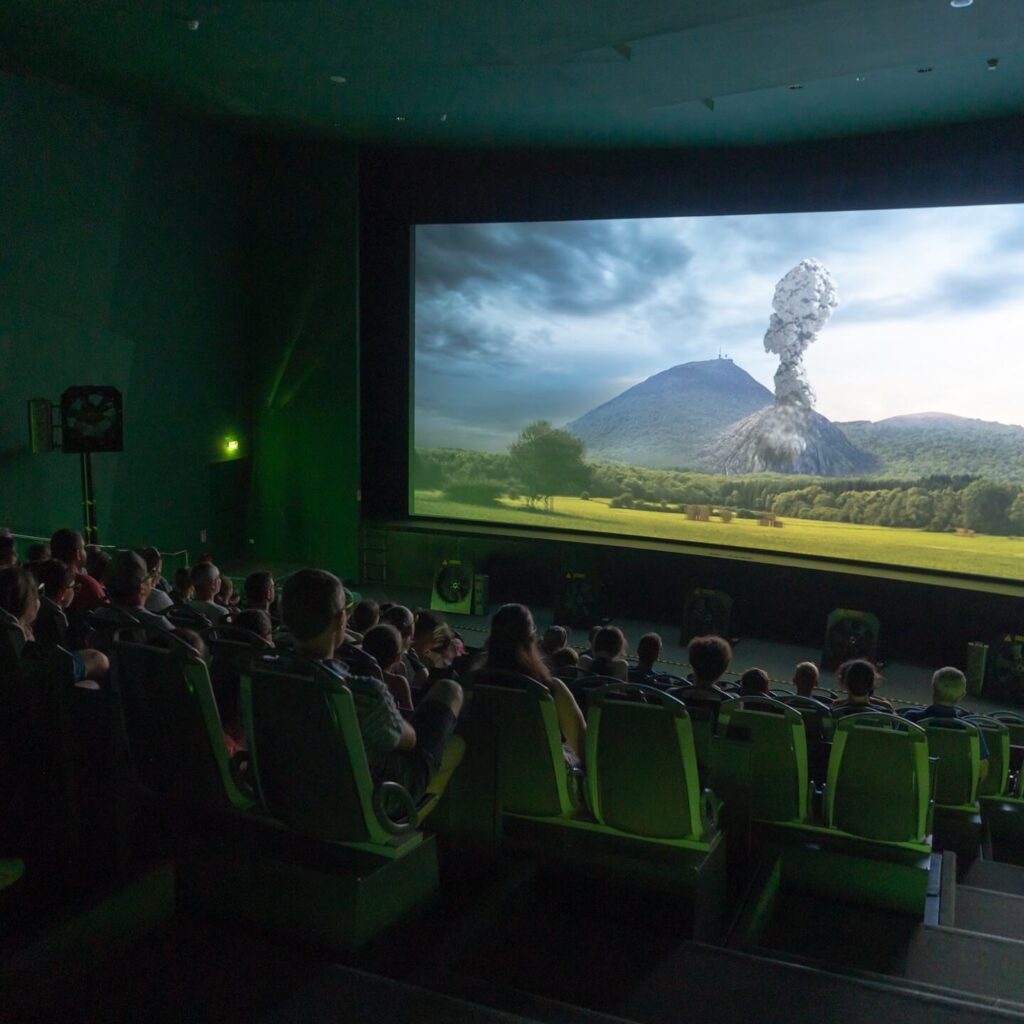
Instead of reading about earthquakes, you can experience simulations that help you understand their power. Rather than looking at diagrams of volcanic eruptions, you’ll encounter attractions that place you right in the middle of the action through visual effects, movement, and immersive storytelling.
Some experiences even take you beneath the ocean floor or into space to explore how geological forces shape not only Earth but other planets as well.
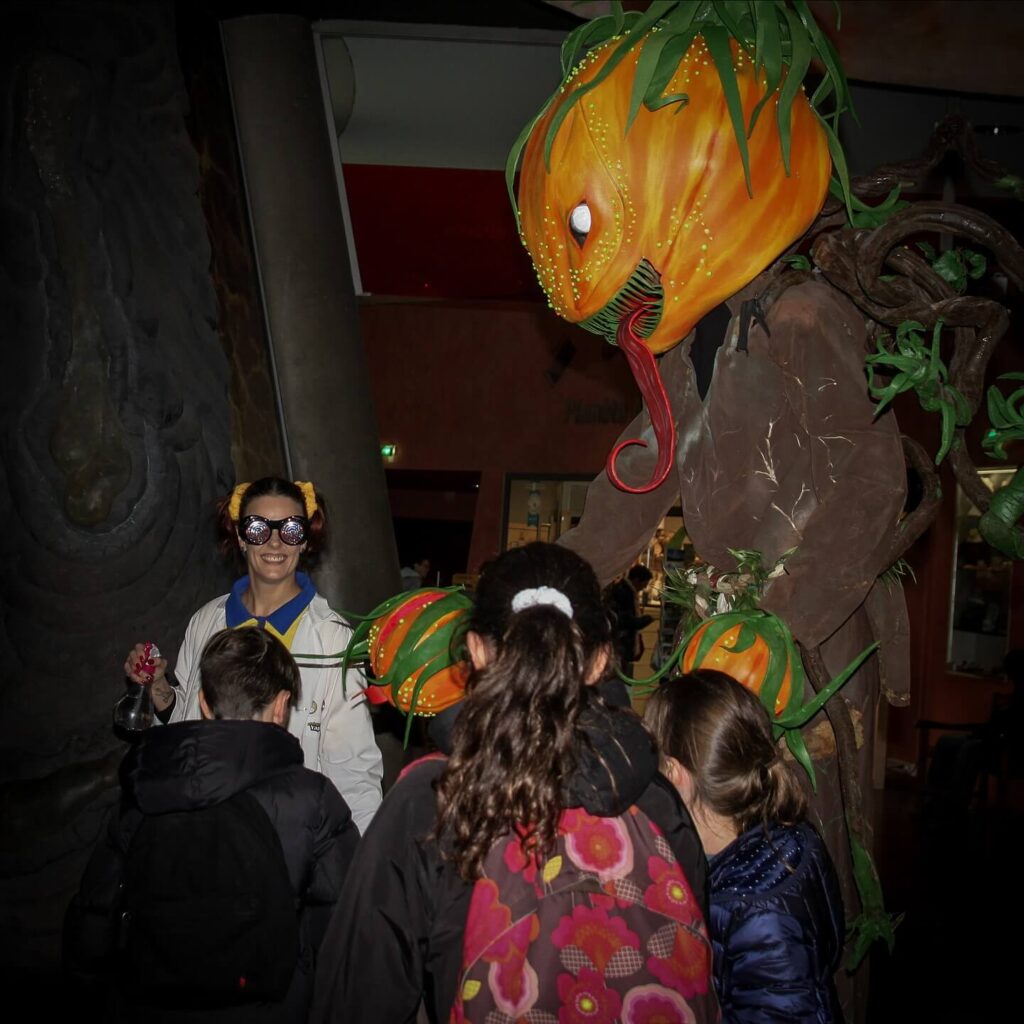
What I appreciate most is that the park appeals to different age groups for different reasons. Children are often drawn in by the interactive elements and special effects, while adults tend to enjoy learning about the science behind what they’re experiencing.
By the end of the day, many visitors leave having learned far more than they expected, but it never feels like the primary goal of the visit.
That’s ultimately what makes Vulcania different from most theme parks. You’re not just there to be entertained. You’re also gaining a better understanding of the natural world, and somehow the park manages to make that genuinely enjoyable.
Best Attractions at Vulcania
One thing I quickly realized while researching Vulcania is that the attractions are very different from what you’d find at a traditional theme park. Most experiences combine storytelling, special effects, and science rather than focusing purely on thrills. If you’re visiting for the first time and only have one day, these are the attractions I would make sure not to miss.
Namazu
If you’re looking for the closest thing Vulcania has to a traditional thrill ride, Namazu should be at the top of your list.
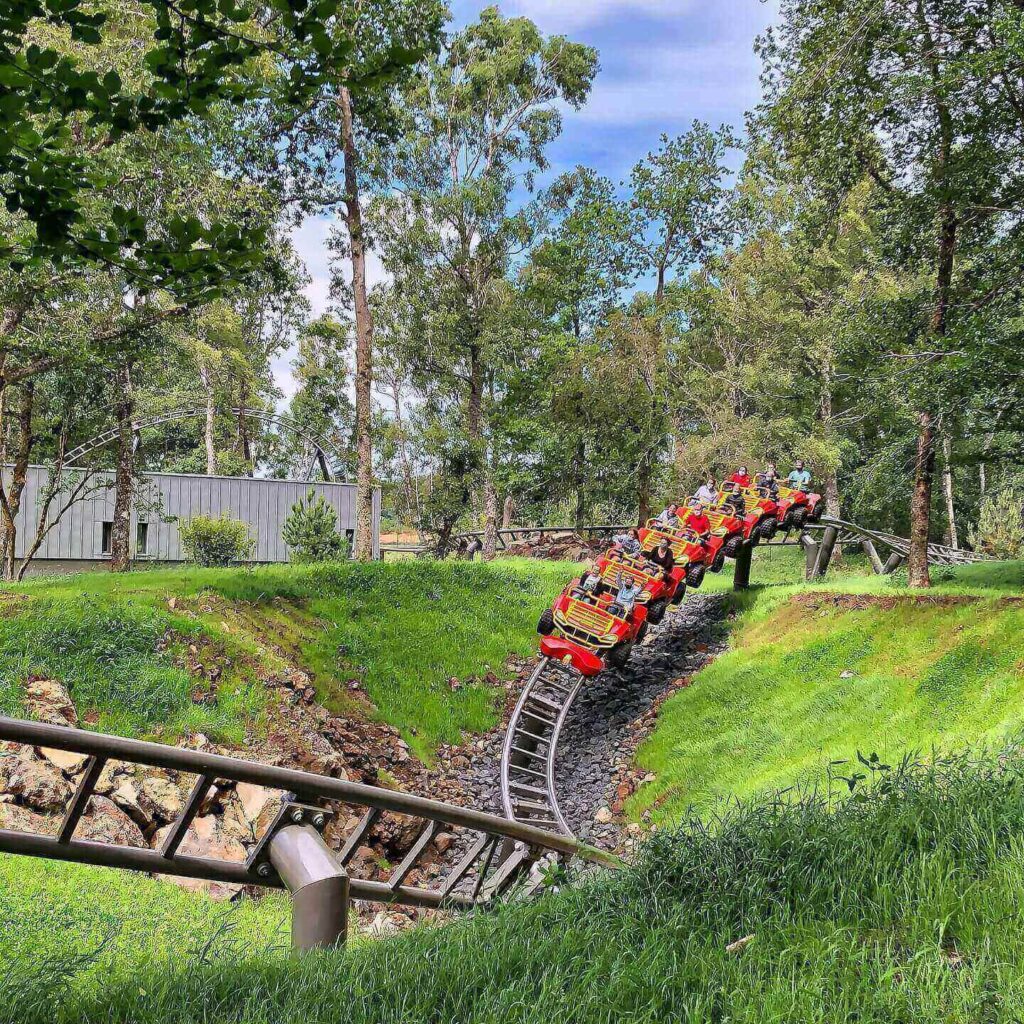
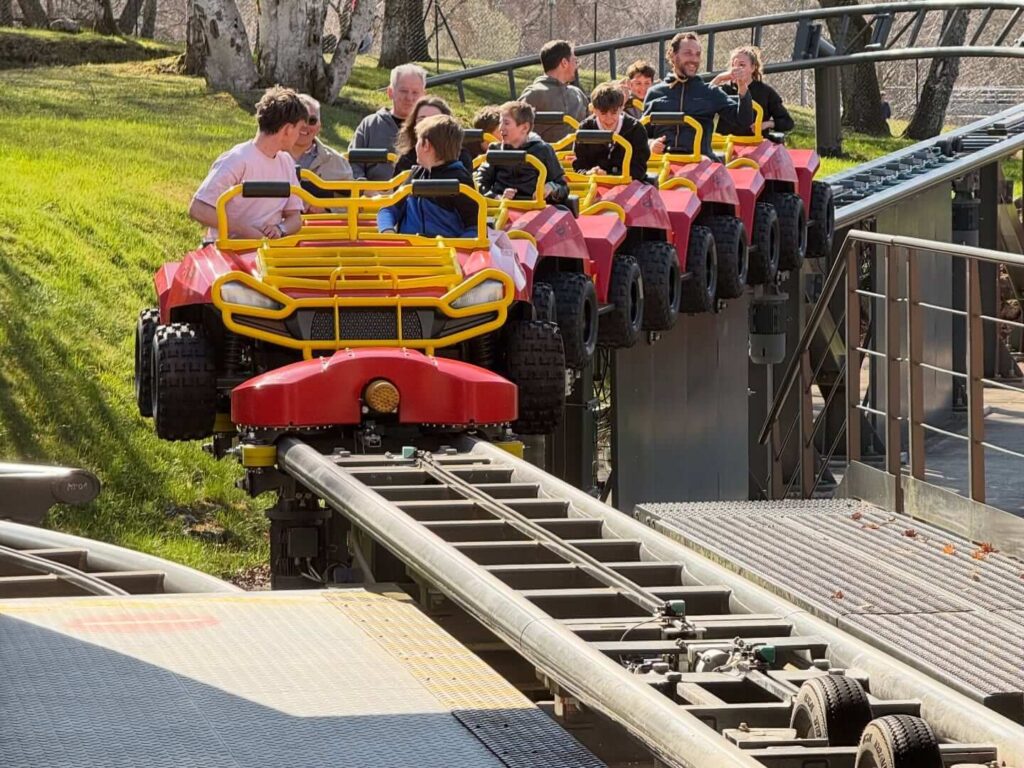
The attraction is inspired by a Japanese legend about a giant catfish named Namazu, believed to cause earthquakes whenever it moved beneath the Earth’s surface. The story provides a fun backdrop for what is essentially the park’s signature roller coaster experience.
While Namazu won’t compete with the biggest coasters at major European theme parks, it delivers enough speed, launches, and unexpected movements to get your adrenaline going.
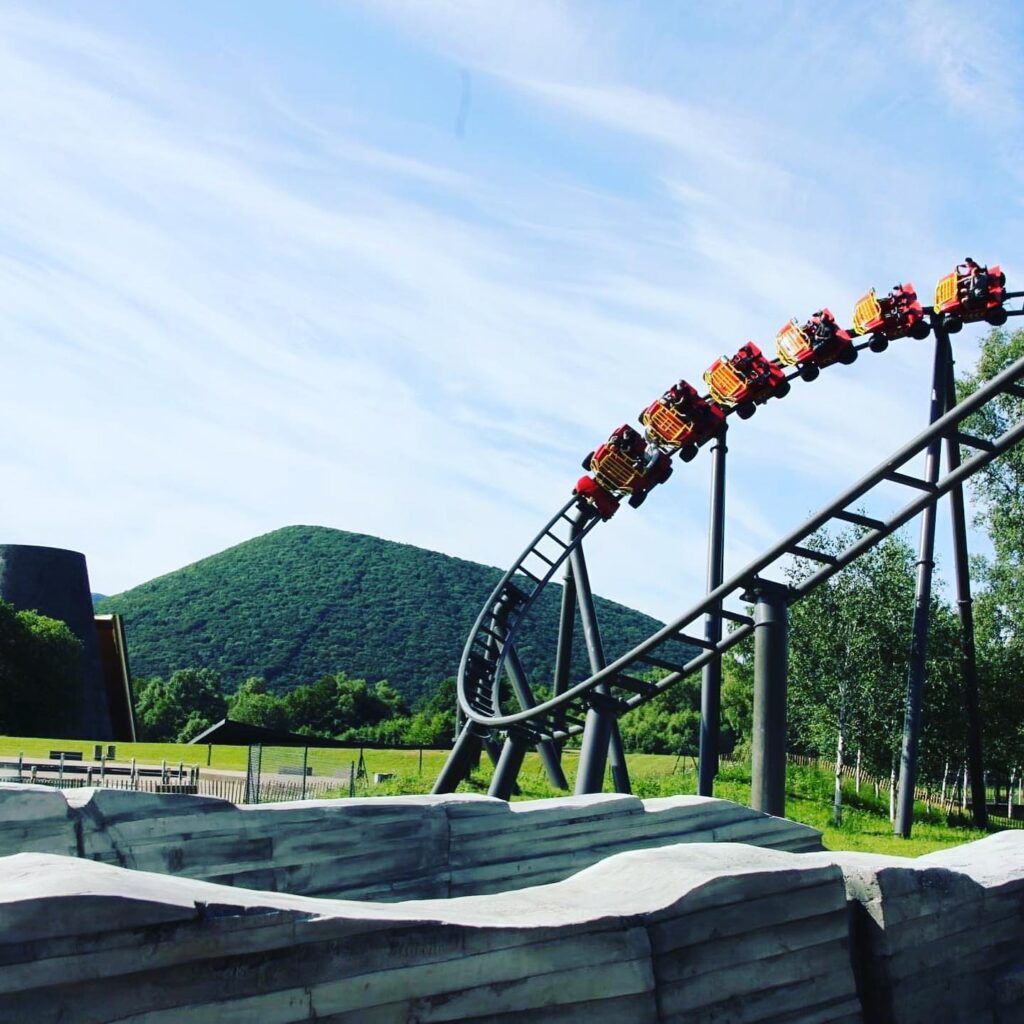
What makes it stand out is how the earthquake theme is woven into the experience, making it feel more connected to the park’s educational mission rather than simply being a ride added for excitement.
Because it’s one of the most popular attractions in the park, I’d recommend heading here early in the day before queues start building.
Dragon Ride 2
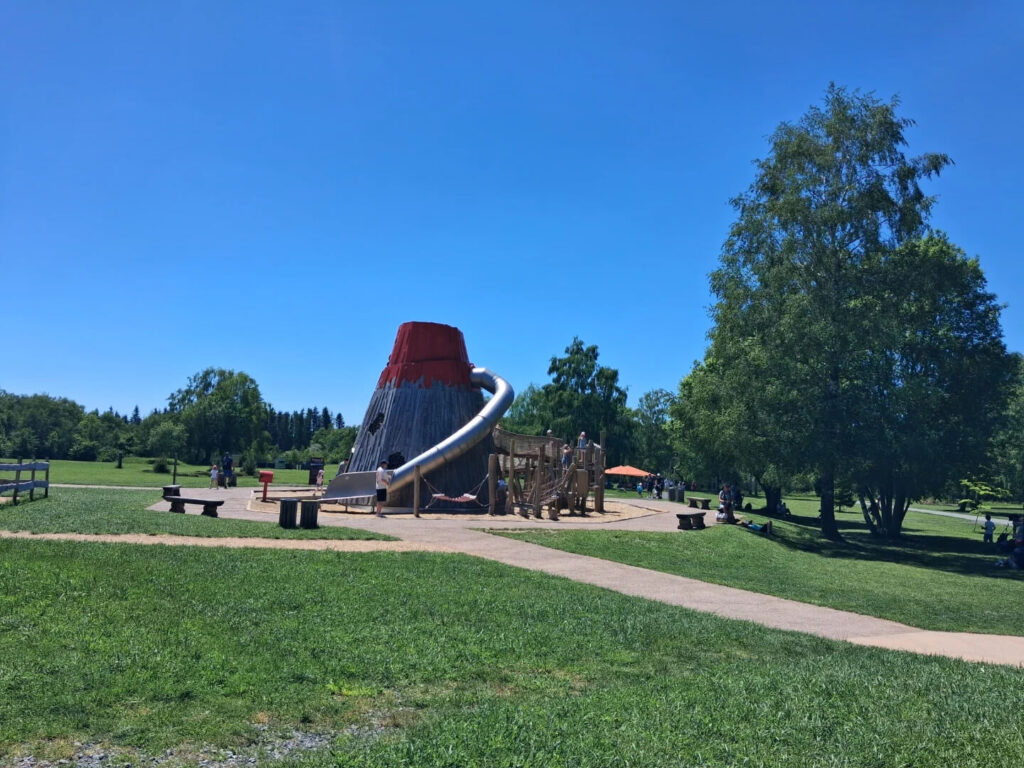
Dragon Ride 2 is one of the most family friendly attractions at Vulcania and a great option if you’re visiting with younger children.
The experience combines mythology, fantasy, and volcanic landscapes in a simulator style adventure that takes guests on a journey through dramatic scenery shaped by volcanic forces. The visuals are impressive, and the ride strikes a nice balance between excitement and accessibility.
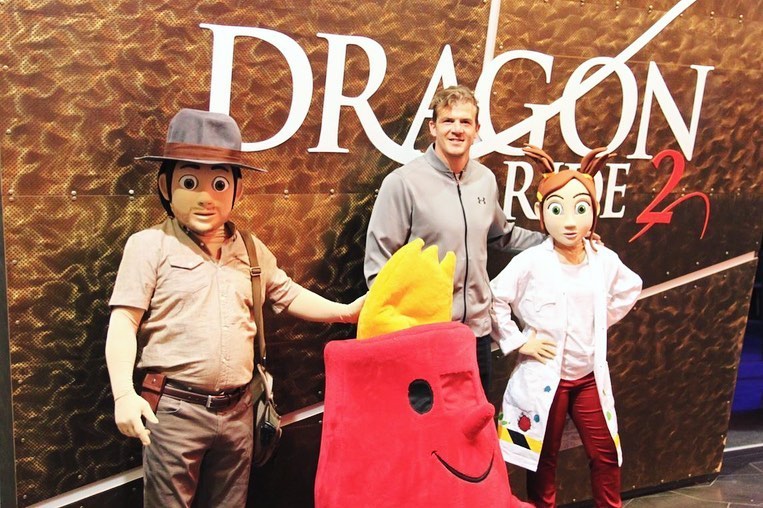
Even though it’s designed with families in mind, adults can still enjoy it. It’s the kind of attraction that relies more on immersive storytelling and creative visuals than intense thrills, making it a good choice when you want a break from some of the park’s more science heavy exhibits.
Terre en Colère (Angry Earth)
Terre en Colère, which translates to “Angry Earth,” is one of the attractions that best showcases Vulcania’s educational side.
The experience focuses on some of the most powerful natural forces on Earth, including earthquakes, volcanic eruptions, storms, and extreme weather events. Through special effects and immersive presentations, visitors get a better understanding of how these events occur and the impact they can have on our world.
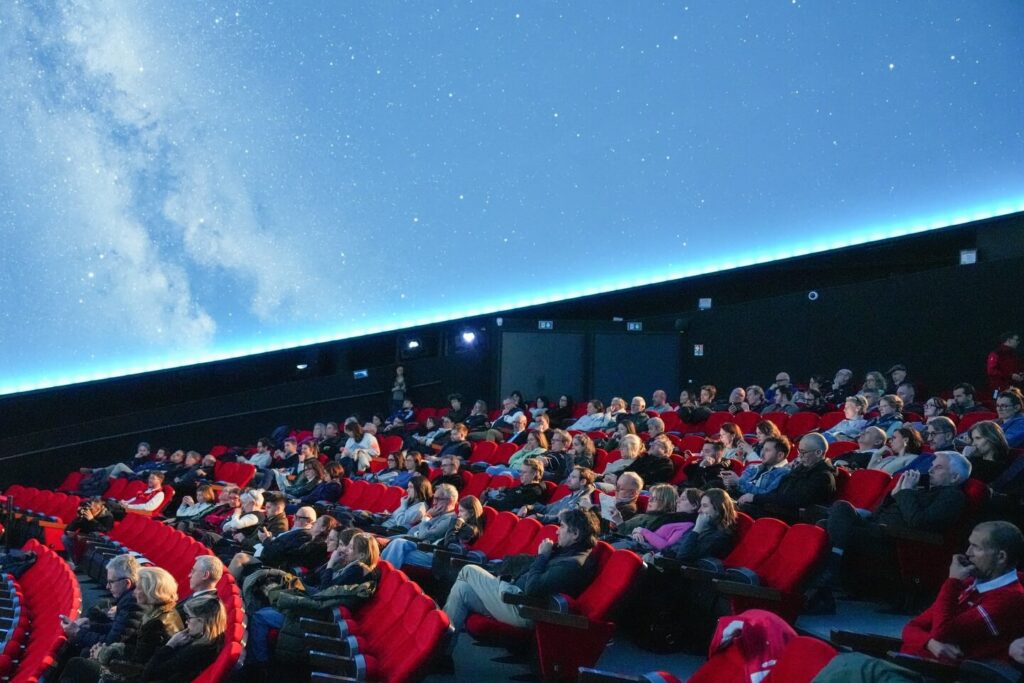
What makes this attraction memorable is that it helps put the sheer power of nature into perspective. Rather than simply explaining these phenomena through information boards, Vulcania uses visuals and effects to make you feel closer to the experience. It’s informative, but it remains engaging throughout.
Mission Vulcania
Mission Vulcania is often considered one of the park’s flagship attractions and is usually high on visitors’ must do lists.
Without giving too much away, the experience combines multimedia effects, immersive storytelling, and scientific themes to create a journey into the world of volcanoes.
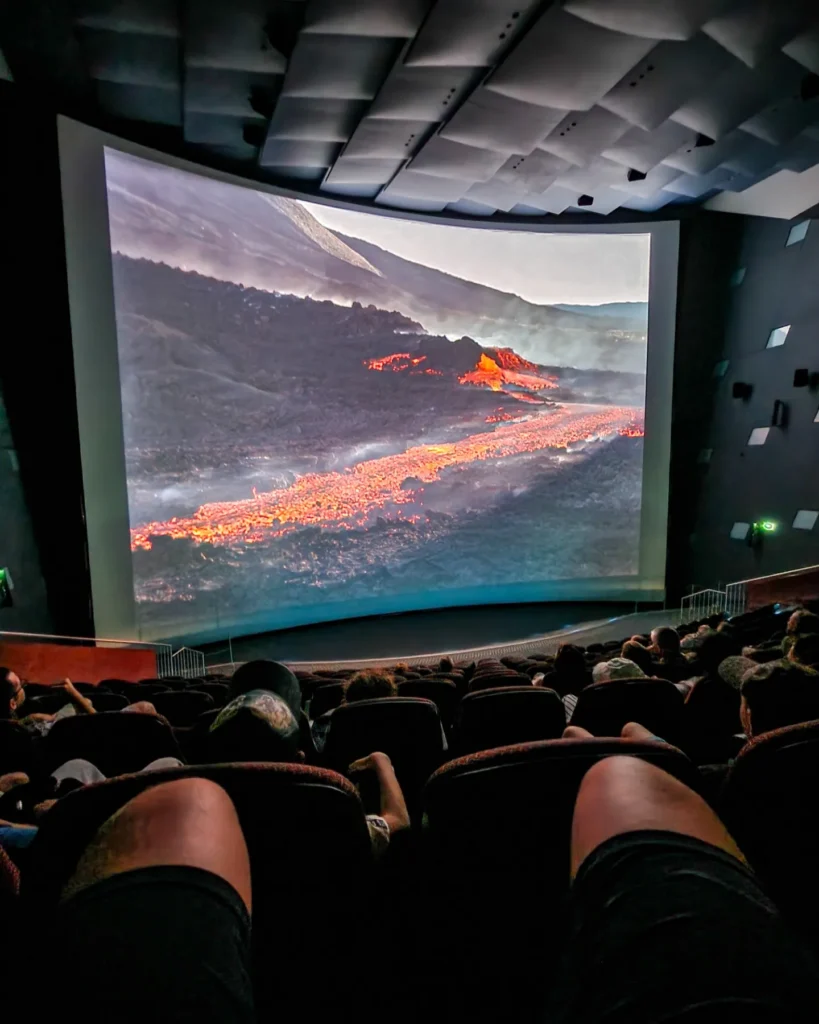
It’s one of those attractions that captures what Vulcania does best: teaching visitors about geology and volcanic activity while making the experience entertaining enough to hold their attention from start to finish.
If you’re only able to prioritize a handful of attractions during your visit, this should definitely be one of them.
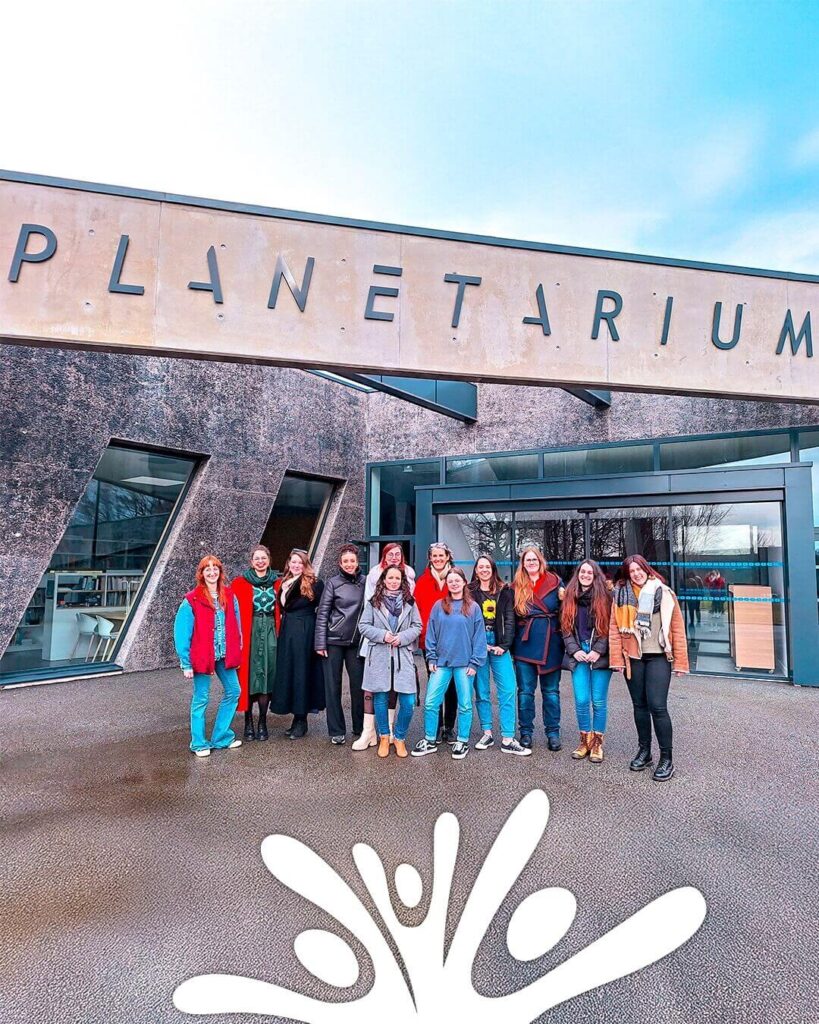
The Planetarium
Many visitors come to Vulcania expecting volcanoes and geology, so the planetarium can sometimes be overlooked. Personally, I think it’s one of the hidden highlights of the park.
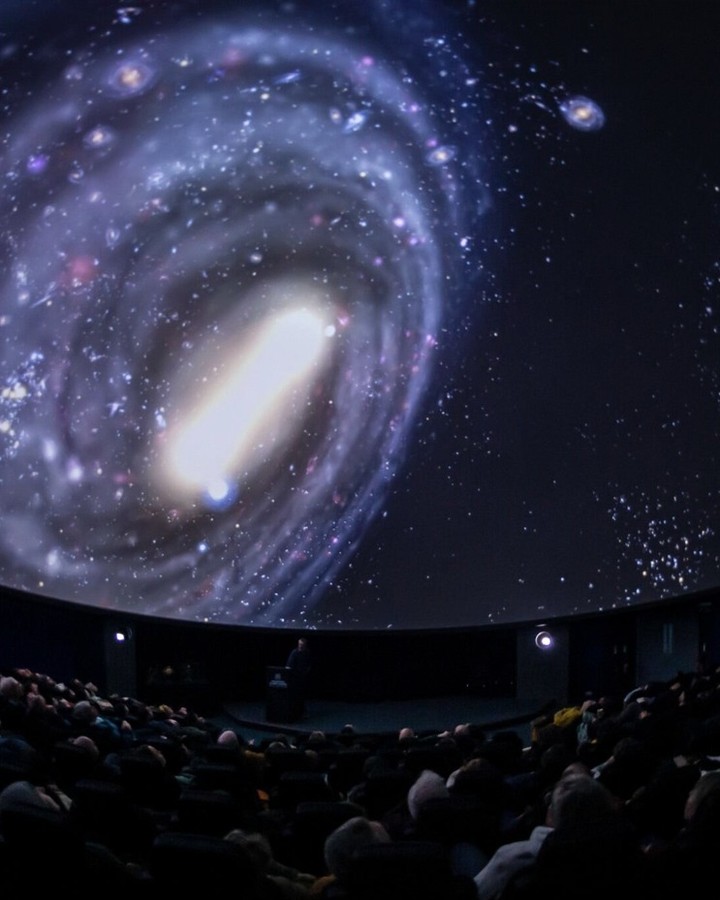
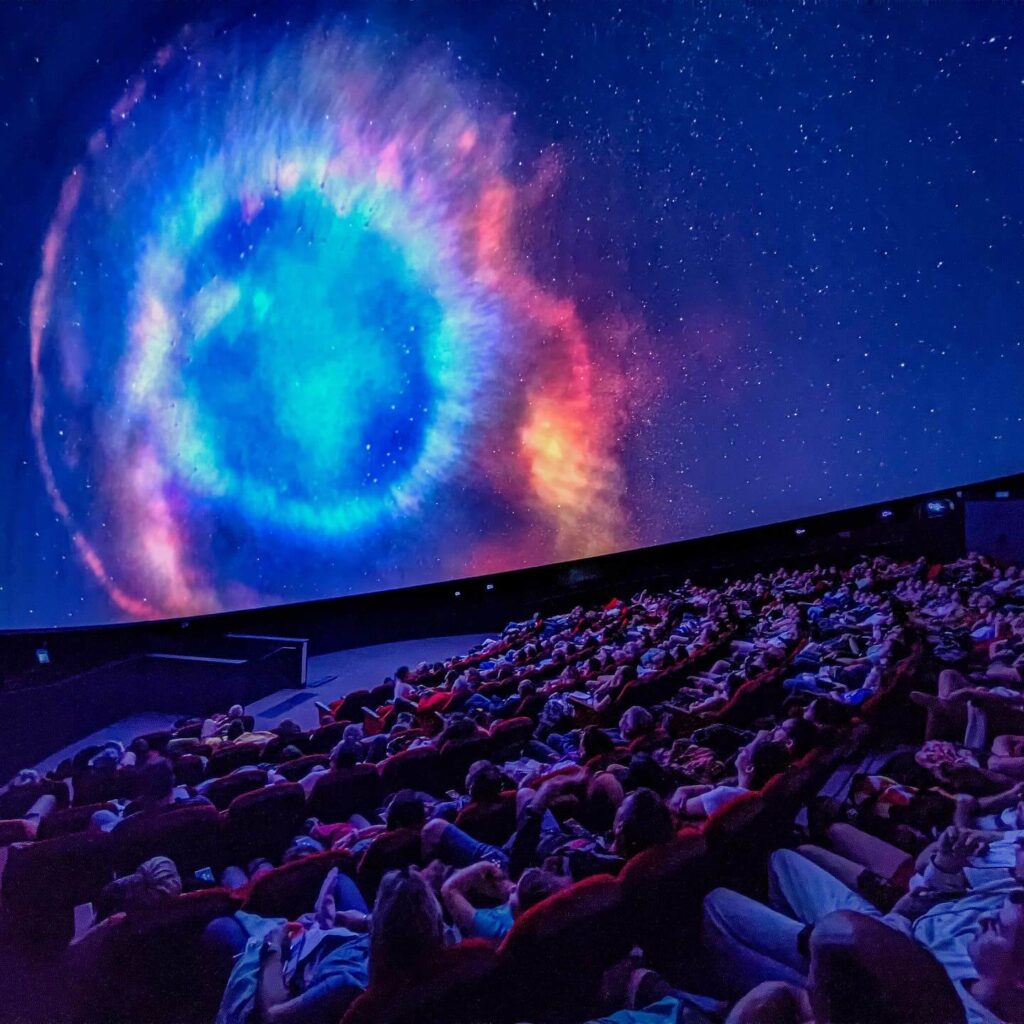
The giant dome screen creates an immersive viewing experience that explores planets, stars, and the forces that shape worlds beyond our own. Some presentations focus on volcanic activity elsewhere in the solar system, showing how these geological processes aren’t unique to Earth.
It’s also a nice change of pace during a busy day. After spending time walking between attractions, sitting back and enjoying a planetarium show can be surprisingly relaxing.
Volcanoes of the Solar System
One of the things that makes Vulcania unique is that it doesn’t limit itself to Earth’s volcanoes. The Volcanoes of the Solar System exhibit explores how volcanic activity exists across other planets and moons, expanding the story far beyond our own world.
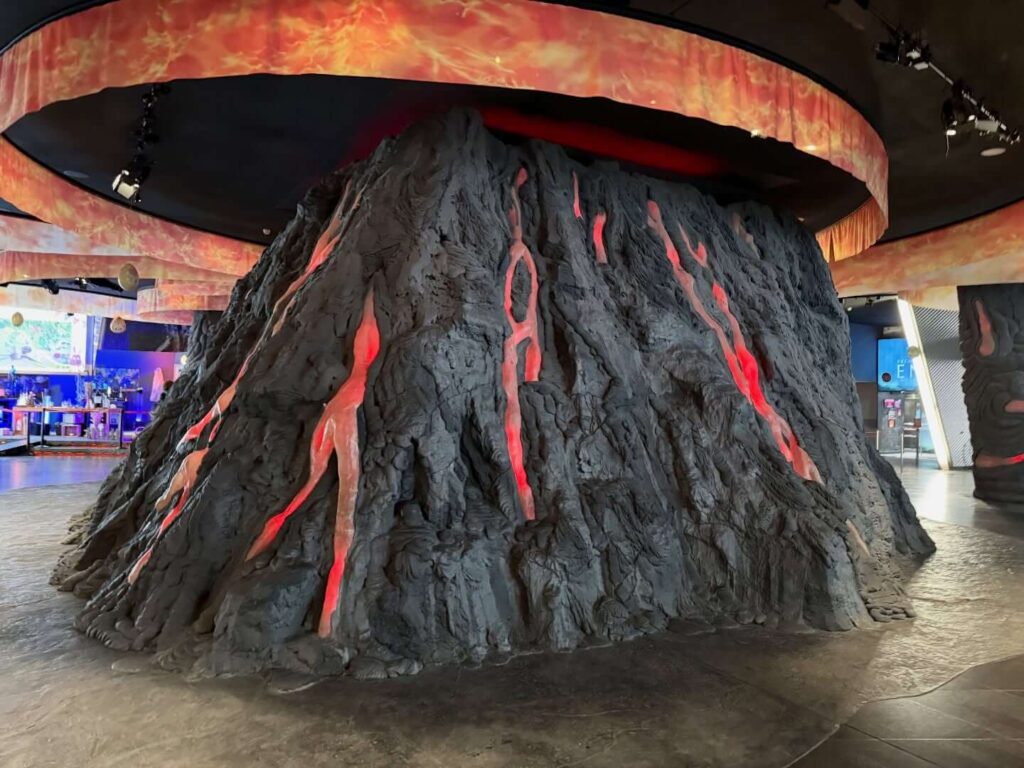
I found this particularly interesting because it highlights how geological forces shape places many of us rarely think about. From volcanic landscapes on Mars to active volcanic activity on distant moons, the exhibit helps visitors understand that volcanoes are part of a much larger story about how planets evolve.
It’s a fascinating attraction for anyone interested in space, and it adds another layer to Vulcania’s mix of science, exploration, and discovery.
Is Vulcania Worth Visiting?
This is probably the question most people ask before planning a visit, especially if they’re unfamiliar with the park.
The short answer is yes, but it depends on what kind of experience you’re looking for.
Who Will Love It
I think Vulcania is a great fit for travelers who enjoy learning something new while still having fun. Families tend to get the most value from the park because it offers a mix of entertainment and education that appeals to different age groups.
Younger children enjoy the interactive attractions, while older kids and adults often appreciate the science and storytelling behind them.
It’s also a fantastic stop if you’re already exploring the Auvergne region. The park provides context for the volcanic landscapes you’ll see throughout the area, making it feel like more than just a standalone attraction.
Nature lovers, science enthusiasts, and curious travelers will probably enjoy Vulcania far more than they expect. Even if geology isn’t normally your thing, the immersive experiences make the subject surprisingly accessible.
Who Might Be Disappointed
That said, Vulcania isn’t for everyone.
If you’re expecting a theme park packed with roller coasters, thrill rides, and nonstop adrenaline, you may leave feeling underwhelmed. The park’s focus is very different from destinations like Disneyland Paris, Parc Astérix, or Europa Park.
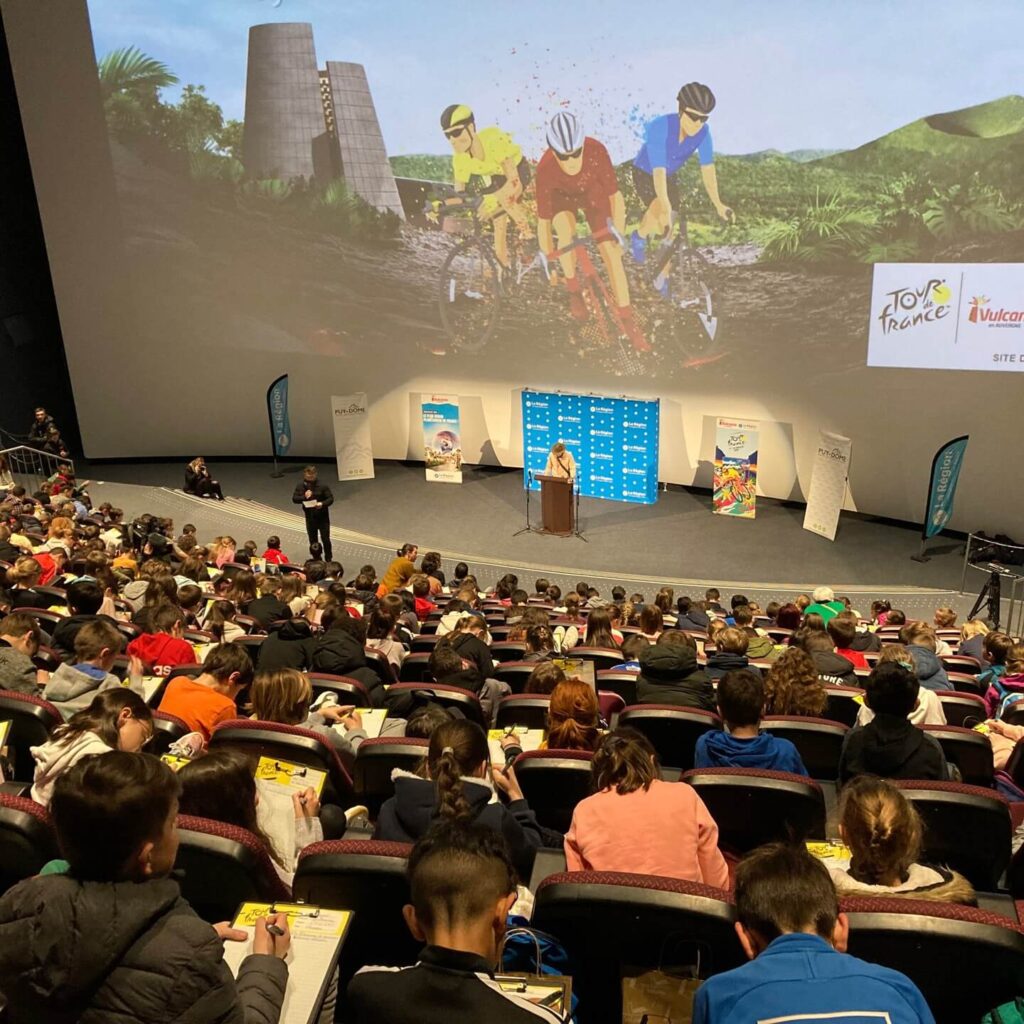
There are a few attractions that provide excitement, but the overall experience is built around exploration, discovery, and learning rather than thrills. Understanding that before you arrive helps set the right expectations.
My Honest Take
What I like most about Vulcania is that it doesn’t try to imitate other theme parks. It embraces its unique identity and creates an experience you simply won’t find elsewhere in France.
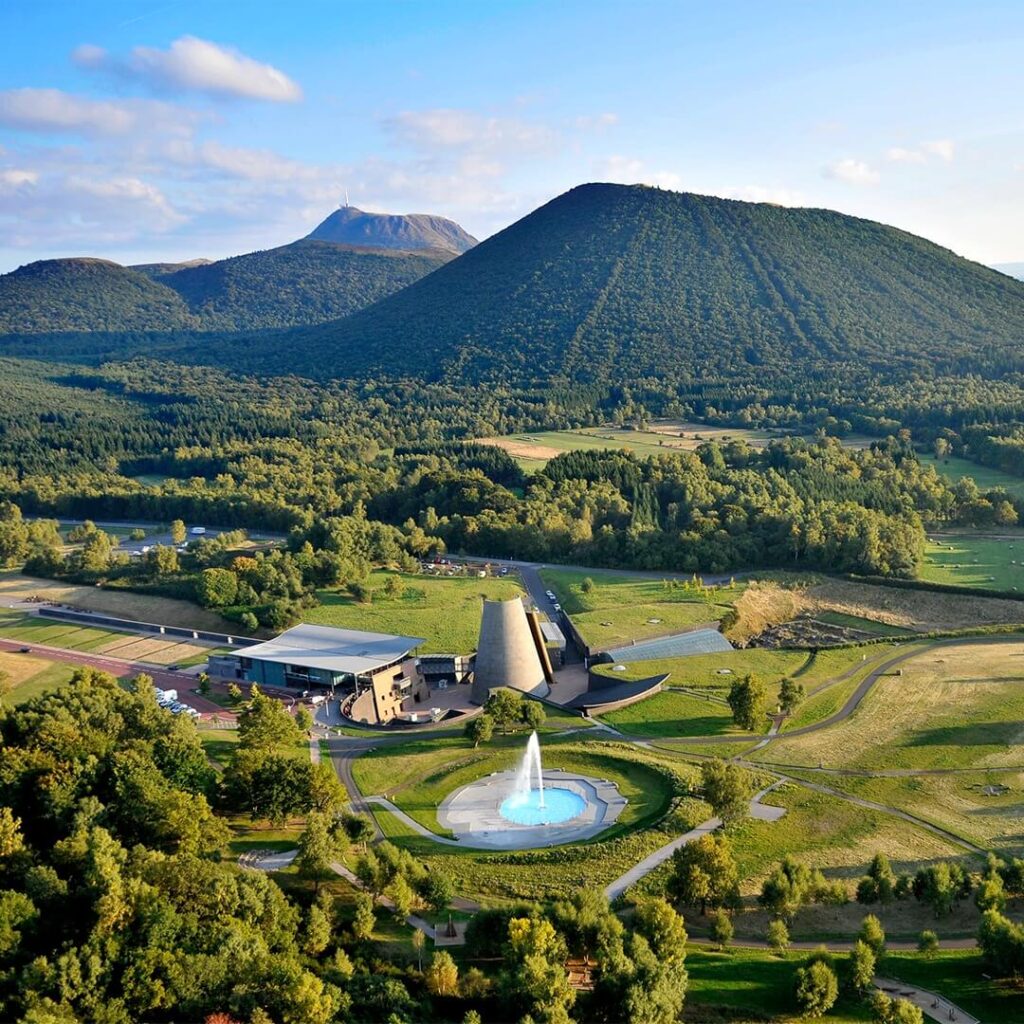
The combination of real volcanic landscapes, immersive attractions, and fascinating science makes it feel genuinely different from a typical day at an amusement park. It’s not the kind of place you visit purely for rides. You visit because you’re curious about the world around you and want to experience something a little different.
For me, that’s exactly what makes Vulcania worth visiting.
How Much Time Do You Need at Vulcania?
One of the nice things about Vulcania is that it doesn’t require multiple days to enjoy, unlike some of Europe’s larger theme parks. At the same time, there’s enough to see and do that you won’t feel rushed if you decide to spend longer there.
Can You Visit Vulcania in One Day?
For most visitors, one full day is enough to experience the park’s main attractions.
If you arrive when the park opens and plan your day reasonably well, you’ll have time to enjoy the major rides, watch a few shows, explore the exhibits, and visit the planetarium. Most families and first time visitors choose this option and leave feeling like they’ve seen the highlights.

That said, Vulcania isn’t a park where you’ll constantly move from ride to ride. Many attractions include presentations, films, and educational exhibits that take time to experience properly. If you’re someone who enjoys reading displays, watching every show, and exploring the exhibits in detail, you’ll likely spend a full day here without running out of things to do.
I would recommend arriving early, especially during summer and school holidays. The first few hours of the day are often the best time to experience popular attractions before queues start building.
When Does a Two Day Visit Make Sense?
While most visitors only need one day, there are situations where a two day ticket can be worth considering.
If you’re traveling during peak season, queues can be longer and it may be difficult to fit everything into a single visit. A second day allows you to explore at a more relaxed pace without constantly watching the clock.
A two day visit also works well for families with younger children. Kids often need more breaks throughout the day, and parents may appreciate having extra time to revisit favorite attractions or spend longer in the interactive areas.
I could also see science enthusiasts enjoying a longer visit. Some of the exhibits contain far more information than you can absorb in a quick walkthrough, and having additional time allows you to appreciate the educational side of the park without feeling rushed.
For most travelers, one day is enough. But if Vulcania is a major part of your trip to the Auvergne region and you enjoy exploring attractions thoroughly, a second day can add value.
Vulcania Tickets and Prices
Ticket prices at Vulcania vary depending on the season, visitor age, and the type of ticket you choose. Because prices are updated periodically, I always recommend checking the official website for the most current rates before booking.
The park typically offers standard adult and child admission, along with family packages that can provide better value for those visiting with children. Multi day tickets are also available for visitors who want more time to explore the park.
One of the easiest ways to save money is by booking online in advance. Not only can advance reservations sometimes be cheaper, but they also make arrival much smoother on busy days. If you’re visiting during school holidays or the summer season, purchasing tickets ahead of time is generally a good idea.
Before finalizing your booking, it’s worth checking for seasonal promotions or special offers. Depending on the time of year, Vulcania occasionally runs discounts that can reduce the overall cost of your visit.
Vulcania Opening Hours
Vulcania does not operate year round, which is something many first time visitors don’t realize.
The park typically opens from spring through autumn, with opening dates and daily schedules changing throughout the season. During the summer months, opening hours are often extended to accommodate larger visitor numbers and seasonal events, while quieter periods may have shorter operating days.
Because the calendar changes throughout the year, I wouldn’t rely on information from travel blogs or older guidebooks when planning your visit. It’s always worth checking the official Vulcania website a few days before you go to confirm both opening times and any special events taking place during your visit.
If you can, try to arrive close to opening time. Not only does this help you make the most of your day, but it also gives you a chance to enjoy some of the most popular attractions before the park becomes busier later in the morning.
For anyone planning a trip around Vulcania, checking the operating calendar should be one of the first steps in your planning process, especially if you’re visiting outside the peak summer season.
Best Time to Visit Vulcania
Choosing the right time to visit can make a noticeable difference to your experience at Vulcania. While the park is enjoyable throughout its operating season, some periods are definitely more comfortable than others.
Visiting During Summer
Summer is the most popular time to visit Vulcania, and for good reason. The weather is generally warm, the park operates its longest opening hours, and you’ll have access to the full range of attractions, shows, and seasonal events.
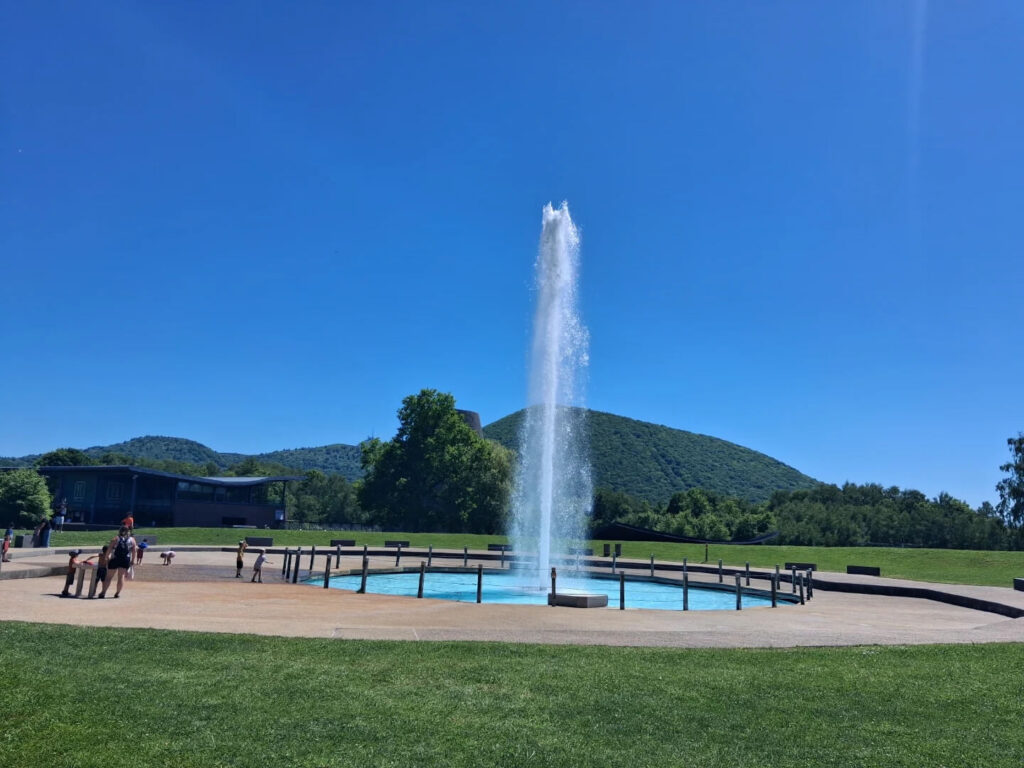
The downside is that you’re unlikely to have the park to yourself. July and August are peak holiday months in France, which means larger crowds and longer waits for the most popular attractions. If you’re visiting during summer, arriving early becomes even more important.
That said, the atmosphere during the summer season is lively, and if you’re already traveling through France during school holidays, it’s still a great time to visit. Just be prepared for a busier experience.
Spring and Autumn
Personally, I think spring and autumn are the best times to visit Vulcania.
The weather is often comfortable for walking around the park, and you’ll usually encounter smaller crowds than during the peak summer months. Shorter queues mean you can experience more attractions without spending a large part of the day waiting in line.
These seasons are also particularly beautiful in the surrounding Auvergne countryside. The volcanic landscapes look especially vibrant in spring, while autumn brings colorful scenery that makes the region even more enjoyable to explore.
If you’re planning to combine Vulcania with nearby attractions such as Puy de Dôme or Clermont Ferrand, spring and autumn often provide the most pleasant overall travel experience.
Best Days of the Week
No matter when you visit, choosing the right day can help you avoid some of the biggest crowds.
Weekdays are usually quieter than weekends, especially outside school holiday periods. Tuesdays, Wednesdays, and Thursdays often offer the most relaxed experience, with shorter wait times at popular attractions and less congestion throughout the park.
If your schedule is flexible, I’d avoid weekends and French school holidays whenever possible. The difference in crowd levels can be quite noticeable, particularly during summer.
How to Get to Vulcania
One of the advantages of Vulcania is that it’s relatively easy to reach, especially if you’re already exploring central France.
By Car
Driving is by far the simplest and most convenient way to visit Vulcania.
The park is well signposted, and having your own vehicle gives you the flexibility to explore other attractions in the Auvergne region before or after your visit. On site parking is available, making the arrival process fairly straightforward.
If you’re planning a road trip through central France, Vulcania fits easily into a wider itinerary that includes Puy de Dôme, Clermont Ferrand, and other volcanic sites in the region.
From Clermont Ferrand
Vulcania is located approximately 20 minutes from Clermont Ferrand, the largest city in the area and the main gateway for most visitors.
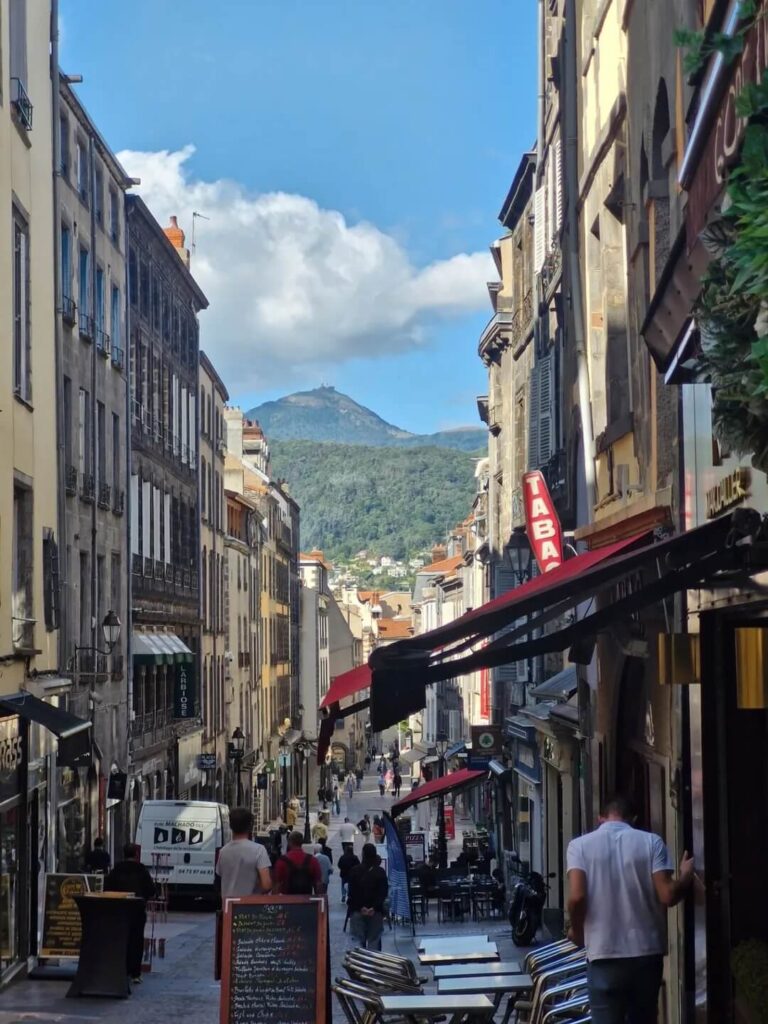
If you’re staying in Clermont Ferrand, reaching the park is quick and easy by car. Many visitors choose to base themselves in the city and make Vulcania a day trip, which works particularly well if you’re also planning to explore other attractions nearby.
Public Transportation
While having a car is the easiest option, it’s still possible to reach Vulcania using public transportation.
During certain seasons, shuttle services operate between Clermont Ferrand and the park, making it accessible for travelers without a vehicle. Visitors arriving by train can first travel to Clermont Ferrand and then continue to Vulcania using local transportation options.
Before your visit, I’d recommend checking the latest transport schedules, as shuttle services and operating dates can vary throughout the year.
What to Eat at Vulcania
After a few hours of exploring attractions and exhibits, you’ll probably be ready for a break, and fortunately there are several food options available throughout the park.
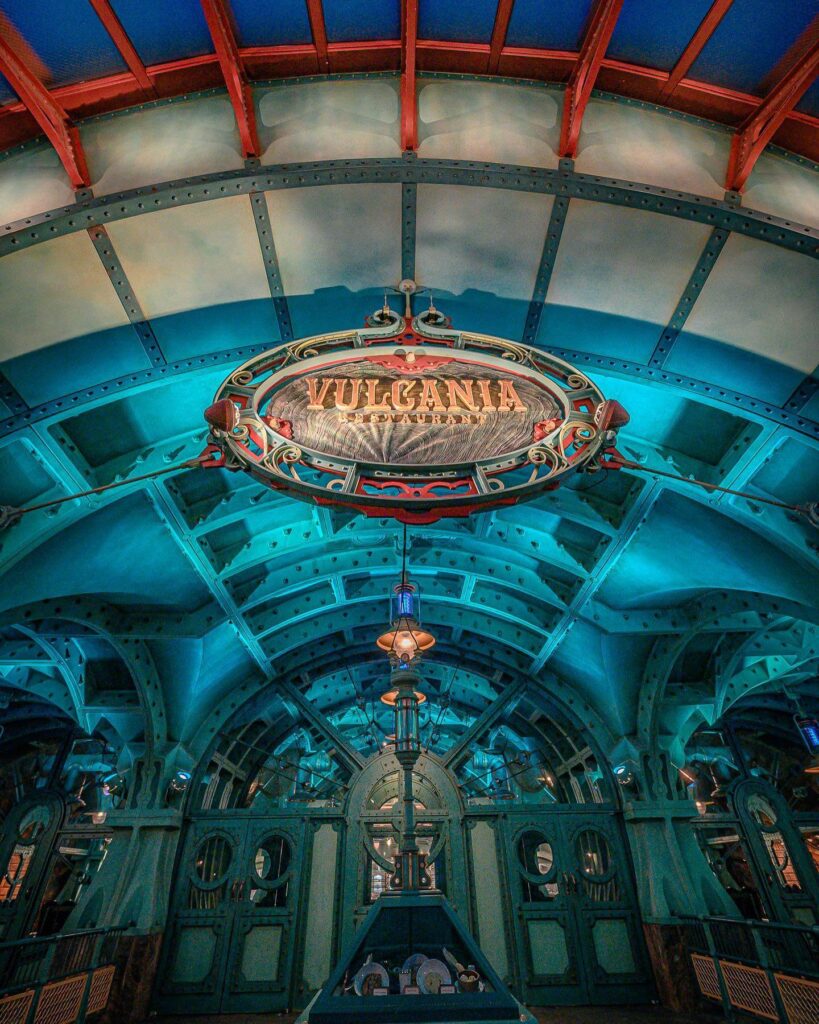
Vulcania offers a mix of cafeterias, snack stands, and casual dining locations that cater to families and day visitors. You’ll find everything from quick snacks and sandwiches to more substantial meals, making it easy to grab something whether you’re looking for a full lunch or just a quick break between attractions.
The food isn’t necessarily the main reason to visit Vulcania, but there are enough options to comfortably spend the entire day without needing to leave the park.
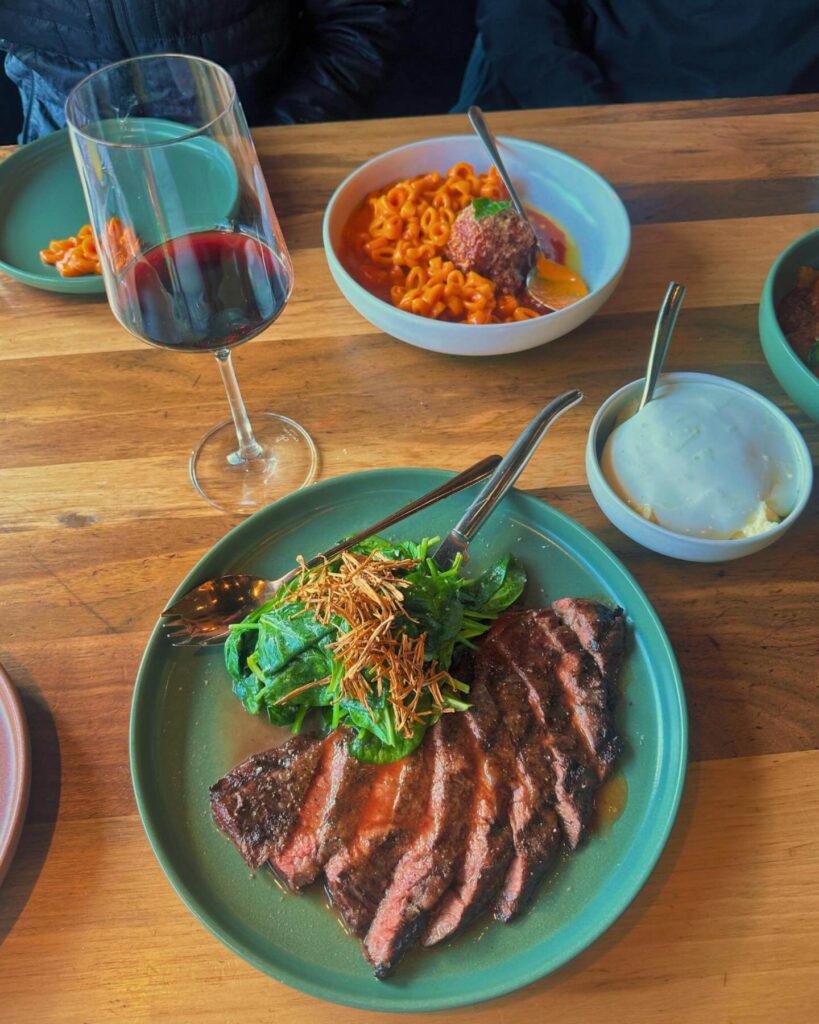
One tip I’d recommend is avoiding the busiest lunch period if possible. Restaurants tend to become much busier between noon and 1:30 p.m., so eating slightly earlier or later can save time and make the experience more relaxed.
If you’re traveling with children or have specific dietary preferences, it’s also worth checking the park’s current food policies before your visit. Depending on the season and regulations in place, bringing your own picnic may be an option and can help reduce costs for families.
Practical Tips Before Visiting Vulcania
A little planning can make your day at Vulcania significantly smoother, especially if it’s your first visit.
Download the Official App
Before arriving, I highly recommend downloading the official Vulcania app.
Having access to attraction information, maps, schedules, and show times on your phone makes navigating the park much easier. Instead of walking across the park only to discover you’ve missed a presentation, you can quickly check what’s happening and plan your day more efficiently.
It’s one of those small things that doesn’t seem important beforehand but becomes incredibly useful once you’re there.
Arrive Early
If there’s one piece of advice I’d give to every visitor, it’s to arrive as close to opening time as possible.
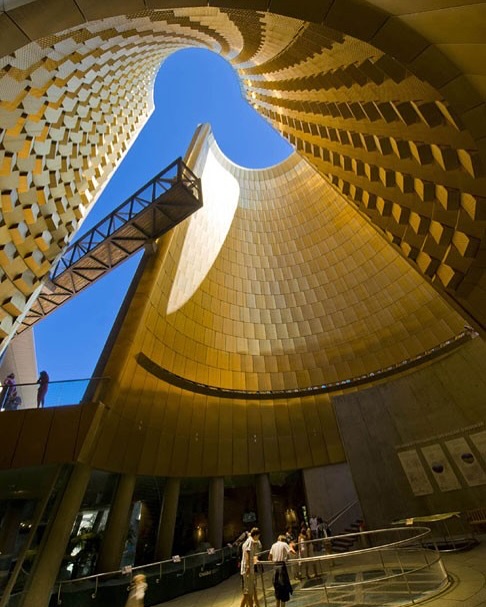
The first hour of the day is usually the quietest, and it’s the perfect opportunity to experience some of the most popular attractions before queues start growing. You’ll also feel less rushed throughout the day because you’ll already have several major experiences checked off your list.
Prioritize Popular Attractions First
Unlike some amusement parks where rides are spread evenly throughout the day, certain attractions at Vulcania tend to attract larger crowds than others.
I would head to attractions such as Namazu, Mission Vulcania, or any seasonal experiences early in the day. Once you’ve experienced the major attractions, you can spend the rest of your visit exploring exhibits and shows at a more relaxed pace.
Wear Comfortable Shoes
This might sound obvious, but it’s worth mentioning.
Between the attractions, exhibits, outdoor pathways, and surrounding landscape, you’ll likely spend several hours on your feet. Comfortable shoes can make a huge difference by the end of the day.
Many visitors underestimate how much walking is involved simply because Vulcania isn’t a traditional amusement park.
Check Show Times Early
Not every experience operates continuously throughout the day. Some presentations, films, and planetarium shows run at scheduled times, which means it’s possible to miss them if you’re not paying attention.
One of the first things I would do after arriving is check the day’s schedule and identify any shows or presentations you don’t want to miss. Planning around those times will help you make the most of your visit and avoid last minute disappointments.
A little preparation goes a long way at Vulcania, and these simple steps can help you spend less time figuring things out and more time enjoying the park.
Sample One Day Vulcania Itinerary
If you’re only visiting Vulcania for one day, having a rough plan can help you experience the park’s highlights without feeling rushed. While I wouldn’t recommend scheduling every minute, starting with the most popular attractions and building the rest of your day around show times usually works well.
Morning
I would aim to arrive at least 15 to 20 minutes before opening time. Not only does this help you avoid the initial crowds at the entrance, but it also gives you a head start on some of the park’s most popular attractions.
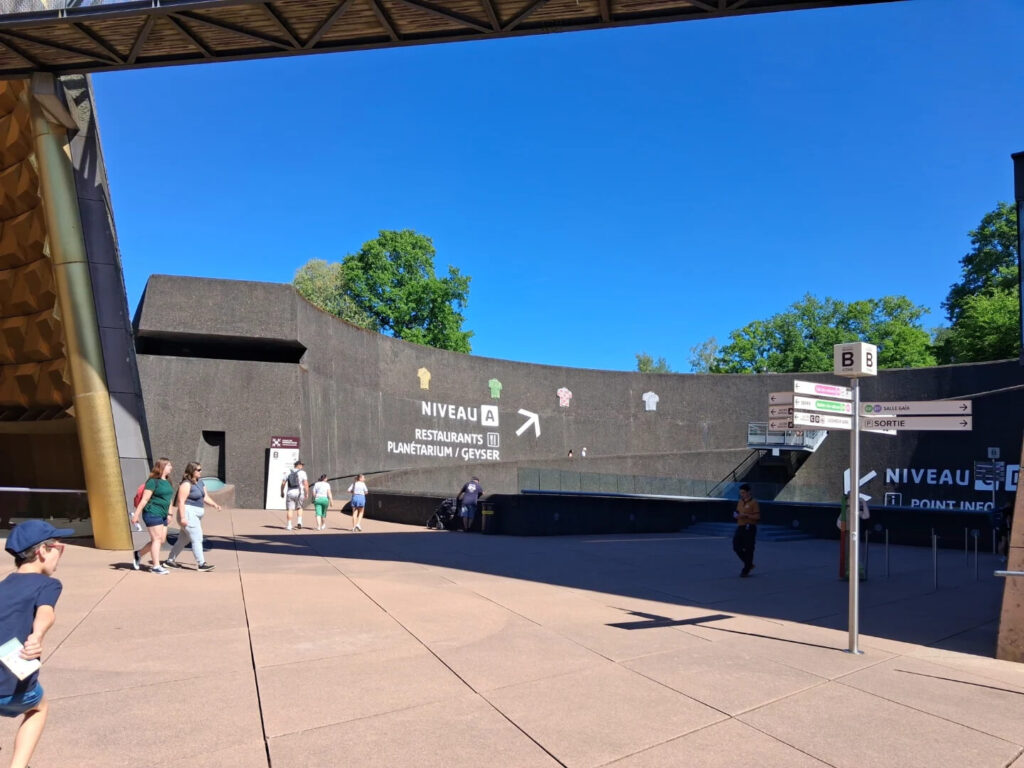
Once inside, I’d head straight to Namazu. As one of Vulcania’s most popular rides, queues tend to grow quickly as the day progresses. Experiencing it early means you’ll spend less time waiting and more time exploring.
After Namazu, make your way to Mission Vulcania. It’s one of the park’s signature experiences and does a great job of introducing the themes you’ll encounter throughout the day. Starting here helps provide context for many of the exhibits and attractions that follow.
The rest of your morning can be spent exploring some of the major exhibits and interactive areas. This is often the quietest time of day, making it easier to take your time and enjoy the displays without feeling crowded.
Lunch
One small tip that can save a surprising amount of time is eating lunch slightly earlier than most visitors.
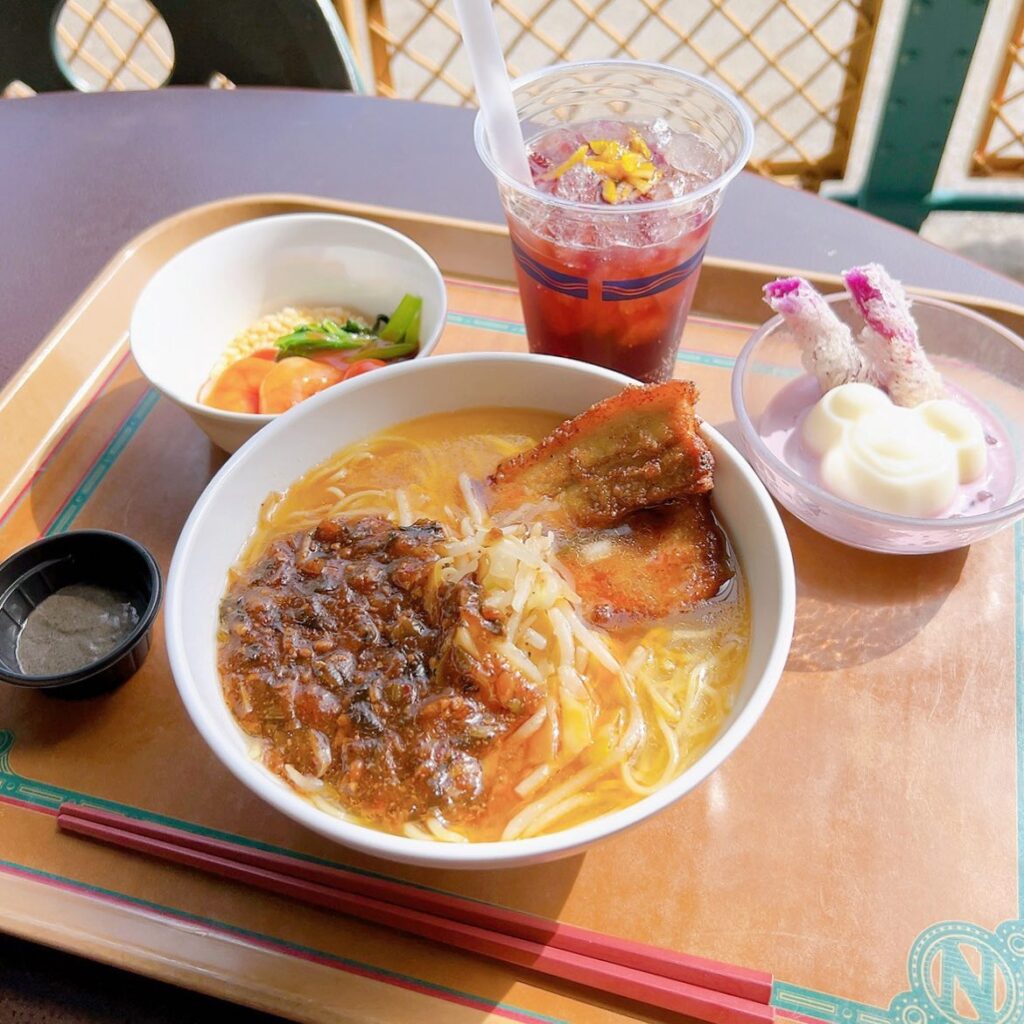
Many people head to the restaurants around noon, which often leads to longer queues and busier dining areas. If possible, try to eat around 11:30 a.m. or wait until after 1:30 p.m. for a more relaxed experience.
Taking a proper break around the middle of the day is worthwhile, especially if you’re visiting with children. Vulcania involves more walking than many visitors expect, and a relaxed lunch can help recharge everyone for the afternoon.
Afternoon
After lunch, I would focus on some of the park’s immersive experiences.
Dragon Ride 2 is a good next stop, especially for families. It offers a fun blend of storytelling, visual effects, and adventure without being overly intense.
From there, head to Abyss Explorer, one of the most unique attractions in the park. The underwater volcanic expedition theme provides a completely different perspective on how volcanic activity shapes our planet.
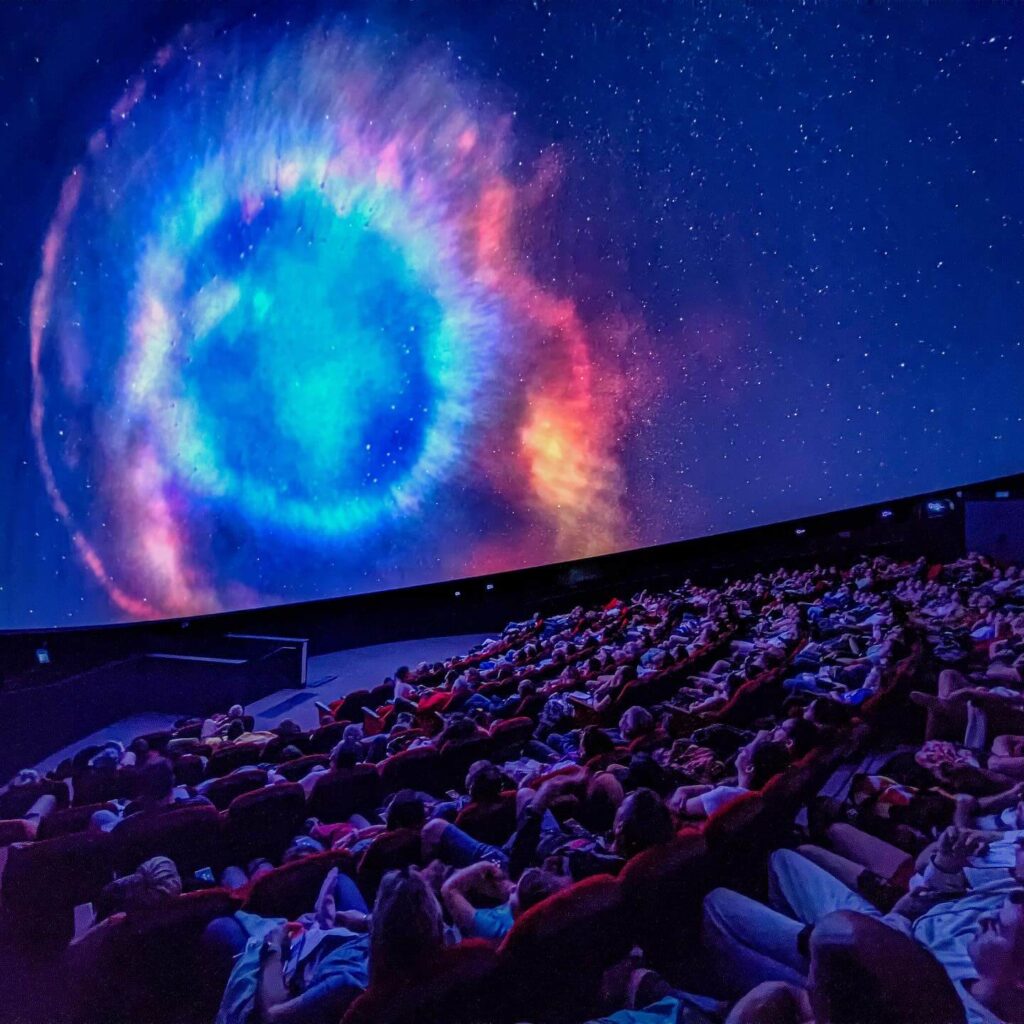
The afternoon is also a great time to visit the Planetarium. Not only is it one of Vulcania’s most impressive experiences, but it also offers a welcome opportunity to sit down and take a break from walking around the park.
If time allows, spend some time exploring the volcano focused exhibits in greater detail. Many visitors rush between attractions and overlook some of the educational displays, but they’re often where you’ll learn the most interesting facts about the region and its volcanic history.
Late Afternoon
As the day begins winding down, check the schedule for any presentations, films, or shows you may have missed earlier.
This can also be a good time to revisit a favorite attraction if queues have decreased. Sometimes experiences that were busy in the morning become much easier to access later in the day.
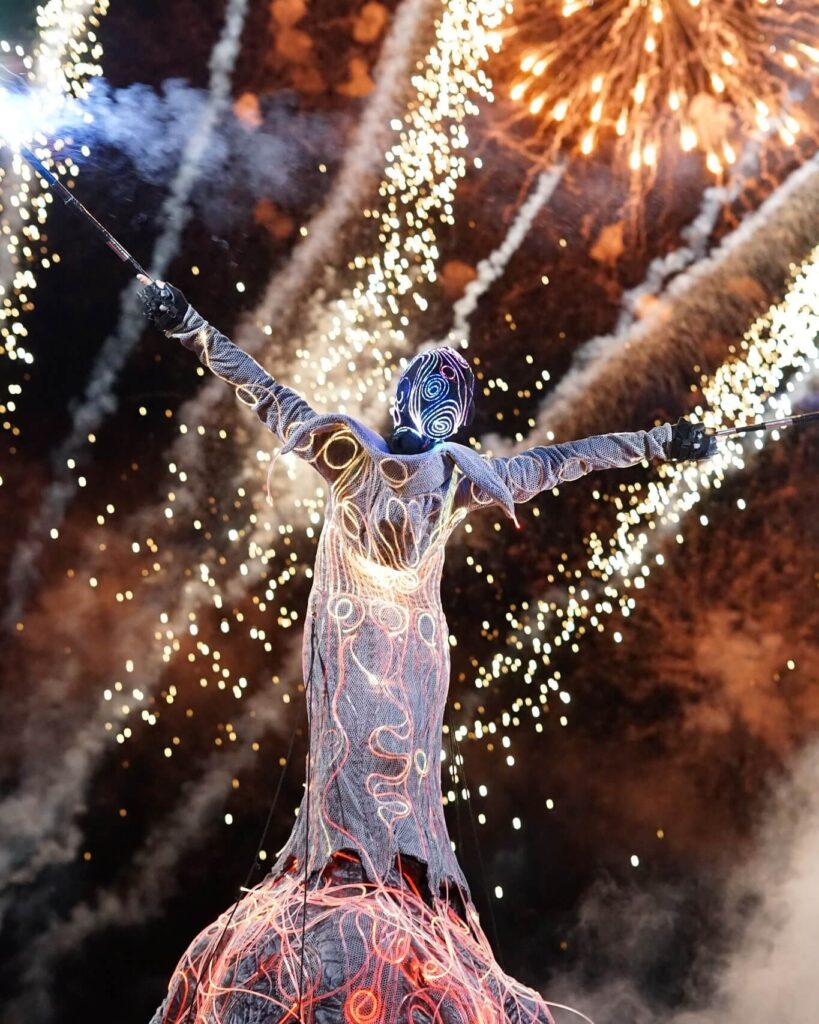
Before leaving, I usually like to spend a few minutes browsing the gift shop. Vulcania’s shop carries a variety of volcano themed souvenirs, educational books, and gifts that are a little different from what you’ll find at a typical theme park.
By following a flexible itinerary like this, most visitors can comfortably experience Vulcania’s major attractions while still leaving room for spontaneous discoveries throughout the day.
Final Thoughts
Vulcania isn’t the kind of theme park you’ll visit for record breaking roller coasters or elaborate fantasy worlds. What makes it special is that it takes a subject that many people rarely think about, the powerful natural forces that shape our planet, and turns it into an experience that’s both entertaining and genuinely fascinating.
What stood out to me most is how approachable everything feels. The park manages to explain topics like volcanoes, earthquakes, climate, and geology in ways that are easy to understand, even if you have no background knowledge. At the same time, there’s enough depth to keep older children and adults engaged throughout the day.
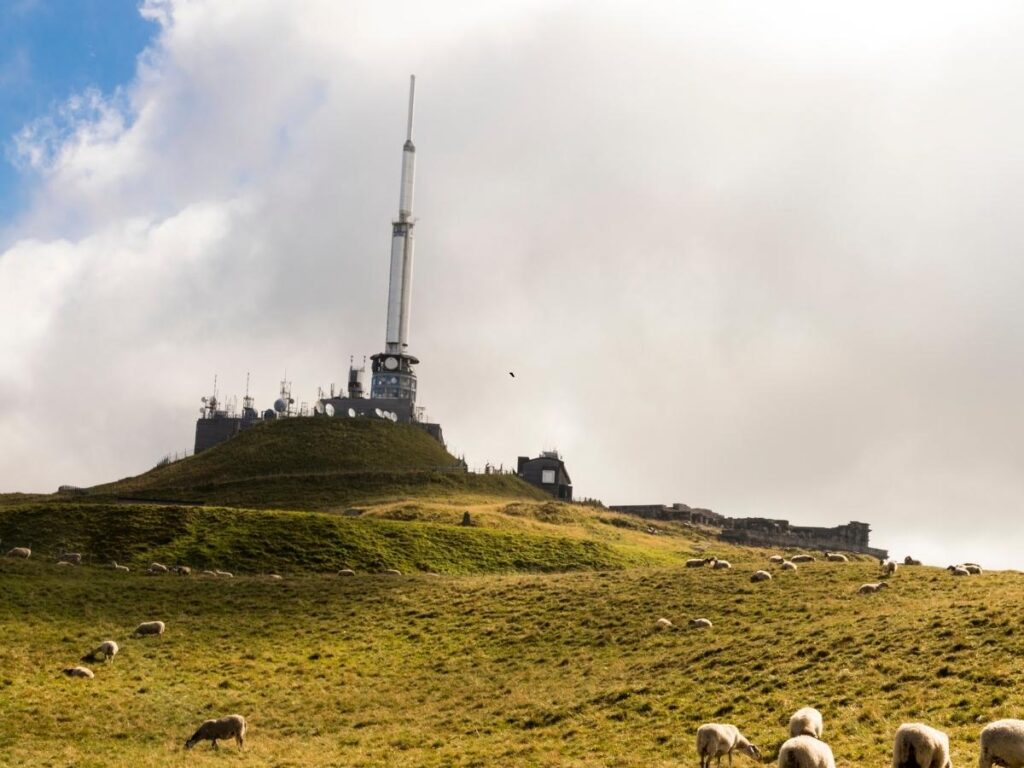
I also think Vulcania benefits enormously from its location. Learning about volcanoes while surrounded by the volcanic landscapes of Auvergne creates a connection that wouldn’t be possible in many other places. It feels less like a standalone attraction and more like an introduction to one of France’s most interesting regions.
If you’re traveling with children, have an interest in science or nature, or simply want a break from traditional amusement parks, Vulcania offers something refreshingly different. It may not be the most famous attraction in France, but it’s one of the most unique.
And if you’re already planning to visit Puy de Dôme, explore Clermont Ferrand, or discover the volcanic landscapes of Auvergne, I think Vulcania is well worth including in your itinerary. It provides the perfect starting point for understanding the remarkable region that surrounds it.