
I wasn’t entirely sure what to expect before visiting Lourdes. I had heard about it for years and knew it was one of the most important pilgrimage sites in the world, but that didn’t really tell me what it would feel like to actually be there. In my head, I imagined something very quiet and deeply spiritual, almost removed from everyday life.
But when I arrived, it wasn’t quite like that.
The first thing I noticed was how active everything felt. There were groups of people moving together, guided tours, volunteers helping pilgrims, and a steady flow of visitors heading toward the sanctuary. It felt organized, almost like the town moves around a shared rhythm.
At the same time, just a few steps away, I would come across quieter corners where everything slowed down. People sitting silently, lighting candles, or just pausing for a moment.
That contrast stayed with me throughout my visit.
What stood out wasn’t just the religious importance of Lourdes, but how layered the experience felt. You can be surrounded by crowds one moment and find yourself in a completely still space the next.
It doesn’t feel like a place you simply see in a checklist way. It’s more about how you move through it, how much time you give yourself, and what you choose to focus on.
If you’re planning a trip, I think it helps to know this in advance. Lourdes isn’t just about visiting a few key spots and moving on. It’s a place where your experience can shift depending on the time of day, the pace you keep, and even your mindset while you’re there.
In this guide, I’ll walk you through the best things to do in Lourdes, but also share what felt worth your time, what caught me off guard, and a few small things that made the visit easier. Whether you’re going for personal reasons or simply curious about the place, having a bit of context makes a big difference here.
Best Things to Do in Lourdes at a Glance
If you don’t have much time in Lourdes, I’d focus on a few key experiences rather than trying to see everything. The town isn’t huge, but the way you move through it makes a big difference, and trying to rush it can take away from what makes it feel unique.
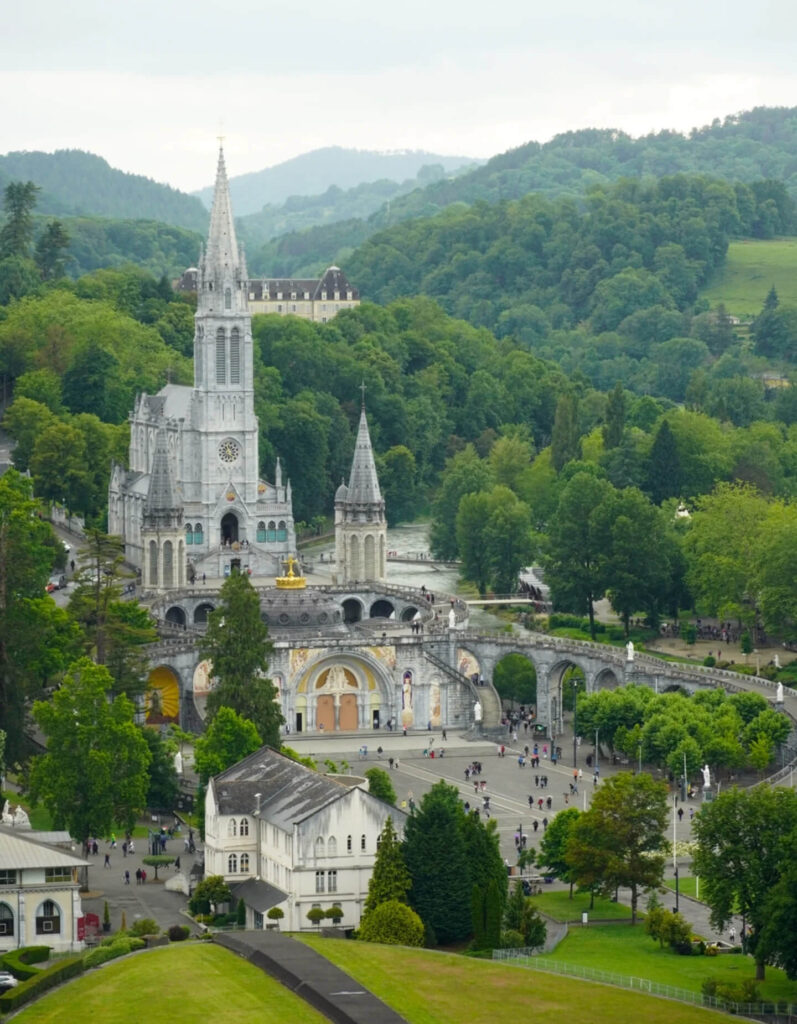
Most people naturally start at the Sanctuary of Our Lady of Lourdes, and that’s where I’d begin too. It’s the center of everything here, and once you’re inside, you’ll realize it’s not just one place but a whole area with different basilicas, open spaces, and pathways.
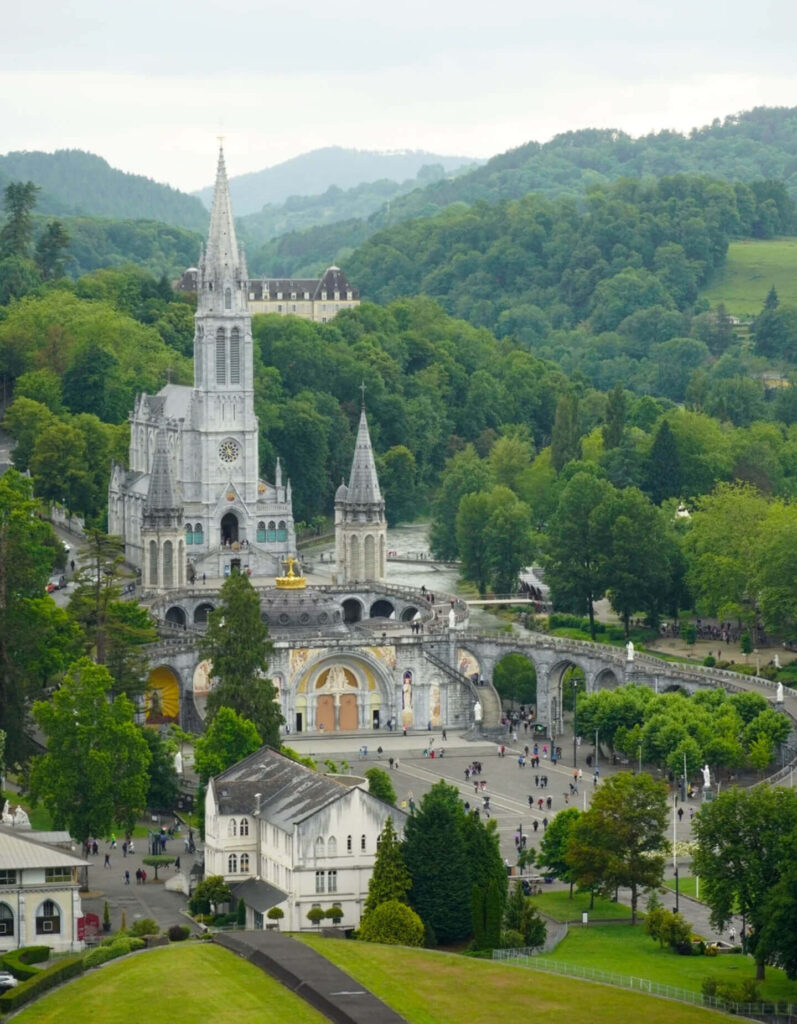
It can feel a bit overwhelming at first, so I found it easier to just walk slowly and not worry about covering it all.
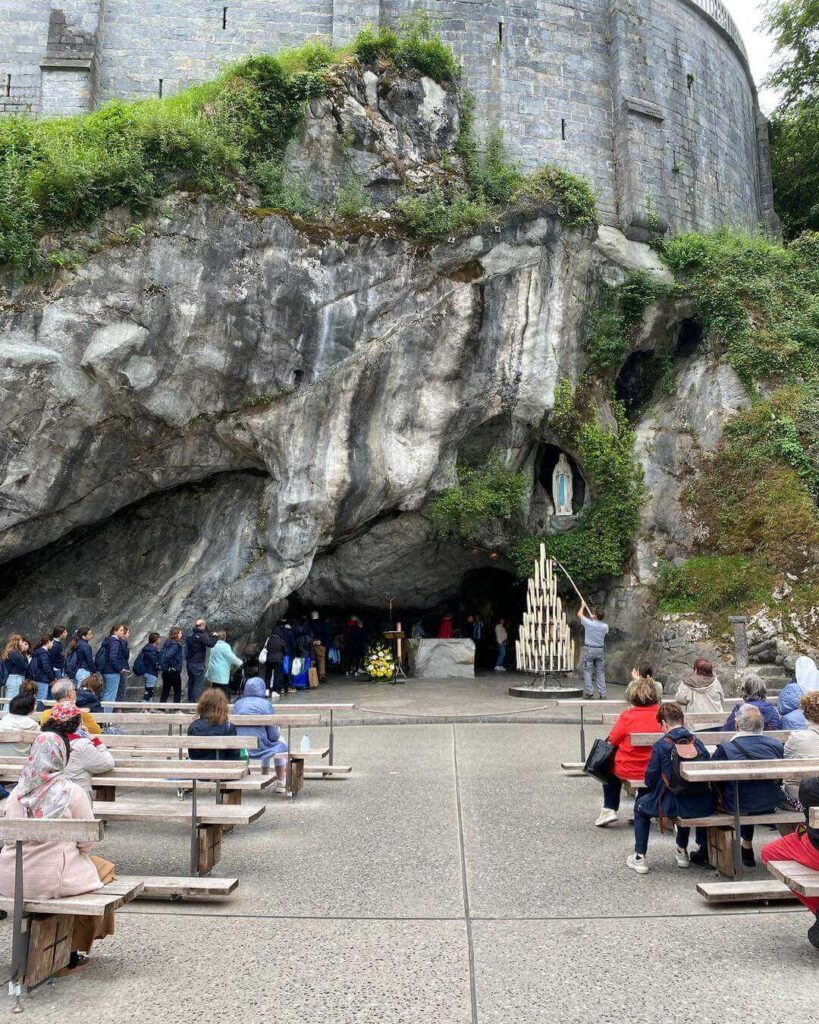
From there, you’ll eventually make your way to the Grotto of Massabielle. This is where the atmosphere shifts. It’s quieter in a different way, even when there are people around. I didn’t spend a long time there, but it’s one of those places that stays with you more than you expect
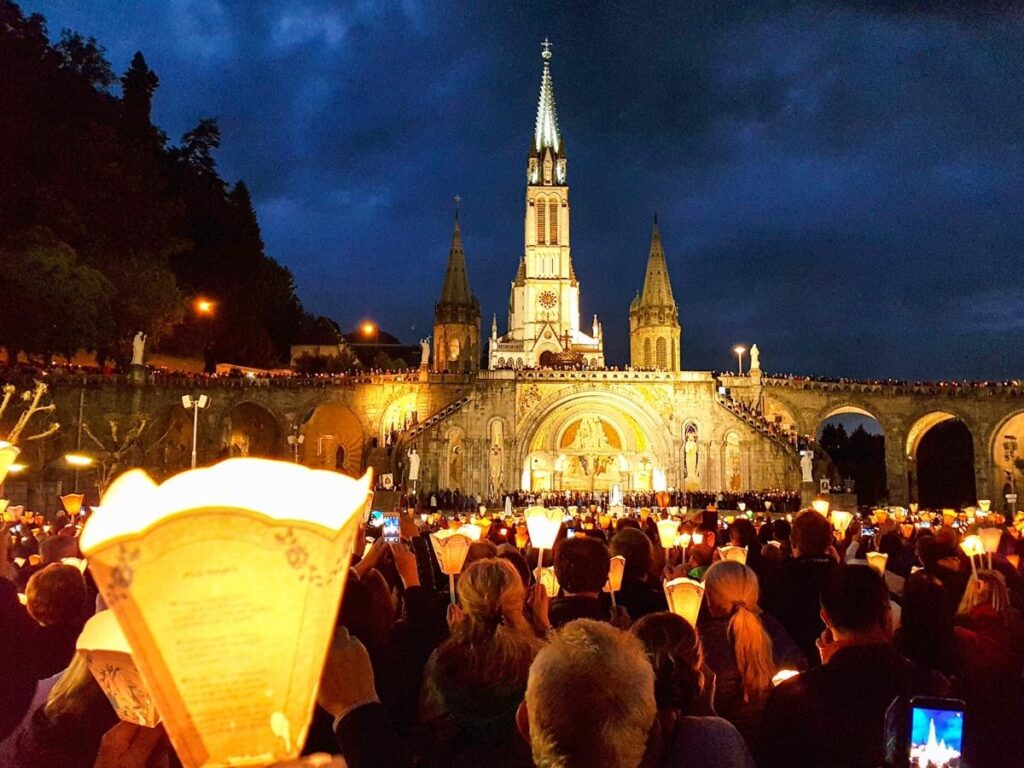
If you’re staying into the evening, I’d really recommend being around for the candlelight procession. I wasn’t sure what it would feel like beforehand, but it ended up being one of the more memorable parts of the visit. You don’t have to actively participate to appreciate it, just being there and watching it unfold is enough.
To balance things out a bit, I liked stepping away from the sanctuary for a while. Walking up to Château Fort gave me a completely different perspective of Lourdes. It’s quieter up there, and seeing the town from above helps you understand how everything is laid out.
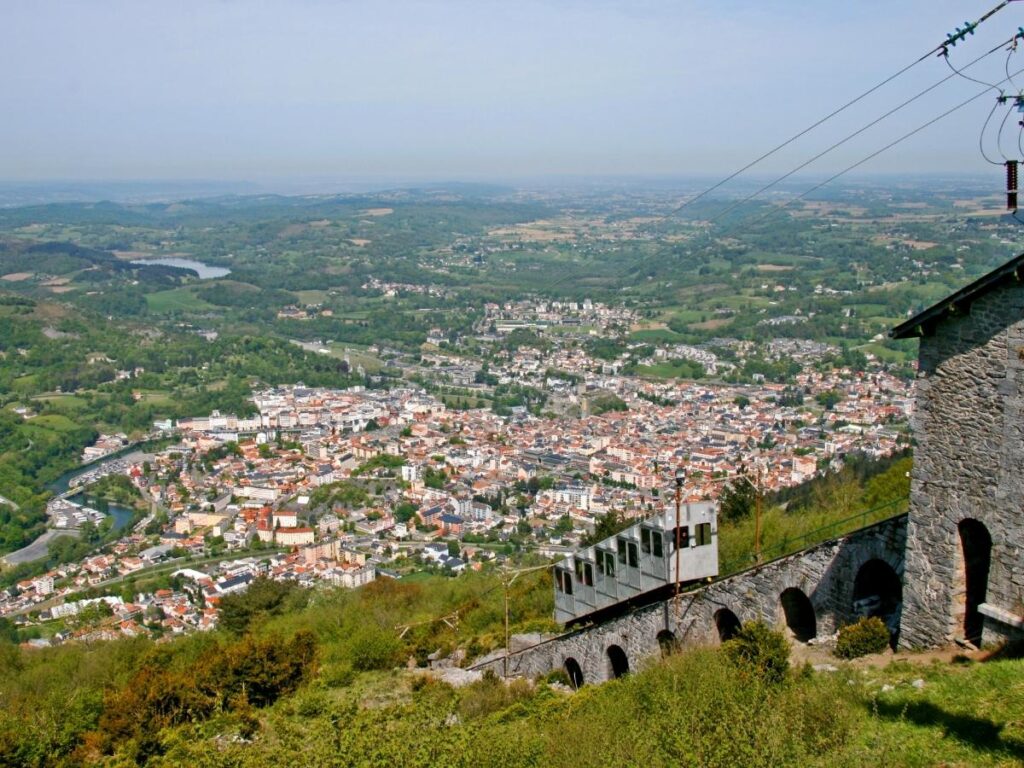
If you have a little more time or want a break from the main areas, taking the funicular up to Pic du Jer is worth it. It’s not something everyone does, which makes it feel less crowded, and the views are a nice change after spending time in more structured spaces.
And when things start to feel a bit busy, walking along the Gave de Pau river was probably the easiest way for me to slow things down. It’s simple, nothing particularly dramatic, but it gave me a bit of breathing room away from the main flow of visitors.
If you plan your time around these few experiences, you’ll get a well rounded feel of Lourdes without needing to rush through it.
Best Things to Do in Lourdes
1. Visit the Sanctuary of Our Lady of Lourdes
This is where almost everything in Lourdes leads back to, so you’ll probably end up here more than once without even planning it.
What surprised me first was the scale. I had imagined a single church or a compact religious site, but it’s much larger than that. There are open spaces, multiple basilicas, long walkways, and people moving through it at very different paces. Some are clearly here with a purpose, others are just taking it in quietly.
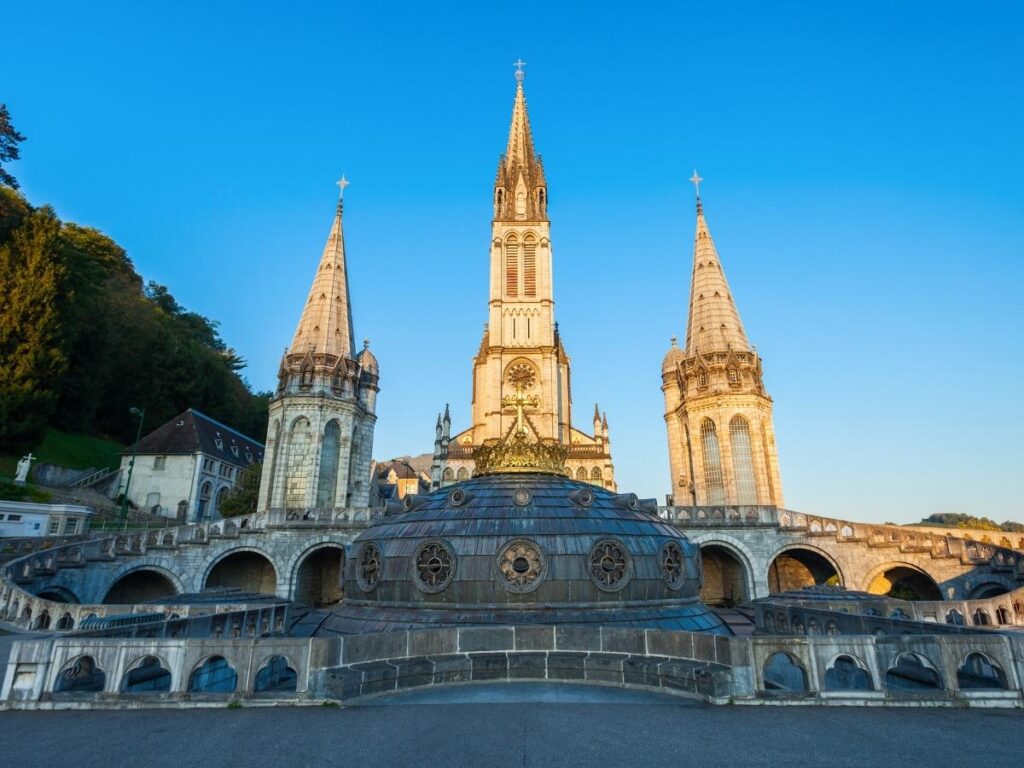
The first time I walked through, I made the mistake of trying to figure it out too quickly, like I needed to see everything in one go. It felt overwhelming. But once I slowed down and stopped thinking of it as a checklist, it became much easier to experience.
If you can, go early in the morning or later in the evening. Midday felt the busiest to me, especially with group visits, while mornings and evenings had a calmer, more open feel.
2. See the Grotto of Massabielle
The grotto is the part of Lourdes that most people come for, and you can feel that as soon as you get close.
There’s a steady flow of people moving toward it, but once you’re actually there, the atmosphere shifts. Even with a crowd, it feels quieter in a different way. People aren’t rushing, and there’s a kind of shared stillness that’s hard to explain until you’re standing there.
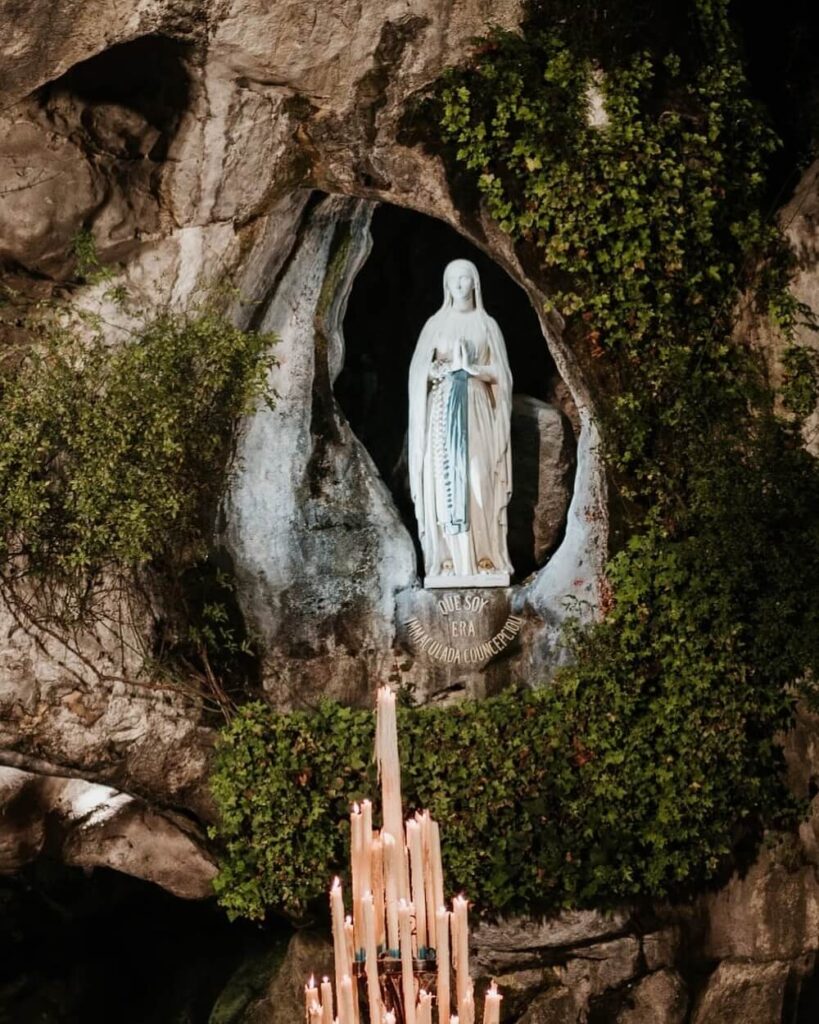
I didn’t stay very long, but it didn’t feel like a place where you needed to. Even a few minutes felt enough to understand why it matters to so many people.
It does get crowded, but the line moves continuously, so you don’t need to worry too much about timing it perfectly. You’ll get your moment.
3. Attend the Candlelight Procession
This ended up being one of the moments that stayed with me the most.
It usually takes place in the evening, and you’ll notice people gradually gathering as it gets darker. There’s no sudden start, it feels like something that builds slowly. Candles are lit, people begin to move together, and the whole space takes on a different tone.
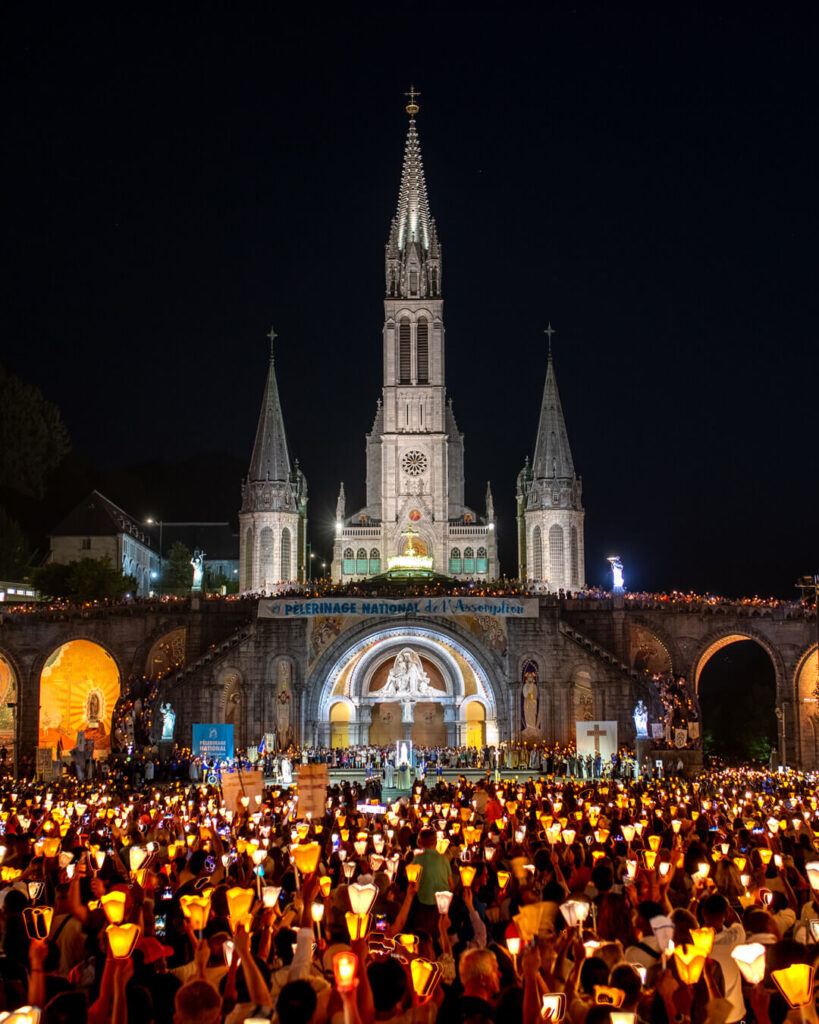
I wasn’t sure if it would feel overly formal or structured, but it didn’t. It felt simple and collective. You can walk along with everyone or just stand to the side and watch, and either way, it still feels meaningful.
If you’re deciding whether to stay late for it, I’d say it’s worth it. It changes how the sanctuary feels compared to the daytime.
4. Visit the Basilicas
Within the sanctuary, there are a few different basilicas, and each one has its own feel.
The Basilica of the Immaculate Conception is the one you’ll notice first, sitting higher up and looking more dramatic from a distance. The Basilica of the Rosary is easier to reach and feels more grounded, both physically and in how people move through it.
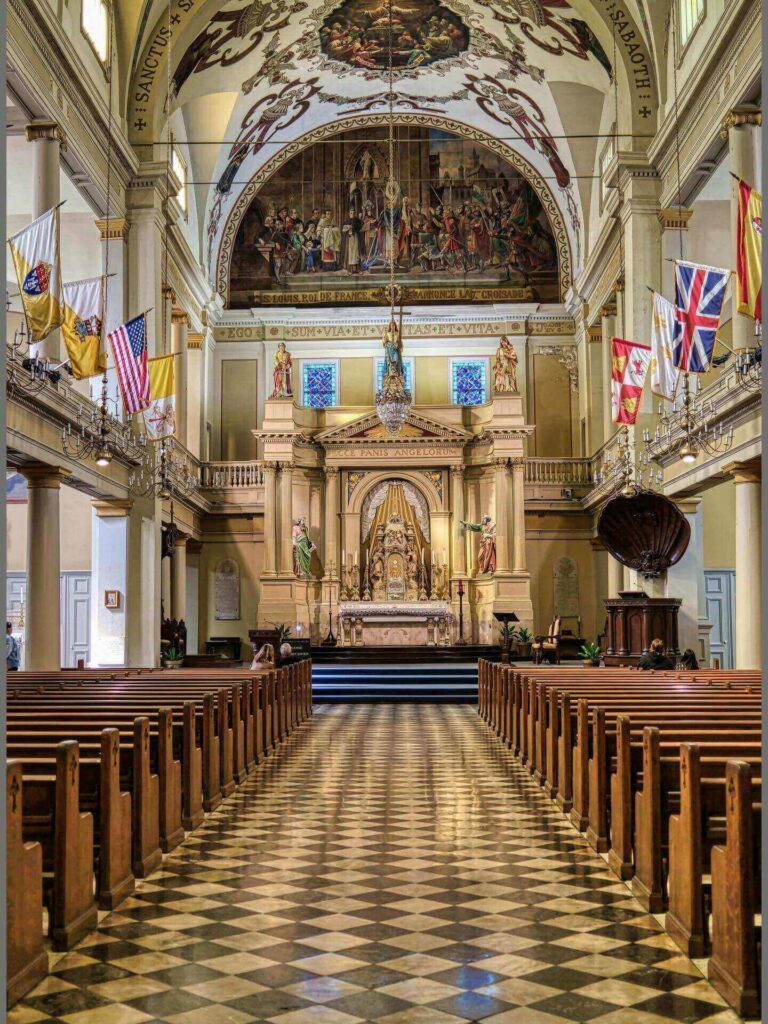
Then there’s the Underground Basilica, which is much larger than I expected and feels completely different from the others.
At first, I thought I should try to see all of them, but that didn’t really add much to the experience. Spending a bit more time in one or two felt more worthwhile than quickly walking through all three.
5. Walk Through the Sanctuary at Different Times
This is something I didn’t plan, but it ended up making a big difference.
The sanctuary doesn’t feel the same throughout the day. In the morning, everything felt more organized and active, with groups arriving and moving through together. By the evening, especially after sunset, it became noticeably quieter and slower.
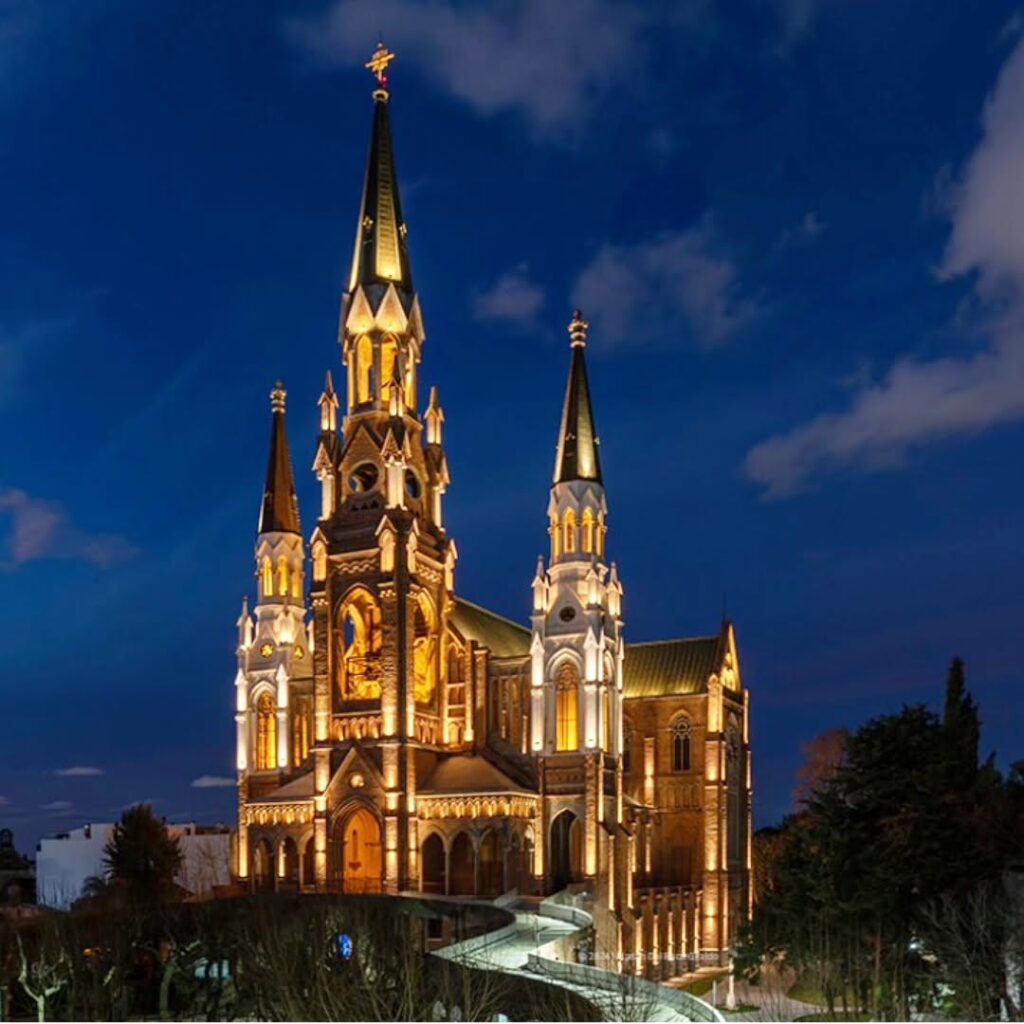
Walking through the same spaces at different times gave me a completely different perspective. It felt less like revisiting the same place and more like seeing a different side of it.
If you can, try to come back at least once after your first visit. It adds a lot to the overall experience.
6. Explore the Château Fort de Lourdes
After spending time in the sanctuary, I felt like I needed a bit of distance from it, and this was a good way to get that.
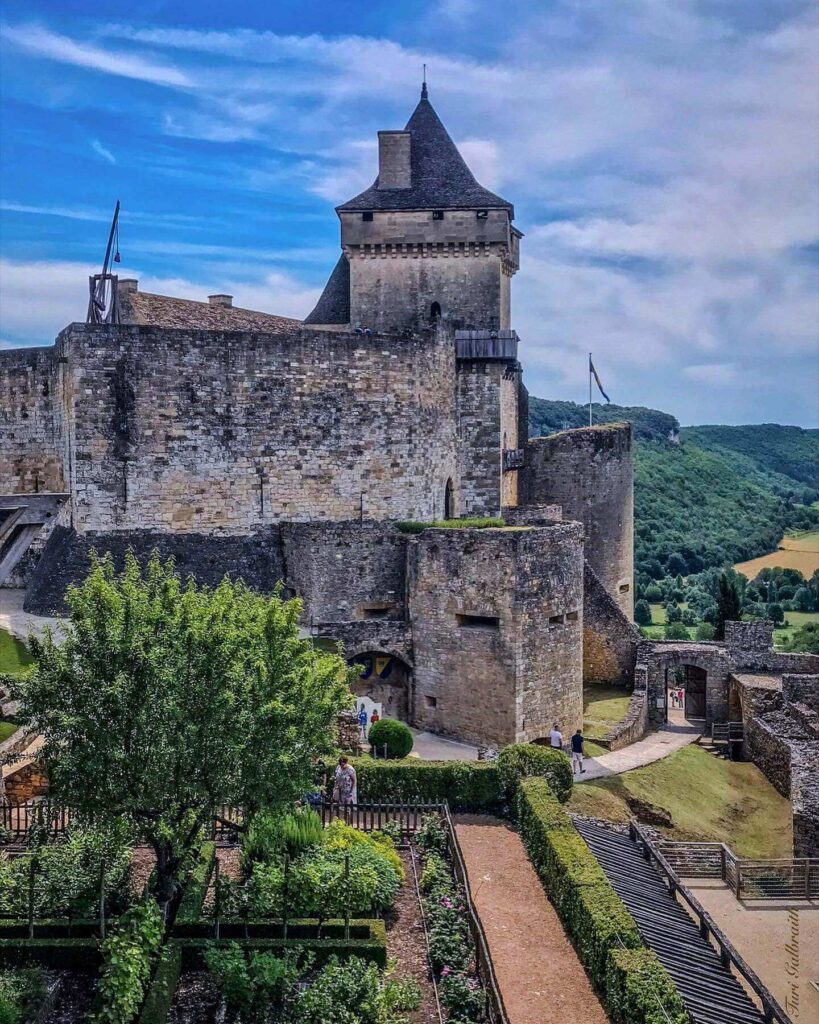
The château sits above the town, so just getting up there changes your perspective. You can see how Lourdes is laid out, with the sanctuary clearly at its center. It makes everything you’ve already seen feel more connected.
Inside, there’s a museum that gives some background on the region, but for me, the highlight was simply being up there and looking out over the town. It felt quieter and less intense compared to the main areas below.
7. Take the Funicular to Pic du Jer
If you want a break from the structure of the sanctuary, this is one of the easiest ways to step away from it.
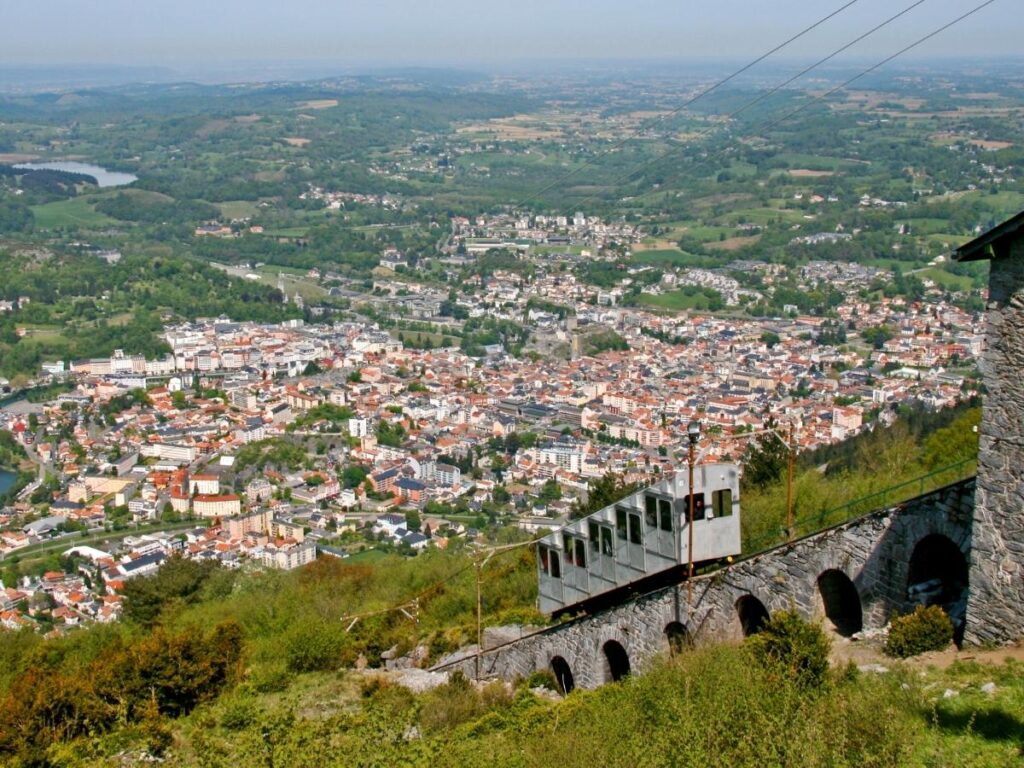
The funicular ride itself is short, but once you reach the top, everything opens up. You get wide views of Lourdes and the surrounding Pyrenees, and it feels much more spacious and calm.
It’s also noticeably less crowded than the main sites, which made it feel like a good reset point during the day. I wouldn’t say it’s essential if you’re very short on time, but if you have a few extra hours, it’s a nice addition.
8. Walk Along the Gave de Pau River
This was probably the simplest part of my visit, but also one of the most relaxing.
The river runs alongside parts of Lourdes, and walking here felt very different from being near the sanctuary. There were fewer people, less noise, and no sense of needing to see or do anything.
I ended up coming here when I needed a break, and it worked well for that. If the main areas start to feel a bit busy, this is an easy way to slow things down.
9. Visit Local Shops and Streets
Around the sanctuary, there are a lot of shops, and most of them focus on religious items and souvenirs. At first, it can feel a bit repetitive, especially along the main streets.
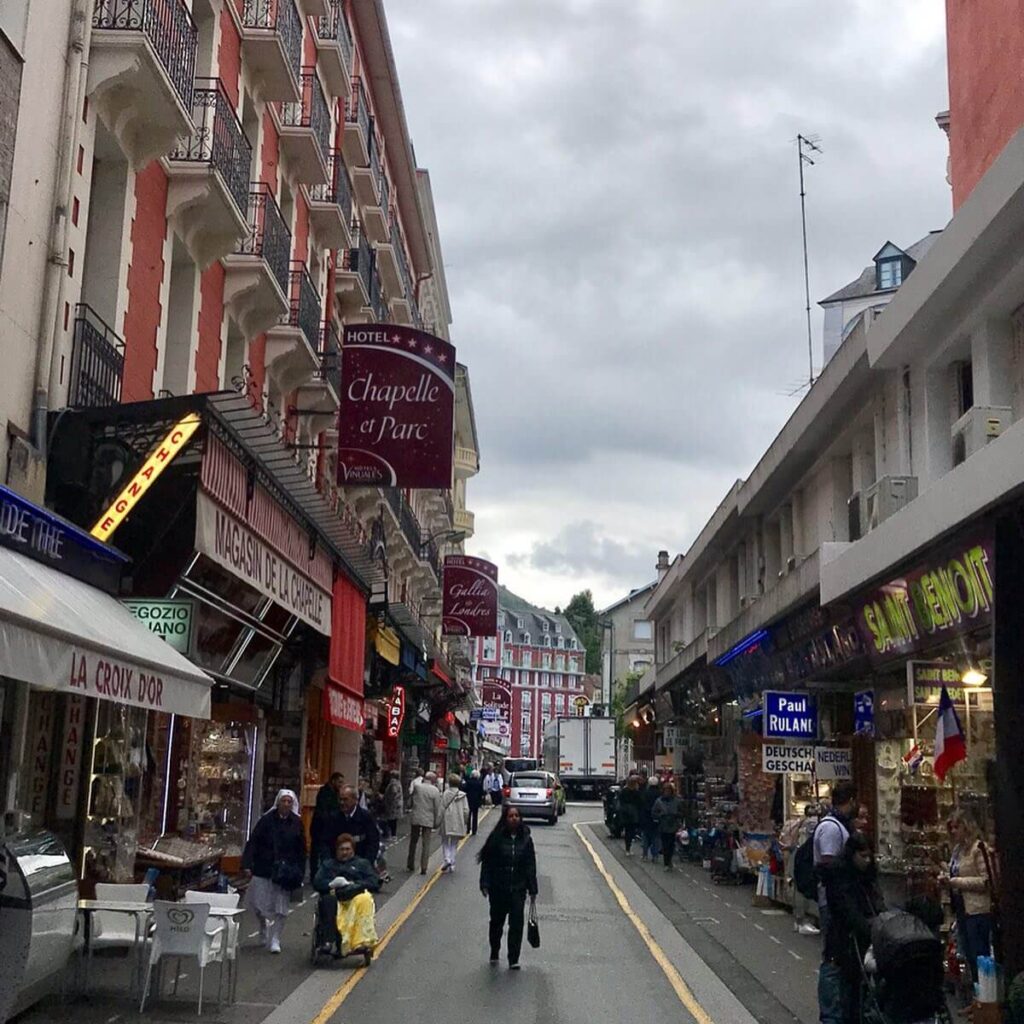
But once I walked a little further away, the town started to feel more balanced. There were quieter streets, smaller cafés, and fewer crowds.
It’s worth taking a bit of time to wander without a specific plan, just to see what Lourdes feels like beyond the main stretch.
10. Try Local Food Near the Sanctuary
Food in Lourdes felt more practical than memorable, but that’s not necessarily a bad thing.
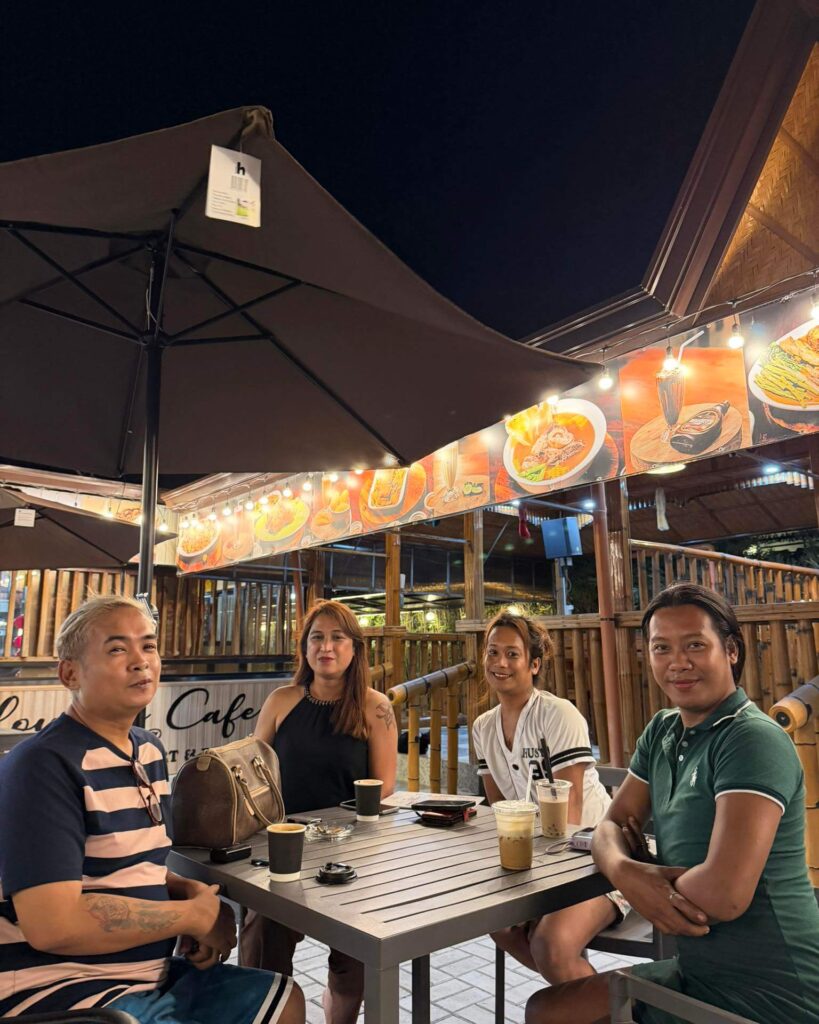
Most places near the sanctuary are set up for convenience, which makes sense given how many visitors pass through. You’ll find simple meals, cafés, and restaurants that are easy to stop at between activities.
I didn’t come across anything that felt like a highlight on its own, but it was always easy to find something decent without going out of your way. Staying nearby also makes it easier if you’re planning to return for the evening procession.
1 Day Lourdes Itinerary
If you only have one day in Lourdes, I’d suggest keeping things fairly simple and not trying to squeeze in too much. The town itself isn’t very large, but the experience can feel heavier than expected, especially around the sanctuary. Giving yourself a bit of space between places makes the day feel more manageable.
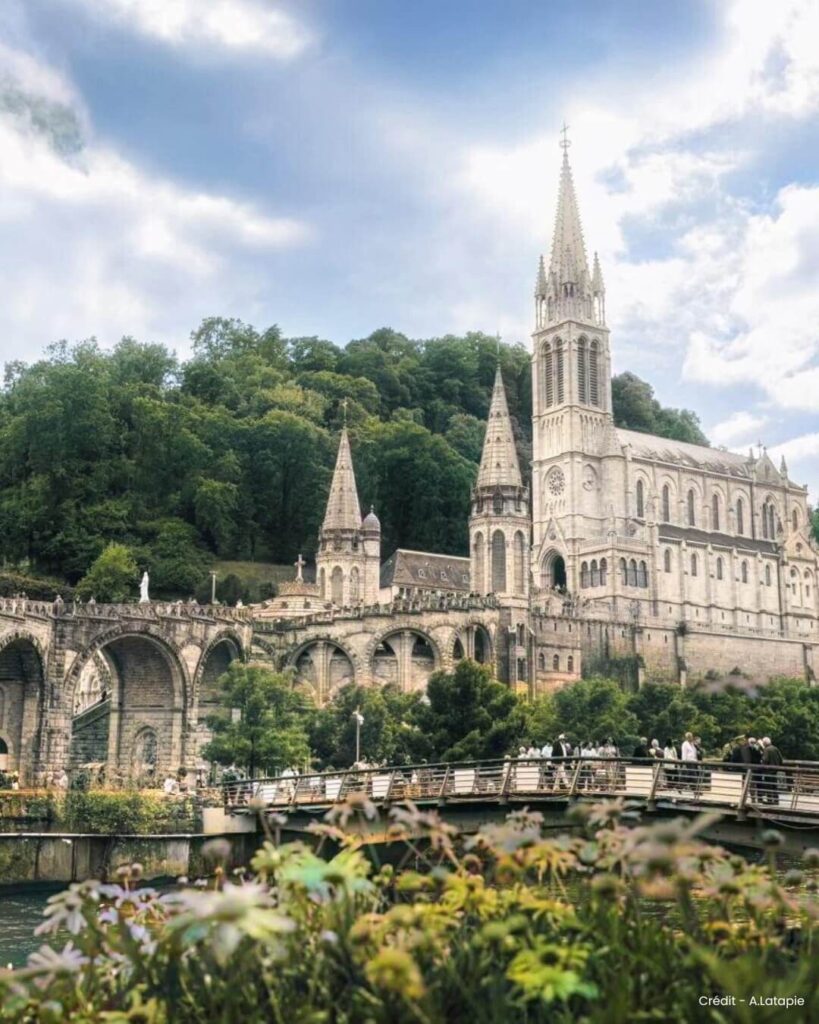
I’d start the morning at the Sanctuary of Our Lady of Lourdes. Getting there earlier in the day makes a difference. It’s not empty, but it feels more open, and you’re not immediately caught in the busiest part of the crowd. This is a good time to walk through slowly, get familiar with the layout, and just take it in without feeling rushed.

From there, make your way toward the Grotto of Massabielle. It’s close by, so it fits naturally into your morning without needing to plan much. I wouldn’t overthink how long to stay here. Even a short visit gives you a sense of the place. If it feels crowded, just wait a few minutes, the flow of people keeps moving, and it settles.
By the time you’re done with the sanctuary area, it usually helps to step away for a bit. The afternoon is a good time to change pace. You could head up to the Château Fort de Lourdes if you want something easy and closer to town. It gives you a nice view and a bit of distance from the main areas without taking too much time.

If you feel like doing something slightly more relaxed and scenic, then going up to Pic du Jer works well instead. It takes a little more time, but it also gives you a proper break from the crowds. I found this part of the day useful for resetting a bit before heading back.
By the evening, I’d return to the sanctuary again. This second visit feels completely different from the morning. The light changes, the pace slows down, and it becomes quieter in a way that’s hard to explain unless you experience it yourself.

If you can, stay for the candlelight procession. You don’t need to plan much around it, just be there as it starts to come together. It’s one of those moments that naturally wraps up the day and gives you a very different impression of Lourdes compared to when you first arrived.
Overall, this kind of flow worked well for me because it didn’t feel rushed. You get to see the main places, but you also give yourself enough time to step back and take it in, which, in Lourdes, matters more than trying to see everything.
Best Time to Visit Lourdes
What I didn’t expect before visiting Lourdes is that the overall experience depends much more on the number of people than on the weather itself. The town doesn’t change dramatically across seasons in terms of what you can do, but it feels very different depending on how busy it is.

Spring, especially from April to June, felt like one of the easiest times to be there. The weather is comfortable enough to walk around for hours without feeling drained, and the crowds are there but manageable. You don’t have to plan your day too tightly, and moving through the sanctuary feels more natural instead of rushed.
Summer is when Lourdes is at its busiest. There’s more energy, more group visits, and everything feels more active. But that also means longer wait times, more crowded walkways, and less space to pause.

I noticed that the sanctuary, in particular, can feel quite packed in the middle of the day. If you do visit during this time, it helps to plan around early mornings and late evenings.
Autumn, around September and October, felt like a nice balance. The weather is still pleasant, but the crowds start to ease off a bit. It’s easier to find quieter moments, especially outside peak hours, and the overall pace feels more relaxed.

Winter is the quietest time, which can be a good thing if you prefer fewer people. At the same time, it also feels more subdued. Some parts of the town feel less active, and the overall atmosphere is different compared to the busier months.
If I had to choose again, I’d probably aim for late spring or early autumn. It gives you a good mix of comfortable weather and a more manageable crowd, which makes a bigger difference here than anything else.
Where to Stay in Lourdes
Where you stay in Lourdes can shape your experience more than you might expect, mainly because so much of your time revolves around the sanctuary.

Staying close to the Sanctuary of Our Lady of Lourdes makes things a lot easier, especially if you’re planning to visit more than once during the day. I found this particularly helpful in the evening. After the candlelight procession, it was nice not having to think about transport or a long walk back. You can just head back to your hotel without much effort.
The area around the sanctuary is more active, though. There are more people, more shops, and a constant sense of movement. Depending on what you prefer, that can either feel convenient or slightly overwhelming.
If you stay a little further away, the atmosphere changes quite a bit. It’s quieter, less crowded, and feels more like a regular town. You might need to walk a bit more or plan your timing better, but it can be a good option if you want some distance from the busiest areas.
For a short visit, I personally found it easier to stay near the sanctuary. It kept everything simple and allowed me to move back and forth without overthinking logistics.
How to Get to Lourdes
Getting to Lourdes is fairly straightforward, but the best option really depends on how you’re traveling around France overall.
If you’re coming from a major city like Paris or Toulouse, the train is probably the easiest and most reliable way. Lourdes has its own train station, and it’s well connected, especially for a place that isn’t very large.
The journey from Paris is longer, usually around 5 to 6 hours, but it’s direct in many cases, which makes things simpler. From Toulouse, it’s much shorter and feels like an easy transfer rather than a full travel day.
I found the train option convenient because once you arrive, you’re already close to the main part of town. The station isn’t far from the sanctuary area, so you don’t need to figure out complicated transfers after getting in.
If you’re already exploring the south of France or planning to visit smaller towns nearby, driving can make more sense. It gives you flexibility, especially if Lourdes is just one stop on a larger route. Parking in Lourdes is manageable, but closer to the sanctuary, it can get a bit busy depending on the time of day.

There’s also the option of flying into Tarbes Lourdes Pyrénées Airport, which is the closest airport. It’s not a major international hub, but it does connect to a few European cities. From there, you’re about 20 minutes away from Lourdes by car or taxi, so it’s a quick transfer once you land.
Overall, if Lourdes is your main destination, I’d lean toward the train. If it’s part of a broader trip through the region, then having a car gives you more flexibility.
How to Get Around Lourdes
Once you’re in Lourdes, getting around is much simpler than getting there.
Most of the places you’ll want to visit are within walking distance of each other. The sanctuary, the grotto, the basilicas, and even many hotels and restaurants are all clustered in the same general area. I rarely felt the need to think about transport during the day because everything connected naturally on foot.

Walking also feels like the right pace for Lourdes. The experience is less about rushing between landmarks and more about moving slowly, stopping when you want to, and taking things in as you go. Having everything close together makes that easier.
The only time you might need transport is if you’re heading slightly outside the main area, like going up to Pic du Jer. Even then, it’s not complicated, you just plan that part of your day separately.
Other than that, Lourdes is one of those places where you can comfortably rely on walking for almost everything, which actually makes the visit feel more relaxed overall.
Practical Tips for Visiting Lourdes
A few small things made my visit to Lourdes feel much smoother, and they’re easy to miss until you’re actually there.
One of the first things I noticed was how people dressed inside the sanctuary. It’s not strict, but modest clothing helps you feel more comfortable, especially inside the basilicas and near the Grotto of Massabielle.
Timing also makes a big difference. Midday felt the busiest, while mornings were calmer and easier to move through. Evenings had a completely different feel, quieter and more reflective, so it’s worth experiencing both if you can.
The atmosphere shifts a lot depending on where you are. Some areas feel busy and structured, while others are unexpectedly quiet. Knowing this helped me not feel overwhelmed when it got crowded.
Photography is generally fine, but near the grotto, it’s better to be a bit more mindful. It’s a personal space for many people, so I found it best to take a moment before pulling out my camera.
As for timing, one full day felt enough to see the main places without rushing. If you stay longer, it’s less about doing more and more about slowing down.
Is Lourdes Worth Visiting?
This is one of those places where the answer really depends on what you’re expecting before you arrive.
If you’re drawn to places with spiritual or cultural significance, then Lourdes does feel worth visiting. Even if you’re not personally connected to that side of it, there’s something about the atmosphere that makes it different from most other towns. It’s not just about what you see, but how people interact with the space.

At the same time, it doesn’t feel like a typical travel destination in France. You’re not coming here for architecture alone, or food, or a lively town center. Most of the experience revolves around the sanctuary and what it represents.
I think it works best if you arrive with a bit of openness and curiosity, rather than expecting it to feel like other places you’ve visited. If you do that, it tends to make more sense.
Conclusion
Lourdes stayed with me in a way I didn’t expect.
It’s not a place you explore in the usual sense, where you move from one attraction to another and feel like you’ve covered it. Instead, it felt more like a place you move through slowly, without trying to define every moment.

There were times when it felt busy and almost overwhelming, especially around the main areas. But then there were also quieter moments that felt unexpectedly personal, even without trying to seek them out. That contrast is what I remember most.
If you’re planning a visit, I’d say don’t rush it. Give yourself time to step away, come back, and experience it at different points in the day. Lourdes made more sense to me when I stopped trying to see everything and just allowed the place to unfold a little on its own.