
I first arrived in Sorrento by ferry, salt in my hair and a lemon gelato melting faster than I could eat it. The cliffs glowed gold, Vesuvius sat hazy in the distance, and I knew this would be one of those places where every lane smells like citrus and the sea is always somewhere in view.
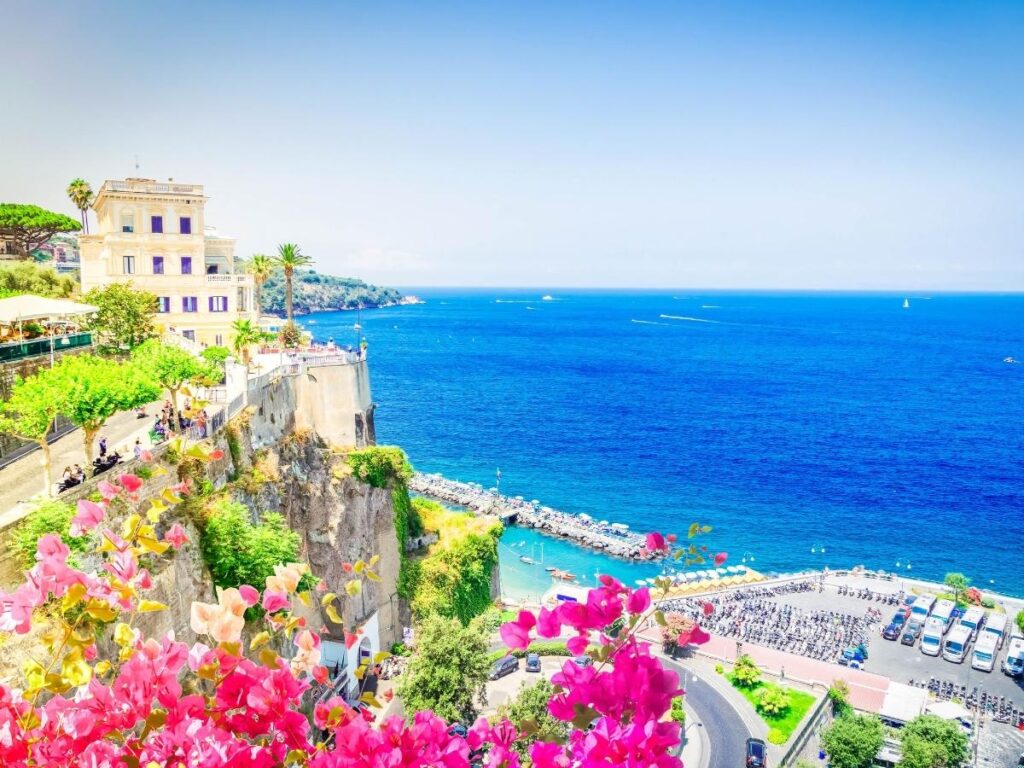
The air here feels different. Sweet, a little salty, and full of that lazy Italian rhythm where nothing seems urgent except maybe deciding between limoncello or espresso. Sorrento is both glamorous and grounded: a place where cruise passengers and old fishermen share the same sunset, where you can have a fine dining meal one night.
If you’re planning a trip, this guide has everything I’ve learned from wandering its cobbled lanes, catching ferries at the wrong port, eating too much seafood (no regrets), and figuring out how to make the most of one, two, or three perfect days.
My Top 5 Picks
If you only have a day or two in Sorrento and you’re wondering where to start, these are the experiences I’d never skip the ones that really capture the spirit of this seaside town. They aren’t just “attractions”; they’re the moments when Sorrento comes alive.
Piazza Tasso
Every trip to Sorrento begins and ends at Piazza Tasso, the heartbeat of the city. It’s loud and chaotic in the most wonderful way: scooters weaving through traffic, waiters balancing trays of cappuccinos, church bells echoing off lemon-colored buildings. Grab a seat at Fauno Bar, order an espresso or a spritz, and just watch.
It’s one of those rare places where doing nothing feels like an activity. I love stopping here early in the morning, when locals hurry to work and the light hits the square in soft gold. By evening, it transforms into a stage music playing, laughter spilling from cafés, everyone dressed for a little passeggiata (that’s the Italian ritual of just strolling to see and be seen).
Boat Trip to Capri
If you do only one excursion from Sorrento, make it a day on the water. The ferry to Capri leaves from Marina Piccola, and the ride itself is worth the ticket cliffs rising behind you, the sea sparkling like glass. Once on Capri, head to the Blue Grotto early to beat the crowds, then wander up to Anacapri for lemon gardens and panoramic views.
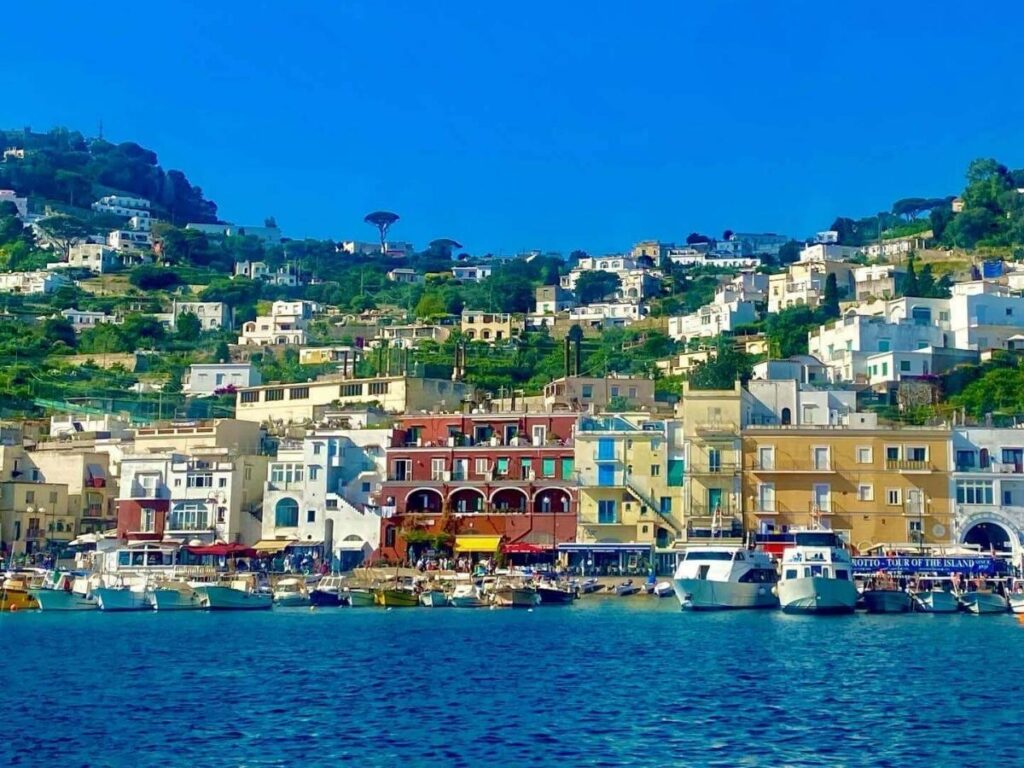
If you’re not in a rush, linger at a café with a slice of torta caprese and let the island’s slower rhythm sink in. I still think the best part is the boat ride back wind in your hair, the coastline glowing orange, and Sorrento’s terraces slowly coming back into view.
Marina Grande
Marina Grande isn’t “grande” at all; it’s small, colorful, and feels like a postcard that came to life. It used to be a fishing village and, in many ways, still is. Fishermen repair their nets in the mornings, while cats nap under the boats. Around noon, the smell of garlic and olive oil starts drifting from the waterfront trattorias.
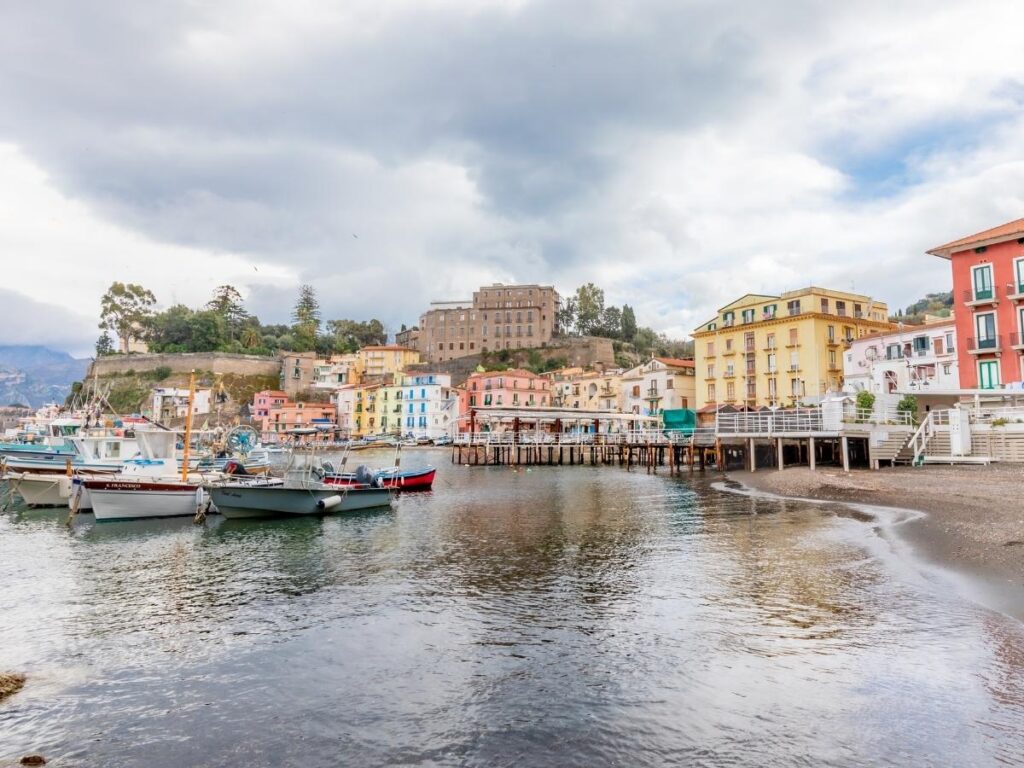
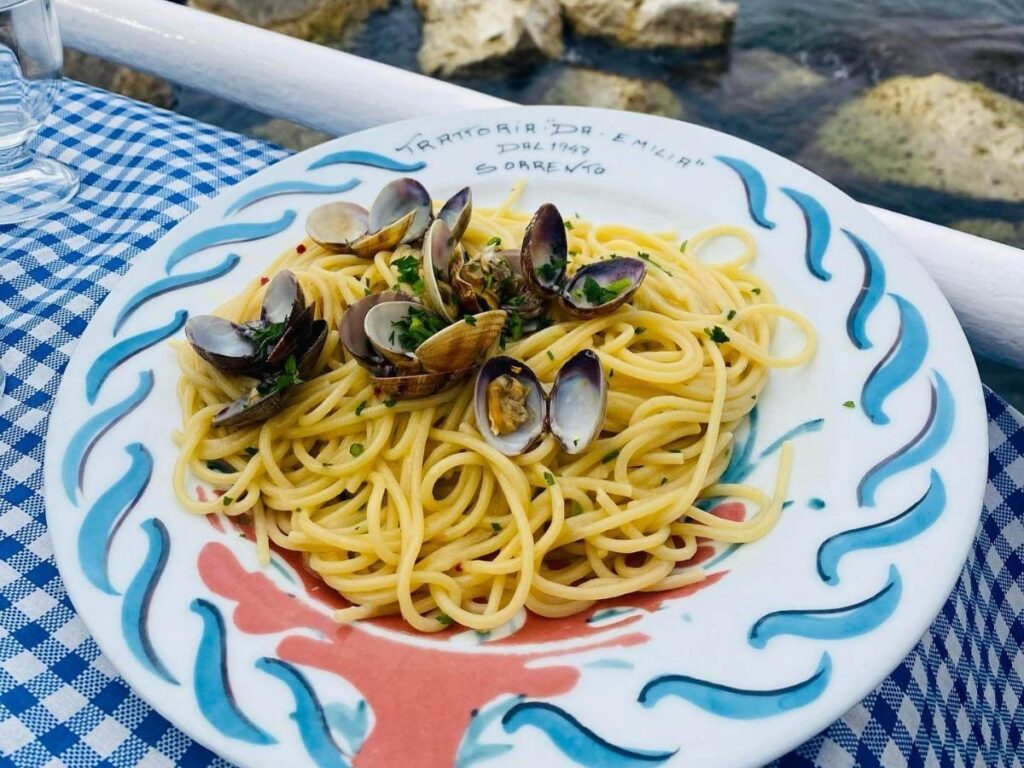
If you sit down at Trattoria da Emilia, order spaghetti alle vongole, and let your feet dangle near the water, you’ll understand why I come back here every trip. Time slows down completely, no rush, no schedule, just the sea and your glass of chilled white wine.
Villa Comunale & Cloisters of San Francesco
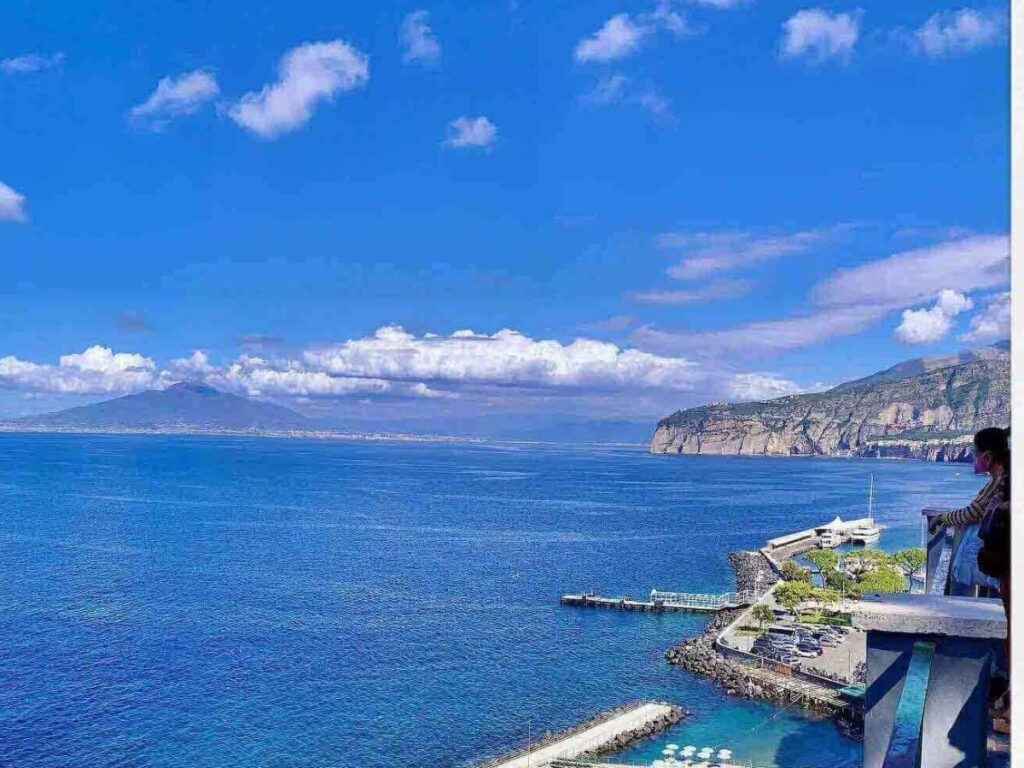
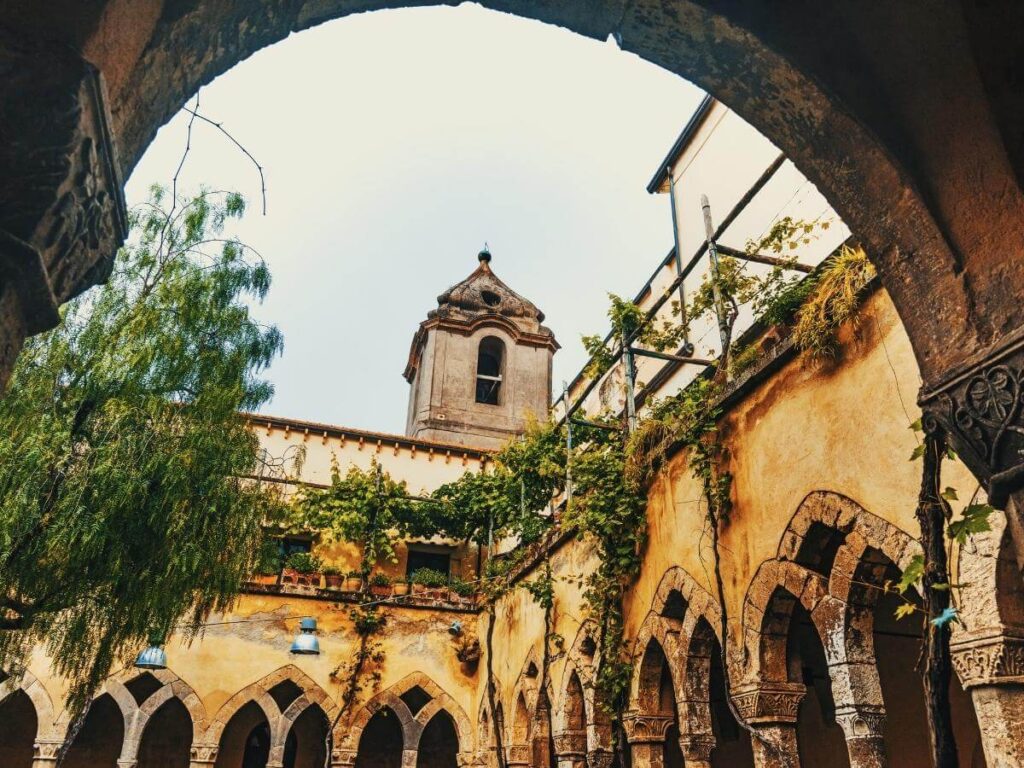
This is where I go when I need a pause from the bustle of town. The Cloisters of San Francesco are a little hidden corner of calm vines curling up old stone walls, the sound of distant violins if you’re lucky enough to stumble on a wedding. Step outside, and you’re in Villa Comunale Park, a terrace that opens up to one of the best views in all of Sorrento: the Bay of Naples.
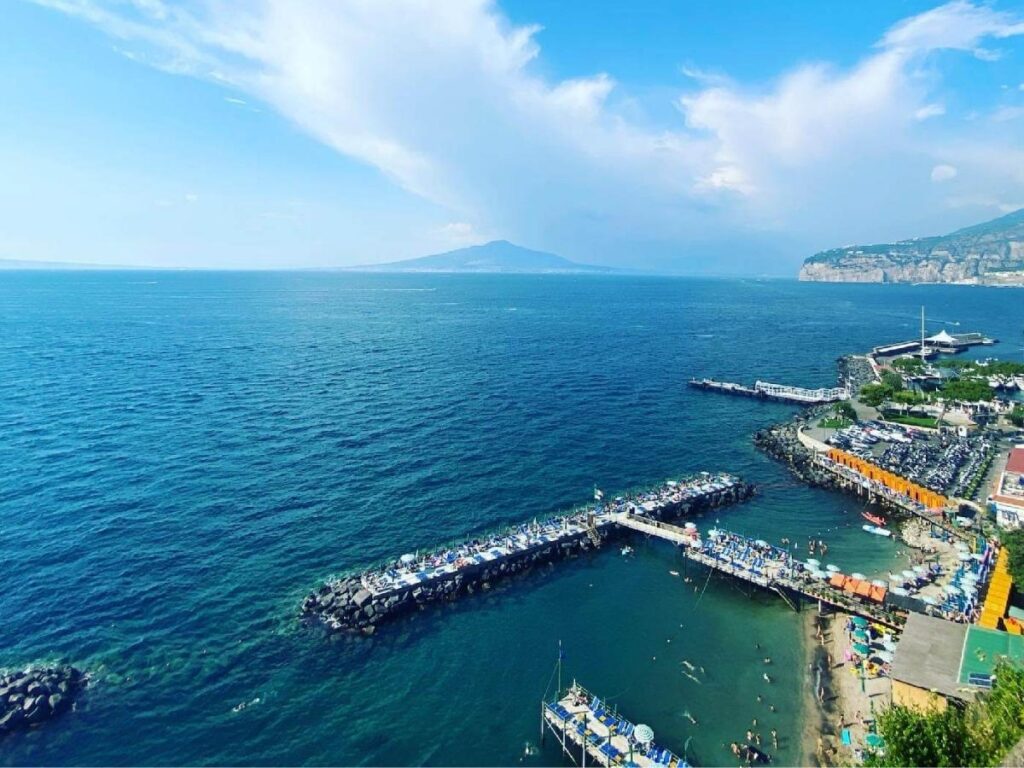
Mount Vesuvius in the distance, ferries tracing white lines across the water. Go at sunset not for the photos (though you’ll take them), but for the feeling of standing there, sea breeze in your hair, watching the light fade to pink and gold.
Cooking Class + Limoncello Tasting
Sorrento’s food is the kind you fall in love with simple ingredients, big flavors, and everything touched by lemons. Taking a cooking class here isn’t just about recipes; it’s about the rhythm of local kitchens. You might start with a market visit, picking out tomatoes that smell like summer, then learn how to roll gnocchi or stir the perfect ragù alla sorrentina.

Visit a small producer, like I Giardini di Cataldo, to see how it’s made and sample a sip straight from the source. Trust me: the best souvenir isn’t a bottle, it’s knowing you can recreate that flavor when you’re back home, with a story to go with it.
When to Visit Sorrento
Timing really shapes what kind of Sorrento you’ll experience.
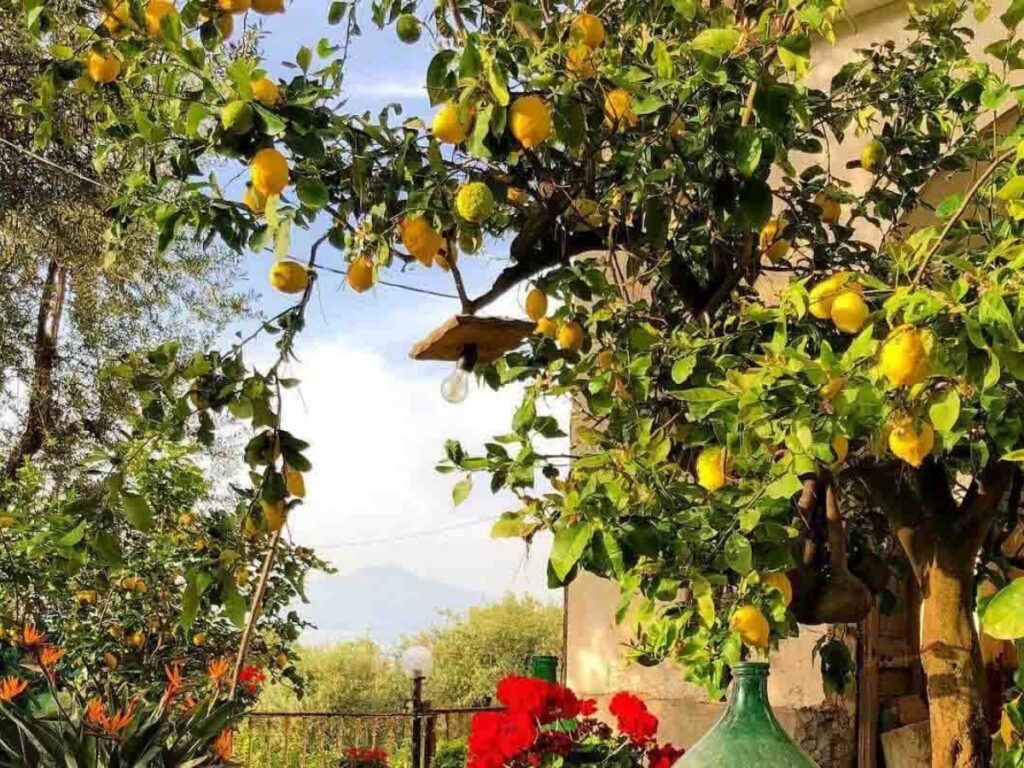
Spring is my favorite April through June when the days are long and lemon trees spill their blossoms over garden walls. The sea starts warming up, the crowds haven’t yet taken over, and you can actually find a table at that little trattoria overlooking the marina without reserving days in advance.
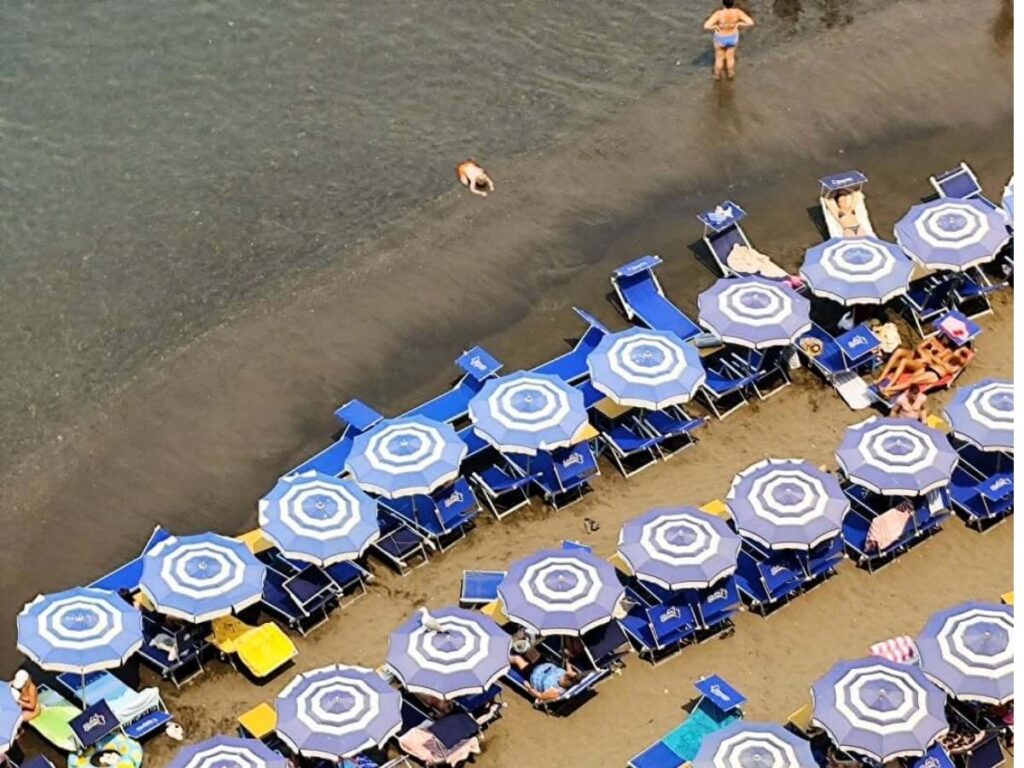
Summer (July and August) is lively and beautiful, but it’s also busy. Think long ferry queues, hotel prices that climb as fast as the temperature, and packed beaches where you’ll need to rent a lounger just to see the water. Still, if you love the buzz, the smell of sunscreen, the sound of clinking glasses and laughter until midnight this is your season.
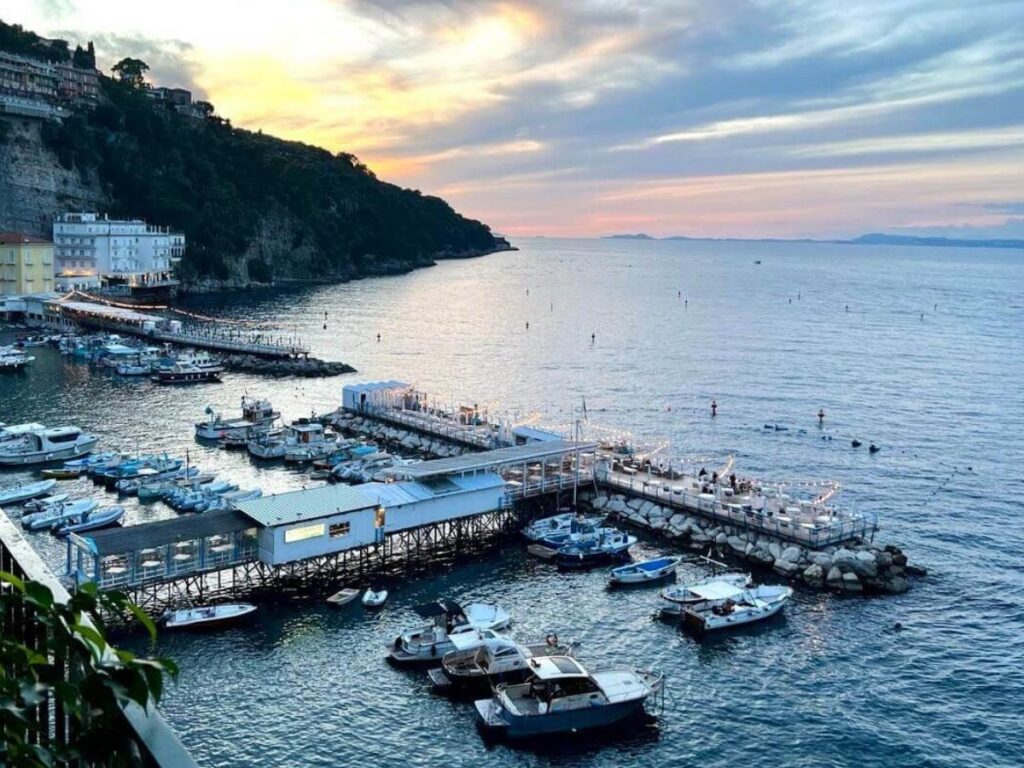
Autumn (September to October) is the sweet spot. The heat softens, ferries still run frequently, and the sea is warm enough for swimming. The hills start to glow with a golden hue, and you’ll share the town mostly with European travelers and locals winding down the season.
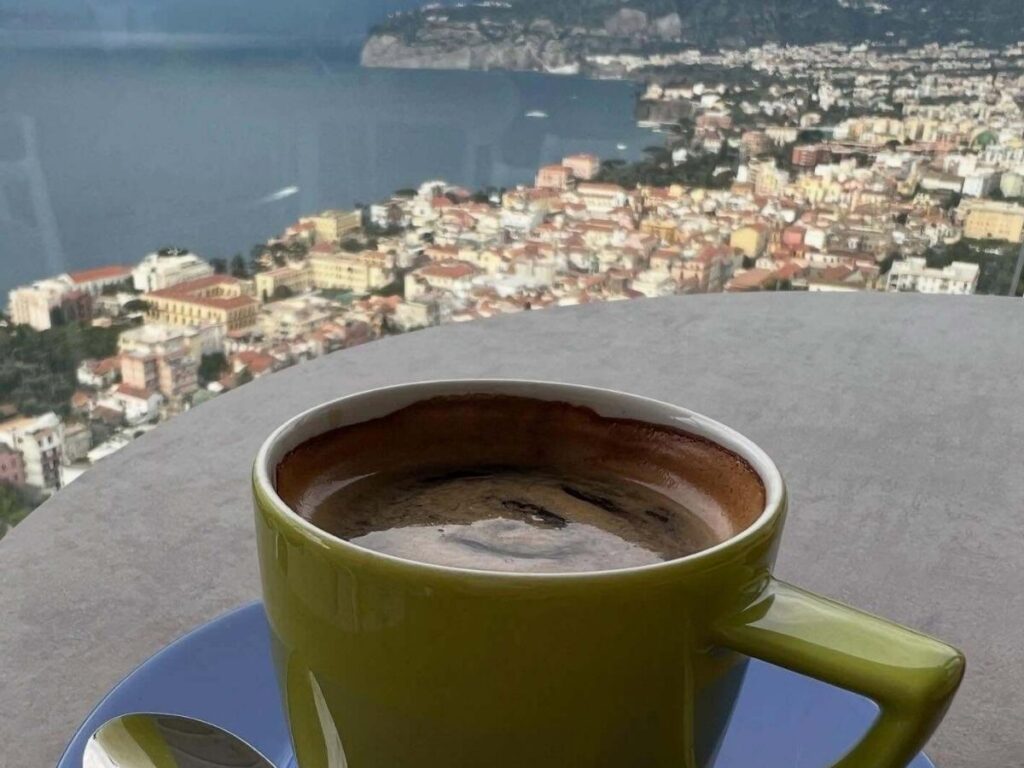
Winter has its own quiet charm too. Many hotels close, but the locals reclaim the streets. You can stroll without crowds, sip coffee under lemon trees, and see what Sorrento looks like when it’s not performing for anyone slow, real, and utterly peaceful.
If you’re wondering what to pack: comfy shoes are non-negotiable (cobblestones are real), light layers, a hat, and something a little dressy for dinners where the view deserves an outfit.
Where to Stay in Sorrento
Choosing where to stay in Sorrento is really about choosing what rhythm you want your trip to have.
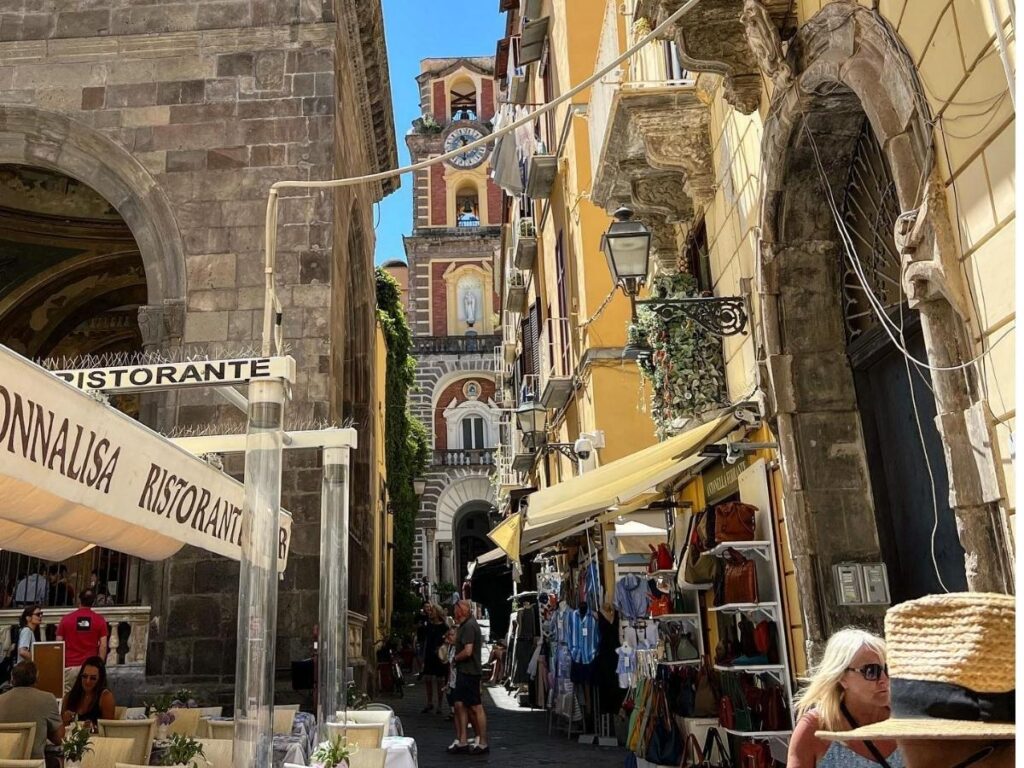
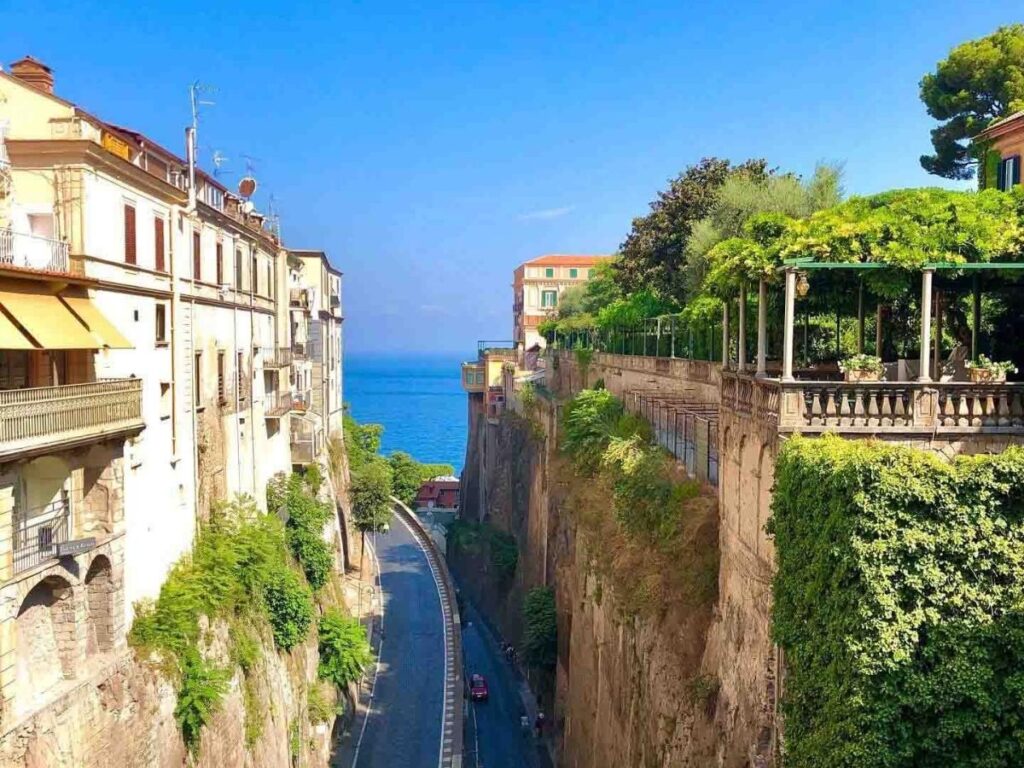
If it’s your first visit, stay near the Old Town. It’s walkable, charming, and full of life. You’ll step outside straight into a maze of alleys filled with bakeries, limoncello shops, and locals chatting over espresso. The evenings here are pure magic church bells, the smell of fresh pizza dough, the hum of conversation echoing between old stone walls.
Down by Marina Grande, things slow down. This is where fishermen still mend their nets, and where restaurants spill right onto the water. It’s perfect if you want to wake up to the sound of waves and have dinner with your toes almost in the sea. It’s a bit of a climb back up to the main town (unless you use the elevator),
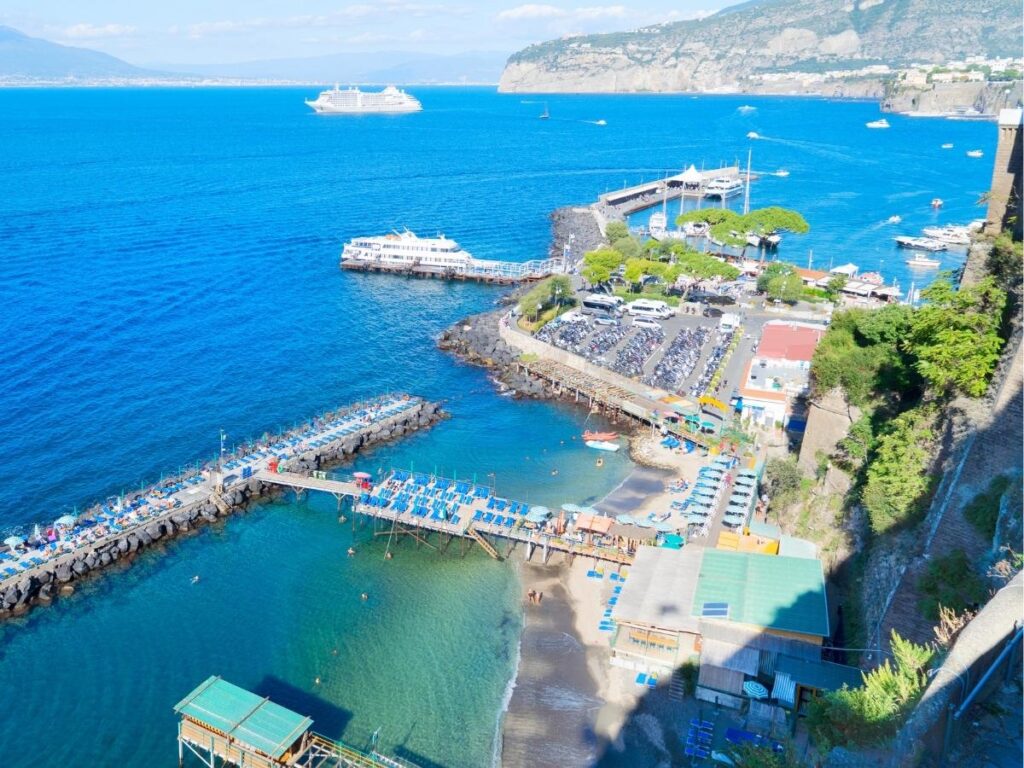
If you crave peace and panoramic views, stay up in the hills in Sant’Agnello or along Via Capo. Many hotels and B&Bs up here have terraces that overlook the Bay of Naples, and watching the sunset from your balcony with a glass of wine feels like its own kind of sightseeing.
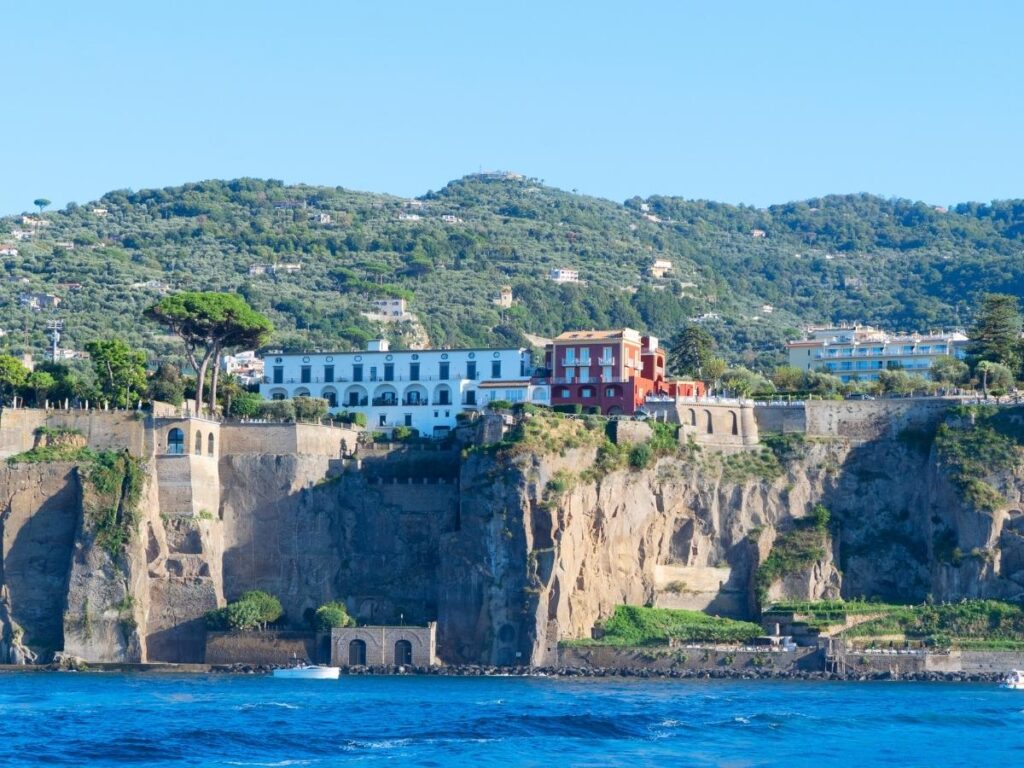
As for hotels, Sorrento caters to every kind of traveler. Casa Sorrentina is a lovely, budget-friendly option right in the heart of town, simple but cozy. For something mid-range, Hotel Antiche Mura is a favorite it’s steps from Piazza Tasso and has that old-world charm Sorrento does so well.
A quick tip: check if your accommodation has access to the public elevator that connects the upper town to Marina Piccola. It saves your legs a lot of steps and makes hopping on ferries much easier.
Best Things to Do in Sorrento
Wander Piazza Tasso
If Sorrento has a heartbeat, it’s in Piazza Tasso. Everything seems to converge here: buses, scooters, locals in a hurry, and visitors who came just to sit and soak it all in. I love arriving early, before the square fully wakes up, when delivery trucks are still unloading bread and the first espressos hiss from café machines.

By mid-morning, the square hums with life. Grab a seat at Fauno Bar, one of those classic corner spots where the waiters have probably seen generations of travelers come and go. Order a cappuccino, lean back, and people-watch there’s no better show.
In the evenings, Piazza Tasso becomes pure theater. Street musicians start playing, the lights turn warm, and couples drift past on their passeggiata. Even if you only have one night in town, make sure to linger here. It’s not just a square, it’s the pulse of Sorrento.
Explore Marina Grande
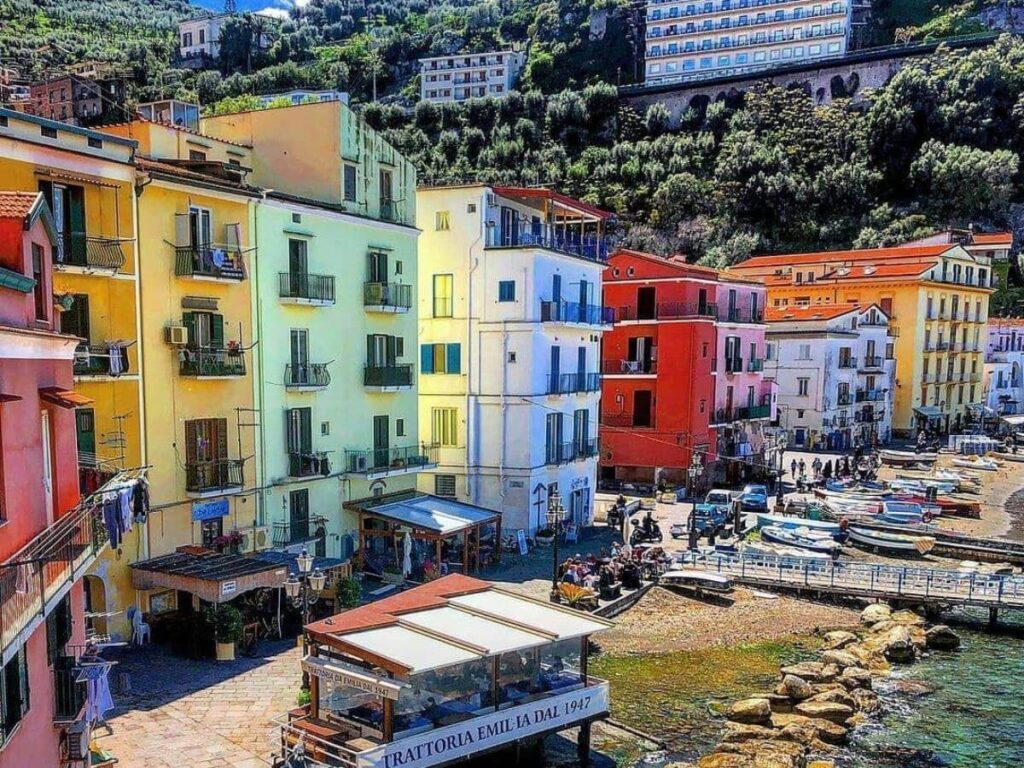
It’s funny despite its name, Marina Grande isn’t grand at all. It’s small, quiet, and full of color, like someone painted every building a different shade of summer. Getting there is easy: you can walk down from the old town or take the elevator near Villa Comunale if your legs need a break.
When you arrive, you’ll smell the sea first with a mix of salt, grilled fish, and something faintly sweet from nearby kitchens. Fishermen still mend their nets here, and locals chat across the dock as laundry flutters from the balconies.
For lunch, grab a table at Trattoria da Emilia. The chairs wobble slightly, the waves lap just a few feet away, and the spaghetti alle vongole is everything you want from the Mediterranean on a plate. Stay long enough and you’ll start to forget what time it is, which, in Sorrento, is kind of the point.
Villa Comunale Park & the Cloisters of San Francesco
These two are right next to each other, and they feel like two sides of Sorrento’s soul, one serene and spiritual, the other open and cinematic.
The Cloisters of San Francesco are tucked away behind a small archway, and if you walk through at the right moment, you might hear a violin drifting through the vines. It’s quiet, cool, and timeless weddings are often held here, and even if you’re not attending one, you can feel that romantic energy in the air.
Step outside, and the world opens up. The Villa Comunale Park sits just beyond, and from its terrace, you get a sweeping view of the Bay of Naples, with Vesuvius watching over it like a gentle giant. Come at sunset.
The light softens to honey, ferries glimmer below, and everyone around you falls silent for a few seconds just long enough to remember how lucky they are to be standing there.
Taste Limoncello (and Meet the Lemons)
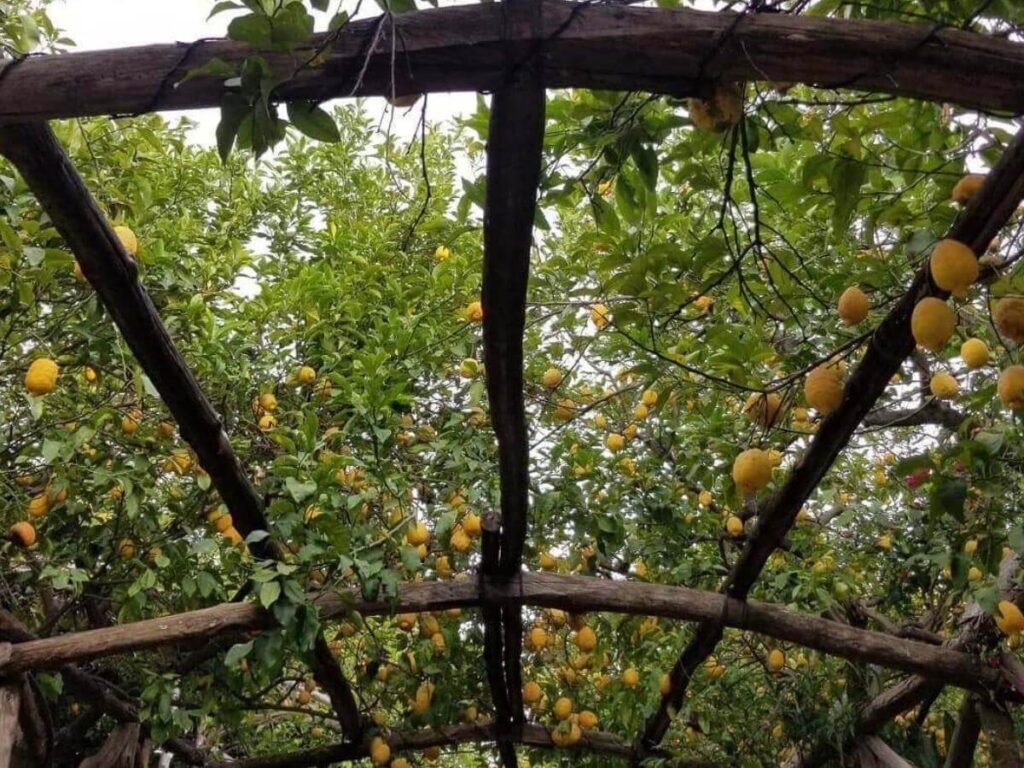
You can’t walk a block in Sorrento without seeing lemons painted on ceramics, hanging from balconies, growing in gardens. But these aren’t your average lemons. They’re sfusato Amalfitano big, fragrant, and sweet enough to eat like fruit.
Head to I Giardini di Cataldo, a family-run lemon grove right in town, where you can wander among the trees, learn how the famous limoncello is made, and taste it straight from the source. It’s smoother and fresher than anything you’ll buy in a souvenir shop.

Don’t leave without trying delizia al limone, a small dome of sponge cake filled with lemon cream that melts in your mouth. You’ll find it in every pasticceria, but the best ones are usually at the small family bakeries, the kind where the owner insists you take an extra one “for later.”
Explore Pompeii or Herculaneum

There’s something surreal about standing in the middle of Pompeii, surrounded by stone streets that have seen two thousand years of history and tragedy. From Sorrento, it’s easy to reach by train; just hop on the Circumvesuviana line and you’ll be there in about 40 minutes.
Pompeii is vast. You could spend a whole day wandering through old bakeries, villas, and frescoed walls that still tell their stories. It can get hot, so bring a hat, water, and a dose of imagination. It’s the kind of place where time feels suspended.
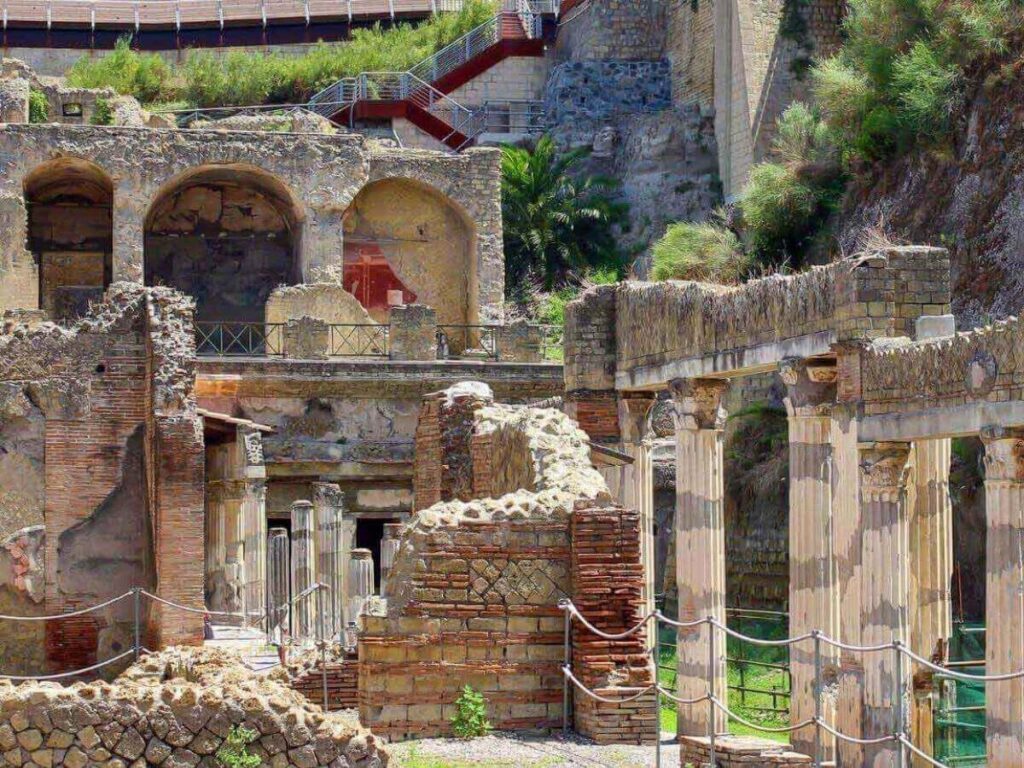
If you prefer something smaller and better preserved, Herculaneum is your spot. Less crowded and more intimate, it gives you a clearer sense of daily life before Vesuvius erupted. Whichever you choose, you’ll leave feeling humbled by how much and how little has changed since then.
Enjoy Aperitivo Hour
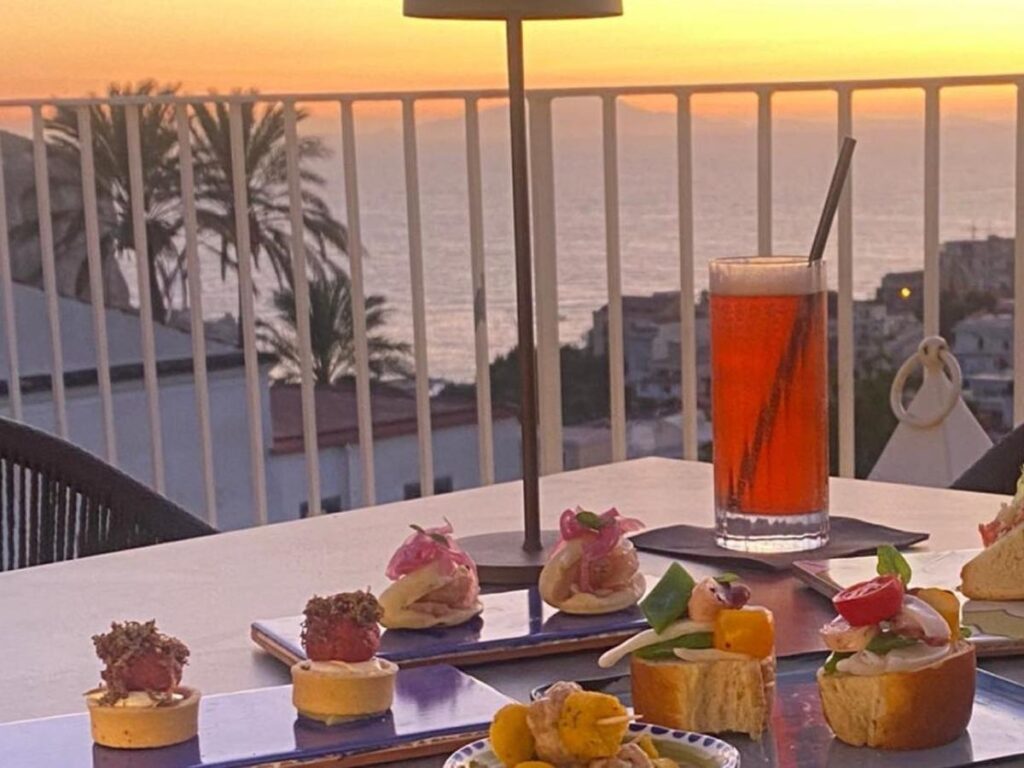
Evenings in Sorrento were made for slowing down. The light softens, the air smells of salt and citrus, and suddenly everyone seems to be holding a glass of something orange and sparkling.
Find a terrace, the one at Bellevue Syrene is beautiful if you’re feeling fancy, but the Foreigners’ Club Bar offers the same sunset magic without the splurge. Order an Aperol spritz or a local limoncello cocktail, and just sit.

Aperitivo isn’t about the drink, it’s about the pause. The conversations that start over a bowl of olives, the soft music, the quiet hum of a town easing into evening. In that moment, watching the sun dip into the Bay of Naples, it’s impossible not to feel like you’re exactly where you’re supposed to be.
Best Day Trips from Sorrento
Sorrento isn’t just a destination, it’s a perfect launchpad. The best part of staying here is how easily you can bounce between some of Italy’s most iconic places without changing hotels. From the marina, ferries fan out toward the Amalfi Coast and Capri; the train station connects you to ancient ruins and buzzing Naples.
Here’s how each one feels and what to expect beyond the logistics.
Capri
It’s hard not to fall for Capri. The 25-minute ferry ride from Sorrento feels like the start of a movie with sea spray on your face, cliffs glowing in the morning light, and that moment when the island appears, rising out of the water like a mirage.
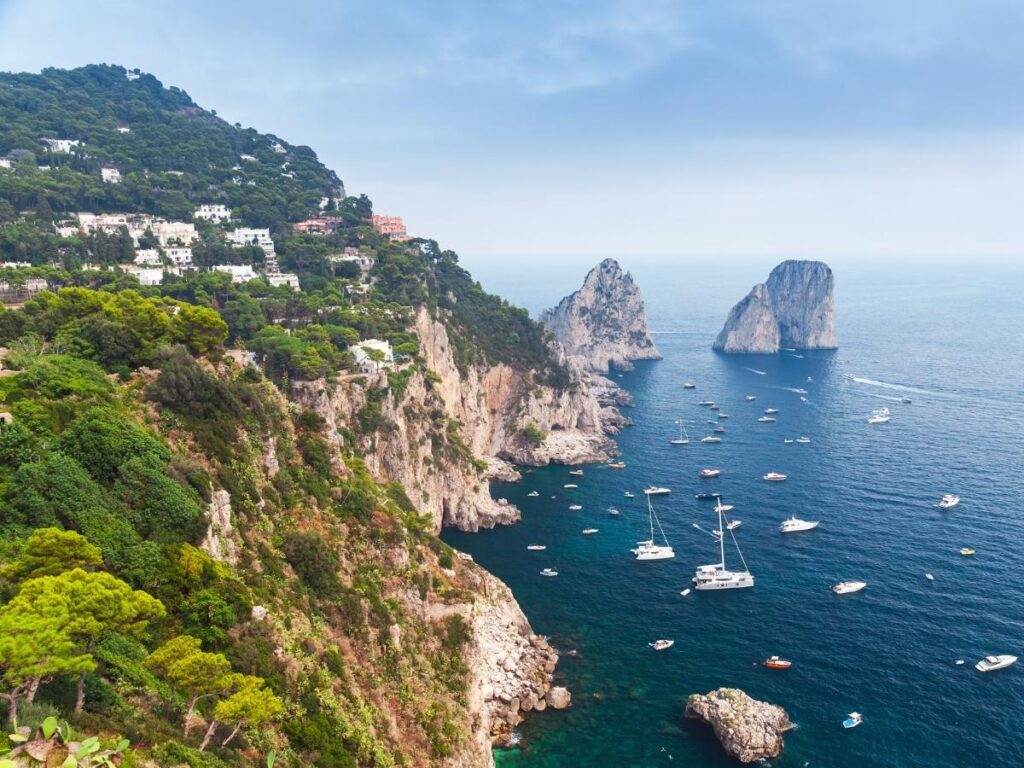
If you go, start early really early. By mid-morning, Capri fills up fast with day-trippers, and the magic starts to slip under the weight of selfie sticks and queues. Head straight to the Blue Grotto while the light inside is still brilliant, then take the funicular or a taxi up to Anacapri, the quieter half of the island.
Don’t rush back. Grab a late lunch, maybe a simple caprese salad and a glass of local white wine and take the ferry home as the sun starts to sink. Seeing Sorrento’s cliffs light up in gold from the sea is something you won’t forget.
Positano & Amalfi
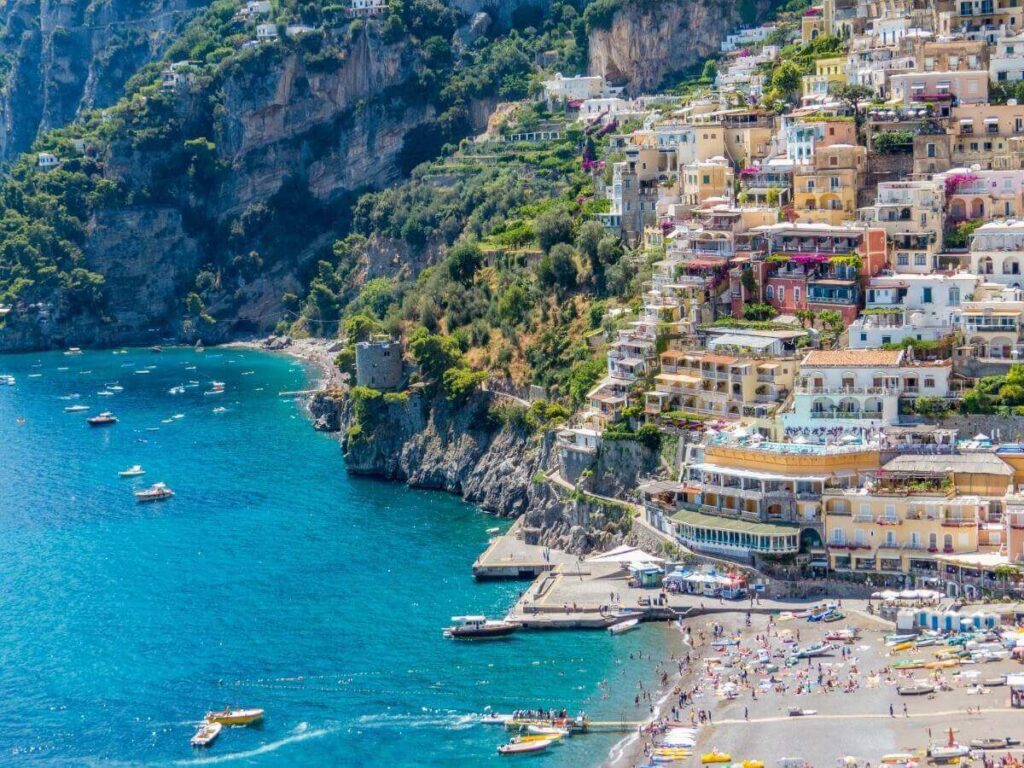
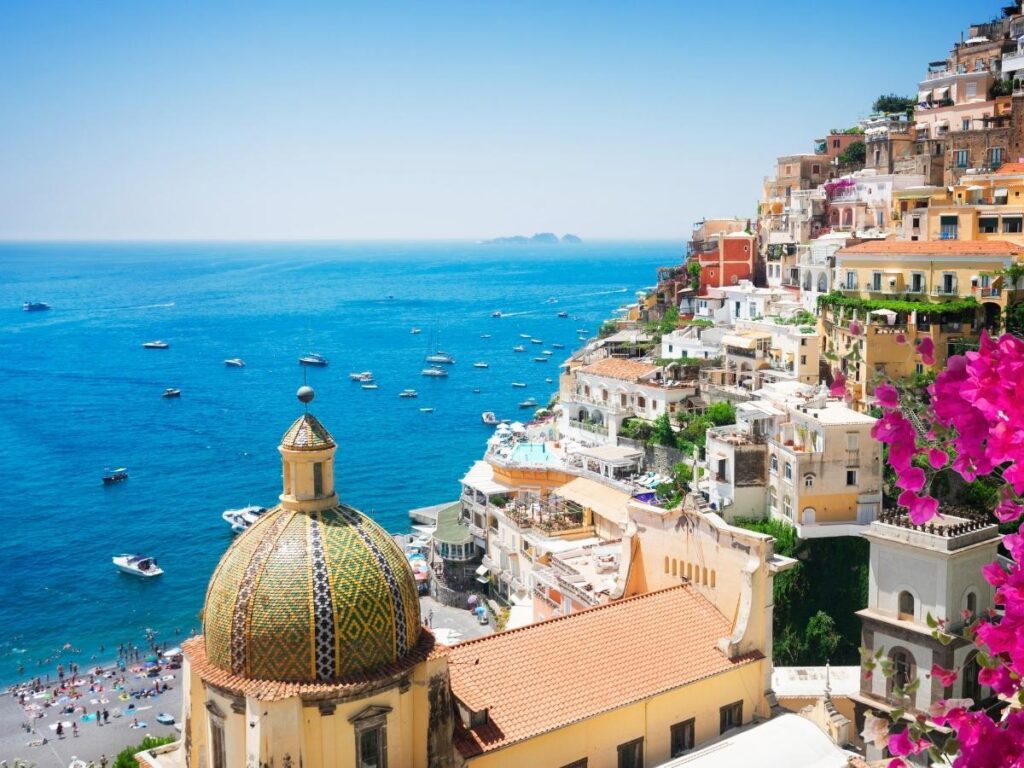
If Capri feels like a dream, the Amalfi Coast is pure theater. Jagged cliffs plunge into turquoise water, houses are painted in impossible shades of pink and yellow, and every curve of the road feels like a postcard waiting to happen.
From Sorrento, the easiest (and most scenic) way is the ferry. It’s faster and far more enjoyable than the narrow, hairpin-filled coastal road. Sit on the deck and let the wind tangle your hair as you approach Positano. The town looks like it’s spilling down the mountain.
Spend the morning wandering its narrow lanes, ducking into linen boutiques and ceramic shops, and reward yourself with a granita al limone on the beach. When you’ve had your fill of steps (and there will be many), hop on another ferry to Amalfi.
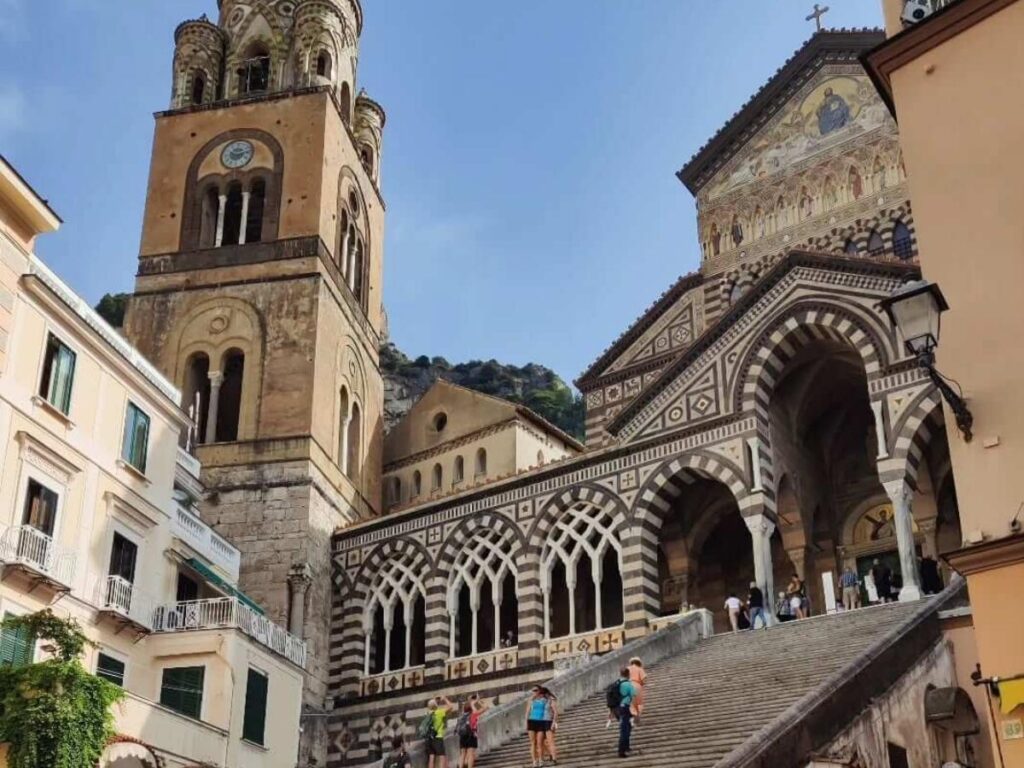
Amalfi feels more lived-in, less glossy. Grab a seat at a café in the main piazza and look up the cathedral that dominates the scene, a patchwork of mosaics and marble. If you have time, visit the Paper Museum for a quick dive into Amalfi’s centuries-old craft, or just stroll along the waterfront eating gelato.
It’s a long day, but it’s the kind that leaves you sun-warmed, salt-streaked, and smiling.
Pompeii & Mount Vesuvius
Pompeii is one of those places that doesn’t feel real until you’re standing there, on a cobbled street once buried under ash. It’s astonishingly well preserved bakeries with their ovens still intact, frescoes bright with color, and even the grooves from ancient chariot wheels still etched into the stone.
You can get there easily by train from Sorrento (about 40 minutes on the Circumvesuviana line). Once you arrive, buy your tickets at the official gate, not from the people selling “skip-the-line” tours outside; they’re often pricier and not official.
If history fascinates you, hire a guide or join a small group tour. The ruins are massive, and having someone explain how people once lived and how they met their end makes it hauntingly vivid.
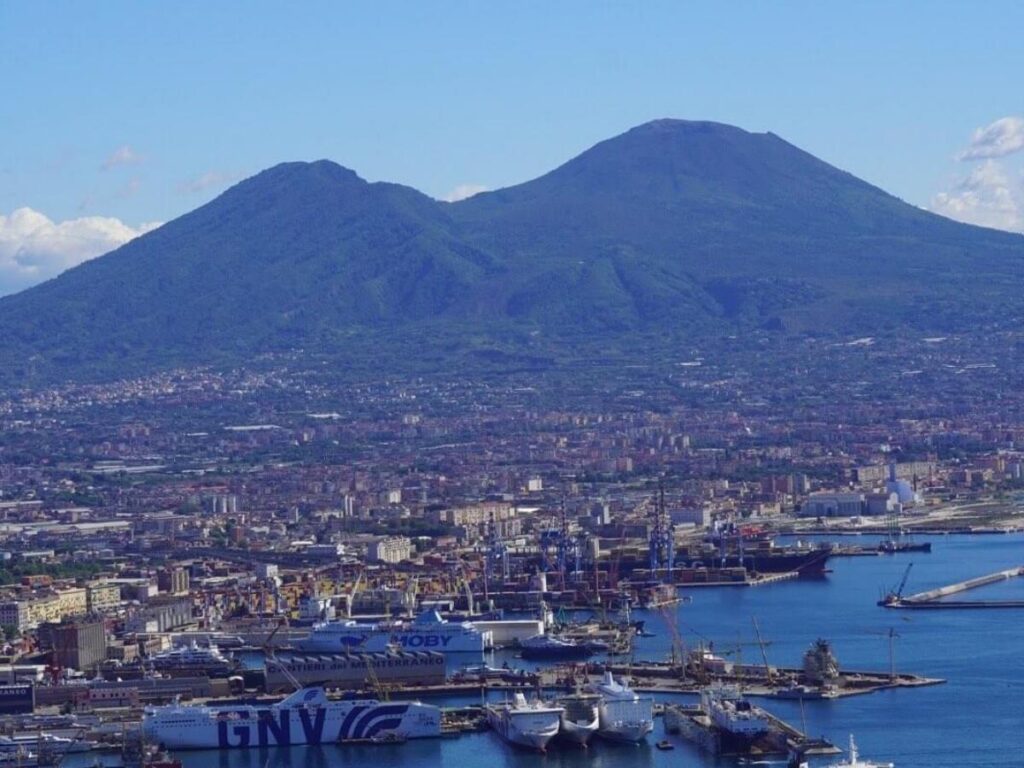
If you still have energy after exploring, consider heading up Mount Vesuvius. You can take a shuttle or a guided trip from Pompeii, and the view from the crater rim gives you a new appreciation of just how close it all was. Bring water, sunscreen, and sturdy shoes and be ready for dust and wonder in equal measure.
Naples
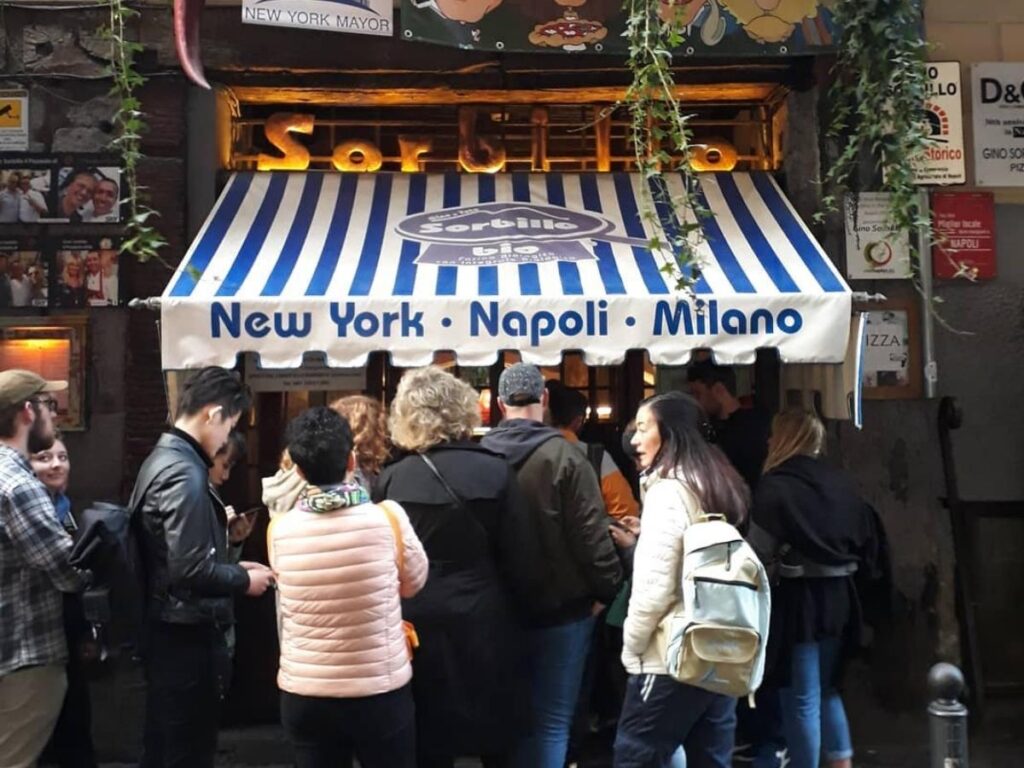
Naples is chaotic in the best way. It’s gritty, loud, vibrant, and full of flavor literally. It’s where pizza was born, espresso runs through everyone’s veins, and art hides around every corner.
From Sorrento, the train to Naples takes just over an hour. Spend a day there if you can: visit the Naples Archaeological Museum (home to many of Pompeii’s treasures), wander through Spaccanapoli, and definitely stop for a pizza at Sorbillo or L’Antica da Michele.
Naples can feel overwhelming at first, but give it a little time. Behind the noise, it’s pure authenticity is messy, proud, and irresistible.
Itineraries
Not every traveler has a week to spare, and that’s the beauty of Sorrento: even with one day, you can get a real taste of it. But if you’ve got two or three, you can balance exploring with that slow, delicious Italian rhythm that Sorrento does so well.
One Day in Sorrento
Start early. This is a walking town, and mornings are when it’s at its prettiest. Grab coffee at Piazza Tasso, watch the locals rush past, then wander into the Old Town. Stop by small shops selling hand-painted ceramics and peek into courtyards fragrant with lemon trees.
Before noon, head toward the Cloisters of San Francesco for a moment of quiet, then step out to Villa Comunale Park for that postcard-perfect view of Vesuvius.
Walk down (or take the elevator) to Marina Grande for lunch. The seafood is so fresh it practically still smells of the sea. I always go for spaghetti alle vongole with a glass of chilled white wine heaven.
Spend your afternoon browsing Via San Cesareo, where you can buy local limoncello and handmade wood inlay souvenirs. If you’re not much of a shopper, pop into a small gelateria and just wander Sorrento rewards slow strolling.
When evening rolls in, climb back to Villa Comunale for sunset, order an Aperol spritz, and watch the town glow. Dinner in the Old Town somewhere tucked away, with checked tablecloths and homemade tiramisu is the perfect ending.
Two Days in Sorrento
On day one, follow the one-day itinerary.
On your second day, take the ferry to Capri. Spend the morning exploring the Blue Grotto and the Gardens of Augustus, then ride up to Anacapri for a long lunch. Don’t rush. Capri is expensive, but the experience is priceless.
Return to Sorrento by sunset and enjoy dinner by the water. You’ll fall asleep that night to the sound of the waves and maybe just maybe start planning when you can come back.
Three Days in Sorrento
Day one is all about soaking up the town itself, Piazza Tasso, the Old Town, Marina Grande, and that first sunset from Villa Comunale.
Day two, ferry to Capri. It’s the highlight of any trip.
Day three, choose your adventure: a day trip to Amalfi and Positano for those cliffside views, or to Pompeii if you want to walk through ancient history. If you’re staying longer, cap the trip with a cooking class in the evening. You’ll roll gnocchi, laugh over wine, and leave full in every sense of the word.
Food & Drink Guide
Sorrento has a way of turning even simple meals into something memorable. The food here isn’t fussy, it’s honest, generous, and built around ingredients that taste like sunshine.

Start with gnocchi alla sorrentina, small potato dumplings baked in a clay dish with tomato sauce, mozzarella, and fresh basil. It’s Sorrento’s signature comfort food, bubbling hot and perfect with a glass of red wine.
If you love seafood, you’ll be spoiled. Spaghetti alle vongole spaghetti with clams, garlic, and olive oil is served everywhere, but the best versions are the simplest. Eat it near the sea, ideally at Trattoria da Emilia in Marina Grande, where you can hear the water slap against the boats.

For dessert, nothing beats delizia al limone, a little dome of sponge cake filled with lemon cream so light it almost floats. You’ll find it in every pastry shop. My favorite is at Pasticceria Monica near the Old Town.
And of course, there’s limoncello sweet, sharp, and sunshine in a bottle. Most restaurants will offer a complimentary shot after dinner. Sip it slowly, not because it’s strong (it is), but because it tastes like Sorrento itself.
If you’re after a sit-down meal, Ristorante Tasso is classic and reliable, perfect for a mid-range dinner. For something truly special, book Il Buco, a Michelin-starred restaurant set in an old wine cellar. It’s atmospheric, intimate, and the kind of meal that lingers in your memory long after you’ve gone.
Before you leave, wander down Via San Cesareo, Sorrento’s main shopping street. It’s lined with market stalls selling everything from lemon soaps to local cheeses. Buy a small bottle of limoncello or a ceramic lemon magnet touristy, yes, but every time you see it, you’ll remember how the air smelled that day.
Conclusion
I left Sorrento with salt on my skin, a half-empty bottle of limoncello in my bag, and that quiet ache that comes from leaving somewhere too soon. It’s the kind of place that makes you slow down without realizing it, where coffee breaks last an hour, sunsets feel like events, and even a walk to the marina turns into a small adventure.
Sorrento doesn’t demand much from you. It just asks you to notice the smell of lemons in the air, the rhythm of waves below the cliffs, the way locals always have time to talk. And somewhere between the espresso cups and ferry rides, you start to remember what travel is supposed to feel like.
If this guide helped you plan your trip, pin it for later and check out my [Amalfi Coast travel series] because once you’ve watched the sun dip behind Vesuvius with a spritz in hand, you’ll already be dreaming of where to go next.