
When most people start planning a Loire Valley trip, castles like Chambord and Chenonceau usually get all the attention. They certainly did when I was researching my own itinerary. Château de Villandry wasn’t initially at the top of my list, but the more I read about it, the more curious I became.
What makes Villandry different is that the gardens are the main attraction. While many Loire Valley châteaux are known for their architecture and royal history, Villandry is famous for its extraordinary Renaissance gardens.
From above, the grounds look almost like a giant piece of artwork, with geometric patterns, colorful flower beds, decorative vegetable gardens, and elegant water features stretching across the estate.
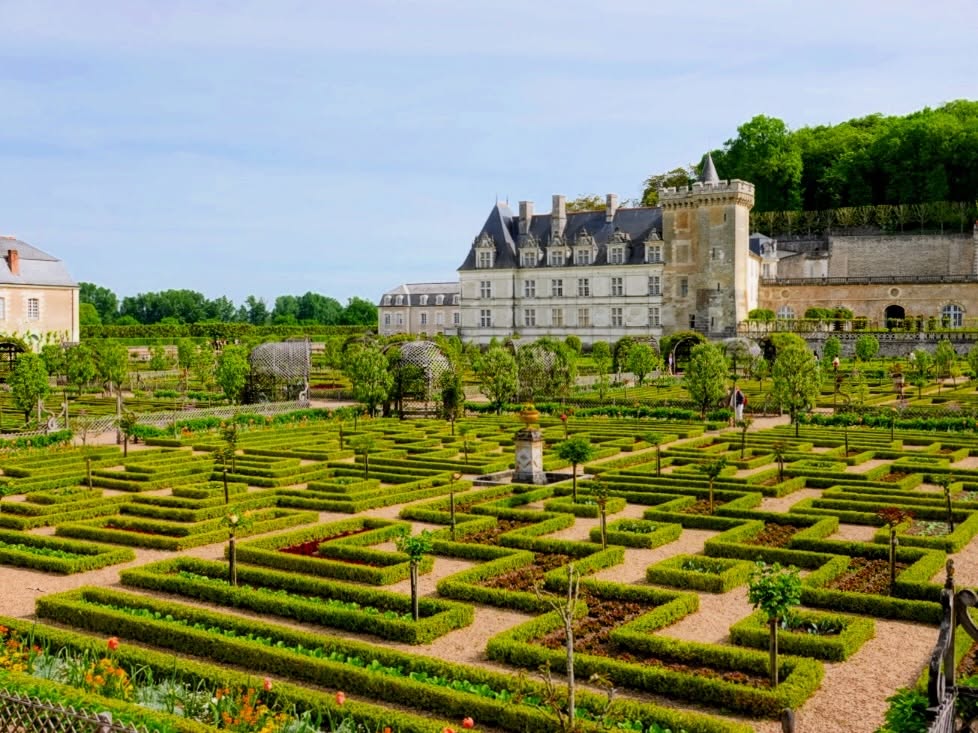
What surprised me most was how much time I ended up spending outdoors. I expected to enjoy the château itself, but I found myself continually drawn back to the gardens. Each section has its own character, and every viewpoint reveals a different perspective of the landscape.
By the end of my visit, I understood why Villandry is considered one of the most unique destinations in the Loire Valley. It offers a completely different experience from places like Chambord or Chenonceau, and that’s exactly what makes it so memorable.
In this guide, I’ll share everything you need to know before visiting Château de Villandry, including what to see, how much time to allow, the best viewpoints, practical travel tips, and whether it’s worth adding to your Loire Valley itinerary.
What Is Château de Villandry?
Château de Villandry is one of the most famous castles in France’s Loire Valley, but unlike many of the region’s other châteaux, it’s the gardens rather than the castle itself that draw most visitors.
Located about 20 kilometers southwest of Tours, Villandry is part of the Loire Valley UNESCO World Heritage Site and is widely considered home to some of the finest Renaissance gardens in Europe.
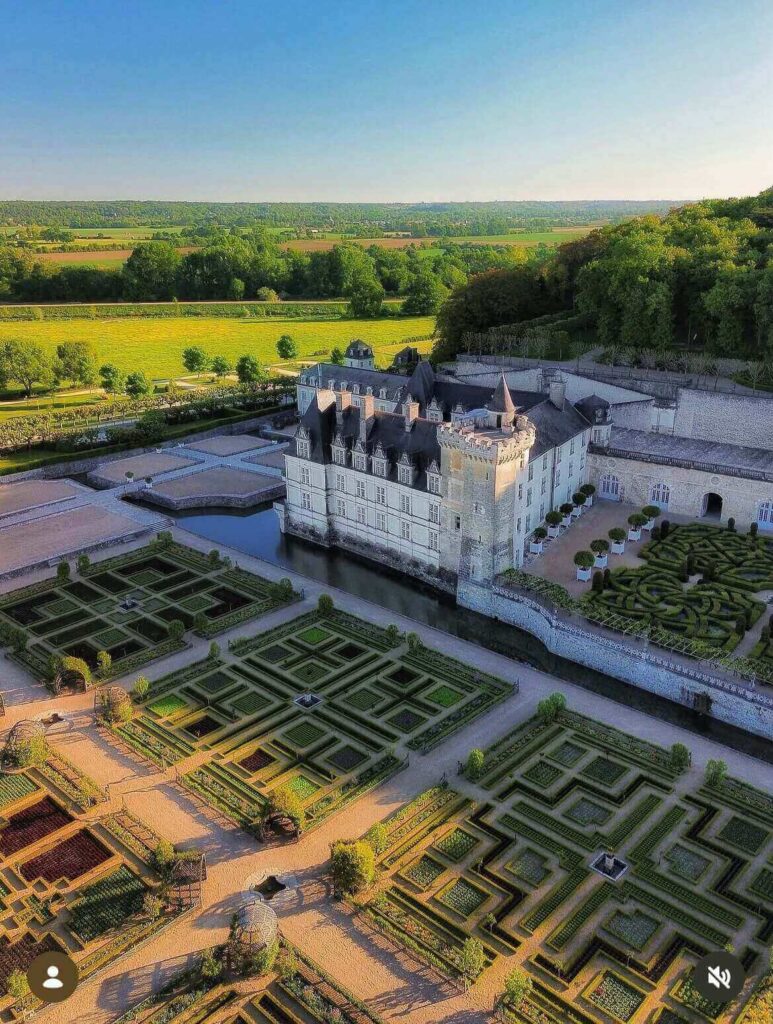
While the château is elegant and well worth exploring, the real highlight is the collection of gardens spread across multiple terraces. From ornamental flower beds and decorative vegetable gardens to peaceful water features and perfectly trimmed hedges, every section has its own character.
Seeing the gardens from above is one of the most memorable parts of a visit, as the intricate patterns almost resemble a giant work of art.
Today, Château de Villandry offers a unique combination of history, architecture, and landscape design, making it one of the most distinctive attractions in the Loire Valley.
Why Château de Villandry Is Famous
Every château in the Loire Valley is known for something different, and Villandry’s claim to fame is its extraordinary gardens. While the château itself is beautiful, it’s the gardens that attract visitors from around the world.
Spread across several terraces, the gardens are designed in the Renaissance style and feature intricate geometric patterns, ornamental flower beds, decorative vegetable gardens, and elegant water features.
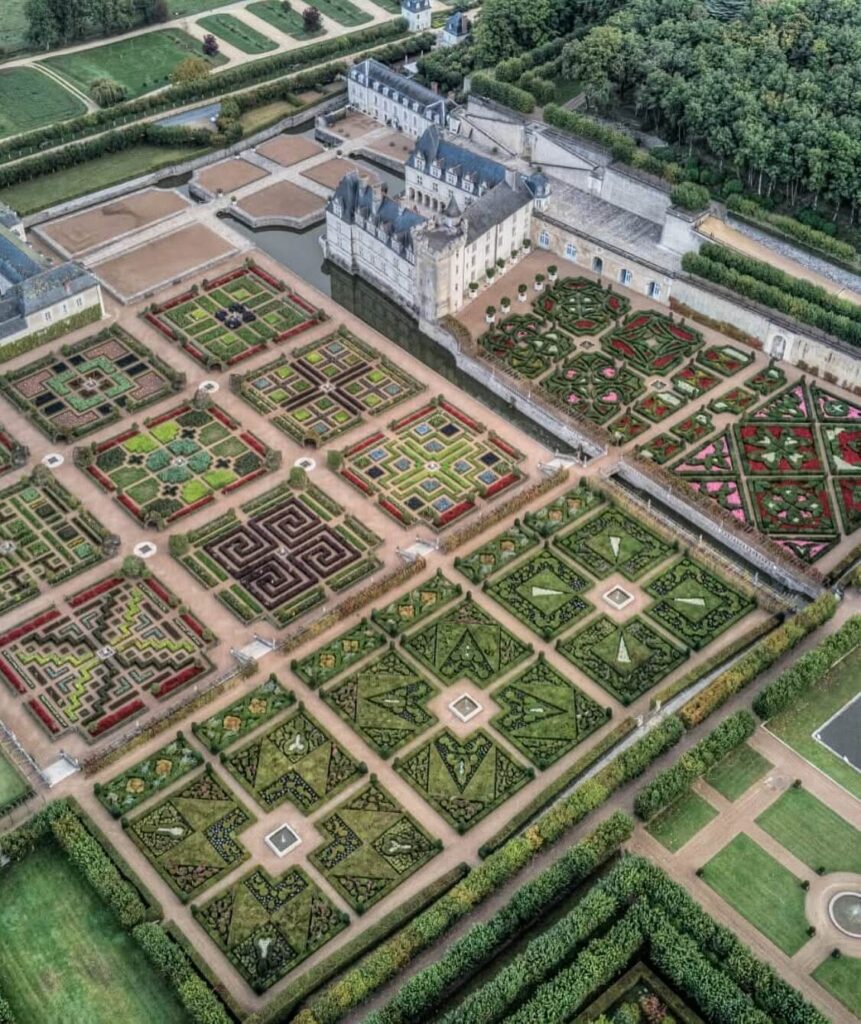
One of the most memorable parts of a visit is seeing them from above, where the carefully arranged hedges and pathways create patterns that look almost like a giant piece of artwork.
What I loved most was the variety. Each garden has its own character, from the colorful kitchen garden to the peaceful water garden, so the experience never feels repetitive. Combined with the seasonal displays that change throughout the year, it’s easy to see why Villandry is considered one of the finest garden destinations in France.
Is Château de Villandry Worth Visiting?
Absolutely.
In a region filled with famous castles, Villandry stands out because it offers something different. Rather than focusing primarily on grand interiors and royal history, much of the experience takes place outdoors among the gardens.
What surprised me most was how much time I spent exploring the grounds. Every terrace seemed to reveal a new view, and each garden felt distinct from the last.
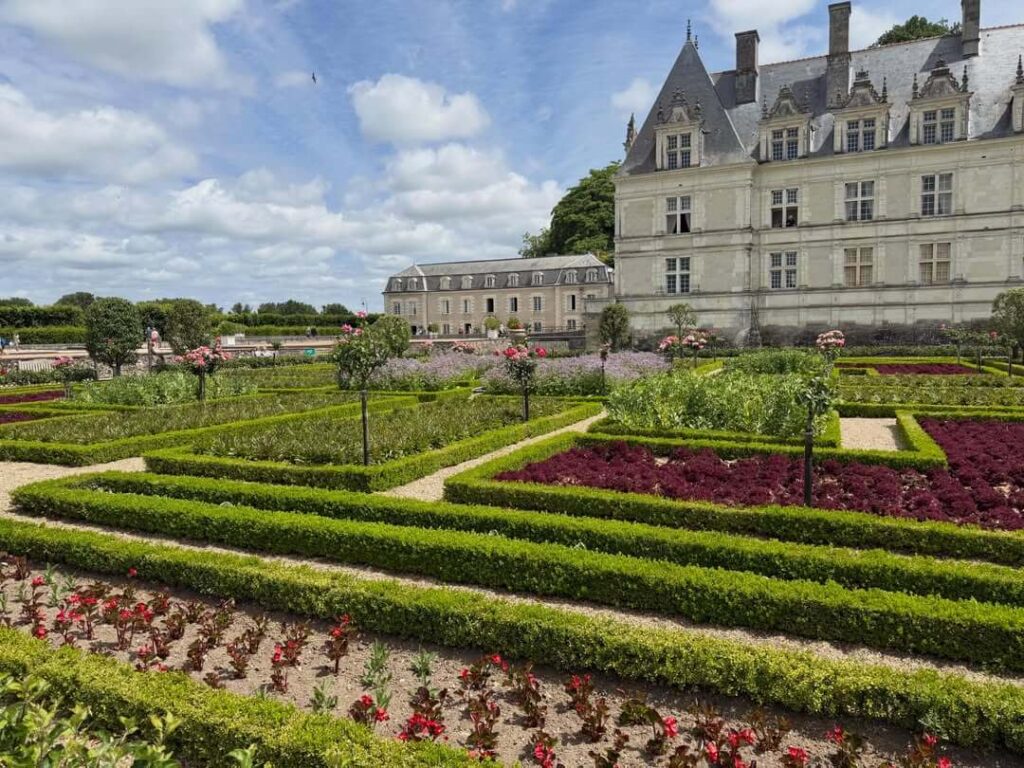
Whether I was admiring the geometric patterns from above or wandering through the colorful vegetable garden, there was always something interesting to see.
I also found Villandry to be one of the most photogenic places in the Loire Valley. Even if you’re not particularly interested in gardening, the scale, symmetry, and beauty of the estate make it a memorable place to visit.
If you enjoy gardens, photography, or simply want a château experience that feels different from places like Chambord or Chenonceau, Villandry is well worth adding to your Loire Valley itinerary.
What Surprised Me Most About Villandry
Before visiting, I expected the gardens to be beautiful. What I didn’t expect was their scale.
Photos do a great job of showing the patterns and symmetry, but they rarely convey just how extensive the estate feels once you’re walking through it. Each garden has its own atmosphere, and moving from one section to another almost feels like visiting entirely different spaces.
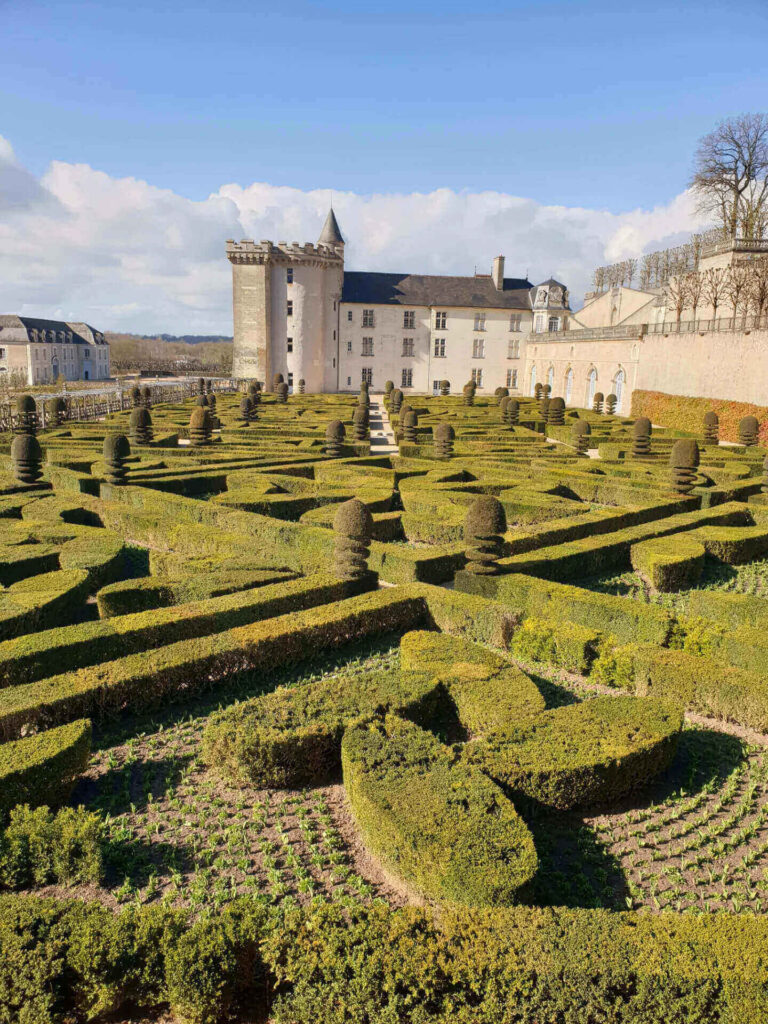
The biggest surprise for me was the Decorative Kitchen Garden. On paper, a vegetable garden doesn’t sound like the most exciting attraction in the Loire Valley. Yet it ended up being one of my favorite parts of the entire estate.
The combination of colors, textures, and geometric layouts transforms ordinary vegetables into something that feels surprisingly artistic.
By the end of my visit, I understood why Villandry has such a strong reputation. It isn’t just a château with beautiful gardens attached to it. The gardens are the experience, and they’re unlike anything else I saw during my time in the Loire Valley.
What to See at Château de Villandry
If there’s one thing to know before visiting Château de Villandry, it’s that the gardens are every bit as important as the château itself.
In fact, for many visitors, they’re the main reason for coming.
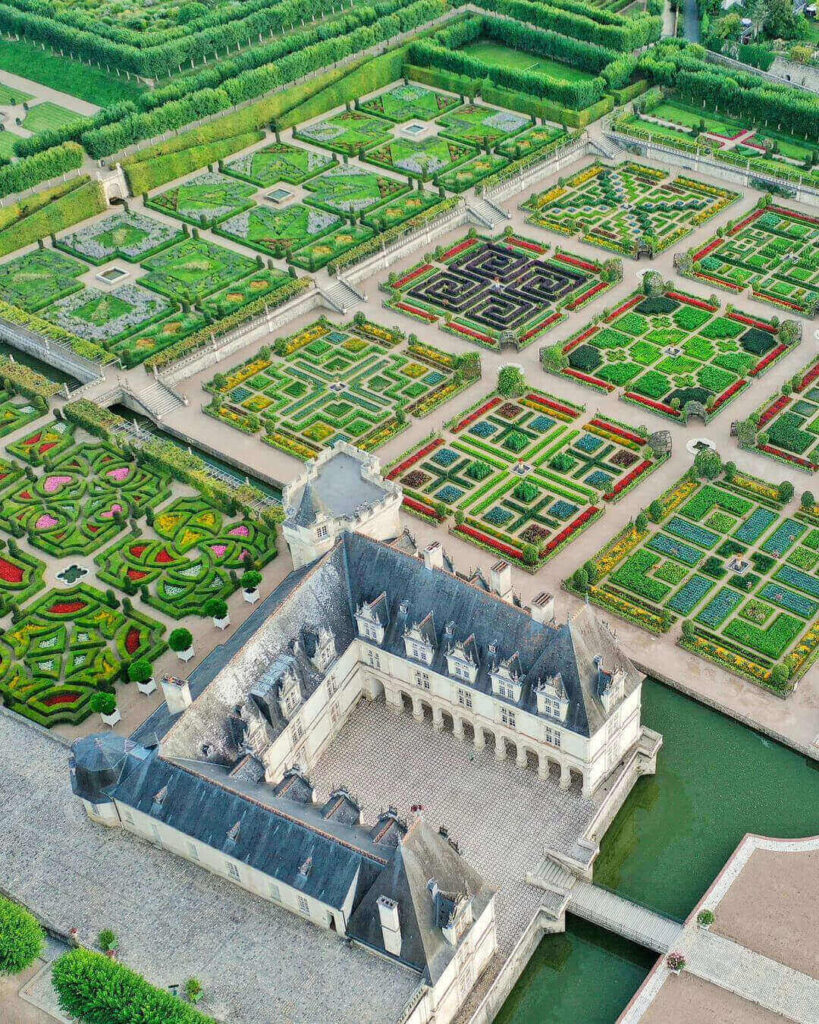
Unlike some Loire Valley castles where the gardens feel like an attractive addition to the main attraction, Villandry’s gardens are the experience. They cover several terraces surrounding the château, and each section feels completely different from the last.
One moment you’re looking at perfectly symmetrical patterns from a terrace above, and the next you’re wandering through colorful vegetable beds or relaxing beside a quiet reflecting pool.
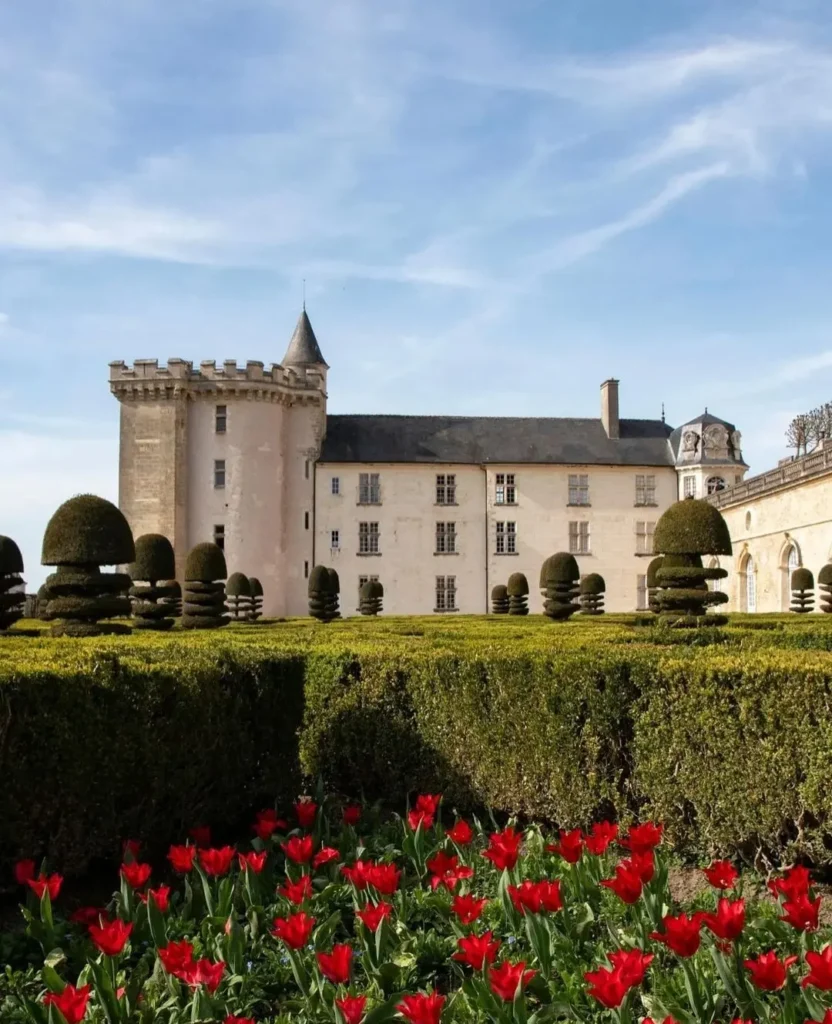
One tip I’d give anyone visiting is to head to one of the elevated viewpoints before exploring the gardens at ground level. Seeing the entire layout from above helps you appreciate just how much thought and planning went into these landscapes.
It’s only when you’re looking down on the gardens that you begin to understand why Villandry is considered one of the finest garden destinations in France.
The Renaissance Gardens
The gardens visitors see today were recreated during the early twentieth century restoration of the estate by Joachim Carvallo and his wife, Ann Coleman. Inspired by Renaissance garden design, they combine beauty, symbolism, and practicality in a way that still feels surprisingly modern.
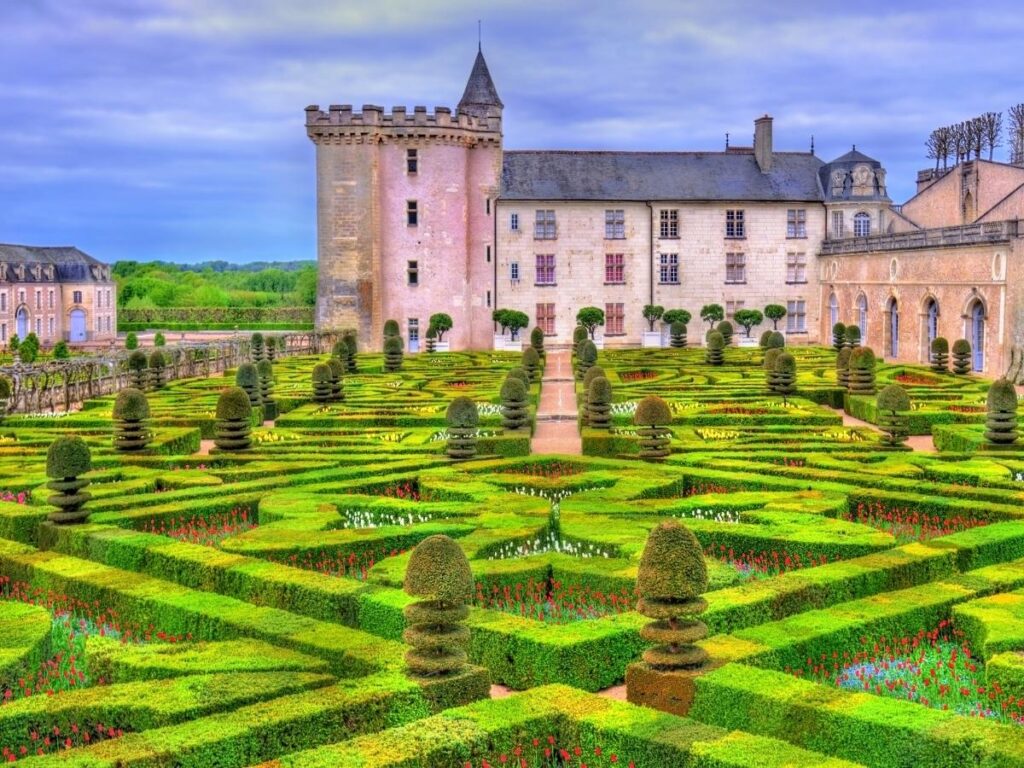
What I enjoyed most was the variety. Rather than one large landscaped park, Villandry is divided into several distinct gardens, each with its own atmosphere and purpose. Exploring them feels less like walking through a single garden and more like discovering a collection of outdoor rooms.
The Ornamental Garden
For many visitors, the Ornamental Garden is the image that comes to mind when they think of Villandry.
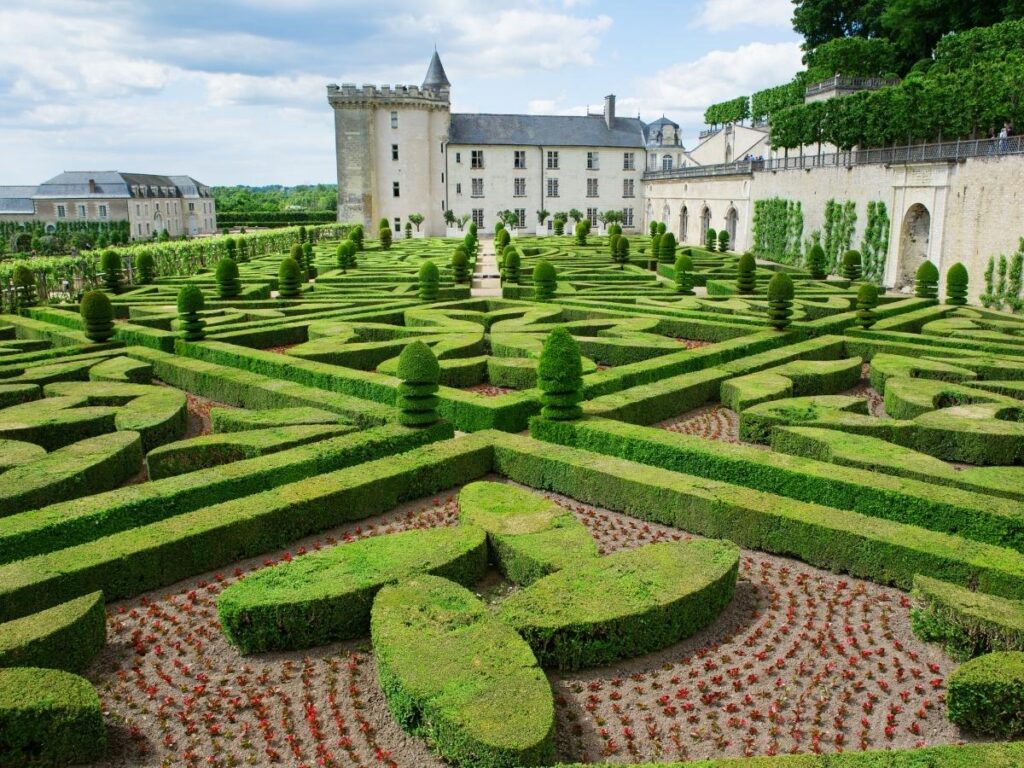
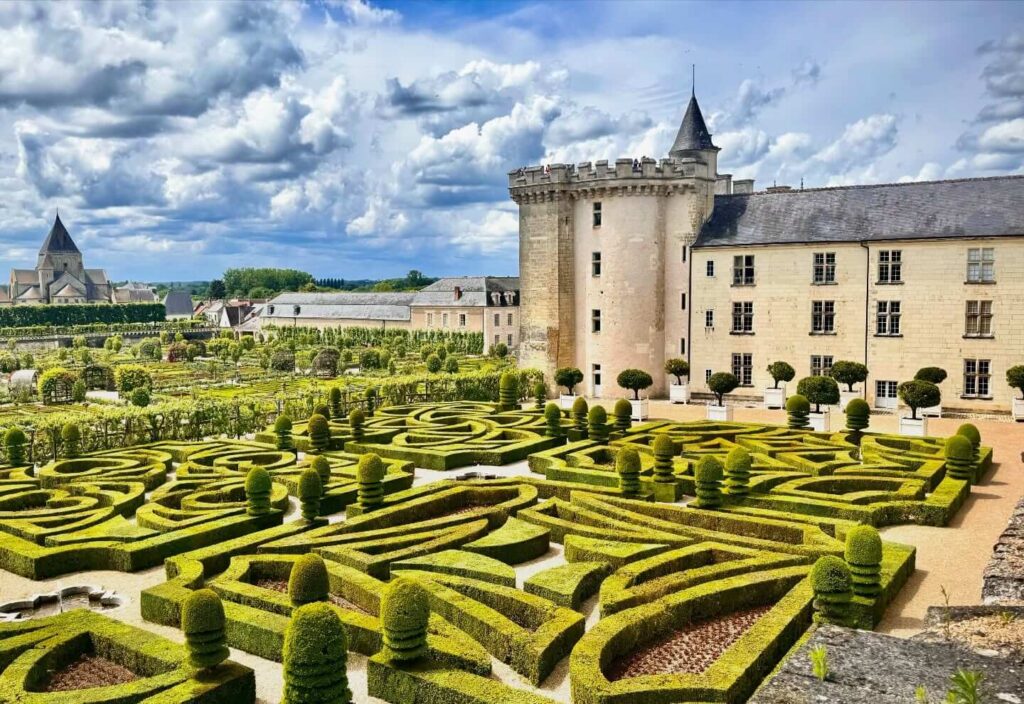
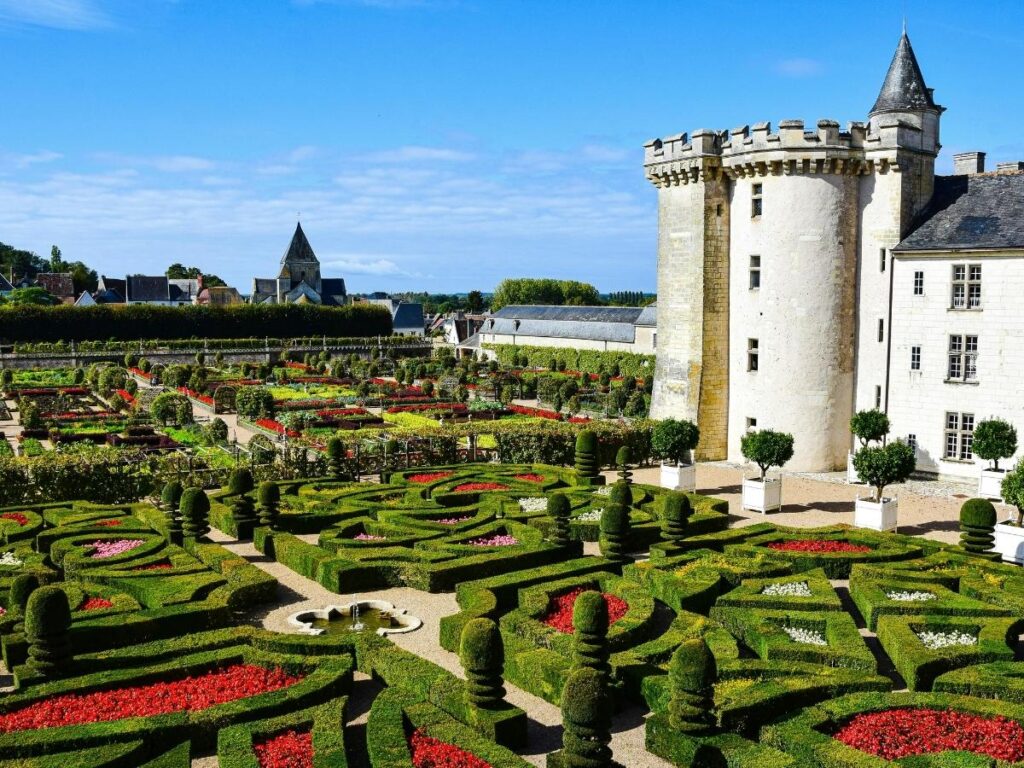
From above, the carefully clipped hedges create intricate patterns that resemble embroidery stitched into the landscape. The designs are inspired by different forms of love and courtship, although you don’t need to understand the symbolism to appreciate how impressive they look.
This was one of the first areas where I stopped and simply admired the view for a few minutes. The precision of the patterns is remarkable, especially when seen from the upper terraces. From ground level, you can appreciate the details of the hedges and pathways, but it’s from above that the garden truly reveals itself.
If you’re interested in photography, this is one of the best places on the estate to start.
The Decorative Kitchen Garden
The Decorative Kitchen Garden ended up being my favorite part of Villandry, which wasn’t something I expected before visiting.
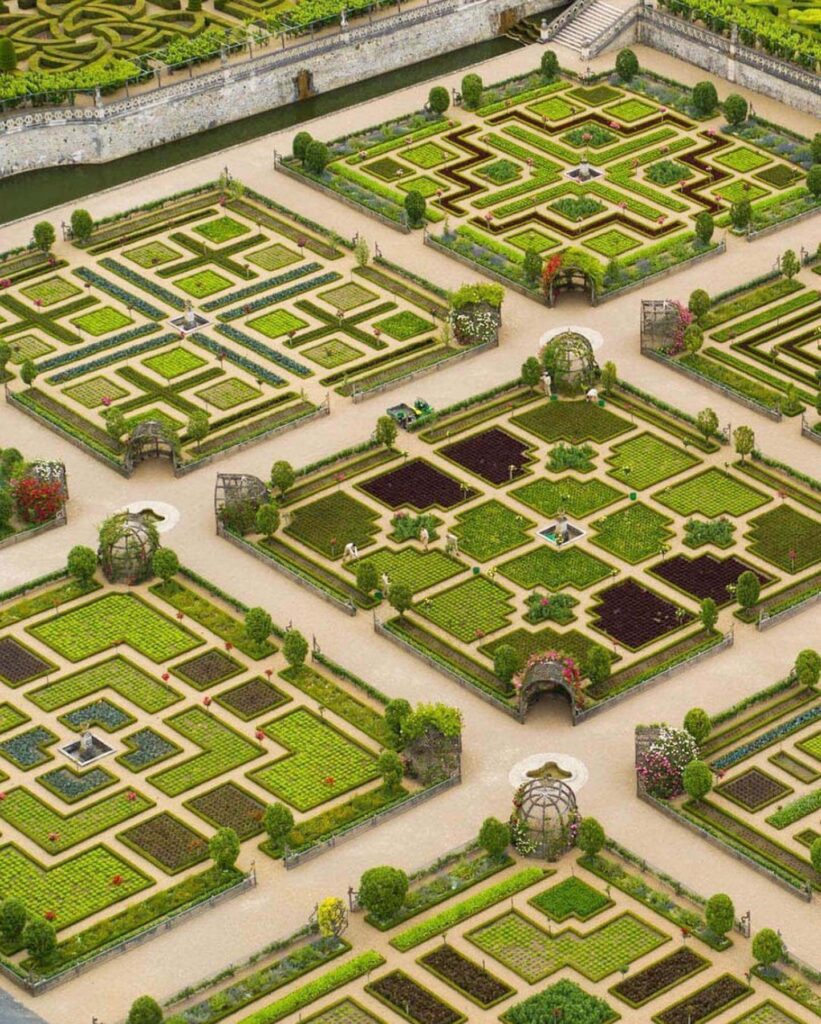
A vegetable garden doesn’t sound particularly exciting on paper, but Villandry transforms it into something genuinely beautiful. The garden is divided into geometric plots filled with vegetables and flowers arranged in carefully planned patterns. Depending on the season, you’ll see different colors and textures creating an ever changing display.
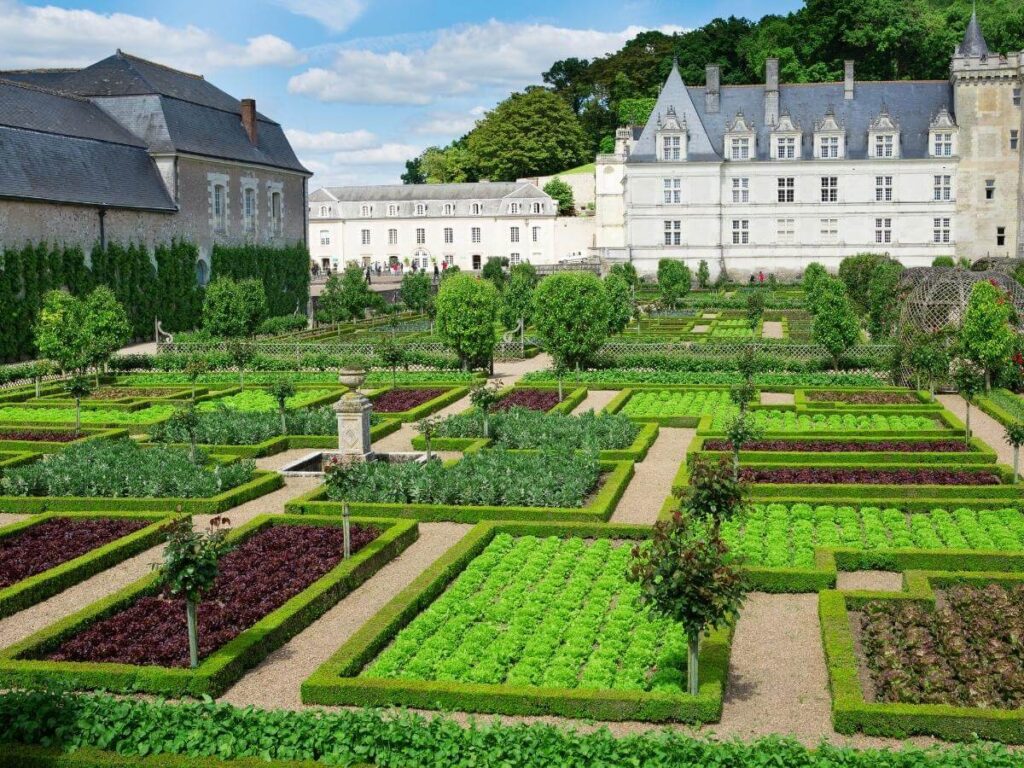
What makes this garden so interesting is the contrast between its practical purpose and artistic appearance. It’s still a productive vegetable garden, yet it looks more like a piece of landscape art than a place where food is grown.
I found myself spending much longer here than I anticipated, simply admiring the patterns and noticing details I had missed from the viewpoints above.
The Water Garden
After the color and visual complexity of the ornamental gardens, the Water Garden feels noticeably calmer.
Centered around a large reflecting pool, this area was designed as a place for relaxation. Tree lined paths surround the water, and the atmosphere feels quieter and more peaceful than some of the busier sections of the estate.
When I visited, this was one of the areas where people seemed to slow down the most. It’s the kind of place where you naturally find yourself sitting on a bench for a few minutes and enjoying the surroundings rather than rushing to the next viewpoint.
The Sun Garden
The Sun Garden is one of the newer additions to the estate, but it blends seamlessly with the rest of Villandry.
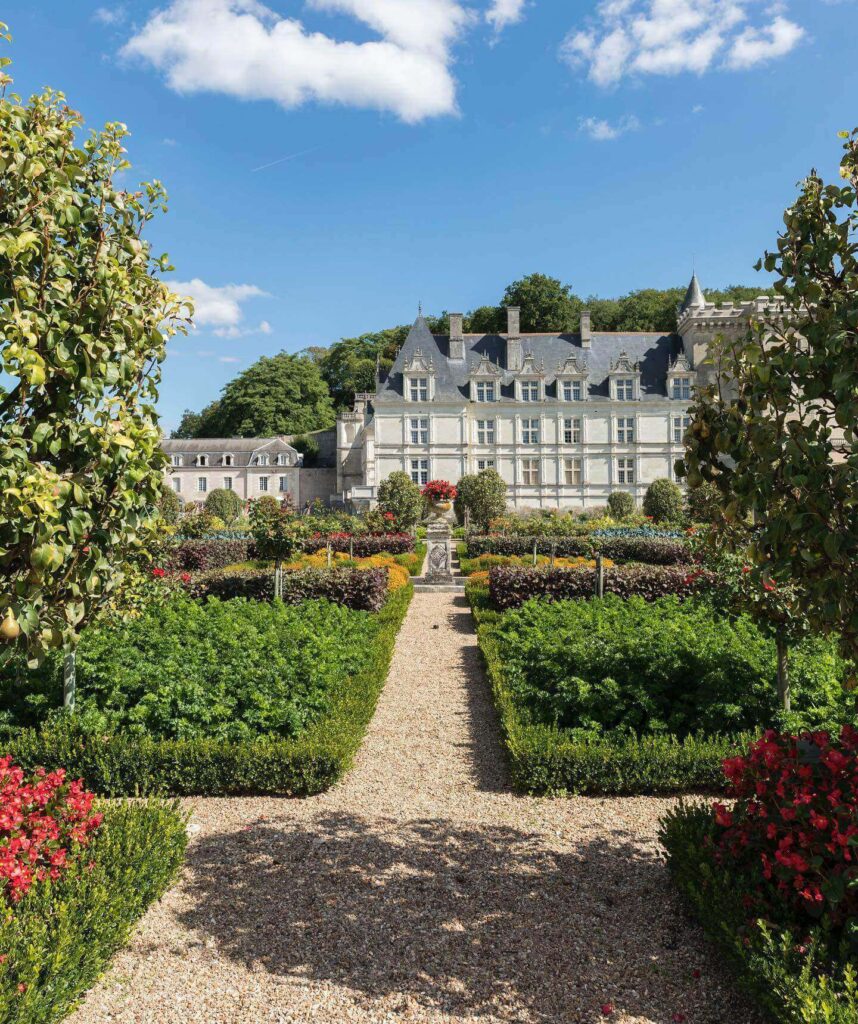
Compared to the highly structured Renaissance gardens, this area feels a little more relaxed. Flower beds, open lawns, and shaded walkways create a different atmosphere that provides a nice contrast to the geometric precision found elsewhere.
I also noticed that it tended to be quieter than the more famous garden sections, making it a pleasant place to escape the crowds during busy periods.
The Herb Garden
The Herb Garden is relatively small, but it’s worth a quick stop while exploring the grounds.
Historically, herbs were used for everything from cooking to medicine, and this section offers a glimpse into the types of plants that would have played an important role in daily life centuries ago.
It’s not the most dramatic area of Villandry, but it adds another layer to the story of the estate and helps illustrate how gardens were designed to be both useful and beautiful.
The Maze
If you’re visiting with children, the maze is often one of the highlights of the estate.
Inspired by Renaissance traditions, the hedge maze offers a fun break from the more formal sections of the gardens. While it isn’t particularly large, it’s entertaining enough to keep both kids and adults occupied for a while.
Even if you’re not traveling with children, it’s worth taking a quick look as you explore the grounds.
The Belvedere
If you’re short on time and can only visit one viewpoint, make it the Belvedere.
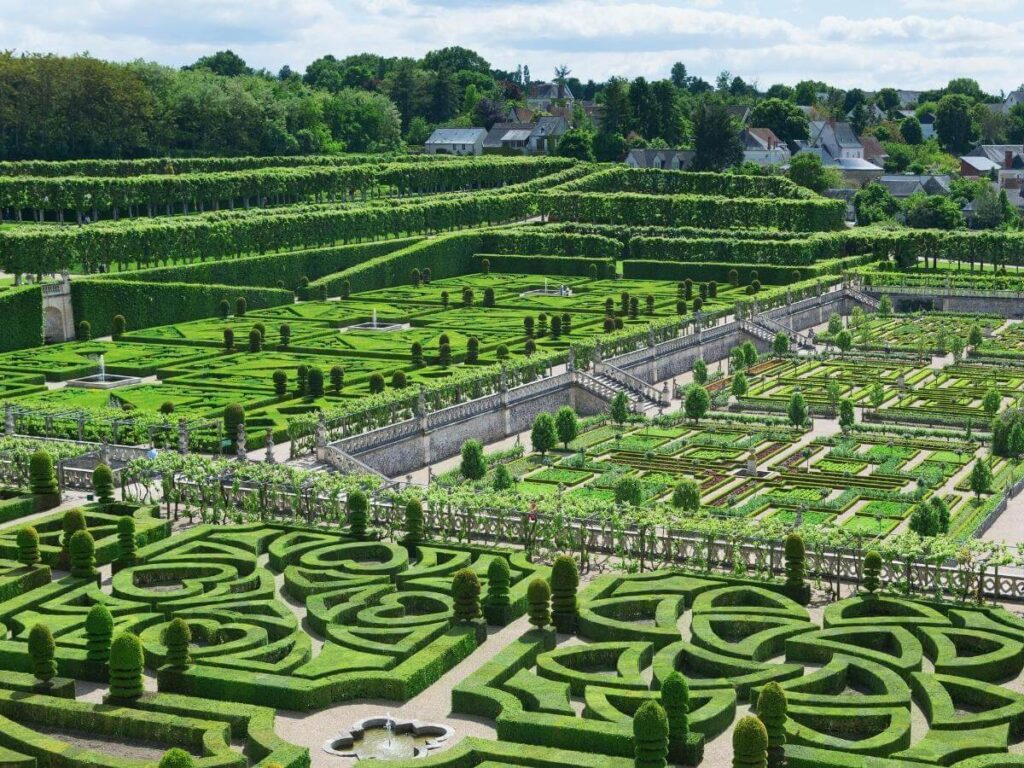
This elevated terrace offers the most complete view of the estate and provides the perspective seen in many of Villandry’s most famous photographs. From here, you can look out across the ornamental gardens, decorative kitchen garden, water garden, and the château itself.
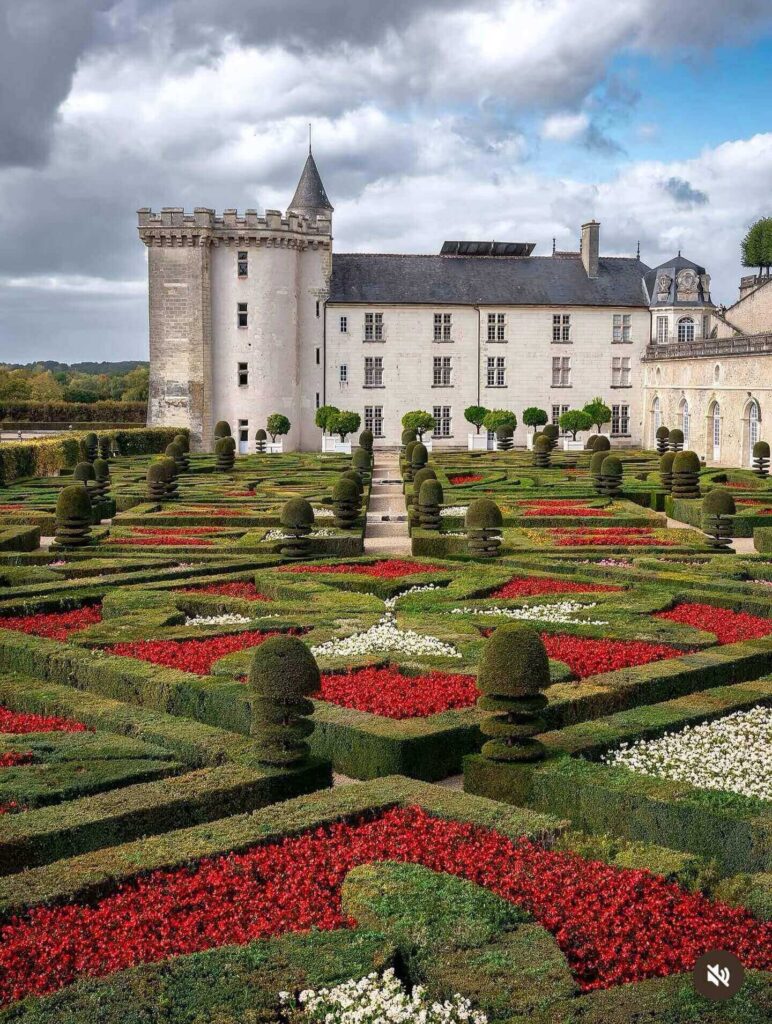
Standing here was probably the moment when Villandry impressed me the most. Seeing the gardens from ground level is enjoyable, but seeing them all together from above gives you a completely different appreciation for the scale and precision of the design.
Before leaving, I’d recommend returning to this viewpoint one final time. After you’ve walked through the gardens, you’ll notice details and patterns that you likely missed at the beginning of your visit.
Inside Château de Villandry
While the gardens are undoubtedly the highlight of a visit, I wouldn’t rush past the château itself. The interiors may not be as lavish as those at some of the Loire Valley’s more famous castles, but they provide valuable insight into the history of the estate and the people who lived here.
As you move through the château, you’ll find a collection of elegant rooms furnished with period pieces, artwork, and decorative objects that reflect different periods of Villandry’s history.
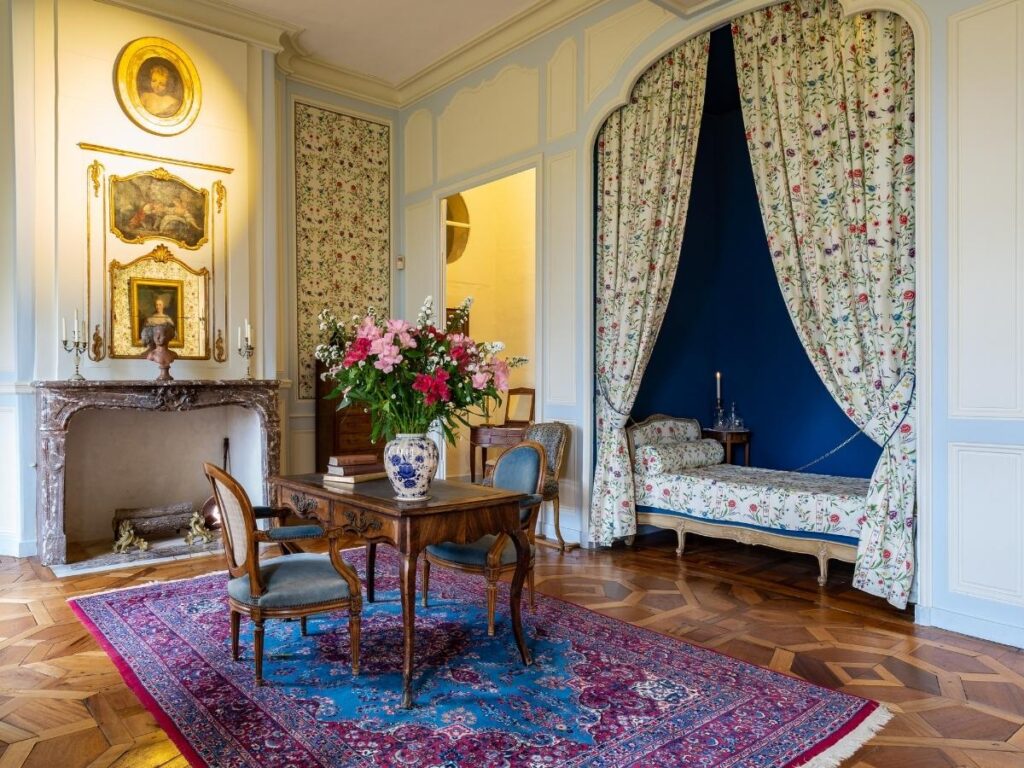
The Grand Salon is one of the most impressive spaces, while the dining room and bedrooms offer a glimpse into everyday life within the château.
One room that particularly stands out is the Oriental Drawing Room, whose distinctive decor reflects the fascination with Asian art that became popular in Europe during the nineteenth century.
What I appreciated most was that the interiors feel personal rather than overwhelming. Instead of endless galleries and ceremonial halls, Villandry offers a more intimate experience that makes it easier to imagine the château as a home rather than simply a historic monument.
The château also contains a variety of paintings, antique furniture, sculptures, and historical objects that help tell the story of the estate’s evolution over the centuries. While the collection isn’t enormous, it adds depth to the visit without requiring hours to explore.
Best Things to Do at Château de Villandry
While the gardens are undoubtedly the main attraction, Villandry is one of those places where slowing down makes the experience much more enjoyable.
Rather than rushing from one section to the next, I found that the best moments came from taking time to appreciate the details and viewing the estate from different perspectives.
Start at the Belvedere
If it’s your first visit, head to the Belvedere before exploring the gardens. This elevated viewpoint offers the most complete view of the estate and helps you understand the layout before you begin walking through it.
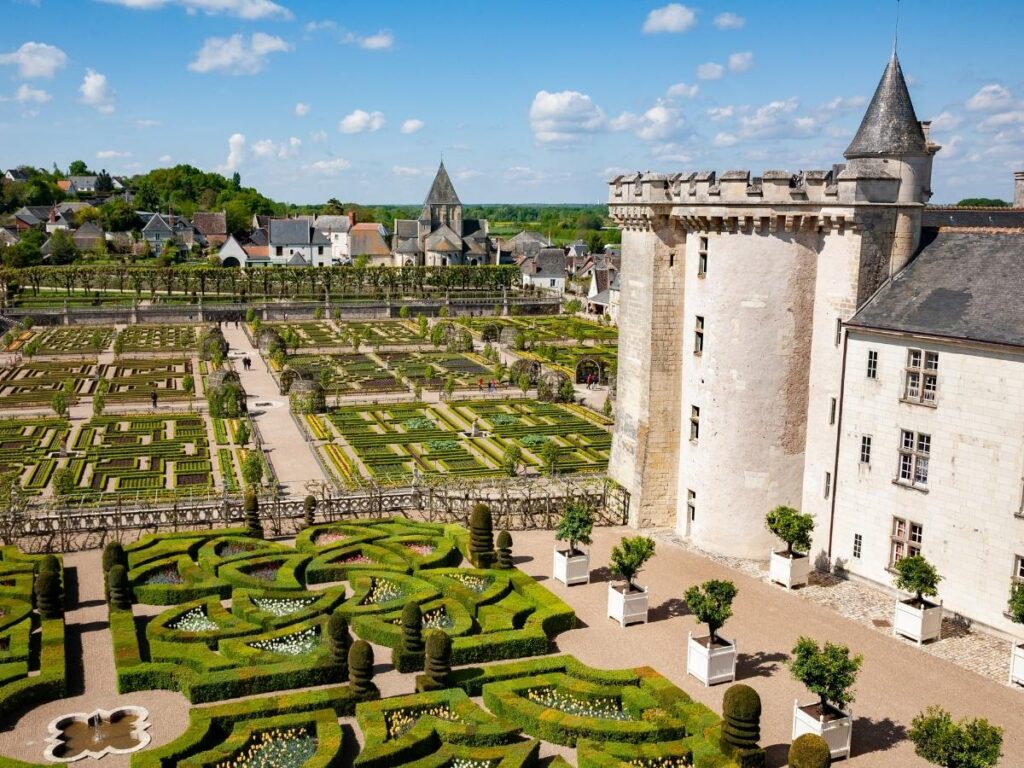
Looking down across the ornamental gardens, decorative kitchen garden, and water garden, you can fully appreciate the scale and precision of the design. It’s also one of the best photo opportunities on the property.
Wander Through the Gardens at Your Own Pace
One of the things I liked most about Villandry is that there isn’t a strict route you need to follow. The gardens are designed to be explored slowly, and each section has a different atmosphere.
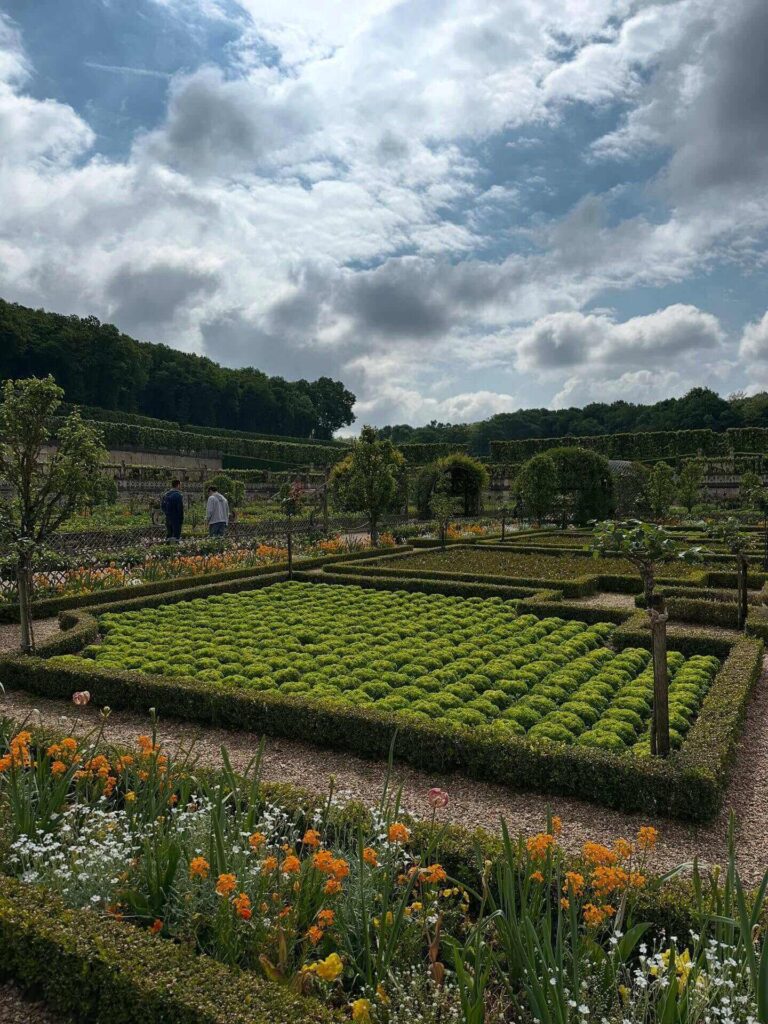
As you move through the estate, you’ll notice details that aren’t visible from above, from colorful vegetable displays and seasonal flowers to carefully shaped hedges and quiet pathways.
I found myself stopping far more often than I expected, especially in the Decorative Kitchen Garden where every corner seemed to reveal a new pattern or color combination.
Spend Time in the Decorative Kitchen Garden
If I had to choose one area that surprised me most, it would be the Decorative Kitchen Garden.
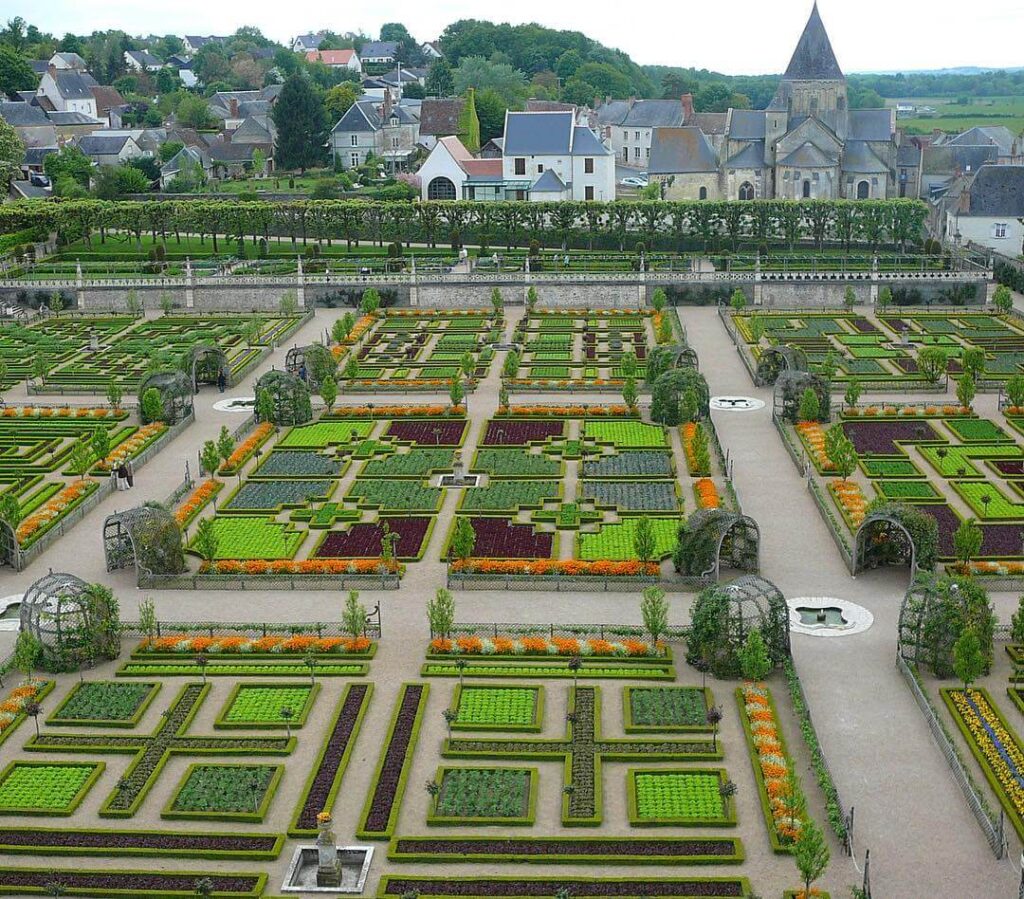
Before visiting, I assumed it would simply be a well maintained vegetable garden. Instead, it felt like one of the most creative parts of the estate. The vegetables are arranged in geometric designs that change throughout the year, creating a display that’s both practical and beautiful.
Even visitors who have little interest in gardening often end up spending longer here than they planned.
Explore the Château Interiors
After spending time outdoors, it’s worth stepping inside the château itself.
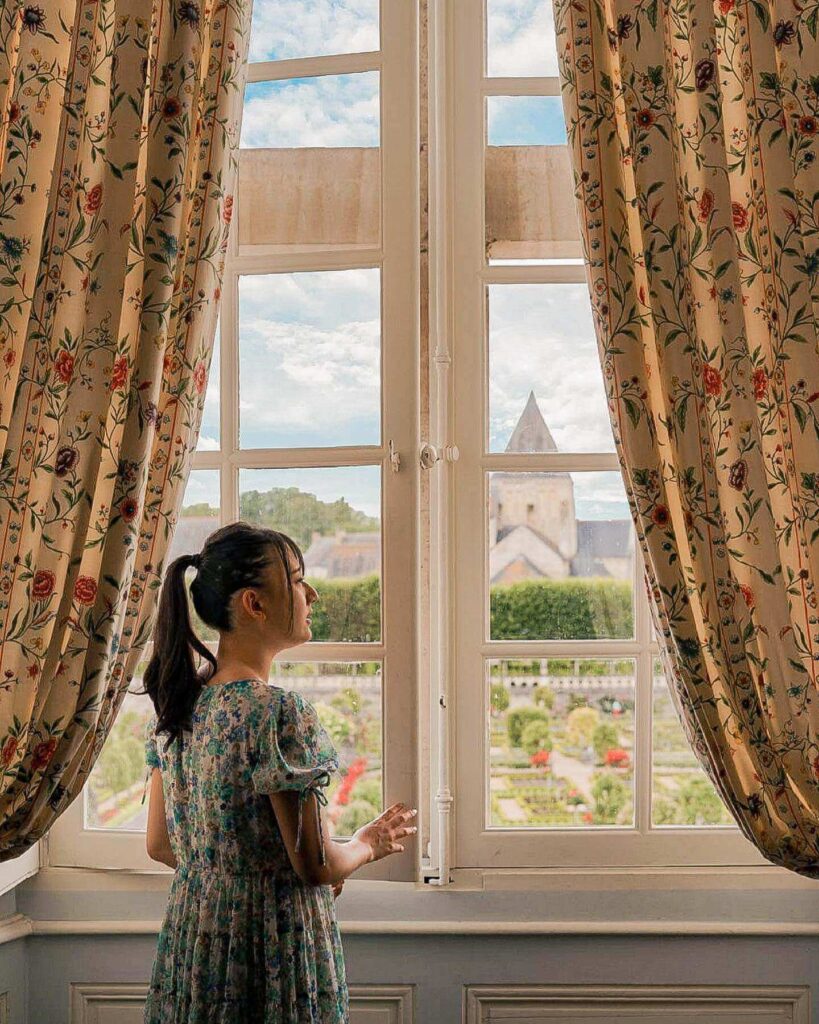
The interiors provide useful context for understanding the estate’s history and restoration. While the rooms aren’t as extravagant as those found in some Loire Valley castles, they feel personal and help tell the story of the families who lived here.
I also appreciated the views from inside the château. Looking out over the gardens through the large windows gives you a completely different perspective on the estate.
Slow Down in the Water Garden
Not every part of Villandry needs to be photographed or rushed through.
The Water Garden was one of the quietest areas during my visit and felt noticeably calmer than some of the more popular viewpoints. If you’re visiting during a busy period, it’s a great place to step away from the crowds and enjoy the surroundings for a few minutes.
Château de Villandry Through the Seasons
One of the reasons Château de Villandry is worth visiting more than once is that the gardens never look exactly the same throughout the year. The carefully planned layouts remain constant, but the flowers, colors, and overall atmosphere change with the seasons.
If you’re trying to decide when to visit, the best time really depends on what you want to experience.
Visiting in Spring
Spring is one of my favorite times to visit Villandry. After the quieter winter months, the gardens begin to come alive with fresh growth, colorful flowers, and vibrant shades of green.
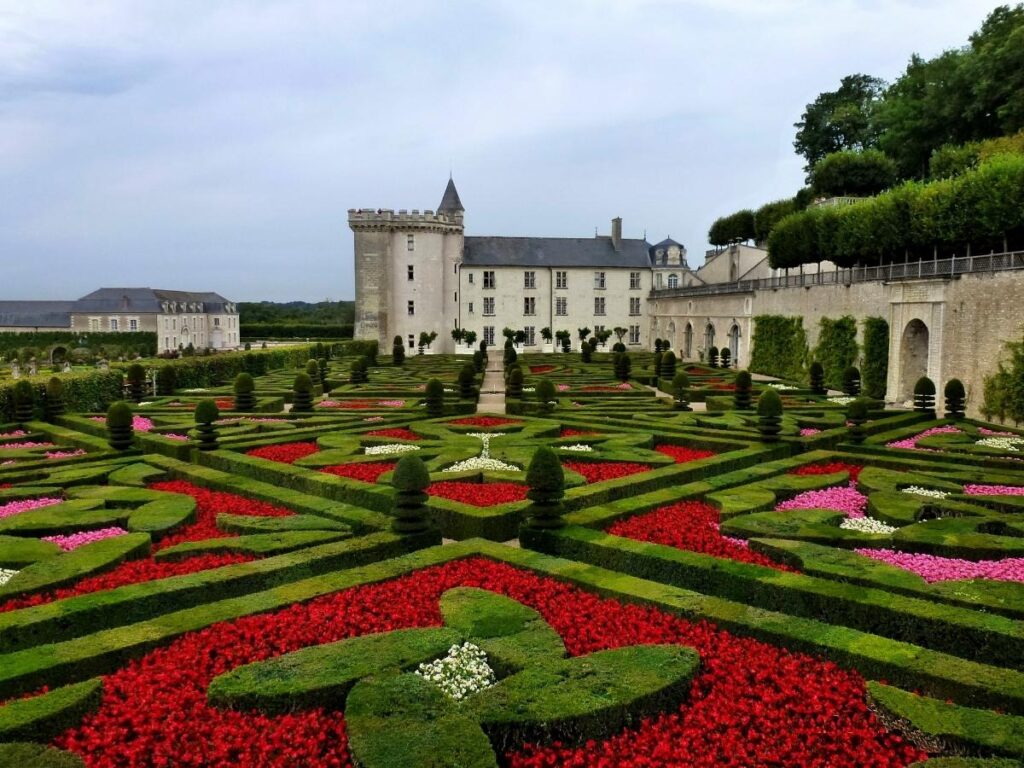
This is when you’ll see tulips and other seasonal blooms adding bursts of color throughout the estate. The temperatures are usually comfortable for walking, and the gardens feel fresh and energetic without the crowds that arrive later in the year.
What I particularly like about spring is the balance. The gardens are beautiful, the weather is pleasant, and visitor numbers are generally more manageable than during the peak summer season. If you’re hoping for a relaxed experience with plenty of opportunities for photography, spring is hard to beat.
Visiting in Summer
Summer is when Villandry is at its most colorful and dramatic.
The gardens are in full bloom, the vegetable beds are thriving, and every corner of the estate looks meticulously maintained. This is also the season when many visitors see Villandry at its absolute best, especially if it’s their first trip to the Loire Valley.
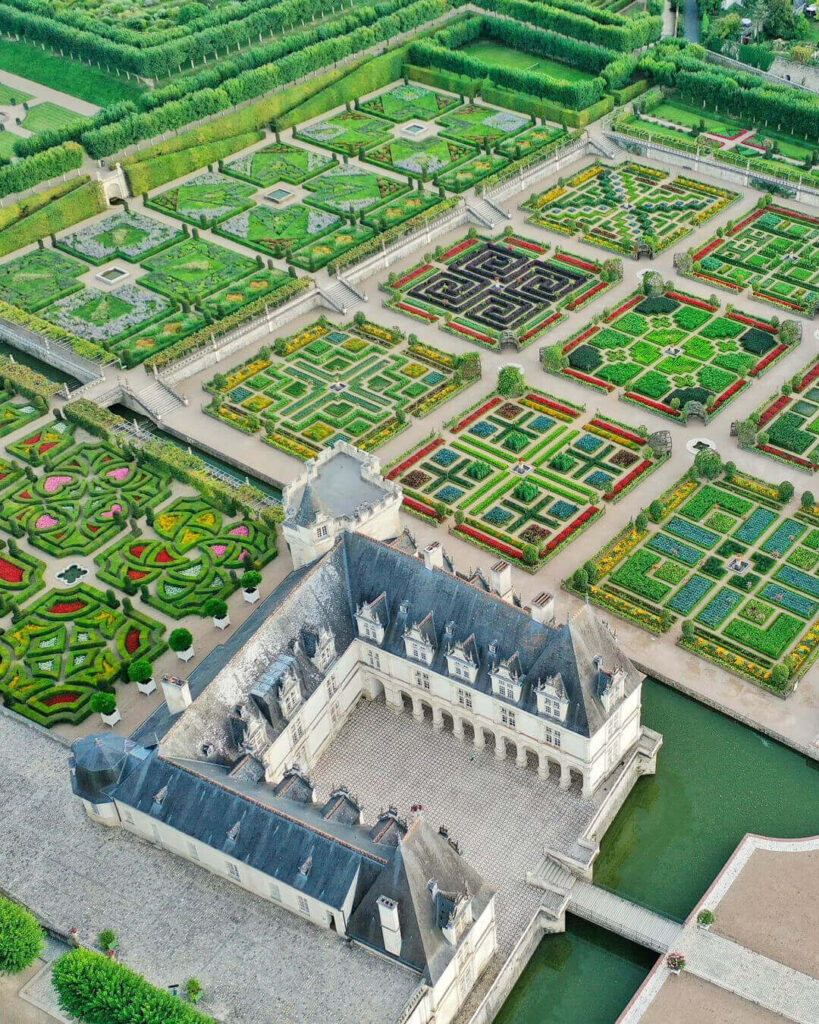
The longer daylight hours are another advantage. You’ll have plenty of time to explore the gardens, visit the château, and enjoy the viewpoints without feeling rushed.
The downside, of course, is that summer is also the busiest time of year. Popular viewpoints can become crowded, particularly during weekends and holidays. If you’re visiting during peak season, I’d recommend arriving as close to opening time as possible.
The gardens feel much more peaceful in the morning, and the softer light is often better for photography.
Visiting in Fall
Autumn brings a completely different atmosphere to Villandry.
While many visitors focus on spring and summer, I think fall is one of the Loire Valley’s most underrated seasons. The crowds begin to thin out, temperatures become more comfortable, and the gardens take on new colors as the season progresses.
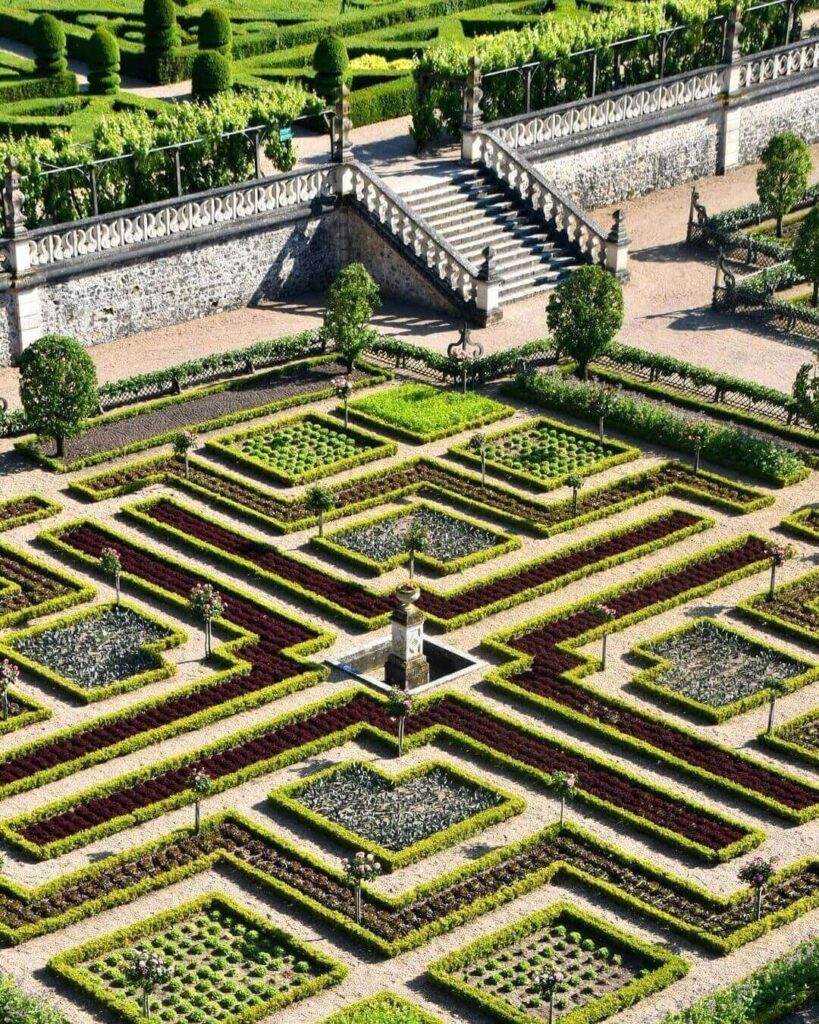
The Decorative Kitchen Garden is particularly interesting during this time of year. Harvest season adds extra color and texture to the displays, making it easy to appreciate why this section is considered one of Villandry’s highlights.
There’s also something especially pleasant about walking through the gardens in autumn. The pace feels slower, the light tends to be softer, and the estate has a more peaceful atmosphere than during the height of summer.
Visiting in Winter
Winter is the quietest season at Villandry, and while you won’t see the vibrant displays of flowers that attract many visitors, the gardens still have their own appeal.
Without the dense foliage and seasonal blooms, it’s easier to appreciate the structure and geometry that make Villandry so famous. The clipped hedges, pathways, and carefully designed layouts become the focus, offering a different perspective on the estate.
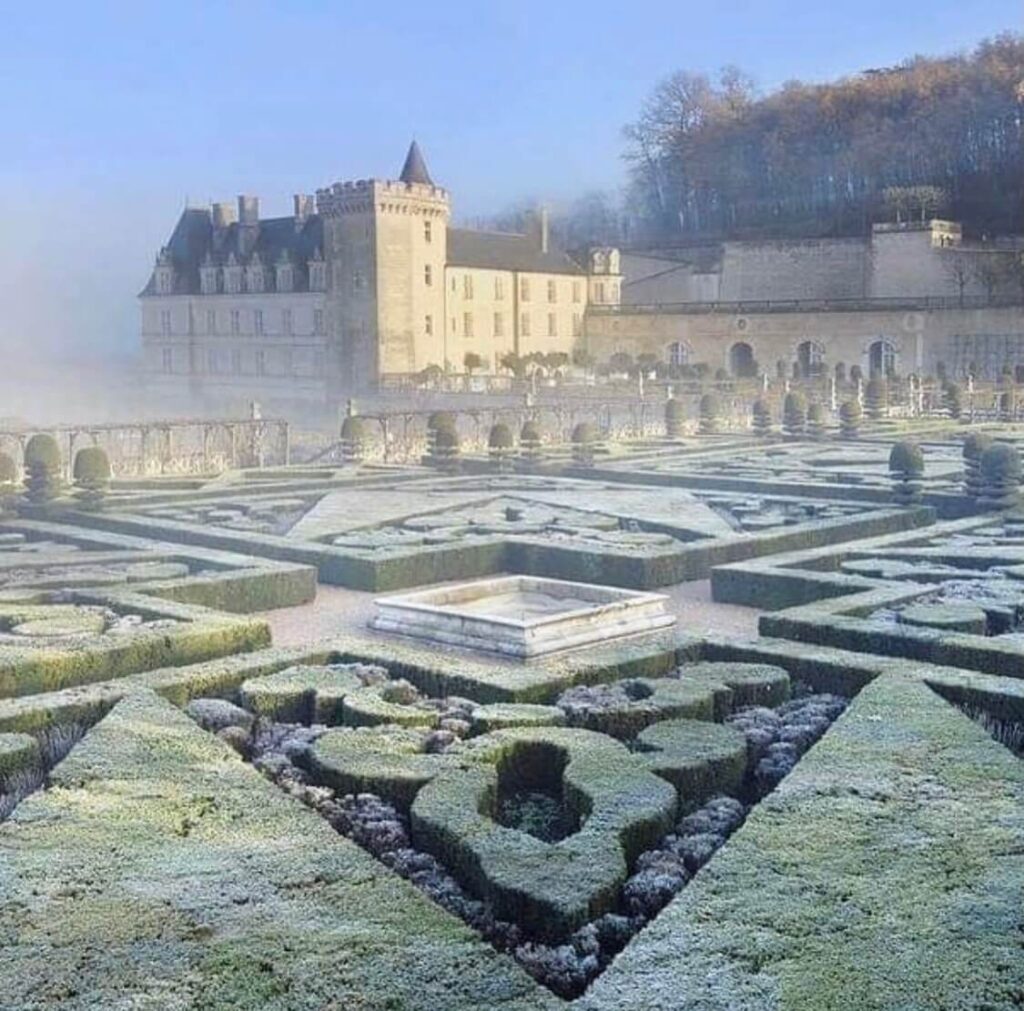
The château and grounds also feel much quieter during this time of year. If you prefer avoiding crowds and don’t mind cooler weather, winter can be a surprisingly enjoyable time to visit.
While I would personally choose spring, summer, or fall for a first visit, winter offers a more peaceful experience and a chance to see a different side of Villandry that many travelers miss.
How Long Do You Need at Château de Villandry?
One of the most common questions travelers ask before visiting Villandry is how much time they should set aside. While it’s possible to see the highlights fairly quickly, I found that Villandry is one of those places where having a little extra time makes a big difference.
The gardens are much larger than they appear in photos, and there are several viewpoints, pathways, and quieter corners that are easy to miss if you’re rushing through.
If You Only Have One Hour
If you’re visiting Villandry as part of a busy Loire Valley itinerary and only have about an hour, I’d focus on the highlights rather than trying to see everything.
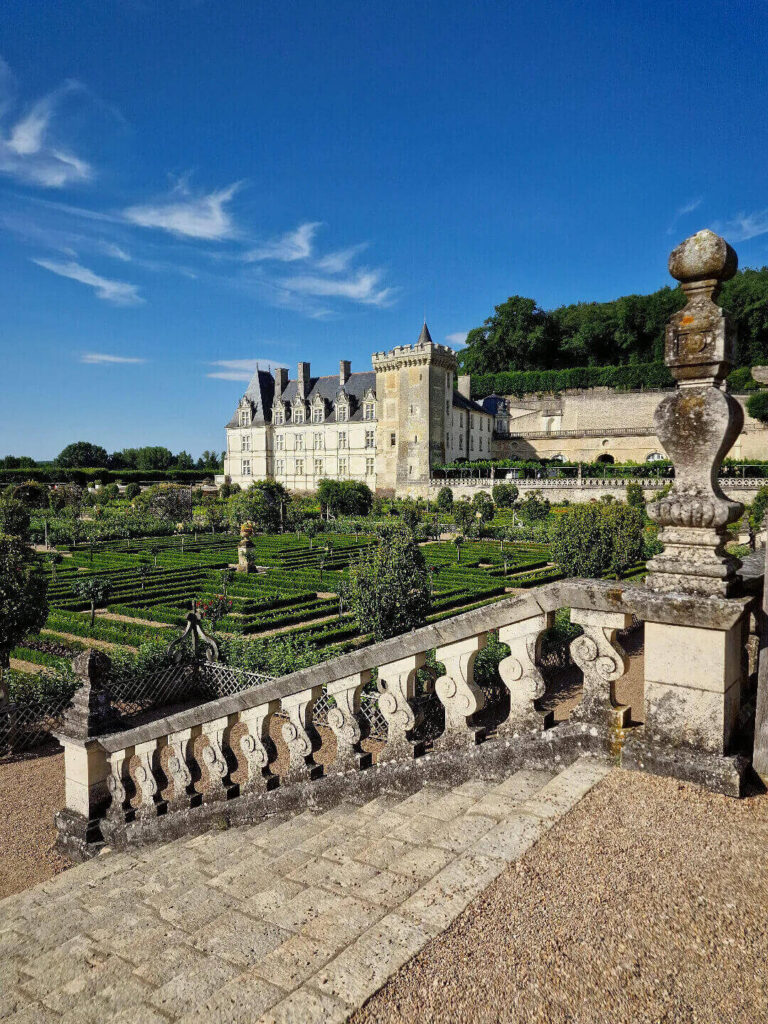
Start by heading straight to the Belvedere or one of the upper terraces. The elevated views are what make Villandry so special, and they provide the best perspective of the ornamental and decorative kitchen gardens. After that, spend some time walking through the main garden sections before moving on.
You’ll still get a good sense of what makes Villandry unique, but the visit will feel fairly quick and you’ll likely skip some of the quieter areas of the estate.
If You Have Two to Three Hours
For most visitors, this is the ideal amount of time.
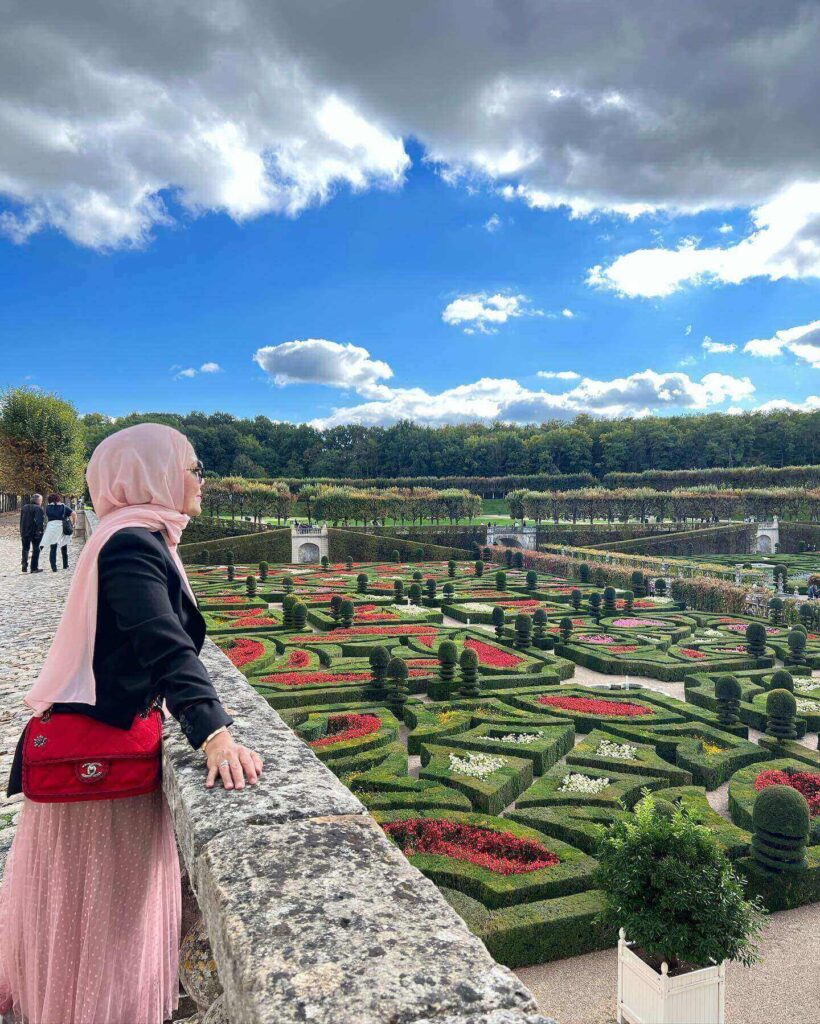
Two to three hours gives you enough time to explore the gardens without feeling rushed, visit the château interiors, stop for photos, and enjoy the viewpoints more than once. It also allows you to slow down and appreciate the details that make Villandry so memorable.
This was roughly how long I spent during my visit, and it felt like the right balance. I never felt rushed, but I also didn’t feel like I had too much time.
If You Have Half a Day
If Villandry is one of the main highlights of your Loire Valley trip, I’d recommend allowing at least half a day.
This gives you the freedom to explore every section of the gardens at a relaxed pace, spend more time inside the château, and revisit your favorite viewpoints as the light changes throughout the day.
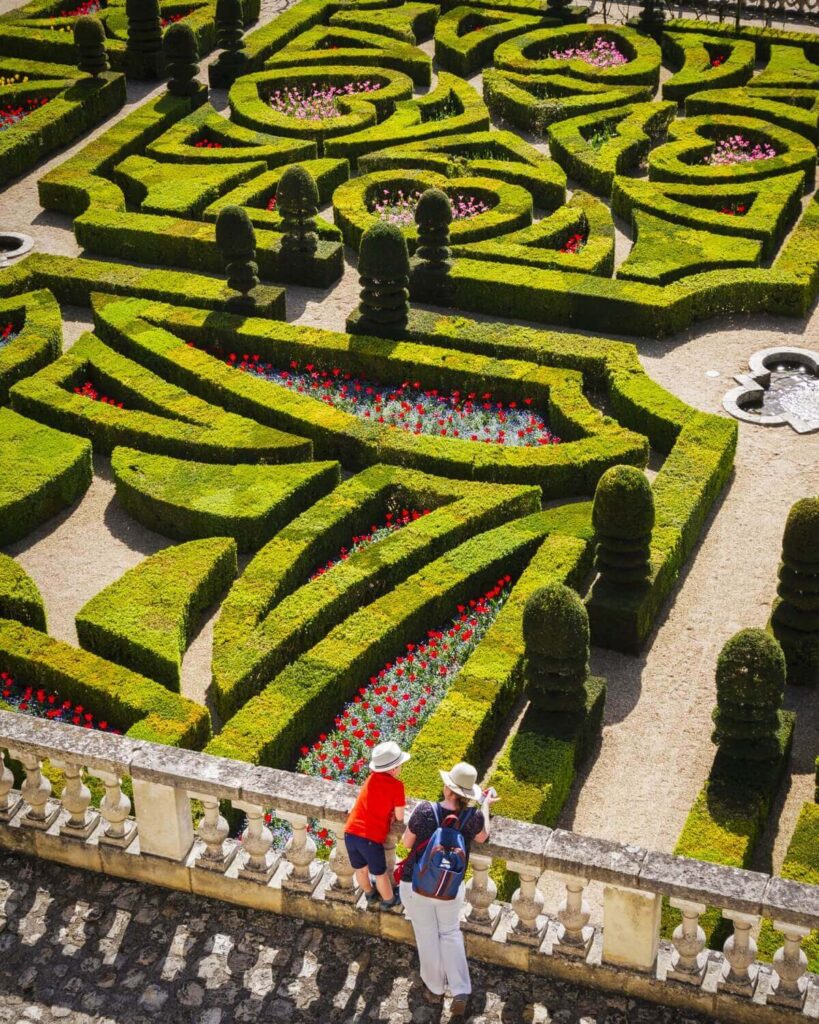
It’s also a much better option for photographers, who may want to wait for different lighting conditions or spend extra time capturing the garden details.
A half day visit also leaves room for simple pleasures like sitting beside the Water Garden for a few minutes or browsing the gift shop before you leave. Those small moments often end up being some of the most enjoyable parts of the experience.
If you’re trying to decide how much time to allocate, I’d plan for at least two to three hours. That gives you enough time to enjoy Villandry properly without feeling like you’re constantly watching the clock.
Château de Villandry Tickets and Opening Hours
Château de Villandry is open for most of the year, although opening hours and ticket prices vary depending on the season. Because schedules occasionally change, I always recommend checking the official website before your visit for the most up to date information.
One thing I appreciated about visiting Villandry is that the experience feels fairly straightforward. Unlike some major attractions where ticketing can become complicated, visiting here is usually quite simple, especially if you’re traveling outside the busiest months.
Should You Book Tickets in Advance?
If you’re visiting during spring, summer, or a holiday period, booking tickets in advance is worth considering. Villandry is one of the Loire Valley’s most popular attractions, and visitor numbers can increase significantly during peak travel seasons.
Having tickets beforehand won’t necessarily transform your visit, but it can save time and provide some peace of mind, especially if you’re following a tight itinerary or visiting as part of a day trip.
Outside the peak season, however, purchasing tickets on arrival is usually easy and rarely causes any issues.
Garden Only vs Combined Tickets
When booking tickets, you’ll typically have the option to visit only the gardens or purchase a ticket that includes both the gardens and the château interiors.
For travelers who are short on time or primarily interested in landscape design, the garden only ticket may be enough. After all, the gardens are what make Villandry famous.
That said, I would personally recommend the combined ticket whenever possible. While the château isn’t the main attraction, the interiors help tell the story of the estate and provide context for everything you’ll see outside. The additional time required is relatively small, but it adds another layer to the experience.
If it’s your first visit to Villandry, I think the combined ticket offers the best value.
Best Time to Visit Château de Villandry
One of the advantages of Villandry is that it can be enjoyed throughout much of the year. However, your experience will look quite different depending on when you visit.
Because the gardens are the star attraction, timing can have a noticeable impact on what you’ll see.
Best Month to Visit
If I had to choose the best months to visit Villandry, I would probably pick May, June, or September.
During these months, the gardens are usually looking their best, temperatures are comfortable for walking, and the estate feels lively without always reaching the peak crowds of midsummer.
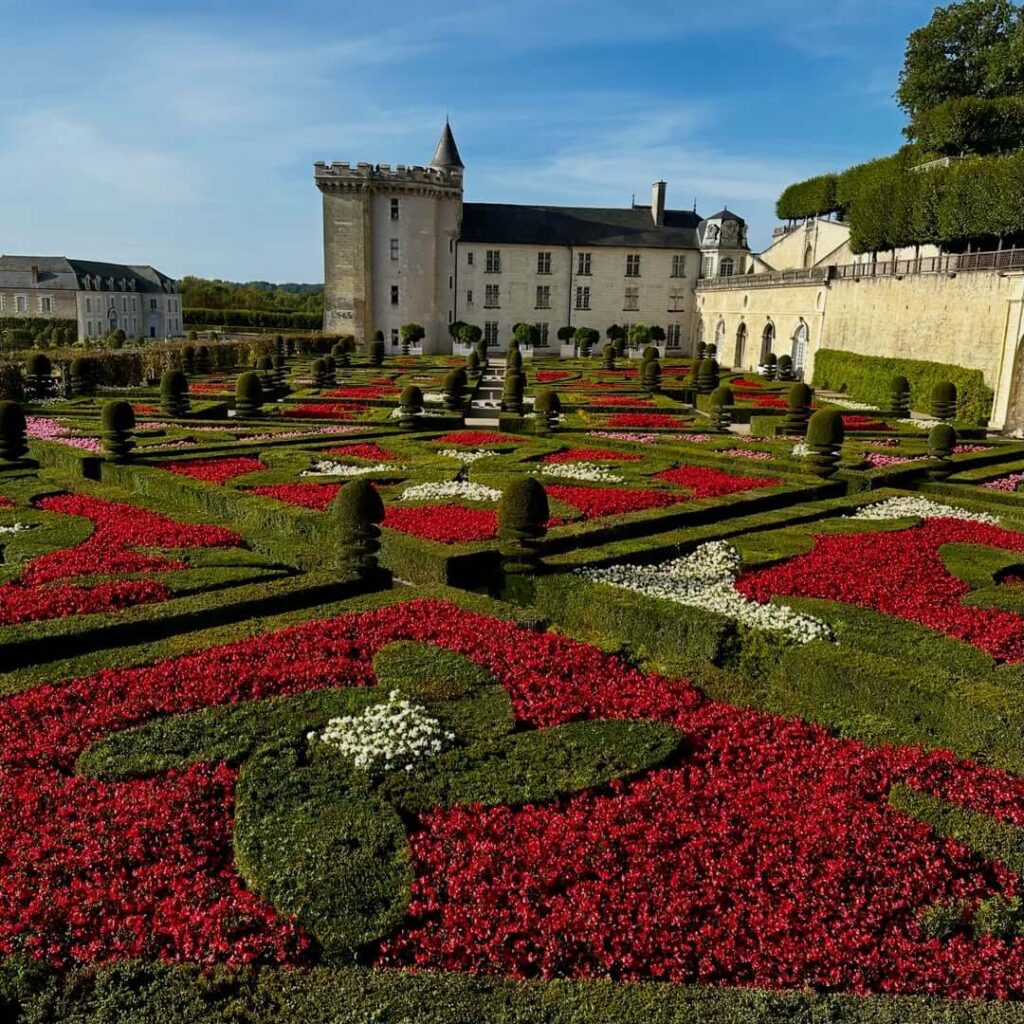
May and June are particularly beautiful because many flowers are in bloom and the gardens feel fresh and vibrant. September offers a different experience, with softer light, pleasant temperatures, and slightly smaller crowds.
That said, there really isn’t a bad time to visit. Each season brings something different to the gardens.
Best Time of Day
For the best overall experience, I recommend arriving as close to opening time as possible.
The gardens tend to feel quieter in the morning, making it easier to enjoy the viewpoints and take photos without large crowds. The softer morning light also tends to be more flattering for photography, especially when you’re trying to capture the geometric patterns of the gardens from above.
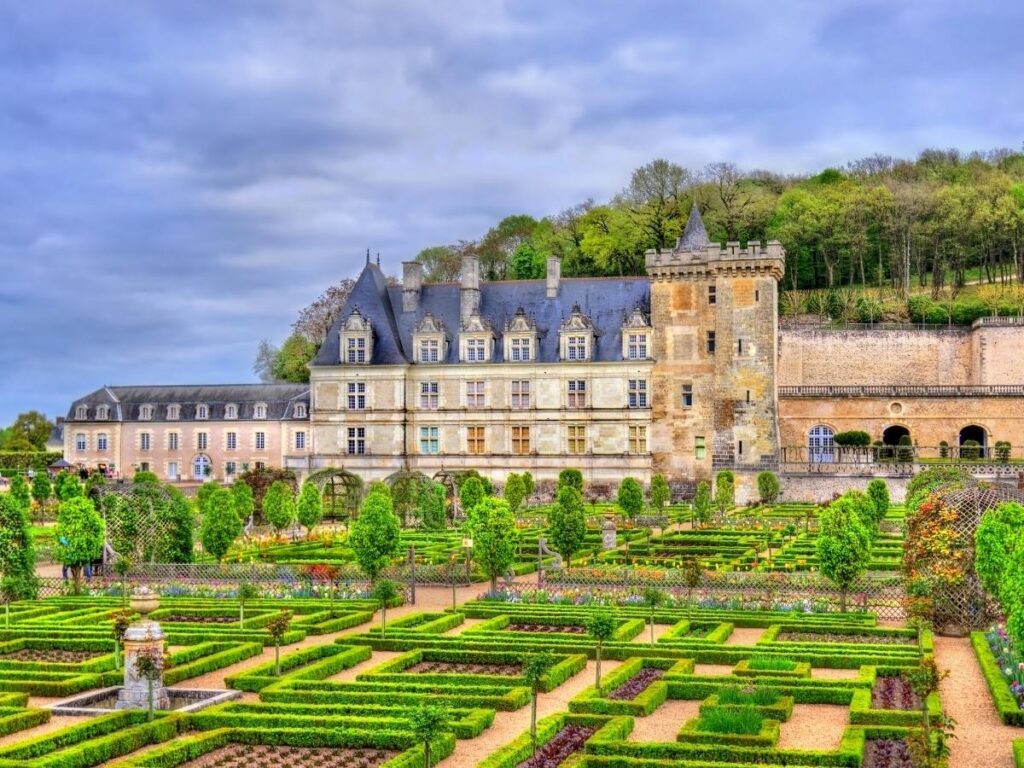
During the summer months, an early start has the added benefit of avoiding the hottest part of the day.
Late afternoon can also be a pleasant time to visit, particularly if you’re interested in photography, but mornings generally offer the best combination of lighting and smaller crowds.
Best Day of the Week
If your schedule allows, weekdays are usually the best time to visit Villandry.
The difference isn’t dramatic, but weekends often attract more visitors, especially during spring and summer. The most popular viewpoints can become noticeably busier, and the estate tends to feel less peaceful overall.
I would also try to avoid major French holidays and school vacation periods if possible. Visiting on a weekday morning outside peak holiday periods is usually the best way to experience Villandry at its most relaxed.
How to Get to Château de Villandry
One of the things I like about Château de Villandry is that it’s relatively easy to reach, whether you’re exploring the Loire Valley by car, train, bicycle, or guided tour. The château sits just outside the city of Tours, making it a convenient addition to both day trips and longer Loire Valley itineraries.
For most visitors, Tours serves as the main gateway to Villandry and many of the region’s other famous castles.
From Tours
If you’re staying in Tours, reaching Villandry is fairly straightforward and can easily be done as a half day or full day excursion.
By Car
Driving is by far the easiest and most flexible option.
The journey from Tours takes around 25 to 30 minutes, depending on traffic, and the route passes through attractive Loire Valley countryside. Having a car also makes it much easier to combine Villandry with nearby attractions such as Azay le Rideau, Langeais, or several local vineyards.
If you’re planning to visit multiple châteaux during your trip, renting a car is often the most convenient way to explore the region.
By Bus
Visitors without a car can still reach Villandry using regional bus services from Tours.
While this option requires a little more planning, it’s perfectly manageable for travelers who prefer using public transportation. Just be sure to check schedules in advance, as services may vary depending on the season and day of the week.
By Bicycle
The Loire Valley is one of the most bicycle friendly regions in France, and Villandry is a popular stop along the Loire à Vélo cycling route.
If you’re already exploring the region by bike, visiting Villandry can be a particularly enjoyable experience. Cycling through vineyards, riverside landscapes, and charming villages before arriving at one of France’s most famous gardens feels very much in keeping with the slower pace of Loire Valley travel.
From Paris
Many travelers visit Villandry as part of a day trip or short Loire Valley getaway from Paris.
Although it’s not as close to Paris as some destinations, it’s still very possible to visit in a single day with a bit of planning.
Common Mistakes to Avoid at Château de Villandry
After visiting Villandry, there were a few things that stood out to me that could make a big difference to your experience. None of them are major mistakes, but avoiding them can help you get much more out of your visit.
Heading Straight Into the Gardens
One of the easiest mistakes to make is rushing directly into the gardens as soon as you arrive.
It’s tempting because the colorful flower beds and pathways are right in front of you, but I’d actually recommend doing the opposite. Start by heading to one of the elevated viewpoints, especially the Belvedere, before exploring the gardens at ground level.
Seeing the entire estate from above helps you understand how the different gardens fit together. Once you’ve walked through the gardens afterward, the patterns and designs make much more sense. I found myself appreciating the details far more after seeing the overall layout first.
Underestimating the Size of the Estate
Before visiting, I expected Villandry to be relatively quick to explore. The gardens look manageable in photos, but they feel much larger once you’re walking through them.
Many visitors arrive expecting to spend an hour here and then move on to another château. While that’s certainly possible, it often means rushing through some of the most interesting parts of the estate.
Villandry is one of those places where taking your time is part of the experience. The viewpoints, garden sections, château interiors, and quieter corners all deserve more than a quick glance.
Visiting at Midday for Photography
If photography is important to you, timing matters more than you might think.
The geometric patterns of the gardens look their best when the light is soft and shadows add depth to the designs. During the middle of the day, especially in summer, the sunlight can be quite harsh and make photos appear flatter than they do in person.
Morning is usually my favorite time to visit because the gardens are quieter, temperatures are more comfortable, and the lighting is often much better for photography.
Skipping the Château
Because Villandry is famous for its gardens, some visitors choose to focus exclusively on the grounds and skip the château altogether.
While I understand the temptation, I think that’s a mistake, especially if it’s your first visit.
The château doesn’t take very long to explore, and it helps tell the story behind the estate. It also offers beautiful views overlooking the gardens and provides useful context for understanding how Villandry evolved over the centuries.
The gardens may be the main attraction, but the château completes the experience.
Suggested Loire Valley Itineraries Including Villandry
One of the advantages of visiting Château de Villandry is its location. Several of the Loire Valley’s most famous castles are within a relatively short drive, making it easy to include Villandry as part of a larger itinerary.
Whether you have one day or several days in the region, Villandry pairs particularly well with nearby châteaux and historic towns.
If You Only Have One Day
If you’re visiting the Loire Valley on a day trip, I’d focus on quality over quantity.
Ma combinaison favorite est le Château de Villandry and Château d’Azay le Rideau. The two castles offer completely different experiences and are located just a short drive from one another.
I would start the morning at Villandry, arriving as close to opening time as possible. This gives you the opportunity to enjoy the gardens before the largest crowds arrive and take advantage of the softer morning light. After exploring the château and gardens, stop for lunch in Villandry or nearby Azay le Rideau.
Spend the afternoon visiting Azay le Rideau, whose elegant Renaissance architecture and picturesque setting provide a wonderful contrast to Villandry’s garden focused experience.
It’s a relaxed itinerary that allows you to fully enjoy both castles without constantly watching the clock.
If You Have Two Days
With two days in the Loire Valley, you can begin to experience some of the region’s most iconic attractions without feeling rushed.
I would dedicate the first day to Villandry and Azay le Rideau before spending the night in Tours. The following day could be devoted to Chenonceau and Chambord, two of the Loire Valley’s most famous châteaux.
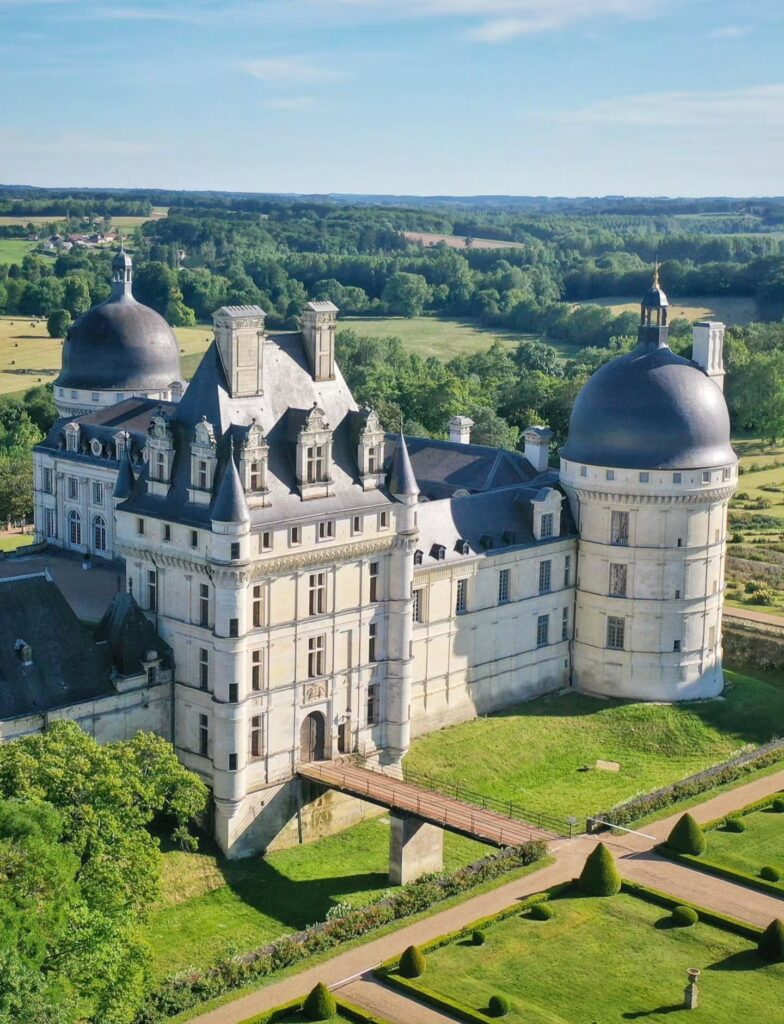
This combination works particularly well because each castle offers something different. Villandry is known for its gardens, Azay le Rideau for its romantic setting, Chenonceau for its graceful architecture spanning the river, and Chambord for its extraordinary scale.
By the end of the trip, you’ll have experienced four very different sides of the Loire Valley.
If You Have Three Days
Three days allows for a much more relaxed pace and is what I would personally recommend if your schedule permits.
On the first day, explore Villandry and Azay le Rideau. On the second day, visit Chenonceau and the charming town of Amboise, where you can spend some time wandering the historic streets in addition to visiting the château. On the third day, head to Chambord and Cheverny.
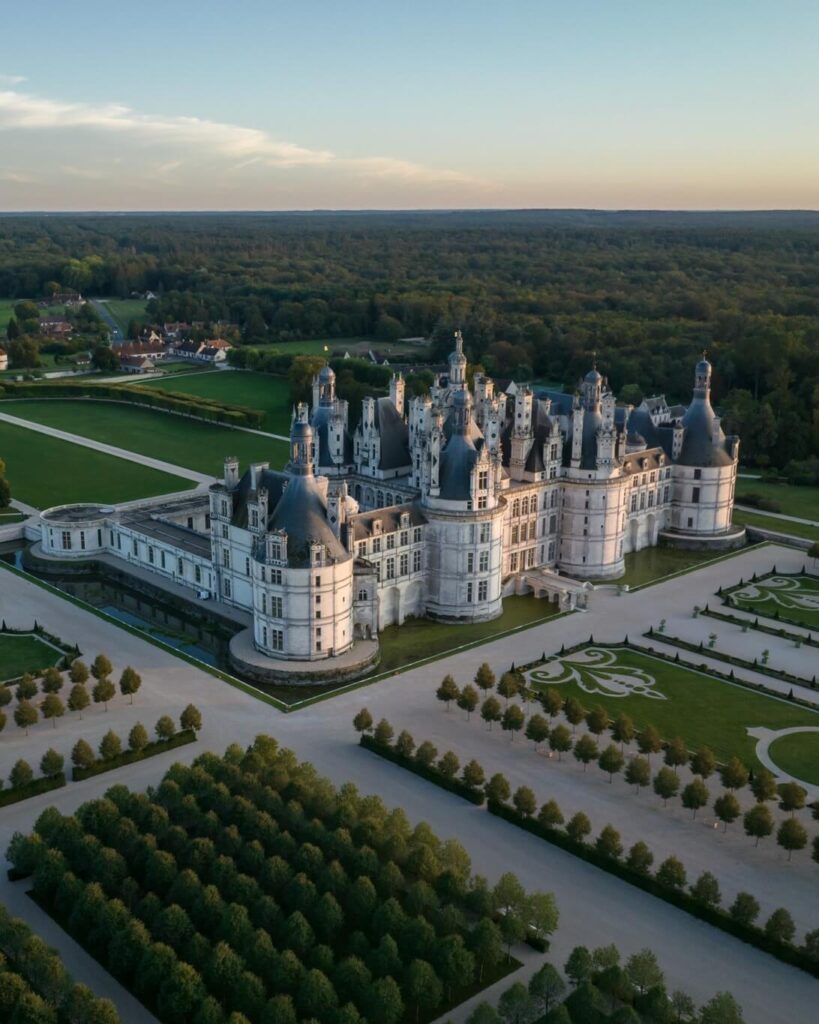
What I like about this itinerary is that it balances famous landmarks with smaller experiences. You’re not simply rushing between castles. Instead, you have time to appreciate the landscapes, villages, and atmosphere that make the Loire Valley such a rewarding destination.
No matter how many days you have, I would resist the temptation to squeeze too many castles into a single day. The Loire Valley is best enjoyed at a slower pace, and Villandry is one of those places that rewards visitors who take their time.
Final Thoughts on Visiting Château de Villandry
Château de Villandry ended up being one of the biggest surprises of my Loire Valley trip.
Before visiting, I expected a beautiful château surrounded by attractive gardens. What I discovered instead was a destination where the gardens are very much the main attraction. While the château itself is interesting, it’s the landscapes, viewpoints, and intricate garden designs that make Villandry so memorable.
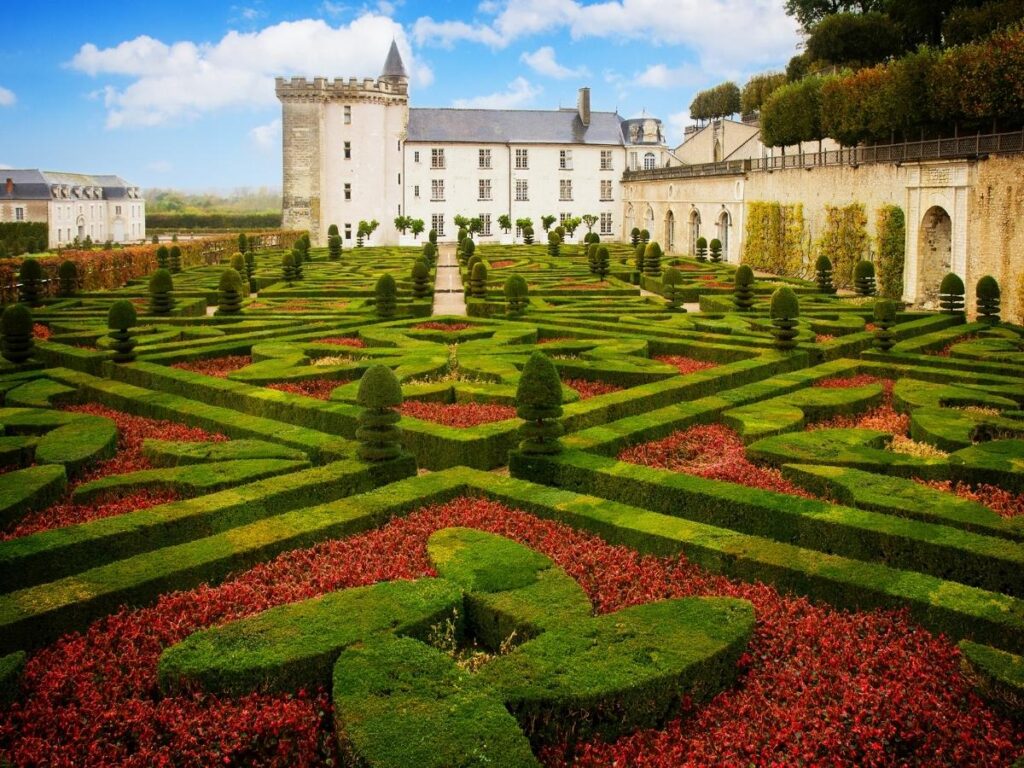
What stayed with me most wasn’t a particular room or historical artifact. It was standing on one of the terraces overlooking the estate and seeing the geometric patterns stretching across the gardens below. Photos had prepared me for the beauty of Villandry, but they hadn’t prepared me for the scale.
I also loved how different each part of the estate felt. From the ornamental gardens and decorative kitchen garden to the peaceful Water Garden, there was always something new to discover. It’s one of the few places where I found myself revisiting viewpoints just to take in the scenery from a different angle.
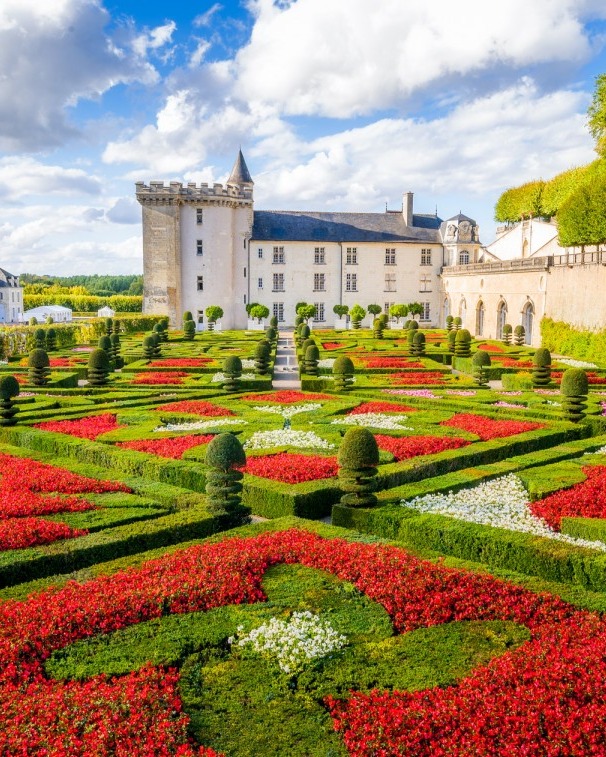
If you’re interested in photography, gardens, landscape design, or simply want a château experience that feels different from Chambord or Chenonceau, Villandry deserves a place on your itinerary.
And even after visiting many of the Loire Valley’s famous castles, it’s one of the places I still think about most when I look back on the trip.