
The first time I saw Bonifacio, I had to stop for a second to process it.
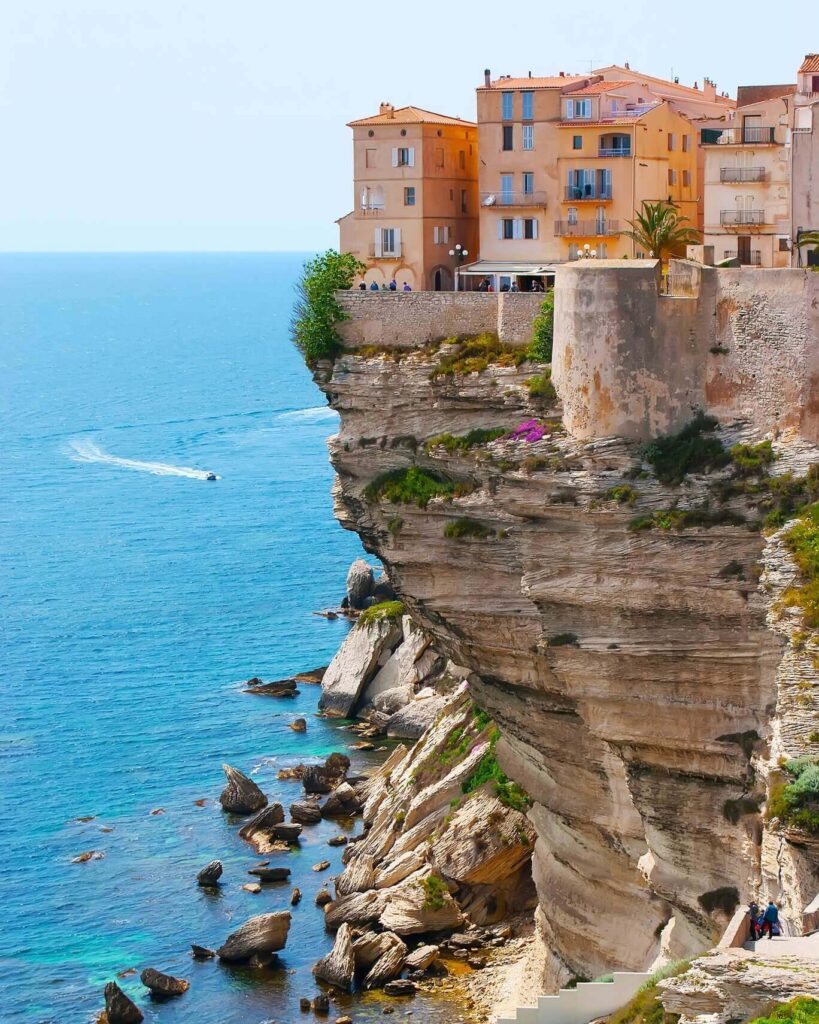
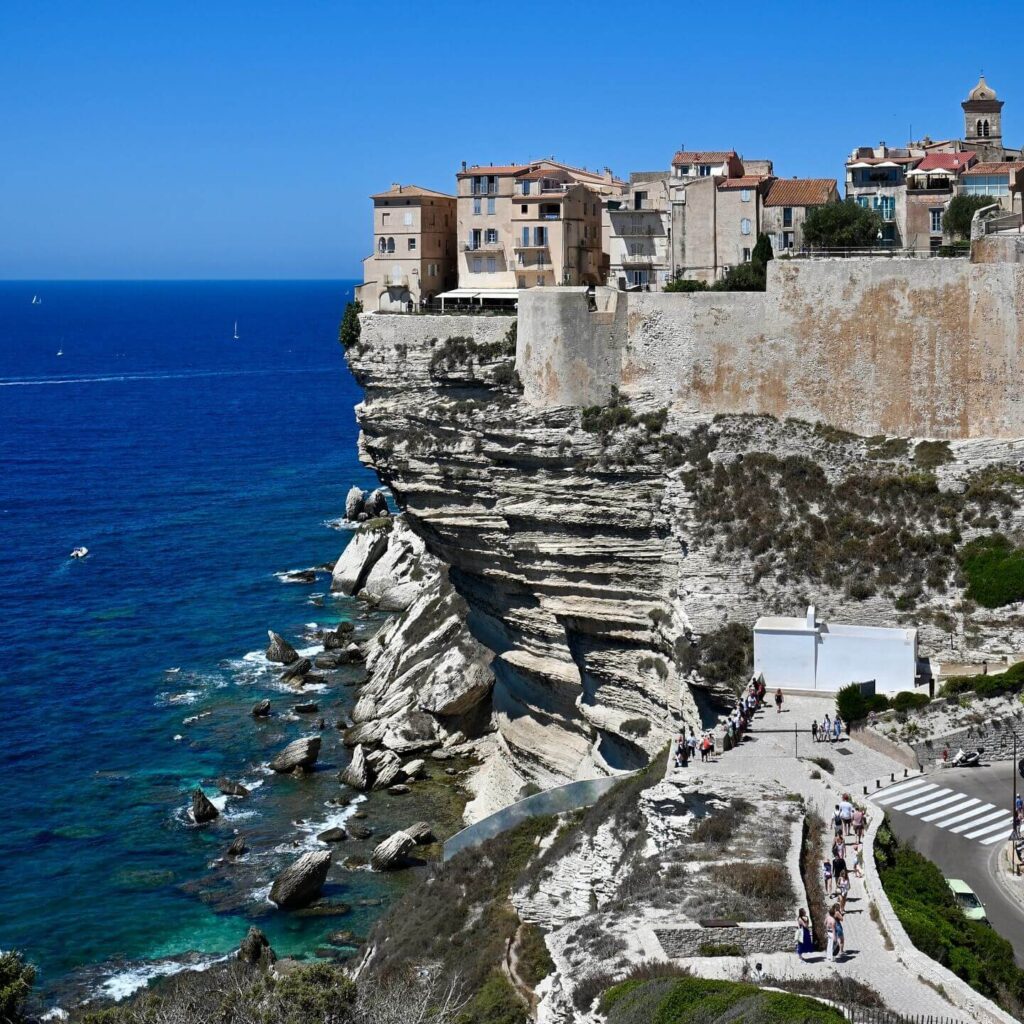
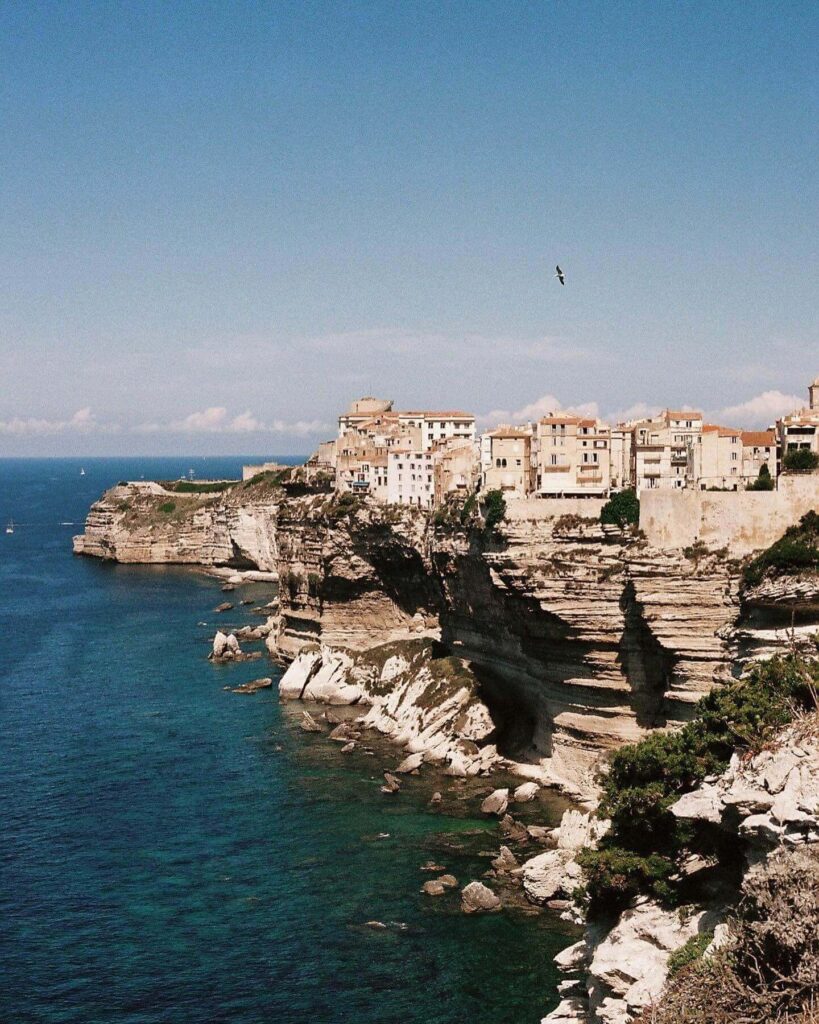
You arrive, and suddenly the town is just there, sitting on top of these pale limestone cliffs that drop straight into the sea. The houses look like they’re almost leaning forward, like they shouldn’t be able to stay there.
I remember standing near one of the viewpoints, just watching it quietly for a bit, because it didn’t feel like a place you could fully take in right away. What surprised me, though, was that Bonifacio isn’t only about that first view.
Once you start walking around, the experience shifts quite a lot. The old town feels slower and more enclosed, with narrow streets that don’t really reveal much until you turn a corner. Then, when you go down to the marina, everything changes.
It feels more open, more social, with restaurants, boats, and people moving around. And then again, if you head out toward the cliffs or take a boat, the landscape starts to feel more raw and exposed.
That contrast is what made the place interesting to me. It’s not just one type of experience, even though it might look that way at first.
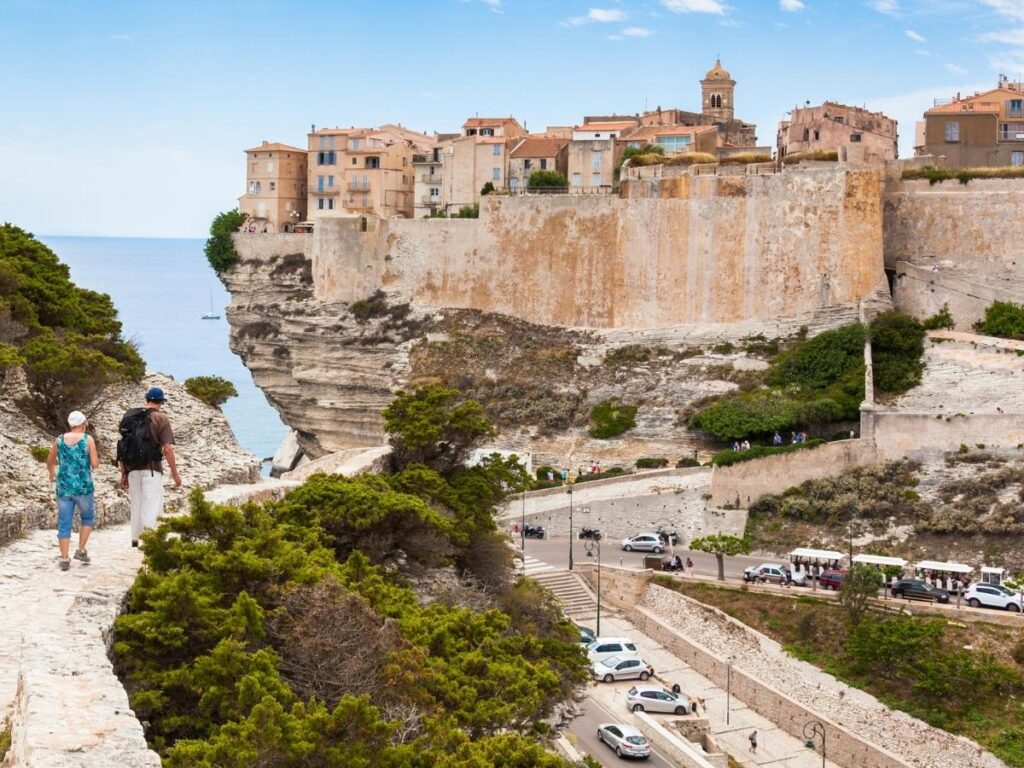
In this guide, I’m sharing the best things to do in Bonifacio based on how I actually experienced it. Not just a list of places, but what each one feels like, how much time it realistically takes, and which ones are worth prioritizing if you don’t have a lot of time.
I’ll also point out a few small things I didn’t expect, and a couple I’d probably approach differently if I went back.
Bonifacio at a Glance
Bonifacio sits right at the southern tip of Corsica, almost facing Sardinia across the water. It’s one of those places where the location really shapes the whole experience. You’re not just visiting a town, you’re at the edge of the island, where everything starts to feel a bit more open and exposed.
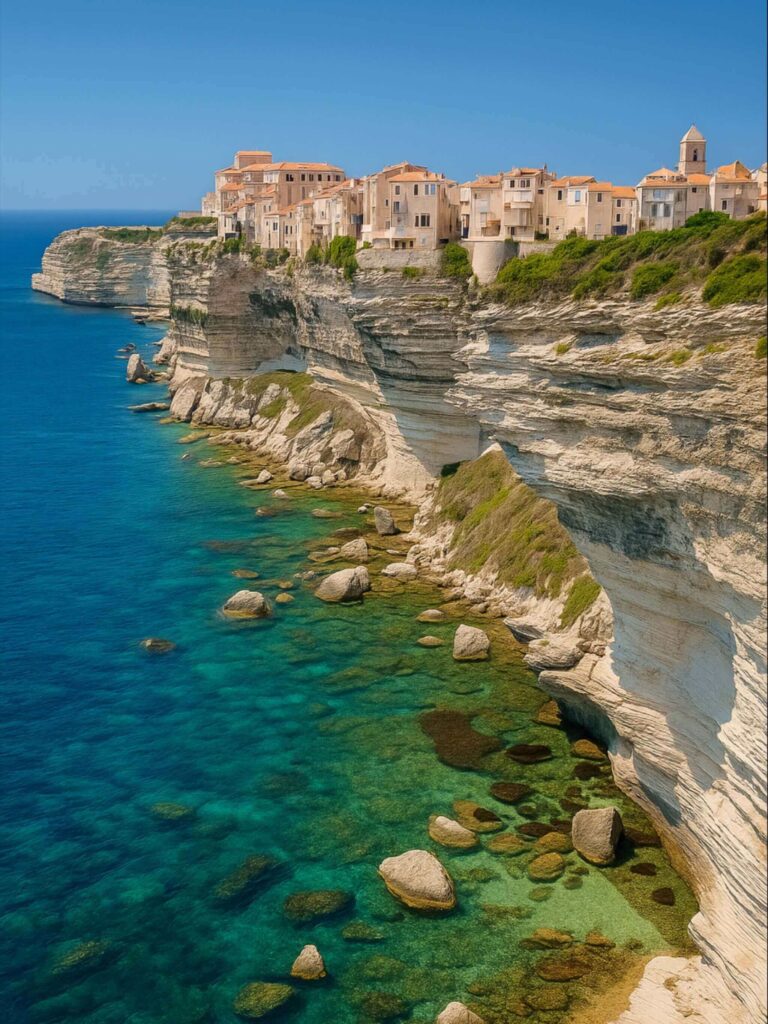
What makes Bonifacio stand out is how dramatic the setting is. The town is built on top of these white limestone cliffs that drop straight into the sea, and you notice them constantly, whether you’re walking through the old town or looking back at it from the water. It’s not just a nice view in one spot, it’s something that stays with you the whole time you’re there.
The old town itself sits right on that edge, and it feels quite different from other places in Corsica. The streets are narrow and a bit uneven, and it has that slightly enclosed feeling where you don’t always see what’s ahead until you turn a corner. Then suddenly, you’ll come across an opening or viewpoint, and the sea is right there again.
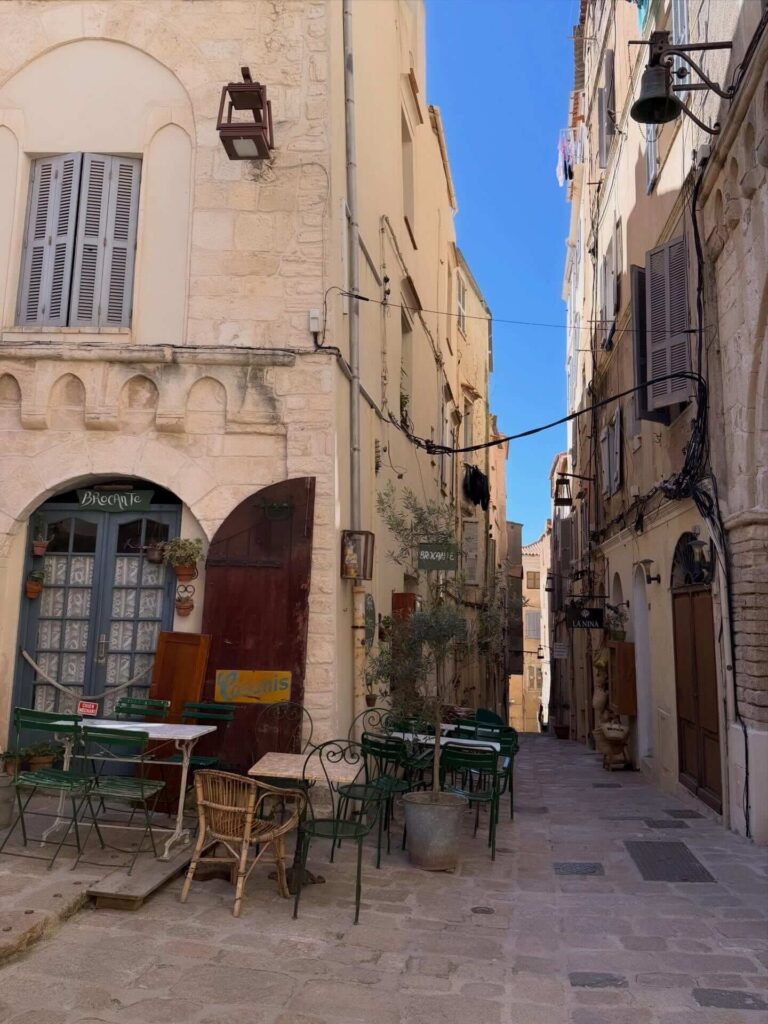
That contrast between closed streets and wide open views is part of what makes it interesting to walk around.
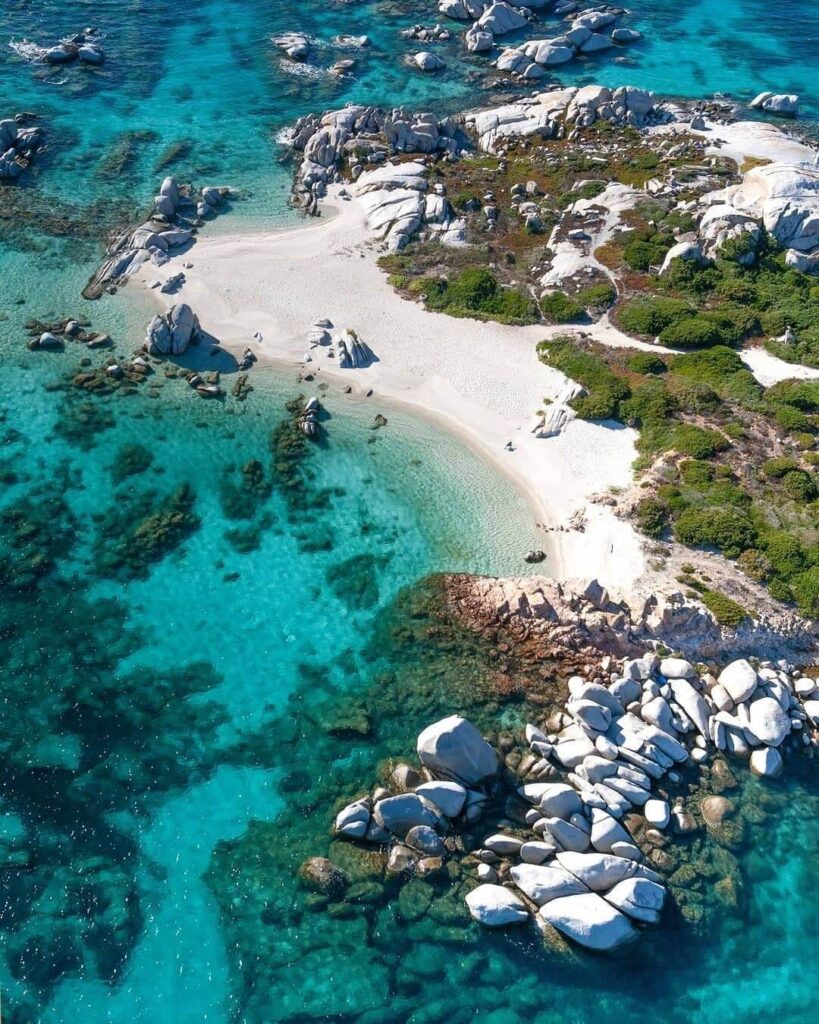
Another big part of Bonifacio is the access to the water. A lot of the coastline around here isn’t something you fully experience from land. Boat trips take you into sea caves, along the base of the cliffs, and out to nearby islands like Lavezzi. It adds a completely different side to the trip, and I found it worth doing even if you’re not usually someone who plans boat tours.
If you’re trying to figure out how long to stay, I felt that one to two days works really well. One day is enough to see the main highlights if you plan it properly, but staying a second day gives you time to slow down a bit, maybe visit a beach or take a boat trip without feeling rushed.
Bonifacio isn’t a place that needs a long itinerary, but it’s also not somewhere I’d rush through in just a few hours.
Best Things to Do in Bonifacio
Walk Through the Old Town (Haute Ville)
This is where I started, and it ended up being the part of Bonifacio that stayed with me the most.
The old town doesn’t feel like a place you rush through with a checklist. The streets are narrow, slightly uneven, and at times a bit confusing, but that’s part of what makes it enjoyable. You don’t really see everything at once.
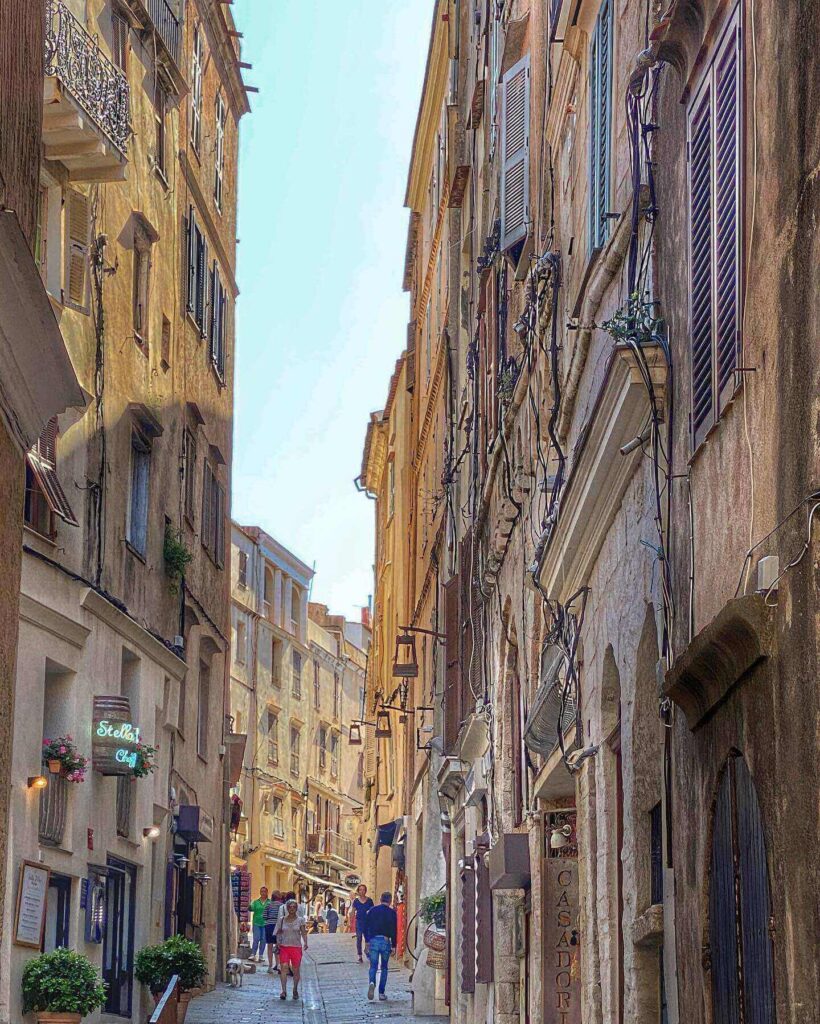
Instead, it reveals itself slowly. You turn a corner and suddenly there’s a small square, a quiet café, or a gap in the buildings where the sea appears out of nowhere.
What I noticed most was how much the atmosphere changes throughout the day. Early in the morning, it felt almost still. Shops were just opening, and there were only a handful of people around. By midday, the main streets and viewpoints started to fill up, and it felt more energetic, especially near the edges of the cliffs.
See the Cliffs from the Water (Boat Tour)
From above, the cliffs already look impressive, but seeing them from the water adds a completely different perspective.
Once you’re out on a boat, you start to understand just how tall and sheer they are. The town looks like it’s sitting right on the edge, and in some places, it almost feels like it’s floating above you. You also begin to notice details that you simply can’t see from land, like small caves carved into the rock, arches, and textures shaped by the sea over time.
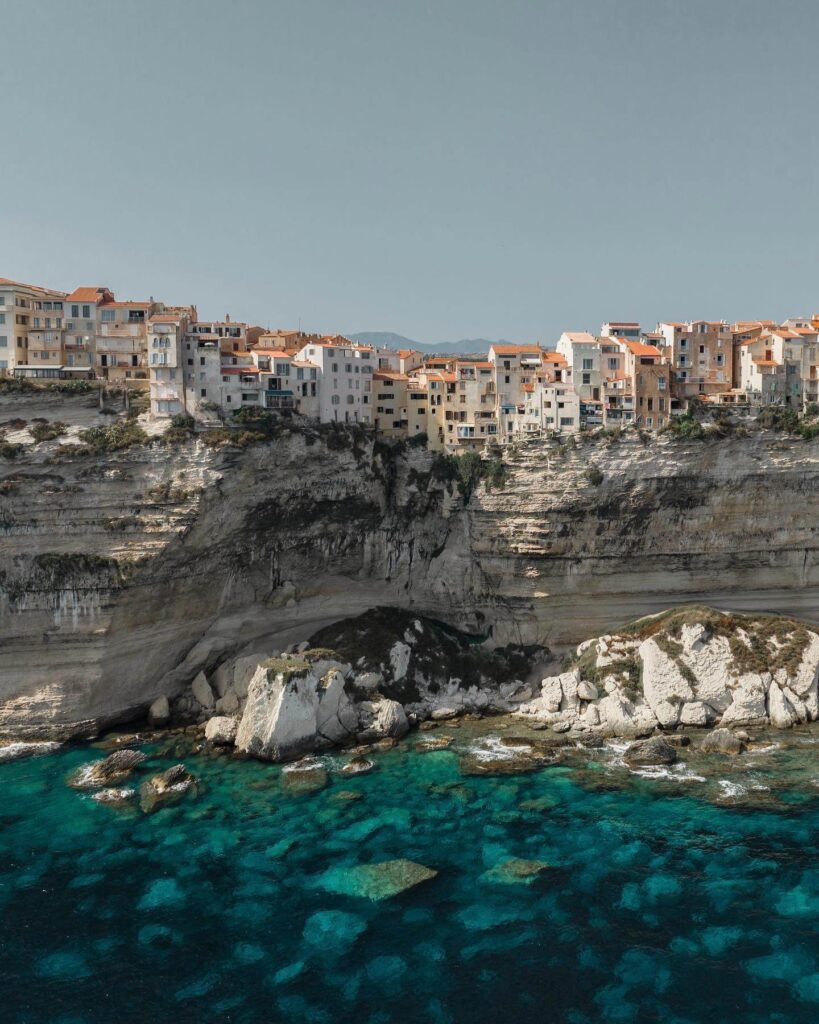
I wasn’t sure if this would feel repetitive after walking around the town, but it didn’t. It actually made everything I had already seen make more sense.
If you’re deciding whether it’s worth it, I’d say this is one of the experiences that adds the most to your visit. Going earlier in the day usually means calmer water, and if you have the option, a smaller boat tends to feel less rushed and a bit more personal.
Walk the King of Aragon Staircase
The staircase looks dramatic even before you start, and once you’re on it, you really feel how steep it is.
It’s carved directly into the cliff, and the steps are quite close together, so you end up taking it slowly without even trying. Going down is manageable, but the climb back up is where you start to feel it. I found myself stopping a couple of times, partly to rest and partly because the views along the way are worth pausing for.
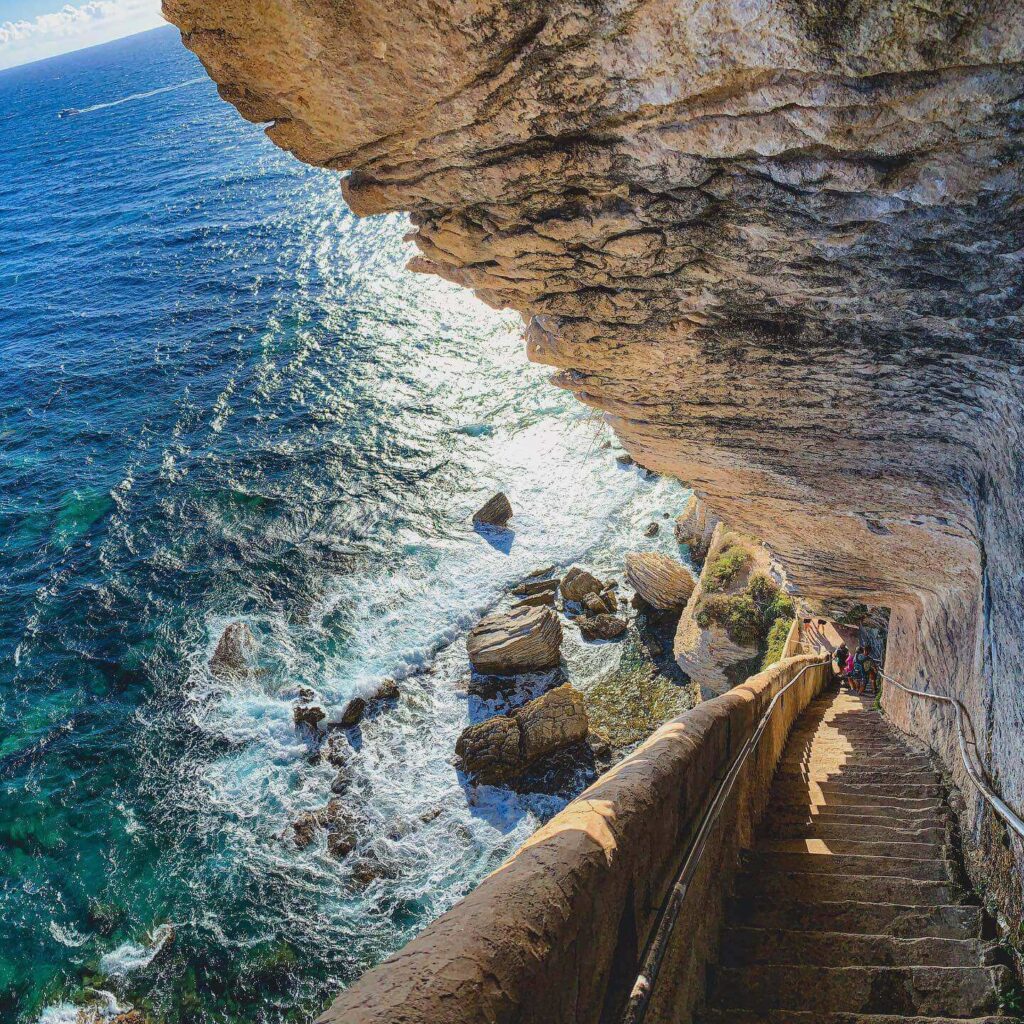
About halfway down, you get one of the best perspectives of the coastline. It’s wide, open, and feels quite different from the views up in the town.
One thing I’d keep in mind is the timing. There isn’t much shade, so doing this in the middle of the day, especially in summer, can feel more tiring than it needs to be. Earlier or later in the day makes it a lot more comfortable.
Visit the Citadel and Bastions
The citadel area is easy to explore without much planning, and it naturally fits into your time in the old town.
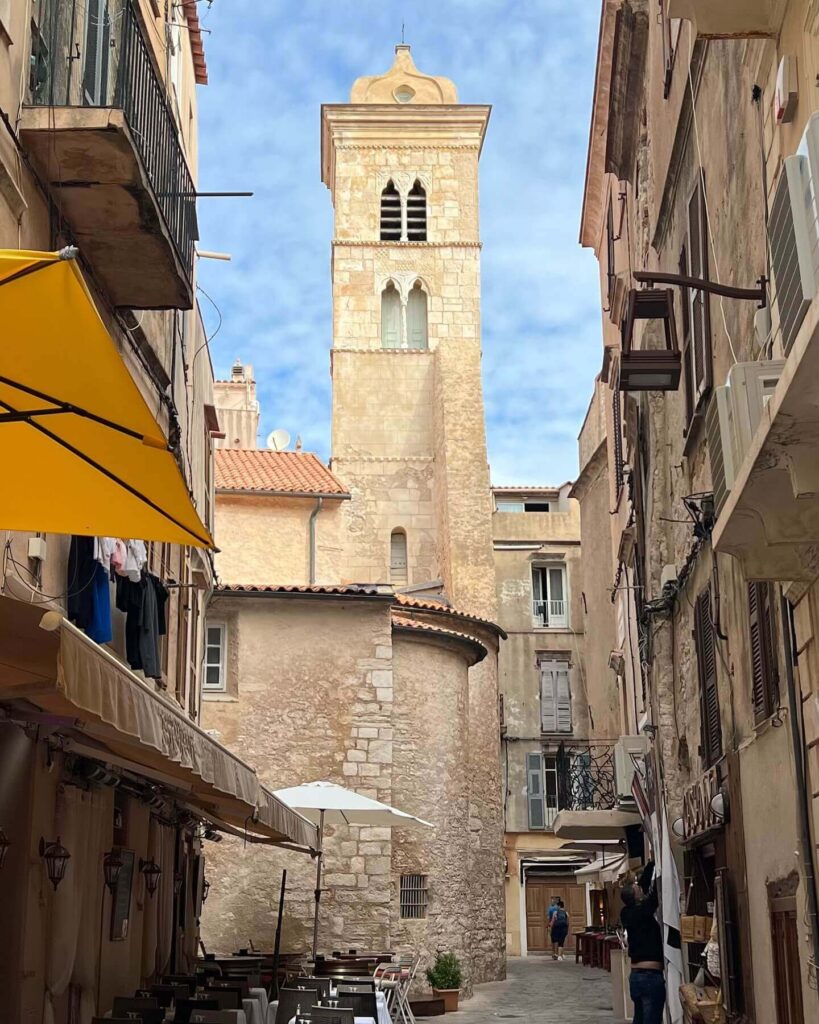
What I liked here was how accessible the views are. You don’t need to hike or go out of your way. You just walk along the edges, and suddenly the sea opens up in front of you. Some parts are more popular, but if you keep walking a little further, you’ll find quieter sections where you can take your time.
It didn’t feel overwhelming or overly busy, which I appreciated. It’s the kind of place where you can slow down, sit for a bit, and just look out over the water without feeling rushed.
Watch the Sunset Over the Cliffs
I expected sunset to be crowded, but it felt much calmer than I thought it would.
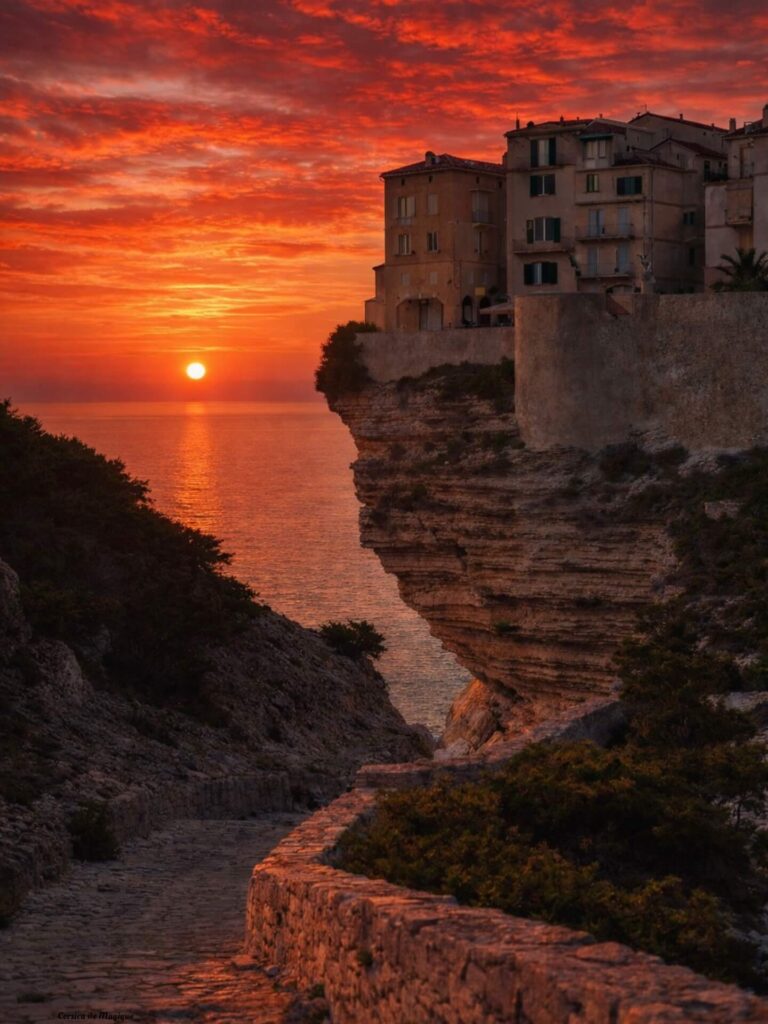
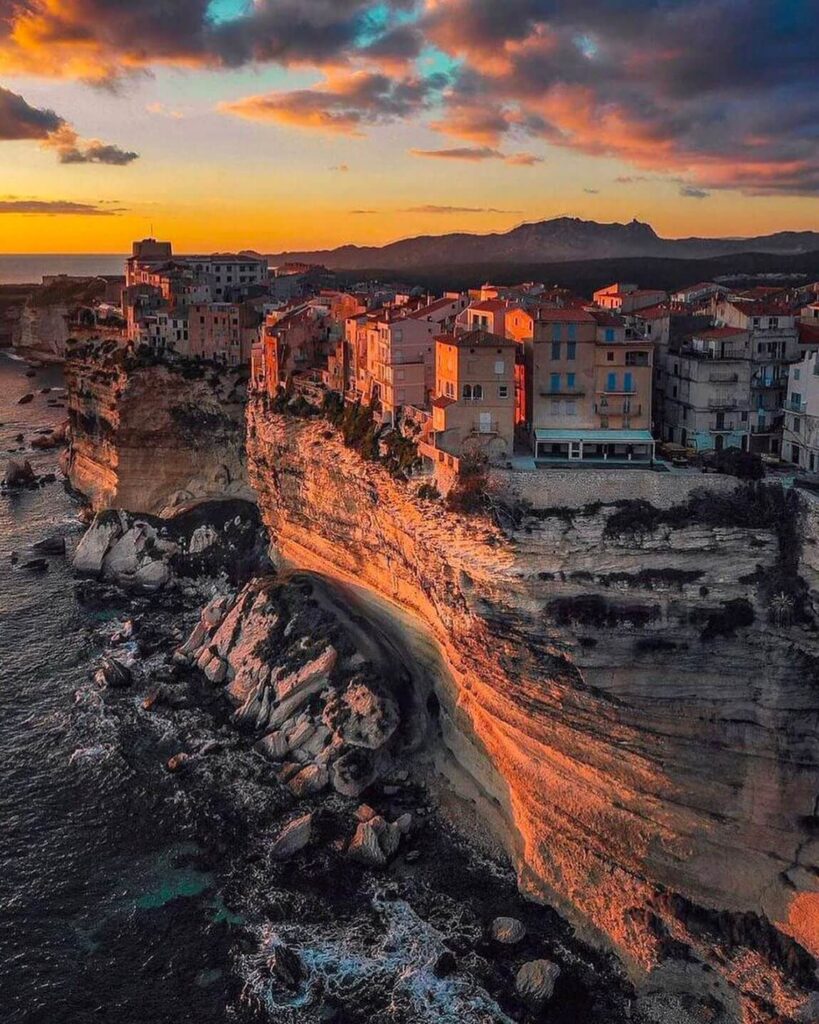
People were spread out rather than gathered in one spot. Some were sitting along the edges, others were walking slowly, and no one seemed in a hurry. The light changes gradually, and the cliffs take on softer tones as the sun goes down.
It’s not a dramatic, loud kind of experience. It’s quieter and more subtle, which is what made it stand out for me. After a full day of exploring, it felt like a natural way to slow things down.
Explore Bonifacio Marina
The marina feels like a completely different side of Bonifacio.
After spending time in the old town, which is more enclosed and quiet, coming down to the marina feels more open and social. There are boats lined up along the harbor, restaurants with outdoor seating, and a steady flow of people moving around.
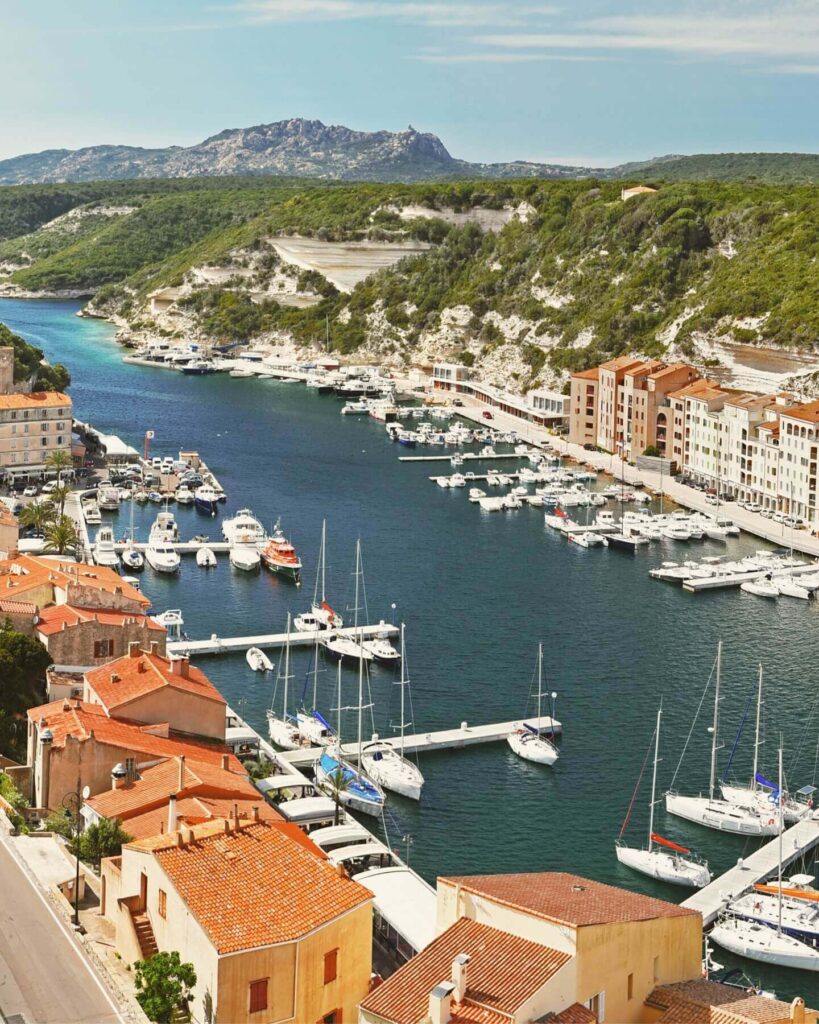
I ended up spending an evening here without really planning to. It’s a good place to unwind, especially if you want something more relaxed after a day of walking. The atmosphere feels easy, and it’s one of those areas where you can just wander without needing a plan.
Take a Boat to the Lavezzi Islands
If you have a bit more time, this is one of the experiences that adds variety to your trip.
The Lavezzi Islands feel quite different from Bonifacio itself. Instead of cliffs and buildings, it’s mostly open rock formations, clear water, and quieter surroundings. There aren’t many facilities, which actually changes how you spend your time there.
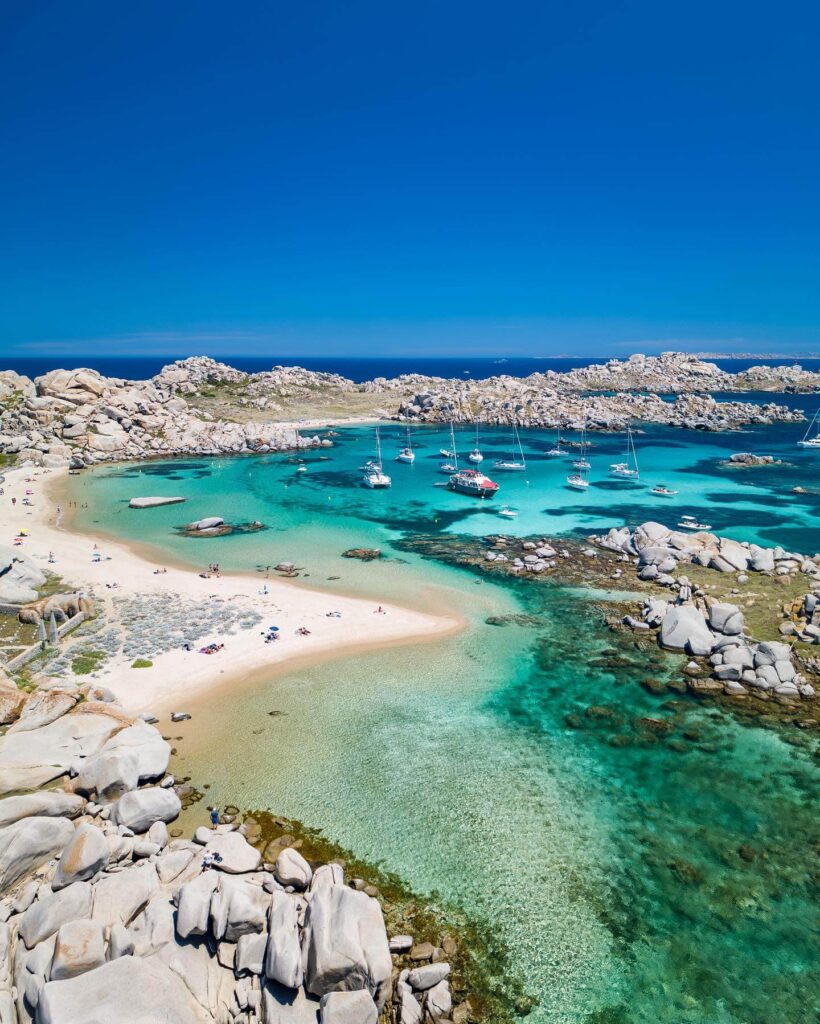
It’s less about moving from place to place and more about finding a spot, swimming, and staying there for a while. What stood out to me was how unstructured it felt. You’re not following a set path or schedule once you arrive.
It’s worth being a bit prepared though. Bringing your own water and something to eat makes the day easier, and there isn’t much shade, so you’ll feel the sun more than you might expect.
Visit Pertusato Lighthouse
This was one of the quieter spots I visited around Bonifacio.
Getting there is fairly straightforward, but once you arrive, it feels a bit removed from everything else. The views open up in a wide, uninterrupted way, and the landscape feels more raw compared to the town.
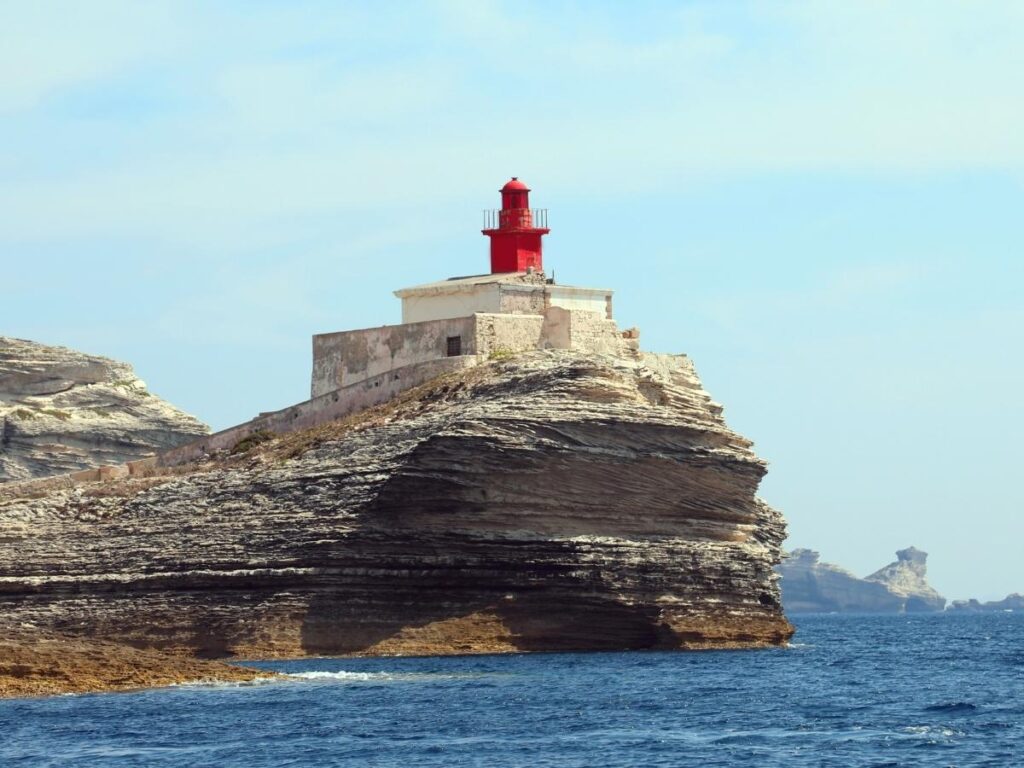
On a clear day, you can even see Sardinia in the distance, which gives you a sense of how close you are to another island.
It’s not a place where you spend hours, but it’s a nice change of pace, especially if you’re looking to step away from the more visited areas.
Relax at the Beaches Near Bonifacio
The beaches around Bonifacio add a completely different side to the trip. After spending time walking through stone streets and along cliffs, being by the water feels like a natural contrast.
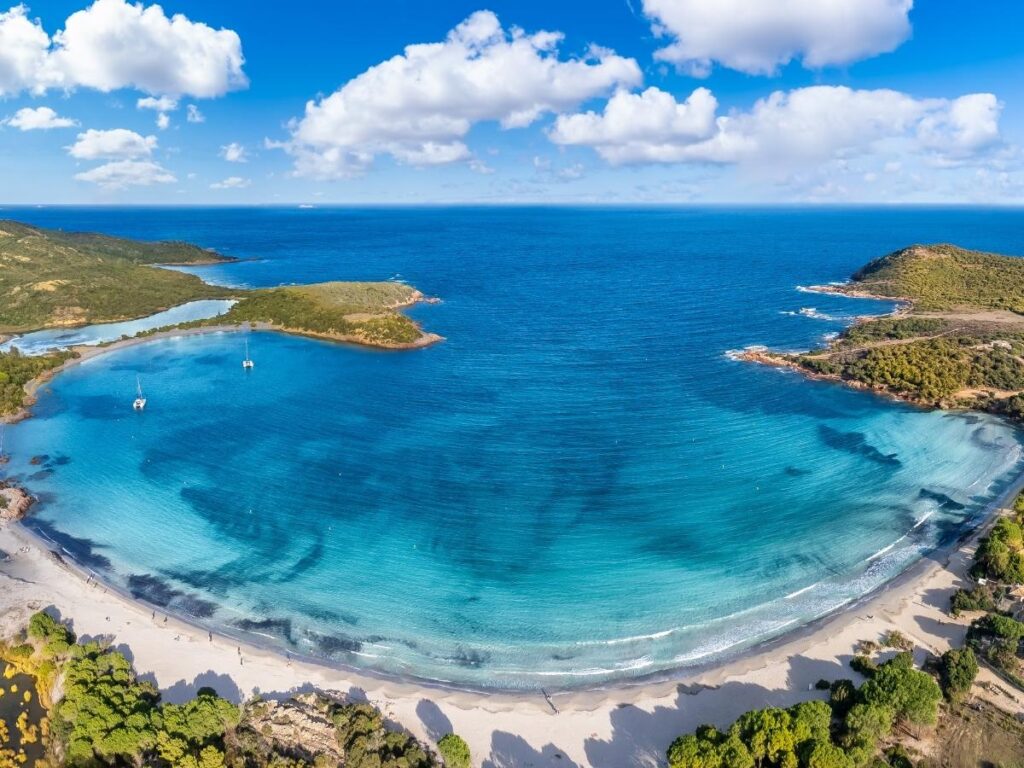
Plage de Rondinara felt more sheltered and calm. The bay curves inward, which keeps the water relatively gentle. It’s the kind of place where you can stay for a few hours without feeling like you need to move around too much.
Plage de Sperone felt a bit more open and slightly more scenic. Getting there involves a short walk, which makes it feel a little less direct. The water is clear and shallow in areas, which makes it easy to spend time swimming or just walking along the shoreline.
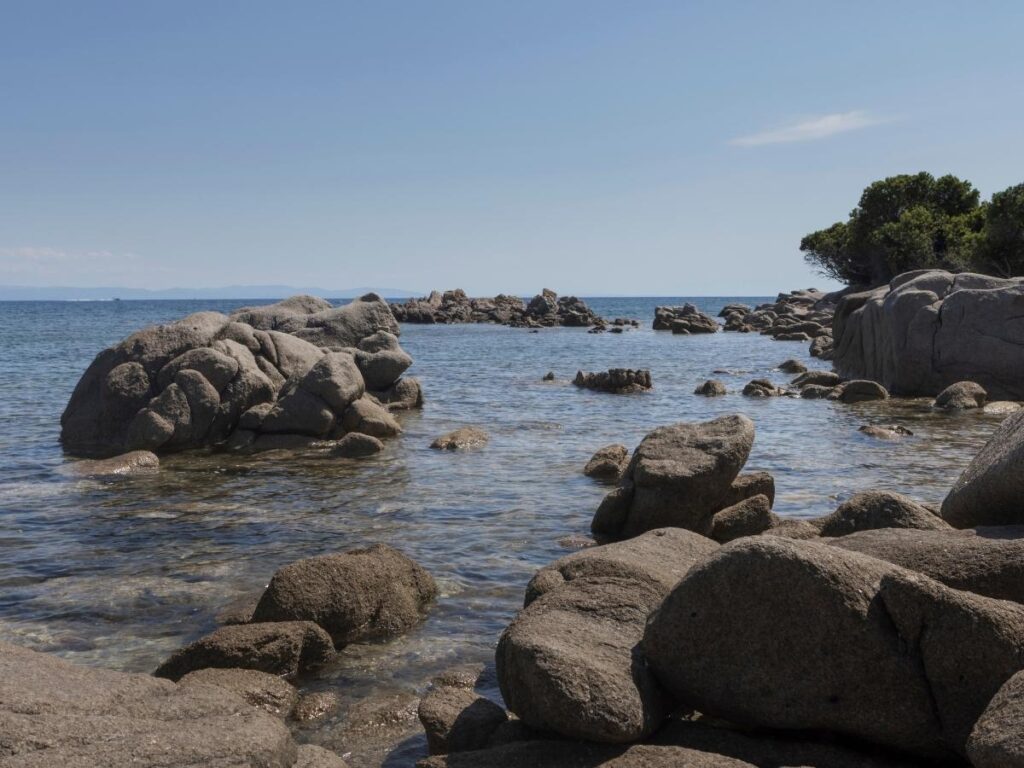
For both beaches, timing makes a big difference. In summer, arriving earlier in the day helps avoid the rush, especially when it comes to parking.
Take a Cliffside Walk
There are a few walking paths around Bonifacio that follow the coastline, and they’re worth doing if you want to see more than just the main viewpoints.
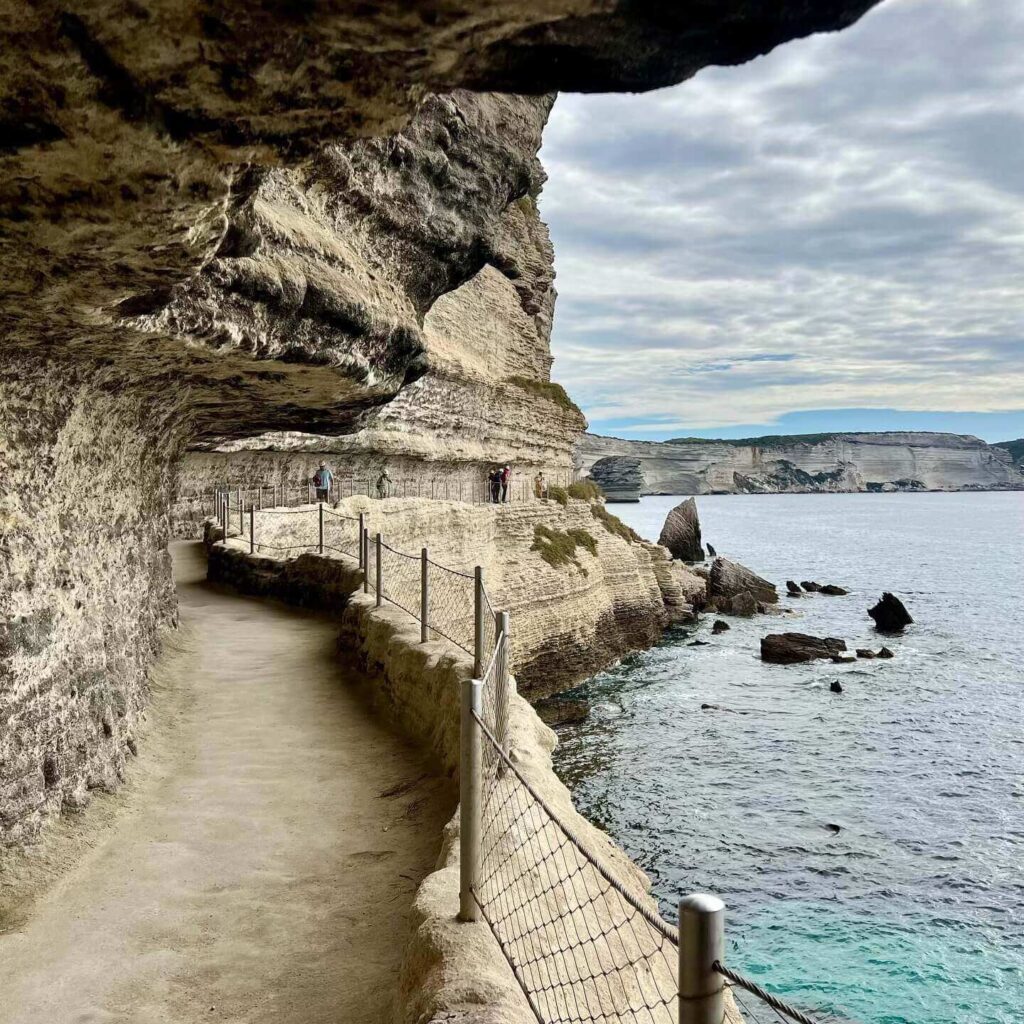
These aren’t difficult hikes, but they do require a bit of attention because the ground can be uneven. What I liked was how the views kept changing as I walked. Sometimes the cliffs felt close and detailed, and other times everything opened up into wider views of the sea.
It’s a good way to experience Bonifacio at a slower pace, away from the more crowded spots.
Wearing comfortable shoes makes a noticeable difference here, especially if you plan to walk for a while.
Try Local Food in Bonifacio
Food in Bonifacio felt straightforward but satisfying, especially after spending most of the day outdoors.
I noticed a difference between eating in the old town and at the marina. The old town felt a bit more traditional and quieter, while the marina had a more relaxed, social atmosphere, especially in the evening.

Trying local Corsican dishes added something extra to the experience. It’s not just about the food itself, but also about taking the time to sit down and slow the day down a bit.
If you’re visiting during peak season, it helps to plan ahead slightly. Restaurants can fill up quickly in the evening, and having a reservation saves you from waiting around when you’re already tired from the day.
1 Day Bonifacio Itinerary
If you only have one day in Bonifacio, it’s still enough to get a really good feel for the place. The key is to move at a steady pace and not try to fit in too much. Bonifacio works best when you give yourself a bit of time to pause, even if your schedule is limited.
Here’s how I’d plan the day based on how the town naturally flows.
Morning
I’d start the day in the old town, ideally as early as you can manage.
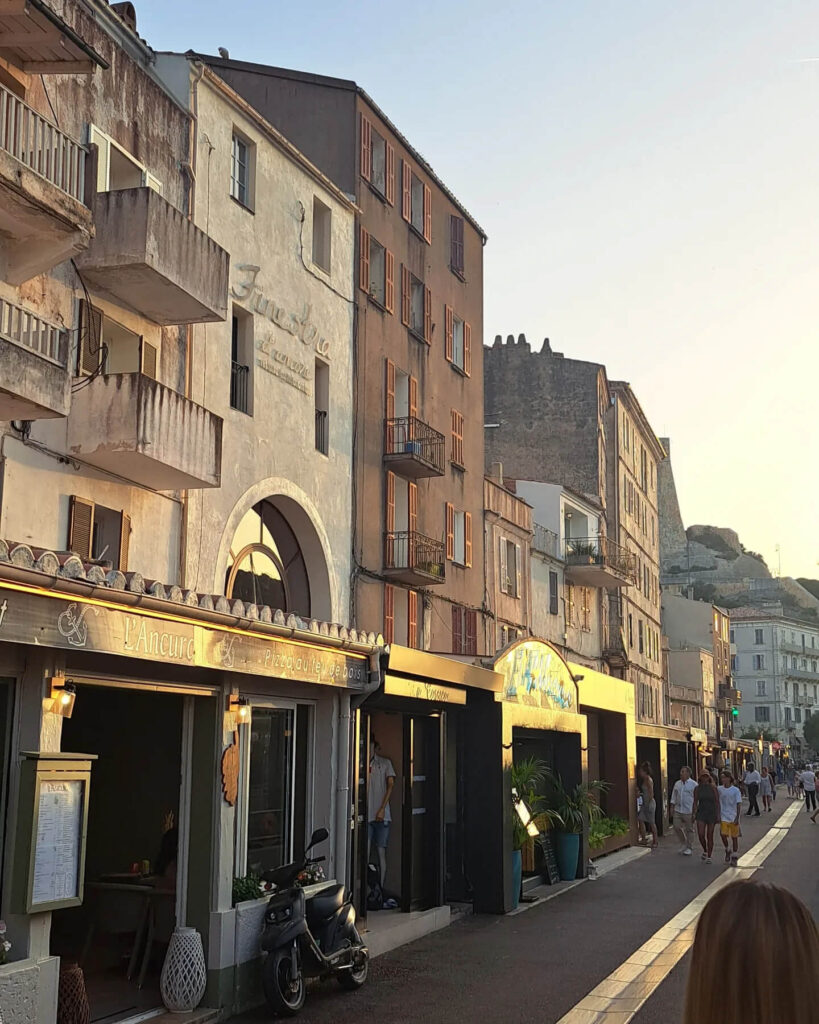
This is when Bonifacio feels at its quietest, and it makes a big difference. Walking through the streets before they get busy gives you a chance to notice the smaller details, like how the light hits the buildings or how quiet some of the corners feel. You’re not navigating around people, and it’s easier to take your time without feeling rushed.
From there, I’d make my way toward the viewpoints and then head to the King of Aragon staircase. Doing this earlier in the day helps for two reasons. First, it’s simply more comfortable before the heat builds up. Second, you’ll have more space on the staircase itself, which makes the experience feel less rushed.
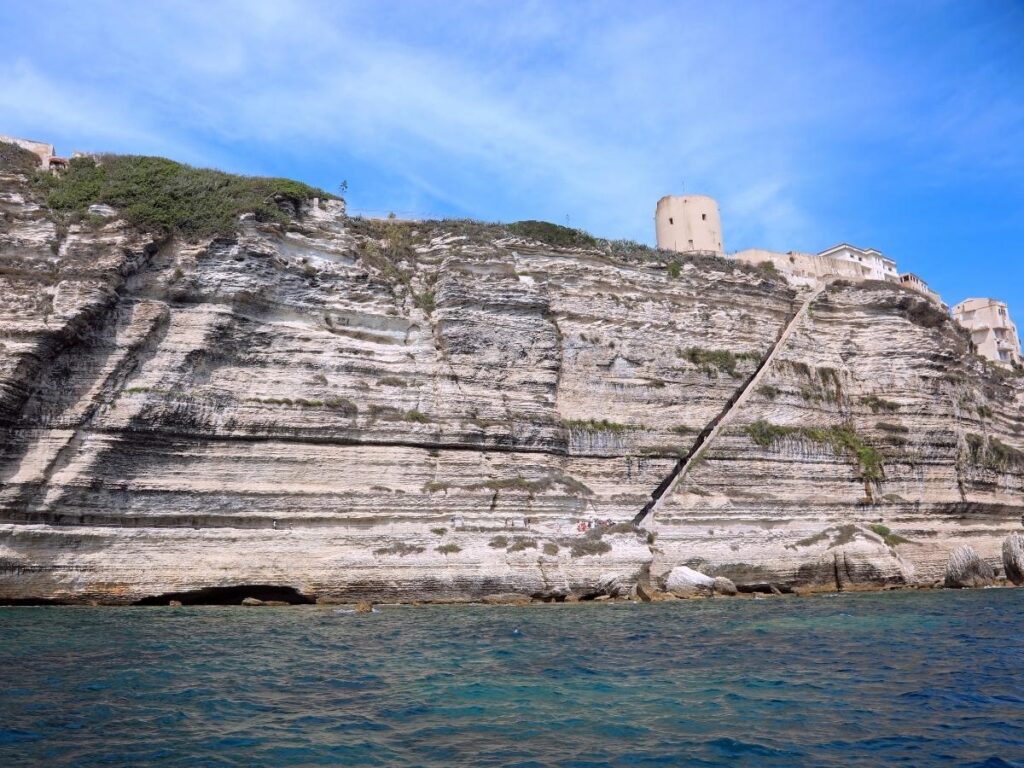
Take your time here. It’s not something to power through quickly. The views along the way are really what make it worth it, so it helps to pause now and then instead of treating it like a quick stop.
By the end of the morning, you’ll have seen some of the most iconic parts of Bonifacio without feeling overwhelmed.
Afternoon
By midday, the town usually feels busier, and that’s a good time to shift your focus.
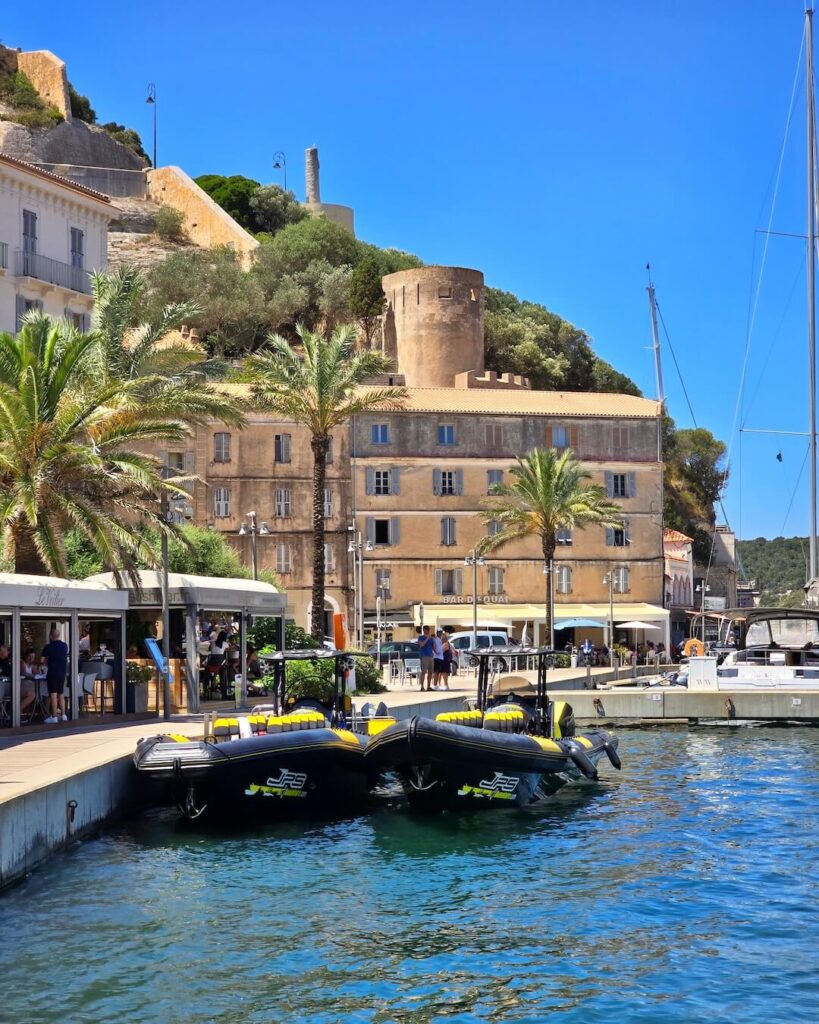
This is when I’d plan either a boat tour or head out to a nearby beach, depending on what you feel like. If you choose the boat tour, it gives you a completely different perspective of Bonifacio after seeing it from above in the morning.
It also breaks up the day nicely since you’re no longer walking through streets but experiencing the coastline from the water.
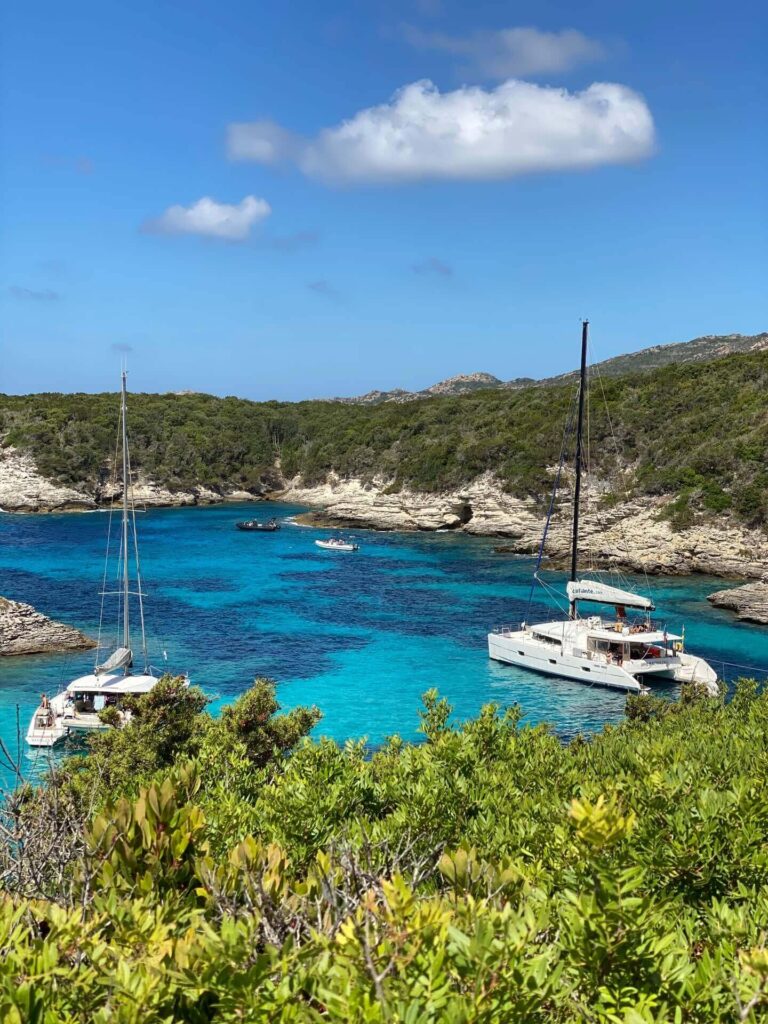
If you’d rather slow things down, heading to a beach works just as well. After a morning of walking, having a few hours to sit by the water or swim feels like a good reset.
There’s no need to rush this part of the day. Bonifacio isn’t the kind of place where you need to move constantly. Letting the afternoon stretch out a bit actually makes the day feel more balanced.
Evening
As the day starts to wind down, I’d head back toward the old town or one of the cliffside viewpoints for sunset.
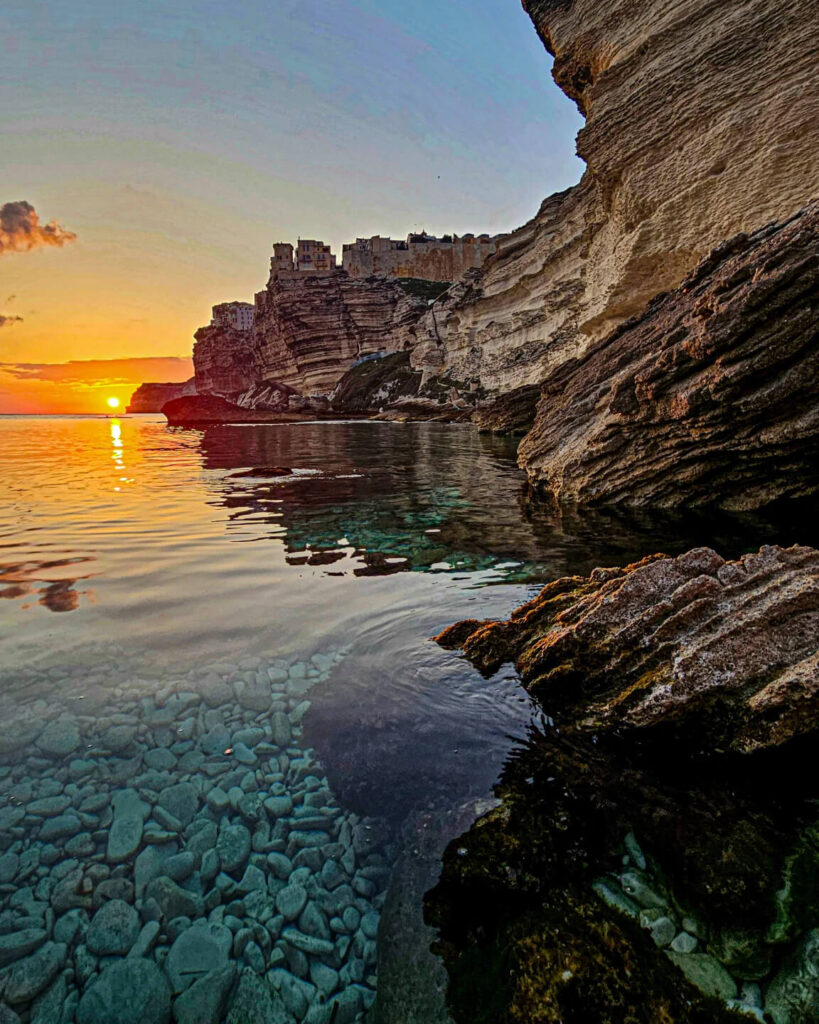
This is when Bonifacio feels softer and more relaxed. The light changes gradually, and everything slows down compared to the middle of the day. You don’t need a specific viewpoint, just find a spot along the edges where you can sit or stand comfortably for a while.
After that, heading down to the marina for dinner feels like a natural next step.
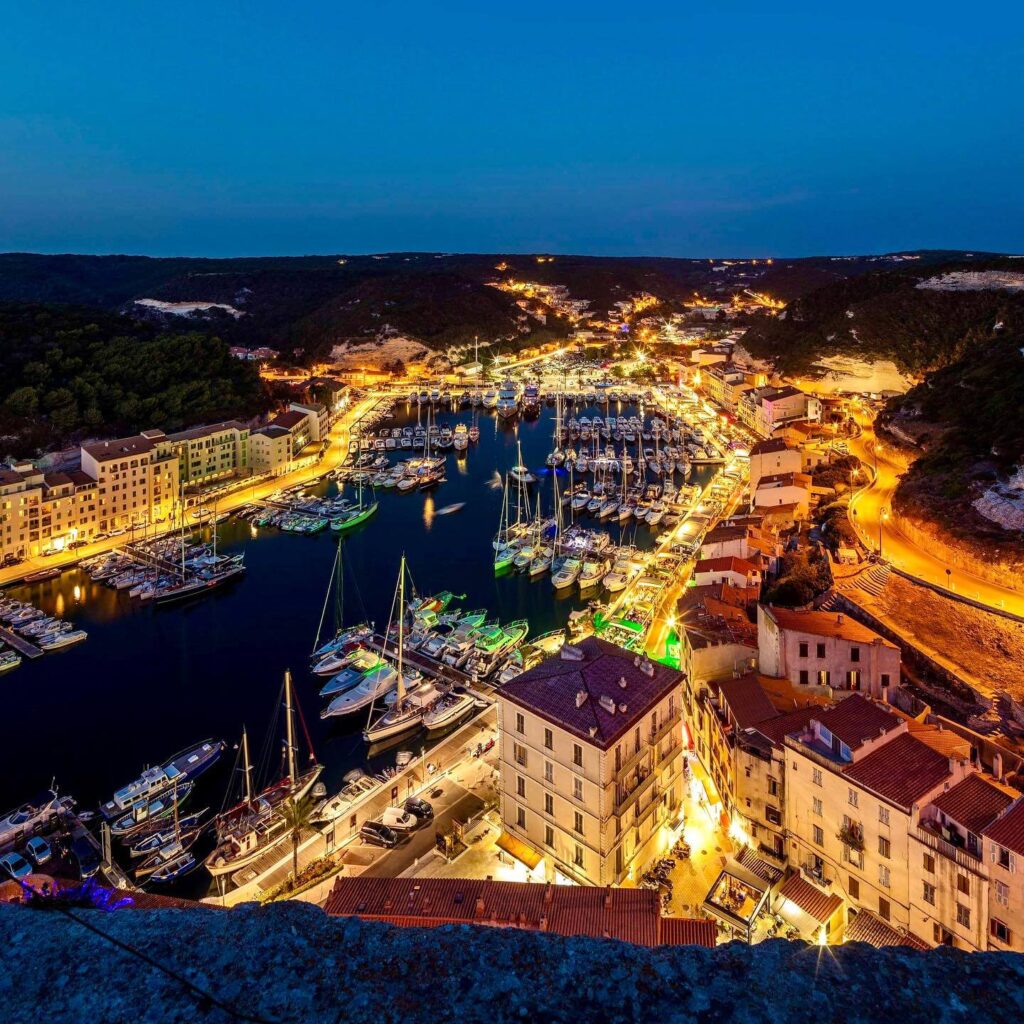
The atmosphere there in the evening is easy and unstructured. People are walking along the harbor, restaurants are busy but not rushed, and it’s a nice contrast to the quieter feel of the old town earlier in the day.
Ending your day here works well because it doesn’t require any planning. You can just walk, look around, and pick a place that feels right.
Best Time to Visit Bonifacio
Spring and Early Summer
This felt like the easiest time to be in Bonifacio.
The weather is warm enough to spend the whole day outside, but it doesn’t feel overwhelming. You can walk through the old town, take the staircase, or explore the cliffs without constantly looking for shade or needing long breaks. It just feels more comfortable overall.
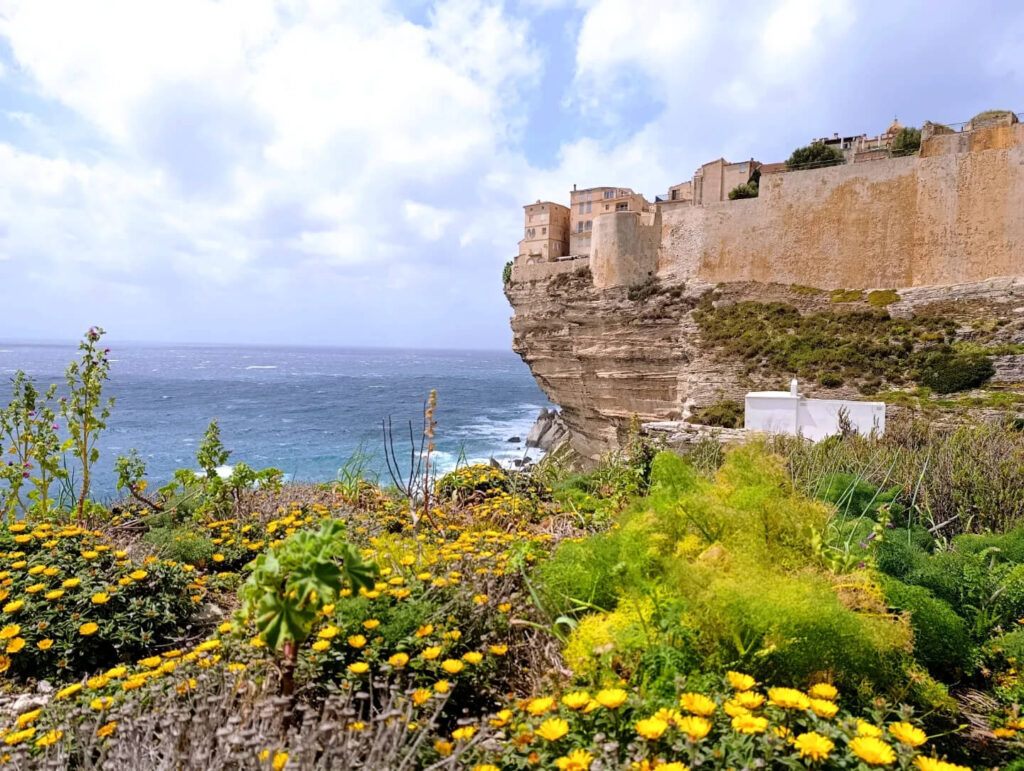
What I noticed most during this time was the pace. The town feels active, but not crowded. You can still find quieter corners in the old town, and even the popular viewpoints don’t feel too busy. Restaurants are open, but you don’t always need to plan everything in advance.
If you like the idea of experiencing Bonifacio without too much pressure or rush, this time of year works really well. It gives you that balance where everything is open and lively, but still manageable.
Summer
Summer changes the feel of Bonifacio quite a bit.
The town becomes much more active, especially during the middle of the day. The old town streets get busier, the marina fills up in the evenings, and popular spots like the staircase or main viewpoints can feel more crowded than you might expect.
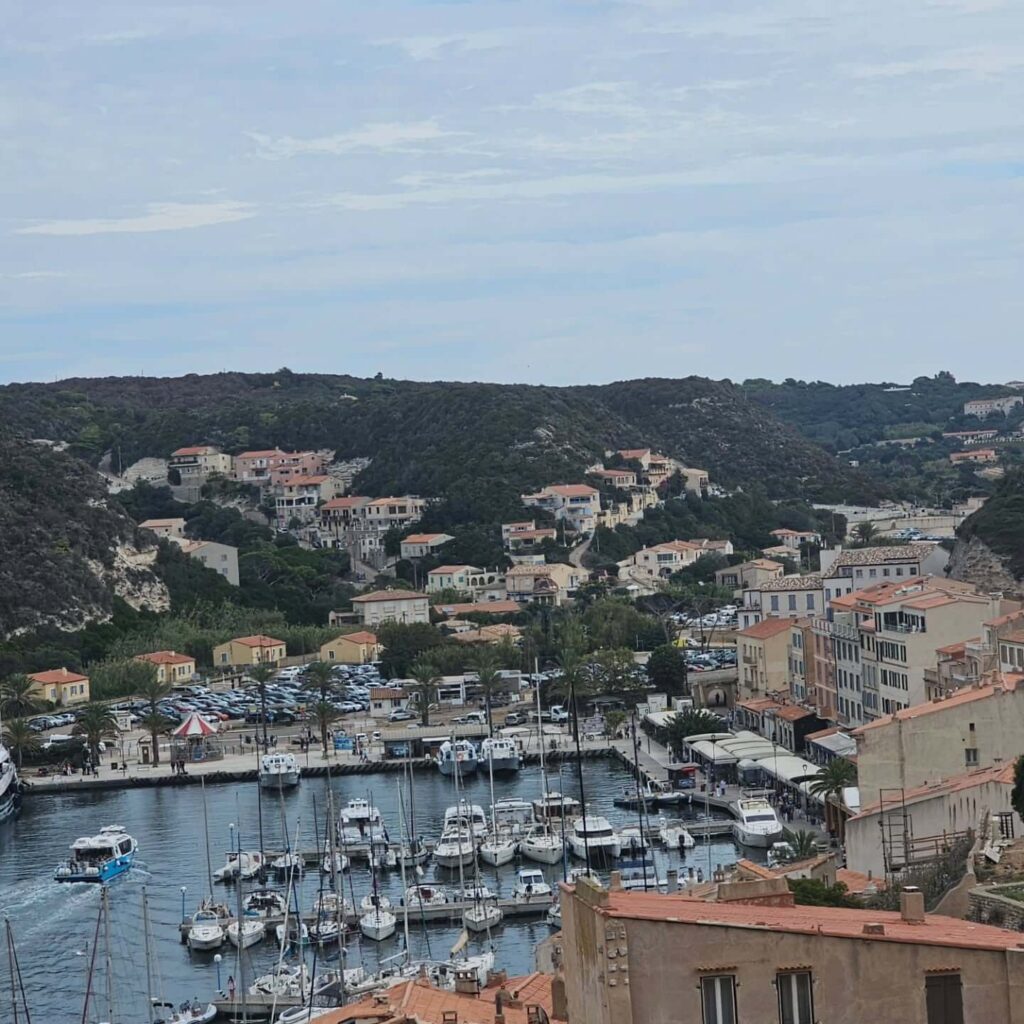
The weather is also noticeably hotter. Walking around in the afternoon can feel tiring, especially in places with little shade, like the staircase or cliffside paths. You start to plan your day a bit differently, usually doing more in the morning and evening and slowing down in the middle of the day.
That said, summer does have its own appeal. Everything is open, there’s more energy around the marina, and it’s a good time if you enjoy that lively atmosphere. You just have to accept that it comes with more people and a bit less flexibility.
Shoulder Season
The months just before and after summer tend to offer the best balance.
You still get good weather for walking and spending time outdoors, but without the same level of crowds. The town feels more relaxed again, and it’s easier to move around without planning everything in advance.
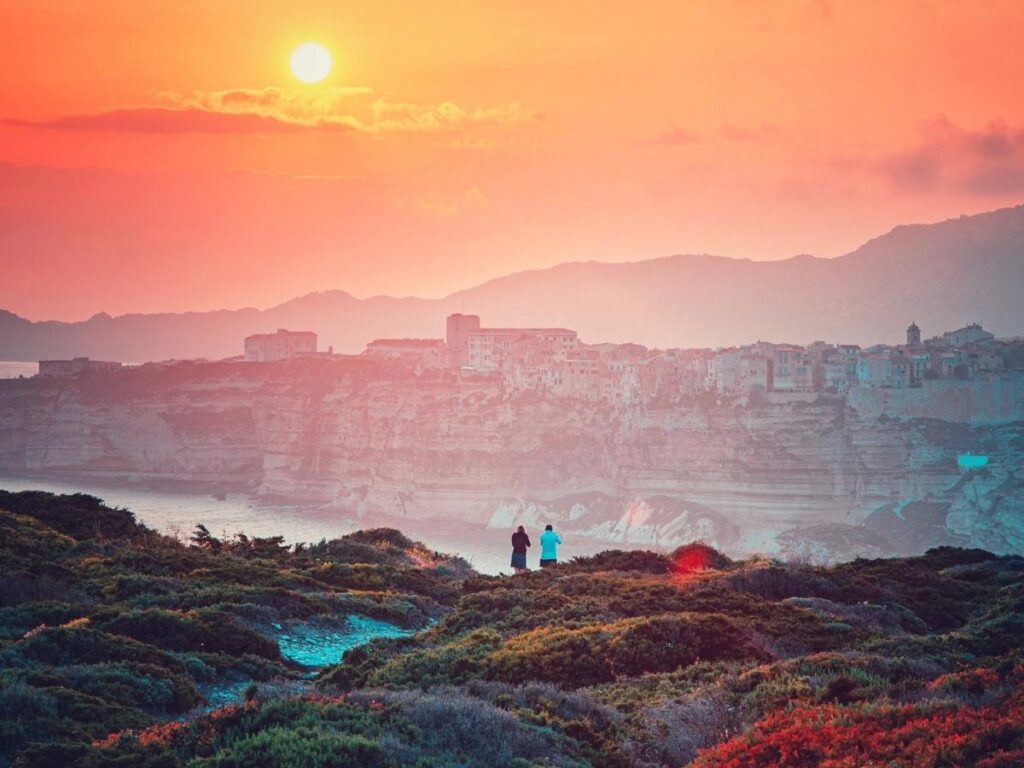
What I liked about this time is that Bonifacio feels more like itself. You can take your time in the old town, find quieter viewpoints, and enjoy the overall experience without constantly adjusting to crowds or heat.
If your schedule is flexible, this is probably the most comfortable time to visit. It gives you the best mix of good conditions and a slower, more enjoyable pace.
How to Get Around Bonifacio
Getting around Bonifacio is one of those things that’s simple once you accept that you’ll probably need a car.
Within the old town itself, everything is walkable. The streets are narrow and not really designed for driving anyway, so you’ll naturally explore that part on foot. The same goes for the marina area. You can easily move between restaurants, the harbor, and nearby spots without thinking too much about transport.
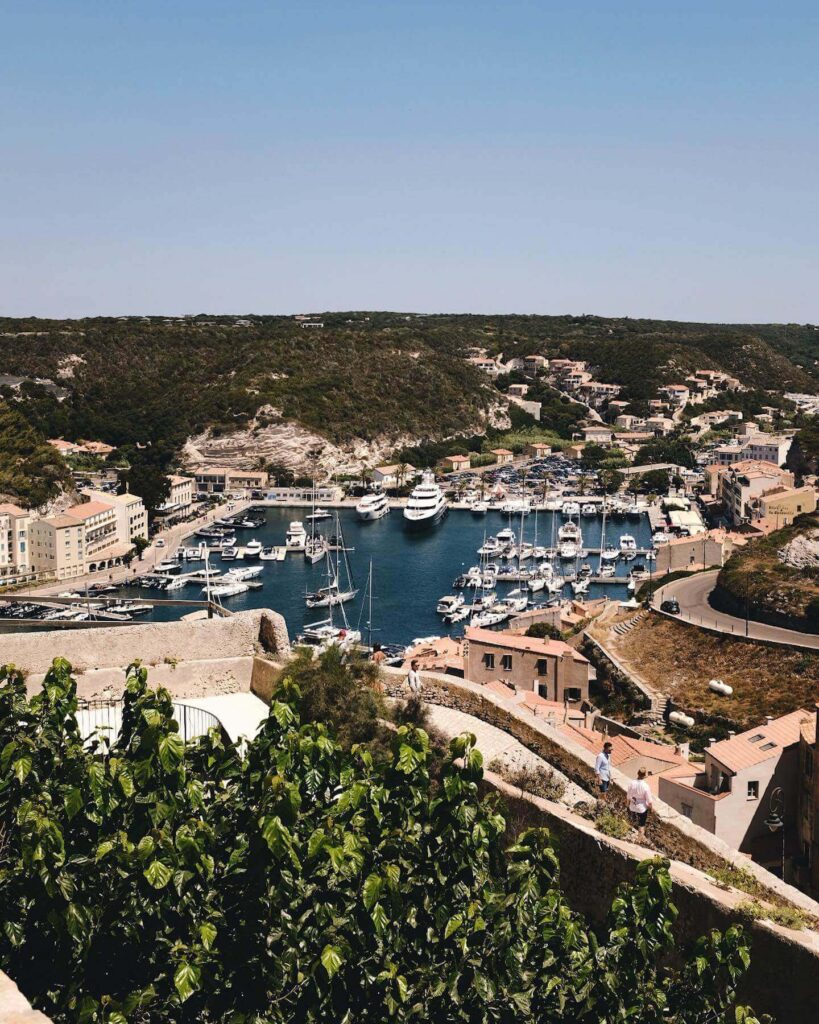
Where it starts to matter is when you want to go beyond those central areas. The beaches, viewpoints like Pertusato Lighthouse, and even some of the cliffside walks are spread out. Public transport exists, but it doesn’t connect all the places you’ll likely want to visit, and it doesn’t run frequently enough to rely on it for a flexible itinerary.
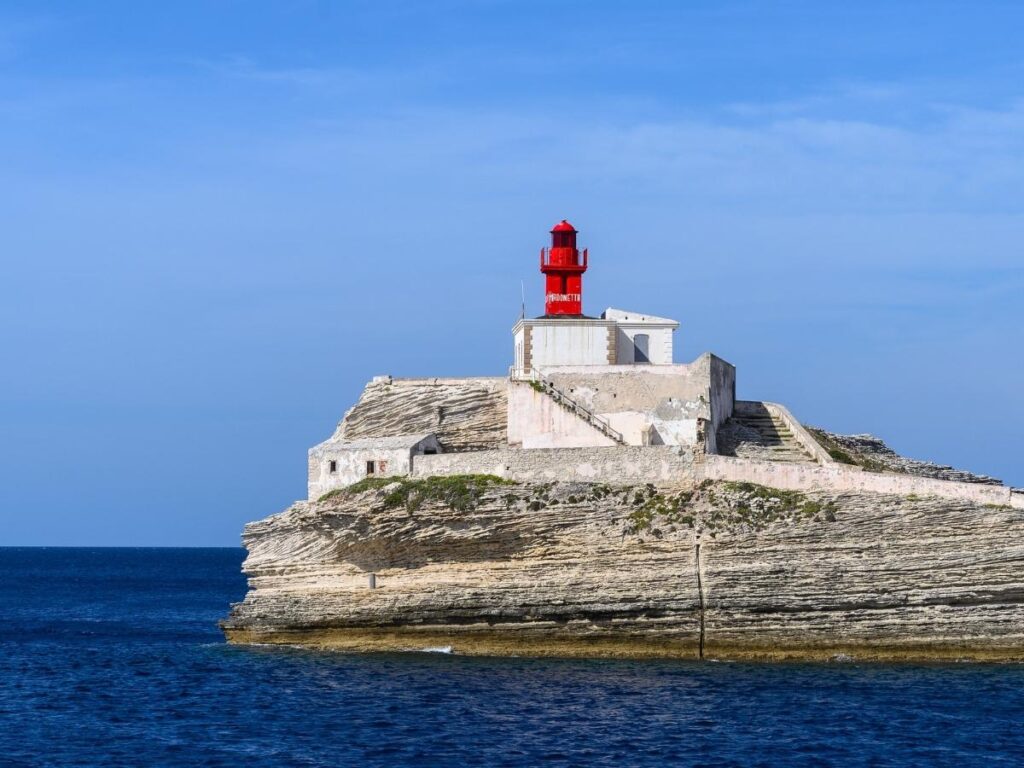
Having a car gave me the freedom to move at my own pace, which made a noticeable difference. I didn’t have to plan my day around timings or skip places that were slightly out of the way.
Parking can be the only slightly frustrating part, especially in summer. Near the old town, spaces fill up quickly, and you may have to park a bit further away and walk in. I found that arriving earlier in the day made things much easier. Later in the afternoon, it becomes more about finding whatever spot is available rather than choosing where to park.
Where to Stay in Bonifacio
Where you stay in Bonifacio can change how your experience feels, even though the town itself isn’t very large.
Staying in the old town has a certain atmosphere that’s hard to replicate elsewhere. You’re surrounded by historic buildings, and early mornings or late evenings feel especially quiet once most visitors have left. It also makes it easy to step outside and already be close to the main viewpoints and streets you’ll want to explore.
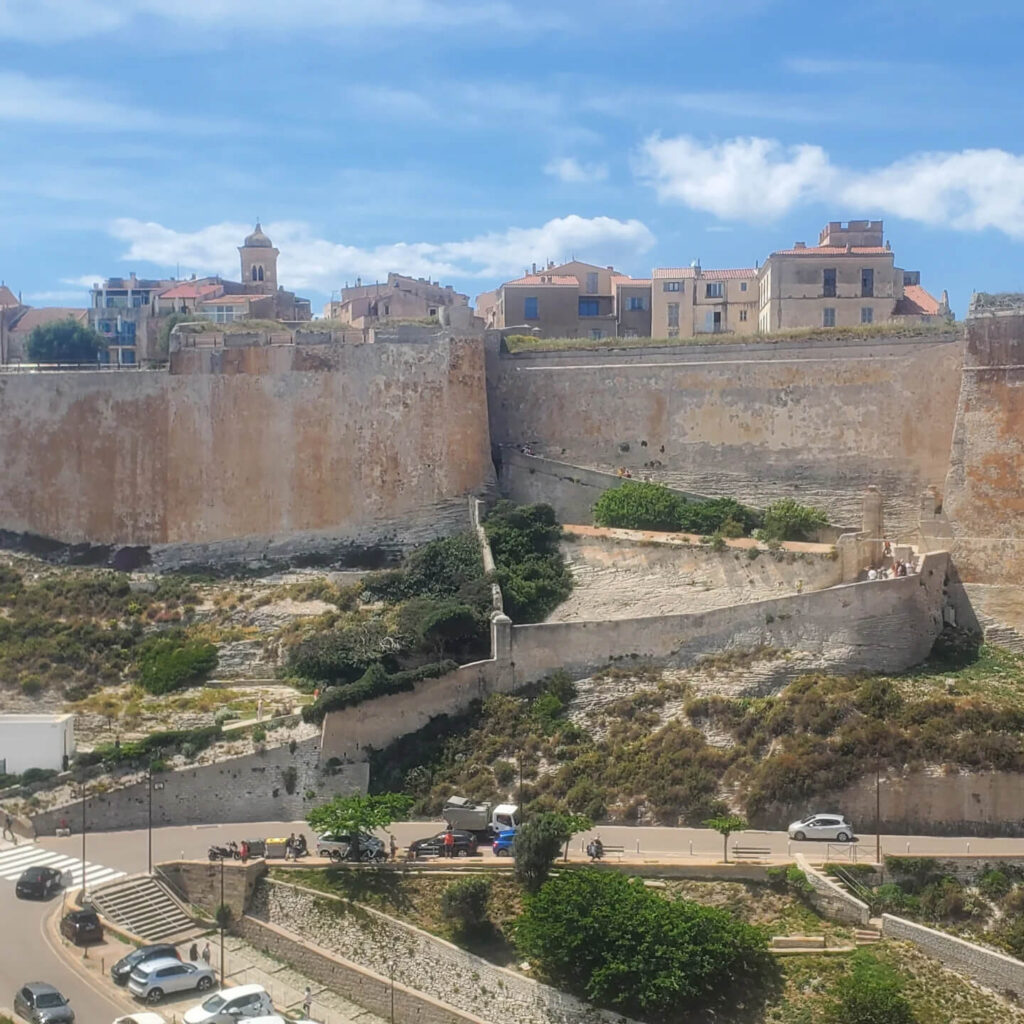
The trade off is access. Driving into the old town is limited, and you’ll likely need to park outside and walk in with your luggage. It’s not difficult, but it’s something to be aware of, especially if you’re carrying more than a small bag.
The marina area feels more practical. There are more accommodation options, it’s easier to access by car, and you’re close to restaurants and the harbor. Evenings here feel more lively, and it’s a comfortable place to return to after a day of exploring.
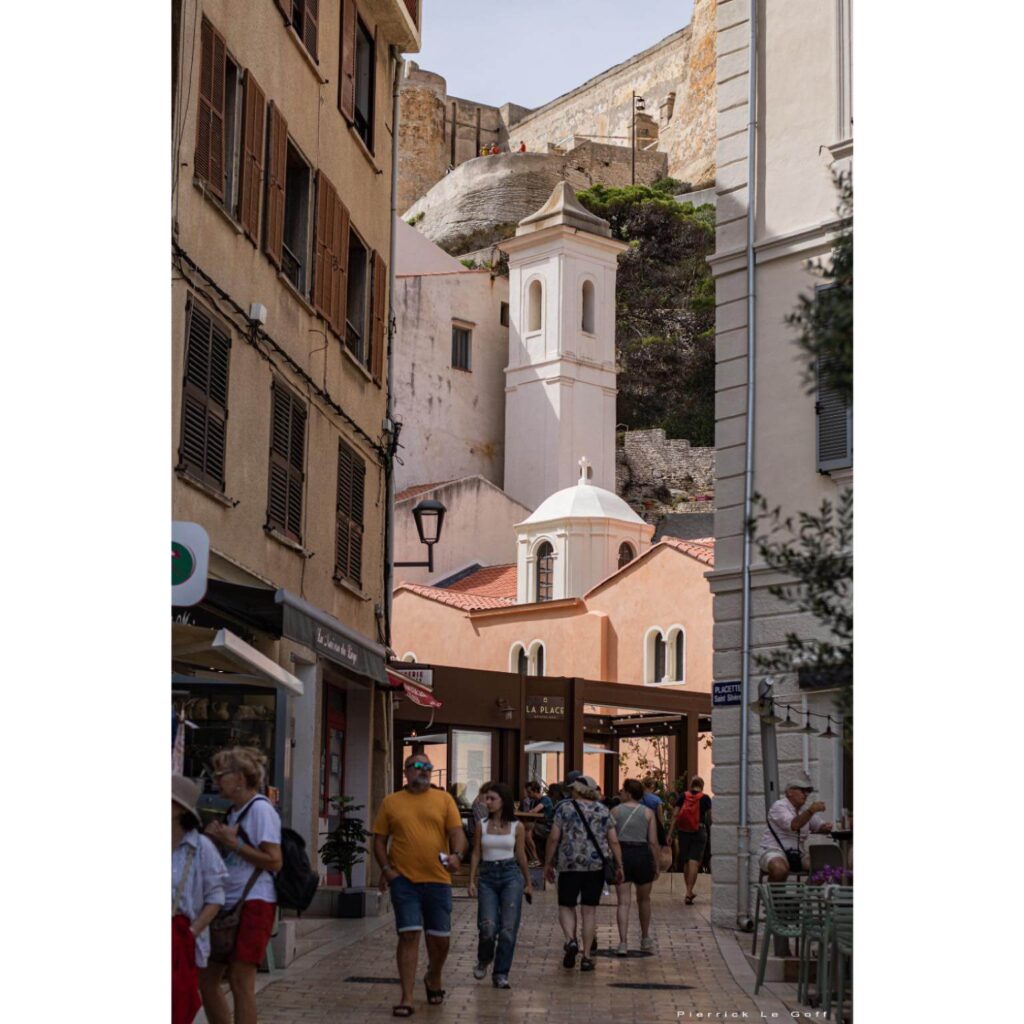
If it’s your first visit, the marina can be a bit easier to manage logistically. But if you’re looking for something more atmospheric and don’t mind the extra effort, staying in the old town feels more connected to Bonifacio itself.
Practical Travel Tips for Bonifacio
A few small things made a bigger difference than I expected while I was in Bonifacio.
One of them is timing. Boat tours, especially in summer, can fill up quickly. If you know you want to do one, it helps to book it at least a day in advance instead of waiting until the last minute.
The heat is another factor that’s easy to underestimate. Certain experiences, like the King of Aragon staircase or walking along the cliffs, can feel much more tiring in the middle of the day. Planning those for the morning or later in the afternoon makes them far more enjoyable.
I also found myself carrying water more often than usual. There aren’t always convenient places to stop, especially when you’re out walking or heading toward viewpoints. It’s a small thing, but it saves you from cutting plans short.
And finally, shoes matter more here than you might expect. The streets in the old town are uneven, and some of the paths around the cliffs aren’t completely smooth. Comfortable shoes don’t just make things easier, they let you explore without constantly watching your step.
Is Bonifacio Worth Visiting?
I think Bonifacio is worth visiting, but it depends on how you like to travel.
If you enjoy places that feel a bit different from the usual coastal towns, this one stands out. It’s not just about beaches or a single landmark. It’s the combination of the cliffs, the old town, and the way everything changes depending on where you are.
It works particularly well if you like taking your time. Walking without a fixed plan, stopping at viewpoints, sitting down for a longer meal, or just watching the sea for a while. Couples tend to enjoy it for that reason, and so do slower paced travelers who aren’t trying to fit multiple places into one day.
If you’re moving quickly through Corsica, it’s still possible to visit, but you might not get the full experience. Bonifacio isn’t really about ticking off sights. It’s more about how the place feels as you move through it. Giving it at least a full day makes a noticeable difference.
Conclusion
Bonifacio ended up staying with me longer than I expected.
It wasn’t because of one specific highlight or a single standout activity. It was more about how everything came together over the course of the visit. The way the old town sits above the sea, the contrast between quiet streets and open views, and the slower pace that naturally settles in as the day goes on.
It’s the kind of place that doesn’t need a packed itinerary to feel worthwhile. In fact, it works better when you leave a bit of space to just walk around and take it in.
If you’re planning a trip to Corsica, I’d include Bonifacio without hesitation. Just try not to rush it. Even a little extra time here makes the experience feel more complete.