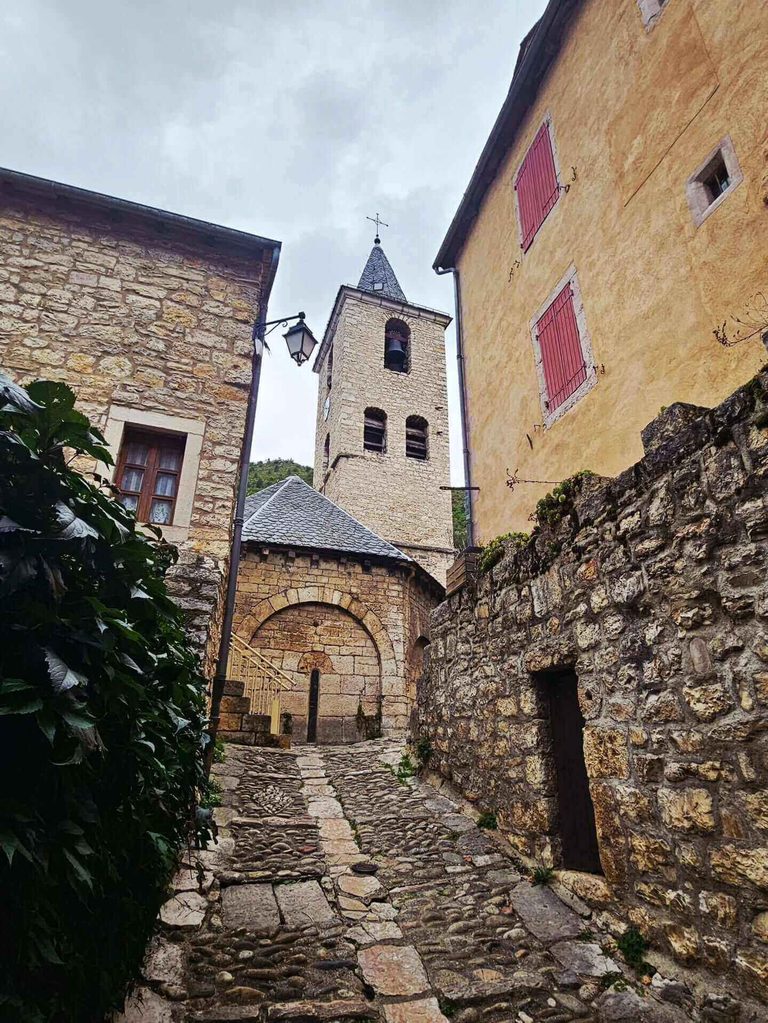

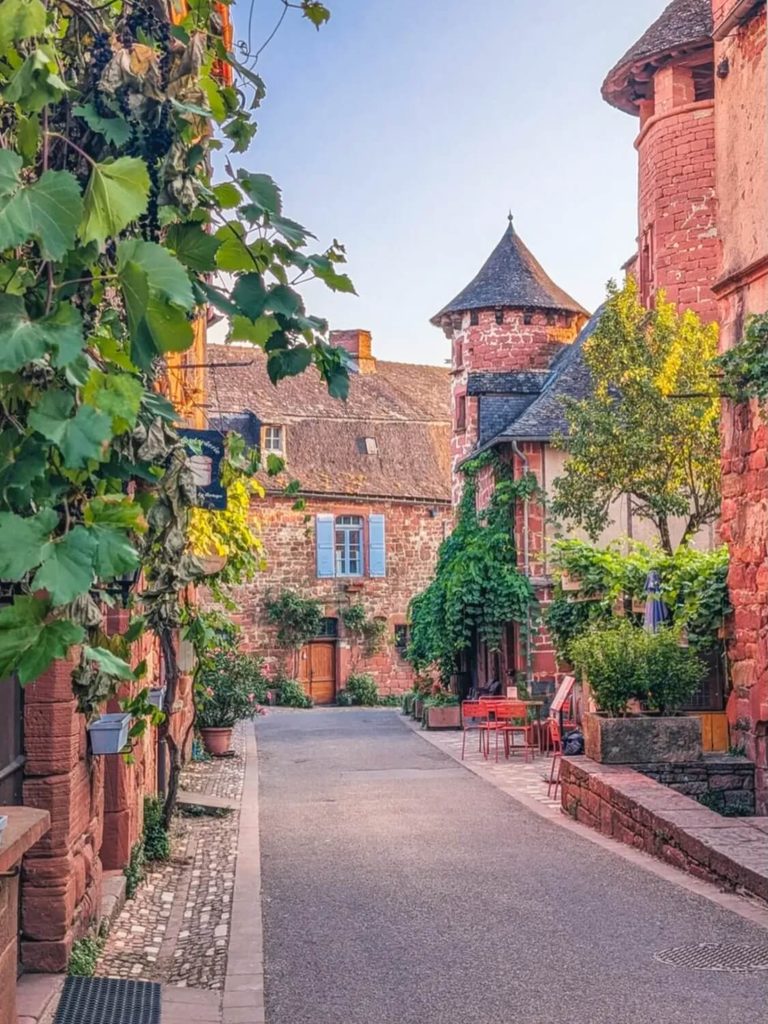
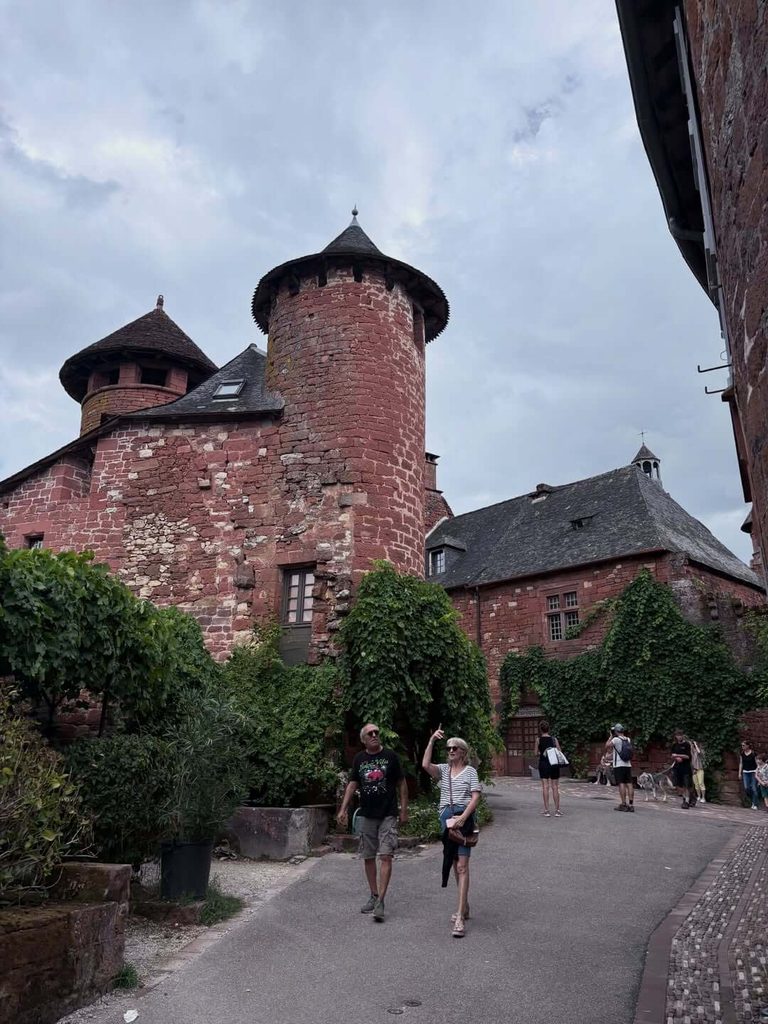
There are some villages where you know you’re going to take plenty of photos before you’ve even parked the car. Collonges la Rouge was one of those places for me. The reddish sandstone houses, towers and walls give the whole village a warm, unusual look that you don’t often see elsewhere in France.
What I liked most, though, was that there isn’t just one big sight to see. The charm is in the old streets, little squares, carved windows, stone doorways and towers that you notice as you wander around.
It’s also a village that’s easy to rush through. The historic centre is fairly small, so you could walk around in an hour, but I’d give yourself two to three hours if you can. That leaves time to explore, visit Église Saint Pierre, look for the Maison de la Sirène and stop for a coffee or lunch.
Collonges la Rouge also works well as part of a wider trip through Corrèze and the Dordogne Valley. In this guide, I’ll take you through the best things to do, the places I’d make time for and a few practical tips that will make your visit easier.
Why Is Collonges La Rouge Red?
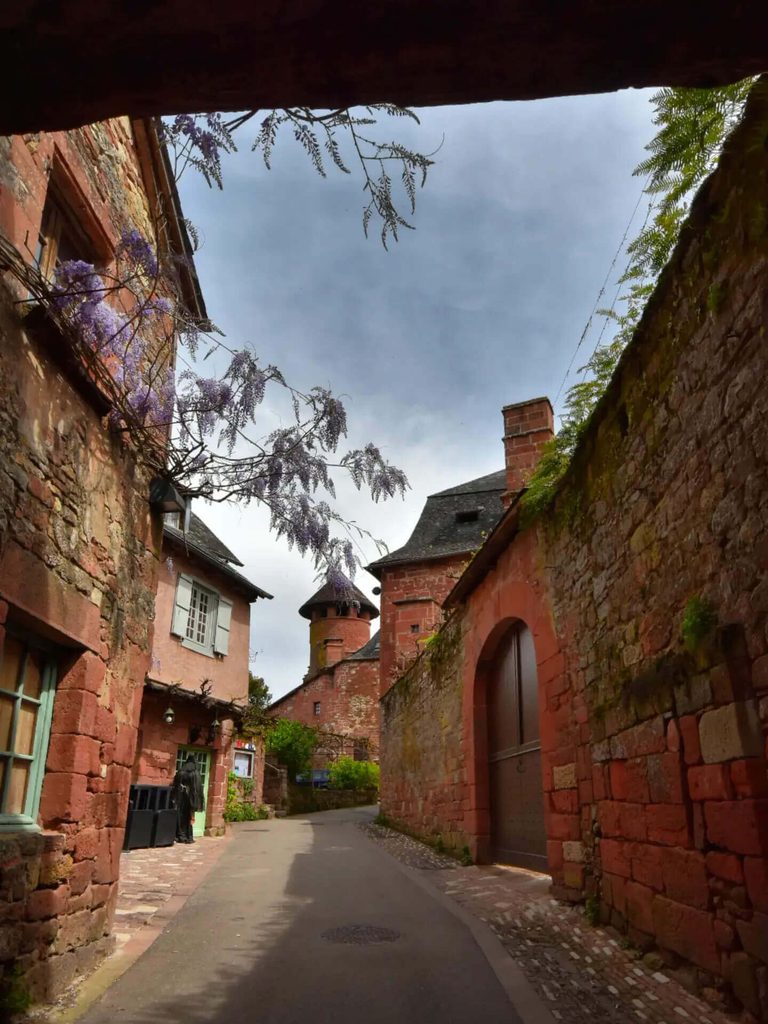
The answer is fairly simple. Much of Collonges la Rouge was built using local red sandstone, with the colour coming from iron oxide in the stone.
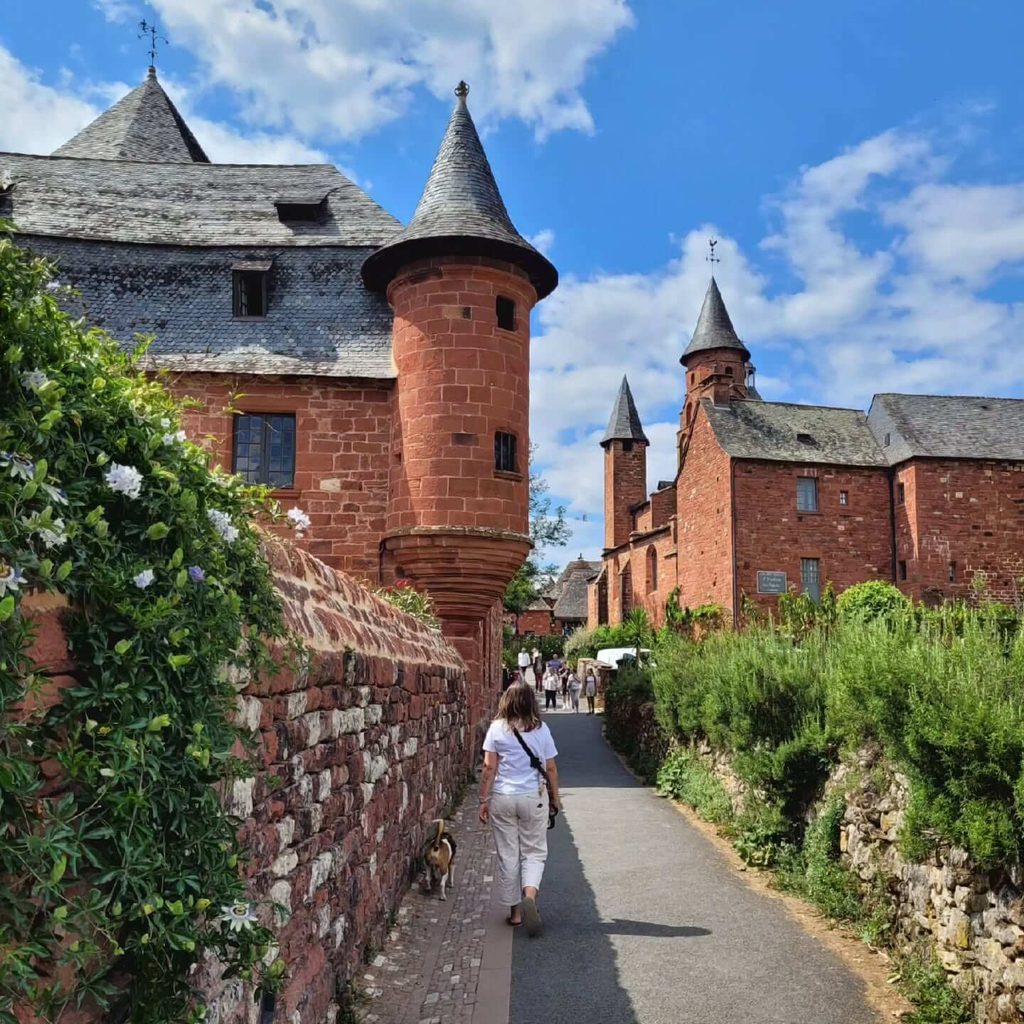
You’ll notice the sandstone almost everywhere in the old village, from the houses and towers to walls, doorways and smaller architectural details. It gives Collonges its distinctive look and is also where the village gets its name.
The geology around the nearby Meyssac area is responsible for this change in colour. As you travel through the surrounding countryside, the reddish sandstone gradually gives way to much lighter limestone landscapes.
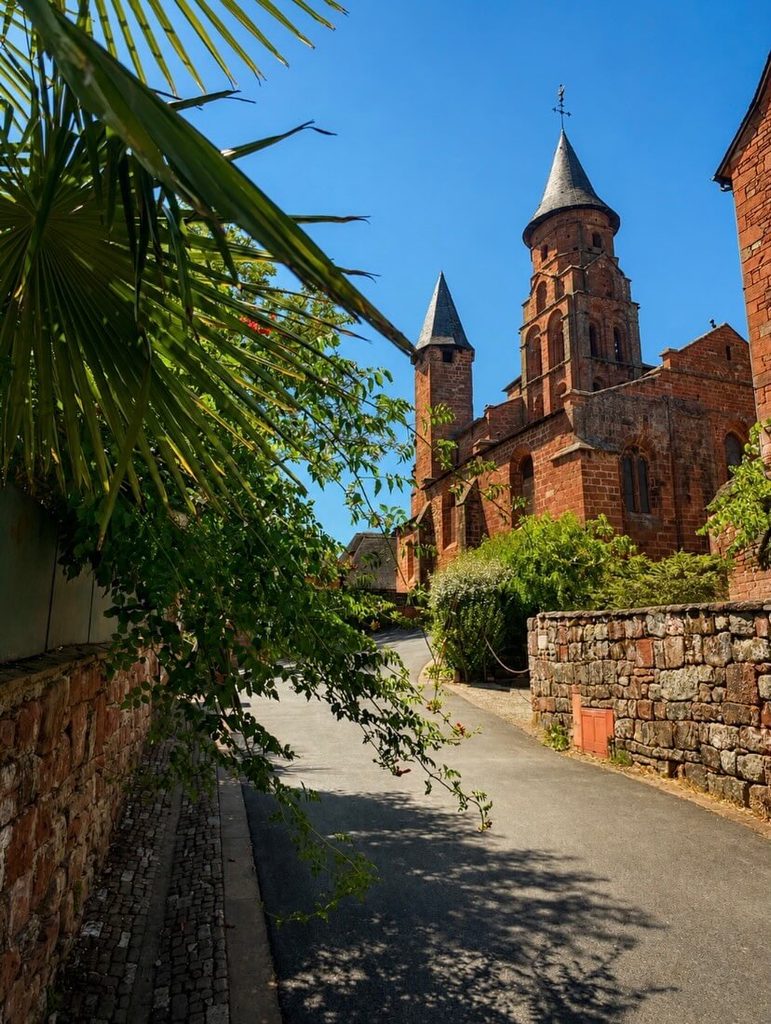
What I liked was how much the colour changes depending on the light. In bright sunshine, the stone can look almost orange, while later in the afternoon it becomes darker and warmer.
If you’re taking photos, I’d try to visit earlier in the morning or later in the afternoon when the light is softer. And don’t just photograph the main streets. Some of the smaller lanes, old doorways and towers make great pictures too.
Once you start looking closely, you’ll notice that the village isn’t one uniform shade of red. Different walls and buildings have slightly different tones, which makes wandering around much more interesting.
Best Things to Do in Collonges la Rouge
Wander the Medieval Streets
The best thing to do in Collonges la Rouge is honestly just walk around.
I wouldn’t arrive with a strict list of sights and try to see them all as quickly as possible. The historic centre is compact enough that you can get between the main attractions easily, and some of the nicest parts of the village are the things you notice between them.
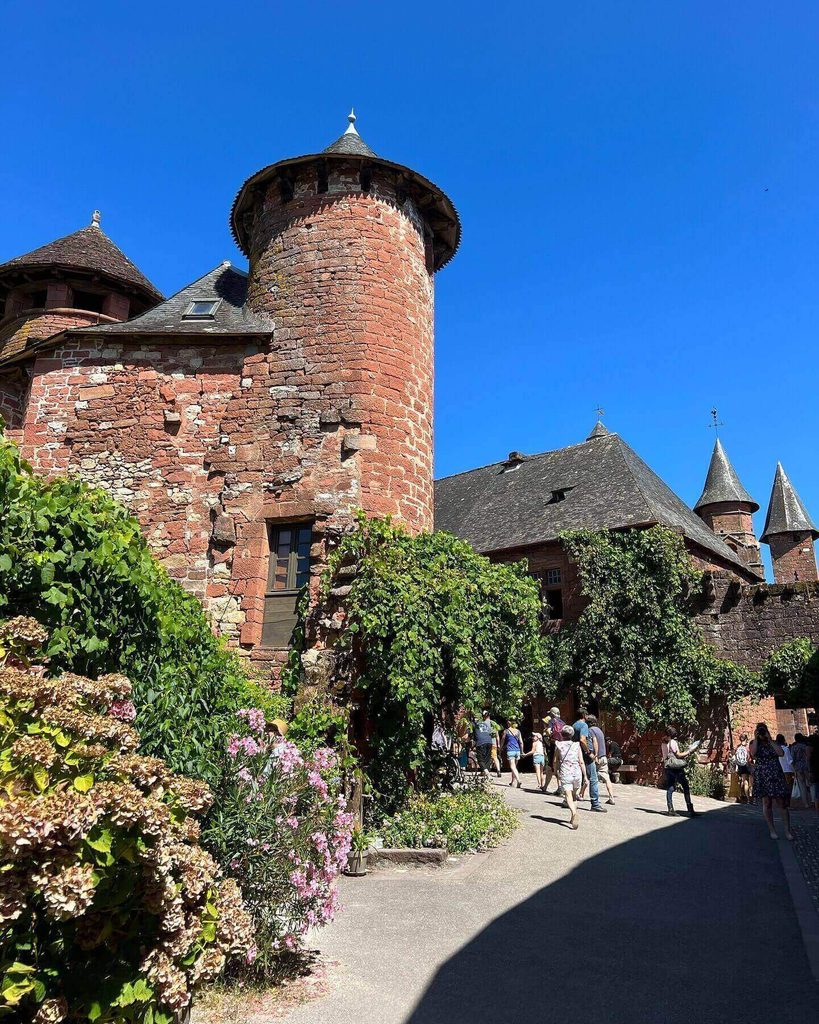
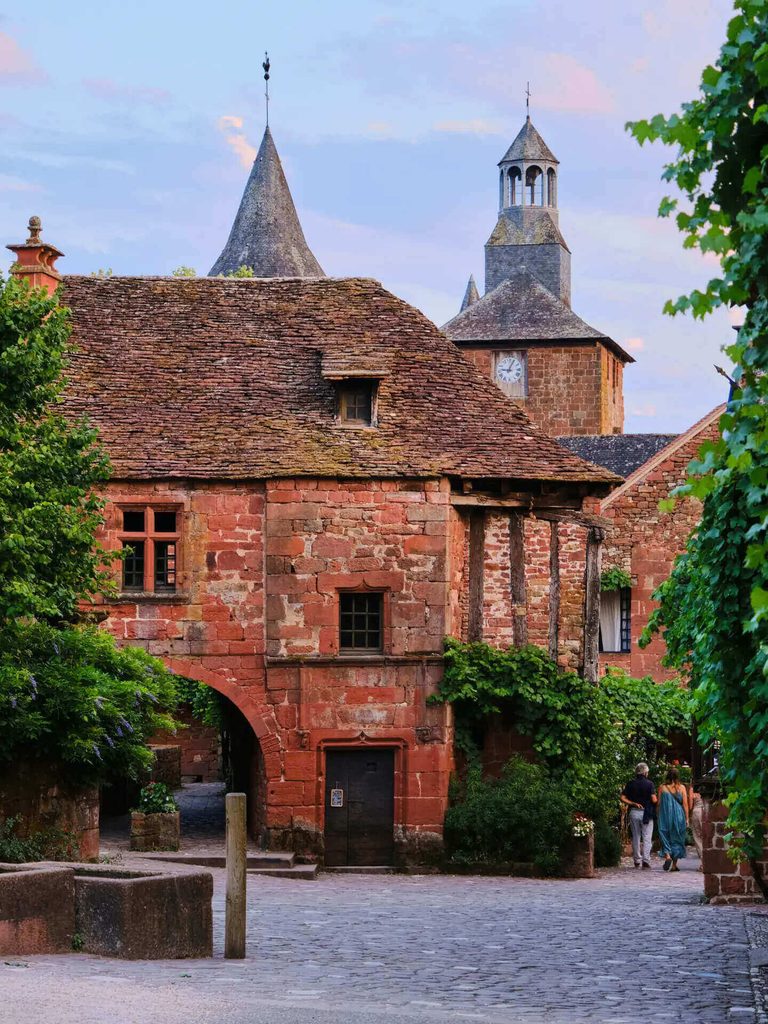
The streets are lined with tall red sandstone houses, small towers, old windows and carved doorways. Look up occasionally and you’ll see upper floors projecting over the street, little turrets rising above the roofs and stone details that are easy to miss when you’re focused on getting from one attraction to another.

Collonges became particularly prosperous from the late 15th and early 16th centuries, when wealthy officials connected with the Viscountcy of Turenne built substantial homes here. You can still get a sense of that wealth from the size and decoration of some of the houses.
I found it more enjoyable to wander without worrying too much about the exact route. Follow one narrow lane, see where it takes you, then double back if something catches your eye. You’ll probably pass the main sights naturally anyway.
One small tip, look above street level. Some of the most interesting architectural details are around the upper windows, roofs and towers rather than at eye level.
Walk Along Rue de la Barrière
Rue de la Barrière is one of the main streets through Collonges and a good place to start getting a feel for the village.
It’s busier than some of the smaller lanes, with restaurants, shops and plenty of the red sandstone buildings that people come here to see. Because the buildings sit so close together, you also get a good impression of how compact the old village really is.

Don’t just walk straight through it. Take a few minutes to look at the old windows, stone doorways, corbels and upper floors. Some buildings are quite elaborate, while others are much simpler, and that mix is part of what makes the street interesting.
During the summer months, this area can get busy, particularly around the middle of the day. If you’re hoping to take photographs without constantly waiting for people to move out of the way, I’d come early.
It’s also a useful street for finding somewhere to stop for a drink or meal. I wouldn’t necessarily make a restaurant here the main reason for visiting, but it’s a convenient place to take a break after walking around.
Look for the Red Towers
You’ll soon understand why Collonges is often associated with its 25 towers.
As you walk through the village, you’ll see turrets and towers appearing above the rooftops from all sorts of angles. Some are attached to large historic houses, while others seem to appear at the end of a narrow street when you least expect them.
These towers are part of what gives Collonges its distinctive appearance. They also reflect the period when wealthy residents were building substantial homes and wanted their houses to reflect their position.
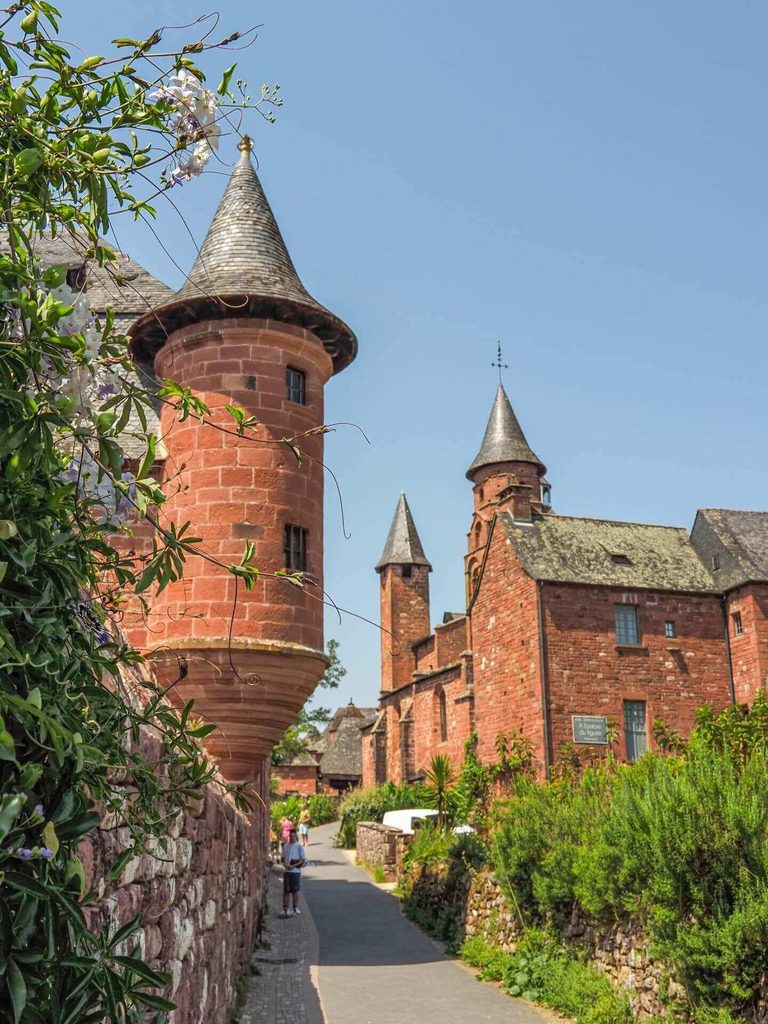
Some buildings have features that look defensive, including turrets and machicolations, although these were also part of the architecture and status of the houses. You don’t really need to turn this into a hunt for all 25 towers. In fact, I’d probably enjoy it less if I tried.
Instead, keep an eye on the rooftops as you walk. A tower that looks ordinary from one street can look completely different from another angle. This is also one of the reasons it’s worth wandering away from the busiest streets for a while.
If you’re taking photographs, towers work particularly well when you include part of the surrounding street or another red sandstone building in the frame. It gives the picture more of a sense of the village rather than making it look like a photograph of a single building.
Visit Église Saint Pierre
Église Saint Pierre is one of the places I’d make time to see, even if you’re only spending a couple of hours in Collonges.
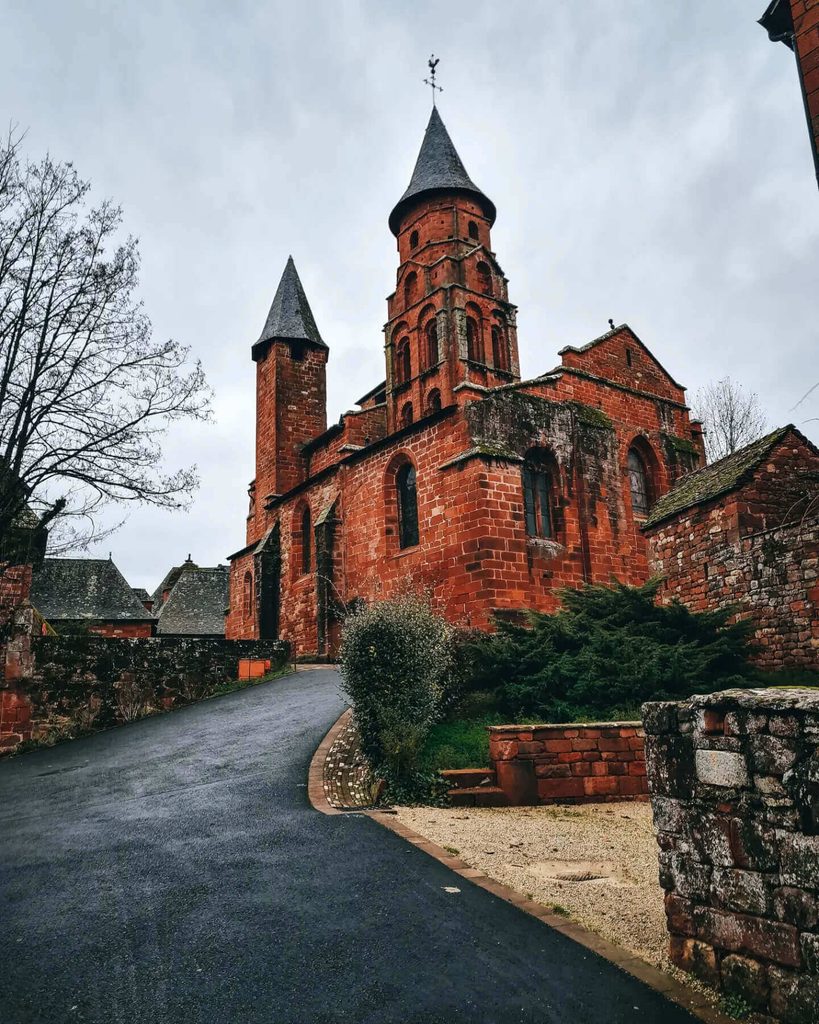
The church dates back to the 11th century and was changed and expanded over the centuries. Its unusual two nave layout reflects the area’s complicated religious history, and it’s quite different from what you might expect from a small village church.
Before going inside, take a look at the exterior. The Romanesque tympanum above the entrance depicts the Ascension, and the bell tower is particularly noticeable, with an octagonal upper section sitting on a square base.
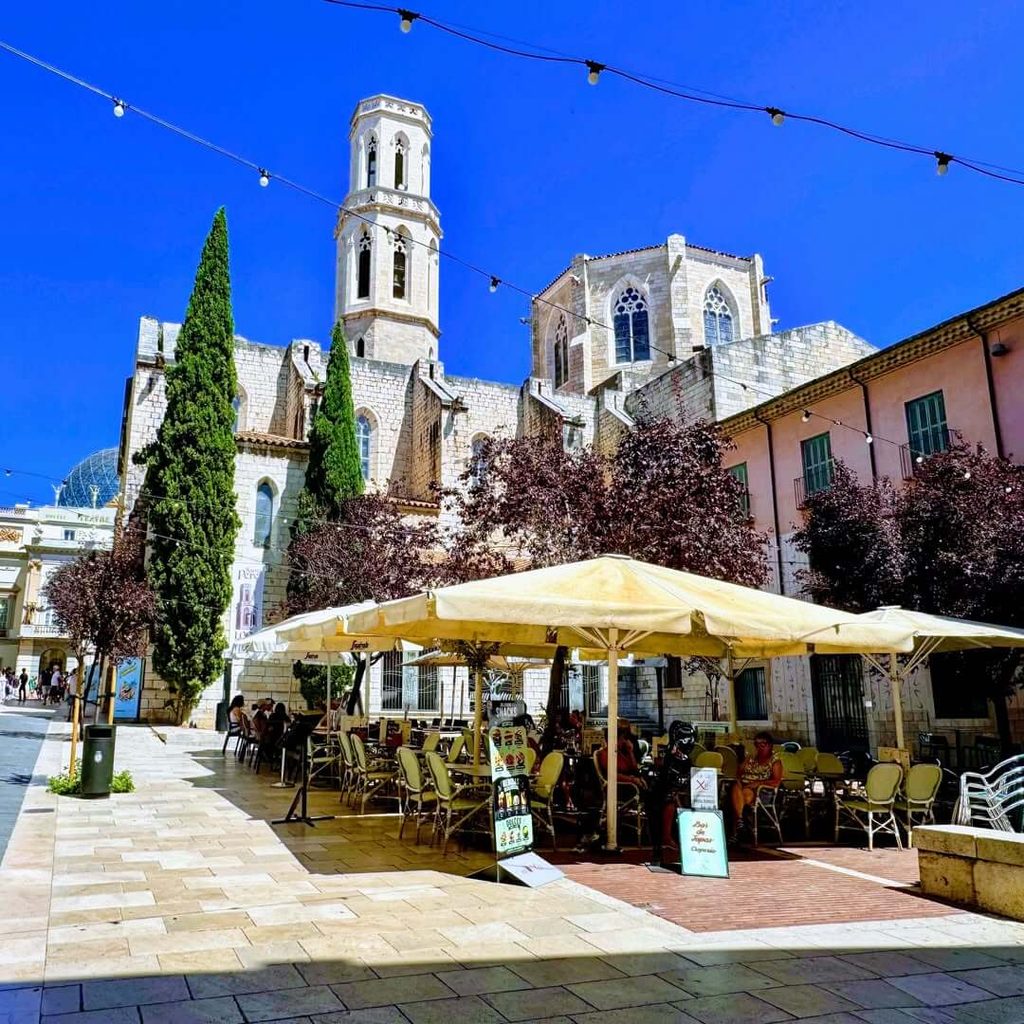
Inside, you’ll find several historic features and artworks, including a wooden Pietà, a recumbent Christ and two altarpieces. There are also details connected with the church’s Protestant history, including a mobile Protestant pulpit.
I like this kind of stop because you don’t need a huge amount of time. Even if churches aren’t normally high on your travel list, it’s worth stepping inside for ten or fifteen minutes and looking around.
The church is currently listed as free to enter, with 2026 opening hours given as 9am to 6pm. Hours can change outside the main season, though, so I’d check locally if you’re visiting at a quieter time of year.
See the Chapelle des Pénitents Noirs
The Chapelle des Pénitents Noirs is a much smaller stop, but it’s close to Saint Pierre Church, so it’s easy to include while you’re in this part of the village.
The chapel has had a difficult history. It fell into poor condition and at one point the roof had collapsed, before restoration work brought the building back into use.
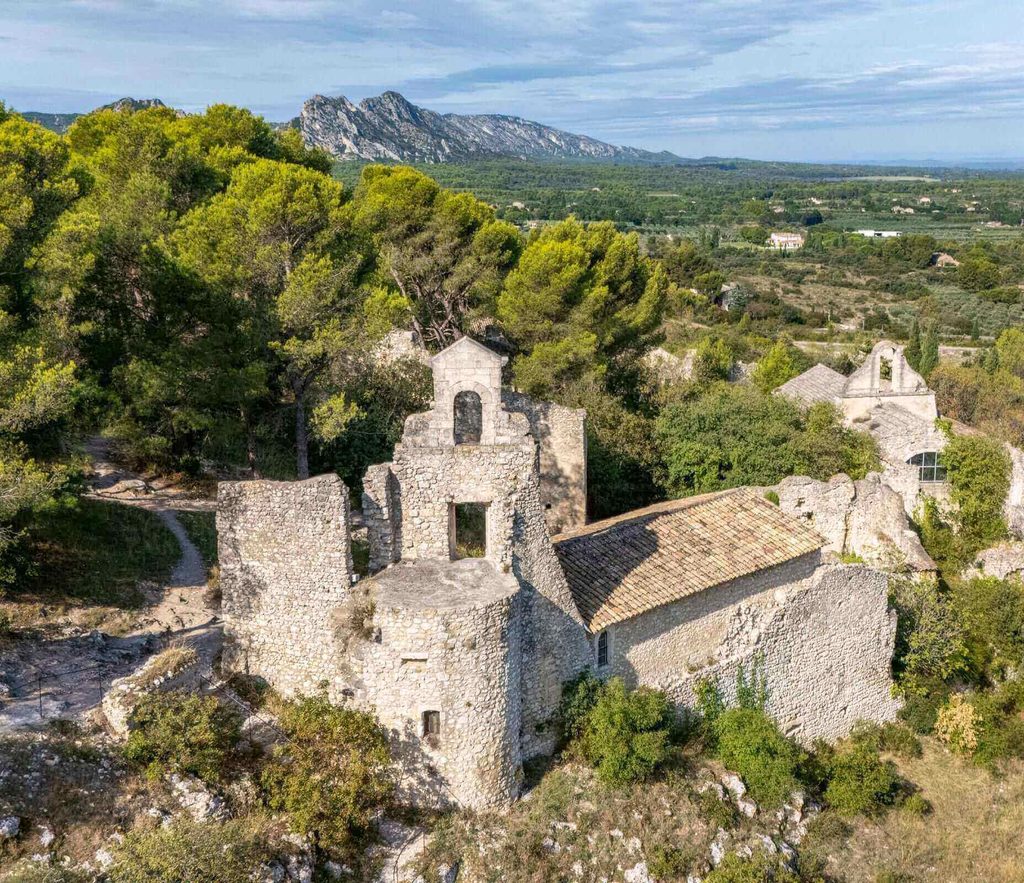
One of the details that makes it interesting is the contrast between the old stone building and the more recent stained glass windows, which were installed in 2016. The windows give the small interior a different feel from the much older architecture around it.
If the chapel is open when you pass, I’d go inside for a few minutes. You don’t need to plan a separate visit around it, and because it’s small, you can see it without taking much time away from the rest of the village.
It’s also a good reminder that Collonges isn’t only about its grand houses and towers. There are smaller historic buildings tucked between the better known sights.
Find the Maison de la Sirène
The Maison de la Sirène is one of those buildings that’s easy to recognise once you know what you’re looking for.
This 16th century house gets its name from the small mermaid sculpture above the entrance. It’s a fairly easy detail to walk straight past, especially when you’re looking at the larger buildings and towers around you, so make a point of looking up when you reach the doorway.

The house itself is interesting for its old stone construction and architectural details, but you can also visit the small museum inside when it’s open. The displays cover local history, archaeology, geology and traditional life, which gives you a bit more context for the village you’re walking through.
The current listed adult admission is €2, making it one of the easier paid attractions to add to your visit. Opening hours vary by season, so don’t be surprised if you find it closed outside the busier months.
I’d consider going inside if you have enough time, particularly if you’re interested in local history. If you’re only here for an hour, though, you can still stop outside, look at the mermaid sculpture and continue exploring.
Visit Château de Vassinhac
If you want to see one of Collonges’ historic residences from the inside, Château de Vassinhac is the one I’d choose.
The 16th century château was associated with the Vassinhac family and has the kind of architecture you notice immediately, with towers, machicolations and other features that give it the appearance of a fortified residence.
The inside is just as useful for understanding the village’s past. The visit includes furnished rooms, a Louis XVI style salon, a bedroom associated with the writer Colette, a spiral staircase and a vaulted cellar. There are also photographs and displays about the restoration of the building.
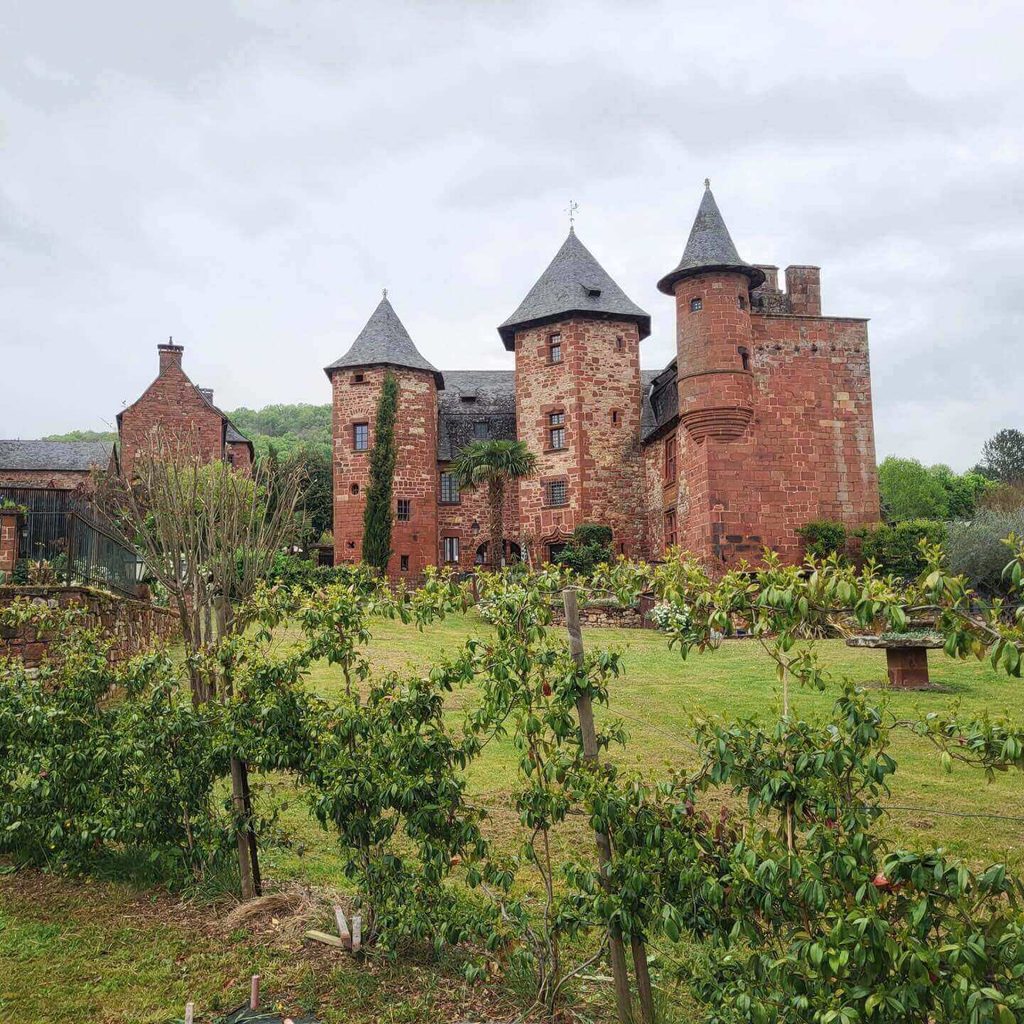
The current adult admission is listed as €8.50, so I’d probably only add it if you’re interested in historic houses and interiors. If you’re mainly visiting Collonges for the streets and architecture, you can have a very good visit without paying for every attraction.
For me, the main advantage of visiting is that it changes the way you look at the houses afterwards. Once you’ve seen the inside of one of these grand residences, the large doorways, towers and elaborate exteriors you pass in the streets make a little more sense.
Opening hours can change with the season, so check the current schedule before making the château part of a tightly planned itinerary.
Stop at the Covered Market and Bread Oven
The covered market, or halle, is one of the quieter historic spots in Collonges. It dates from the 16th century and was once used for trading local goods, including wine and walnut oil.
Near the market you’ll also find the old communal bread oven, known as a four banal. It was restored in the 20th century and is still used during some village events.
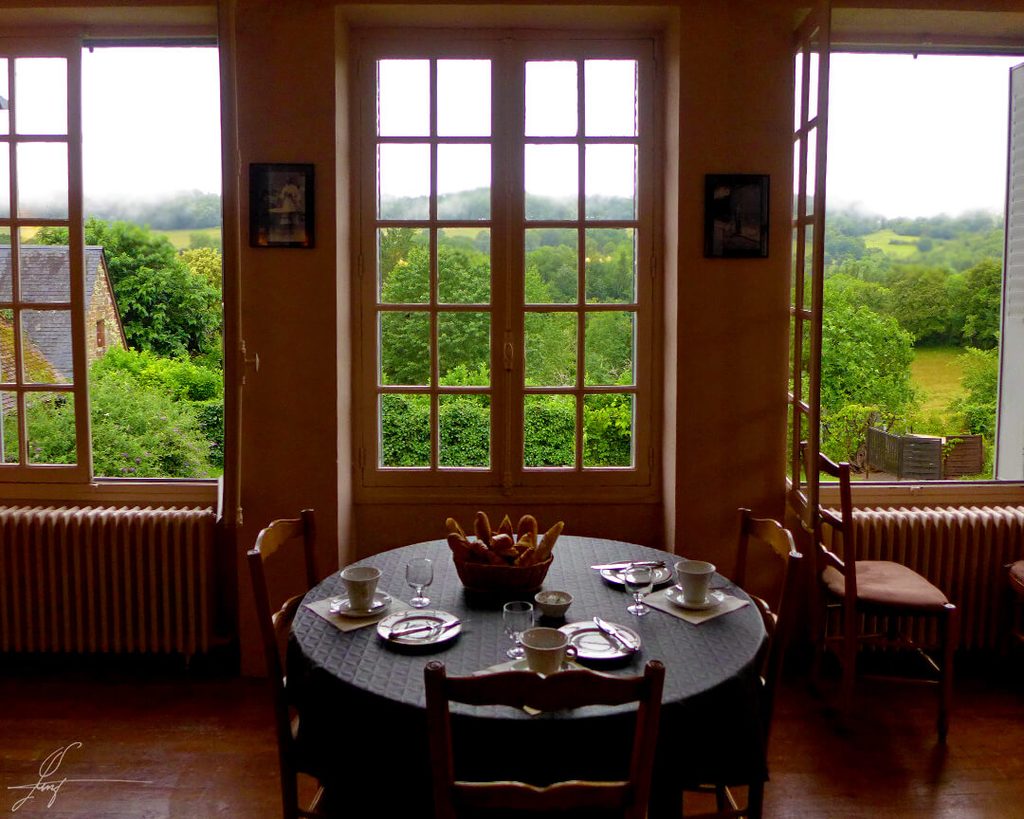
I like this part of Collonges because it shows a different side of the village. The big houses and towers tell you about the people who lived here, while the market and oven give you a better idea of everyday village life.
You won’t need much time here, but it’s an easy stop to include while you’re walking through the centre.
Walk Along Rue Noire
Once you’ve seen the main sights, take a little detour along Rue Noire.
It’s narrower and more enclosed than some of the busier streets, with the old houses sitting close together. As you walk, you’ll get different views of the stone walls, windows and towers above the rooftops.

I particularly like streets like this for photographs because you can get closer to the buildings instead of always trying to capture the whole village in one shot.
It’s also a good place to slow down. By this point, you’ve probably seen the church and the larger historic buildings, so there’s no need to rush back towards the car park.
Browse the Local Shops
There are several small shops, galleries and artisan businesses around the historic centre.
I wouldn’t plan your whole visit around shopping, but it’s worth leaving a little time to browse. You’ll find local food products, crafts, artwork and souvenirs that feel more connected to the area than the usual tourist items.
The shops are also a nice reason to wander the streets you might otherwise skip. You can easily combine a little shopping with a coffee stop or continue exploring without adding much extra time to your day.
Stop for Lunch or Coffee
Collonges is a convenient place to stop for lunch, particularly if you’re spending a few hours exploring on foot.
Menus around the village and wider Corrèze area often feature local ingredients such as duck, walnuts, walnut oil and regional cheeses. I like taking a proper break here rather than trying to squeeze in another attraction while you’re hungry.
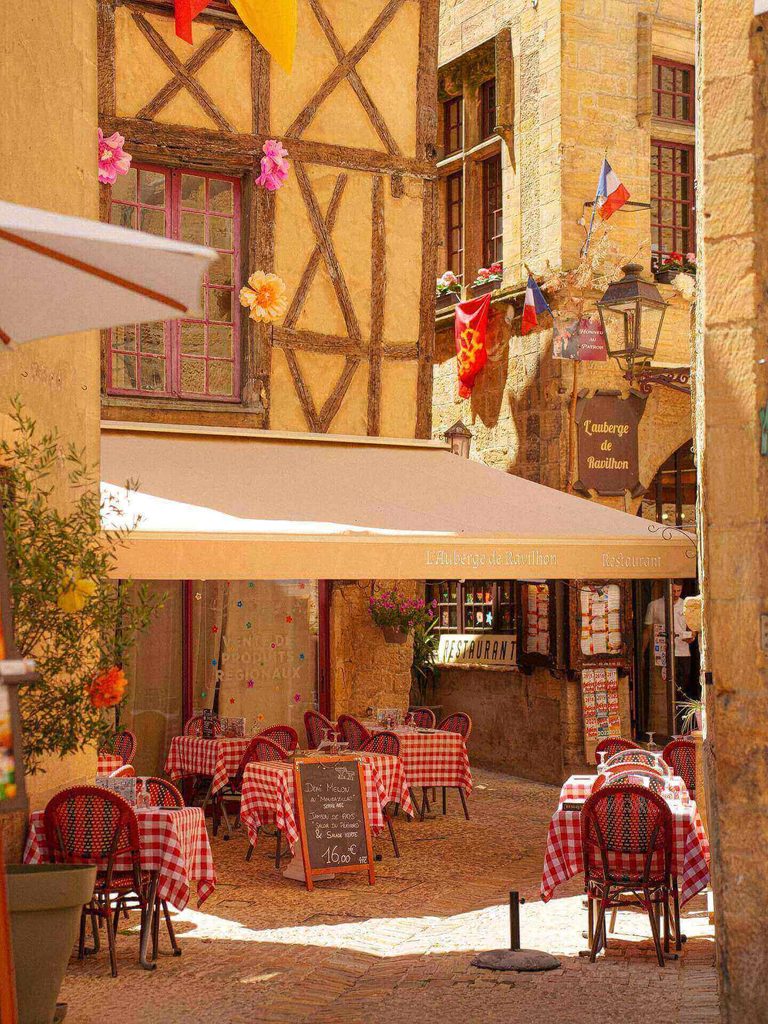
During July and August, restaurants can get busy around lunchtime, so I’d book ahead if there’s somewhere specific you want to try. Otherwise, it’s quite easy to choose a place once you’re in the village.
There’s also a café terrace near Château de Vassinhac, which is handy if you simply want a drink or a relaxed meal without making a big event of lunch.
For a first visit, I’d leave at least an hour for lunch if your schedule allows it. Collonges is much nicer when you have time to sit down for a while instead of treating the village as a quick stop between destinations.
The Best Walking Route Through Collonges la Rouge
For a first visit, I’d keep the route fairly loose. Collonges la Rouge is small enough to explore on foot, and some of the best moments come from wandering down streets you didn’t originally plan to take.
Start from one of the visitor car parks and walk towards Rue de la Barrière. From there, head to the Maison de la Sirène, then continue towards Les Halles and the old bread oven.

Next, visit Église Saint Pierre and the Chapelle des Pénitents Noirs, followed by Château de Vassinhac if you want to see one of the historic houses from inside.
After that, take your time around Rue Noire and the smaller lanes before finding somewhere for coffee or lunch. Don’t worry about following the route perfectly. If a street looks interesting, take it.
If You Only Have 1 Hour
Keep things simple. Walk along Rue de la Barrière, see the red sandstone houses and towers, visit Saint Pierre Church if it’s open, and stop by the Maison de la Sirène.

Use the remaining time to wander one or two quieter streets. This gives you a good introduction without trying to see everything.
If You Have 2 to 3 Hours
This is the amount of time I’d recommend for most visitors. You’ll have time to explore the main streets, visit the church and chapel, choose one paid attraction and take plenty of photographs.
If you’re interested in architecture or photography, I’d stay closer to three hours. It’s also nice to leave some time for a coffee or lunch rather than rushing back to the car.
When Is the Best Time to Visit Collonges la Rouge?
The best time to visit really depends on what you want from the village. If you mainly want to walk around and take photographs, I’d lean towards spring or autumn when the weather is generally more comfortable and the village is quieter.
Spring
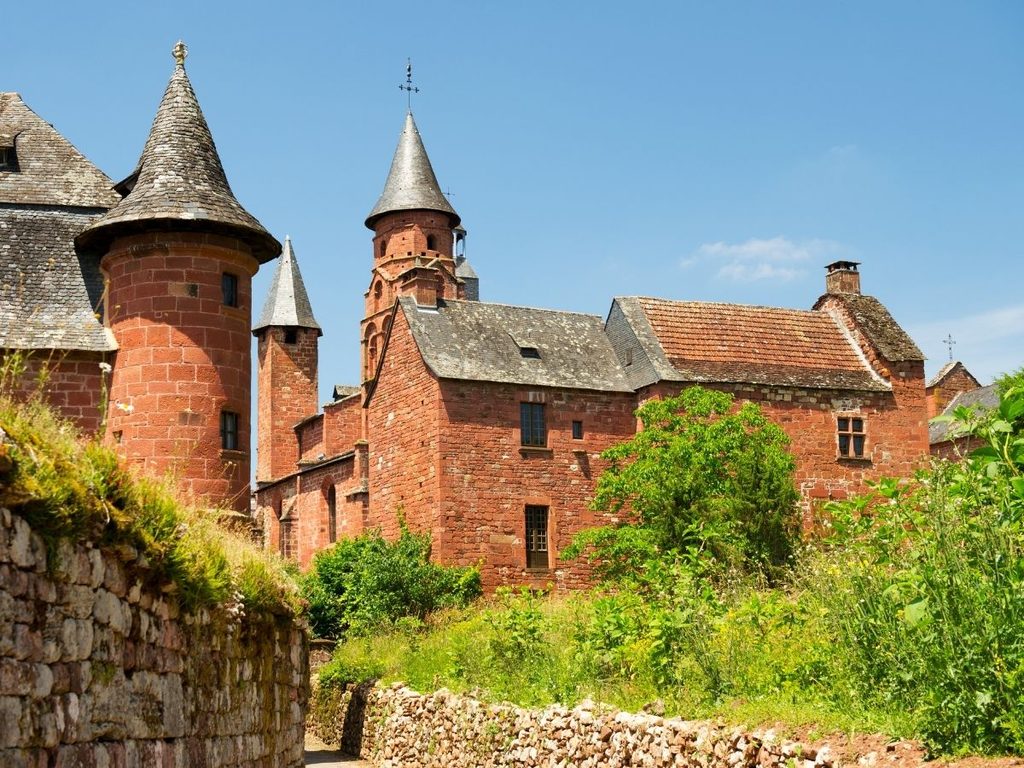
It is a nice balance. You can spend a few hours walking without dealing with the strongest summer heat, and there are usually fewer visitors than in July and August. It’s a good time if you want to take your time around the smaller streets.
Summer
Is when Collonges feels busiest. Shops, restaurants, guided visits and seasonal activities are in full swing, which makes it a good choice if you want the most going on.
The downside is the crowds, particularly around the middle of the day, so I’d arrive early if you can.
Autumn
Is another favorite for me, especially if you’re taking photographs. The softer light works well with the red sandstone, and the surrounding countryside starts taking on its autumn colours. It’s also a comfortable time for walking.
Winter
Is the quietest period. You may have parts of the village almost to yourself, but you’ll need to check opening times carefully because some attractions, shops and restaurants have reduced hours. The local tourism office also warns that frost and snow are possible, so check the weather if you’re planning a winter visit.
How Long Do You Need in Collonges la Rouge?
I’d allow 2 to 3 hours for a first visit.
An hour is enough to walk through the main streets, see the red sandstone houses and stop at a few of the main sights. It will feel more like a quick stop, though, rather than a proper visit.
With two or three hours, you can slow down a little. You’ll have time for Saint Pierre Church, the Maison de la Sirène or Château de Vassinhac, depending on what’s open, as well as some photography and a coffee or lunch.
If you enjoy taking photographs or want to explore some of the walking routes around the village, you could easily stretch this into half a day. I wouldn’t personally plan a full day here unless you prefer travelling very slowly.
For most people, Collonges works best as a relaxed half day visit or as one stop on a longer road trip through the Corrèze and Dordogne Valley.
How to Get to Collonges la Rouge
For most travellers, driving is the easiest option. Collonges is surrounded by other villages and countryside attractions, so having a car also gives you much more freedom to combine several places in one day.
The nearest larger transport hub is Brive la Gaillarde, while Meyssac is only a short distance from Collonges. If you’re already travelling around the region by car, Collonges is fairly easy to add to your route.
Public transport is possible, but connections in this rural part of France are more limited than they are in the larger towns. I’d check the latest bus and regional transport timetables before planning a visit without a car, especially outside the main summer season.
If you’re doing a road trip, Collonges pairs particularly well with nearby villages such as Turenne, Curemonte and Martel. That way, you don’t need to spend a whole day getting to and from one small village.
Is Collonges La Rouge Worth Visiting?
Yes, I think it is, particularly if you enjoy historic architecture, photography and smaller French villages.
Collonges don’t need several days. In fact, its compact size is part of the appeal. You can see the main sights in a few hours, but there’s enough detail in the old streets to make the visit feel worthwhile if you slow down rather than rushing from one attraction to the next.
I’d probably think twice about visiting if you dislike busy tourist spots. Collonges can get crowded in summer, and the historic center has uneven stone surfaces, narrow streets and some steps, so it isn’t the easiest place for everyone to get around.
For me, the best way to visit is to combine it with somewhere nearby. Spend a few hours in Collonges, have lunch, then continue to another village or attraction. It makes much more sense than trying to stretch a small village into a full day’s sightseeing.
Where to Stay Near Collonges la Rouge
You have a few good choices depending on how you want your trip to feel.
Staying in Collonges la Rouge makes sense if you like quiet evenings and want to experience the village after most visitors have gone. Accommodation is limited, but that’s also part of the appeal. Once the day trippers leave, the streets can feel completely different.
Meyssac is a practical alternative. It’s only about 2 km away and gives you easier access to everyday services while keeping you close enough to Collonges for a quick morning visit.
If you’d rather have more choice, Brive la Gaillarde is the better base. You’ll find a wider range of hotels, restaurants and transport connections, although you’ll need to drive to Collonges.
For something more unusual, Château de Vassinhac has also offered accommodation during its operating season. Availability is seasonal, so check directly before planning your stay around it.
Practical Tips for Visiting Collonges la Rouge
A few simple things can make your visit easier.
If you’re coming in July or August, try to arrive early. The village gets much busier later in the day, and parking is easier in the morning.
Wear comfortable shoes, as you’ll be walking on uneven stone streets and exploring narrow lanes. Bring water if it’s hot, especially if you plan to stay for a few hours.
I’d also check the opening times for Maison de la Sirène and Château de Vassinhac before visiting, as both can have seasonal hours. It’s worth carrying a little cash, too. There is currently no ATM in Collonges, with banking services available in nearby Meyssac.
If you want to explore beyond the main streets, stop at the tourist office for a map. You can also ask about guided or evening lamp lit tours if you’d like more history during your visit.
Final Thoughts on Collonges la Rouge
Collonges la Rouge is small, but that’s part of its charm. You don’t need a full day to see it, and I think two to three hours is enough for most first visits.
Walk the main streets, visit Saint Pierre Church, choose one historic building to explore and leave some time for the smaller lanes. The red sandstone is what you’ll notice first, but the towers, carved doorways and little architectural details are what make wandering around worthwhile.
If you’re travelling through Corrèze or the Dordogne Valley, I’d definitely add Collonges to the route. Pair it with somewhere like Turenne or Curemonte and you’ve got a relaxed day of exploring without trying to fit too much in.