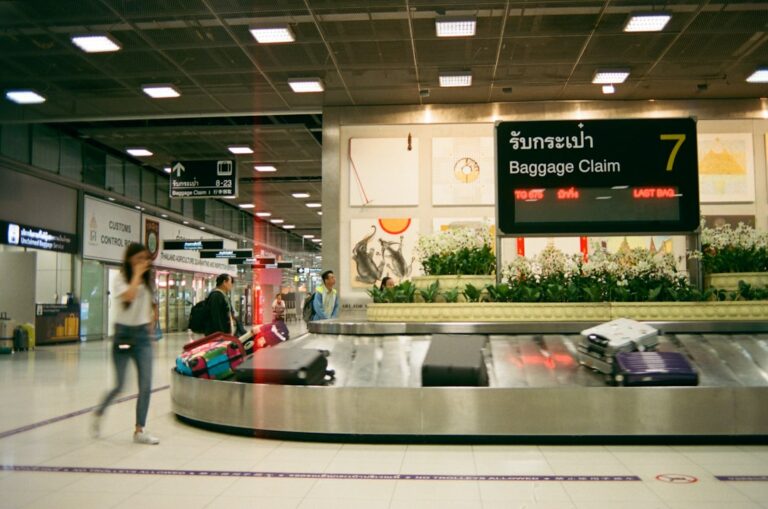


I almost got pulled aside at Narita over a cold medicine I had packed without a second thought. The officer held up my blister pack of Sudafed, checked it against a printed list, and I spent fifteen minutes explaining myself while my friends waited past the gates. That was the trip I learned Japan runs on rules most visitors never see coming.
None of them are meant to trap you. They are just quieter than the laws you grow up with, written for a place where politeness does a lot of the enforcing. The trouble is that quiet rules still come with real fines, and a few come with customs officers and police tickets.
Here are the eight that catch travelers most often, what each one actually costs, and how I stay on the right side of them. Some matter more for families, some for solo travelers who like to wander and cycle. I will tell you which is which.
1. Packing cold and allergy medicine that is banned at the border
This is the one that got me. Pseudoephedrine, the decongestant in Sudafed, Actifed, and some Vicks inhalers, is treated as a stimulant raw material in Japan and is generally prohibited, even in doses you buy over the counter at home.
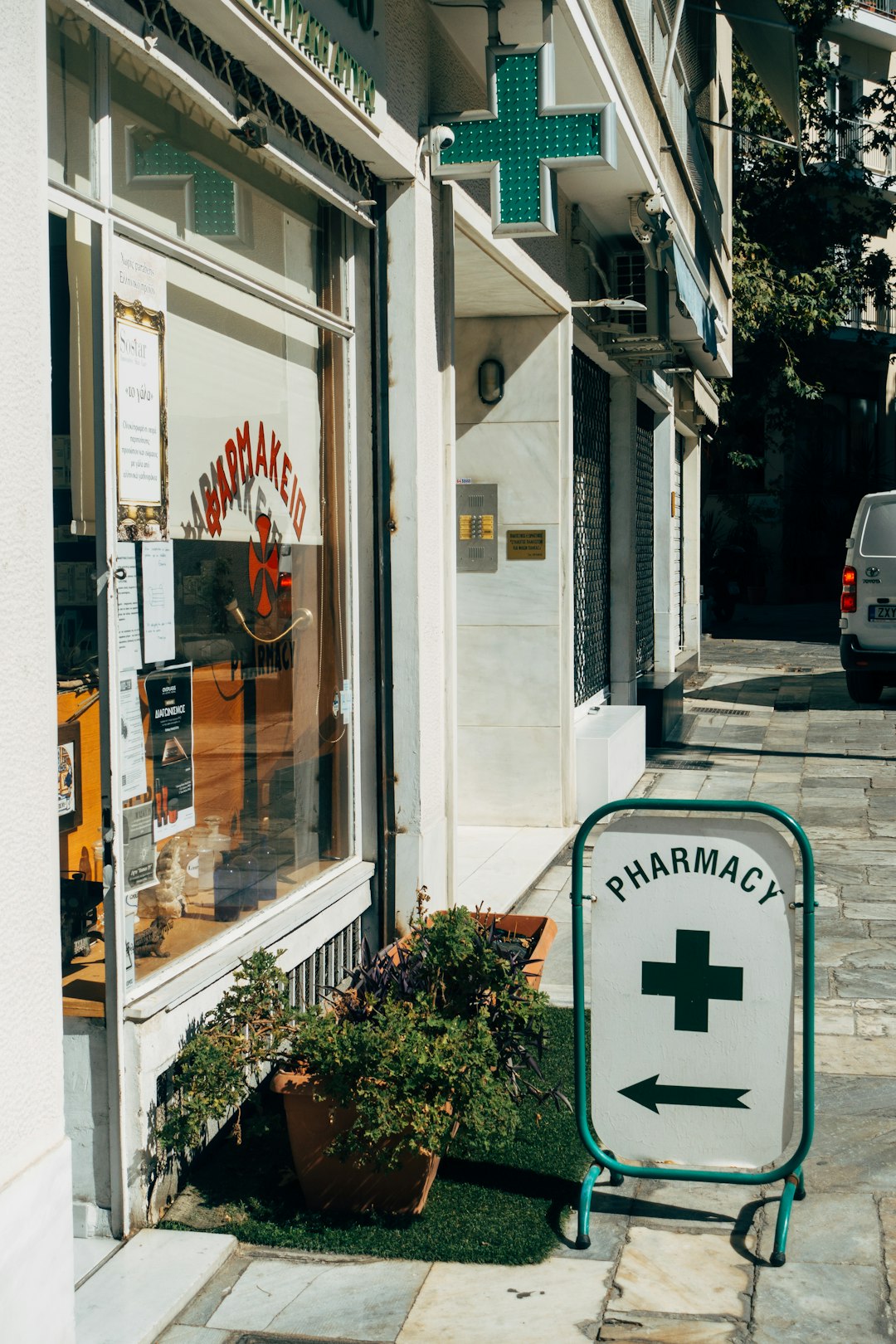
Customs can hold or confiscate it, and in rare cases detain you. I now leave anything with pseudoephedrine at home and buy a Japanese decongestant at a local pharmacy once I land. This matters most for families traveling with a medicine bag they never think twice about.
2. Bringing your ADHD or stimulant prescription without the paperwork
Adderall, Vyvanse, and other amphetamine-based stimulants are banned or tightly controlled, and a foreign prescription alone does not clear them. The same caution applies to anything with codeine, which Japan treats as a narcotic.
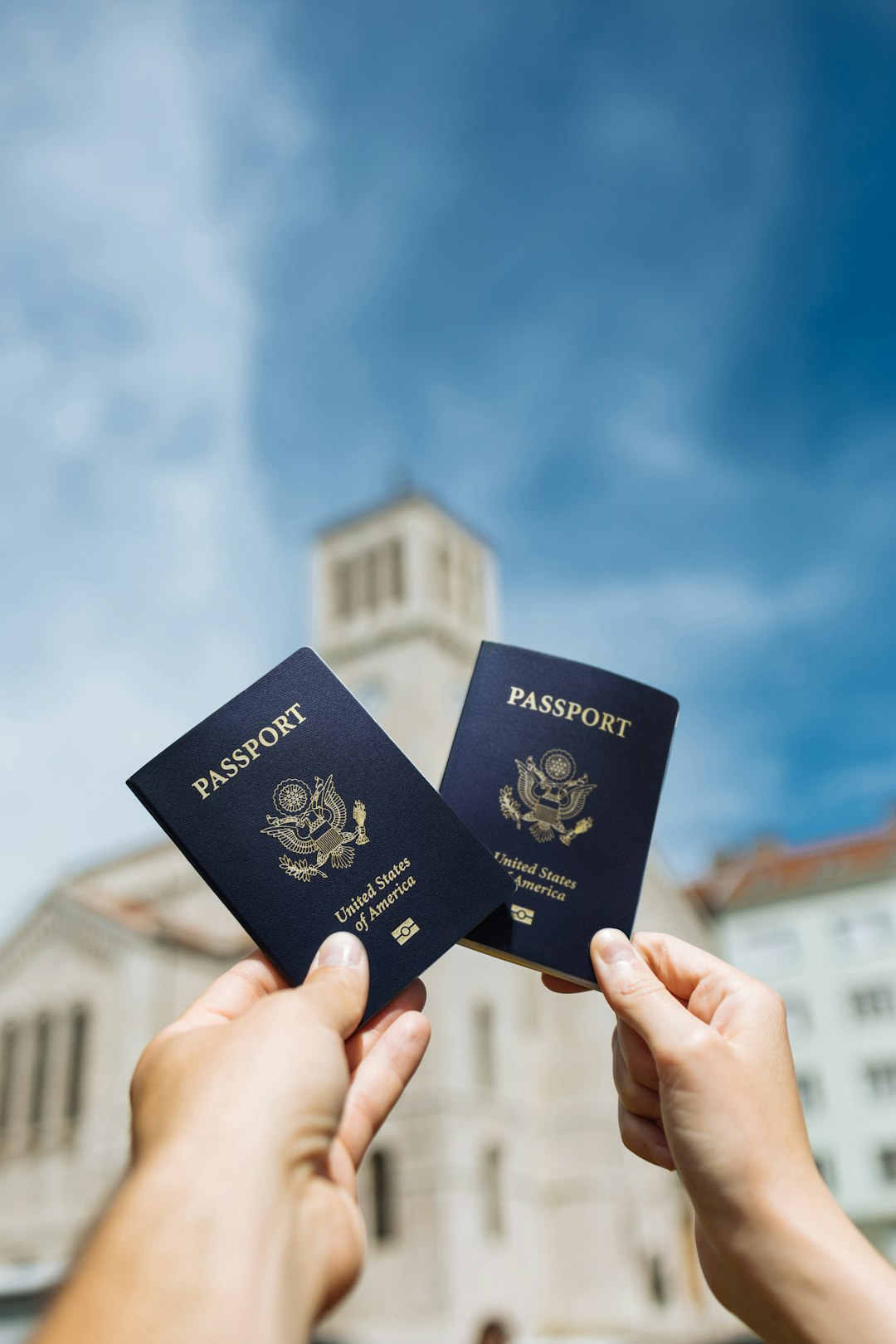
If you take a controlled medication, you apply for an import certificate called a Yunyu Kakunin-sho through Japan’s health ministry portal before you fly. Give yourself at least two weeks, since you upload your prescription and itinerary and wait for approval. Solo travelers who depend on a daily stimulant should sort this out the moment flights are booked, not the week of the trip.
3. Lighting a cigarette on the wrong stretch of sidewalk
Japan looks relaxed about smoking until you light up on a street where it is banned. Central Tokyo wards like Chiyoda and Shibuya prohibit street smoking outside marked smoking areas, and fines run from about ¥2,000 up to ¥20,000 depending on the city.
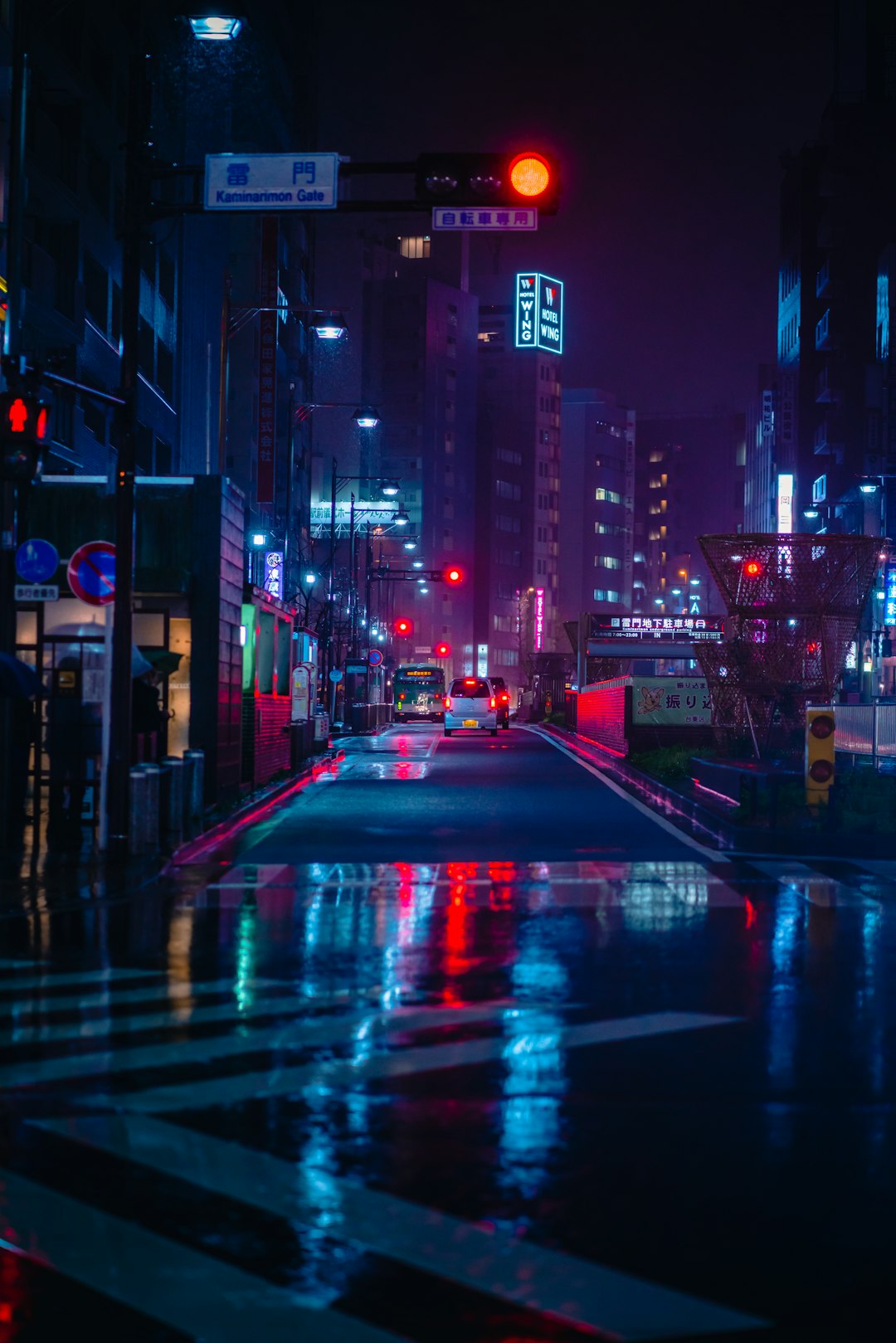
There is no single national rule, so the line can change from one ward to the next. I look for the painted smoking zones near stations and use those, and I never walk and smoke. If you smoke, treat every sidewalk as off limits until you see a sign telling you otherwise.
4. Photographing geiko and maiko in Kyoto’s private alleys
In Gion, the historic district where you might spot a geiko or a maiko hurrying to an appointment, the small residential side streets ban tourist photography. Signs there warn of a ¥10,000 fine, set by a local council of residents and shop owners after years of visitors chasing women down lanes.
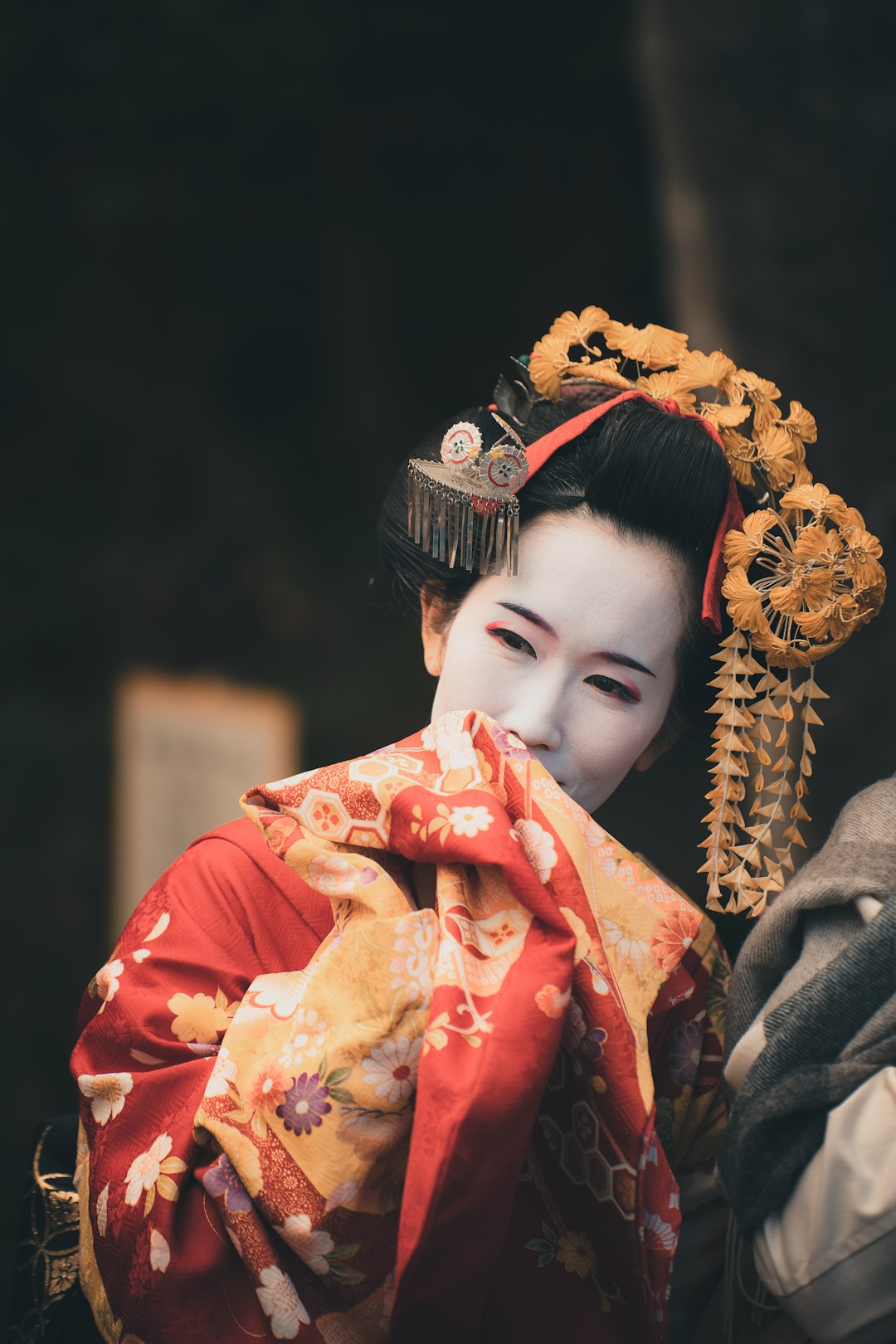
Public roads like Hanamikoji Street are not covered the same way, but the narrow private alleys off them are. I keep my camera down once I turn off the main street. Couples hunting for that one perfect Kyoto shot should know the pretty back lanes are exactly where the rule applies.
5. Cycling the way you would back home
Japan made bikes far easier to rent for tourists, then tightened the rules sharply. From April 2026 a new blue ticket system lets police fine cyclists on the spot, covering 113 separate violations.
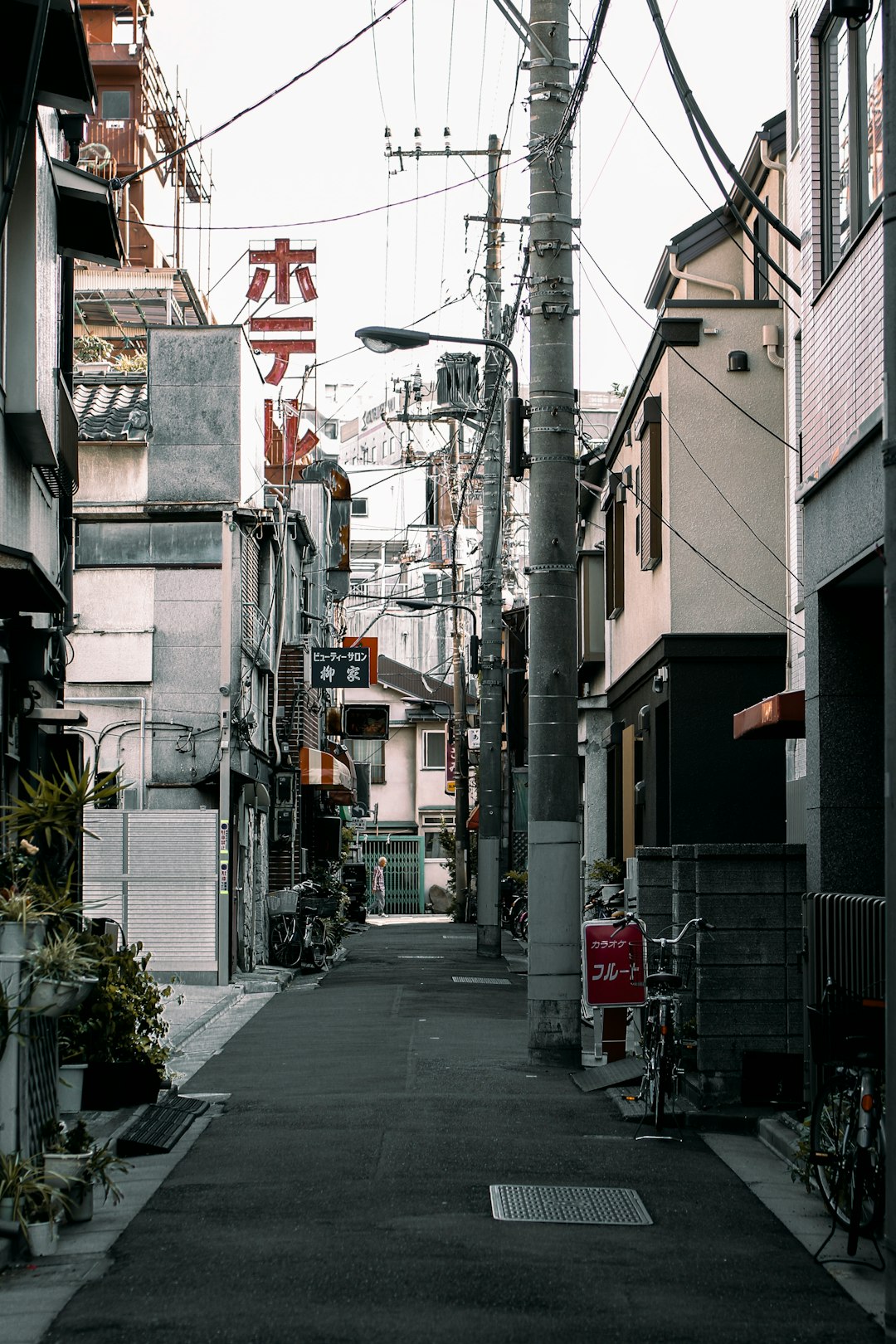
Using your phone while riding can cost ¥12,000, running a red light or going the wrong way about ¥6,000, and riding two abreast ¥3,000. Drunk cycling is the serious one: Japan extended its 0.03% blood alcohol limit to bicycles, and the penalty reaches three years in prison or a ¥500,000 fine. I treat a rental bike here exactly like a car, phone away and nothing to drink first.
6. Climbing Mt Fuji without the new permit
Fuji is not a casual stroll up a hill anymore. During the official season, roughly July 1 to September 10, climbers pay a mandatory ¥4,000 fee, register in advance, and cannot start up the trail between 2pm and 3am without a mountain hut reservation.
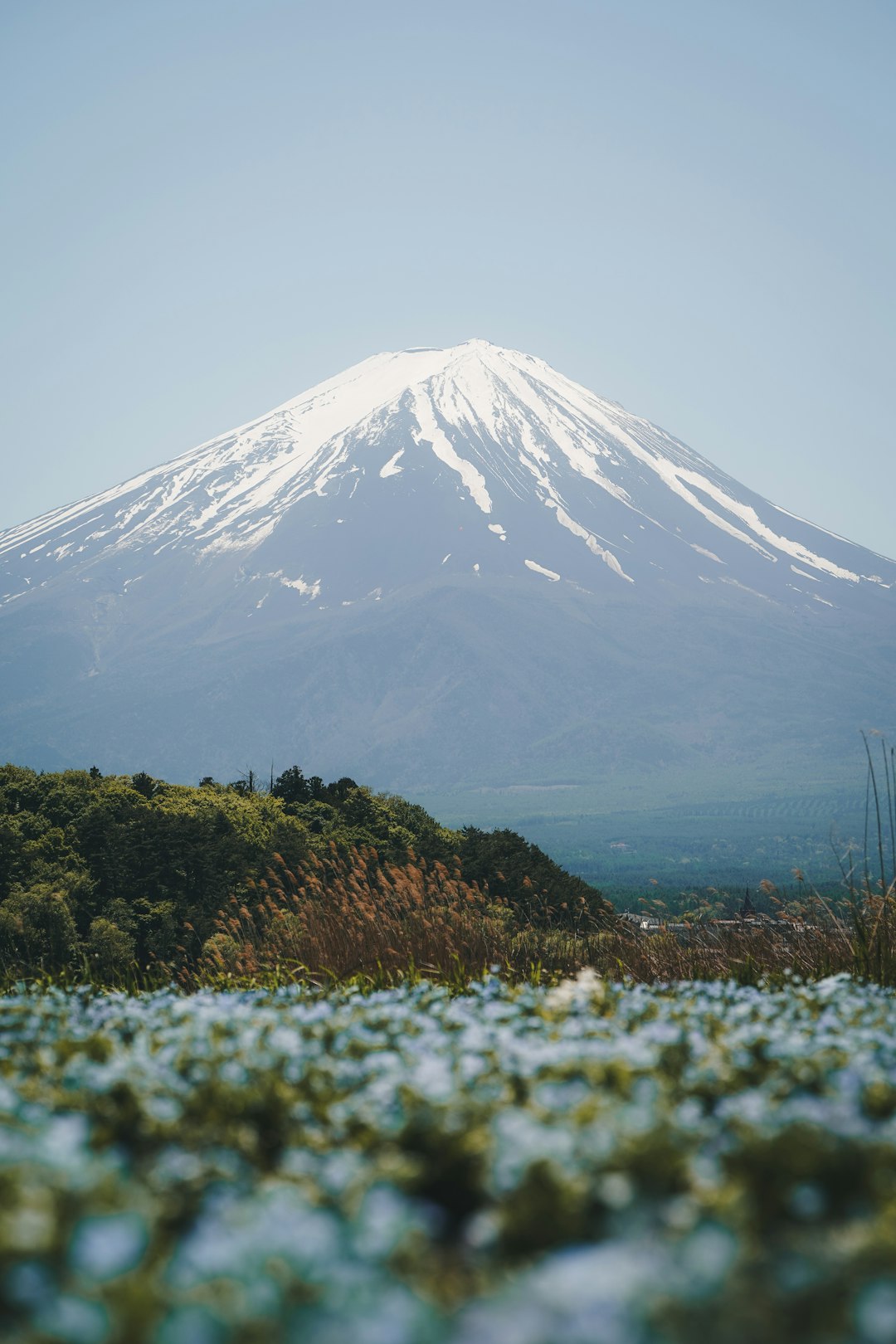
Outside that season the trails are closed, and entering a restricted or closed area can bring penalties of up to ¥300,000 or six months in prison. The rules exist because too many people were climbing overnight unprepared and getting hurt. If Fuji is on your list, book the slot and the hut before you go, the same way you would a timed museum ticket.
7. Dropping litter, including a single cigarette butt
Japan has almost no public trash cans, which surprises everyone, and yet the streets stay clean because people carry their rubbish home. Littering is fined by individual cities, from around ¥2,000 to ¥30,000, with the higher end saved for repeat or serious cases.
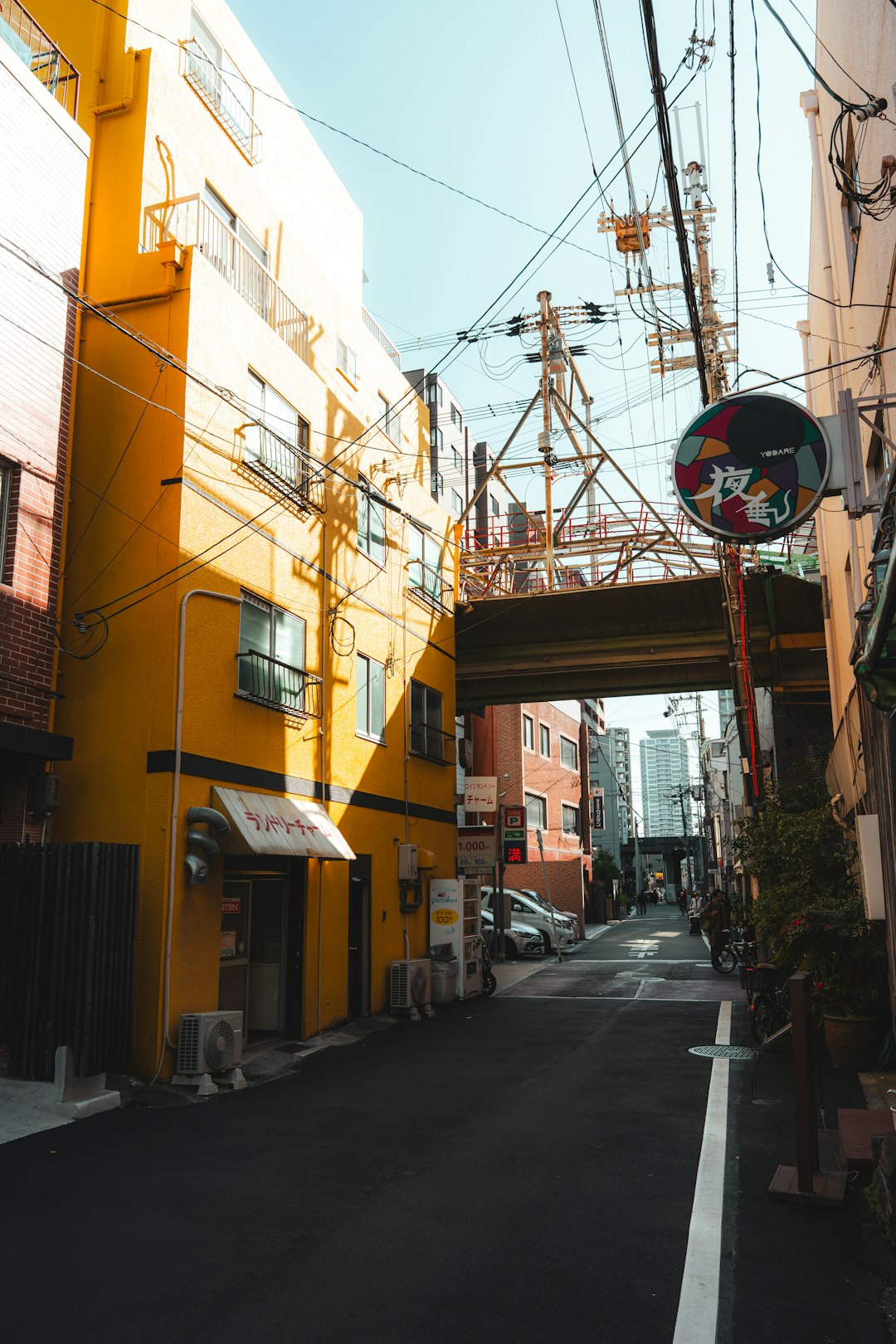
Shibuya Ward will collect a ¥2,000 fine on the spot. I pack a small zip bag for wrappers and bottles and empty it back at the hotel. This is an easy one to break by habit on day one, so build the carry-it-with-you reflex early.
8. Hitting, chasing, or roughly feeding Nara’s deer
The free-roaming deer in Nara are a designated national natural monument, protected under the Cultural Properties Protection Act. Deliberately injuring or killing one can bring up to ¥1,000,000 or imprisonment, and since April 2025 a Nara ordinance also bans kicking or hitting them.
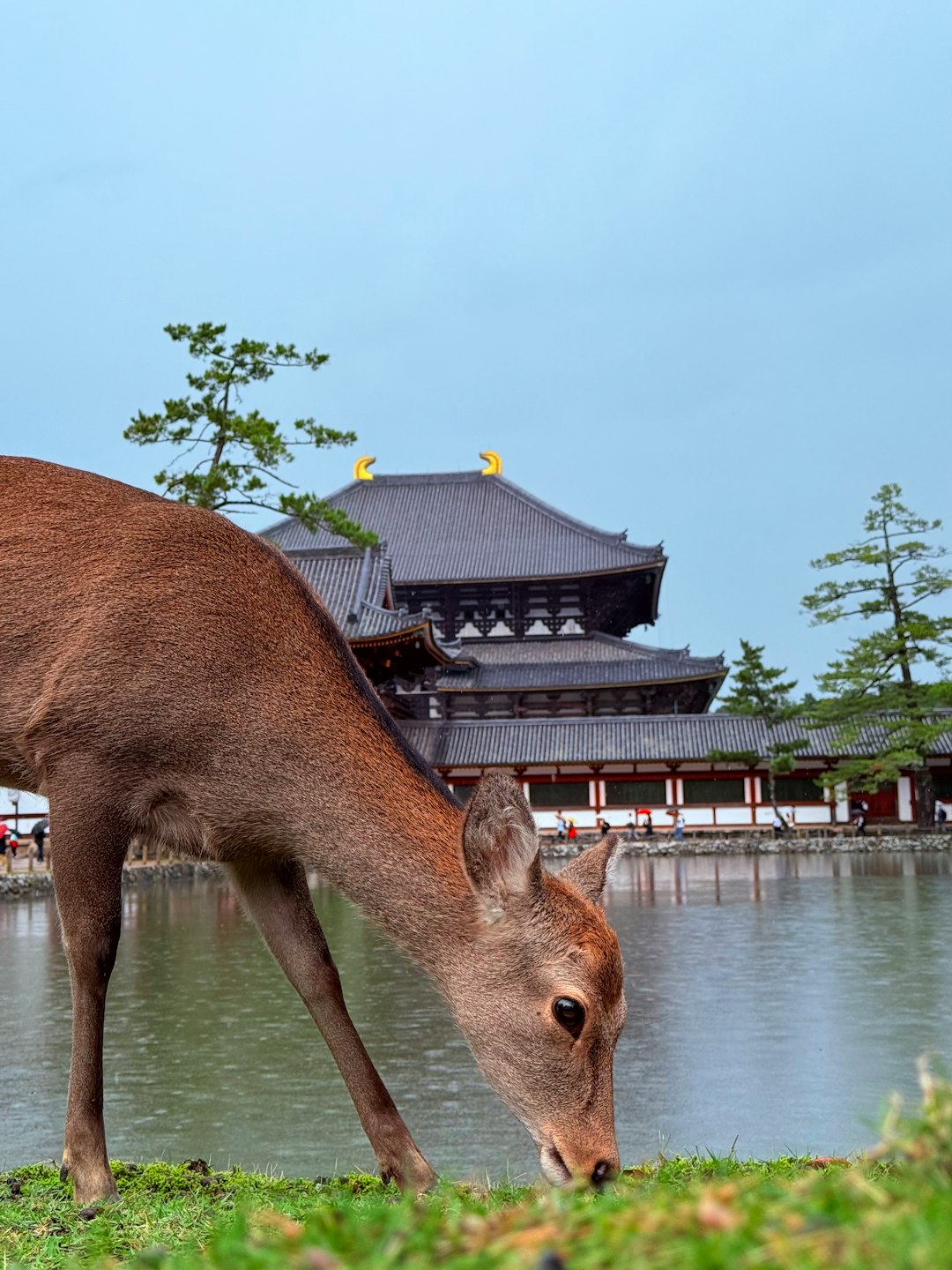
They look tame, but they are wild animals that bite and shove when people tease them with crackers. Buy the official deer crackers, feed calmly, and keep small children close. Families love Nara, and it stays fun as long as nobody turns feeding time into a chase.
A few quick questions I always get asked
Can I bring my regular prescription medicine at all?
Usually yes, if it is not on the banned list. You can carry up to a one-month supply of most prescription medicines and two months of over-the-counter ones without a certificate, as long as they are not prohibited or injectable.
Is it actually illegal to eat while walking?
No, eating while walking is not against the law. It is just widely seen as rude, so people buy street food and eat it standing near the stall. I follow the local habit out of respect, not fear of a fine.
Do I really have to register to climb Mt Fuji?
Yes, during the official climbing season the fee and registration are mandatory on the main routes. Skipping them or climbing out of season into a closed trail is where the real penalties start.
What I sort out before every Japan trip
None of this is meant to scare you off a country I go back to again and again. Japan is one of the easiest places I travel once you know where the quiet lines are drawn.
Before I fly, I check my medicine bag against the banned list, note which wards fine street smoking, and remind myself to carry my trash. Do those three things and the rest is just enjoying one of the most rewarding places on the map. If you have a Japan trip coming up, go through your own medicine bag tonight, because that is the rule that trips up the most people I know.
Featured image: Photo by Koukichi Takahashi on Unsplash