


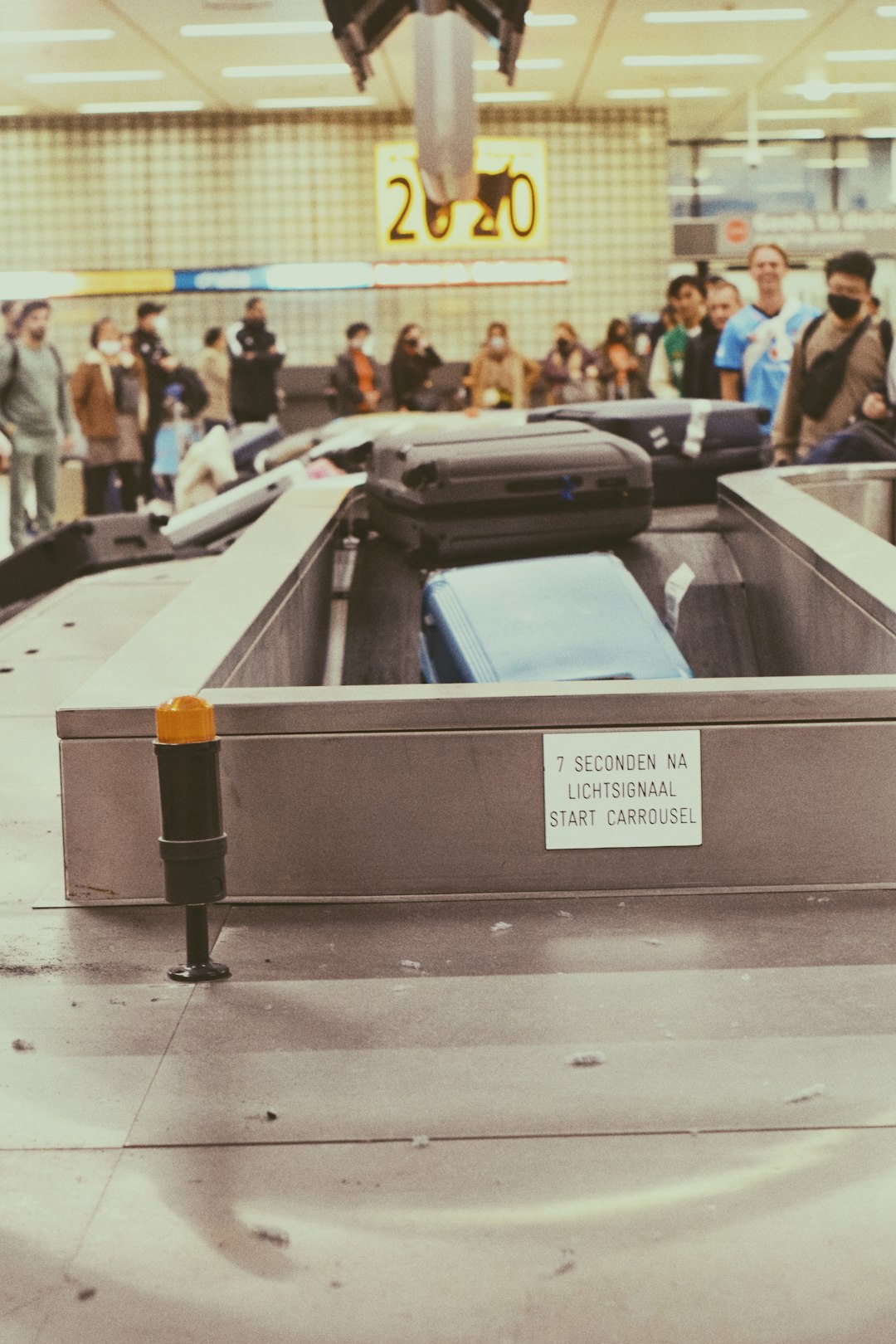
I watched the last suitcase slide down the belt in Lisbon, and mine was not on it. My first instinct was to assume the bag was gone and whatever was inside went with it. I was wrong, and that wrong assumption quietly costs travelers money every single day.
An airline that loses or delays your bag owes you far more than an apology. On a flight inside the United States the ceiling sits at $4,700 per passenger right now, and on most international trips it runs to roughly $2,175.
Most people never see a fraction of that, because they do not know the rules and the airline has no reason to spell them out. I have filed enough of these claims to know what to say and when to say it. These are the seven things I do the moment a bag goes missing, whether I am traveling solo with a carry-on backup or herding a family’s worth of checked suitcases.
1. Know the real ceiling before you ever talk to the airline
The number that matters most is the one the agent will not say out loud. On a flight within the United States, federal rules cap an airline’s liability for a lost, damaged, or delayed bag at $4,700 per passenger.

That figure is a ceiling, and the airline only pays for what you can actually prove you lost, up to that line. So the number helps you only when you can back it up with receipts and an itemized list.
On most international routes a different rule governs. The Montreal Convention sets the limit at 1,519 Special Drawing Rights, which worked out to about $2,175 after its December 2024 update. This matters most for anyone checking expensive gear: skis, camera equipment, a bag full of gifts.
2. File the report before you leave the airport
The biggest mistake I see is walking out to deal with it later. Leaving first hands the airline room to argue your bag was fine when you left, and the claim clock usually starts with a report filed in person.

Go to the airline’s baggage desk in the arrivals hall and file what is often called a Property Irregularity Report, or PIR. Get a reference number in writing before you step away.
Take a photo of the report, the desk, and your bag-tag receipt. For families, I file one report per checked bag rather than lumping them together, since the liability limit is counted per passenger.
3. The airline pays for what you buy while your bag is gone
This is the rule almost nobody uses. US regulations require airlines to cover reasonable, verifiable, and actual expenses you take on while a bag is delayed, and they are not allowed to set an arbitrary daily cap on it.

So the clean clothes, toiletries, and phone charger you buy to get through the next two days are the airline’s responsibility, up to the liability limit. Buy sensibly, keep every receipt, and submit them with your claim.
I tell first-time travelers to think replacement rather than shopping spree. A basic outfit and some toiletries sail through; a designer coat will not.
4. Get your checked-bag fee refunded
If you paid to check the bag the airline then lost, you are owed that fee back on top of everything else. The US Department of Transportation requires airlines to refund the fee you paid to carry a bag that was lost.
The same refund applies when a bag is significantly delayed, but only after you file a mishandled baggage report, after which it should be issued automatically. On a domestic flight, significantly delayed means the bag did not reach you within 12 hours of arrival.
For international flights the threshold is 15 hours if the flight was 12 hours or shorter, and 30 hours if it ran longer. Those numbers are worth memorizing if you check a bag on most trips.
5. Know the moment delayed turns into lost
Delayed and lost are two separate claims, and the second one is where the real money sits. Most airlines declare a bag officially lost somewhere between five and fourteen days after the flight.

Until that happens you are in delay territory, which covers your interim expenses and the bag fee. Once the bag crosses into lost, you can claim the full value of the contents up to the liability limit.
I keep gentle pressure on during that window with the reference number and polite daily check-ins. The traveler who stays on record tends to get taken more seriously than the one who goes quiet.
6. On international trips, watch the written-complaint deadlines
International claims come with hard clocks that domestic ones do not, and missing one can sink an otherwise valid claim. Under the Montreal Convention you have 7 days from receiving a damaged bag to complain in writing, and 21 days from receipt for a delayed one.
Those deadlines run from when you get the bag back, not from the flight. A dented or torn suitcase counts as damage, so inspect it the second it comes back and photograph anything wrong before you leave the hall.
Put the complaint in writing, by email or the airline’s form, so you keep a dated record. A phone call you cannot prove does not protect you here.
7. Document like you will have to prove it, because you will
The claims that pay out are the ones backed by evidence, and the time to build that evidence is before anything goes wrong. I photograph the inside of my checked bag before every trip, so I have a dated record of what was packed.

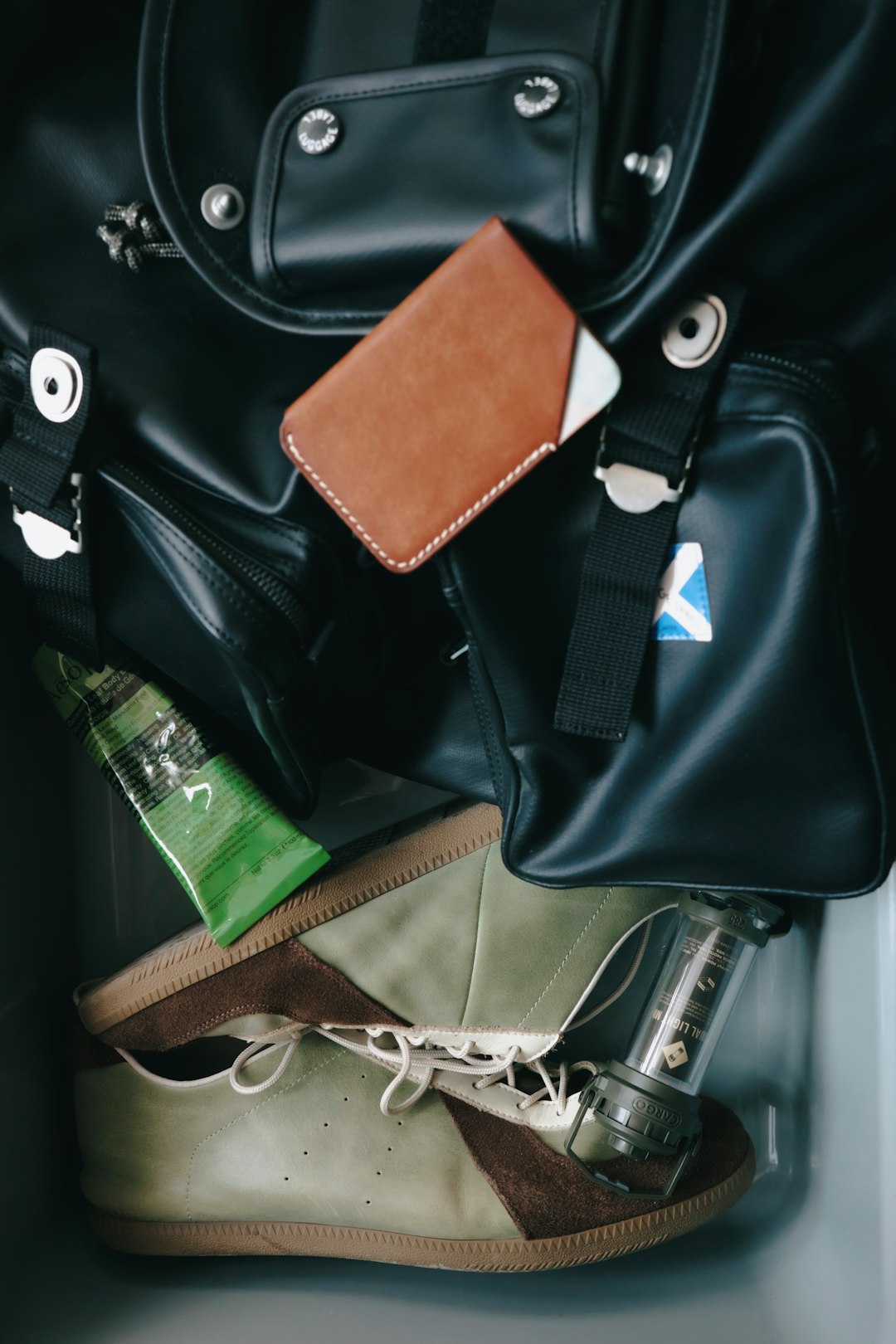
Keep receipts for anything valuable, and avoid putting irreplaceable items or electronics in a checked bag, since many airlines exclude them from payouts. A luggage tracker in the bag also gives you something concrete to show an agent who insists it is still being located.
One more backstop: plenty of travel credit cards include baggage delay and loss coverage that pays on top of the airline. If you booked the trip on one of those cards, read what it covers before you file, because it can fill the gap the airline leaves.
A few questions I get every time
What if the airline only offers a travel voucher?
You can decline a voucher and ask for reimbursement of your actual, documented expenses up to the liability limit. A voucher is the airline’s preferred outcome, not your only option.
Does my credit card or travel insurance stack on top?
Often, yes. Many cards and policies pay for baggage delay and loss separately from the airline, so you may be able to claim from both for different costs. Read the fine print for per-day and per-trip caps.
What I do the second the belt stops moving
The difference between getting nothing and getting made whole comes down to the first thirty minutes and a little paperwork. I file the report before I leave, I keep every receipt, and I treat the liability limit as a number I am entitled to work toward.

None of this makes a lost bag fun. It does mean that when the carousel empties and my suitcase is not there, I know what the airline owes me and how to ask for it. Save this before your next flight, and you will too.