

Gate agents bump passengers off oversold flights far more often than most people realize, and the ones who get bumped usually walk away with a flimsy travel voucher when the airline actually owed them cash. I learned this slowly, standing at a gate in Denver while an agent waved a $200 credit at the crowd and said nothing about the federal rule sitting behind it.
Here is the part airlines rarely spell out. If a U.S. carrier bumps you against your will and your replacement flight lands more than two hours late, the Department of Transportation says you are owed up to 400% of your one-way fare, capped at $2,150, paid in cash. That is a real figure written into federal regulation, not a goodwill gesture.
I have collected that payout, talked my way into voluntary bumps worth far more than the opening offer, and learned exactly when the airline owes me nothing. These are the seven rules I run through every time I hear the words oversold flight.
1. Voluntary and Involuntary Bumping Are Two Different Games
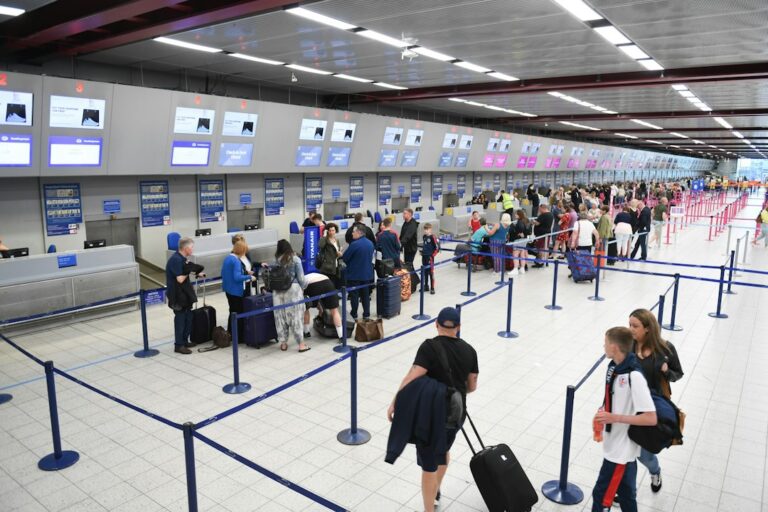
Airlines oversell flights on purpose, betting that a handful of booked passengers will not show up. When too many people do show, the gate agent first asks for volunteers, then starts bumping travelers who did not raise a hand.
Those two paths pay in completely different ways. A volunteer strikes a deal with no legal floor and no legal ceiling, so the number is whatever you and the agent agree on. An involuntary bump triggers a fixed DOT formula and has to be paid in cash.
Knowing which situation you are in tells you whether to haggle or to quote the regulation. I decide my move before I ever step up to the desk.
2. Memorize the Payout Tiers Before You Need Them
DOT compensation for an involuntary domestic bump depends on how late your new flight gets you to your destination. If the airline rebooks you to arrive within one hour of your original time, you get nothing at all.
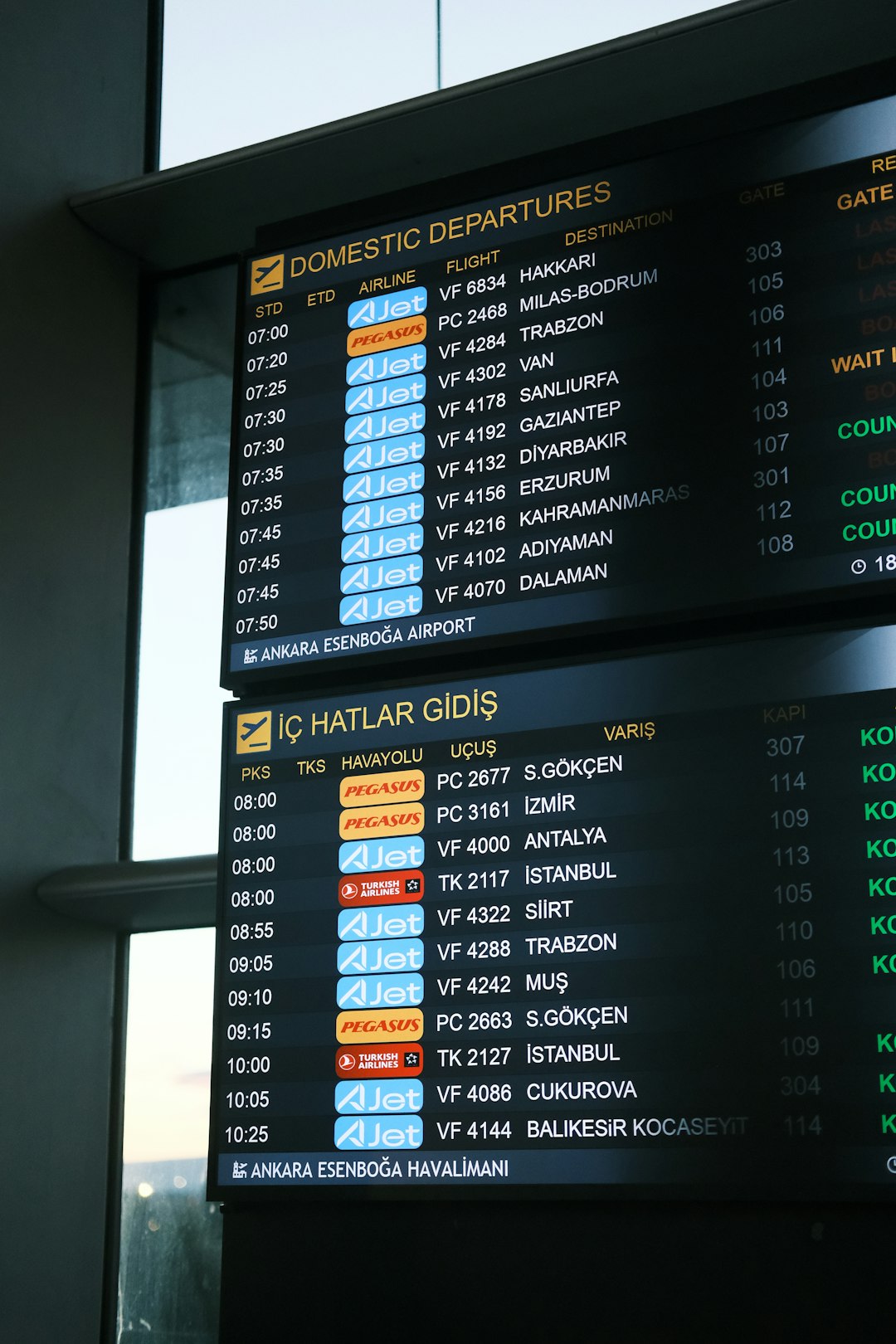
Arrive one to two hours late and you are owed 200% of your one-way fare, capped at $1,075. Arrive more than two hours late, or get no rebooking at all, and that climbs to 400% of the fare, capped at $2,150.
International flights leaving the U.S. use the same percentages with wider windows: the 200% tier runs from one to four hours late, and 400% starts past four hours. I keep these numbers in my phone so I can repeat them to an agent who suddenly cannot remember them.
3. Take the Cash, Not the Shiny Voucher
When you are bumped involuntarily, that DOT compensation is legally yours in cash or a check. Agents still lead with a travel voucher because vouchers expire, lock you to one airline, and often carry blackout dates.
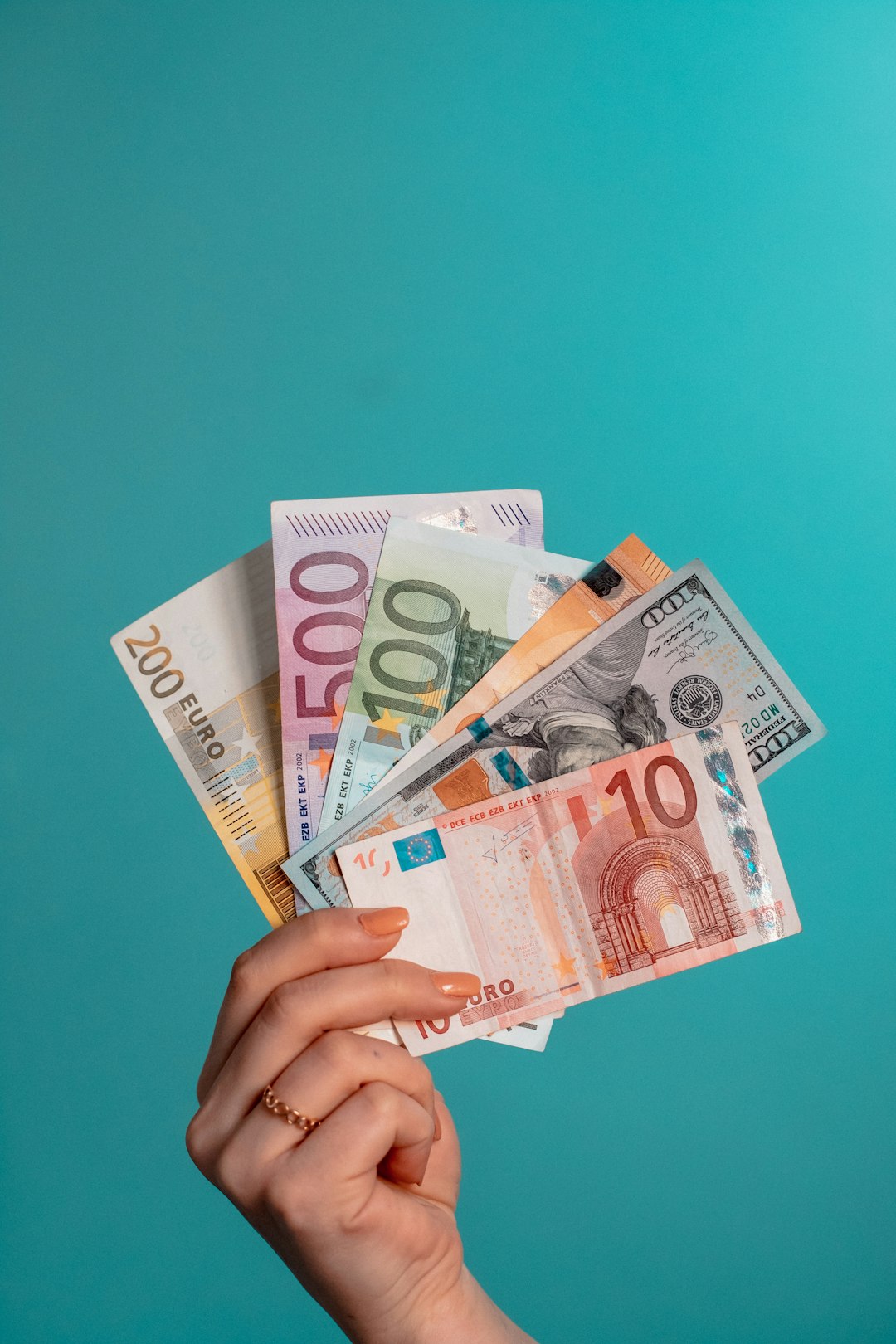
A voucher is a fair trade only when its value clearly beats the cash you are owed and the restrictions are written out. Most of the time it does not come close.
So I say one line: I would like the involuntary denied boarding compensation in cash, please. That single sentence has turned a $150 credit into a check worth several times more.
4. When You Volunteer, Negotiate Everything
Volunteering can be the better deal, but only if you treat the first offer as an opening bid. Airlines start low and raise the number when nobody steps forward, so a little silence works in your favor.

Ask what the compensation is paid in, because a $500 voucher is not the same as $500 in cash. Then ask what else comes with it: a confirmed seat on the next flight rather than standby, a meal, a hotel if you are stuck overnight, and lounge access while you wait.
This route suits flexible travelers, solo flyers, and anyone without a tight connection. If you are traveling with kids or racing to catch a cruise, let someone else take the offer.
5. Check In Early, Because the Last Ones In Get Bumped First
Airlines follow a boarding priority order when they pick who to bump against their will. Passengers who checked in late, bought the cheapest fares, or hold no loyalty status tend to go first.

A basic economy ticket plus a late arrival at the gate puts a target on your reservation. Checking in the moment the window opens, usually 24 hours out, helps keep you off that list.
If you actually want the bump for the payout, flip the logic. Tell the gate agent early that you are willing to give up your seat, so you are near the front of the line for a strong offer.
6. Know the Cases Where the Airline Owes You Nothing
The rule has real exceptions, and airlines lean on them. You get no compensation when your replacement flight arrives within one hour of your original schedule, so a fast rebooking can erase the payout entirely.

You also get nothing if the plane was swapped for a smaller aircraft for safety or weight and balance reasons, or if you missed the airline’s check-in deadline. A downgrade is handled separately, with a refund of the fare difference rather than bump compensation.
I check my arrival time on the new flight before anything else. If it lands more than an hour late and none of these exceptions apply, I know the money is owed.
7. You Still Get Your Trip, and You Get It in Writing
Bump compensation does not buy back your ticket. You still fly to your destination on the rebooking, or get a refund if you decide not to travel, and the cash sits on top of that.
Airlines have to pay involuntary compensation on the day and at the place the bump happens, by cash or check. Get the amount and the reason in writing before you leave the gate area.
I photograph my boarding pass, the new itinerary, and any offer the agent types up. That paper trail is what settles the argument if the payment stalls later.
Quick Answers to the Bumping Questions I Get Most
Does a travel voucher count as my compensation?
Only if you accept it. For an involuntary bump you can insist on cash or a check, and the airline has to pay it.
Does this apply to international flights?
Yes for flights leaving a U.S. airport on a covered carrier, with the wider four-hour window for the top tier. Flights into the U.S. from abroad follow the rules of the country they depart from, and flights within Europe carry their own compensation scheme.
What if weather causes the bump?
These rules cover oversold flights, not weather cancellations or delays. A canceled flight falls under refund and rebooking rules instead.
What I Do the Second I Hear “This Flight Is Oversold”
The announcement that used to make me groan now makes me sit up straighter. An oversold flight is either a cash opportunity when I have time to spare, or a payout I am owed when the airline forces me off.
Either way I stay calm, ask whether the bump is voluntary or involuntary, and get the offer in cash and in writing. Next time you hear that word at the gate, you will know what the airline can owe you and how to ask for it out loud.