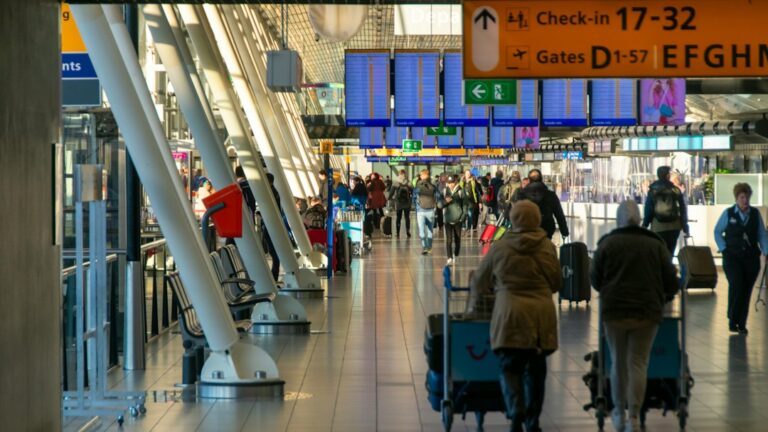


The fastest way to ruin a trip is to reach the airport and find out you were supposed to do something online three days ago. Border rules shifted a lot in 2025, and more land in 2026, so the old habit of booking a flight and simply showing up no longer works for a lot of the places I visit.
I travel on a US passport, and this year I have run into new fees, new online forms, and a brand new biometric system in Europe that still confuses the people running it. None of these are hard to deal with. They just need a few minutes before you book or pack, and most of them cost either nothing or less than a dinner out.
Here are the seven entry requirements I check before every trip in 2026, who each one applies to, and the small steps that keep you from getting pulled aside or turned away at the gate.
1. Europe Started Taking Your Fingerprints at the Border
If you are flying into the Schengen Area, the biggest change is the Entry/Exit System, which the EU switched on in October 2025. Instead of stamping your passport, border officers now record your face and fingerprints the first time you arrive.
The rollout is phased and a little messy. Some airports had it running on day one, others are still catching up, and the EU says the full system should be in place by April 10, 2026.
For you it means two things. Your first entry can take longer while they capture your biometrics, so leave extra room around a tight connection, and after that your days are tracked digitally, which makes the 90 days in 180 limit much harder to fudge.
This one matters most for anyone doing a long European trip or hopping between several countries in one go.
2. Europe Will Soon Want 20 Euros Before You Fly
The second European change is ETIAS, a travel authorization that US visitors and other visa-exempt travelers will need alongside their passport. The EU says it starts in the last quarter of 2026, though the date has slipped before and could slip again.

It costs 20 euros, about 23 dollars, and covers three years of trips or until your passport expires. Travelers under 18 or over 70 pay nothing, but everyone still has to apply.
You fill out a short online form and most approvals come back fast. I think of it as the same quick pre-screen that other countries already run, not a real visa with an interview and a stack of paperwork.
Once it goes live, apply a few days before you lock in nonrefundable flights rather than the night before you leave. Good advice for every US traveler with Europe on the calendar.
3. The UK Now Makes Americans Pay to Land
Britain used to wave US visitors straight through. Since January 2025, Americans and most other non-European travelers need an Electronic Travel Authorisation before they board.
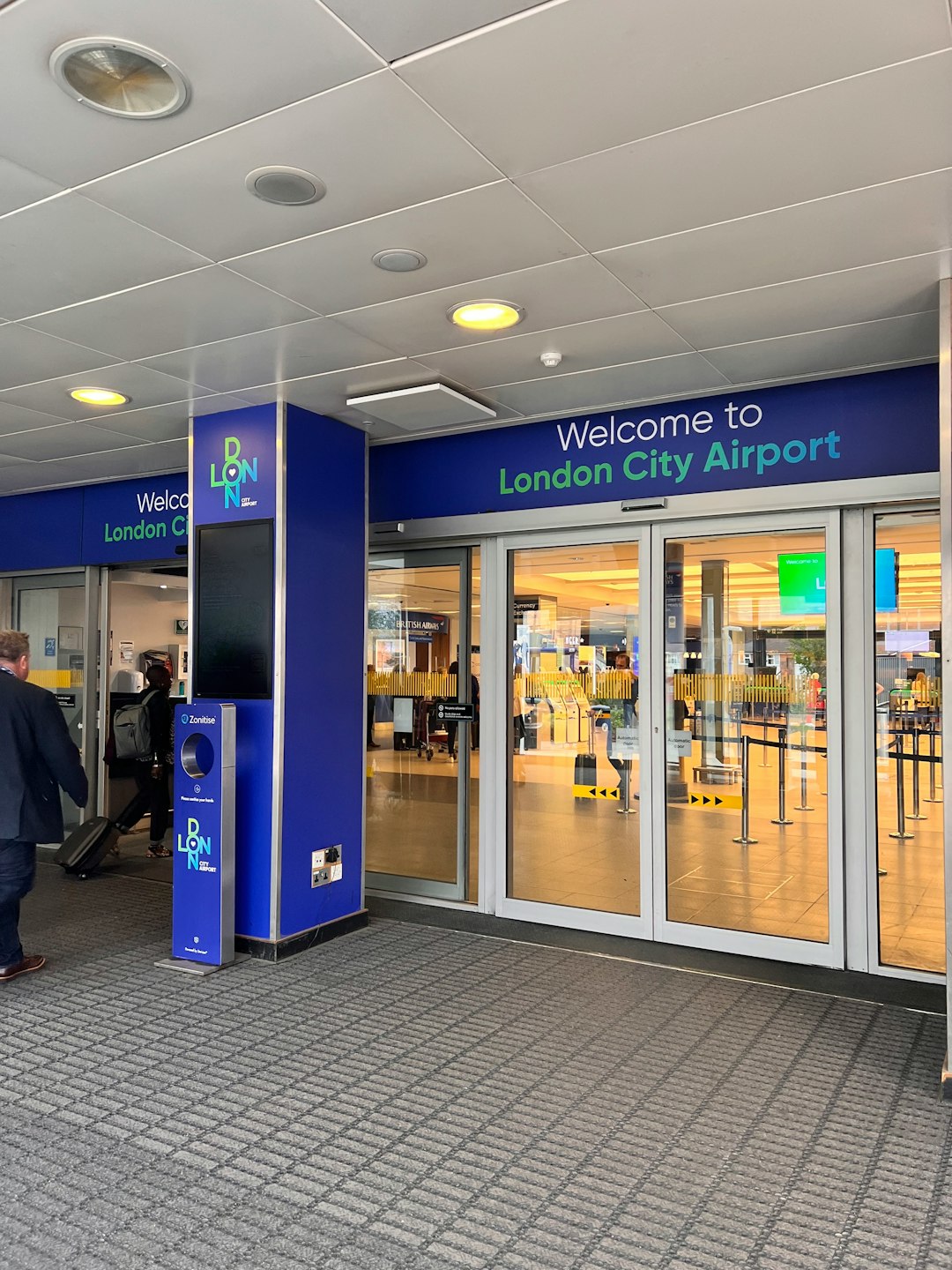
It costs 16 pounds after a price rise in April 2025, lasts two years, and allows multiple visits of up to six months each. You apply through the official UK ETA app or the gov.uk site, and it usually clears within a day.
I always file mine at least three working days out in case it gets flagged for a manual check. A layover counts too, so even a plane change at Heathrow needs one.
Anyone with a British trip or a UK connection on the itinerary should sort this before booking.
4. Brazil Put Its Visa Back for US, Canadian, and Australian Travelers
Brazil ended visa-free entry for Americans, Canadians, and Australians in April 2025. Now you need an e-visa before you go, and there is no visa on arrival to fall back on.

It runs about 81 US dollars, is handled entirely online through the official VFS portal, and most approvals land within two to three days. US passport holders get a ten-year, multiple-entry visa, which takes some of the sting out of the fee if you plan to return.
Here is the part people miss: airlines check for your visa code before they hand you a boarding pass. Show up without it and you are not flying, full stop.
Anyone eyeing Rio, the Amazon, or Iguacu Falls this year should apply two to three weeks ahead to leave room for delays.
5. Southeast Asia Quietly Added Free Online Arrival Cards
Thailand now asks every foreign visitor to file a Digital Arrival Card, a rule in place since May 2025. It replaced the paper form you used to scribble on the plane, and it is free.

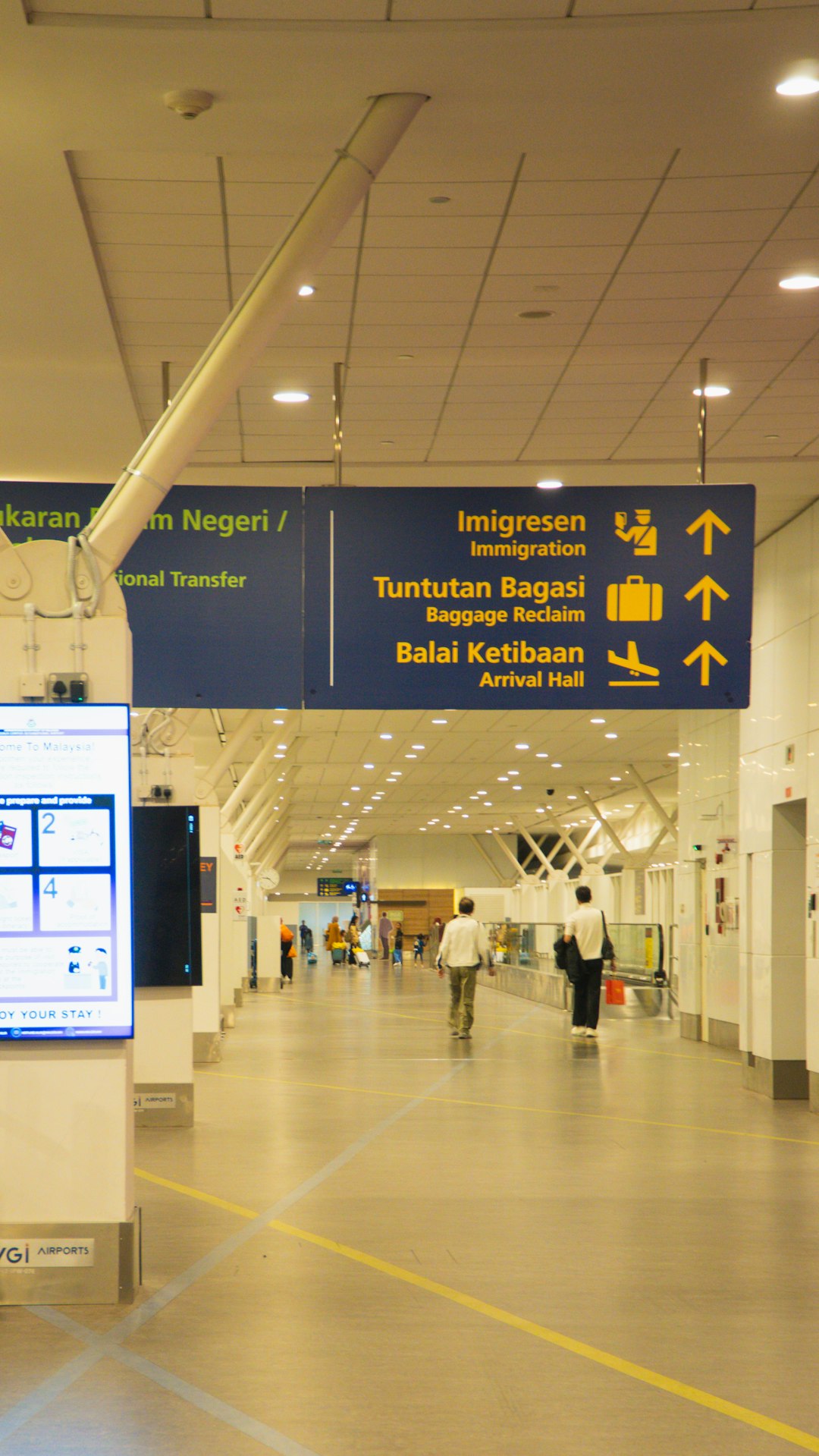
You submit it online within three days of arrival at the official immigration site. Malaysia runs the same kind of free card, and Singapore has one too, so check each country on your route.
These take about five minutes and cost nothing, yet skipping one can mean standing in a side line sorting it out on your phone while everyone else walks through. I fill mine in from the departure lounge before my flight boards.
Handy to remember for backpackers, beach travelers, and anyone country-hopping across the region.
6. The Passport Rule That Quietly Turns People Away
This one has nothing to do with new technology and everything to do with the dates inside your passport. To enter the Schengen Area, your passport has to be valid for at least three months beyond the day you plan to leave, and it must have been issued within the last ten years.
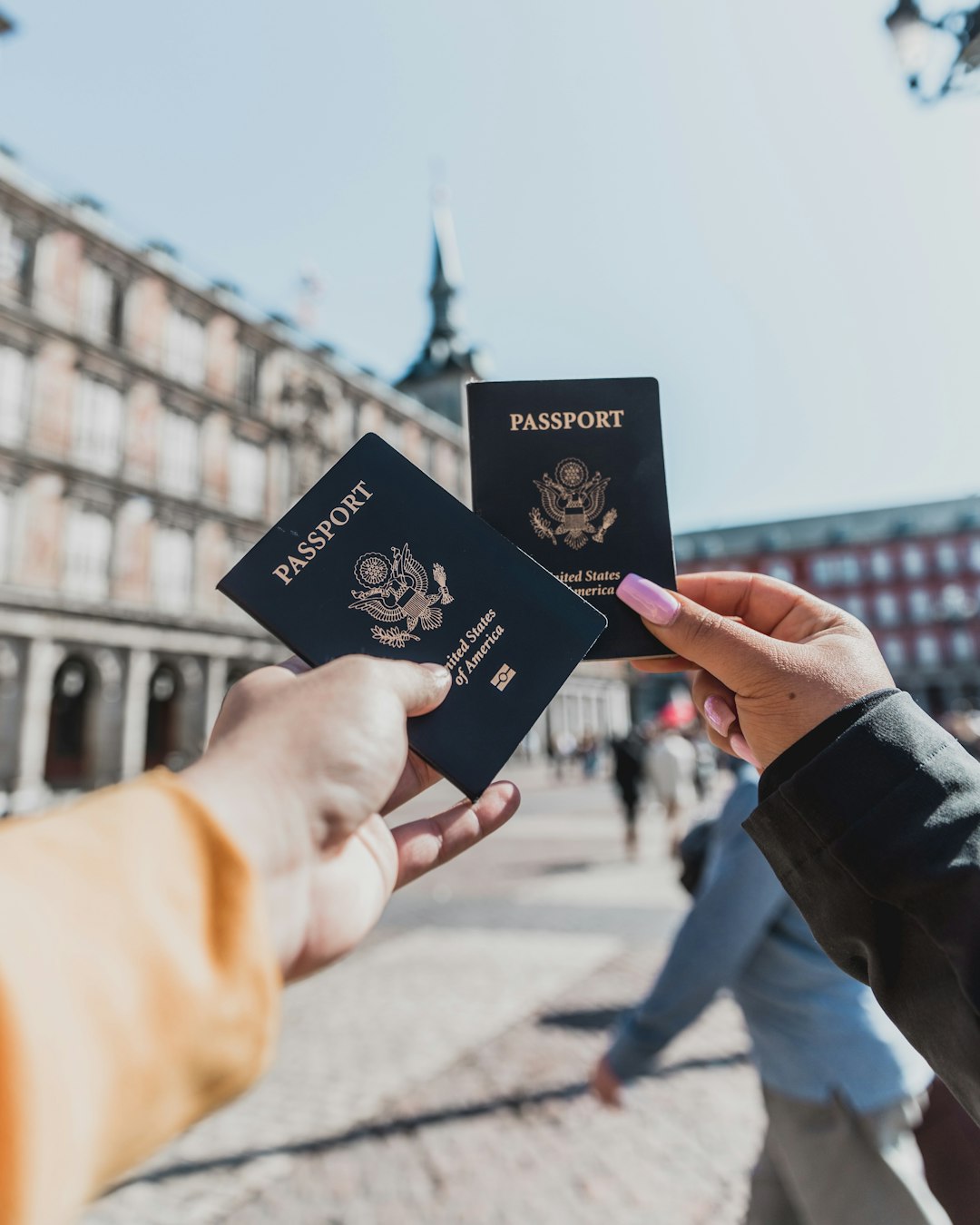
That second part is what trips people up. Older renewals sometimes carried extra months past the ten-year mark, and those months no longer count, so a passport that looks valid can still get you refused at check-in.
I check both dates the moment I book anything international. If your passport is in its final year, renew it before the trip rather than gambling on the margin.
This applies to every international traveler, and it bites families hardest when the kids’ passports were renewed years apart.
7. Apply on the Real Government Site, Not a Middleman
Every new form and fee has spawned copycat websites that rank high in search and charge you double to file paperwork you could submit yourself. Most are legal, and they add nothing except a markup.

Before I pay for any authorization, I check that the web address ends in the country’s own official domain. The UK uses gov.uk, Thailand uses immigration.go.th, and Brazil points you to the VFS Global portal named on its consulate pages.
If a site asks for far more than the official fee or promises to jump the queue for you, close the tab. The real systems are quick enough, and your passport details are not worth handing to a stranger.
Worth watching for everyone, because these sites target first-timers and rushed travelers in equal measure.
Quick Answers Before You Book
Do I need all of these for one trip?
No. You only deal with the rules for the countries actually on your itinerary. A London and Paris trip, for example, means the UK authorization plus the European border system, and nothing from the Asia or Brazil list.
Can I apply the night before I fly?
Sometimes, but I would not risk it. Most systems clear fast, yet any one of them can flag your application for a manual check that drags on for days, so apply as early as you reasonably can.
Will ETIAS block me from Europe in early 2026?
Not yet. It is expected in the last quarter of 2026, so trips before then only need your passport and the biometric check at the border. I keep an eye on the launch date so it does not catch me out.
A Five-Minute Habit That Saves the Whole Trip
None of this is meant to scare you off a trip. The pattern is simple once you spot it: more countries want a quick online check before you arrive, and most of those checks are cheap or free.

I keep a short note on my phone with the requirements for wherever I am headed next, and I knock them out the same week I book. Ten minutes at the kitchen table beats a panicked scramble at the gate with a boarding group already called.
Check your passport dates, file whatever forms your route needs, and use the official sites every time. Do that and the border turns into the easy part of the journey.
If you already have a trip booked, pull up the itinerary tonight and run down this list country by country.
Featured image: Photo by Phil Mosley on Unsplash