


The price I book online and the price I actually pay at the counter are almost never the same rental car number. I have watched a cheap daily rate climb by twenty or thirty dollars a day before I even got the keys, all of it from fees the booking page never mentioned.
Most of those charges are optional. A few are negotiable. The rest you can route around if you see them coming.
So this is the checklist I run now, before I book and again before I sign. I will also tell you who each tip is really for, because a solo traveler on a weekend and a family of five on a road trip do not pay the same fees.
1. Rent Away From the Airport When the Numbers Work
The airport counter is convenient, and you pay for that convenience. Airports charge rental companies for the right to operate on site, and those concession and facility fees get passed straight to you.

NerdWallet ran the math in June 2024 across more than 480 prices at the 15 largest US airports. Renting at the airport cost 18.4 percent more on average than renting downtown, roughly 86 dollars more on a weekly rental. As one example, San Francisco International listed a 16.50 dollar transportation and facility fee on every signed contract in 2023.
This one is for travelers landing somewhere with cheap transit or a short rideshare to a neighborhood branch. If you have three kids and six bags, the airport counter may still win, and that is a fair trade.
2. Decline the Damage Waiver You Might Already Have
The collision damage waiver, sometimes called the loss damage waiver, runs around 20 dollars a day. The agent will push it hard, often by implying your trip falls apart without it.

Many credit cards already include rental coverage. Most of it is secondary, meaning it pays after your own auto insurance, and only a few cards offer primary coverage that pays first. To use the card benefit you have to decline the company’s collision coverage and pay for the rental with that card.
Read the fine print before you say no. Card coverage usually excludes exotic or expensive cars, trucks, large vans, and motorcycles, and standard Visa and Mastercard policies exclude rentals in Ireland, Israel, and Jamaica, while American Express excludes Italy, Australia, and New Zealand. If you carry no personal auto insurance at all, the waiver can actually be the right call.
3. Never Prepay for Fuel Unless You Plan to Return on Empty
Rental companies offer two fuel tricks, and both are built to win. Prepaid fuel charges you for a full tank up front, then hands back any gas you did not use for free. Return below full without prepaying and you get hit with a refueling service charge instead.

That service charge is the one that stings. The Consumerist has reported per gallon fuel charges north of 9 dollars once the service fee is baked in.
I fill the tank myself at a station a few miles from the return lot and keep the receipt in case anyone asks. Prepaid fuel only makes sense if you know you will coast back in on fumes, which almost never happens on a real trip.
4. Watch the Toll Transponder Sitting on the Windshield
Most rental cars come with a toll transponder already stuck to the glass. Use a cashless lane without a plan and the company pays the toll, then bills you later with a fee stacked on top.

The daily fees add up fast. AAA reported in March 2026 that Avis e-Toll charges 6.95 dollars for each day you hit a toll, capped at 34.95 dollars per rental, and you pay the highest toll rate rather than the discounted cashless one. Enterprise TollPass runs about 4.95 dollars a day, capped near 34.65 dollars.
If you own a compatible transponder, bring it, register the rental plate in your account, and cover the company device. Otherwise map a route that skips tolls, or pay cash where the road still takes it. This one matters most for road trippers crossing between tolling regions.
5. Know When the Under-25 Surcharge Can Shrink
If you are between 21 and 24, expect a young driver surcharge of around 25 dollars a day, sometimes more. It is one of the harder fees to dodge because it is tied to your age, not an add-on you can simply refuse.

The soft spots are codes and memberships. Corporate accounts, certain university and government rates, and some travel memberships reduce or waive the surcharge, so it is worth asking what codes apply to you before you accept the quoted price.
Younger drivers get hit hardest here, and the fee can quietly double a cheap weekend rate. Ask the question out loud at booking rather than assuming the number on screen is final.
6. Add a Second Driver for Free Instead of 13 Dollars a Day
Adding another driver averages about 13 dollars a day, and AutoSlash pegs the caps at 65 dollars per rental for Avis and Budget and up to 189 dollars per rental at Hertz. New York caps the fee at 5 dollars.

Here is the part the counter rarely volunteers. Enterprise, National, Avis, and Budget waive the fee for a spouse or domestic partner, and loyalty or membership codes stack on top: a AAA code gives a free additional driver at Hertz, Dollar, and Thrifty, AARP does it at Avis and Budget, and a Costco code covers Alamo, Avis, Budget, and Enterprise in the US.
In California, Illinois, Missouri, and Wisconsin a spouse is automatically a legal driver on your rental. Couples and friends splitting a long drive should never pay full freight for the second name.
7. Leave the GPS and Car Seat Rentals at the Counter
The extras menu is where small daily charges hide. A rental GPS unit, a satellite radio upgrade, and a rented car seat each carry a per day fee that outruns their value by the end of a week.
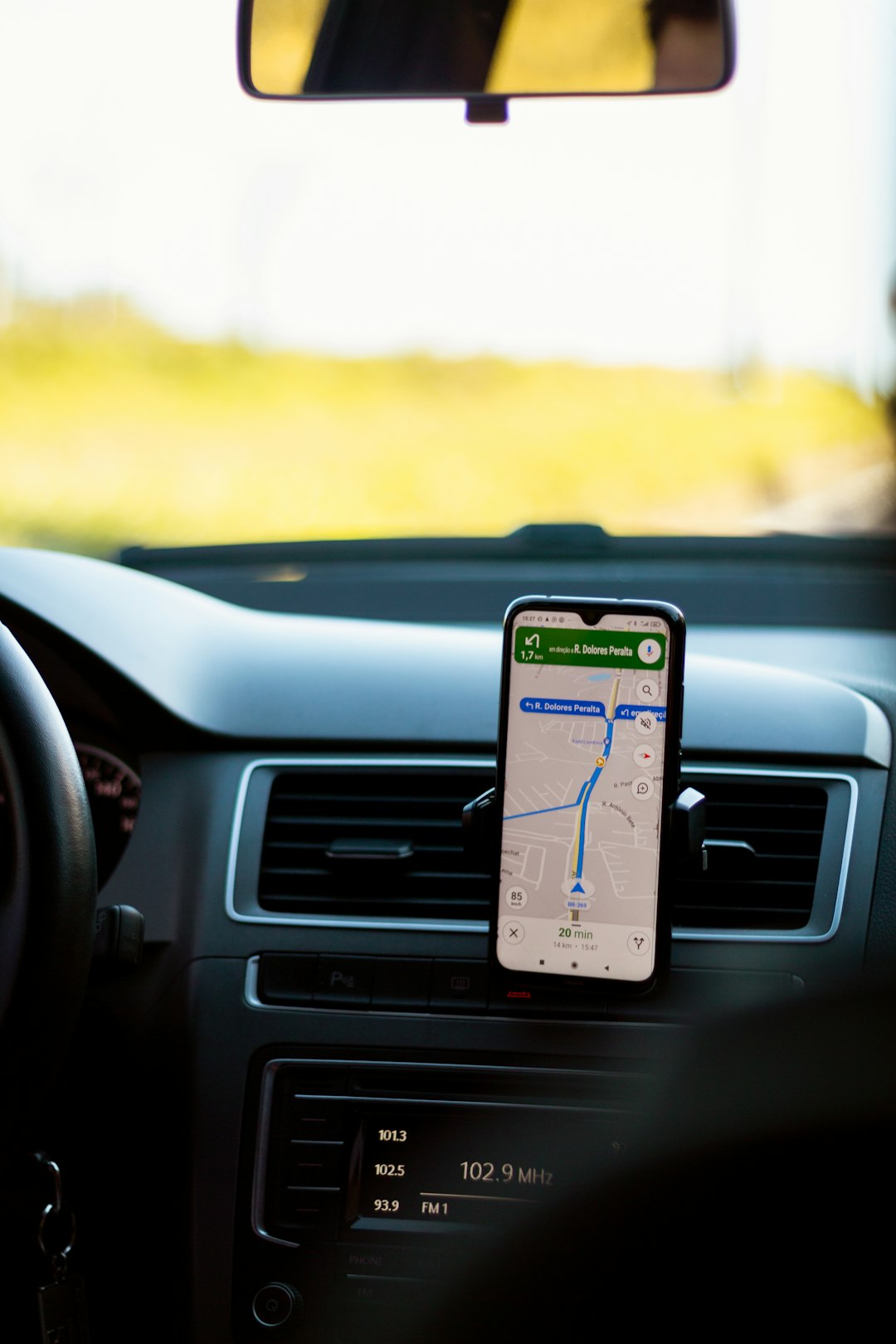
Your phone already navigates for free, with offline maps if you download the area first. A car seat from home flies free on most airlines when checked with a child’s ticket, and you know it is clean and installed right.
Watch one-way drop charges too if you return the car in a different city, since that fee can swing from modest to brutal. Families and anyone with a smartphone can skip most of this menu.
8. Photograph the Car Before You Drive Off, and Again at Return
Phantom damage charges are the fee nobody budgets for. A scratch you never made shows up on your statement weeks later, and by then it is your word against a form you barely read.

I walk the whole car with my phone before I leave the lot and shoot video plus stills of every panel, wheel, and existing scratch, then note each one on the condition form. I photograph the fuel gauge and the odometer too.
At return I do the exact same walk, ideally with an agent present, and I keep every image until the final charge posts. After-hours drops are the riskiest, so the photos are your receipt when no one is there to sign off.
A Few Questions I Get Asked a Lot
Is it cheaper to rent at the airport or in town?
Downtown is usually cheaper, by around 18 percent in that NerdWallet study, but only if getting to the off-airport branch is cheap and quick. Price the rideshare or transit both ways before you decide.
Should I ever buy the rental company’s insurance?
Sometimes. If you have no personal auto policy and no card that covers rentals, the waiver can save you from a huge bill. If you are already covered, paying again is the trap.
What I Sort Out Before I Reach the Counter
Almost every fee on this list is easier to handle at home than at the desk with a line behind you. I check my credit card’s rental coverage, decide on fuel and tolls, and pick my pickup location before I ever book.

Do that much and the counter becomes a thirty second signature instead of a sales pitch. If you have a fee story of your own, especially a weird one from abroad, I would love to hear it. Those are how half the tips on this site get written.
Featured image: Photo by Life’s Captured Sparks on Unsplash