
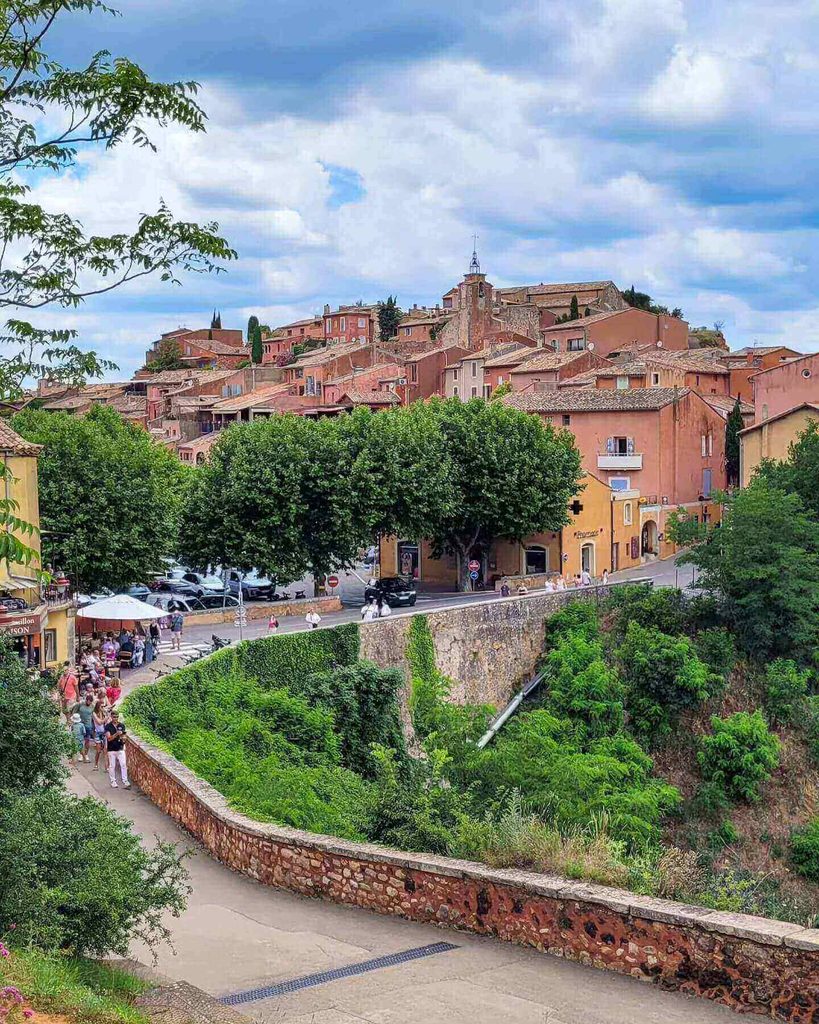
There are some villages in Provence that you remember mainly because of the way they look, and Roussillon is one of them. The first thing that caught my attention was the colour. The houses, walls and cliffs around the village shift between yellow, orange, pink and deep red, especially when the sunlight changes.
Those colours come from the ochre deposits found around Roussillon. Ochre was once extracted and processed here, and you can still see that history in the former quarries and around the village. Once you know where the colours come from, walking through Roussillon becomes a little more interesting.
The best things to do in Roussillon include wandering through the old streets, visiting Place de la Mairie and Saint Michel Church, and walking the Sentier des Ocres through the former quarries. I also recommend making time for Ôkhra, the old ochre factory, especially if you’d like to understand more about the area’s history.
Roussillon is small, so you don’t need to rush from one attraction to another. Give yourself time for a coffee, a little browsing in the galleries and shops, or lunch before continuing to another Luberon village.
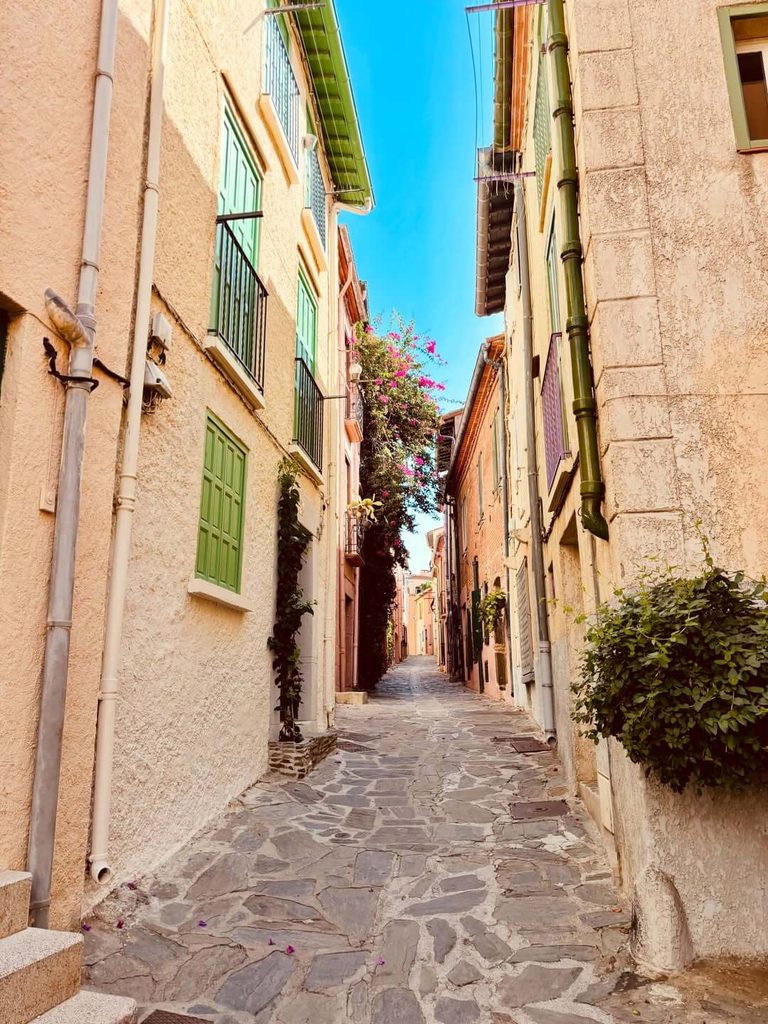
In this guide, I’ll cover the places worth seeing, how long to spend in Roussillon, the best time to visit, practical tips, and a few easy ways to combine it with nearby places.
Why Visit Roussillon?
Roussillon sits in the Luberon in Vaucluse, surrounded by the ochre rich countryside that gives the village its warm yellow, orange and red colours. The same shades continue into the cliffs and hills around the village, so the colour you see on the buildings is closely connected to the landscape.
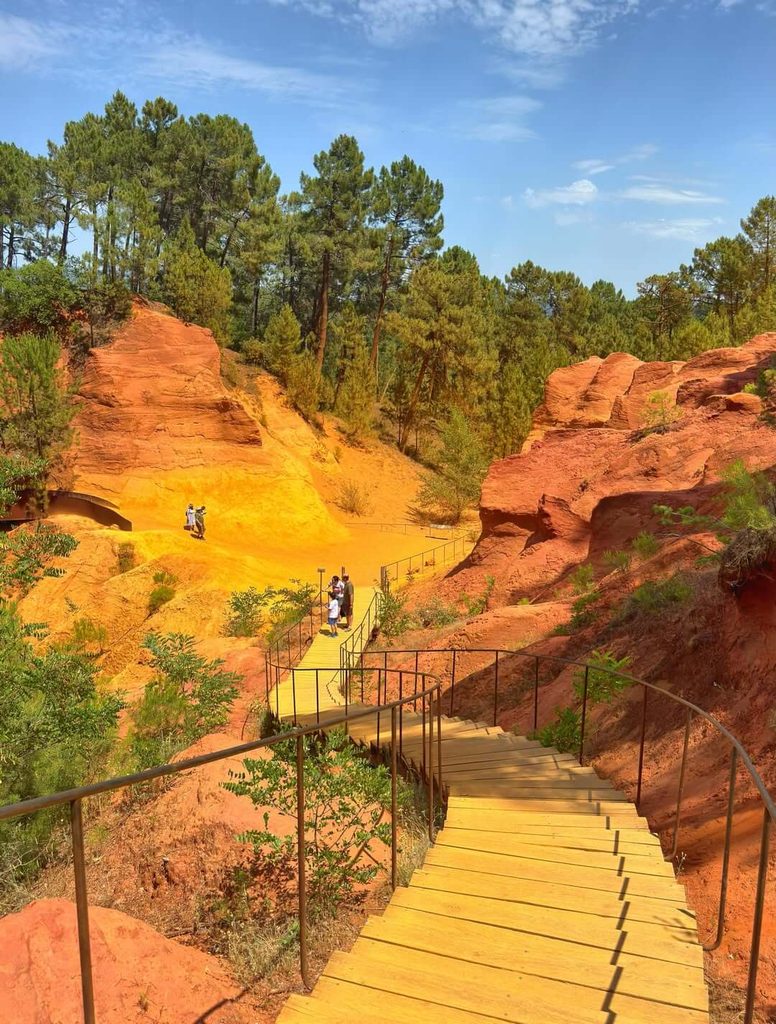
The ochre area stretches for roughly 25 kilometres through the Luberon, with different places where you can see and learn about the region’s ochre history. Once you know that, walking around Roussillon feels a little more interesting because you’re seeing where those colours actually come from.
I like starting with a slow walk through the old centre, then heading to the Sentier des Ocres to see the former quarries. If you want more background, Ôkhra explains how ochre was extracted and processed.
Roussillon is small and easy to explore on foot, so you don’t need a packed itinerary. I’d allow around half a day for the village, the ochre trail and lunch. With a full day, you can take things slower, visit Ôkhra, browse the galleries and shops, and add another Luberon village afterward.
Best Things to Do in Roussillon
Walk Through the Historic Centre
The historic centre is where I’d start any visit to Roussillon. You don’t really need a map for the first part. Just walk into the village and follow whichever street looks interesting.
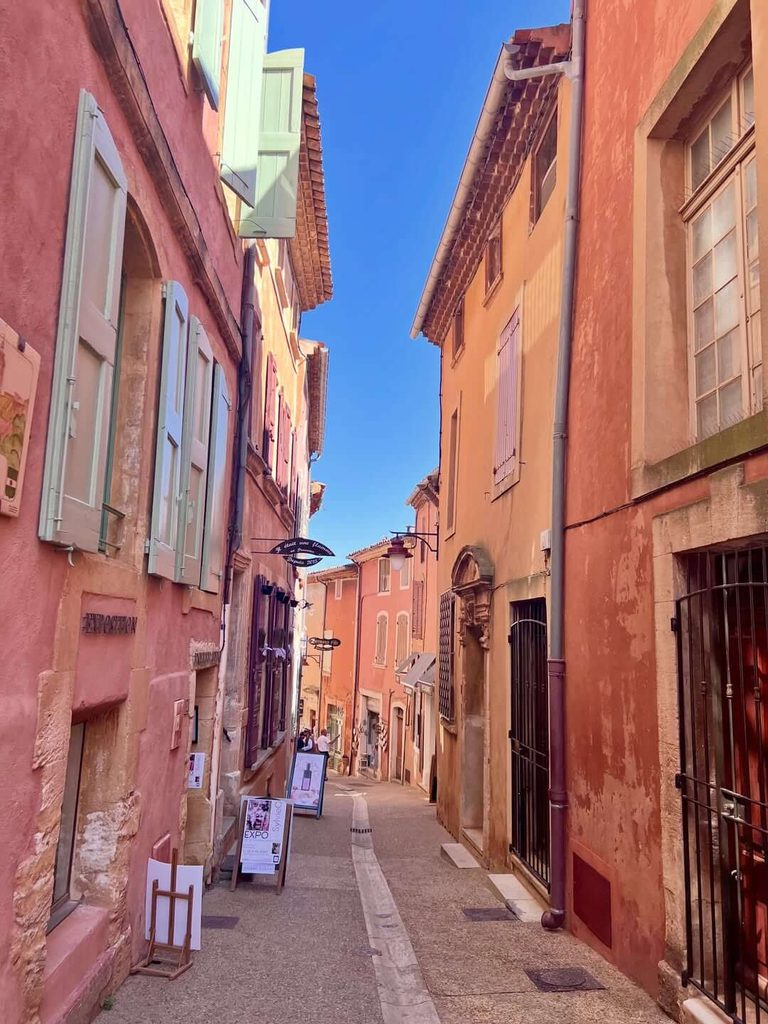
The centre is quite compact, so you can see a lot in a short time. What makes the walk enjoyable is the colour of the buildings. The local ochre appears in all sorts of shades, from pale yellow and soft pink to orange, terracotta and much darker red.
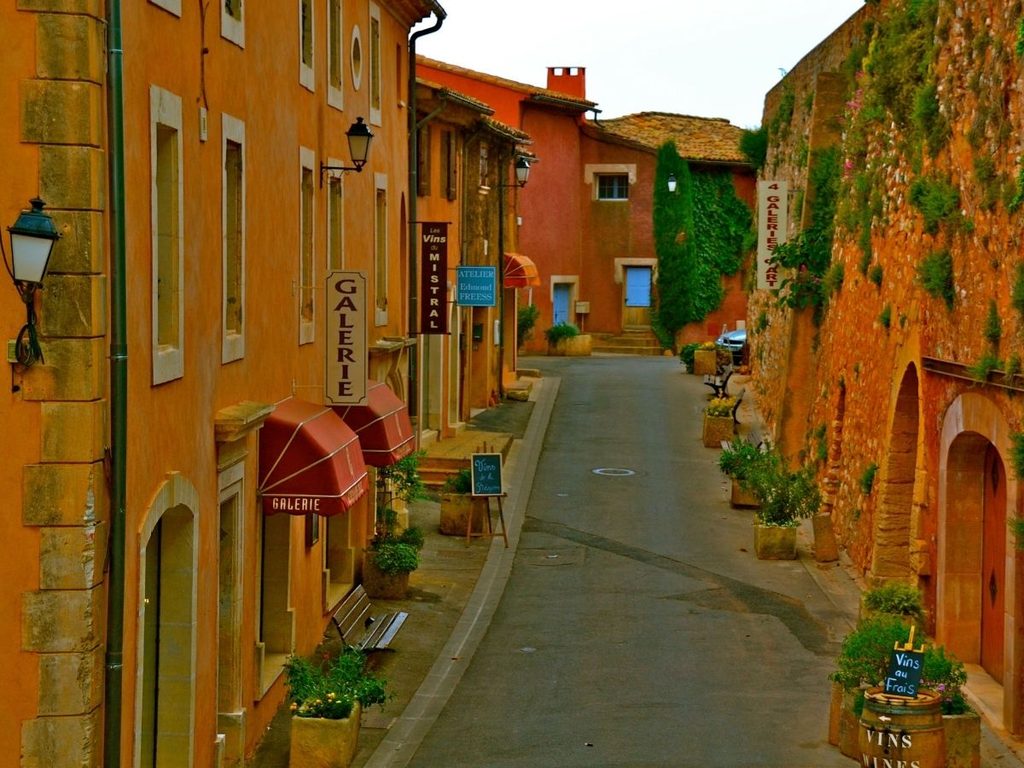
The colours aren’t always the same from one building to the next, which makes the streets more interesting than you might expect.
Take a little time to notice the smaller details too. Look at the wooden shutters, old doorways, stone walls and the way some buildings are tucked into the hillside. You’ll also find small shops, galleries and cafés along the way, so there are plenty of reasons to stop rather than simply walking from one attraction to another.
Some of the places you can include on your walk are Place du Pasquier, Place de l’Abbé Avon and Place de la Forge. From there, you can continue towards the old fortified part of the village and the area around the Castrum.
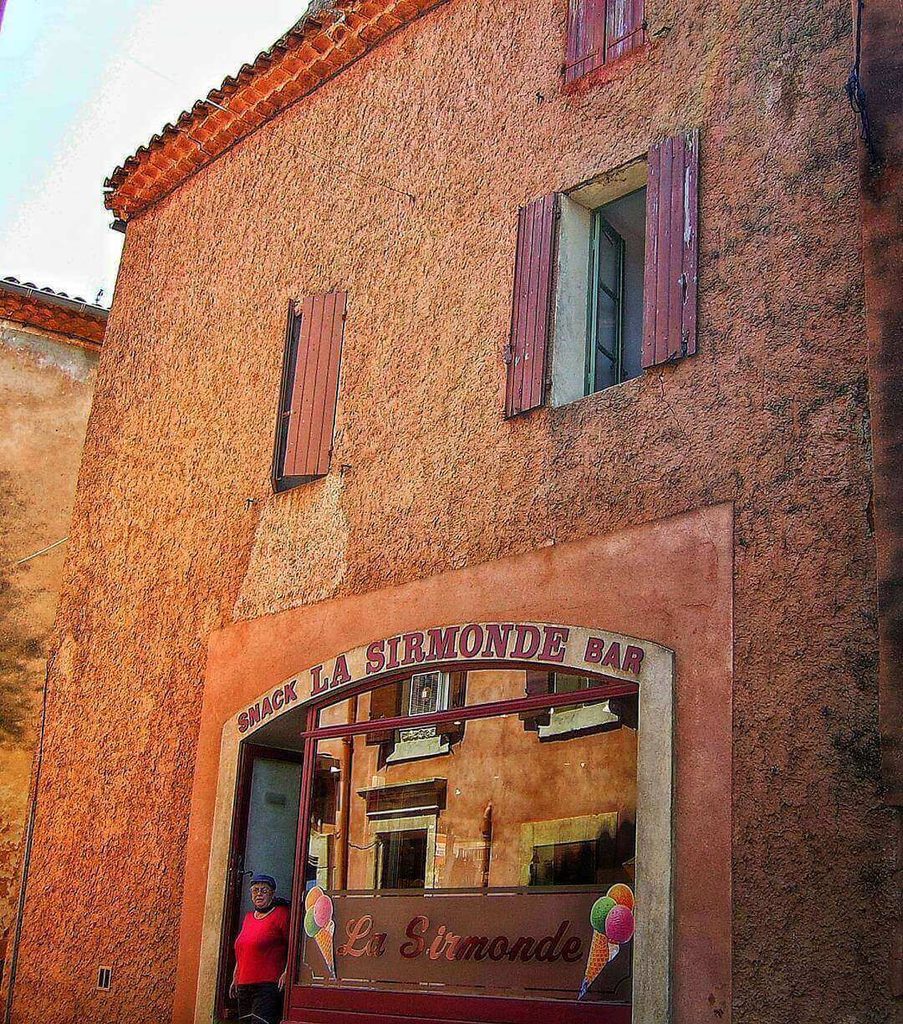
During July and August, the main streets can become quite busy, particularly around the middle of the day. If you arrive early, you’ll have a much easier time walking around and taking photographs. I also find that the quieter side streets are often more enjoyable than the busiest parts of the center.
You don’t need to see every street. Give yourself an hour or so to wander, stop when something catches your attention, and enjoy the village at a slower pace.
Spend Some Time at Place de la Mairie
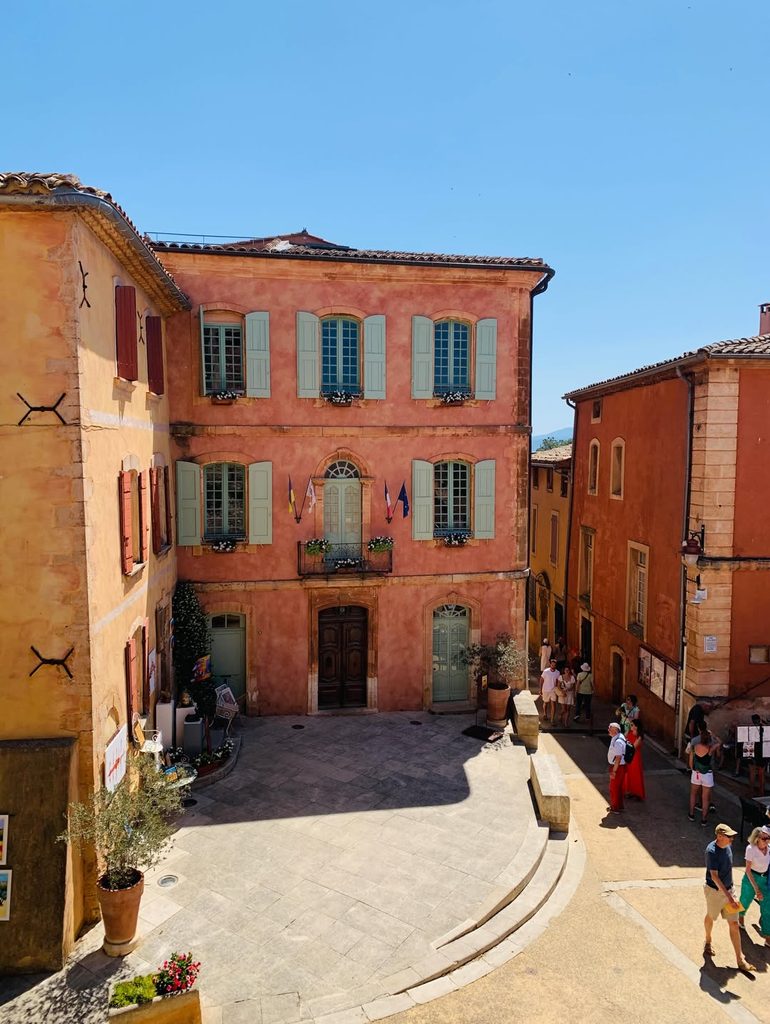
Place de la Mairie is one of the easiest places to recognise in Roussillon. It’s surrounded by the colourful buildings that make the village so distinctive, and you’ll find cafés and places to sit around the square.
It’s a good spot to include early in your walk, especially if you arrive in the morning. The square can become busy later in the day during the summer, so an early visit gives you a better chance of seeing it without quite so many people around.
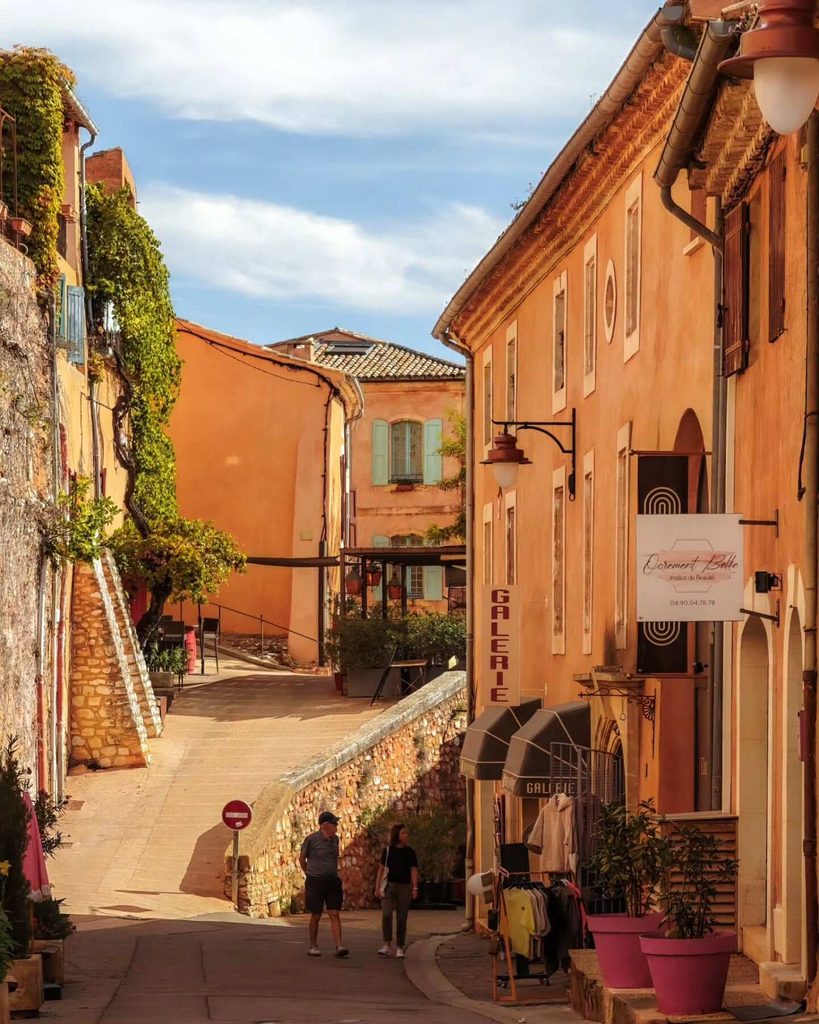
This is also one of those places where I wouldn’t just take a photograph and immediately move on. If the weather is pleasant, find a café, order something to drink and spend a little time watching people come and go. Roussillon is small enough that you don’t gain much by rushing through it.
The light can also make quite a difference here. In the morning, the colours of the buildings can look softer, while stronger afternoon sunlight brings out the warmer orange and red tones.
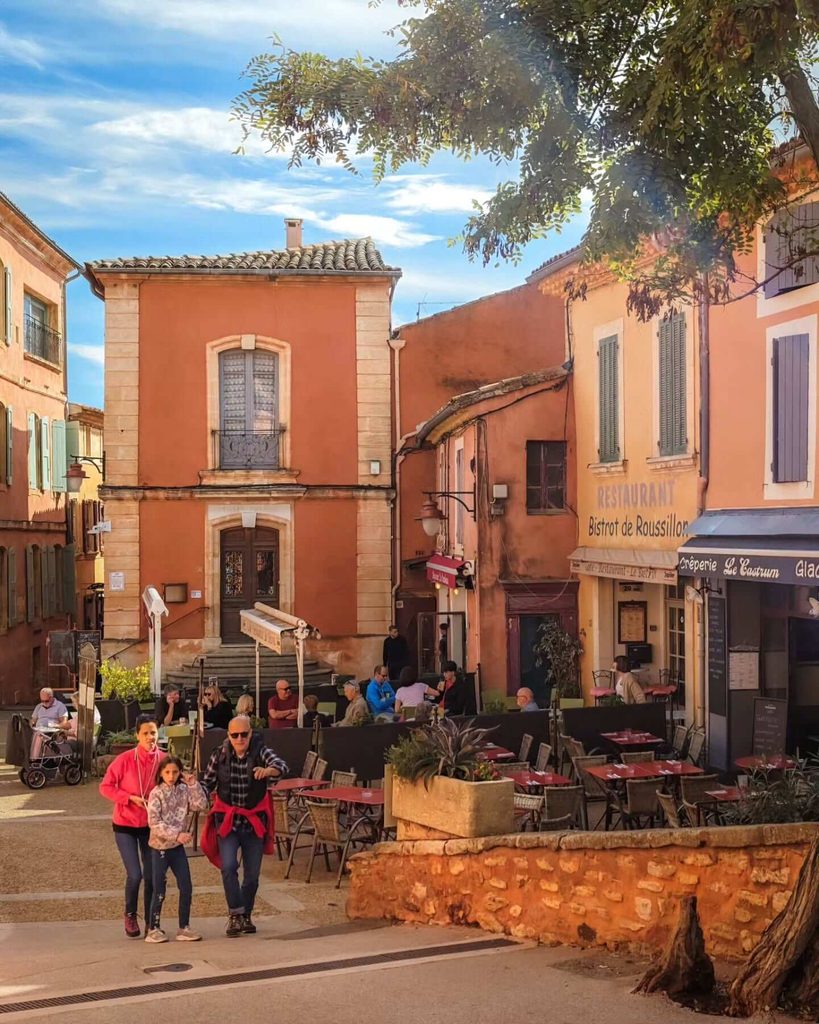
If you’re taking photographs, walk around the edges of the square rather than taking everything from the same spot. You’ll get different views of the buildings and some nice details of the shutters and façades.
Walk the Sentier des Ocres
The Sentier des Ocres is probably the main reason many people come to Roussillon. The trail takes you through the old ochre quarries, where the colours change from yellow and orange to deeper reds as you walk.
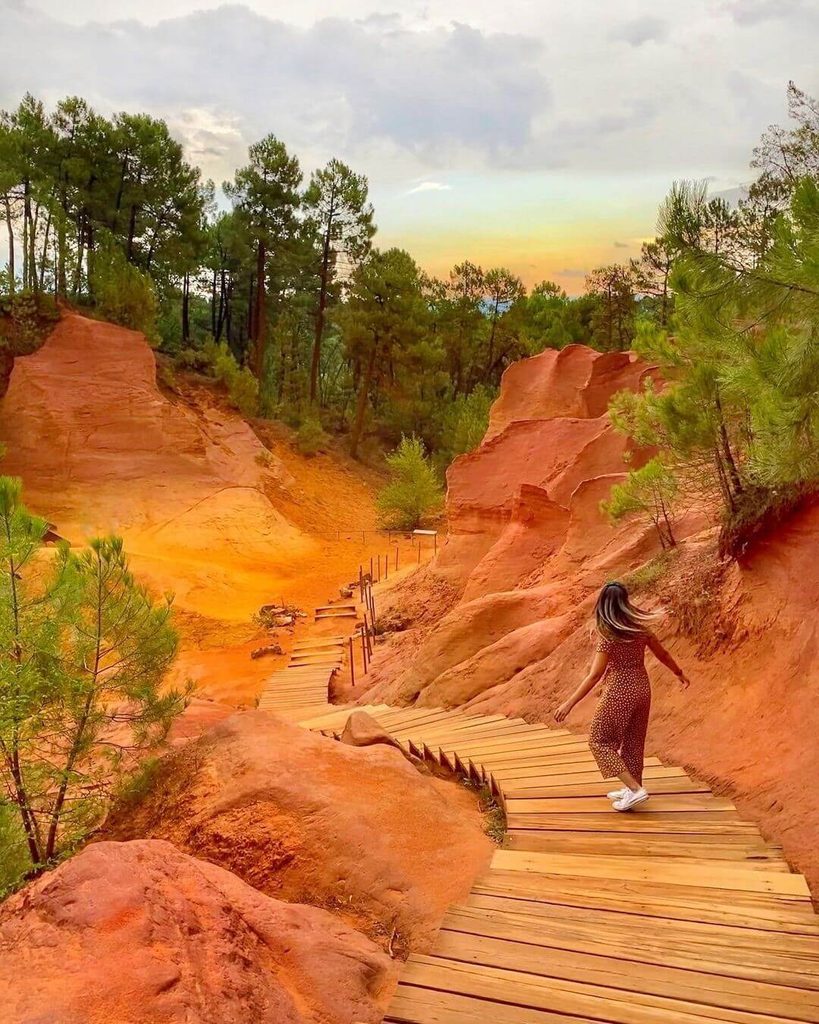
There are two routes, and the walk usually takes around 30 to 60 minutes. The longer route includes around 350 steps, so comfortable shoes are useful. The first section is easier and includes a panoramic area, which can work better if you have limited mobility.
In summer, I’d go in the morning before the heat and crowds build up. Bring water and allow some extra time for photos because the colours look different depending on the light.
Learn About Ochre at Ôkhra
After the ochre trail, Ôkhra is worth adding to your visit. It is housed in a former ochre factory and explains how the pigment was collected and processed.
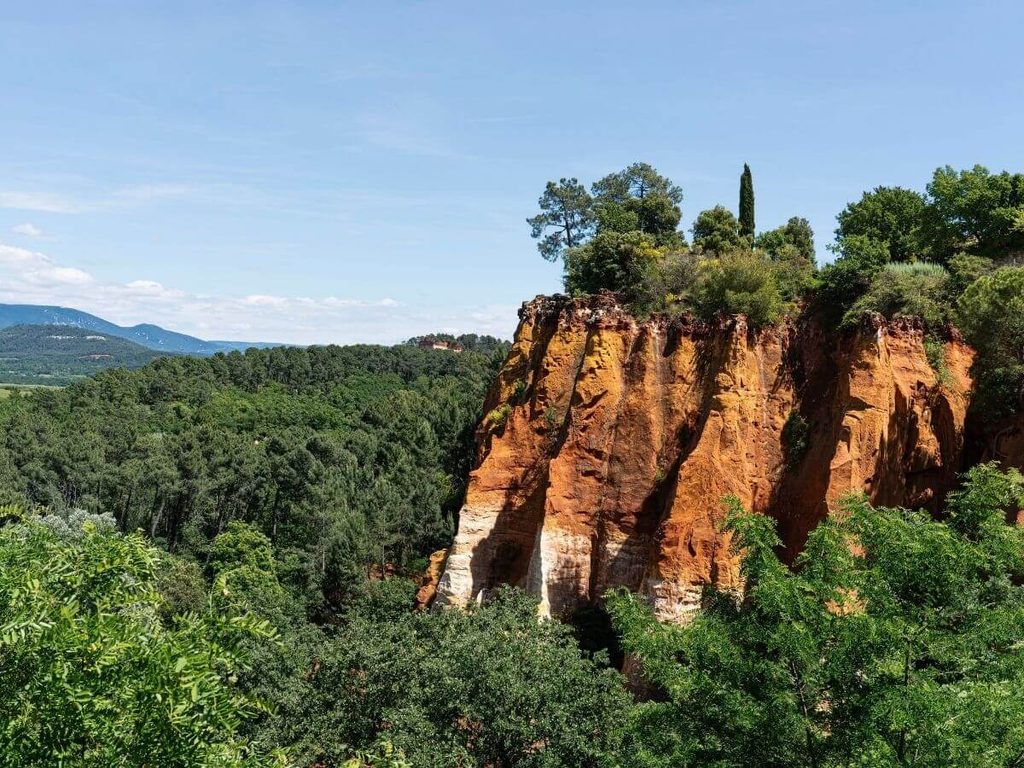
You can see the old industrial equipment and learn more about how ochre has been used in paints and other crafts. Workshops are also available at certain times, which can make the visit more interesting if you’re travelling with children.
I’d allow around an hour here, especially if you want to understand more about the history behind the colours you have just seen outside.
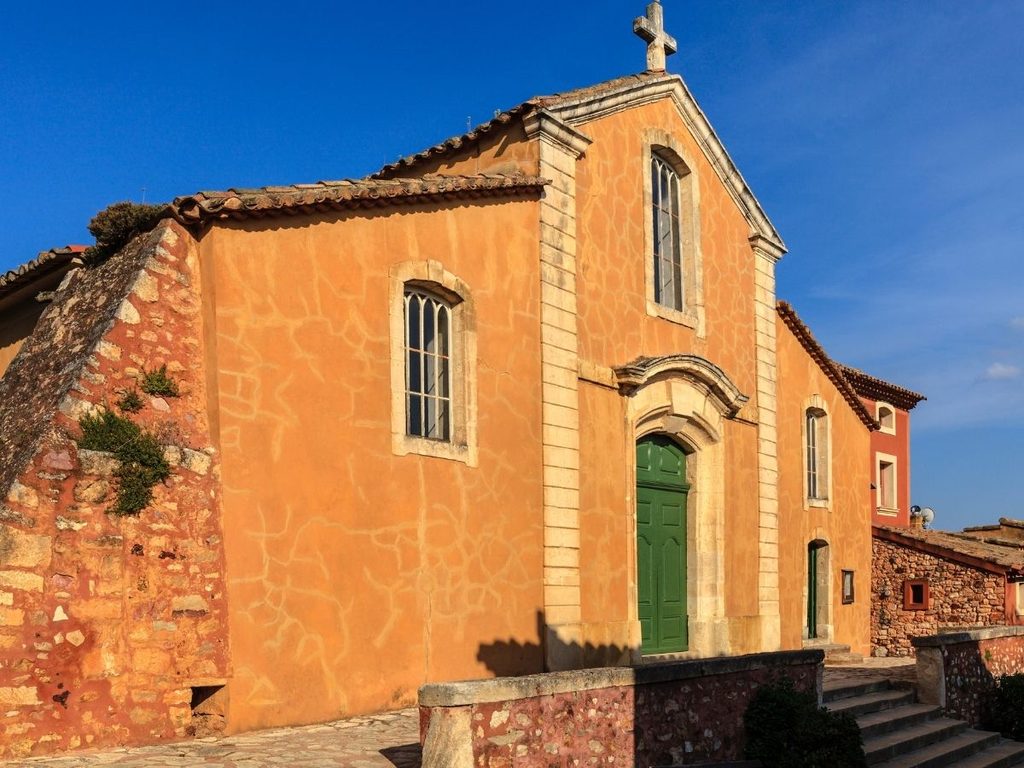
Visit the Church of Saint Michel
The Church of Saint Michel is another easy stop to add while walking through Roussillon.
It sits towards the upper part of the village, so you don’t need to make a separate trip just to see it. If you’re already exploring the old streets, you can make your way up towards the church and have a look inside before continuing towards the viewpoints.
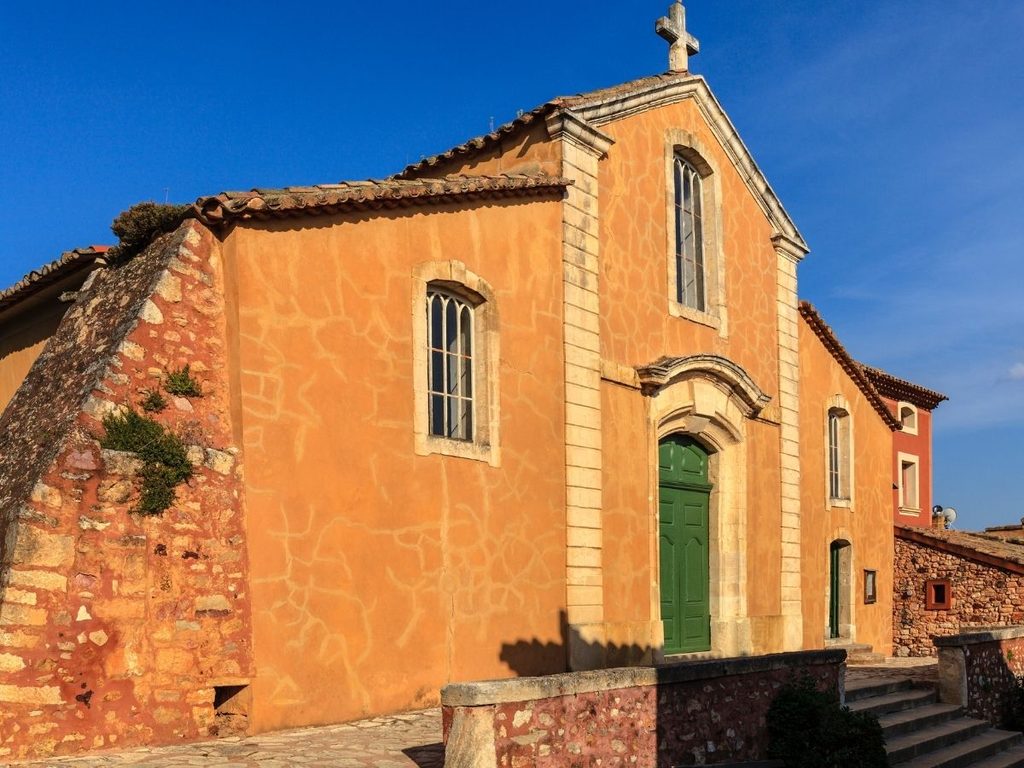
The church dates from the 17th century, although some of the interior decoration and features were added or changed later. It’s not a huge attraction, so don’t expect to spend a long time here. For me, that’s part of the appeal. It’s a quiet stop that fits naturally into a walking route.
The position of the church is also useful because you’re already fairly high in the village. From the surrounding area, you can look back across the rooftops and out towards the Luberon countryside.
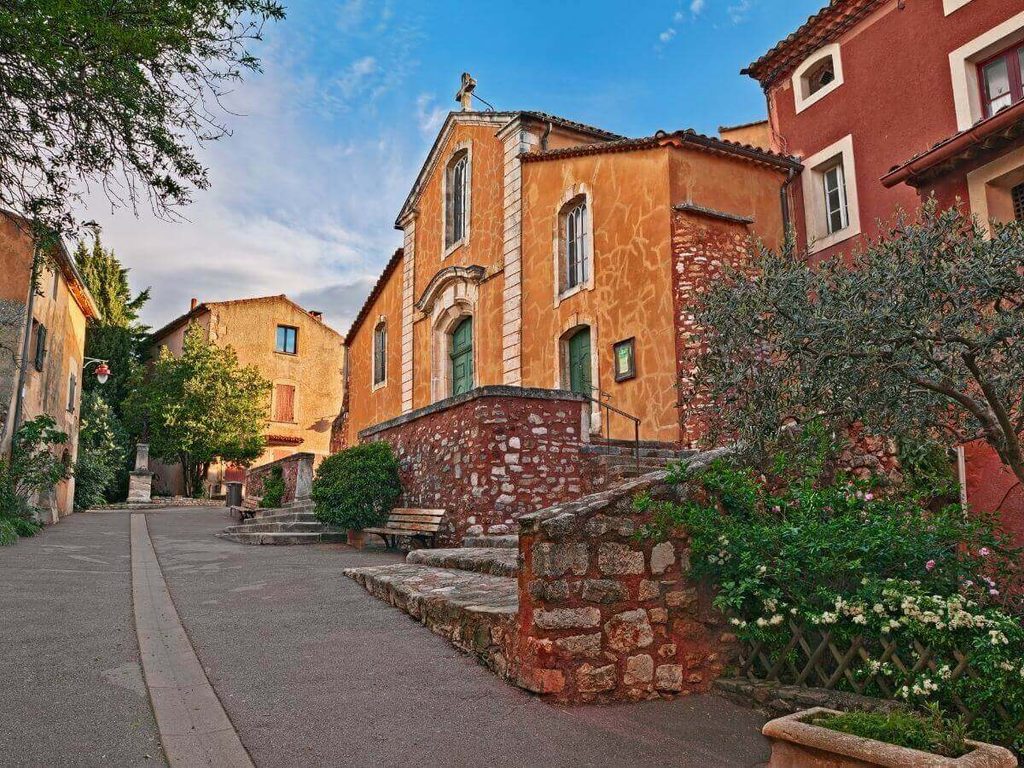
I’d visit the church as part of a wider walk rather than planning your day around it. Spend a few minutes looking inside, take a moment to enjoy the views nearby, and then continue exploring the streets around the upper part of Roussillon.
Stop at the Viewpoints Around the Village
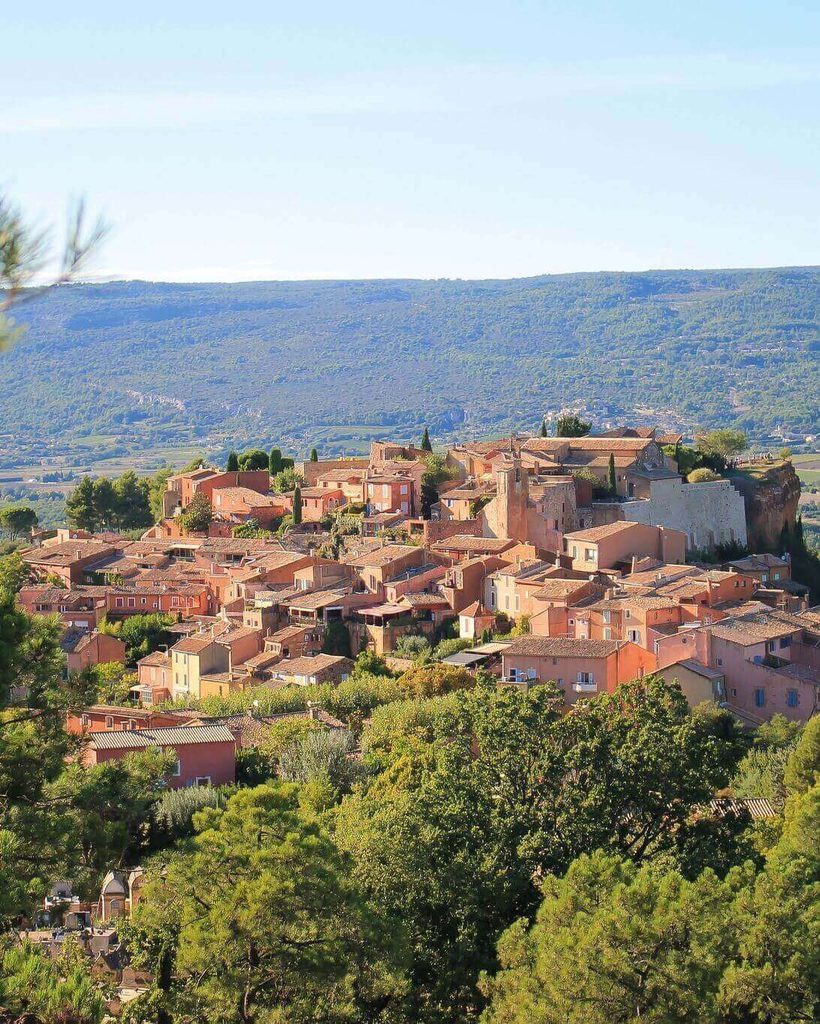
One of the things I like about Roussillon is that you don’t have to search for a formal viewpoint to enjoy the scenery. As you walk through the higher parts of the village, you’ll find several places where the houses open up to views across the Luberon countryside.
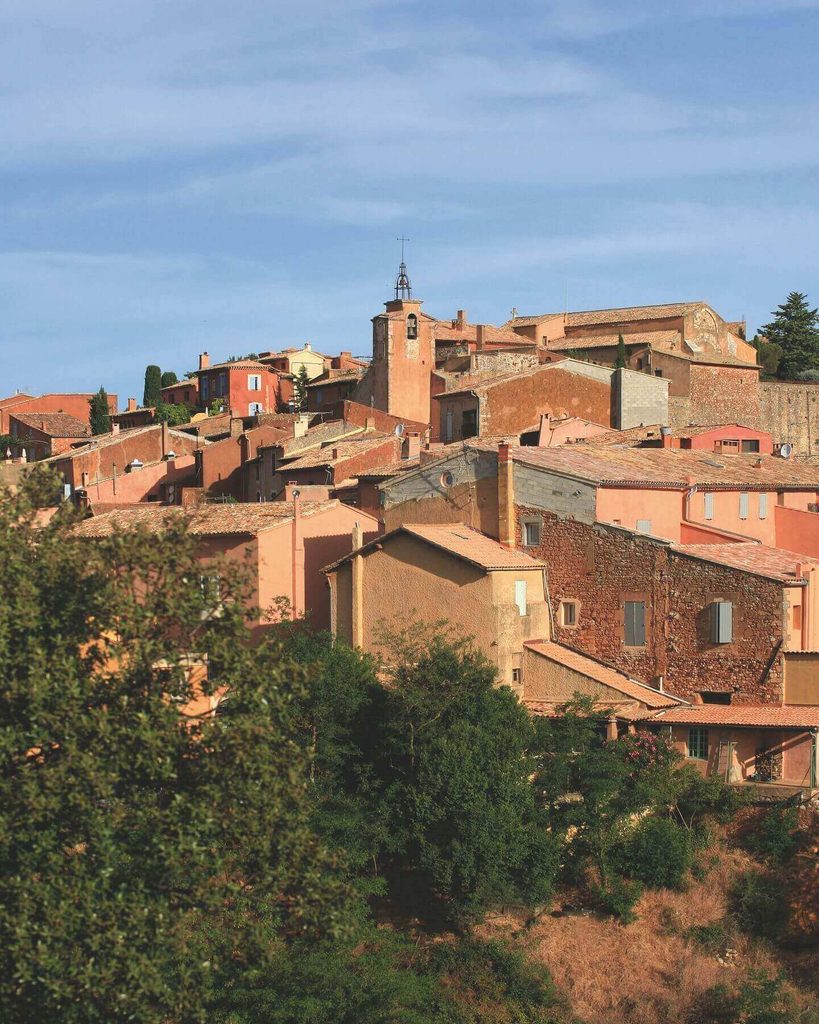
Take a few minutes to stop rather than simply walking past. You’ll see the ochre rooftops in the foreground, with hills, fields and woodland stretching out beyond them.
The light can change the colours quite a bit, especially in the morning and later in the afternoon. If you enjoy photography, these are usually better times than the middle of the day, when the light can be quite harsh.
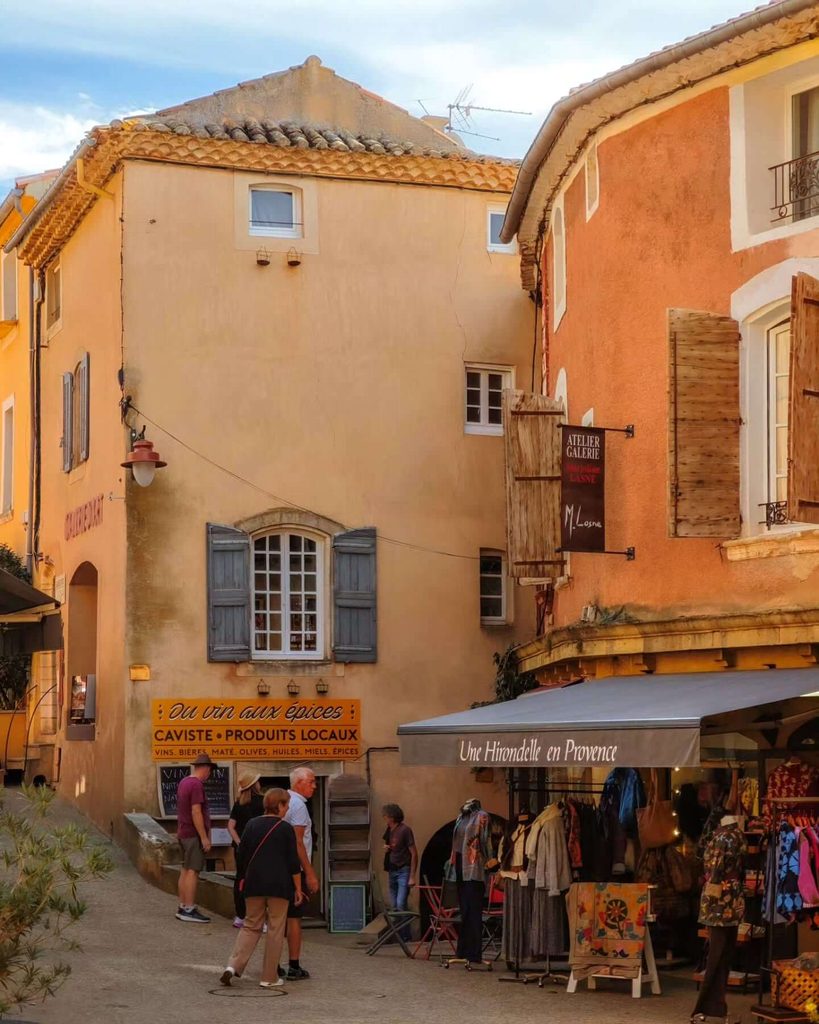
Browse Roussillon’s Art Galleries
Roussillon has a strong connection with art, and you’ll notice it as you walk around the village. Small galleries and exhibition spaces are mixed in among the cafés, restaurants and shops.
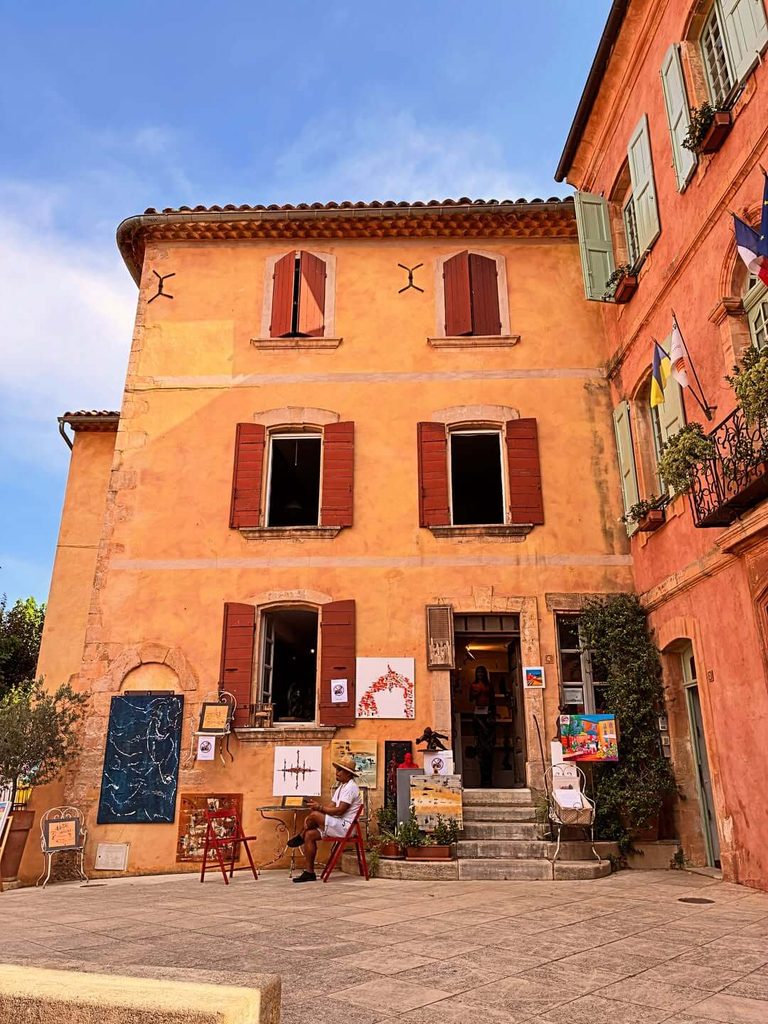
You’ll find paintings, photography, ceramics and other local artwork. Some galleries are very small, so don’t expect large museum style spaces. That’s actually part of the appeal. You can simply walk in, look around for a few minutes and continue when you’re ready.
I wouldn’t plan your whole visit around the galleries unless art is one of your main interests. They’re better added naturally to your village walk, especially during the hotter part of the afternoon when you might want a break from being outside.
Visit the Roussillon Market
If you’re in Roussillon on a Thursday, try to visit the market. The current tourism listing gives the regular hours as 9am to noon, although it’s worth checking before your visit if you’re travelling around a holiday.
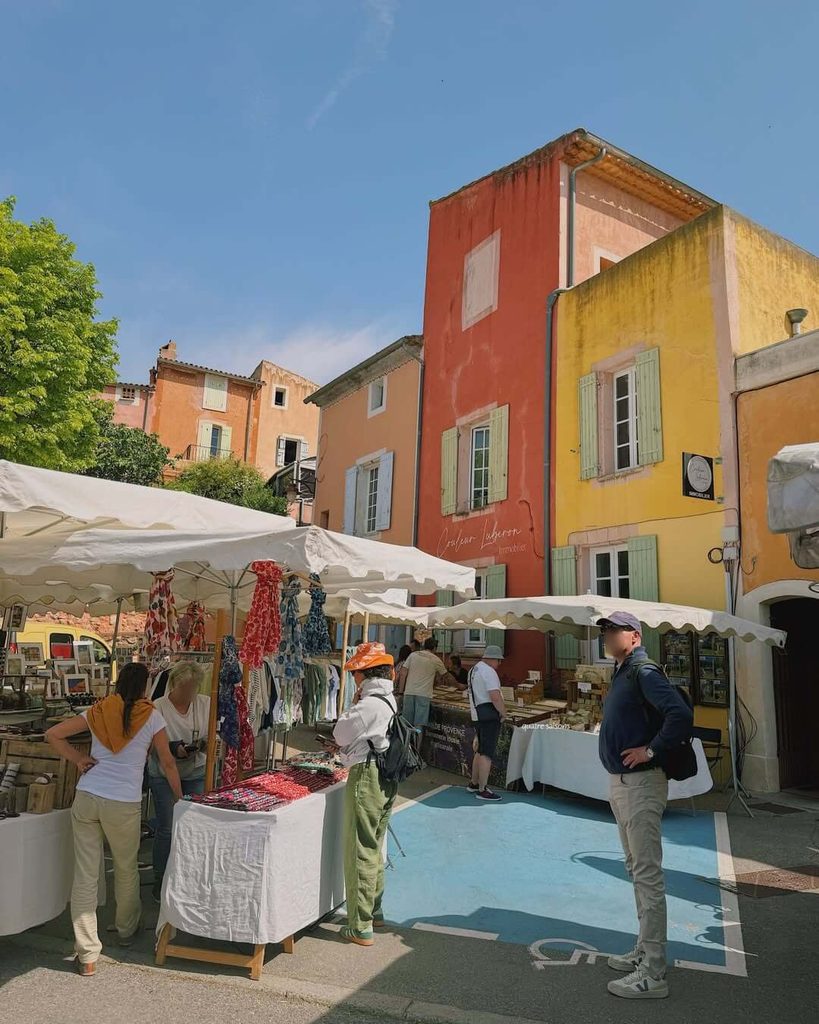
I’d arrive fairly early while there’s still plenty of choice. You’ll find seasonal fruit and vegetables, cheese, herbs, olive oil, honey and other regional products, with the selection changing throughout the year.
If you’re staying nearby, the market is also useful for picking up food for a picnic or an easy lunch. It doesn’t take long to walk around, so you can easily combine it with the village and other trails.
Have Lunch or a Drink in the Village
I’d leave some time for lunch in Roussillon rather than trying to squeeze another attraction into your afternoon. After walking the village and the ochre trail, sitting down with a cold drink and something to eat is a nice way to slow things down.
You’ll find cafés and restaurants around the centre, with outdoor tables that are particularly pleasant in good weather. Look for simple Provençal dishes, salads, seasonal vegetables, local cheeses and regional wines.
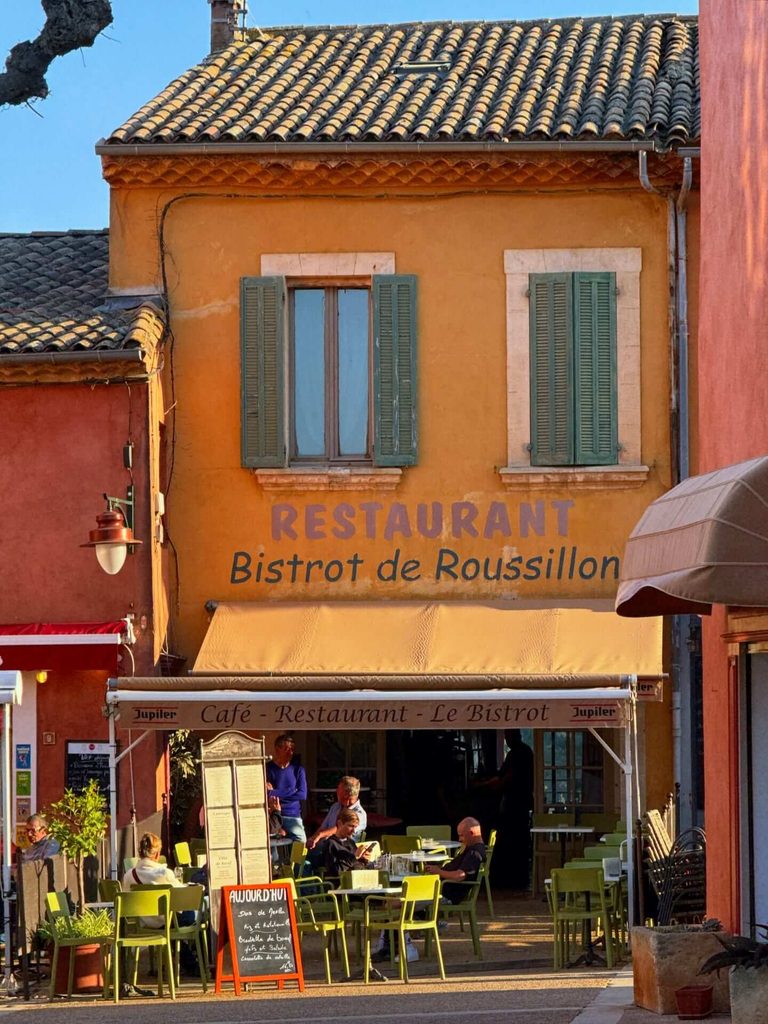
During July and August, tables can fill up quickly, especially around lunchtime. If there’s a particular restaurant you want to try, booking ahead is a good idea.
Otherwise, I wouldn’t overthink it. Pick somewhere that looks inviting, sit down for a while and enjoy the village instead of rushing on to the next stop.
How Long Do You Need in Roussillon?
You can see the main sights in Roussillon fairly quickly, but I wouldn’t give yourself less than two hours. That gives you enough time to walk through the village and visit the Sentier des Ocres without feeling like you’re constantly checking the time.
For most people, I think half a day works best. It gives you time to enjoy the village properly, stop for lunch or a coffee, and see a little more than just the main attractions.
If You Have 2 to 3 Hours
With only a few hours, I’d keep things simple. Start with a walk through the historic centre, stop at Place de la Mairie and make your way towards Saint Michel Church.
Then spend your remaining time on the Sentier des Ocres. The trail is the part of the visit I’d prioritise if you’re short on time, as it gives you a completely different experience from simply walking around the village.
This is enough to get a good feel for Roussillon before continuing to your next stop in the Luberon.
If You Have Half a Day
Half a day gives you much more breathing room. After exploring the village and walking the ochre trail, you can visit Ôkhra, stop for lunch and spend some time looking through the small galleries and shops.
This is the amount of time I’d recommend to most first time visitors. You won’t need to rush, and you’ll still have plenty of time to continue to another Luberon village later in the day.
I’d also leave a little unplanned time. Roussillon is the kind of place where you might spot a café, gallery or viewpoint that you weren’t expecting to stop at.
If You Have a Full Day
A full day gives you the luxury of taking things slowly. You could start with the historic centre and Sentier des Ocres in the morning, have lunch in the village, and visit Ôkhra afterwards.
The afternoon could then be spent browsing galleries, sitting at a café or taking your time with the smaller streets and viewpoints.
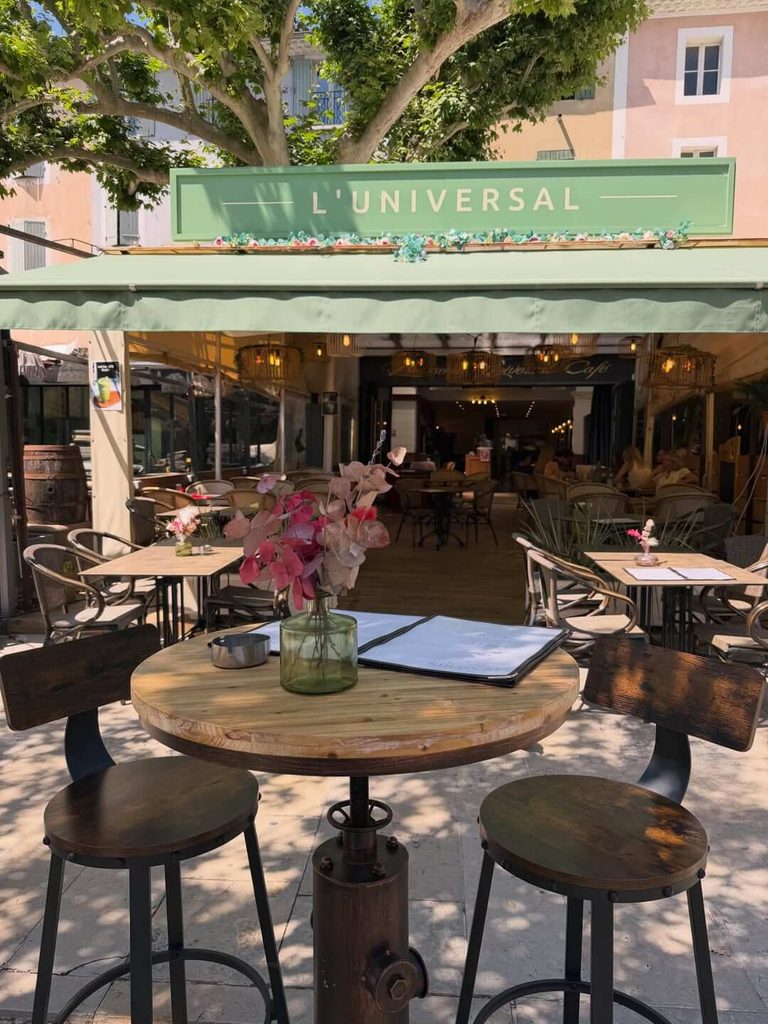
If you still have time and energy, you could add a nearby stop such as Gordes or Pont Julien. Personally, though, I wouldn’t feel the need to fill every hour. Part of enjoying Roussillon is simply sitting down with a drink and watching the village for a while.
Roussillon One Day Itinerary
If you have a full day in Roussillon, I’d avoid trying to pack in every nearby attraction. The village itself has enough to keep you busy, and having some free time makes the day much more enjoyable.
Morning
I’d start in the historic centre while the streets are still relatively quiet. Walk around Place de la Mairie, then make your way towards Saint Michel Church and the higher parts of the village.
Take your time with the viewpoints along the way. You don’t need to find one specific lookout, as there are several places where you can stop and look across the Luberon countryside.
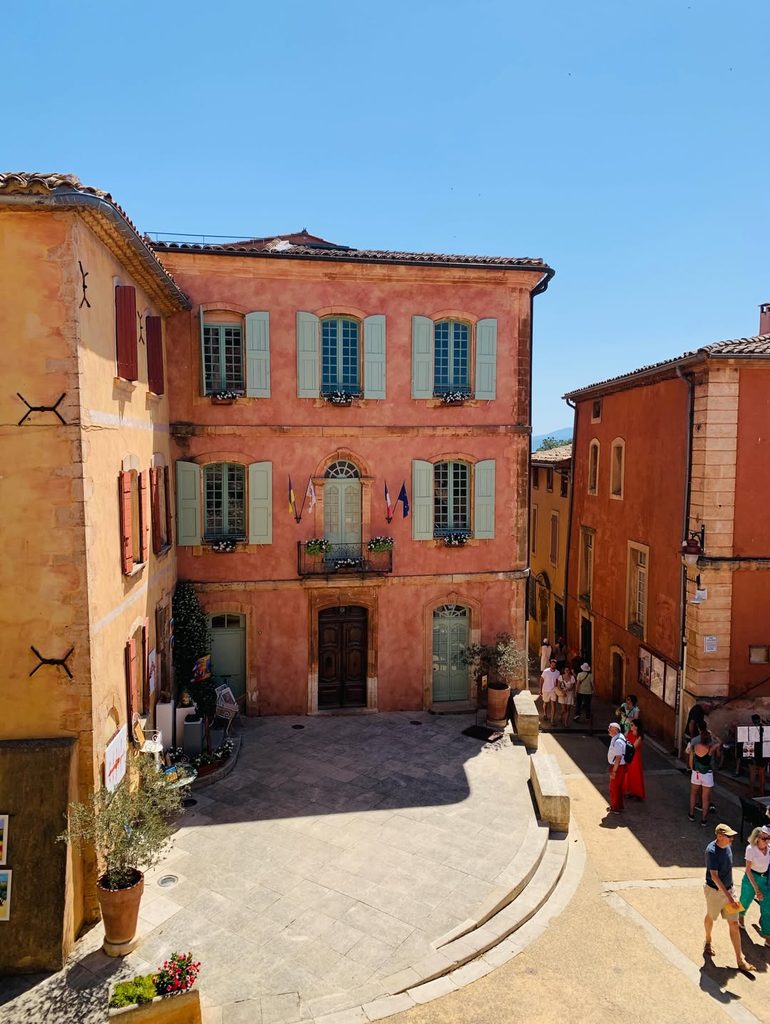
I’d then head to the Sentier des Ocres while it’s still cooler. Give yourself at least an hour if you want to walk slowly and stop for photos. The colours can look quite different depending on the light, so there’s no need to rush through the trail.
If you’re visiting on a Thursday, you could also start your morning at the market before exploring the rest of the village.
Lunch
I’d make lunch part of the itinerary rather than treating it as a quick break between attractions. After the morning walk, it’s nice to sit down somewhere in the village, have a proper meal and take a little time off your feet.
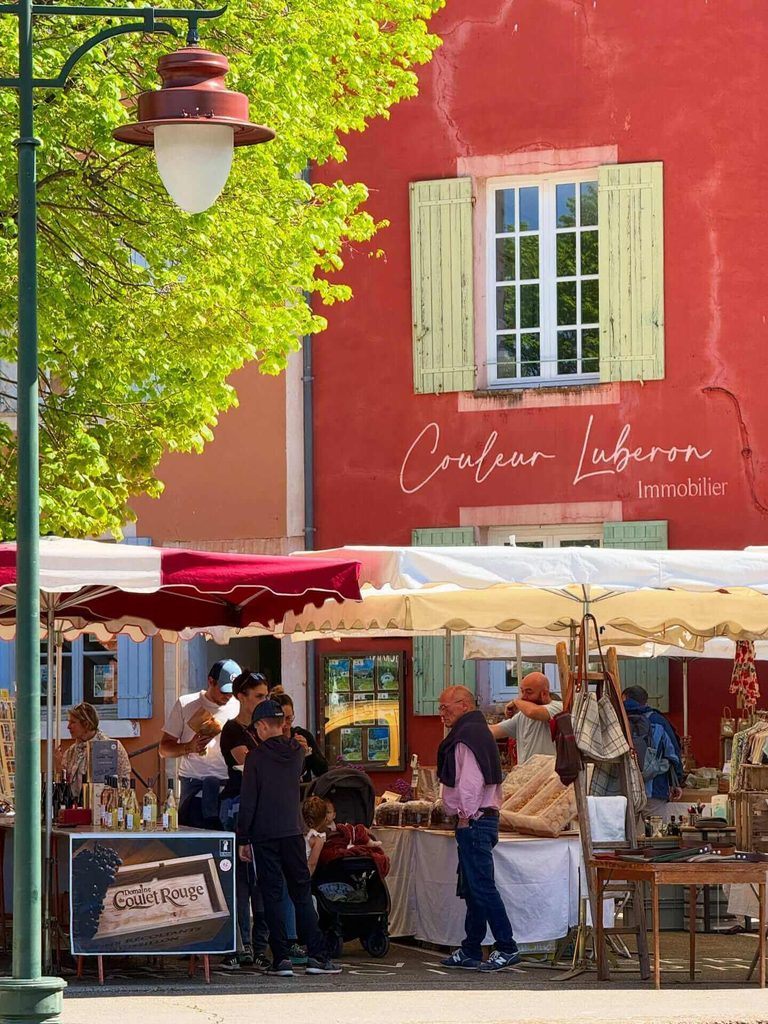
Summer afternoons can be hot, so a shaded outdoor table is particularly welcome after the ochre trail. If you have a specific restaurant in mind, booking ahead is sensible during the busiest months.
Afternoon
After lunch, head to Ôkhra to learn more about the area’s ochre industry. The visit gives you some useful background on how the pigment was extracted and processed, which makes the colours you’ve seen around Roussillon easier to understand.
Once you’re finished, head back into the village. This is a good time for the smaller galleries and shops, especially if you’ve already done most of your outdoor walking.
You can also simply wander through streets you missed in the morning. I find this is when Roussillon feels most relaxed because there’s no pressure to keep moving from one attraction to another.
Best Time to Visit Roussillon
Spring
Spring is one of my favorite times to explore villages in Provence. The weather is usually much easier for walking than in the middle of summer, and the countryside around Roussillon starts looking greener as the season progresses.
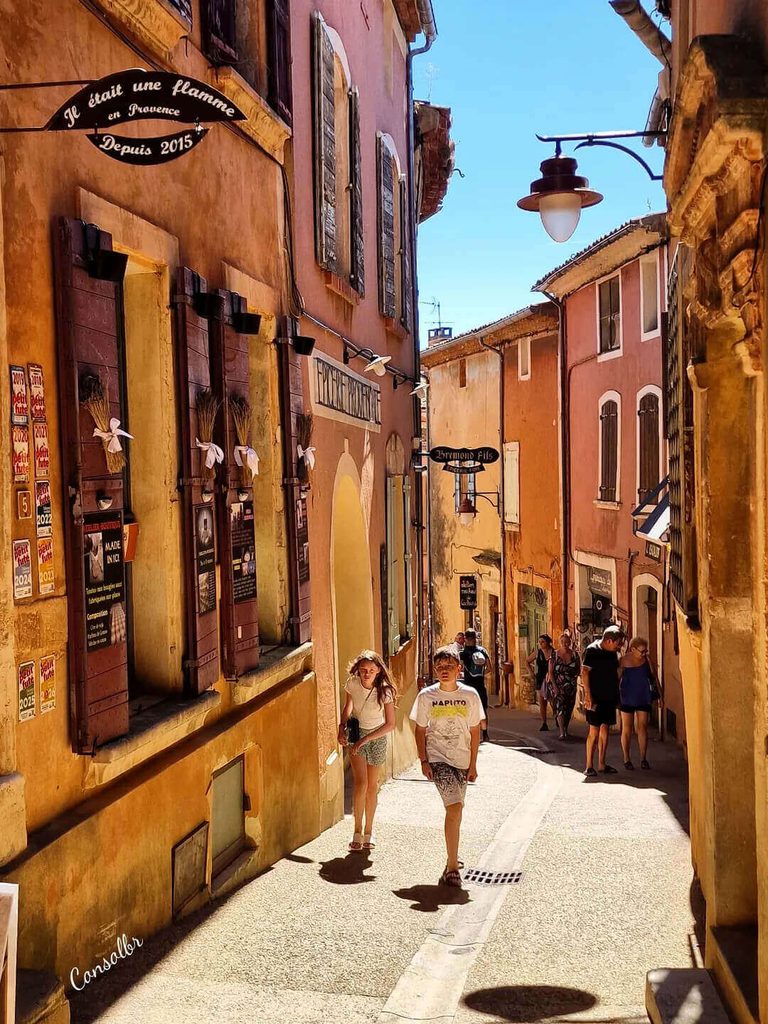
It’s also a good time for the Sentier des Ocres. You can take your time on the trail without dealing with the strongest heat, and the village is generally less hectic than it can be in July and August.
The trail opens seasonally from February, with opening hours changing as the year goes on. If you’re visiting early in spring, I’d still check the current hours before setting out, especially if the trail is the main reason for your visit.
Summer
July and August are the busiest months in Roussillon. The days are long and there’s plenty going on, but temperatures can make walking around the village and the ochre trail tiring in the middle of the day.
I’d arrive early and do the Sentier des Ocres first. Once it starts getting hotter, you can slow things down with lunch, a visit to Ôkhra or some time browsing the galleries and shops.
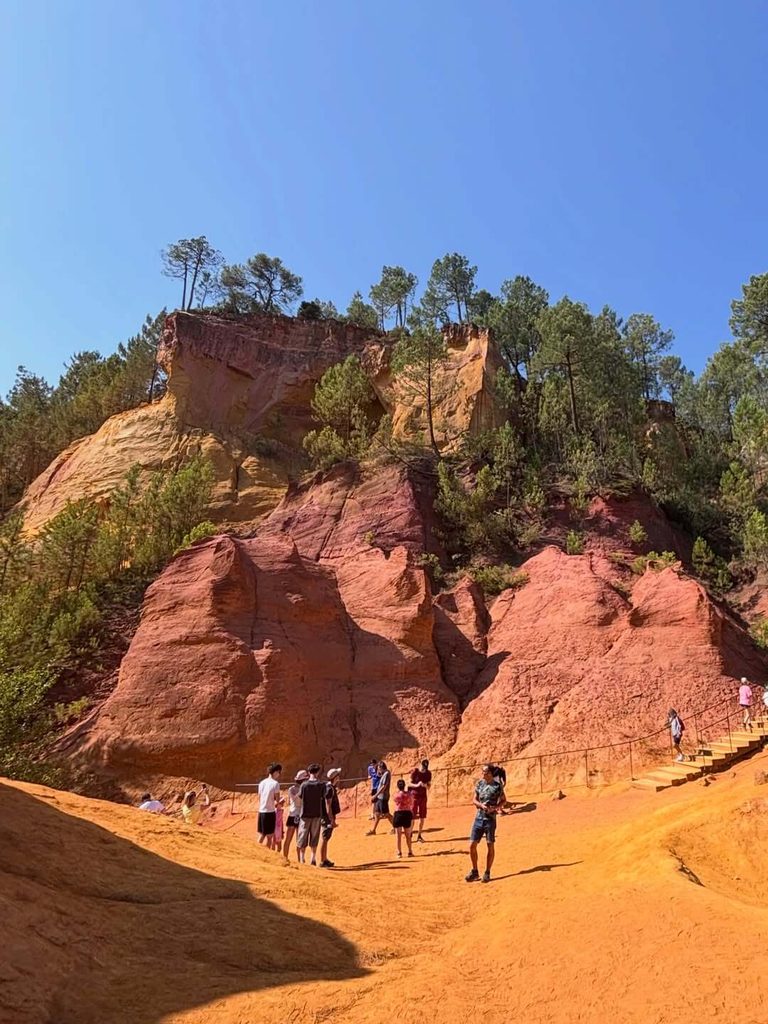
Thursday is also a good day to visit if you enjoy local markets. The current market hours are 9am to noon, so I’d make it one of your first stops rather than leaving it until lunchtime.
Parking can also become more difficult during the busiest summer days, another reason I prefer getting there earlier.
Autumn
September is a particularly comfortable time to visit if you want decent walking weather without the height of the summer crowds. The temperatures start to ease, but there are still plenty of good days for exploring outdoors.
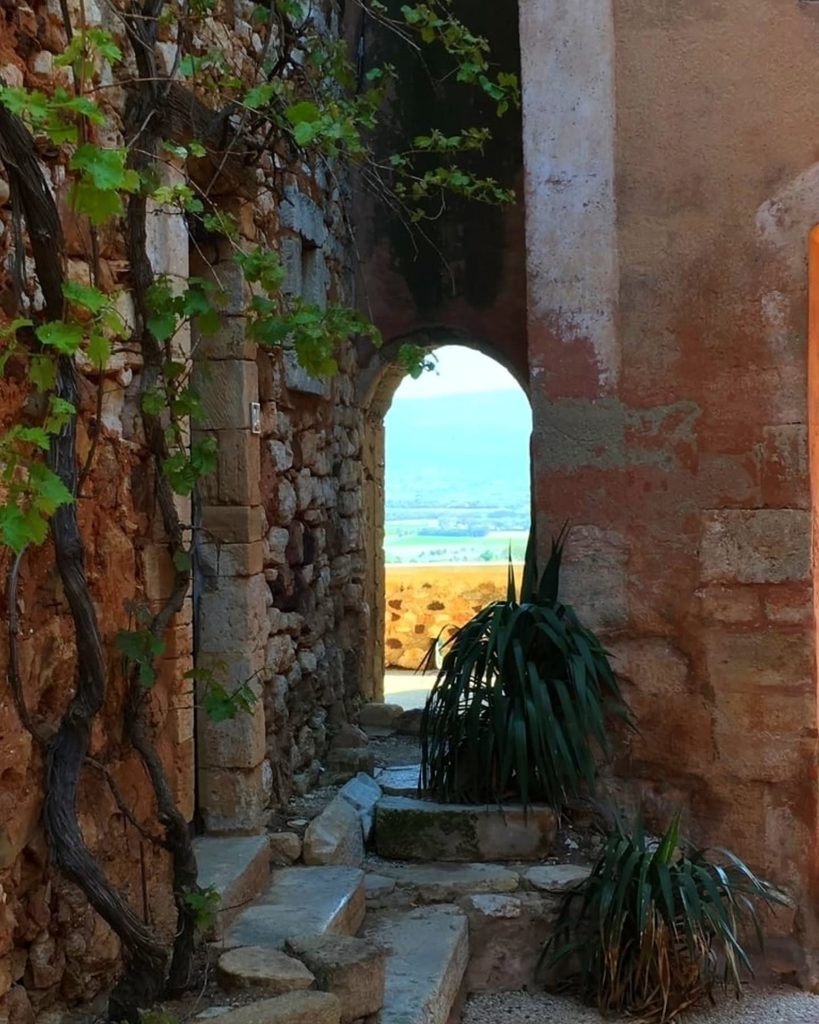
October can also work well, especially for walking through the village and surrounding countryside. The current 2026 calendar includes guided village and ochre trail visits into late October, although schedules can change.
If you’re travelling in autumn, I’d keep a little flexibility in your plans. Some seasonal businesses and attractions may start reducing their hours as the season moves on.
Winter
Winter gives Roussillon a much quieter feel. You’ll have fewer people around, which makes it pleasant for simply walking through the old streets and taking photographs without the summer crowds.
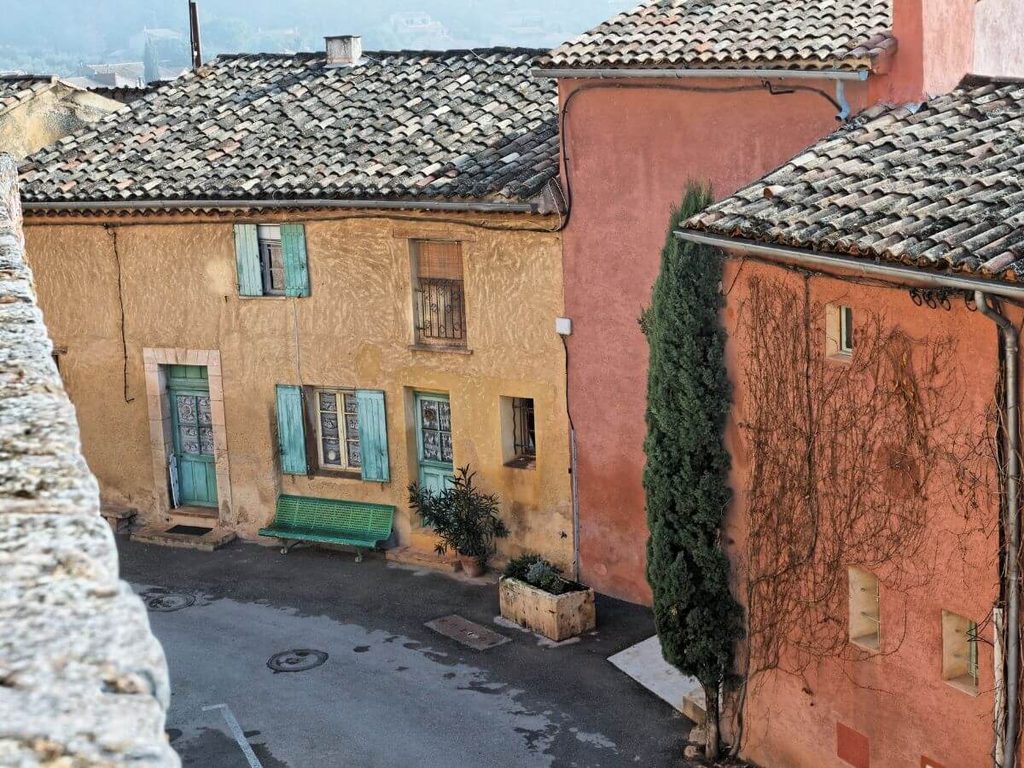
The downside is that daylight hours are shorter and some attractions, cafés and shops may have reduced opening hours. Weather can also make the ochre trail less appealing on colder or wet days.
If you’re mainly coming to see the village, winter can still be a nice choice. If the Sentier des Ocres is the main reason for your trip, check the current seasonal opening information before you travel so you don’t arrive expecting a full day of activities.
Practical Tips for Visiting Roussillon
Arrive Early in Summer
If you’re visiting in July or August, try to arrive early. The village gets busier as the morning goes on, and parking can become more difficult. An early start also means you can walk the ochre trail before the strongest heat.
Check Accessibility
The first 50 metres of the ochre trail include an accessible panoramic section, but the main route has around 350 steps. If you’re travelling with a stroller or someone with reduced mobility, check the current access information before choosing the full route.
Check Opening Hours
The Sentier des Ocres has different opening hours depending on the season. I’d check the current official listing before visiting rather than relying on an older travel blog.
Visit on Thursday for the Market
If you enjoy local markets, Thursday is a good day to visit. The current listing gives the market hours as 9am to noon. Arrive early if you want to see the stalls before they start packing up.
Don’t Rush Your Visit
You don’t need to see every attraction in Roussillon. Walk around the village, visit the ochre trail, have lunch and spend some time looking around the shops or galleries. Leaving a little free time usually makes the visit much more enjoyable.
How to Get to Roussillon
By Car
If you’re exploring the Luberon, having a car is probably the easiest option. It gives you the freedom to visit Roussillon alongside places such as Gordes, Bonnieux, Lourmarin and Rustrel without having to plan your day around bus times.
It’s particularly useful if you’re interested in the region’s ochre sites, as some of them are much easier to reach by car.
The main thing to plan is parking. Roussillon can get busy in summer, so arriving earlier in the day makes things easier. Parking arrangements and prices can change, so I’d check the latest local information before travelling.
By Bus
You can also reach Roussillon by regional bus if you don’t want to drive. Current tourism information lists ZOU! lines 917 and 989, with services connecting Roussillon and Cavaillon. The journey from Cavaillon takes around 45 minutes.
This can work well for a simple day trip, but I’d check the timetable carefully before leaving. Services can be less frequent than you’re used to in larger cities, and you don’t want to finish your visit and discover that the next bus isn’t for several hours.
If you’re travelling without a car, I’d plan Roussillon as a standalone day rather than trying to combine too many nearby villages.
By Train
Roussillon doesn’t have a railway station in the village, so you can’t arrive by train and simply walk from the platform into the centre.
Instead, you’ll need to reach a nearby transport hub and continue by bus, taxi or another form of transport. Cavaillon and Avignon can be useful starting points depending on where you’re travelling from.
For a longer Provence trip without a car, it’s worth checking the whole route before booking accommodation. Some villages are much easier to connect by public transport than others.
Where to Stay for Visiting Roussillon
Stay in Roussillon
Staying in Roussillon is a good choice if you want to experience the village after the day trippers have gone.
You can walk out for dinner, wander through the streets in the evening and then get an early start on the ochre trail the next morning. You also won’t have to worry about driving back to another town after dinner.
I’d choose this option if you like smaller villages and want a slower pace rather than trying to cover lots of Provence in a short trip.
Stay in the Countryside Near Roussillon
There are plenty of accommodation options around the Luberon if you’d rather stay outside the village. This can be a better fit if you want more space, a pool or somewhere with easier parking.
A countryside stay also works well if you’re travelling by car. You can drive into Roussillon early, spend a few hours exploring, and then continue to another village or head back to your accommodation for a quiet afternoon.
Stay in Gordes or Another Luberon Village
You don’t have to stay in Roussillon just because it’s on your itinerary. If you’re travelling around the Luberon, it may make more sense to choose one base and visit several villages from there.
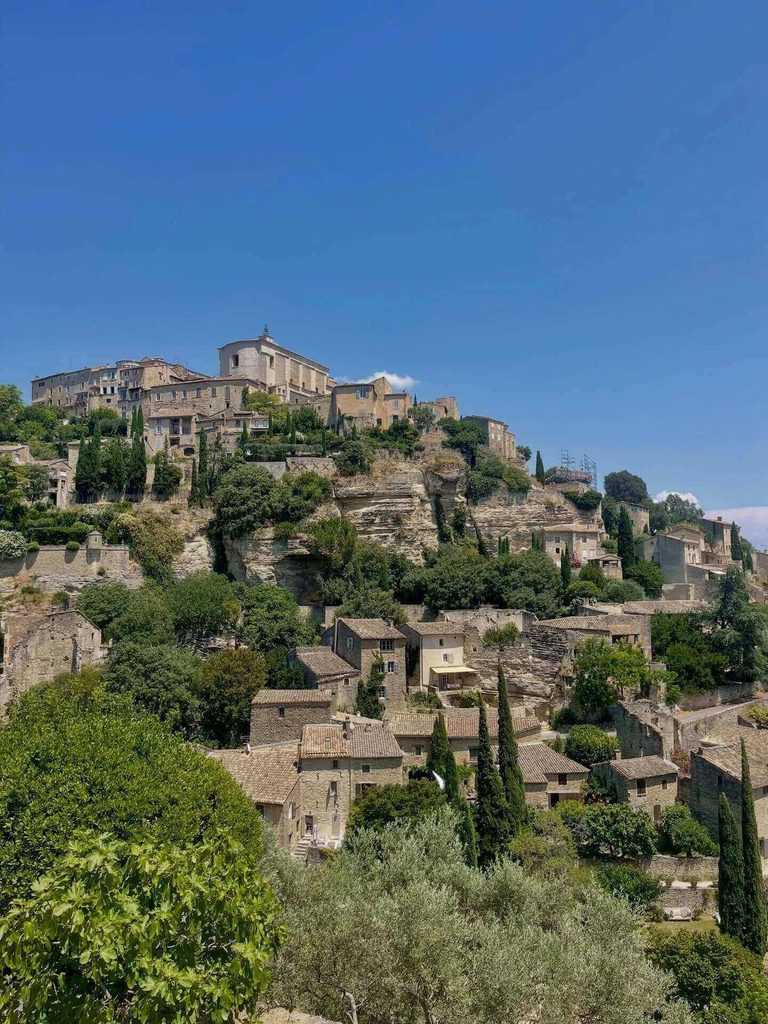
Gordes, Bonnieux and Lourmarin are all worth considering depending on the rest of your route.
I’d choose your base based on what you want to see over several days, rather than moving hotels every night. Roussillon is easy enough to visit as a half day or full day stop, so there’s no need to change accommodation just for this one village.
Is Roussillon Worth Visiting?
Yes, especially if you enjoy smaller villages, walking and places where the landscape has a clear connection to local history.
What I like about Roussillon is that the colour isn’t just something you see on the buildings. The ochre comes from the land around the village, and you get to see that for yourself on the Sentier des Ocres. A visit to Ôkhra then gives you more background on how the material was extracted and used.
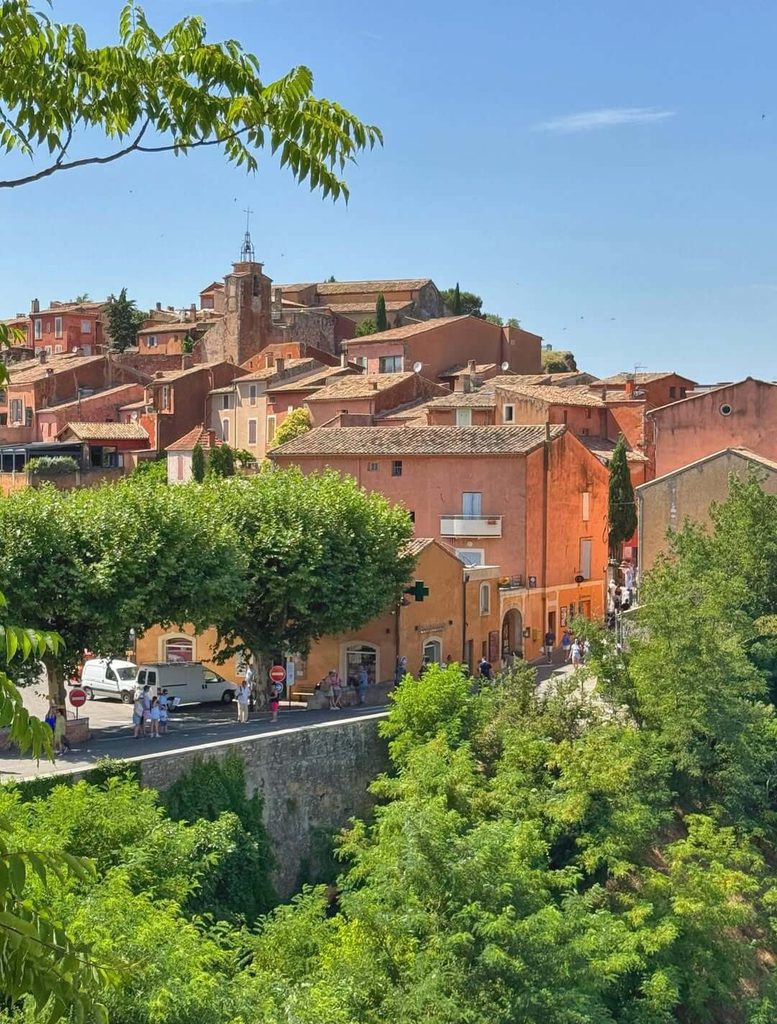
It also works for different types of travelers. If you enjoy photography, there are plenty of interesting colours, streets and views to work with. If history is more your thing, the old ochre industry gives the visit some extra context. And if you simply want a relaxed Provence day, you can walk around, stop for lunch, browse the shops and sit in one of the squares.
Roussillon probably isn’t the place I’d choose if you want large museums, nightlife or a packed list of major attractions. There isn’t really a need for that here. The village is small enough that you can explore it at a comfortable pace, which is part of what makes it enjoyable.
What I Wish I Knew Before Visiting Roussillon
The first thing I’d change is the time I arrived. If you’re visiting in July or August, I’d get there earlier than you might expect. The village can become noticeably busier later in the morning, and the ochre trail is much nicer before the strongest heat.
I’d also wear shoes that I don’t mind getting dirty. The orange dust from the trail has a way of finding its way onto your shoes, so this isn’t the place for a favorite pair of white trainers.
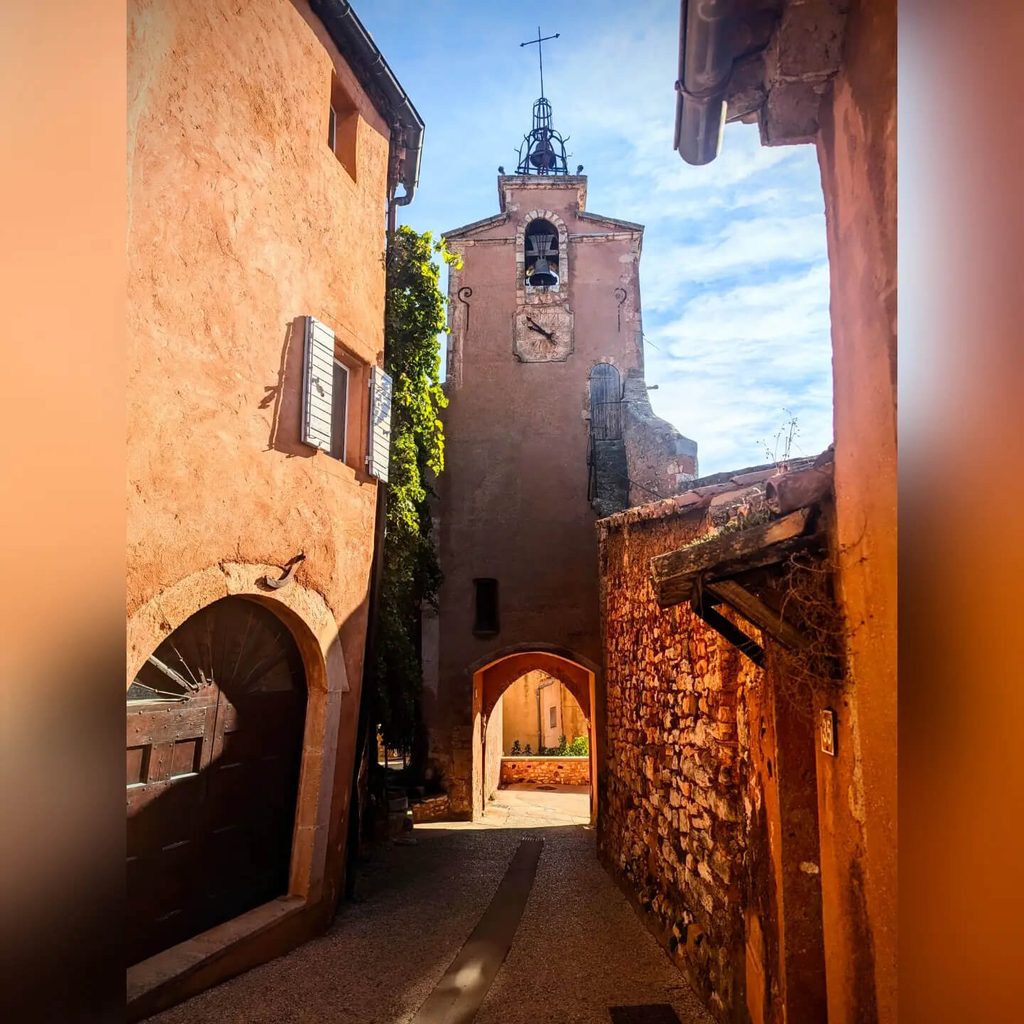
I would also allow more time for the village itself. It’s easy to think you’ll just take a few photographs around Place de la Mairie, walk the Sentier des Ocres and leave. Once you start wandering through the smaller streets, though, you’ll find galleries, shops, viewpoints and cafés that are worth stopping for.
The other thing I’d avoid is trying to combine too many Luberon villages into one day. Roussillon works well with Gordes or another nearby stop, but you don’t have to see everything. Leaving enough time for lunch and a slow walk usually makes for a much better day.
Final Thoughts on Roussillon
Roussillon catches your attention because of its colour, but the story behind that colour is what makes the visit more interesting.
Walk through the village and you’ll see ochre coloured buildings. Follow the Sentier des Ocres and you’ll see the natural deposits that helped shape the area. Then visit Ôkhra and you can learn more about the industry that grew around the material.
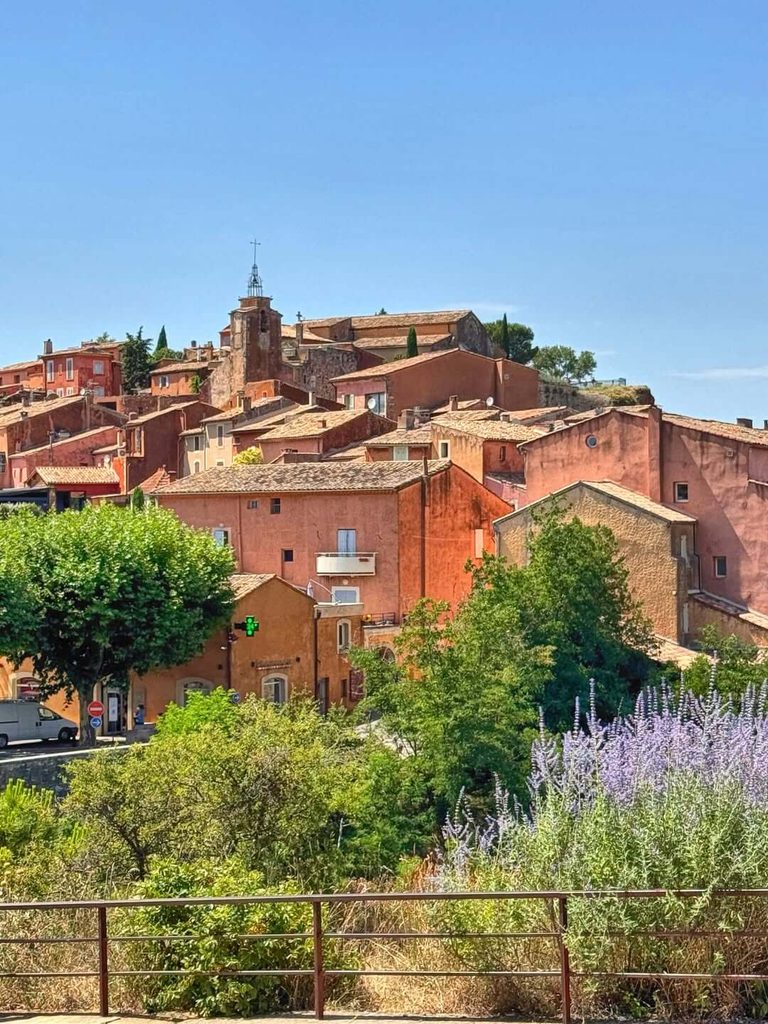
I like that these parts of the visit connect rather than feeling like a random list of attractions.
If I only had half a day, I’d walk through the historic centre, visit the Sentier des Ocres, stop by Saint Michel Church and have lunch before continuing through the Luberon. With a full day, I’d slow down and add Ôkhra, a few galleries and more time for the village itself.
You really don’t need a complicated plan for Roussillon. Give yourself enough time to walk around, stop when something catches your attention and enjoy the village at a slower pace. That’s when I think Roussillon works best.