


The last time an airline kept my suitcase for three days, I did not stand at the carousel feeling helpless. I walked to the baggage office, filed a report, and started spending the airline’s money on socks and a toothbrush that afternoon. Most travelers never do this, because nobody tells you the rules. When your checked bag is delayed or lost, US airlines owe you real money: a refund of the bag fee, reimbursement for the things you have to buy while you wait, and up to $4,700 per passenger if the bag never comes back. That last figure surprises almost everyone I mention it to.
I have collected on delayed bags in Lisbon, Denver, and Bangkok, and the process is the same each time. Here are the lost luggage compensation rules I use on every trip, whether I am flying solo on a budget or splurging on business class.
1. Learn the two clocks: delayed versus lost
A delayed bag and a lost bag trigger different rights, so the first thing I do is figure out which one I am dealing with. A bag is “delayed” the moment it does not come off the belt with me, and it becomes “significantly delayed” under US Department of Transportation rules at 12 hours for a domestic flight, 15 hours for a shorter international flight, and 30 hours for an international flight longer than 12 hours.
Most airlines only declare a bag officially lost somewhere between 5 and 14 days later, and the exact window varies by carrier. That gap matters, because some of your money becomes claimable at the 12-hour mark, long before anyone uses the word “lost.”
2. Your checked bag fee is refundable, and it is now automatic
If you paid to check the bag and it crosses those significant-delay thresholds, the DOT’s automatic refund rule says the airline has to give that fee back. This became mandatory under the refund rule that took effect in 2024, so you should not have to fight for it the way travelers did a few years ago.
The refund is supposed to land within seven business days for a credit card payment and up to 20 calendar days for other methods. I still take a screenshot of my bag-fee receipt and the delivery time, because “automatic” and “actually happened” are not always the same thing.
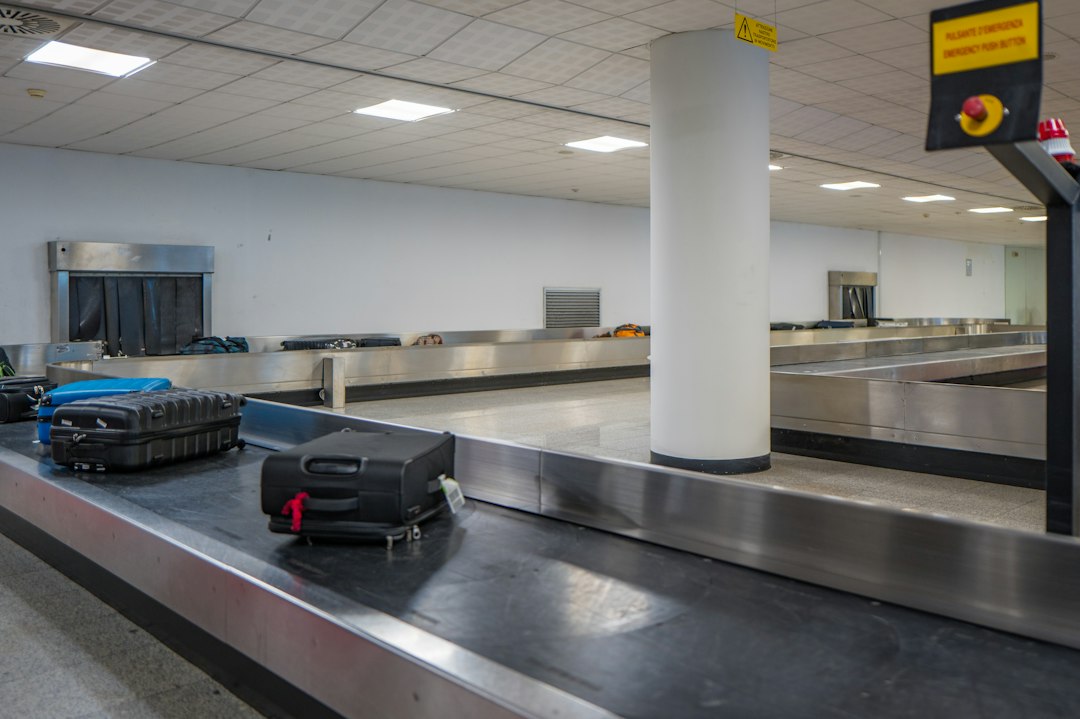
3. Buy what you need now: the airline pays for the gap
This is the part budget travelers leave on the table. While your bag is missing, the airline must cover your reasonable, verifiable, and actual expenses for essentials, and there is no fixed daily cap set by the DOT, whatever a gate agent might tell you. That means clean underwear, a phone charger, a work shirt for the meeting you flew in for.
My rule: buy what a sensible person would buy, not a shopping spree, and keep every receipt. I photograph each one on the spot so nothing goes missing before I file. If a couple is traveling and only one bag is delayed, you can still claim for the shared items you both needed.
What counts as reasonable
Toiletries, a change or two of clothes, and anything tied to the reason for your trip are easy to justify. A designer jacket “because mine was in the bag” is the kind of claim that gets denied. When I am unsure, I ask whether I would be comfortable reading the receipt aloud to the airline.
4. The domestic ceiling is higher than you think: $4,700
For a lost bag on a US domestic flight, the maximum the airline is liable for is $4,700 per passenger. Airlines can choose to pay more, but that is the floor they cannot dip below for provable losses. I have never come close to that number, but it reframes how you file: you are not asking for a goodwill voucher, you are claiming against a legal limit.
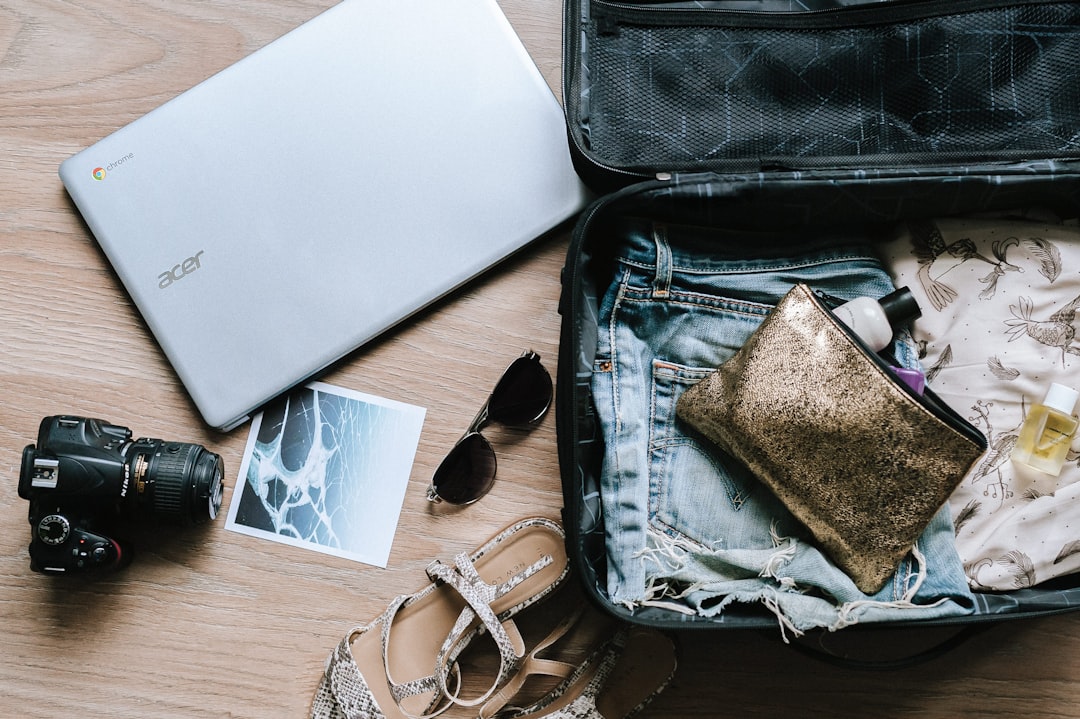
To get near what your things were actually worth, you need an itemized list with rough values and proof for the expensive items. This is why I almost never check electronics or jewelry at all.
5. International flights follow a different rulebook
Fly across a border and the Montreal Convention takes over instead of the DOT limit. Its liability cap rose at the end of December 2024 to 1,519 Special Drawing Rights, which works out to roughly $2,175 per passenger depending on the exchange rate that day. Special Drawing Rights are an IMF currency basket, so the dollar figure drifts a little over time.
The Convention also sets tight deadlines that catch people out. For a damaged bag you have to complain in writing within 7 days of receiving it, and for a delayed bag you have 21 days from the date it finally reaches you. Miss those windows and a valid claim can be refused on timing alone.
6. File the report before you leave the airport
The single biggest mistake I see is walking out to find a taxi and dealing with the bag “tomorrow.” File the Property Irregularity Report at the airline’s baggage desk before you leave the secure area. That report, and its reference number, is the thread every later claim hangs on.
Ask the agent whether the bag has been located, how interim expenses are reimbursed for that airline, and what delivery address and phone number they have on file. I photograph the printed report so I am not relying on a crumpled slip three days later.
7. Know where your credit card and insurance pick up the slack
Airline liability has limits, and this is where a good travel credit card earns its fee. Many cards you use to book the trip include baggage delay coverage that kicks in after a set number of hours, often on top of what the airline pays, plus lost-luggage protection for pricier items. I check my card’s benefit guide before a big trip so I know the waiting period and the per-item caps.
Stack it in order: the airline refunds the fee and covers essentials, your card covers the delay gap and high-value items, and travel insurance backs the rest. Filing with all three is fair when each covers a different slice.
Quick answers to two questions I always get
Do I get money if my bag shows up the same day?
Usually not much beyond your out-of-pocket essentials, and the bag-fee refund only triggers once you cross the significant-delay threshold. A two-hour delay is annoying but rarely pays.
What if the airline lowballs my claim?
Send a written response citing the DOT domestic limit or the Montreal Convention figure, attach your itemized list and receipts, and if it stalls you can file a complaint with the DOT. A calm paper trail moves these along faster than a phone argument.
None of this makes a missing bag fun, but it turns a stressful wait into a process I can work. Next time you watch the carousel empty out, do not just sigh and leave. File the report, save the receipts, and let the airline fund your emergency toothbrush. I would love to hear whether these steps get your money back.
Featured image: Photo by Dimitri Karastelev on Unsplash