

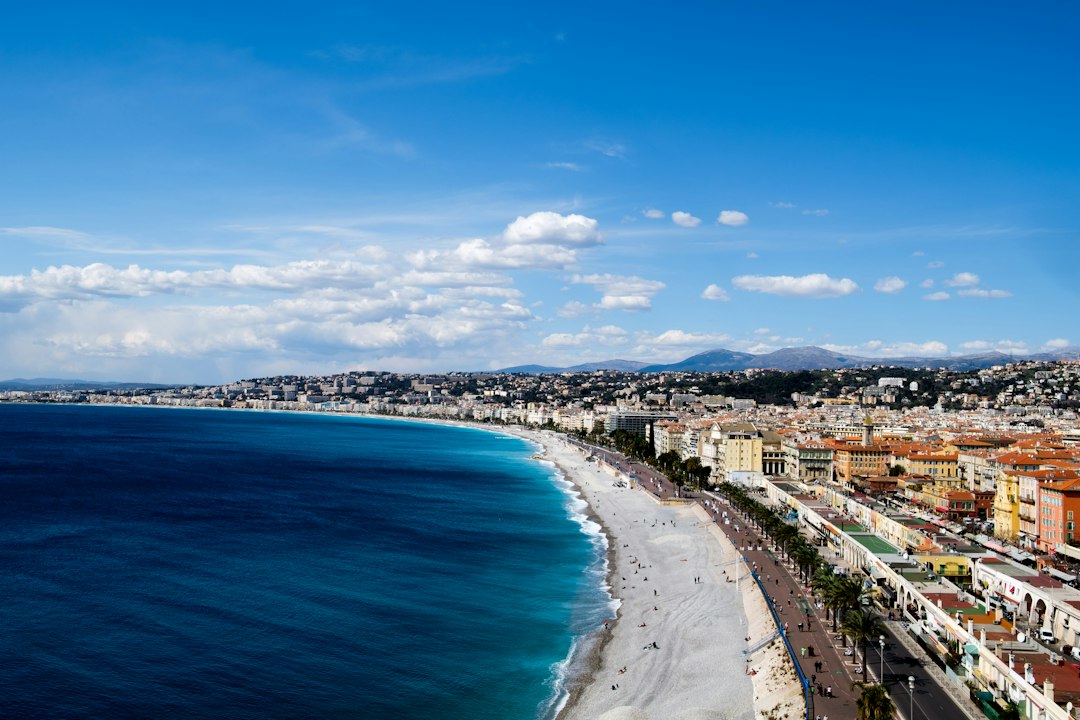
France was the first place I ever got a ticket abroad, and it was for something I did not know was a rule. I was leaning against a wall outside the train station in Nice, cigarette in hand, when an officer pointed at a small sign I had walked straight past. That was years ago, and the rules have only gotten stricter since. France stays the most visited country on earth, but the gap between what feels normal at home and what gets you fined here is wider than most people expect. These laws are just easy to break when you are relaxed, jet-lagged, and focused on the croissant in front of you. Here are the eight that catch tourists most often, and who each one tends to trip up.
1. Lighting up on the beach or in a park
France banned smoking in most outdoor public spaces on July 1, 2025. The ban covers beaches, public parks, public swimming pools, and the areas around schools, libraries, and bus stops. Light up in any of those and the fine starts at €90, climbing to €135 if you do not pay within 15 days.
One detail saves confusion: the rule does not touch vaping, and café terraces stay exempt for now. So a cigarette with an espresso outside a bar is fine. A cigarette on the sand in Nice is not. If you smoke, keep it to terraces and marked spots.
2. Wearing loose swim shorts at a public pool
This one surprises almost every man I travel with. Most French public pools require fitted swim briefs or short trunks and ban long, baggy board shorts. The reasoning is hygiene: loose shorts double as street clothes and carry in dirt, while a snug suit does not.
Lifeguards enforce it, and I once watched a guy get turned away at the door of a municipal pool in Lyon for exactly this. If you are the board-shorts type, and most American men are, pack a fitted pair for any public or hotel pool. Beaches and private pools stay relaxed. Municipal pools do not.
3. Pocketing sand, pebbles, or shells from the beach
Taking a handful of sand home as a keepsake feels harmless. In France it can cost you €250 or more, because beach material is protected under environmental law and removing it is treated as theft of a natural resource. The Riviera’s smooth grey pebble beaches are a common spot where people get caught filling a bag.
This holds across the Mediterranean, where a French couple was once fined thousands of euros for sand they packed from a beach in Sardinia. If you love a natural souvenir, take a photo instead. It weighs nothing and costs nothing.
4. Buying a “designer” bag off a street vendor
Those €40 handbags and sunglasses spread on a blanket near the Eiffel Tower or along the Croisette are counterfeits, and in France the buyer, not only the seller, breaks the law. French customs can seize the item and fine you, and the statute allows penalties as high as €300,000 and up to three years in prison for counterfeiting offences.
No tourist pays the maximum for one fake bag, but airport customs officers do open luggage, confiscate fakes, and issue fines, and they stepped up checks around the Paris Olympics. If a price looks too good for the logo on it, the bag is fake, and I leave the blanket vendors alone.
5. Driving with a radar detector (and the drink limit you will underestimate)
Radar detectors and radar-warning gadgets have been illegal in France since 2012. Get caught with one and you lose six points off a license, face a fine up to €1,500, and the device gets confiscated, sometimes along with the car. Navigation apps like Waze stay legal because they flag general “danger zones” rather than the exact camera location.
The other driving rule that catches visitors is the alcohol limit, set at 0.5 grams per liter of blood. That is lower than the 0.08 percent standard across much of the United States, so a second glass of wine at lunch can put you over before you feel it. One old rule you can forget: the requirement to carry a breathalyzer in the car was dropped, so you will not be fined for lacking one.
6. Covering your face in public
Since 2011, France has banned concealing your face in public spaces, and the fine runs to €150. The law was written around full-face veils but reads broadly, covering balaclavas and masks worn to hide identity.
For most tourists this never comes up. It matters if you plan to wear a religious full-face covering, and knowing the rule before you land beats learning it at a checkpoint. Ordinary winter scarves and medical masks are not the target.
7. Cracking open a beer on the street in the wrong spot
France has no nationwide ban on drinking in public, which is what trips people up, because the rule is set locally. Individual cities draw their own no-drinking zones and hours. Paris restricts alcohol in several areas and after certain hours.
Being visibly drunk in public is a separate offence that can bring a fine up to €150. The practical version: a glass of wine on a picnic blanket in a park is usually fine, a loud crawl through a restricted city-center zone is not. I scan for posted signs near squares and riverbanks, where the local bans tend to sit.
8. Assuming you do not need to carry ID
France lets police run identity checks, and officers can ask you to prove who you are at any time. French residents carry a national ID card, and as a tourist your proof is your passport. You are not fined for leaving it in the hotel safe, but you can be held while your identity gets confirmed, a miserable way to lose an afternoon.
I keep the physical passport in a zipped inside pocket and a clear phone photo of the ID page as backup. For solo travelers especially, it removes one more thing that can go wrong far from home.
A few questions I still get asked
Can I smoke outside a café in France?
Yes. The 2025 outdoor ban covers beaches, parks, pools, and the areas near schools and bus stops, but restaurant and café terraces are exempt, and vaping is not covered.
Is it illegal to wear a fake designer bag I already own?
Wearing one you already own sits in a grey area that is rarely enforced on individuals. Buying one in France, or carrying a stack through customs, is what draws the fines and seizures.
None of this is meant to scare you off France. I go back every year, and I break none of these rules now simply because I know they exist. That is the trick: the fines almost always land on people who had no idea, not on people being reckless. Read the signs, pack a fitted swimsuit, leave the blanket vendors alone, and France will treat you like the guest it wants you to be. Tell me which of these surprised you, because number two gets everyone.
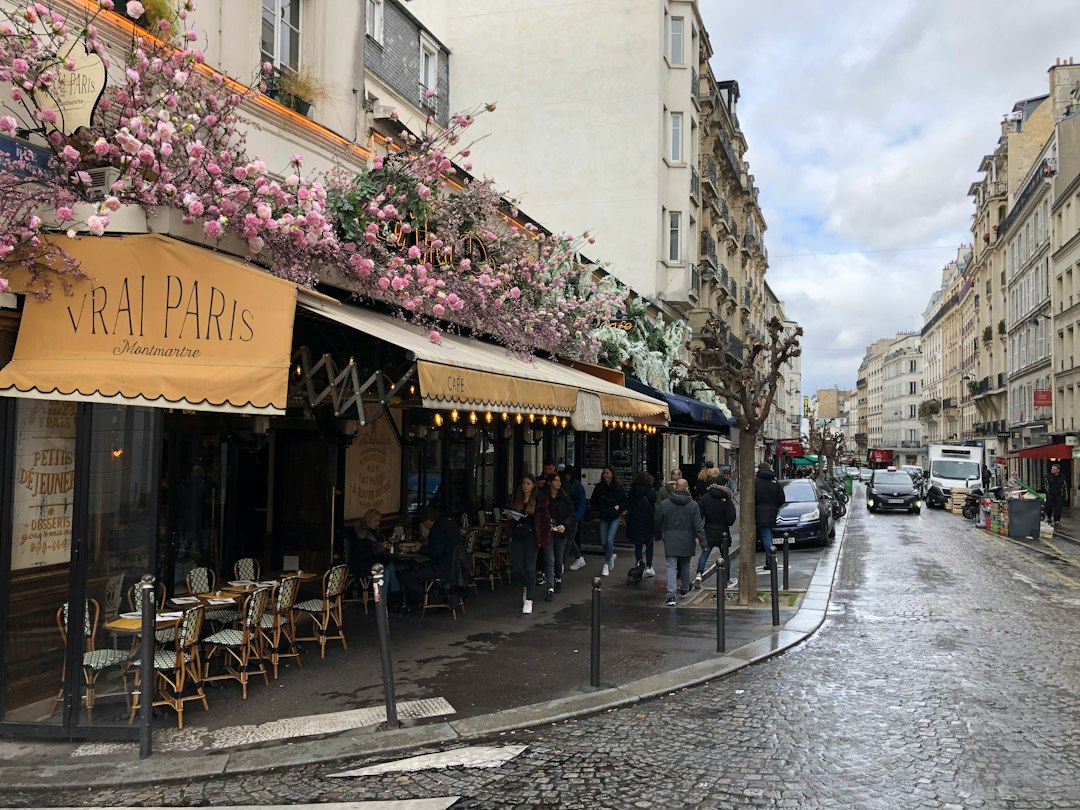
Featured image: Photo by Chris Karidis on Unsplash