

The worst part of a big trip used to be the part I paid the most for: the first two days. I would land in Rome or Tokyo, drop my bag, and spend the next 48 hours foggy and wide awake at 3 a.m. After enough long-haul flights, I got tired of writing off the start of every trip, so I started treating jet lag like a problem I could plan around.
What follows is what I do now, drawn from what has worked for me and from sleep researchers rather than internet folklore. None of it is a magic pill. Jet lag is your body clock stuck in one time zone while your body is in another, and the fix is nudging that clock forward or back a little each day. Here are the seven things I do on every trip that crosses more than a couple of time zones, and who each one is for.
1. I switch to destination time before the plane leaves the gate
The first thing I do once I am in my seat is change my watch and my phone to the local time where I am landing. It sounds small, but it reframes the next ten hours: when I sleep, when I eat, when I let myself scroll.
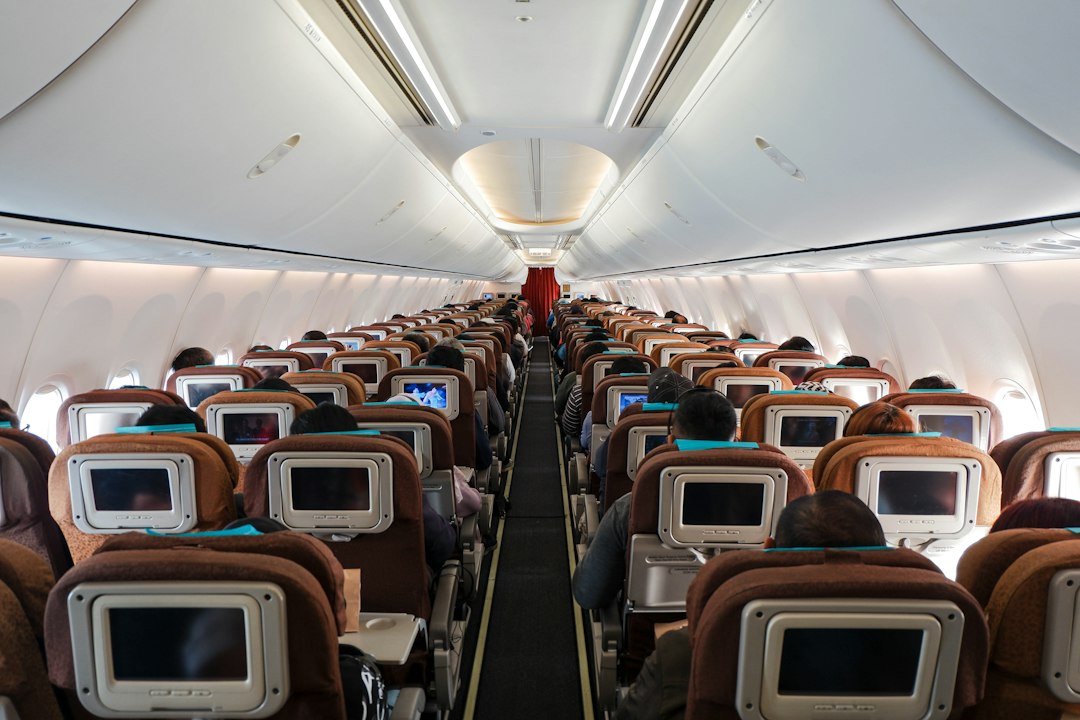
If it is the middle of the night where I am going, I try to sleep even when my body swears it is dinnertime. If it is mid-afternoon there, I stay awake and save the nap. This costs nothing and works for everyone, whether you are in budget economy or stretched out in business. The seat matters less than the clock in your head.
2. I chase the right light and hide from the wrong light
Light is the strongest signal your body clock has, and it is free. The catch is that the timing depends on which way you fly.
Flying east (say, the US to Europe) is the harder direction. The CDC notes your body shifts westward at about 1.5 hours a day but only around 1 hour a day going east. The Mayo Clinic suggests seeking bright light in the mid to late morning once you land after an eastbound flight, and going easy on very early morning light at first.
Flying west, you want the opposite: skip the bright light first thing and get sunshine in the early afternoon. I plan my first morning around this. A walk with coffee at the right hour does more for me than any supplement.
3. I keep melatonin small and time it carefully
For years I assumed a bigger melatonin pill meant a stronger effect. It does not. Both the CDC and the Mayo Clinic point out that a dose as small as 0.5 to 1 milligram works about as well as 5 milligrams for shifting your clock, and most pharmacy pills are far more than you need.
Timing beats size. I take a small dose about 30 minutes before bed in the new time zone, and skip it if that would fall in the small hours back home, when my own melatonin is already high. It can leave some people groggy or headachey, so a short trip is a better test run than a once-in-a-lifetime one. If you take other medication, it is worth a quick word with your doctor first.

4. I eat on the new clock, not the old one
Food is a clock signal too, and it is the one most people ignore. Researchers studying long-haul cabin crew and shift workers have found that eating on your destination’s schedule helps your body catch up faster, and a well-timed breakfast seems to pull your clock forward in particular.
So I eat when locals eat, even when I am not hungry, and I skip the 2 a.m. plane tray that lands at an odd hour. If I arrive in the morning, a real breakfast outside in daylight is my reset button. This costs nothing and works whether you are backpacking or on a honeymoon.
5. I nap like I mean it: 20 to 30 minutes, no more
The first-day nap is where a lot of trips fall apart. You lie down for a quick rest, wake up three hours later in the dark, and your night is gone.
The fix is a hard limit. The CDC recommends short naps of 20 to 30 minutes to get through the afternoon slump without wrecking that night’s sleep. I set an alarm, lie down, and get up when it goes off, even when I would rather not. Couples, one small tip: nap at the same time, so one of you is not pacing the room while the other sleeps.
6. I plan my caffeine and skip the plane wine
Caffeine is useful when you aim it. I lean on it in the morning and early afternoon at my destination, then stop. The Mayo Clinic suggests no caffeine after midday while you are adjusting, which is what keeps me from lying awake at night.
Alcohol is the other half. A glass of wine on the plane feels like a sleep aid, but it fragments the sleep you do get and dries you out at altitude. I save the local wine for a night when I am already on the new schedule. Water is the boring answer that actually helps.
7. I start shifting before I even pack
When a big time change is coming, I start nudging my sleep a few days early. The CDC and Mayo both suggest moving your bedtime and wake time about an hour a day for two or three days in the direction you are traveling: earlier for eastbound trips, later for westbound ones.
It is not a full adjustment, and I would not bother for a two or three hour change. For a long eastbound haul, arriving part of the way shifted means I start closer to the local clock instead of from zero. This one is for the planners. If that is not you, the in-flight and arrival tricks still carry most of the weight.
A few questions I get asked a lot
Is jet lag really worse flying east?
For most people, yes. Your body clock runs a touch longer than 24 hours on its own, so staying up later (flying west) is easier than forcing an early bedtime (flying east). The CDC puts the adjustment at roughly 1.5 hours a day westward versus about 1 hour a day eastward.
How long does jet lag last?
A rough rule is about a day of recovery per time zone crossed, though the habits above can shorten it. The Mayo Clinic notes symptoms usually ease within a few days on their own. Apps like Timeshifter build a plan around your specific flight if you want one, but none of the advice here needs it.
I still feel a little rough the first morning after a long flight. The difference now is that it is one morning, not two lost days. Pick the two or three that fit how you travel, start with light and your destination clock, and you get back the part of the trip you paid for.
Featured image: Photo by Lex Sirikiat on Unsplash