

I flew Chicago to Lisbon last month in a middle-of-the-pack economy seat and had the whole row to myself by wheels-up. That was not luck. Over years of flying I have picked up a handful of small moves that stack the odds in my favor, and most of them cost nothing. An empty seat next to me is the closest thing to a free upgrade I know: room to spread out, somewhere to put my bag, and a shoulder that stays my own for the next nine hours.
None of this is a guarantee. On a packed holiday flight, every trick in the world fails because the plane is simply full. What these habits do is win you the coin flip on the flights that are 80 or 90 percent booked, which is most of them. Here is exactly what I do, who each move is right for, and the one time I decide to open my wallet instead.
1. Watch the seat map like it owes you money
The single most useful habit I have is checking the seat map over and over in the days before I fly. I download the airline app, pull up my flight, and glance at the map once a day, then more often as departure gets close. People rebook, upgrades clear, and families shuffle to sit together, so the map is never still. When I spot a row where the middle or the seat beside mine is open, I move into it for free.
The best windows are when check-in opens (usually 24 hours out) and again in the last hour before boarding. This one is for everyone, solo travelers most of all.
2. Sit as far back as you can stand
Cabins fill from the front. Airlines assign and sell forward seats first, so the rear of economy is where the empty seats hide. When I have free choice of seat, I pick a spot near the back of the cabin, ideally a row ahead of the very last one so I still get a seat that reclines.
The trade is real: you board and deplane later, and you are closer to the lavatory noise. For a shot at an empty seat next to me, I take that trade almost every time. This works best for solo flyers who care more about space than a quick exit.
3. Pick a row with only one empty seat, not three
This one feels backward, so stick with me. If you choose a wide-open row with several empty seats, you are the obvious target when a standby passenger or a last-minute booker needs somewhere to sit. A row that already has one person and one gap is less attractive to fill.
So I look for a row where exactly one seat beside mine is still open, rather than a deserted stretch of the cabin. Solo standby passengers tend to slot into a single opening reluctantly, and gate agents seating them will usually spread people out if they can.
4. The aisle-and-window play (for two people traveling together)
When my partner and I fly together, we book the aisle and the window in a three-across row and leave the middle open between us. Almost nobody voluntarily picks a middle seat squeezed between two strangers, so on any flight that is not full, that middle often stays empty and we get a row of three for two of us.
If someone does get assigned the middle, they are usually thrilled to swap for your aisle or window, so you still end up sitting together. Thrifty Traveler calls this high risk, high reward, and that is fair: on a full flight you simply have a stranger in the middle. I only run it when the seat map looks loose.
5. Make friends with the gate agent
Right before boarding, the gate agent knows more about the real seat count than any app. I walk up, smile, and ask politely whether there is any seat with a bit more space around it. Not every agent can help, and a full flight is a full flight, but I have been moved to an empty row this way more than once.
Tone matters here. Agents deal with demanding passengers all day, so a calm, friendly ask stands out. This is worth a try for anyone, and it costs you nothing but ten seconds of courage.
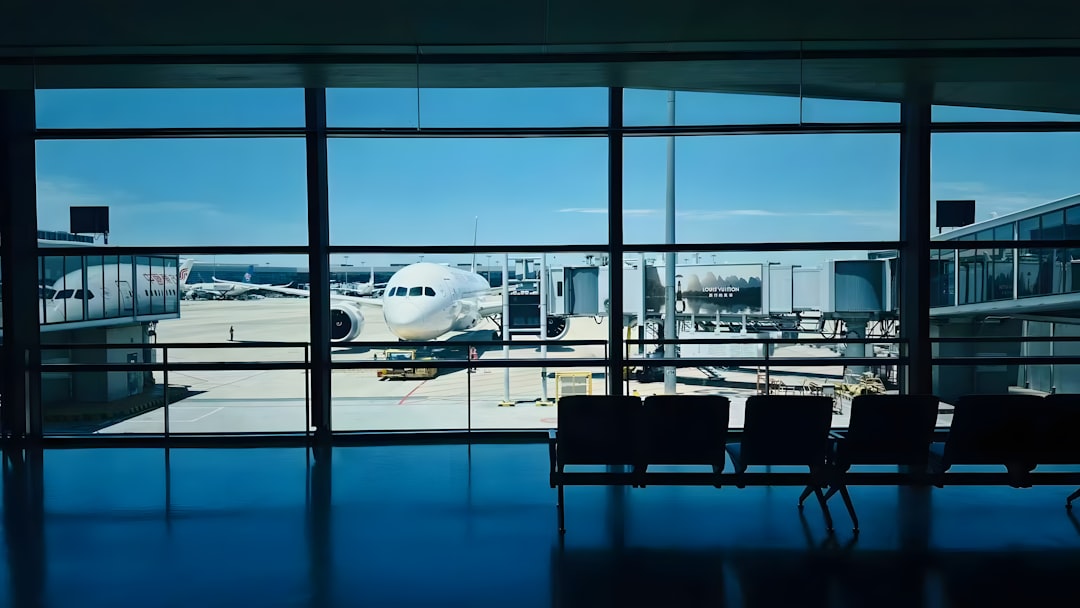
6. Move the moment the doors are about to close
The last few minutes before pushback are golden. Once the gate agent closes the flight and no more passengers are coming, the crew often lets people spread into open seats. I keep an eye on the cabin, and as soon as it is clear a nearby row is empty, I ask a flight attendant if I can move.
I always ask first rather than lunging across the aisle, both out of courtesy and because seats over the wings and in exit rows can affect weight balance on smaller planes. A quick question keeps everyone happy and usually gets a yes.
7. When space really matters, buy it
Sometimes I am flying overnight before a big day and I do not want to gamble. A few airlines let you buy the empty seat next to you for far less than a second full ticket. Air New Zealand, Emirates, Etihad, Qantas and a handful of others sell an adjacent seat or a stretch-out option, with prices that vary by route and how full the flight is. Southwest lets eligible travelers book an extra seat online and refunds it if the flight ends up with open space.
For most trips I would rather chance it and keep the cash. For a red-eye when I truly need to sleep, paying a modest fee for guaranteed room has been worth every dollar. This is the move for anyone who values certainty over savings.
Quick answers
Does picking a window or aisle really help?
A little. Some frequent flyers find the two sides of the cabin fill at different rates, so a less popular side can leave more gaps. It is a minor edge, not a sure thing, so I would not build a whole plan around it.
Can I just move to a better seat after takeoff?
Often, yes, once the doors close and the crew gives the nod. Ask a flight attendant rather than assuming, and avoid empty premium or exit-row seats unless you are told they are free to take.
Most of these cost nothing beyond a little attention and a friendly word. Pick the two or three that fit how you travel, keep an eye on that seat map, and the next time you settle in with the seat beside you empty, you will know you earned it. Safe travels, and tell me your own seat tricks the next time you write in.
Featured image: Photo by Suhyeon Choi on Unsplash