
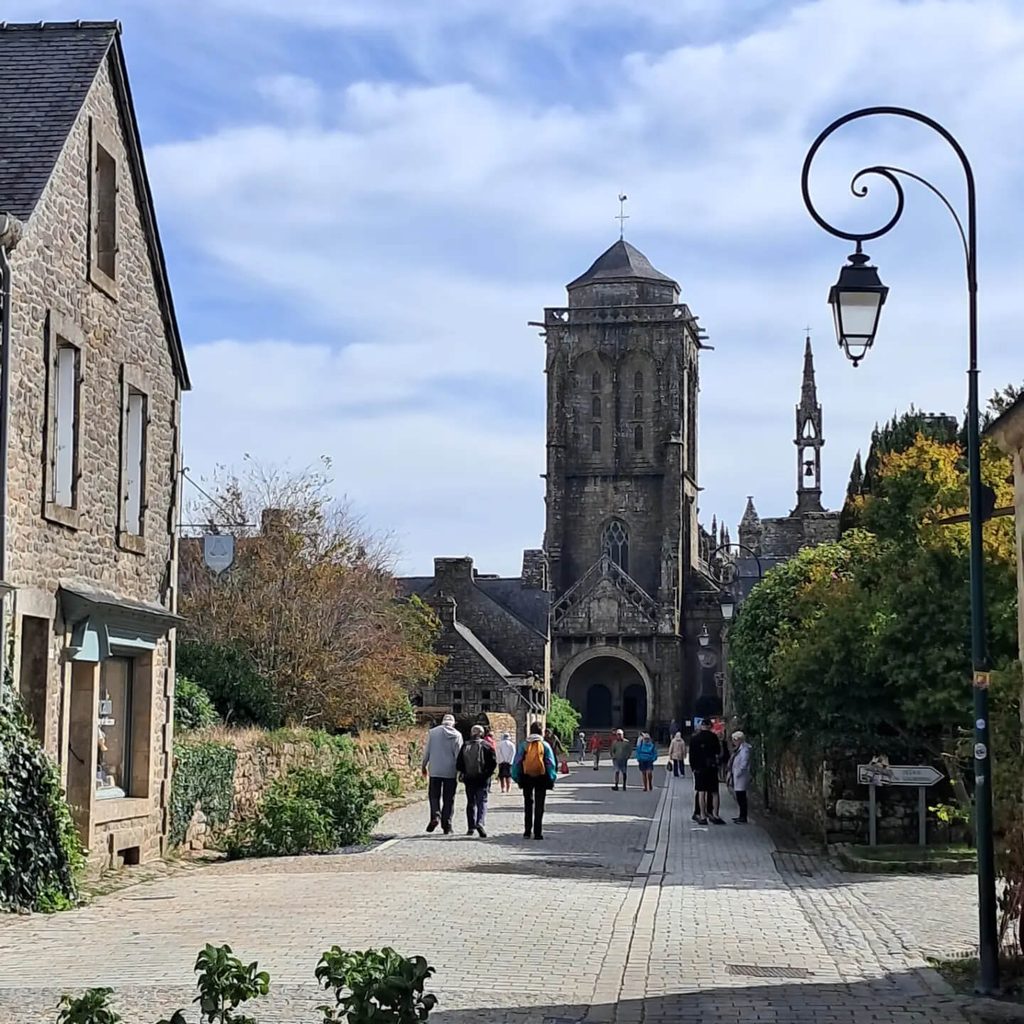
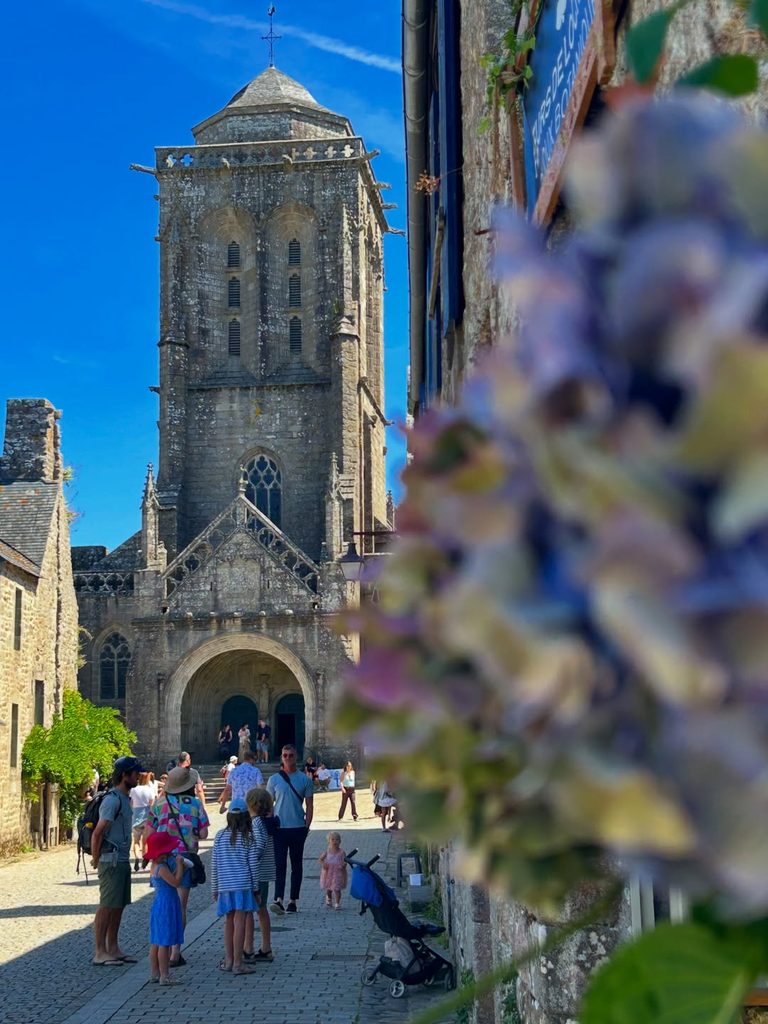
Locronan is the kind of French village where I’d be tempted to put my camera away for a while and simply walk. The historic centre is small, the streets are easy to explore on foot, and the old granite houses around Place de l’Église make it very easy to slow down and look around.
But there is more to Locronan than pretty stone buildings.
The village became wealthy through the production and trade of hemp cloth, particularly sailcloth, and you can still see traces of that history in the old houses and buildings around the centre. Locronan is also closely connected with Saint Ronan and the centuries old Troménie pilgrimage.

If you’re visiting, I’d give yourself at least a few hours rather than treating it as a quick photo stop. In this guide, I’ll share the best things to do in Locronan, along with where to eat, how long to stay, parking tips, walking routes and a few nearby places worth adding to your day.
Why Is Locronan Worth Visiting?
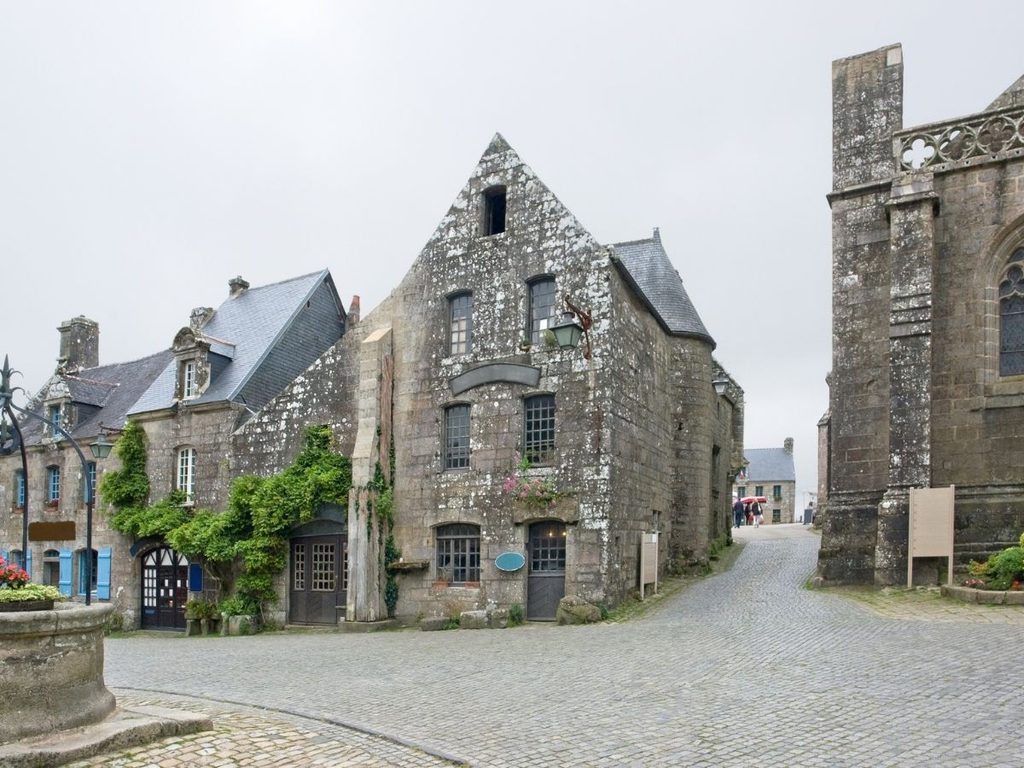
The first thing you’ll notice in Locronan is the granite architecture. Large stone houses line Place de l’Église and the streets around it, many built when the town was doing well from the cloth trade. Look closely and you’ll spot old doorways, dormer windows and other details that are easy to miss if you’re only passing through.
From the 15th century onwards, Locronan became known for producing hemp cloth, including sailcloth. The trade brought wealth to the village, which helped pay for many of the substantial houses around the church. You can also see traces of the old weaving industry around rue Moal, where the houses were more modest.
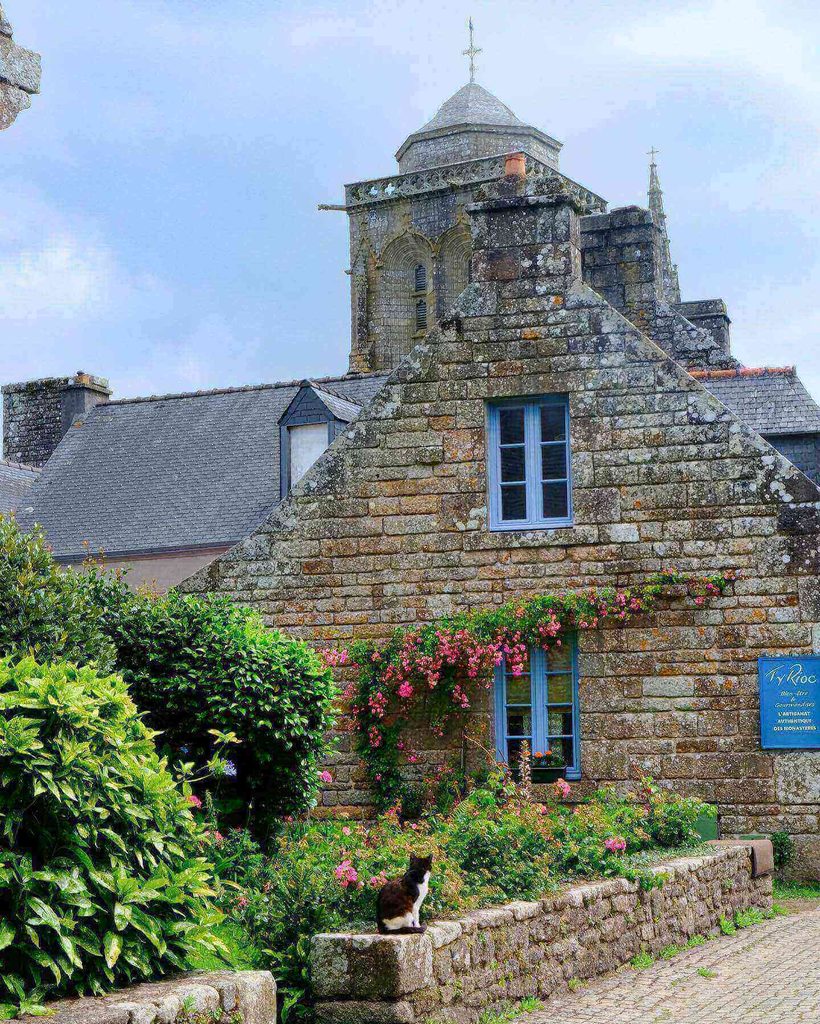
Saint Ronan is another important part of Locronan’s story. The church and Chapelle du Pénity are connected with him, while the Troménie pilgrimage follows an old route through the surrounding countryside.
For me, that’s what makes Locronan worth visiting. The village is easy to enjoy for its looks alone, but knowing a little about its history makes walking through the streets much more interesting.
Best Things to Do in Locronan
Start at Place de l’Église
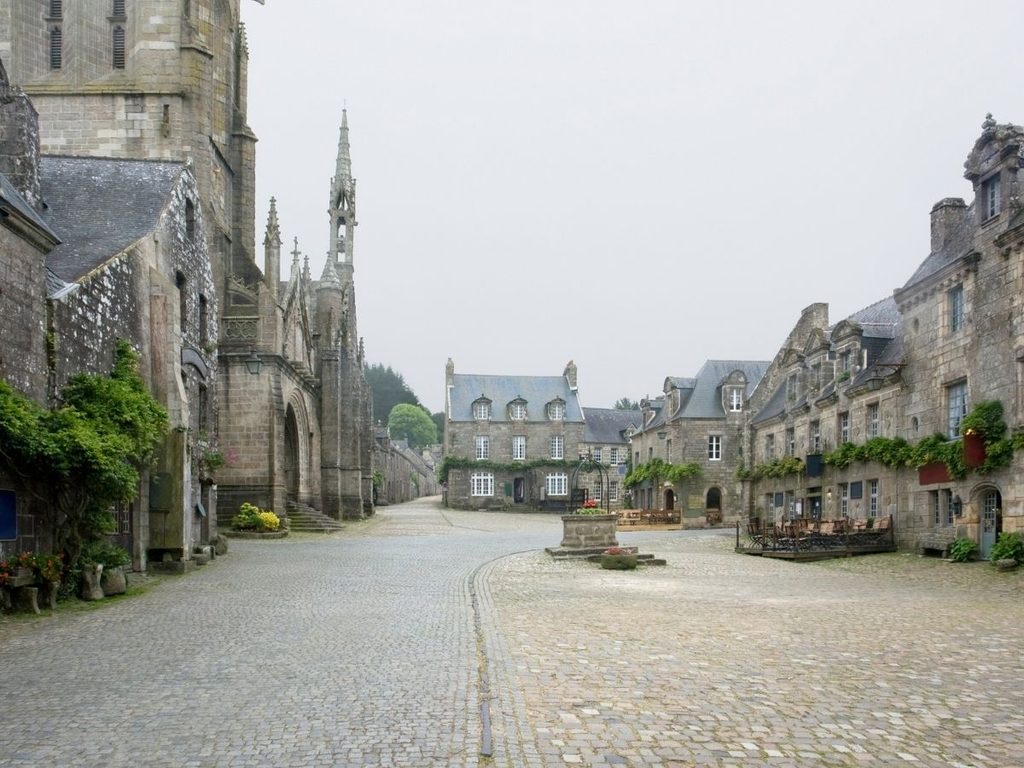
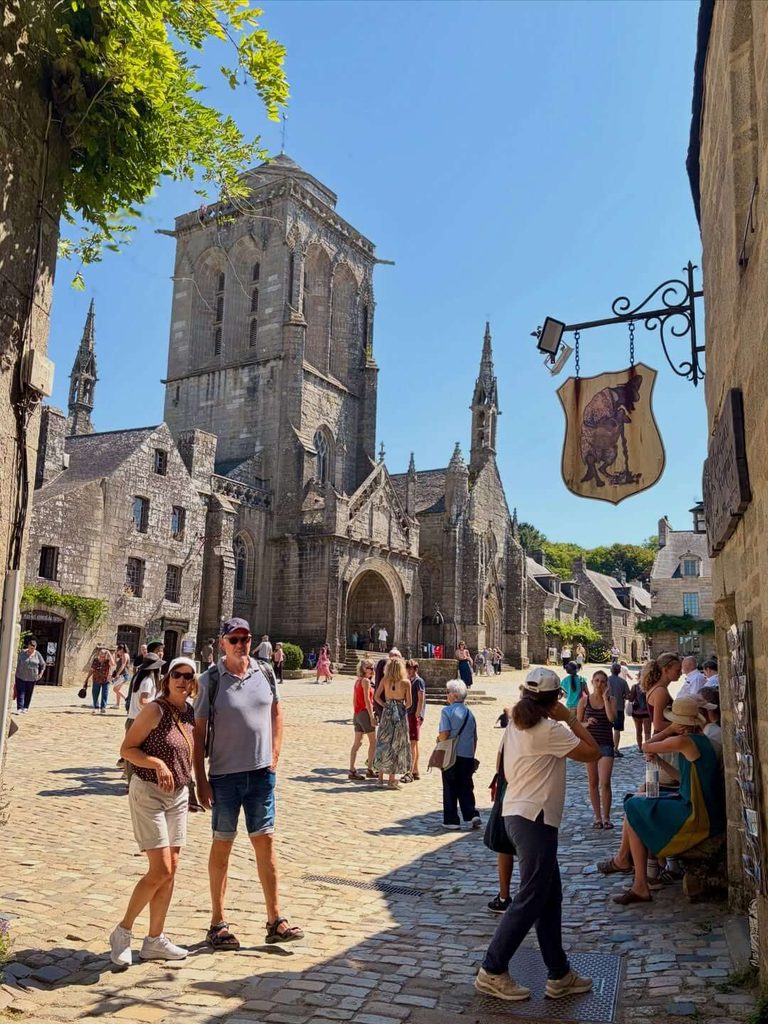
If I only had a few hours in Locronan, I would start at Place de l’Église. This is the centre of the historic village and the best place to get a feel for its old granite architecture.
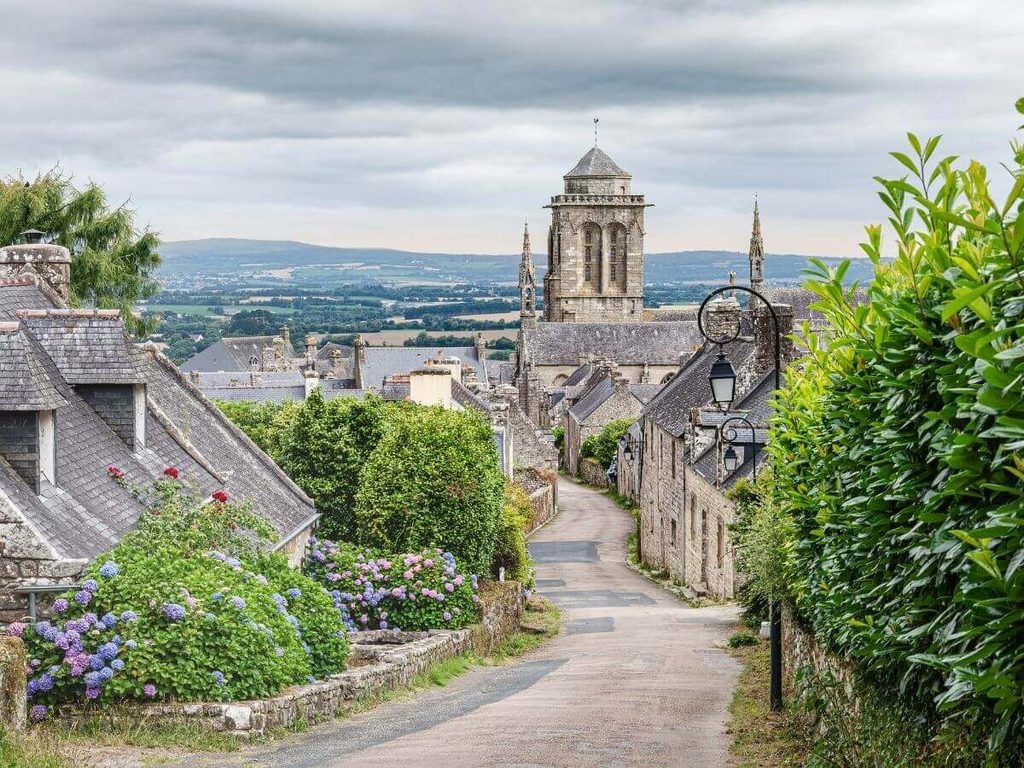
The square is surrounded by large stone houses, many built when Locronan was doing well from the cloth trade. Take a few minutes to look at the doorways, dormer windows and other details before heading into the church.
You’ll also find the old stone well here, along with buildings such as the Bureau des Toiles and the former Hôtel de la Compagnie des Indes. If you arrive early, the square is much quieter and easier to photograph.
Visit Église Saint Ronan
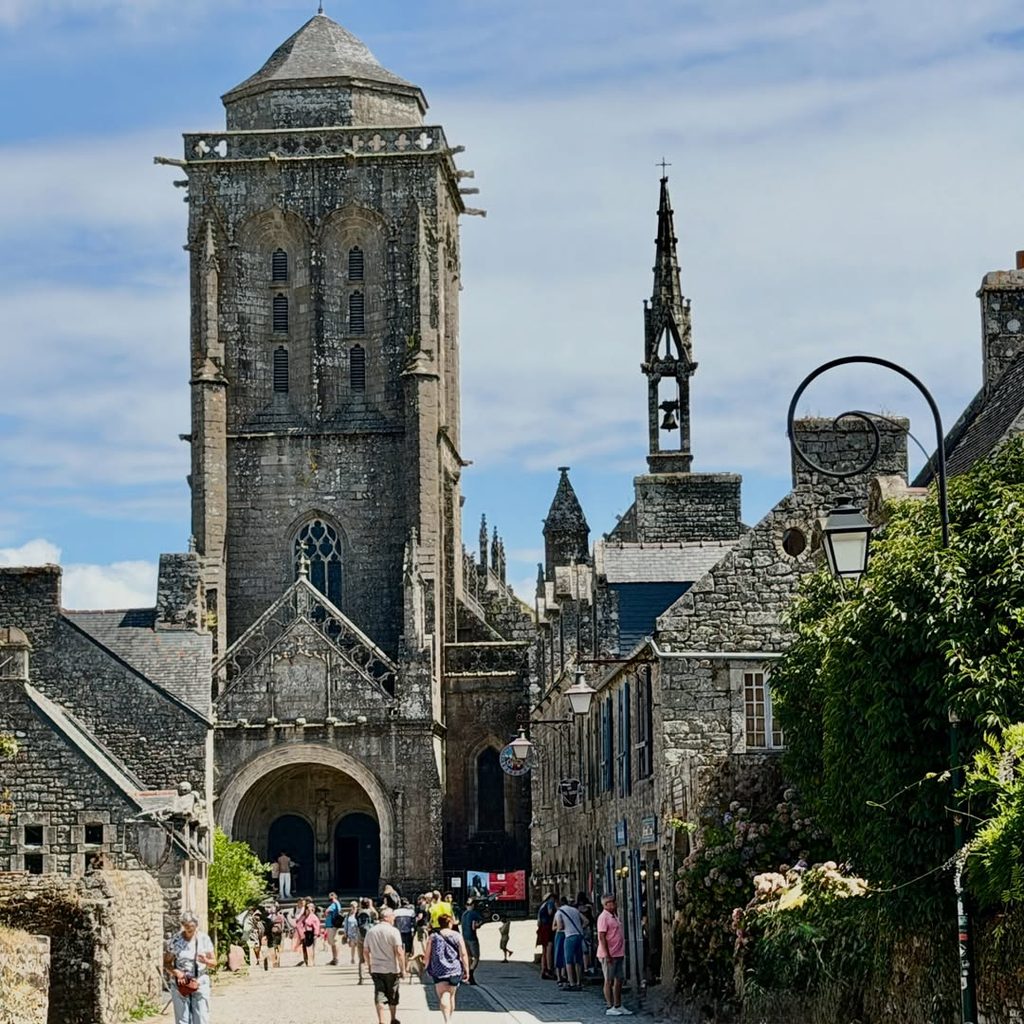
Église Saint Ronan is the main church in the village and well worth stepping inside. Dating from the 15th century, it is closely connected with Saint Ronan and the pilgrimage traditions that have shaped Locronan.

Inside, look for the carved pulpit, stained glass and other religious details. The adjoining Chapelle du Pénity contains the tomb associated with Saint Ronan and is easy to miss if you’re only looking around the main church.
Even if you’re not particularly interested in churches, I’d spend a few minutes here. The darker interior and carved details feel very different from the bright granite buildings outside.
Walk Behind the Church to the Cemetery
After visiting the church, take a short walk around the cemetery behind it. It’s quieter than the main square and gives you another view of Saint Ronan Church and the surrounding stone buildings.

You don’t need long here, perhaps 10 or 15 minutes, but I like this as a slower stop between the busier sights. It’s also a nice place to look at some of the older stonework without the crowds.
Find the Chapelle Notre Dame de Bonne Nouvelle
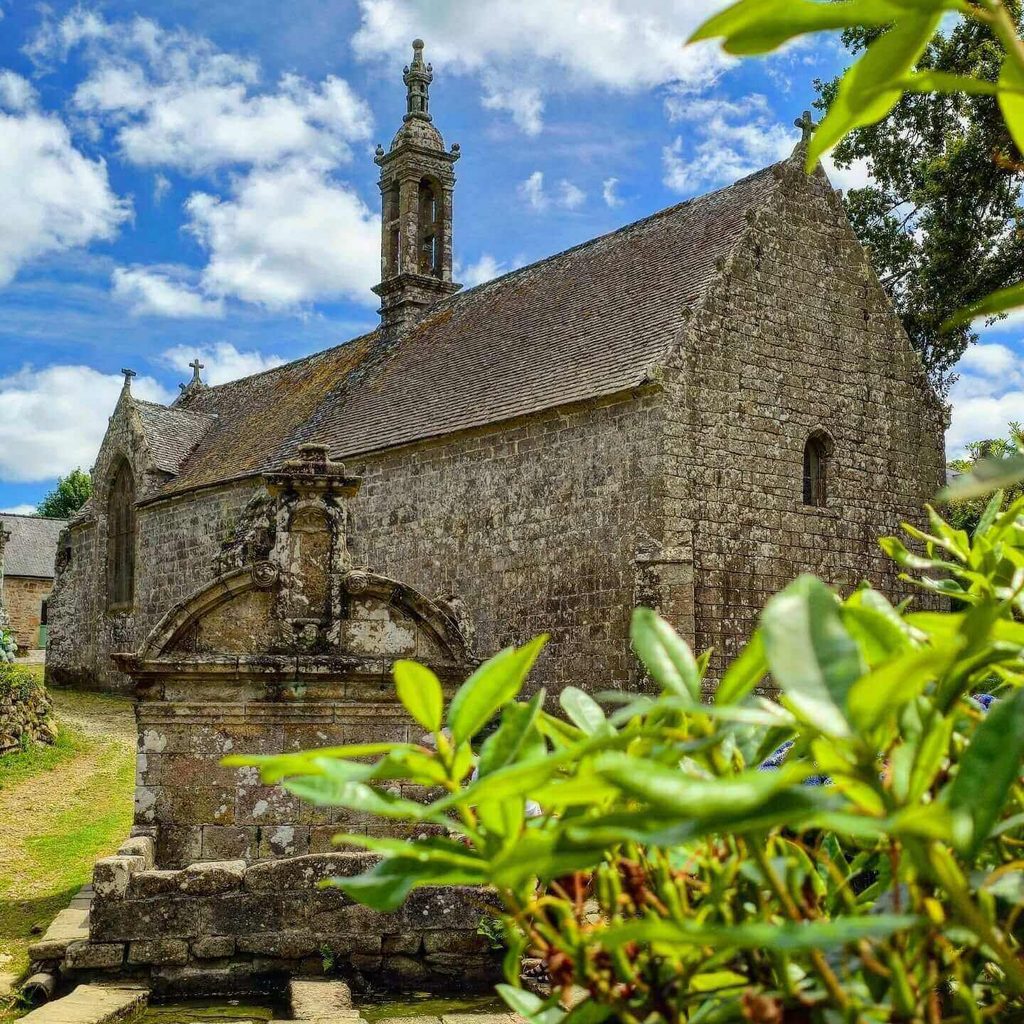
Walk away from the main square towards Chapelle Notre Dame de Bonne Nouvelle. The late 15th century chapel sits in a quieter part of Locronan, near the Saint Eutrope fountain and old washhouse.

The chapel is worth seeing for its stained glass, including work by artist Alfred Manessier, although opening hours can vary.
I also enjoy the walk here because you get to see more of Locronan beyond the famous central square. If you have a few hours, this is an easy detour to add.
Walk Through the Old Weavers’ Quarter
The area around rue Moal gives you a better idea of Locronan’s past as a weaving town. The houses here were more modest than the large merchants’ homes around Place de l’Église, and that contrast is interesting to see.
From the 15th century, Locronan became known for producing hemp cloth, including sailcloth. The trade brought money into the town and helped create much of the architecture you see around the historic centre today.
I think this is one of the more interesting walks in Locronan because the history is right there in the streets. Once you know what you’re looking at, the old houses feel much more meaningful than they do at first glance.
Look for the Bureau des Toiles
When you’re back on Place de l’Église, take a closer look at the Bureau des Toiles. It’s easy to walk past because the building blends in so well with the other granite houses around the square.
Dating from 1669, the building was used to check the quality of the cloth made in Locronan. An officer of the king inspected the fabric before it could be sold and marked it with the words “visité à Locronan.”

I find that detail makes the building much more interesting. Locronan’s old houses can sometimes start to look similar when you’re walking around, but knowing what actually happened inside them gives you a reason to stop and look.
The Bureau des Toiles is also a useful reminder that Locronan was once a busy commercial town. The wealth you see in the large houses around the square came from real businesses, particularly the production and sale of cloth.
Visit the Charles Daniélou Art Museum
If you enjoy small local museums, the Charles Daniélou Art Museum is worth adding to your walk around Locronan.
The collection focuses on Breton art, so it gives you a different perspective after you’ve spent time looking at the village’s architecture and religious buildings. I like museums like this because they don’t require half a day. You can go in, have a look around and then continue exploring the village.
It’s also a useful option when the weather isn’t cooperating. A rainy afternoon in Brittany can arrive without much warning, and having somewhere indoors to spend 30 minutes or an hour is handy.
I’d check the opening times before visiting, especially outside the main summer season. Smaller museums can have more limited schedules than the main attractions.
Browse the Shops and Artisan Workshops
Don’t leave Locronan without having a look inside some of the small shops and artisan workshops.
You’ll find Breton crafts, artwork, books, textiles and local food products, along with the usual selection of souvenirs. I tend to look for things that actually have some connection with the place I’m visiting rather than buying something simply because it has the town’s name on it.
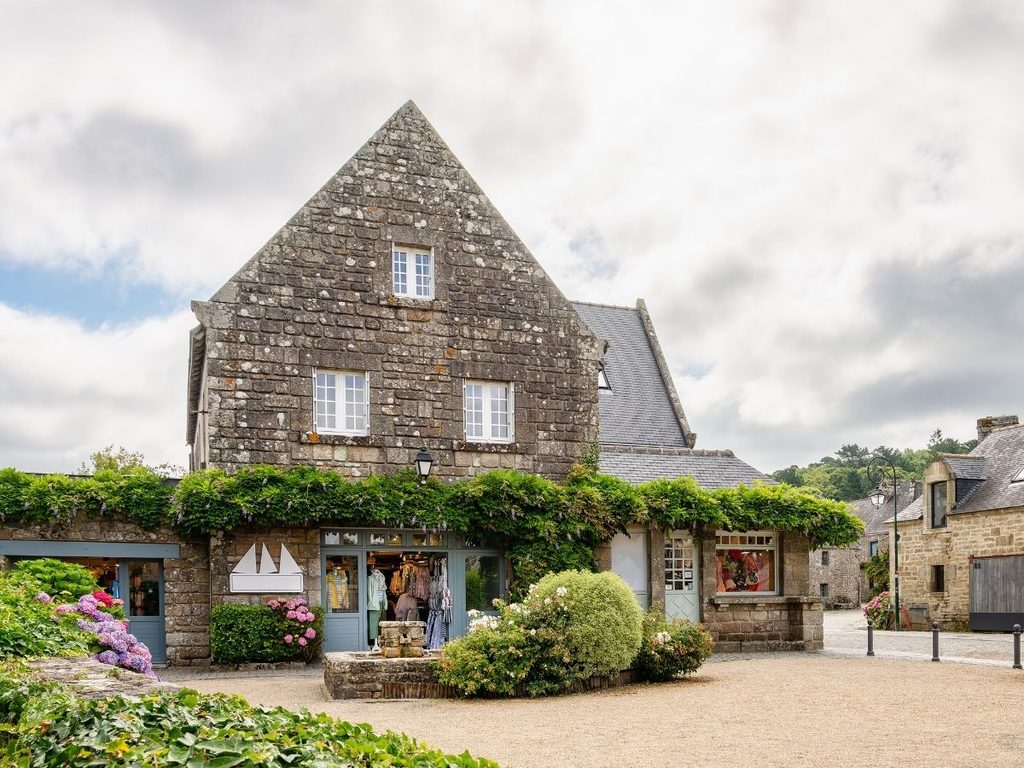
Textiles are particularly appropriate here because of Locronan’s weaving history. The local tourism material also highlights Ti Bihan, where you can learn more about traditional weaving and see the craft being practised.
You don’t need a shopping list for Locronan. Take a slow walk through the centre and pop into the places that catch your attention. Even if you don’t buy anything, it’s a nice way to spend some time between the historic sights.
Walk Up to Plas ar Horn for the View
If you have some extra time and the weather is clear, head up towards Plas ar Horn.
At around 289 metres above sea level, it gives you a much wider view than you’ll get from the village itself. On a clear day, you can look towards the Bay of Douarnenez, the Porzay plain, Menez Hom and the Crozon Peninsula.
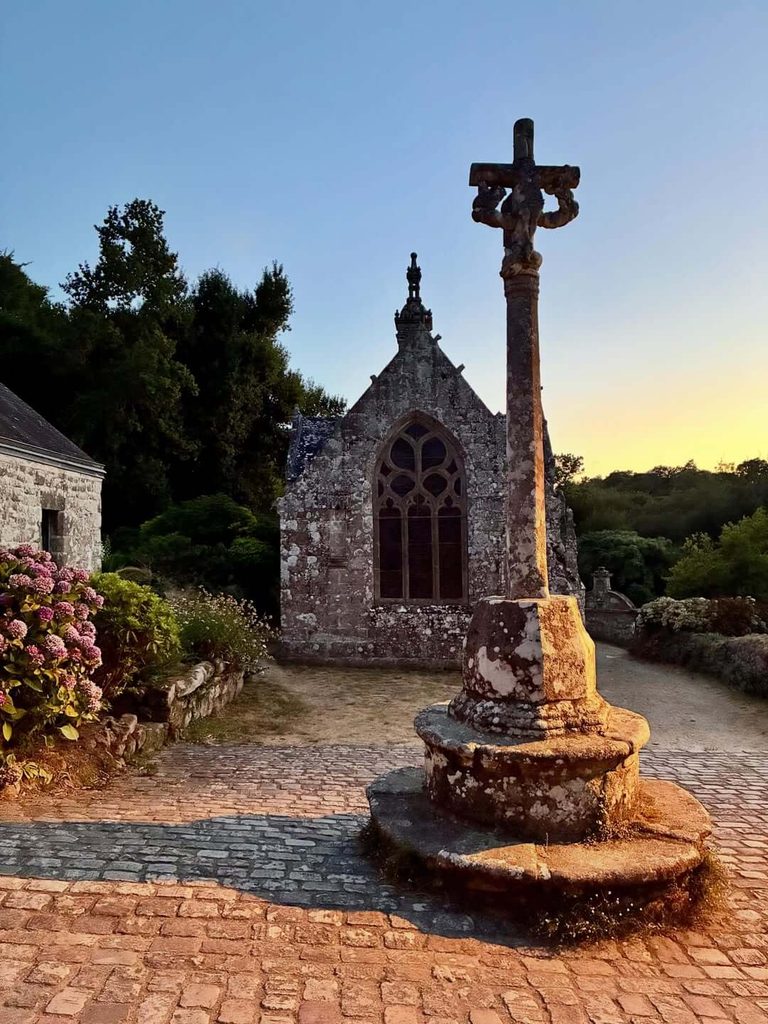
This is the stop I’d save for good weather. There isn’t much point walking up for a view if the clouds have settled over the hills.
It also gives you a nice change of scenery after spending most of your visit among granite buildings and narrow streets. You don’t have to turn it into a serious hike either. If you’re feeling tired, just enjoy a shorter walk and head back towards the village.
Walk in Bois du Névet
For anyone staying longer in the area, Bois du Névet is another good option.
The forest covers around 225 hectares and has several walking routes, ranging from short walks of roughly 15 minutes to routes that can take around two hours. The northern part is generally flatter, while the southern section is hillier.
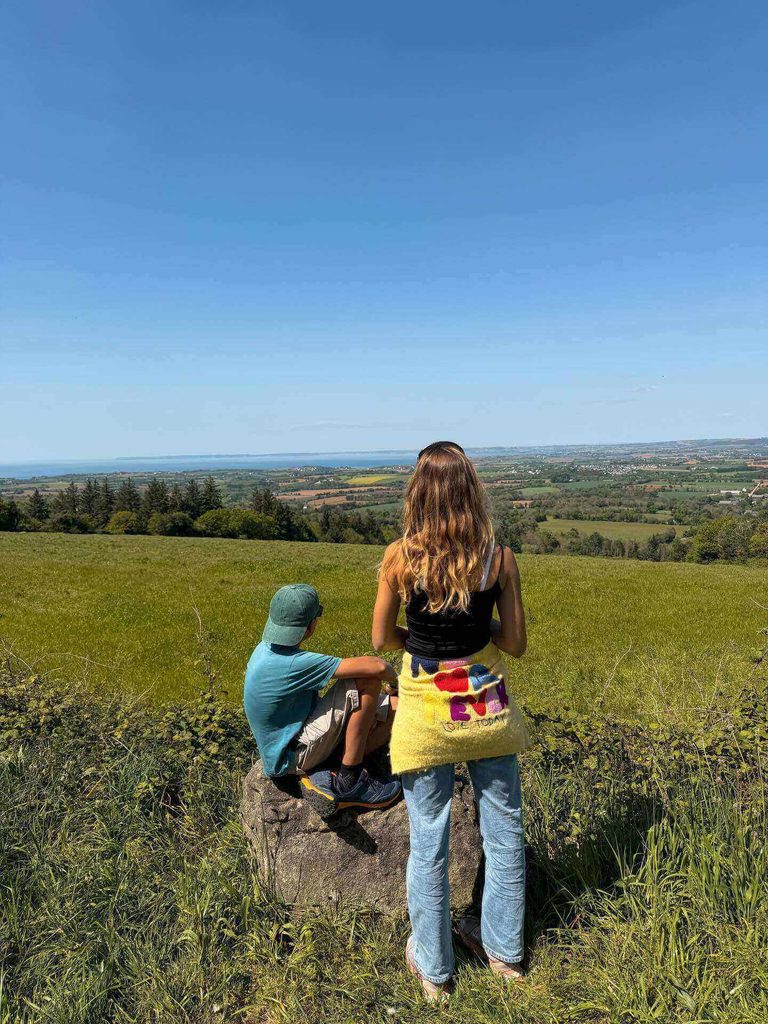
The forest also has a long association with local stories and is described by the Locronan tourism office as an old sacred druidic forest. It was also once connected with the Barons of Névet.
You don’t need to spend half a day hiking here. Even a short walk can be worthwhile if you’ve already spent the morning sightseeing. It’s also a nice option if you’re travelling with children and everyone needs a break from churches and historic buildings.
I’d check the weather and choose a route that matches how much time and energy you have. Locronan itself is easy to explore, but the surrounding countryside gives you another reason to stay a little longer.
Discover the Grande Troménie
The Grande Troménie is one of the traditions that gives Locronan much of its character. It is a pilgrimage associated with Saint Ronan and follows an old route through the countryside around the village.
The full route is a little over 12 kilometres and includes 12 stations marked by granite crosses. Along the way, you’ll also come across small shelters known as cabanes, which are used for statues of saints during the pilgrimage.
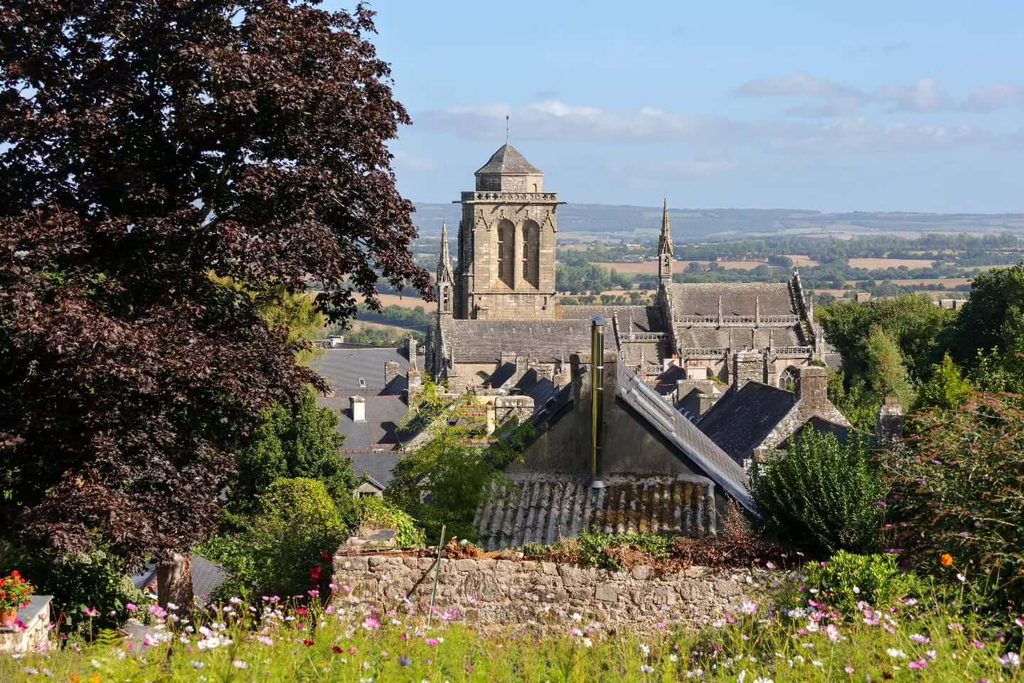
It’s quite a different experience from simply walking around the historic centre because it takes you out into the countryside and shows you another side of Locronan.
The Grande Troménie is held only once every six years, so it’s very much a special event visit rather than something you can expect to see whenever you happen to be in Brittany. The most recent one took place in July 2025.
If you’re thinking about planning a trip around the pilgrimage, check the official Locronan tourism calendar for the next date rather than relying on older travel articles.
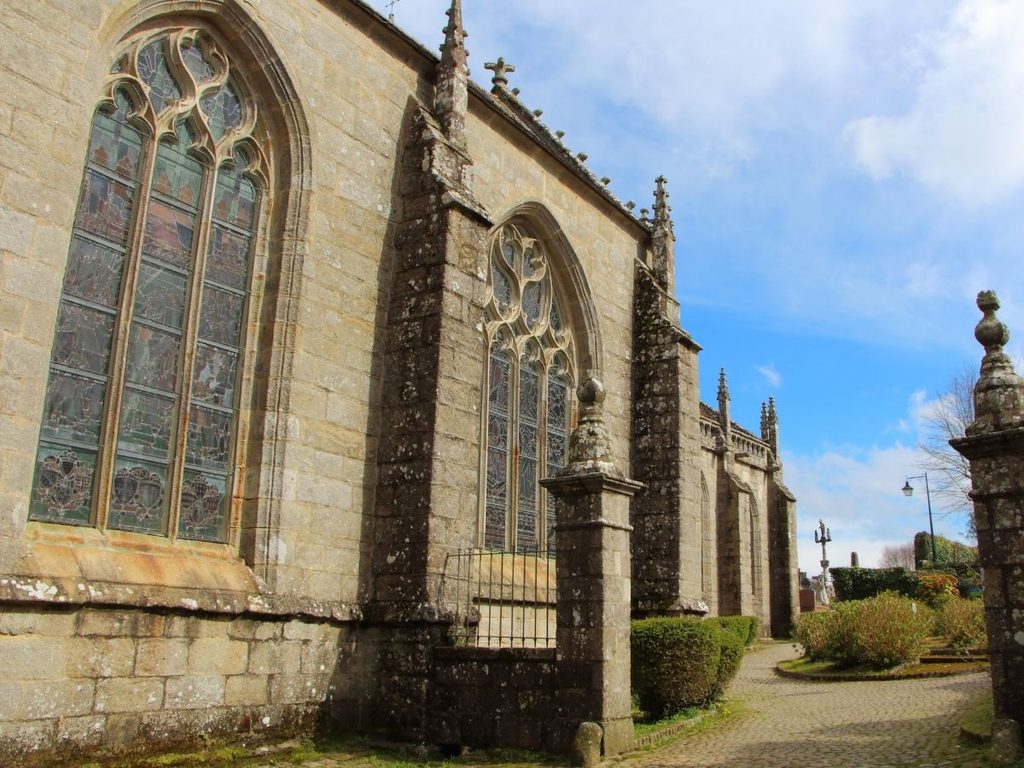
You don’t have to take part in the pilgrimage to understand why it matters. Once you’ve visited Saint Ronan Church and seen the Chapelle du Pénity, walking around Locronan with the story of Saint Ronan in mind makes the village’s religious history easier to understand.
There is also the Petite Troménie, a shorter pilgrimage held during the years between the larger events. If you’re visiting outside a Grande Troménie year, it’s worth checking whether the smaller event falls during your trip.
Other Local Events and Traditions
Locronan has a small events calendar that changes throughout the year, so I’d check what’s happening before you visit. Markets, religious celebrations and seasonal events can add something extra to a trip, particularly if you’ve already seen the main sights.
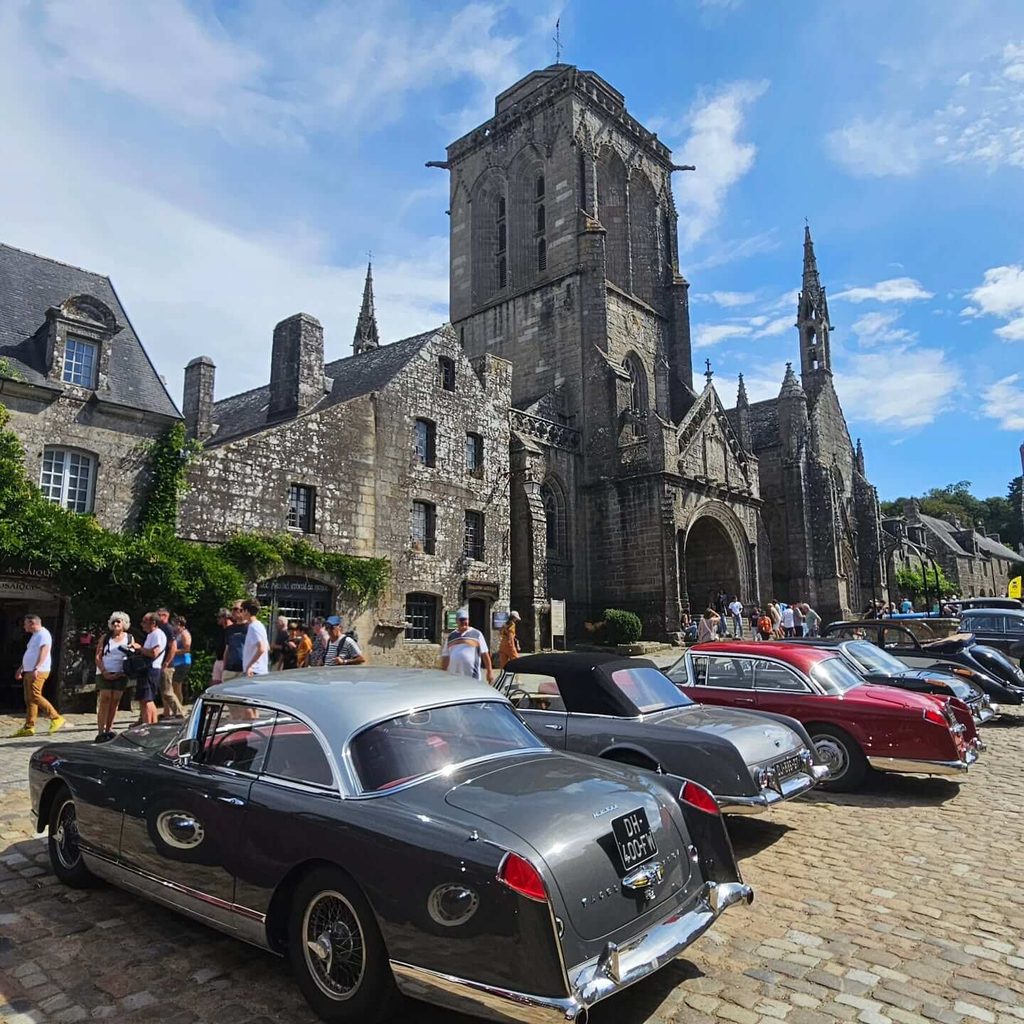
Summer is usually the liveliest time. You’ll find more people around the village, cafés and shops are generally busier, and there can be more going on. If you prefer quieter streets, visiting outside the main summer season can be much more pleasant, although you’ll need to accept that some businesses and attractions may have shorter opening hours.
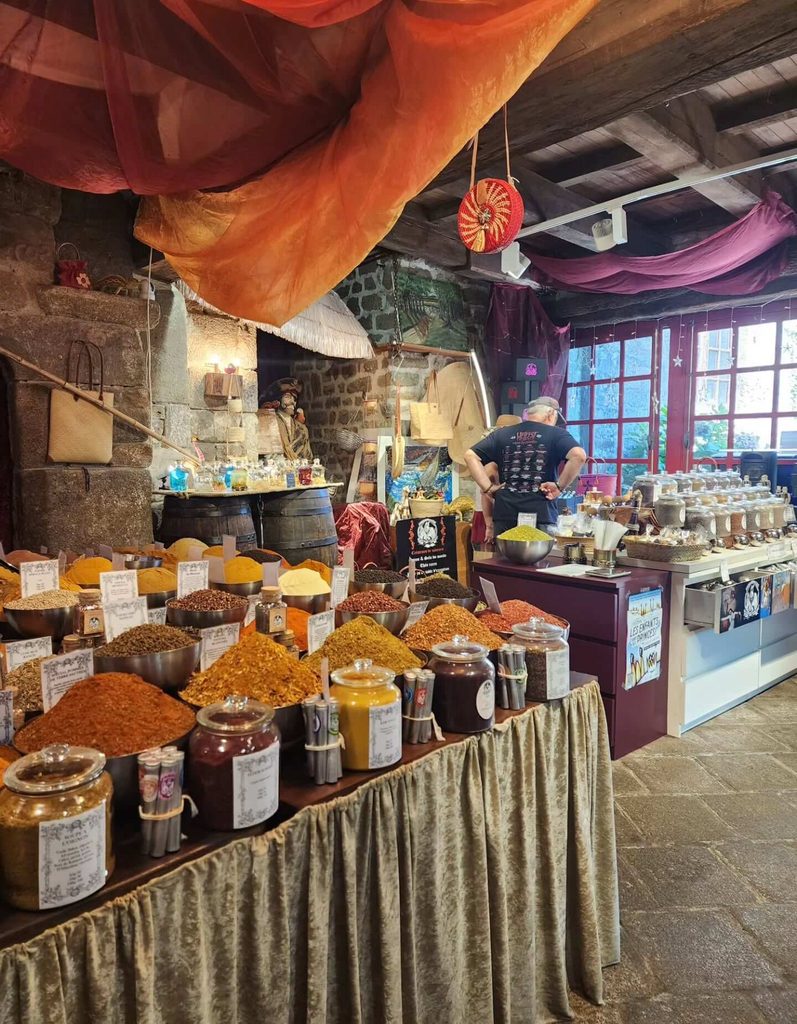
I also wouldn’t be surprised if you find a local market or small event happening when you weren’t expecting one. That’s one of the nice things about visiting a small Breton village. If something catches your attention, leave a little space in your itinerary for it rather than trying to rush off to the next sight.
Before your trip, check the official Locronan tourism website for current event dates and opening information. This is especially useful if you’re travelling outside July and August, when schedules can change quite a bit.
What to Eat in Locronan
You don’t need to build a complicated food itinerary around Locronan. It’s a small village, so I’d keep things simple and use your visit as a chance to try a few Breton favourites rather than spending half the day looking for specific restaurants.
Galettes are probably the easiest place to start. These savoury pancakes are made with buckwheat flour and are a classic Breton lunch. You’ll usually find combinations with egg, cheese and ham, along with versions containing vegetables, sausage or other local ingredients.
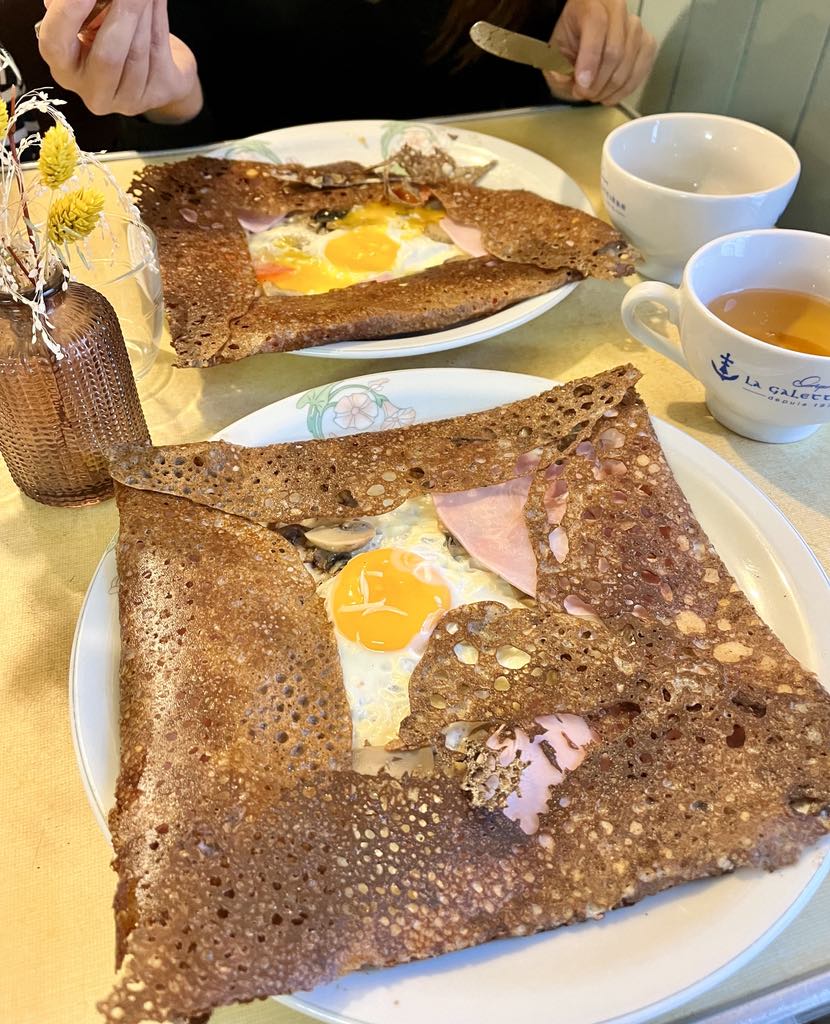
I tend to prefer ordering a galette when I’m hungry enough for a proper meal, as they are much more filling than they look.
Then there are crêpes, which are thinner and usually sweet. Sugar and butter, caramel, chocolate or fruit are common choices. Even if you’ve already had lunch, it’s hard to walk past a crêperie in Brittany without considering one.
I’d also order Breton cider if you enjoy it. Cider is a natural match for a buckwheat galette, and you’ll often see it served in traditional cups rather than a large glass. It makes a simple lunch feel a little more connected to the local food culture.
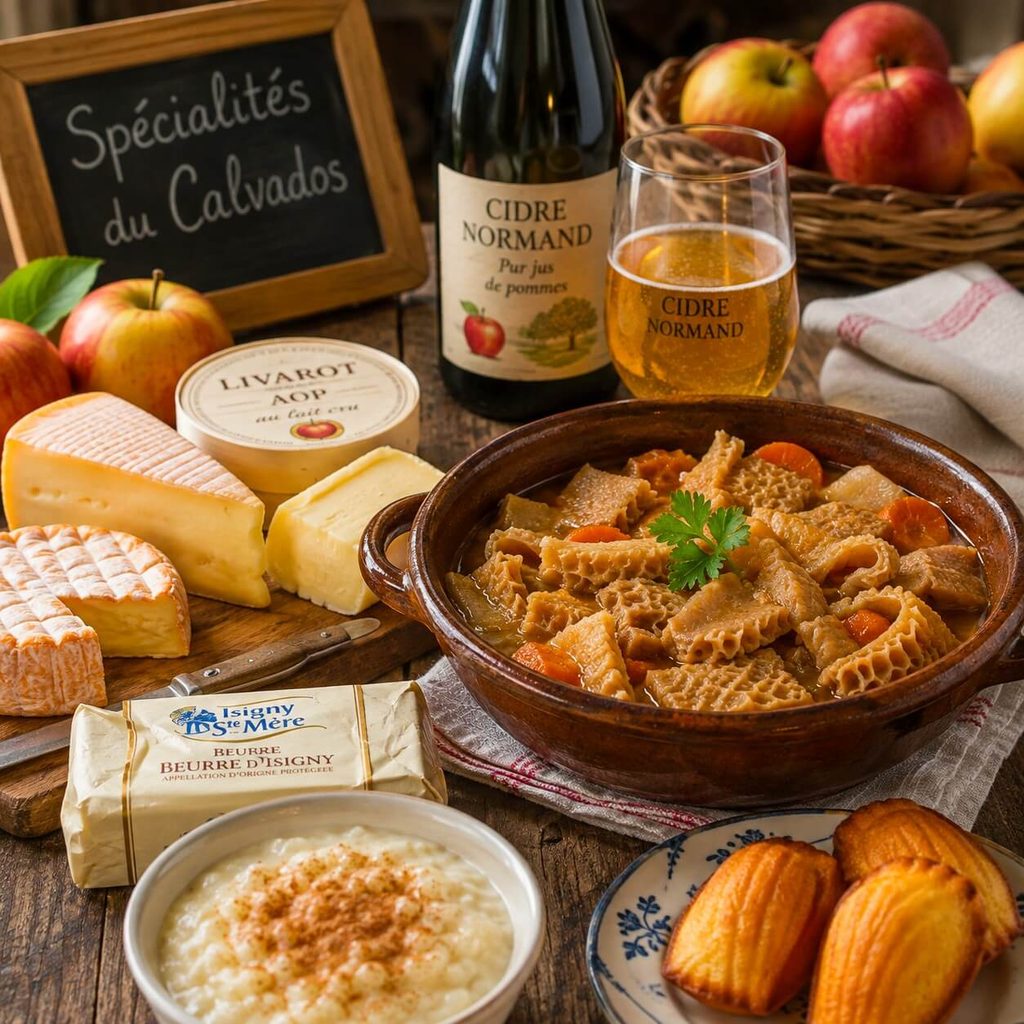
If you’re visiting during a busy summer day, don’t leave lunch too late. The village gets considerably busier around the middle of the day, and popular cafés and crêperies can fill up. For a quieter meal, I’d either eat a little earlier or stay into the afternoon when the main sightseeing rush starts to thin out.
For something to take home, look for Breton biscuits, salted butter treats and other regional products. They travel well and make more sense as a souvenir than picking up something generic from a tourist shop. If you have room in your bag, a few local food products are an easy way to stretch the Locronan experience beyond the day itself.
Best Time to Visit Locronan
There isn’t one perfect month for visiting Locronan. The best time really depends on whether you’d rather have warmer weather and more places open, or a quieter village where you can take your time.
Because the historic centre is compact and much of the experience comes from walking around outside, weather makes more of a difference here than it might in a city.
A rainy afternoon can change your plans quite quickly, especially if you’re hoping to walk out towards Plas ar Horn or explore some of the countryside.
Spring
Spring can be a really pleasant time to visit if you want to avoid the main summer crowds. Temperatures are usually more comfortable for walking, and the countryside around Locronan starts to feel much more inviting.
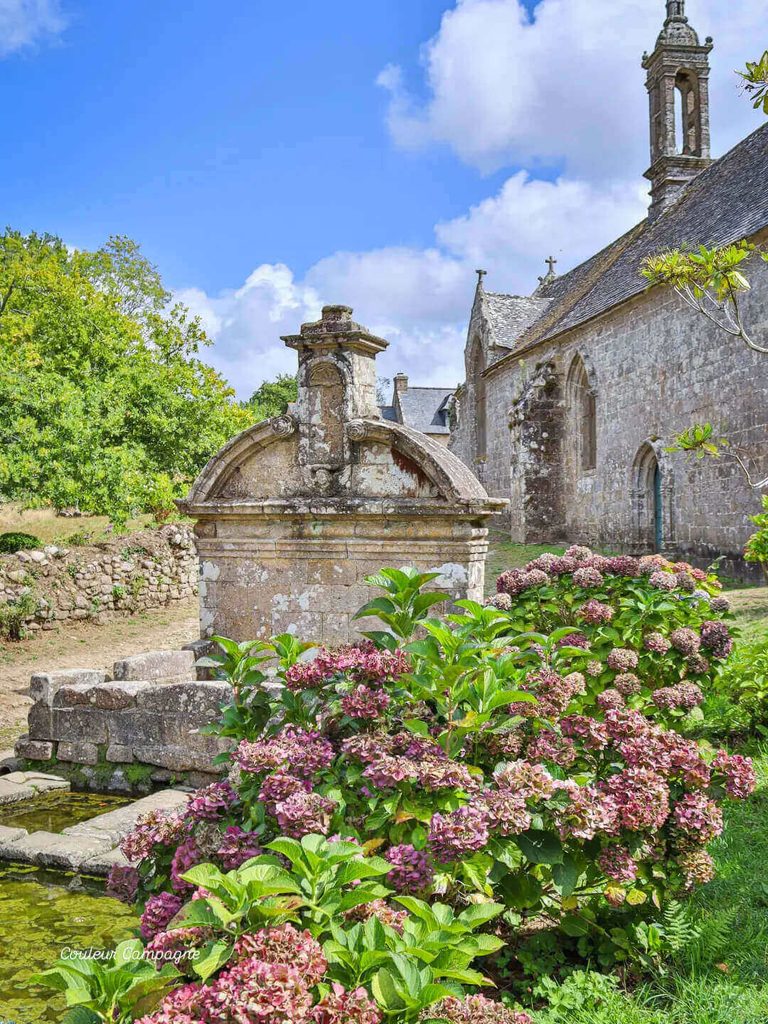
The trade off is the weather. Brittany can still be wet and changeable in spring, so I’d bring a proper rain jacket rather than relying on a small umbrella. It’s also worth checking opening days for cafés, shops and attractions before you arrive, as the seasonal schedule can be more limited than in July and August.
If you’re mainly interested in the village itself, though, spring gives you plenty of time to wander the old streets without feeling rushed.
Summer
July and August are the busiest months, and you’ll notice the difference. More cafés, shops and visitor services are operating, but there are also many more people arriving for day trips.
I’d try to get to Locronan in the morning if you’re visiting during summer. The village is much easier to enjoy before the main crowds arrive, and the early light works particularly well on the old granite buildings around Place de l’Eglise.

Parking is also easier earlier in the day. Once you’ve seen the main square and church, you can take your time with the quieter streets, have lunch and then decide whether you want to continue into the surrounding countryside.
Summer is also a good time if you want to combine Locronan with other places around the Bay of Douarnenez, since you’ll have longer daylight hours. Just don’t try to squeeze too many stops into one day. Locronan is small enough that rushing through it defeats the point.
Autumn
September and early autumn are probably the best compromise for many travelers. The biggest summer crowds have usually eased, while you still have a reasonable chance of finding cafés, shops and attractions open.

The temperatures can also be more comfortable for walking than during a hot summer afternoon. If you’re planning to visit Plas ar Horn or spend time in the Bois du Névet, this can be a particularly nice period to do it.
I’d still check the weather forecast before setting out, as rain can arrive quickly. A flexible day works better than planning every hour in advance.
Winter
Winter is a very different experience. Locronan becomes much quieter, and you won’t have the same range of open businesses or visitor services that you’d find in summer.
That doesn’t mean you shouldn’t go. If what you want is a peaceful walk around the historic centre and a chance to see the village without the usual day tripper crowds, winter has its appeal. The granite buildings and narrow streets can feel quite different when the village is quiet.
The main thing I’d do is check opening times before travelling. Some attractions, shops and restaurants have seasonal schedules, and you don’t want to arrive expecting to spend the afternoon visiting places that aren’t open.
For me, late spring, September and early autumn are the easiest periods to recommend if you want a balance between decent weather, open businesses and fewer visitors. Summer works well too, especially if you arrive early, while winter is better suited to travellers who don’t mind a quieter and more limited visit.
How Long Do You Need in Locronan?
For most first time visitors, I’d allow around three hours in Locronan. That sounds like a lot for such a small village, but you don’t want to spend the whole visit walking quickly from one attraction to another.
Three hours gives you enough time to park, walk into the historic centre, spend some time around Place de l’Église and visit Saint Ronan Church and the Pénity Chapel. You can then wander through the older streets, see the weavers’ quarter and walk over to Notre Dame de Bonne Nouvelle Chapel.
I’d also leave some time for a coffee, a galette or a quick look around the local shops. These little pauses are part of the experience, and I wouldn’t plan the visit so tightly that you have to skip them.
If you want to visit the Charles Daniélou Art Museum, browse the shops properly and sit down for lunch, I’d turn it into a half day visit. This is probably the option I’d recommend if you’re already travelling through the area and don’t need to rush on to another destination.
A full day is only really necessary if you want to include some of the countryside around Locronan. You could add the walk to Plas ar Horn, which has views towards the Bay of Douarnenez and surrounding countryside, or spend some time walking in the Bois du Névet.
There isn’t much benefit in trying to stay busy just for the sake of it. Locronan is small, and that’s part of what makes it enjoyable. Give yourself enough time to look at the buildings, wander down a street because it looks interesting and stop for something to eat without constantly checking the time.
Practical Tips for Visiting Locronan
A little planning makes a visit to Locronan much easier, particularly in summer. The historic centre is small, but parking, opening hours and transport can make a difference to how relaxed your day feels.
Parking
You can’t simply drive into the middle of the historic village and expect to park beside the church. Most visitors leave their cars outside the historic center and walk in.
The official tourism office lists paid visitor parking at €5 for the day, with parking areas to the south on rue du Prieuré and to the north at the parking des Bruyères. There is also a designated PMR parking area near the northern entrance.
If you’re visiting in July or August, I’d arrive earlier rather than later, especially at weekends. You’ll have an easier time finding a space and can start exploring before the village gets busy.
Wear comfortable shoes
Locronan is easy to explore on foot, but the historic streets have cobbled and uneven surfaces. A comfortable pair of walking shoes will make a noticeable difference.
You don’t need hiking boots just to walk around the village. If you’re adding Plas ar Horn or a longer walk in the Bois du Névet, though, I’d wear something with better grip and support.
Check opening hours
I’d check opening times before visiting if there’s a particular museum, shop, restaurant or religious building you want to see. Smaller places can have different schedules depending on the season, and some are more limited outside the main summer months.
This is especially useful if you’re visiting in winter or on a quieter weekday. You don’t want to plan your whole afternoon around somewhere that’s closed when you arrive.
Consider a guided tour
If you’re interested in Locronan’s history, a guided walk can add quite a bit to the visit. The village looks beautiful on its own, but knowing why the old houses are there and how the sailcloth industry shaped Locronan gives the streets more meaning.
The tourism office currently lists guided visits of around 1.5 hours, covering subjects such as the sailcloth industry, Saint Ronan Church and the Troménie. For 2026, group tours start at €150 for up to 25 people from Monday to Saturday, with different prices on Sundays and for additional languages.
If you’re travelling alone or as a couple, I’d check whether a public scheduled tour is running during your visit rather than booking a private group tour.
Where to Stay Near Locronan
You can stay in Locronan itself, but I wouldn’t feel that you have to. The village is small enough that you can visit comfortably as a day trip, and where you stay really depends on what else you want to see in western Brittany.
Stay in Locronan
Staying in Locronan would be my choice if you like quieter evenings and want to see the village before most visitors arrive. Once the day trippers leave, the streets feel much calmer, and you can have dinner locally before taking an evening walk.
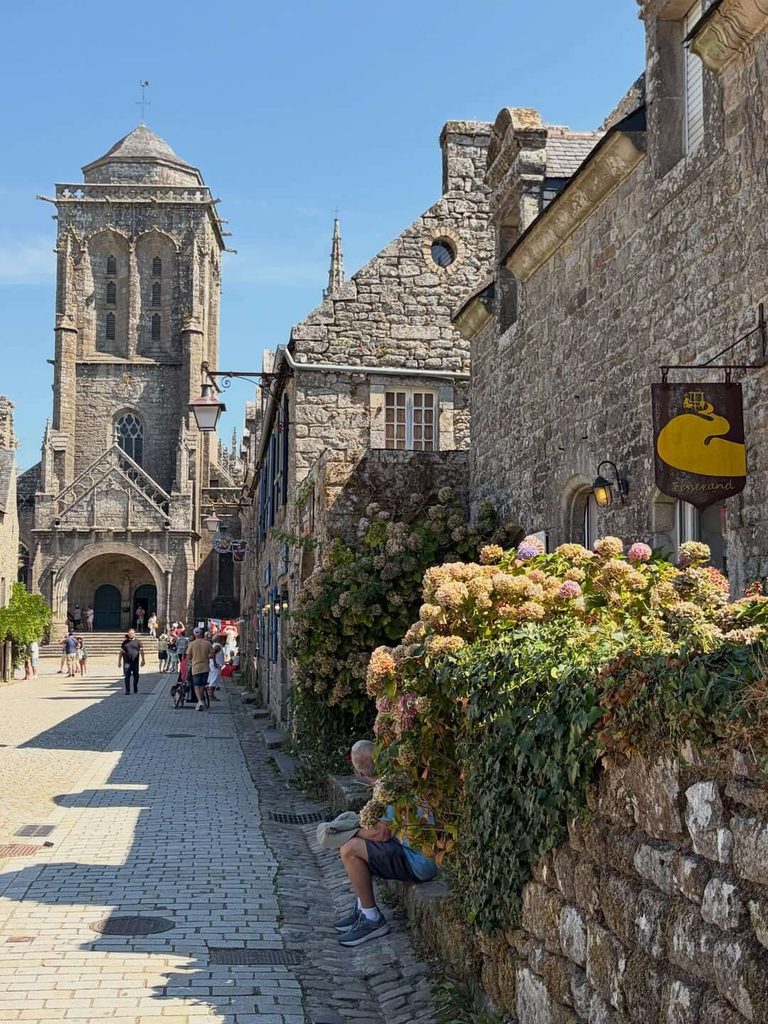
The downside is simply that there aren’t as many accommodation choices as you’ll find in nearby towns. I’d book ahead if you’re travelling during the summer.
Stay in Douarnenez
Douarnenez is a good option if you want to combine Locronan with the coast. You can spend part of the day exploring Locronan and then head back towards the sea for an evening by the harbour or along the coast.
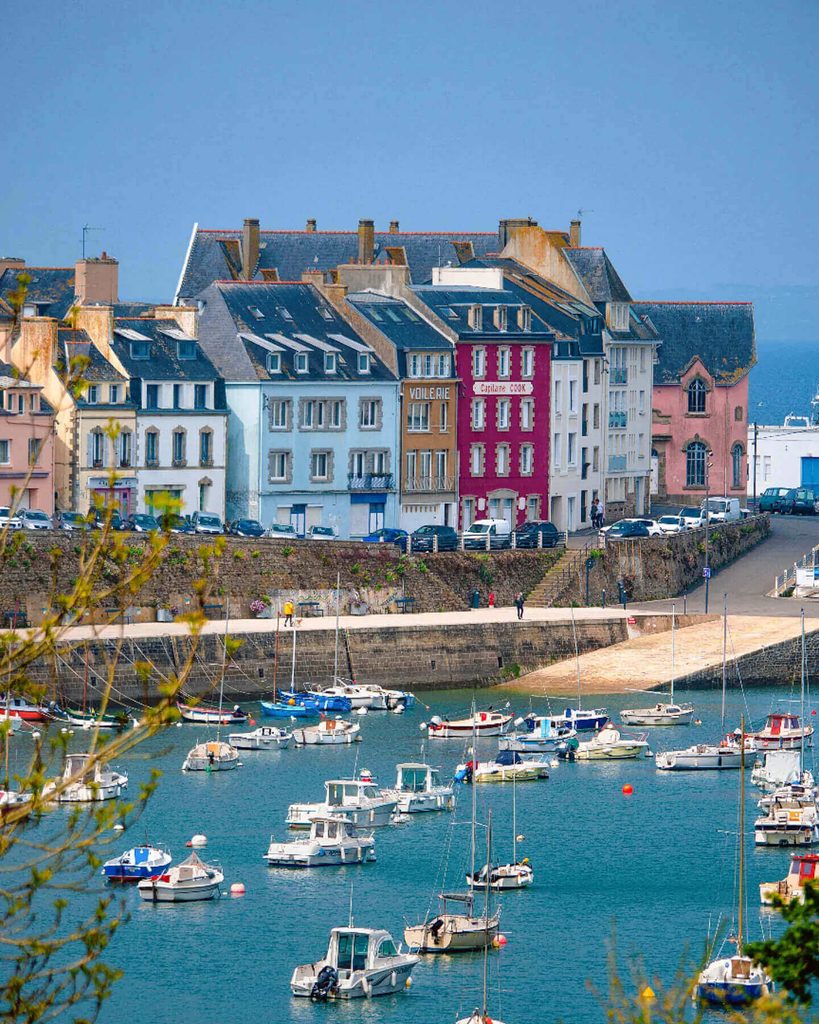
You’ll also find a wider choice of restaurants and places to stay than in the village itself. For a trip focused on both inland Brittany and the coast, I think this is a particularly convenient base.
Stay in Quimper
Quimper is probably the most practical choice if Locronan is only one stop on a wider Finistère trip. There’s more accommodation, more places to eat and better transport connections, including the railway station.
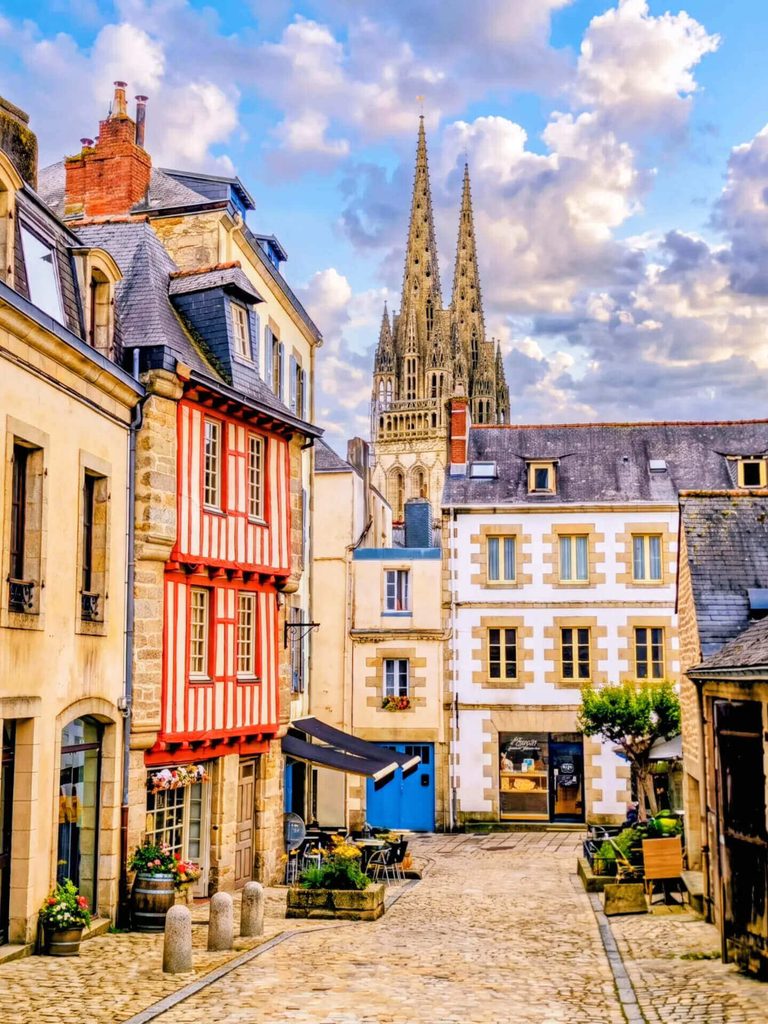
It’s also easy to combine a visit to Locronan with a day exploring Quimper itself. If you’re travelling without a car, Quimper can make more sense than staying in a smaller village.
One Day Locronan Itinerary
If I had a full day in Locronan, I wouldn’t try to pack it with attractions. The village is small enough that you can see the main sights in the morning and then use the afternoon for the museum, shops and a walk outside the centre.
Morning
I’d aim to arrive around 9:00 and park before the village gets busy. From there, walk straight towards Place de l’Église and spend a little time looking at the granite buildings around the square. This is also a good time for photos, before the main day trippers arrive.

Around 9:45, head into Saint Ronan Church and then the Pénity Chapel. Give yourself enough time to look at the interior rather than simply walking in and out. Afterward, take a short walk through the cemetery before continuing towards Notre Dame de Bonne Nouvelle Chapel.
By around 11:15, I’d wander through the old weavers’ quarter. This is one of those parts of Locronan where you don’t really need a set list of things to see. Take a slower walk through the streets and look at the older houses and buildings connected with the village’s textile history.
Lunch
Around 12:30, stop for a galette and cider. I’d give yourself at least an hour for lunch rather than trying to fit another sight in between courses.
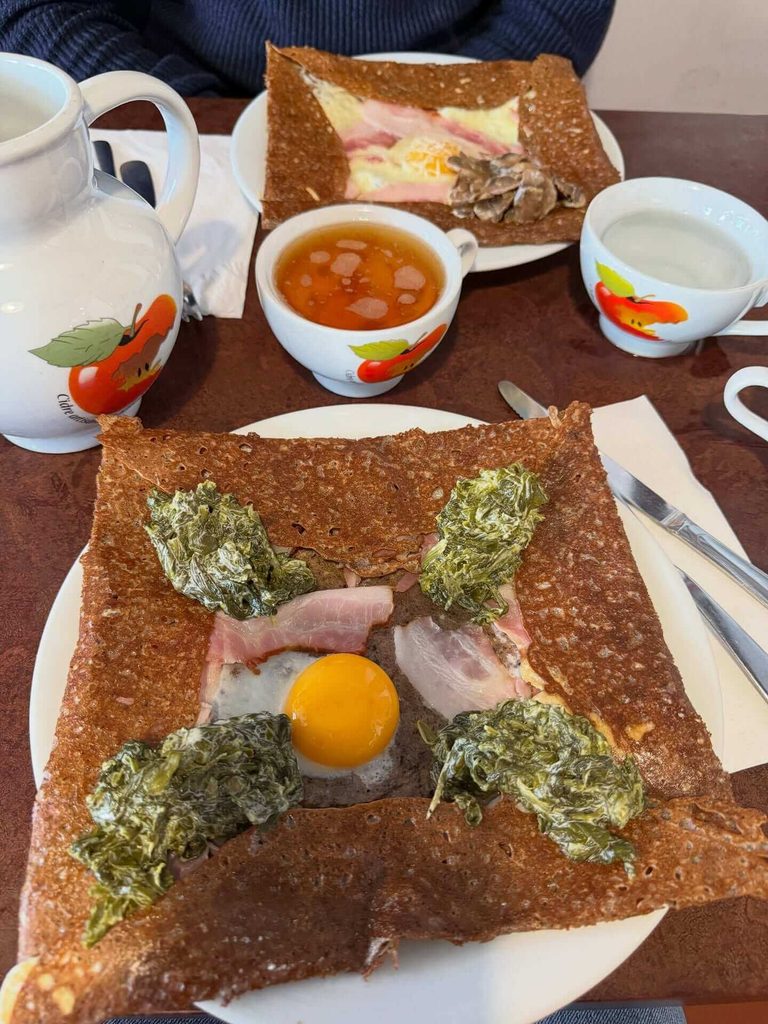
If you’re visiting in July or August, this is also a good reason not to leave lunch too late. The village can get quite busy around midday, so arriving a little earlier may make it easier to find a table.
Afternoon
After lunch, spend some time browsing the shops and artisan workshops. Locronan has a number of places selling Breton crafts, textiles, artwork, books and local food products, so this is a good part of the day to pick up something to take home.
Around 2:30, visit the Charles Daniélou Art Museum if it’s open and you’re interested in Breton art. If museums aren’t really your thing, I’d skip it and simply spend longer walking around the village.
By 3:30, if the weather is clear, head towards Plas ar Horn. The walk gives you a break from the historic centre and the viewpoint offers views across the surrounding countryside towards the Bay of Douarnenez.
I’d aim to be back in Locronan around 5:00. You can stop for coffee, have an early dinner or simply take one last walk around the square before leaving.
If the weather turns wet or windy, don’t feel that you have to force the viewpoint into the itinerary. I’d stay in the village, spend longer inside the church and museum, browse the shops and take lunch slowly instead. That can make for a much nicer day than trying to follow the plan regardless of the weather.
Is Locronan Worth Visiting?
Yes, especially if you’re already travelling through western Brittany and have a few hours to spare.
I wouldn’t come to Locronan expecting a long list of major attractions. That’s not really what makes the village interesting. The historic centre is compact, the old granite buildings are remarkably well preserved, and once you know a little about the town’s history, the streets become much more interesting to walk around.

If you only have two or three hours, I’d stick to the main sights. Start at Place de l’Église, visit Saint Ronan Church and the cemetery, then walk over to Notre Dame de Bonne Nouvelle and through the old weavers’ quarter. That gives you a good introduction without rushing.
With a full day, I’d slow things down. Have a proper Breton lunch, spend some time in the shops and museum, and add either Plas ar Horn or a walk in the Bois du Névet. You don’t need to fill every hour, though. Some of my favourite parts of a small village like this are simply walking around without another attraction on the schedule.
That’s when I think Locronan makes the most sense. Instead of treating it as a quick photo stop on a Brittany road trip, give yourself enough time to notice the buildings, understand the history and enjoy the village at a slower pace.
Final Thoughts
Locronan is small enough that you don’t need a complicated plan, but knowing a little of its history before you arrive makes the visit more rewarding.
The granite buildings around Place de l’Église will probably catch your attention first. Once you learn that Locronan became wealthy through hemp cloth and sailcloth production, the larger merchant houses, the Bureau des Toiles and the old weavers’ quarter start to make much more sense. You’re no longer just looking at pretty old buildings.

I’d also make an effort to walk beyond the main square. Notre Dame de Bonne Nouvelle, the Saint Eutrope fountain and the quieter streets give you a better feel for Locronan away from the busiest part of the village.
And leave room for the simple things. Stop for a galette and cider, browse a few local shops and, if the weather is clear, walk towards Plas ar Horn for the views. You don’t need to do all of this for a worthwhile visit, but these slower moments are what can turn a short stop into a really enjoyable half day.
If you’re planning a wider trip through Brittany, I’d pair Locronan with Douarnenez, Quimper or the Crozon Peninsula. That gives you a nice mix of historic villages, coastal scenery and city sights without expecting Locronan to fill an entire itinerary on its own.