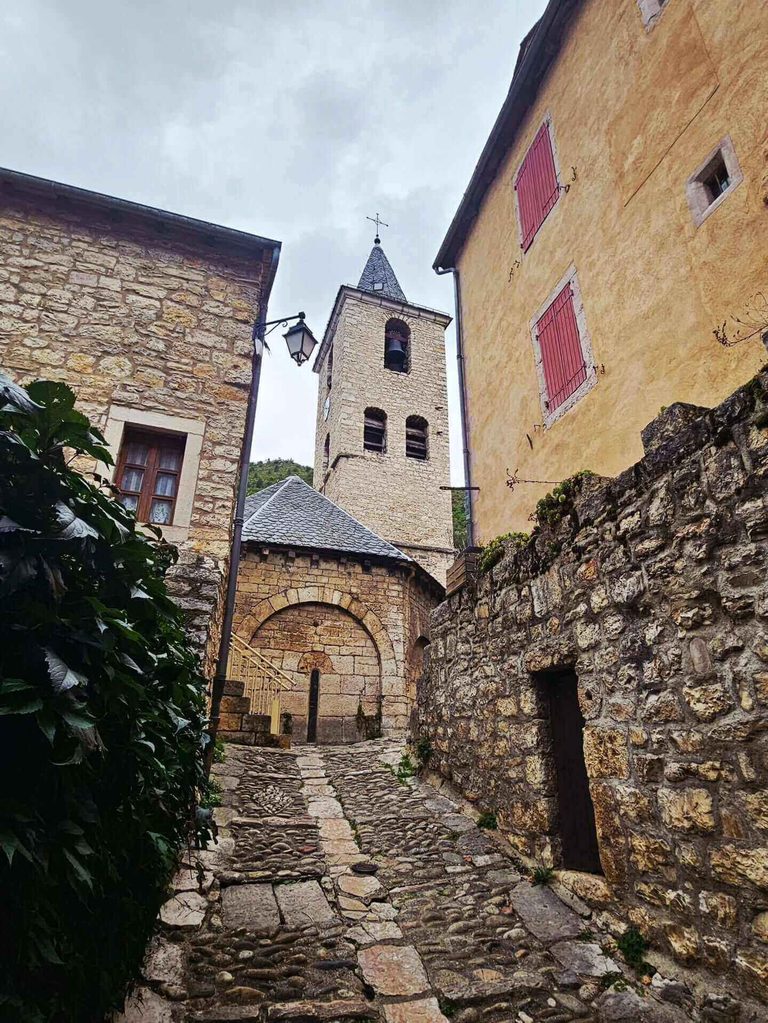

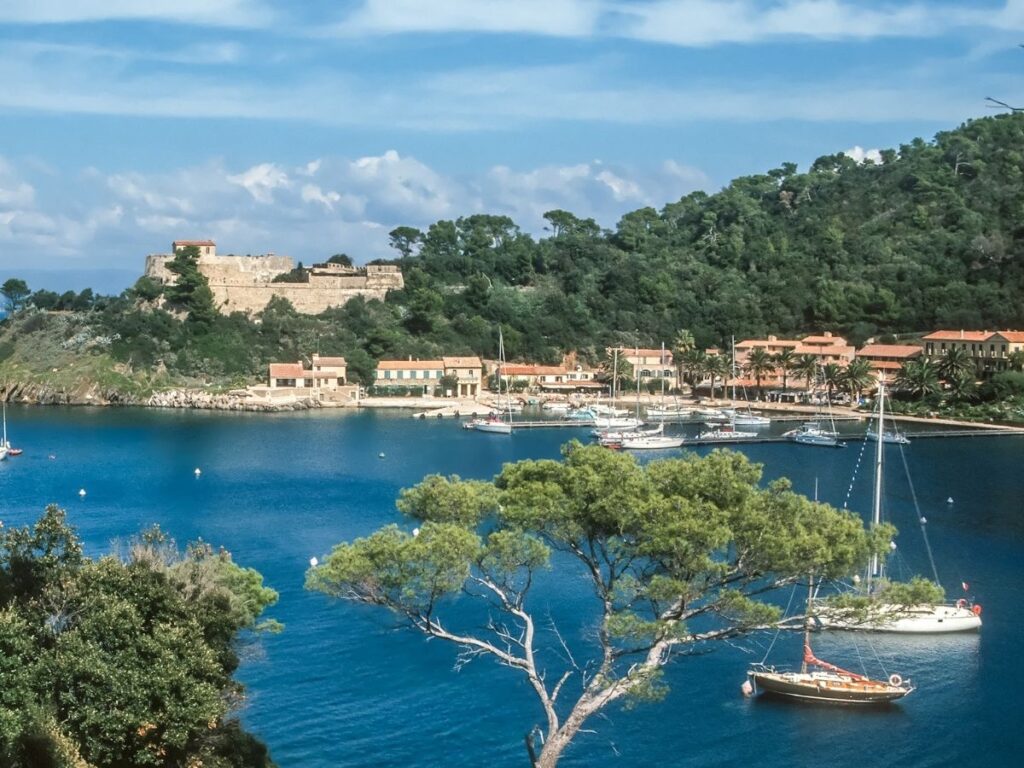
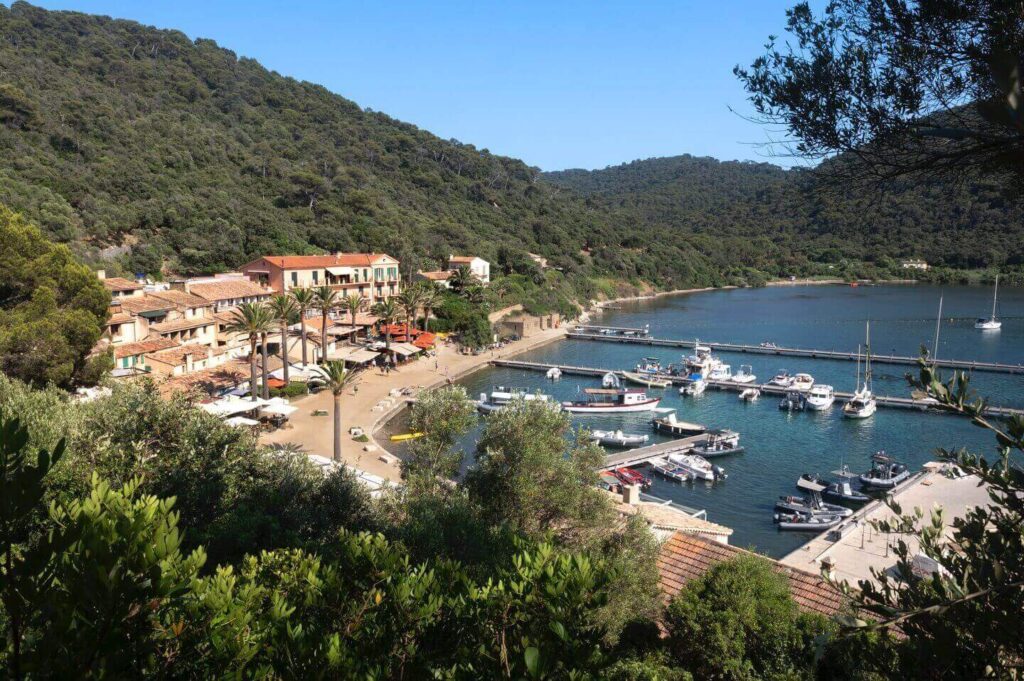
Port Cros was one of those places where I quickly realized I needed to slow down and rethink my plans. You arrive by boat at a small harbor, and once you start walking, the usual signs of a busy tourist destination seem to disappear.
There are no cars or bikes, just narrow trails through pine trees and Mediterranean vegetation, old forts, rocky coastline and plenty of sea views.
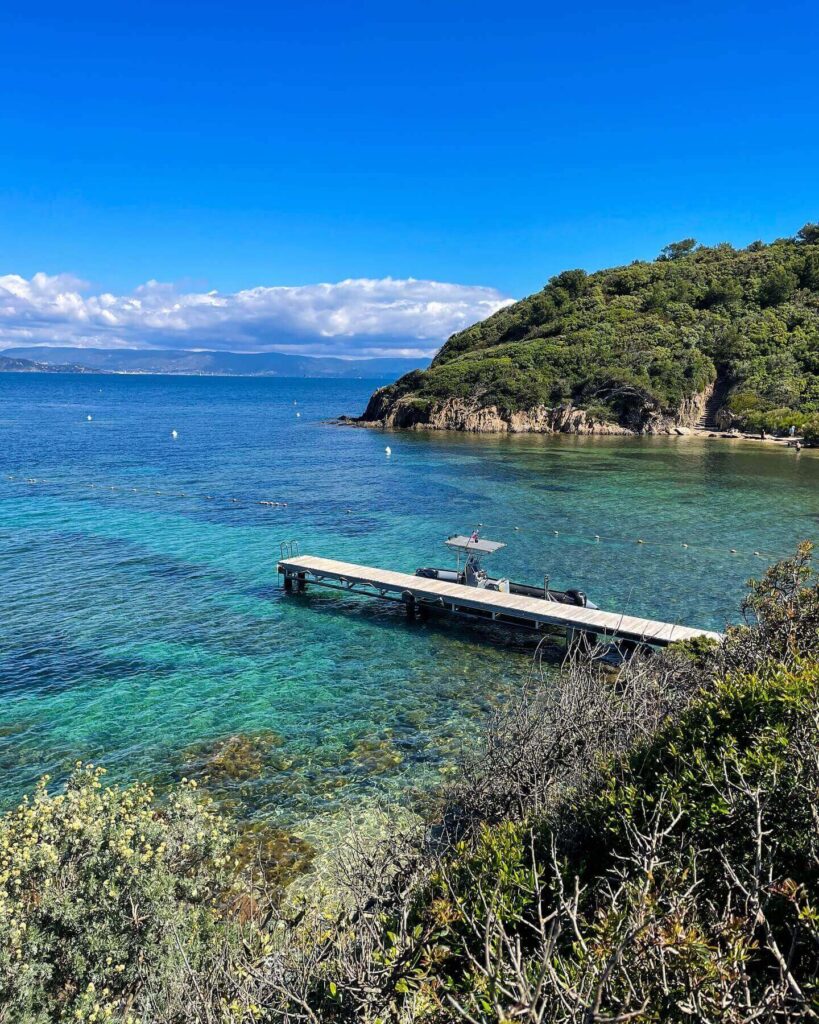
The island is small, but getting around takes longer than you might expect. Some trails are steep and rocky, and there are no water points along the hiking routes, so I’d bring plenty of water and a few snacks before leaving the port. I’d also check the return ferry first because it’s surprisingly easy to lose track of time once you start exploring.
If you’re planning a visit to Port Cros National Park, this guide covers how to get there, the hikes worth doing, where to swim and snorkel, the historic forts, park rules, what to pack and how I’d plan a full day without trying to rush through everything.
What Is Port Cros National Park?
Port Cros is one of the three main islands of the Îles d’Hyères, along with Porquerolles and Le Levant. It sits just off the coast of Hyères in southern France and has a much quieter, more natural feel than many Mediterranean islands.
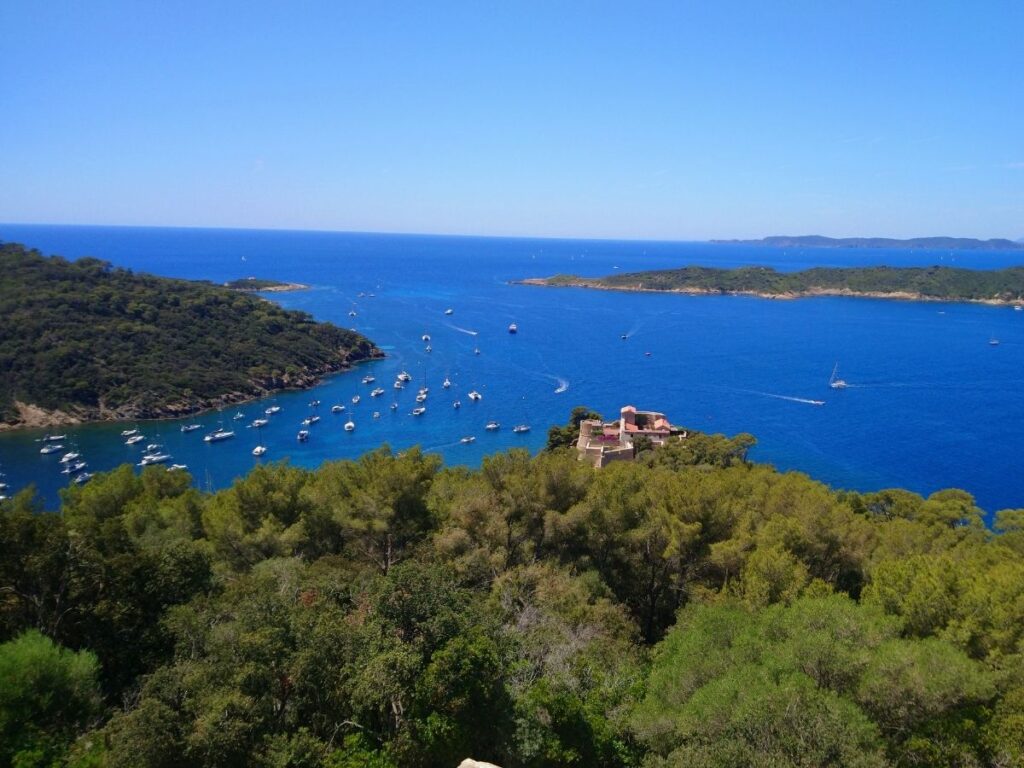
The island is small, but exploring it still takes time because most of the island is reached on foot. There are several hiking routes, including the 9 km Circuit des Crêtes, the 12.3 km Circuit des Forts and a longer 16 km route around the island. For a first visit, I’d choose one trail rather than trying to see everything.
Port Cros is also known for protecting both its land and surrounding waters. The national park was created in 1963 and included Port Cros, nearby islets and a marine area. Today, you can spend the morning hiking through the forest and visiting old forts, then head to Plage de la Palud for swimming and snorkeling.
A Short History of Port Cros
Port Cros has a long military history, which you can still see in the forts scattered around the island. Its location made it useful for defending the Mediterranean coast, while farming and other human activity also shaped the island over the years.
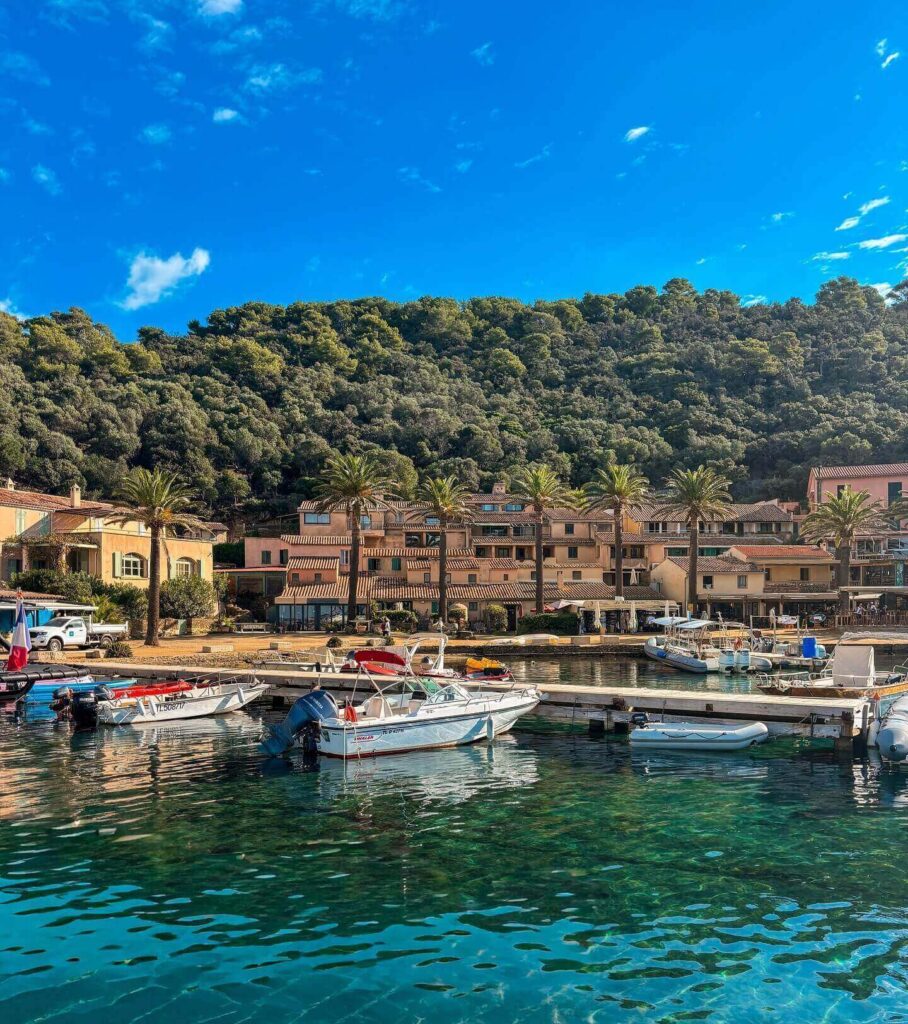
The island’s protection has an interesting story too. Marcel and Marceline Henry became closely connected with Port Cros and wanted to prevent large scale development. Marceline eventually donated land to the French state on the condition that it would be protected.
On December 14, 1963, Port Cros became a national park, with support from André Malraux, then France’s Minister of Cultural Affairs.
Knowing that history makes the island feel a little different when you visit. The lack of roads, large resorts and heavy development isn’t accidental. The trails, forests, forts and protected coastline are a big part of what the park was created to preserve.
How to Get to Port Cros
You can only reach Port Cros by boat, so I’d check the ferry before planning anything else. The schedule changes quite a bit depending on the season, and some services only run during the busiest summer months. Weather can also affect crossings, so I wouldn’t build a tight itinerary around a particular boat without leaving yourself some breathing room.
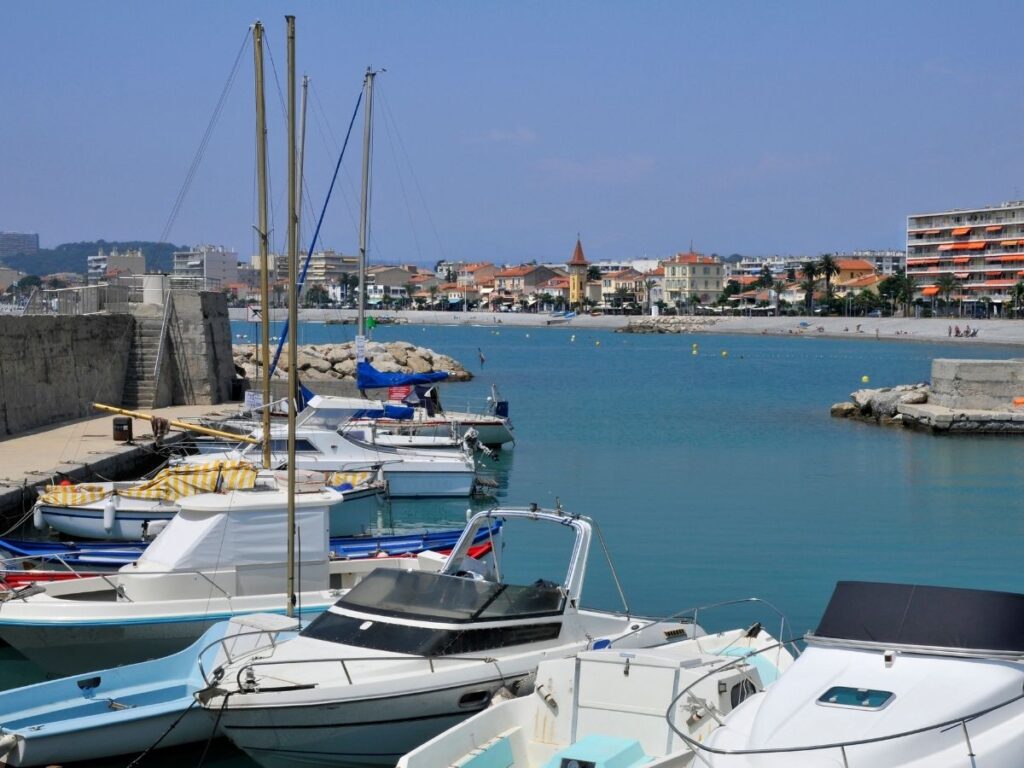
The main mainland options are Hyères and Le Lavandou. Which one makes more sense depends mostly on where you’re staying along the coast.
From Hyères
Hyères is one of the easiest places to start if you’re already staying in the area. Boats leave from Port Saint Pierre, and the journey is straightforward, but the number of departures changes through the year.
During the main summer period, the 2026 TLV TVM schedule lists departures from Hyères to Port Cros at 8:00 a.m., 11:00 a.m. and 2:30 p.m. from July 6 through August 30. The return services listed for the same period include 11:15 a.m. and 5:00 p.m.
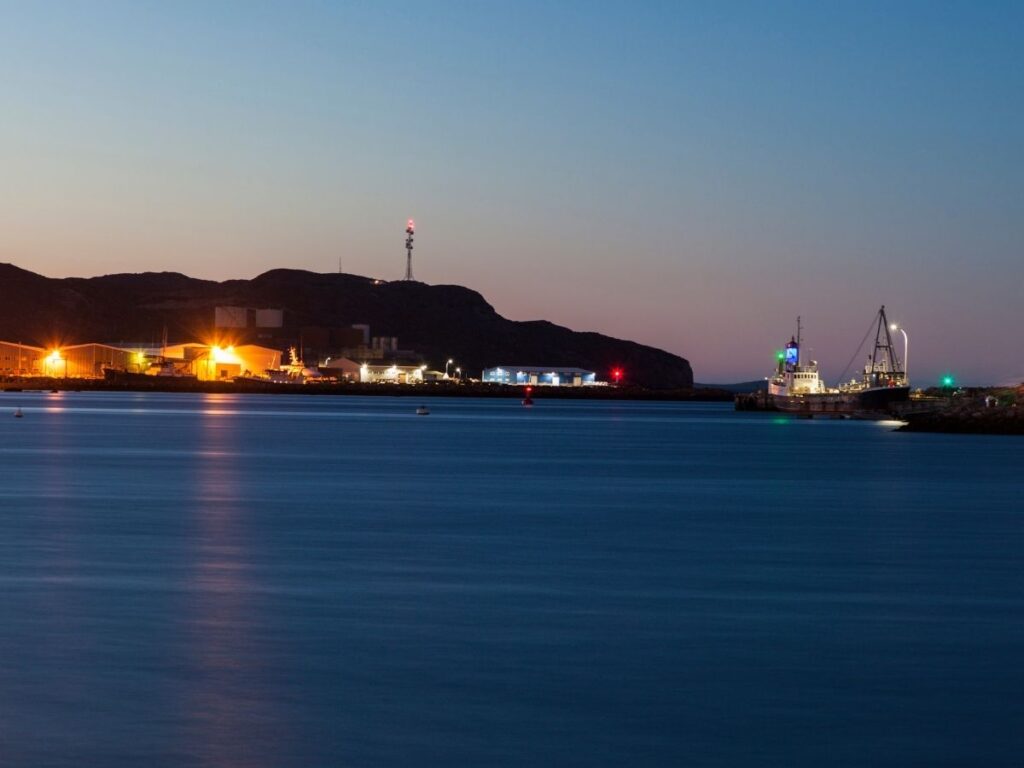
For a proper day exploring Port Cros, I’d take the earliest boat that works for you. The 2:30 p.m. departure might sound fine until you realize how much walking you want to do once you arrive. A late arrival is better suited to a short visit rather than a long hike and snorkeling day.
One other thing to watch is that some services involve a boat change at Port Cros. The current summer schedule shows this for the 11:00 a.m. departure, so check the details when booking rather than assuming every boat is a simple direct crossing.
From Le Lavandou
Le Lavandou can be a better starting point if you’re staying farther east along the Var coast. Seasonal boats connect the town with Port Cros, but the timetable is not the same as the Hyères service.
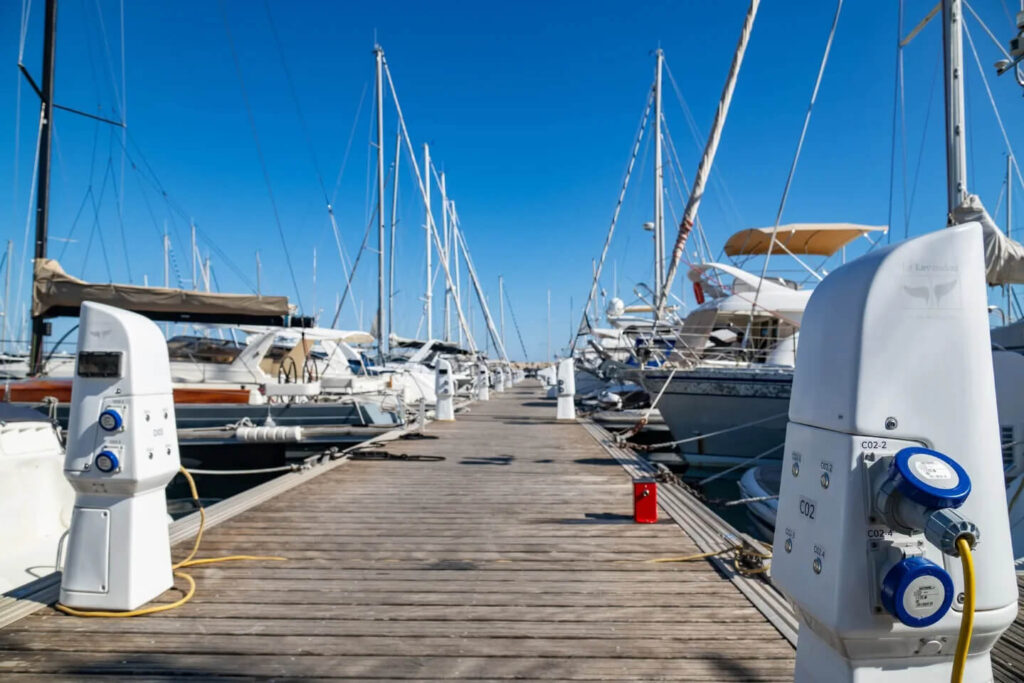
The 2026 Vedettes Îles d’Or timetable includes seasonal Port Cros crossings from Le Lavandou, with services varying by date and season.
I’d choose whichever departure point saves you the most driving time. There isn’t much point crossing the coast early in the morning just to reach a different ferry port when you could have spent that time getting to Port Cros.
Best Things to Do in Port Cros National Park
Port Cros is small enough that you can visit in a day, but there is more to do than simply walk around the harbor and take a few photos. What I like about the island is that you can make the day as active or relaxed as you want.
You could spend most of the day hiking between the forests, viewpoints and old forts, or keep things slower with a walk to Plage de la Palud followed by a swim and some snorkeling. If you’re visiting for the first time, I’d try to combine the two rather than spending the entire day on one long trail.
1. Hike the Port Cros Trails
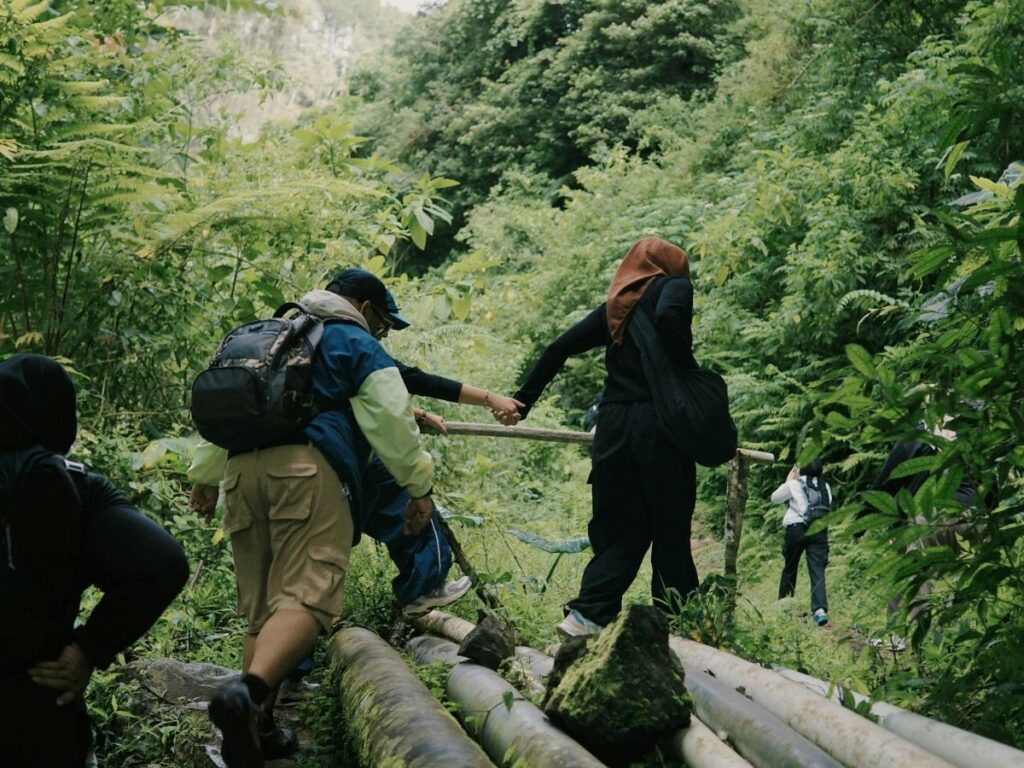
Walking is really the best way to explore Port Cros. There are no roads taking you around the island, so the trails are what connect the port with the beaches, forts and different parts of the coastline.
The routes vary quite a bit in length. You can take a shorter walk if you only have a few hours, while longer routes can take most of the day. The official park routes include the Circuit de l’eau, the Circuit des Crêtes, the Circuit des Forts and a longer route around the island.
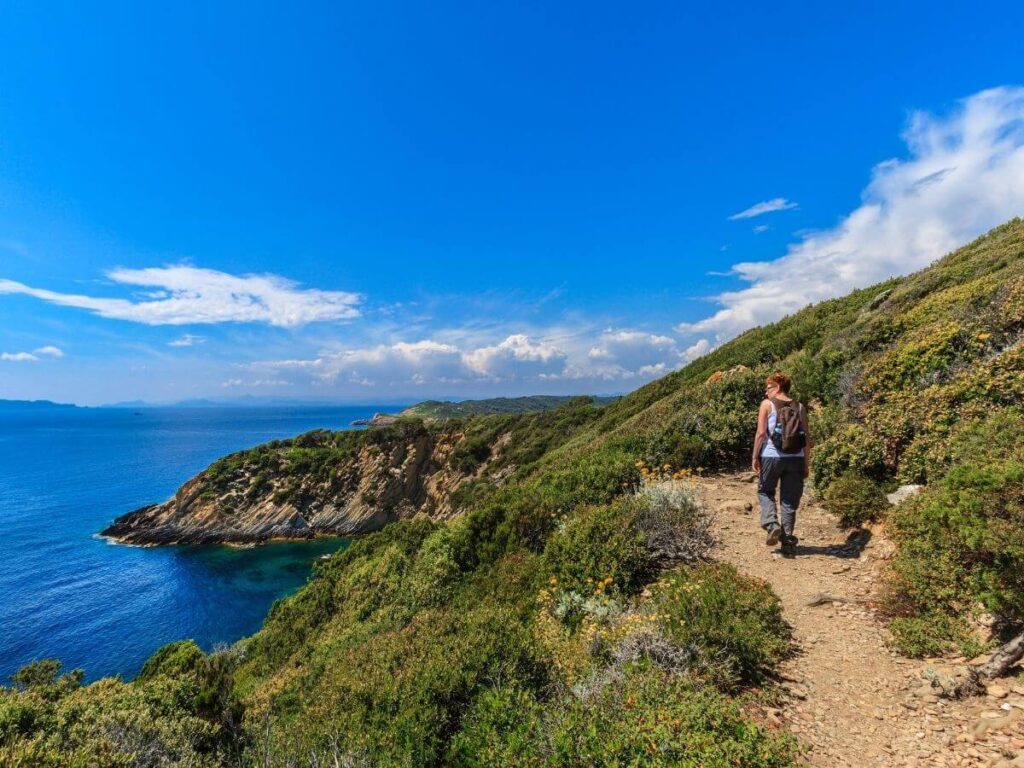
I wouldn’t automatically choose the longest trail. Port Cros is the kind of place where you want to stop occasionally. You might find a viewpoint worth spending ten minutes at, or reach the coast and decide you want to sit and enjoy it for a while. If you fill your day with a six hour hike, you may not have much time left for swimming or snorkeling.
For a first visit, I’d choose a route based on what I actually want from the day. If hiking is the main reason I’m there, I’d go for one of the longer routes. If I want a mixture of walking and time in the water, I’d choose something shorter and leave room for La Palud.
2. Walk the Circuit des Crêtes
If you enjoy hiking, the Circuit des Crêtes is probably the route I’d choose first. It’s around 9 km and takes roughly three hours, with about 243 meters of elevation gain. The park rates it as an intermediate route.
The trail takes you across the more rugged southern part of Port Cros, so don’t expect a completely flat walk. There are climbs and descents, rocky sections and stretches where you’ll be walking through Mediterranean vegetation before the coastline opens up again.
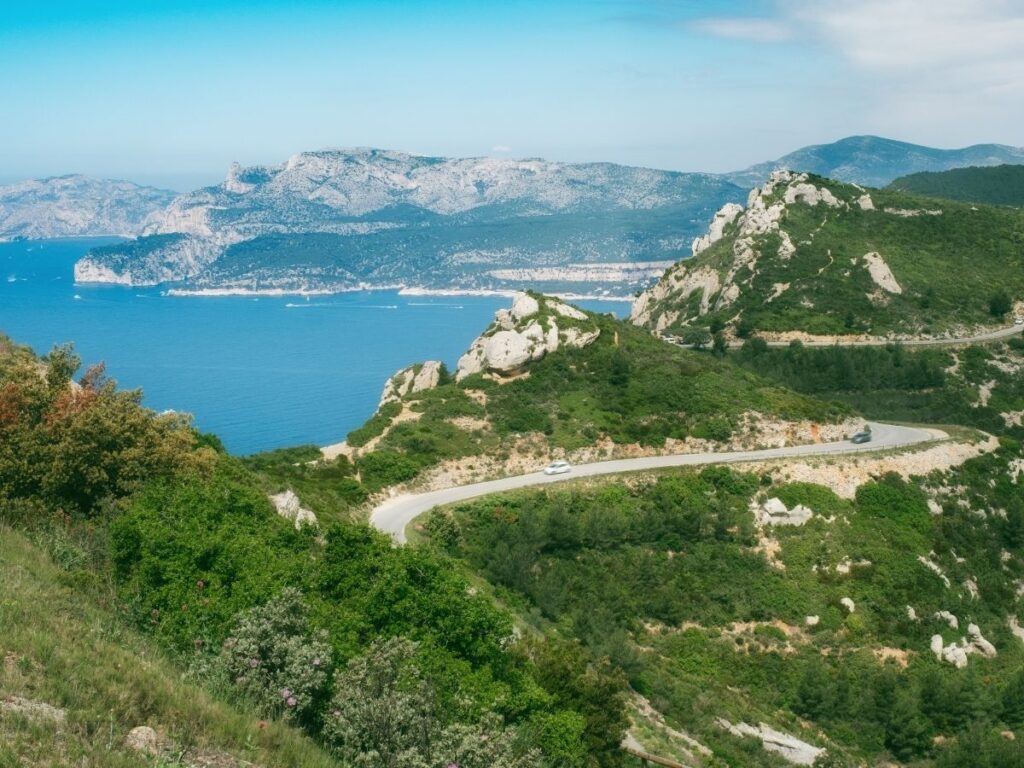
I like this kind of trail because you get a much better sense of the island than you do by simply walking to one beach. You see how quickly the scenery changes once you leave the harbor, and there are several places where you can stop and look out toward the Mediterranean.
I’d give yourself a little more than the official three hours if you’re visiting for the first time. Between photos, short breaks and figuring out where you want to stop for lunch, the day can move more slowly than the trail description suggests.
3. Visit Plage de la Palud
Plage de la Palud is one of the places I’d make time for even if hiking isn’t your main reason for visiting Port Cros.
It’s about a 30 minute walk from the port, and the route itself is part of the experience. You leave the busier area around the harbor and head through the island’s vegetation before reaching the coast.
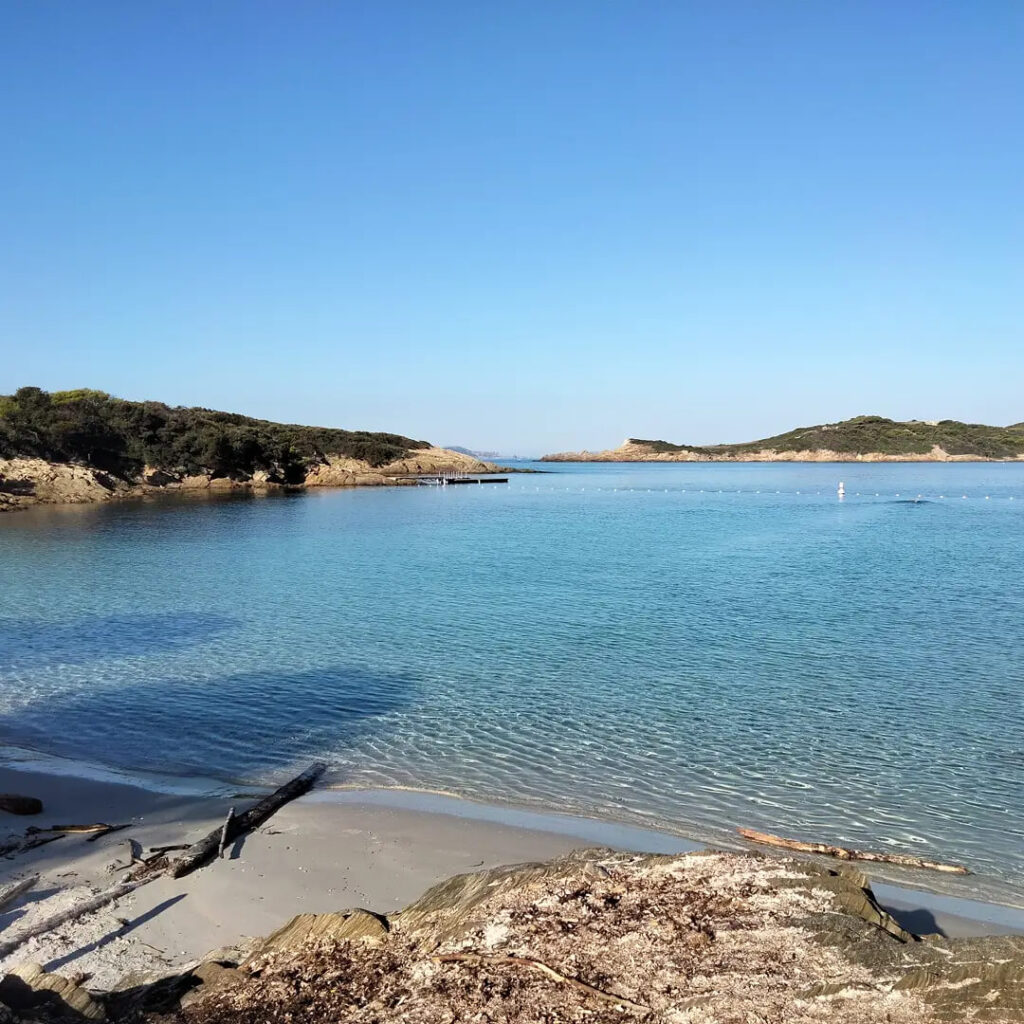
The beach is also where you’ll find the underwater trail, so there’s a good reason to bring your swimming gear even if you weren’t planning on spending much time in the water.
I wouldn’t rush to La Palud, spend five minutes on the beach and immediately walk back. If the weather and sea conditions are good, this is a nice place to slow down for a while. Have a swim, put on your mask and snorkel, or simply sit by the water before heading back.
This is also why I prefer building a little flexibility into a Port Cros day. A walk to La Palud, some time at the beach and the return journey can easily take up a good part of the afternoon.
Port Cros Beaches and Swimming
I wouldn’t visit Port Cros expecting to spend the whole day lying on a wide sandy beach. The beaches here work better as part of an active day, where you walk, stop for a swim and then continue exploring.
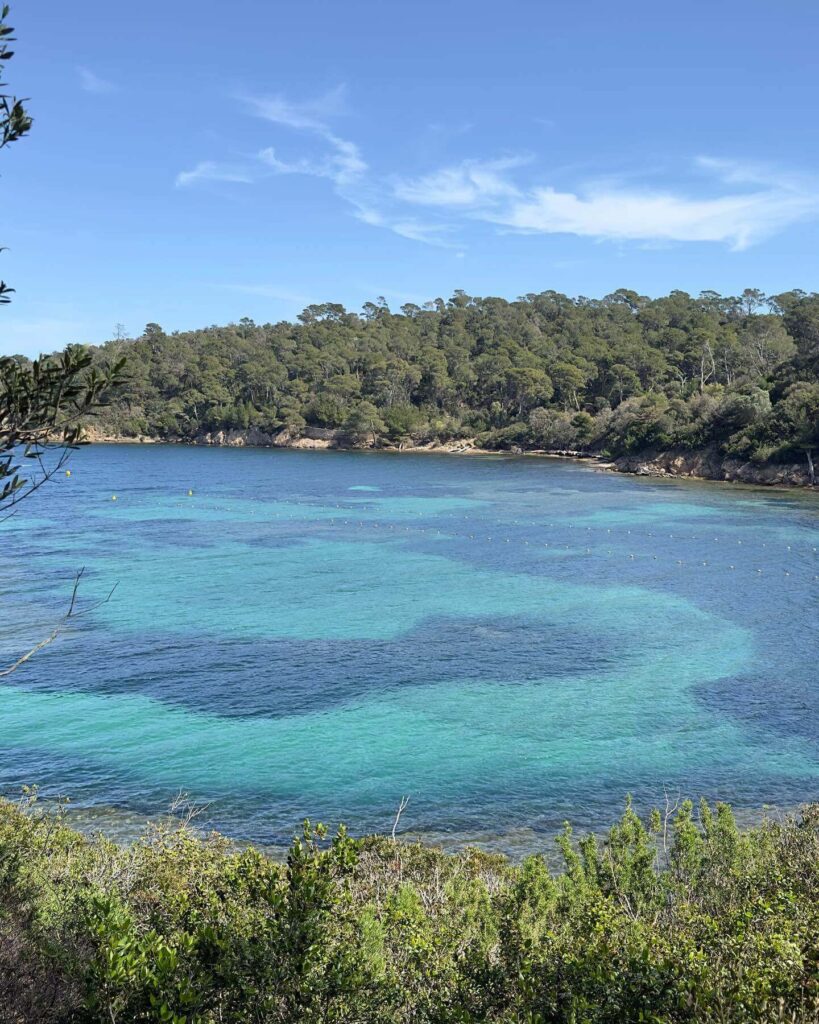
Plage de la Palud
Plage de la Palud would be my first choice if swimming or snorkeling is important to you. It’s around a 30 minute walk from the port and is also where you’ll find the underwater trail.
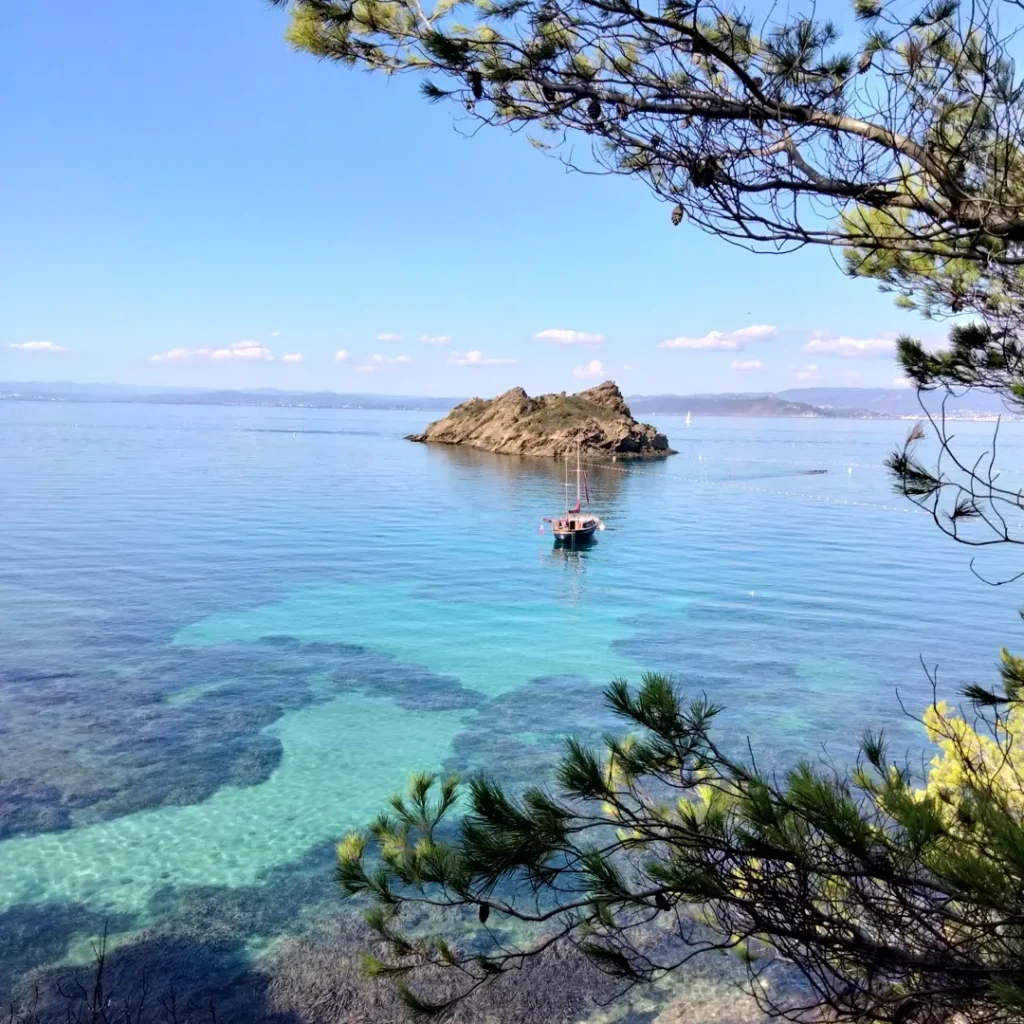
Bring your mask and snorkel if you have them. Even if you don’t plan to spend hours in the water, it’s worth allowing some extra time here. After a hike, this is also a nice place to cool off before walking back toward the port.
Plage du Sud
Plage du Sud makes more sense as a stop during a hike than as the main destination for the day. It’s along the southern side of the island, so you can include it while exploring the surrounding trails.
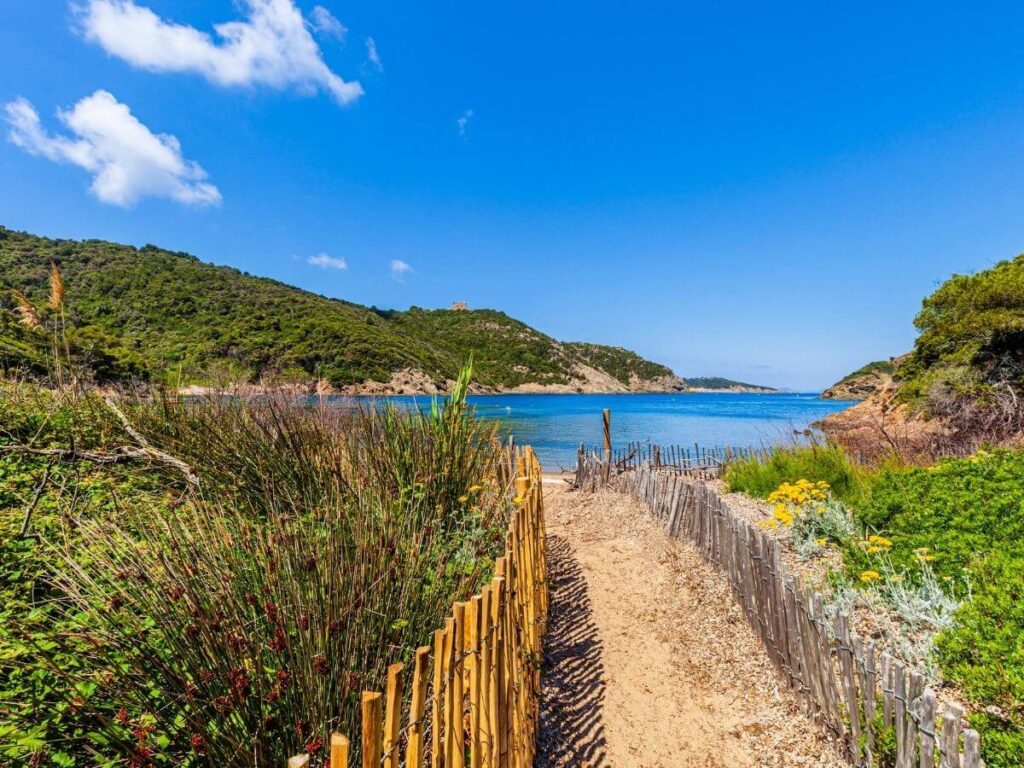
The southern coastline is more exposed, though, so conditions can feel quite different from the area around the harbor. If the wind is strong, I wouldn’t plan on spending a long time swimming here.
Port Man
Port Man is farther from the main village and is best visited as part of a longer hiking route. If you’re already walking the eastern side of Port Cros, it makes a natural place to stop and enjoy the coastline.
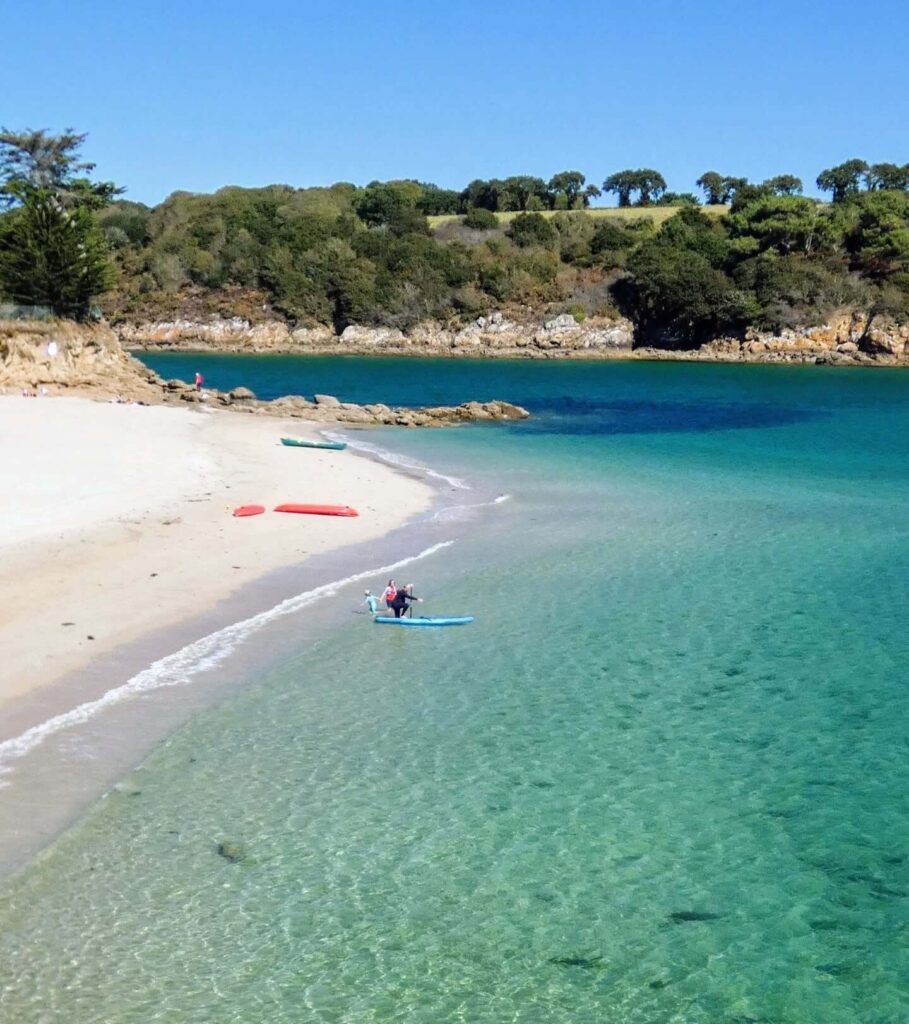
I wouldn’t make the trip to Port Man simply for a quick swim if you have limited time. The walk there and back takes up a good part of the day, so it makes more sense when you’re combining it with the longer trails.
What to Know Before Swimming
Sea conditions matter around Port Cros. Wind can change the water quickly, especially along the more exposed southern coast, and the park advises against using the underwater trail during strong Mistral conditions.
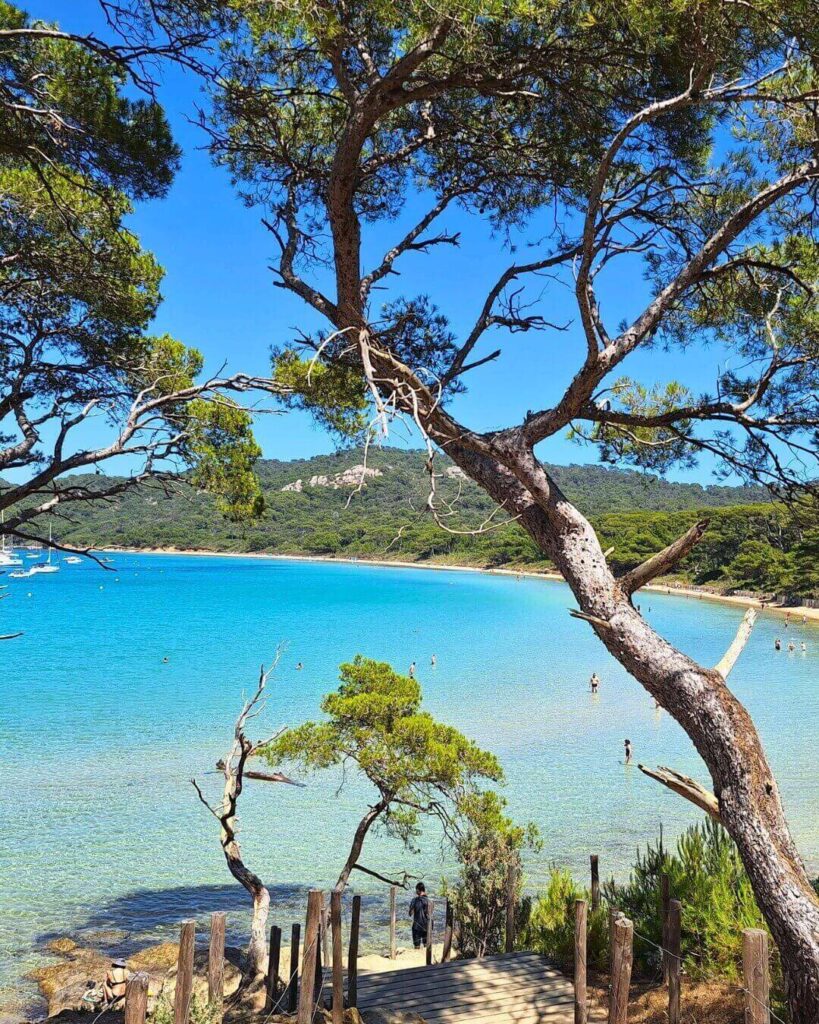
I’d check the weather before setting out and avoid planning your entire day around swimming if conditions look uncertain. The safest approach is to treat the beaches as flexible stops. If the water is calm, stay longer. If it’s rough, enjoy the trails and come back another time.
Snorkeling and Diving in Port Cros
The marine side of Port Cros is just as interesting as what you’ll find on land. Once you get into the water, the experience changes completely. Instead of hiking through pine trees and past old forts, you’re looking at rocky seabeds, seagrass and Mediterranean marine life.
The waters around the island are protected, which is one reason the area has such a strong reputation for snorkeling and diving. There are rules around where people can dive, how many divers can visit certain sites and what you can do underwater. I think that’s worth knowing before you arrive, especially if you’re planning a dive rather than just a casual swim.
Snorkeling
For most visitors, I’d start at Plage de la Palud. You can walk there from the port, spend some time on the beach and then try the underwater trail if conditions are good.
The nice thing about the underwater trail is that you aren’t simply swimming around hoping to find something. There are six underwater information buoys along the route, giving you a better idea of what you’re looking at beneath the surface. The park says the experience takes at least around 40 minutes.
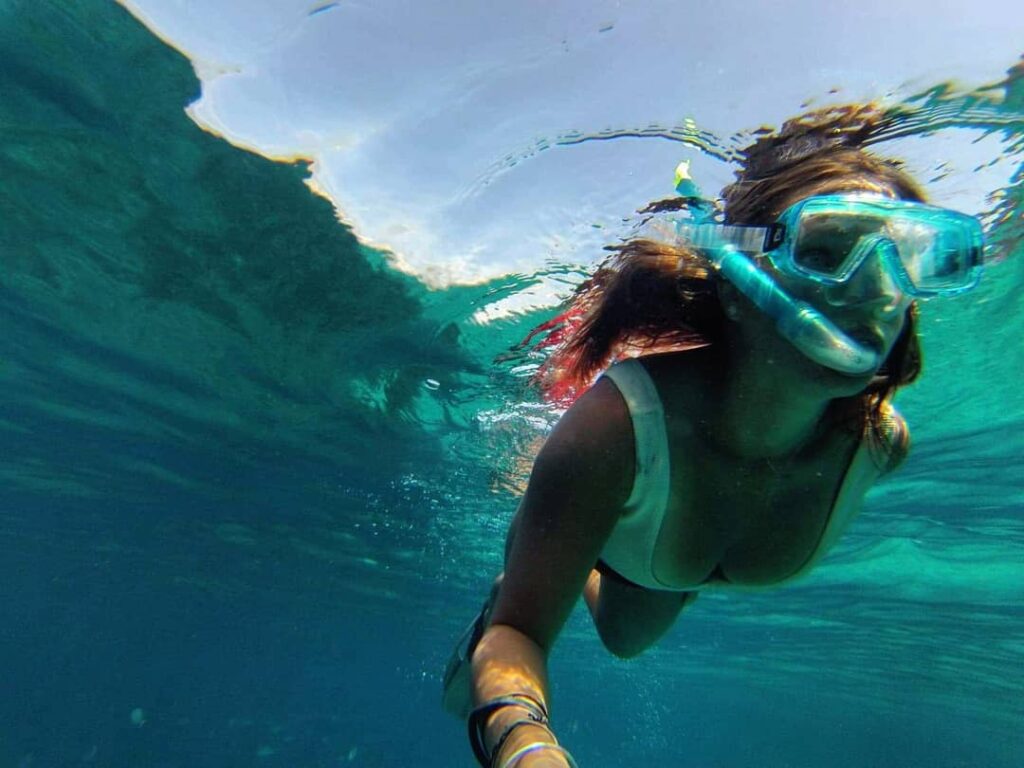
You don’t need scuba equipment for this. A mask, snorkel and fins are enough, although you should be comfortable swimming in open water. I’d bring my own equipment if I had it, especially during the quieter months when you can’t assume you’ll find rental gear when you arrive.
Sea conditions matter here. The park advises against using the underwater trail when the Mistral is strong, and jellyfish can sometimes be present. If the water looks rough, I’d skip snorkeling rather than trying to force it into the itinerary.
Scuba Diving
Port Cros has been attracting divers for decades, and there are several well known sites around the island. The park’s diving information includes places such as La Gabinière, Pointe du Vaisseau and Pointe de la Galère, with different sites offering different depths and underwater conditions.
Diving here also comes with more planning than simply showing up with your equipment. Because Port Cros is a protected national park, divers need to follow the park’s regulations. Current rules require divers to obtain authorization through the park’s Capel system and collect the required sticker before their first dive.
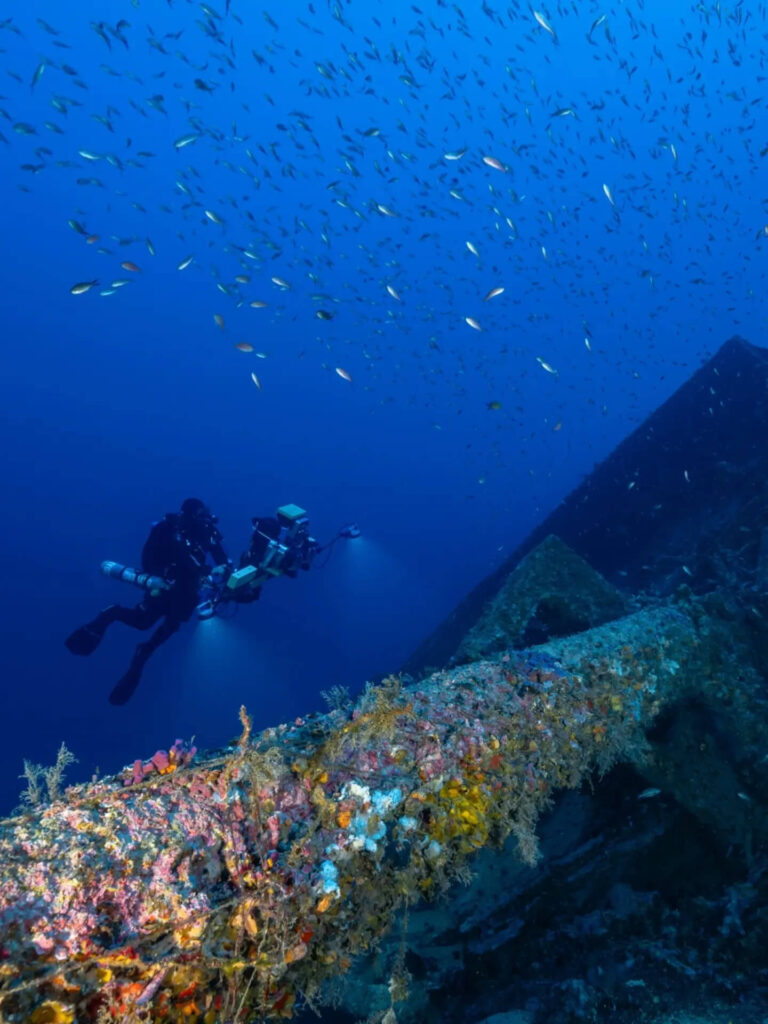
There are also limits on the number of divers allowed at certain sites. Underwater, you’re expected to leave the environment alone, which means no touching marine animals or plants, moving rocks or feeding fish.
If you’re visiting specifically to dive, I’d arrange everything before arriving rather than trying to sort it out on the island. The regulations are there for a reason, and knowing them ahead of time makes the whole experience easier.
Wildlife You Might See
One of the things I like about Port Cros is that you don’t necessarily have to go looking for wildlife. If you slow down, you’ll start noticing things around you.
On the trails, keep an eye on the trees and cliffs for birds. The park highlights species such as peregrine falcons and Mediterranean shearwaters, along with other wildlife found across the island.
The sea is where things get particularly interesting for snorkelers and divers. Depending on where you swim and the conditions that day, you might see schools of fish, octopus, moray eels and other Mediterranean species.

Of course, wildlife doesn’t follow an itinerary. You might see plenty on one swim and very little on another, so I wouldn’t visit expecting a particular animal to appear.
The best thing you can do is give yourself time. Move slowly in the water, avoid chasing animals and don’t touch anything. On land, stay on the marked trails and keep your distance from birds and other wildlife.
Port Cros is a protected place, and part of the fun is seeing it without disturbing what makes the island worth protecting in the first place.
Port Cros National Park Rules You Need to Know
Port Cros is a protected national park, so there are a few rules you’ll want to know before you arrive. Most of them are pretty straightforward, but some restrictions become more important during the summer when the risk of wildfires is higher.
The rules can also change depending on the season, weather and current fire conditions. I’d check the national park’s latest information before setting out, especially if you’re visiting between June and September.
Stay on the Marked Trails
This is probably the easiest rule to follow, but it’s especially important during the summer fire risk period. The park’s current regulations state that from June 15 to September 15, travel outside marked trails is prohibited across the terrestrial territory of the national park.
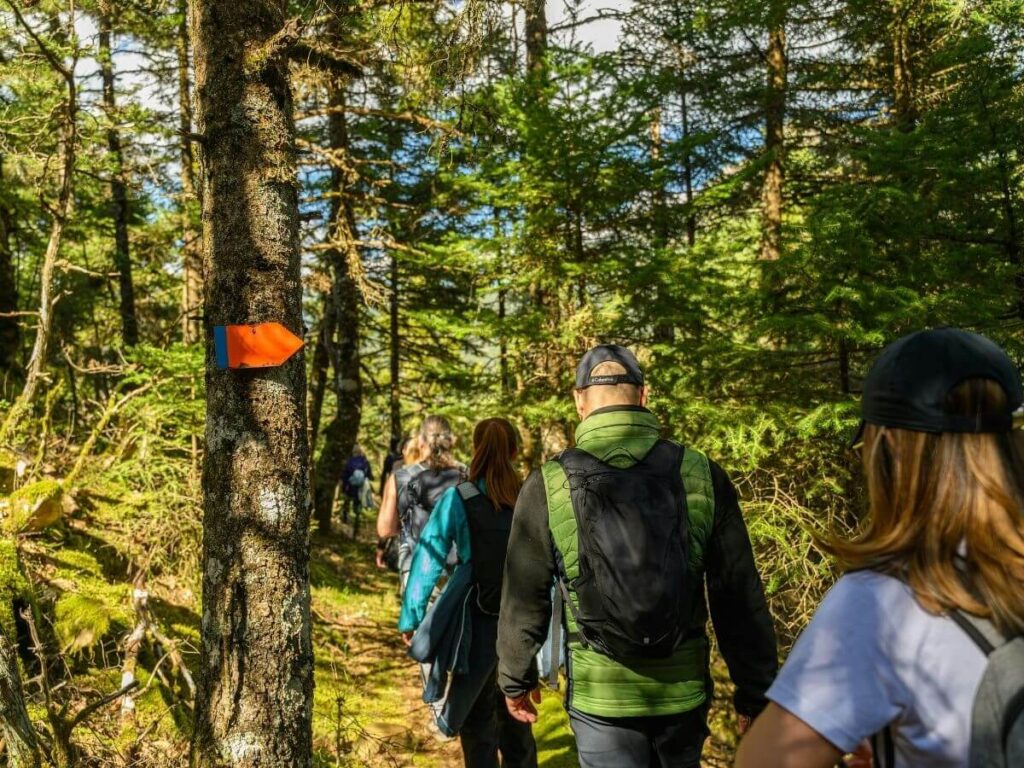
In practical terms, don’t take shortcuts through the vegetation just because a different route looks quicker. Apart from protecting the landscape, sticking to the marked paths also makes it easier to follow the correct route when you’re hiking farther from the port.
Check the Rules Before Bringing a Dog
Dogs aren’t allowed everywhere on Port Cros, and access is regulated in the protected areas of the park.
If you’re traveling with a dog, check the current rules before your trip rather than assuming you can take your pet along the hiking trails. This is one of those things that’s much easier to sort out before getting on the boat.
Don’t Camp
Port Cros isn’t set up for wild camping, so don’t arrive with a tent expecting to find a quiet spot to spend the night.
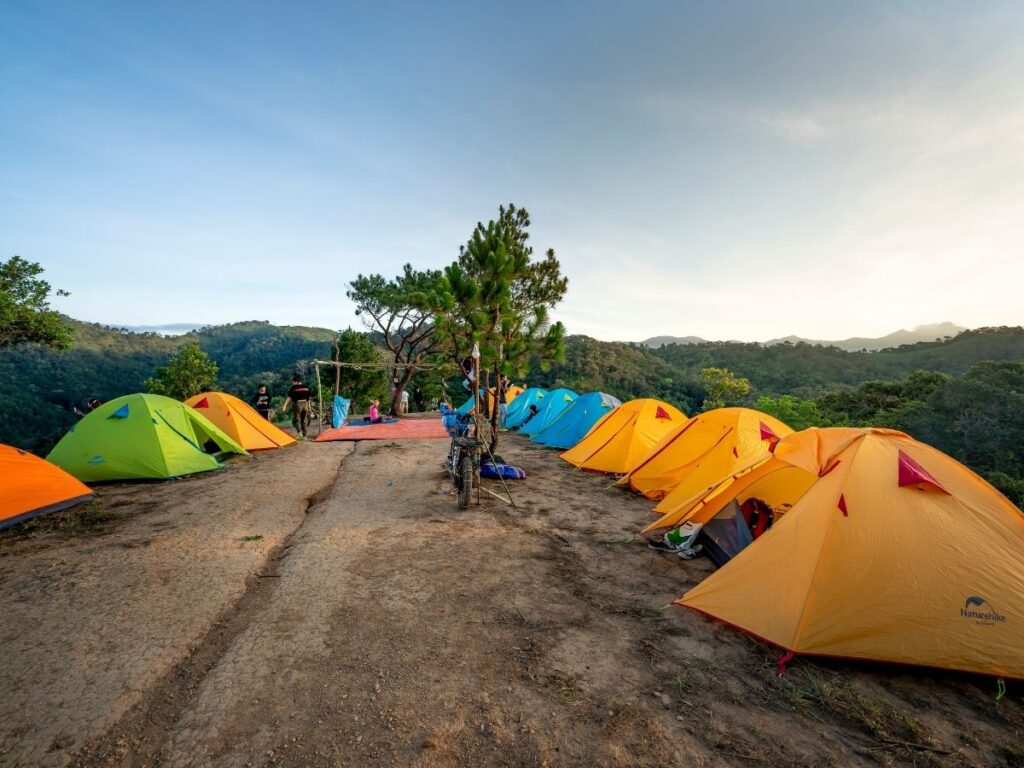
If you want to stay overnight, arrange proper accommodation in advance. For a day trip, this is easy enough to avoid altogether.
Take Your Rubbish With You
There aren’t services and rubbish bins waiting for you along the hiking trails, so anything you bring with you should come back with you.
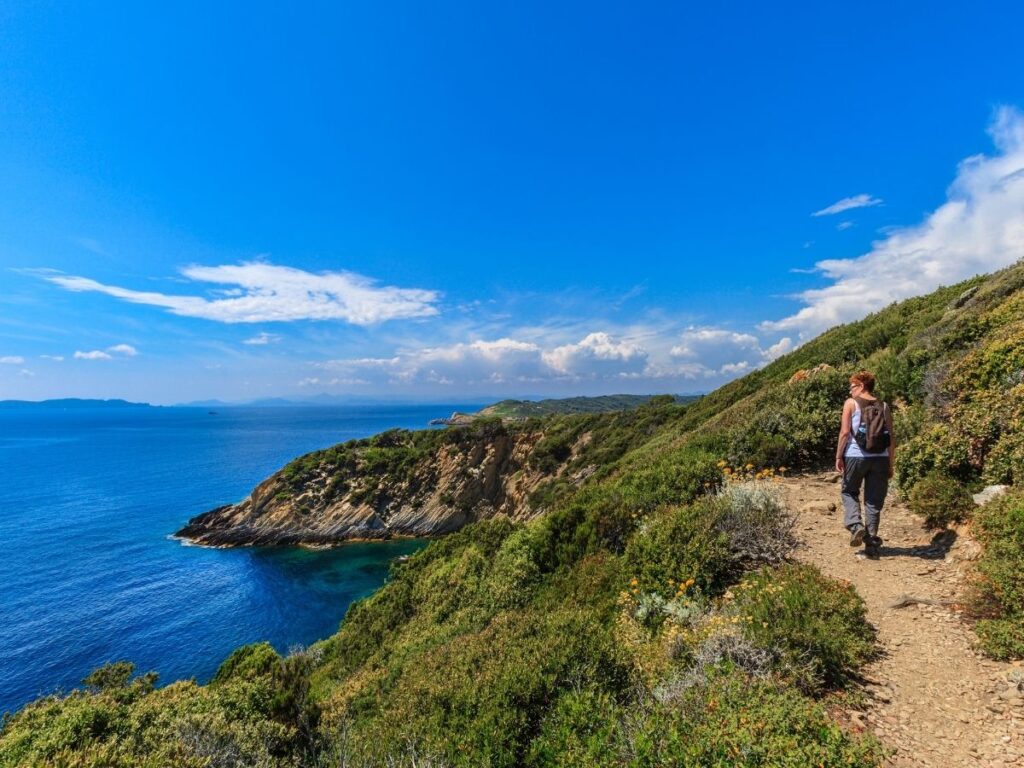
I’d keep a small bag in my backpack for wrappers, food scraps and anything else that needs to be carried out. It’s a small thing, but on an island with limited infrastructure, it makes a difference.
Bring Enough Water
This is less about a complicated park regulation and more about common sense.
Don’t expect to find a water fountain halfway through a long hike. Once you leave the port, you should have enough water to cover the route you’re planning, particularly in warm weather.
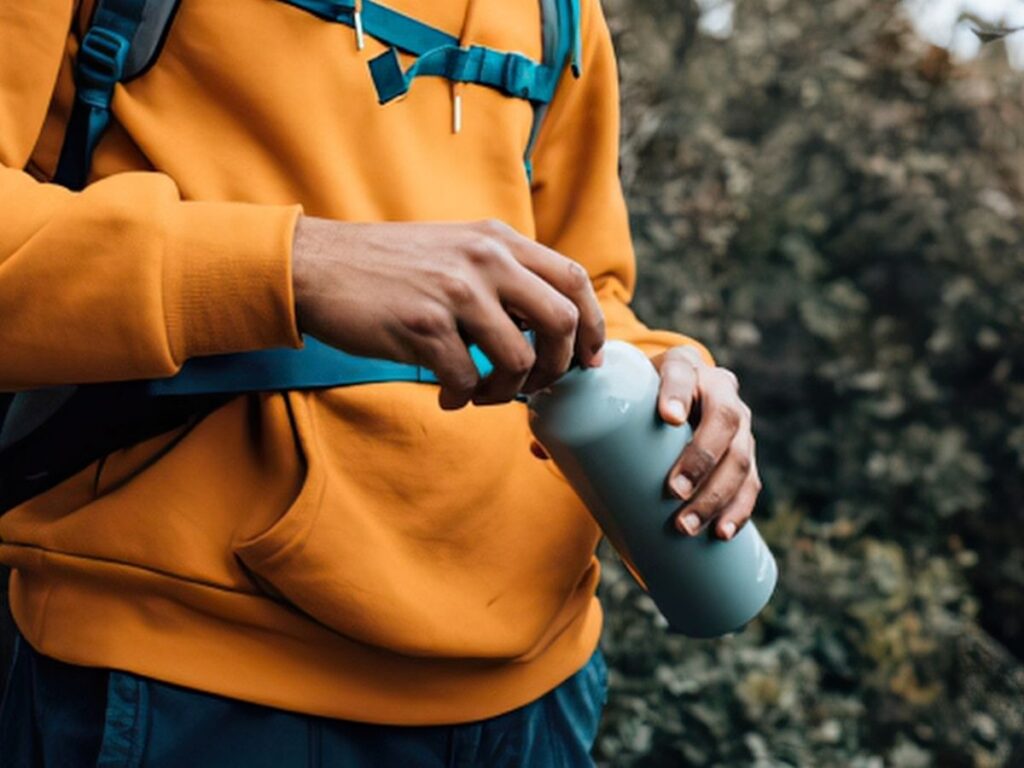
I’d rather carry a little extra than realize halfway through the Circuit des Crêtes that I’ve run out. If you’re also carrying snorkeling gear, lunch and a camera, a comfortable backpack makes the walk much easier.
Pay Attention to Fire Restrictions
This is the rule I’d take most seriously during summer.
Port Cros has a lot of forest and Mediterranean vegetation, so wildfire risk can affect where visitors are allowed to walk. Restrictions can become more severe when conditions are hot, dry or windy.
If you’re visiting in July or August, check the current fire risk information before heading onto the trails. A route that was open a few days earlier may not necessarily be available when you visit.
Where to Eat and What to Bring
Food options on Port Cros are mostly around the village and harbor, so I wouldn’t plan on finding a café or restaurant halfway through a hike. Once you leave the port, you’re pretty much on your own until you return.
For a short walk, this isn’t a big deal. But if you’re planning the Circuit des Crêtes or another longer route, I’d carry a few snacks and plenty of water. A sandwich, fruit or something simple from the mainland can also be useful if you don’t want to plan your whole afternoon around finding somewhere to eat.
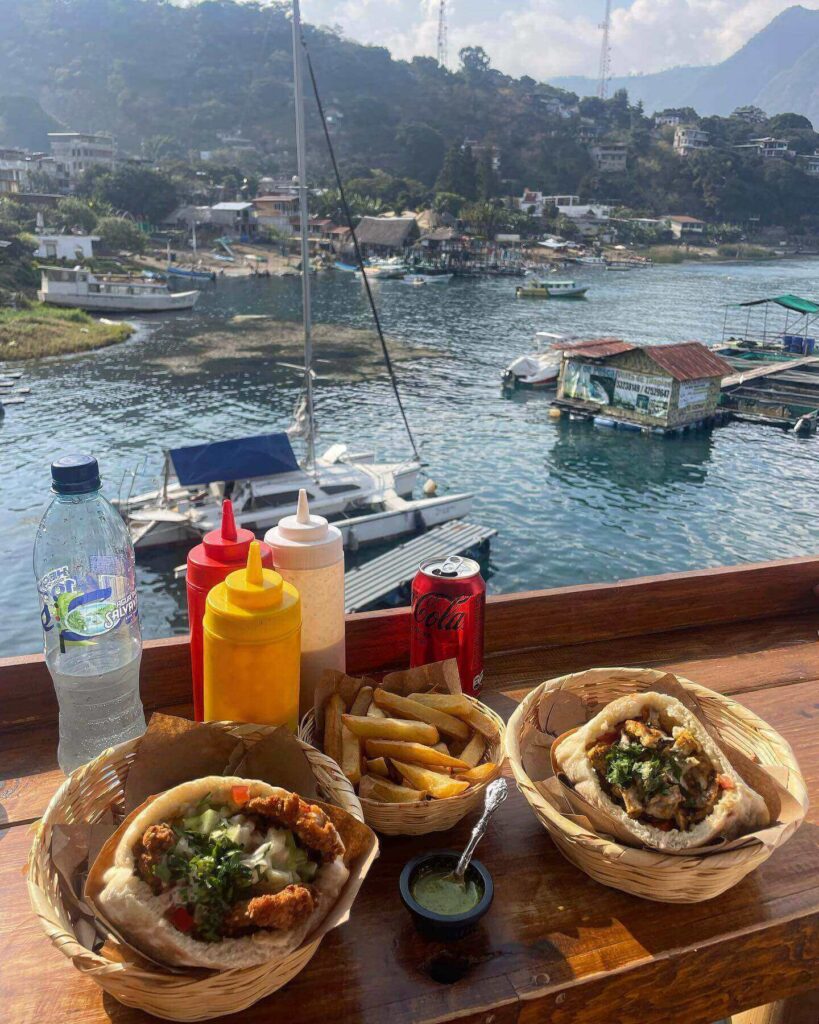
I also like having a little extra food with me because ferry days don’t always go exactly as planned. You might arrive later than expected, stay longer at the beach, or simply get hungry halfway through a trail.
The same goes for water. Don’t leave the harbor assuming you’ll find somewhere to refill your bottle later. It’s much easier to carry what you need from the start than to spend the afternoon wishing you’d brought another bottle.
What I’d Pack for Port Cros
I’d pack for a hiking day that happens to include a beach, rather than packing for a beach day and hoping the hiking works out.
Comfortable walking shoes are probably the most important thing. Some trails are rocky and uneven, and you’ll enjoy the island much more if you’re not worrying about your feet. I’d also bring a swimsuit, towel, sunscreen, hat and sunglasses if I know I want to spend time around the water.
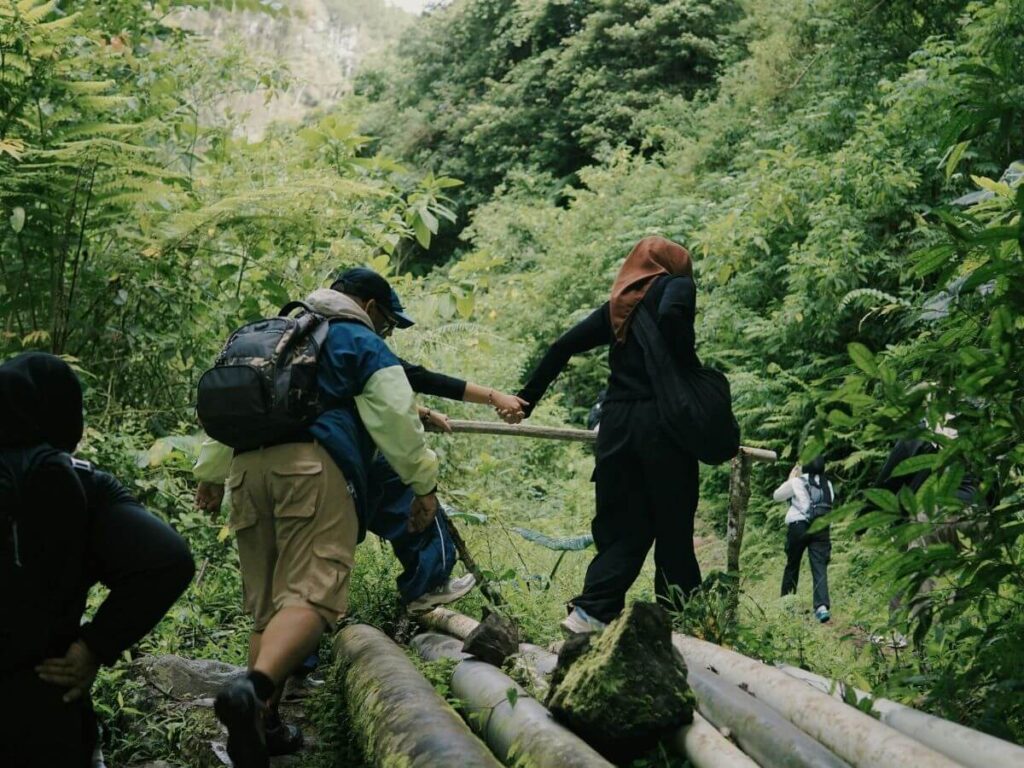
For snorkeling, a mask and snorkel are worth bringing if you have your own. A small backpack is enough for the basics, and I’d keep some snacks, water and my phone or camera inside.
A portable battery can also be handy, especially if you’re using your phone for photos, maps or ferry information throughout the day. I’d also throw in a light layer for the boat ride because it can feel cooler on the water than it does on the island.
You don’t need to overpack. The main thing is to think about how long you’ll be away from the harbor and what you’d be annoyed about not having.
Best Time to Visit Port Cros National Park
You can visit Port Cros at different times of year, but the island feels quite different depending on when you go. If you’re mainly interested in hiking, I’d lean toward late spring or early fall. If swimming and snorkeling are the priority, summer and early fall make more sense because the water is warmer.
Spring
Late spring is one of my favorite times for exploring Port Cros on foot. The weather is usually more comfortable for hiking than it can be during the middle of summer, and the island feels greener and less busy.
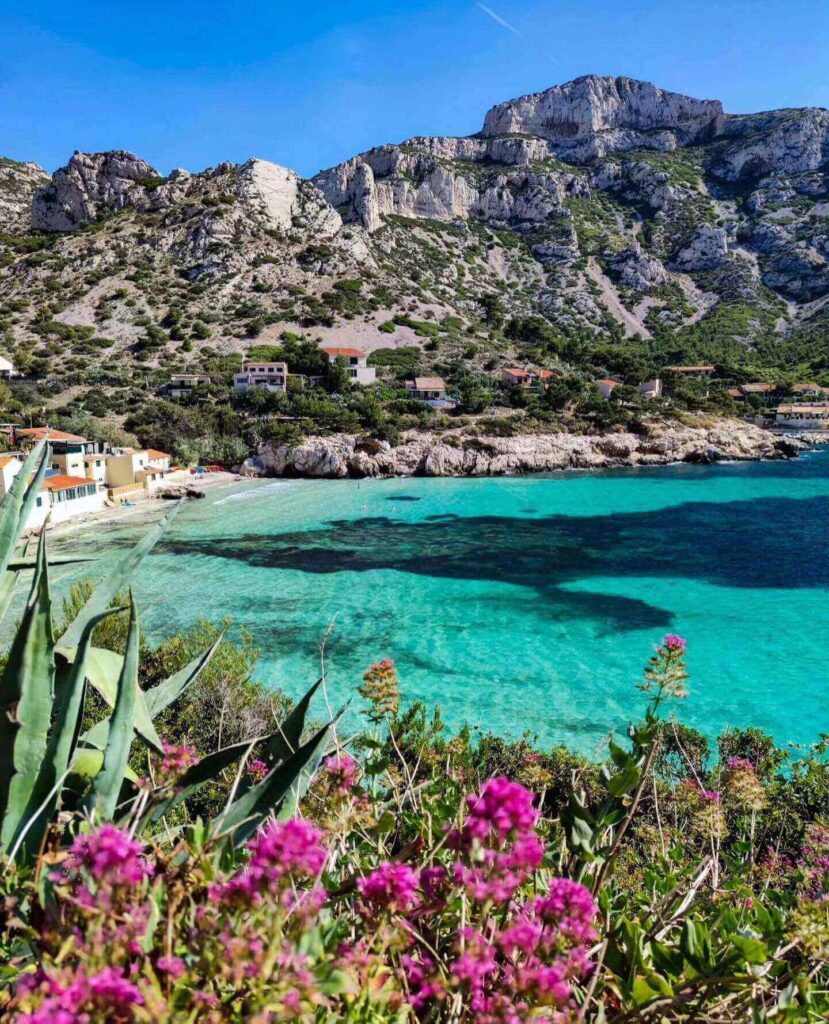
The sea can still be a little cool, so I wouldn’t choose May purely for swimming. But if you want to spend most of the day on the trails and add a swim if conditions are good, spring is a nice compromise.
It’s also easier to enjoy longer routes when you’re not dealing with the strongest summer heat. I’d still check the ferry timetable before your trip because seasonal services can be much less frequent than they are in July and August.
Summer
Summer is when Port Cros is at its busiest. The warmer water makes it a good time for swimming and snorkeling, and the longer daylight hours give you more flexibility.
The downside is the heat and the number of visitors. July and August can make the popular trails feel much busier, and fire risk restrictions can affect where you’re allowed to walk.
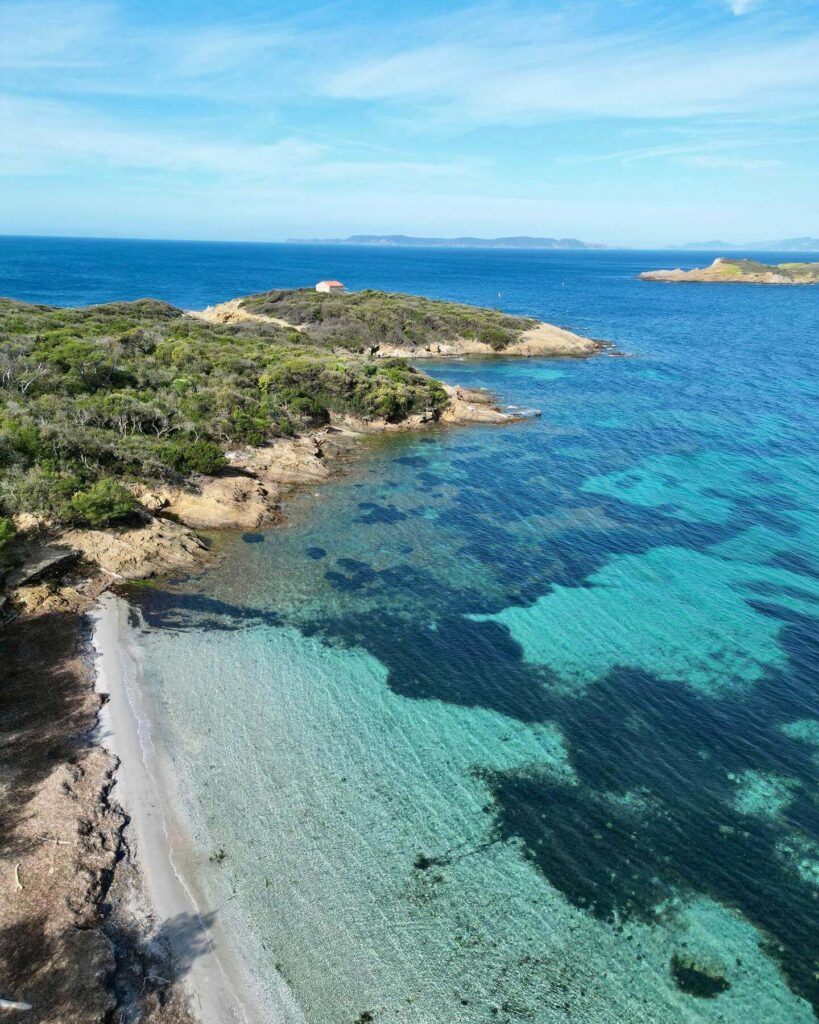
If summer is your only option, I’d take an early boat and start hiking soon after arriving. You’ll get some walking done before the hottest part of the day, and you can leave more time for swimming later.
I’d also check the current fire restrictions before you go. They can change depending on conditions, so don’t assume that every trail will be available simply because it was open on your last visit.
Early Fall
September and early October would be my choice if I wanted to combine hiking and swimming.
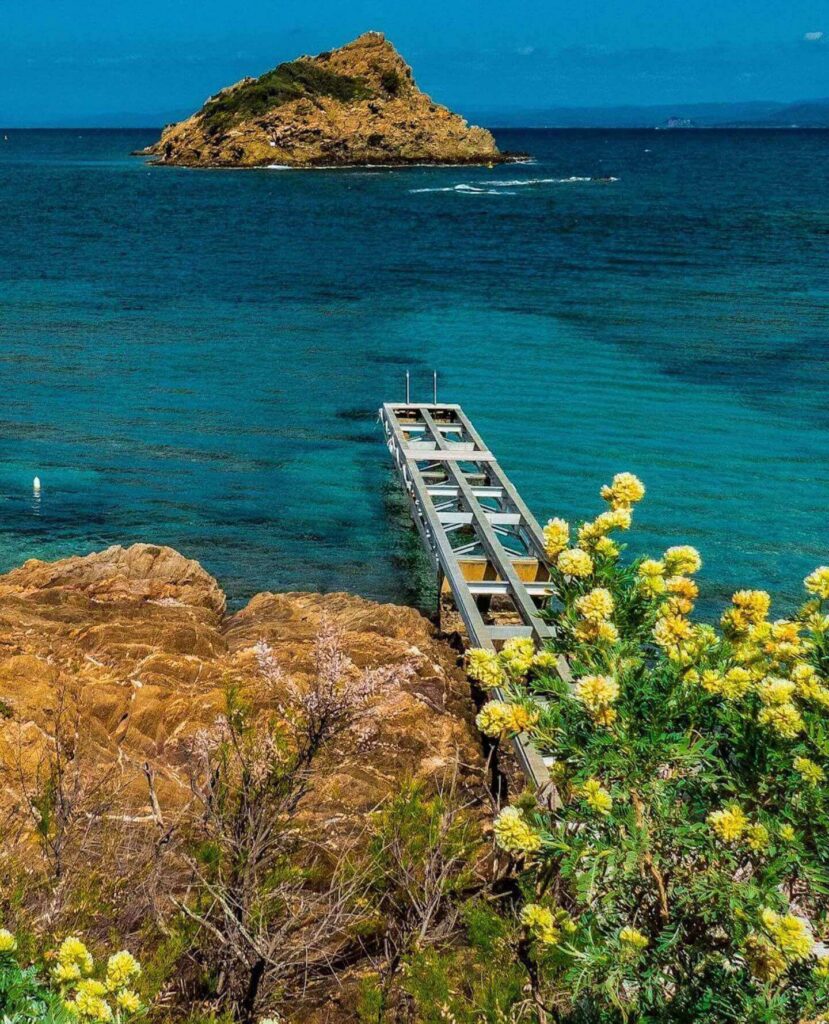
The sea can still be warm after the summer, while the island generally feels less hectic than it does in July and August. The cooler temperatures also make walking more pleasant.
This is a good time for the kind of day I like on Port Cros: hike in the morning, stop for lunch, then spend a slower afternoon around La Palud before returning to the port.
Winter
Winter is much quieter, but it also requires more planning.
Ferry services and other facilities can be limited compared with the summer season, and the weather can be less predictable. If you’re mainly interested in hiking and don’t mind cooler conditions, you may enjoy having the trails to yourself.
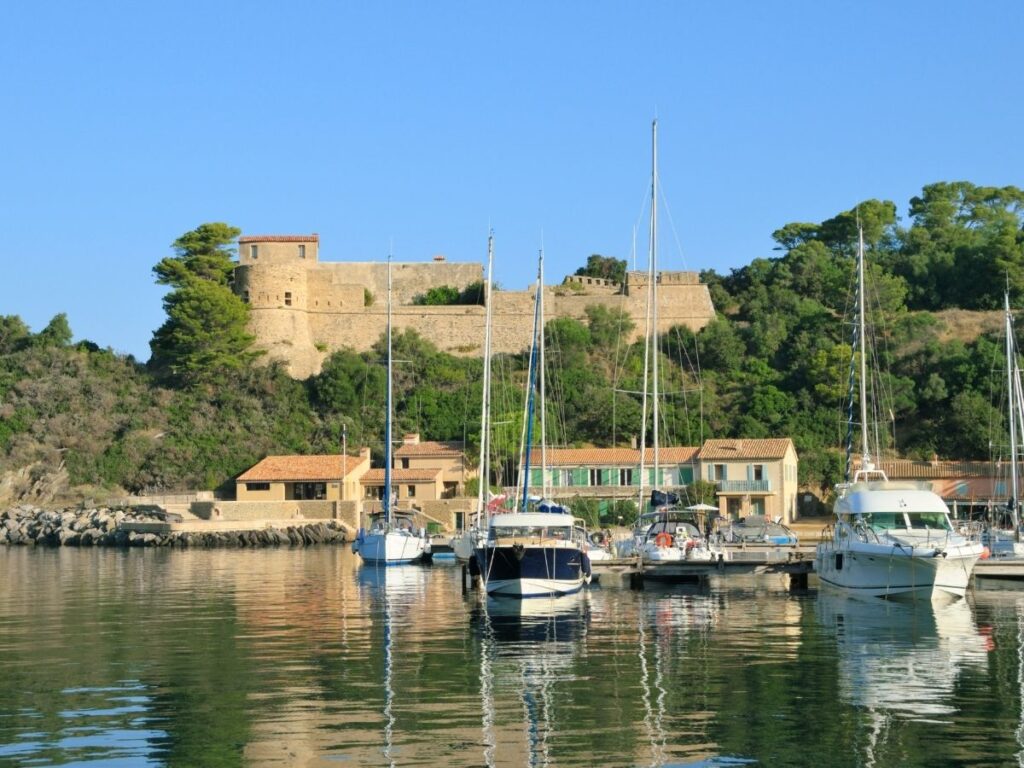
I’d check transport carefully before booking anything. A quiet island sounds great until you discover that the boat schedule doesn’t give you enough time for the route you wanted to walk.
My Ideal One Day Port Cros Itinerary
If I were planning a first visit, I’d keep the day fairly simple. The island is much more enjoyable when you have some spare time rather than a schedule packed from morning to evening.
Morning: Take an Early Ferry
I’d choose an early boat from the mainland whenever possible.
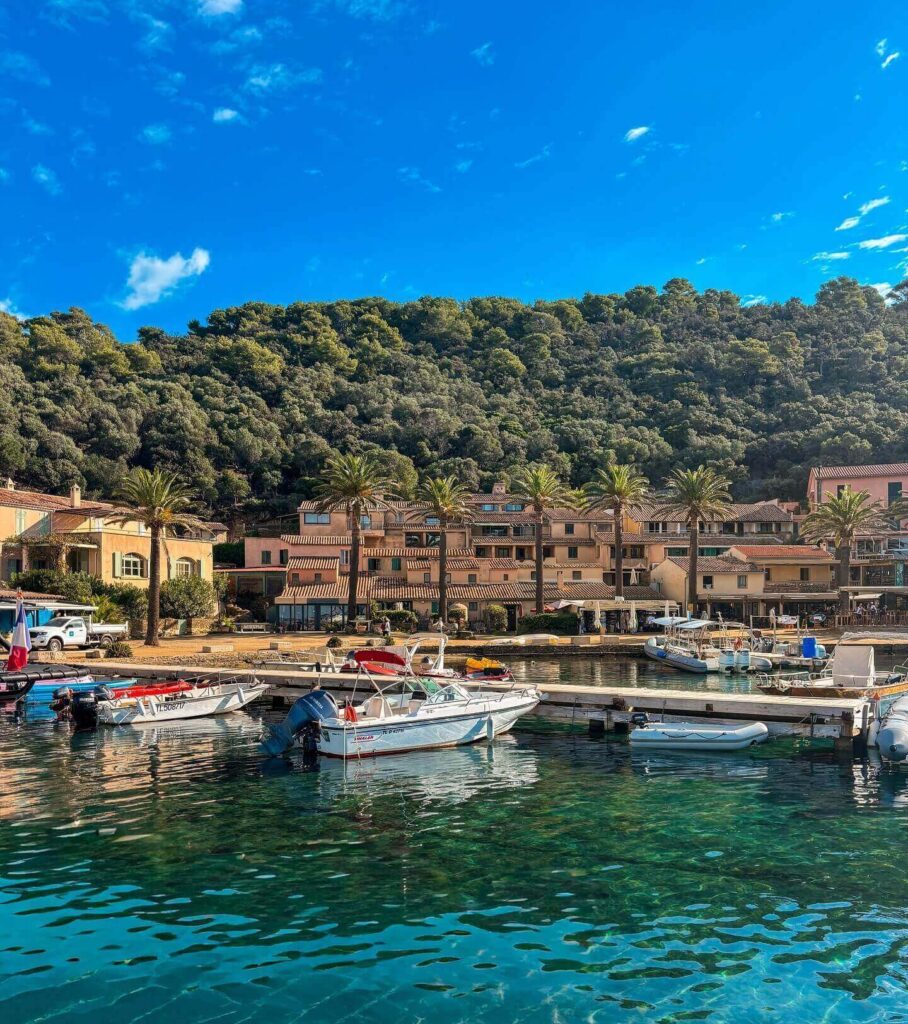
Once you arrive, I’d spend a few minutes around the harbor, check the return ferry again and make sure I have enough water before heading onto the trails.
It’s tempting to start walking immediately, but those few minutes of planning can save you trouble later.
Late Morning: Start a Hike
For an active day, I’d choose the Circuit des Crêtes. It’s long enough to give you a good feel for the island without taking up the entire day.

The route takes around three hours, but I’d allow extra time for photos and stops. If you’re not comfortable with that distance or the weather is particularly warm, choose a shorter trail instead.
There’s no prize for finishing the longest route.
Lunch: Eat Near the Harbor or Carry Food
I’d either plan lunch around the village or carry something simple with me.

If you’re doing a longer hike, don’t count on finding somewhere convenient to eat halfway around the island. Having a sandwich and a few snacks in your backpack makes the day much easier.
You can always have a proper drink or meal around the harbor when you return.
Afternoon: Head Toward La Palud
After the hike, I’d make my way toward Plage de la Palud.
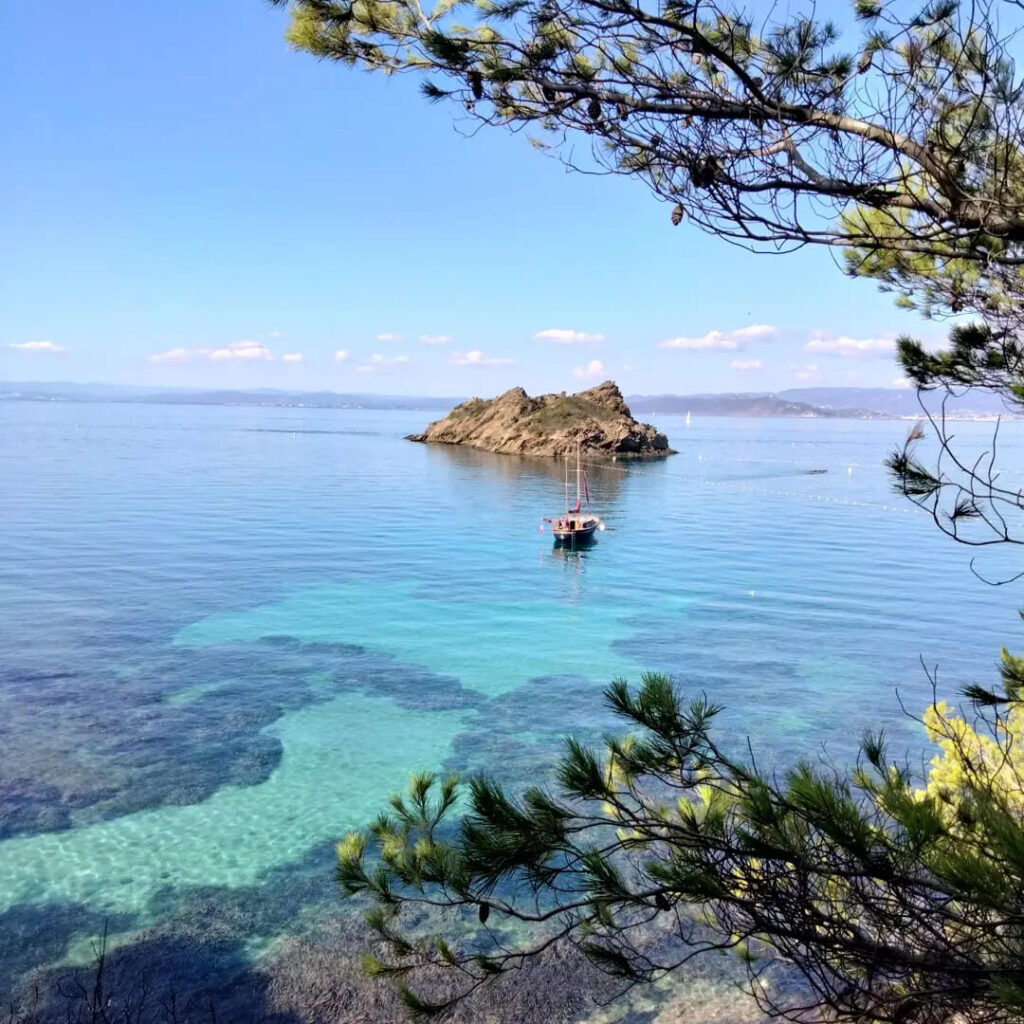
This is where I’d slow the pace down. If the sea is calm, spend some time swimming or try the underwater trail with your mask and snorkel.
The underwater trail takes at least around 40 minutes, so don’t leave it until the last few minutes before your ferry. Give yourself enough time to get out of the water, pack your things and walk back.
Late Afternoon: Return to Port Cros
I’d start heading back earlier than I thought I needed to.
It’s easy to underestimate the time it takes to walk back after spending longer than planned at the beach. Ferries don’t wait for someone who decided they needed “just ten more minutes” in the water.
Personally, I’d rather arrive at the harbor 30 minutes early, grab a drink and relax than spend the final part of the day hurrying along the trail.
Common Mistakes Visitors Make
Trying to See the Entire Island
Port Cros looks small on a map, but walking 12 or 16 km is a completely different story, especially in warm weather.
Choose the route that matches your interests and fitness level. You don’t need to see every fort and every beach during one visit.
Forgetting Water
This is one of the easiest mistakes to avoid.
Bring enough water before leaving the village, particularly if you’re doing a longer hike. I wouldn’t depend on finding somewhere to refill your bottle once you’re away from the port.
Wearing the Wrong Shoes
A pair of flip flops might be fine for sitting at the beach, but they’re not what I’d want for several hours on rocky trails.
Comfortable walking shoes will make a noticeable difference, especially on the Circuit des Crêtes or Circuit des Forts.
Ignoring Fire Restrictions
Check the current access information before hiking, particularly between June and September.
Fire risk can affect access to trails and forested areas, so it’s worth checking before you leave the mainland rather than discovering a restriction after you’ve arrived.
Is Port Cros National Park Worth Visiting?
For me, yes, especially if you enjoy walking and spending most of your day outside.
I’d recommend Port Cros if you like combining hiking with swimming, snorkeling and a little history. You can walk past old forts in the morning, reach the coast for a swim and then slow down around the harbor before catching the boat home.
I’d think twice if you don’t enjoy walking or if your idea of an island day involves lots of restaurants, shopping and easy access to several sandy beaches. In that case, Porquerolles may be a better fit.
What I like most about Port Cros is that the island makes you slow down. Once you leave the harbor, most of the day happens on foot. You notice the trails, the coastline and the old forts because there isn’t much else competing for your attention.
Final Thoughts
Port Cros is the island I’d choose when I want a day in the Îles d’Hyères that feels active but unhurried.
The best part is being able to combine a good hike with time in the water without needing to plan a dozen different activities. You can spend the morning on the trails, stop at the coast, and finish the afternoon snorkeling at La Palud.
My main advice is to leave some room in your schedule. Pick one hike, bring enough water, check the ferry times and give yourself time to enjoy the island rather than trying to collect every sight.
That’s when Port Cros works best.
If you’re planning a wider trip through southern France, you can also explore my other France travel guides on Travel with Zee for ideas on where to go next.