
Driving through the Calanques de Piana was one of the biggest surprises of my trip to Corsica.
Before visiting, I had seen plenty of photos of the island’s beaches, mountain villages, and dramatic coastline. The Calanques looked beautiful, but I assumed they would be another scenic stop along the route between Piana and Porto. What I found instead was one of the most impressive landscapes I’ve seen anywhere in Europe.
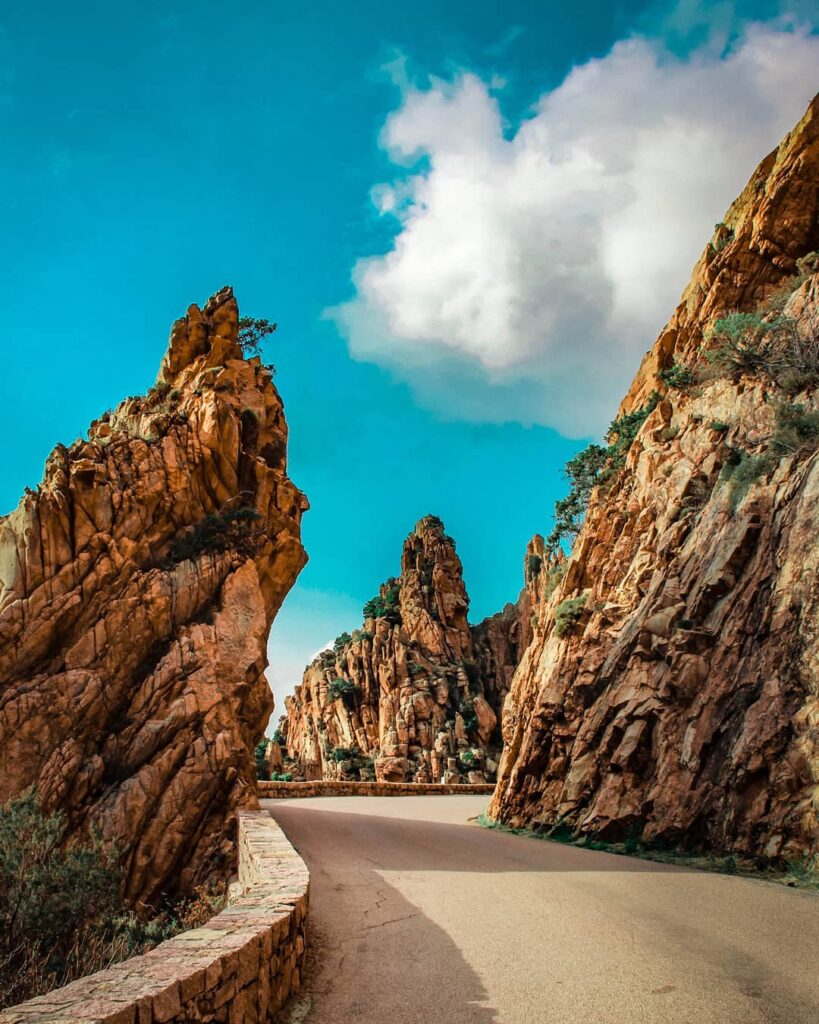
As the road winds through the cliffs, enormous red granite formations rise on either side, sometimes so close that it feels like you’re driving through a natural canyon. Around every bend, the scenery changes.
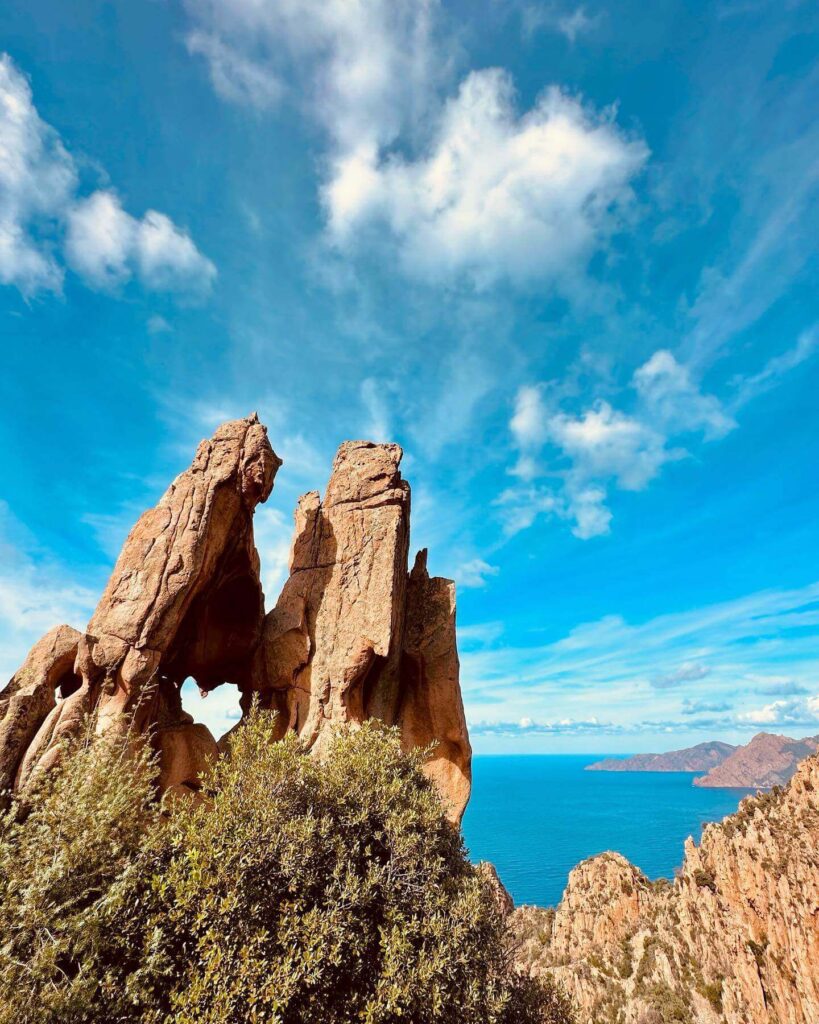
One moment you’re surrounded by towering rock walls glowing orange in the sunlight. A few minutes later, the view opens up to reveal the deep blue waters of the Gulf of Porto far below.
What I loved most was that the Calanques aren’t just a place to stop for a photo. You can spend time exploring viewpoints, hiking through the rock formations, taking a boat tour along the coast, or simply enjoying one of Corsica’s most memorable drives.
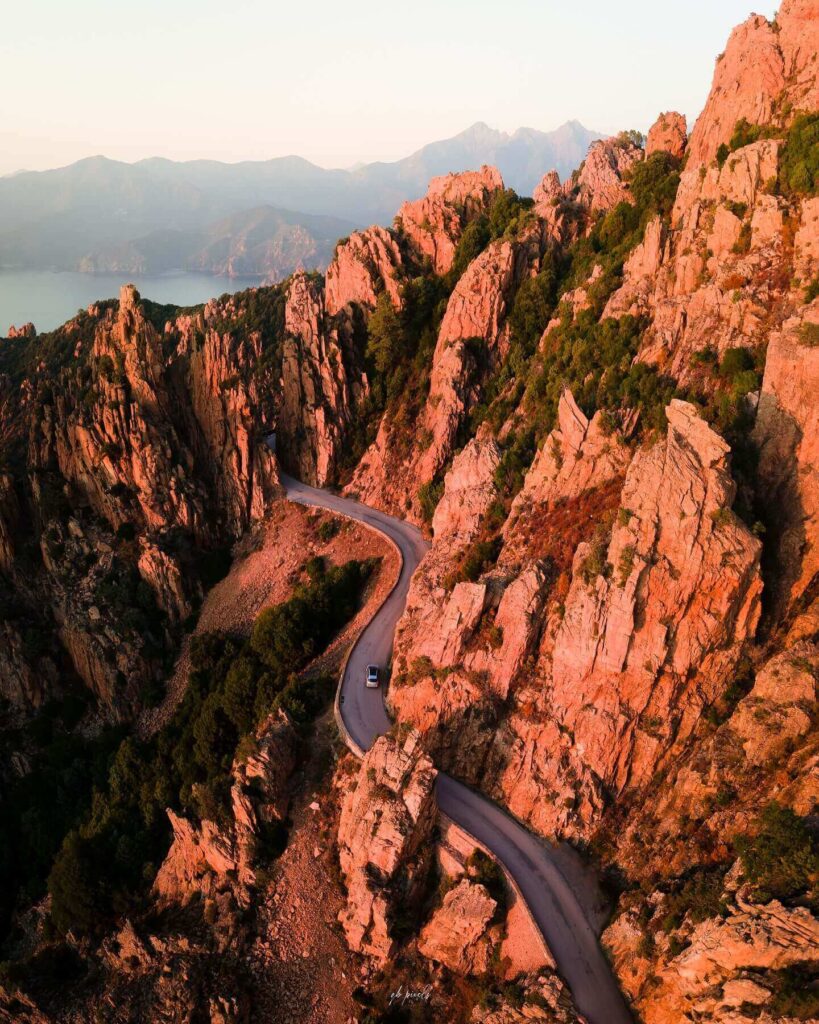
The combination of red cliffs, Mediterranean views, and constantly changing scenery makes this area feel completely different from anywhere else on the island.
Whether you’re planning a Corsica road trip, looking for the best photography spots, or deciding if the Calanques de Piana are worth visiting, this guide covers everything you need to know before you go.
What Are the Calanques de Piana?
The Calanques de Piana are a series of dramatic red granite cliffs and rock formations located on Corsica’s west coast between the village of Piana and the coastal town of Porto. They are considered one of the island’s most famous natural attractions and form part of the UNESCO listed Gulf of Porto.
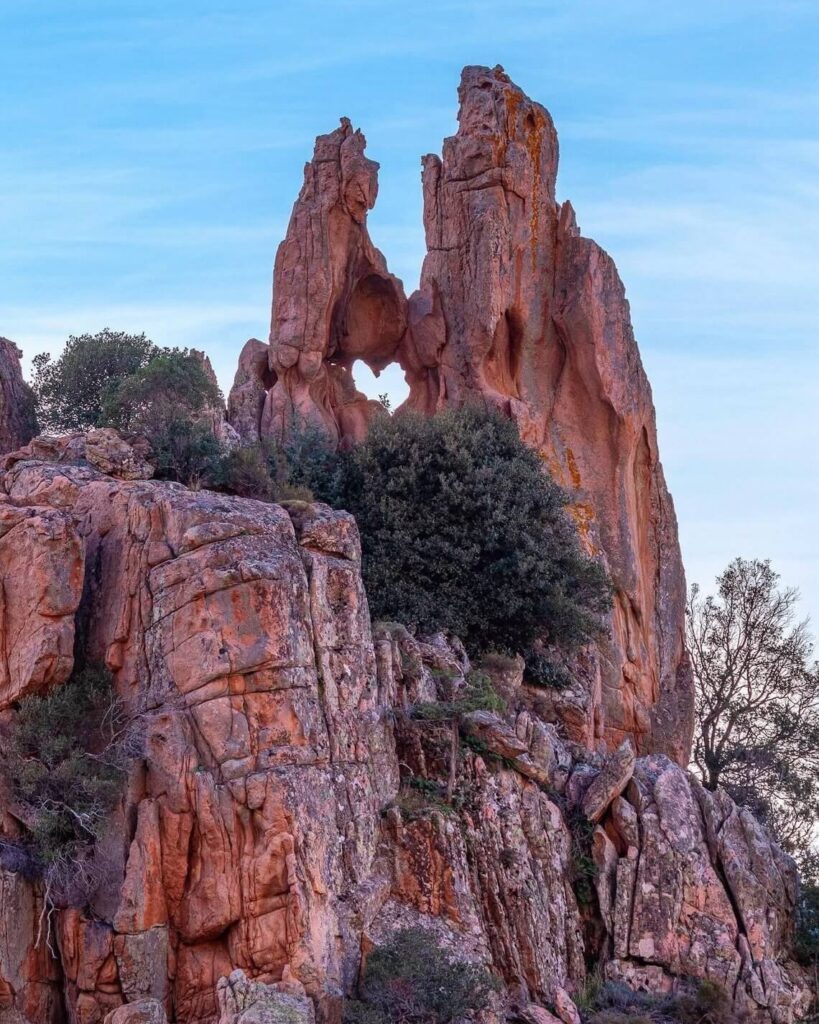
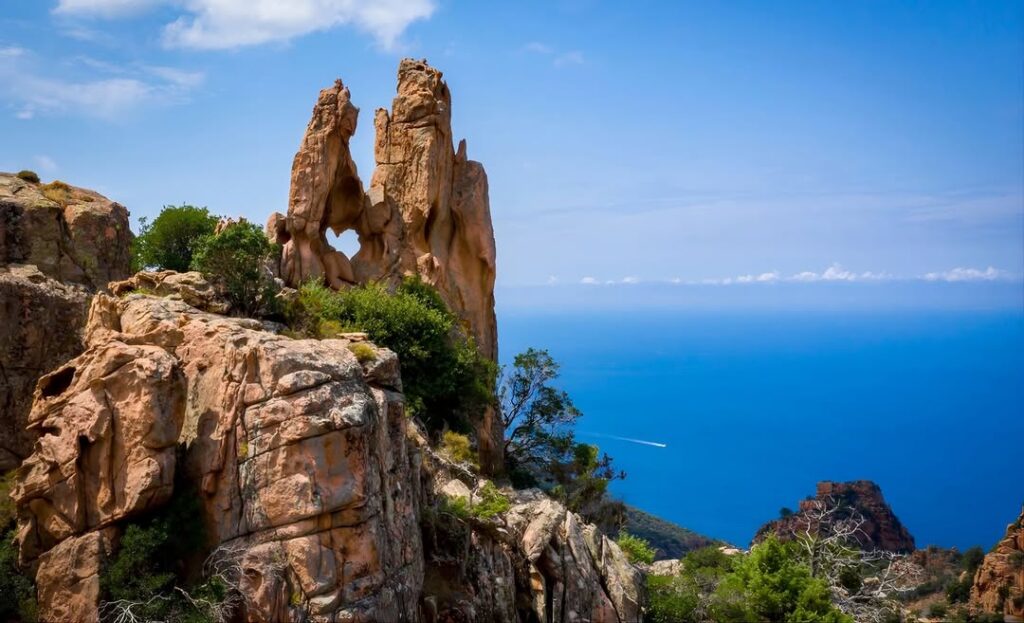
Over millions of years, wind and rain gradually shaped the granite into unusual formations that rise above the coastline. As you travel through the area, you’ll notice rocks that seem to resemble animals, faces, and towering stone sculptures. Part of the fun is spotting these shapes for yourself as you explore.
What makes the Calanques so memorable is the contrast of colors. The granite glows in shades of red and orange, especially in the early morning and late afternoon, while the Mediterranean below shifts between turquoise and deep blue.
Add the green maquis vegetation that covers the surrounding hillsides, and the result is a landscape that feels completely different from many other parts of Corsica.
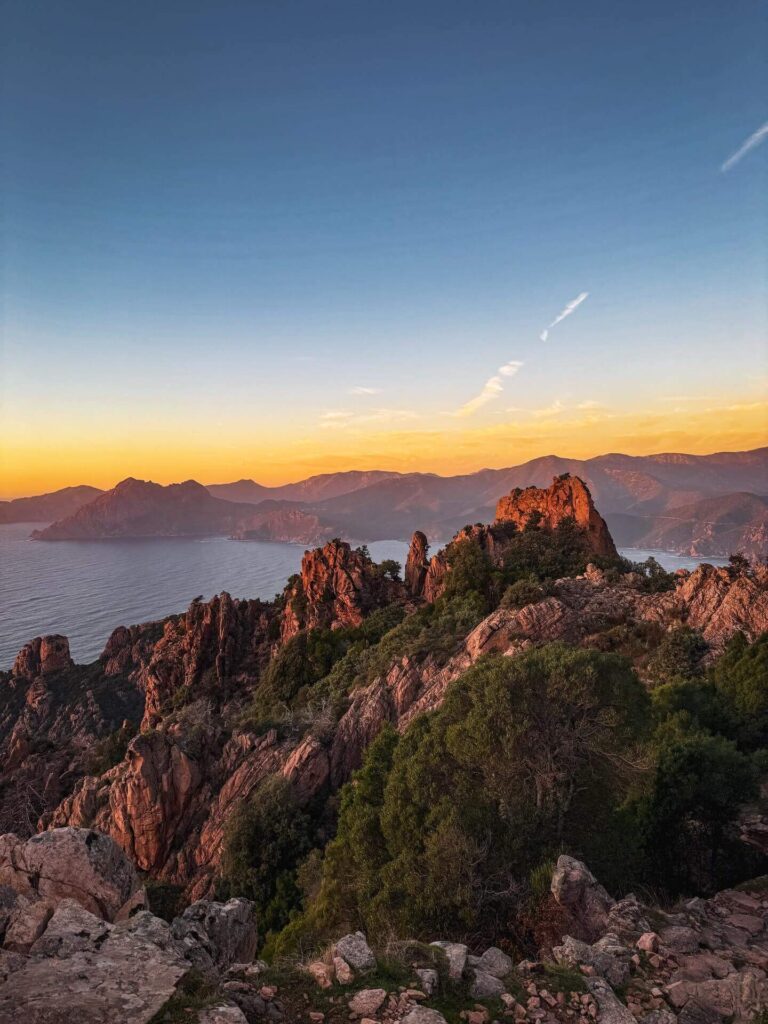
The Calanques are also much larger than many visitors expect. Rather than a single viewpoint or attraction, they stretch along a scenic section of coastline filled with overlooks, hiking trails, and panoramic views.
Whether you’re driving the winding coastal road, hiking among the rock formations, or viewing the cliffs from a boat, it’s easy to see why this area is often considered one of the highlights of a trip to Corsica.
Why Are the Calanques de Piana So Famous?
The Calanques de Piana are famous because they combine several of Corsica’s most spectacular landscapes in one relatively small area. It’s not just the red granite cliffs that attract visitors. It’s the way the cliffs, mountains, and sea come together to create scenery that feels different from almost anywhere else on the island.
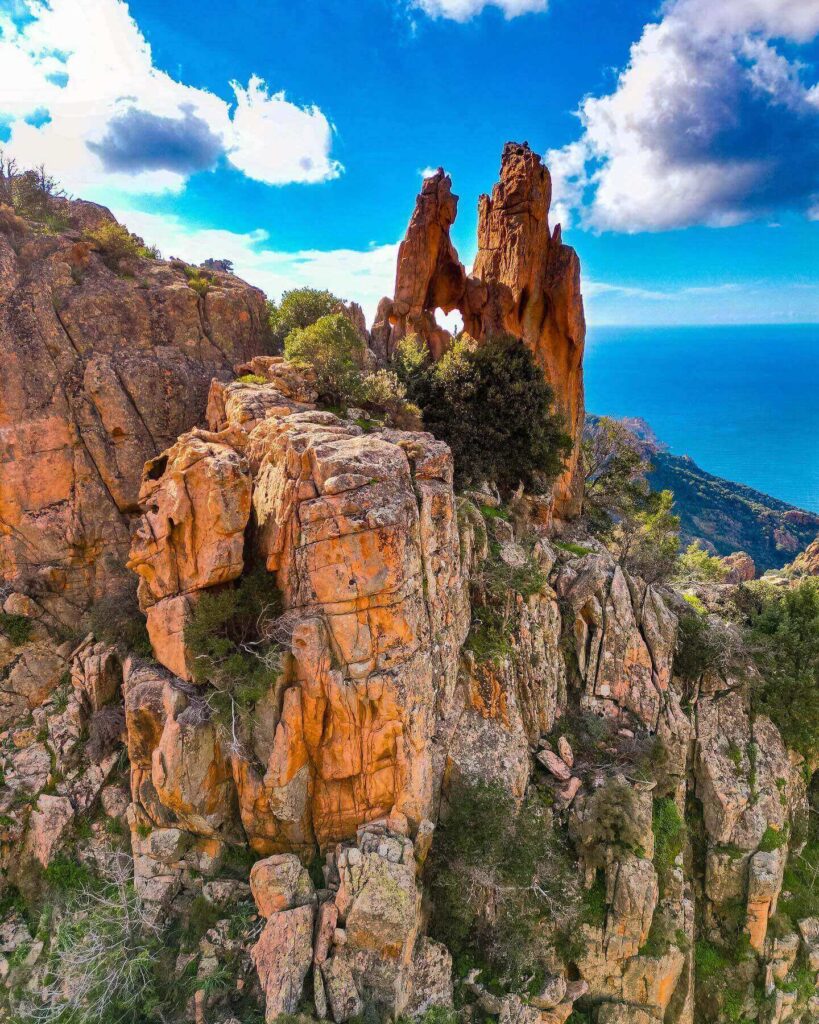
The Calanques form part of the UNESCO listed Gulf of Porto, a protected area that also includes the nearby Scandola Nature Reserve and the rugged coastline of Capu Rossu. This region is often considered one of the natural highlights of Corsica, and it’s easy to understand why once you see it in person.
For many visitors, the drive itself becomes the main attraction. The D81 road twists through towering rock formations, narrow passages, and dramatic coastal viewpoints. Around every bend, the scenery changes. One moment you’re surrounded by red granite cliffs, and the next you’re looking out across the deep blue waters of the Gulf of Porto.
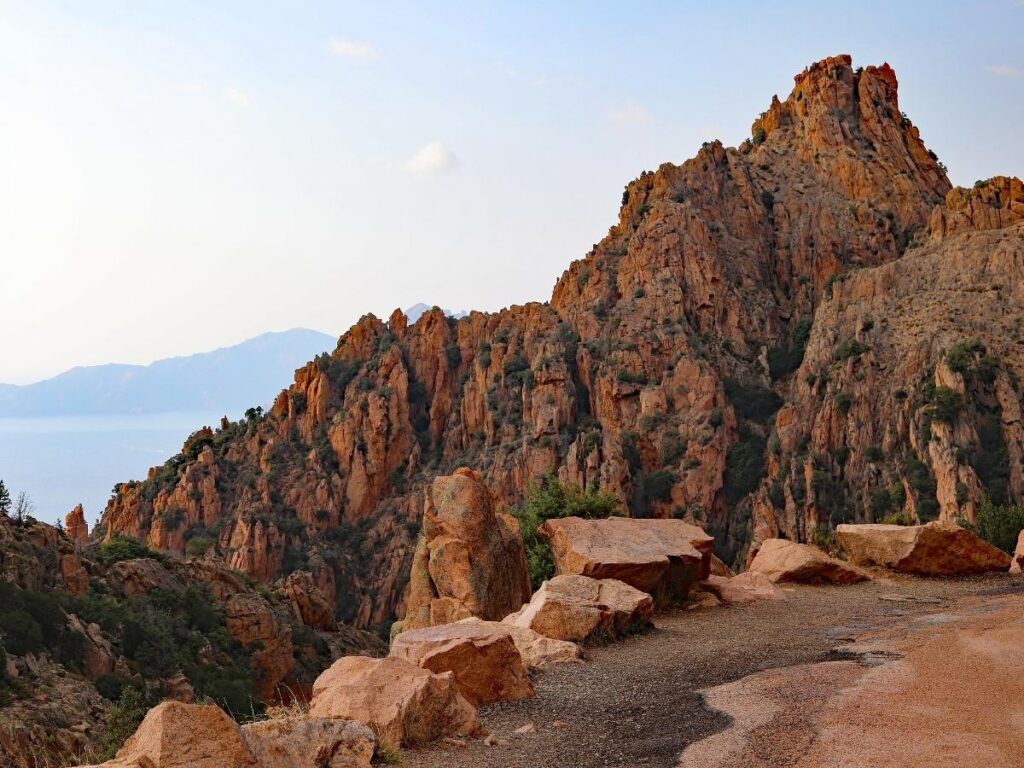
What I think makes the Calanques so memorable is that photos never seem to capture their true scale. The cliffs are much larger and more dramatic than they appear in pictures, and the constantly changing views make the journey feel like an attraction in itself rather than simply a drive between two destinations.
Even travelers who don’t plan to hike or take a boat tour often rank the Calanques among their favorite places in Corsica. Simply driving through the area and stopping at a few viewpoints is enough to understand why it has become one of the island’s most visited natural landmarks.
Where Are the Calanques de Piana?
The Calanques de Piana are located on Corsica’s west coast, between the hilltop village of Piana and the seaside town of Porto. They stretch along the D81 coastal road, which connects some of the island’s most beautiful landscapes and is widely considered one of the most scenic drives in Corsica.
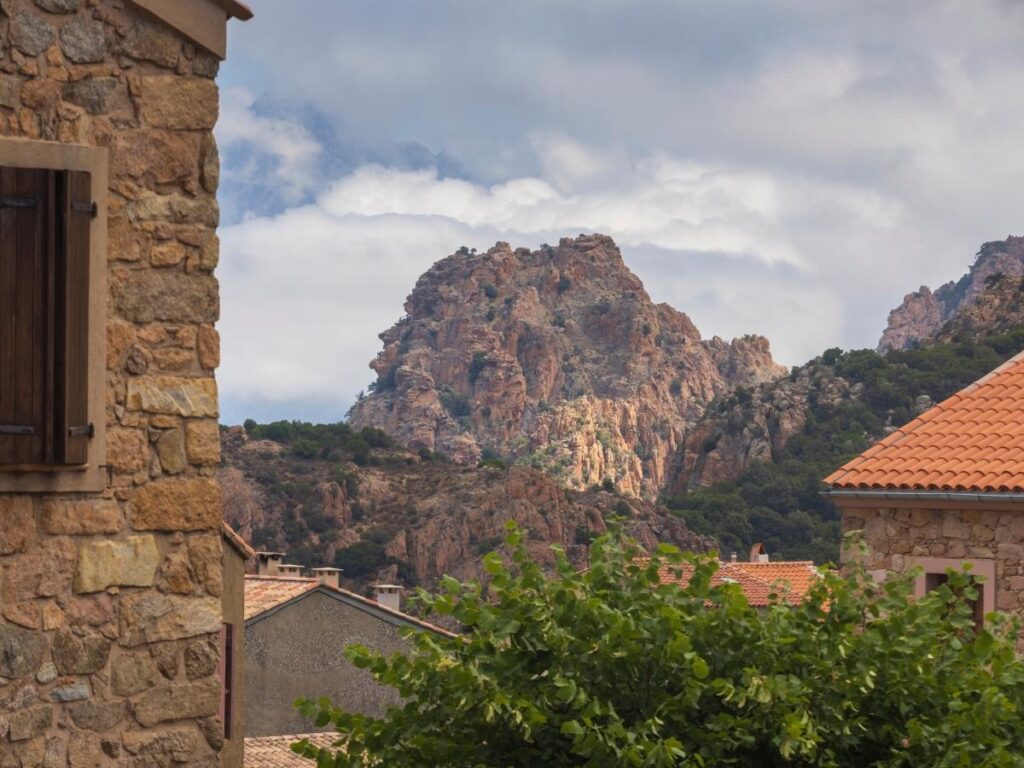
The location makes the Calanques easy to include in a wider Corsica itinerary. Many travelers visit while driving between Ajaccio and Porto, while others combine them with nearby attractions such as the Scandola Nature Reserve, Capu Rossu, or the Gulf of Porto.
Although the distances on the map may not seem particularly long, driving in Corsica is often slower than visitors expect. The roads are narrow and winding, especially along the west coast, and you’ll likely find yourself stopping frequently for photos along the way.
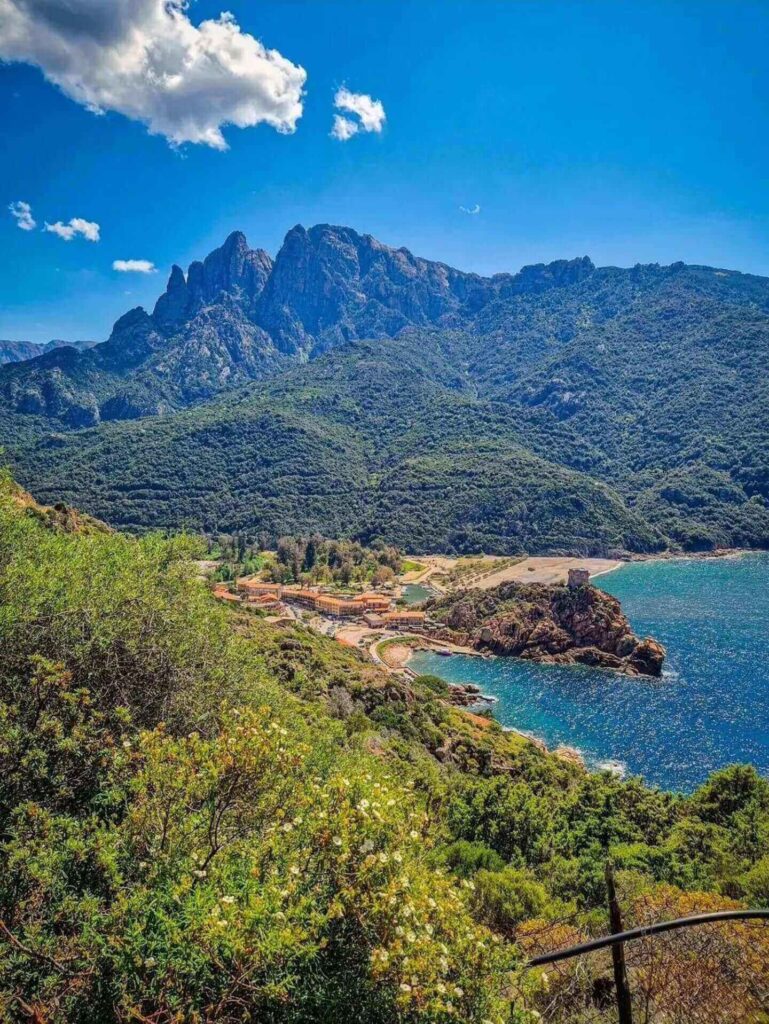
As a general guide, the Calanques are only about 5 minutes from Piana and around 10 minutes from Porto. They can be reached from Ajaccio in roughly 1 hour and 30 minutes, while the drive from Calvi takes around 2 hours. Travelers coming from Bastia should expect a journey of approximately 3 hours.
Because the roads are so scenic, I always recommend allowing extra time rather than focusing solely on the driving distance. What might look like a simple journey on Google Maps often turns into several hours once you factor in viewpoint stops, photo opportunities, and the temptation to pull over every few minutes to admire the scenery.
How to Get to the Calanques de Piana
By Car
Driving is the easiest and most popular way to visit the Calanques de Piana. The D81 road passes directly through the rock formations, allowing you to stop at viewpoints and explore the area at your own pace.
Most visitors arrive from Ajaccio, Porto, or Calvi as part of a Corsica road trip. The drive itself is one of the highlights, with winding roads, dramatic cliffs, and frequent coastal views along the way.
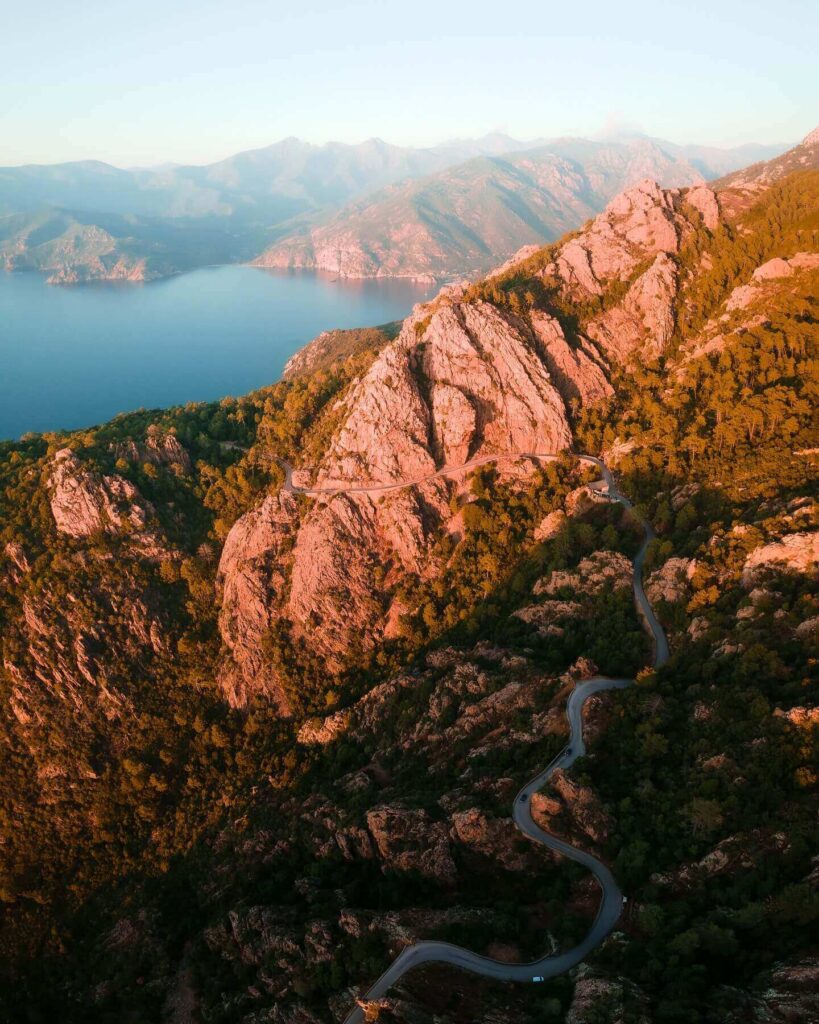
One thing that surprised me was how narrow some sections of the road can be, especially when passing tour buses or motorhomes. The route is manageable for most drivers, but it’s worth taking your time and using the designated pull offs whenever you want to stop for photos.
If you’re visiting during summer, try to arrive early in the day or later in the afternoon. Traffic is lighter, and the lighting is often much better for photography.
By Organized Tour
If you don’t have a rental car, guided tours are available from towns such as Ajaccio, Porto, and Calvi. Many combine the Calanques with other attractions along Corsica’s west coast, including the Gulf of Porto and the Scandola Nature Reserve.
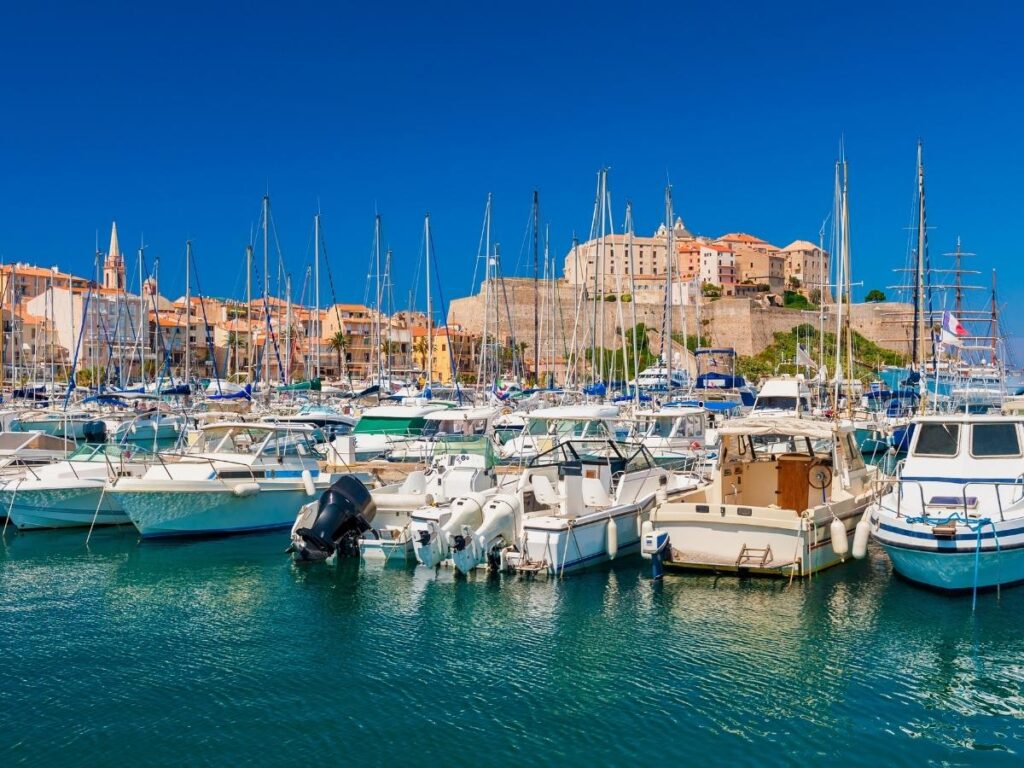
While tours are convenient, they don’t offer the same flexibility as exploring on your own.
Can You Visit Without a Car?
Yes, but it requires more planning. Public transportation along Corsica’s west coast is limited, and bus schedules can be infrequent.
For most travelers, renting a car is the best option since it allows you to stop at viewpoints whenever you like and explore nearby attractions at your own pace. If driving isn’t possible, a guided tour is usually the easiest alternative.
Is the Calanques de Piana Worth Visiting?
Absolutely.
Corsica is full of beautiful places, from mountain villages and hiking trails to white sand beaches and turquoise bays. Yet the Calanques de Piana still manage to stand out. The combination of red granite cliffs, winding coastal roads, and views across the Gulf of Porto creates scenery that feels completely different from many other parts of the island.
What I like most is that you don’t need to be an experienced hiker to enjoy it. Some of the best views are accessible directly from the road, making it easy to appreciate the landscape even if you’re short on time. At the same time, there are hiking trails, boat tours, and viewpoints for travelers who want to explore further.
If you enjoy scenic drives, photography, or dramatic coastal landscapes, the Calanques de Piana will likely become one of the highlights of your Corsica itinerary.
Best Things to Do at the Calanques de Piana
While the Calanques de Piana are often associated with the famous coastal road, there’s much more to the area than simply driving through it. Whether you have an hour or an entire day, there are plenty of ways to experience the landscape beyond a quick photo stop.
Drive the D81 Scenic Road
For most visitors, the drive itself is the highlight.
The stretch of the D81 between Piana and Porto is one of the most scenic roads in Corsica. As the road winds along the coastline, it passes directly through the heart of the Calanques, weaving between towering red granite formations that seem to rise straight from the hillside.
What makes this drive so memorable is how quickly the scenery changes. One moment you’re surrounded by massive rock walls that almost feel canyon-like, and the next the road opens up to sweeping views across the Gulf of Porto.
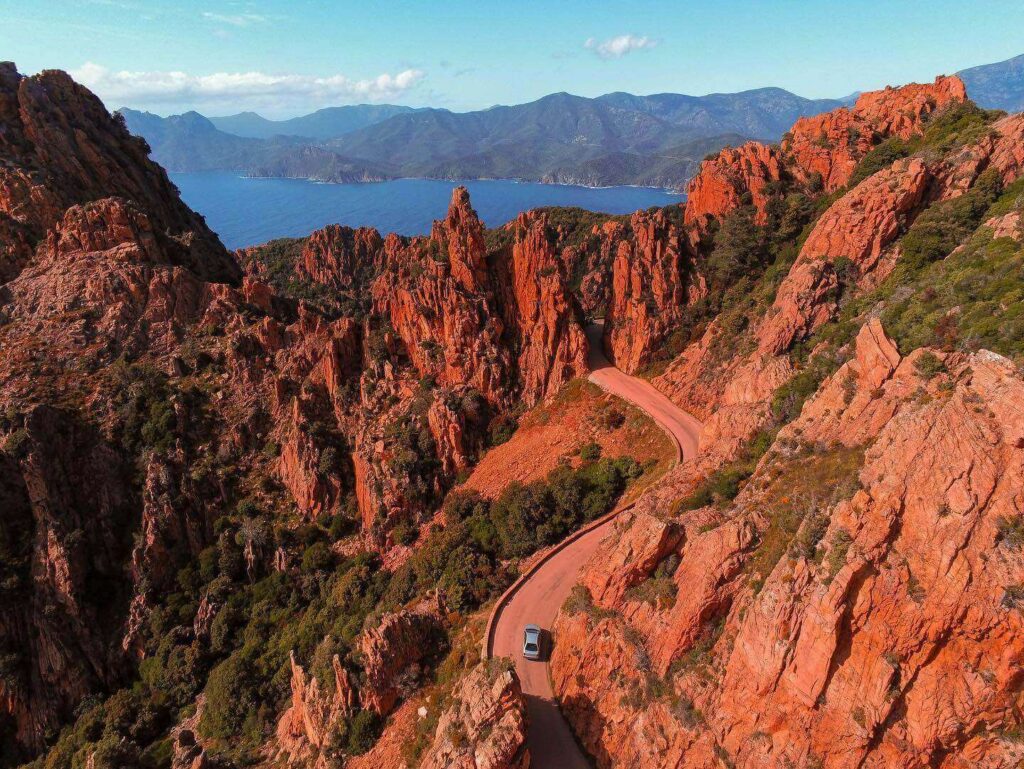
There are narrow passages carved between the cliffs, dramatic bends in the road, and countless viewpoints where you’ll be tempted to pull over.
Even if you don’t plan to hike or take a boat tour, I would still recommend setting aside at least an hour for this drive. The distance itself isn’t long, but you’ll almost certainly want to stop several times to enjoy the views and take photos.
Look for the Famous Rock Formations
One of the more enjoyable parts of visiting the Calanques is spotting the shapes hidden within the cliffs.
Over centuries, wind and rain have sculpted the granite into unusual formations, and many have earned nicknames based on what they resemble.
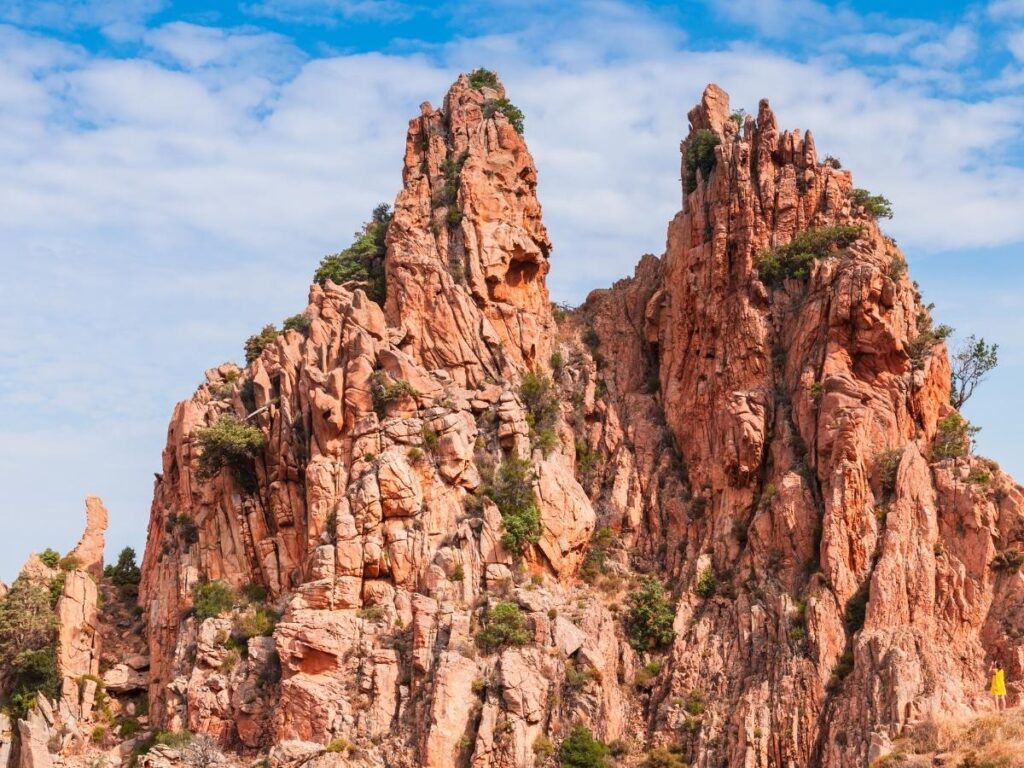
Some visitors see eagles, others spot dogs, faces, hearts, or giant stone towers. Local guides often point out specific formations, but honestly, half the fun is using your own imagination.
The shapes become easier to spot when you slow down and spend a little time looking at the cliffs rather than rushing through the area. You may notice details that weren’t obvious at first glance.
Stop at the Best Viewpoints
The viewpoints are where you’ll get some of the best perspectives of the Calanques and the surrounding coastline.
Belvédère de Saliccio
Belvédère de Saliccio is one of the most popular viewpoints in the area and for good reason. From here, you can really appreciate the scale of the cliffs and see how dramatically they rise above the Mediterranean.
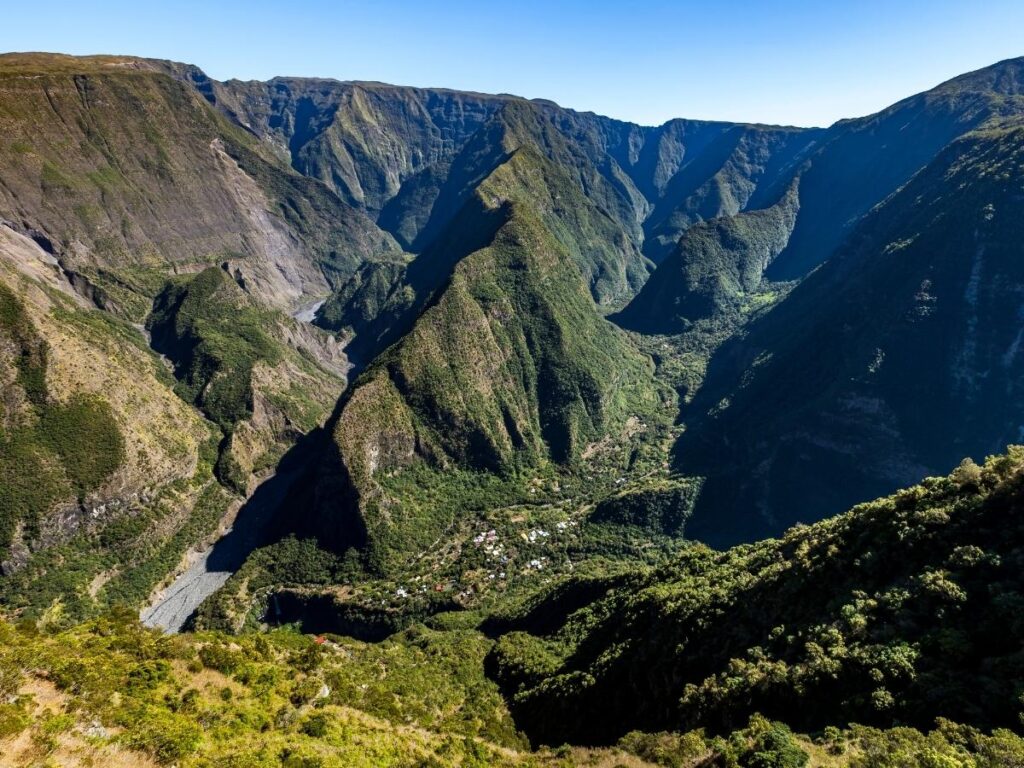
Late afternoon is a particularly beautiful time to visit, when the warm sunlight enhances the red and orange tones of the granite.
Roches Rouges Viewpoint
Another excellent stop is the Roches Rouges viewpoint. The contrast between the red rock formations, green vegetation, and blue sea creates one of the most photographed scenes along Corsica’s west coast.
Roadside Pull Offs
Some of my favorite views actually came from small roadside pull offs rather than the official viewpoints. There are numerous places along the D81 where you can safely stop for a few minutes and enjoy a different angle of the landscape.
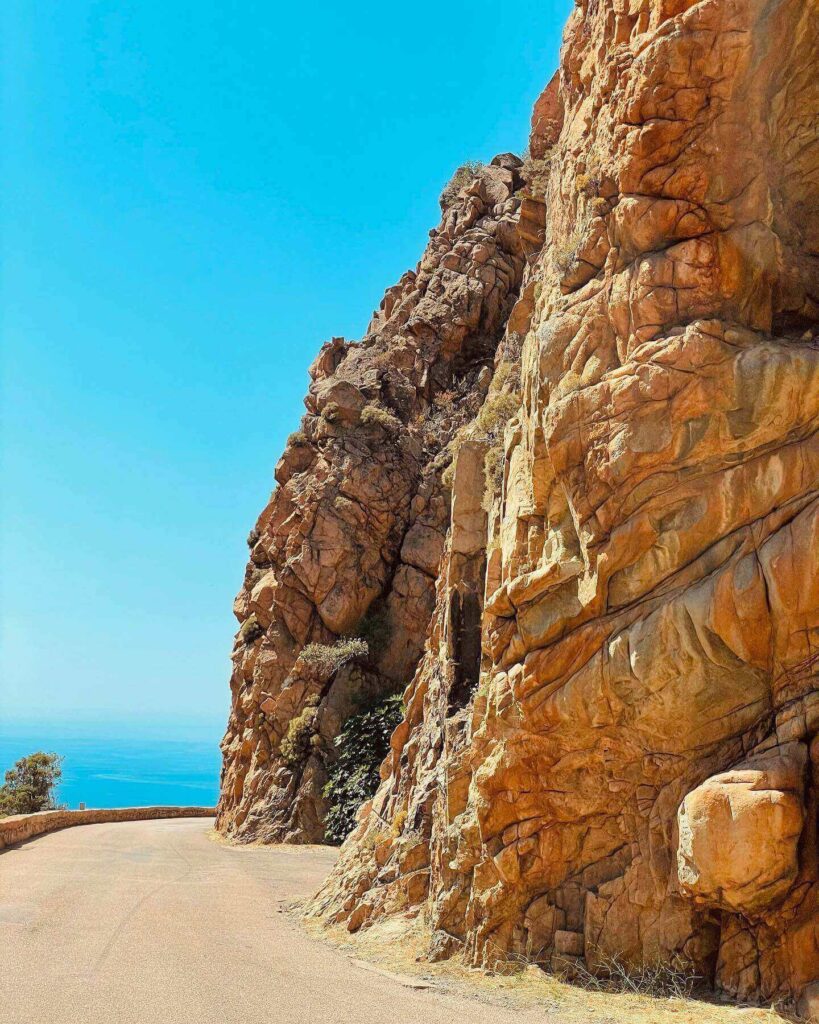
Because the scenery changes so frequently, no two viewpoints feel exactly the same. If you see a safe place to pull over, it’s usually worth taking a look.
Take a Boat Tour Through the Gulf of Porto
One of the biggest mistakes visitors make is only seeing the Calanques de Piana from the road.
The viewpoints are beautiful, but the cliffs look completely different from the water. When viewed from sea level, the granite formations appear much larger and more dramatic. You can see how the cliffs plunge into the Mediterranean and appreciate parts of the coastline that simply aren’t visible from the road above.
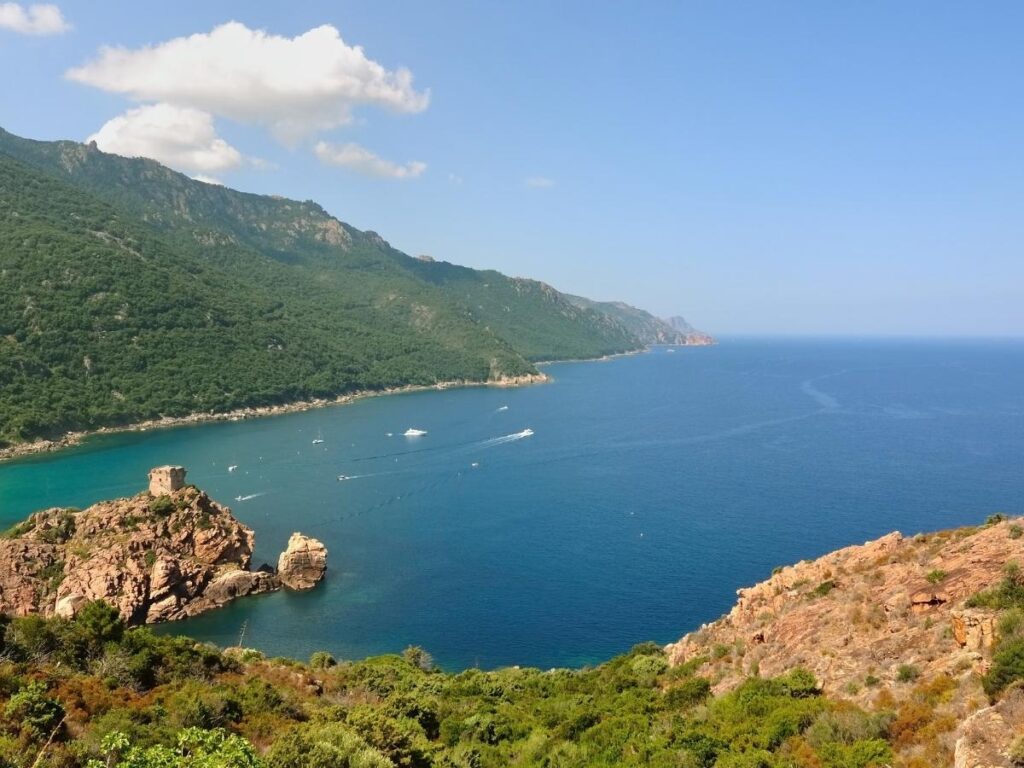
Most boat tours depart from Porto, which is only a short drive from the Calanques. Depending on the tour you choose, you may spend anywhere from 90 minutes to half a day exploring the coastline.
Shorter excursions typically focus on the Gulf of Porto and the Calanques themselves, while longer trips often continue to the nearby Scandola Nature Reserve, one of Corsica’s most famous natural attractions.
If it’s your first visit, I would recommend choosing a tour that combines the Calanques, Gulf of Porto, and Scandola. It gives you a much better understanding of why this stretch of coastline is considered one of the most beautiful parts of Corsica.
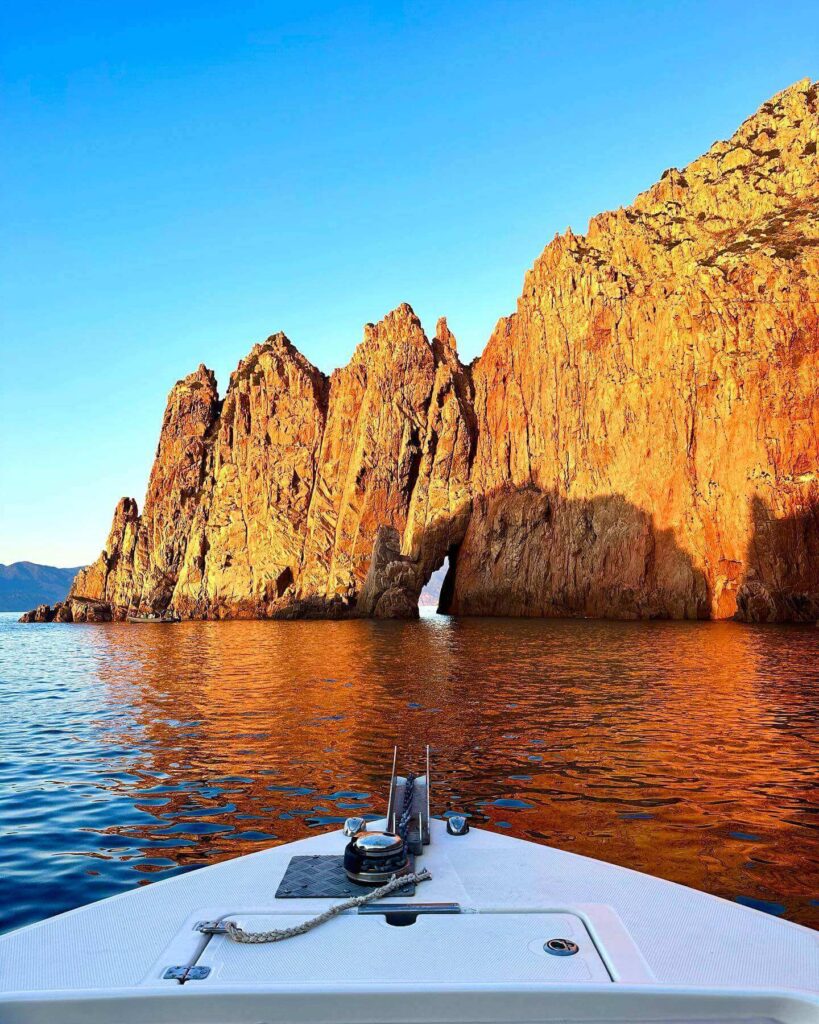
If I had to choose between a hike and a boat tour, I would probably pick the boat tour. The perspective from the water is something you simply can’t experience from the road, and it completely changes the way you see the landscape. Of course, if you have enough time, combining both is even better.
Visit at Sunset
Sunset is my favorite time to experience the Calanques de Piana.
The cliffs are impressive throughout the day, but the colors become especially beautiful during the hour before sunset. As the light softens, the granite shifts from orange to deep red, and some sections almost seem to glow against the blue backdrop of the Mediterranean.
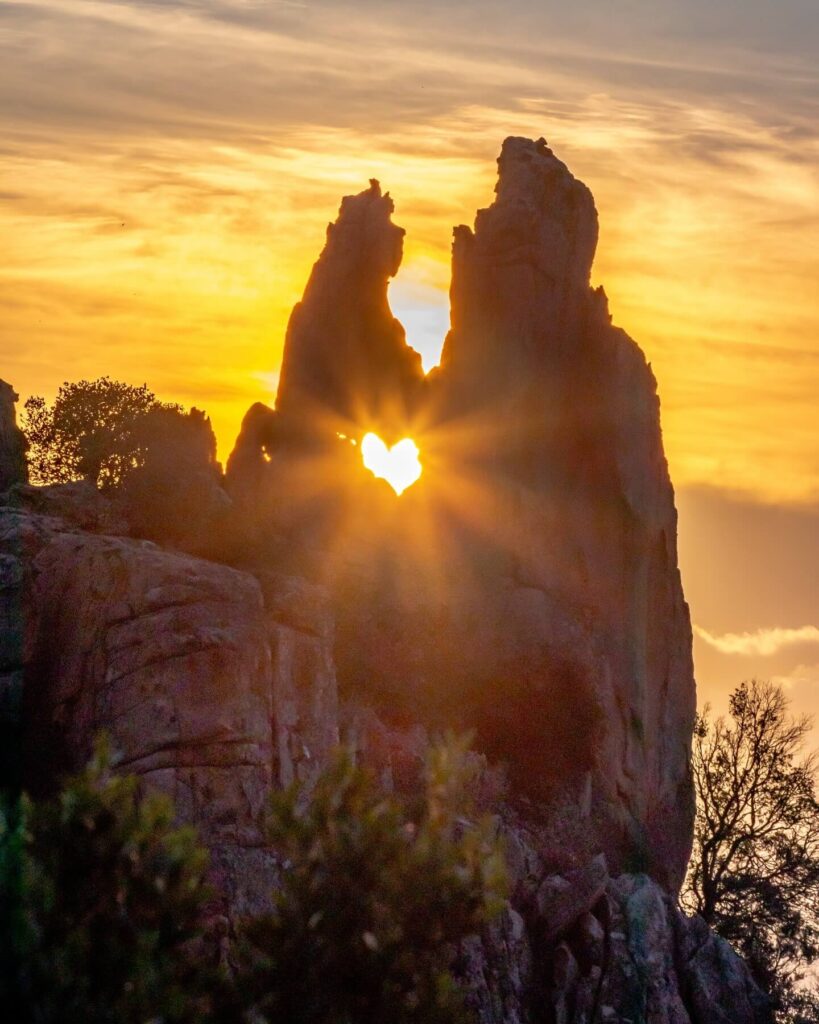
Another advantage of visiting later in the day is that the crowds begin to thin out. Many day trippers have already moved on, leaving the viewpoints quieter and more relaxed.
You don’t need to chase a specific viewpoint to enjoy the sunset here. Belvédère de Saliccio is a popular choice, but some of the smaller roadside pull offs along the D81 can be just as rewarding. I would recommend arriving at least an hour before sunset so you can watch the changing light and have time to explore a few different viewpoints.
Explore the Village of Piana
Many visitors pass through Piana without stopping, but I think it’s worth spending at least an hour exploring the village.
Perched high above the coastline, Piana enjoys beautiful views across the surrounding mountains and toward the Gulf of Porto. The village itself is small, but that’s part of its charm. Instead of souvenir shops and large crowds, you’ll find quiet streets, traditional stone buildings, small cafés, and a slower pace of life.
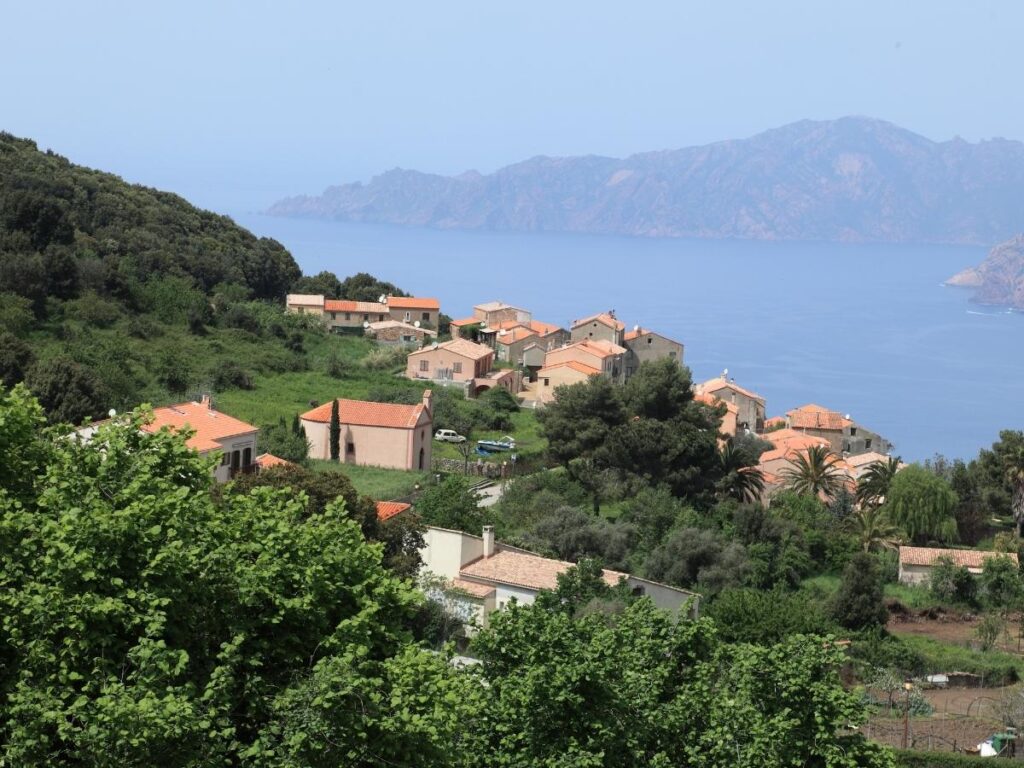
I enjoyed simply wandering through the historic center and taking in the atmosphere. The village isn’t packed with major attractions, but it feels authentically Corsican and provides a nice contrast to the dramatic scenery of the Calanques.
While you’re there, take a look at Sainte Marie Church and spend some time at the viewpoints around the edge of the village. On a clear day, the views stretch across the coastline and surrounding mountains.
For me, Piana was more than just a gateway to the Calanques. It was a reminder that some of the best travel experiences come from slowing down for a while instead of rushing to the next viewpoint.
Best Time to Visit the Calanques de Piana
The Calanques de Piana are beautiful at any time of year, but your experience can be quite different depending on when you visit.
Weather, traffic levels, and lighting conditions all play a role, especially if you’re planning to hike, take a boat tour, or spend time photographing the landscape.
Spring (April to June)
Spring is one of the best times to visit the Calanques. The temperatures are usually comfortable for sightseeing and hiking, and the roads are much quieter than they are during the peak summer season.
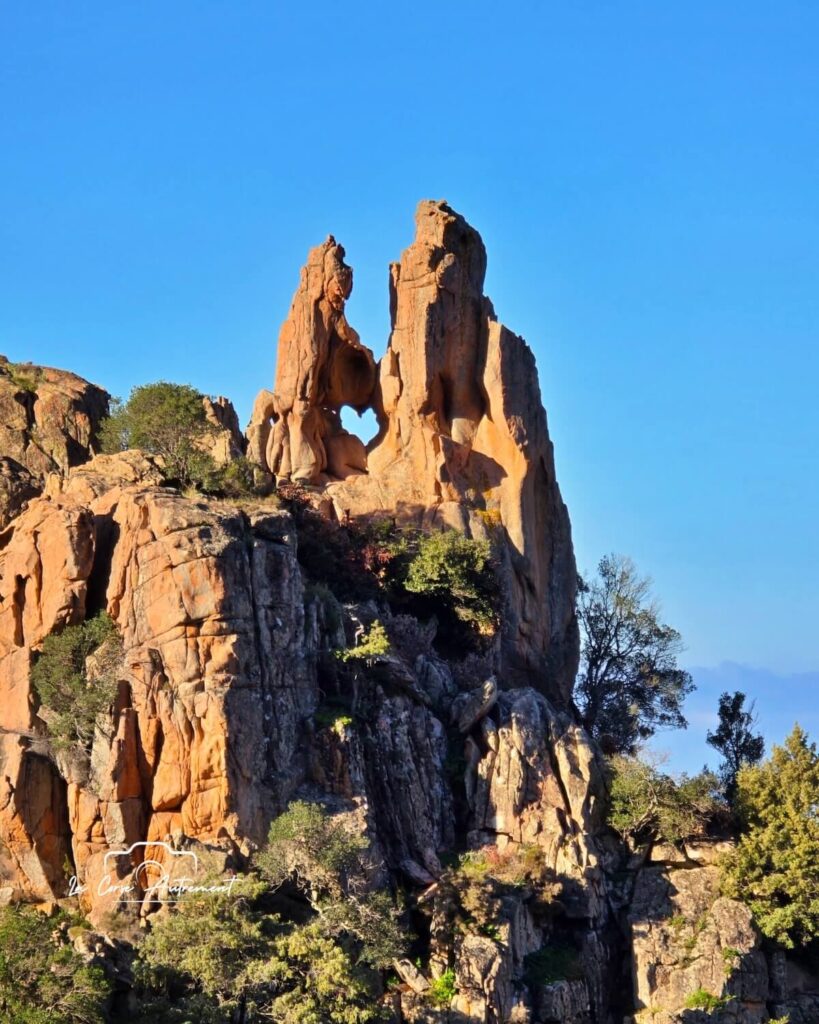
The hillsides begin to turn green after winter, and wildflowers add extra color to the landscape. It’s also a great time for photography, as the softer sunlight brings out the red tones of the granite without the harsh glare that can occur during summer.
If you’re planning a Corsica road trip, spring offers a nice balance between good weather and manageable crowds.
Summer (July and August)
Summer is the busiest time of year, and the Calanques are one of Corsica’s most popular attractions. Expect more traffic on the D81, particularly during the middle of the day when tour buses, rental cars, and motorhomes are all using the same road.
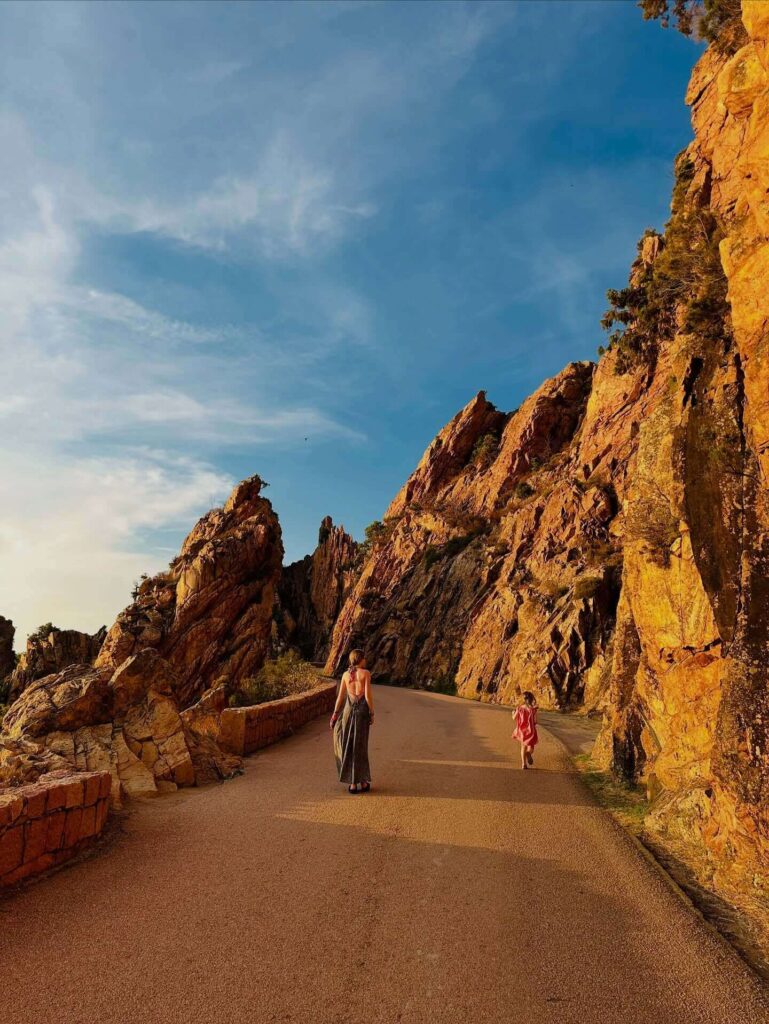
The scenery is every bit as beautiful, but you’ll likely share the viewpoints with plenty of other visitors. If you’re visiting during summer, I would recommend arriving early in the morning or later in the afternoon when temperatures are cooler and the roads are generally less busy.
The longer daylight hours are a bonus, giving you plenty of time to combine the Calanques with nearby places like Porto or the Scandola Nature Reserve.
Autumn (September and October)
If I had to choose one season, it would probably be autumn.
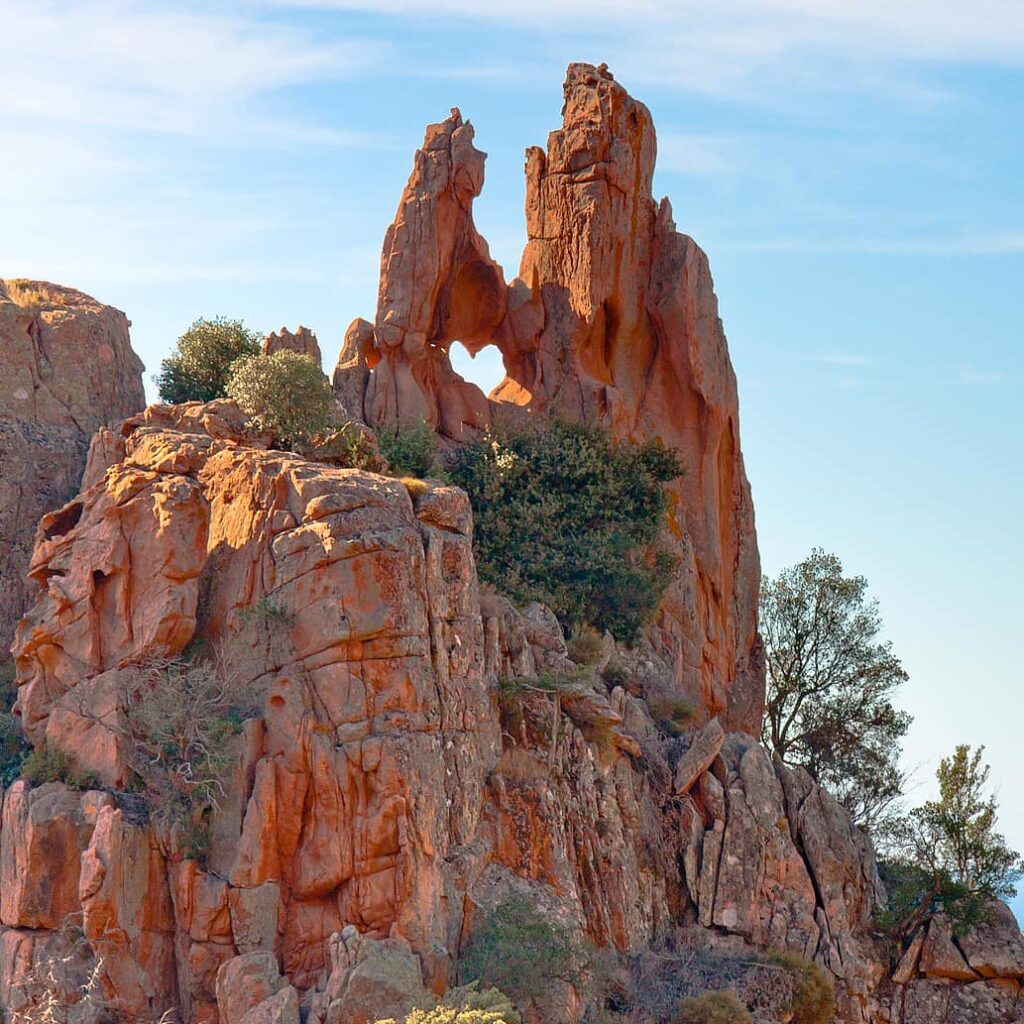
The crowds begin to thin out after the summer holidays, but the weather often remains warm and pleasant. The sea is still warm enough for boat trips and swimming, and the lower sun angle creates beautiful lighting throughout the day.
September in particular can feel like the best of both worlds, with summer like weather and far fewer visitors.
Winter
Winter is the quietest time to visit the Calanques. While some hotels, restaurants, and boat tours operate on reduced schedules, the scenery remains just as impressive.
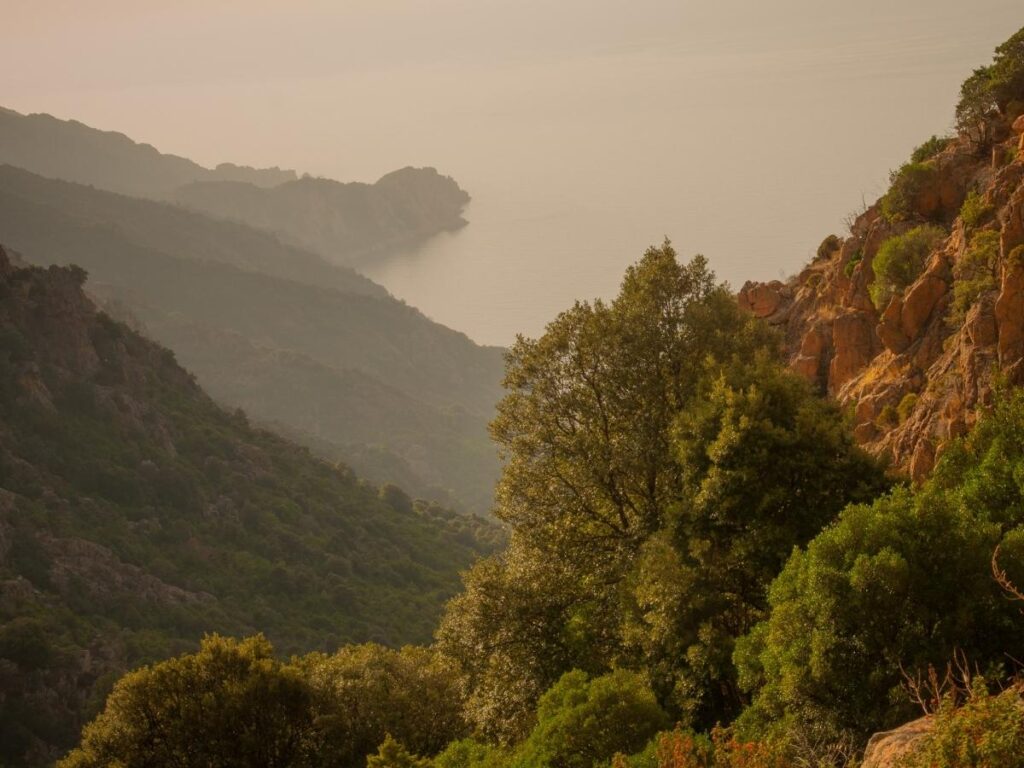
You may find yourself stopping at viewpoints without another person in sight, something that’s difficult to imagine during the busy summer months. The weather can be less predictable, but on clear days the visibility is often excellent, making winter a surprisingly rewarding time for photography and sightseeing.
How Long Do You Need at the Calanques de Piana?
One of the most common questions travelers ask is how much time they should set aside for the Calanques de Piana. The answer really depends on what you want to do once you get there.
Some people are happy to enjoy the scenic drive and a few viewpoints before continuing their journey, while others spend an entire day hiking, taking boat tours, and exploring the surrounding area. Personally, I think the Calanques deserve more than a quick stop if your schedule allows.
Quick Visit (Around 1 Hour)
If you’re driving between Ajaccio and Porto or simply passing through the area, you can see many of the highlights in about an hour.
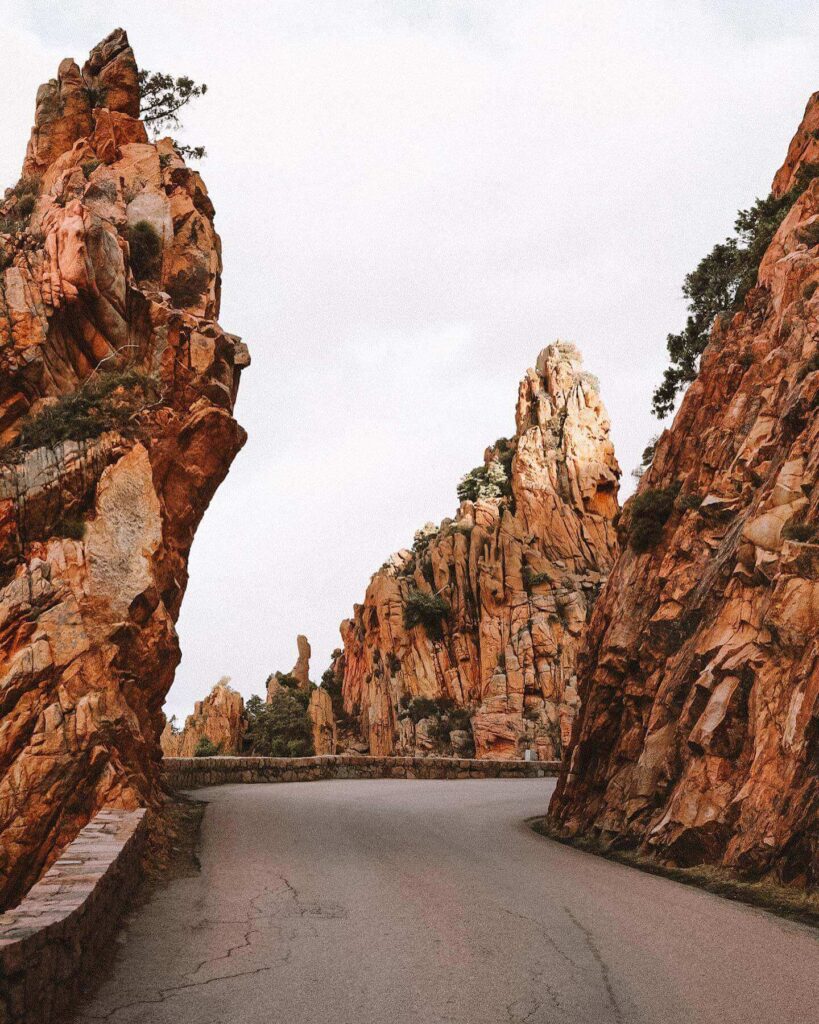
This gives you enough time to drive the most scenic section of the D81, stop at a few viewpoints, and take some photos of the famous red granite cliffs. You’ll still get a good sense of why the Calanques are so popular, even if you’re short on time.
That said, most visitors end up staying longer than they planned. The scenery changes constantly, and it’s hard to resist stopping for “just one more photo.”
Half Day Visit
A half day visit is what I would recommend for most travelers.
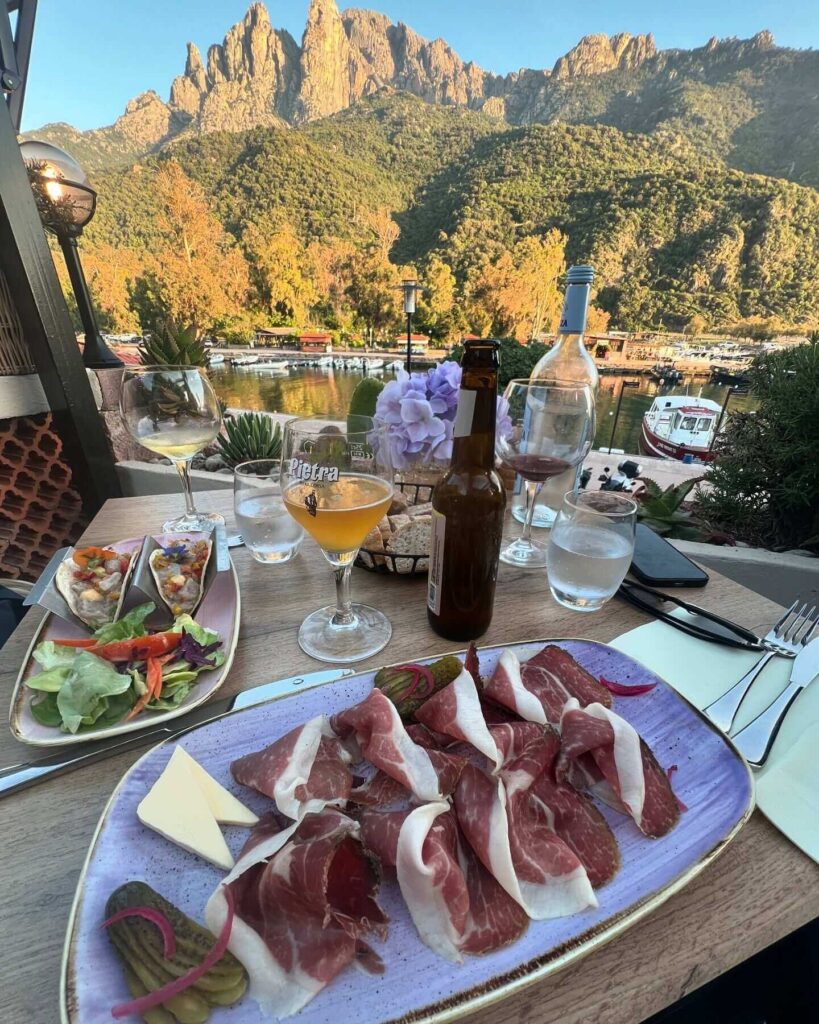
With a few extra hours, you can explore several viewpoints without feeling rushed, enjoy a leisurely lunch in Piana or Porto, and perhaps walk part of one of the area’s hiking trails. You’ll also have more flexibility to wait for better lighting if you’re interested in photography.
This amount of time allows you to experience the Calanques properly rather than simply driving through them.
Full Day Experience
If the Calanques are one of the main reasons you’re visiting Corsica, consider dedicating a full day to the area.
A full day gives you enough time to combine the scenic drive with the Sentier du Château Fort hike, a boat excursion from Porto, and some time exploring the village of Piana. You can even finish the day watching the cliffs change color as the sun begins to set.
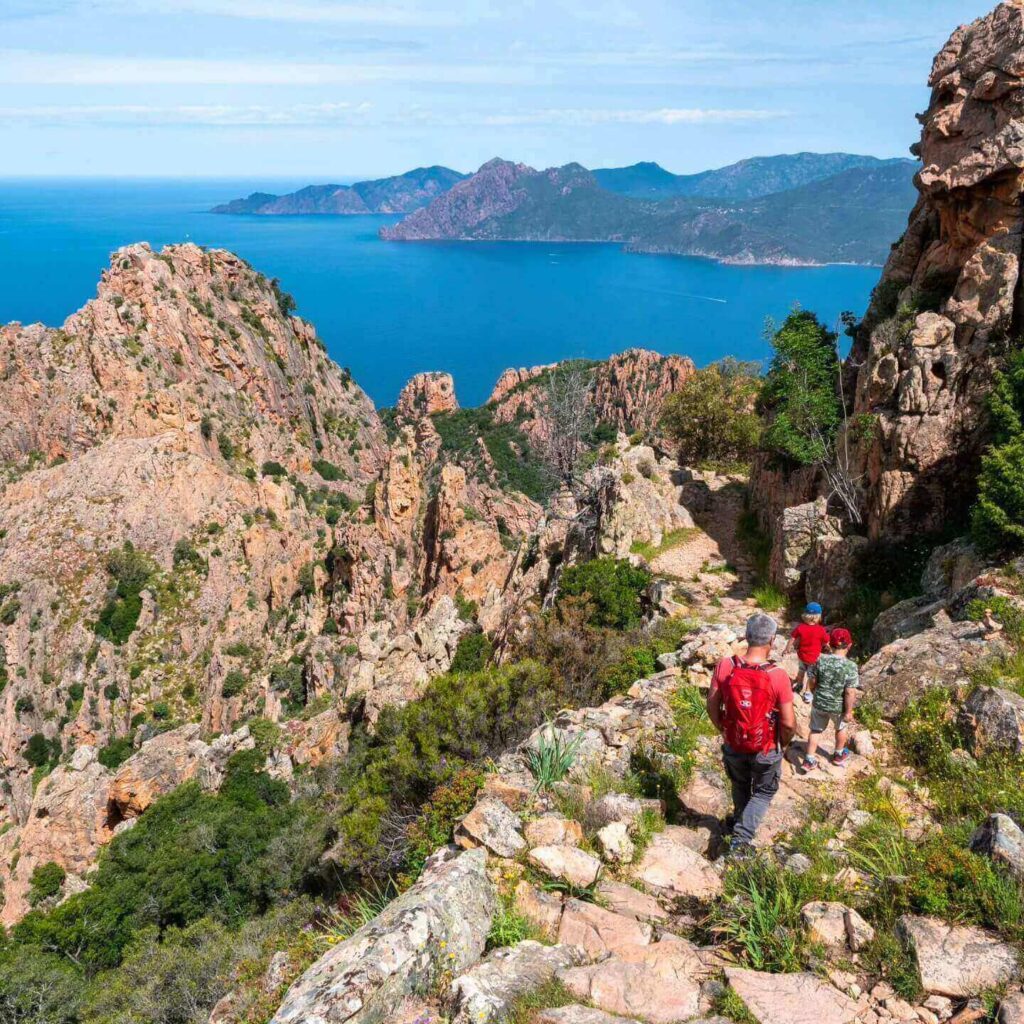
This is the option I would choose if you enjoy photography, hiking, or simply taking your time in places rather than rushing from one attraction to the next. The Calanques are one of Corsica’s most memorable landscapes, and a full day allows you to experience them from several different perspectives.
Accessibility Information
One of the things I like about the Calanques de Piana is that you don’t have to be a hiker to enjoy them. While there are several trails in the area, many of the best views can be experienced directly from the road.
The D81 passes through the heart of the Calanques, and there are numerous viewpoints and roadside pull offs where you can stop and admire the scenery without walking very far. In many cases, the walk from the parking area to the viewpoint takes only a few minutes.
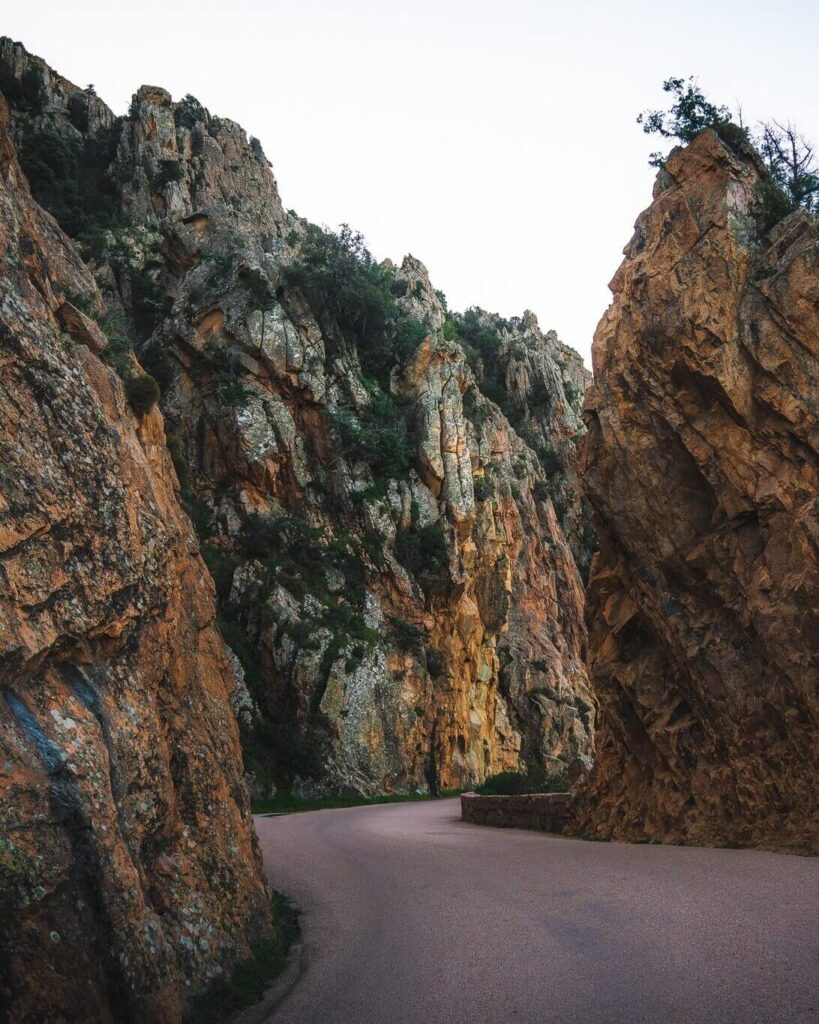
This makes the Calanques a great destination for travelers with limited mobility, families with young children, or anyone who simply prefers sightseeing by car.
Some of the hiking trails, including the Sentier du Château Fort, involve uneven and rocky terrain and may not be suitable for everyone. However, the scenic drive itself remains the main attraction, and you’ll still be able to enjoy many of the area’s most impressive views without leaving the road for long.
Where to Stay Near the Calanques de Piana
Choosing where to stay depends largely on how much time you plan to spend in the area and what kind of trip you’re looking for.
Stay in Piana
If your main goal is to explore the Calanques, Piana is the most convenient place to stay. The village sits just a few minutes from the cliffs, making it easy to visit early in the morning before the crowds arrive or return in the evening for sunset.
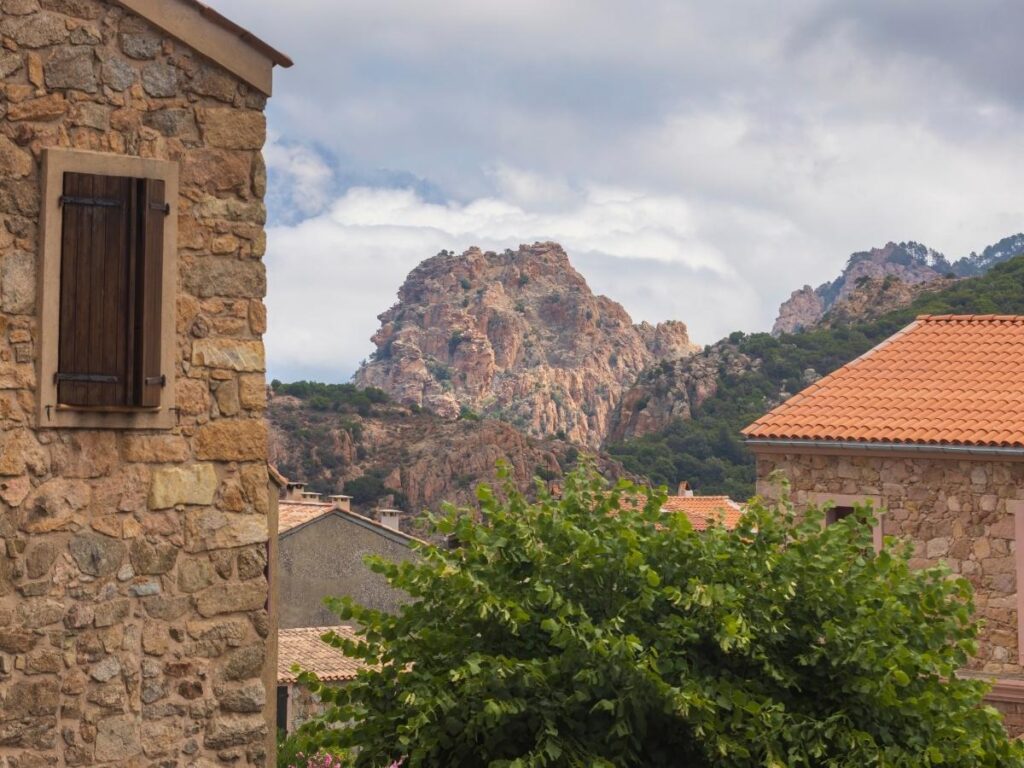
I especially like Piana for travelers who enjoy photography or a quieter atmosphere. The village itself is small and charming, with traditional stone buildings, local restaurants, and beautiful views across the surrounding landscape. Staying here feels more peaceful and relaxed than staying in one of Corsica’s larger towns.
Stay in Porto
Porto is the best option if you want a wider range of accommodation, restaurants, and activities.
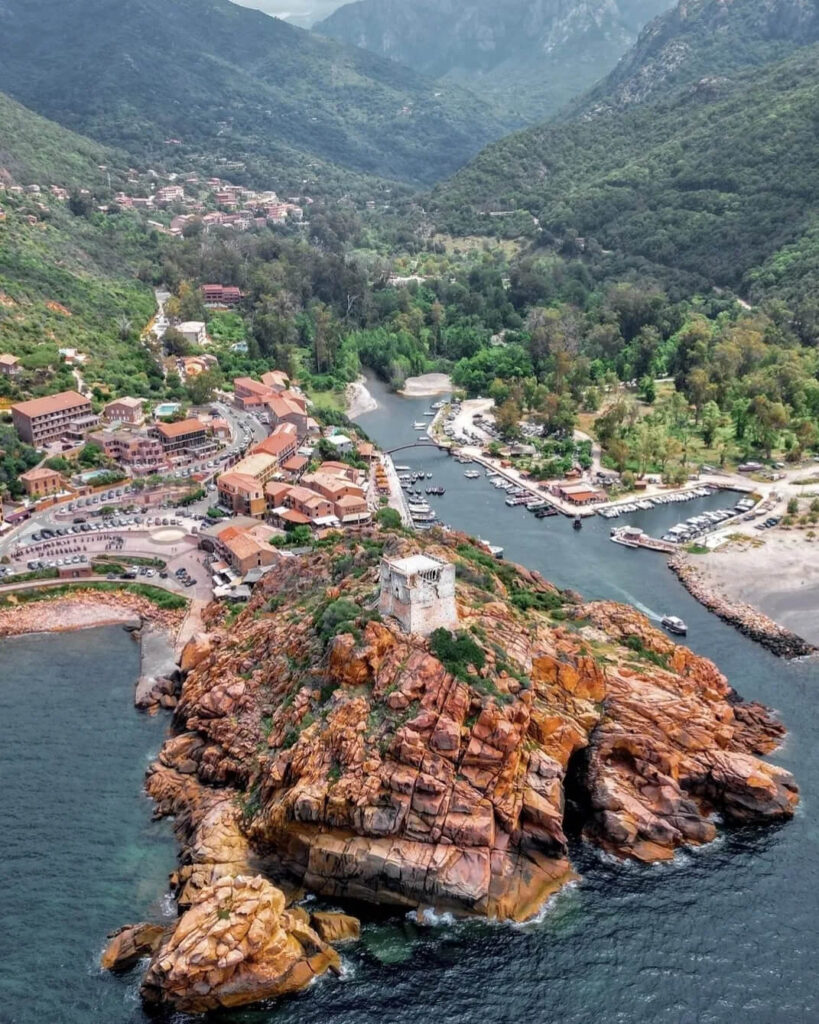
Located about 10 minutes from the Calanques, Porto serves as the main base for boat tours to the Gulf of Porto and the Scandola Nature Reserve. It also has a beachfront setting, making it a good choice for travelers who want to combine sightseeing with time by the water.
If you’re spending several days exploring Corsica’s west coast, Porto is often the most practical place to stay.
Stay in Ajaccio
Ajaccio is Corsica’s largest city and one of the island’s main arrival points for both flights and ferries.
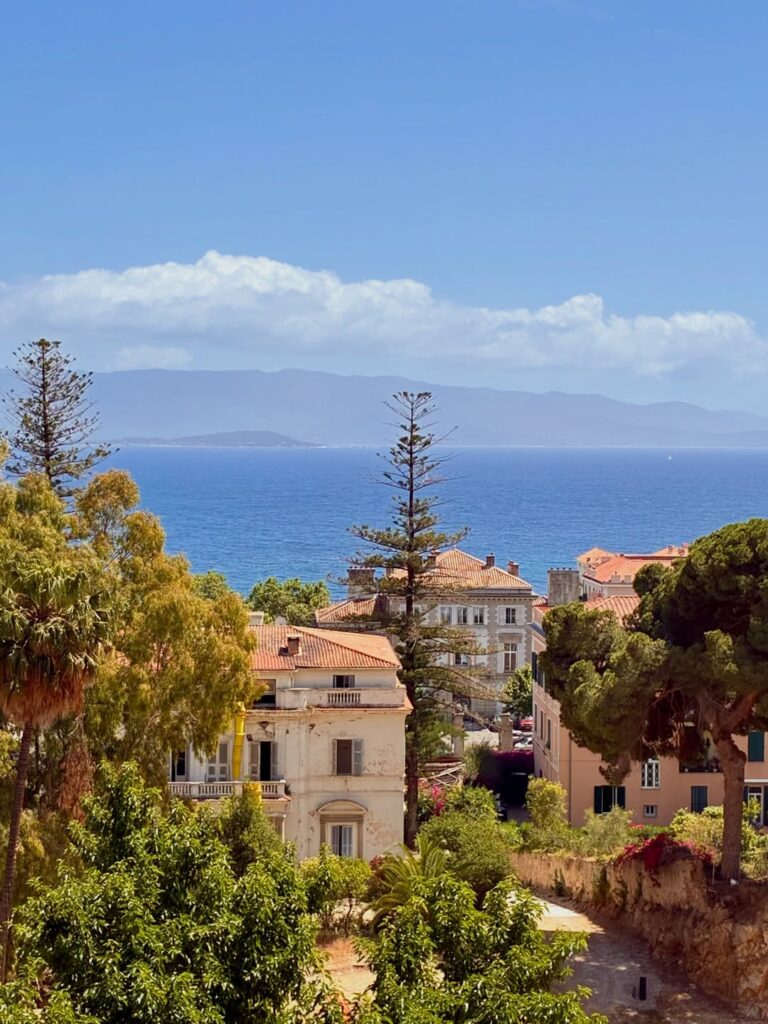
While it’s possible to visit the Calanques de Piana as a day trip from Ajaccio, the journey takes around 1.5 hours each way. Staying in Ajaccio makes sense if you have a shorter Corsica itinerary or prefer using the city as a base for exploring different parts of the island.
That said, if the Calanques are one of the highlights of your trip, I would recommend spending at least one night in either Piana or Porto. Being nearby allows you to enjoy the area during the quieter early morning and evening hours, which is often when the scenery is at its best.
Common Mistakes to Avoid
The Calanques de Piana are easy to visit, but there are a few mistakes that can make the experience less enjoyable, especially if it’s your first time exploring this part of Corsica.
Rushing Through the Area
One of the biggest mistakes is treating the Calanques as a quick roadside attraction.
Many travelers drive through, stop for a photo or two, and continue on their way. While the road itself is spectacular, some of the best experiences come from slowing down. Taking time to stop at viewpoints, explore a short trail, or simply admire the changing scenery makes a huge difference.
Visiting Only at Midday
If possible, try not to judge the Calanques based solely on a midday visit.
The cliffs look completely different depending on the light. During the middle of the day, the sun can be harsh and flatten some of the colors. Early morning and late afternoon tend to bring out the warm red and orange tones that make the landscape so famous.
If you’re a photographer, sunset is especially rewarding.
Skipping the Boat Tours
Many visitors focus entirely on the scenic drive and never see the coastline from the water.
While the road views are impressive, a boat tour reveals a completely different perspective. Seeing the cliffs rise directly from the Mediterranean helps you appreciate just how dramatic the landscape really is.
Practical Tips for Visiting the Calanques de Piana
A little planning goes a long way here.
If you’re visiting during July or August, arriving early in the morning will help you avoid the busiest traffic and give you a better chance of finding parking at the most popular viewpoints. The roads are quieter, temperatures are cooler, and the lighting is often better for photos.
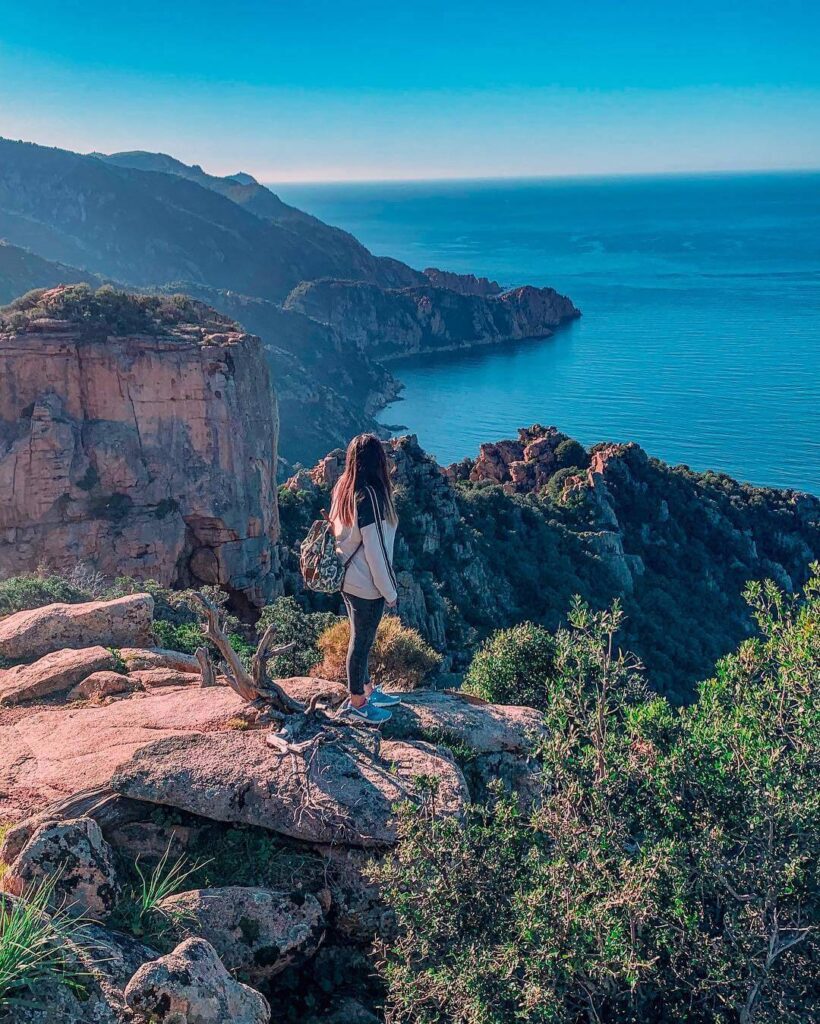
If you plan to hike, wear comfortable shoes with decent grip. Even shorter trails can be rocky and uneven in places. Bringing water is always a good idea, especially during the warmer months.
I would also recommend downloading offline maps before arriving. Mobile coverage is generally good, but it can be unreliable in some parts of Corsica’s mountainous interior.
Most importantly, don’t try to rush through the area. The Calanques are one of those places that are best enjoyed slowly. Give yourself time to stop at viewpoints, take a few detours, and simply enjoy the scenery. If your schedule allows, stay until late afternoon or sunset when the cliffs are at their most photogenic.
Final Thoughts on the Calanques de Piana
The Calanques de Piana ended up being one of my favorite places in Corsica.
Before arriving, I expected a scenic coastal drive and a few good viewpoints. What I didn’t expect was how dramatic the landscape would feel in person. The cliffs are far larger than they appear in photos, and the combination of red granite, rugged coastline, and deep blue water creates scenery that constantly grabs your attention.
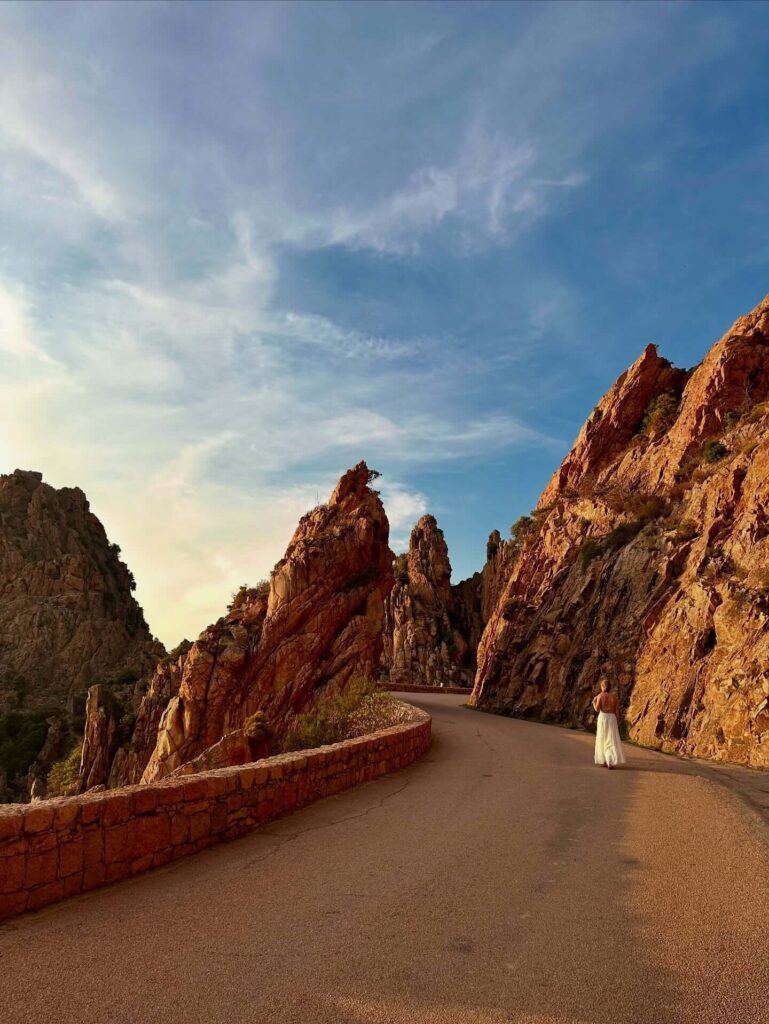
What I like most about the Calanques is that there’s no single way to experience them. Some people will be perfectly happy enjoying the drive and stopping at a few viewpoints. Others will spend hours hiking through the rock formations or exploring the coastline by boat. Either way, it’s a place that rewards slowing down and taking your time.
Whether you’re spending a week exploring Corsica or simply passing through on a road trip, the Calanques de Piana are absolutely worth including in your itinerary. They’re one of those places that remind you why road trips can be just as memorable as the destinations themselves.