
Few castles in France have a setting quite like Château de Chenonceau.
Stretching across the River Cher, this Renaissance château stands out even in a region filled with famous castles. Its graceful arches, riverside location, and beautifully maintained gardens make it one of the most memorable places to visit in the Loire Valley.
Before visiting, I had seen countless photos of Chenonceau and wondered if it could really be as impressive in person. It turns out it was. Whether viewed from the formal gardens, reflected in the river below, or approached through the tree lined entrance, the château seemed to offer a new perspective at every turn.
What makes Chenonceau even more interesting is the story behind it. Often called “The Ladies’ Castle,” it was shaped by a series of influential women who helped design, expand, and preserve the estate over the centuries. Their influence can still be seen throughout the château, from its elegant interiors to the gardens that surround it.
Whether you’re planning a day trip from Paris or exploring the Loire Valley for several days, Chenonceau is one castle that consistently lives up to its reputation.
In this guide, I’ll cover everything you need to know before visiting, including its history, highlights, gardens, tickets, opening hours, and practical tips to help you make the most of your trip.
Why Château de Chenonceau Is So Famous
The Castle That Crosses a River
The feature that makes Château de Chenonceau instantly recognizable is its unique location on the River Cher.
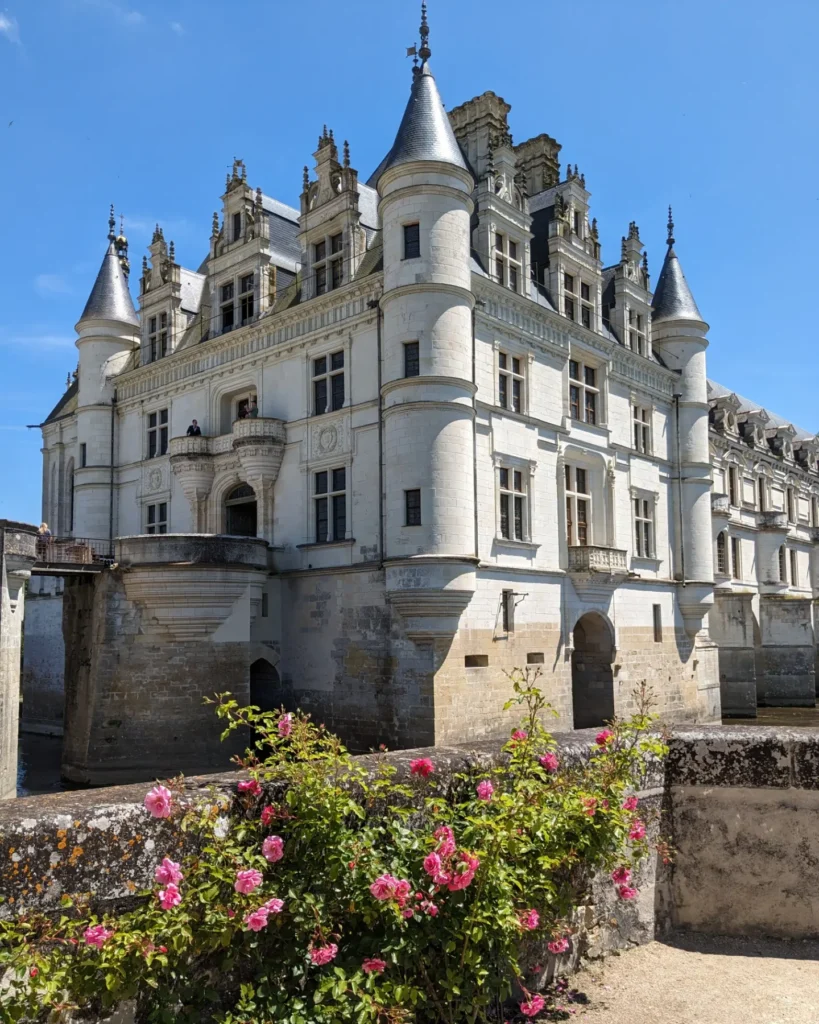
Unlike most castles, which sit on hilltops or overlook rivers from a distance, Chenonceau stretches directly across the water. Its elegant gallery spans the river, creating one of the most iconic views in the Loire Valley.
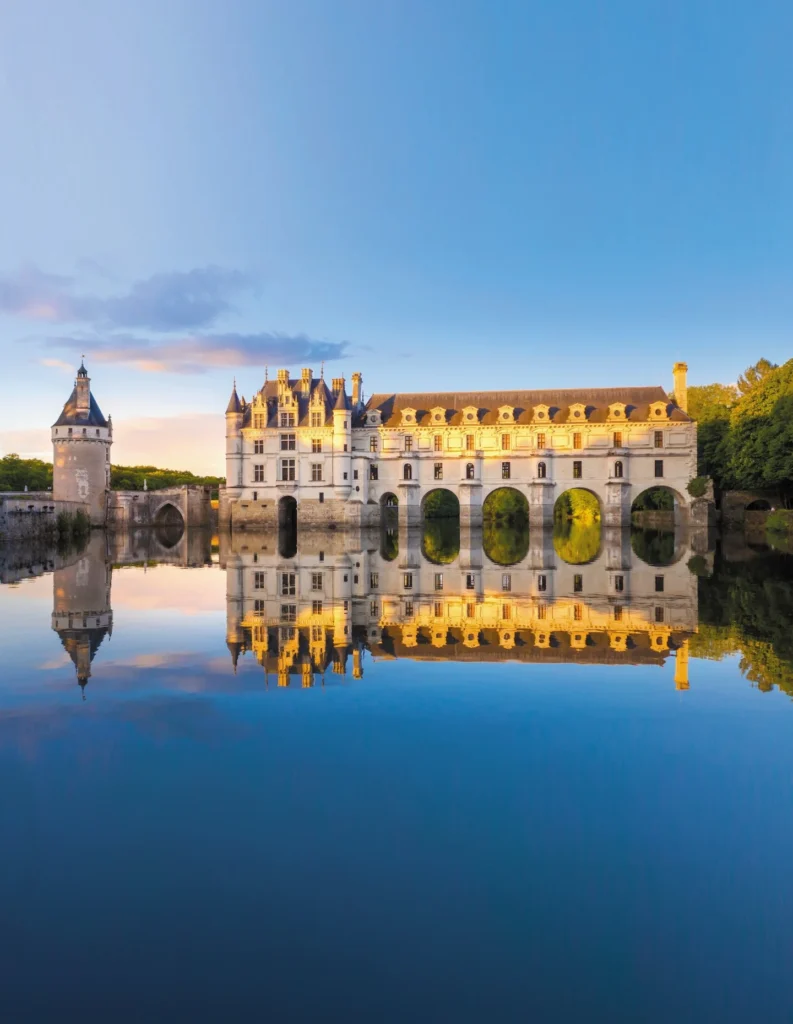
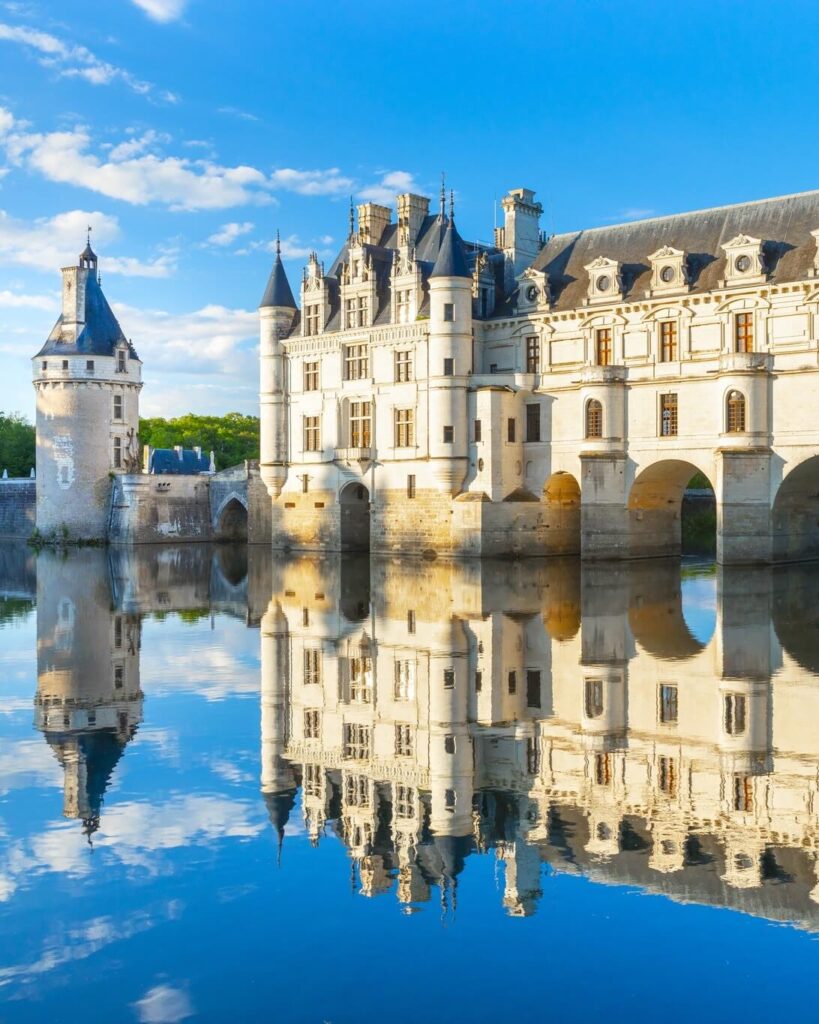
The best view is from behind the château, where the arches are reflected in the river below. On a calm day, the reflections are so clear that the château almost appears to float. It’s a setting that feels completely different from any other castle in the region and one of the main reasons so many travelers choose to visit Chenonceau.
The Legacy of Powerful Women
Château de Chenonceau is often called “The Ladies’ Castle,” and its history explains why.
Several influential women helped shape the château over the centuries. Katherine Briçonnet oversaw much of its construction, Diane de Poitiers created the famous gardens and bridge, and Catherine de’ Medici added the gallery that spans the river today.
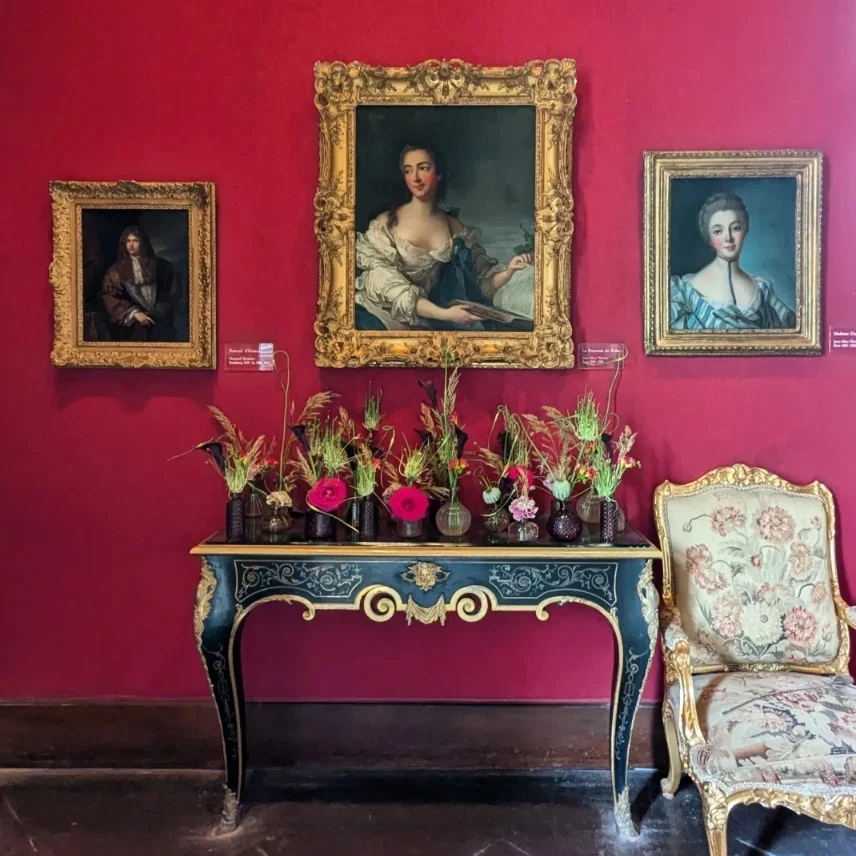
Later, Louise Dupin helped protect the château during the French Revolution, while Marguerite Pelouze funded major restoration work. Their influence can still be seen throughout the property, making Chenonceau one of the few castles in France whose story is so closely tied to the women who owned and preserved it.
One of the Loire Valley’s Most Elegant Castles
The Loire Valley is home to many impressive castles, but Chenonceau stands out for its elegance rather than its size.
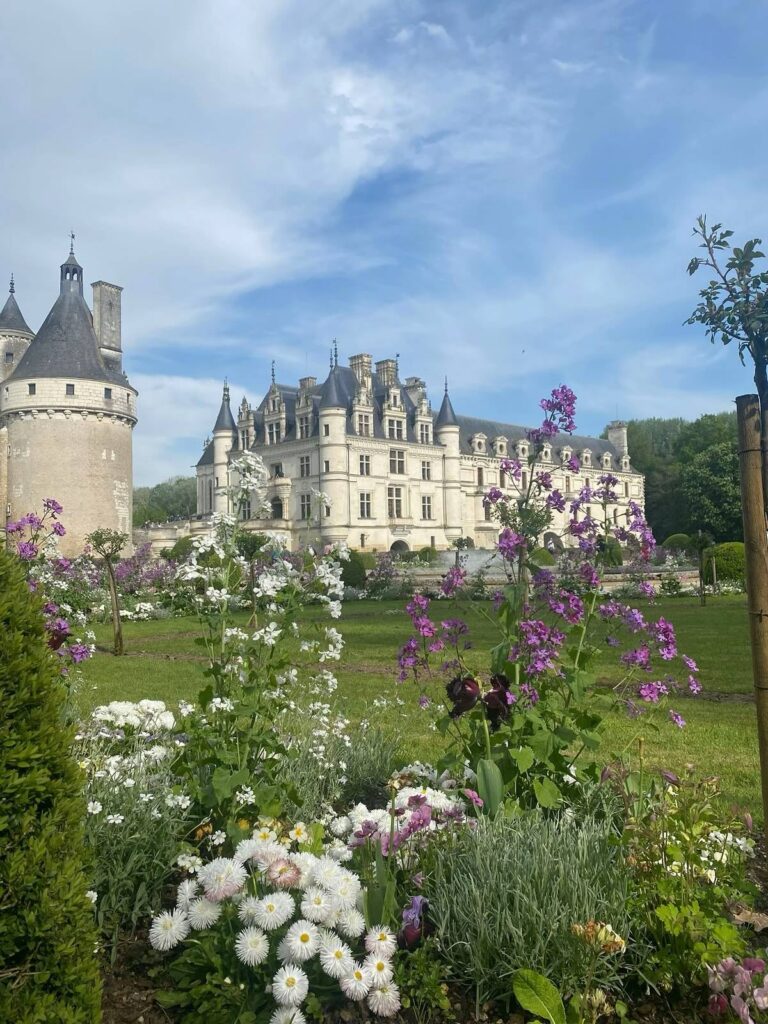
While castles like Chambord are known for their scale, Chenonceau feels more intimate and approachable. The architecture, gardens, and riverside setting work together beautifully, creating a château that feels both grand and welcoming.
I also find it easier to connect with than some of the larger royal residences. The rooms feel lived in, the gardens invite you to slow down and explore, and the entire estate has a charm that stays with you long after your visit.
The Fascinating History of Château de Chenonceau
Medieval Origins
The story of Château de Chenonceau begins long before the elegant Renaissance château visitors see today.
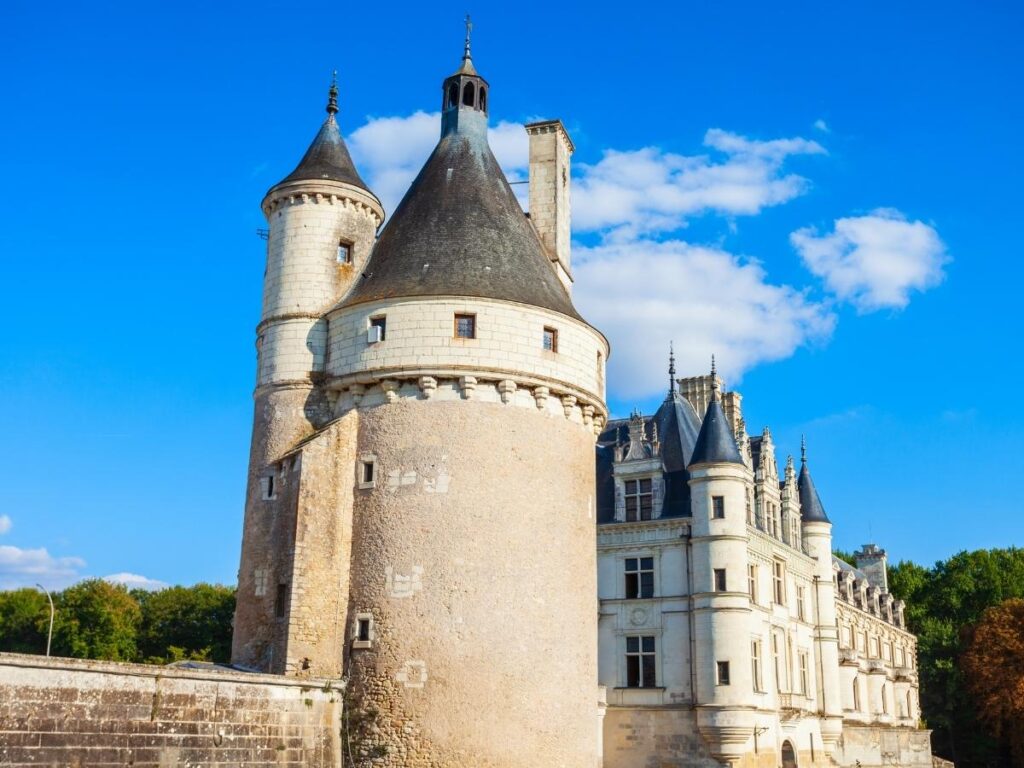
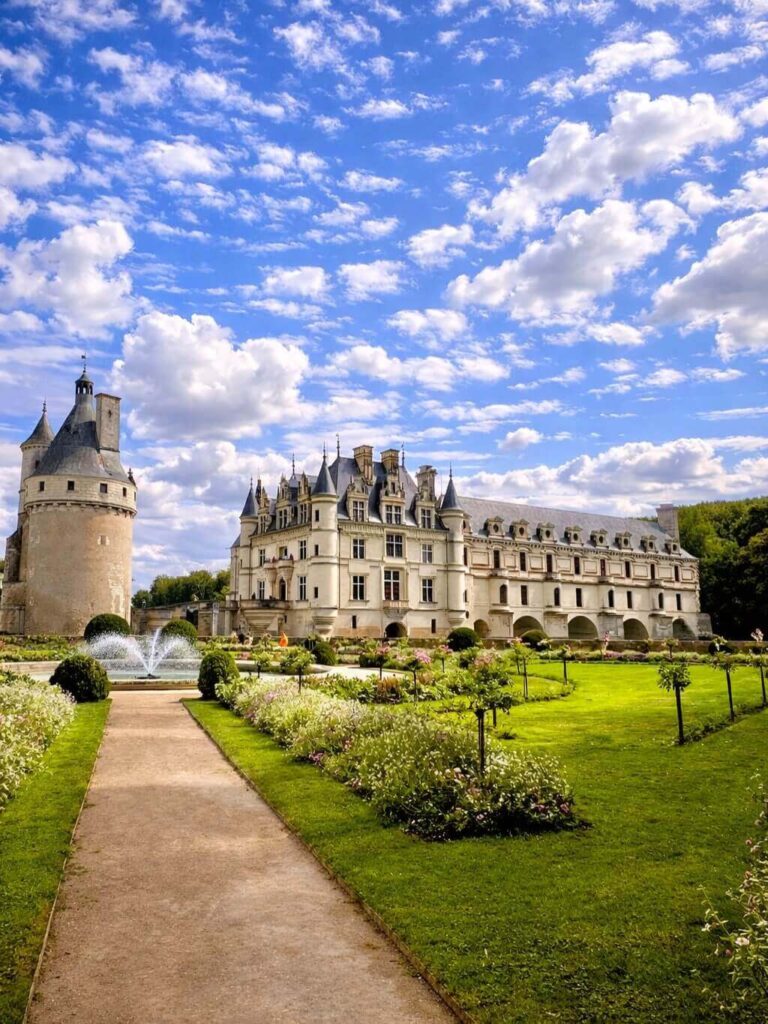
During the Middle Ages, a fortified castle and mill occupied this strategic crossing point on the River Cher. Very little of that original structure survives, although visitors can still see the Tour des Marques, a stone tower that offers a glimpse into the site’s earlier history.
In the early 1500s, the estate was purchased by Thomas Bohier, a royal official serving King Francis I. Rather than renovate the aging fortress, Bohier and his wife had far grander plans for the property.
The Renaissance Transformation
Construction of the château began in 1513, replacing much of the medieval stronghold with a residence inspired by the new Renaissance style spreading across France.
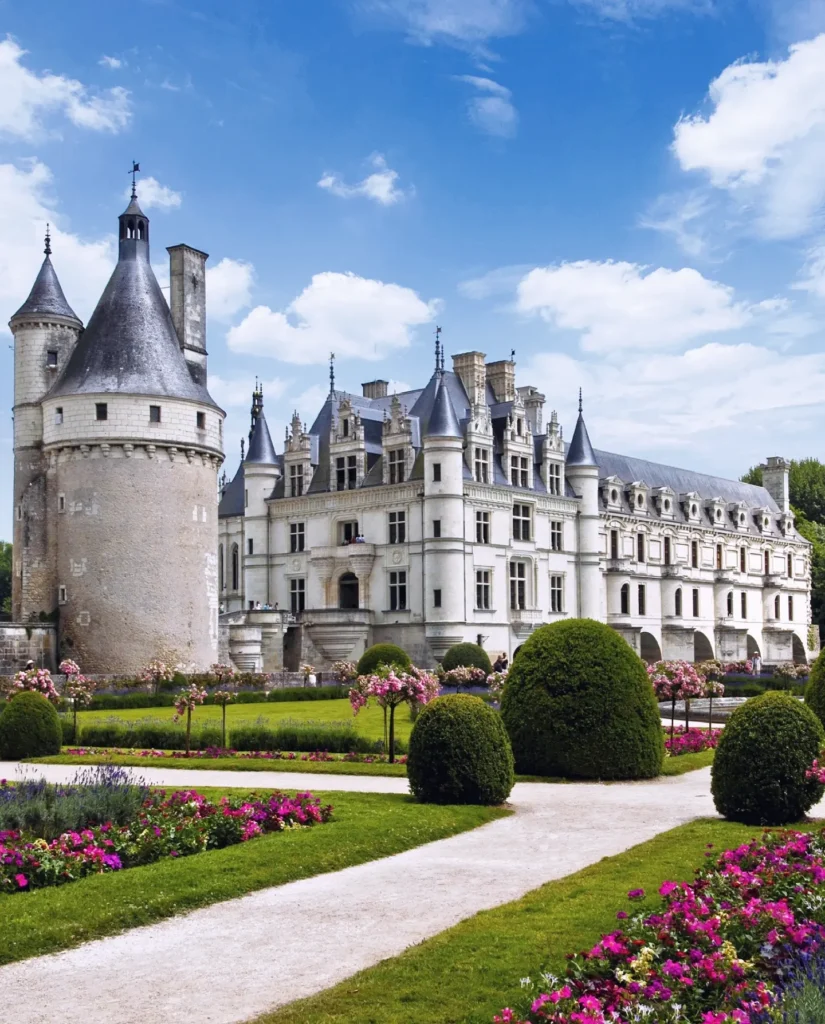
While Thomas Bohier financed the project, his wife Katherine Briçonnet played a major role in overseeing the work. This was unusual for the time and marked the beginning of the strong female influence that would define Chenonceau for centuries.
The finished château focused on elegance and comfort rather than defense. Large windows, balanced proportions, and decorative details replaced the thick walls and military features common in medieval castles.
Diane de Poitiers and Her Influence
One of the most famous chapters in Chenonceau’s history began when King Henry II gifted the château to his longtime mistress, Diane de Poitiers.
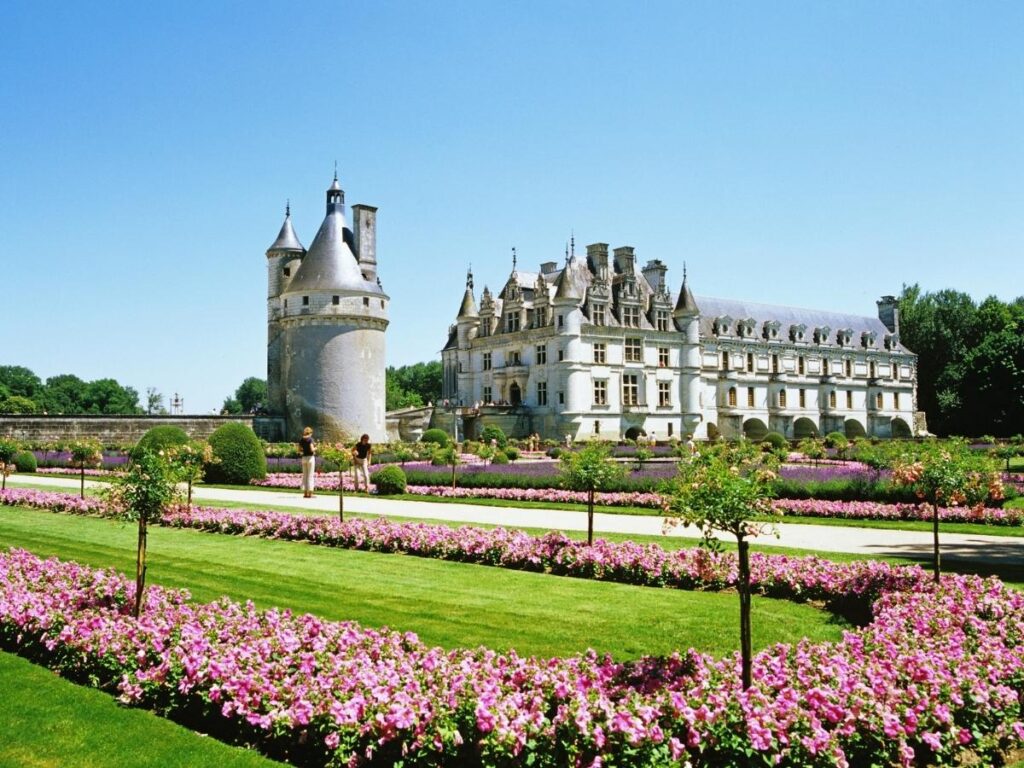
Diane quickly transformed the estate. She created the formal gardens that still bear her name and commissioned a bridge across the River Cher, forever changing the appearance of the château. Many of the views visitors admire today can be traced back to her vision and improvements.
Catherine de’ Medici Takes Control
After Henry II’s death in 1559, his widow Catherine de’ Medici reclaimed Chenonceau and made it one of the most important royal residences in France.
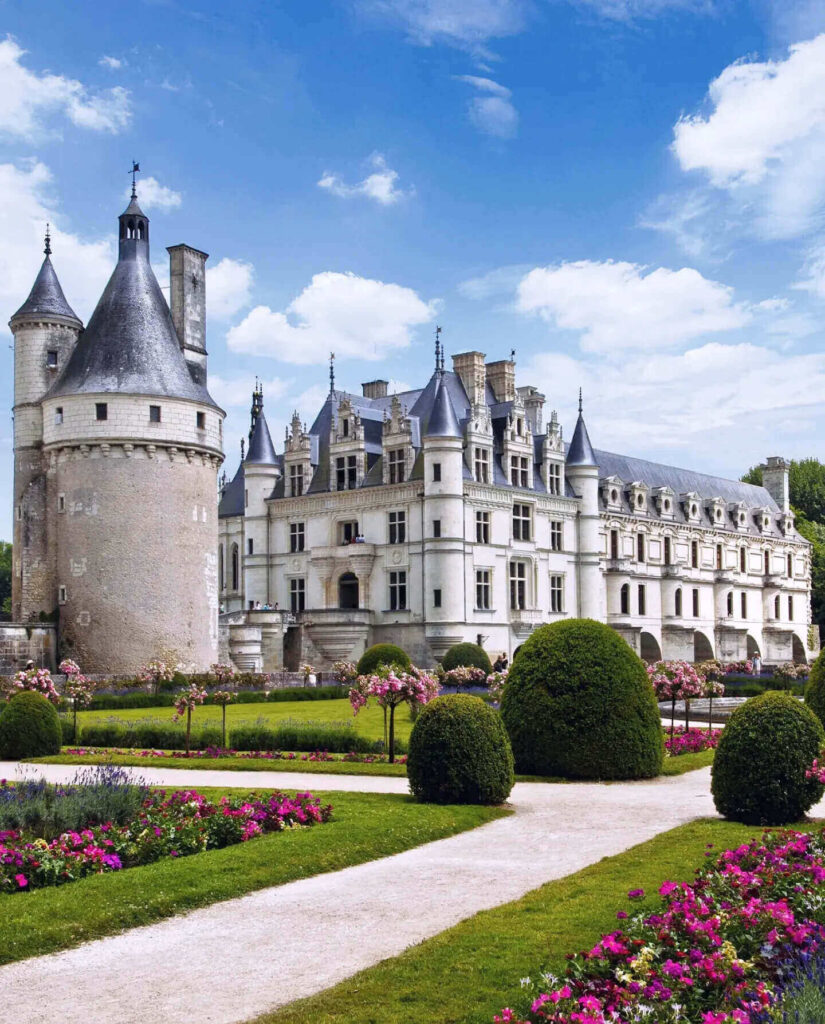
Her most significant contribution was transforming Diane’s bridge into the elegant gallery that stretches across the river today. This addition became the château’s defining feature and helped create the iconic silhouette that attracts visitors from around the world.
Catherine also hosted lavish celebrations and royal events at Chenonceau, further cementing its place in French history.
Chenonceau During the World Wars
Chenonceau’s story didn’t end with the Renaissance.
During World War I, parts of the château were converted into a military hospital for wounded soldiers. Later, during World War II, its unique position on the River Cher gave it an unexpected role.
The river marked the boundary between occupied and unoccupied France, and the gallery spanning the river became an important crossing point for those seeking safety.
It’s a lesser known part of Chenonceau’s history, but one that adds another layer of significance to an already fascinating place.
What Makes Château de Chenonceau Unique?
The Loire Valley is filled with beautiful castles, but Chenonceau offers a combination of history, architecture, and scenery that is difficult to find elsewhere.
The Gallery Over the River
The gallery spanning the River Cher is undoubtedly Chenonceau’s most distinctive feature.
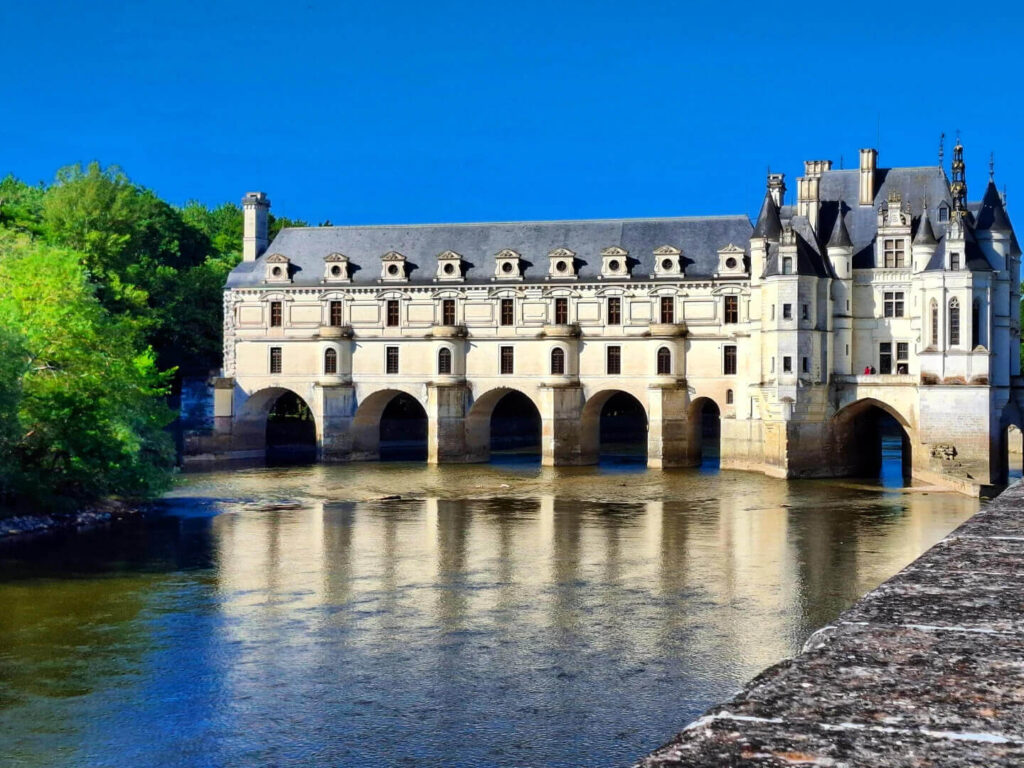
Walking through the long hall with water flowing beneath you feels very different from exploring a traditional castle. Large windows on both sides provide views of the river and surrounding landscape, making it one of the highlights of any visit.
A Château Shaped by Women
Few historic landmarks are as closely connected to influential women as Chenonceau.
From Katherine Briçonnet and Diane de Poitiers to Catherine de’ Medici and Louise Dupin, generations of women helped build, expand, protect, and preserve the château.
Their influence is one of the reasons Chenonceau feels so different from many other royal residences in France.
Elegant Rather Than Overwhelming
Some Loire Valley castles impress visitors through their enormous size. Chenonceau takes a different approach.
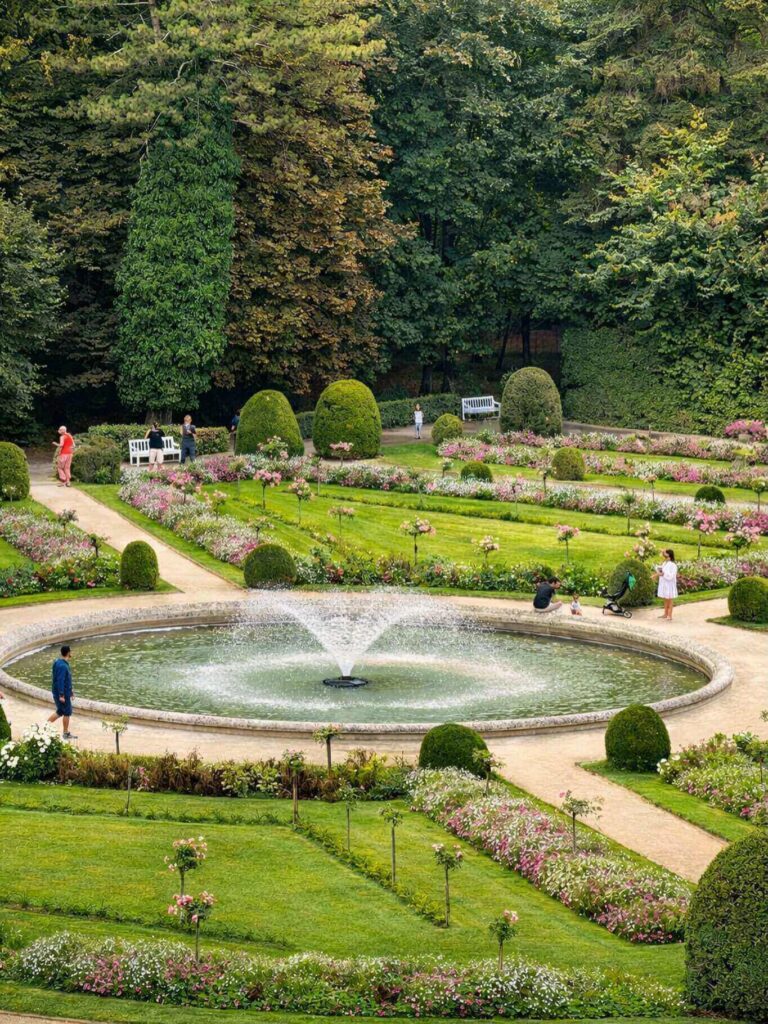
Its architecture feels balanced and refined, while the gardens and riverside setting create a more intimate atmosphere. Despite its royal history, the château never feels intimidating or overly grand.
Fresh Flowers Throughout the Château
One detail that often surprises visitors is the abundance of fresh flowers throughout the interiors.
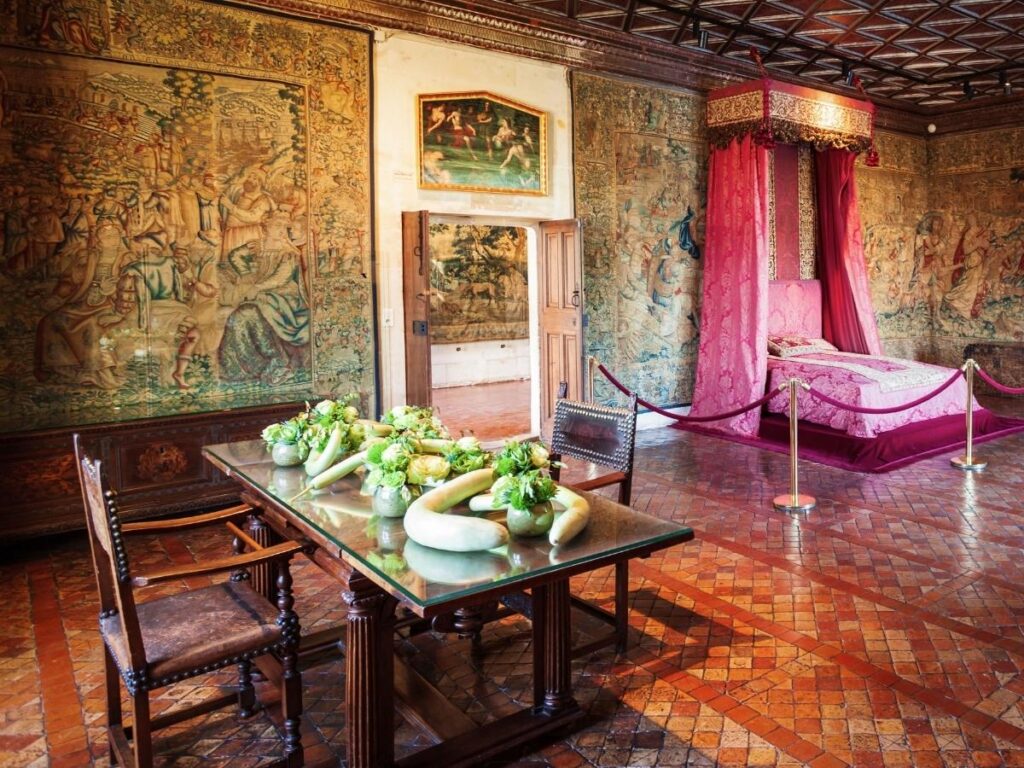
Many of the floral arrangements are created using flowers grown on the estate itself, bringing color and fragrance into nearly every room.
It’s a small touch, but one that helps the château feel alive rather than simply preserved as a historic monument.
What to See Inside Château de Chenonceau
While the château’s riverside setting often gets most of the attention, don’t make the mistake of rushing through the interiors. In fact, some of the most interesting parts of a visit are found inside.
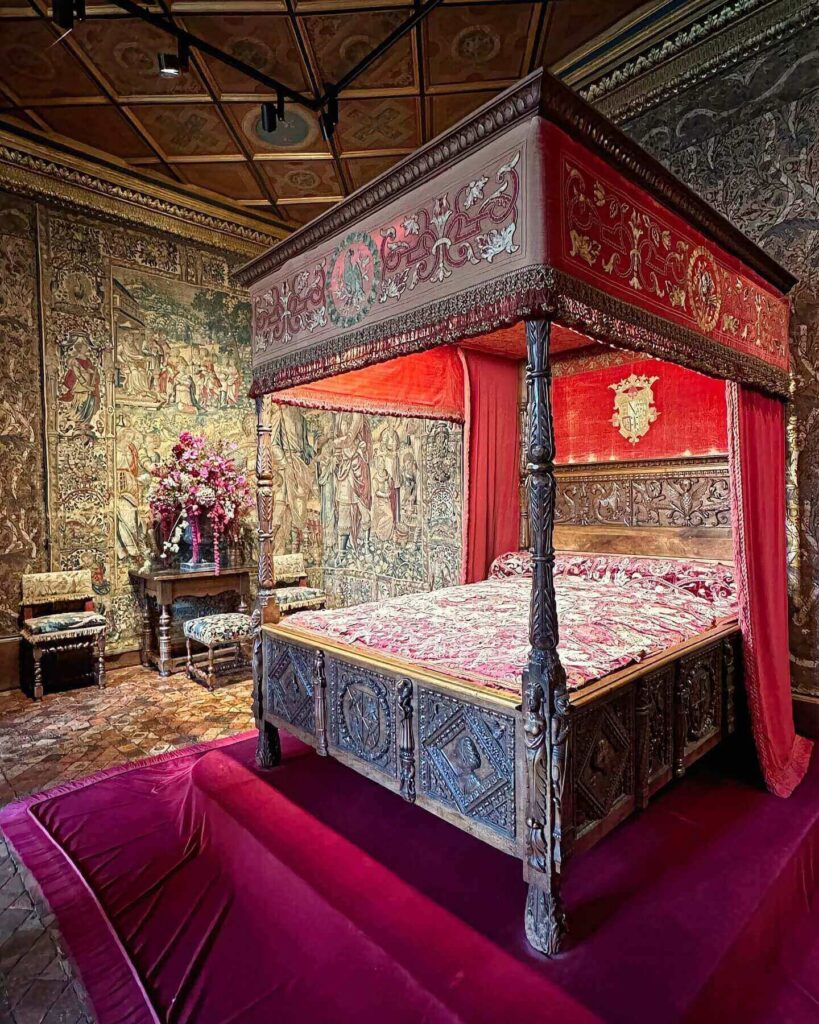
The rooms are beautifully furnished, filled with artwork and historical details, and each tells part of the story of the people who once lived here.
What I like most about Chenonceau is that it doesn’t feel like a collection of empty rooms. Many spaces still feel surprisingly personal, making it easier to imagine life inside the château during the Renaissance.
The Grand Gallery
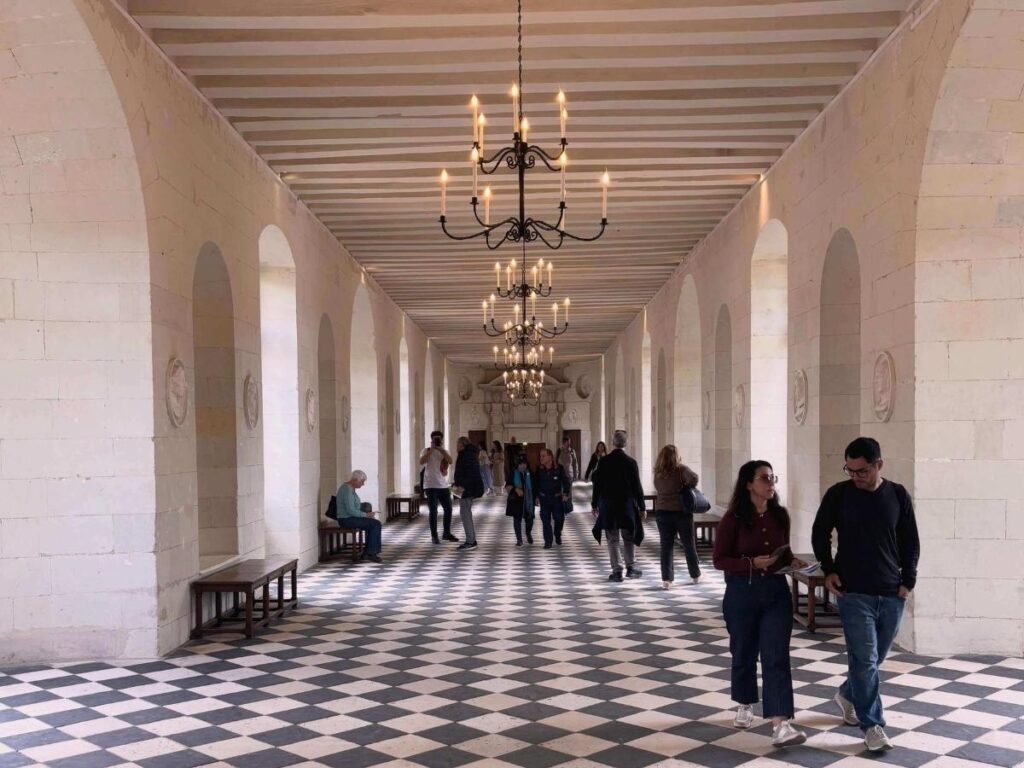
The Grand Gallery is the room most visitors look forward to seeing, and it absolutely lives up to expectations.
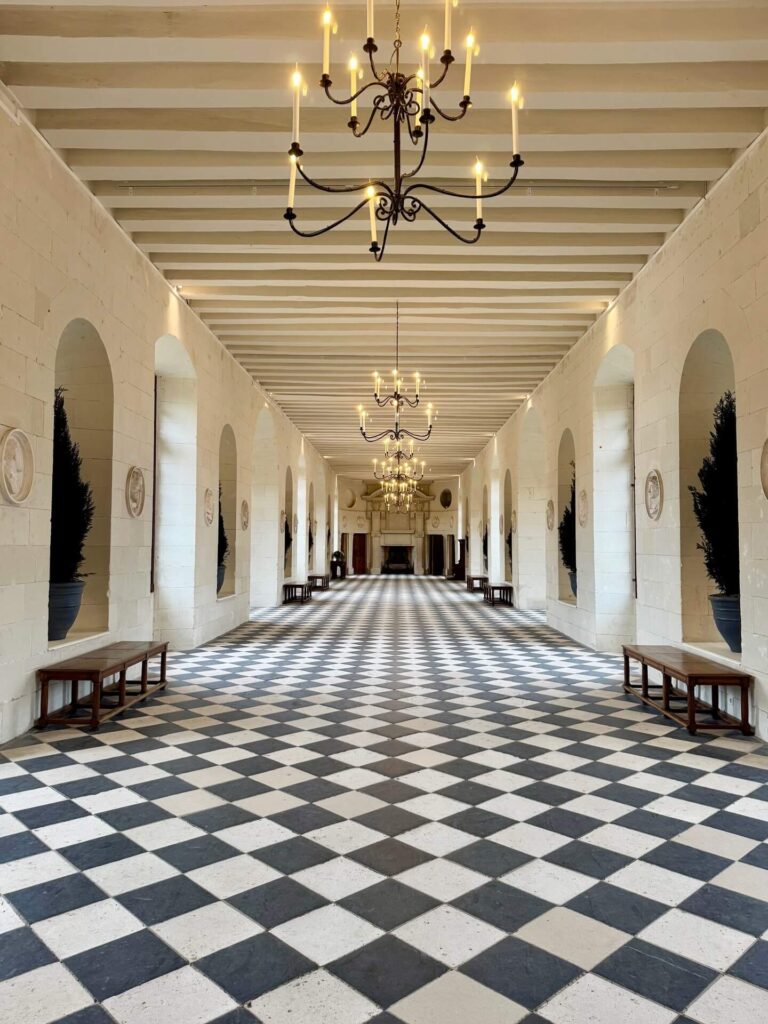
Stretching across the River Cher, this long hall features black and white tiled floors, large windows on both sides, and views of the water below. The natural light flooding into the room gives it a very different feel from many castle interiors, which can often seem dark and enclosed.
As you walk through the gallery, it’s easy to picture the grand celebrations, royal receptions, and lavish balls once hosted here by Catherine de’ Medici. Even if you know little about French history, the setting alone makes this one of the highlights of the château.
The Chapel
The chapel is much smaller and quieter than the gallery, but it’s worth taking a few moments to appreciate.
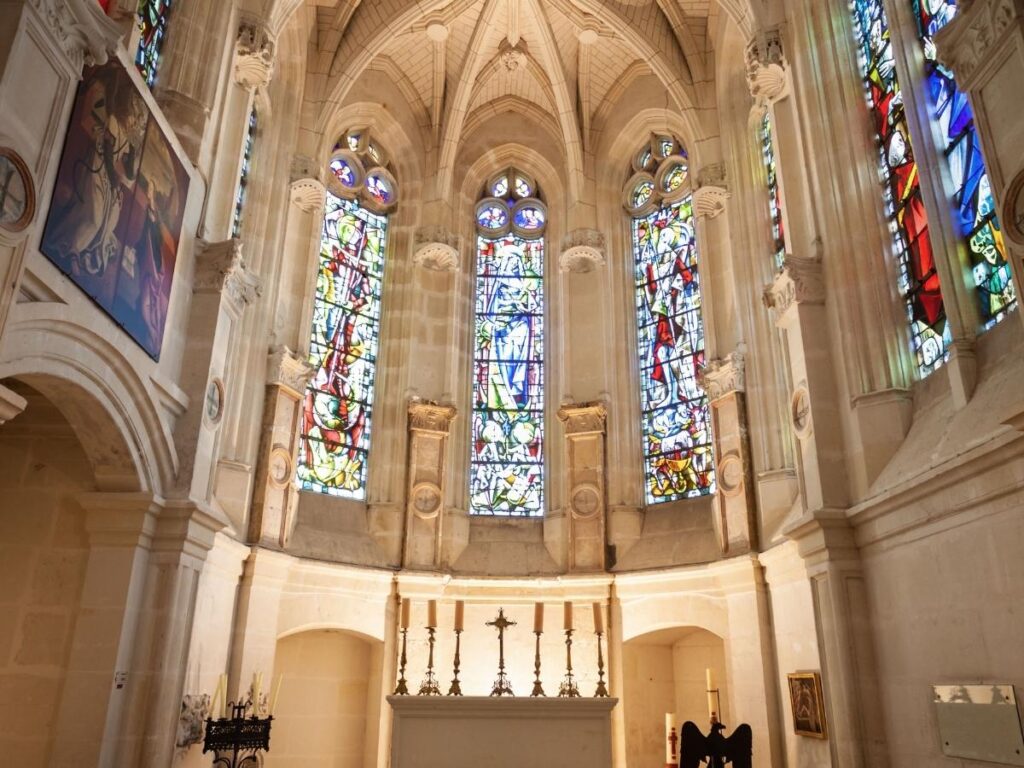
One of the few rooms that survived the French Revolution largely intact, it features beautiful stained glass windows, elegant vaulted ceilings, and intricate religious details.
After exploring the more elaborate rooms elsewhere in the château, the peaceful atmosphere here feels like a welcome change of pace.
Diane de Poitiers’ Bedroom
Diane de Poitiers was one of the most influential figures in Chenonceau’s history, and her bedroom reflects her status and wealth.
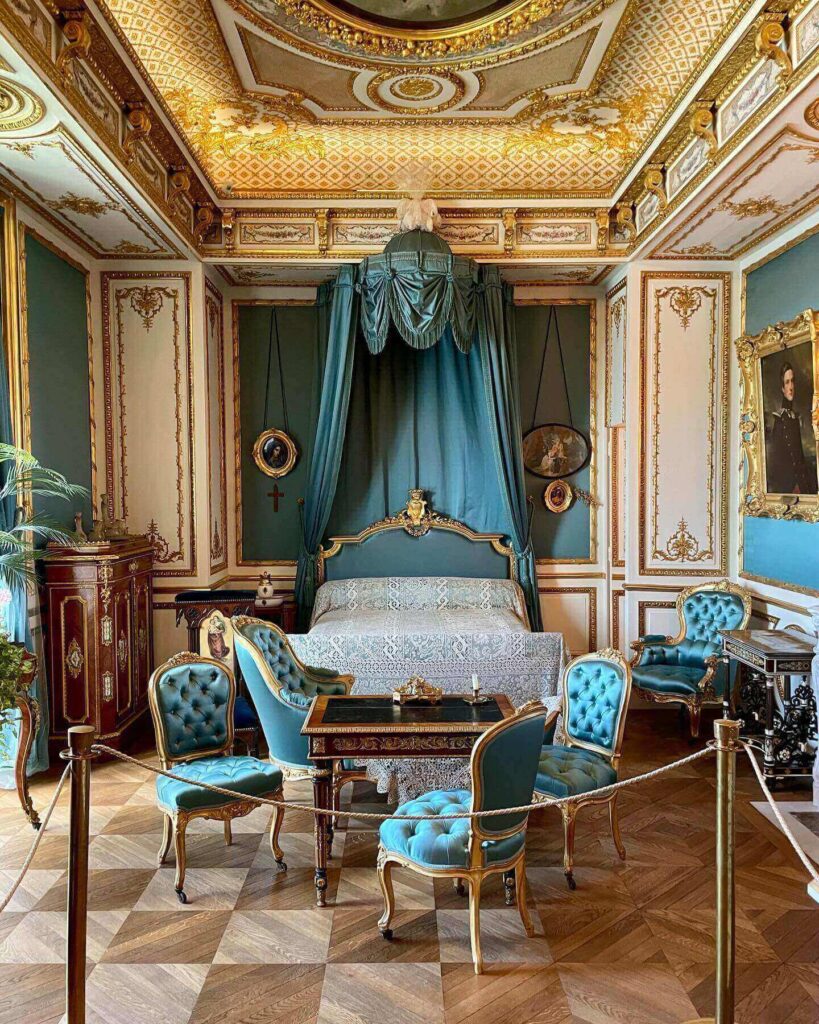
The room contains richly decorated furnishings, portraits, and tapestries that showcase the luxurious lifestyle she enjoyed as the favorite of King Henry II. Knowing the role Diane played in shaping the château makes this room particularly interesting to explore.
Catherine de’ Medici’s Bedroom
Visiting Catherine de’ Medici’s bedroom immediately after Diane’s helps bring one of the château’s most famous rivalries to life.
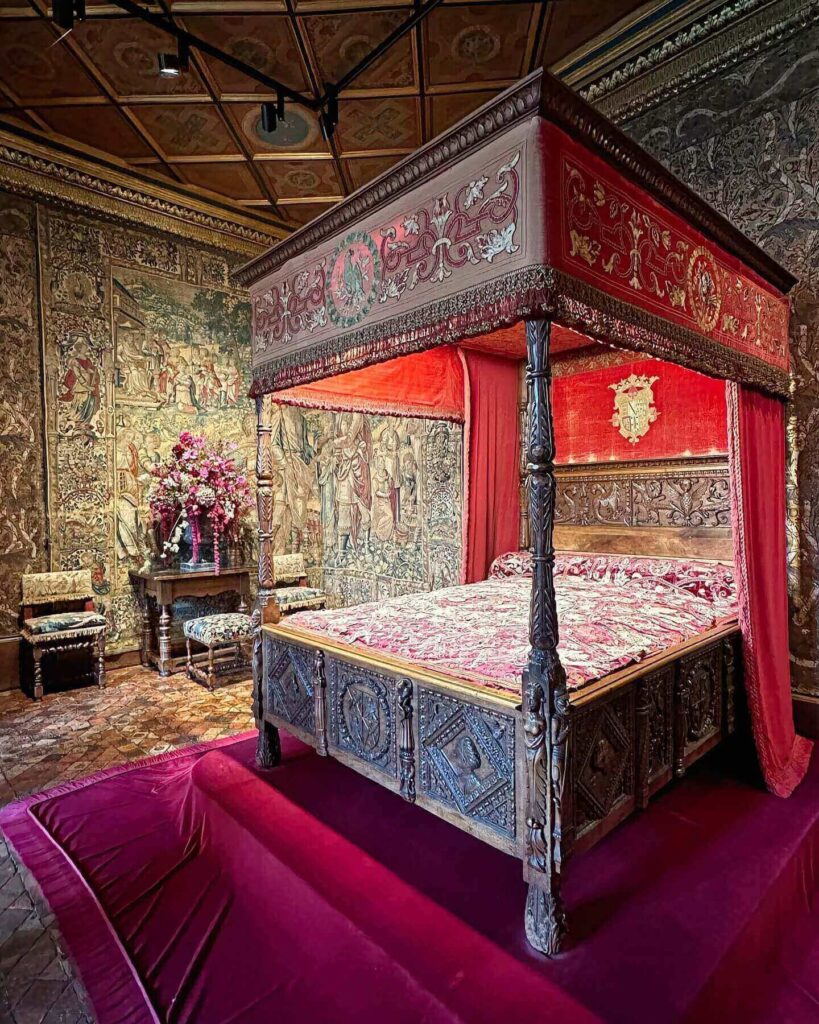
The room feels more formal and somewhat darker than Diane’s apartment, reflecting Catherine’s position as Queen of France. Since she eventually took control of Chenonceau and transformed it into the château we recognize today, her rooms provide an important connection to the property’s history.
The Green Study
The Green Study is one of those rooms that many visitors pass through quickly, but I found it surprisingly interesting.
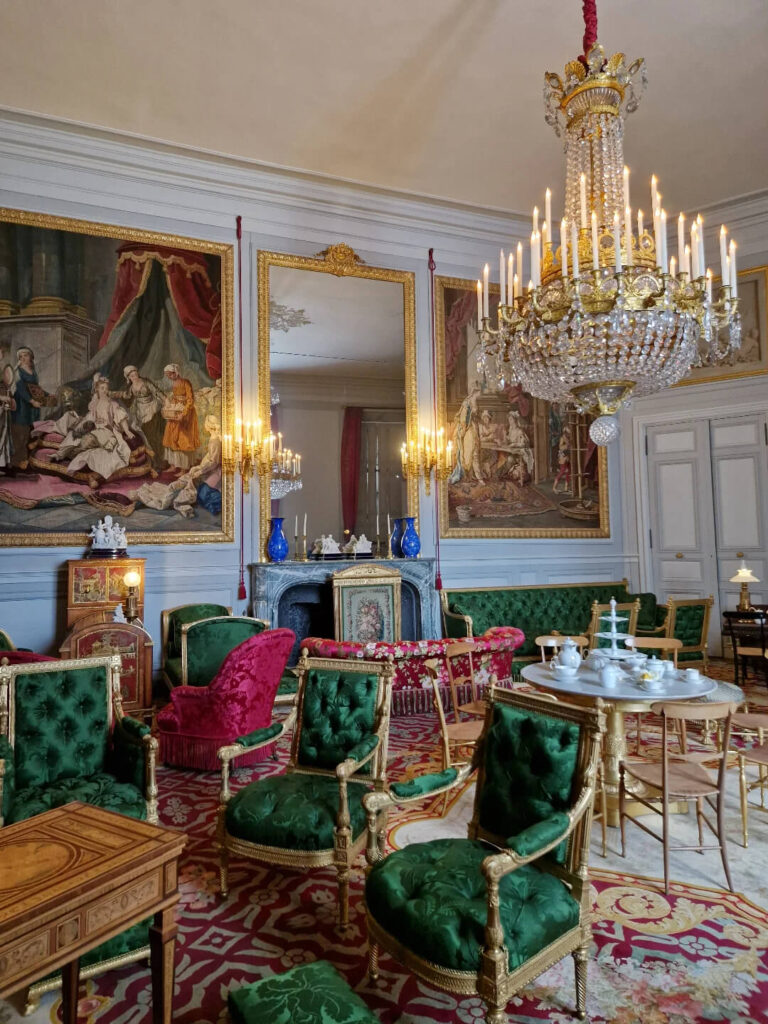
Decorated in rich green tones, it served as Catherine de’ Medici’s private office where she handled correspondence and political affairs. Compared to the grand reception rooms, this space feels much more intimate and offers a glimpse into the day to day responsibilities of one of France’s most powerful women.
The Library
The library may not be the largest room in the château, but it has plenty of charm.
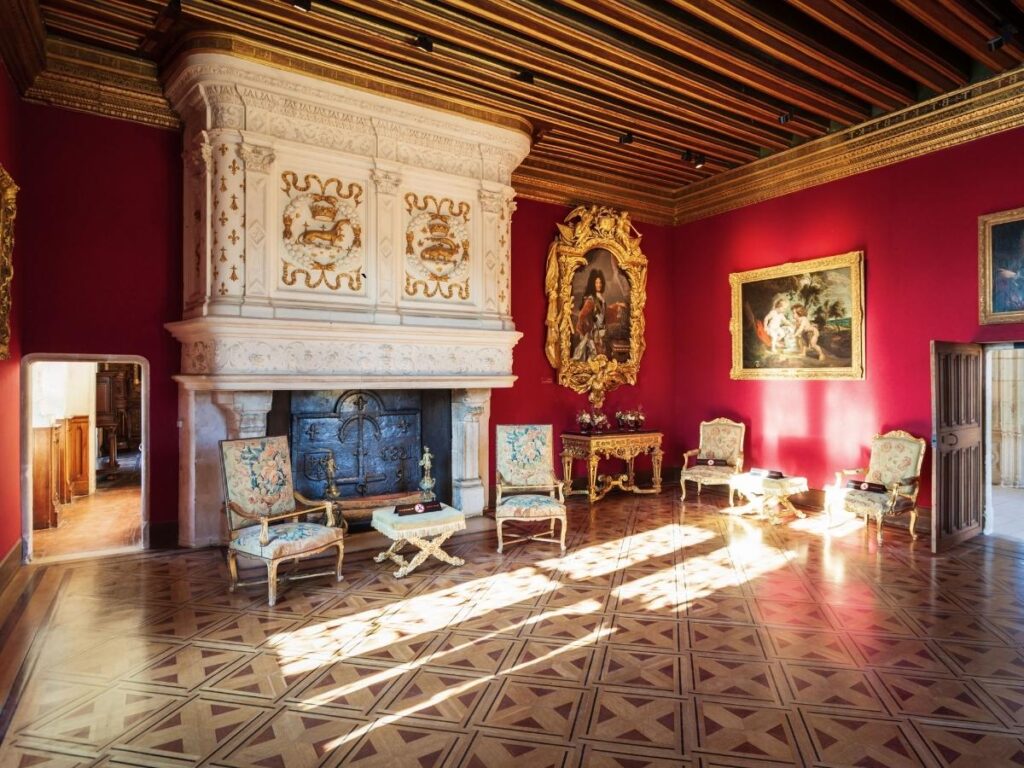
Beautiful woodwork, historic furnishings, and decorative details create a warm atmosphere that feels very different from the more ceremonial spaces elsewhere in the château. It’s easy to imagine residents retreating here for quiet conversation or reading.
The Kitchens
If I had to pick one underrated area inside Chenonceau, it would probably be the kitchens.
Located within the massive stone foundations beneath the gallery, they sit directly above the river and provide a fascinating look at how a grand estate operated behind the scenes.
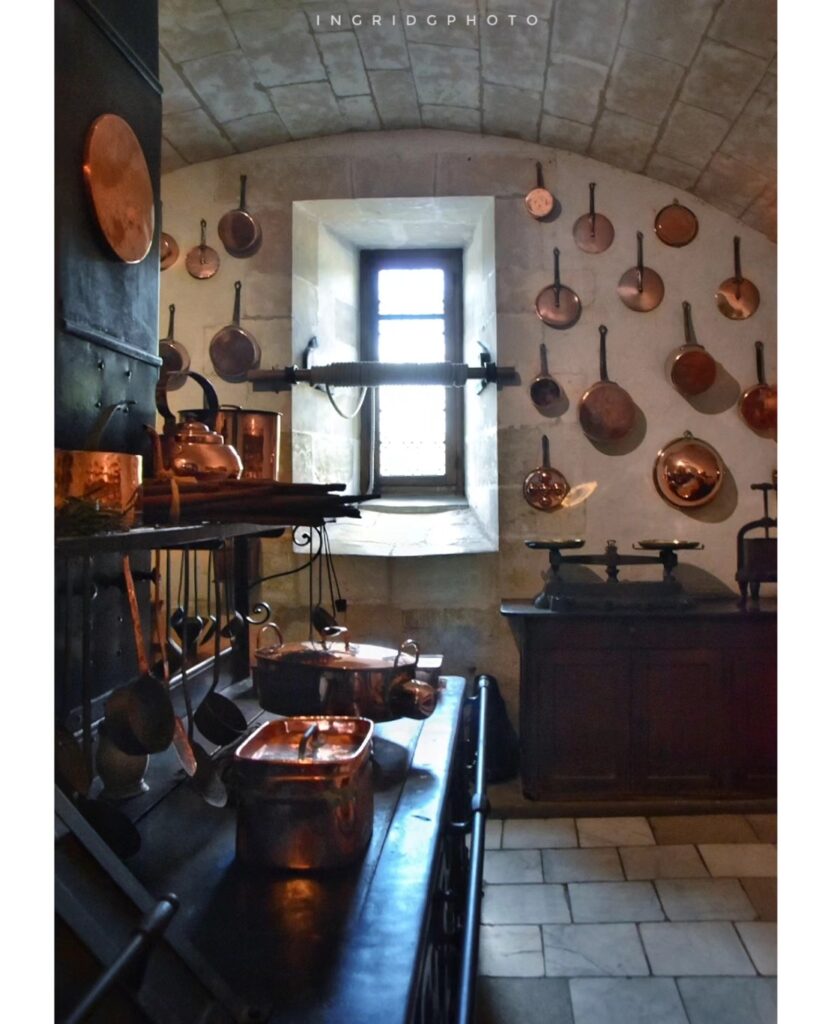
You’ll see copper cookware, roasting equipment, preparation areas, and storage rooms that once supported elaborate banquets and royal events.
While many visitors focus on the bedrooms and reception halls, the kitchens often provide one of the clearest insights into everyday life at the château. They also help you appreciate the enormous amount of work required to keep a residence like Chenonceau running smoothly.
The Art Collection
As you move through the château, you’ll notice that many rooms double as small art galleries.
The collection includes paintings associated with artists such as Rubens, Tintoretto, Murillo, and Van Dyck, along with portraits of important historical figures connected to the château.
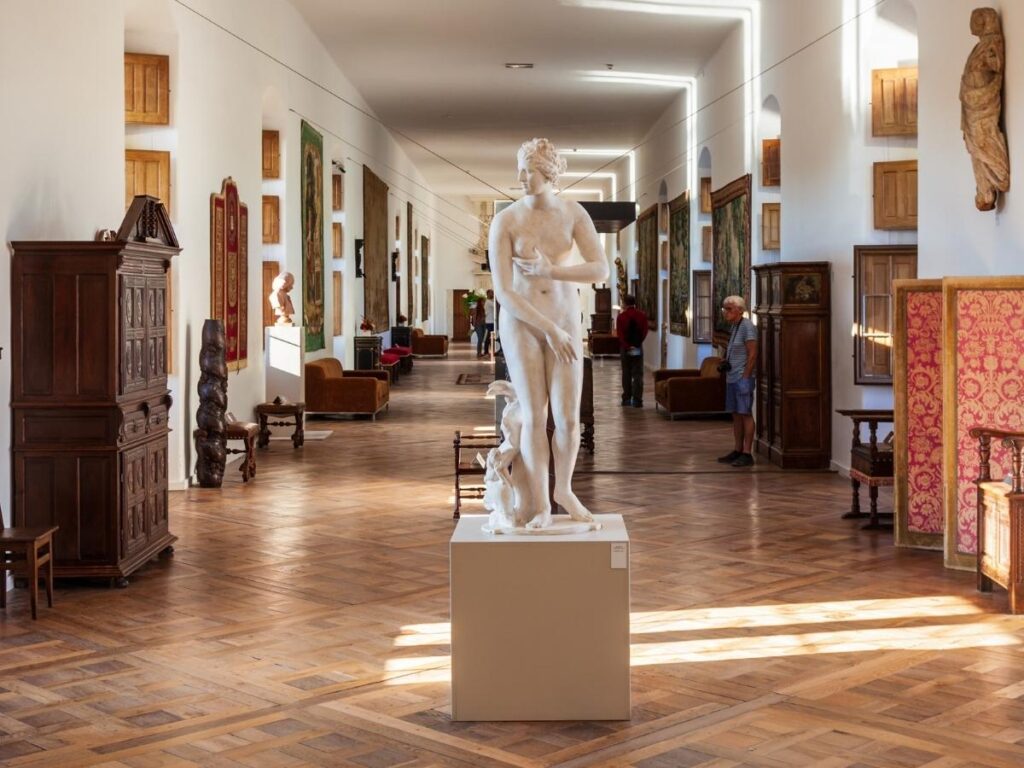
Even if you’re not particularly interested in art, these works help bring the stories of Chenonceau’s former residents to life and add another layer to the experience.
One of my favorite approaches is simply to take your time. Rather than rushing from room to room, pause occasionally to look at the paintings, furnishings, and decorative details. Some of the château’s most interesting stories are found in these smaller details rather than the headline attractions.
Exploring the Gardens of Château de Chenonceau
While the château is undoubtedly the main attraction, the gardens are a big part of what makes a visit to Chenonceau so memorable. In fact, some of my favorite views of the château came from the grounds rather than the rooms inside.
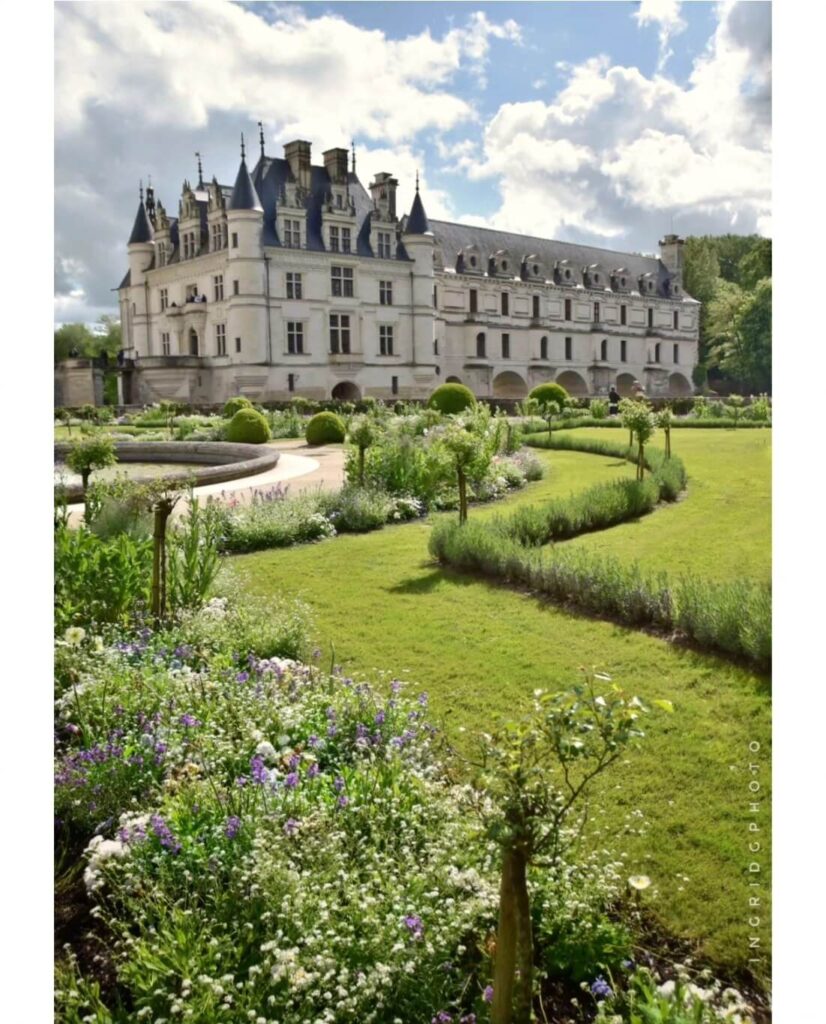
It’s worth setting aside time to wander rather than simply passing through on your way to the entrance. The gardens were designed to complement the château, and together they create the elegant atmosphere that Chenonceau is known for today.
Diane de Poitiers’ Garden
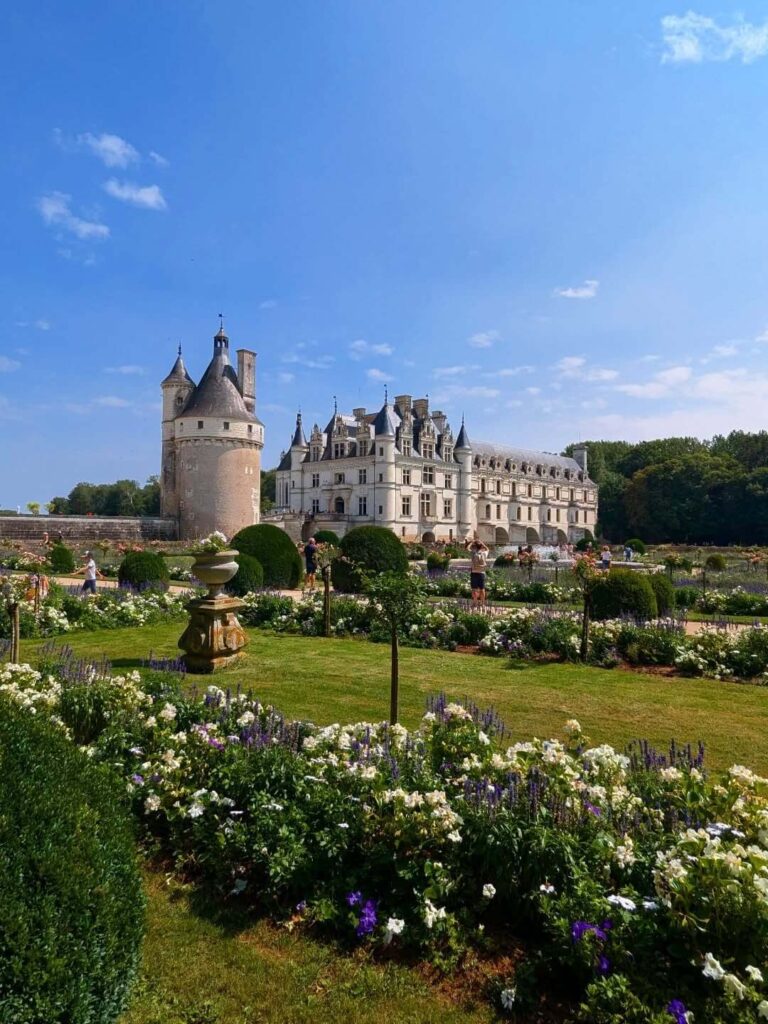
Diane de Poitiers’ Garden is the largest and most famous garden on the estate, and it’s often the first one visitors encounter.
Created in the 16th century, the garden is a classic example of Renaissance design, with symmetrical flower beds, neatly trimmed hedges, and pathways that naturally draw your attention toward the château.
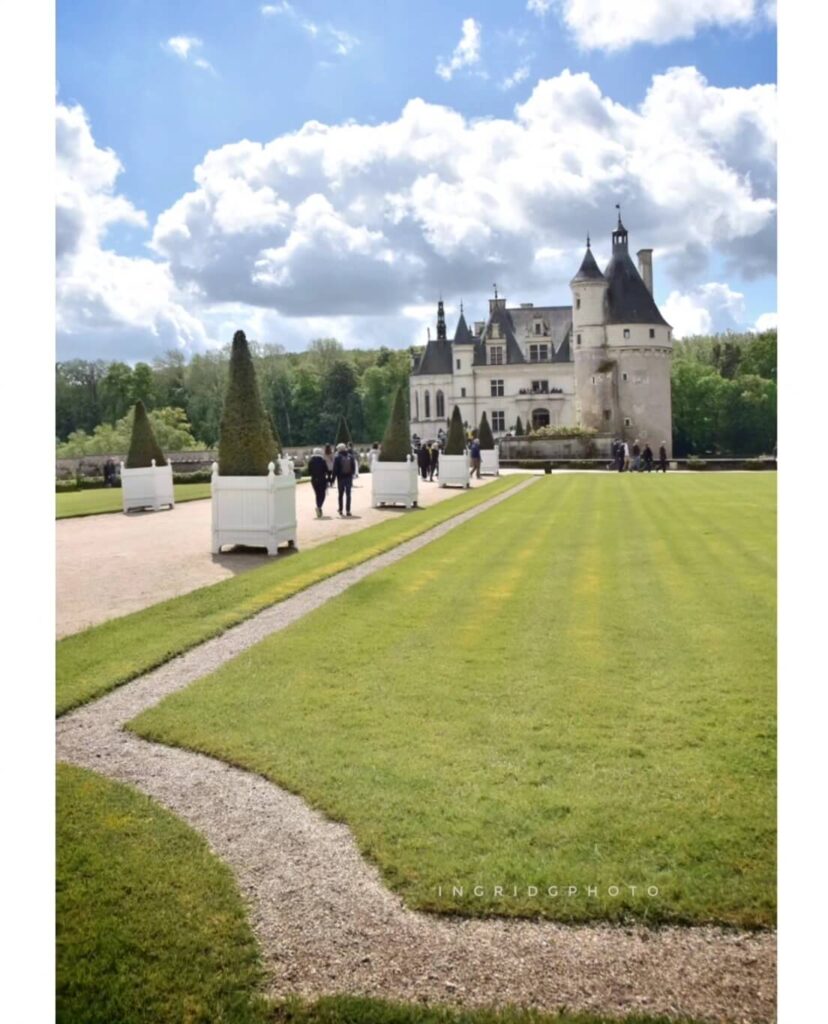
No matter where you stand, the architecture seems perfectly framed by the surrounding landscaping.
This is also one of the best places for photos. If you’ve seen postcard images of Chenonceau with colorful flower beds leading toward the château, there’s a good chance they were taken here.
Even if you’re not particularly interested in gardens, it’s worth taking a slow walk through this area. The combination of flowers, manicured greenery, and château views makes it one of the most beautiful parts of the estate.
Catherine de’ Medici’s Garden
Located closer to the château, Catherine de’ Medici’s Garden feels a little more intimate than Diane’s.
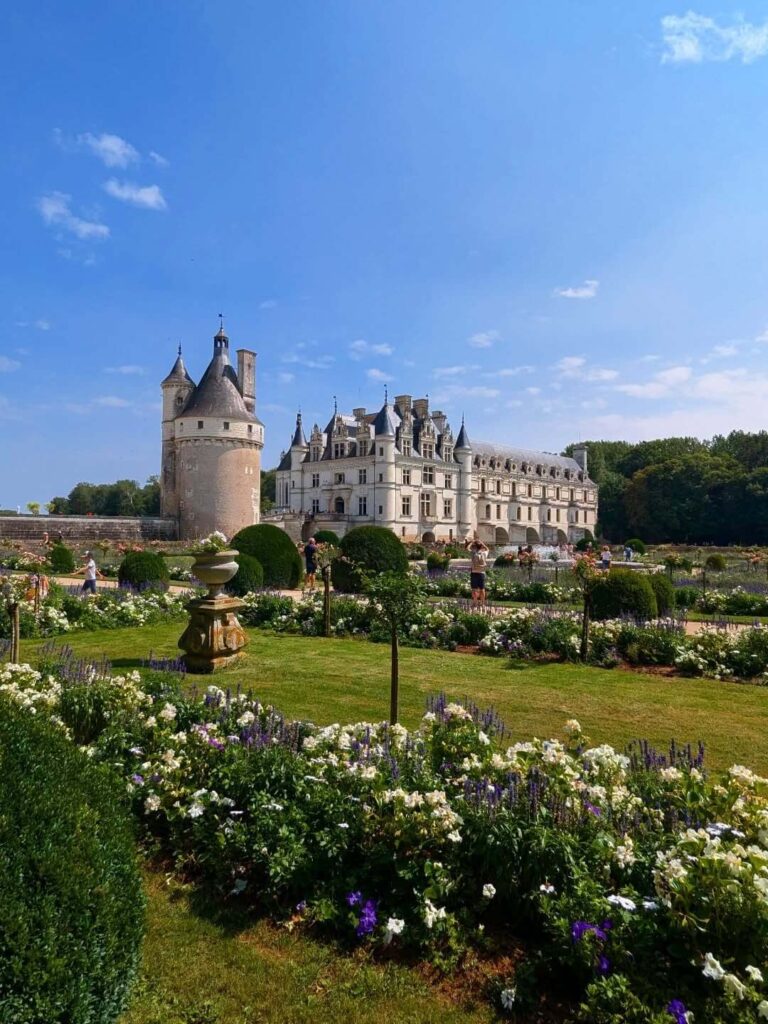
Although smaller, it offers some of the best viewpoints on the property. From the elevated terraces, you can look across the gardens and appreciate how carefully the château was integrated into the surrounding landscape.
I found this to be one of the best places to pause for a few minutes and simply take in the scenery. The elevated perspective gives you a much better sense of the estate’s overall layout than you get from ground level.
The Labyrinth
Tucked away within the grounds is a traditional hedge labyrinth inspired by Italian Renaissance gardens.
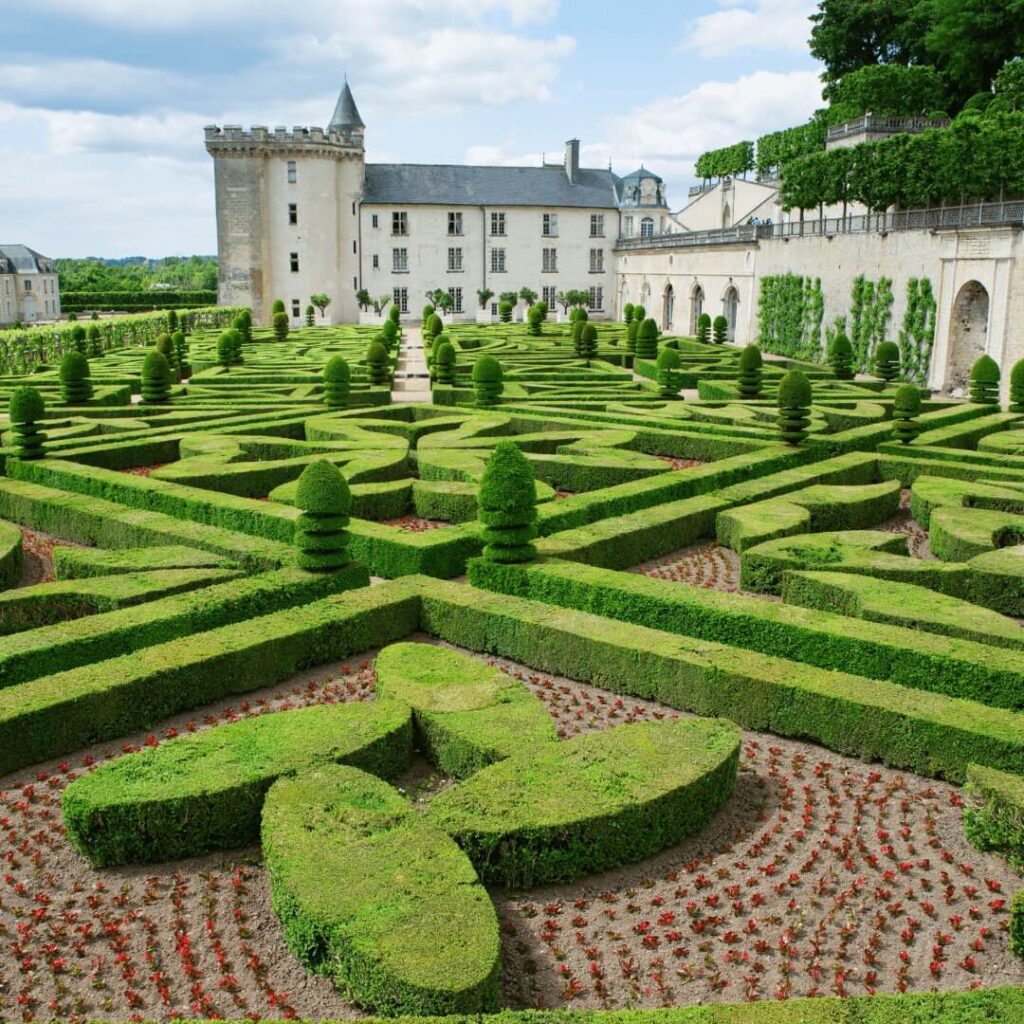
It’s easy to overlook if you’re focused on the château itself, but it’s a fun addition to the visit. Families with children tend to enjoy it the most, though plenty of adults end up wandering through it as well.
At the center, you’ll find a small raised platform that offers views over the maze and surrounding gardens. It’s a simple attraction, but it adds a playful side to an otherwise formal estate.
The Flower Garden and Workshop
One detail many visitors don’t realize is that the stunning floral arrangements displayed throughout the château are created using flowers grown on the estate itself.
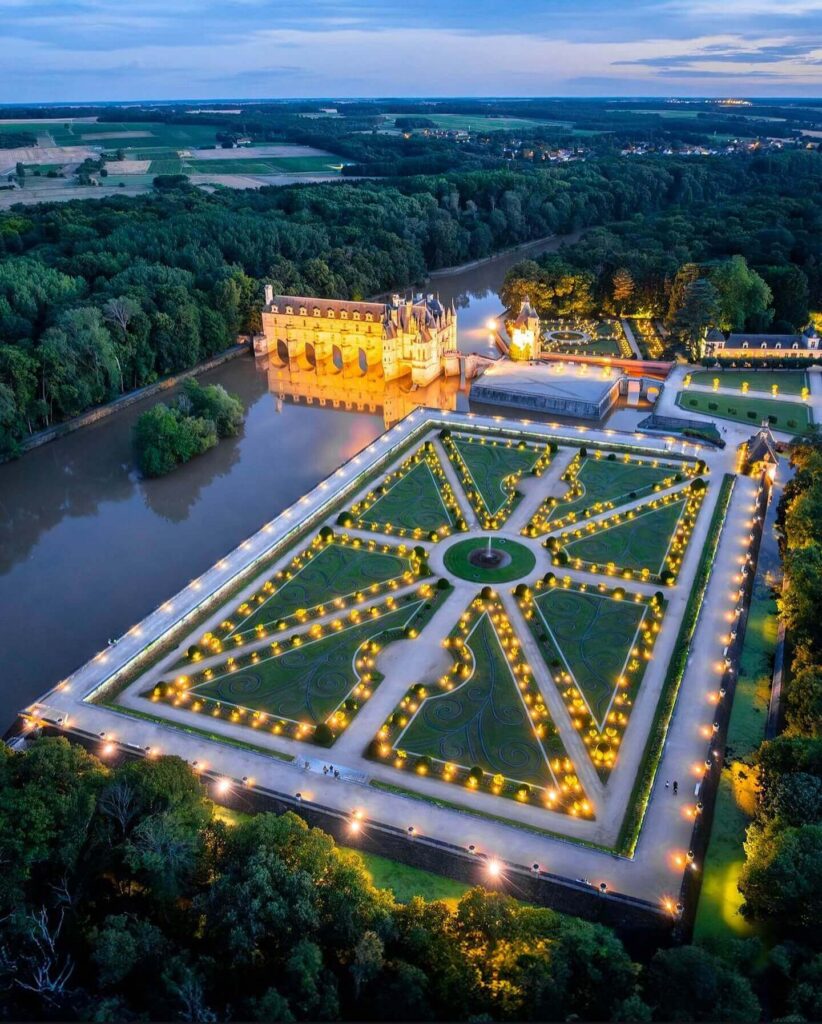
The flower garden and workshop help supply the fresh arrangements that decorate the rooms year round. Depending on the season, you may see gardeners tending flowers that will eventually appear inside the château.
Once I learned that the displays were created on site, I started paying much closer attention to them. It’s a small detail, but it helps the château feel cared for and lived in rather than simply preserved as a historic monument.
Best Photography Spots at Château de Chenonceau
If you’re planning to bring a camera, or even just use your phone, Château de Chenonceau is one of the most photogenic places in the Loire Valley.
The combination of Renaissance architecture, formal gardens, and the River Cher means there are great photo opportunities throughout the estate.
The River View Behind the Château
The most iconic view of Chenonceau is from behind the château along the River Cher.
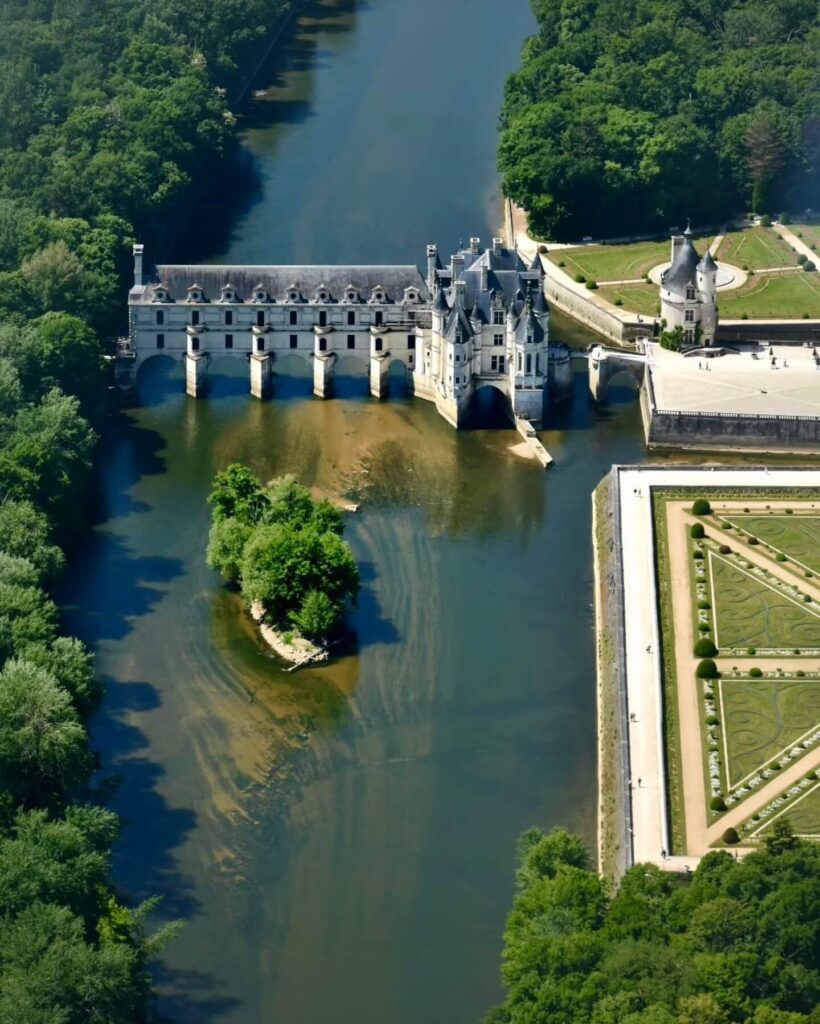
This is where you’ll see the graceful arches supporting the gallery as they stretch across the water. It’s the image that appears on postcards, guidebooks, and travel brochures, and for good reason.
The reflections in the river add another layer to the scene, especially on calm mornings when the water is still. If you only have time for one photo stop during your visit, make it this one.
Catherine’s Garden Terrace
For a slightly different perspective, head to Catherine de’ Medici’s Garden.
The elevated terraces provide wider views of both the château and surrounding grounds. It’s a great spot if you want photos that showcase the estate as a whole rather than focusing only on the building itself.
The Tree Lined Entrance
Don’t overlook the approach to the château.
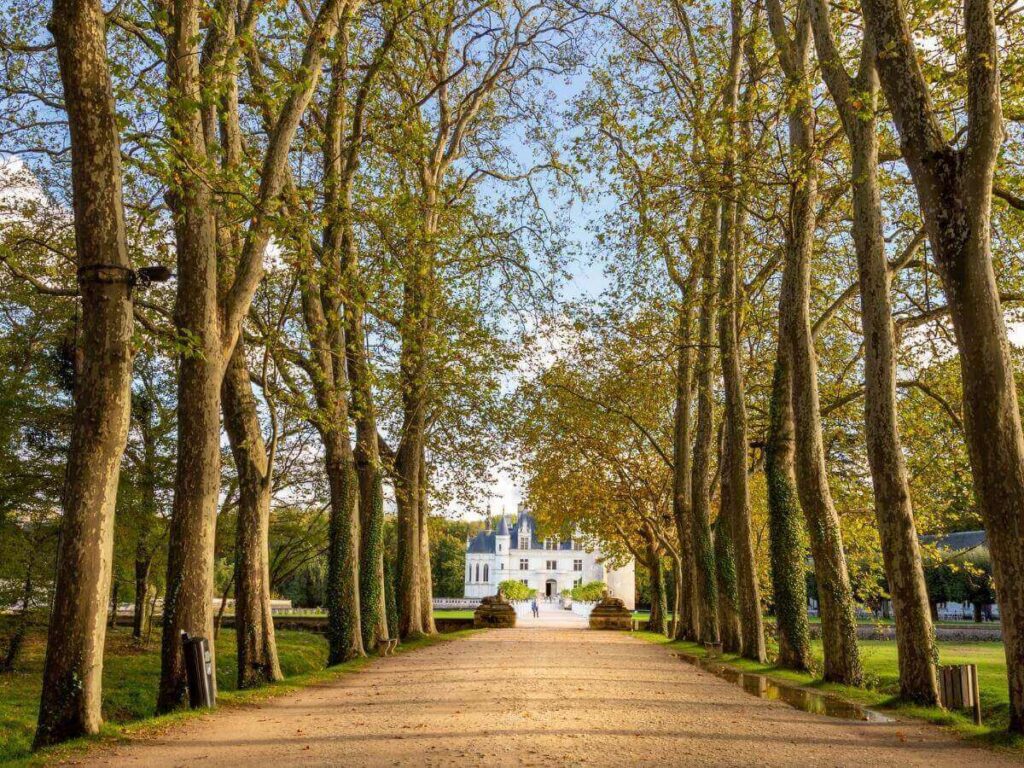
The long avenue lined with mature trees creates a beautiful first impression and makes for some of the most atmospheric photographs on the property. If you’re visiting in autumn, when the leaves begin to change color, this area becomes especially picturesque.
Inside the Grand Gallery
Photography opportunities aren’t limited to the exterior.
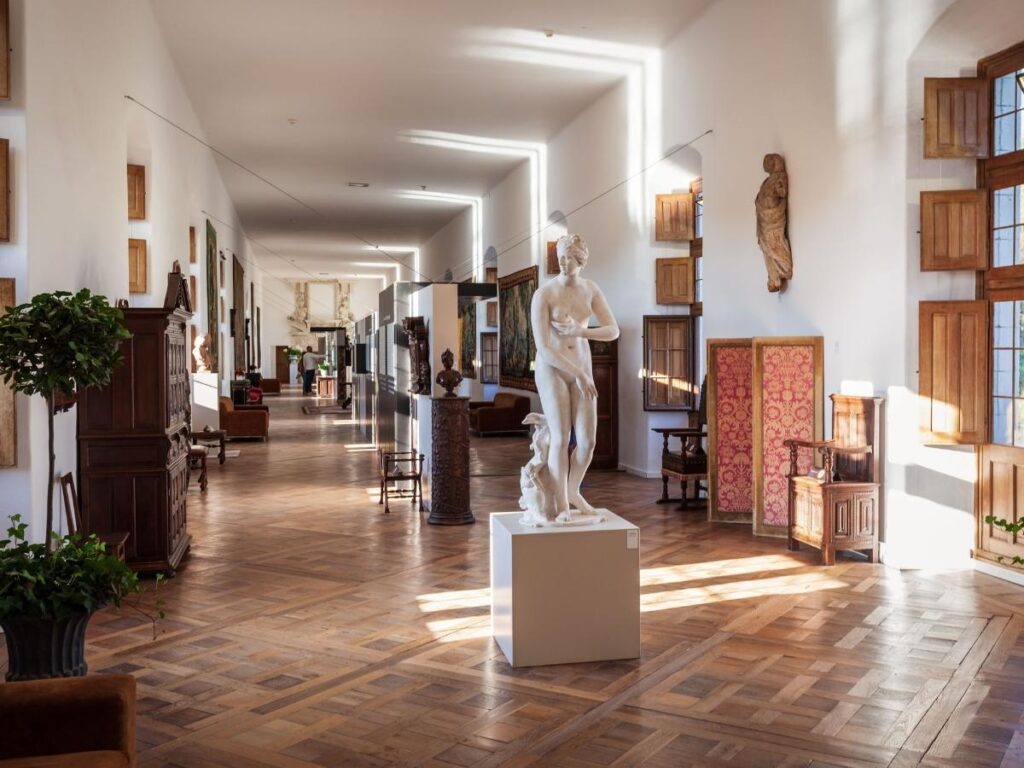
The Grand Gallery is one of the most photogenic interior spaces in the château. The black and white tiled floor, rows of windows, and natural light create a striking setting that photographs beautifully from almost any angle.
Even visitors who don’t usually take many photos often find themselves stopping here for a few extra shots.
Best Time for Photography
If photography is a priority, try to arrive as close to opening time as possible.
Early morning typically offers the softest light, fewer visitors, and calmer conditions along the river. Not only will you spend less time waiting for clear shots, but you’ll also have a better chance of capturing reflections in the water before crowds build throughout the day.
How Long Do You Need at Château de Chenonceau?
One of the most common questions travelers ask is how much time they should set aside for Chenonceau. The answer depends on your interests, but I’d recommend allowing more time than you might initially expect.
If You Have Two Hours
With only two hours, you’ll need to focus on the highlights.
I would prioritize touring the château interiors, spending time in the Grand Gallery, and walking through Diane’s Garden. You’ll also want to make your way behind the château for the famous river views before moving on.
This is enough time to see the main attractions, but the visit will feel fairly fast paced.
If You Have Half a Day
For most visitors, half a day is the ideal amount of time.
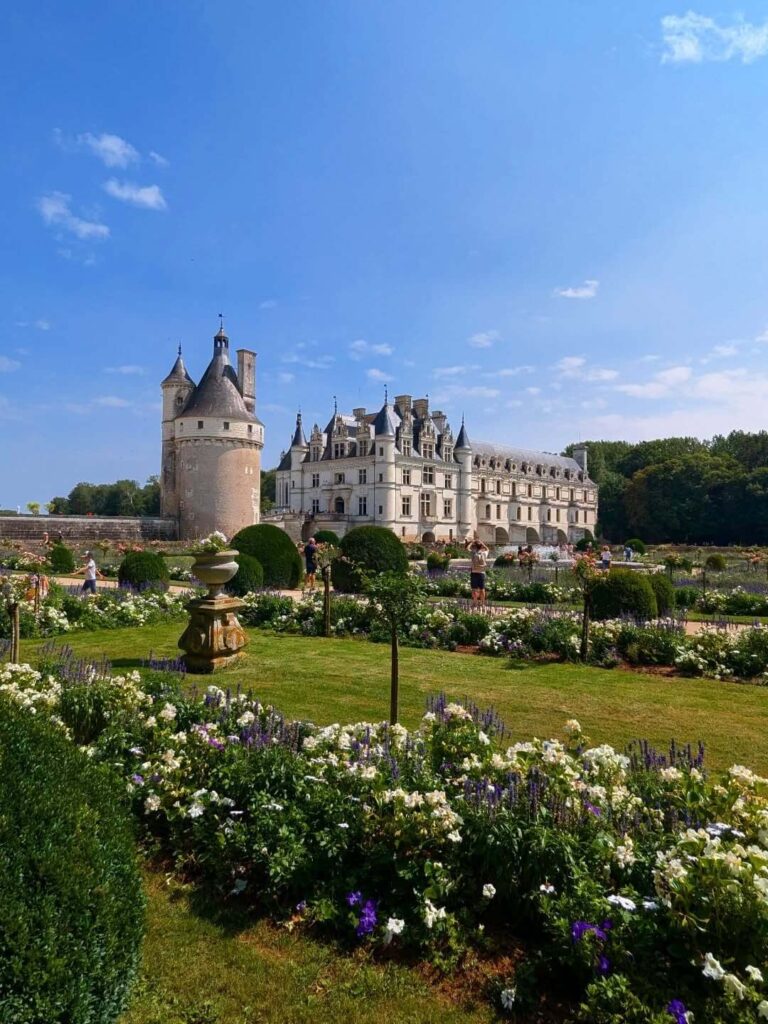
You’ll be able to explore the château without rushing, wander through both main gardens, visit the labyrinth, and stop frequently for photos. It also leaves time for a coffee break or a relaxed walk around parts of the estate that many visitors skip.
This is the option I’d recommend if you’re building a Loire Valley itinerary.
If You Have a Full Day
A full day at Chenonceau isn’t necessary for everyone, but it can be very rewarding if you enjoy photography, gardens, or history.
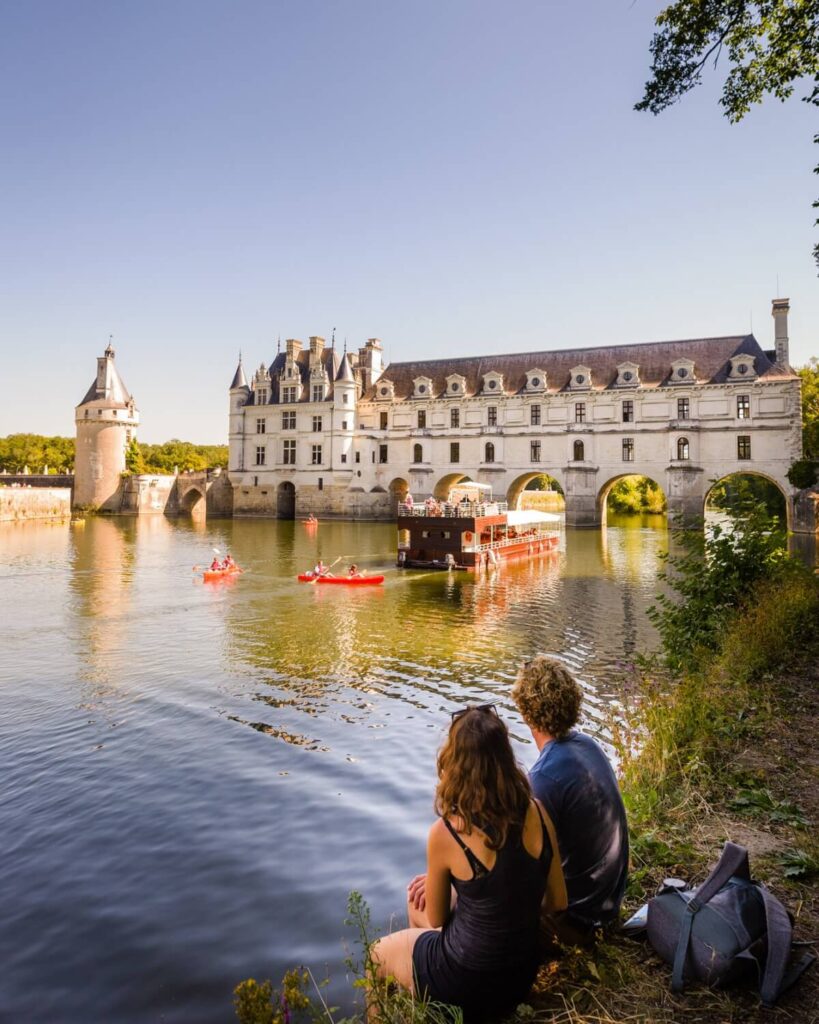
Having extra time allows you to revisit favorite viewpoints, explore the grounds at a slower pace, enjoy lunch on site, and appreciate details that are easy to miss when you’re watching the clock.
I wouldn’t suggest spending a full day here if you’re trying to see several Loire Valley castles in one trip. However, if Chenonceau is your main destination for the day, you’ll have no trouble filling the extra time and enjoying a much more relaxed experience.
Best Time to Visit Château de Chenonceau
One of the nice things about Château de Chenonceau is that it can be visited year round. The château itself remains impressive in every season, but the overall experience changes depending on when you go.
Spring
Spring is probably my favorite time to visit Chenonceau.
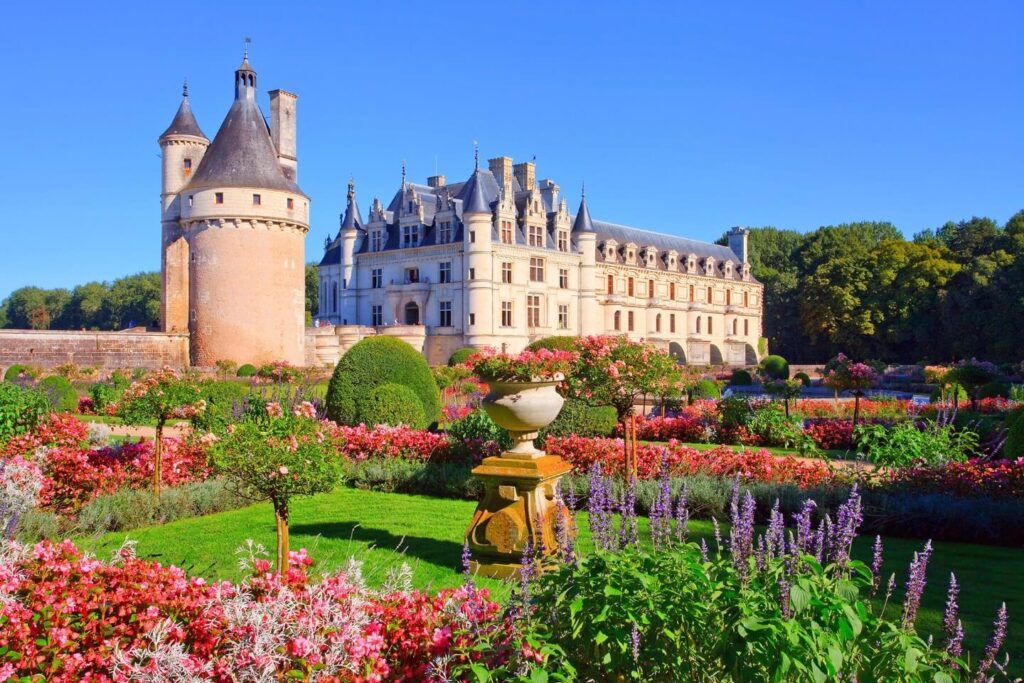
The gardens begin coming back to life, flower beds start filling with color, and the weather is usually comfortable for walking around the grounds. Since summer crowds haven’t fully arrived yet, it’s often easier to enjoy the château at a relaxed pace.
For photographers, spring can be especially rewarding. The combination of fresh greenery, blooming flowers, and softer light makes the estate look particularly beautiful.
Summer
Summer is the busiest time of year, but it’s easy to understand why.
The gardens are at their fullest, the days are long, and the entire estate feels lively. If you’re visiting the Loire Valley for the first time, summer offers the classic Chenonceau experience that most travelers imagine.
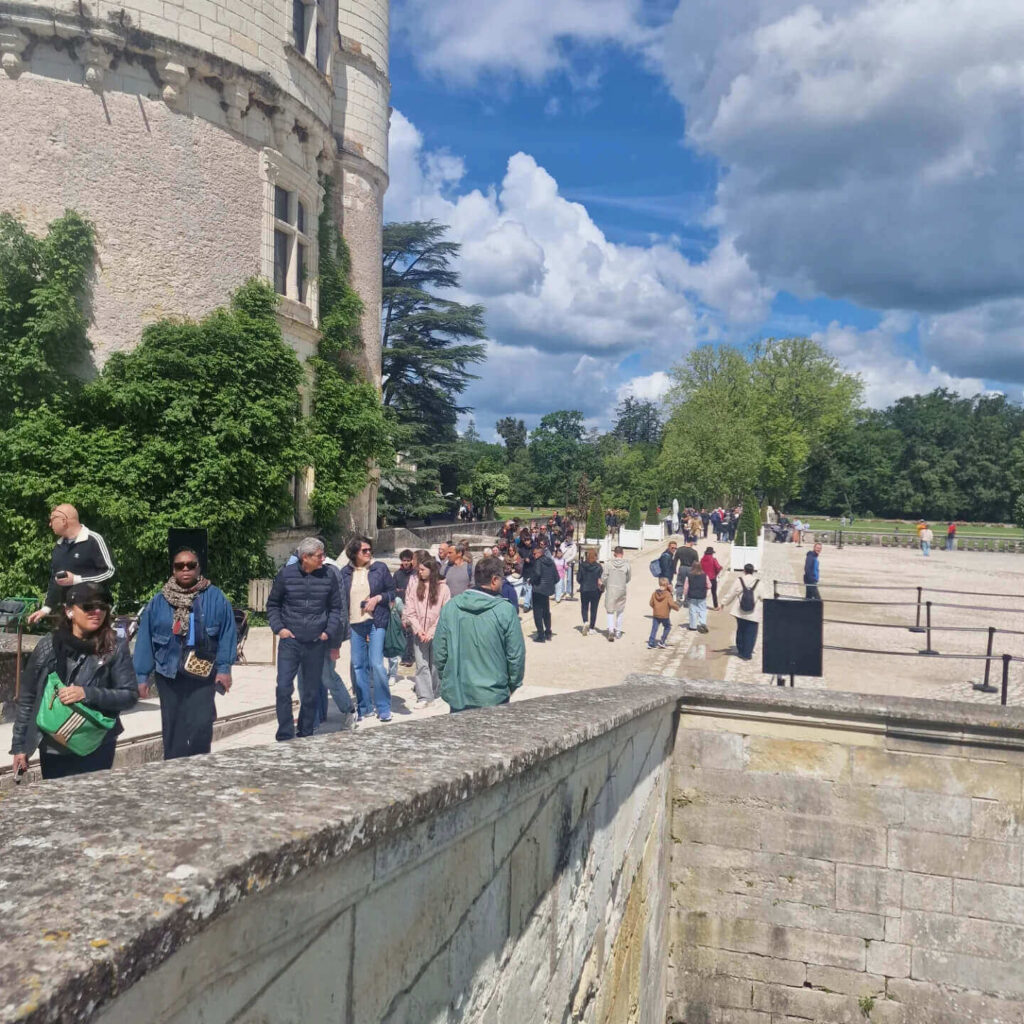
The downside is the crowds. July and August can be especially busy, with tour groups and day trippers arriving throughout the day. If you’re visiting during peak season, I would strongly recommend arriving as close to opening time as possible.
Fall
Autumn is often overlooked, but I think it’s one of the best times to visit.
The summer crowds begin to fade, temperatures remain pleasant, and the changing colors add a different character to the estate. The tree lined entrance and surrounding grounds can be particularly beautiful during this time of year.
If you’re looking for a balance between good weather and fewer visitors, fall is hard to beat.
Winter
Winter offers a completely different experience.
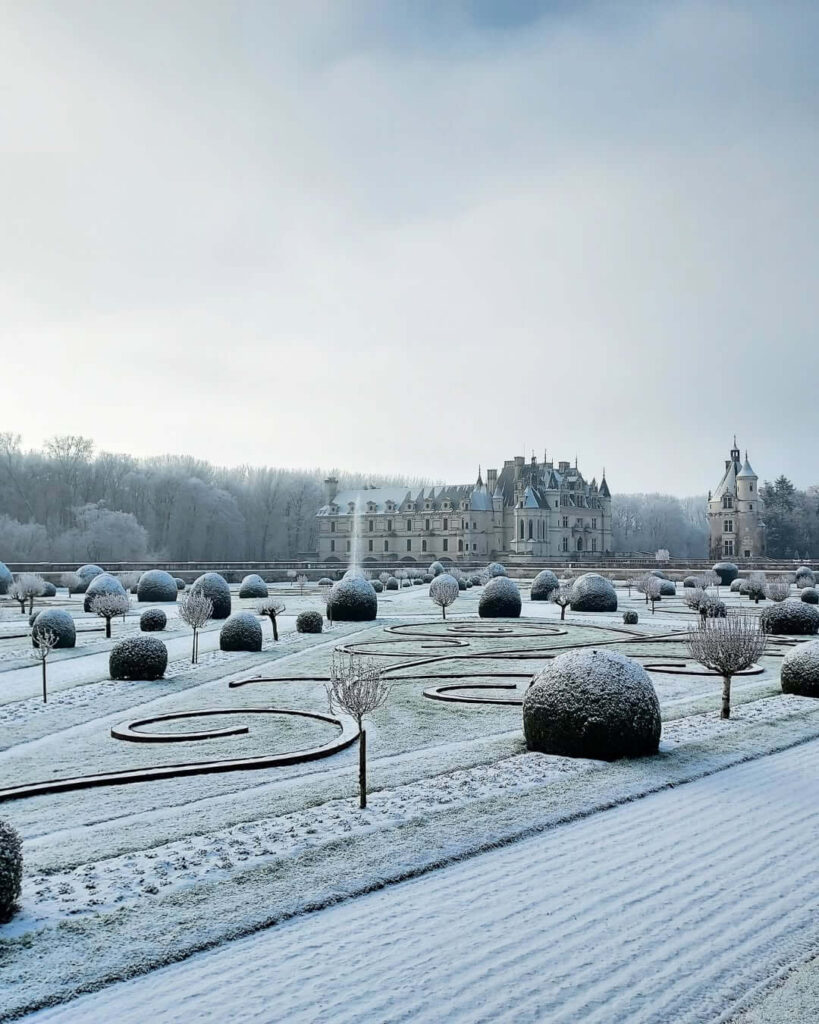
The gardens aren’t as colorful as they are in spring or summer, but the quieter atmosphere can make the château feel much more peaceful. You’ll often find fewer visitors inside the rooms, which allows you to take your time and appreciate the details.
During the holiday season, special decorations and floral displays add extra charm to the interiors. If you don’t mind cooler temperatures, winter can be a surprisingly enjoyable time to visit.
Château de Chenonceau Tickets and Opening Hours
Château de Chenonceau is open throughout the year, although opening hours vary depending on the season. Because schedules can change, it’s always worth checking the official website before your visit for the most up to date information.
I would also recommend booking tickets online, especially if you’re visiting during spring, summer, or major holiday periods. While the ticketing process at the château is generally efficient, having tickets in advance can save time and make your arrival smoother.
If you’re planning a Loire Valley road trip, it’s worth scheduling your visit early in the day. Not only will the château be less crowded, but you’ll also have more flexibility to explore the gardens and grounds without feeling rushed.
How to Get to Château de Chenonceau
One reason Chenonceau is so popular is that it’s relatively easy to reach, whether you’re staying in Paris or exploring the Loire Valley.
From Paris
Visiting Château de Chenonceau as a day trip from Paris is entirely possible.
The most common option is taking a train from Paris to Tours or Saint Pierre des Corps, followed by a connecting train to the small village of Chenonceaux.
What makes this route particularly convenient is that the train station sits within walking distance of the château entrance, so you won’t need additional transportation once you arrive.
While it makes for a long day, it’s one of the easiest Loire Valley castles to visit without a car.
By Car
If you’re exploring the Loire Valley, driving is usually the most flexible option.
Having a car allows you to combine Chenonceau with nearby attractions such as Amboise, Clos Lucé, or Chambord without being restricted by train schedules. The château has visitor parking available, and the roads throughout the region are generally easy to navigate.
For travelers planning to visit several castles, I think driving provides the best overall experience.
Guided Tours
Another popular option is joining a guided tour from Paris.
Many tours include transportation, château admission, and visits to multiple Loire Valley castles in a single day. This can be a good choice if you’re short on time or prefer not to deal with train connections and logistics yourself.
The downside is that you’ll usually have less flexibility and less time at each location. If Chenonceau is your primary reason for visiting the Loire Valley, I personally prefer traveling independently so you can explore at your own pace.
My Favorite Tips for Visiting Château de Chenonceau
If you’re planning a visit, my biggest recommendation is to arrive early. The gardens are quieter, the château is less crowded, and you’ll have better opportunities for photos.
Don’t limit your visit to the interiors. Make sure to walk behind the château for the famous views of the arches spanning the River Cher. It’s one of the most memorable viewpoints on the estate.
I would also allow time for the gardens and kitchens, both of which are easy to overlook but add a lot to the overall experience. And if your schedule allows, consider pairing Chenonceau with nearby Amboise and Clos Lucé for a fantastic day in the Loire Valley.
Is Château de Chenonceau Worth Visiting?
Absolutely.
Among the many castles in the Loire Valley, Chenonceau stands out because it offers such a complete experience. The riverside setting is unlike anything else in the region, the gardens are beautiful, and the interiors are filled with history and character.
What I enjoyed most was how balanced everything felt. The château is grand without being overwhelming, and there is enough to see both inside and outside to keep you engaged for several hours.
Whether you’re visiting the Loire Valley for a day or spending a week exploring the region, Château de Chenonceau is one place I would confidently recommend adding to your itinerary.