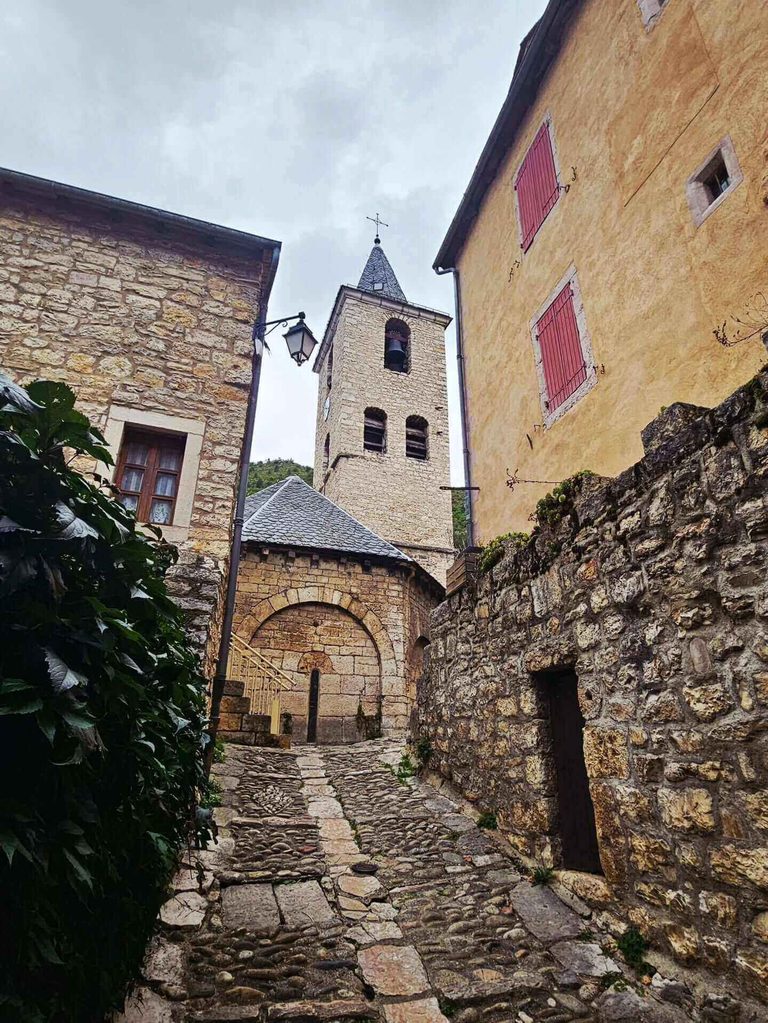

Paris has no shortage of famous museums, but Musée de l’Orangerie ended up being one of the places I kept thinking about long after I left Paris.
Before visiting, I honestly assumed it would be a quick stop to see Monet’s Water Lilies between bigger attractions like the Louvre and Musée d’Orsay. But the experience felt completely different from what I expected.
After days of crowded landmarks and massive museums, walking into Musée de l’Orangerie felt surprisingly calm. The atmosphere was quieter, slower, and much less overwhelming than most museums I visited in Paris.

Even with other visitors around, people naturally seemed to move more slowly and spend more time actually looking at the artwork instead of rushing through the galleries.
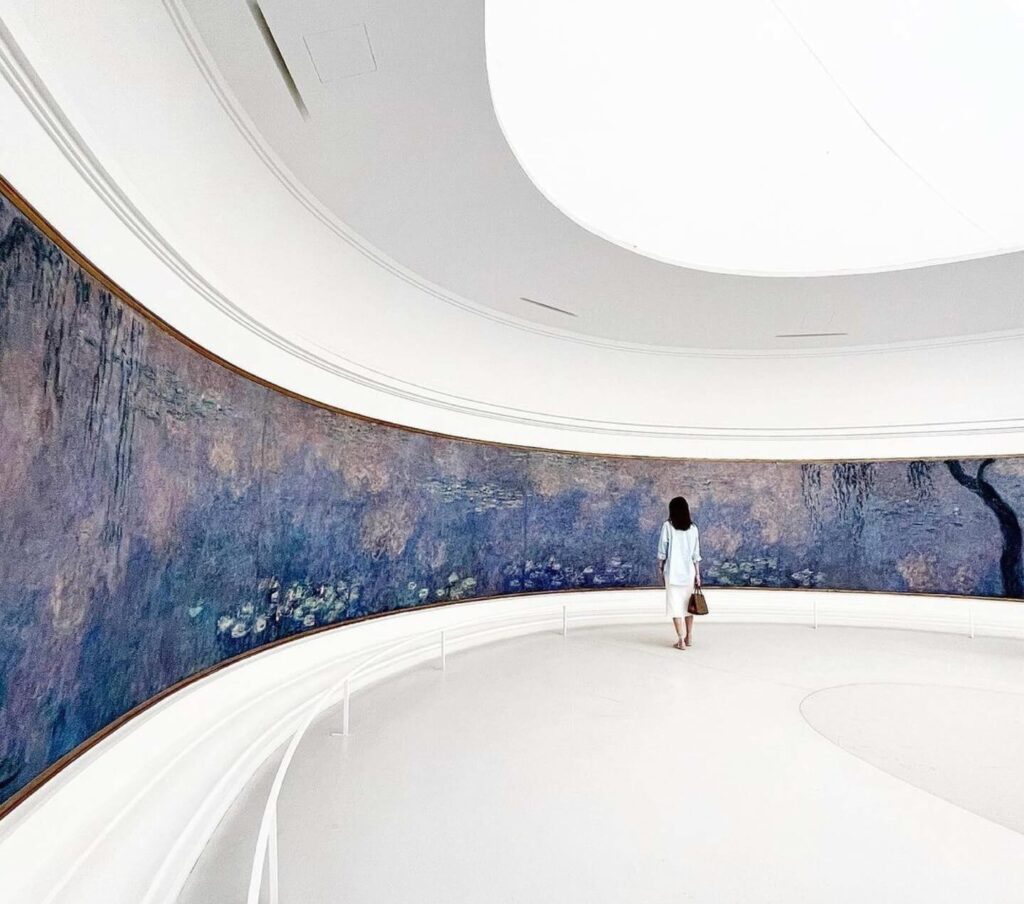
What stood out to me most were the Water Lilies rooms themselves. The oval shaped spaces feel soft and immersive, especially with the natural light filtering in from above. Instead of quickly viewing a painting and moving on, I found myself sitting there for much longer than I planned to, simply taking in the atmosphere.
I also loved how manageable the museum felt. Unlike larger museums where it’s easy to get exhausted halfway through, Musée de l’Orangerie feels easy to enjoy at a relaxed pace. You can experience the highlights without needing an entire day or feeling overwhelmed by endless galleries.
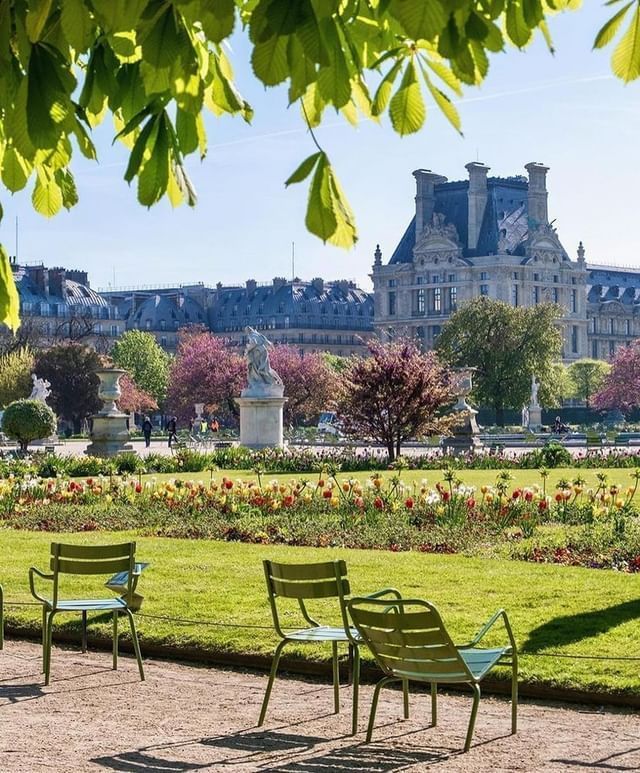
The location inside the Tuileries Garden also makes the visit feel more relaxed. Before going in, I walked through the gardens with coffee, and afterward I stayed nearby along the Seine instead of rushing to another attraction. The whole experience fit perfectly into a slower Paris day.
If you’re trying to decide whether the Musée de l’Orangerie deserves a spot on your itinerary, I’d genuinely say yes, especially if you enjoy Impressionist art, quieter museums, or simply want a break from the busier parts of Paris sightseeing.
Before visiting, I expected to admire a few famous paintings. What surprised me most was how peaceful and memorable the entire experience felt. In this guide, I’ll share everything I learned before visiting, what stood out most once I was there, and the tips I’d personally recommend for having the best experience.
What Is Musée de l’Orangerie?
Musée de l’Orangerie is a relatively small art museum located inside the Jardin des Tuileries in central Paris, just a short walk from Place de la Concorde. Even though Paris is filled with massive museums packed with famous collections, Musée de l’Orangerie feels much more intimate and manageable, which honestly became one of the reasons I enjoyed it so much.
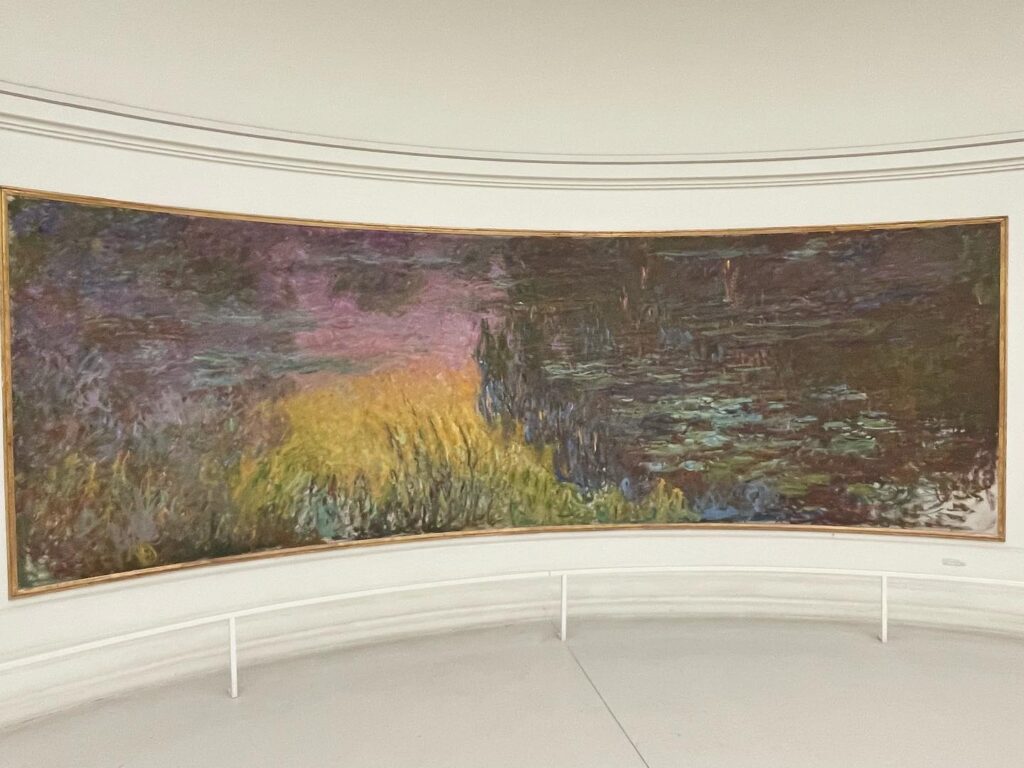
The museum is best known for Claude Monet’s Water Lilies paintings, but there’s much more here than many first time visitors expect. Beyond Monet, the museum also houses an impressive collection of Impressionist and Post Impressionist works by artists like Renoir, Cézanne, Matisse, Picasso, Rousseau, and Modigliani.
The collection isn’t enormous, but that actually works in its favor because you can experience the museum at a slower pace without feeling overwhelmed halfway through.
One thing I noticed almost immediately was how different the atmosphere felt compared to places like the Louvre. Instead of rushing through endless galleries trying to see everything, Musée de l’Orangerie feels like a place where people naturally slow down. You can spend time sitting with the artwork instead of constantly moving from room to room.
Why the Museum Is Famous
The main reason most people visit Musée de l’Orangerie is to see Monet’s famous Water Lilies series, and honestly, those rooms alone are worth the visit.
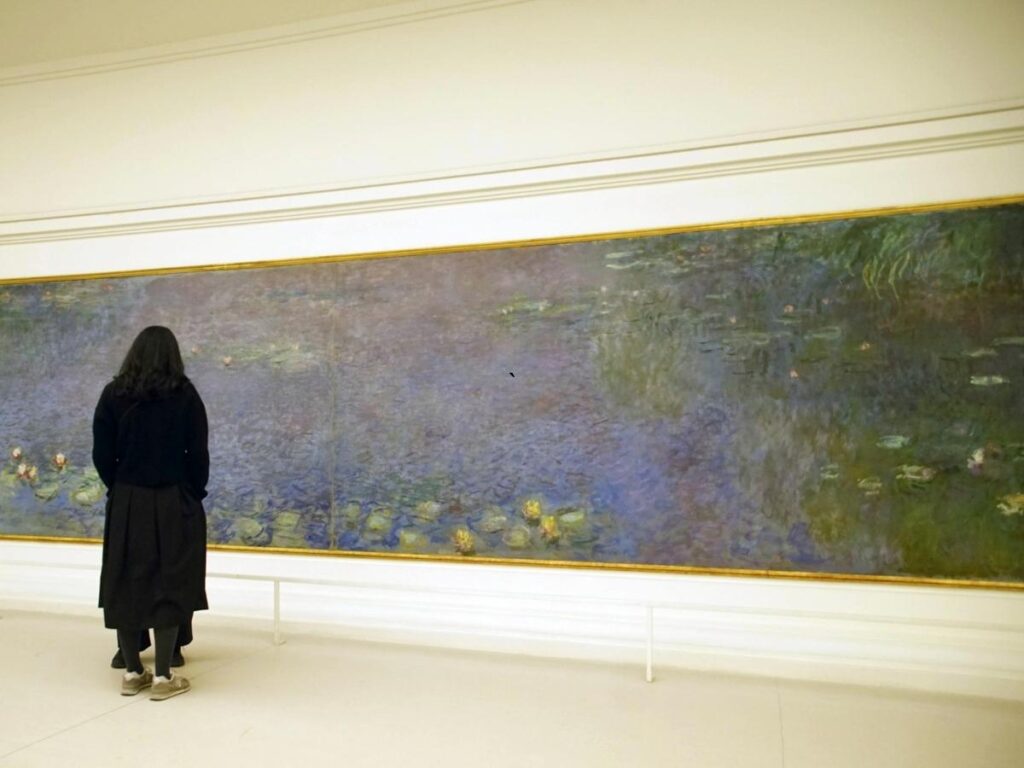
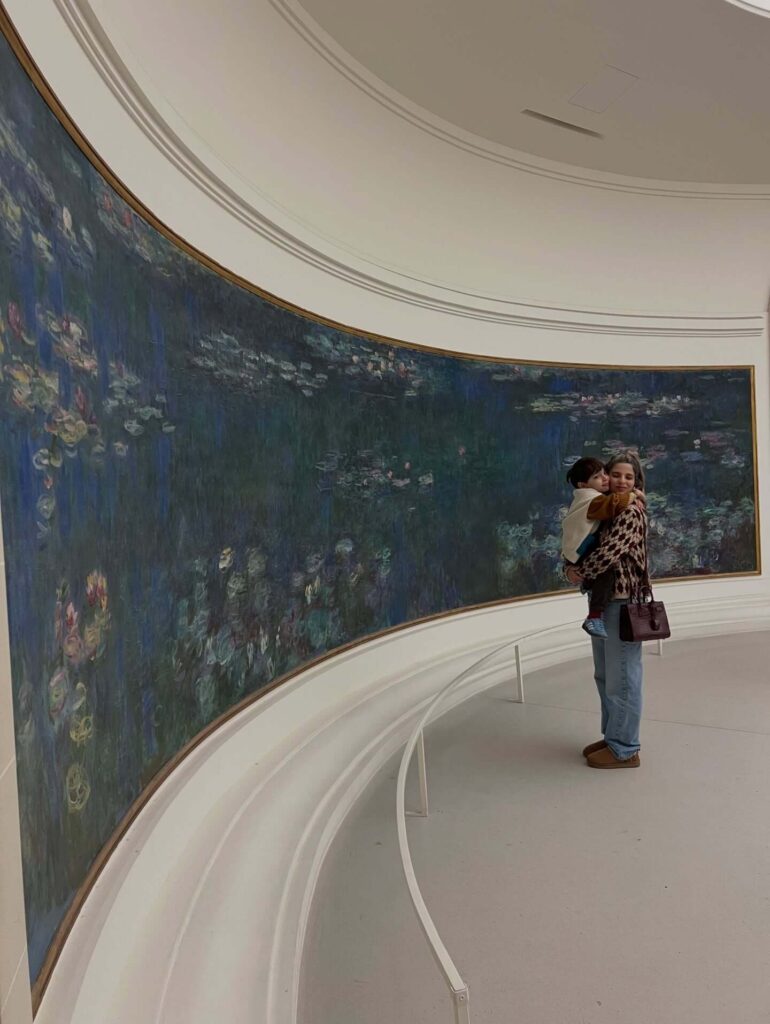
The paintings are displayed across two large oval shaped galleries designed specifically for them. Instead of hanging individual paintings side by side like a traditional museum, the artwork wraps around the curved walls almost continuously. The effect feels immersive in a way photos really don’t capture well.
What makes the experience even more interesting is that Monet personally helped design the installation. He wanted visitors to feel surrounded by light, water, reflections, and movement rather than simply standing in front of framed artwork for a few seconds before moving on.
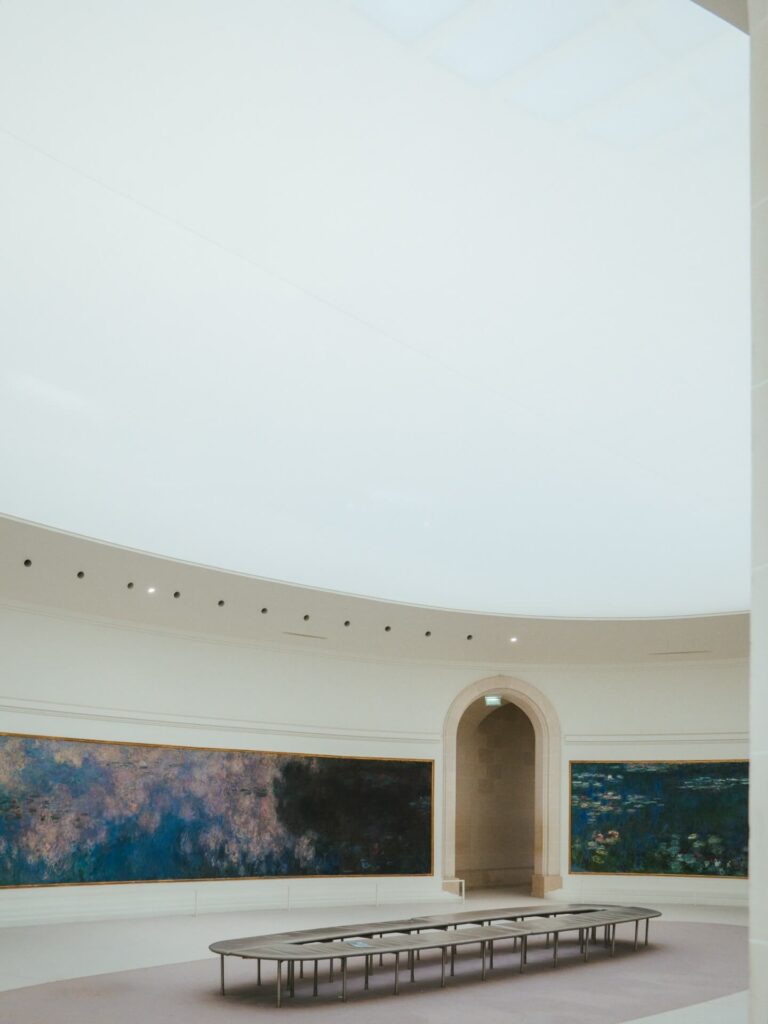
The natural light entering through the ceiling changes the mood throughout the day, which makes the paintings feel slightly different depending on when you visit.
I also found the atmosphere inside surprisingly peaceful. Even with other visitors around, people tend to speak quietly and spend more time sitting on the benches instead of crowding around taking nonstop photos. It almost feels more like a reflective space than a traditional museum gallery.
A Quick History of the Building
Before becoming a museum, the building originally served as an orangery for the nearby Tuileries Palace. In simple terms, it was used to protect citrus trees during colder months, especially orange trees, which is where the name “Orangerie” comes from.
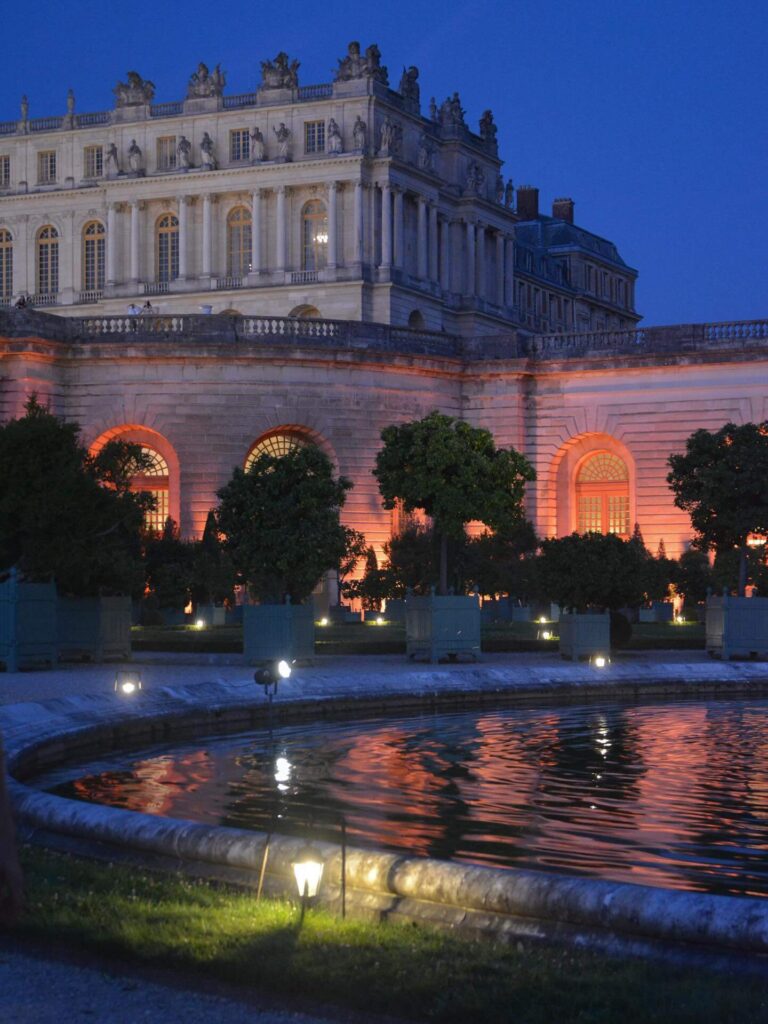
In the early 20th century, the building was transformed into an art space, and Claude Monet worked closely with French officials to create the Water Lilies installation here following World War I.
He envisioned the paintings as a symbol of peace and calm after the devastation of the war, which honestly adds another layer to the experience once you know the story behind them.
The museum officially opened in 1927, shortly after Monet’s death. Knowing that the rooms were specifically designed around his vision makes the experience feel much more intentional than simply seeing paintings placed inside a standard gallery.
Where Musée de l’Orangerie Is Located
One of the best things about Musée de l’Orangerie is how easy it is to include in a Paris itinerary without dedicating your entire day to it.
The museum sits along the western side of the Jardin des Tuileries, close to Place de la Concorde and the Seine River. Because of its central location, you can easily combine it with several nearby attractions without constantly using public transportation.

During my visit, it felt like one of the easiest museums in Paris to fit naturally into the day. Before entering, I spent time walking through the Tuileries Garden with coffee in hand, and afterward I continued along the Seine toward Musée d’Orsay. The museum works especially well as part of a slower sightseeing day instead of a packed schedule.
Some major attractions nearby include:
- Louvre Museum
- Musée d’Orsay
- Place de la Concorde
- Champs Élysées
- Seine River walking paths
If you’re already exploring central Paris, visiting Musée de l’Orangerie requires very little extra planning.
Is Musée de l’Orangerie Worth Visiting?
For me, absolutely yes.
Paris has some of the most famous museums in the world, but after a while, constantly visiting huge museums can start to feel exhausting. Musée de l’Orangerie felt completely different because the experience was much calmer and easier to absorb.
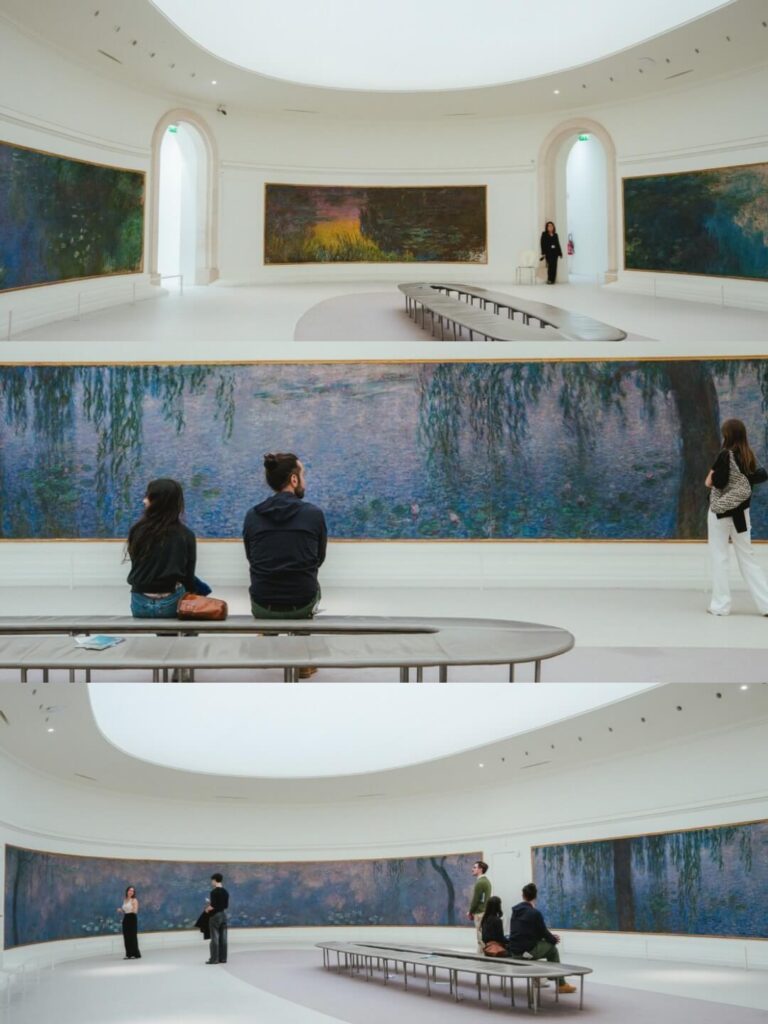
Instead of spending hours navigating giant crowds and endless hallways, this museum feels far more approachable while still offering genuinely memorable artwork. I left feeling relaxed instead of mentally drained, which honestly isn’t something I can say about every major museum in Paris.
What I Personally Loved Most
The thing that stood out to me most was the atmosphere.
At larger museums like the Louvre, I sometimes felt like I was spending more energy trying to move through crowds than actually enjoying the art itself. Musée de l’Orangerie felt much quieter and more comfortable from the moment I entered.
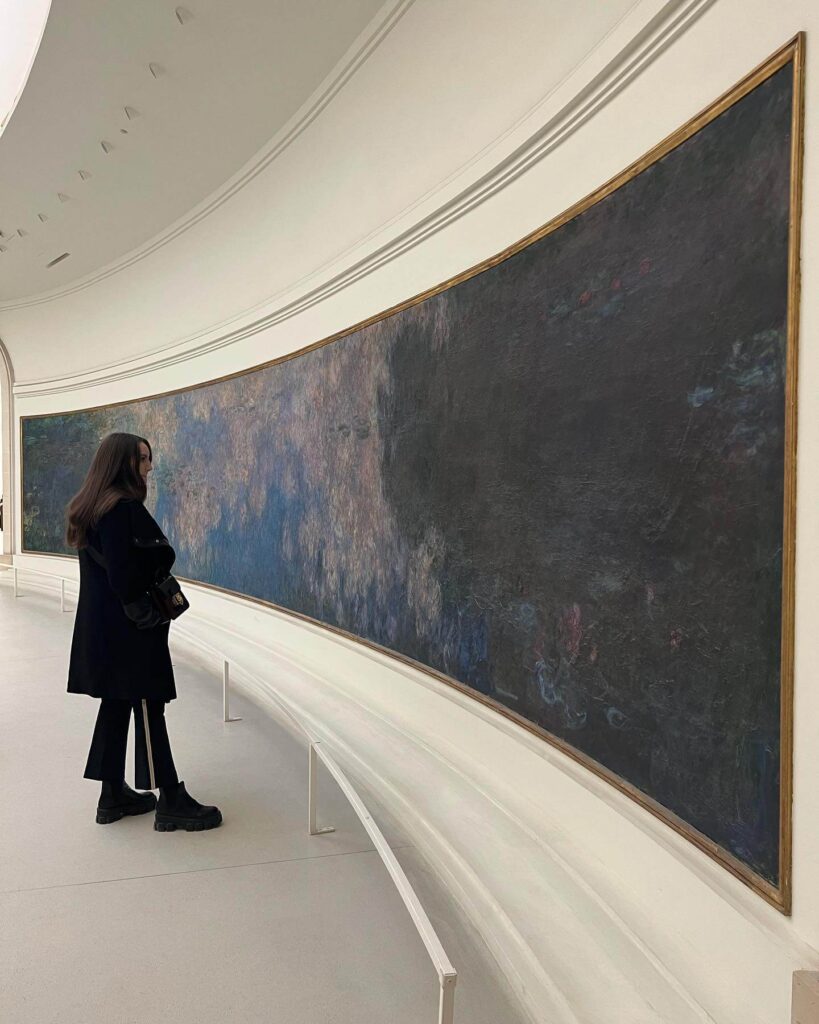
Because the museum is smaller, there’s less pressure to rush. I found myself spending longer in each room, especially inside the Water Lilies galleries where the lighting and curved walls create such a calming environment.
The natural light changes throughout the day, which gives the paintings slightly different moods depending on the time you visit.
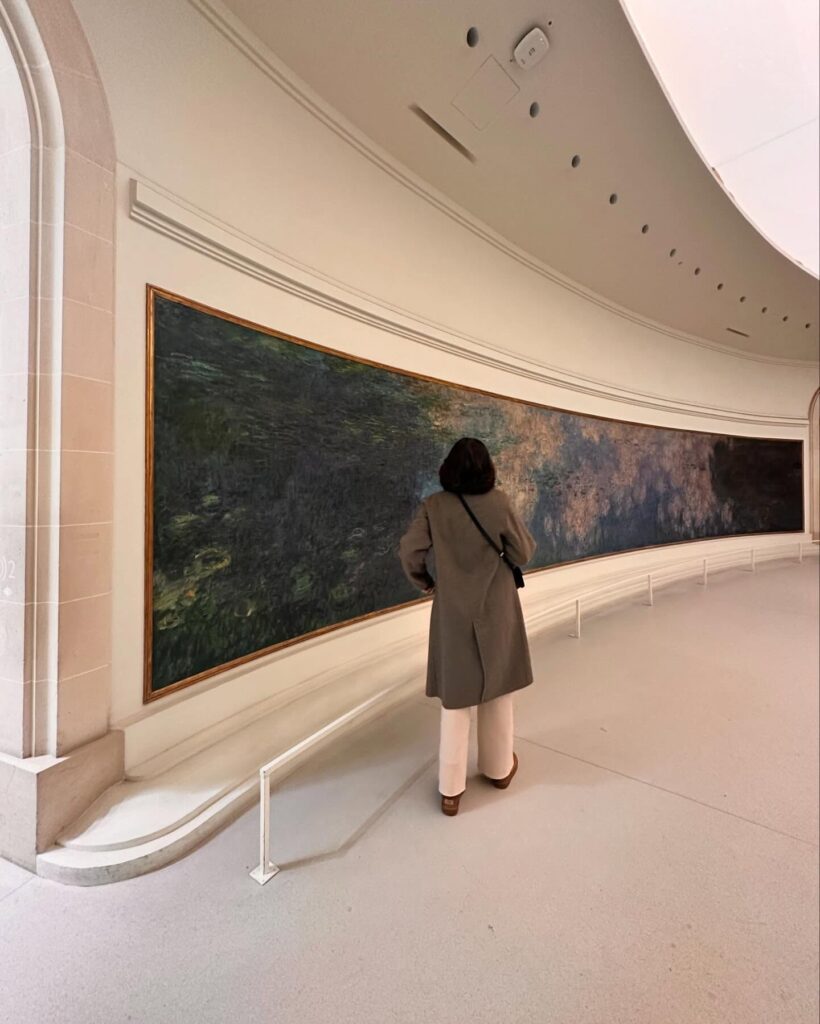
I also appreciated how easy the museum felt physically. Some museums in Paris are so large that your feet honestly start hurting before you’ve even seen half the collection. Musée de l’Orangerie is much easier to enjoy without feeling exhausted afterward.
The Monet Water Lilies Rooms Explained
This was easily the part of Musée de l’Orangerie that stayed with me most after visiting.
Before going, I had already seen photos of Monet’s Water Lilies online countless times, so I thought I knew what to expect. But standing inside those rooms in person felt completely different. The scale, the lighting, and the atmosphere are hard to understand until you’re actually there.
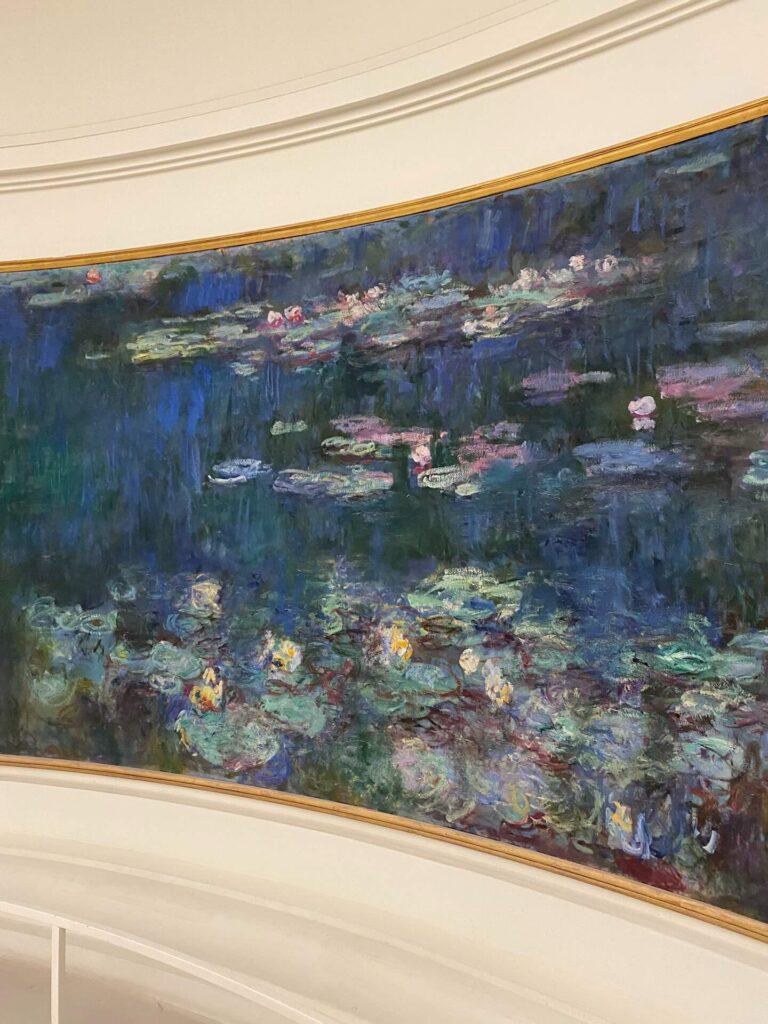
What surprised me most was how immersive the experience feels. Instead of looking at a painting for a few seconds and moving on to the next one, the rooms almost encourage you to slow down and stay awhile. I ended up sitting on the benches much longer than I planned to, simply taking in the colors, reflections, and shifting light around the space.
Why Monet Designed the Rooms This Way
Monet never intended the Water Lilies paintings to feel like traditional framed artworks hanging in separate galleries.
He imagined them as one continuous panoramic experience inspired by the gardens and pond at his home in Giverny. The paintings flow around the curved walls almost endlessly, without obvious starting or stopping points, which creates this gentle sense of movement as you walk through the rooms.
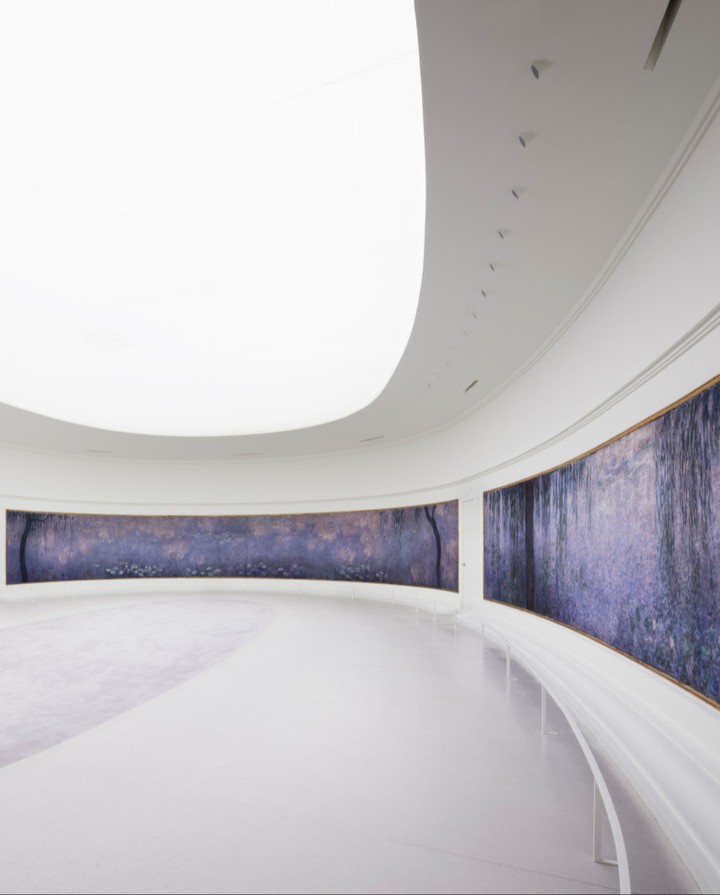
The two oval shaped galleries were designed specifically for the paintings themselves, and Monet was personally involved in planning the installation. Natural light enters softly from above, which was incredibly important to him because he wanted the paintings to change subtly throughout the day, similar to how real water and reflections shift outdoors.
Once I learned more about his vision, the rooms made even more sense. They don’t feel like ordinary museum spaces. They feel intentionally quiet and reflective, almost like stepping into a calm pause in the middle of busy Paris sightseeing.
There’s also something interesting about the lack of strong focal points in the paintings. Unlike many famous artworks where your attention is immediately drawn to one subject, Monet’s Water Lilies feel more atmospheric. Your eyes drift slowly across the surfaces instead of focusing on a single detail.
What It Actually Feels Like Inside
Honestly, the rooms felt much more emotional than I expected.
Even though there were other visitors around, the atmosphere still felt surprisingly peaceful. People naturally seemed quieter here. I noticed many visitors sitting silently on the benches for long stretches instead of immediately taking photos and moving on to the next room.
The scale of the paintings changes the experience too. Up close, you notice thick brushstrokes, texture, and layers of paint that almost feel abstract. But when you step farther back, everything softens into reflections, sky, water, flowers, and light blending together.
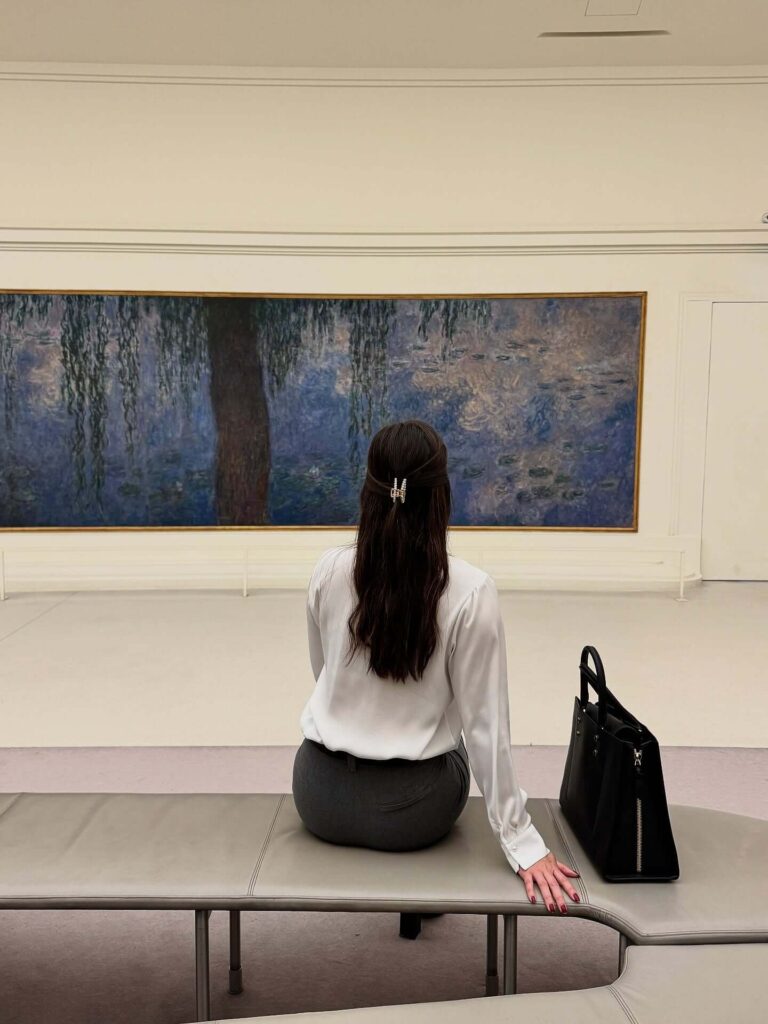
I also noticed how differently people reacted to the rooms compared to other museum galleries. In many museums, people move quickly from one famous piece to another. Here, the experience felt slower and more personal. Some visitors walked around quietly several times before sitting down again.
For me, this ended up being one of the few museum spaces in Paris where slowing down genuinely made the experience better. The longer I stayed, the more details I noticed.
Best Time to Visit the Water Lilies Rooms
If possible, I’d strongly recommend visiting either right when the museum opens or later in the afternoon.
Midday tends to feel busier because larger tour groups often arrive around that time, and the atmosphere becomes a little less peaceful when the rooms are crowded.
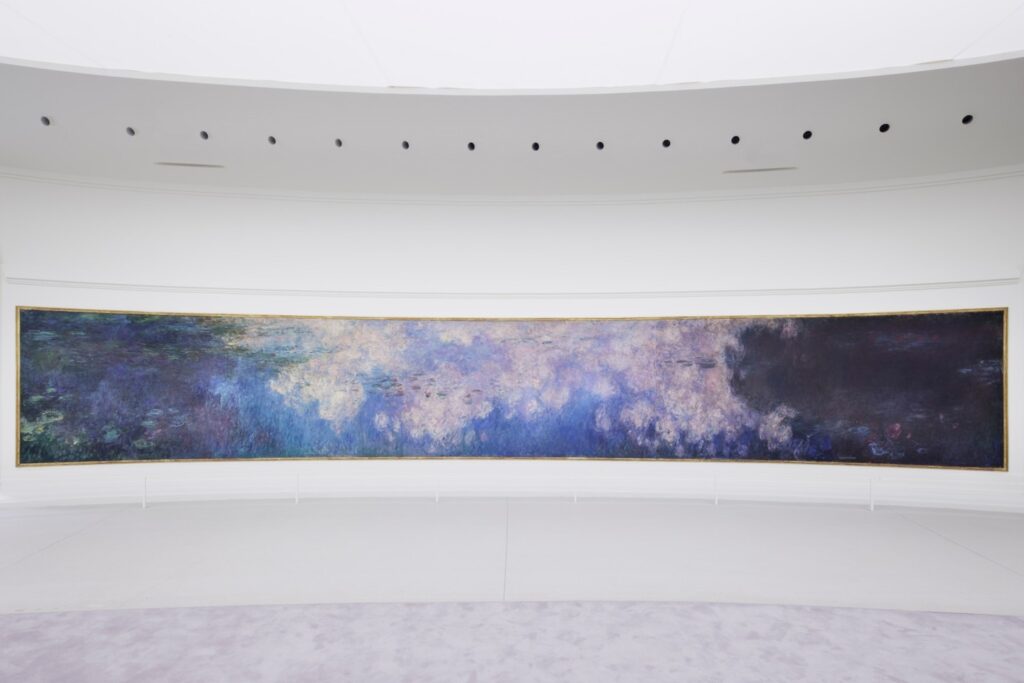
I personally preferred the morning because the softer light made the galleries feel especially calm. The earlier hours also gave me more opportunities to sit quietly without too many people moving around constantly.
That said, even later in the day can feel much nicer once the biggest crowds start thinning out again.
One thing I’d avoid is trying to rush through the Water Lilies rooms too quickly just to “see” them. This is one part of the museum that really benefits from slowing down for at least a few minutes.
Photography Tips Inside
Photography is generally allowed for personal use inside the museum, although flash photography isn’t permitted.
The lighting inside the Water Lilies rooms can actually be a little tricky because the soft natural light creates subtle shadows and reflections. I found that wider shots worked much better than close ups because they capture more of the scale and curved layout of the rooms.
Patience also helps a lot. Instead of trying to take photos immediately, I waited for quieter moments when fewer people were walking through the frame.
But honestly, this ended up being one of the rare museum spaces where I stopped caring much about taking photos after a while. Sitting quietly and experiencing the rooms without looking through a screen felt far more memorable than the pictures I took.
Other Famous Paintings Inside Musée de l’Orangerie
Even though Monet’s Water Lilies are the main attraction, I really don’t think you should rush out of the museum afterward.
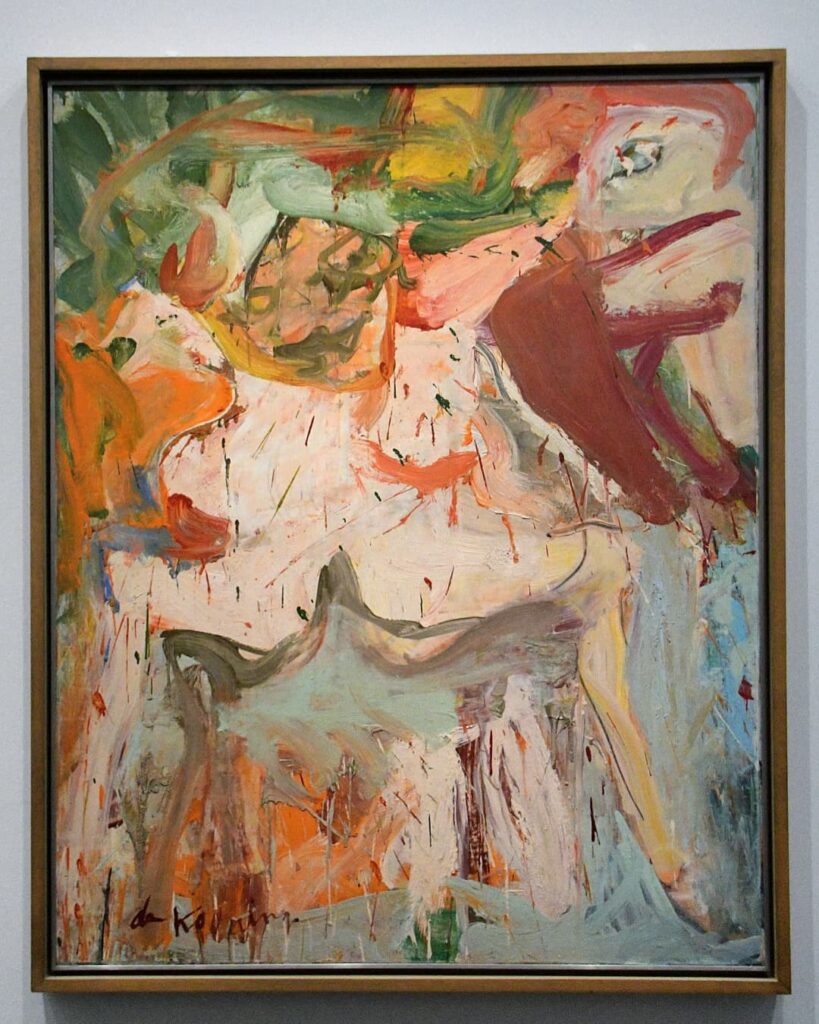
The lower level galleries are absolutely worth exploring too, and honestly, they ended up surprising me more than I expected. The collection feels carefully curated instead of overwhelmingly large, which makes it easier to actually appreciate the individual works without museum fatigue setting in.
The museum’s collection mainly focuses on Impressionist and early modern artists, including Renoir, Cézanne, Matisse, Picasso, Rousseau, and Modigliani. Because the galleries are smaller and usually quieter than the Monet rooms upstairs, the experience feels much more relaxed compared to larger Paris museums.
Renoir
Renoir’s paintings immediately stood out to me because of how warm and human they feel.
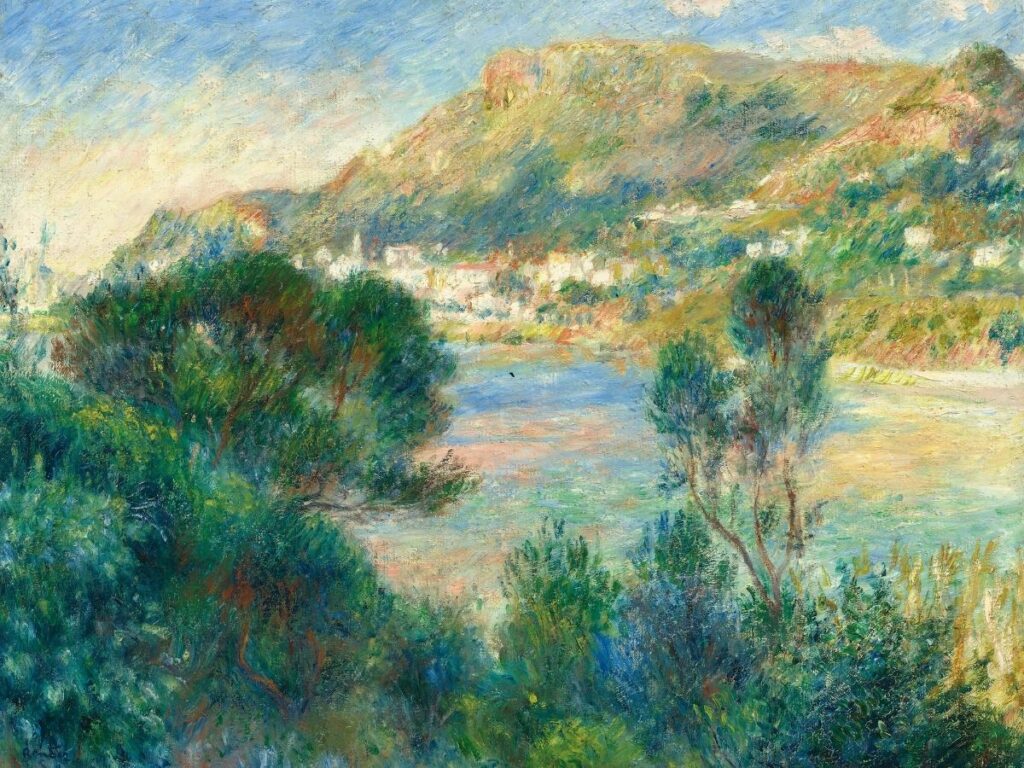
His portraits and scenes often have softer lighting and gentle color palettes that create a very intimate atmosphere. Even if you don’t know much about art history, his work tends to feel approachable and emotional rather than overly formal.
Cézanne
Seeing Cézanne’s work after Monet created an interesting contrast.
Where Monet’s paintings feel fluid and atmospheric, Cézanne’s landscapes and still lifes feel much more structured and deliberate.
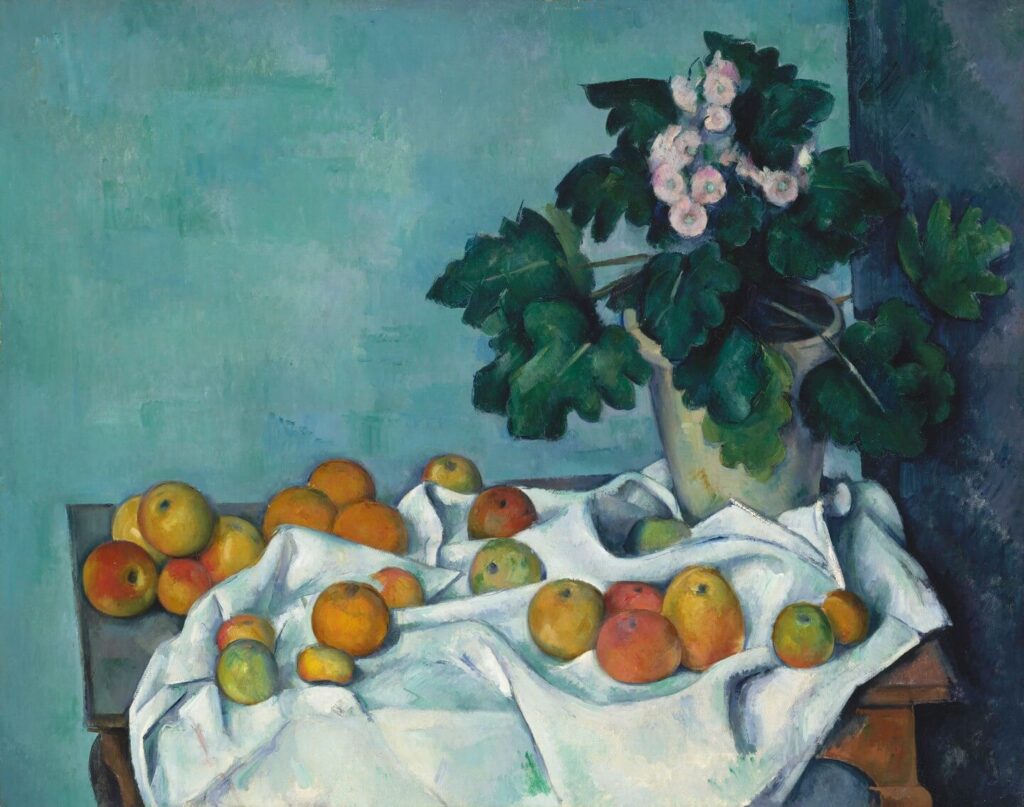
I found myself paying more attention to shapes, balance, and composition in his work, especially after spending time surrounded by Monet’s softer reflections upstairs.
Matisse
The Matisse pieces add a completely different energy to the museum.
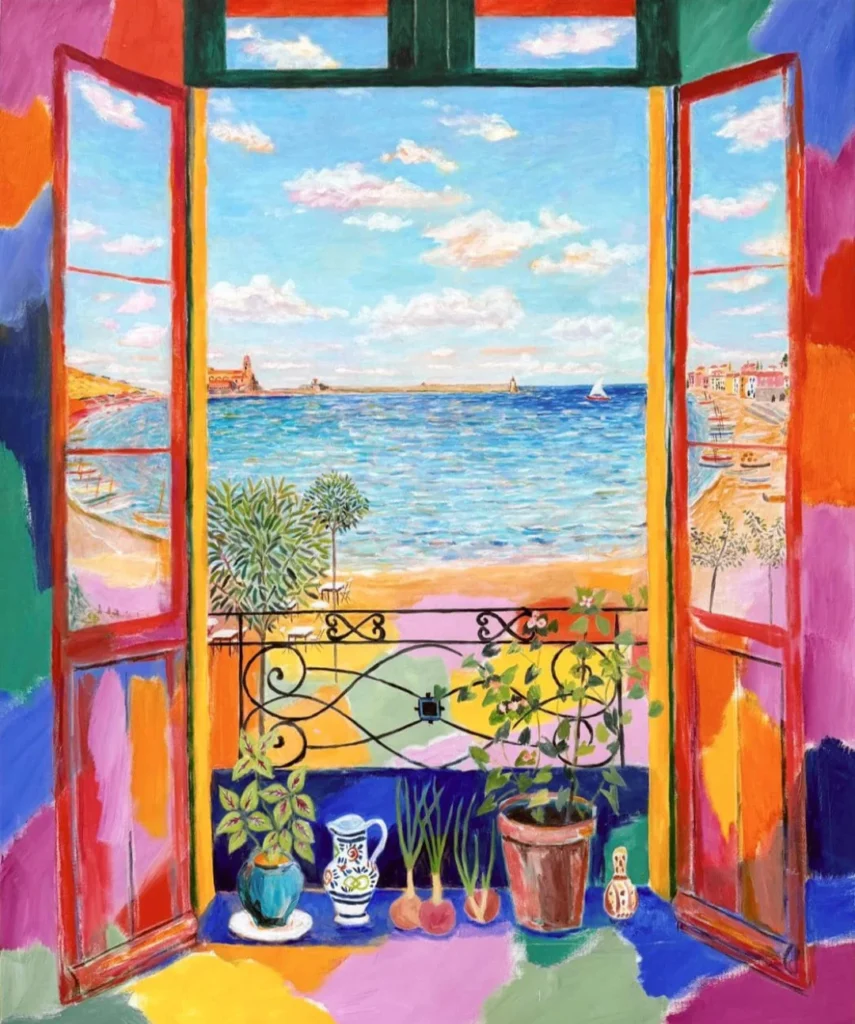
The colors feel bolder, brighter, and more expressive, which helps break up the softer Impressionist works throughout the galleries. I liked how the collection gradually shifts between artistic styles instead of feeling repetitive from room to room.
Modigliani
Modigliani’s portraits felt especially memorable because of their simplicity and emotion.
The elongated faces and calm expressions create this quiet intensity that’s very different from the brighter Impressionist works elsewhere in the museum. His paintings feel restrained but emotionally powerful at the same time.
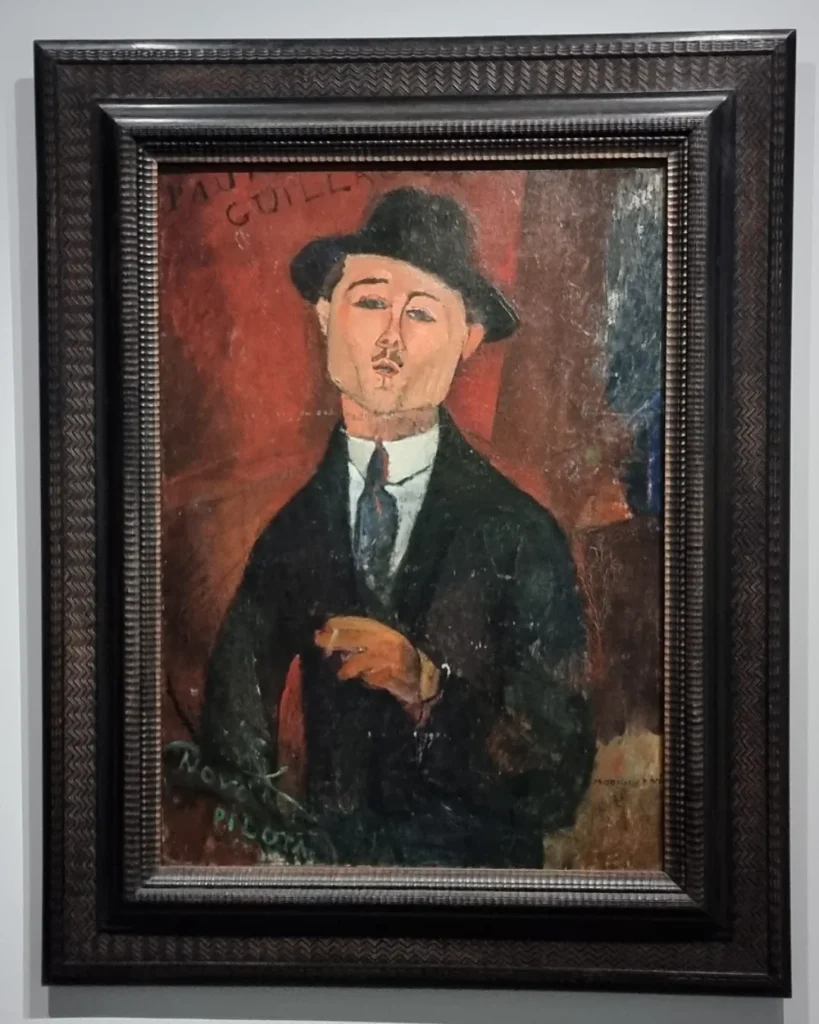
One thing I appreciated overall was how manageable these galleries felt. Instead of trying to cram hundreds of famous works into one building, the museum gives each room enough breathing space. I’d definitely recommend giving yourself time to wander slowly downstairs instead of treating the lower galleries as just an extra section after Monet.
How Much Time Do You Need at Musée de l’Orangerie?
One of the things I appreciated most about Musée de l’Orangerie is that it works well no matter how much time you have in Paris.
Some museums in the city feel like full day commitments where you almost need a strategy before walking in. Musée de l’Orangerie feels much more flexible. You can visit fairly quickly if your schedule is packed, but it also rewards slowing down if you have extra time.
Quick 1 Hour Visit
If you’re short on time, you can still experience the highlights of the museum in about an hour without feeling too rushed.
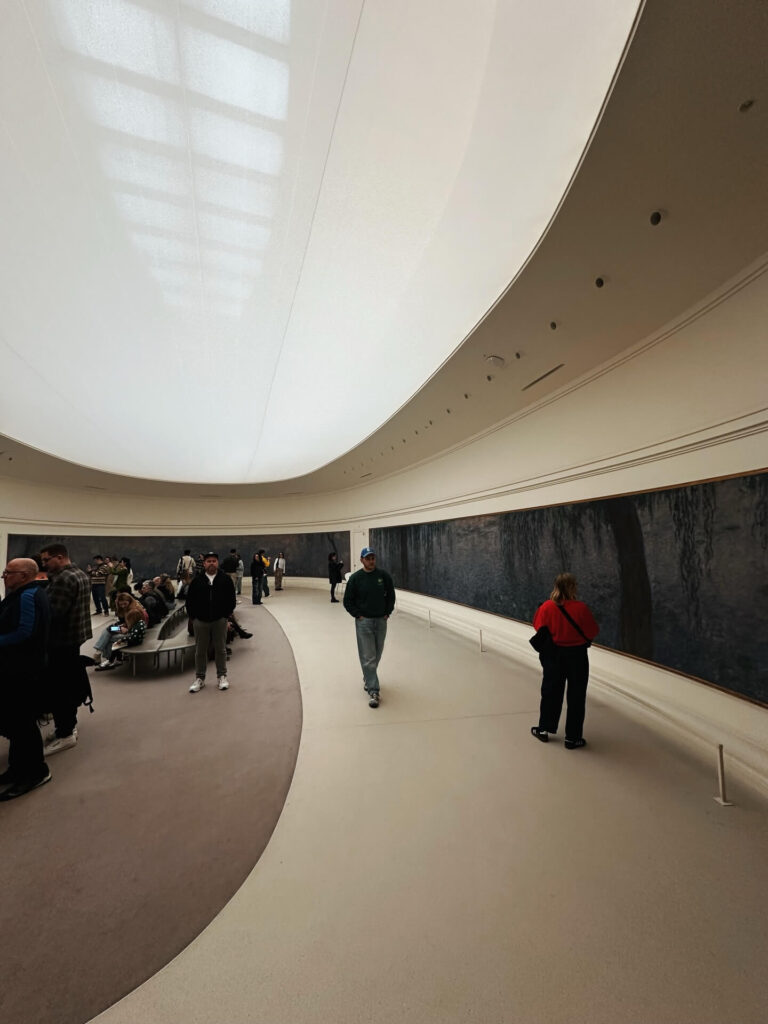
Most people naturally spend the majority of their time inside the Water Lilies rooms, and honestly, that’s understandable because they’re the emotional centerpiece of the entire museum.
I’d recommend starting there first while your energy and attention are still fresh. Even if you only have limited time, try not to walk through too quickly. Sitting for even five or ten minutes changes the experience completely.
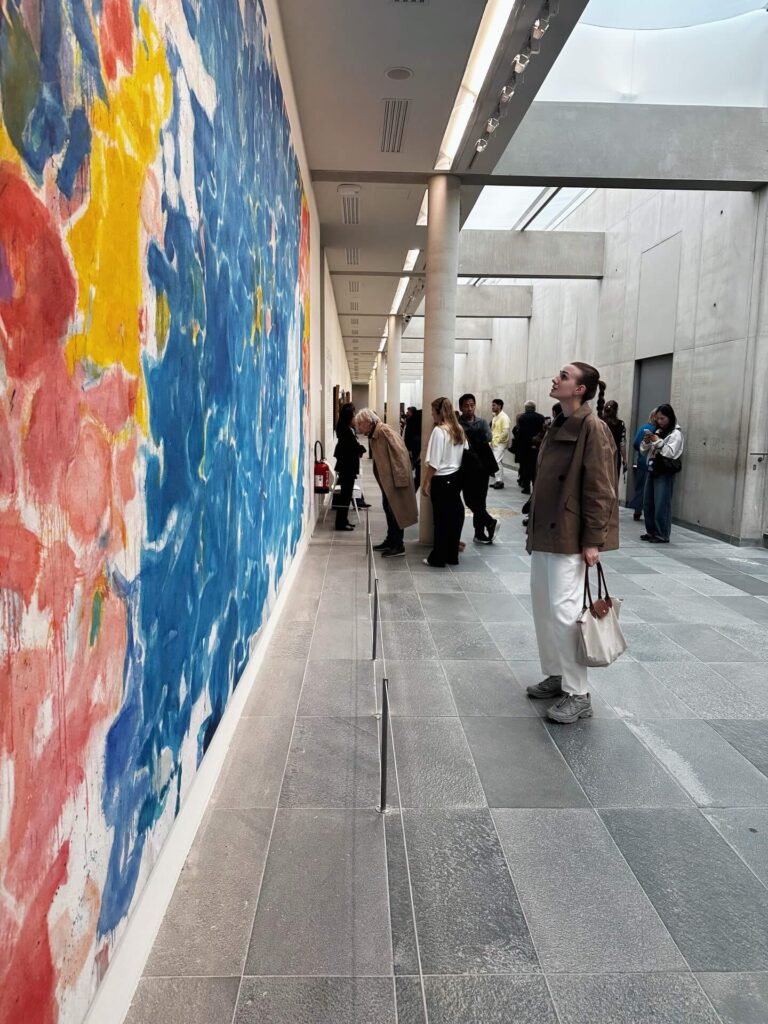
Afterward, you can move downstairs to explore the main lower level galleries featuring Renoir, Cézanne, Matisse, Picasso, and other artists. Since the museum is relatively compact, you won’t spend much time navigating between sections, which helps a shorter visit feel manageable.
An hour also works especially well if you’re combining the museum with nearby attractions like the Louvre, Musée d’Orsay, or a walk through the Tuileries Garden.
Relaxed 2 TO 3 Hour Visit
Personally, I think around two hours feels much more enjoyable.
That gives you enough time to slow down instead of feeling like you’re simply checking famous paintings off a list. During my visit, I noticed the museum becomes much more rewarding once you stop trying to move quickly through every room.
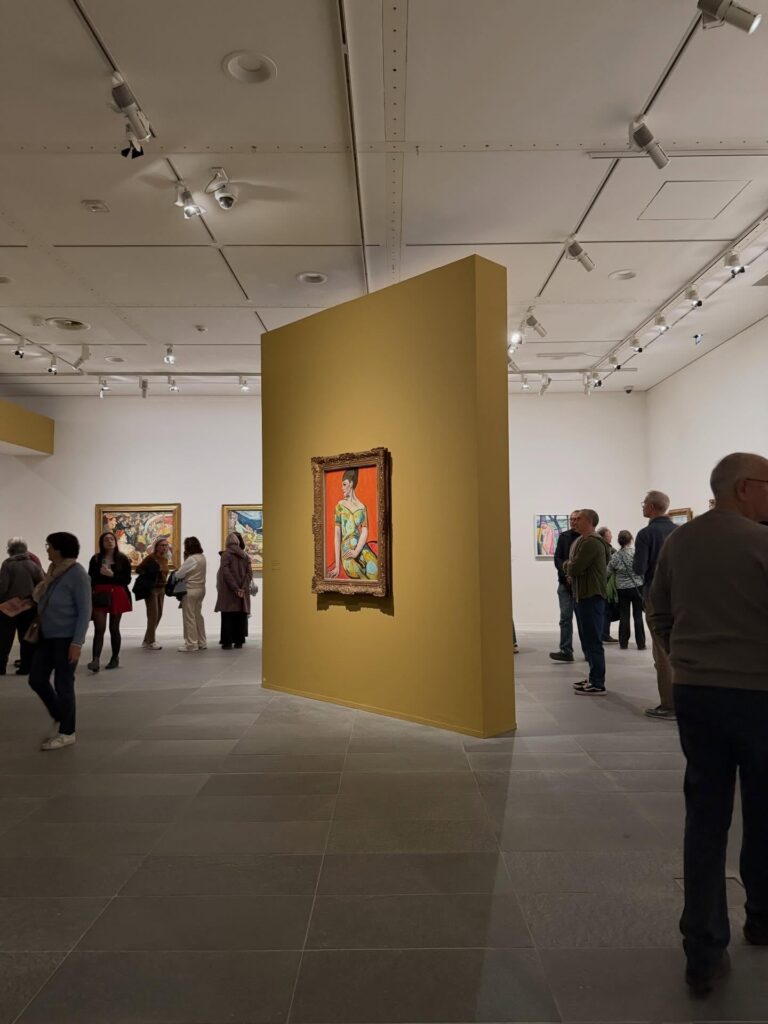
With extra time, you can sit quietly inside the Monet galleries, revisit the rooms from different angles, and explore the lower level collection more carefully. I actually found myself noticing details I missed the first time after circling back through certain spaces again.
If there’s a temporary exhibition happening during your visit, having a couple of hours also makes the day feel less rushed. You’ll still have time to browse the museum bookstore, take short breaks, or simply enjoy the atmosphere without constantly checking the time.
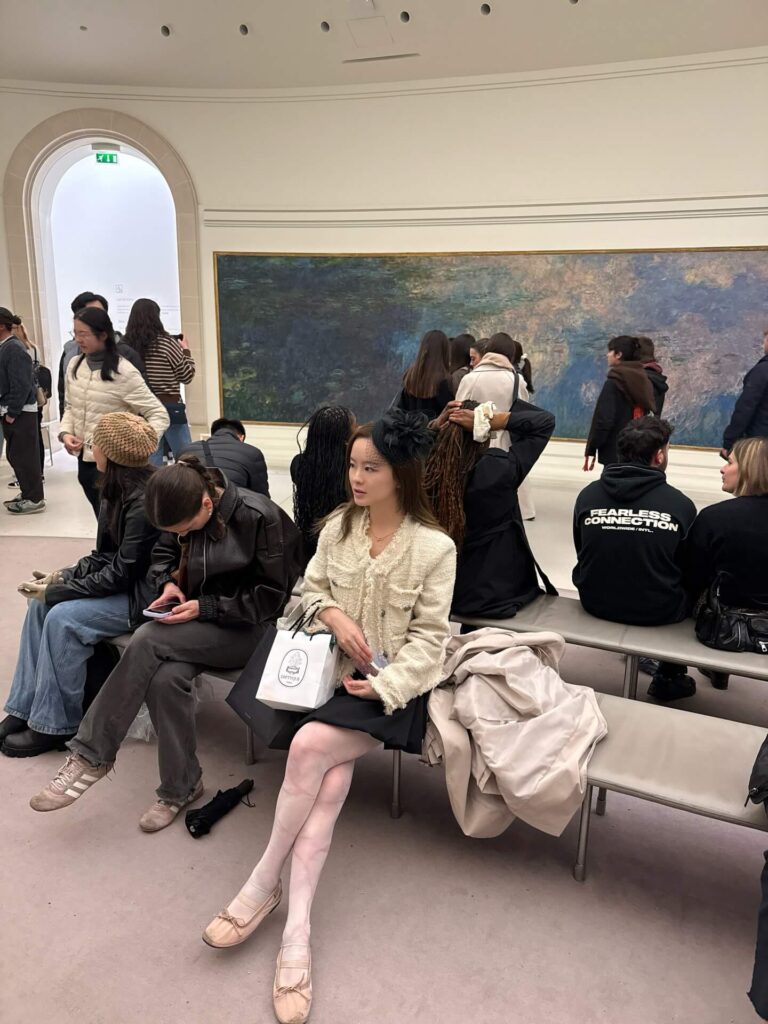
Unlike some larger museums in Paris where exhaustion starts setting in halfway through, Musée de l’Orangerie feels much easier to experience at a relaxed pace.
Pairing the Museum With Nearby Attractions
The museum’s location is honestly one of its biggest advantages.
Because it sits right inside the Tuileries Garden, it fits naturally into a central Paris walking itinerary without requiring a huge amount of planning. During my visit, the museum felt less like a standalone attraction and more like part of a slower Paris afternoon.
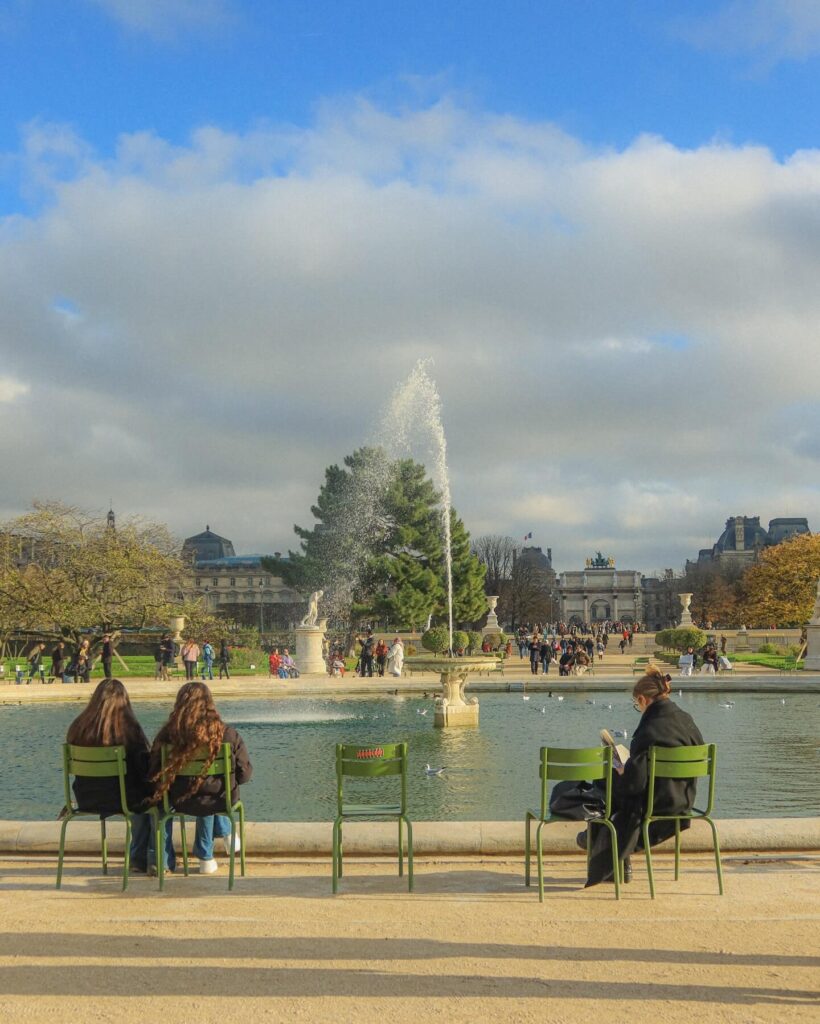
One of the easiest combinations is pairing Musée de l’Orangerie with a walk through the Tuileries and a visit to the Louvre nearby. You can also cross the Seine afterward and continue toward Musée d’Orsay if you want a larger art focused day.
I also really liked simply wandering along the river afterward because the quieter atmosphere of the museum made me want to slow down instead of immediately rushing toward the next attraction.
And if you need a break afterward, Angelina Paris is very close by and honestly feels like the perfect stop after a museum visit, especially on colder or rainy days.
Musée de l’Orangerie Tickets & Réservations
Compared to some of Paris’s larger museums, visiting Musée de l’Orangerie feels fairly straightforward, but there are still a few things worth knowing before you go.
Ticket Prices
Ticket prices can change slightly over time, but overall, Musée de l’Orangerie is usually more affordable than some of the city’s biggest museums.
There are often discounted or free admission options available for certain visitors, including younger EU residents, children, and some disability card holders. The museum also participates in occasional free admission days throughout the year, although those dates can become noticeably busier.
I’d still recommend checking the official museum website before visiting because pricing policies and reservation systems can occasionally change.
Should You Book Tickets in Advance?
I’d personally recommend booking ahead whenever possible, especially during busy travel seasons.
Even though Musée de l’Orangerie is smaller than places like the Louvre, lines can still build up outside, particularly during summer, weekends, holidays, or rainy days when more people choose indoor attractions.
Having a timed entry ticket makes the visit feel much less stressful because you can arrive knowing exactly when you’ll enter instead of standing outside waiting. It also makes it easier to structure the rest of your day around the visit.
During quieter months, same day tickets are sometimes still available, but I generally think advance reservations are worth it for peace of mind alone.
Paris Museum Pass Information
Musée de l’Orangerie is included with the Paris Museum Pass, which can be helpful if you’re planning to visit several museums during your trip.
However, depending on current visitor policies, some time slots may still require advance reservations even if you already have the pass. It’s a small detail, but definitely something worth checking before you arrive so you don’t run into unexpected delays.
Where to Buy Official Tickets
If possible, I’d always recommend buying tickets directly through the museum’s official website instead of third party sellers.
Besides avoiding extra fees, official tickets usually make the process simpler if schedules change or if temporary exhibitions affect entry policies.
Musée de l’Orangerie Opening Hours
Opening hours can occasionally change for holidays, special exhibitions, or museum events, but Musée de l’Orangerie is generally open most days except Tuesdays.
Because the museum is smaller and more atmosphere focused than many Paris museums, the timing of your visit can actually make a noticeable difference in the overall experience.
Best Time of Day to Visit
From my experience, mornings felt by far the calmest.
Arriving shortly after opening gave me the chance to experience the Water Lilies rooms before they became too crowded, and the softer natural light made the atmosphere feel even more peaceful. The museum simply feels quieter earlier in the day.
Late afternoons can also work well once some of the larger tour groups start leaving.
Midday, on the other hand, tends to feel noticeably busier. The rooms lose a little of their calm atmosphere when there are too many people moving through them constantly, especially inside the Monet galleries where the experience works best when things feel quiet.
Best Months to Visit
I honestly think spring and fall are ideal times to visit Musée de l’Orangerie.
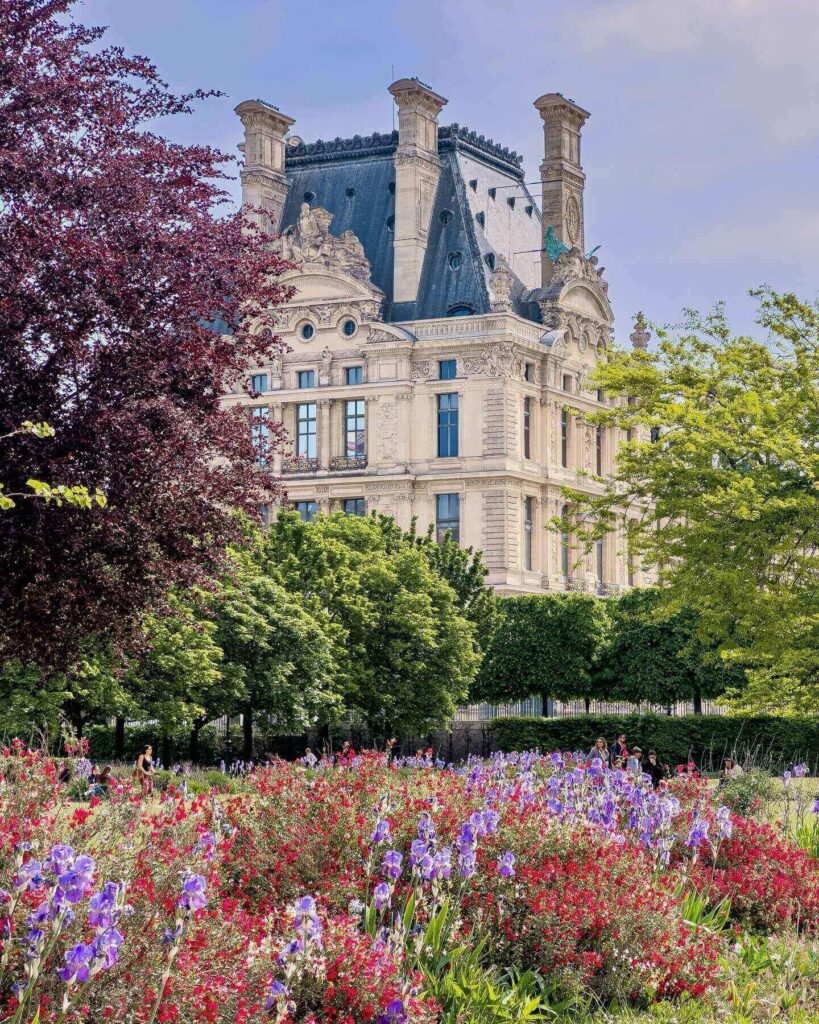
The weather during those seasons usually makes it comfortable to spend extra time walking through the Tuileries Garden or along the Seine afterward, which adds a lot to the overall experience.
Rainy days also work surprisingly well for this museum. There’s something especially cozy about stepping inside the calm Monet rooms after walking through gray Paris weather outside.
Summer is obviously popular too, but it’s also when the museum tends to feel busiest.
Practical Tips Before Visiting Musée de l’Orangerie
A few small details can make visiting Musée de l’Orangerie much smoother, especially if it’s your first time there.
Security & Entrance Process
The entrance process is usually fairly straightforward, but there’s still a basic security check before entering the museum.
I’d recommend arriving a little earlier than your reserved time slot, especially during busy months. Even with timed tickets, short lines can still form outside depending on crowd levels.
Thankfully, the process generally moves much faster than at larger Paris museums.
Accessibility Information
Overall, the museum felt fairly accessible and comfortable to navigate.
There are elevators connecting the different levels, accessible restrooms, and plenty of seating areas throughout the galleries, especially inside the Water Lilies rooms where many visitors naturally stop to sit for a while.
The smaller size of the museum also makes it easier physically compared to huge museums where you may end up walking for hours.
Is It Good for Kids?
I think this depends a lot on the child.
Older kids or teenagers interested in art may genuinely enjoy the immersive feeling of the Monet rooms, especially because the scale of the paintings is so unusual. But younger children who prefer interactive activities may lose interest fairly quickly since the museum experience is intentionally quiet and slower paced.
That said, because the museum isn’t enormous, visiting with kids feels much more manageable than navigating somewhere like the Louvre.
Museum Shop & Café
The bookstore and gift shop are honestly worth a quick stop before leaving.
I found the selection surprisingly good, especially if you enjoy art books, Paris themed gifts, or prints related to Monet’s work. It felt more curated and less touristy than many museum gift shops.
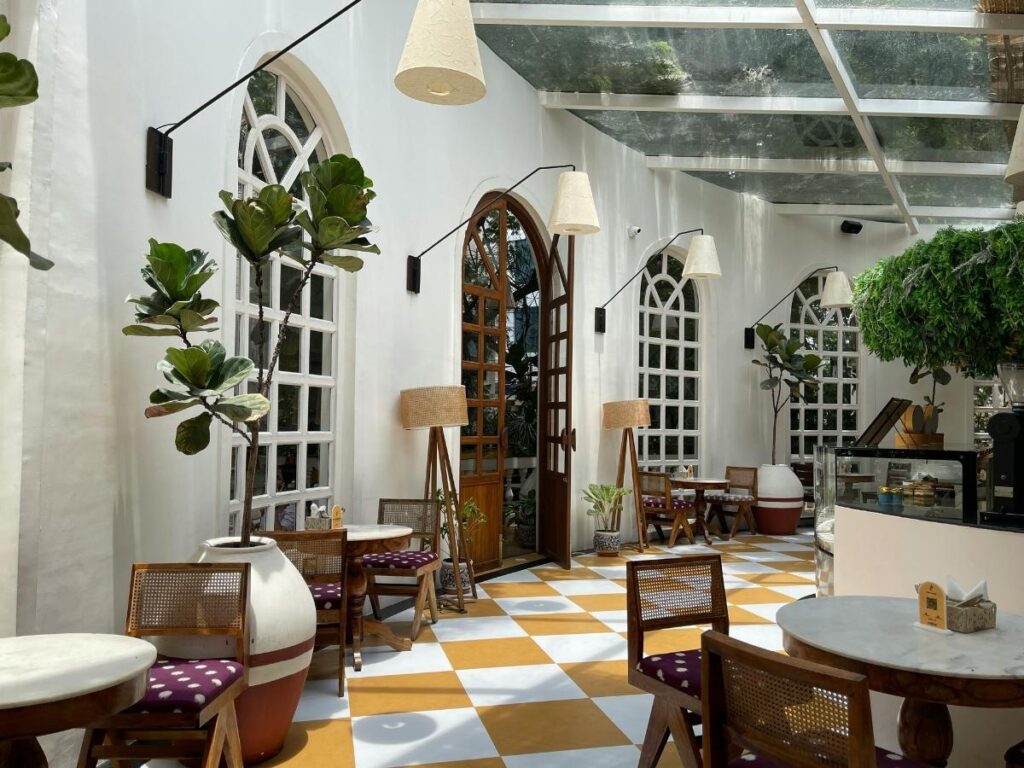
The café can also be a nice place to pause afterward before continuing your day around central Paris. Since the museum experience itself feels slower and calmer, sitting for coffee nearby afterward felt like a natural extension of the visit rather than a rushed stop between attractions.
Best Things to Do Near Musée de l’Orangerie
One of the best things about visiting Musée de l’Orangerie is how easy it is to turn the visit into a relaxed Paris afternoon. Since the museum sits inside the Jardin des Tuileries, you’re already surrounded by some of the city’s most beautiful walking areas once you step outside.
Walk Through Jardin des Tuileries
The Tuileries Garden honestly feels like part of the museum experience itself. After spending time inside the quiet Water Lilies rooms, walking through the garden somehow matches the same calm atmosphere.
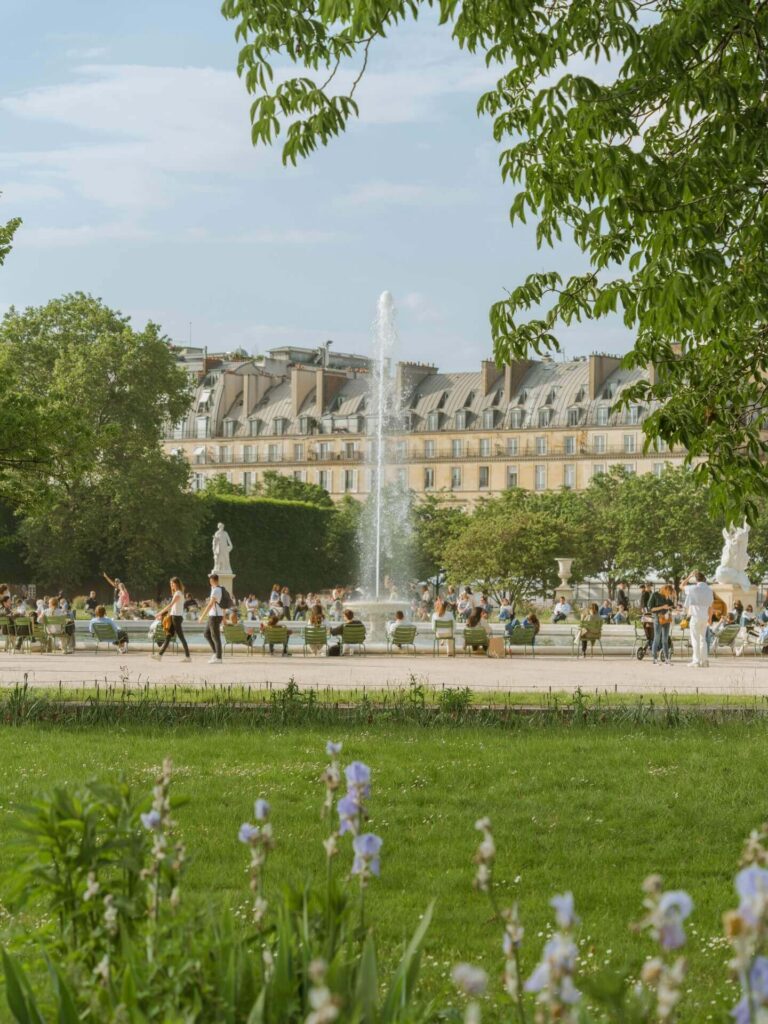
I loved wandering slowly through the pathways afterward and sitting near the fountains for a while instead of rushing straight to another attraction. If the weather is nice, I’d definitely recommend giving yourself extra time here.
Visit Musée d’Orsay
Musée d’Orsay is only a short walk across the Seine and pairs really well with Orangerie if you enjoy Impressionist art.
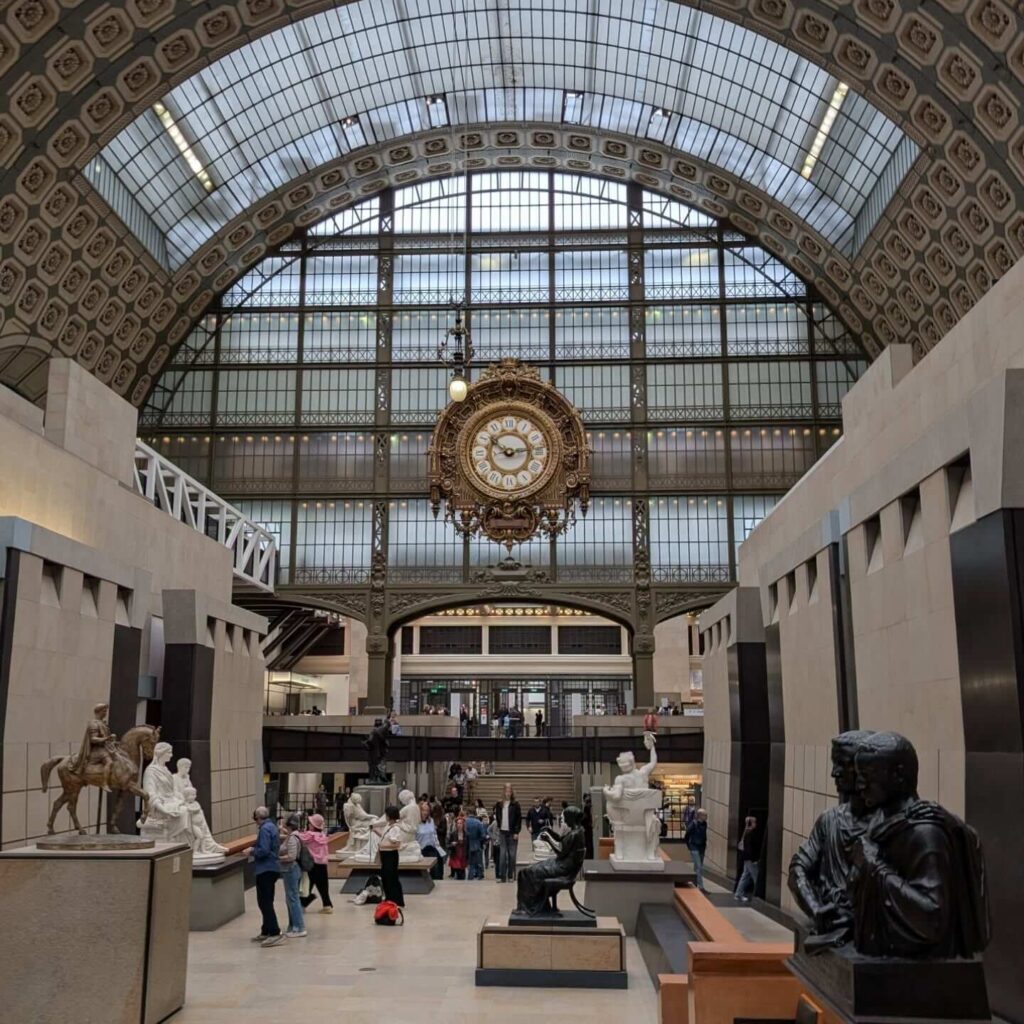
The two museums feel very different though. Orangerie is smaller, quieter, and easier to experience slowly, while Orsay feels much larger and busier. I actually liked visiting Orangerie first because it set a calmer pace for the day.
Explore Place de la Concorde
Just outside the museum area, Place de la Concorde offers beautiful open views toward the Champs Élysées and Eiffel Tower. Even if you only stop briefly, it’s an easy addition while exploring central Paris.
Walk Along the Seine
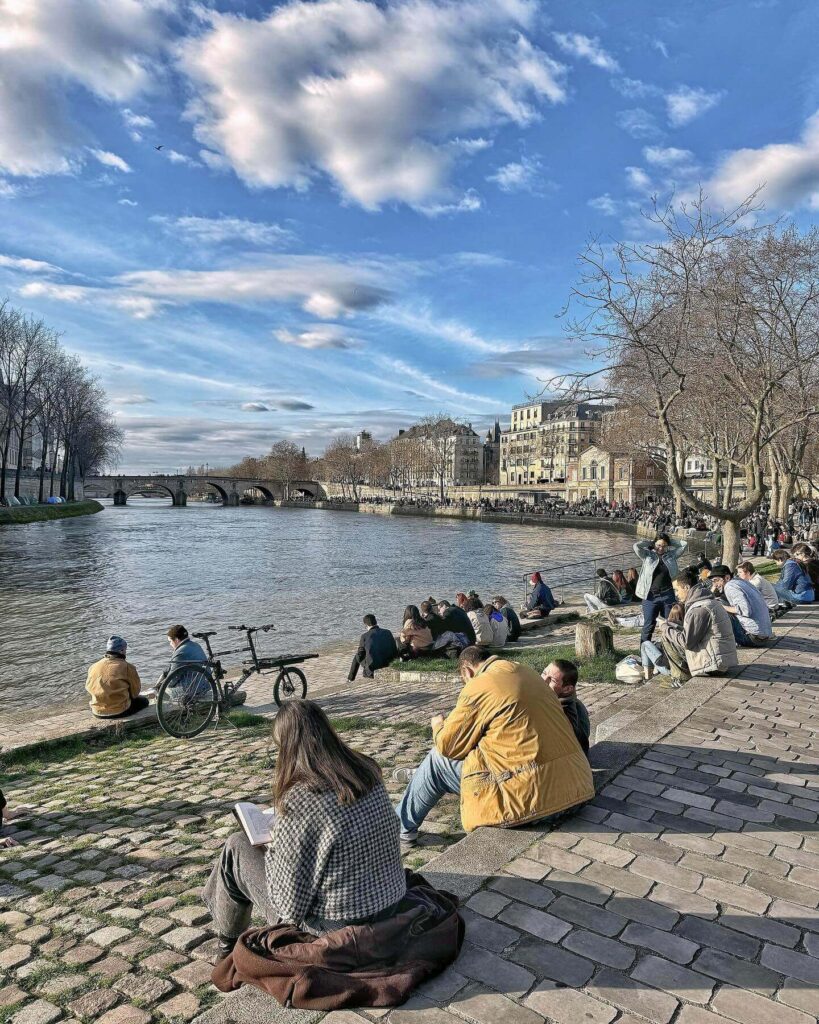
One of my favorite things to do afterward was simply walking along the Seine without much of a plan. This part of Paris feels especially beautiful in the late afternoon, and the slower pace fits perfectly after the museum.
Stop at Angelina Paris
Angelina Paris is located very close to the museum and makes a great stop afterward, especially on colder or rainy days.
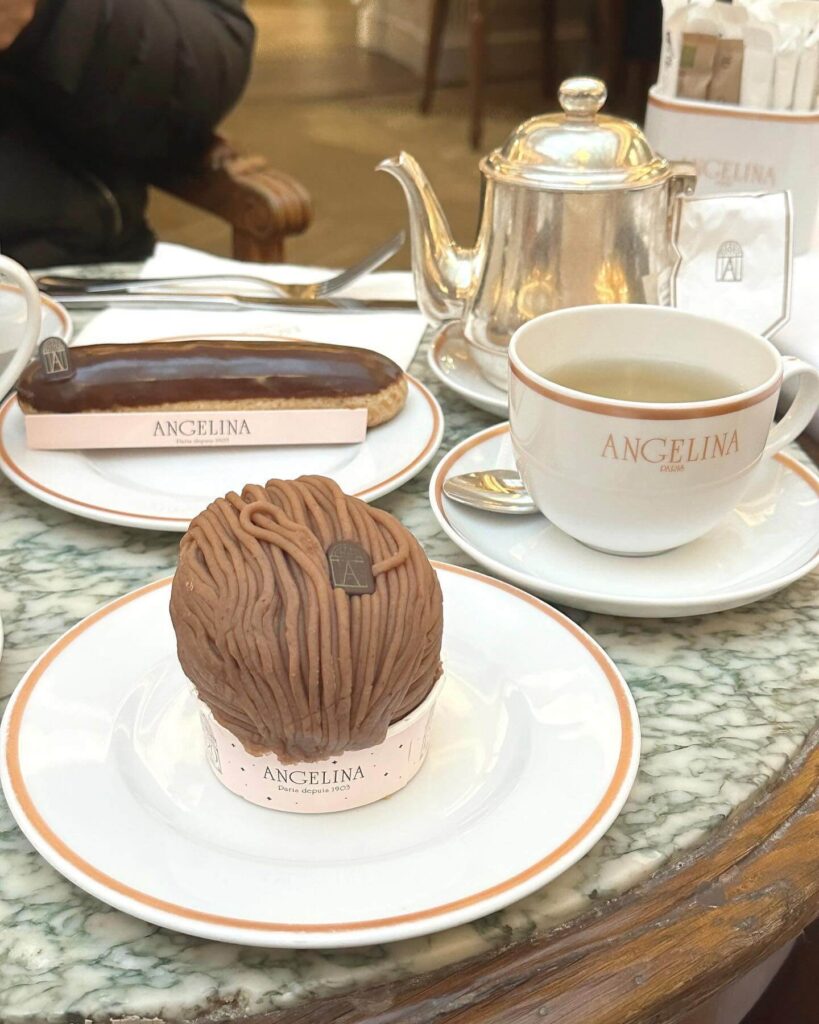
The tea room is famous for its rich hot chocolate, and while it’s definitely popular, it still feels like a classic Paris experience. Sitting there after the museum honestly felt like a perfect continuation of the slower atmosphere from Orangerie.
Suggested Musée de l’Orangerie Itineraries
Perfect Half Day Paris Art Itinerary
If I were planning a relaxed half day around the museum, I’d start with a morning walk through the Tuileries before visiting Orangerie early in the day.
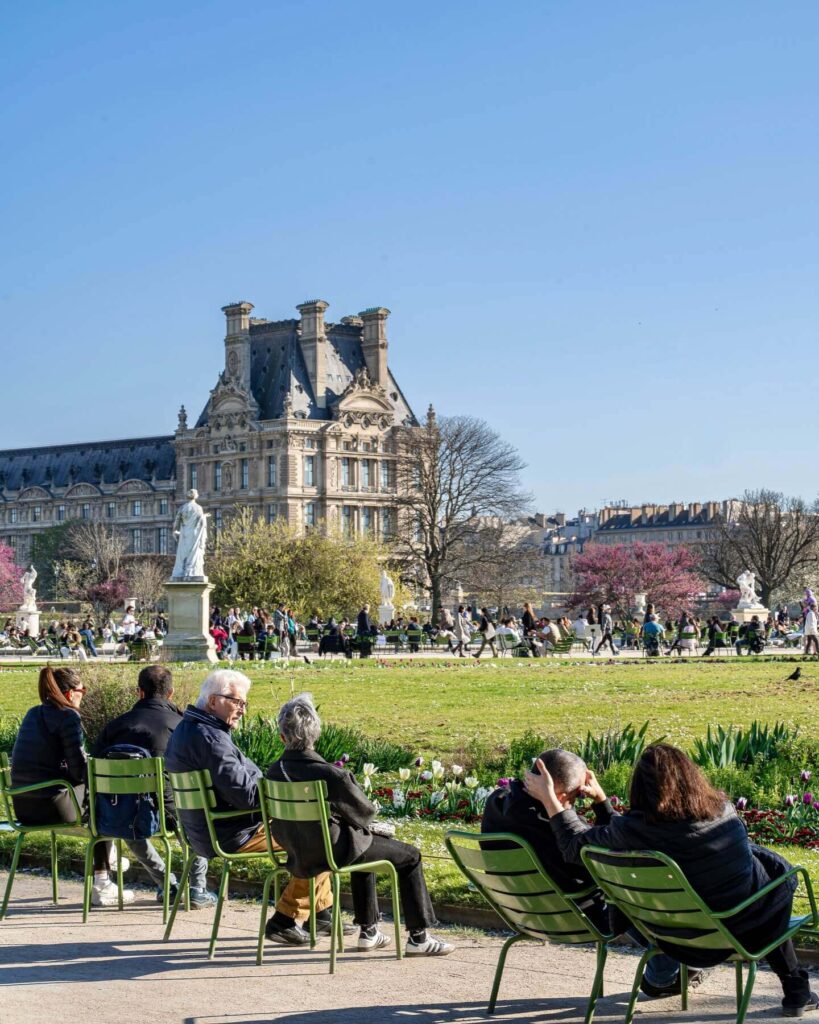
Afterward, I’d stay nearby for lunch and then continue with a slow walk along the Seine or toward Musée d’Orsay. The whole area is incredibly walkable, which makes the day feel easy and unhurried.
Rainy Day Paris Itinerary
Musée de l’Orangerie works especially well on rainy Paris days because the museum feels cozy and peaceful compared to the weather outside.
After visiting, stopping at Angelina for coffee or hot chocolate feels like the perfect break before continuing to another nearby indoor attraction like Musée d’Orsay.
My Tips for Having the Best Experience
Looking back, a few small things made my visit much more enjoyable.
The biggest one is visiting early if possible. The Water Lilies rooms feel completely different when they’re quieter, and the softer morning light makes the atmosphere even better.
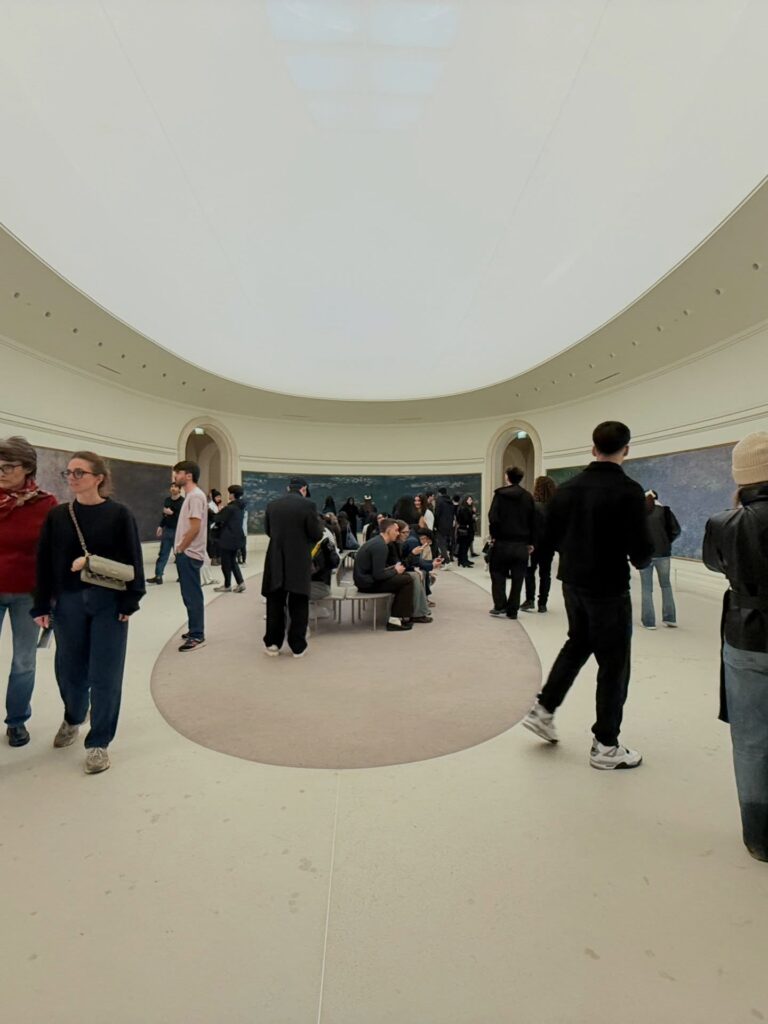
I’d also recommend sitting inside the Monet rooms for a few minutes instead of quickly walking through. The experience becomes much more memorable once you slow down and actually spend time there.
Another thing I appreciated was not rushing through the lower galleries. Some of the quieter rooms downstairs ended up being my favorite parts of the museum simply because they felt calmer and less crowded.
I also think this museum works best when paired with a slower sightseeing day overall. Instead of trying to cram too many attractions together, give yourself time afterward to walk through the Tuileries or along the Seine. The slower pace honestly becomes part of what makes the museum experience so memorable.
Final Thoughts
Musée de l’Orangerie ended up being one of the most memorable museum experiences I had in Paris, not because it was the biggest or most famous, but because it felt surprisingly personal.
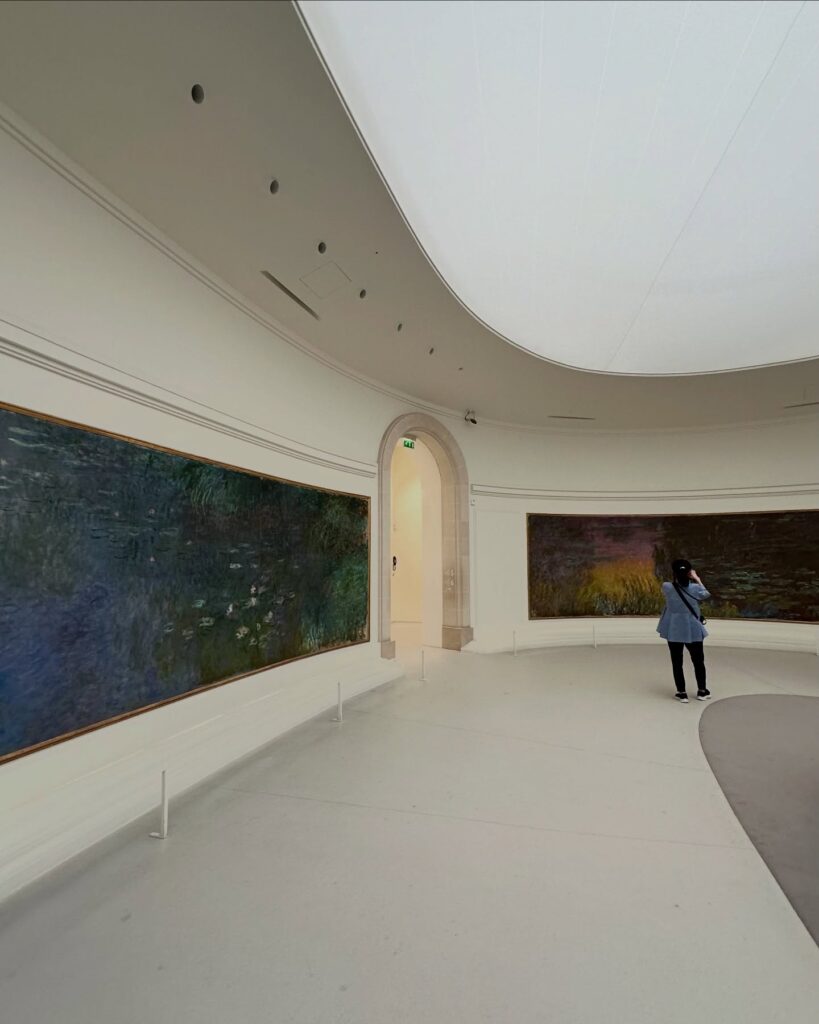
The Water Lilies rooms create an atmosphere that encourages you to slow down instead of rushing from artwork to artwork. Combined with the museum’s smaller size and beautiful location inside the Tuileries Garden, the entire experience feels calmer and less exhausting than many other major Paris attractions.
If you enjoy Impressionist art, quieter museums, or simply want a slower break between busy sightseeing days, I really think the Musée de l’Orangerie deserves a spot on your Paris itinerary.