

Before visiting the Big Island, I assumed the best waterfalls would require long hikes or rough roads to reach. Wailuku River State Park completely changed that idea. Just a few minutes outside downtown Hilo, it’s home to one of the island’s most famous waterfalls, and you can reach the main viewpoint with just a short walk from the parking lot.
I originally planned to spend about 20 minutes here before moving on to other attractions around Hilo. Instead, I found myself staying much longer, watching the morning light change over Rainbow Falls before driving a few minutes upstream to Boiling Pots. Although they’re part of the same state park, the two areas feel completely different.
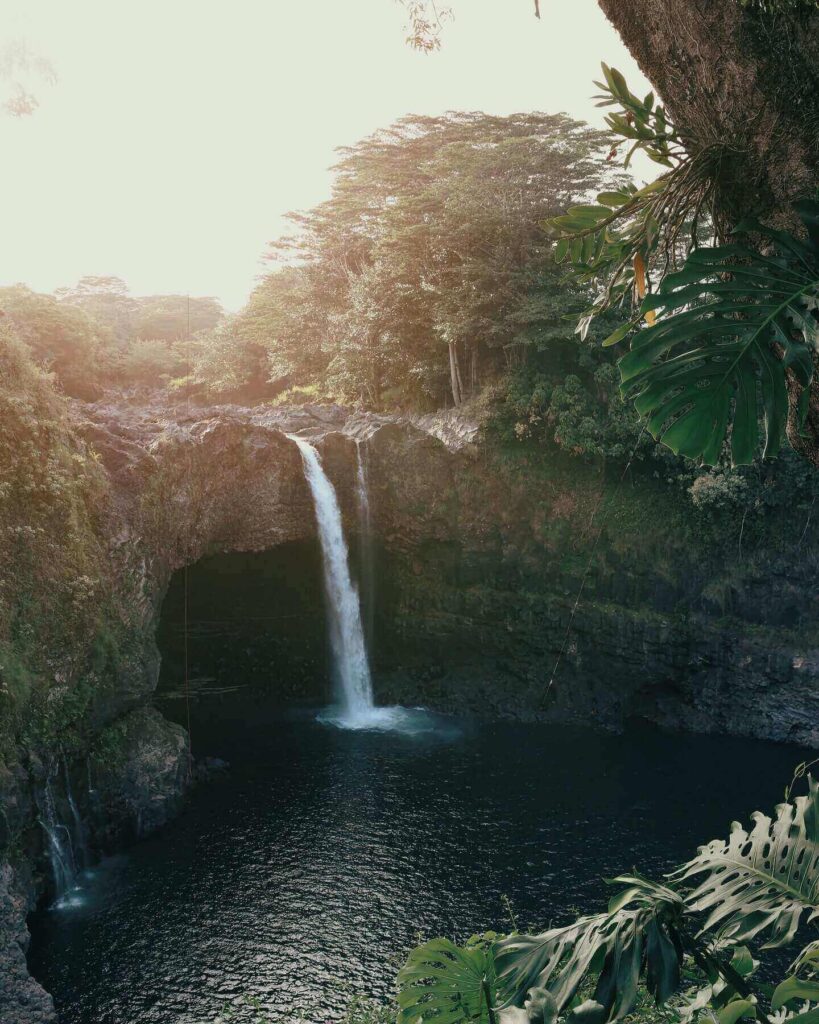
Rainbow Falls is known for its beautiful waterfall and the rainbows that often appear in the mist, while Boiling Pots showcases the river flowing through ancient lava formations carved by thousands of years of erosion.
One thing many first time visitors don’t realize is that these are two separate stops connected by a short drive. Since they’re so close together, I think it’s worth visiting both to get the full experience.
Whether you’re exploring Hilo for the day or heading to Hawaiʻi Volcanoes National Park, Wailuku River State Park is an easy stop that doesn’t require much extra time. In this guide, I’ll cover everything I wish I’d known before visiting, including the best time to go, what to see, important safety tips, and a few nearby attractions that are easy to combine with your visit.
Where Is Wailuku River State Park?
Wailuku River State Park is located just outside Hilo on the east side of the Big Island, making it one of the easiest natural attractions to visit during your time in the area. It’s only about a five minute drive from downtown Hilo, so you can easily fit it into a morning of sightseeing or stop here on your way to Hawaiʻi Volcanoes National Park.
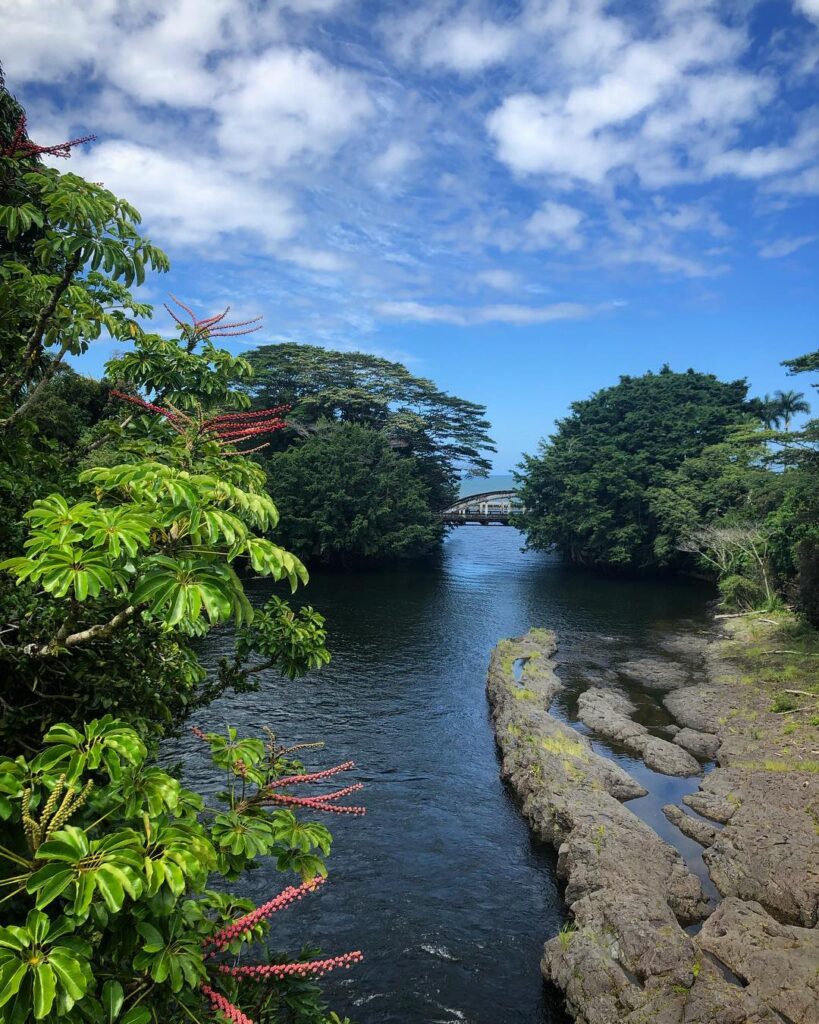
The park follows part of the Wailuku River, the longest river in Hawaii. While the river stretches nearly 28 miles from the slopes of Mauna Kea to Hilo Bay, most visitors come to see the park’s two main attractions: Rainbow Falls and Boiling Pots.
Although they’re part of the same state park, they’re separate stops located about five minutes apart by car, each with its own parking area.
If you’re staying in Hilo, Rainbow Falls is around 5 minutes from downtown and 10 minutes from Hilo International Airport. It’s also about 25 minutes from Akaka Falls State Park, 45 to 50 minutes from Hawaiʻi Volcanoes National Park, and roughly 2 hours from Kona.
Why Visit Wailuku River State Park?
What I enjoyed most about Wailuku River State Park is how much you can see without spending hours exploring. It’s not a huge park, but it gives you the chance to experience two very different landscapes in a single visit.
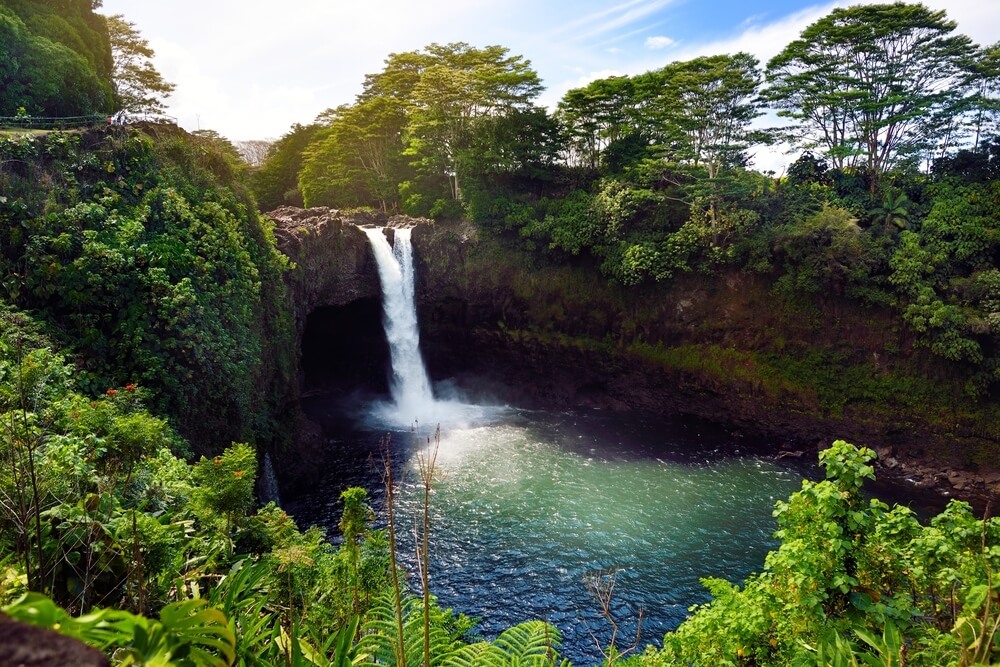
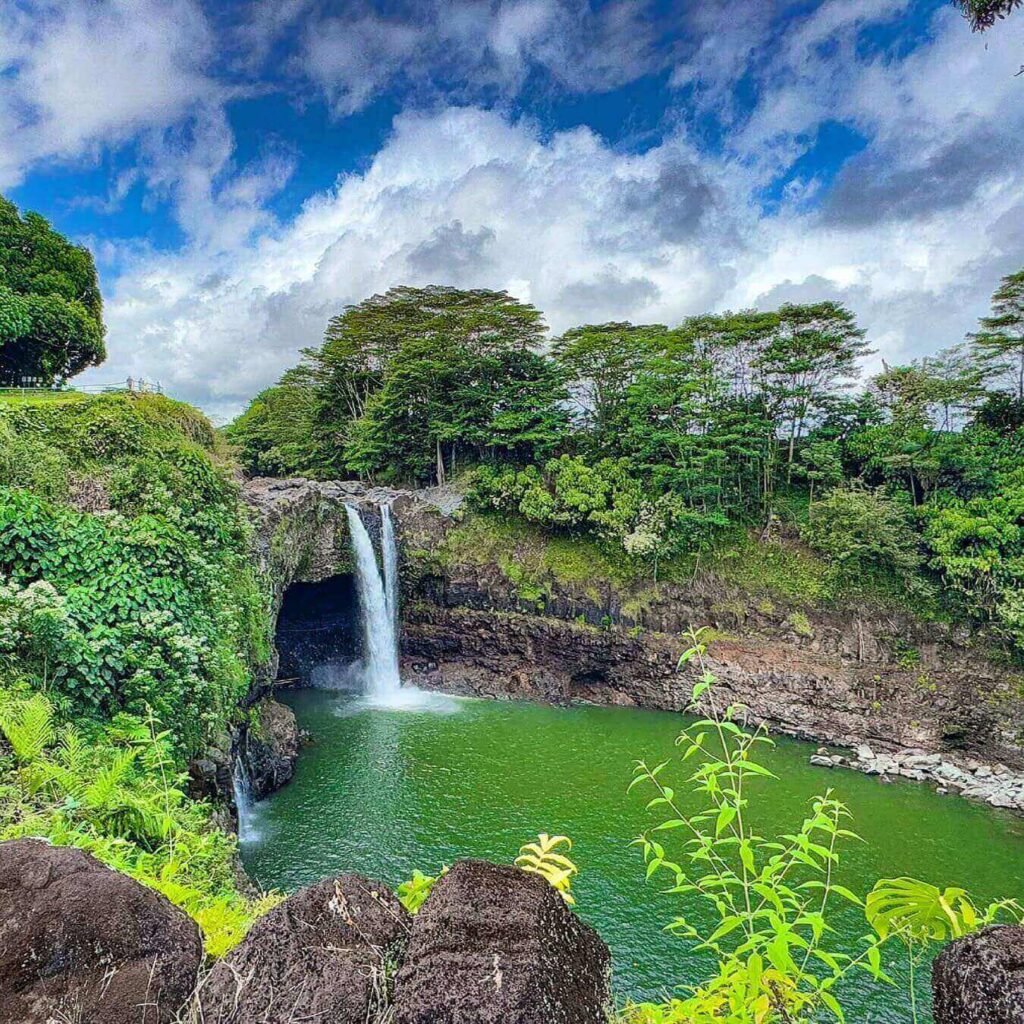
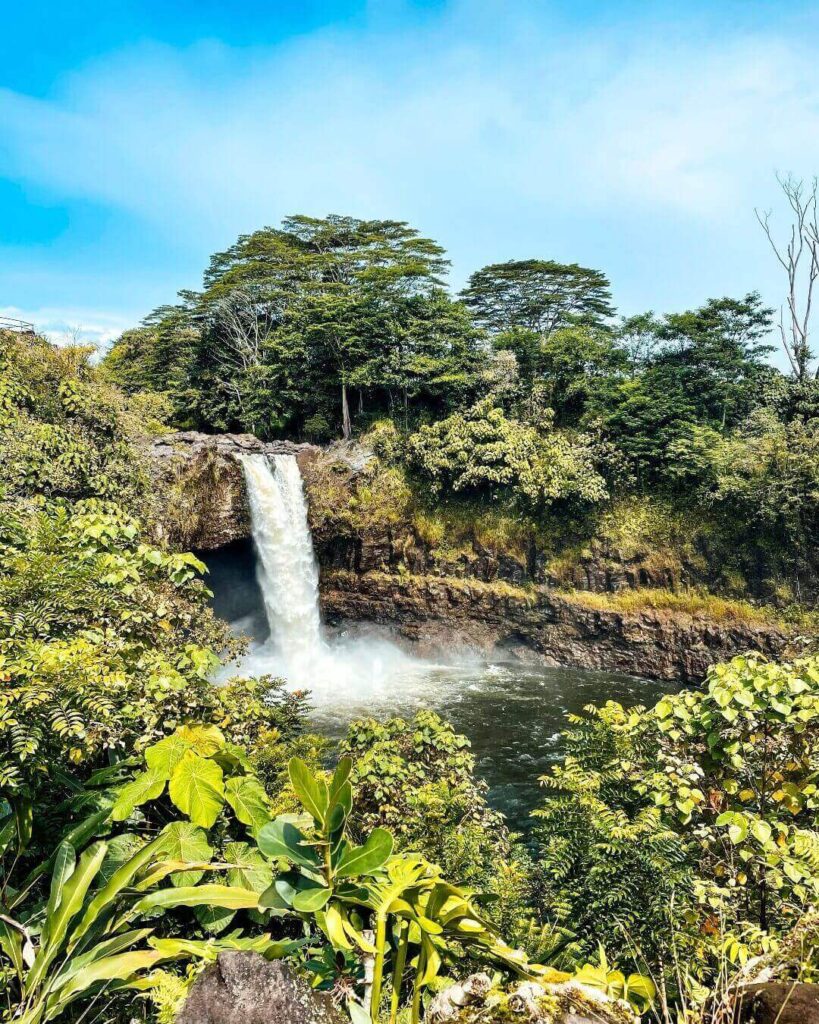
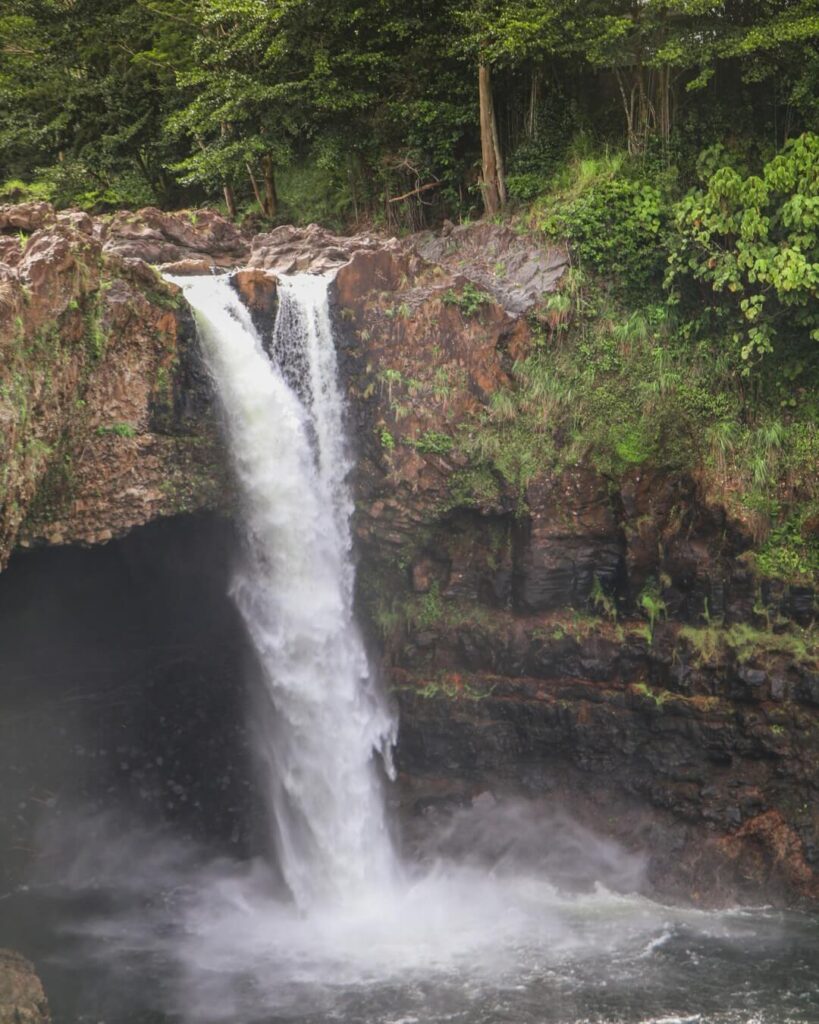
Most people come for Rainbow Falls, and it’s easy to understand why. The waterfall drops nearly 80 feet over a lava cliff into a pool surrounded by lush tropical greenery.
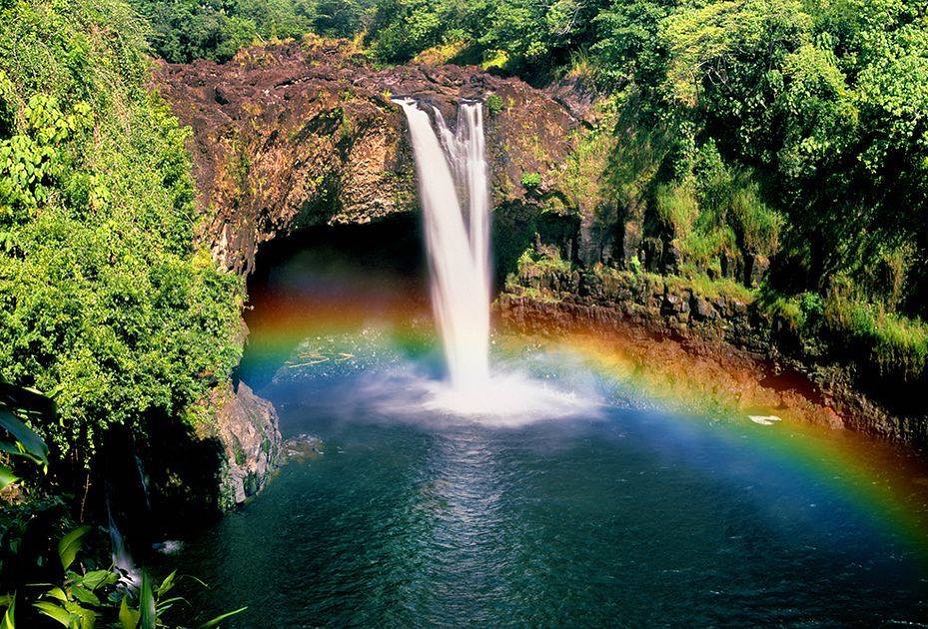
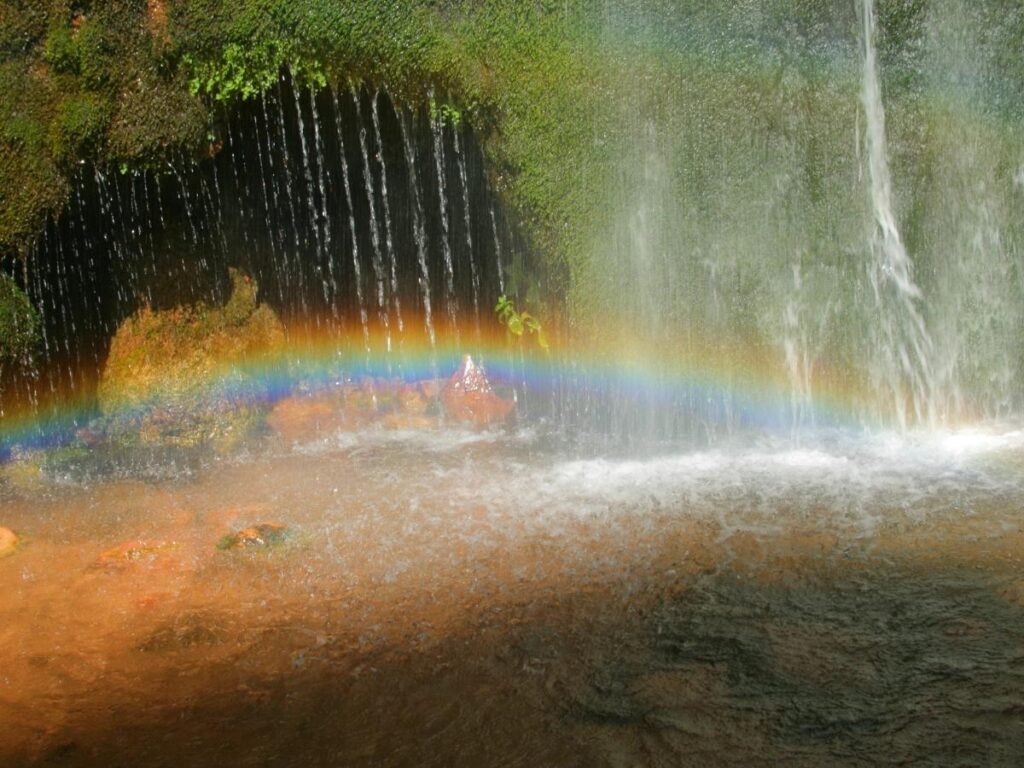
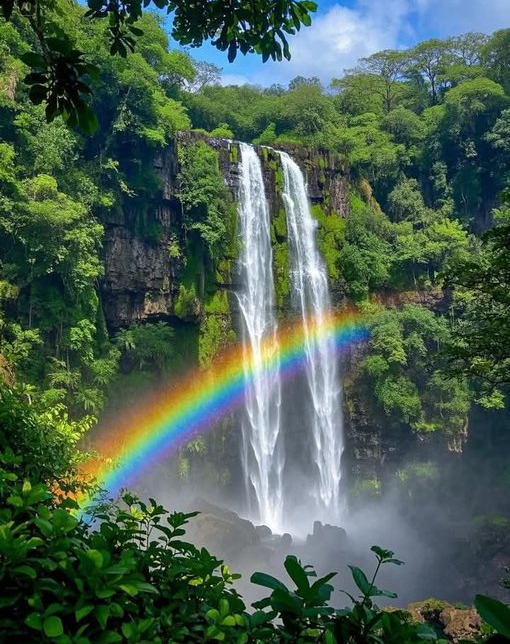
If you visit on a sunny morning, you may even see the rainbow that often appears in the mist, giving the falls their name. It’s a peaceful spot where I found myself staying much longer than I’d planned.
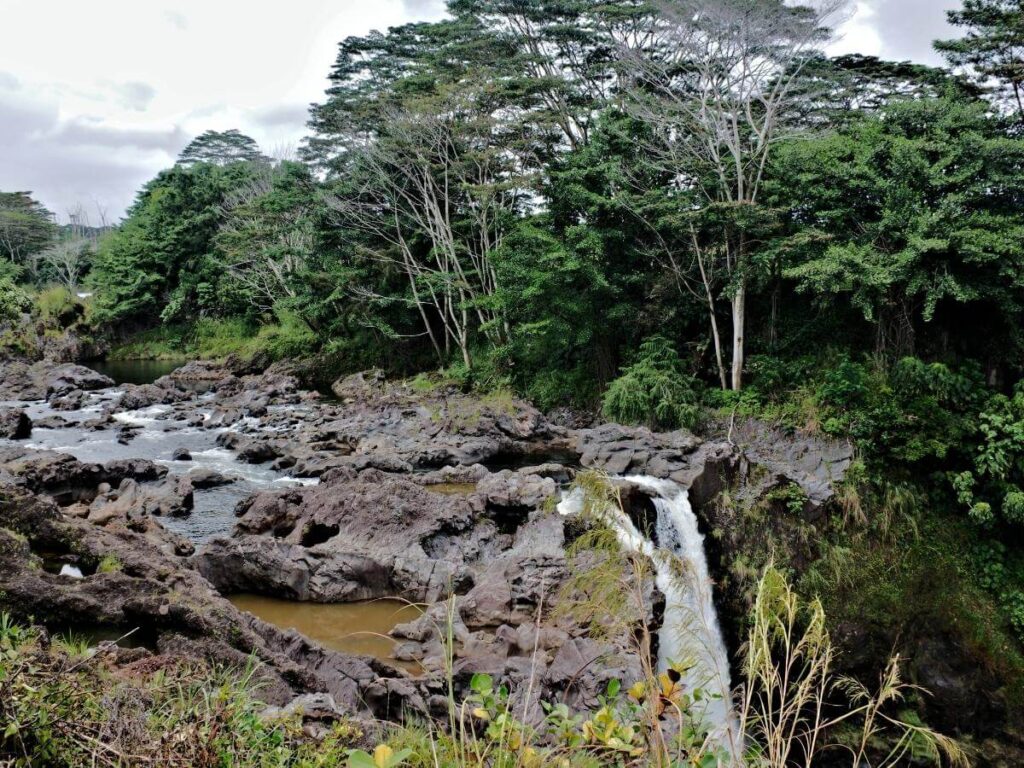
Just a few minutes away, Boiling Pots offers a completely different view. Here, the Wailuku River rushes through rounded lava pools carved into black volcanic rock over thousands of years. After heavy rain, the swirling water creates the illusion that the pools are boiling, making it one of the most interesting geological sights near Hilo.
Another reason I’d recommend visiting is how easy it is to fit into your itinerary. You can explore both Rainbow Falls and Boiling Pots in about an hour, or take a little longer if you enjoy photography.
Since both viewpoints are only a short walk from the parking areas, it’s also a great stop for families, older visitors, or anyone who wants to enjoy the Big Island’s natural beauty without a long hike.
Understanding the Two Sections of the Park
One thing many first time visitors don’t realize is that Wailuku River State Park is made up of two separate areas. A lot of people visit Rainbow Falls, take a few photos, and leave without knowing that Boiling Pots is only about a five minute drive away. Since they’re so close together, I think it’s worth visiting both.
Rainbow Falls
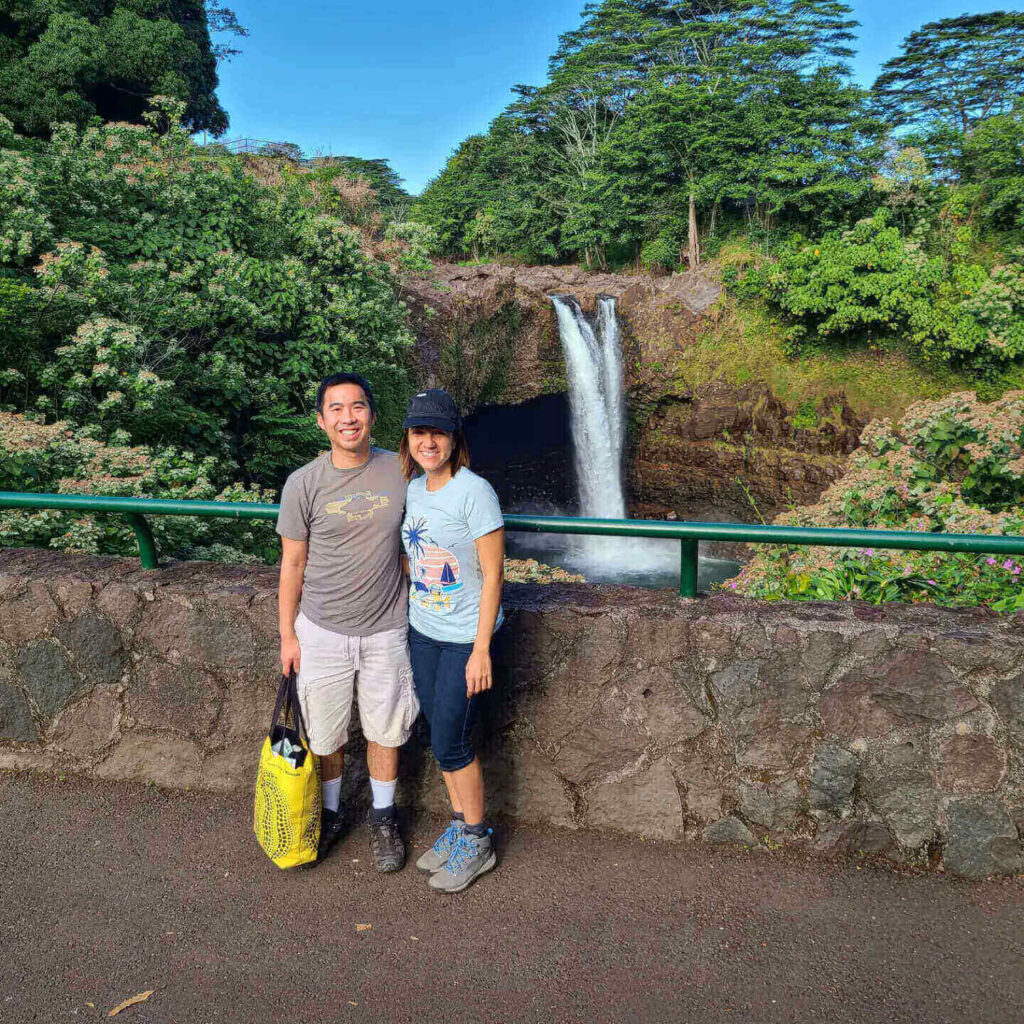
Rainbow Falls is the park’s most popular attraction, and it’s easy to see why. The waterfall drops about 80 feet (24 meters) over a lava cliff into a large pool surrounded by lush tropical greenery. Best of all, the viewpoint is just a short walk from the parking lot, making it one of the most accessible waterfalls on the Big Island.
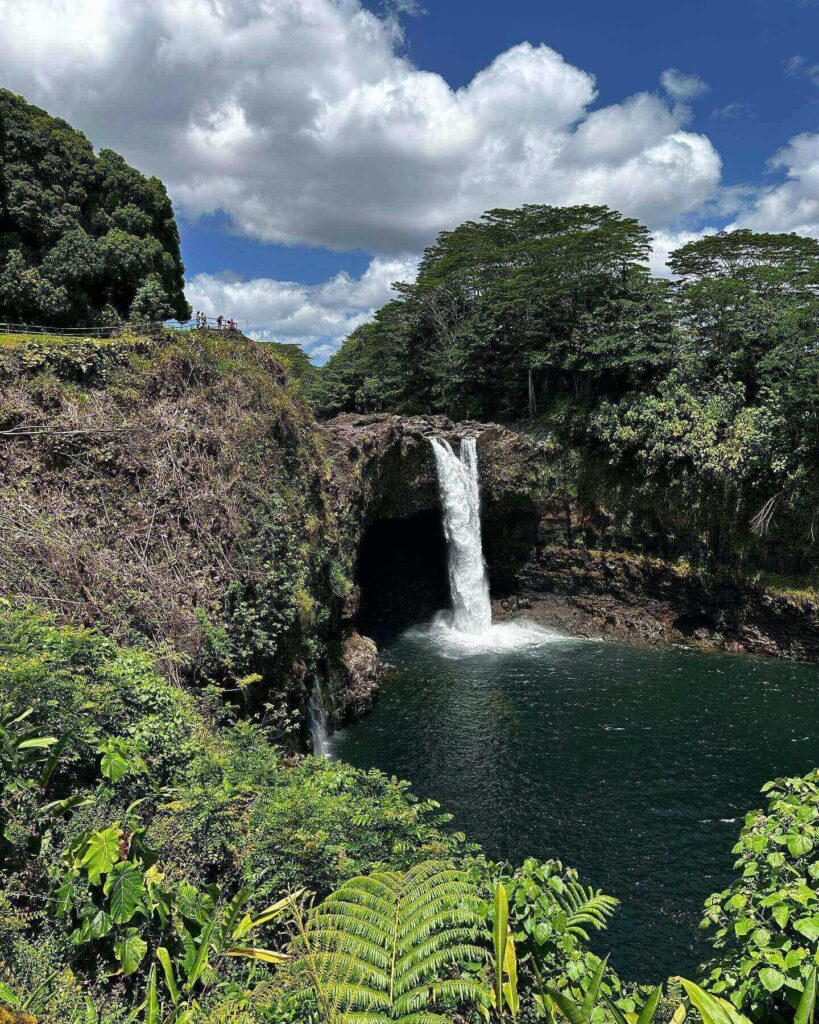
I recommend arriving before 9 a.m. if you can. The morning light is much softer, there are usually fewer people around, and you’ll have the best chance of seeing the rainbow that often appears in the mist. Behind the waterfall is a large lava cave that, according to Hawaiian tradition, was the home of Hina, the mother of the demigod Māui.
If you have a little extra time, take a walk around the park before leaving. The huge banyan trees nearby are worth seeing and make a great photo stop as well.
Photography Tips for Rainbow Falls
Morning is the best time for photos, especially if you’re hoping to capture the rainbow. A wide angle lens works well for cameras, but even with a smartphone, you’ll get great shots by arriving early before the crowds.
Boiling Pots
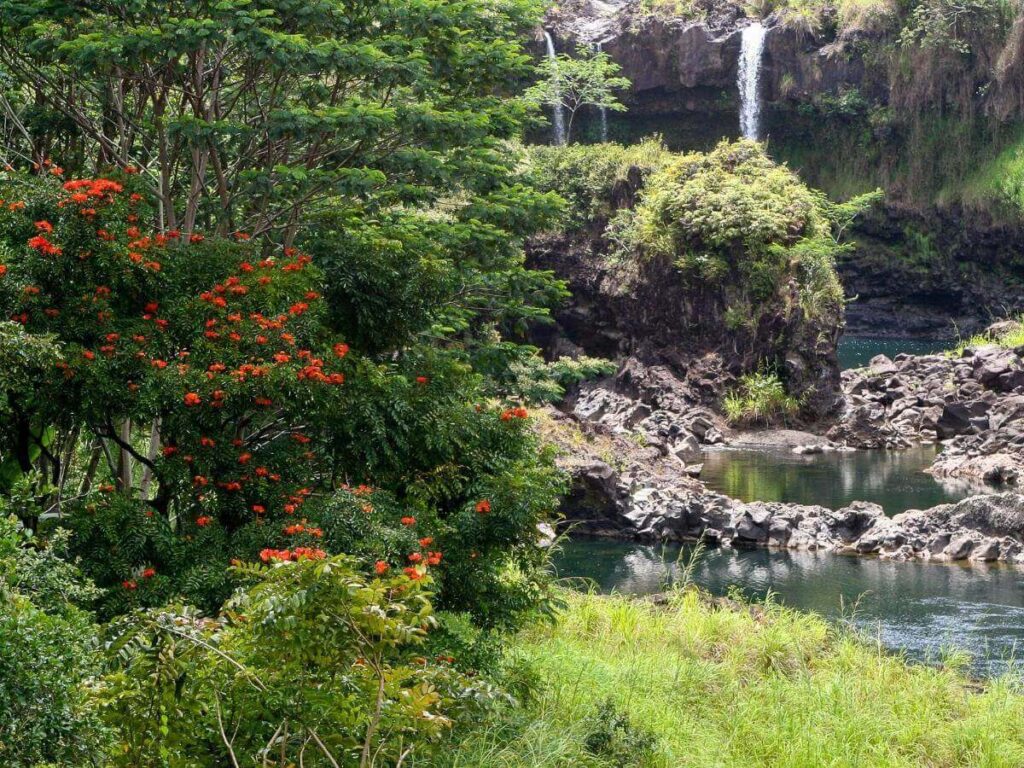
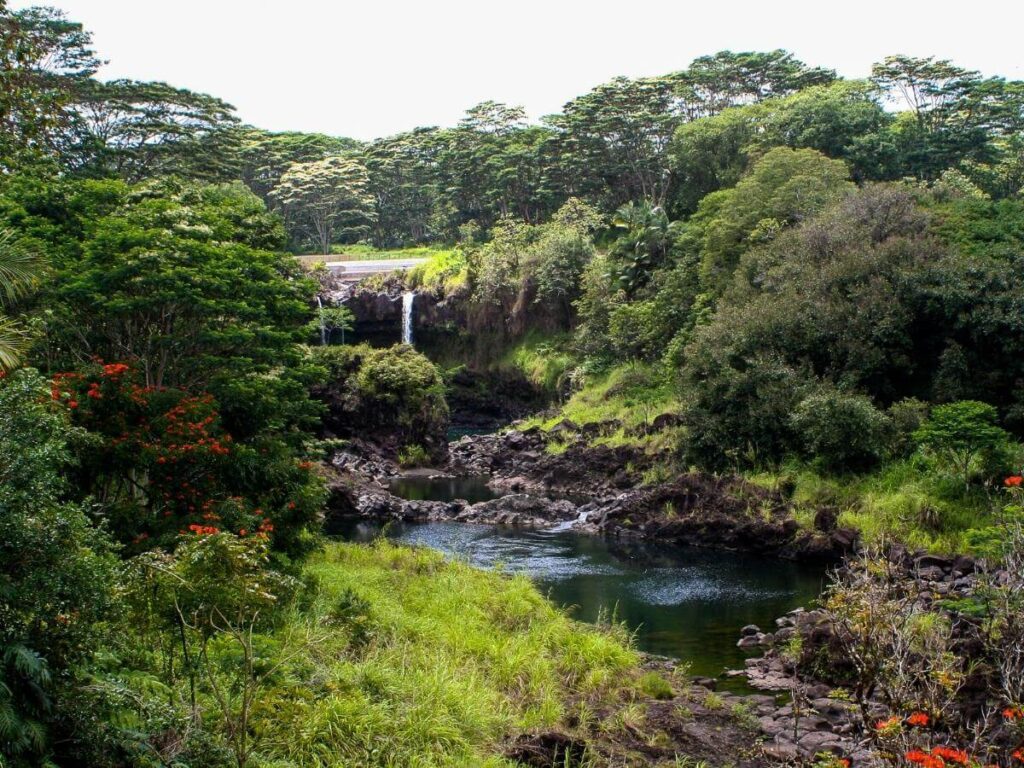
After visiting Rainbow Falls, drive a few minutes upstream to Boiling Pots, where the scenery changes completely. Here, the Wailuku River flows through a series of rounded lava pools carved into black volcanic rock over thousands of years.
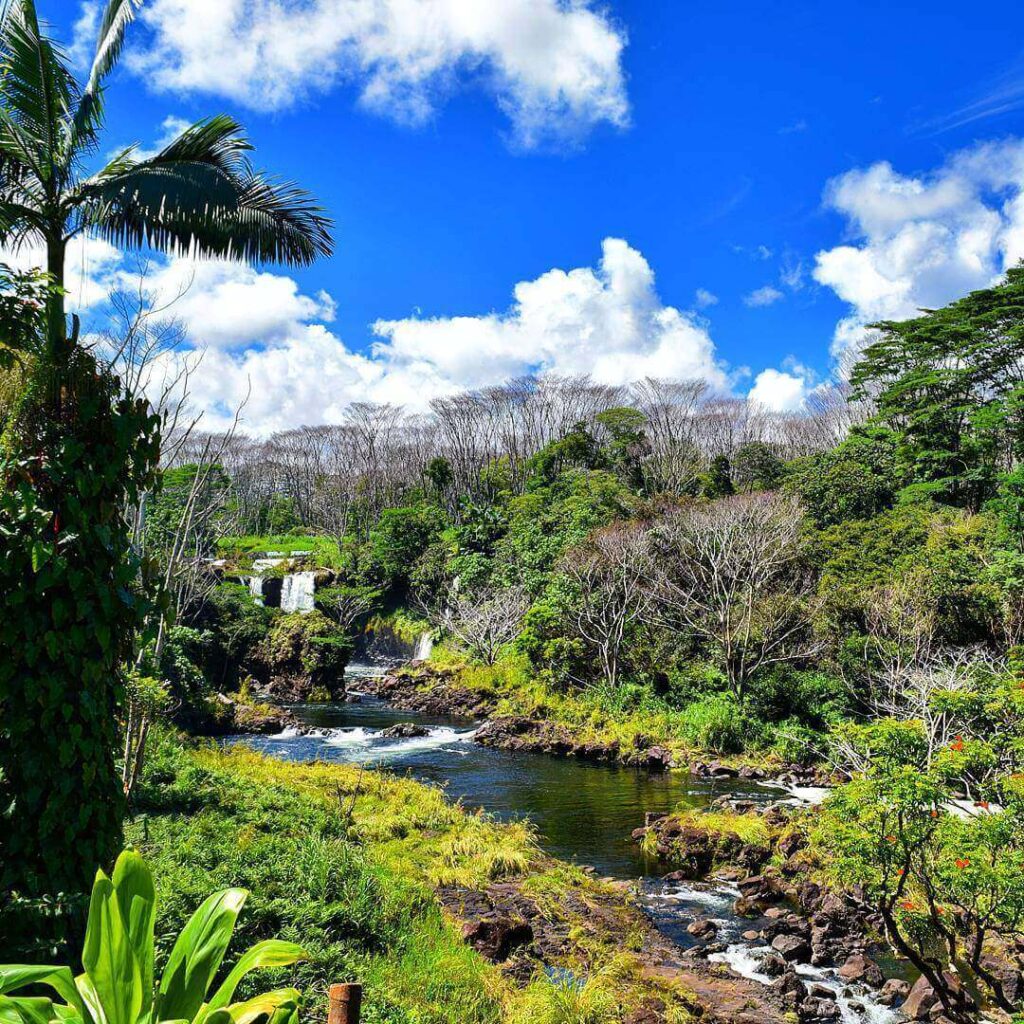
After heavy rain, the rushing water swirls through these pools, creating the illusion that they’re boiling. You’ll also get a nice view of Peʻepeʻe Falls, which feeds into this section of the river.
The overlooks provide excellent views, and you’ll find a few signs explaining how the lava formations were created. Just be sure to stay behind the safety barriers, as the rocks can become extremely slippery and the river currents are much stronger than they appear.
The Hawaiian Legend Behind Rainbow Falls
Rainbow Falls isn’t just known for its beautiful scenery. It’s also a place with deep cultural significance in Hawaiian history, and learning a little about its story made me appreciate my visit even more.
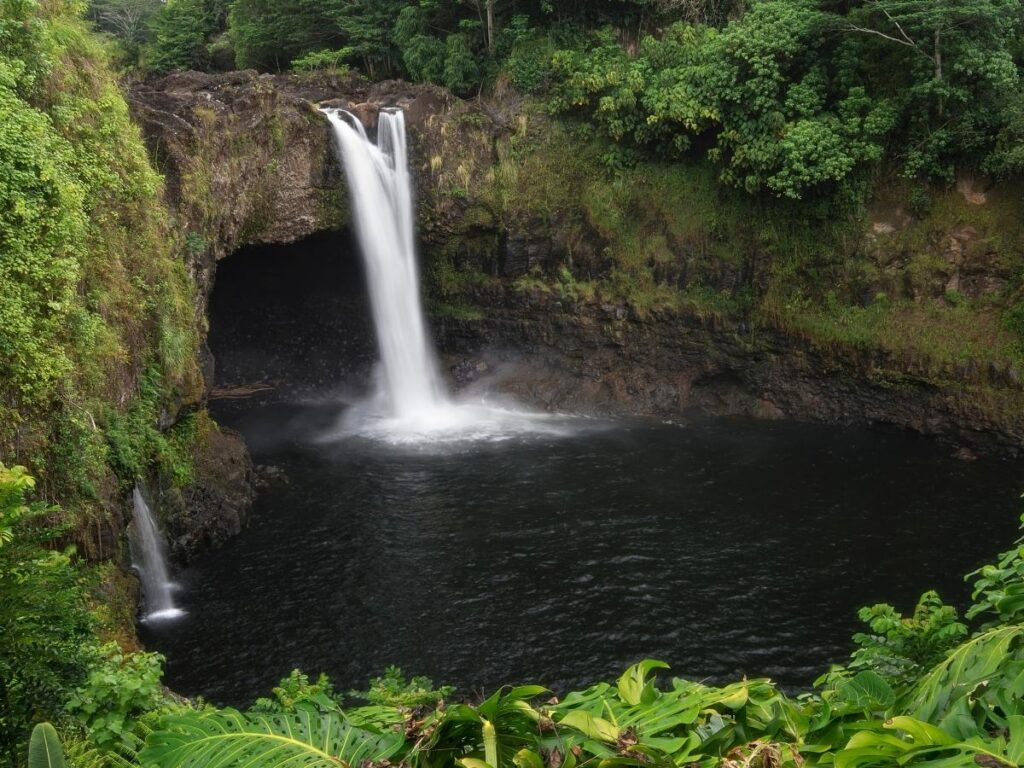
According to Hawaiian tradition, the large lava cave behind the waterfall was the home of Hina, the mother of the demigod Māui, one of the most well known figures in Hawaiian mythology. The cave is still visible from the main viewpoint, although it’s partially hidden behind the falling water.
One of the most famous legends tells of Moʻo Kuna, a giant lizard that lived in the Wailuku River and threatened Hina. Māui fought the creature to protect his mother, eventually defeating it.
Some versions of the story say that parts of the giant lizard became features of the river, connecting the landscape you see today with the island’s traditional stories.
Even if you’re not familiar with Hawaiian mythology, I think it’s worth knowing a little about this legend before you visit. It adds another layer to the experience and reminds you that Rainbow Falls is more than just a scenic stop. For many Native Hawaiians, places like this are closely tied to history, culture, and traditions that have been passed down for generations.
Is Wailuku River State Park Worth Visiting?
For me, the answer is definitely yes.
Wailuku River State Park may not be one of Hawaii’s largest state parks, but it’s one of the easiest places to experience some of the Big Island’s natural beauty. In less than a couple of hours, you can visit a beautiful waterfall, see unique volcanic rock formations, and learn a little about Hawaiian history, all without a long hike or a full day commitment.
I think it’s especially worth visiting if you’re already staying in Hilo or exploring the east side of the island. Since Rainbow Falls and Boiling Pots are only a few minutes apart, it’s an easy stop to combine with places like Kaumana Caves, Akaka Falls, or Hawaiʻi Volcanoes National Park.
That said, it’s good to know what to expect before you go. This isn’t a park with miles of trails or lots of different viewpoints. Most people spend between one and two hours here before continuing to other attractions. If you’re looking for a relaxing stop with beautiful scenery that’s easy to reach, I don’t think you’ll be disappointed.
Best Time to Visit Wailuku River State Park
One thing I learned pretty quickly while exploring Hilo is that the weather doesn’t always follow the forecast. You might start the morning with blue skies, get caught in a brief rain shower, and see the sun return an hour later. That’s completely normal on this side of the Big Island, so it’s worth planning your visit with a little flexibility.
The good news is that Wailuku River State Park is beautiful year round. Every season offers a slightly different experience, and there’s really no bad time to visit.
Spring (March to May)
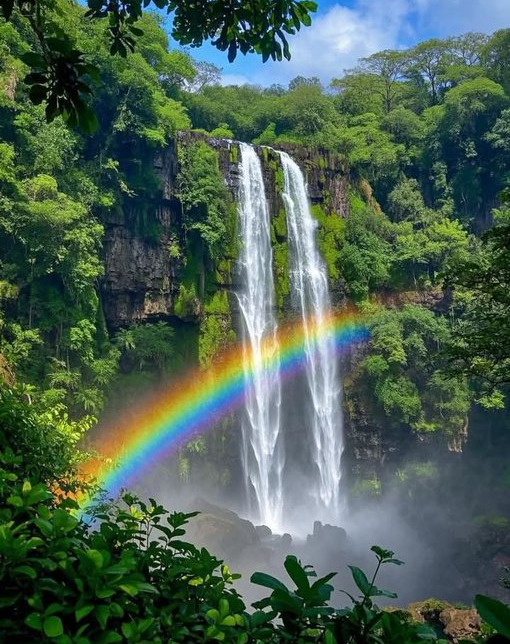
Spring is my favorite time to visit. The waterfalls usually have a strong flow after the wetter winter months, and everything around the river looks incredibly green. Since it’s outside the peak summer vacation season, you’ll often find the park a little quieter, especially if you arrive in the morning.
Summer (June to August)
Summer generally brings warmer weather and more sunshine, making it a great time for photography. It’s also one of the busiest seasons on the Big Island, so I’d recommend getting here before 9 a.m. if you’d like to enjoy the viewpoints before tour groups arrive.
Fall (September to November)
Fall is another excellent time to visit. The summer crowds begin to thin out, but the weather is still pleasant. You can still expect the occasional rain shower around Hilo, though mornings are often clear enough for beautiful views and a good chance of seeing the rainbow at Rainbow Falls.
Winter (December to February)
Winter is usually the wettest time of year on the east side of the island. The extra rainfall makes Rainbow Falls and Boiling Pots even more dramatic, but it can also mean heavier mist, muddy paths in some areas, and fewer clear views if the weather doesn’t cooperate.
If you’re visiting in winter, bringing a lightweight rain jacket is definitely a good idea.
Best Time of Day
If I could give just one piece of advice, it would be to arrive early in the morning. I reached Rainbow Falls before 9 a.m., and it made a big difference. The lighting was softer, there were only a handful of other visitors, and it was much easier to enjoy the waterfall without feeling rushed.
Early morning also gives you the best chance of seeing the rainbow that often forms in the mist when the sun hits the falls at the right angle. Parking is usually easier to find, the temperatures are cooler, and you’ll avoid most of the tour buses that start arriving later in the morning.
By late morning and early afternoon, the park becomes noticeably busier, especially during weekends, holidays, and when cruise ships are in Hilo. You’ll likely share the viewpoints with larger crowds, which can make taking photos a little more challenging.
Late afternoon is another good option if you prefer a quieter visit, but keep in mind that the lighting isn’t as favorable for Rainbow Falls since the sun shifts behind the waterfall. If photography is one of your priorities, I’d still choose an early morning visit every time.
Entrance Fees, Parking, and Park Hours
Wailuku River State Park is managed by the Hawaii Division of State Parks, and both Rainbow Falls and Boiling Pots are covered under the same admission system.
At the time of writing, Hawaii residents can visit free of charge with valid Hawaiʻi ID, while non residents pay an entrance fee along with a parking fee. Payments are made by credit card at the self service kiosk, so it’s a good idea to have a card with you.
The park is generally open daily during daylight hours, making it easy to visit first thing in the morning or later in the afternoon. Since admission fees and opening hours can occasionally change, I’d recommend checking the official Hawaii State Parks website before your trip, especially if you’re visiting during a holiday or busy travel season.
Parking is available at both Rainbow Falls and Boiling Pots. During my visit, I found the lots to be convenient, but Rainbow Falls tends to fill up first because it’s the park’s most popular stop. The good news is that most visitors don’t stay very long, so parking spaces usually open up fairly quickly. Arriving before 9 a.m. makes finding a spot even easier.
Can You Swim at Wailuku River State Park?
The short answer is no, and I’d strongly recommend staying out of the water.
Although the river may look calm, conditions can change quickly. Heavy rain higher up the mountain can cause water levels to rise without warning, creating strong currents and dangerous conditions. Boiling Pots is especially risky because of its swirling water and slippery lava rocks.
It’s best to enjoy the views from the designated overlooks and stay behind the safety barriers. If you’re hoping to go for a swim, you’ll find much safer beaches and protected lagoons around Hilo.
Wildlife and Plants You’ll See
The waterfalls may be the main attraction, but don’t forget to look around at the surrounding rainforest. Hilo’s wet climate keeps the area lush year round, with giant banyan trees, bamboo, ferns, and tropical plants growing along the river.
If you enjoy birdwatching, you might spot zebra doves, northern cardinals, common mynas, or Japanese white eyes. Visit later in the day, and you’ll probably hear the familiar call of Hawaii’s coqui frogs hidden among the trees.
The greenery around the river is one of the things I enjoyed most, and it gives Wailuku River State Park a completely different feel from the drier parts of the Big Island.
Tips I Wish I Knew Before Visiting
After spending time here, there are a few things I’d do exactly the same on my next trip.
I’d definitely visit Rainbow Falls first. The morning light is much better for photos, and you’ll have the best chance of seeing the rainbow before the crowds arrive.
I’d also make sure not to skip Boiling Pots. Since it’s only about a five minute drive away, it’s an easy addition and gives you a completely different perspective of the Wailuku River.
Hilo’s weather can change quickly, so I’d recommend bringing a lightweight rain jacket even if the forecast looks sunny. Comfortable shoes with good grip are also helpful because the paths can be slippery after rain.
Finally, don’t rush your visit. I thought I’d only spend about half an hour here, but I ended up staying much longer. It’s a peaceful place, and taking a little extra time to enjoy the scenery made the visit much more memorable.
Nearby Attractions
One of the things I enjoyed most about visiting Wailuku River State Park is how close it is to many of Hilo’s other attractions. Since none of these places are very far away, it’s easy to turn your visit into a relaxed half day or full day adventure.
Kaumana Caves
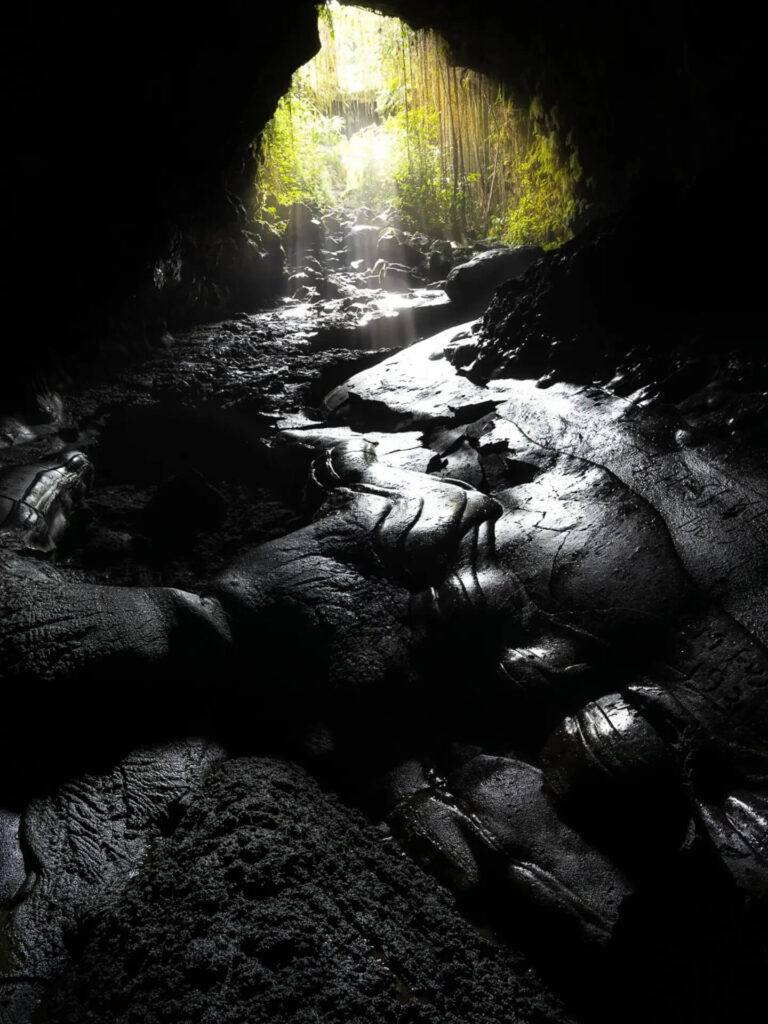
Just a 10 minute drive away, Kaumana Caves offers a completely different experience. You can walk through part of a lava tube formed by an eruption of Mauna Loa, making it a great place to learn more about the volcanic landscape that shaped the Big Island. Just remember to wear sturdy shoes, as the cave floor can be uneven.
Akaka Falls State Park
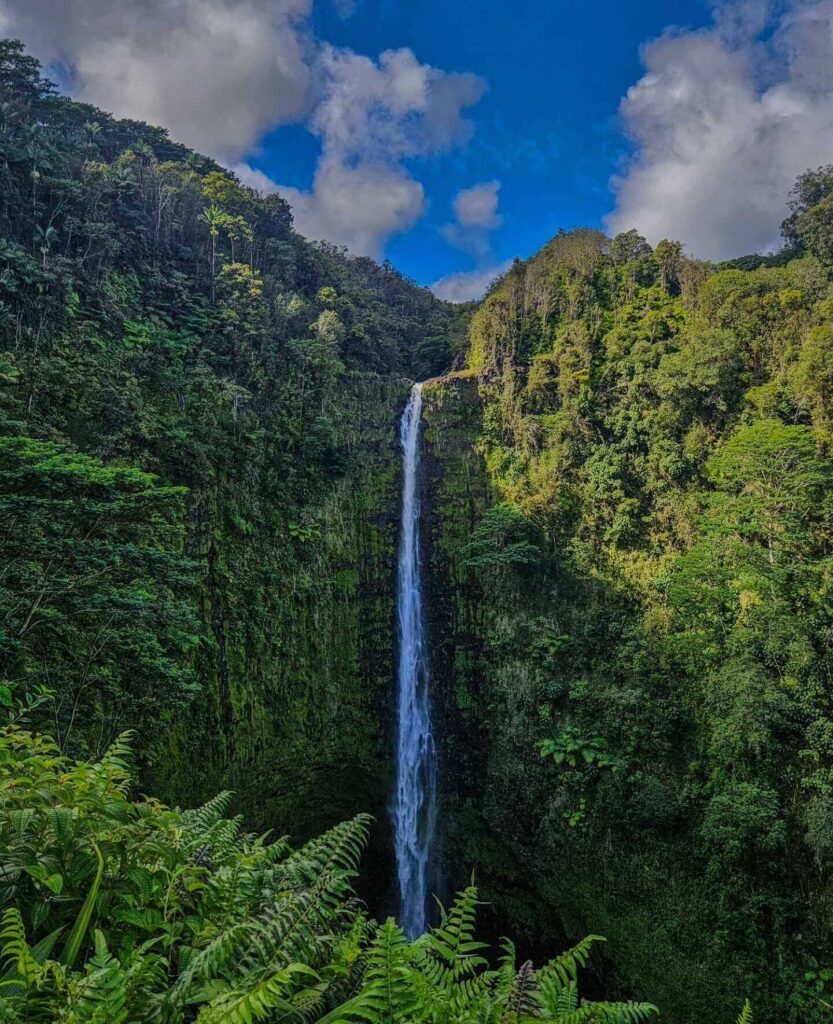
About 25 minutes north of Hilo, Akaka Falls State Park is home to one of Hawaii’s tallest waterfalls. The short rainforest walking loop makes it an easy addition if you’re planning a waterfall filled day.
Carlsmith Beach Park

If you’d like to cool off after sightseeing, Carlsmith Beach Park is one of the best swimming spots near Hilo. The protected lagoons usually have calm water, and if you’re lucky, you might even spot a Hawaiian green sea turtle.
Hawaiʻi Volcanoes National Park
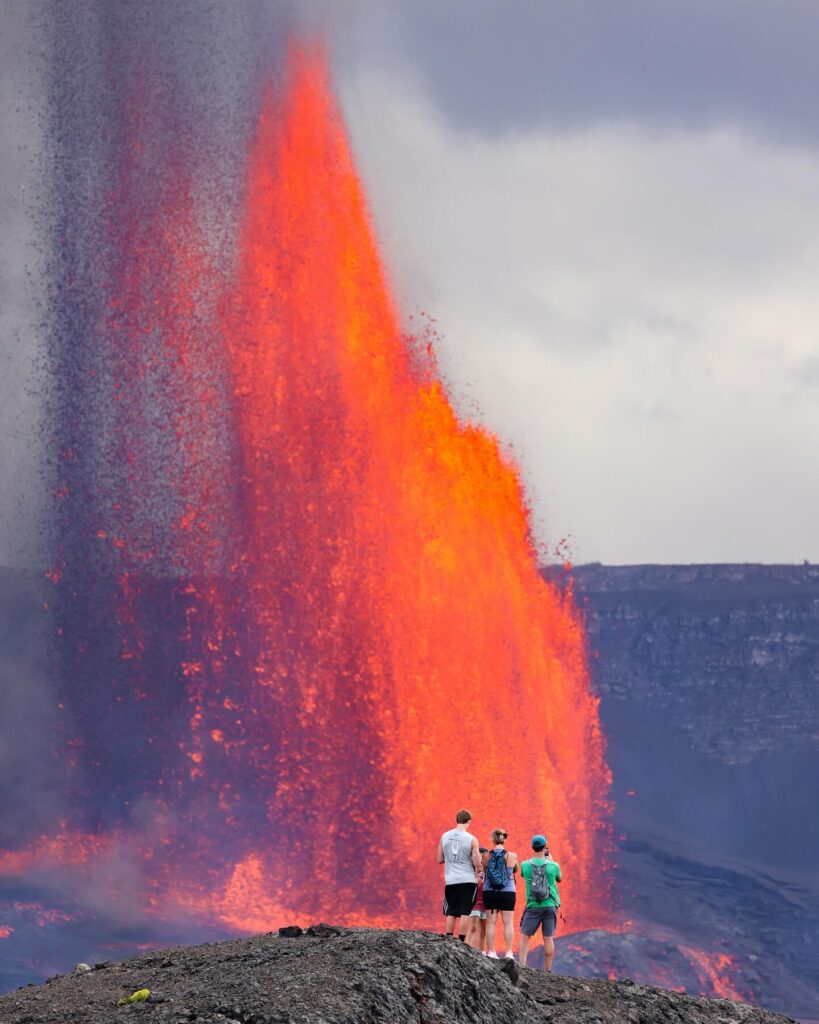
Less than an hour from Wailuku River State Park, Hawaiʻi Volcanoes National Park is one of the Big Island’s top attractions. With volcanic craters, lava fields, scenic drives, and hiking trails, it’s easy to combine both destinations in the same day if you start early.
Suggested Full Day East Big Island Itinerary
If you have a full day to explore the east side of the Big Island, I’d recommend taking your time rather than trying to squeeze in too many stops. This itinerary combines waterfalls, volcanic scenery, tropical gardens, and the coastline, while still leaving enough time to enjoy each place.
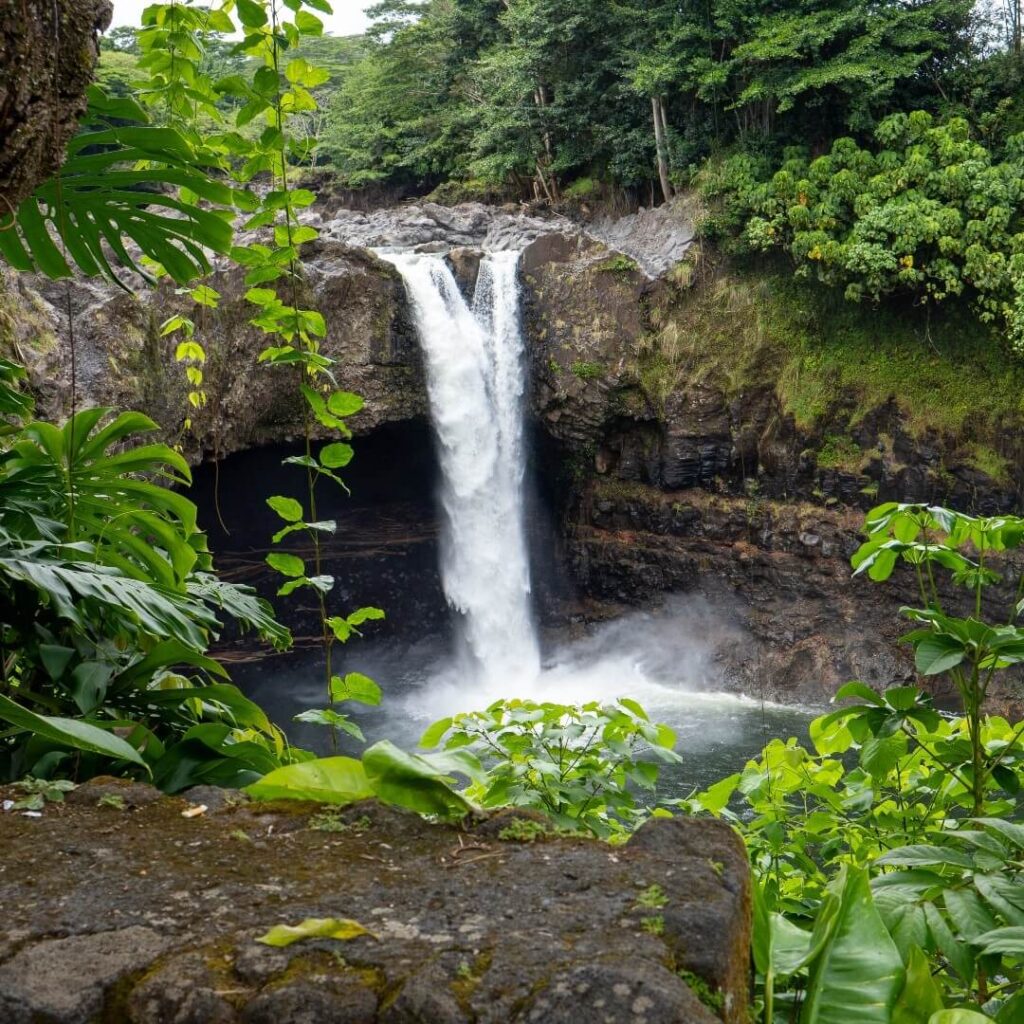
Start your day at Rainbow Falls, ideally before 9 a.m. The early morning light is beautiful, parking is easier, and you’ll have the best chance of seeing the rainbow that often forms in the mist. Once you’ve finished there, make the short five minute drive to Boiling Pots to see a completely different side of the Wailuku River.
From there, continue to Kaumana Caves, where you can walk through part of an ancient lava tube formed by Mauna Loa. After exploring the cave, head back into Hilo for breakfast or a good cup of locally grown Hawaiian coffee. There are plenty of cafés in town, so it’s a nice chance to slow down before continuing your day.
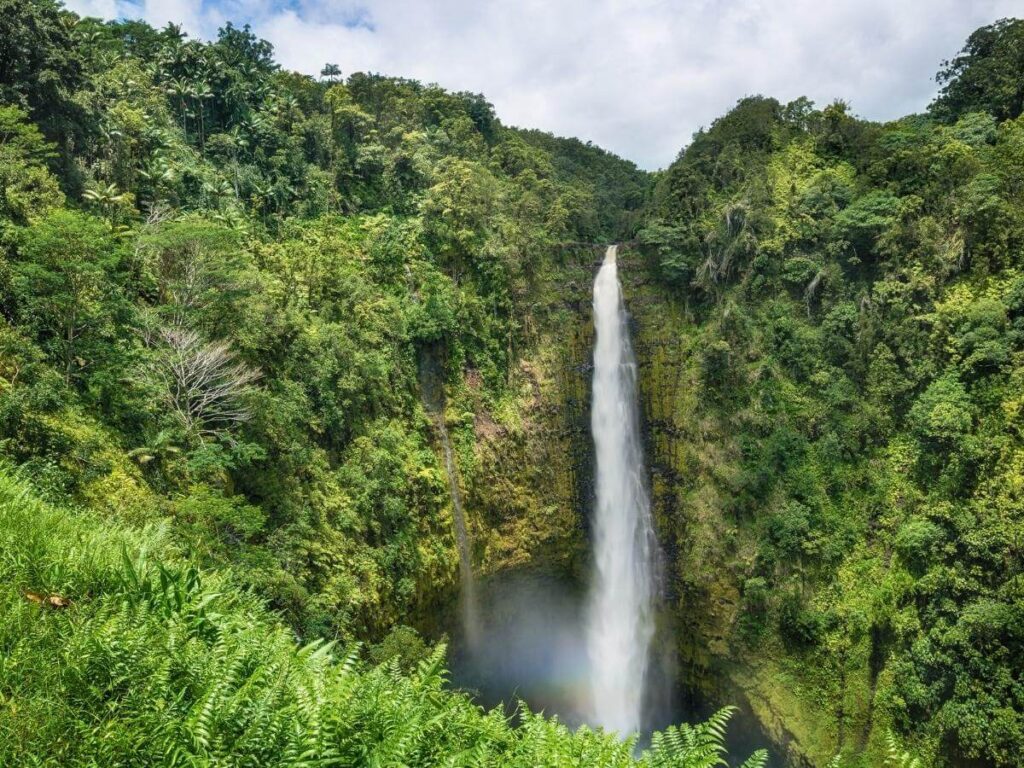
Next, drive north to Akaka Falls State Park. The short rainforest trail leads to one of the tallest waterfalls in Hawaii and pairs perfectly with Rainbow Falls. If you still have time, continue to the nearby Hawaiʻi Tropical Bioreserve & Garden, where you’ll find walking paths lined with tropical plants, waterfalls, and ocean views.
Finish your afternoon at Carlsmith Beach Park. Even if you don’t plan on swimming, it’s a relaxing place to sit by the lagoons, enjoy the ocean breeze, and, if you’re lucky, spot a Hawaiian green sea turtle.
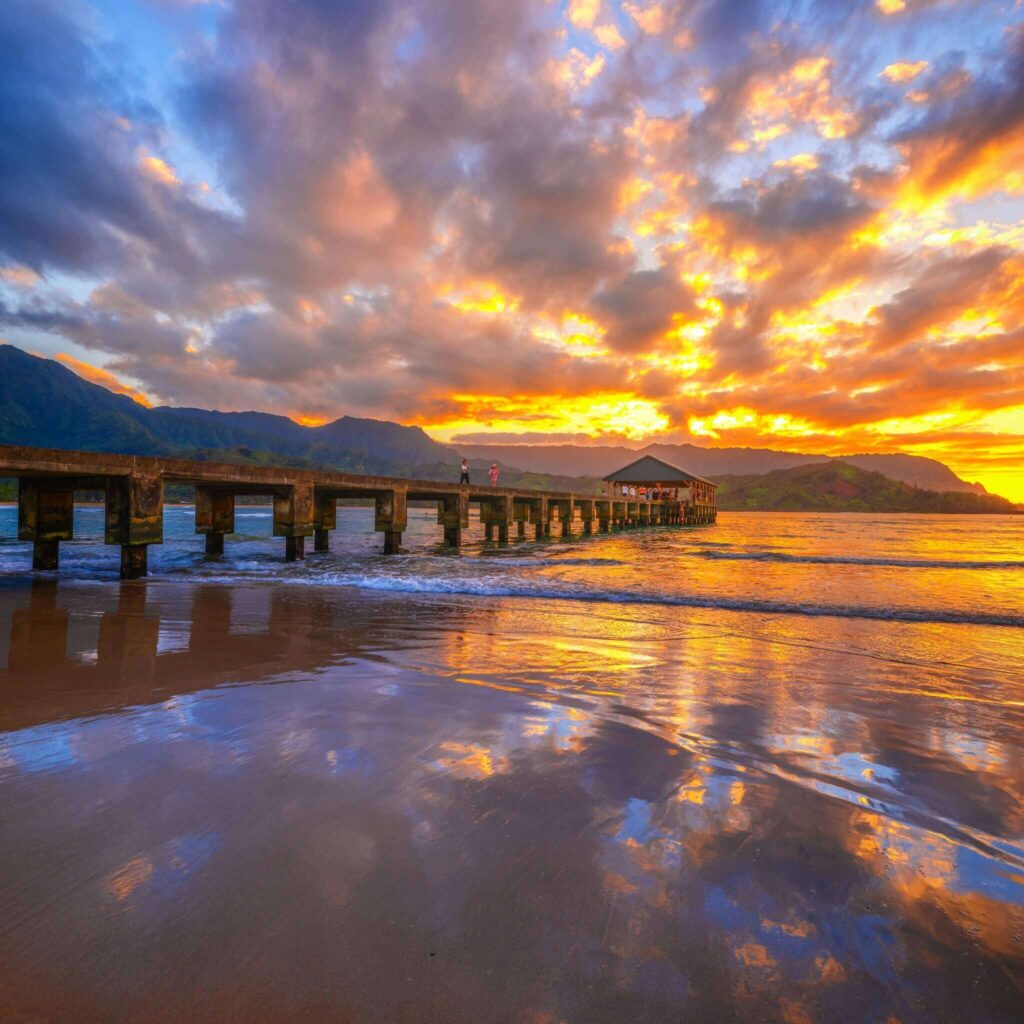
Wrap up the day with dinner overlooking Hilo Bay before heading back to your hotel. It’s a relaxed itinerary that lets you experience some of the best of East Hawaii without feeling like you’re constantly rushing.
Common Mistakes Visitors Make
After visiting Wailuku River State Park, there are a few things I’d do differently if I planned the trip again.
The biggest mistake is only visiting Rainbow Falls. It’s definitely the park’s main attraction, but Boiling Pots is only about a five minute drive away and offers a completely different view of the Wailuku River. Since you’re already there, it’s well worth taking the extra time to see both.
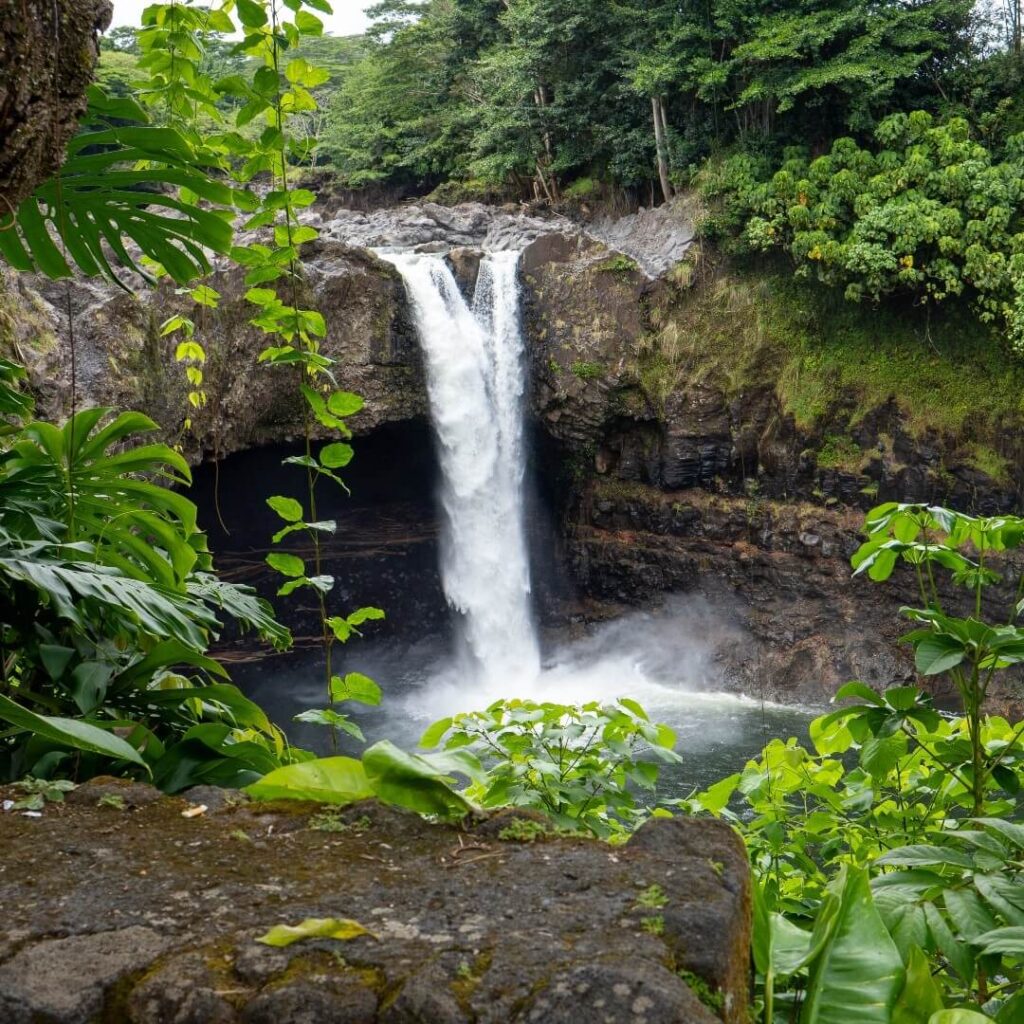
I’d also avoid arriving around midday if possible. The parking lot is usually busier, the viewpoints are more crowded, and the lighting isn’t nearly as nice for photos. If you’re hoping to see the rainbow at Rainbow Falls, getting there before 9 a.m. gives you the best chance.
Another thing many visitors underestimate is Hilo’s weather. It can go from sunshine to a brief rain shower and back again in no time. I was glad I had a lightweight rain jacket with me, even though the forecast looked good that morning.
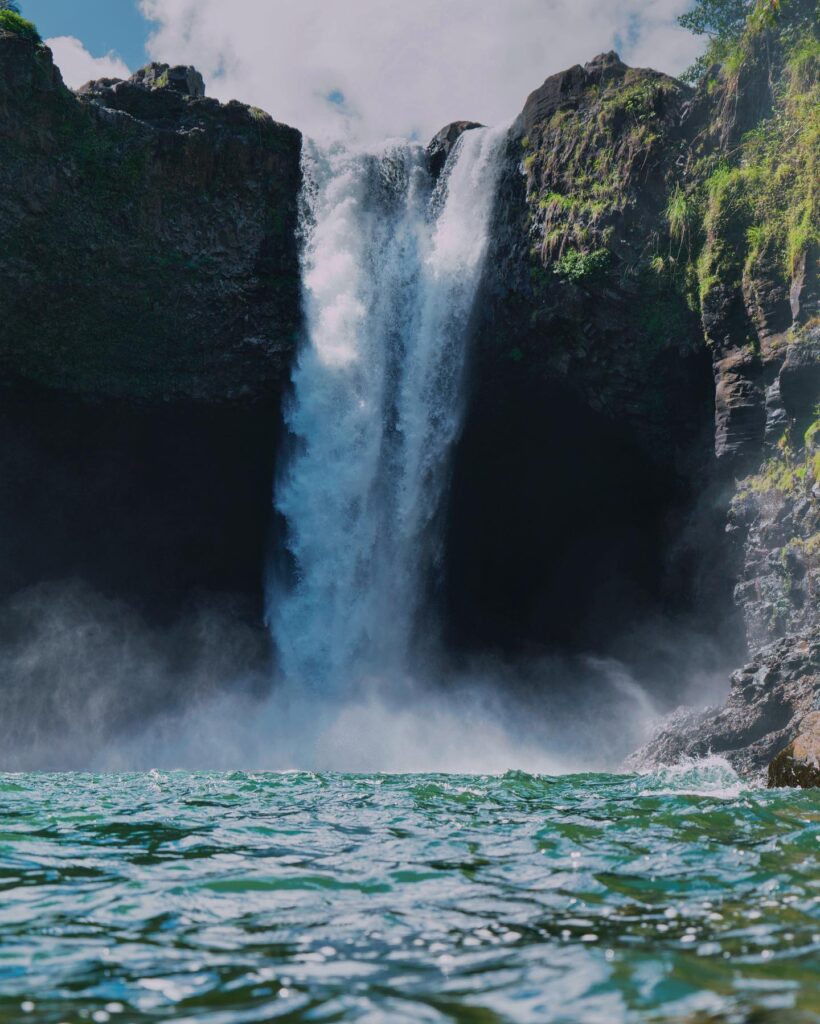
Finally, don’t ignore the safety signs near the river. The water can look calm from the viewing areas, but the currents are much stronger than they appear, especially after rain. It’s simply not worth climbing over barriers or getting closer to the edge for a photo.
My Final Thoughts
Wailuku River State Park ended up being one of my favorite stops around Hilo because it offers so much without requiring a lot of time or effort.
In just a couple of hours, you can visit a beautiful waterfall, see unique volcanic rock formations, learn about Hawaiian legends, and enjoy the lush rainforest that makes this side of the Big Island so different from the drier west coast.
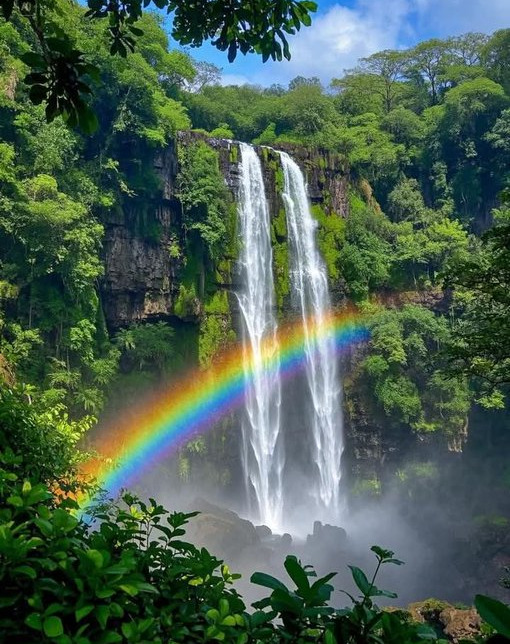
If I ever return to the Big Island, I’d happily visit again. I’d still arrive early, spend some quiet time at Rainbow Falls before the crowds arrive, and then make the short drive to Boiling Pots. It’s a simple itinerary, but one that gives you a great introduction to the natural beauty of East Hawaii.
If you’re planning to explore Hilo or the east side of the island, I think Wailuku River State Park is well worth adding to your itinerary. It may not take all day to explore, but it’s one of those places that stays with you long after you’ve left.